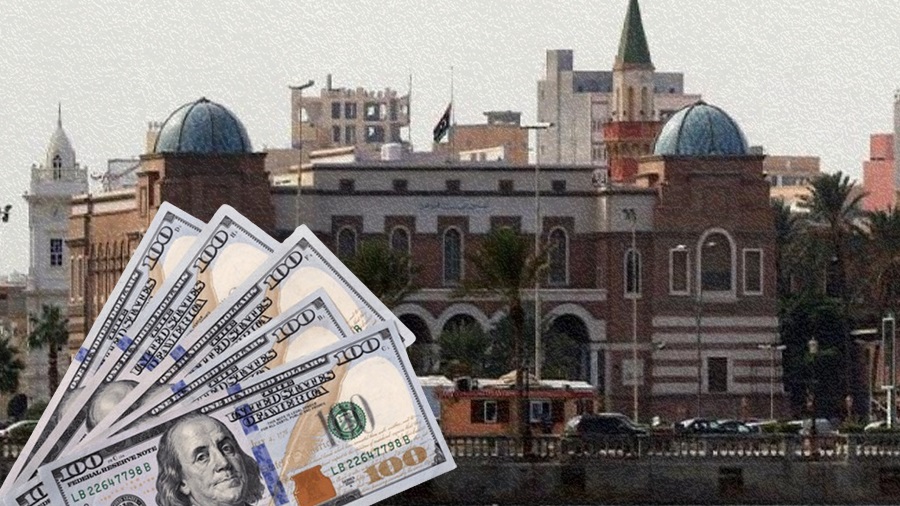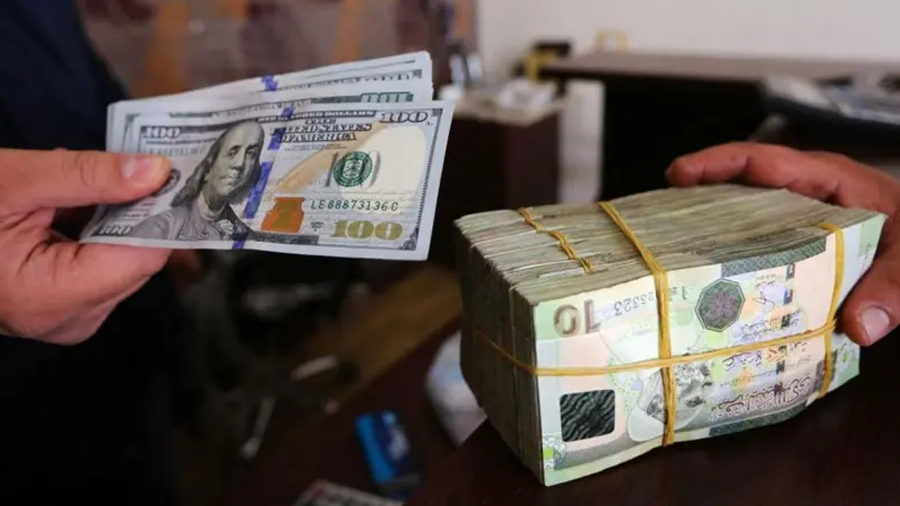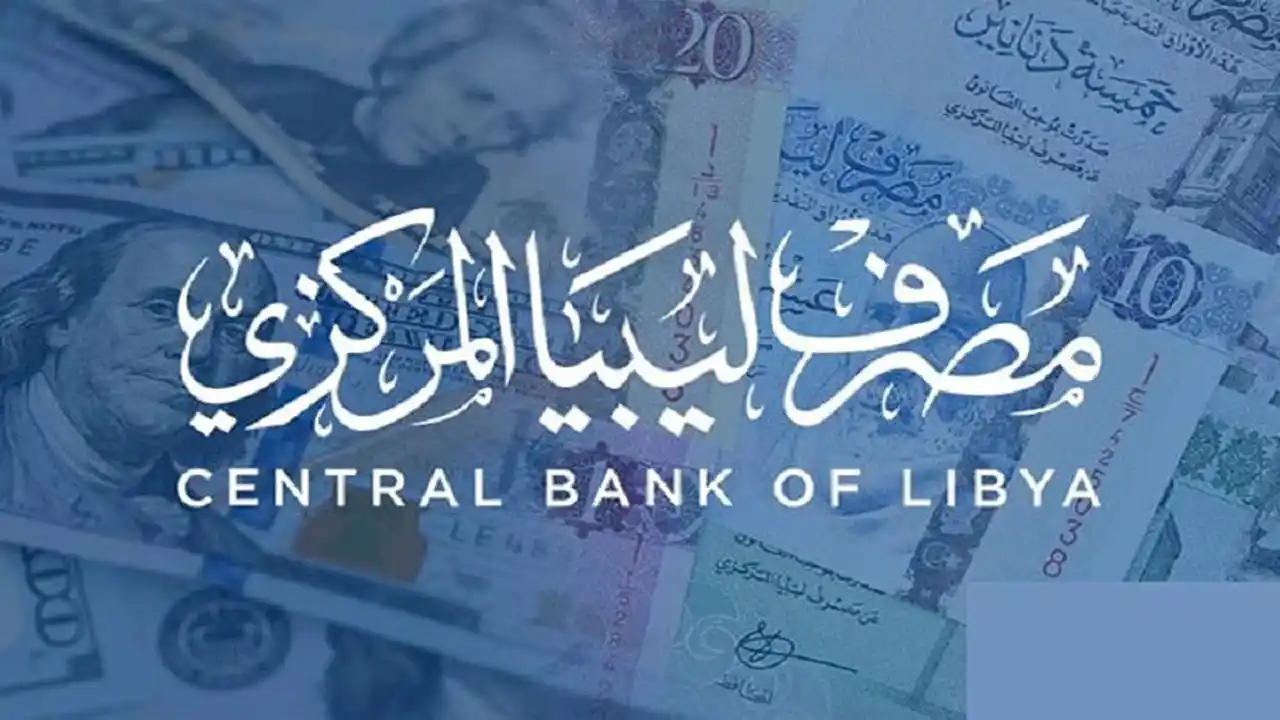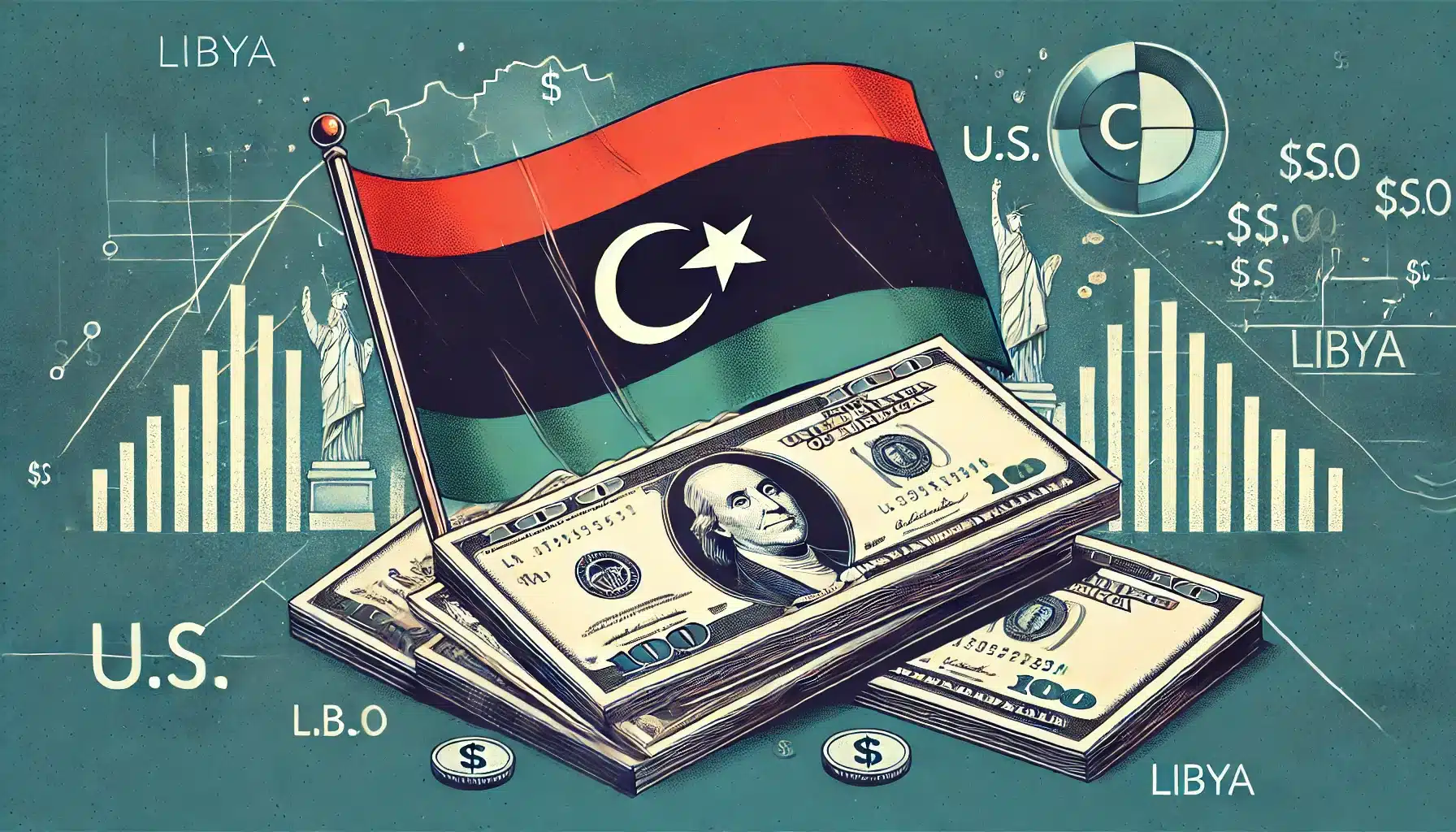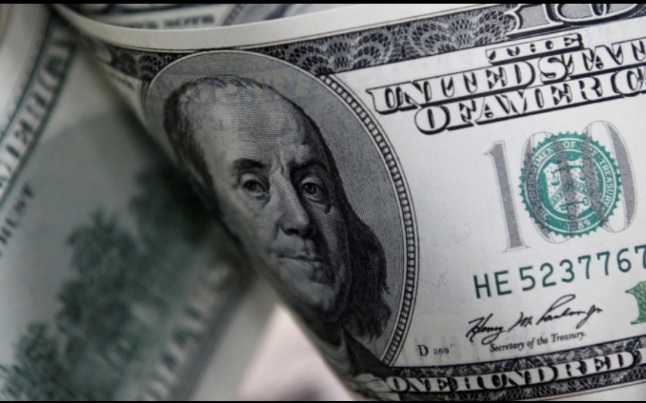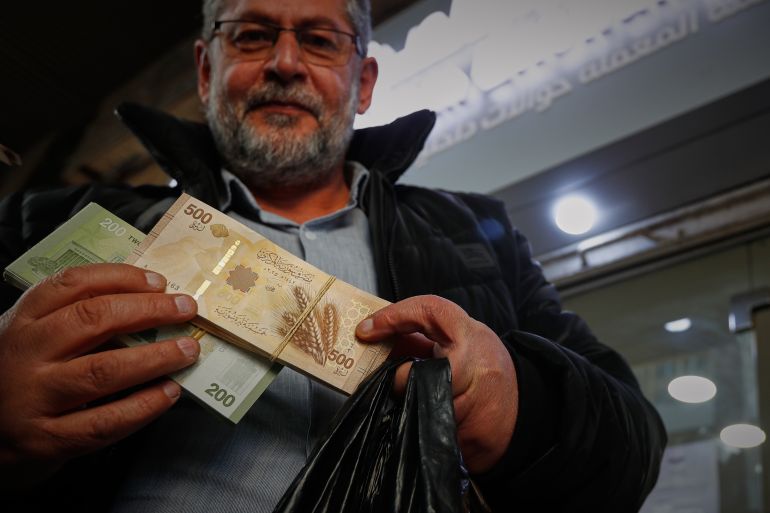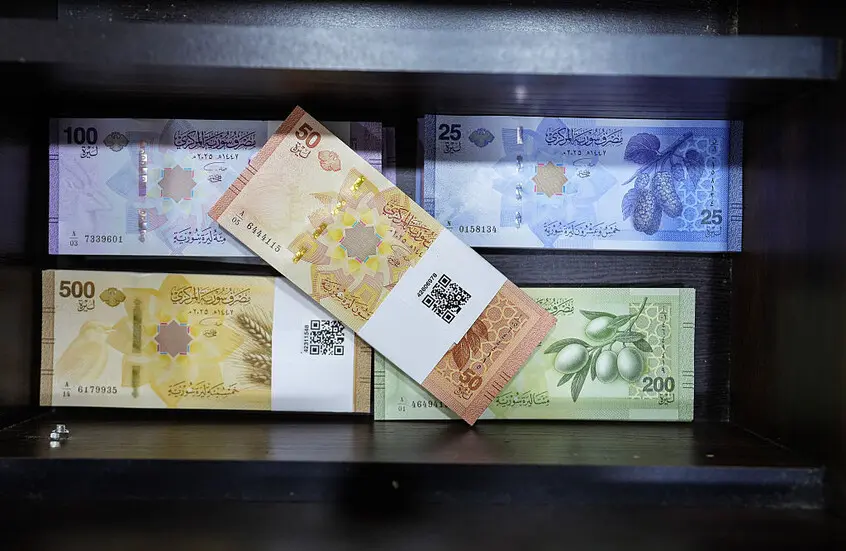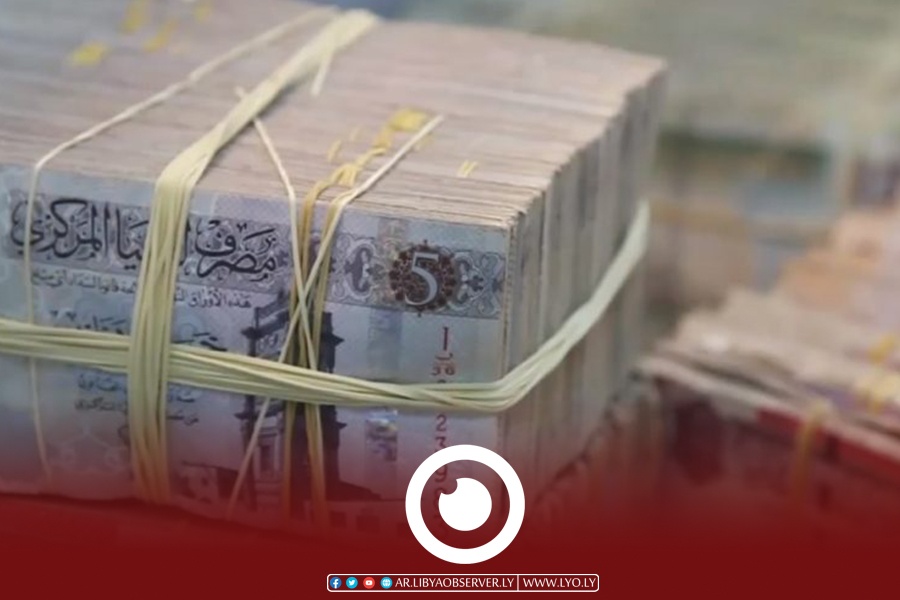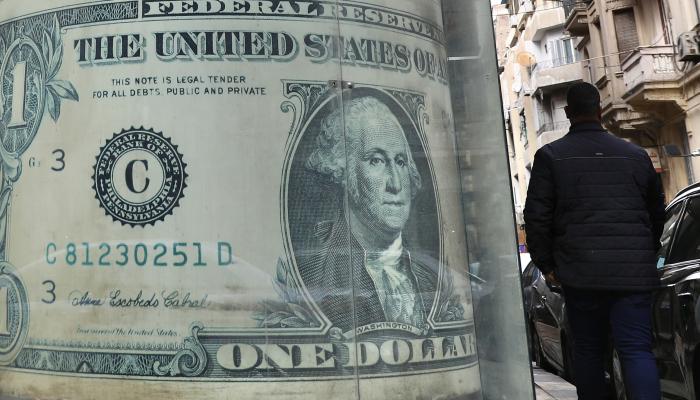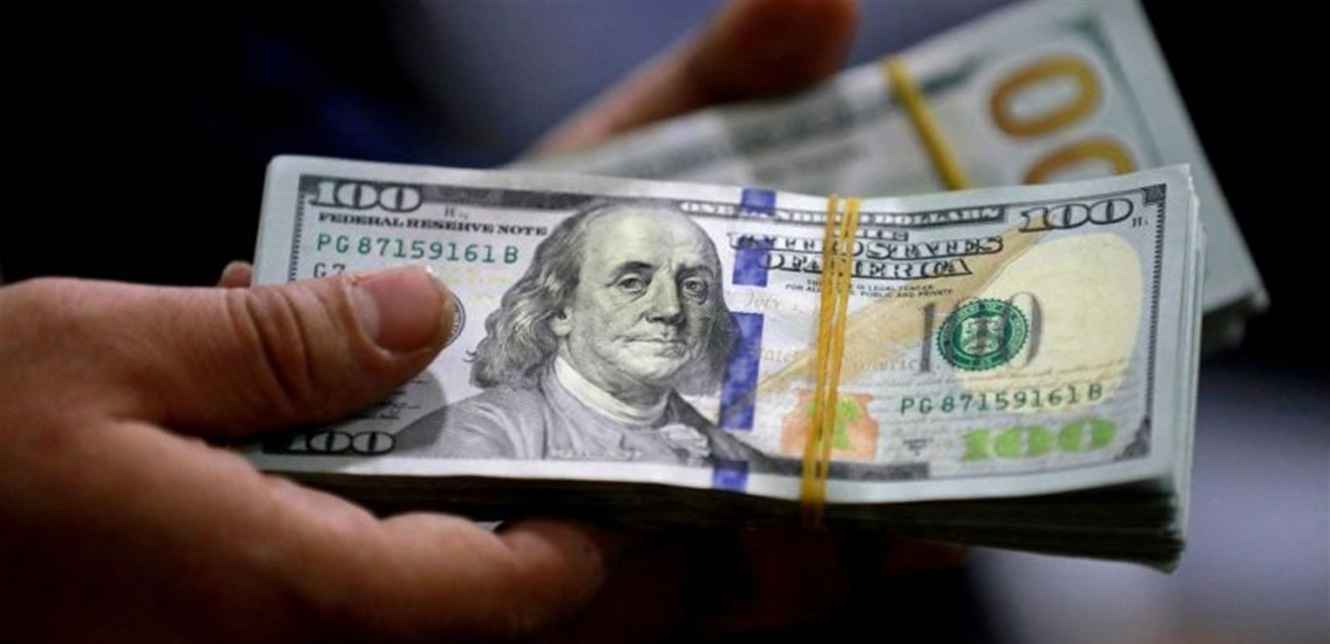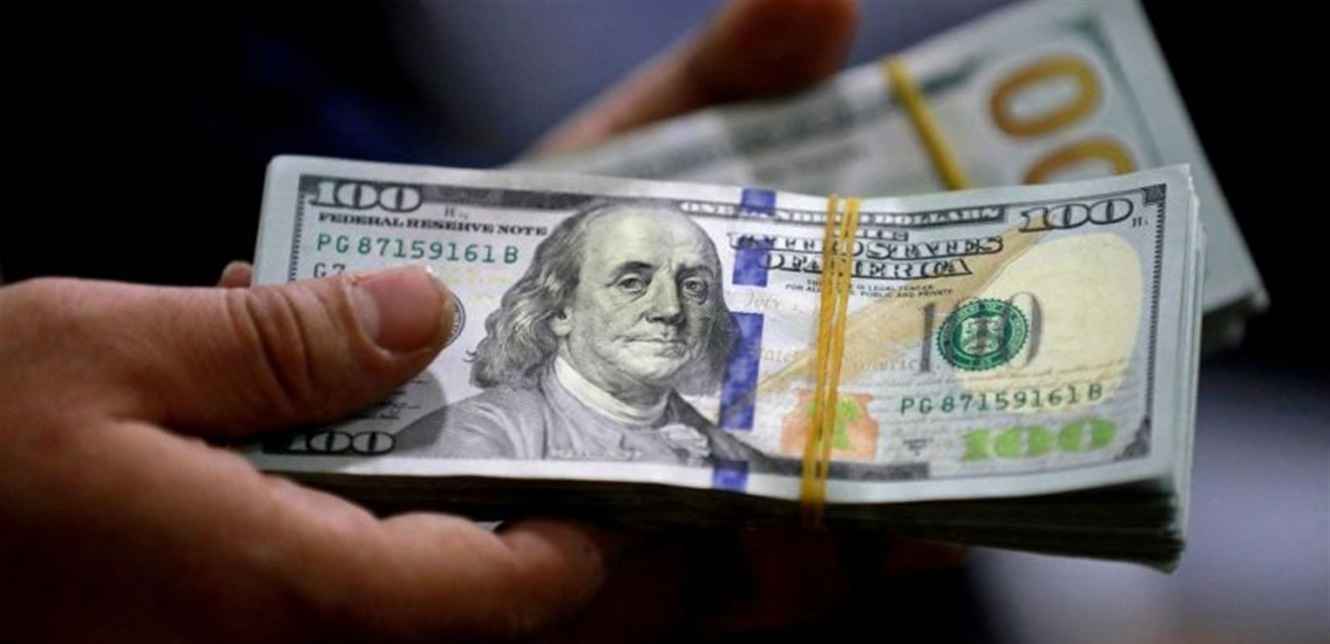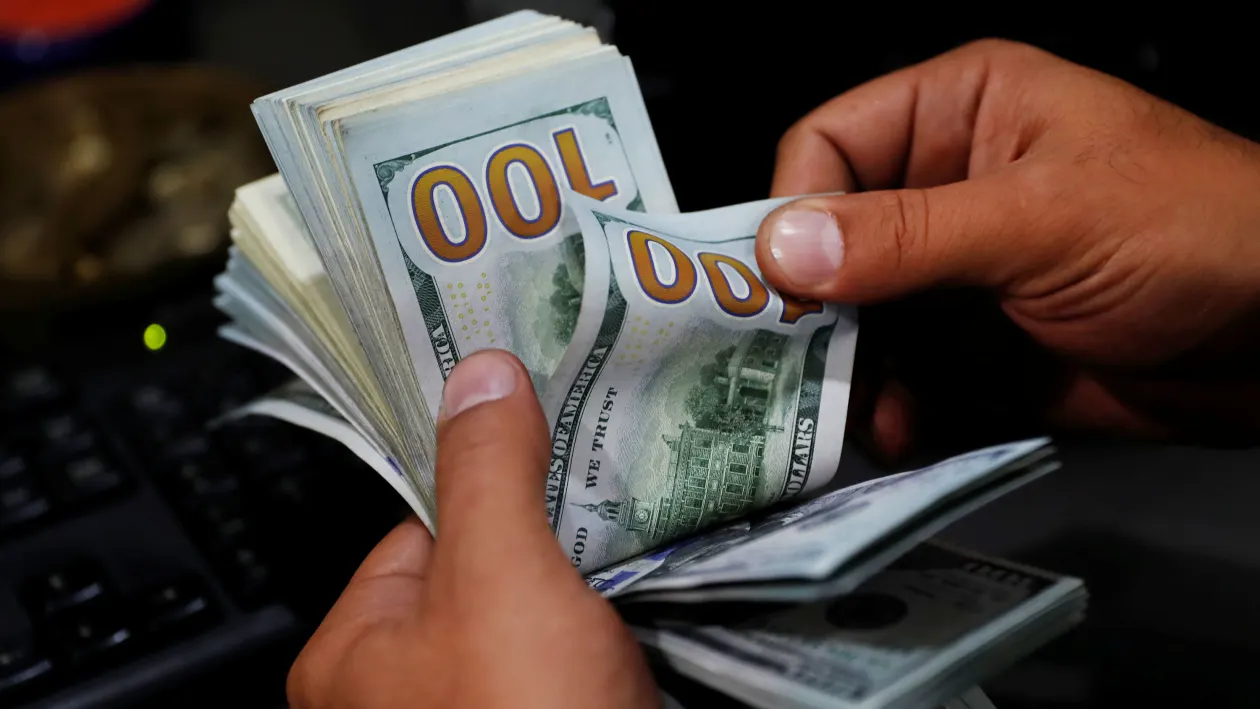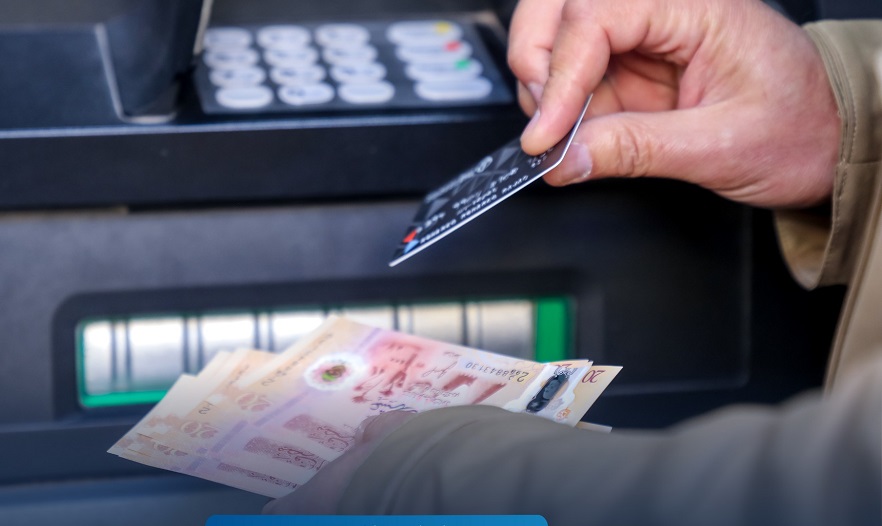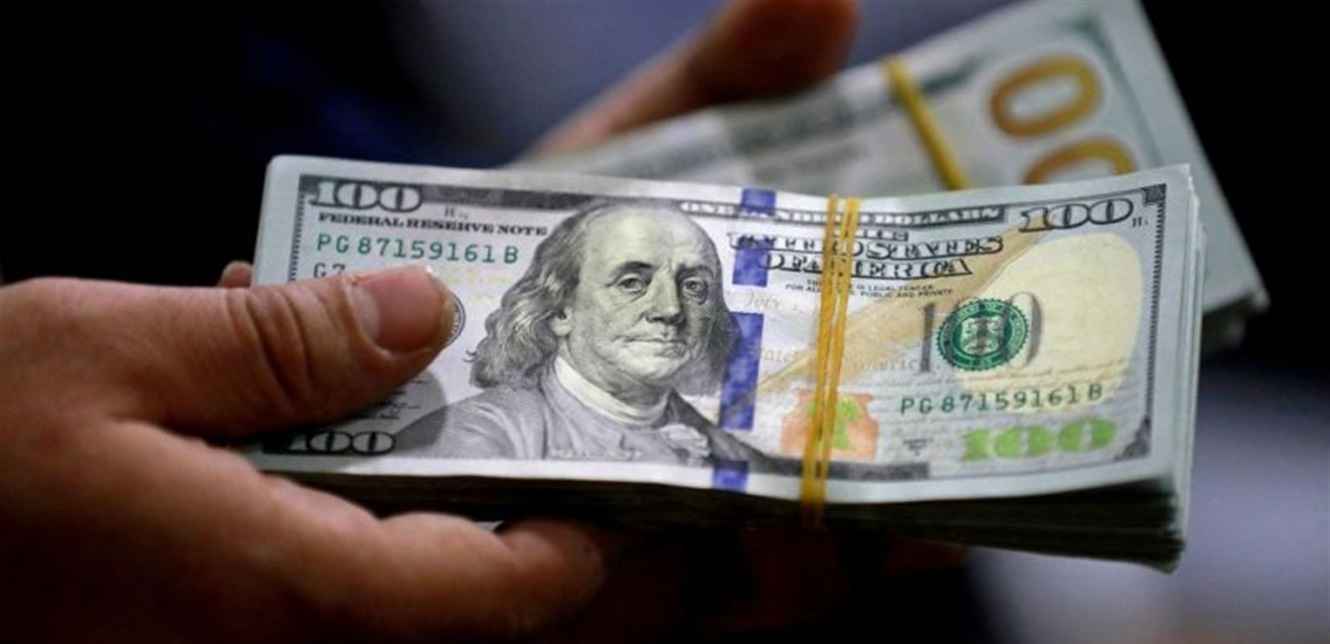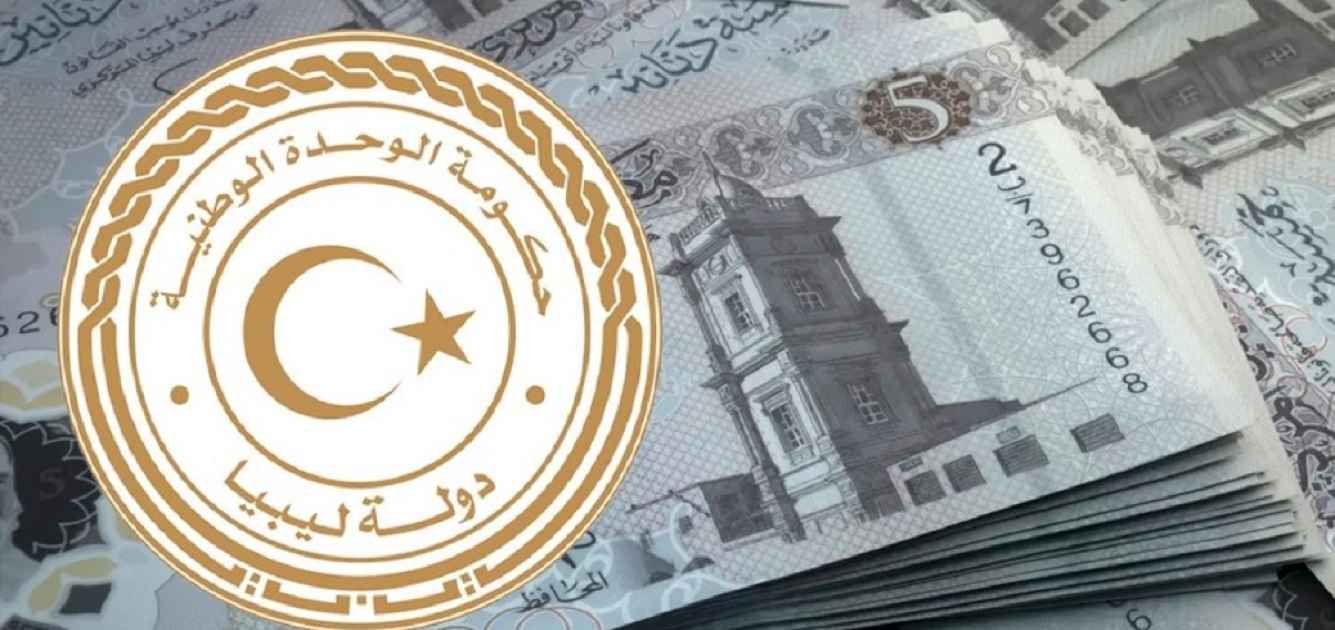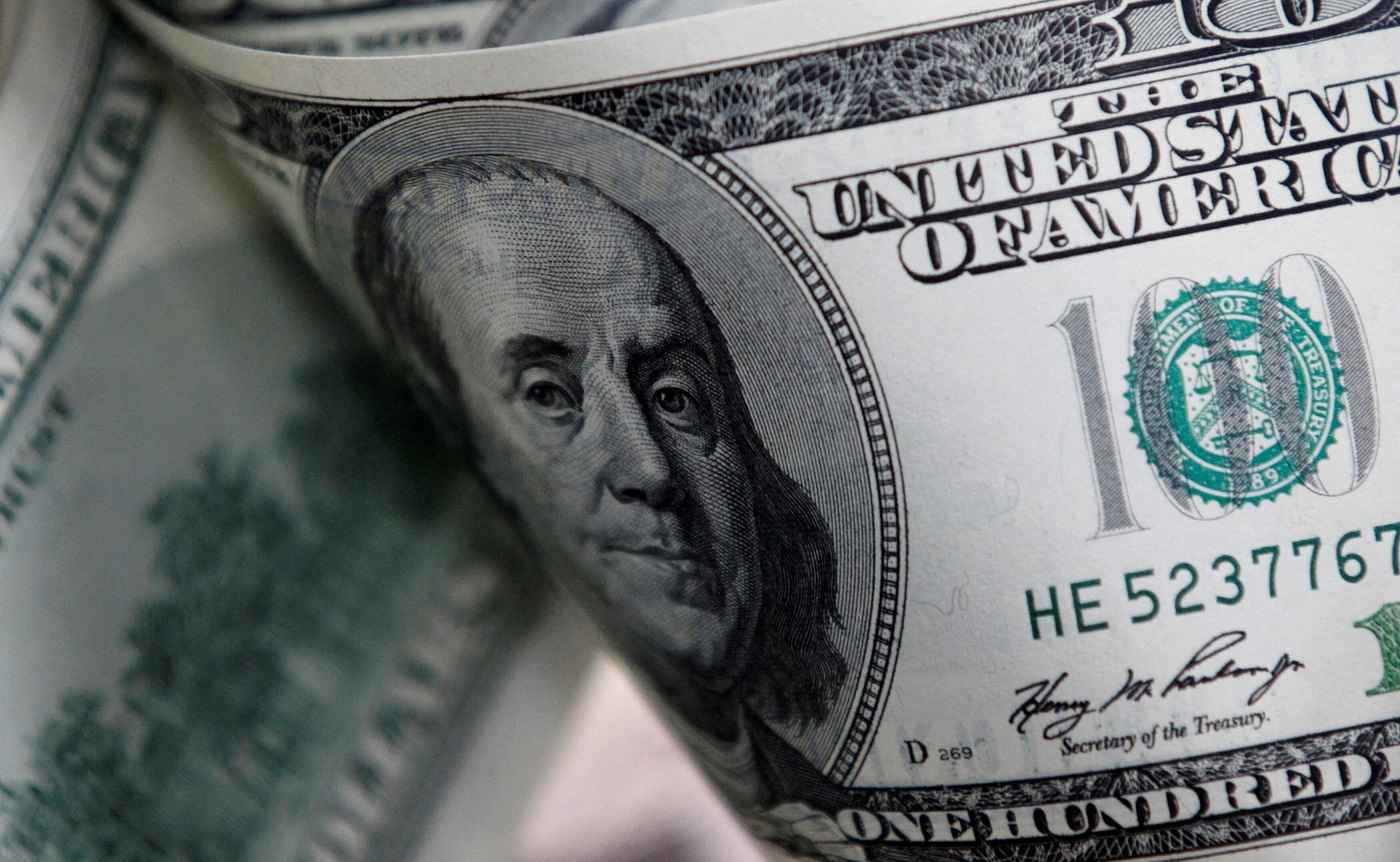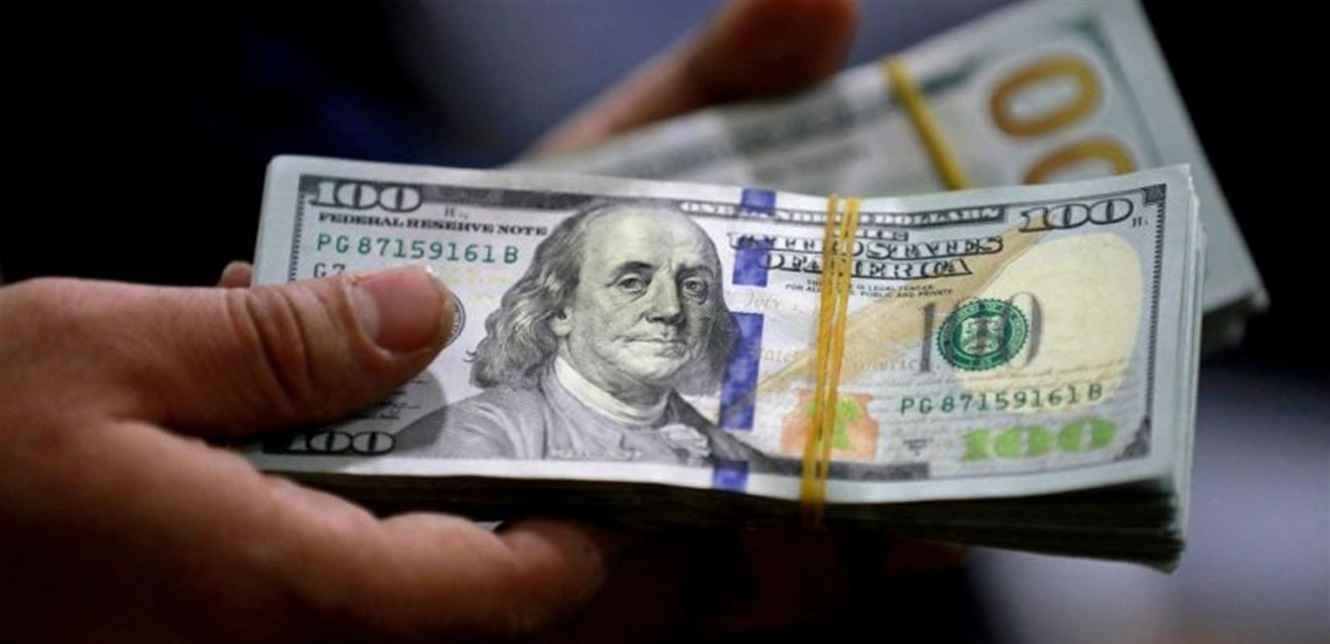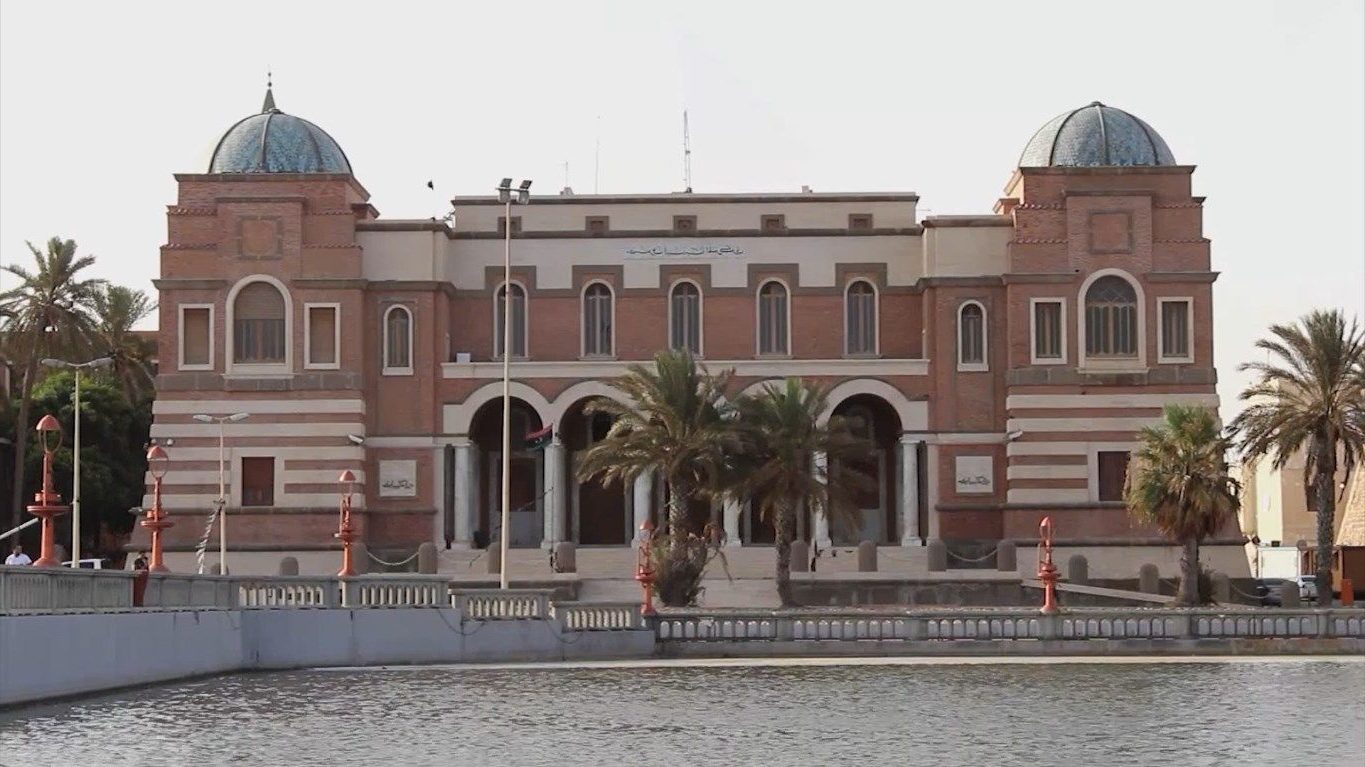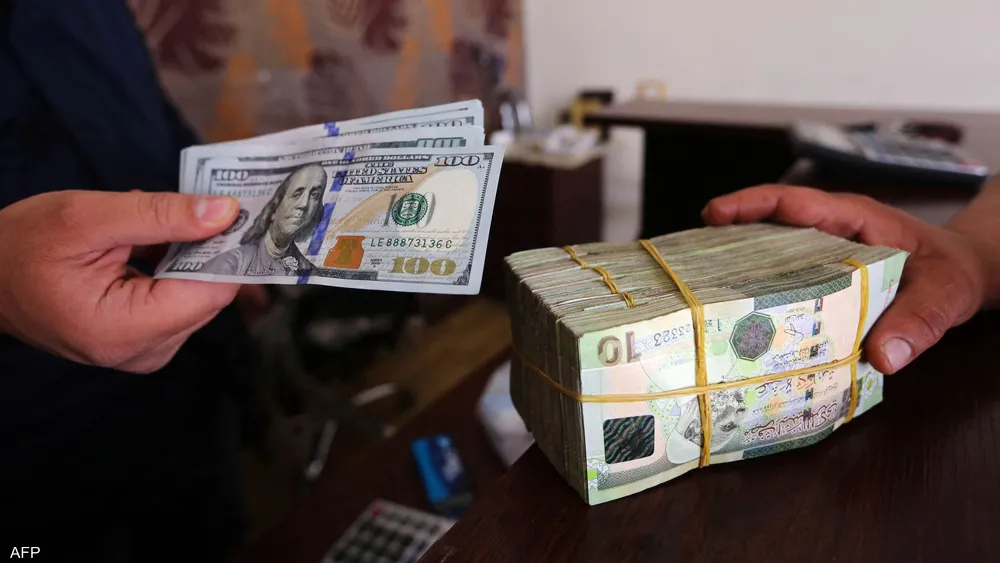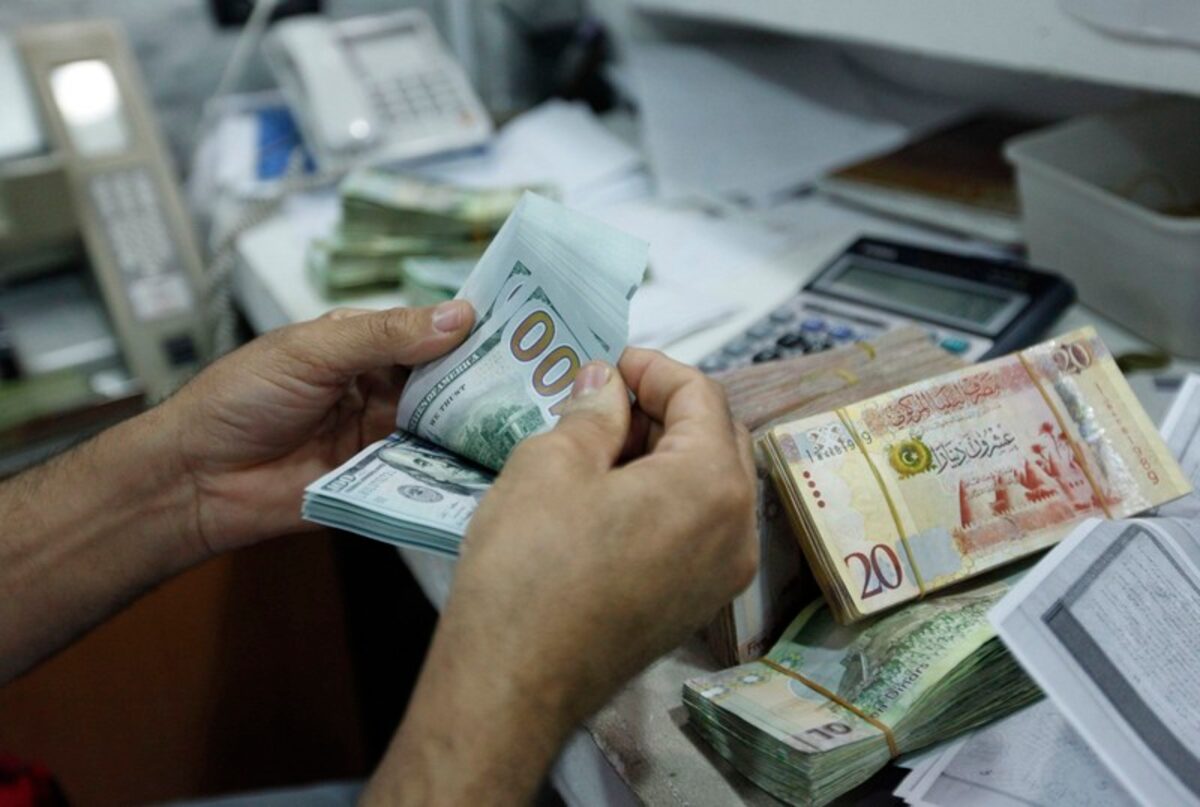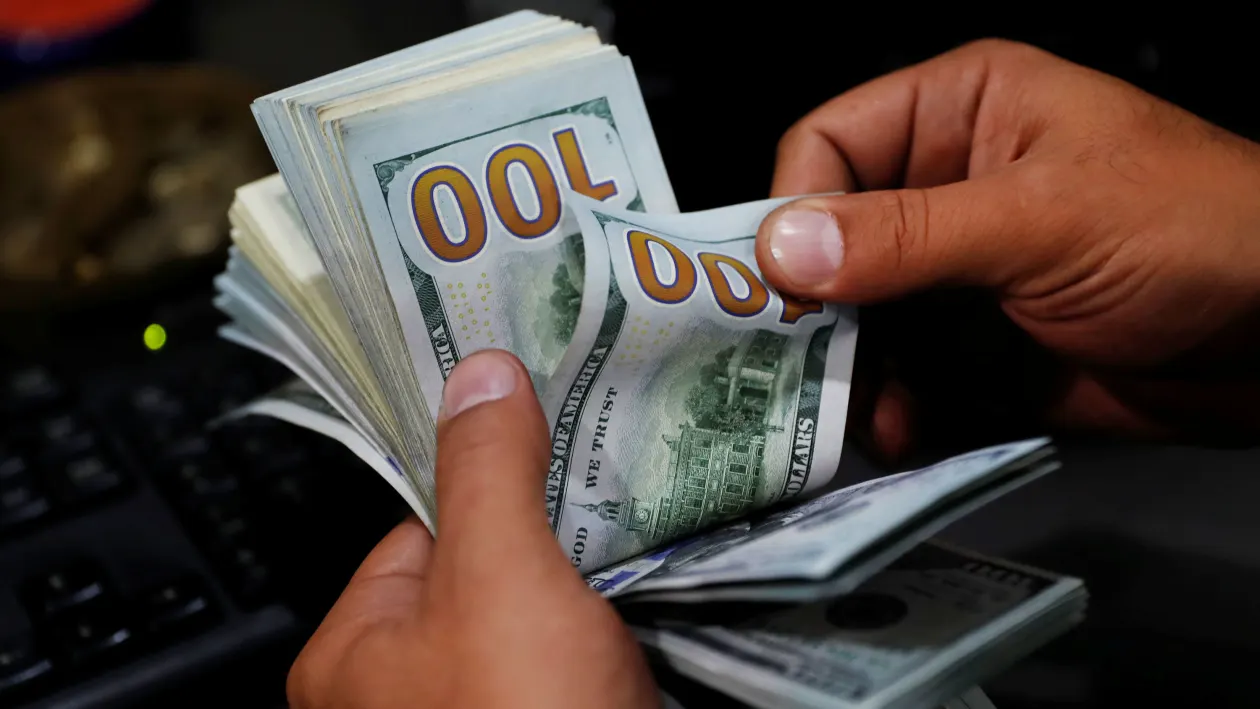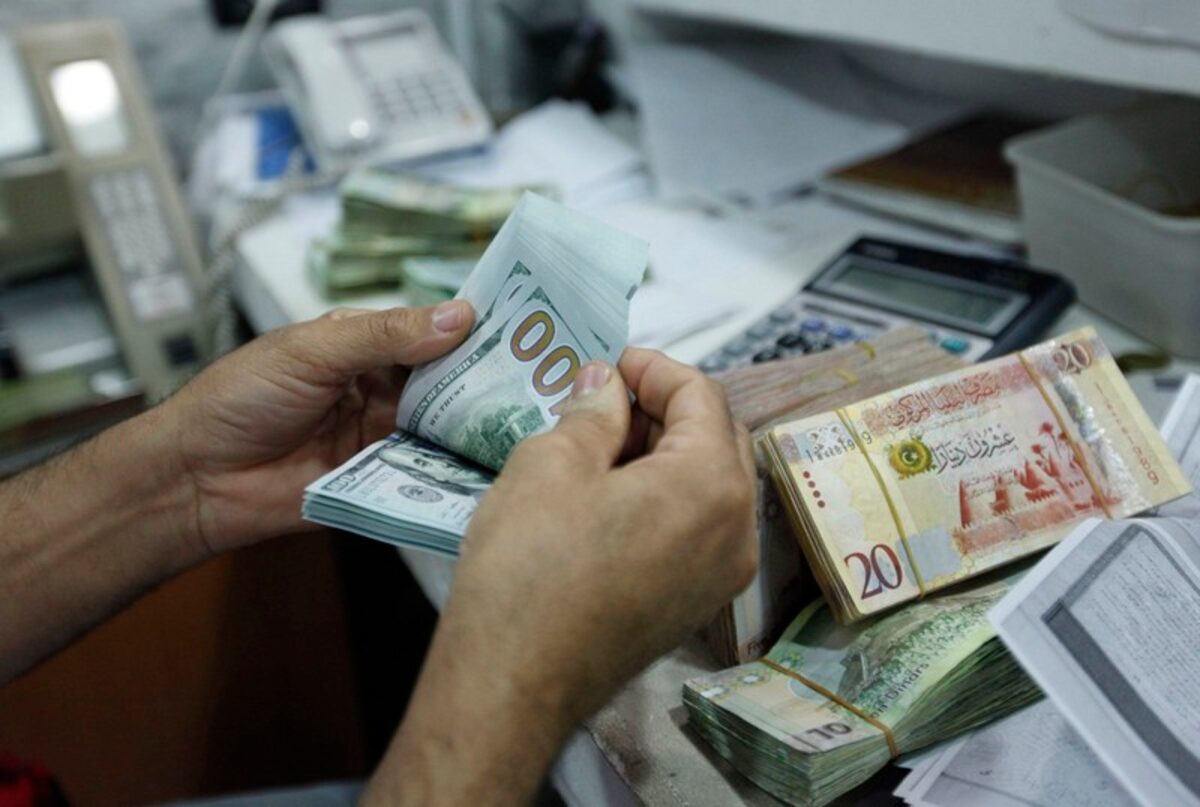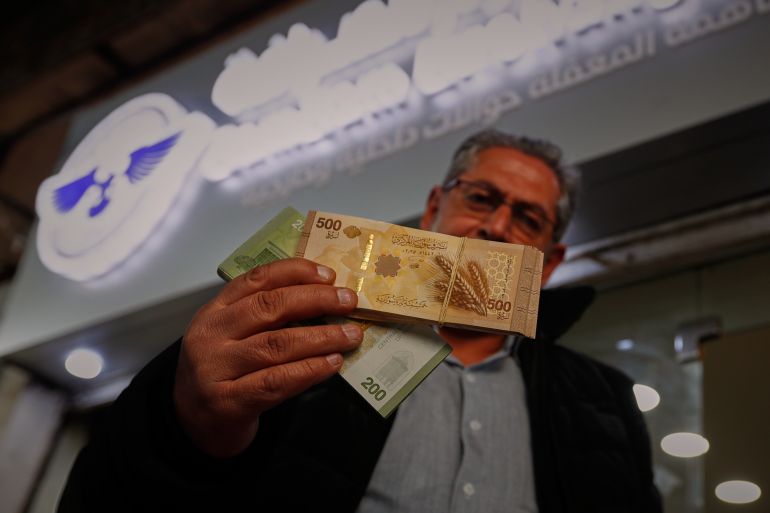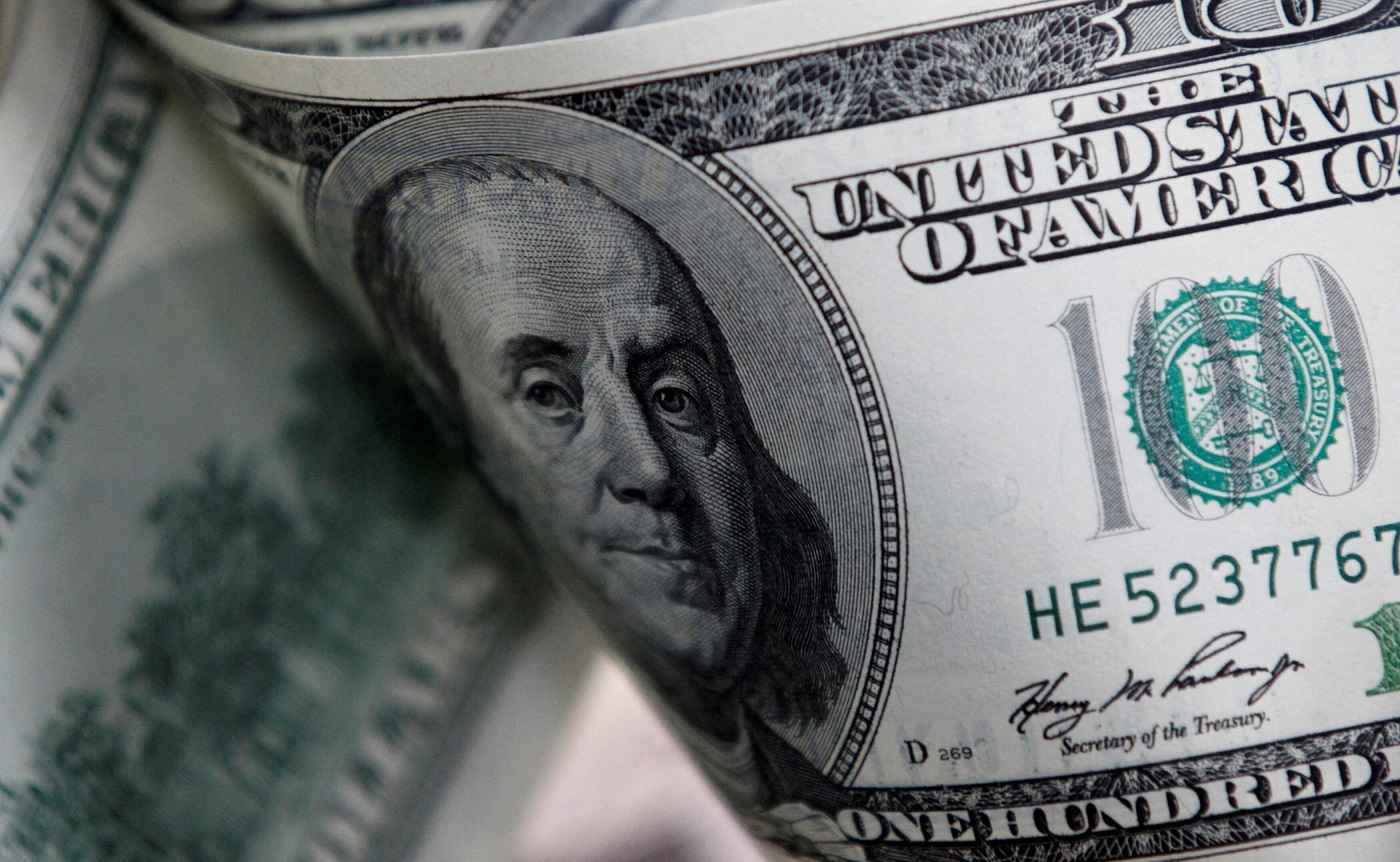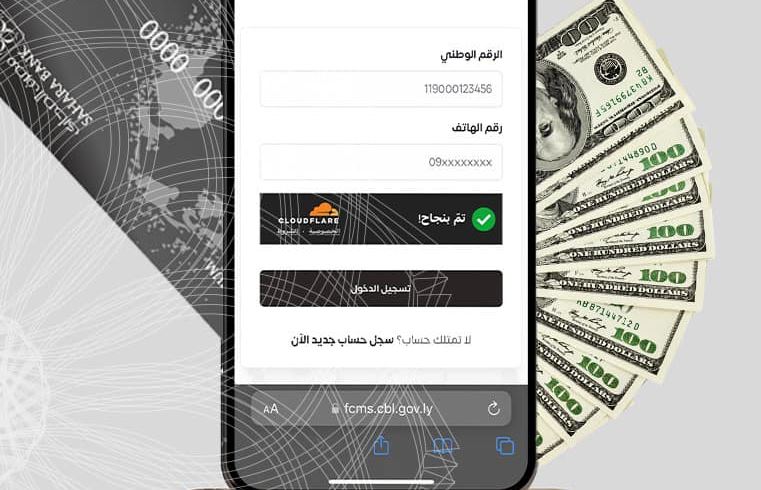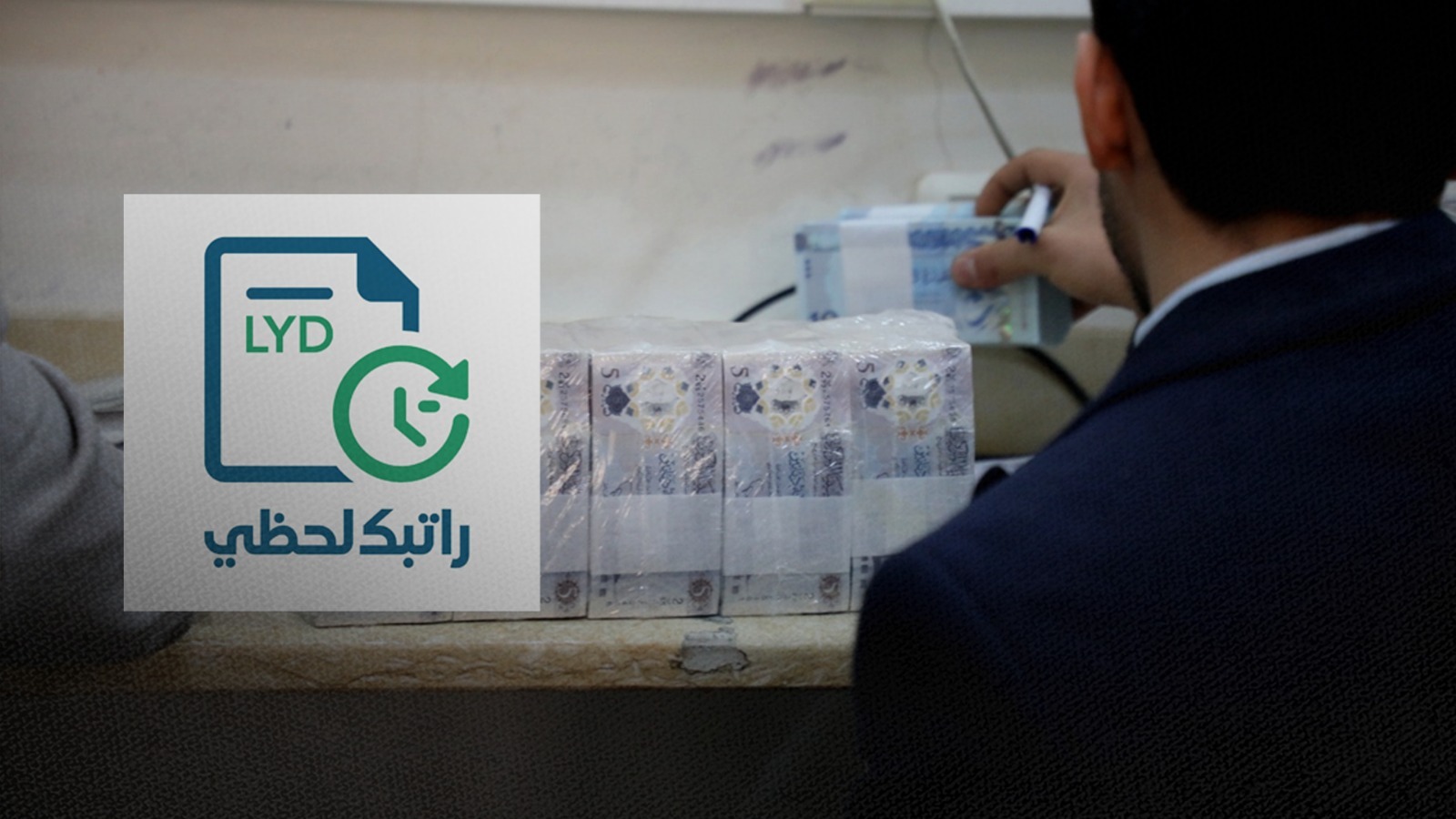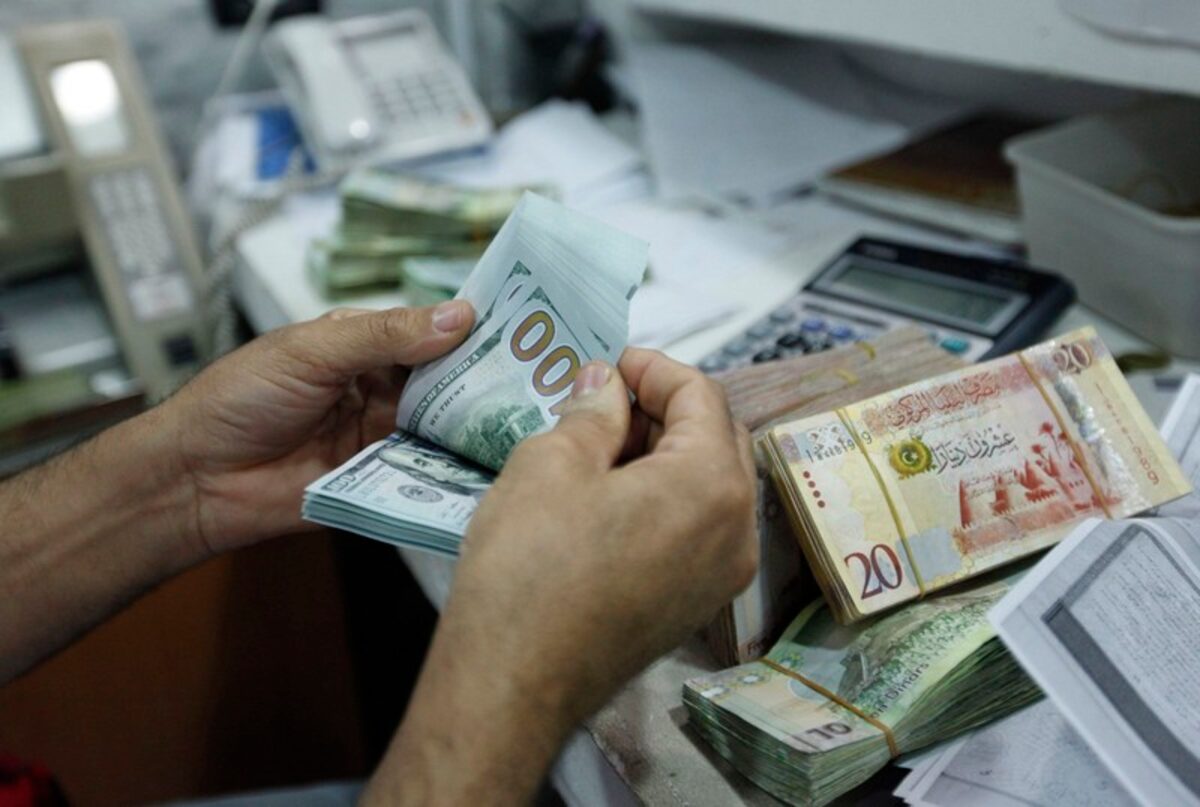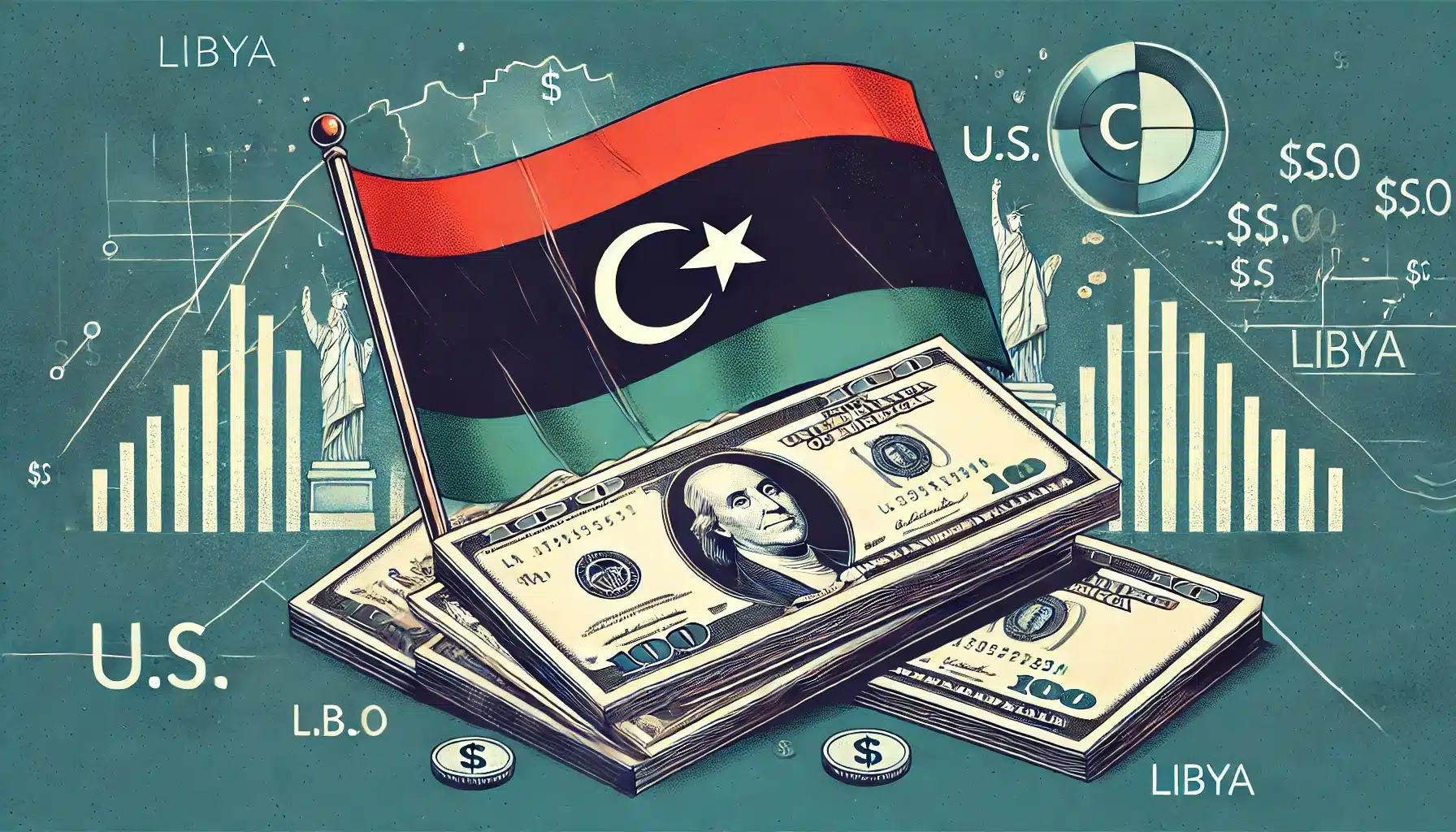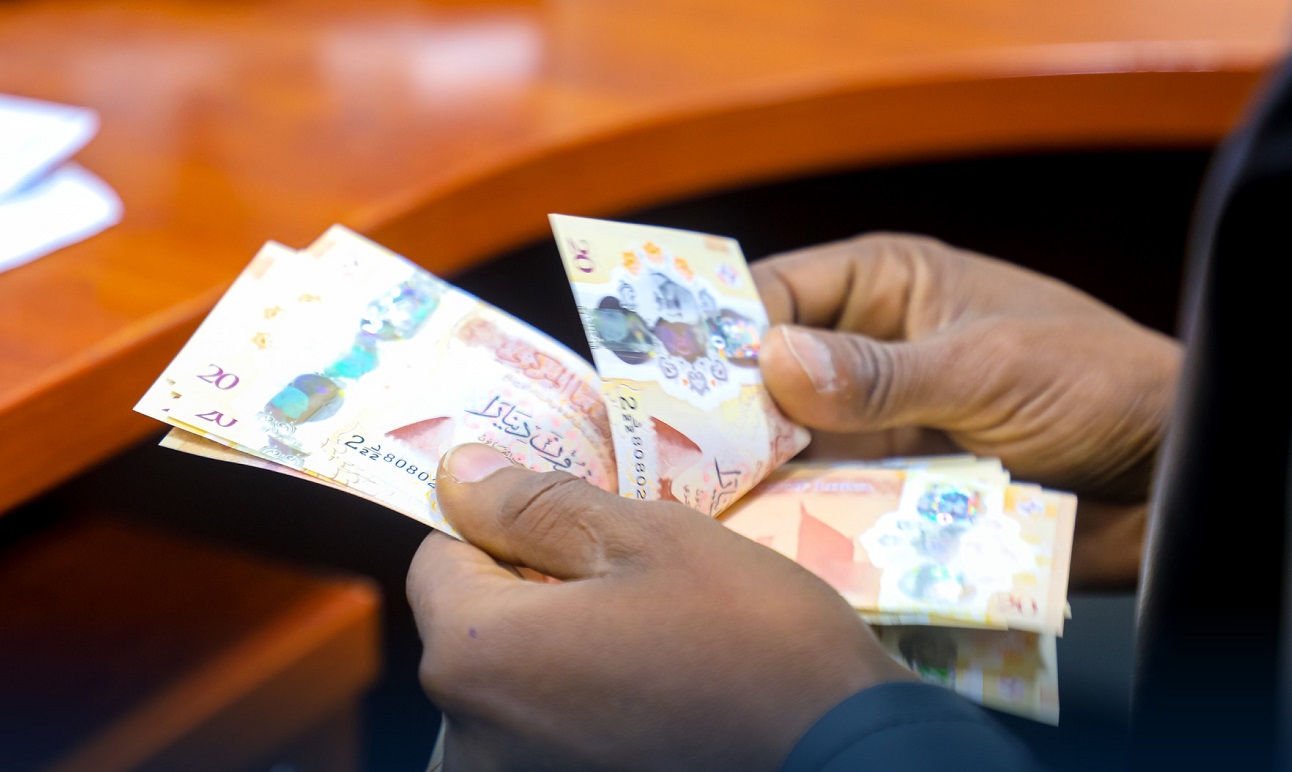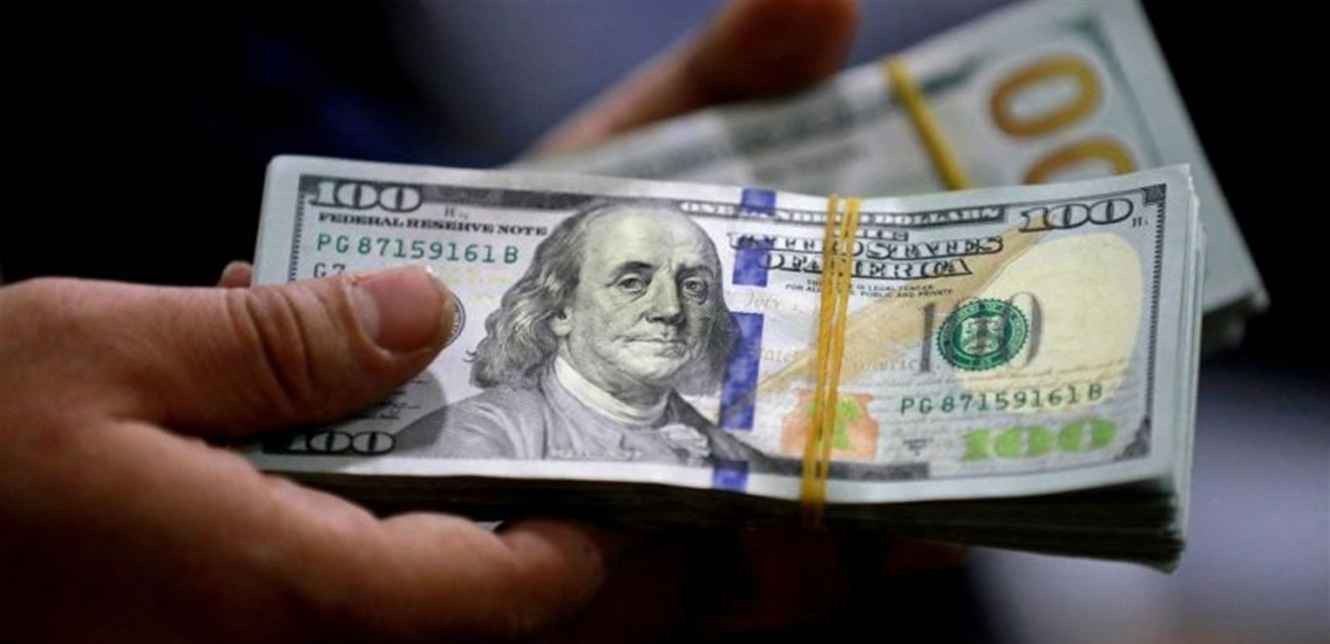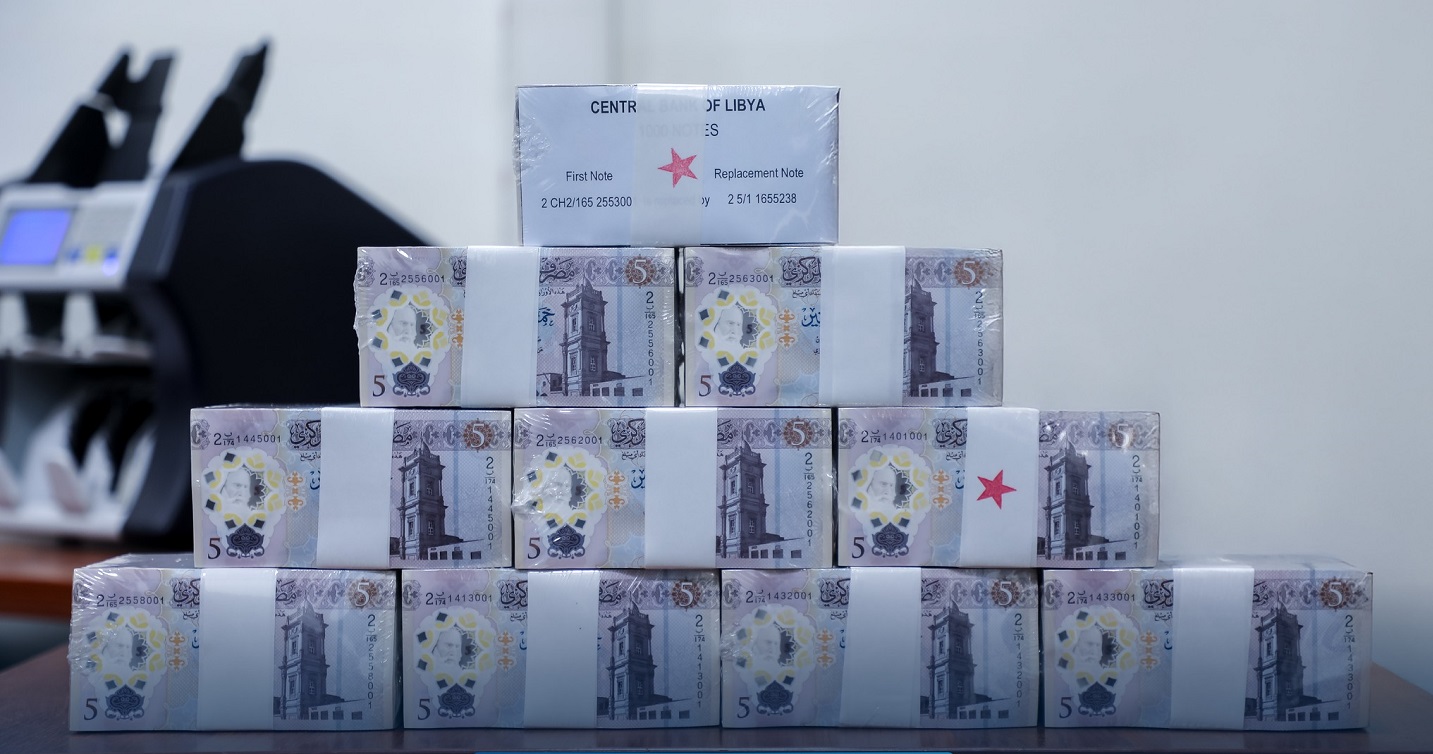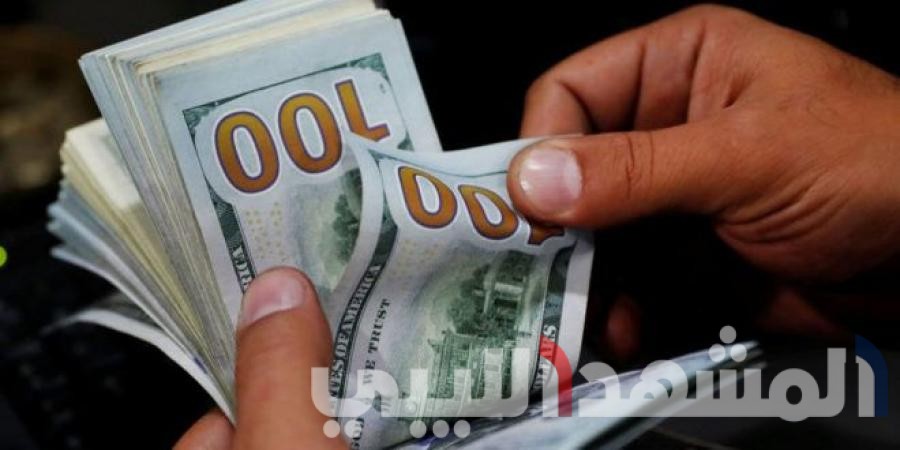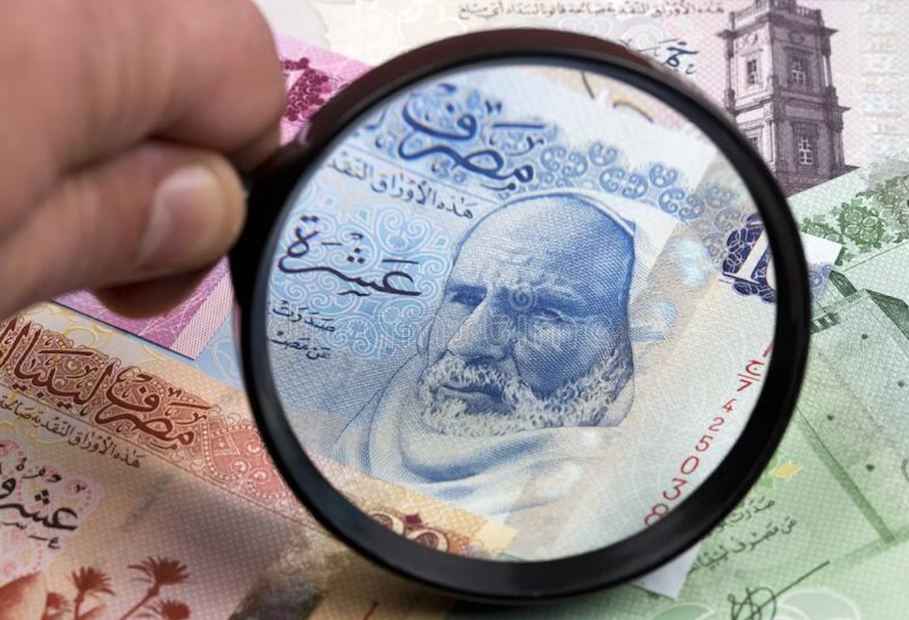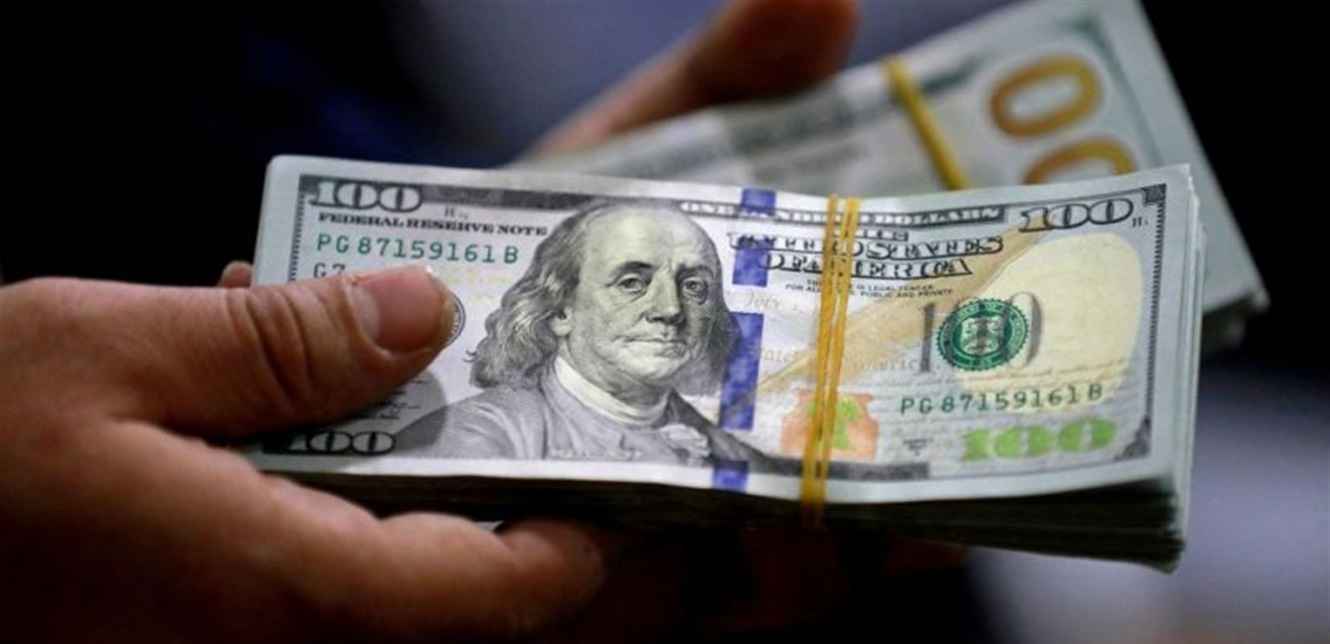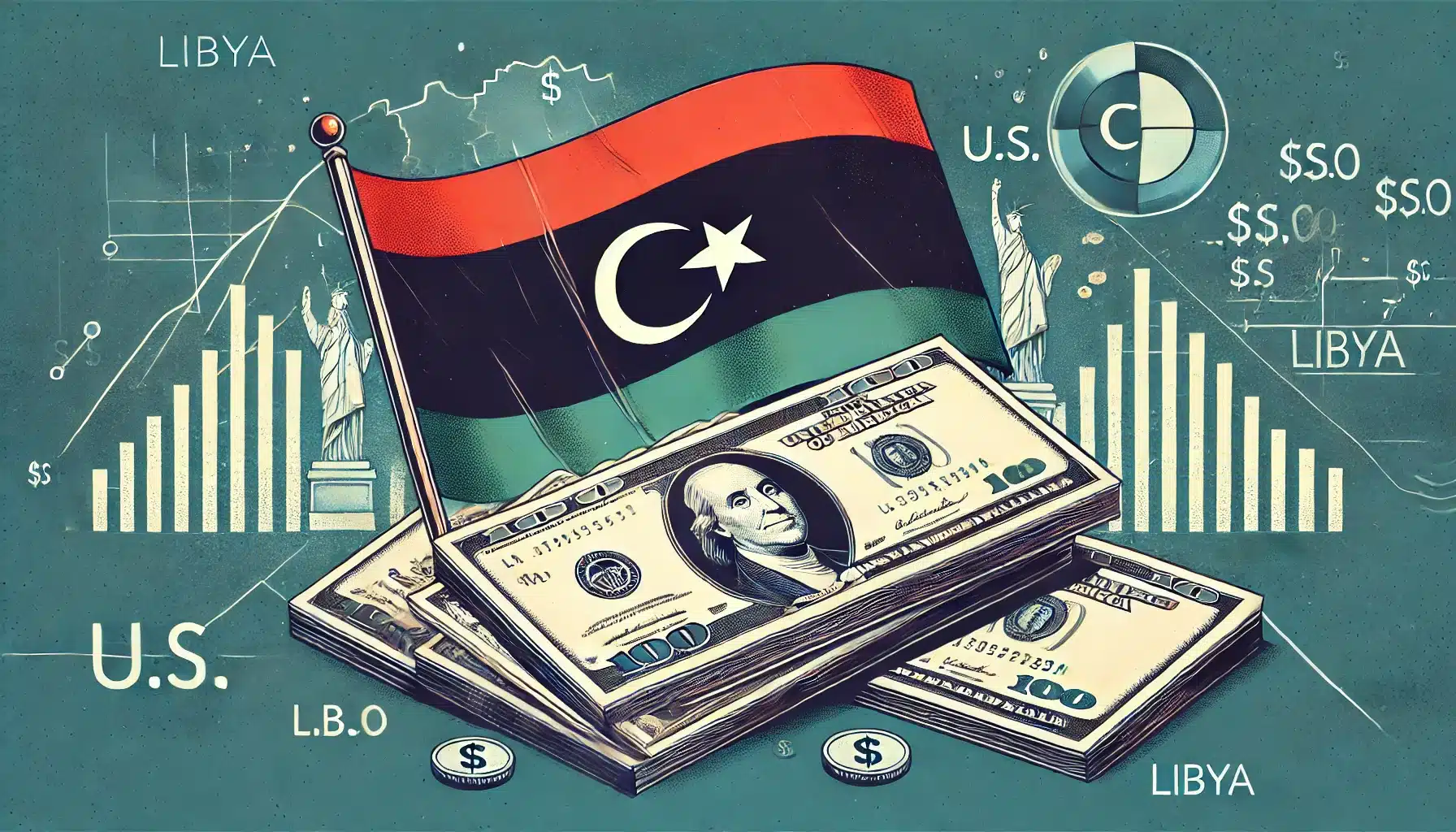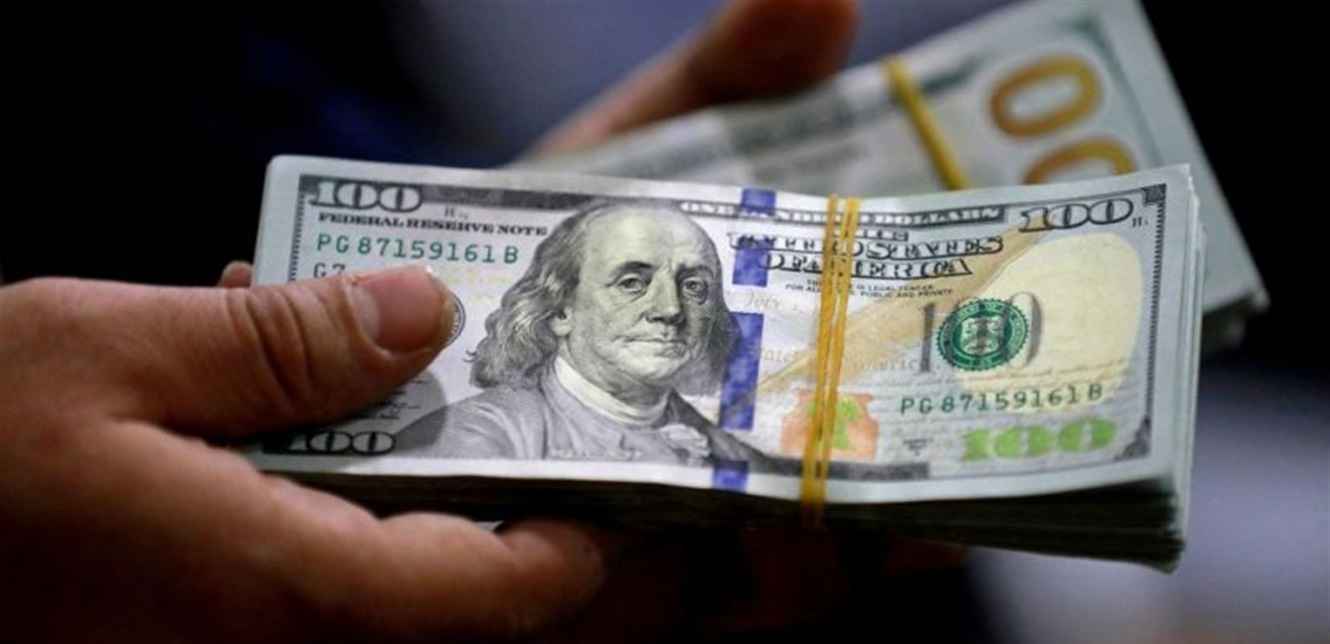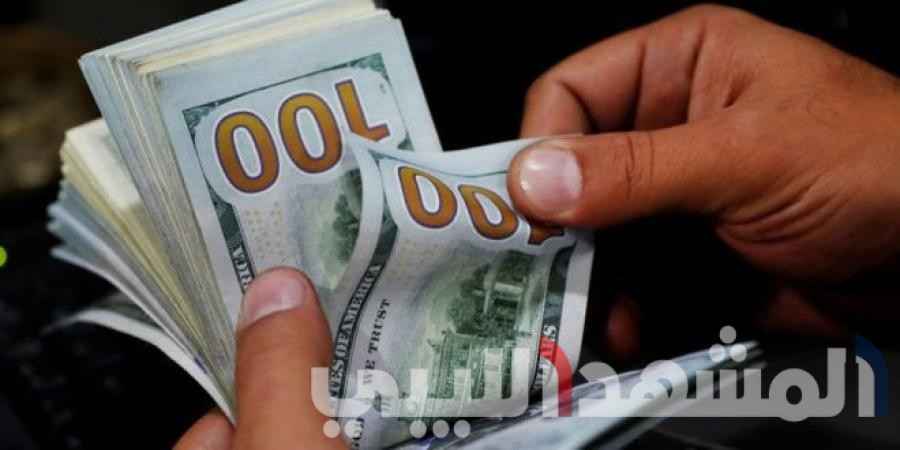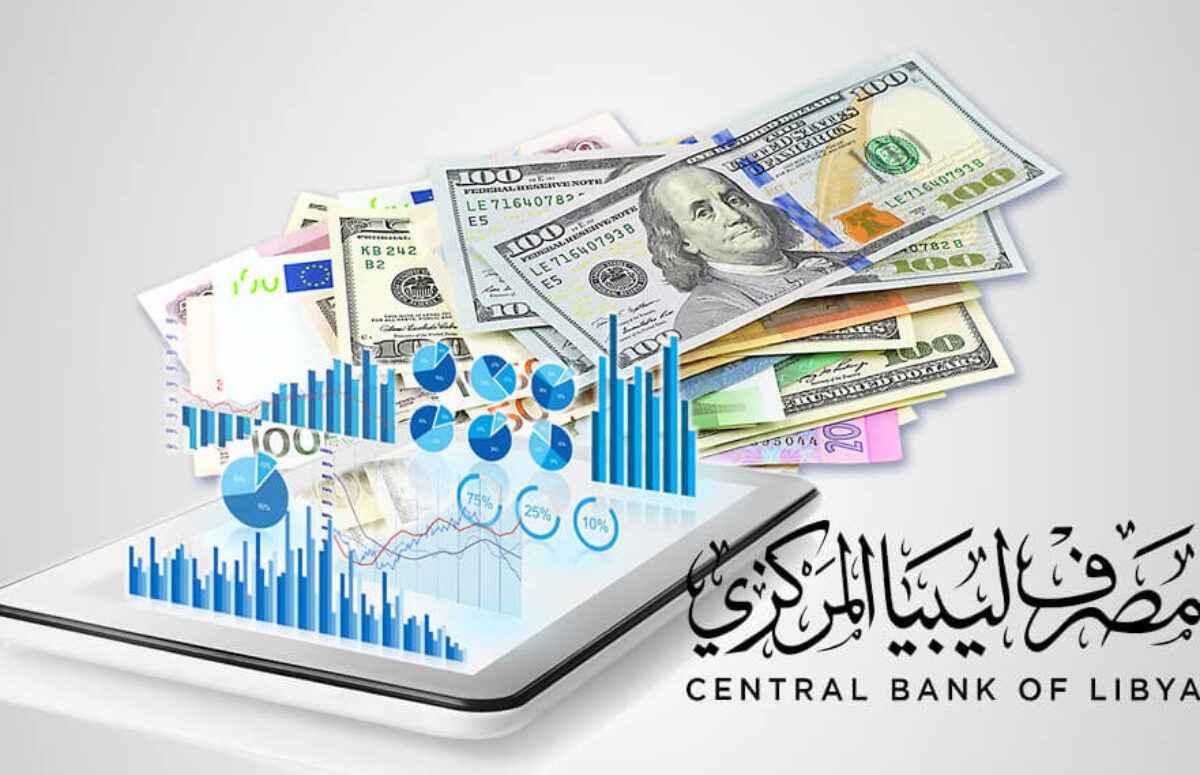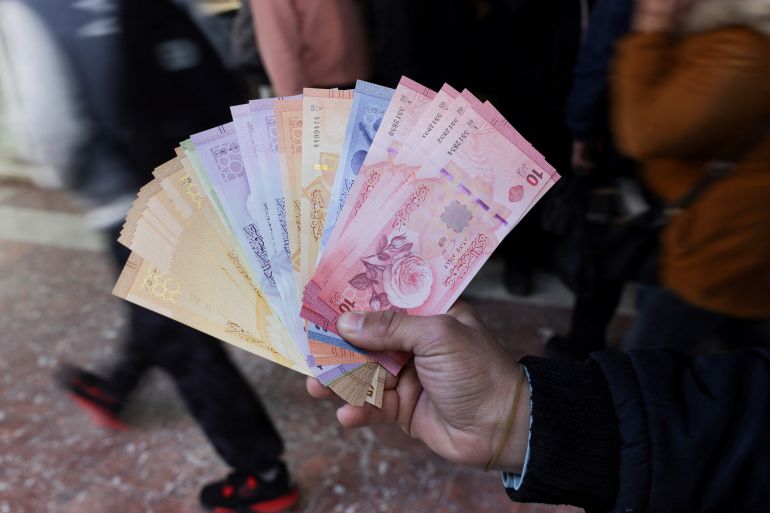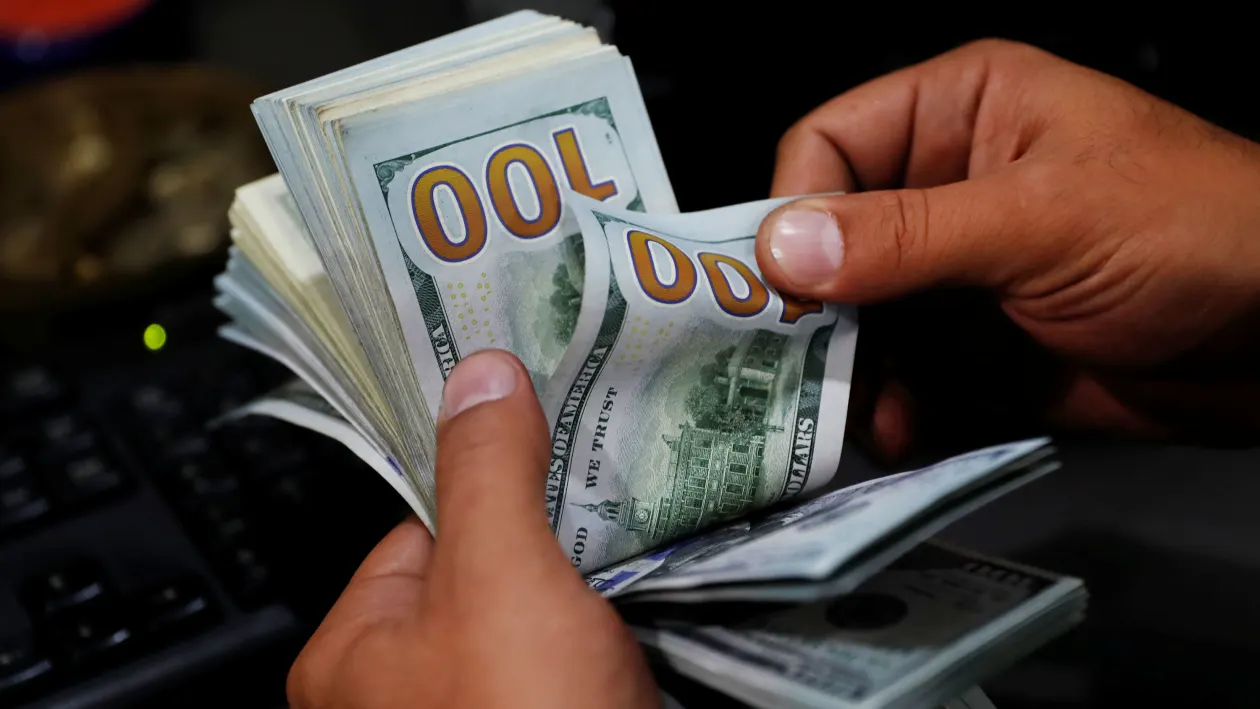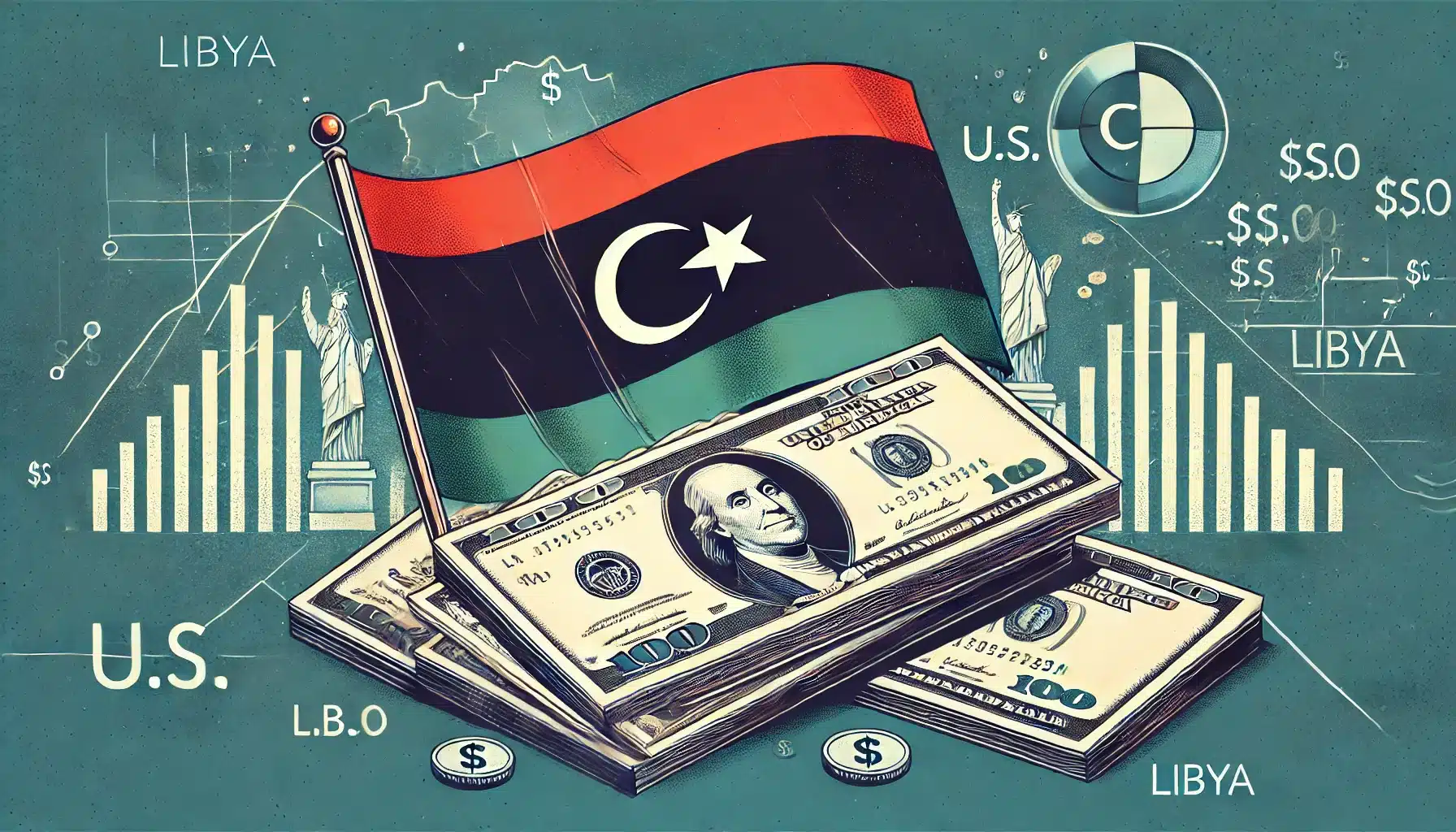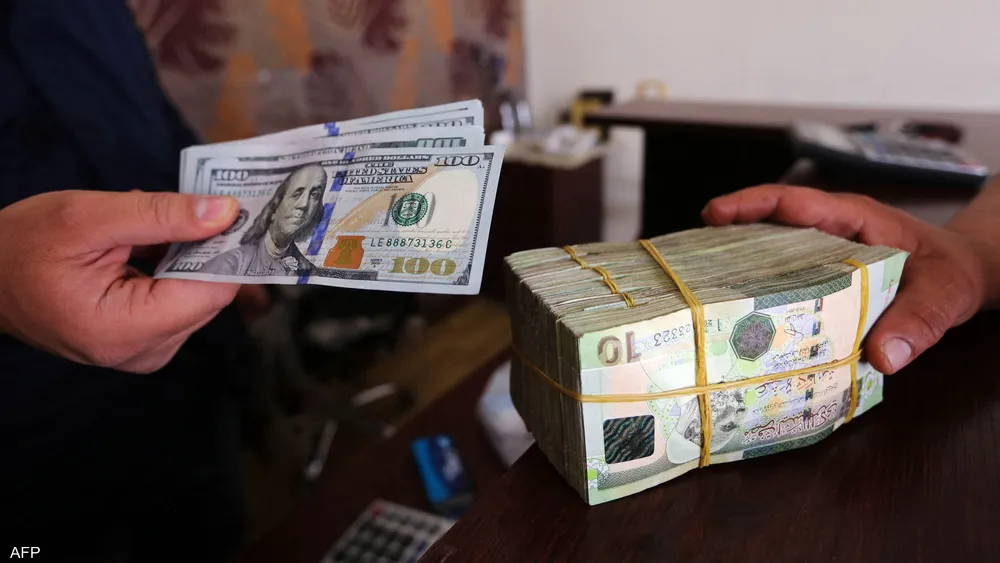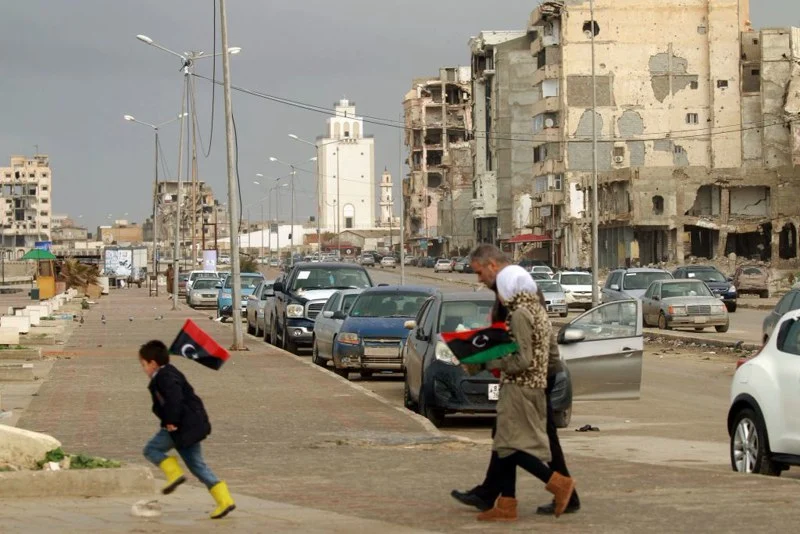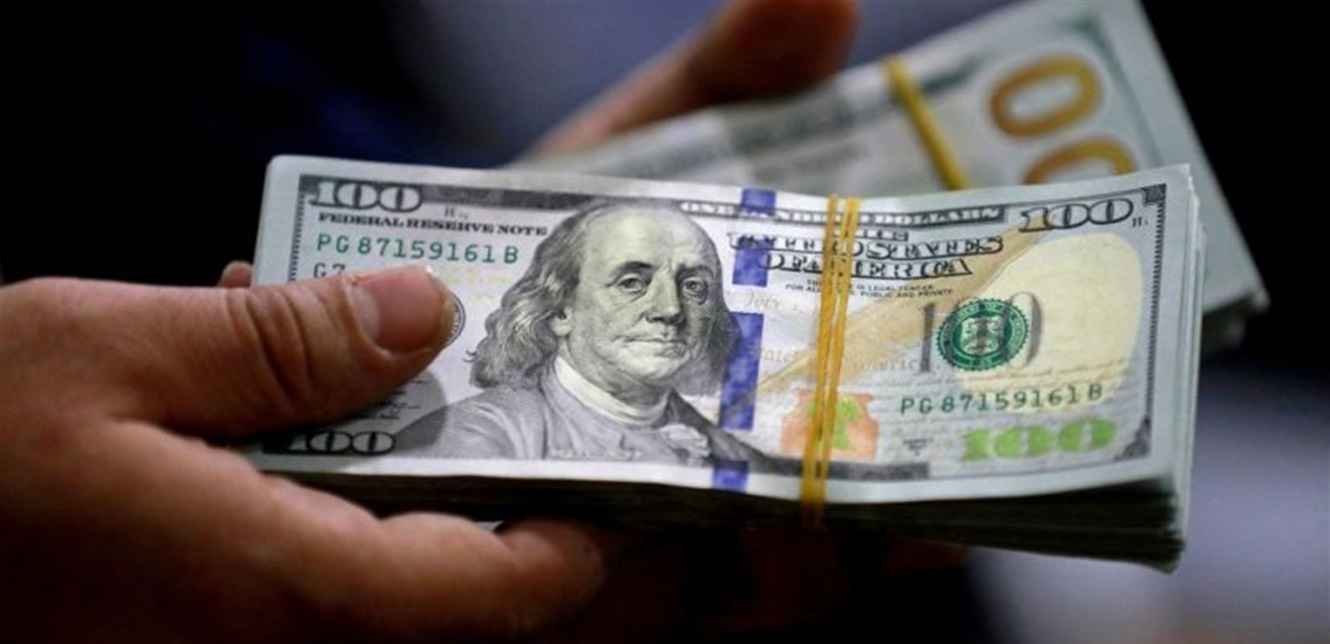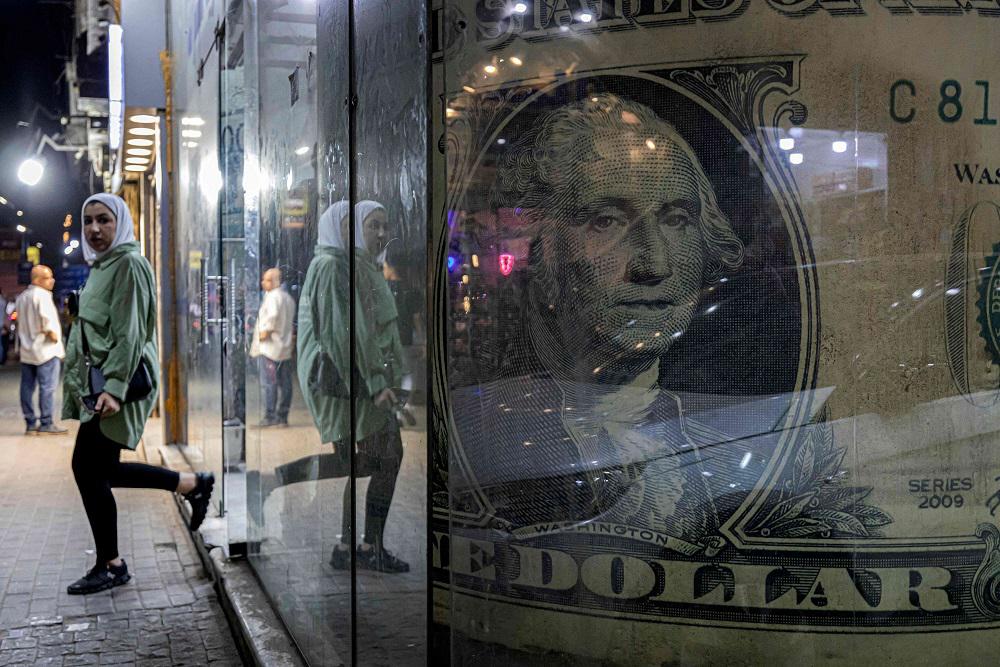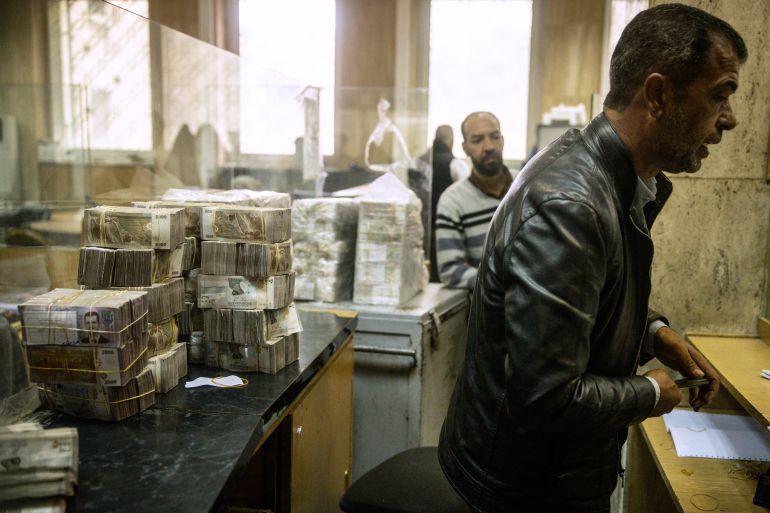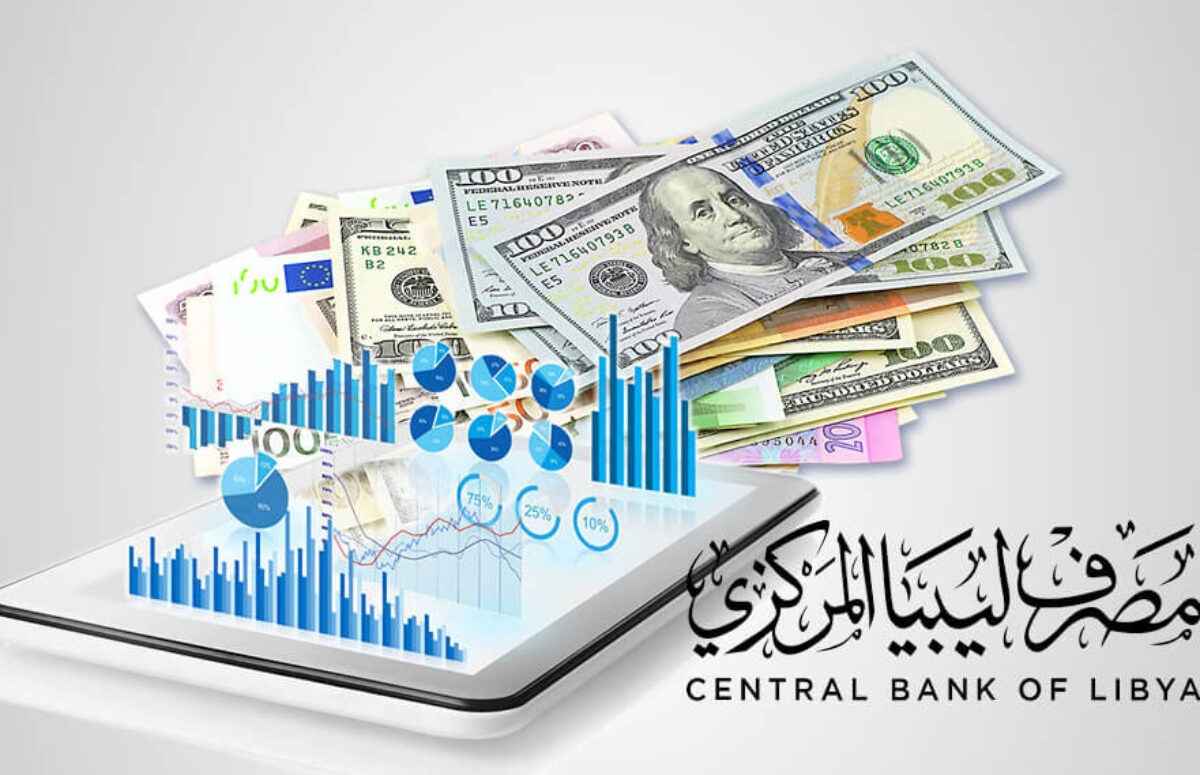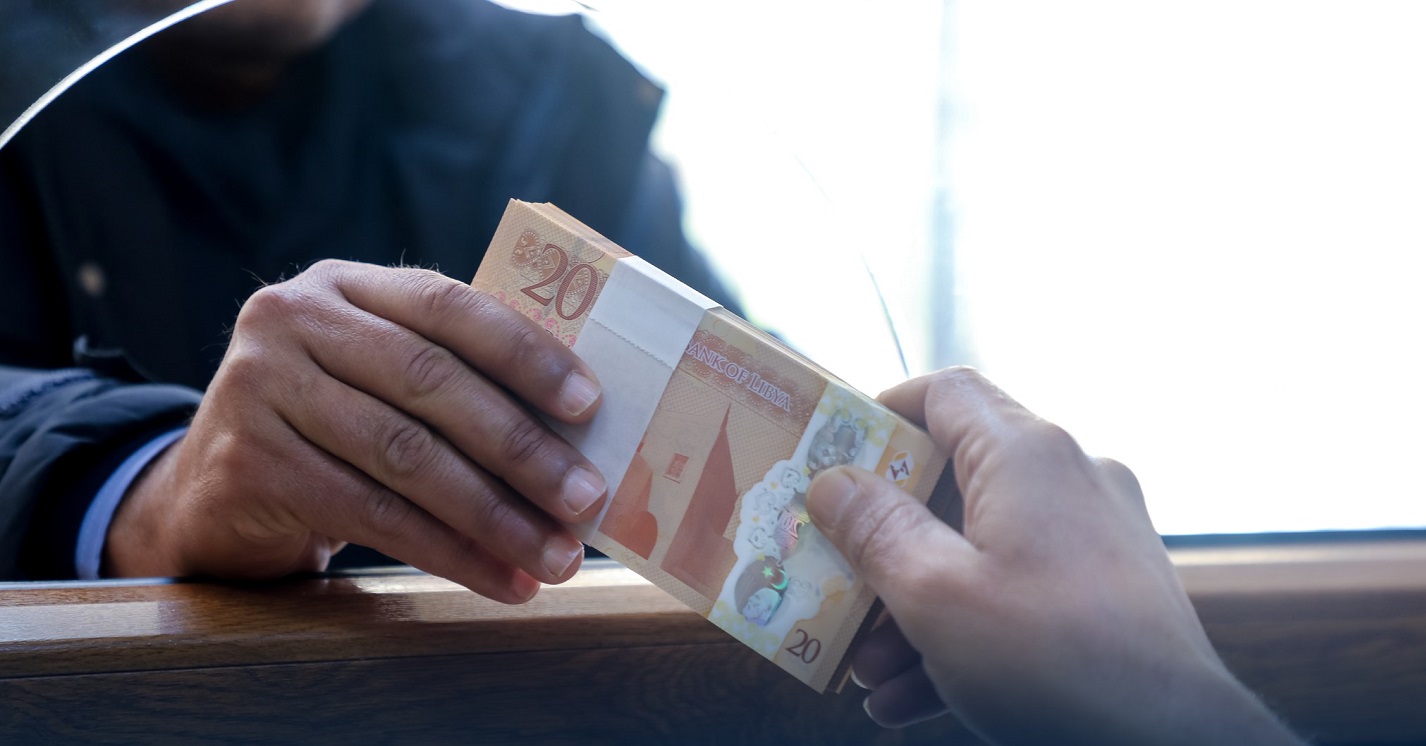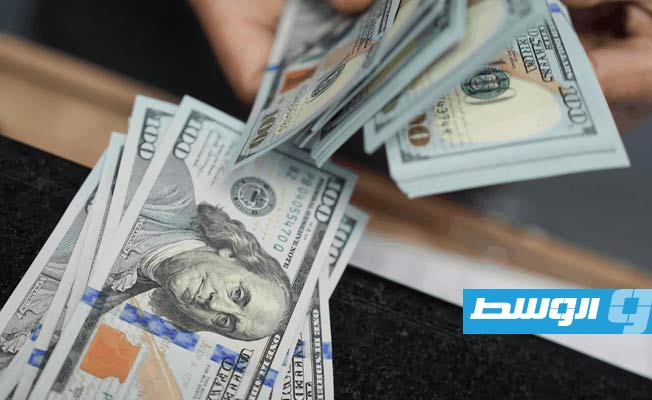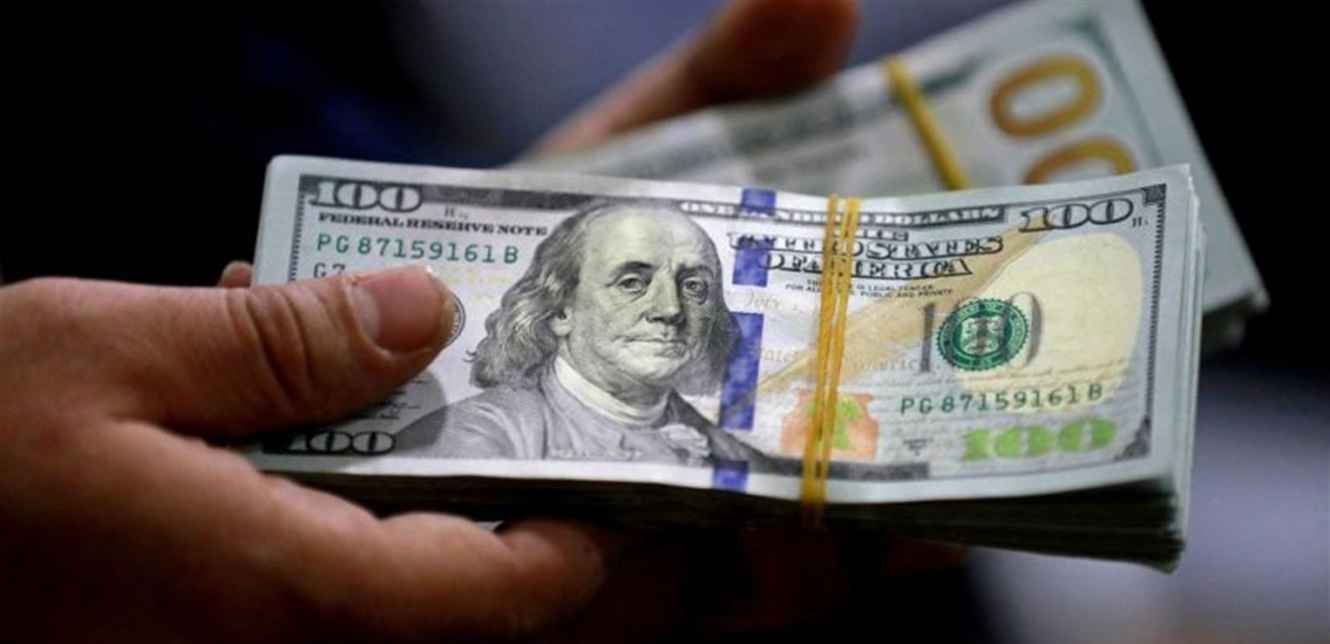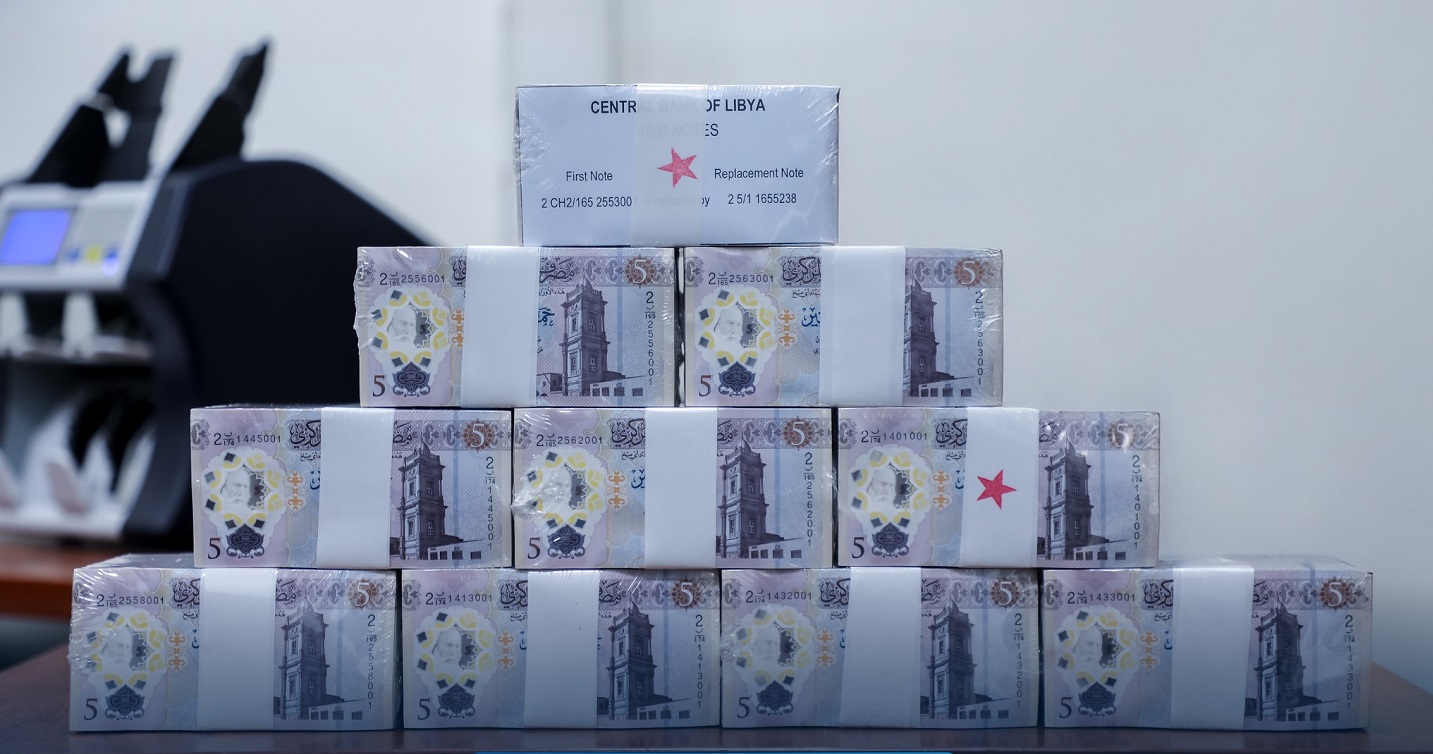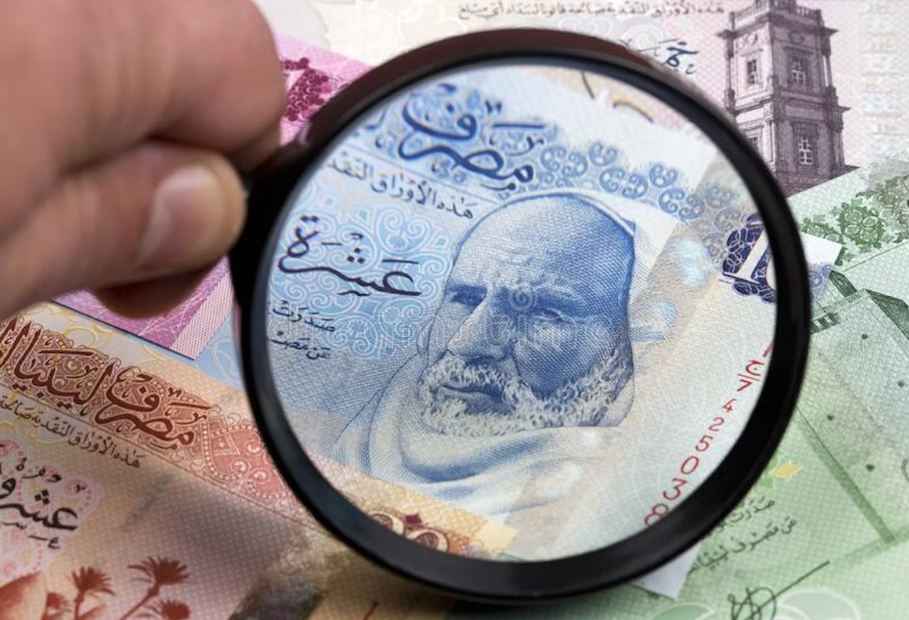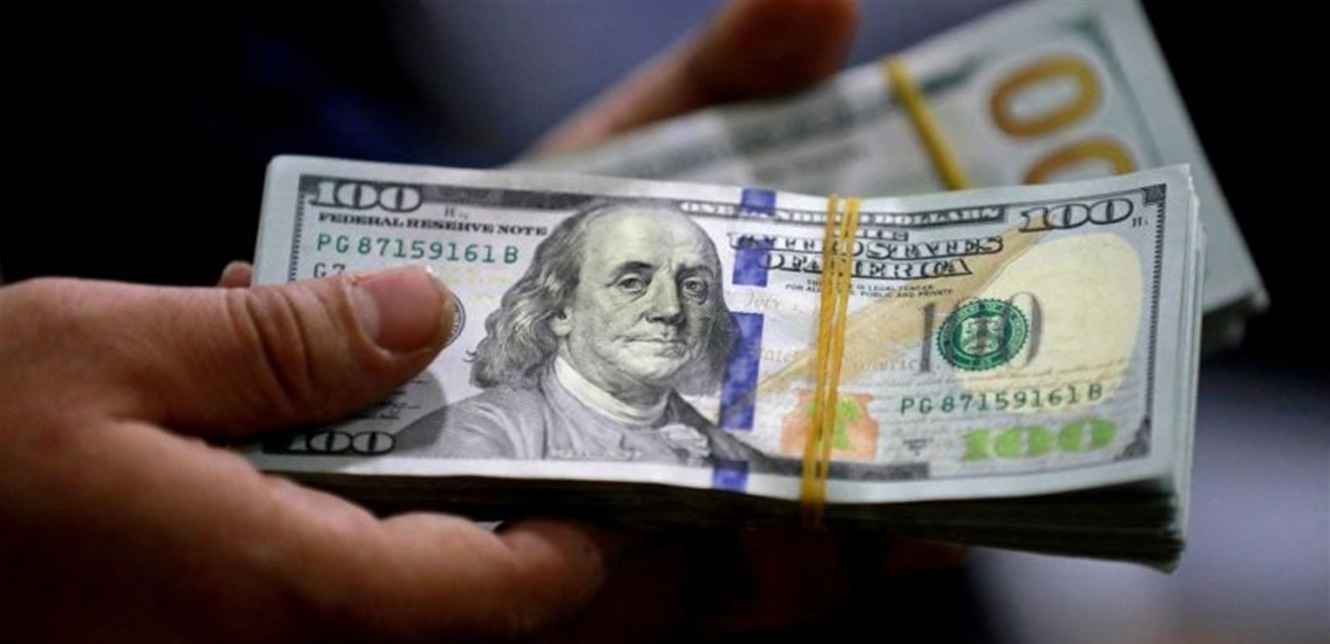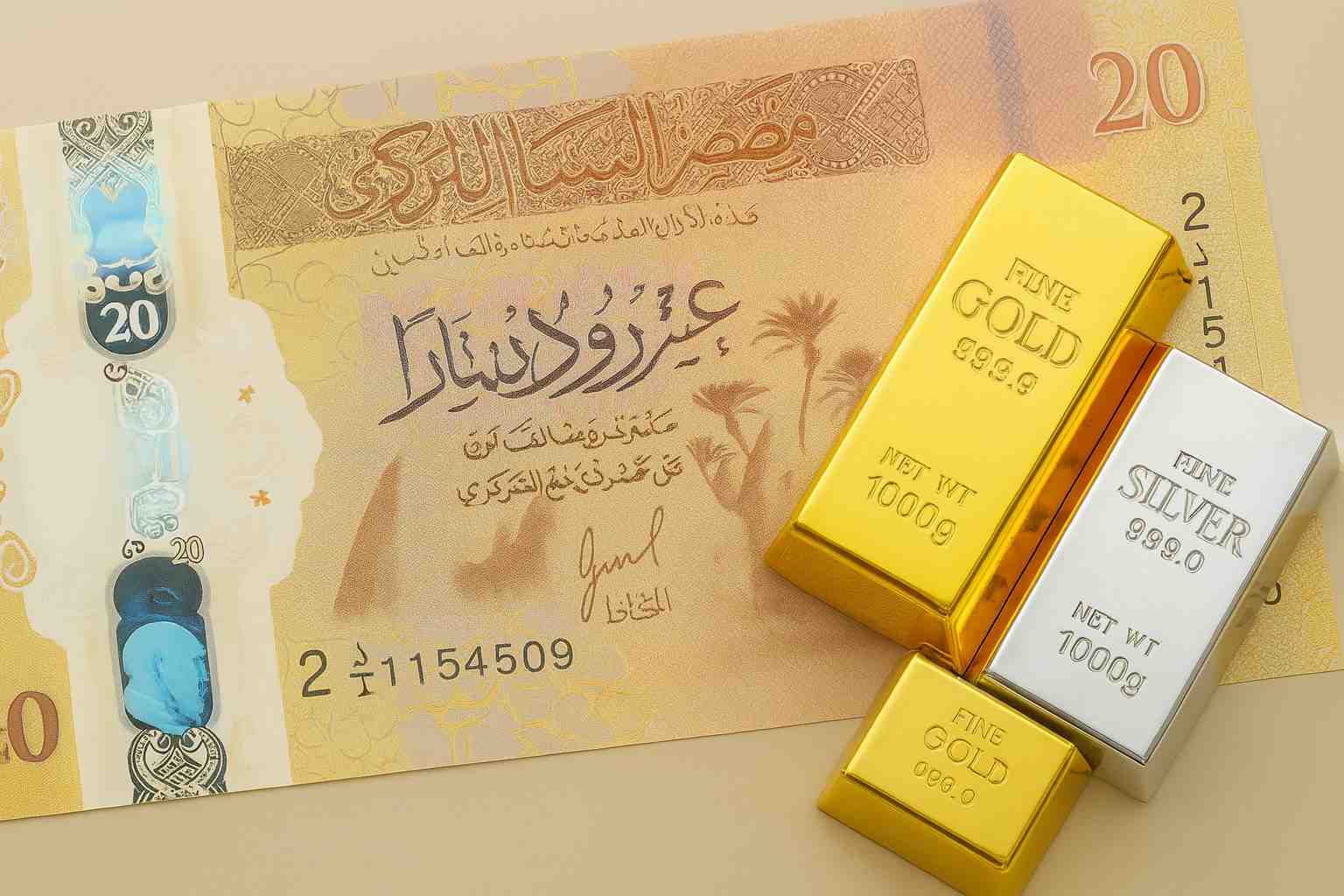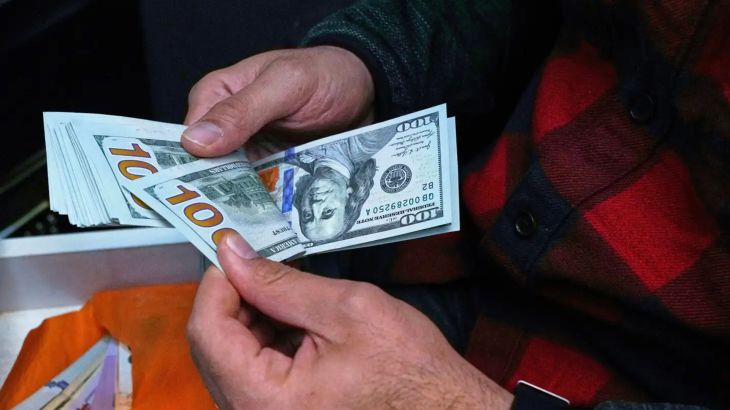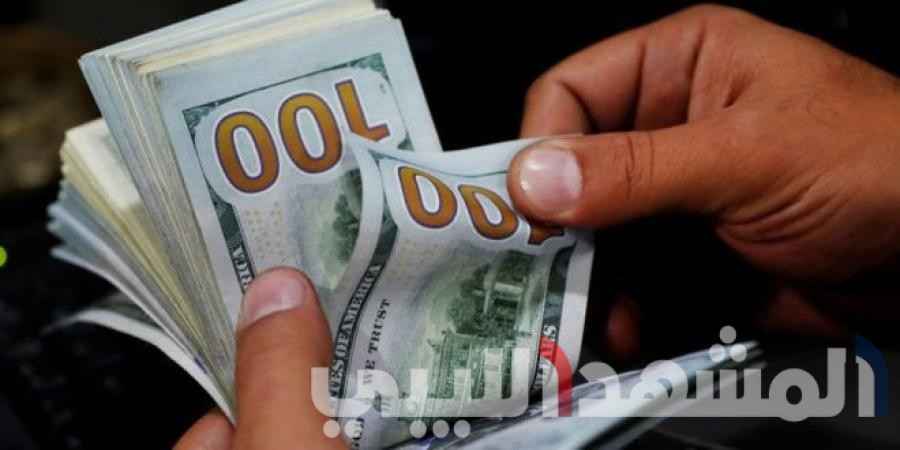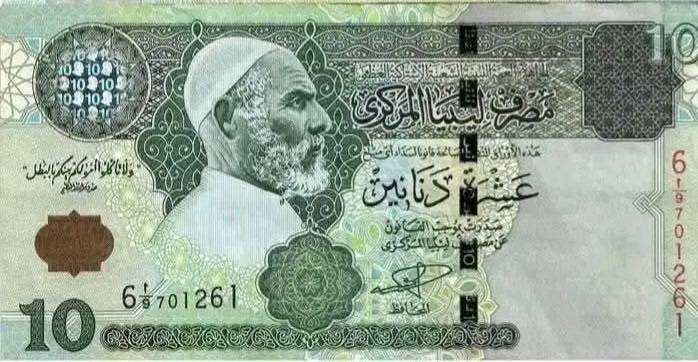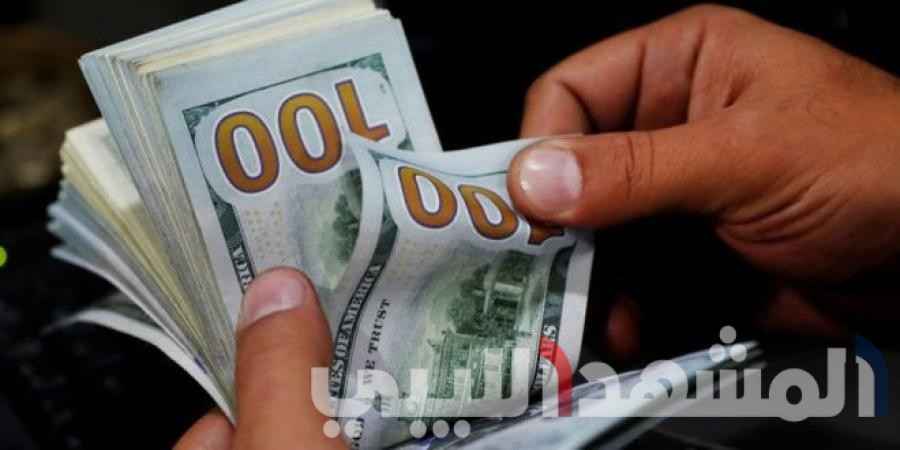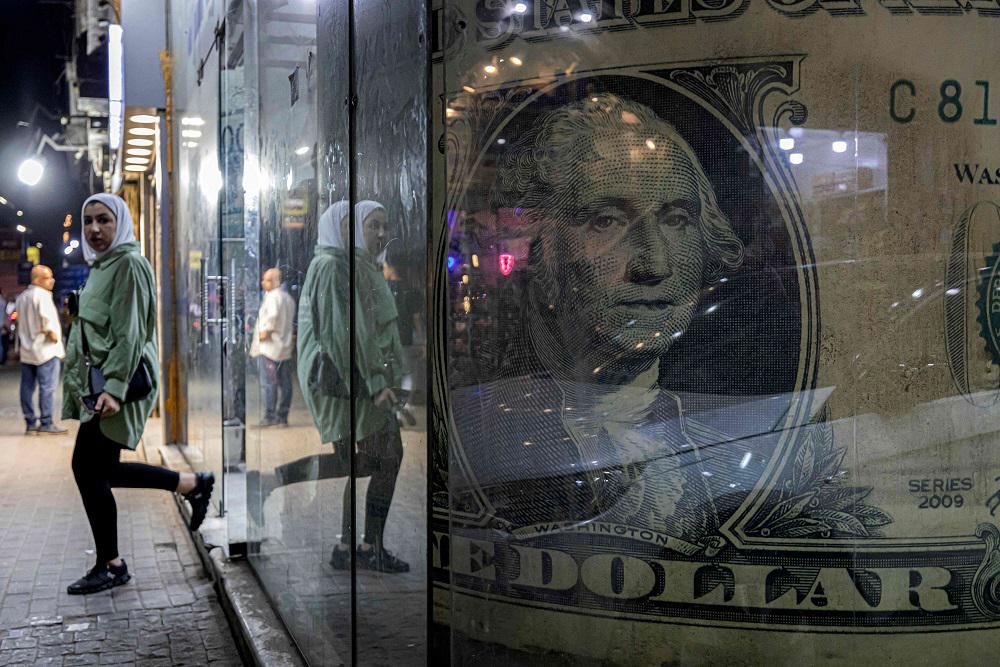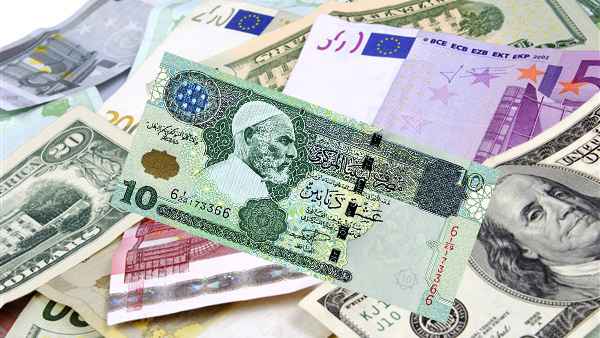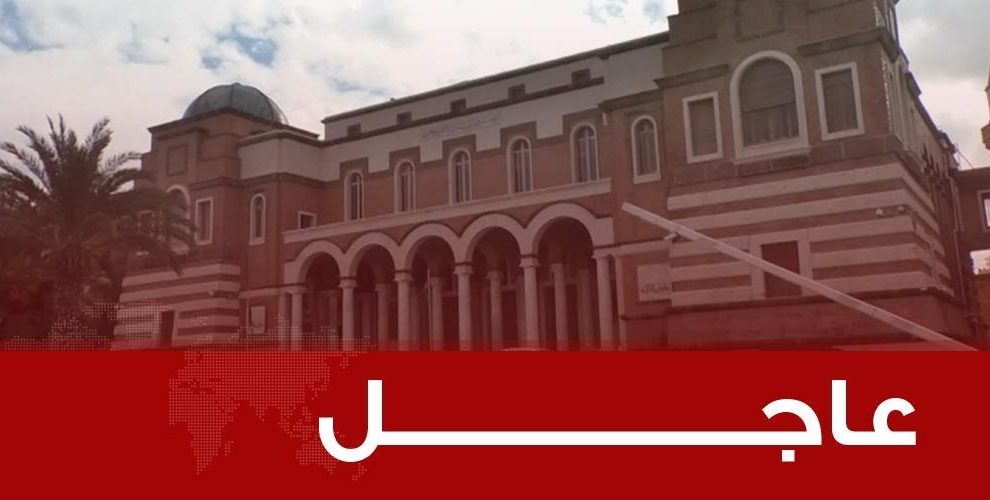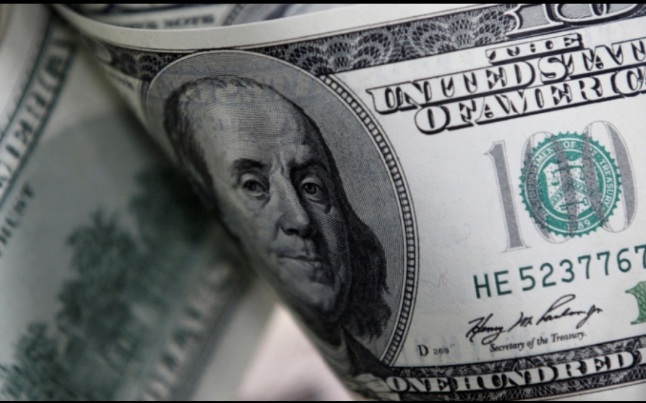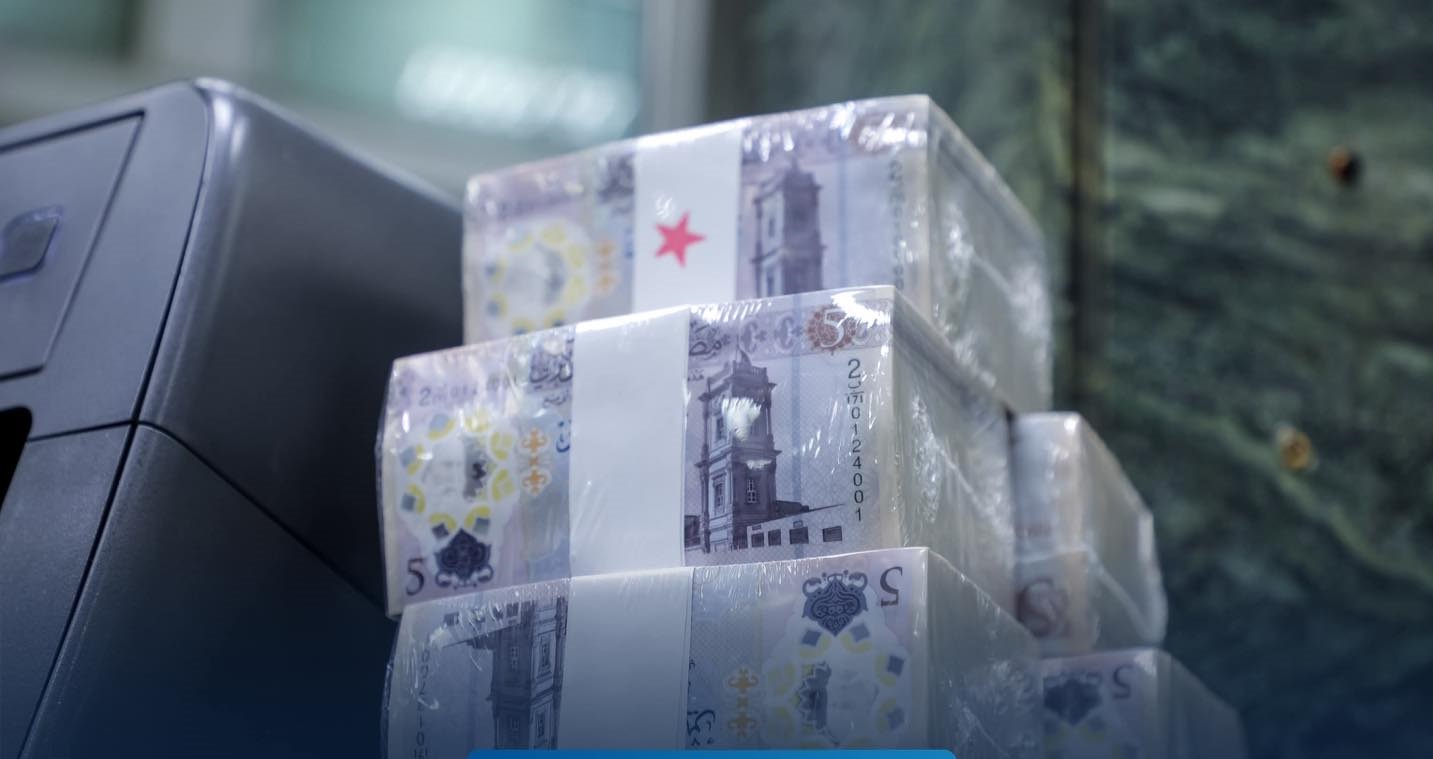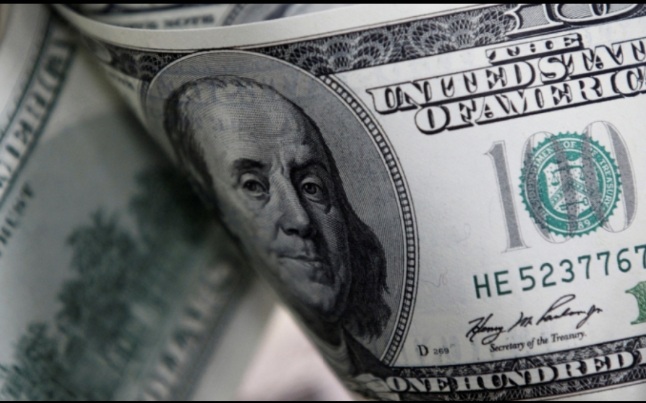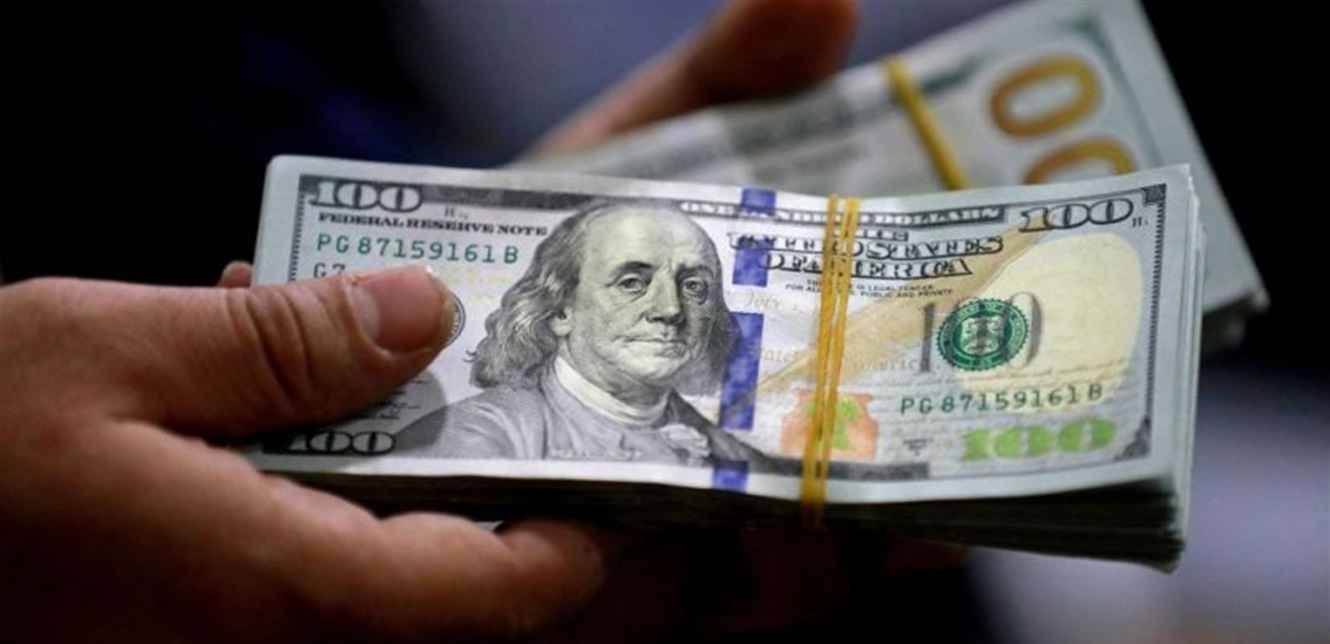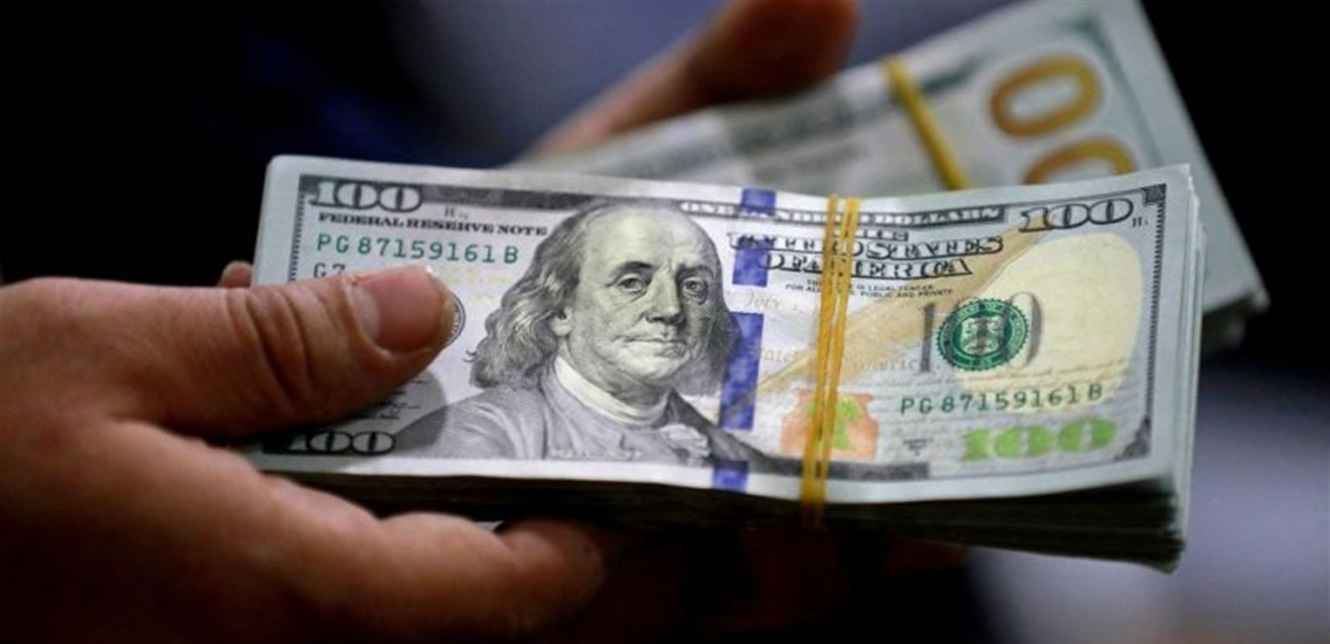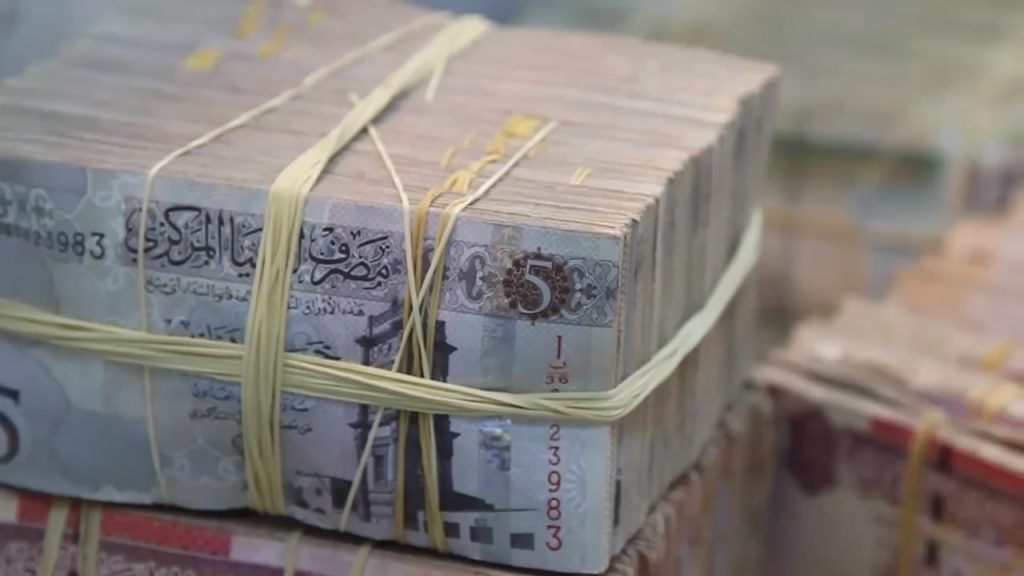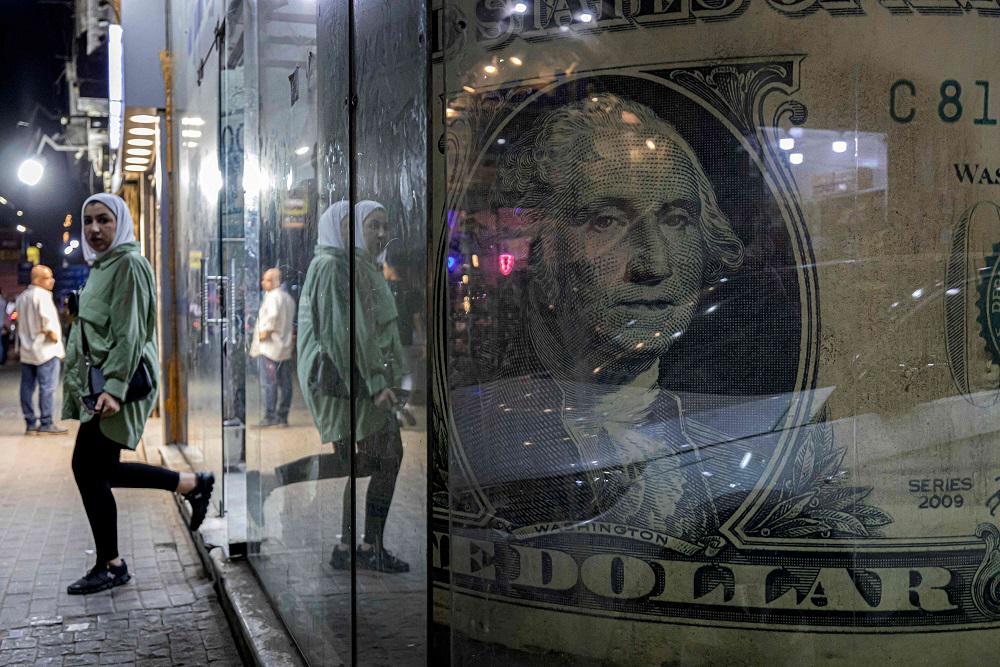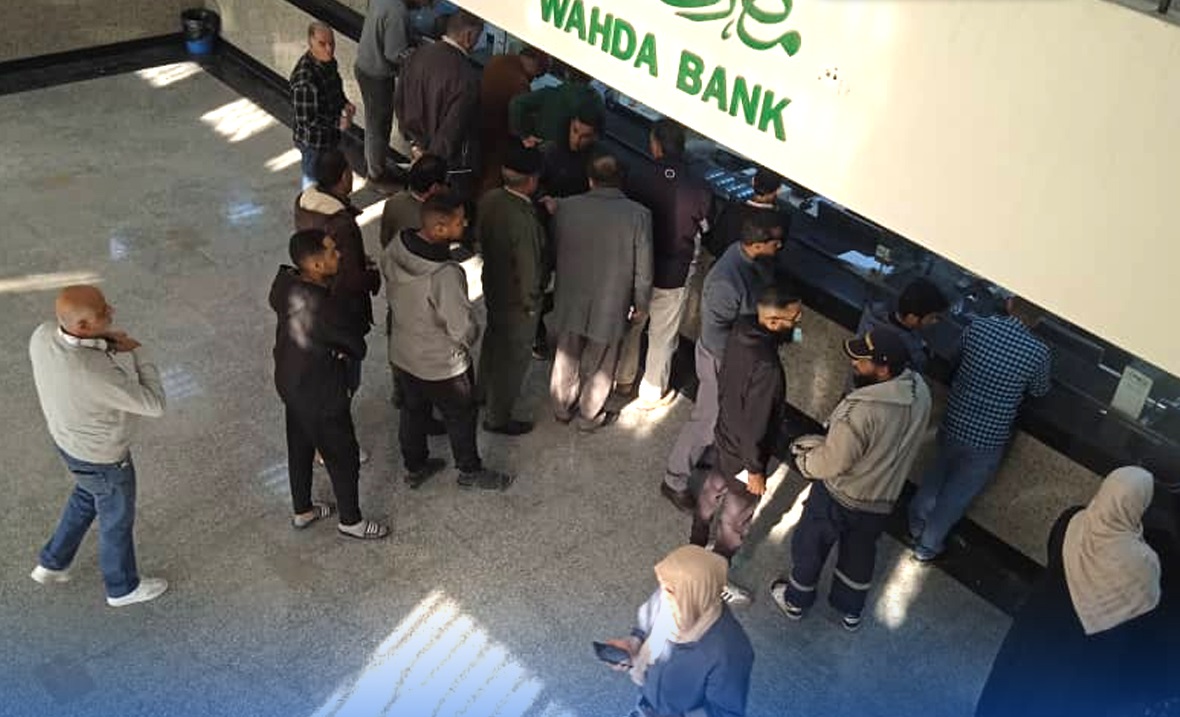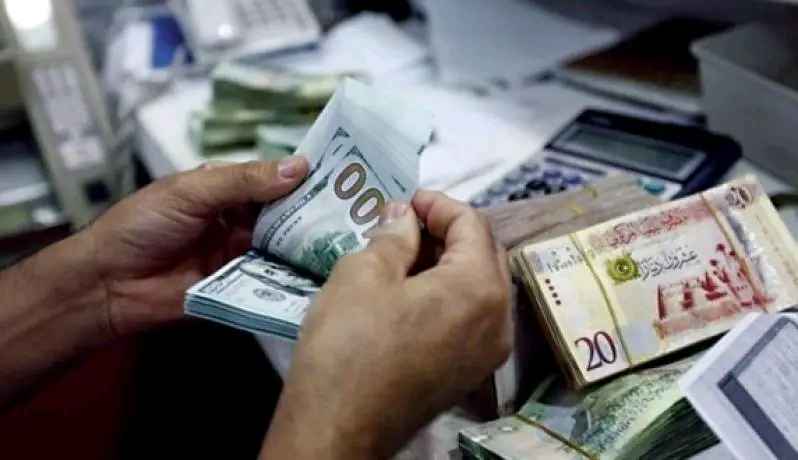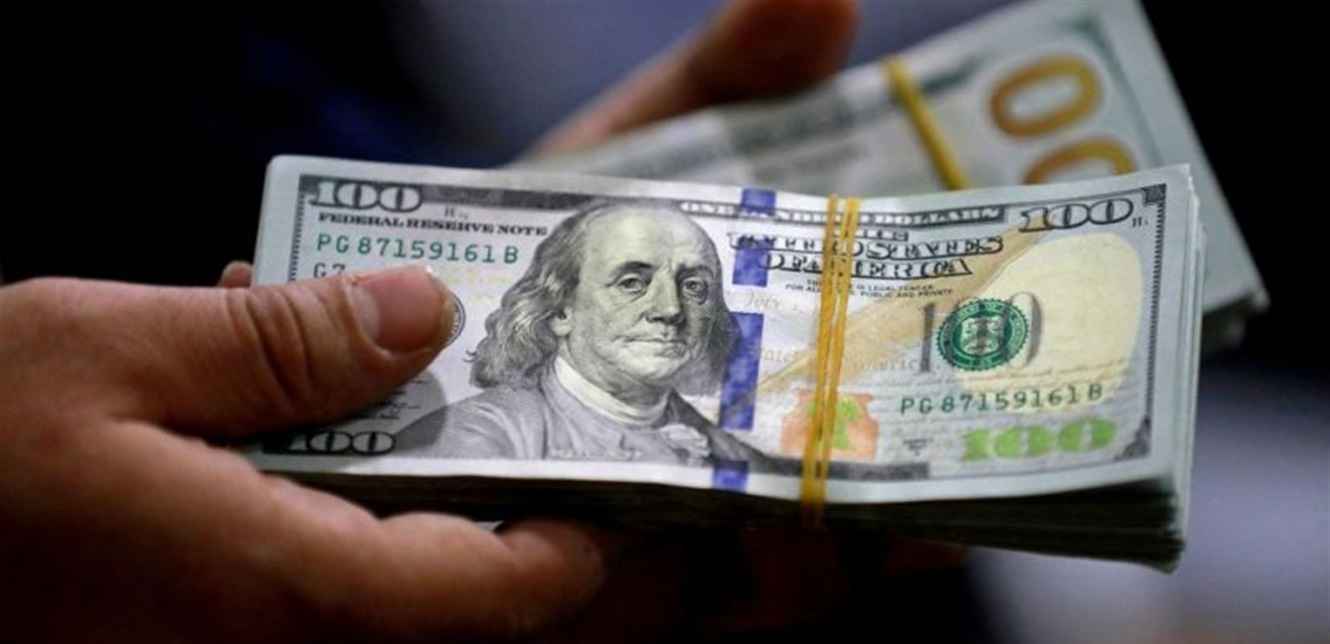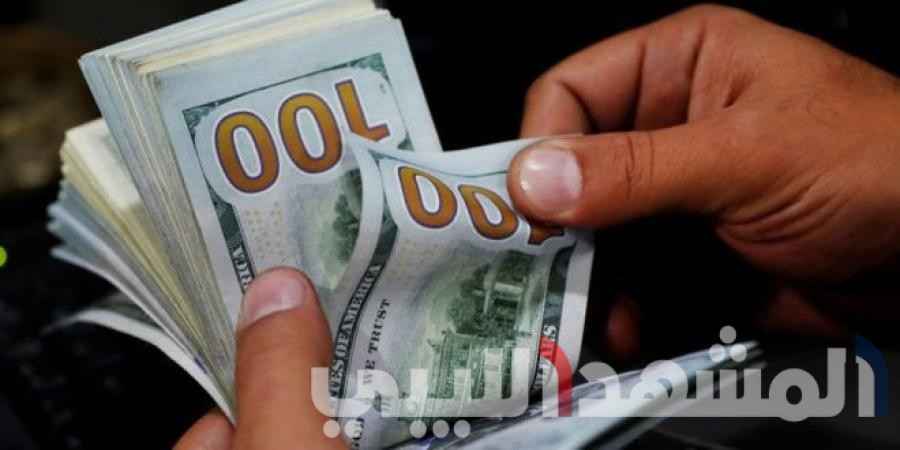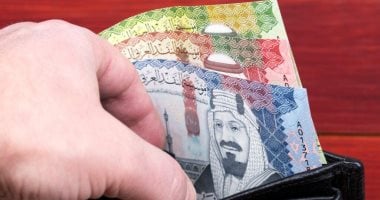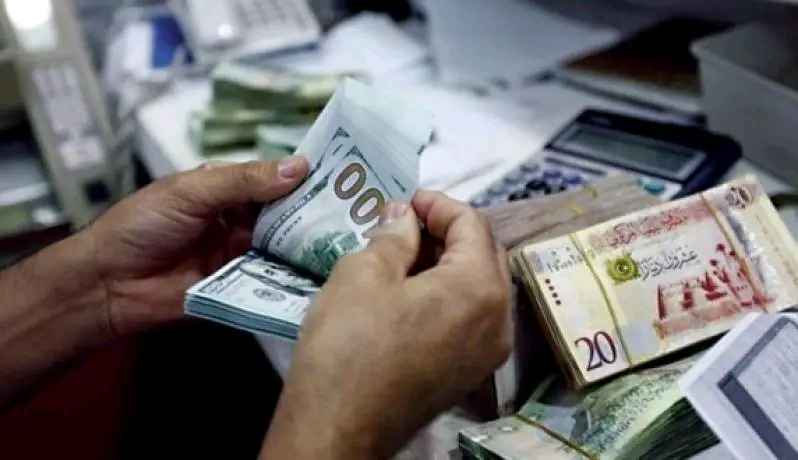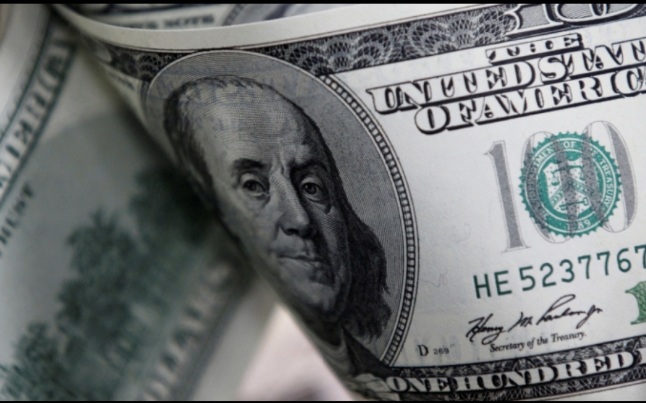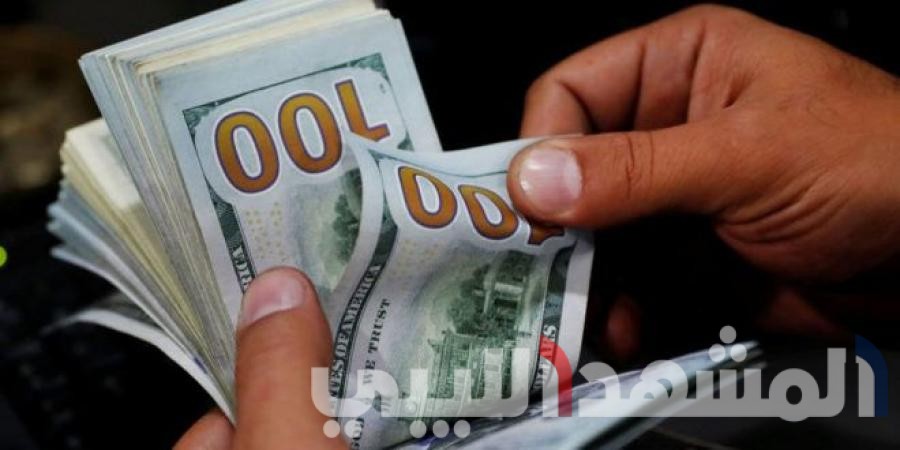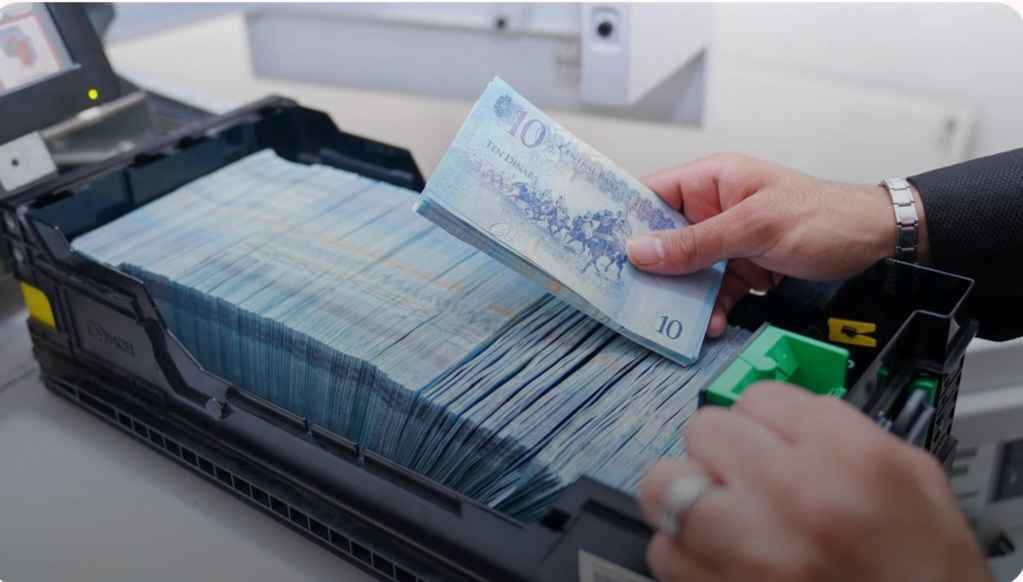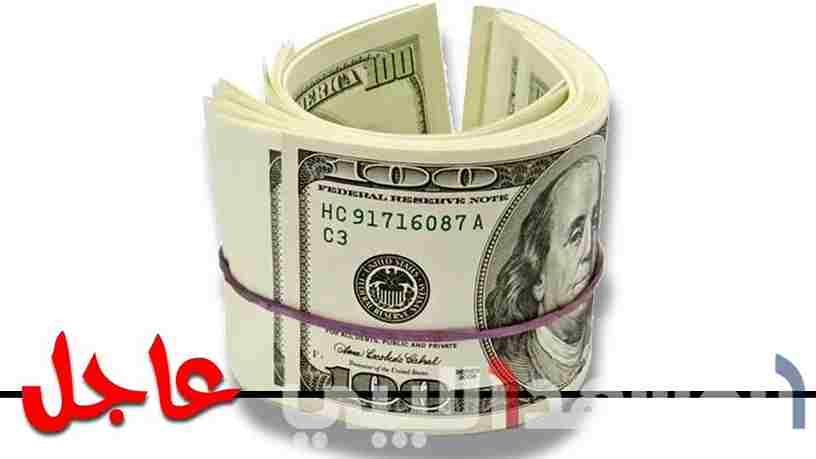
Tripoli | Follow-up – Trading on Libya’s parallel market concluded on Thursday, January 1, 2026 with a collective decline for foreign currencies and gold against the Dinar. The capital, Tripoli, recorded a rate of 8.655 Dinar to the Dollar, while the cities of Zliten, Benghazi, and Ajdabiya also saw a decline to 8.665 Dinar.
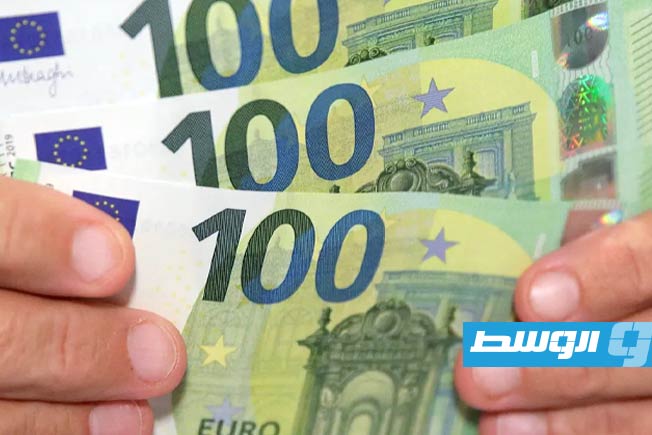
Foreign Currency Prices (Euro and Pound): Major currencies recorded levels lower than the previous close:
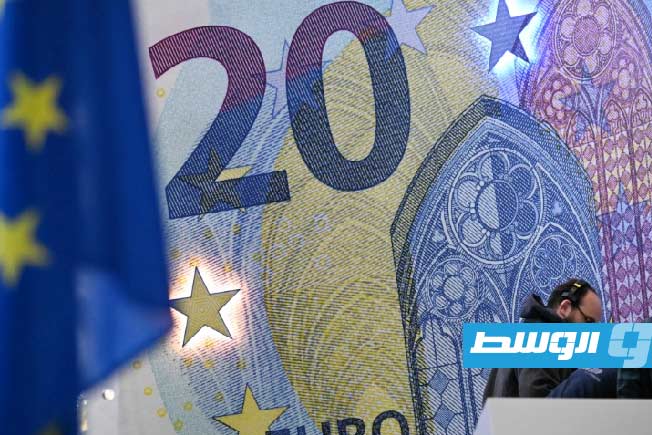
- Euro: Declined to 10.02 Dinar.
- British Pound: Reached 11.40 Dinar.
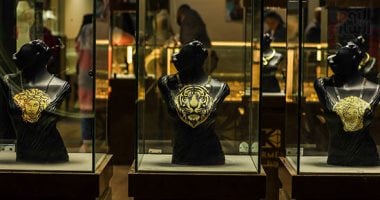
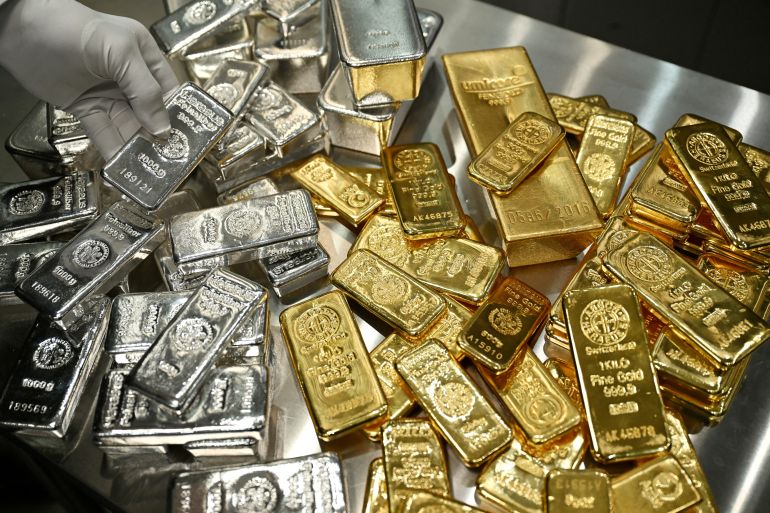
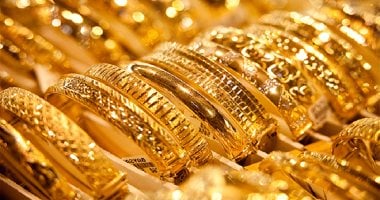
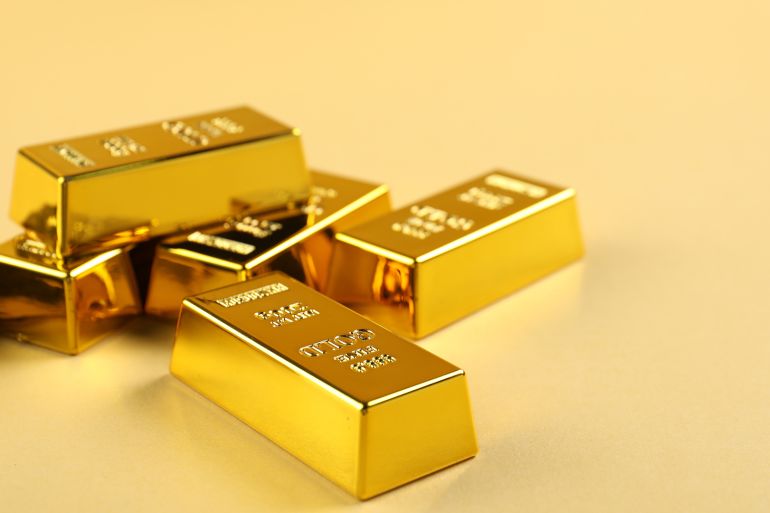
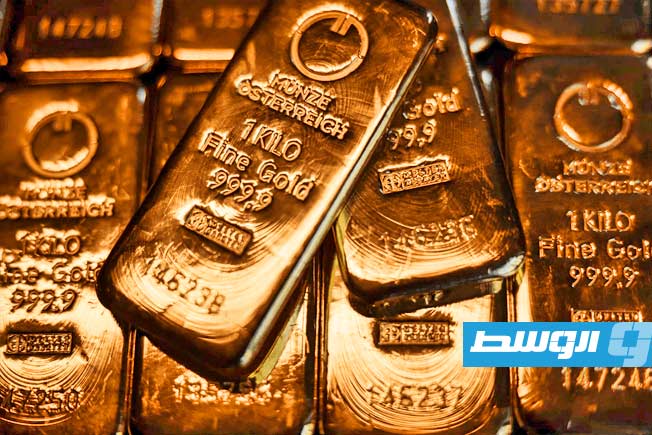
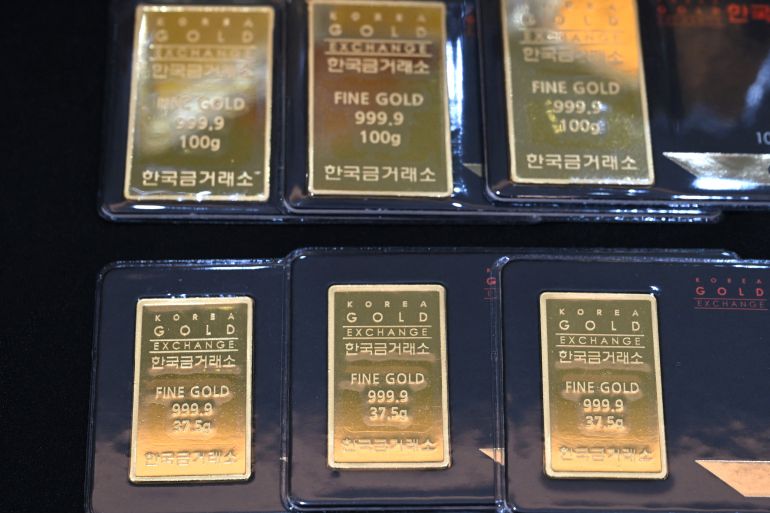
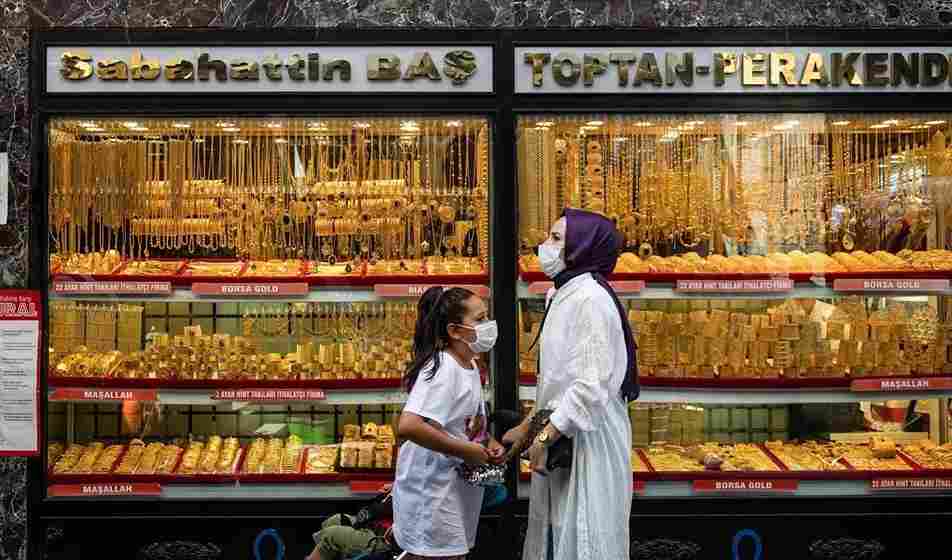
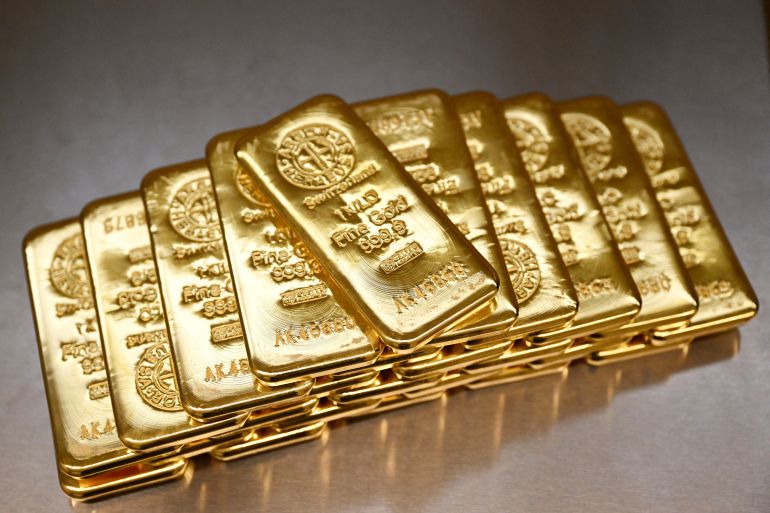
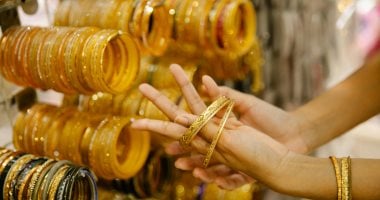
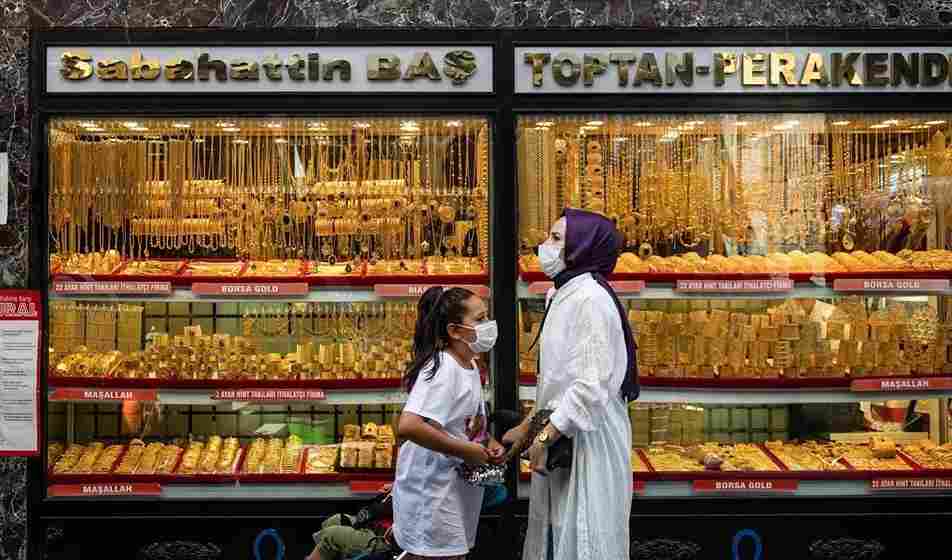
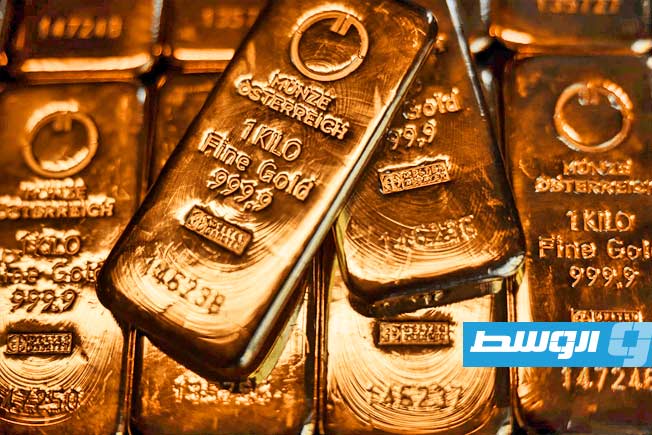
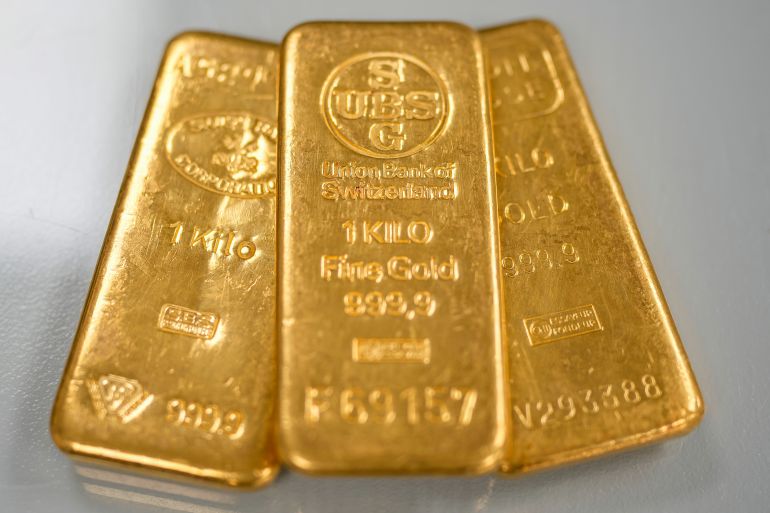
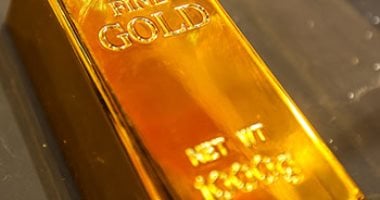
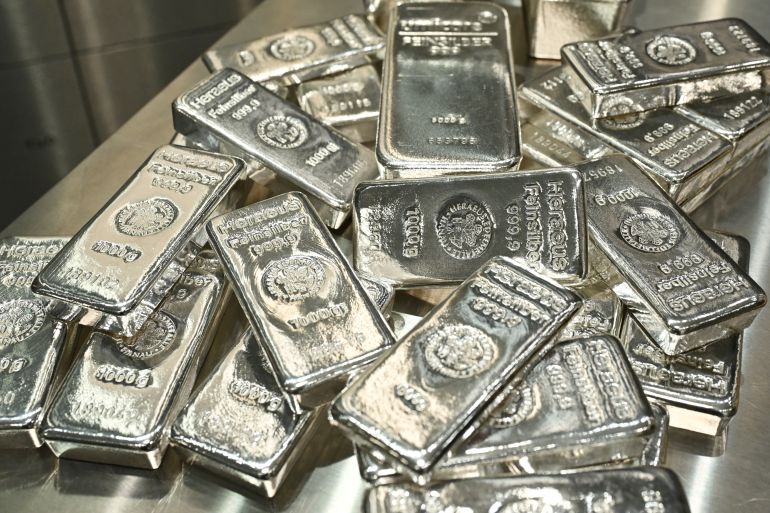
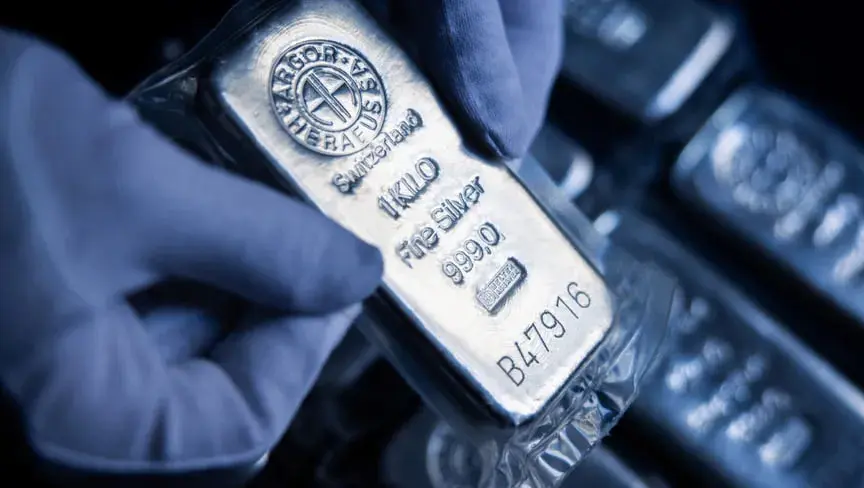
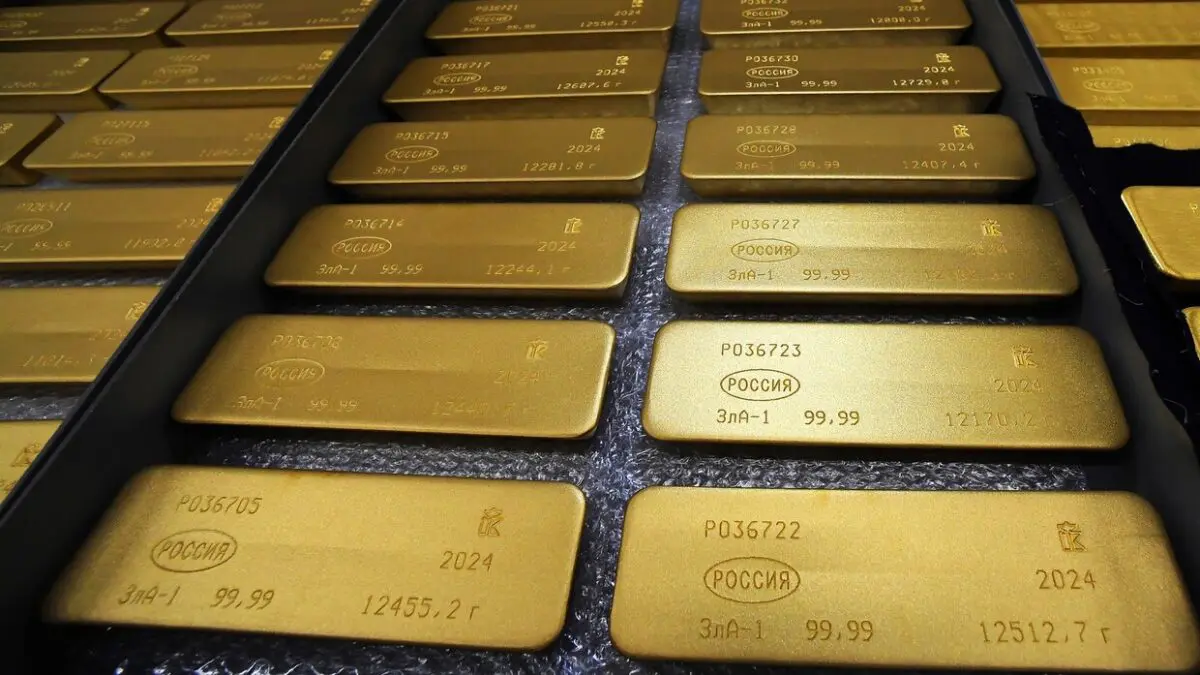
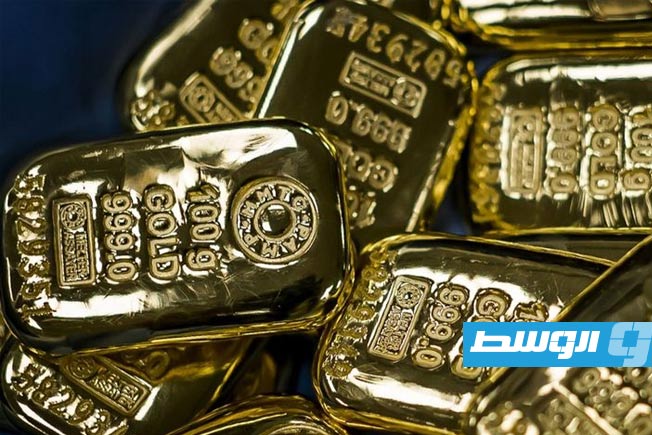
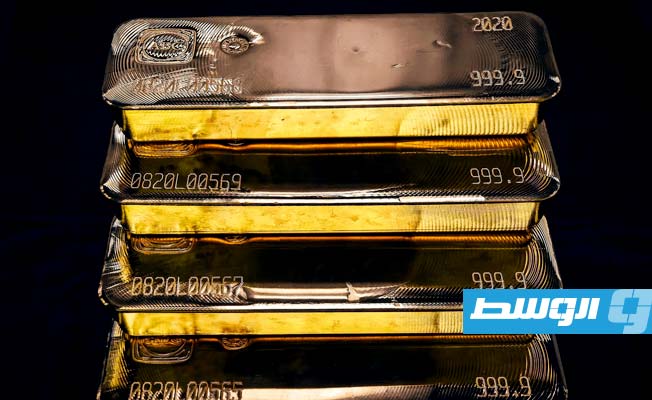
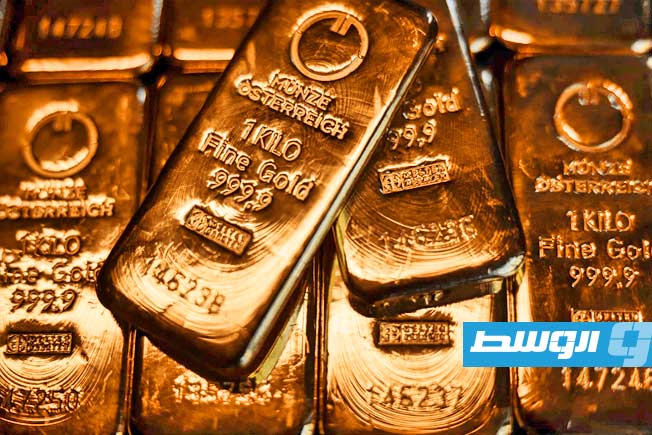
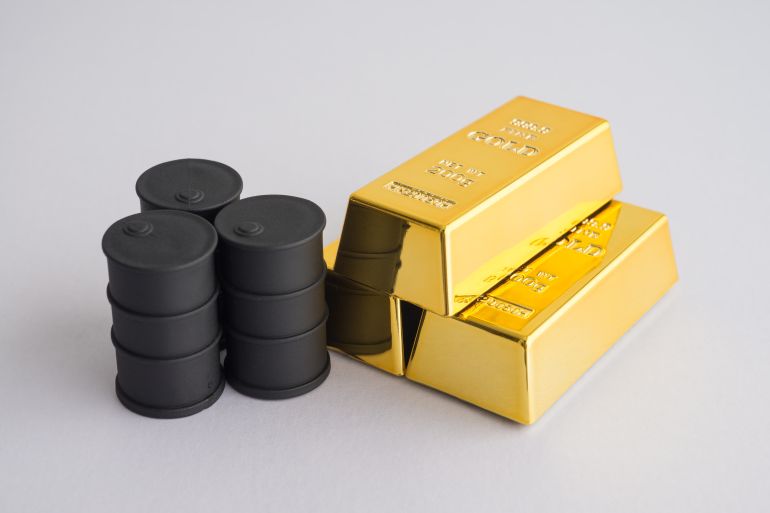
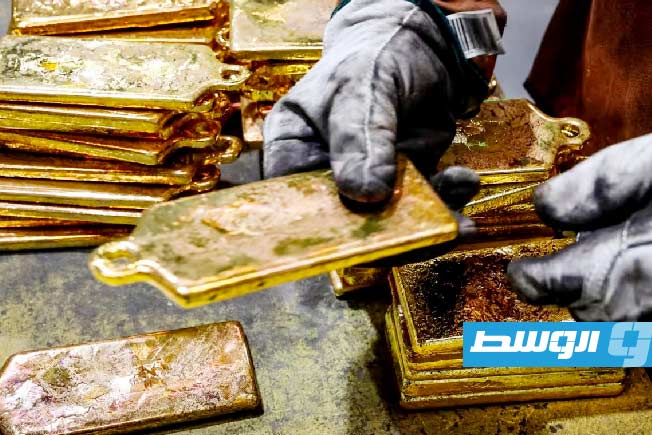
Gold and Remittance Prices: In the metals market, a gram of 18-karat broken gold recorded a notable decline at 876 Dinar. As for external remittances, the rates were as follows:
- Turkey Remittance: 8.660 Dinar.
- Dubai Remittance: 8.650 Dinar.
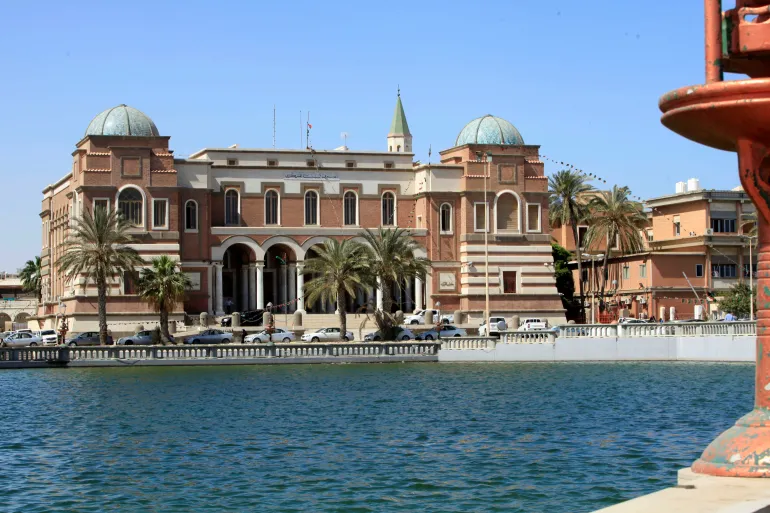
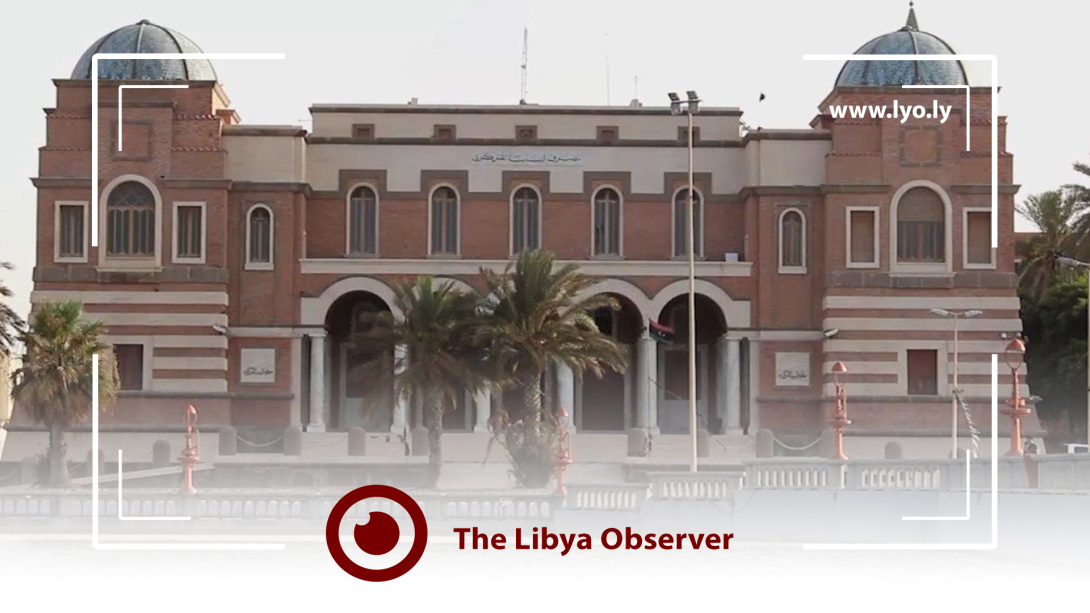
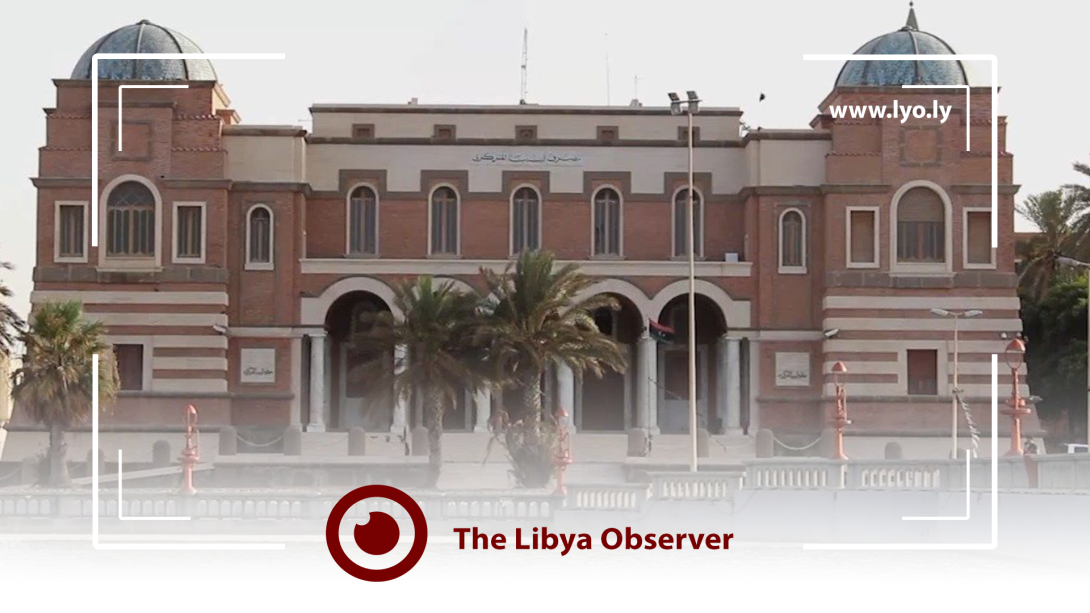
Tripoli
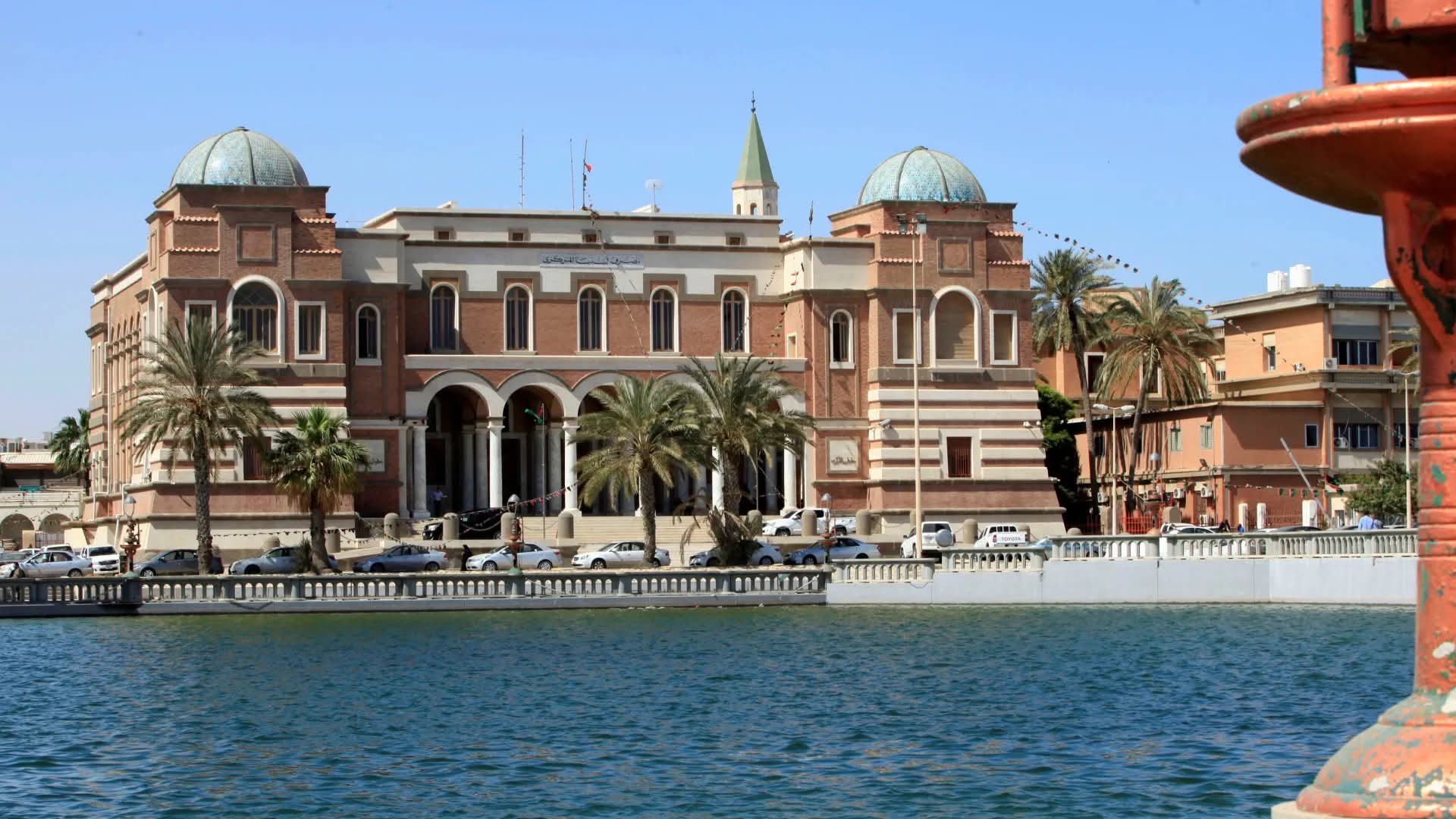
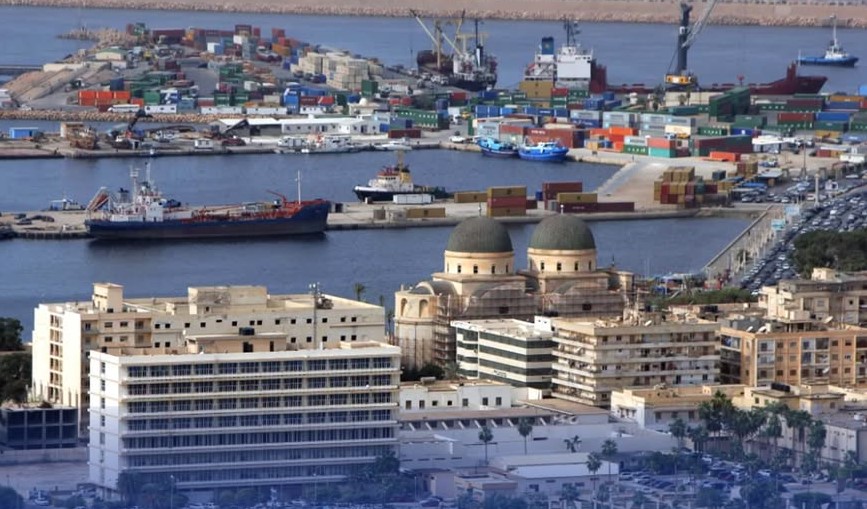
Tripoli is the capital and largest city of Libya, located on the country’s Mediterranean coast. Historically, it was founded by the Phoenicians in the 7th century BC and has since been ruled by the Romans, Arabs, Ottomans, and Italians, which is reflected in its diverse architecture, such as the ancient Medina and the Red Castle.
Libya
Libya is a North African country with a rich history rooted in ancient civilizations like the Phoenicians and Romans, followed by centuries of Arab and Ottoman influence. In the modern era, it was an Italian colony before gaining independence in 1951, later becoming known for Muammar Gaddafi’s lengthy rule from 1969 until the 2011 revolution.
Zliten
Zliten is a coastal city in northwestern Libya, historically known for its ancient Roman and Ottoman influences. It is particularly famous for the Zliten Mosaic, a well-preserved Roman floor mosaic from the 2nd century AD discovered in a villa, depicting scenes of daily life and gladiatorial combat. The city also holds significance for the Zawiya of Sidi Abd as-Salam al-Asmar, a 16th-century Islamic religious school and mausoleum that is an important Sufi site.
Benghazi
Benghazi is a major city in eastern Libya, historically significant as a center of trade and culture since its founding as the Greek colony of Euesperides. It played a pivotal role in Libya’s modern history, serving as a co-capital and a focal point during the 2011 revolution.
Ajdabiya
Ajdabiya is a city in northeastern Libya, historically significant as a major crossroads for trans-Saharan trade routes and later as a site of strategic importance during various conflicts, including World War II and the 2011 Libyan Civil War. Its location at a desert junction has shaped its role as a commercial and military hub for centuries.
Turkey
Turkey is a transcontinental country located at the crossroads of Europe and Asia, historically known as Anatolia and the heartland of several great empires, including the Byzantine and Ottoman Empires. Its modern republic was founded in 1923 by Mustafa Kemal Atatürk following the collapse of the Ottoman Empire. Today, it is renowned for its rich cultural heritage, which blends diverse influences and is reflected in historic sites like Hagia Sophia and the ancient city of Ephesus.
Dubai
Dubai is a major global city and emirate within the United Arab Emirates, historically known as a small fishing and pearling village. Its modern transformation began with the discovery of oil in the 1960s, but it has since strategically diversified into a hub for tourism, finance, and trade, symbolized by landmarks like the Burj Khalifa.