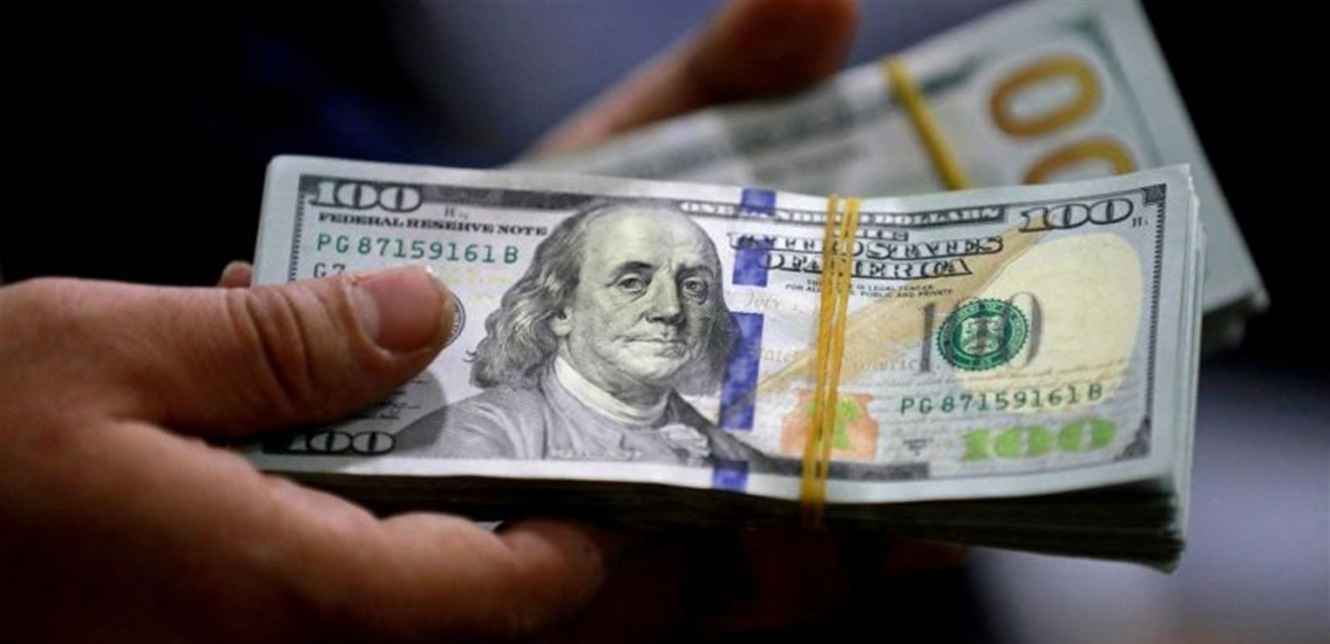
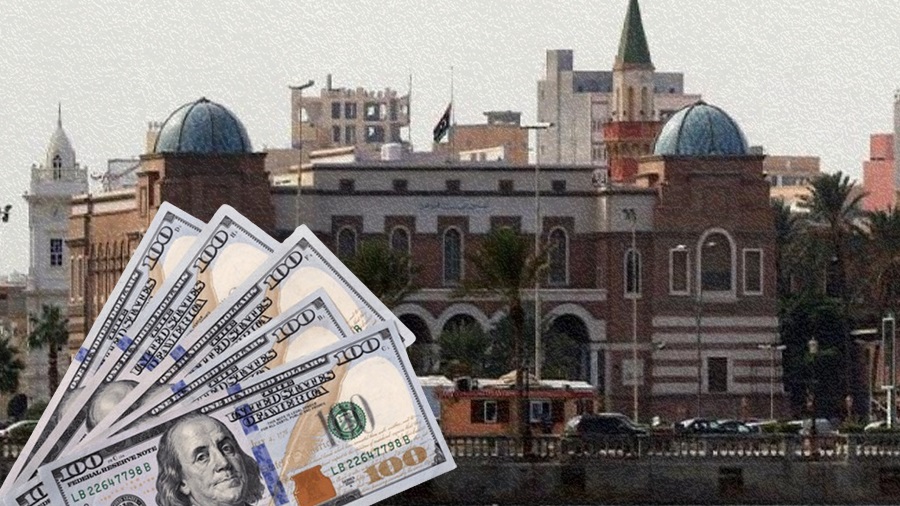
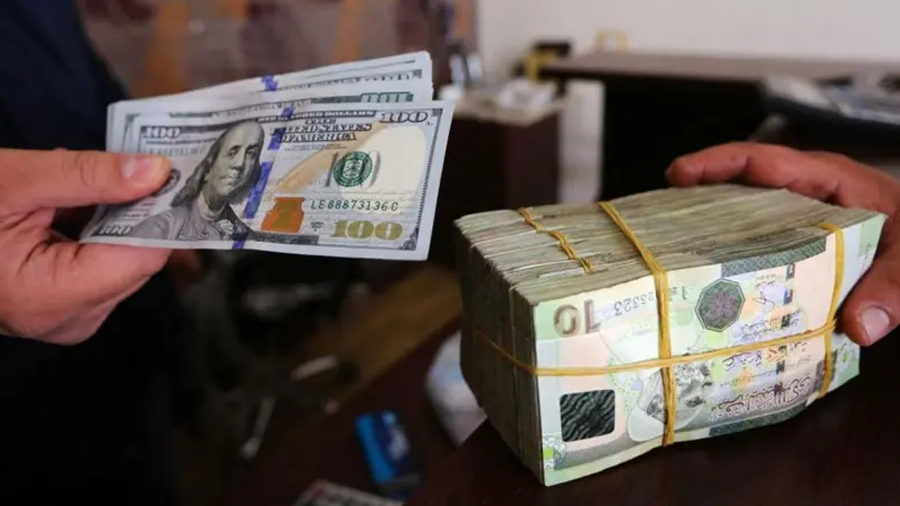
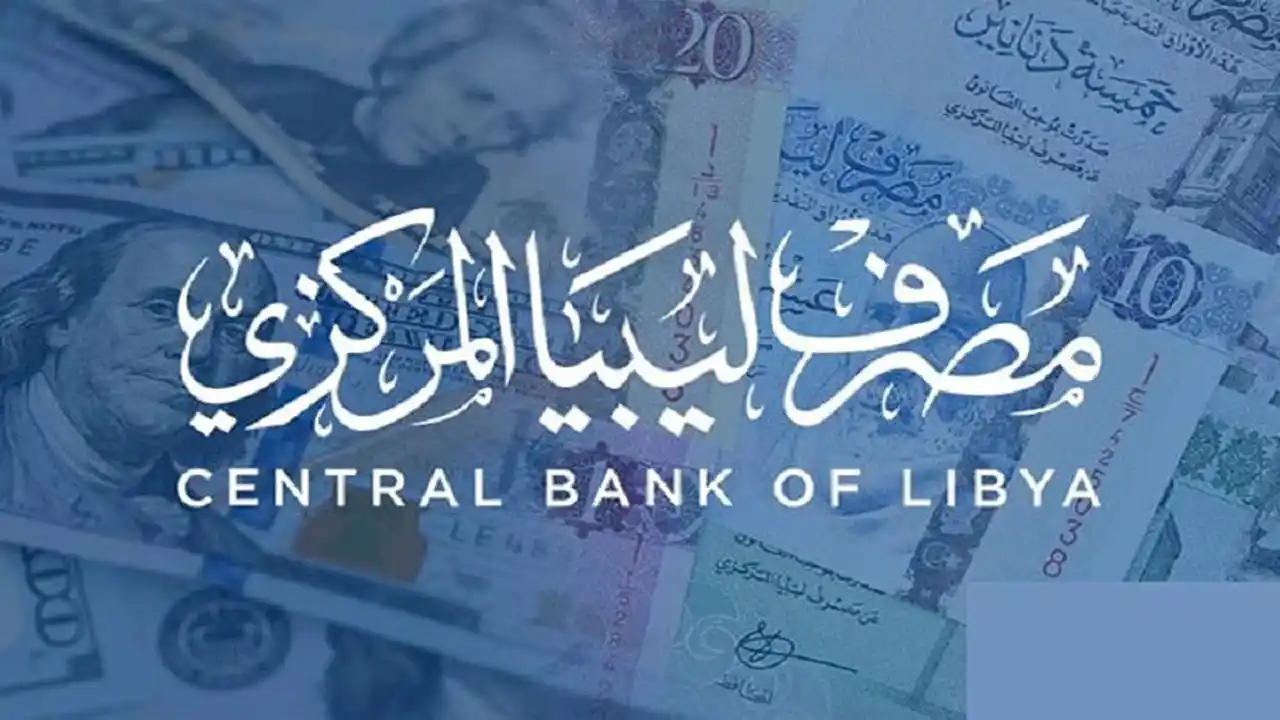
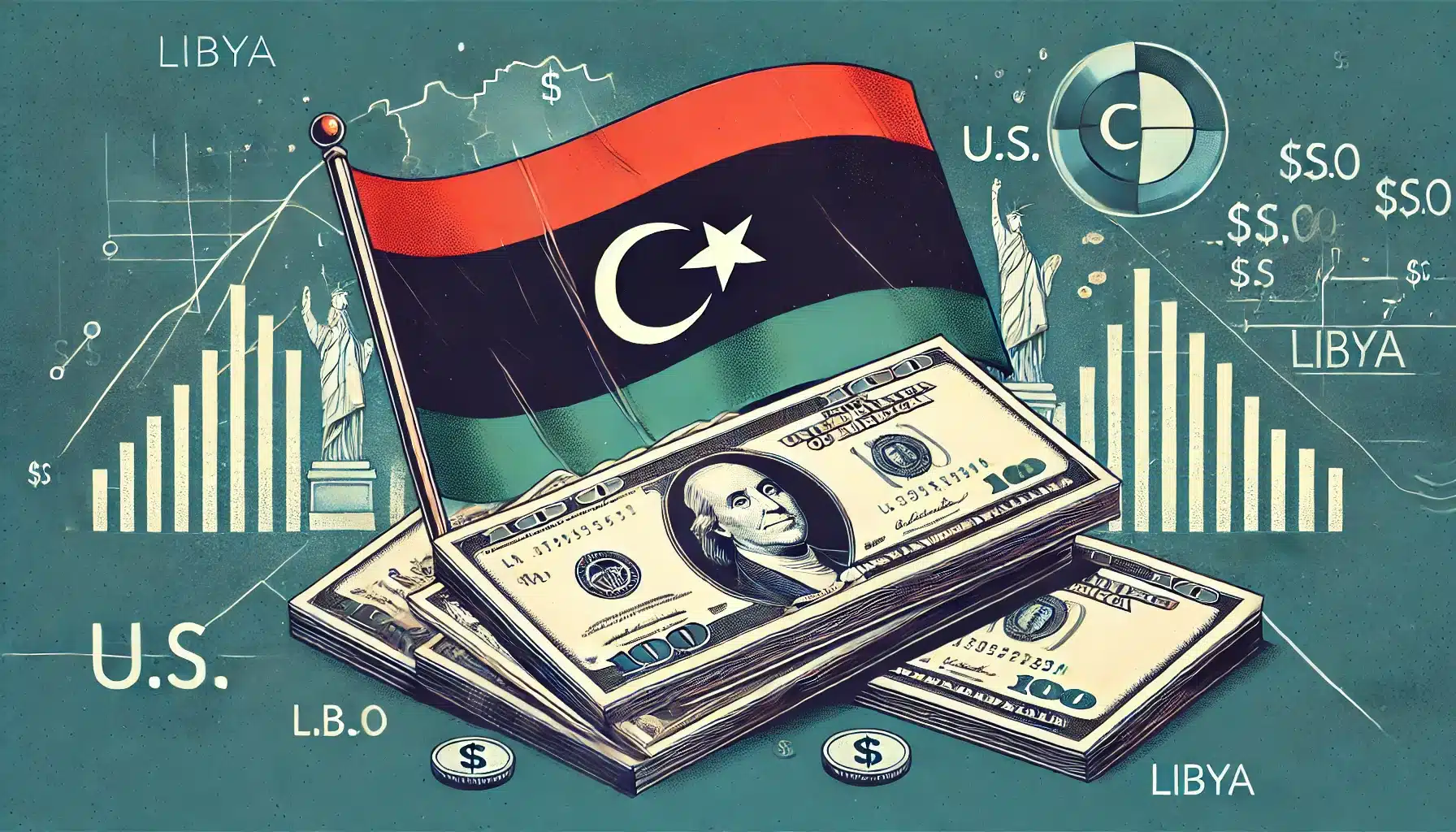
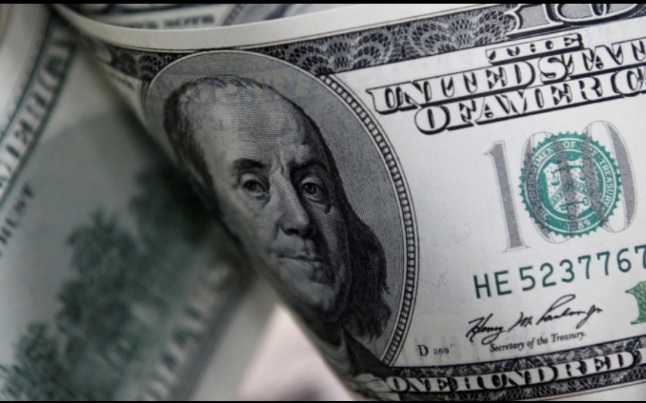
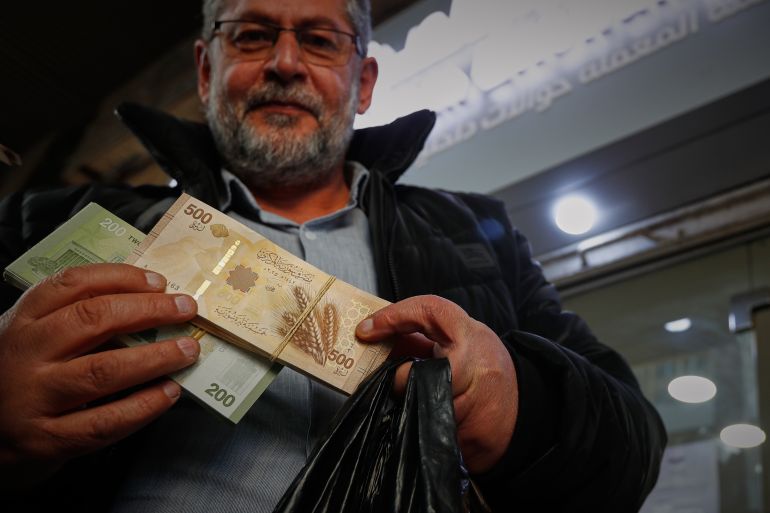
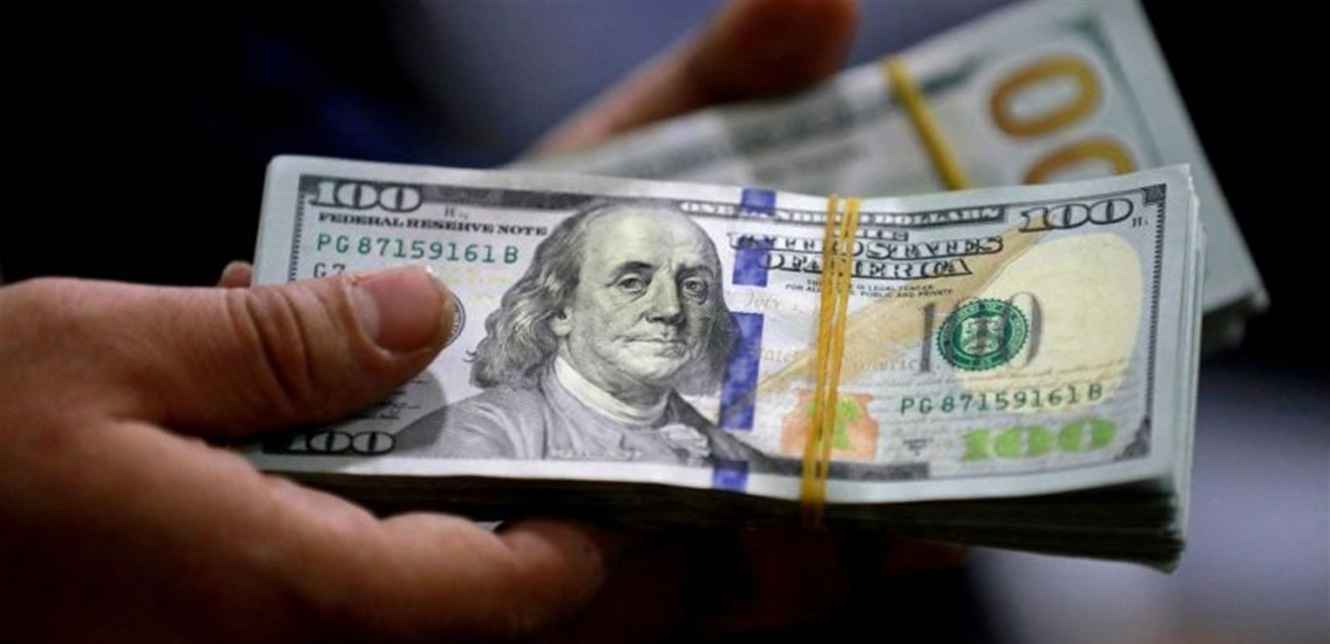
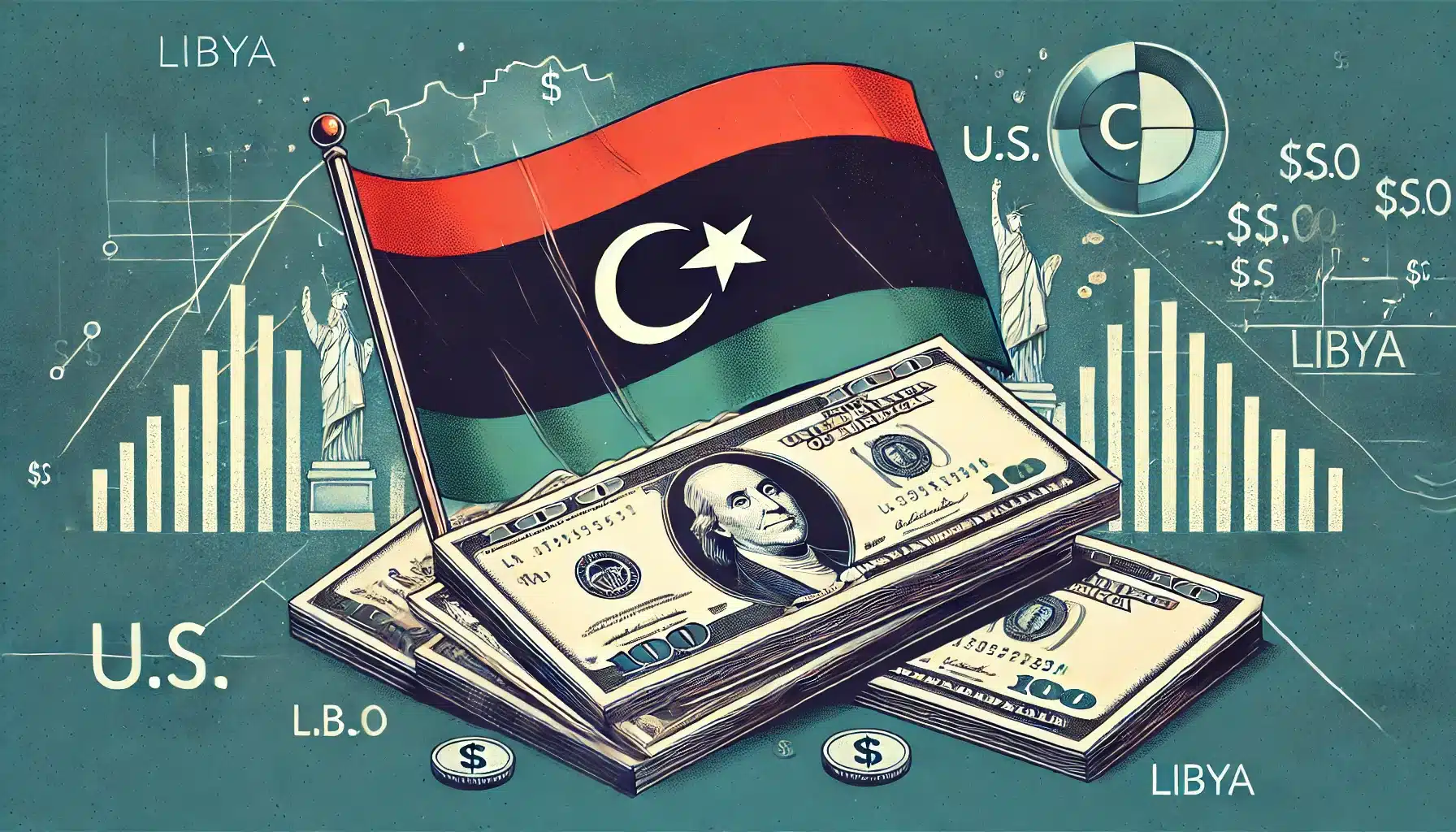
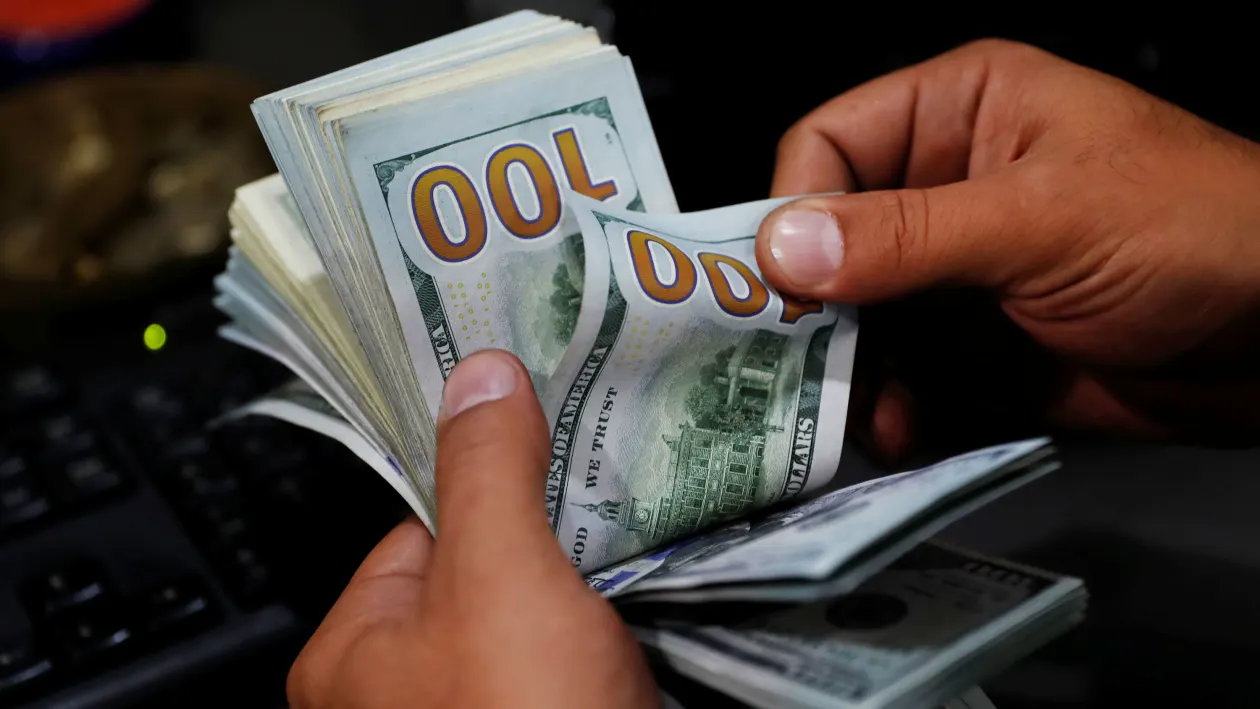
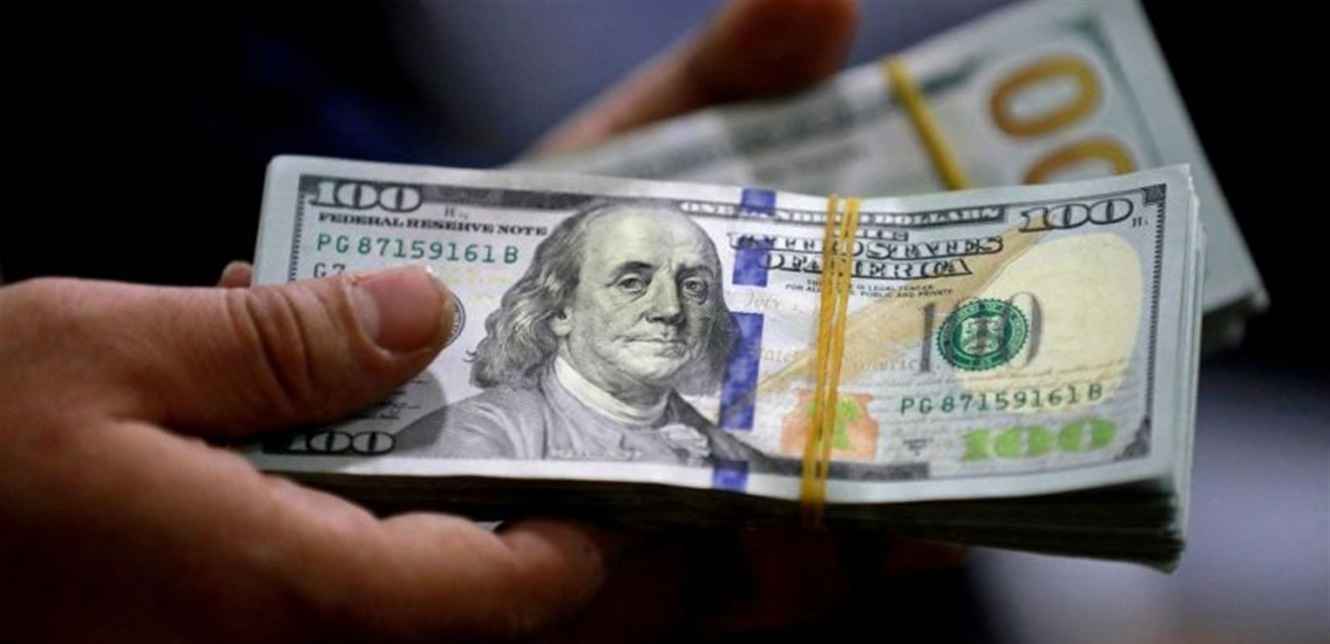
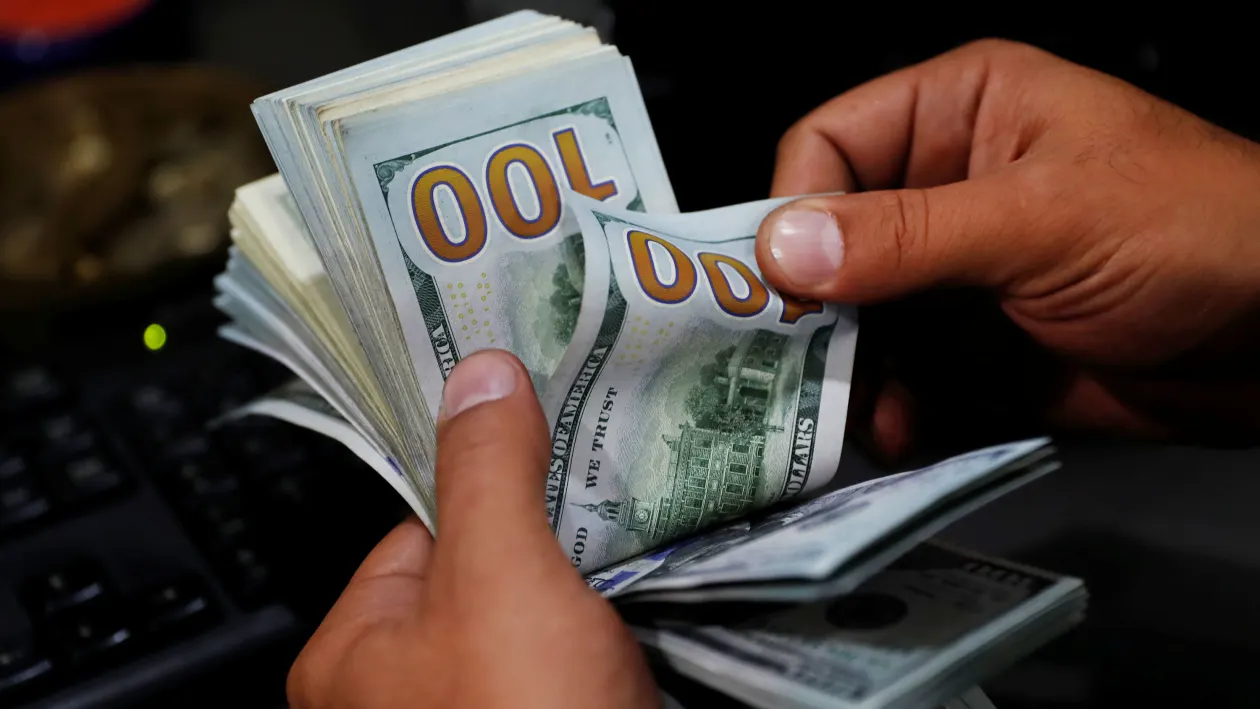
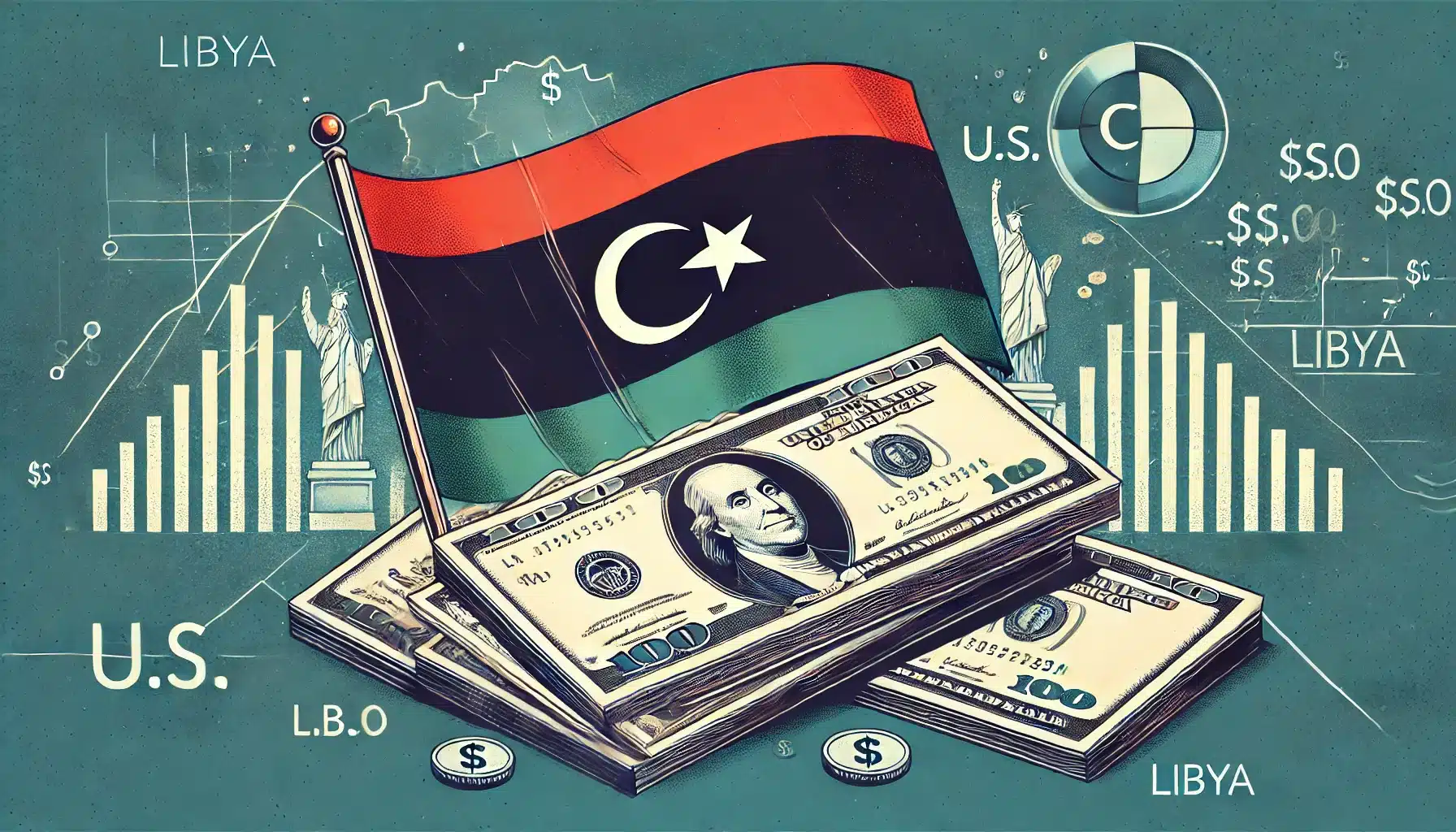
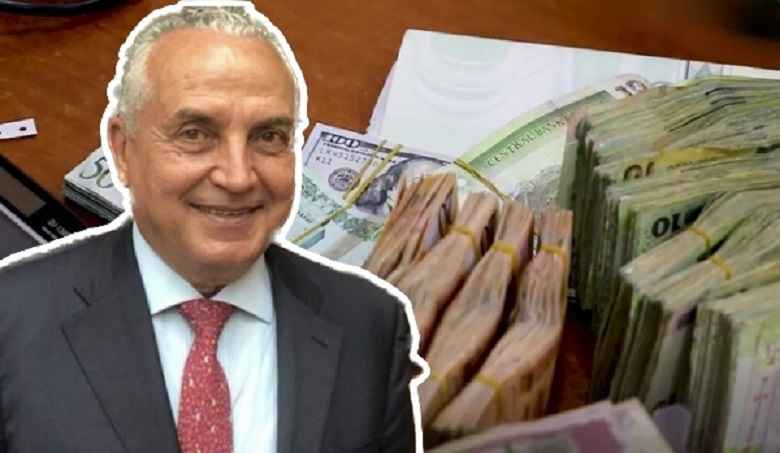
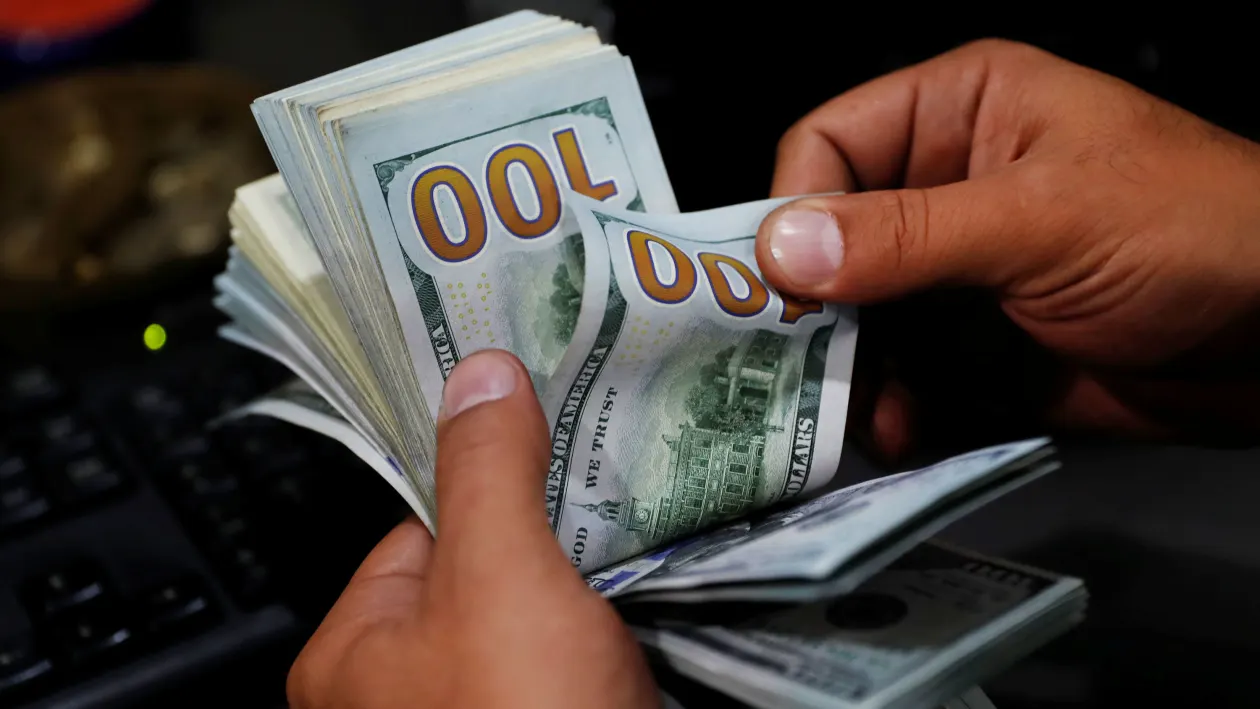
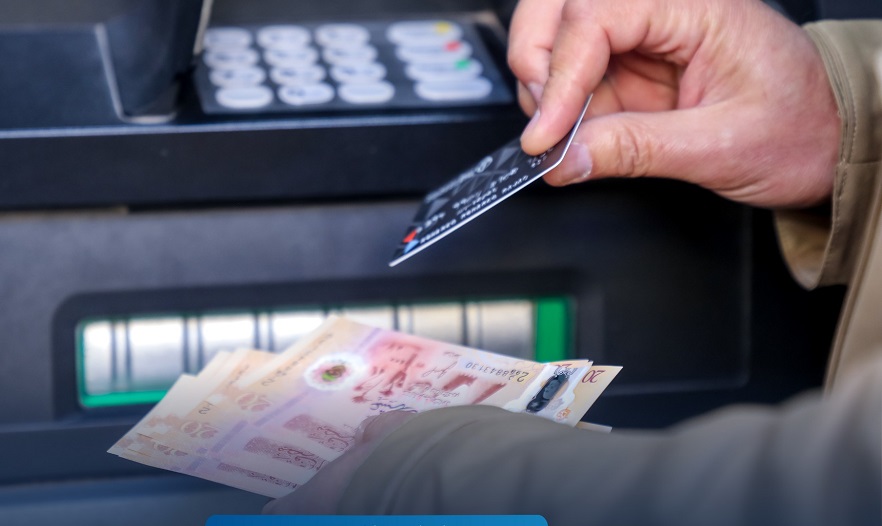
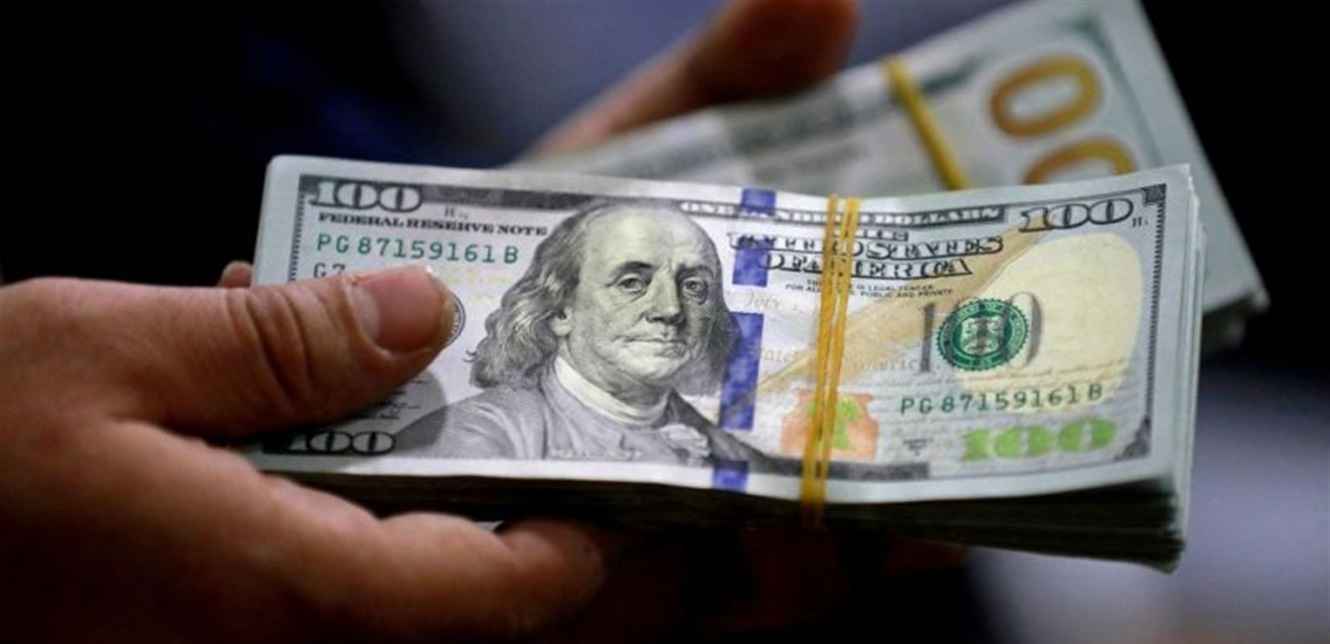
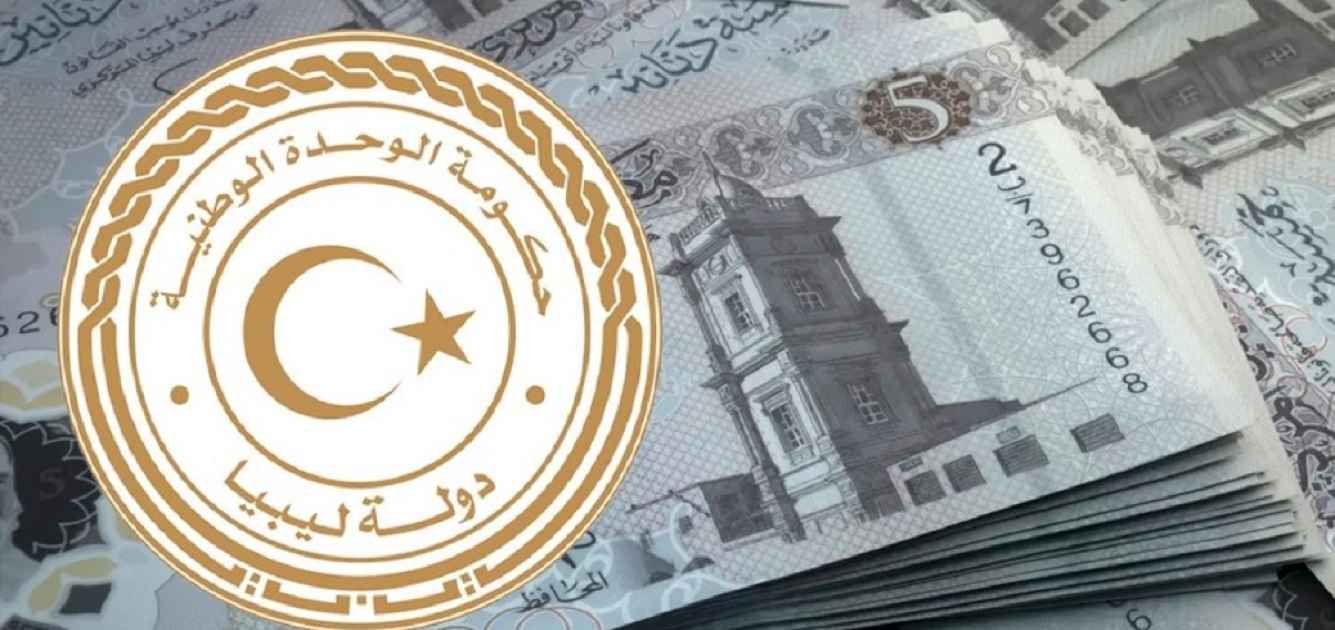
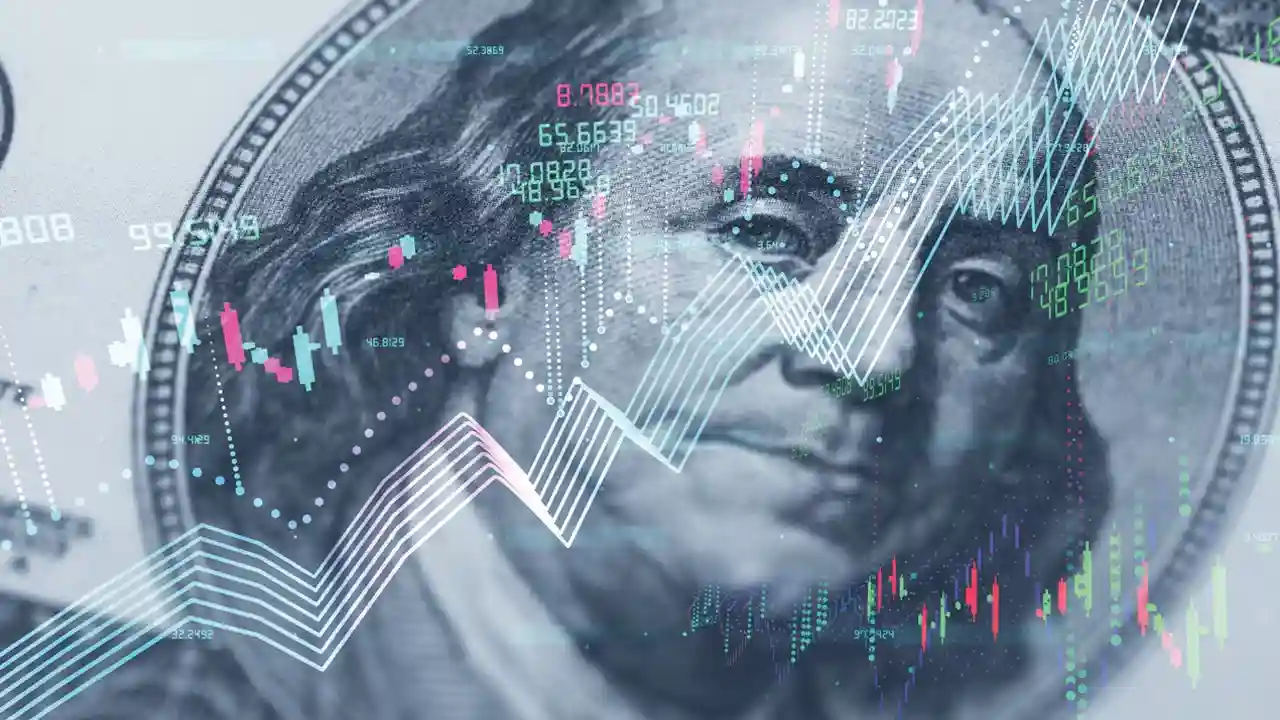
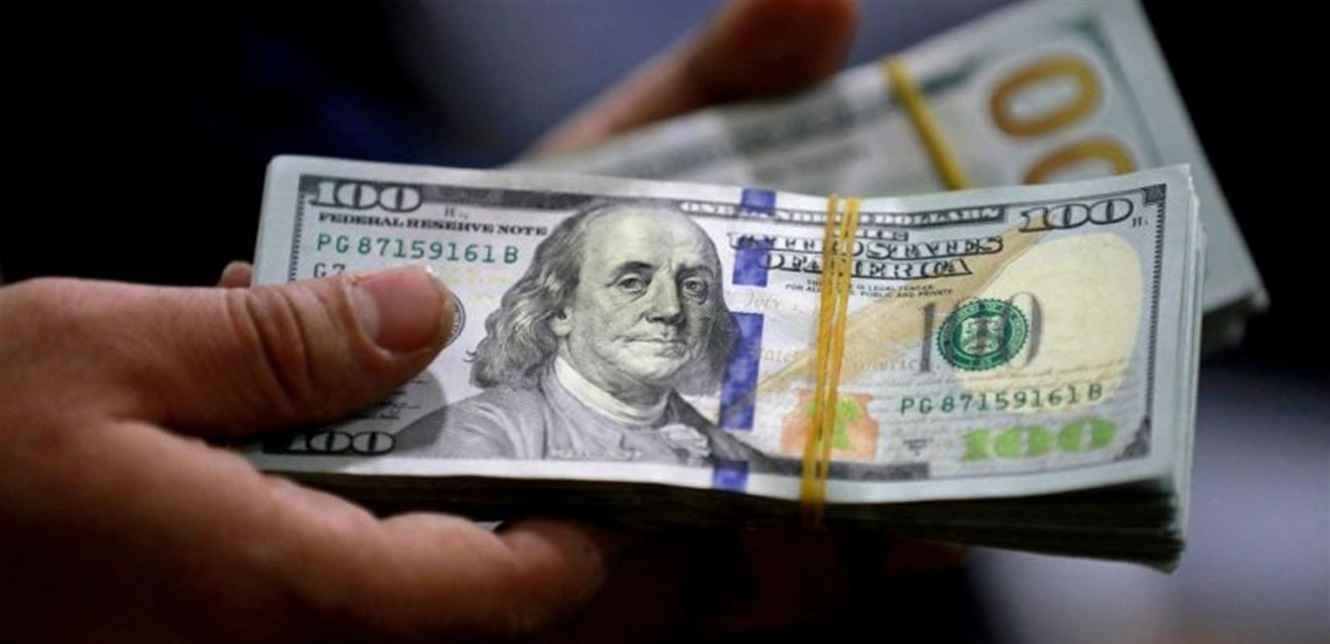
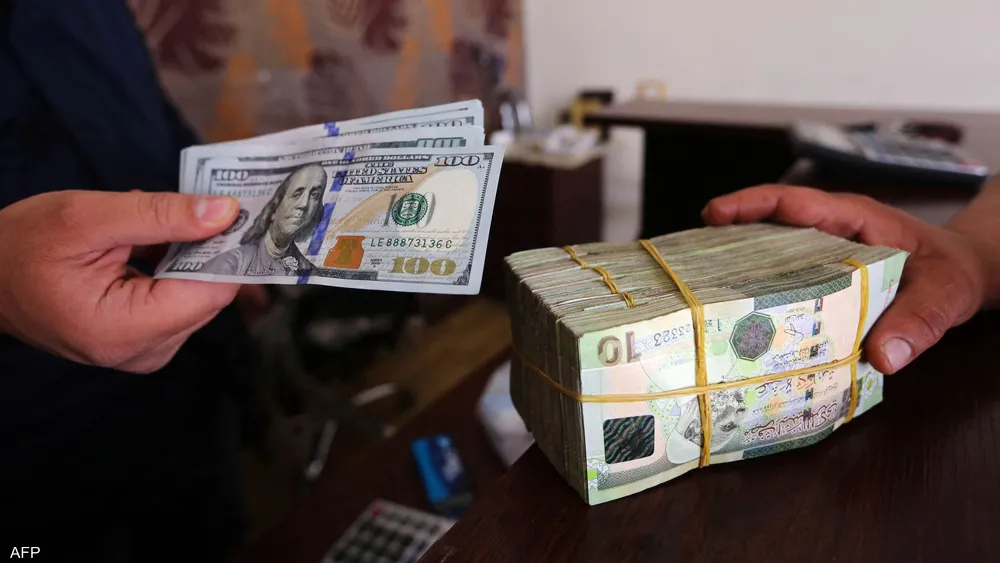
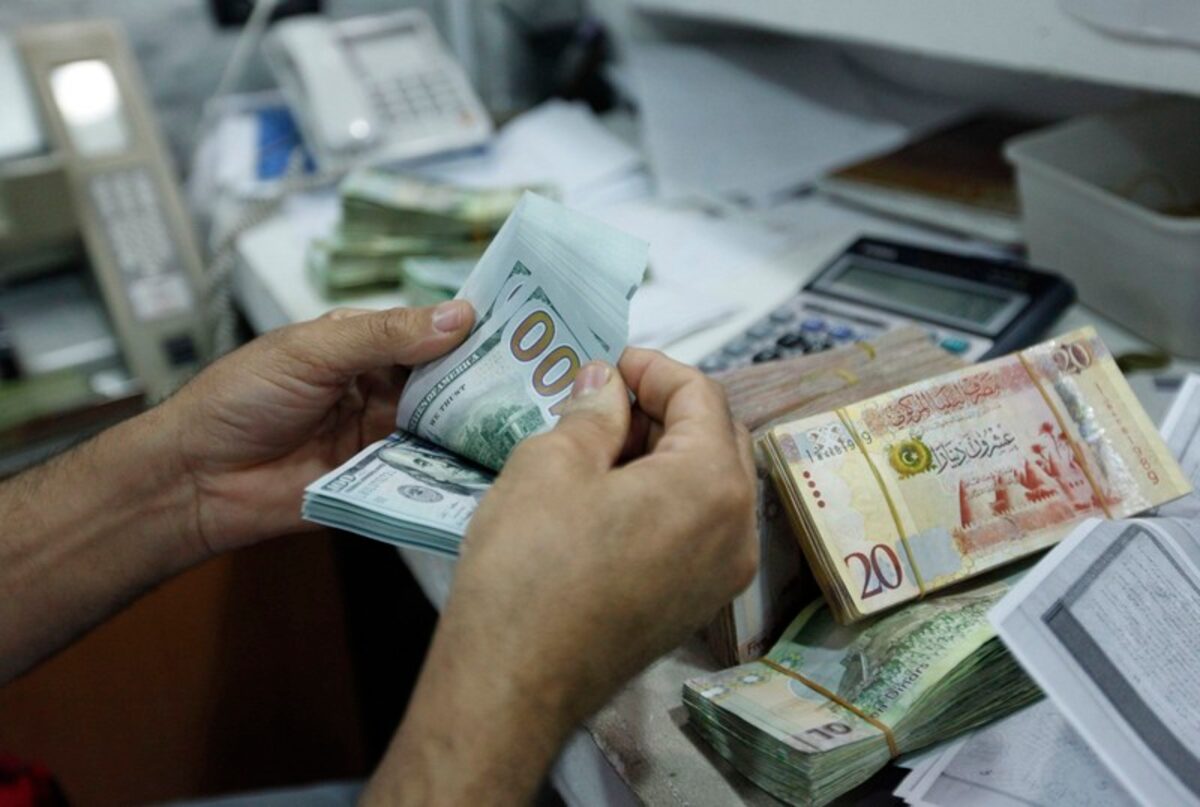
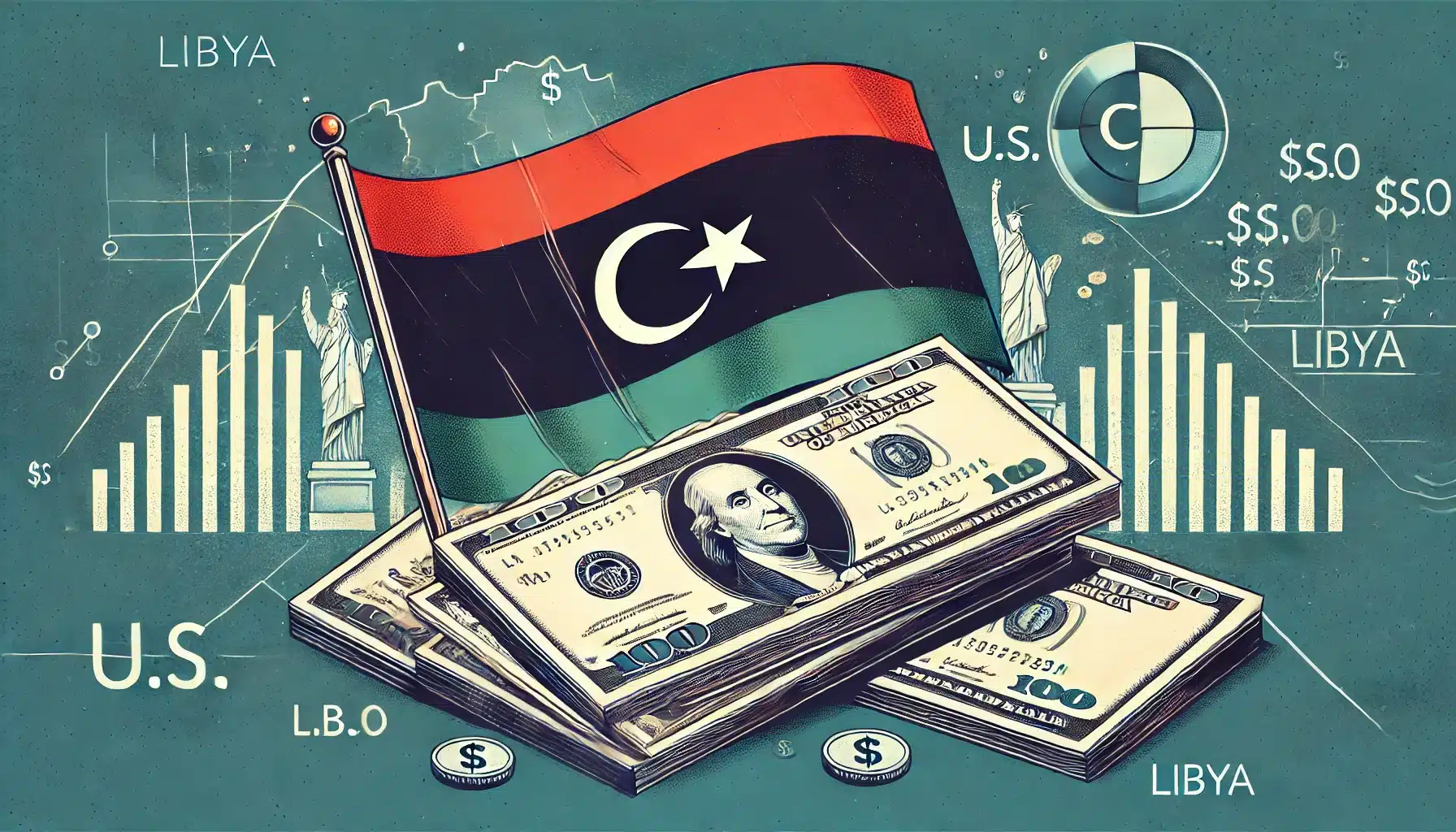
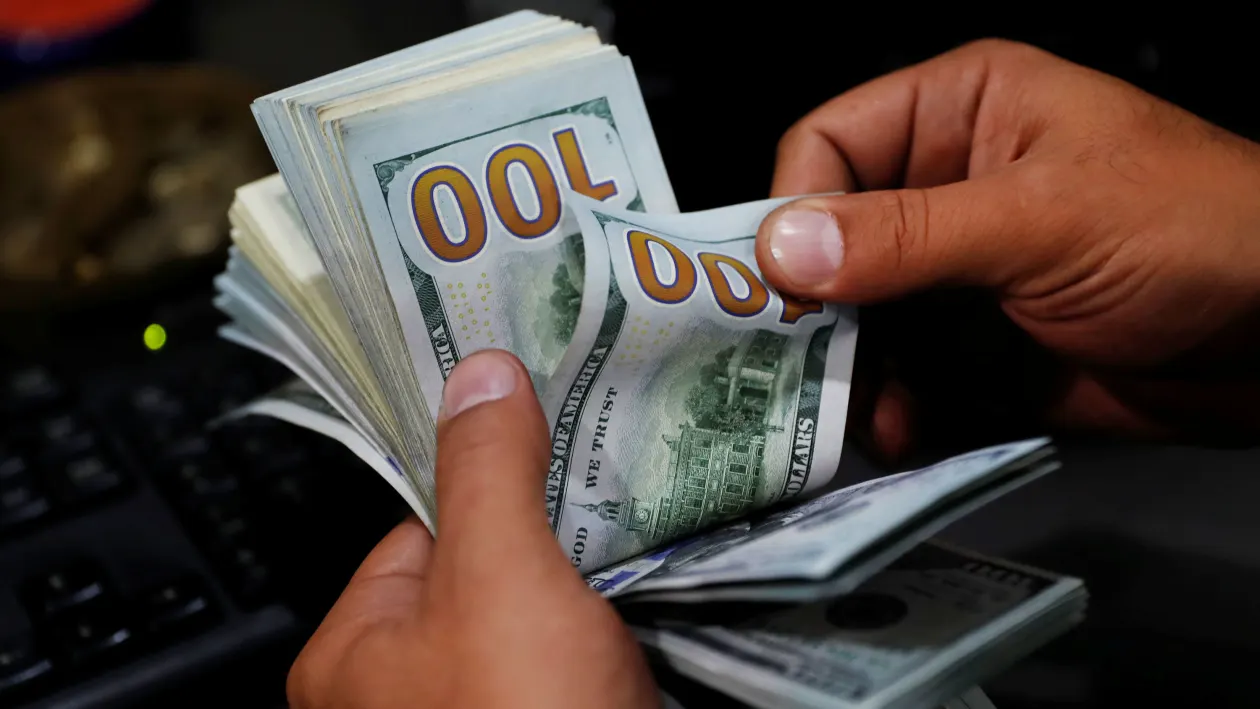
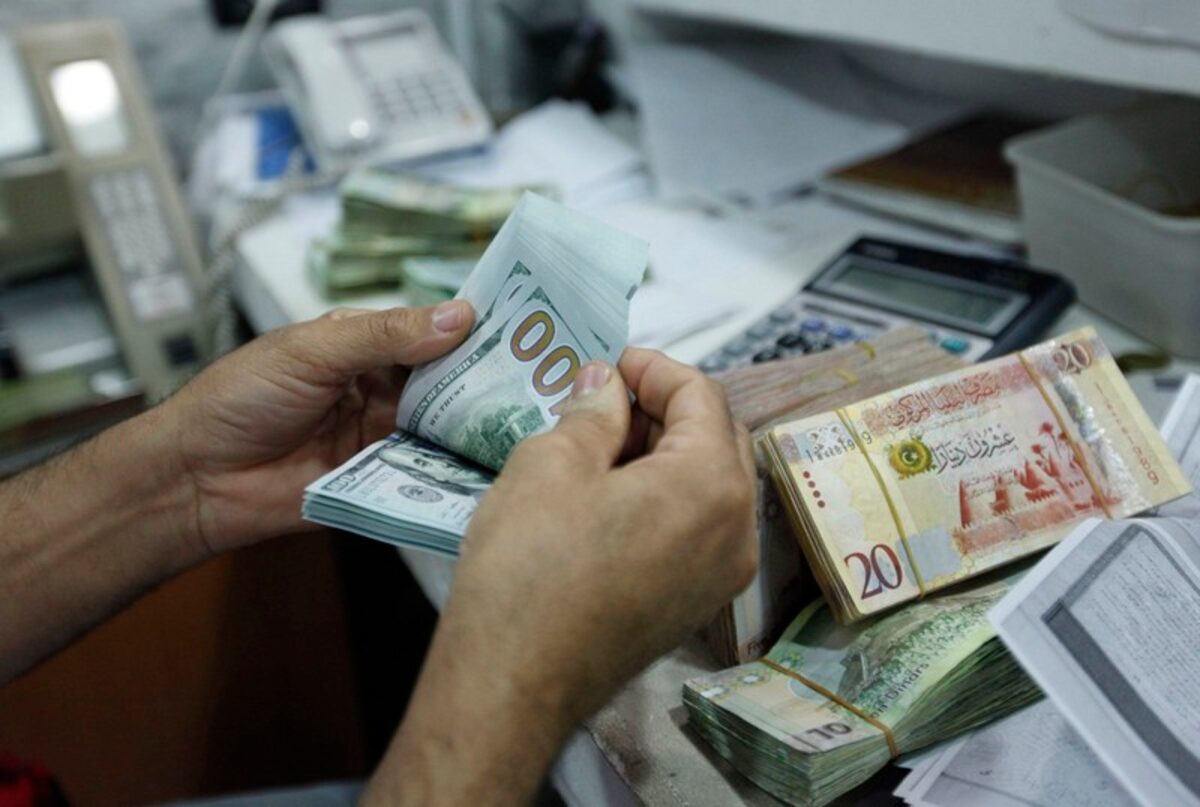
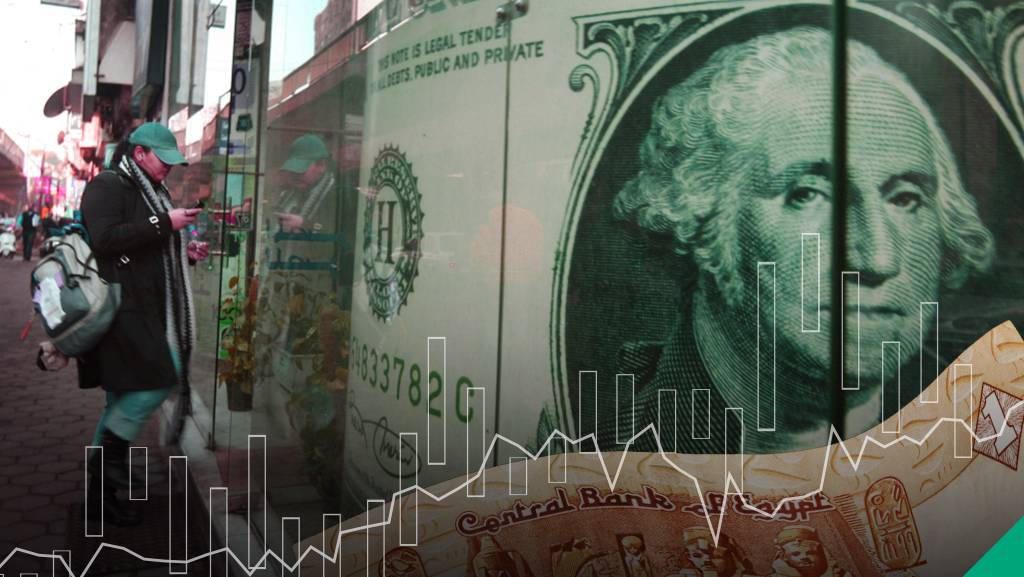
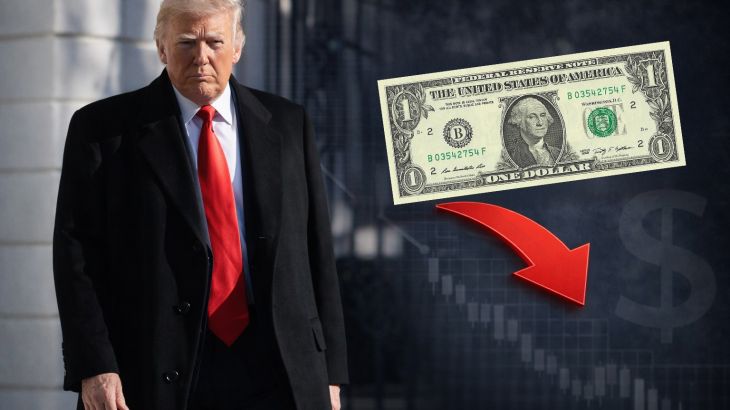
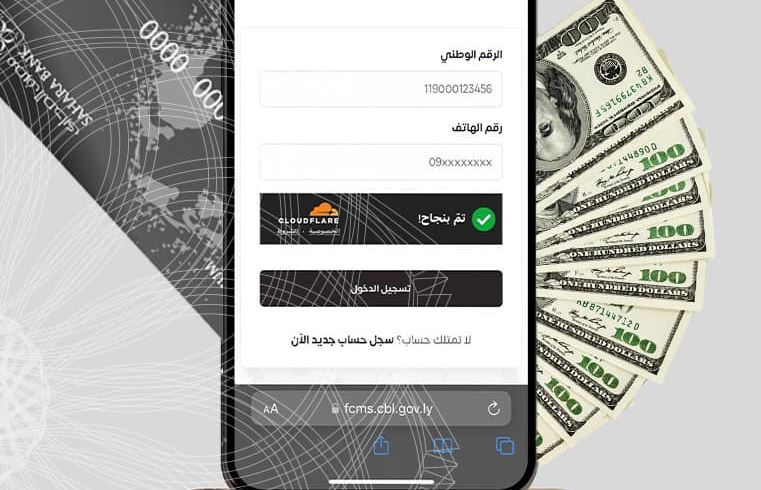
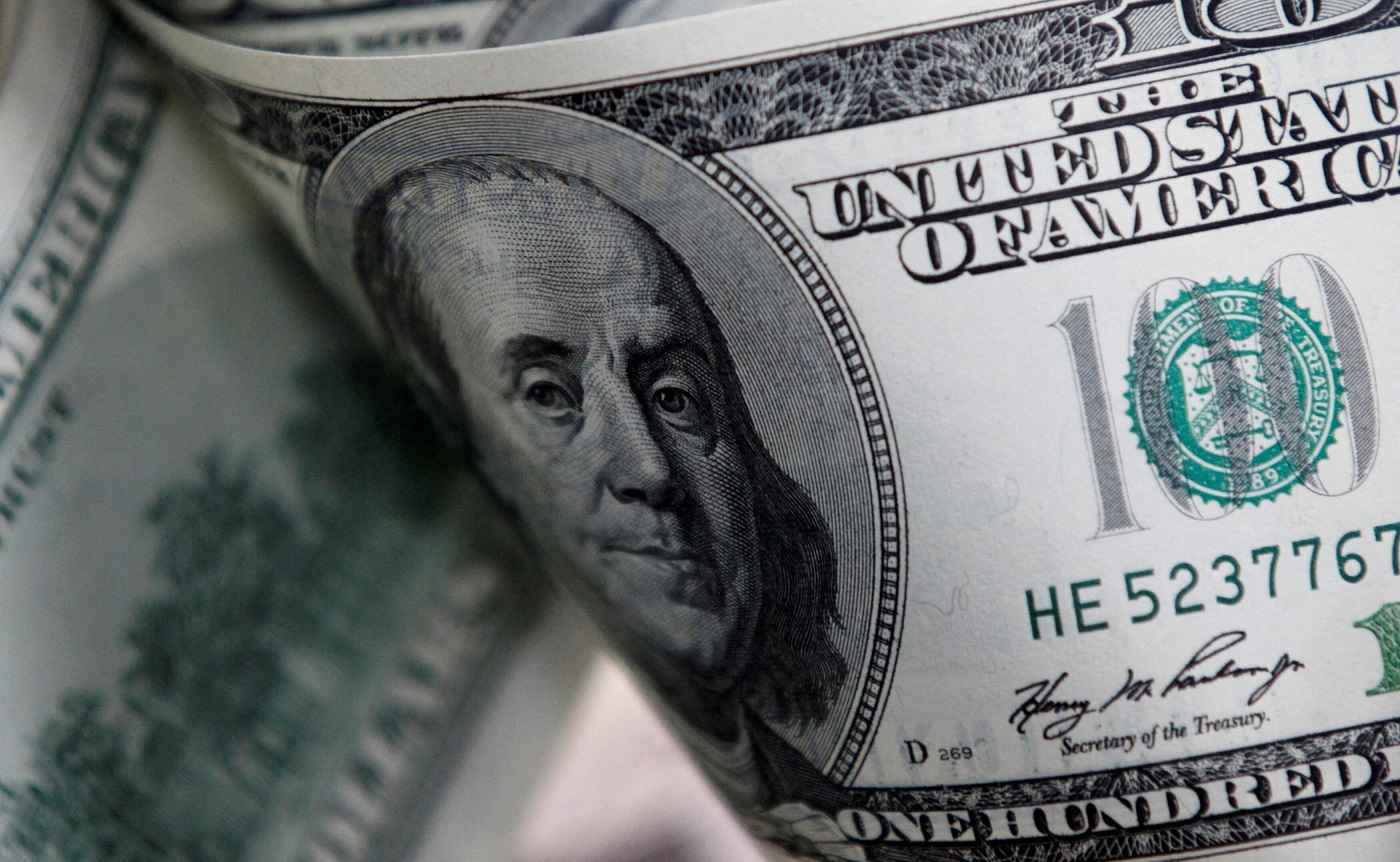
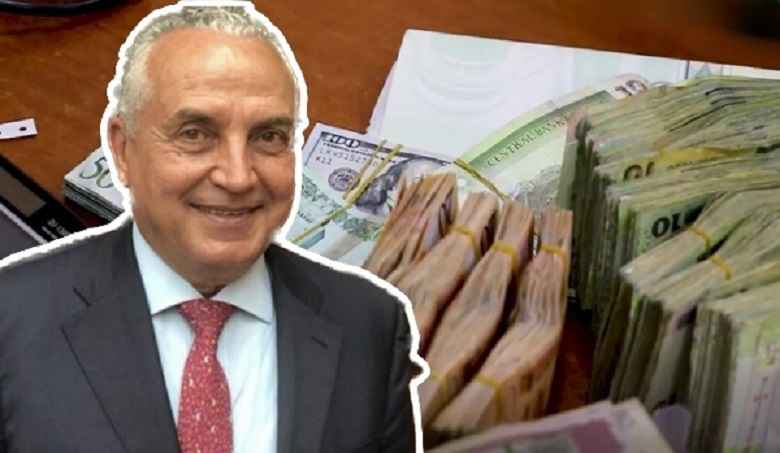
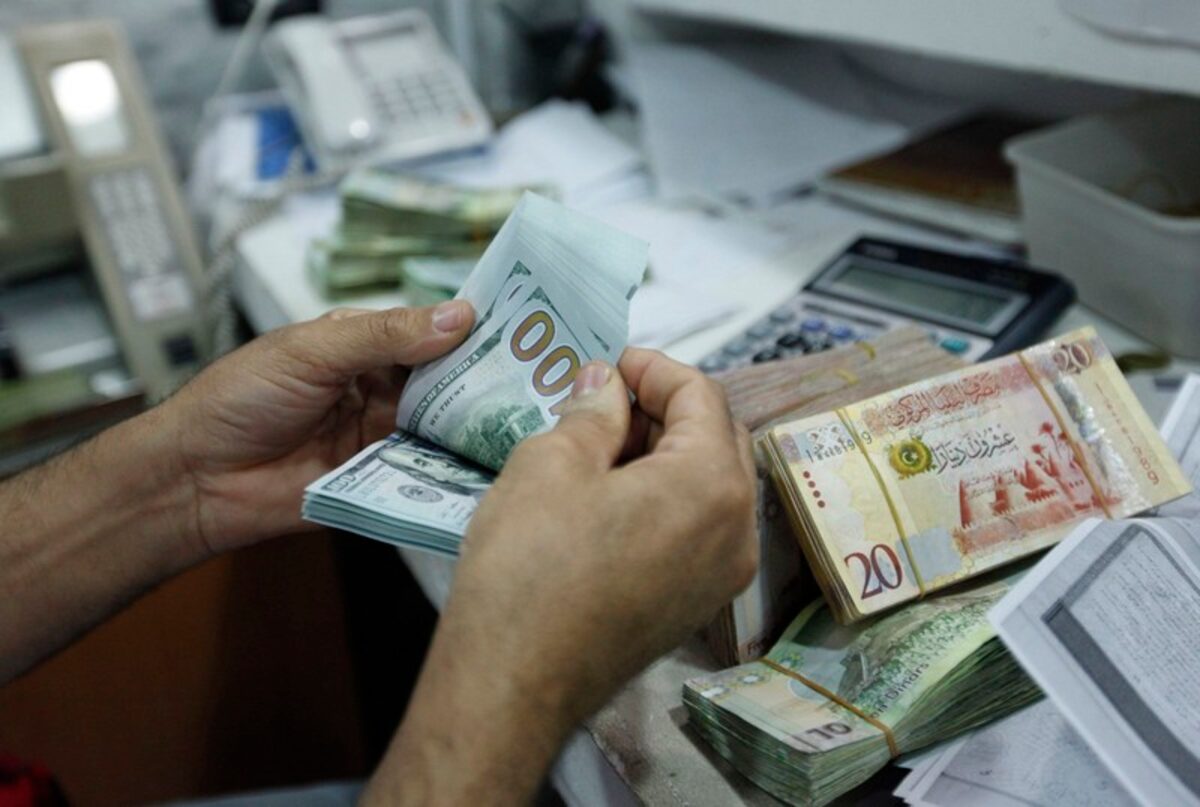
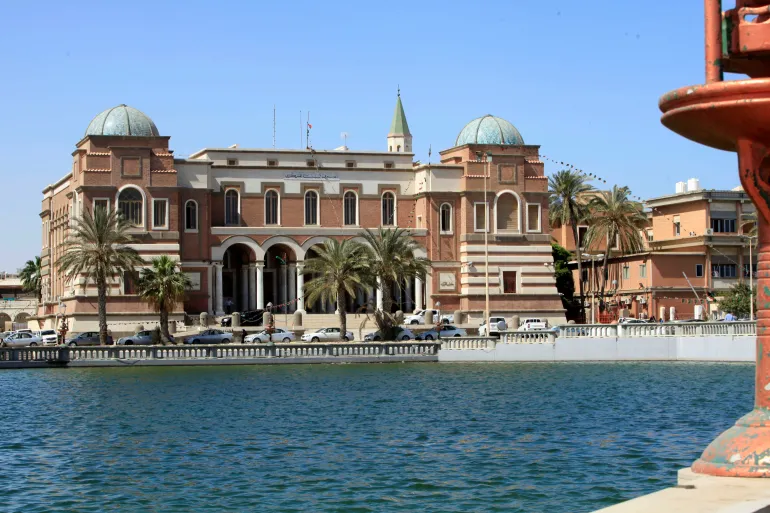
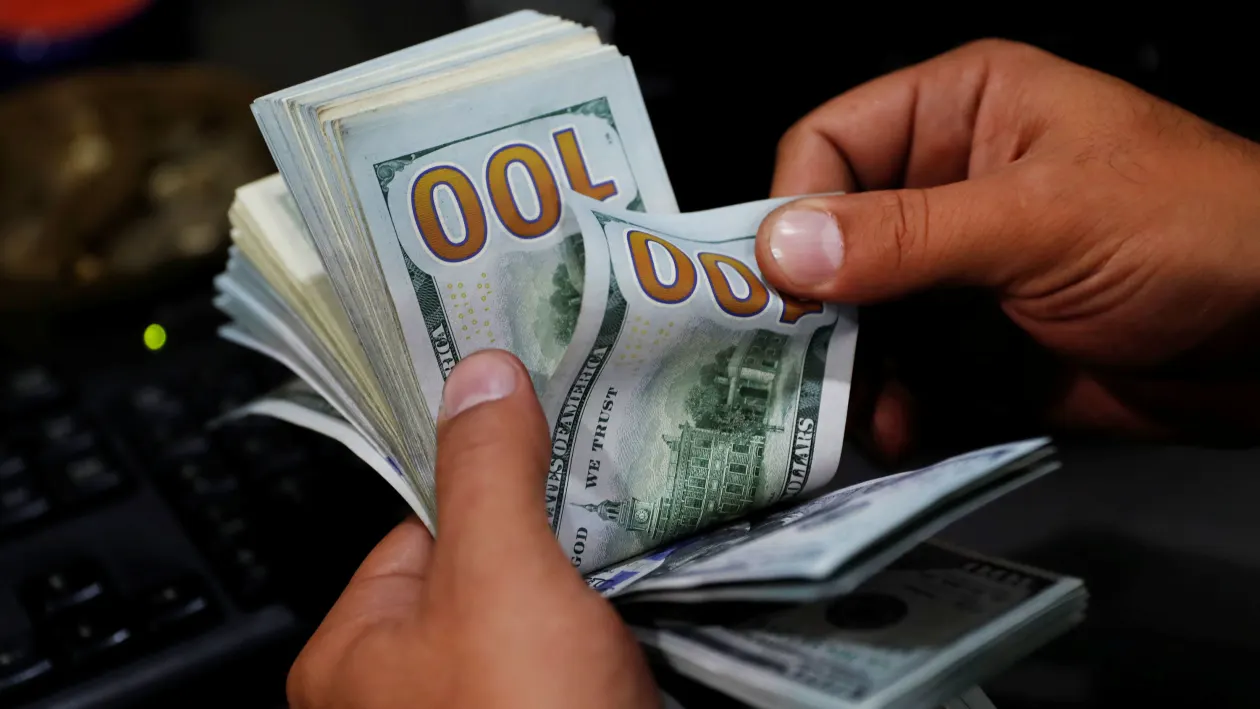
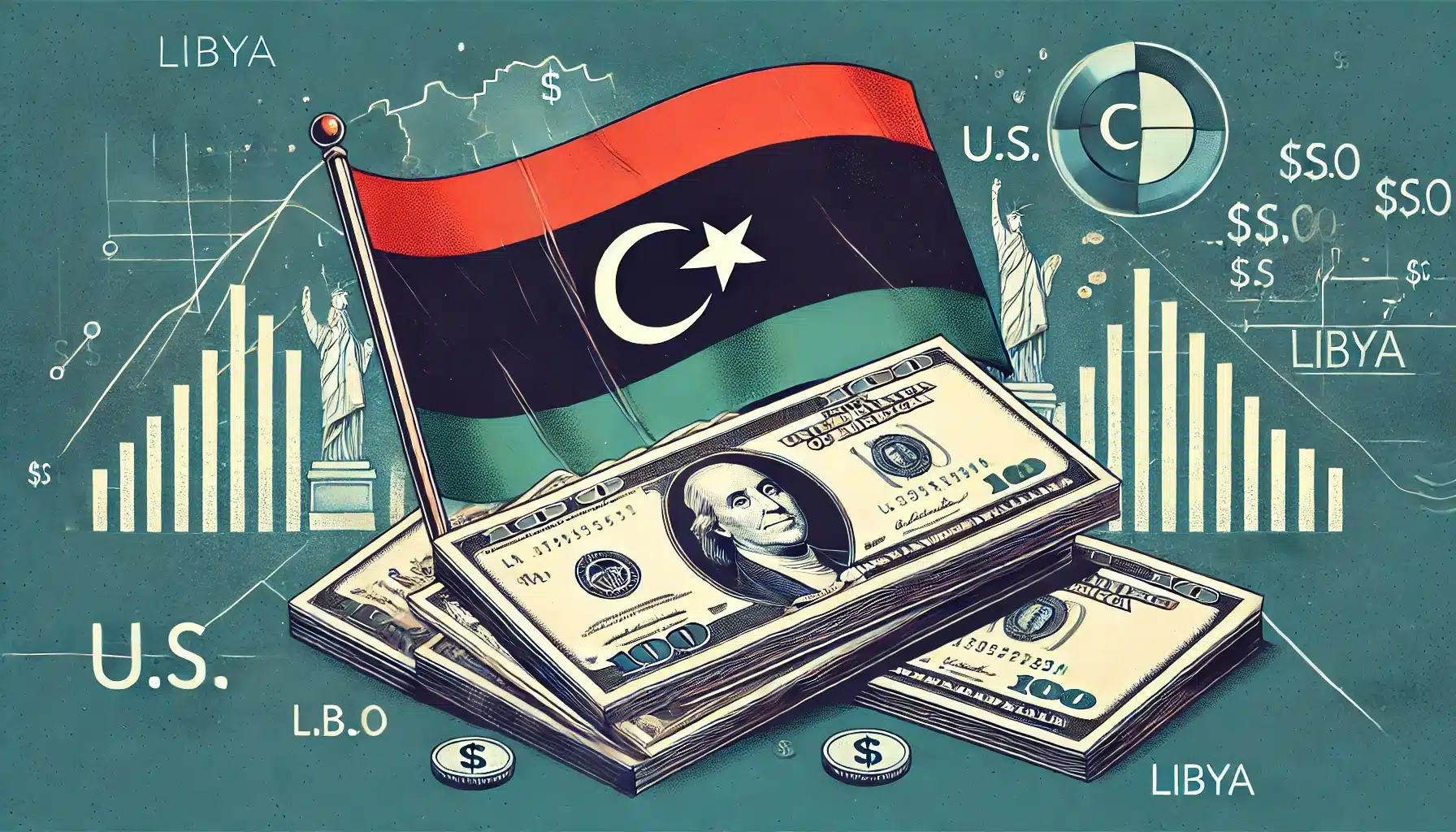
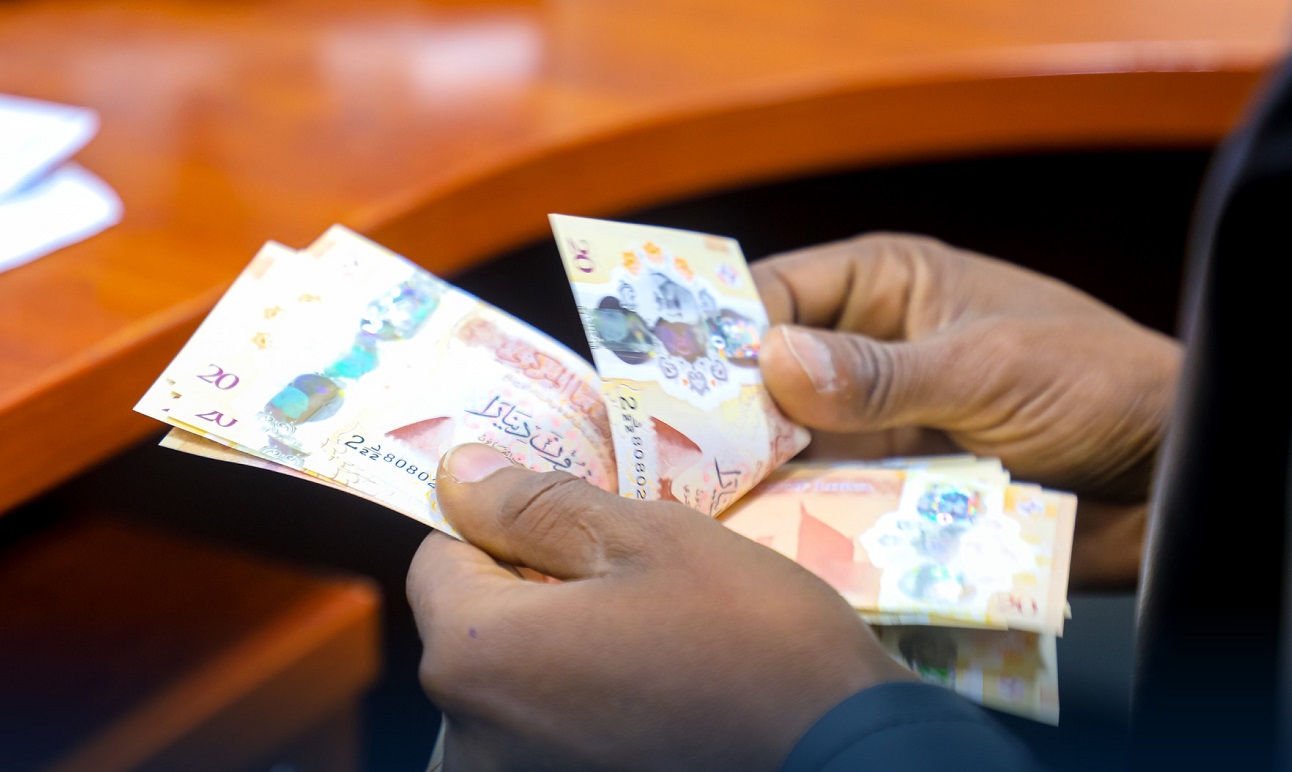
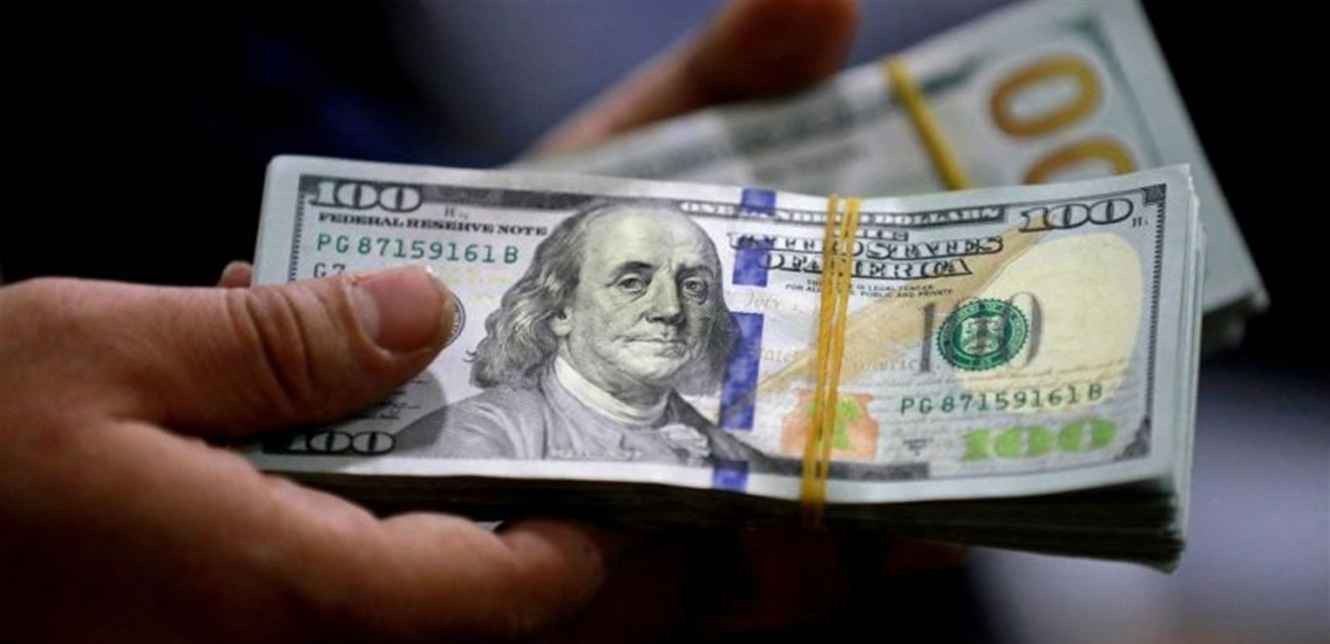
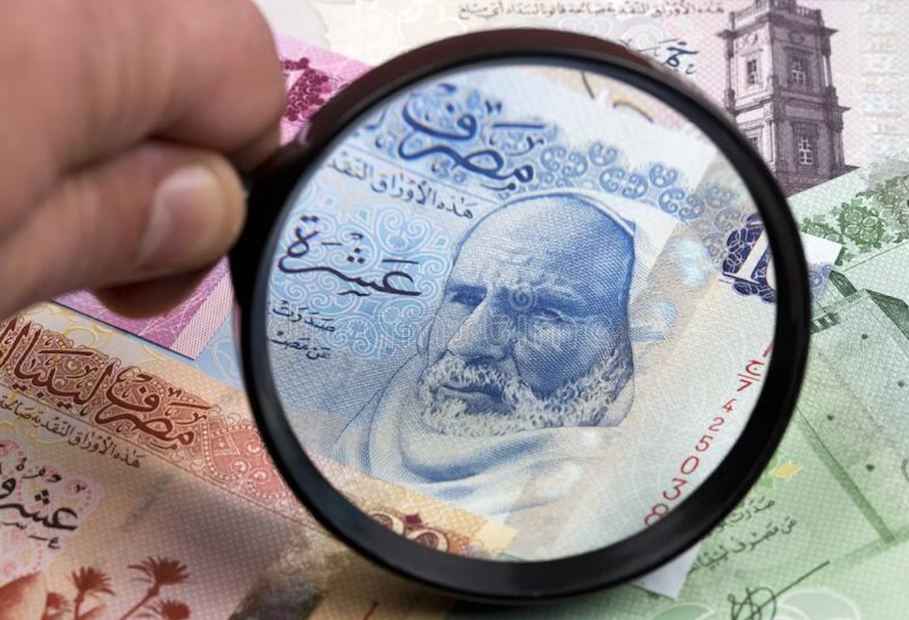
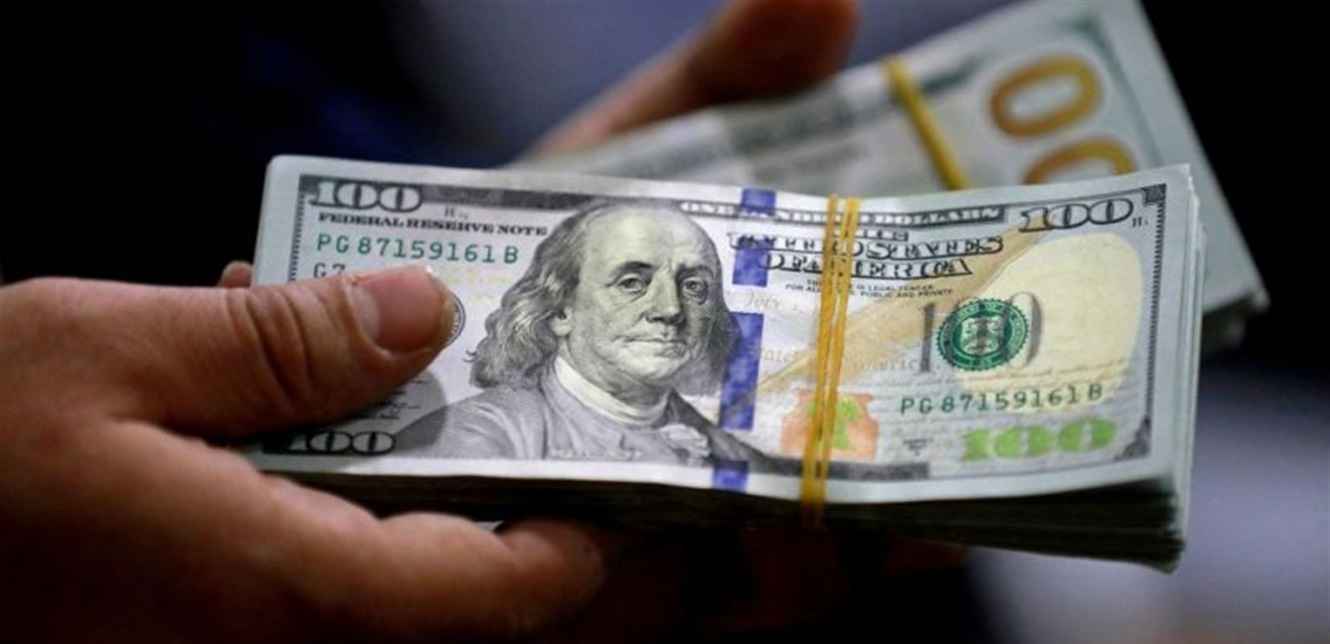
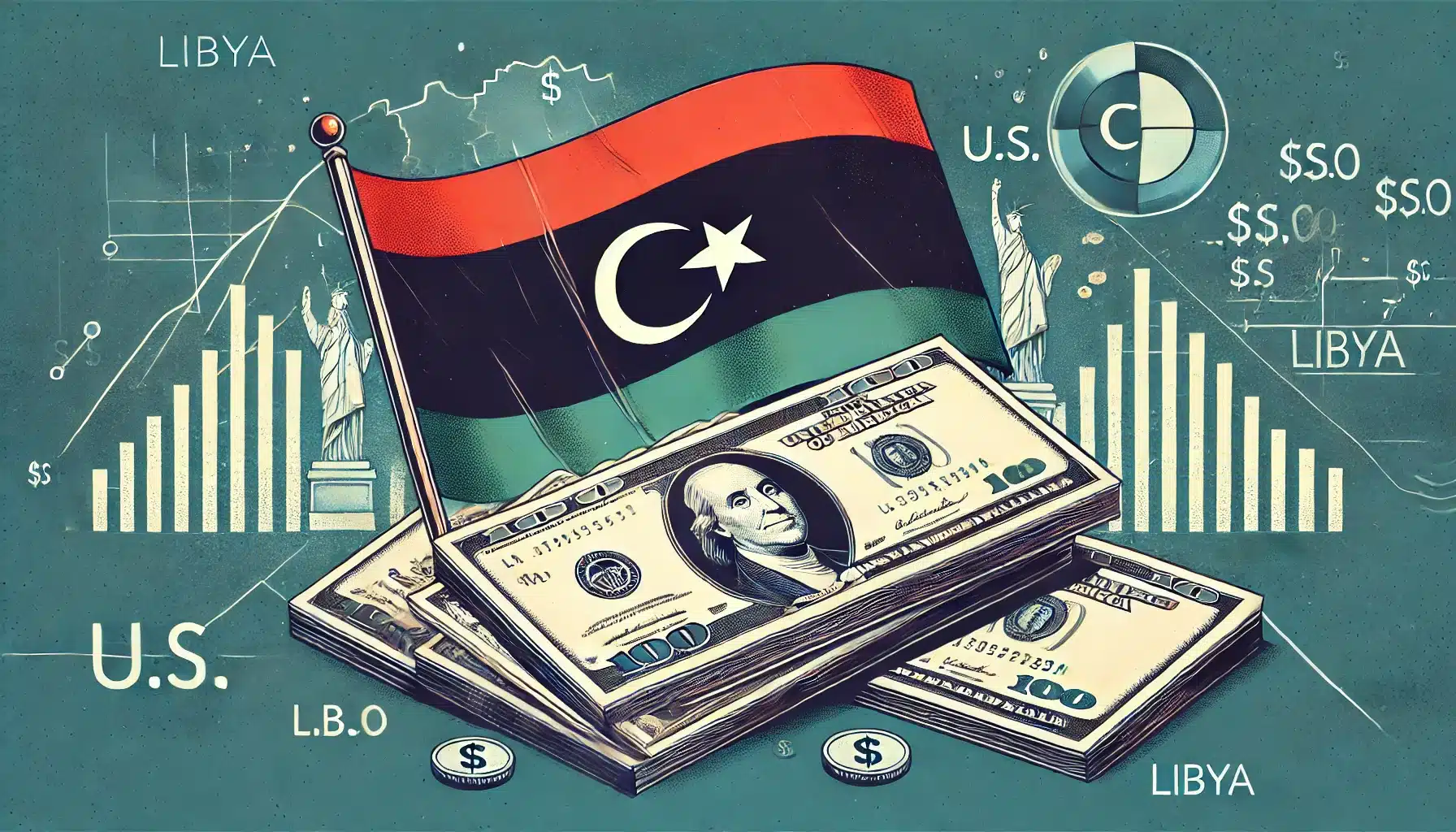
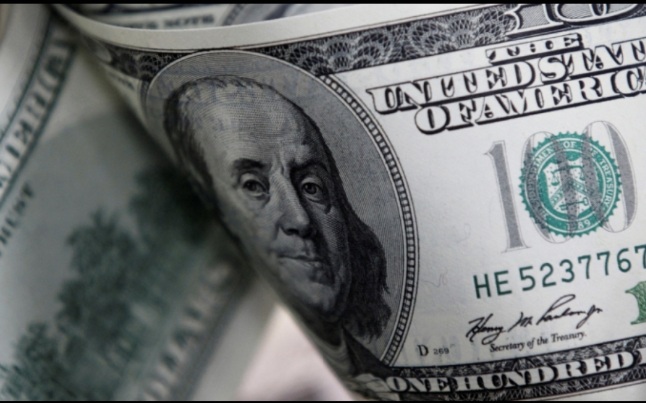
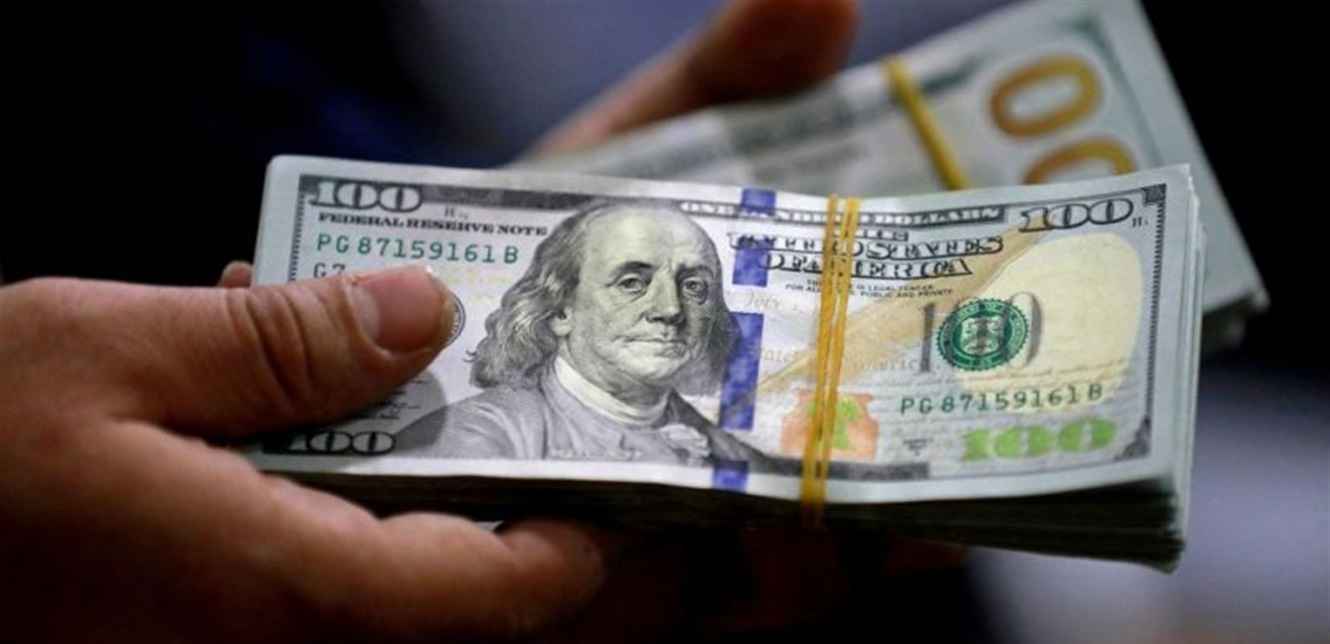
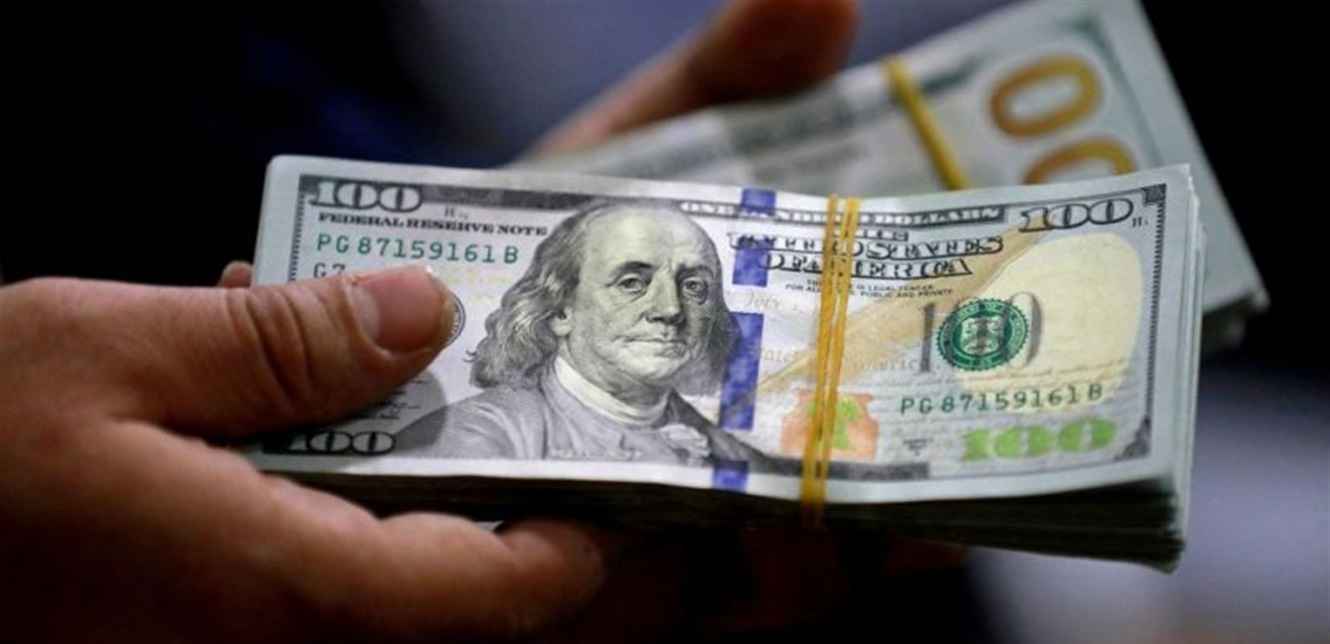
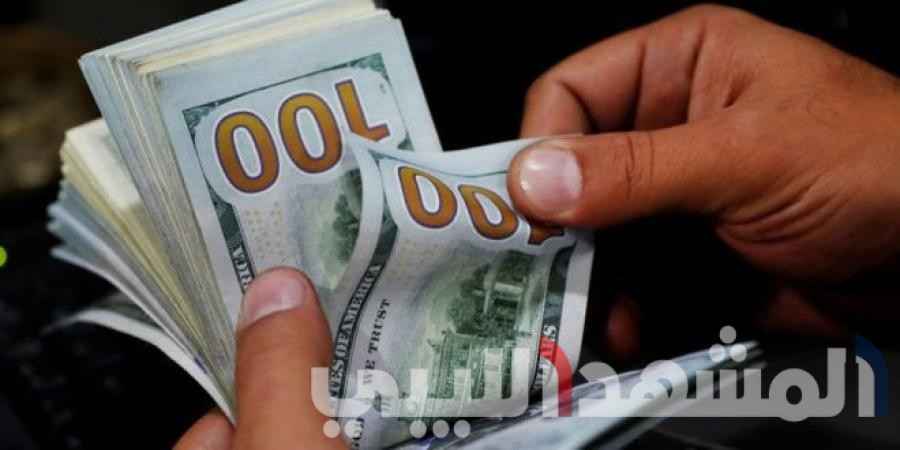
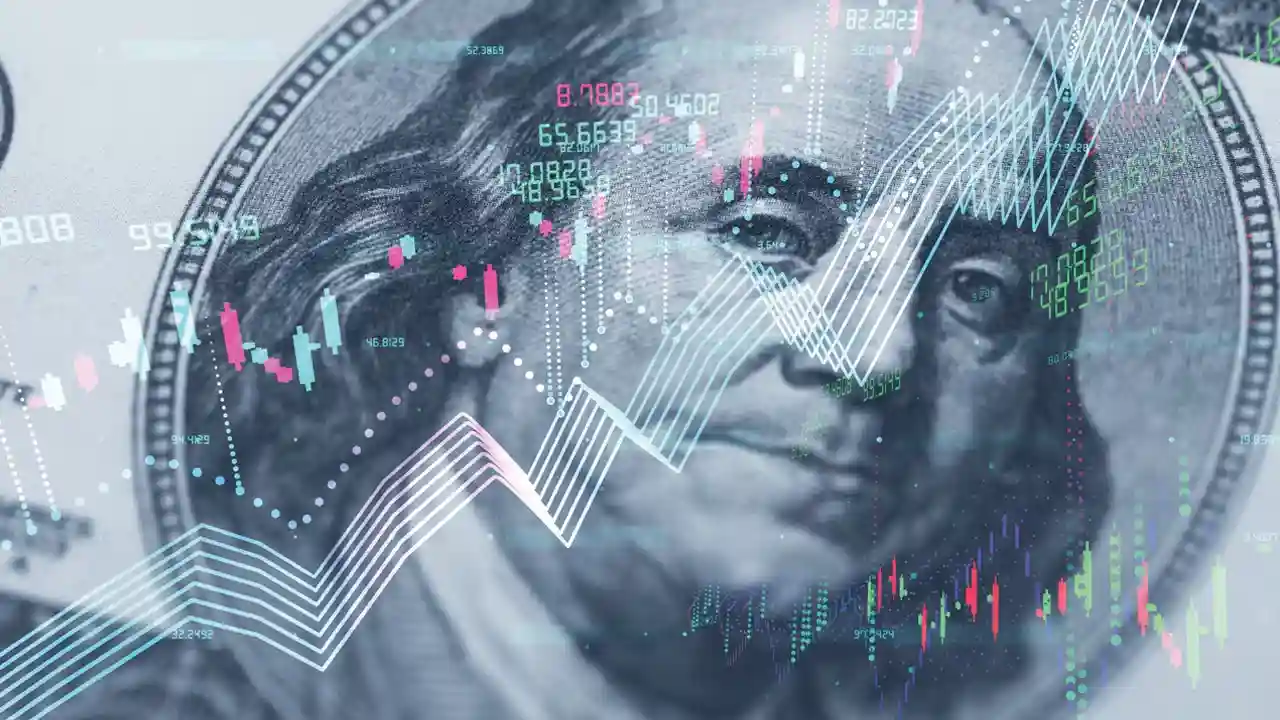
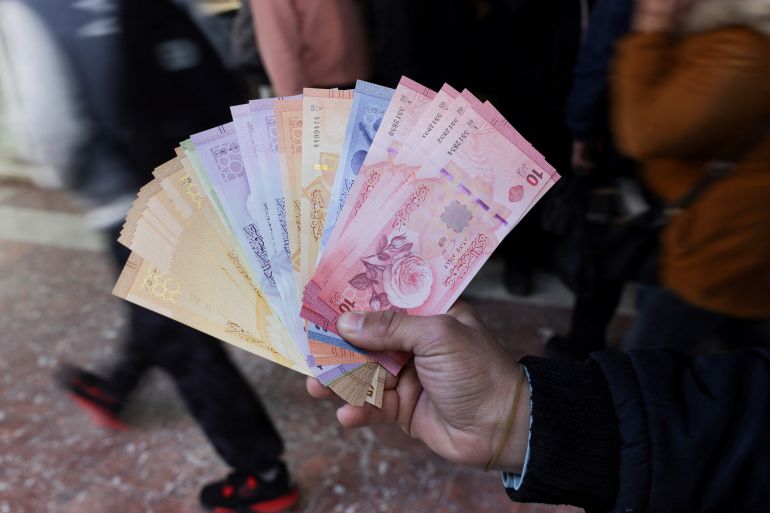
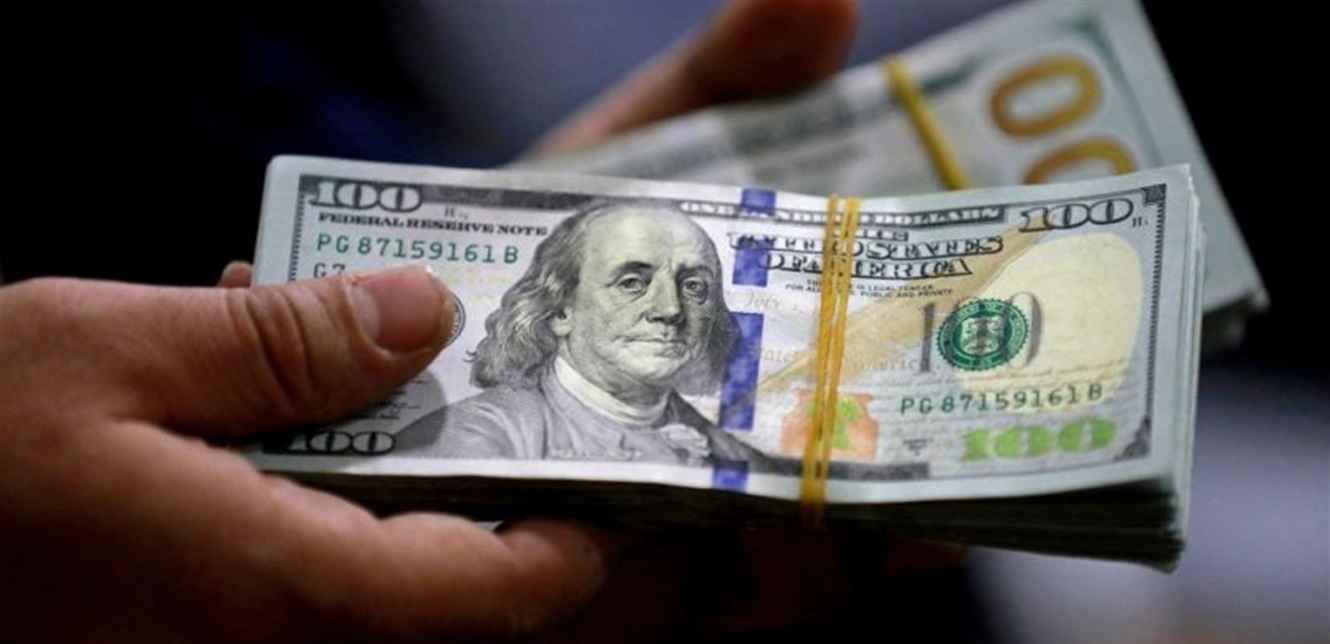
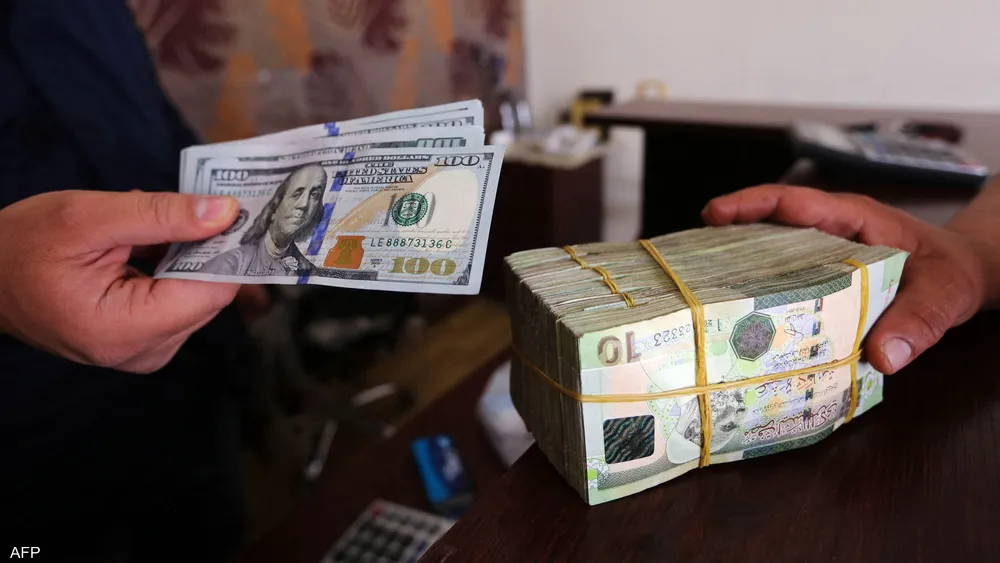
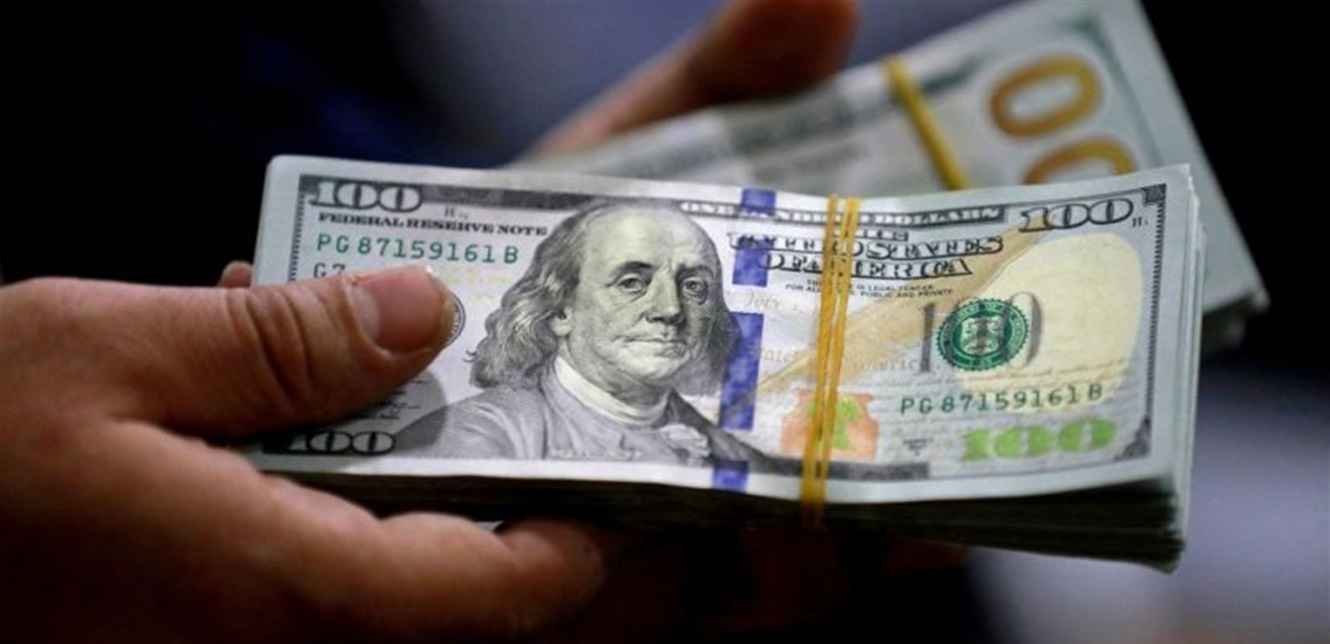
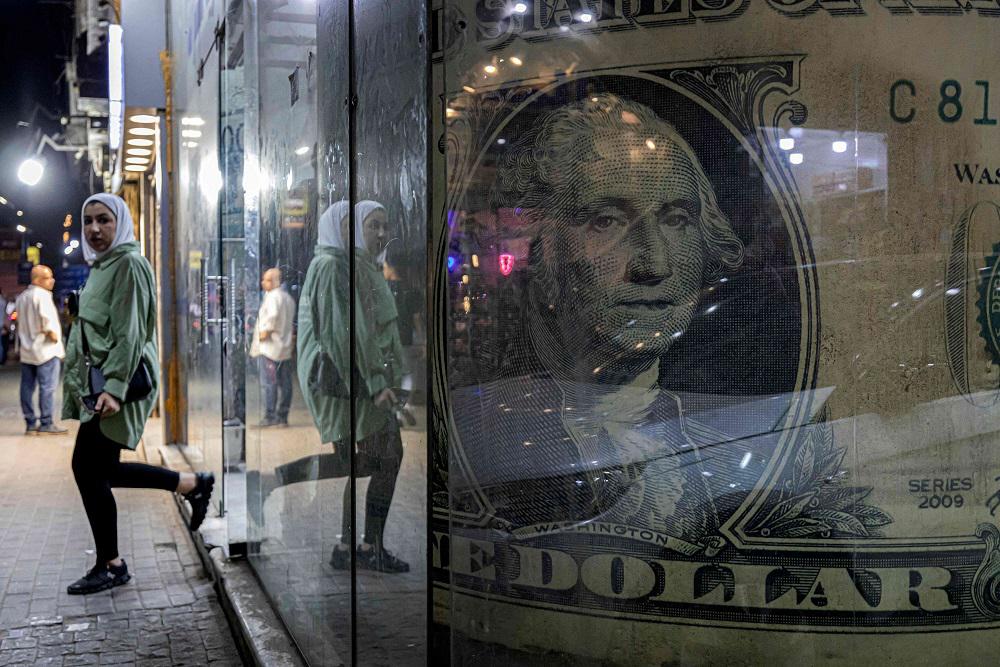
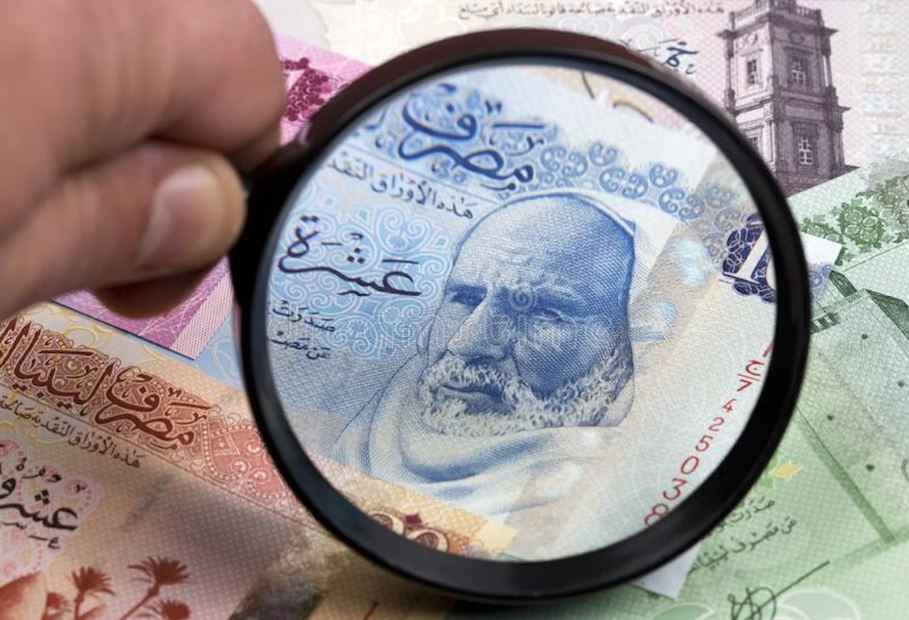
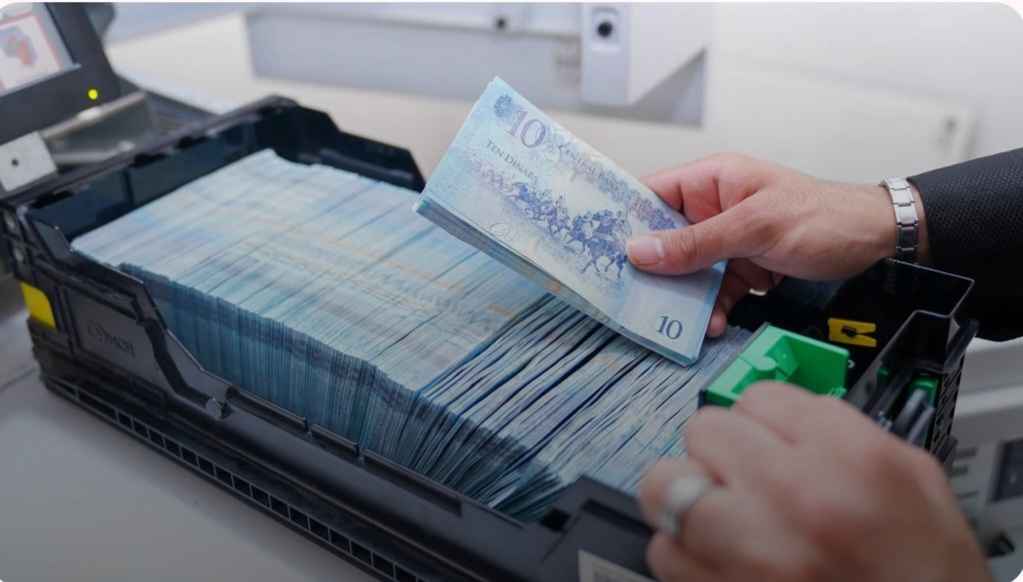
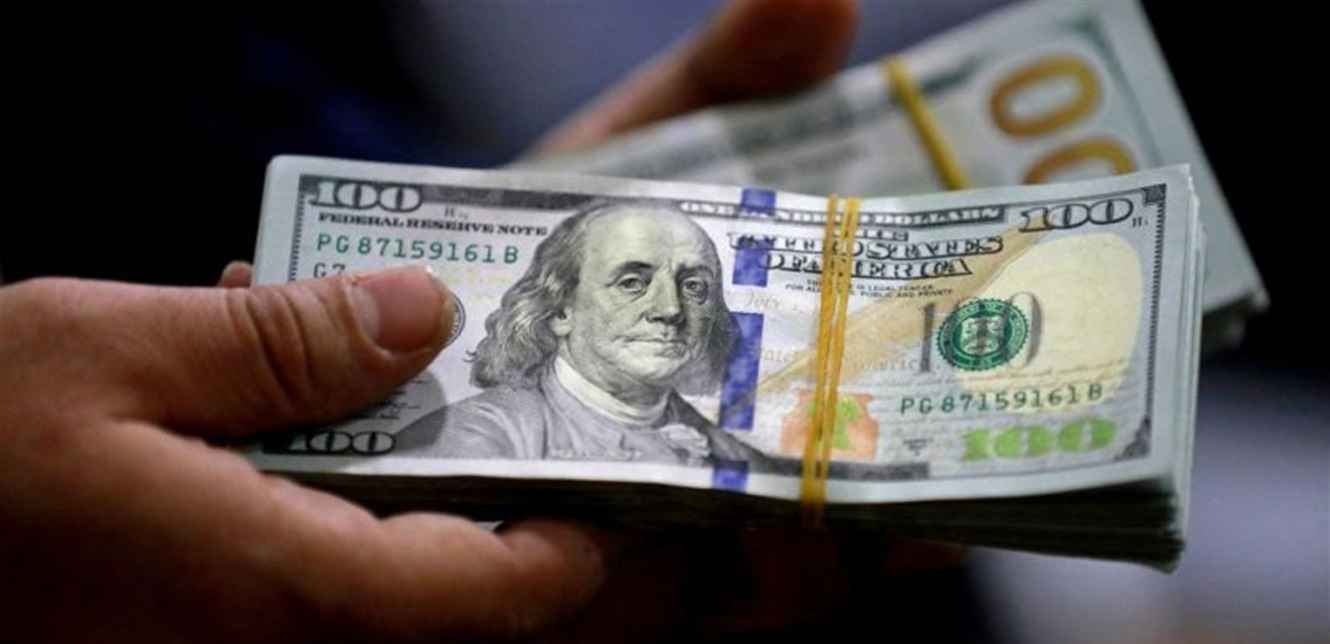
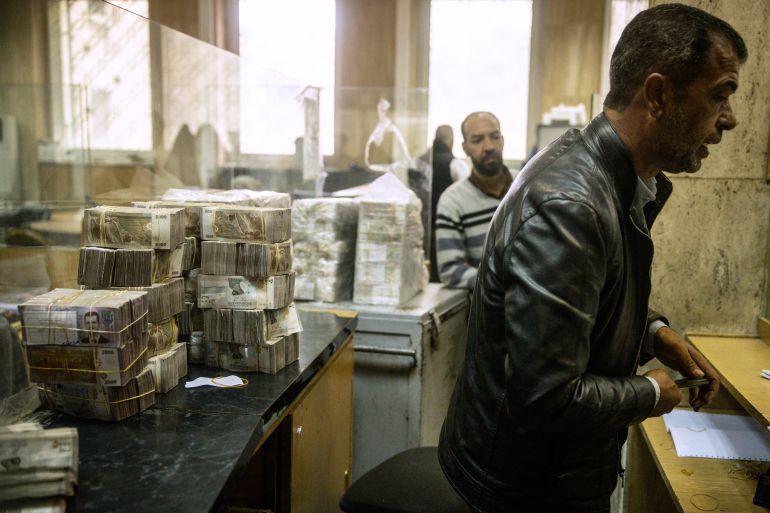
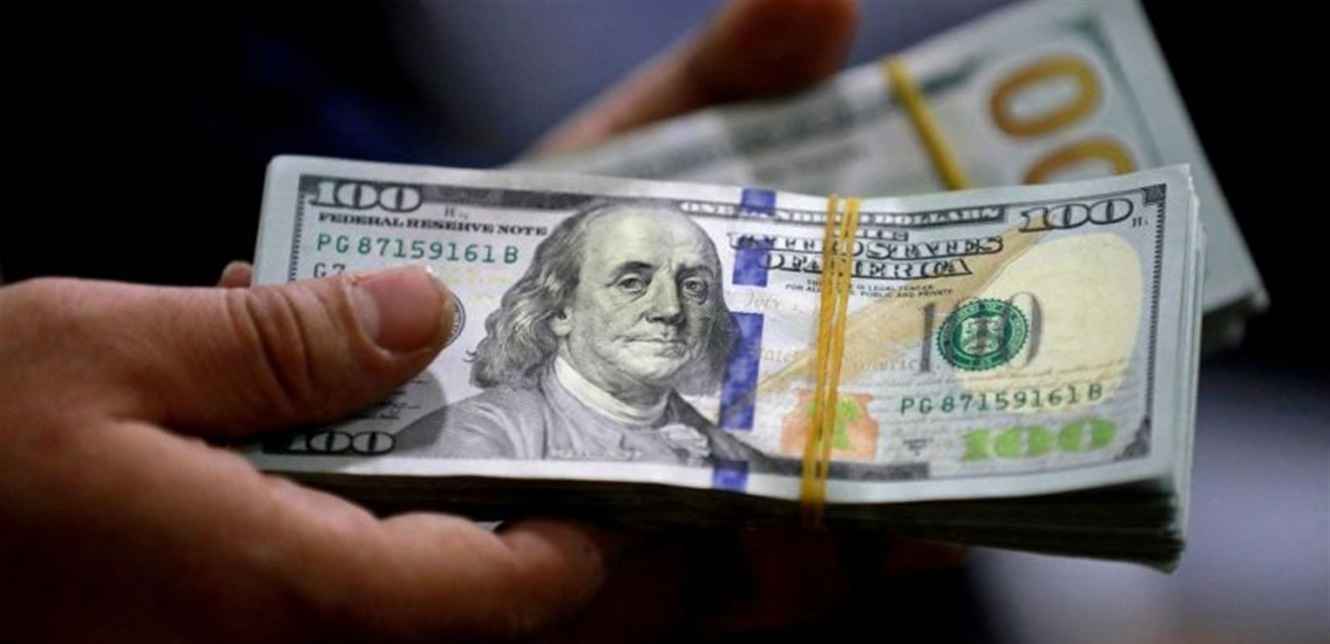
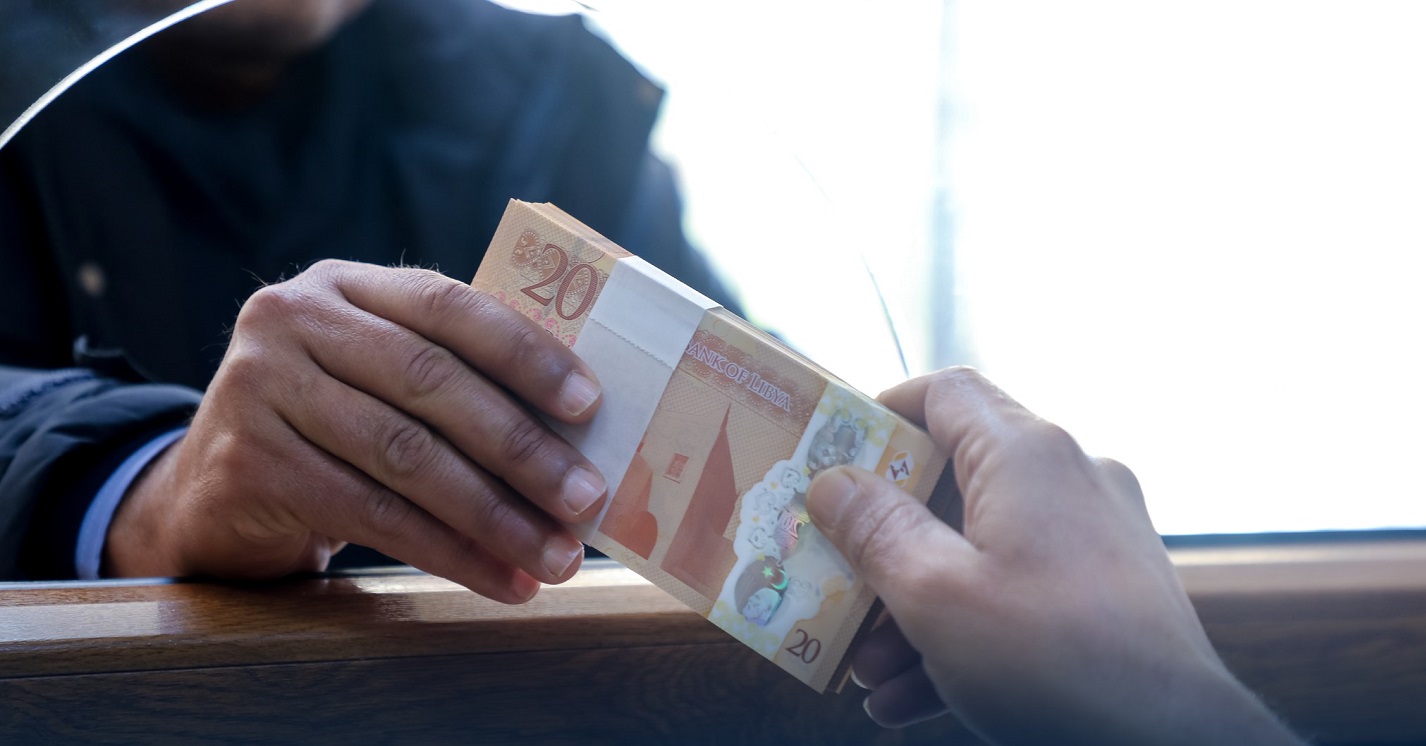
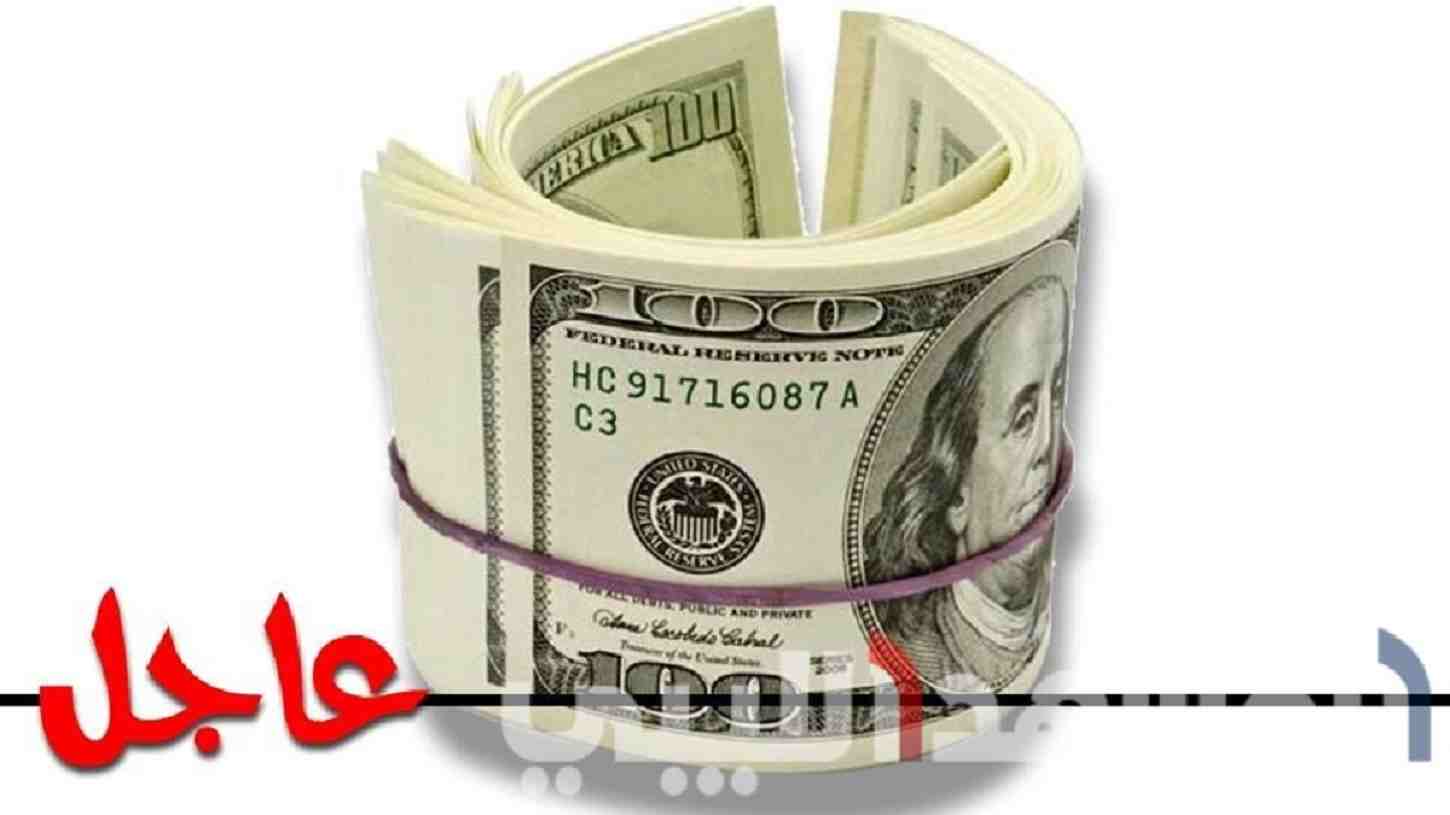
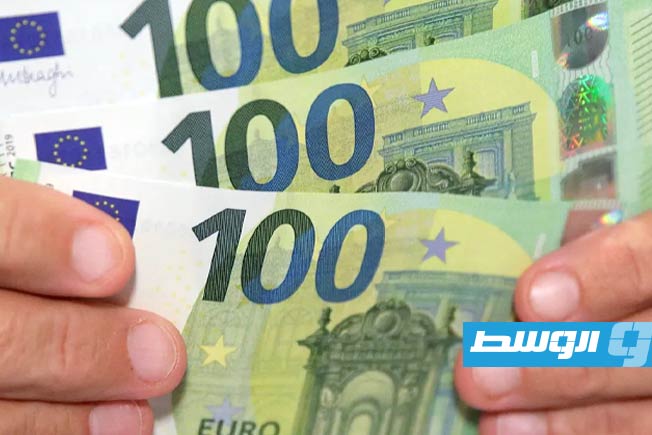
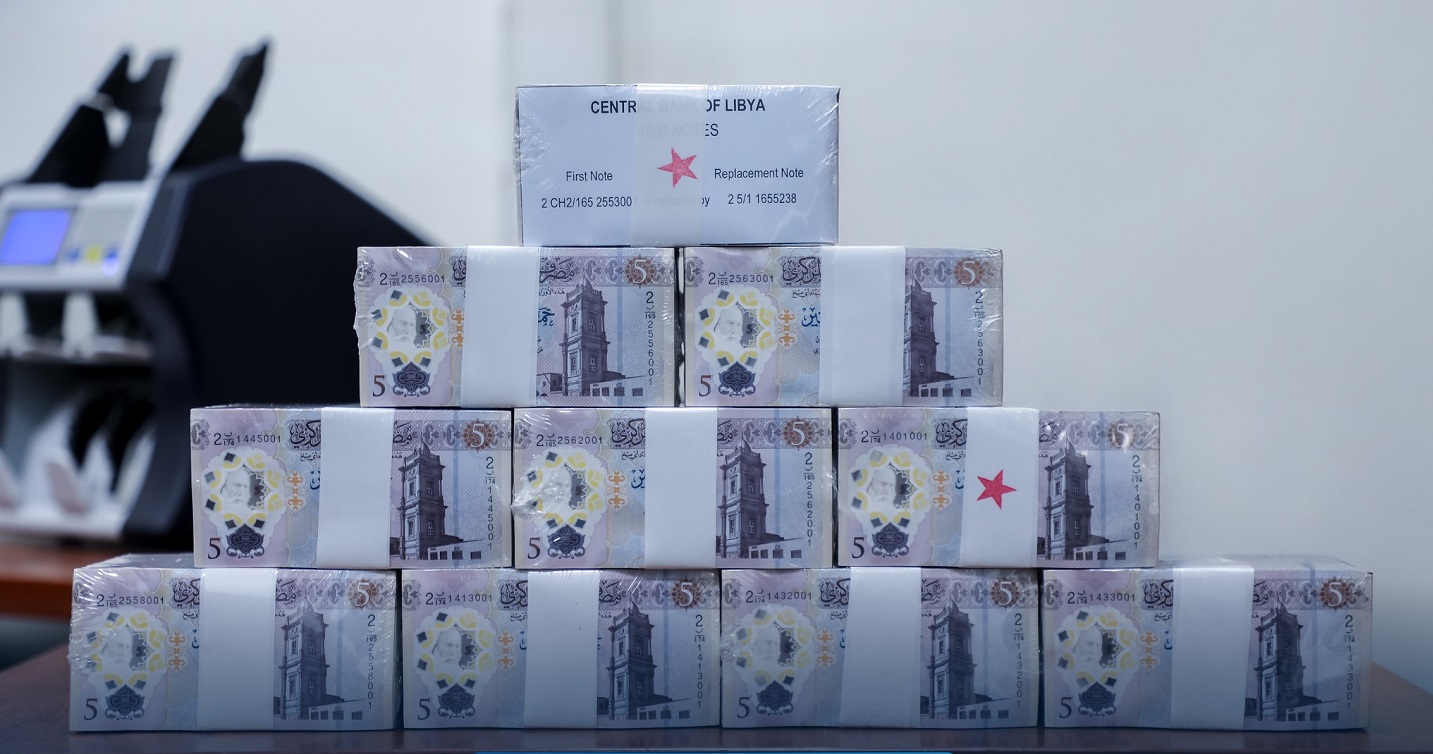
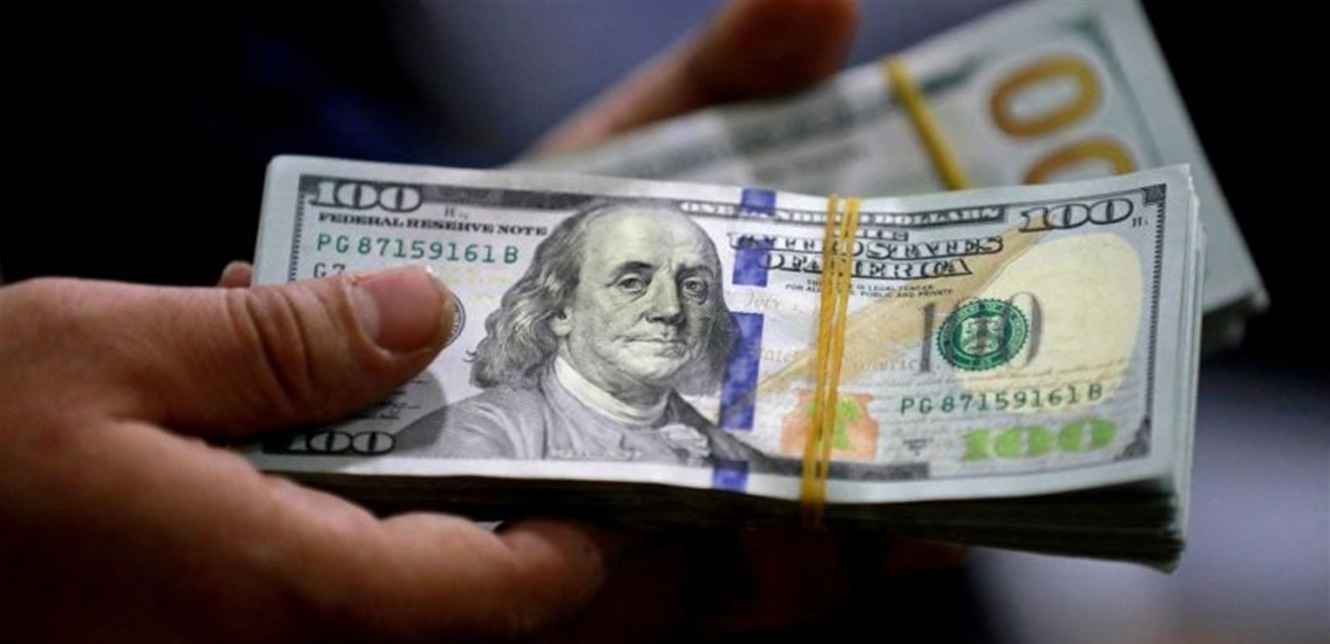
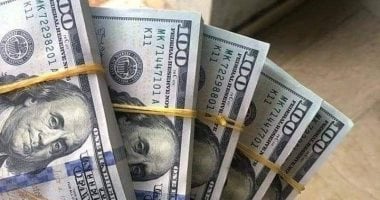
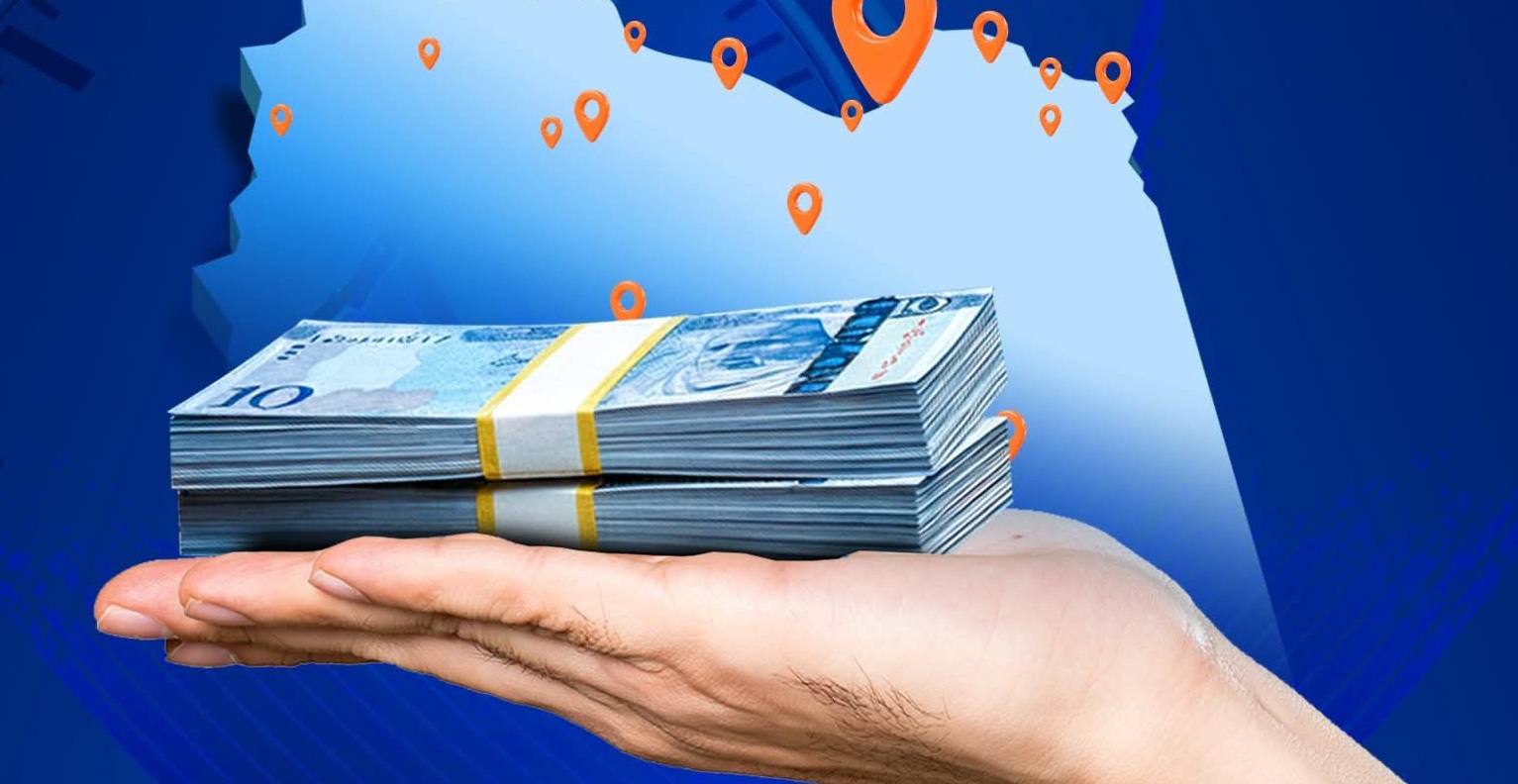
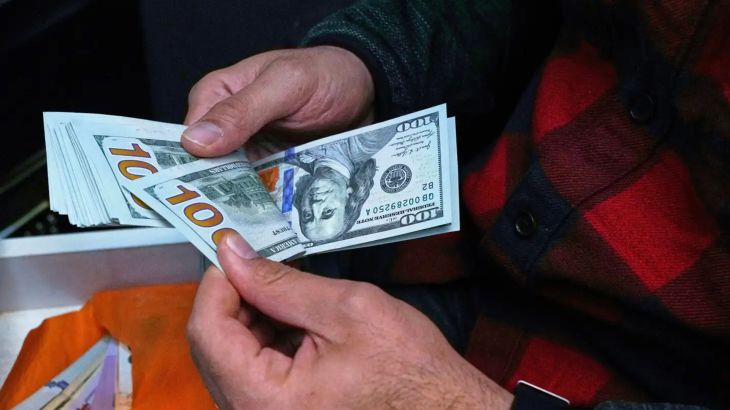
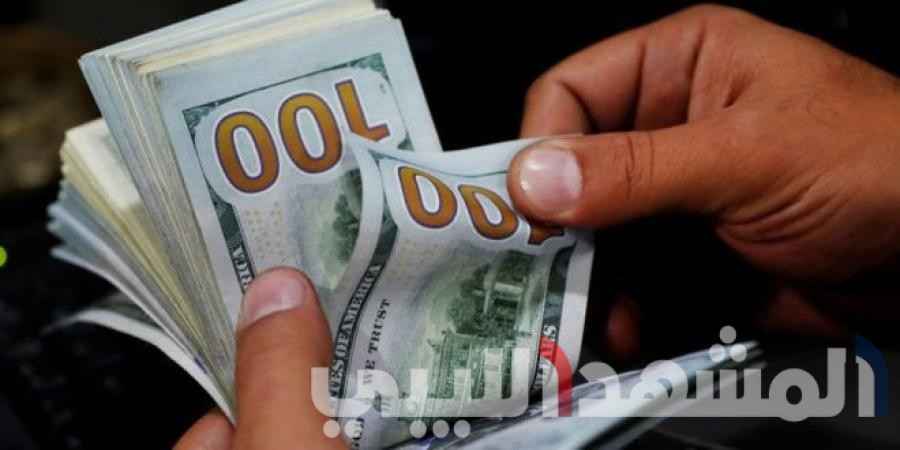
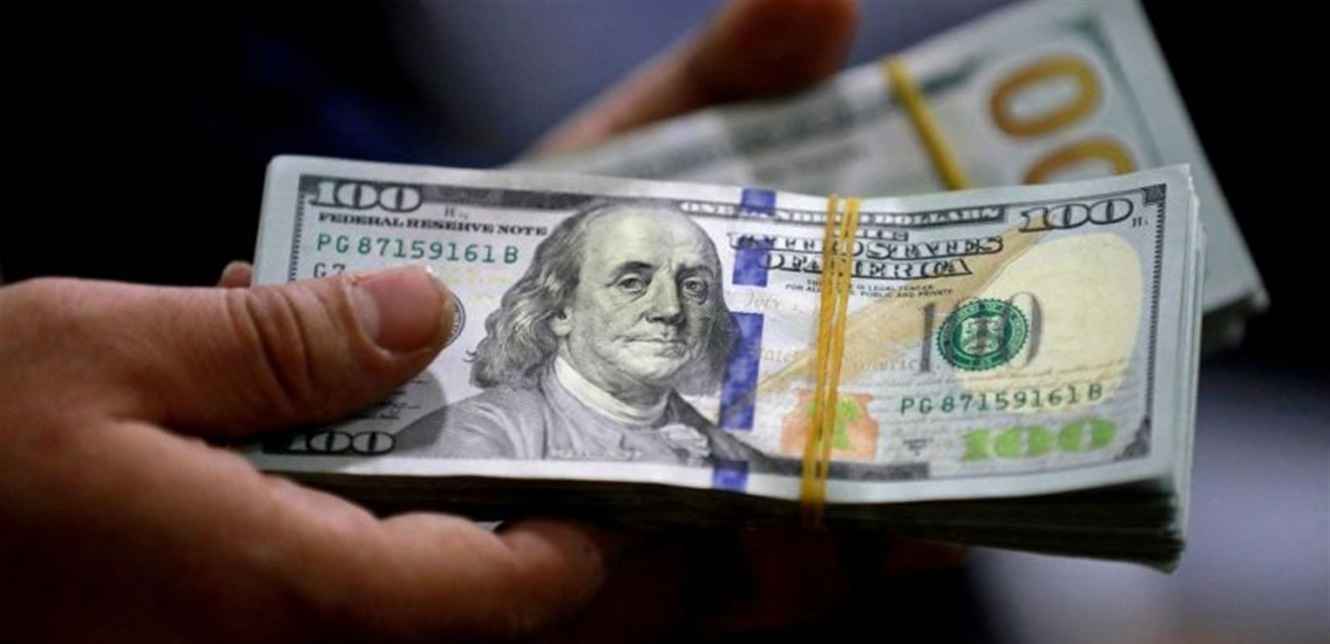
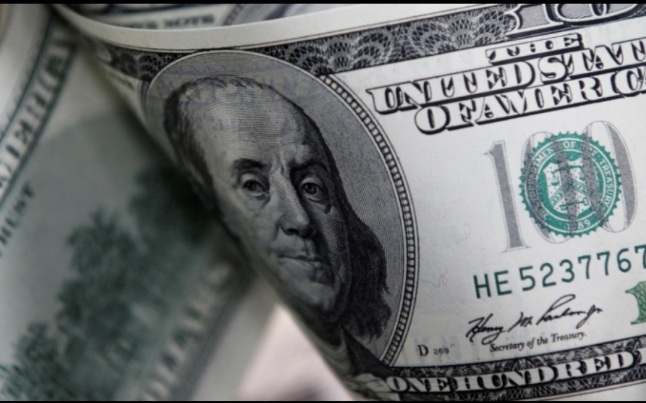
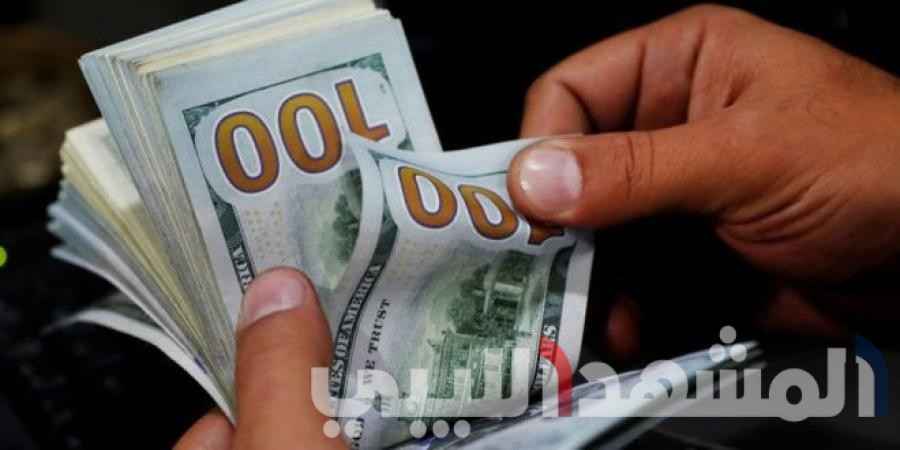
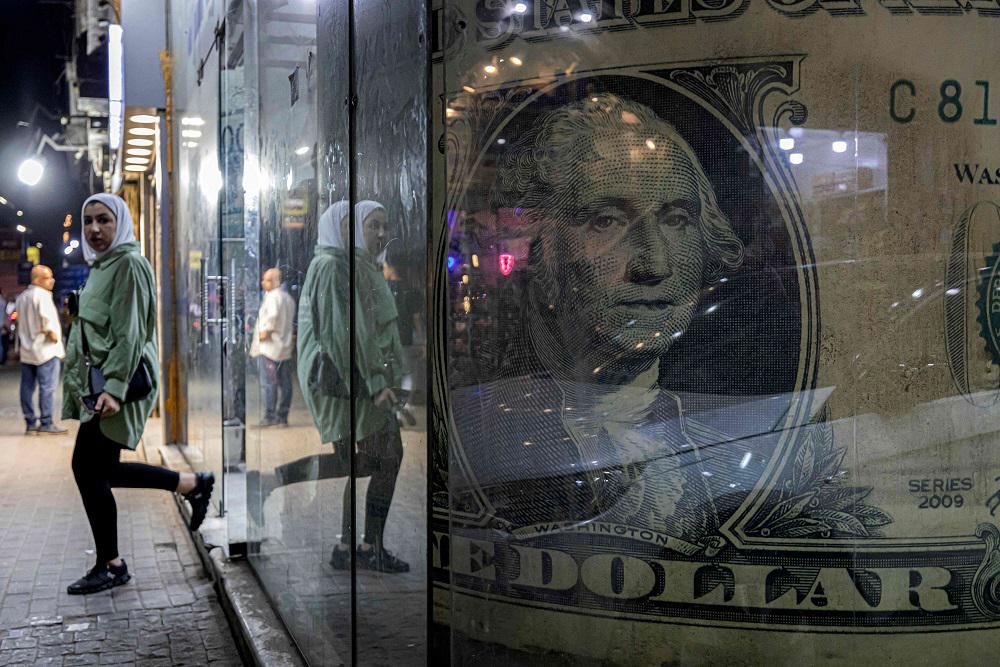
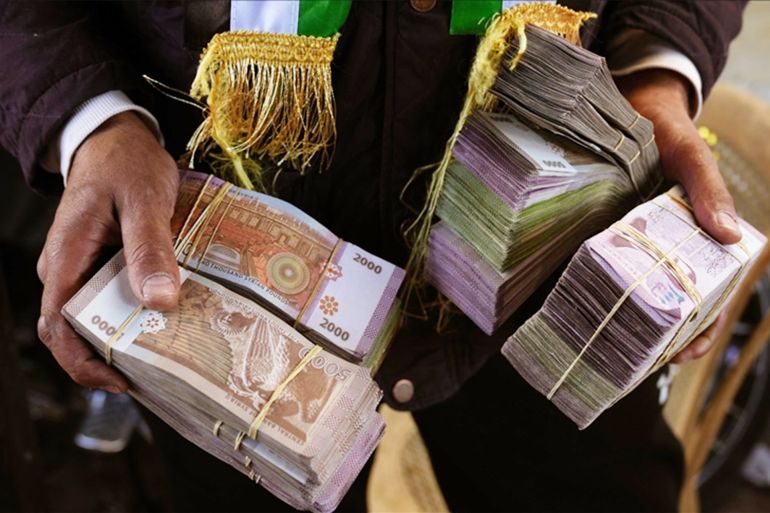
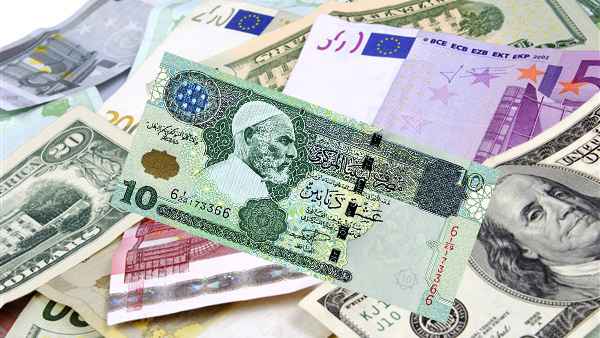
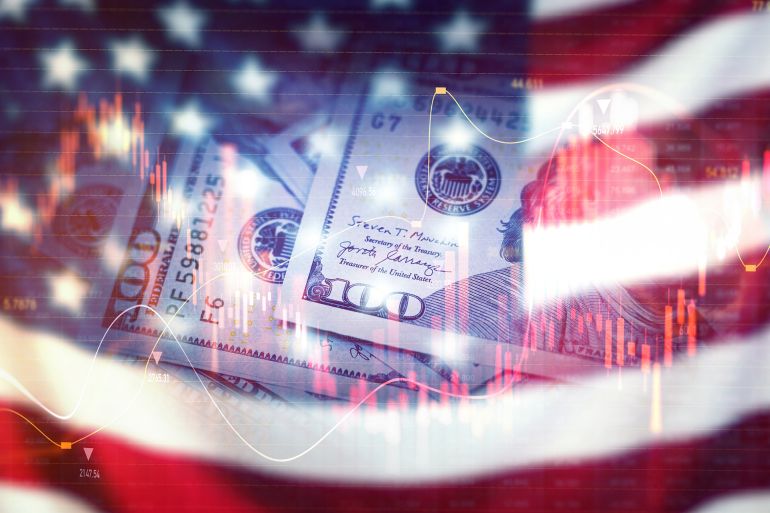
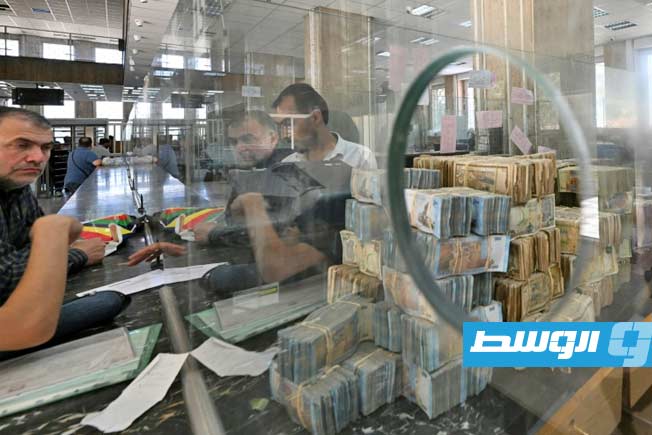
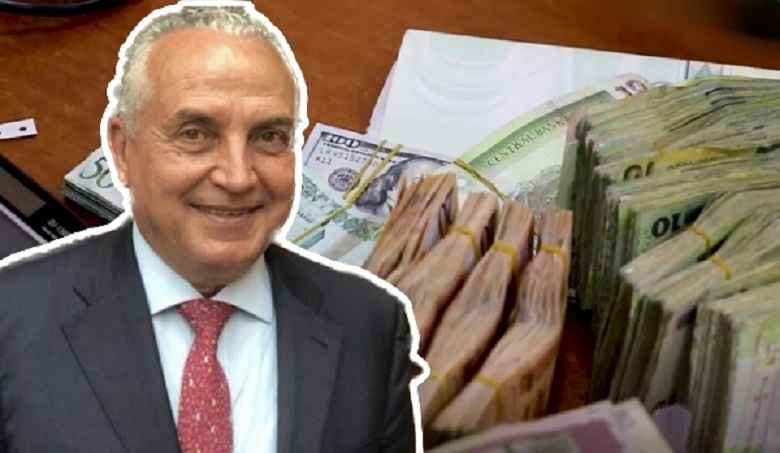
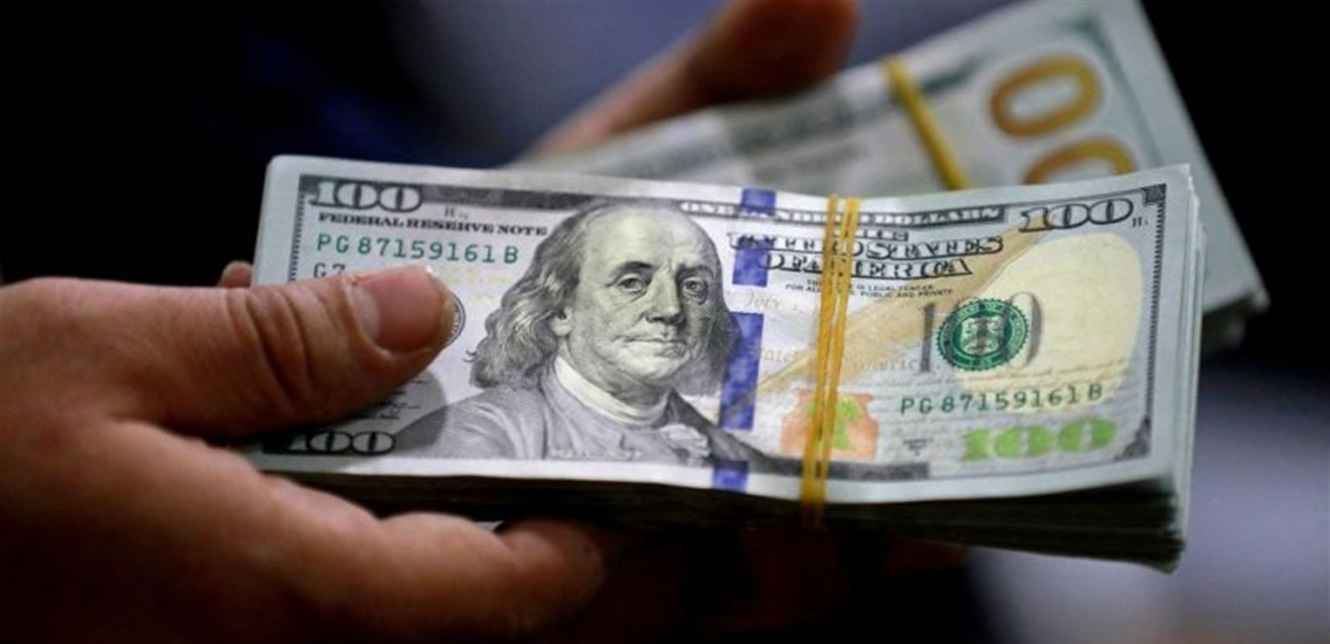
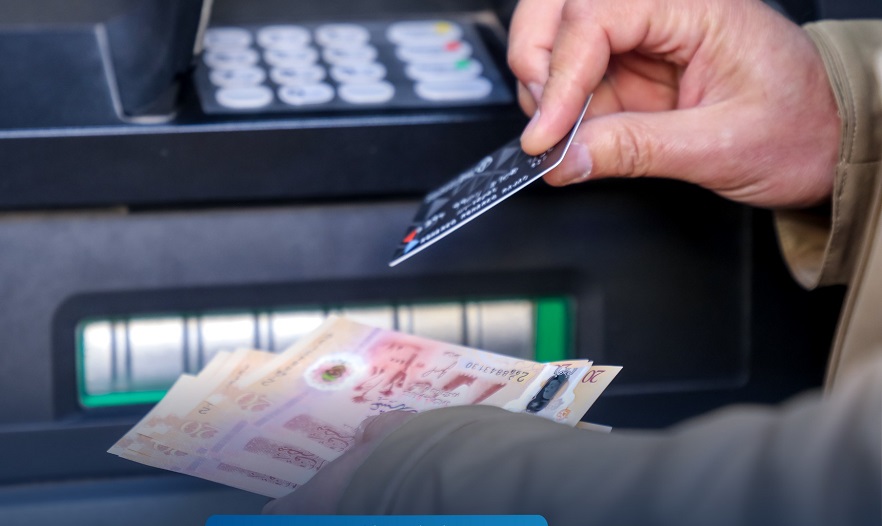
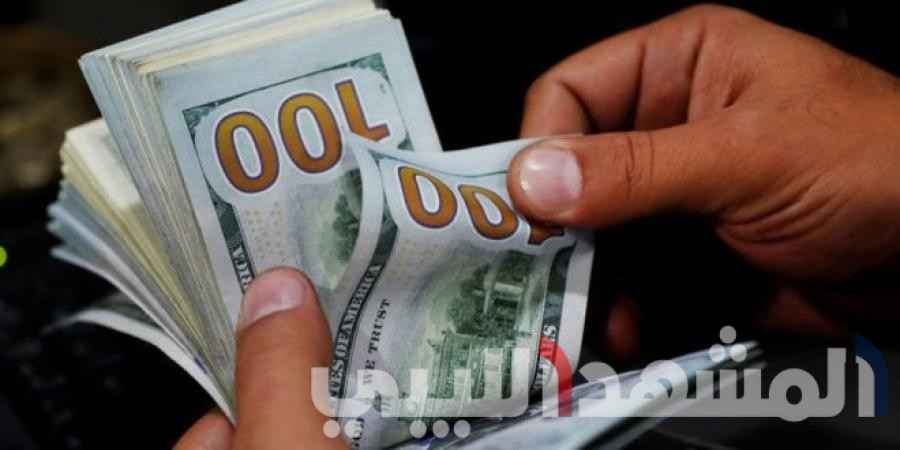
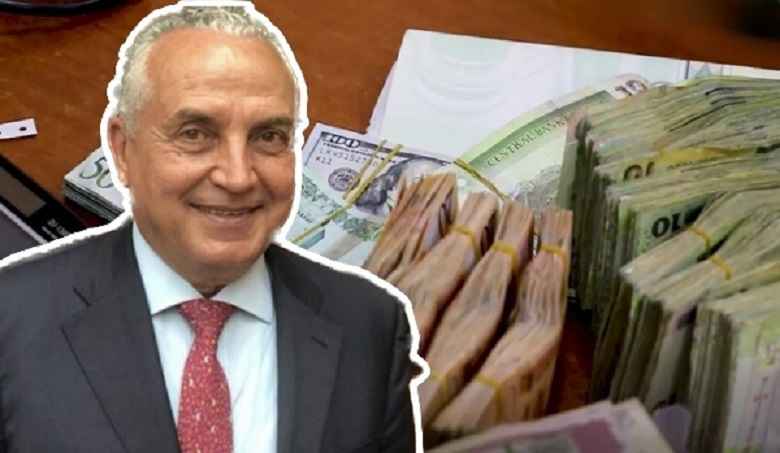
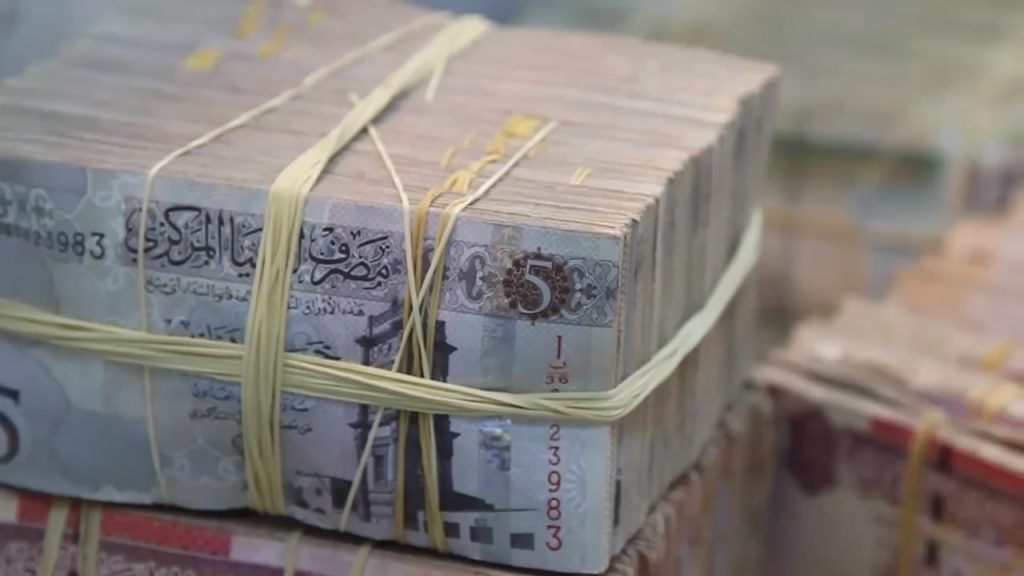
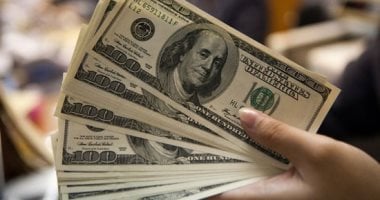
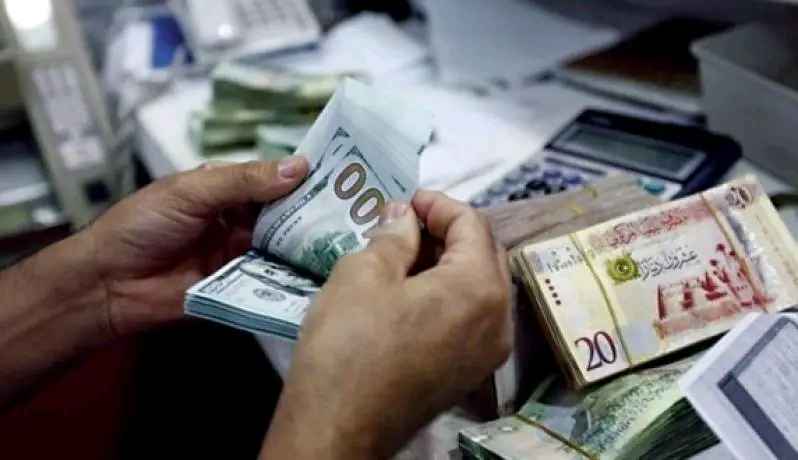
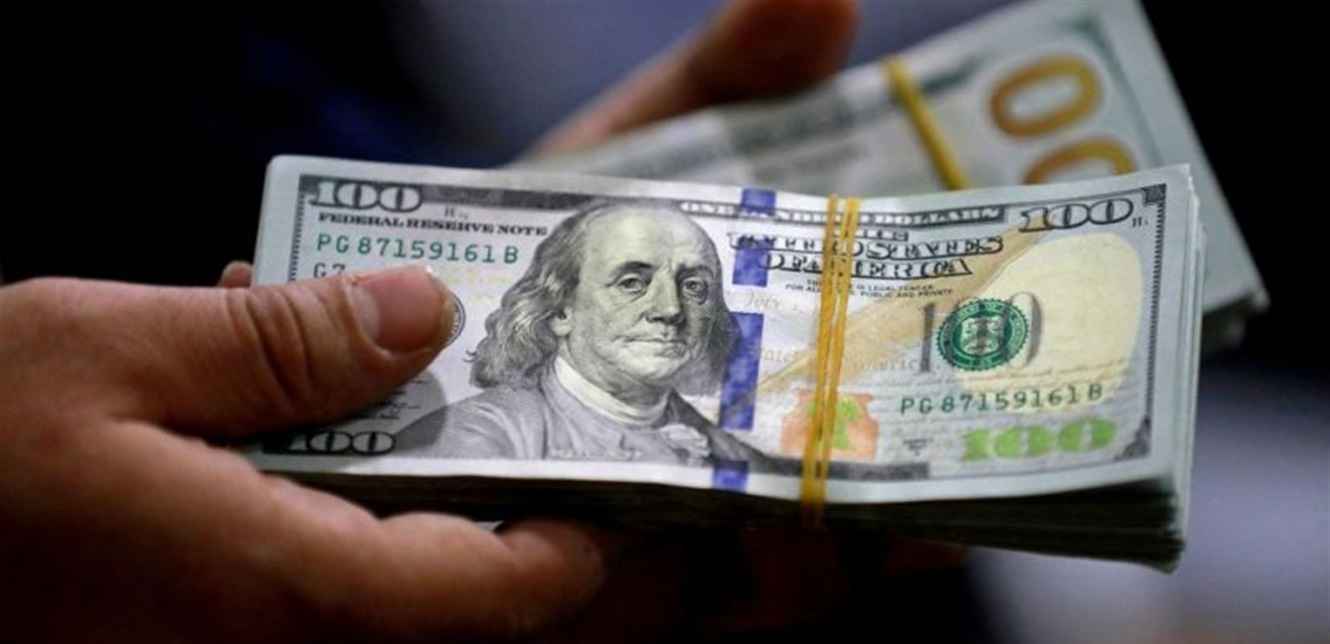
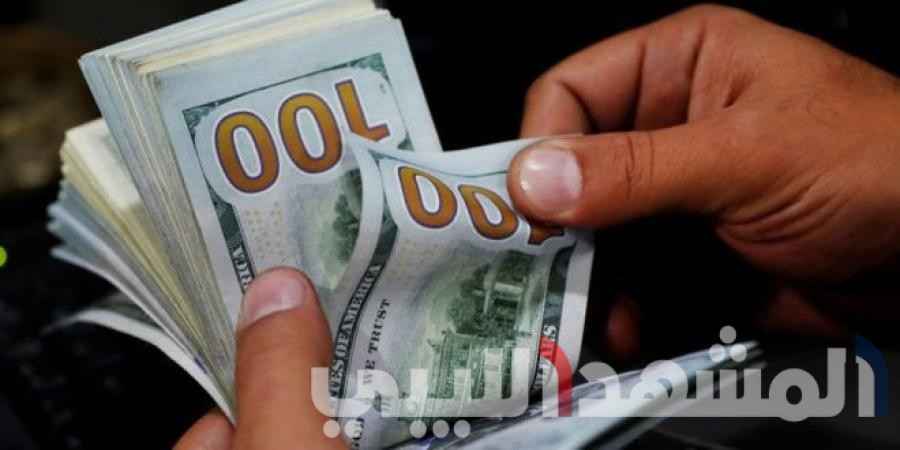
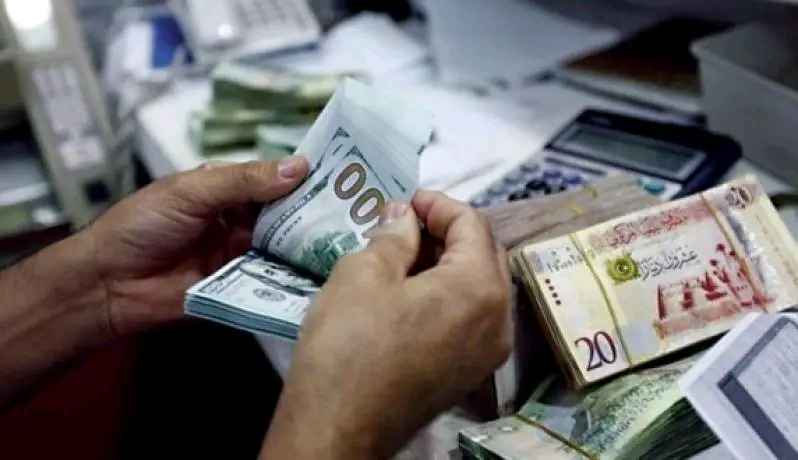
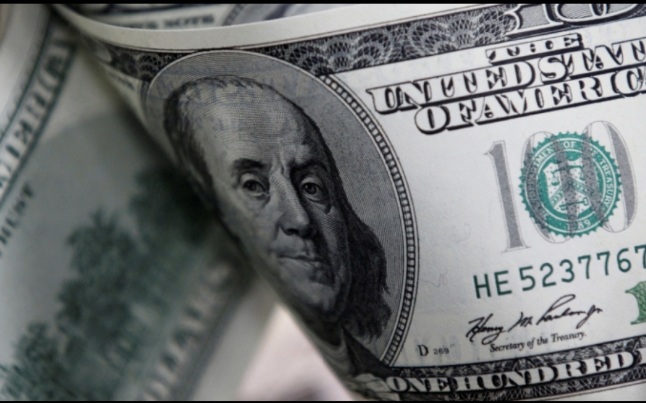
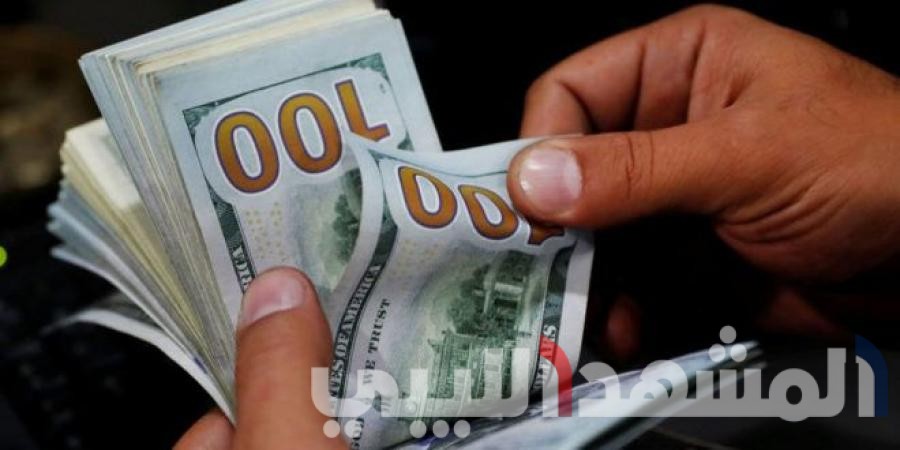
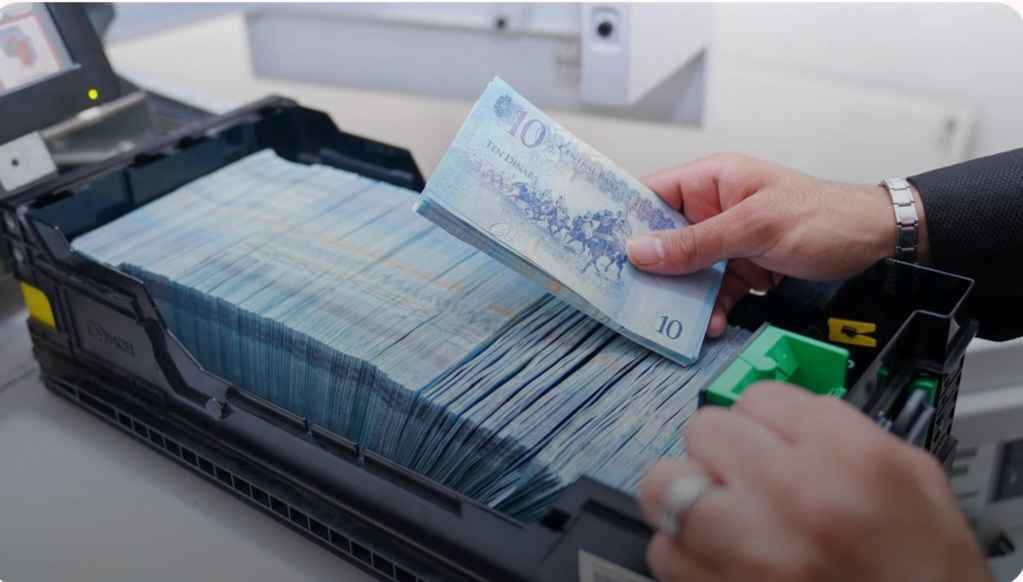
Tripoli | Economic Follow-up – As trading closed on Monday, January 19, 2026, Libya’s currency exchange market witnessed a new jump in the exchange rates of the US dollar against “bank checks,” with the American currency rising by about 30 qirsh in the capital, Tripoli, keeping prices above the 10 dinar level.
📊 Dollar Prices in Bank Checks at Market Close
Trading saw limited variation between banks and Libyan cities, with prices as follows:
| Bank |
Selling Price (Dinar) |
Buying Price (Dinar) |
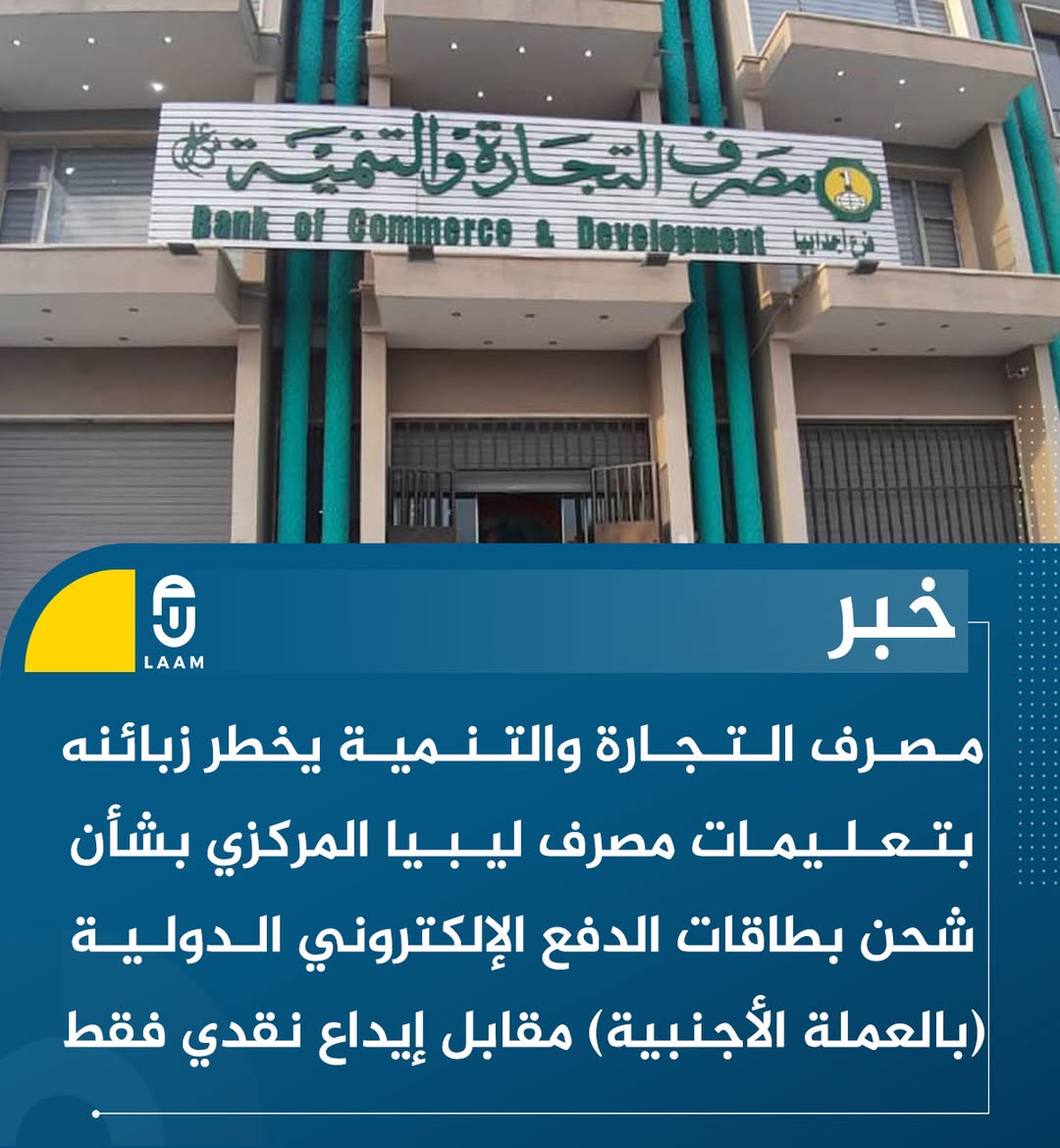
| Commerce & Development / Al-Wahda (Tripoli) |
10.400 |
10.3975 |
| Development / Al-Wahda (Benghazi) |
10.420 |
10.4175 |
| Al-Jumhouria / National Commercial / Al-Aman |
10.380 |
10.3775 |
| Al-Sahari / Al-Waha / Islamic / North Africa |
10.370 |
10.3675 |
| Al-Muttahid / Al-Nouran / Al-Saray |
10.360 |
10.3575 |
Central Bank’s Decision to Lower the Exchange Rate
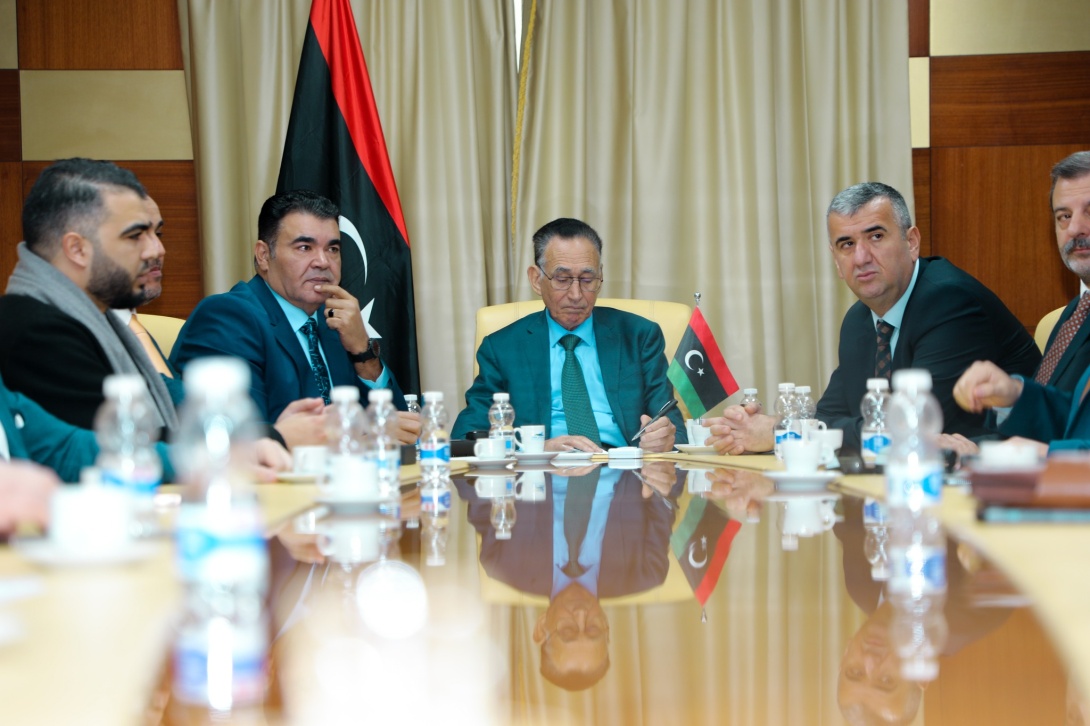
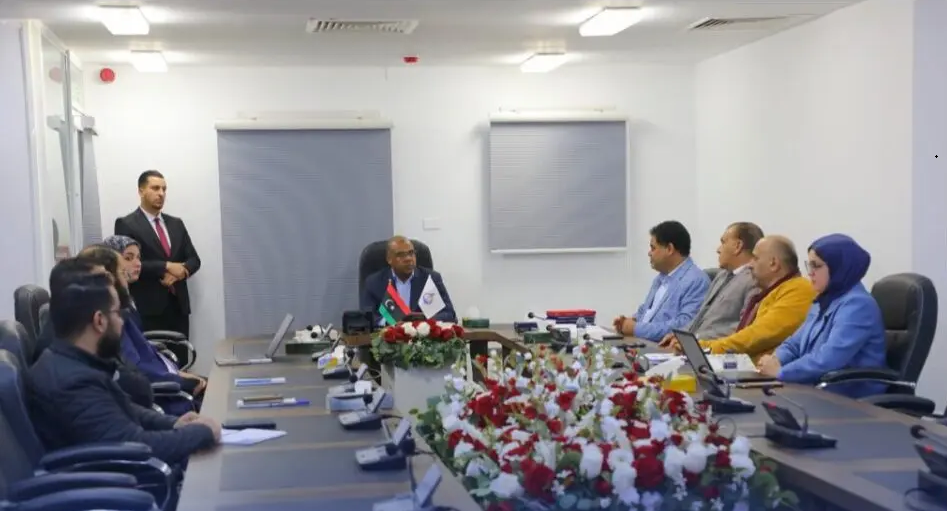
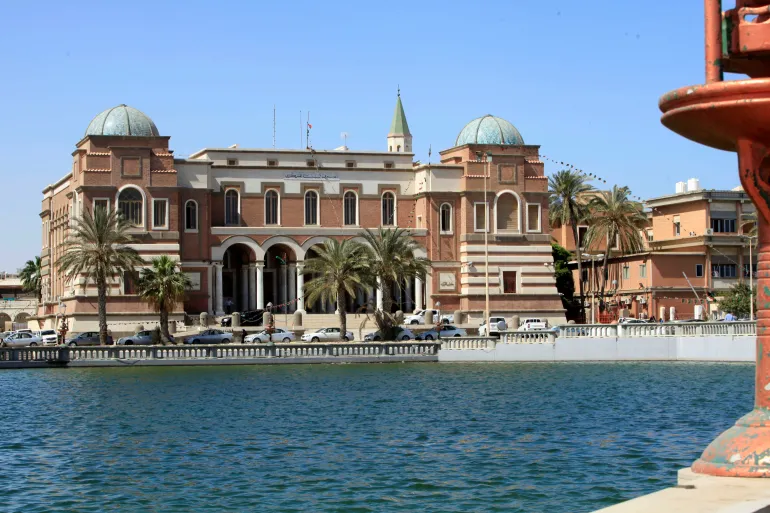
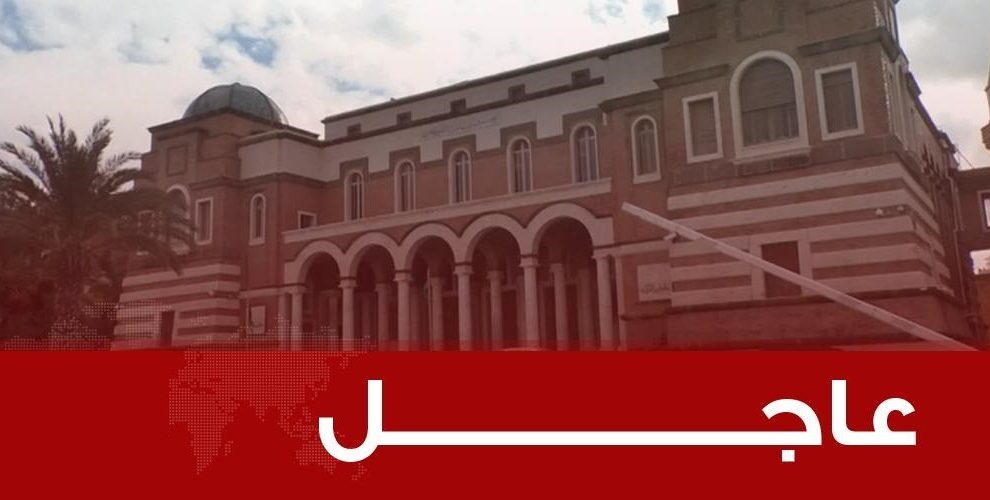
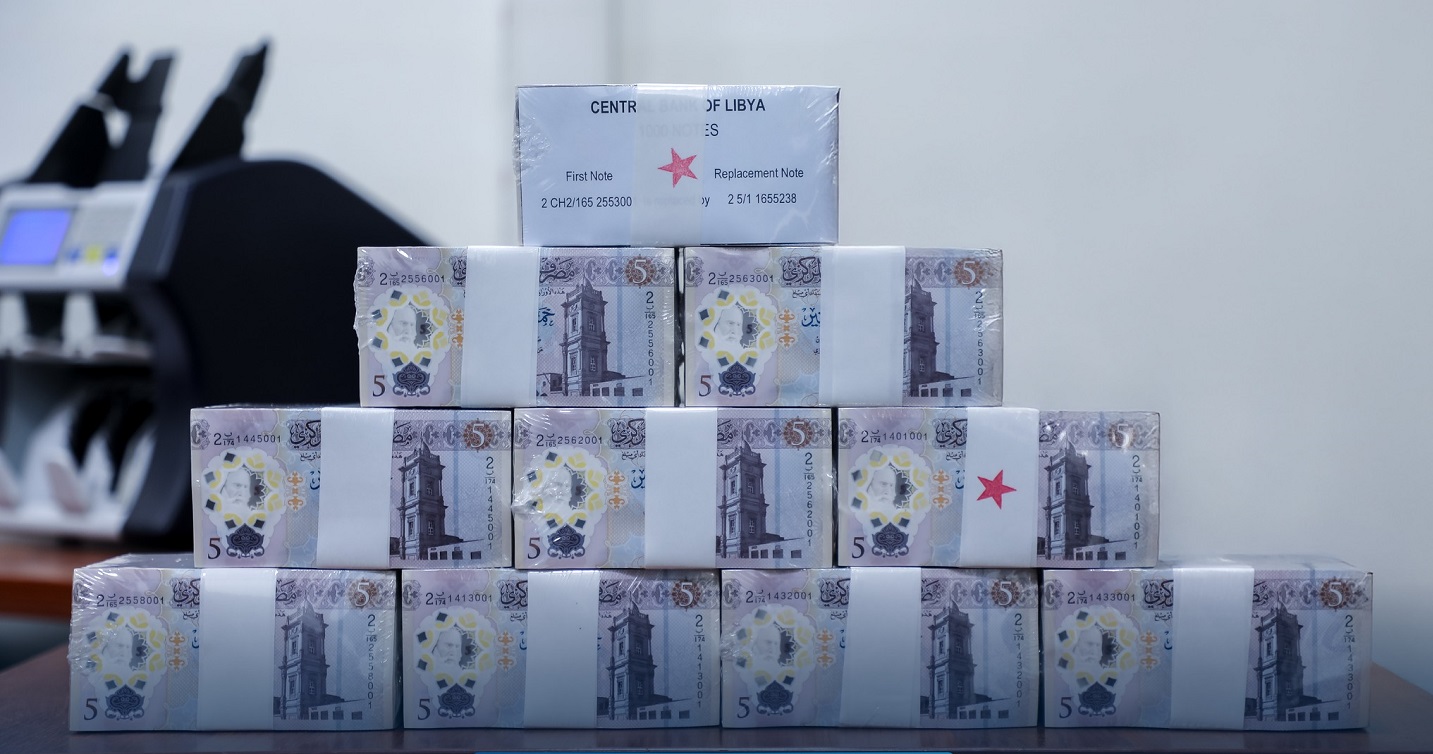
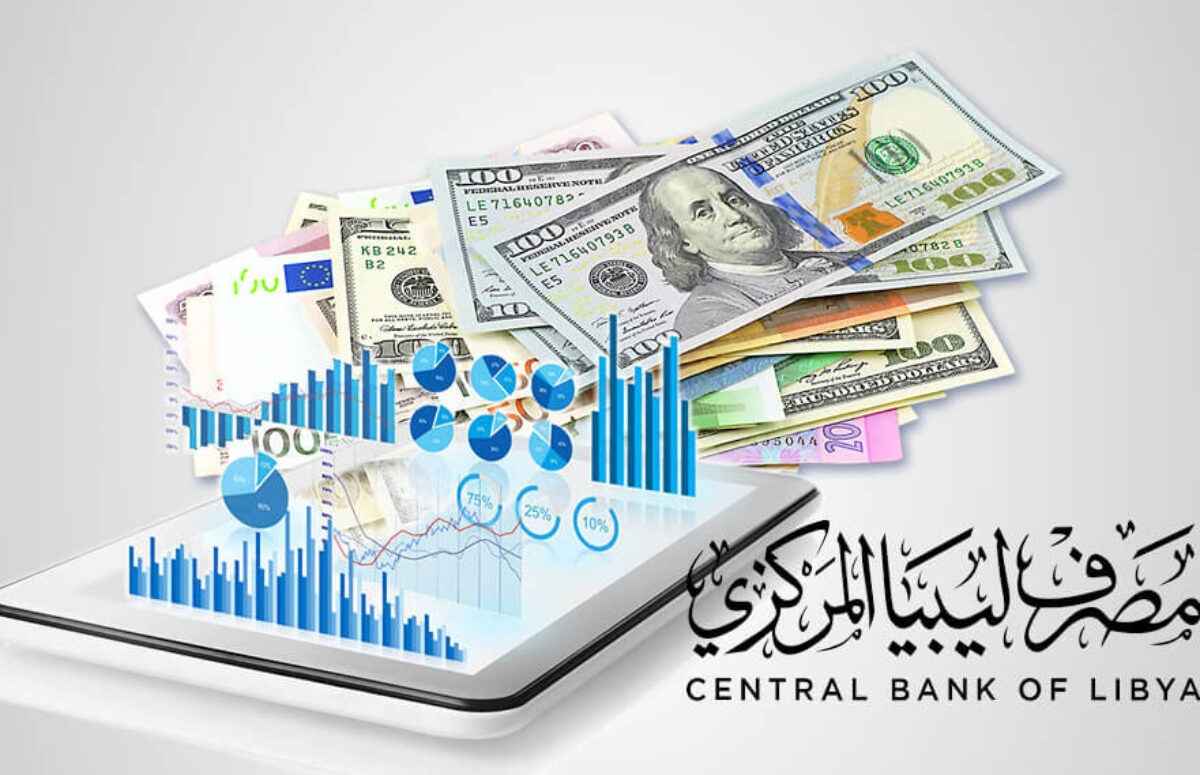
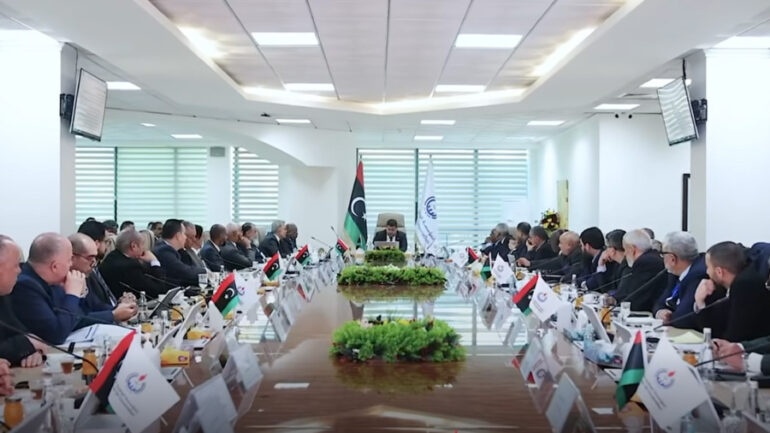
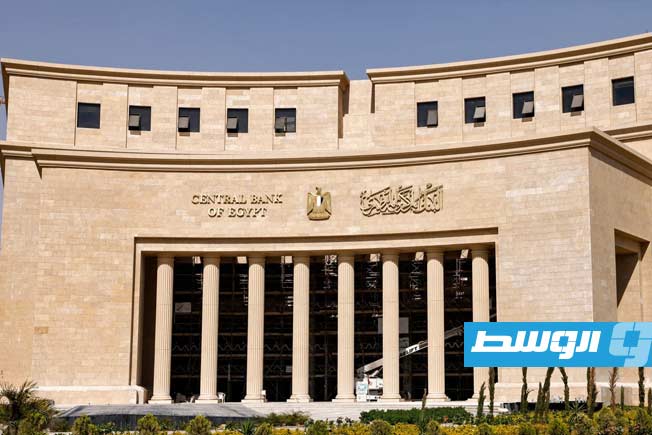
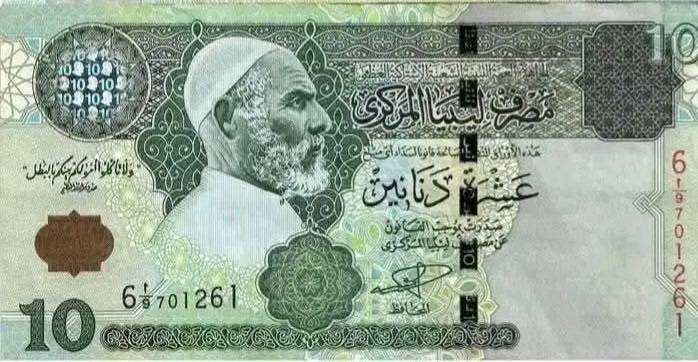
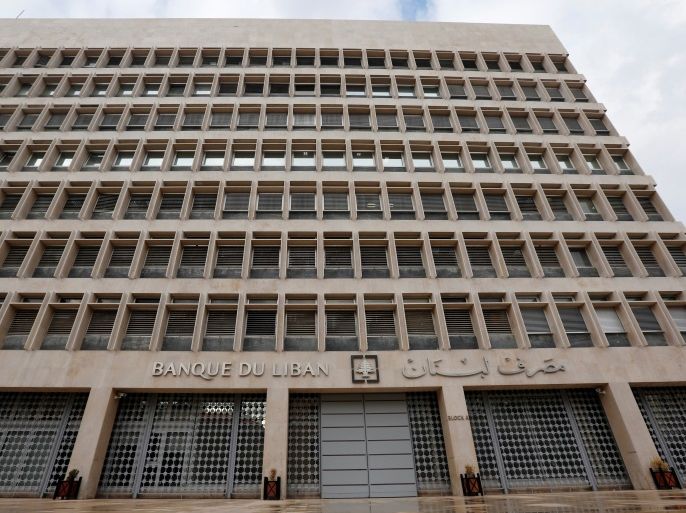
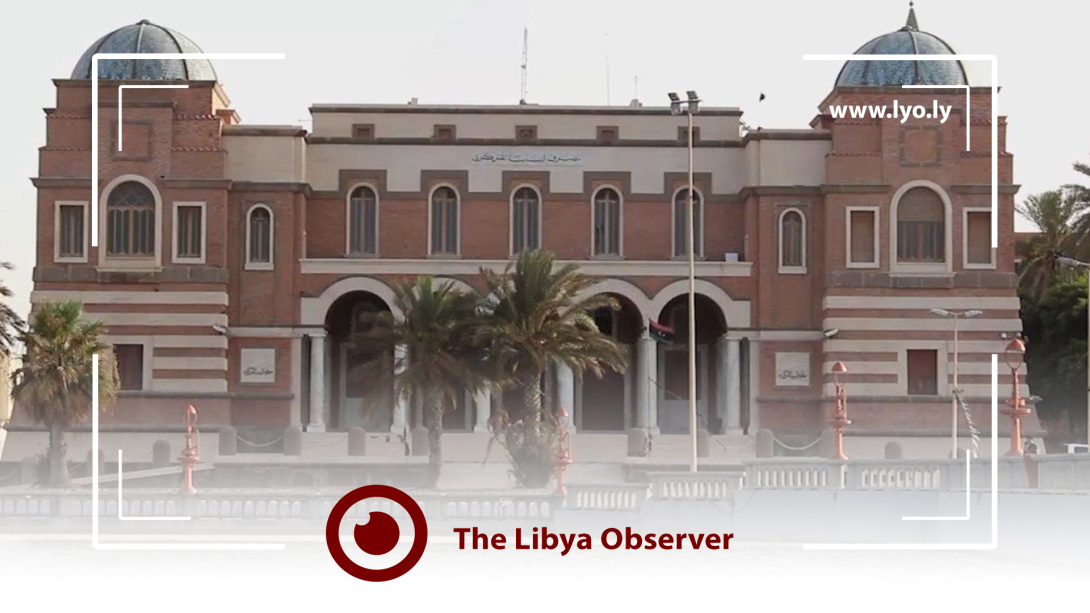
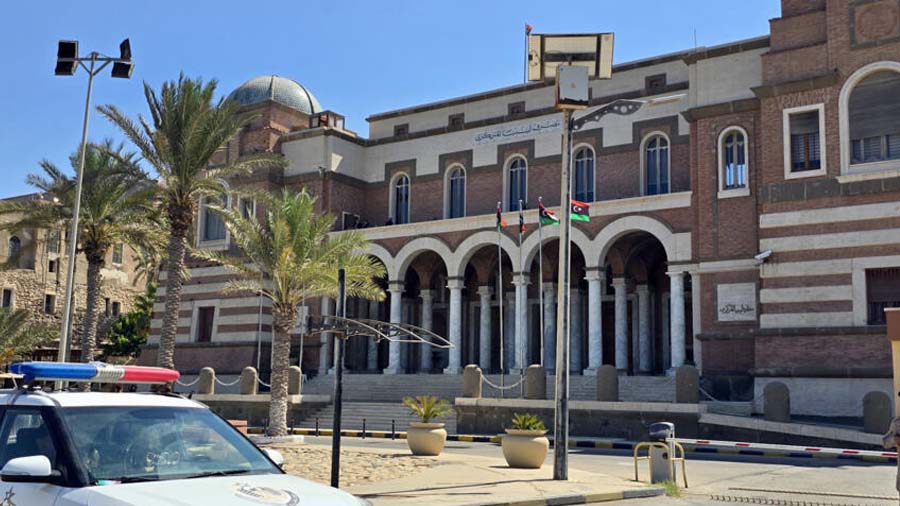
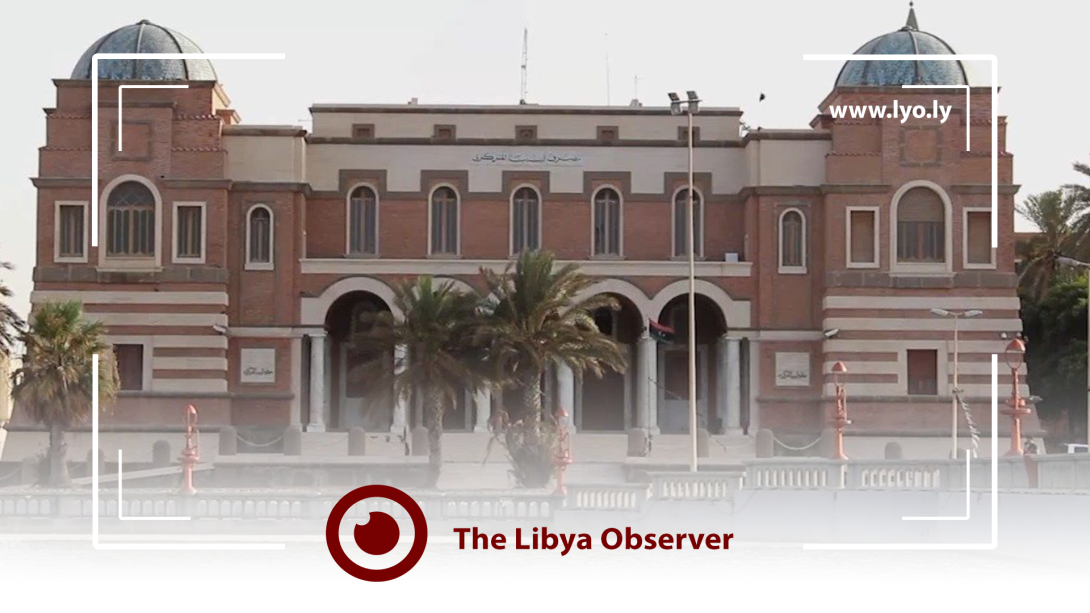
This rise in the parallel market coincided with an announcement from the Central Bank of Libya adjusting the exchange rate of the Libyan dinar, devaluing it by 14.7% against the Special Drawing Rights (SDRs) unit.
According to the decision, the dinar’s value became 0.1150 SDR units instead of 0.1348 units, setting the new official price at around 6.40 dinars per US dollar.
Reading the Situation
Observers see this move as aiming to reduce the price gap and achieve financial balance. However, the parallel market responded quickly with a rise in “check” prices, reflecting a state of caution and anticipation among traders and dealers in the banking sector.
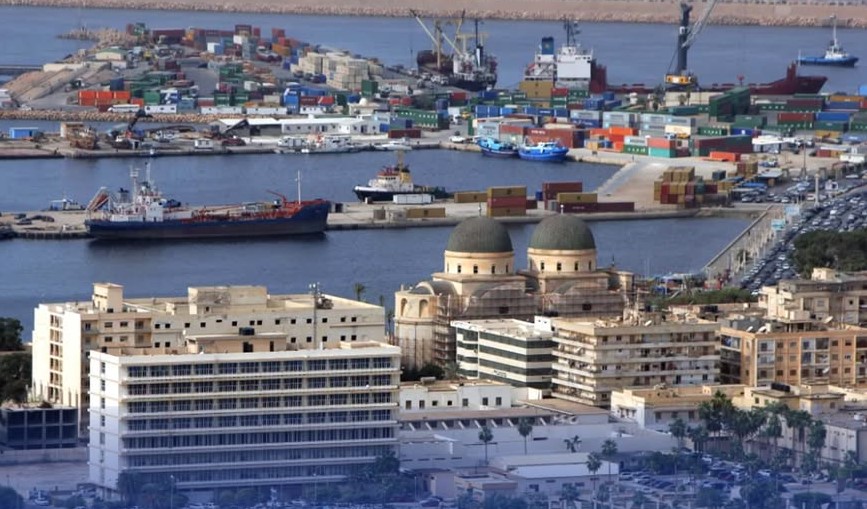
Tripoli
Tripoli is the capital and largest city of Libya, located on the country’s Mediterranean coast. Historically, it was founded by the Phoenicians in the 7th century BC and has since been ruled by the Romans, Arabs, Ottomans, and Italians, serving as a major port and cultural crossroads. Its historic center, the medina, features well-preserved architecture from these various periods.
Libya
Libya is a North African country with a rich history rooted in ancient civilizations like the Phoenicians and Romans, followed by centuries of Arab and Ottoman influence. In the modern era, it was an Italian colony before gaining independence in 1951, later becoming known for Muammar Gaddafi’s lengthy rule from 1969 until the 2011 revolution. Its cultural sites include the extensive Roman ruins at Leptis Magna, a UNESCO World Heritage site.
US dollar
The US dollar is the official currency of the United States, established by the Coinage Act of 1792. It evolved from a system based on Spanish milled dollars and has become the world’s primary reserve currency since the Bretton Woods Agreement in 1944.
Benghazi
Benghazi is a major city in eastern Libya, historically significant as a center of trade and culture since its founding as the ancient Greek colony of Euesperides. It played a pivotal role in Libya’s modern history, serving as the provisional capital after the 2011 revolution and being the site of a major 2012 attack on a U.S. diplomatic compound.
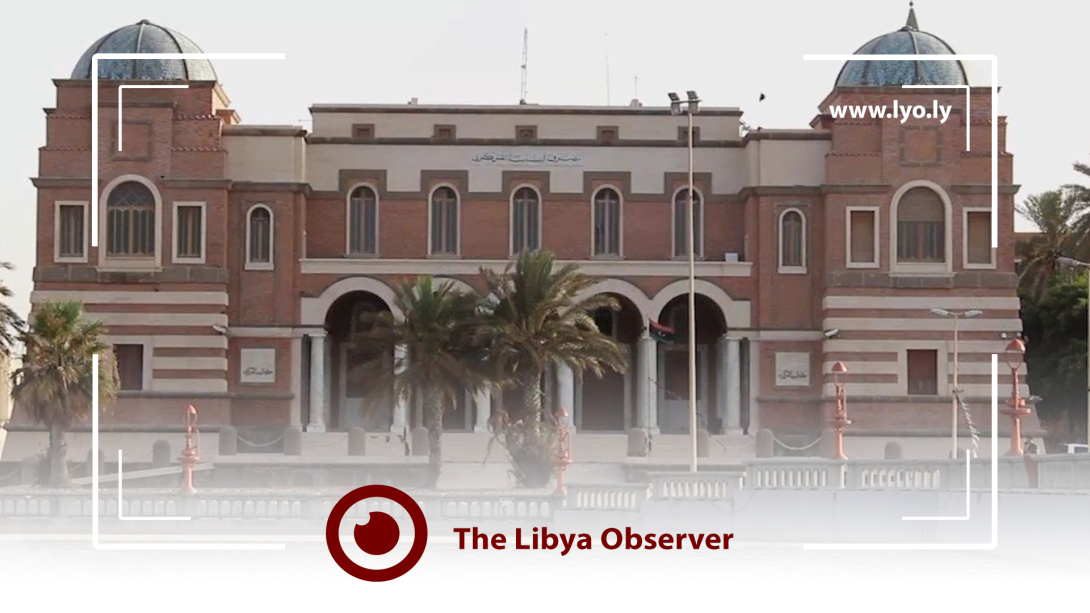
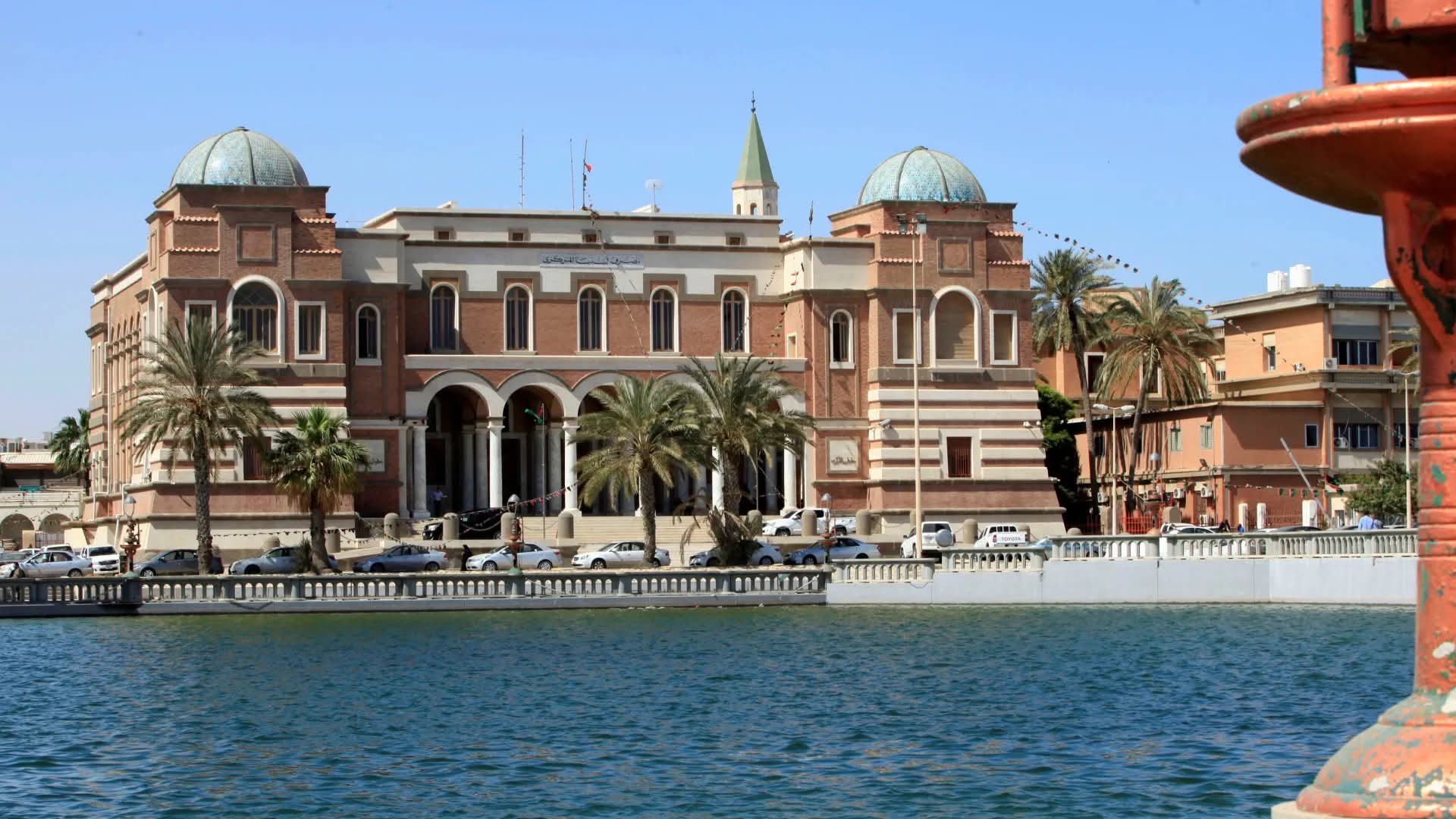
Central Bank of Libya
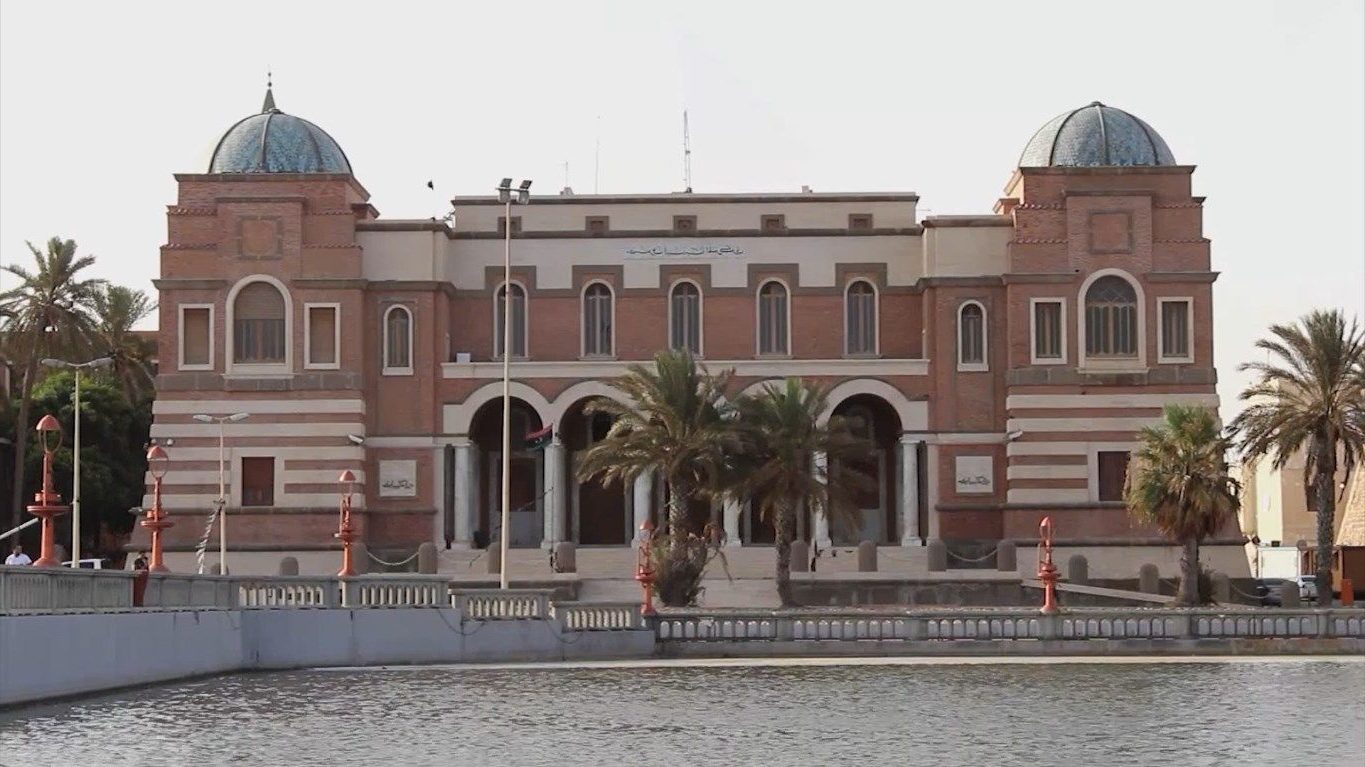
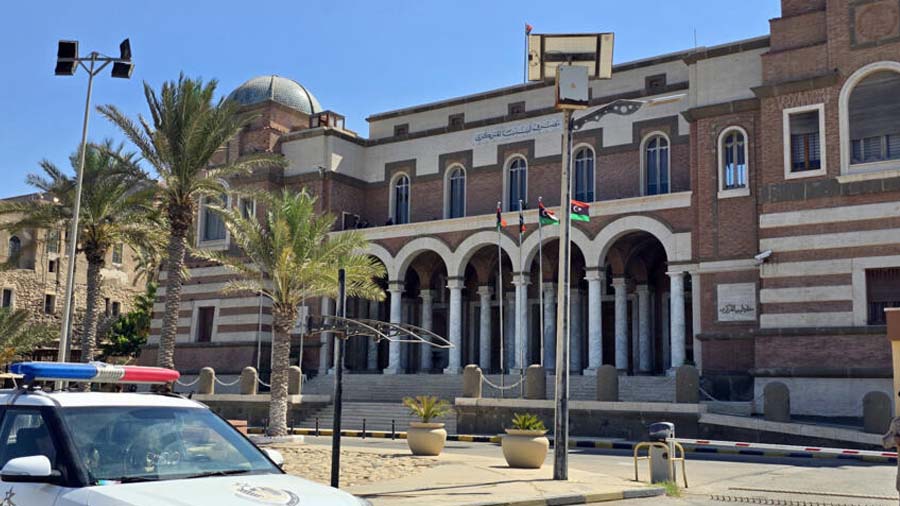
The Central Bank of Libya is the primary monetary authority of Libya, established in 1956 to issue currency and manage the country’s financial reserves. Its history has been deeply affected by political conflict since 2011, with rival administrations in Tripoli and Benghazi both claiming control over the institution and its critical assets.
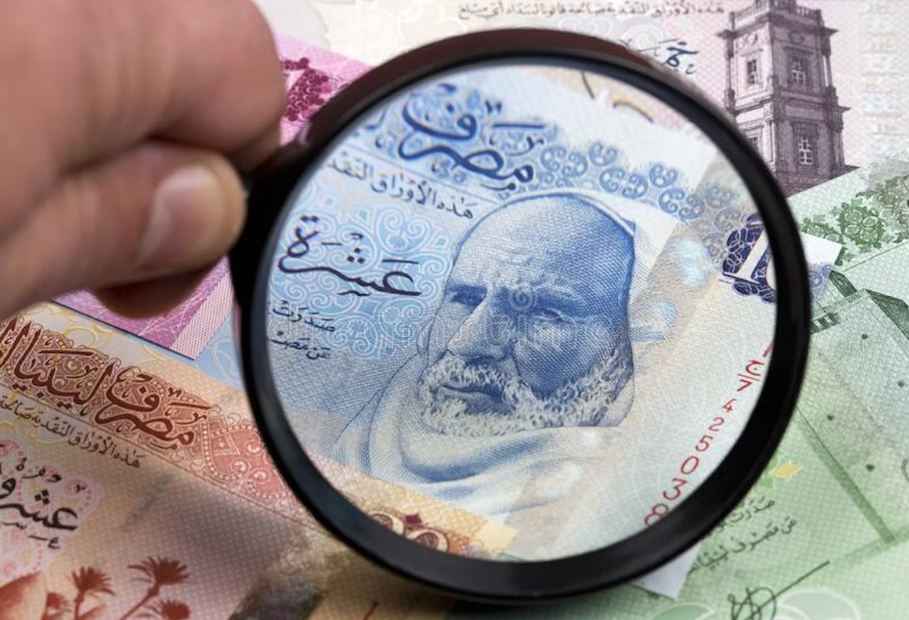
Libyan dinar
The Libyan dinar is the official currency of Libya, introduced in 1971 to replace the Libyan pound. It was established following the 1969 revolution that brought Muammar Gaddafi to power, symbolizing a move toward economic independence.