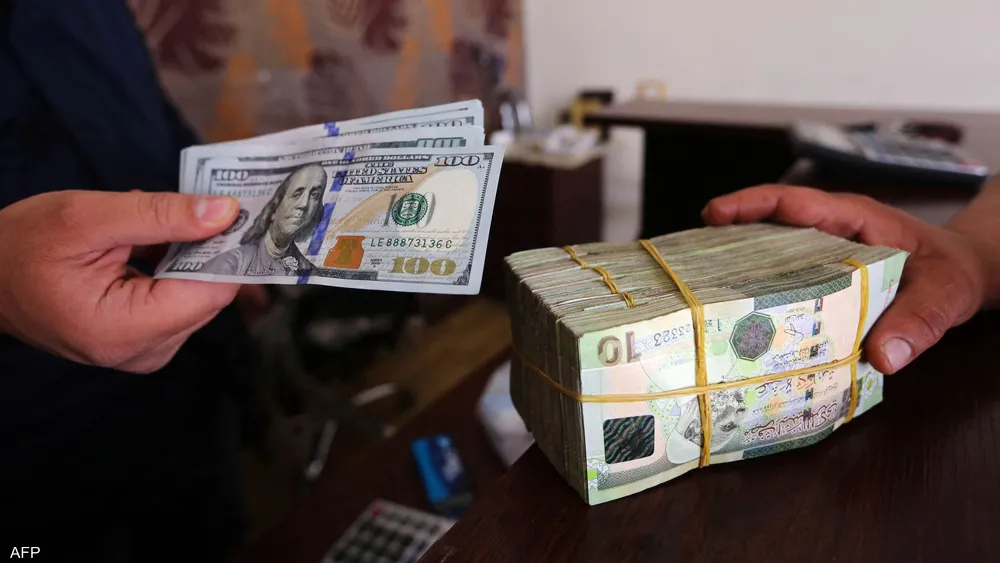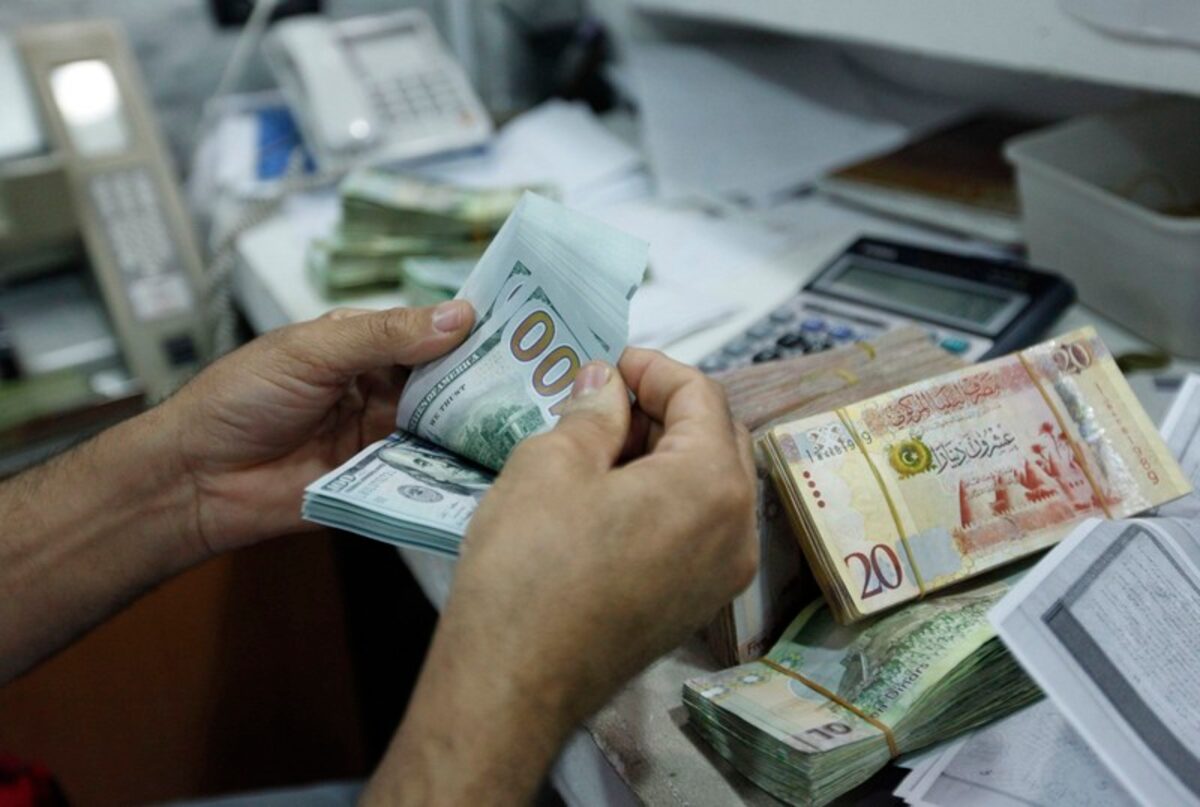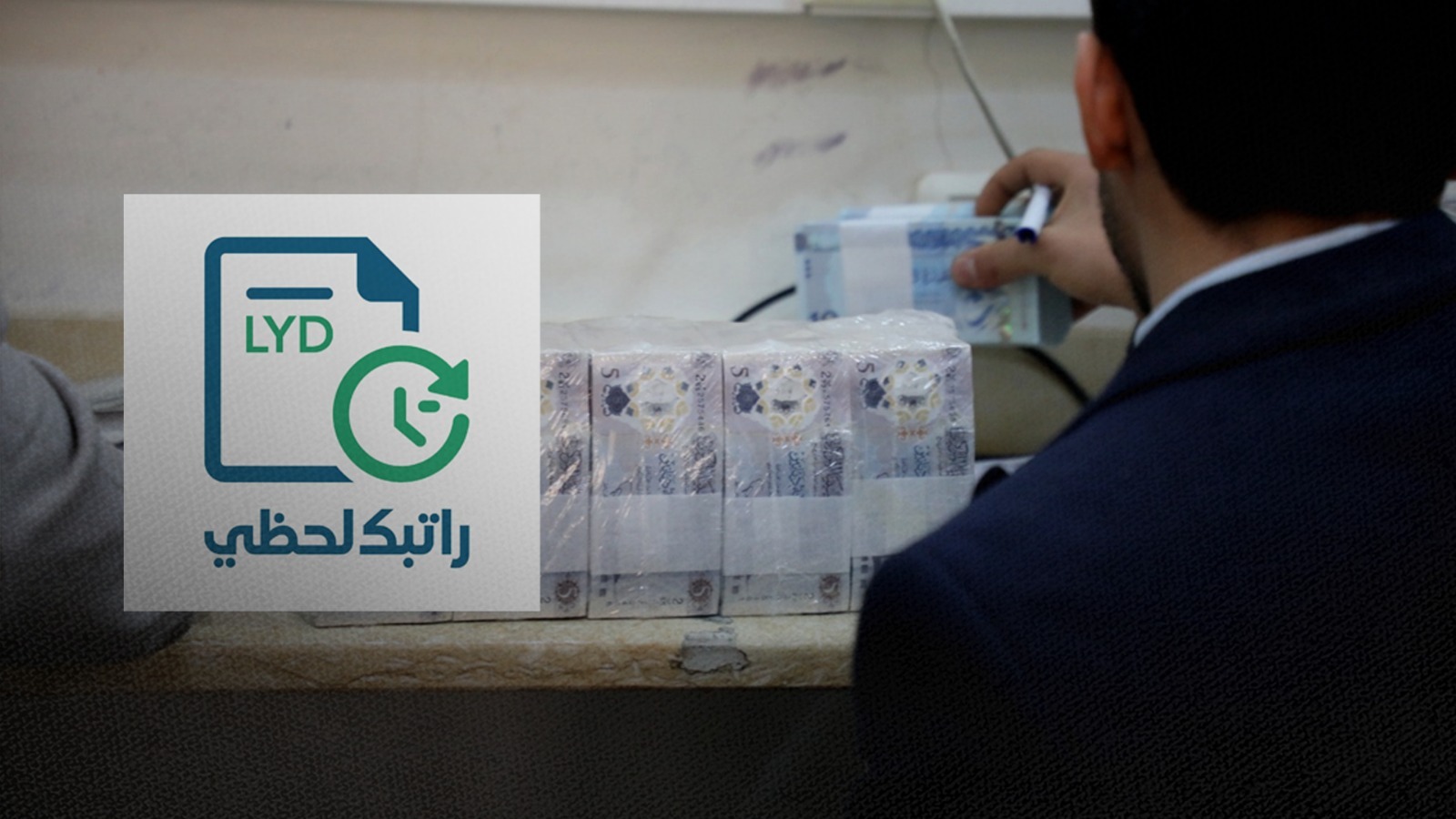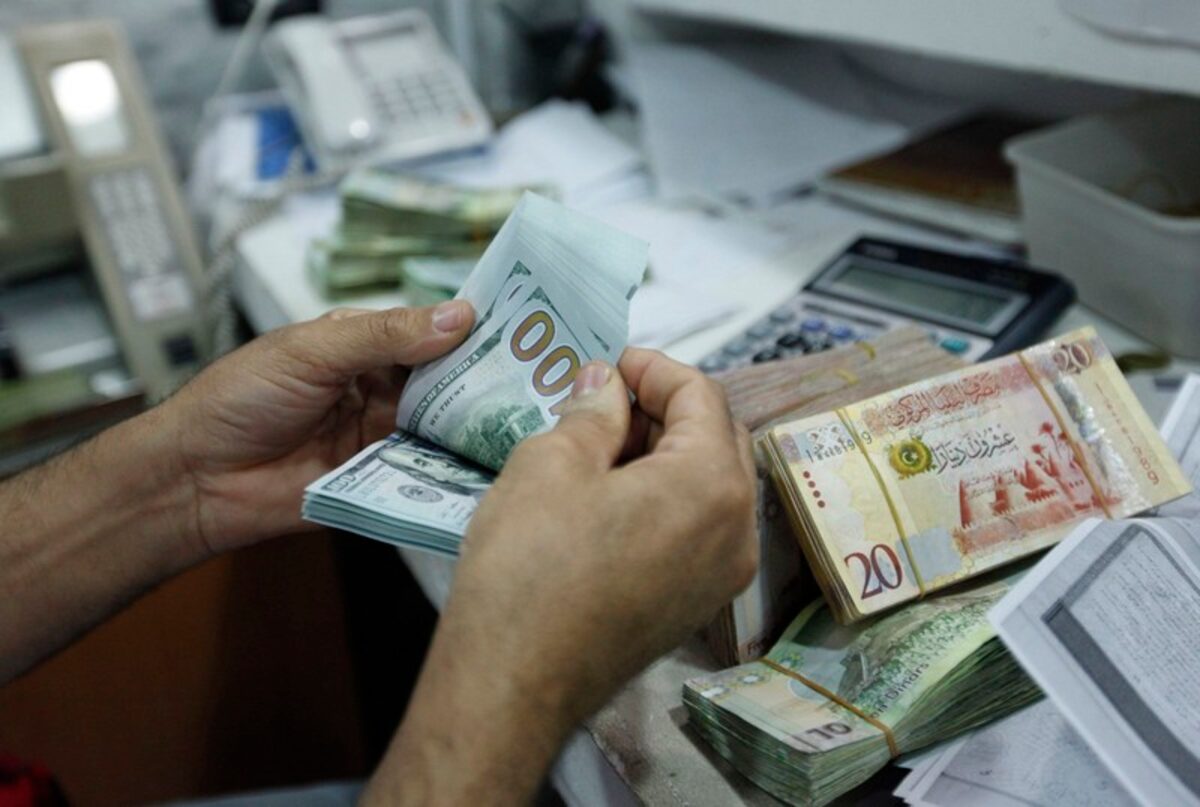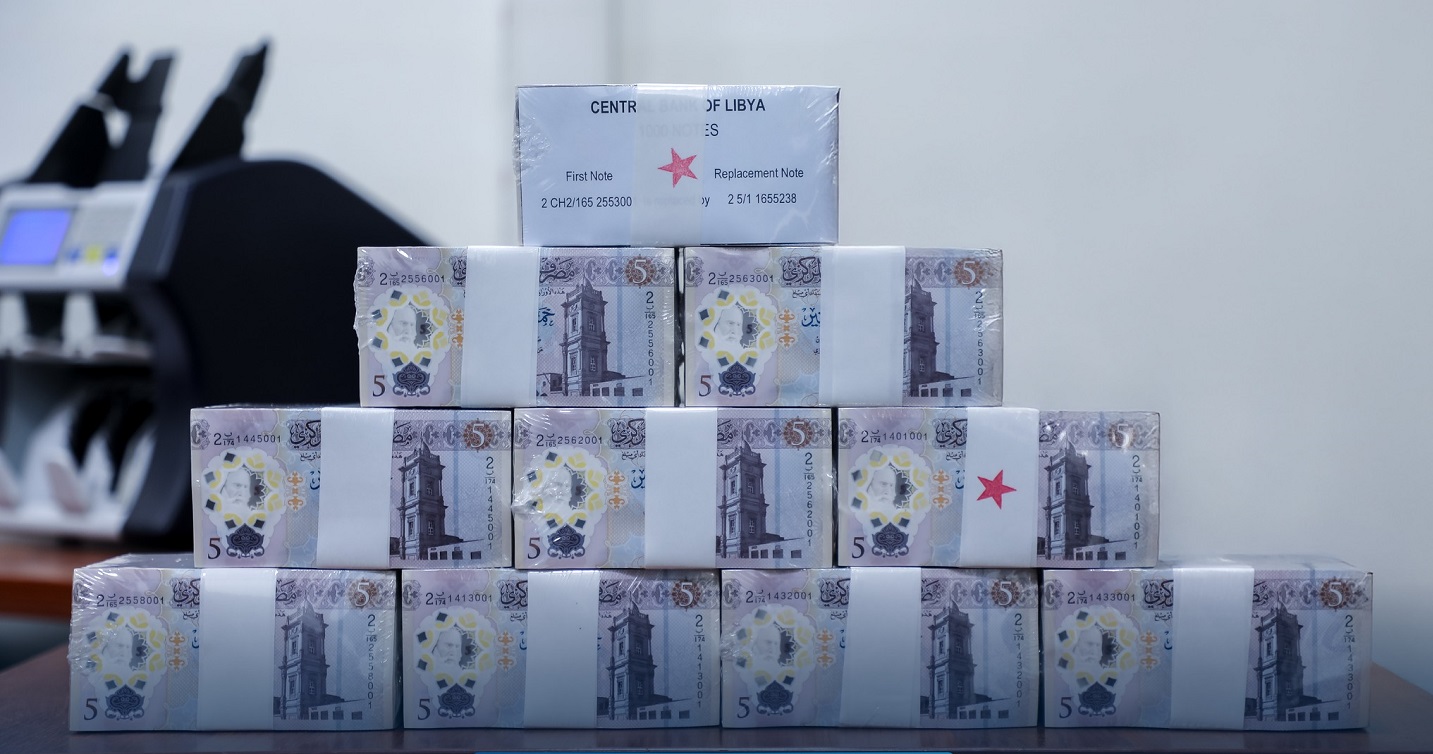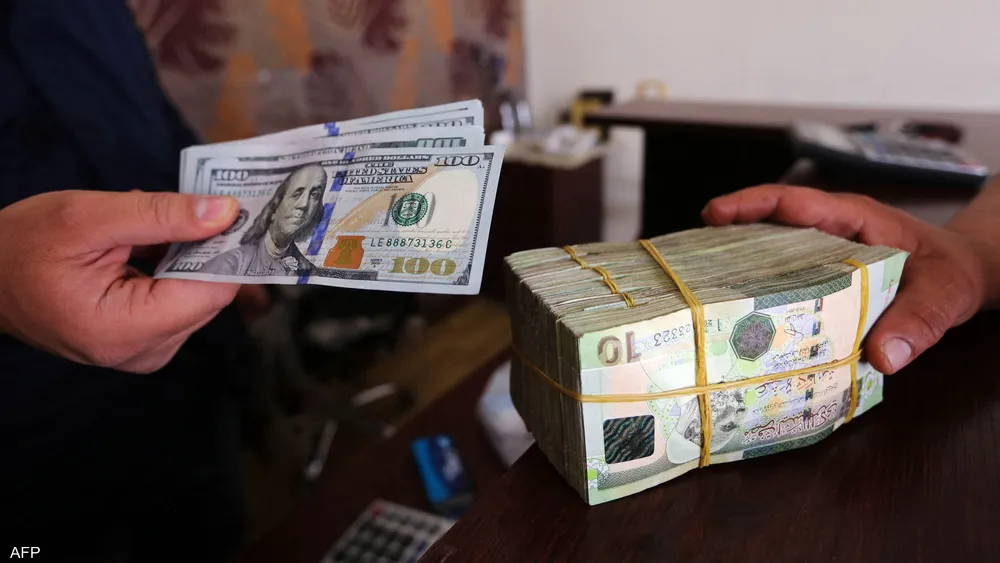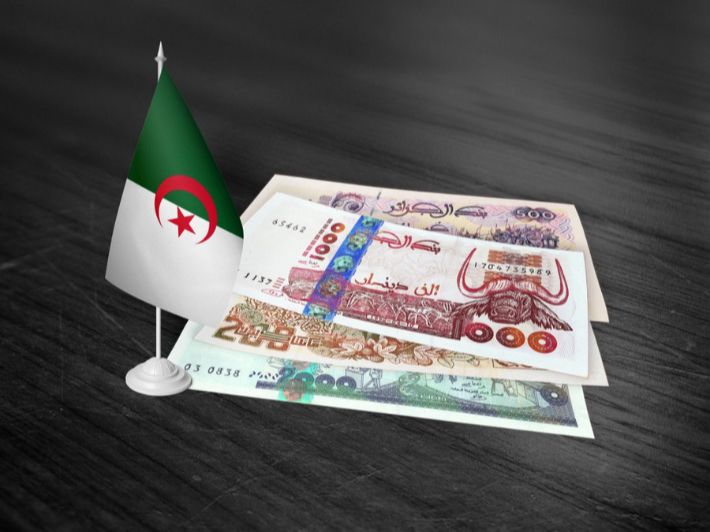
The head of the Federation of Consumer Protection Associations warned of doubled inflationary pressures due to the decision to lower the exchange rate of the dinar.
He spoke about negative repercussions that will affect the middle class and low-income earners, whose purchasing power will be eroded as the prices of essential goods and services rise.
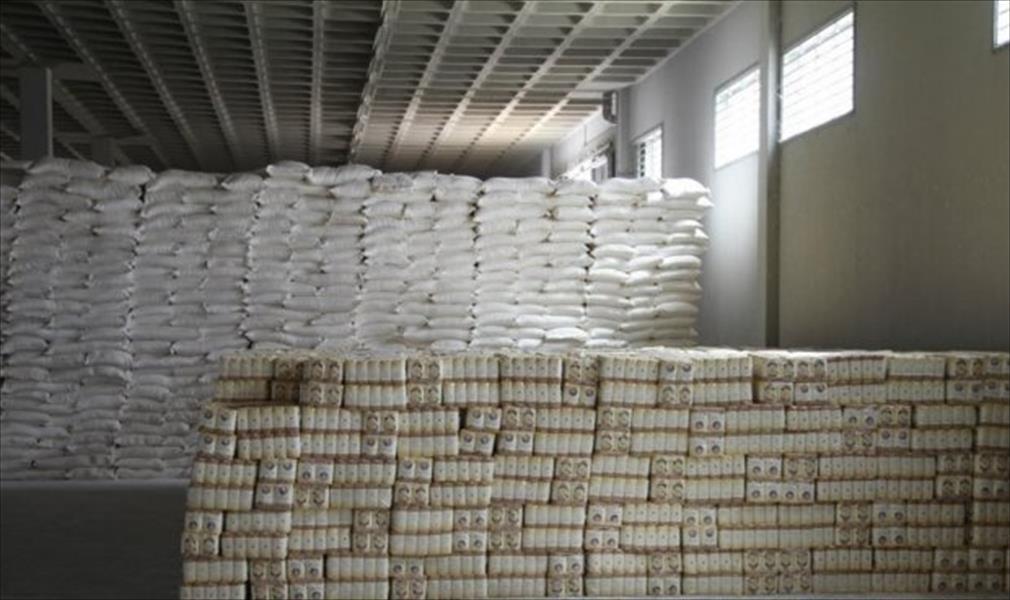
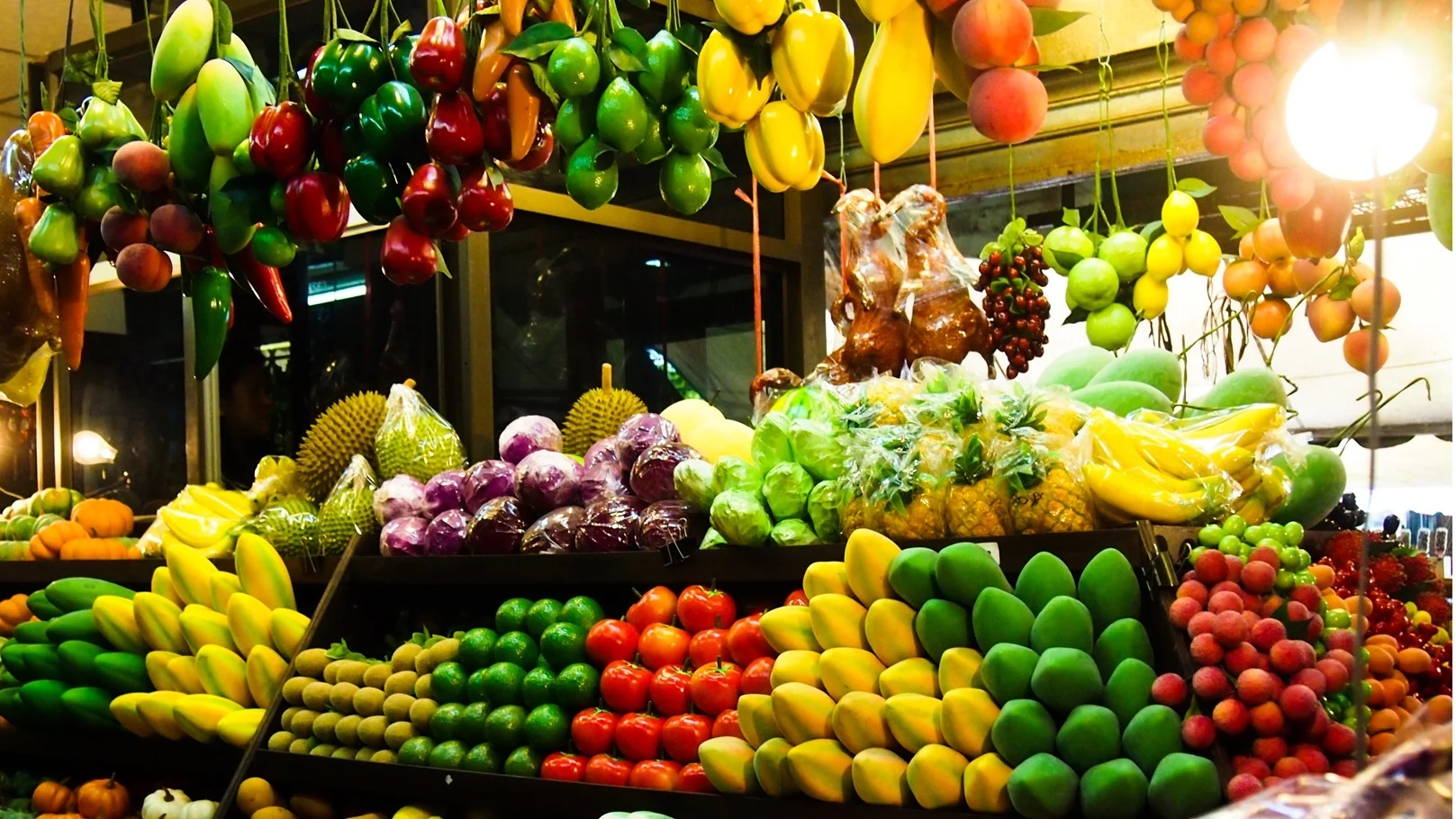
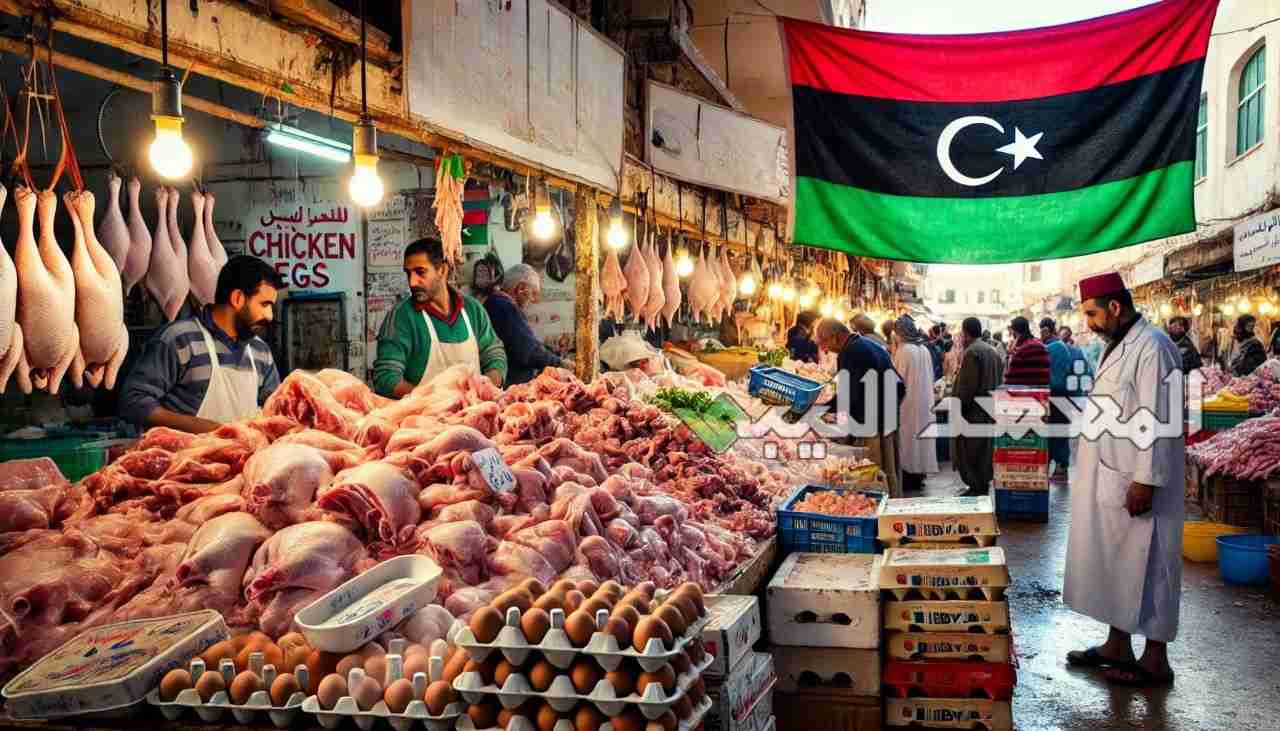
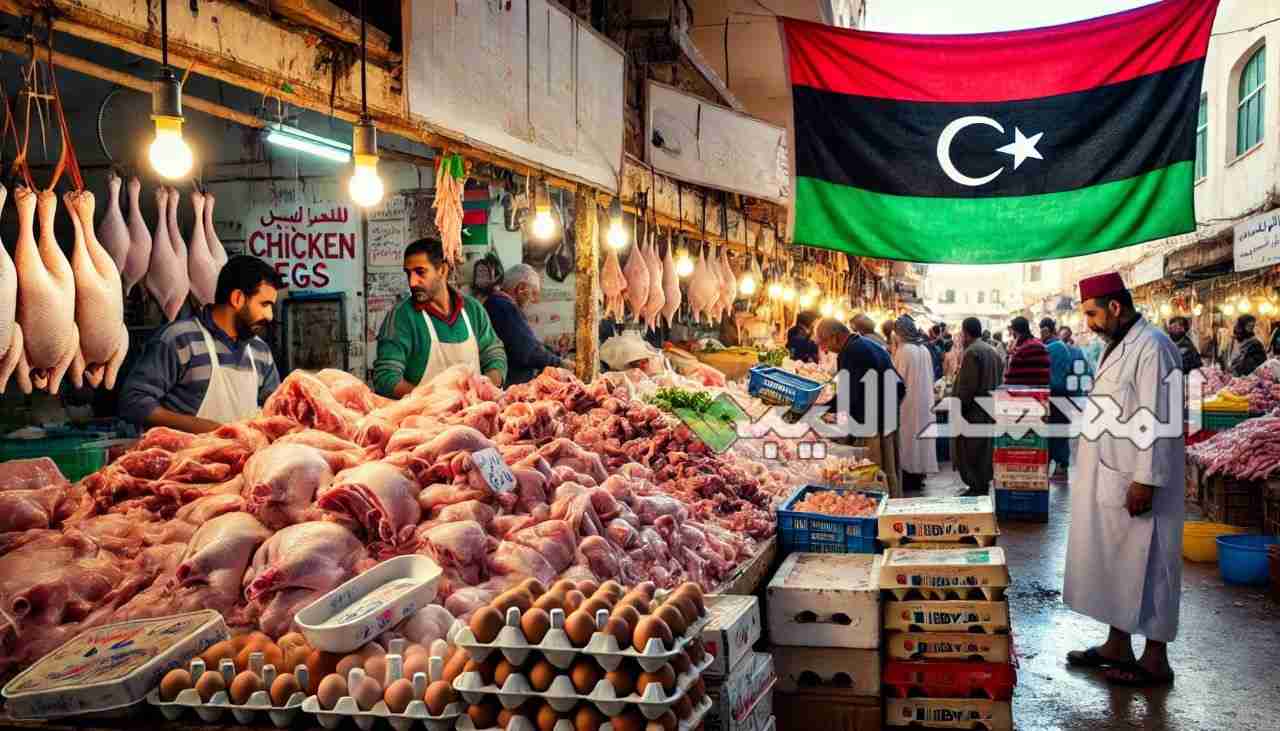
He predicted a new increase in the prices of basic products, such as rice, sugar, and flour, by between 10 and 15 percent, despite an abundant supply.
He pointed out that commodity prices in Libya are determined by the whims of import companies that control the market.
He noted that the role of consumer protection associations is limited to issuing statements of condemnation, which often have little effect, in contrast to what he described as the government’s random import policies, which exacerbate the depletion of dollar reserves and push the country into a vicious cycle that ends with another currency devaluation.