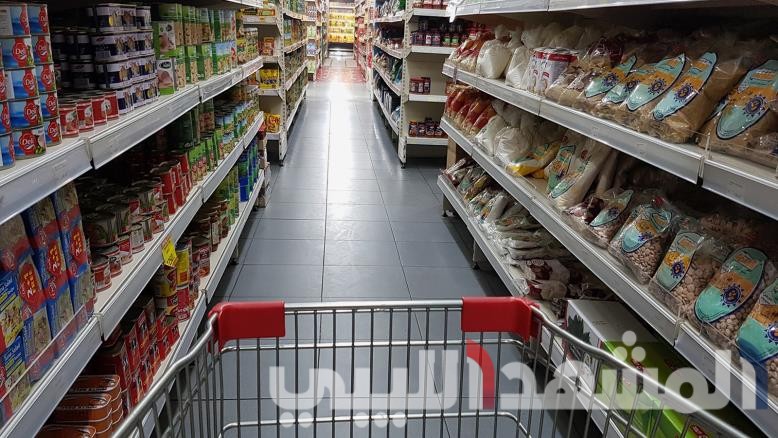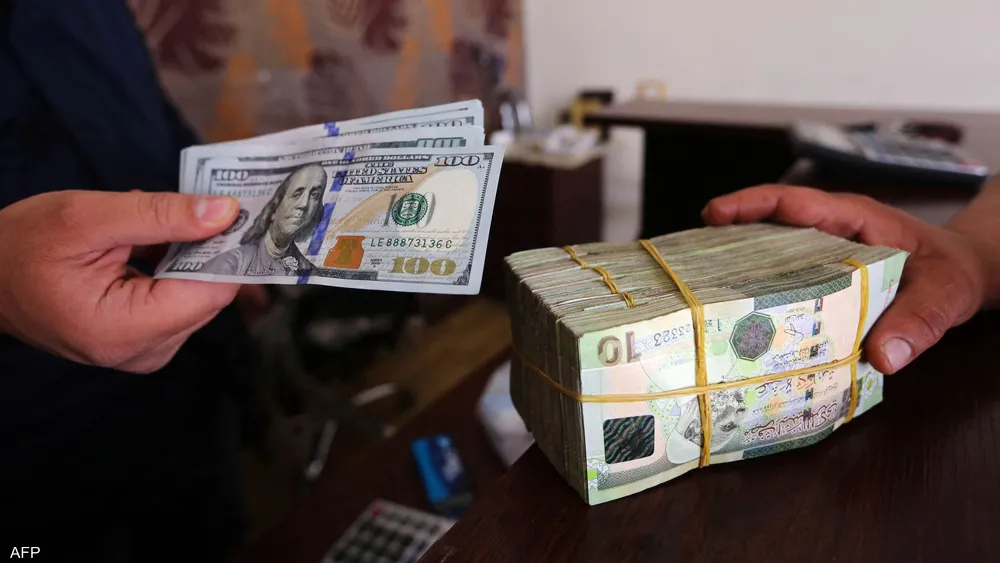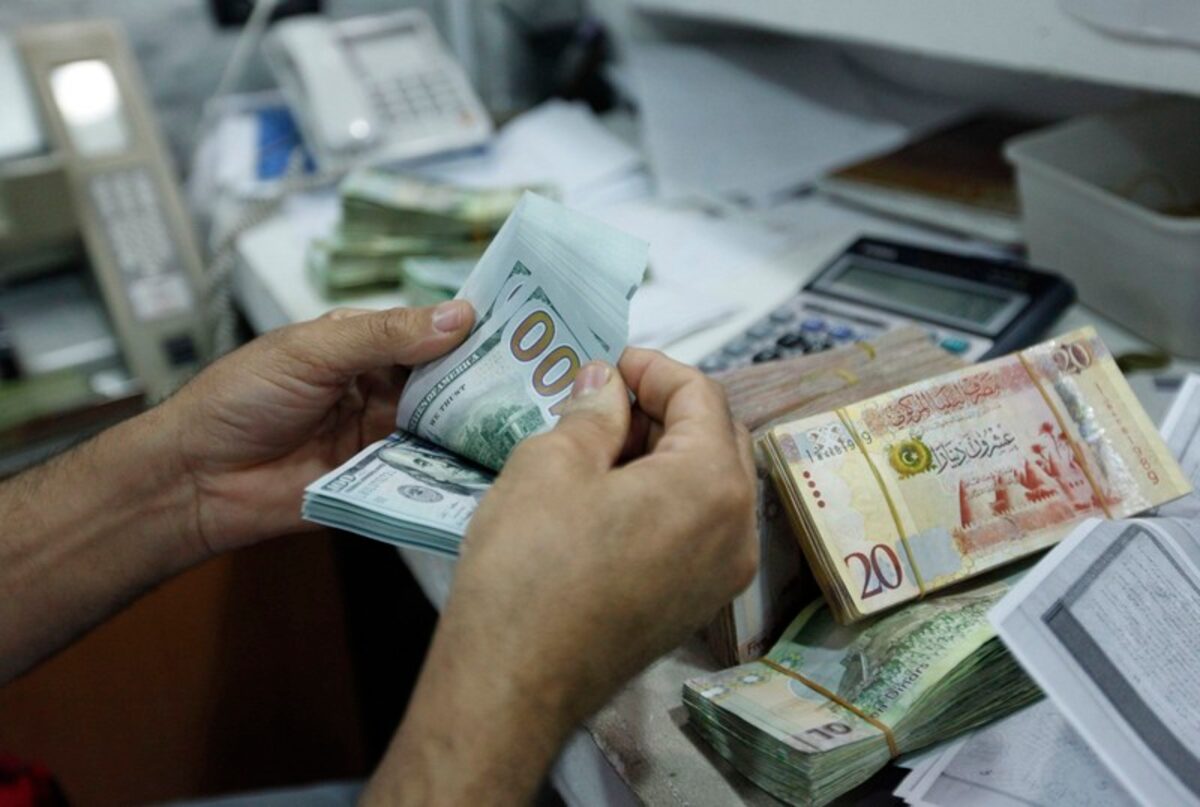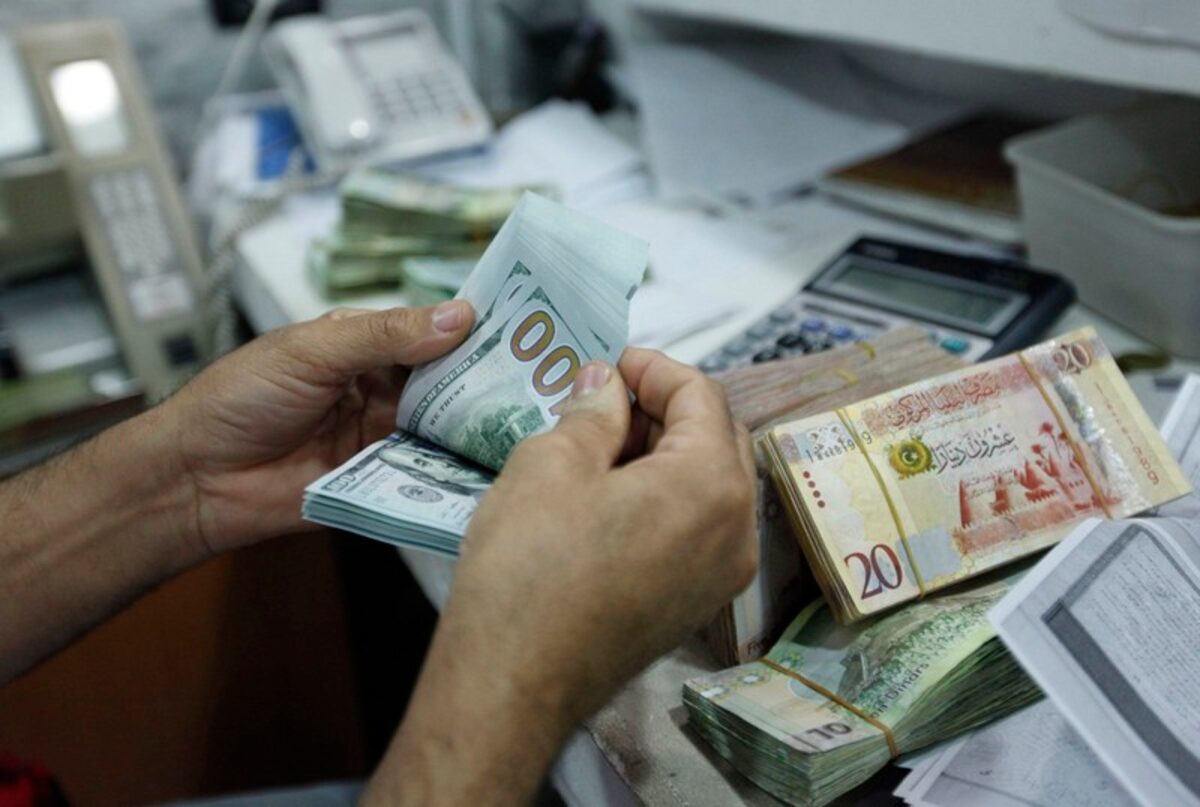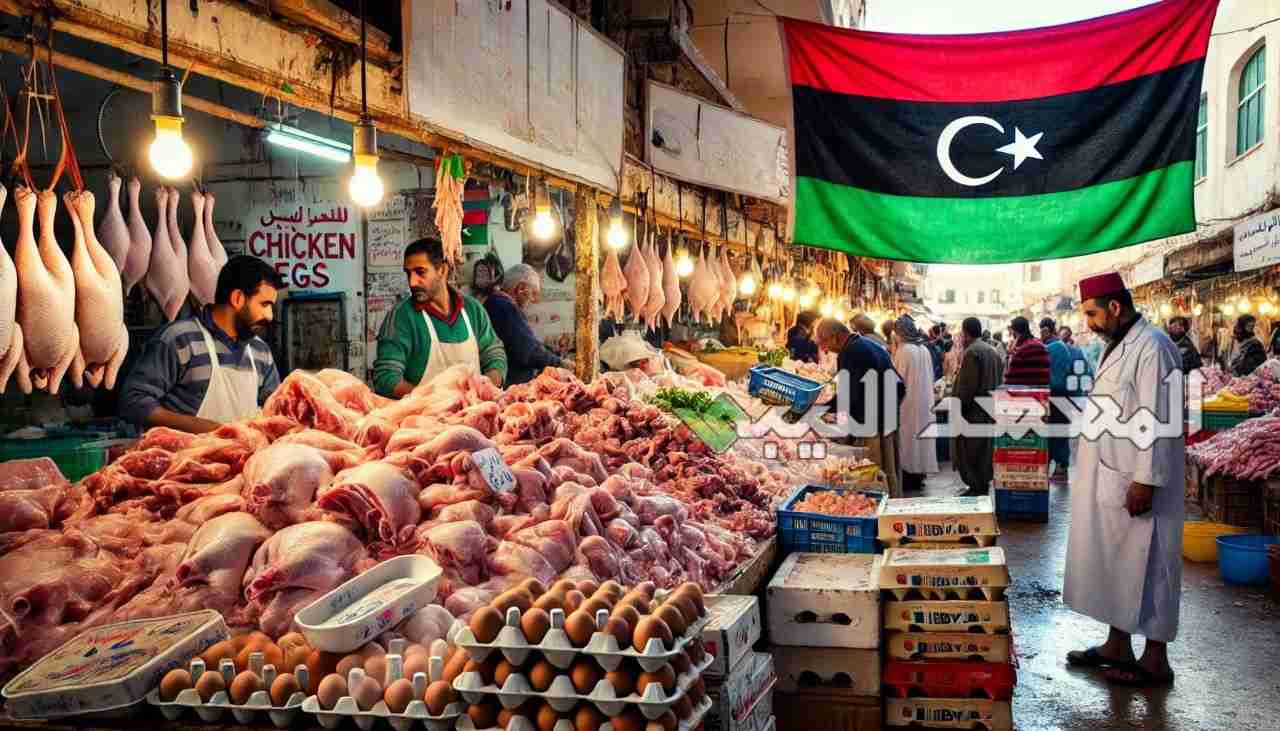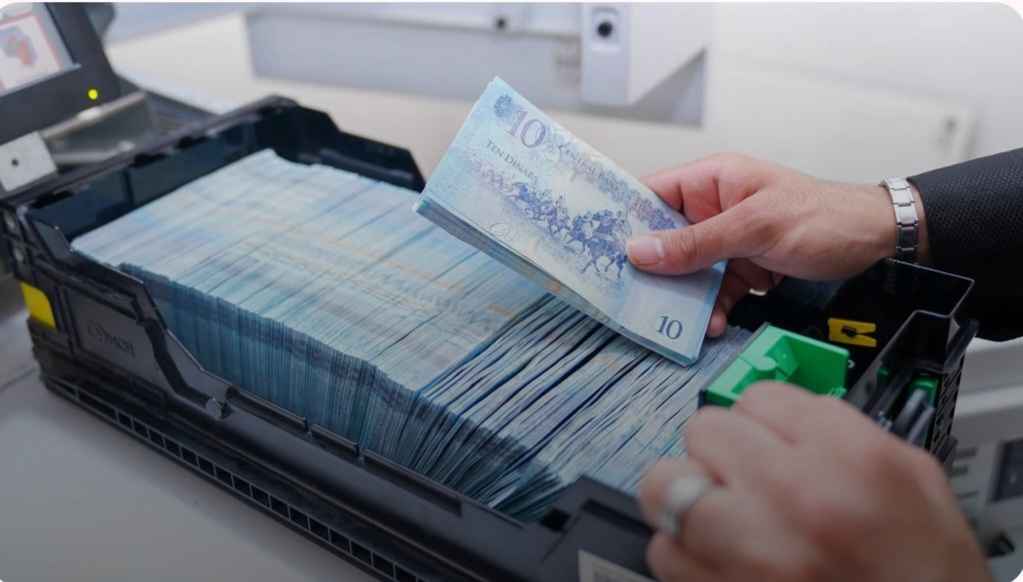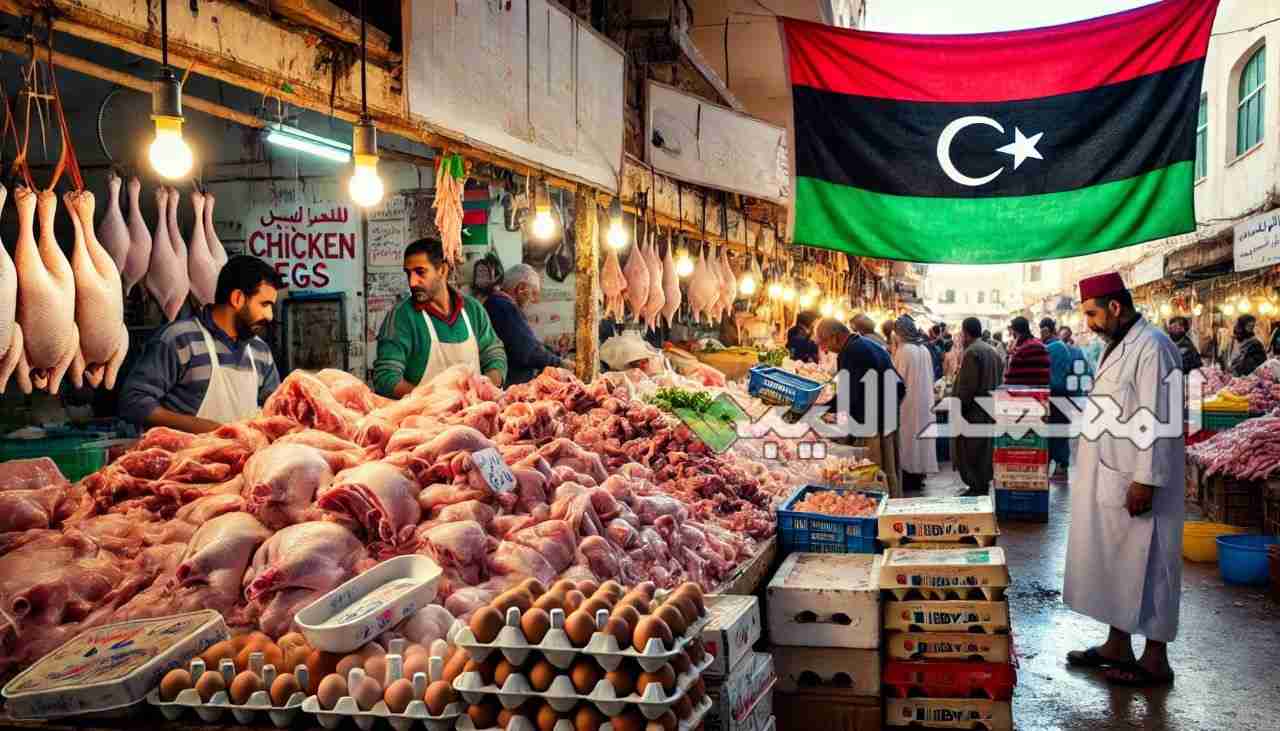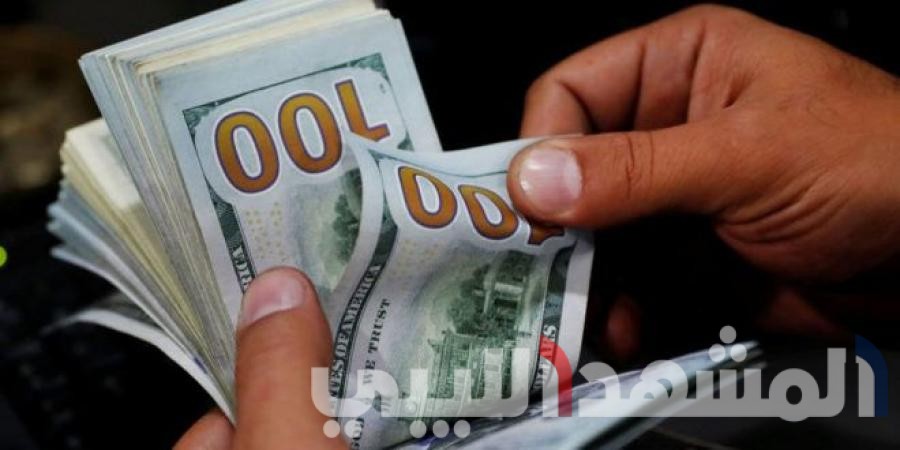
We publish the prices of basic food commodities in Libya today, Tuesday, January 6, 2026, according to the daily price bulletin.
The prices shown in the table represent the prices of the most consumed commodities in the local market.
Below is a list of prices for basic food commodities in Libya today, Tuesday, January 6, 2026:
Basic Food Commodities – Date: 2026-01-06
| Product Name | Company Name | Unit of Measurement | Price | Change Amount |
|---|---|---|---|---|
| Bakery Flour | Al-Safwa | 25 kilograms | 63 LYD | 0% |
| Bakery Flour | Al-Fakher | 25 kilograms | 70 LYD | 0% |
| Bakery Flour | Al-Rabee | 25 kilograms | 65 LYD | 0% |
| Flour (Household Purposes) | Al-Safwa | 1 kilogram | 3 LYD | 0% |
| Flour (Household Purposes) | Al-Rabee | 1 kilogram | 3 LYD | 0% |
| Brown Flour (Barley) | Al-Arabi | 1 kilogram | 6 LYD | 0% |
| Household Purpose Flour | Al-Fakher | 1 kilogram | 3.25 LYD | 0% |
| Household Purpose Flour | Al-Rayhan | 1 kilogram | 2.75 LYD | 0% |
| Product Name | Company Name | Unit of Measurement | Price | Change Amount |
|---|---|---|---|---|
| Flour (Household Purposes) | Al-Baraka | 1 kilogram | 3 LYD | 0% |
| Bakery Flour | Al-Safwa | Quintal | 242 LYD | 0% |
| Bakery Flour | Al-Fakher | Quintal | 270 LYD | 0% |
| Bakery Flour | Al-Rabee | Quintal | 256 LYD | 0% |
| Short Grain Rice | Al-Sehi | 1 kilogram | 6.5 LYD | 0% |
| Short Grain Rice | Al-Usra | 1 kilogram | 6.5 LYD | 0% |
| Short Grain Rice | Al-Mabrouk | 1 kilogram | 6.5 LYD</td
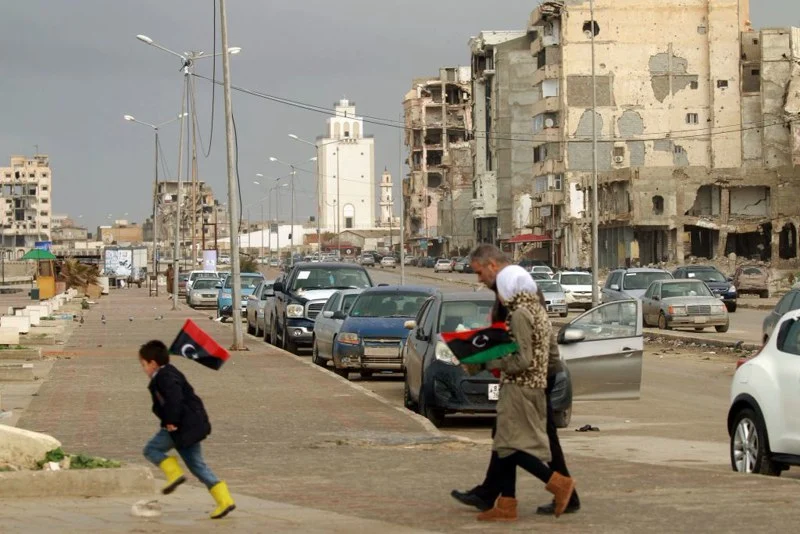
LibyaLibya is a North African country with a rich history rooted in ancient civilizations like the Phoenicians and Romans, followed by centuries of Arab and Ottoman influence. In the modern era, it was an Italian colony before gaining independence in 1951, later becoming known for Muammar Gaddafi’s lengthy rule from 1969 until the 2011 revolution. Today, it is a nation with significant archaeological sites and ongoing political transition.
Al-SafwaAl-Safwa is a modern commercial and residential complex located in Mecca, Saudi Arabia, designed to accommodate pilgrims visiting the holy city. Its development is part of the broader expansion and modernization efforts around the Grand Mosque to improve infrastructure for the annual Hajj pilgrimage.
Al-FakherAl-Fakher is a popular brand of flavored tobacco used in hookahs (water pipes), originating in Syria and now widely produced in the United Arab Emirates. It is known for its variety of fruit and herbal flavors, contributing to the social tradition of shisha smoking across the Middle East and globally. While not a physical site, it represents a significant element in modern café culture and social gatherings.
Al-RabeeAl-Rabee is a historic neighborhood in the city of Mosul, Iraq, traditionally known as a Christian quarter with roots dating back many centuries. It is home to significant churches and monasteries, reflecting the long-standing presence of the Assyrian and Chaldean communities in the region. The area suffered considerable damage during the occupation of Mosul by ISIS but remains a symbol of the city’s diverse cultural and religious heritage.
Al-ArabiAl-Arabi is a prominent pan-Arab cultural and political magazine founded in Beirut in 1952 by the Arab League. It quickly became a major platform for Arab intellectuals, writers, and artists, promoting Arab nationalism, culture, and unity during the mid-20th century. The magazine continues to be published, focusing on literature, politics, and social issues across the Arab world.
Al-RayhanAl-Rayhan is a prominent cultural and commercial complex located in Riyadh, Saudi Arabia, known for its modern architecture and luxury shopping. Historically, it represents part of the city’s rapid development and urbanization in the late 20th and early 21st centuries, becoming a central hub for business and social gatherings.
Al-BarakaAl-Baraka is a historically significant site in Sudan, often associated with the Mahdist state of the late 19th century, where it served as a key administrative and military center. It is particularly noted as the location where the Khalifa Abdullahi, successor to the Mahdi, established his headquarters and governed the Mahdist empire.
Al-SehiAl-Sehi is a traditional quarter in the historic city of Jeddah, Saudi Arabia, known for its distinctive coral-stone architecture and historic buildings. It is part of the UNESCO World Heritage site “Historic Jeddah, the Gate to Makkah,” reflecting its centuries-old role as a residential and commercial hub for pilgrims and merchants.
Al-Usra“Al-Usra” is a common name for cultural centers, associations, or institutions in the Arab world, often translating to “The Family” and focusing on community and social services. Without a specific location, its precise history cannot be detailed, but such centers typically have modern origins aimed at fostering cultural identity, family support, and educational activities within their communities.
Al-MabroukAl-Mabrouk is a common place name in several Arab countries, often referring to neighborhoods or districts. Without a specific country or context, its general history is tied to local urban development, frequently named to express a sentiment of “the blessed” or “congratulations,” possibly marking a new or prosperous area.
|