Title
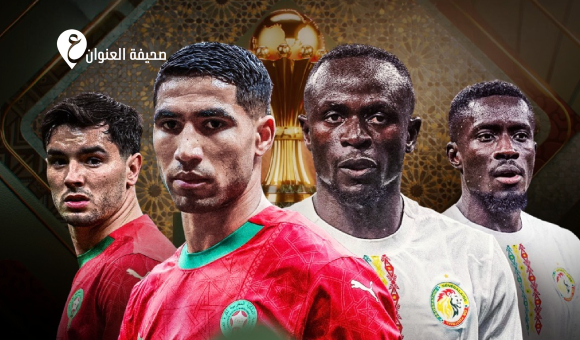
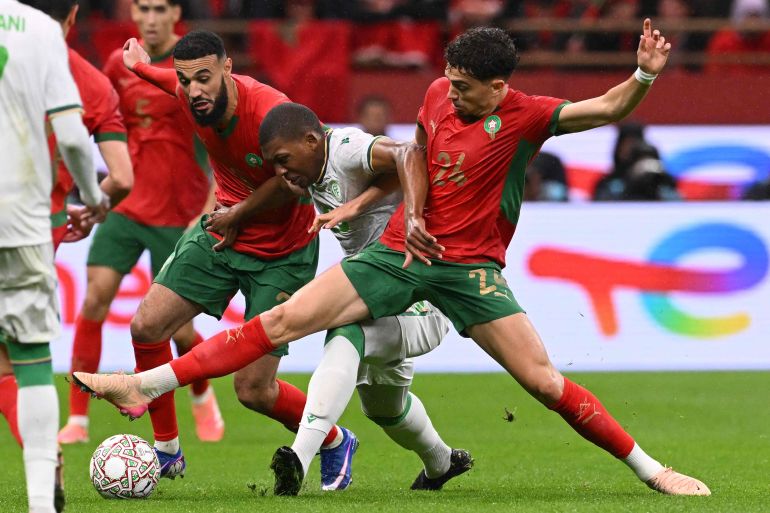
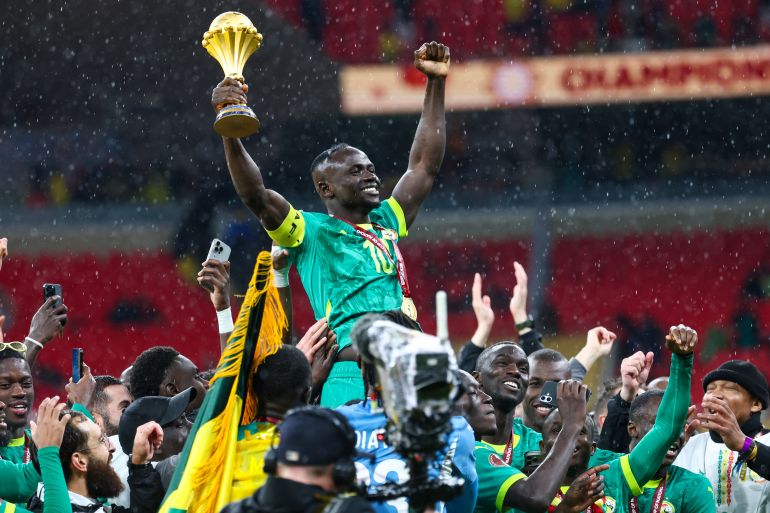
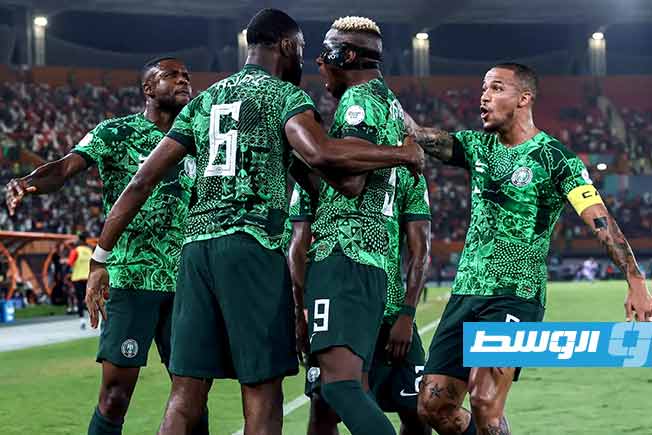
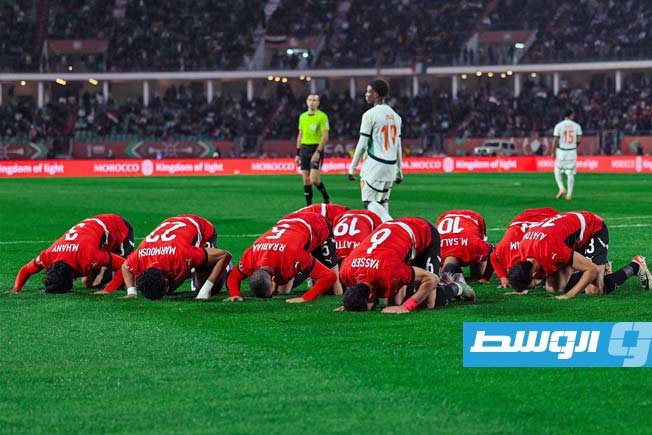
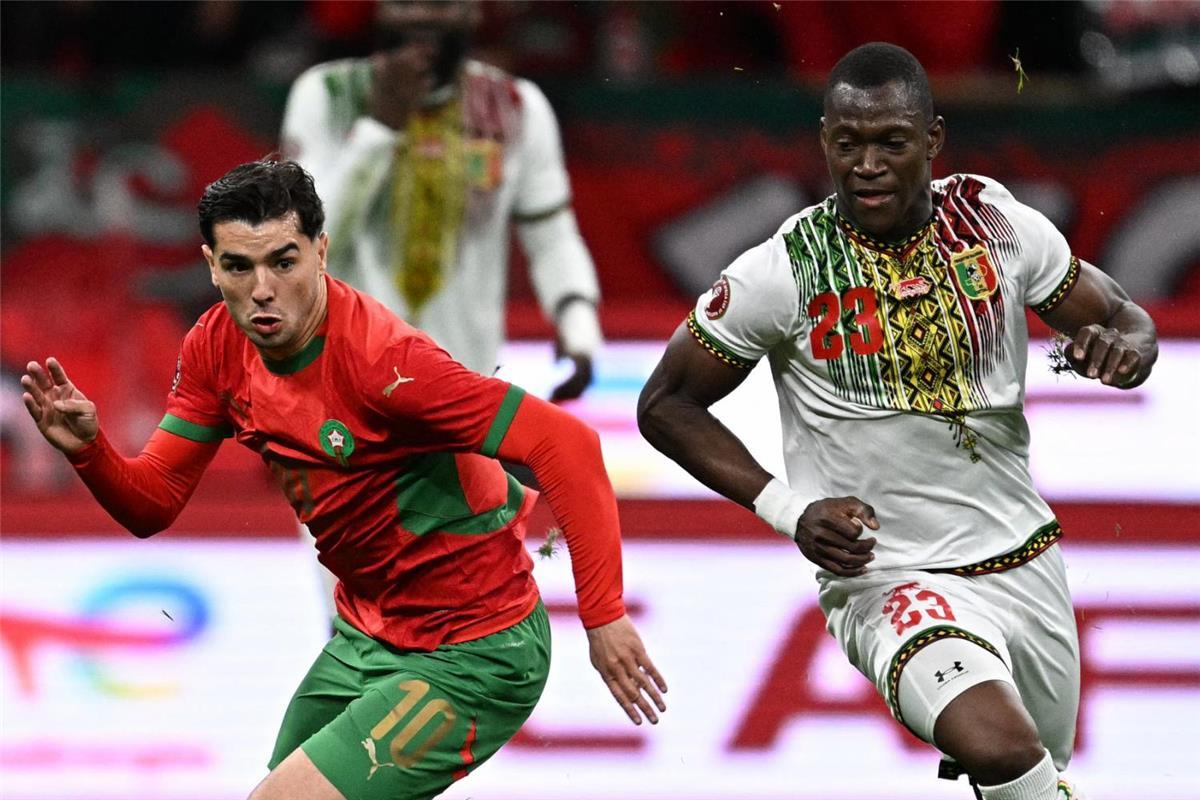
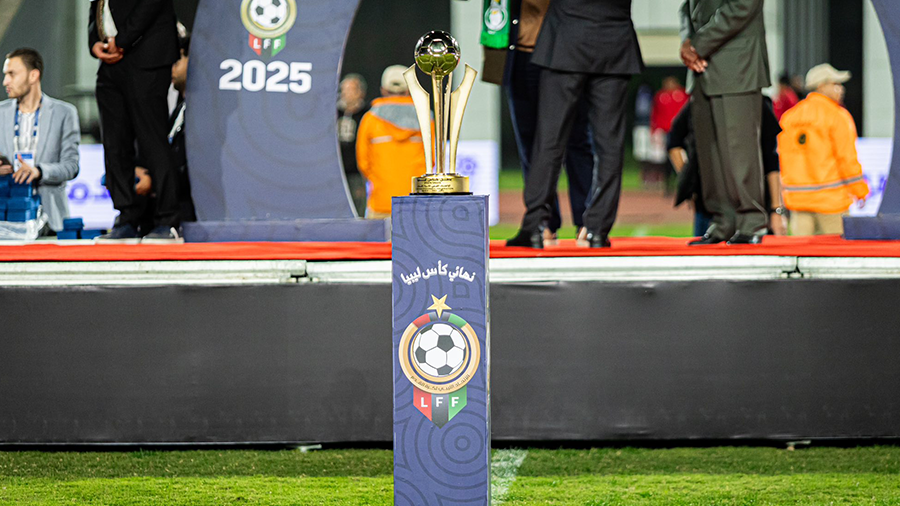
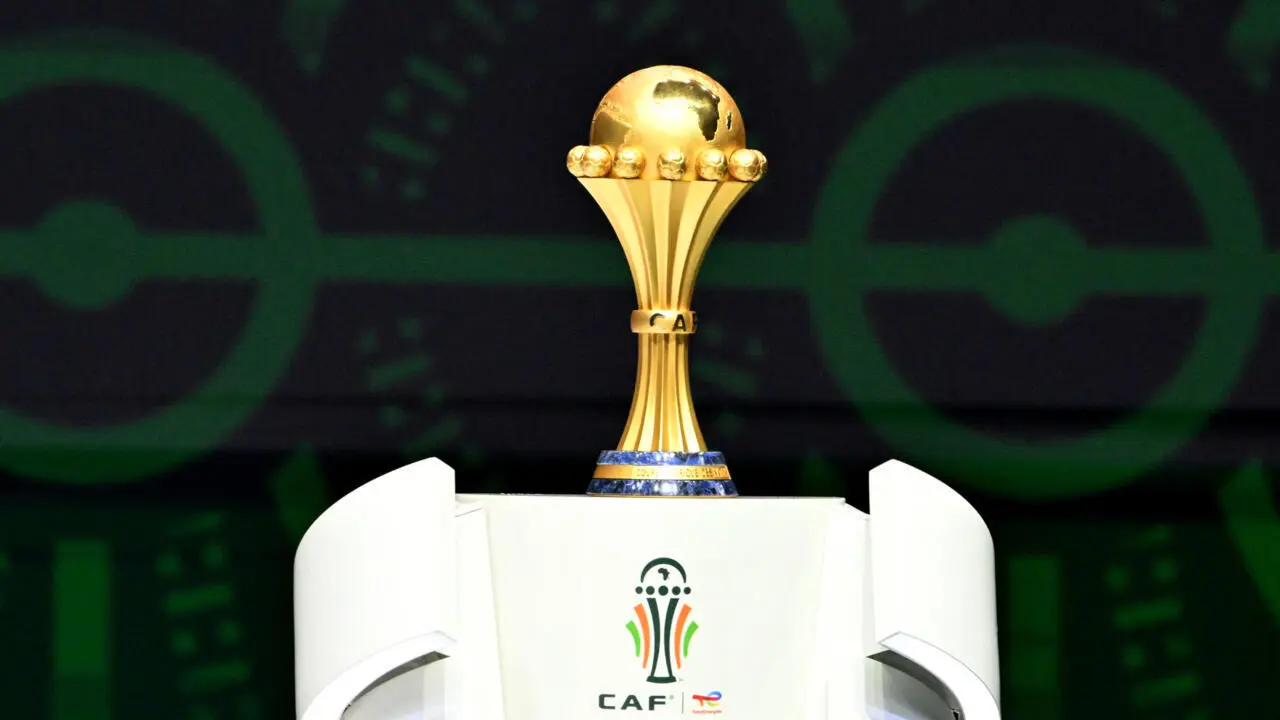
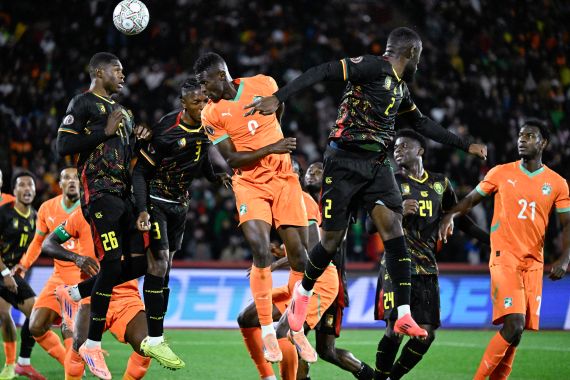
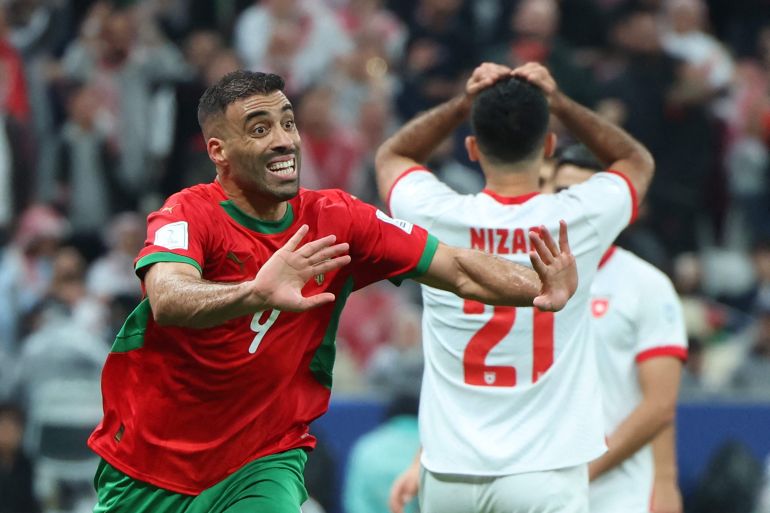
The lineup of teams qualified for the quarter-finals of the TotalEnergies Africa Cup of Nations, Morocco 2025, is now complete following the thrilling Round of 16 matches, which saw intense competition and great enthusiasm among the teams vying for a spot in the next round.
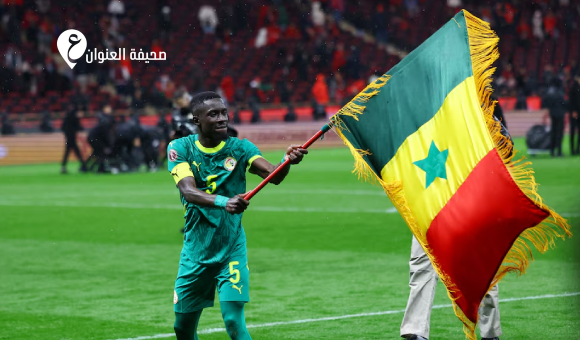
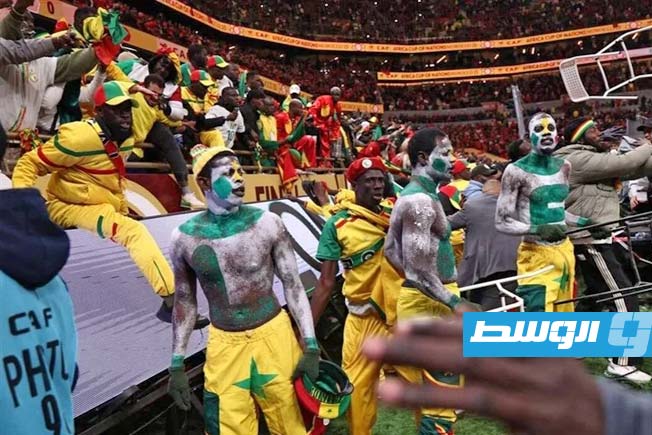
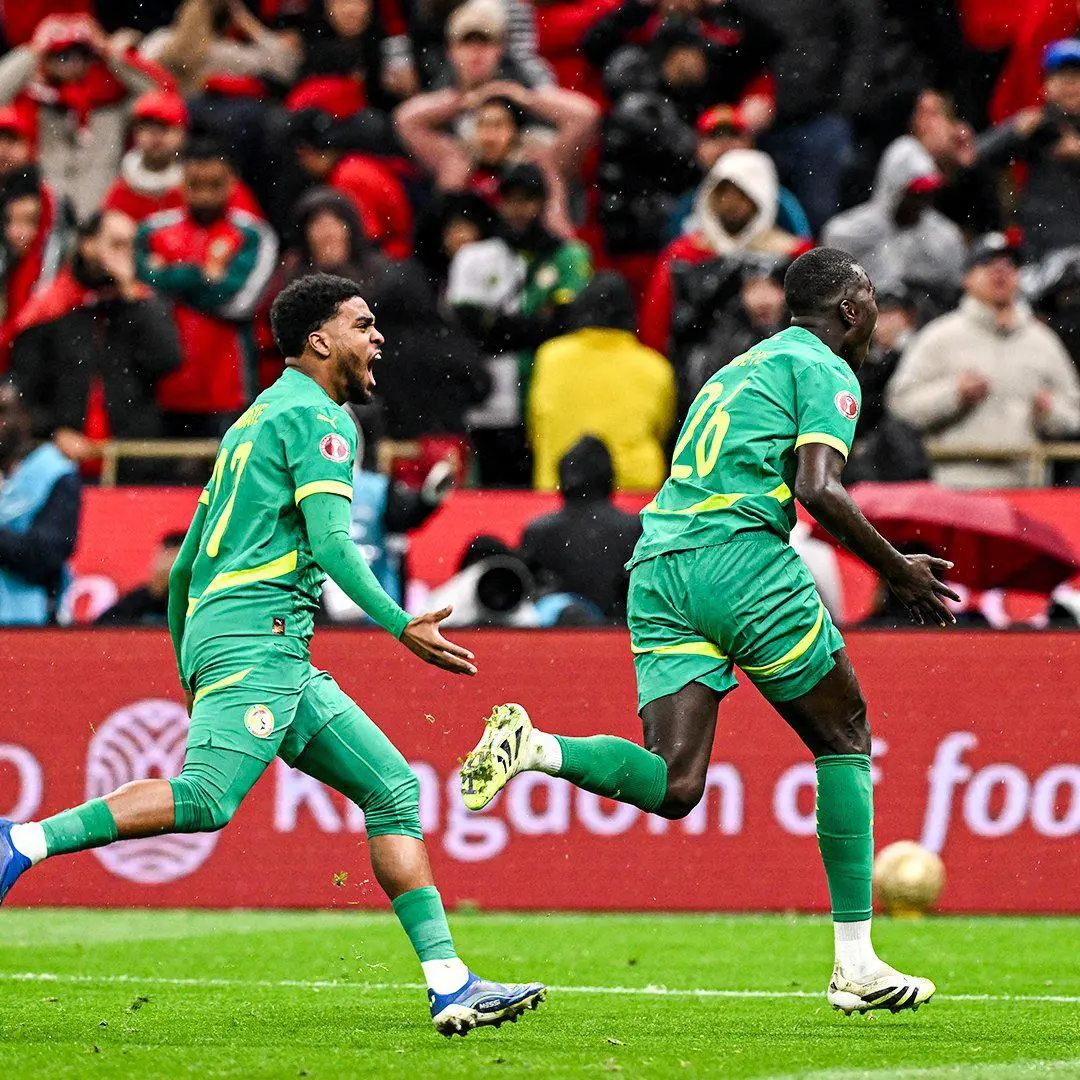
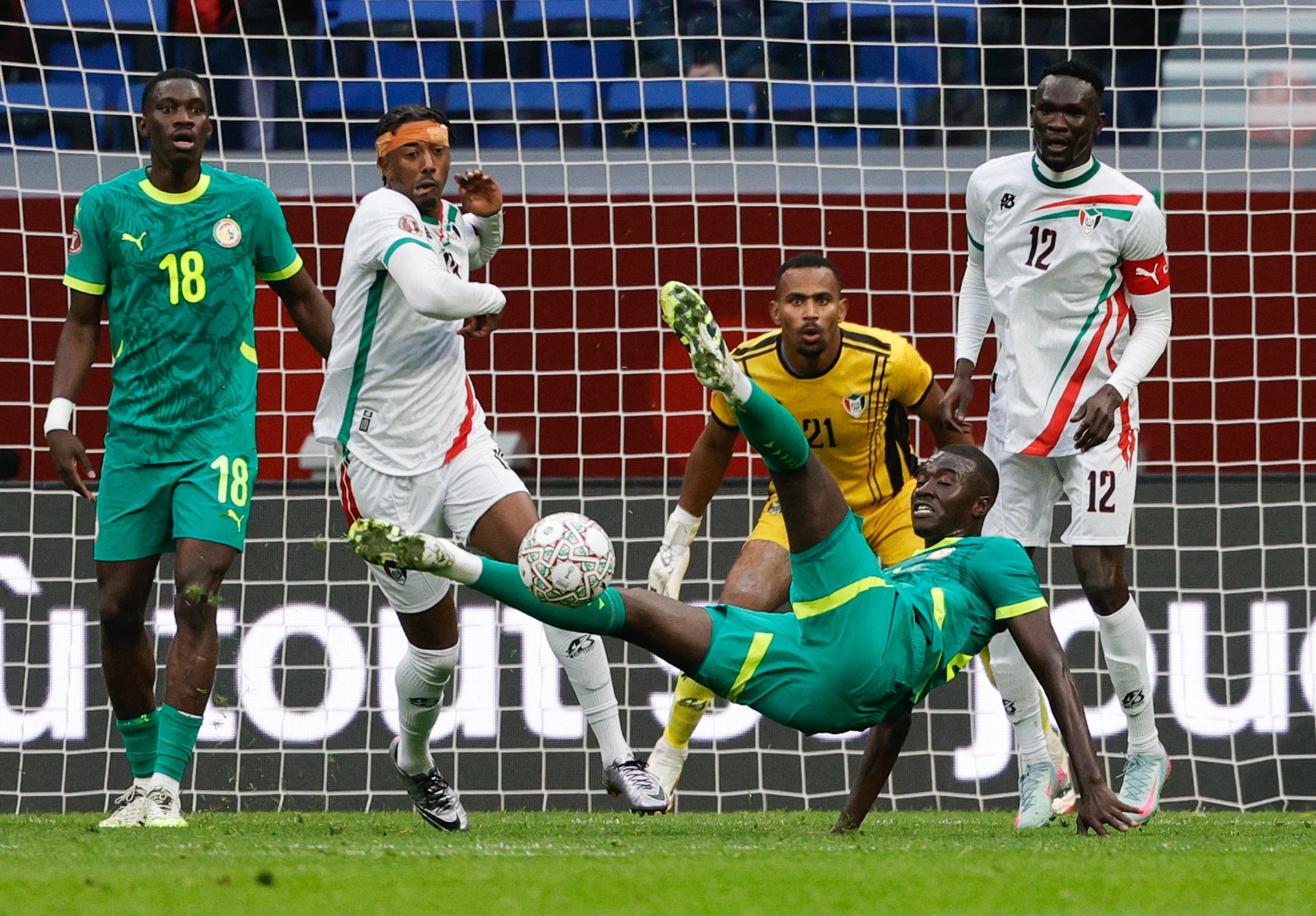
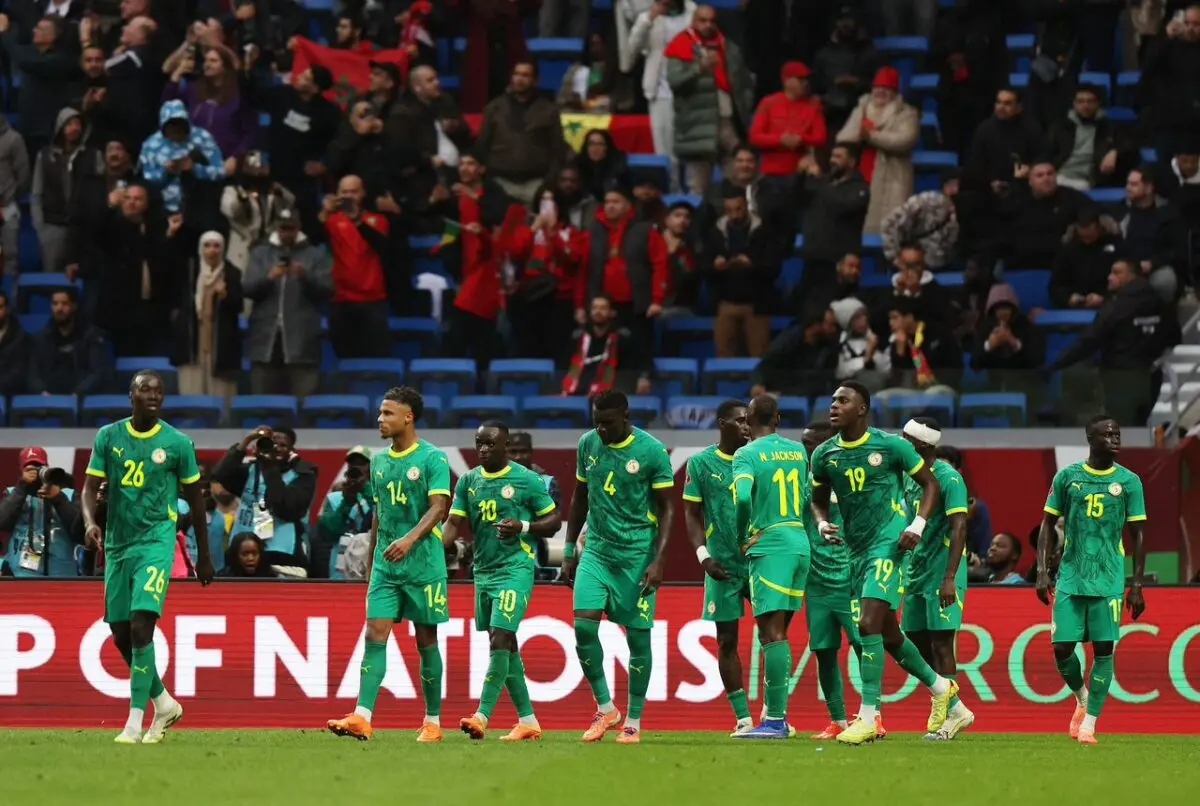
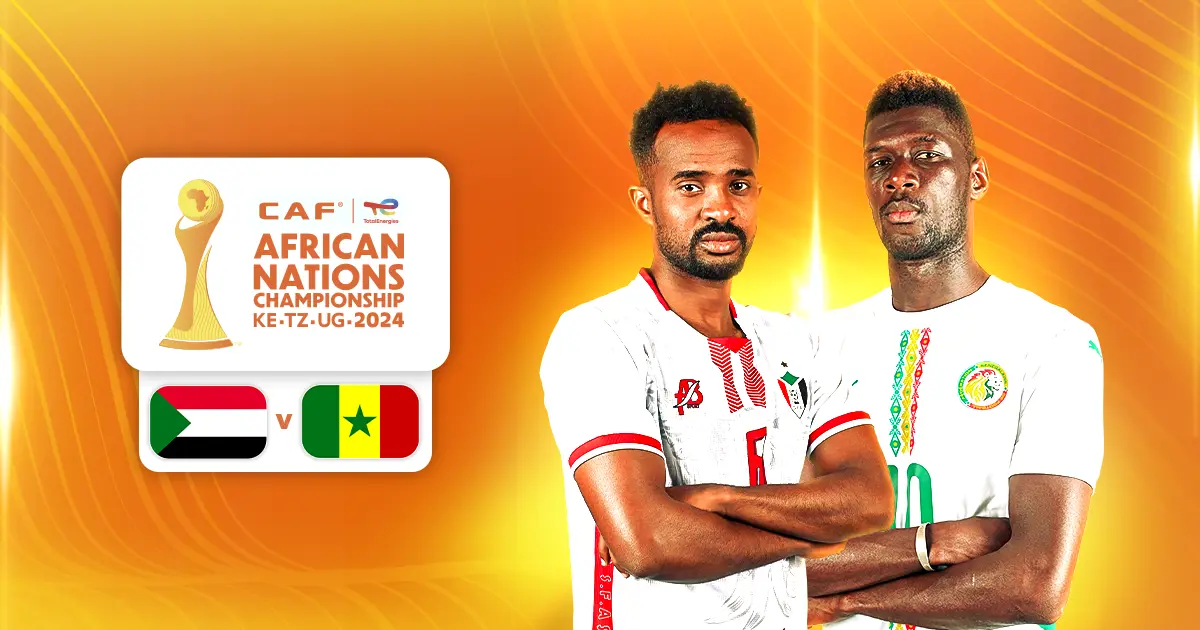
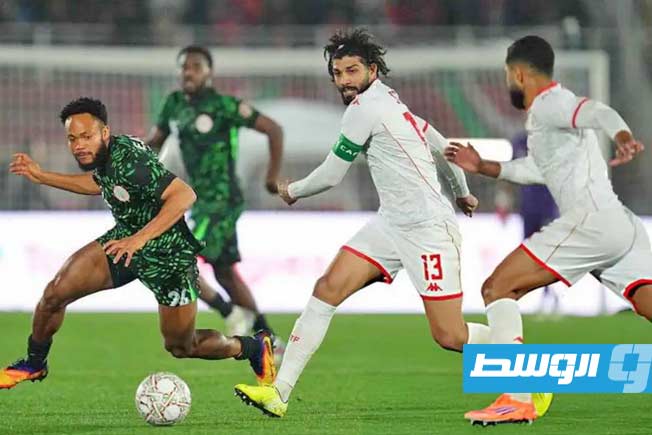
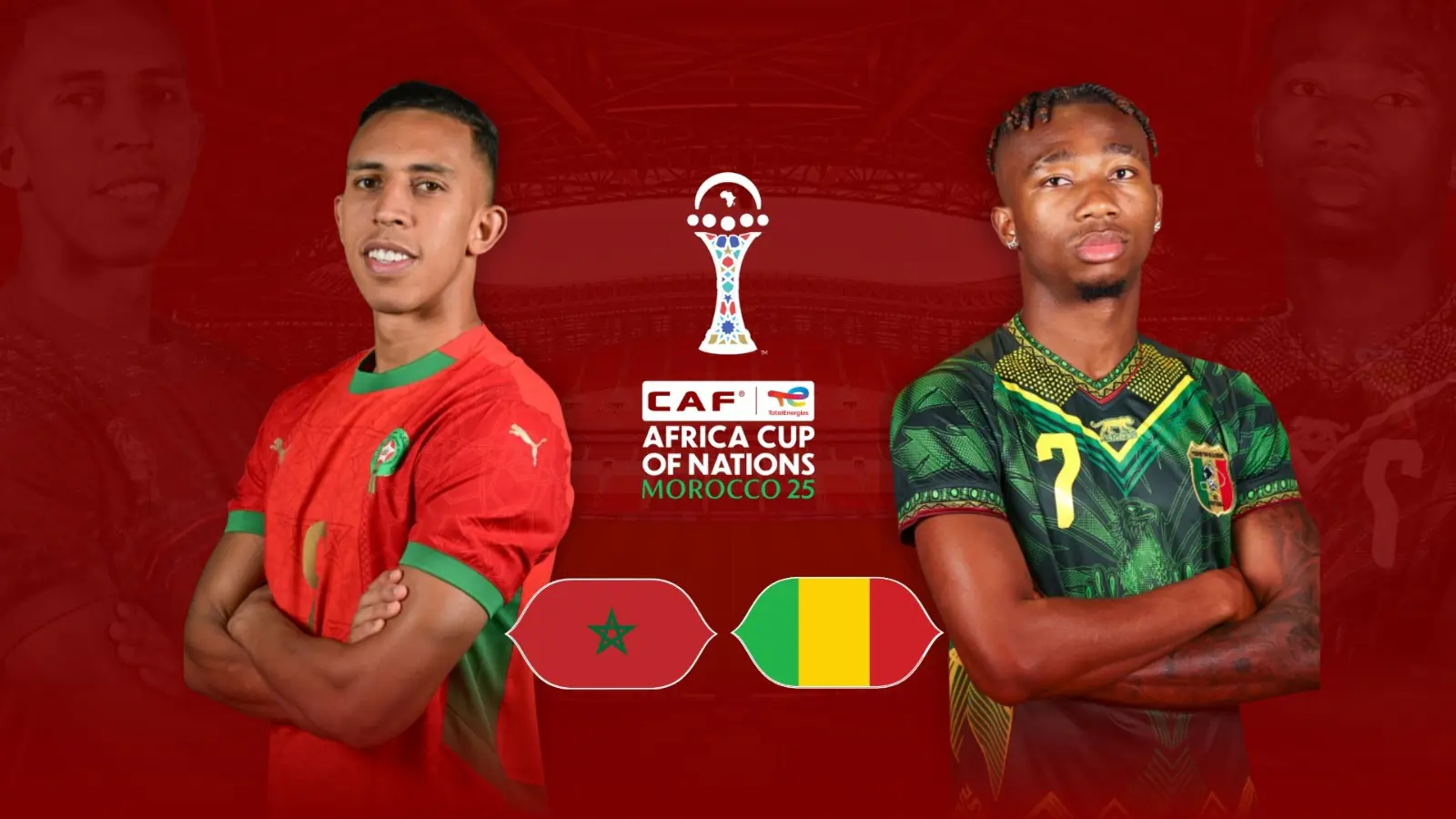
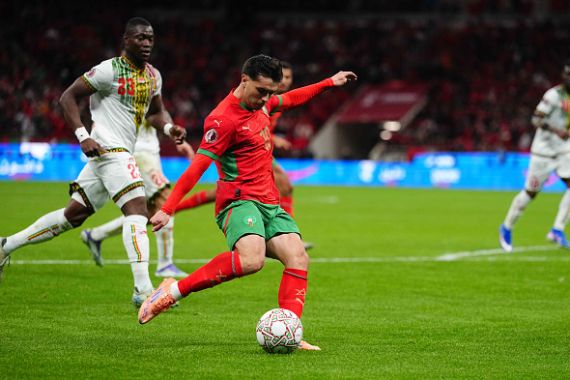
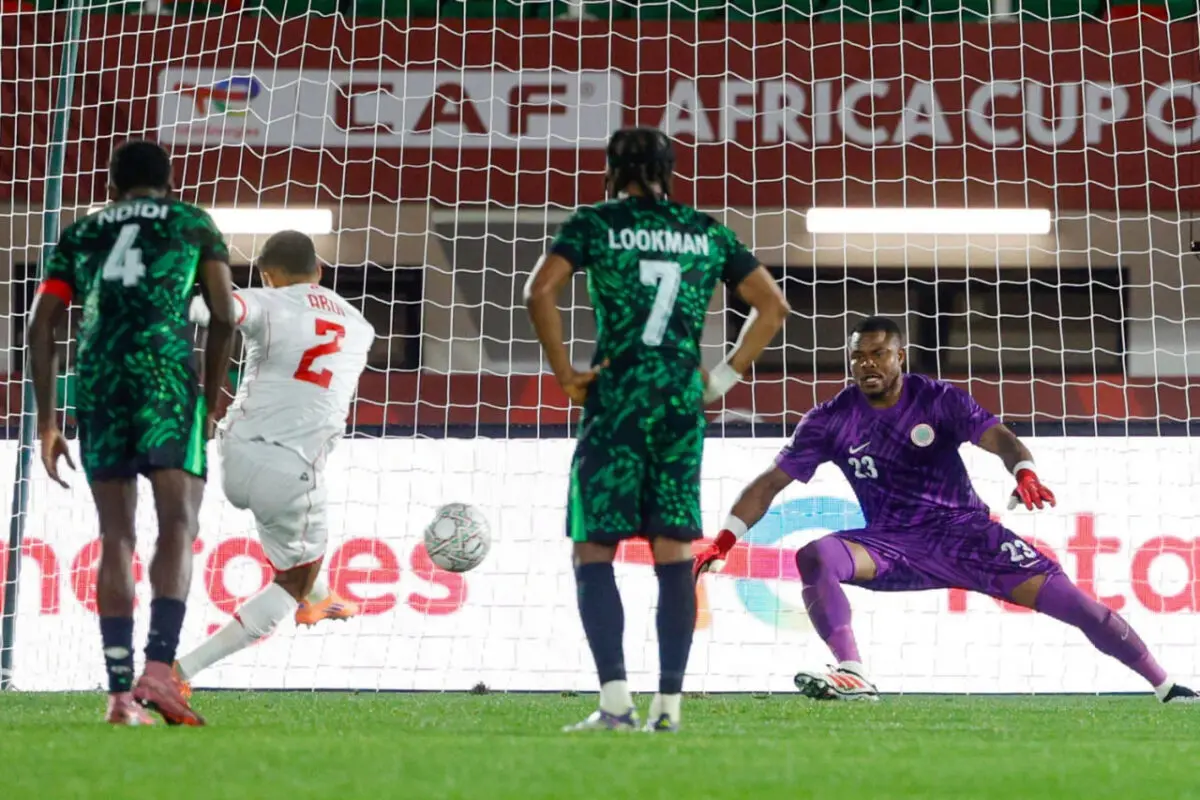
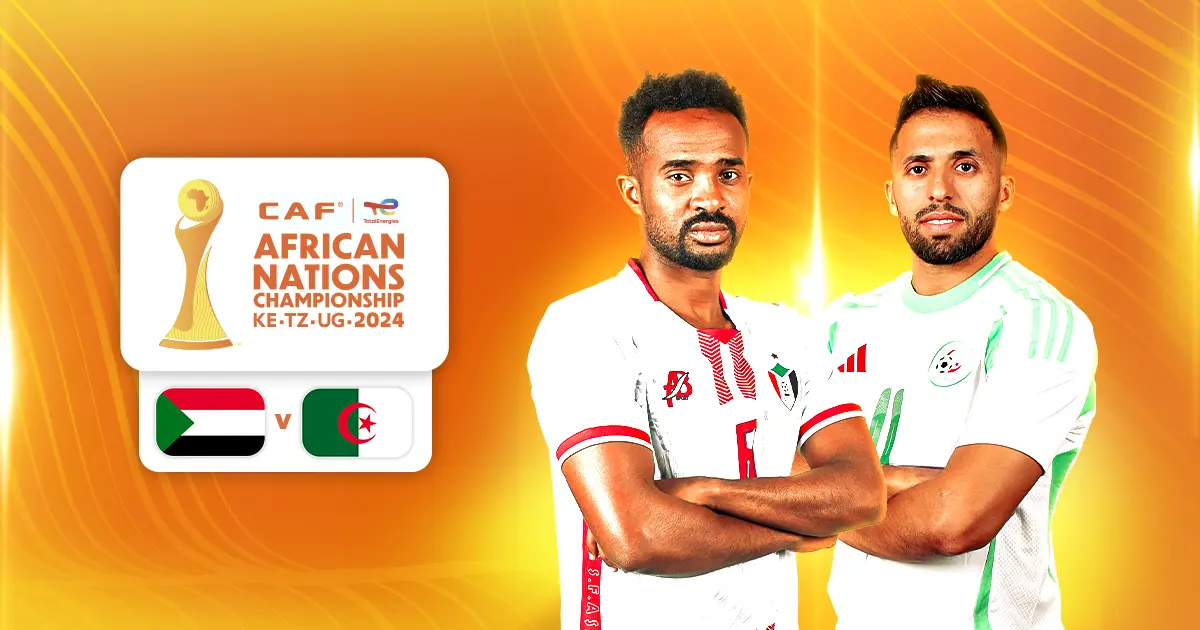
In the Round of 16, Senegal secured a 3-1 victory over Sudan, while Mali advanced to the next stage after defeating Tunisia 3-2 on penalties, following a 1-1 draw in regular and extra time.
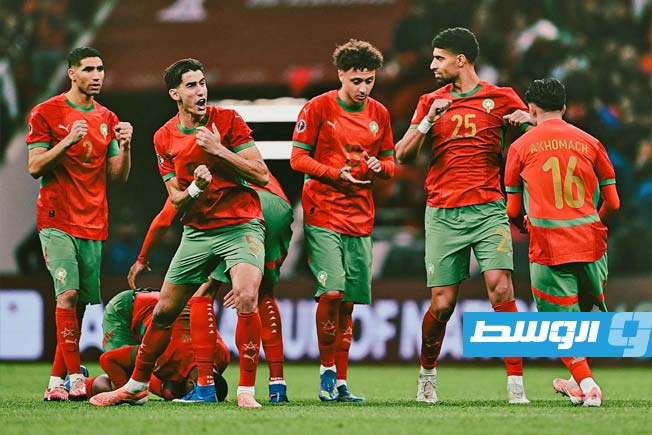
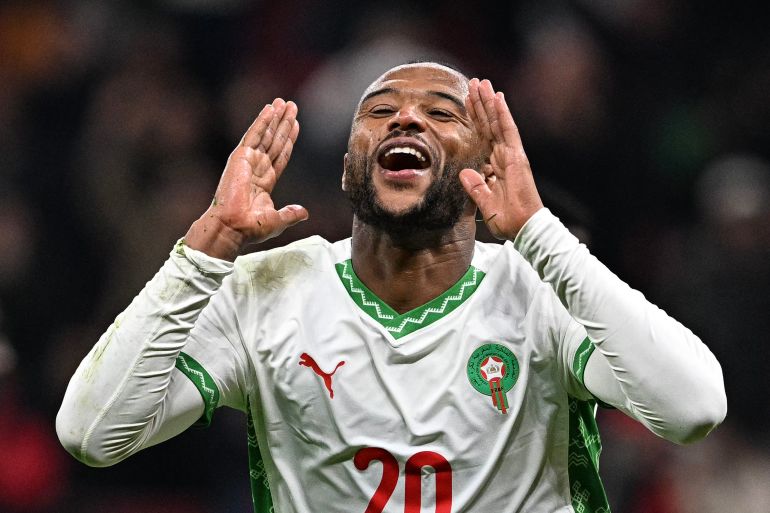
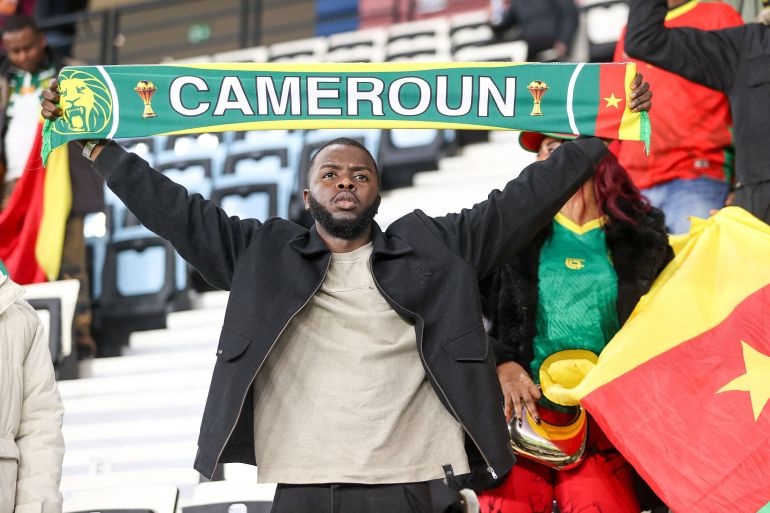
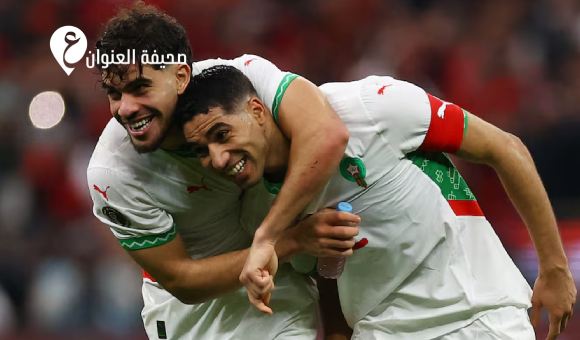
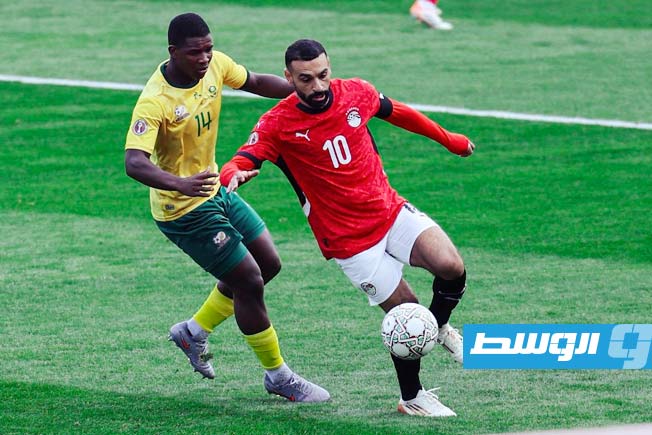
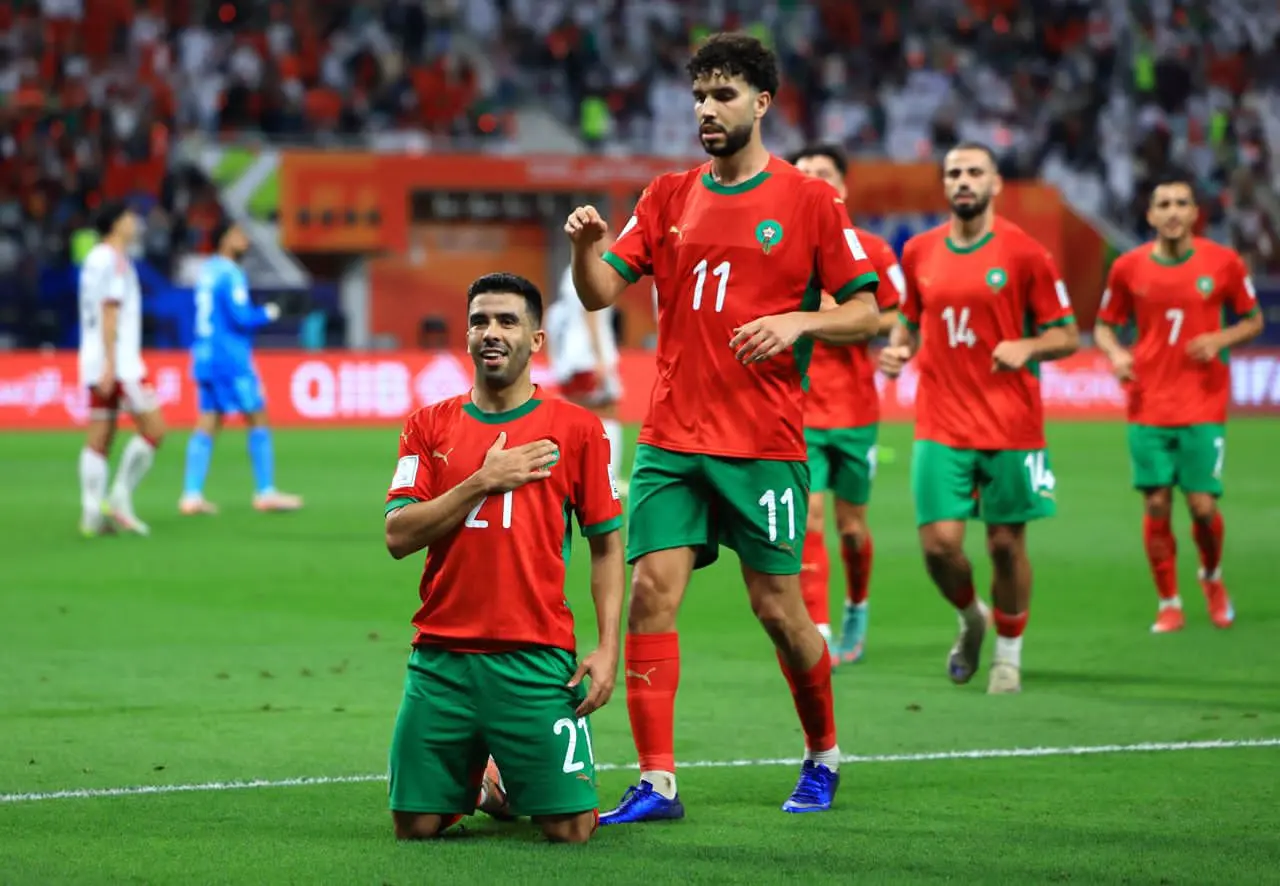
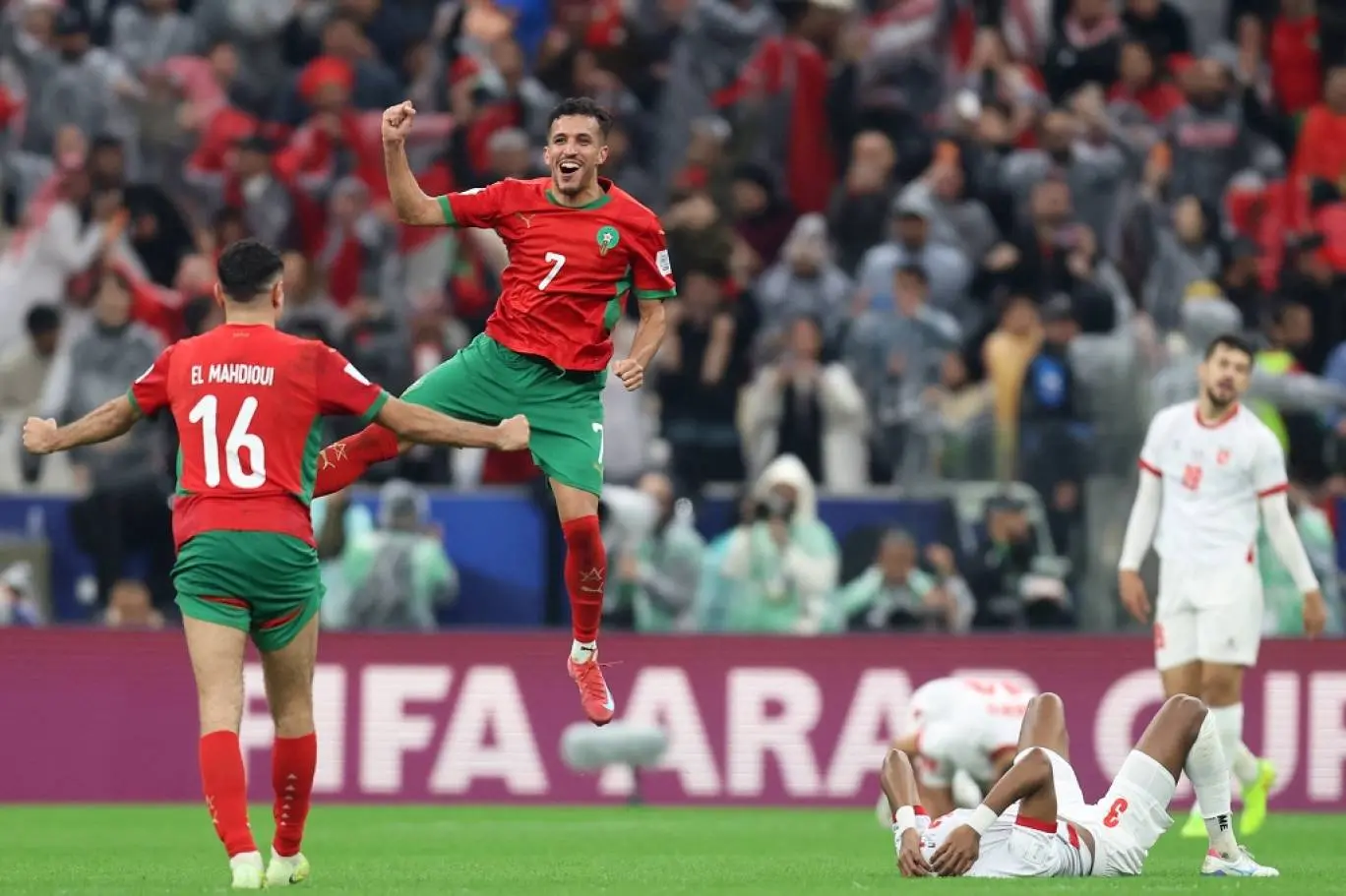
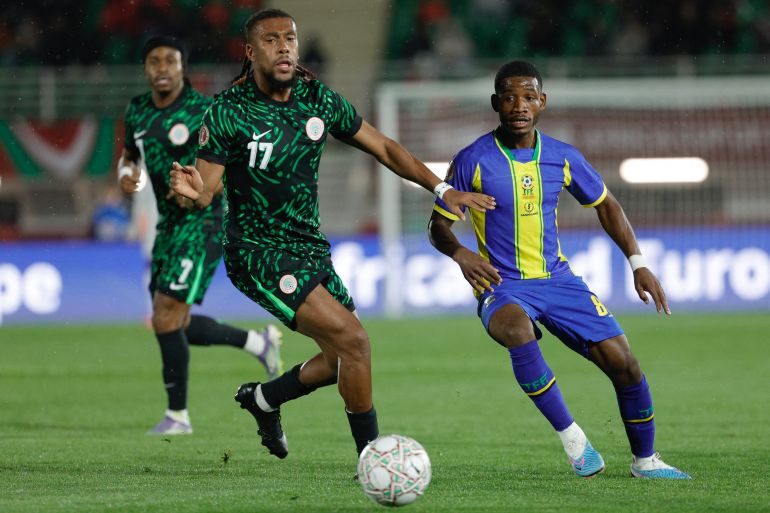
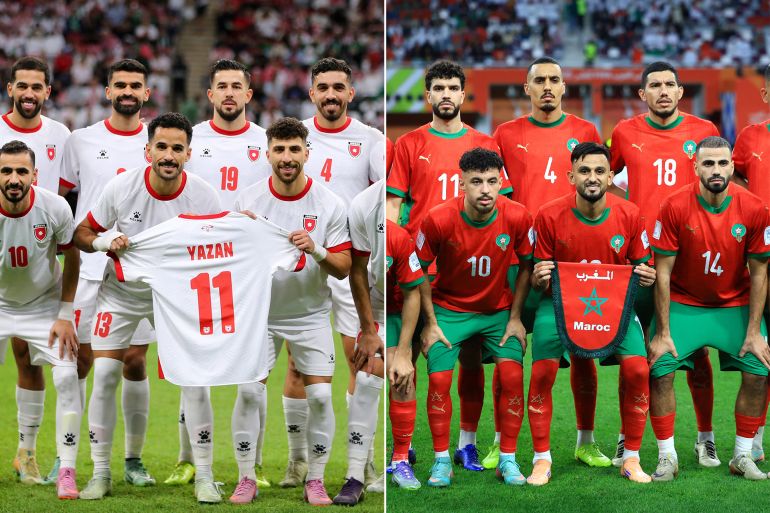
Morocco secured their qualification ticket with a 1-0 win over Tanzania, while Cameroon defeated South Africa 2-1.
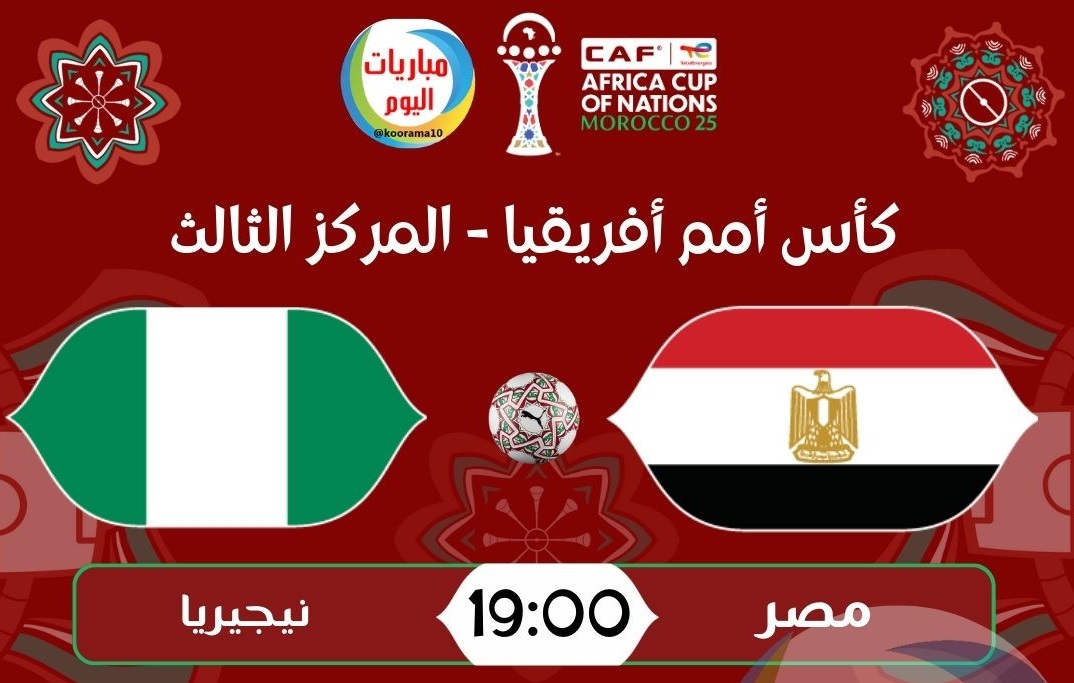
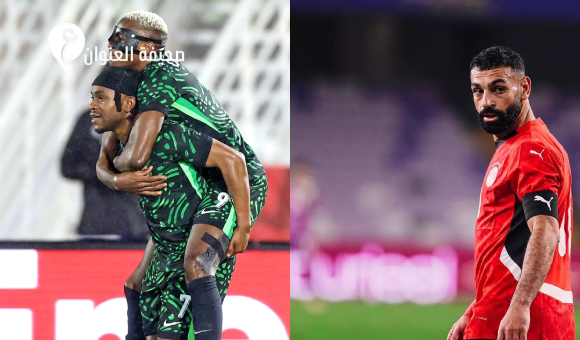
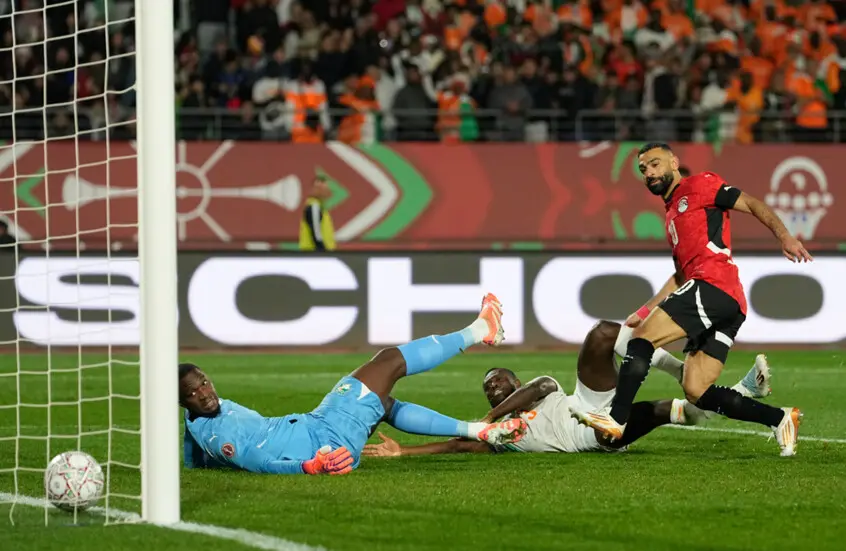
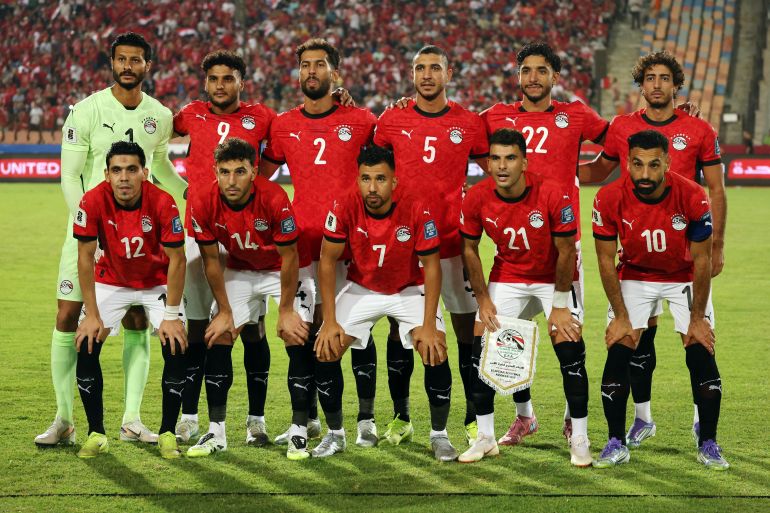
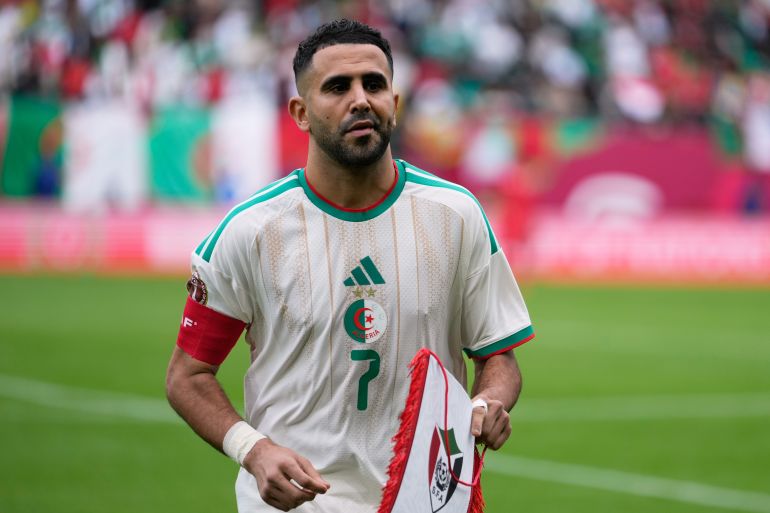
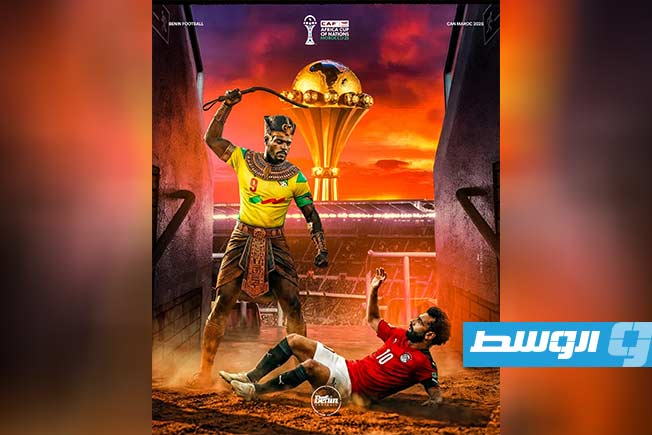
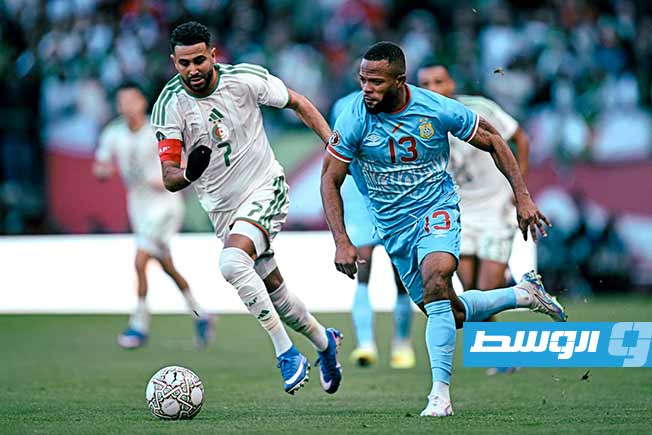
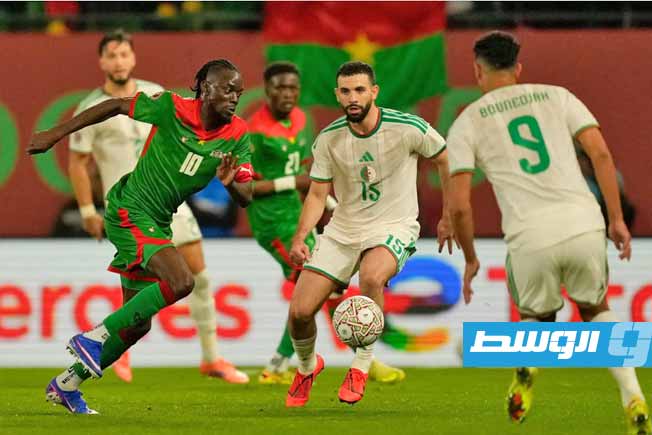
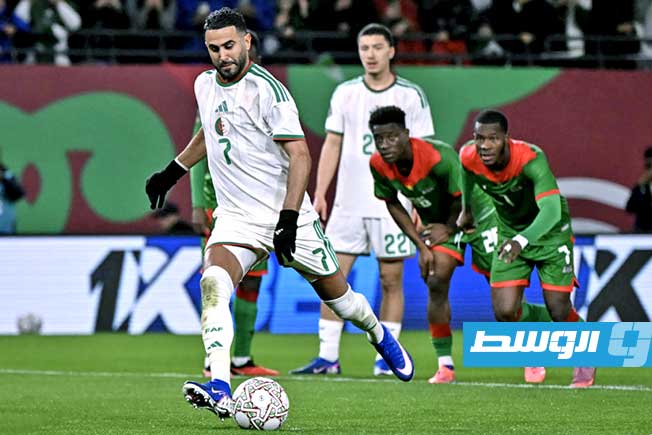
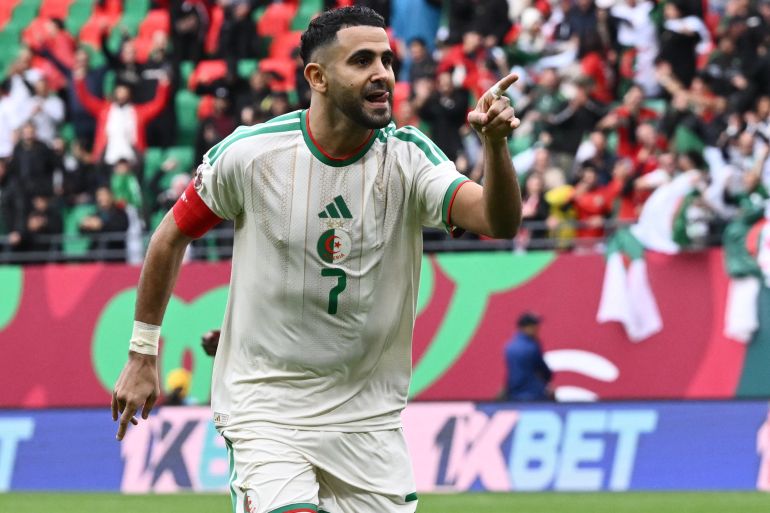
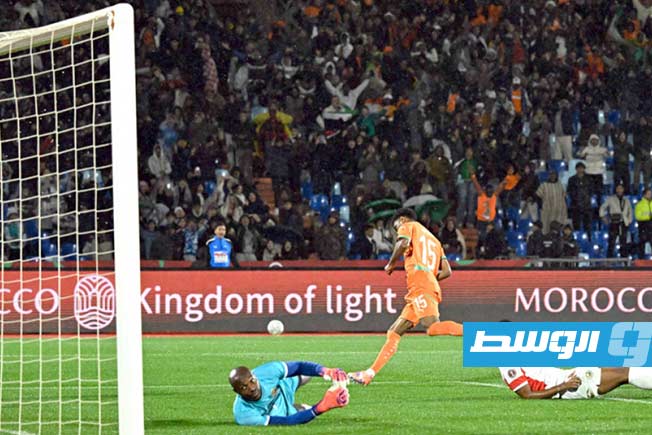
In the remaining matches of the round, Egypt overcame Benin 3-1 after extra time, Nigeria defeated Mozambique 4-0, Algeria sealed their qualification with a 1-0 win over DR Congo after extra time, and Ivory Coast swept past Burkina Faso 3-0.
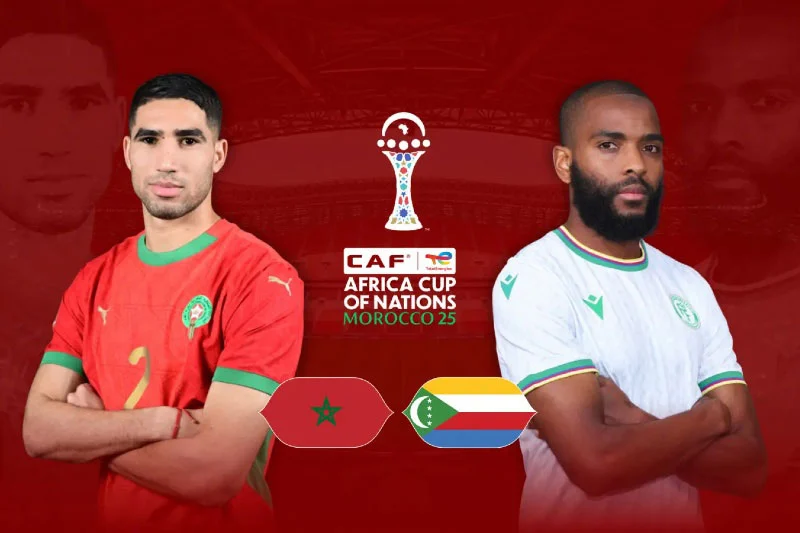
Based on these results, the quarter-final matches will be held on January 9th and 10th. On January 9th, Mali will face Senegal, and Cameroon will meet Morocco. The match on January 10th will see Algeria take on Nigeria, with Ivory Coast awaiting the determination of their opponent after the next stage. The atmosphere promises more excitement and passion in the continental tournament.
TotalEnergies Africa Cup of Nations
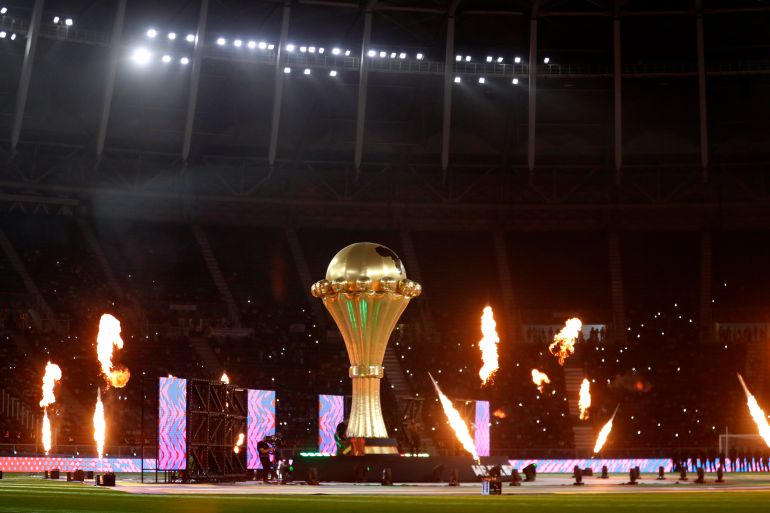
The TotalEnergies Africa Cup of Nations is the premier international men’s football competition in Africa, first held in 1957. Organized by the Confederation of African Football (CAF), it was originally known as the African Cup of Nations before TotalEnergies became the title sponsor in 2016.
Morocco
Morocco is a North African country with a rich history shaped by indigenous Amazigh (Berber) cultures, Arab influence from the 7th century, and successive dynasties like the Almoravids and Almohads. Its cultural sites, such as the ancient city of Fez and the Koutoubia Mosque in Marrakech, reflect this blend of Arab, Islamic, and Amazigh heritage.
Senegal
Senegal is a West African nation known for its rich cultural heritage and historical significance as a former center of European colonial trade and the transatlantic slave trade. Its history includes powerful pre-colonial empires like the Jolof, and it gained independence from France in 1960. Today, it is celebrated for its vibrant arts, music, and religious traditions, as well as landmarks such as Gorée Island and the African Renaissance Monument.
Sudan
Sudan, located in Northeast Africa, is home to ancient civilizations, most notably the Kingdom of Kush, which ruled from the city of Meroë and even conquered Egypt to establish the 25th Dynasty. Its modern history was marked by a long civil war and the secession of South Sudan in 2011, leading to its current status as the third-largest country in Africa.
Mali
Mali is a landlocked West African nation historically renowned as the heart of several powerful empires, most notably the Mali Empire, which flourished from the 13th to 16th centuries and was famed for its wealth, scholarship in Timbuktu, and the ruler Mansa Musa. Today, it is home to significant UNESCO World Heritage sites, including the ancient cities of Timbuktu and Djenné, though many of its cultural treasures face threats from conflict and environmental degradation.
Tunisia
Tunisia is a North African country with a rich history shaped by numerous civilizations, including the ancient Phoenicians, Romans, Arabs, and Ottomans. Its cultural landscape is famously marked by the archaeological site of Carthage, the well-preserved Roman amphitheater at El Jem, and the historic medina of Tunis. This blend of influences is also evident in its unique architecture, cuisine, and traditions.
Tanzania
Tanzania is an East African nation home to significant natural and cultural sites, most notably Mount Kilimanjaro and the Serengeti National Park. Its history includes being a hub for ancient trade routes, a German and later British colony, and achieving independence in 1961 under Julius Nyerere. The country is also renowned for its archaeological importance, containing some of the earliest human settlements found at Olduvai Gorge.
Cameroon
Cameroon, located in Central Africa, is a culturally diverse nation often called “Africa in miniature” due to its varied geography and over 250 ethnic groups. Its modern history stems from colonial rule by Germany, followed by French and British administration after World War I, leading to its independence in 1960 and the unification of its English and French-speaking regions.
South Africa
South Africa is a country located at the southern tip of the African continent, known for its diverse cultures, languages, and dramatic landscapes. Its modern history is profoundly shaped by colonialism and the institutionalized racial segregation of apartheid, which ended in 1994 with the establishment of a constitutional democracy and the election of Nelson Mandela as president.
Egypt
Egypt, home to one of the world’s oldest civilizations, is famed for its ancient monuments along the Nile River, including the Pyramids of Giza and the Great Sphinx, which date back over 4,500 years. Its long history encompasses the Pharaonic, Ptolemaic, Roman, and Islamic periods, with Cairo later becoming a major center of the Arab world.
Benin
Benin, historically the site of the powerful Kingdom of Benin (not to be confused with the modern Republic of Benin), is famed for the Benin City Earthworks and its exceptional bronze and ivory artworks. The kingdom flourished from the 13th century until 1897, when a British punitive expedition looted its treasures. Today, the Benin Bronzes are central to global debates on cultural restitution and colonial legacy.
Nigeria
Nigeria is a West African country with a rich history shaped by ancient kingdoms like the Nri and Benin, followed by British colonization until its independence in 1960. It is Africa’s most populous nation and is renowned for its diverse cultures, vibrant music and film industries, and significant oil reserves.
Mozambique
Mozambique is a country in Southeast Africa with a rich history shaped by Bantu-speaking peoples, Arab trade, and Portuguese colonization, which lasted nearly five centuries until independence in 1975. Its cultural heritage is reflected in its music, dance, and historic sites like the Island of Mozambique, a UNESCO World Heritage site that was a major Portuguese trading post. Today, it is known for its lengthy Indian Ocean coastline, diverse cultures, and a blend of African, Arab, and Portuguese influences.
Algeria
Algeria is a North African country with a rich history shaped by ancient Berber kingdoms, Roman rule, and centuries of Ottoman influence. It was a French colony from 1830 until achieving independence in 1962 after a protracted war of liberation. Today, it is the largest country in Africa and the Arab world, known for its diverse landscapes ranging from the Sahara Desert to a Mediterranean coastline.
DR Congo
The Democratic Republic of the Congo, located in Central Africa, is a vast country with a complex history marked by the pre-colonial Kingdom of Kongo, its brutal exploitation as the personal property of King Leopold II of Belgium, and a difficult transition to independence in 1960 followed by prolonged conflict. Its significant cultural sites include the Virunga National Park, a UNESCO World Heritage site and Africa’s oldest national park, which is home to endangered mountain gorillas.
Ivory Coast
The Ivory Coast, officially known as Côte d’Ivoire, is a West African nation whose history includes powerful pre-colonial kingdoms, French colonization beginning in the late 19th century, and independence in 1960. A key cultural site is the historic town of Grand-Bassam, a UNESCO World Heritage site that was the first French colonial capital and features preserved colonial architecture alongside traditional Nzema villages. The country is also renowned for its diverse cultural traditions, including music genres like *coupé-décalé* and mask festivals of the Dan and Senufo peoples.
Burkina Faso
Burkina Faso is a landlocked West African nation whose modern borders were largely shaped by French colonial rule, gaining independence in 1960. The region is historically significant as the home of the Mossi Kingdoms, which date back to the 11th century and were known for their complex political structures and resistance to external conquest. The country’s name, meaning “Land of Honest People,” was adopted in 1984 under President Thomas Sankara.