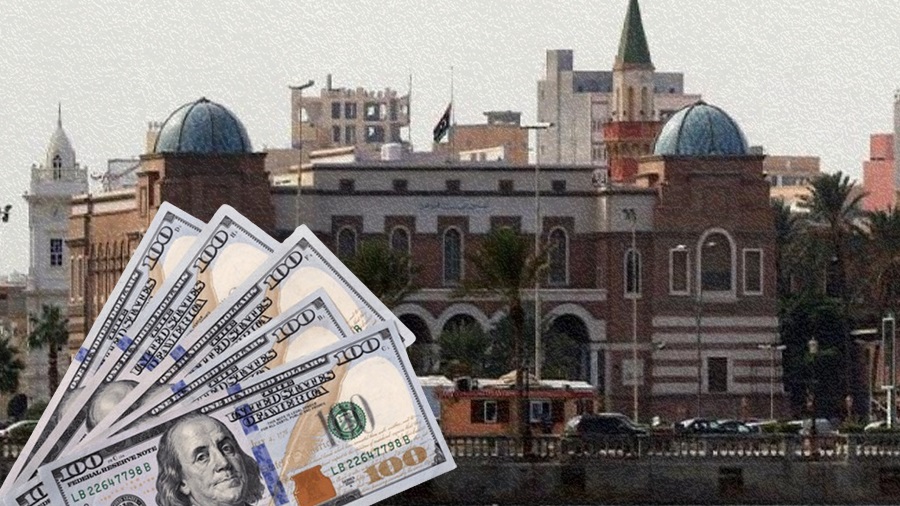
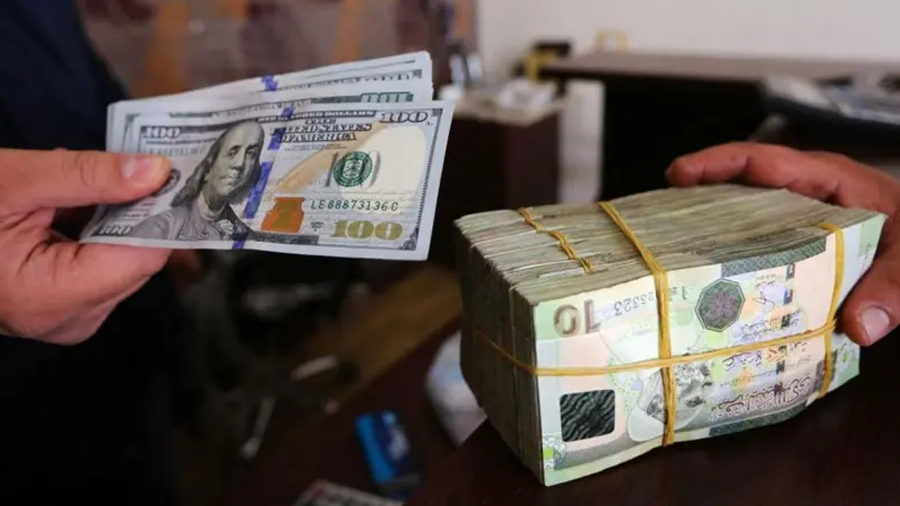
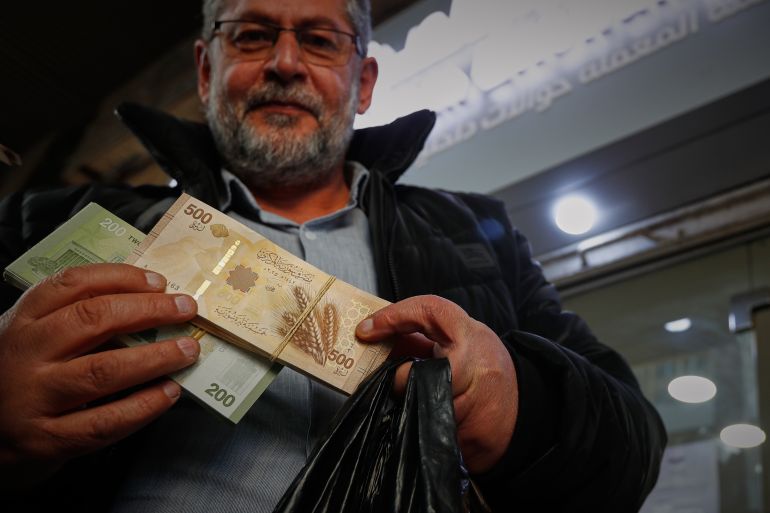
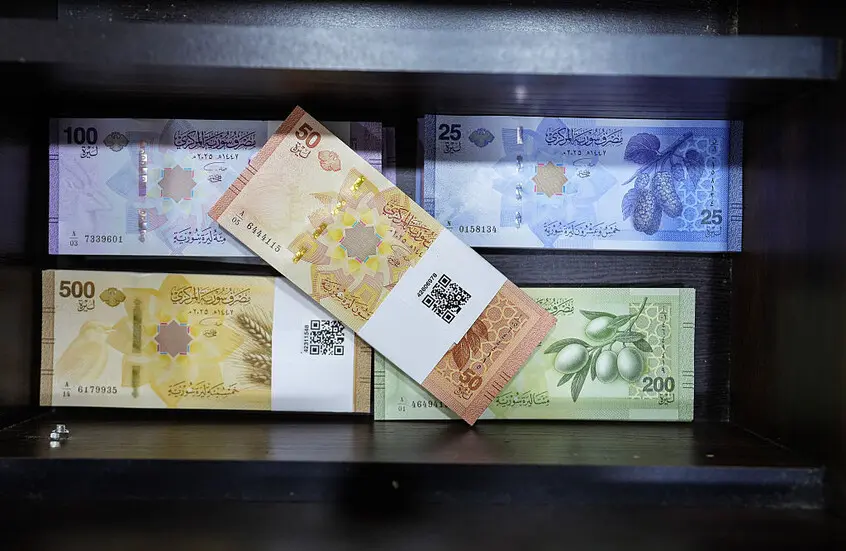
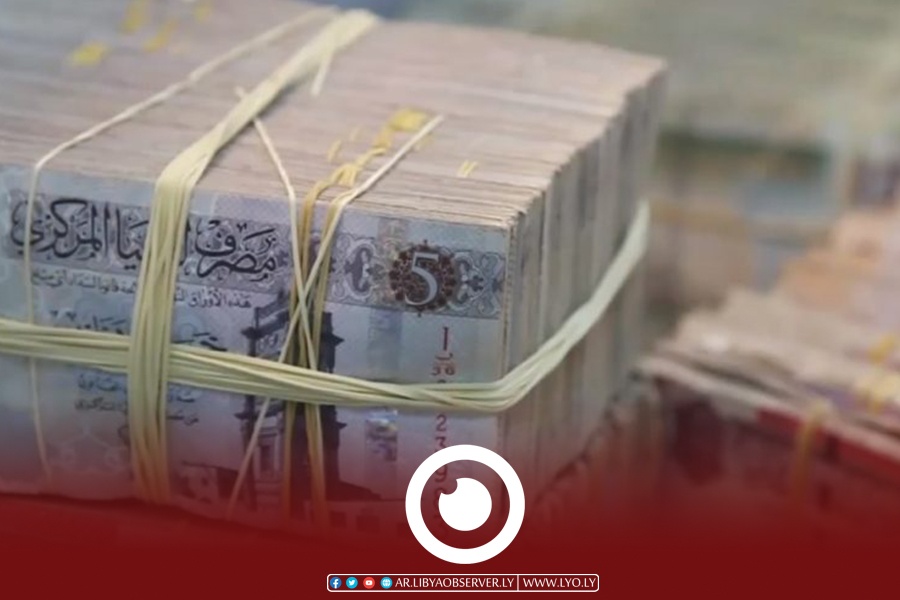
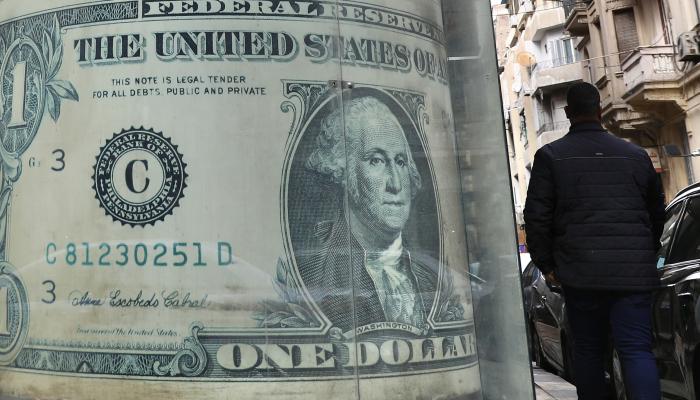
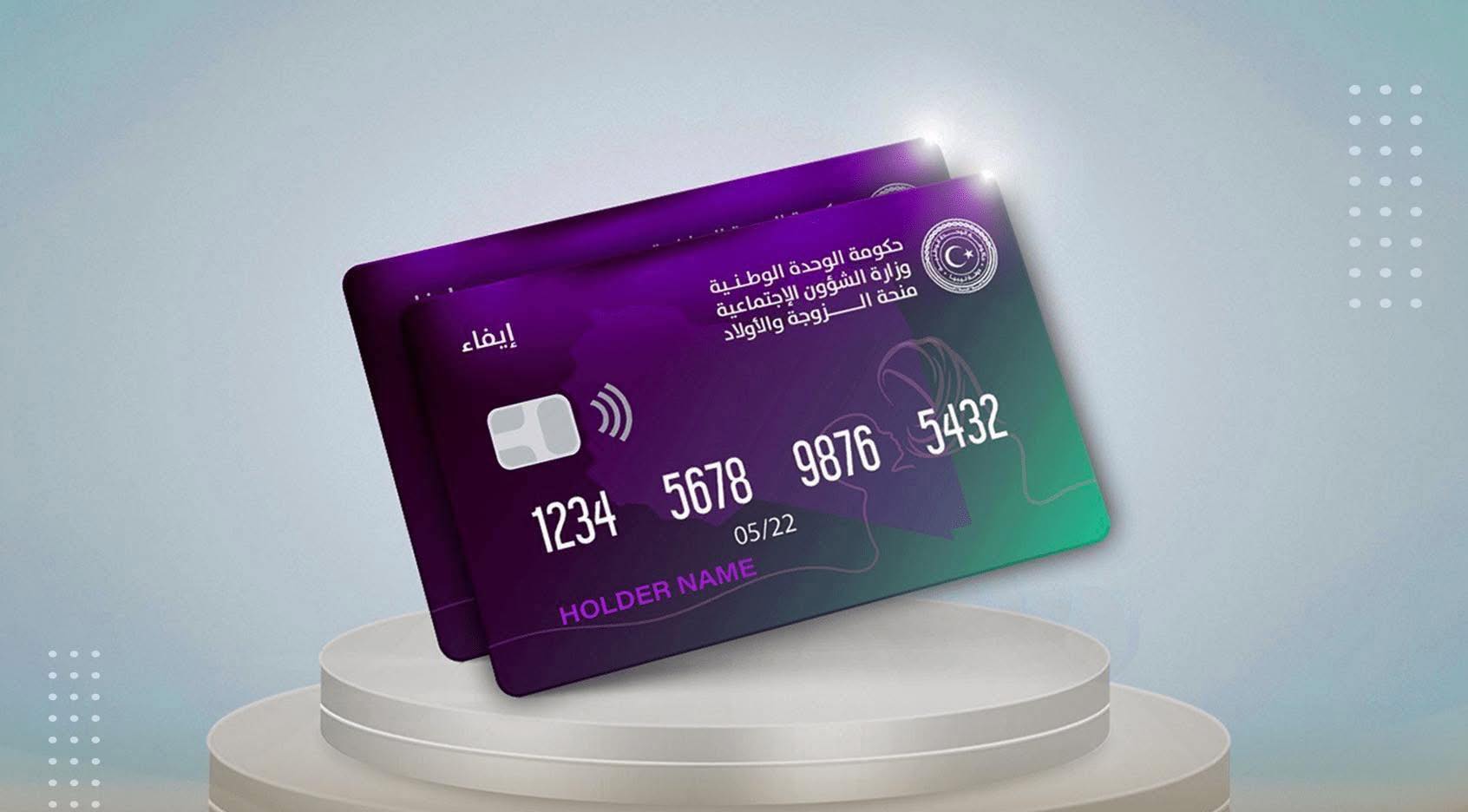
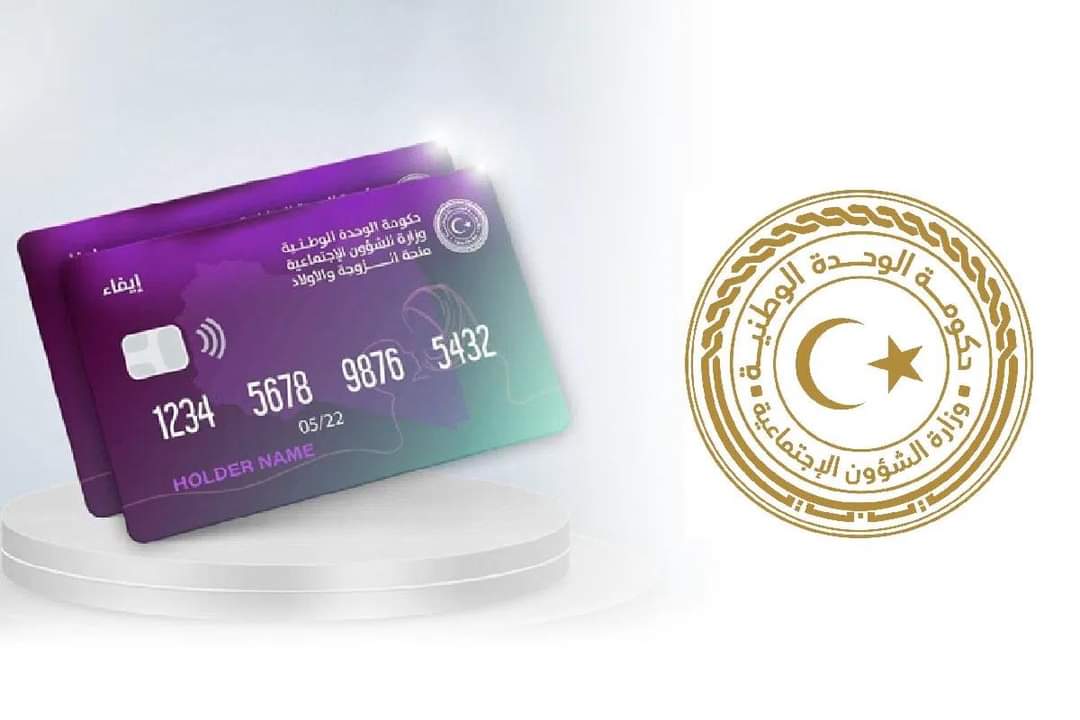
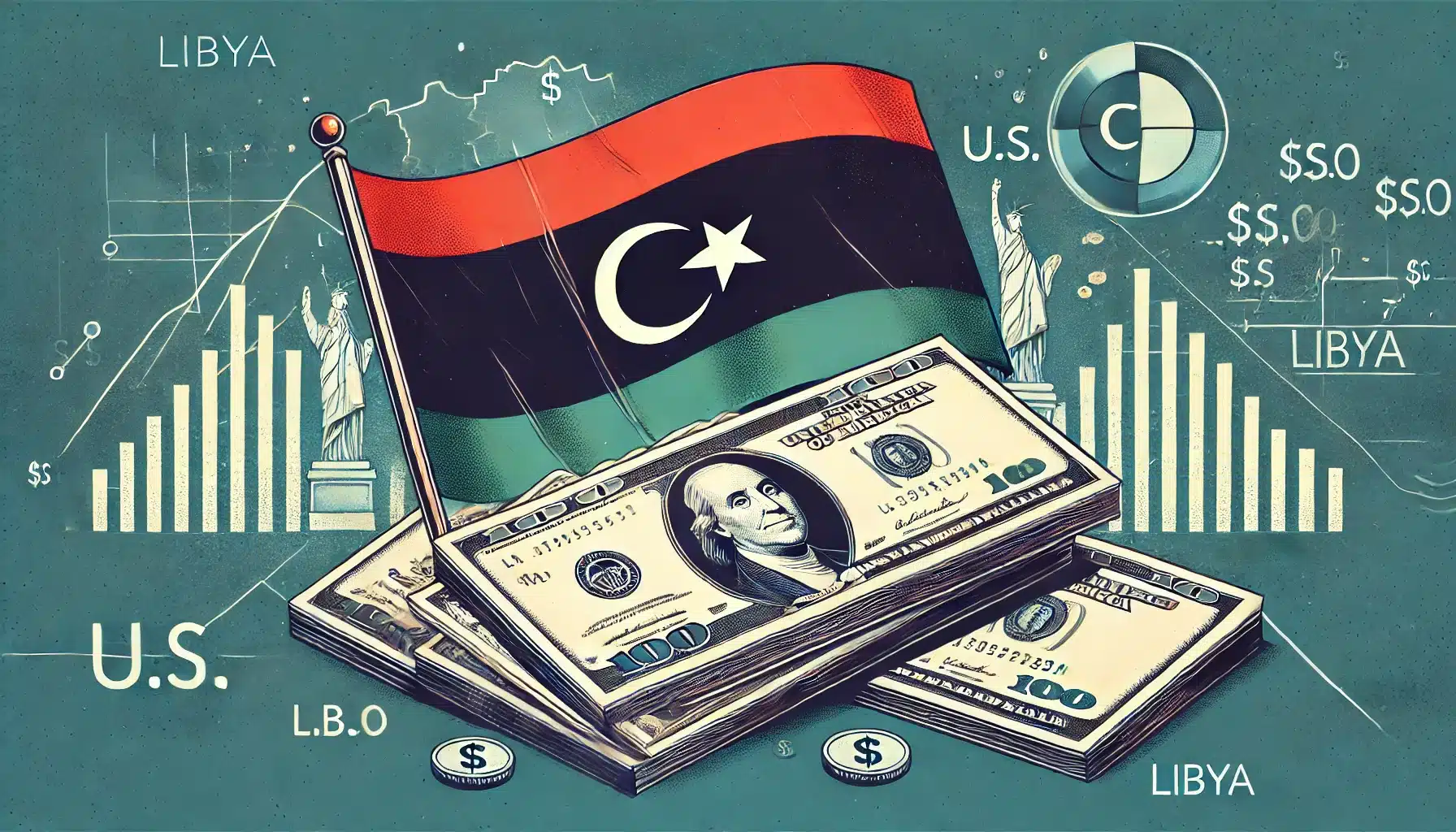
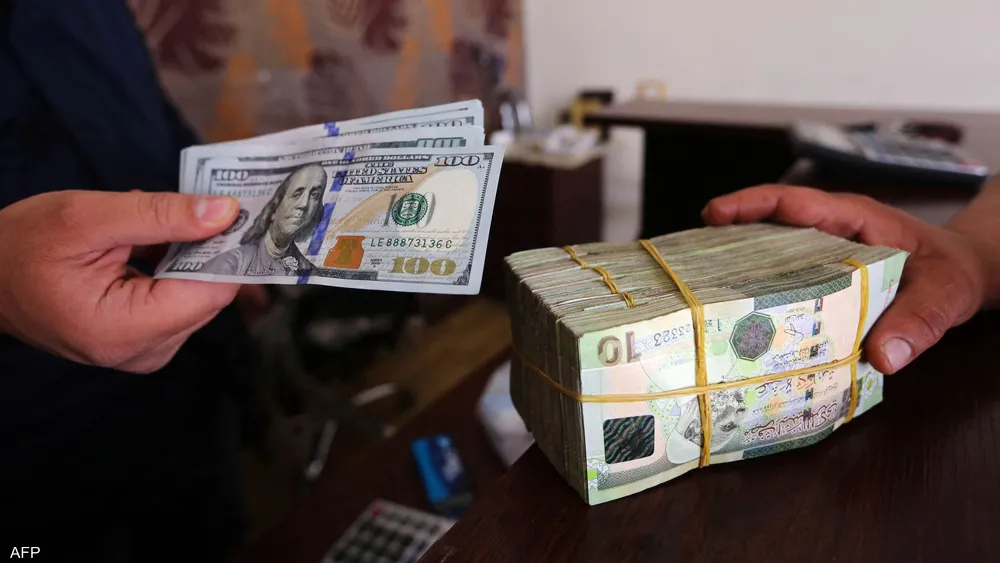
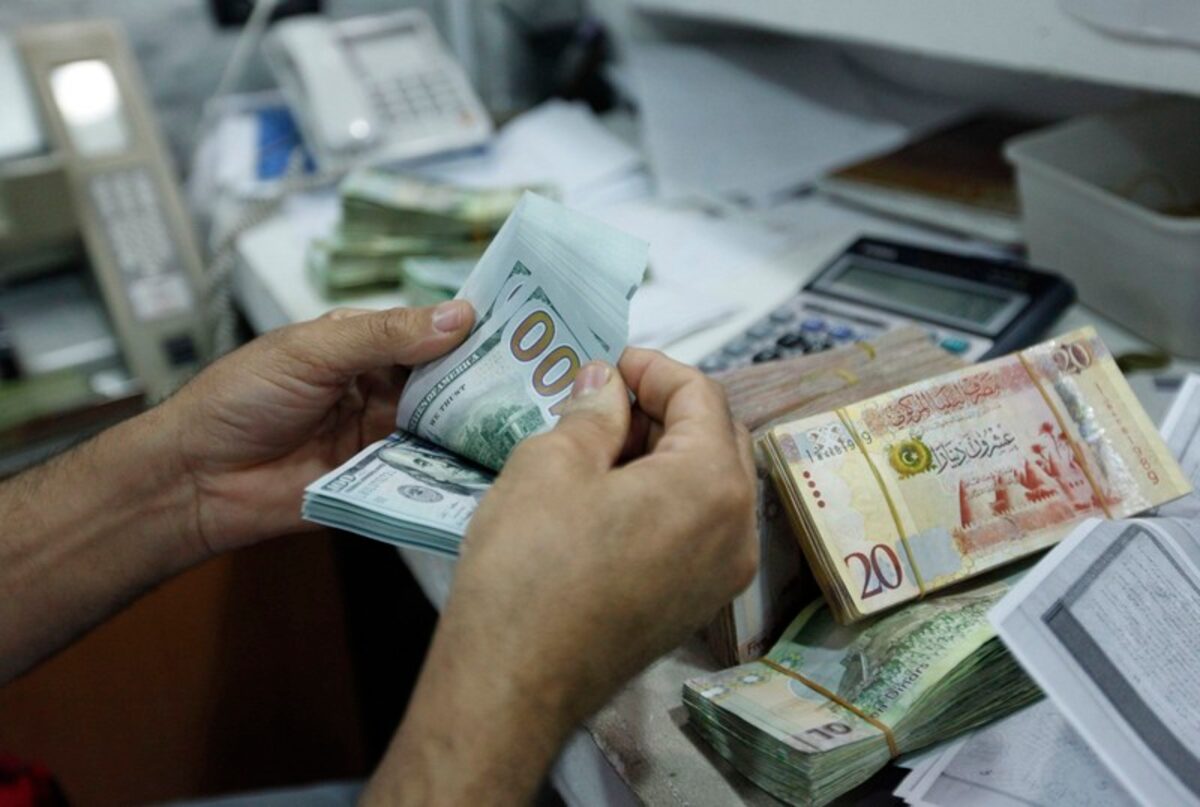
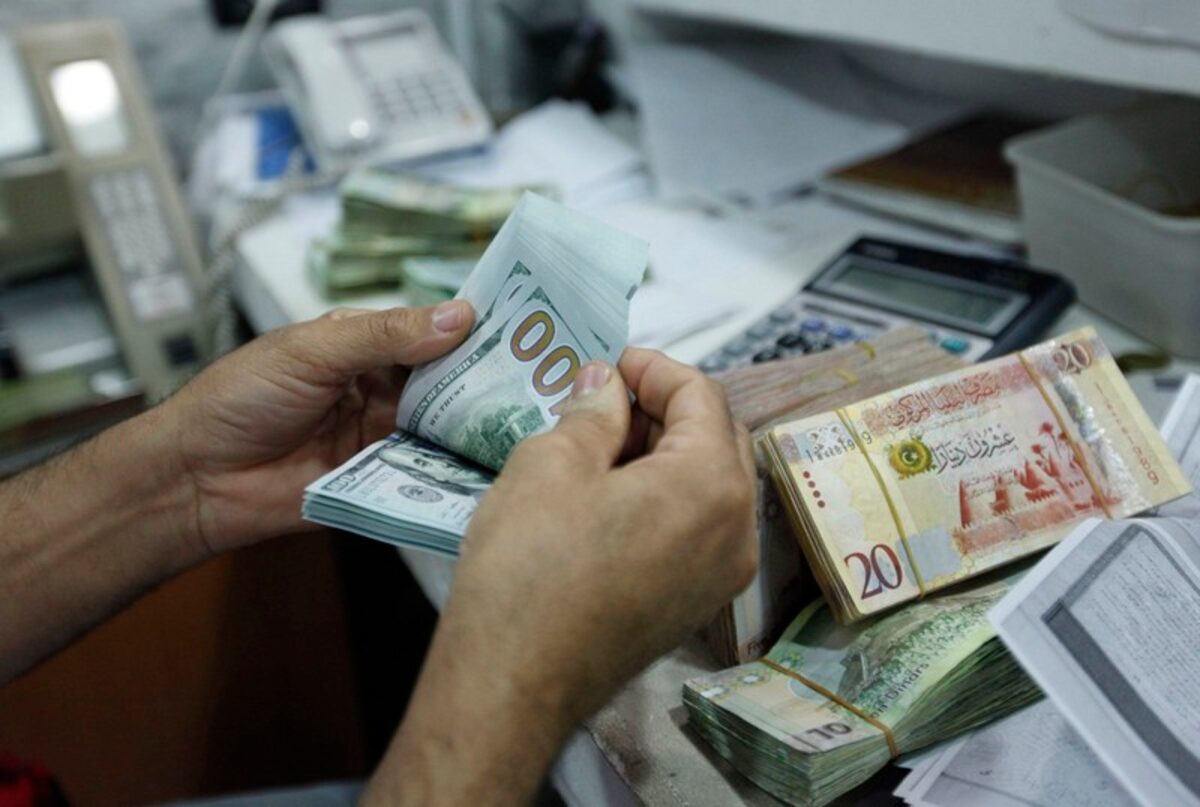
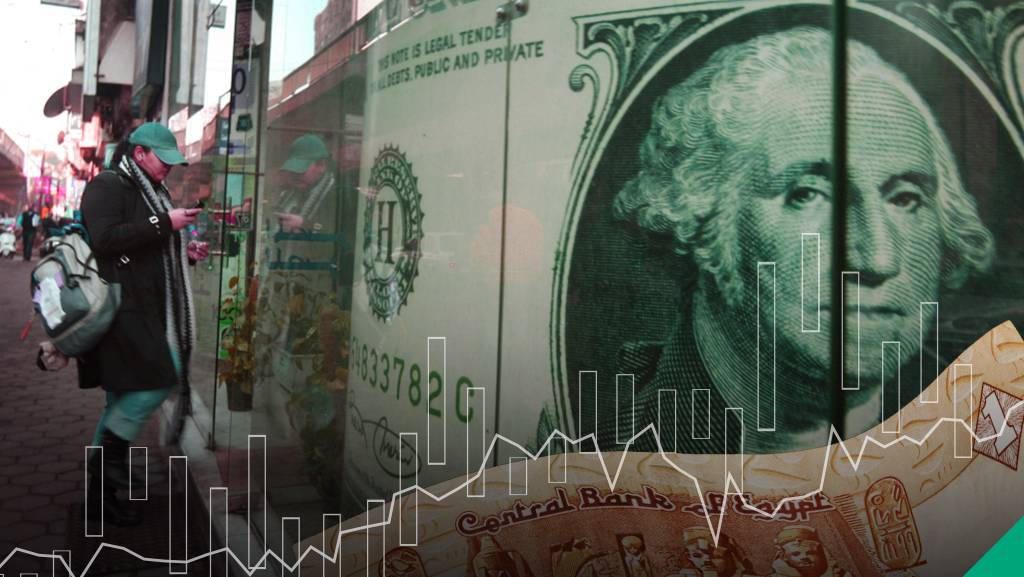
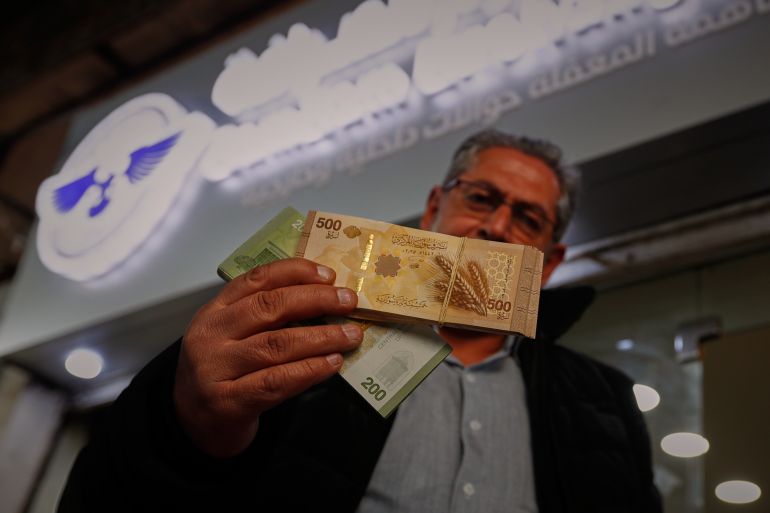
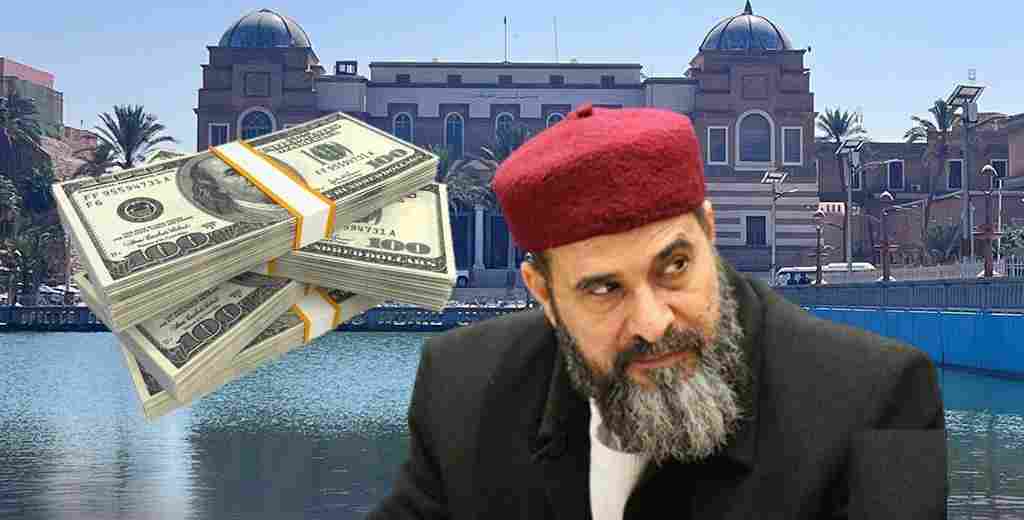
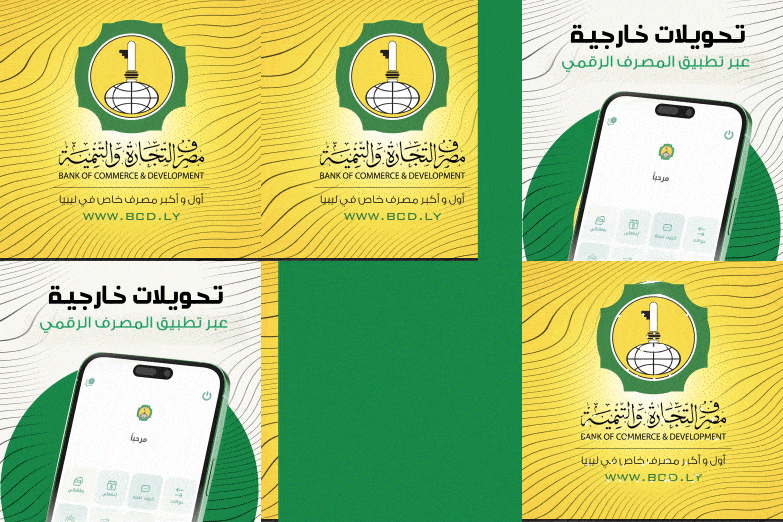
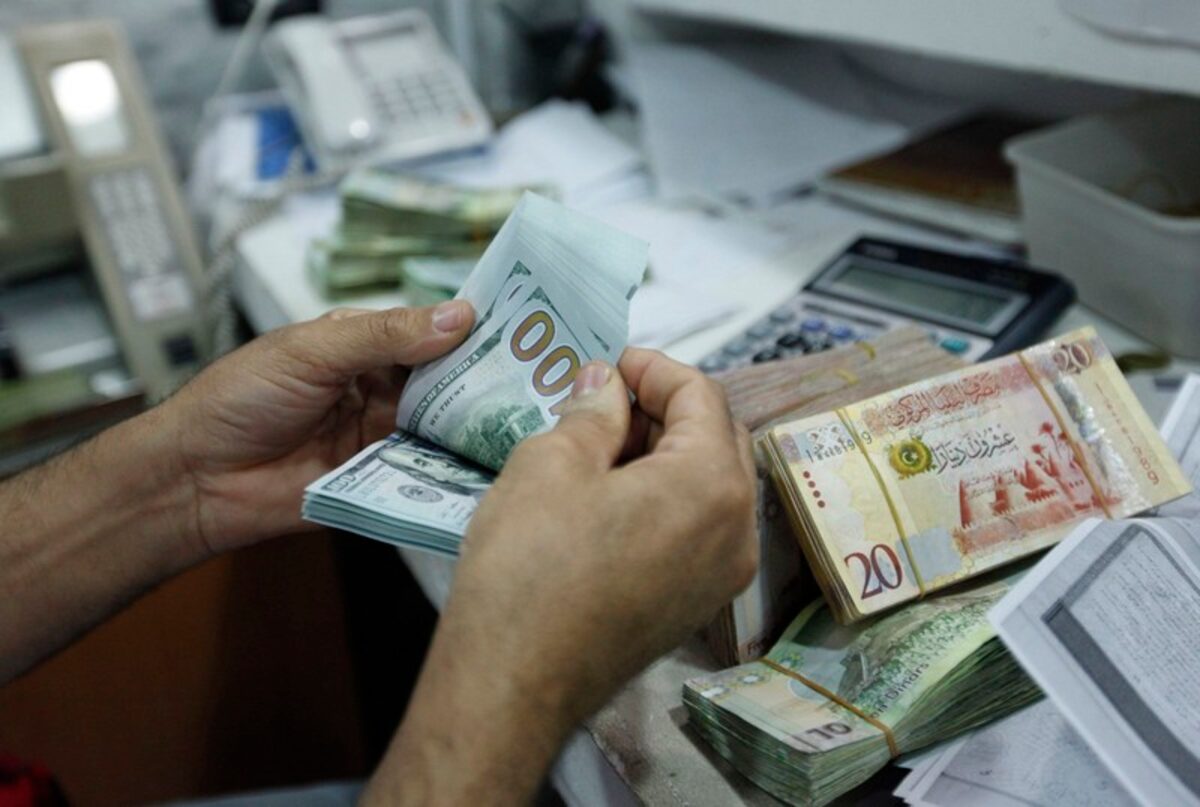
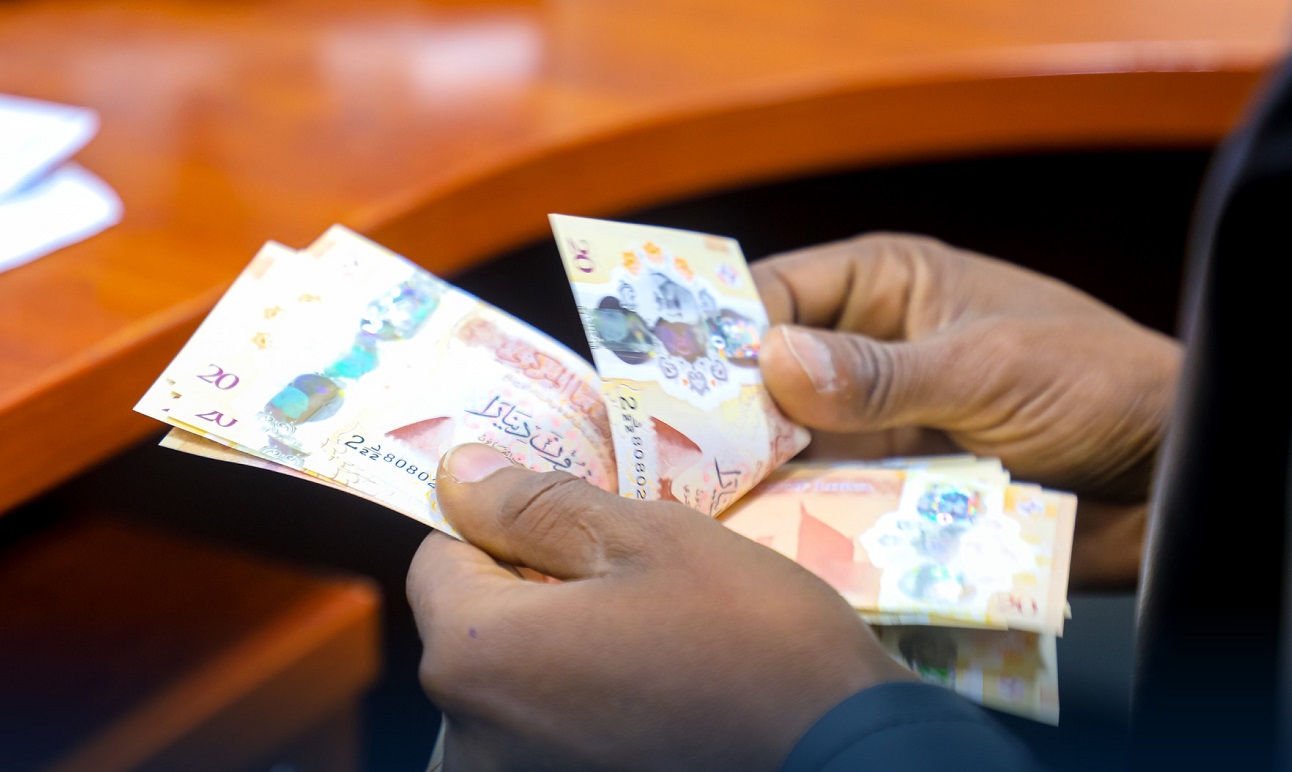
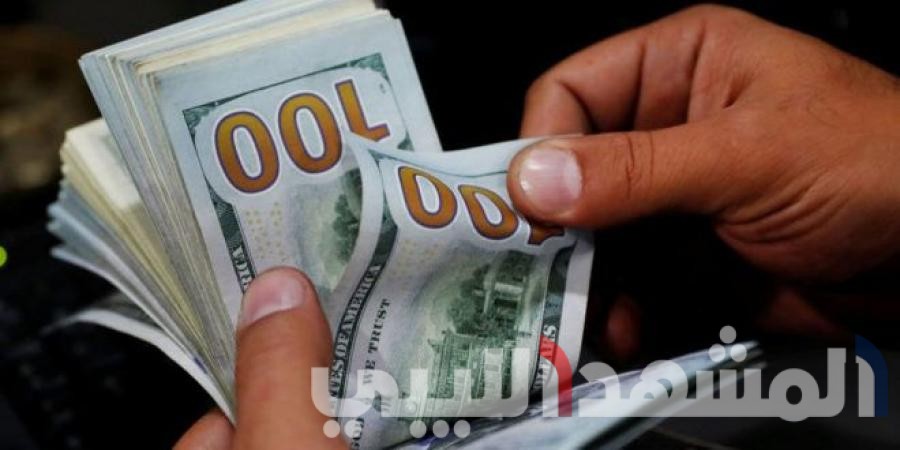
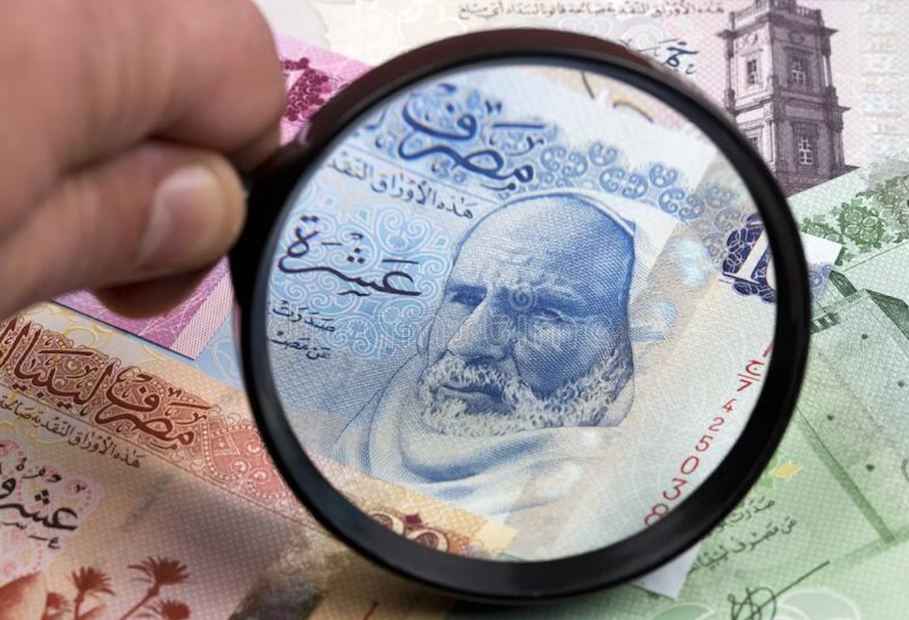
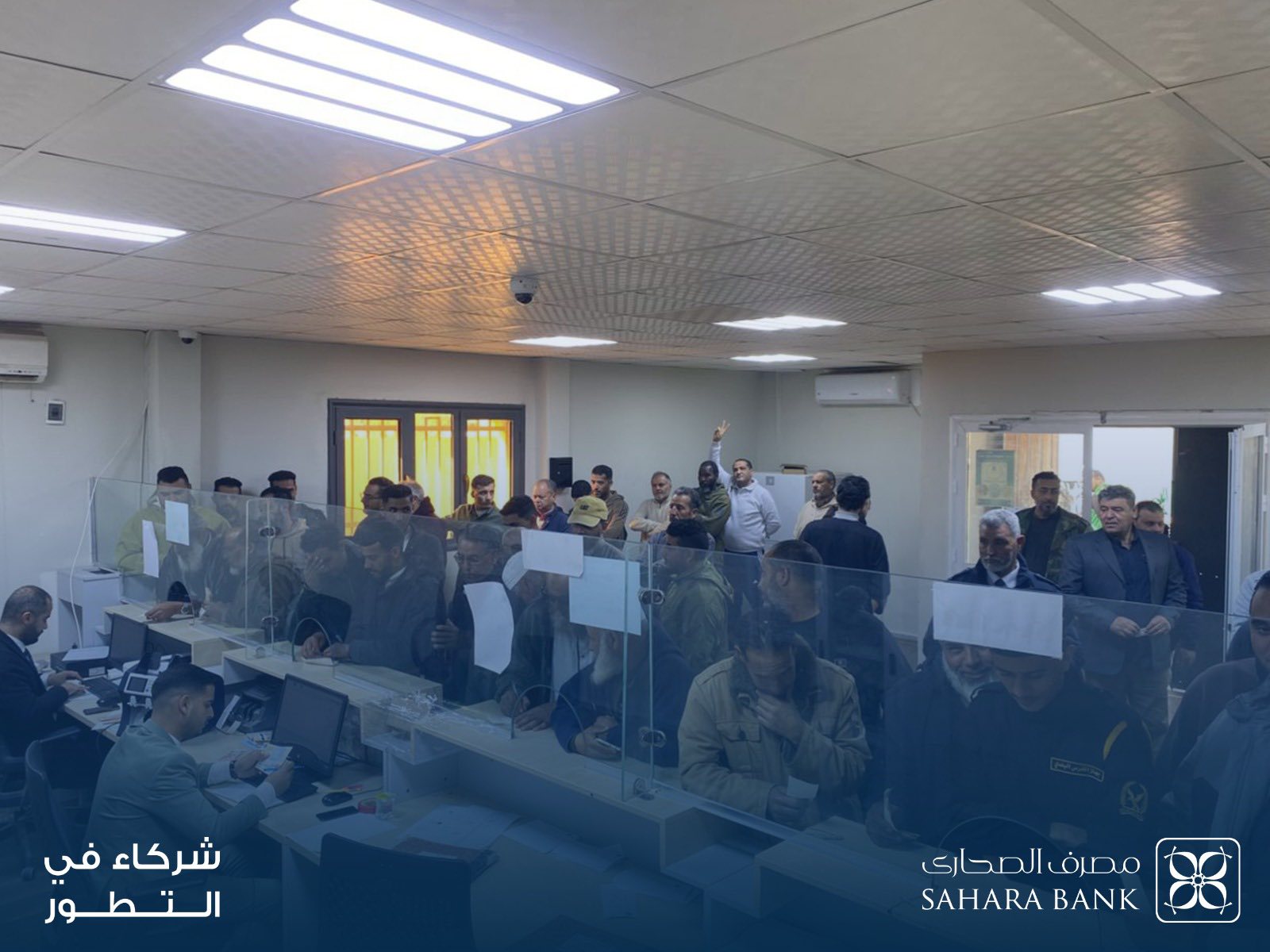
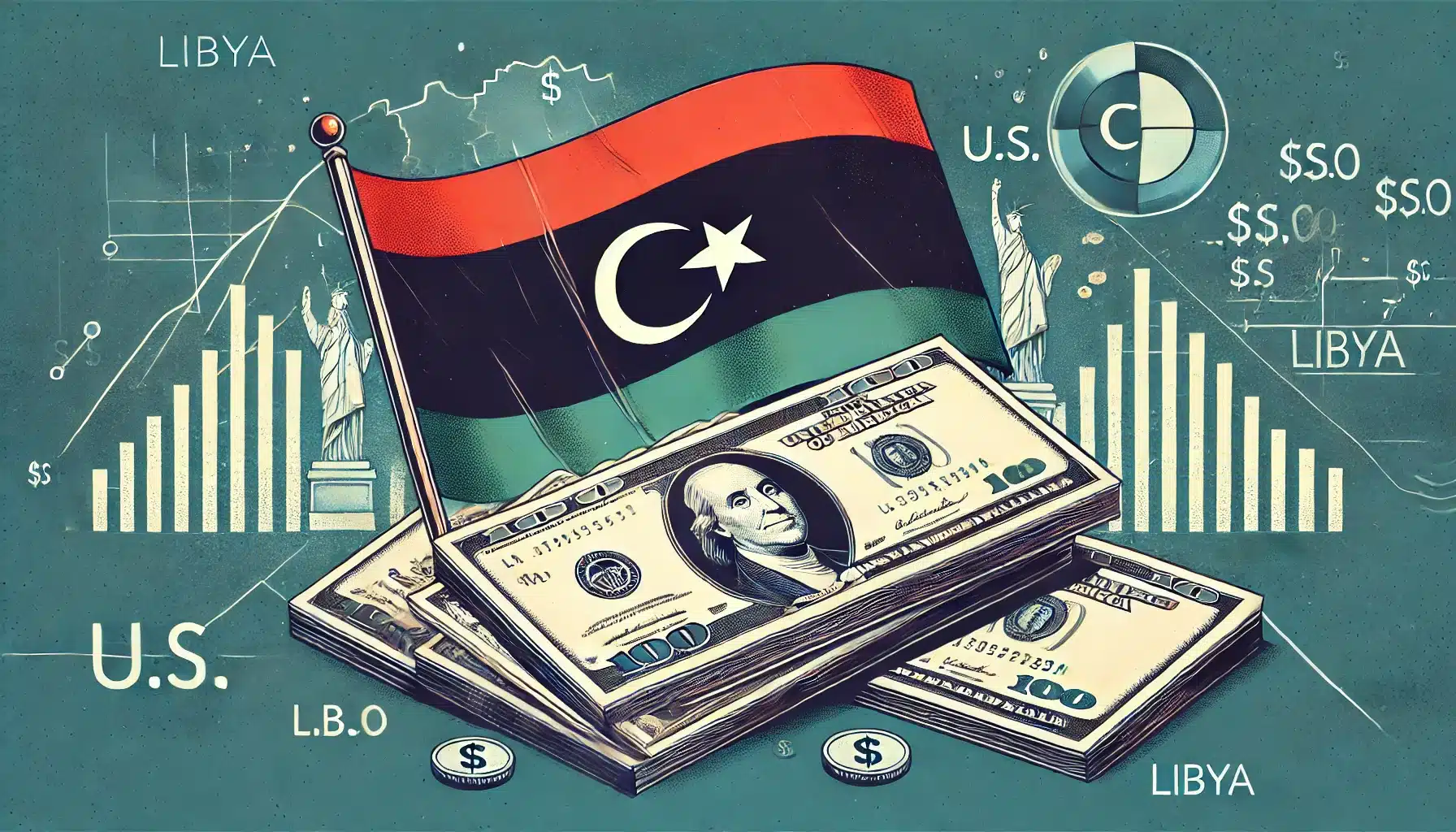
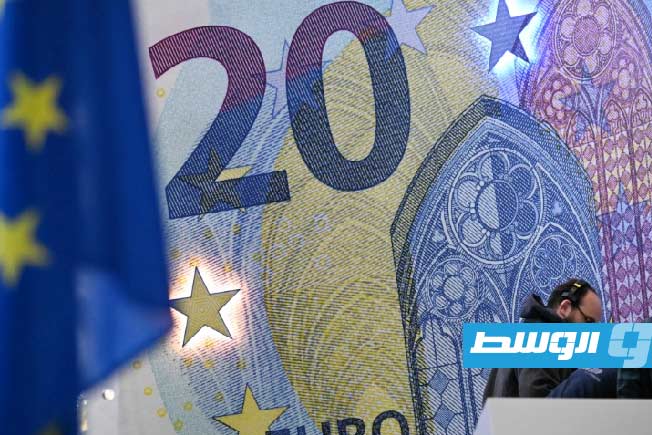
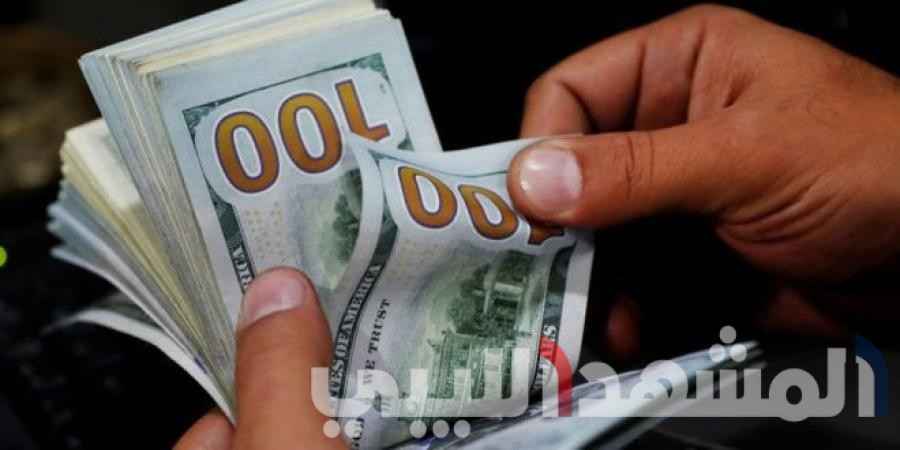
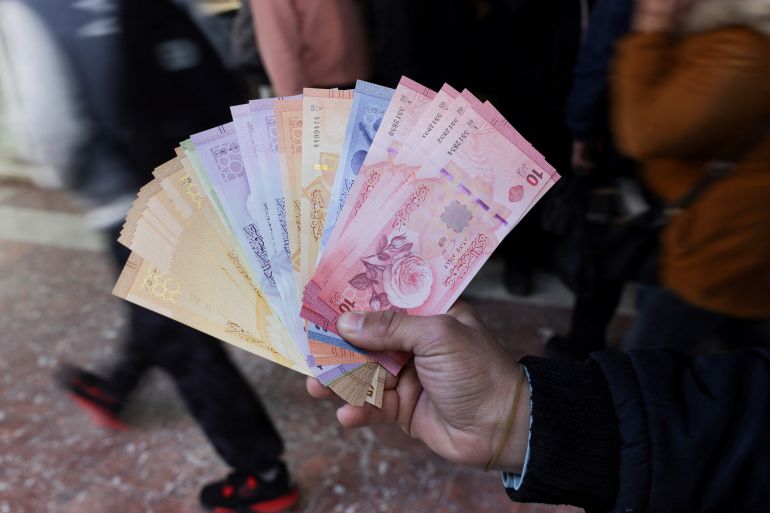
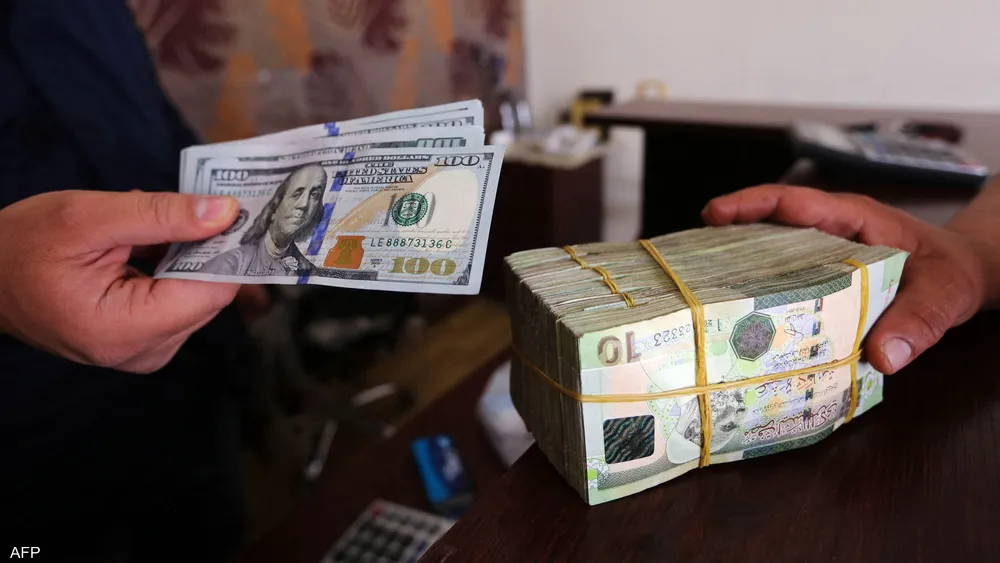
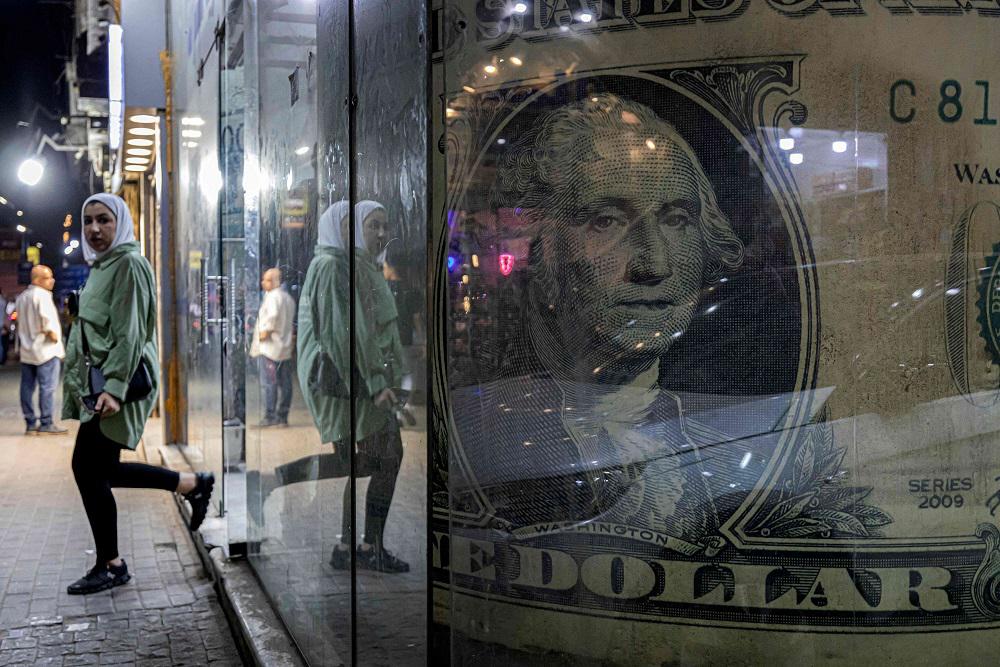
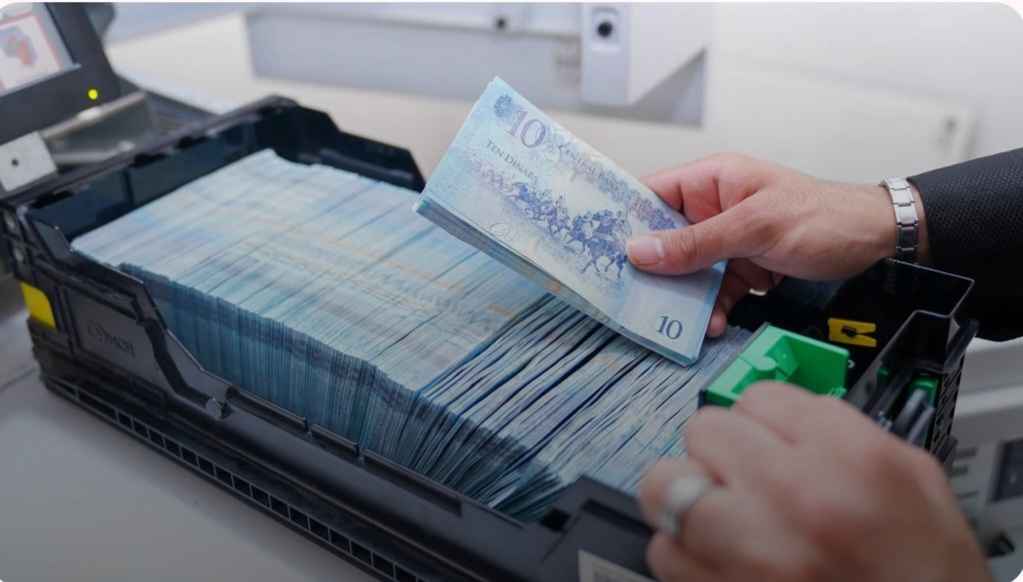
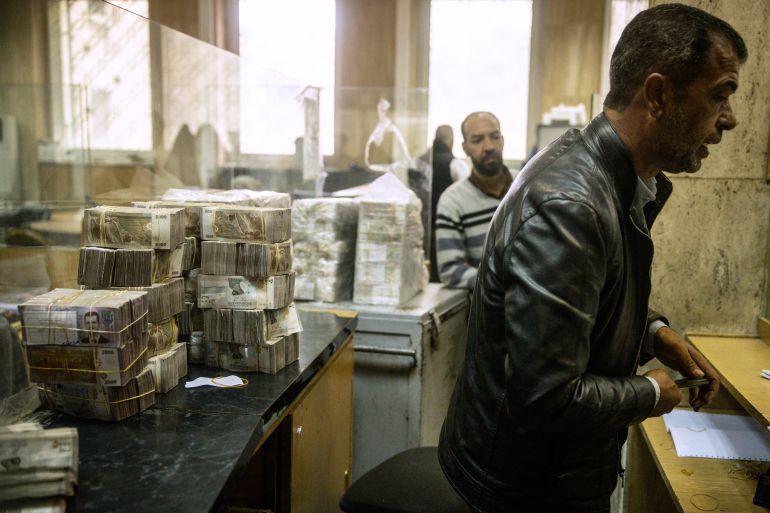
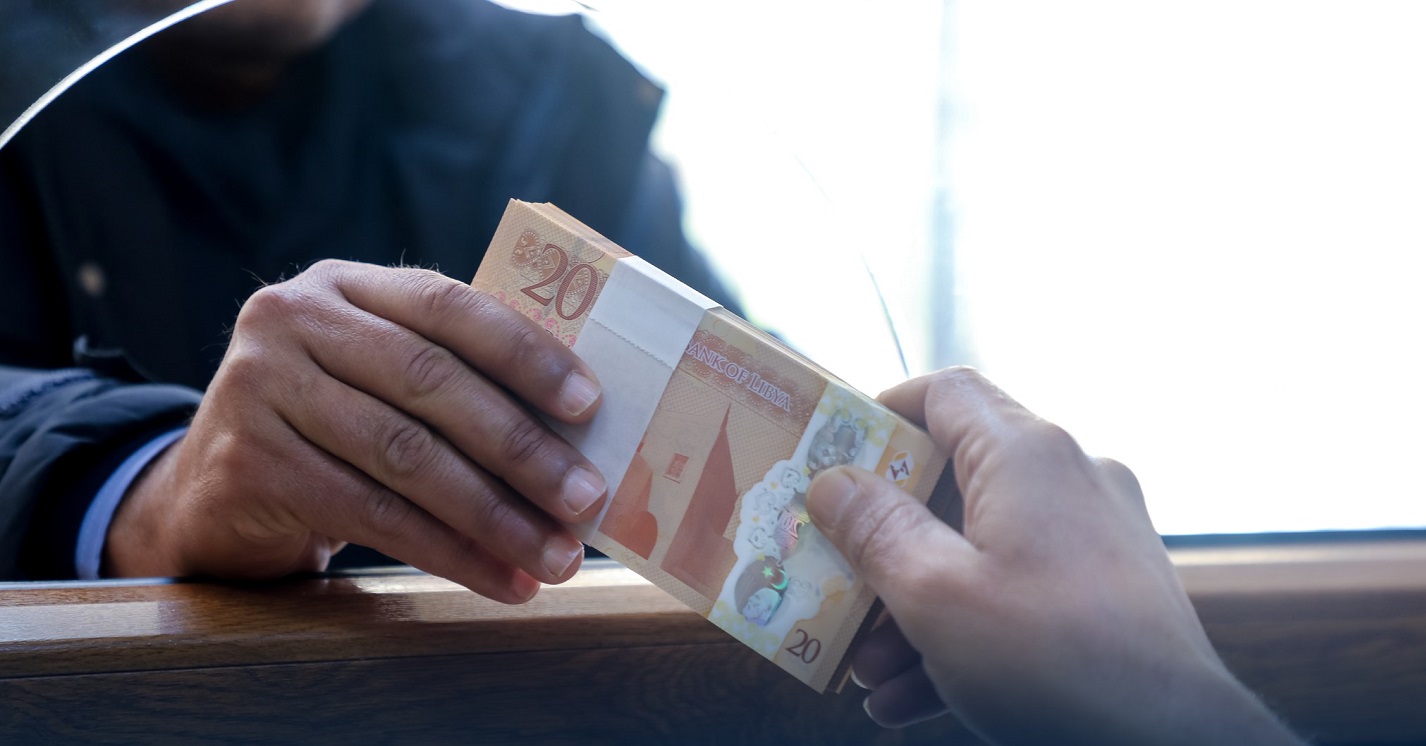
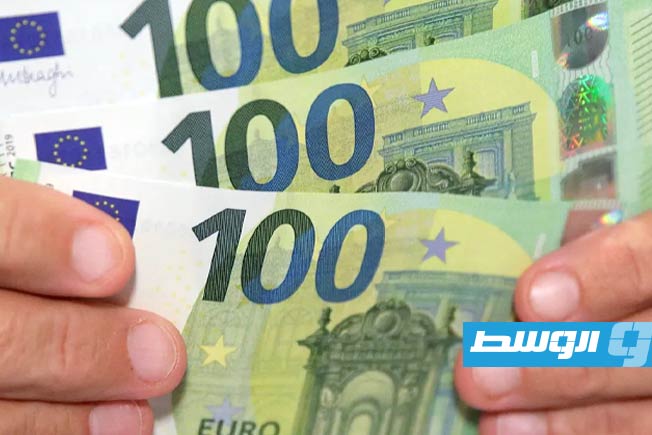
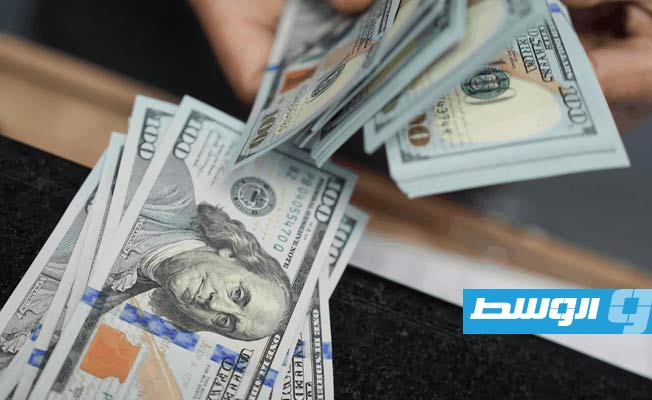
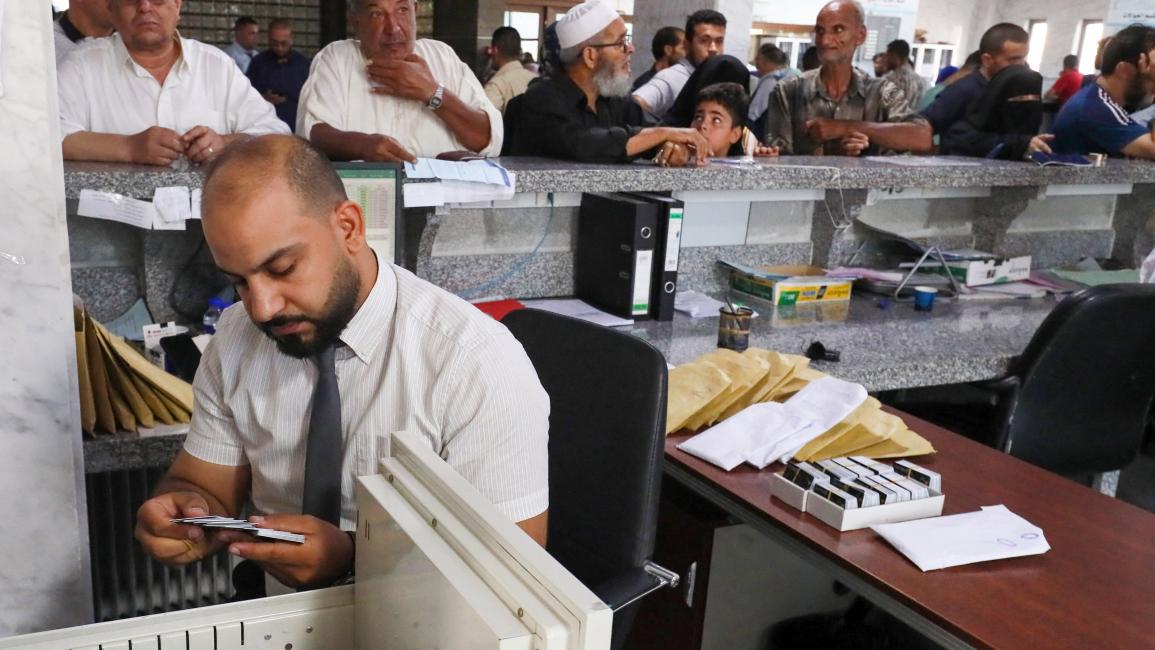
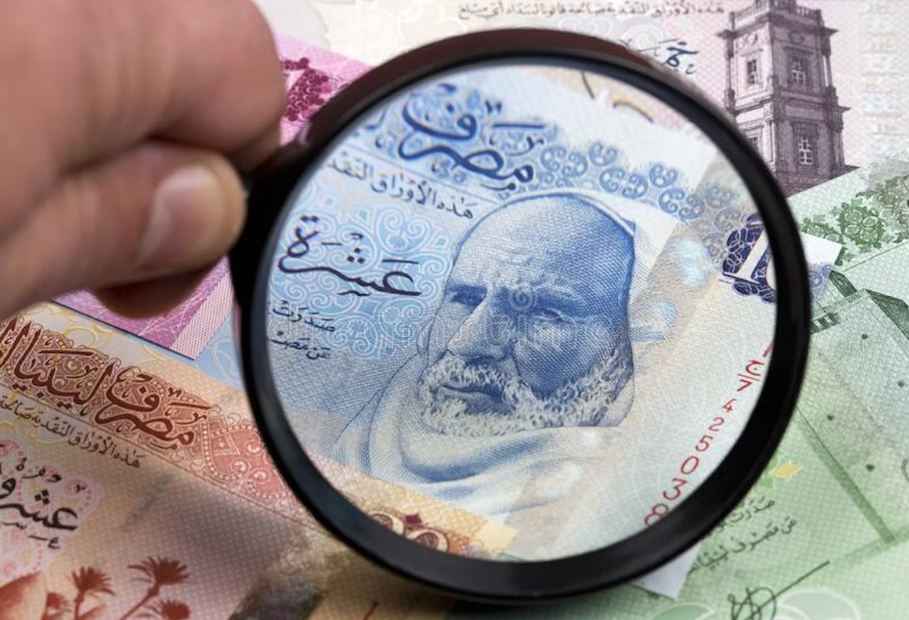
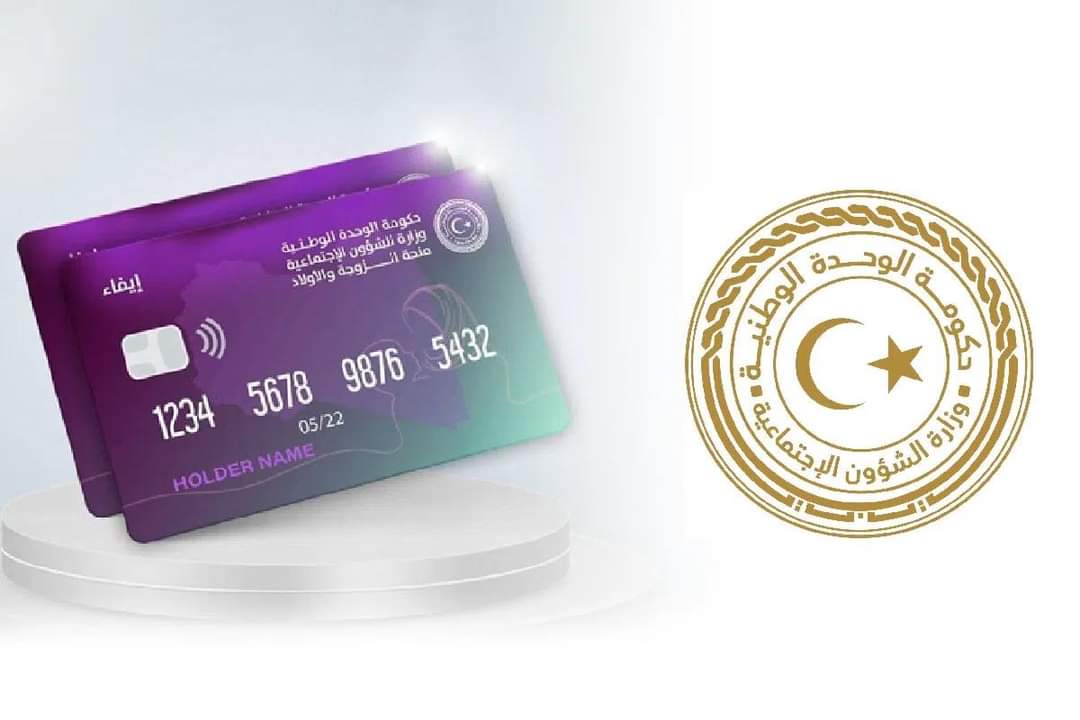
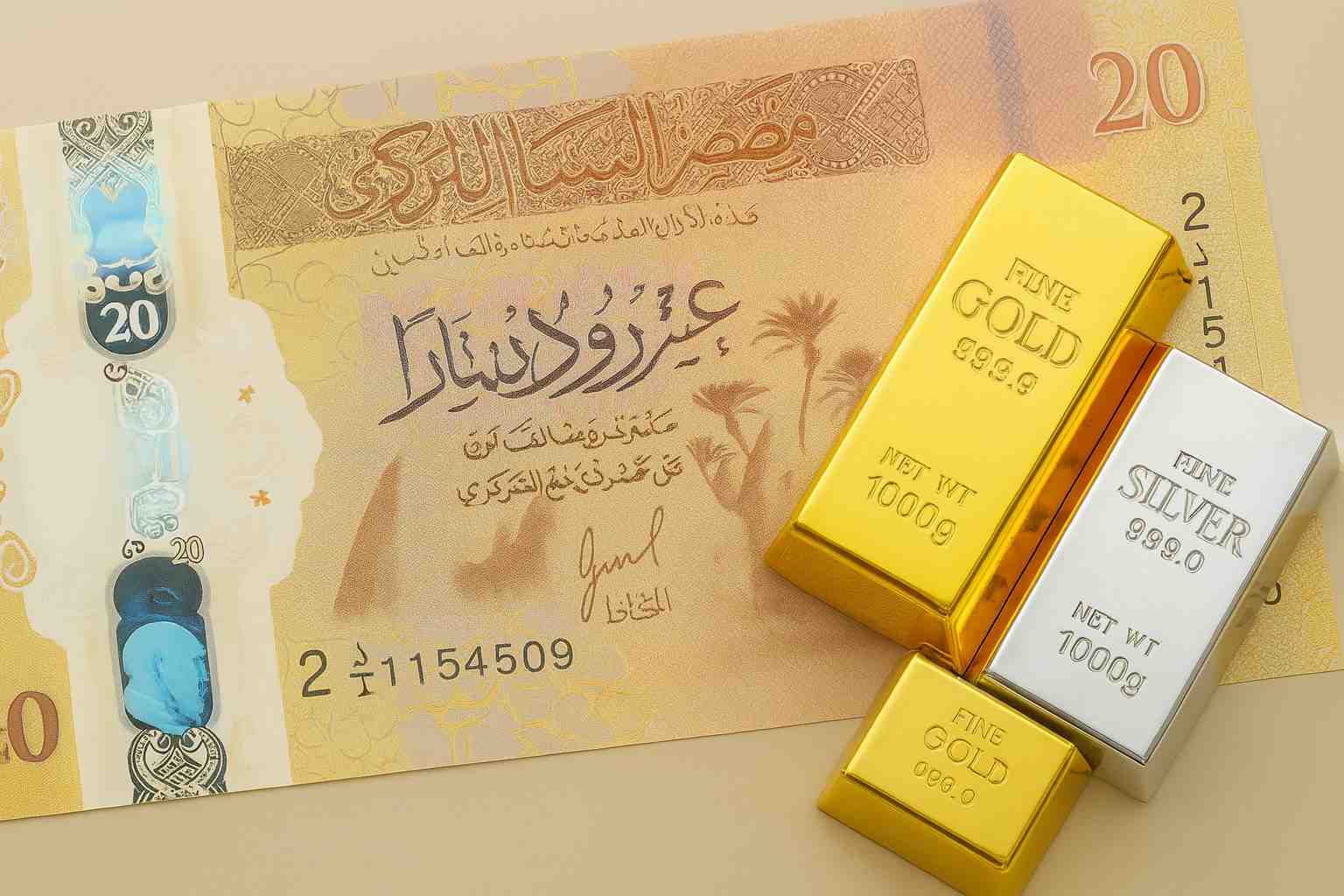
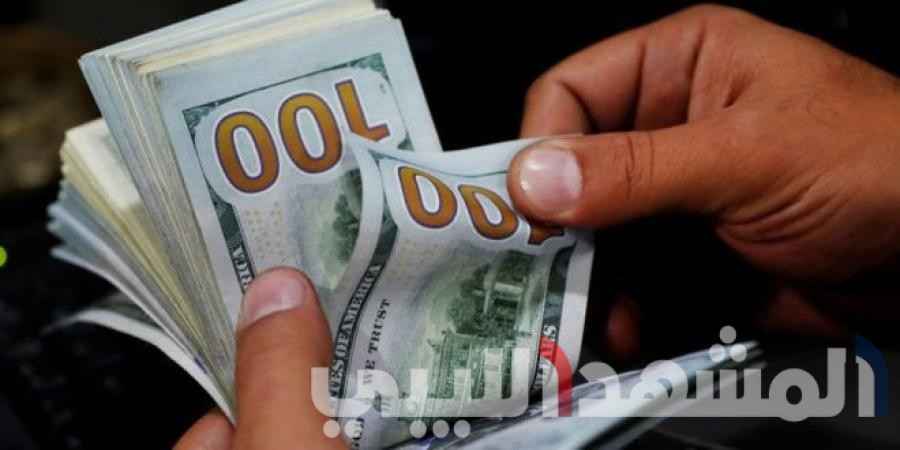
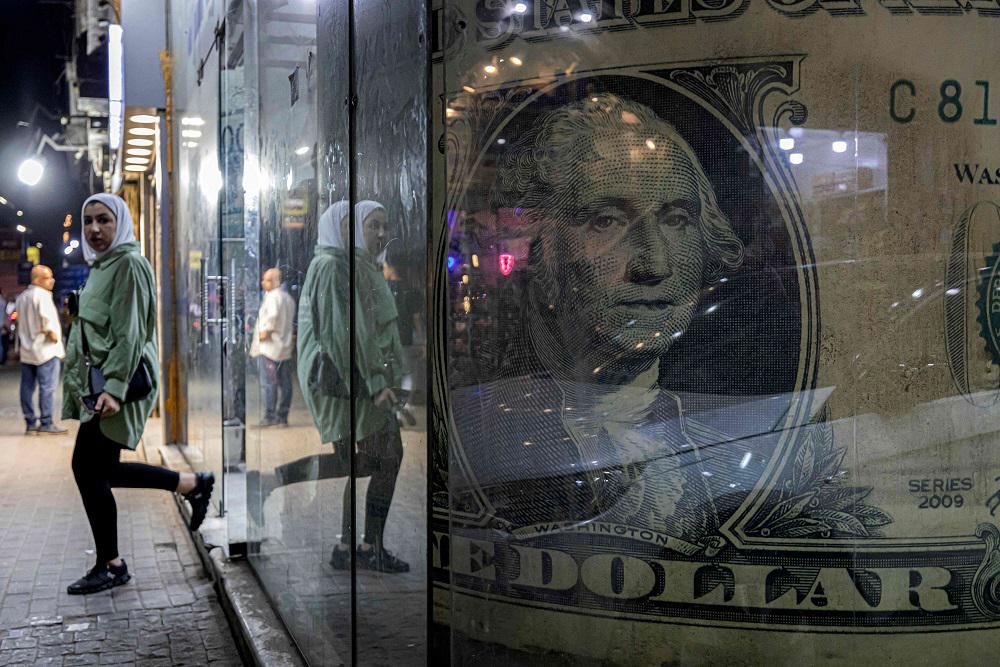
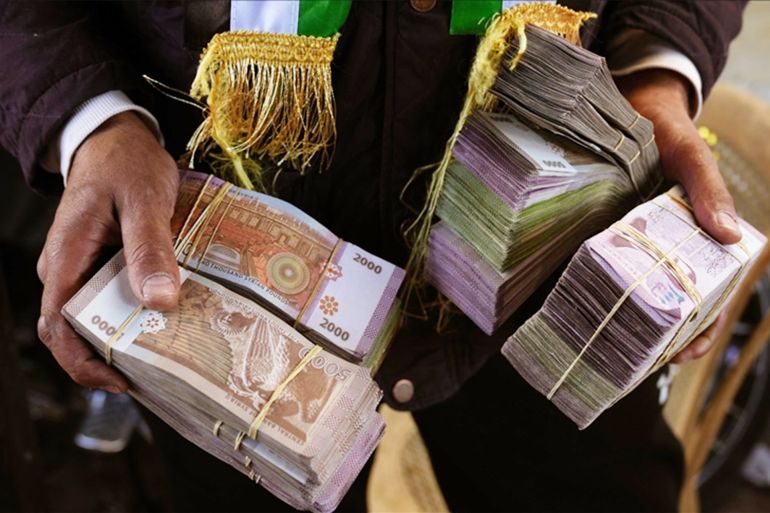
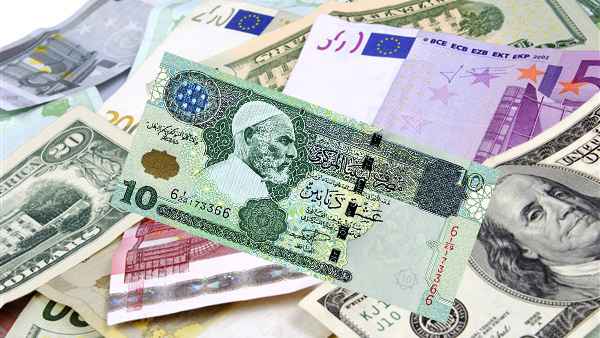
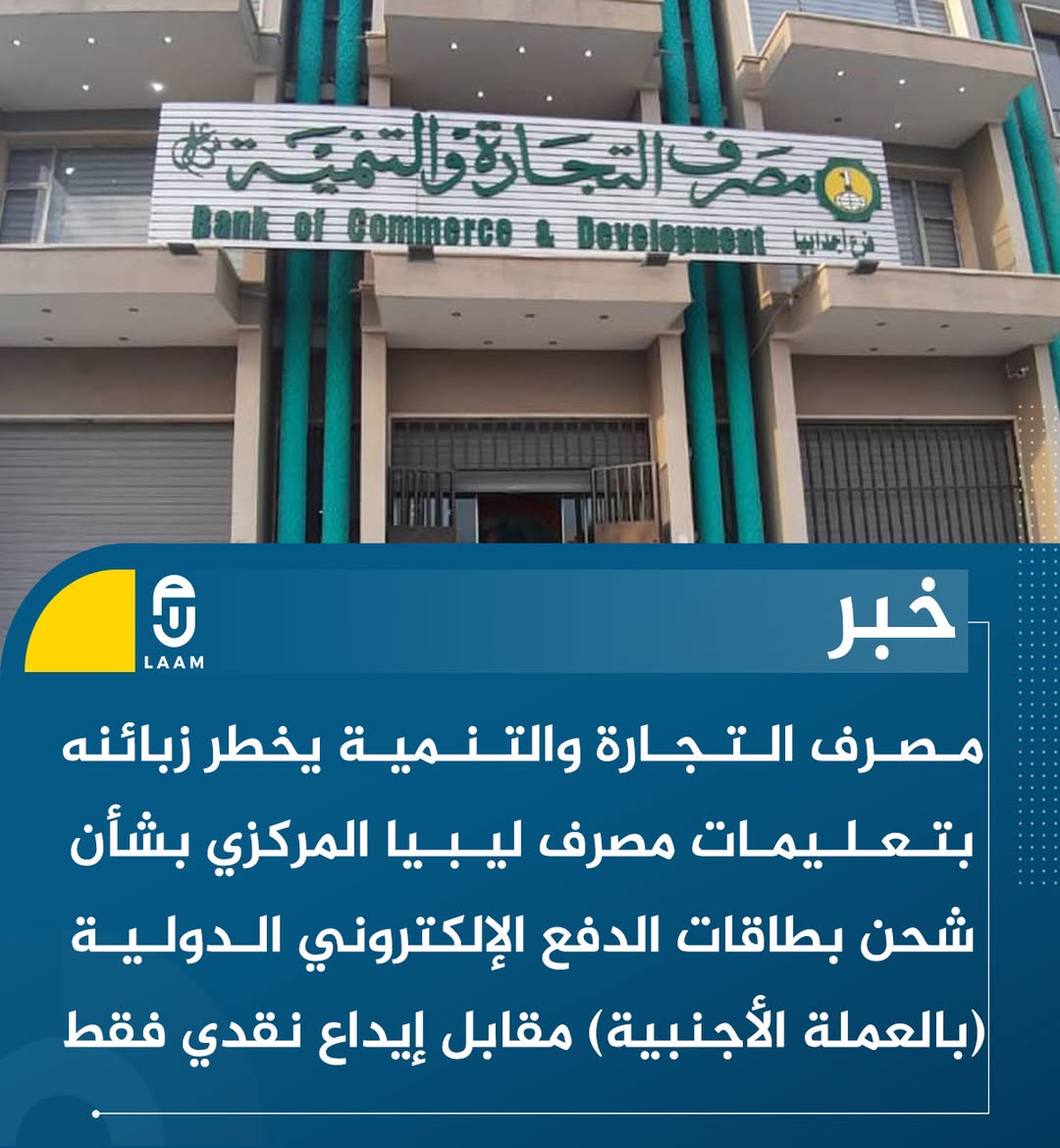
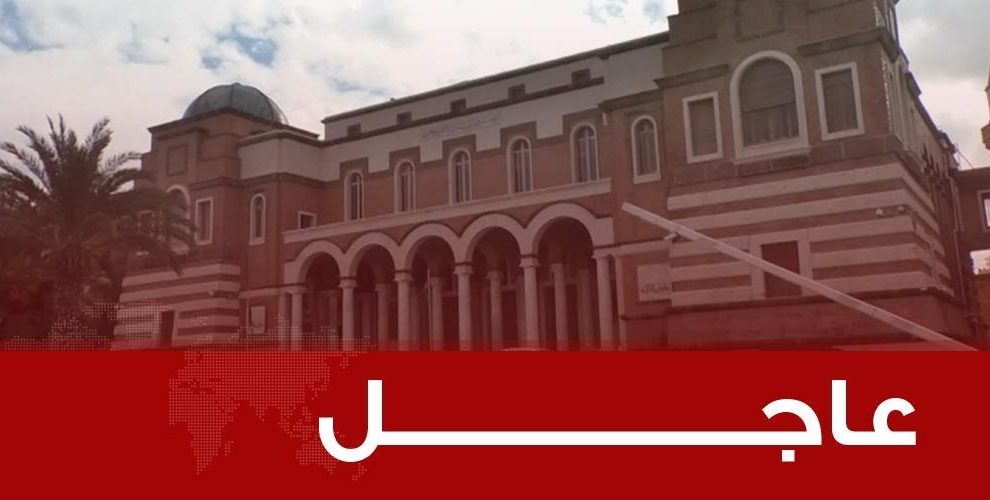
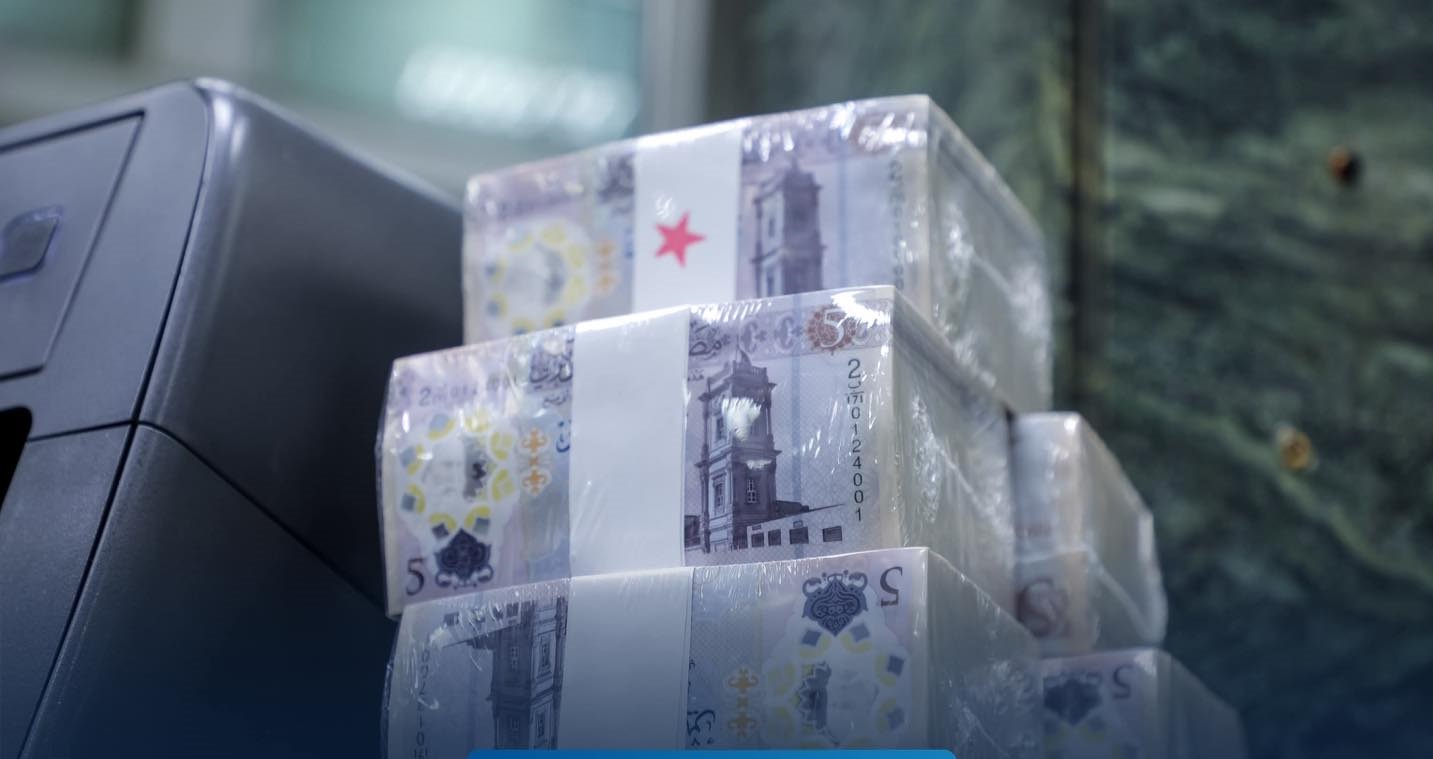
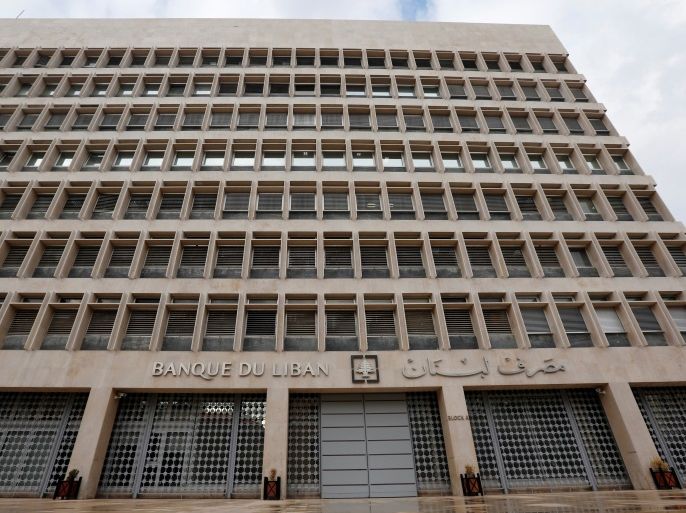
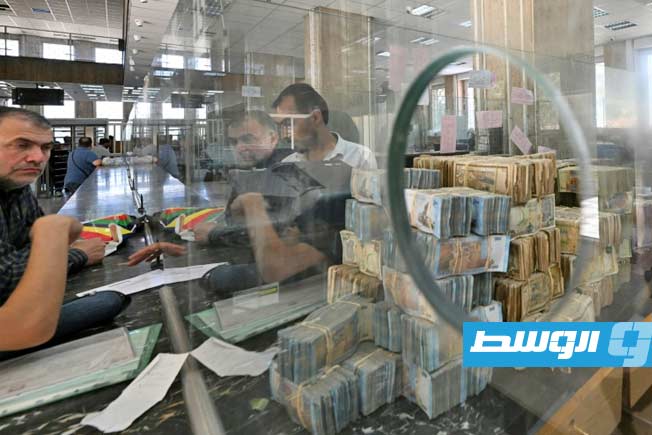
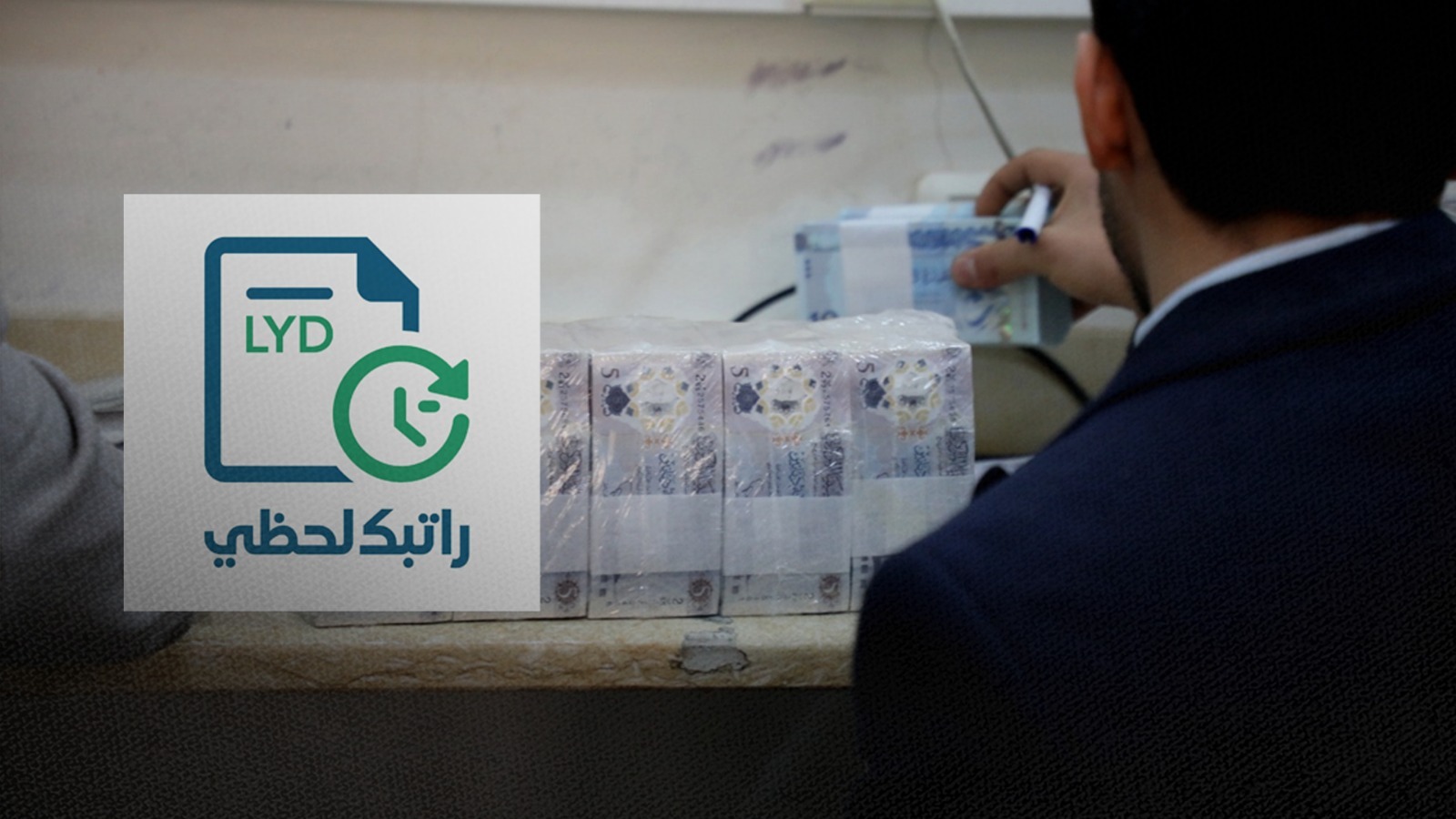
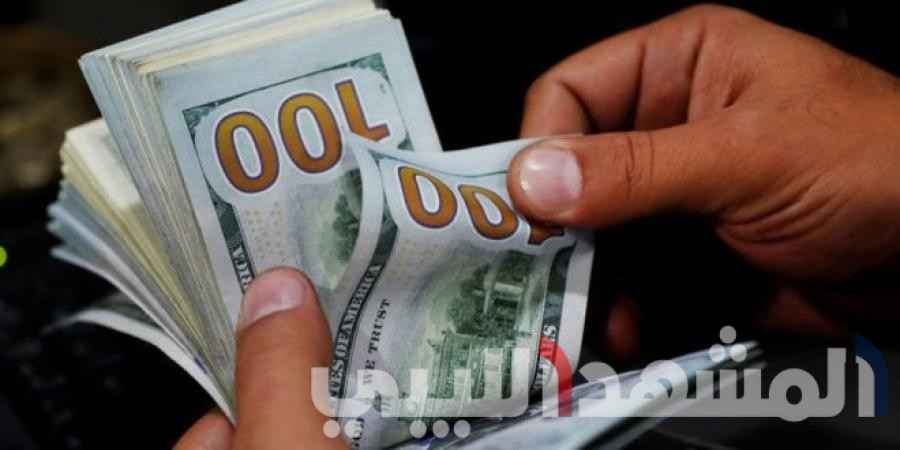
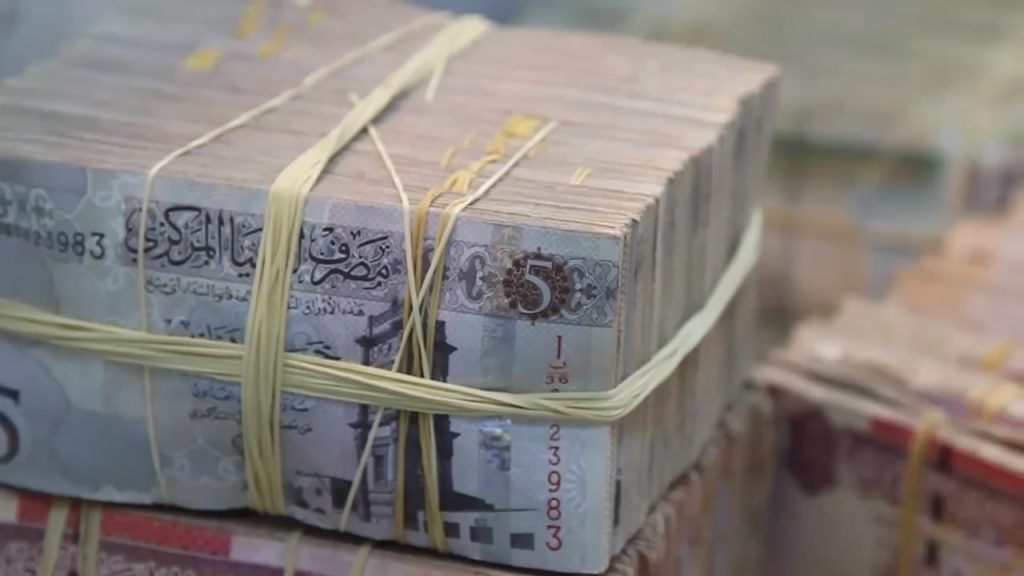
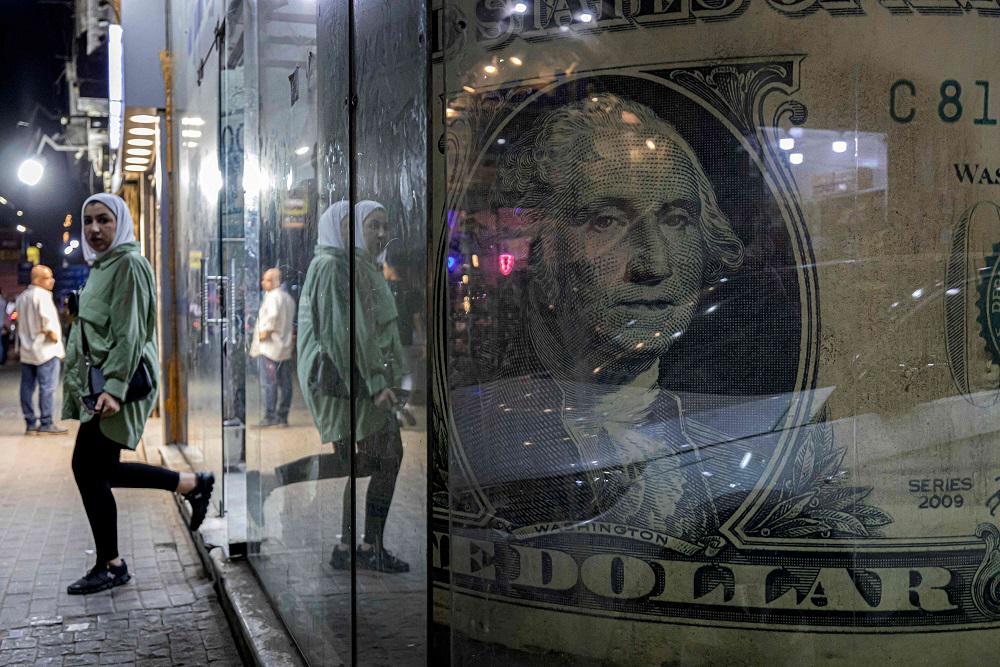
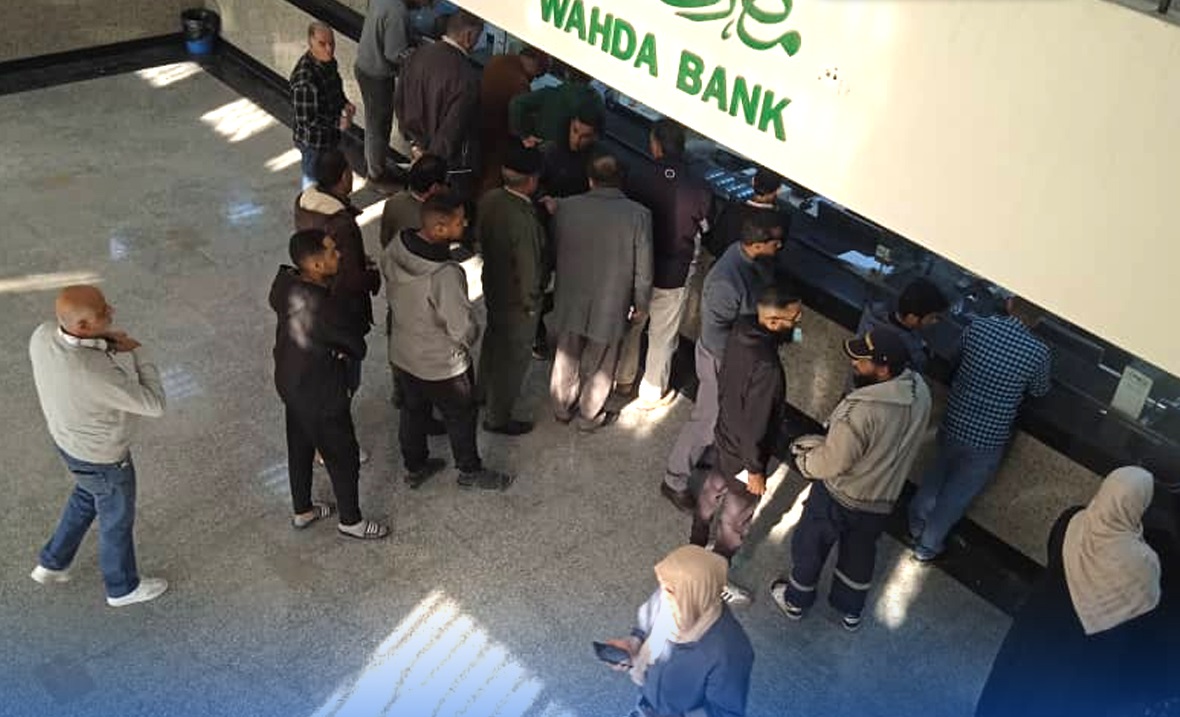
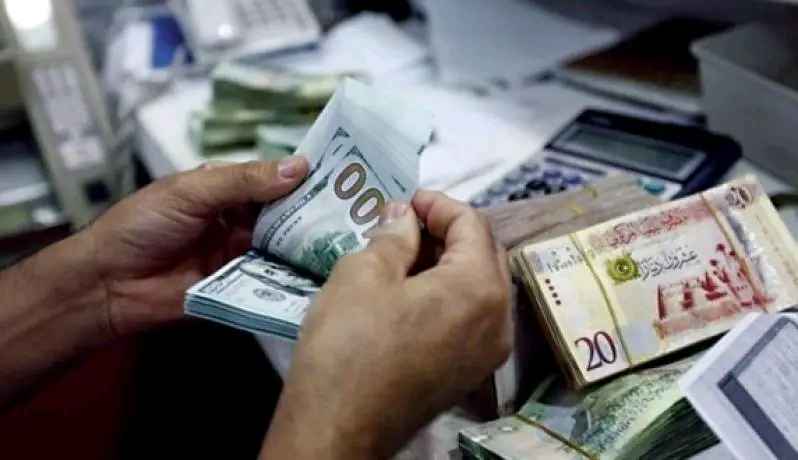
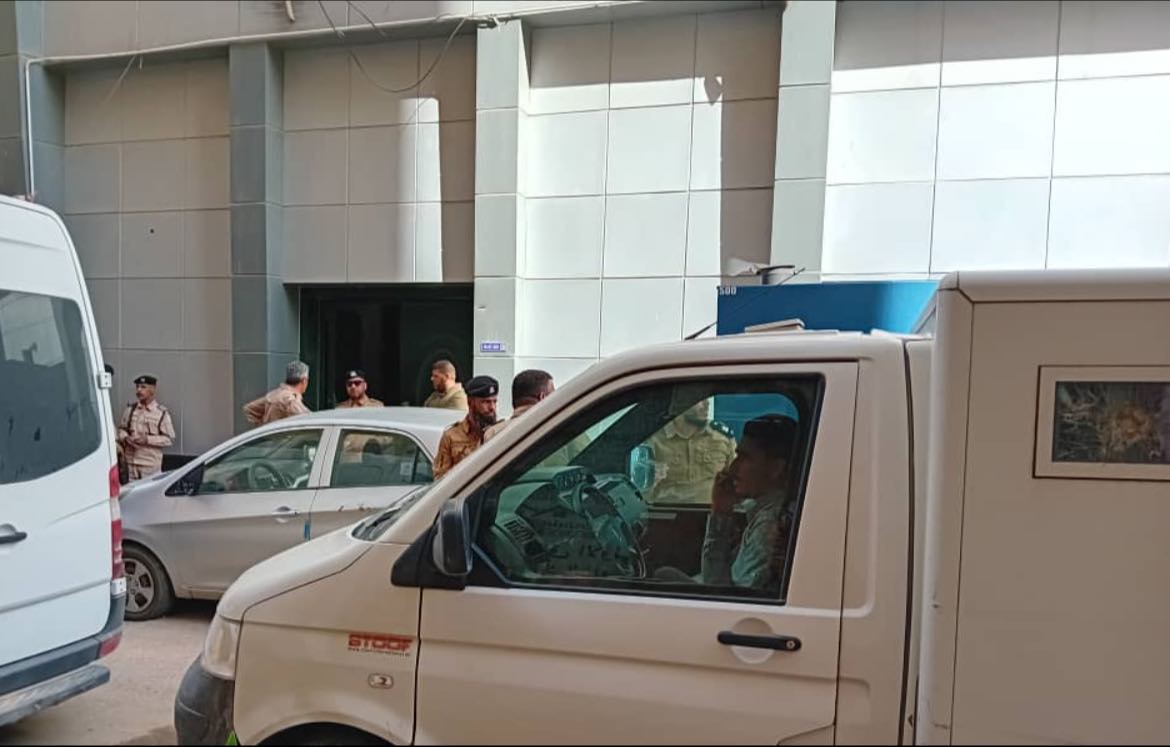
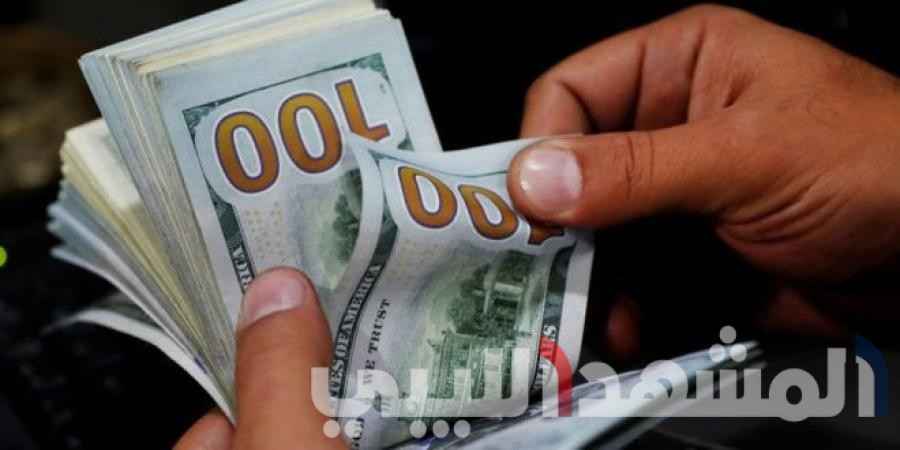
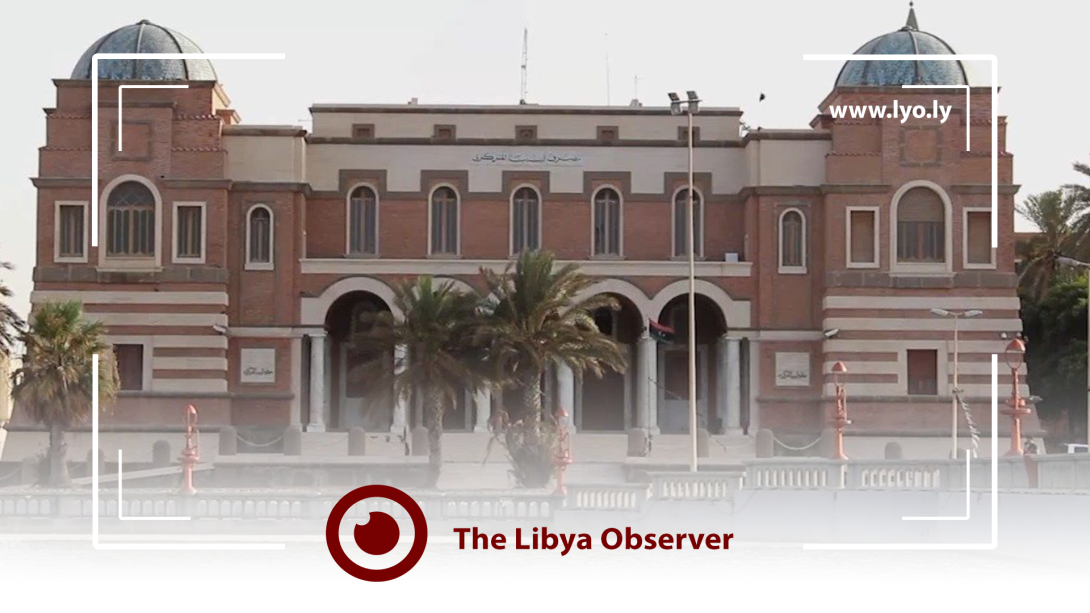
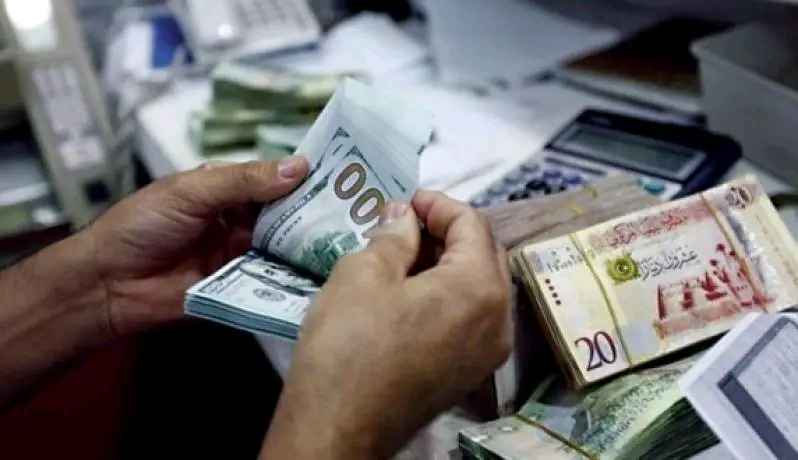
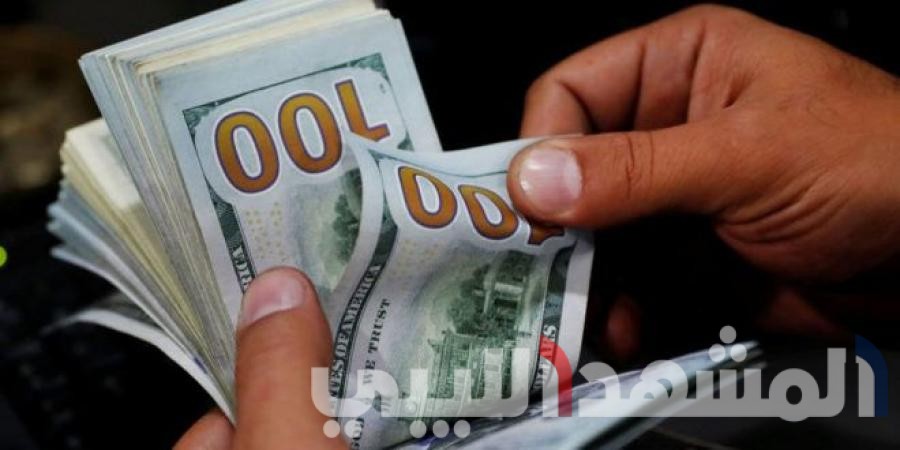
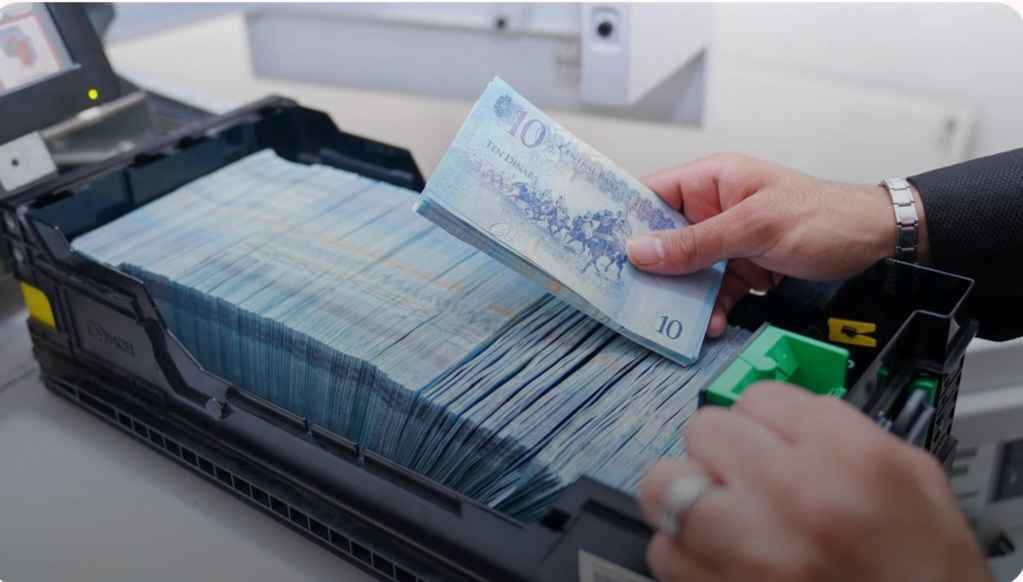
Tripoli – The Trade and Development Bank has issued a directive to all its branches requiring clients to deposit the value for card top-ups in foreign currency in cash, rather than via electronic payment, a move that has sparked widespread debate in banking circles.
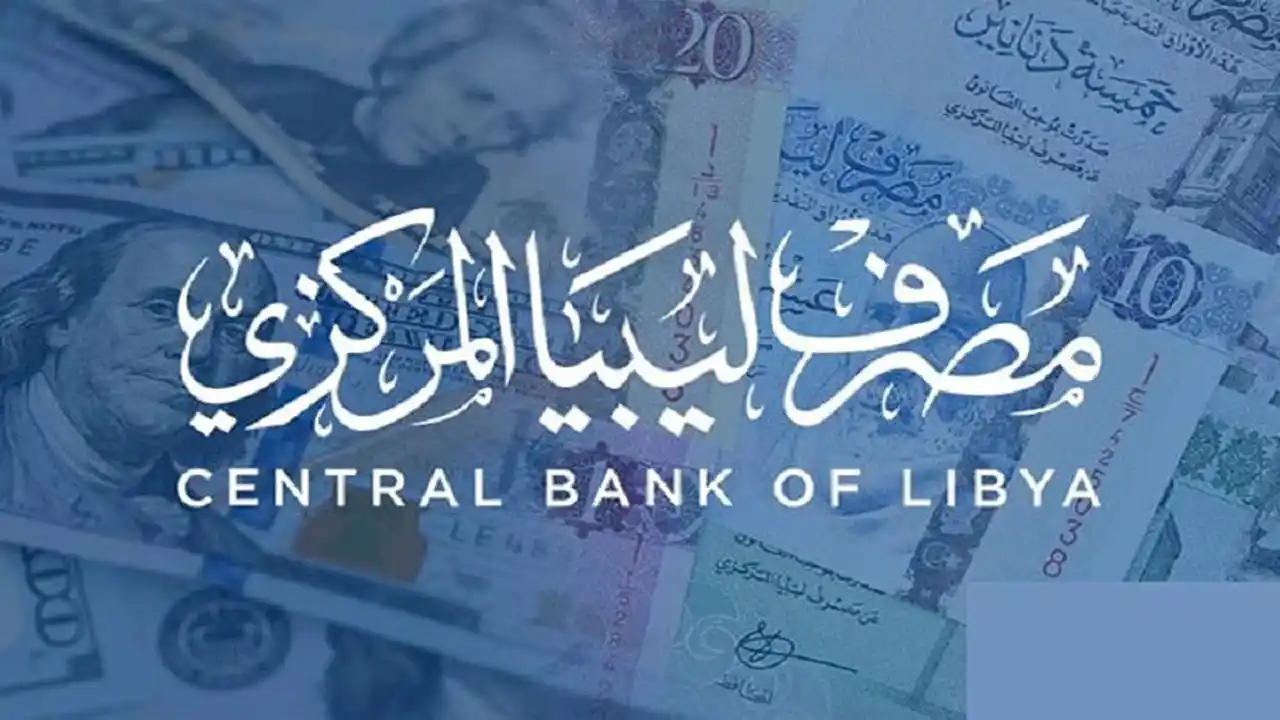
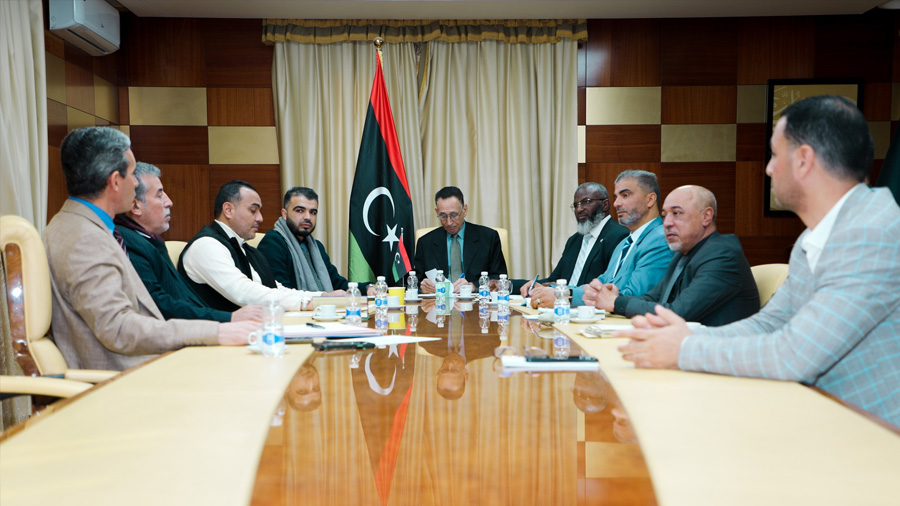
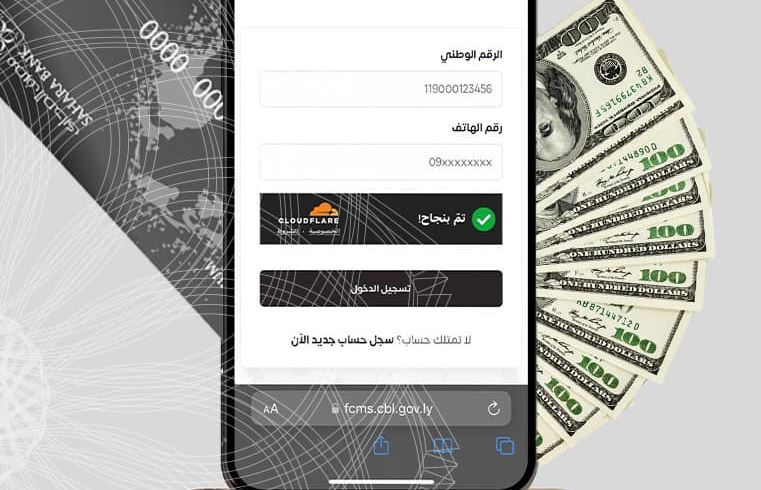
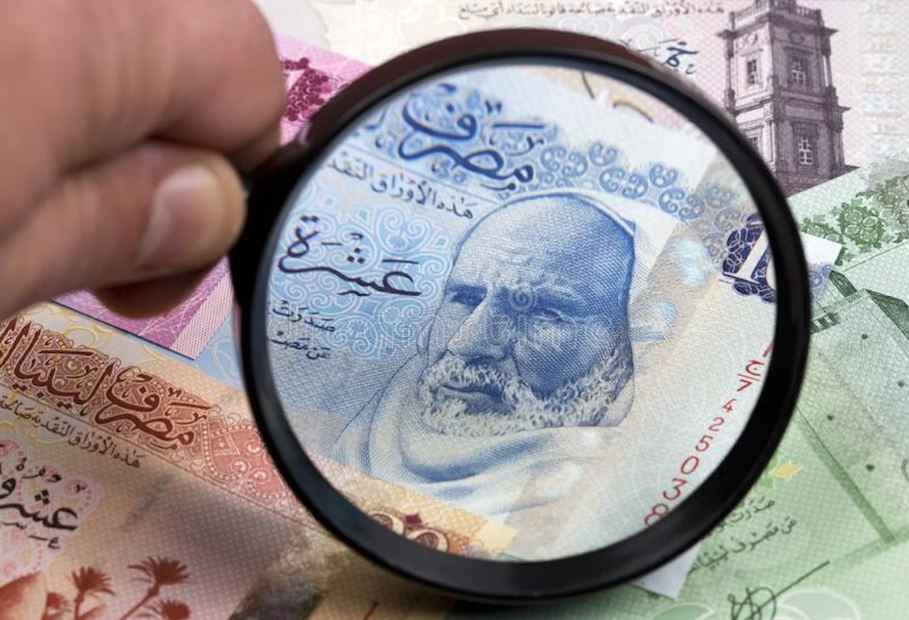
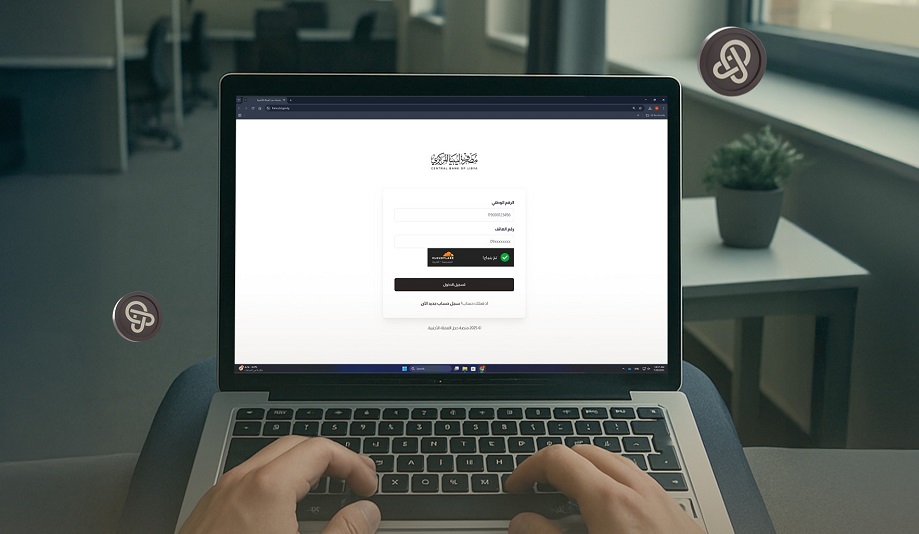
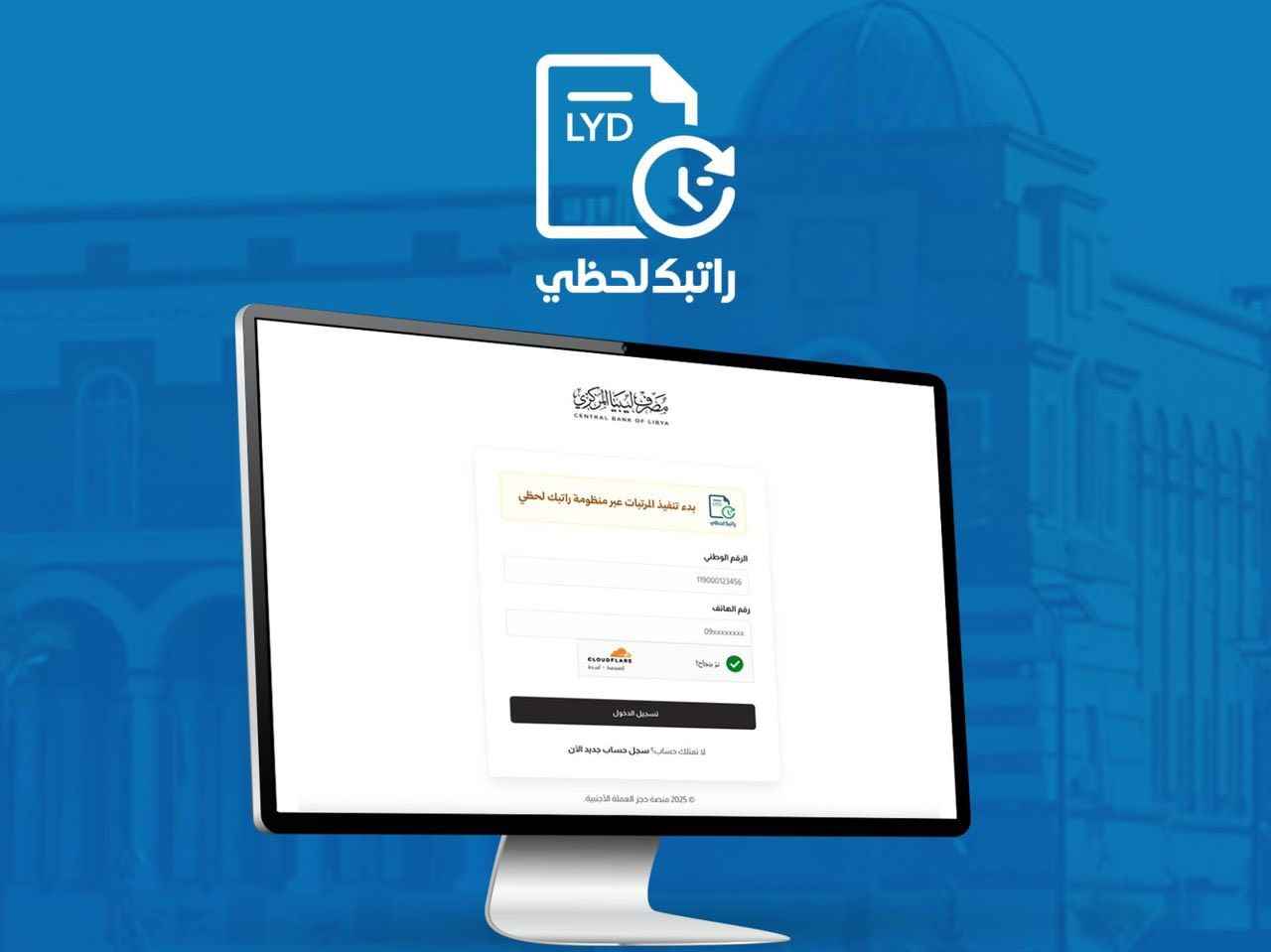
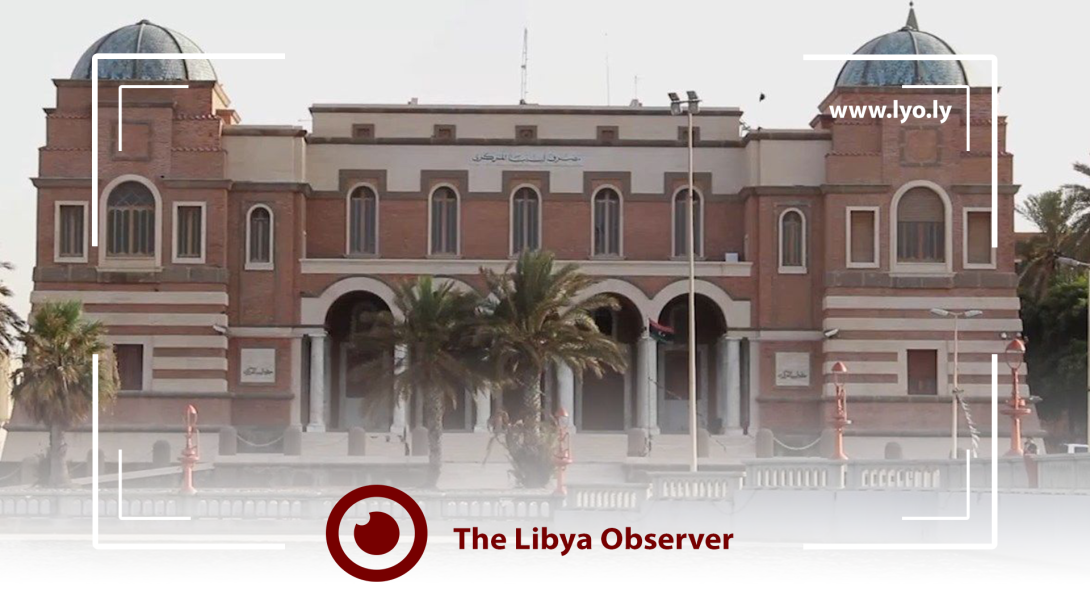
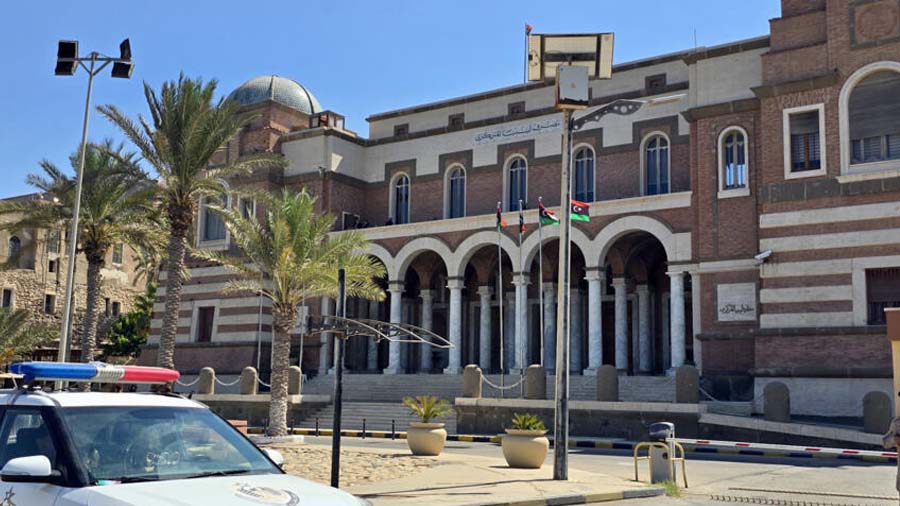
This decision contradicts the directives of the Central Bank of Libya, which has emphasized the necessity of adopting electronic payment methods as a primary option for banking transactions, aiming to reduce cash dealings and promote financial inclusion.
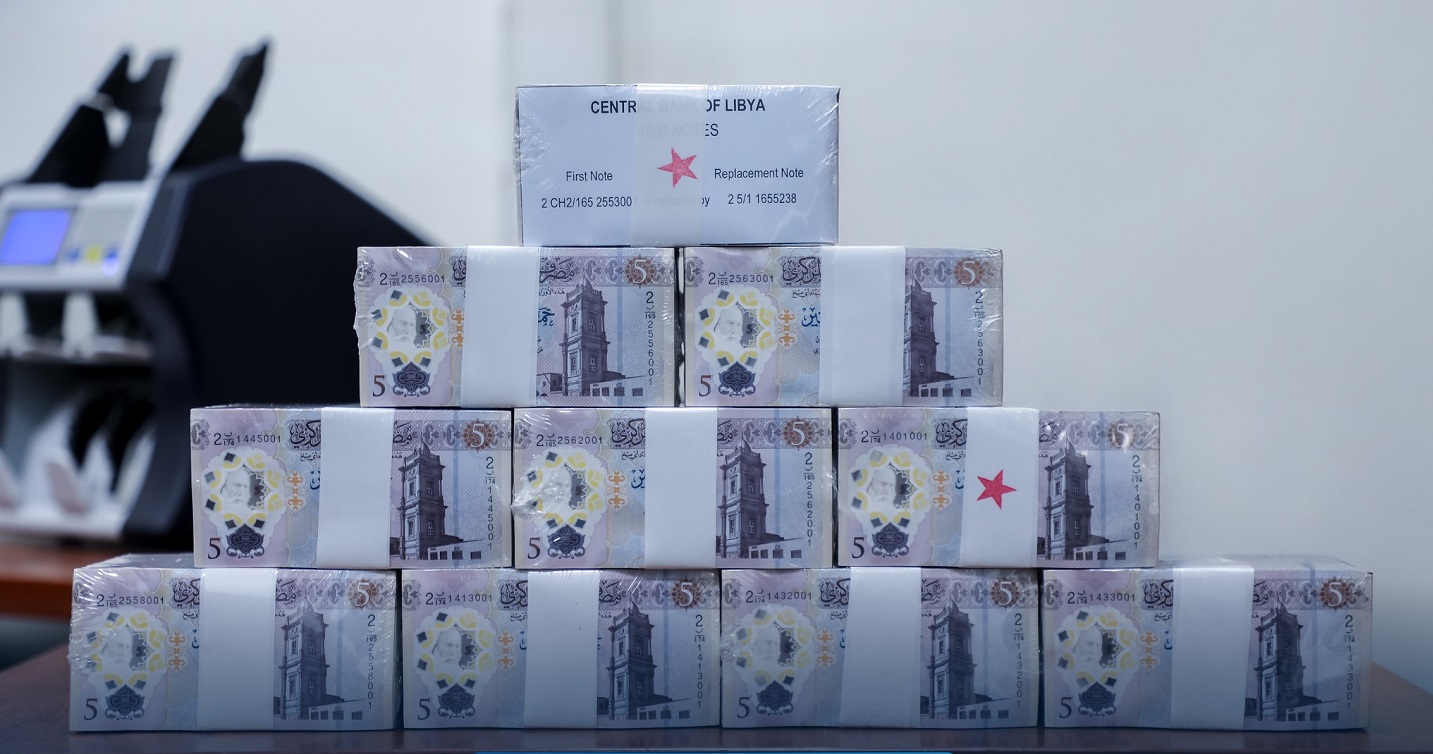
This step contributes to widening the exchange rate gap within the bank due to increased demand for foreign cash. It also undermines the Central Bank’s efforts to establish a culture of electronic payments and reduce reliance on cash, amid concerns over negative repercussions on the stability of the monetary market.
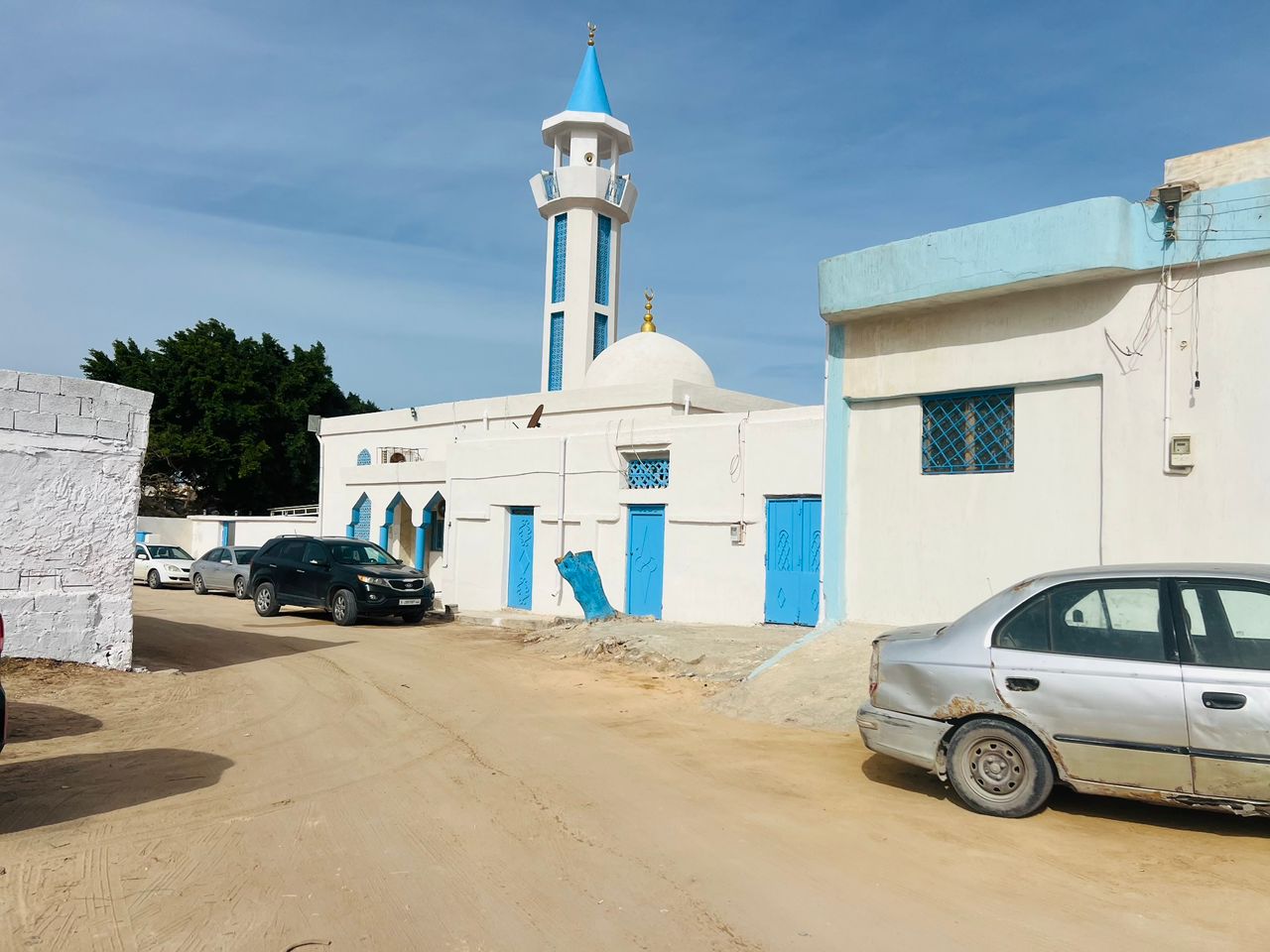
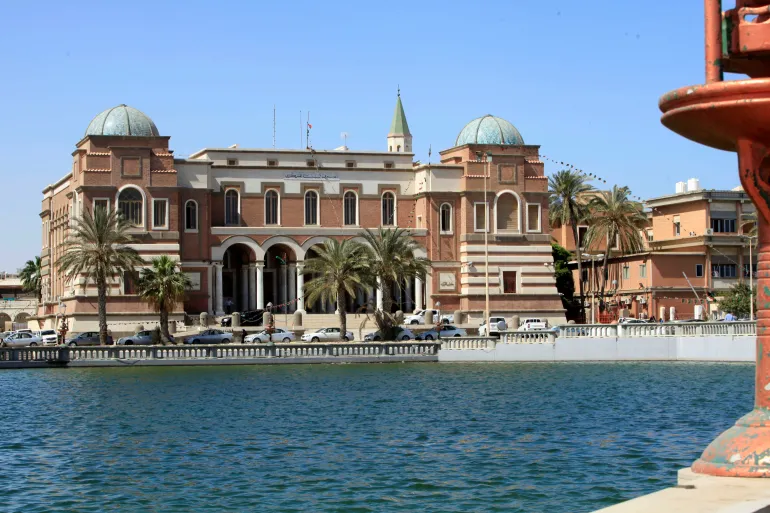
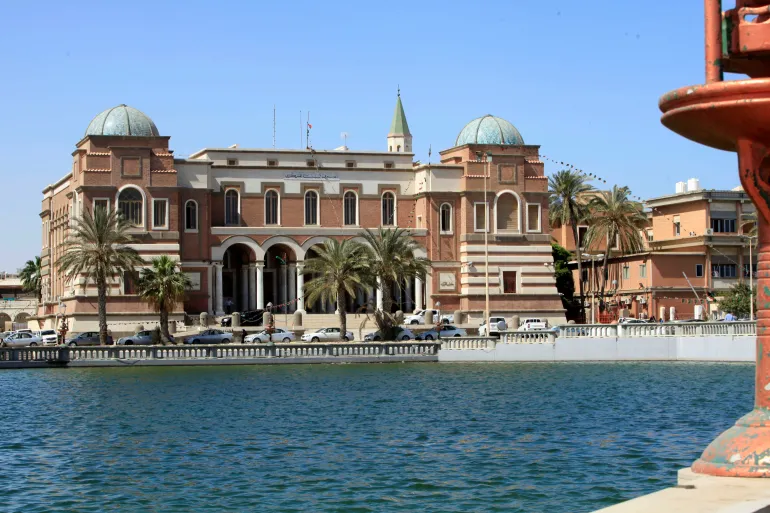
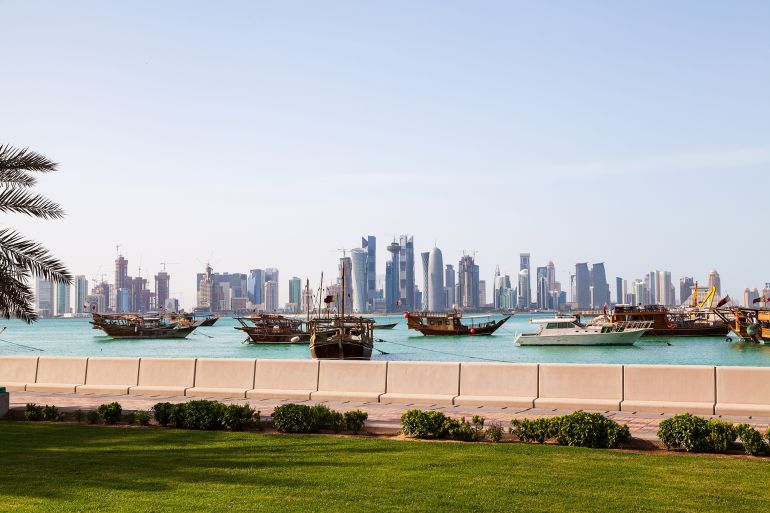
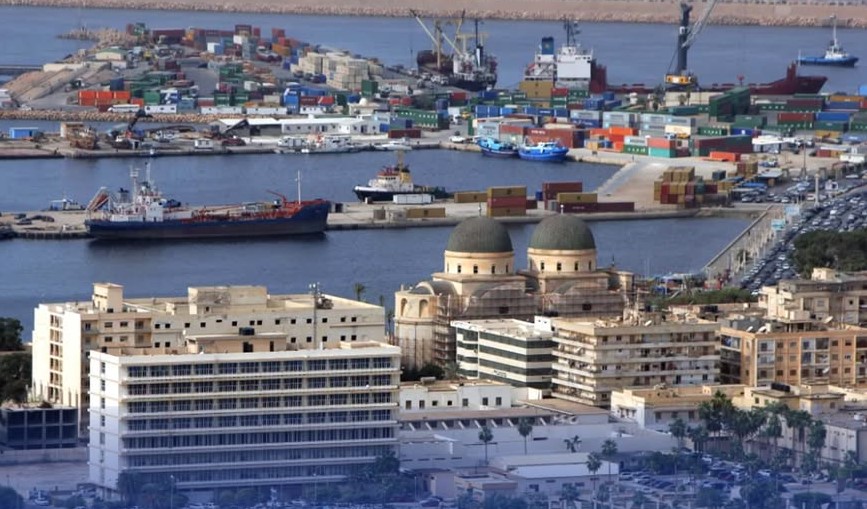
Tripoli
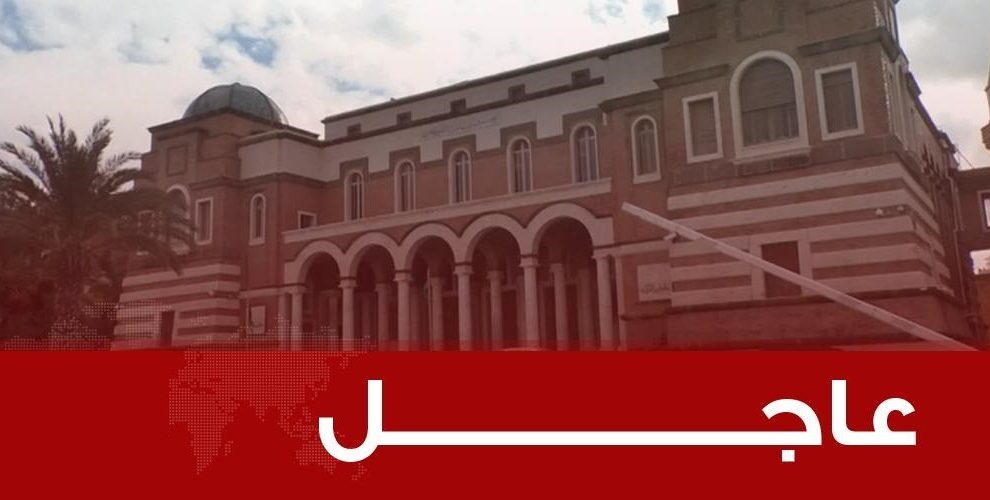
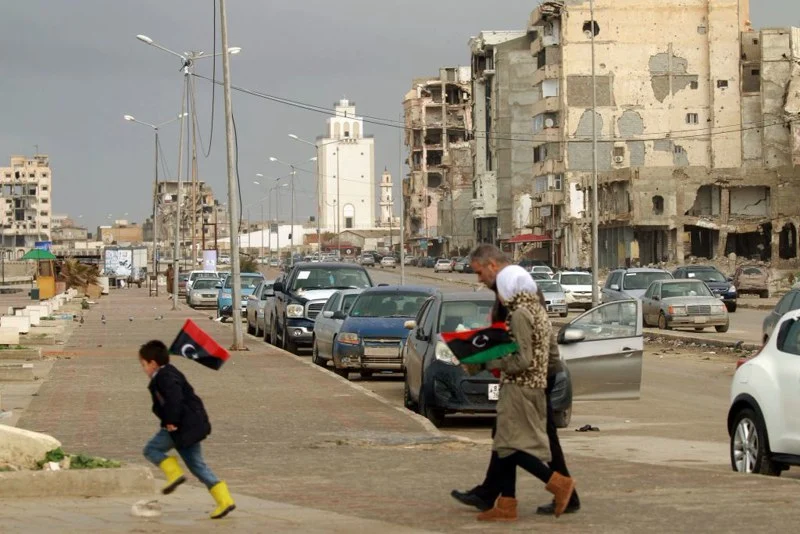
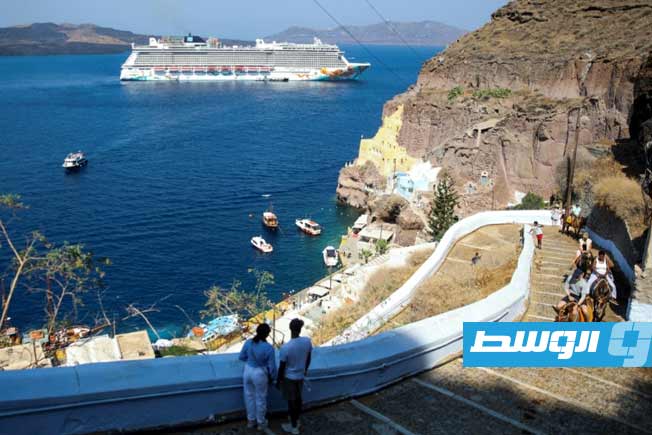
Tripoli is the capital and largest city of Libya, located on the country’s Mediterranean coast. Historically, it was founded by the Phoenicians in the 7th century BC and later became a significant part of the Roman Empire, known as Oea, before being ruled by a succession of powers including the Arabs, Ottomans, and Italians. Its historic core, the medina, features ancient architecture like the Arch of Marcus Aurelius and the Red Castle (Assaraya al-Hamra).
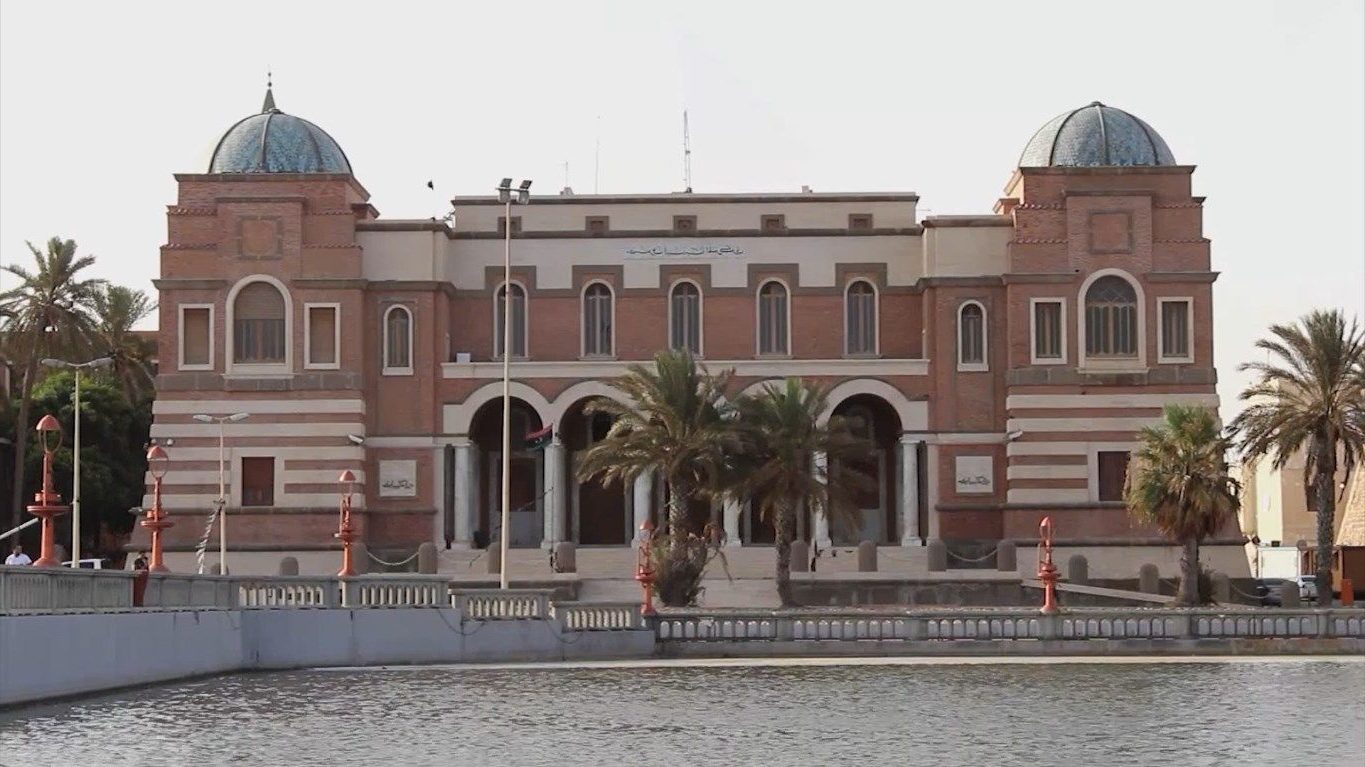
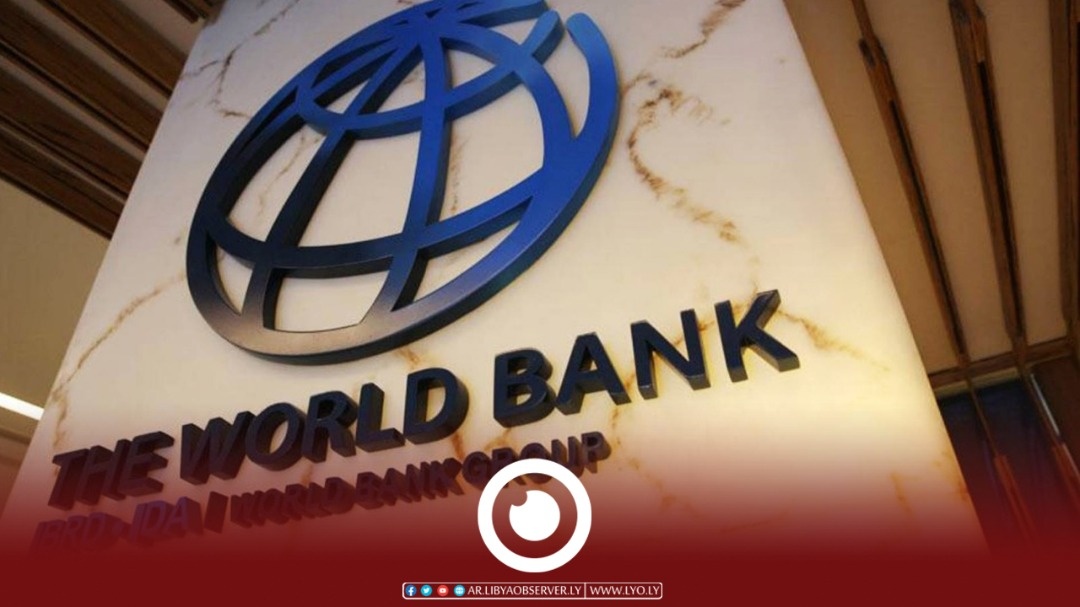
Trade and Development Bank
The Trade and Development Bank (TDB) is a multilateral, treaty-based financial institution founded in 1985 to foster trade, regional economic integration, and sustainable development across its member states in Africa. Originally established as the Eastern and Southern African Trade and Development Bank, its history reflects a mission to provide trade finance, project and infrastructure lending, and advisory services to both public and private sector actors.
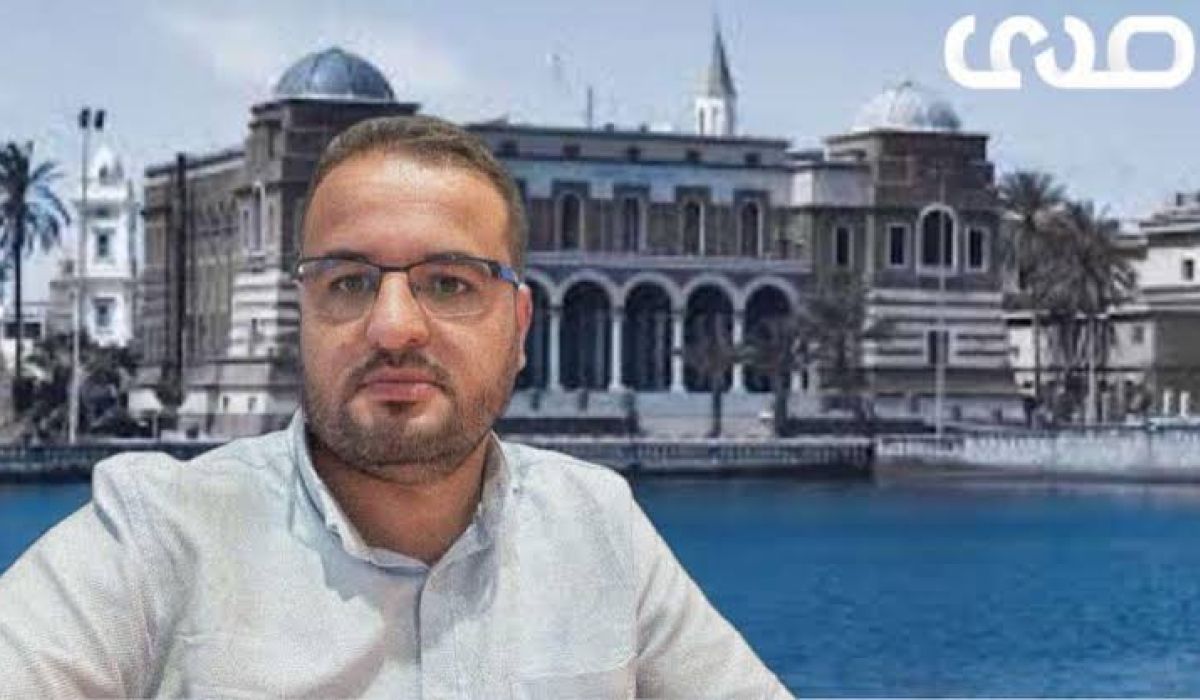
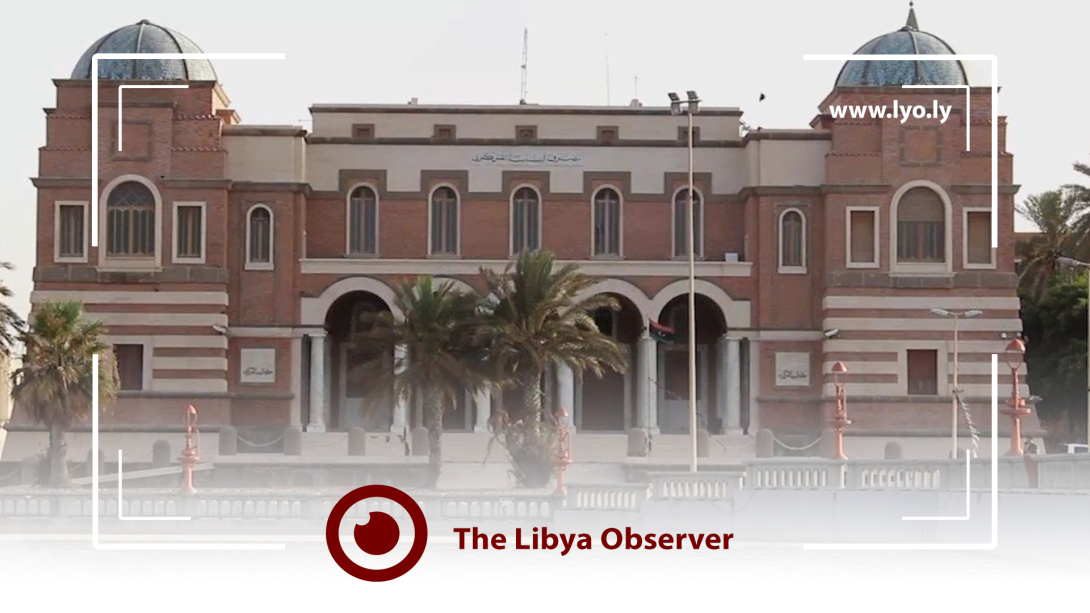
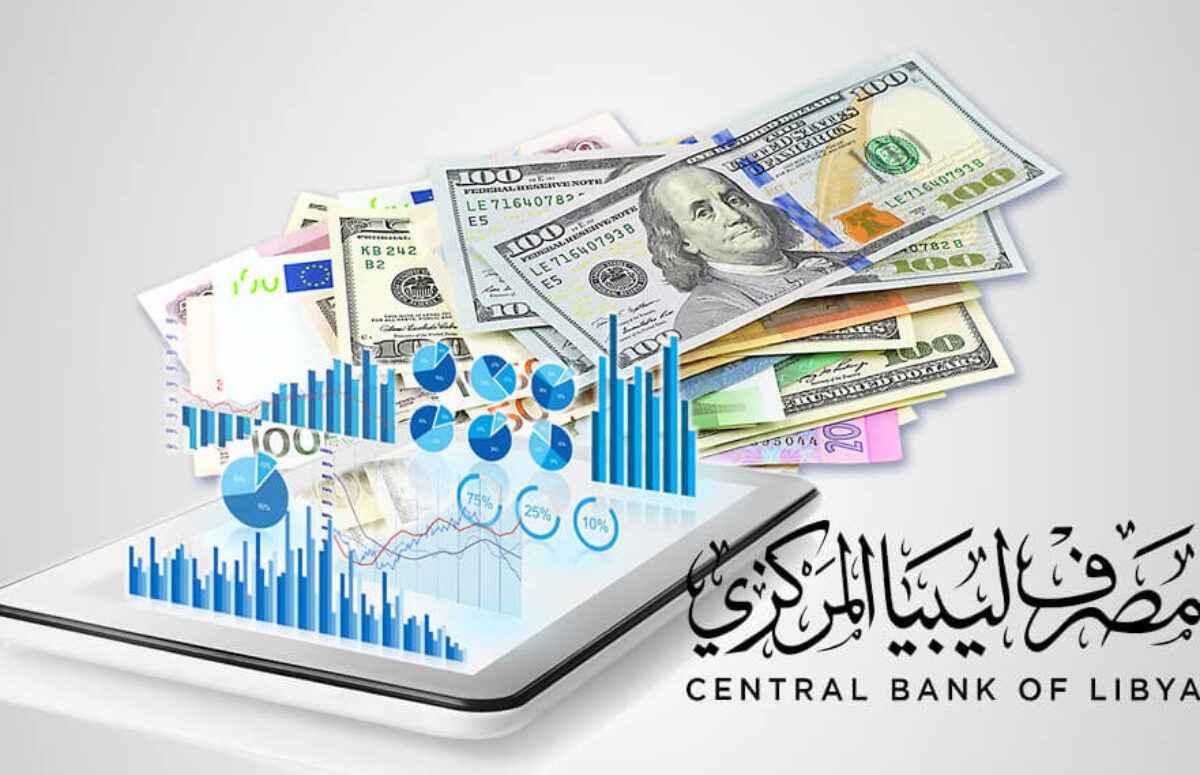
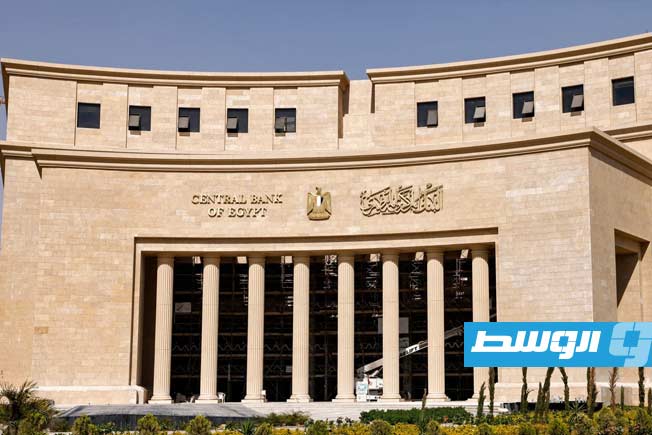
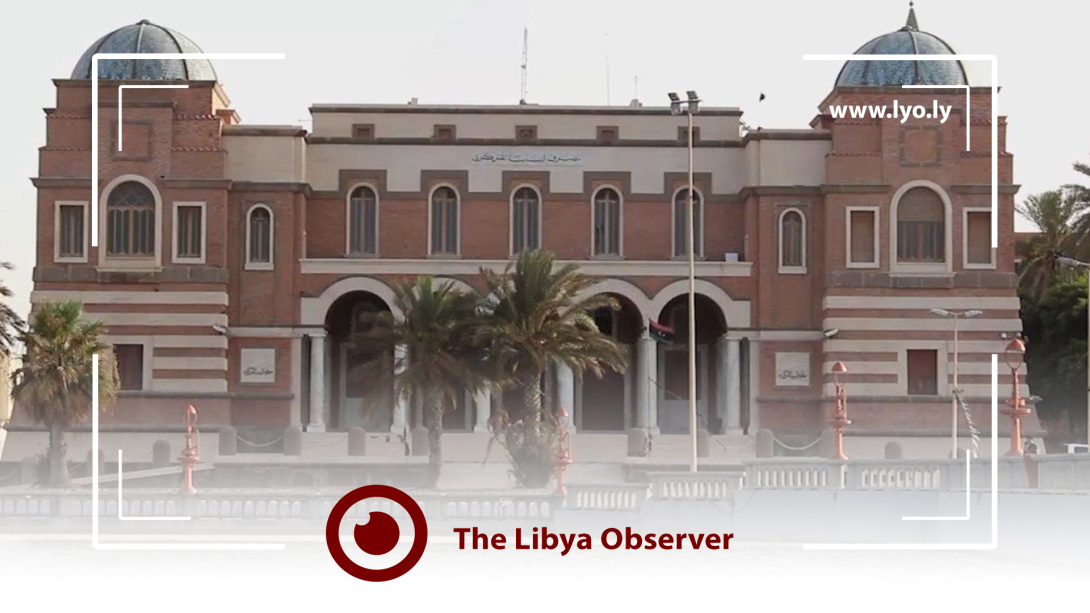
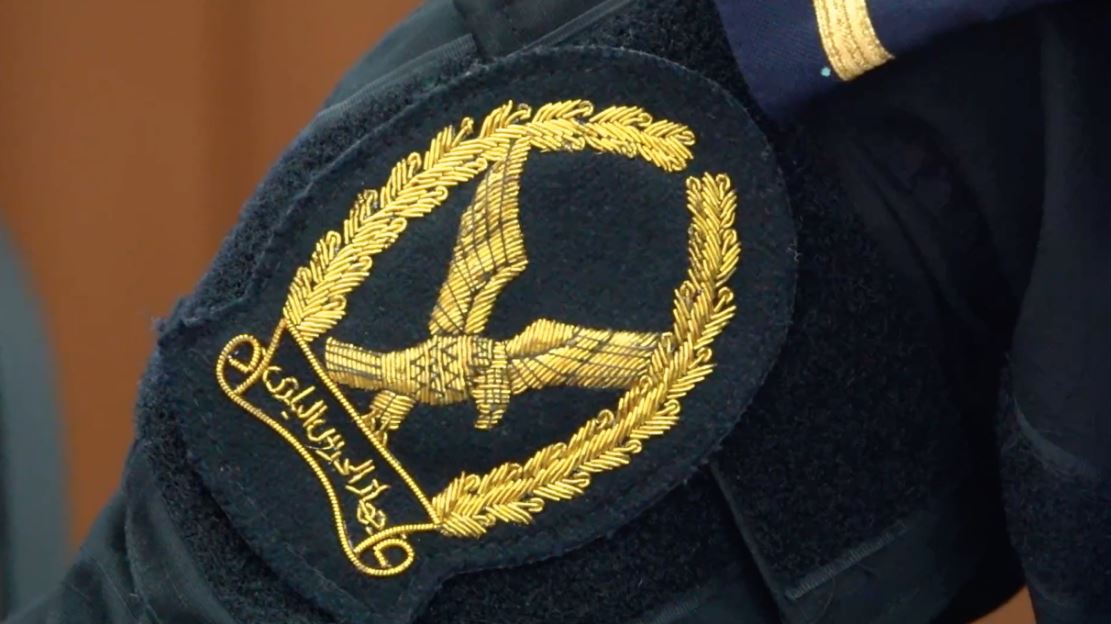
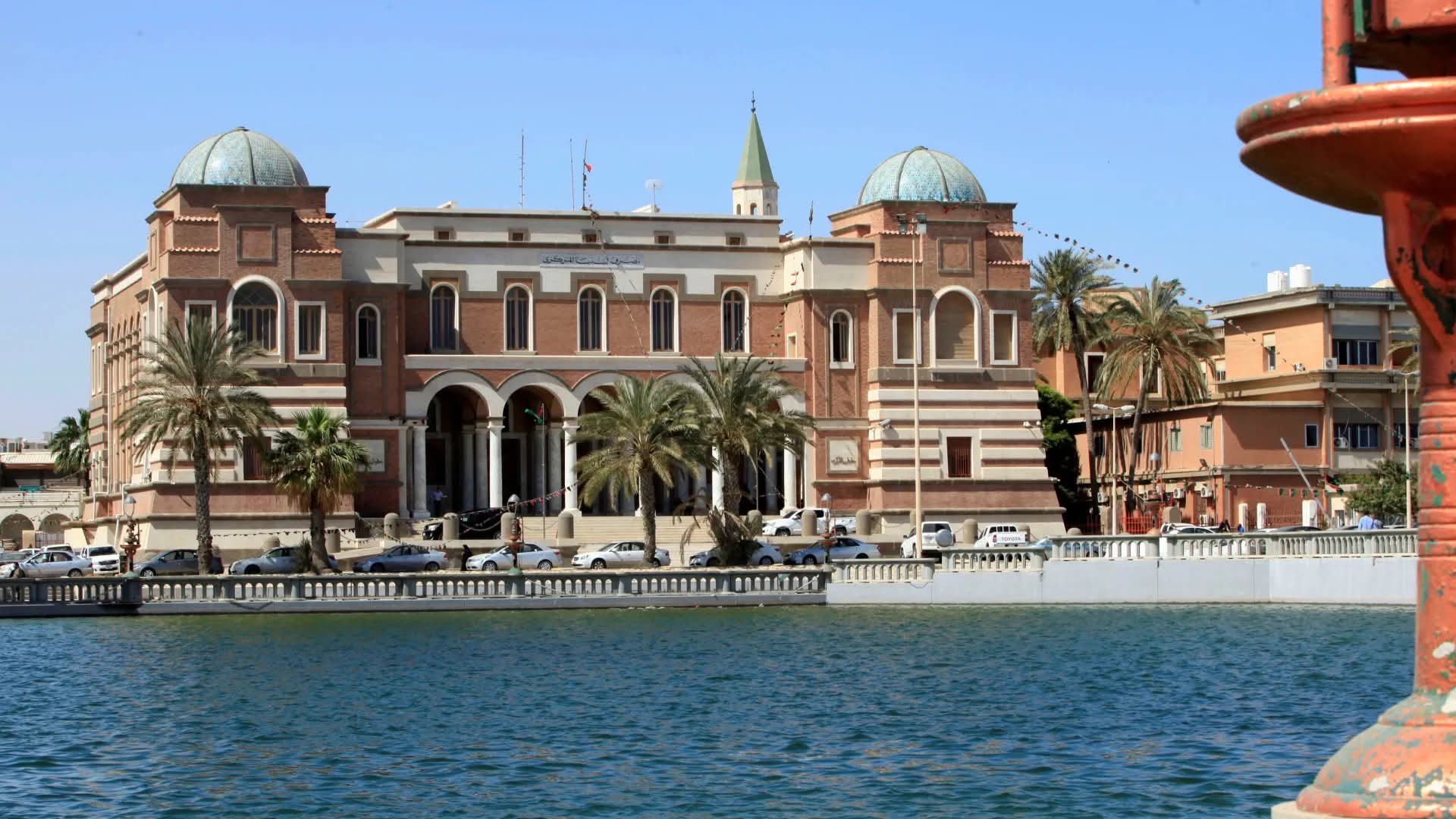
Central Bank of Libya
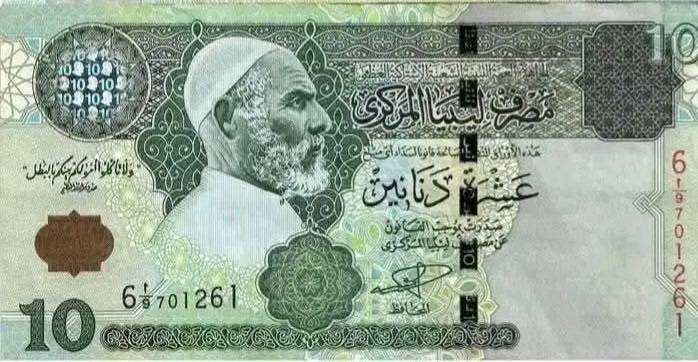
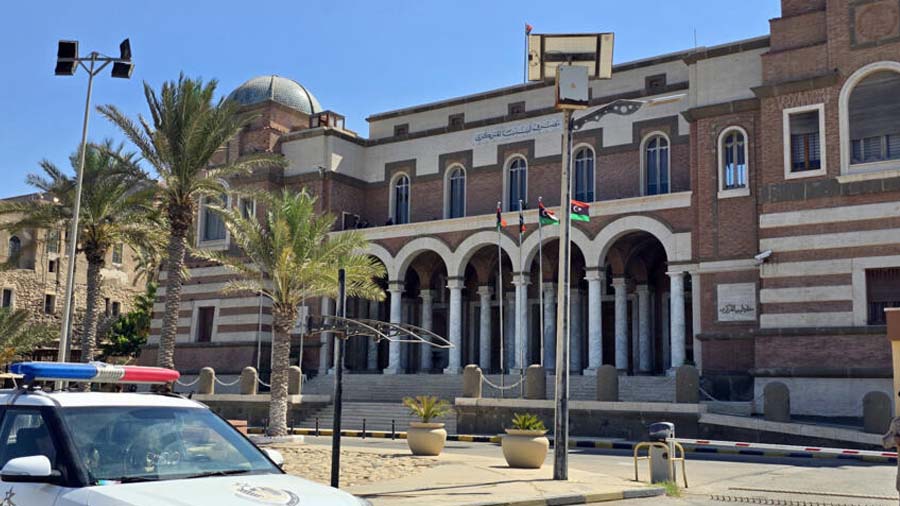
The Central Bank of Libya is the country’s primary monetary authority, established in 1956 to issue currency and manage monetary policy. It has played a critical and often divisive role in Libya’s modern history, notably during and after the 2011 civil war, when parallel institutions emerged in the east and west of the country.