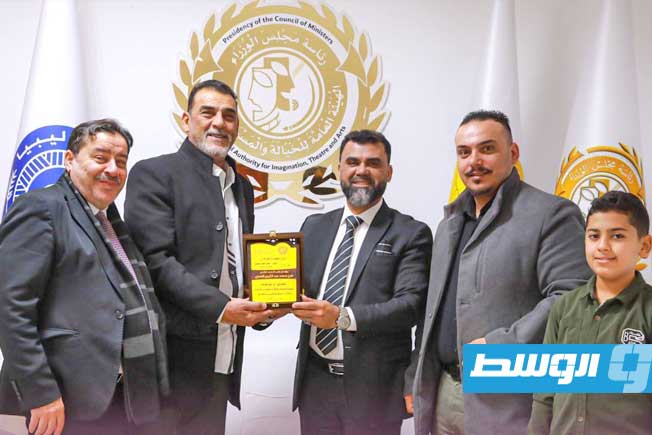
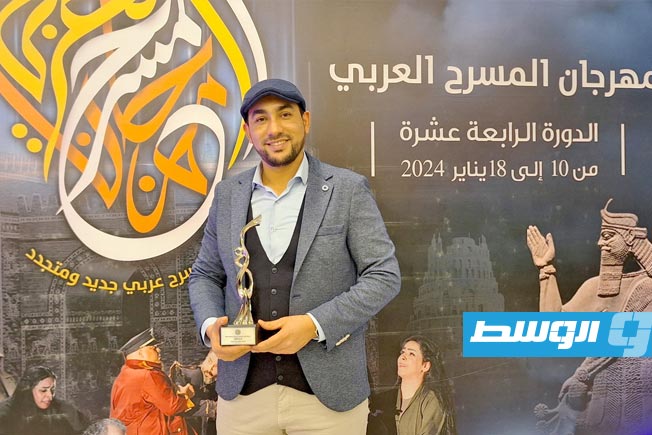
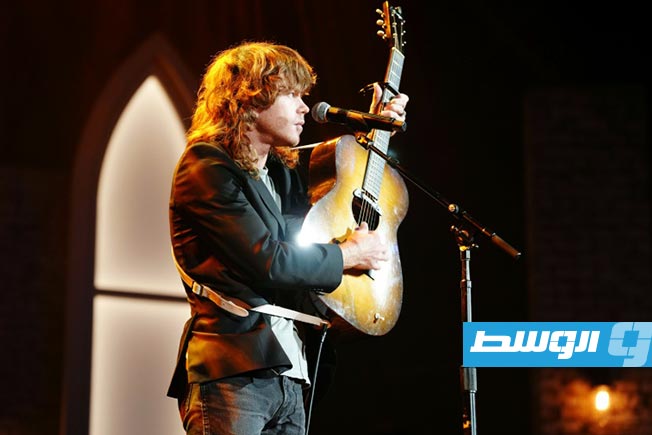
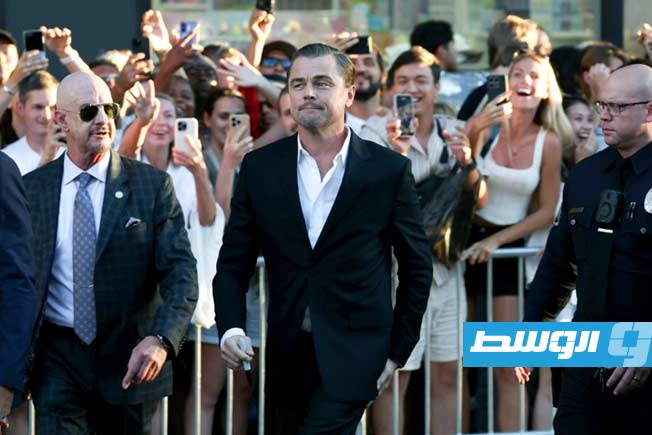
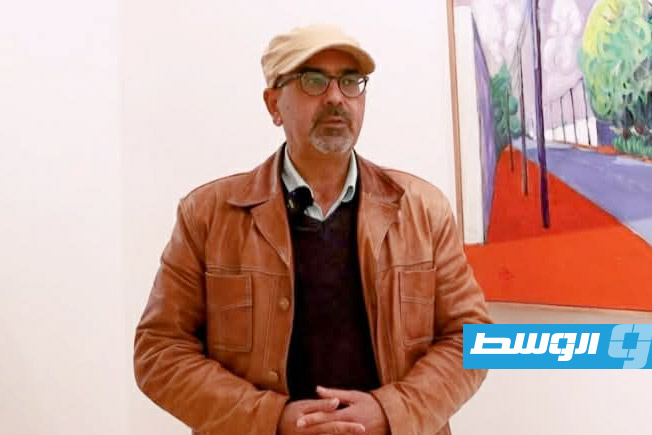
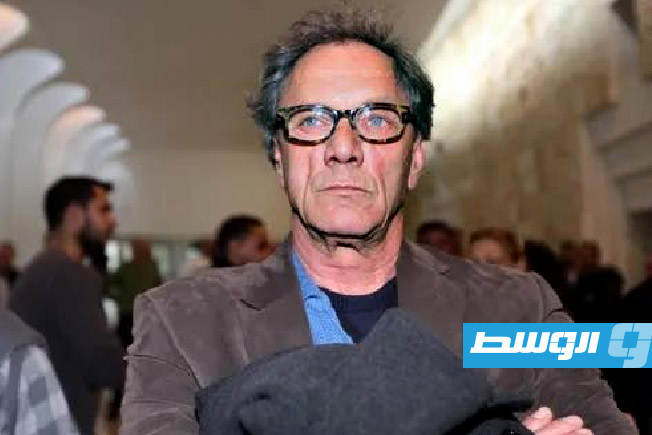
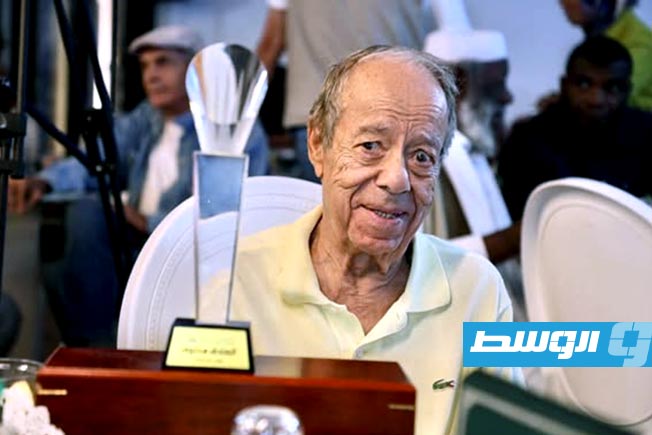
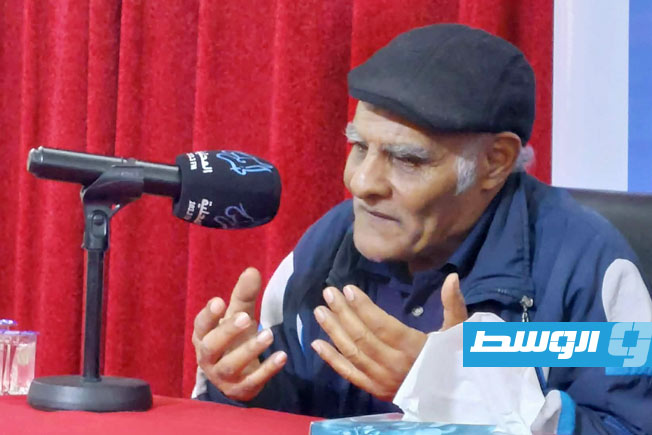
Comedian Faraj Abdelkarim honored by the General Authority for Equestrianism, Theater, and Libyan Arts in recognition of his artistic career.
libyawire.org > News > Culture > Comedian Faraj Abdelkarim honored by the General Authority for Equestrianism, Theater, and Libyan Arts in recognition of his artistic career.
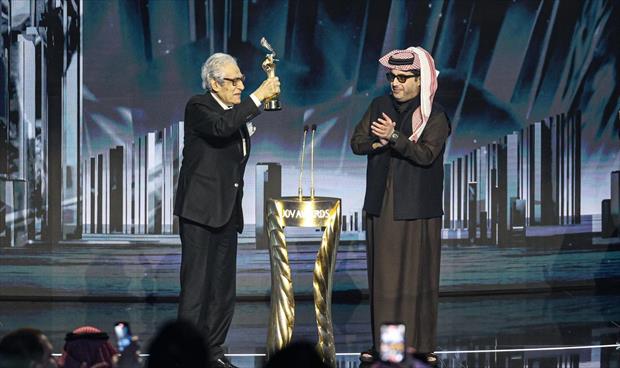
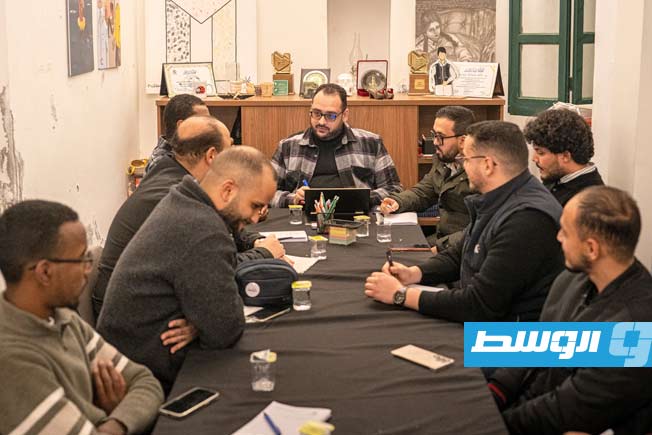
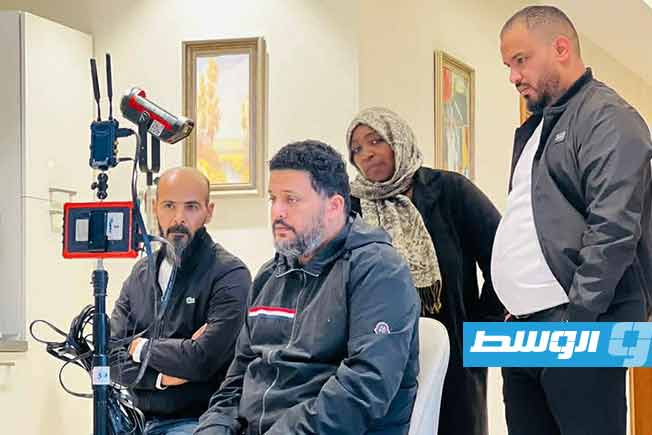
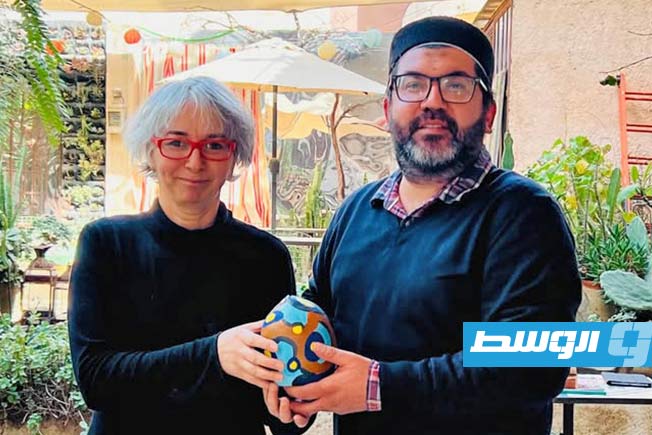
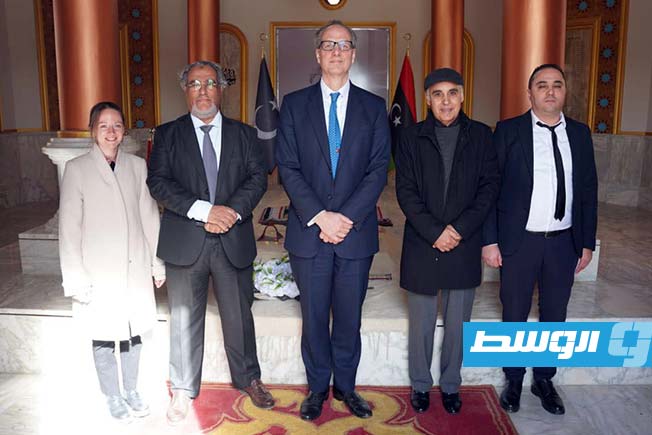
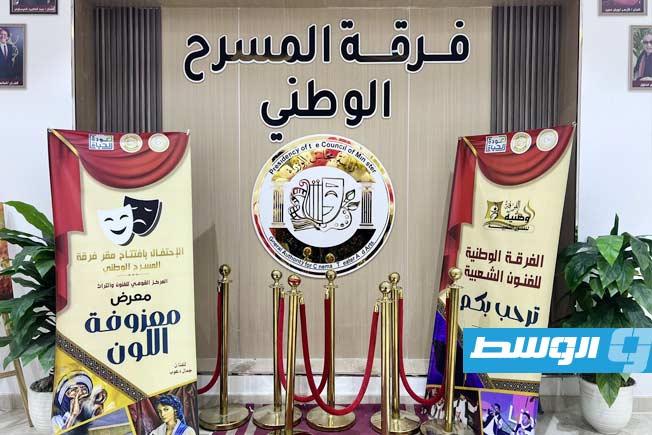
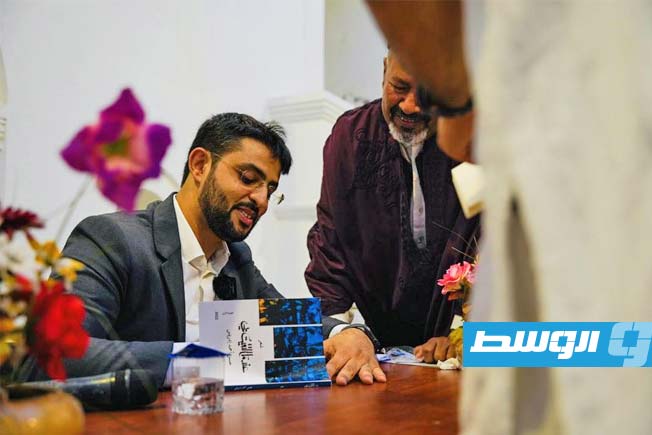
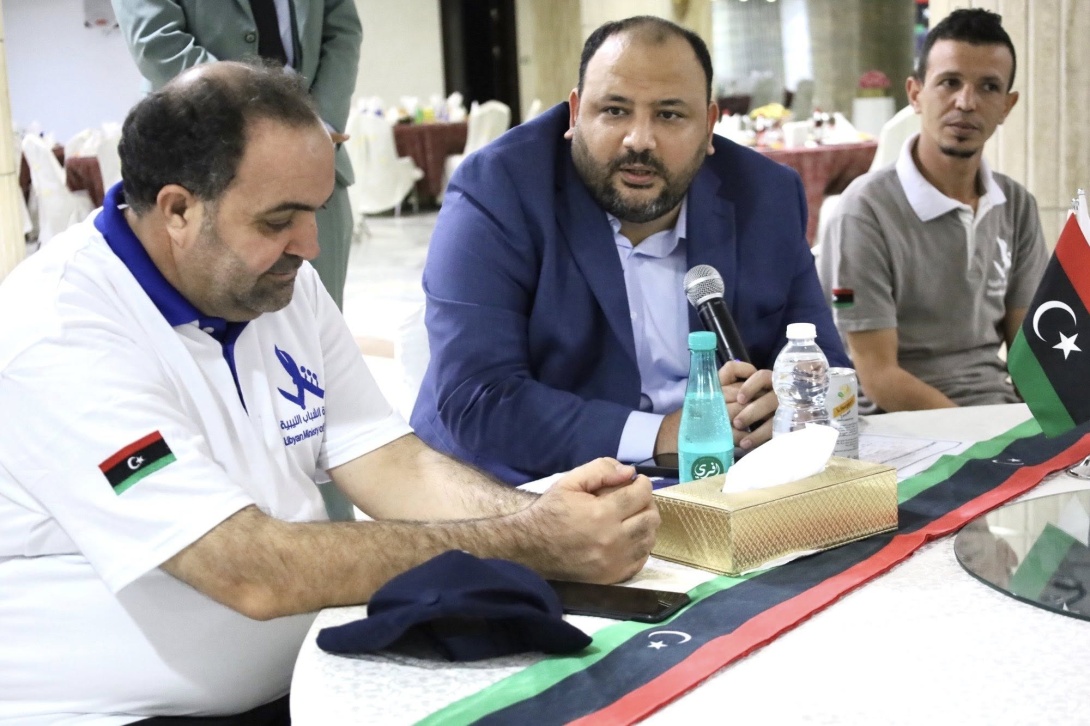
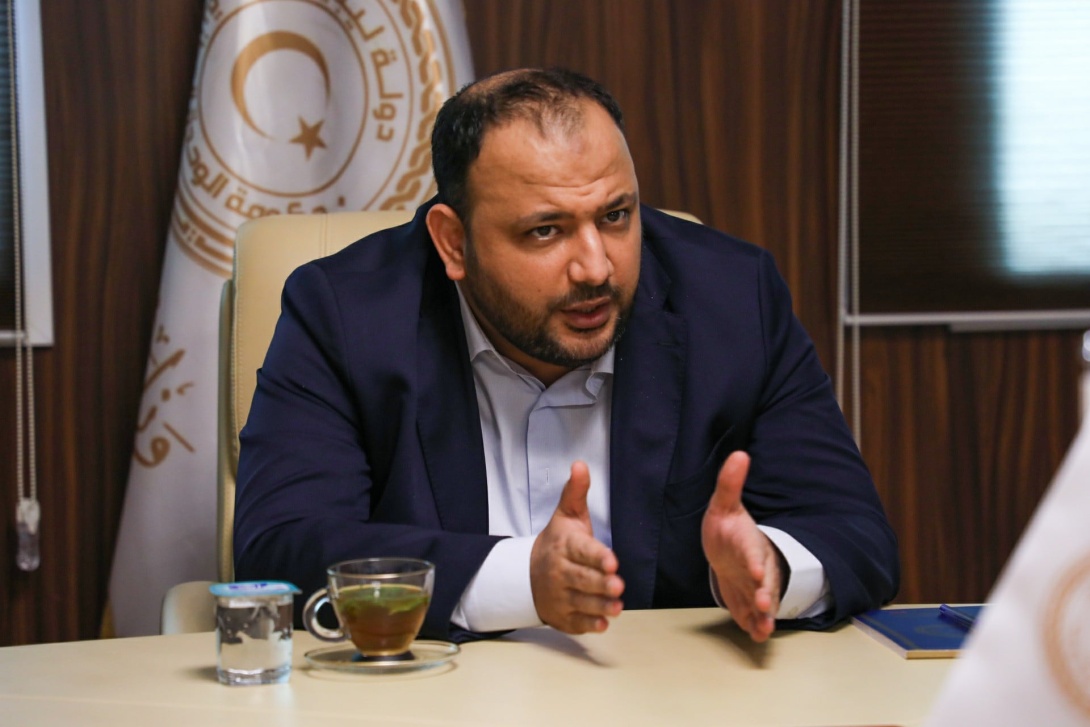
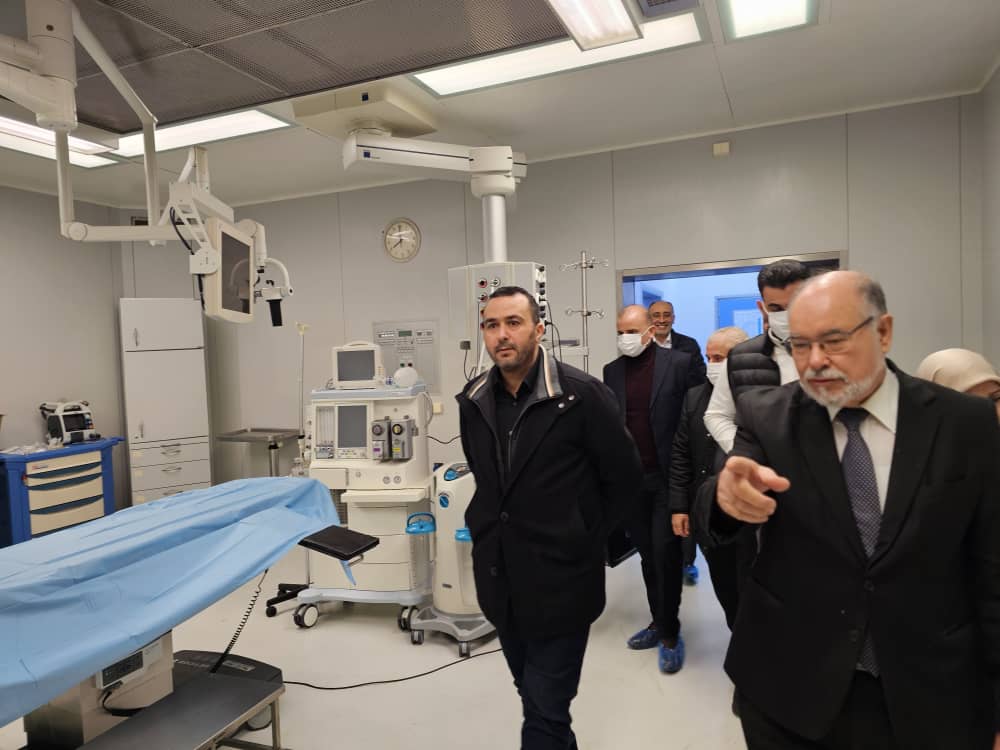
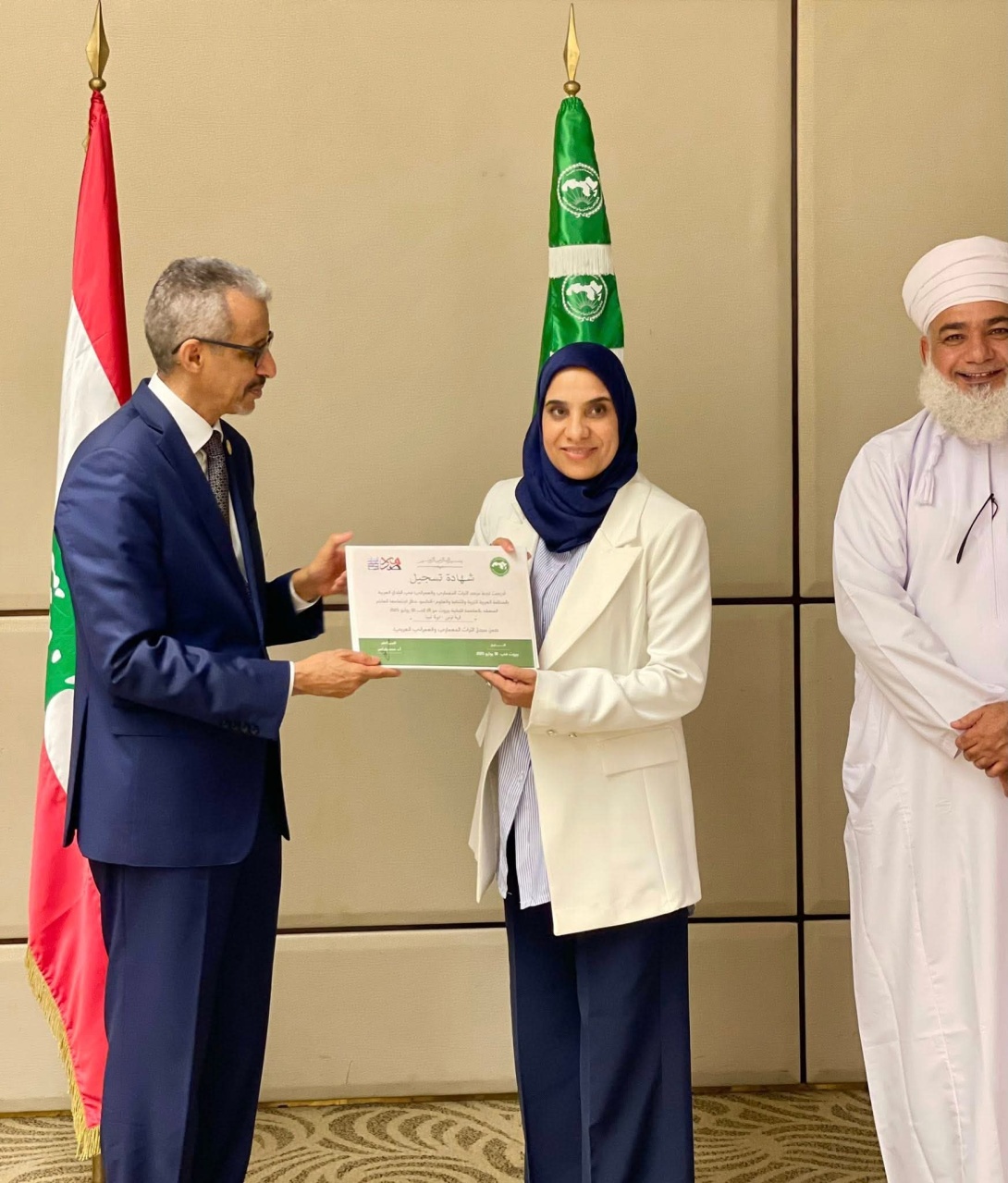
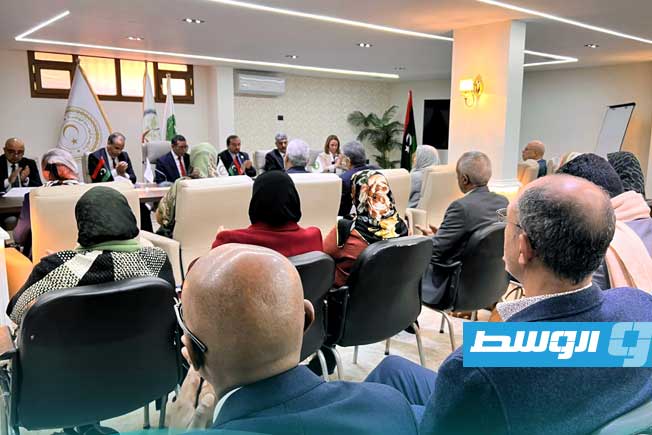
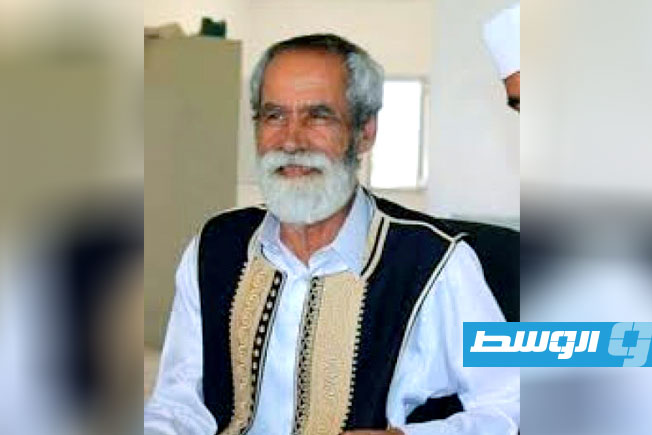
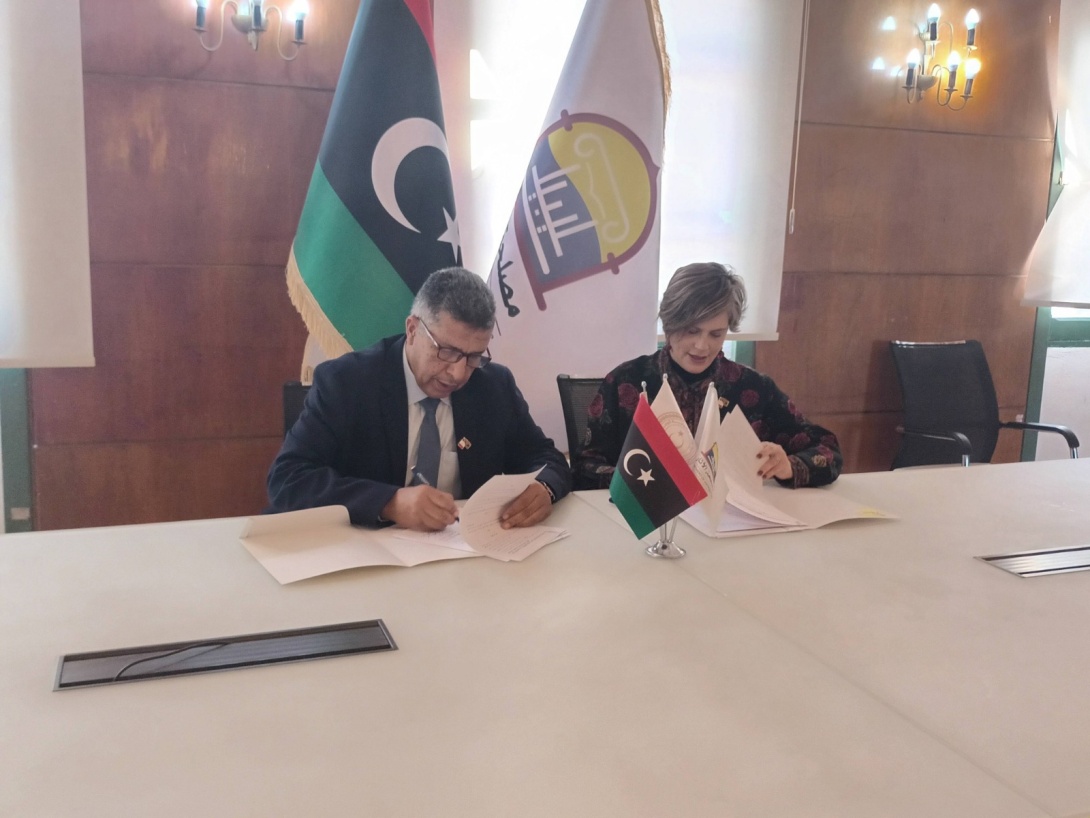
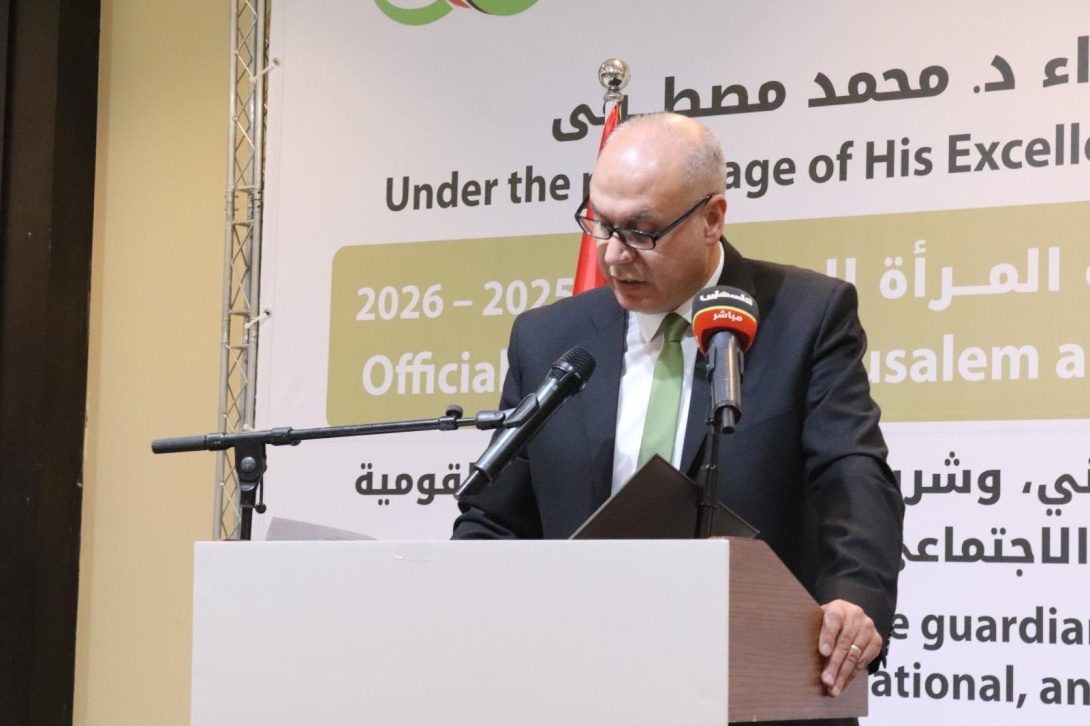
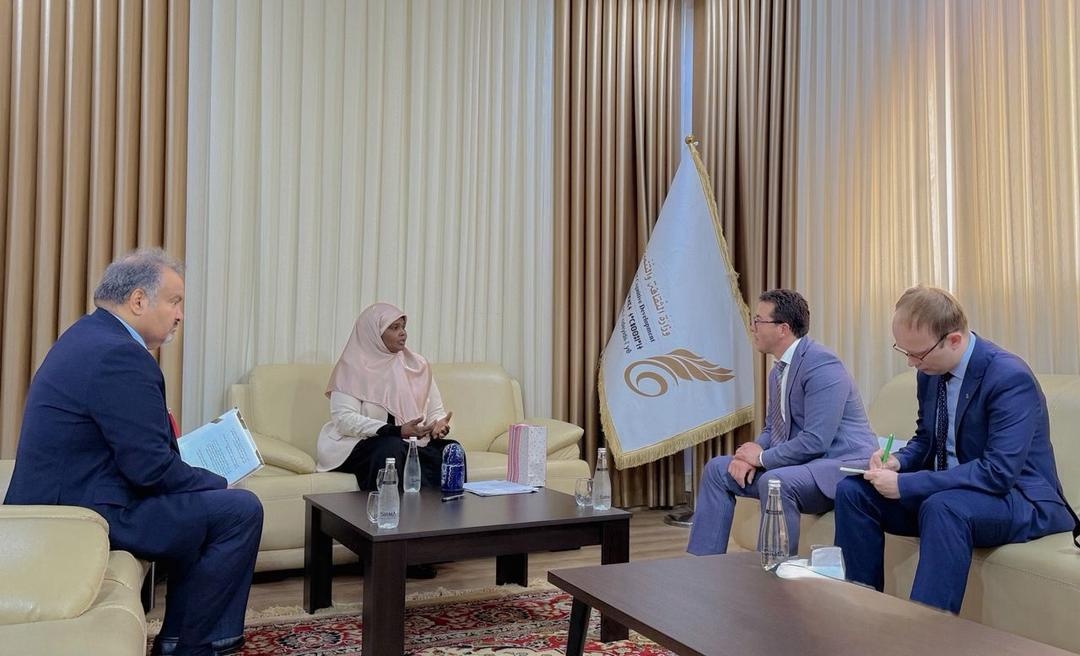
The General Authority for Equestrianism, Theater, and Libyan Arts honored the esteemed comedian Faraj Abdulkarim.
This honor is “a culmination of the artist’s extensive career and his contributions to enriching the artistic scene,” and “the pivotal role he played in establishing the concept of purposeful comedy.”
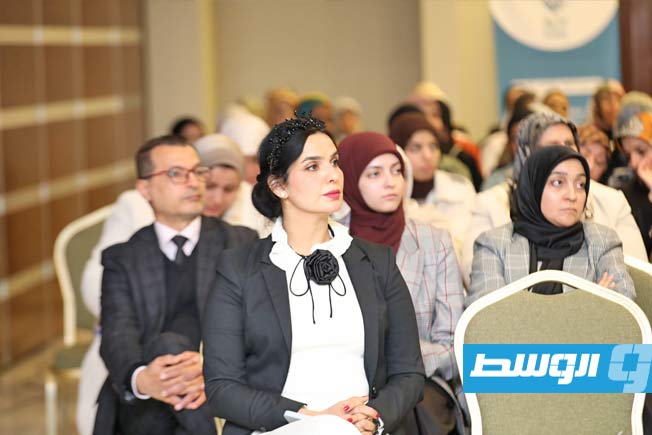
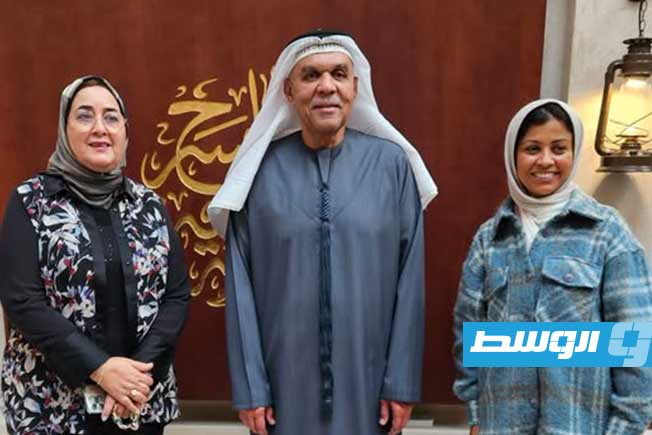
During the honoring ceremony, a speech was delivered which emphasized that “celebrating artistic figures is not merely a duty, but a national strategy to support creativity and ensure the continuity of giving.”
–
–
–
It was clarified that “honoring pioneers of art, such as Faraj Abdul Karim, represents an incentive to continue and a source of inspiration for the rising generations” in the fields of theater and various arts, reaffirming a commitment to support everything that enhances the status of art as a driving force for expression and artistic development, and that there will be artistic productions and fruitful cooperation with major artistic figures.
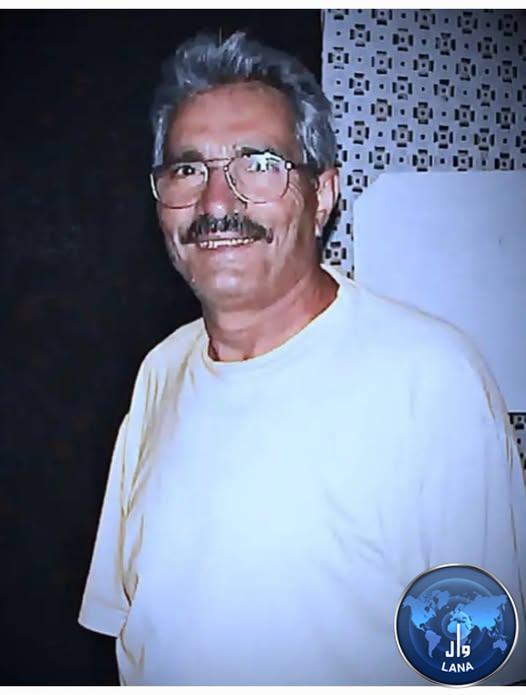
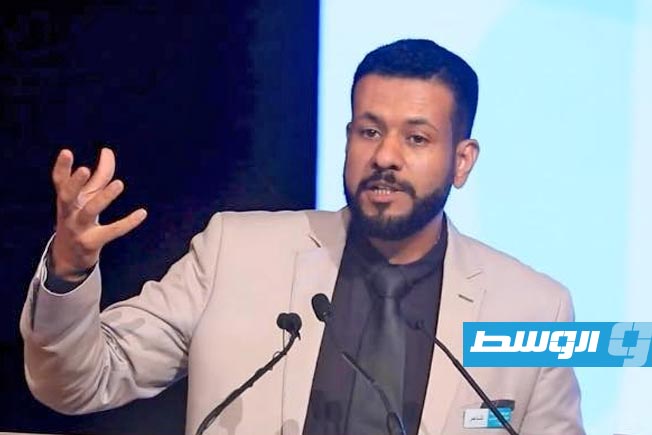
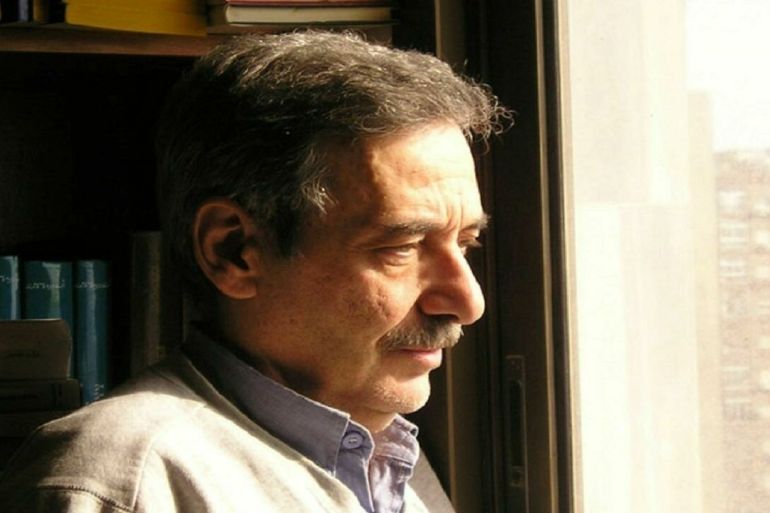
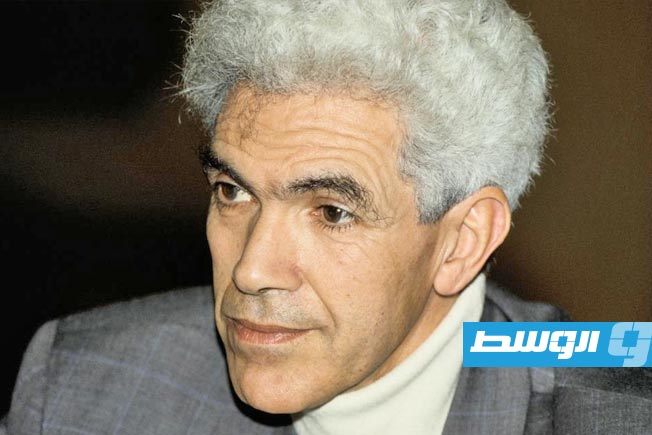
Comedian Faraj Abdulkarim
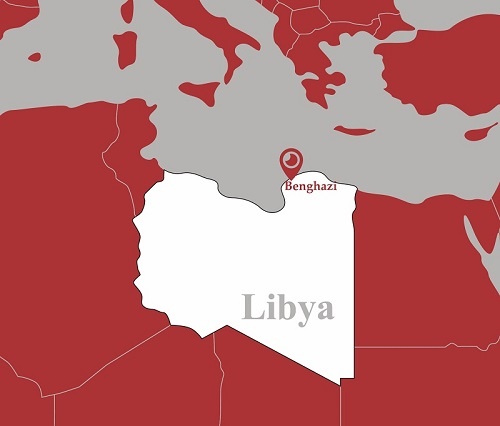
It is noted that the artist Faraj Abdulkarim is a theater and television actor and director, born in the city of Benghazi in 1971. He graduated from the Radio and Television department at the university in Benghazi, and his artistic career has been filled with many distinguished works, including: “The Talk is Done,” the Ramadan comedy “The Nightingale’s Poetry,” and “Hadrazy” with its extended parts.
His theatrical works include: “The Governor, the Cafe Owner,” “Gypsies are Gypsies,” “Women’s Talk,” “The Game of the Sultan and the Vizier,” “The Wall,” and the play “Goodness Increased.”
His radio series include: “The Pulse of Language,” and “The Sun Has Risen.”
The General Authority for Equestrianism, Theater, and Libyan Arts
The General Authority for Equestrianism, Theater, and Libyan Arts is a cultural institution in Libya that promotes traditional and contemporary Libyan arts, with a specific focus on equestrian heritage and theatrical performance. It was established to preserve and develop Libya’s cultural identity, particularly following the country’s independence, by organizing events, festivals, and educational programs related to these fields.
Faraj Abdulkarim
Faraj Abdulkarim is not a known place or cultural site. It appears to be a personal name, likely of an individual, and therefore does not have a history as a location or cultural landmark.
Benghazi
Benghazi is a major city in eastern Libya, historically significant as a key Mediterranean trade hub dating back to ancient Greek times when it was founded as Euesperides. It later served as a joint capital of Libya after independence and was a focal point of the 2011 uprising.
The Talk is Done
“The Talk is Done” is a contemporary public art installation located in an unspecified urban setting, designed to symbolize the end of dialogue and the beginning of action on social issues. Its history is rooted in 21st-century activist art movements, created to provoke public reflection on communication breakdowns and societal change.
The Nightingale’s Poetry
“The Nightingale’s Poetry” is a cultural site in Shiraz, Iran, which is the tomb of the celebrated Persian lyric poet Hafez. It was built in the 1930s, though the site has been a place of homage since Hafez’s death in the 14th century, and its garden and architecture reflect traditional Persian design. The location remains a major pilgrimage site for Iranians and lovers of poetry who visit to reflect and recite his works.
Hadrazy
Hadrazy is a historical site located in the Czech Republic, known for its well-preserved medieval castle ruins. The castle dates back to the 13th century and served as a strategic fortification during regional conflicts before falling into disrepair after the Thirty Years’ War. Today, it is a protected cultural monument offering visitors a glimpse into the area’s feudal past.
The Governor, the Cafe Owner
“The Governor, the Cafe Owner” is a historic cafe located in the heart of Prague, Czech Republic. It was established in 1902 and became a famous meeting place for artists, writers, and intellectuals, including Franz Kafka, during the early 20th century. The cafe retains much of its original Art Nouveau decor and continues to operate as a popular cultural landmark.
Gypsies are Gypsies
“Gypsies are Gypsies” is a phrase that reflects a harmful and reductive stereotype about the Romani people, an ethnic group with a diaspora originating in northern India over a thousand years ago. Historically marginalized and persecuted, Romani culture is rich and diverse, with no single defining characteristic beyond this shared heritage and experiences of discrimination.
Women’s Talk
“Women’s Talk” is a public art installation in Yerevan, Armenia, created by sculptor David Yerevantsi in 2009. It depicts a group of bronze sculptures of women engaged in conversation, symbolizing the traditional and communal role of women in Armenian society.
The Game of the Sultan and the Vizier
“The Game of the Sultan and the Vizier” is a traditional Turkish strategy board game, also known as “Sultan ve Vezir” or “Mangala,” with roots tracing back centuries to the Ottoman Empire. It is a two-player game of tactical capture and movement, historically enjoyed in coffeehouses and palaces, reflecting the social and intellectual culture of the era.
The Wall
The Wall refers to the Great Wall of China, an ancient series of fortifications built across the historical northern borders of China. Its construction began as early as the 7th century BC, with the most famous sections built during the Ming Dynasty (1368–1644) to protect against invasions. It remains a monumental symbol of Chinese engineering and perseverance.
Goodness Increased
“Goodness Increased” is a traditional Chinese cultural concept and phrase often associated with temples, ancestral halls, or charitable institutions, reflecting the Confucian and Buddhist ideal that performing good deeds accumulates merit and blessings. Historically, it has been inscribed on plaques in places of community gathering and moral teaching to encourage virtuous behavior and social harmony.
The Pulse of Language
“The Pulse of Language” is an interactive museum and cultural center dedicated to the history and evolution of human communication, with a particular focus on linguistics and writing systems. It traces the development from ancient scripts and oral traditions to modern digital language, often featuring artifacts like cuneiform tablets and printing presses. The site serves as an educational hub exploring how language shapes societies and individual thought.
The Sun Has Risen
“The Sun Has Risen” is a monumental socialist realist sculpture located on Mount Zlatovrh in Kranj, Slovenia. Completed in 1988, it was designed by the sculptor Stojan Batič to symbolize the victory of the Yugoslav Partisans and the dawn of a new era following World War II. The site remains a notable, though historically complex, example of public art from the former Yugoslavia.