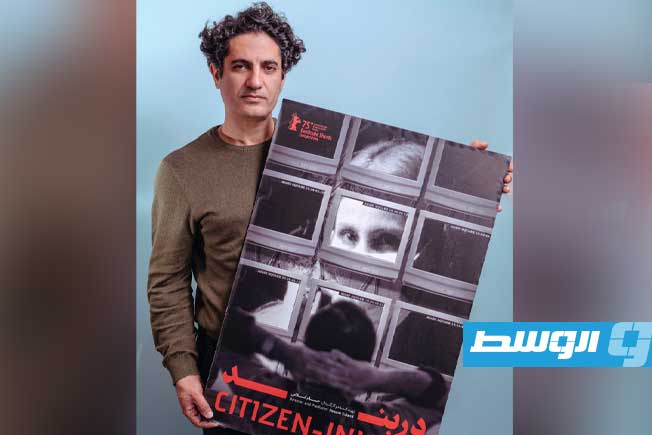
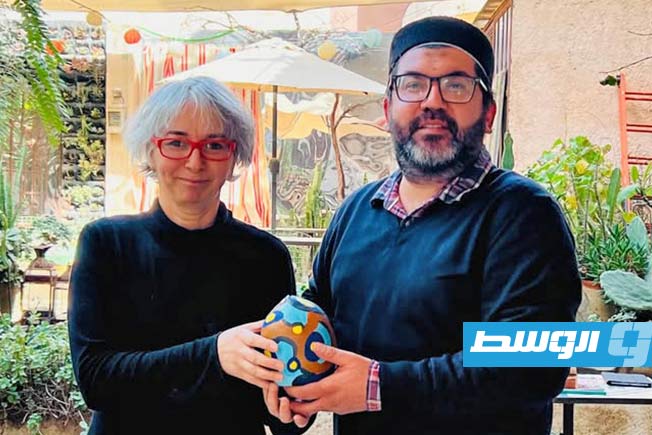
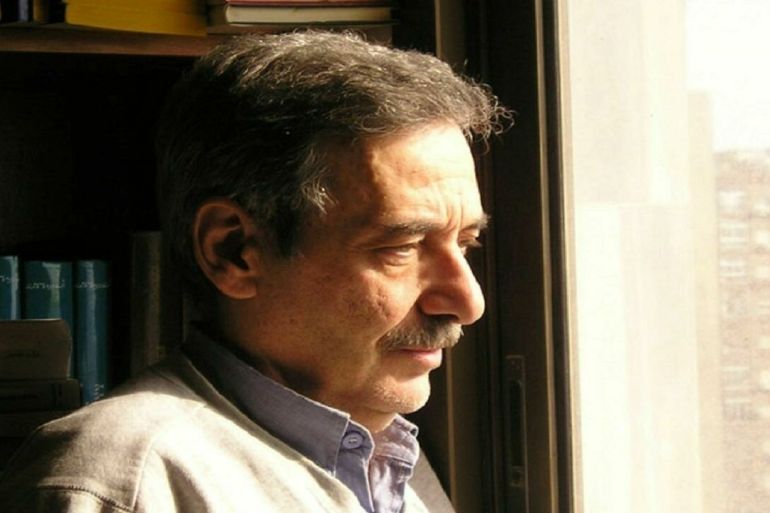
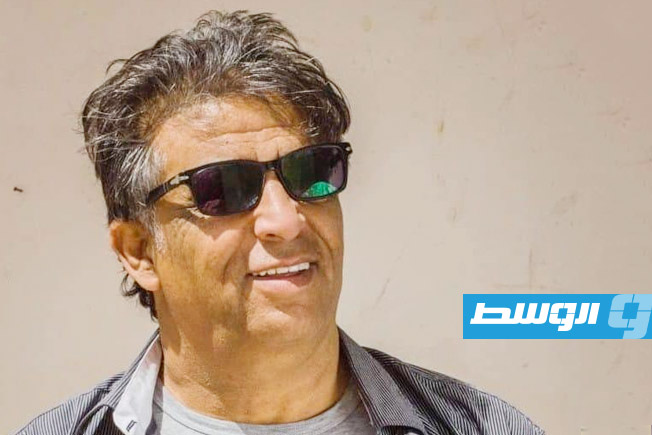
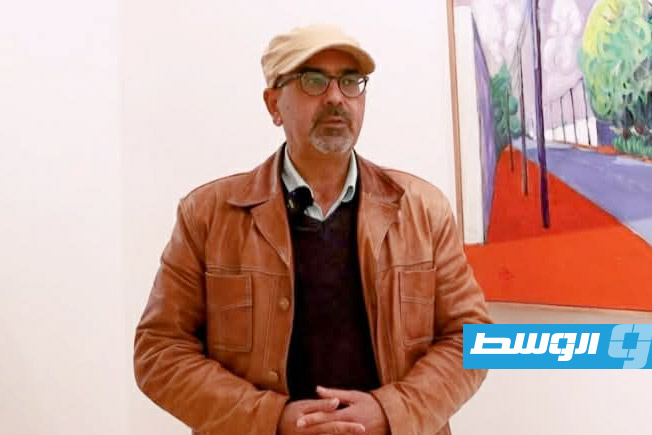
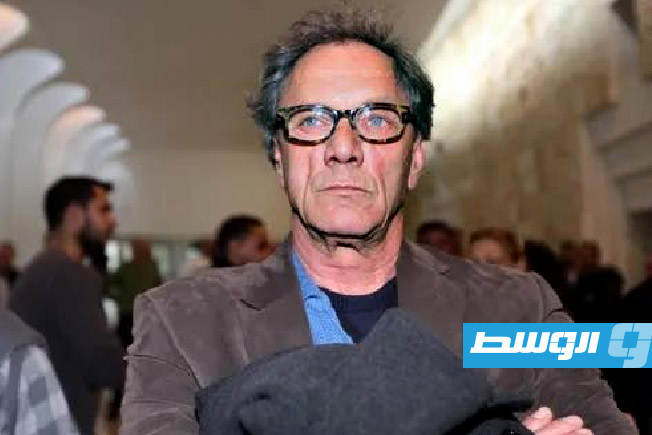
An Iranian director holds a poster for his short documentary “Restricted Citizens” during the Berlin Short Film Festival on February 17, 2025. (Festival Website)
Through the film “Restricted Citizens,” which was screened at the “Biarritz” documentary festival concluding its events this Saturday in southwestern France, an Iranian director questions how “the state controls its citizens” in Iran.
The short film, originally known as “Darband,” was first shown at the 2025 Berlin International Film Festival. It is the fourth work by the 43-year-old director, who resides in Tehran and has spent years studying the lives of marginalized groups in Iranian society.
In an interview, the director explained that the film’s theme was inspired by the widespread crackdown on the 2022 protest movement and is closely linked to recent demonstrations.
The film deals with the surveillance system used to monitor individuals under house arrest using “electronic monitoring bracelets.” The director points out that three years ago, the system announced it would use technology to identify violations of the hijab ban via cameras, which later turned out to be “just a trick” and that Iran does not possess this technology. However, he believes the idea of living in a world “where you are under constant surveillance” remains a “terrifying” idea.
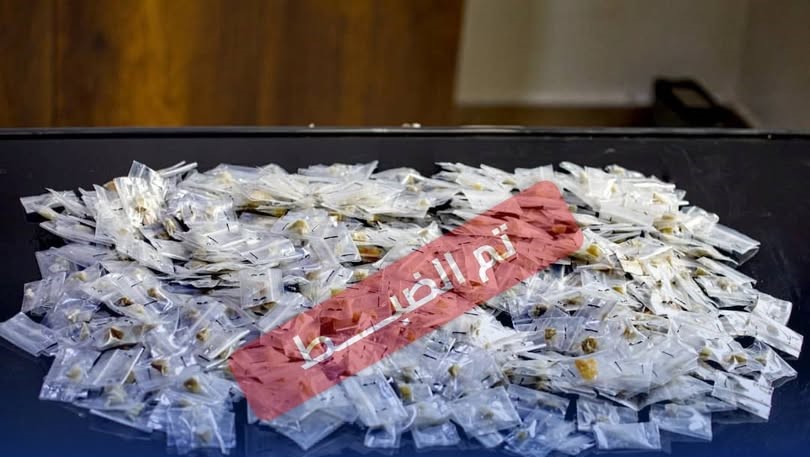
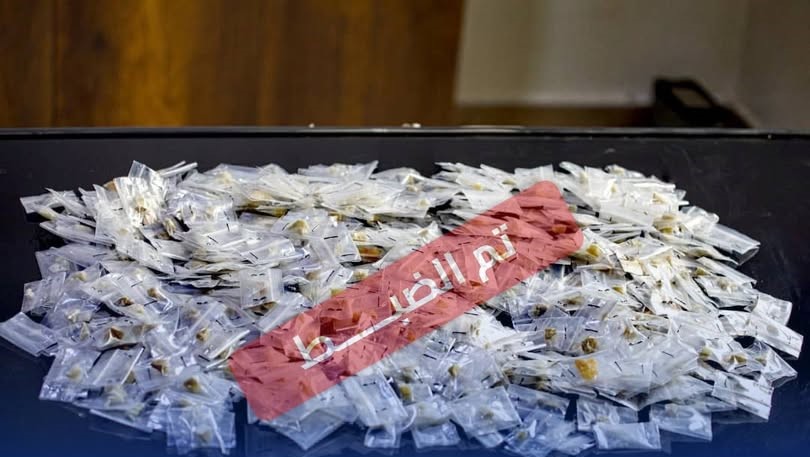
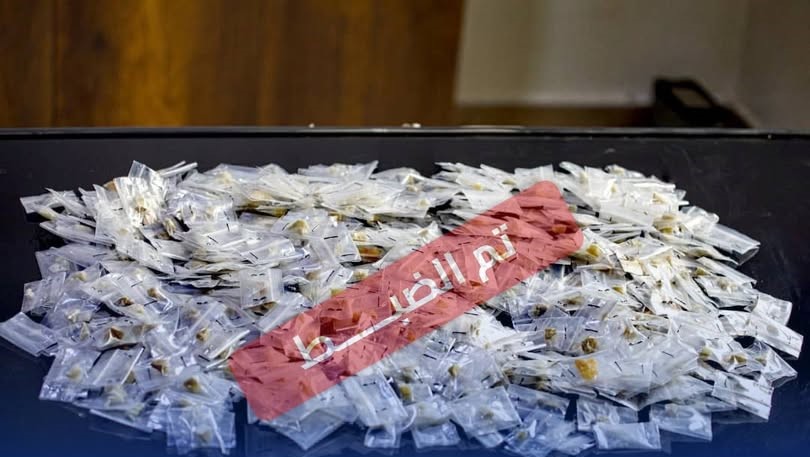
The director also focused on a remote control and monitoring center for these bracelets in Tehran, where he obtained a permit to film for two days. The film shows convicted prisoners fitting their electronic bracelets, with the prohibited areas for them clarified, amidst technical problems that sometimes cause the bracelets to vibrate for hours.
The guard is also monitored
The director believes that the employee or guard who appears before his lens “has no power,” receives a meager salary, and is under immense pressure, describing him as “more like a prisoner,” which the film’s title alludes to by suggesting the monitor is “also a prisoner.”
–
–
–
The director confirms that he did not face major difficulties in screening this critical documentary, mixed with black humor, outside Iran. Despite the “severe repression” practiced against filmmakers, he believes the biggest obstacle lies in “screening” films inside the country, whereas filming them and sending them to international festivals is not complicated.
He cites works such as “Just an Accident” and “Tehran Taxi,” and the film “The Holy Fig Tree,” explaining that obtaining filming permits is sometimes possible by writing different justifications for the authorities, commenting: “I’m not saying we are skilled at lying, but we are used to it.”
Restricted Citizens
“Restricted Citizens” is a conceptual art installation by Chinese artist and activist Ai Weiwei, first exhibited in 2017. It consists of portraits made from LEGO bricks of individuals who have been detained, exiled, or otherwise persecuted for their political activism or beliefs around the world. The work serves as a direct critique of global human rights abuses and the suppression of free speech.
Biarritz
Biarritz is a coastal resort town in southwestern France, historically a small whaling village until it gained international fame as a fashionable seaside destination in the mid-19th century after frequent visits by Empress Eugénie, wife of Napoleon III. Its elegant architecture, grand hotels like the Hôtel du Palais, and renowned surf beaches have solidified its status as a luxury vacation spot.
Berlin Short Film Festival
The Berlin Short Film Festival, founded in 2006, is an annual international event dedicated to showcasing short films from emerging and established filmmakers. It has grown into a significant platform for cinematic innovation, offering competitions, screenings, and networking events that highlight diverse storytelling and artistic techniques.
Iran
Iran, historically known as Persia, is home to one of the world’s oldest continuous civilizations, with a rich history of empires dating back to the Achaemenids in the 6th century BCE. Its cultural landscape is marked by significant sites like Persepolis, the intricate architecture of Isfahan’s Naqsh-e Jahan Square, and its profound influence on art, poetry, and science throughout history. Today, it is a nation where ancient traditions and a modern Islamic republic coexist.
France
France is a country in Western Europe with a rich history dating back to ancient Gaul, later evolving through monarchy, revolution, and empire into a modern republic. It is globally renowned for its influential art, philosophy, cuisine, and landmarks like the Eiffel Tower and the Palace of Versailles.
Darband
Darband is a historic neighborhood and recreational area located in northern Tehran, Iran, nestled in the foothills of the Alborz Mountains. Its history dates back centuries, serving as a gateway and resting point on the ancient route from Tehran to the Caspian Sea, and it remains a popular destination for its traditional teahouses, hiking trails, and scenic mountain views.
Berlin International Film Festival
The Berlin International Film Festival, commonly known as the Berlinale, is one of the world’s leading public film festivals, founded in 1951 in West Berlin. It was initiated as a “showcase of the free world” during the Cold War and has since grown into a major cultural event, renowned for its focus on political and arthouse cinema.
Tehran
Tehran is the capital and largest city of Iran, officially becoming the national capital in 1796 under the Qajar dynasty. It serves as the country’s political, economic, and cultural center, home to significant sites like the Golestan Palace, a UNESCO World Heritage site from the 19th century.
Just an Accident
“Just an Accident” is a memorial sculpture in Berlin, Germany, created by artist Via Lewandowsky and unveiled in 2008. It commemorates the life of Benjamin “Benni” K., a young man who died in a traffic accident at that location in 2002, and serves as a public site for reflection on sudden loss and remembrance.
Tehran Taxi
Tehran Taxi is a 2015 Iranian documentary film directed by Jafar Panahi, which was filmed entirely inside a taxi as the director drives through Tehran. The movie presents a candid, slice-of-life portrait of contemporary Iranian society by capturing conversations with a diverse range of passengers. Despite being officially banned from filmmaking by the Iranian government, Panahi created this work as a subversive act of artistic expression, and it went on to win the Golden Bear at the Berlin International Film Festival.
The Holy Fig Tree
The Holy Fig Tree, also known as the Bodhi Tree, is a sacred fig tree in Bodh Gaya, India, under which Siddhartha Gautama is believed to have attained enlightenment and become the Buddha. A direct descendant of the original tree still stands at the site today, which has been a major pilgrimage destination for Buddhists for over two millennia.