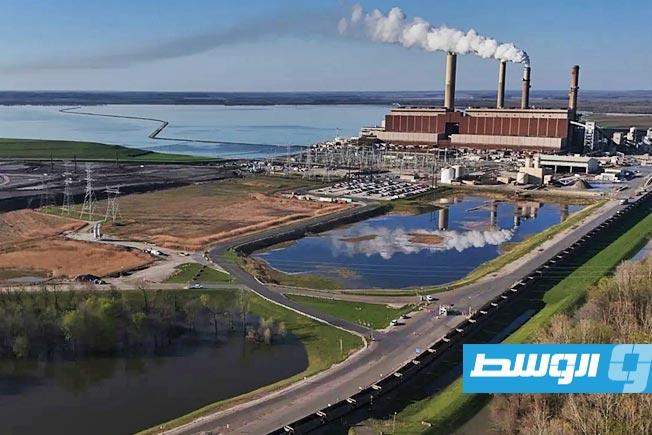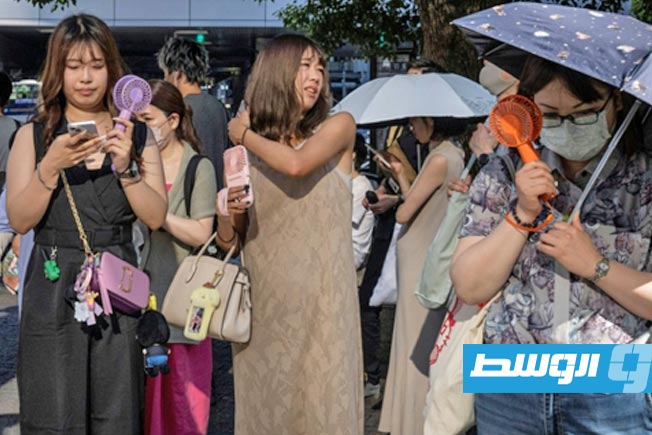
Village residents in Hebei province in northern China are finding it difficult to afford heating bills as most subsidies for gas costs are being phased out. This comes after about a decade of efforts to reduce coal use to stop the thick winter smog.
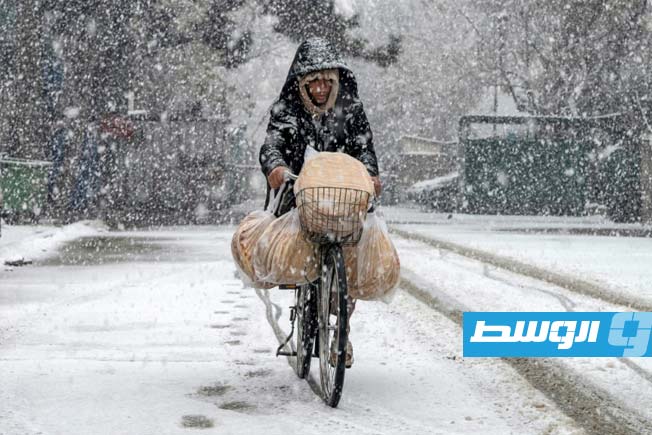
In Huoshui, an area in Hebei about 100 kilometers from Beijing, villagers said they now avoid turning on the heating because it drains their income. On the day the area was visited, the high temperature was around six degrees Celsius, while the low was minus seven degrees.
A restaurant worker said her elderly in-laws need to pay up to 7,000 yuan per year to heat their six-room house in the village. She confirmed that the annual heating bill for her city apartment is one-third of that amount.
Severe Difficulties Due to Prices
She added, “But the situation is not the same in the village,” explaining that villagers “are forced to turn the heating up very high, yet the houses still aren’t as warm as they should be, which leads to wasting gas and money.”
In one village, a seventy-year-old woman wearing a green padded jacket under an apron was crossing her outer courtyard. She said she does not turn on the heating in her house during the day and showed the control panel for the system installed above her stove, which displayed the words “Power Off.”
She added that the temperature gauge can reach 60 degrees Celsius, but she laughed when asked if the house is warm at that point.
Reports Spread on Social Media
During the first week of the new year, reports spread on Chinese social media stating that villagers in Hebei were wearing layers of blankets to avoid high heating costs.
An article noted that the cost of natural gas in rural areas of Hebei reaches 3.4 yuan per cubic meter, compared to 2.6 yuan in rural areas of Beijing.
For its part, the Ministry of Finance announced that in 2021, a total of 13.2 billion yuan in funds designated for clean heating was distributed throughout Hebei province. However, the support provided for installing new systems and for gas bills, which lasted for three years, will not be renewed, according to the ministry.
Impact of the Russia-Ukraine War on Daily Life
This move coincides with rising global gas prices due to the war in Ukraine. Last year, Chinese authorities reported a slowdown in the growth of national gas consumption.
The ministry, in response to a local proposal to increase financial support for pollution control in the provinces, said funds would be allocated to provide additional subsidies in rural areas, but it did not provide any details on the implementation mechanism.
In 2017, authorities issued a decision requiring dozens of northern areas to gradually stop using coal-fired heaters and replace them with electric and natural gas appliances. Central government funds were allocated for heater renovations, but the support diminished after three years, according to local media reports this week.