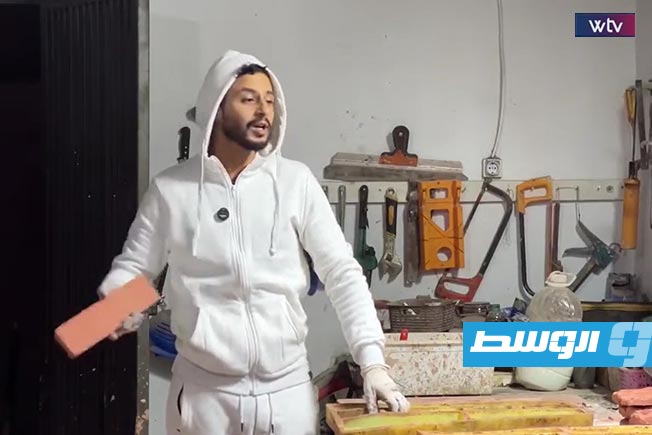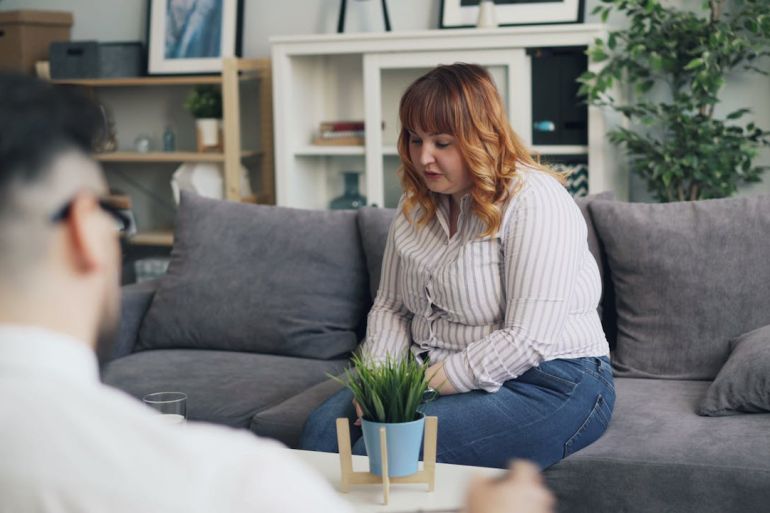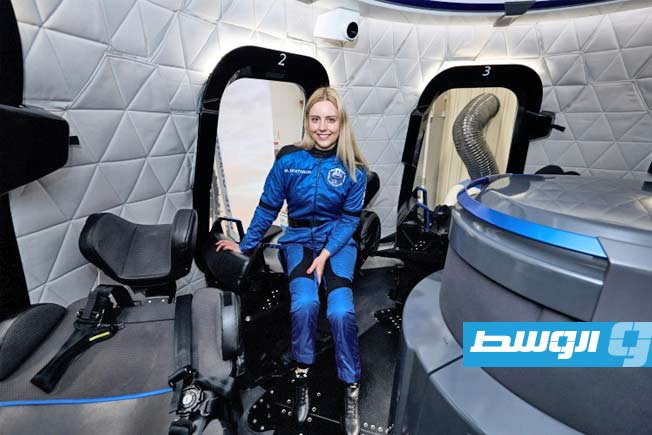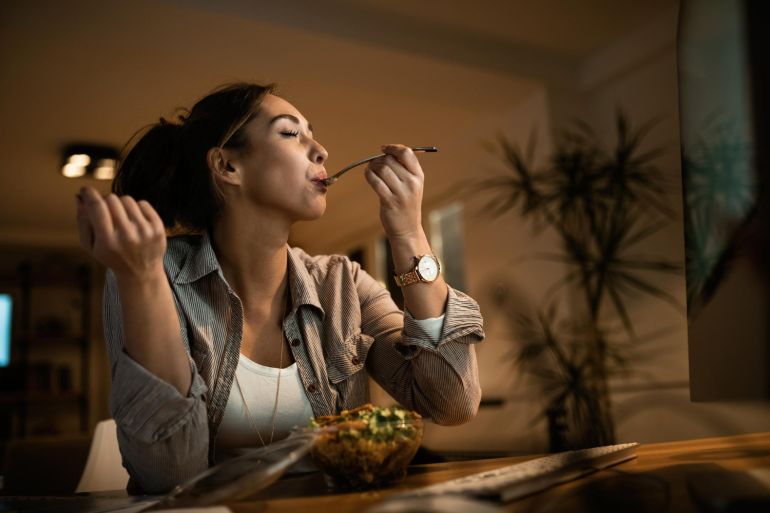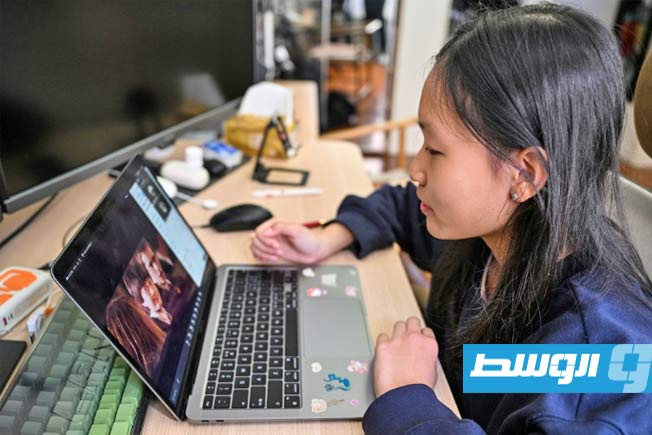
Estella (14 years old) learns Spanish and acupuncture at home and practices climbing at a nearby gym. Her parents made the decision three years ago to stop sending her to her school in Shanghai because they, like a small number of Chinese people, lack trust in the rigorous official education system.
Estella’s parents were worried about the difficulty of keeping up with the demanding curriculum, which they believe will become outdated with the rise of artificial intelligence.
The mother, Xu Wei (40 years old), says, “Educational models and future jobs will undergo massive changes due to artificial intelligence.”
She adds, using a pseudonym to speak freely, “We wanted to adapt early to this uncertain situation.”
Homeschooling is prohibited in China, although authorities generally overlook rare individual cases.
– Study reveals: Counting on fingers is an important step that later facilitates mental addition
– Extreme weather events disrupted the education of 250 million children worldwide in 2024
– Poverty and marginalization push Lake Chad’s youth towards armed groups or gold mining
In 2017, the number of Chinese students receiving homeschooling did not exceed six thousand out of approximately 145 million students nationwide in primary and middle school. However, their numbers have increased by about 30% annually since 2013, according to a Beijing-based education research institute.
Supporters of homeschooling say that more flexible schedules, practical projects, and outdoor activities foster creativity, which they believe is stifled in the official curriculum.
The school day in public schools can last up to ten hours, often extending late into the evening due to homework and private tutoring. Several studies have shown rising rates of anxiety and exhaustion as a result.
An excessive number of graduates
Estella says, “I do activities that interest me instead of completing exhausting exams.” Unlike other children her age, she will not have to study for the high school entrance exams she was supposed to take next year.
Her parents hired private tutors for science, mathematics, Spanish, and sports, while deciding on her study schedule together with her.
Her mother confirms that Estella has gained more self-confidence, saying, “We don’t evaluate ourselves based on societal standards, but on the person we want to be.”
Chinese people are increasingly questioning the value of degrees from major universities, as the job market has become saturated. In 2023, less than one-fifth of graduates from the prestigious Fudan University in Shanghai found a job immediately after graduation.
The unemployment rate among youth aged 16 to 24 reached 18.9% in August, according to the national statistics bureau.
Yong Zhao, an author of books on the education system, says, “China graduates huge numbers of people with PhDs, master’s degrees, and bachelor’s degrees,” noting that “the jobs young people are looking for are disappearing.”
Social interaction
Authorities are seeking to limit the culture of competition in schools. Homeschooling is theoretically illegal, but families who practice it often succeed in “not attracting too much attention,” according to Yong Zhao.
A mother from Zhejiang province, who did not wish to be named, recounts how she used an AI chatbot to create a lesson on recycling for her nine-year-old son, who is homeschooled.
She says, “The development of artificial intelligence allows me to say that we no longer need what is taught in the classroom.”
Her son studies Chinese and mathematics in the morning using educational materials from his former public school, and spends the afternoon working on projects or doing outdoor activities.
However, his mother, a former teacher, plans to re-enroll him in school. She says, “We cannot meet his social needs at home.”
What Gong Yimei (24 years old) missed most after her father stopped sending her to school at age eight so she could focus on art was the companionship of children her own age. She studied alone with a few teachers, and most of her friends were twice her age.
But at home, she had plenty of time to think about her future. She says, “You ask yourself: What do I love? What do I want? What is the meaning of what I’m doing? That helped me discover myself faster.”