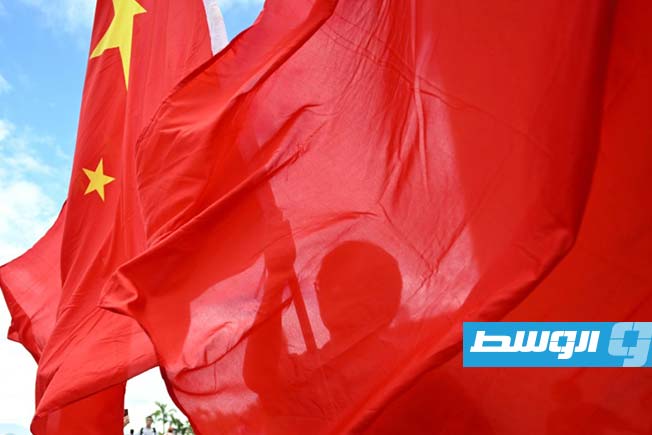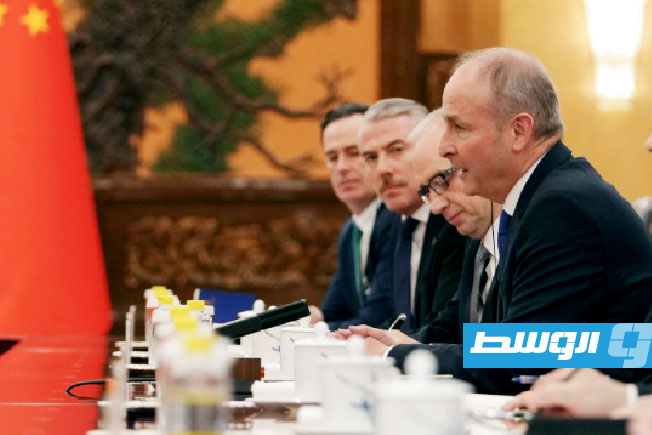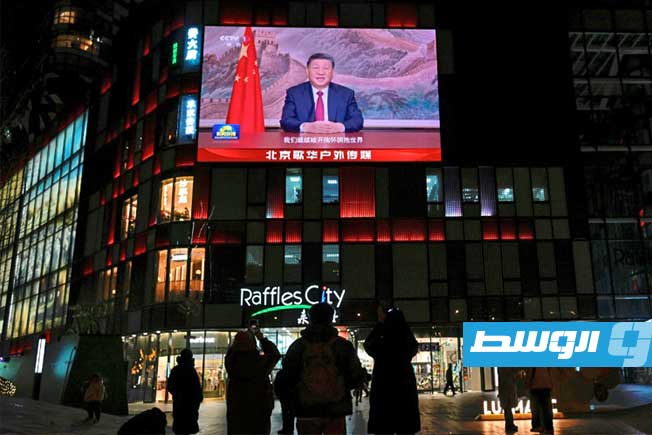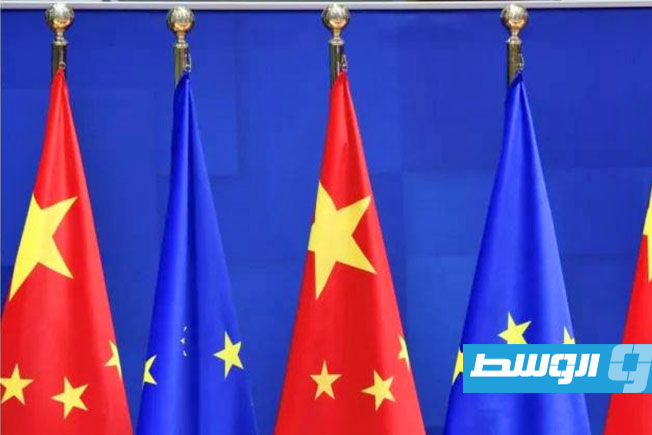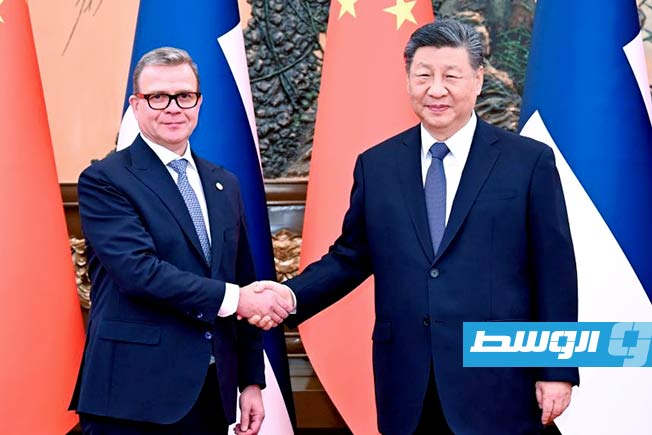
As China moves to open its arms to US allies affected by the confrontational policy of American President Donald Trump, the Chinese President Xi Jinping affirmed his country’s welcome of enhanced cooperation with European nations, stressing that Beijing sees Europe as a partner, not a rival. This came during his meeting with Finnish Prime Minister Petteri Orpo, a move reflecting China’s endeavor to capitalize on the rising tensions between Washington and its traditional allies by expanding its economic and political partnerships with Europe.
During the meeting, Xi Jinping expressed his welcome for Finnish companies to “swim in the vast ocean of the Chinese market” to enhance their global competitiveness. He called on both sides to deepen mutually beneficial cooperation in areas such as energy transition, the circular economy, agriculture, forestry industries, as well as scientific and technological innovation.
The Chinese President noted that Finland was among the first countries to establish diplomatic relations with China, explaining that bilateral relations, spanning 76 years, have continued to grow steadily. They are based on mutual respect, equality, a forward-looking vision, and mutually beneficial cooperation, regardless of fluctuations in the international landscape.
Speaking about Beijing’s future priorities, Xi pointed out that this year marks the launch of the 15th Five-Year Plan, affirming that China will continue to promote high-quality development and expand high-standard opening-up to the world, providing broader opportunities for foreign companies.
Xi also called for enhanced cooperation in winter sports, considering Finland a leading force in this field, while China has emerged in recent years as a major country in winter sports. He affirmed that exchanges in this sector could strengthen the bonds of friendship between the two peoples. At the same time, he expressed his welcome for more Finns to visit China to experience its unique blend of ancient heritage and modern vitality.
On the international level, the Chinese President stressed that the world faces increasing risks and challenges, necessitating concerted international efforts to address them. He called on major countries to set an example in promoting equality, respecting the rule of law, and adhering to cooperation and integrity. He expressed China’s readiness to work with Finland to maintain the international system with the United Nations at its core, uphold the international order based on international law, and jointly address global challenges.
Xi further affirmed that China is ready to promote a multipolar world characterized by fairness and order, and comprehensive economic globalization that benefits all. He pointed out that China and Europe are partners, not rivals, and that their common ground outweighs their differences, expressing his hope that Finland would play a constructive role in supporting the healthy and stable development of China-Europe relations.
For his part, Finnish Prime Minister Petteri Orpo stated that his country is ready to work with China to implement the agreements reached by the two heads of state, enhance high-level exchanges, and deepen practical cooperation in areas such as trade and investment, the digital economy, clean energy, agriculture, and others. He affirmed Finland’s commitment to the “One China” policy, praising the important and constructive role Beijing plays in international affairs.
Orpo added that his country supports Europe’s strategic autonomy and advocates for free trade, expressing Finland’s readiness to play a positive role in helping resolve trade frictions between Europe and China and promoting the sound development of relations between the two sides.
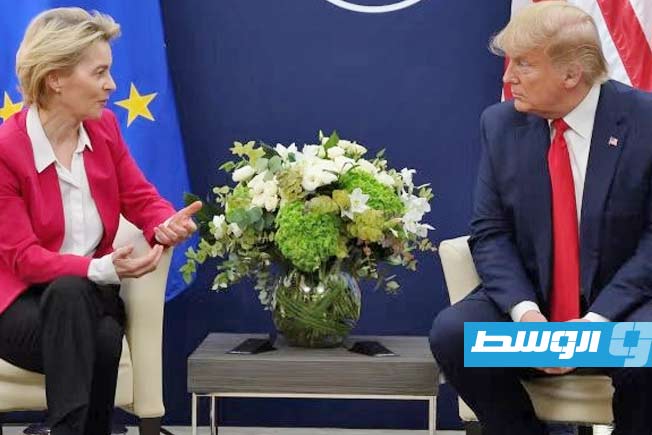
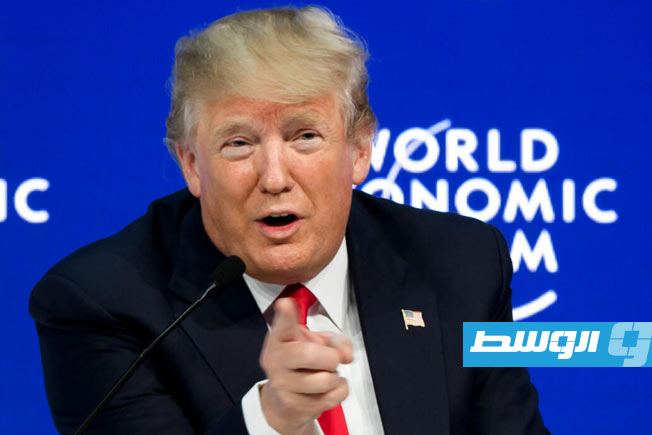
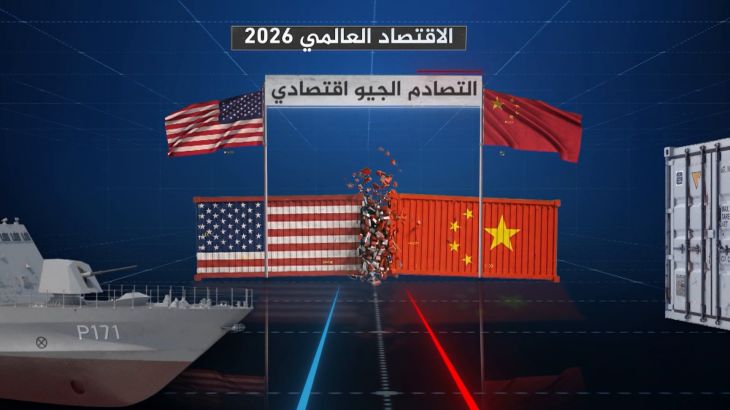
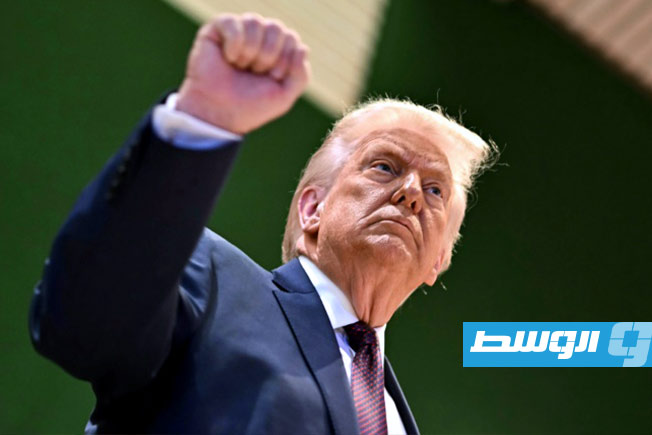
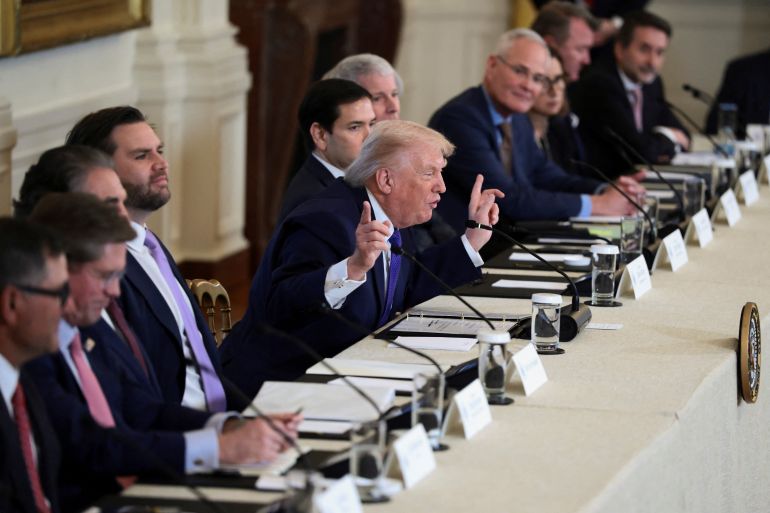
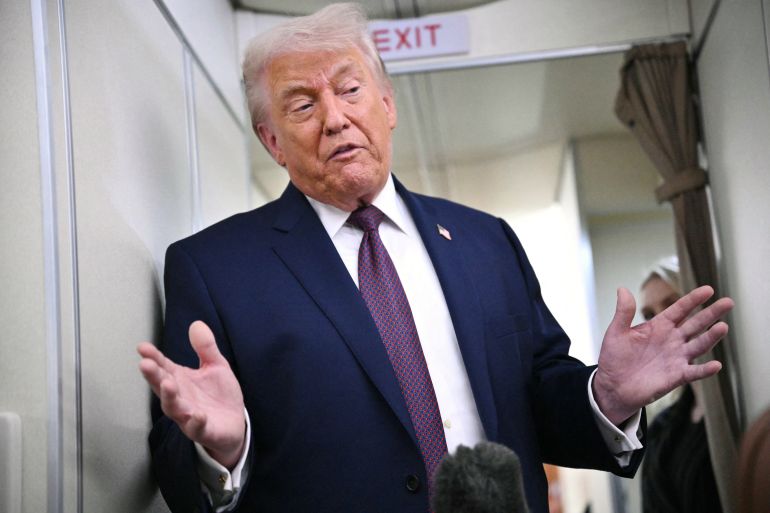
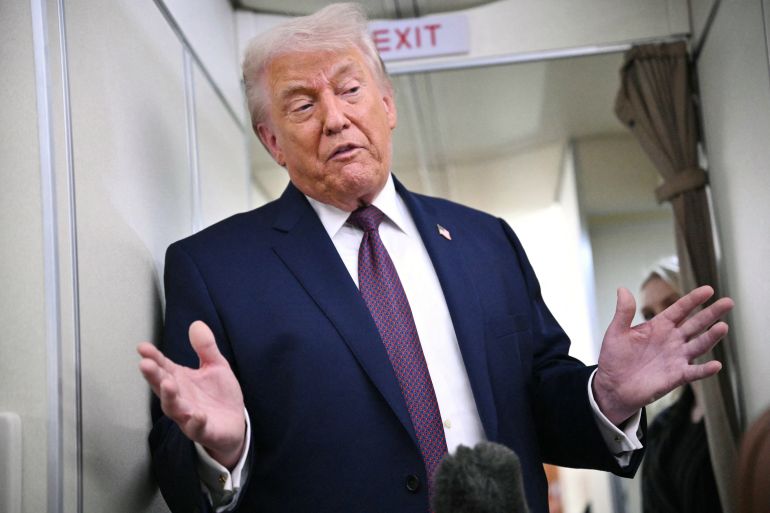
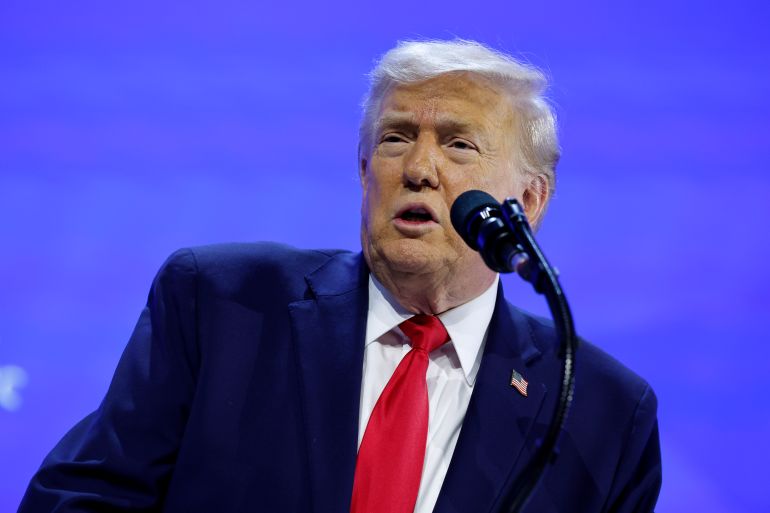
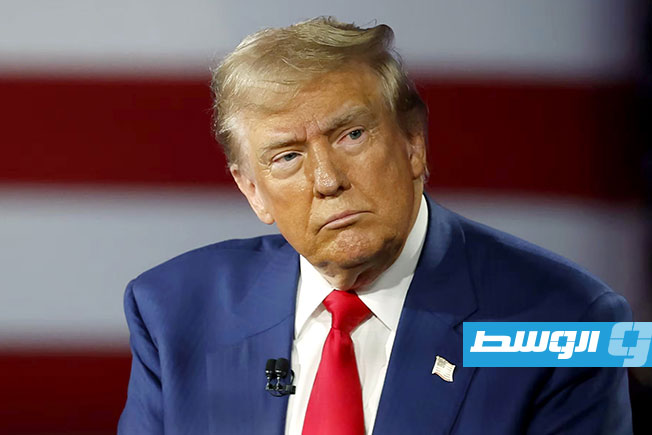
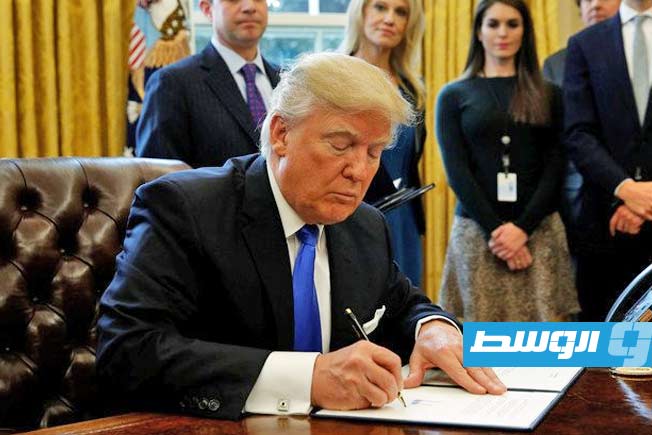
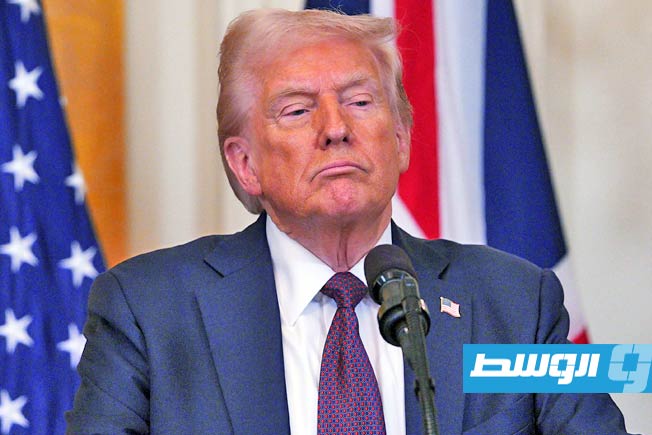
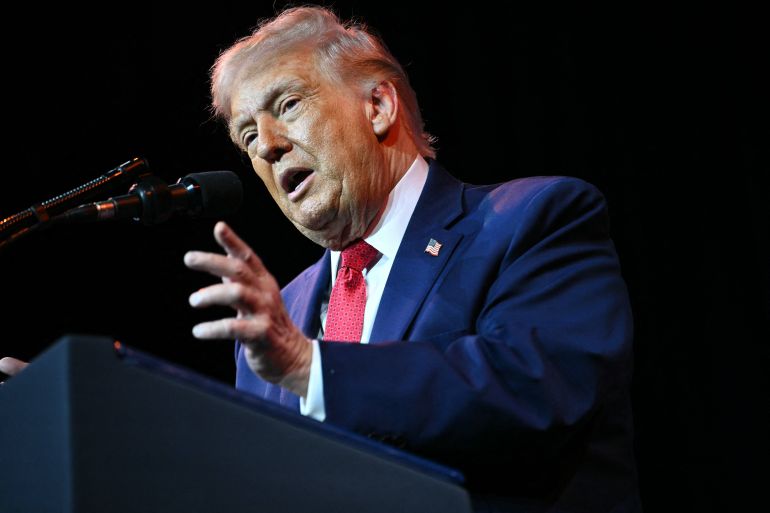
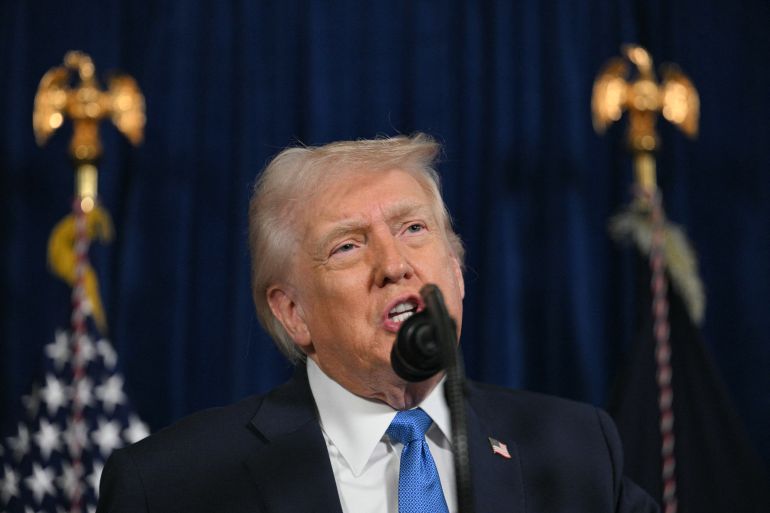
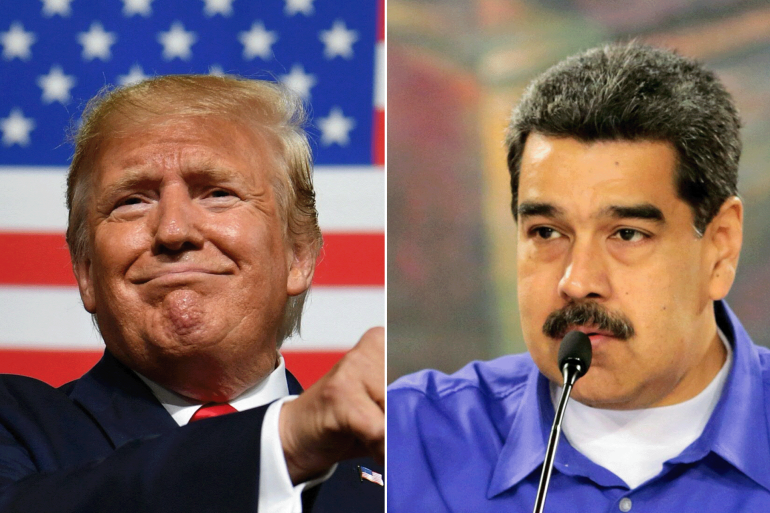
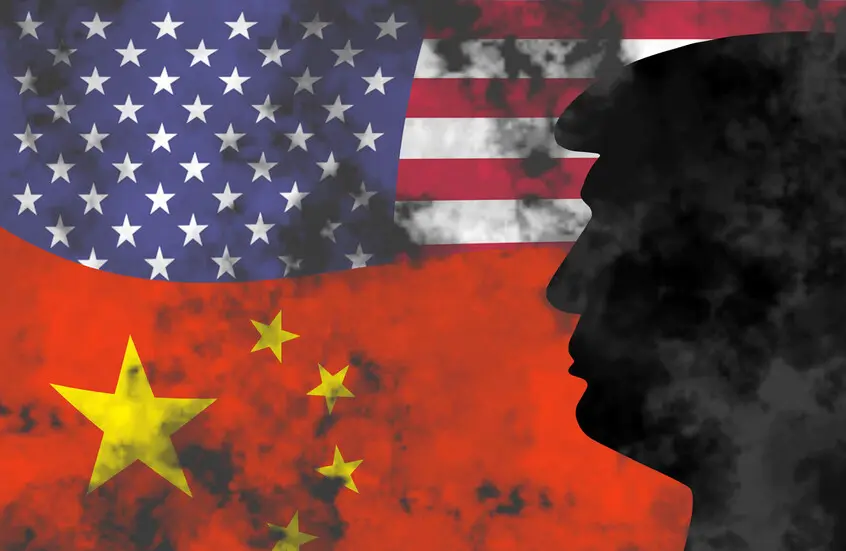
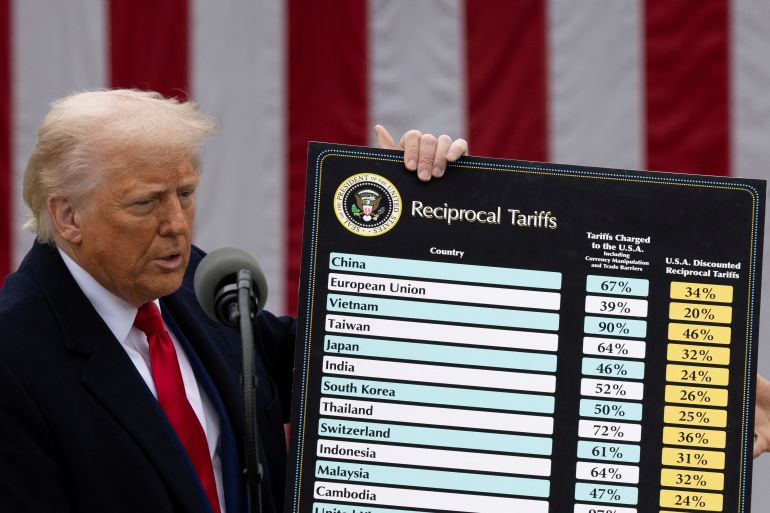
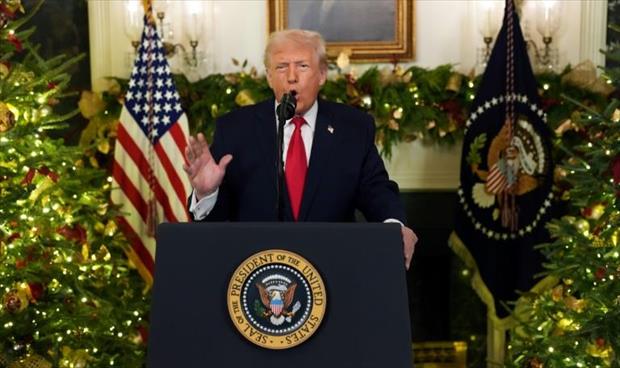
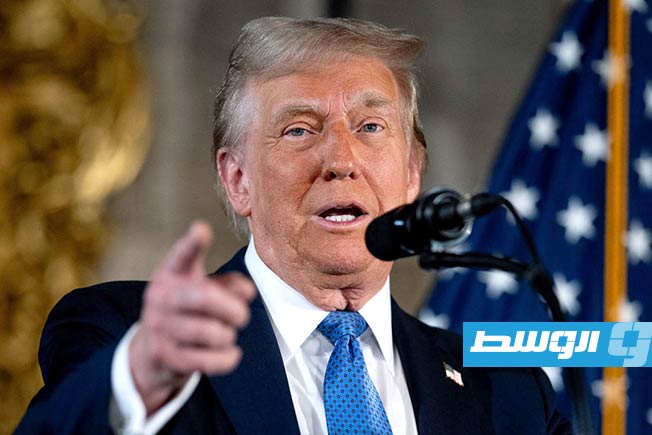
These developments come amid broader shifts in the international landscape, as the policy of US President Donald Trump in recent years has moved to redefine Washington’s relationship with its European allies through confrontational rhetoric and practical measures that have weakened trust within the Western camp. The Trump administration adopted a logic of “deals” over partnerships, pressured European countries on defense, trade, and energy files, threatened to impose tariffs, and questioned the usefulness of NATO, prompting European capitals to seek alternatives to balance American influence.
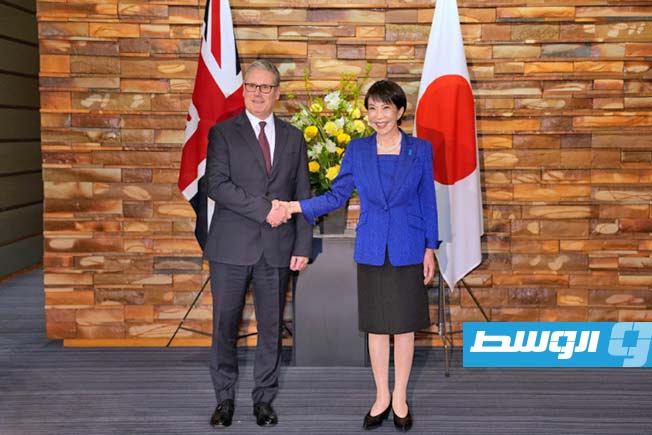
In this context, rapprochement with China has emerged as one of the paths taken by European and Western countries affected by US policies, reflected in reciprocal visits and accelerating diplomatic moves. Beijing’s reception of the Finnish Prime Minister, its readiness to receive British Prime Minister Keir Starmer, and earlier its reception of the Canadian Prime Minister, reflects a growing endeavor to diversify partnerships and build a multi-directional network of relations in an international system moving towards multipolarity.
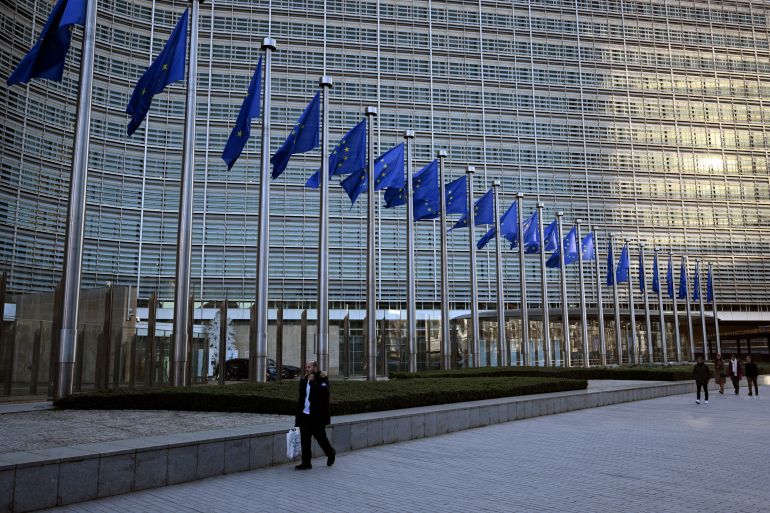
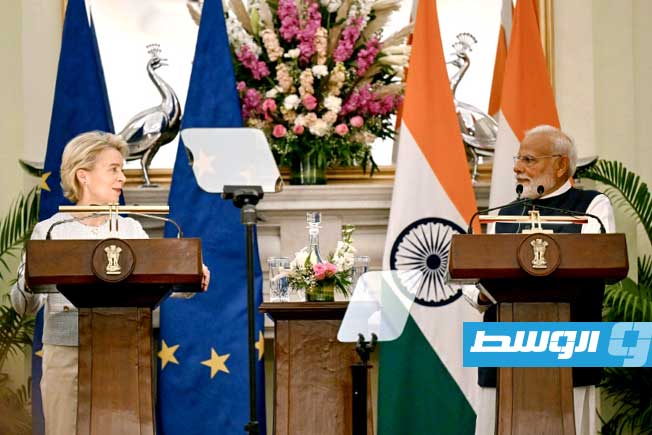
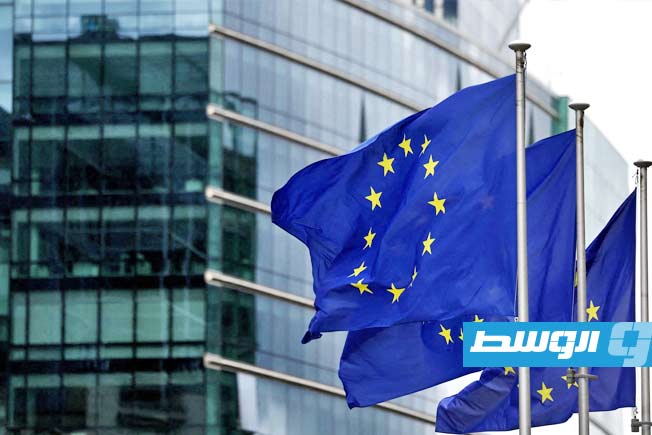
The trade agreement between Europe and China also constitutes one aspect of these developments. It aims to deepen the economic partnership and facilitate European companies’ access to the Chinese market, in exchange for expanding the presence of Chinese investments within EU member states. The agreement is seen as a strategic tool giving Europe greater margin of