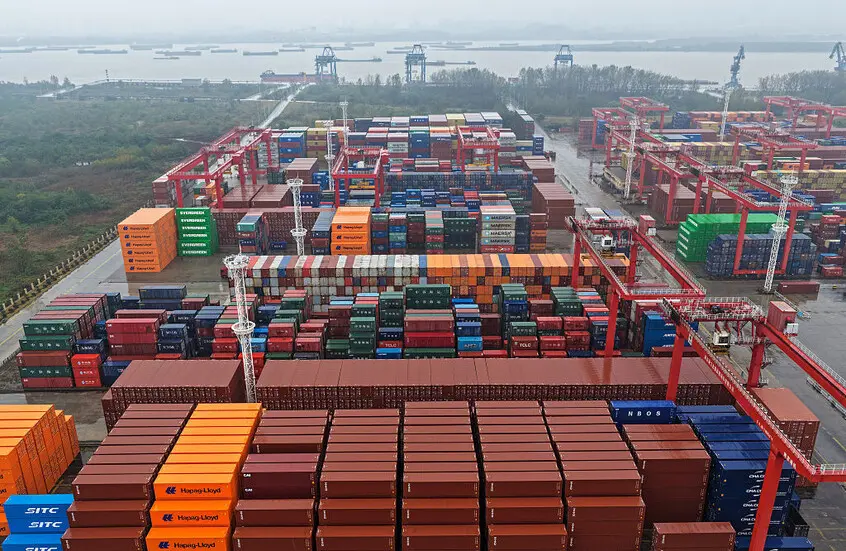
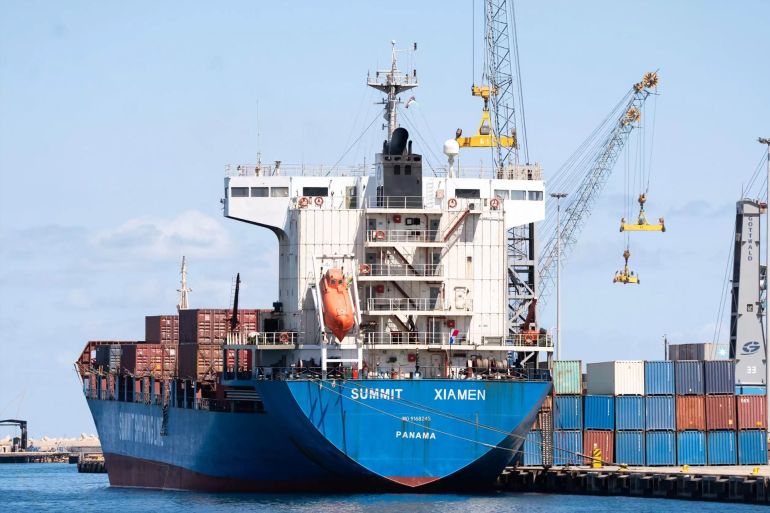
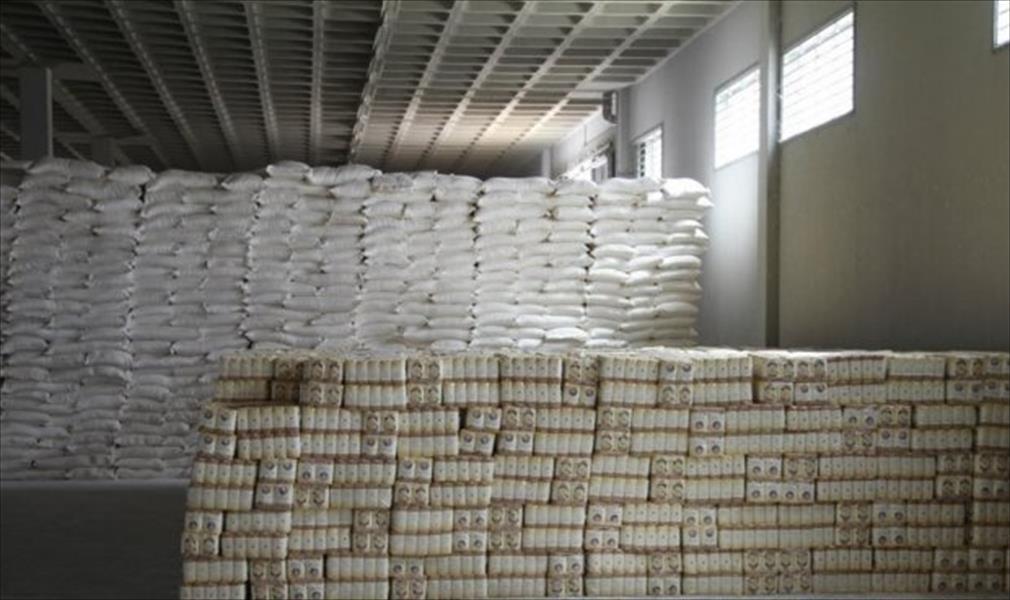
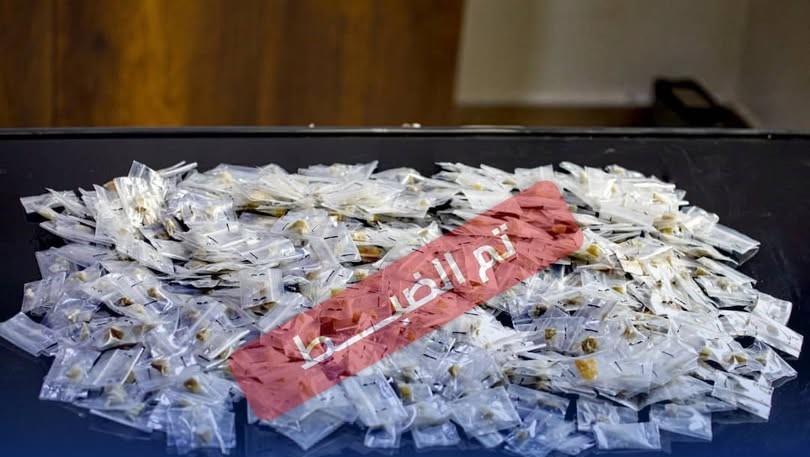
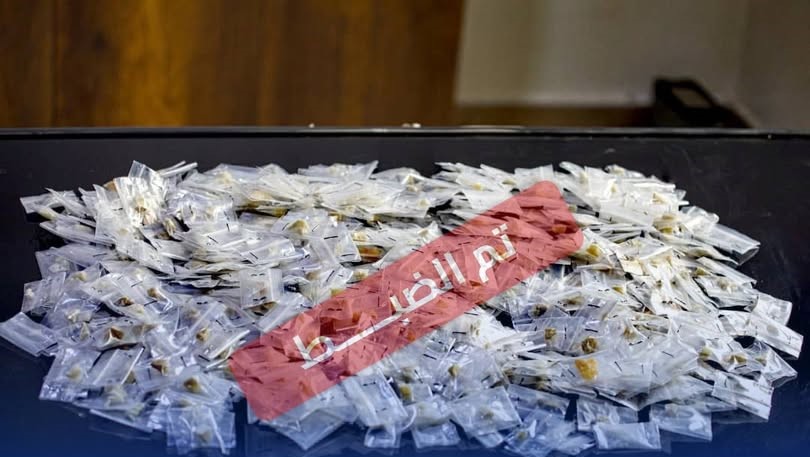
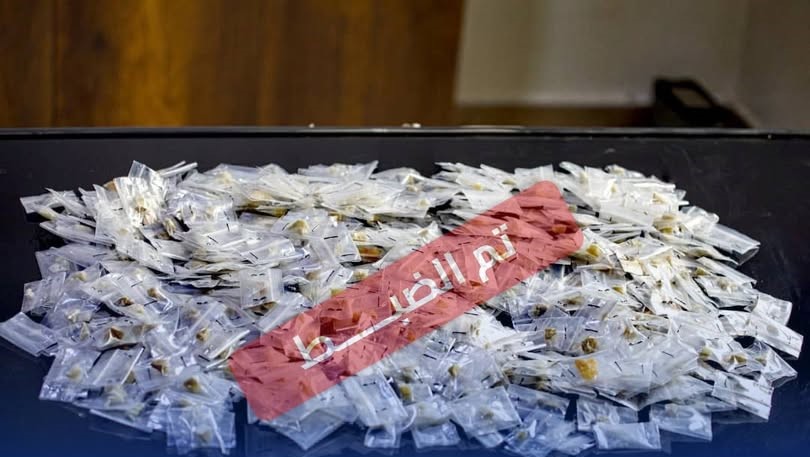
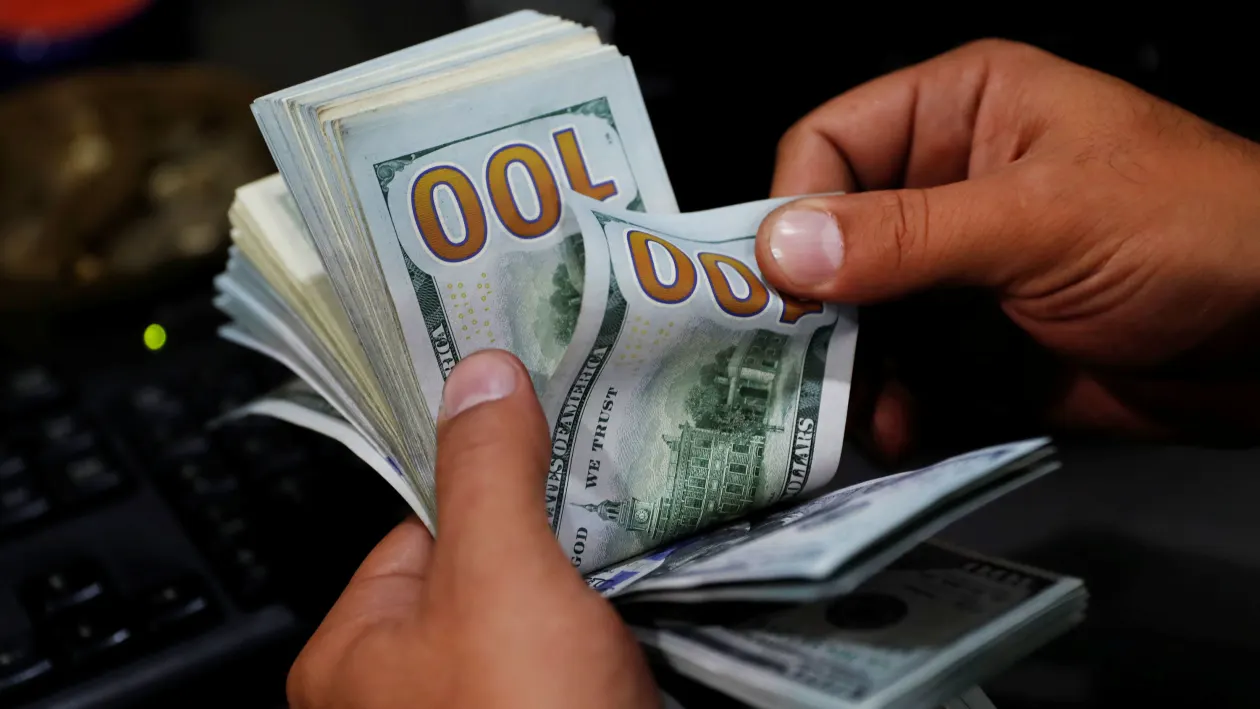
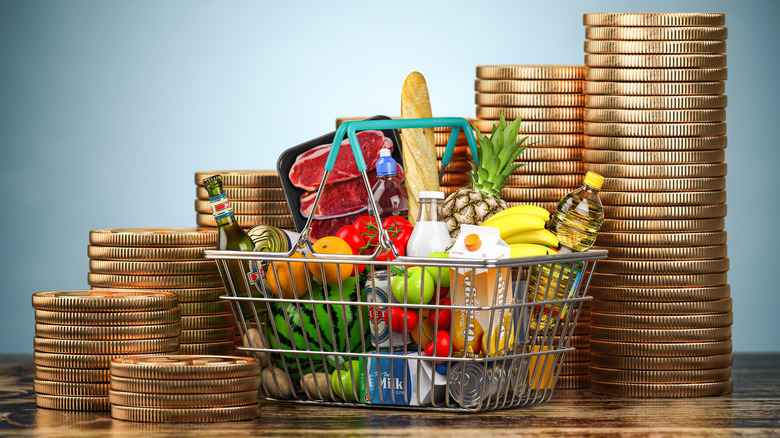
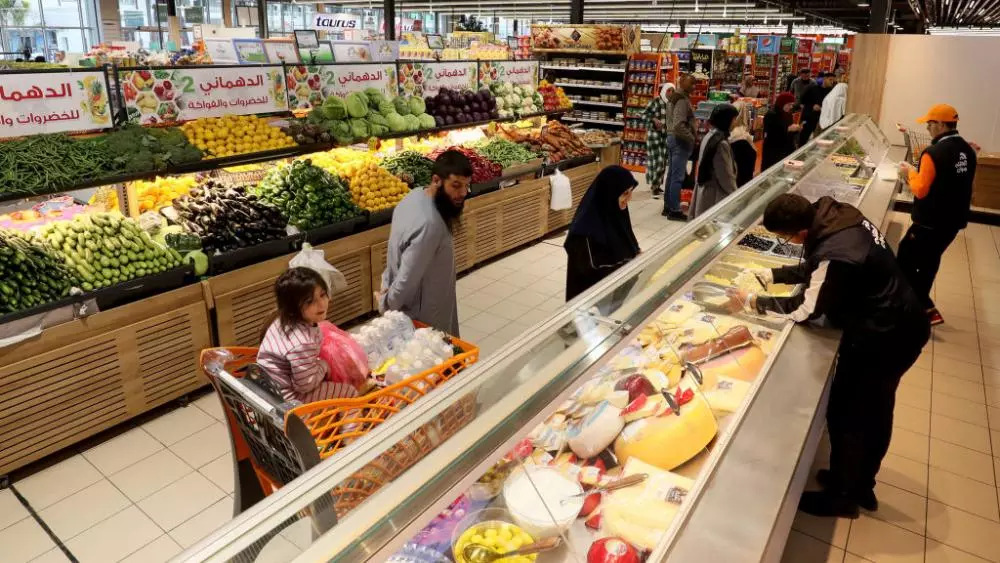
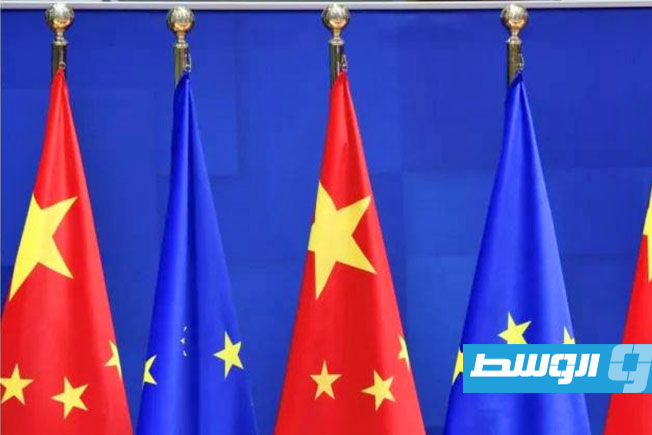
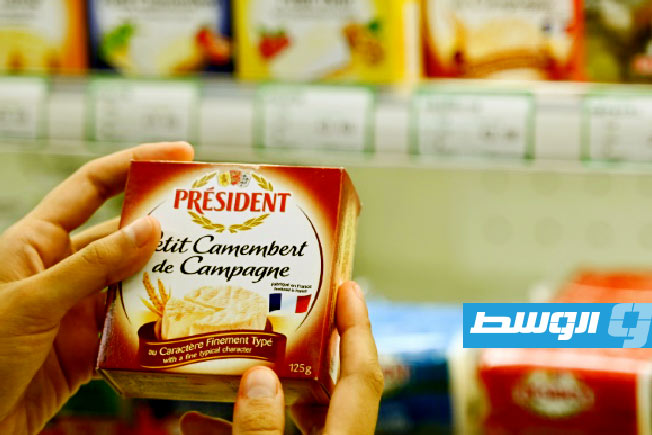
China’s Ministry of Commerce announced on Monday its intention to impose preliminary anti-dumping duties of up to 42.7% on imports of certain dairy products from the European Union. These duties are set to take effect starting Tuesday, December 23, 2025.
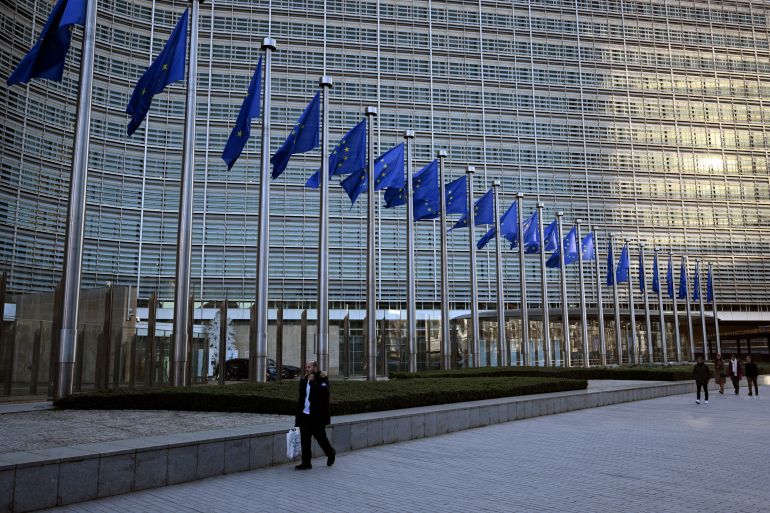
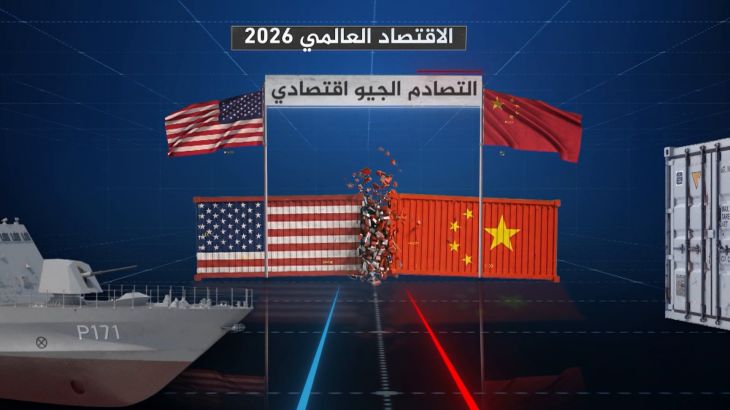
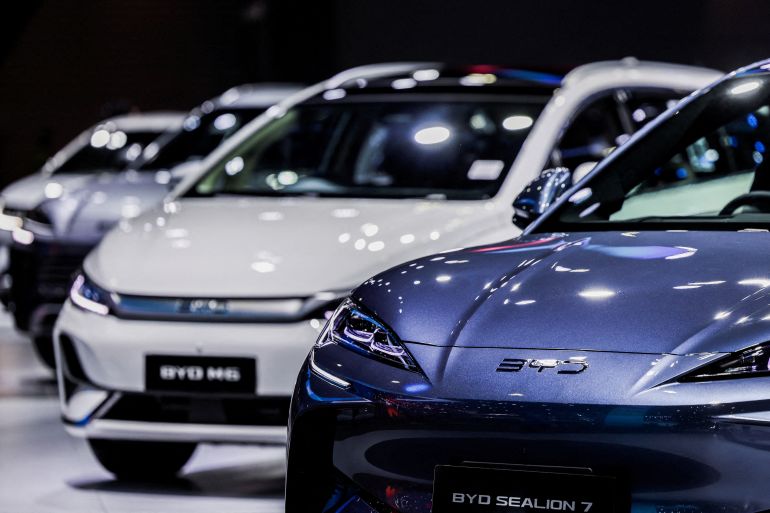
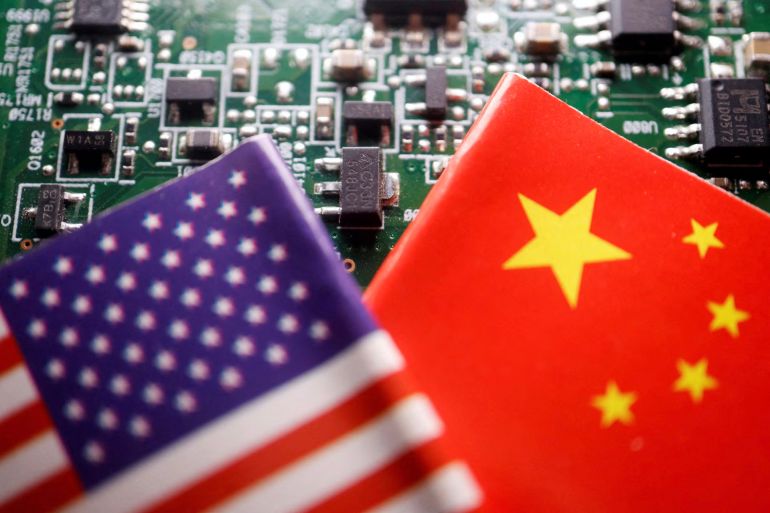
The decision follows an official investigation launched by China into potential dumping of European dairy products. This move mirrors previous actions taken against pork imports and is seen as a direct response to the tariffs imposed by the European Union on Chinese electric vehicles.
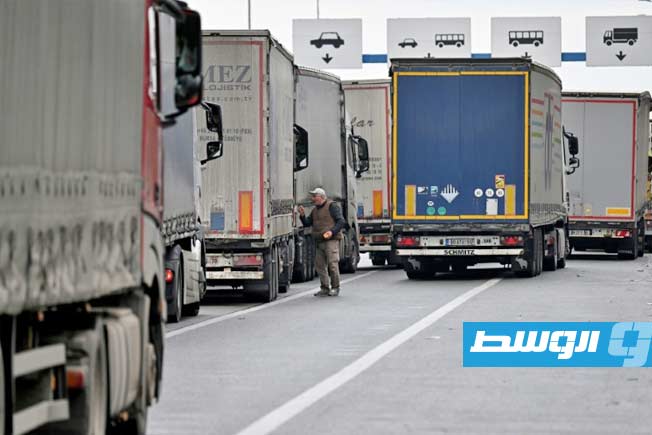
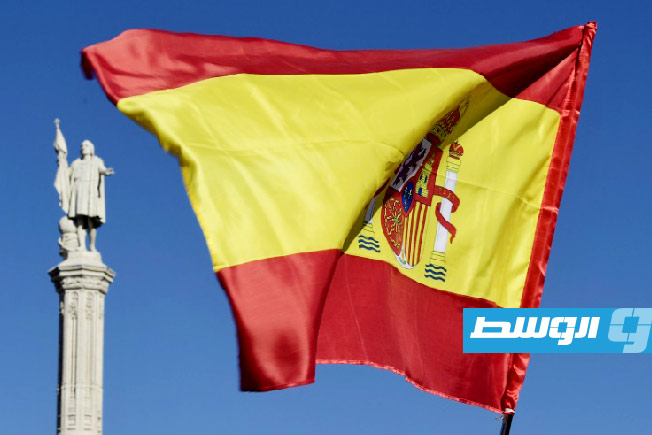
The Chinese duties are expected to primarily affect exports from countries such as Spain, France, and the Netherlands, escalating trade tensions between China and the EU in the food sector and placing additional pressure on European agricultural industries.
The Ministry of Commerce stated that this step aims to protect the domestic dairy industry from trade dumping and promote fair competition. It is part of China’s policy to respond to reciprocal European measures in key markets.
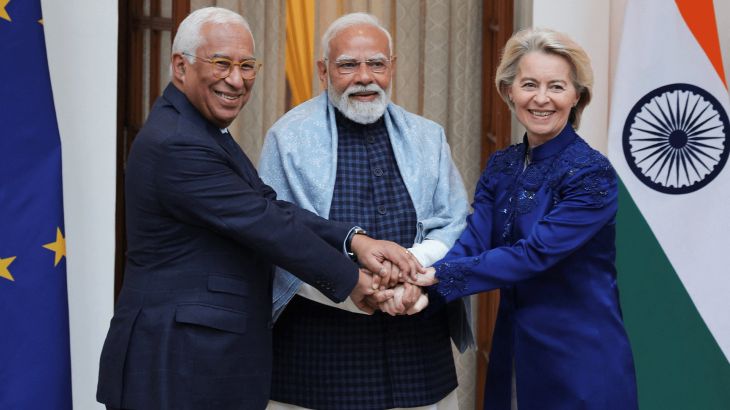
Trade relations between China and the European Union have seen rising tensions in recent years, particularly following the mutual imposition of tariffs on electric vehicles and agricultural products.
In recent years, China has used anti-dumping duties as a tool to protect domestic industries against European and American imports in various sectors such as meat and dairy. While these measures have contributed to creating a more competitive domestic business environment, they have, in turn, prompted reactions from the European Union, which has taken corresponding steps to protect its producers.
China
China is one of the world’s oldest continuous civilizations, with a recorded history spanning over four millennia. It is home to numerous UNESCO World Heritage sites, such as the Great Wall and the Forbidden City, which reflect its long imperial past and profound cultural achievements. In the modern era, it has developed into a major global power with a unique blend of ancient traditions and rapid technological advancement.
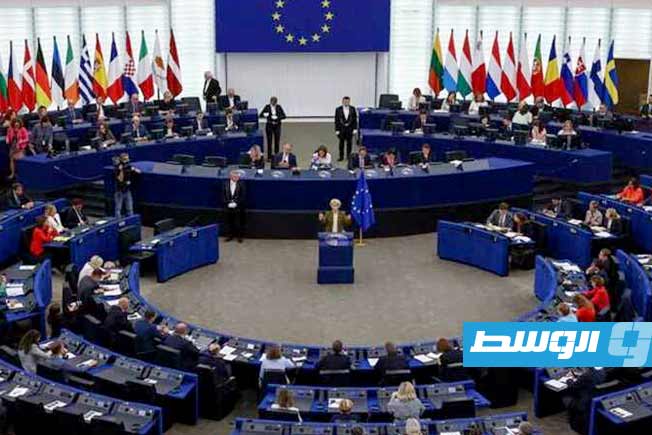
European Union
The European Union (EU) is a political and economic union of 27 European countries, founded after World War II to foster peace and economic cooperation. It originated with the European Coal and Steel Community in 1951 and has since evolved through major treaties into a single market with shared policies and a common currency used by many member states.
Spain
Spain is a country in southwestern Europe with a rich and diverse cultural history shaped by Roman, Visigothic, and Moorish rule, particularly during the nearly 800-year period of Al-Andalus. It later became a global empire following the voyages of Christopher Columbus in 1492 and the unification of its kingdoms under the Catholic Monarchs. Today, it is known for its distinct regional identities, vibrant festivals, and influential contributions to art, architecture, and literature.
France
France is a Western European country with a rich cultural and historical legacy, dating back to ancient Gaul and the Roman Empire. It became a major unified kingdom in the Middle Ages and was a central player in the Enlightenment, the French Revolution, and the development of modern republicanism. Today, it is renowned for its global influence in art, philosophy, cuisine, and as a hub for landmarks like the Eiffel Tower and the Palace of Versailles.
Netherlands
The Netherlands, officially the Kingdom of the Netherlands, is a country in Northwestern Europe known for its flat landscape, extensive canal systems, and historic windmills. Its history is marked by its 17th-century Golden Age as a major maritime and economic power, during which it established a vast global trading empire. The modern nation is a constitutional monarchy and a founding member of the European Union.