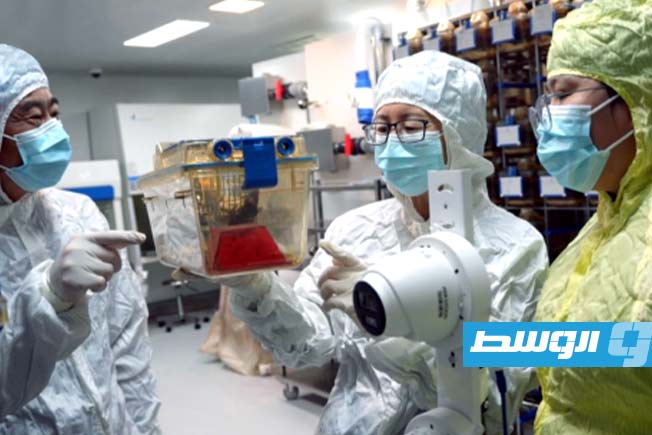
China has recorded the first success of a “full life cycle” experiment for mammals that participated in a space mission, where a mouse returning from orbit gave birth to nine healthy offspring. This proves that space travel does not destroy the reproductive capacity of mammals, a scientific achievement that may pave the way for human colonies beyond Earth.
Four mice were sent to a space station 400 kilometers from Earth and spent two weeks in a zero-gravity environment exposed to space radiation before returning safely on November 14. On December 10, one of the females gave birth to nine offspring, six of which survived at a completely normal survival rate, according to a recent study published in a journal.
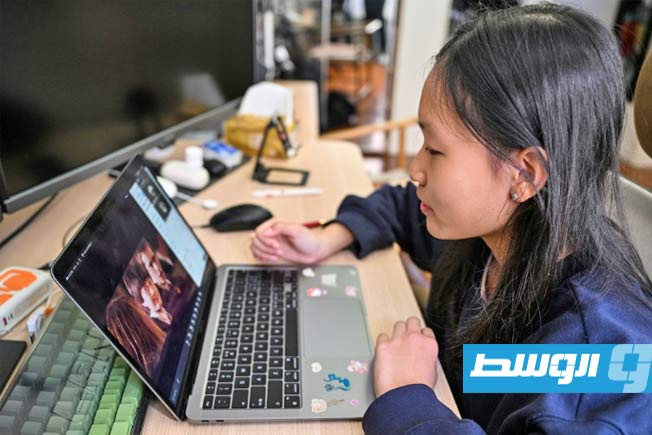
The journey was not easy; the mice faced the risk of starvation due to a sudden adjustment in the return schedule. The ground team quickly tested alternatives from astronauts’ food, such as biscuits, corn, or soy milk, and settled on soy milk as a safe emergency food. An AI-powered monitoring system helped accurately track the mice’s eating and sleeping patterns to predict when supplies would run out.
Details of Orbital Life
The mice lived in an environment simulating Earth, with a circadian rhythm provided by lighting from 7 a.m. to 7 p.m. to maintain their sleep cycle and a solid food diet that helped them sharpen their teeth—a natural instinct for rodents. To assist with hygiene, a directed air current was set up to remove hair and waste, ensuring a healthy environment in microgravity.
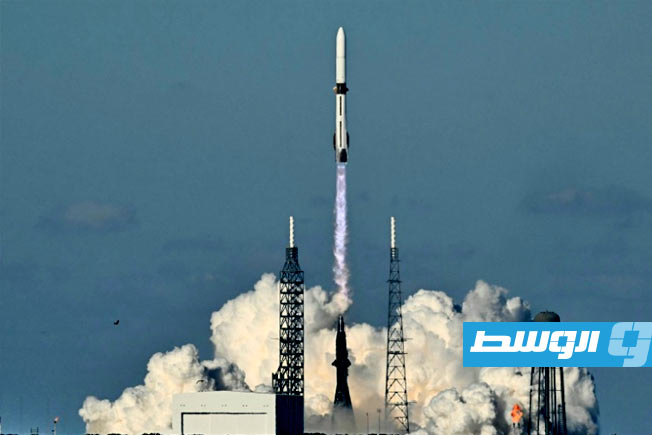
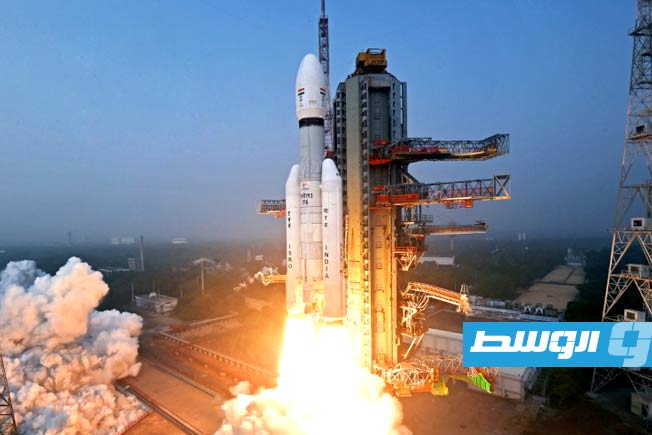
– China launches new space mission in a step toward the Moon by 2030
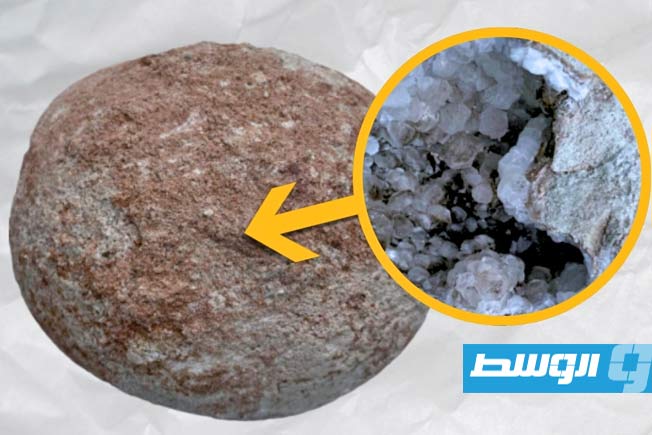
– Discovery of a dinosaur egg filled with crystals in China
The choice of mice is due to their significant genetic similarity to humans and their rapid reproduction rate.
It is confirmed that the success of this mouse in reproducing and naturally caring for its offspring provides a glimmer of hope for the future of human settlement on the Moon or Mars.
Scientists are currently continuing to monitor the “space offspring” to observe any long-term physiological changes or effects that may appear in future generations.