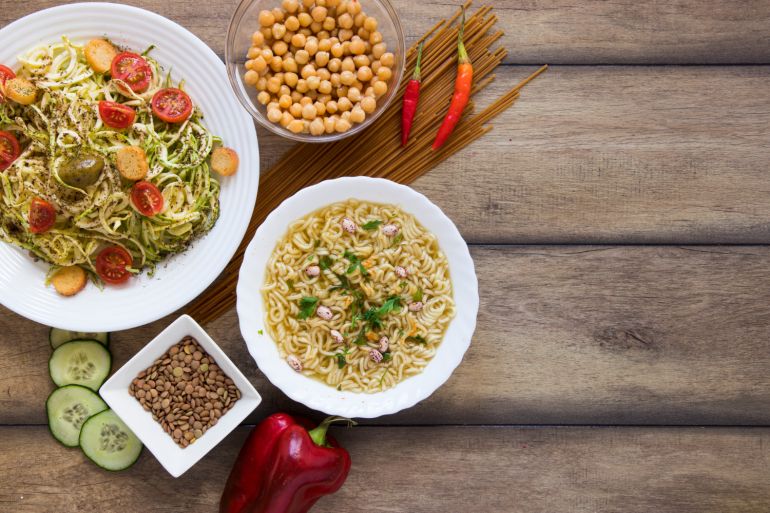
In recent years, with growing nutritional awareness, pasta is no longer exclusive to wheat flour. Choices have expanded to include innovative alternatives that combine nutritional value with delicious taste. Among these alternatives that have recently gained prominence, chickpea pasta stands out as a healthy option meeting the needs of a wide range of consumers.
Chickpea pasta is not limited to those following vegetarian diets or those interested in healthy eating alone. It also suits anyone looking for a satisfying meal, rich in plant-based protein and gluten-free, without sacrificing taste or texture. It has even been noted that adding sauces and vegetables to chickpea pasta can make it difficult to distinguish in form or taste from traditional pasta.
A Healthy Alternative to Traditional Pasta
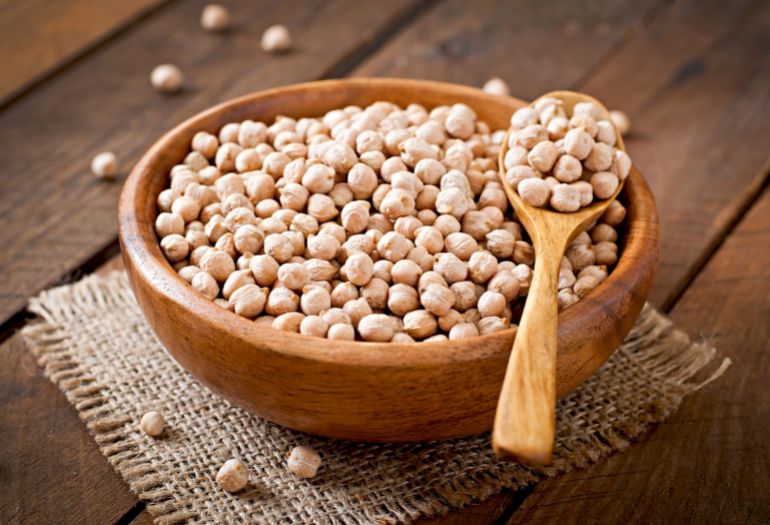
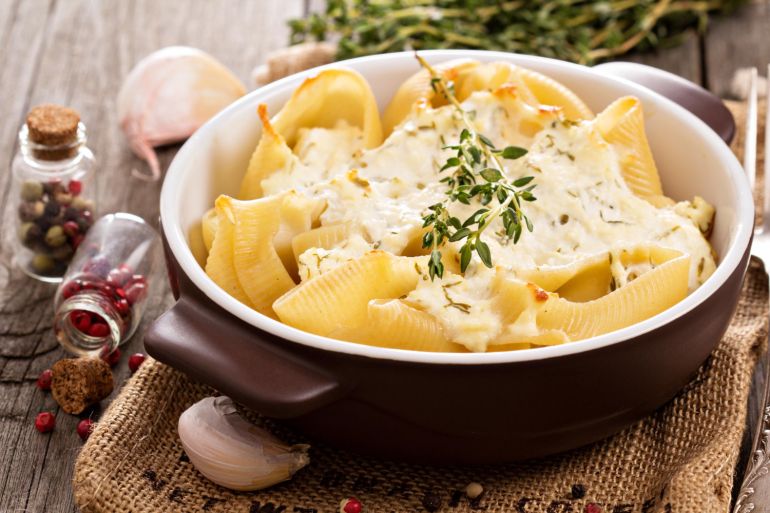
As the name suggests, chickpea pasta is made from chickpeas, which are rich in protein and fiber. The chickpeas are ground into flour, then mixed with water to form a dough that is shaped into various pasta forms, such as penne, fusilli, spaghetti, shells, and others. This flexibility makes it suitable for use in diverse recipes, from warm casseroles to refreshing salads or as an addition to soups.
Chickpea pasta is characterized by a firm texture and a light, nutty flavor, which may differ somewhat from the texture and taste of wheat-based pasta. However, it pairs notably well with garlic, olive oil, and various types of sauces.
Chickpea pasta is classified among minimally processed foods, as it is primarily based on a single ingredient: chickpea flour. However, some brands add other ingredients like lentil flour, brown rice flour, or pea protein. Other brands may use binding agents, such as tapioca starch or xanthan gum, to improve texture. Therefore, it is recommended to carefully read the ingredient list to avoid any unwanted additives.
Multiple Health Benefits
Chickpea pasta is a rich source of several essential nutrients. A single serving provides about 30% of the daily iron requirement. It also contains twice the amount of protein and four times the amount of fiber compared to traditional pasta. Additionally, it supplies the body with important minerals like potassium, magnesium, and phosphorus, giving it high nutritional value. Below are its key health benefits:
-
A Suitable Alternative for People with Allergies
Chickpea pasta is an ideal choice for individuals suffering from wheat, gluten, soy, dairy, or egg allergies, allowing them to enjoy pasta meals without worry of allergic reactions.
-
Promoting Digestive Health
According to U.S. Department of Agriculture recommendations, the body needs about 14 grams of fiber per 1000 calories. Chickpea pasta provides about seven grams of fiber per serving, contributing to improved digestion, regulated bowel movements, and support for gut microbiome health.
-
Reducing the Risk of Chronic Diseases
Consumption of legume-based pasta is associated with a reduced risk of heart disease and colorectal cancer. Diets rich in fiber generally help regulate blood sugar levels, lower cholesterol, and reduce the risk of obesity.
-
Supporting Muscle Health
A single serving of chickpea pasta contains 13 grams of protein, which is over 25% of the daily requirement. This supports muscle building, wound healing, fighting inflammation, and the production of vital hormones and enzymes. It may also aid weight loss efforts.
Thanks to its high fiber and protein content, chickpea pasta promotes a longer-lasting feeling of fullness by