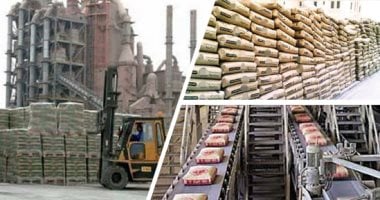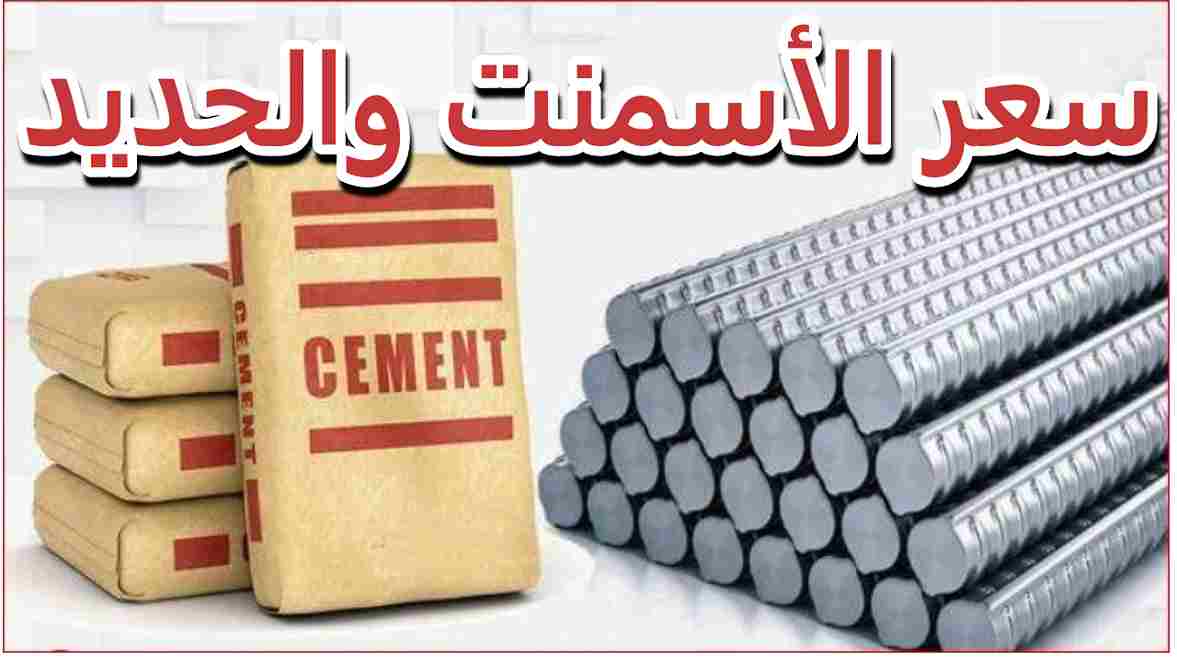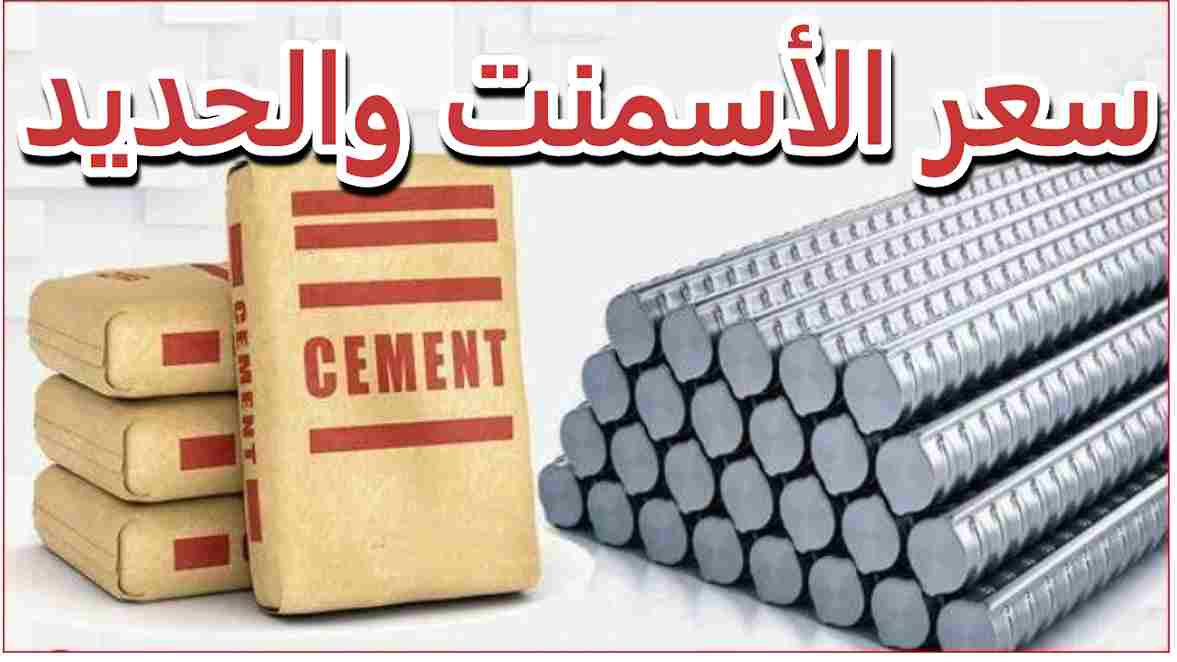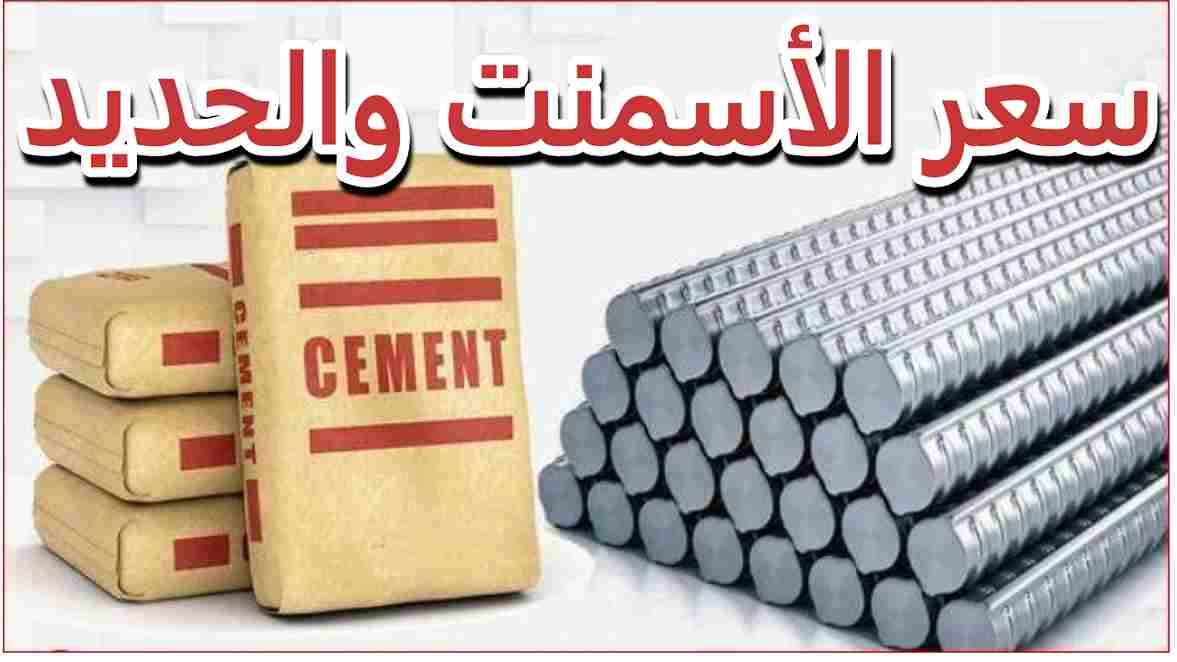
We publish the prices of cement and iron today, Sunday, January 4, 2026, according to the daily price bulletin.
The prices shown in the table represent the prices of the most consumed goods in the local market.
Below is a list of cement and iron prices for today, Sunday, January 4, 2026:
| Product Name | Company Name | Unit of Measurement | Price | Change Amount |
|---|---|---|---|---|
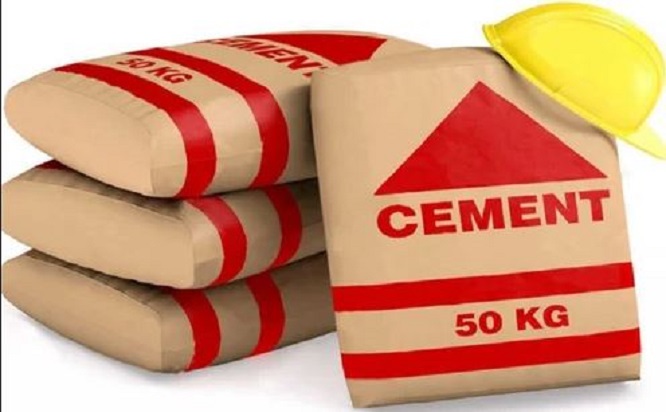
| Cement | Arab Union for Contracting | Quintal | 67 DL | 0% |
| Cement | Al-Ahliya Lebda | Quintal | 62 DL | 0% |
| Cement | Al-Ahliya (Zliten) | Quintal | 62 DL | 0% |
| Cement | Al-Ahliya (Souq Al-Khamis) | Quintal | 63 DL | 0% |
| Cement | Beni Suef (Imported) | Quintal | 67 DL | 1.52% |
| Cement | Al-Ahliya (Al-Marqab) | Quintal | 62 DL | 0% |
| Cement | Turkish Cement Sonmez Cimento | Quintal | 67 DL | 1.52% |
| Product Name | Company Name | Unit of Measurement | Price | Change Amount |
|---|---|---|---|---|
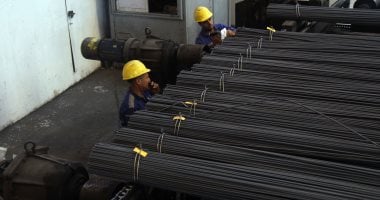
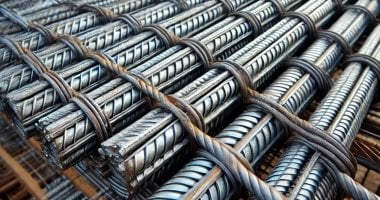
| Reinforcing Iron (6mm) | Arab Company | Quintal | 530 DL | 0% |
| Reinforcing Iron (8mm) | Arab Company | Quintal | 470 DL | 0% |
| Reinforcing Iron (12mm) | Arab Company | Quintal | 400 DL | 0% |
| Reinforcing Iron (14mm) | Arab Company | Quintal | 400 DL | 0% |
| Reinforcing Iron (16mm) | Arab Company | Quintal | 410 DL | 0% |
| Reinforcing Iron (20mm) | Arab Company | Quintal | 410 DL | 0% |
Arab Union for Contracting
The Arab Union for Contracting is a non-governmental organization established in 1975, headquartered in Cairo, Egypt. Its primary purpose is to support and develop the contracting sector across Arab countries by fostering cooperation, setting standards, and enhancing the capabilities of its member companies.
Al-Ahliya Lebda
Al-Ahliya Lebda is the ancient Roman city of Leptis Magna, located in present-day Libya. Founded as a Phoenician trading port around the 7th century BC, it later became a prominent and prosperous city of the Roman Empire, especially under the reign of the native-born Emperor Septimius Severus. Its remarkably preserved ruins, including a theater, basilica, and harbor, are a UNESCO World Heritage Site.
Zliten
Zliten is a coastal city in northwestern Libya, historically known for its Roman-era ruins and as a center of Islamic learning. It is particularly famous for the Zliten Mosaic, a well-preserved Roman floor mosaic discovered in 1913 that dates back to the 2nd century AD. The city also contains the historic Zawiya of Sidi Abd as-Salam al-Asmar, a significant religious and educational complex founded in the 15th century.
Souq Al-Khamis
Souq Al-Khamis is a traditional Thursday market located in Manama, Bahrain, known for its vibrant atmosphere and trade in a wide variety of goods, from spices to textiles. Historically, it has been a central trading hub for centuries, reflecting Bahrain’s long-standing mercantile culture and its role in regional commerce.
Beni Suef
Beni Suef is a governorate in central Egypt, located along the Nile River south of Cairo. Historically, it has been an agricultural region since ancient times, known for its fertile land and role in grain production. The area contains several archaeological sites, including the Meidum Pyramid, which dates back to the Old Kingdom.
Al-Marqab
Al-Marqab is a medieval fortress located in Syria, originally built by the Muslims in 1062 and later significantly expanded by the Crusaders of the Knights Hospitaller after they captured it in the 12th century. It served as a major stronghold, renowned for its formidable defensive architecture, until it fell to the Mamluks in 1285. Today, it stands as a well-preserved example of Crusader-era military construction.
Turkish Cement Sonmez Cimento
Sonmez Cimento is a major Turkish cement manufacturer, founded in 1969 in the city of Sivas. The company has played a significant role in Turkey’s construction and infrastructure development throughout the latter half of the 20th century and into the present day.
Arab Company
The Arab Company, also known as the Compagnie des Phosphates et du Chemin de Fer de Gafsa, was a French colonial enterprise founded in 1897 to exploit phosphate deposits in the Gafsa region of Tunisia. It played a major role in the colonial economy, establishing mining infrastructure and railways, and became a focal point for labor organization and nationalist sentiment in the early 20th century.