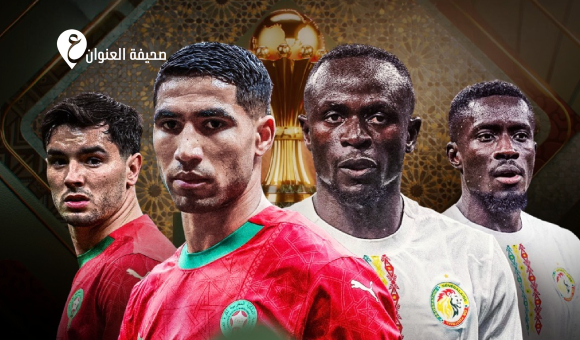
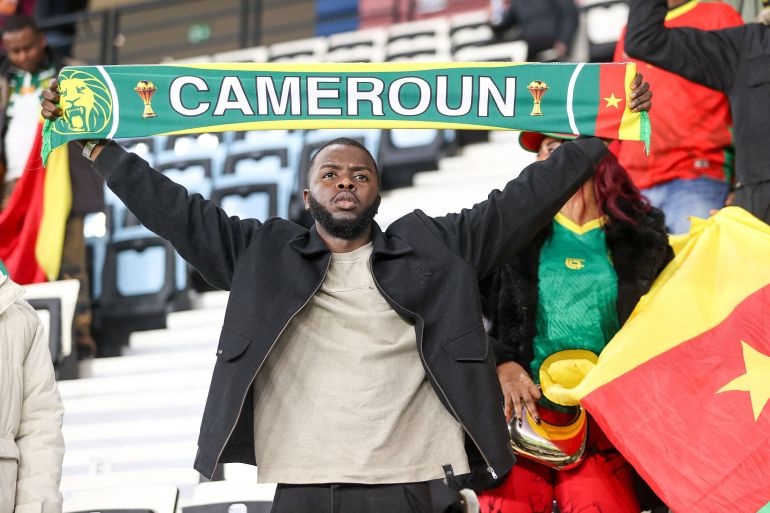
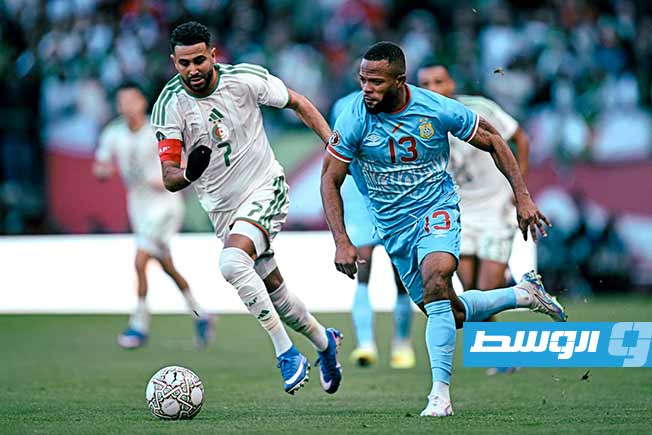
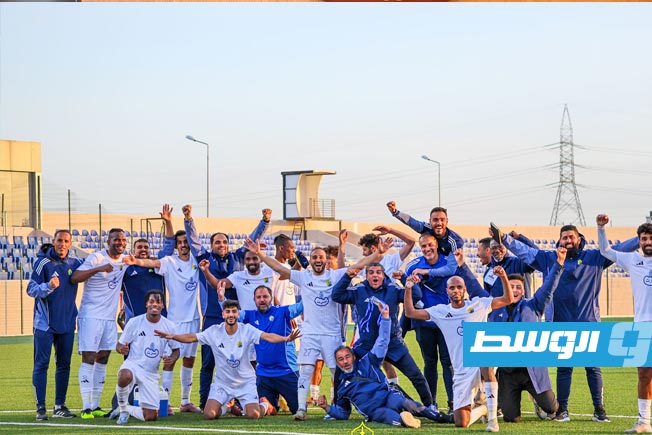
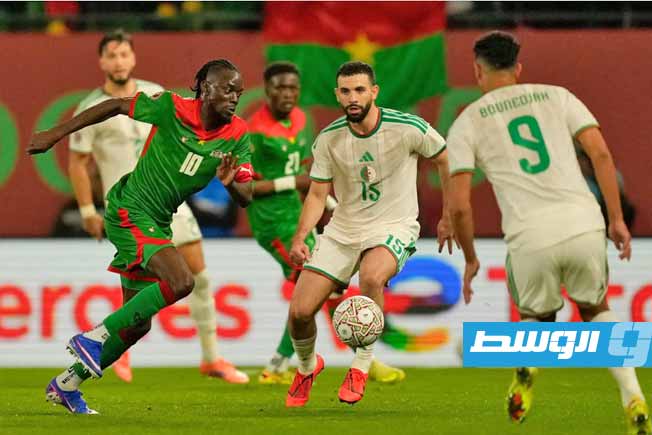
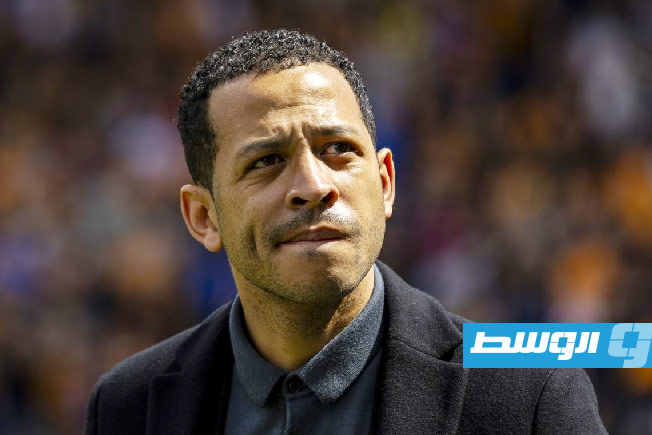
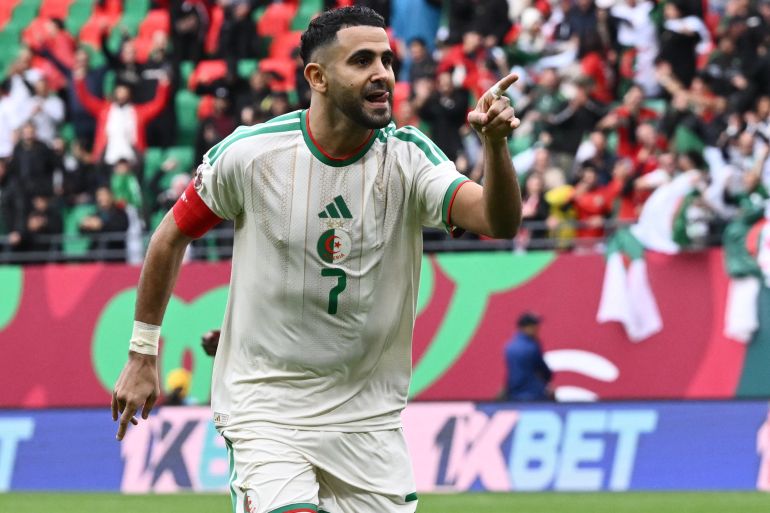
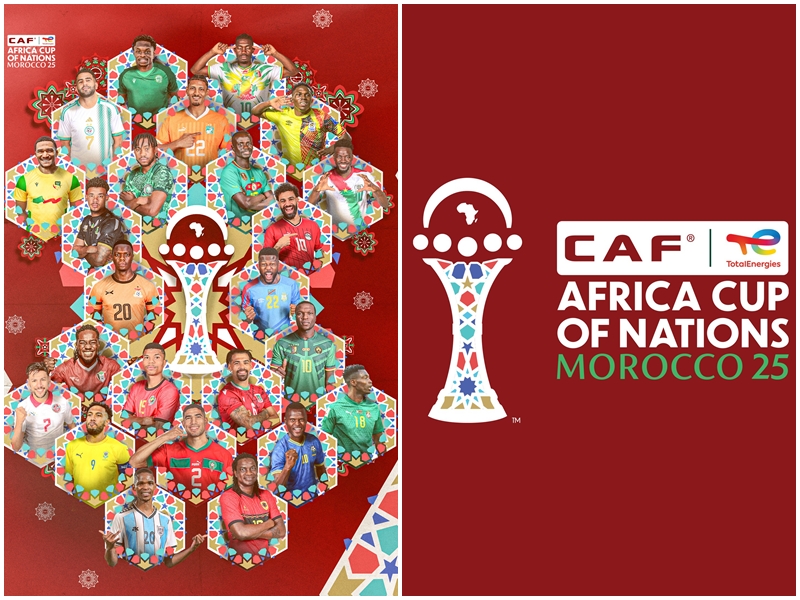
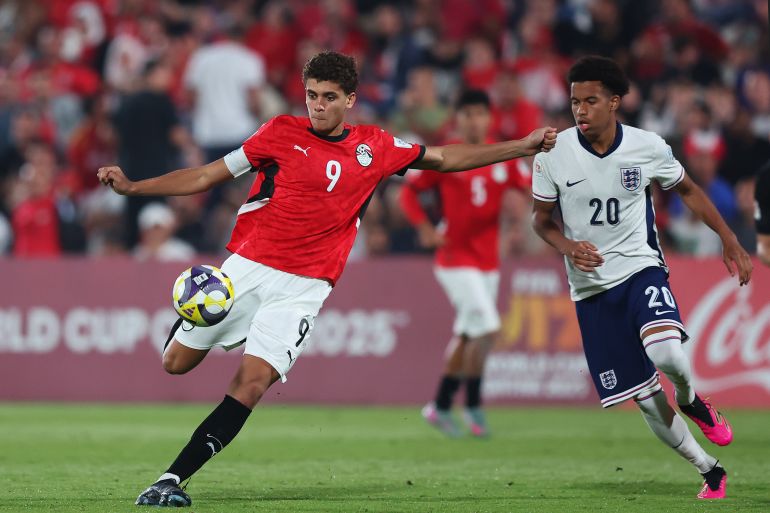
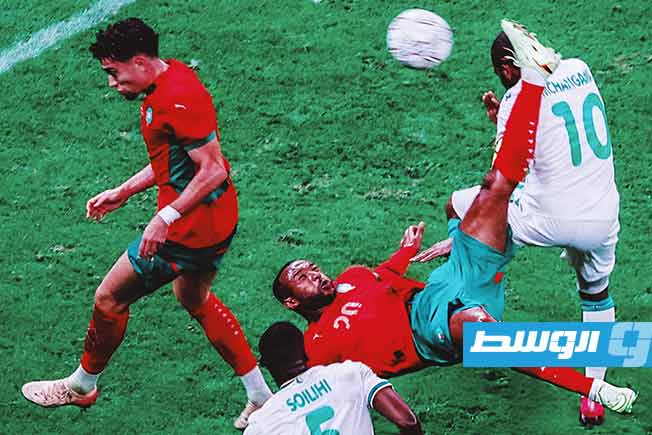
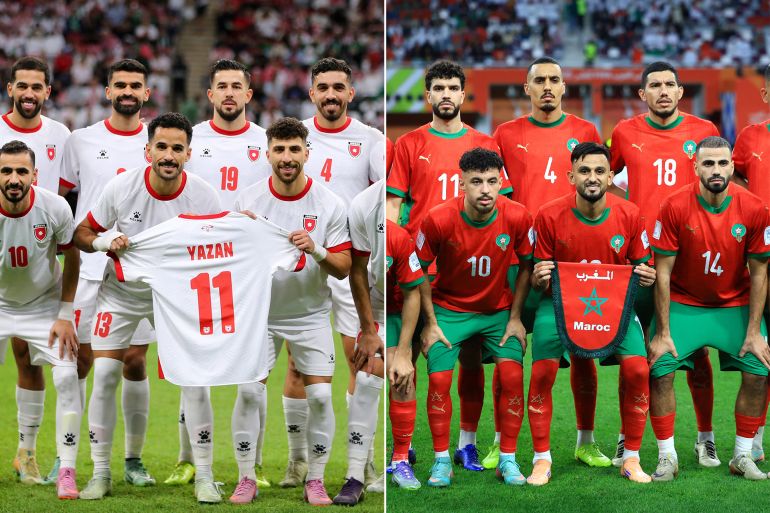
Six Arab national teams have qualified for the 2025 Africa Cup of Nations finals, entering the tournament with varying chances and differing ambitions to win the continent’s most prestigious national team title.
Predictions from the supercomputer “Opta” and artificial intelligence differed regarding the identity of the champion in the 35th edition of the tournament on January 18, 2025.
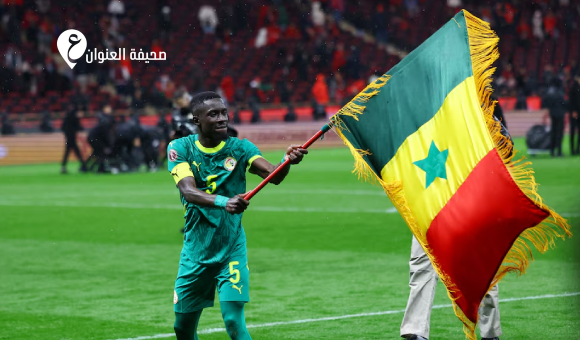
The supercomputer tips Morocco for the title, with three Arab teams—Egypt, Algeria, and Tunisia—as contenders. In contrast, the AI shocked the Arab teams by giving Senegal the best chance to win the title, placing the teams of Morocco, Algeria, and Egypt in second, third, and fourth place respectively.
But let’s move away from the virtual world, number crunching, statistics, AI, and its predictions, and attempt to provide a technical, on-the-ground reading of the Arab teams’ chances of winning this edition, which kicks off today in Morocco.
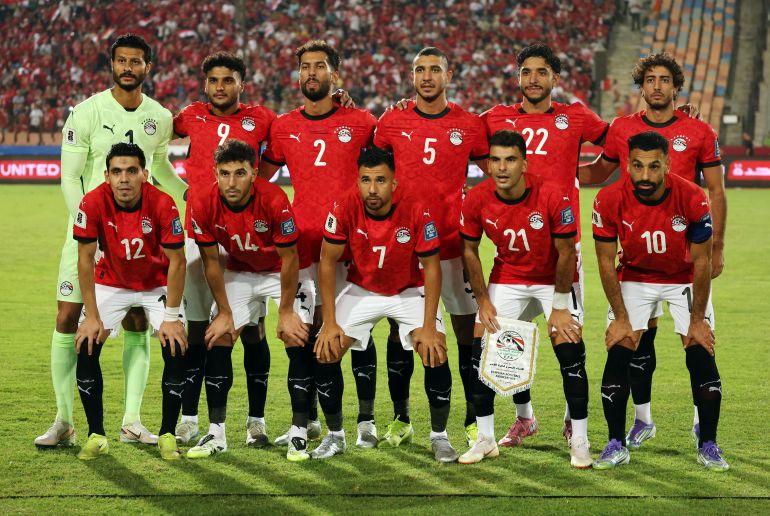
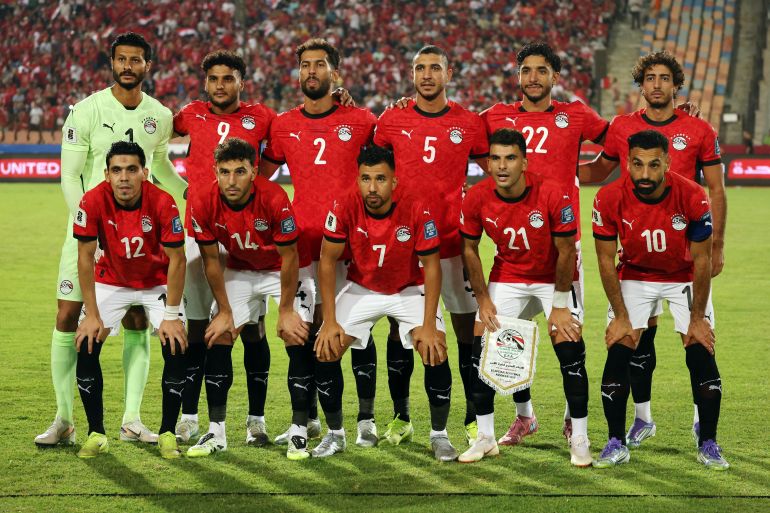
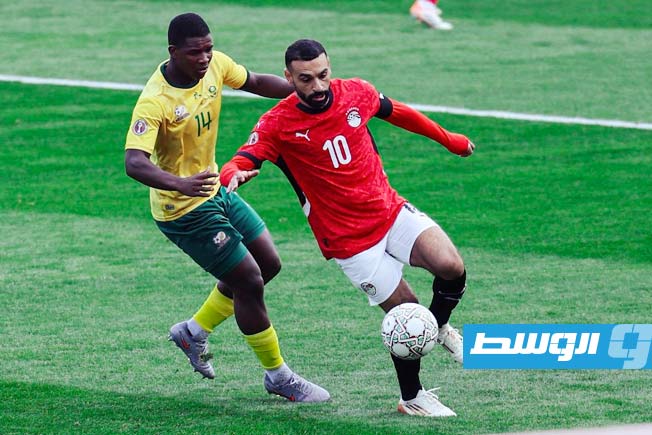
Egypt is the most successful Arab nation in the Africa Cup of Nations in football, having won the title 7 times in 26 participations, followed by Algeria with two titles, then Tunisia, Morocco, and Sudan with one title each.
Morocco
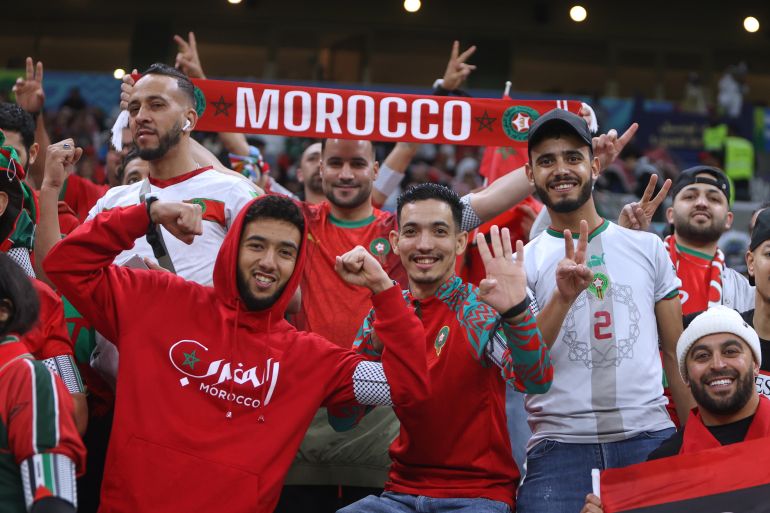
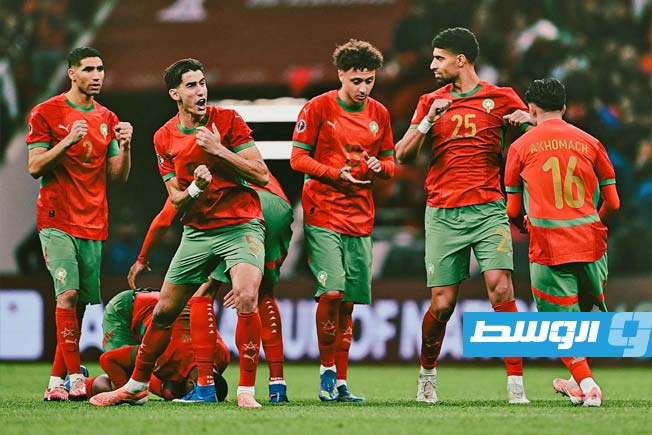
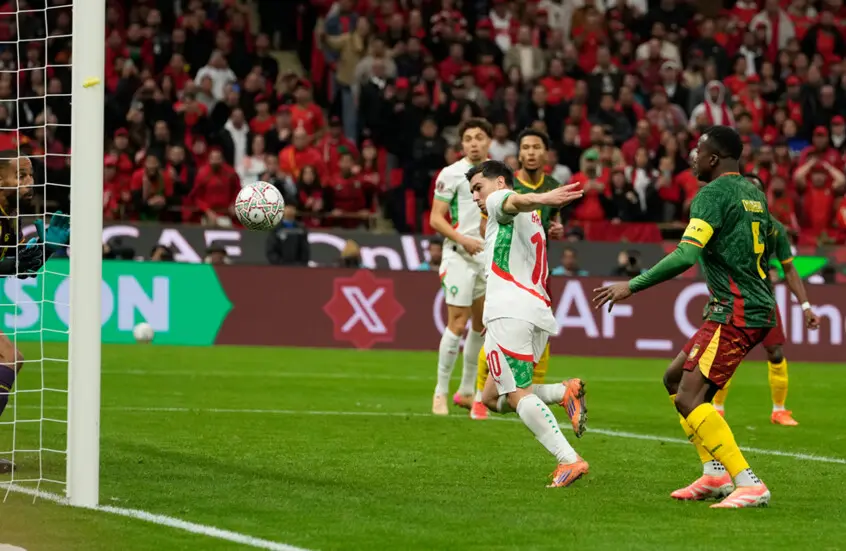
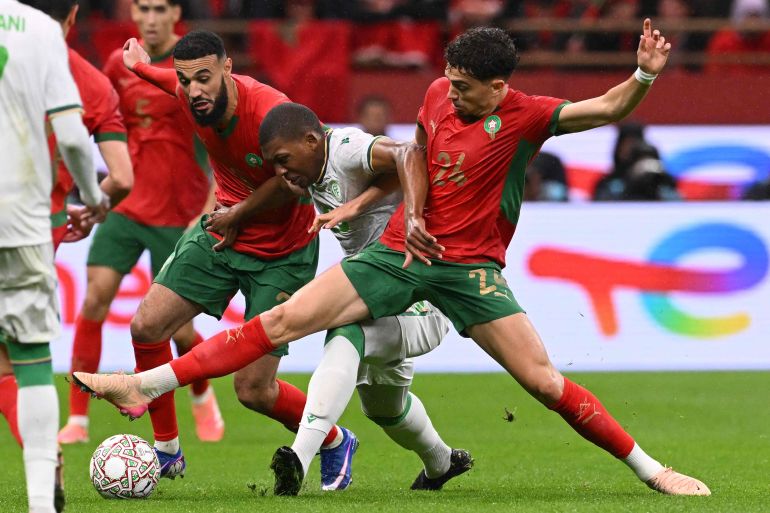
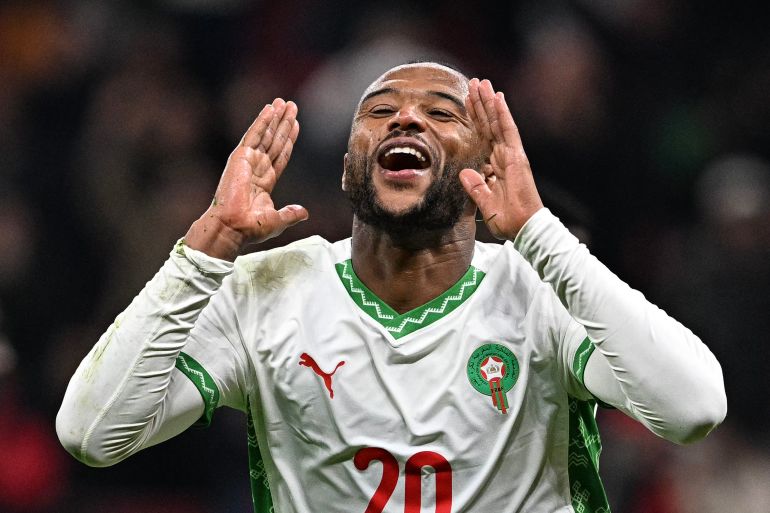
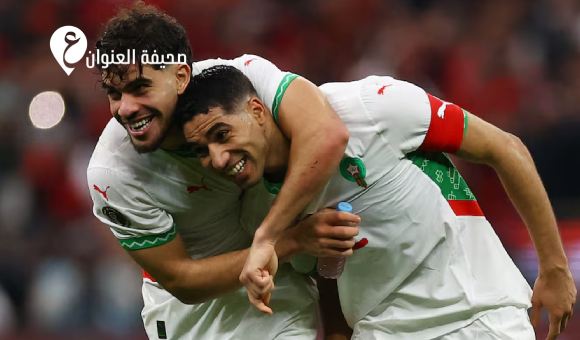
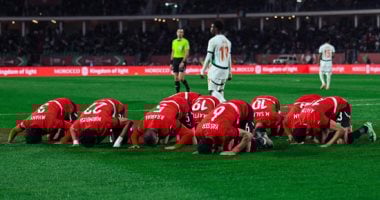
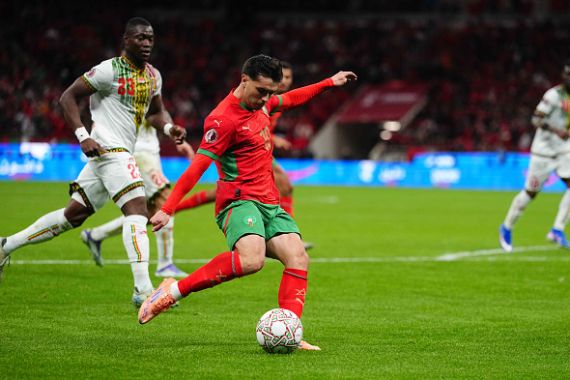
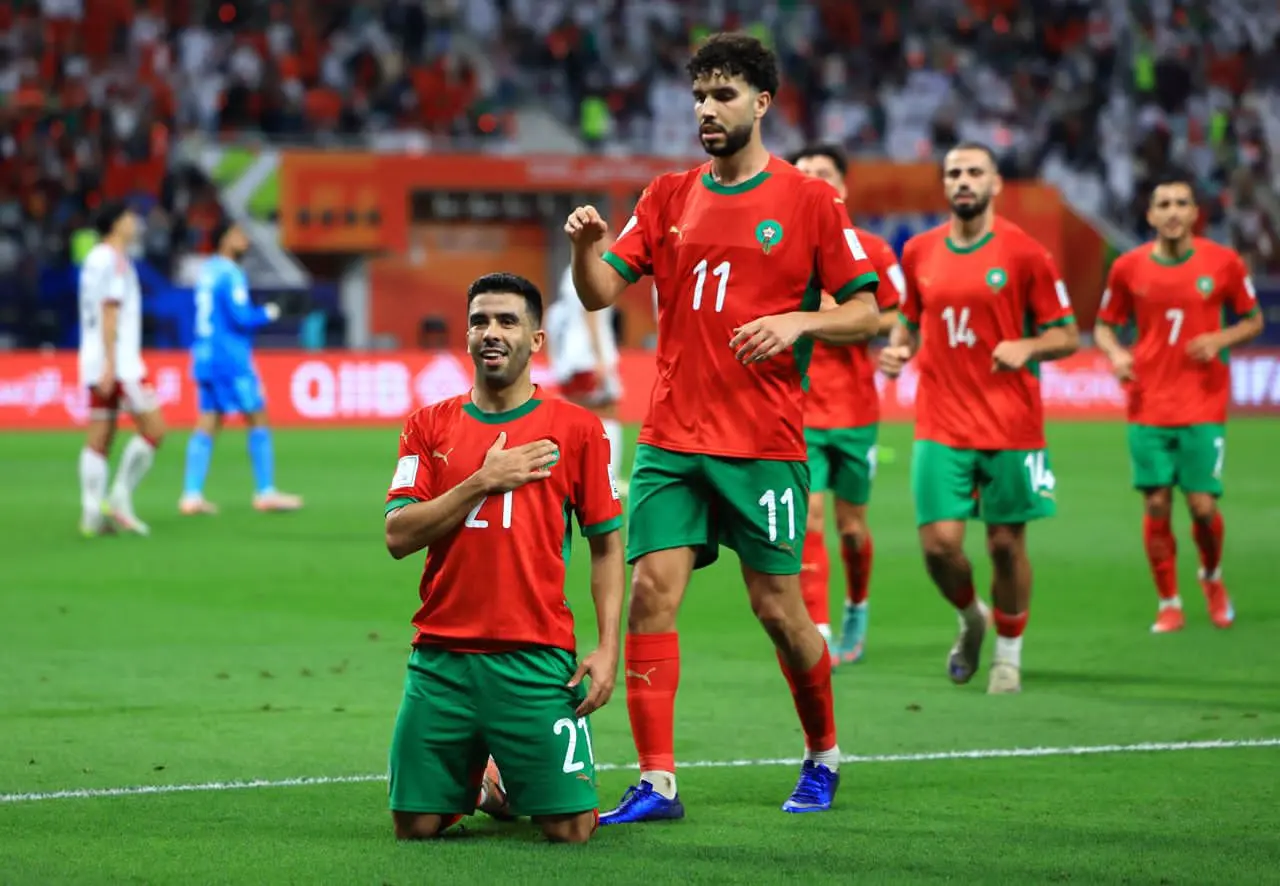
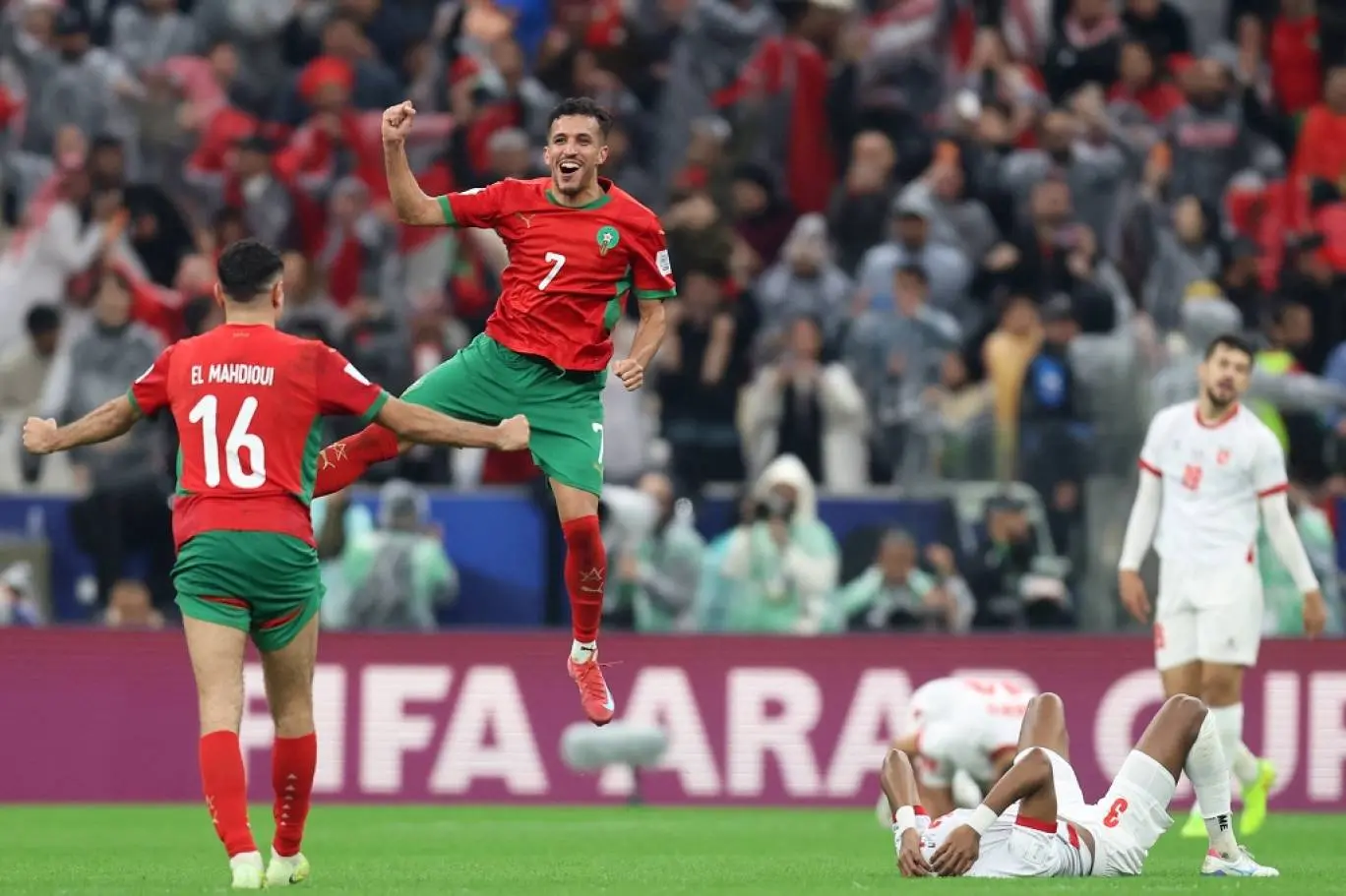
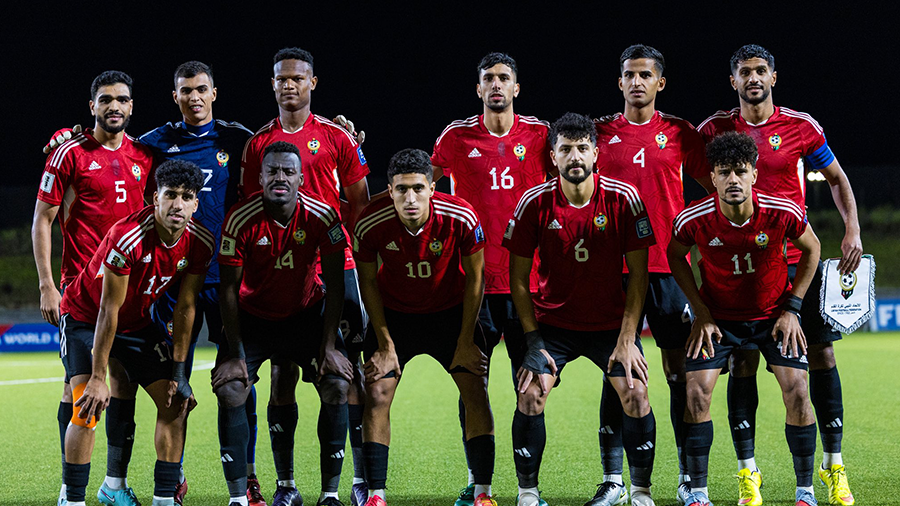
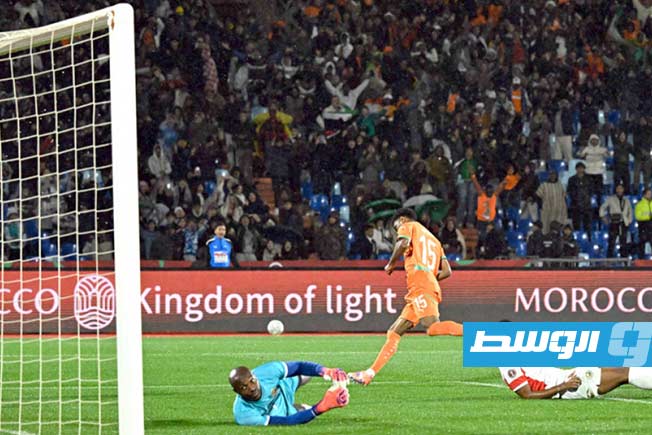
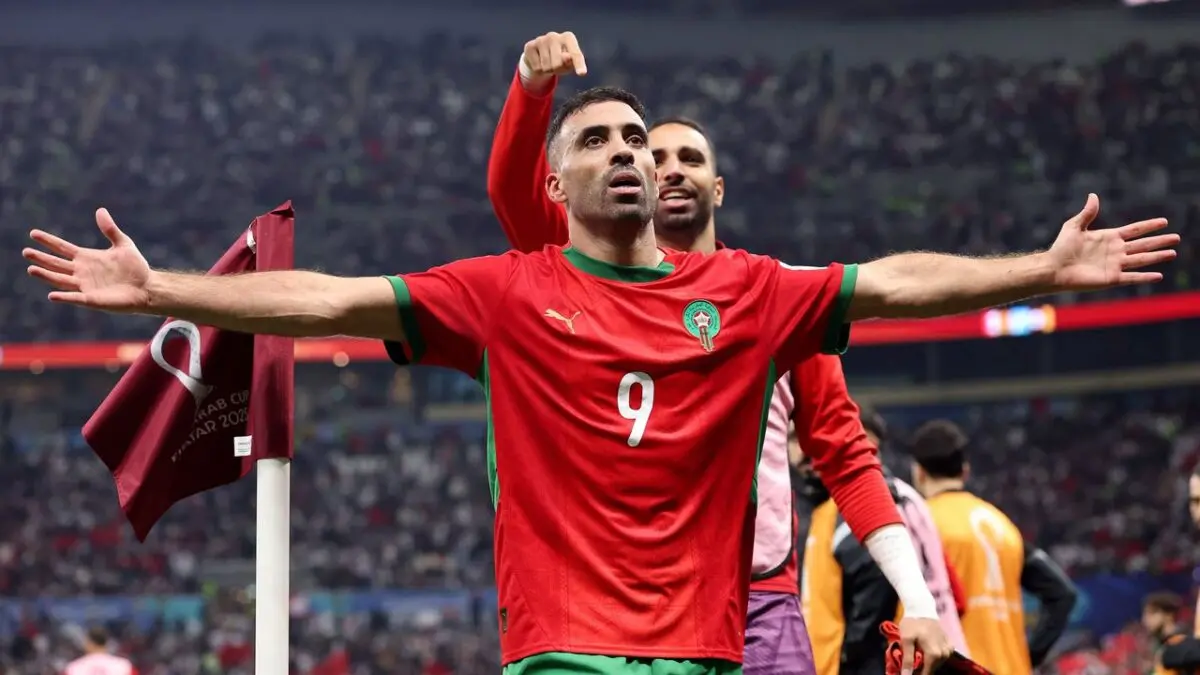
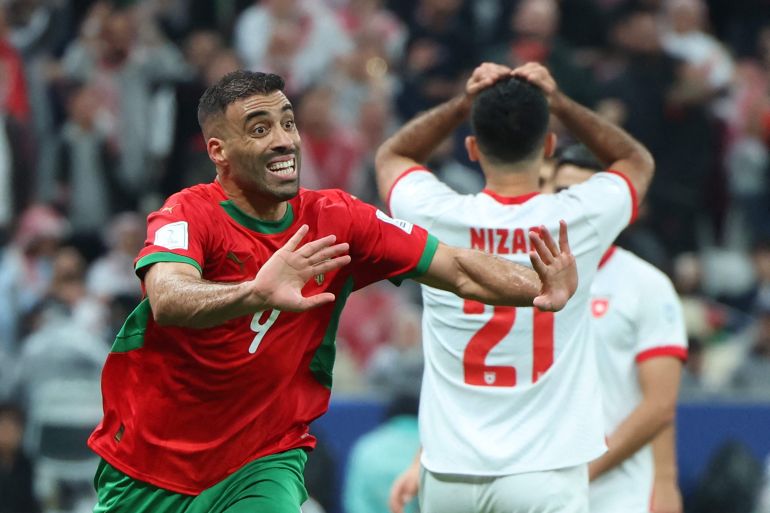
We begin with the hosts and their supporters. The “Atlas Lions” have participated 19 times in the tournament, first in 1972, and won the title in their second participation in 1976 in Ethiopia. They then exited in the first round 6 times in 7 participations between 2000 and 2013 (including the 2004 final they lost to Tunisia) and have consistently qualified for the knockout stages in the last four editions.
Their exit from the previous edition in the round of 16 against South Africa was a major shock for the team’s fans, who believed their national team easily outclassed the competition, especially after becoming the world’s fourth-ranked team in an unprecedented achievement at the Qatar 2022 World Cup.
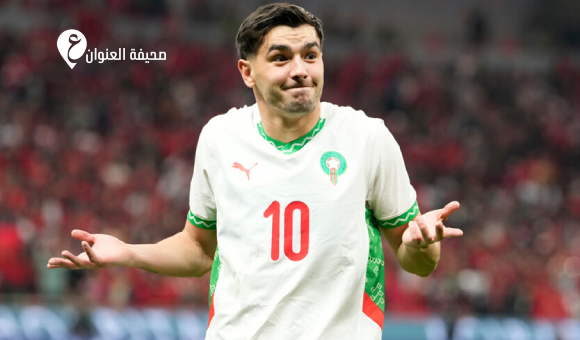
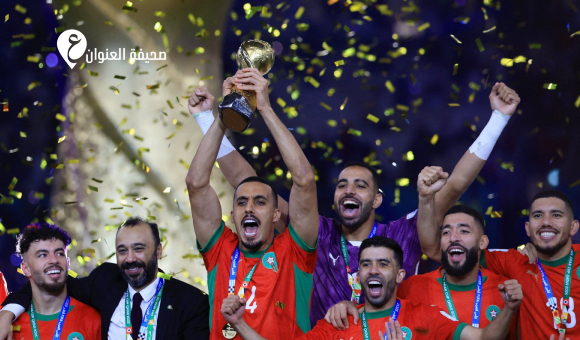
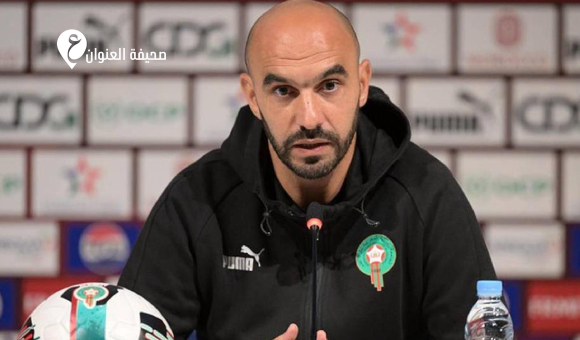
Because the tournament is being held in Morocco, Walid Regragui faces a historic responsibility to reclaim a title that has been absent for 49 years. For this reason, the coach of the “Lions” said that work for this moment began immediately after the Ivory Coast edition, adding that the goal has remained constant from the beginning: to compete for the title, not just participate.
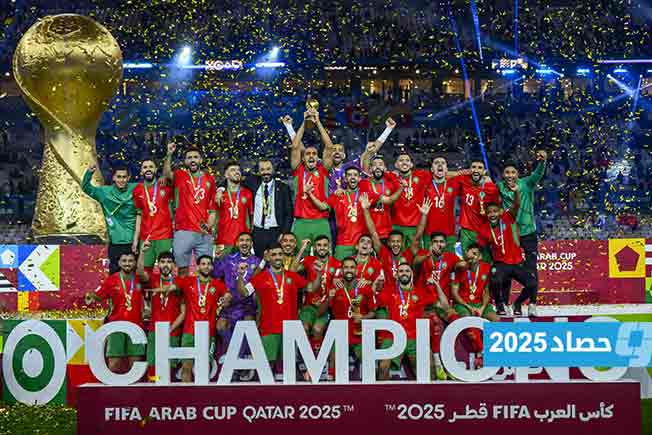
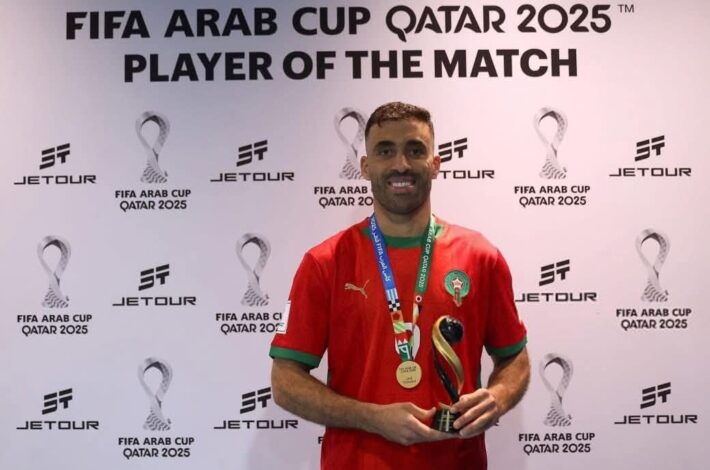
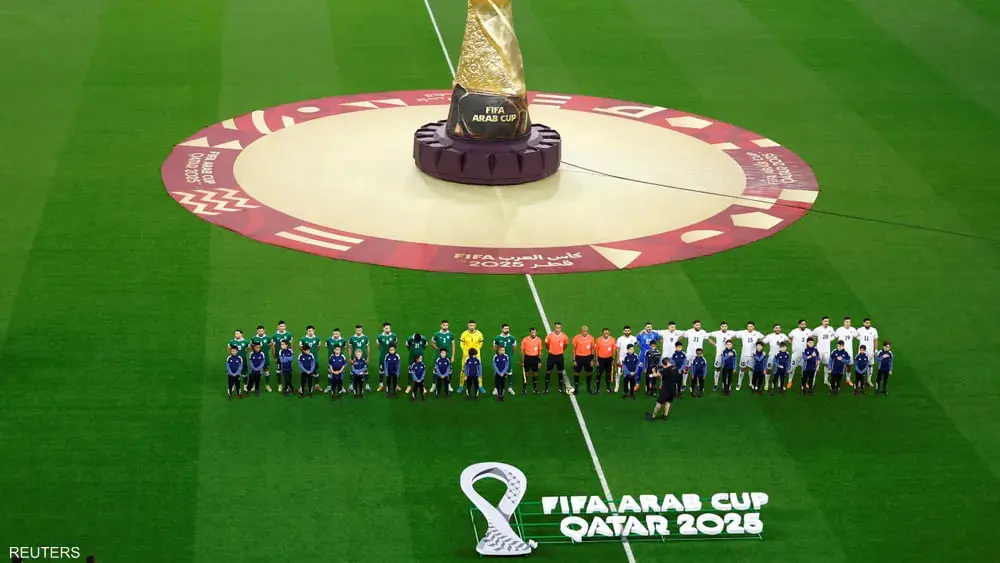
Regragui leads professional players active in the world’s best leagues and clubs. Therefore, he must restore his World Cup-era tactical imprint and prepare the players not only technically, physically, and tactically but also mentally—the most important factor, especially as the team is under pressure to win the title. Any failure to achieve victory would be a major setback for the Moroccan football project, which has won 11 titles since 2022, most notably the Under-20 World Cup, the Paris Olympics bronze medal, the African Nations Championship (CHAN), and the Arab Cup.
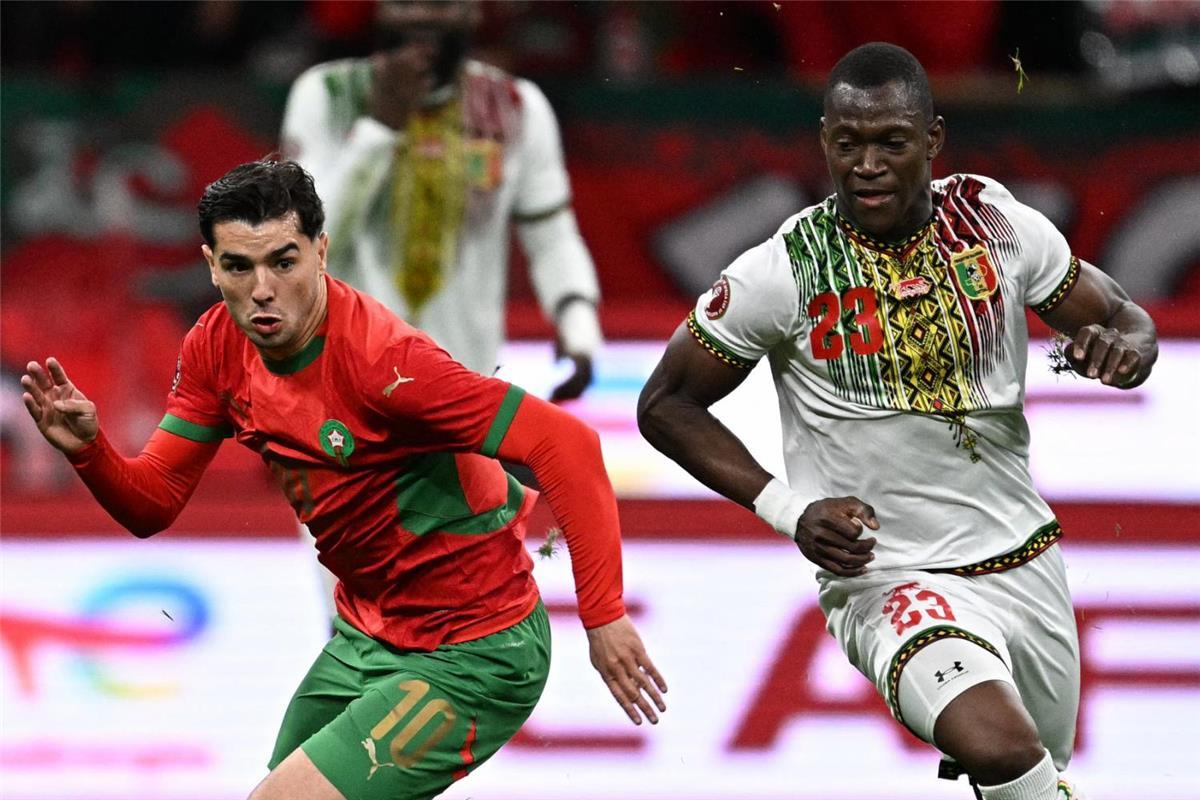
Morocco—which plays in a not-easy first group containing Mali, Zambia, and Comoros—is among the contenders for the title, if not the most prominent, and tops the list of Arab teams tipped for the title.
The Africa Cup title has eluded Egypt since 2010</
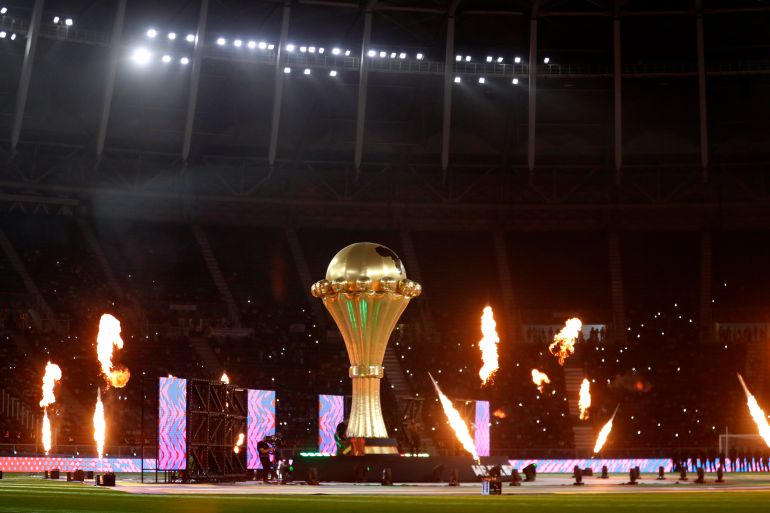
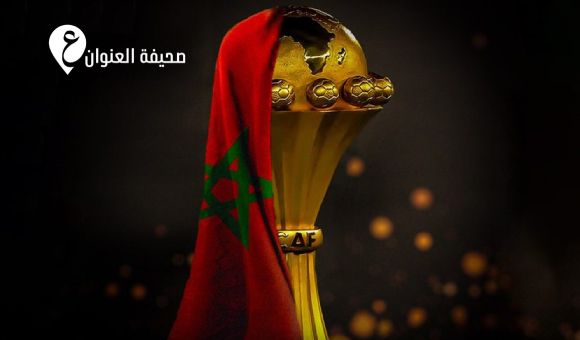
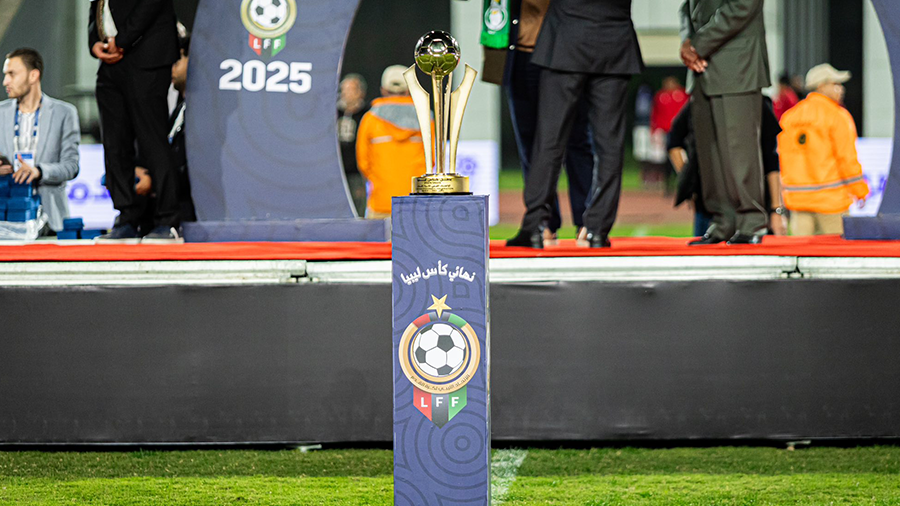
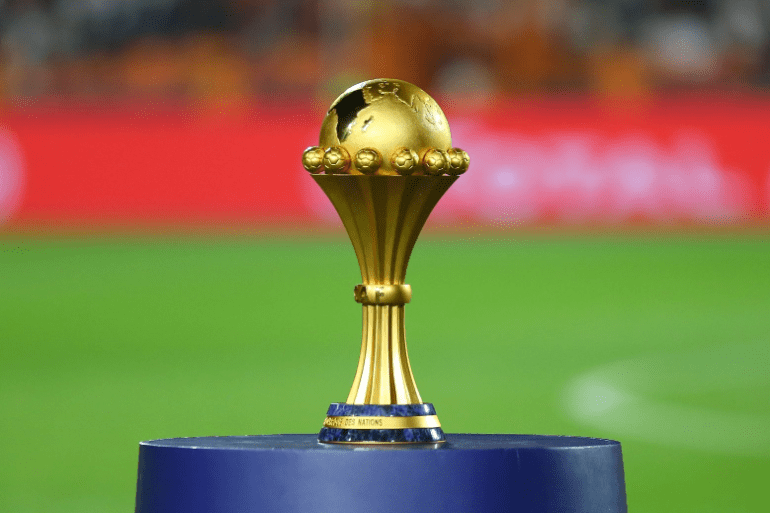
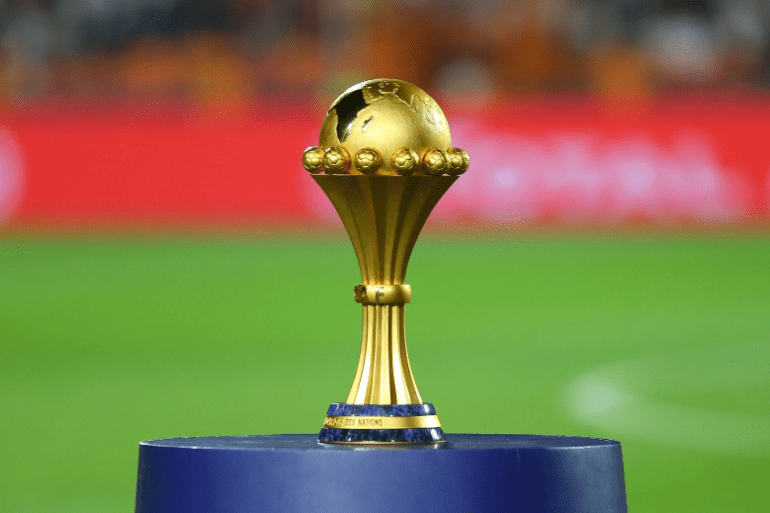
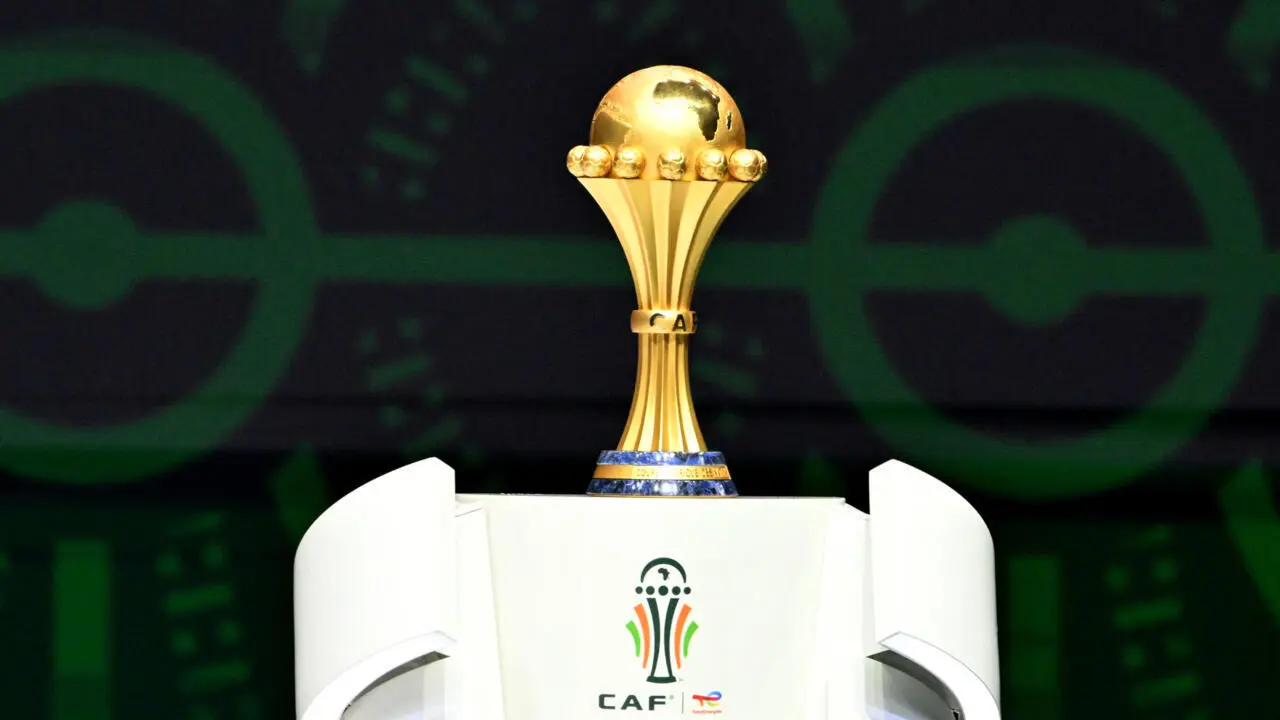
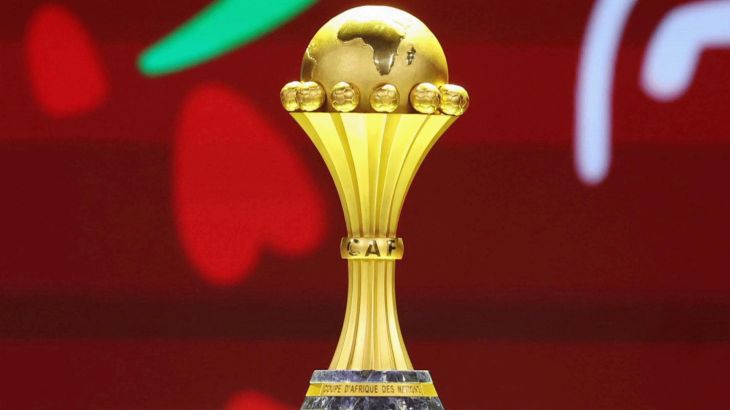
Africa Cup of Nations trophy
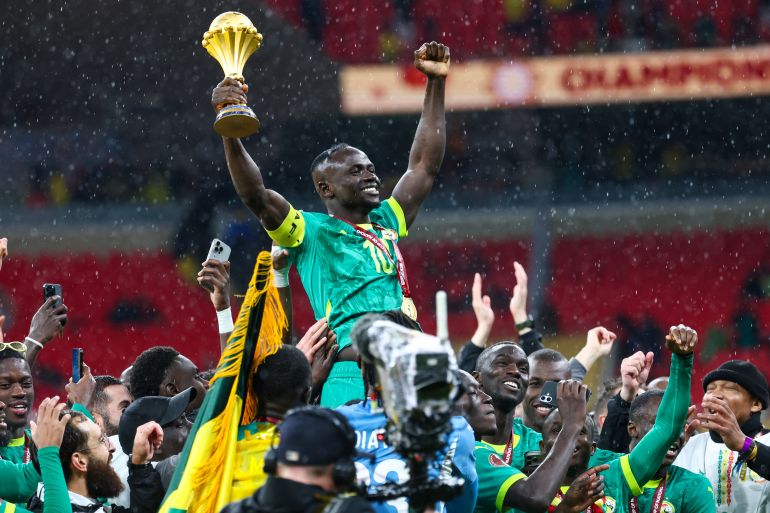
The Africa Cup of Nations trophy is the prize awarded to the winner of the continent’s premier men’s football tournament. The current trophy, first awarded in 2002, is a gold-plated cup designed and made in Italy, replacing the original trophy which was permanently awarded to Ghana in 2000 after their third tournament victory.
Olembe Stadium
Olembe Stadium is a modern sports venue in Yaoundé, Cameroon, officially opened in 2021. It was constructed to host matches for the 2021 Africa Cup of Nations, including the final, and is named after the surrounding Olembe district.
Yaounde
Yaoundé is the capital city of Cameroon, founded in 1888 by German traders as a base for the ivory trade and later becoming a colonial administrative center. It became the capital of French Cameroon in 1922 and has remained the political and administrative heart of the independent nation since 1960.
Cameroon
Cameroon, located in Central Africa, is a culturally diverse nation often called “Africa in miniature” due to its varied geography and over 250 ethnic groups. Its modern history stems from colonial rule by Germany, followed by French and British administration after World War I, leading to its independence and unification in 1960 and 1961. The country is known for its rich cultural heritage, including traditional music, festivals, and sites like the Royal Palace of the Bamoun people in Foumban.
Morocco
Morocco is a North African country with a rich history shaped by indigenous Amazigh (Berber) cultures, Arab influence from the 7th century, and successive dynasties like the Almoravids and Almohads. Its cultural sites, such as the ancient city of Fez and the Koutoubia Mosque in Marrakech, reflect this blend of Arab, Amazigh, and European heritage. The country is also known for its well-preserved medieval medinas and historic kasbahs.
Egypt
Egypt is home to one of the world’s oldest civilizations, with a recorded history spanning over 5,000 years and iconic monuments like the Pyramids of Giza and the Sphinx from the Old Kingdom era. Its rich cultural legacy includes pharaonic, Greco-Roman, Coptic Christian, and Islamic influences, with the Nile River serving as the central artery for its development and sustenance.
Algeria
Algeria is a North African country with a rich history shaped by ancient Berber kingdoms, Roman rule, and centuries as a core province of the Ottoman Empire. It was a French colony from 1830 until achieving independence in 1962 after a protracted war of liberation. Today, it is the largest country in Africa and the Arab world, known for its diverse landscapes and cultural heritage sites like the Roman ruins at Timgad and the Casbah of Algiers.
Tunisia
Tunisia is a North African country with a rich history shaped by ancient civilizations, including the Phoenicians, Romans, and Arabs. Its cultural landscape is famously marked by the archaeological site of Carthage, a major power of the ancient Mediterranean, and the well-preserved Roman amphitheater at El Djem. The country’s medinas, such as in Tunis, reflect its deep Islamic heritage and architectural tradition.
Senegal
Senegal is a West African nation known for its rich cultural heritage, shaped by historic kingdoms like the Jolof Empire and French colonial rule until independence in 1960. It is renowned for its vibrant music, art, and religious traditions, as well as significant sites like Gorée Island, a UNESCO World Heritage site that memorializes the transatlantic slave trade.
Sudan
Sudan is a country in Northeast Africa with a rich history as the home of ancient Nubian kingdoms, such as Kush, which rivaled Egypt. It later became the site of the Sultanate of Sennar and, in the 19th century, was jointly ruled by Egypt and Britain before gaining independence in 1956. The country is culturally diverse, with numerous ethnic groups and archaeological sites like the pyramids of Meroë.
Ethiopia
Ethiopia is a historically rich nation in the Horn of Africa, widely recognized as one of the world’s oldest countries and the only African nation to never be fully colonized. It is home to ancient sites like the rock-hewn churches of Lalibela and the ruins of Aksum, which was a major empire from the 1st to the 8th centuries.
South Africa
South Africa is a country located at the southern tip of the African continent, known for its diverse cultures, languages, and dramatic landscapes. Its modern history is profoundly shaped by colonialism and the institutionalized racial segregation of apartheid, which ended in 1994 with the country’s first democratic elections and the presidency of Nelson Mandela.
Qatar
Qatar is a sovereign country on the Arabian Peninsula, historically shaped by its Bedouin heritage and centuries of pearl diving economy before the discovery of oil and natural gas transformed it in the mid-20th century. Today, it is a modern nation-state known for its capital, Doha, and significant cultural sites like the Museum of Islamic Art and the heritage village of Katara.
Ivory Coast
The Ivory Coast, officially known as Côte d’Ivoire, is a West African nation with a history shaped by pre-colonial kingdoms, French colonization from the late 19th century, and independence in 1960. A significant cultural site is the historic town of Grand-Bassam, a UNESCO World Heritage site that was the first French colonial capital and features preserved colonial architecture. The country is also renowned for its diverse cultural traditions, including music genres like *coupé-décalé* and vibrant mask festivals from groups like the Dan and Senufo.
Mali
Mali is a West African country historically renowned as the heart of the powerful Mali Empire, which flourished from the 13th to 16th centuries and was famed for its wealth, scholarship, and the legendary city of Timbuktu. Today, it is home to significant UNESCO World Heritage sites, including the ancient trading centers of Timbuktu and Djenné, though many of its cultural treasures face threats from conflict and environmental degradation.
Zambia
Zambia is a landlocked country in southern Africa, historically inhabited by Bantu-speaking groups before coming under British colonial rule as Northern Rhodesia until gaining independence in 1964. It is renowned for its vast natural resources, particularly copper, and as the home of the spectacular Victoria Falls, one of the world’s largest waterfalls.
Comoros
Comoros is an archipelago nation in the Indian Ocean, located off the eastern coast of Africa. Its history is marked by a blend of African, Arab, and French influences, having been a key hub in historic trade routes and later a French colony before gaining independence in 1975. The country is known for its volcanic landscapes, diverse culture, and being one of the world’s leading producers of ylang-ylang.
Cairo International Stadium
Cairo International Stadium is a major multi-purpose sports venue located in Nasr City, Cairo, Egypt, which opened in 1960. It was originally built to host the 1991 All-Africa Games and has since served as a primary venue for football matches, concerts, and other large events, including numerous Africa Cup of Nations tournaments.
Cairo
Cairo is the sprawling capital of Egypt, founded in 969 CE by the Fatimid dynasty near the ancient Egyptian capital of Memphis. It is famously home to historic Islamic districts, the Pyramids of Giza on its outskirts, and the Egyptian Museum, serving as a major cultural and political center of the Arab world.