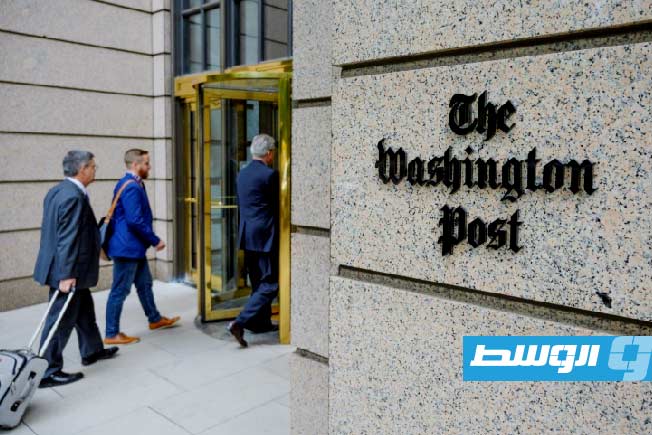
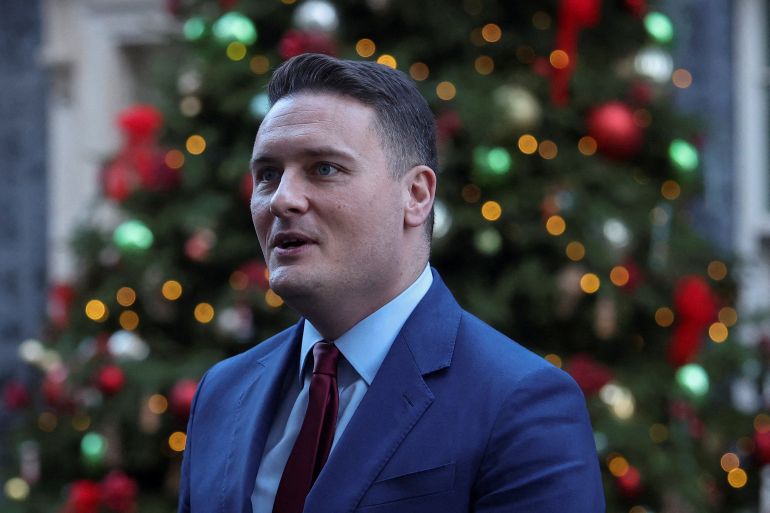
The Washington Post announced the stepping down of its CEO, Will Lewis, from his position, days after the implementation of a large-scale staff reduction plan that shook this American newspaper institution owned by billionaire Jeff Bezos.
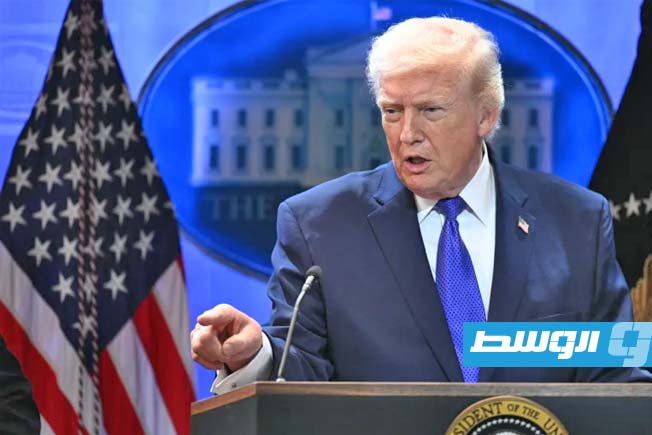
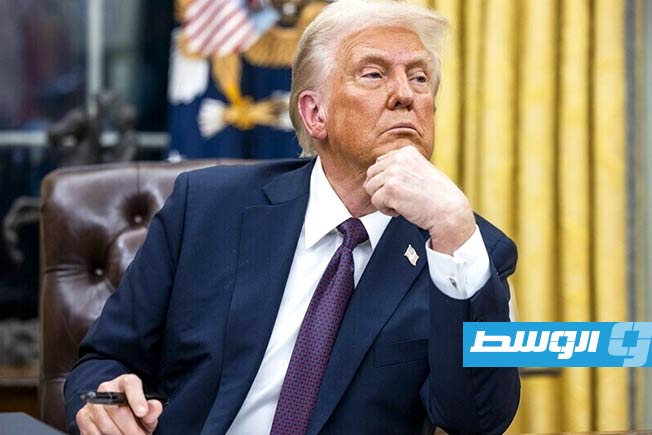
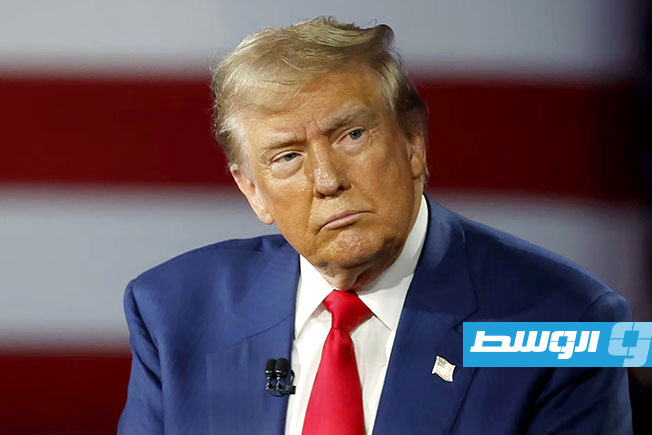
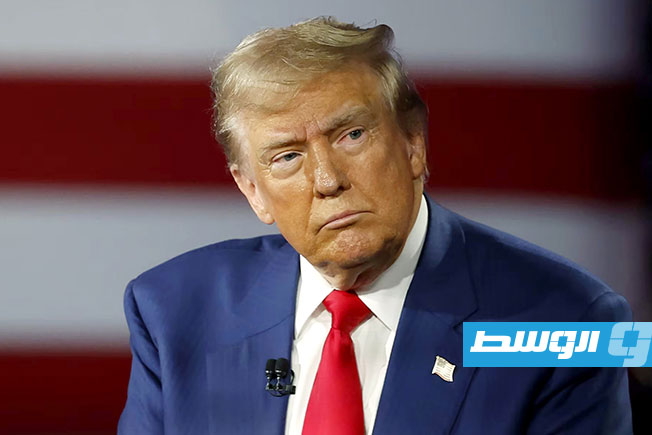
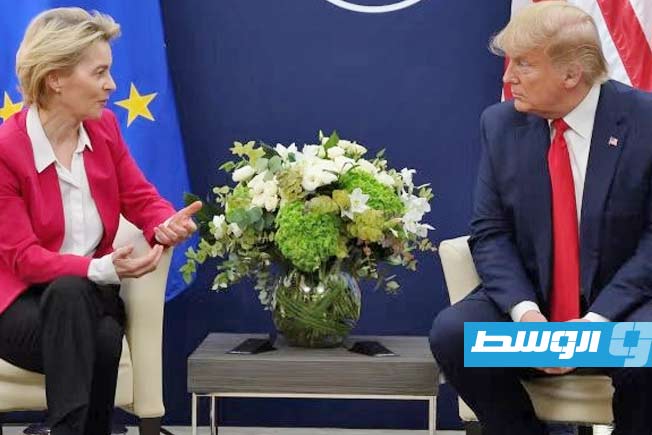
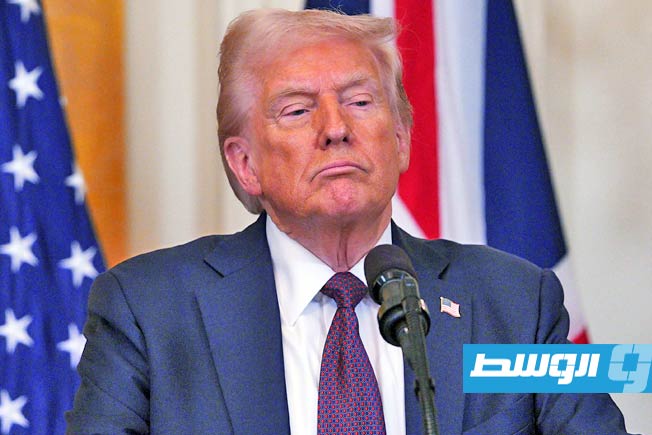
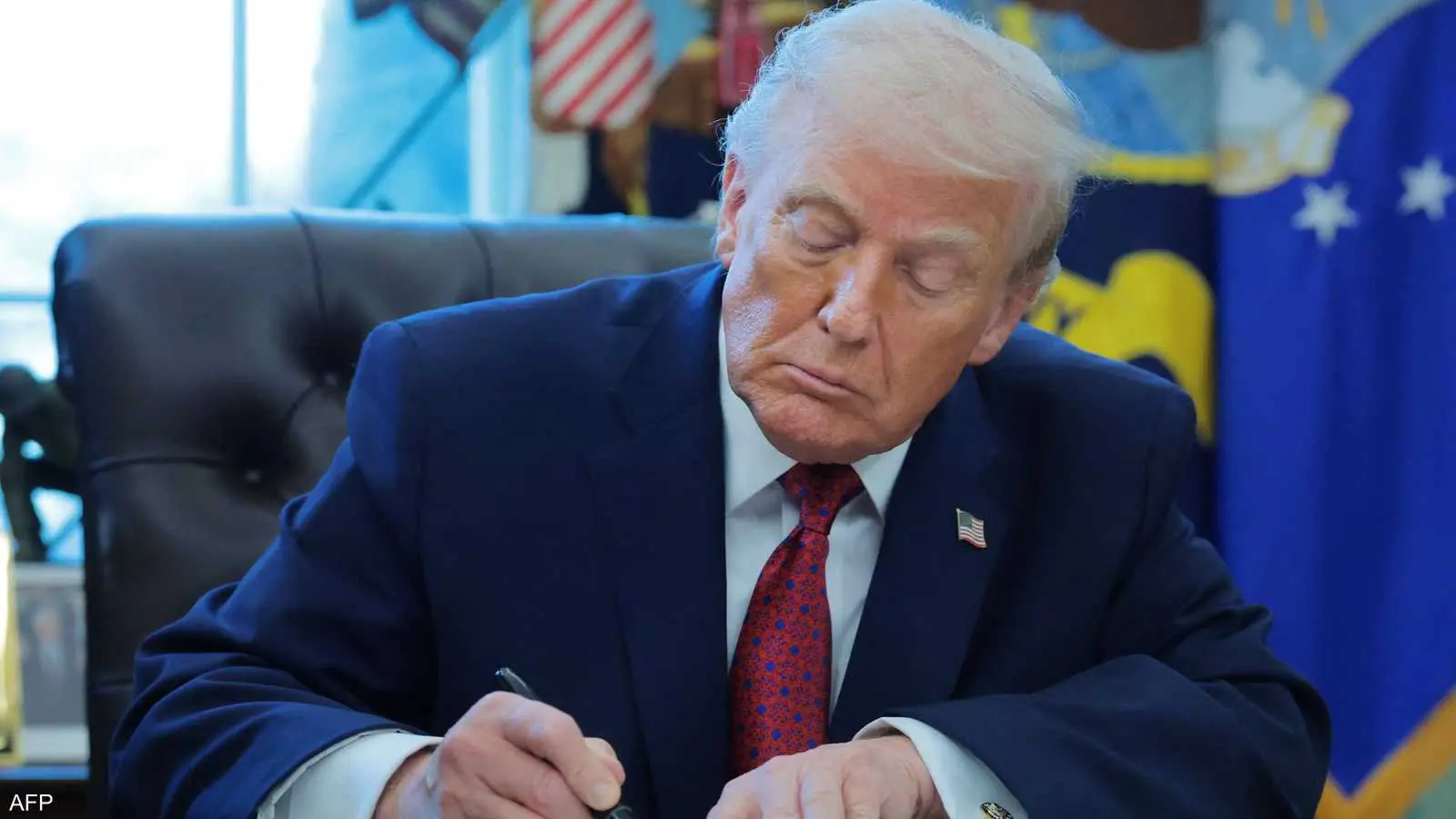
The announcement of the plan on Wednesday to lay off nearly 300 journalists out of 800 caused a shock, amid a growing alliance between the founder of Amazon and U.S. President Donald Trump, who has consistently launched campaigns against traditional media since his return to power.
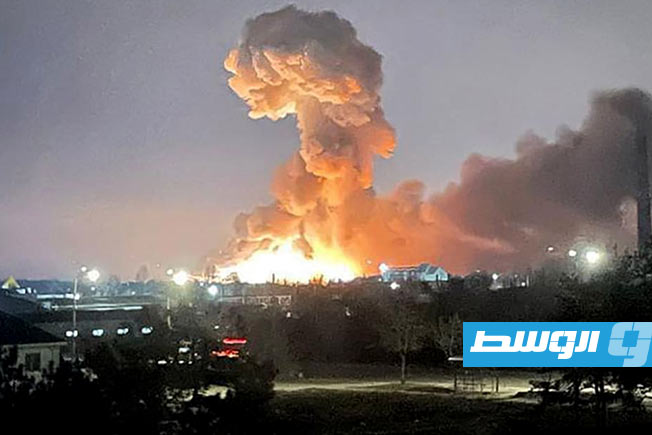
A large number of foreign correspondents were let go, including all those covering Middle East news and events in Russia and Ukraine. The cuts also affected the sports, books, podcast, local news, and graphics departments, with some being almost completely eliminated.
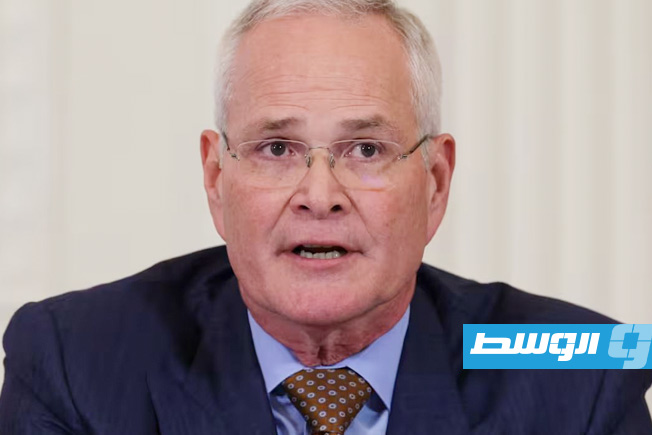
In an email sent to employees, revealed by one of the Washington Post’s journalists on social media, Will Lewis said: “After two years of working to develop The Washington Post, the time is right to step down.”
A financial crisis lasting for years
Will Lewis will be replaced by Jeff Donofrio, who has served as the Chief Financial Officer of The Washington Post since last year and has extensive experience in digital platforms and advertising, according to the newspaper.
The British journalist Will Lewis, who achieved historic journalistic scoops in the late 2000s regarding UK parliamentary expenses, was appointed to his position with the aim of saving The Washington Post from bankruptcy.
The newspaper, known for uncovering the Watergate scandal and the Pentagon Papers, and winner of 76 Pulitzer Prizes since 1936, has been suffering from a persistent crisis for years.
During Donald Trump’s first term, The Washington Post performed relatively well thanks to its straightforward style of covering events. After the Republican billionaire left the White House, reader interest in it declined, and its results began to drop sharply. According to press reports, the newspaper has been incurring financial losses for years.
Beyond funding the documentary “Melania”.
The Washington Post suffered a significant loss in subscribers when its management refused to take a stance before the 2024 presidential election, which was won by Donald Trump.
Many saw in this the fingerprints of Bezos, who appeared three months later in the front row at Donald Trump’s inauguration ceremony, and whose Amazon group funded the documentary “Melania” dedicated to the First Lady. His companies have signed huge contracts with the federal government, covering wide areas from data storage to space services.
Lewis said in his message: “During my tenure, difficult decisions were made to ensure a sustainable future for the newspaper, so that it can continue to publish high-quality, unbiased news for millions of readers daily for many years to come.”
Declining advertising and subscription revenues
Martin Baron, the newspaper’s former editor-in-chief and a prominent figure in American journalism, expressed regret over these mass layoffs. He wrote on Facebook: “This is one of the darkest days in the newspaper’s history.”
In the United States, as elsewhere, traditional media are suffering from declining advertising and subscription revenues and facing competition from social media and digital revenues that remain low compared to what print advertising previously generated.
According to The Wall Street Journal, The Washington Post lost 250,000 digital subscribers after it refrained from endorsing the Democratic candidate Kamala Harris and incurred losses estimated at around $100 million in 2024 due to declining advertising and subscription revenues.
– <a>The crisis of American employee layoffs due to Trump-Musk policies… Suffering for the youth and some seek immigration
Nevertheless, some American national daily newspapers, such as The New York Times or The Wall Street Journal, have managed to recover, something The Washington Post has not been able to achieve, even with a billionaire backer.
</fig
Washington Post
The Washington Post is a major American daily newspaper founded in 1877, known for its influential political reporting. It gained national prominence for its investigative journalism, most notably its coverage of the Watergate scandal in the 1970s.
United States
The United States is a federal republic founded in 1776 after declaring independence from Great Britain, establishing itself through a revolutionary war and the ratification of its Constitution in 1789. It grew from thirteen original colonies into a global superpower, with a history shaped by westward expansion, industrialization, and significant internal conflicts such as the Civil War. Its diverse culture is a product of immigration and its influential political and economic systems.
Middle East
The Middle East is a transcontinental region centered on Western Asia and Egypt, historically home to some of the world’s earliest civilizations, including Mesopotamia and Ancient Egypt. It is the birthplace of major Abrahamic religions—Judaism, Christianity, and Islam—and has been a central crossroads of trade, empire, and cultural exchange for millennia.
Russia
Russia is the world’s largest country by area, spanning Eastern Europe and Northern Asia, with a history dating back to the medieval state of Kievan Rus’. It evolved into the Tsardom of Russia and later the Russian Empire, before becoming the Soviet Union in the 20th century and eventually the modern Russian Federation following the USSR’s dissolution in 1991. Its culture is renowned for its contributions to literature, music, ballet, and architecture, reflecting a complex blend of European and Asian influences.
Ukraine
Ukraine is a country in Eastern Europe with a history dating back to the medieval state of Kyivan Rus’. It has faced periods of foreign rule and conflict, gaining independence from the Soviet Union in 1991. The nation is known for its rich cultural heritage, including Orthodox Christian cathedrals, Cossack traditions, and a distinct language and literature.
Watergate
The Watergate complex in Washington, D.C. is a group of buildings best known as the site of the 1972 burglary of the Democratic National Committee headquarters, which sparked the political scandal that led to President Richard Nixon’s resignation. The name “Watergate” has since become synonymous with political scandal and corruption.
Pentagon Papers
The Pentagon Papers refer to a classified U.S. Department of Defense study on the history of American political and military involvement in Vietnam from 1945 to 1967. Their leak to the press in 1971 by military analyst Daniel Ellsberg exposed government deception about the war and led to a landmark Supreme Court case affirming press freedom.
White House
The White House is the official residence and workplace of the President of the United States, located in Washington, D.C. It was designed by James Hoban, with construction completed in 1800, and has been the home of every U.S. president since John Adams. The building was burned by British forces in 1814 during the War of 1812 and was subsequently rebuilt and expanded over the centuries.
Amazon
The Amazon refers to the vast Amazon Rainforest in South America, which is the world’s largest tropical rainforest and river basin. Its history includes millennia of human habitation by indigenous peoples, followed by European exploration starting in the 16th century and subsequent periods of resource extraction and deforestation.
Facebook
Facebook is a social networking service founded in 2004 by Mark Zuckerberg and his Harvard University roommates. It began as a platform for college students before expanding globally, fundamentally changing online communication and becoming one of the world’s largest technology companies.
The Wall Street Journal
The Wall Street Journal is a major American business-focused daily newspaper founded in 1889 by Charles Dow, Edward Jones, and Charles Bergstresser. It is renowned for its in-depth financial reporting and has grown into one of the most widely circulated newspapers in the United States.
The New York Times
The New York Times is a major American daily newspaper founded in 1851, known for its influential journalism and often called the “newspaper of record.” It has played a significant historical role, including publishing the Pentagon Papers in 1971, and has adapted from print to become a leading global digital news source.