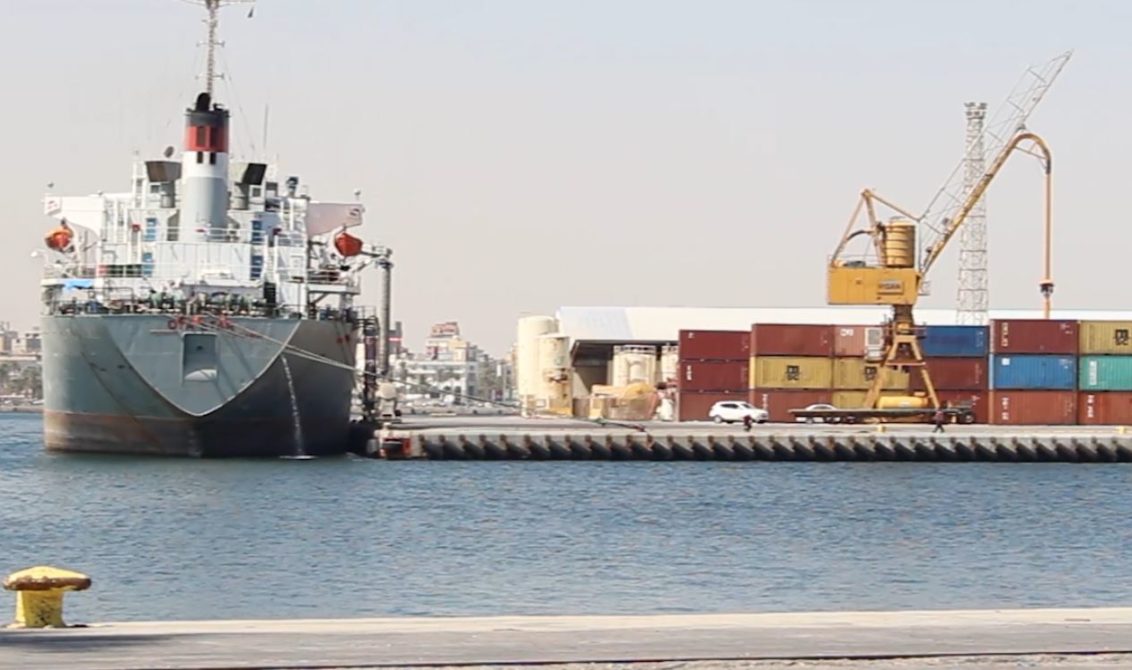
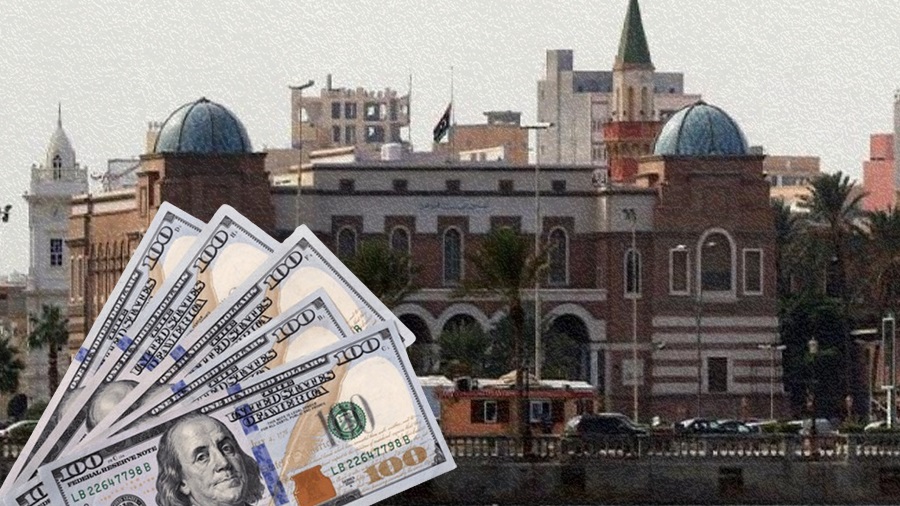
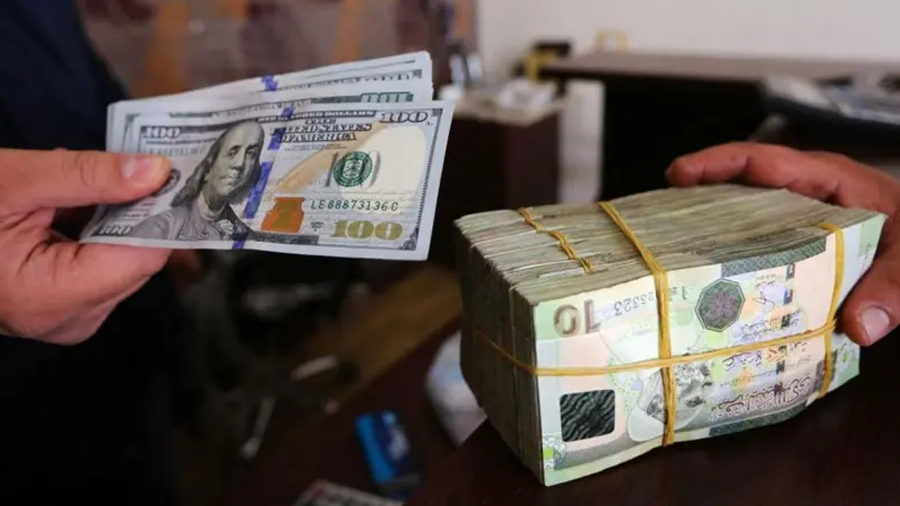
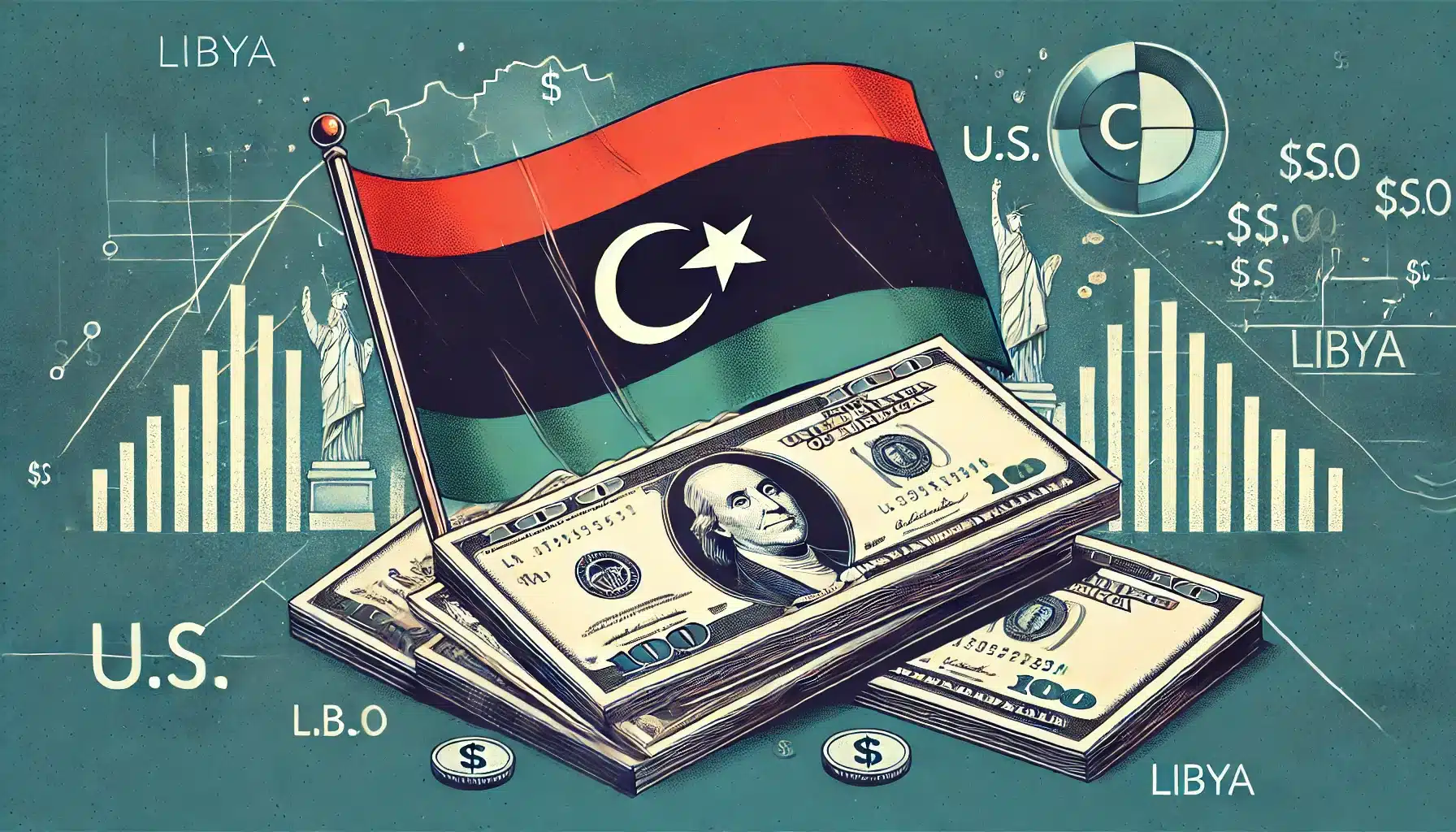
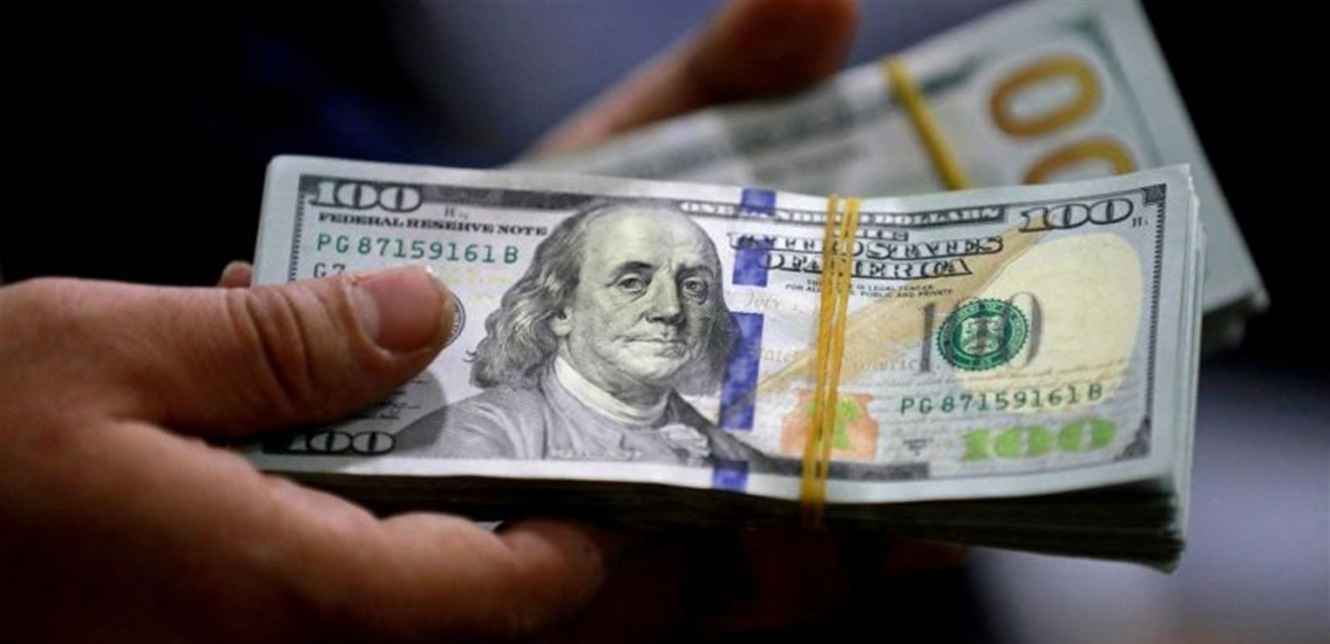
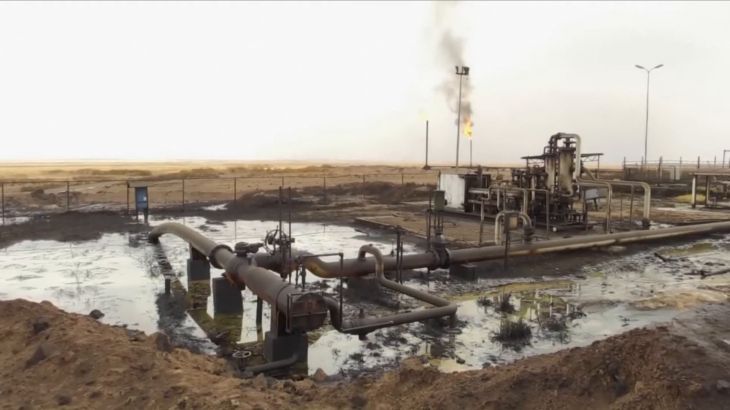
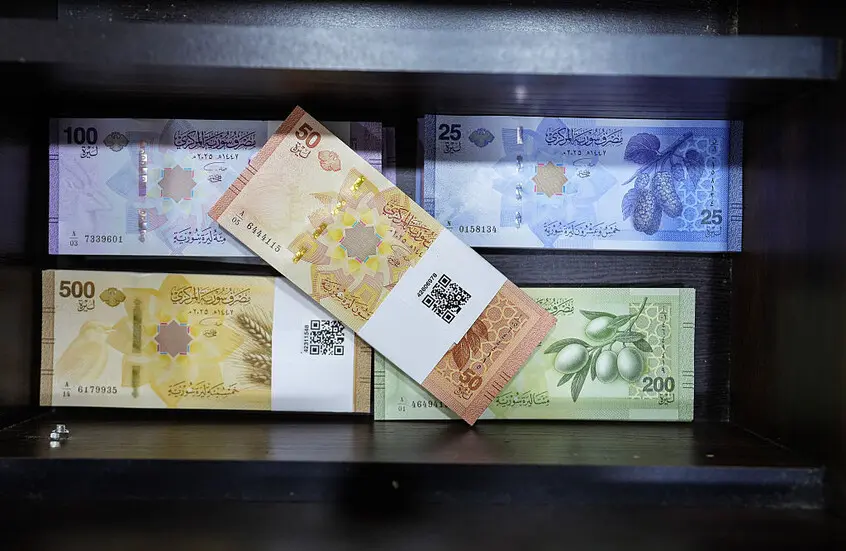
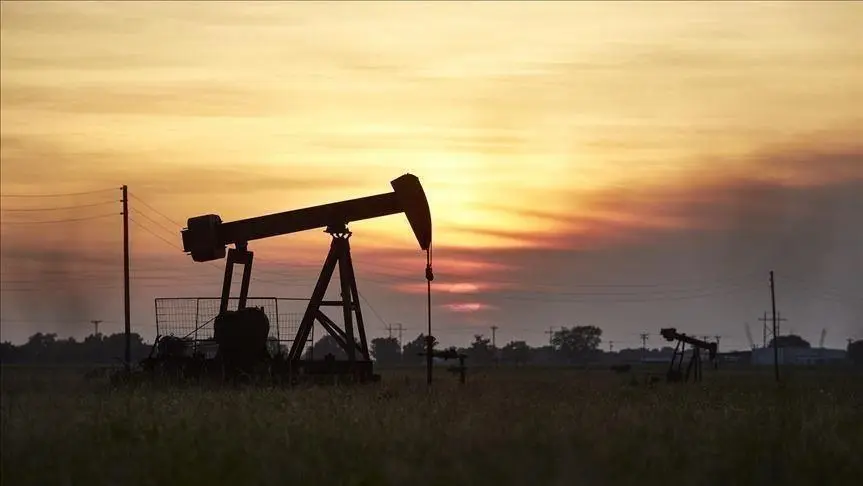
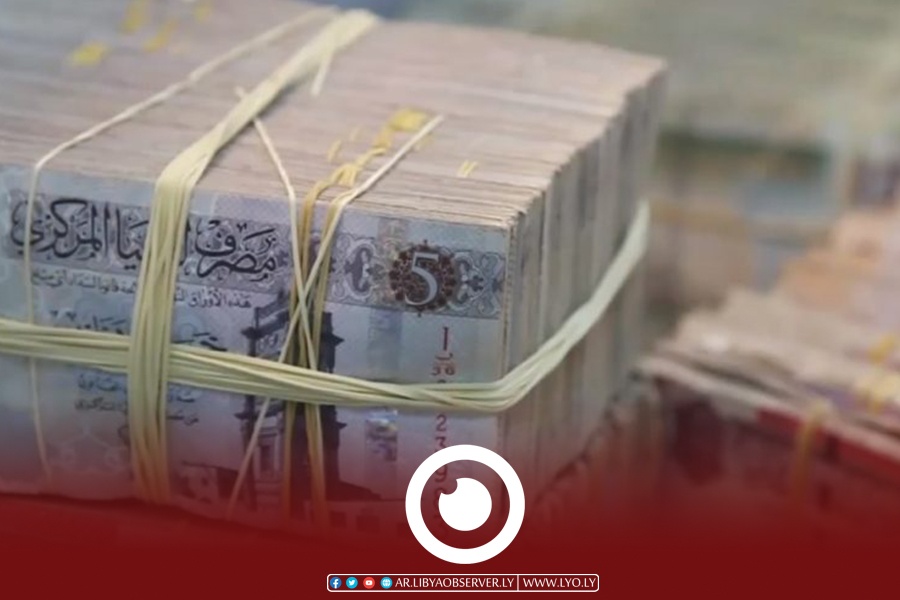
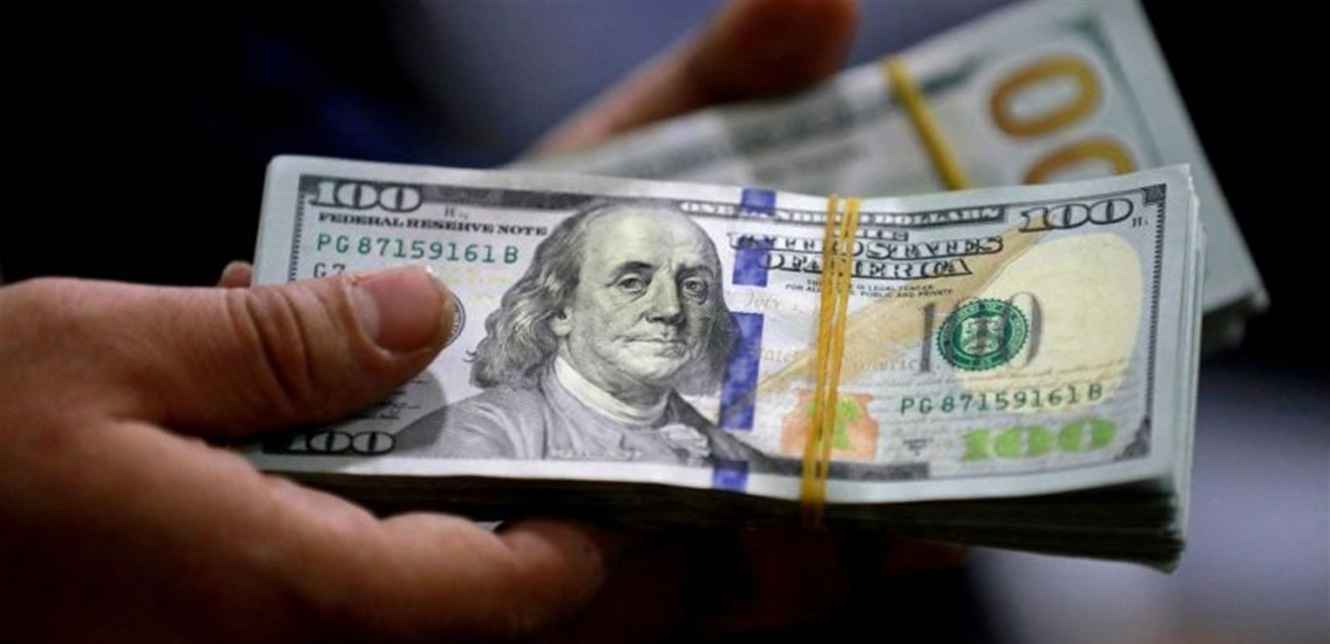
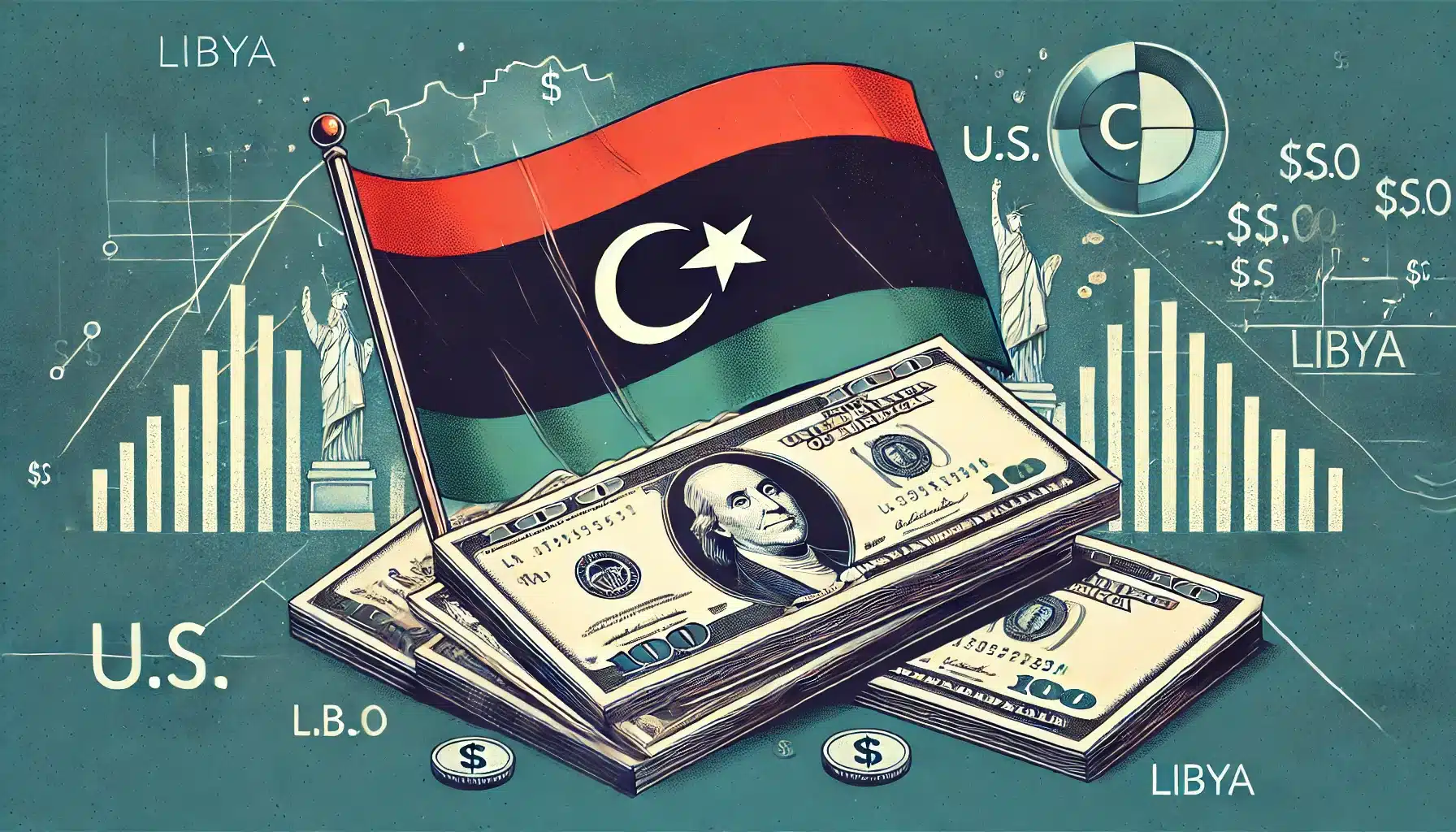
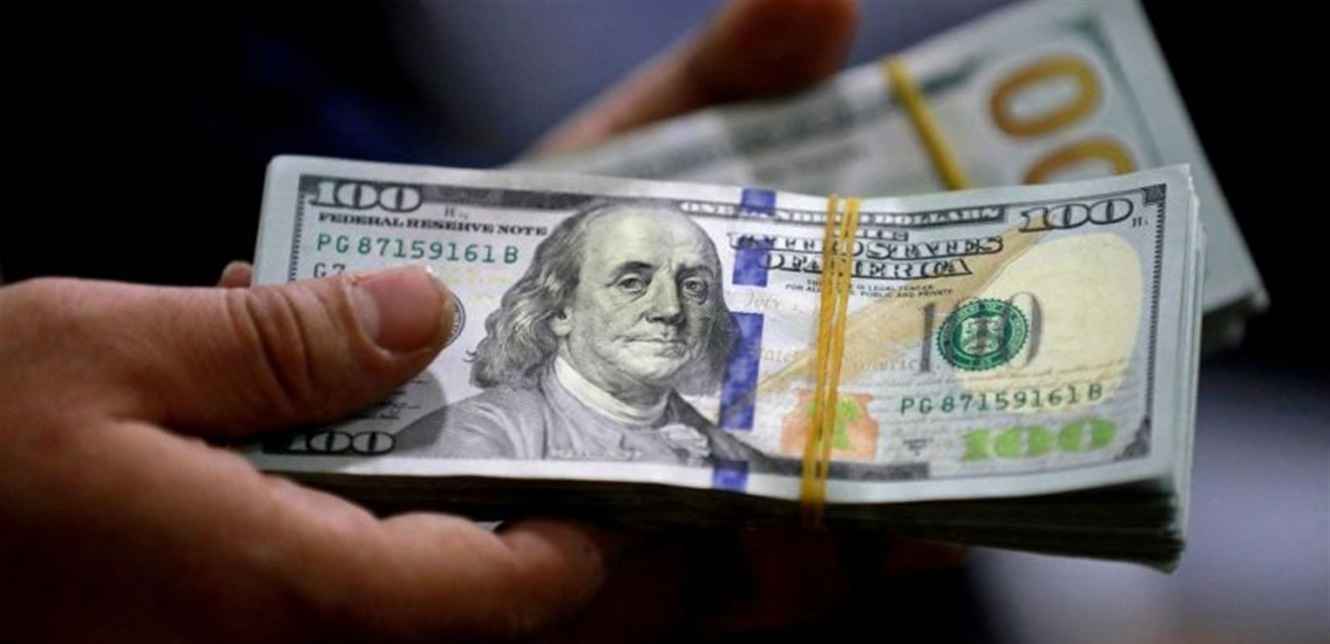
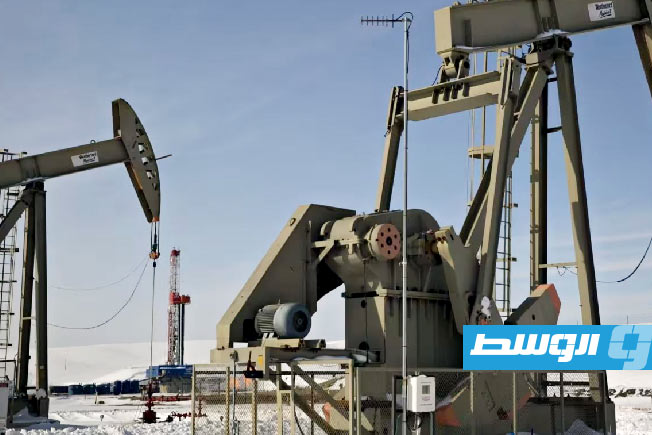
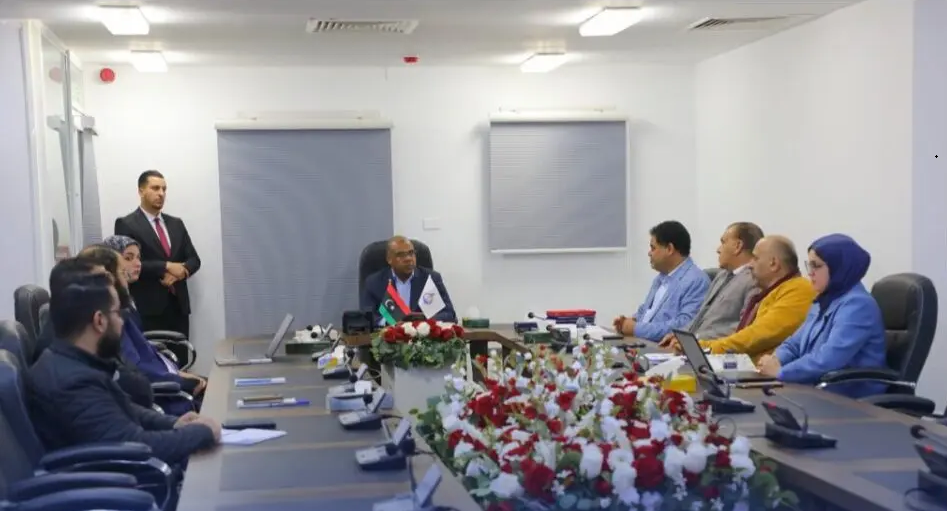
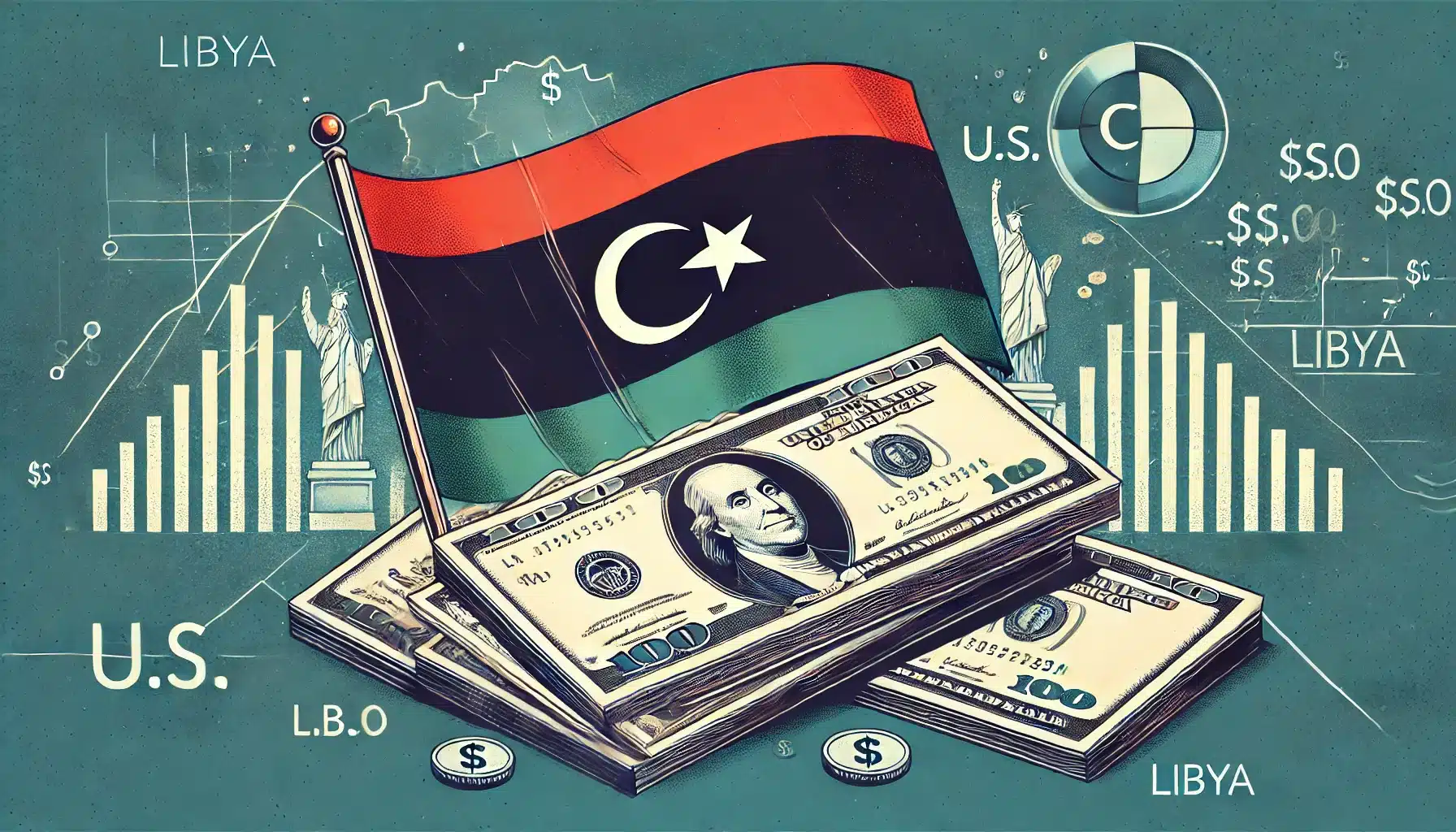
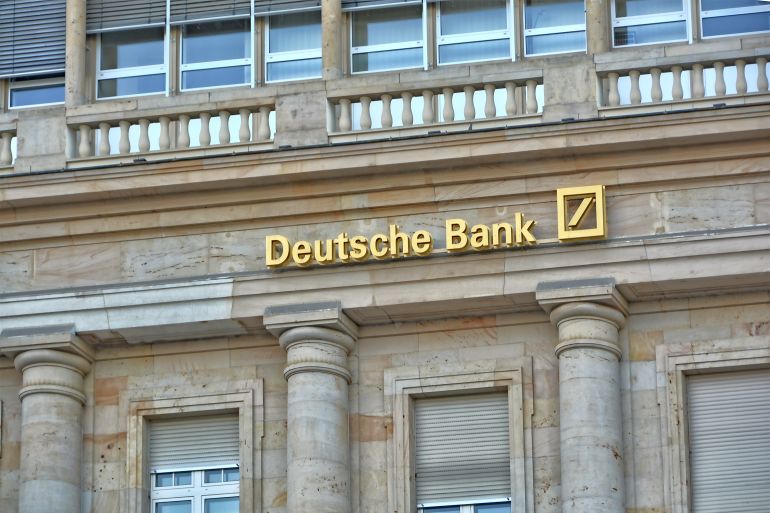
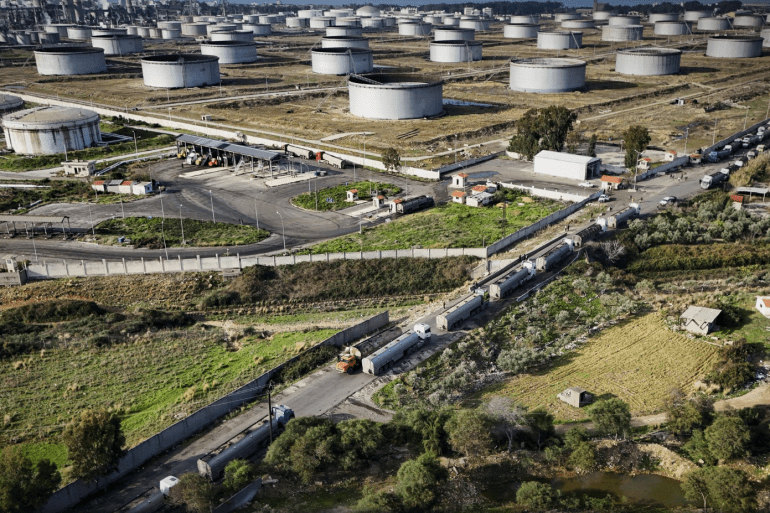
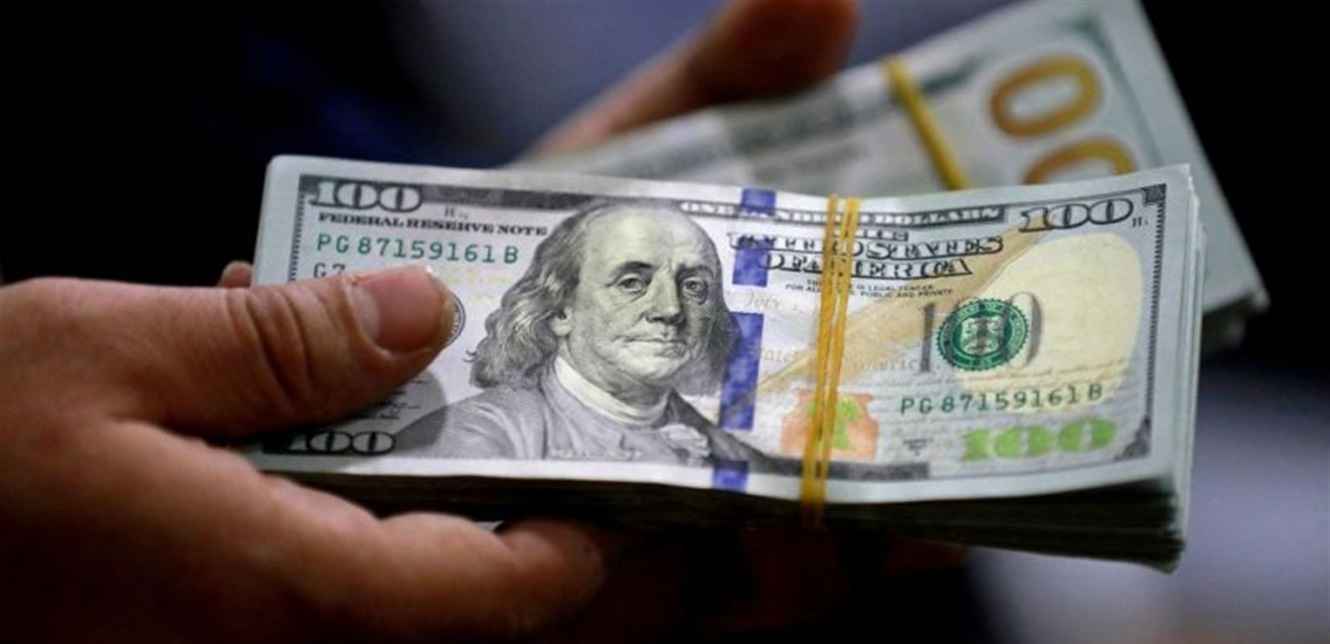
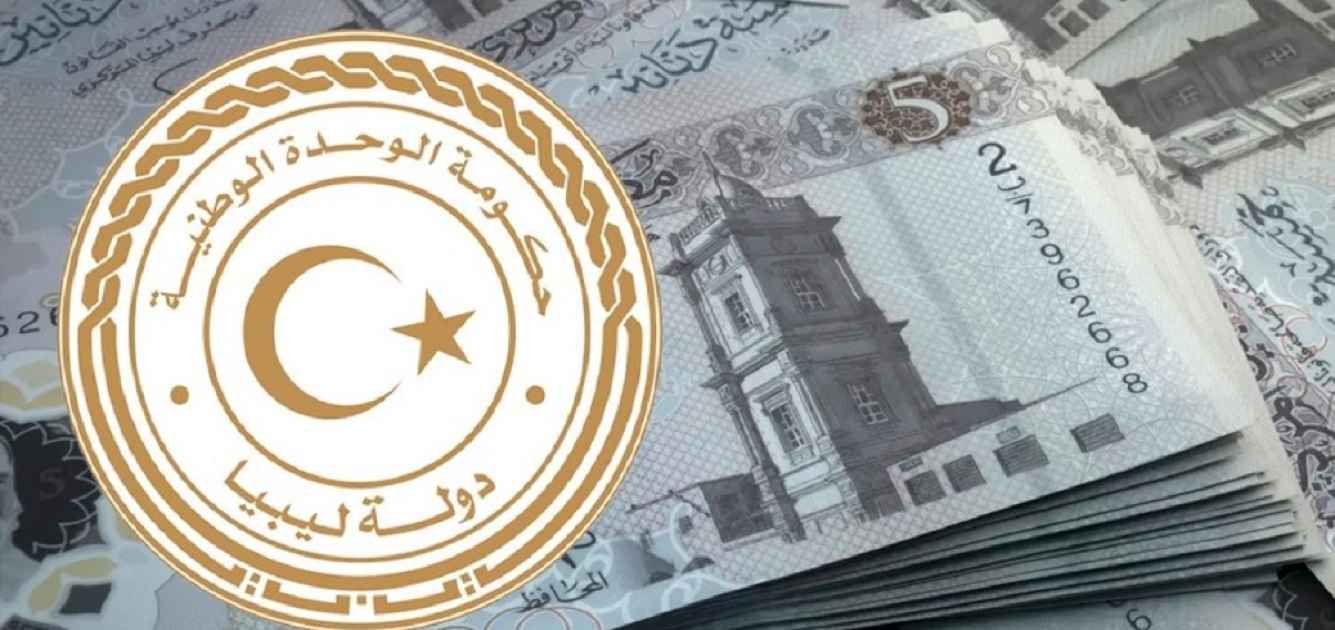
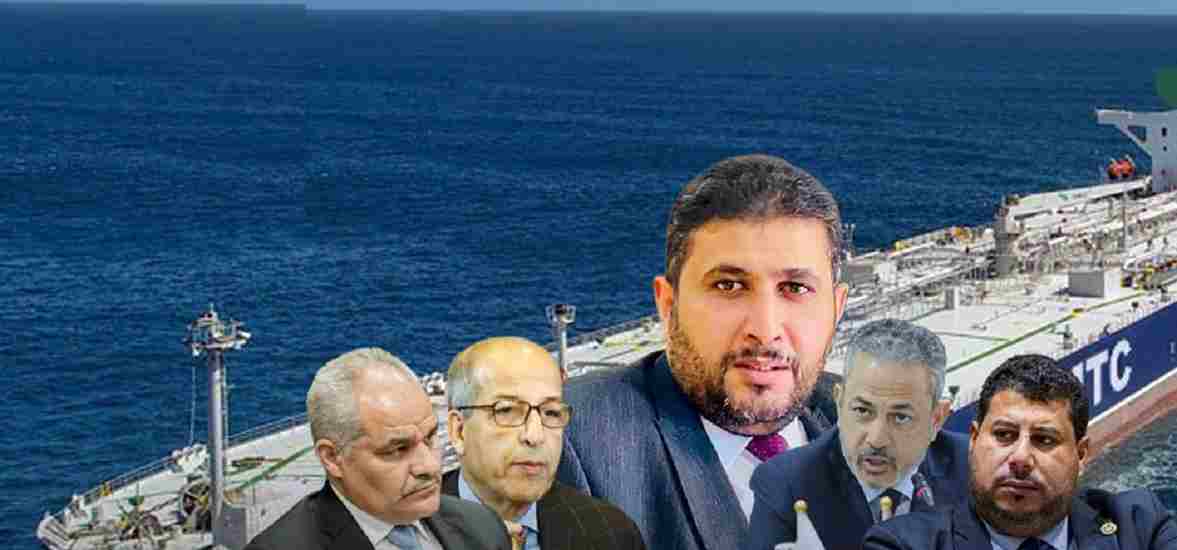
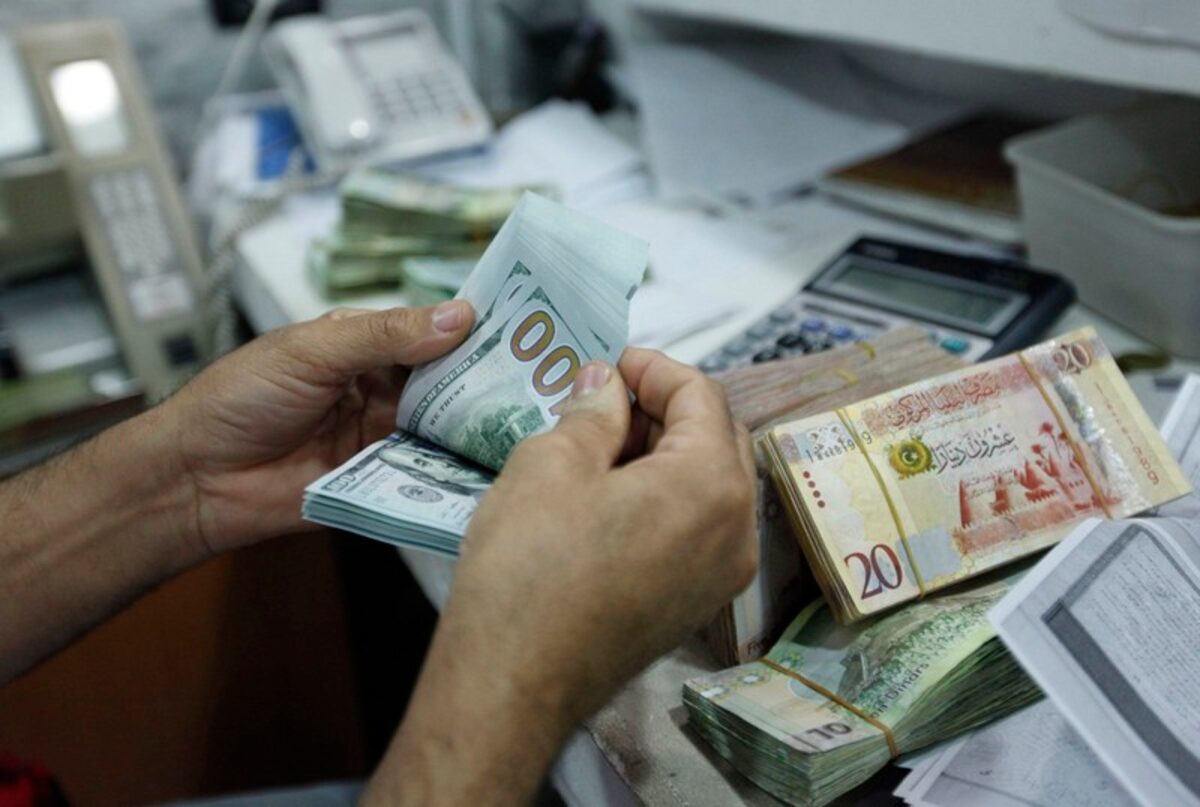
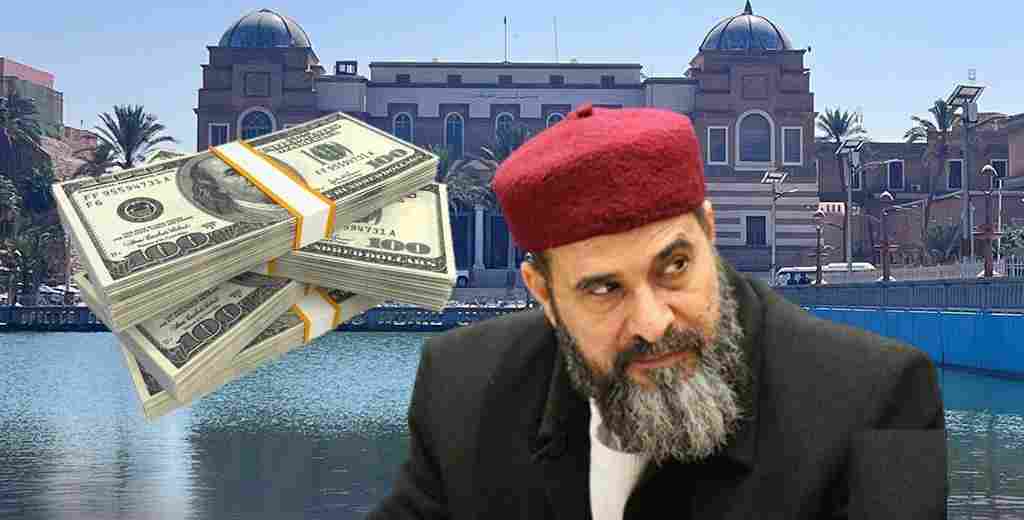
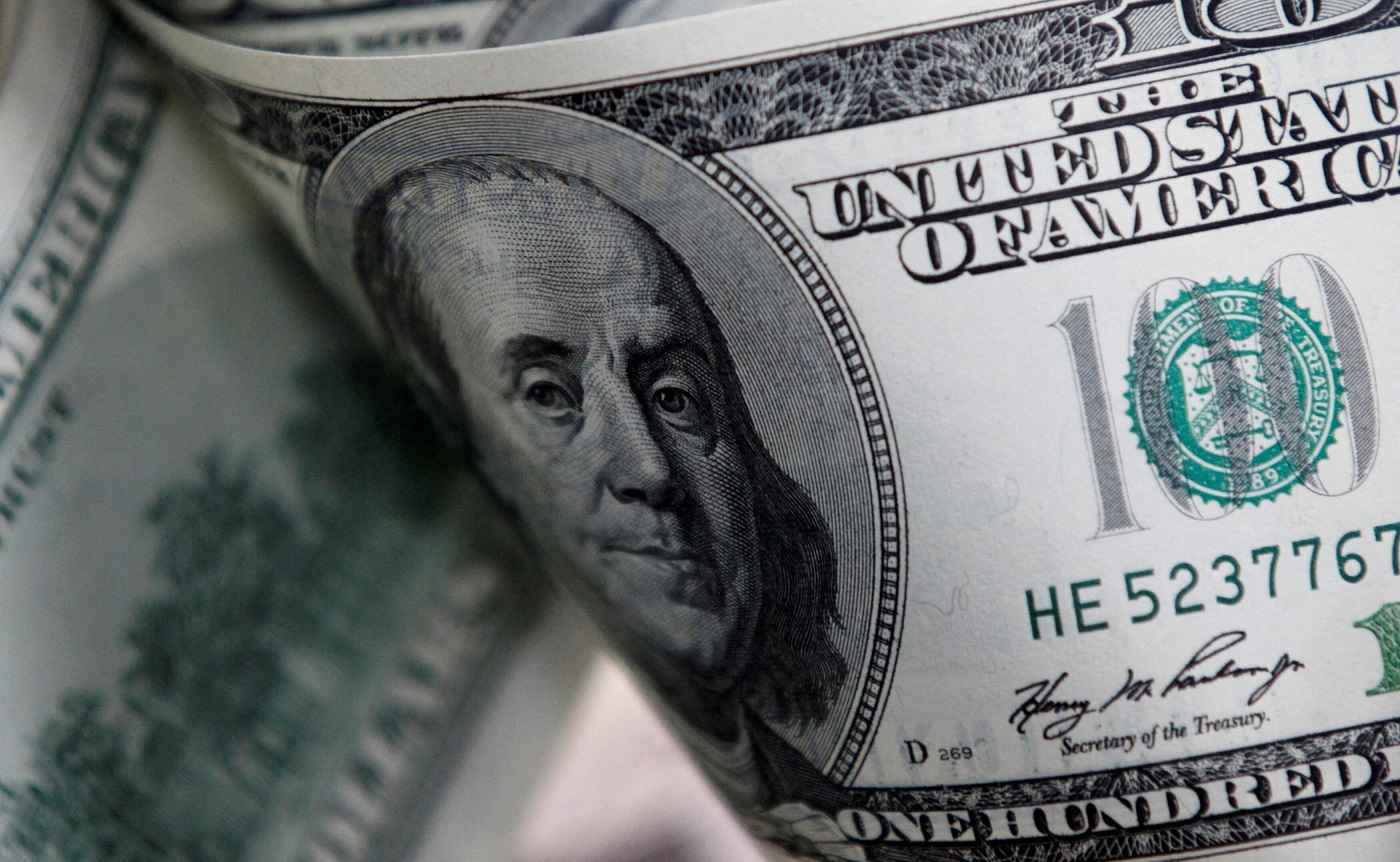
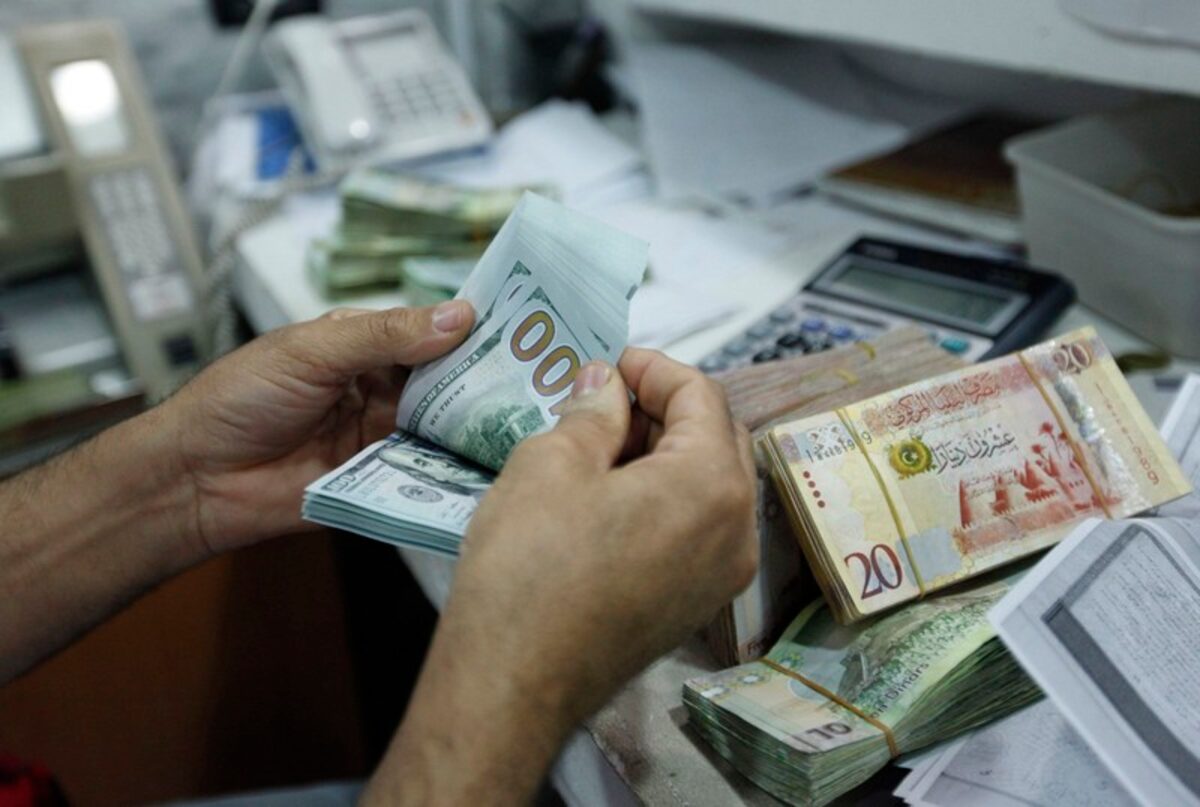
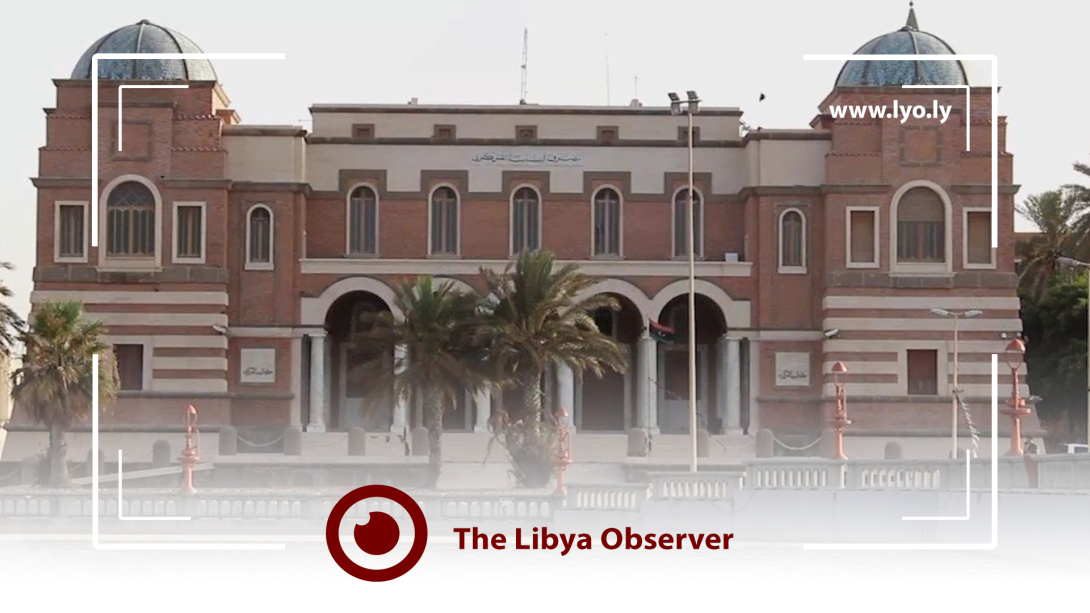
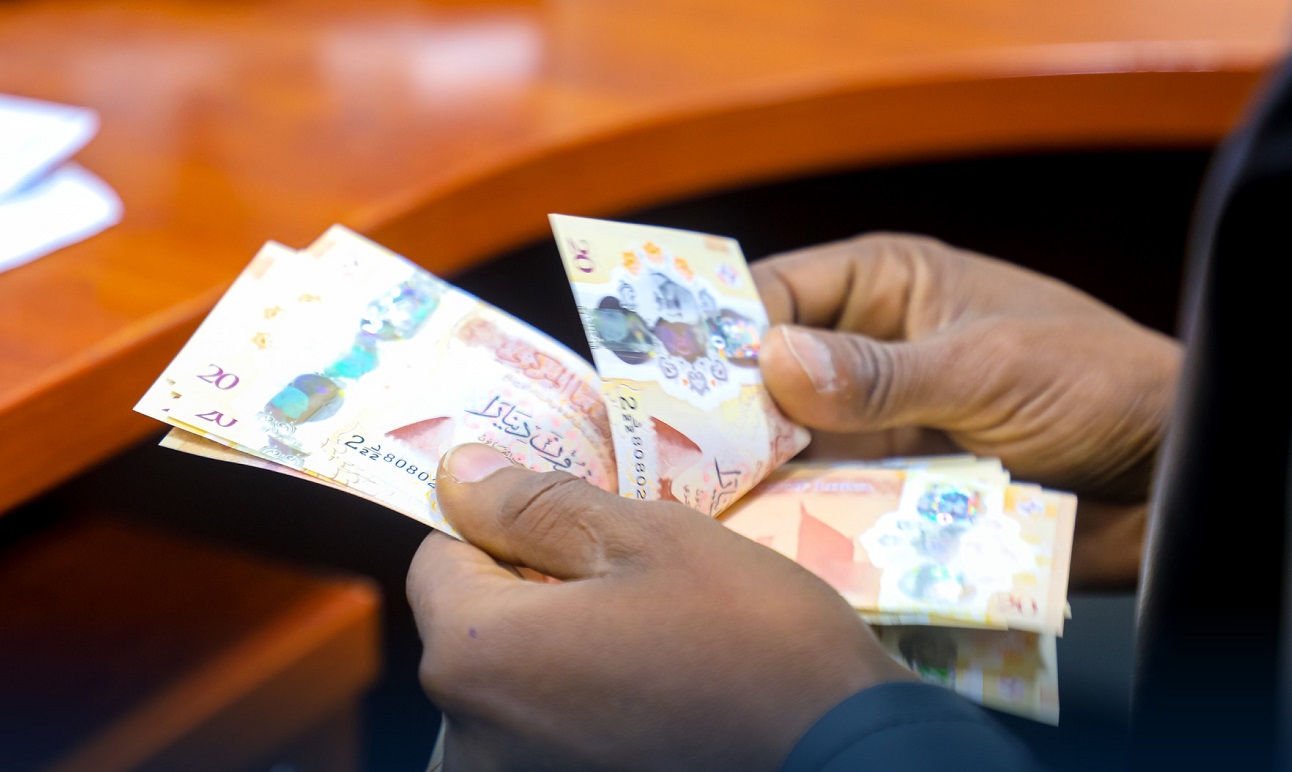
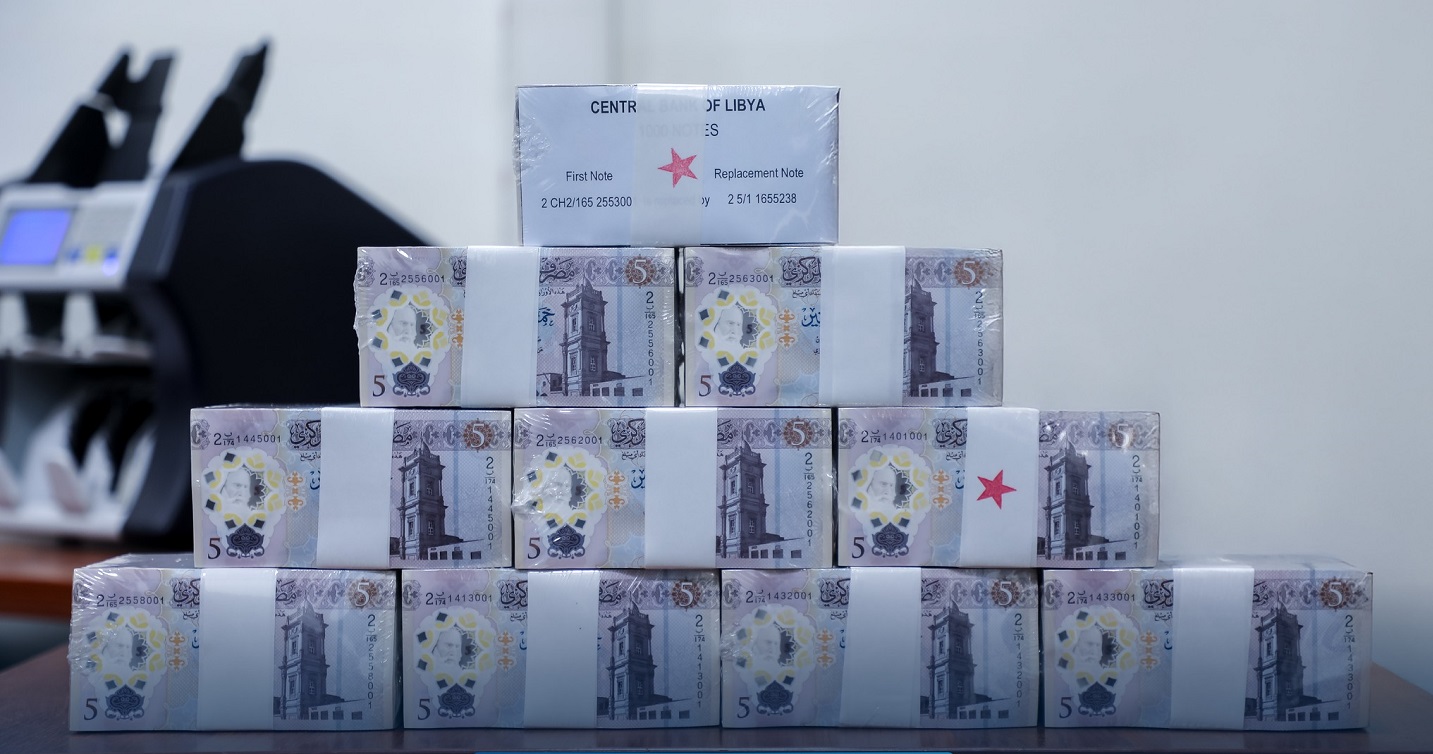
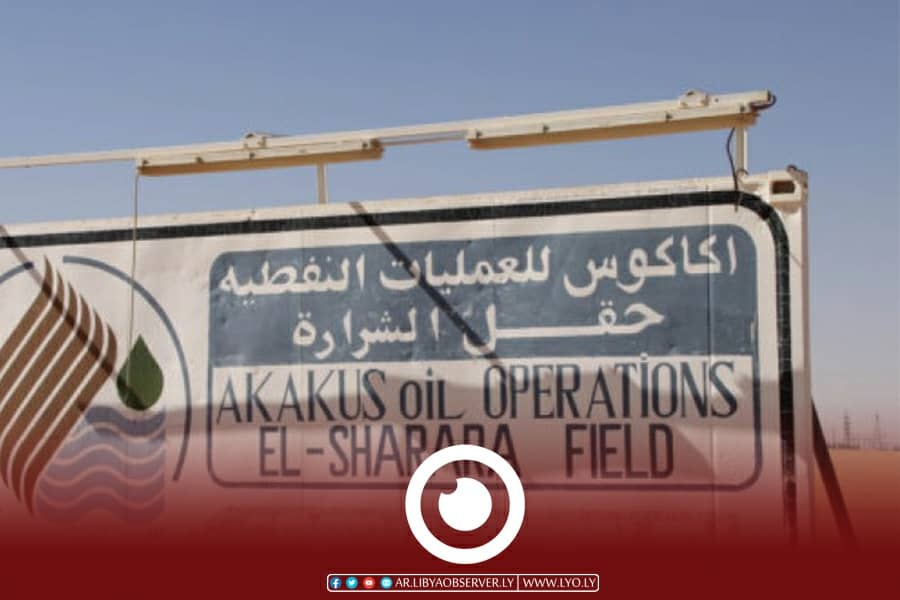
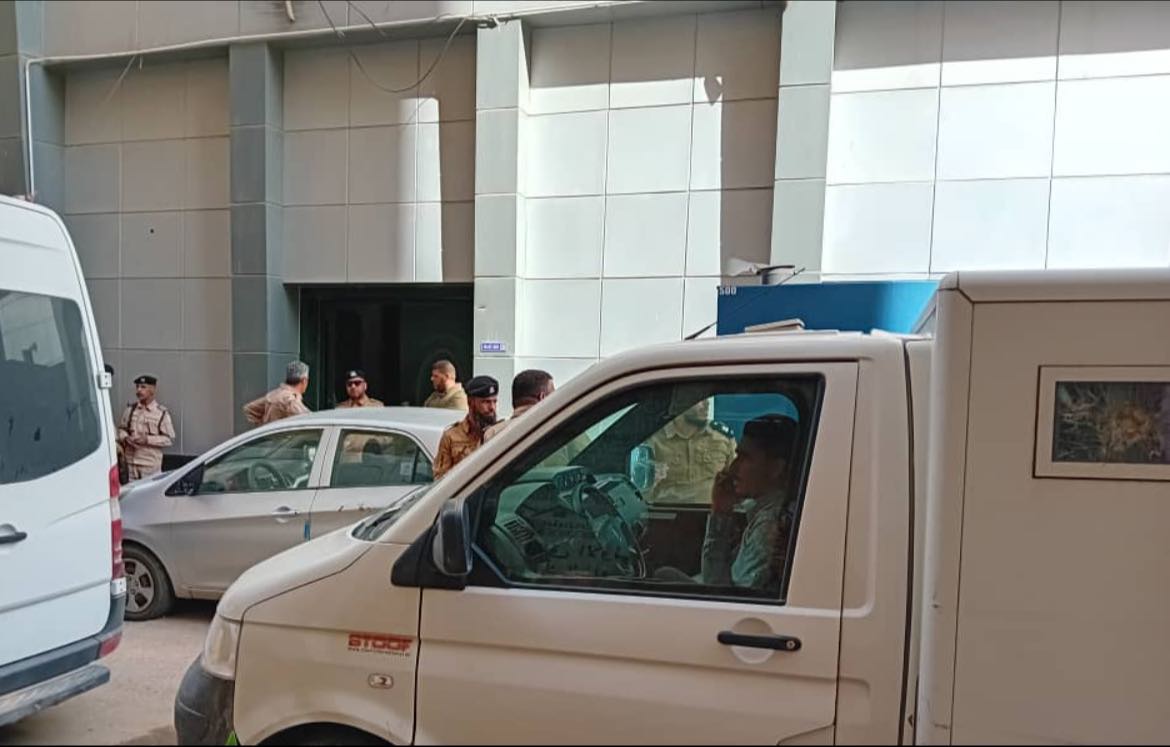
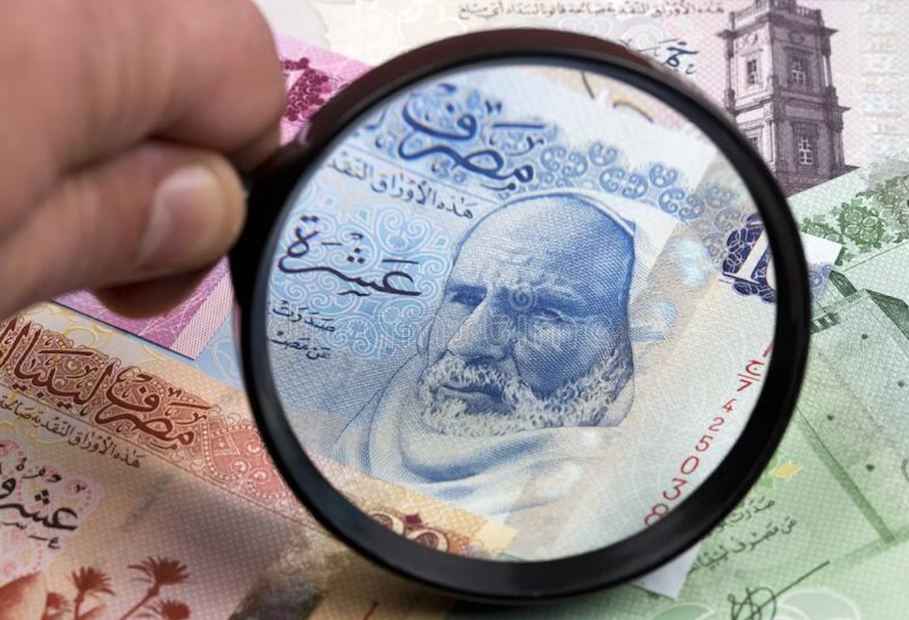
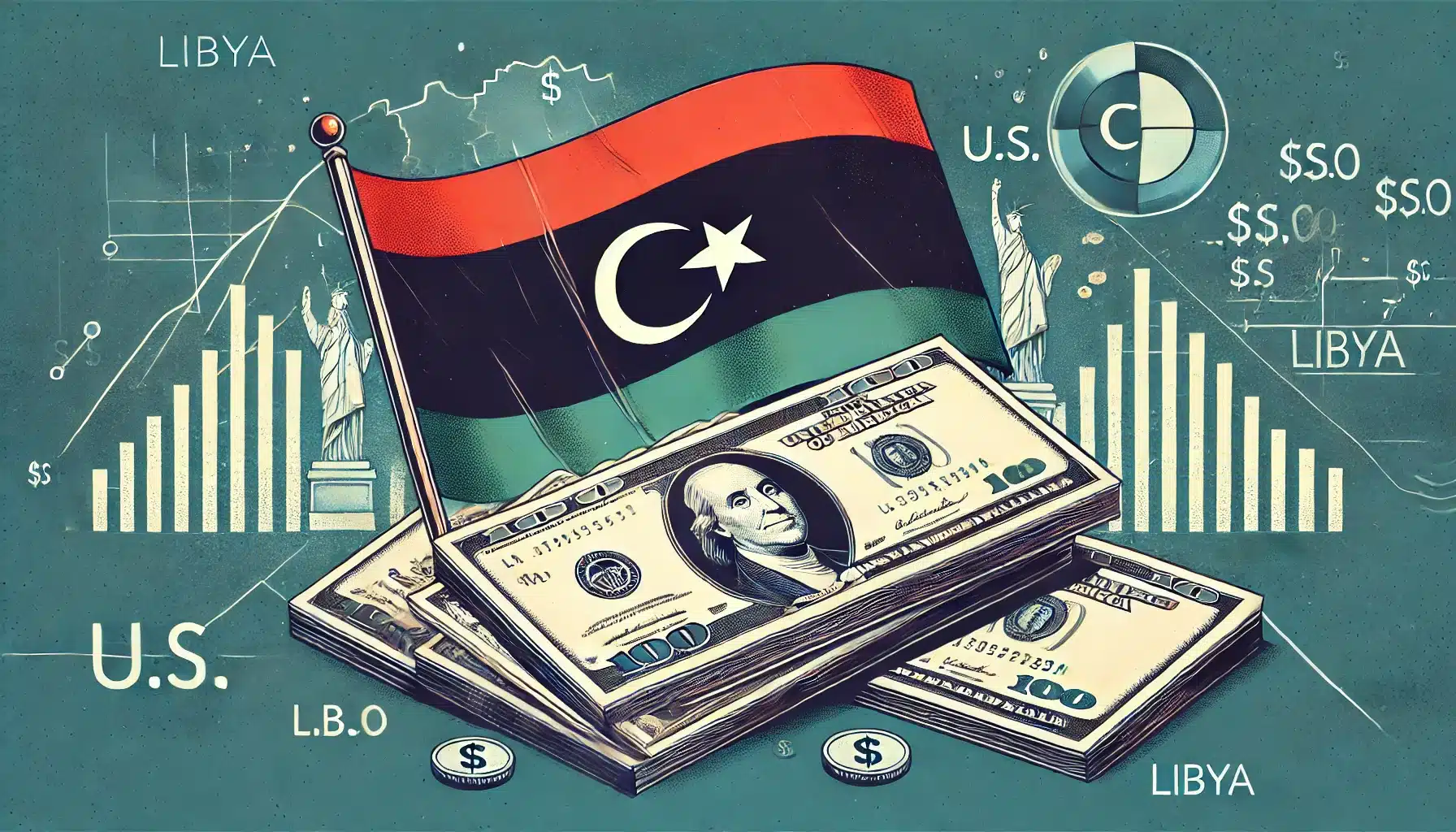
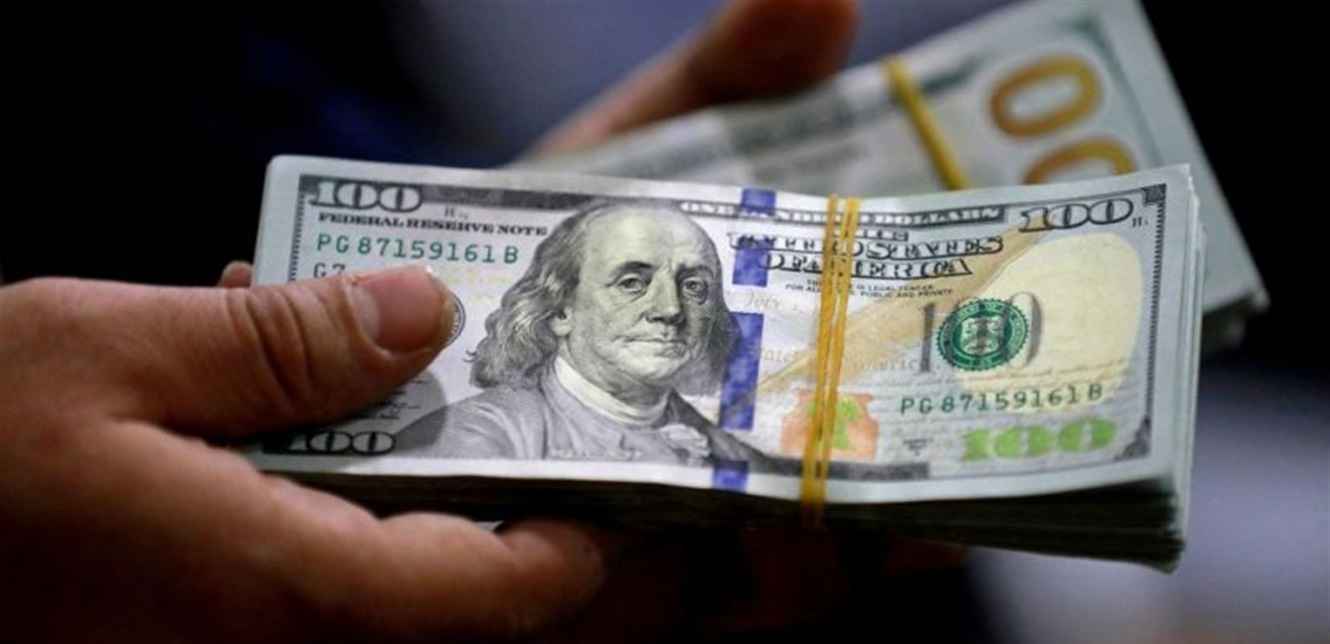
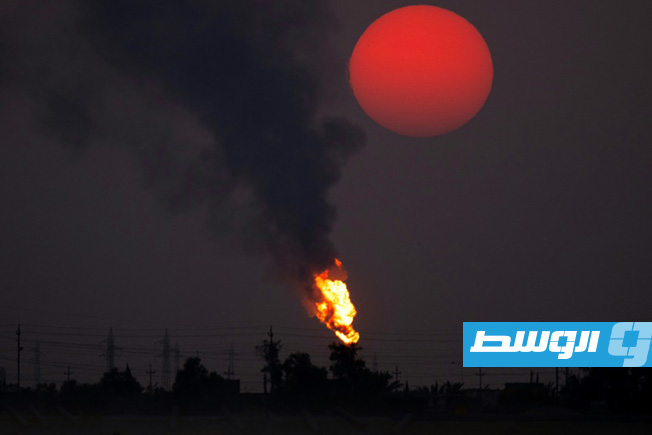
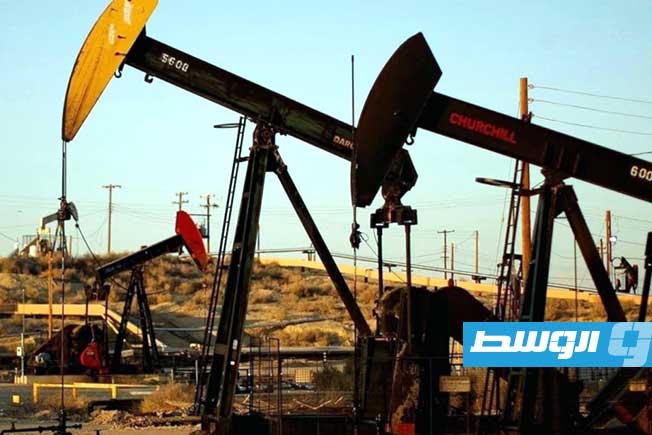
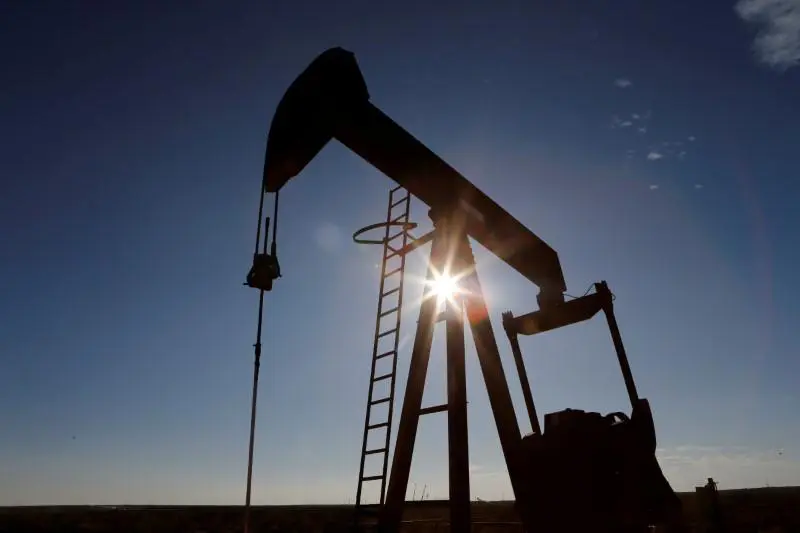
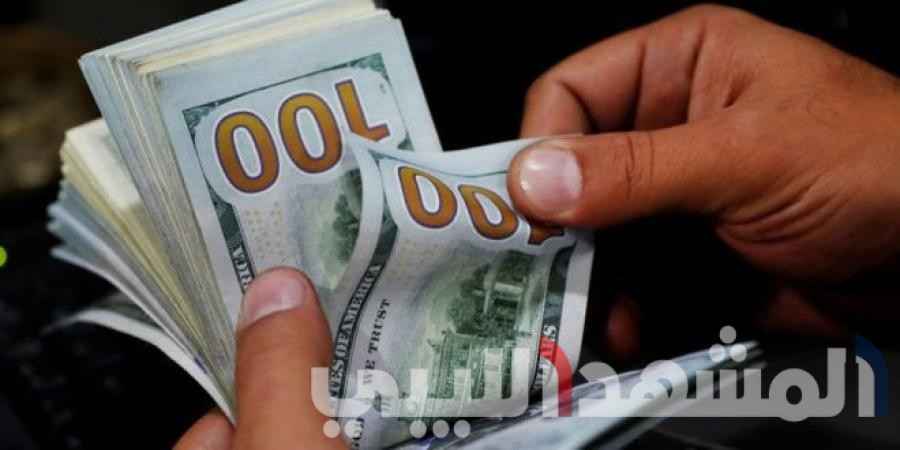
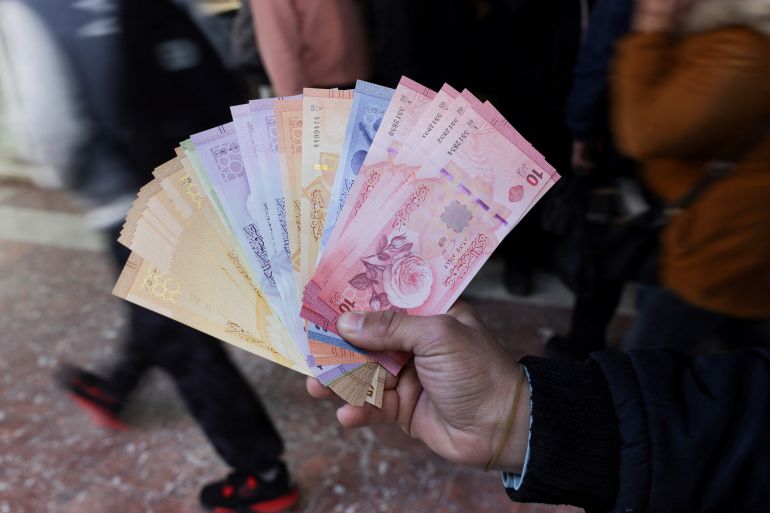
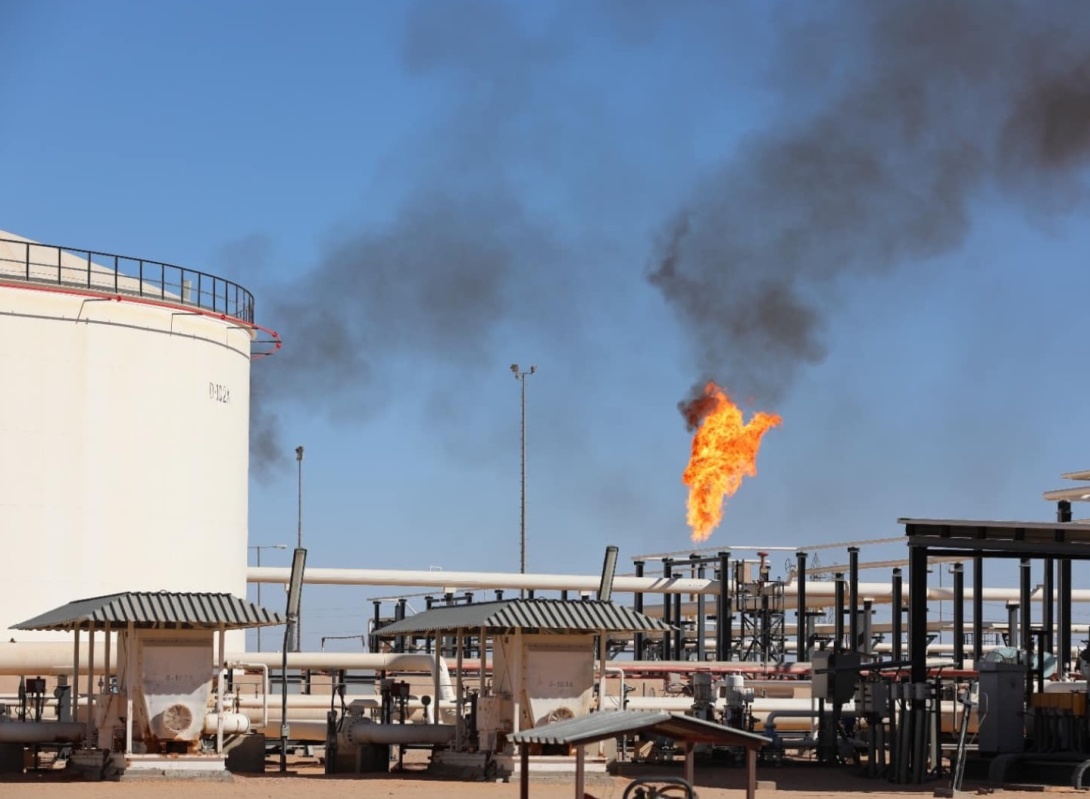
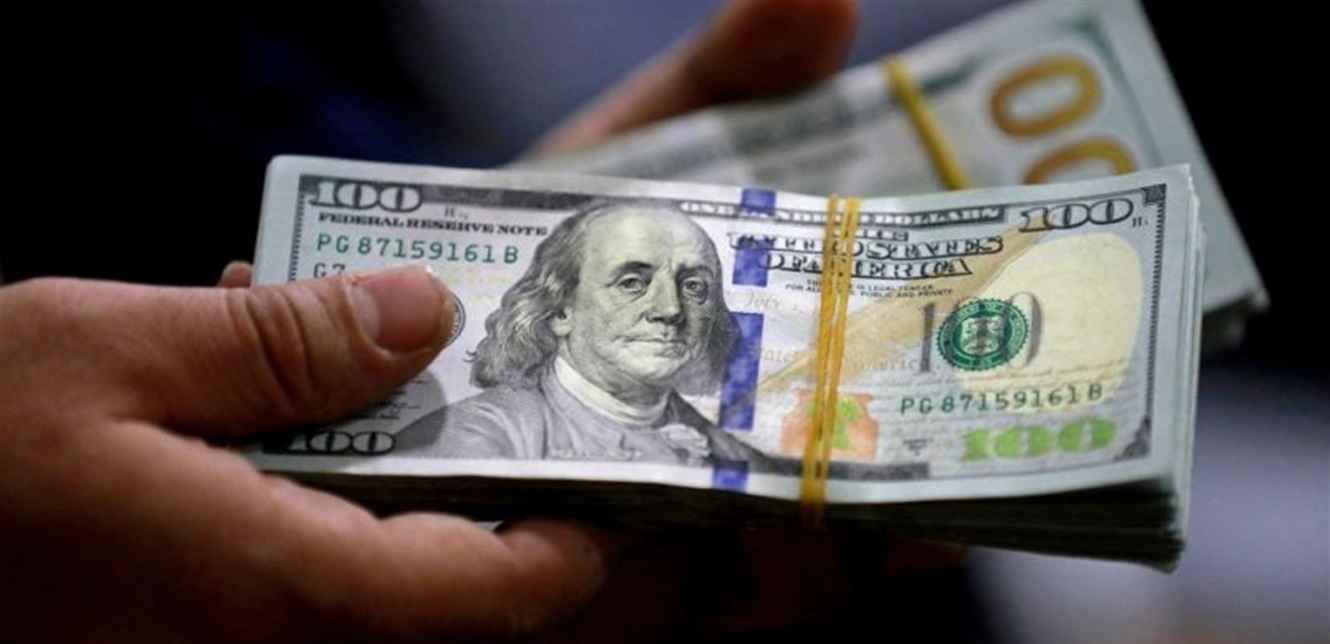
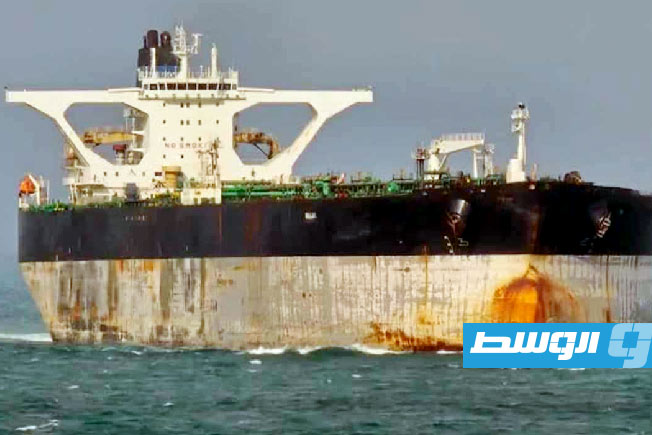
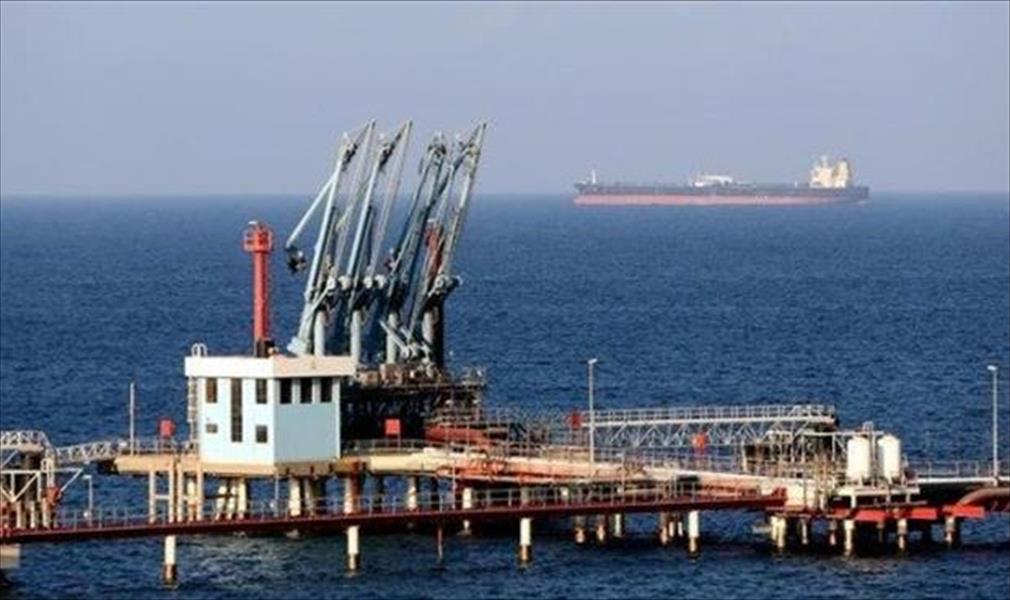
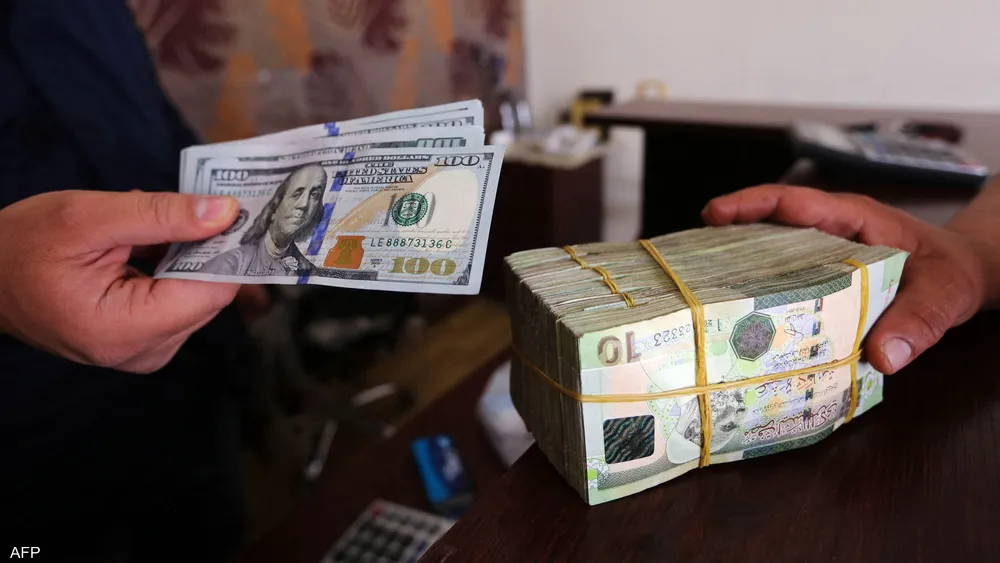
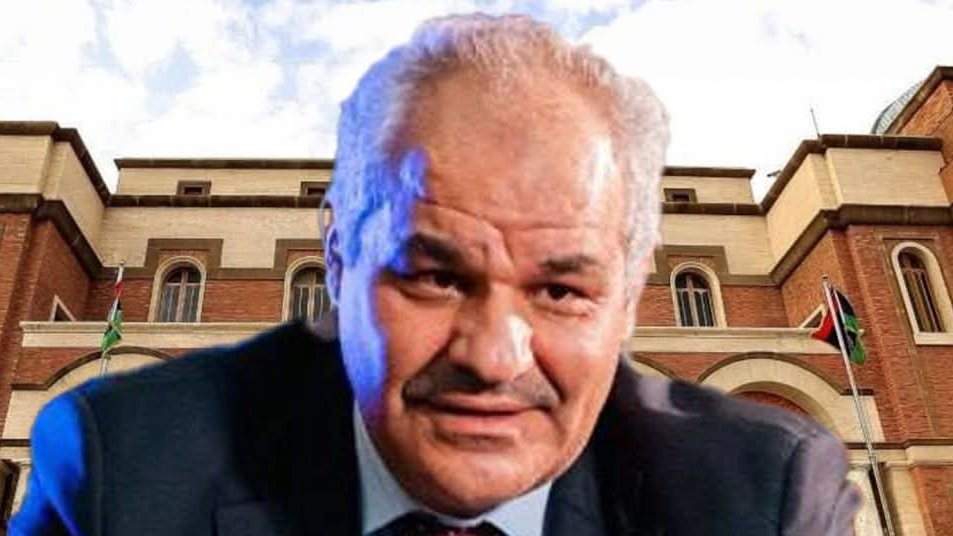
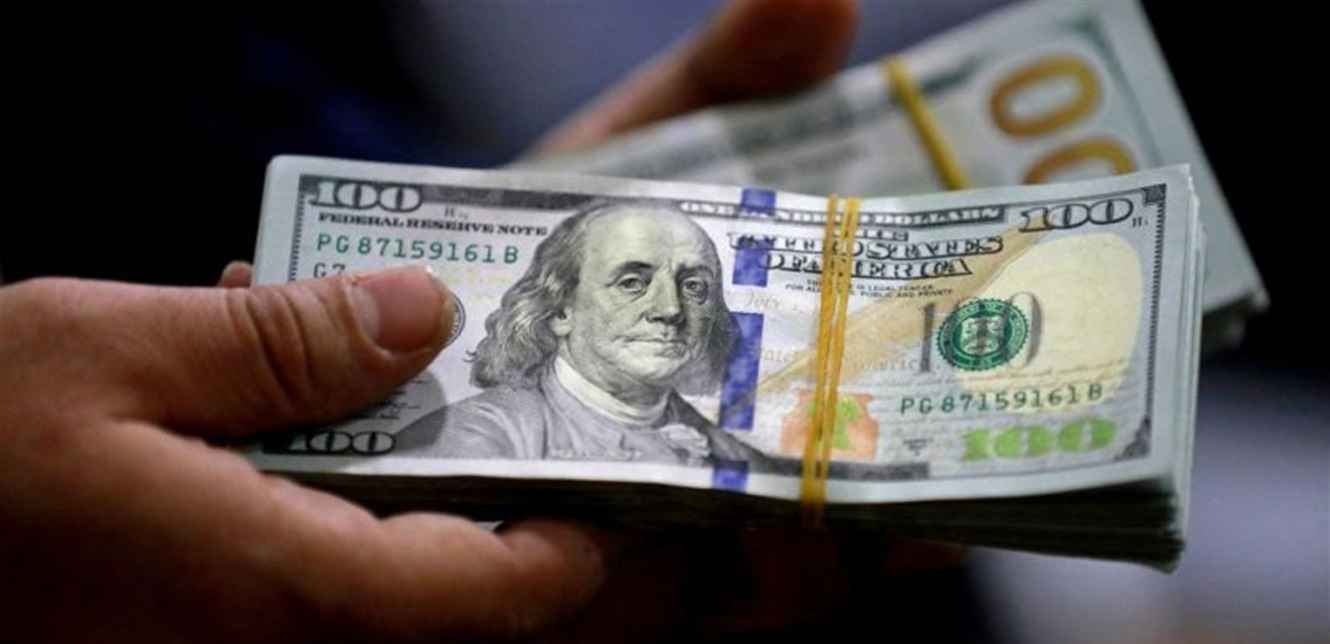
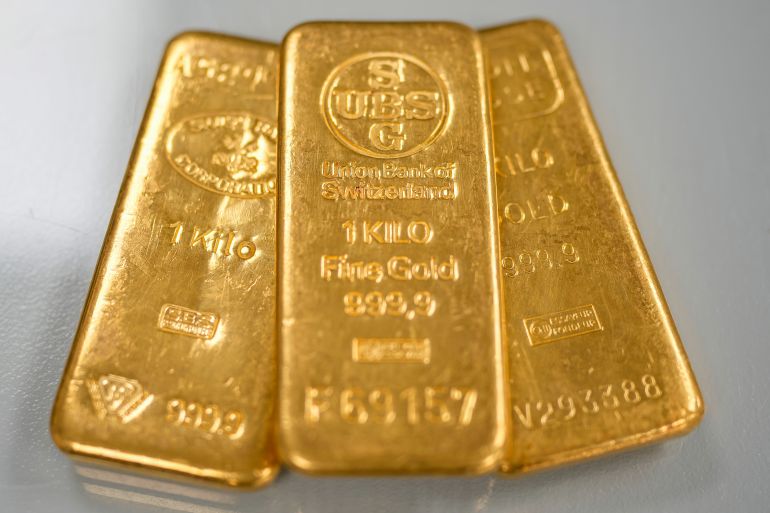
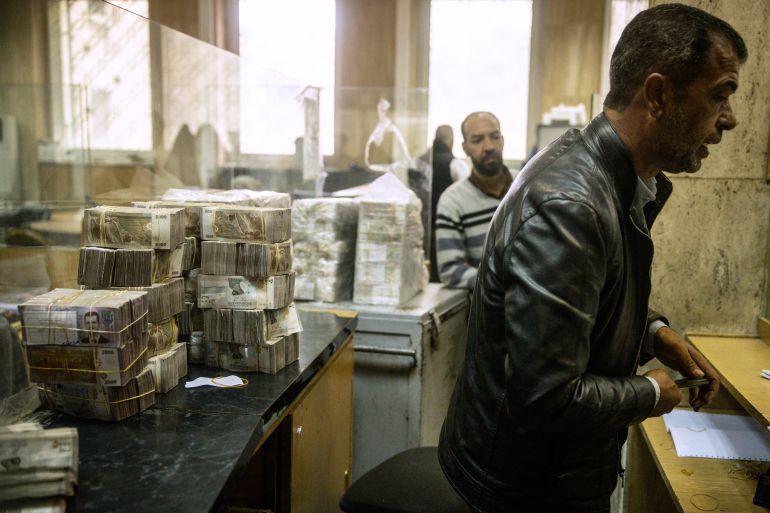
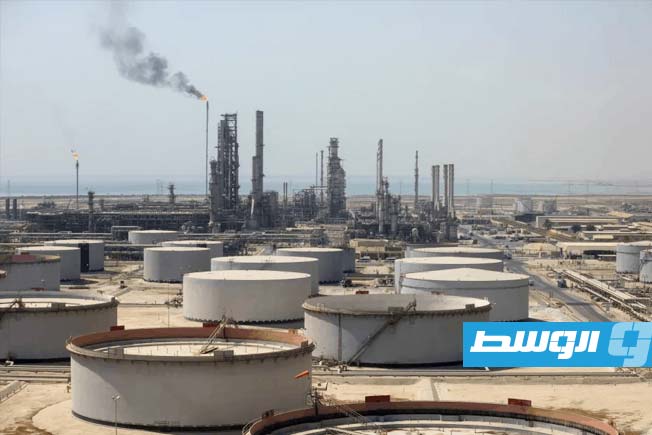
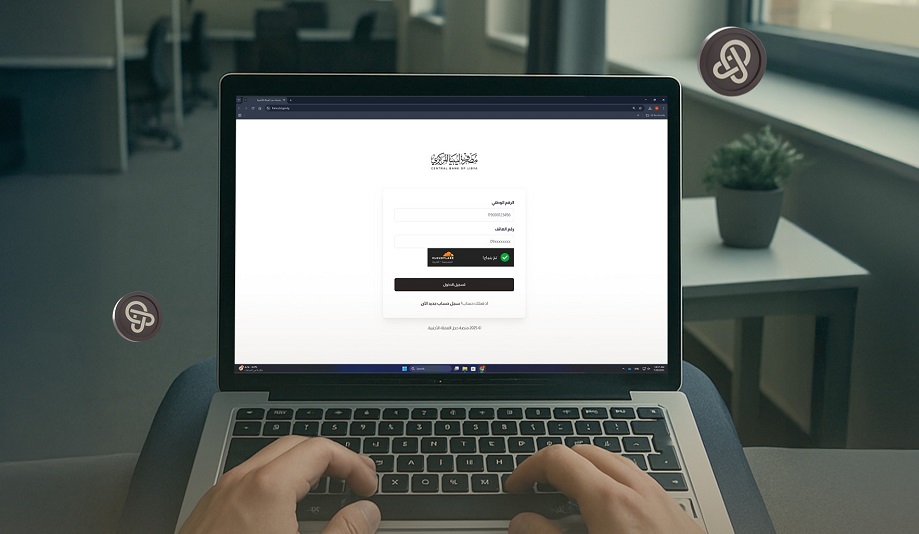
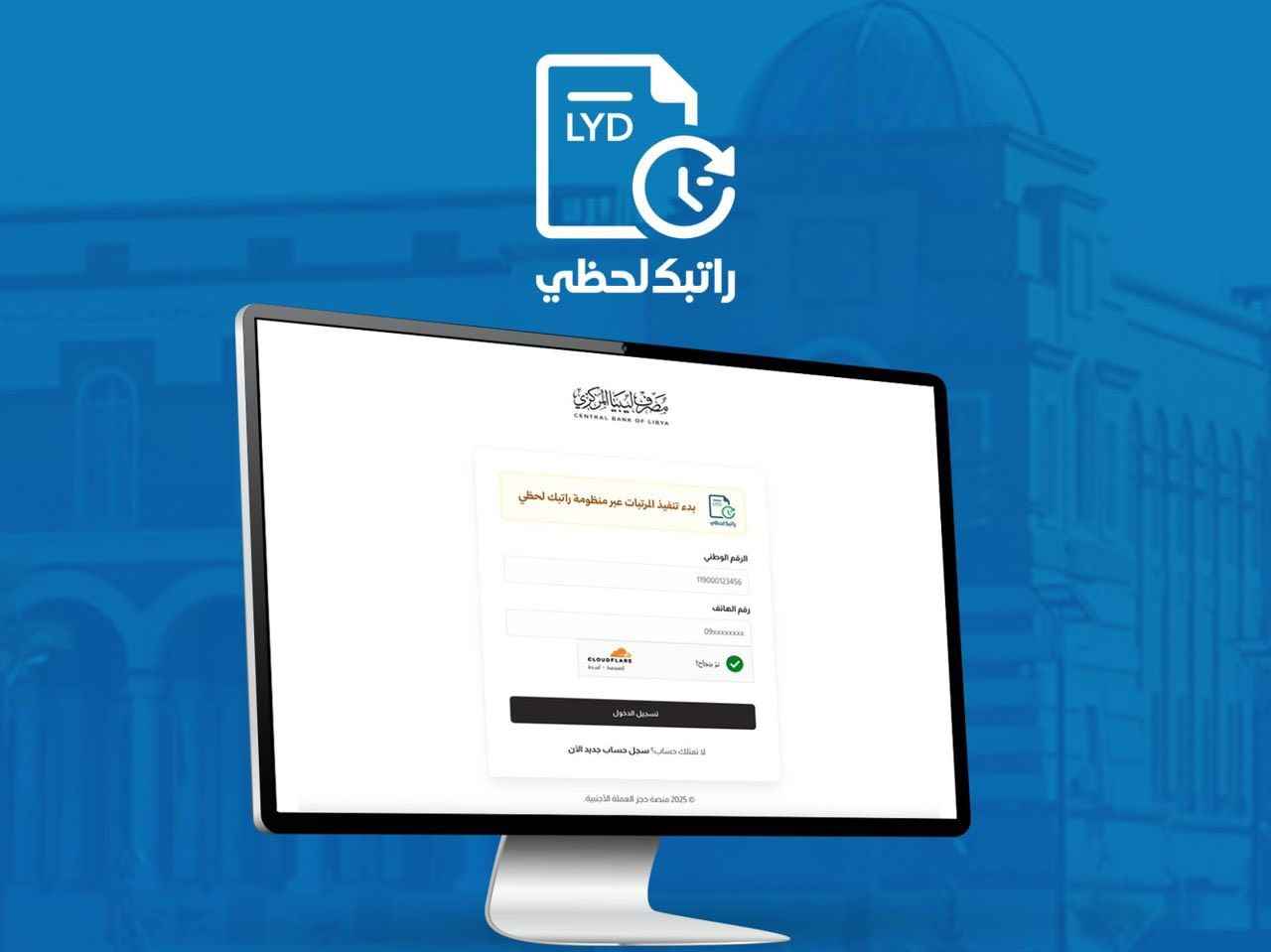
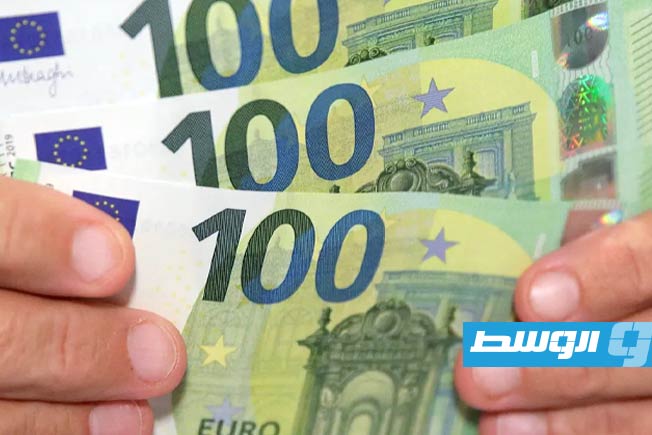
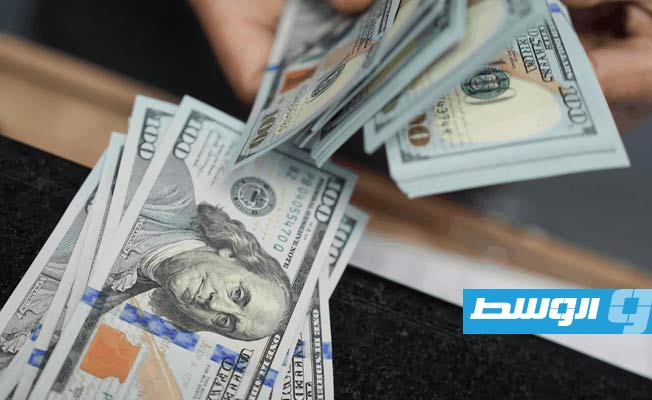
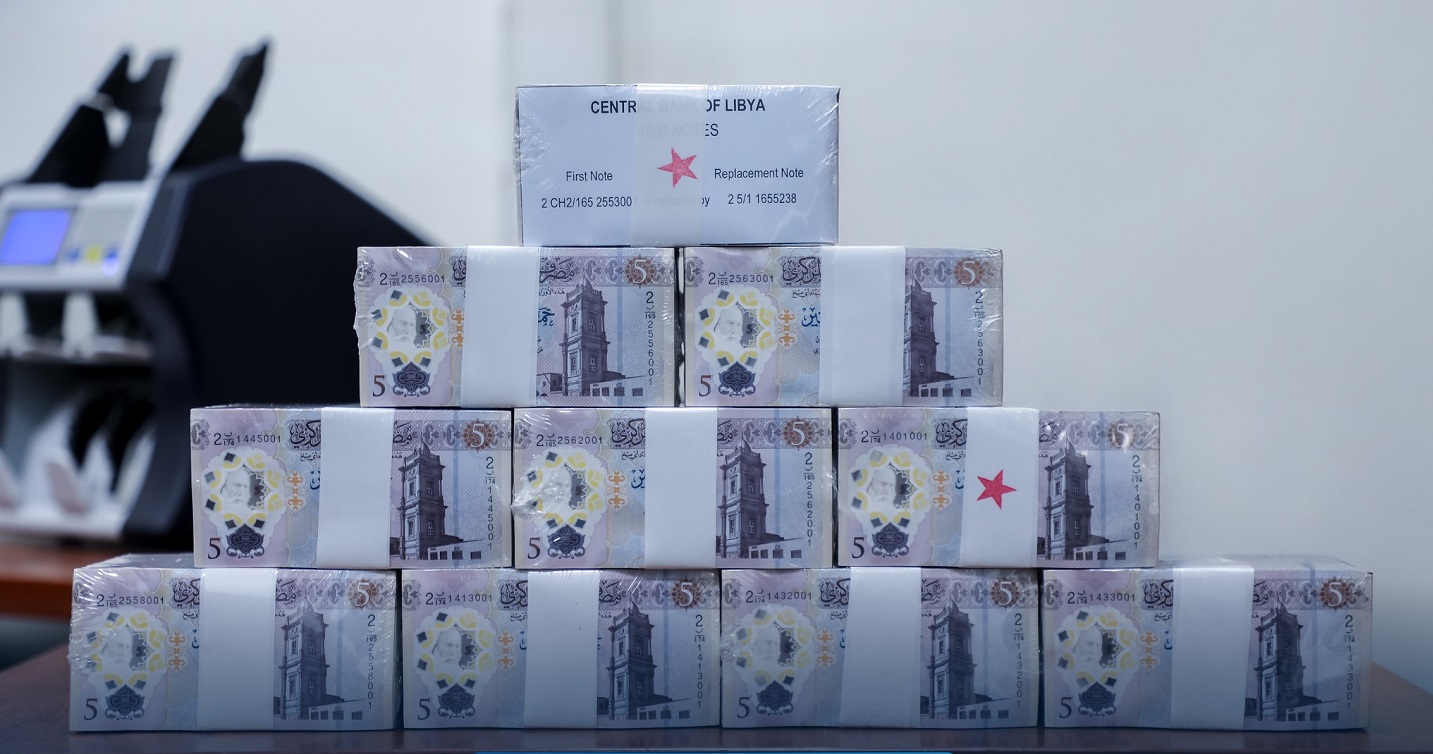
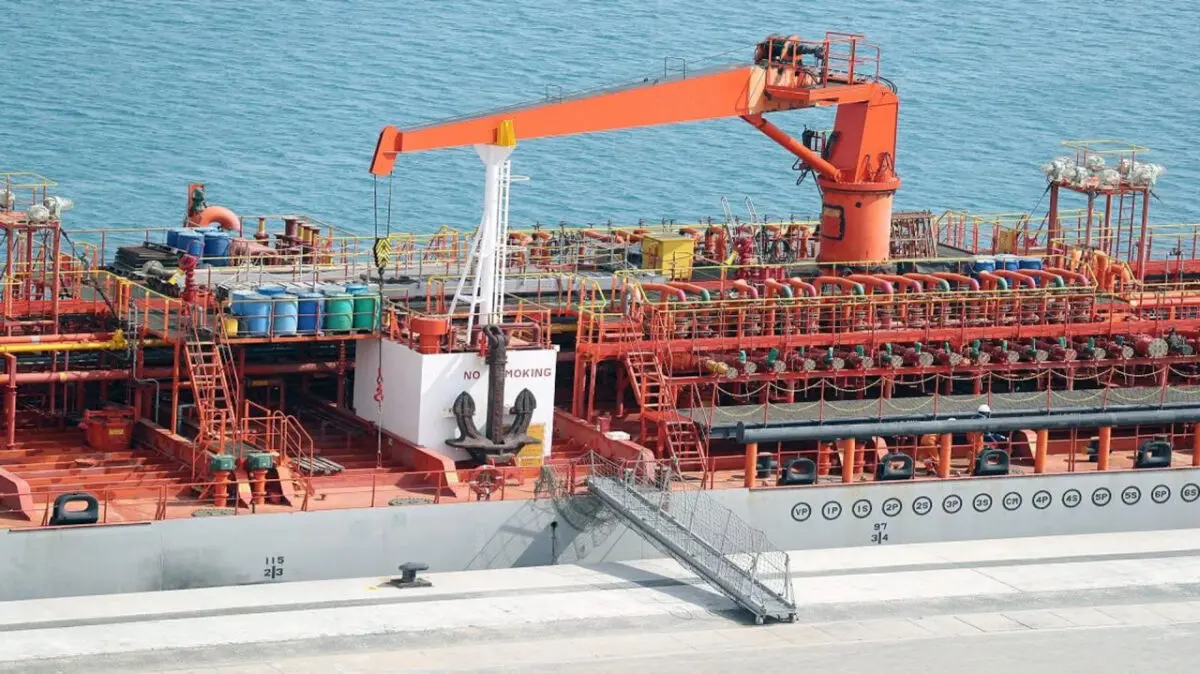
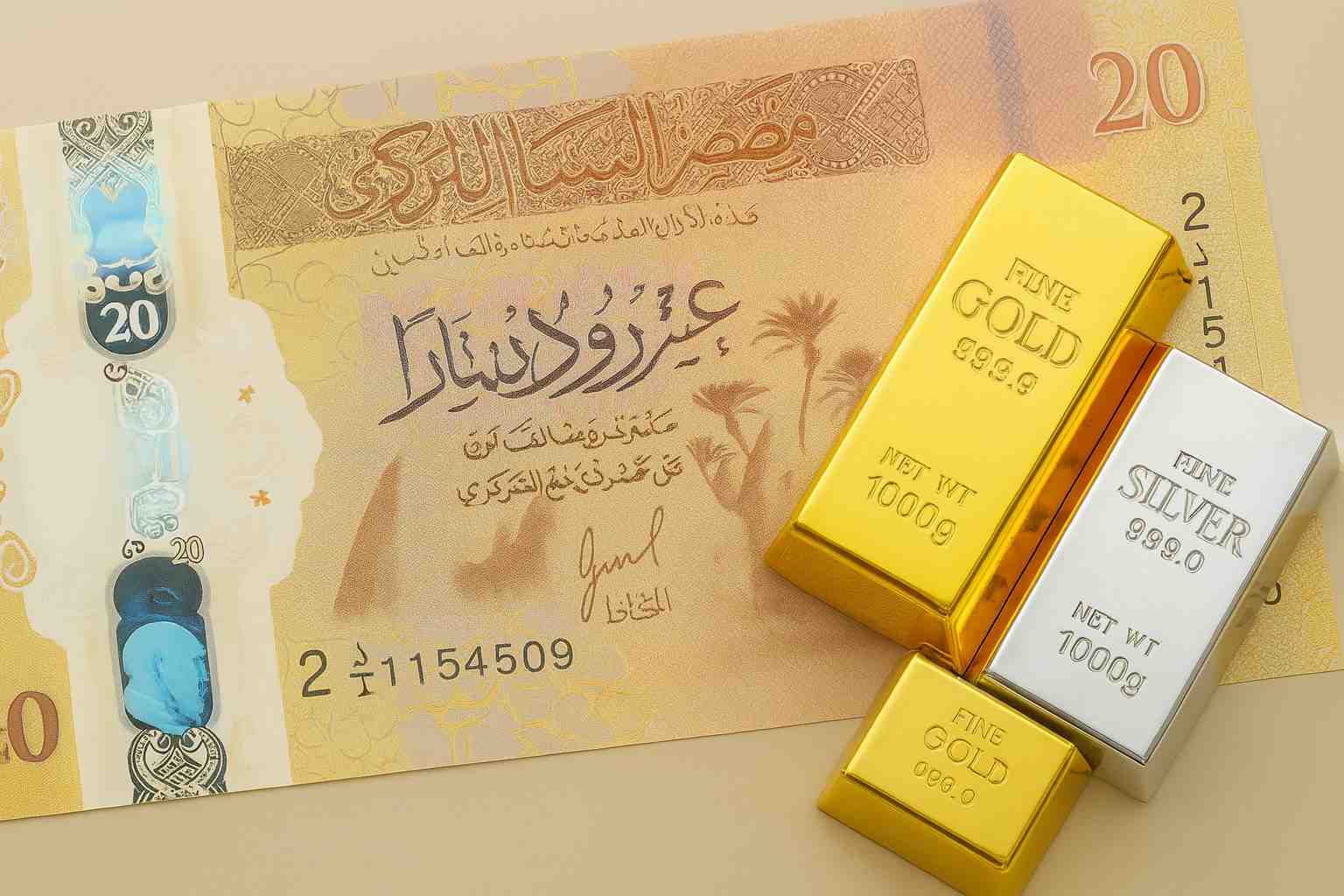
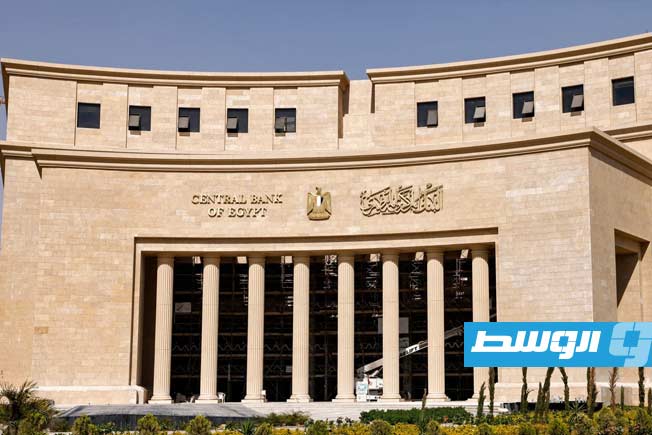
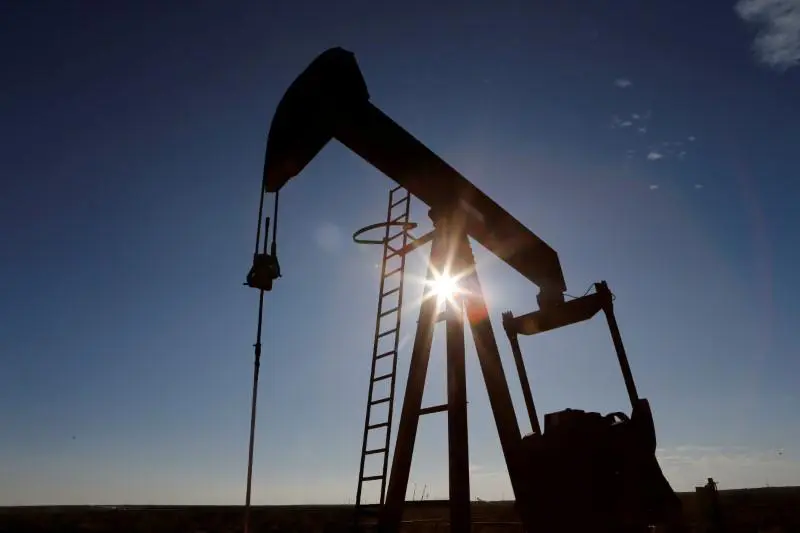
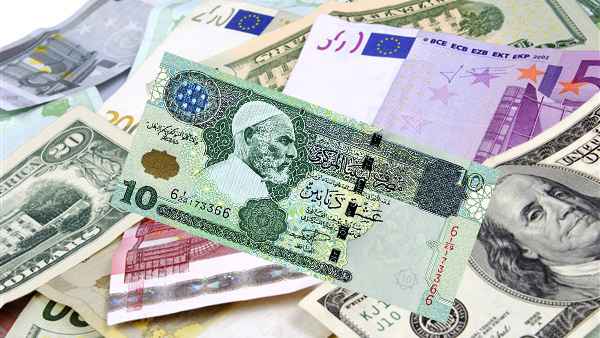
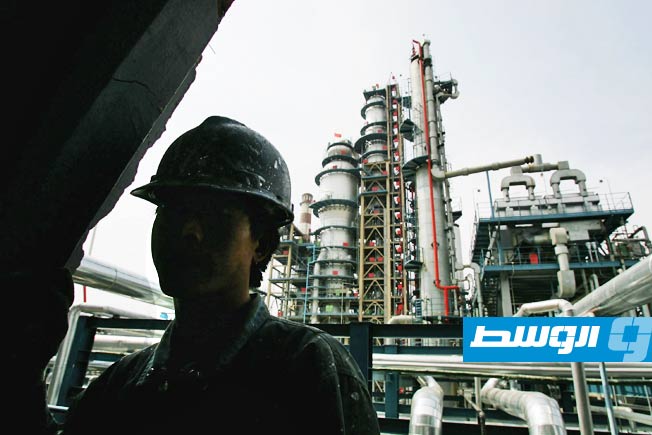
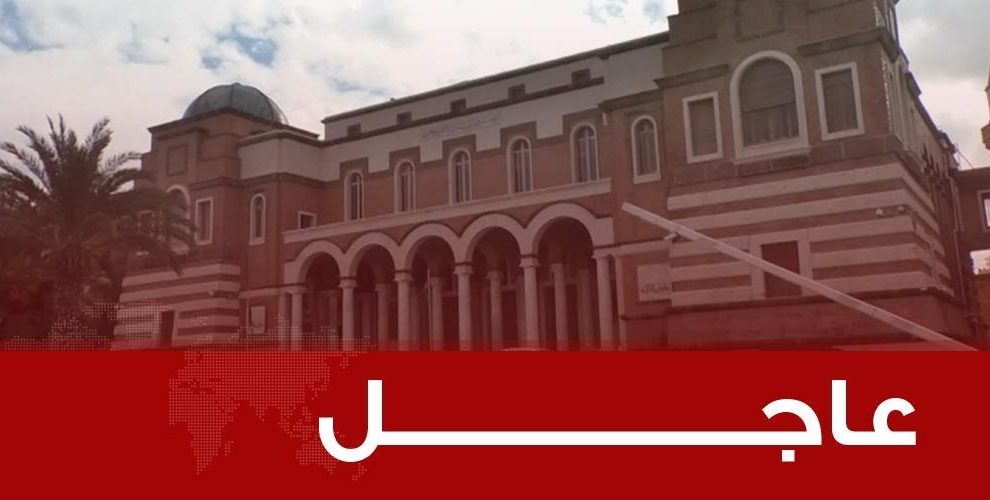
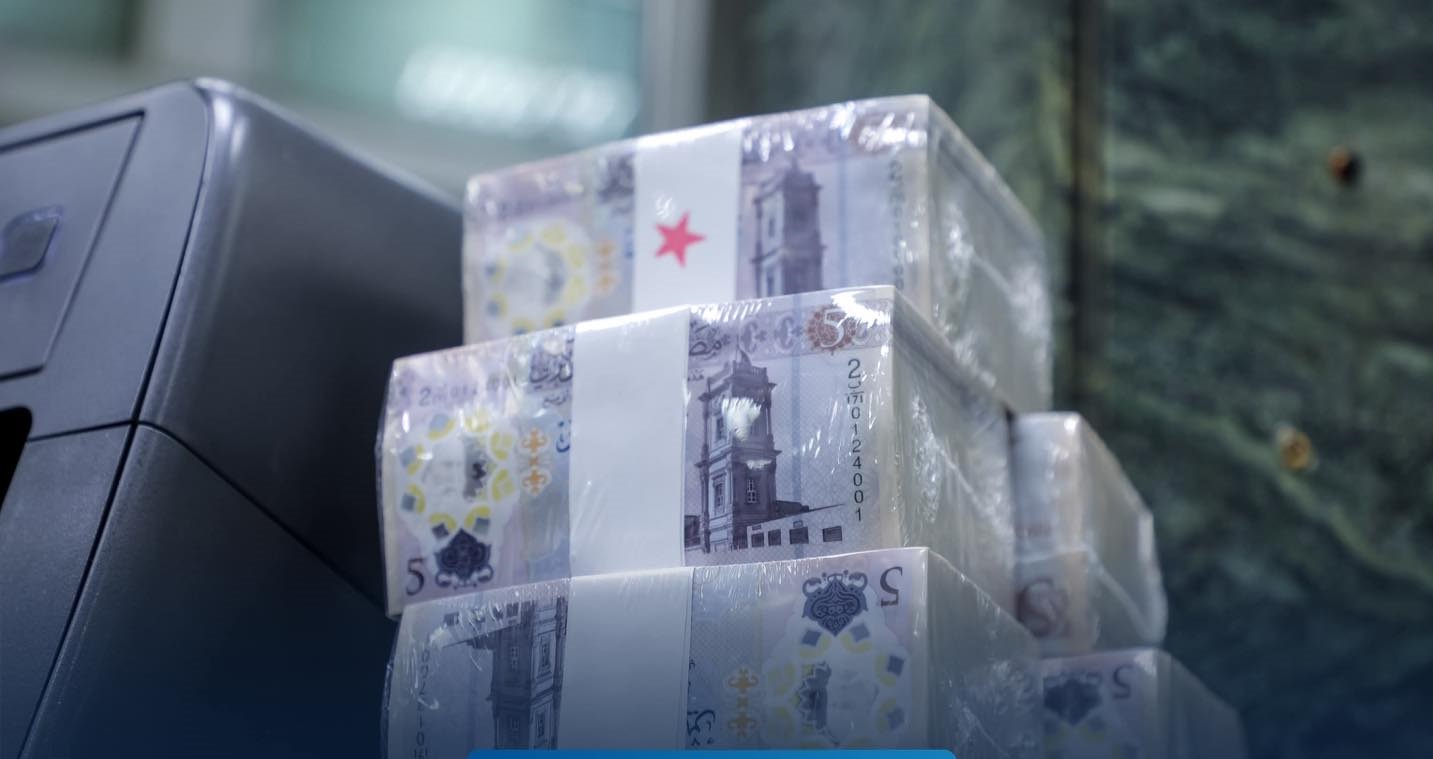
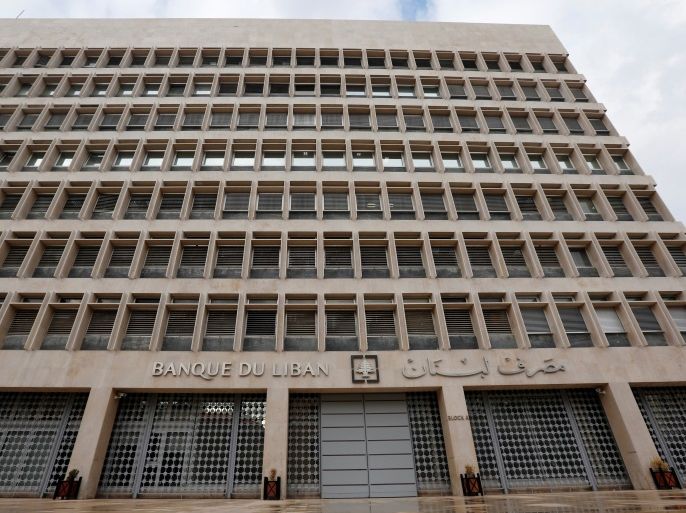
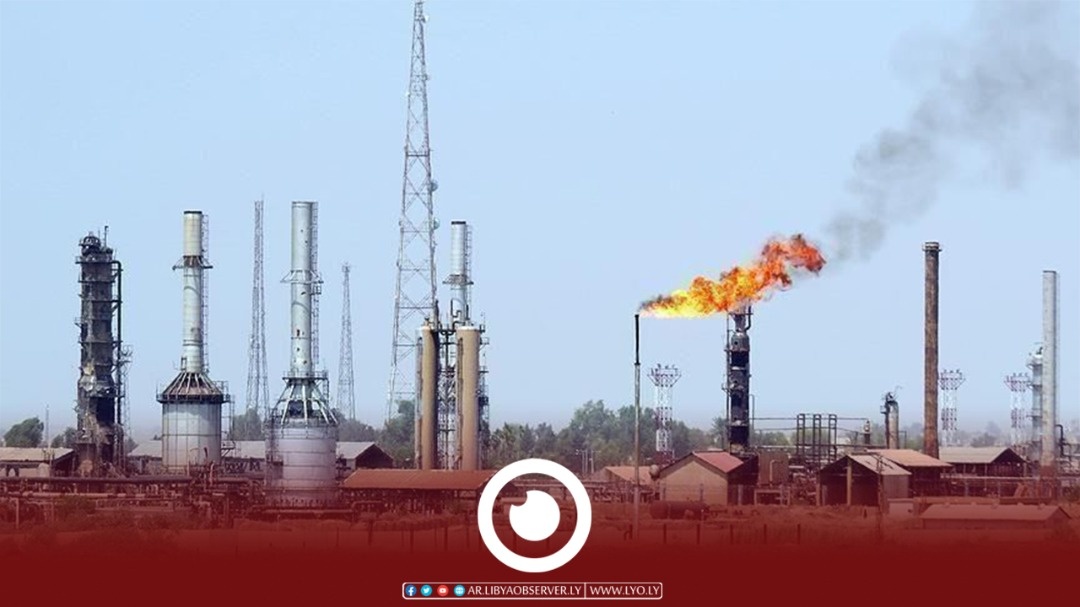
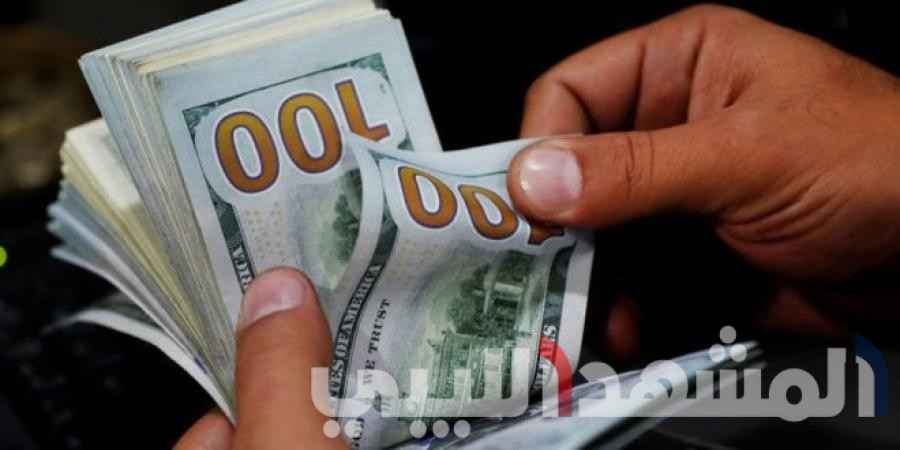
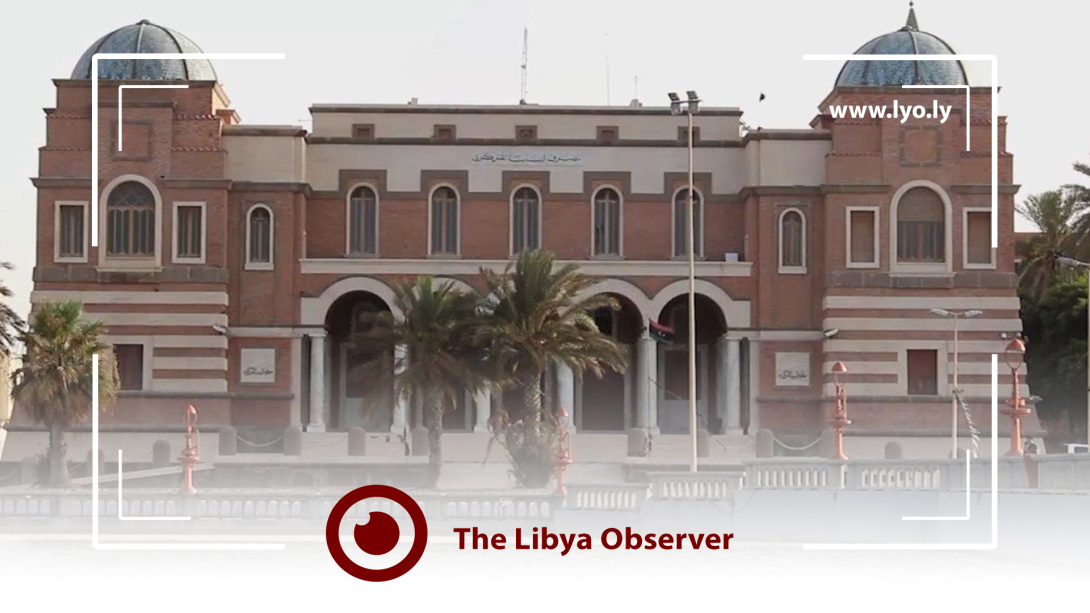
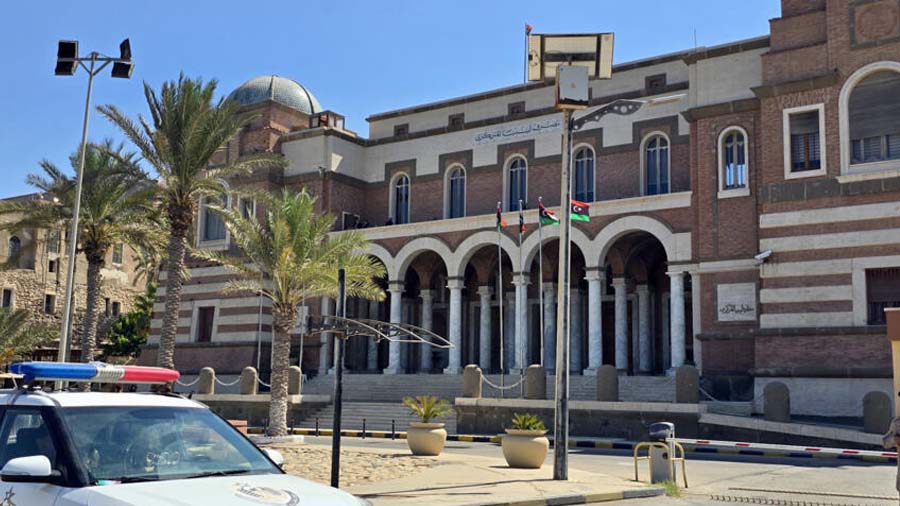
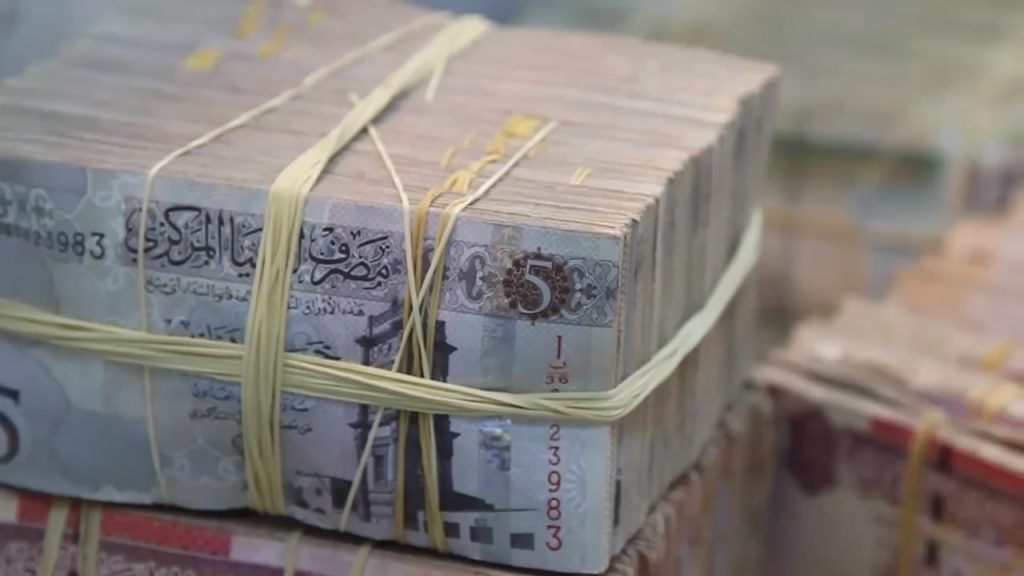
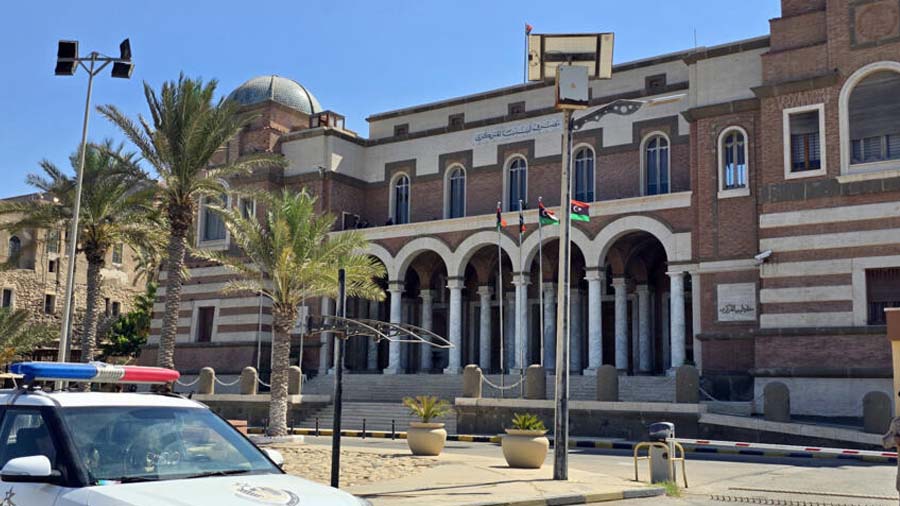
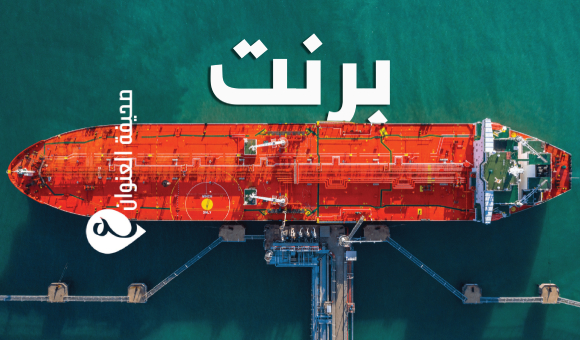
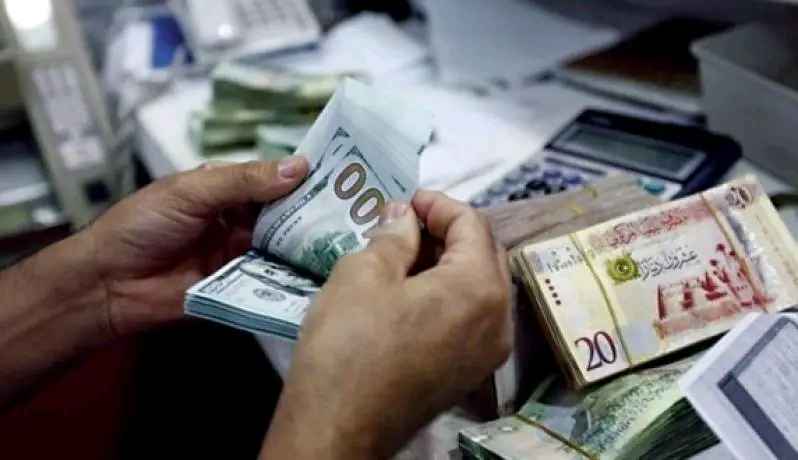
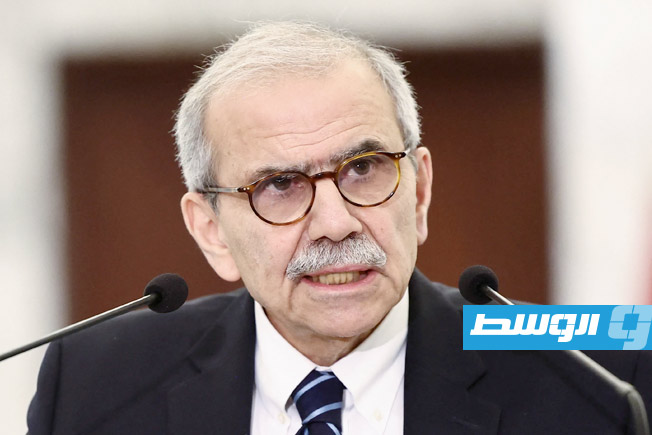
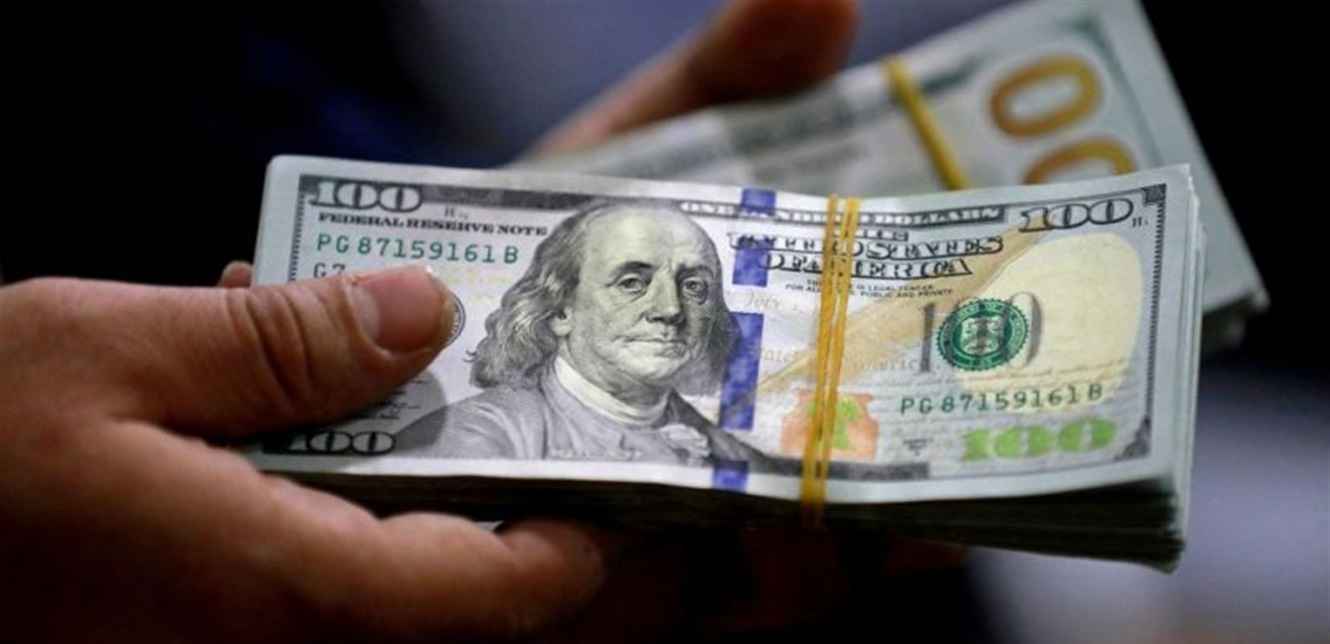
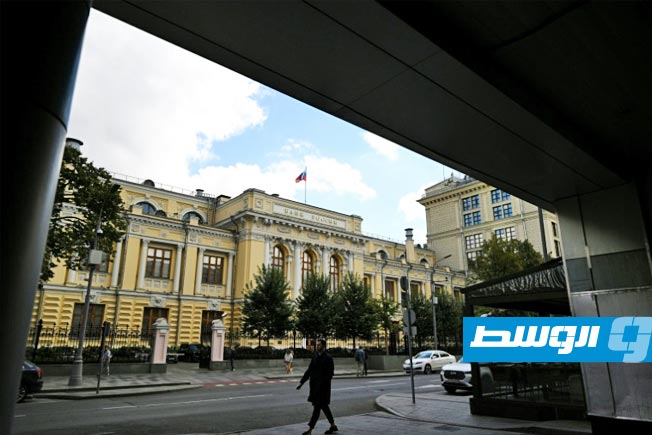
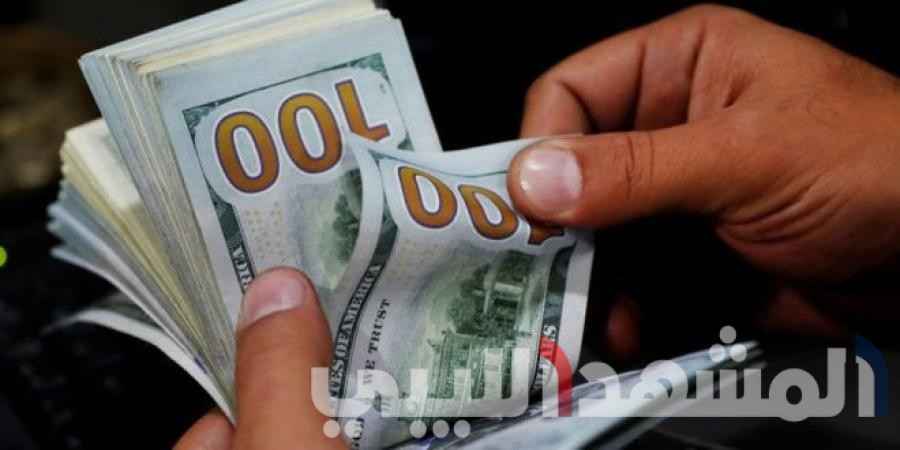
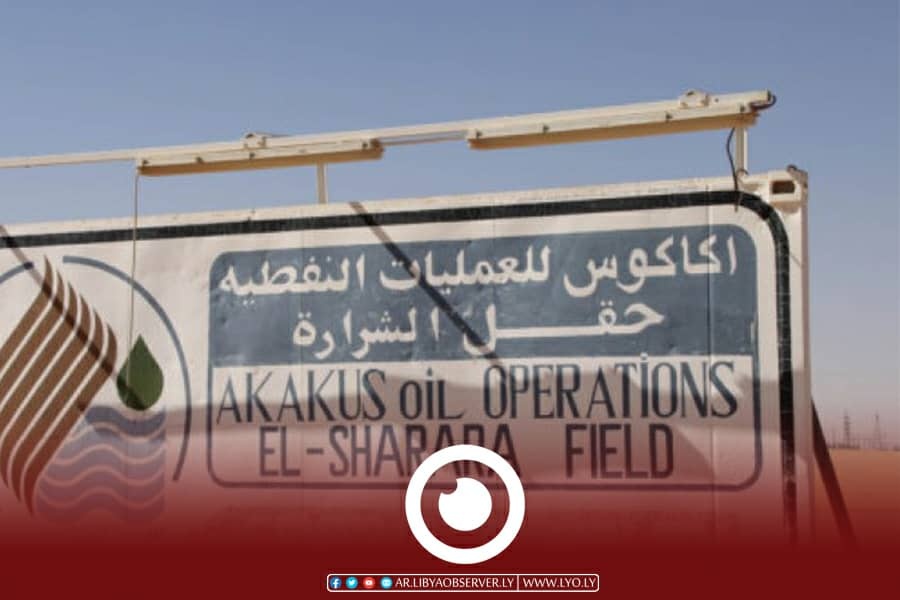
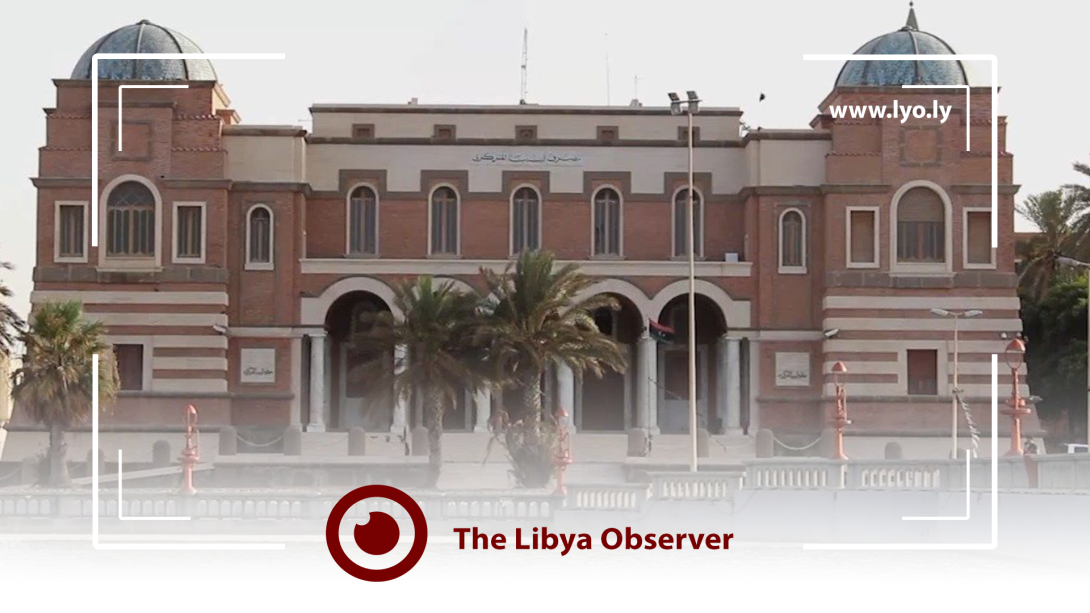
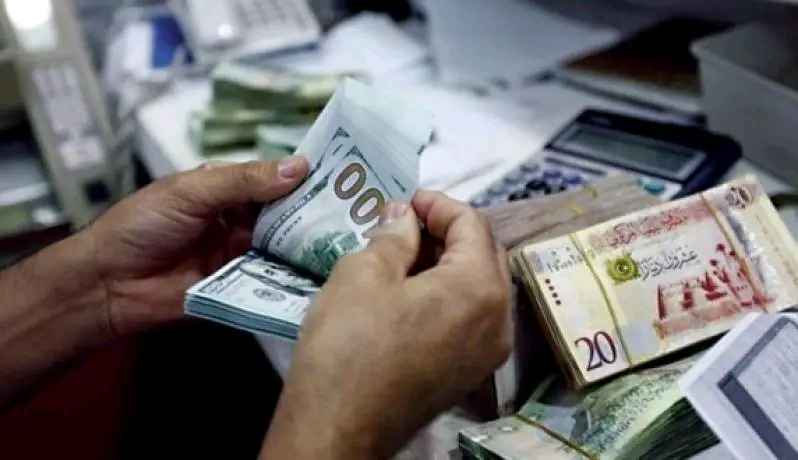
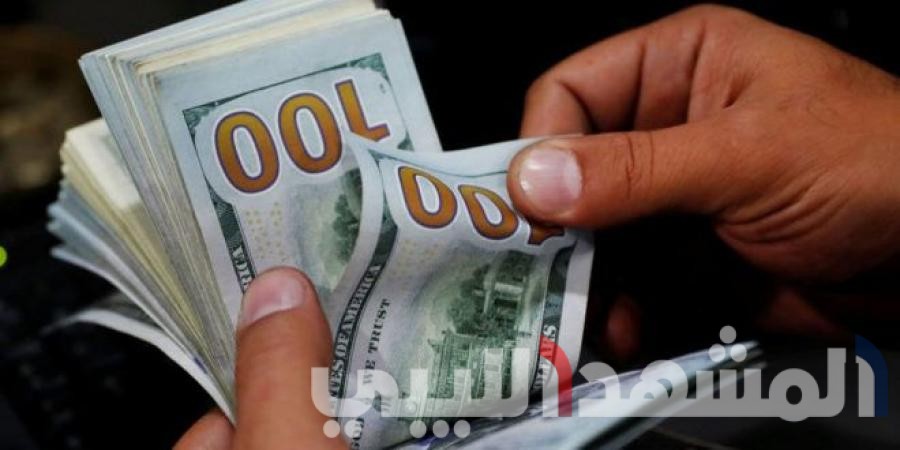
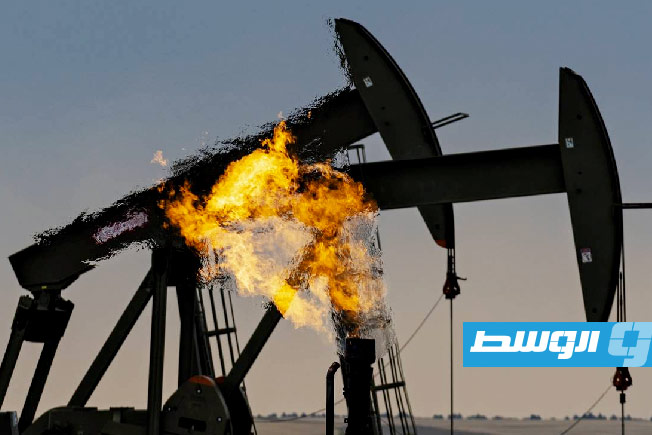
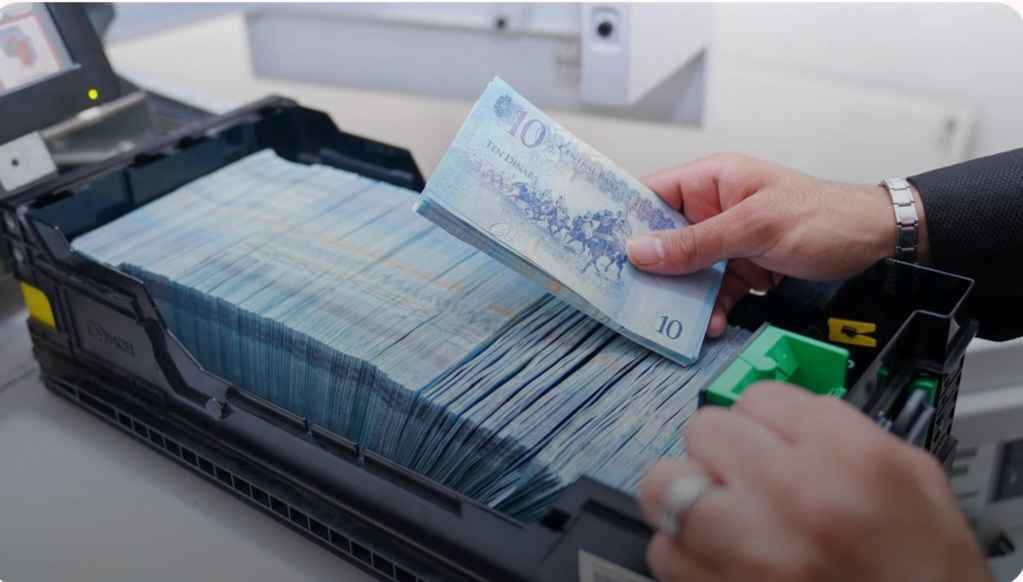
The daily update issued by the Central Bank of Libya showed no new oil revenues recorded over the past 24 hours. The total revenue since the beginning of January remained at $884 million as of January 28, 2026, the same figure announced the previous day, reflecting a temporary halt in supply operations.
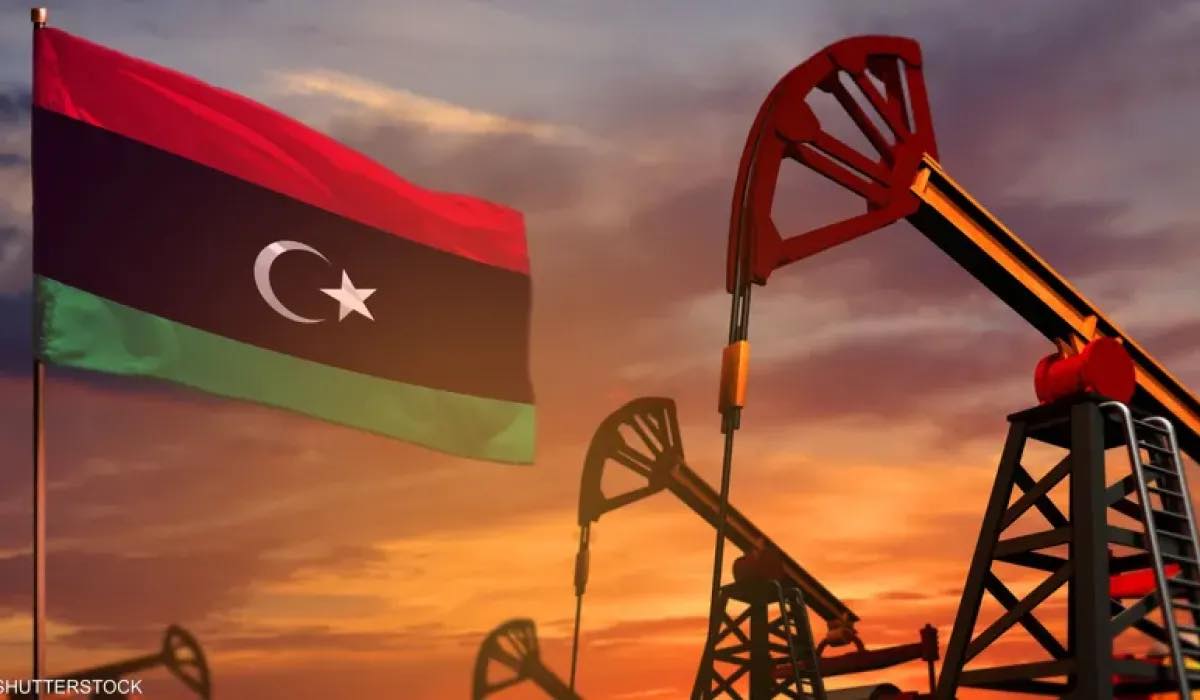
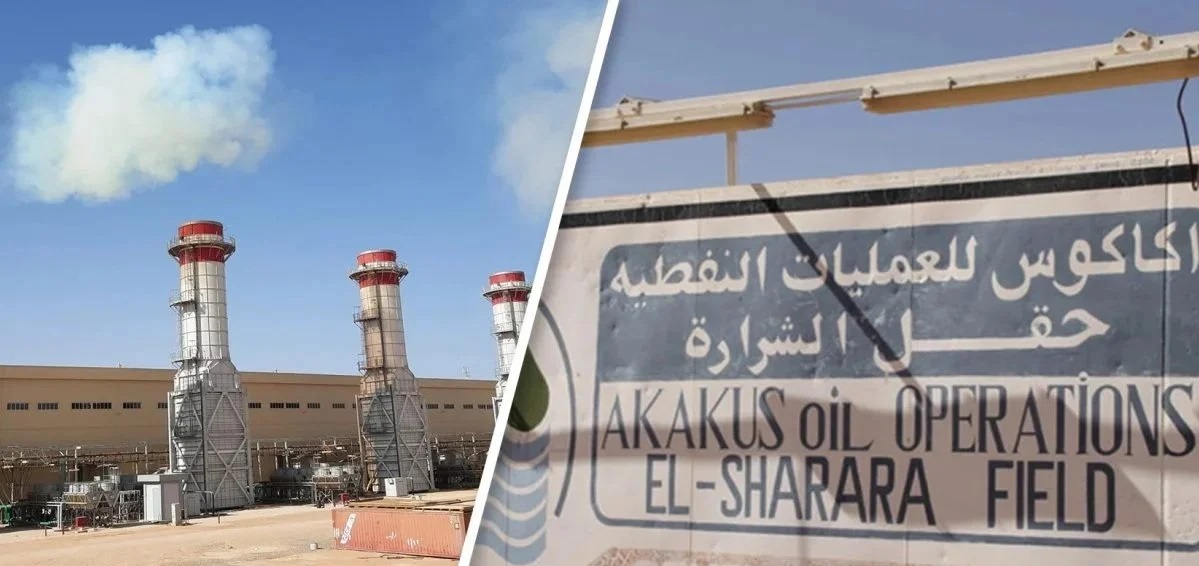
Since December 2025, the Central Bank has continued to publish oil revenue data on an almost daily basis. Libya recorded revenues of $1.349 billion during last December, distributed between $1.127 billion from oil sales and $222 million from production royalties.
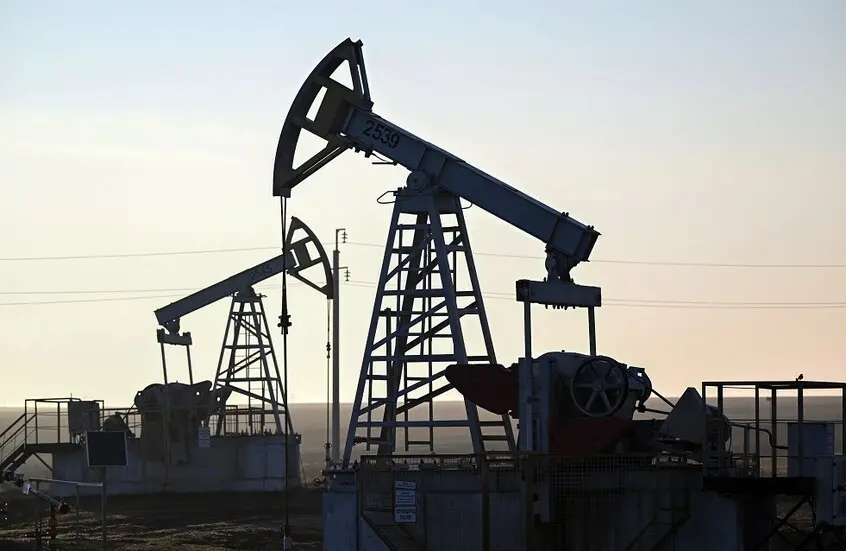
In a related context, Central Bank data indicates that the total oil revenues and royalties during 2025 amounted to $22.1 billion, against foreign cash expenditures reaching $31.1 billion, resulting in a deficit of approximately $9 billion. The National Oil Corporation announced last December a noticeable growth in revenues during 2025, with expectations of a gradual increase in production starting from the second quarter of 2026.
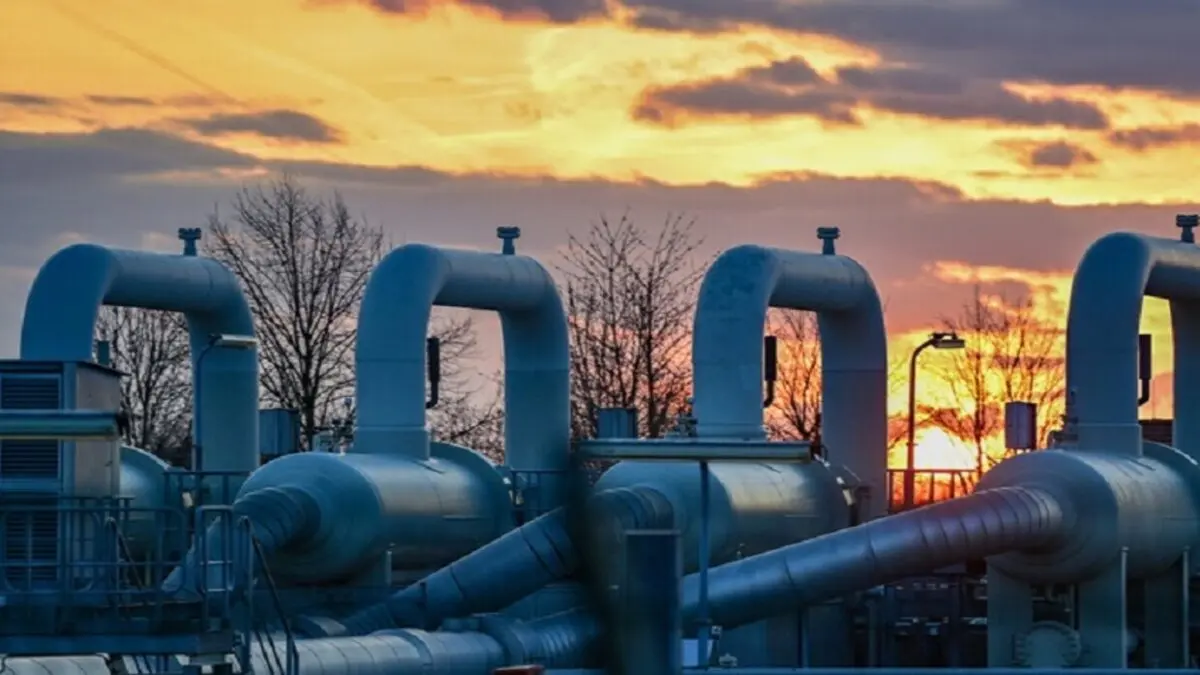
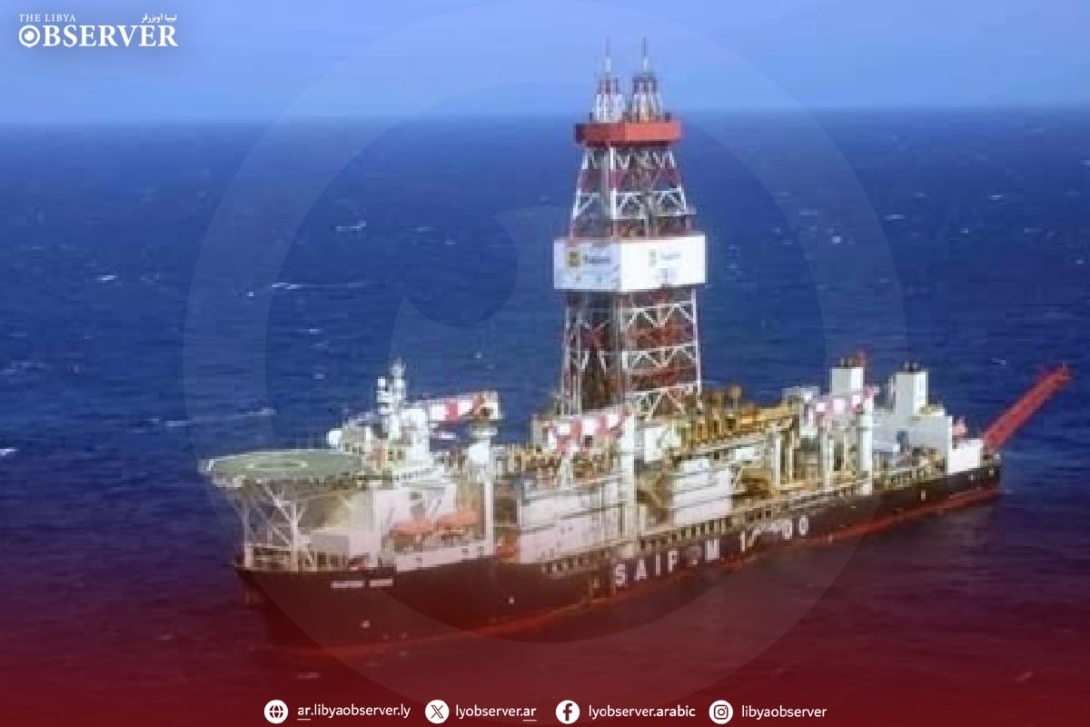
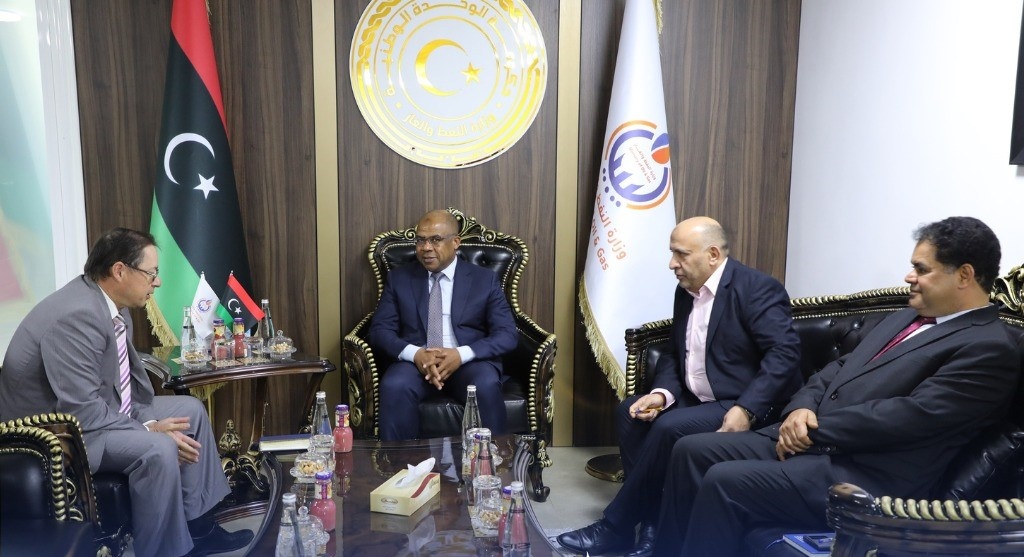
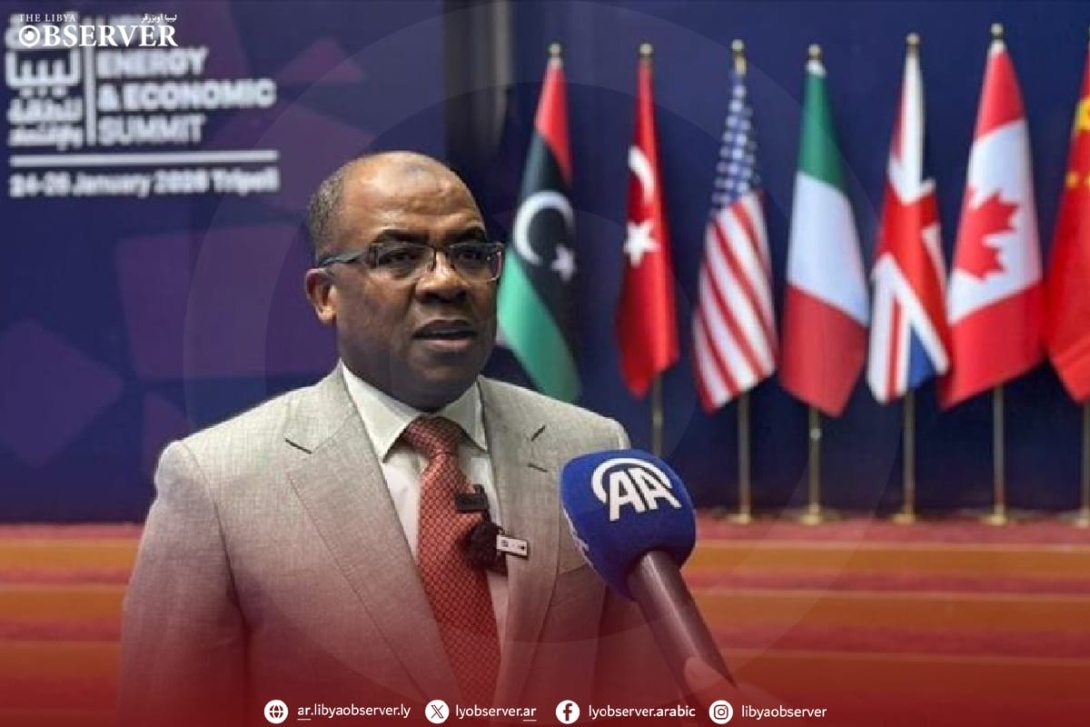
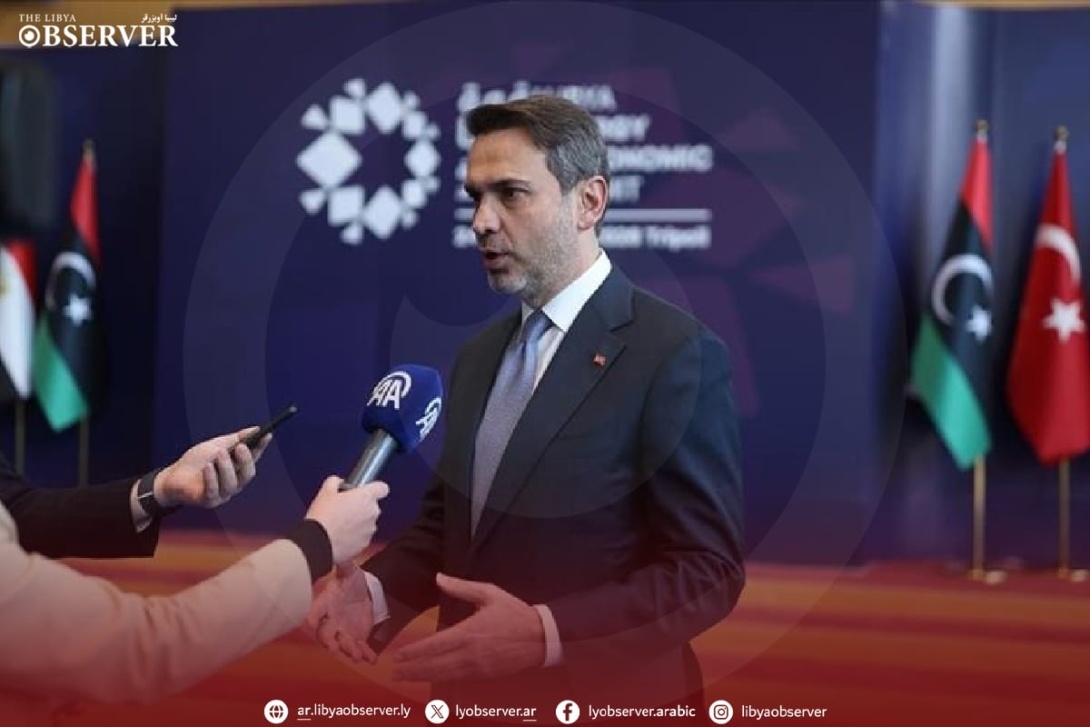
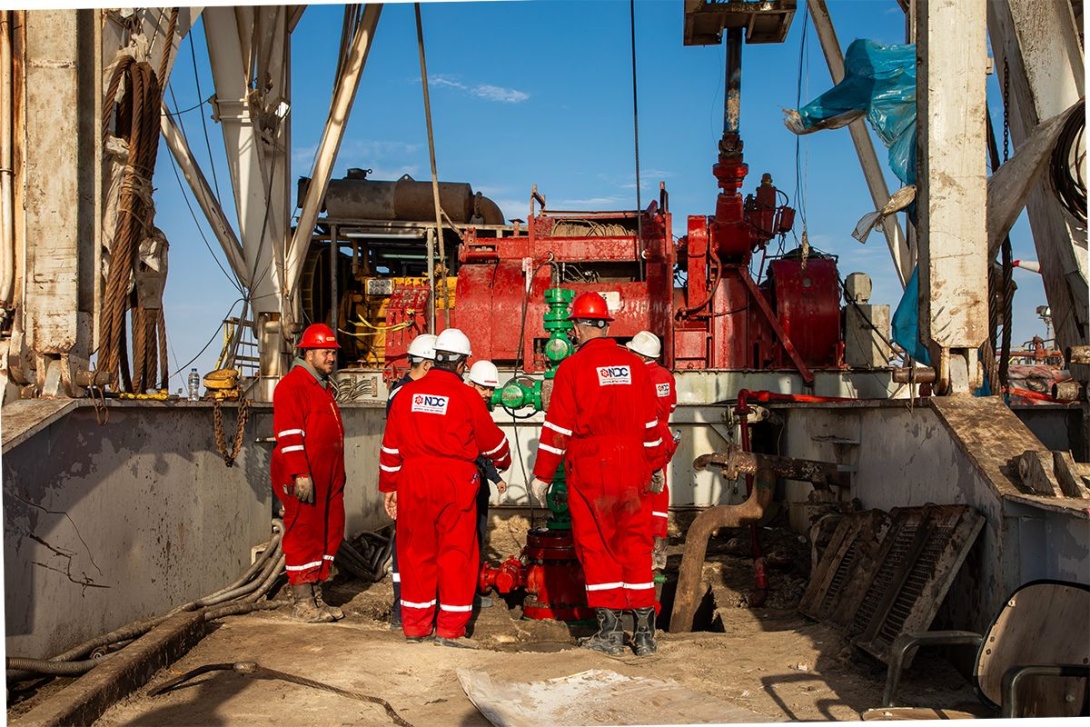
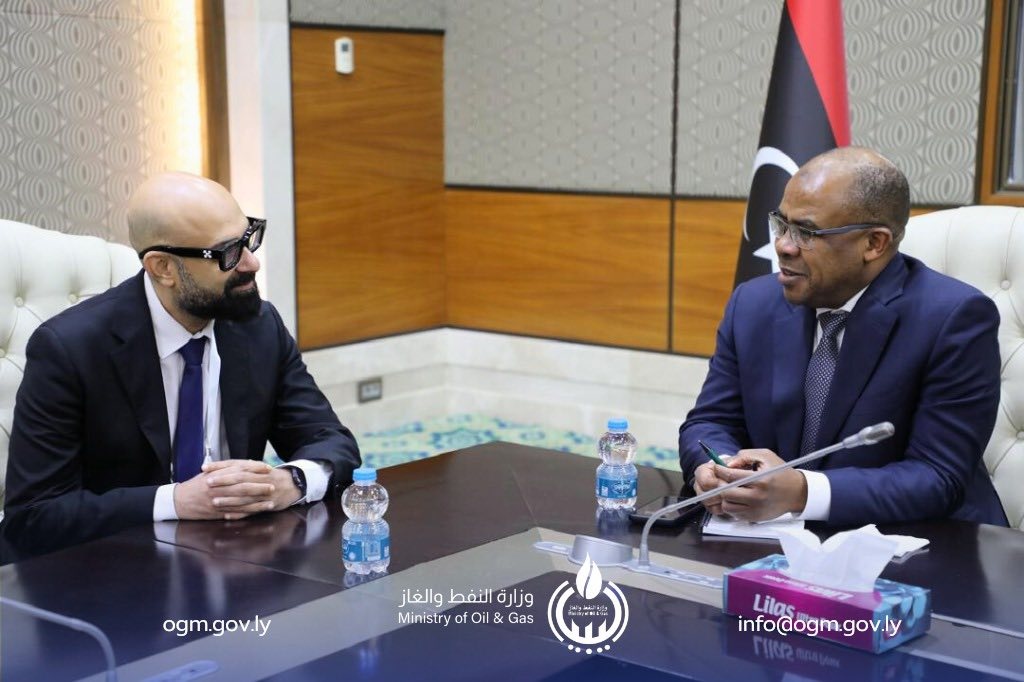
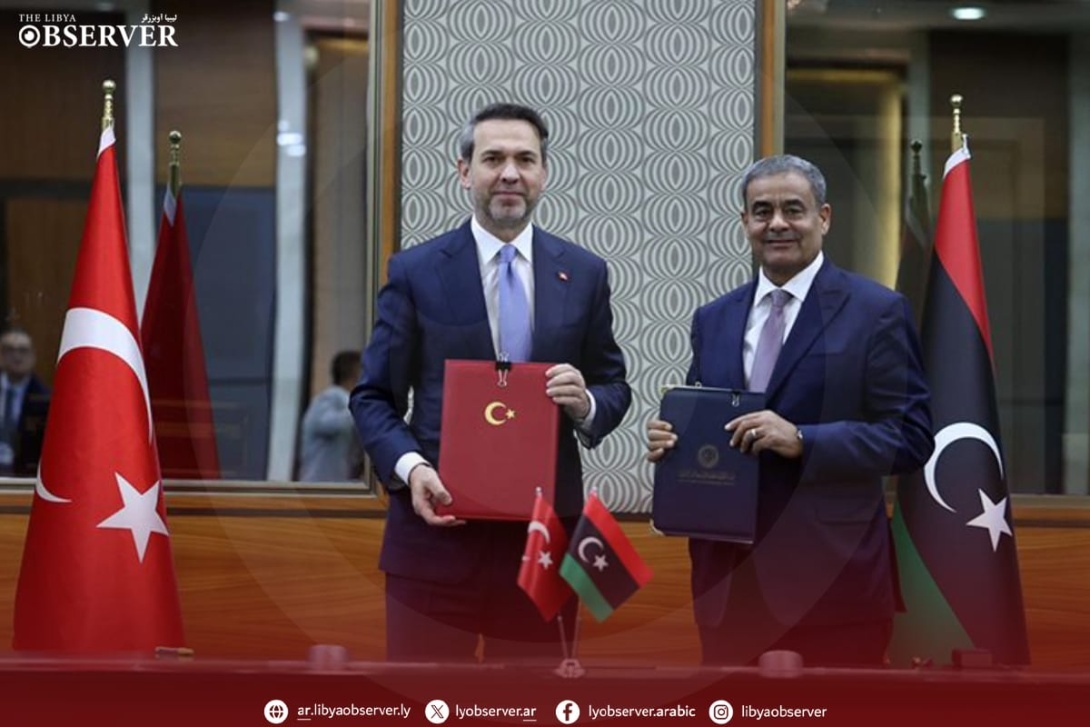
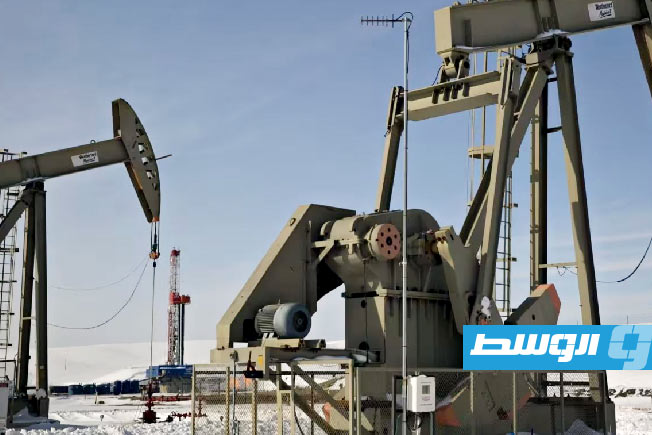
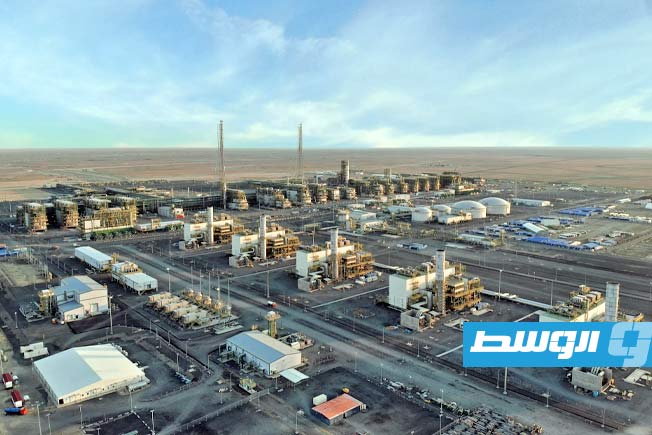
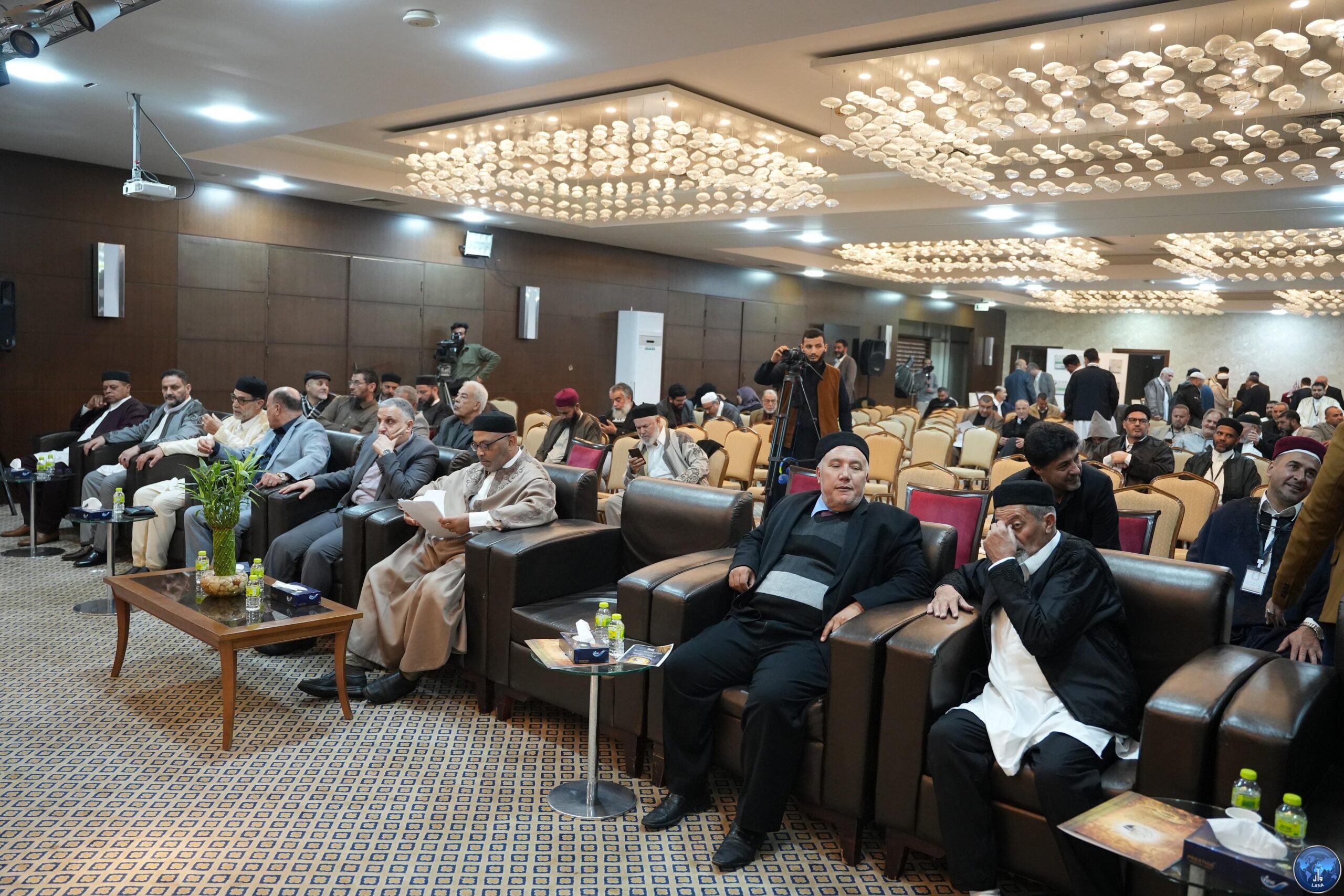
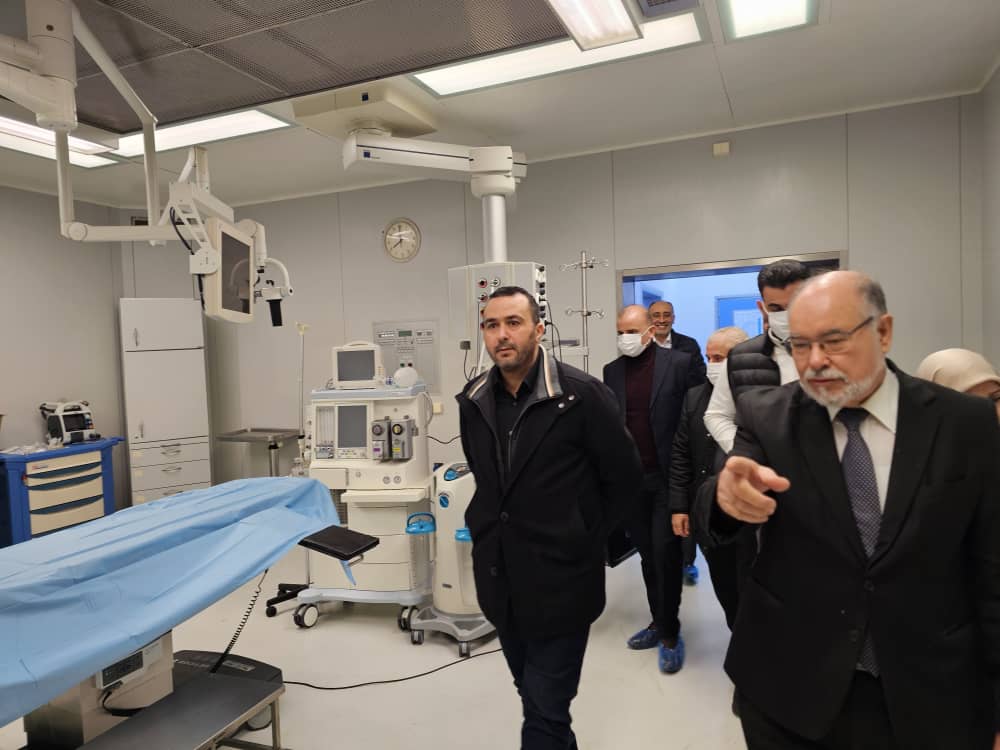
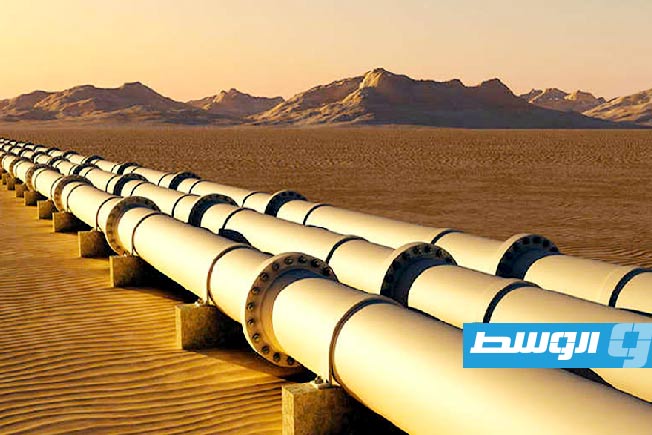
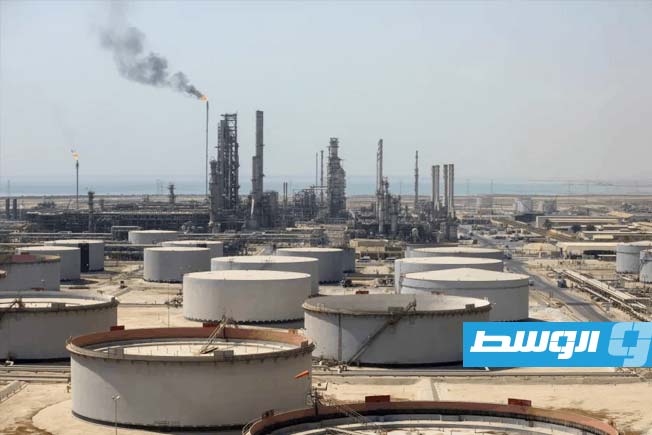
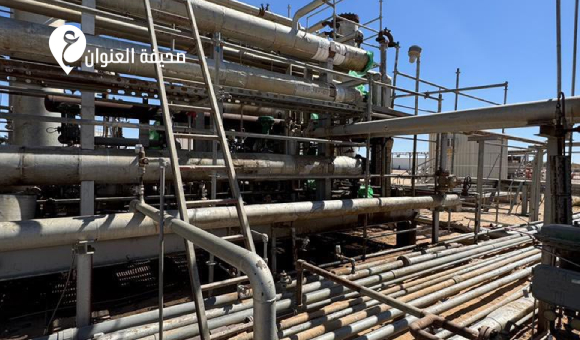
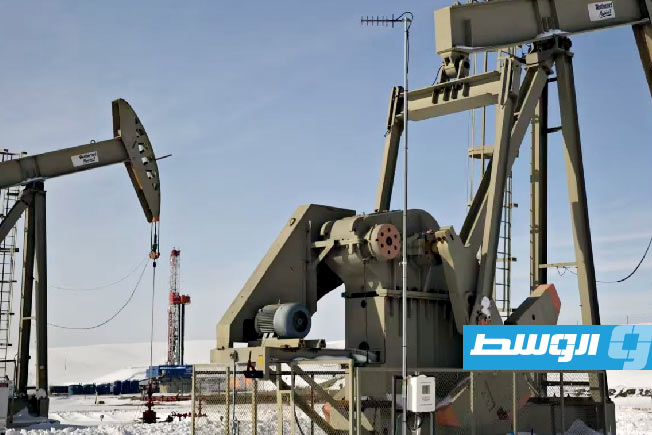
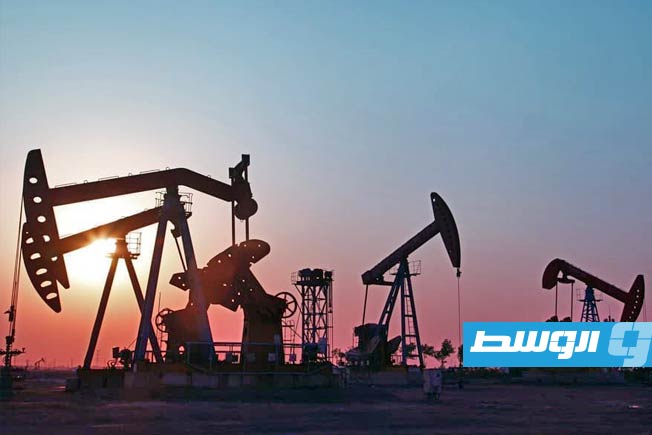
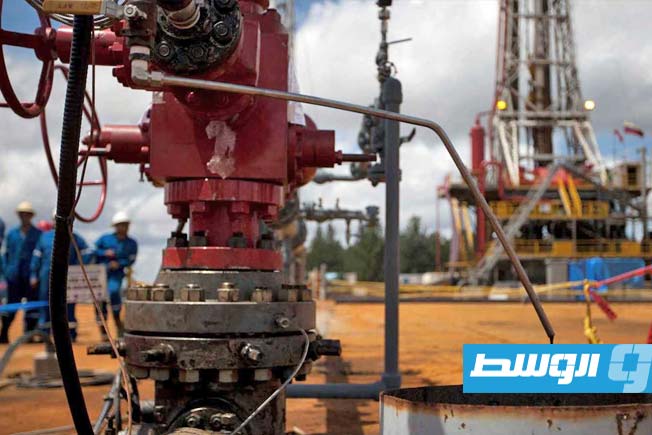
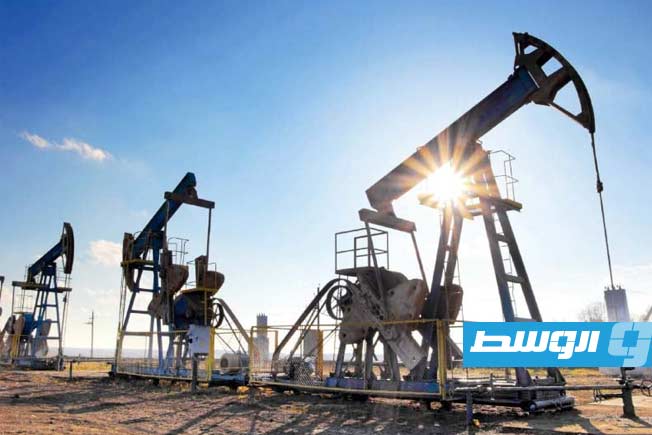
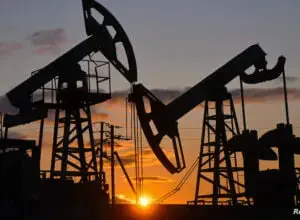
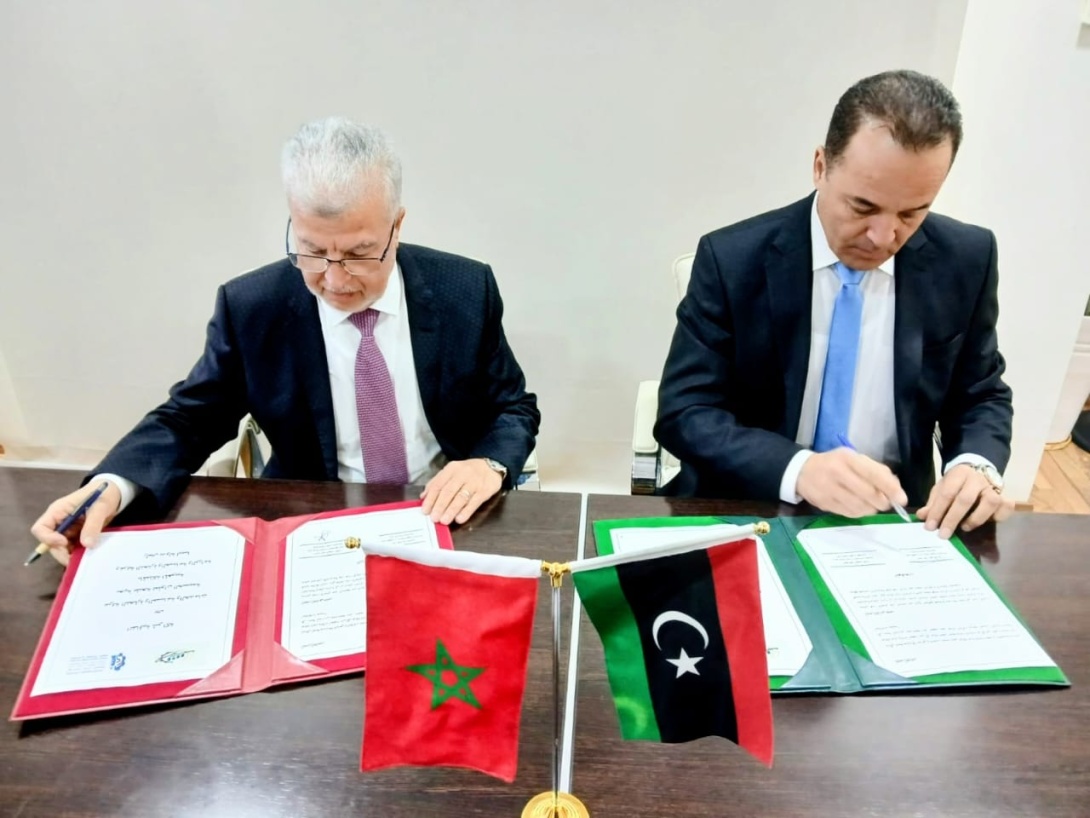
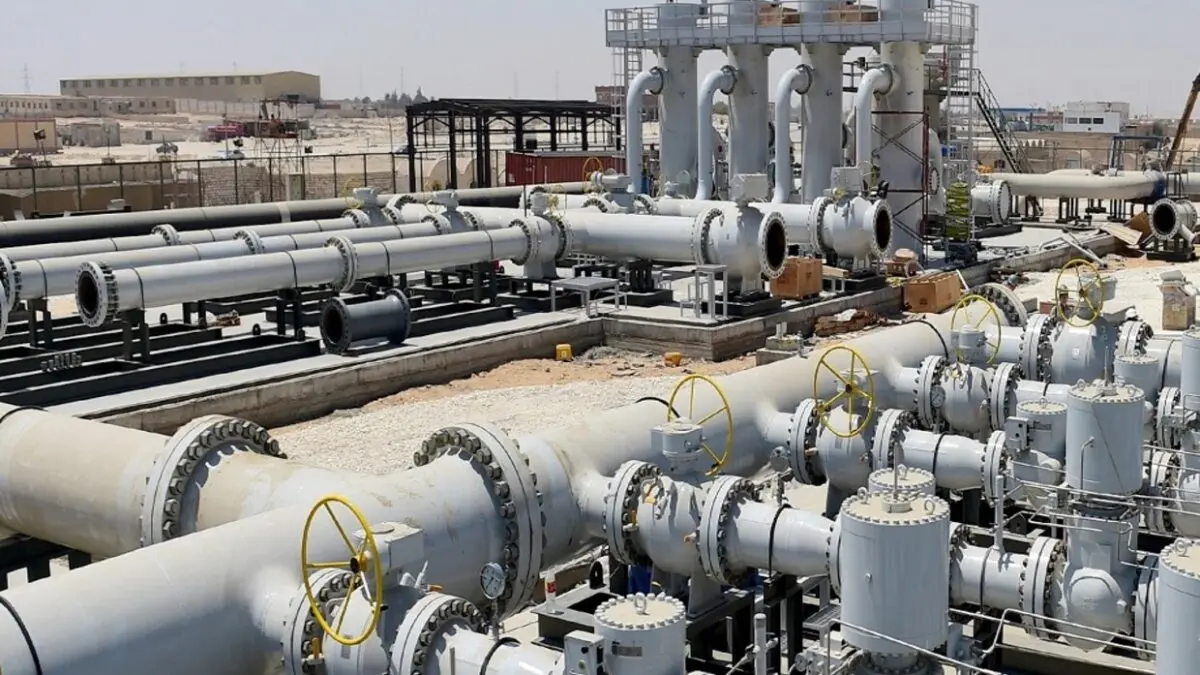
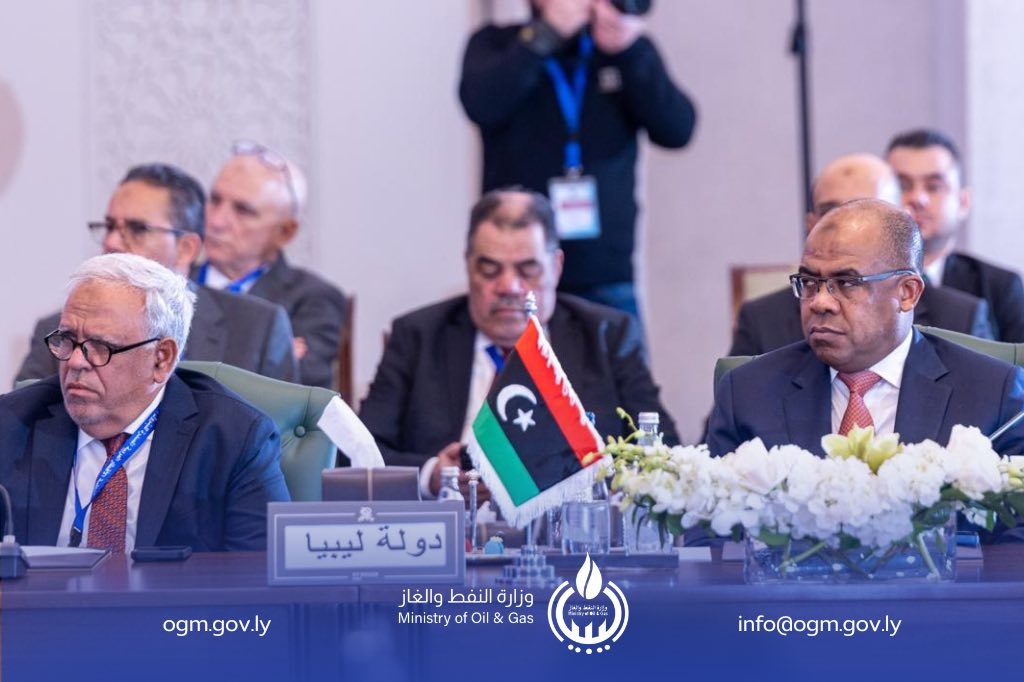
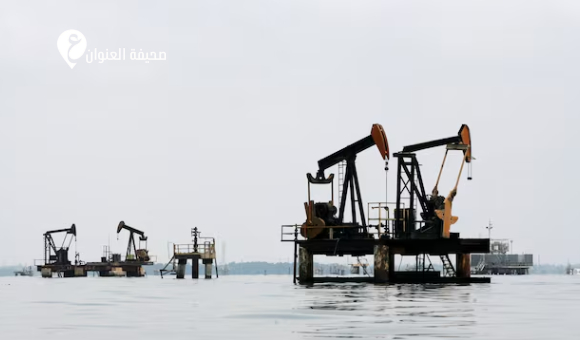
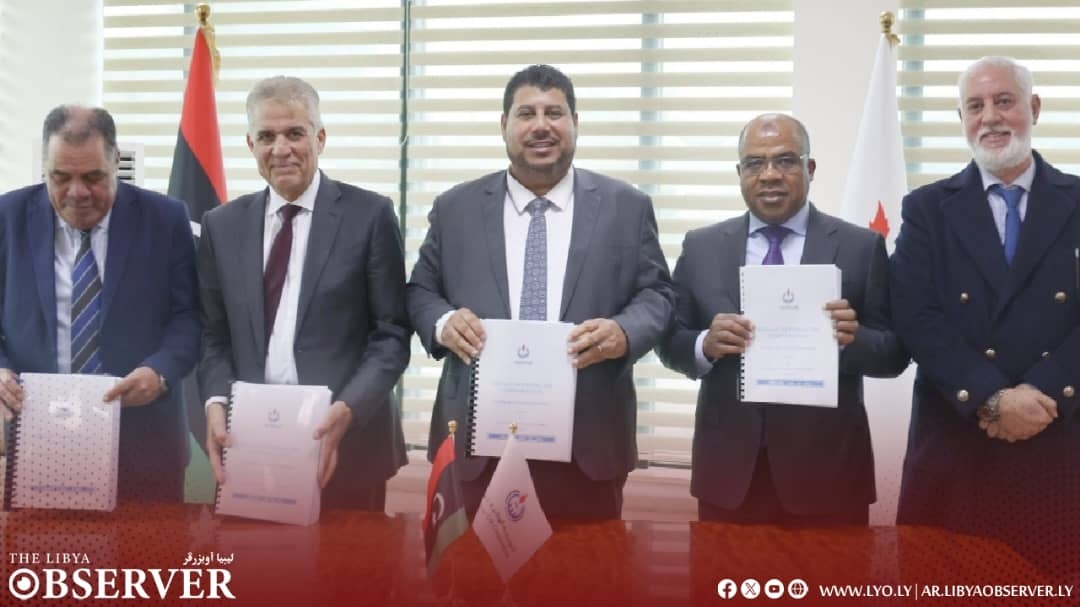
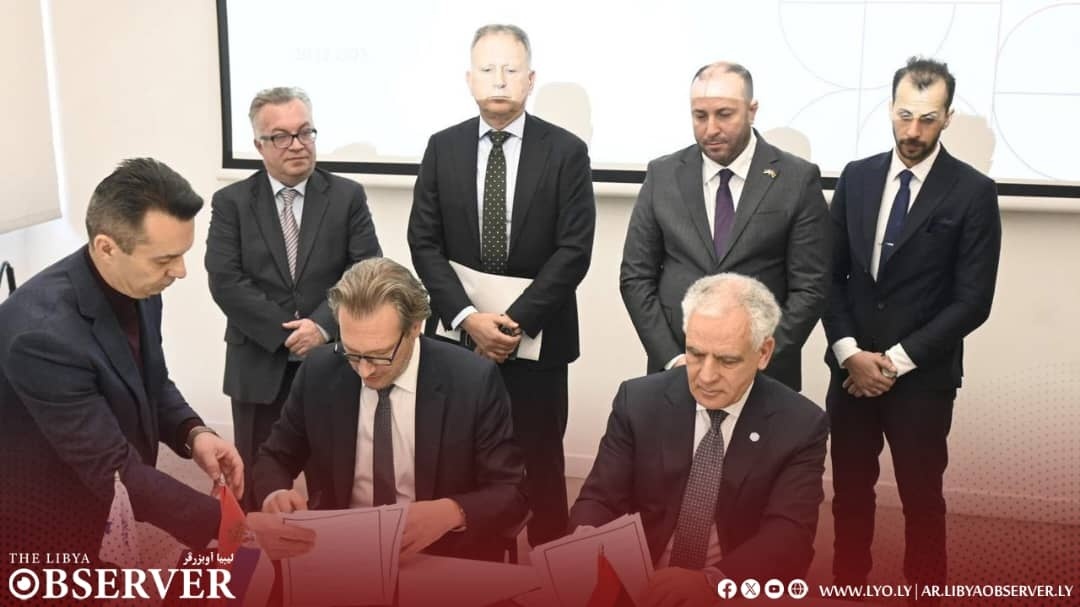
These developments coincide with expansion plans in the energy sector. The Minister of Oil and Gas revealed a program to drill between 70 and 100 new wells during 2026, aiming to revitalize exploration and production operations. Additionally, the “Libya Energy and Economy Summit 2026” in Tripoli witnessed the signing of strategic agreements, most notably a long-term development agreement between the Waha Oil Company and the companies TotalEnergies and ConocoPhillips, with investments exceeding $20 billion extending over 25 years.
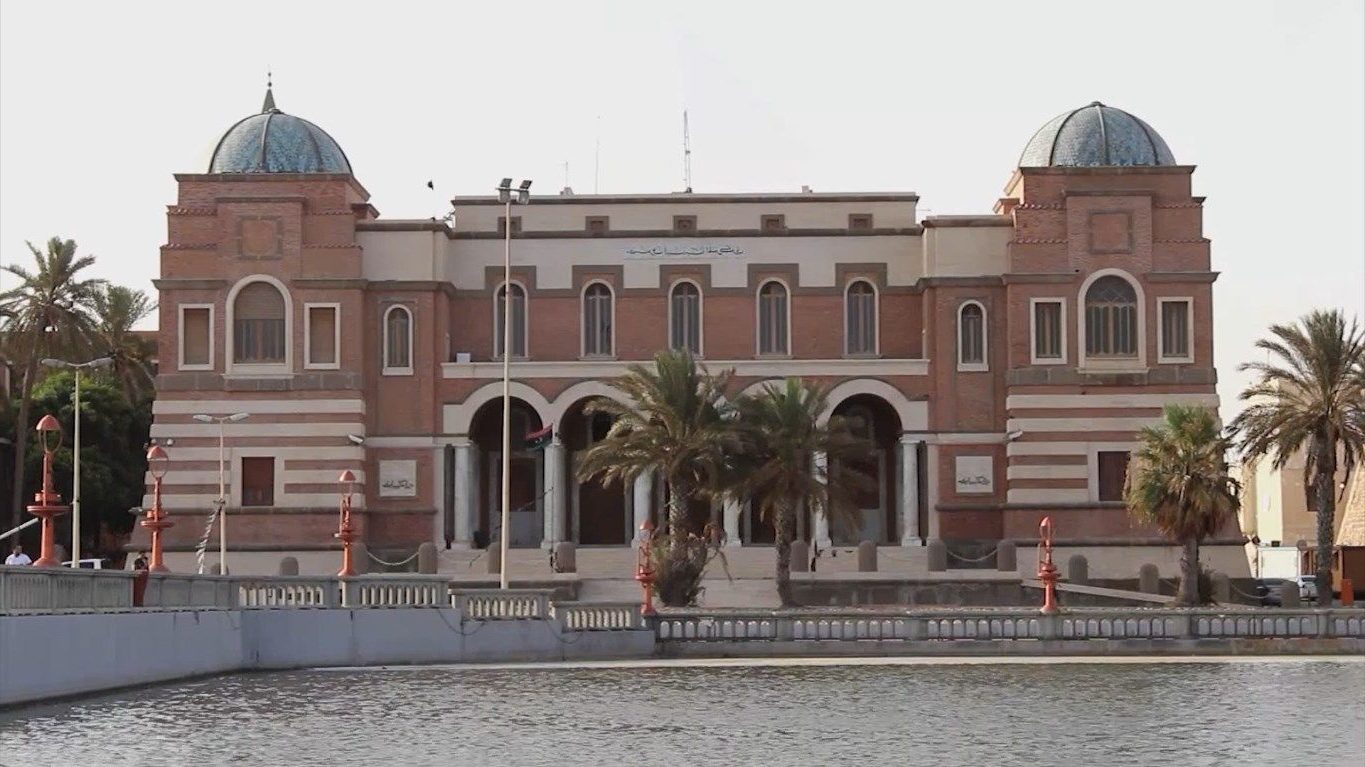
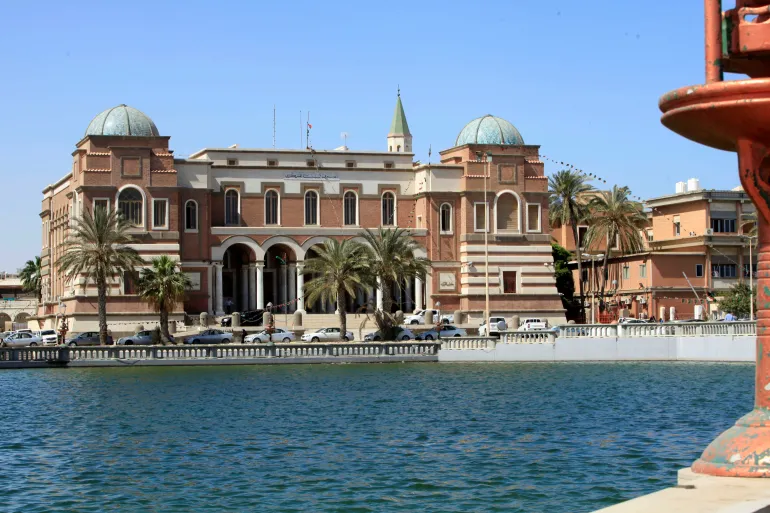
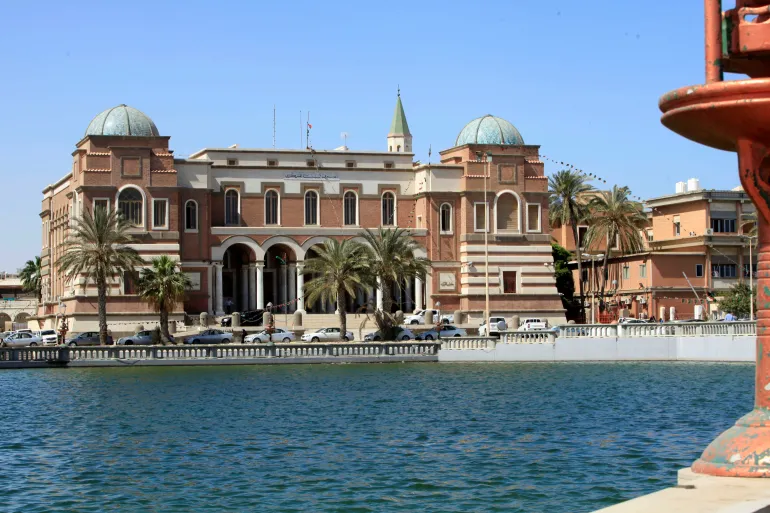
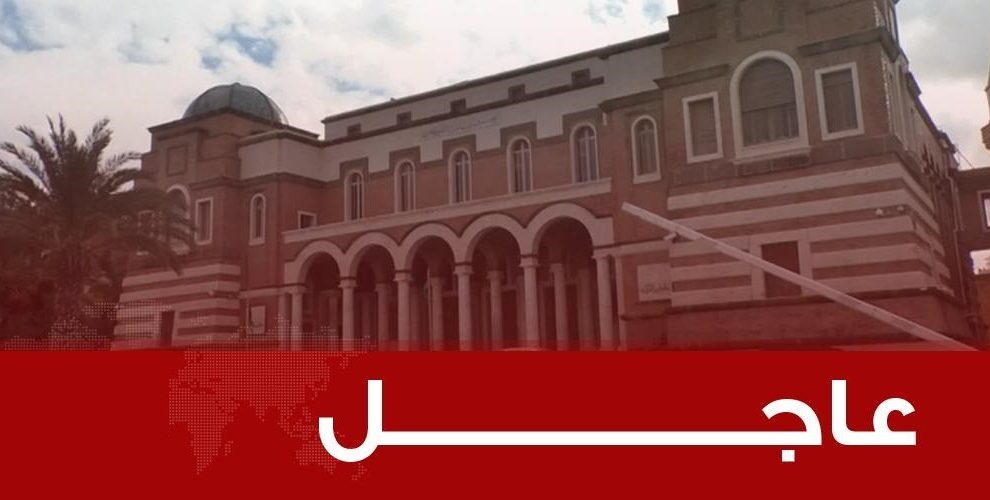
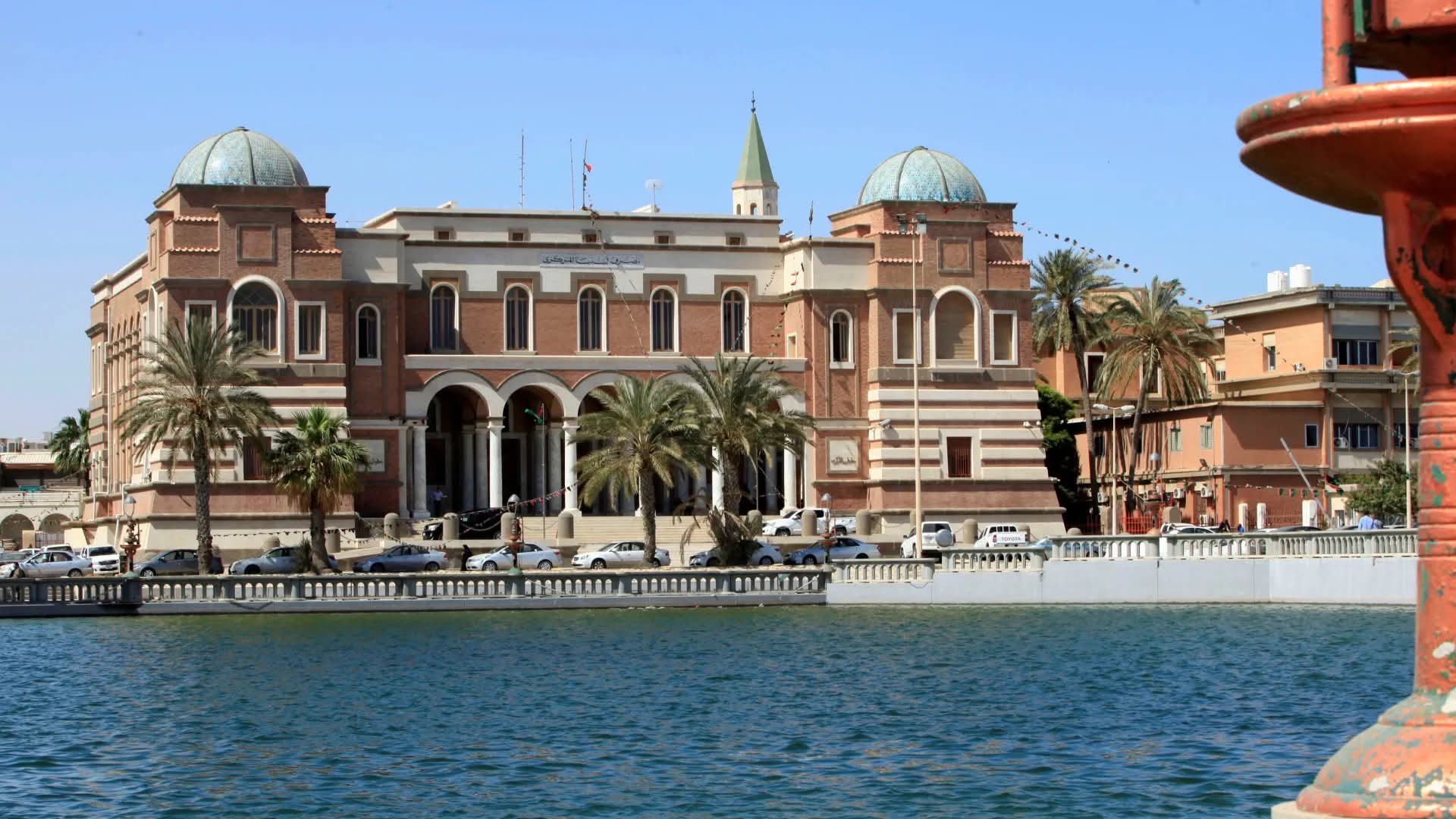
Central Bank of Libya
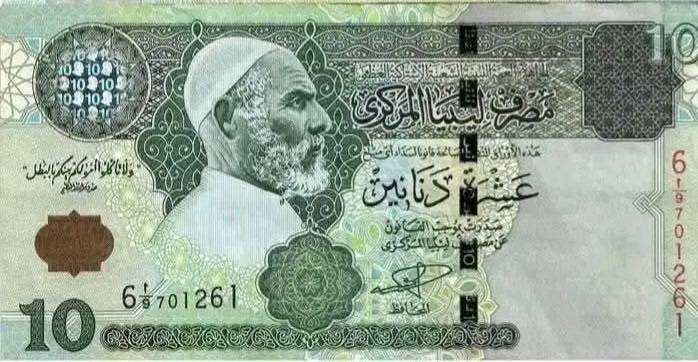
The Central Bank of Libya is the primary monetary authority of Libya, established in 1956 to issue currency and manage the country’s financial reserves. Its history has been deeply affected by political conflict since 2011, with rival administrations in Tripoli and Benghazi both claiming control over the institution and its critical assets.
Libya
Libya is a North African country with a rich history rooted in ancient civilizations like the Phoenicians and Romans, followed by centuries of Arab and Ottoman influence. In the modern era, it was an Italian colony before gaining independence in 1951, later becoming known for Muammar Gaddafi’s lengthy rule from 1969 until the 2011 revolution. Its cultural sites include the well-preserved Roman ruins of Leptis Magna, a UNESCO World Heritage site.
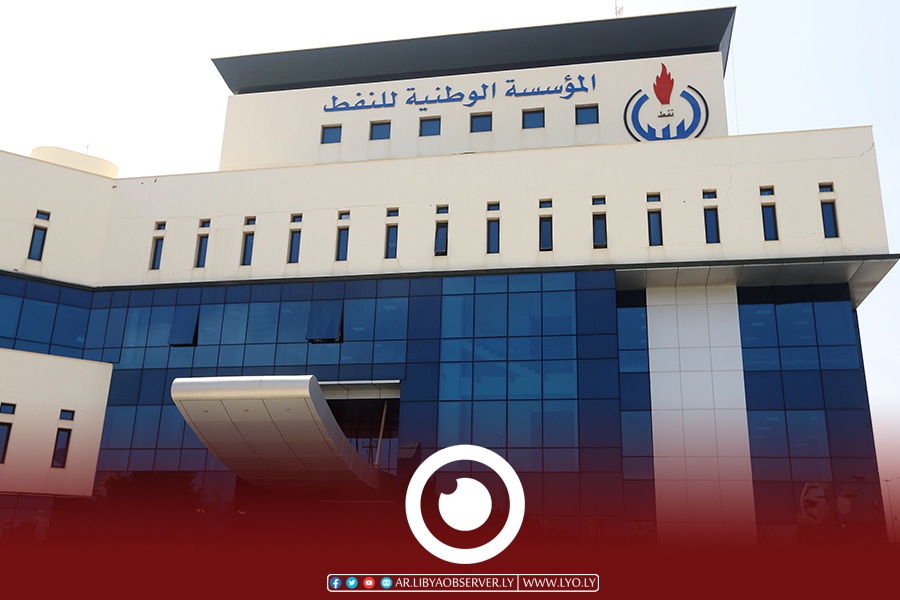
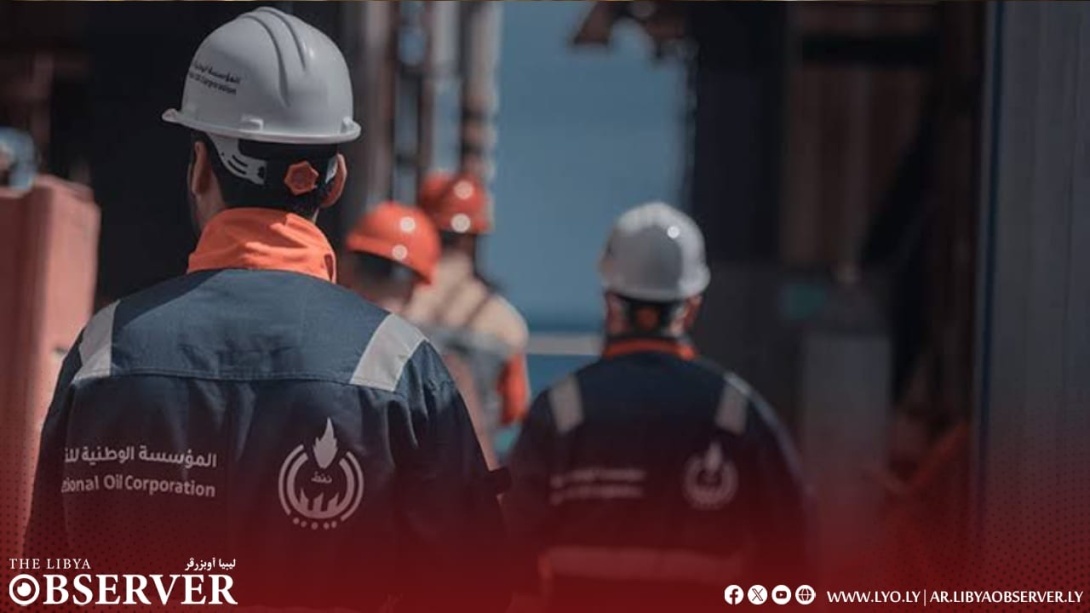
National Oil Corporation
The National Oil Corporation (NOC) is the state-owned oil company of Libya, established in 1970 to manage the country’s petroleum resources. It oversees all aspects of Libya’s oil and gas sector, from exploration to export, and has been a central pillar of the national economy since its founding.
Tripoli
Tripoli is the capital and largest city of Libya, historically founded in the 7th century BCE by the Phoenicians. It later became a significant Roman city and was subsequently ruled by a succession of powers including the Vandals, Byzantines, Arabs, Ottomans, and Italians, which is reflected in its diverse architecture such as the ancient Medina and Red Castle.
Waha Oil Company
The Waha Oil Company is a major oil and gas producer in Libya, historically established as a joint venture in the 1950s between the Libyan state and international partners. It operates primarily in the Sirte Basin and has been a significant contributor to the country’s hydrocarbon exports for decades.
TotalEnergies
TotalEnergies is a French multinational energy company founded in 1924 as Compagnie Française des Pétroles, initially focused on oil exploration and refining. It has since evolved into a major global player in oil, natural gas, and increasingly, renewable energy and electricity generation. The company rebranded from Total to TotalEnergies in 2021 to reflect its strategic shift toward a broader energy mix and carbon neutrality goals.
ConocoPhillips
ConocoPhillips is a major American multinational energy corporation, formed in 2002 through the merger of Conoco Inc. and Phillips Petroleum Company. Its history traces back to the separate founding of these two companies in the late 19th and early 20th centuries during the early oil booms in the United States. Today, it is one of the world’s largest independent exploration and production companies based on proven reserves and production.
Libya Energy and Economy Summit 2026
The Libya Energy and Economy Summit 2026 is a planned international conference focused on Libya’s energy sector and economic development. It aims to attract investment and foster dialogue to rebuild the country’s economy following years of conflict and instability.