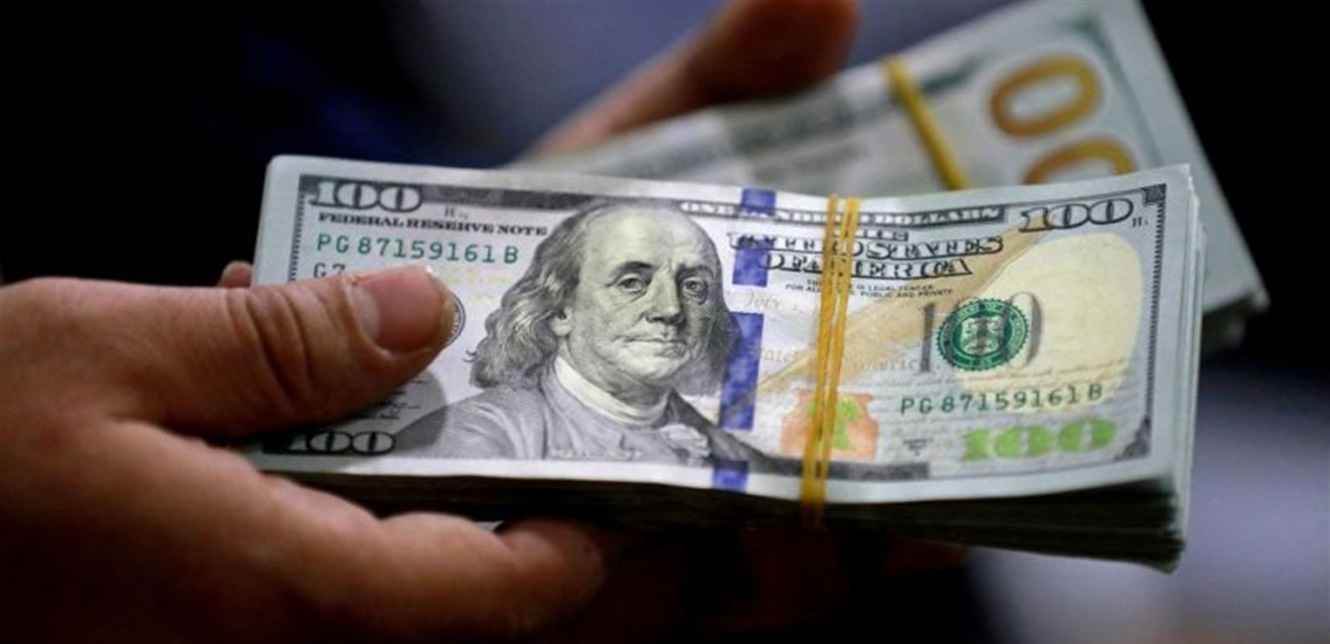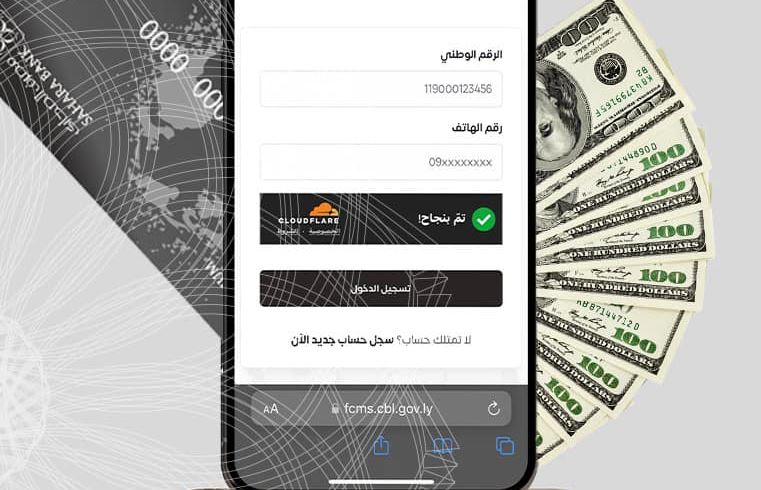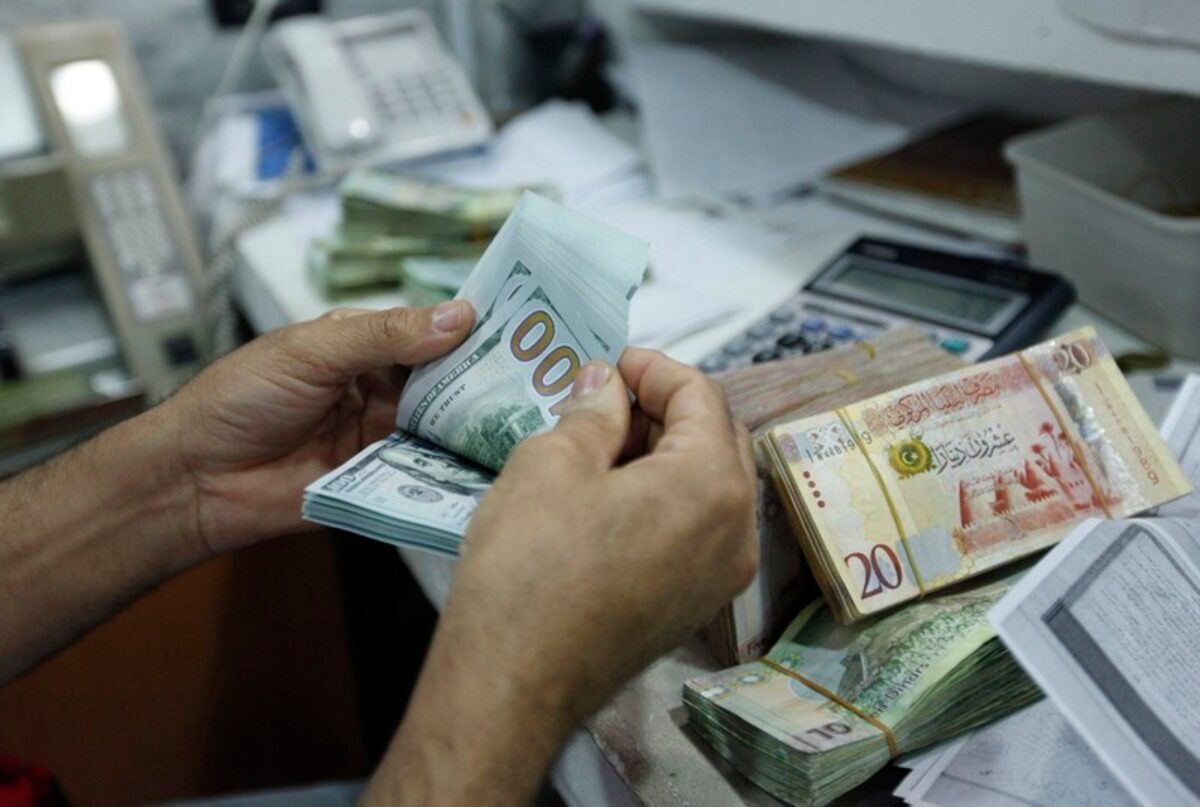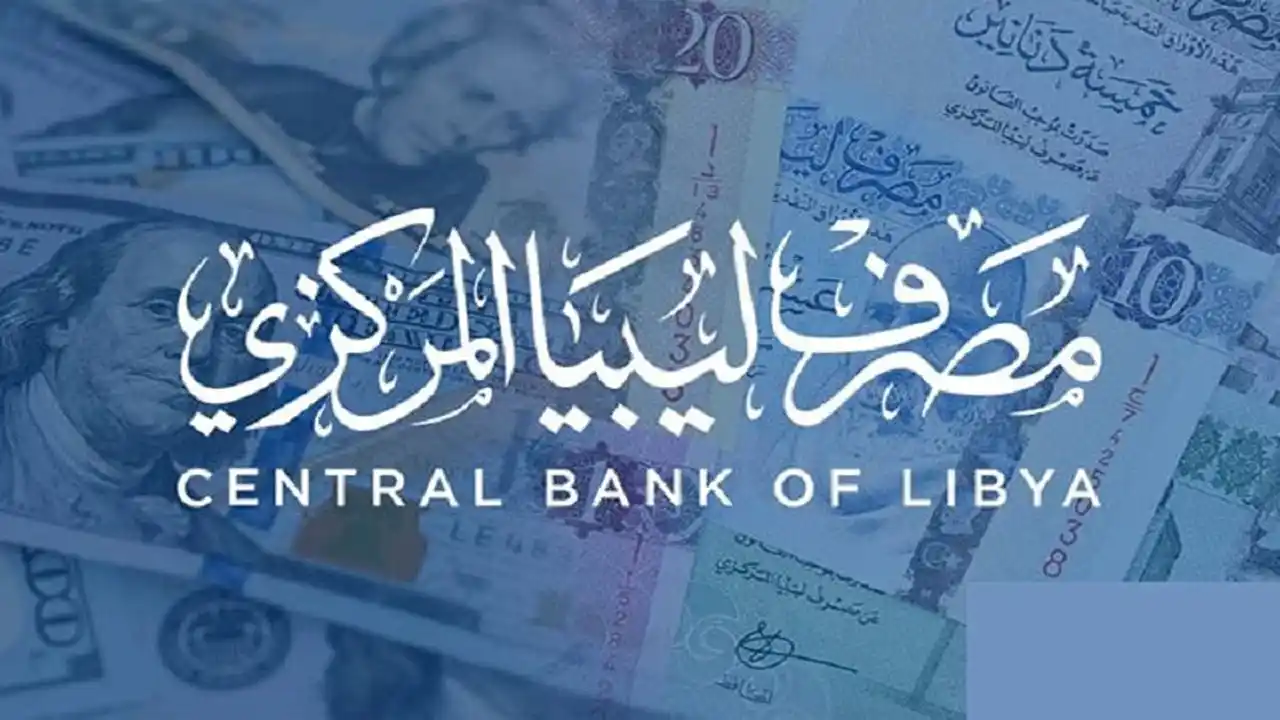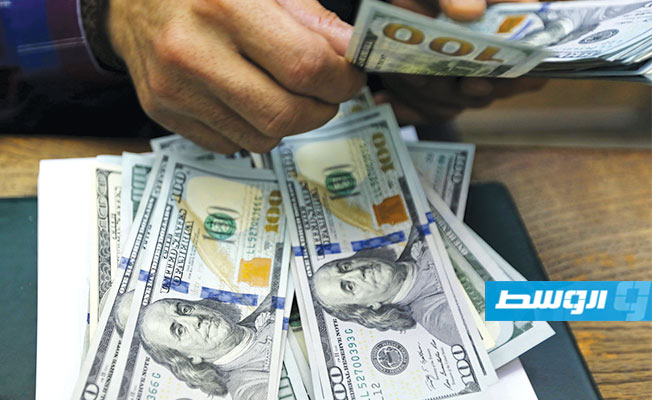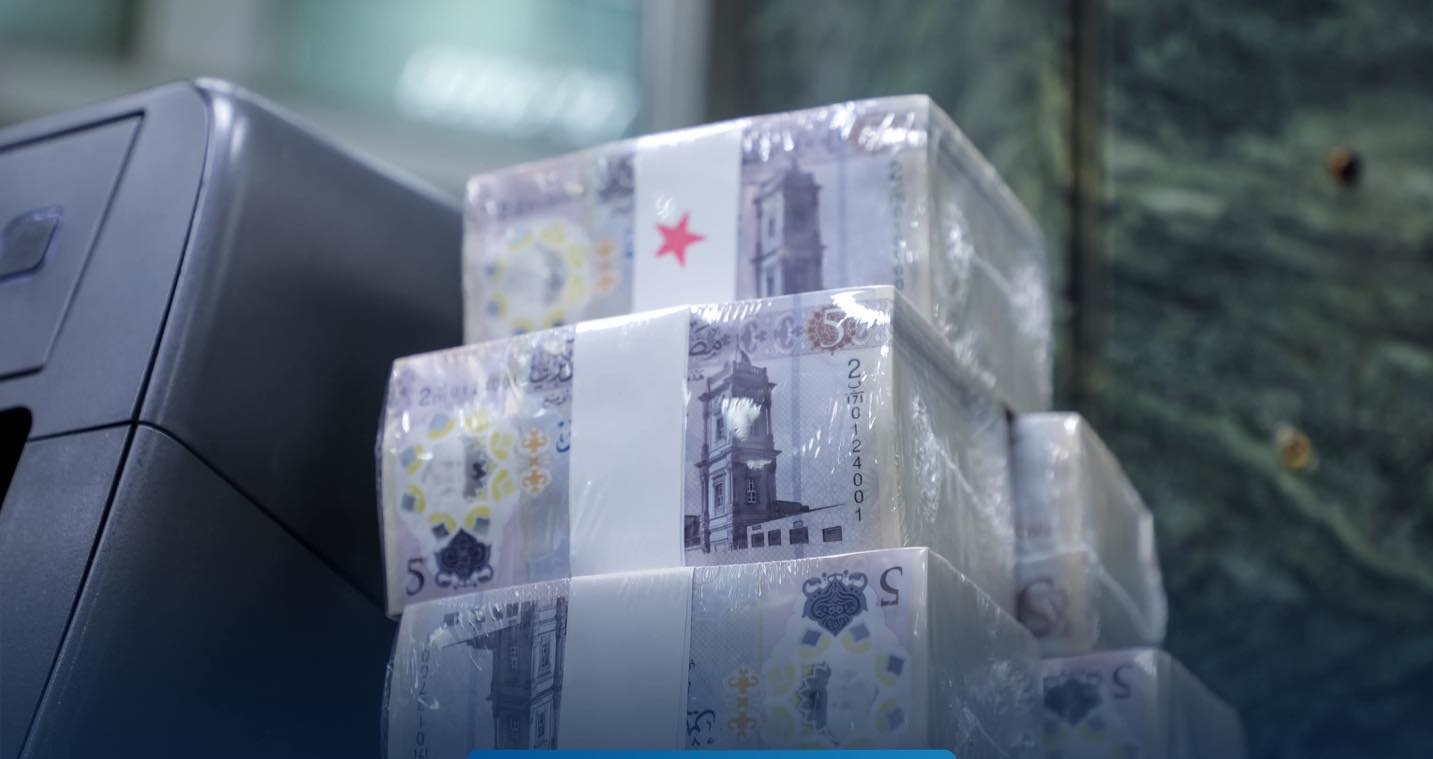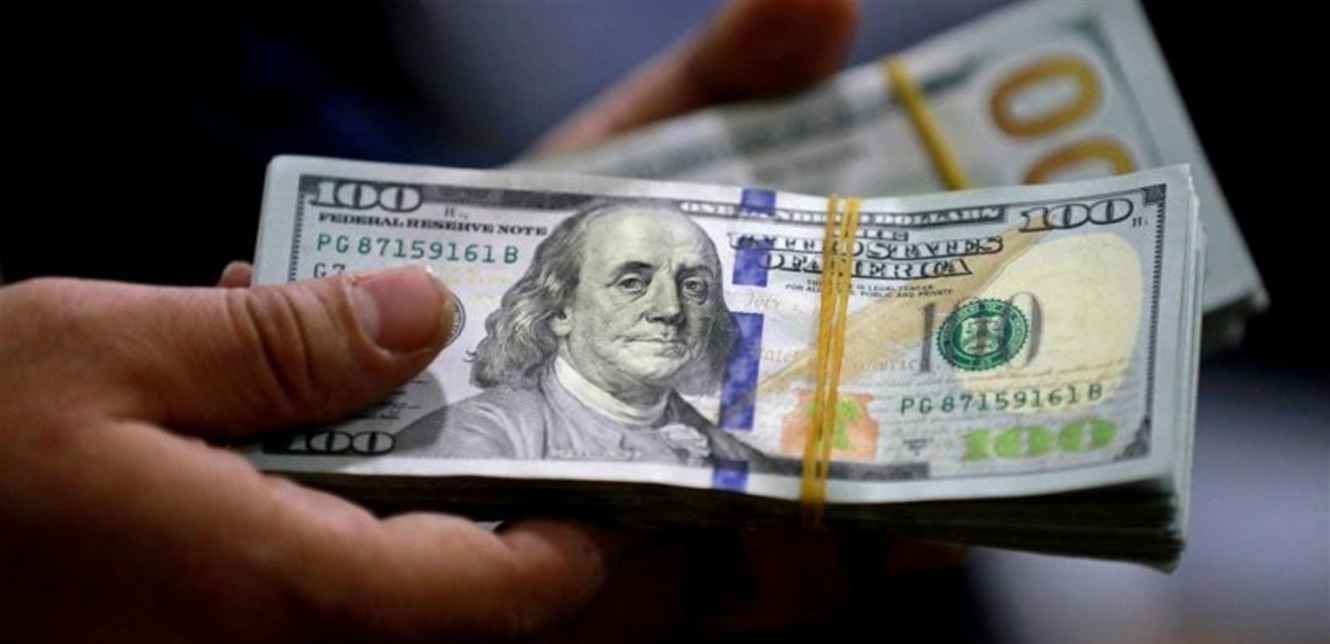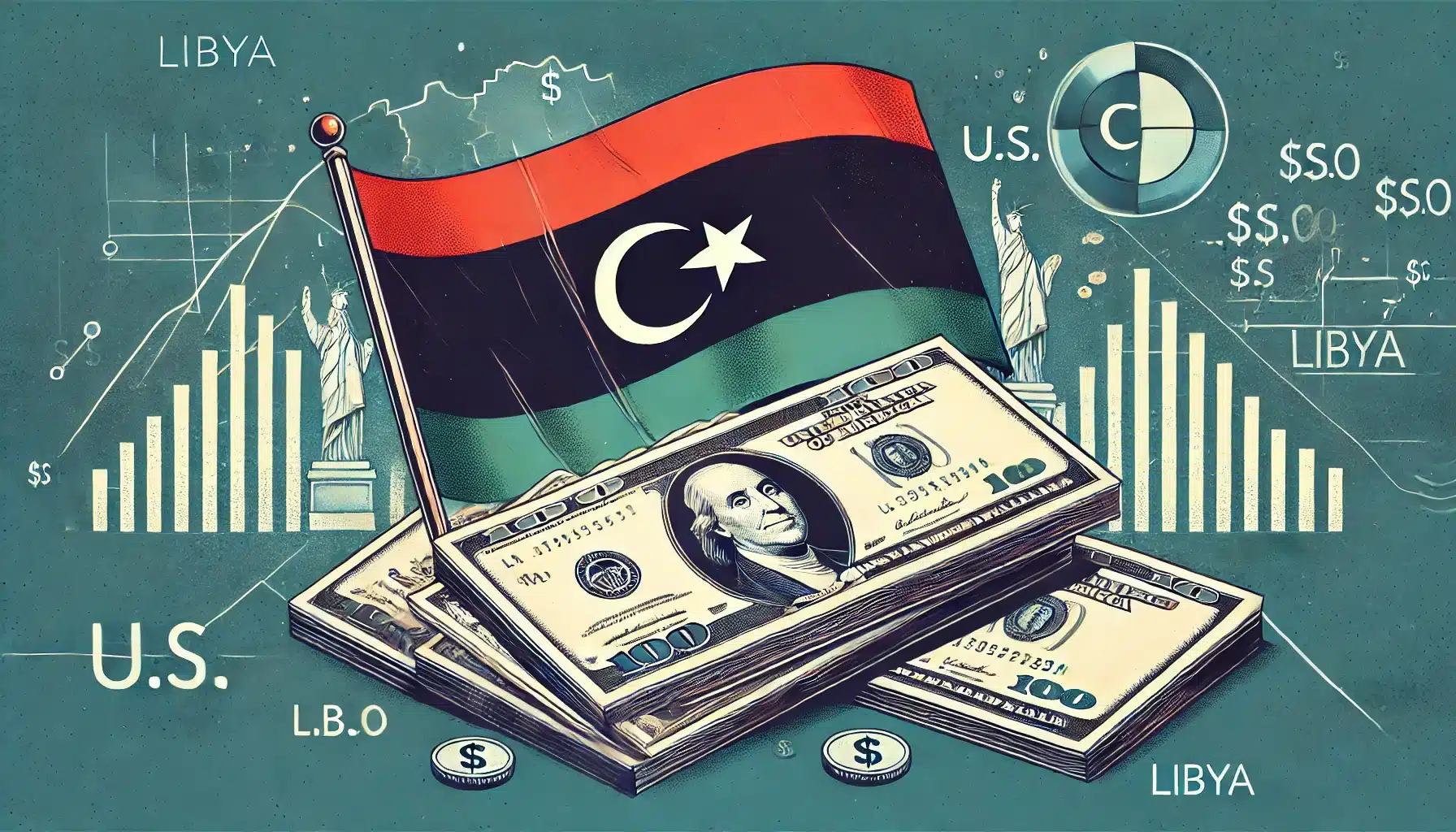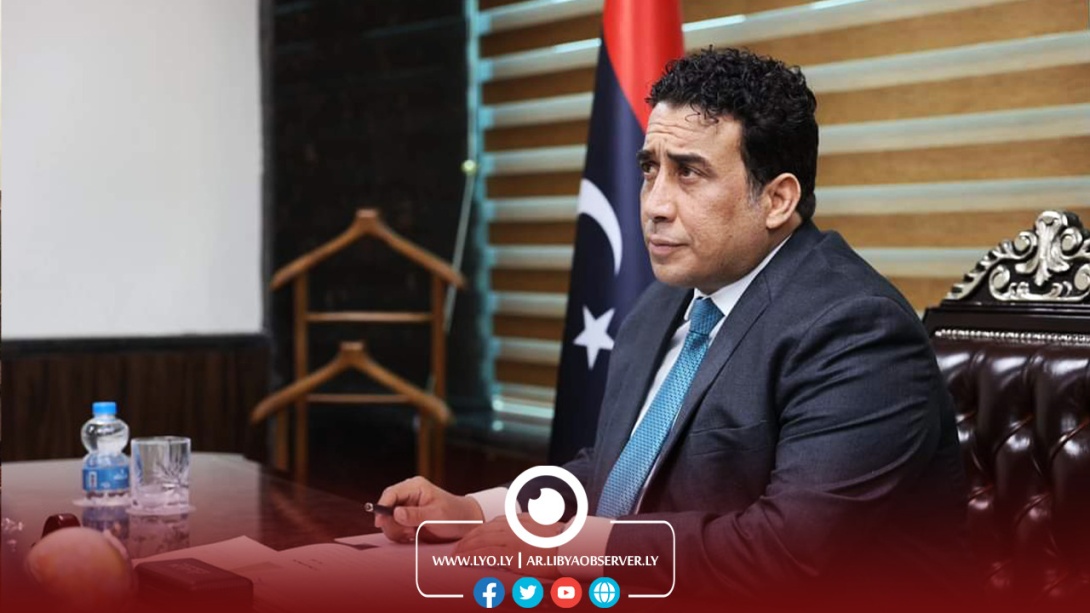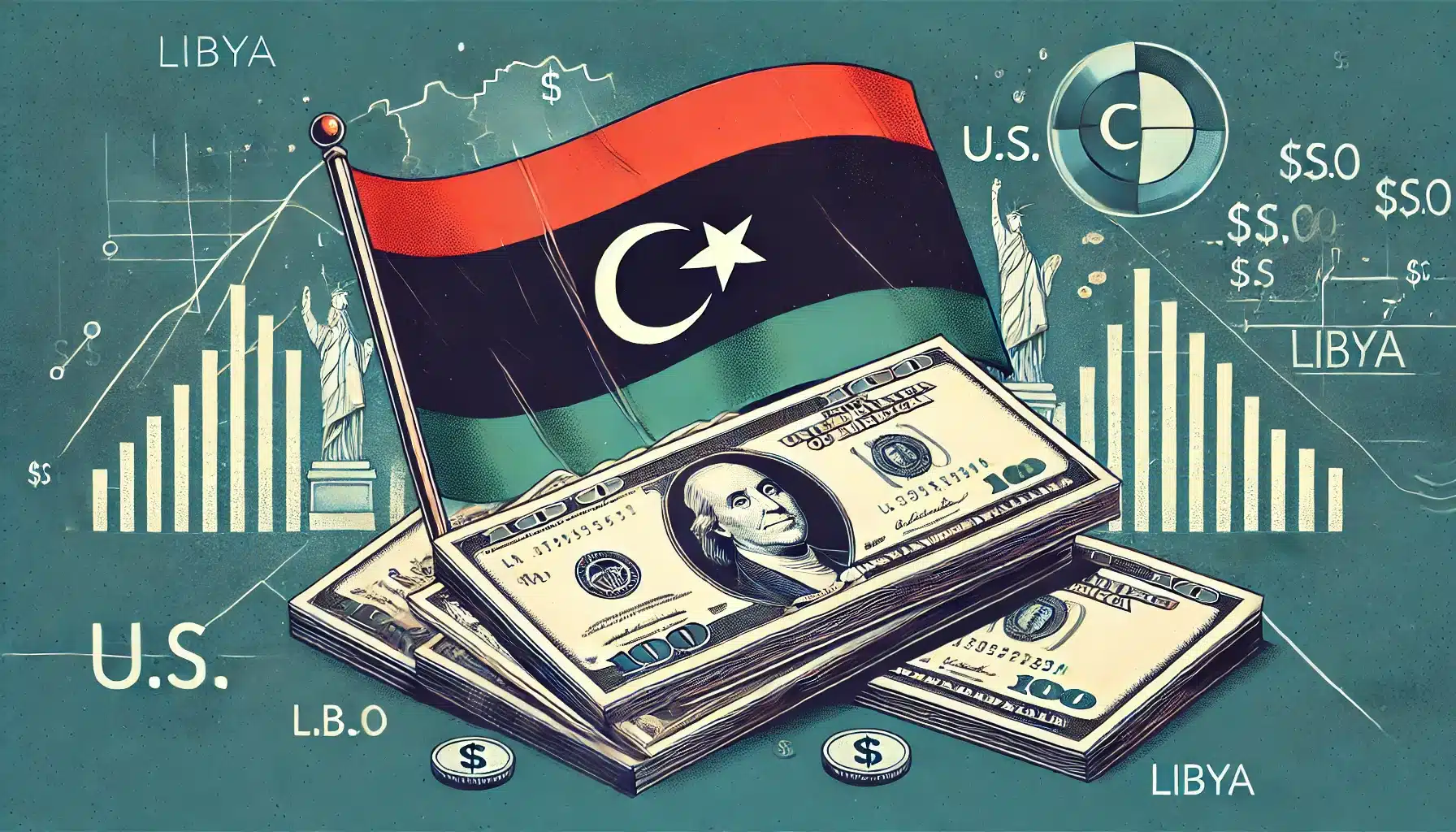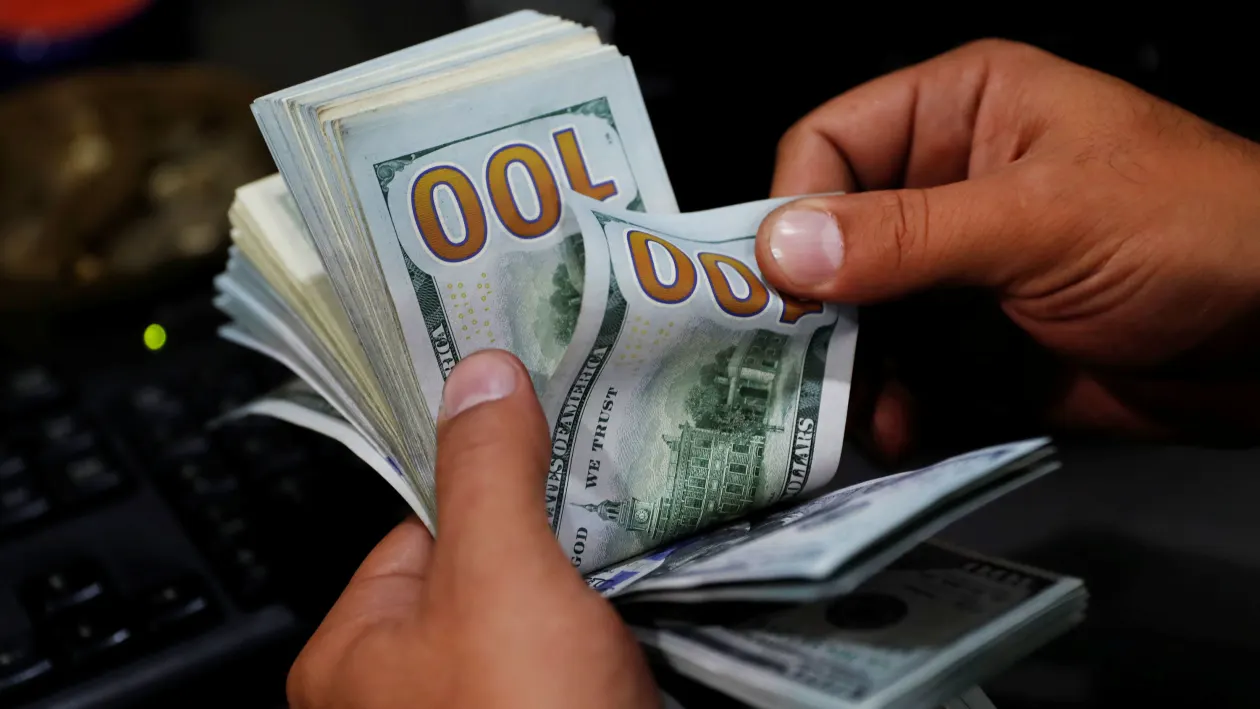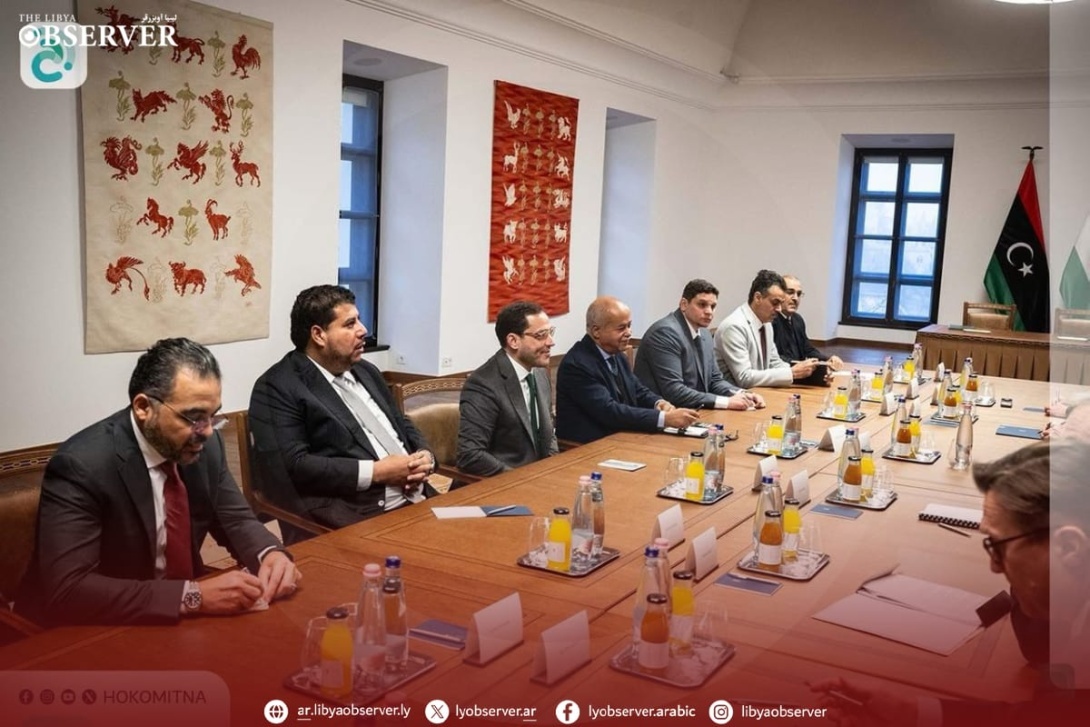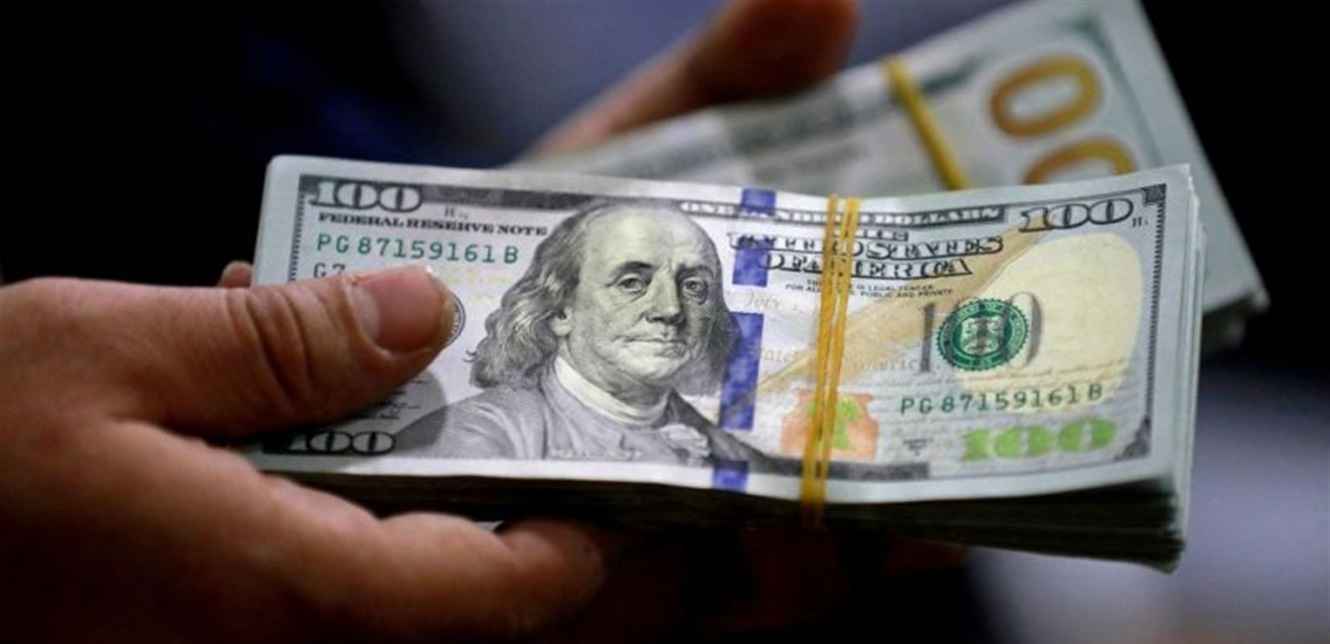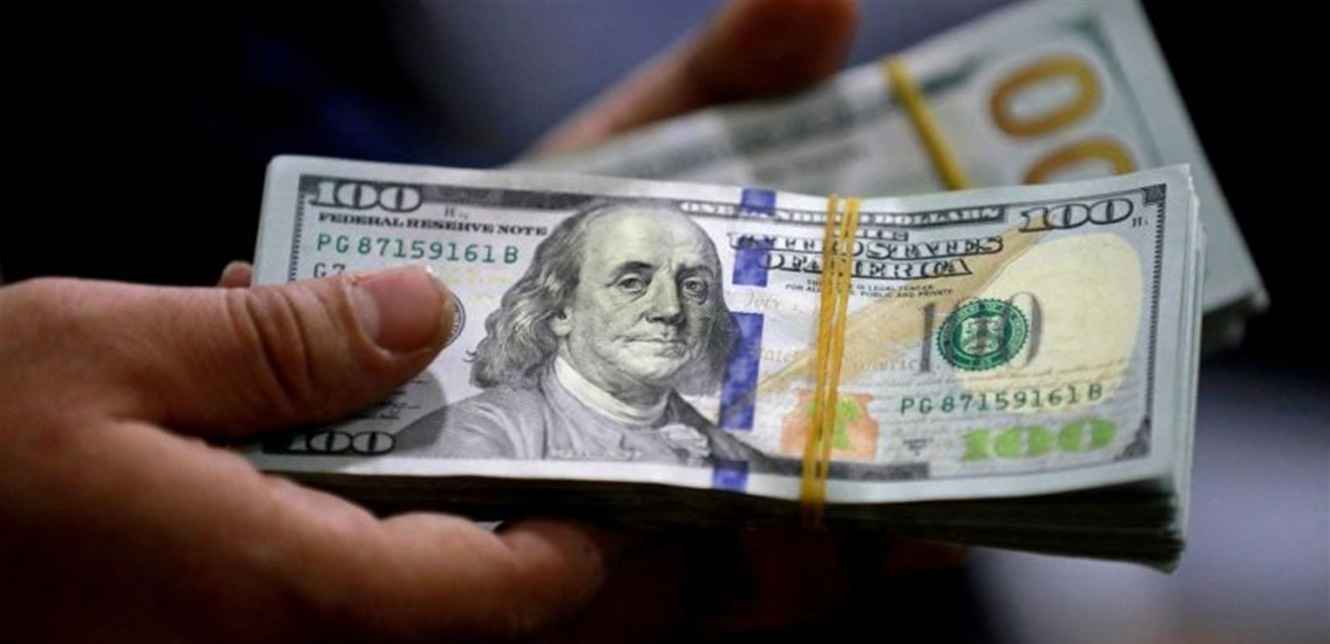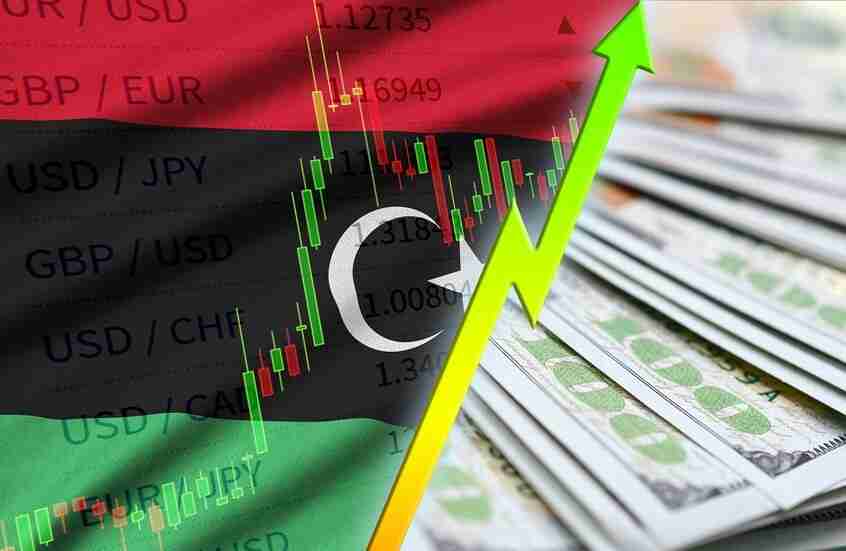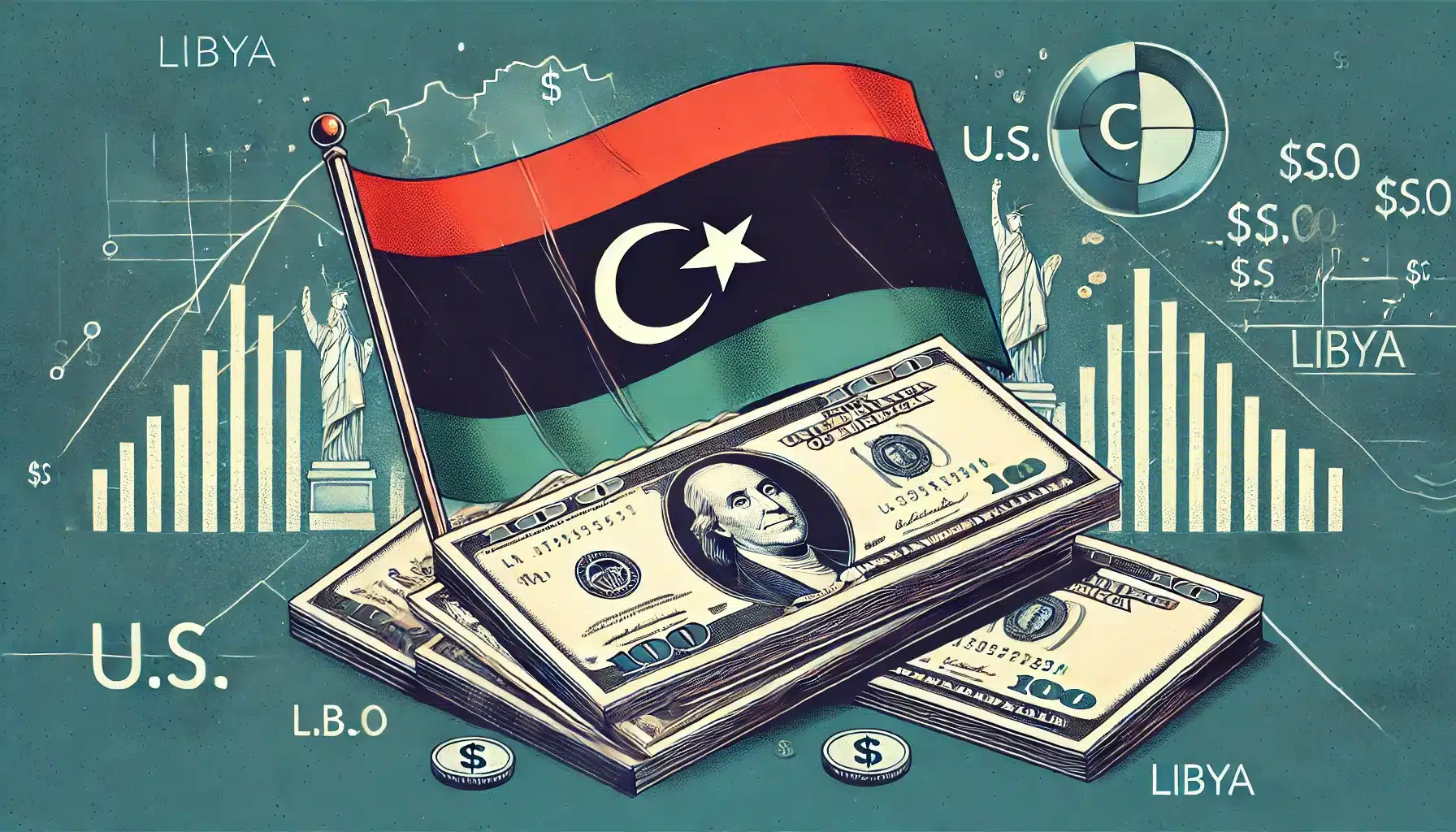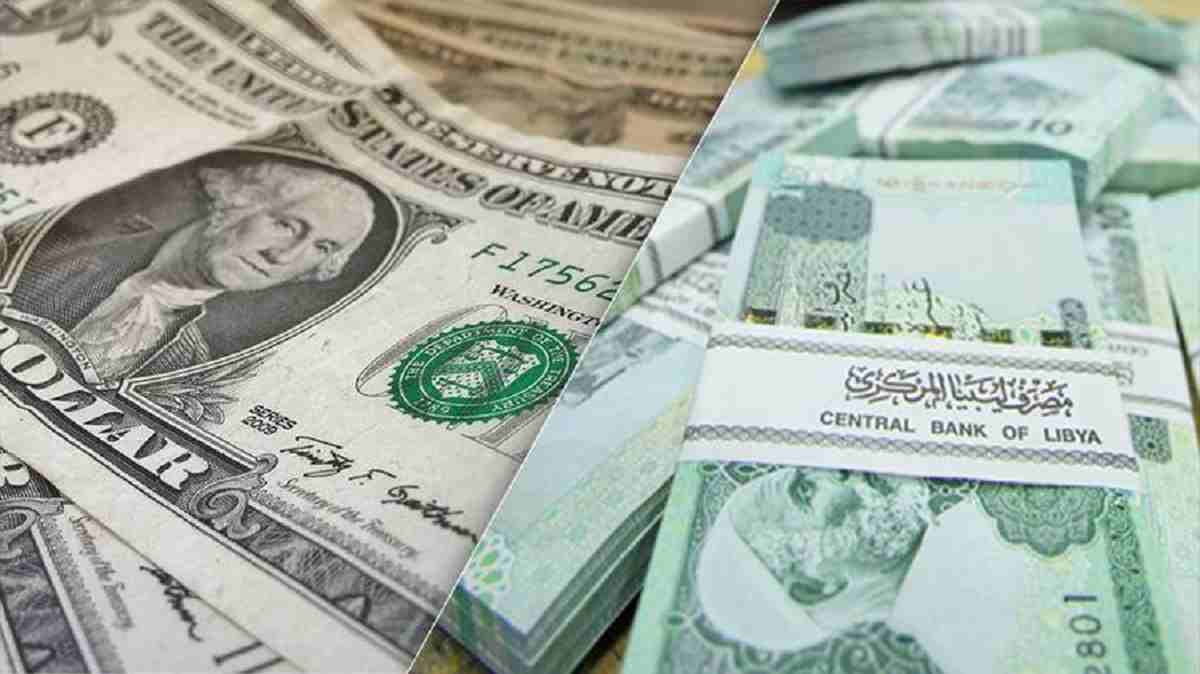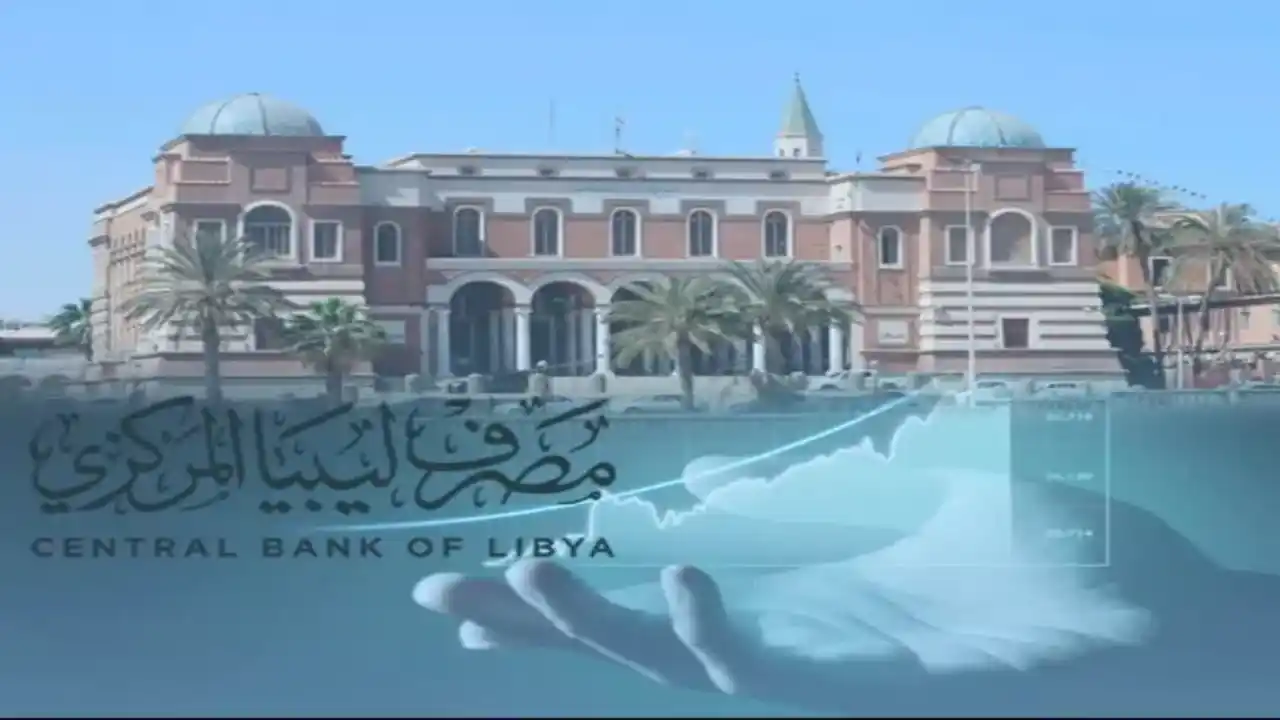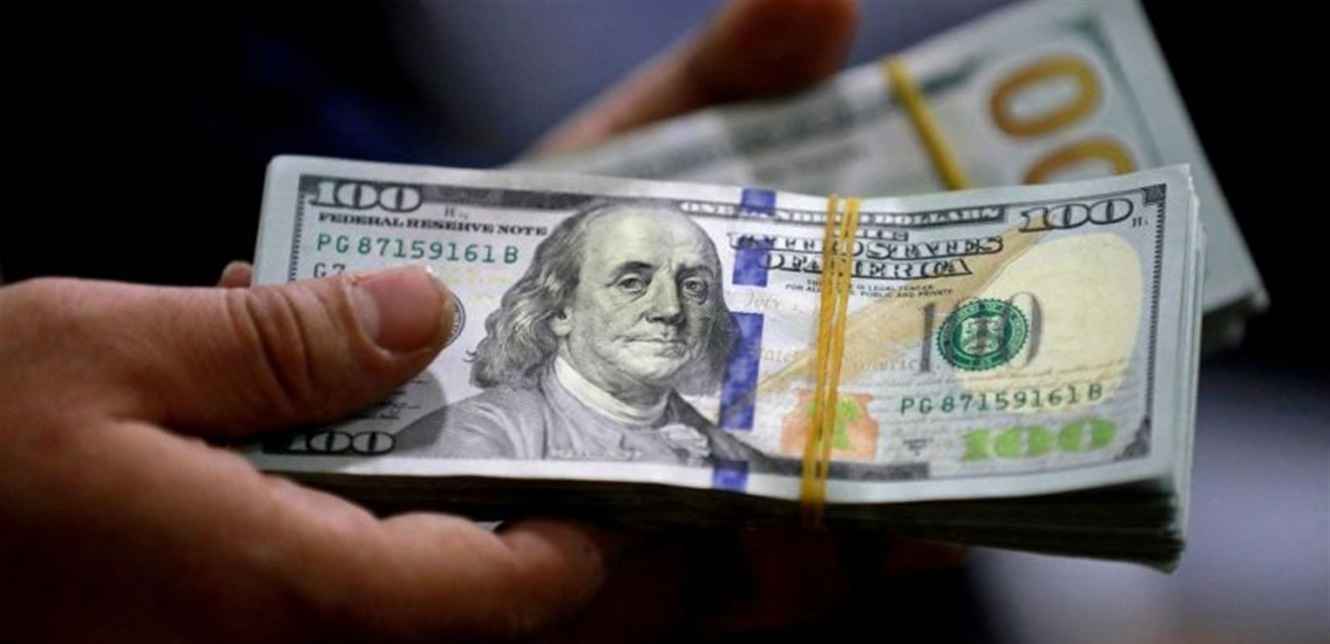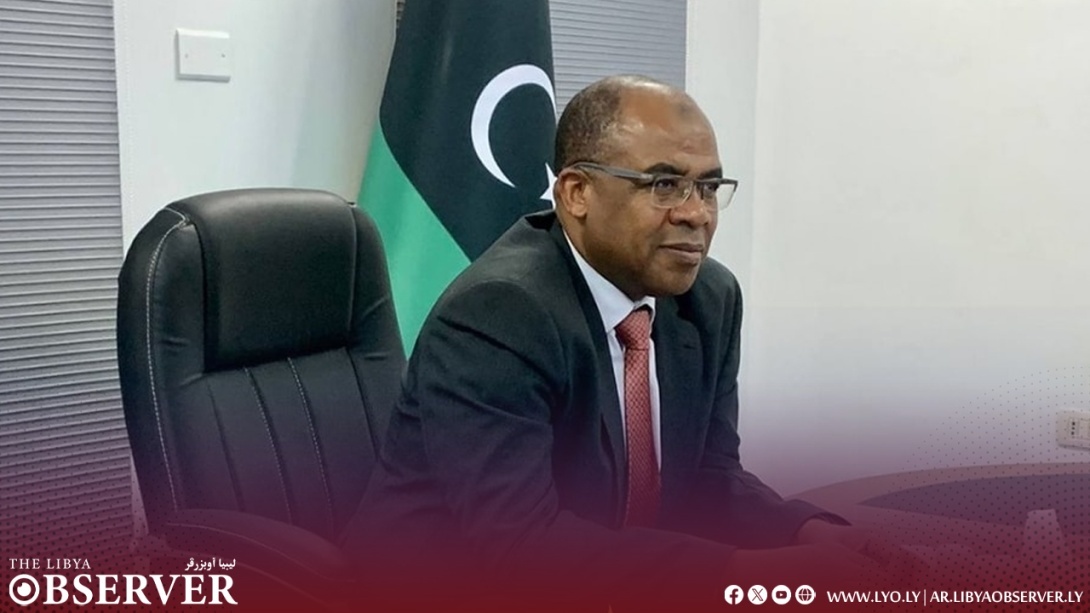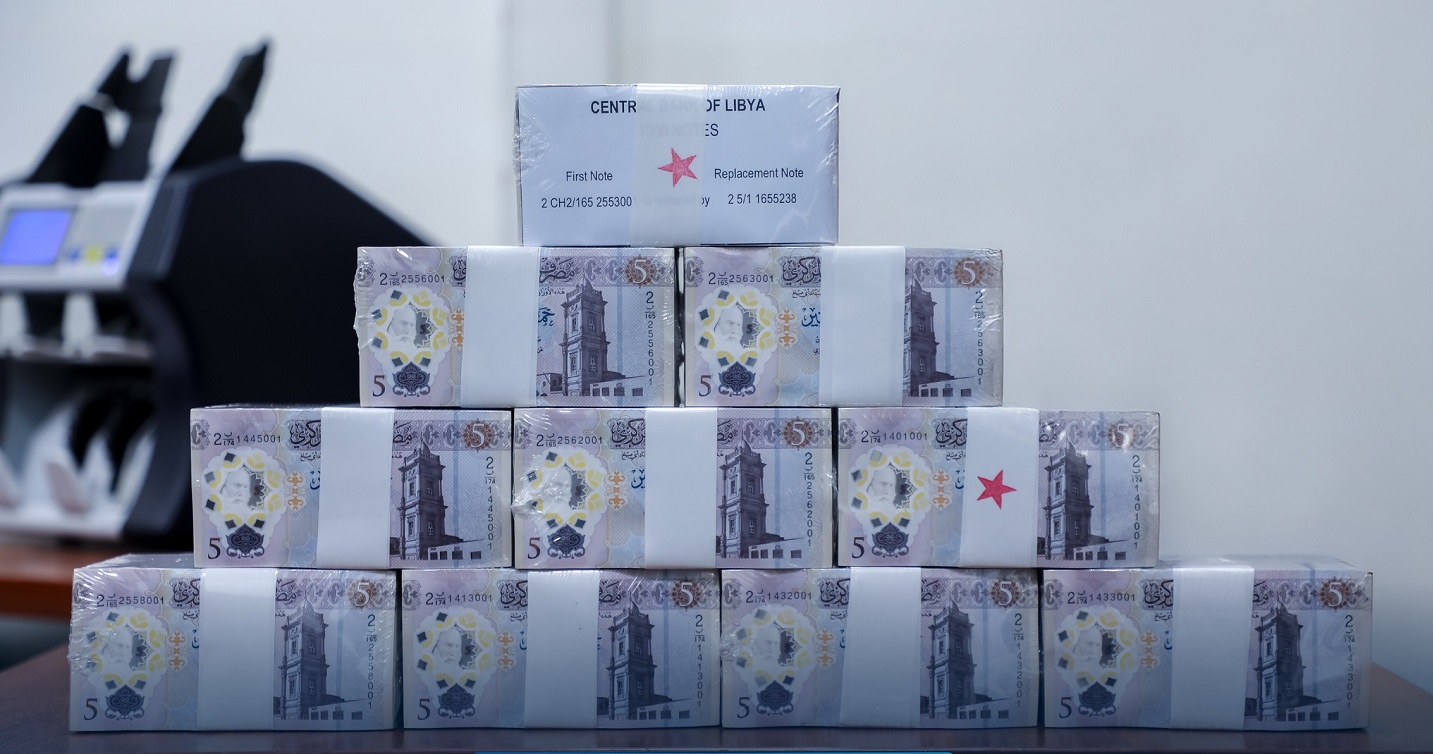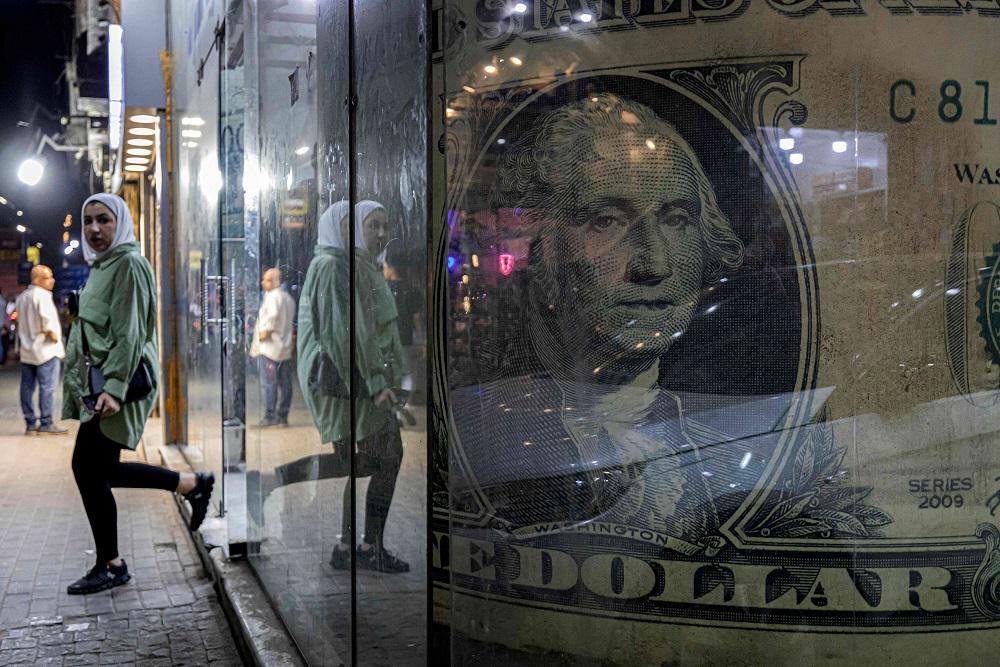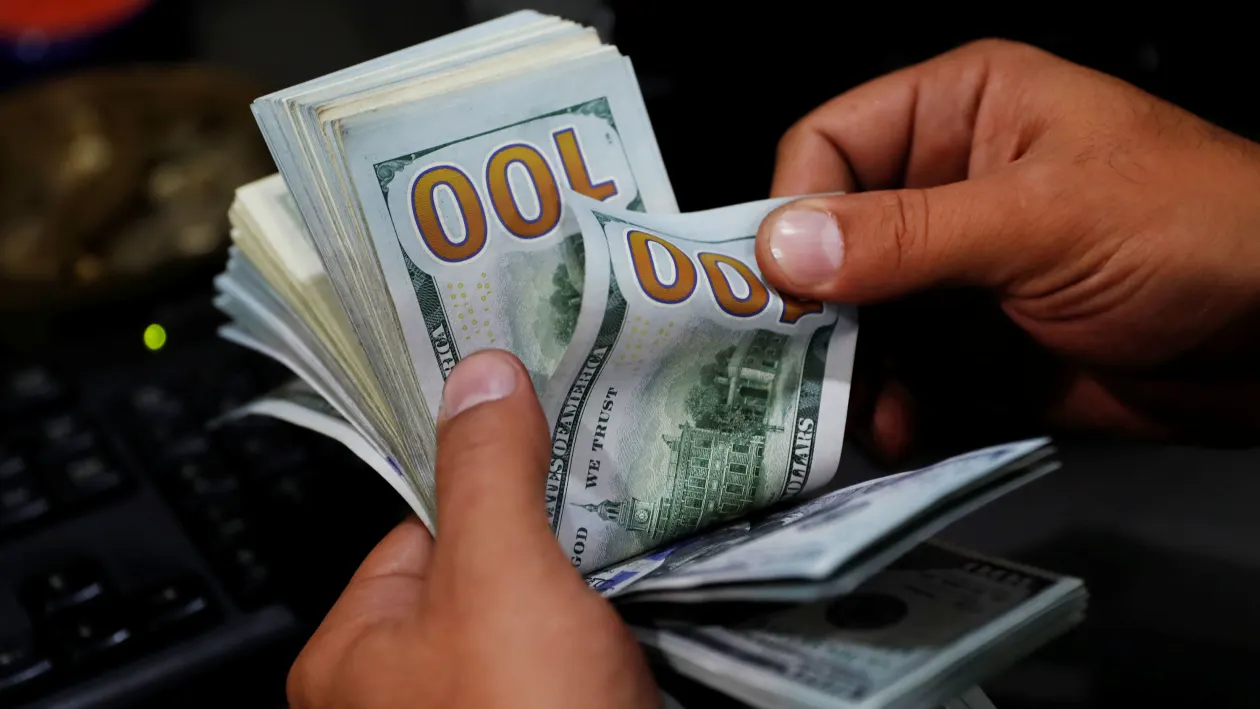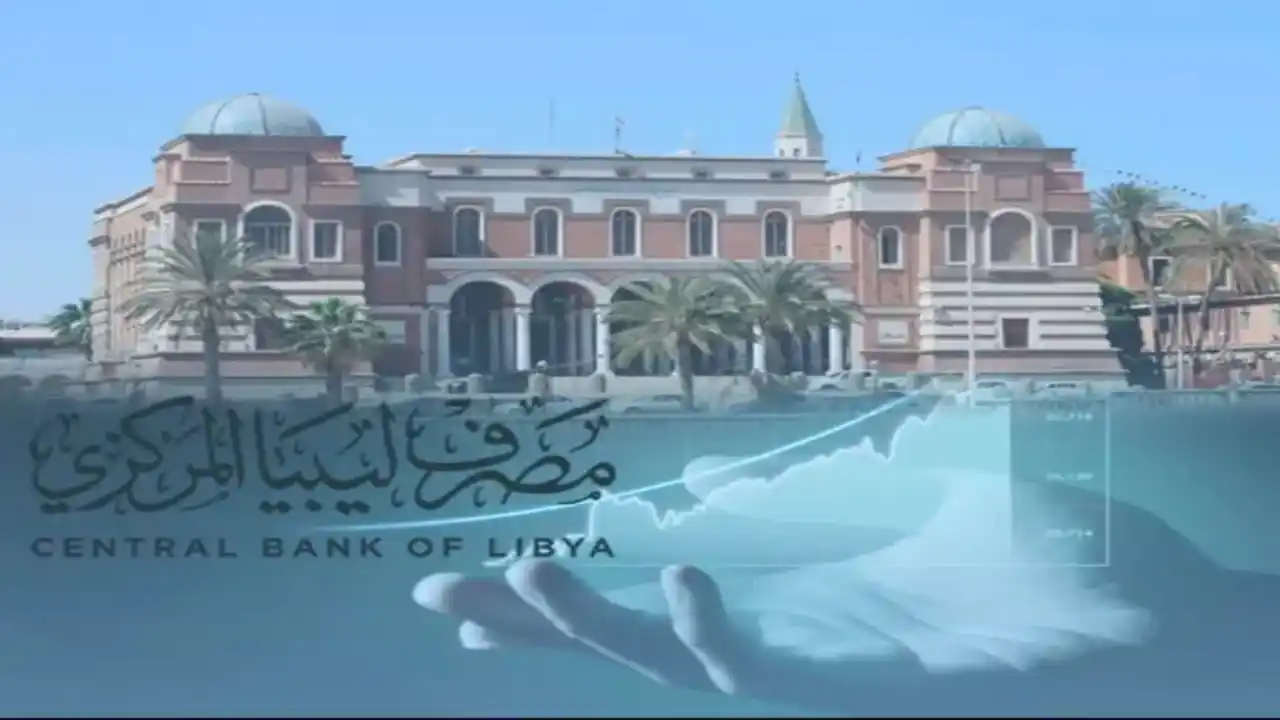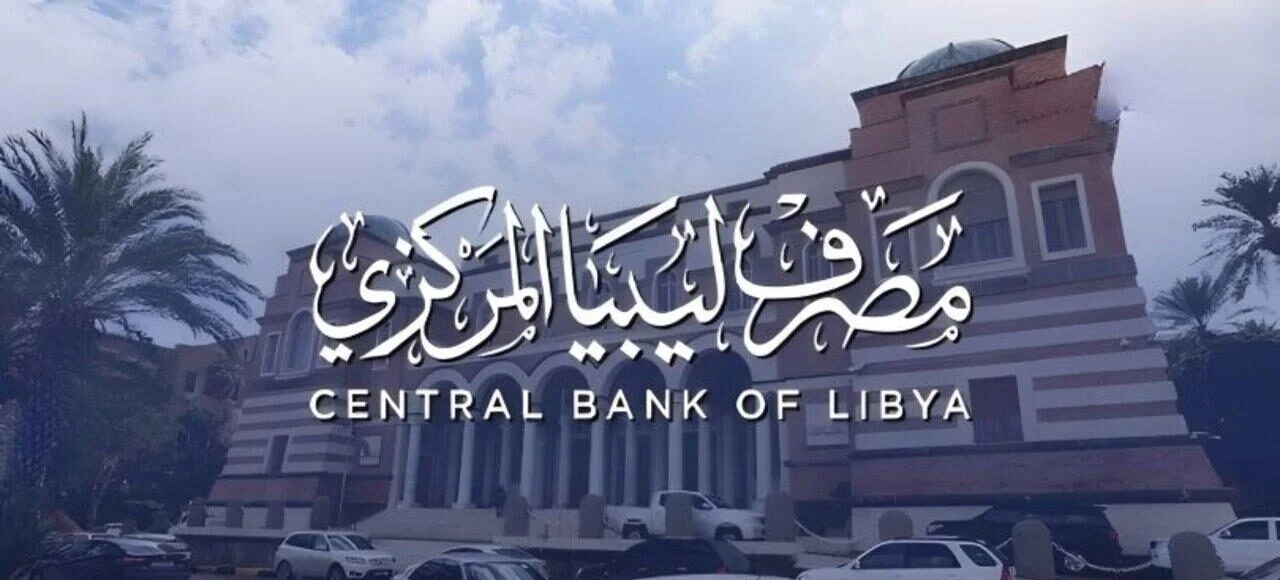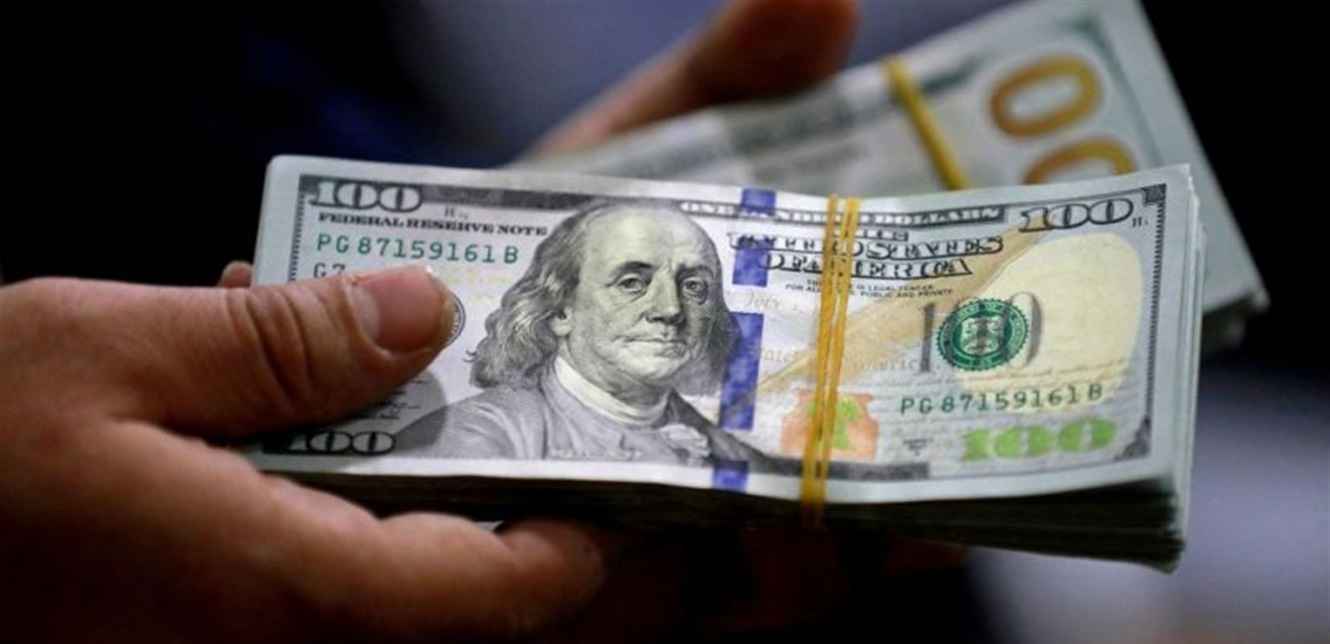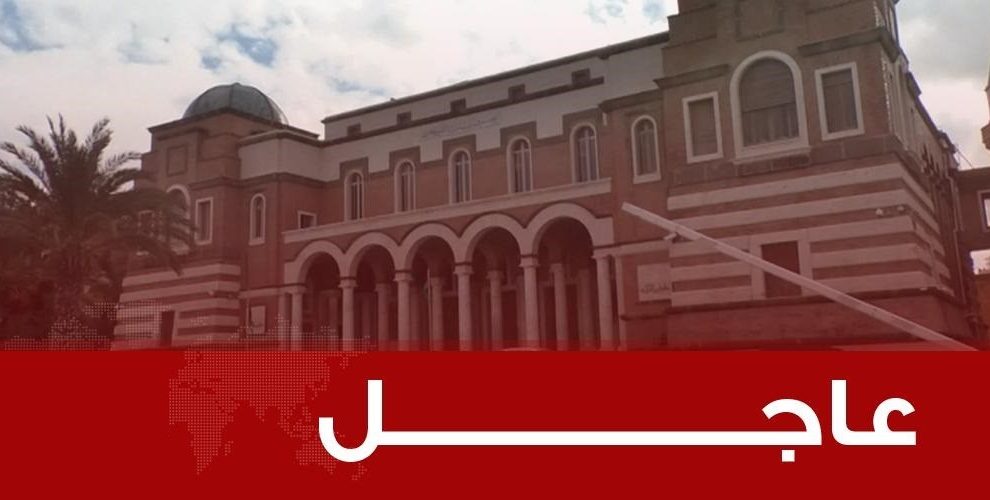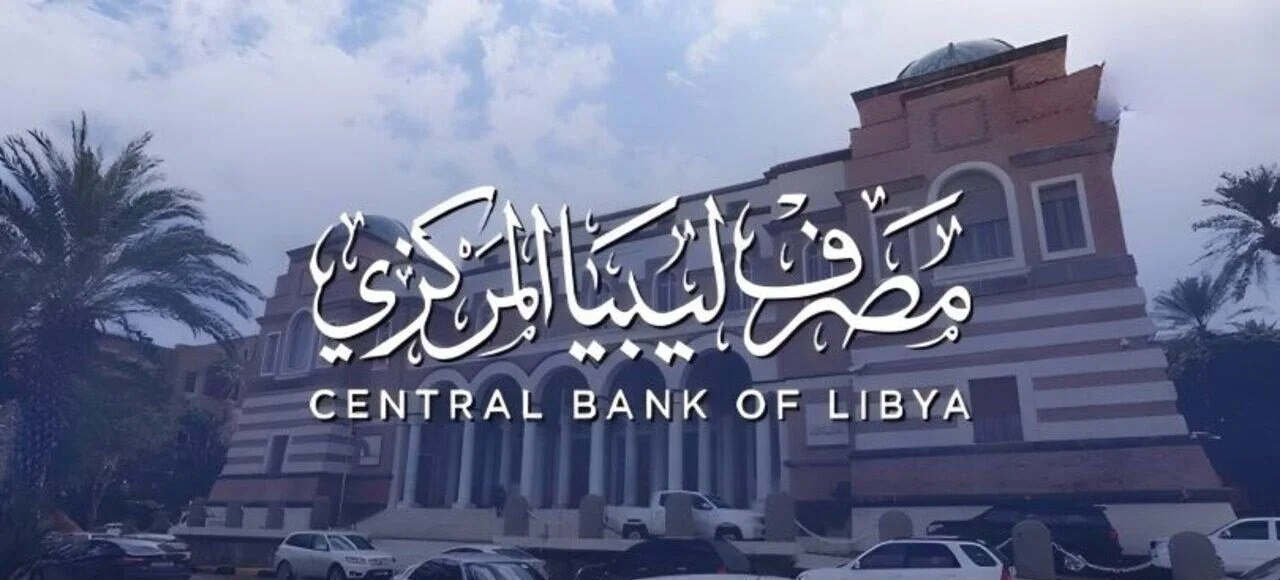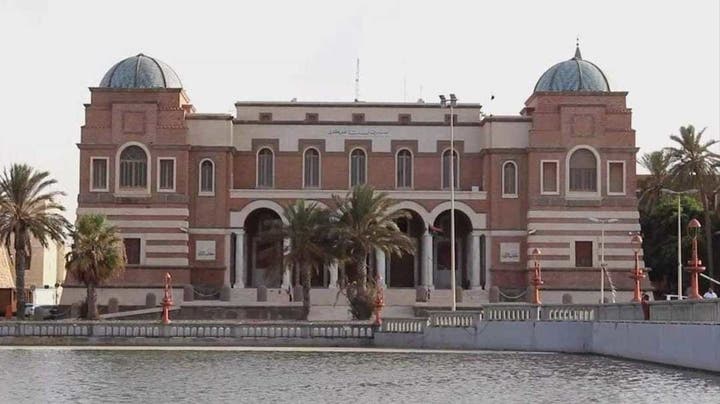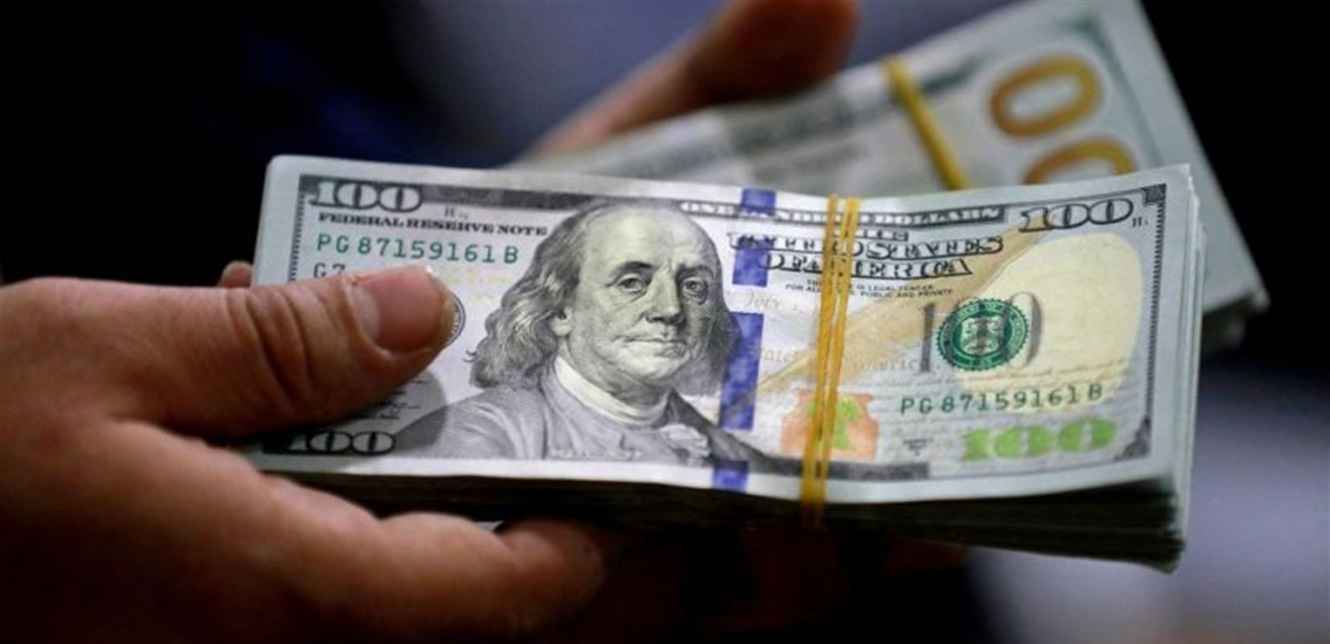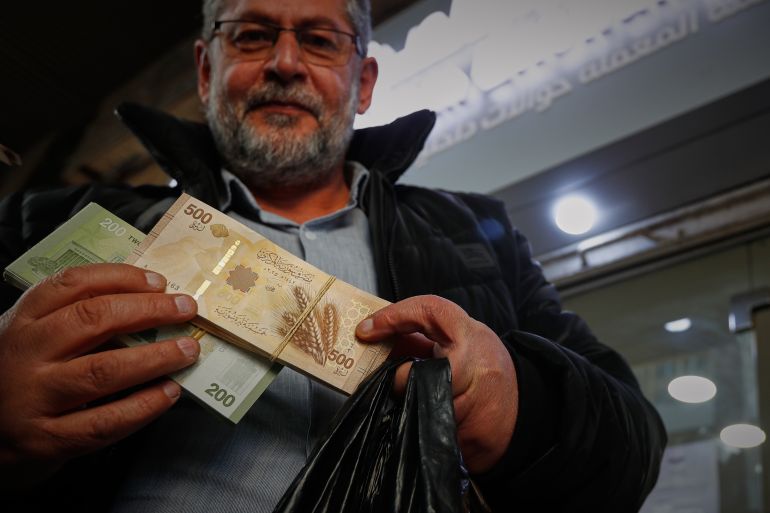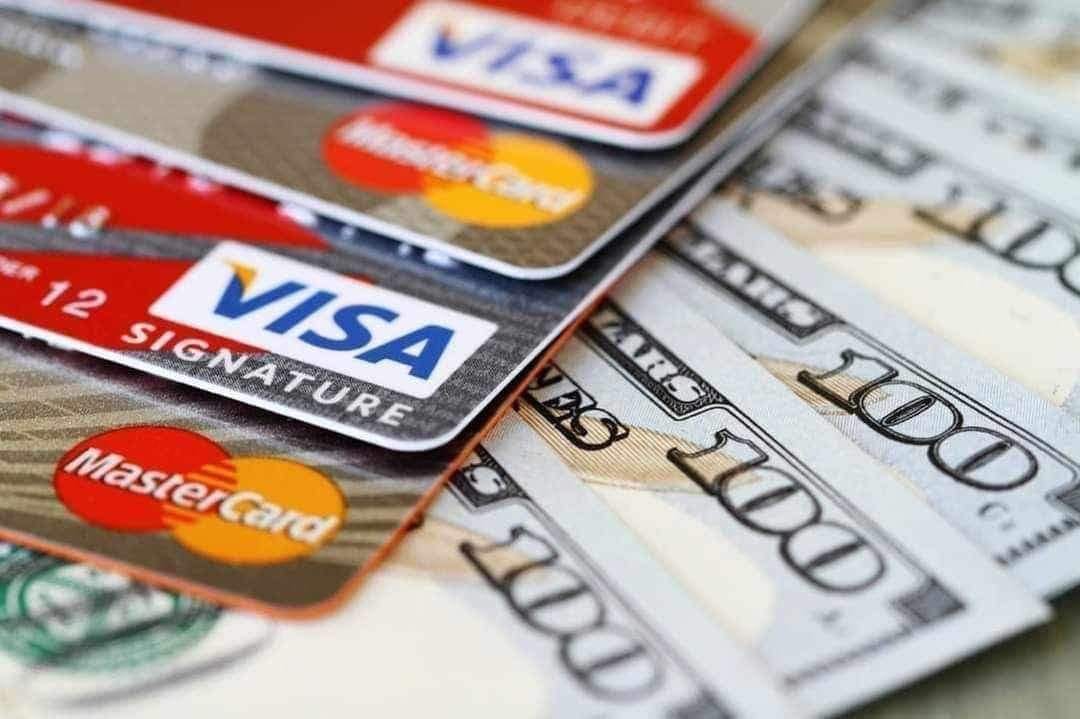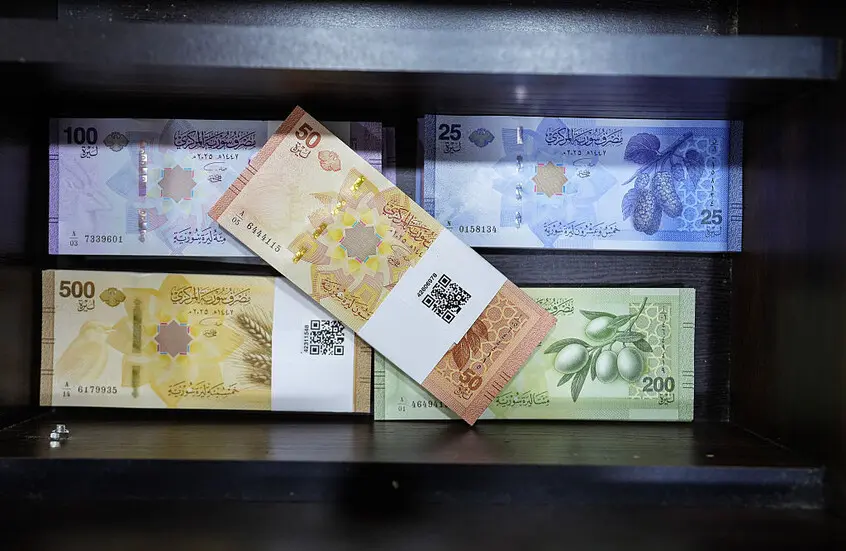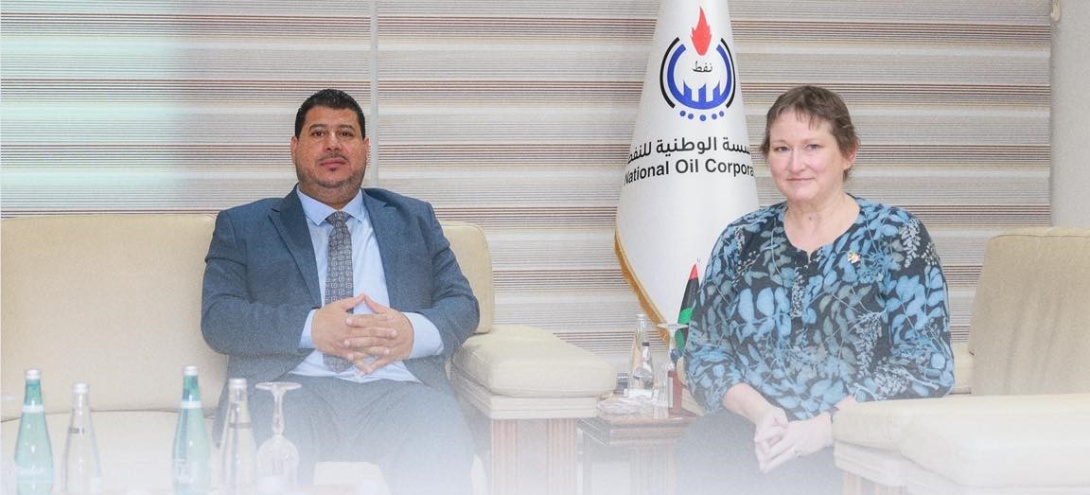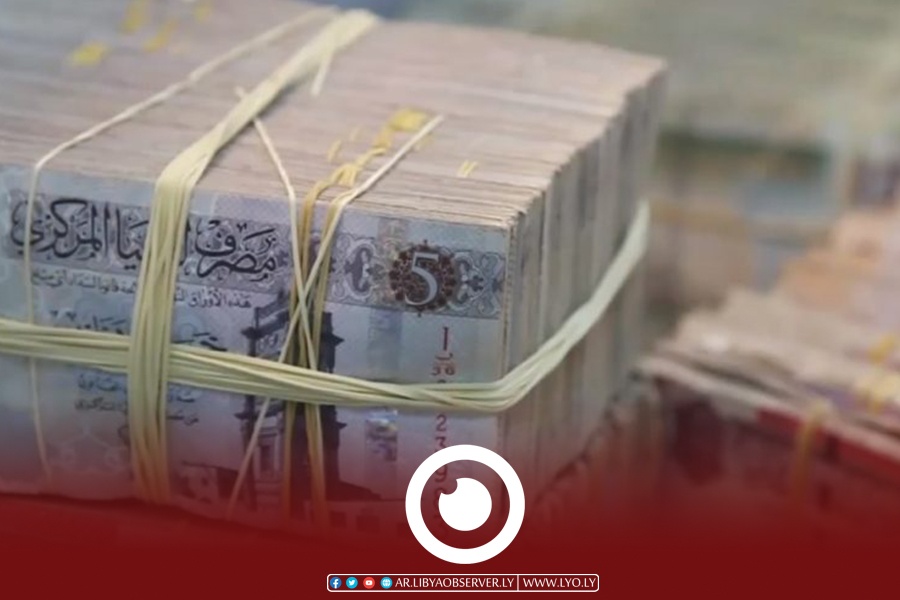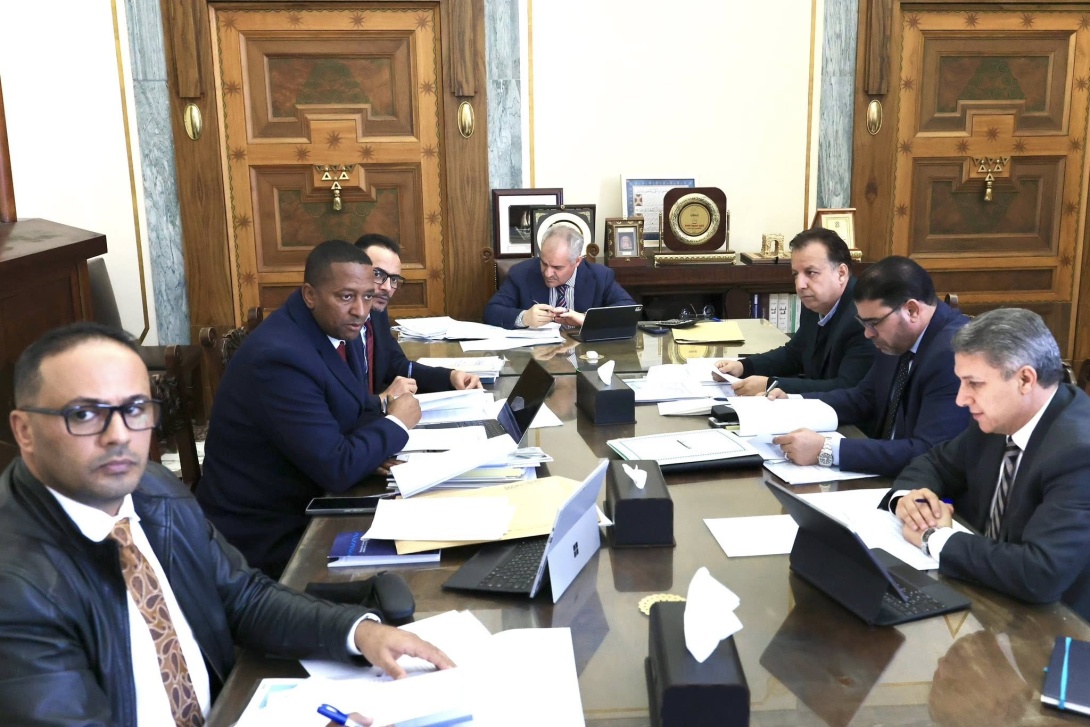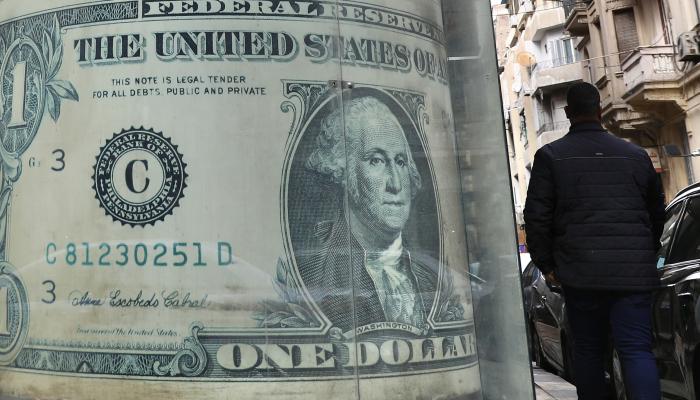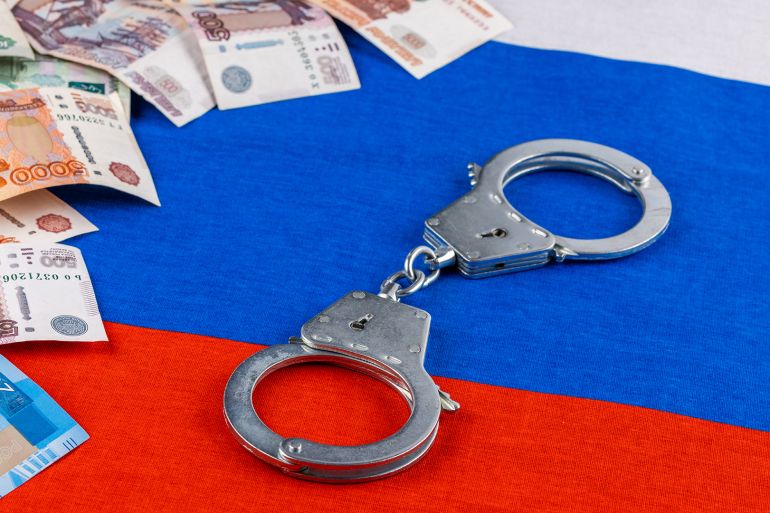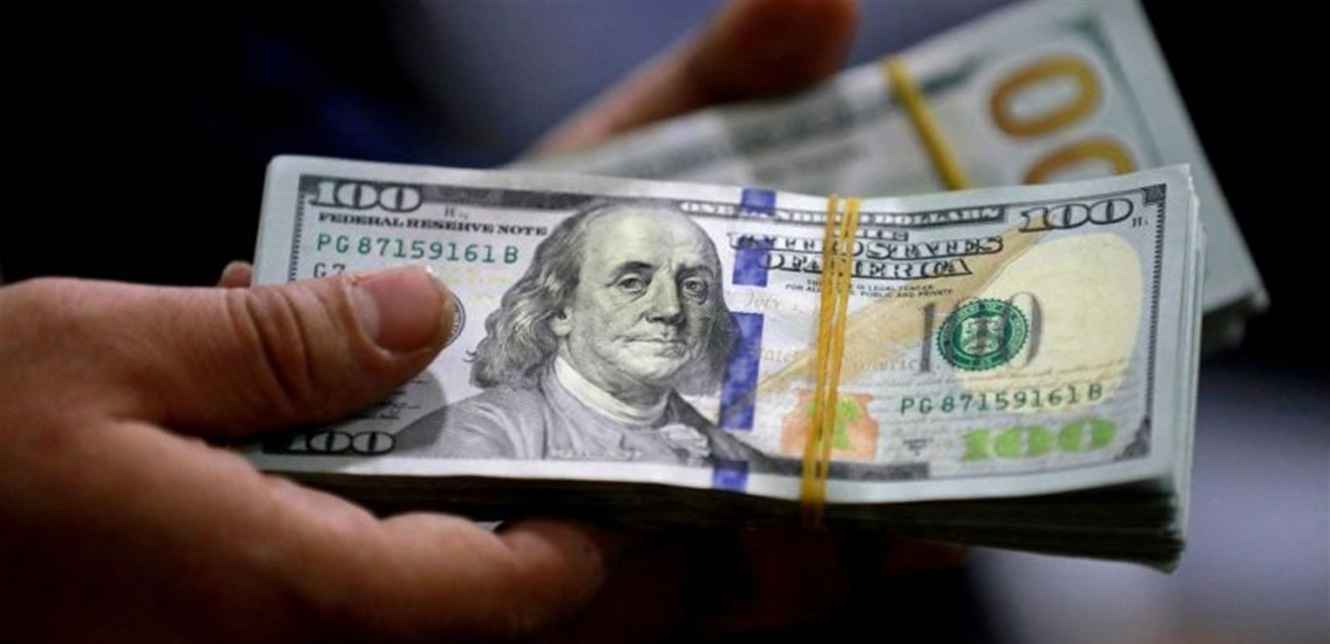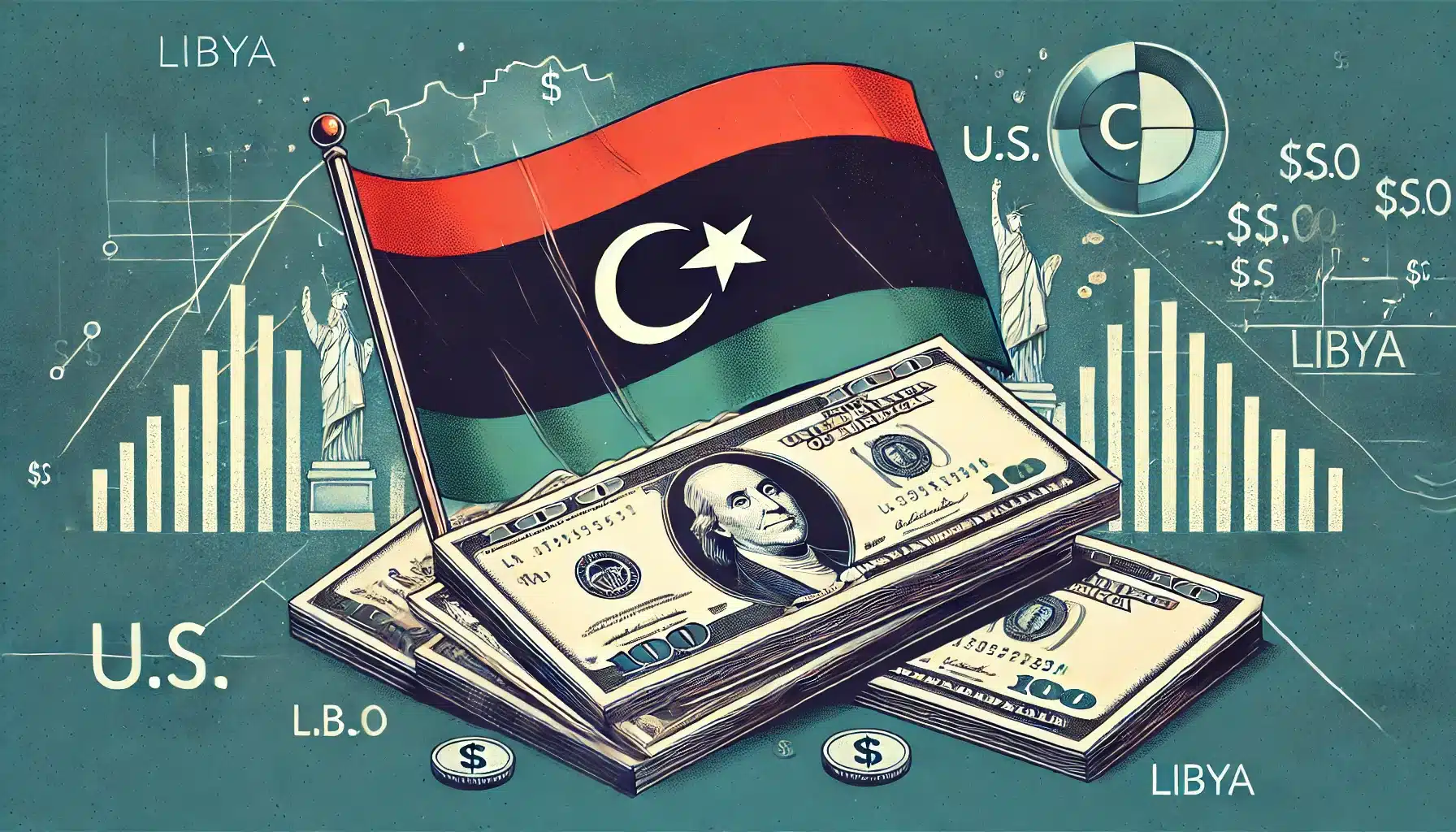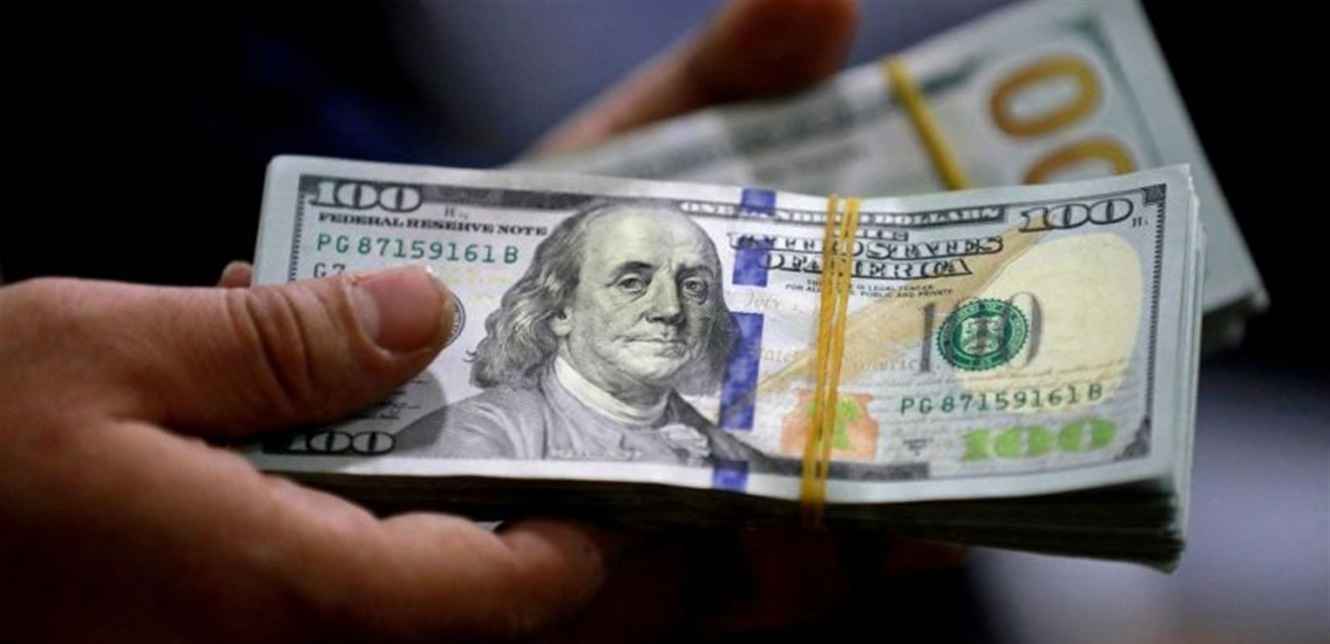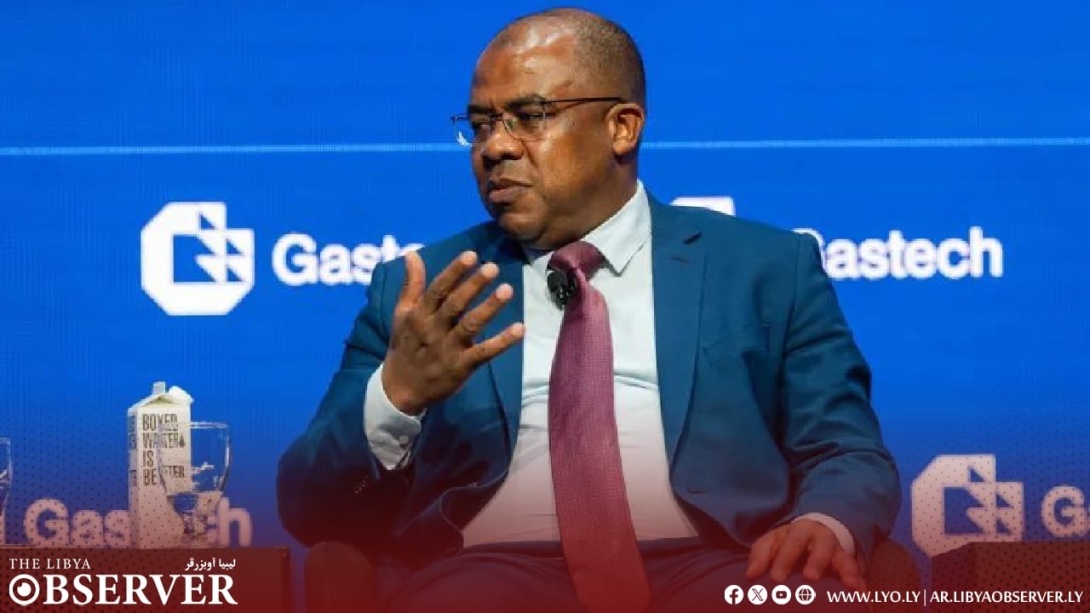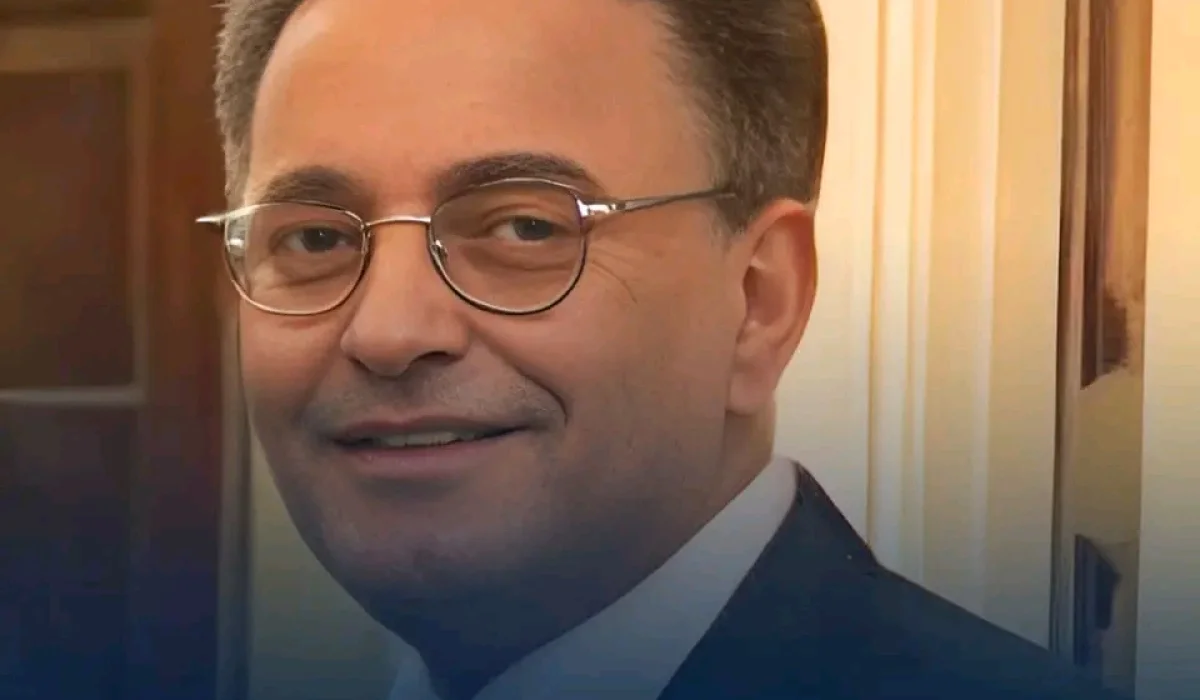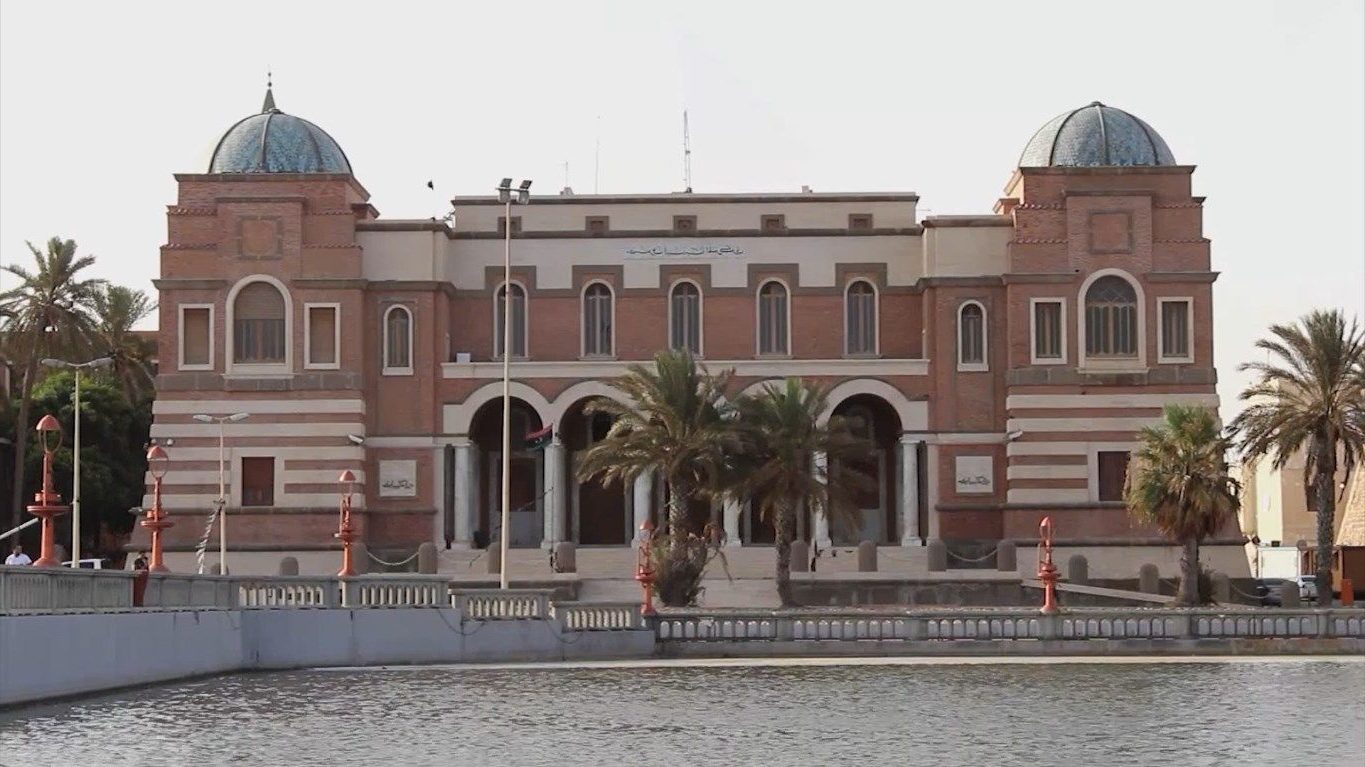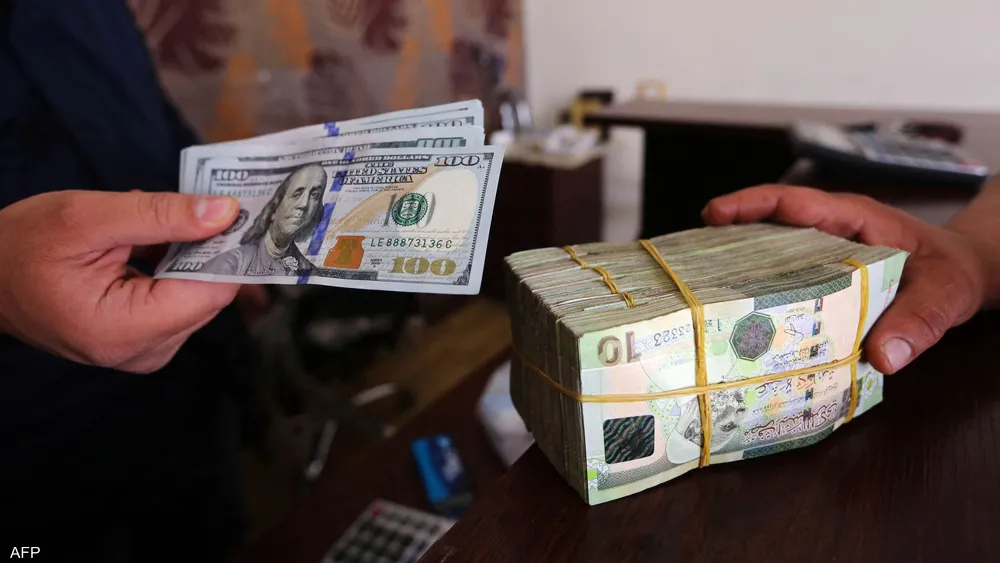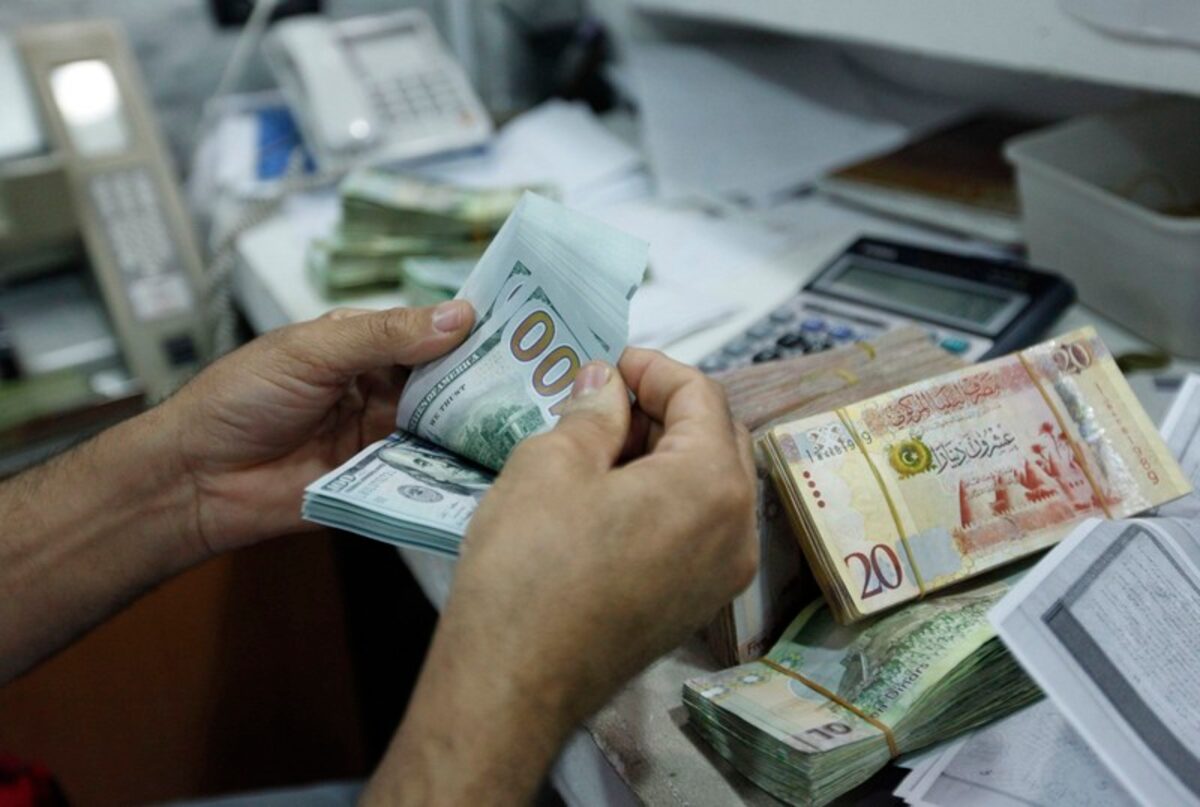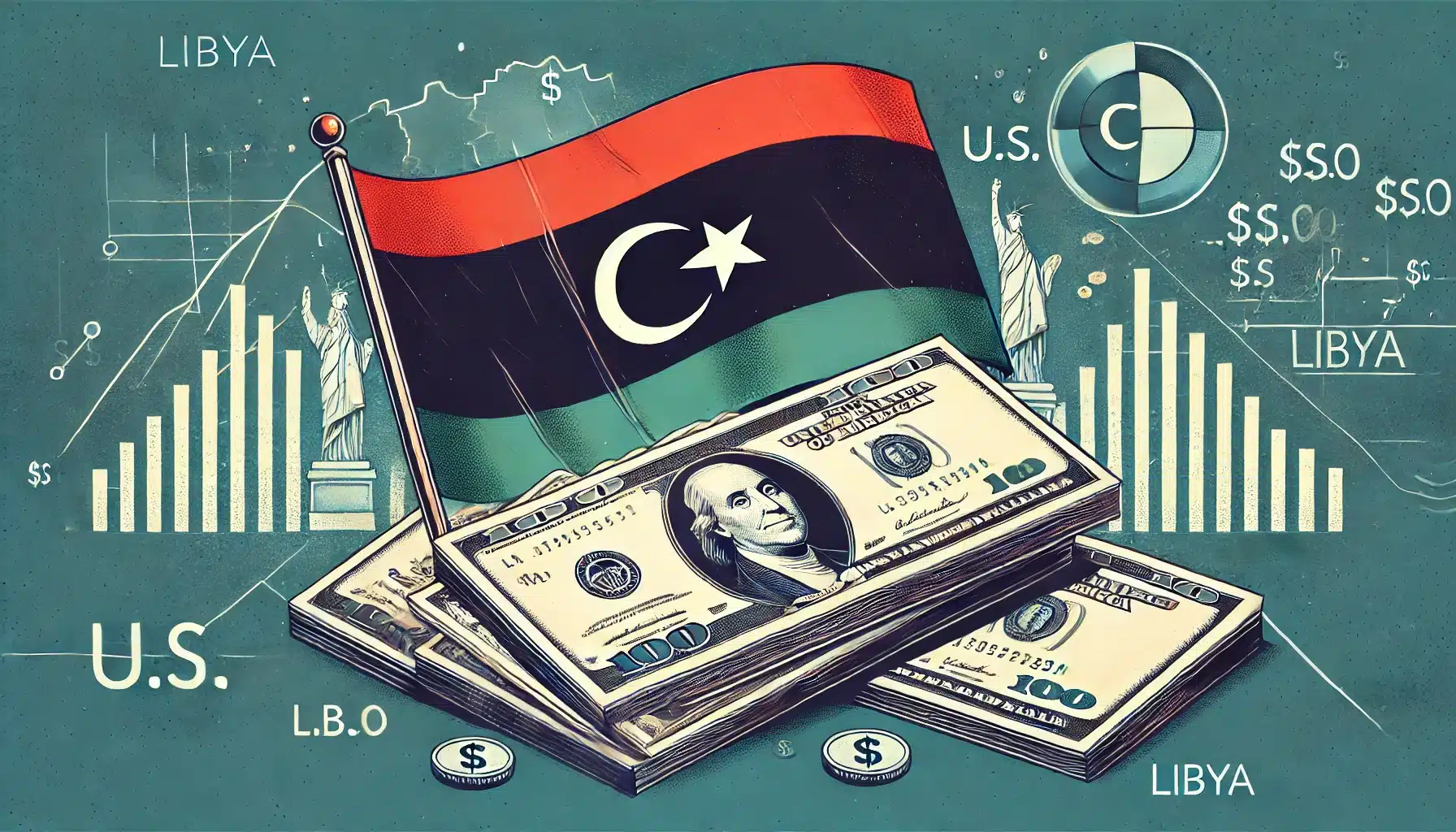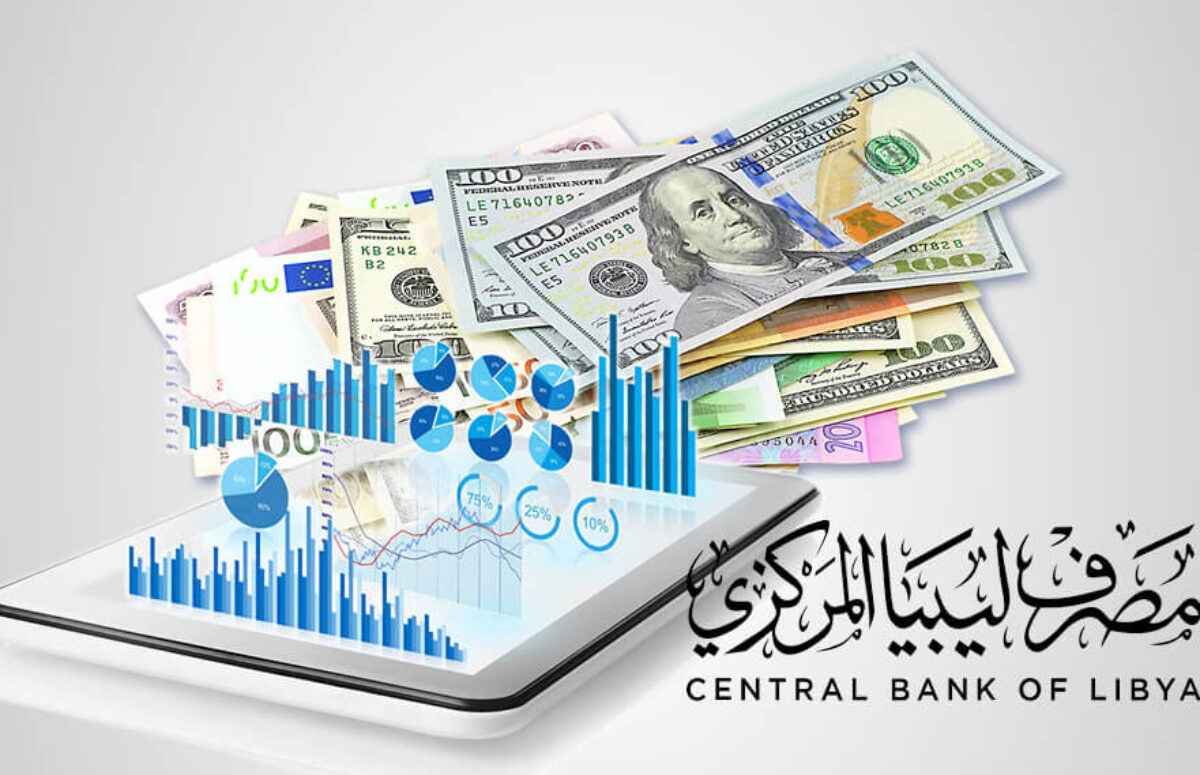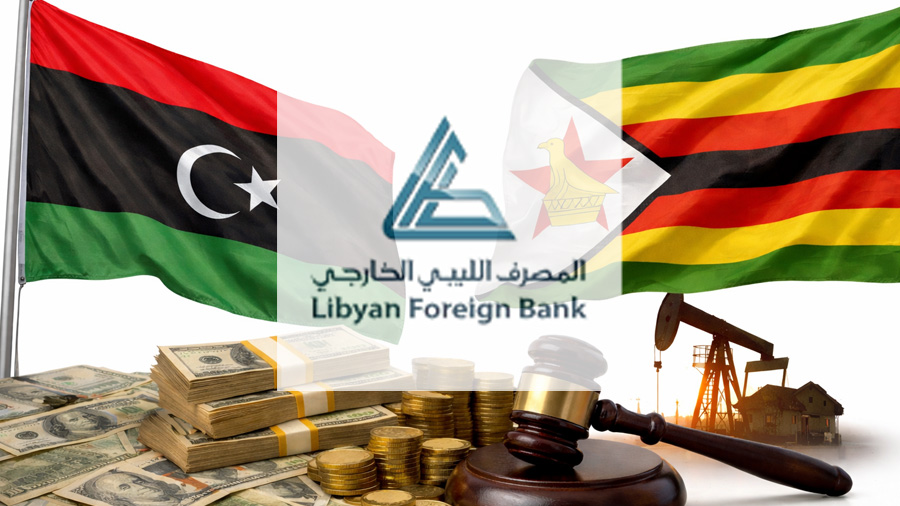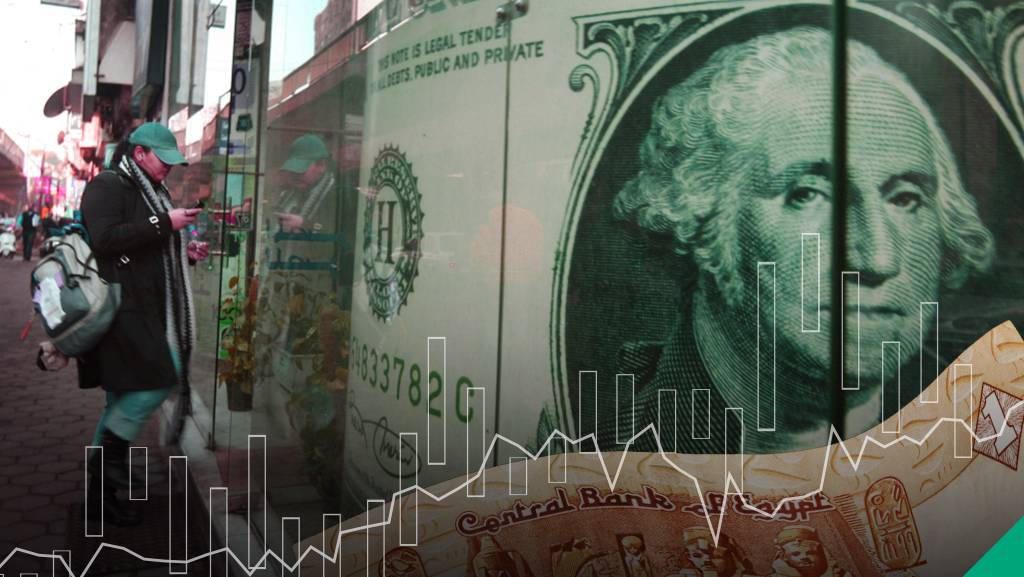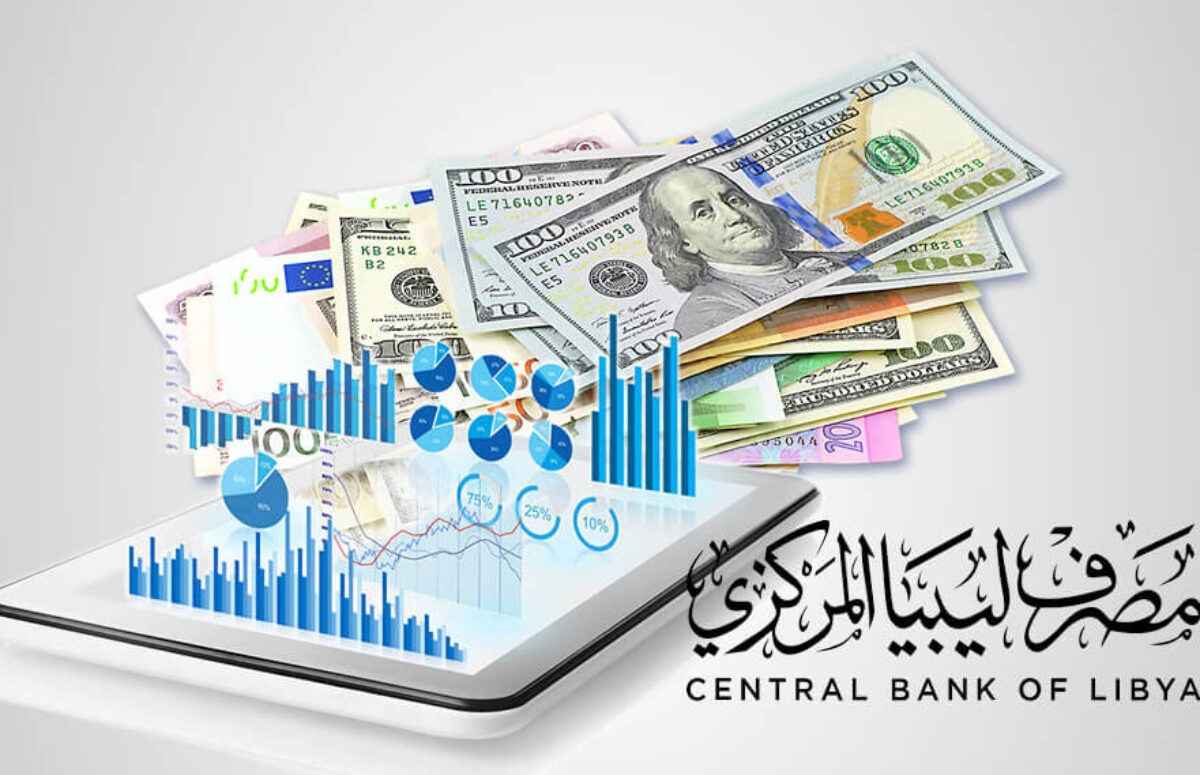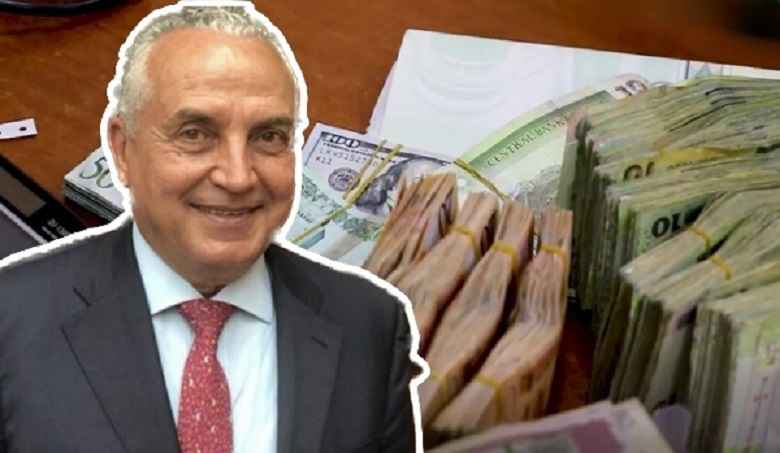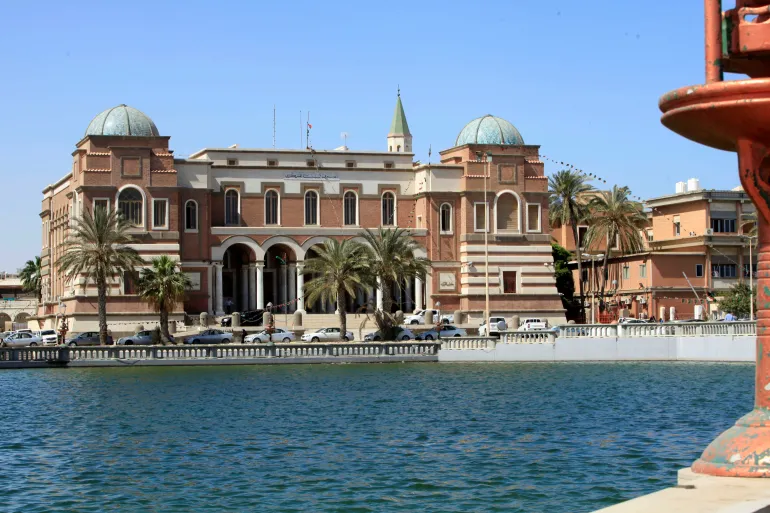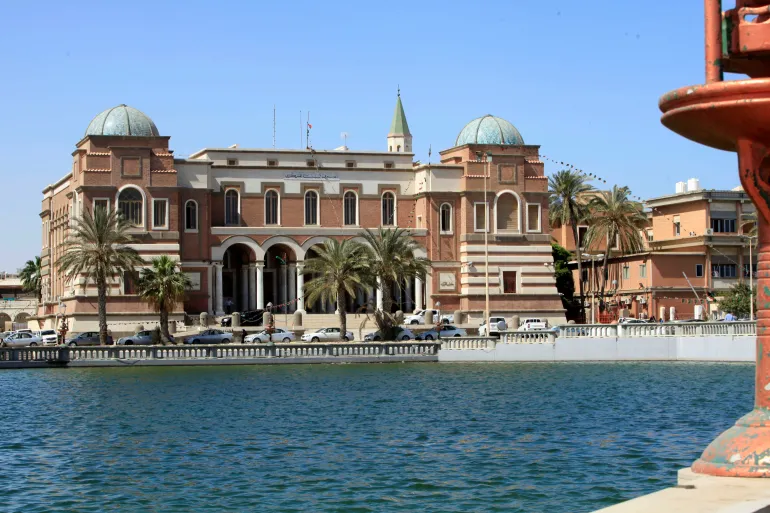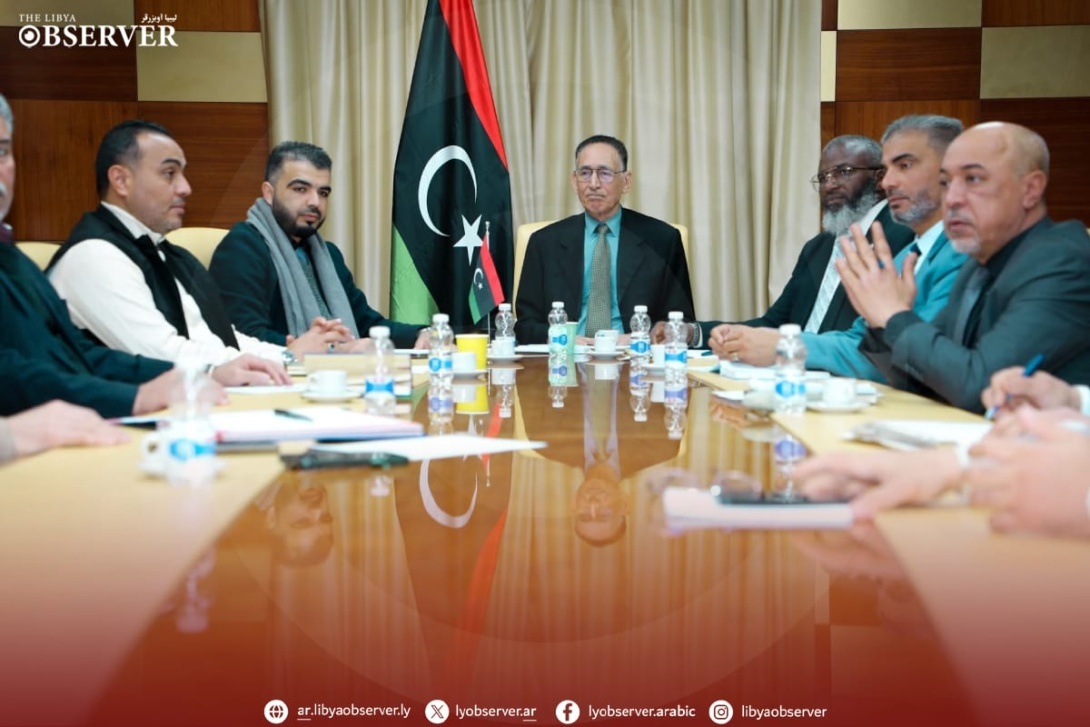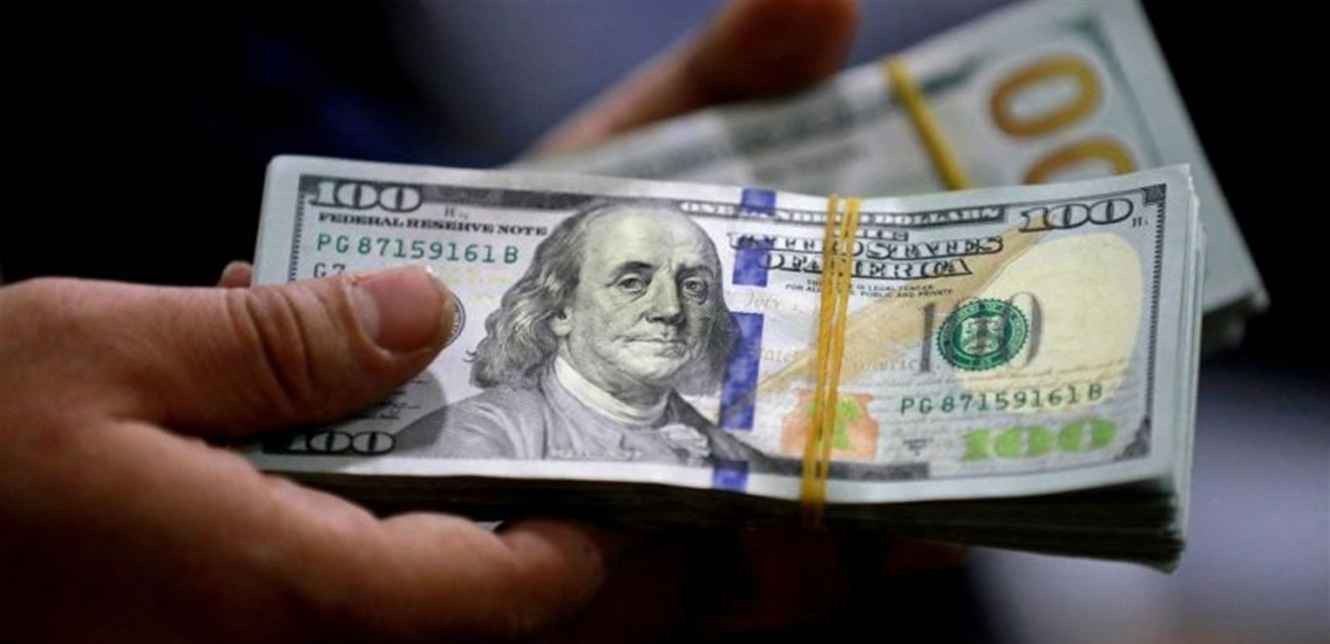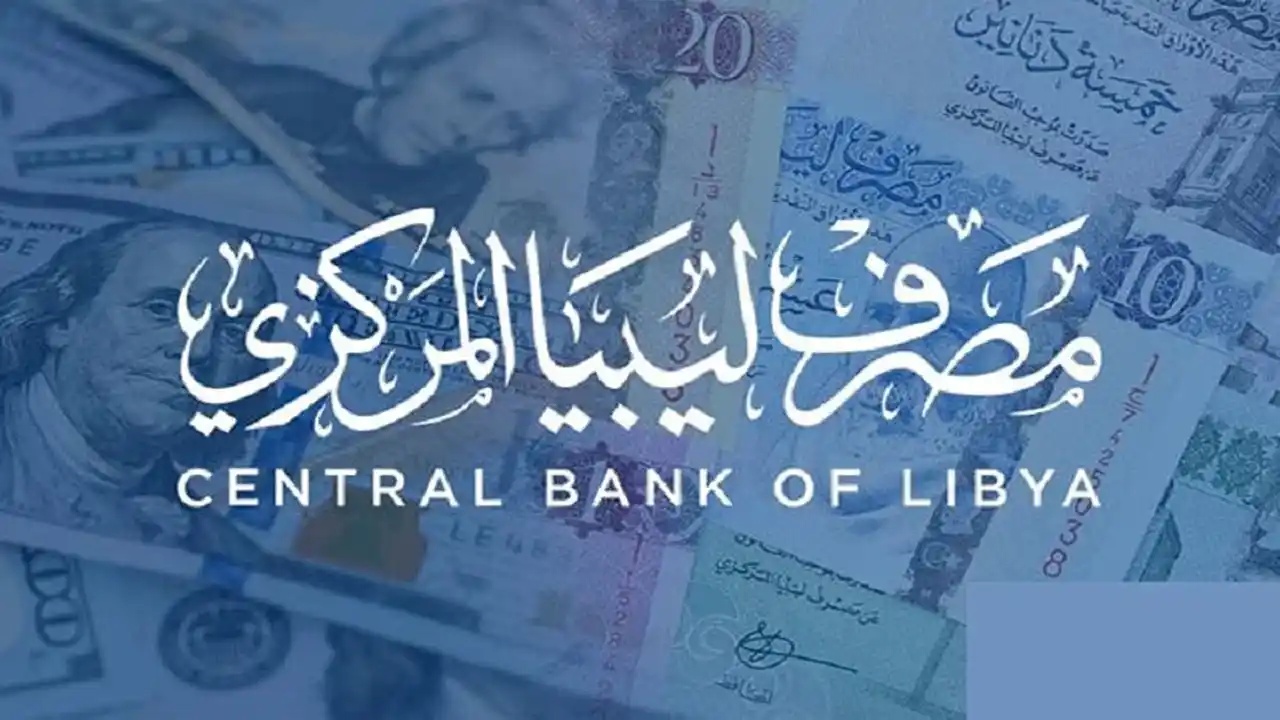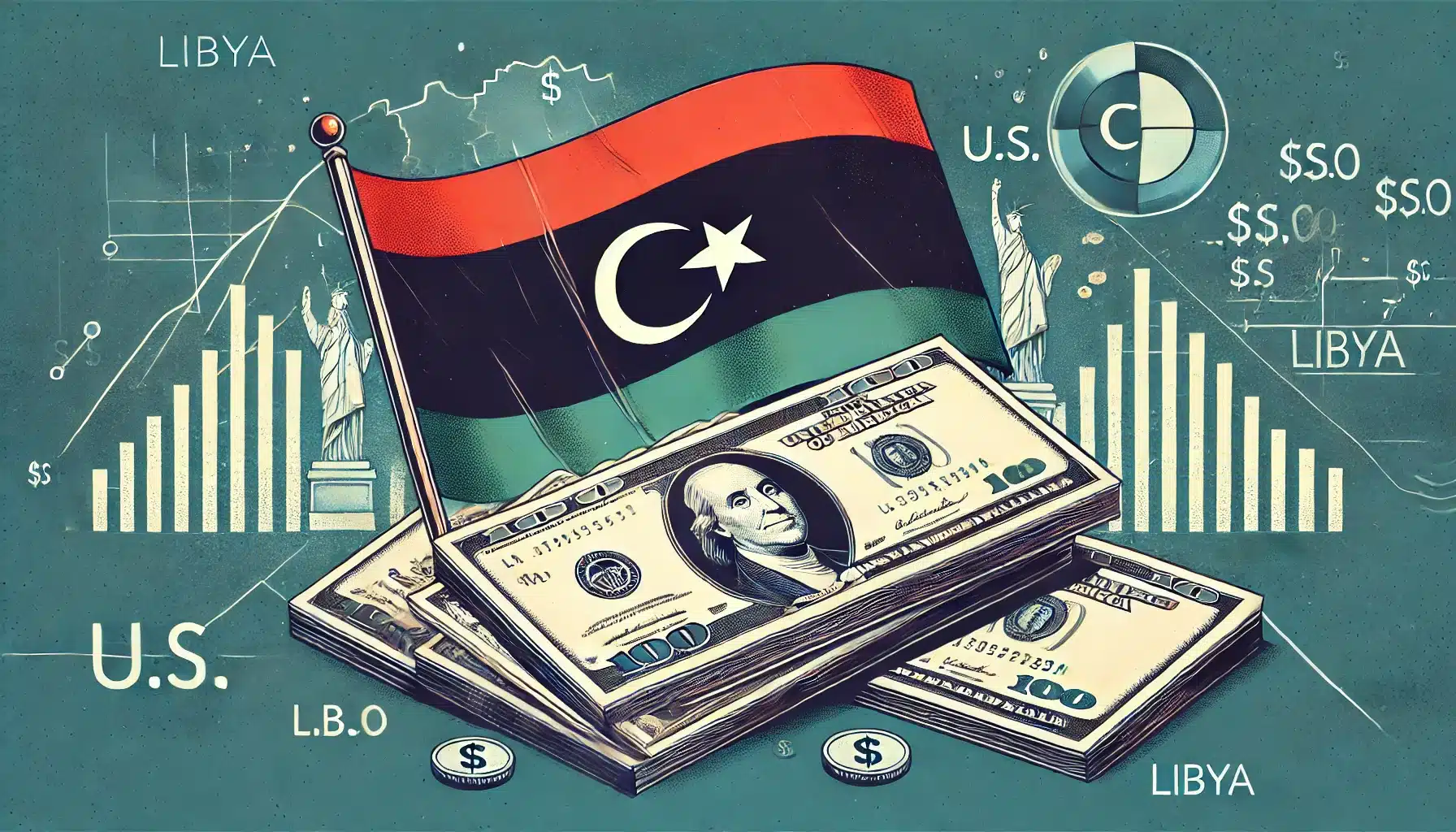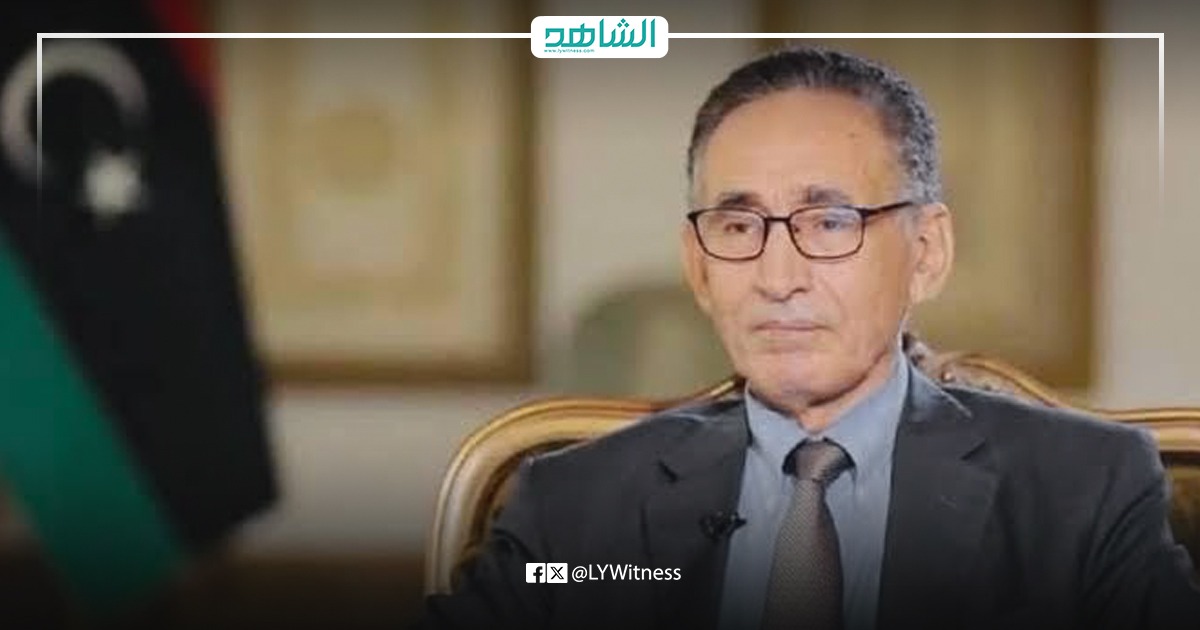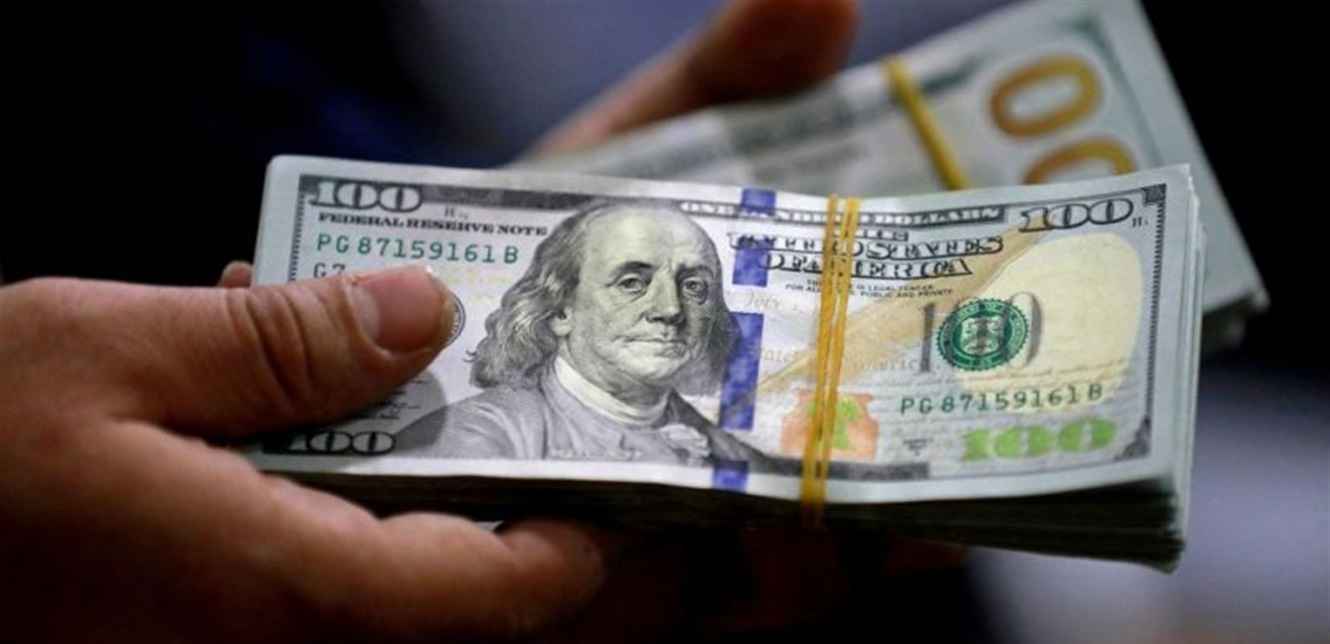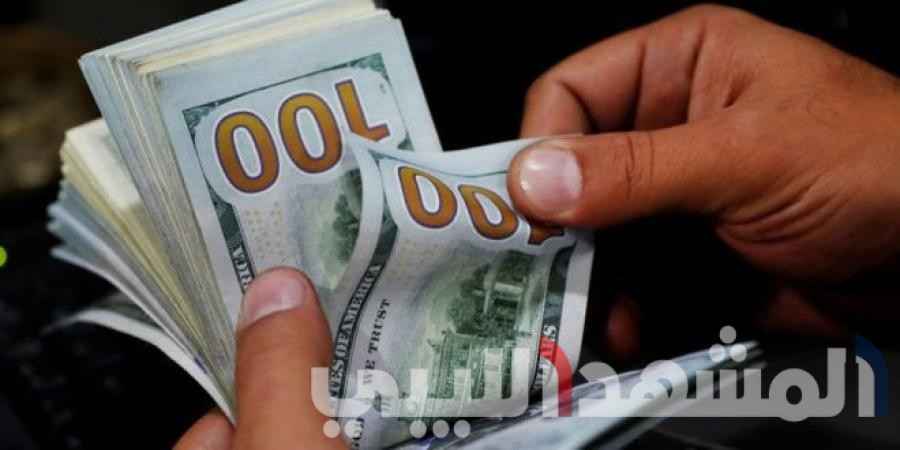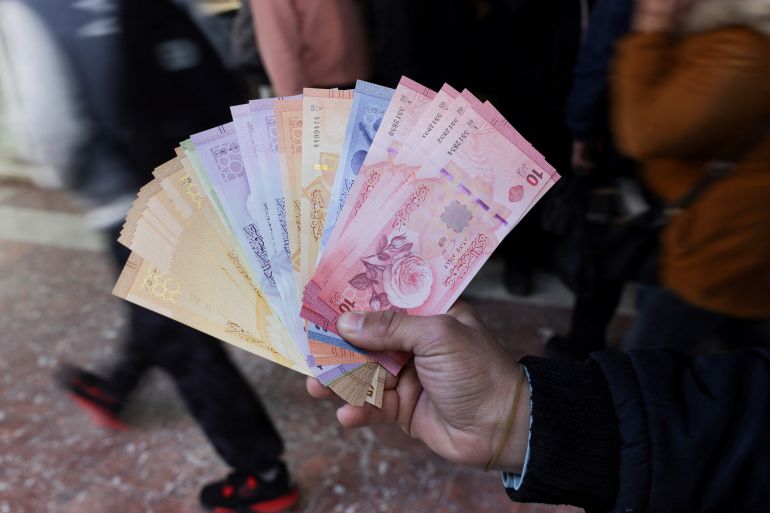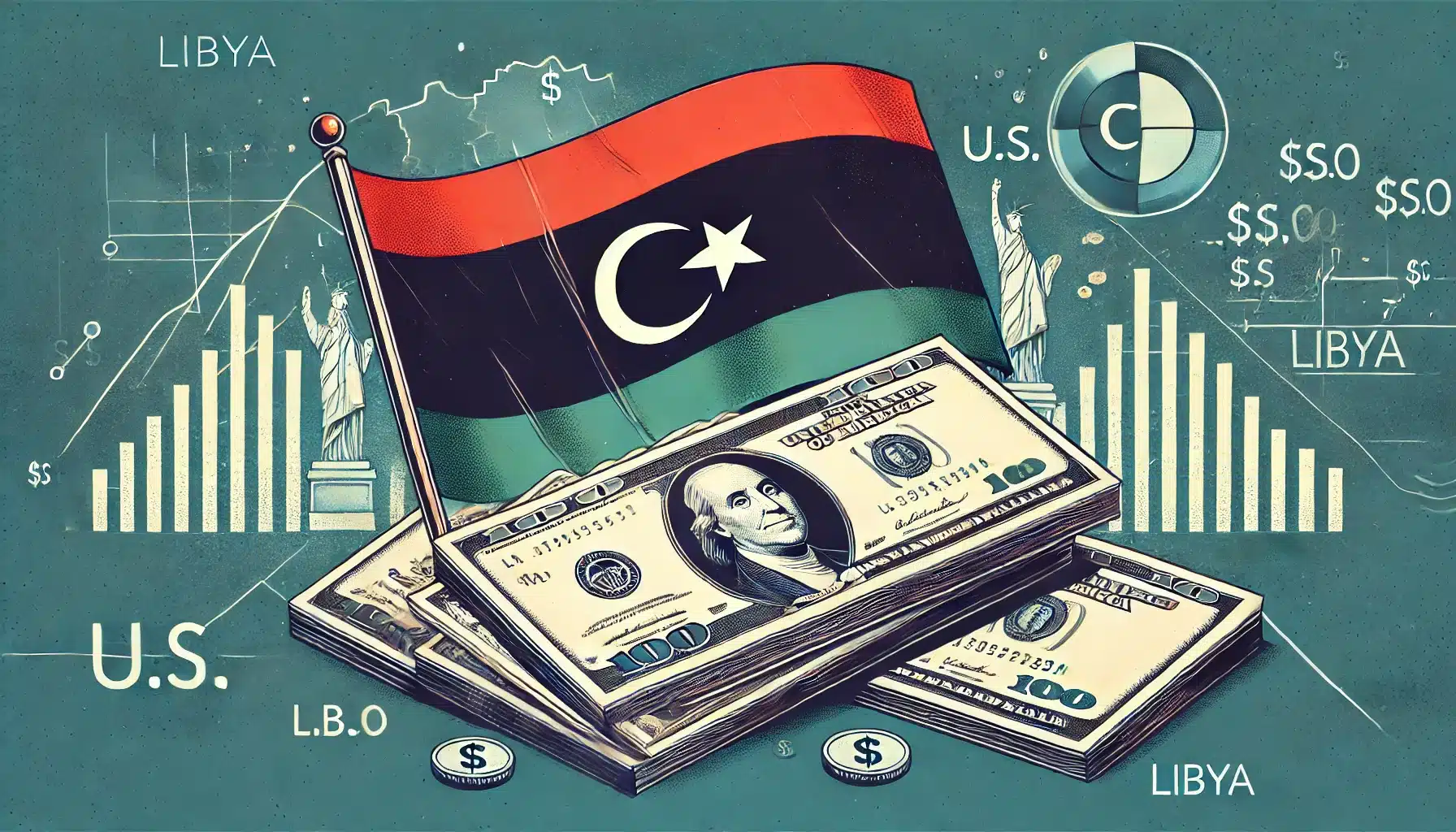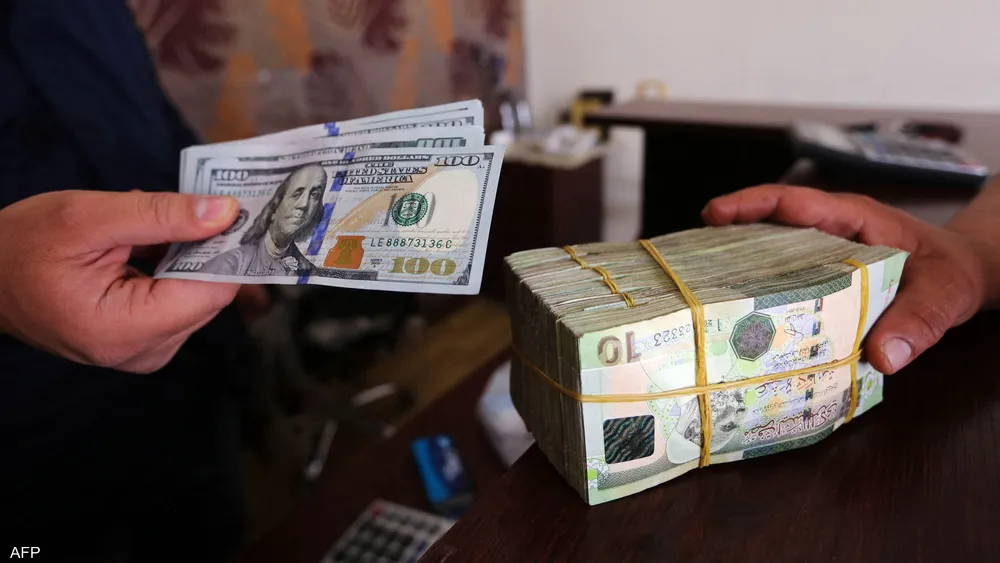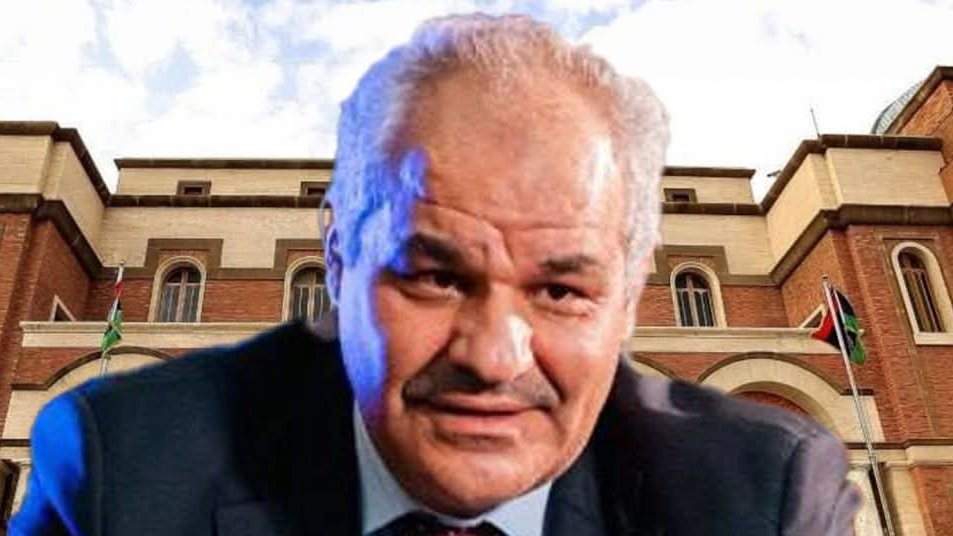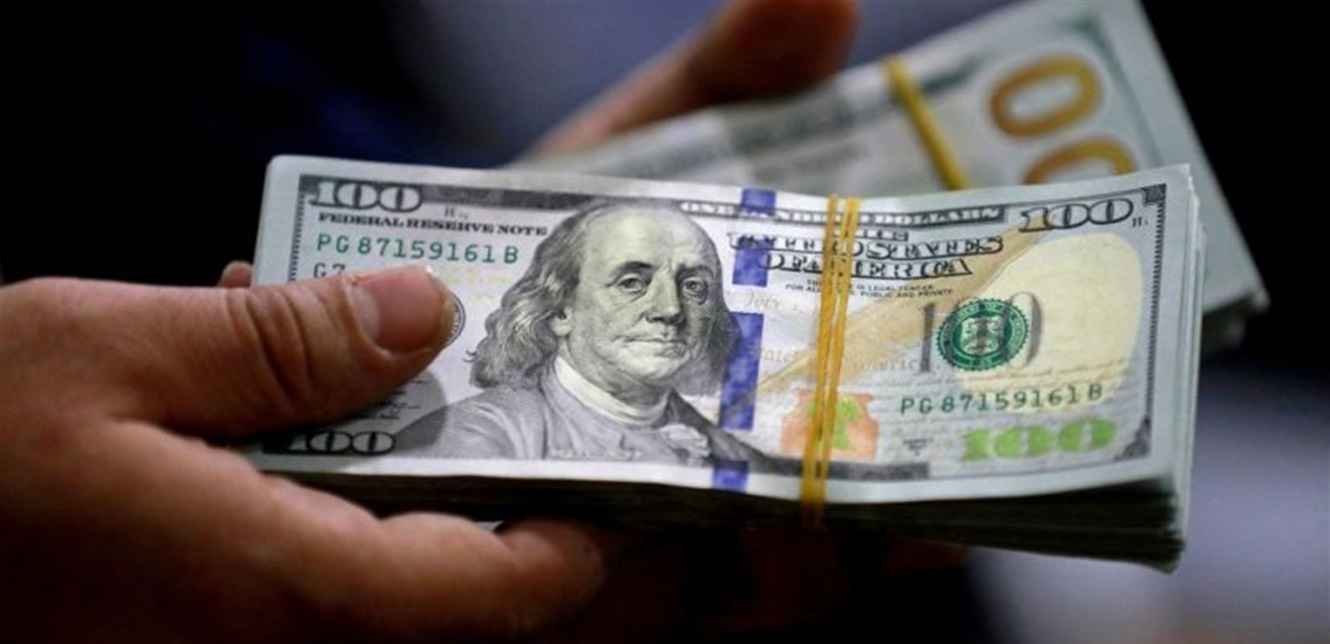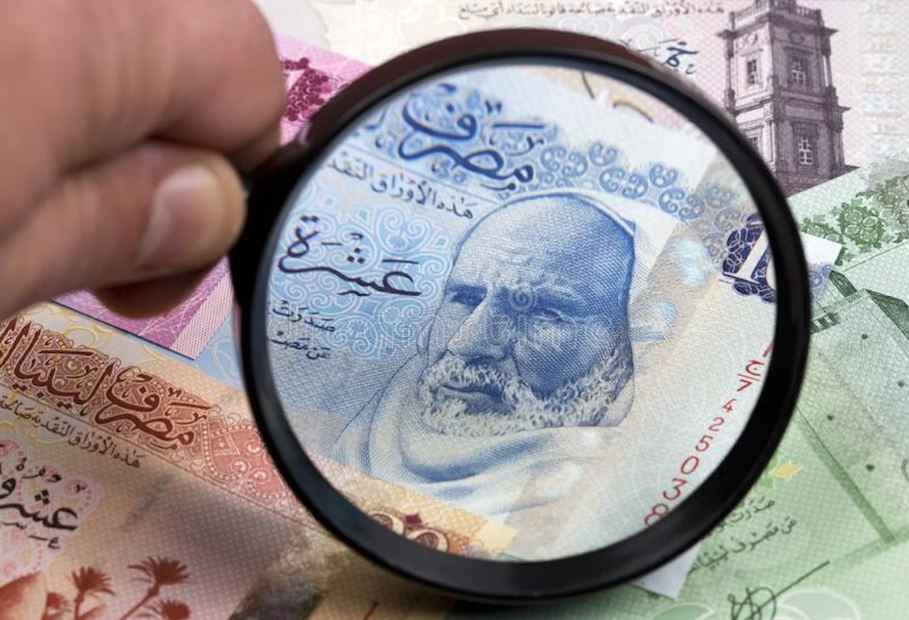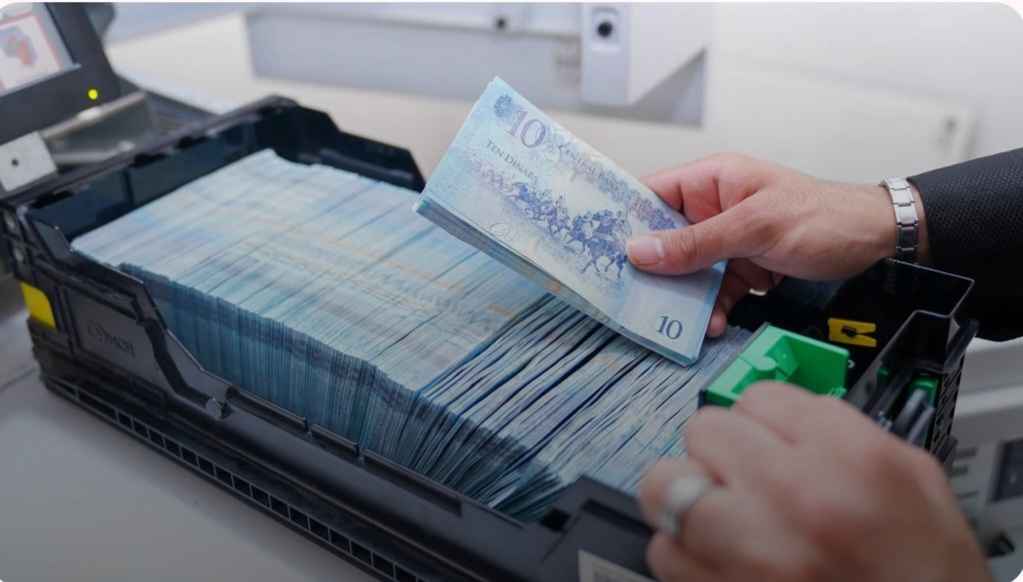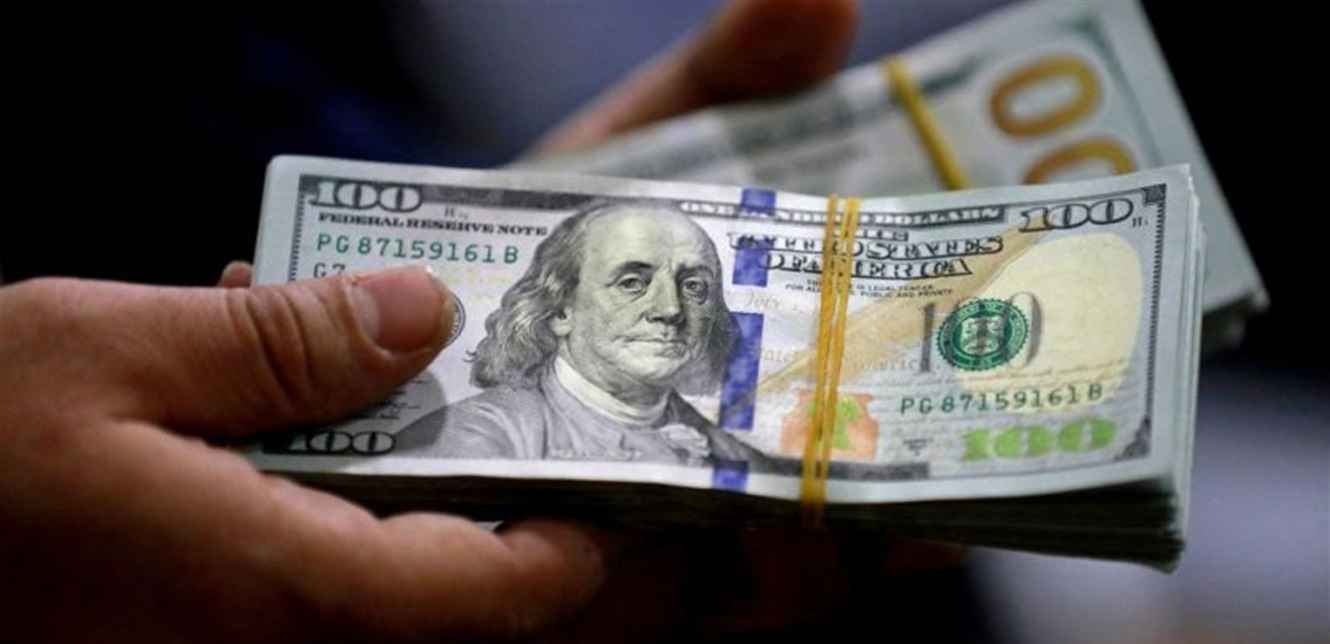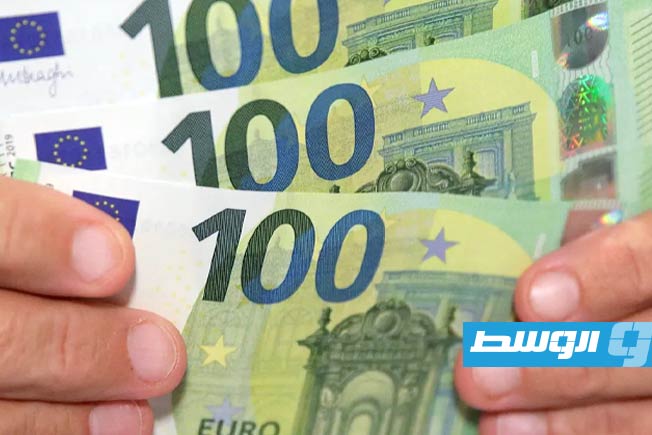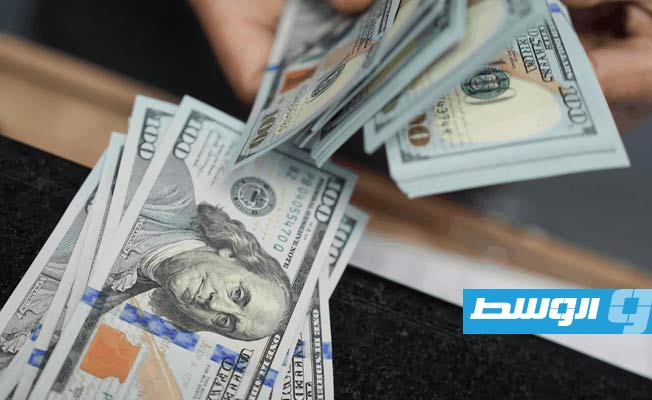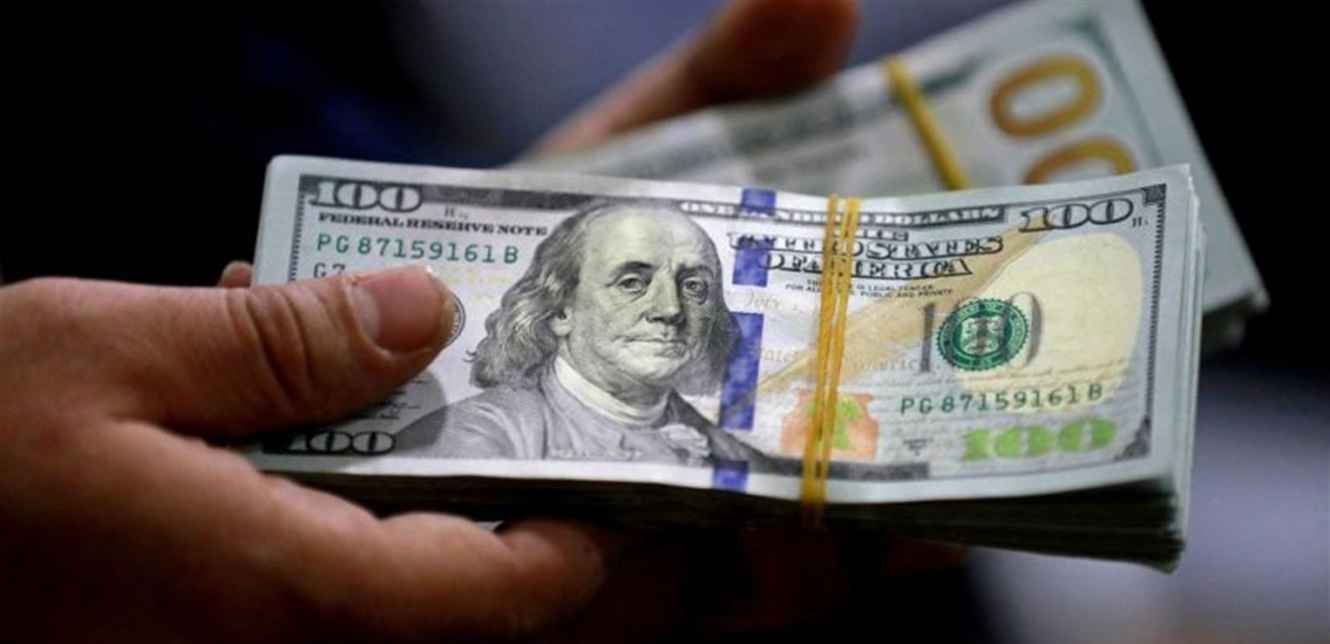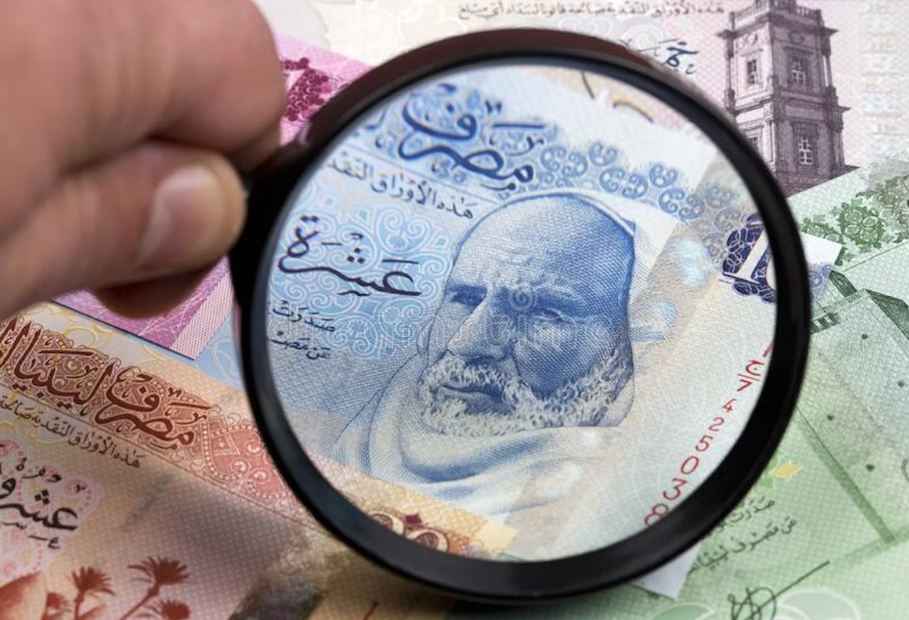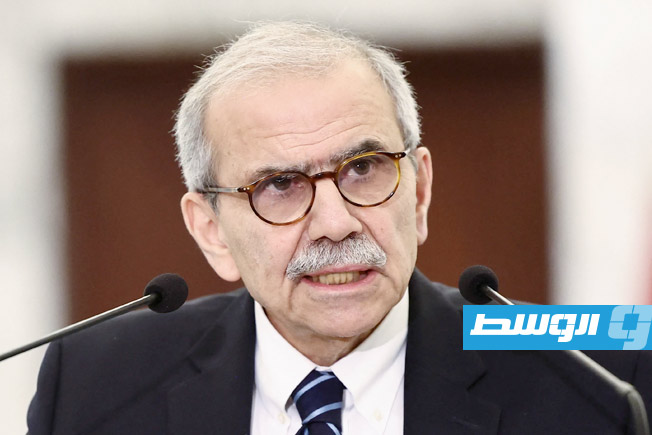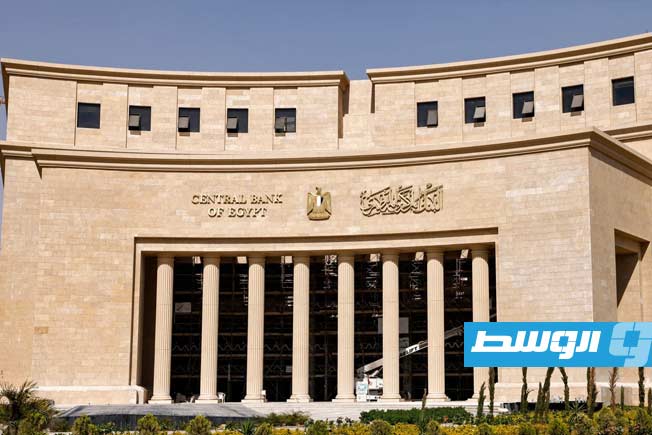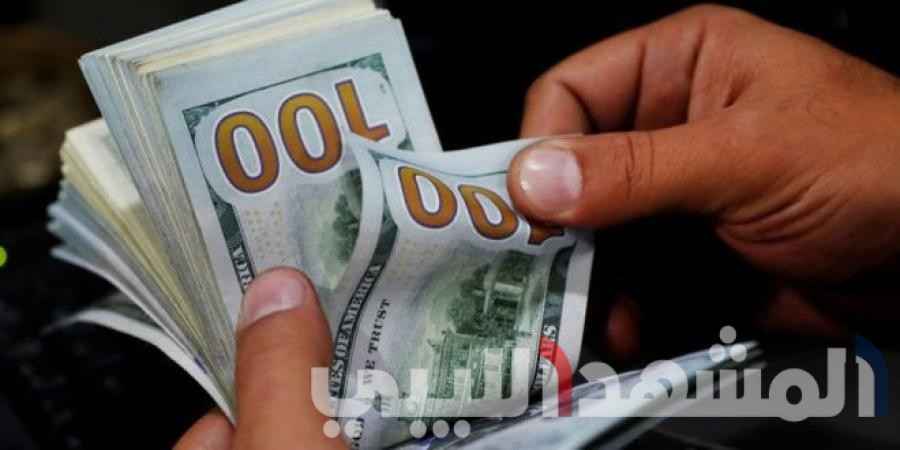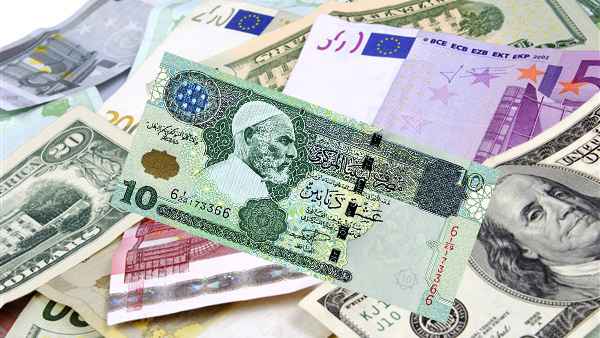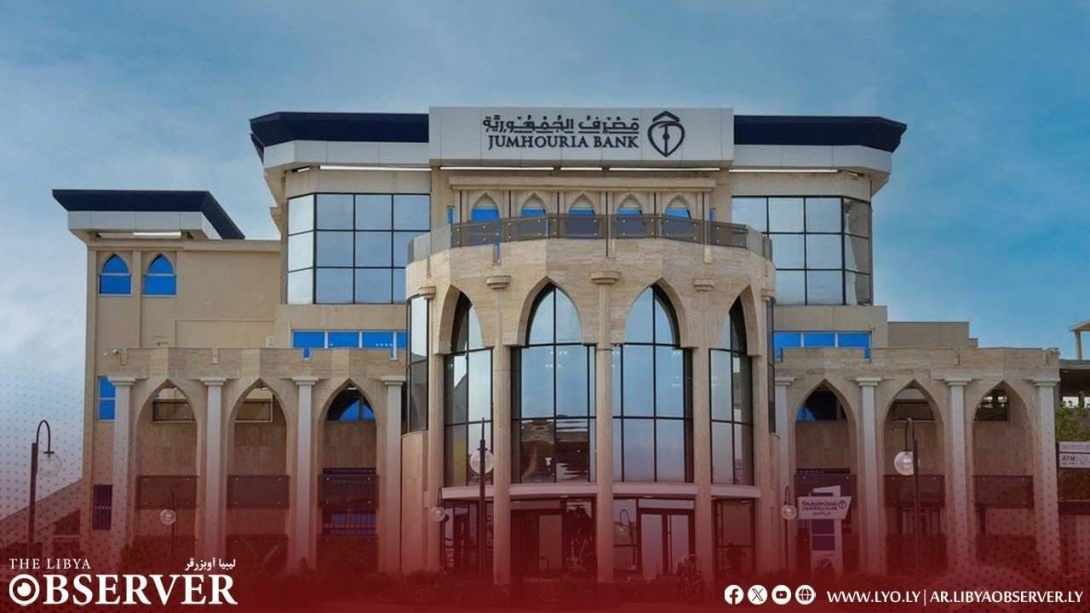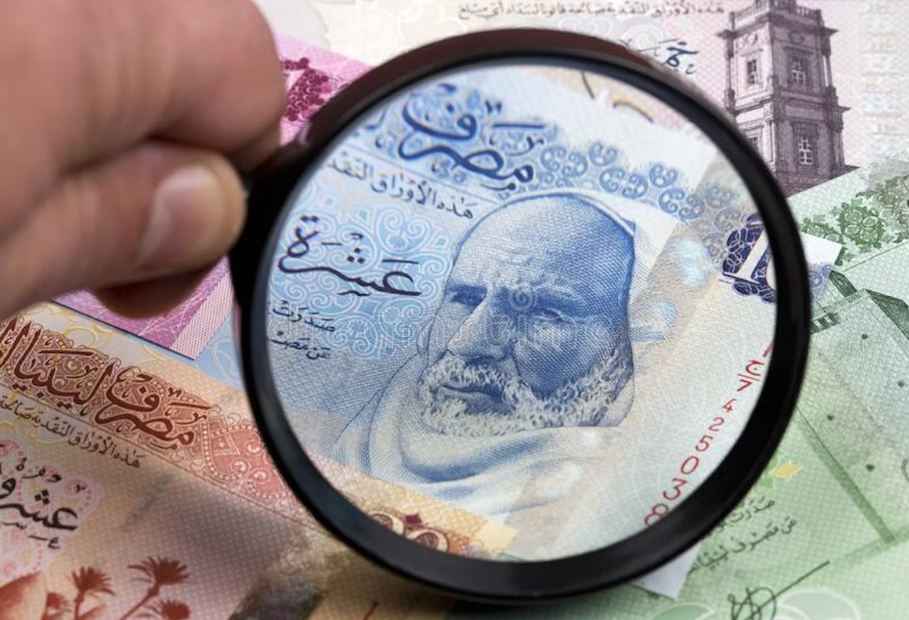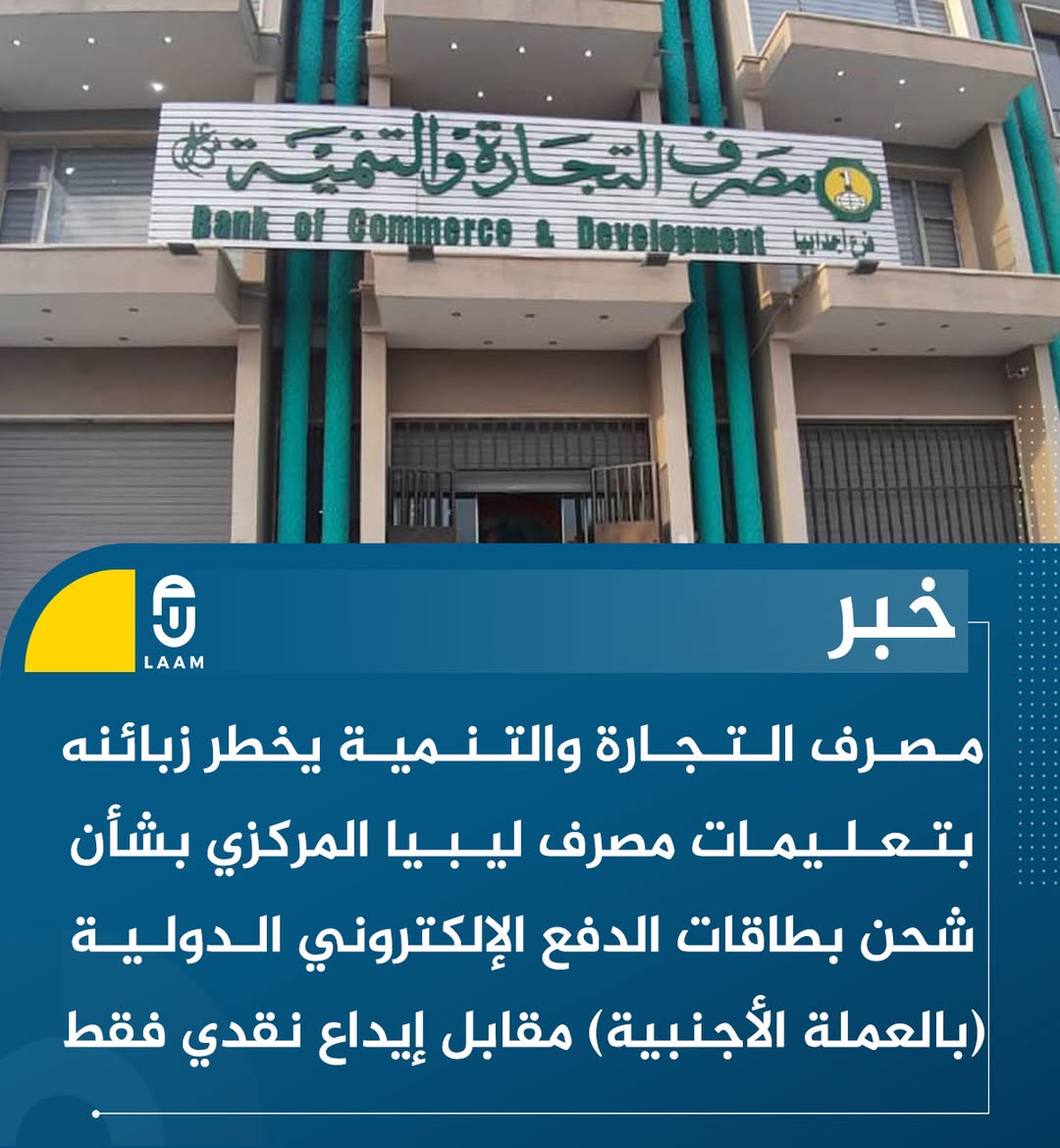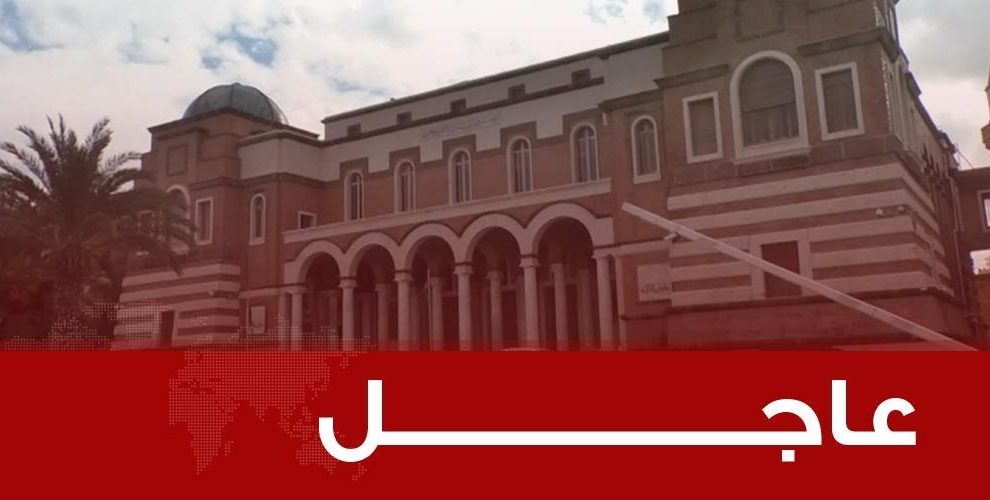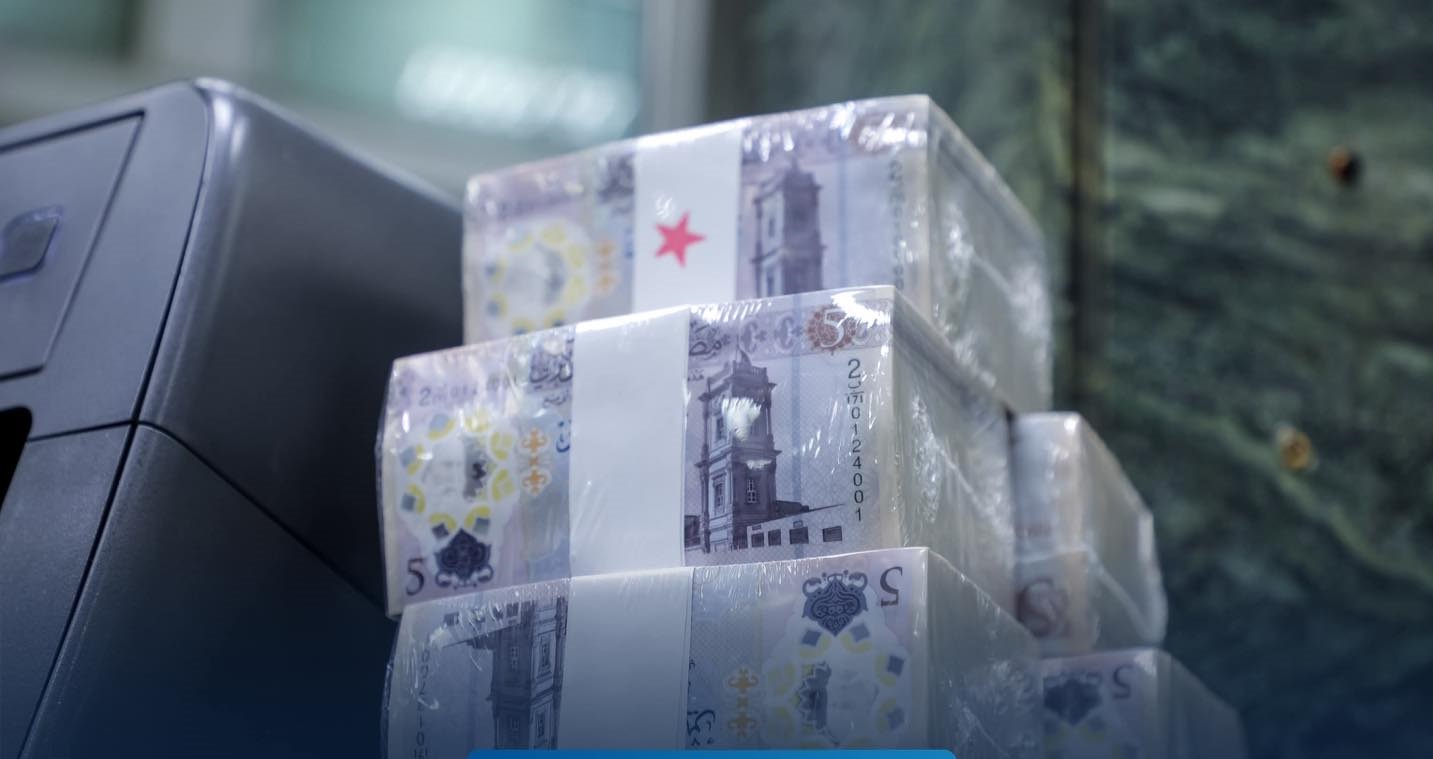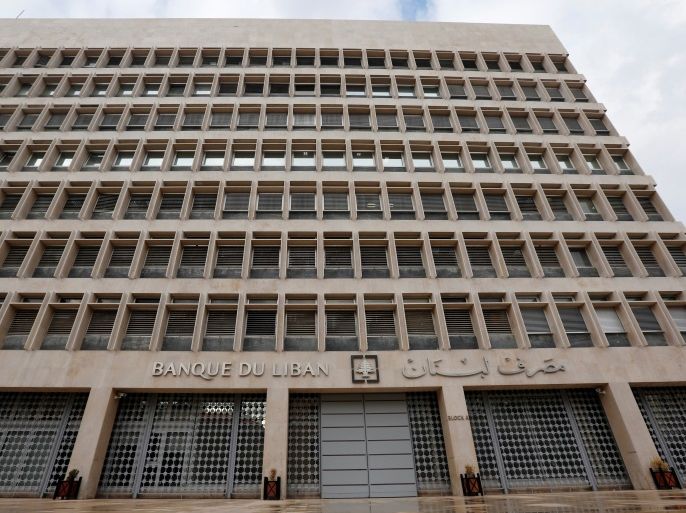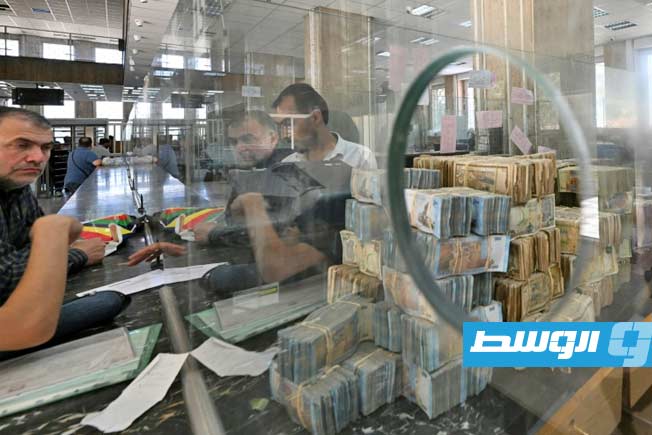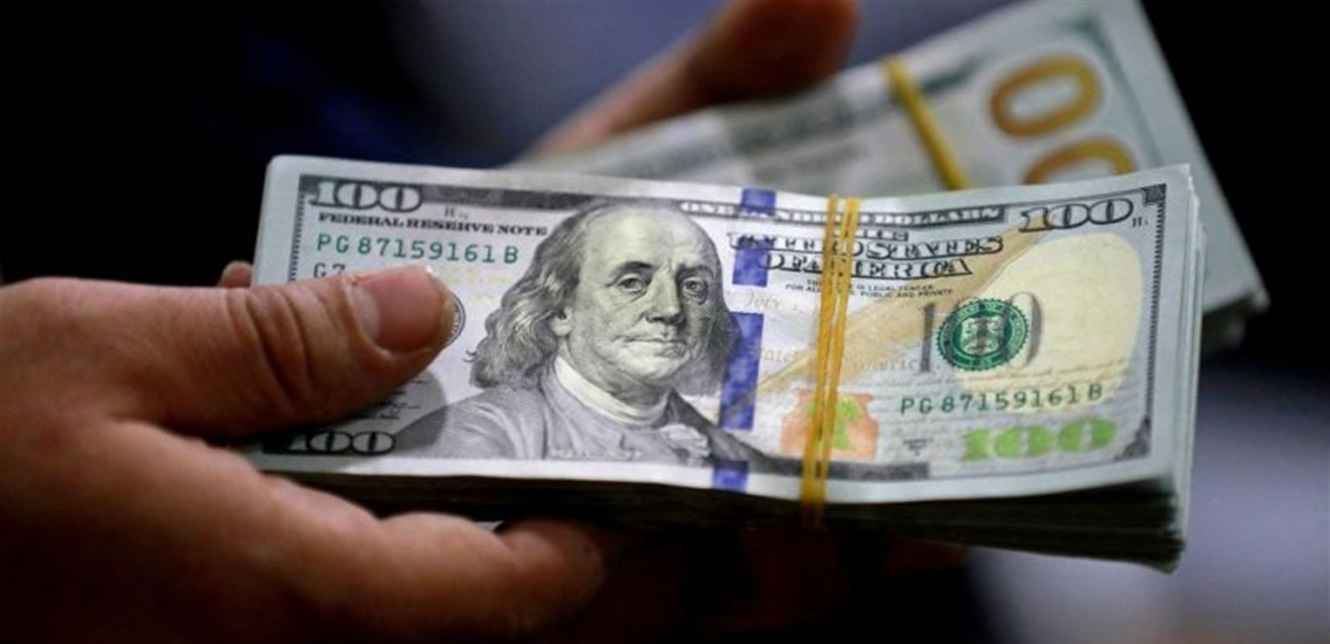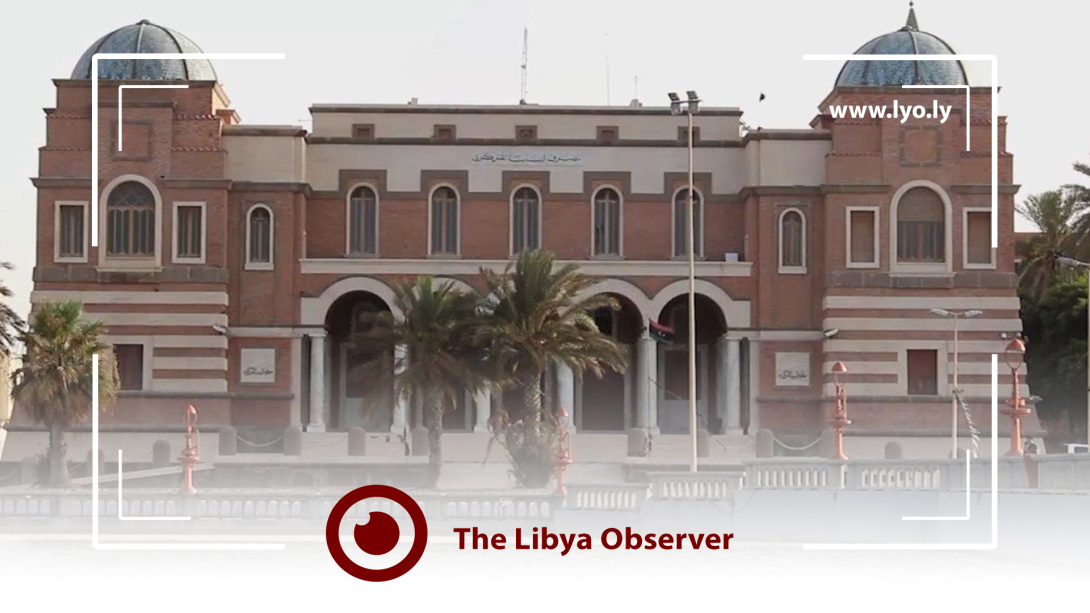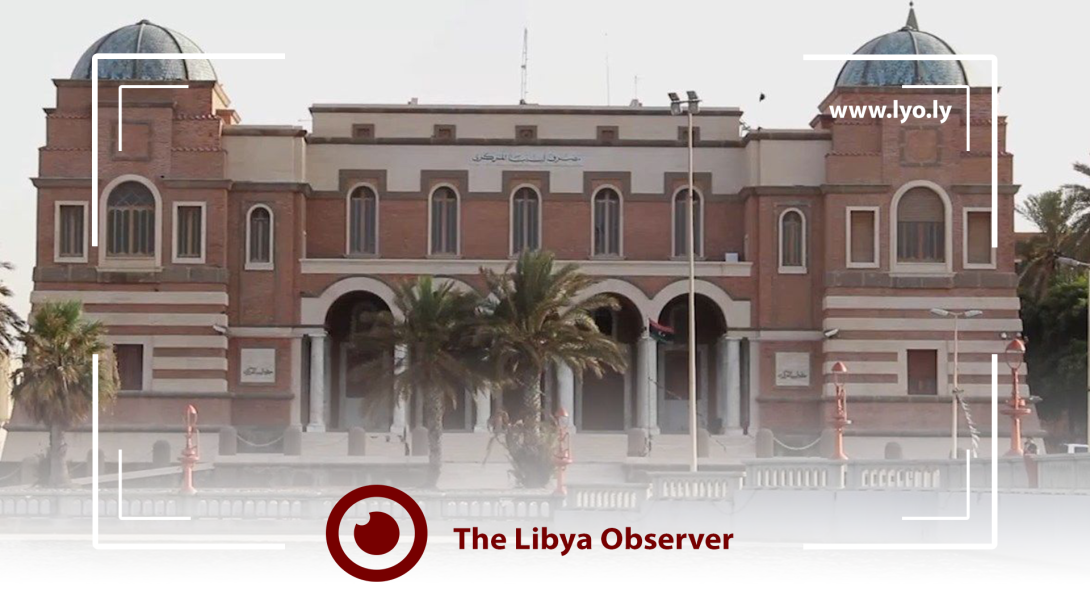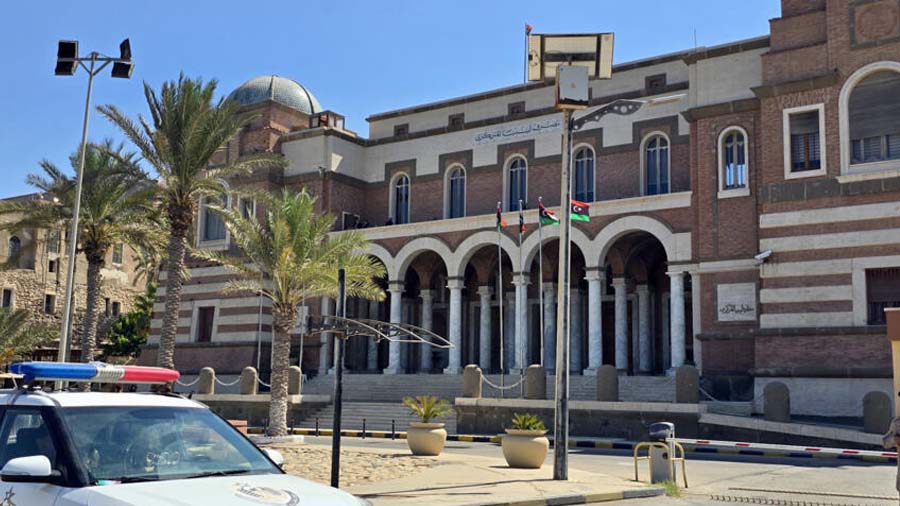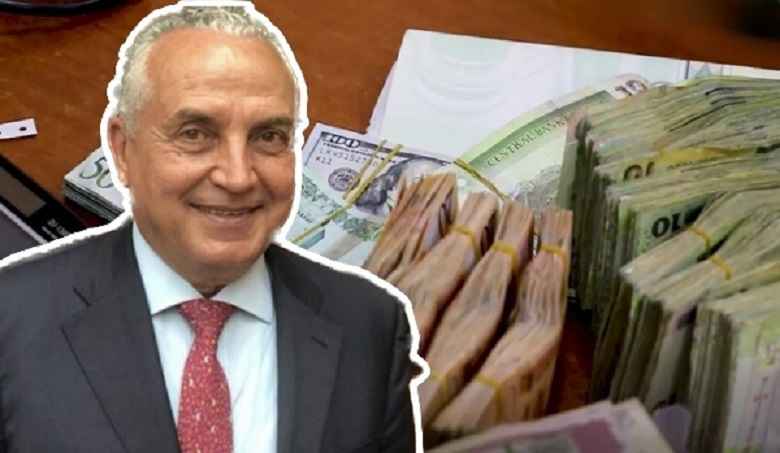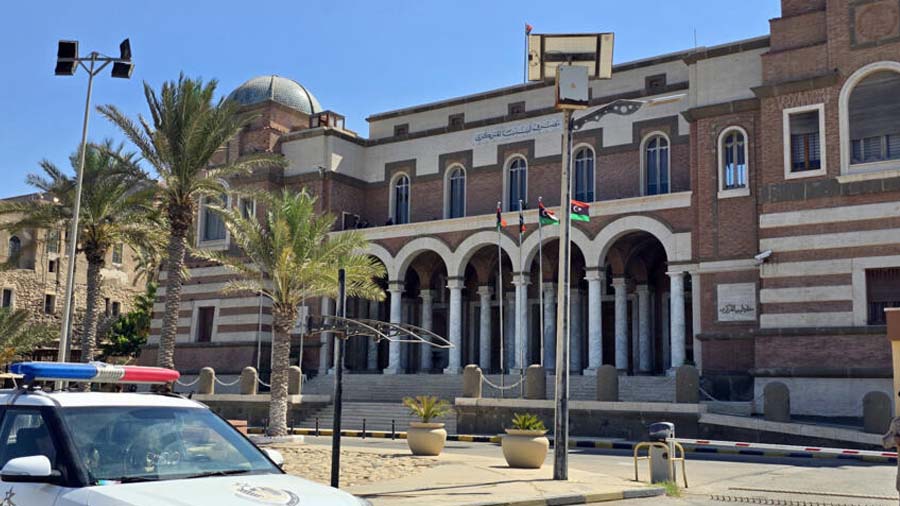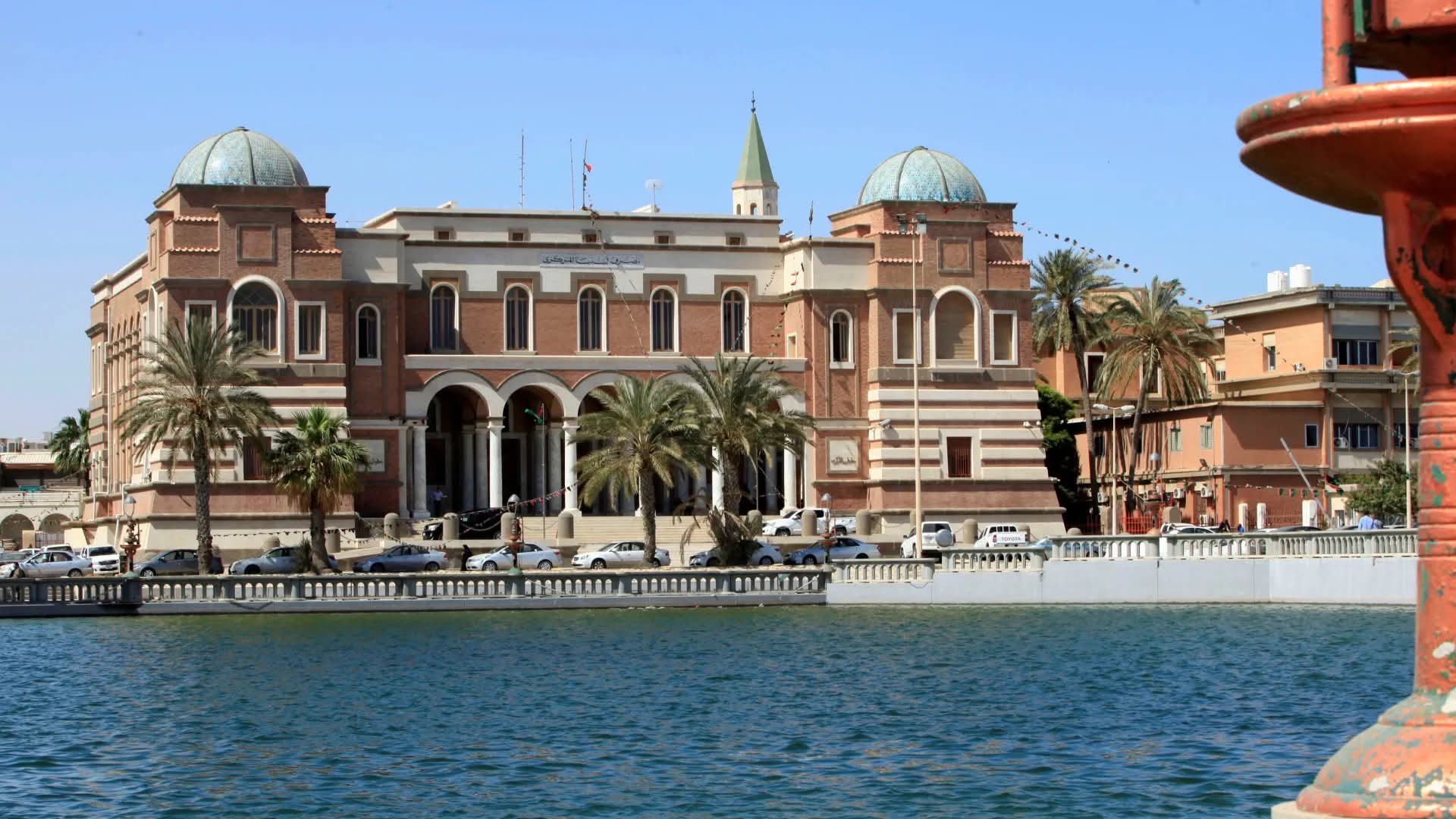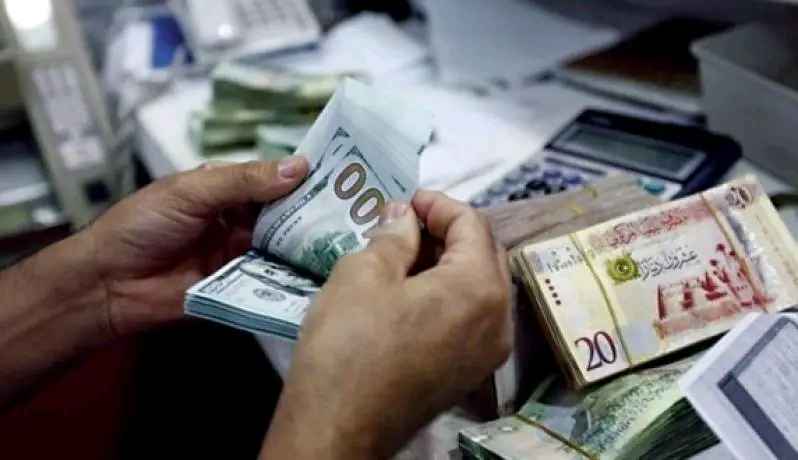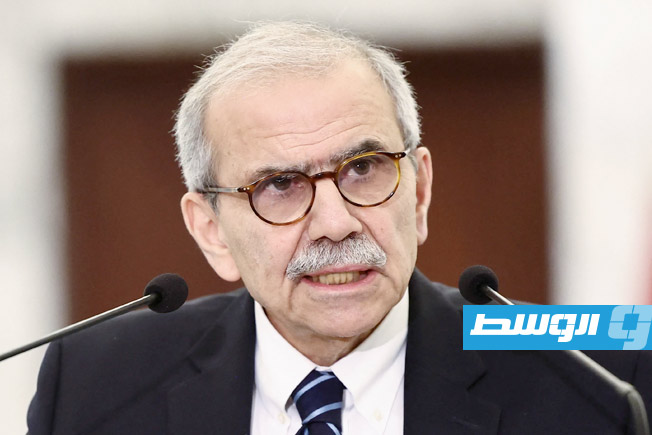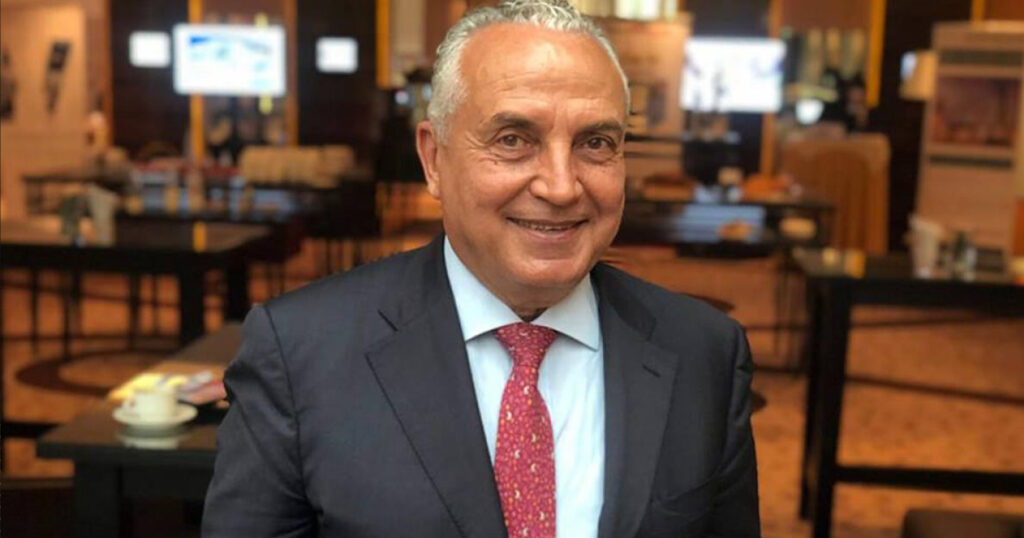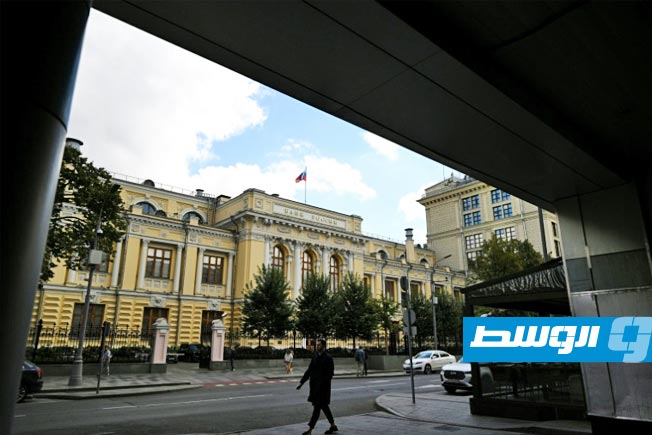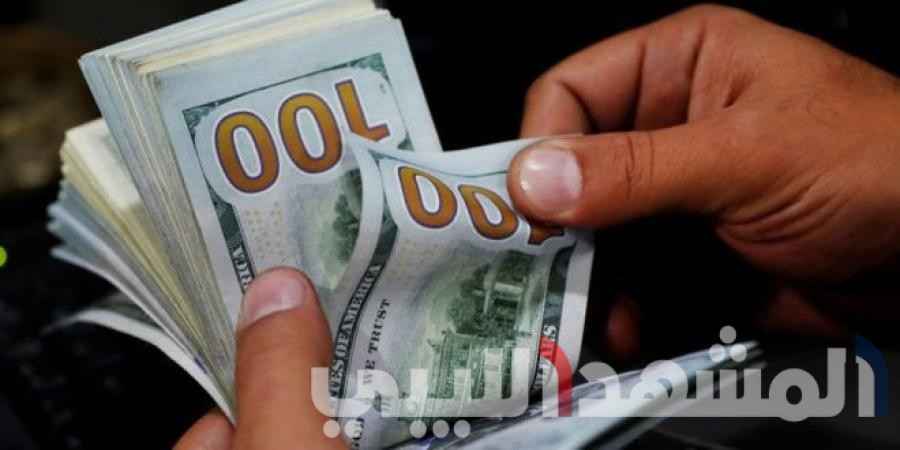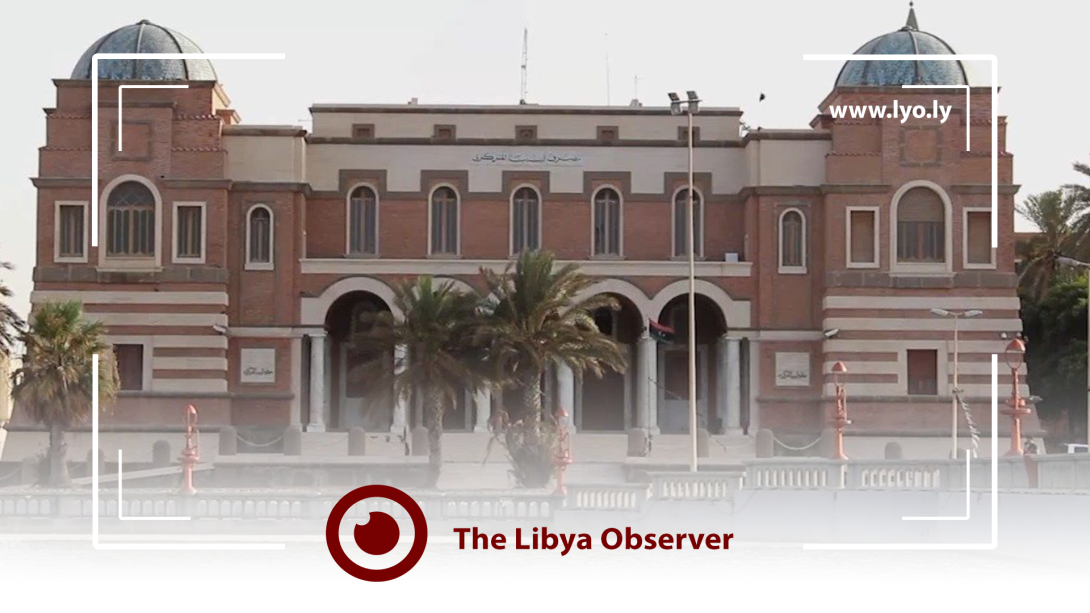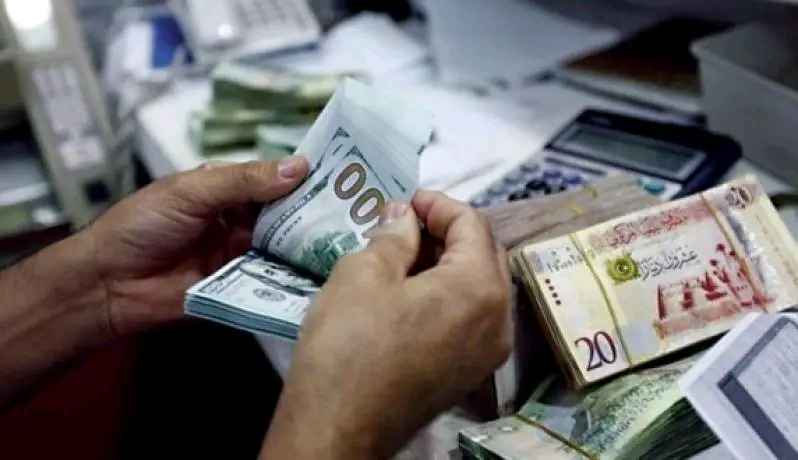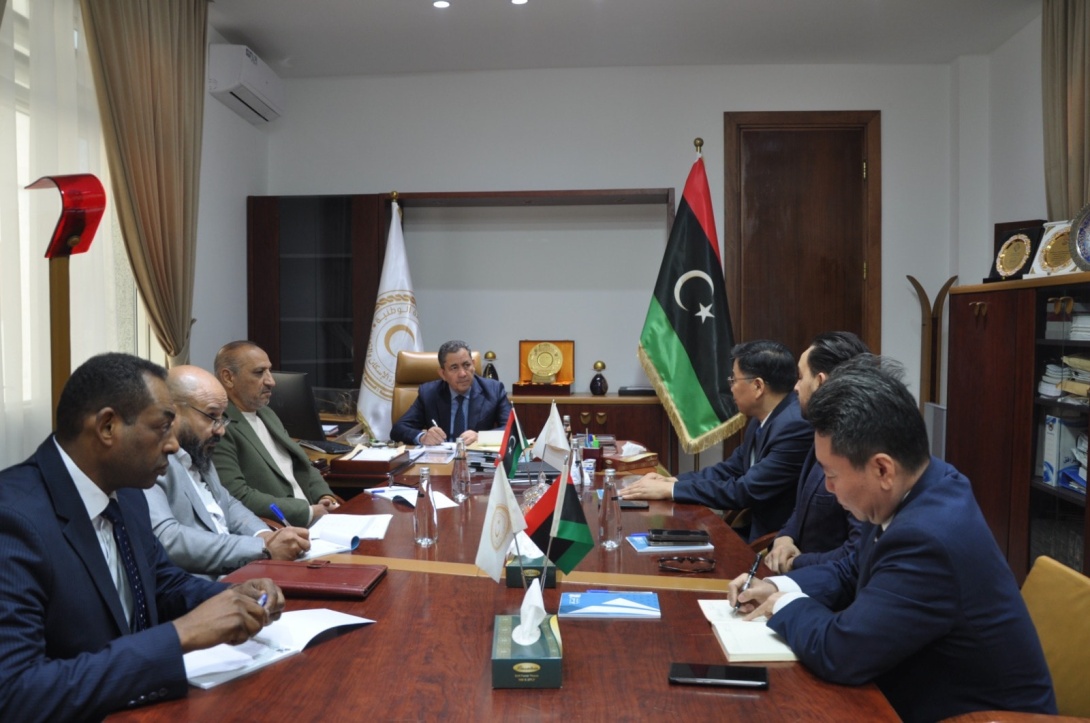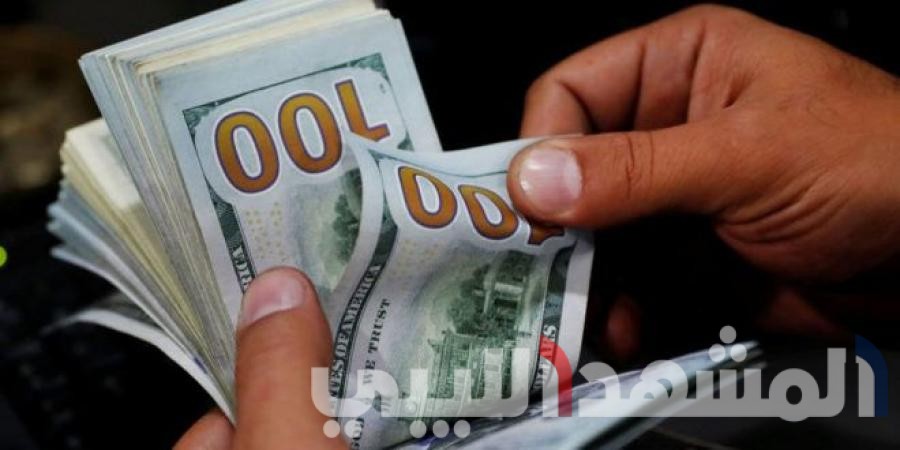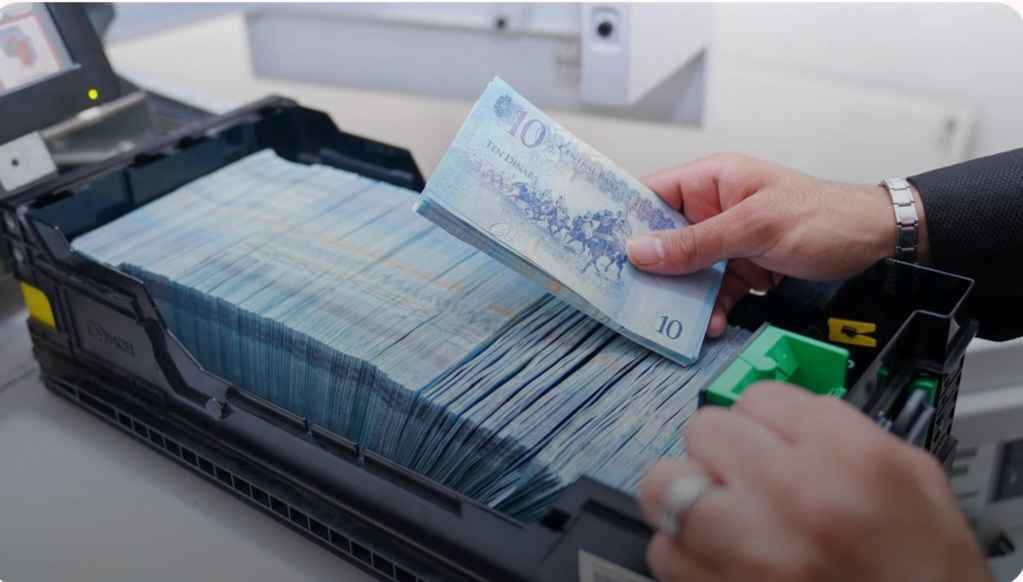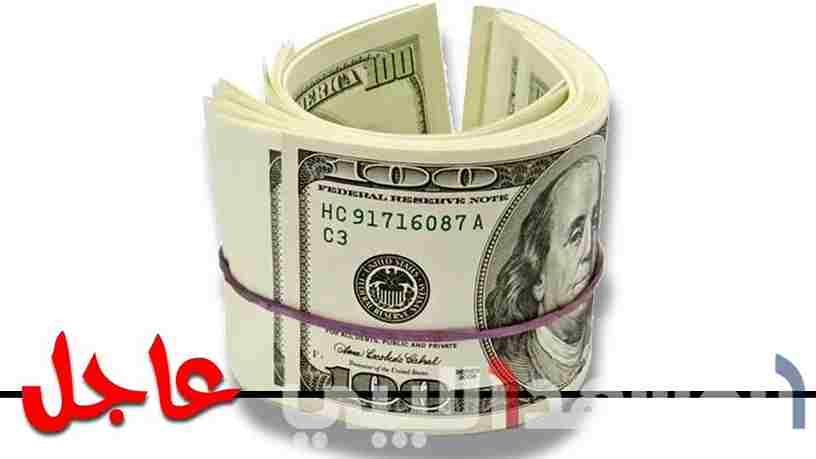
The Governor of the Central Bank of Libya has called on the Ministry of Interior to take the necessary legal measures to shut down the parallel currency market and penalize those trading foreign currencies outside the official framework.
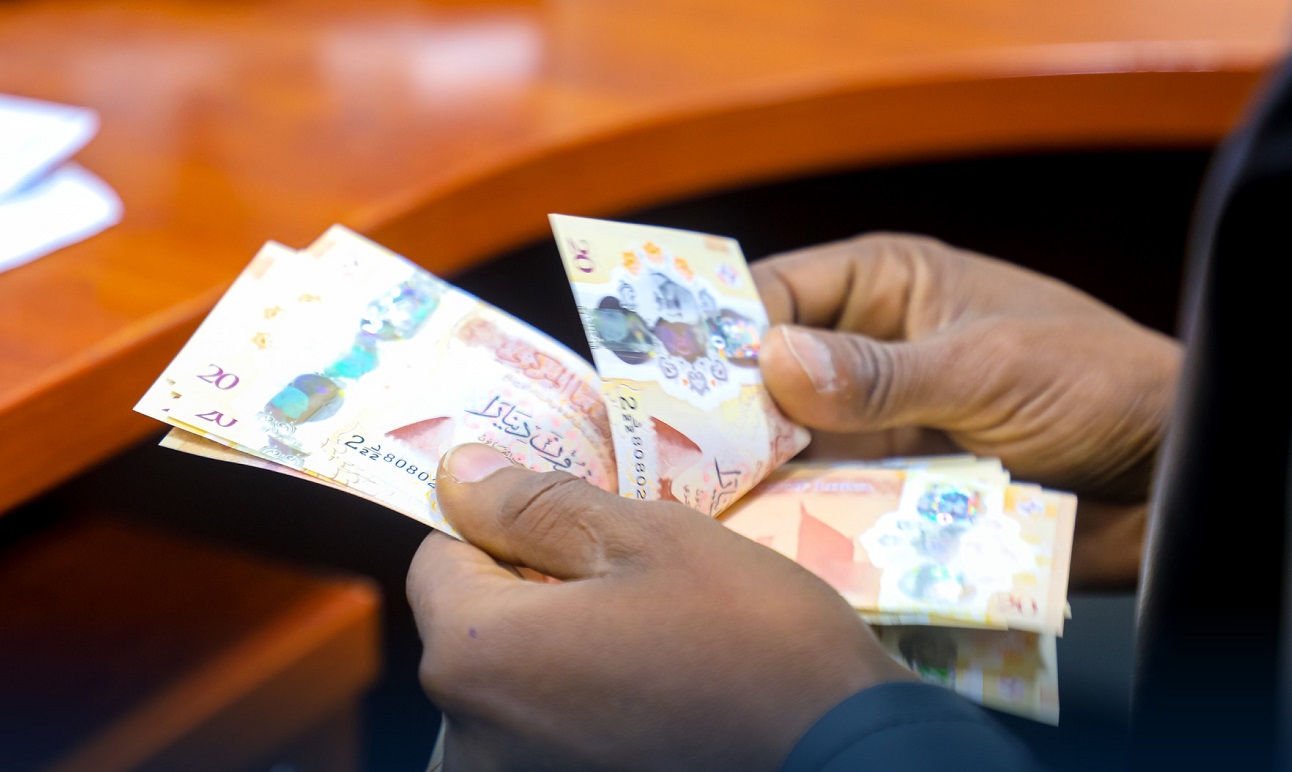
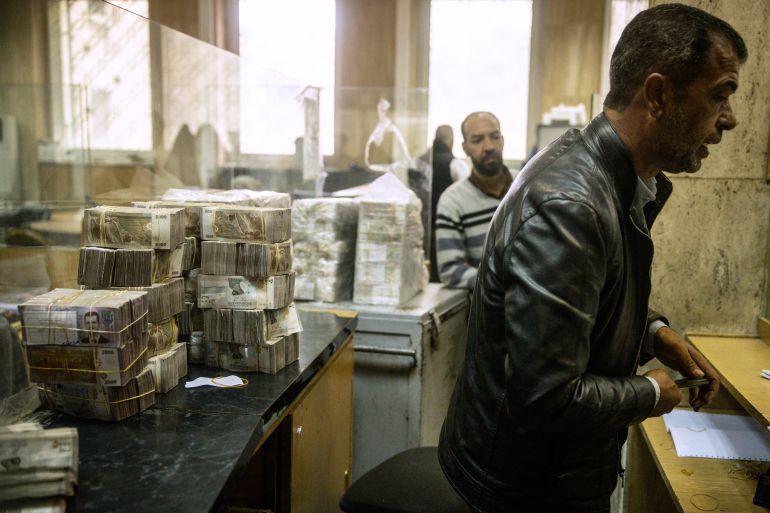
The Governor also urged the ministry to monitor the movement of Libyan dinar cash transfers, following the resumption of licensed exchange offices’ operations under authorization from the Central Bank.
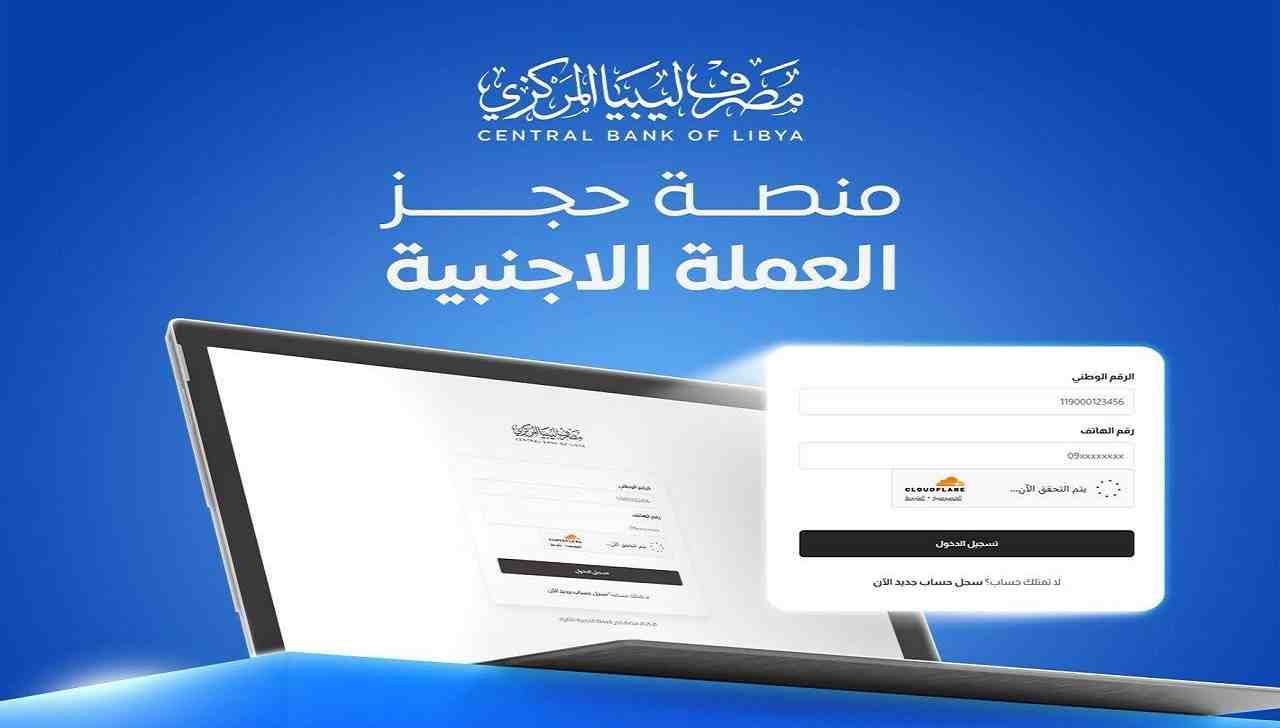
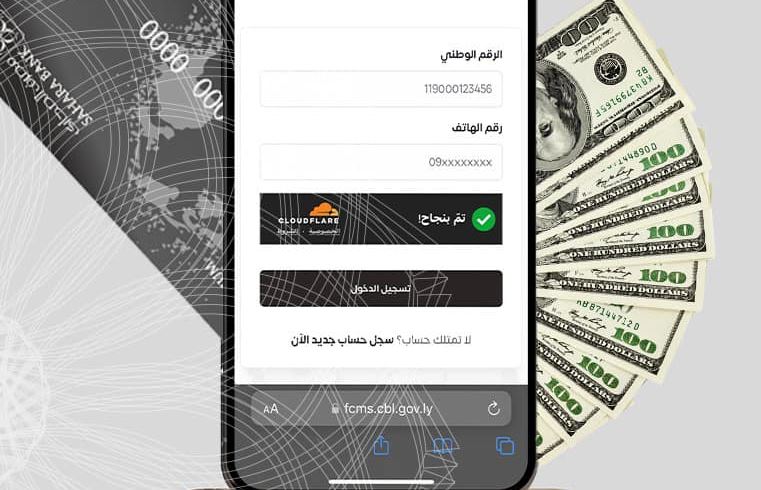
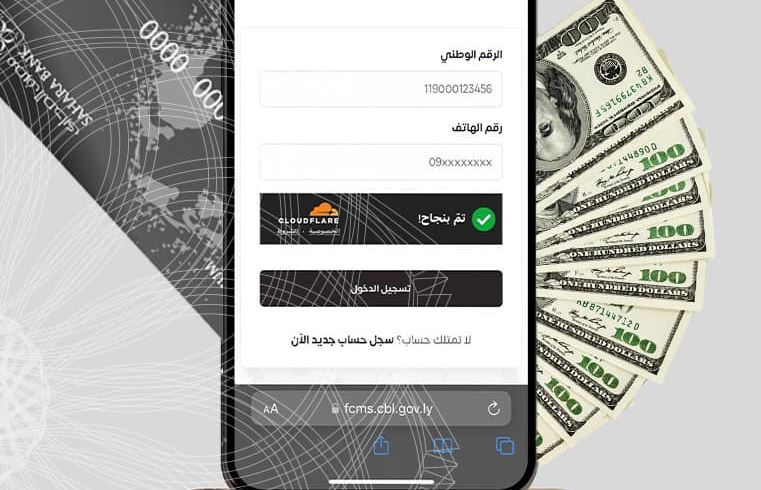
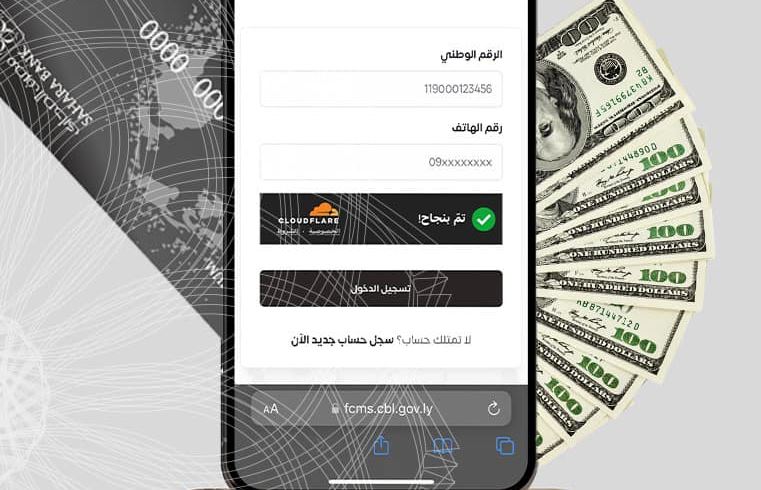
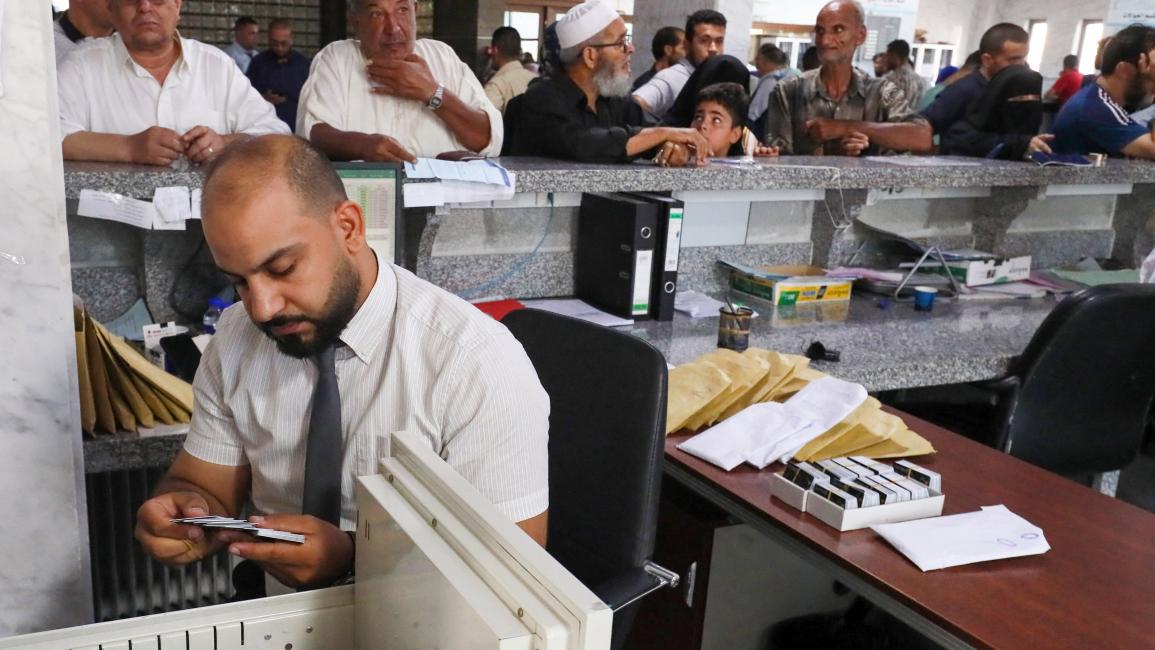
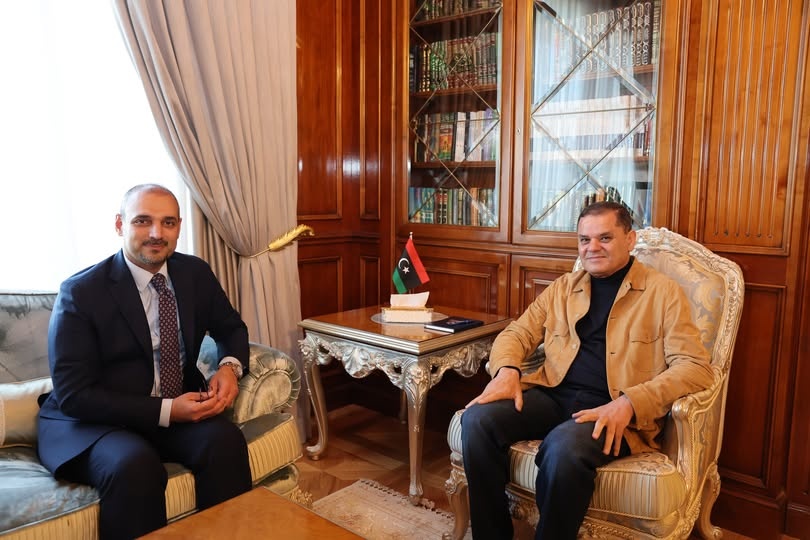
In a letter addressed to the Ministry of Interior, the Governor stated that the Central Bank of Libya has begun effectively granting operating permits to exchange companies, linking them to the bank’s official system, and allowing them to resume services to citizens, including the legal and regulated buying and selling of foreign currencies.
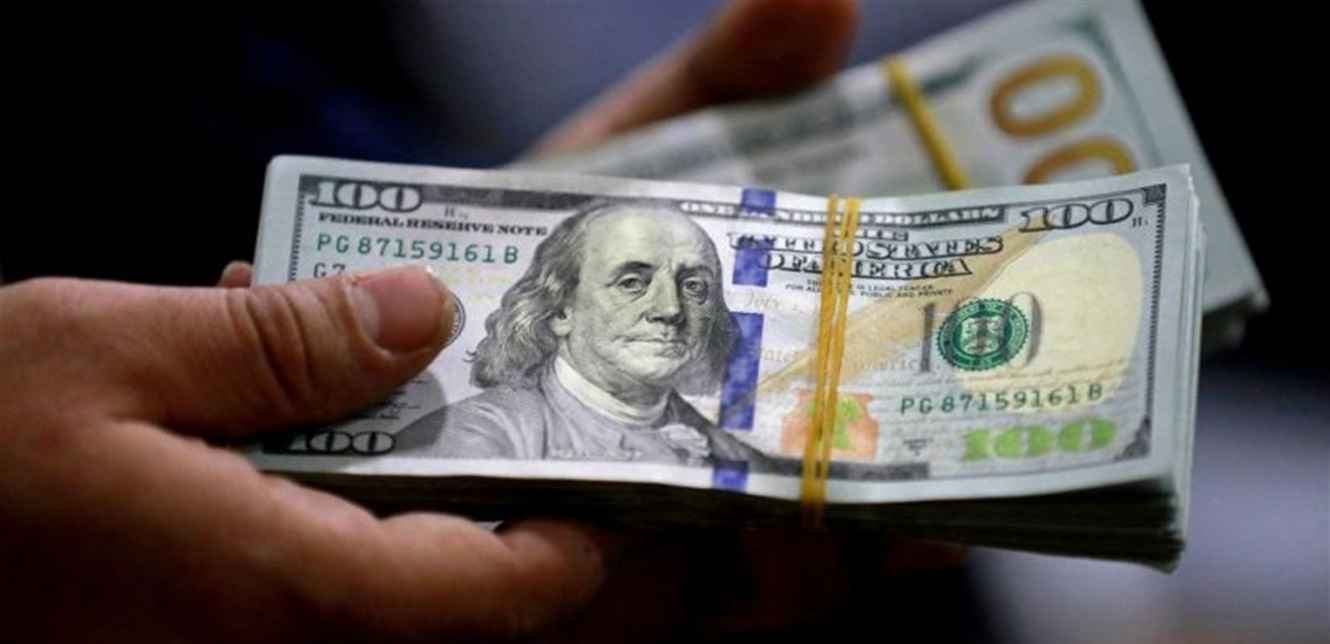
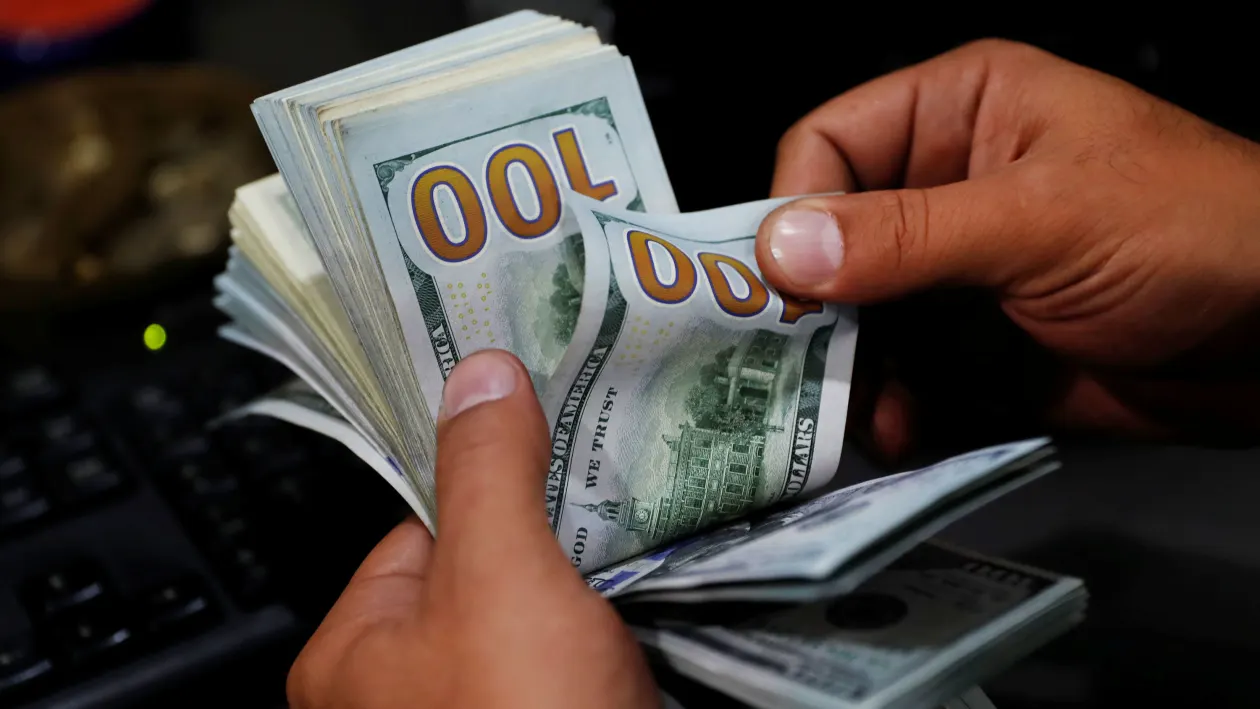
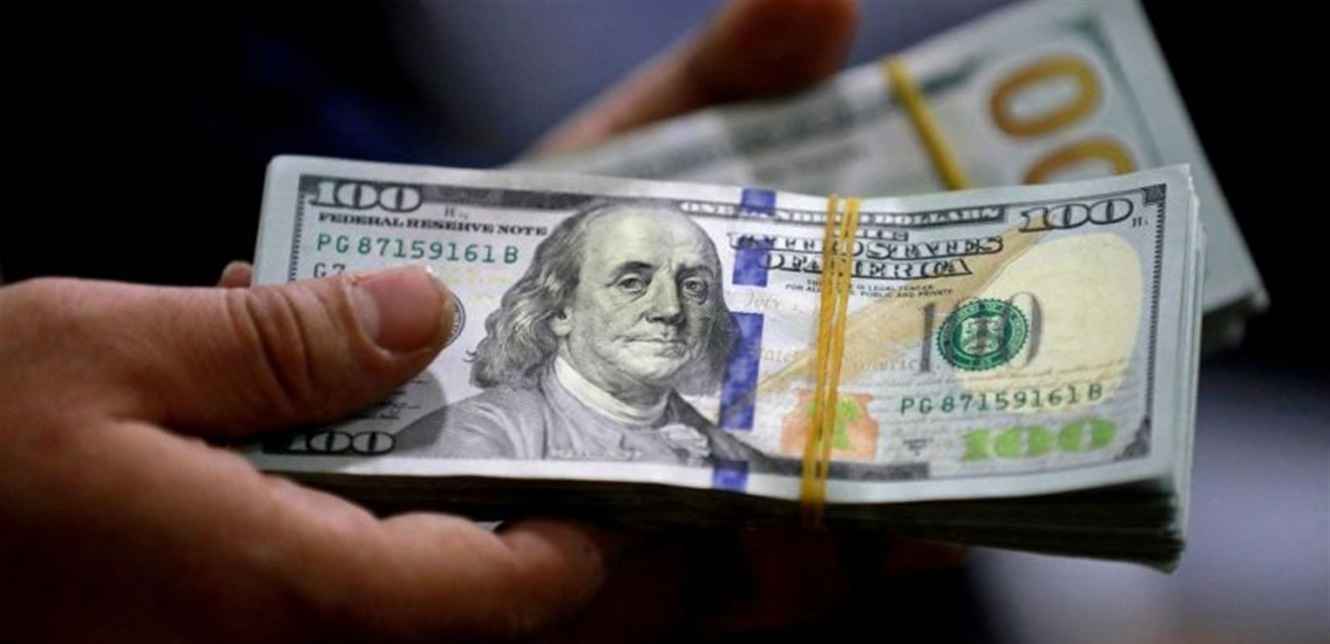
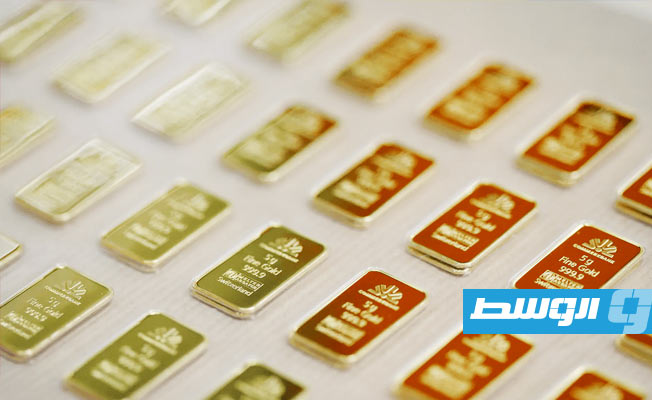
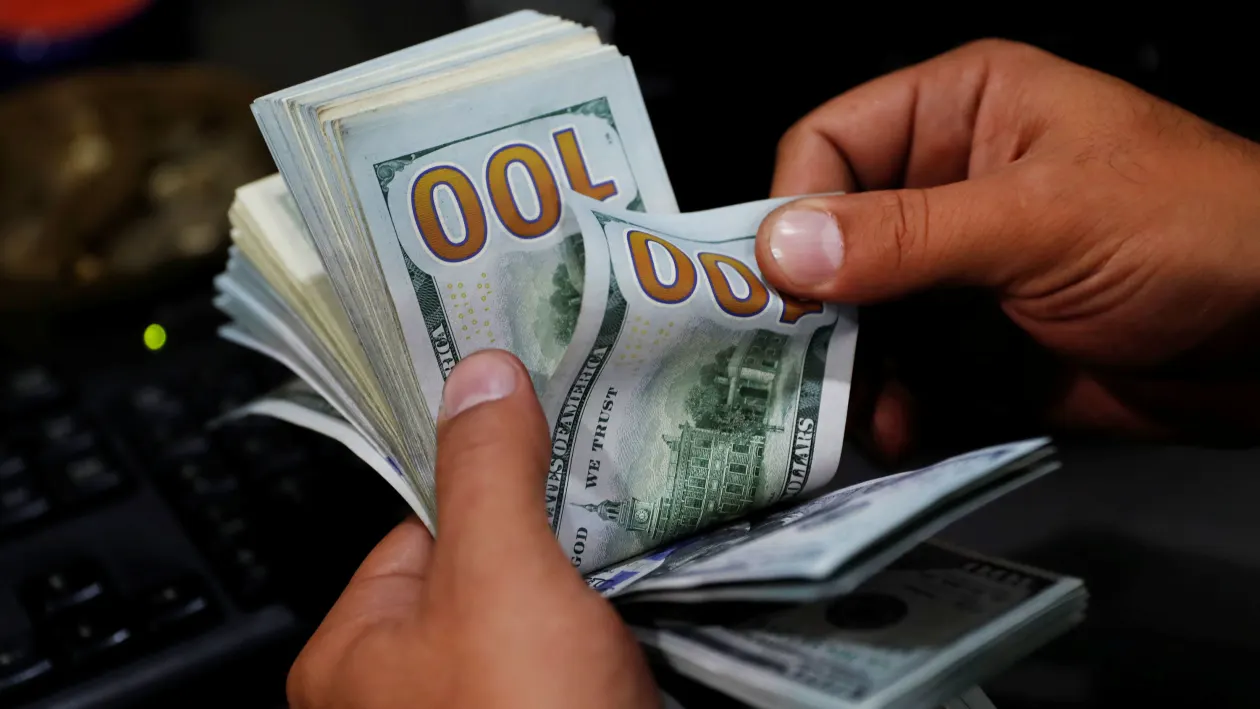
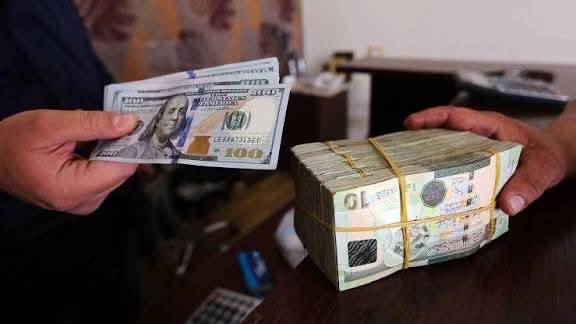
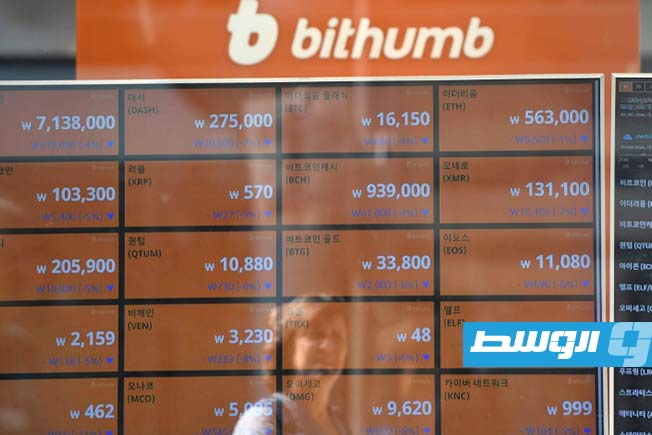
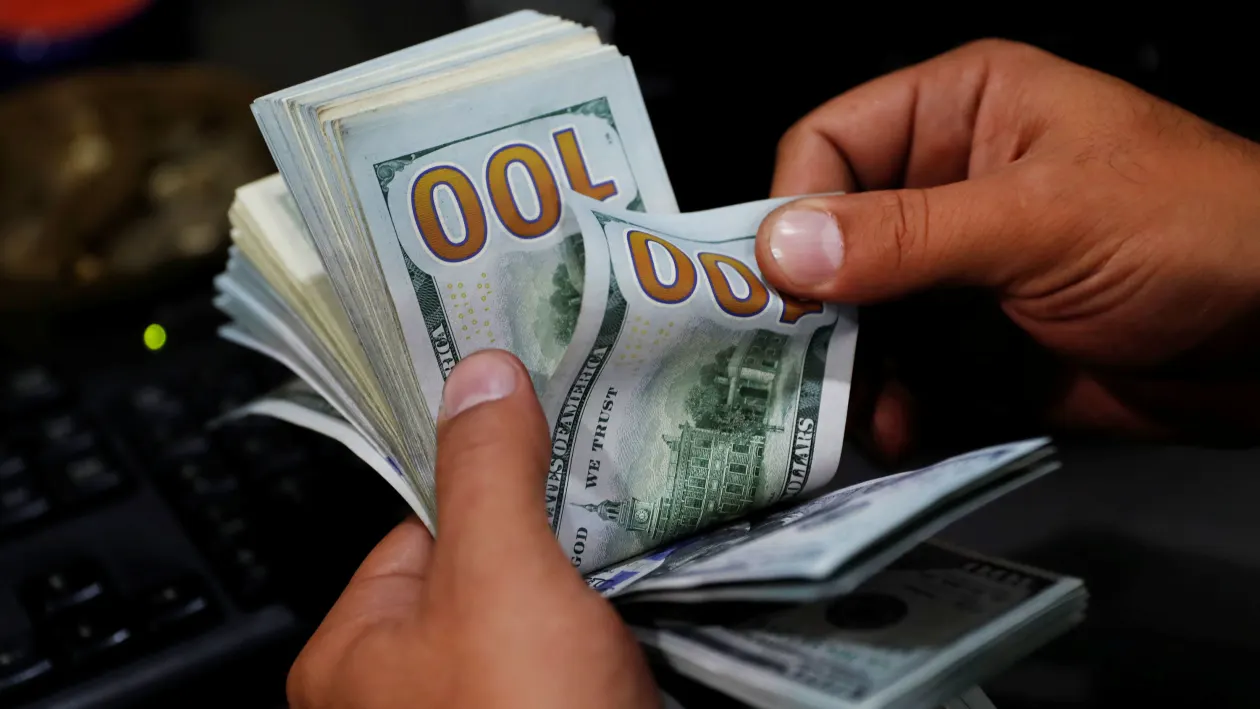
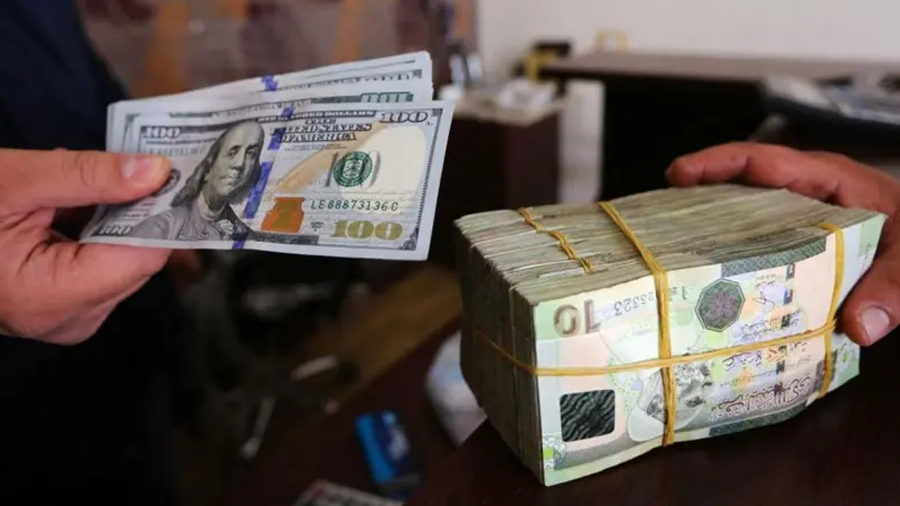
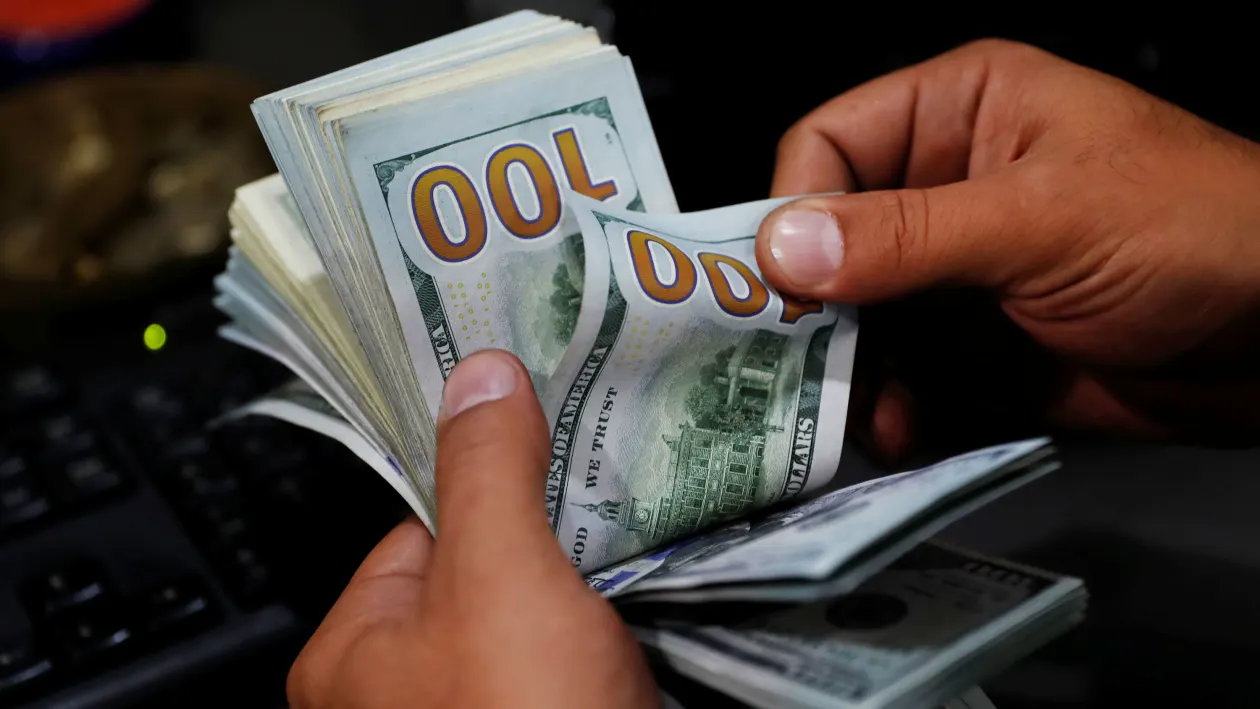
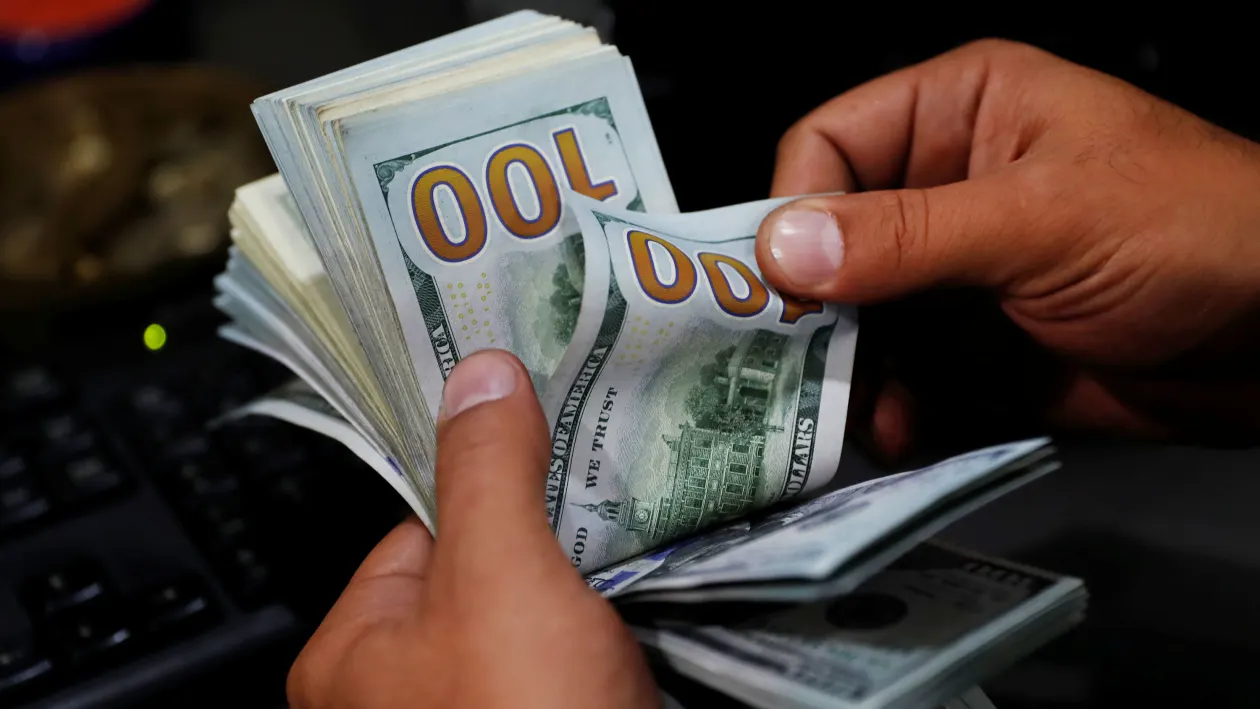
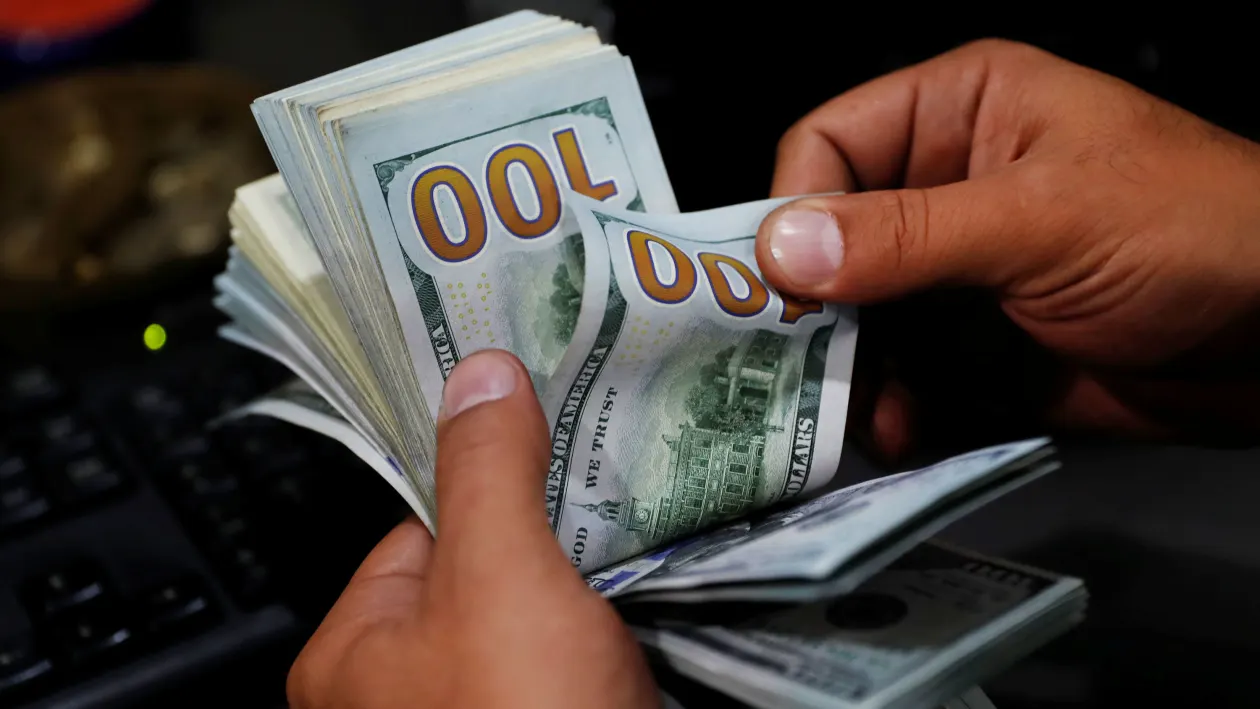
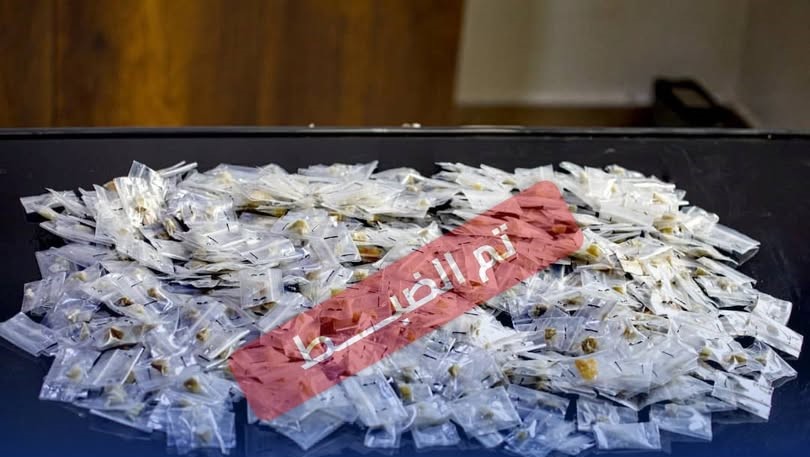
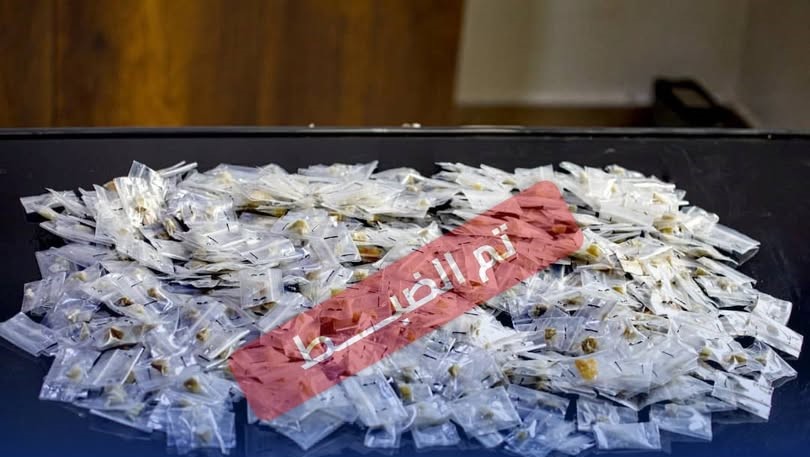
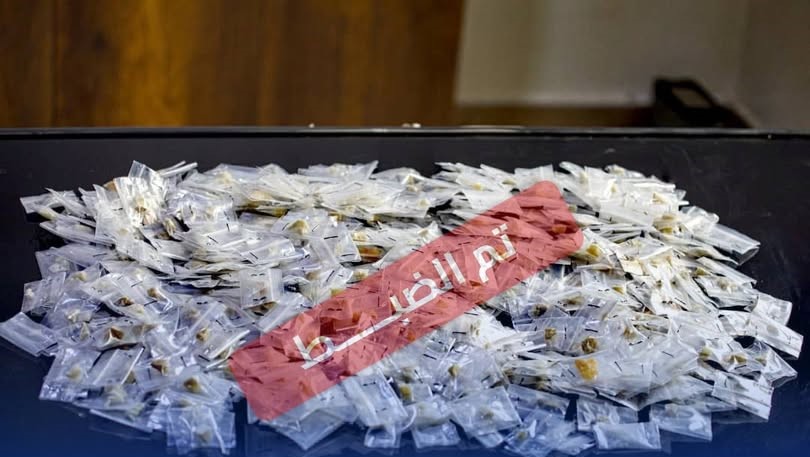
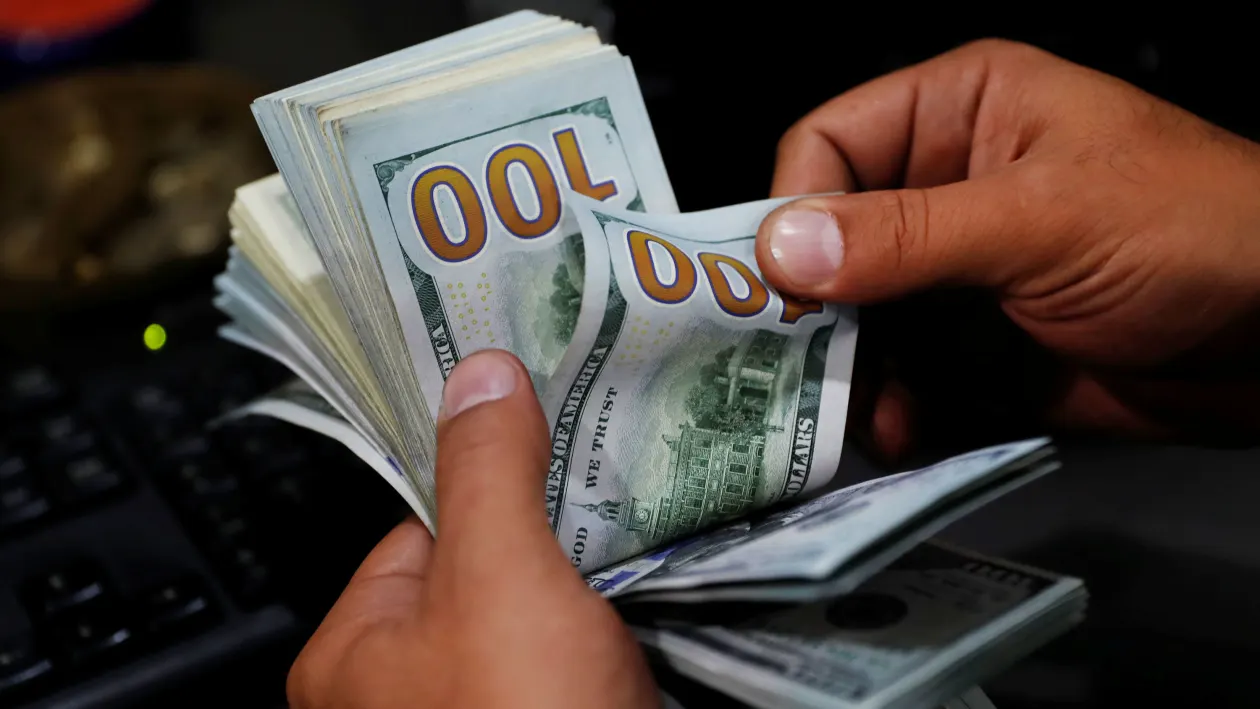
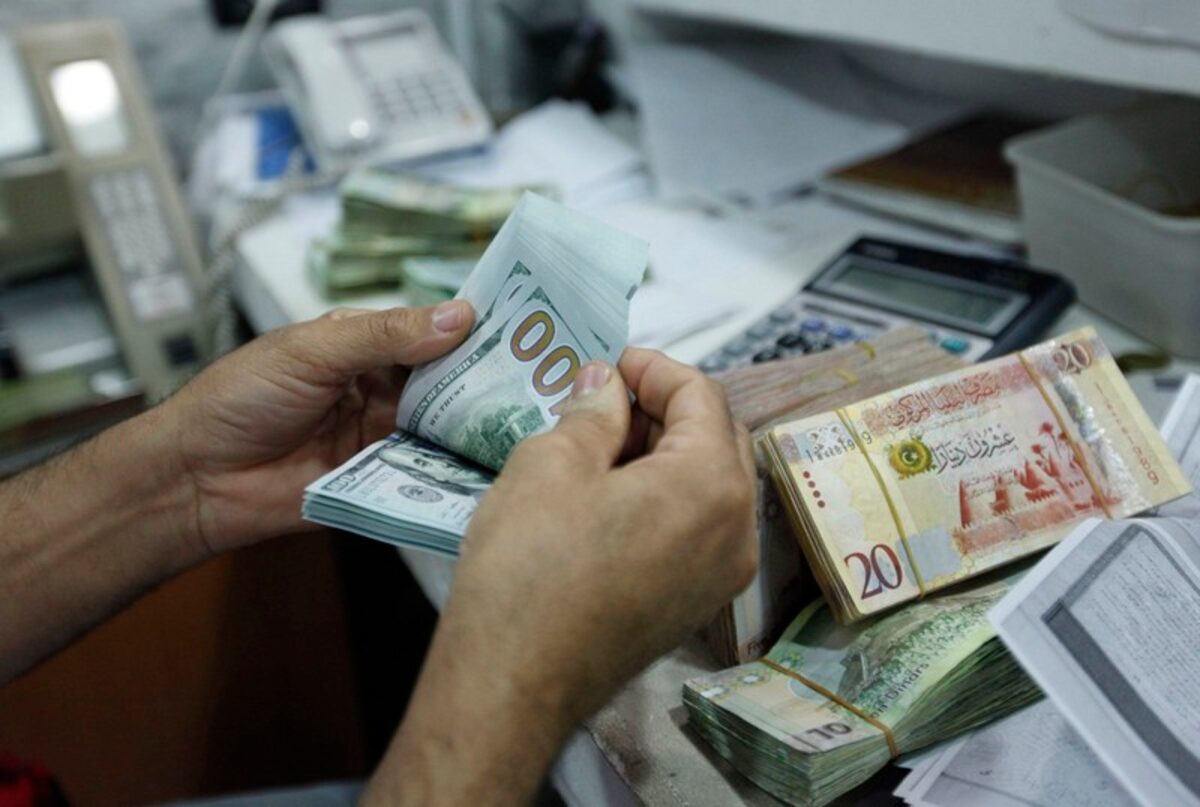
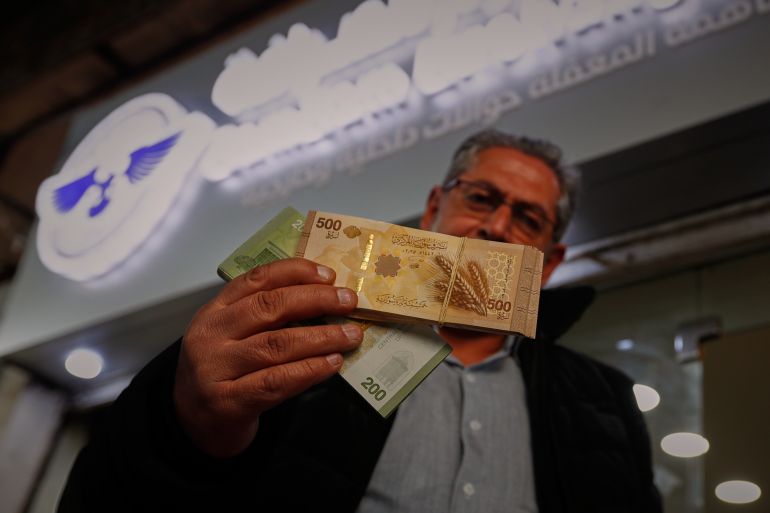
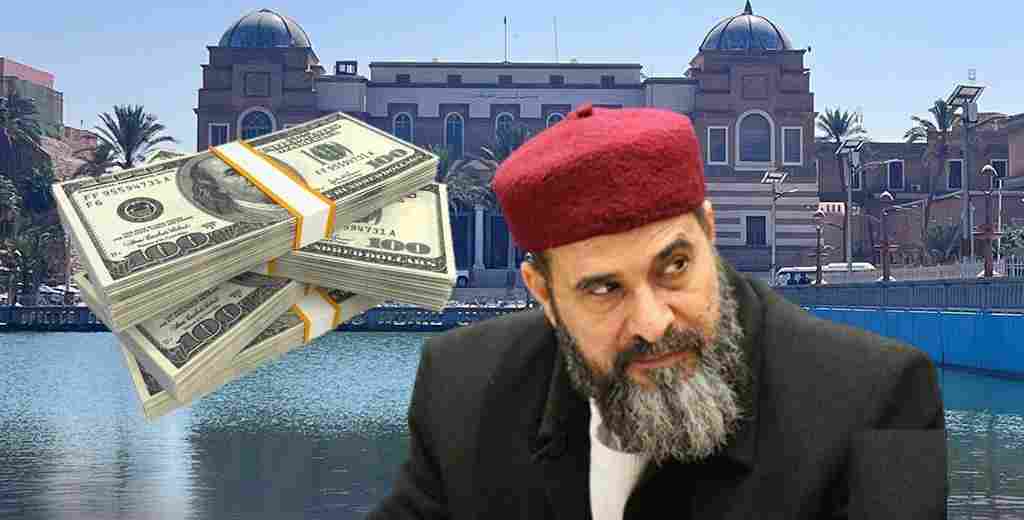
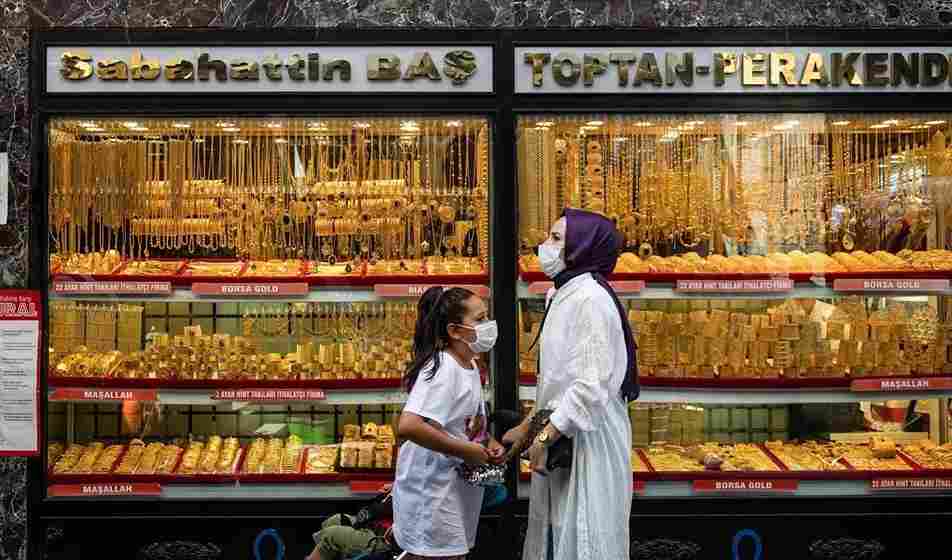
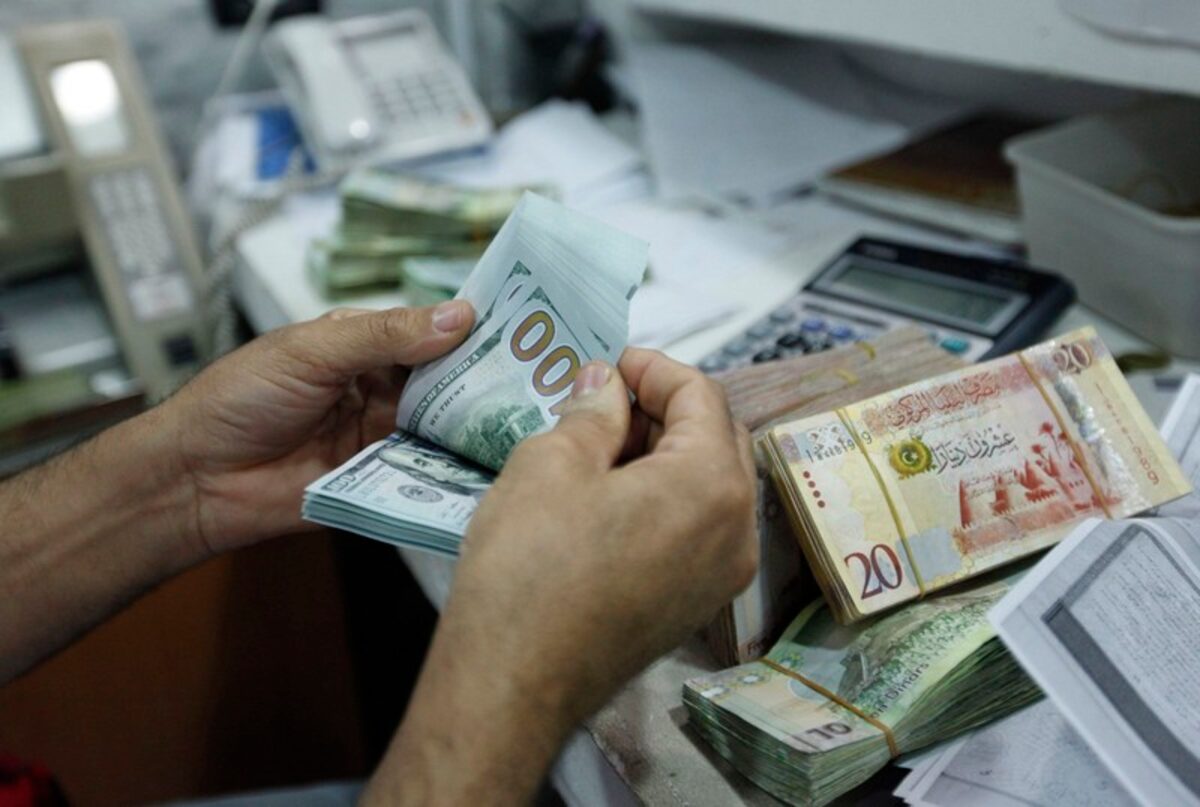
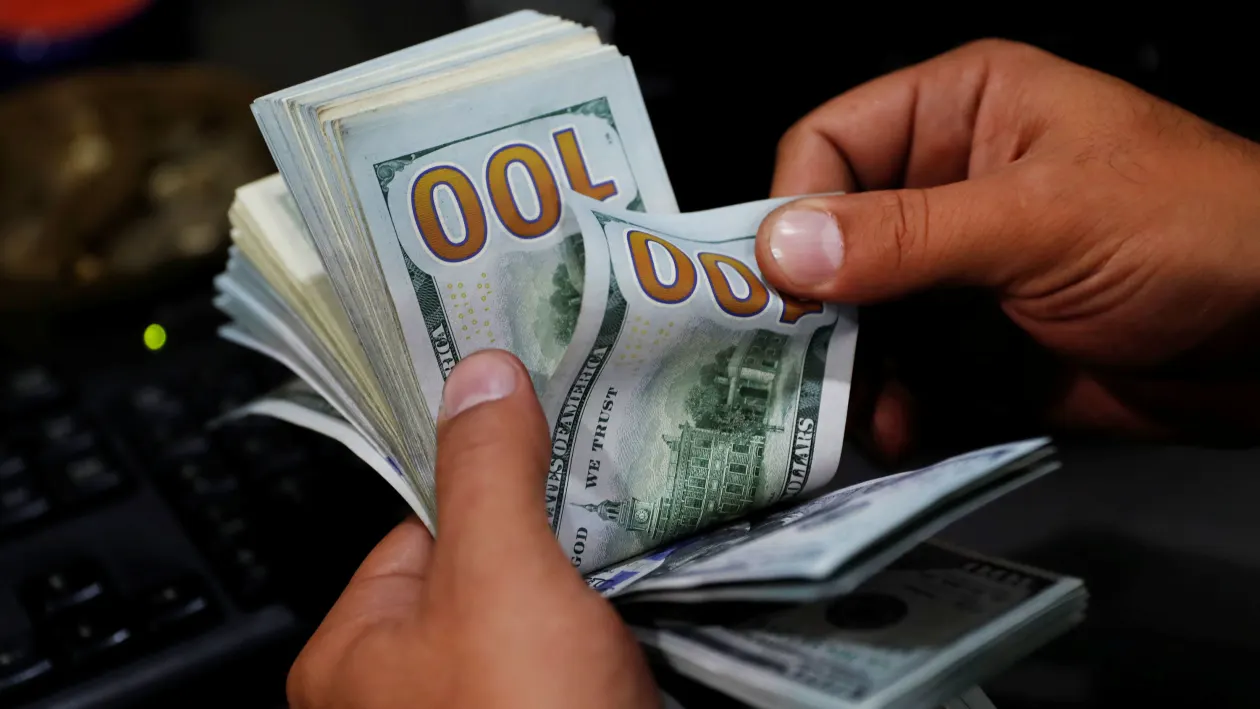
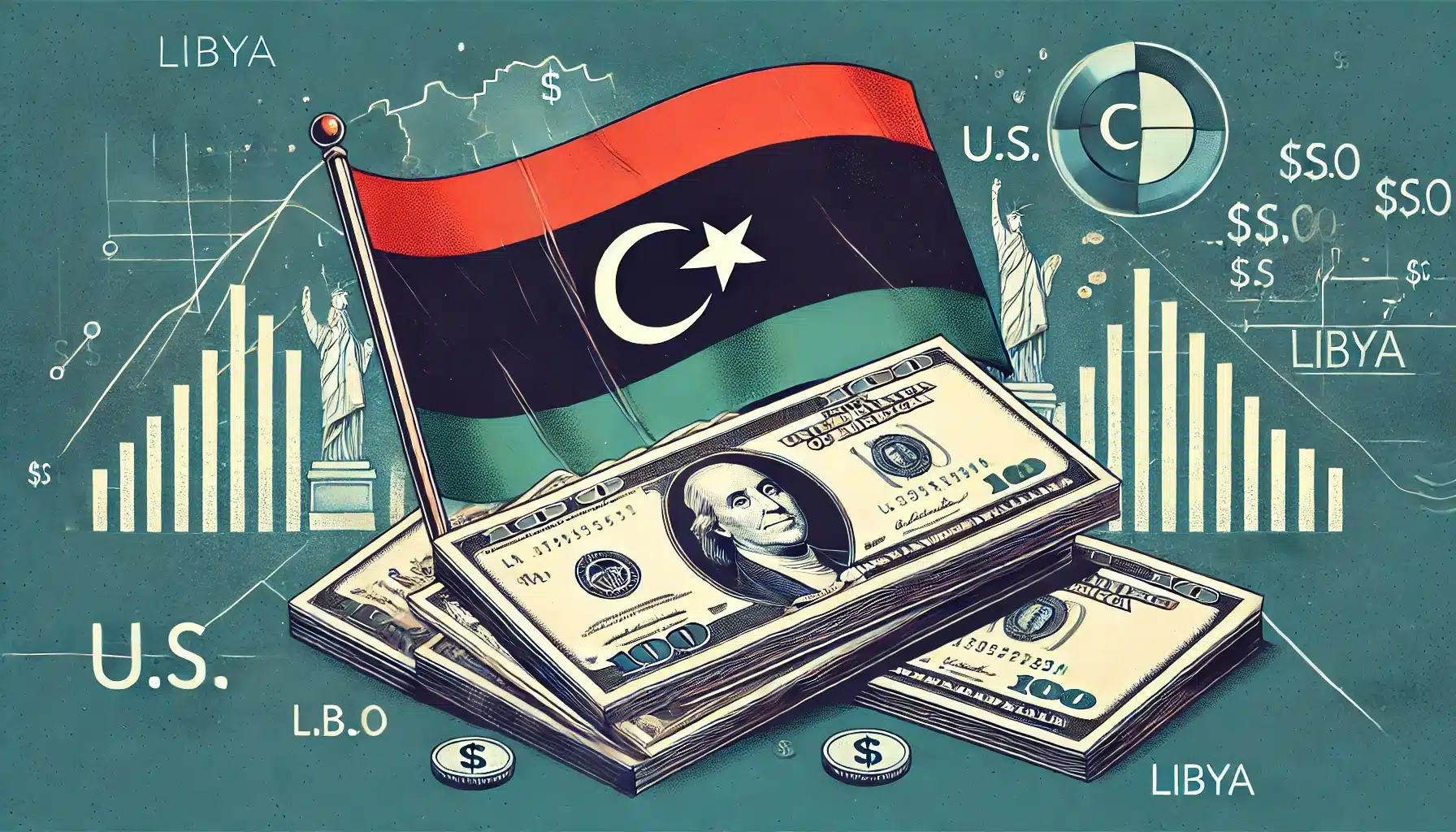
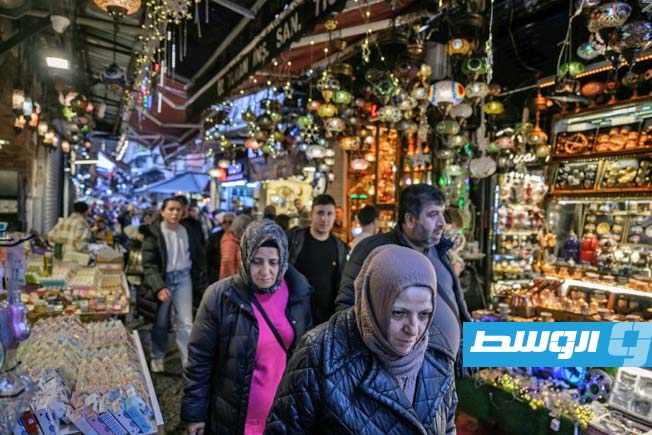
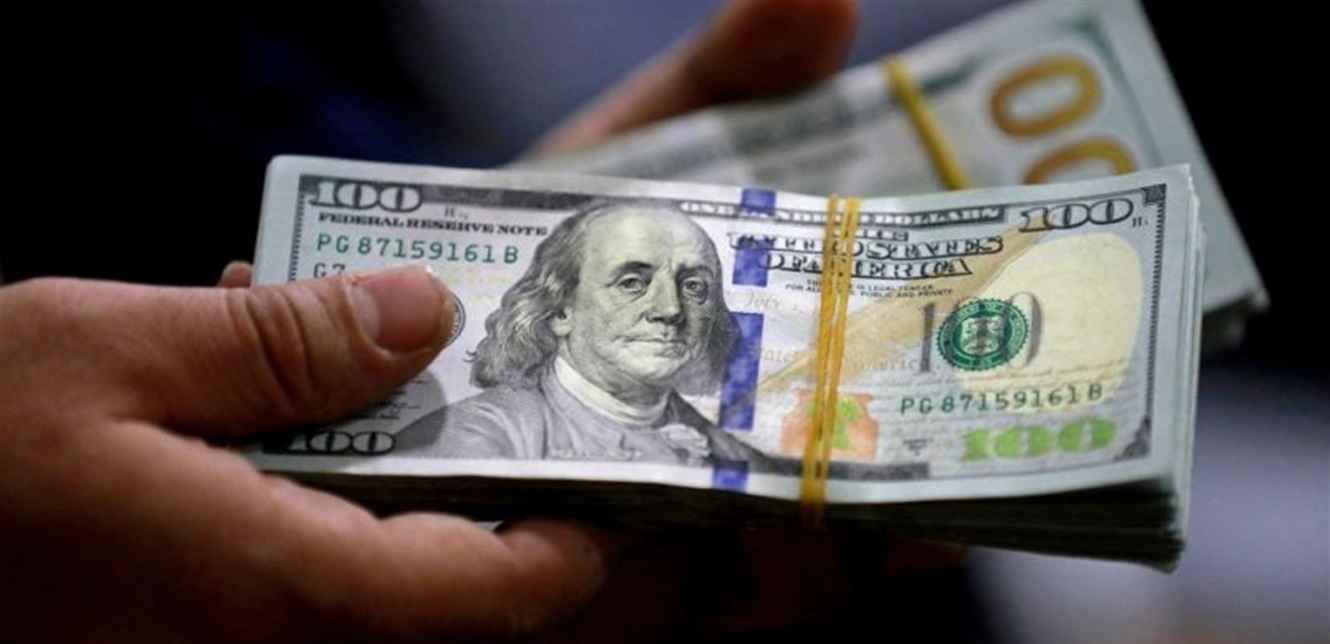
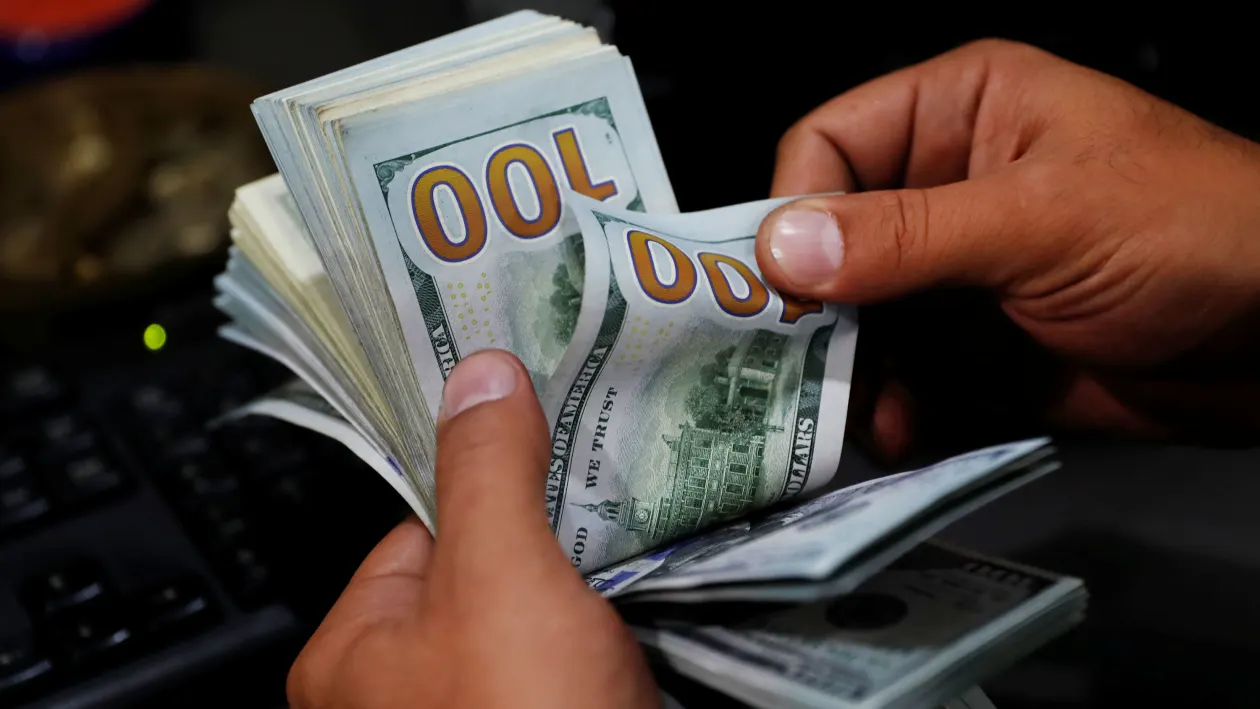
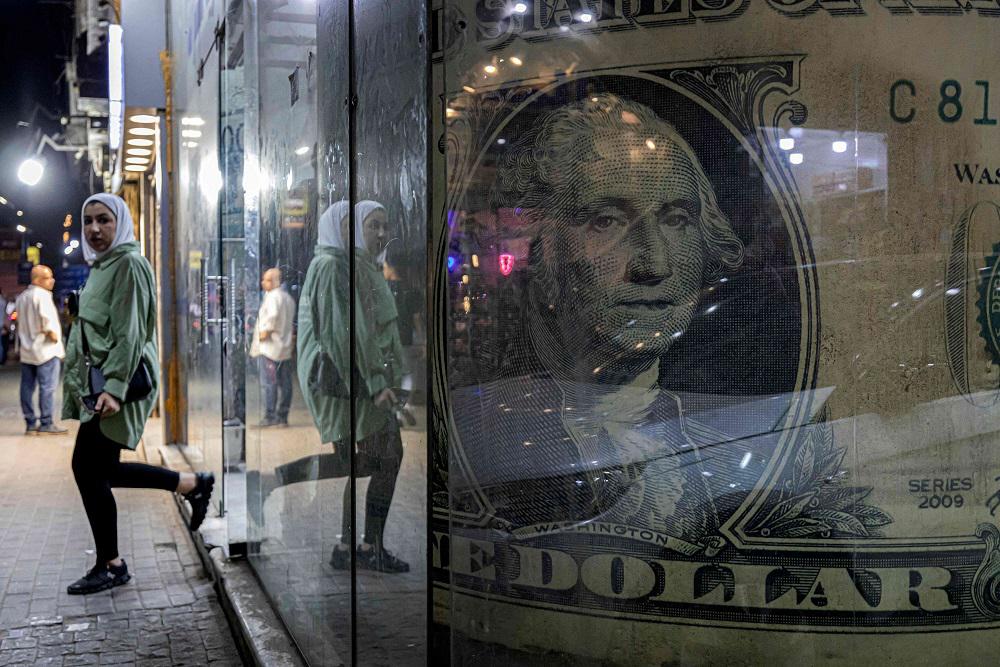
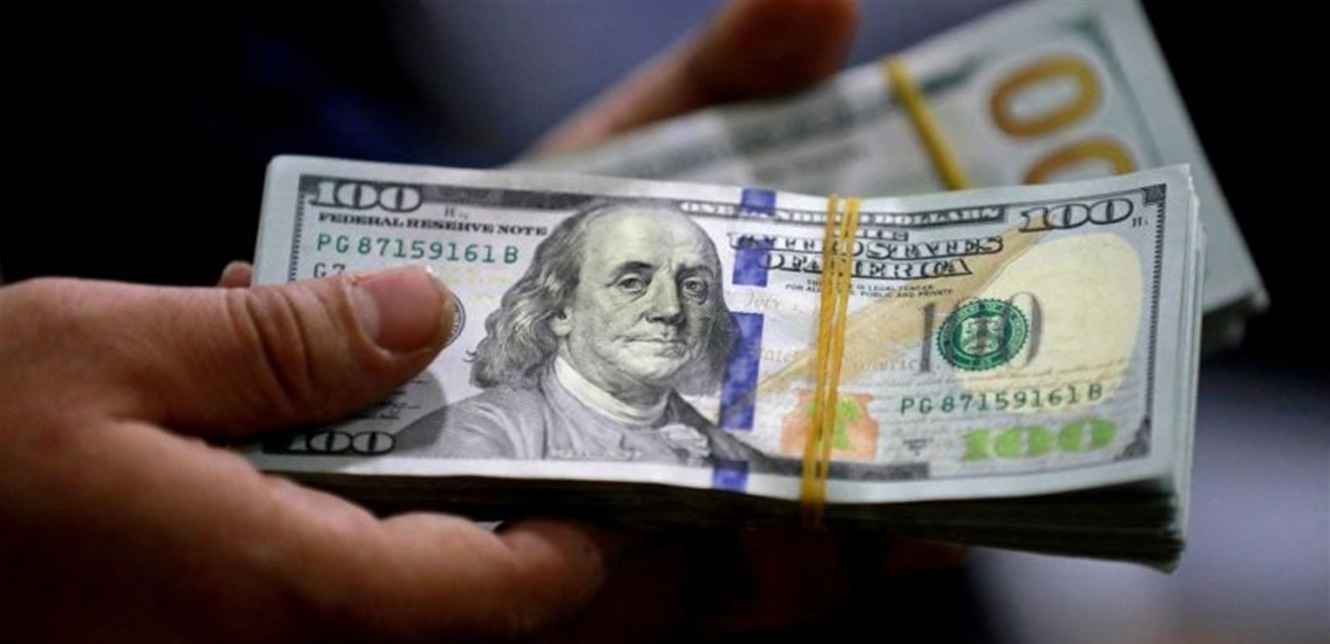
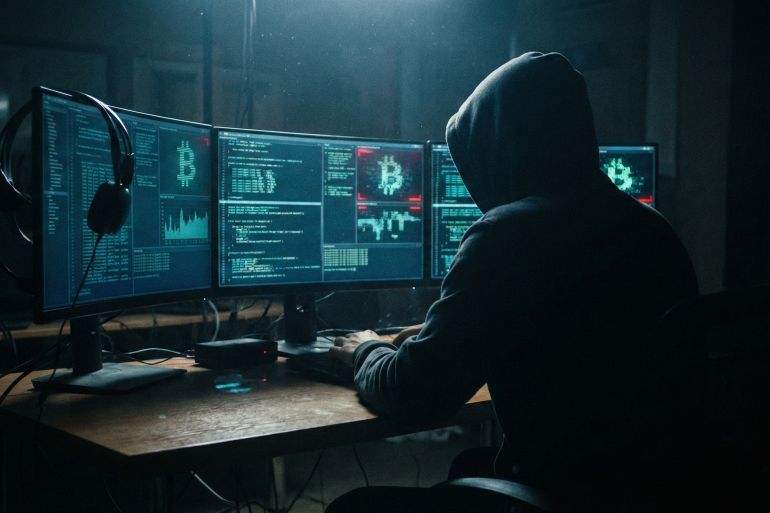
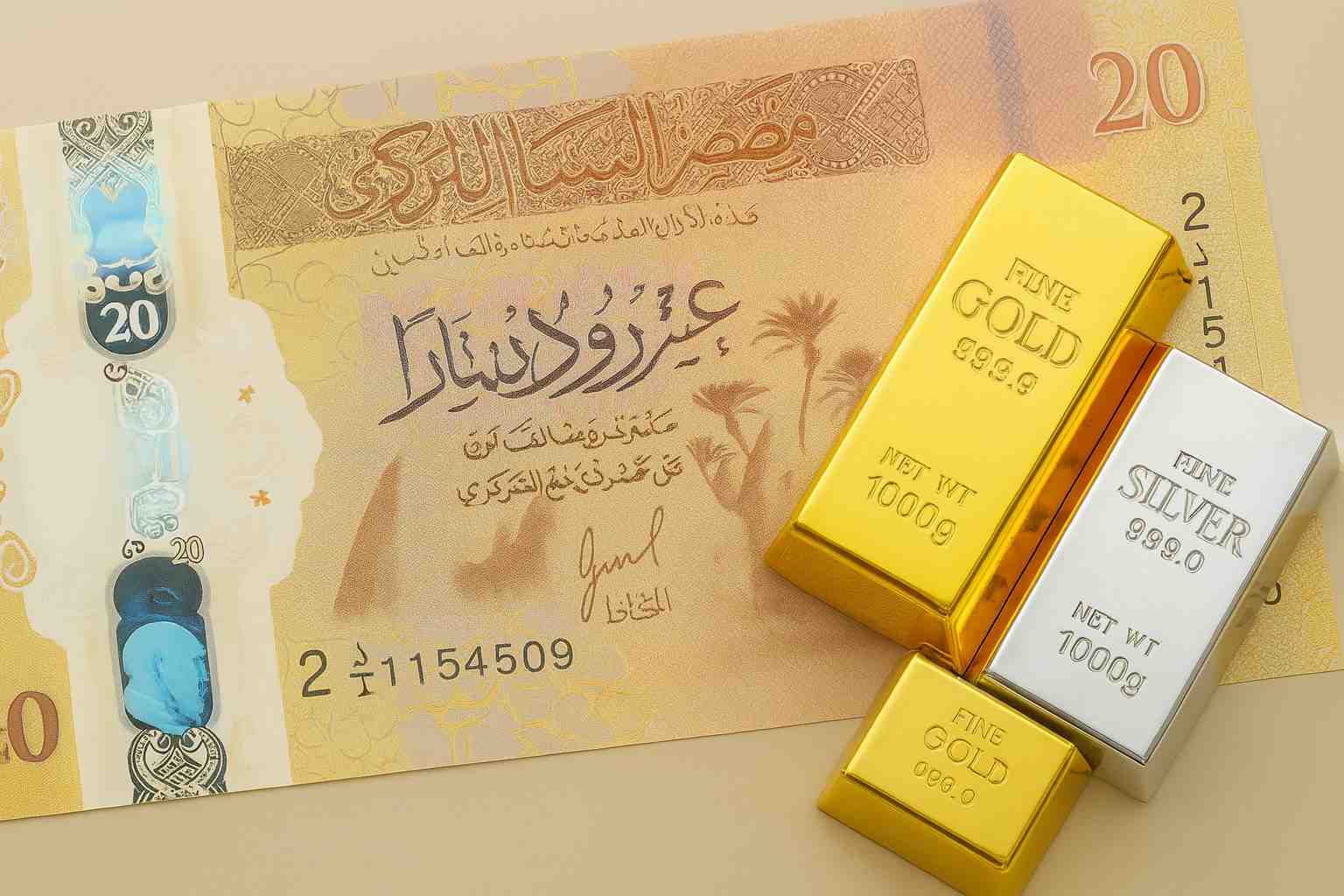
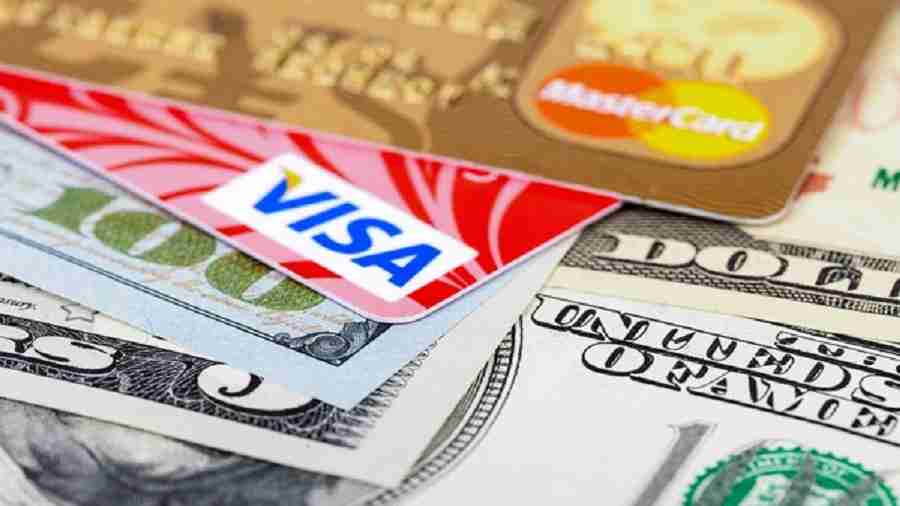
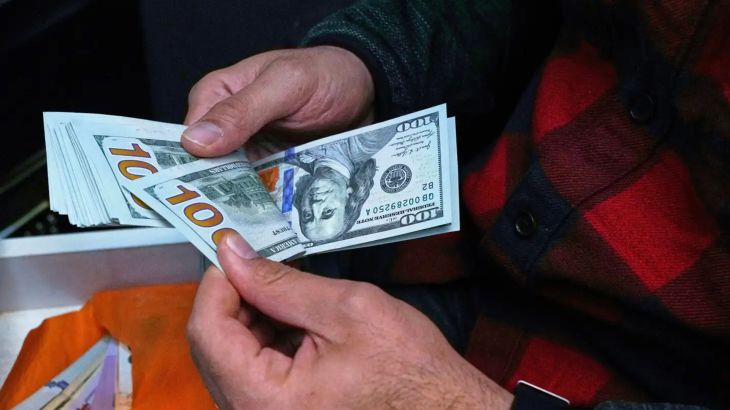
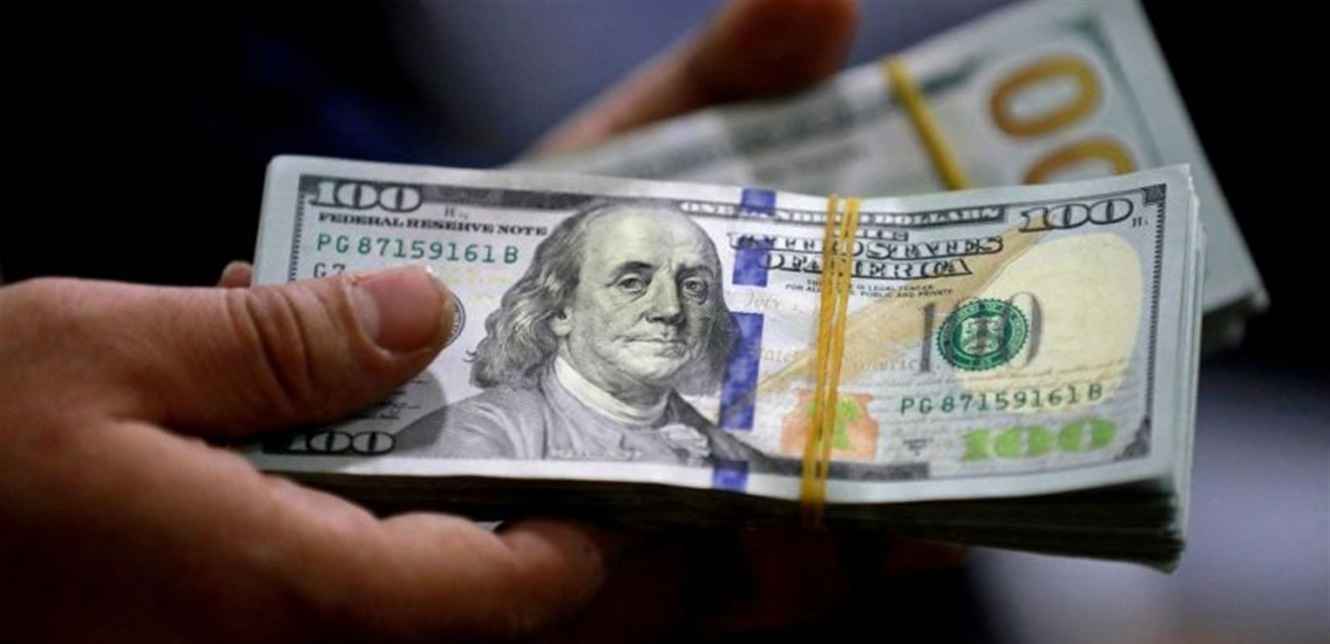
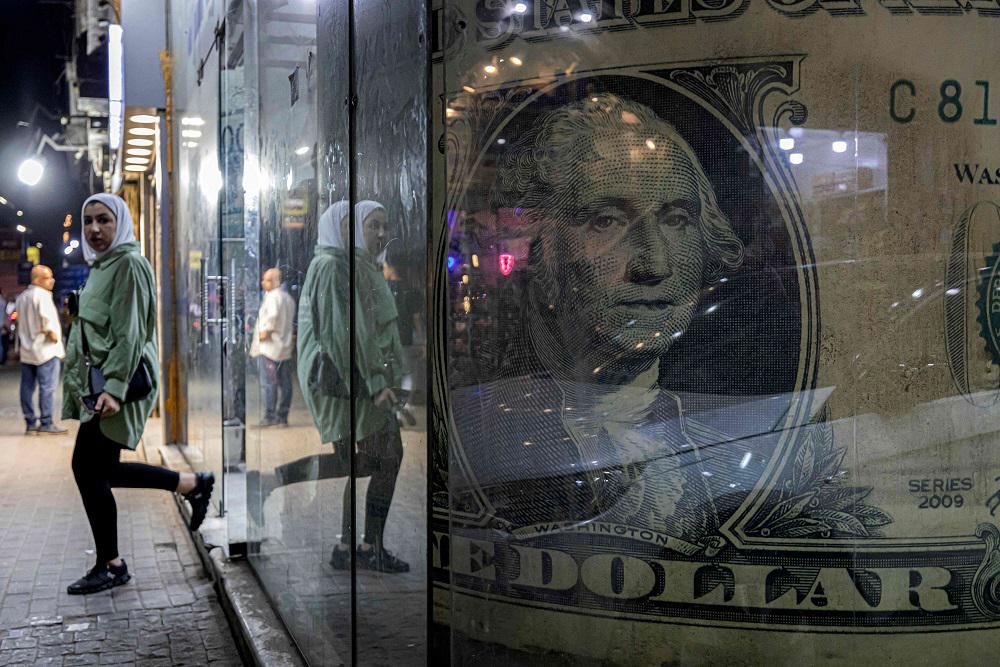
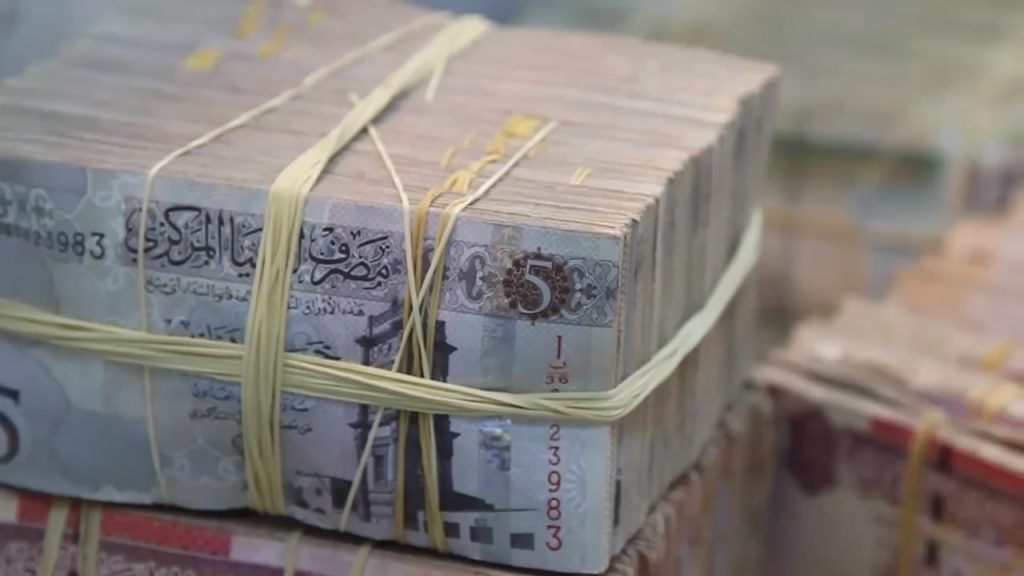
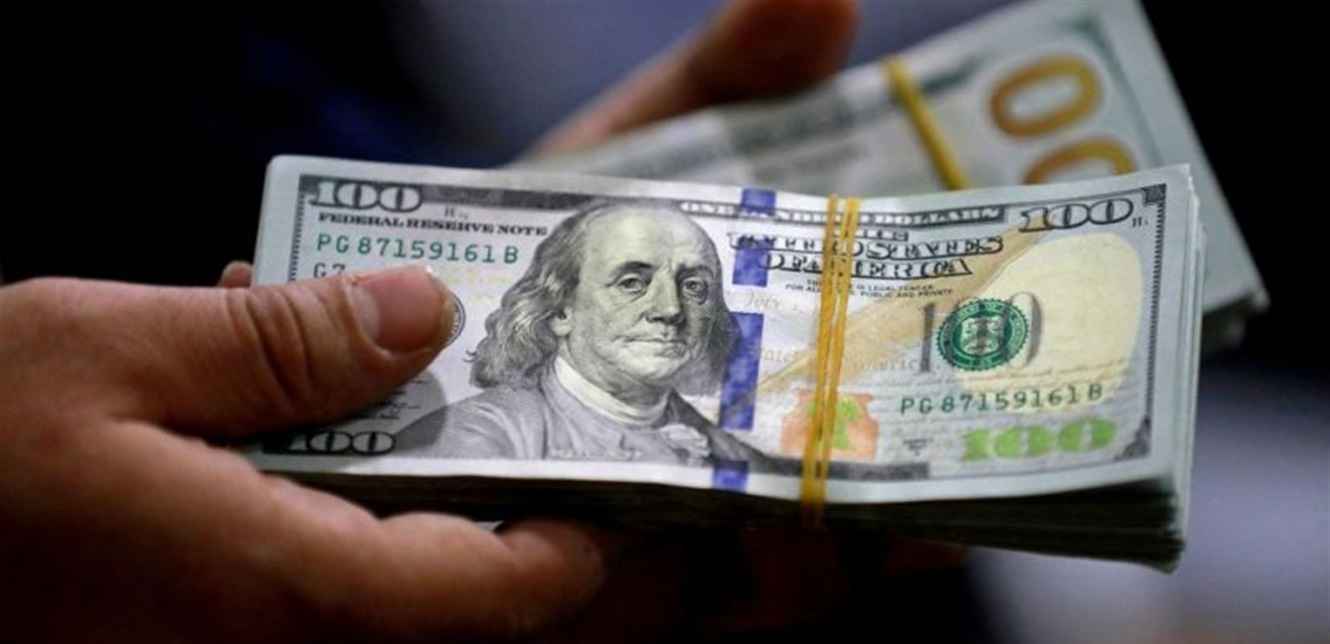
However, a warning was issued that the Central Bank has observed a widening of speculative foreign currency and Libyan dinar trading in the parallel market. It was noted that many shops and individuals are engaging in such activities and publicly advertising exchange rates on social media platforms, electronic applications, and WhatsApp groups; practices said to have harmed the value of the Libyan dinar and the national economy.
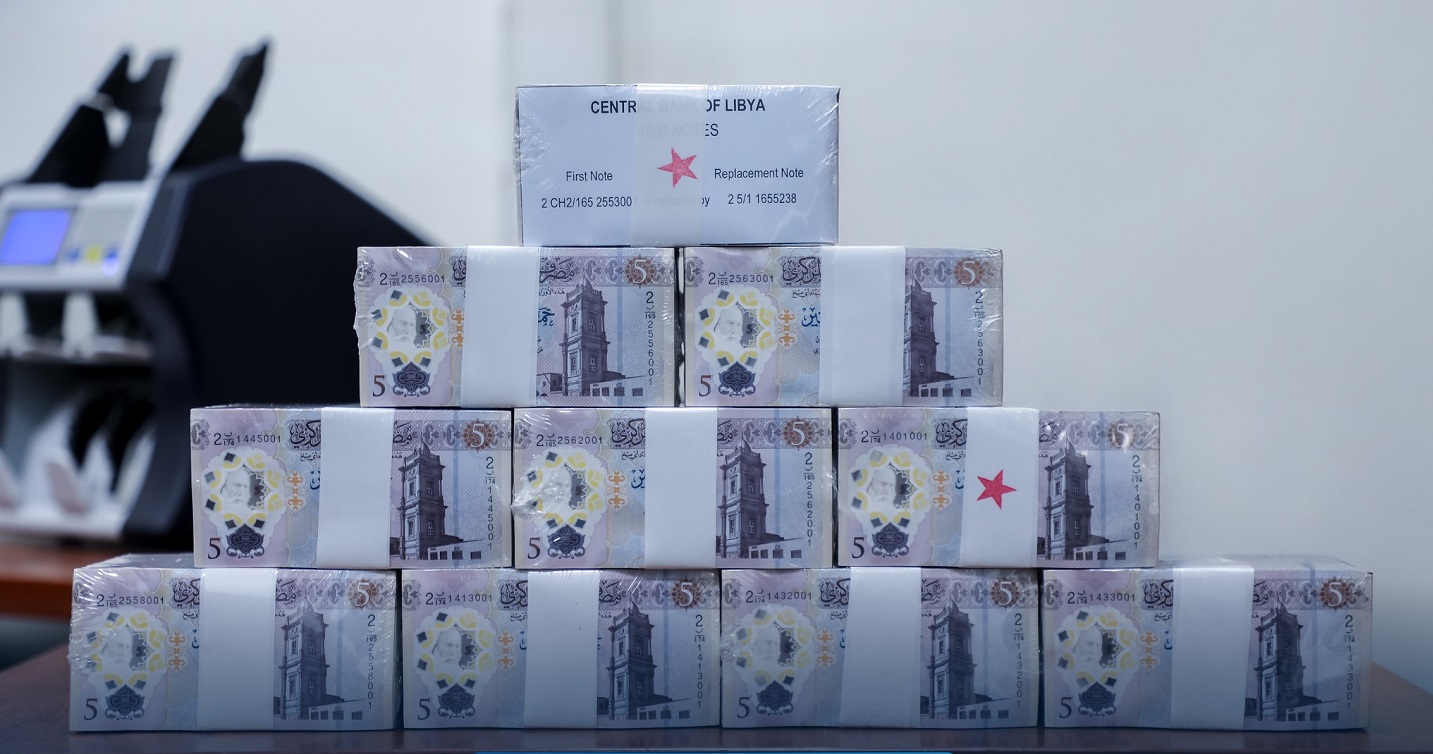
It was added that those involved in the parallel market are transferring funds domestically and abroad without oversight, and in some cases financing illicit activities. This activity significantly contributes to the circulation of Libyan dinars outside the banking sector and drives up foreign currency rates in the parallel market. Such practices violate commercial activity laws as well as anti-money laundering and counter-terrorism financing legislation.
The governor urged the Interior Minister to take legal action to close all commercial shops, companies, and offices that have not received final authorization from the Central Bank to conduct currency exchange activities. A call was also made for penalties against anyone trading foreign currencies outside the official banking sector and for combating these practices by all available means, according to the letter.
A further request was made for the Ministry of Interior to take steps to monitor the movement of Libyan dinar cash transfers, verify their legality and sources, and ensure compliance with applicable laws and anti-money laundering and counter-terrorism financing regulations.