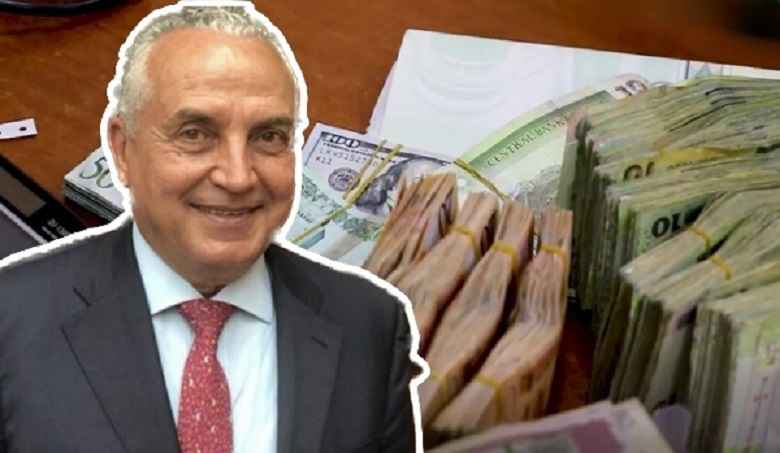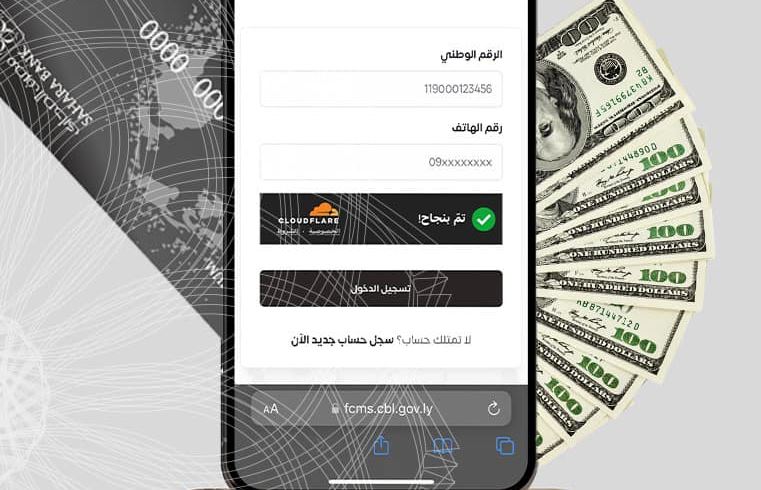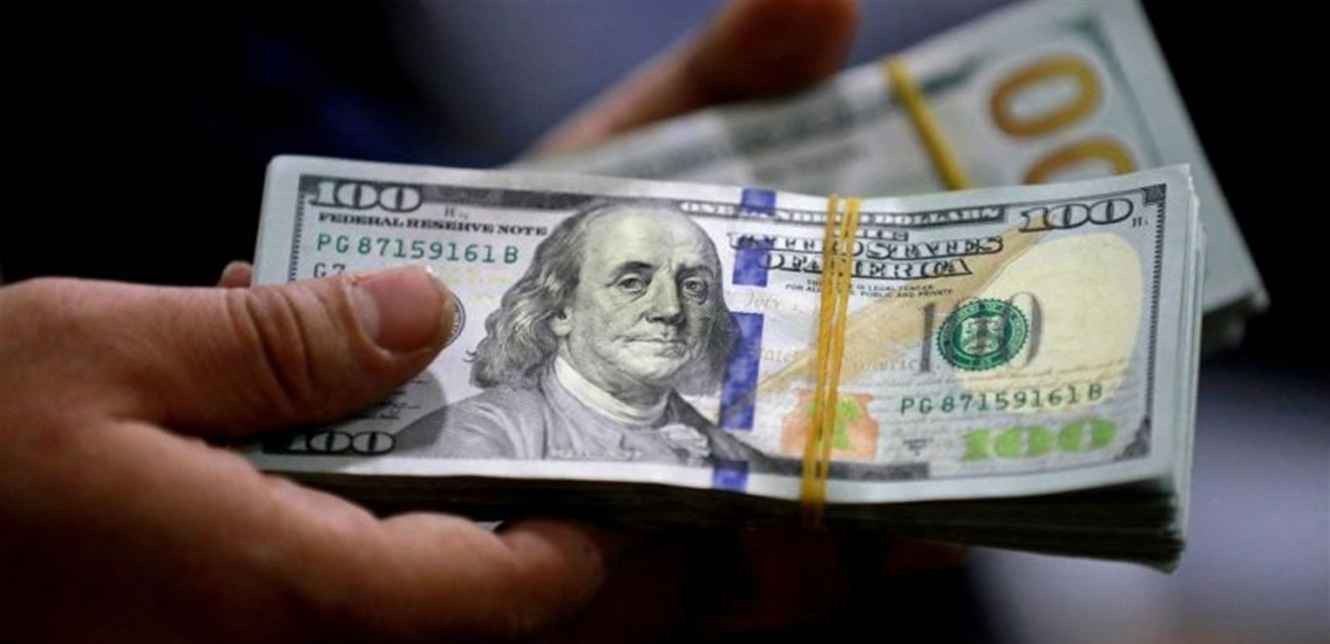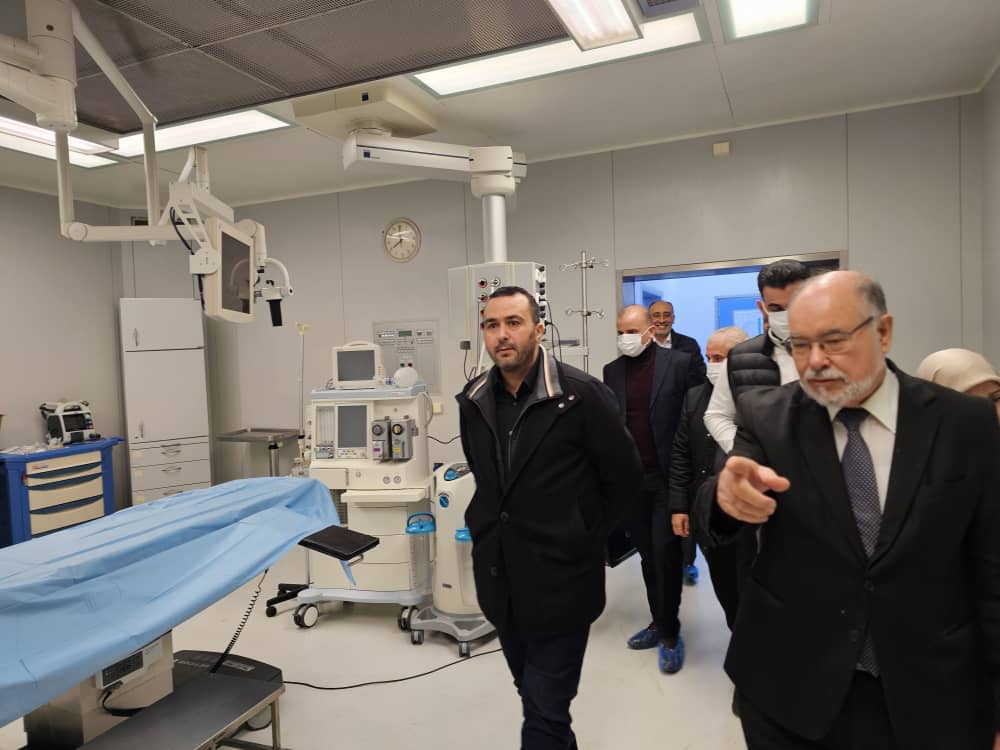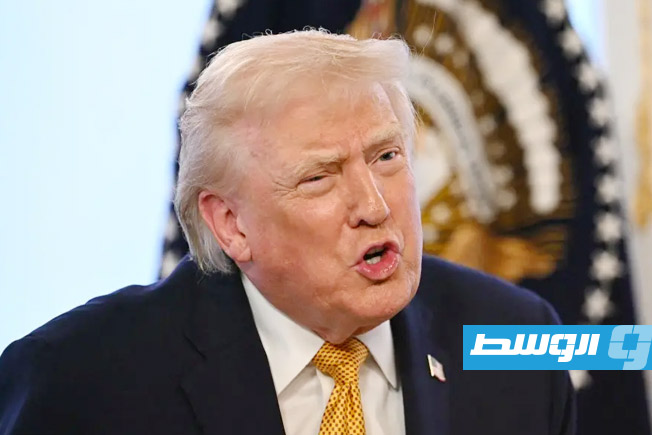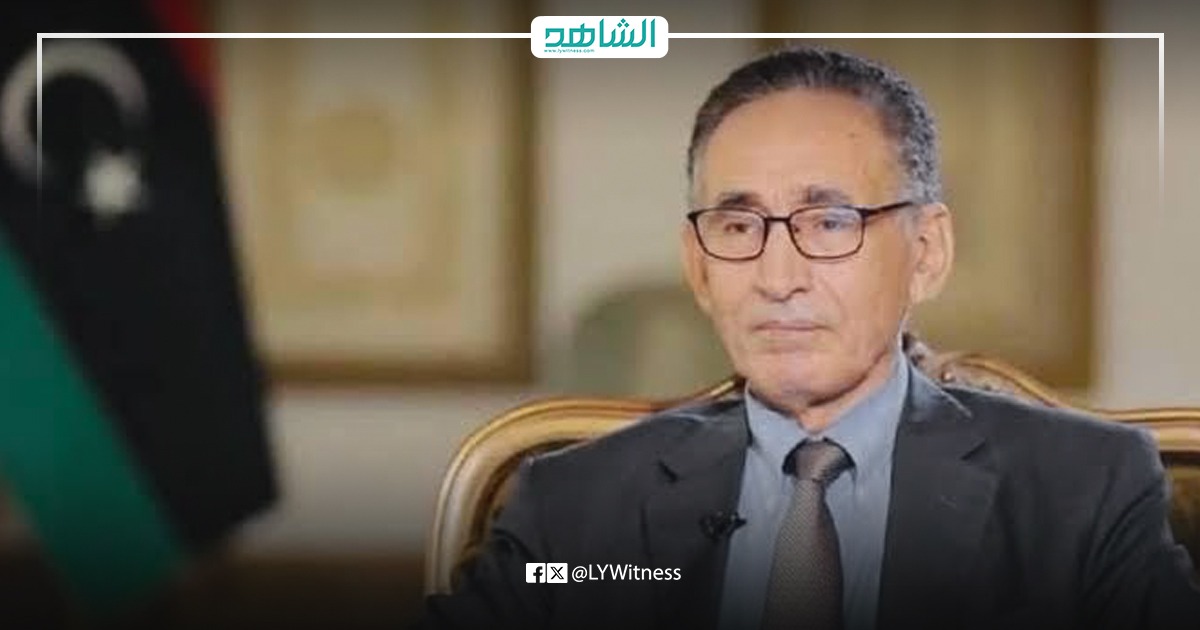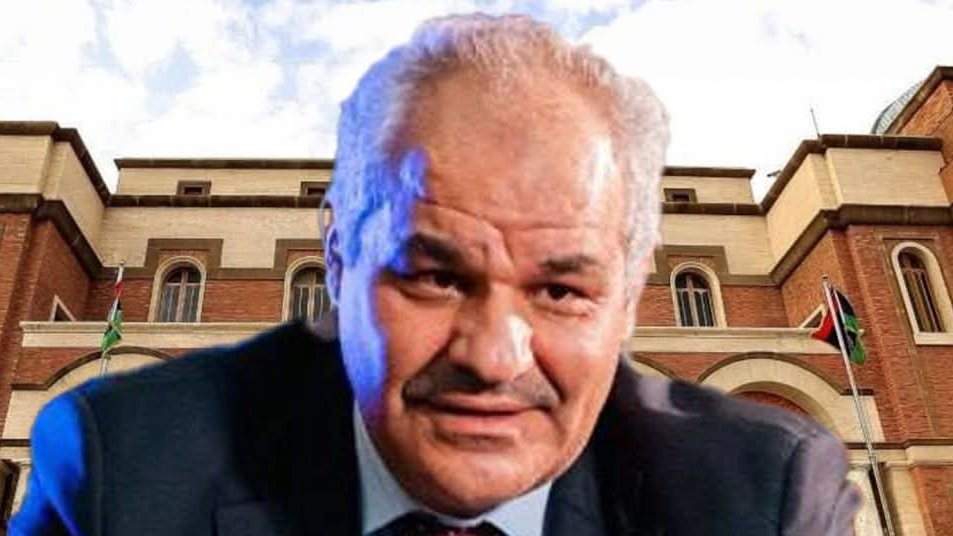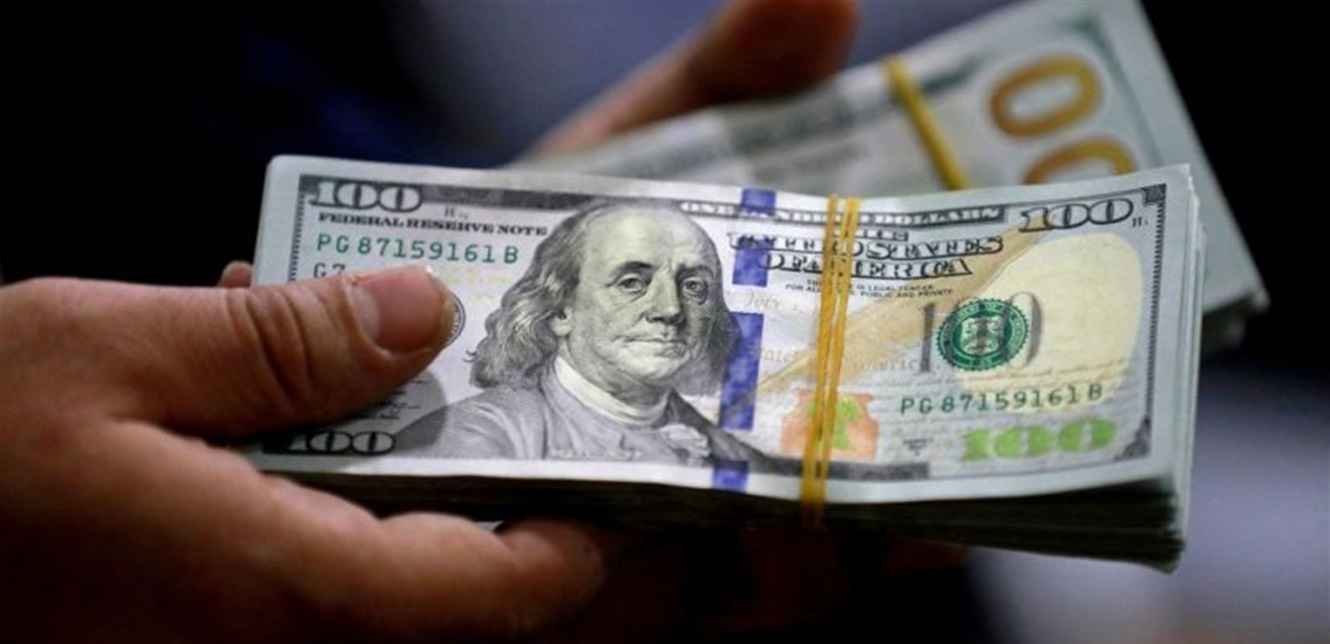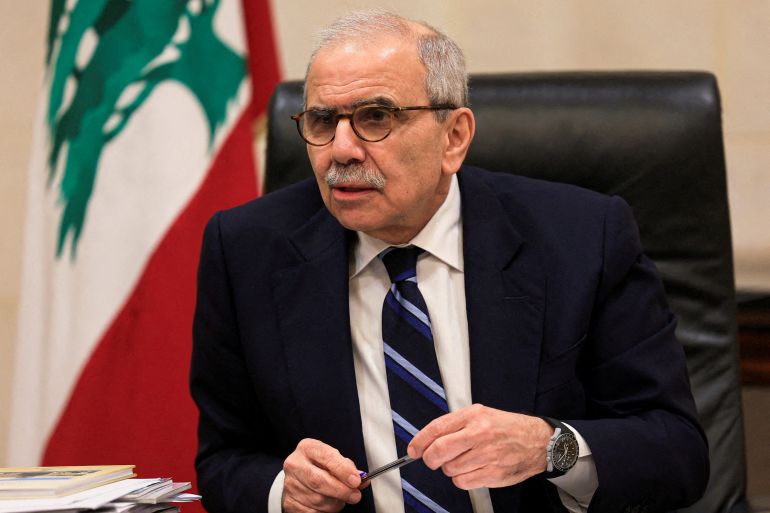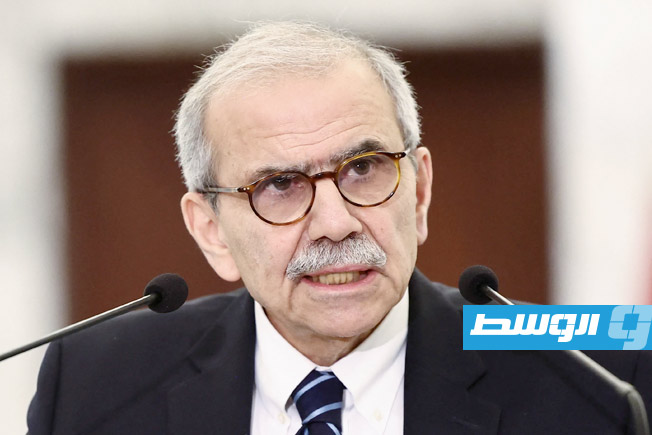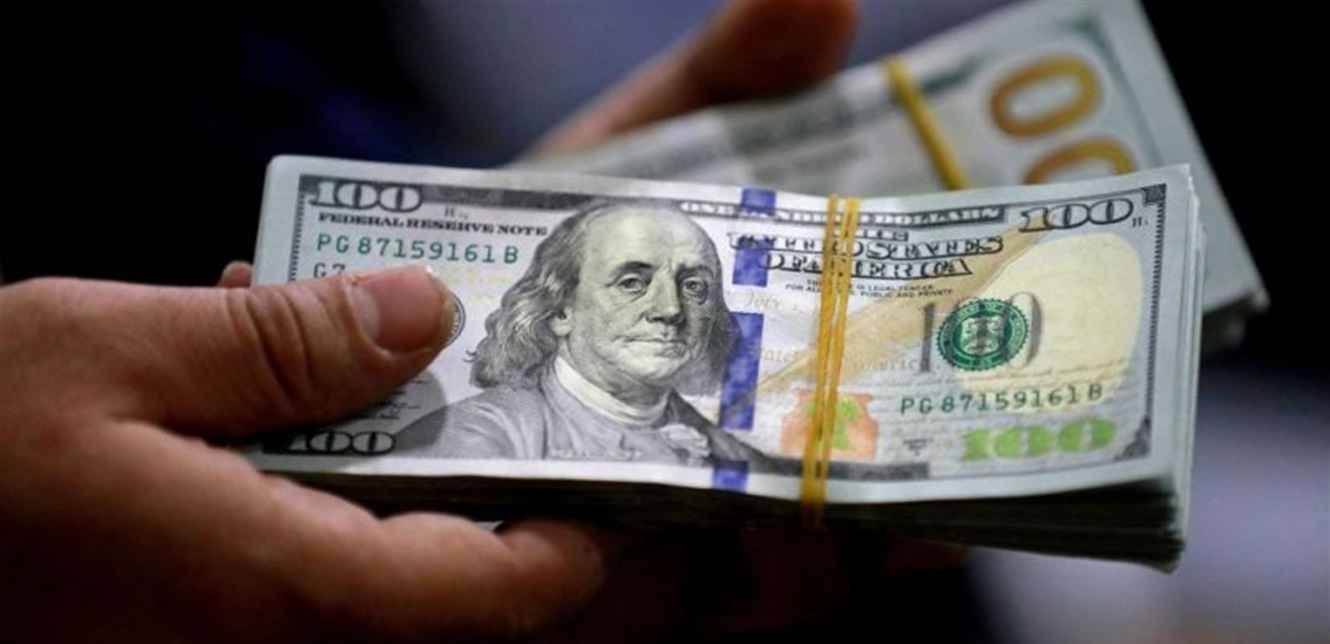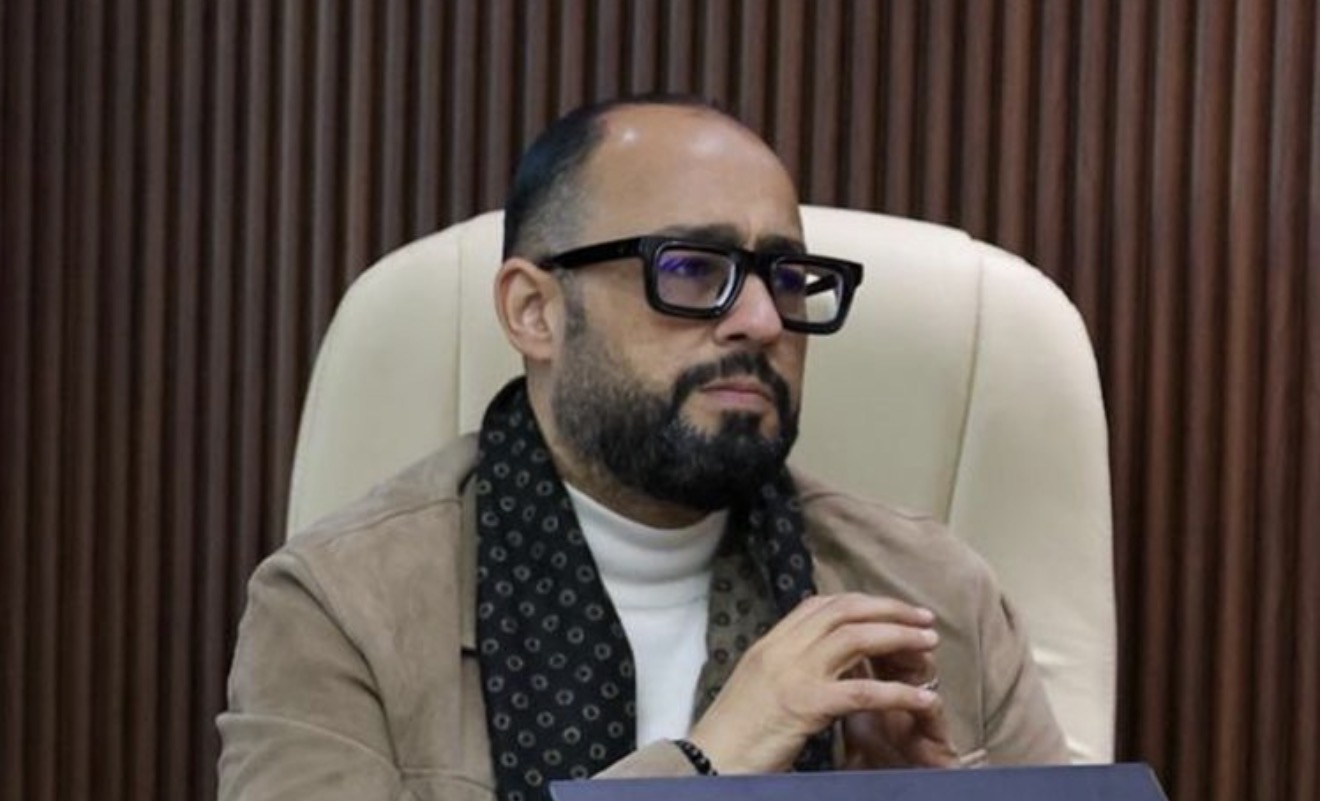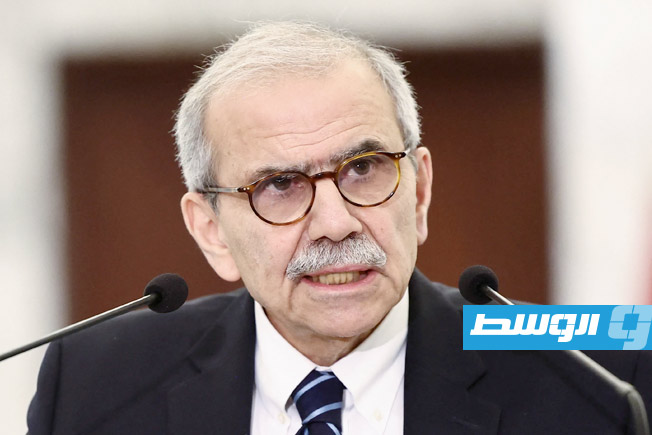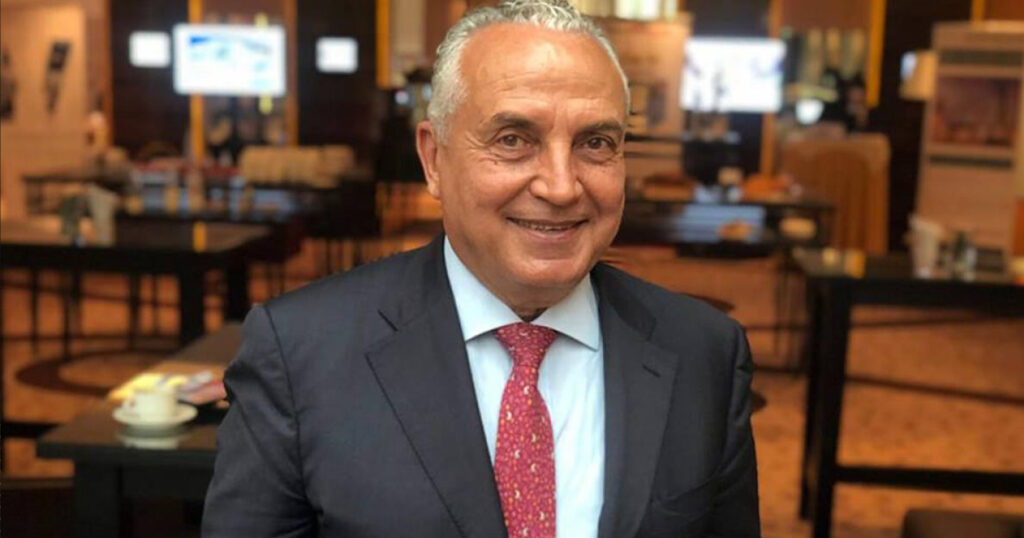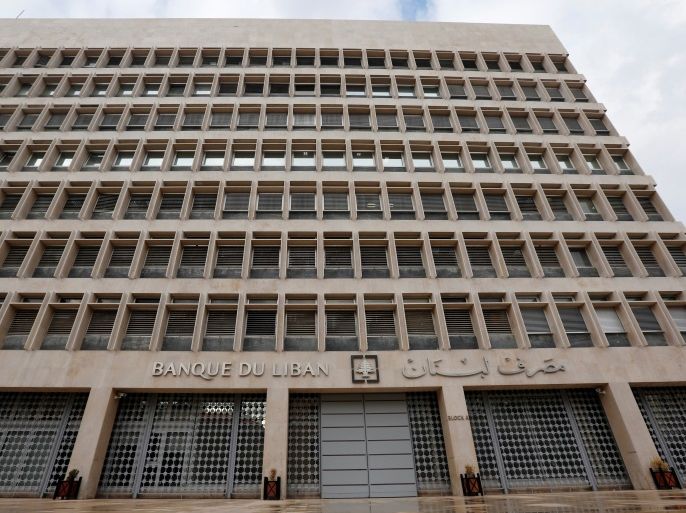
The Governor of Lebanon’s Central Bank expressed reservations about a draft law that would allow depositors to gradually recover funds frozen in the banking system since the financial collapse in 2019, a crucial step for reviving the economy.
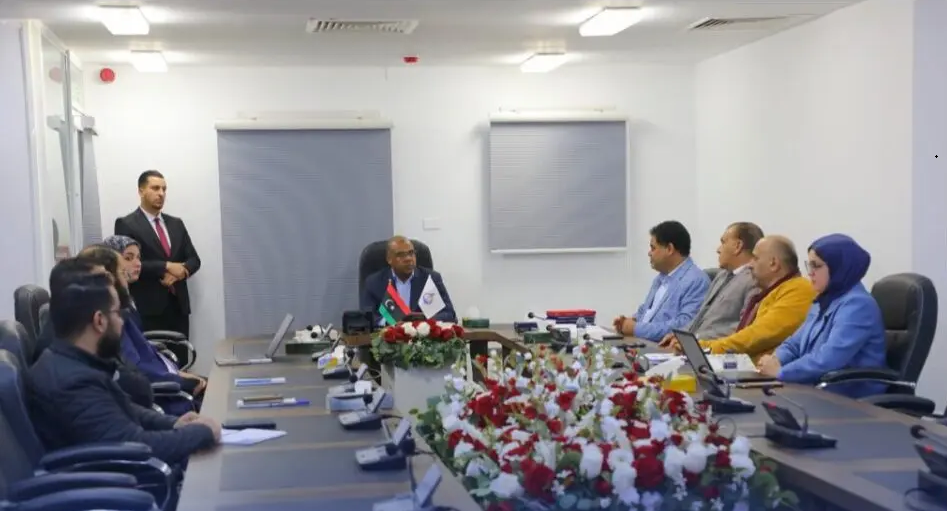
In a statement issued yesterday, Tuesday, the Governor said, “The proposed timeline for repaying the cash portion of the deposits is somewhat ambitious.”
He pointed out that the draft Financial Stability and Deposit Repayment Law “can, if necessary, be amended without infringing on depositors’ rights, with the aim of ensuring the regularity, continuity, and full completion of payments over time.”
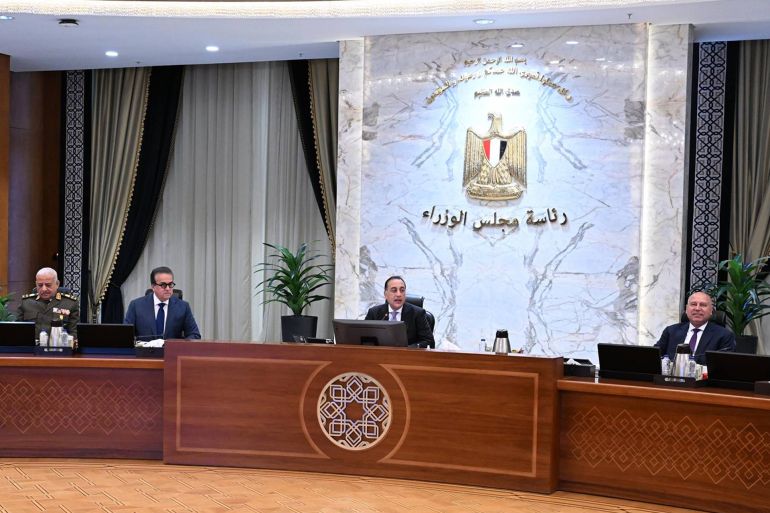
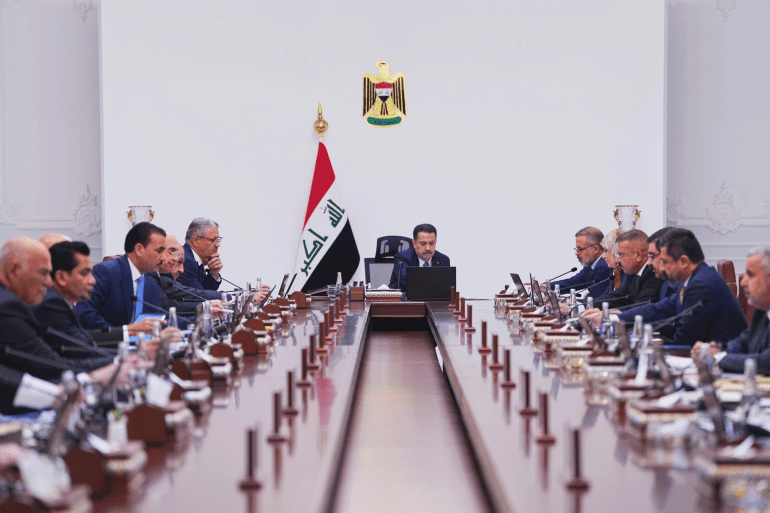
He also recommended that “the Council of Ministers subject the draft law to a precise, comprehensive, and constructive review, aimed at introducing necessary improvements and safeguards to ensure fairness, credibility, and practical applicability, before referring it to the Parliament.”
The Central Bank Governor said the draft law “needs more clarification and reinforcement with state obligations.”
Details of the Draft Deposit Recovery Law
- Lebanon’s Prime Minister announced last Friday that the government had presented a draft law to address the financial crisis that has been crippling the Lebanese economy for 6 years, considering it compliant with standards and capable of contributing to restoring confidence in the financial system.
- The project is known as the “Financial Gap Treatment Law.” It is long-awaited legislation deemed necessary for restructuring Lebanon’s debt burden, as it establishes a mechanism for sharing losses between the state, the central bank, commercial banks, and depositors, following the unprecedented collapse of the financial sector in 2019. The government estimated financial losses in 2022 at around $70 billion, a figure experts believe has increased in subsequent years.
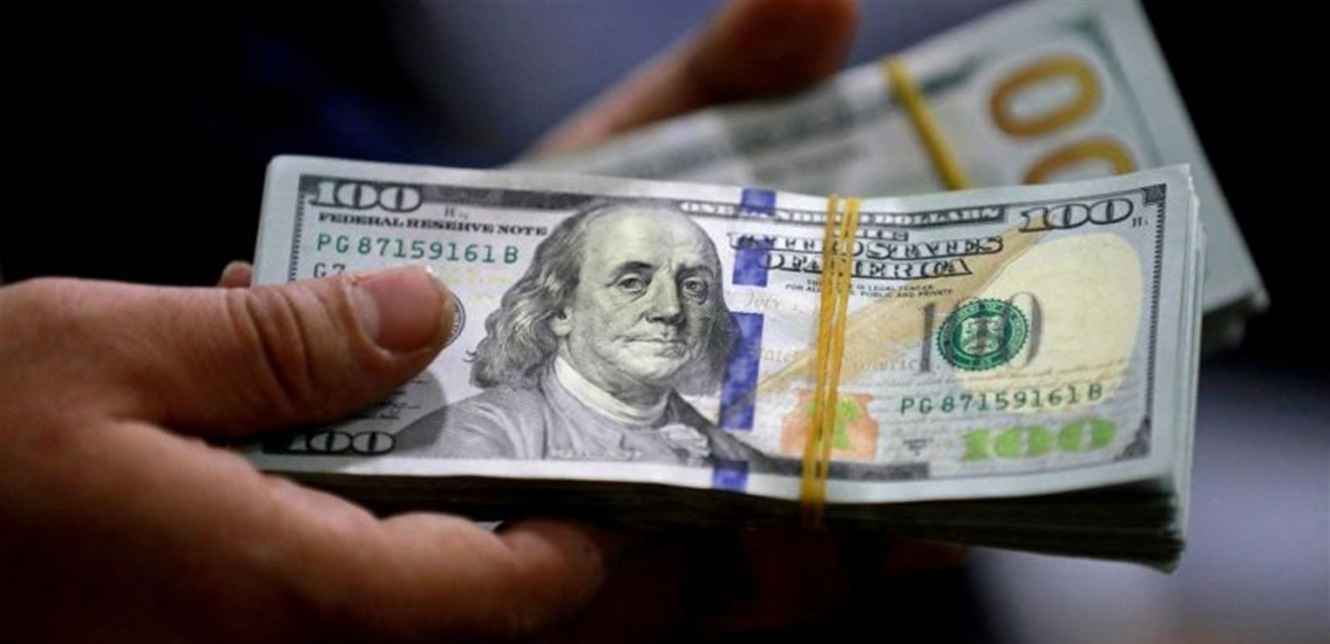
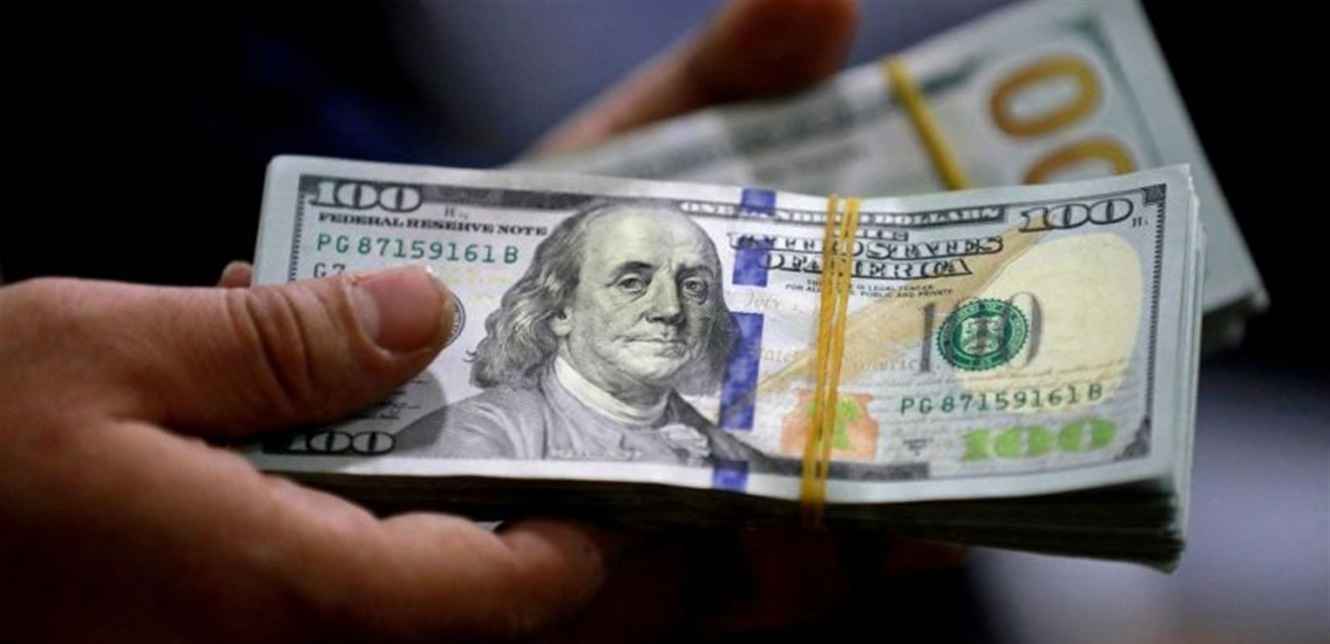
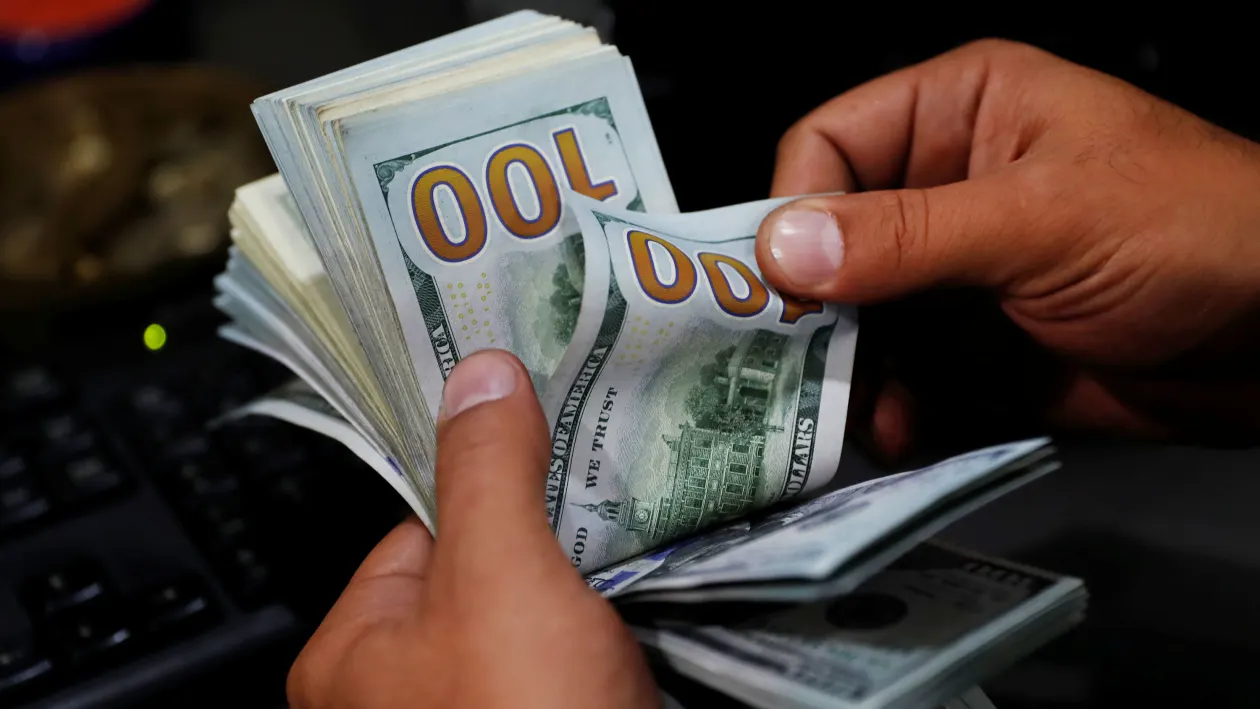
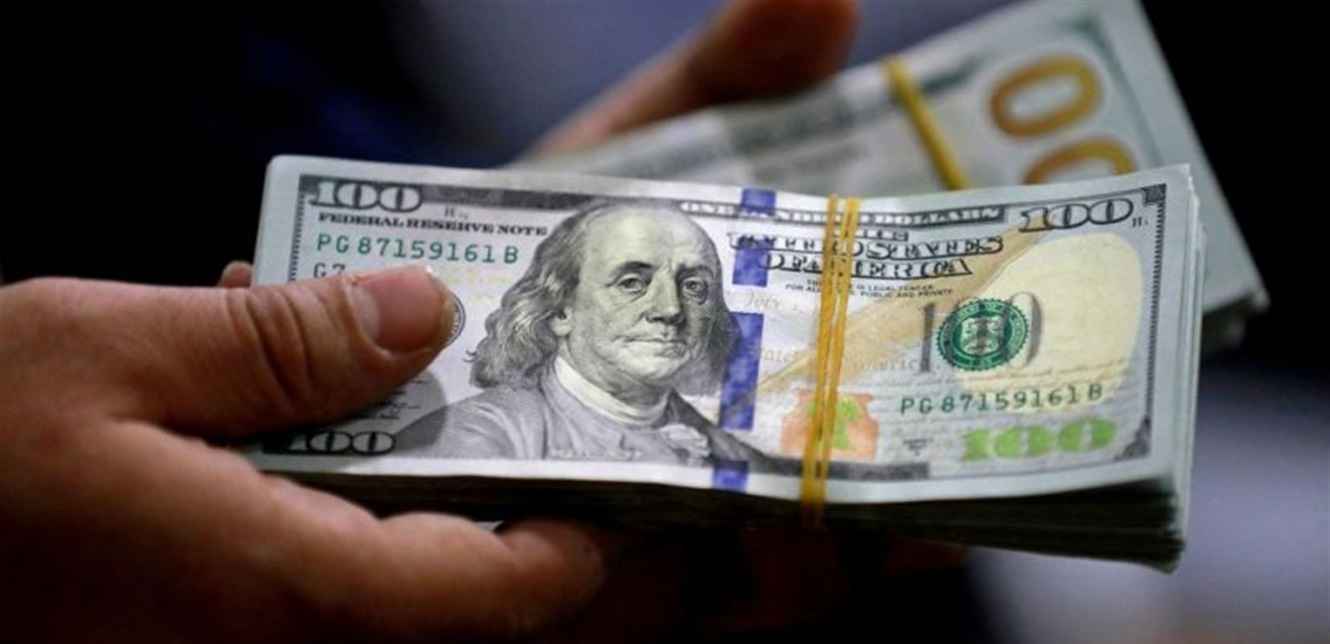
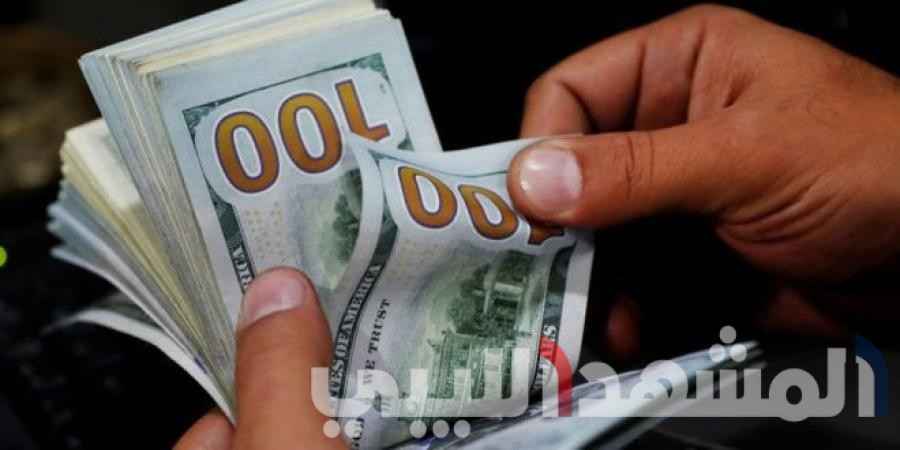
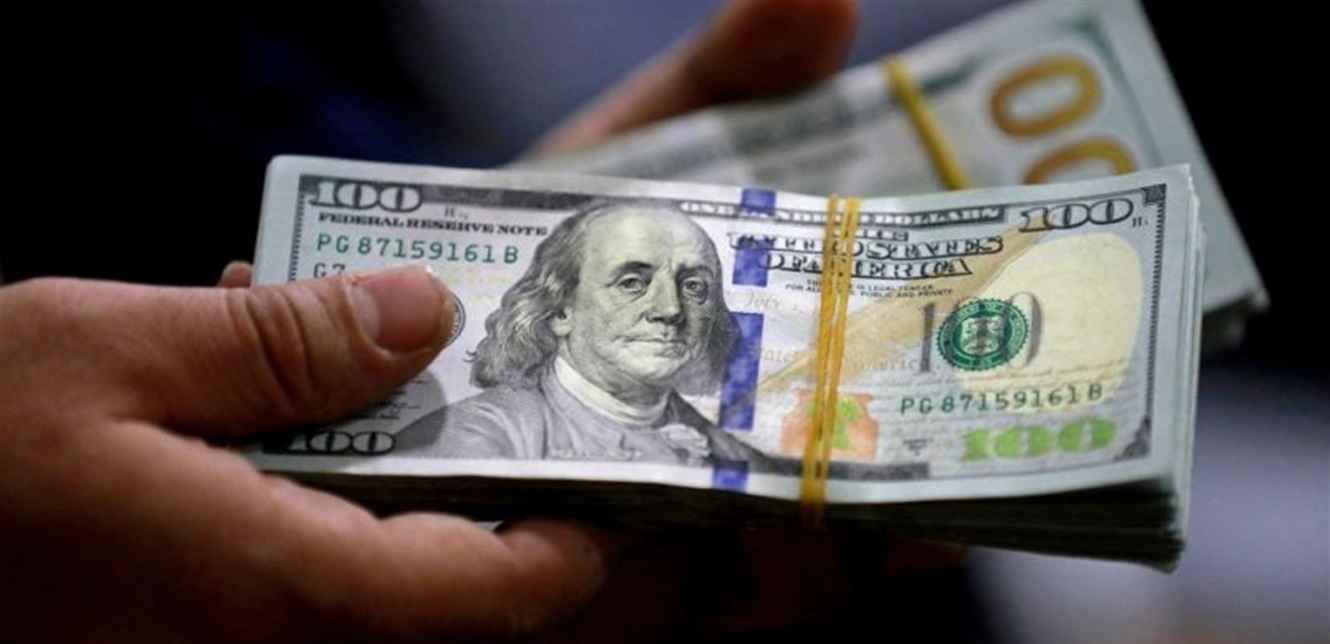
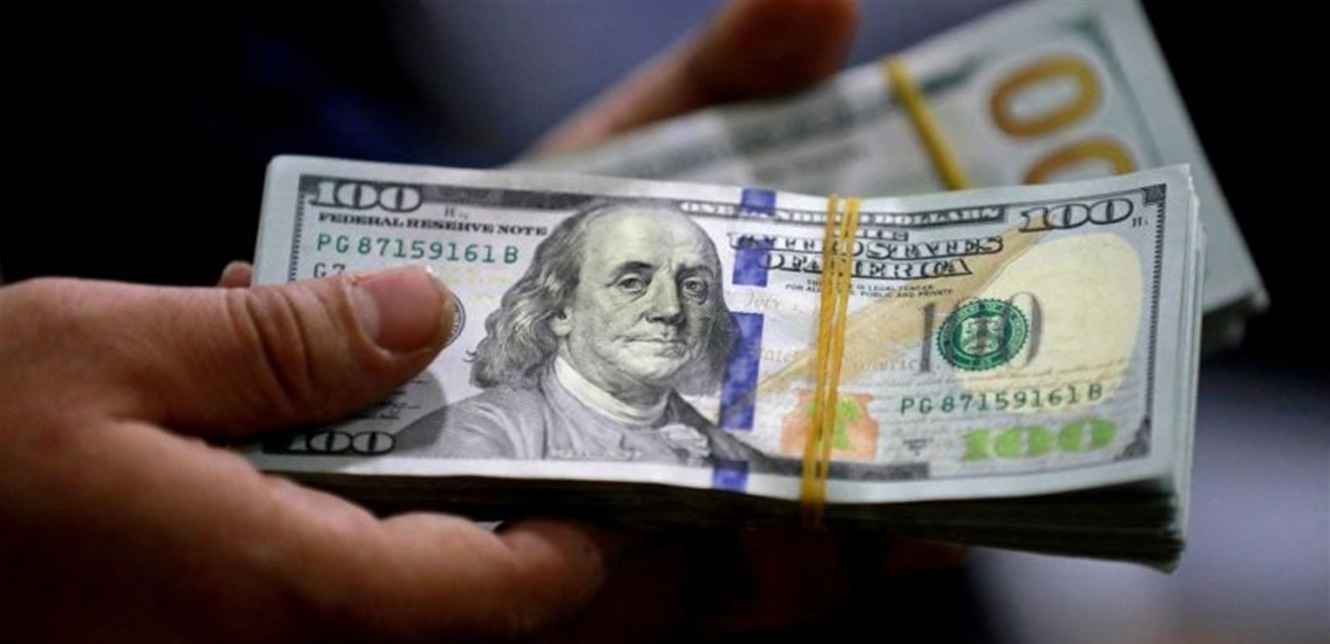
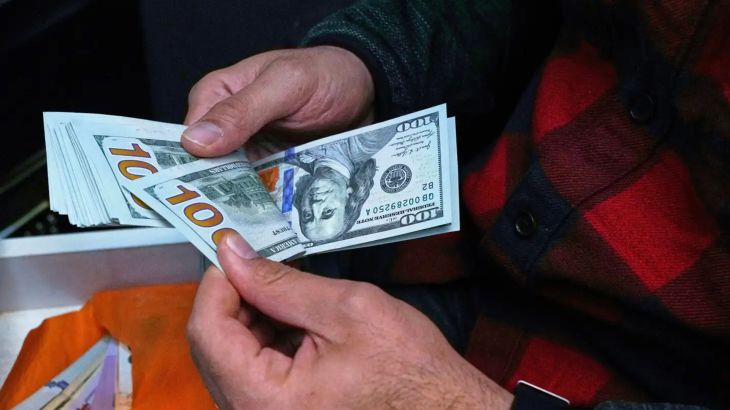
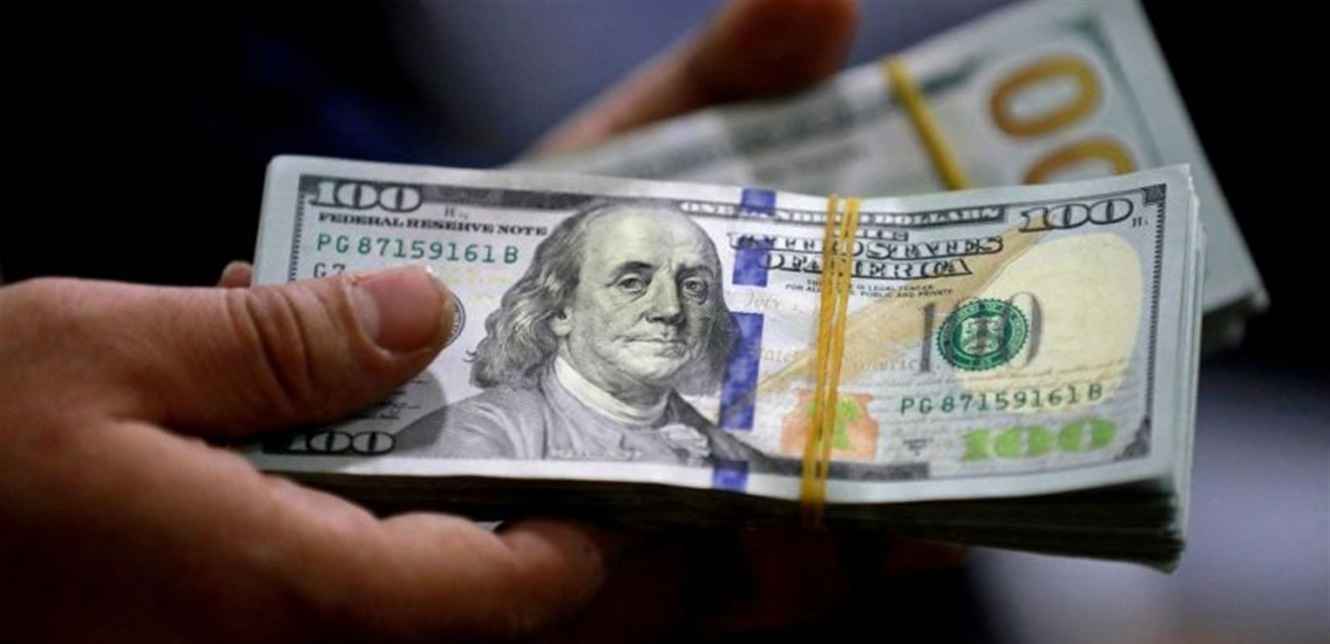
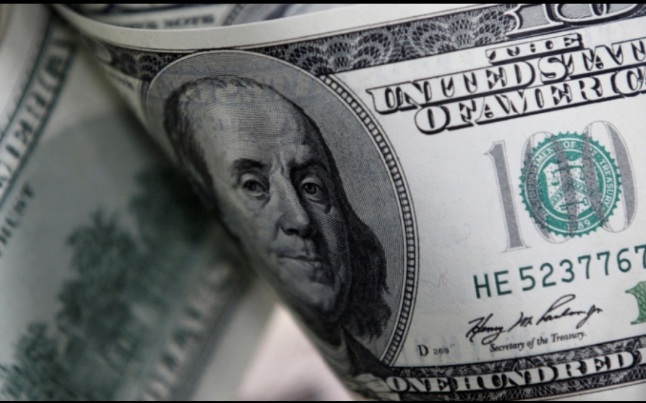
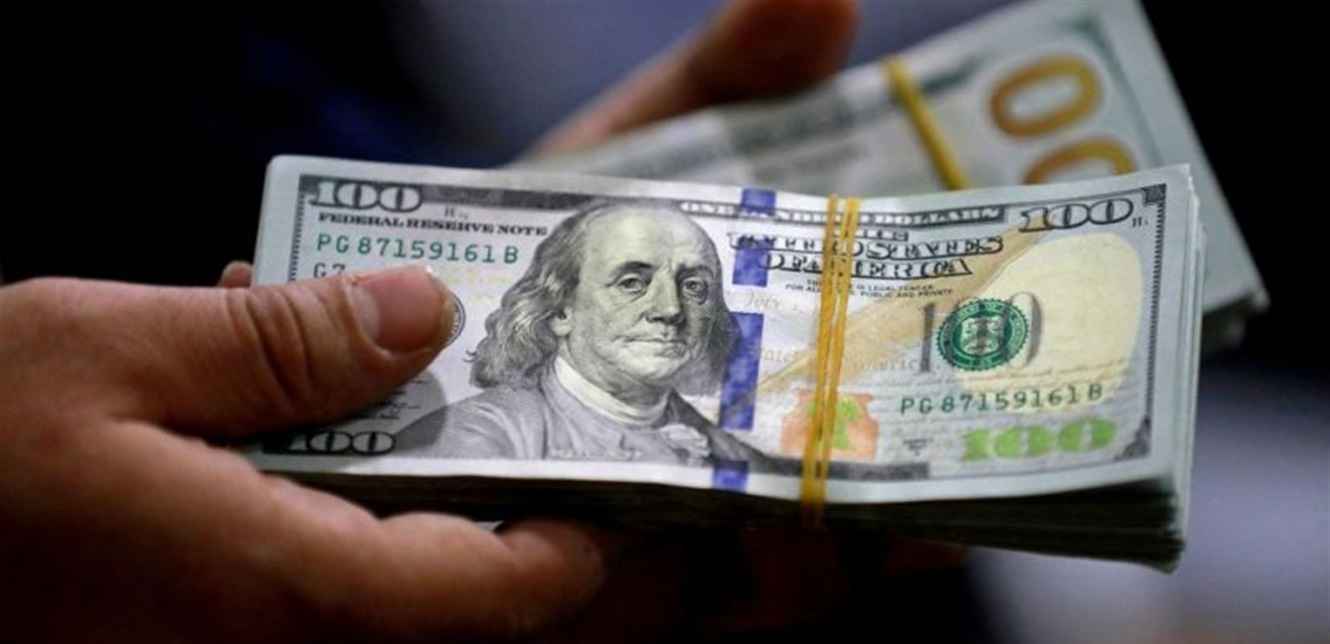
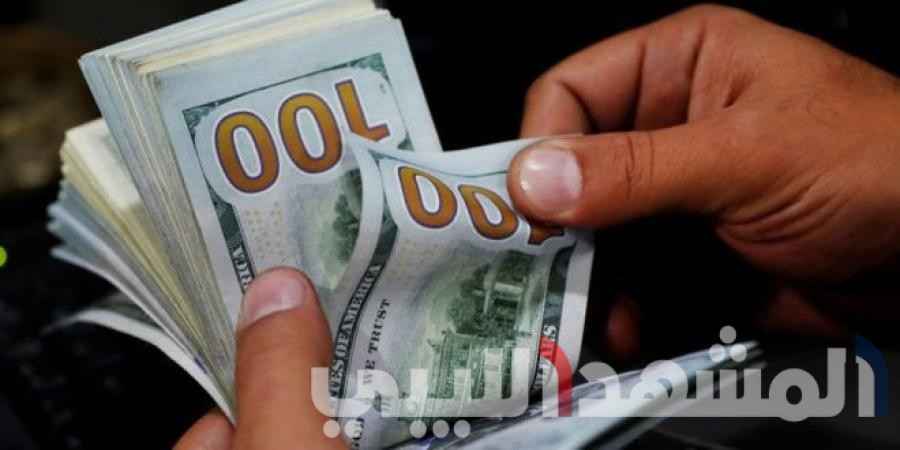
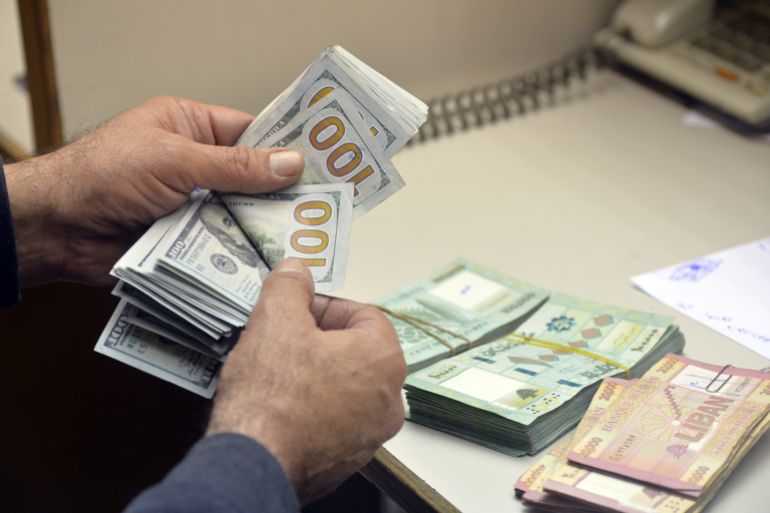
- The draft law stipulates the repayment of deposits for small depositors, meaning those with deposits less than $100,000, through monthly or quarterly installments over 4 years.
- For deposits exceeding this ceiling, they will be partially repaid through securities backed by assets issued by the central bank, with a minimum annual yield of 2%.
- The project sets the maturity dates for these securities according to the size of the deposits, ranging from 10 years for deposits up to $1 million, 15 years for deposits between $1 million and $5 million, and 20 years for deposits exceeding $5 million. These certificates are to be backed by revenues and profits from assets owned by the central bank, in addition to any potential proceeds from asset sales.
- The draft law obligates an international auditing firm to conduct a comprehensive evaluation of the central bank’s assets within one month of its approval, aiming to accurately determine the size of the financial gap.
- The project stipulates the conversion of debts owed by the state to the central bank into bonds, with their term and annual interest to be agreed upon between the Ministry of Finance and the central bank, a step aimed at reorganizing the financial relationship between the two parties.
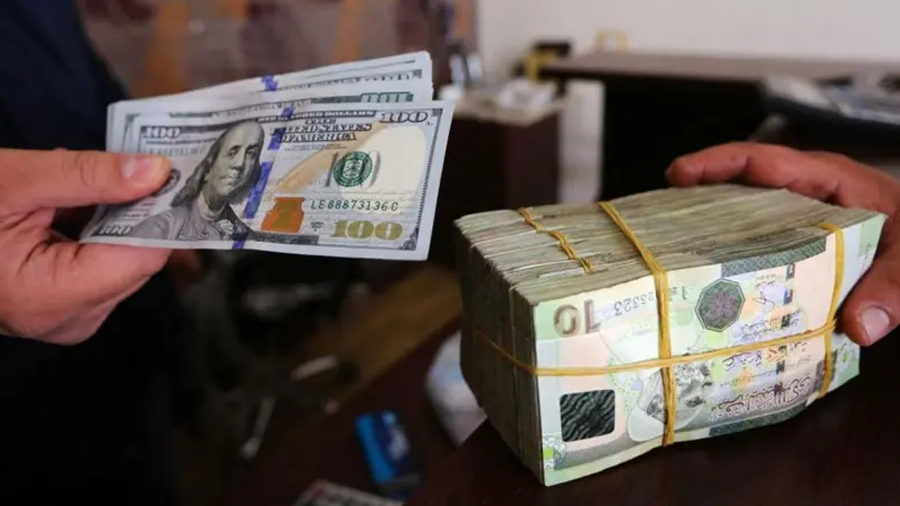
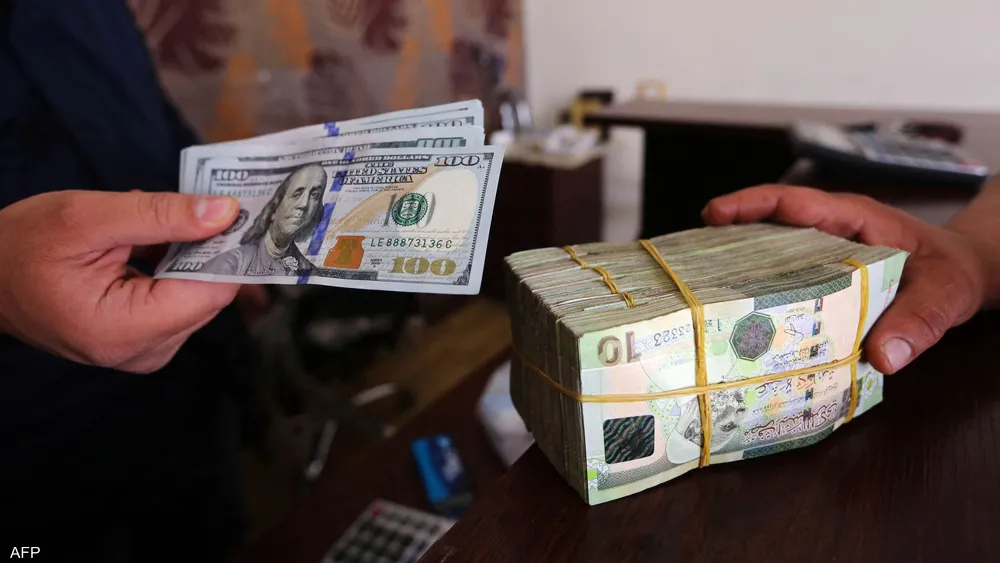
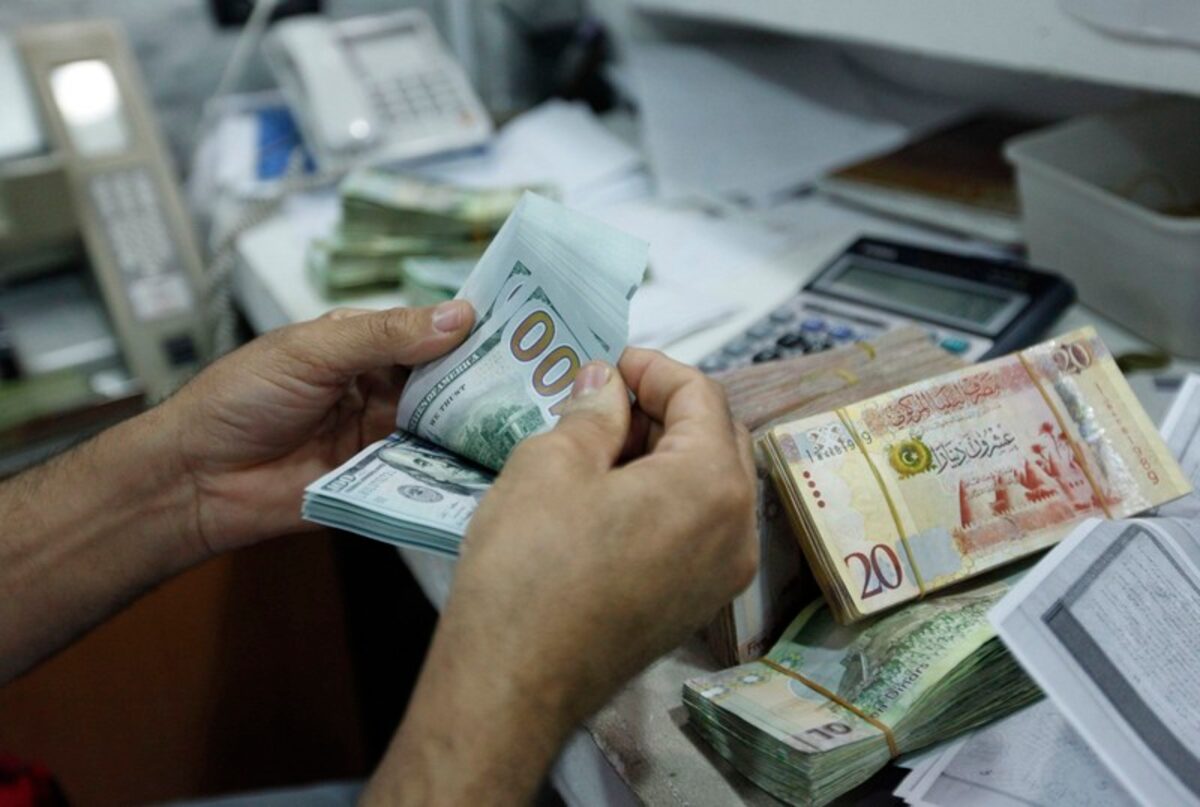
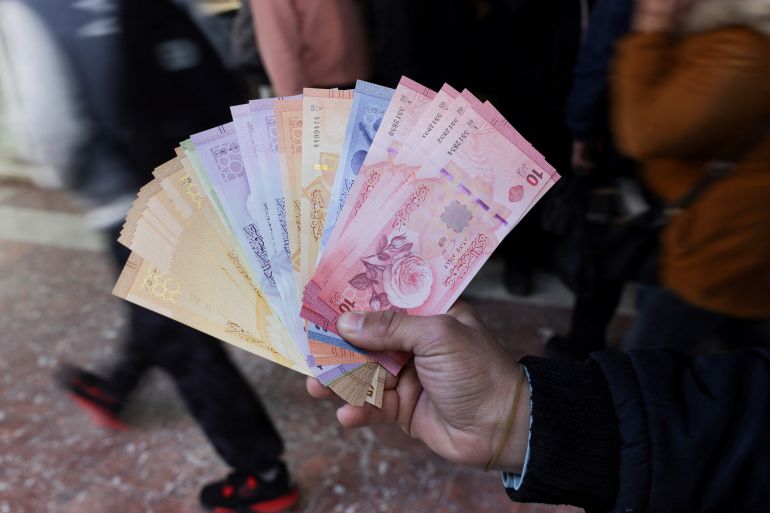
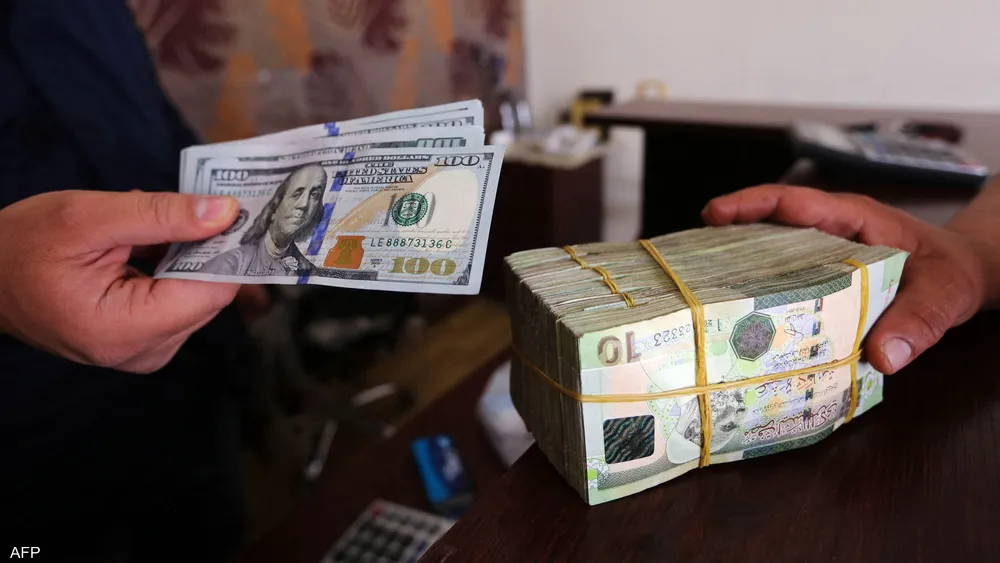
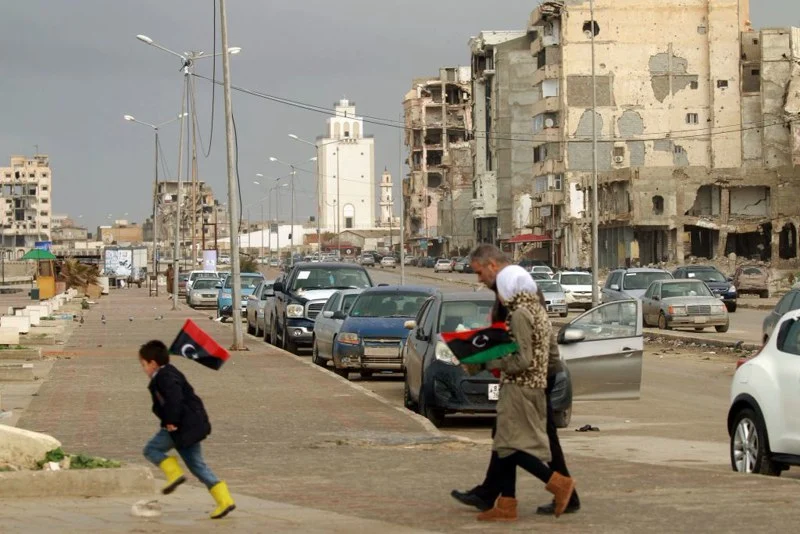
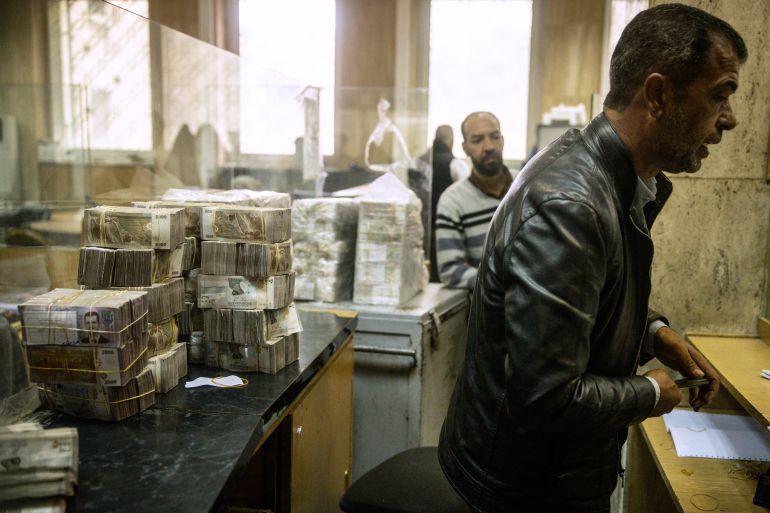
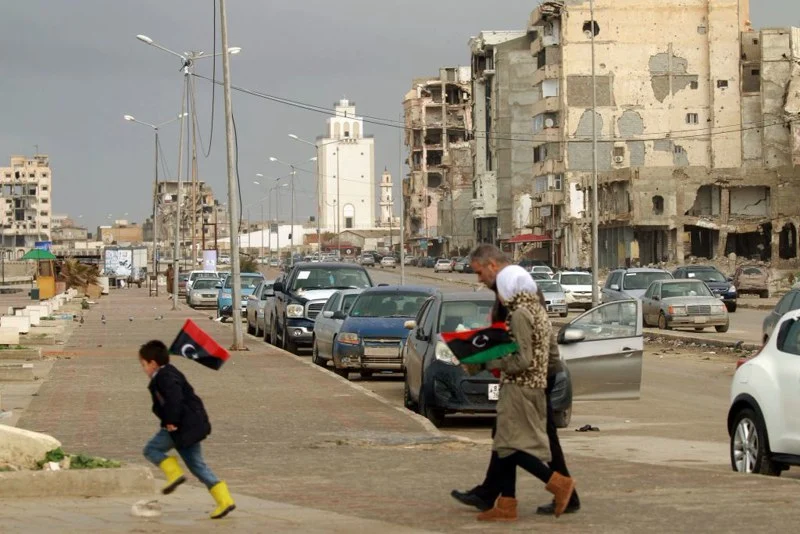
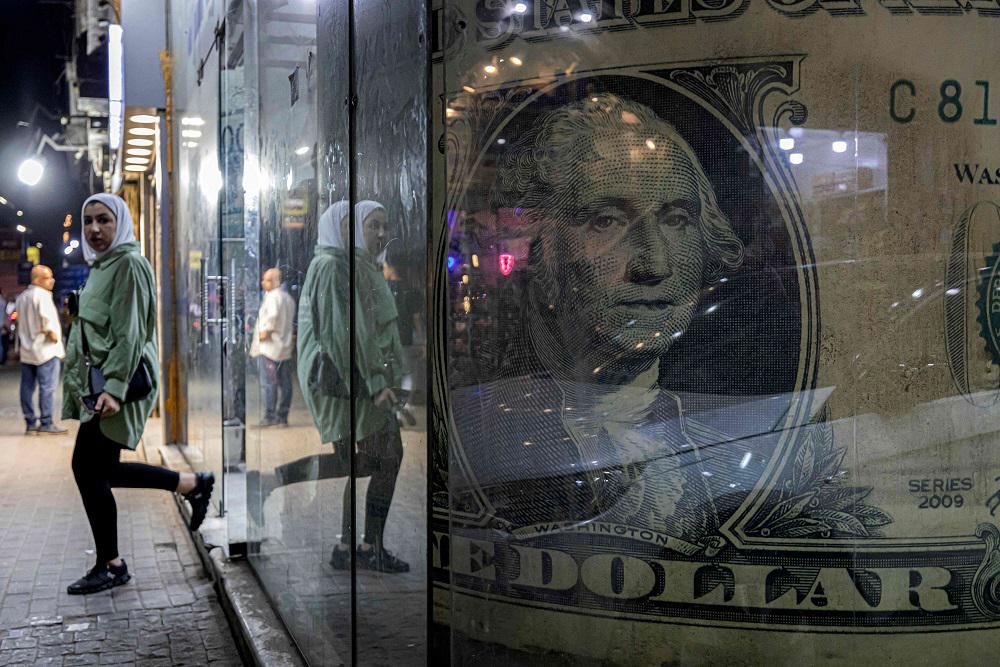
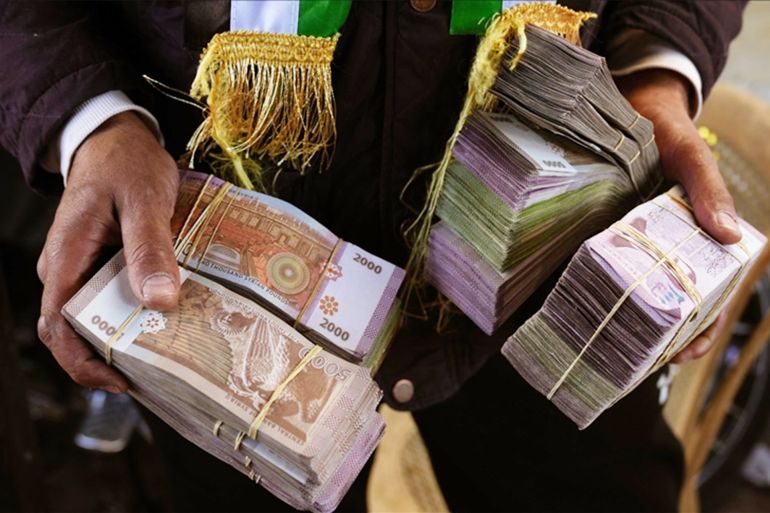
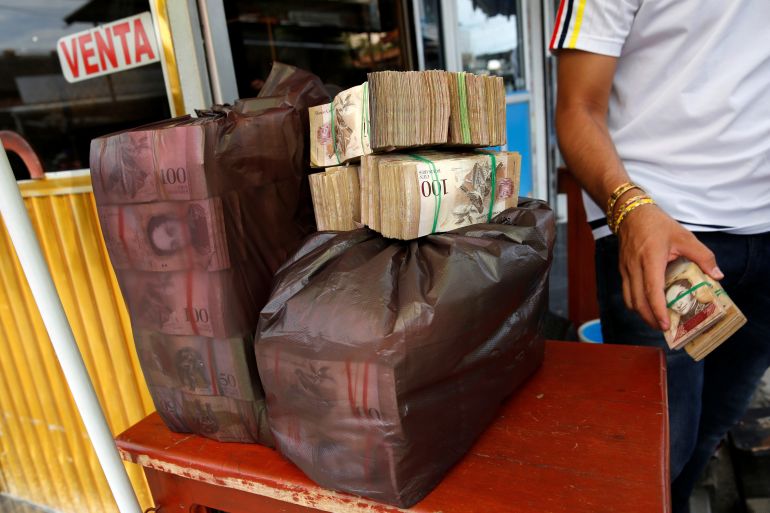
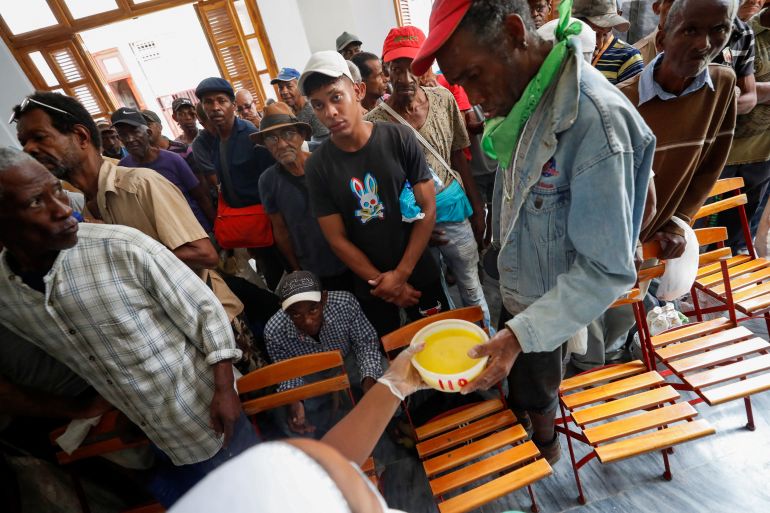
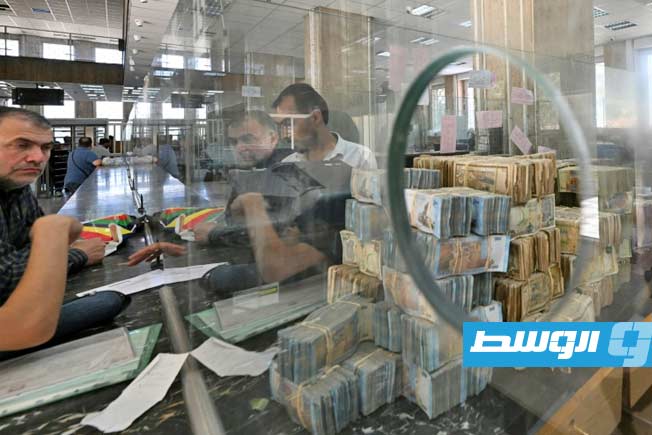
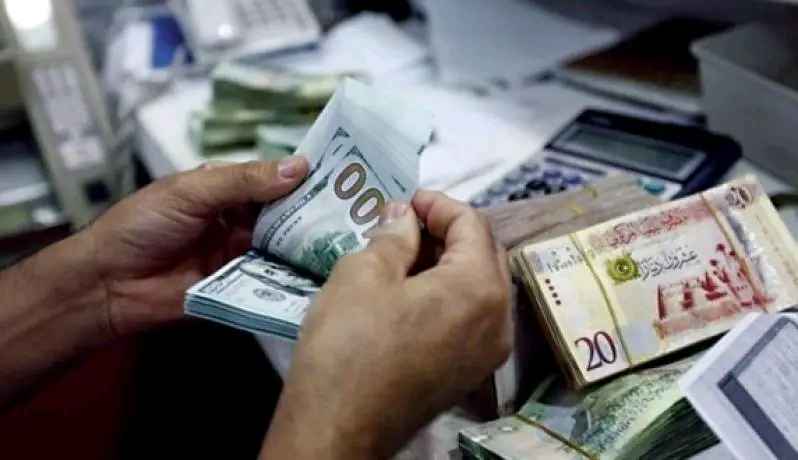
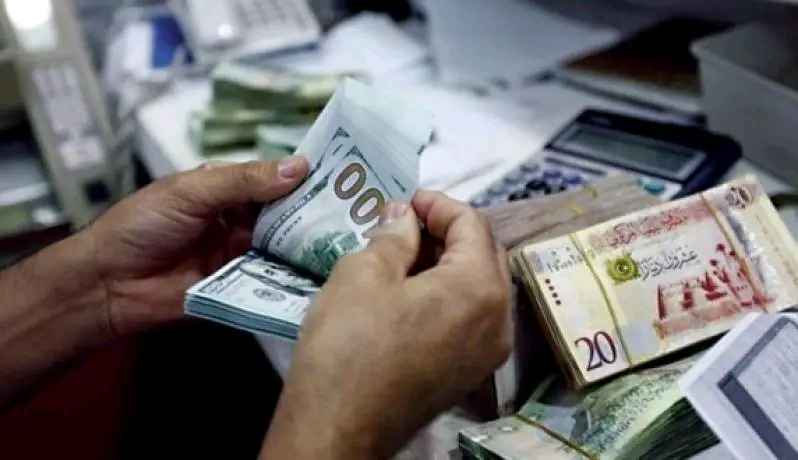
International institutions classify the Lebanese crisis as among the worst economic crises in the world since the mid-19th century, as it led to the freezing of dollar accounts, the imposition of strict withdrawal restrictions, and a collapse in the value of the Lebanese pound by over 95%.
The financial collapse occurred in 2019 after decades of unsustainable financial policies, waste, and corruption, leading the state to default