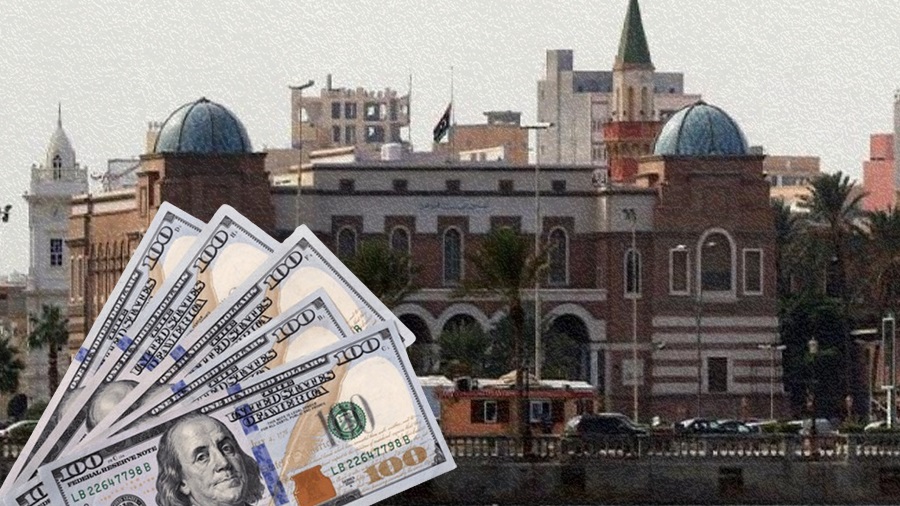
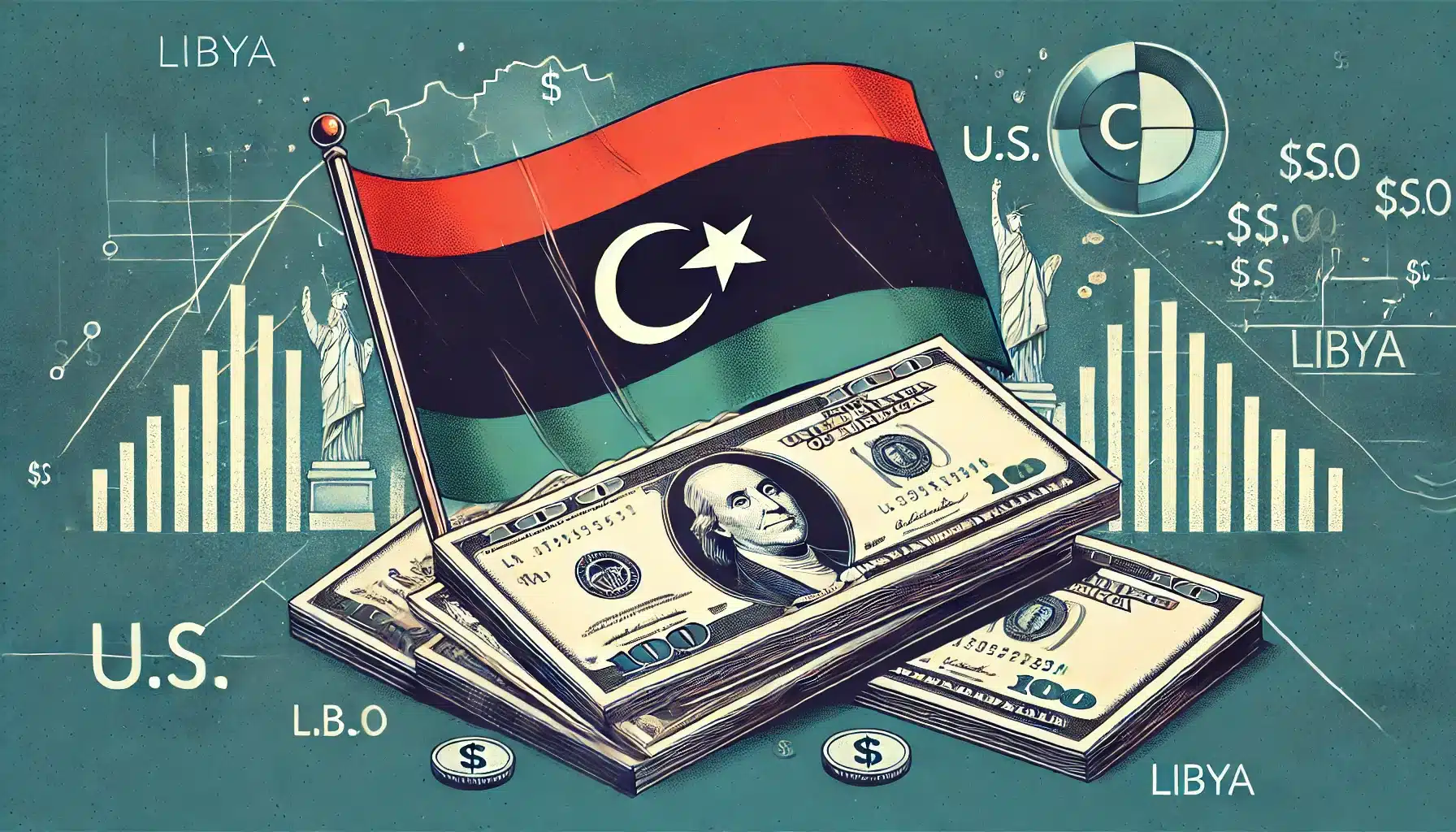
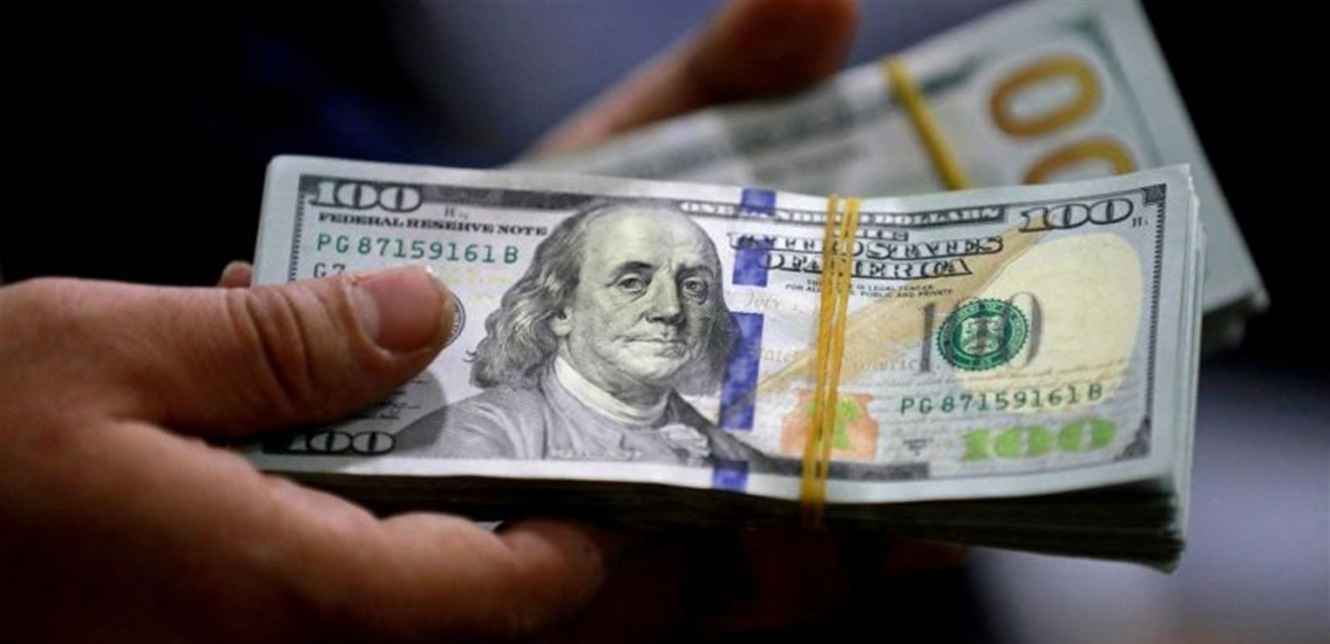
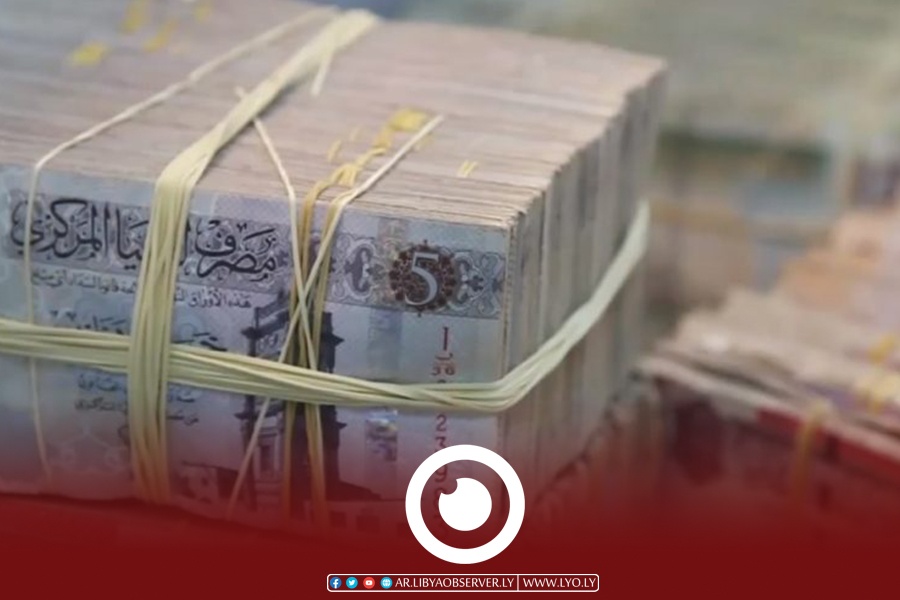
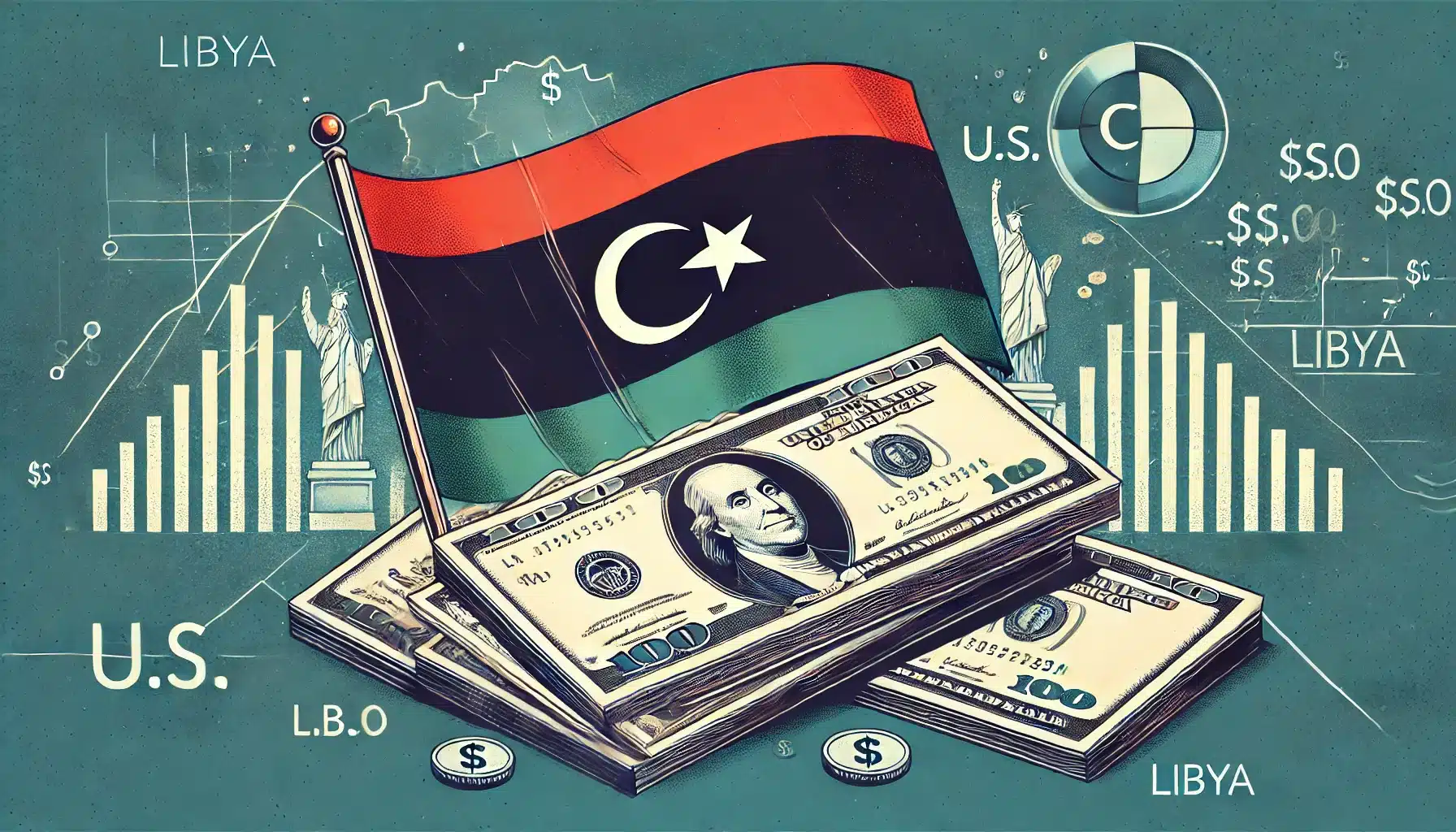
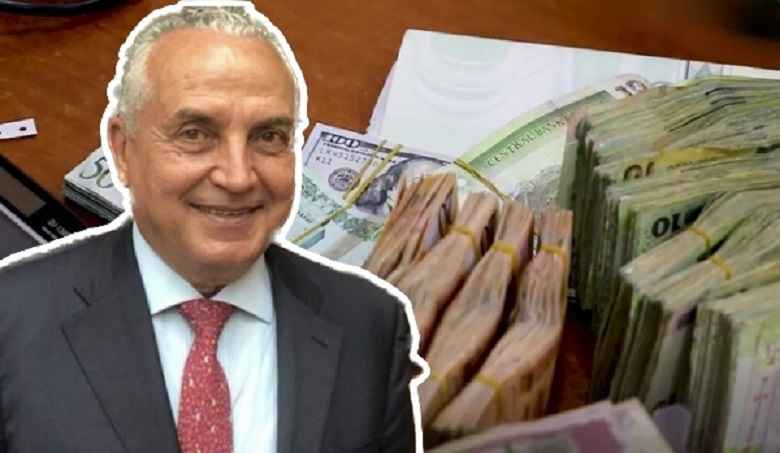
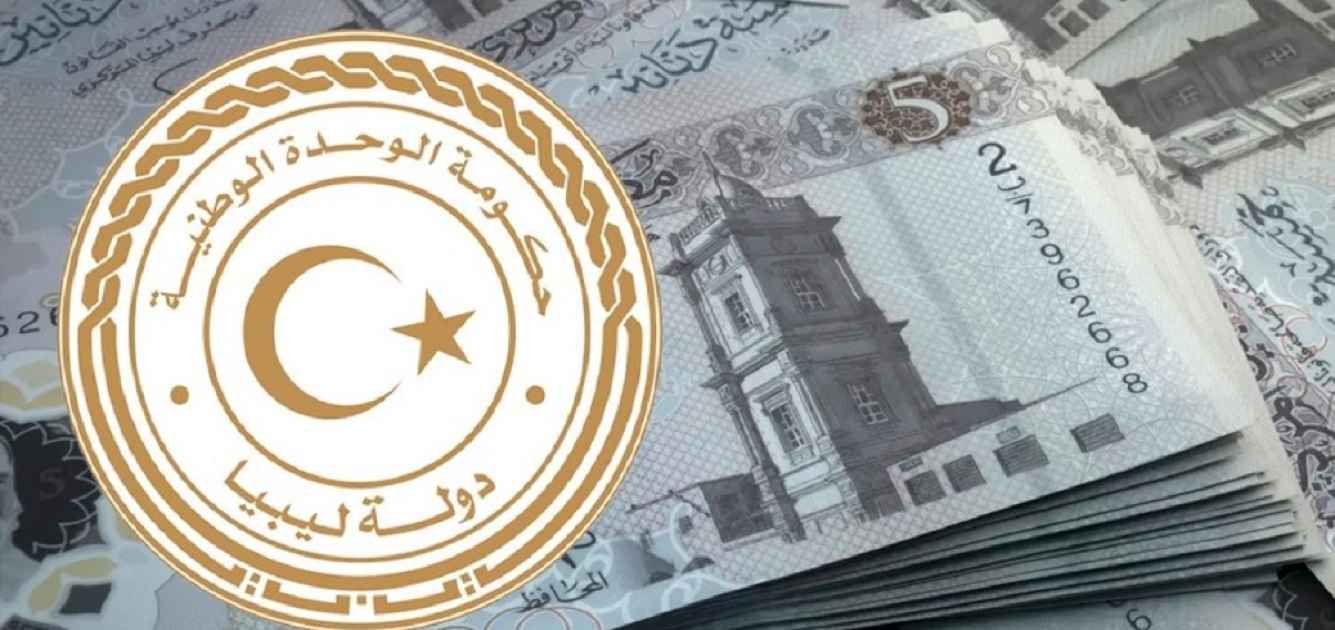
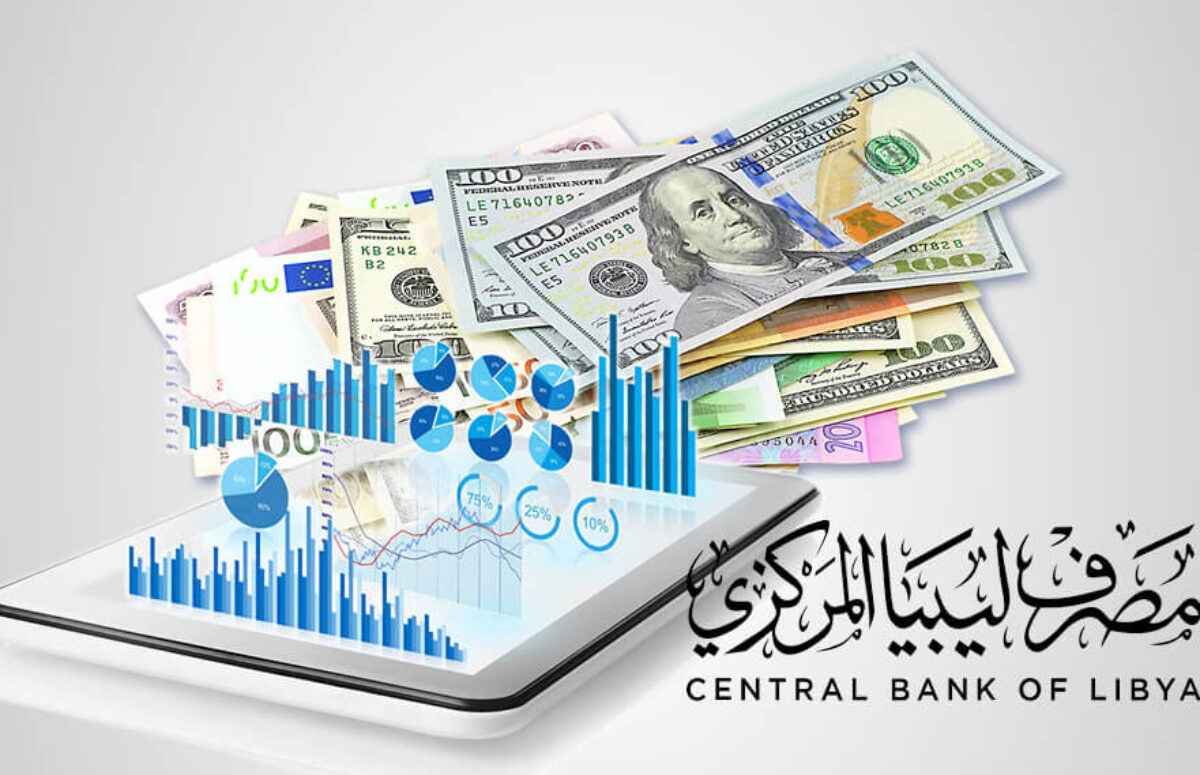
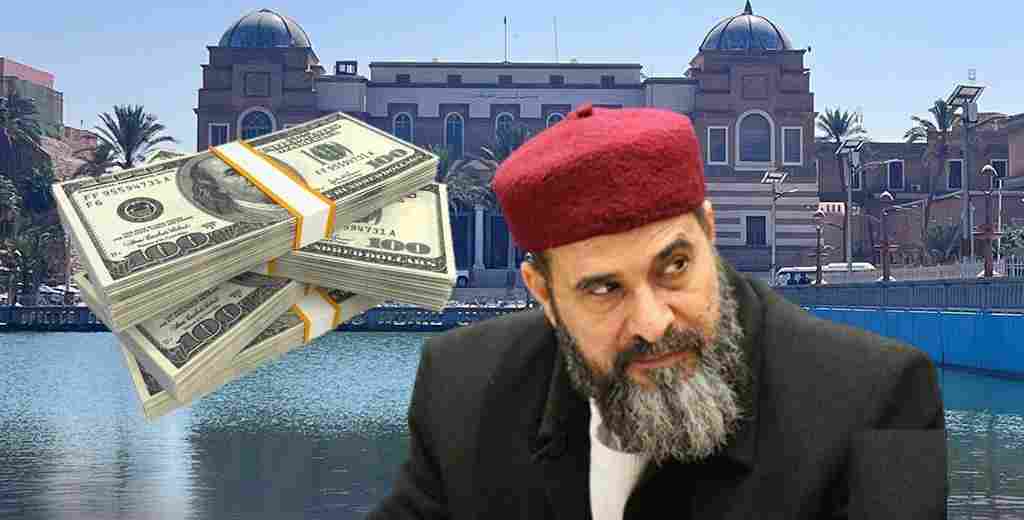
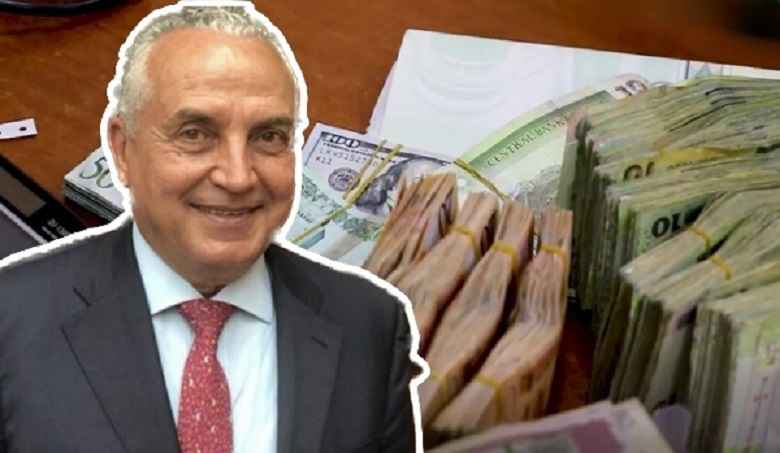
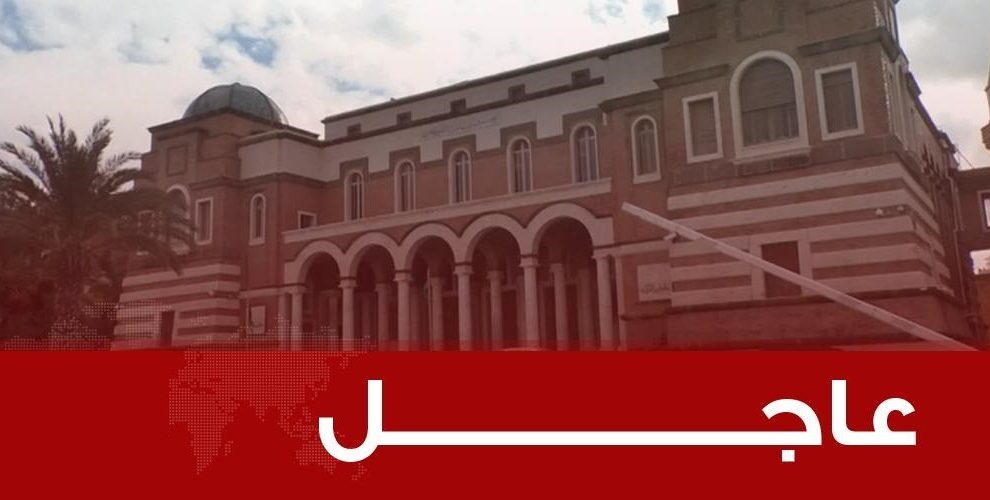
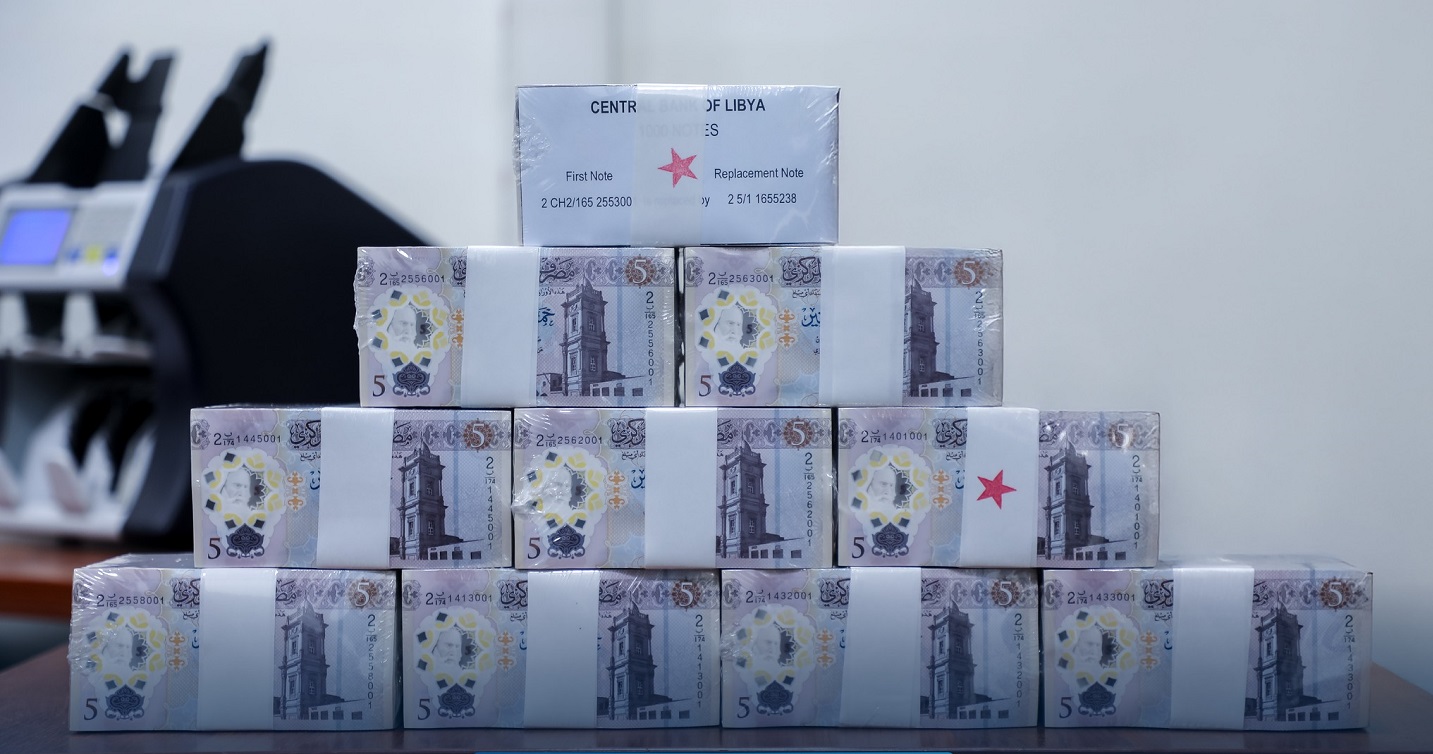
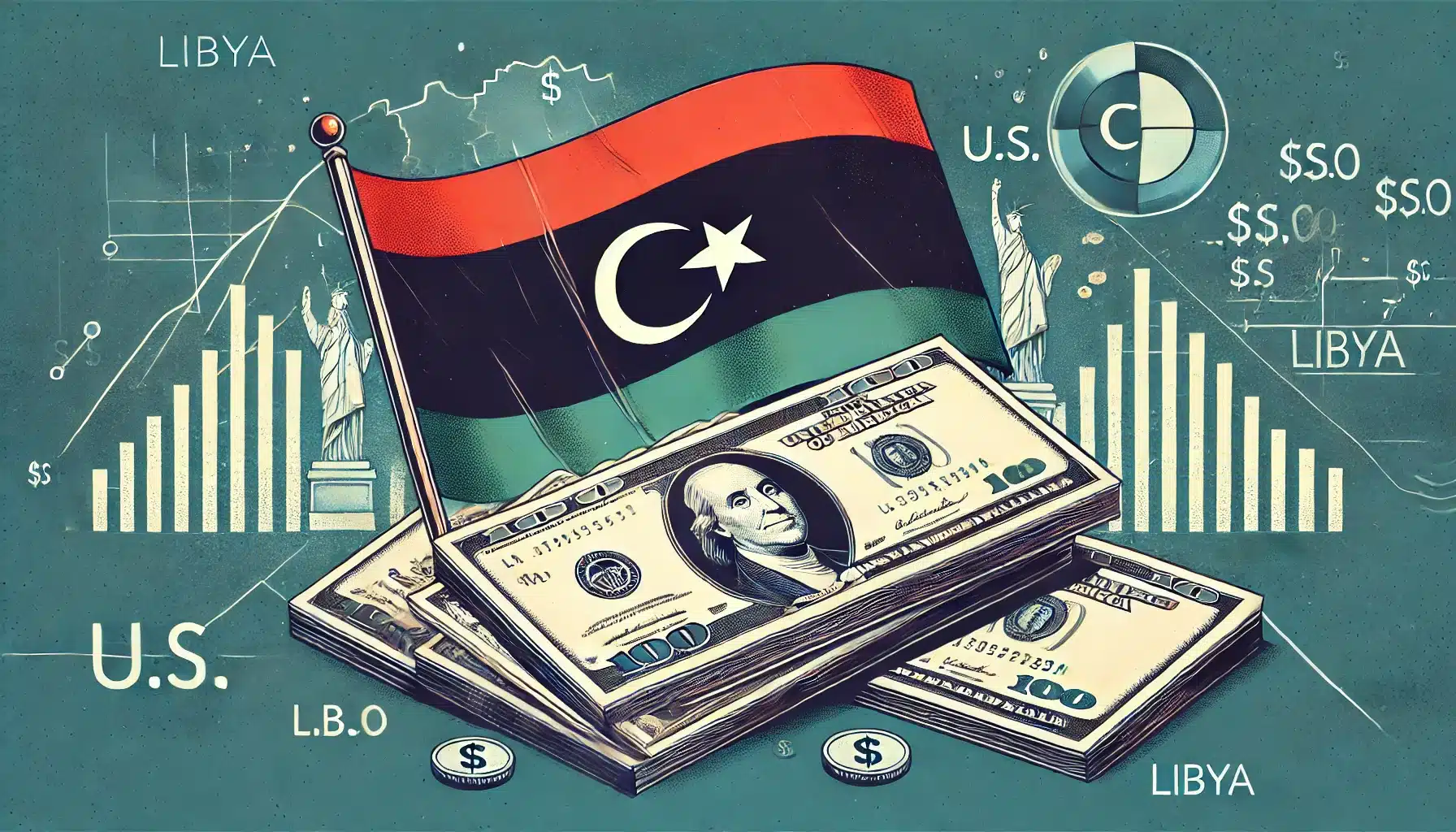
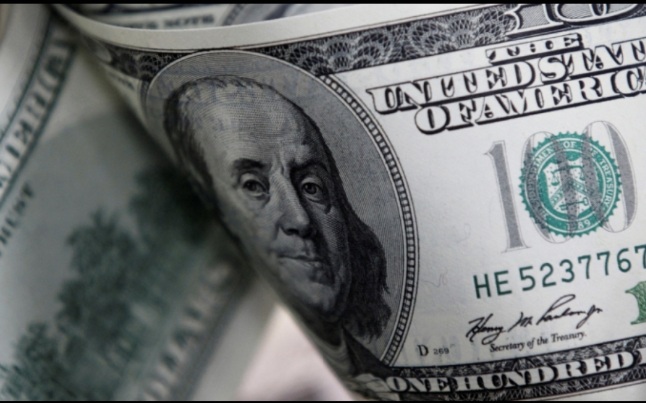
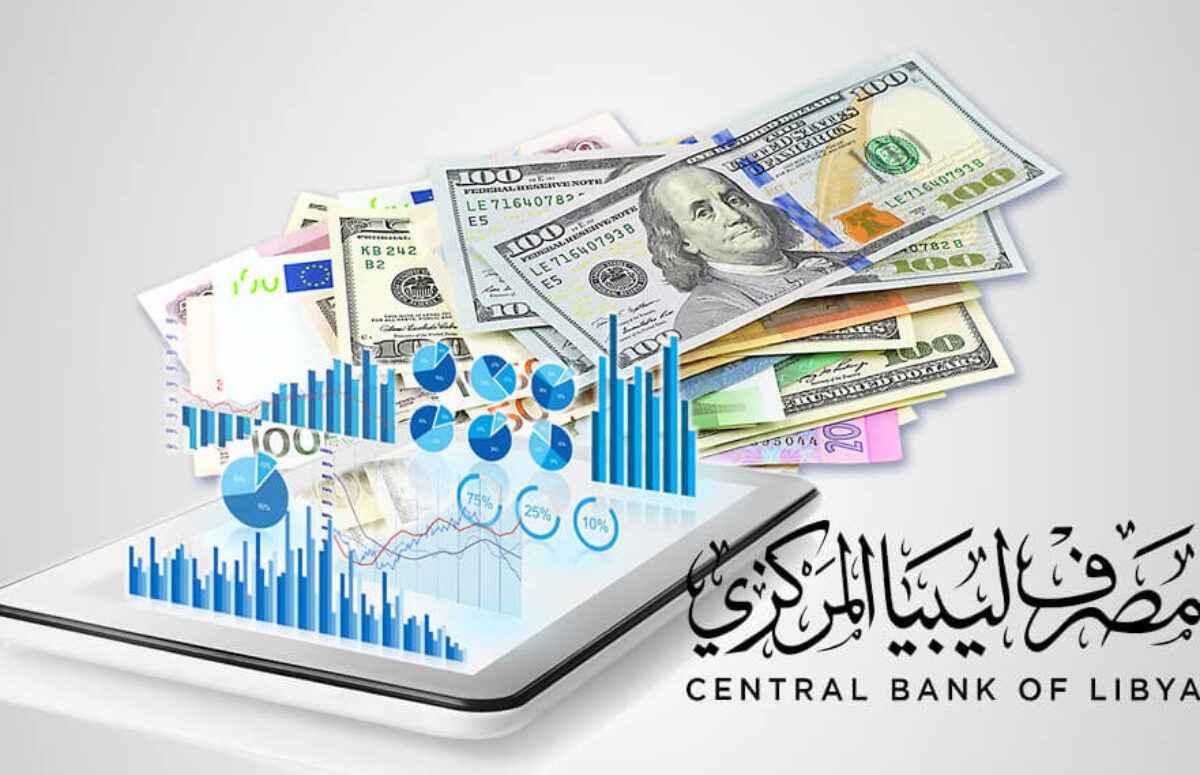
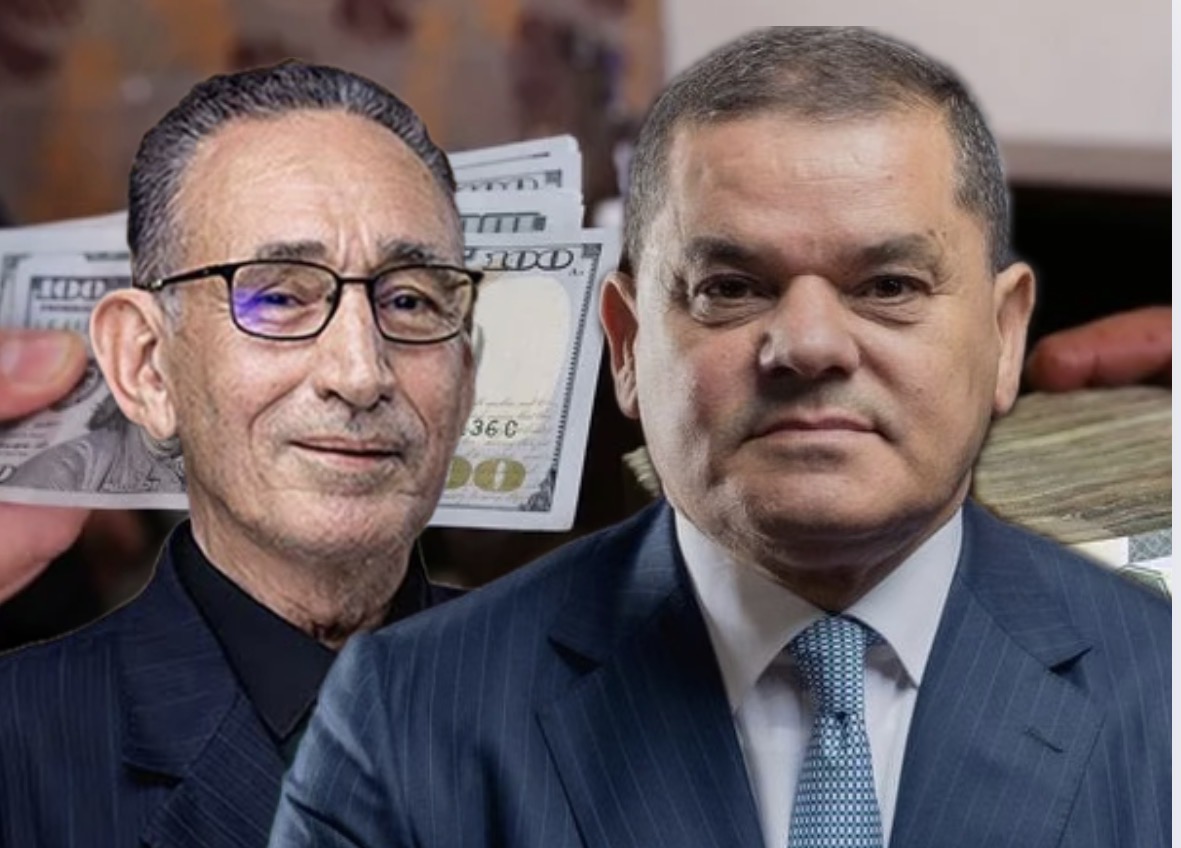
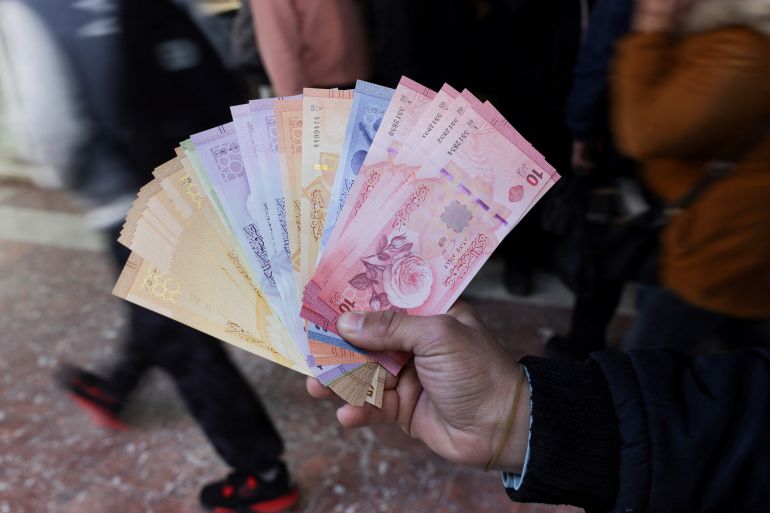
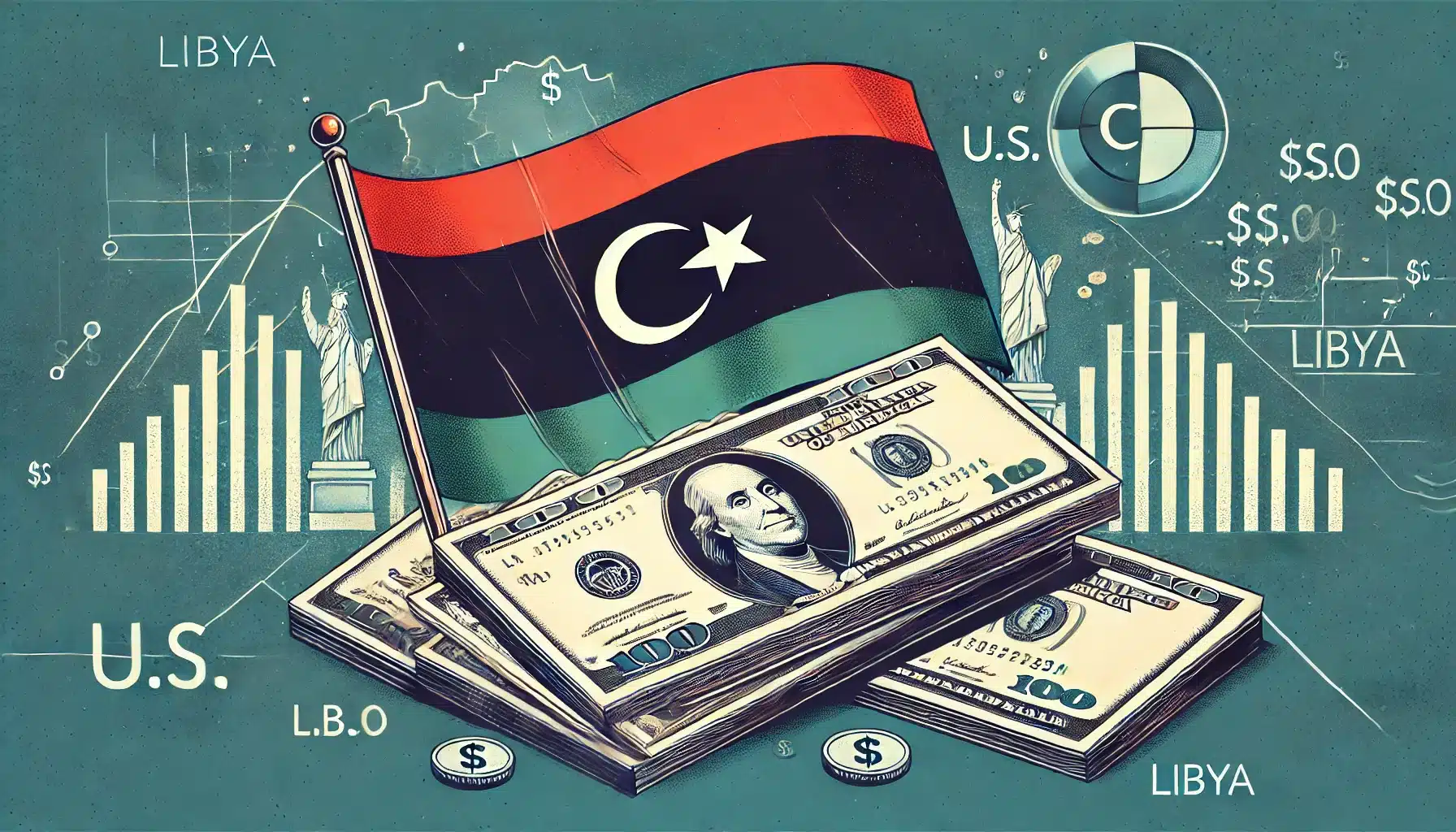
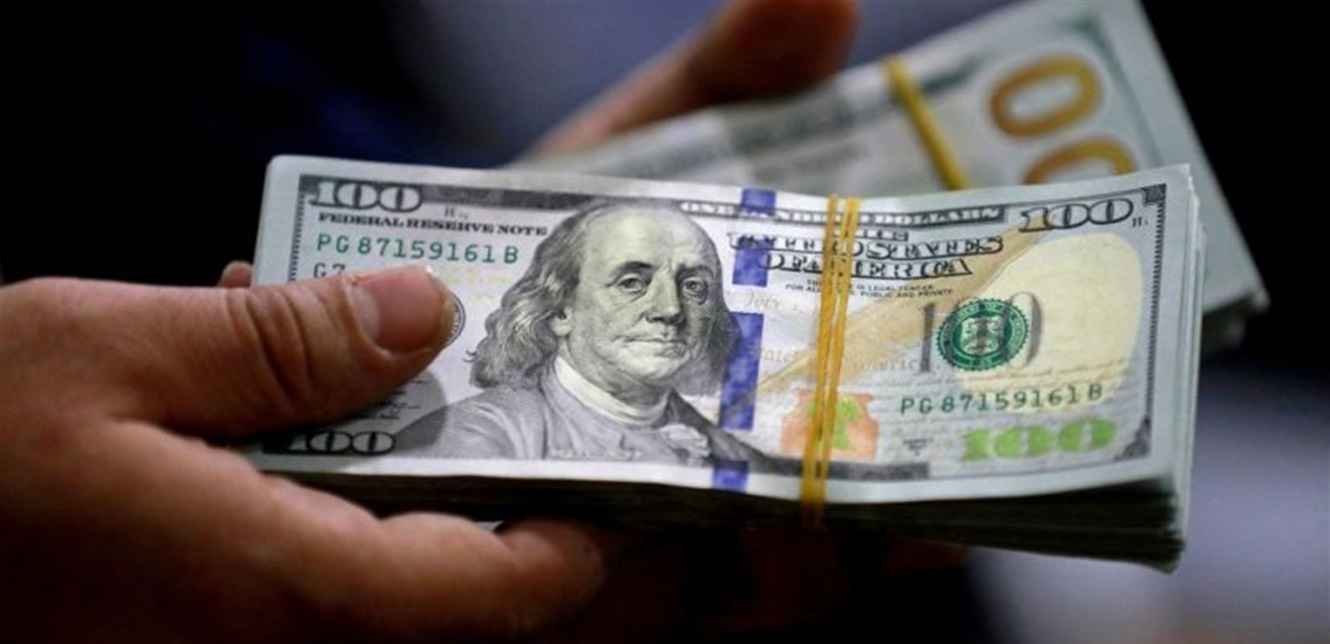
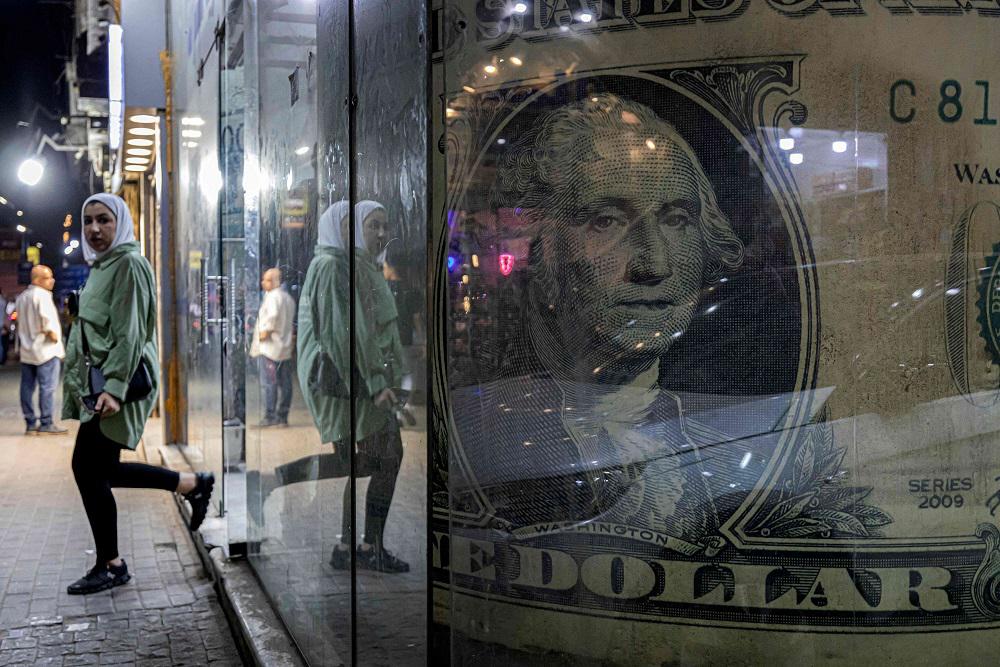
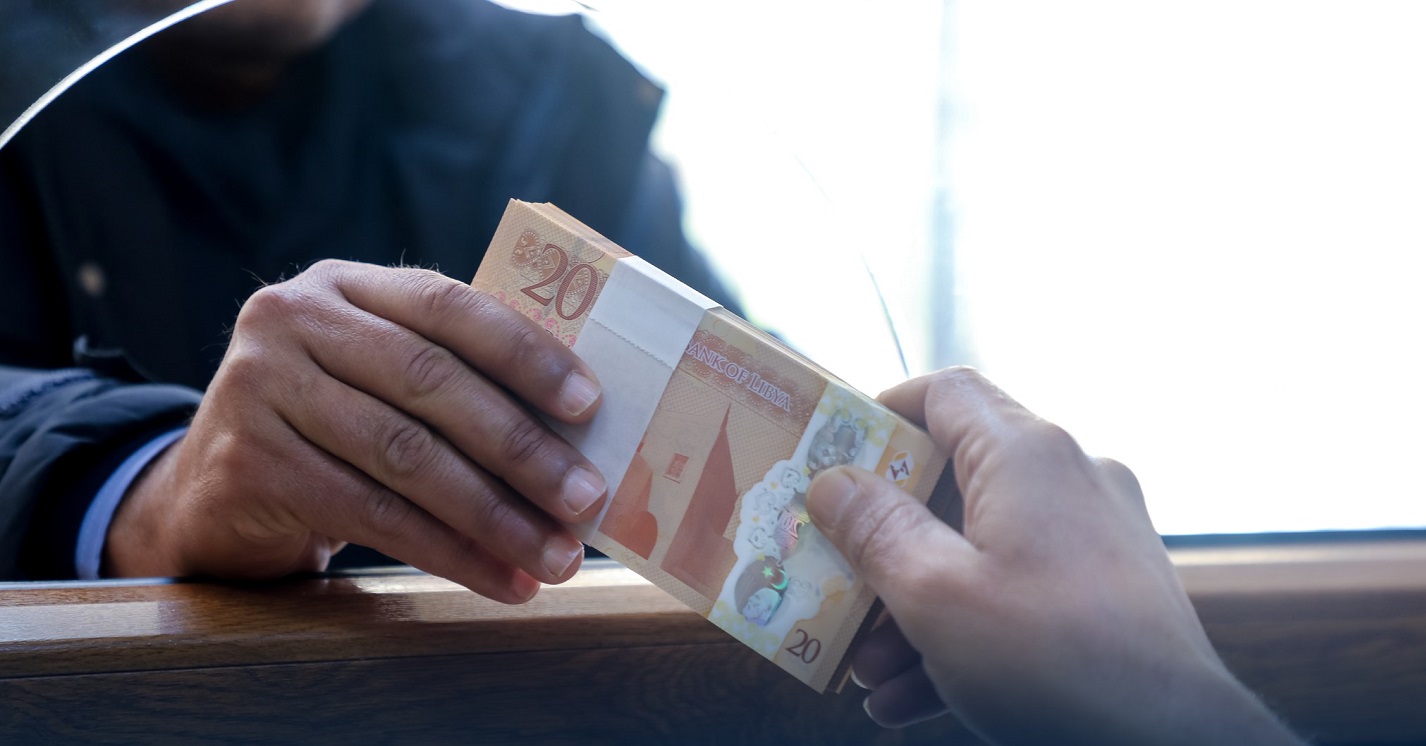
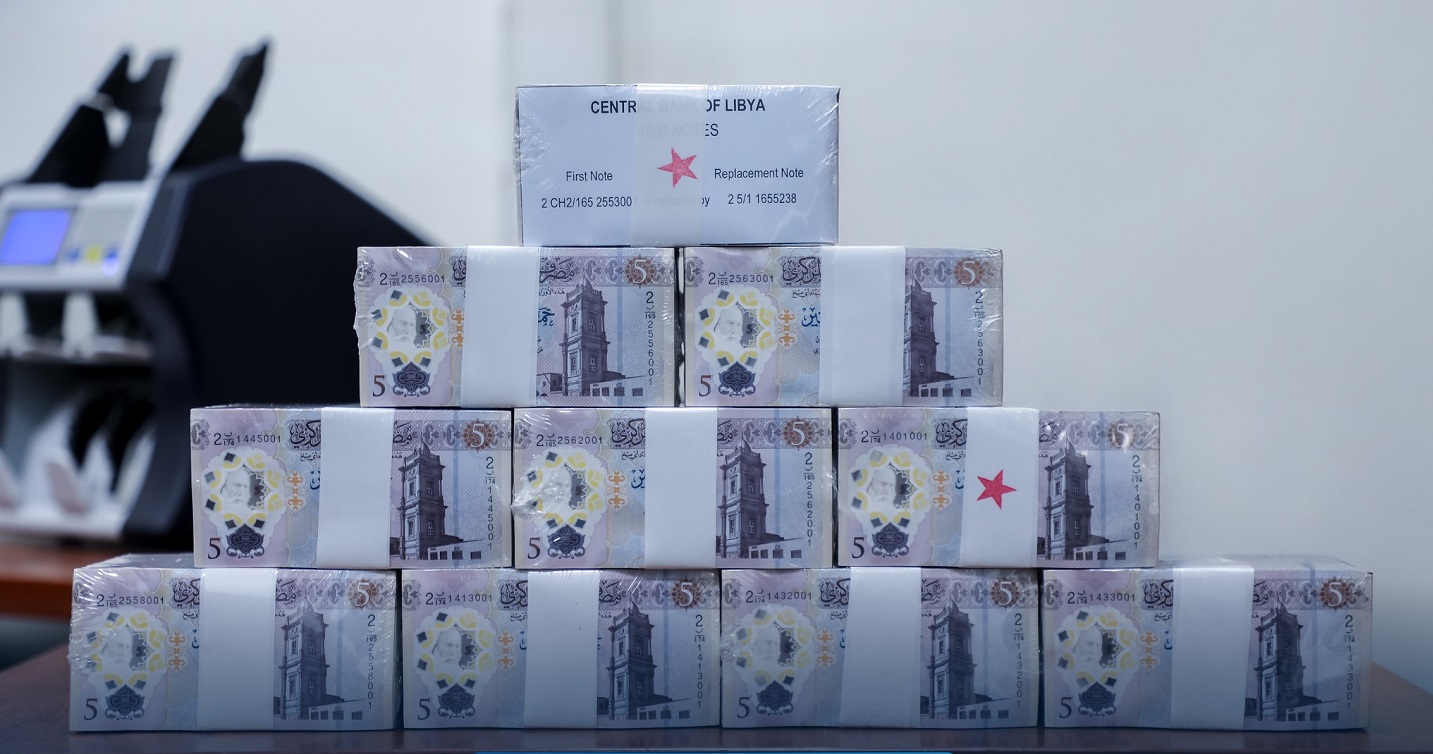
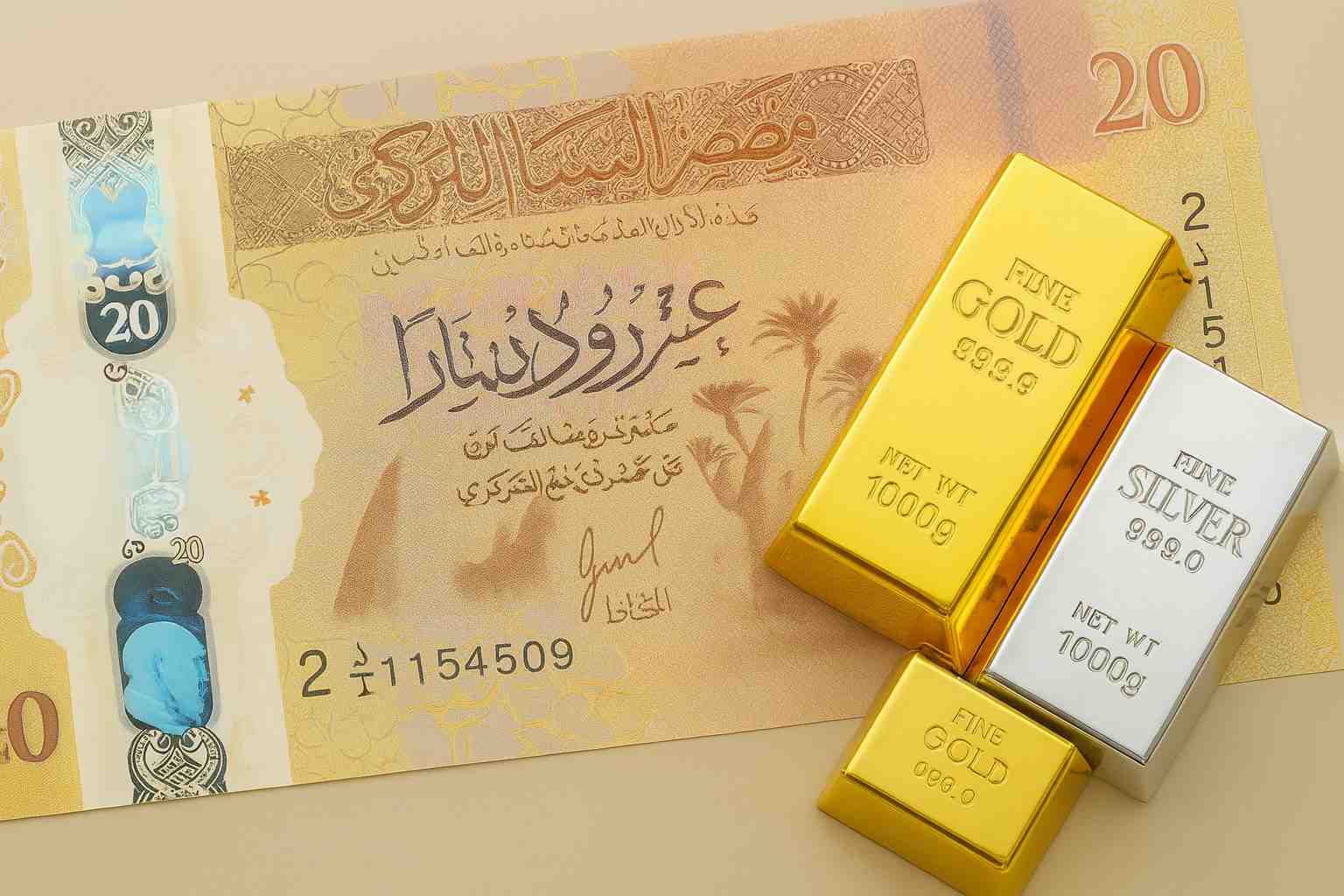
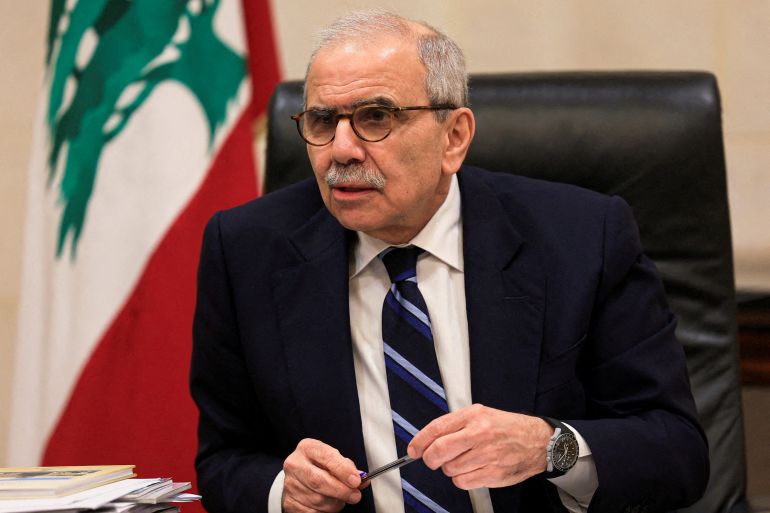
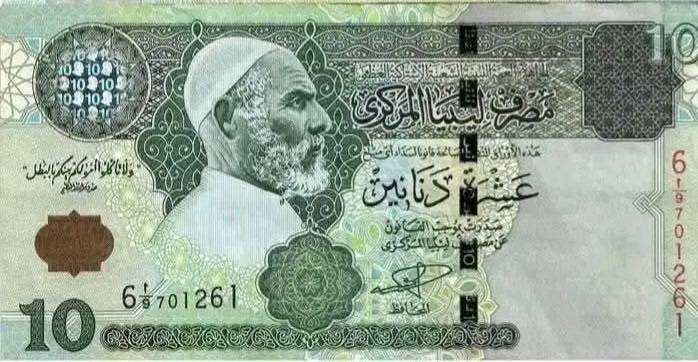
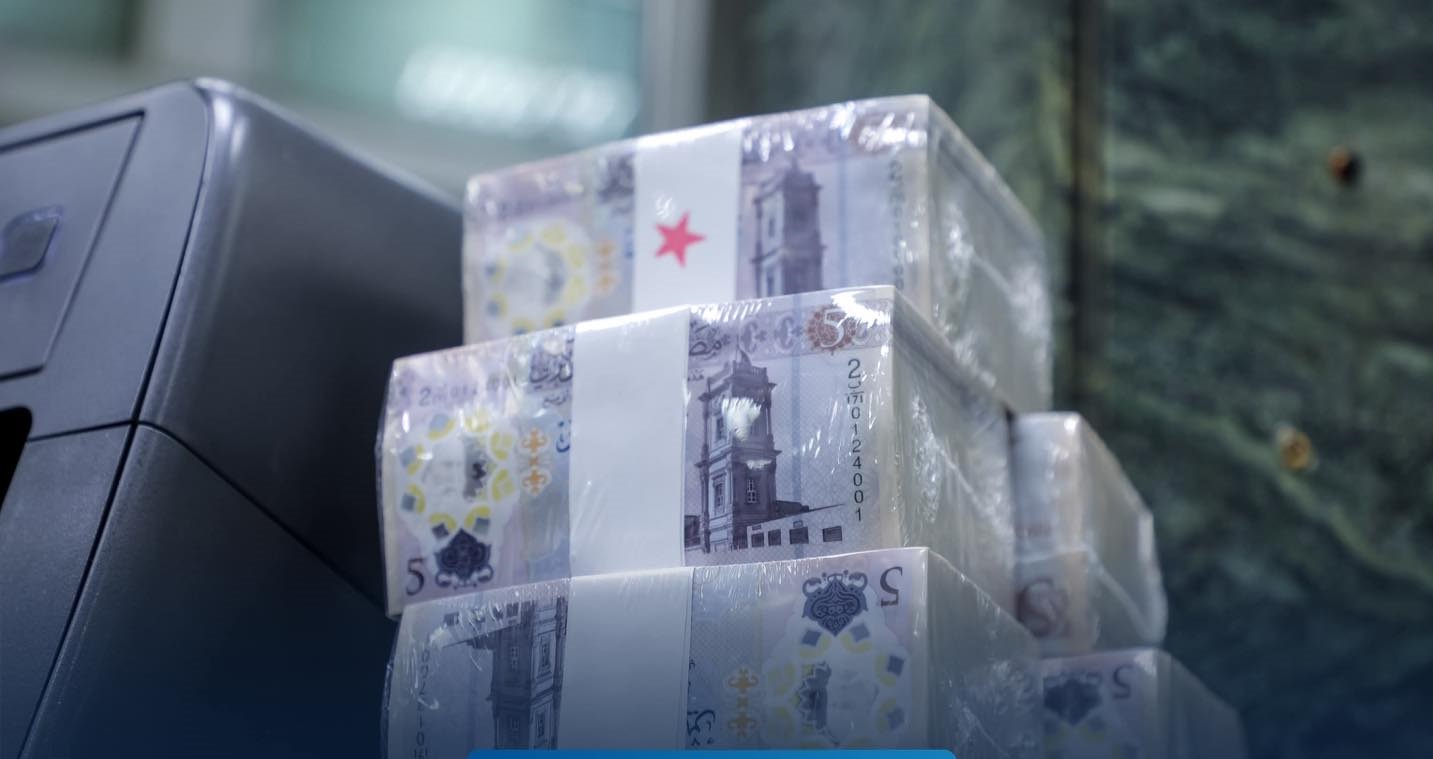
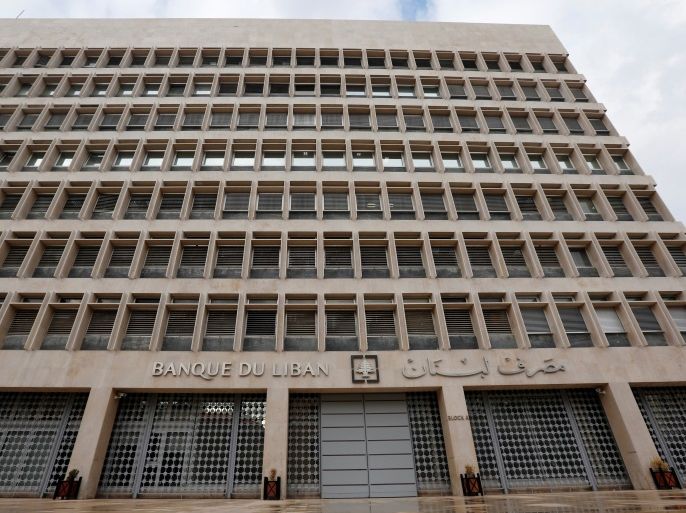
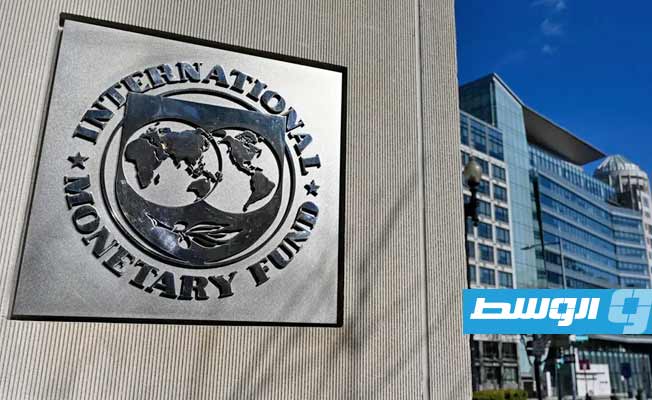
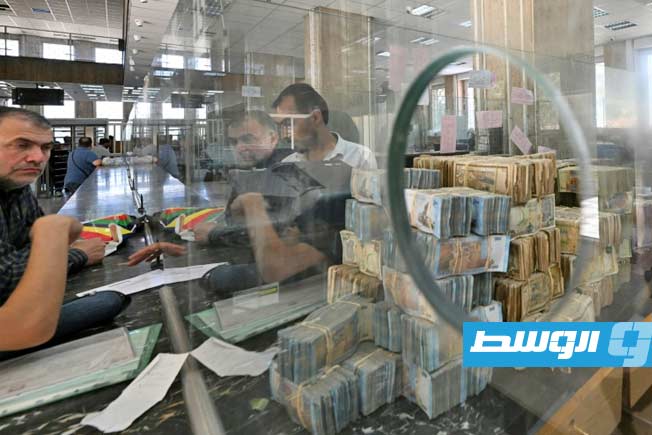
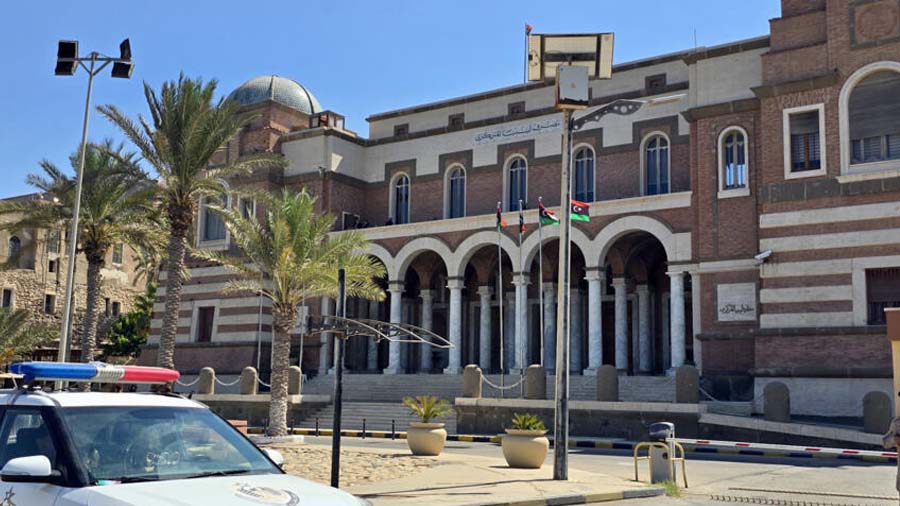
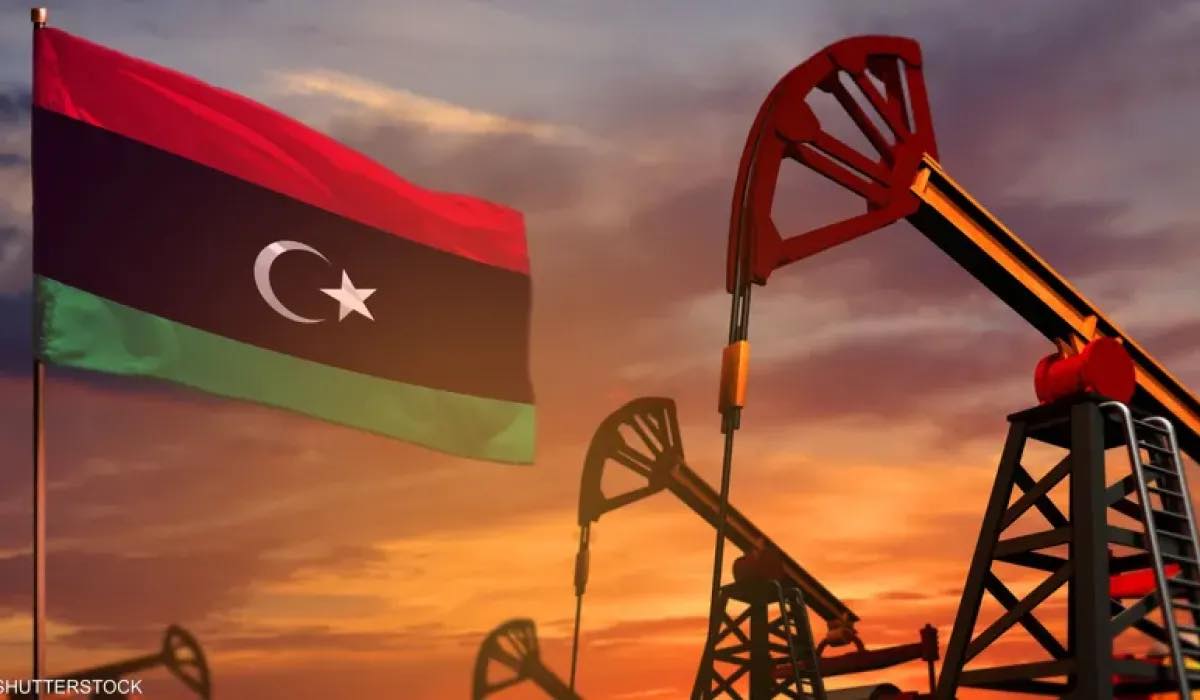
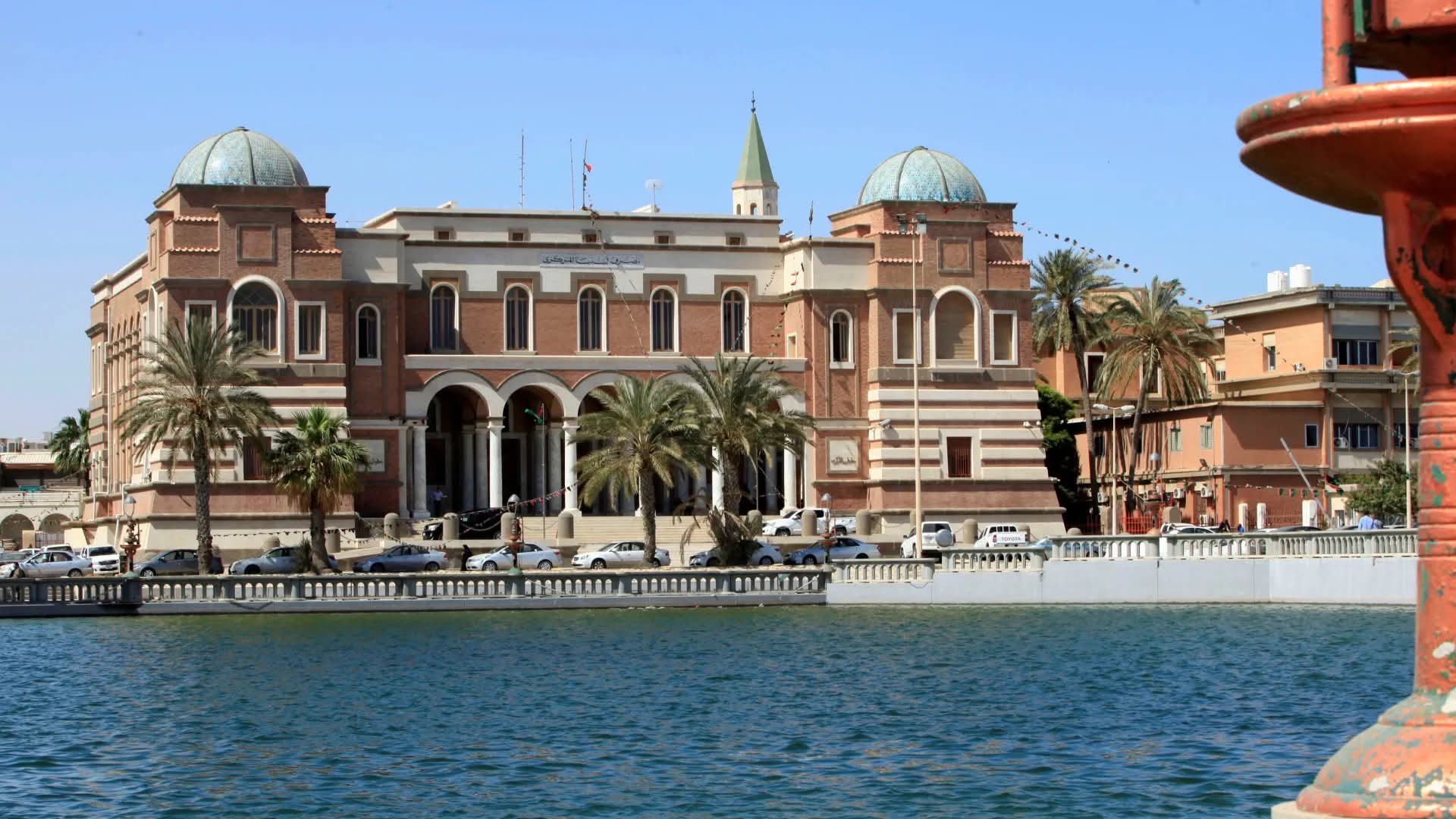
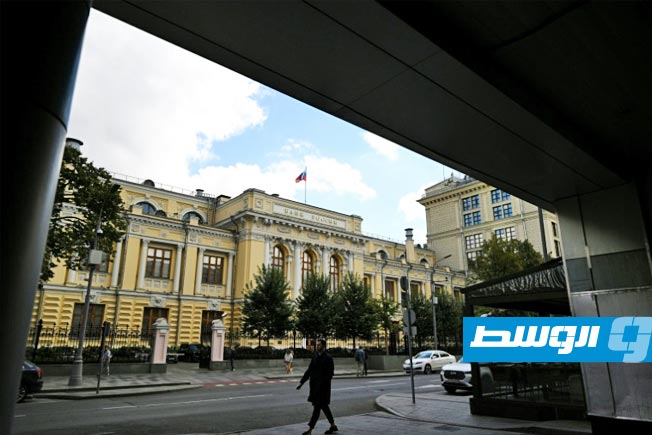
Libya’s Central Bank (CBL) states it is facing increasing challenges in maintaining monetary stability and the exchange rate, as political instability and weak fiscal discipline continue to burden the economy.
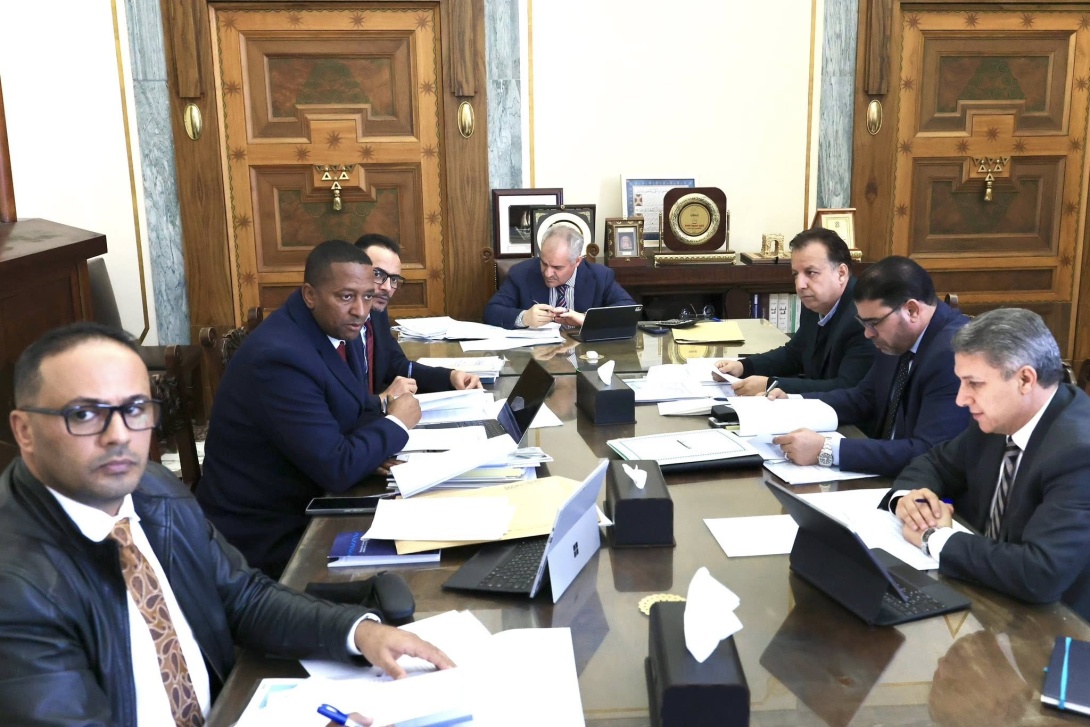
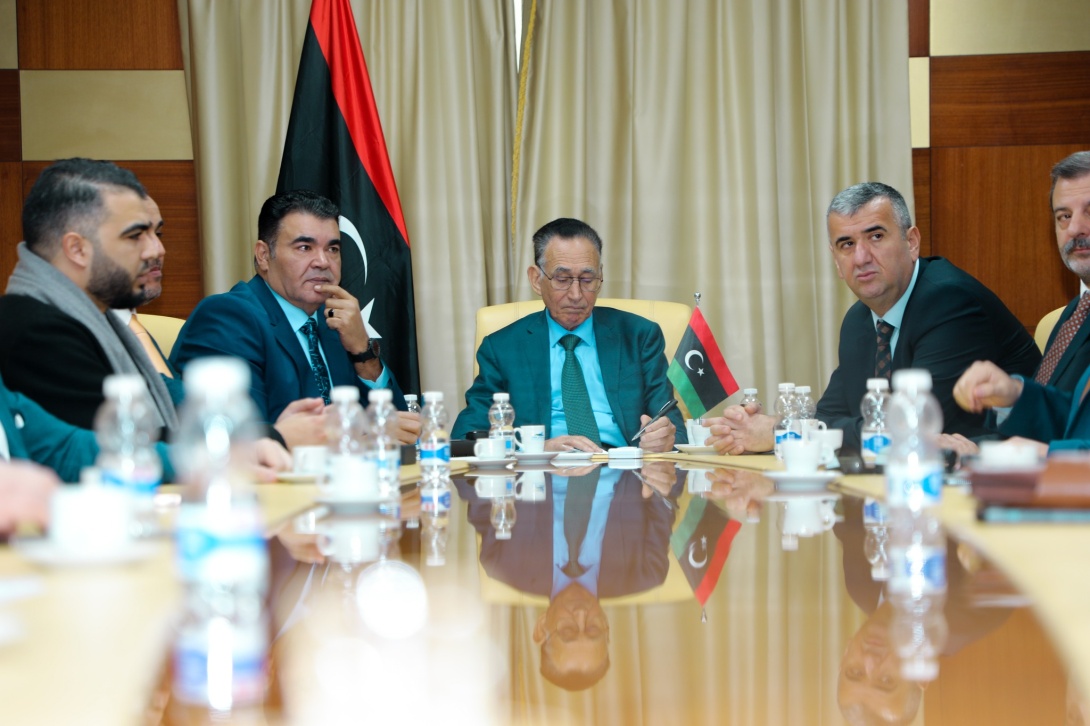
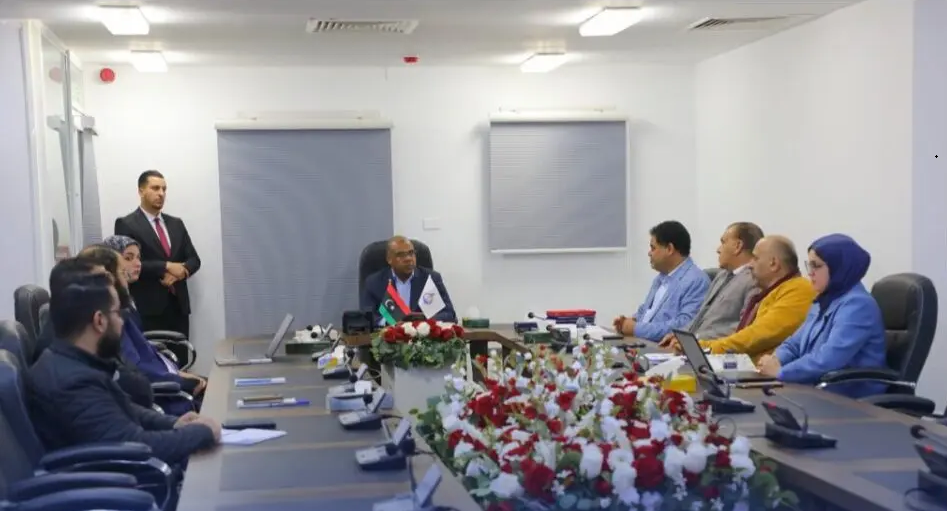
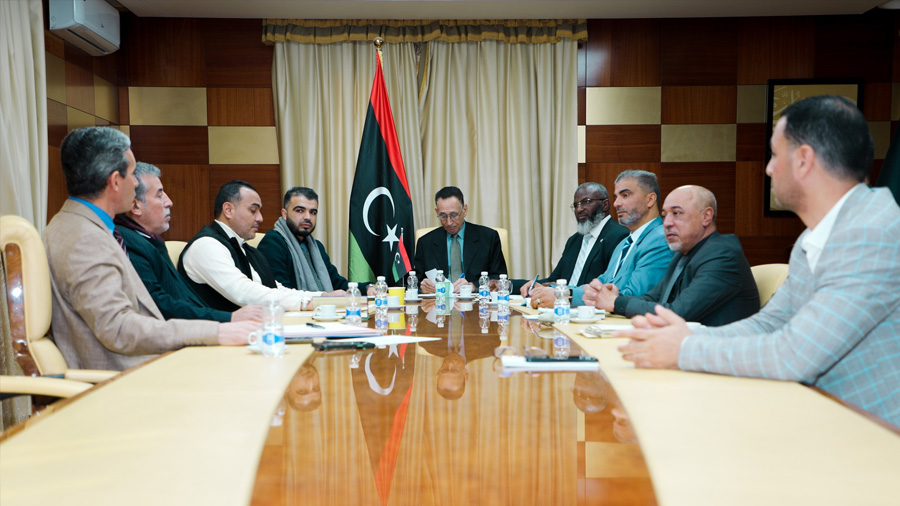
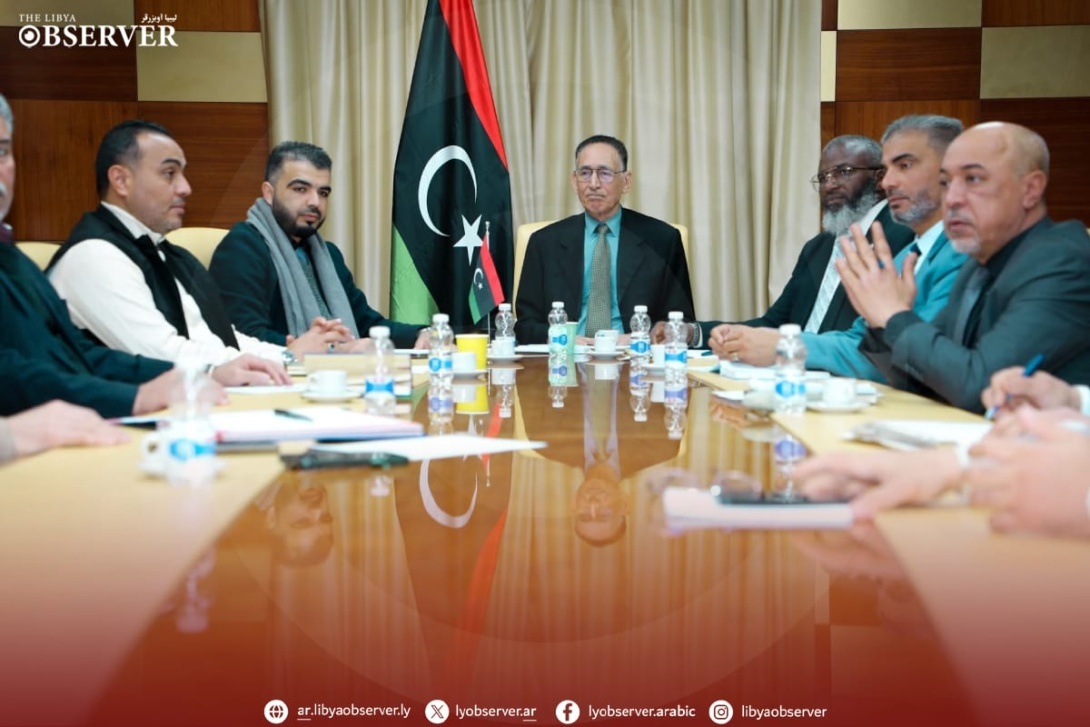
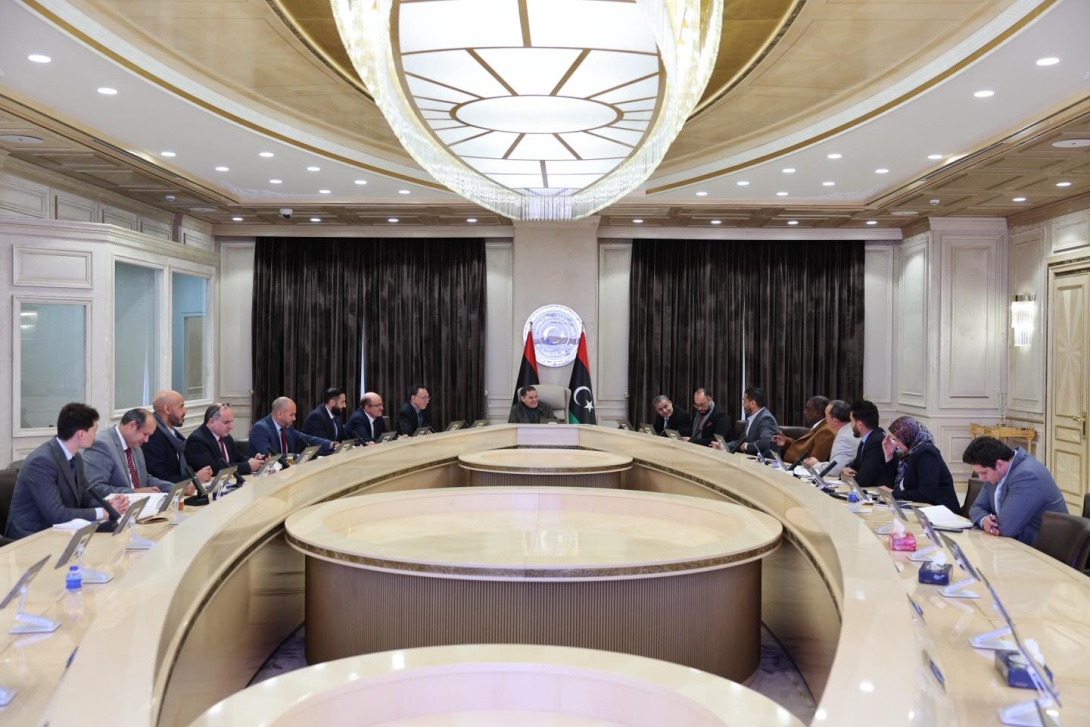
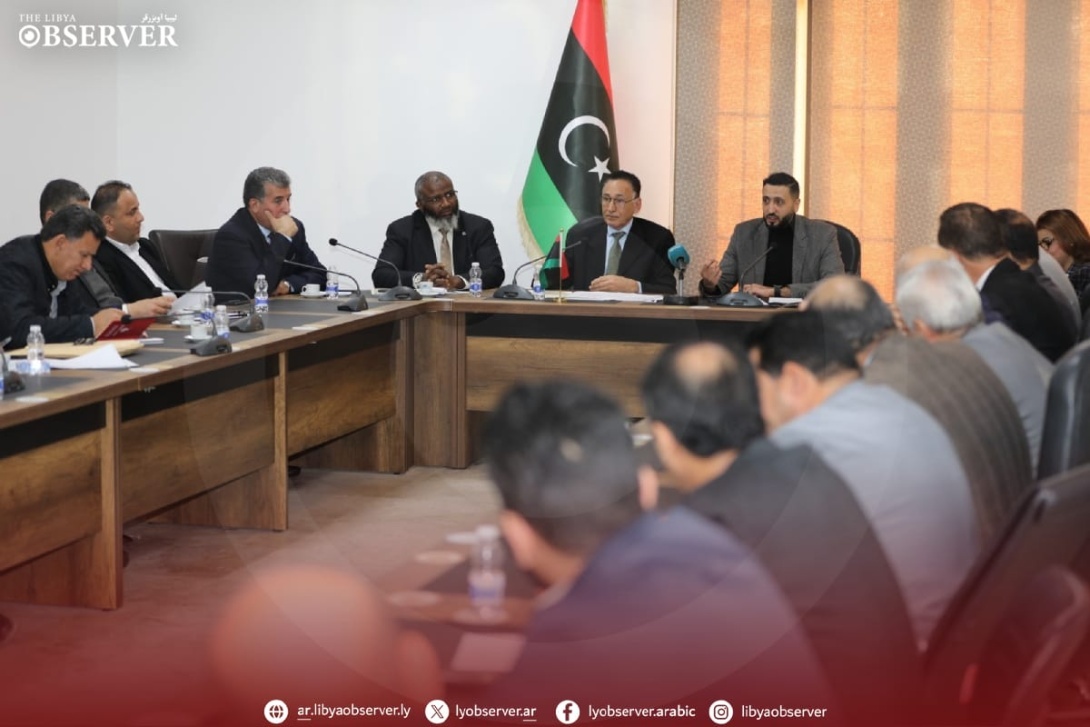
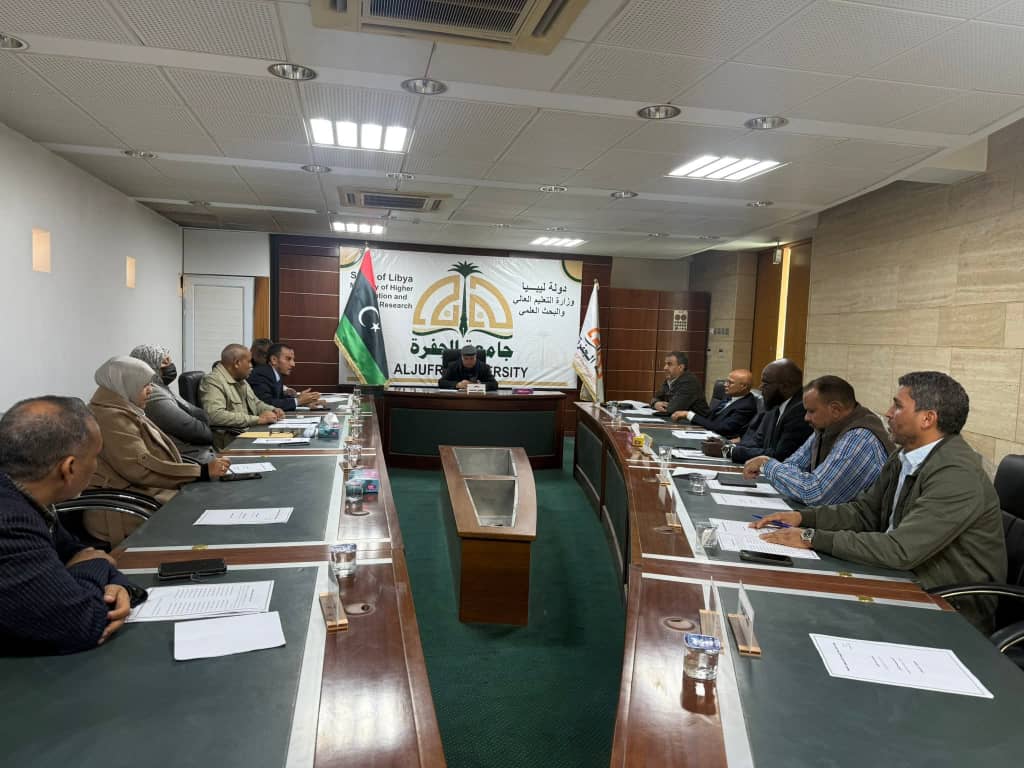
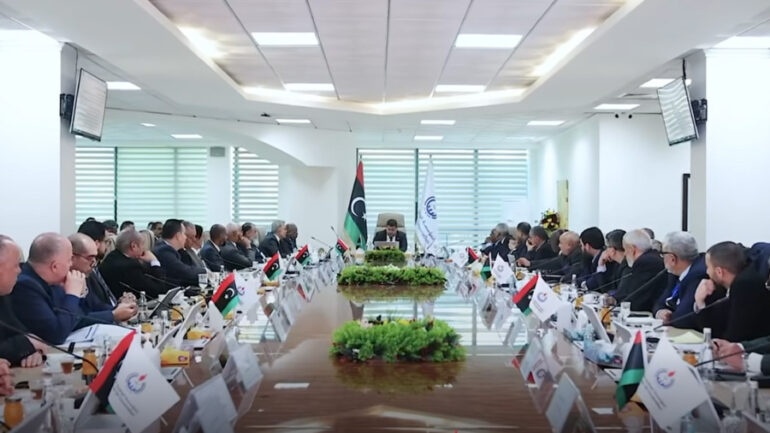
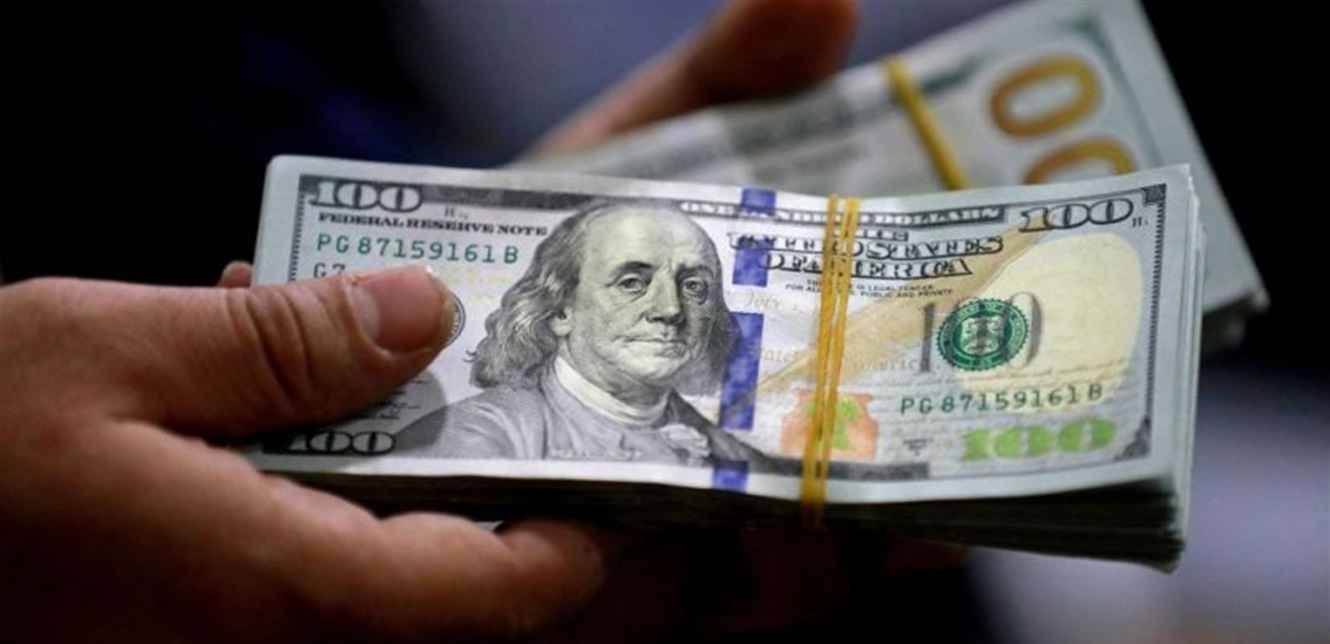
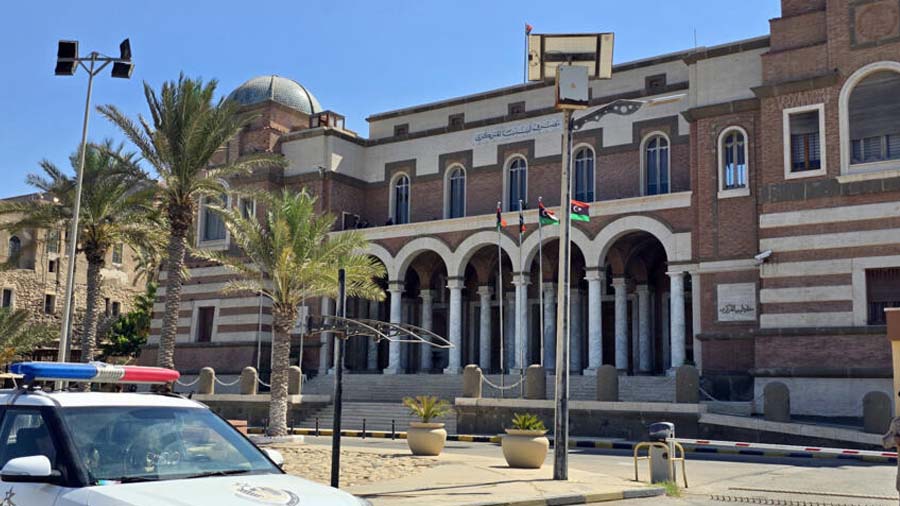
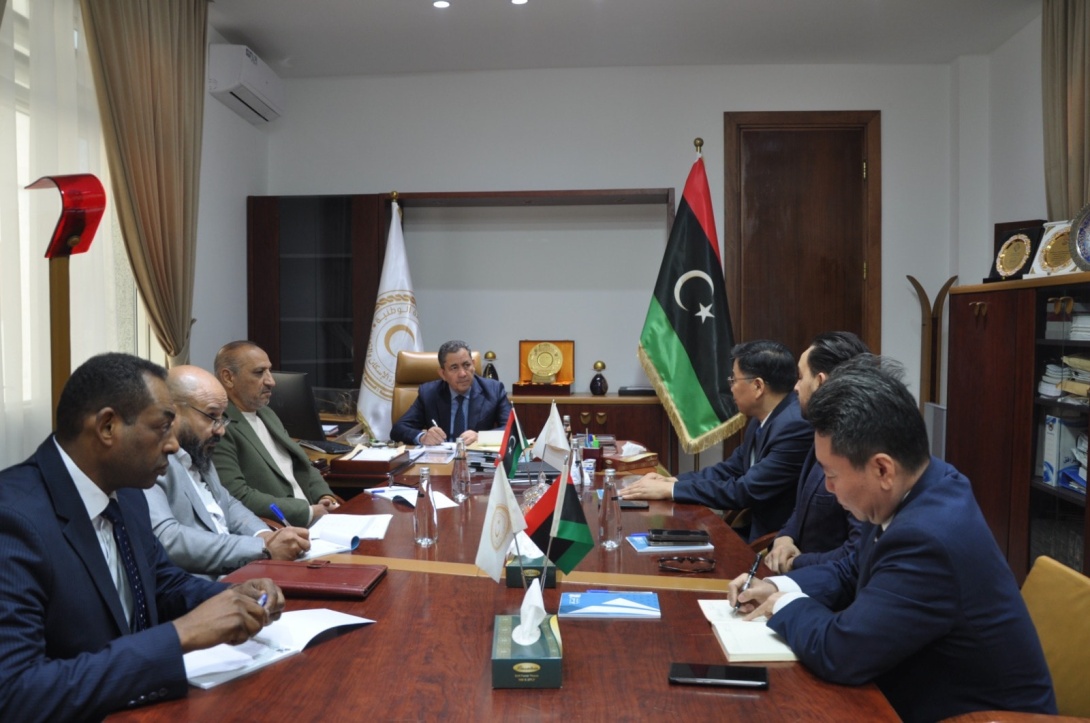
In a statement on Tuesday, the CBL reported that its Monetary Policy Committee held its first meeting of 2026, reviewing measures implemented last year, economic developments, foreign currency usage, and anticipated challenges in the coming months.
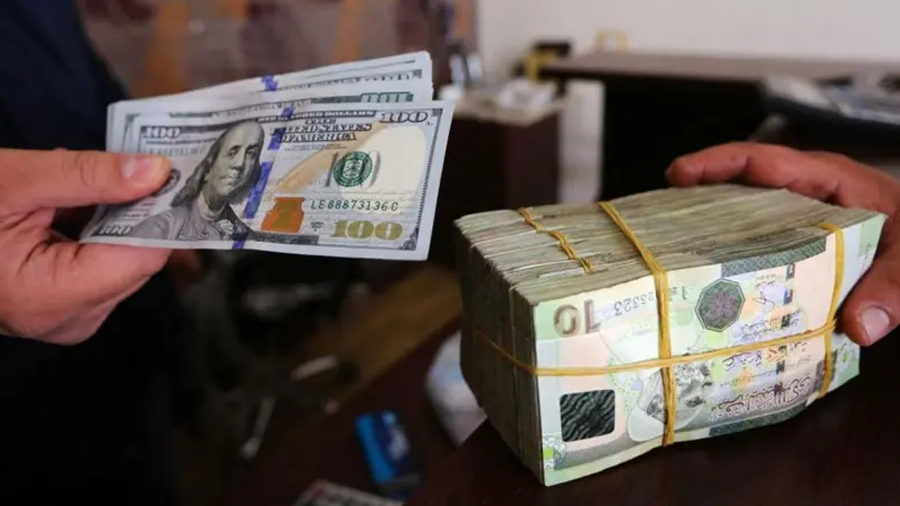
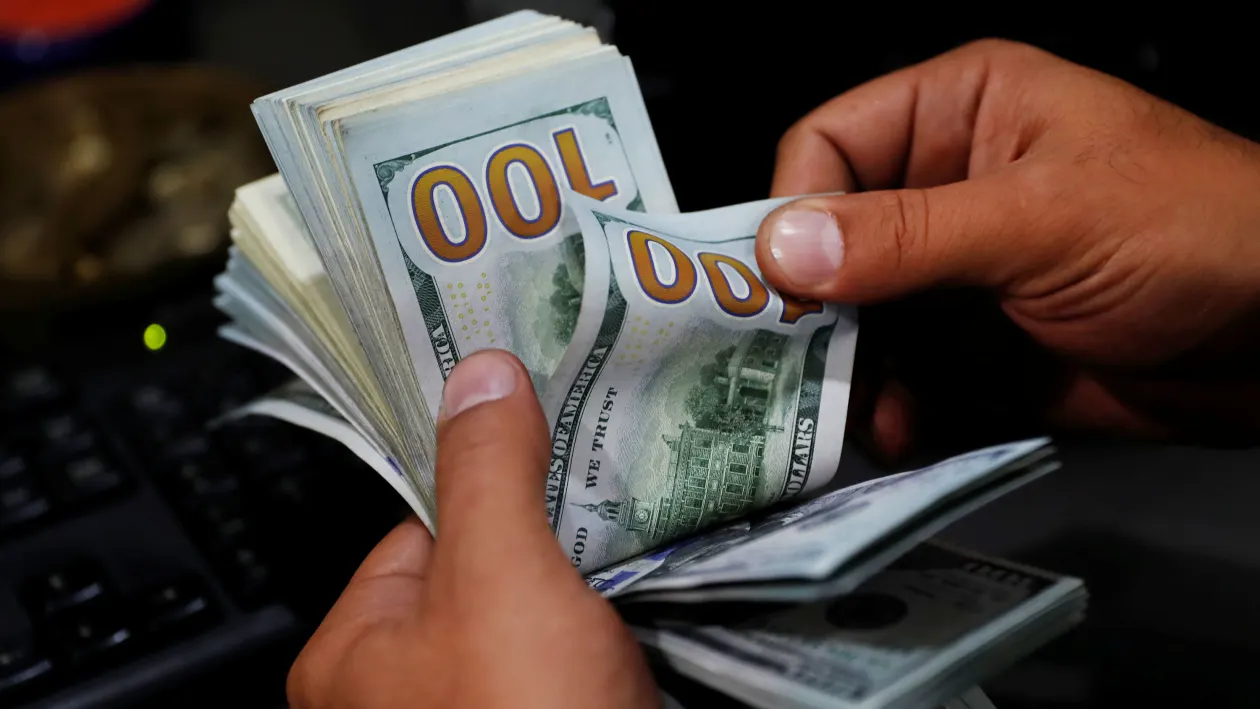
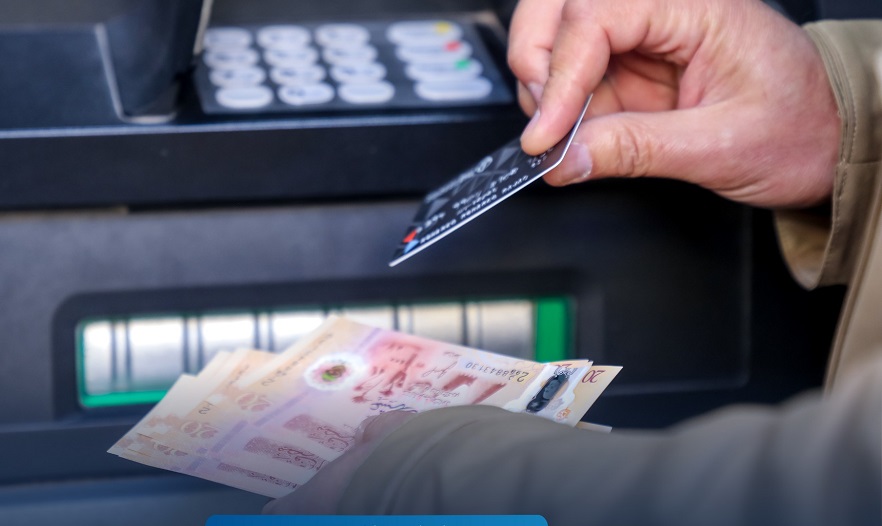
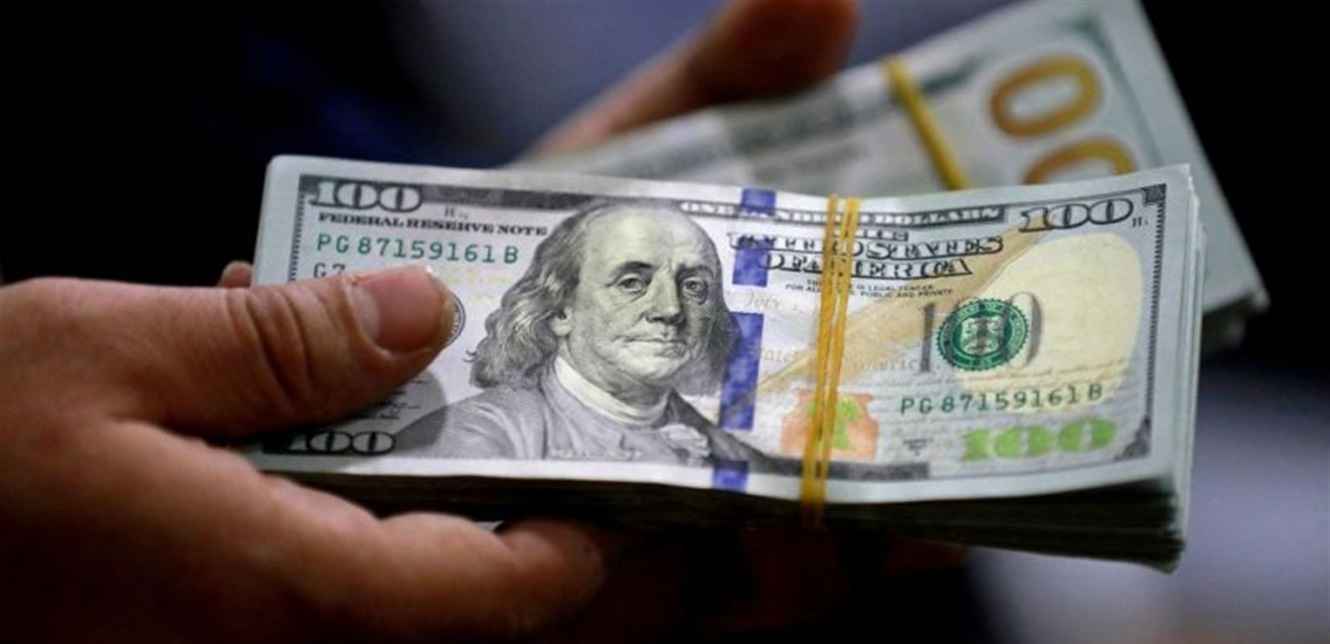
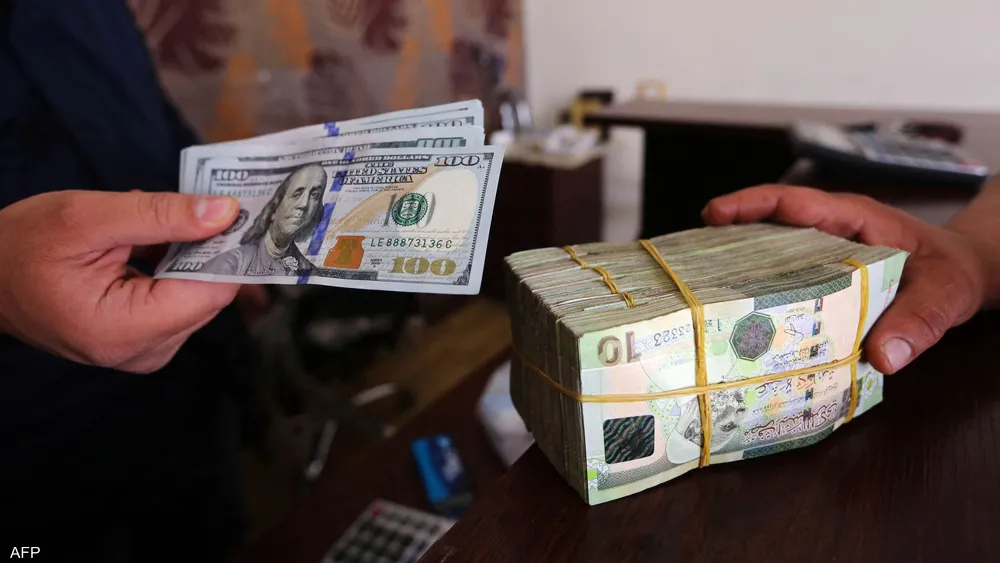
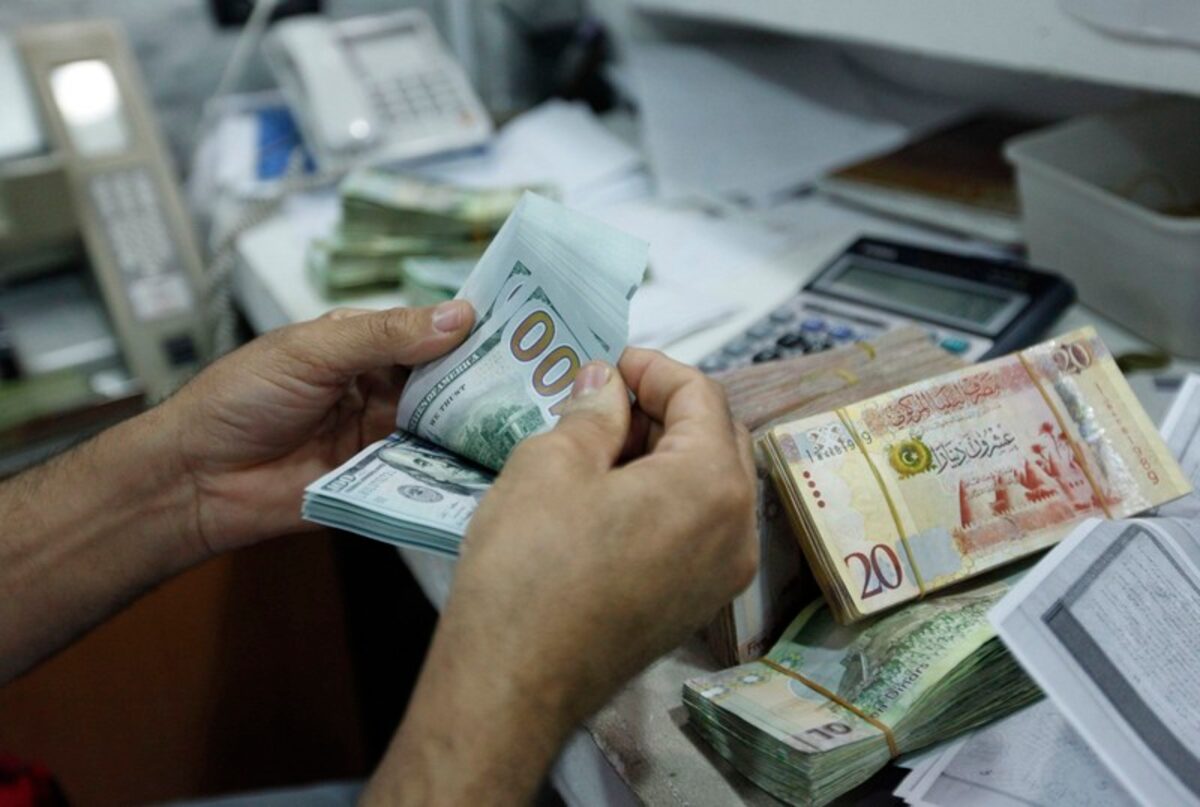
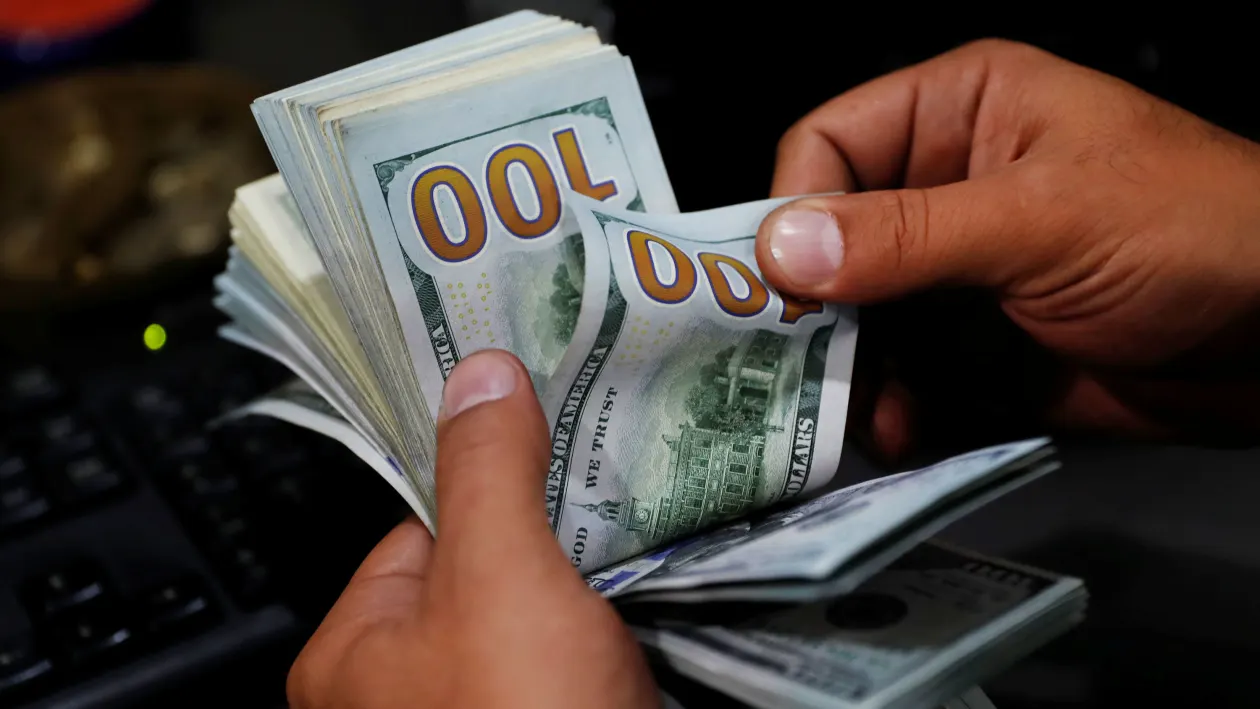
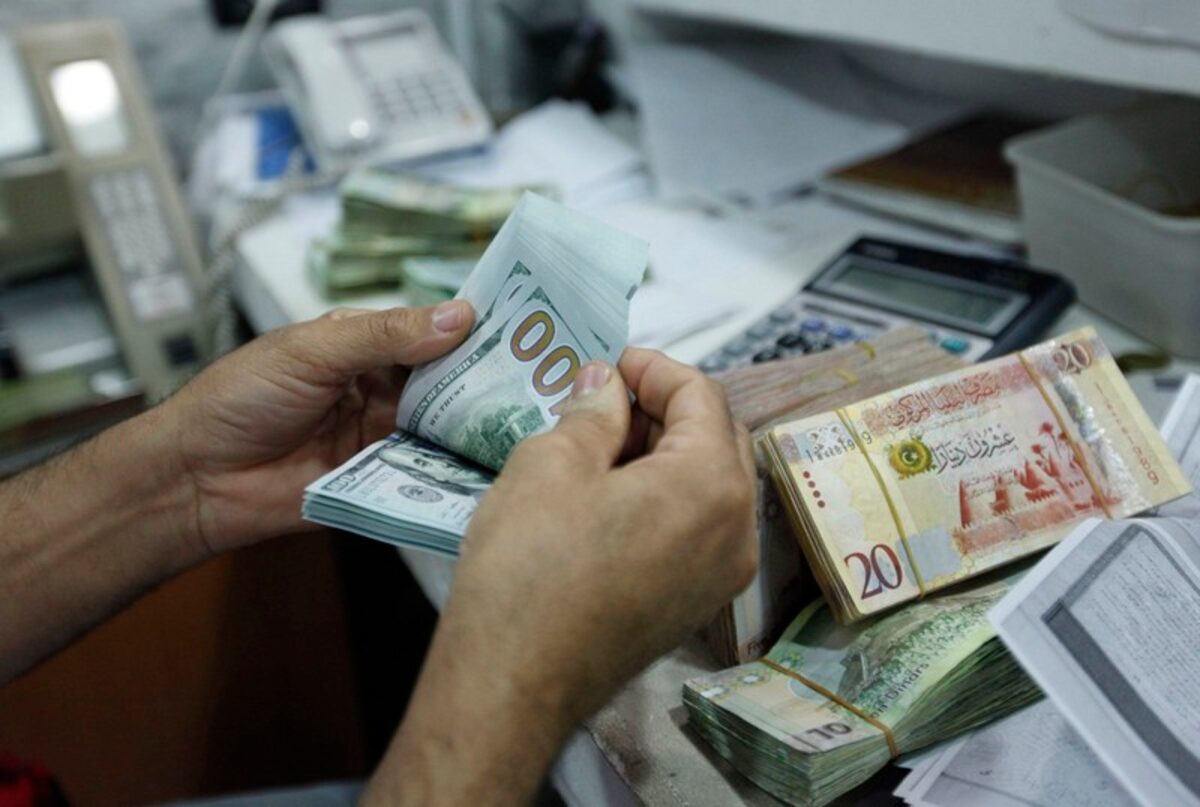
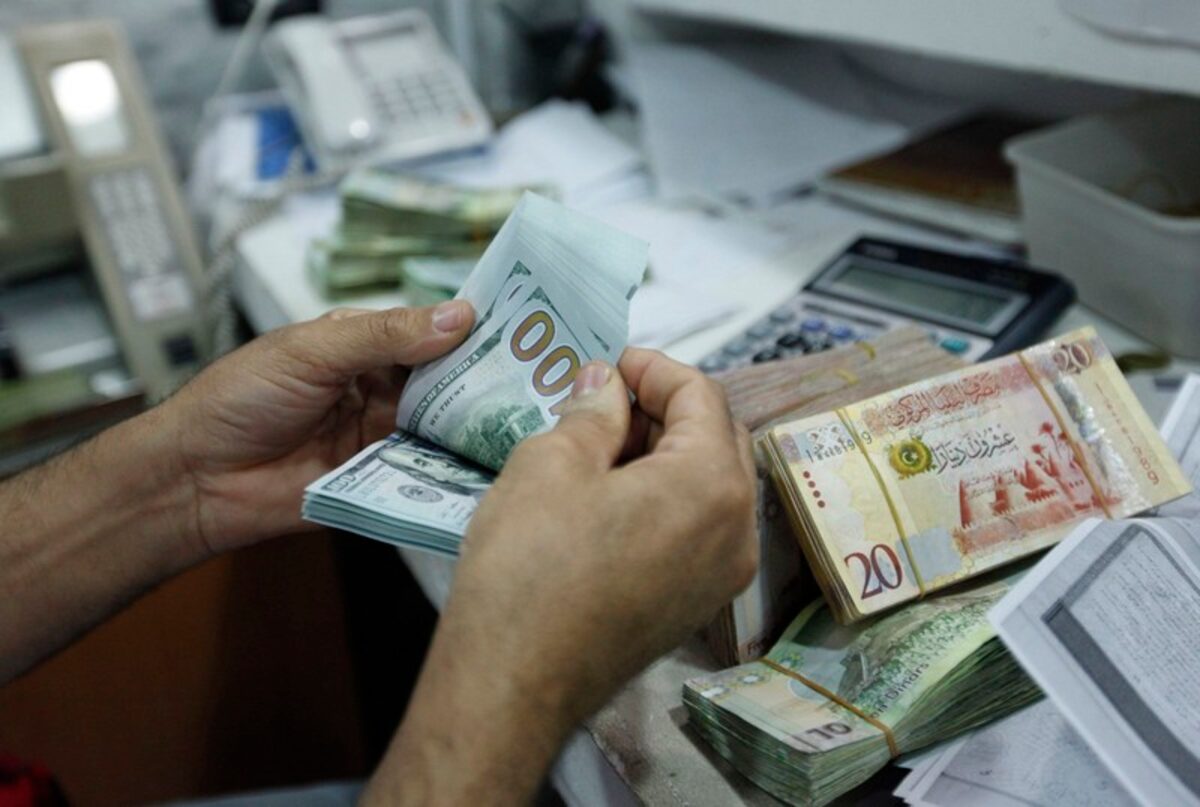
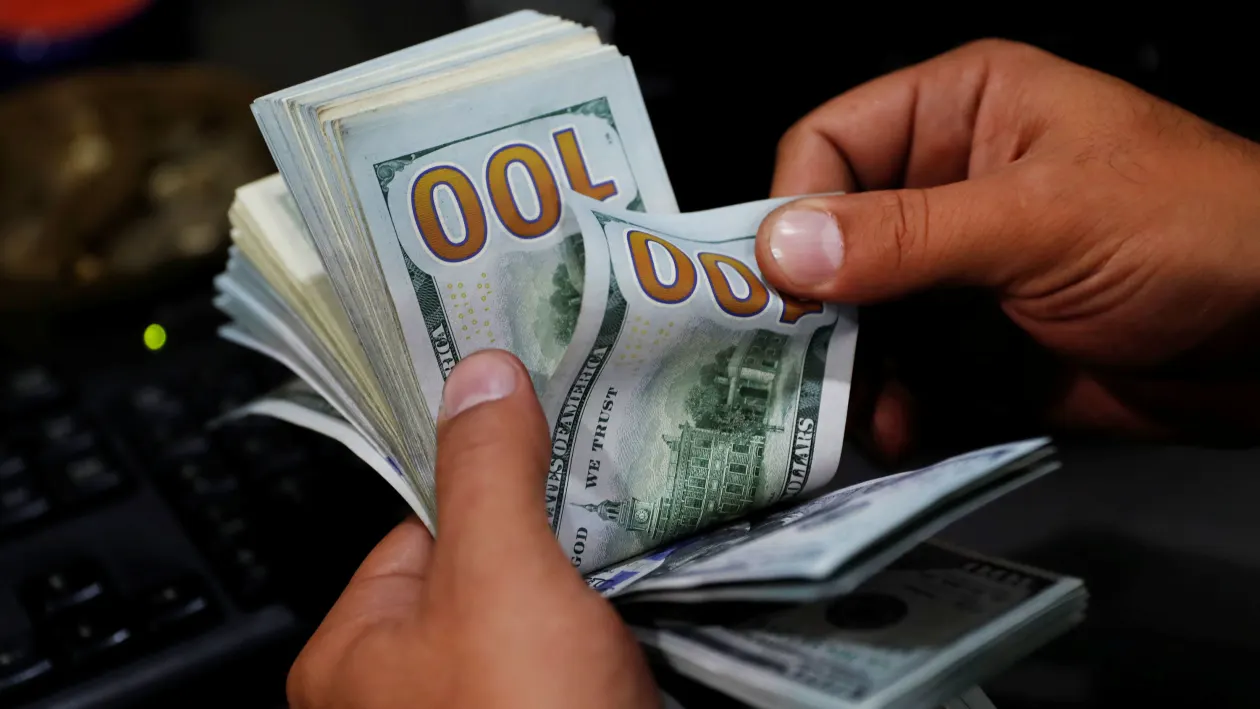
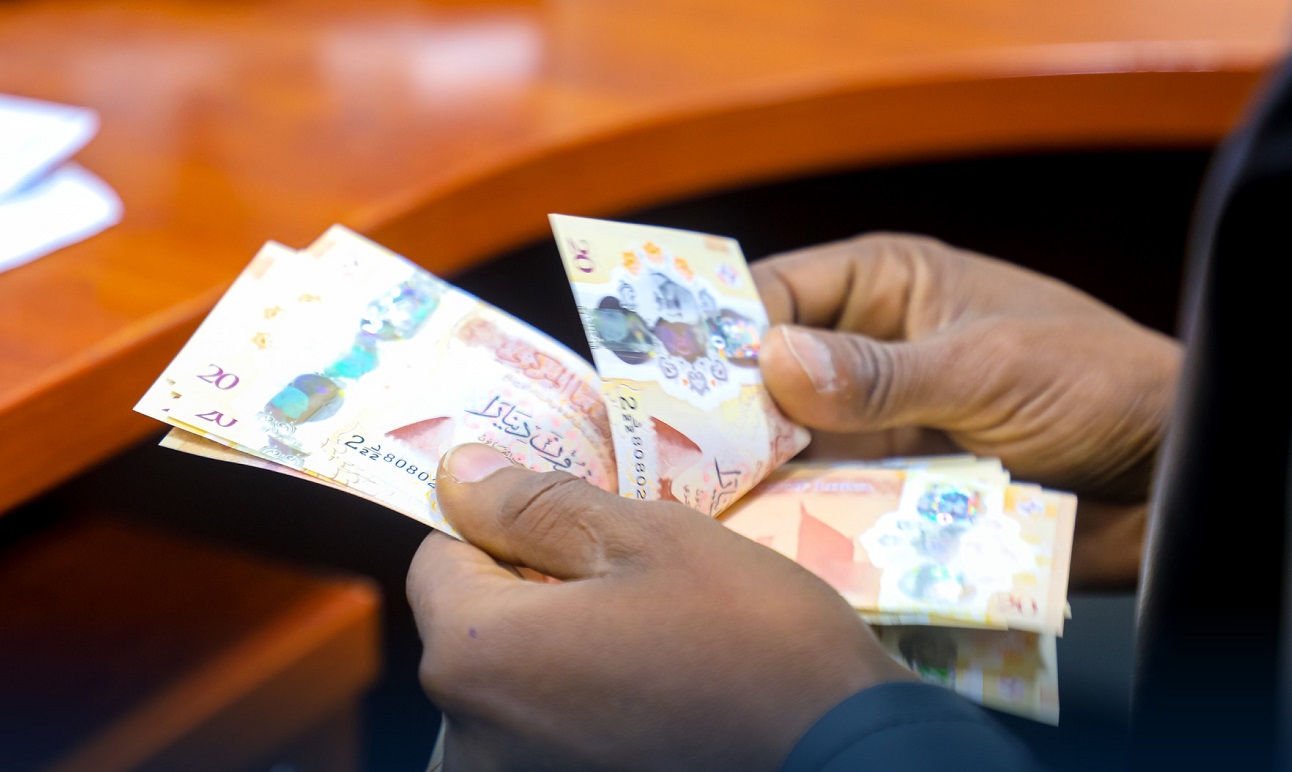
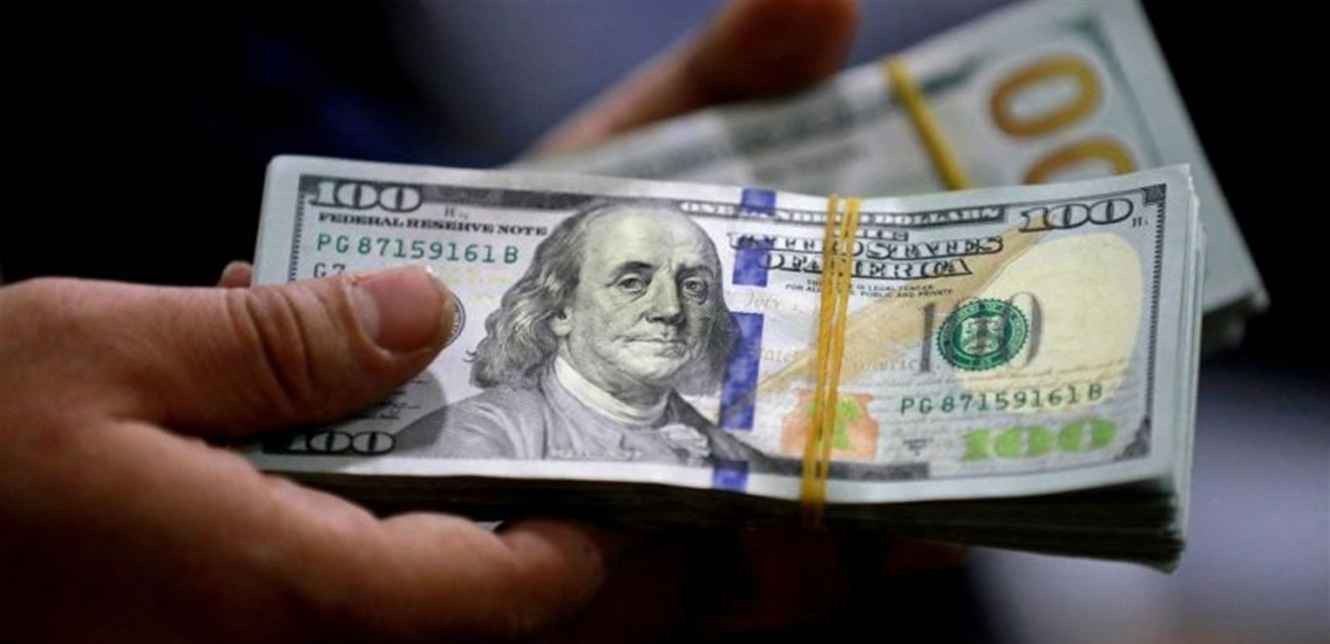
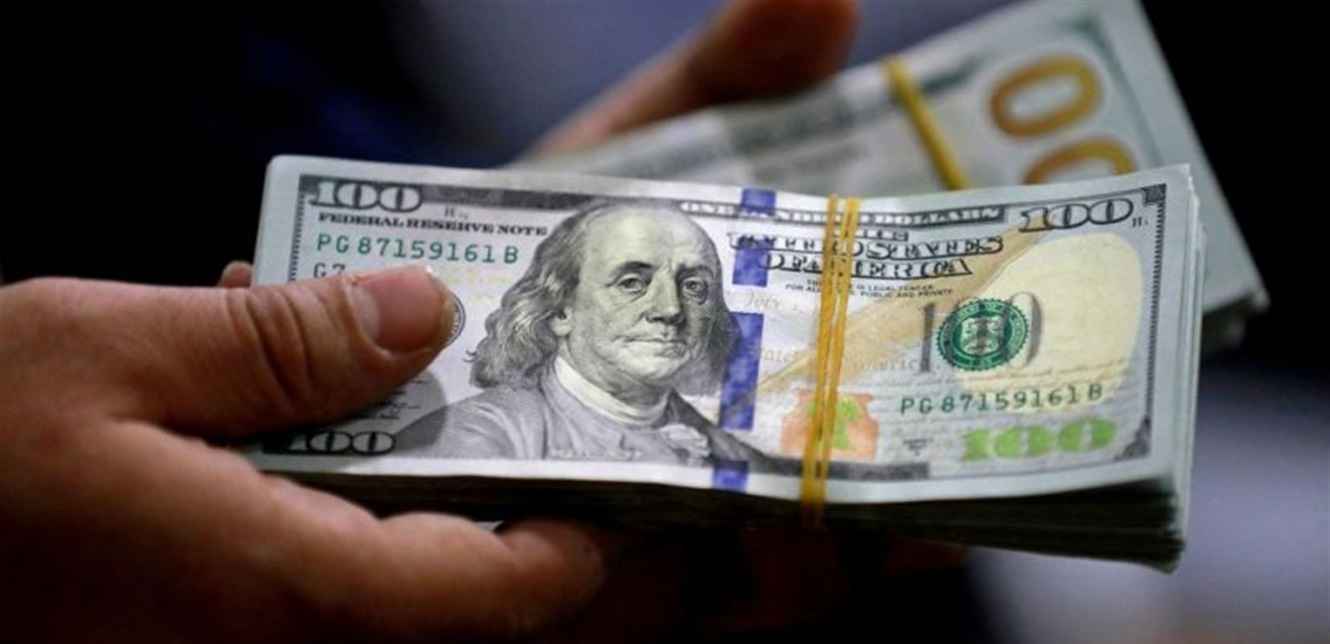
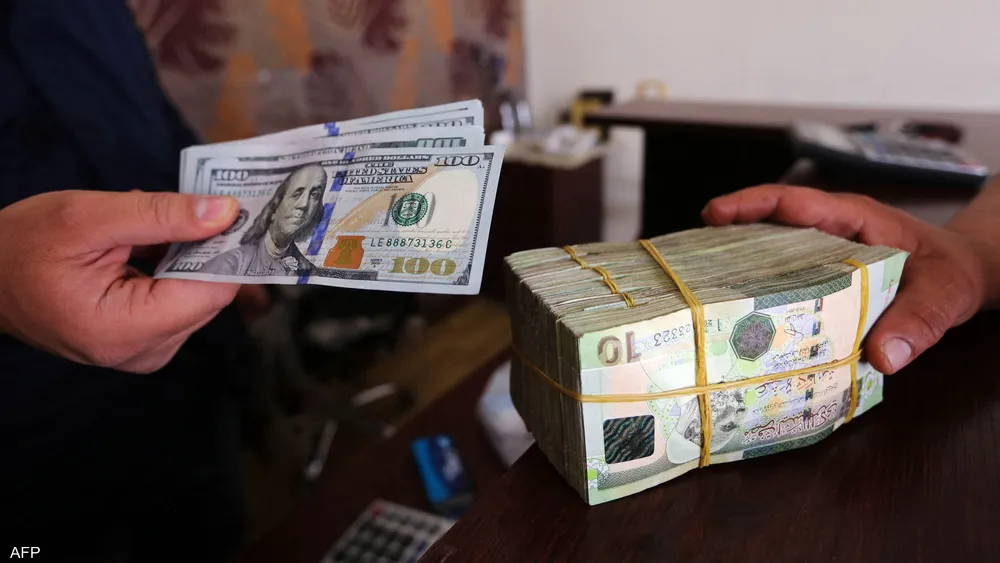
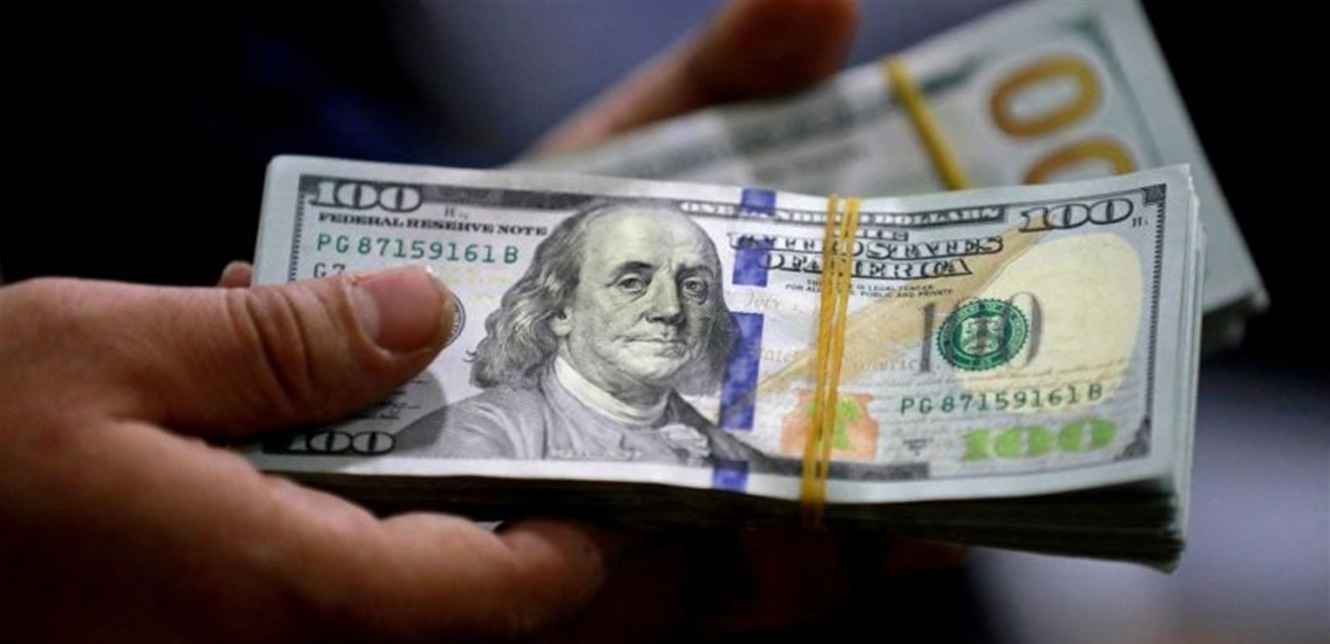
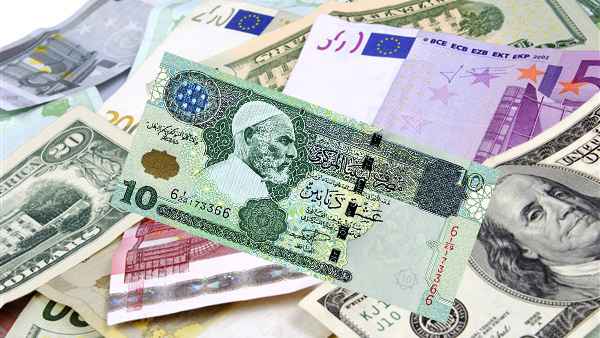
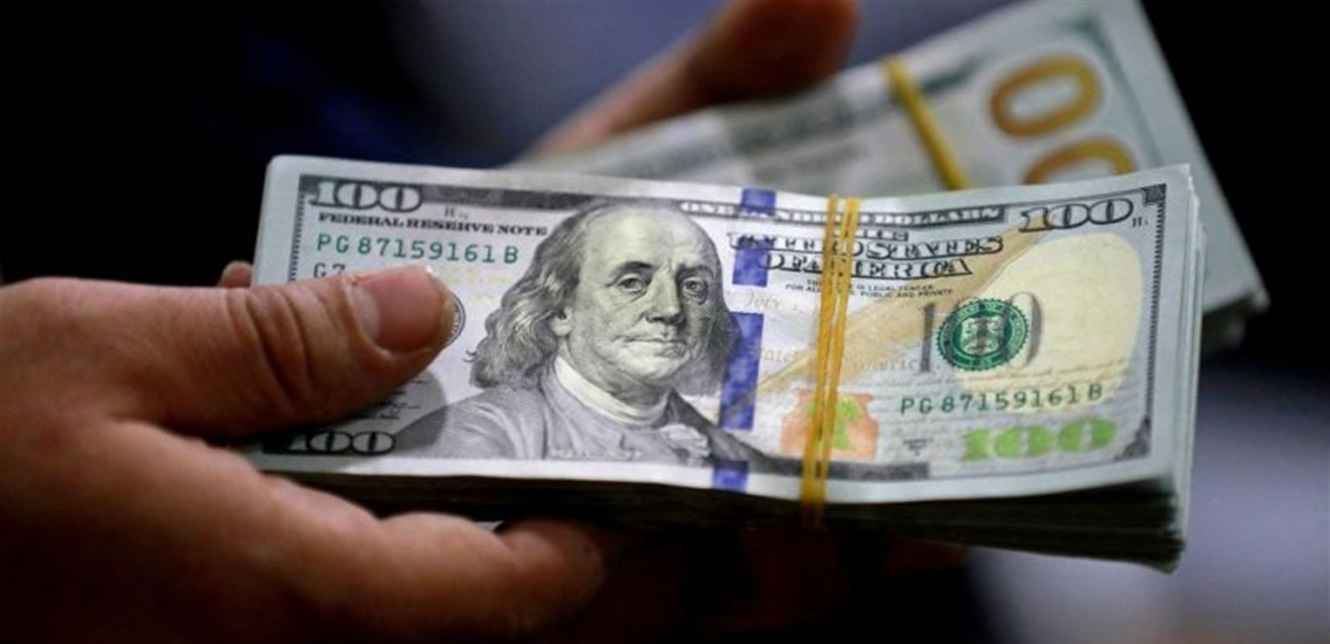
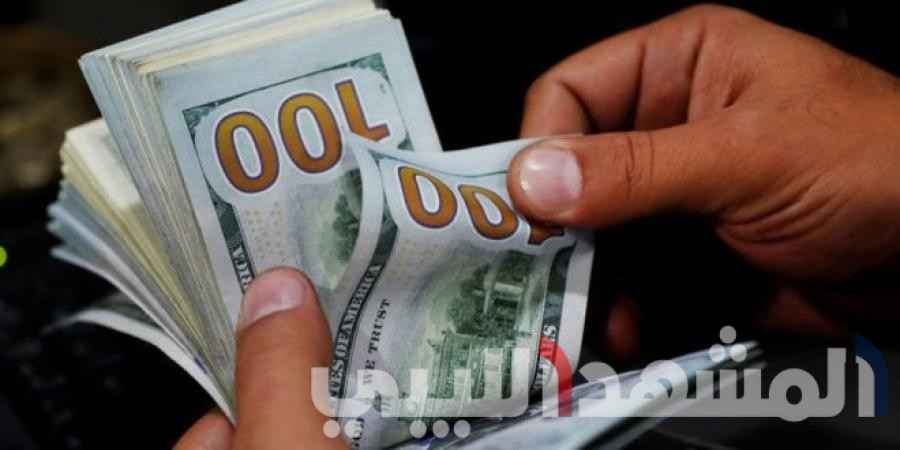
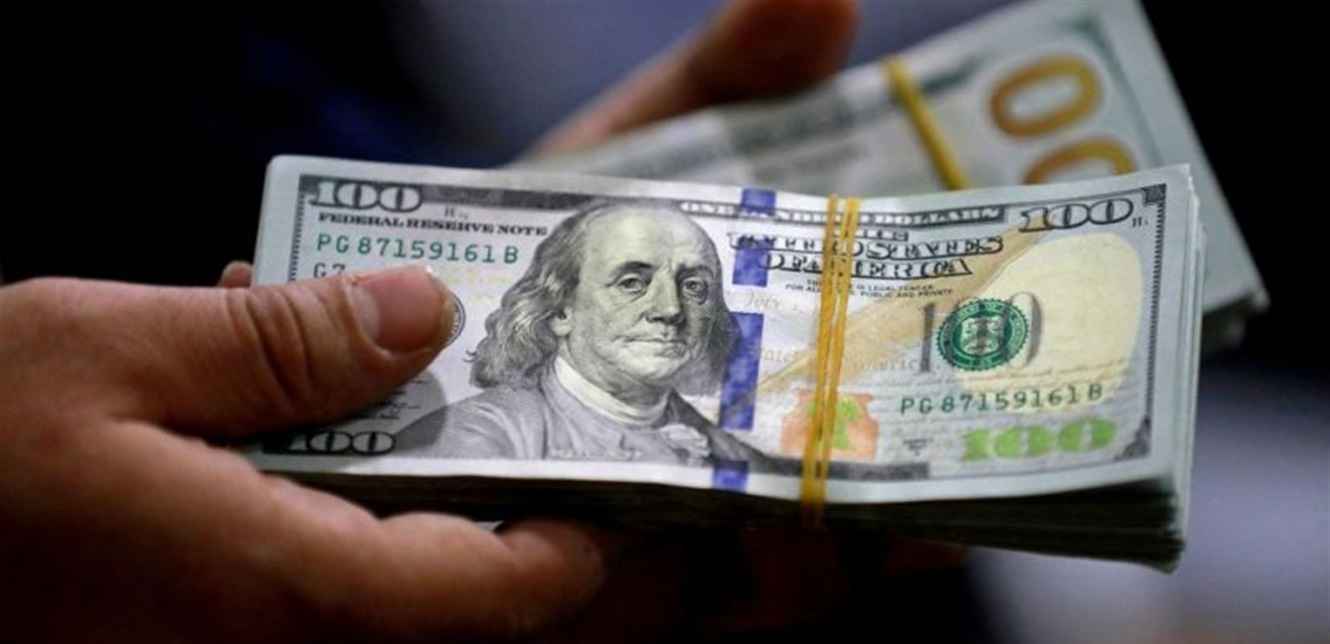
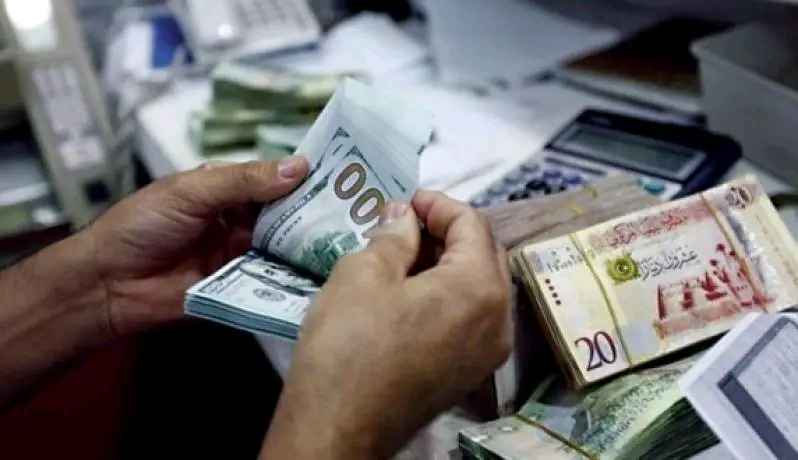
The committee discussed stricter regulation and oversight of currency exchange activities to enhance discipline and transparency in the foreign exchange market.
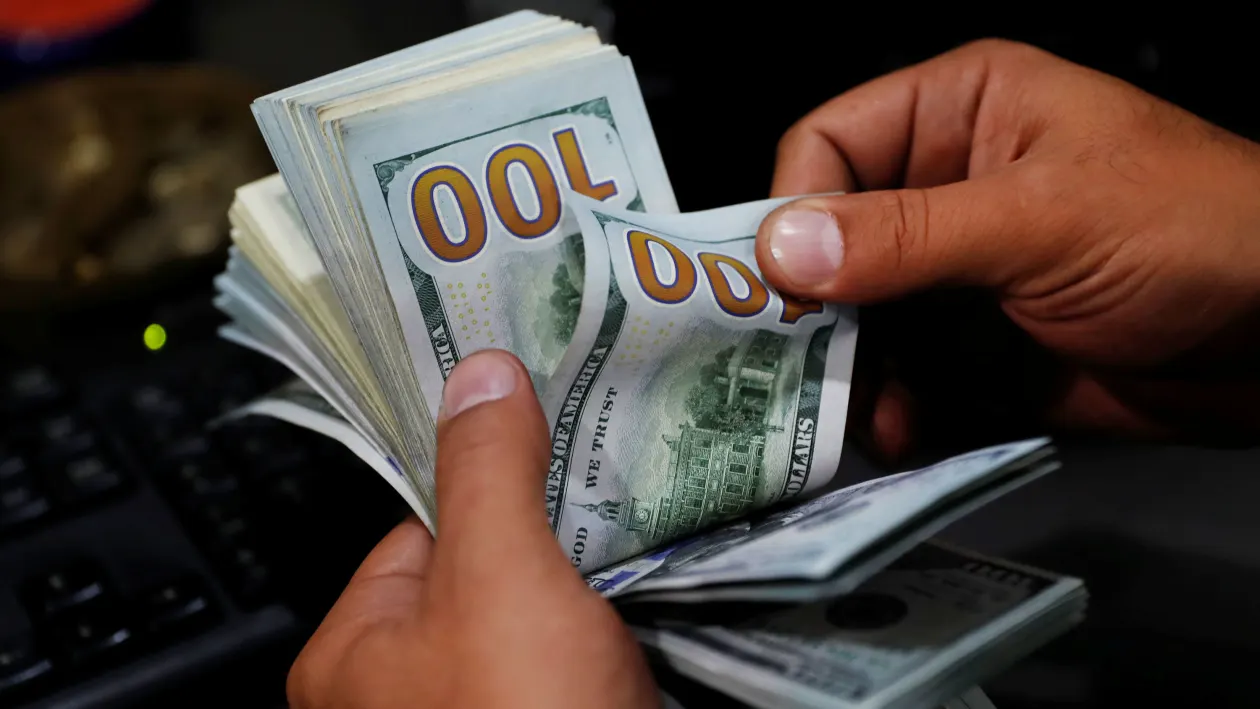
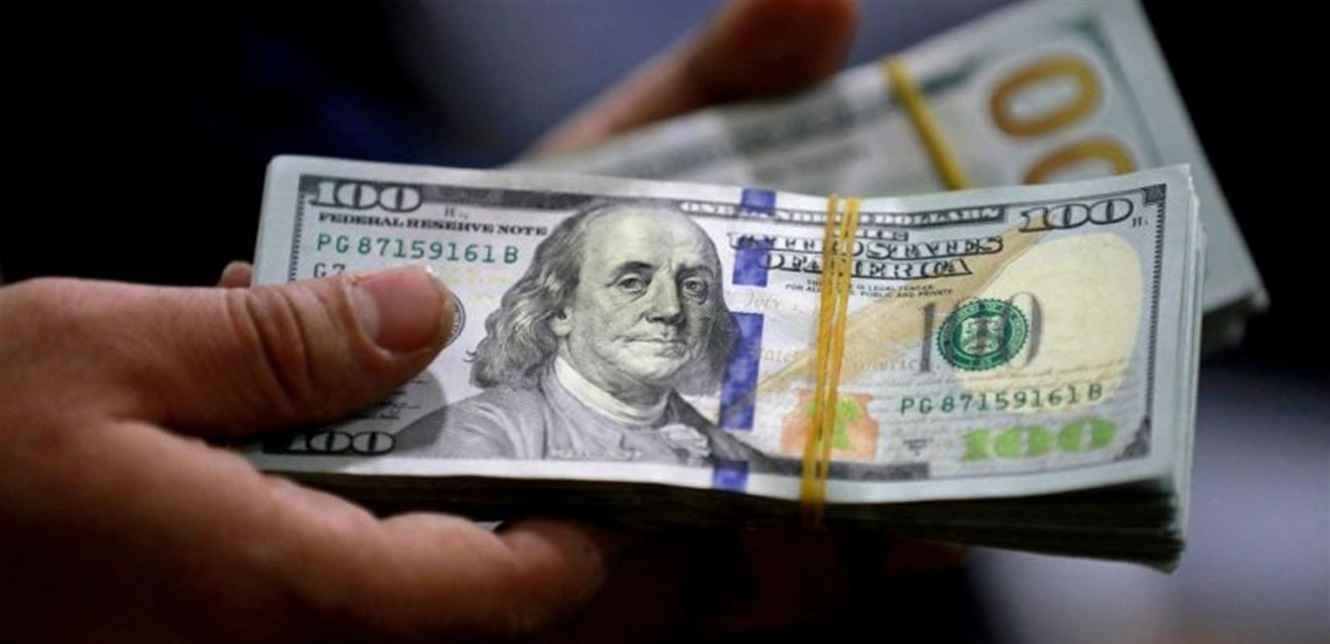
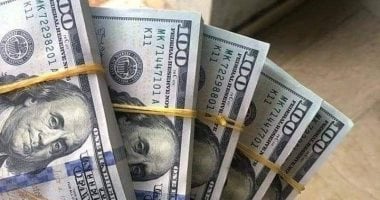
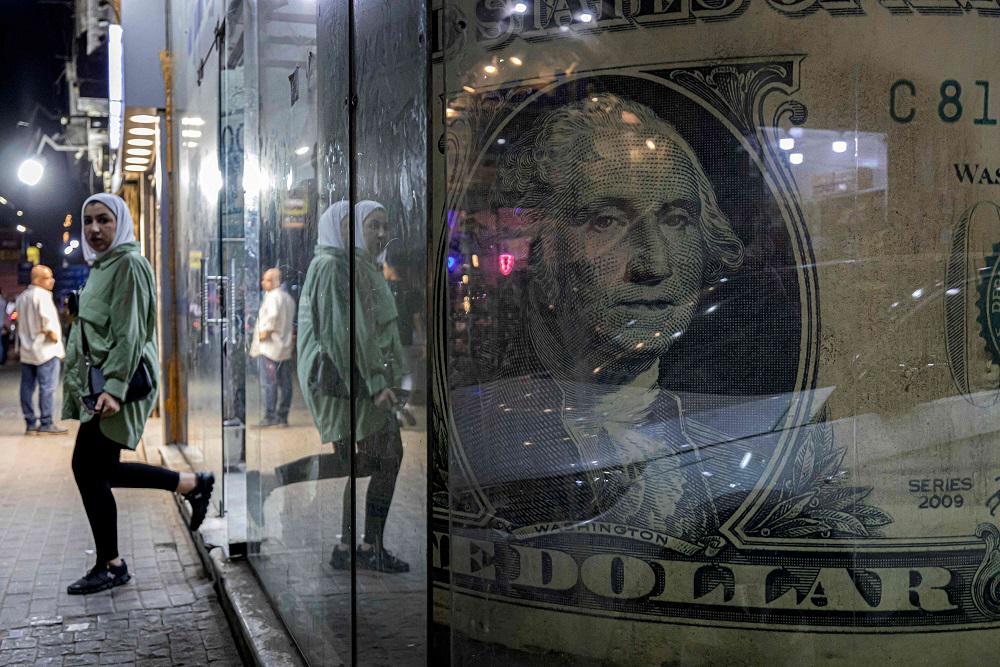
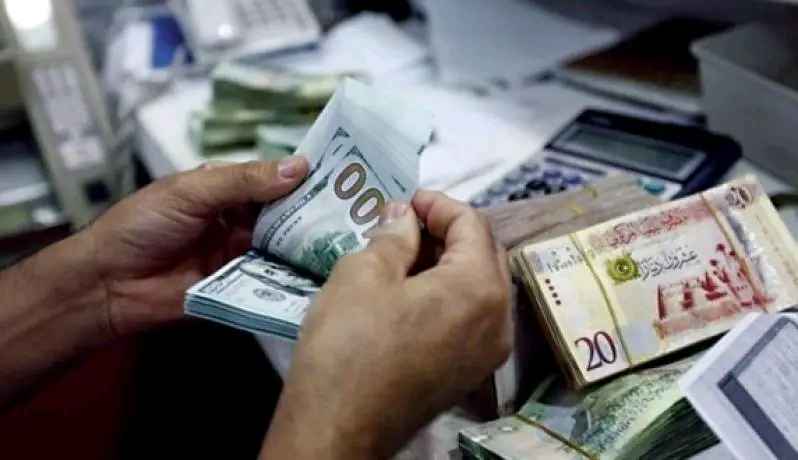
It also examined risks associated with rising public spending and growing public debt, and their impact on foreign reserves.
The bank stated the committee approved a set of monetary and trade policy reforms aimed at supporting market stability, curbing the parallel market, and protecting reserves. The proposals will be submitted to the bank’s board at its next meeting.
Libya
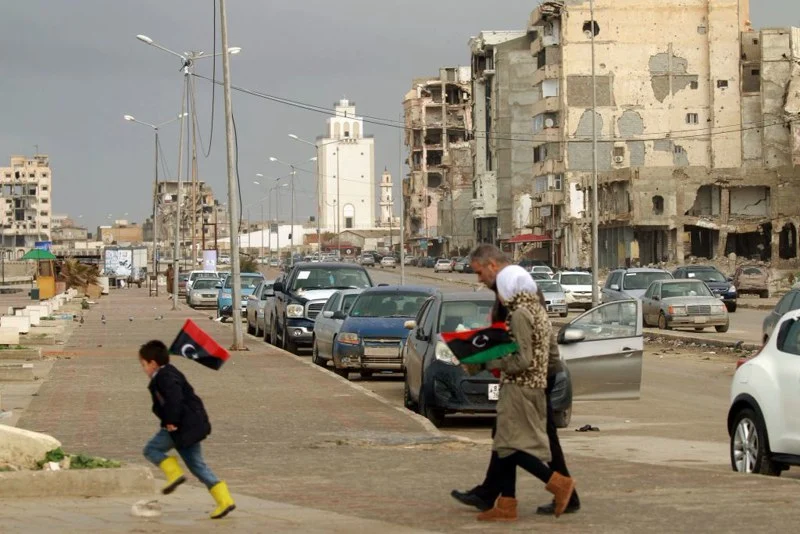
Libya is a North African country with a rich history rooted in ancient civilizations like the Phoenicians and Romans, followed by centuries of Arab and Ottoman influence. In the modern era, it was an Italian colony before gaining independence in 1951, later becoming known for Muammar Gaddafi’s lengthy rule from 1969 until the 2011 revolution. Its cultural sites include the well-preserved Roman ruins of Leptis Magna, a UNESCO World Heritage site.
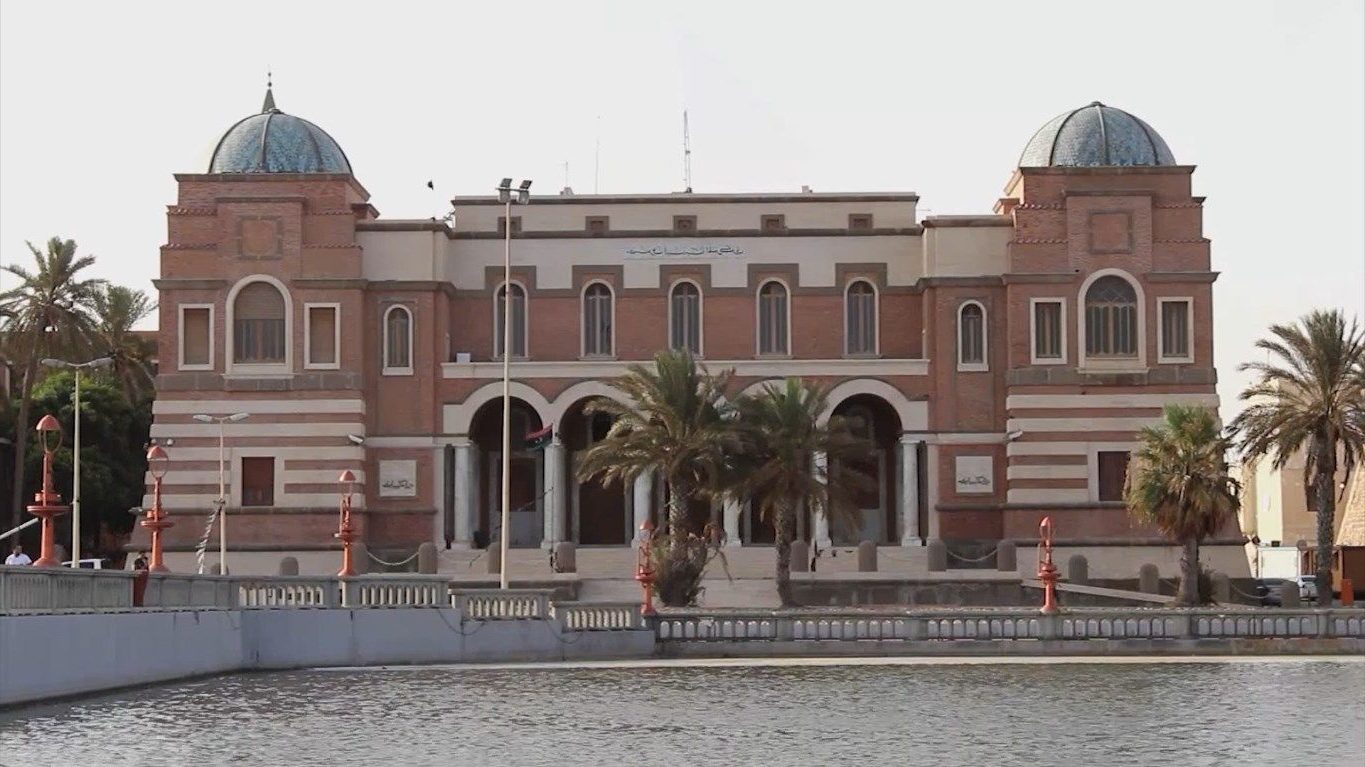
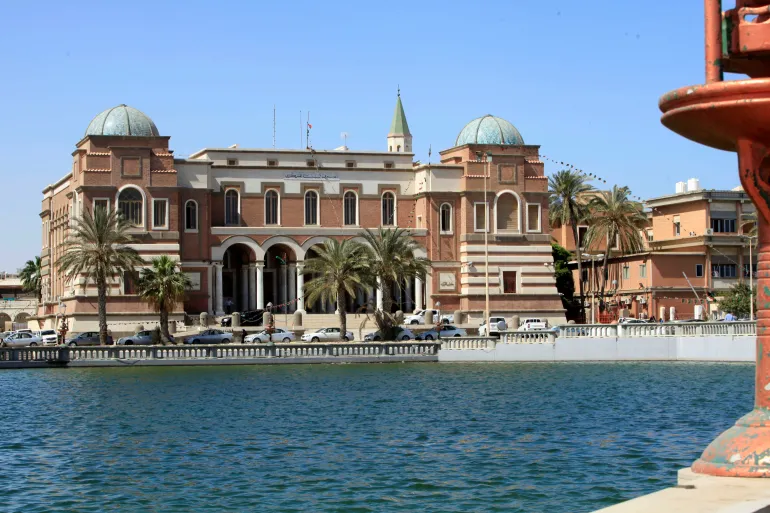
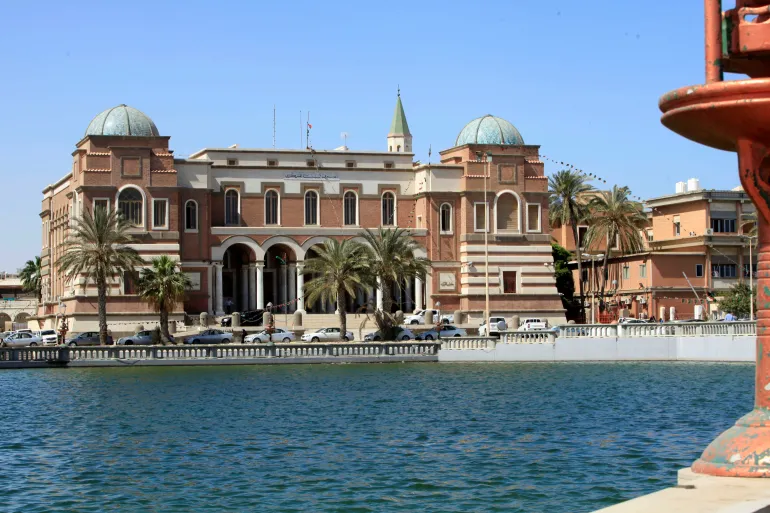
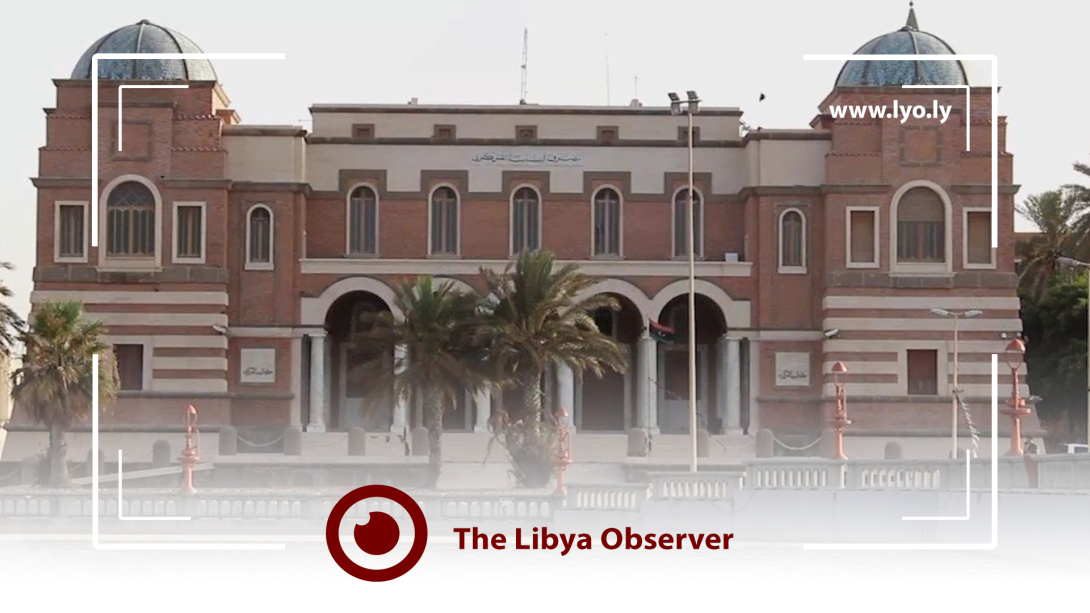
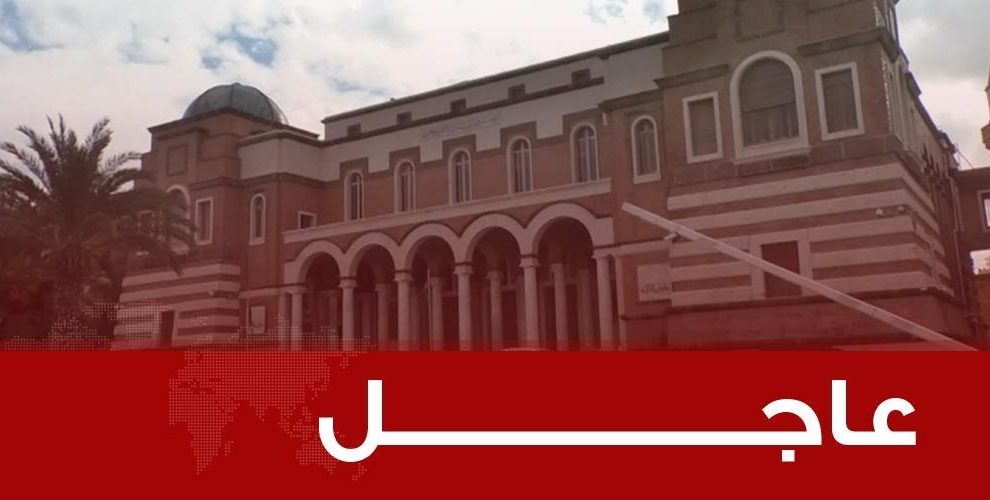
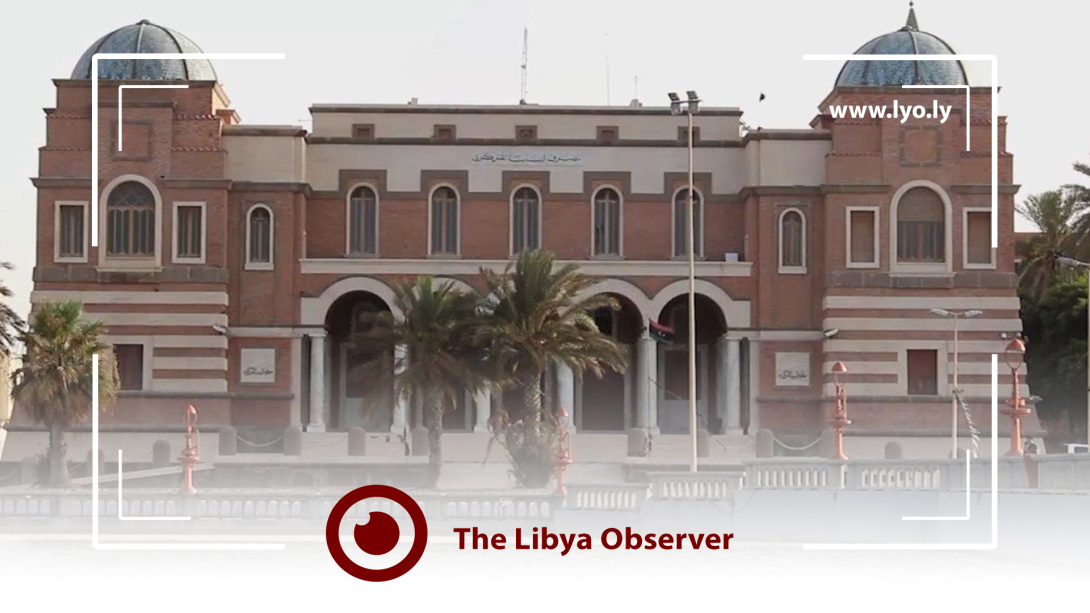
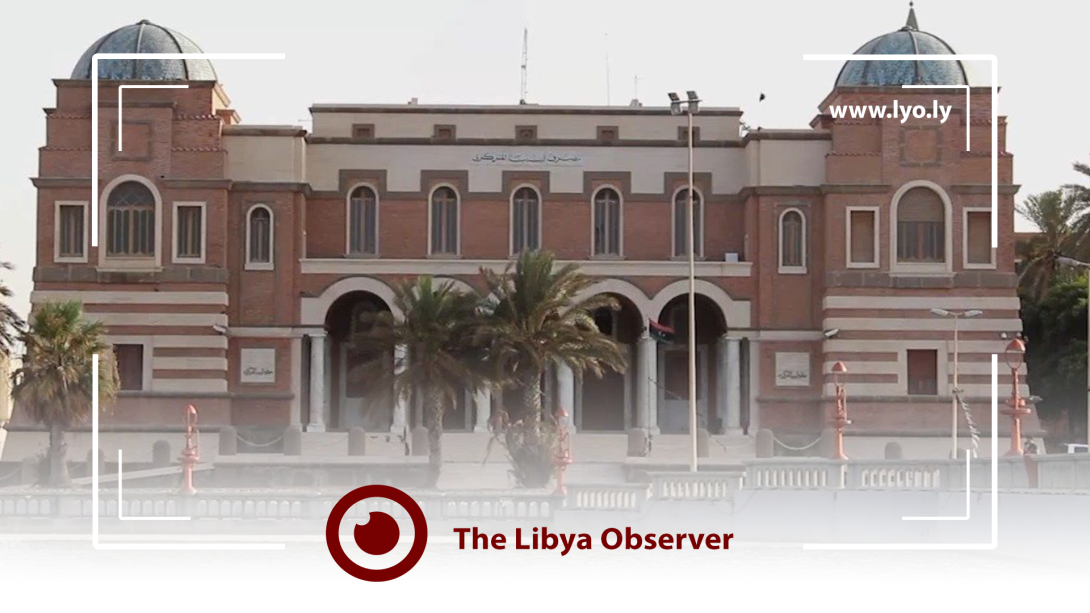
Central Bank of Libya
The Central Bank of Libya is the primary monetary authority of Libya, established in 1956 to issue currency and manage the country’s financial reserves. It has played a critical and often contentious role throughout Libya’s modern history, including during the Gaddafi era and the subsequent civil conflicts, where control of the bank and its assets became a major point of political and military contention.
Monetary Policy Committee
The Monetary Policy Committee is a key decision-making body within a central bank, such as the Bank of England, responsible for setting official interest rates and other monetary policies to achieve price stability. It was formally established in the United Kingdom in 1997 to grant operational independence over monetary policy, separating these decisions from direct government control.
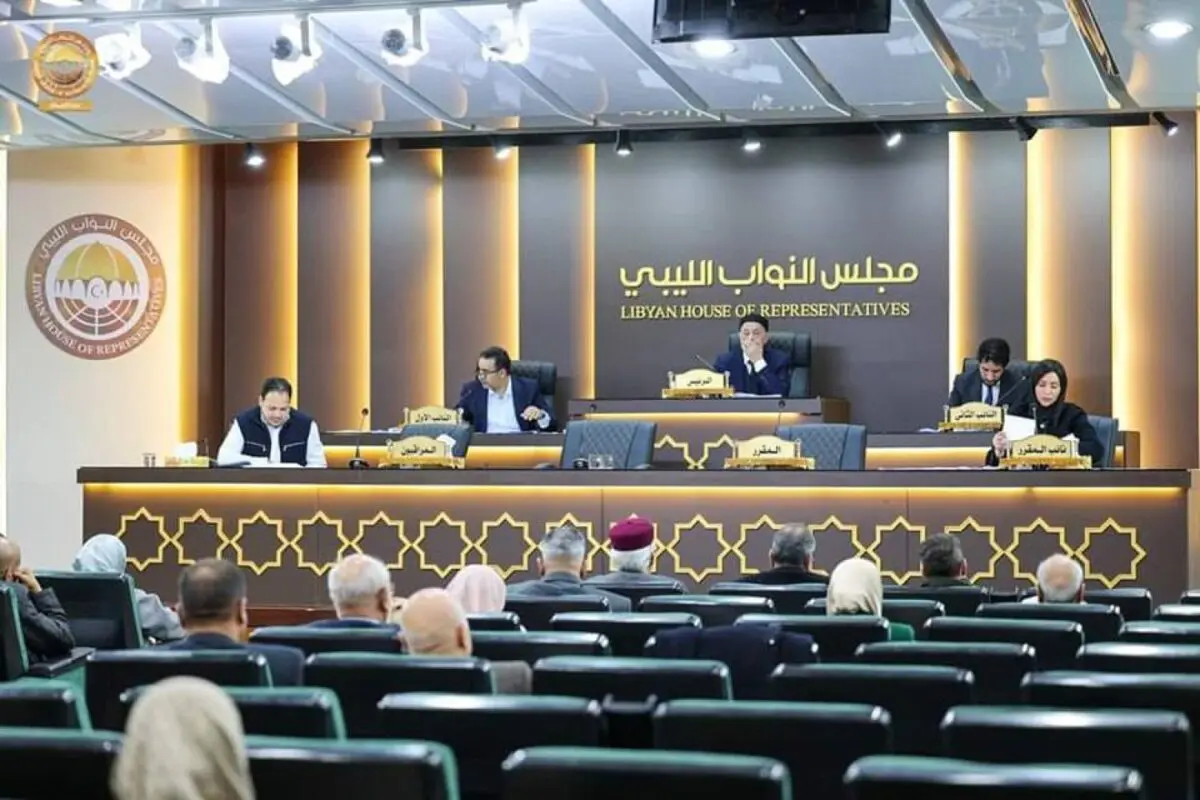
HoR
The House of Representatives (HoR) is the lower house of Libya’s national legislature, established following the 2011 revolution and the subsequent political transition. Its history has been marked by conflict, as it relocated to the eastern city of Tobruk after the 2014 civil war and has often been at odds with rival governments in Tripoli.