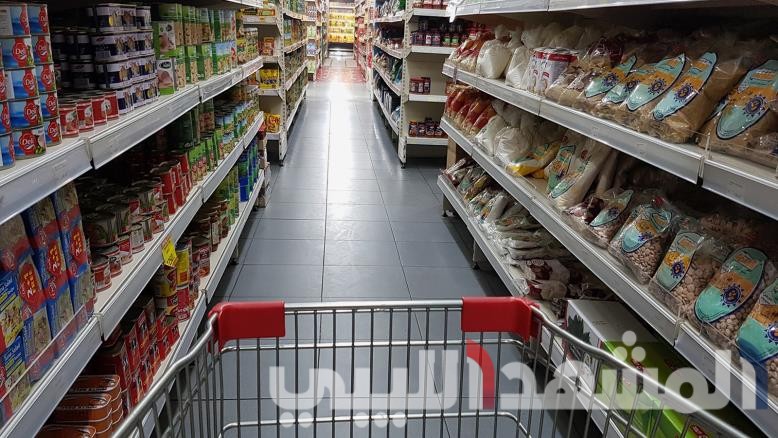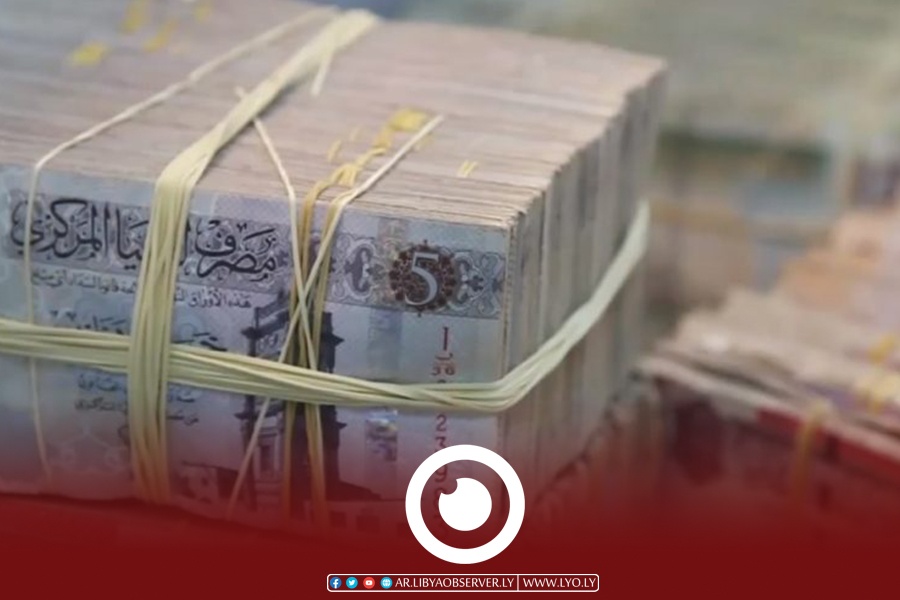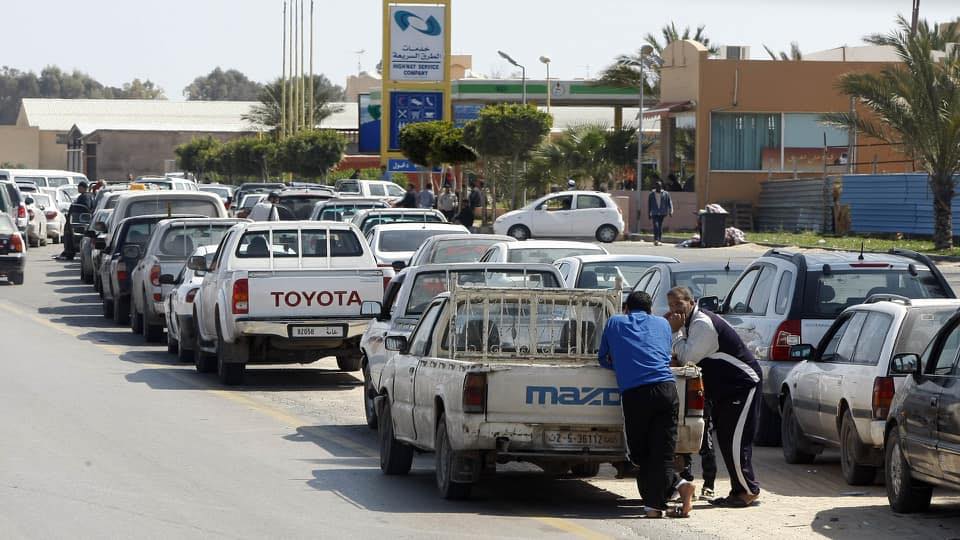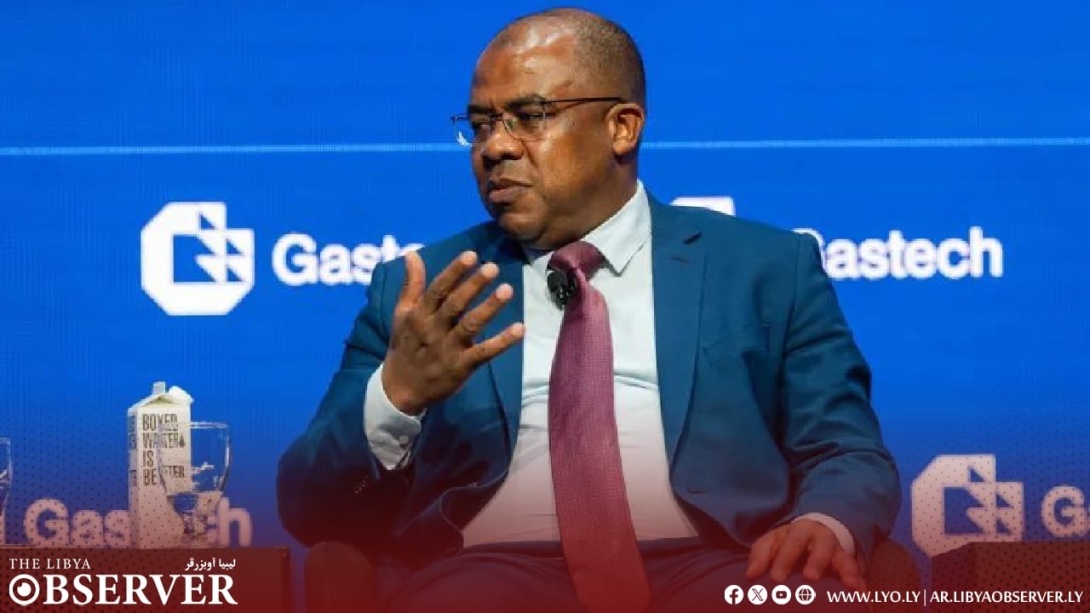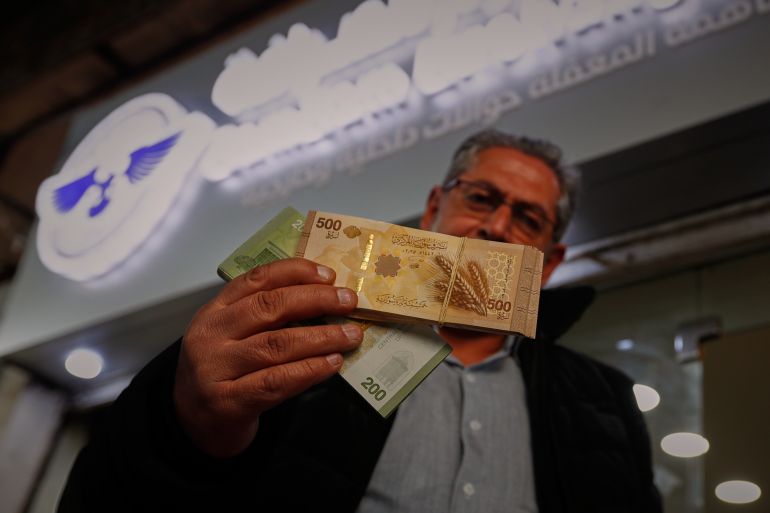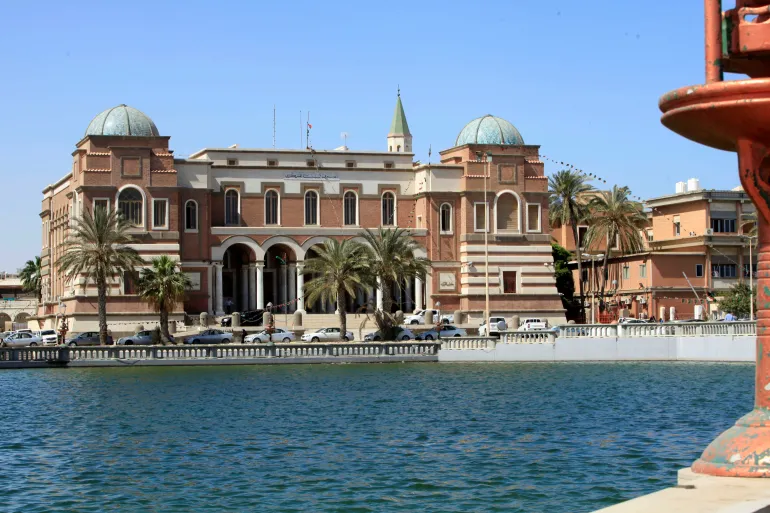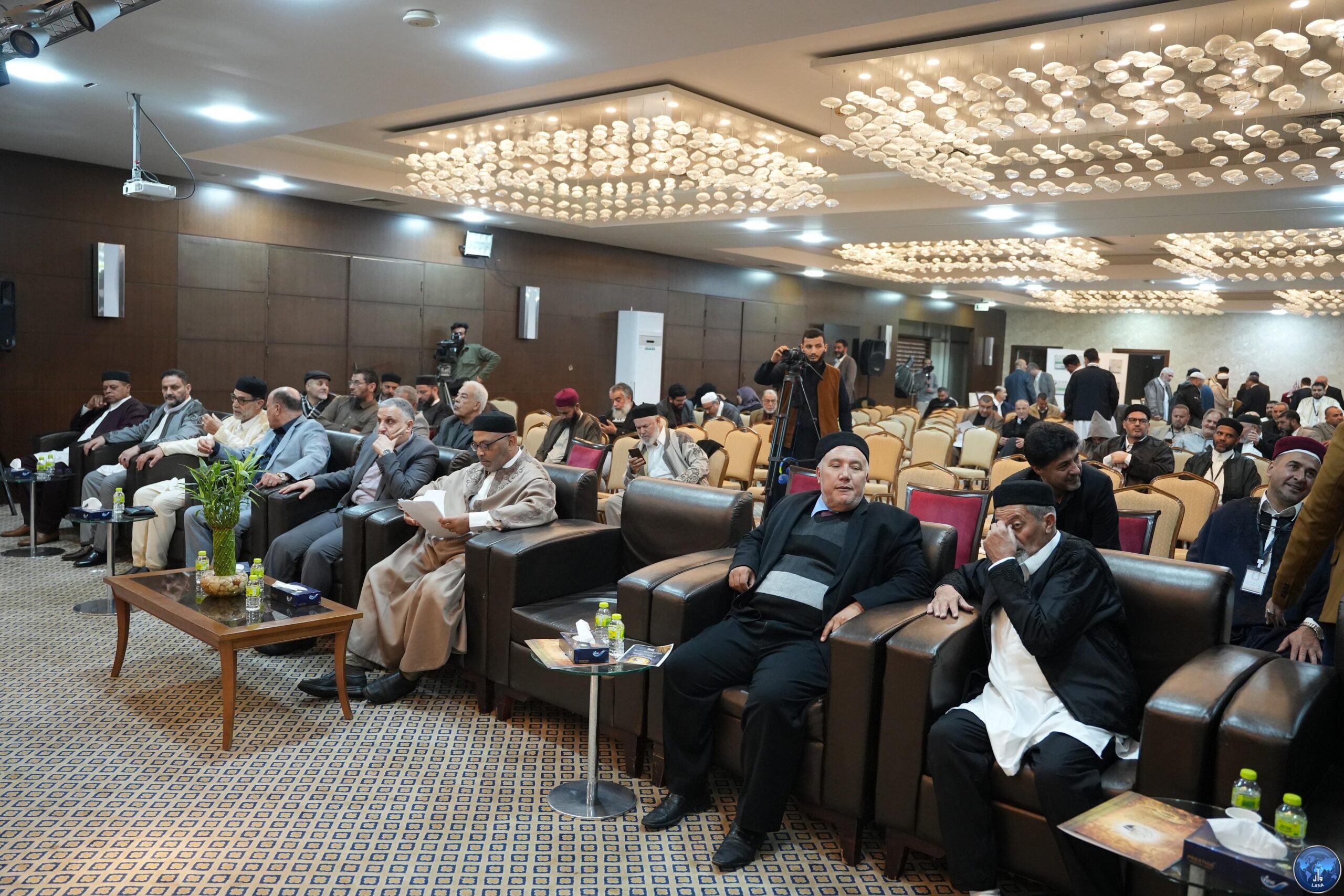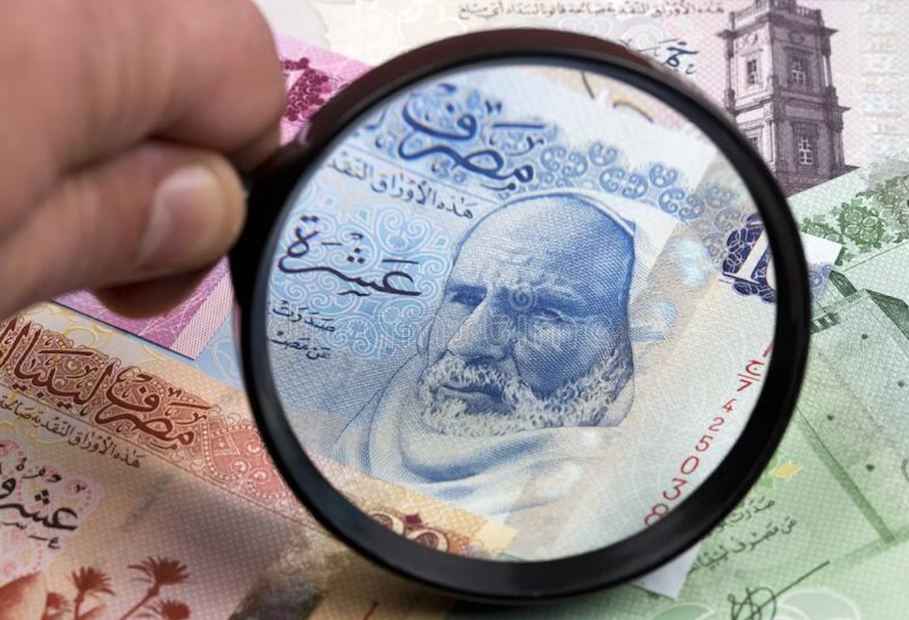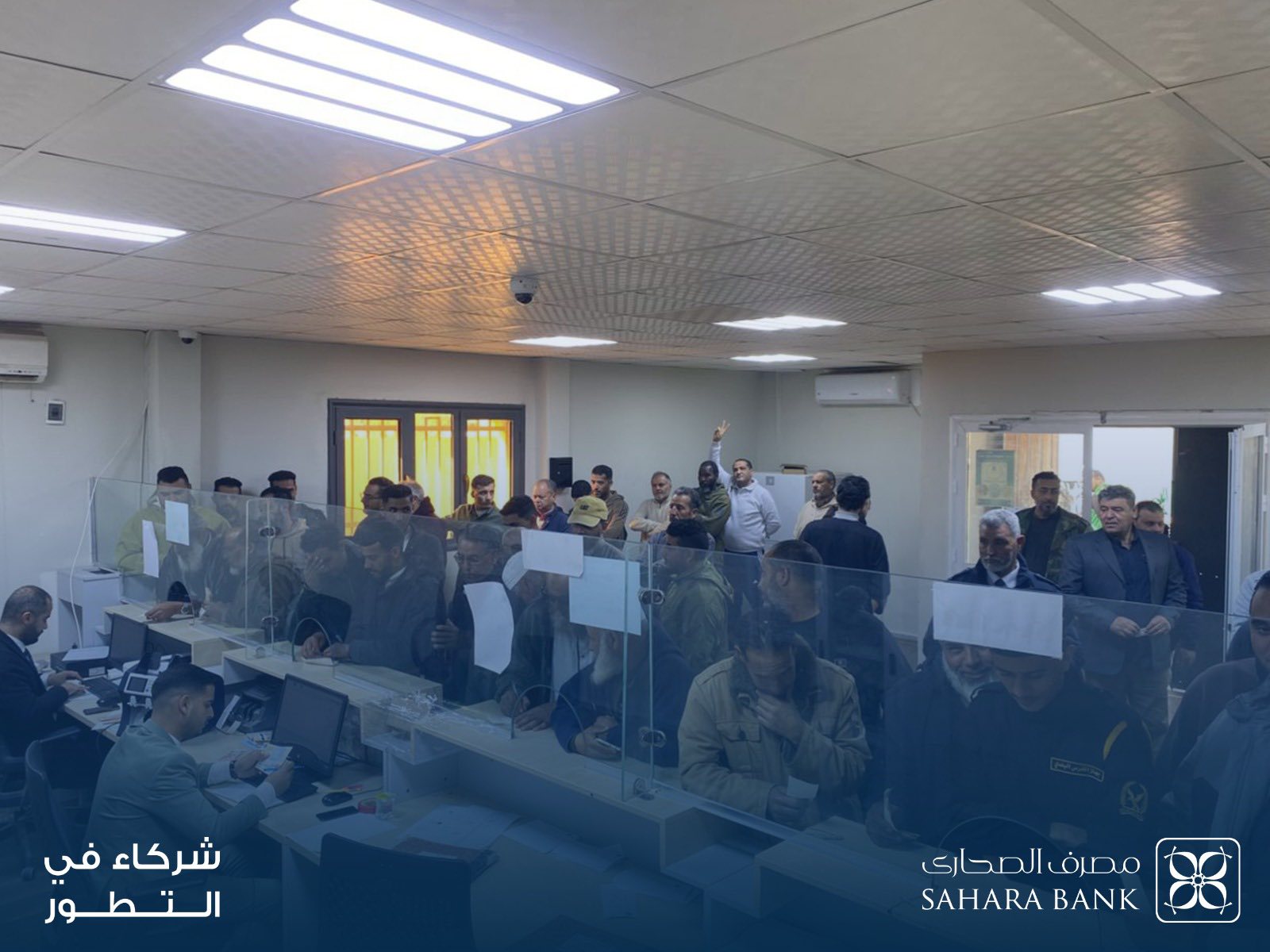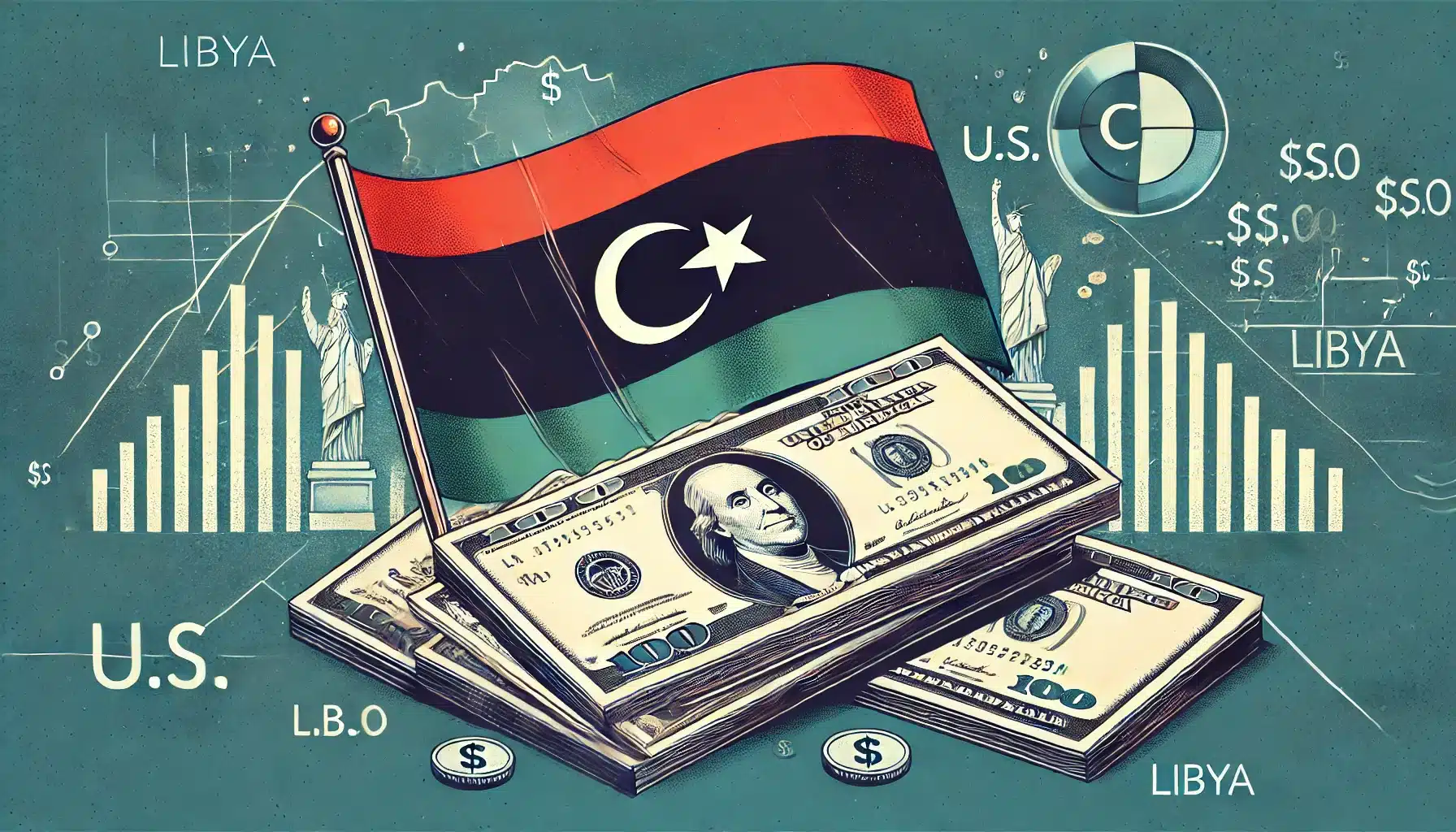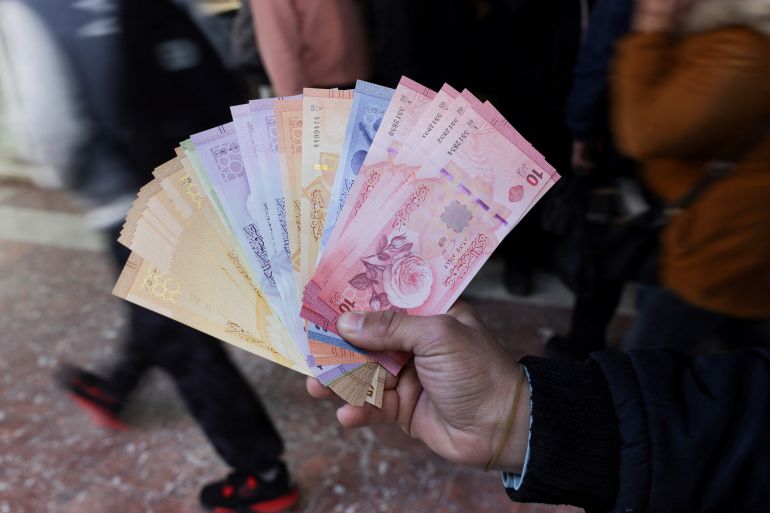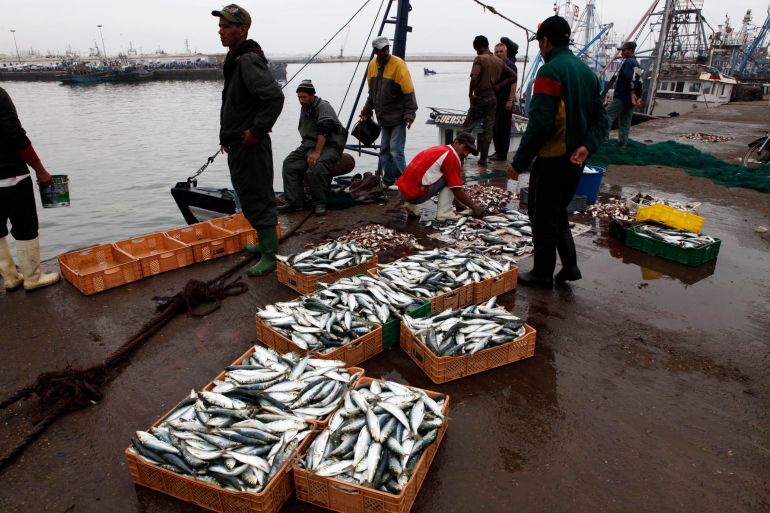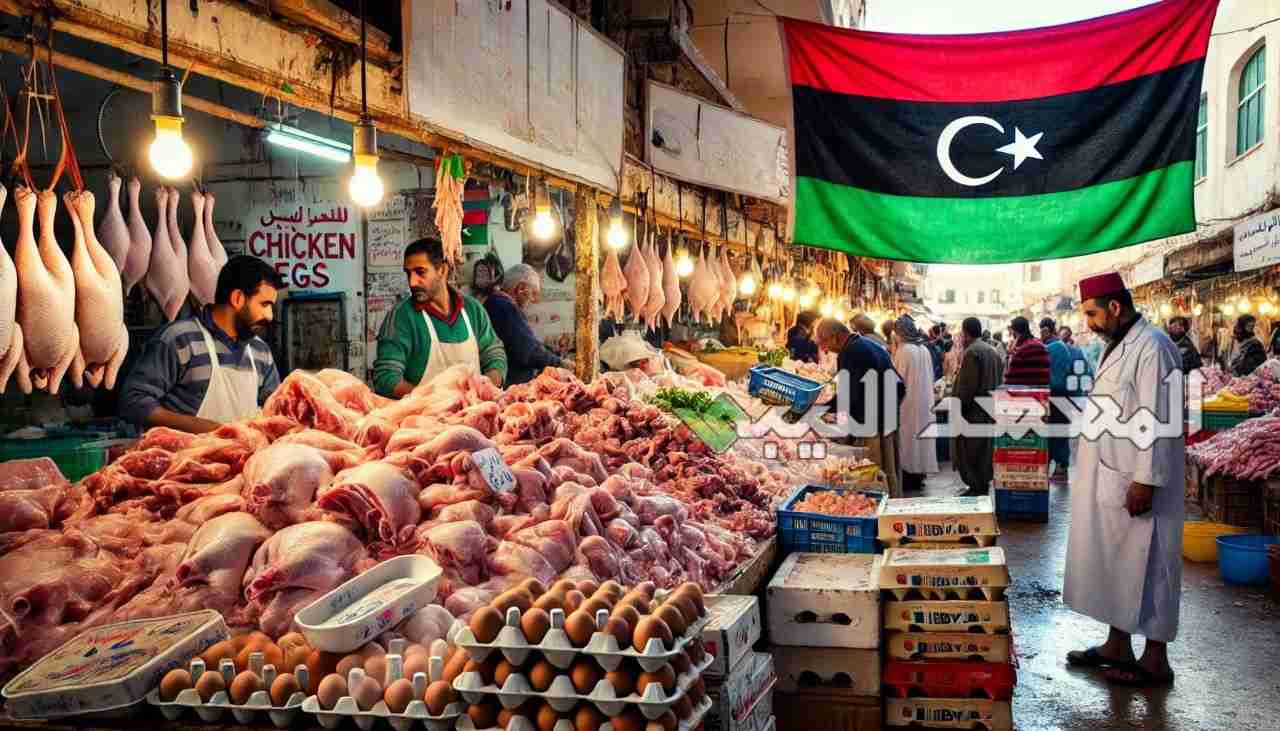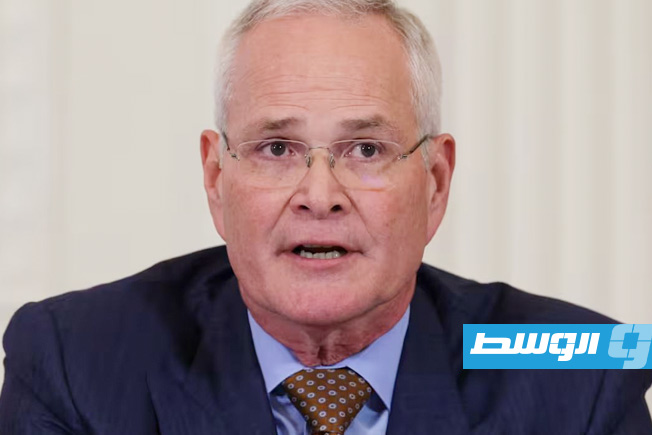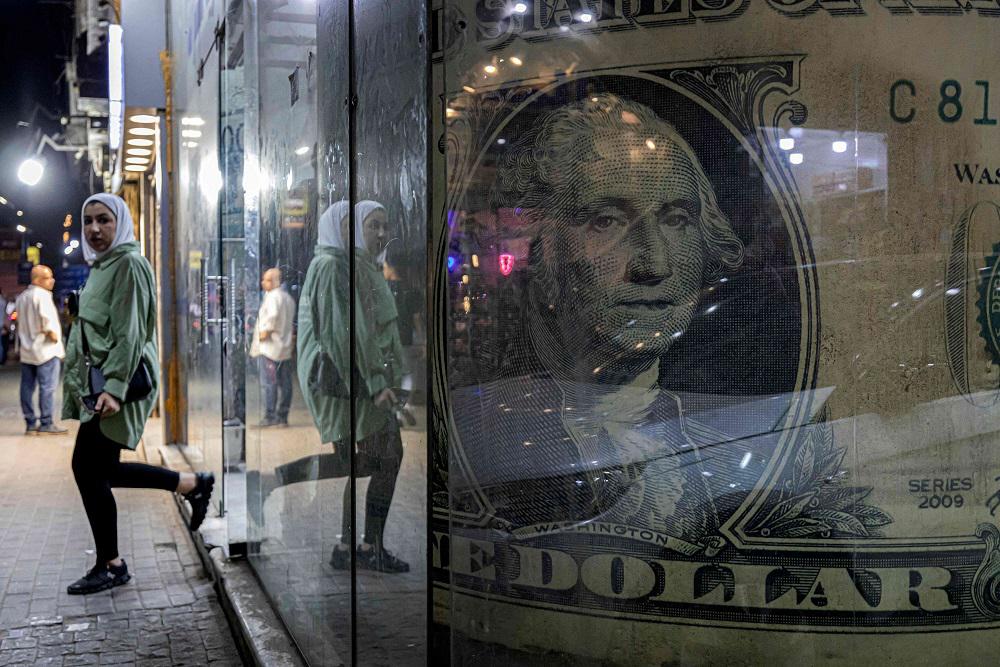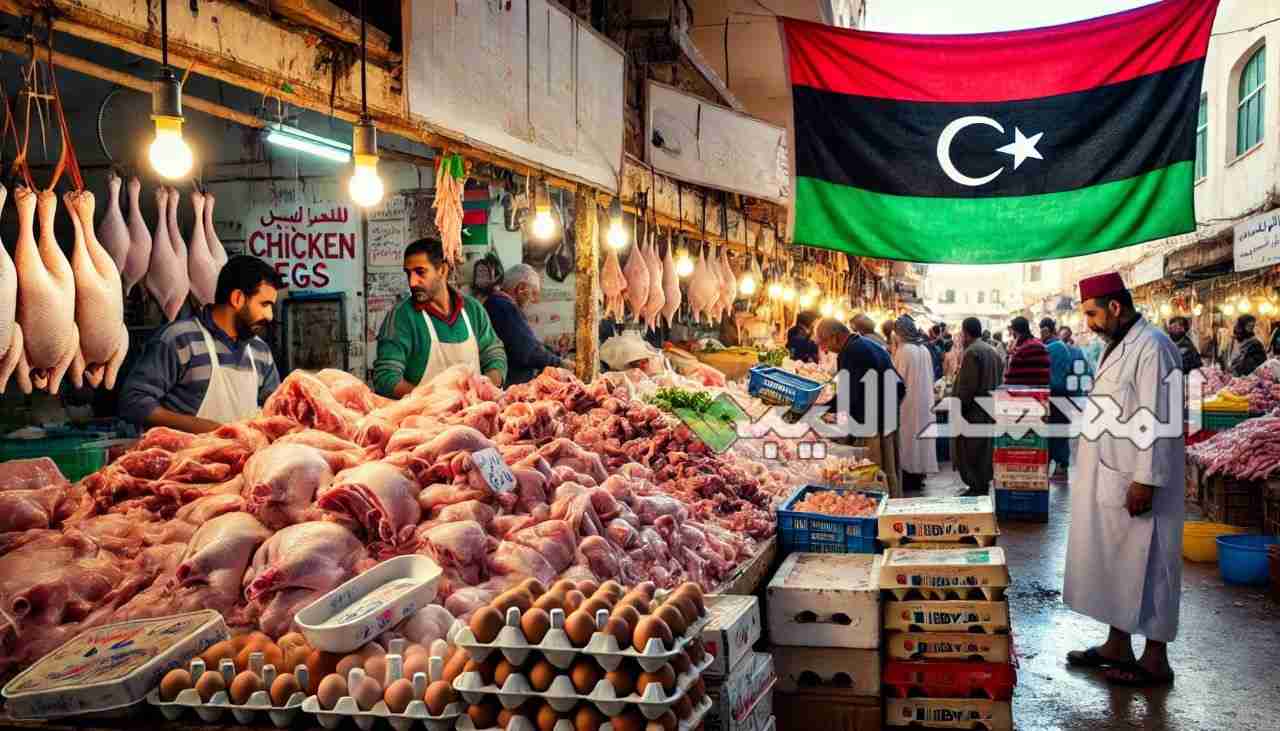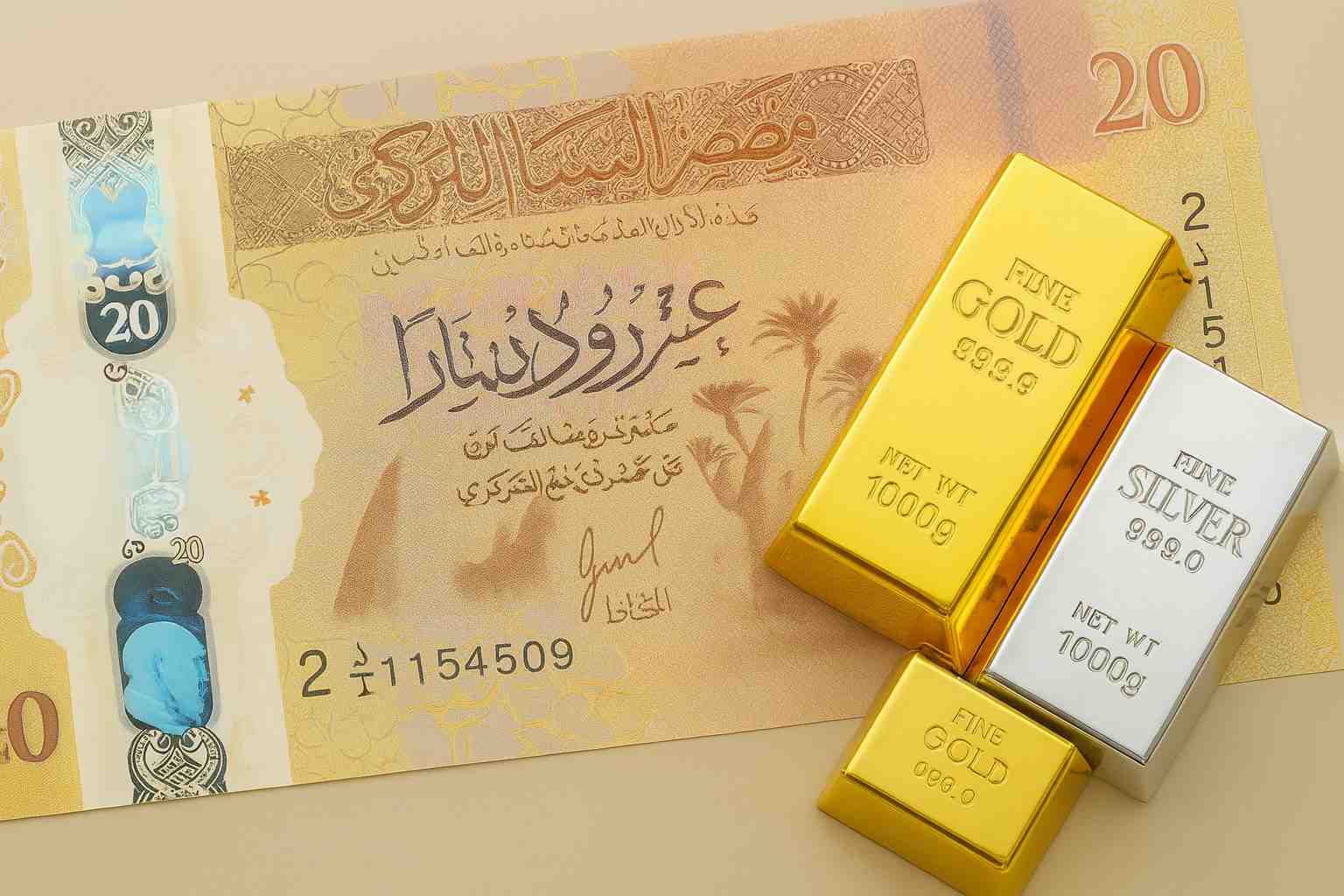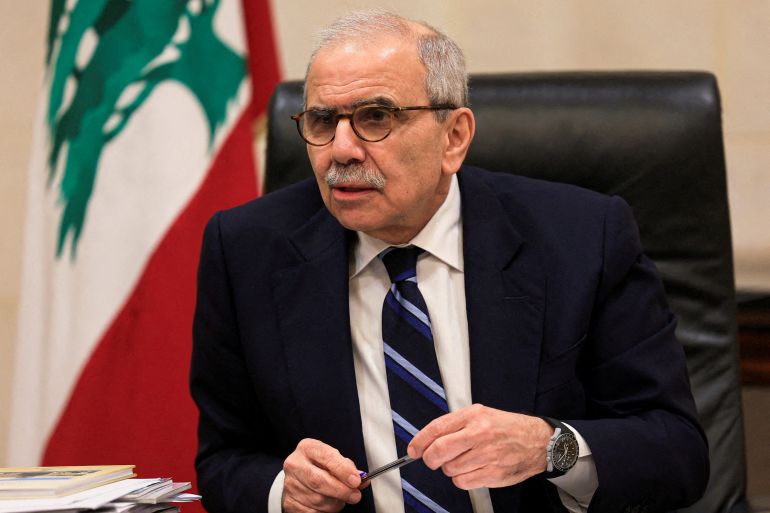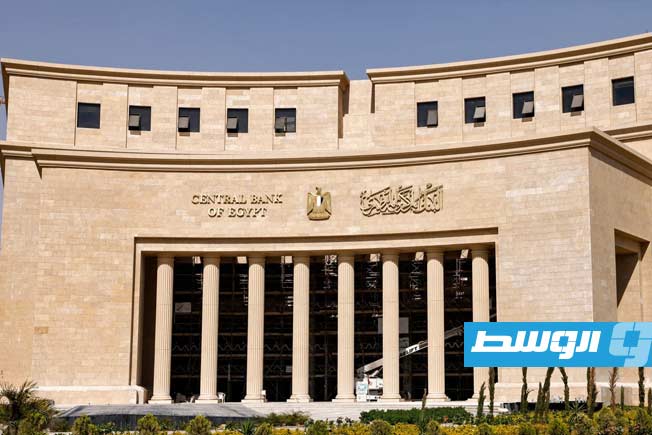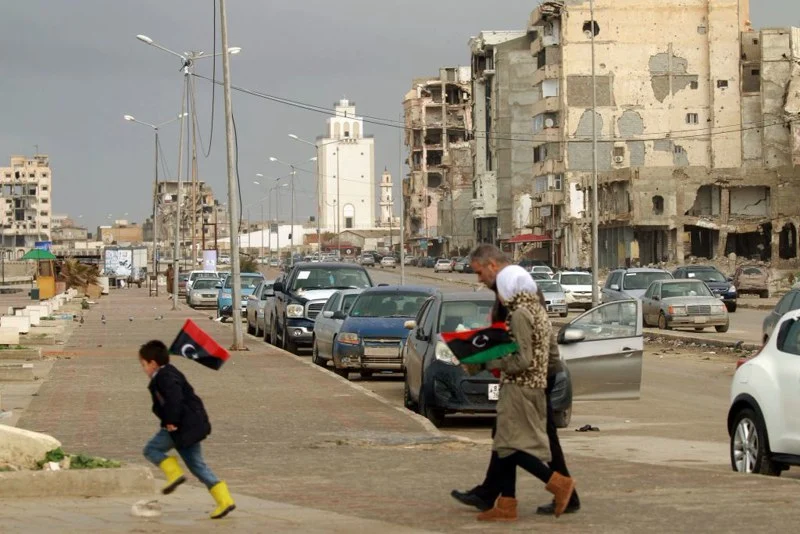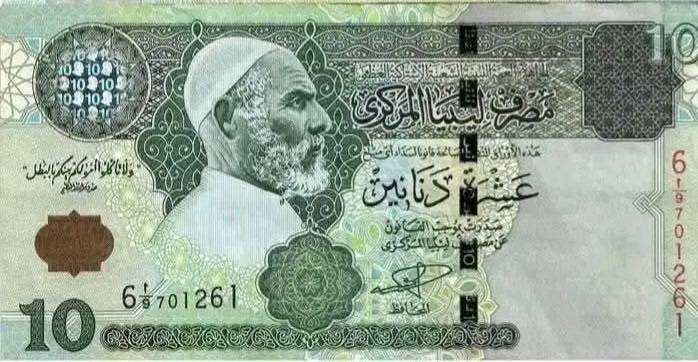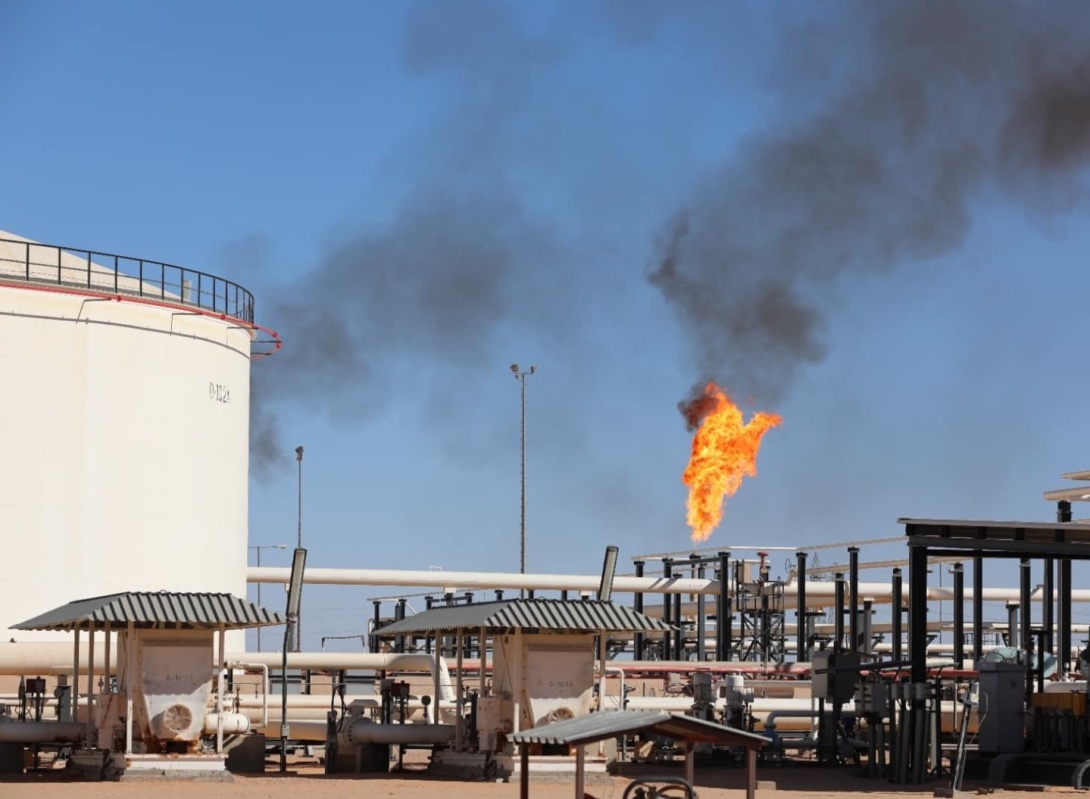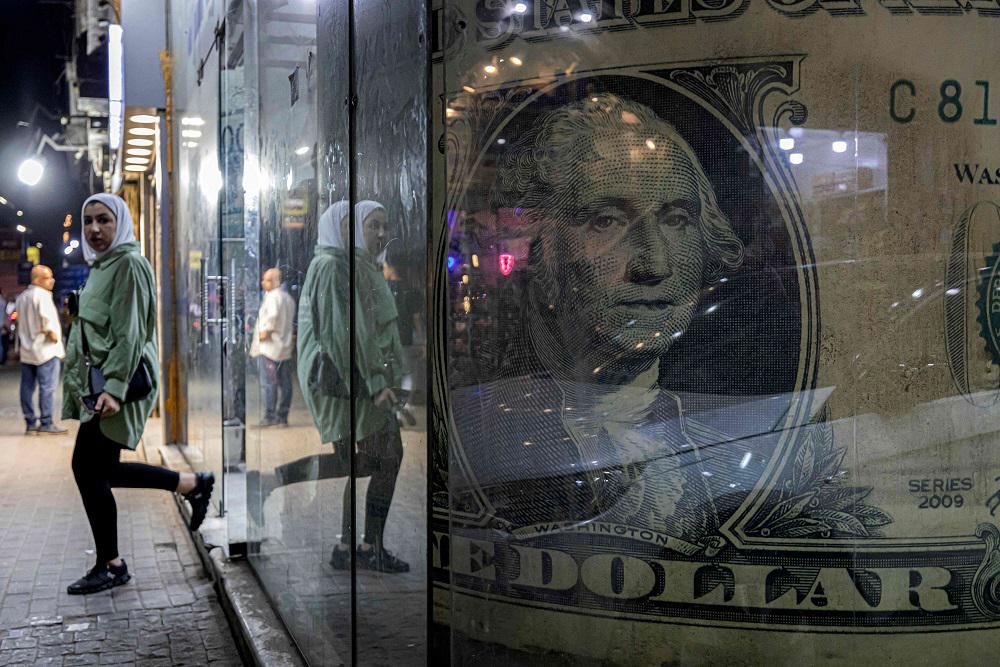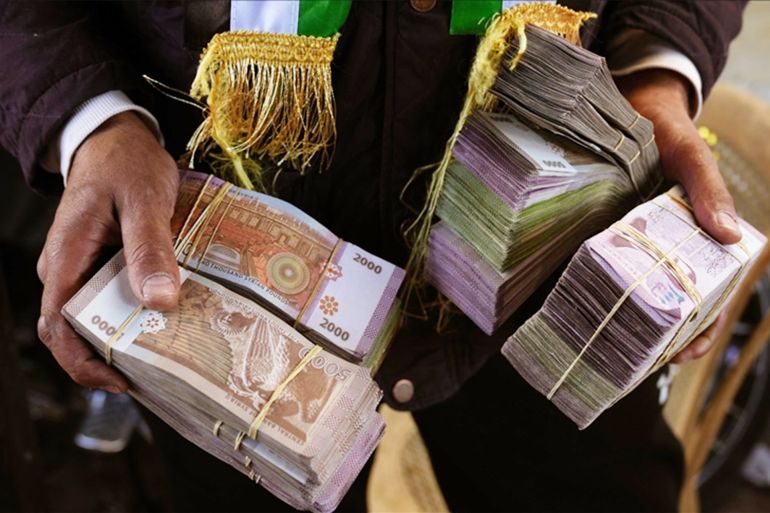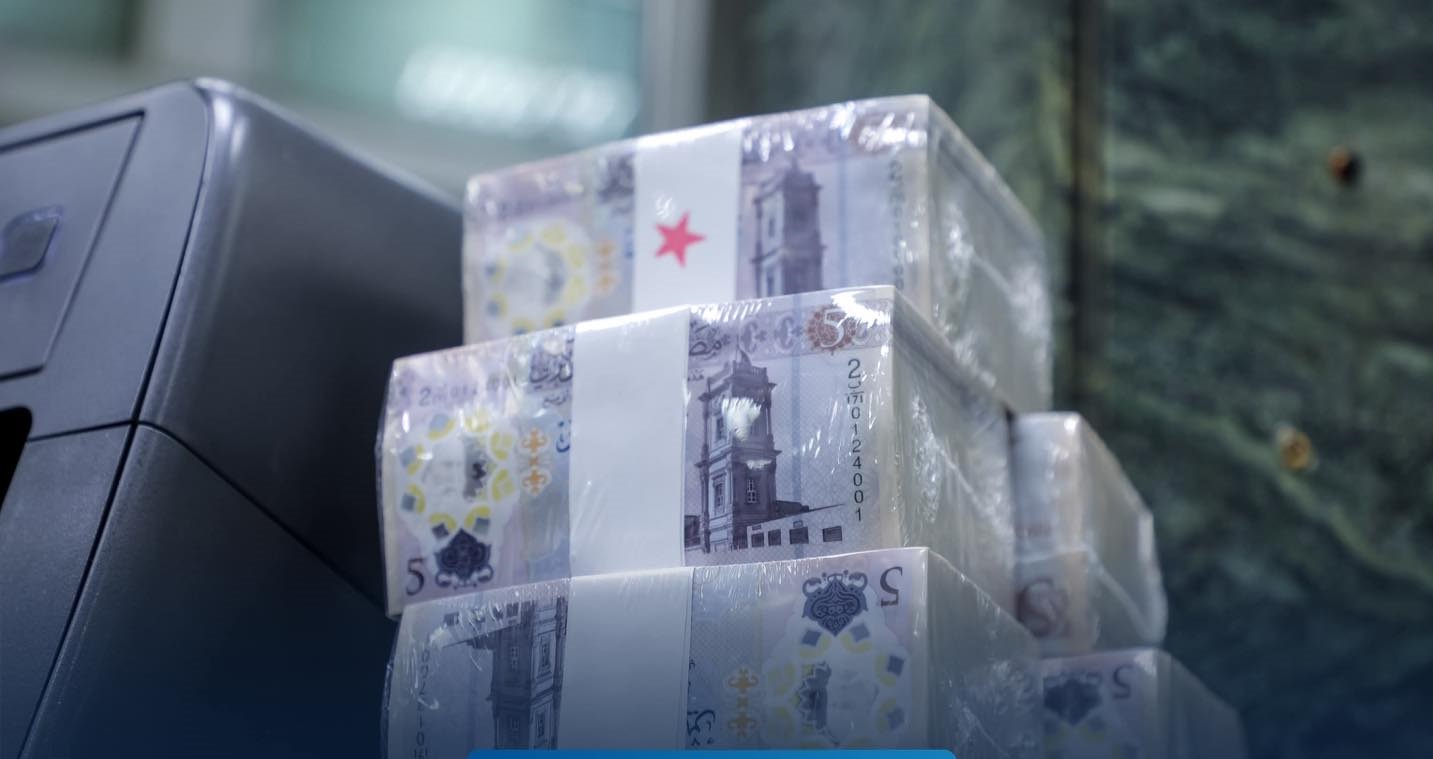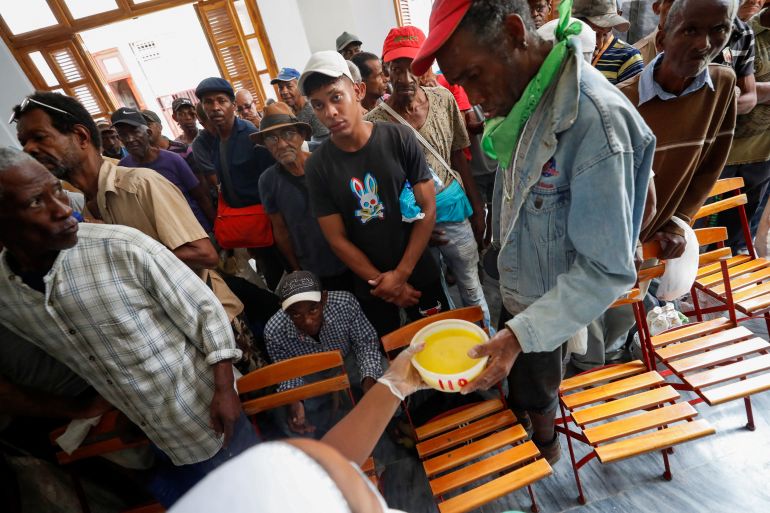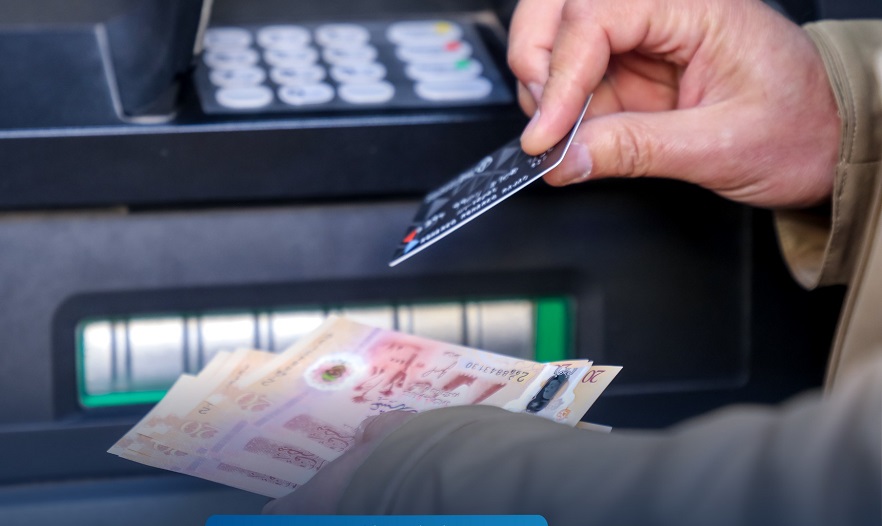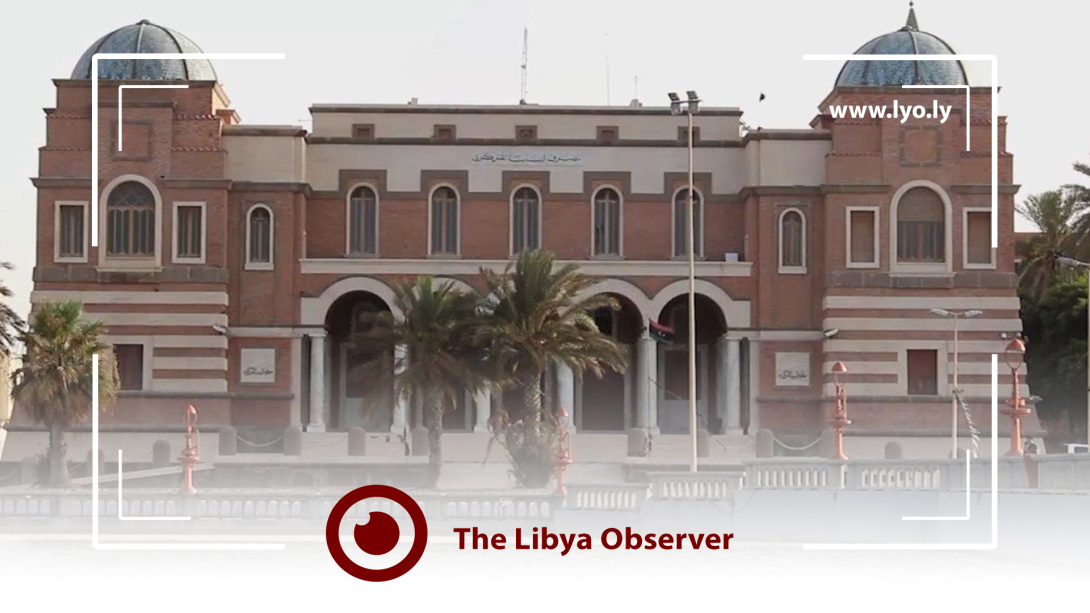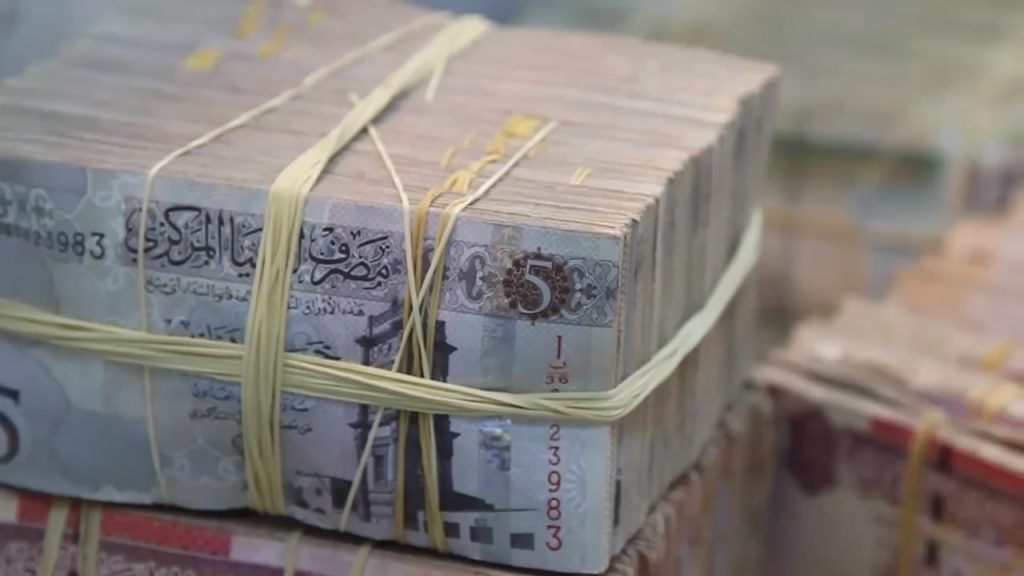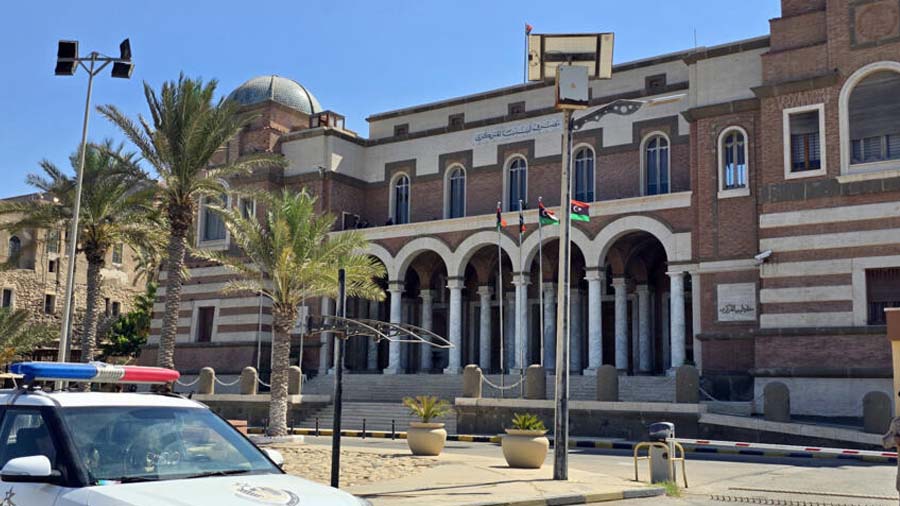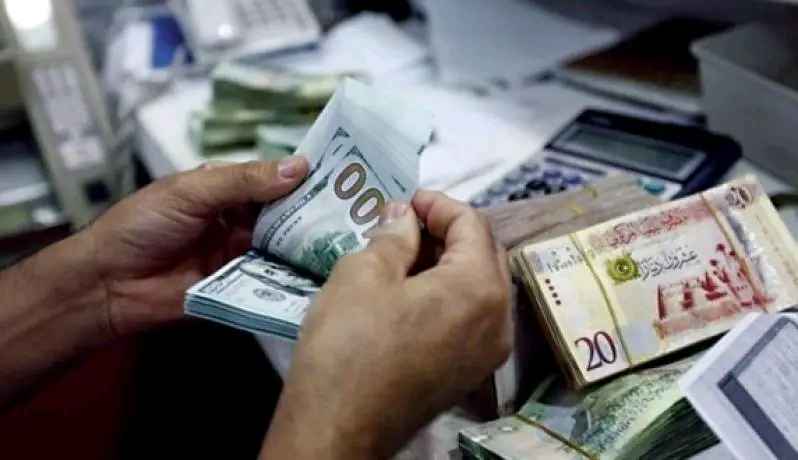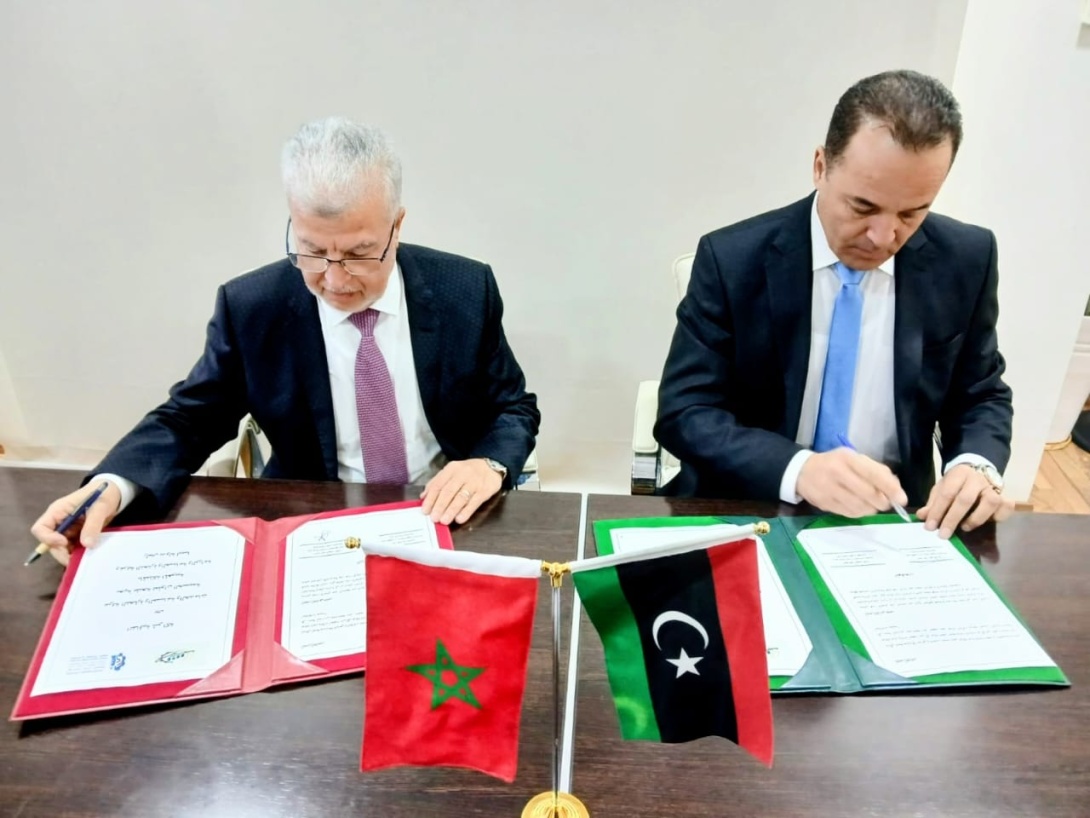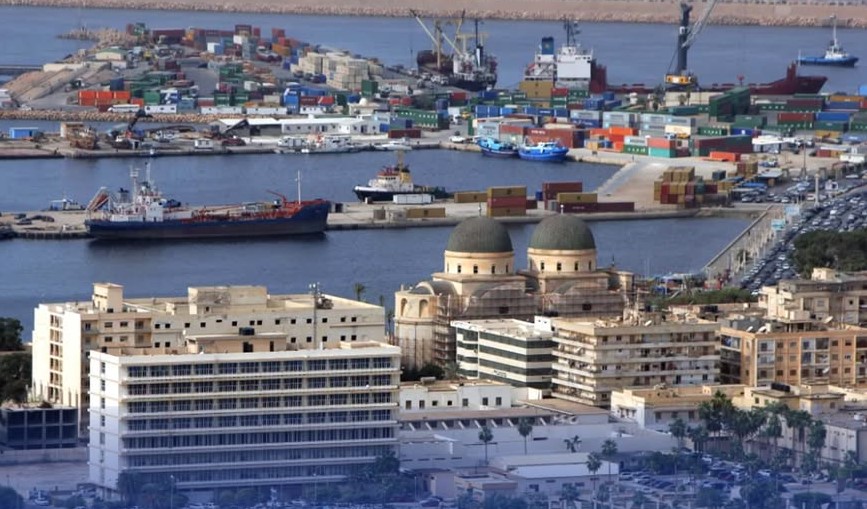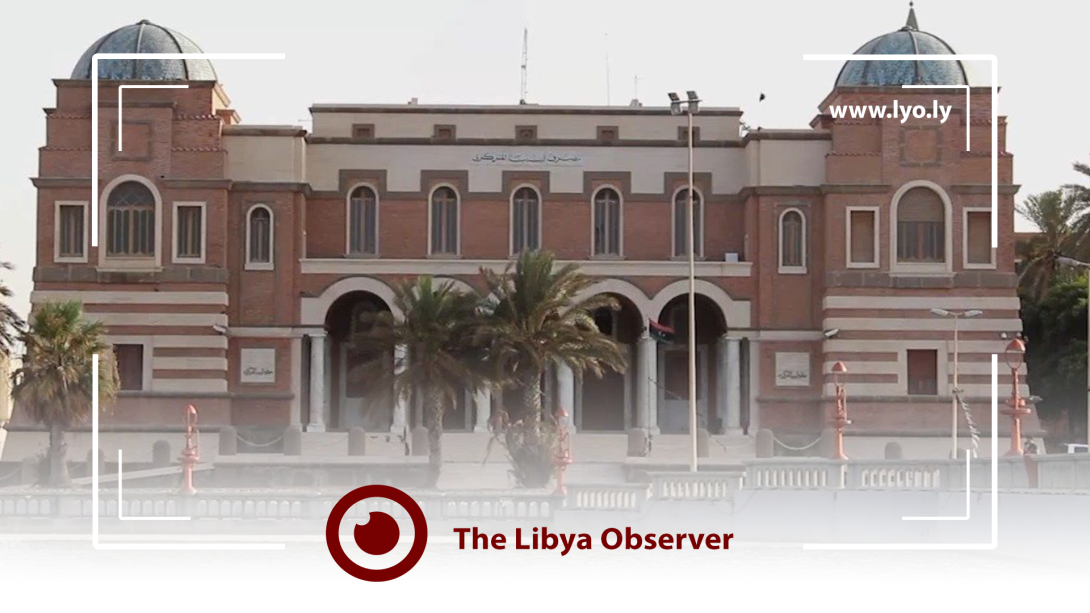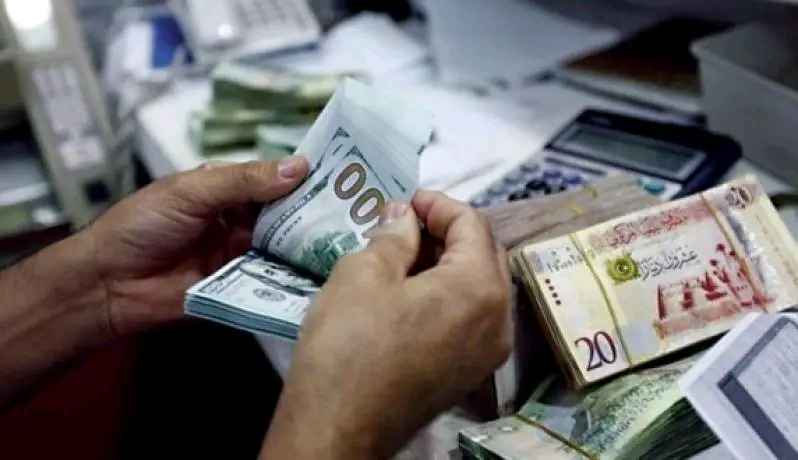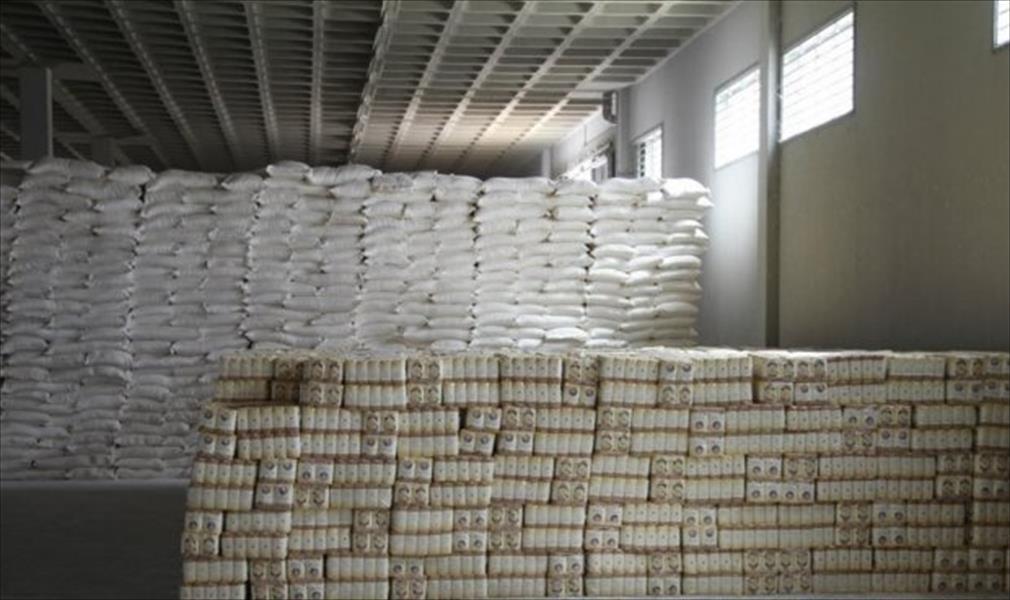
A media figure close to the central bank has sounded an economic alarm under the slogan “The Return of the Fund is a National Demand”, calling for immediate state intervention to control the prices of basic commodities and protect citizens from market fluctuations.
The Plan to Break the Wave of High Prices
A comprehensive vision for the return of government subsidies was presented, including:
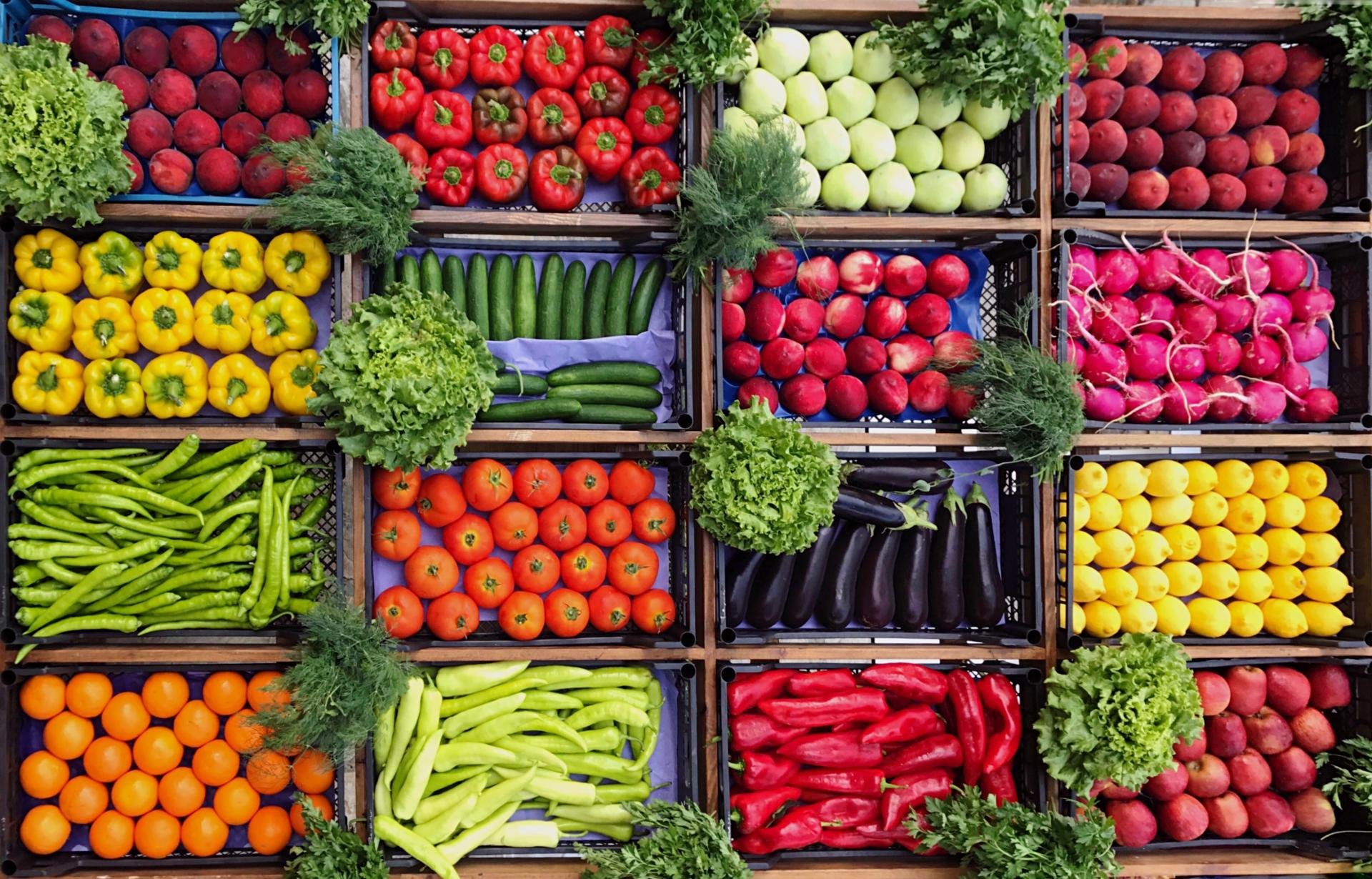
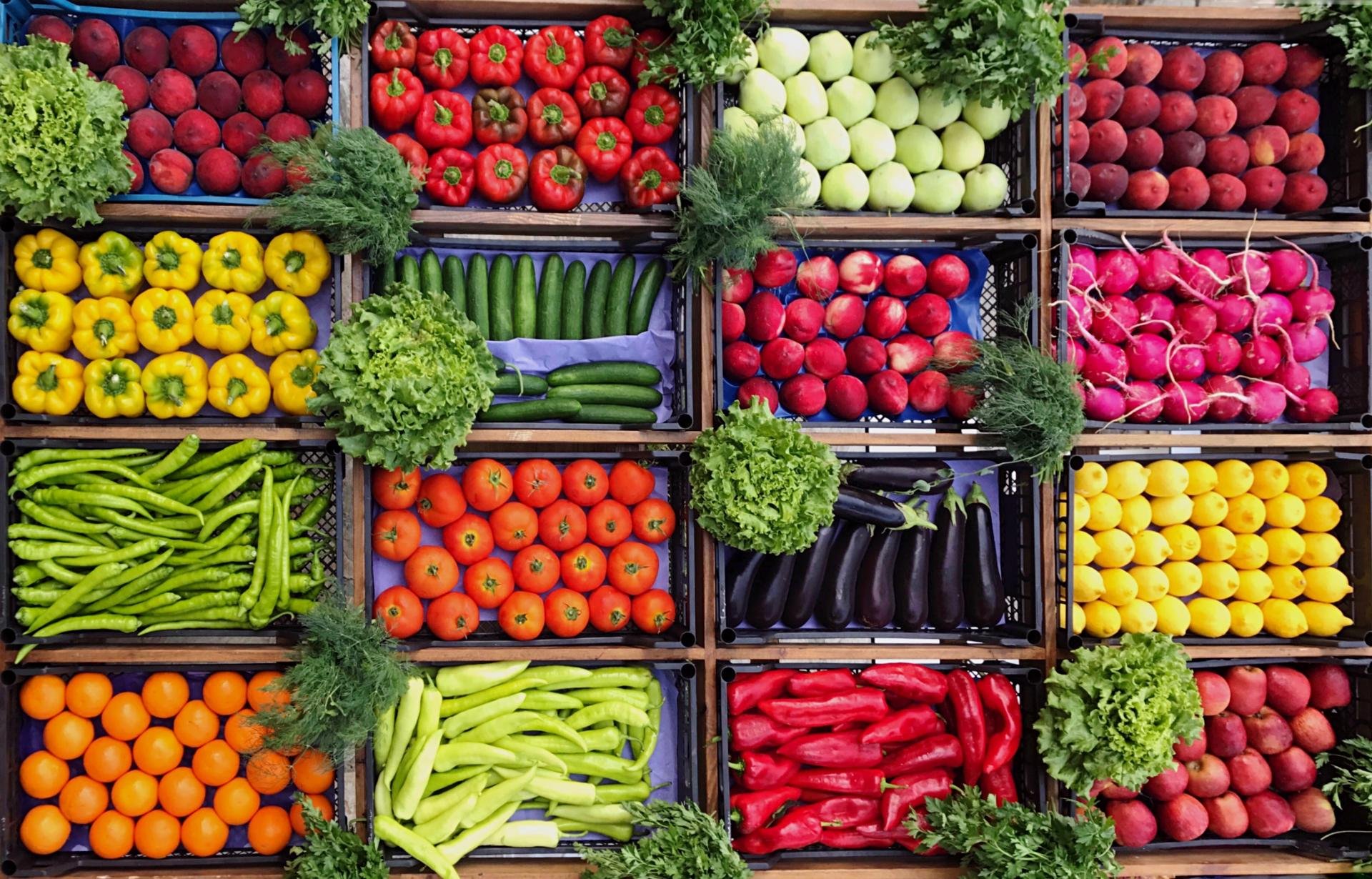
- Generous government support: Demanding the state cover at least 40% of the cost of basic food items.
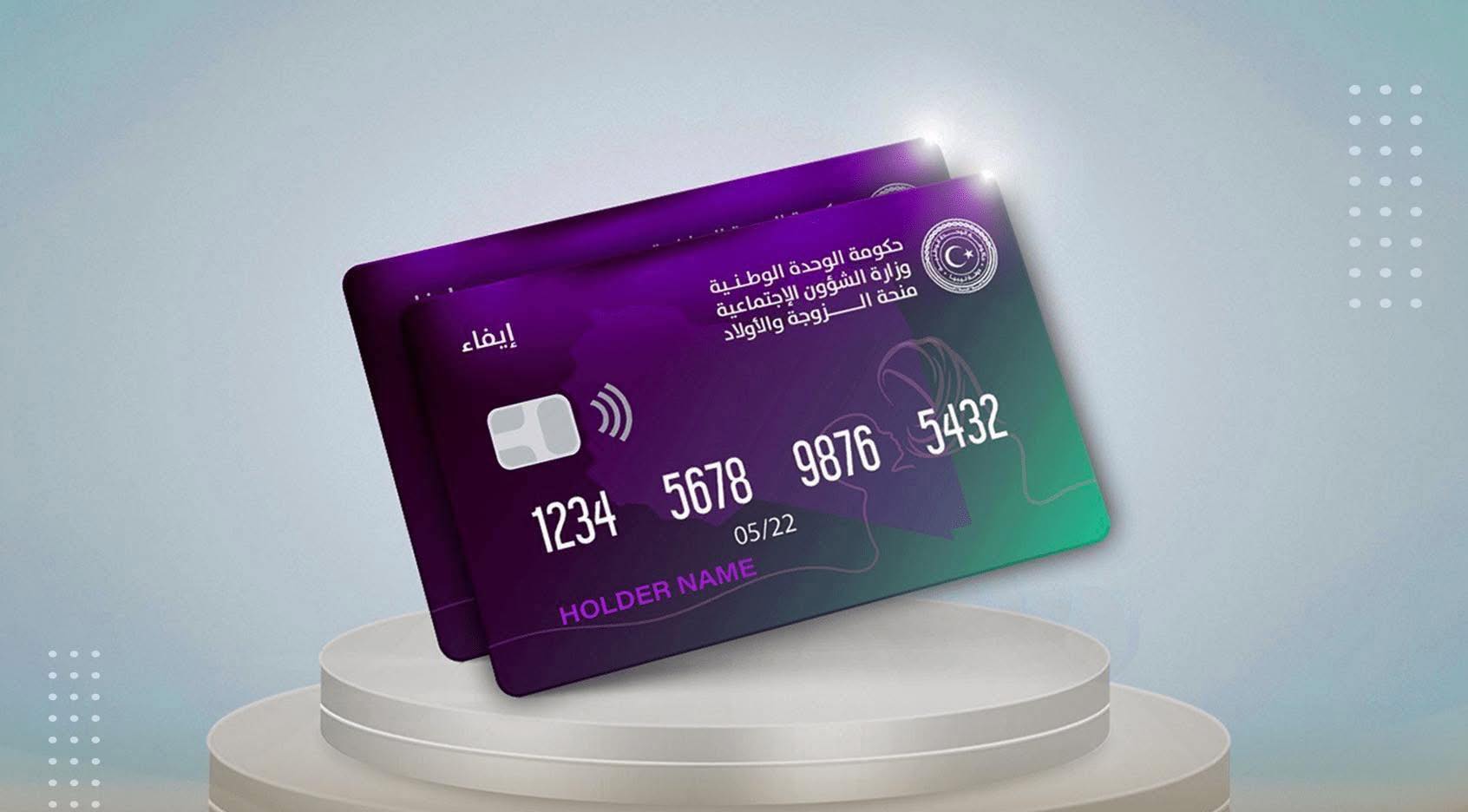
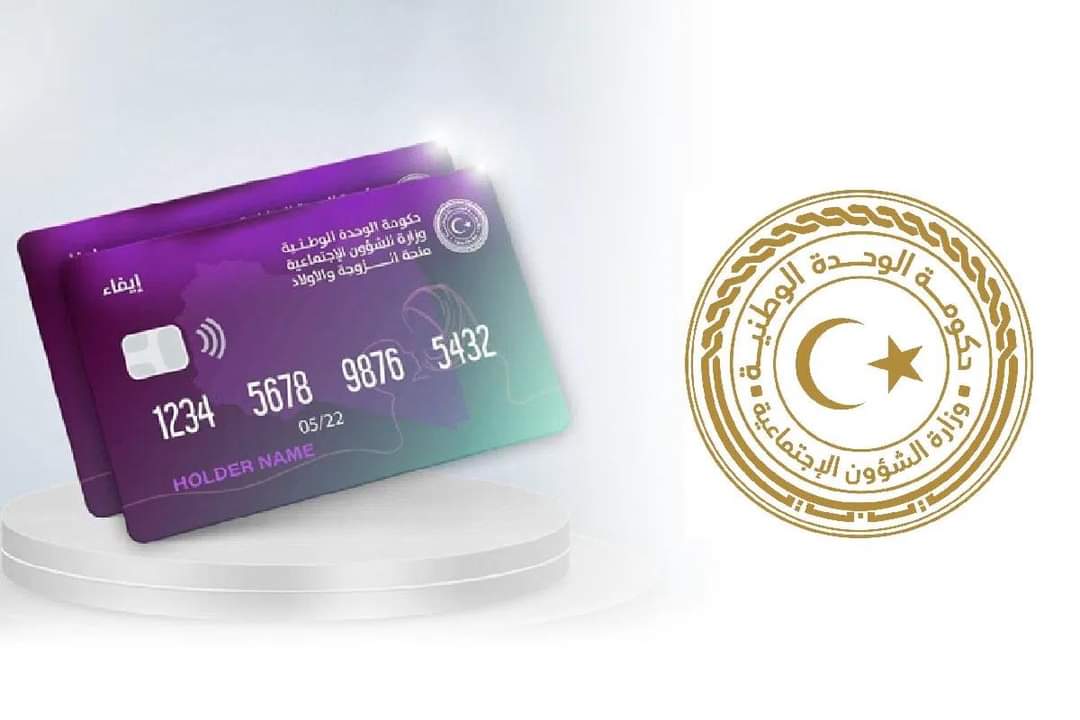
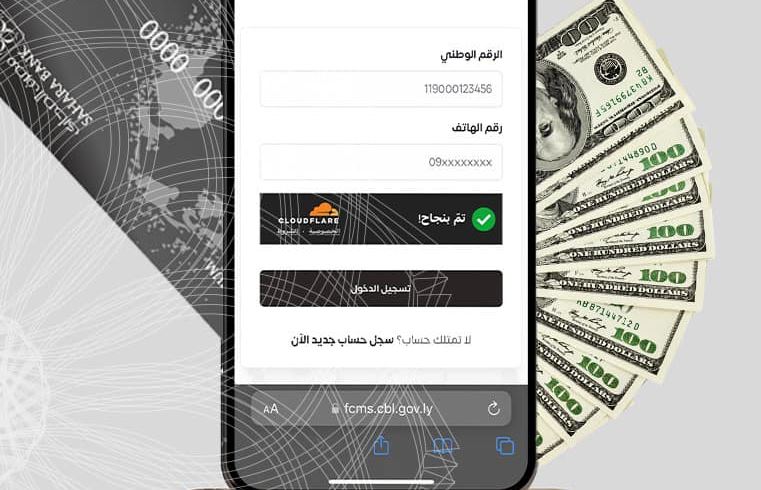
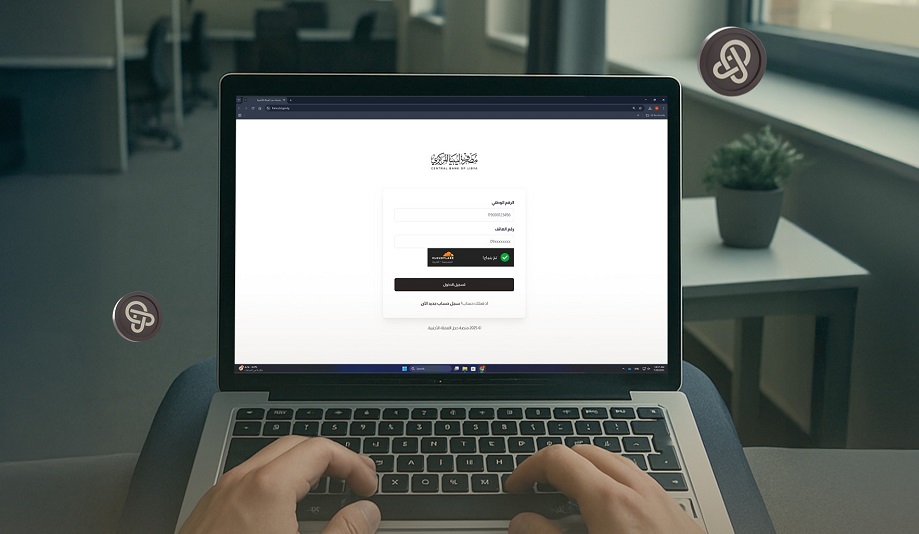
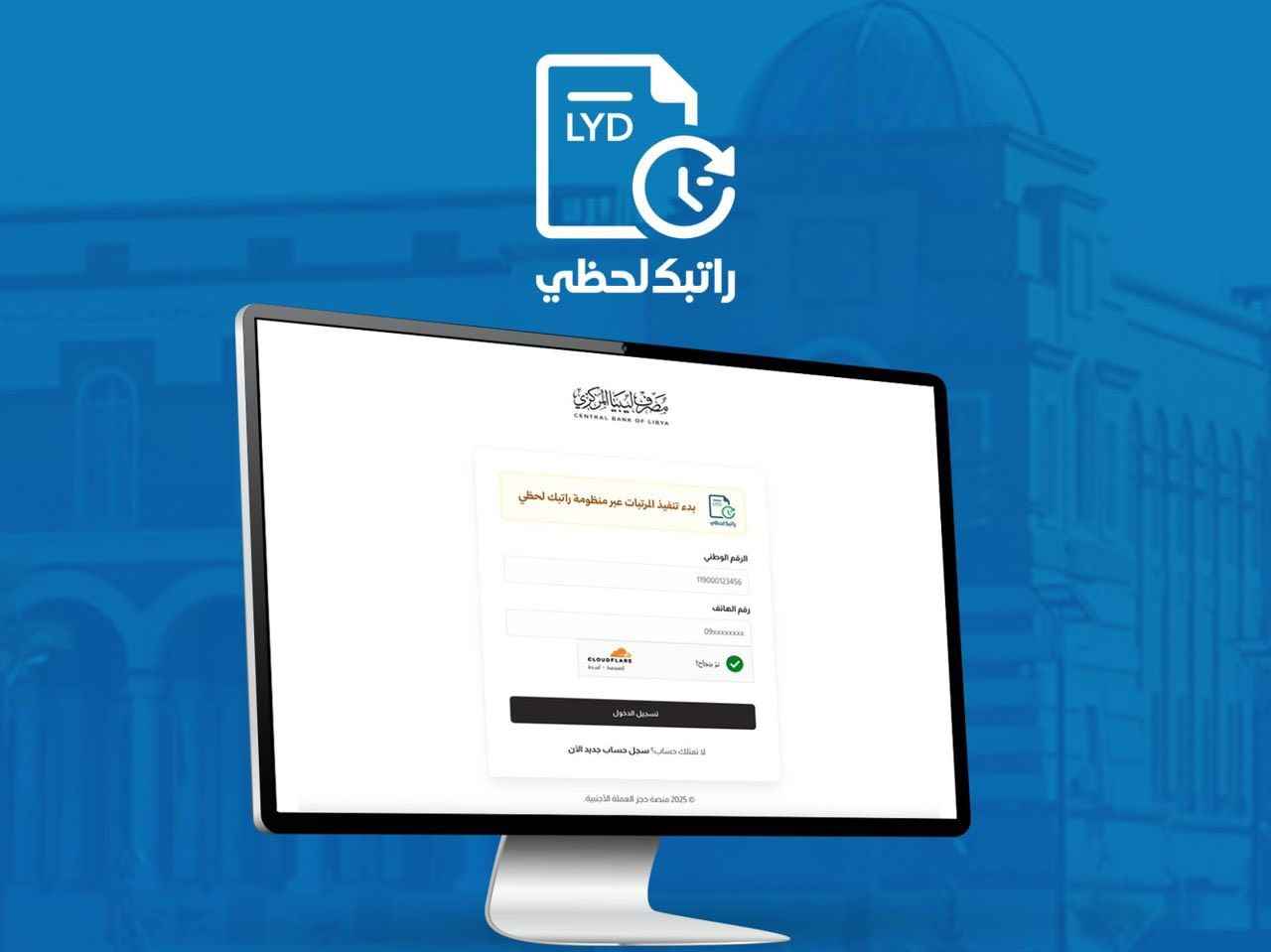
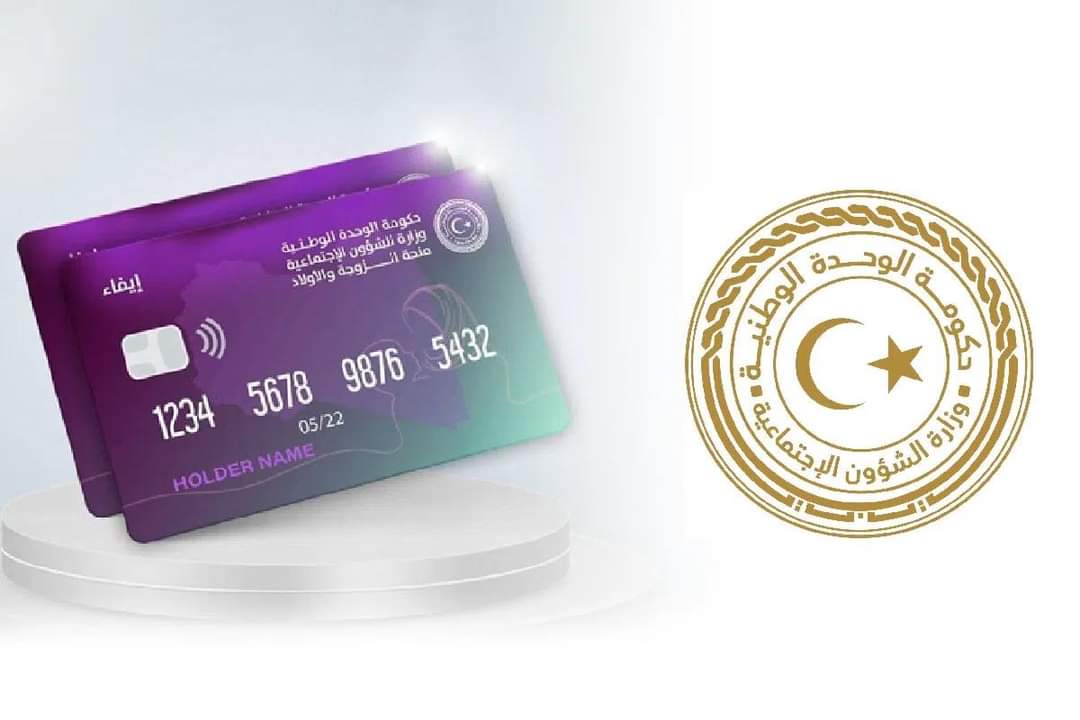
- Digital transformation: Reactivating and modernizing the Price Balancing Fund with a modern electronic system to ensure supplies reach eligible recipients via the national ID number.
- Precise targeting: Focusing on low-income individuals to ensure their essential needs are met at appropriate prices.
Warning Against the “Trader Mafia”
The statements carried a warning tone, pointing out:
- The danger of leaving the Libyan market at the mercy of “a handful of monopolistic traders”.
- Describing the current practices of some traders as “corruption on earth” that has exhausted the citizen.
Why Now?
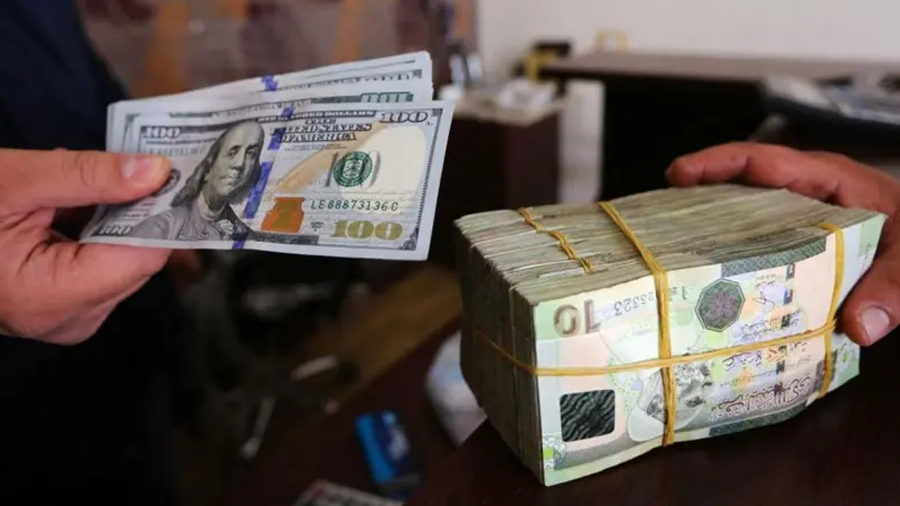
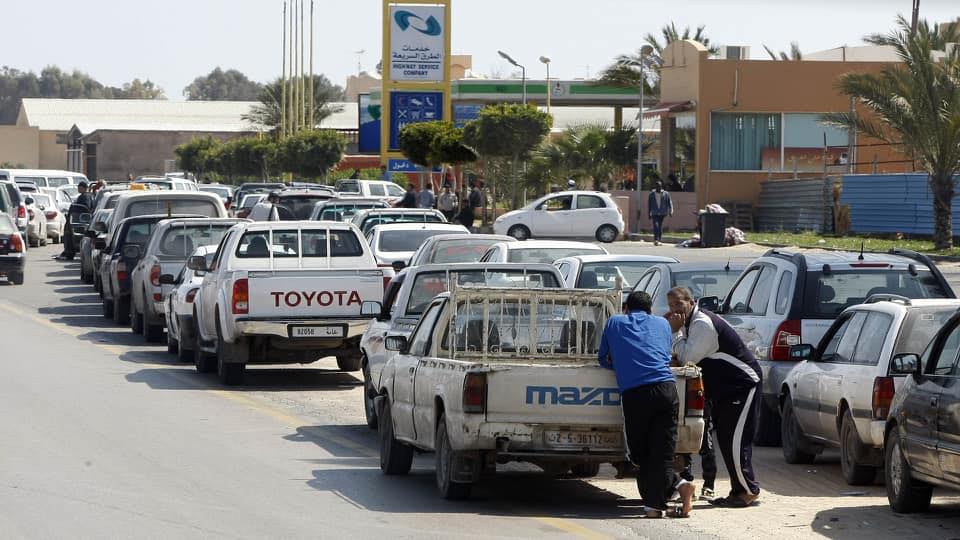
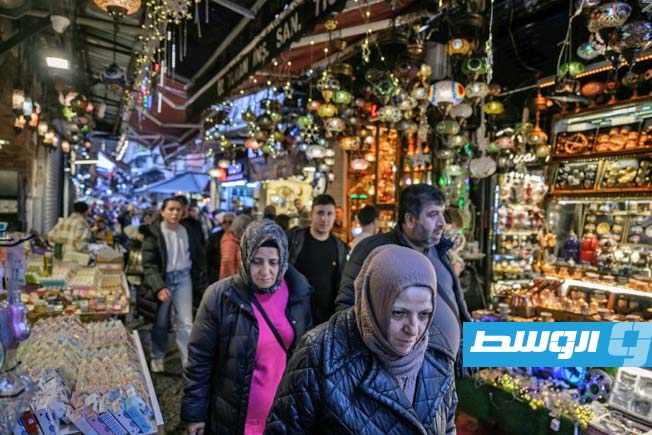
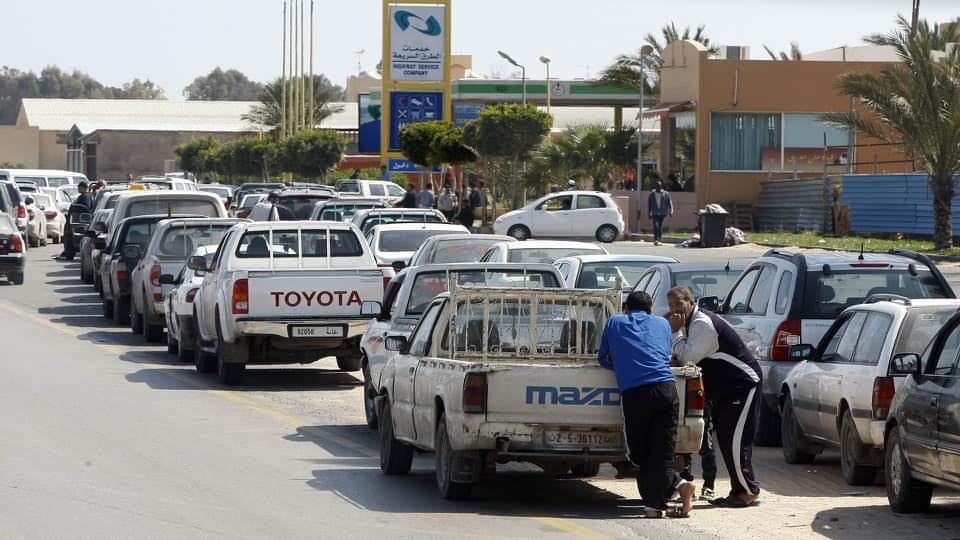
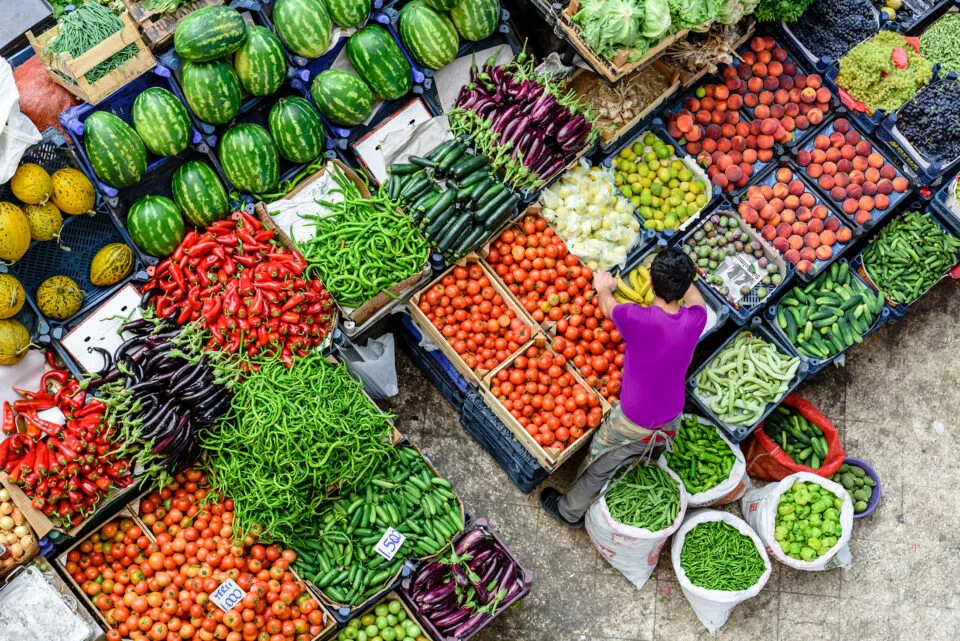
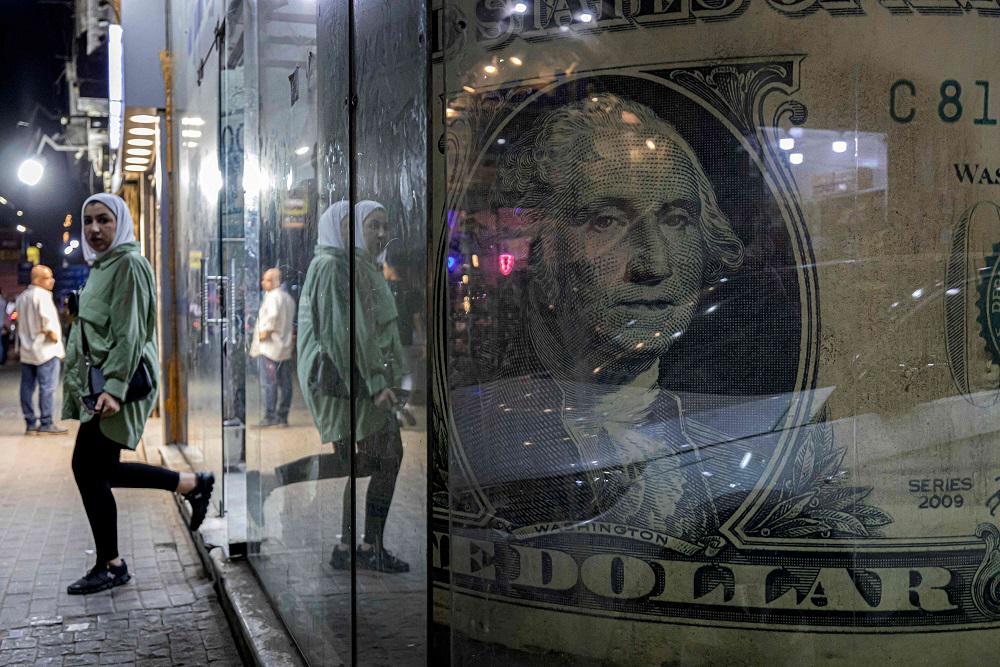
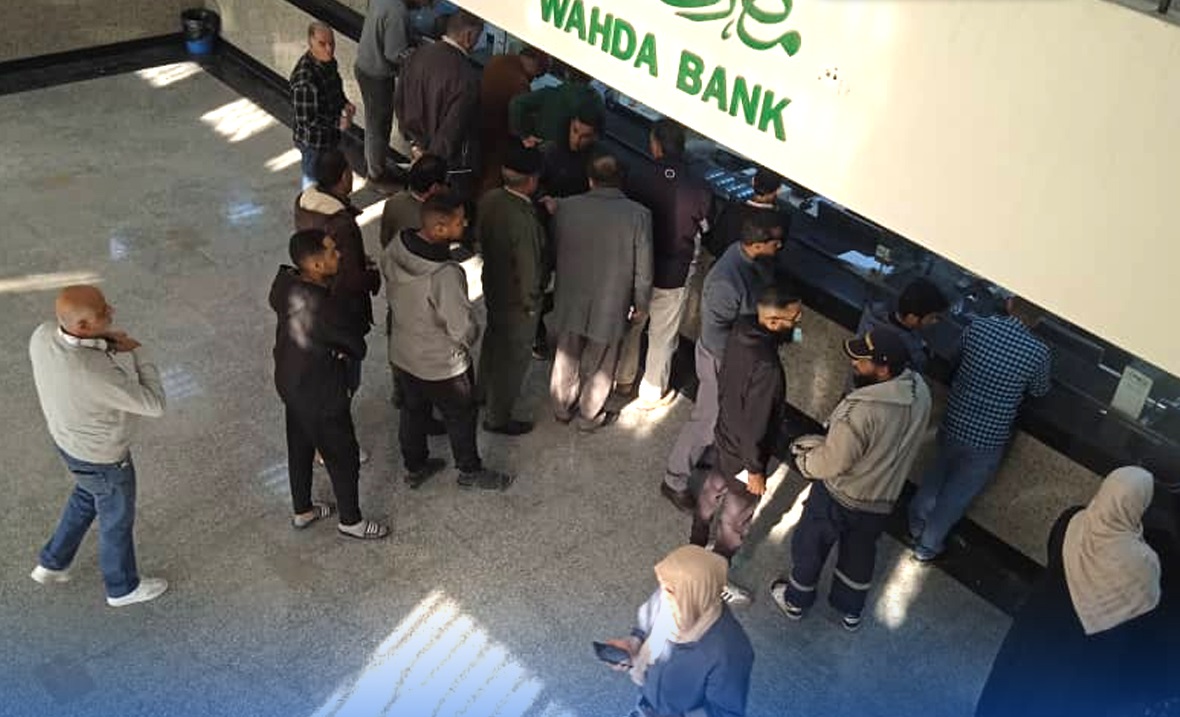
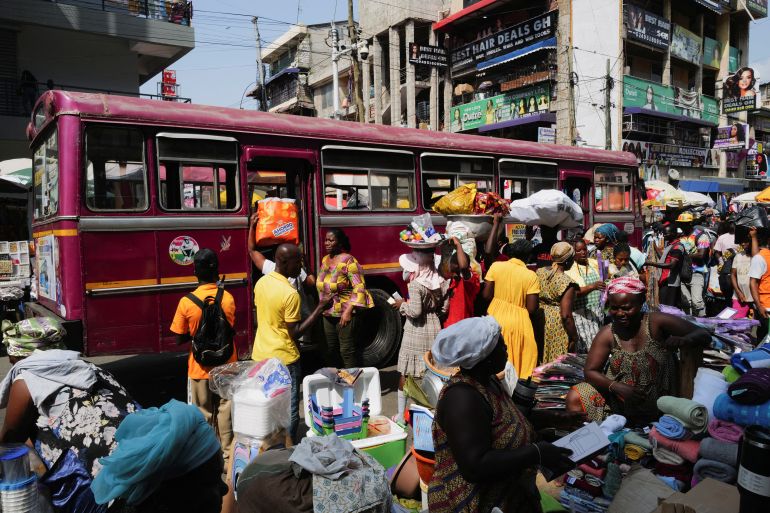
These demands come at a time of noticeable price increases, amid fears of continued commodity monopolies, making the return of “supply subsidies” an urgent demand for a wide segment of Libyans.
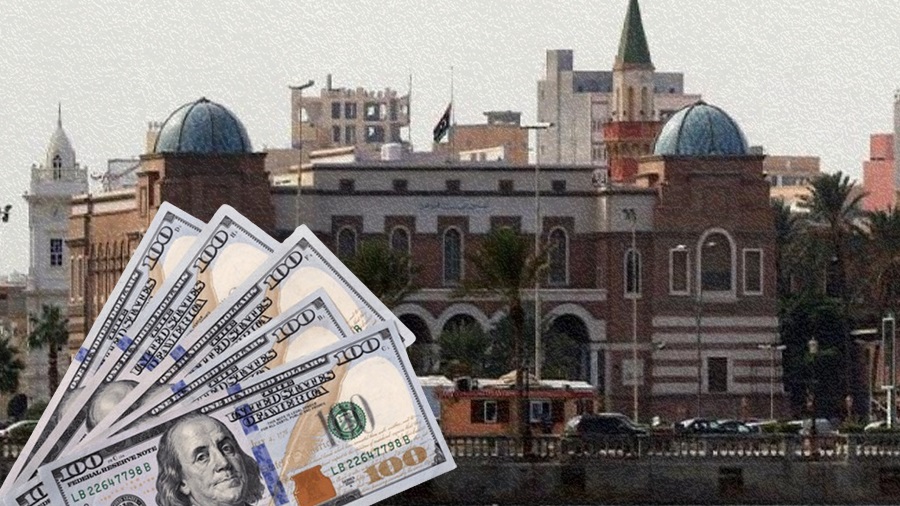
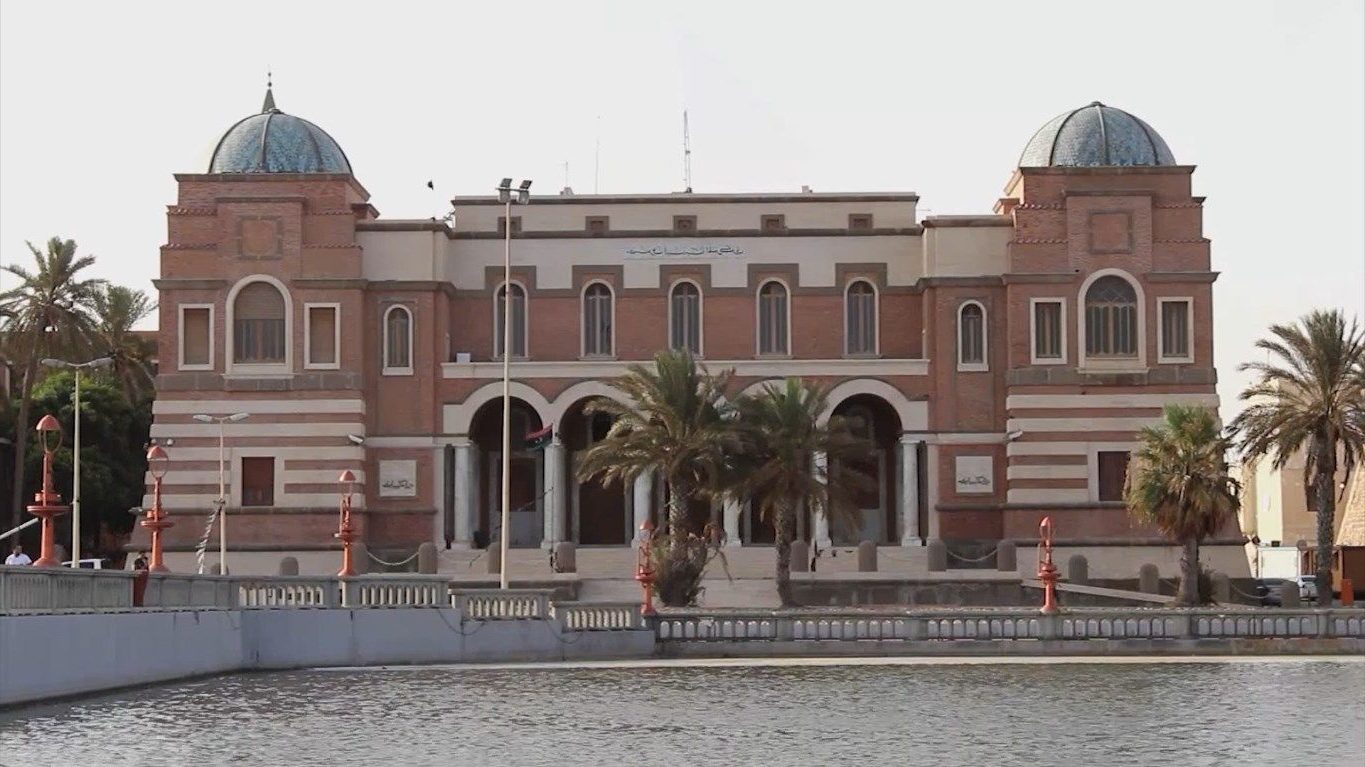
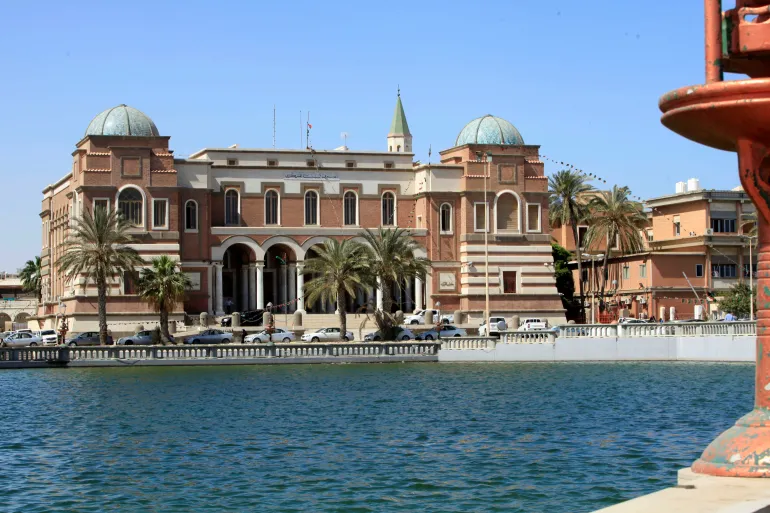
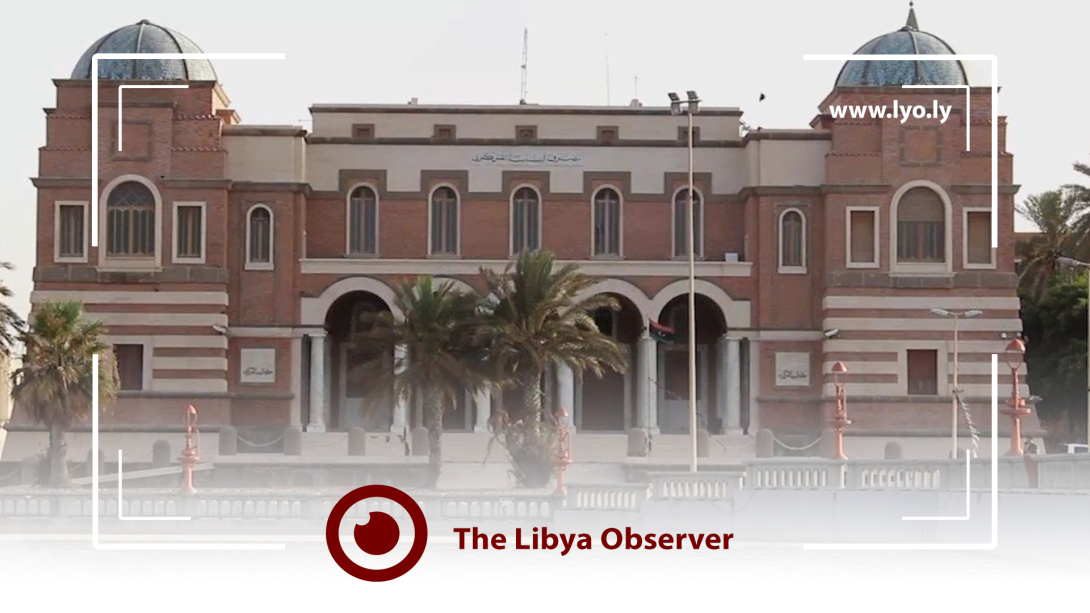
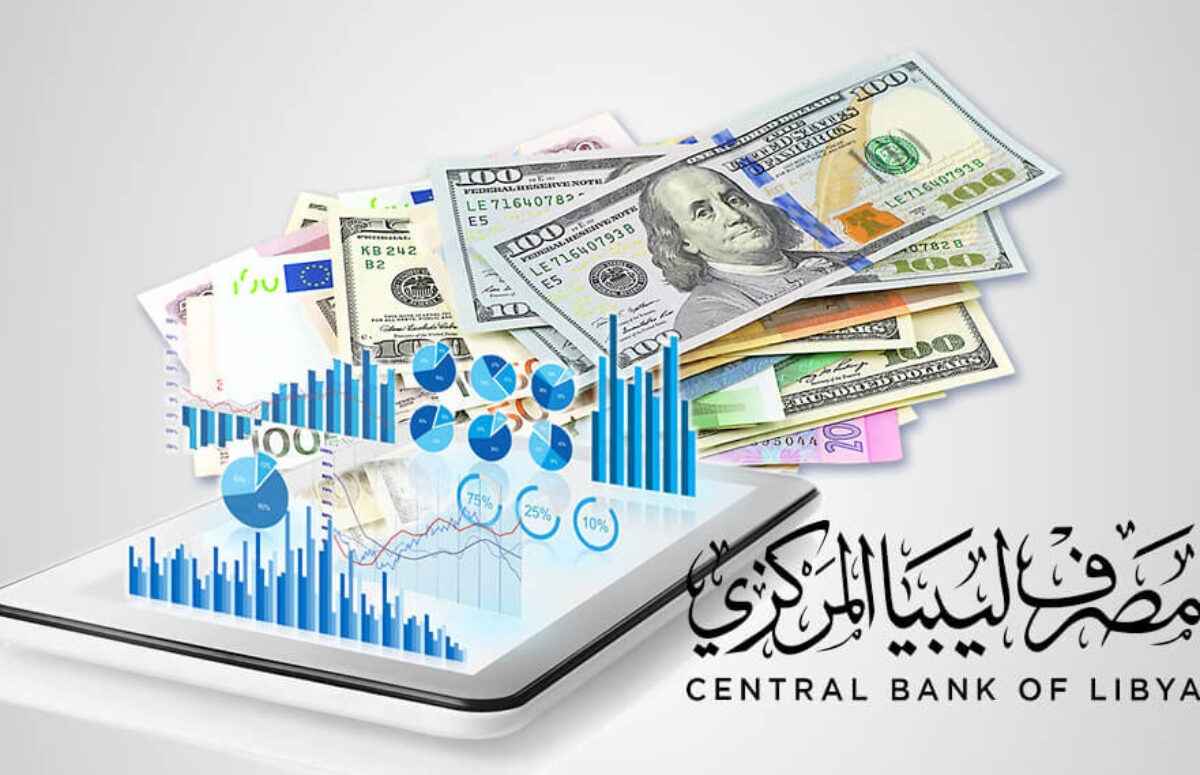
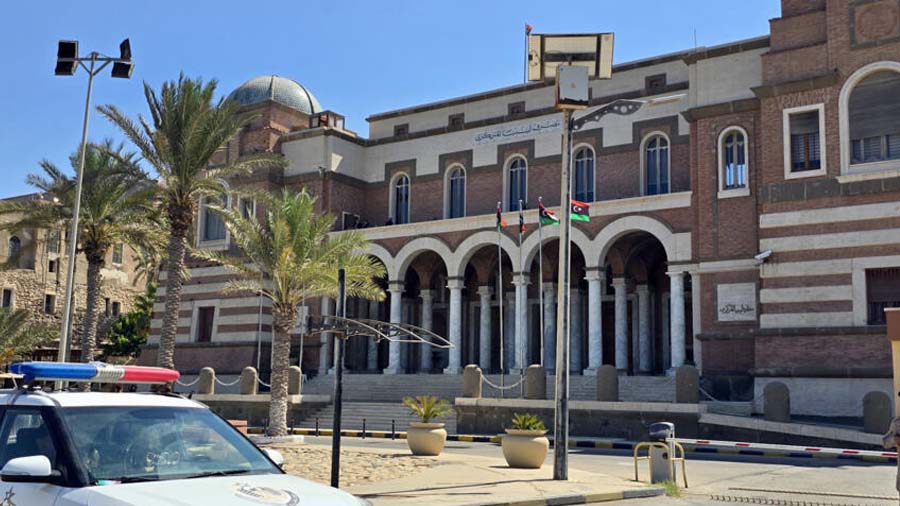
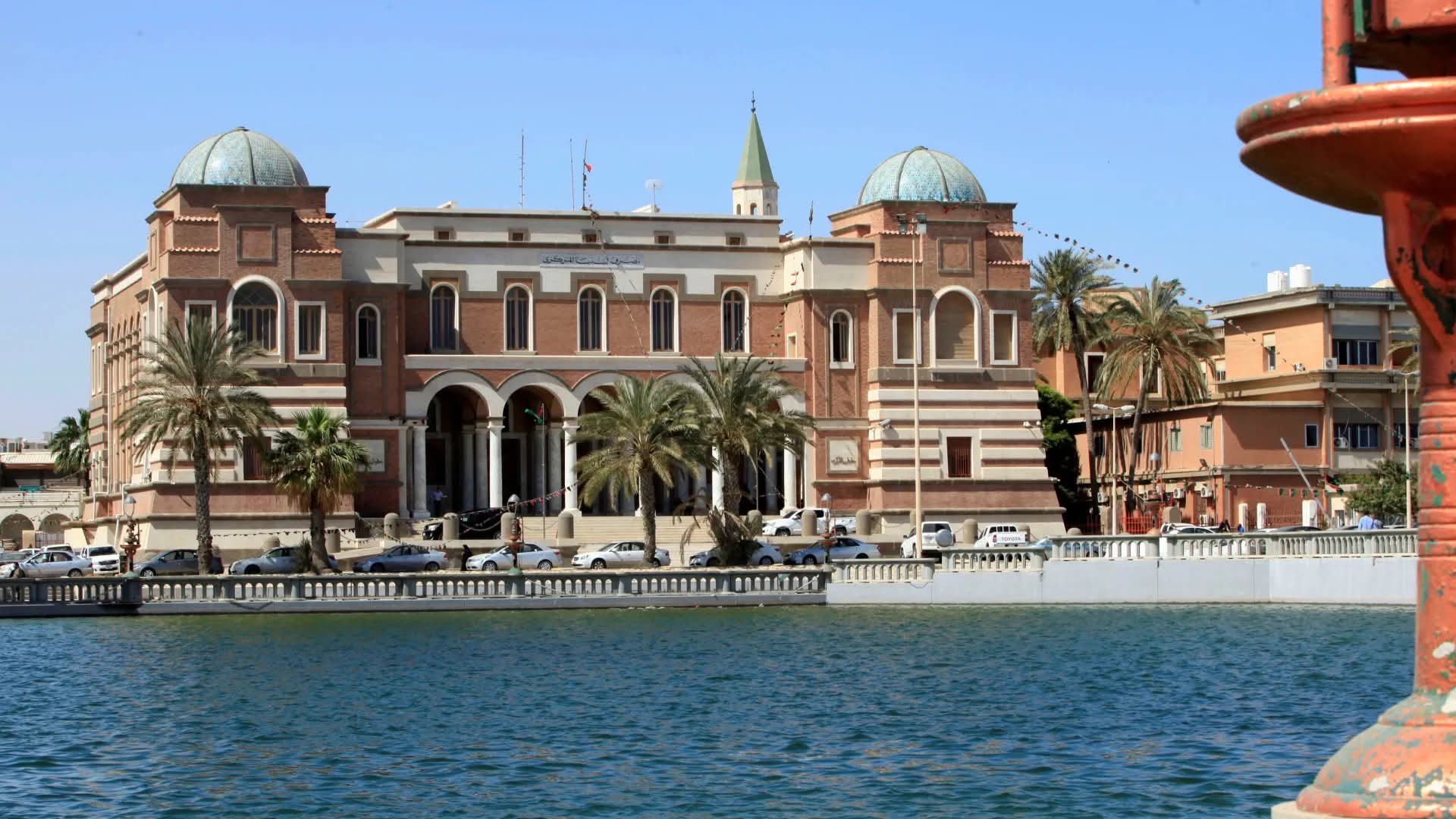
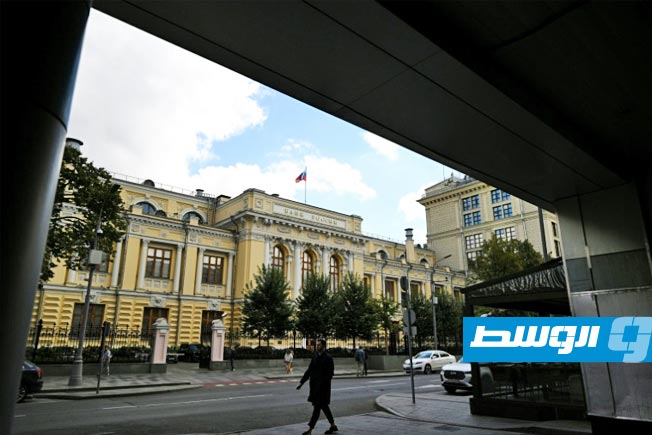
central bank
A central bank is a nation’s primary financial institution responsible for managing currency, monetary policy, and financial stability. Historically, the Swedish Riksbank, founded in 1668, is often considered the world’s first central bank, with the Bank of England established in 1694 becoming a key model for modern functions. Today, central banks like the U.S. Federal Reserve play a critical role in controlling inflation, regulating commercial banks, and acting as a lender of last resort.
Price Balancing Fund
The Price Balancing Fund is a government-managed financial mechanism used in some countries to stabilize the prices of essential goods, such as food and fuel, for consumers. Historically, such funds have been established to shield populations from volatile international market prices and to manage subsidies, often drawing from state revenues or export earnings to cover the difference between domestic and global costs.
national ID number
The national ID number is a unique identifier assigned to citizens and residents by a government for administrative purposes, such as taxation, voting, and social services. Its modern implementation began in the mid-20th century, with systems like the U.S. Social Security Number (1936) and Sweden’s personal identity number (1947) serving as early models.
Libyan market
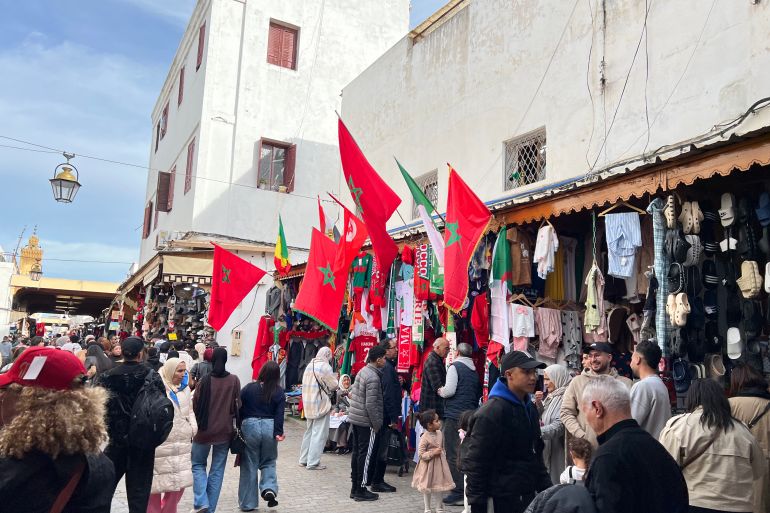
The Libyan market, often referred to as a traditional souq, is a central hub of commerce and social life, historically organized around trade routes for goods like spices, textiles, and crafts. These markets reflect centuries of cultural exchange influenced by Berber, Arab, and Mediterranean traditions. They have served as vital economic and community centers throughout Libya’s history, from the Ottoman era to the modern day.