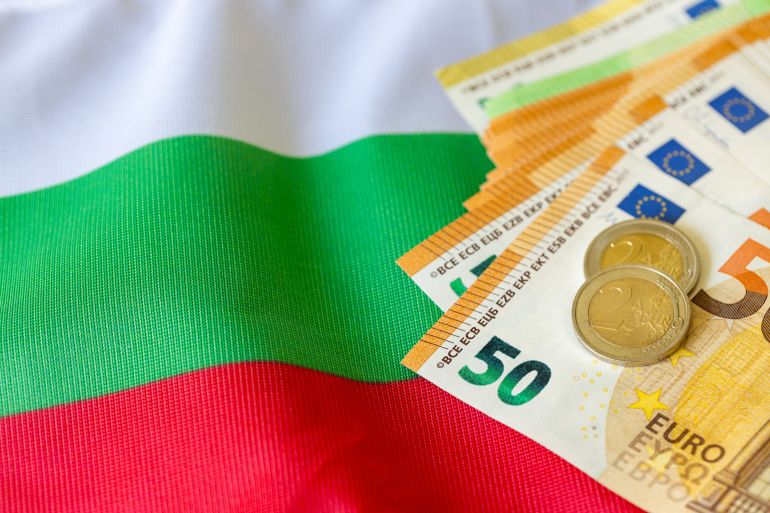
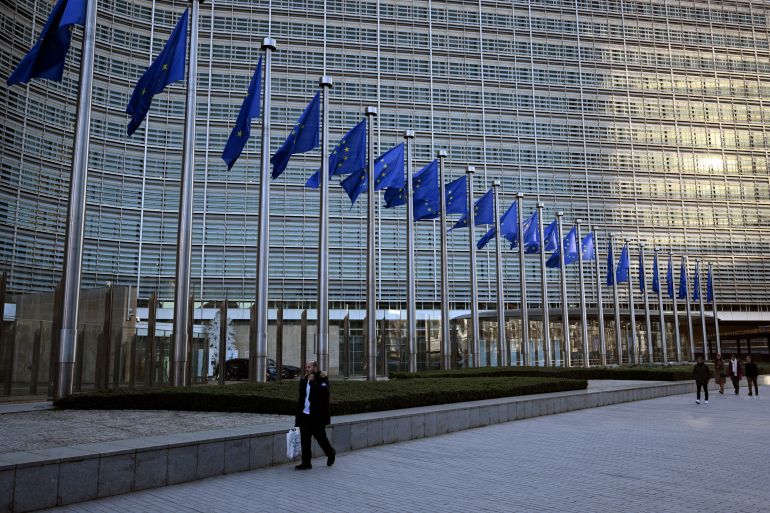
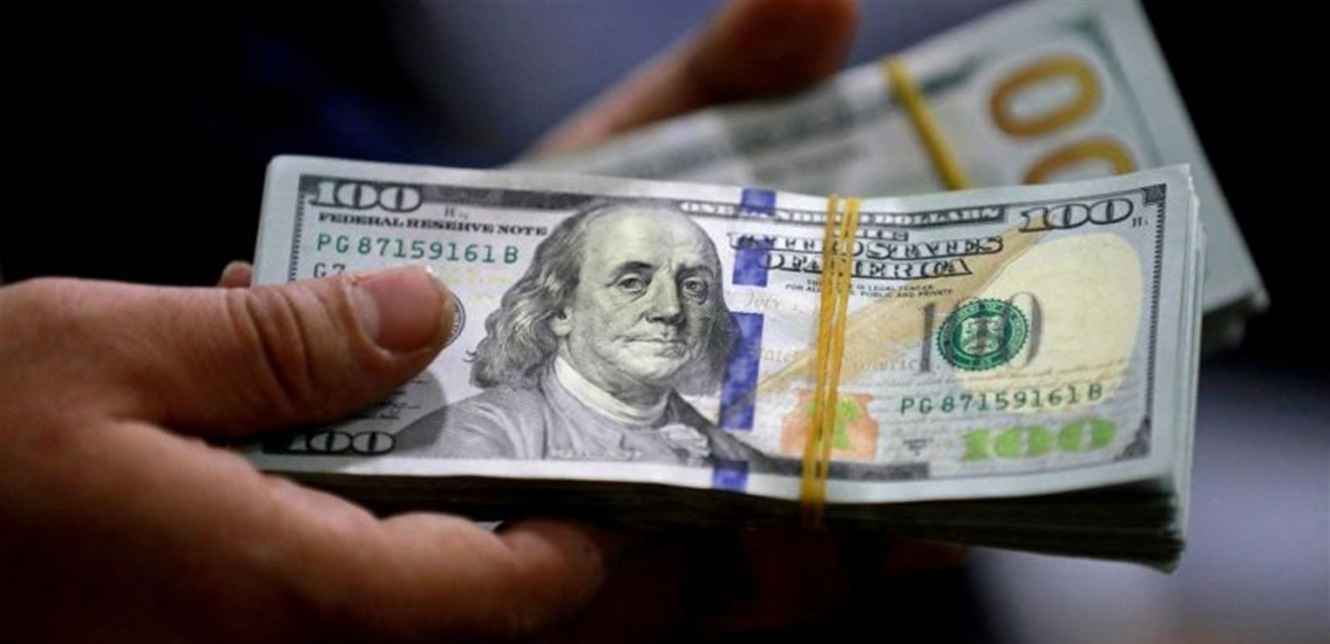
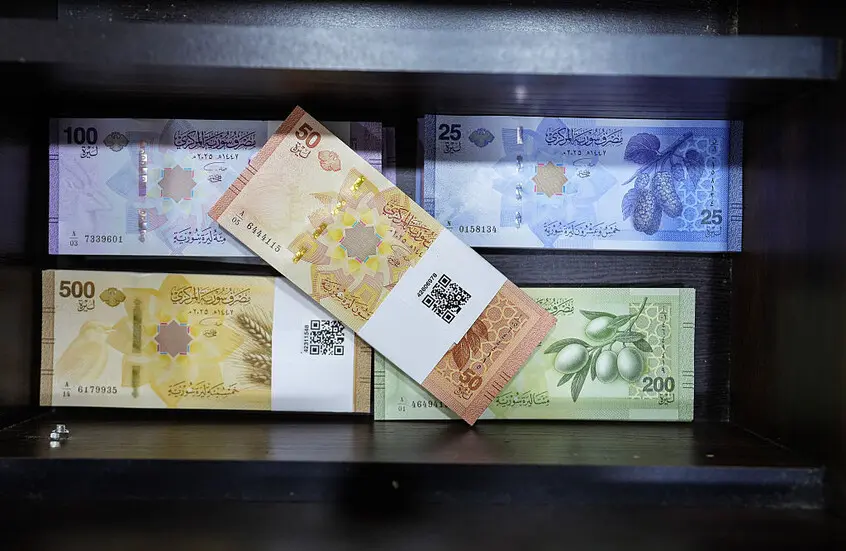
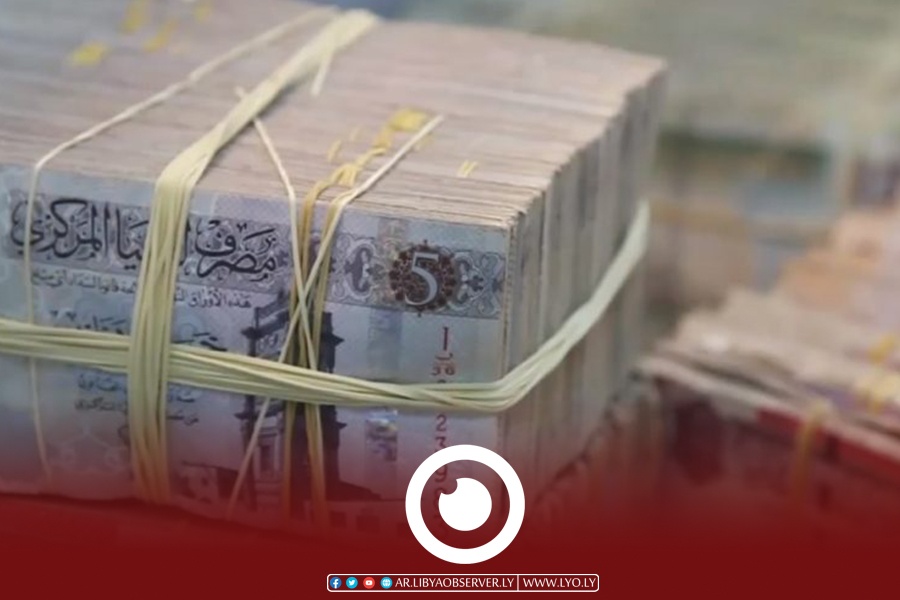
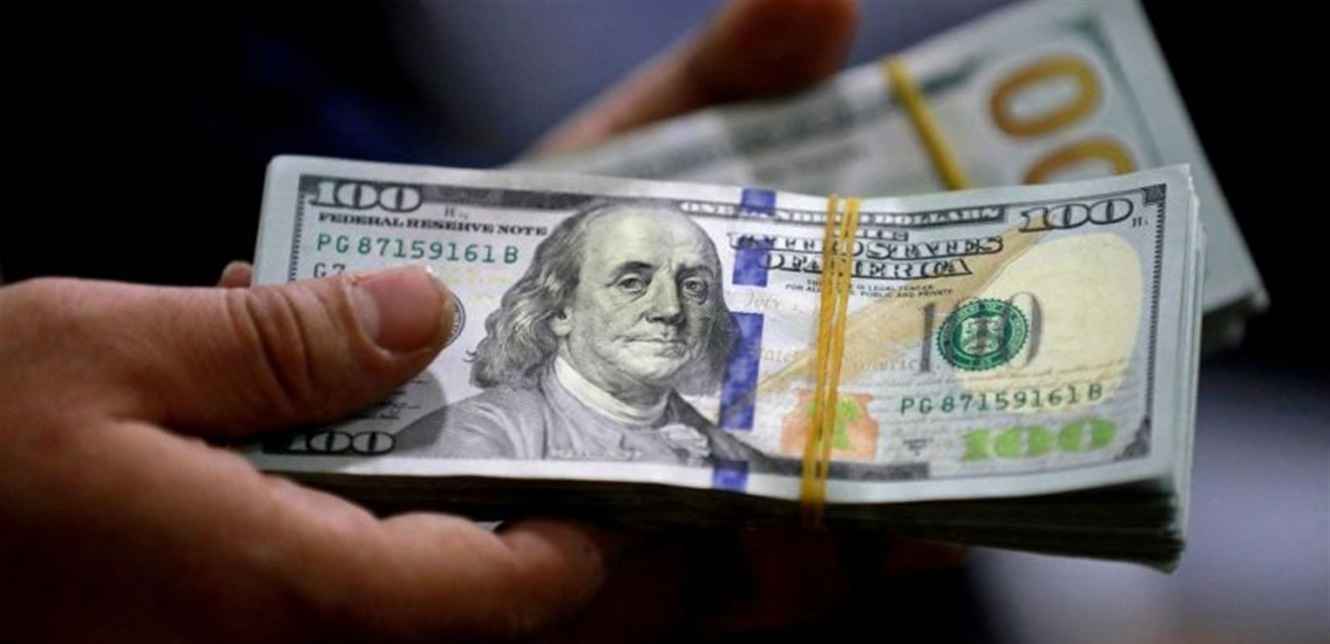
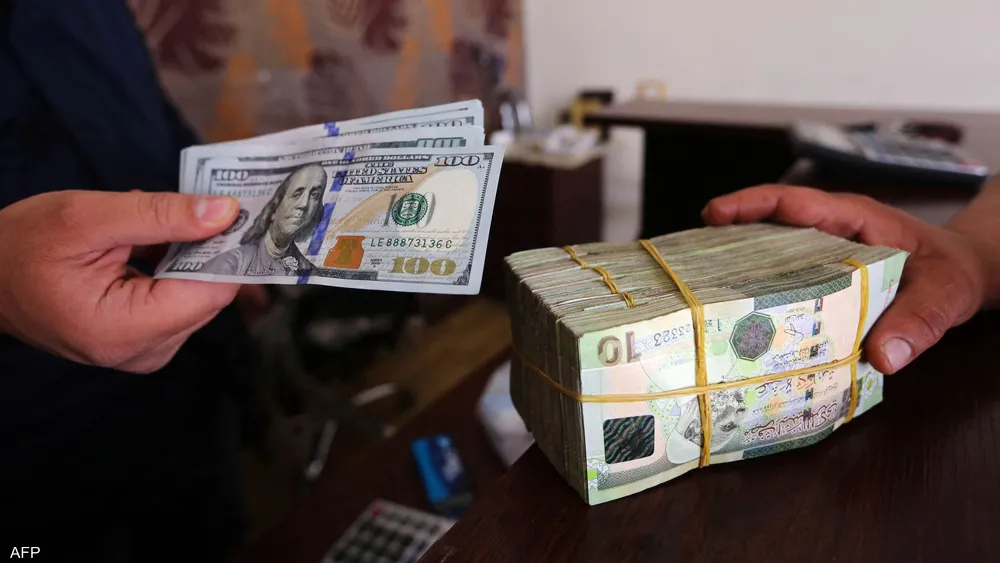
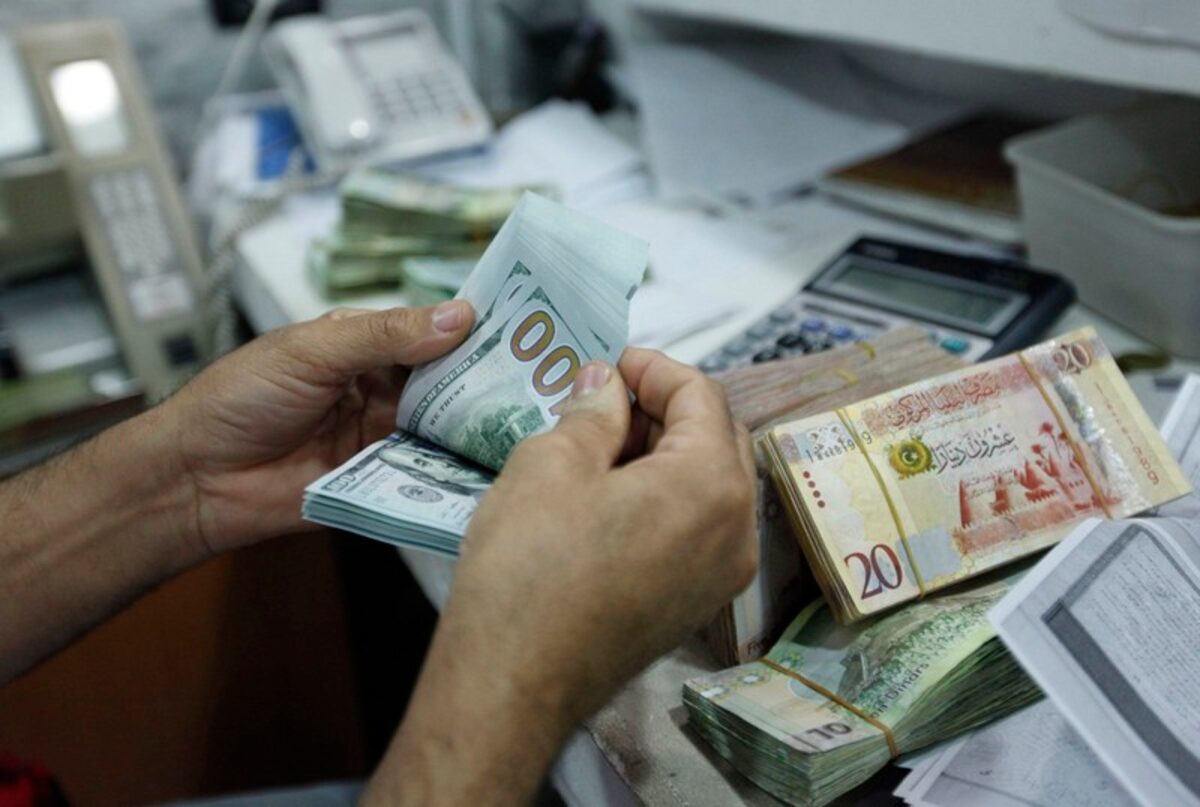
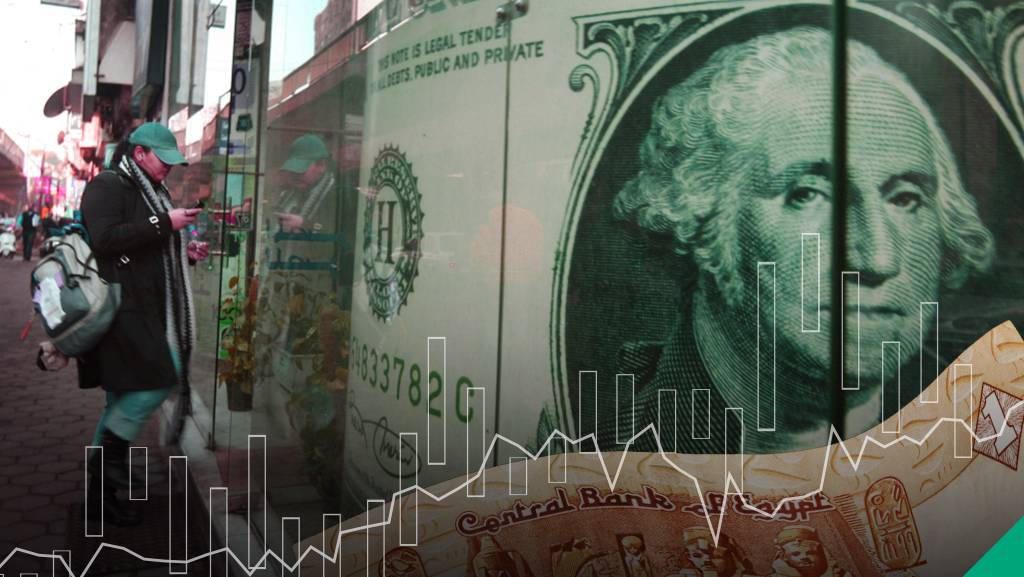
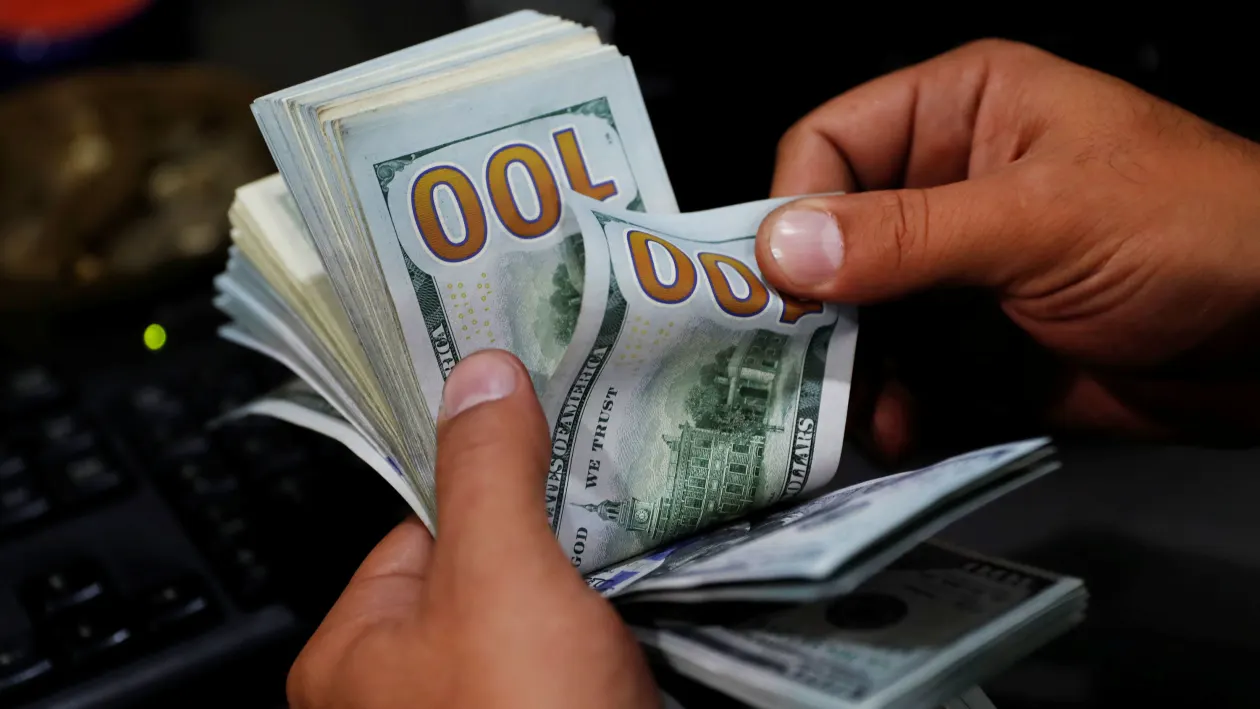
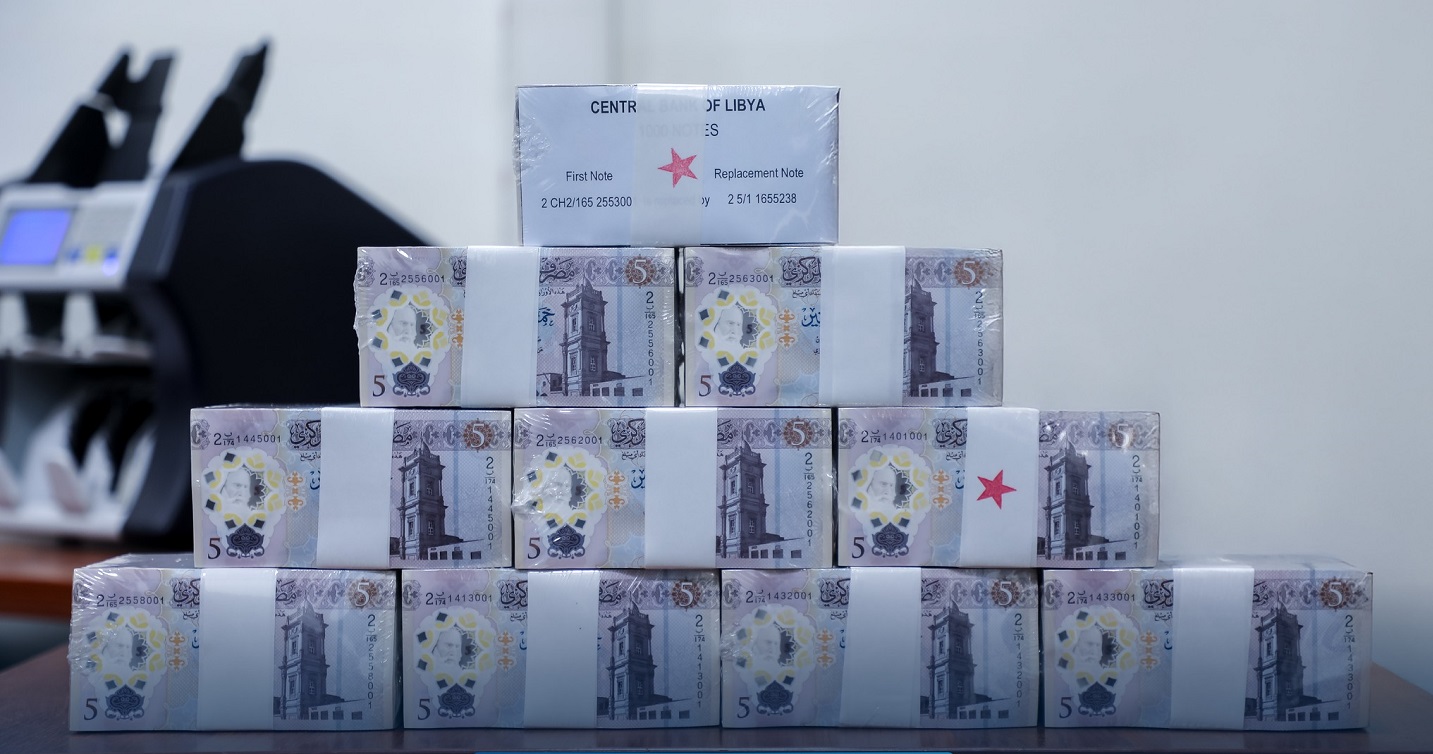
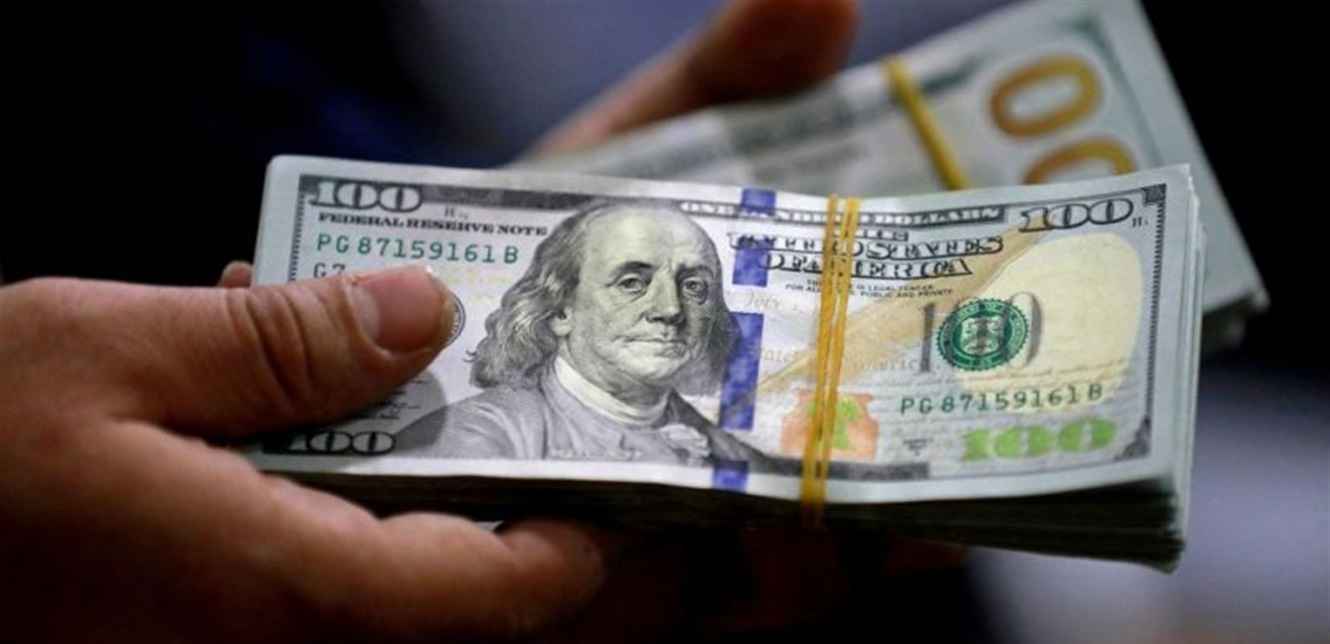
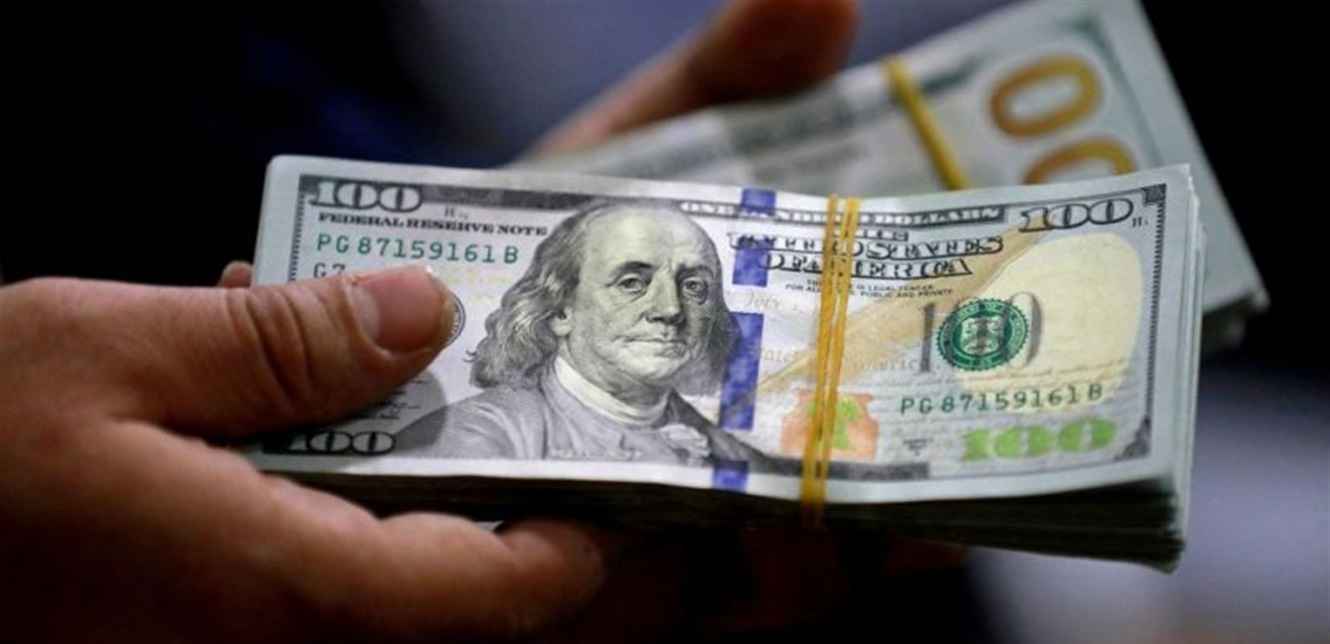
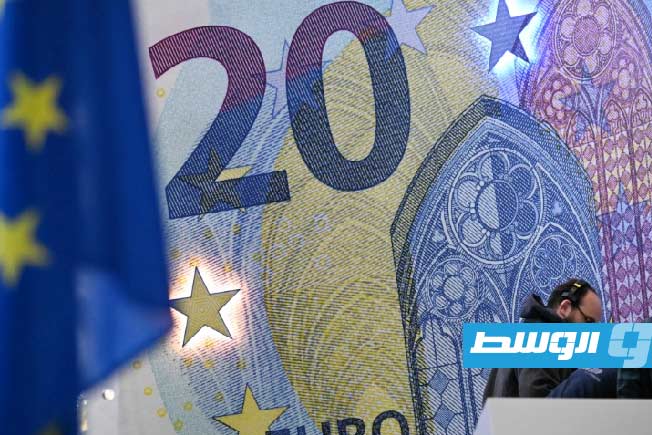
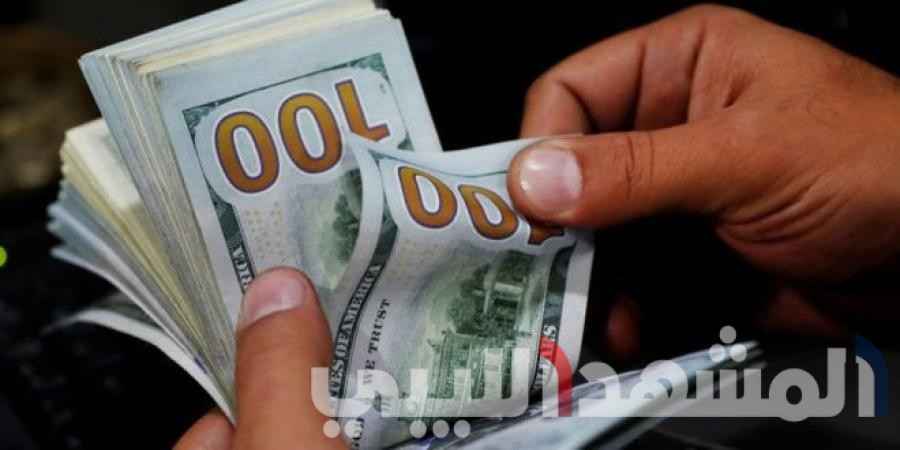
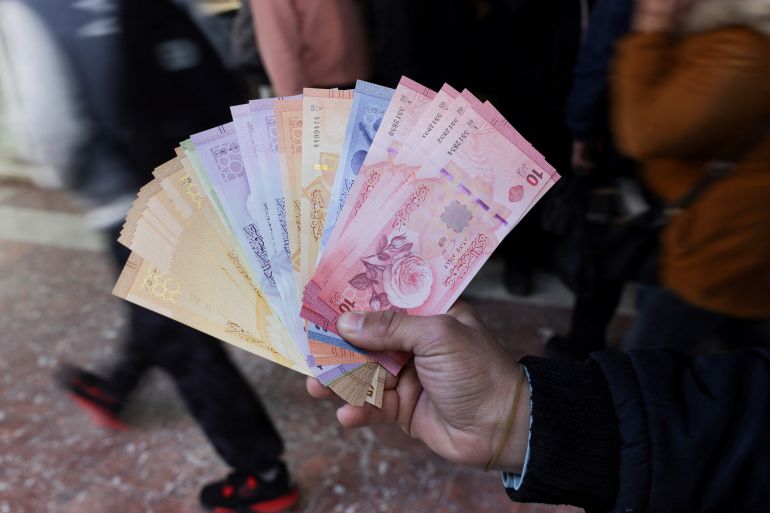
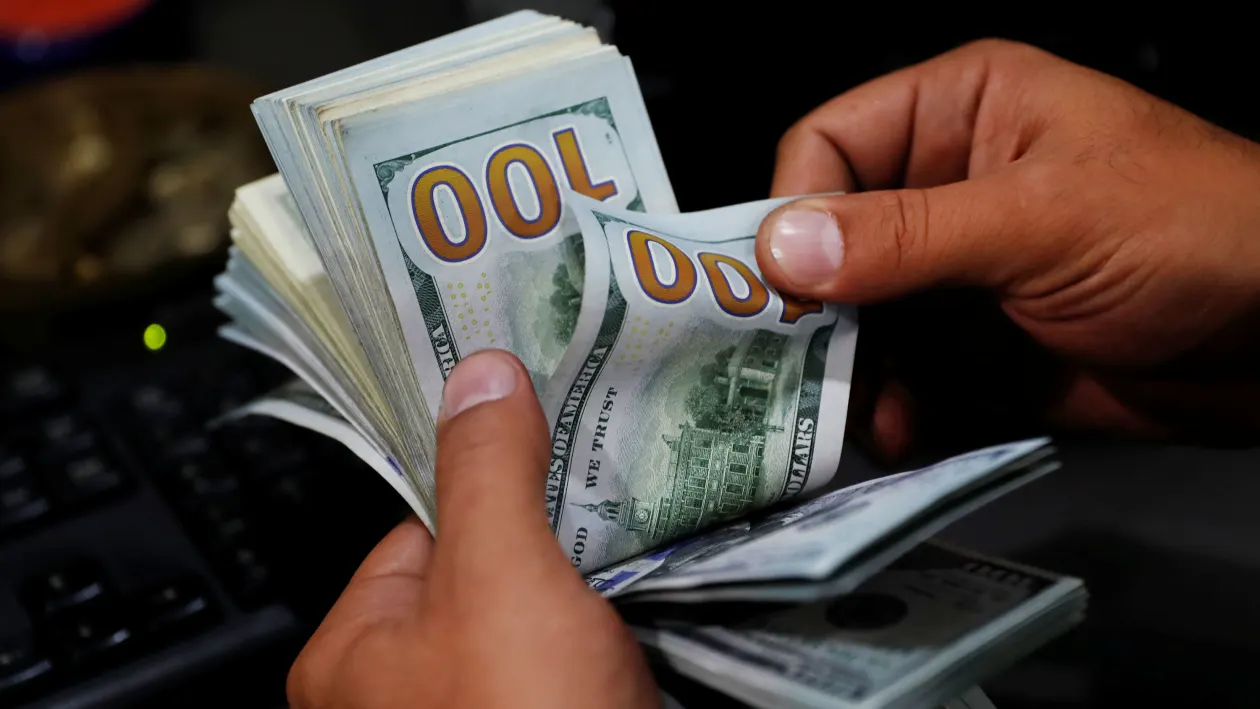
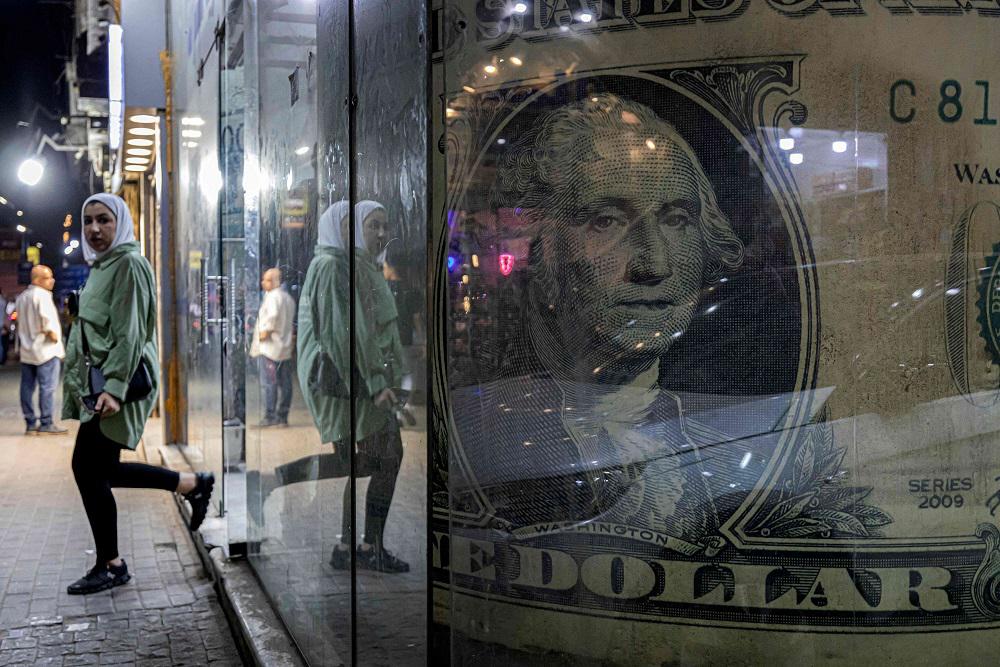
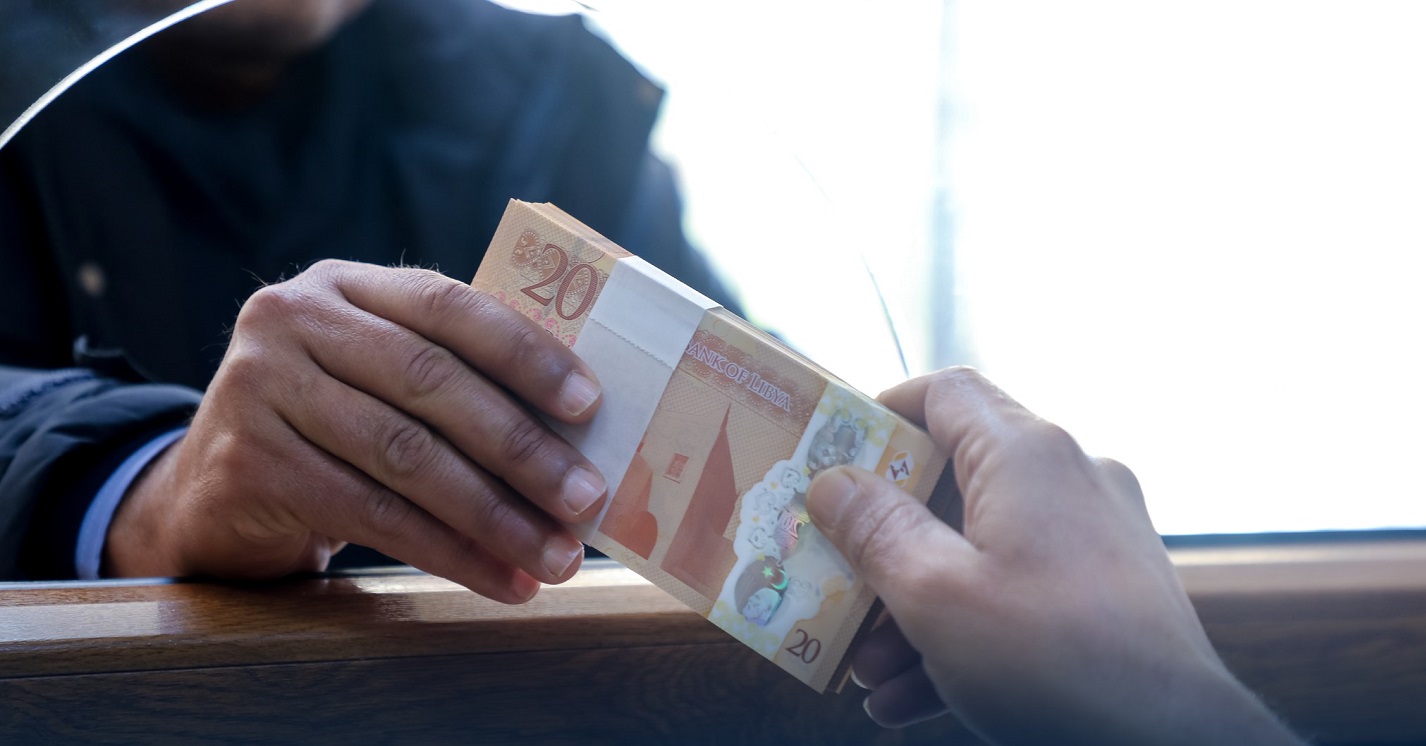
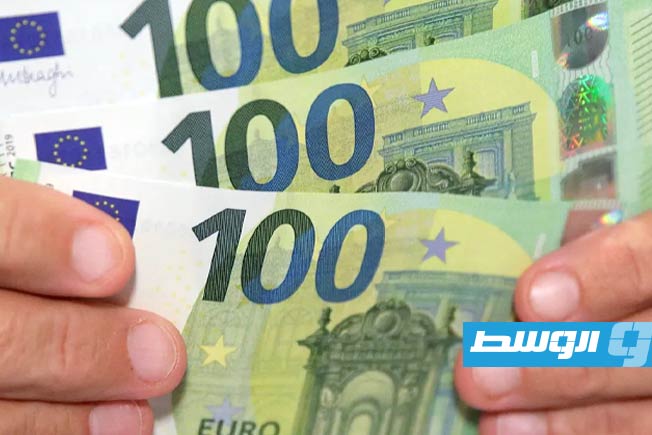
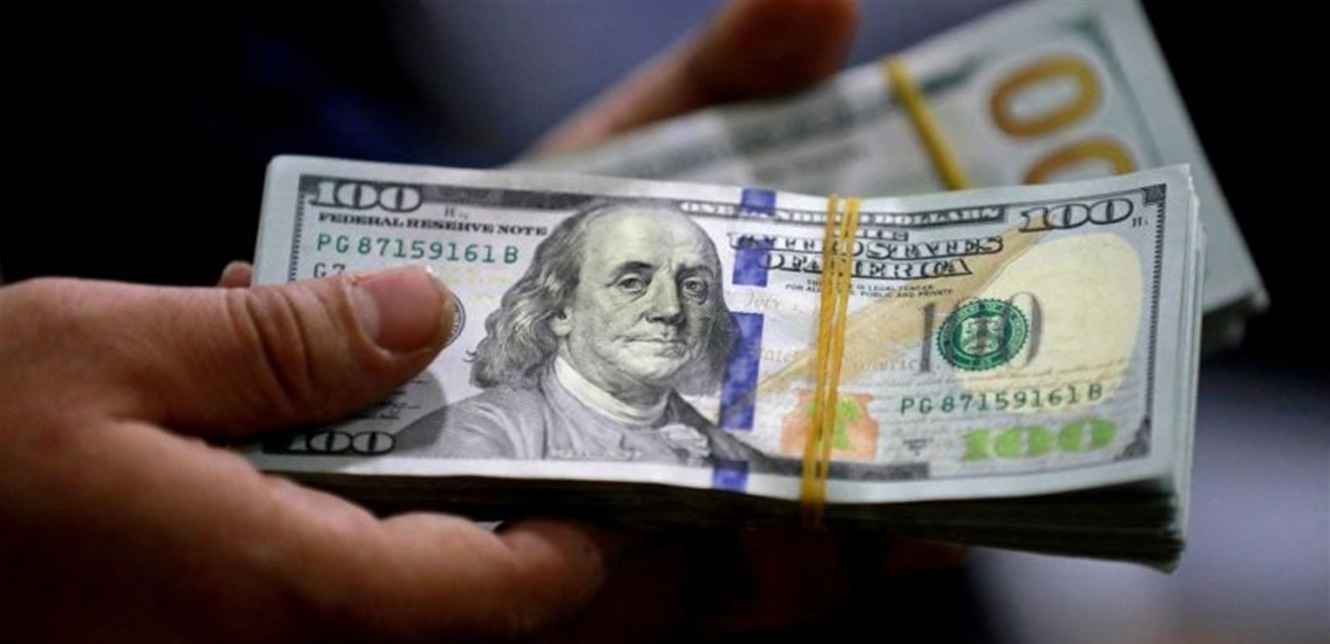
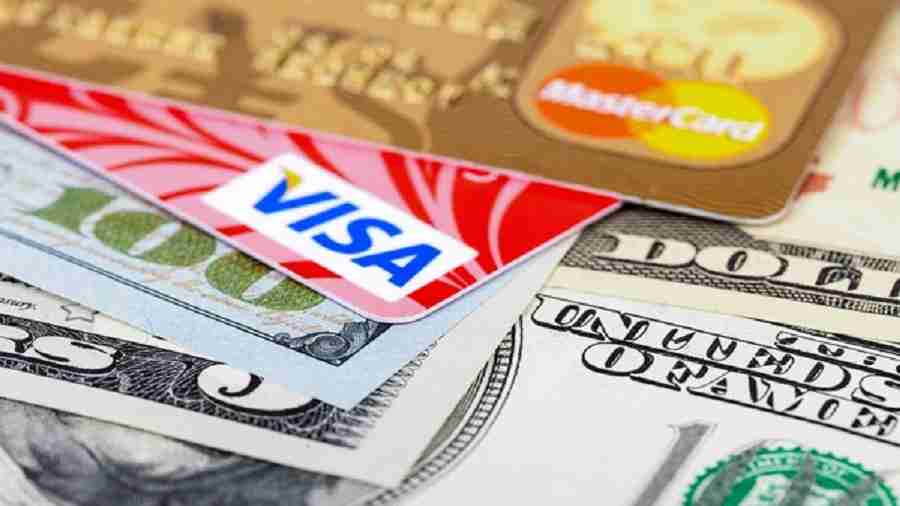
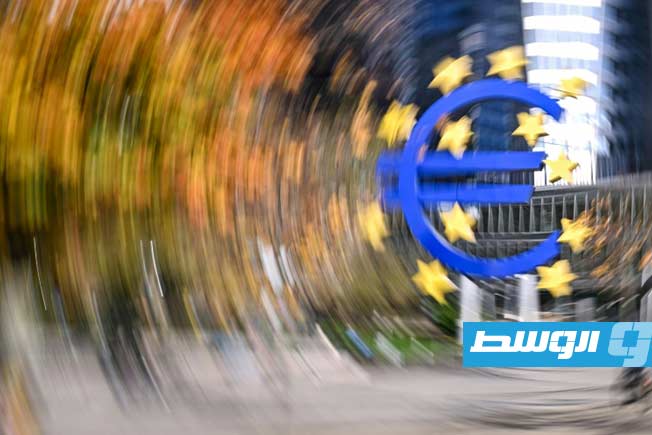
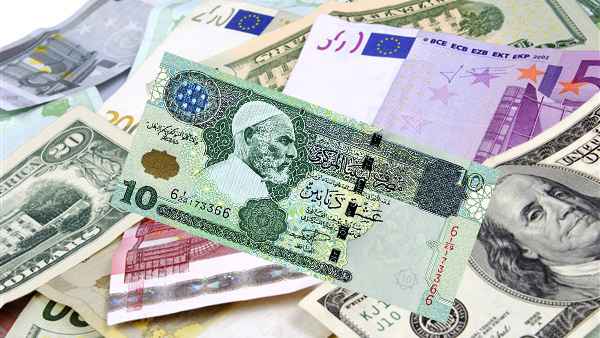
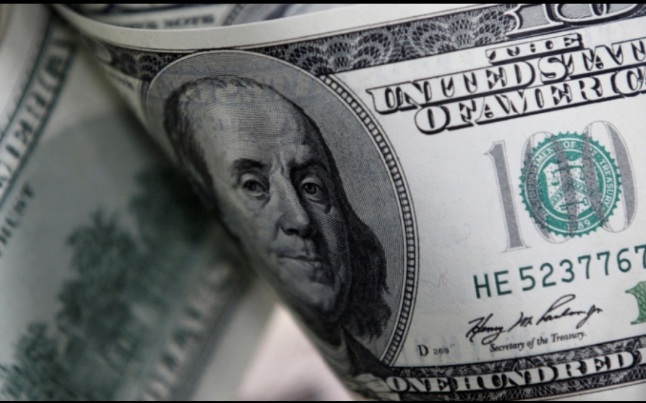
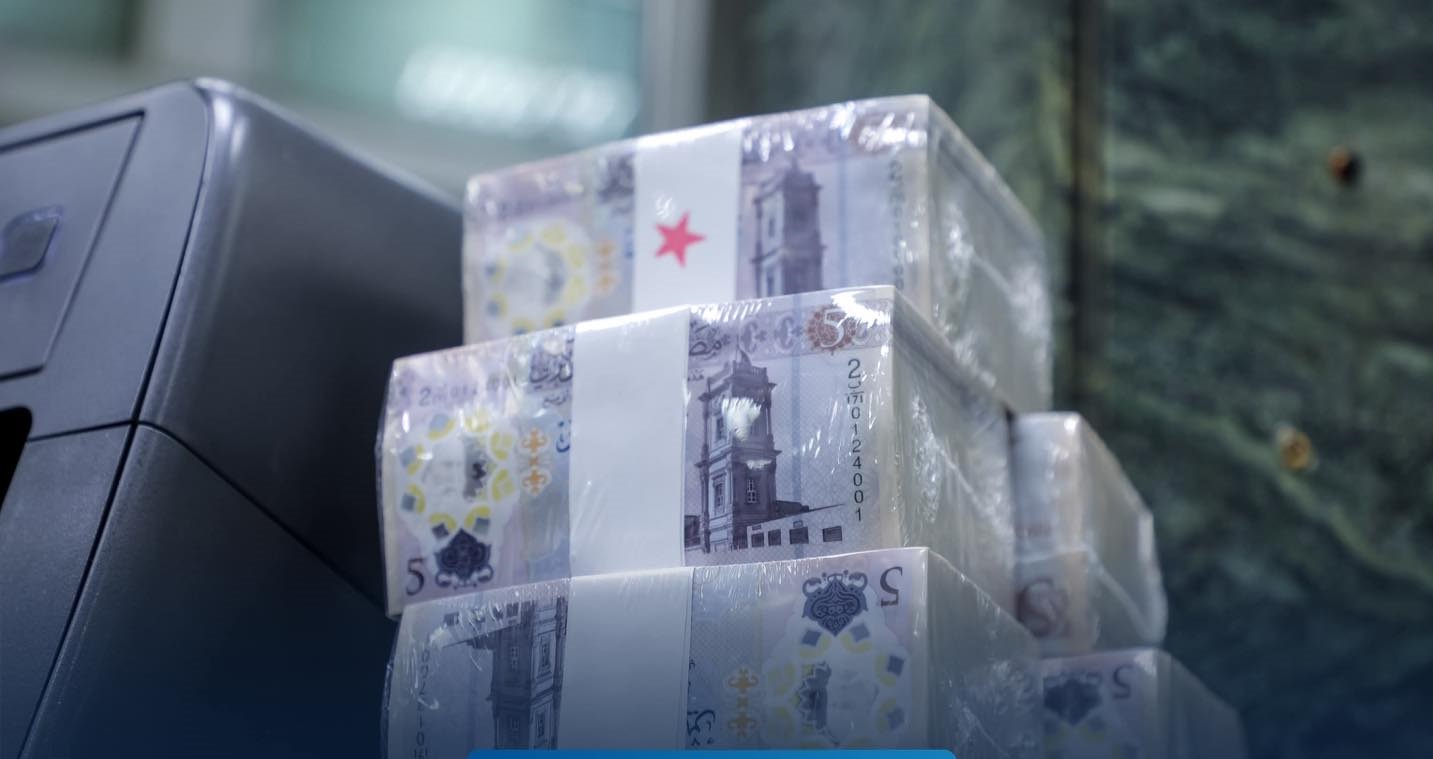
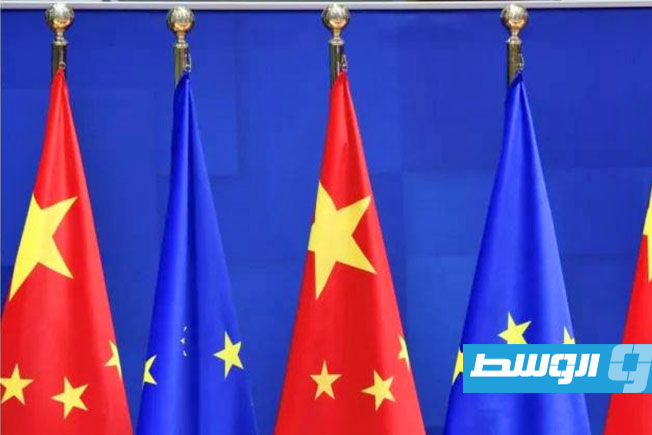
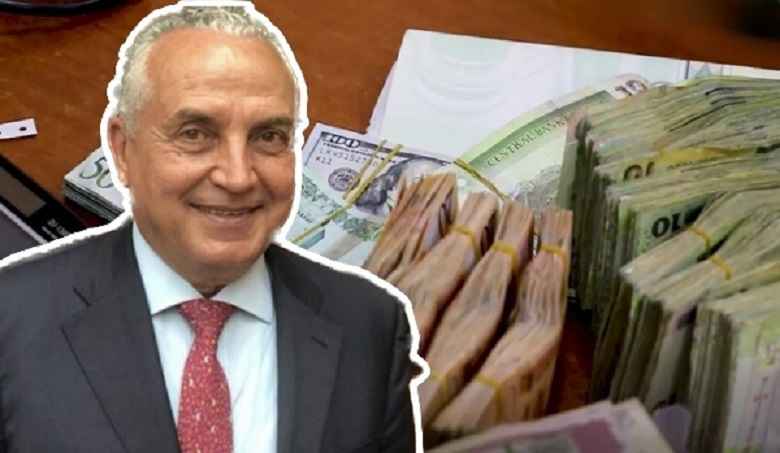
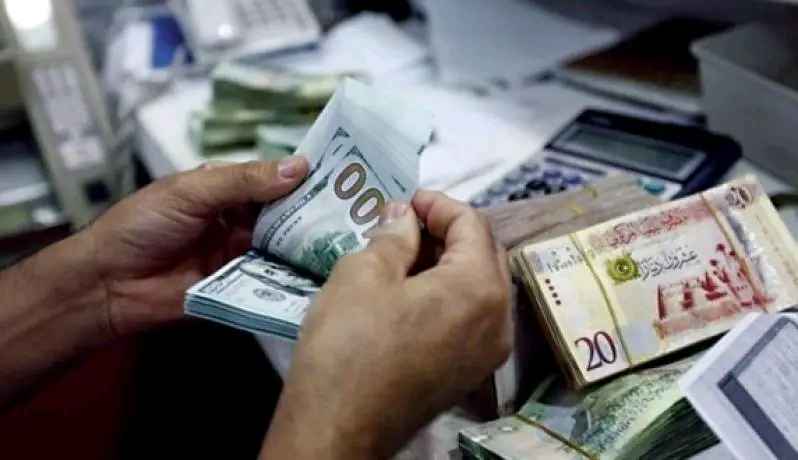
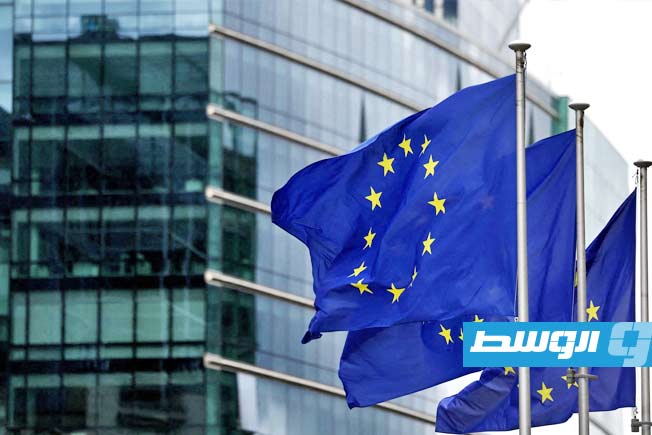
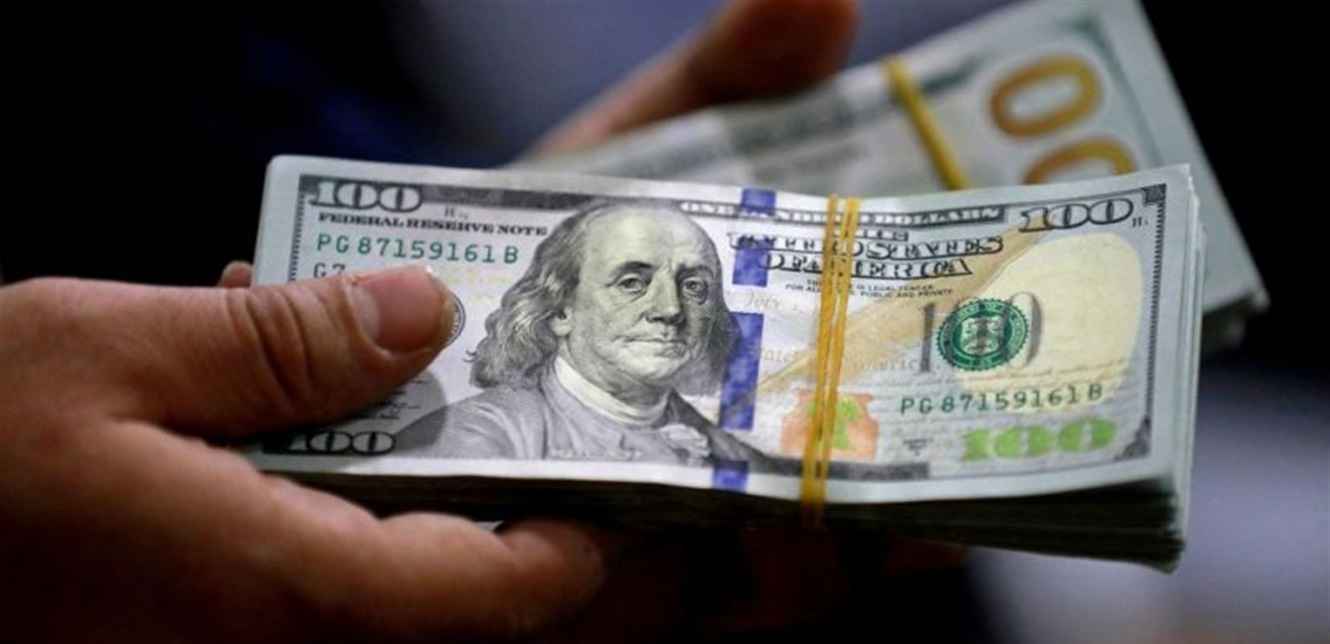
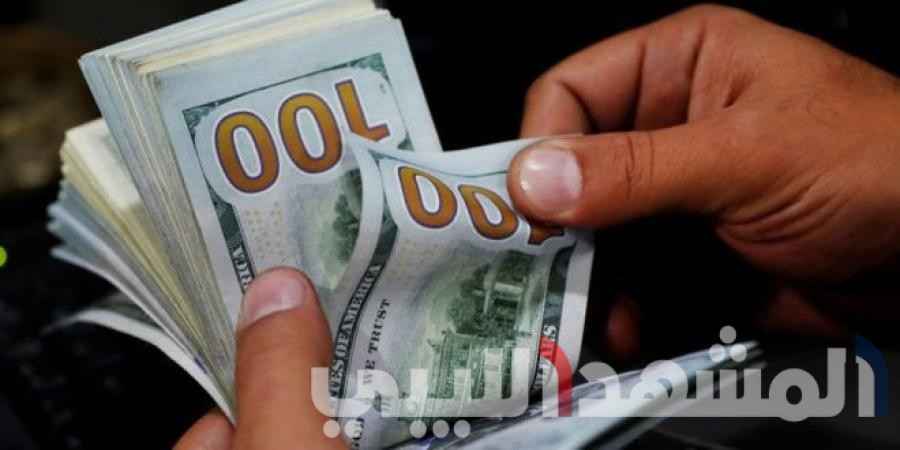
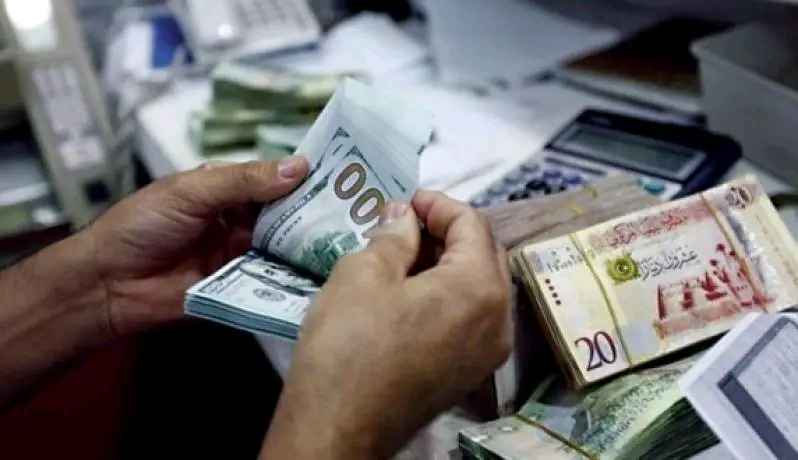
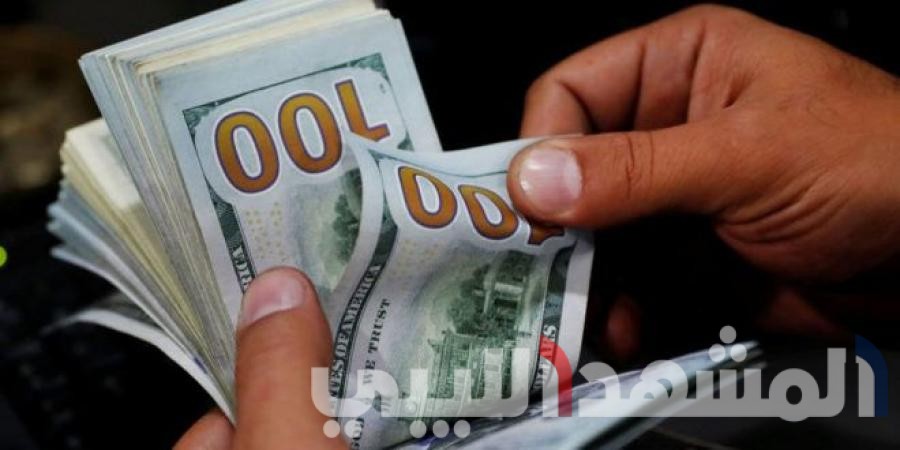
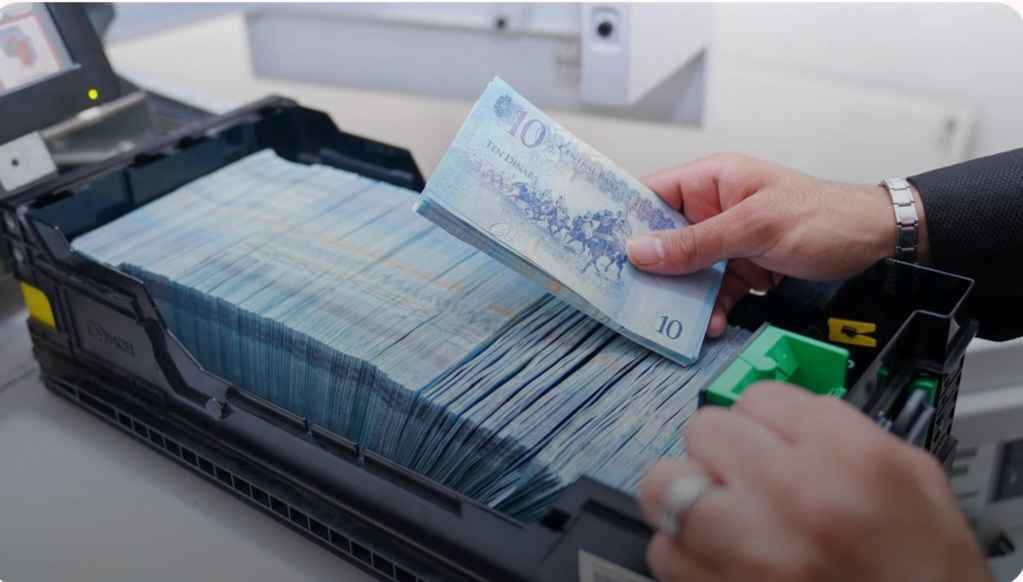
Bulgaria will join the Eurozone next Thursday, becoming the 21st country to adopt the common European currency, in a move that some fear could exacerbate inflation and political instability.
During the summer, a protest movement emerged demanding the retention of the Bulgarian lev as the national currency, led by far-right and pro-Russian parties exploiting Bulgarians’ fears of price increases. Conversely, supporters believe that entering the Eurozone will bring significant economic benefits, as nearly 70% of the country’s exports go to countries that use the European currency.
For successive governments that have sought to adopt the euro, this transition to the common European currency will strengthen the economy of the poorest country in the European Union, bolster its relations with Western Europe, and protect it from Russian influence.
Before Bulgaria, Croatia in 2023 was the last country to adopt the single currency, which was officially launched on January 1, 2002, in 12 European Union member states.
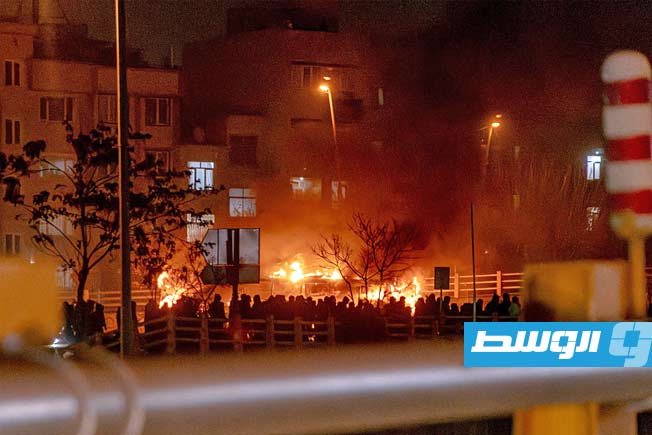
Bulgaria, the Balkan nation with a population of 6.4 million and an EU member since 2007, faces significant challenges following anti-corruption protests that recently ousted a conservative government that had been in power for less than a year, with the possibility of new parliamentary elections, which would be the eighth in five years.
Amid this unstable situation, any problem related to the adoption of the euro is seen as material for exploitation by politicians who are against the European Union.
According to the latest poll conducted by the European Union’s Eurobarometer agency, 49% of Bulgarians oppose the adoption of the single currency.
This concern is particularly prominent in poor rural areas.
“Significant” Gains
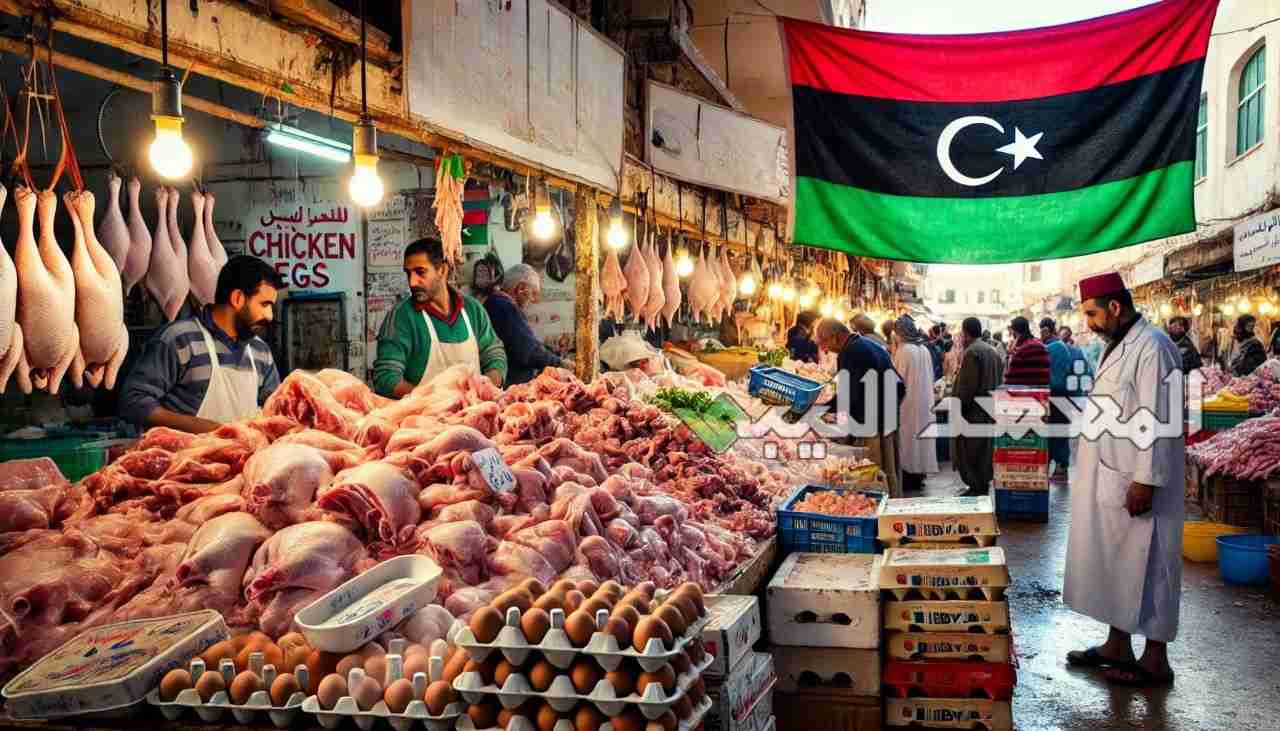
“Prices will rise. That’s what my friends living in Western Europe told me,” said a 53-year-old woman who runs a grocery store in the small village of Chuprene in northwestern Bulgaria.
Following hyperinflation in the 1990s after the fall of communism, Bulgaria pegged its currency to the German mark, and then to the euro, making it dependent on the European Central Bank’s monetary policy without having any say in the matter.
“Bulgaria will finally be able to participate in decisions within the monetary union,” explained a chief economist at a Sofia-based institute.
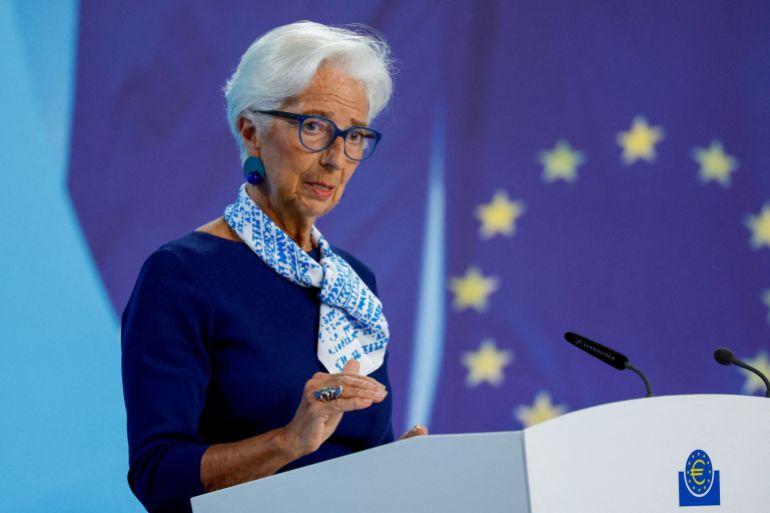
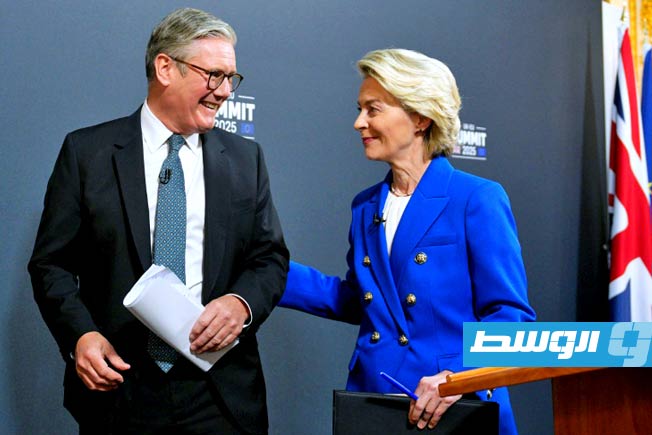
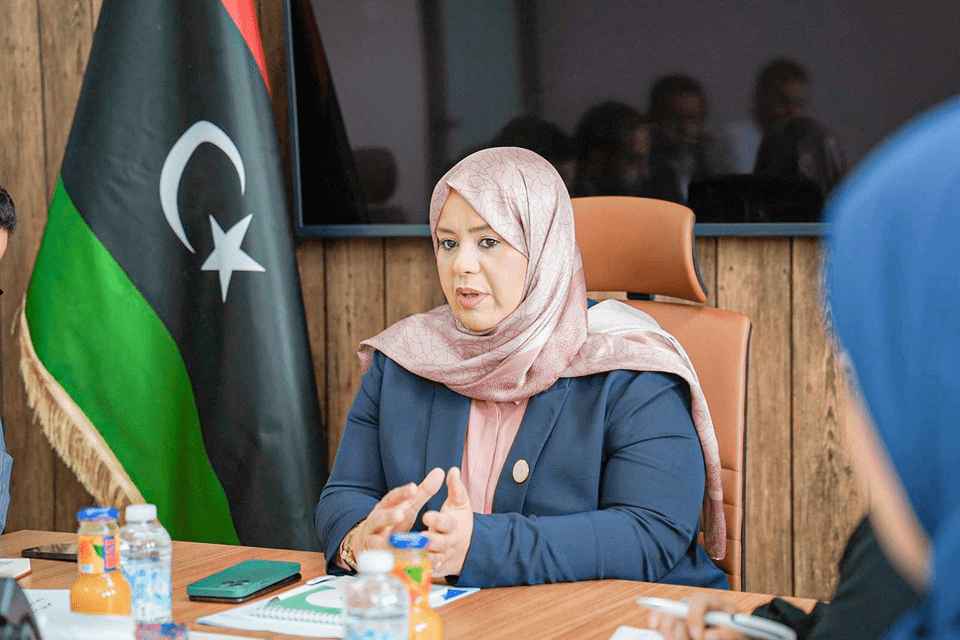
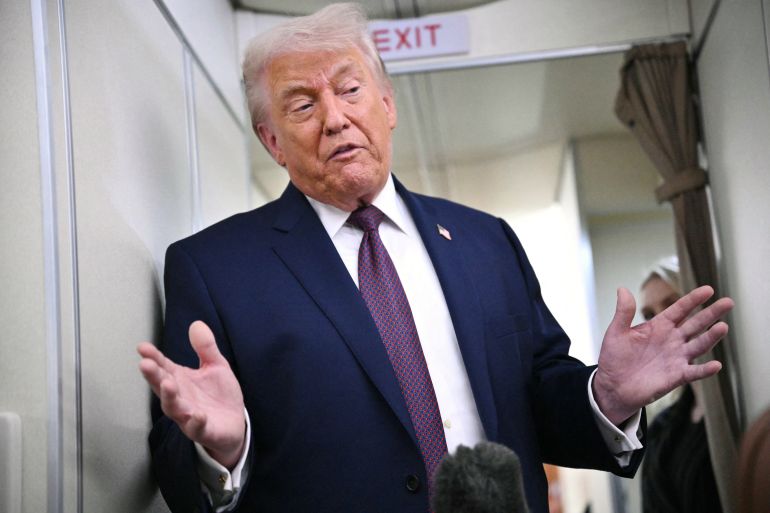
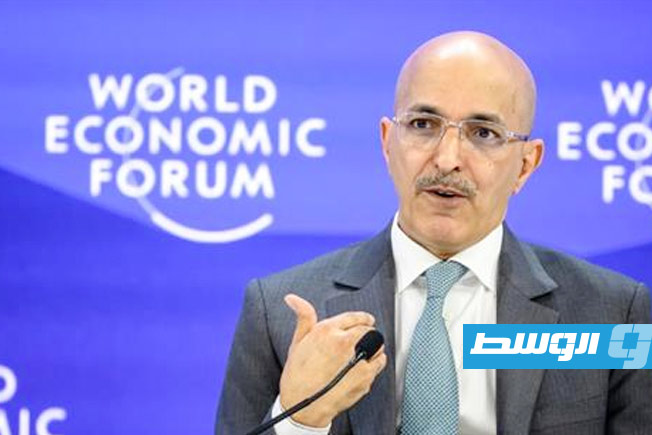
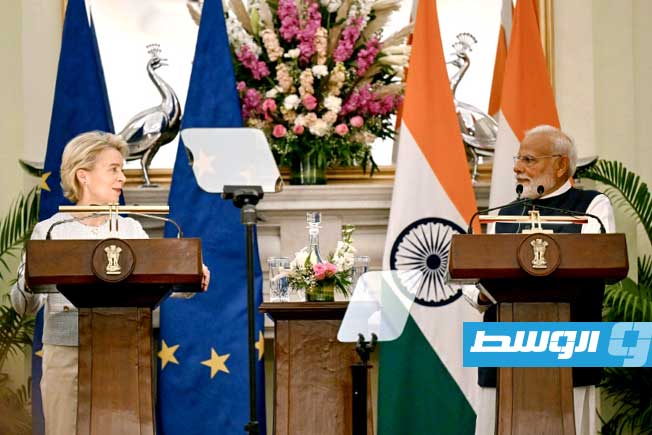
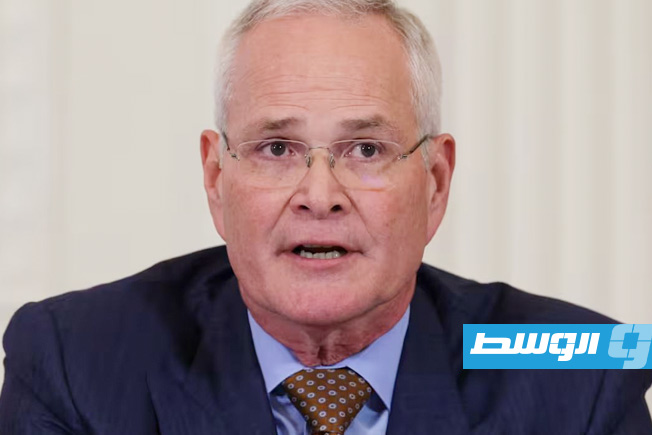
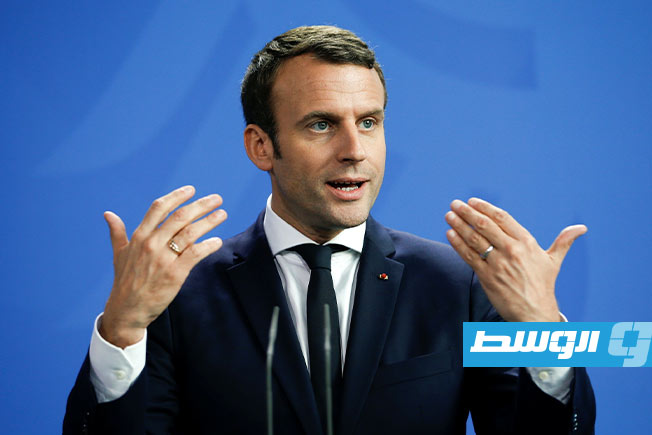
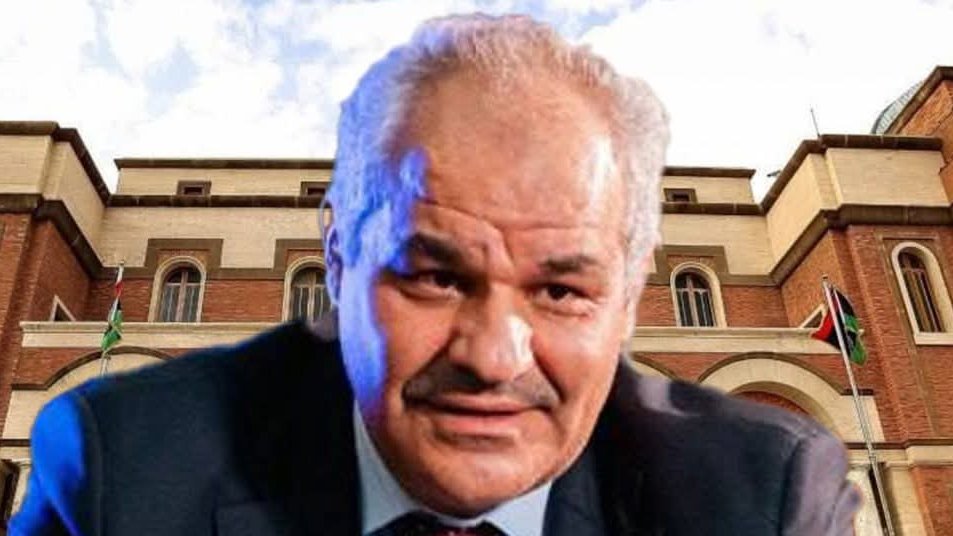
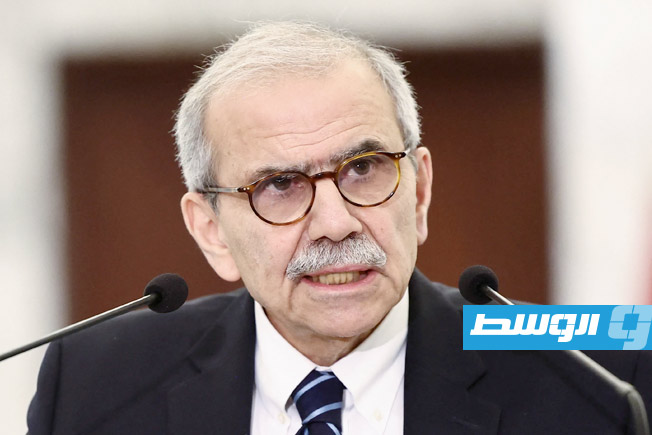
The President of the European Central Bank confirmed that the gains from adopting the euro would be “significant” for Bulgaria, pointing to “easier trade, lower financing costs, and price stability.”
Last month in Sofia, she noted that small and medium-sized enterprises could save the equivalent of around 500 million euros ($588.72 million) in foreign exchange fees.
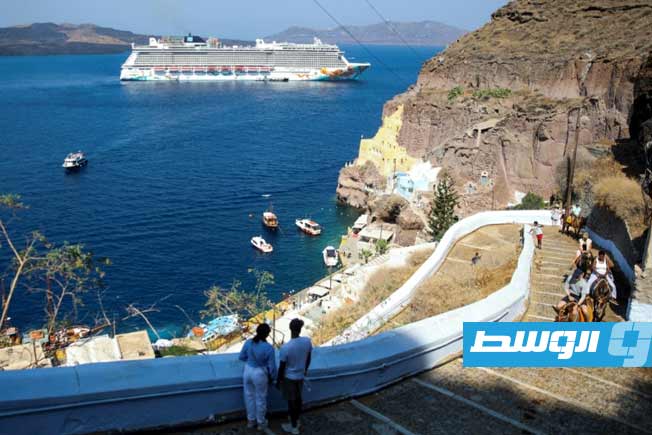
Tourism, in particular, is expected to benefit from the euro in the Black Sea country, as the sector contributed about 8% of the GDP this year.
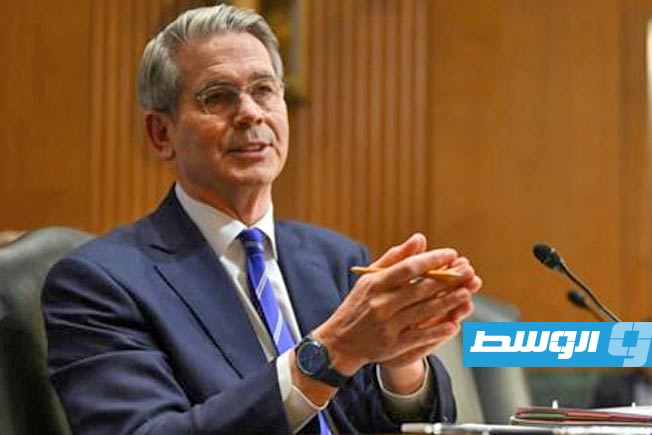
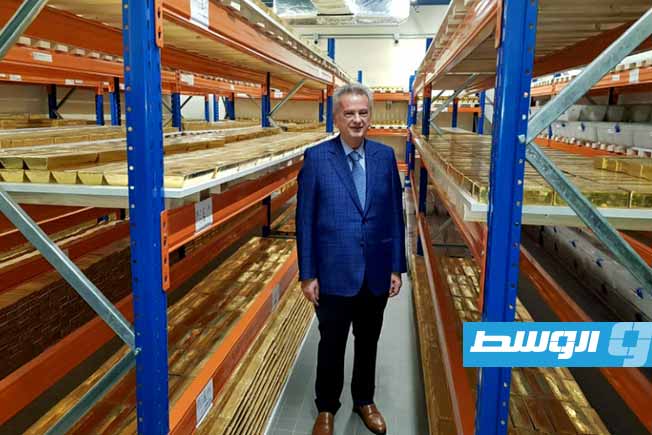
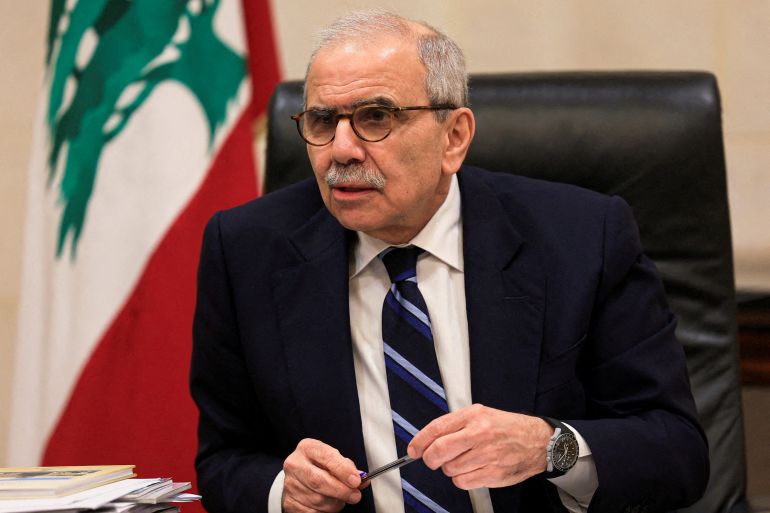
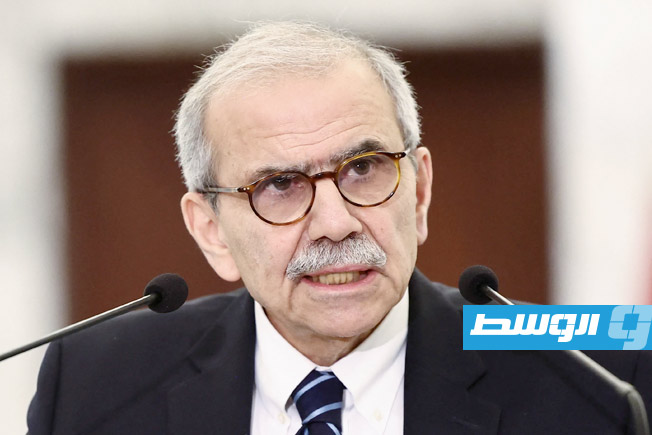
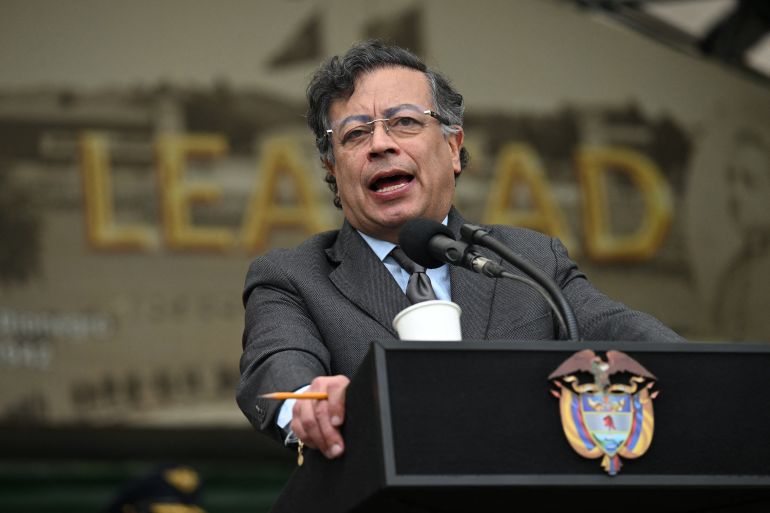
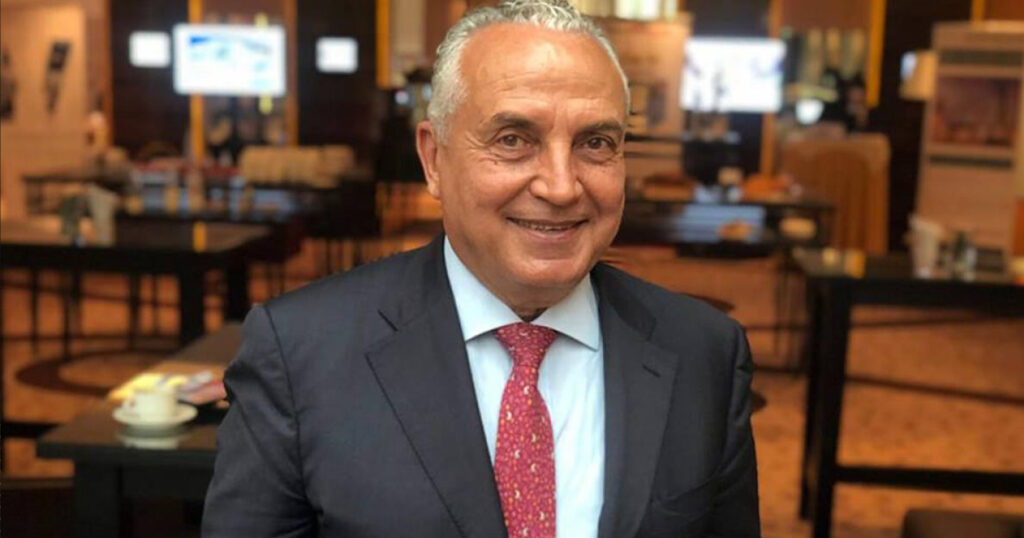
President of the European Central Bank (Reuters)
She also downplayed concerns about price changes, considering they would occur in a “mild and short-term” manner, noting that their impact during previous euro adoptions ranged between 0.2% and 0.4%.
But even before the official accession to the Eurozone, food prices rose by 5% year-on-year in November, according to the National Statistical Institute, more than double the Eurozone average.
Real estate prices jumped by 15.5% in the
Bulgaria
Bulgaria is a Southeastern European country with a rich history dating back to ancient Thracian, Roman, and Byzantine civilizations, and it was founded as a state in the 7th century by the Bulgars. Its cultural heritage is exemplified by sites like the medieval Boyana Church and the rock-hewn churches of Ivanovo, both UNESCO World Heritage sites.
Eurozone
The Eurozone is a monetary union of 20 European Union member states that have adopted the euro as their common currency. It was officially established in 1999, with the euro entering physical circulation in 2002, to foster economic integration and stability across the participating nations.
European Union
The European Union (EU) is a political and economic union of 27 European countries, founded to foster cooperation and prevent conflict after World War II. It originated with the European Coal and Steel Community in 1951 and has since evolved through treaties to establish a single market and common policies.
Bulgarian lev
The Bulgarian lev is the official currency of Bulgaria, introduced in 1881 after the country’s liberation from Ottoman rule. Its name derives from an old Slavic word for “lion,” and the currency has undergone several revaluations, most recently in 1999 when a new lev replaced 1,000 old levs.
Croatia
Croatia is a country in Southeast Europe with a rich history shaped by Roman, Venetian, Ottoman, and Austro-Hungarian influences. Its cultural sites include the well-preserved Roman-era Diocletian’s Palace in Split and the historic walls of Dubrovnik, a major maritime republic from the 13th century.
Balkan
The Balkan Peninsula, often referred to simply as the Balkans, is a geographic and cultural region in Southeast Europe with a complex history of ancient civilizations, Byzantine and Ottoman rule, and the emergence of modern nation-states. It is historically significant as a crossroads of cultures and empires, and its 20th-century history was heavily marked by the Yugoslav Wars following the breakup of Yugoslavia.
Chuprene
Chuprene is a nature reserve located in northwestern Bulgaria, known for its pristine beech forests and diverse wildlife. It was established in 1973 to protect one of the country’s last remaining old-growth forests and is part of the Balkan Green Belt, a network of natural habitats along the former Iron Curtain.
Germany
Germany is a country in Central Europe with a complex history, having been a collection of states for centuries before unifying into an empire in 1871. It was divided after World War II and famously reunified in 1990 following the fall of the Berlin Wall. Today, it is known for its influential cultural contributions in philosophy, music, and science, and as a leading economic and political power in the European Union.
German mark
The German mark was the official currency of Germany from 1948 until 2002, when it was replaced by the euro. It was introduced in West Germany after World War II, replacing the Reichsmark and becoming a key symbol of the nation’s post-war economic recovery and stability.
European Central Bank
The European Central Bank (ECB) is the central bank for the euro currency and is responsible for monetary policy within the Eurozone. It was established in 1998, following the Treaty of Amsterdam, to ensure price stability and oversee the financial system in preparation for the euro’s launch in 1999. Its headquarters are located in Frankfurt, Germany.
Sofia
Sofia is the capital and largest city of Bulgaria, with a history spanning over 2,400 years. It has been inhabited by Thracians, Romans, Byzantines, and Ottomans, with landmarks like the Alexander Nevsky Cathedral and the ancient Serdica ruins reflecting its diverse past. Today, it serves as the nation’s political, economic, and cultural center.
Black Sea
The Black Sea is a large inland sea situated between Eastern Europe and Western Asia, historically known for its strategic importance in trade and conflict. It was a key part of ancient Greek colonization and later the Byzantine and Ottoman Empires, serving as a major conduit for commerce and cultural exchange.