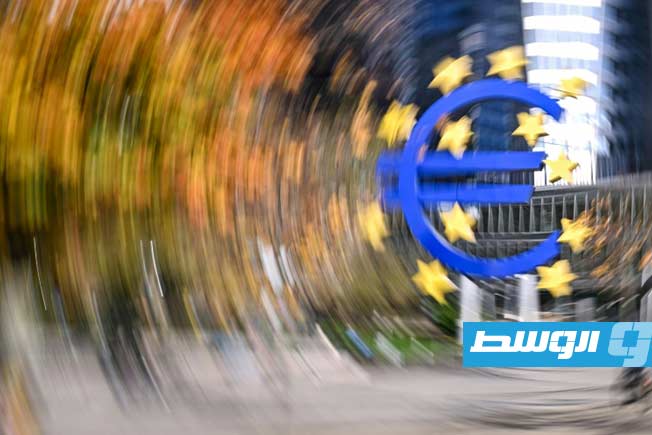
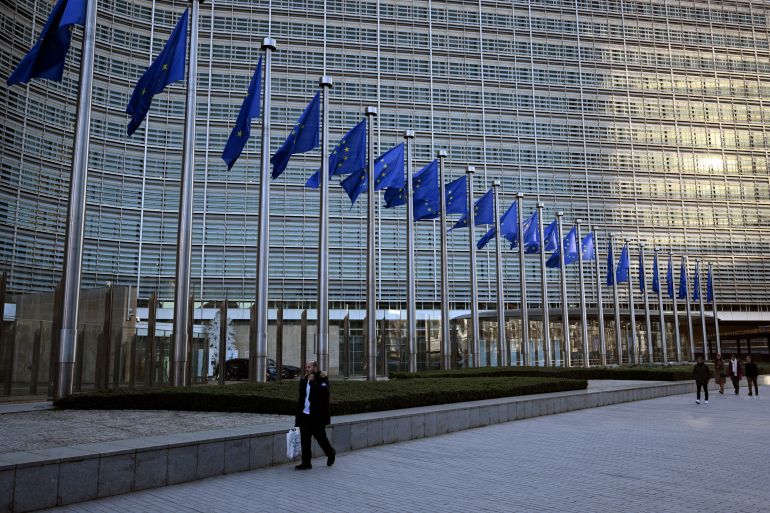
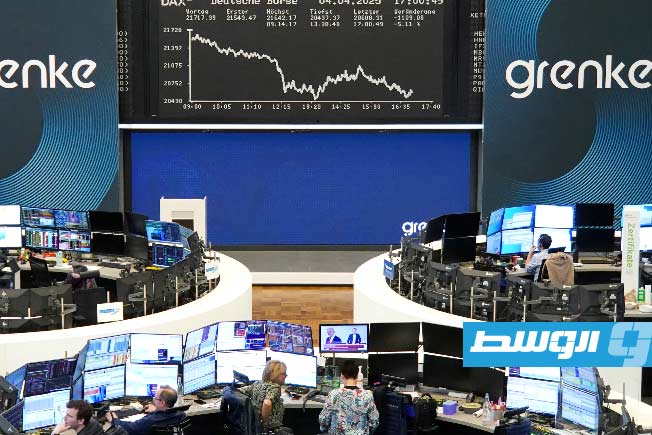
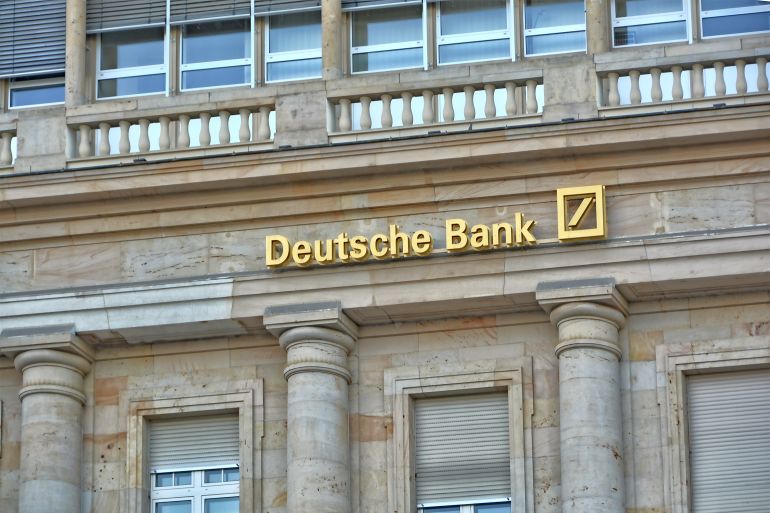
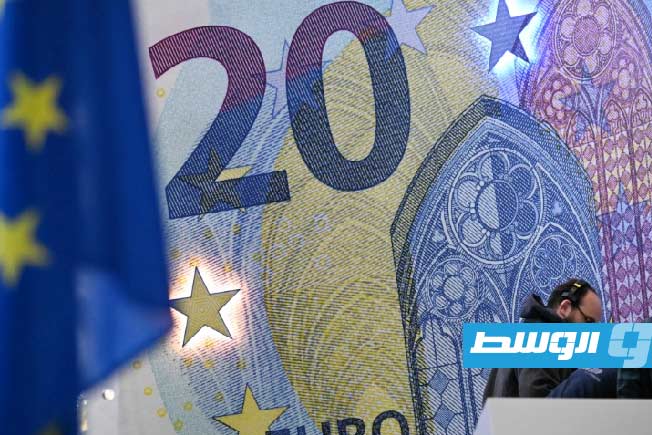
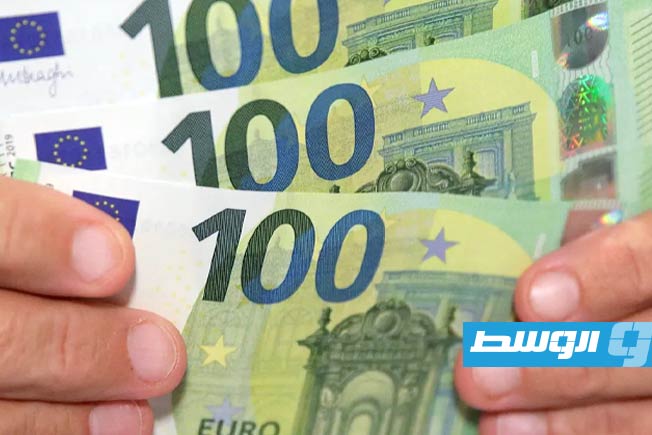
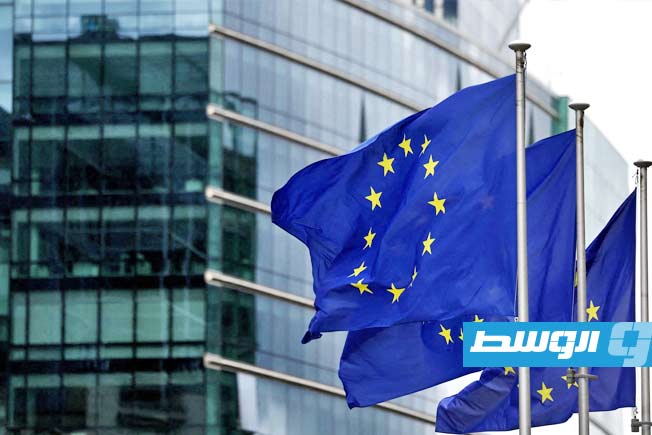
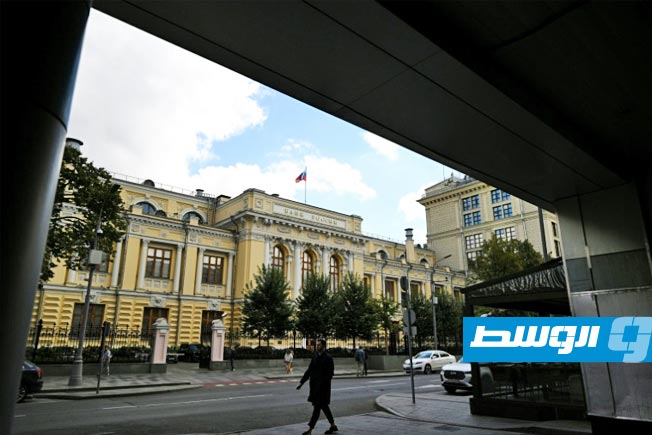
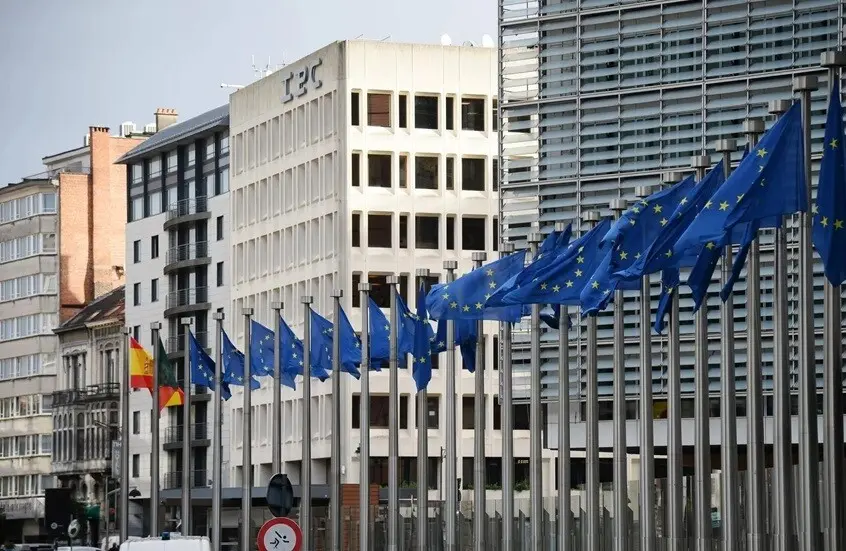
Euro logo in front of the former European Central Bank headquarters in Frankfurt, Germany, October 30, 2025.
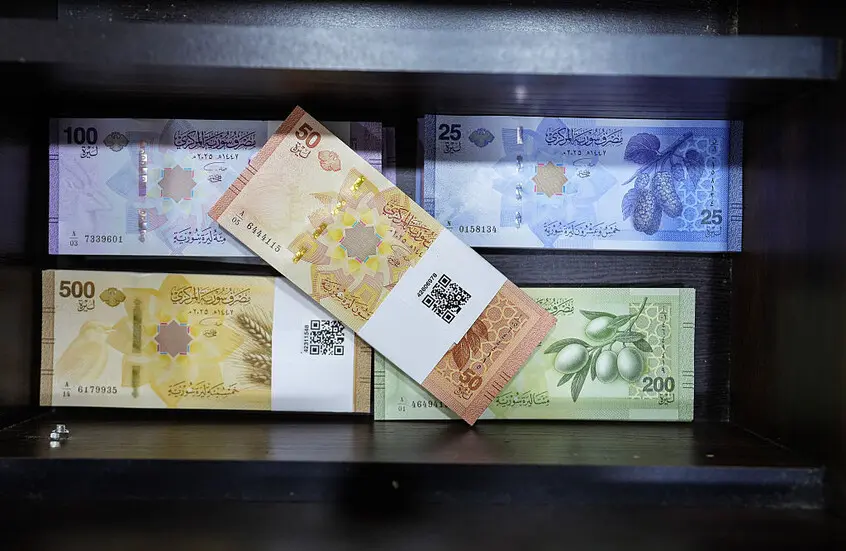
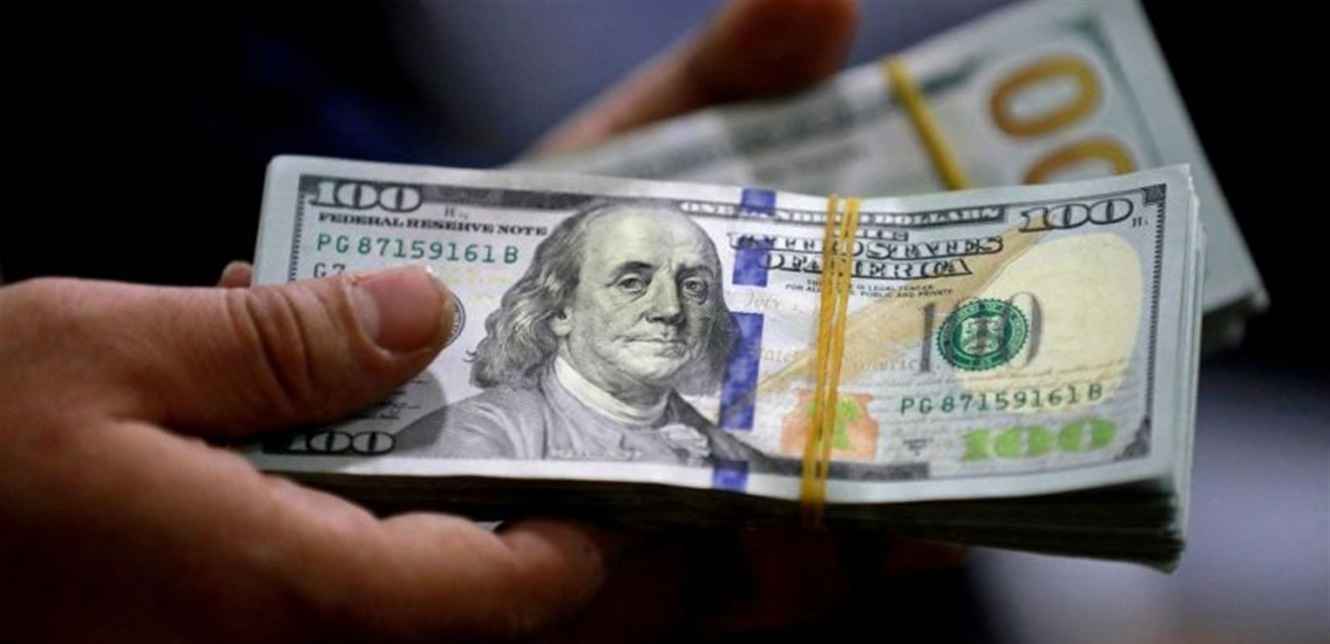
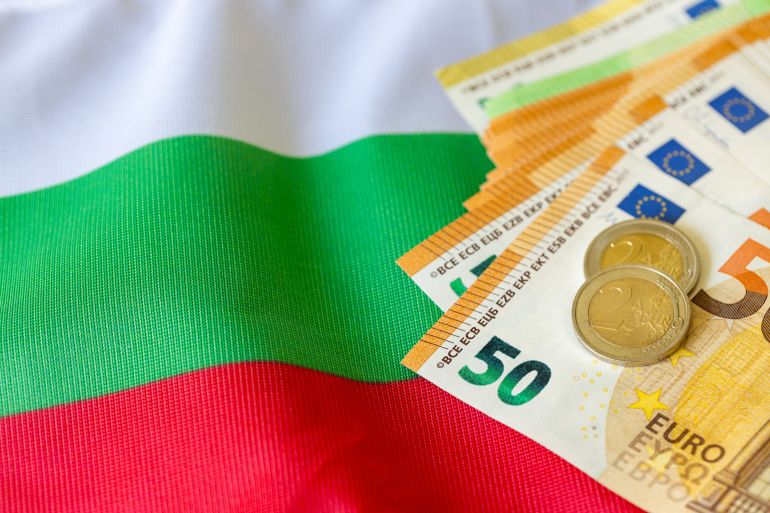
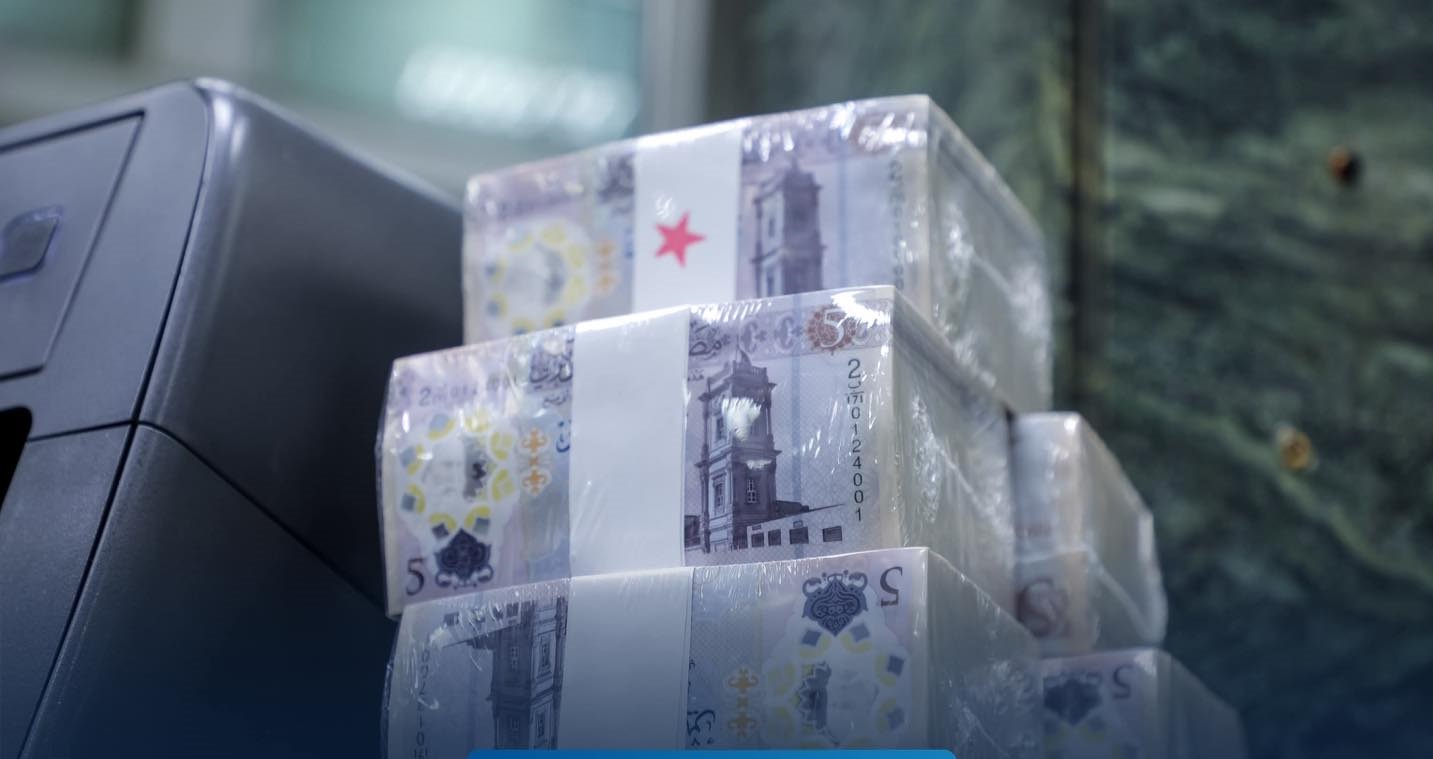
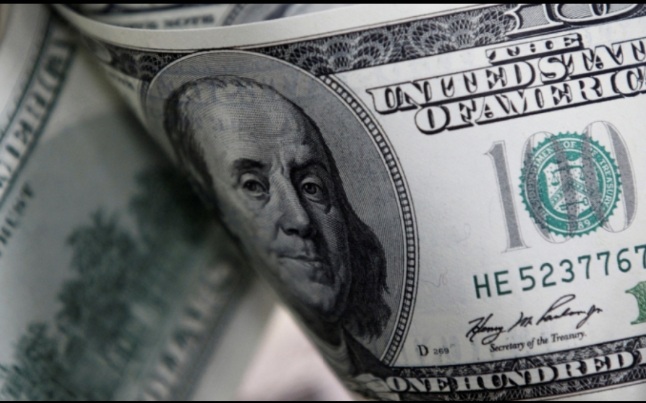
Bulgaria joins the eurozone on Thursday, becoming the twenty-first country to adopt the common European currency, in a move some fear could worsen inflation and political instability.
During the summer, a protest movement emerged demanding the retention of the Bulgarian lev as the national currency, led by far-right, pro-Russian parties capitalizing on Bulgarians’ fears of rising prices.
Boosting the economy of the EU’s poorest country
However, for successive governments that sought to adopt the euro, this transition to the common European currency will boost the economy of the European Union’s poorest country, strengthen its ties with Western Europe, and protect it from Russian influence.
Before Bulgaria, Croatia in 2023 was the last country to adopt the single currency, which was officially launched on January 1, 2002, in twelve EU member states.
Anti-corruption protests
Bulgaria, the Balkan nation with a population of 6.4 million and an EU member since 2007, faces significant challenges following anti-corruption protests that recently ousted a conservative coalition government which had been in power for less than a year. There is a possibility of new parliamentary elections, which would be the eighth within five years.
Amid this unstable situation, any problem related to the euro adoption is seen as potential material for exploitation by politicians who are anti-European Union.
According to the latest poll conducted by the EU’s Eurobarometer agency, 49% of Bulgarians oppose adopting the single currency.
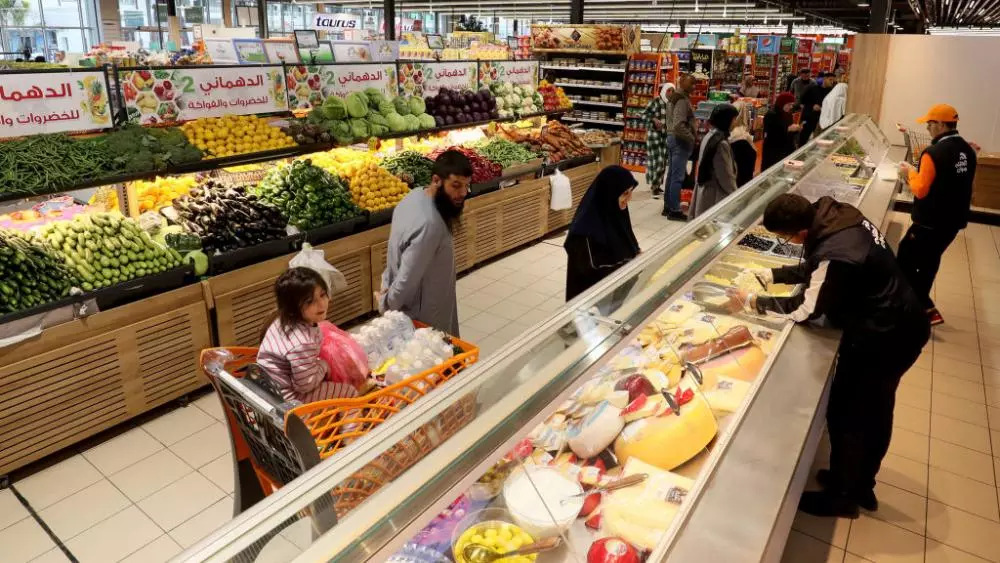
This concern is particularly prominent in poor rural areas.
Bilyana Nikolova (53), who runs a grocery store in the small village of Chuprene in northwestern Bulgaria, said, “Prices will rise. That’s what my friends living in Western Europe told me.”
Following hyperinflation in the 1990s after the fall of communism, Bulgaria pegged its currency first to the German mark and then to the euro, making it dependent on the European Central Bank’s monetary policy without having any say in the matter.
‘Significant’ gains for Bulgaria
It was explained that “Bulgaria will finally be able to participate in decisions within the monetary union.”
It was confirmed that the gains from adopting the euro will be “significant” for Bulgaria, pointing to “easier trade, lower financing costs, and price stability.”
It was noted last month in Sofia that small and medium-sized enterprises could save the equivalent of around 500 million euros in foreign exchange fees.
Tourism is expected to particularly benefit from the euro in the Black Sea country, a sector that contributed about 8% of GDP this year.
Concerns about price changes were also downplayed, stating they would occur in a “mild and short-term” manner, noting that their impact during previous euro adoptions ranged between 0.2 and 0.4 percentage points.
But even before the official entry into the eurozone, food prices rose by 5% year-on-year in November, according to the National Statistical Institute, more than double the eurozone average.
Real estate prices jumped by 15.5% in the second quarter, three times the eurozone average.
‘Unjustified’ increases
In an attempt to reassure the public, parliament strengthened the supervisory bodies responsible for investigating sudden price hikes and curbing any “unjustified” increases linked to the switch to the euro during the summer.
According to analysis, joining the eurozone will increase transparency and help consumers and retailers compare prices with the rest of the EU.
It was noted that “The challenge lies in having a stable government for at least a year or two, so we can fully reap the benefits of joining the eurozone.”
Bulgaria
Bulgaria is a country in Southeast Europe with a rich history dating back to ancient Thracian, Roman, and Byzantine civilizations. It was founded as a state in the 7th century and is known for cultural sites like the medieval Boyana Church and the ancient city of Nessebar, both UNESCO World Heritage sites.
euro
The Euro is the official currency of the European Union, used by 20 member states in the Eurozone. It was introduced in non-cash form in 1999 and as physical banknotes and coins in 2002, aiming to foster economic integration and stability across Europe.
European Central Bank
The European Central Bank (ECB) is the central bank for the euro currency, established in 1998 in Frankfurt, Germany, to manage monetary policy for the Eurozone. Its primary mandate is to maintain price stability and safeguard the value of the euro, a role it assumed ahead of the euro’s physical introduction in 1999.
Frankfurt
Frankfurt, officially Frankfurt am Main, is a major financial hub in central Germany with a skyline dominated by modern skyscrapers, earning it the nickname “Mainhattan.” Its history dates back to Roman settlements, and it served as a significant medieval trade center and the site for the election and coronation of Holy Roman Emperors. The city’s historic Römerberg square, though heavily reconstructed after World War II, reflects this long and influential past.
Germany
Germany is a country in Central Europe with a complex history, having been a collection of states for centuries before unifying in 1871. It was divided after World War II into East and West Germany, reunifying peacefully in 1990 following the fall of the Berlin Wall. Today, it is known for its influential cultural contributions in philosophy, music, and science, and serves as a major economic and political leader within the European Union.
eurozone
The Eurozone is the monetary union of 20 European Union member states that have adopted the euro as their official currency. It was established in 1999 with an initial 11 countries, creating a shared central banking system managed by the European Central Bank to foster economic integration and stability.
Bulgarian lev
The Bulgarian lev is the official currency of Bulgaria, introduced in 1881 after the country’s liberation from Ottoman rule. Its name derives from the old Slavic word for “lion,” and it has undergone several revaluations, most recently in 1999 when a new lev replaced 1,000 old levs.
European Union
The European Union (EU) is a political and economic union of 27 European countries, established after World War II to foster economic cooperation and prevent future conflict. Its foundations were laid with the 1951 European Coal and Steel Community, which evolved through subsequent treaties into a single market with common policies and a shared currency, the euro, used by many member states.
Western Europe
Western Europe is a historical and cultural region broadly defined by its shared heritage, including the legacy of the Roman Empire, the Renaissance, and the Enlightenment. Its modern identity was largely shaped by the post-World War II division of the continent, contrasting with Eastern Europe under Soviet influence.
Russia
Russia is the world’s largest country by land area, spanning Eastern Europe and Northern Asia. Its history is marked by the rise and fall of the Tsarist Empire, the 1917 Bolshevik Revolution establishing the Soviet Union, and its re-emergence as the Russian Federation in 1991. The nation is renowned for its vast landscapes, rich literary and artistic traditions, and globally influential cultural figures like Tolstoy, Tchaikovsky, and Kandinsky.
Croatia
Croatia is a country in Southeast Europe known for its long Adriatic coastline, historic cities, and numerous islands. Its history is marked by periods under Roman, Venetian, Habsburg, and Yugoslav rule before declaring independence in 1991. Key cultural sites include the well-preserved Roman-era Diocletian’s Palace in Split and the historic walls of Dubrovnik, a UNESCO World Heritage site.
Balkan
The Balkans is a geographic and cultural region in southeastern Europe, historically known for its diverse mix of ethnicities, languages, and religions. Its complex history includes centuries under the Ottoman and Austro-Hungarian Empires, followed by the turbulent 20th-century conflicts that led to the breakup of Yugoslavia.
Eurobarometer
Eurobarometer is a series of public opinion surveys conducted regularly on behalf of the European Commission since 1973. It measures and tracks public attitudes across EU member states on topics related to European integration, policies, and social trends. The data provides crucial insights for EU institutions and researchers into the evolving perspectives of European citizens.
Chuprene
Chuprene is a nature reserve located in northwestern Bulgaria, near the Serbian border, established in 1973 to protect old-growth coniferous forests and rare plant species. Its history is deeply tied to conservation efforts, preserving one of the country’s last remaining wild river areas and habitats for species like the Balkan chamois.
German mark
The German mark was the official currency of Germany from 1948 until 2002, when it was replaced by the euro. It was introduced in West Germany after World War II, replacing the Reichsmark, and became a powerful symbol of the country’s post-war economic recovery and stability.
Sofia
Sofia is the capital and largest city of Bulgaria, with a history spanning over 2,400 years. It has been inhabited since ancient times by Thracians, Romans, Byzantines, and Ottomans, which is reflected in its diverse architecture and archaeological sites. Key landmarks include the Alexander Nevsky Cathedral and the ancient Serdica complex.
Black Sea
The Black Sea is a large inland sea situated between Eastern Europe and Western Asia, historically known for its strategic importance in trade and conflict. It was a key region for ancient Greek colonization and later served as a vital route for the Byzantine and Ottoman Empires.
National Statistical Institute
The National Statistical Institute is Bulgaria’s official government agency responsible for collecting, processing, and disseminating statistical data on the country’s demographic, economic, and social conditions. It was originally established in 1880 following the liberation of Bulgaria, making it one of the oldest national statistical offices in the world. Its work provides the foundational data for public policy, research, and international reporting.