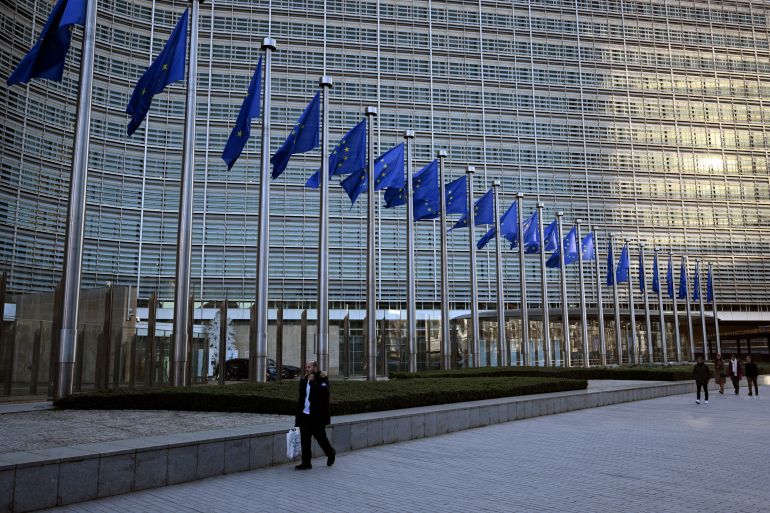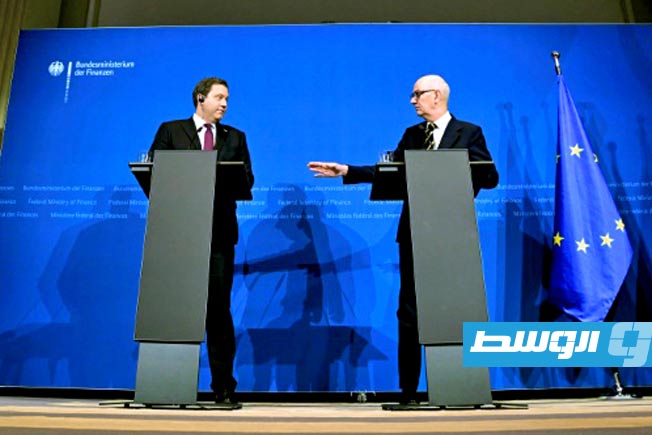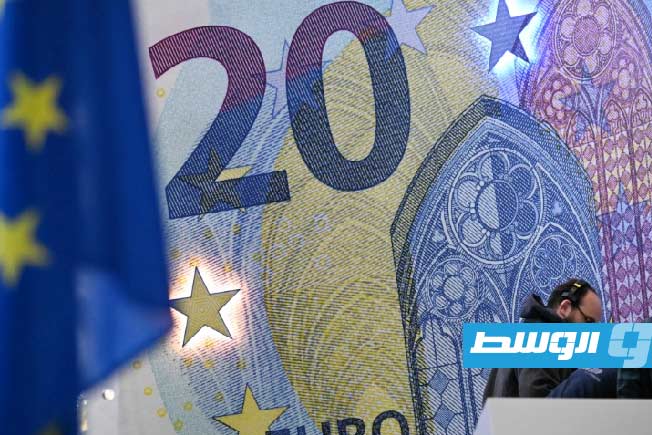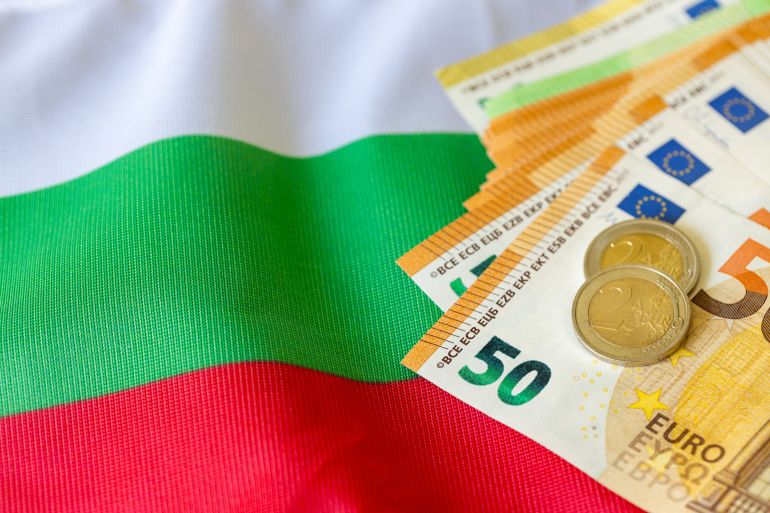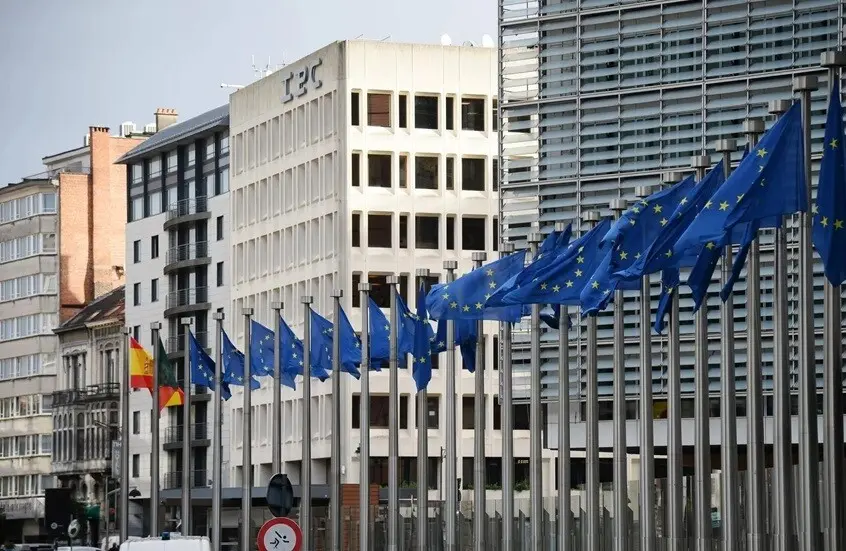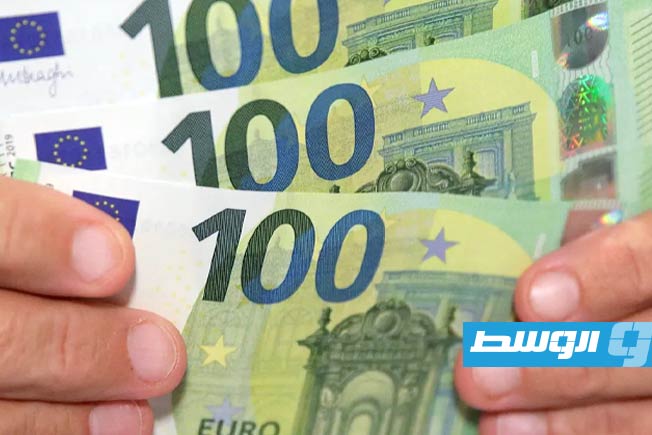
Bulgaria has adopted the euro, becoming the twenty-first country to adopt the common European currency, 19 years after joining the European Union.
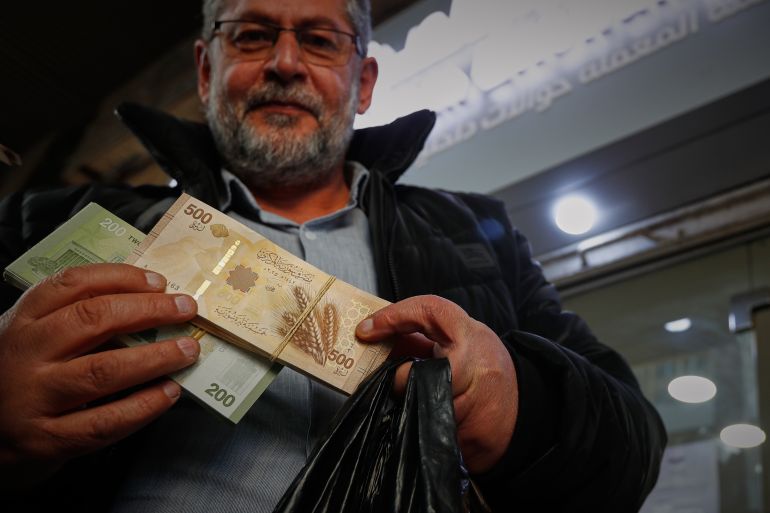
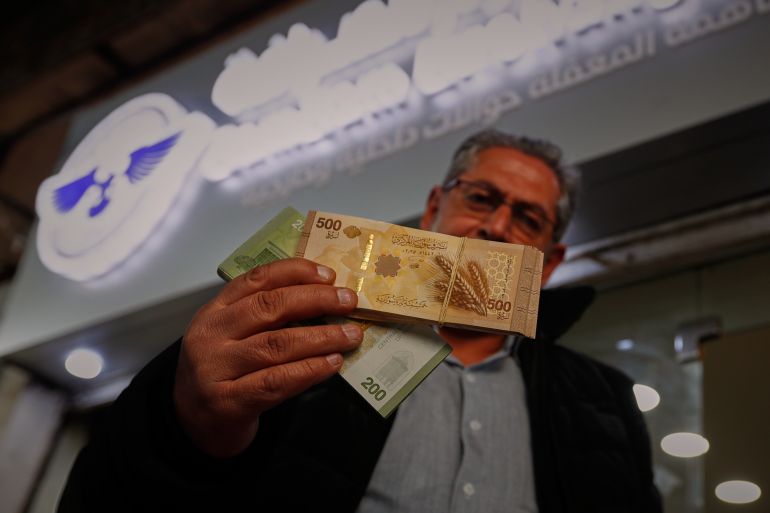
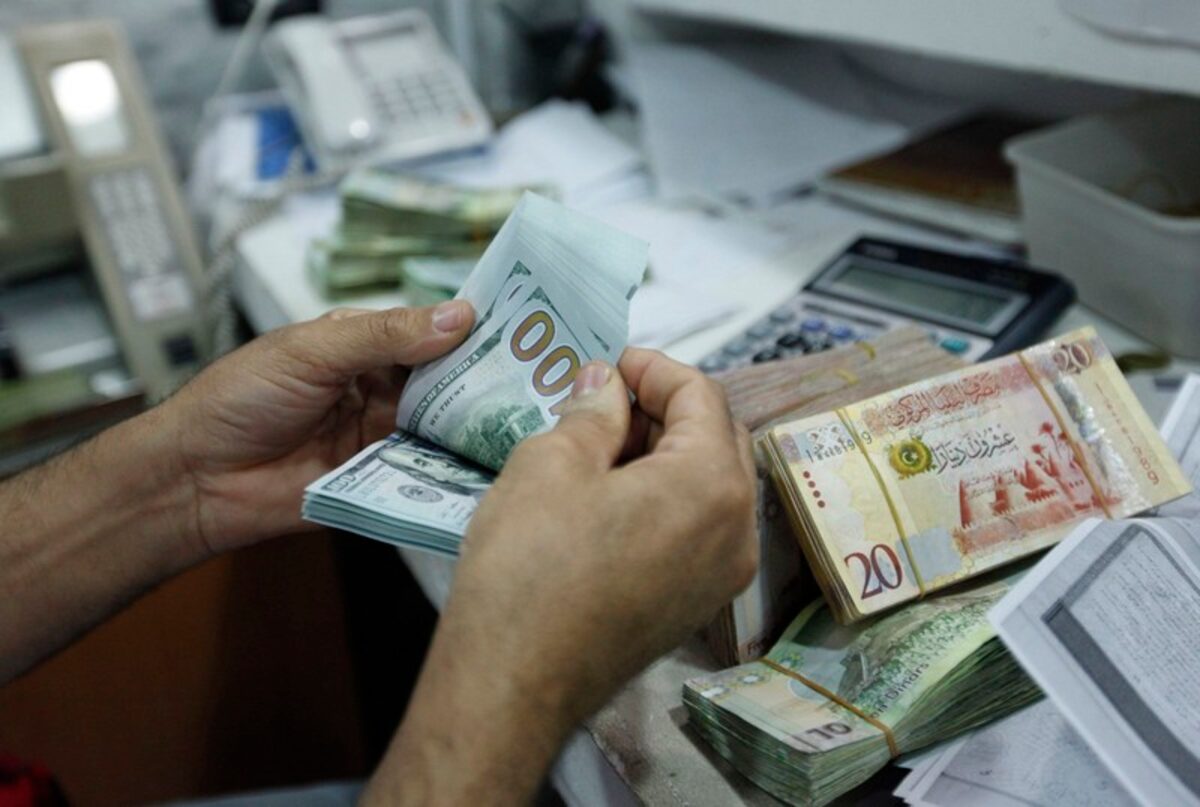
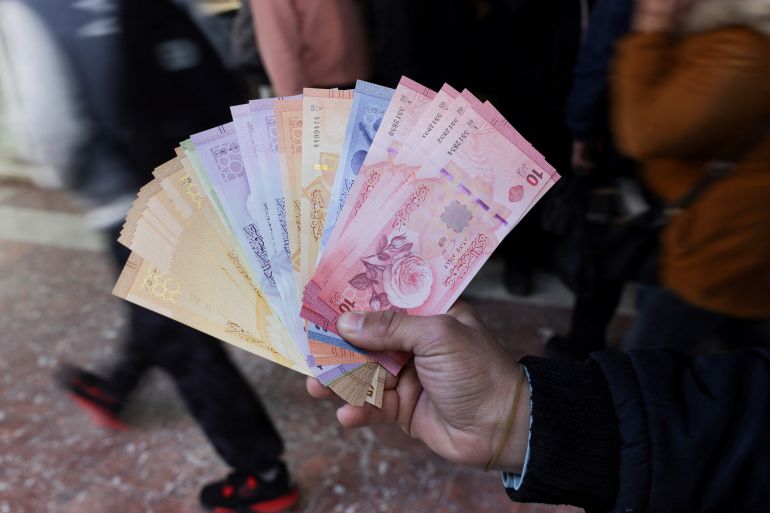
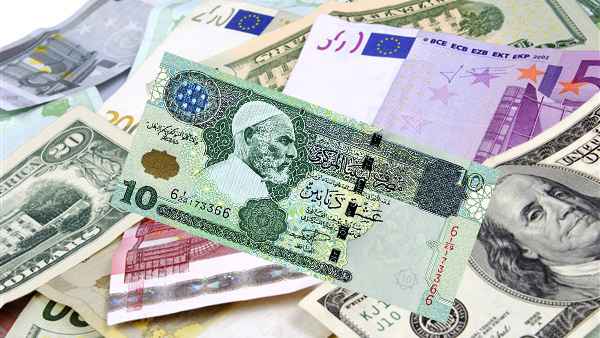
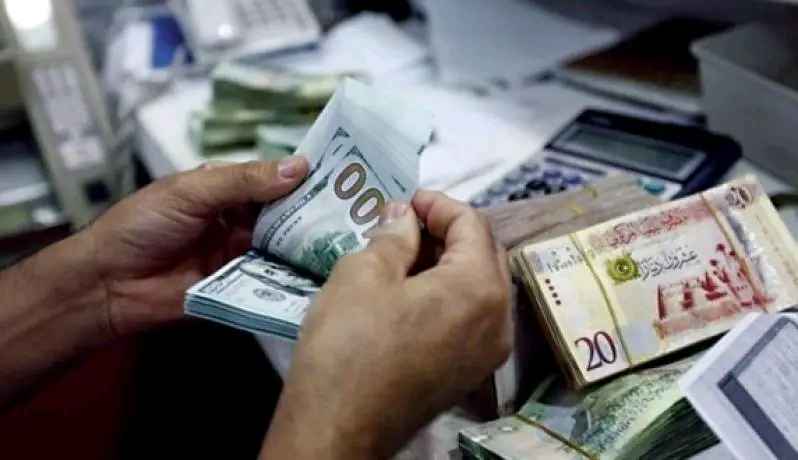
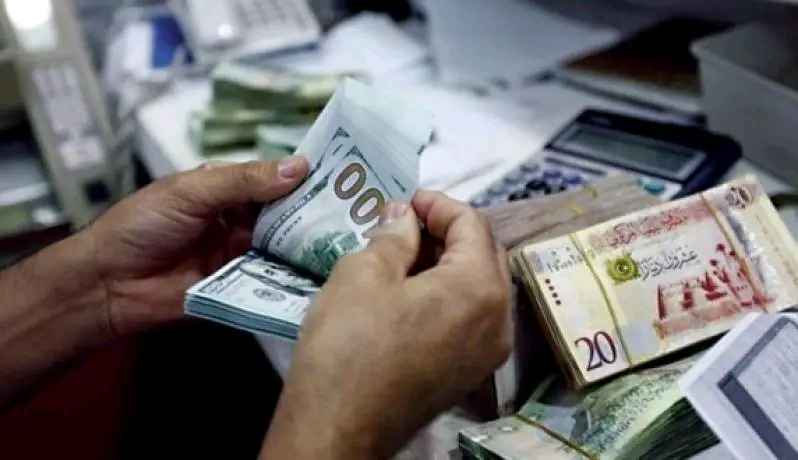
At midnight on Thursday (22:00 GMT Wednesday), the small Balkan nation, which joined the EU in 2007, abandoned the lev, its national currency used since the end of the nineteenth century. The move aims to strengthen its economic ties with other members of the eurozone, amid concerns it could lead to price increases.
Bulgaria
Bulgaria is a country in Southeast Europe with a rich history dating back to ancient Thracian, Roman, and Byzantine civilizations. It was founded as a state in the 7th century and is known for cultural sites like the medieval Boyana Church and the rock-hewn churches of Ivanovo, both UNESCO World Heritage sites.
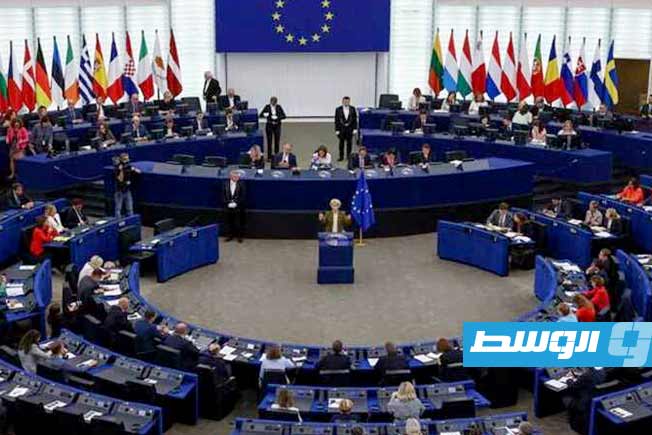
European Union
The European Union (EU) is a political and economic union of 27 European countries, formally established in 1993 by the Maastricht Treaty. It evolved from earlier post-World War II economic cooperations, most notably the European Coal and Steel Community, with the foundational aim of fostering peace, stability, and shared prosperity across the continent.
euro
The Euro is the official currency of the Eurozone, which consists of 20 of the 27 member states of the European Union. It was introduced in non-physical form in 1999 and as physical banknotes and coins in 2002, with the goal of fostering economic integration and stability across Europe.
lev
Lev is a historic neighborhood in the city of Tel Aviv, Israel, known for its iconic Bauhaus-style architecture. It was largely built in the 1930s by Jewish immigrants, primarily from Germany, and its “White City” area is a UNESCO World Heritage Site. The neighborhood represents a seminal chapter in modernist urban planning and architectural history.
eurozone
The Eurozone is an economic and monetary union of 20 European Union member states that have adopted the euro as their common currency. It was established formally in 1999, with the euro initially introduced for electronic payments before physical banknotes and coins entered circulation in 2002. Its creation was a major step in European integration, aiming to foster economic stability and deeper political cooperation among member countries.