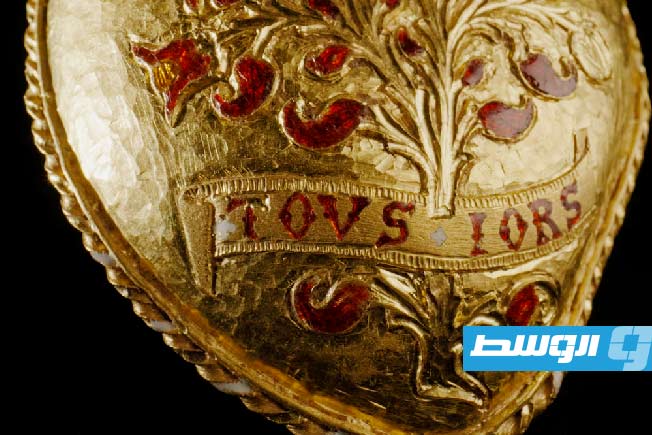
The British Museum has officially announced the addition of the “Golden Heart Pendant,” dating from the era of King Henry VIII and his wife Catherine of Aragon, to its permanent collection.
The story of this unique piece dates back to 2019, when an amateur using a metal detector discovered a pendant made of pure 24-carat gold in a field in Warwickshire.
Under British treasure laws, museums were given priority to acquire this historic find before it could be offered for public sale, which prompted the British Museum to raise a staggering £3.5 million (approximately $4.8 million) to secure its future as a national legacy.
This pendant is the only surviving piece of jewelry from the 24-year marriage of Henry VIII and Catherine. It is adorned with rich visual symbols, featuring the couple’s initials in red, an image of the Tudor rose and a pomegranate, along with a motto in Old French (tousiors) meaning “always.”
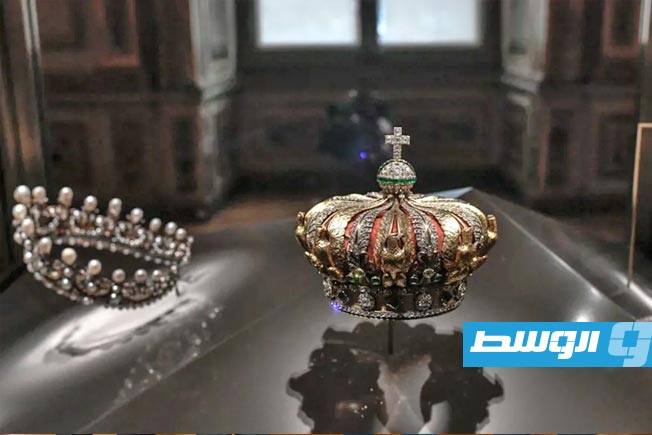
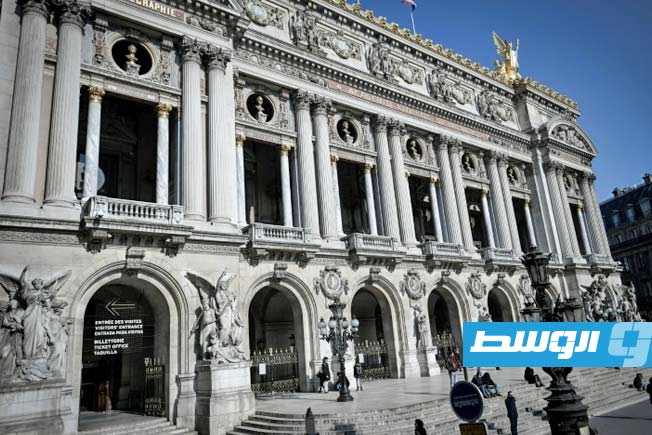
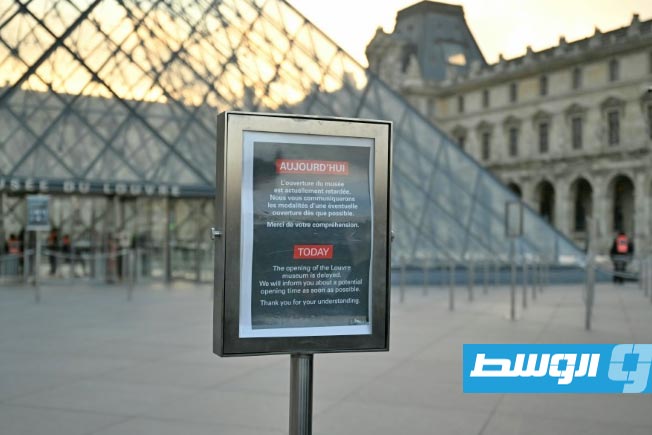
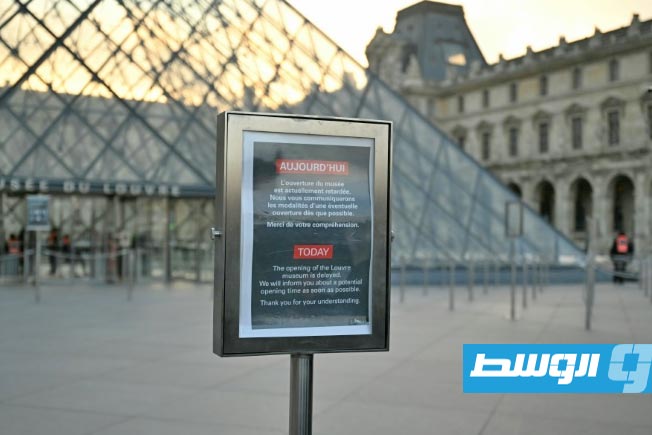
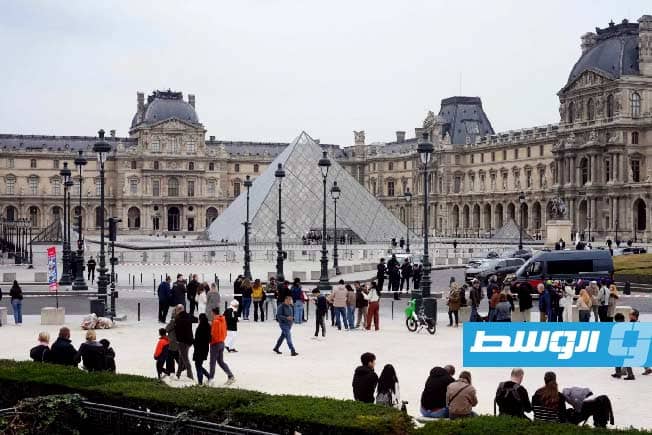
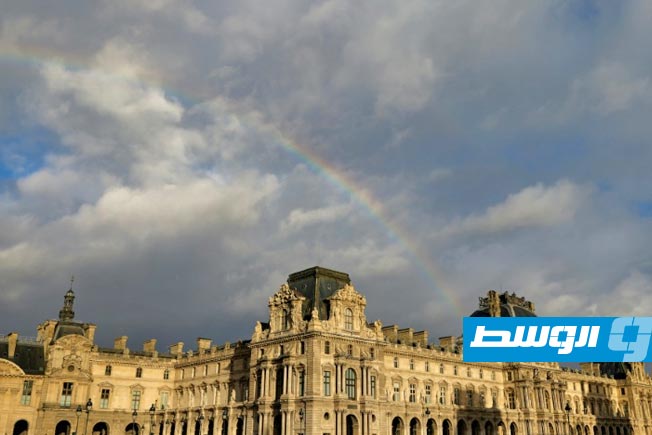
– Restoration of the Empress Eugénie’s Tiara and Strict Security Enhancements at the Louvre
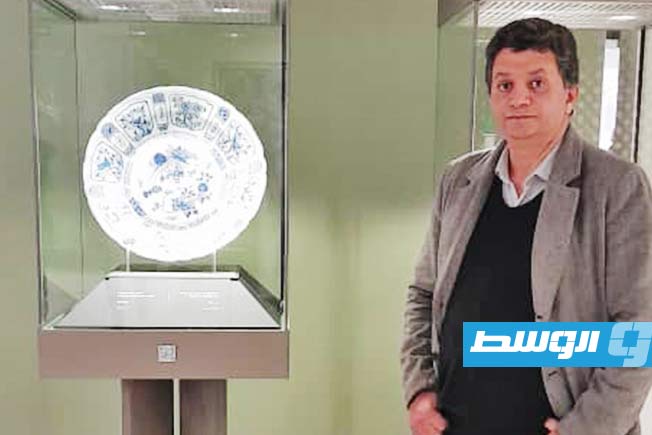
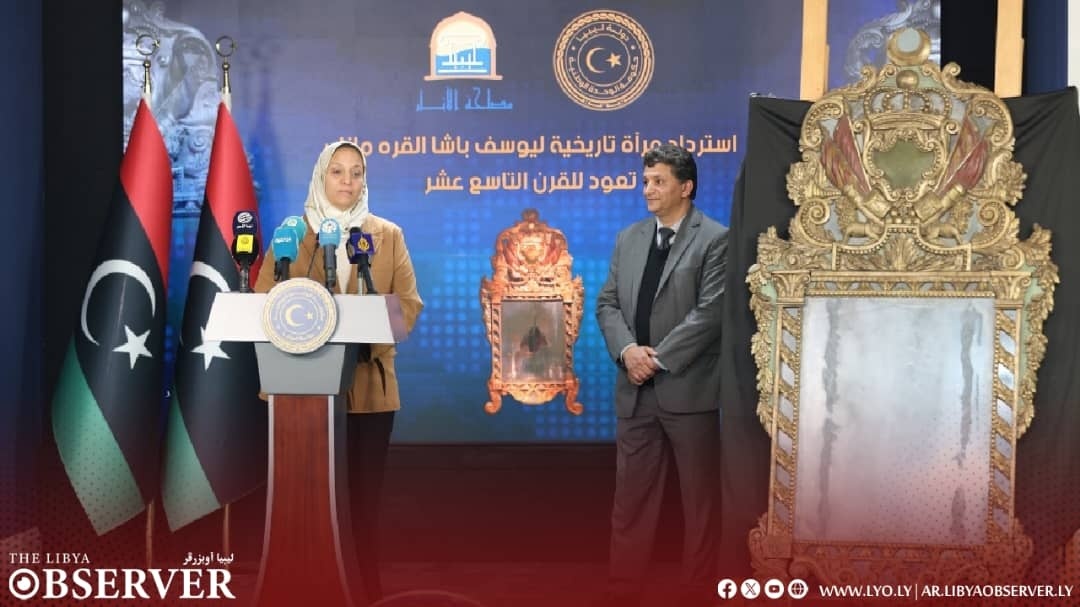
– Rare “Sultana” Bowl Linked to Yusuf Pasha Qaramanli Identified
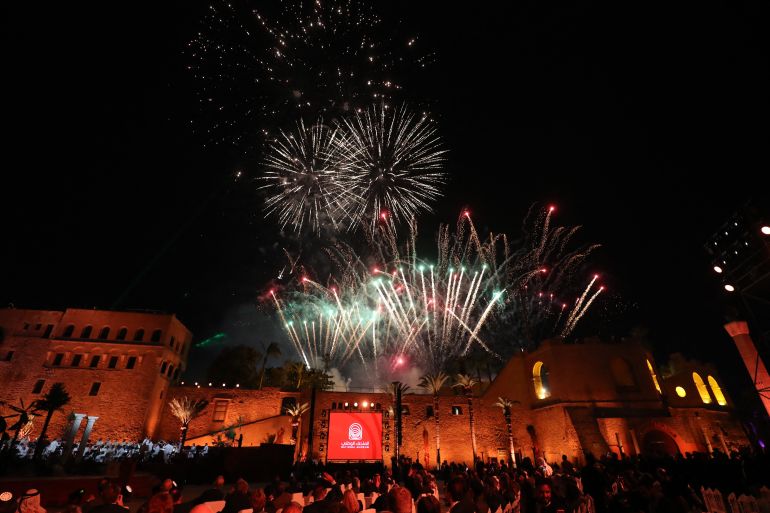
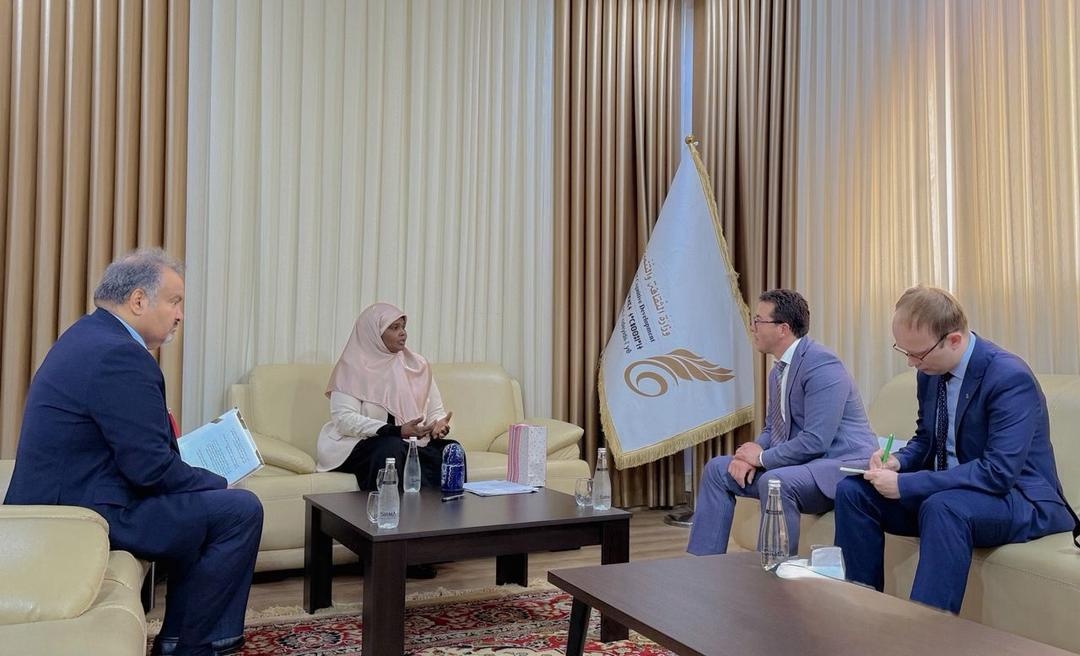
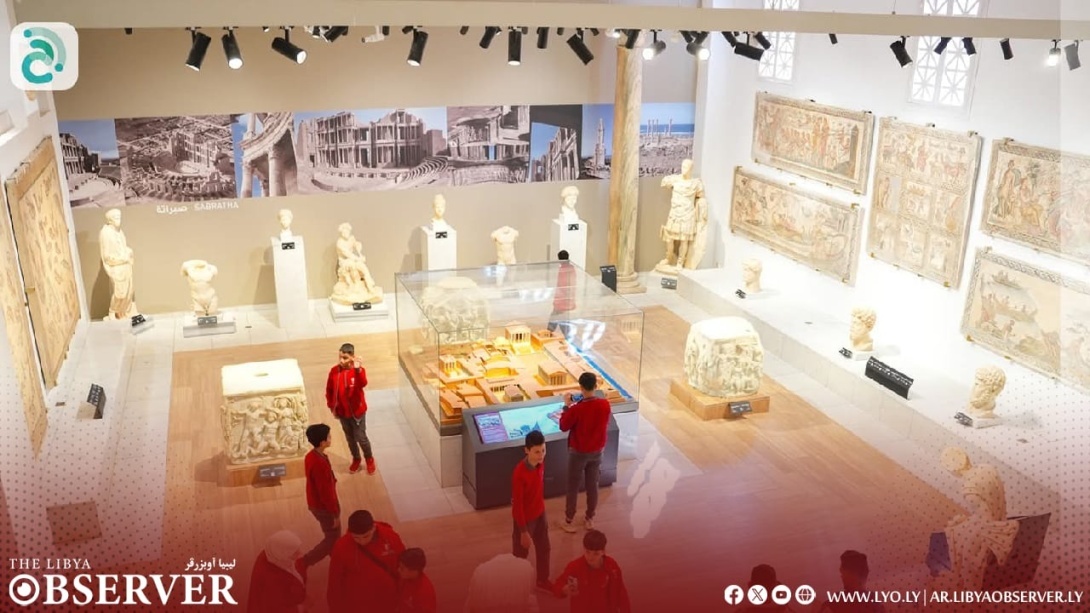
– To Preserve the Memory of Looted Antiquities… Virtual Opening of the National Museum in Khartoum
Experts believe the pendant was made in 1518 to celebrate the engagement of their daughter Mary to the then-Dauphin of France, reflecting the role of jewelry as diplomatic and political tools in that era.
Public Solidarity to Save History
The discovery sparked widespread enthusiasm among the British public, with around 45,000 individuals contributing donations totaling £380,000, which was supplemented by national heritage funds.
According to the agreement, the reward value will be divided equally between the finder of the pendant and the landowner where it was discovered.
In a statement on Tuesday, the pendant was described as a “beautiful survivor” that brings a hidden part of English history to light, now accessible to everyone.
The pendant gains its emotional value from the irony it carries; while it is inscribed with a promise to remain “always,” reality was completely different. By the early 1530s, Henry VIII had fallen in love with Anne Boleyn and was desperately seeking a male heir, ultimately leading to his break with the Catholic Church to annul his marriage to Catherine—an event that changed the course of British history forever.
The British Museum
The British Museum, founded in 1753, is one of the world’s oldest and most comprehensive museums of human history and culture. Its permanent collection of over eight million works, including the Rosetta Stone and the Parthenon Marbles, was largely amassed during the era of the British Empire.
Golden Heart Pendant
The “Golden Heart Pendant” is not a widely recognized specific historical place or cultural site. It is a common motif in jewelry and art, often symbolizing love and devotion, but it does not have a singular, documented history as a location.
King Henry VIII
King Henry VIII was the King of England from 1509 to 1547, most famous for his six marriages and his role in the English Reformation, which separated the Church of England from the authority of the Pope. His reign saw significant political and religious upheaval, including the dissolution of the monasteries, which permanently altered the nation’s cultural and physical landscape.
Catherine of Aragon
Catherine of Aragon was the first wife of King Henry VIII of England and a key figure in the English Reformation. Originally a Spanish princess, her marriage’s annulment, which Henry sought to marry Anne Boleyn, led to England’s break from the Roman Catholic Church.
Warwickshire
Warwickshire is a historic county in central England, best known as the birthplace of William Shakespeare in Stratford-upon-Avon. Its history is deeply tied to the medieval period, featuring significant sites like Warwick Castle, which was founded by William the Conqueror in 1068.
Louvre
The Louvre in Paris is one of the world’s largest and most visited museums, originally constructed in the late 12th century as a fortress before being transformed into a royal palace. It opened as a public museum in 1793 following the French Revolution and now houses iconic works like the Mona Lisa and the Venus de Milo.
Empress Eugénie’s Tiara
Empress Eugénie’s Tiara is a renowned diamond and emerald parure created around 1855 for the French empress, wife of Napoleon III. It exemplifies the opulent Second Empire style and was later acquired by the House of Van Cleef & Arpels, remaining one of their most iconic historic pieces.
Sultana Bowl
The Sultana Bowl is a historic wooden bowling alley located in Mattoon, Illinois, USA. It was built in 1899 and is recognized as one of the oldest continuously operating bowling alleys in the United States, maintaining much of its original character and equipment.
Yusuf Pasha Qaramanli
Yusuf Pasha Qaramanli was the ruler of the Tripolitania region (in modern-day Libya) from 1795 to 1832, during the Karamanli dynasty. His reign is notably marked by the First and Second Barbary Wars against the United States, including the conflict that inspired the line “to the shores of Tripoli” in the U.S. Marines’ Hymn.
National Museum
The National Museum is a major institution dedicated to preserving and showcasing a nation’s cultural heritage and history, often through extensive collections of art, artifacts, and historical objects. Its history typically begins with its founding, often in the 19th or early 20th century, to consolidate national treasures and promote public education. These museums serve as central repositories for important archaeological finds, artistic masterpieces, and items of significant historical value.
Khartoum
Khartoum is the capital and second-largest city of Sudan, located at the confluence of the Blue and White Nile rivers. Founded in 1821 as an Egyptian military outpost, it later became the seat of the Anglo-Egyptian Sudan administration and the site of the 1885 siege where General Charles Gordon was killed. Today, it serves as the country’s political and commercial center.
Mary
Mary is a city in southeastern Turkmenistan, historically known as Merv, which was a major oasis city along the Silk Road. It was one of the world’s largest cities in the 12th century and served as a significant center of Islamic learning and trade. Today, the nearby ancient ruins of Merv are a UNESCO World Heritage Site, preserving the remains of several successive cities.
Dauphin of France
The Dauphin of France was the title given to the heir apparent to the French throne from 1349 to 1830. The title originated when the future Charles V inherited the region of Dauphiné, and its rulers were required to cede it to the French crown prince.
Anne Boleyn
Anne Boleyn was the second wife of King Henry VIII of England and Queen of England from 1533 to 1536. Her marriage to Henry, which required the break with the Roman Catholic Church, led to the English Reformation, but she was later executed on charges of treason, adultery, and incest.
Catholic Church
The Catholic Church is a Christian institution tracing its origins to the 1st century AD, founded on the teachings of Jesus Christ and the leadership of the Apostle Peter, whom it considers the first Pope. It grew into a major religious and political force in Europe during the Middle Ages and remains the largest Christian church in the world today, with its spiritual and administrative center in Vatican City.