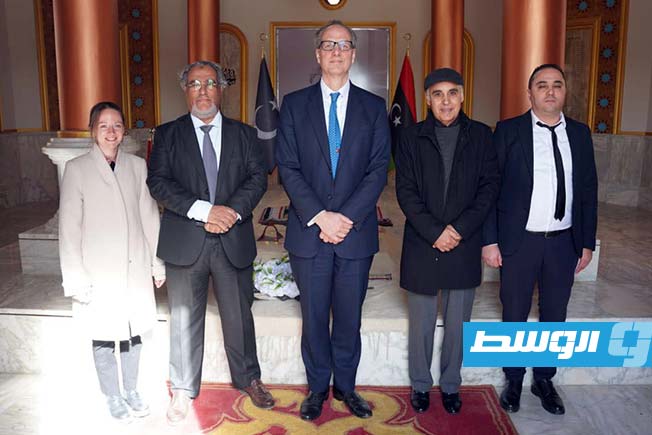
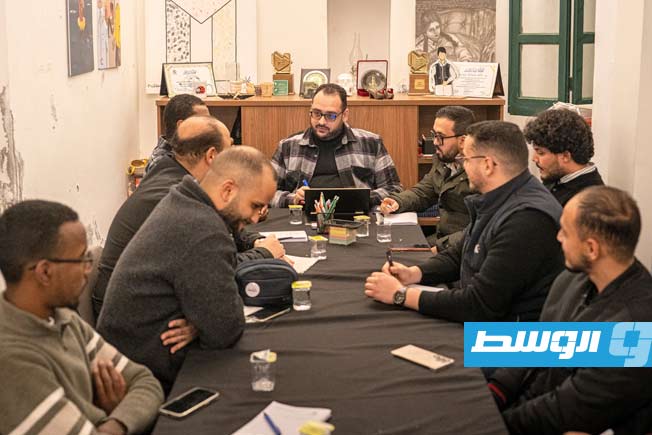
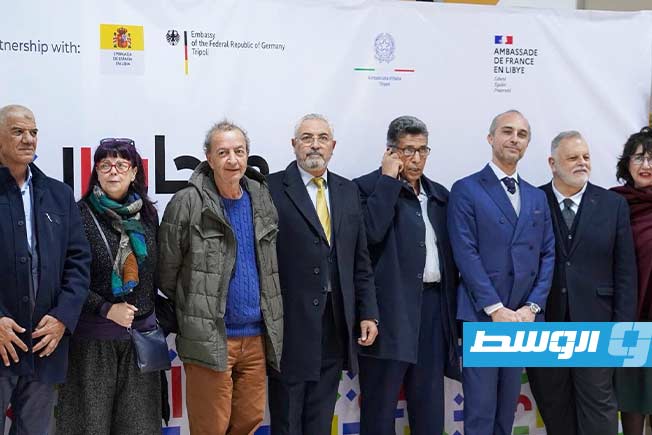
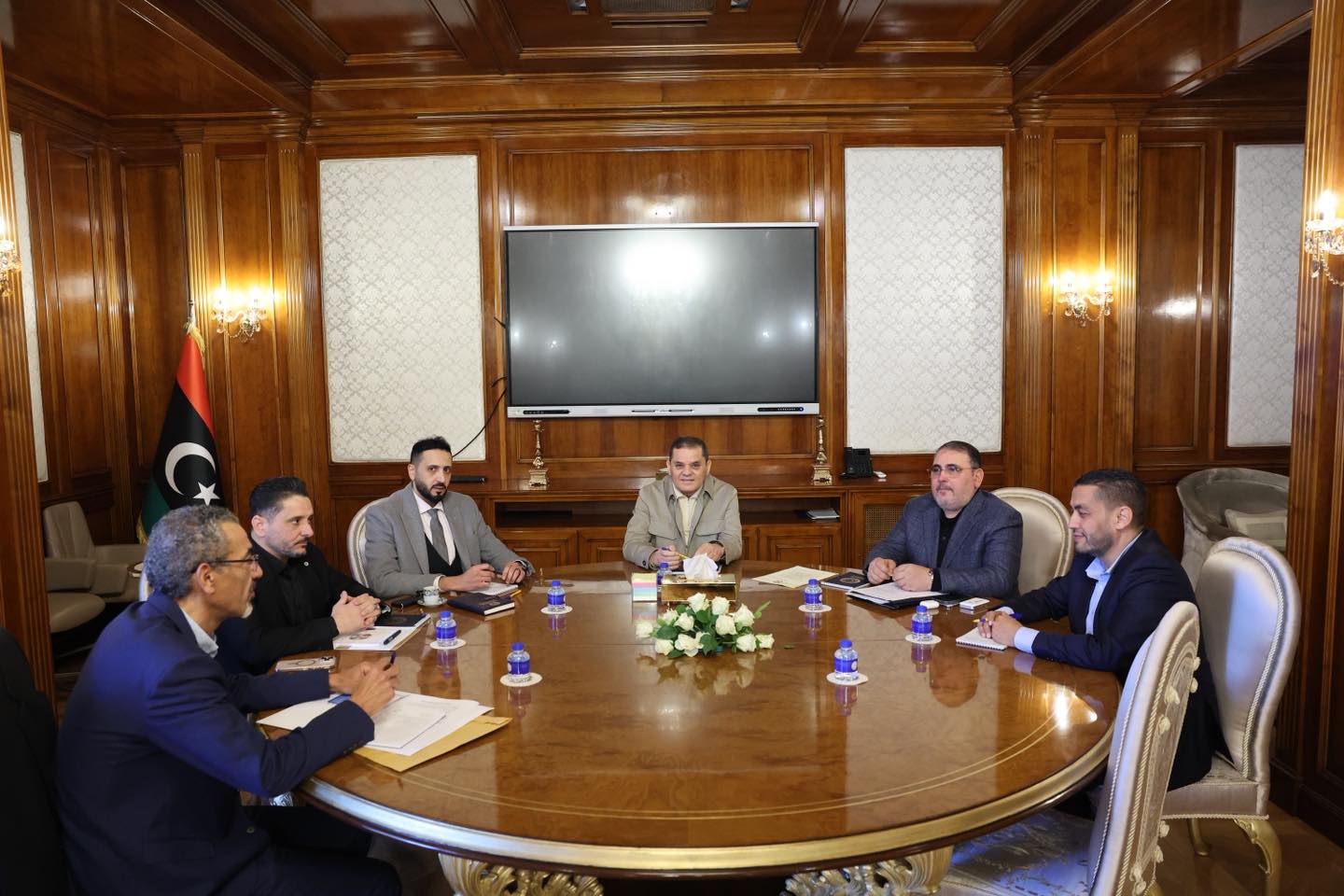
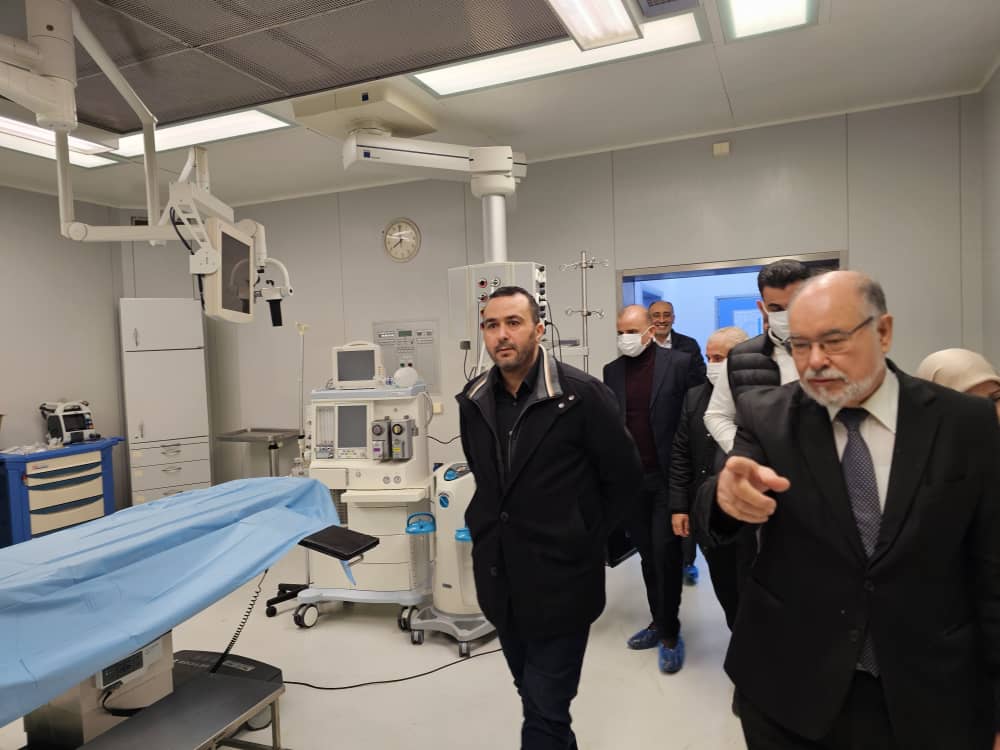
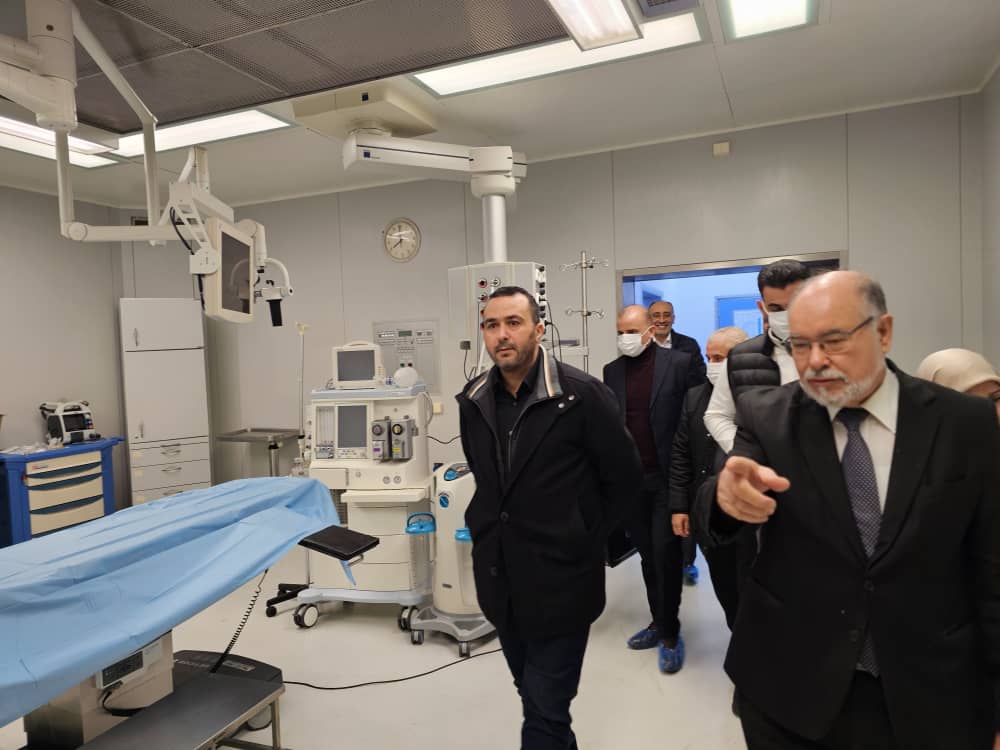
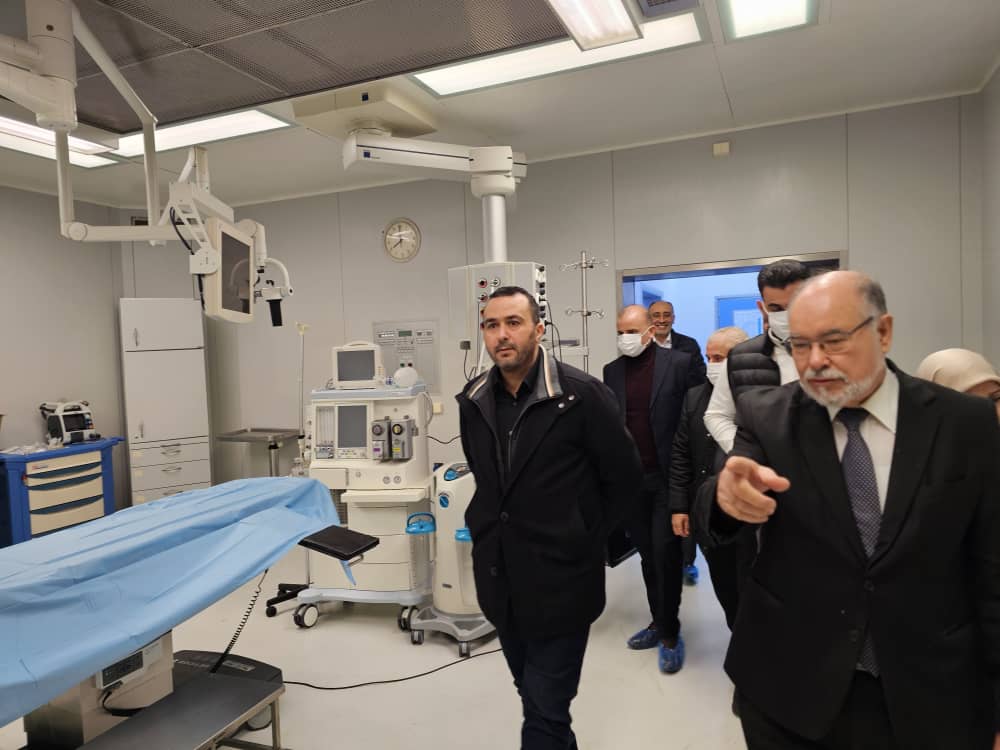
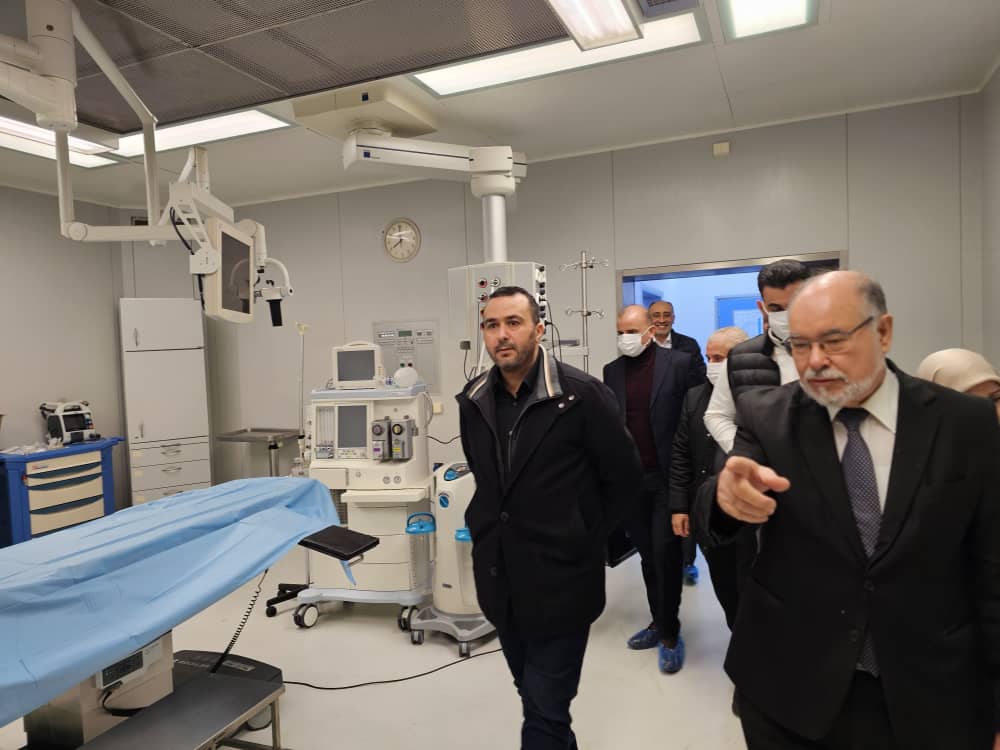
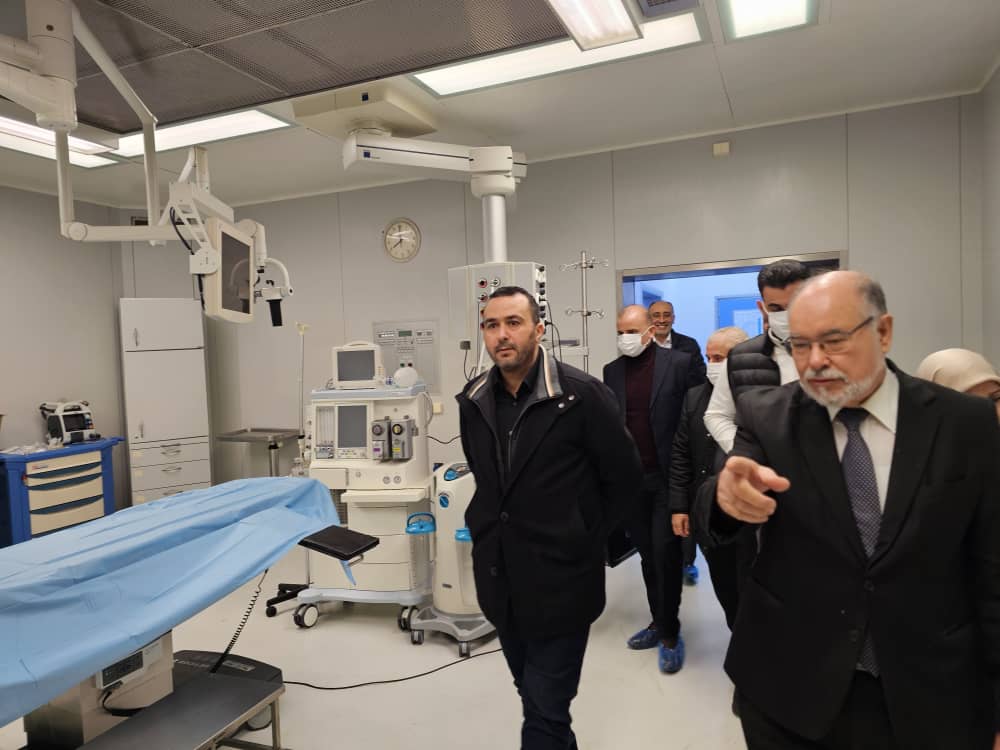
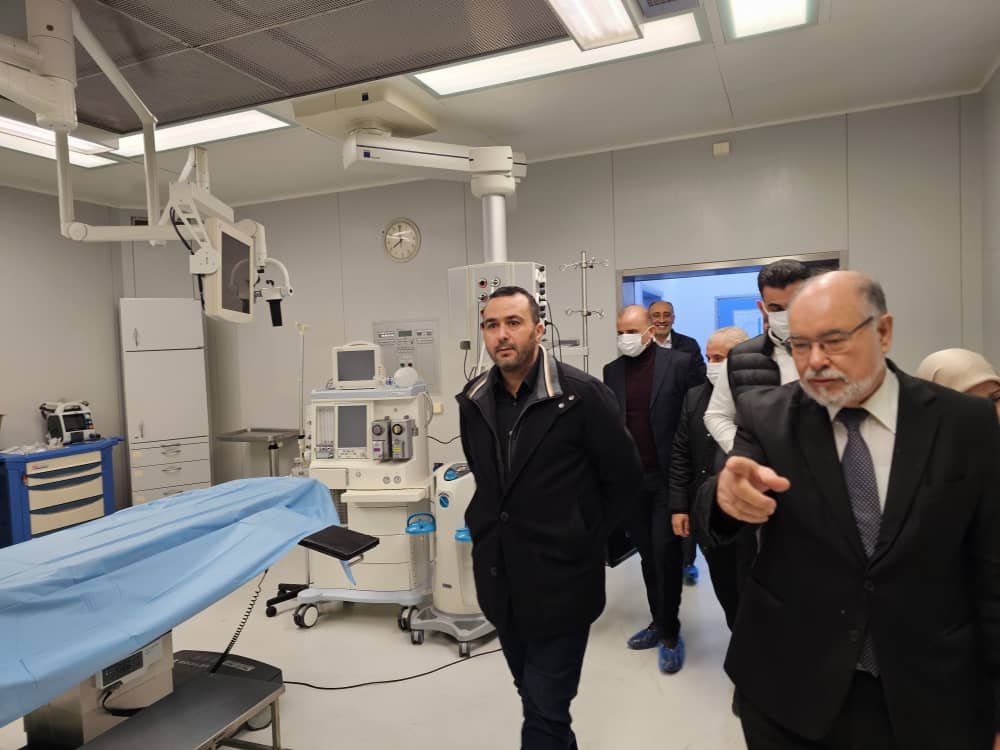
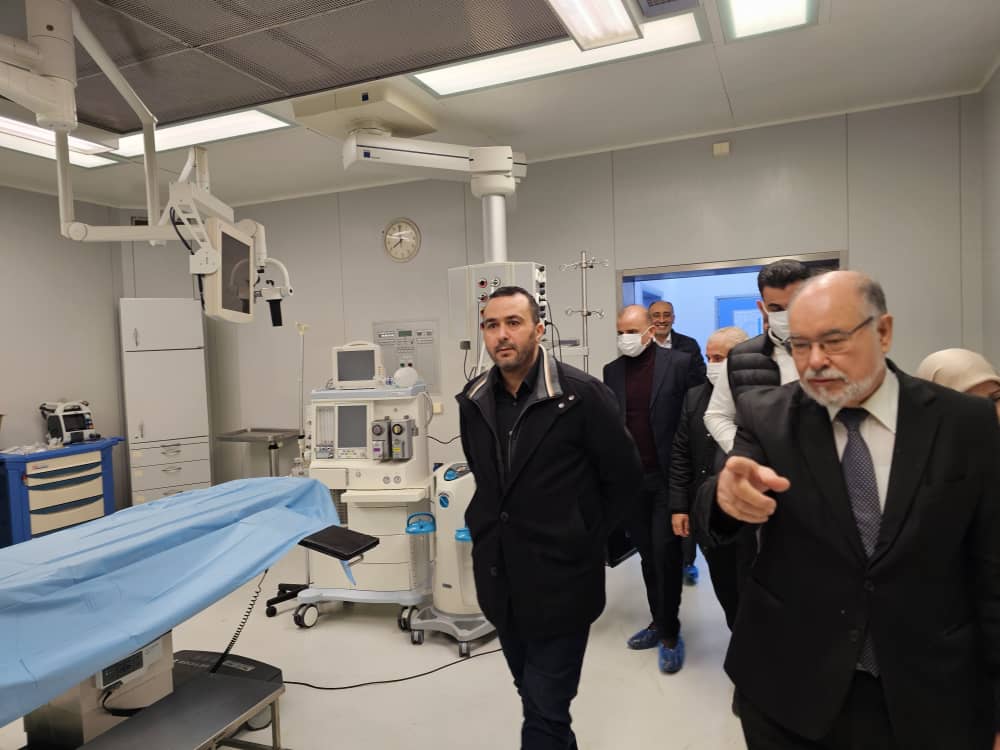
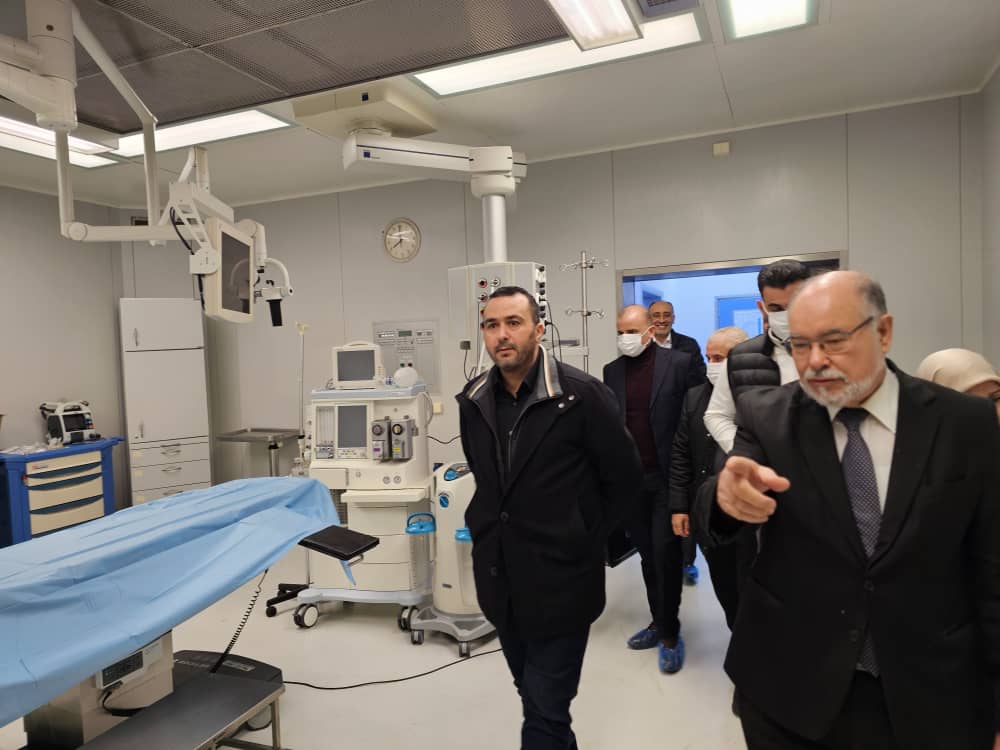
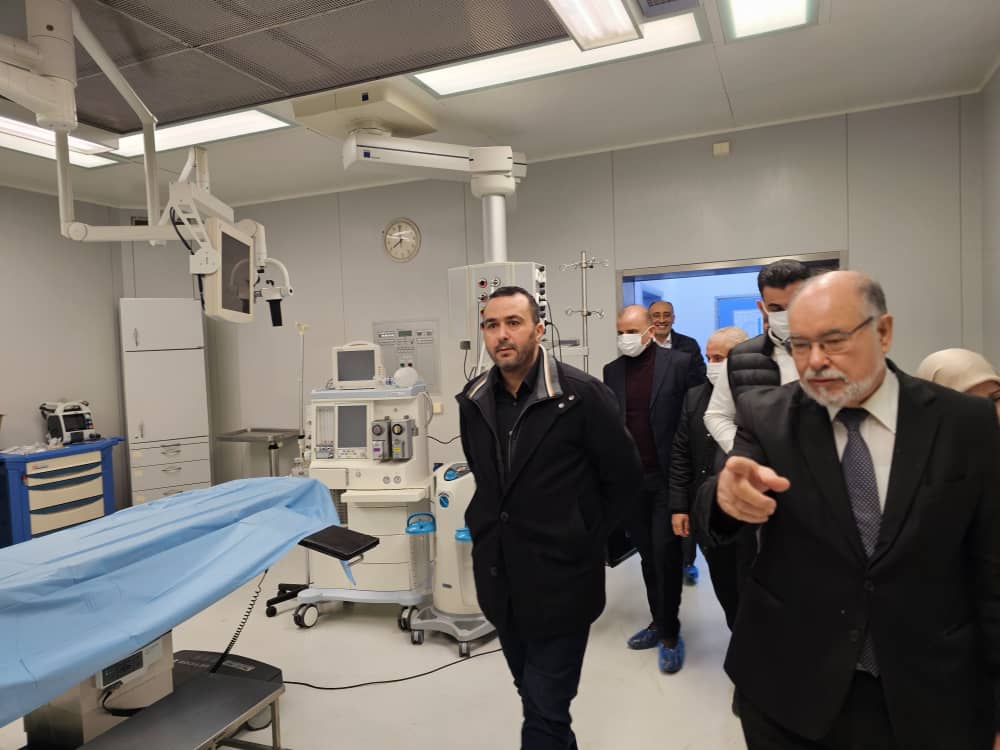
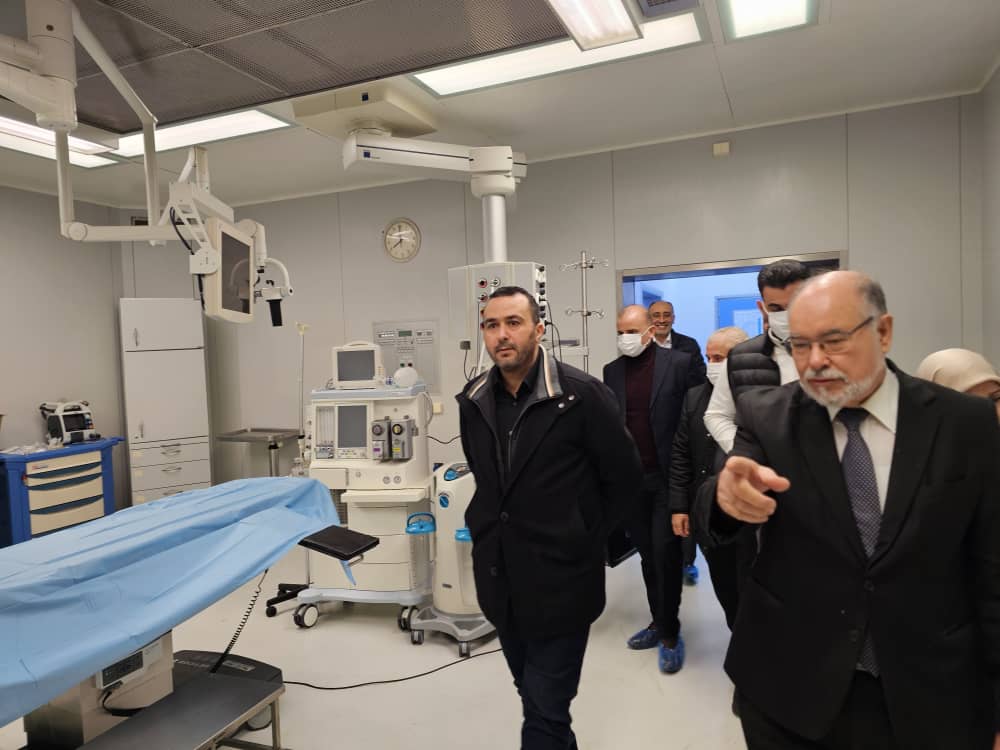
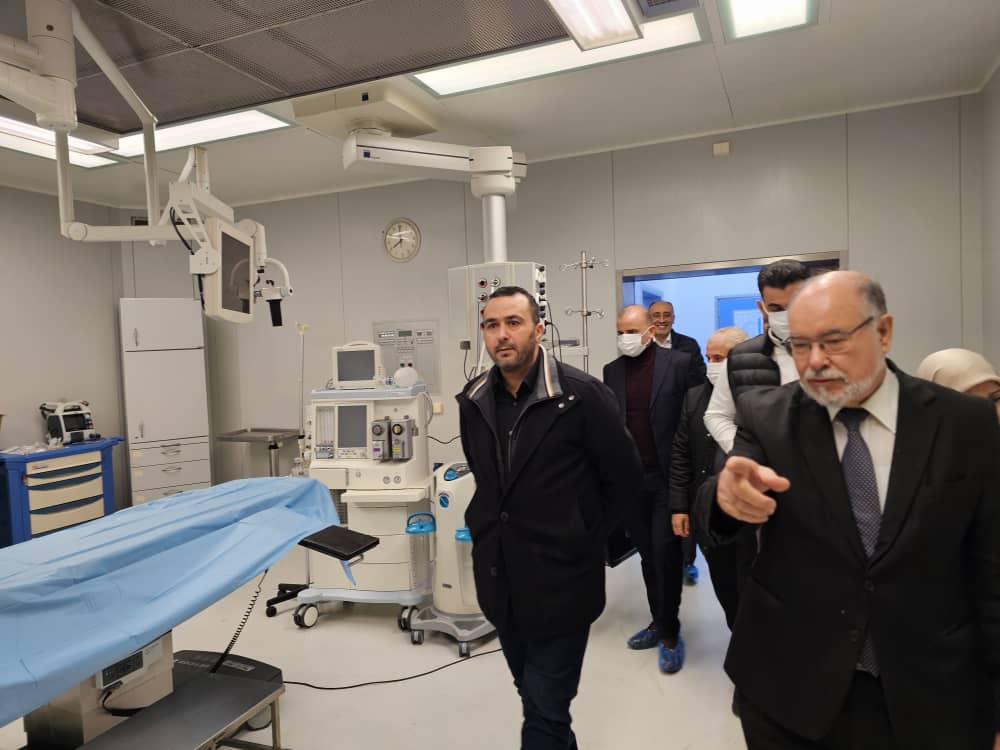
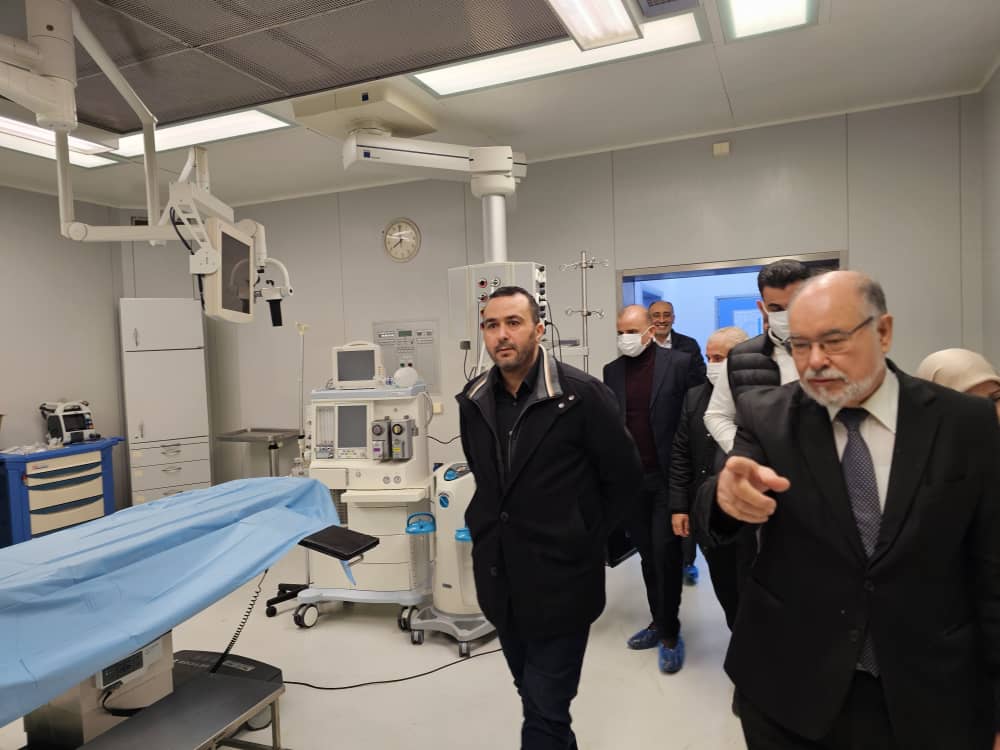
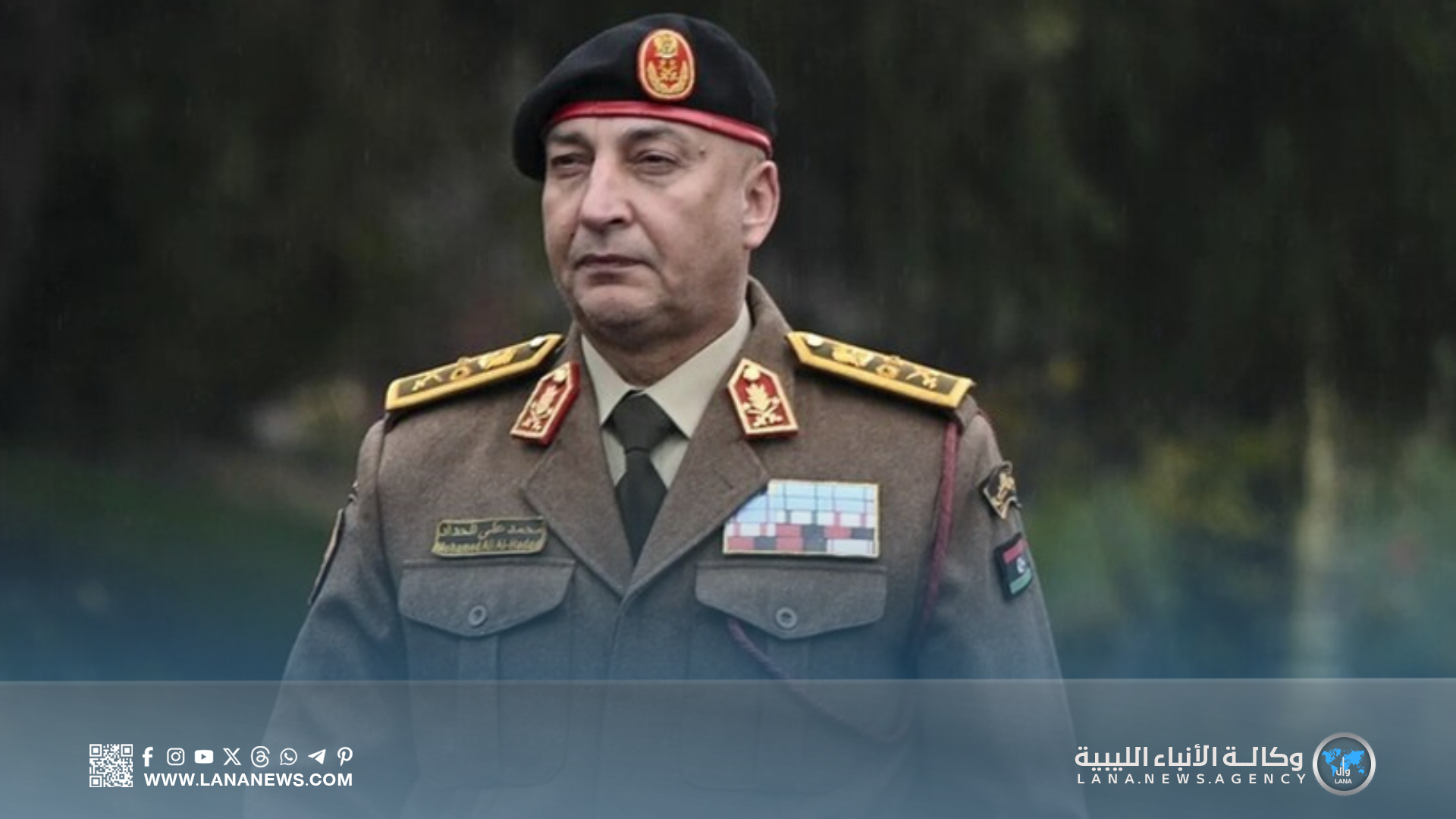
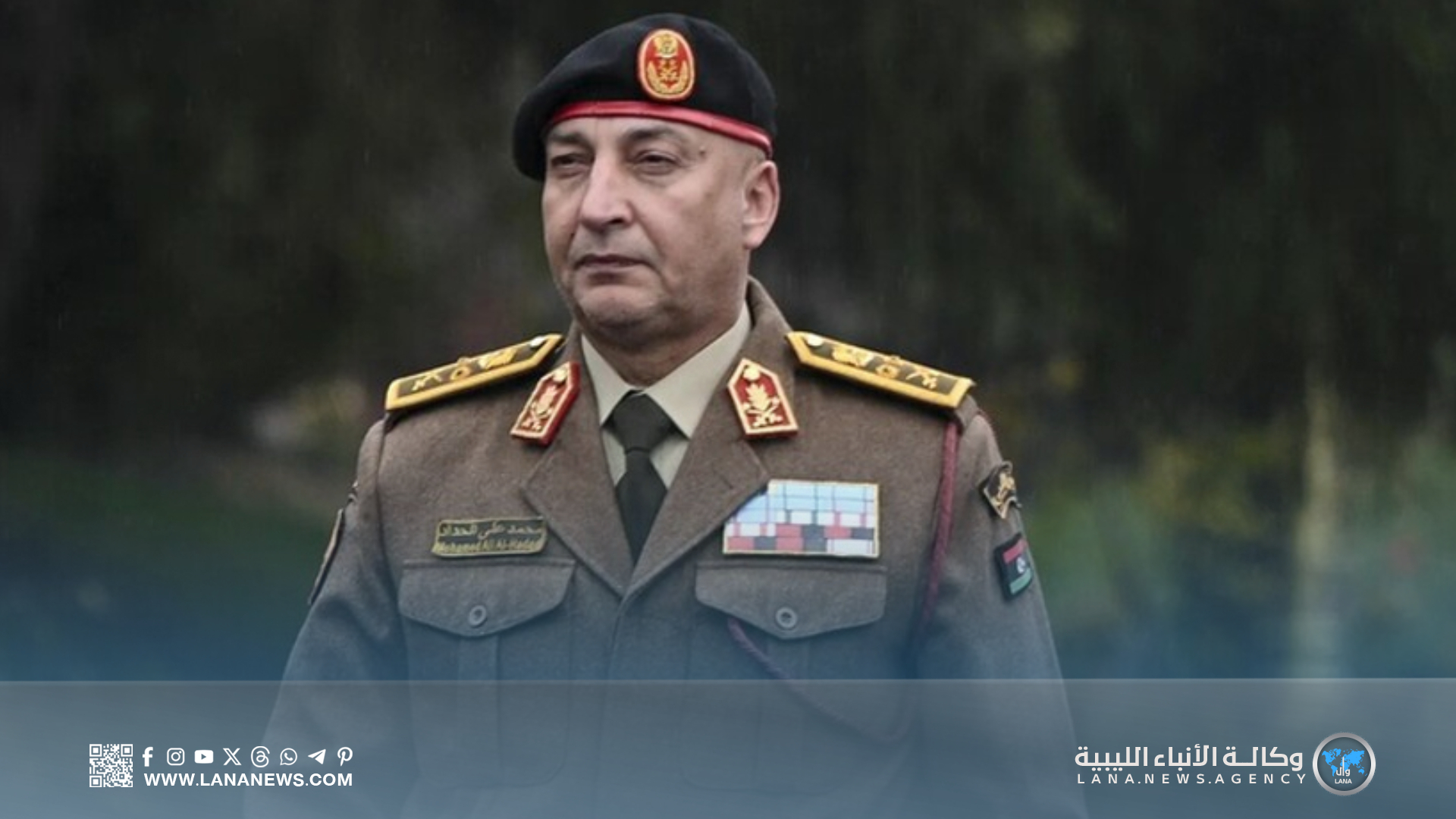
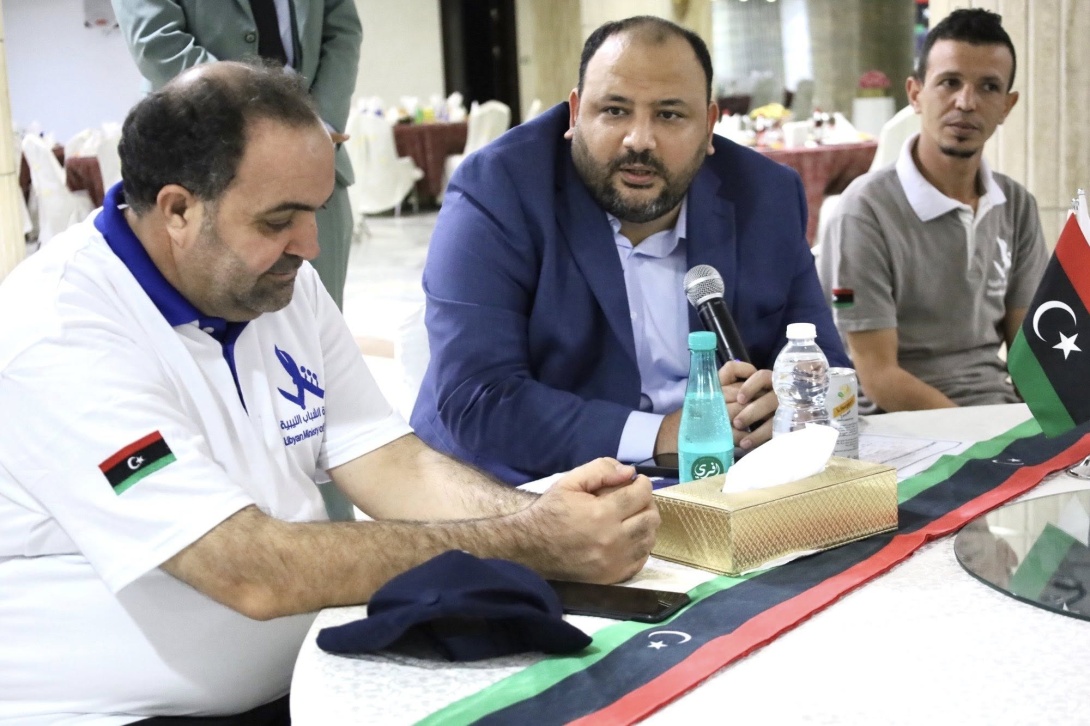
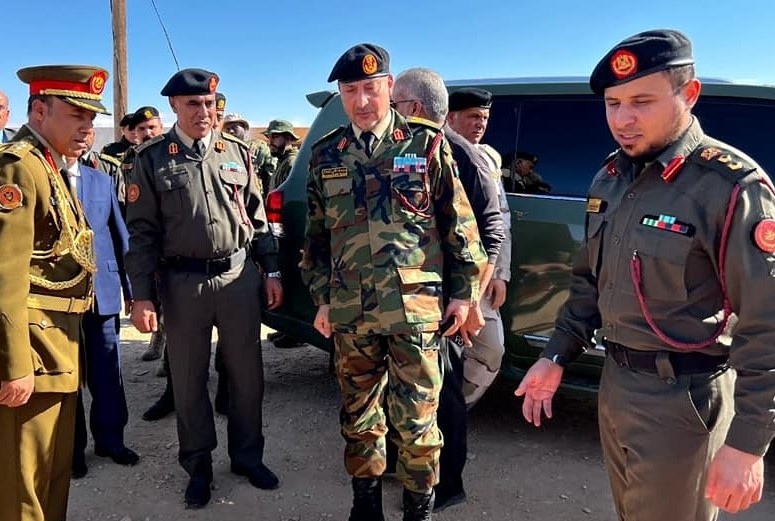
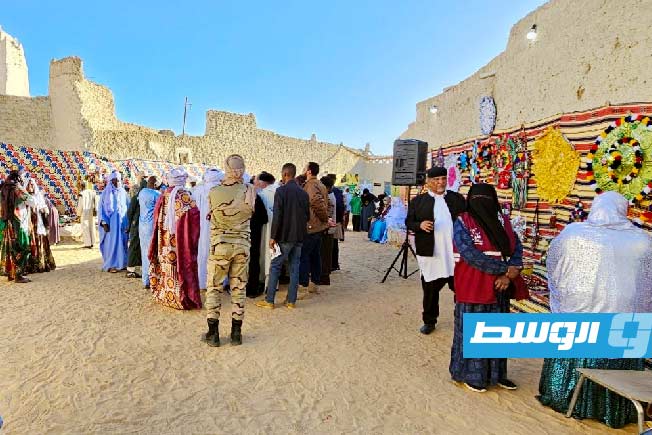
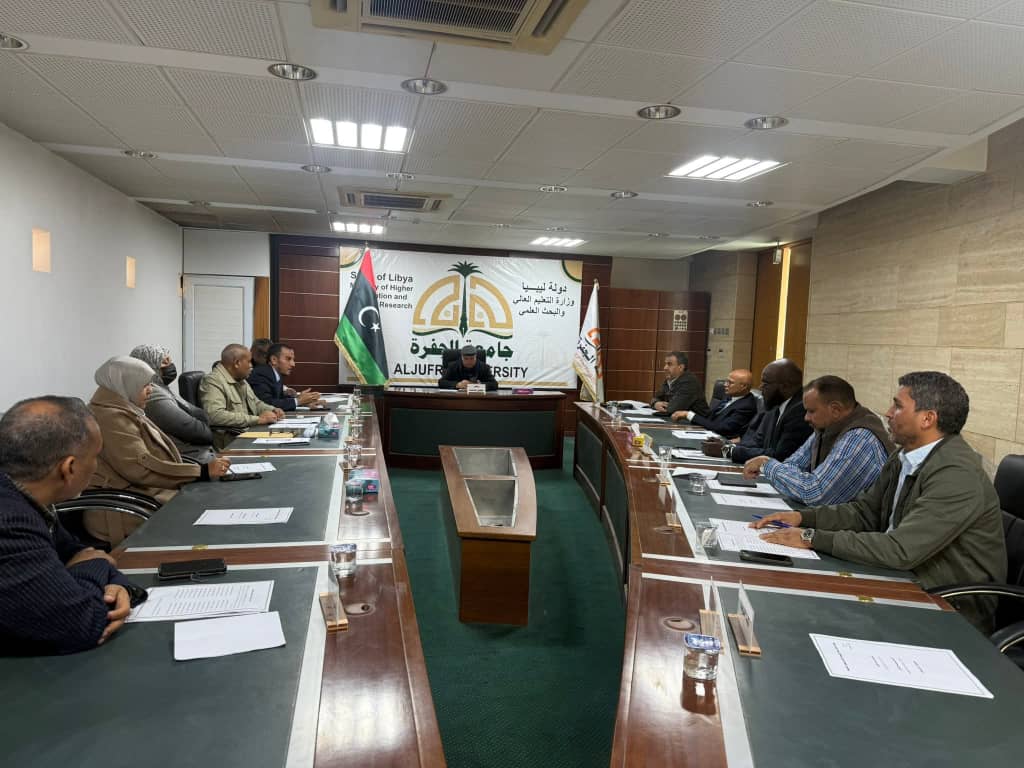
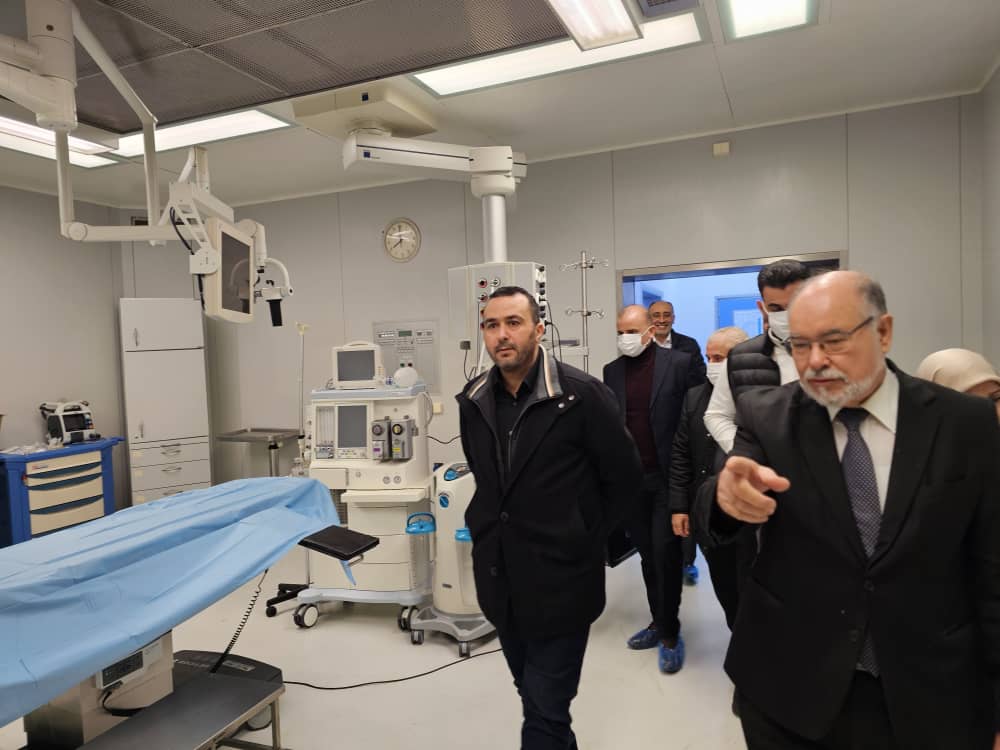
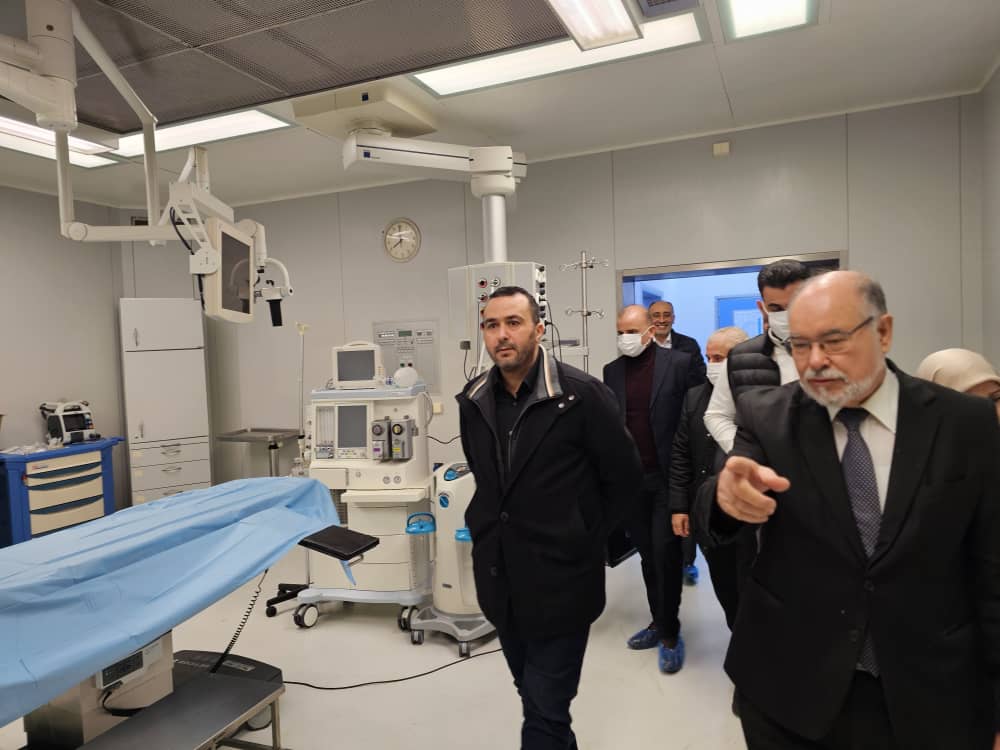
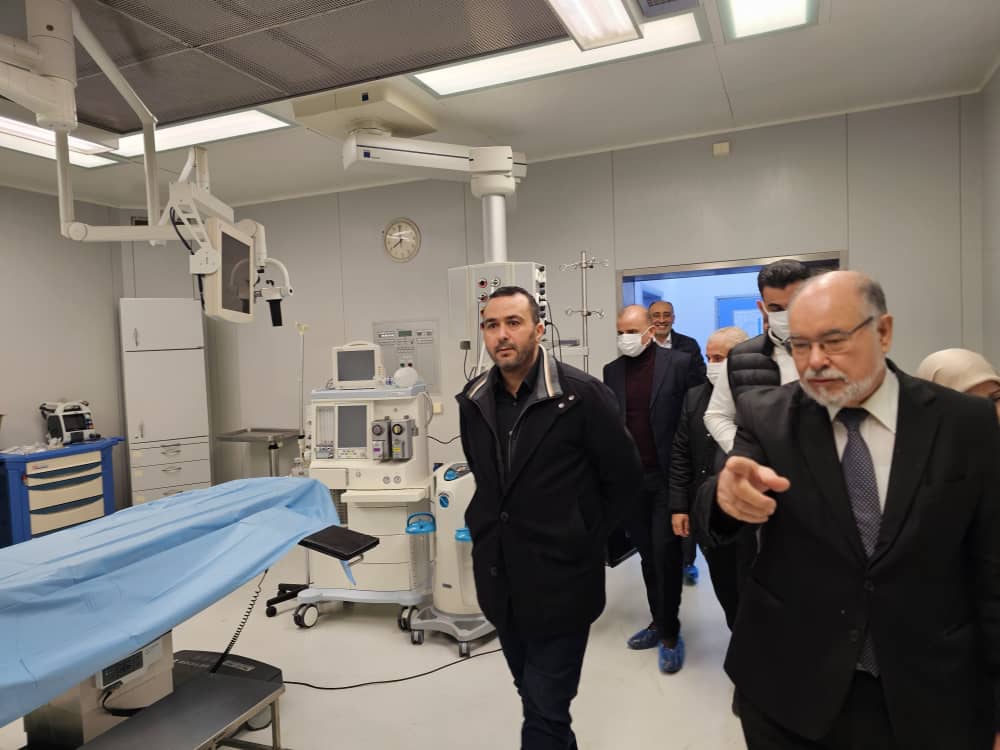
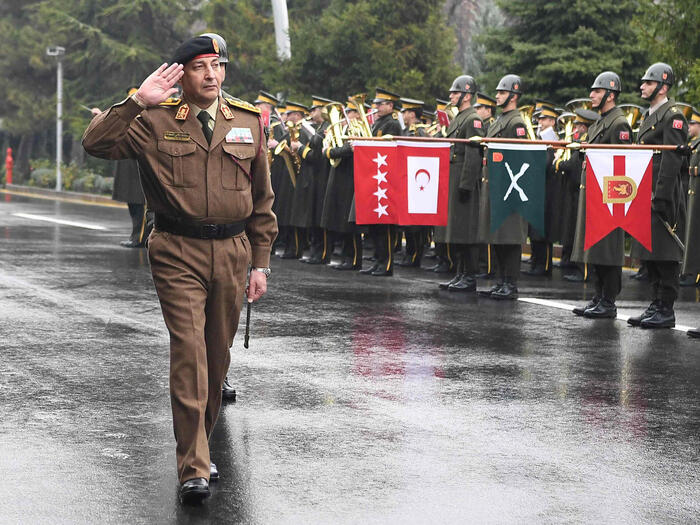
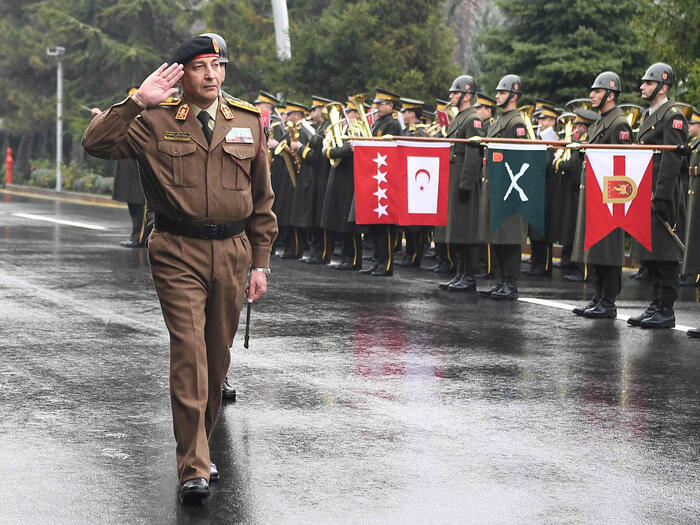
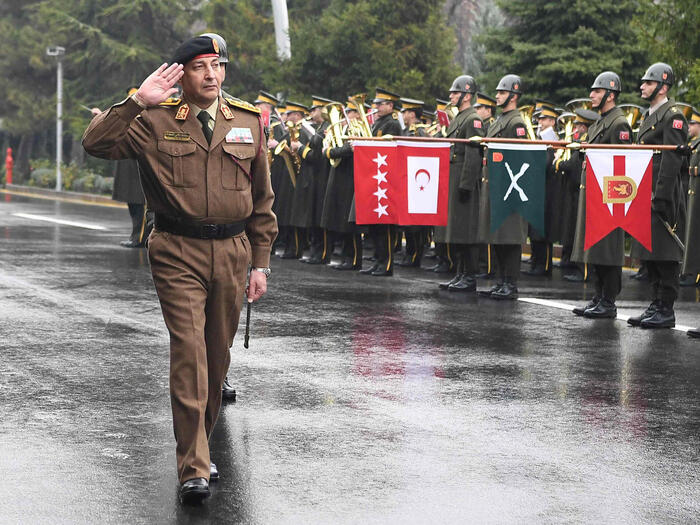
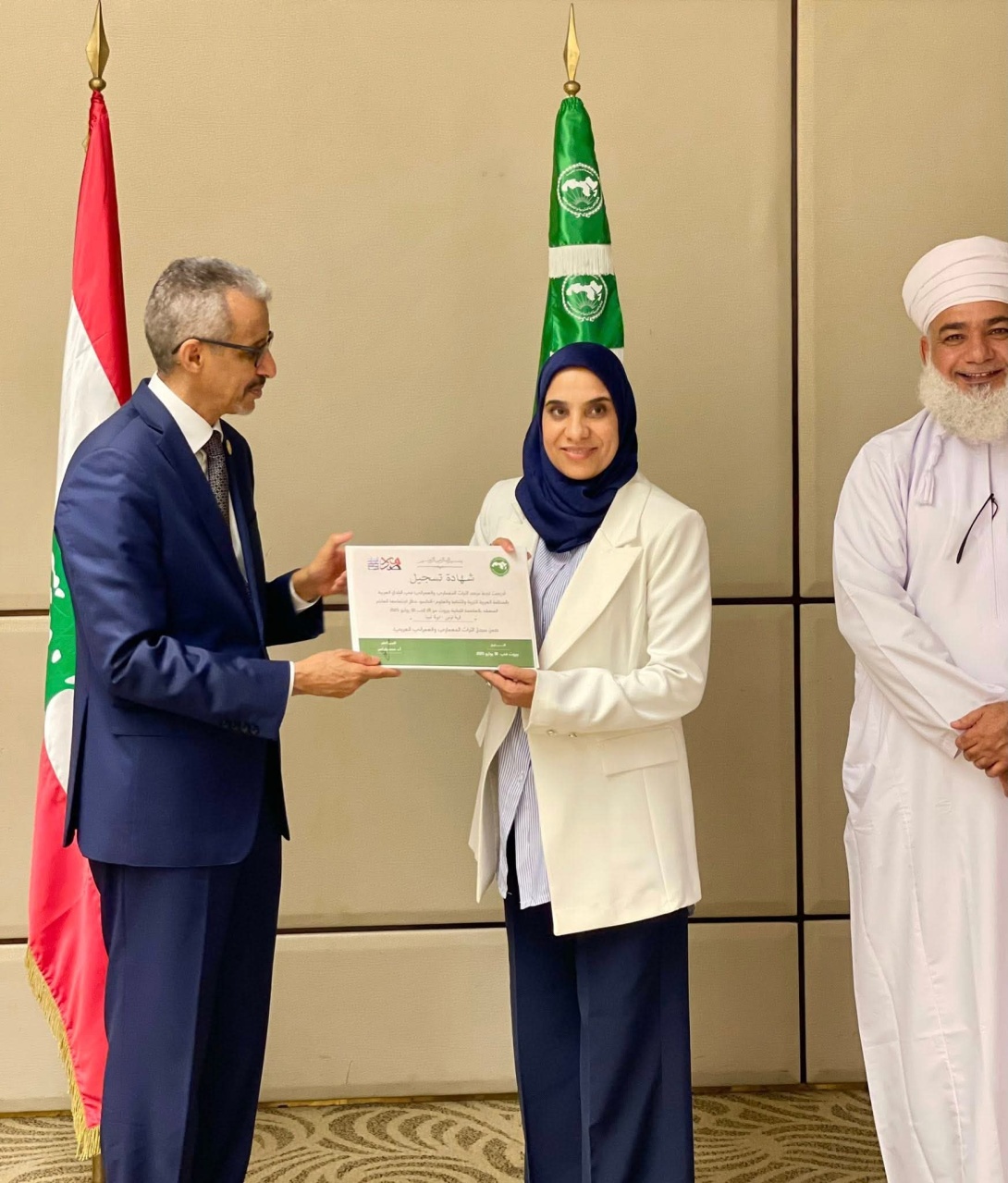
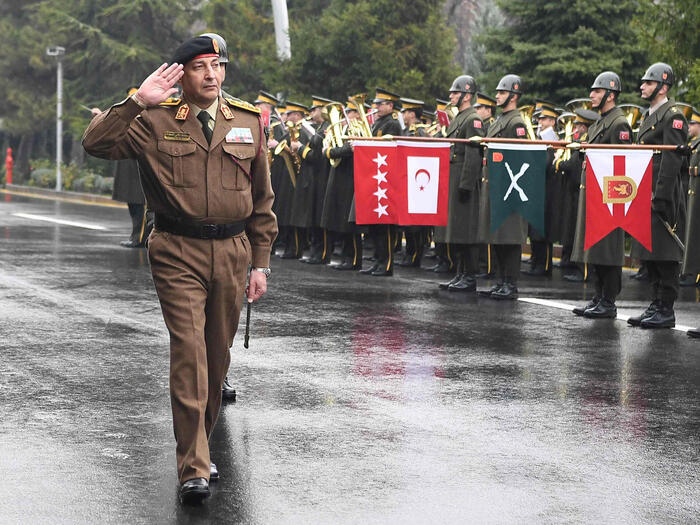
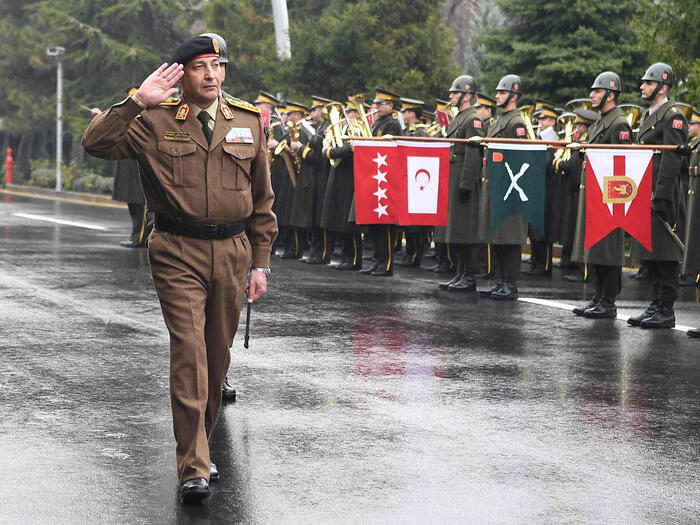
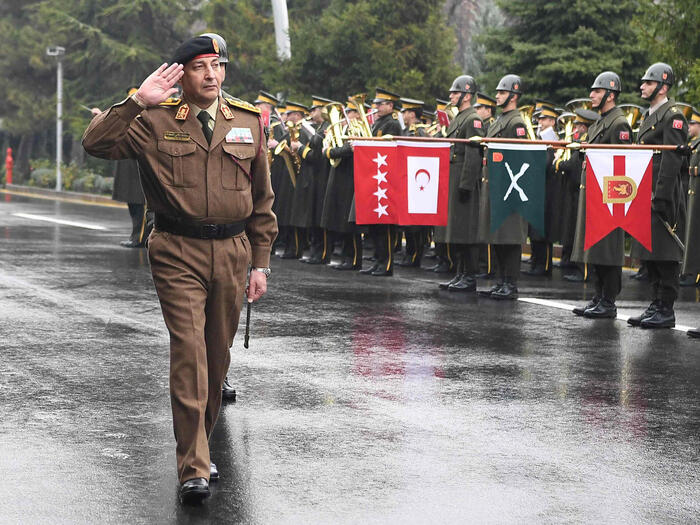
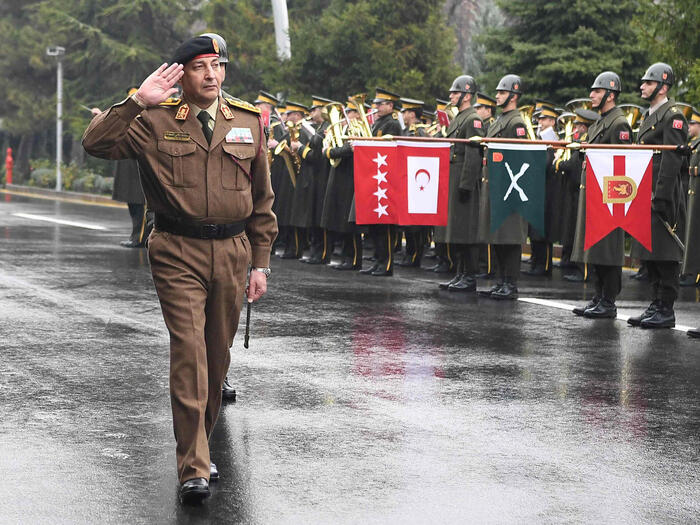
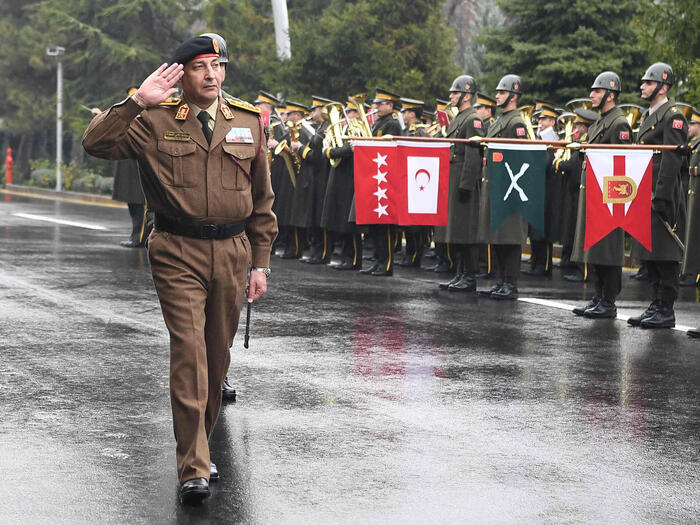
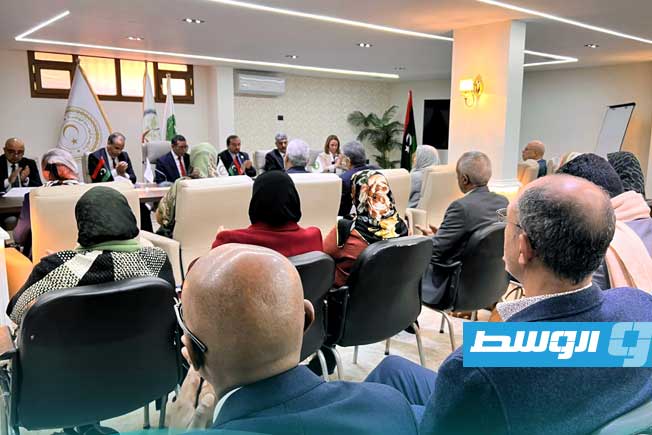
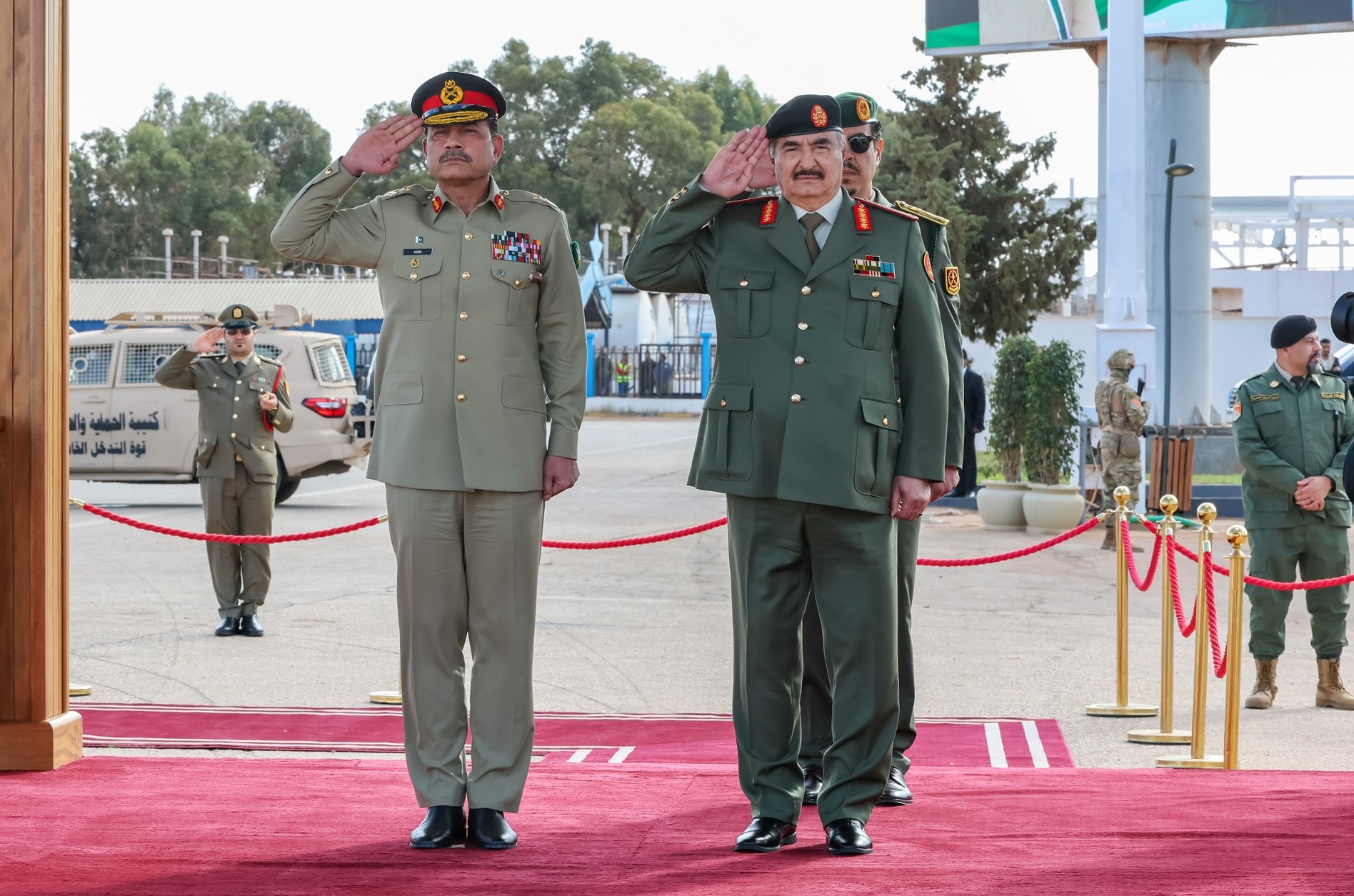
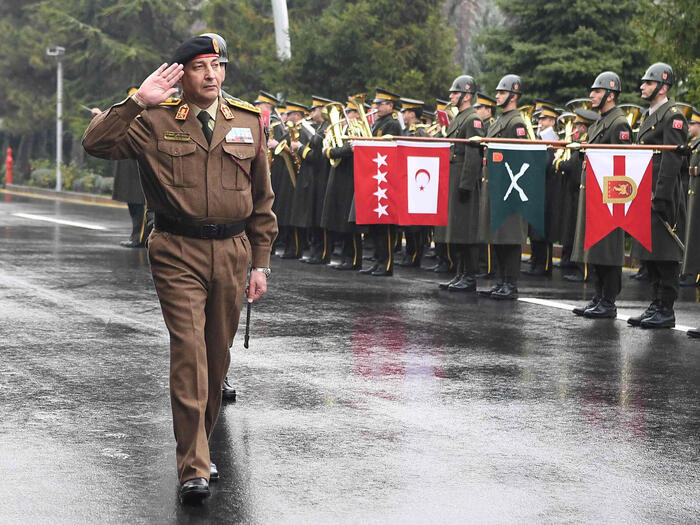
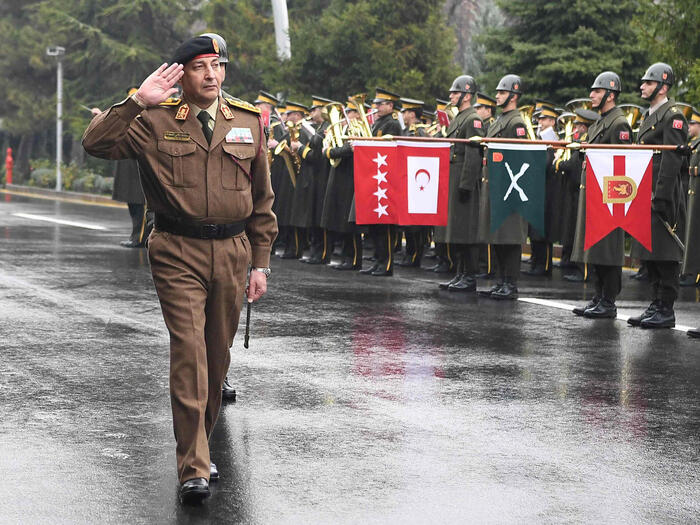
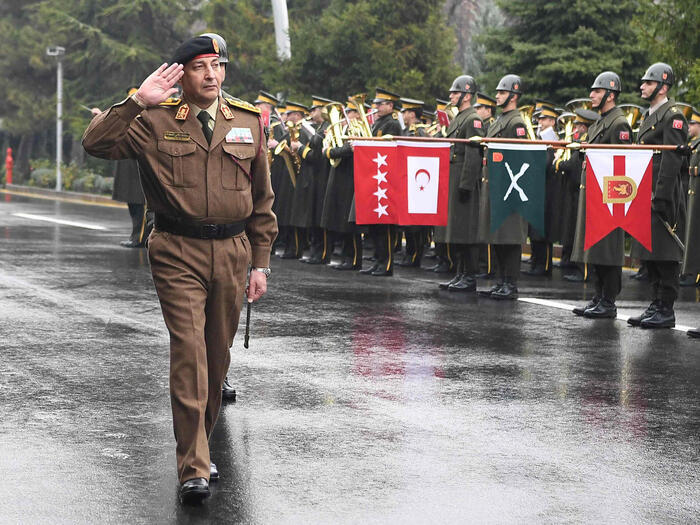
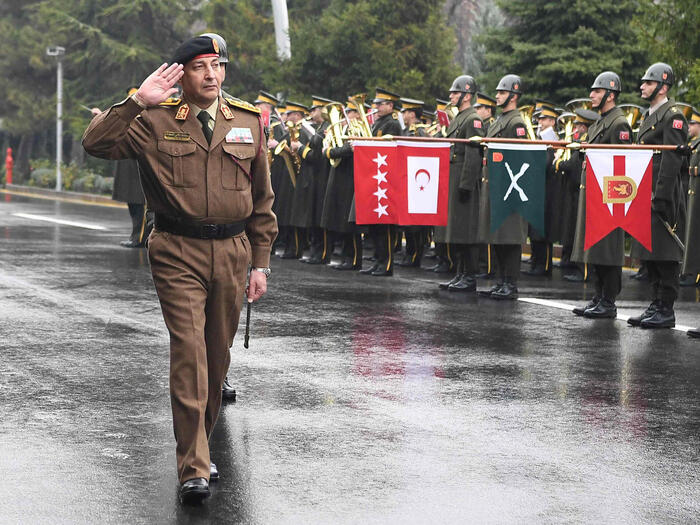
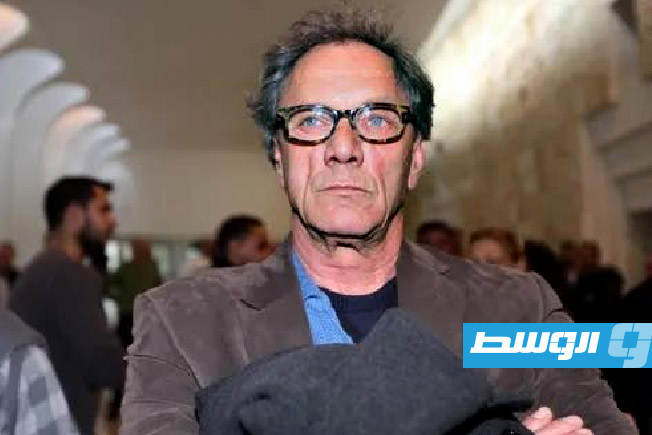
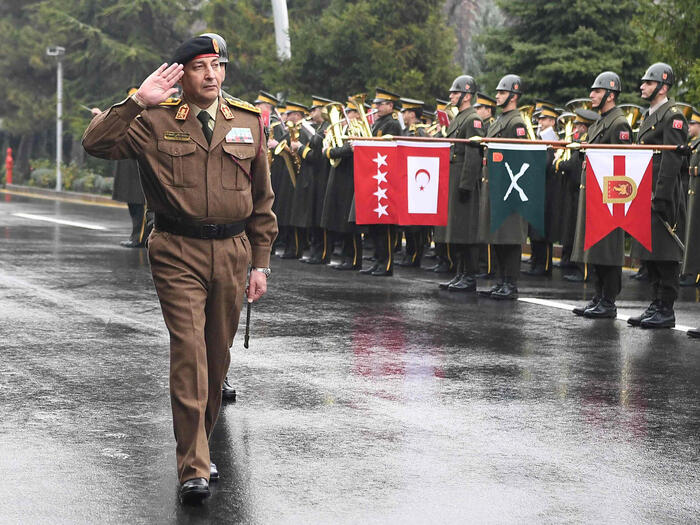
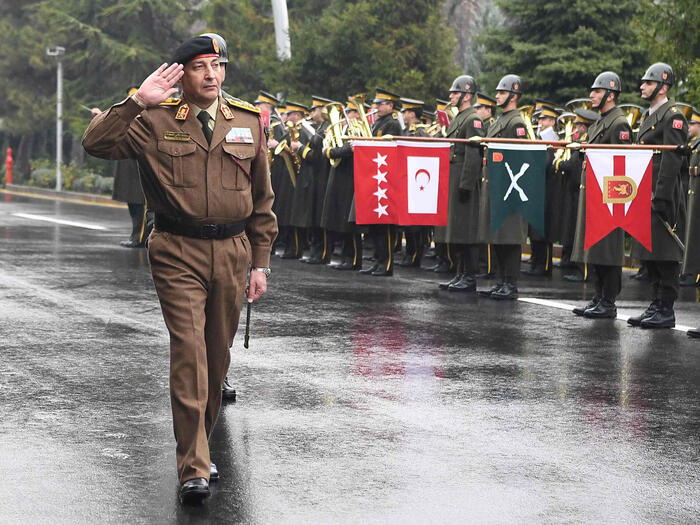
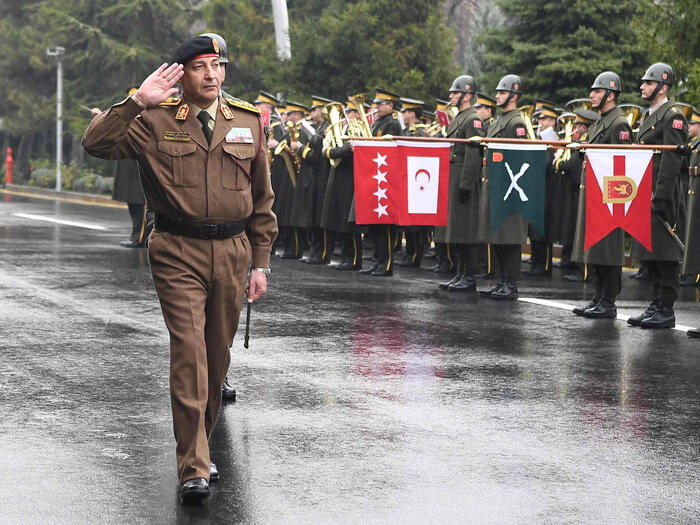
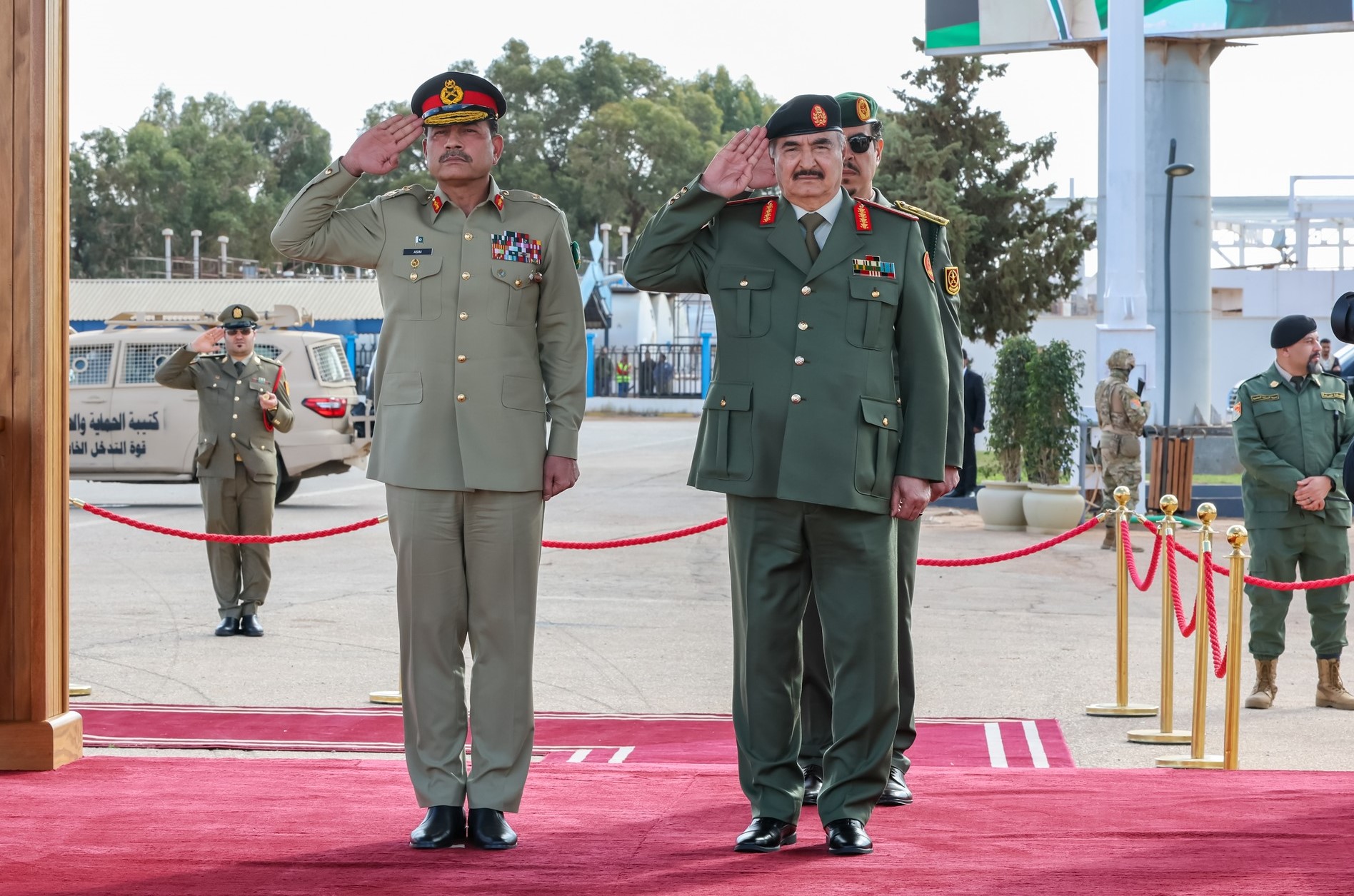
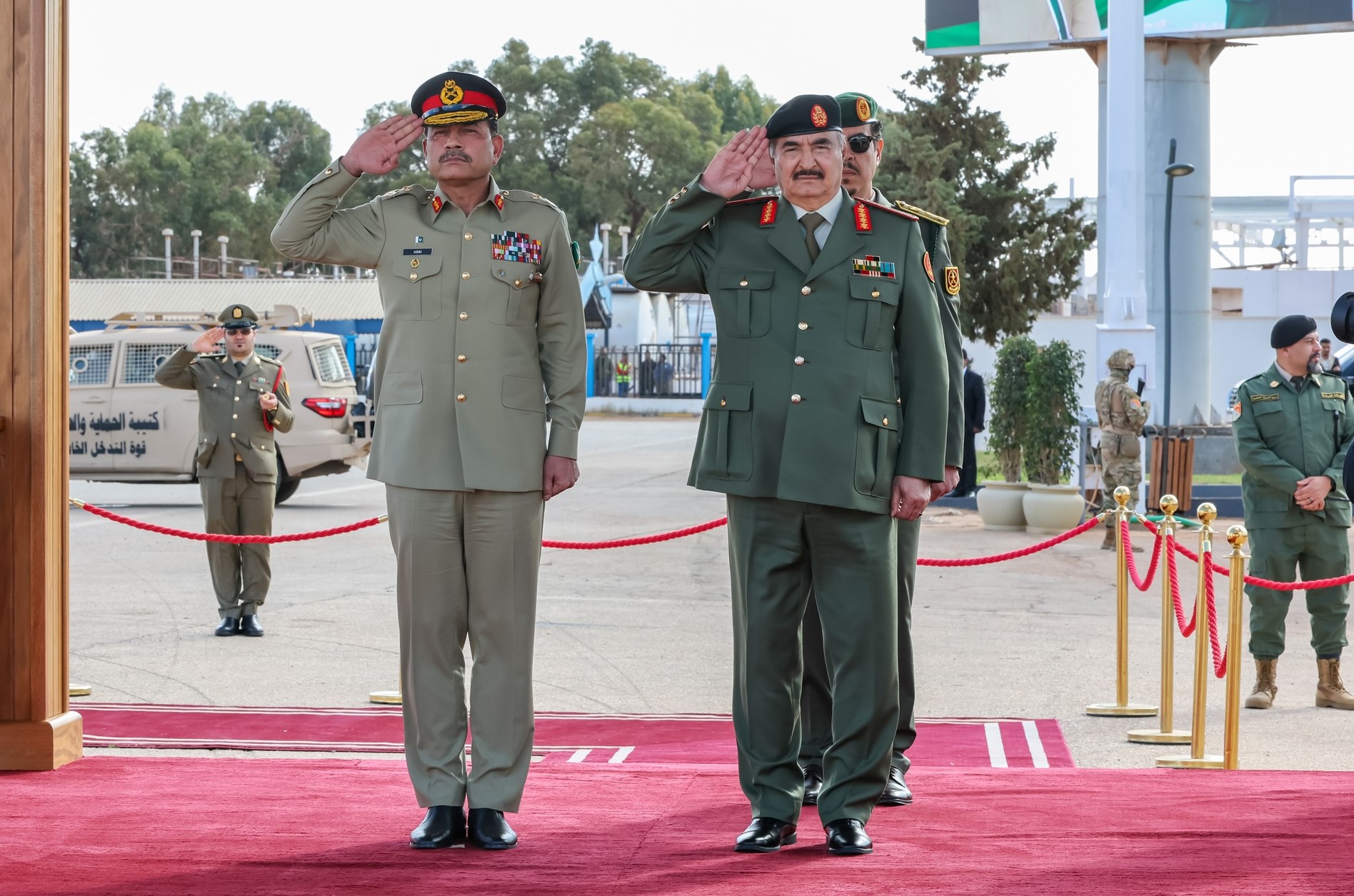
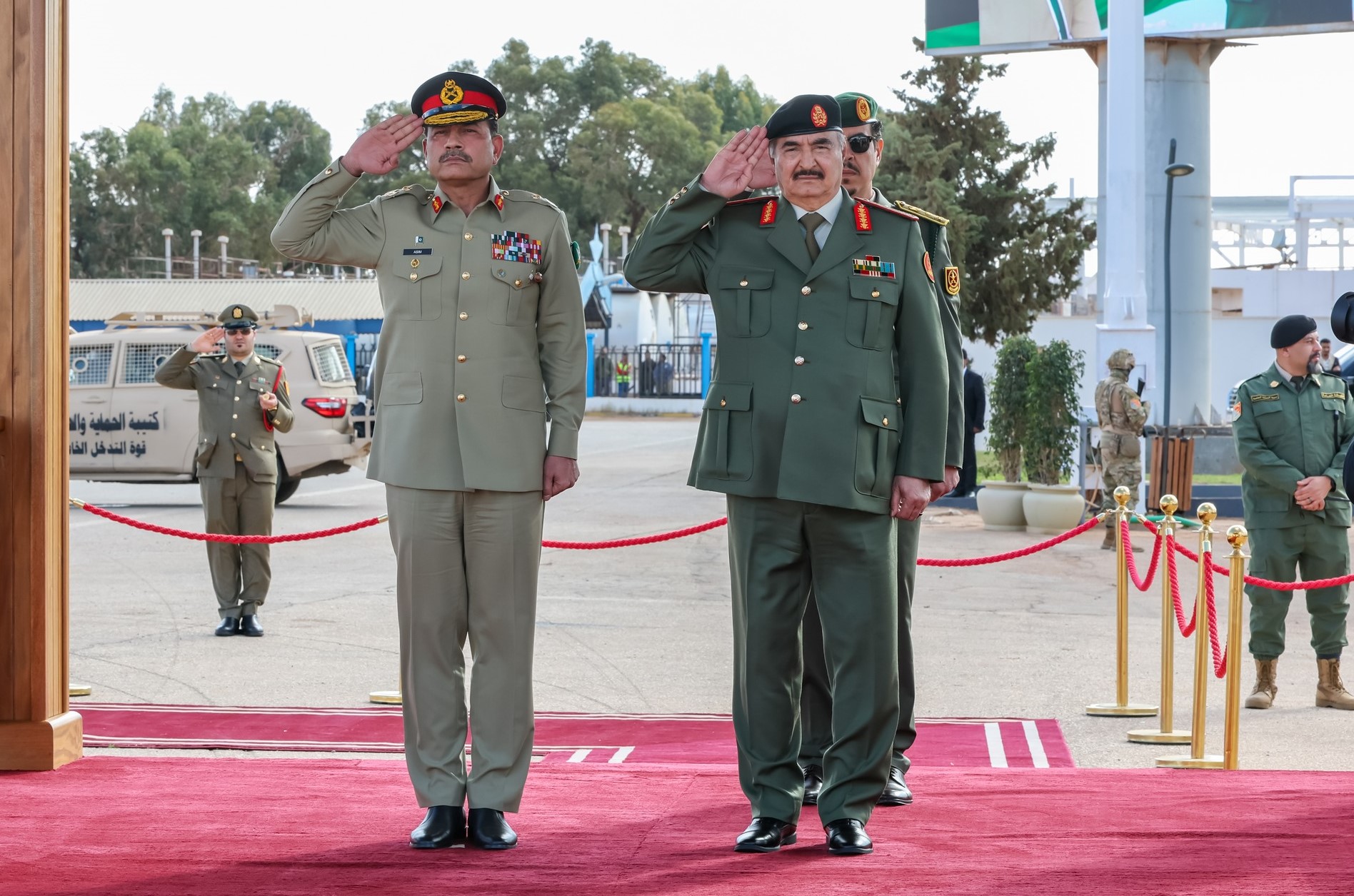
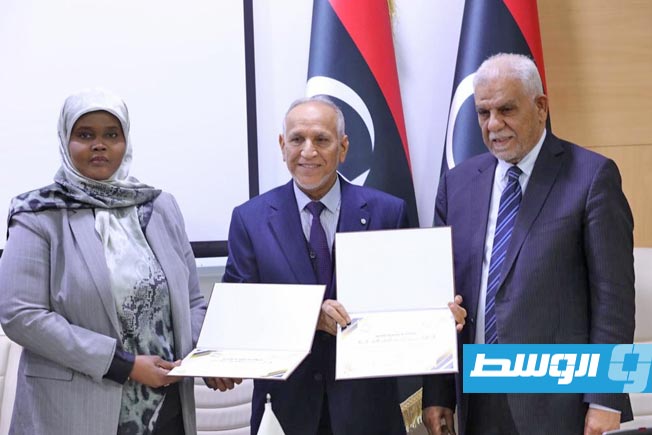
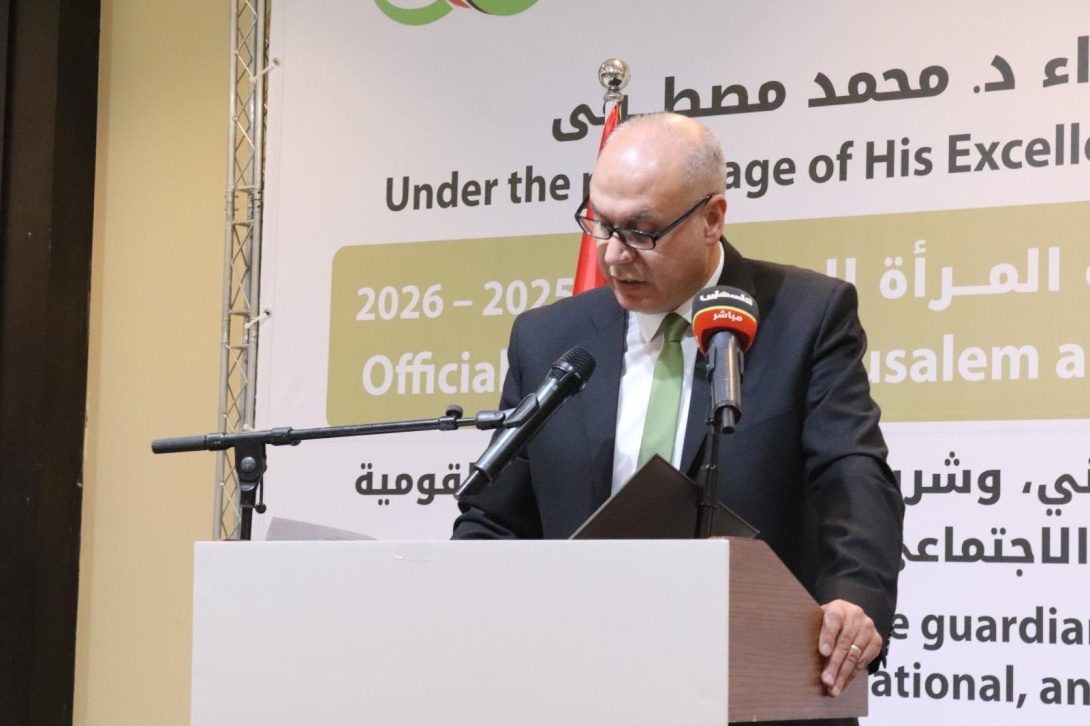
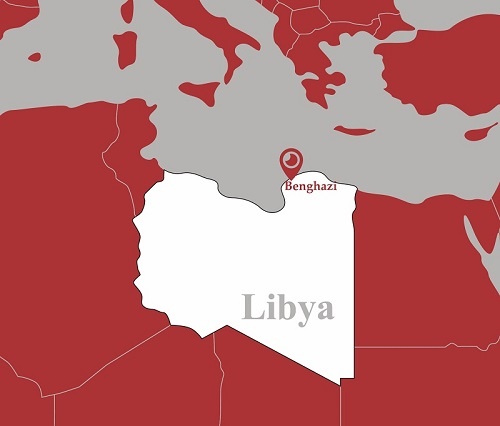
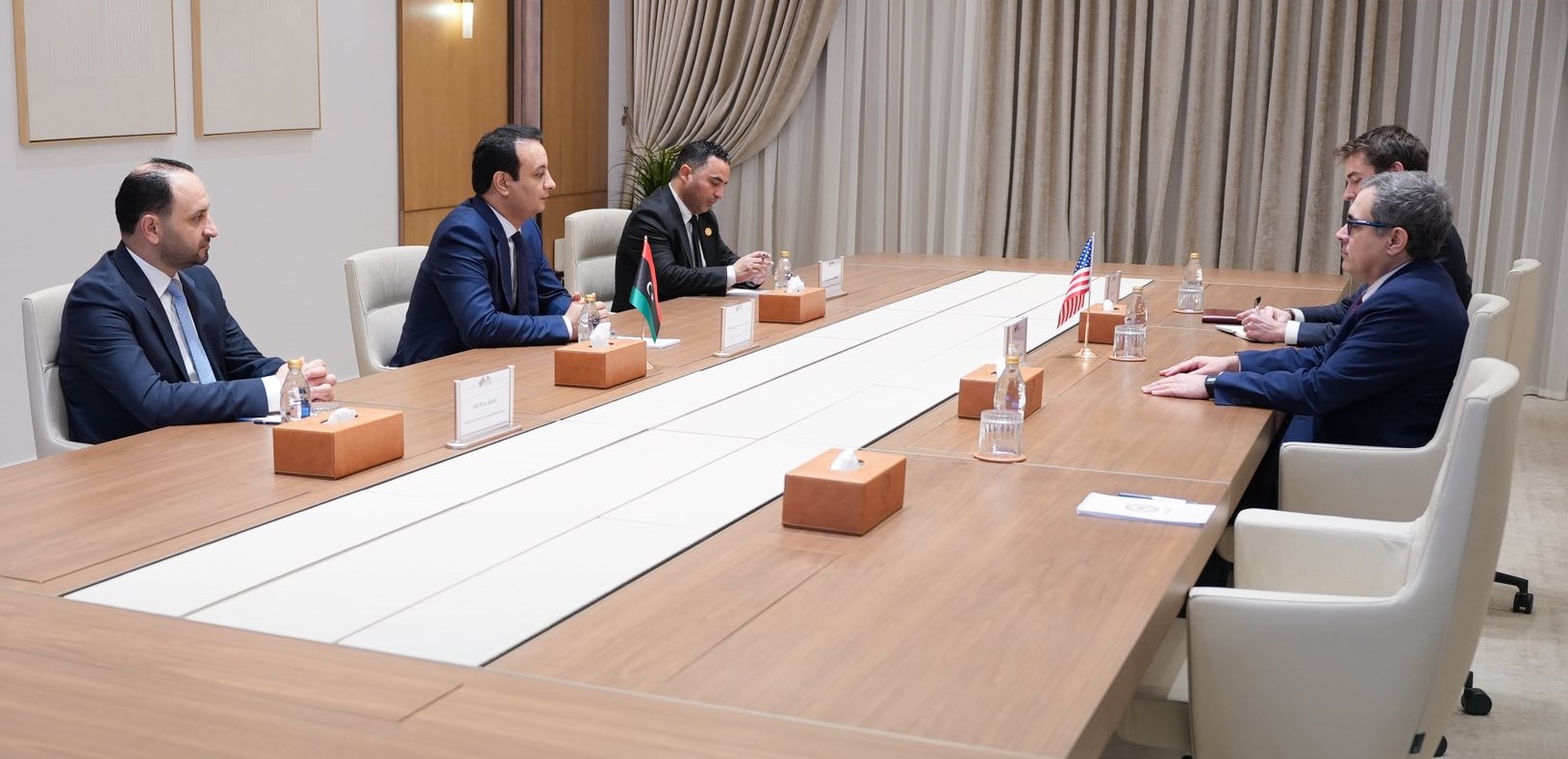
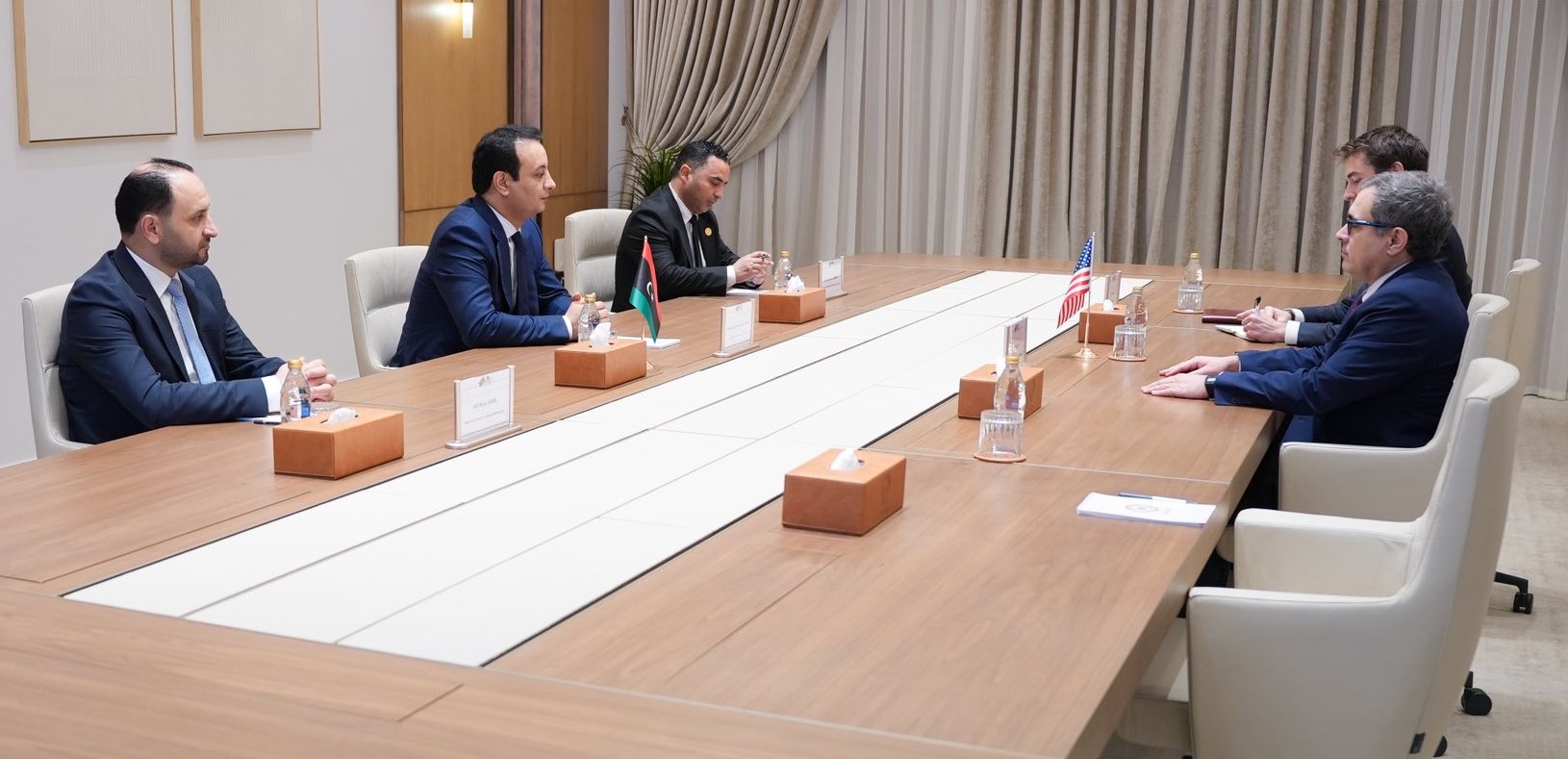
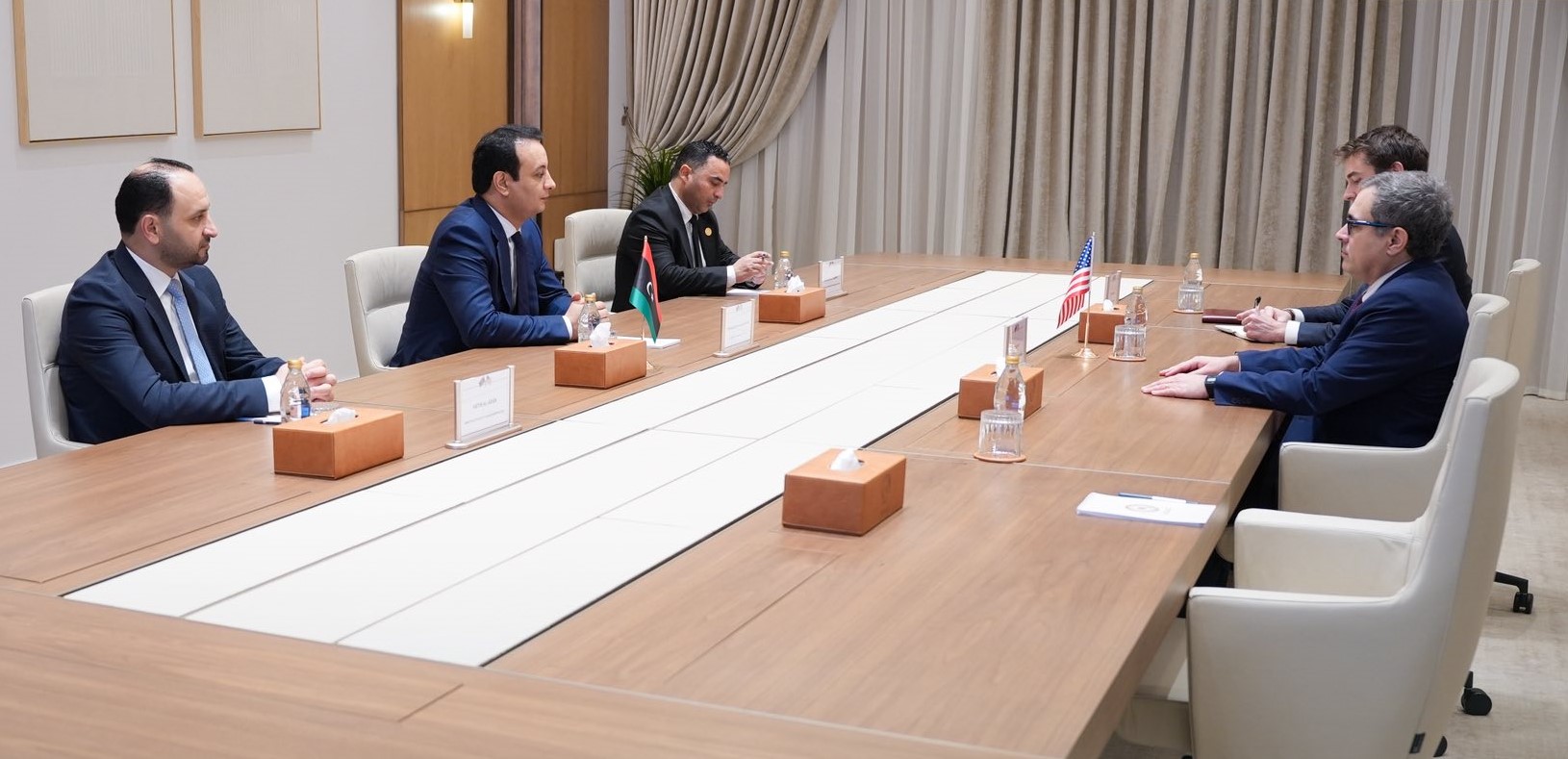
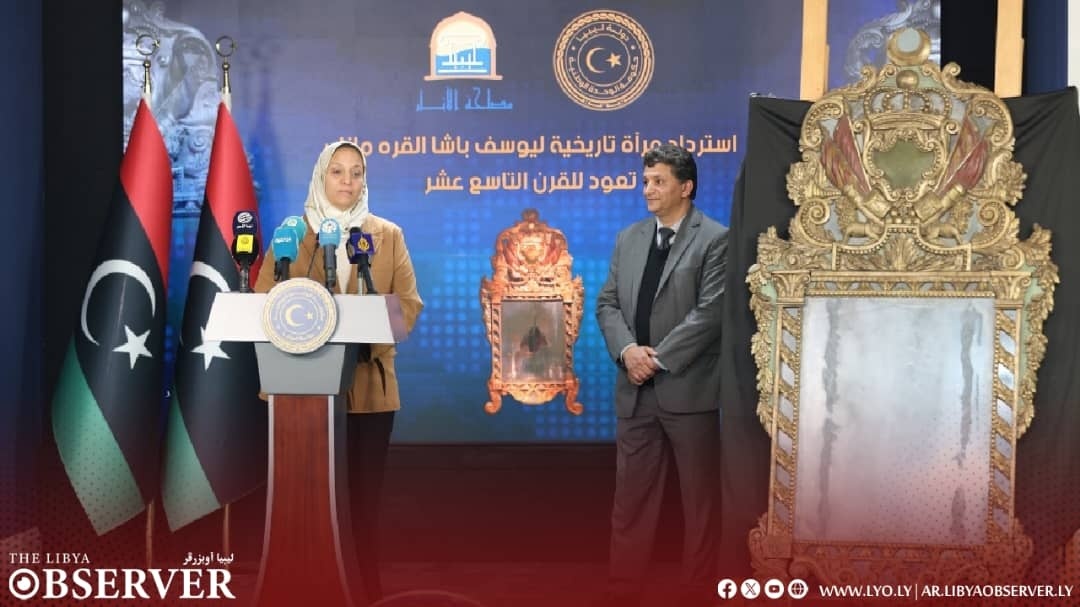
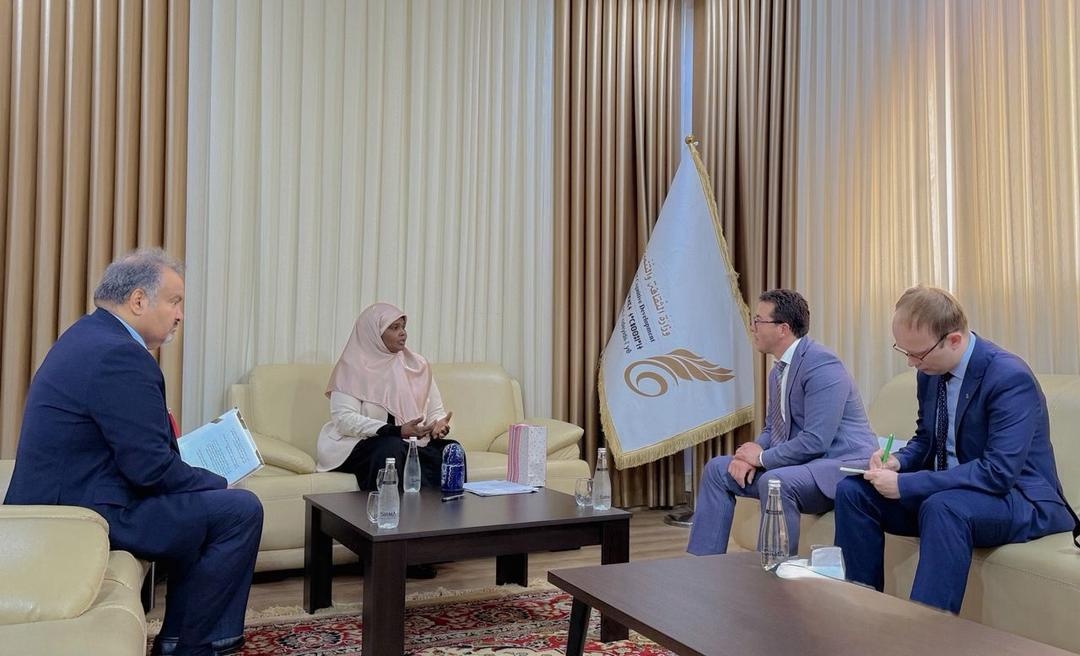
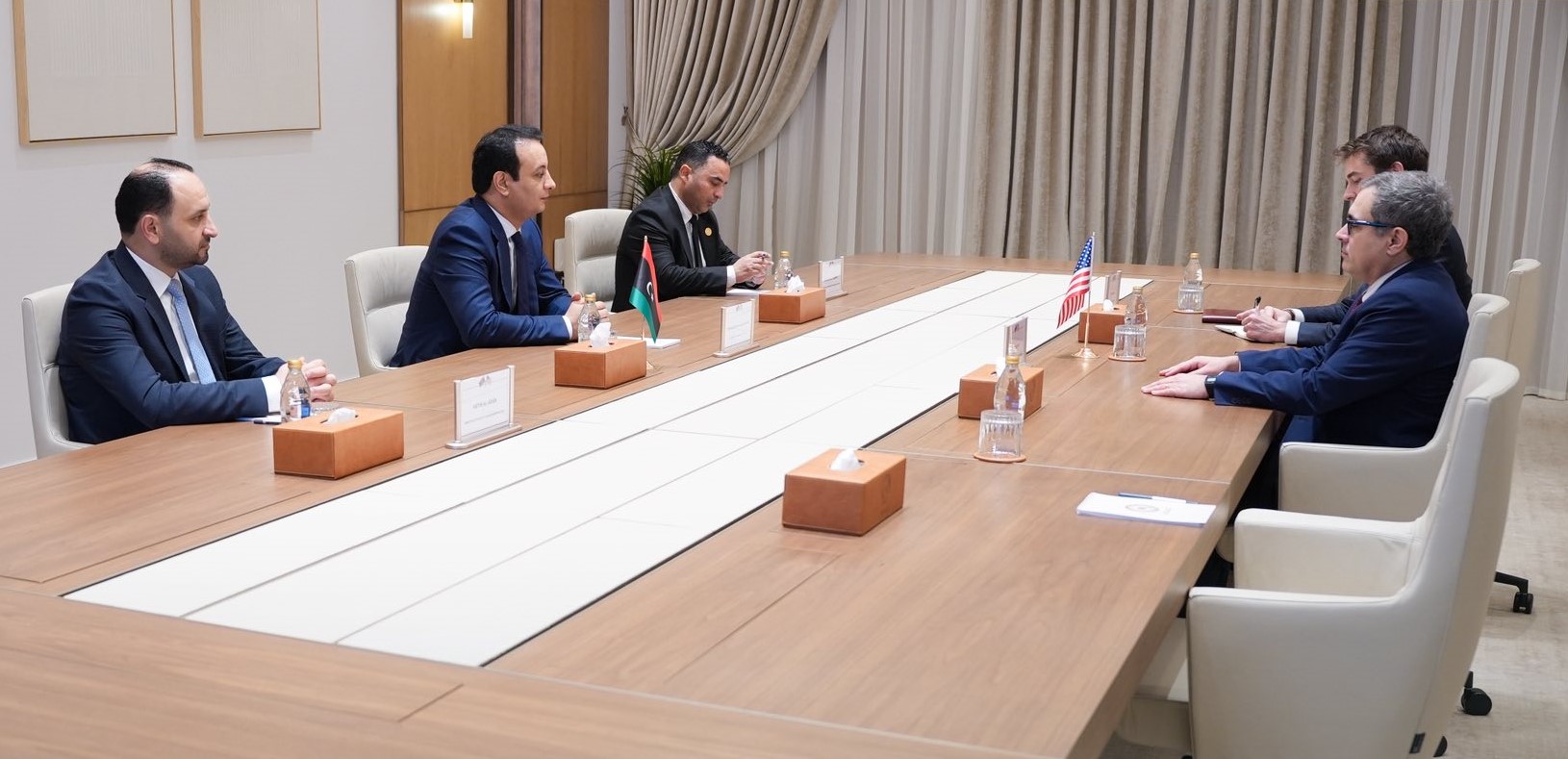
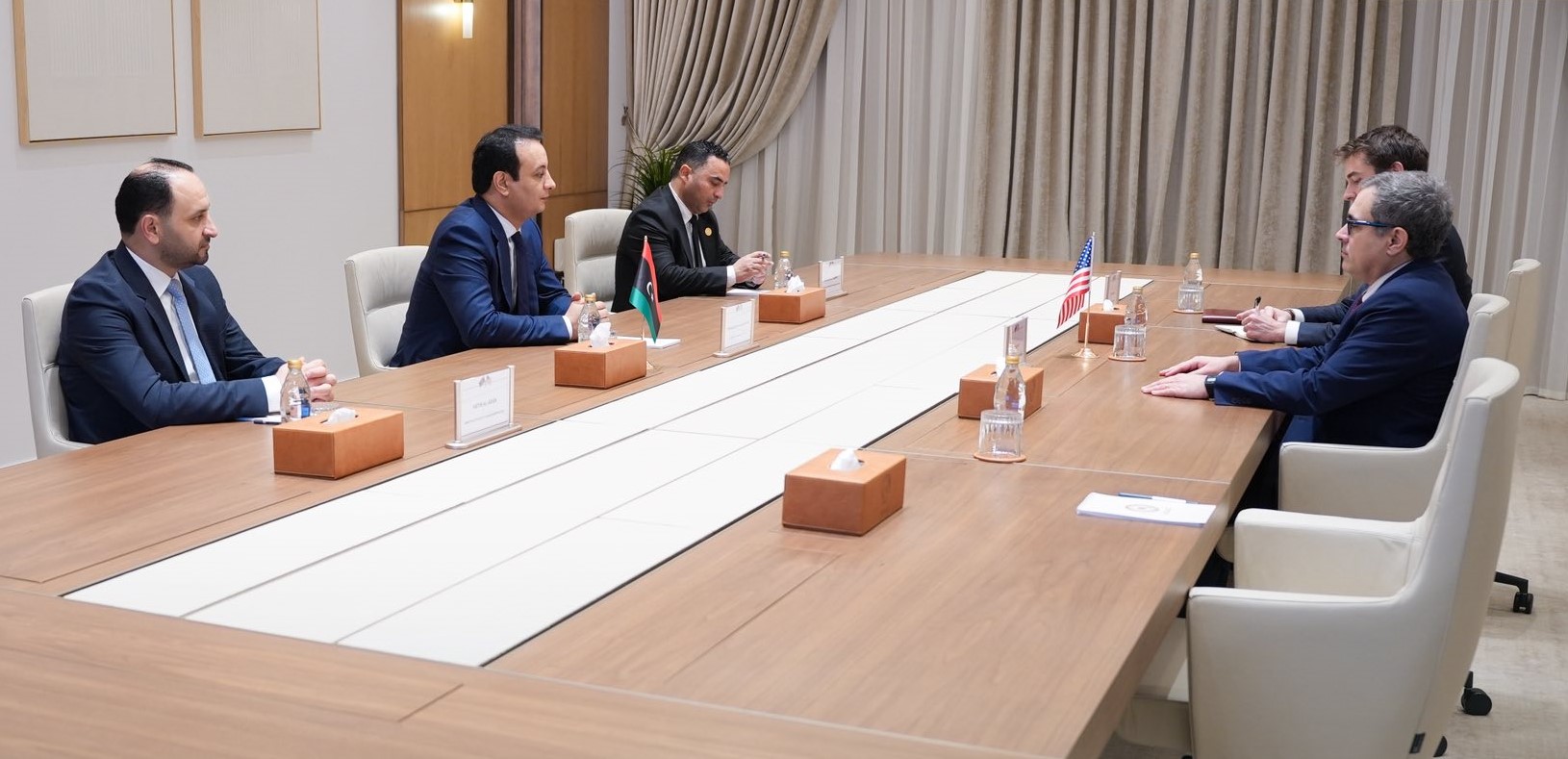
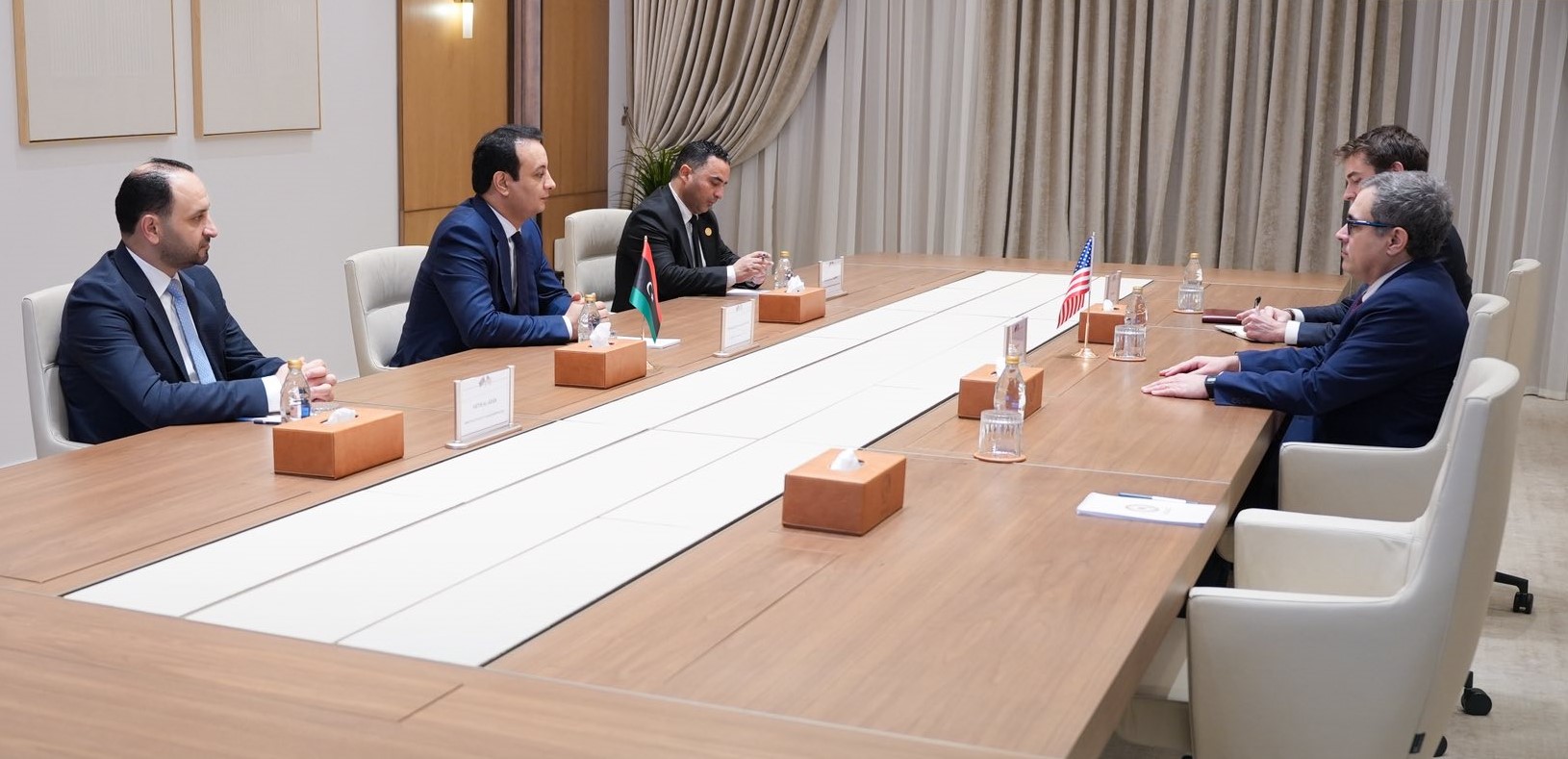
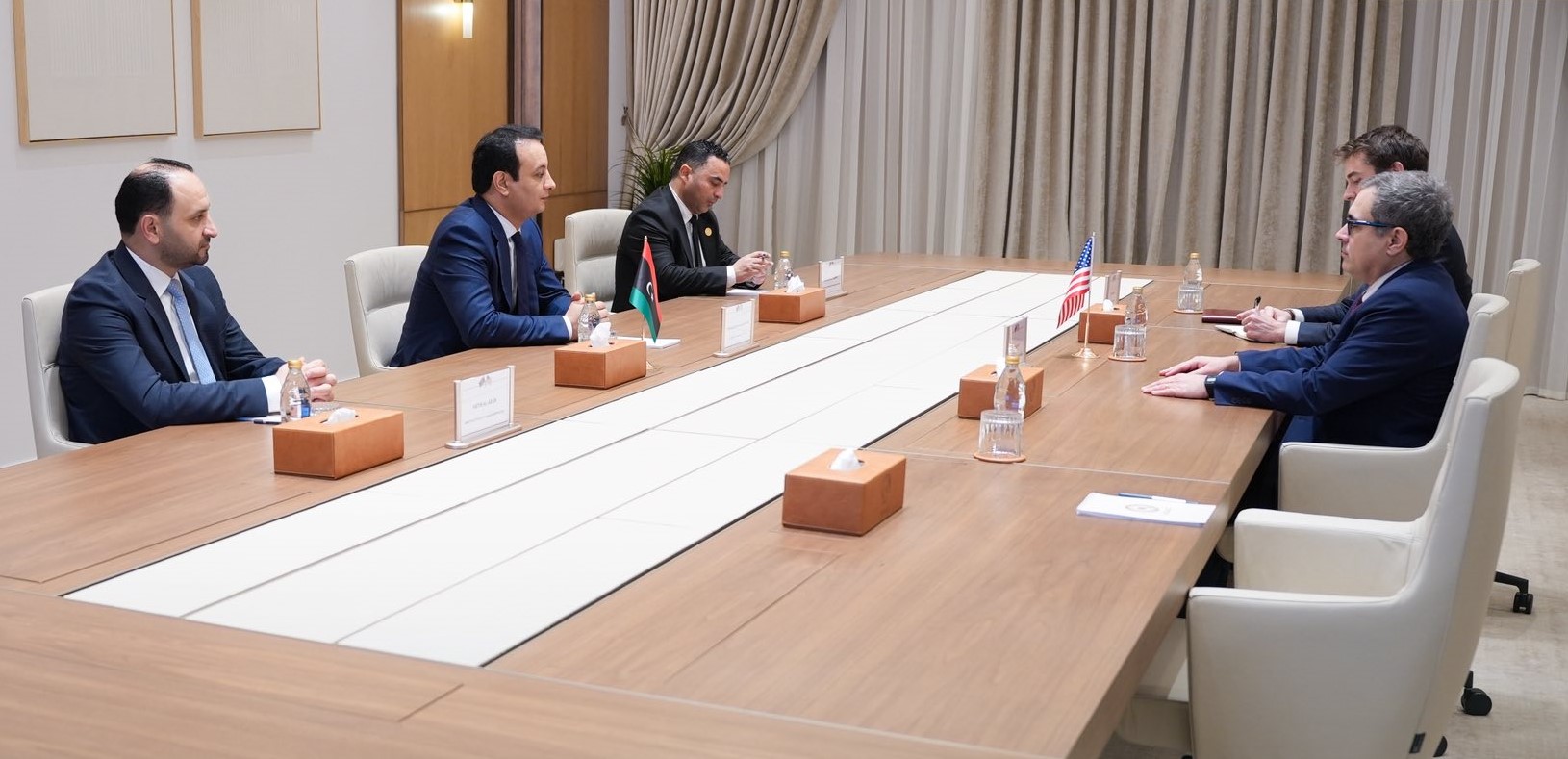
This Tuesday afternoon, January 27, the Peace, Peacebuilding, and Crisis Management Center received the British Ambassador to Libya, Martin Reynolds, and his accompanying delegation as part of his official visit to the city of Benghazi, where he met with a number of official, military, and political leaders.
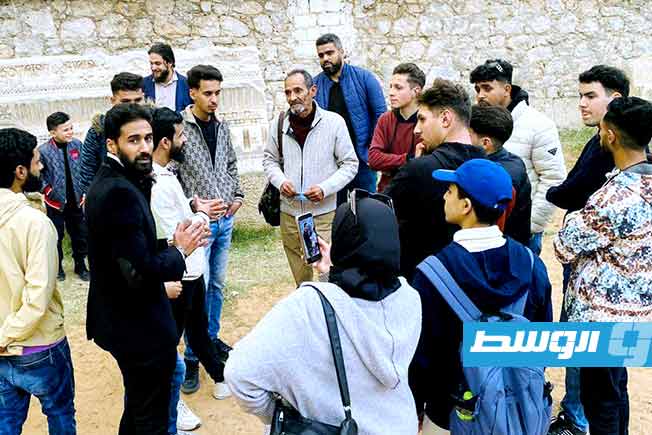
The visit included a tour of the Sheikh Omar Al-Mukhtar Mausoleum; where the Ambassador laid a wreath at the shrine and received a detailed explanation about the history of the Libyan Jihad, Libya’s relationship with World War II, the participation of the Senussi Army alongside the Allies in confronting fascism and Nazism, leading up to the battle of the National Army against terrorism, the most violent chapters of which were witnessed in Benghazi and ended in victory.
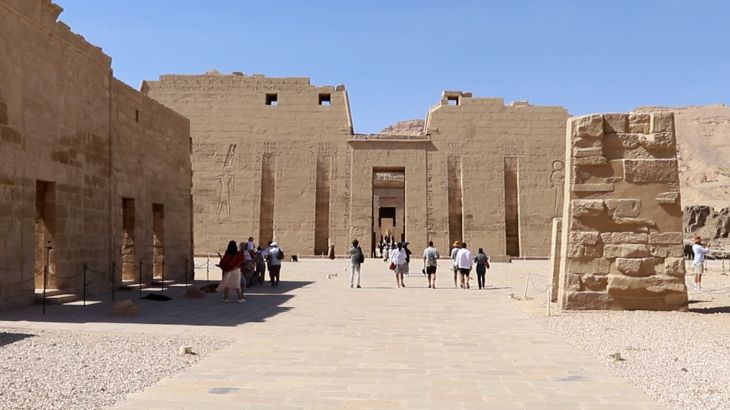
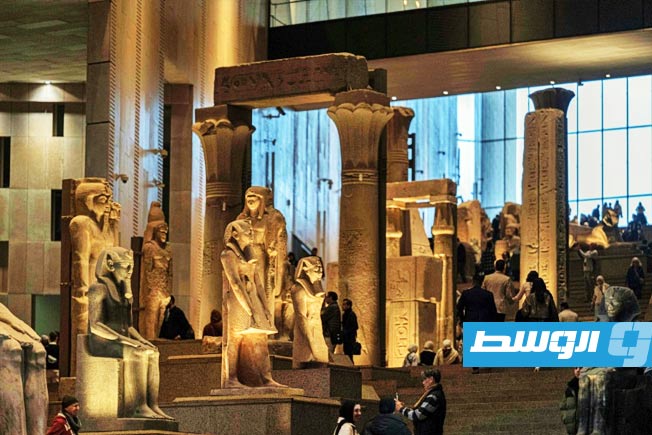
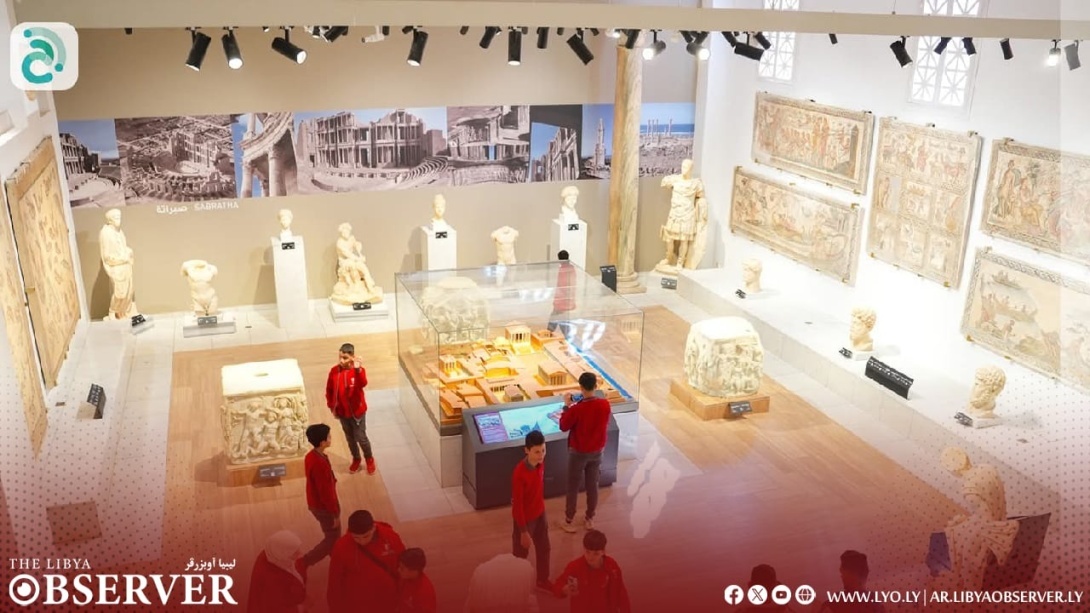
Following that, the delegation moved to the Mausoleum Cultural Center, where the Ambassador viewed a number of rare photographs of Libyan Jihad history and listened to explanations about its most prominent milestones, including the file on fascist detention camps in Barqa and testimonies of Libyan participation in World War II, in addition to viewing historical artifacts and archival documents of national value.
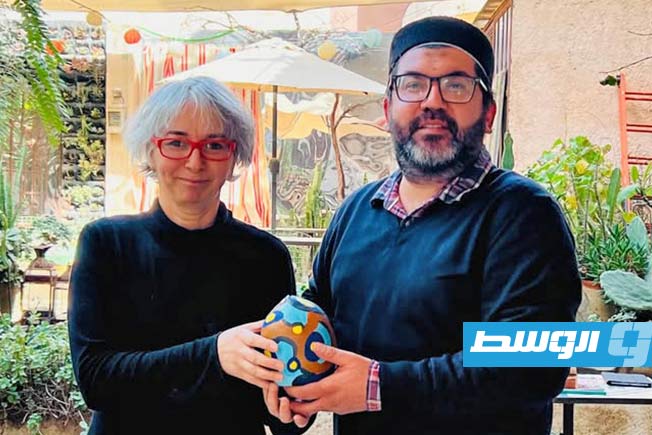
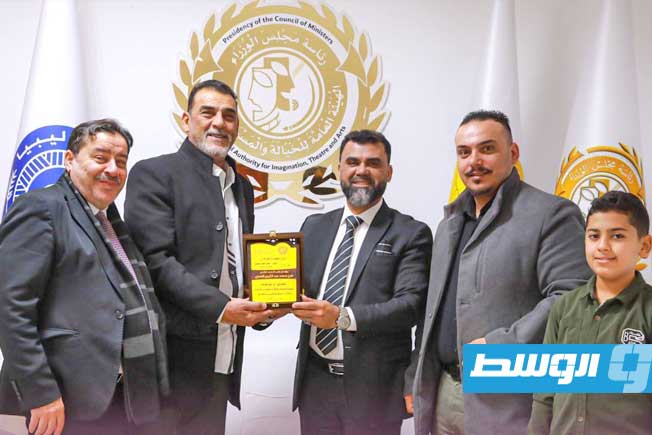
At the conclusion of the visit, the Peace Center presented the guest with a number of its specialized publications on Libyan history, and the Ambassador was also presented with the “Al-Mukhtar” medal. The Ambassador wrote a note in the guest book describing the Mausoleum Cultural Center as “an exceptional museum for an exceptional man.”
British Ambassador
The British Ambassador refers to the official diplomatic representative of the United Kingdom to a foreign country or international organization. The role has a long history, evolving from medieval messengers and envoys to a formalized diplomatic corps, with the first official usage of the title “Ambassador” emerging in the late 15th century.
Peace, Peacebuilding, and Crisis Management Center
The Peace, Peacebuilding, and Crisis Management Center is an institution focused on research, education, and policy development in the fields of conflict resolution and humanitarian response. Its history is rooted in the late 20th and early 21st-century efforts by international organizations, governments, and academic bodies to systematically study and professionalize the practice of peacebuilding and crisis intervention.
British Ambassador to Libya
The British Ambassador to Libya represents the United Kingdom’s diplomatic interests in Libya, a role that has been maintained since Libya’s independence in 1951. The position has been based in Tunis, Tunisia, for security reasons since the 2014 closure of the British Embassy in Tripoli following the deterioration of the security situation in the country.
Martin Reynolds
Martin Reynolds is a fictional character from the American television series *The West Wing*, portrayed by actor John Amos. He serves as the Chairman of the Joint Chiefs of Staff, providing military counsel to President Josiah Bartlet and his administration. The character is a creation for the show and does not have a real-world history.
Benghazi
Benghazi is a major city in eastern Libya, historically significant as a center of trade and culture since its founding as the Greek colony of Euesperides. It played a pivotal role in Libya’s modern history, serving as the provisional capital after the 2011 revolution and being a key site during the Second World War.
Sheikh Omar Al-Mukhtar Mausoleum
The Sheikh Omar Al-Mukhtar Mausoleum in Libya is the burial site and memorial for the national hero who led armed resistance against Italian colonization in the early 20th century. Located in Al Bayda, it was constructed to honor his legacy as a symbol of defiance and sacrifice after his execution by Italian authorities in 1931.
Libyan Jihad
The “Libyan Jihad” is not a specific place or cultural site, but a historical term referring to the period of armed resistance against Italian colonial rule in Libya, spanning from 1911 to 1931. It was led by figures such as Omar al-Mukhtar and involved a protracted guerrilla war in the region of Cyrenaica. This struggle is a foundational element of modern Libyan national identity and memory.
World War II
World War II was a global conflict that lasted from 1939 to 1945, involving most of the world’s nations split into two opposing military alliances: the Allies and the Axis. It was the deadliest war in human history, marked by significant events such as the Holocaust, the use of nuclear weapons, and the fall of Nazi Germany and Imperial Japan.
Senussi Army
The Senussi Army was the military wing of the Senussi order, a Sufi Islamic movement founded in Mecca in 1837 by Muhammad ibn Ali as-Senussi. It played a key role in resisting Italian colonization in Libya during the early 20th century, notably under the leadership of Omar al-Mukhtar.
Allies
The Allies refers to the coalition of countries, primarily led by the United Kingdom, the Soviet Union, and the United States, that opposed the Axis powers during World War II. This military and political alliance was formally established through declarations like the Atlantic Charter and the Declaration by United Nations, ultimately achieving victory in 1945. The term is now broadly used to describe the enduring political and military partnerships among Western nations that emerged from this wartime cooperation.
fascism
Fascism is a far-right, authoritarian political ideology that emerged in early 20th-century Europe, most prominently in Benito Mussolini’s Italy. It is characterized by dictatorial power, forcible suppression of opposition, and strong regimentation of society and the economy, often centered on extreme nationalism and often racism.
Nazism
Nazism refers to the ideology and practices of the National Socialist German Workers’ Party, which ruled Germany from 1933 to 1945 under Adolf Hitler. It was characterized by extreme nationalism, racial antisemitism, and totalitarian control, leading to World War II and the Holocaust.
National Army
The National Army refers to the military forces of Romania, with its modern origins tracing back to the unification of the Romanian Principalities in 1859. It played a crucial role in World War I, securing Romania’s unification, and has since evolved into a professional military integrated within NATO structures.
terrorism
The term “terrorism” refers to the use of violence and intimidation, especially against civilians, in the pursuit of political aims. It is not a specific place or cultural site but a complex and contested concept with a long history, evolving through periods such as the Reign of Terror during the French Revolution and becoming a major global security concern in the modern era.
Mausoleum Cultural Center
The Mausoleum Cultural Center is a modern cultural venue located in Tashkent, Uzbekistan, built on the site of an ancient cemetery. It was established to preserve and promote the region’s historical and artistic heritage, often hosting exhibitions, concerts, and events that connect contemporary Uzbek culture with its rich past.
fascist detention camps
Fascist detention camps were prison facilities established by fascist regimes in the 20th century, most infamously by Nazi Germany and Fascist Italy, to imprison, torture, and kill political opponents and persecuted ethnic groups. The Nazi concentration and extermination camp system was central to the Holocaust, resulting in the genocide of six million Jews along with millions of other victims.
Barqa
Barqa is a historic town in northeastern Libya, originally founded as an ancient Greek colony and later serving as a significant Roman and Byzantine settlement. It became the capital of the region of Cyrenaica and gave its name to the broader Maghreb region still known as the “Barbary Coast.” The site holds archaeological importance, though much of its ancient remains are now in ruins.
Al-Mukhtar medal
The Al-Mukhtar Medal is a Libyan military decoration named after Omar al-Mukhtar, the national hero who led armed resistance against Italian colonization in the early 20th century. It was established to honor acts of bravery and sacrifice, symbolizing the enduring legacy of the Libyan resistance struggle.
guest book
A guest book is a physical or digital log where visitors can record their names, comments, and impressions of a place. Historically used in private homes, churches, and inns, the practice became widespread in museums, hotels, and cultural sites in the 19th and 20th centuries to create a record of attendance and visitor experiences.