Brent congratulates the Communications Holding Company and its American partner (KBR) on signing a memorandum of understanding to enhance communications infrastructure in Libya.
libyawire.org > News > Culture > Brent congratulates the Communications Holding Company and its American partner (KBR) on signing a memorandum of understanding to enhance communications infrastructure in Libya.
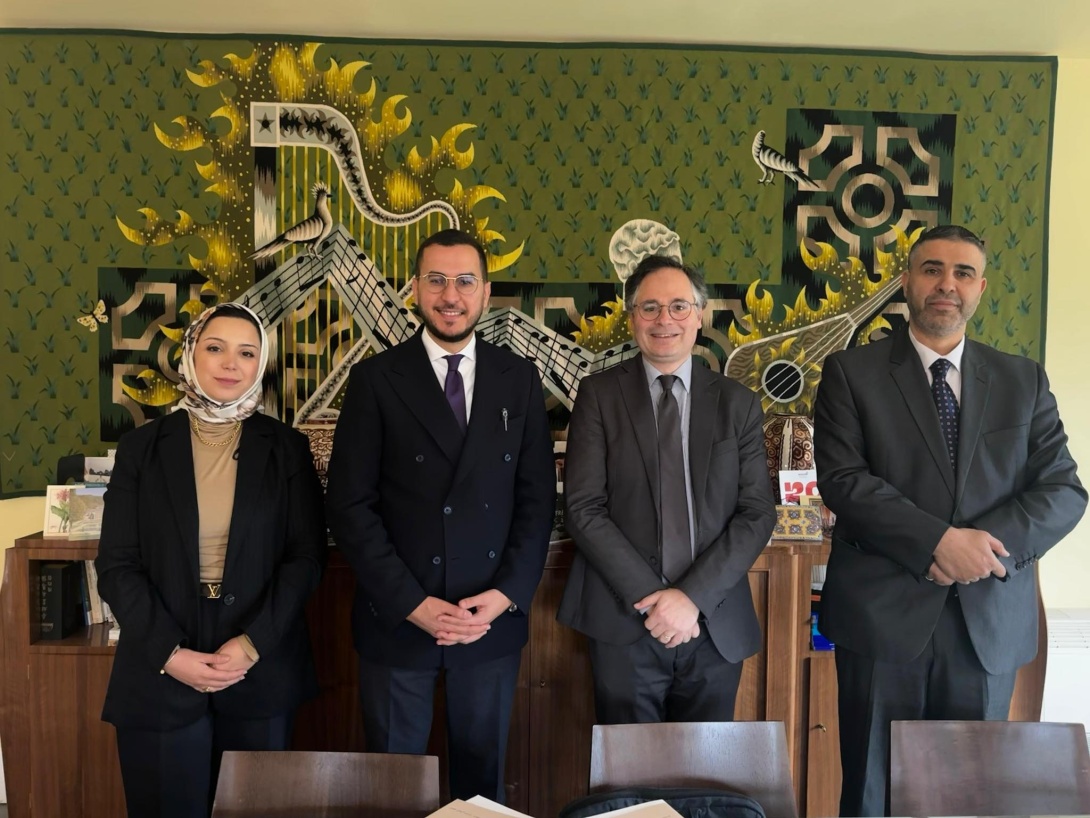
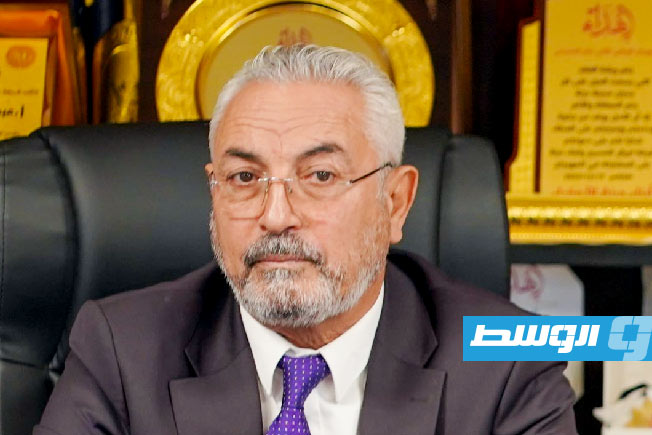
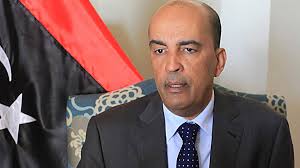
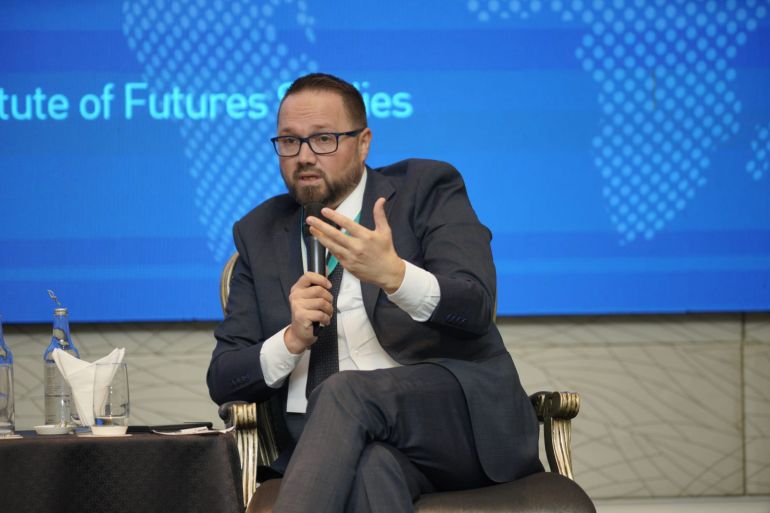
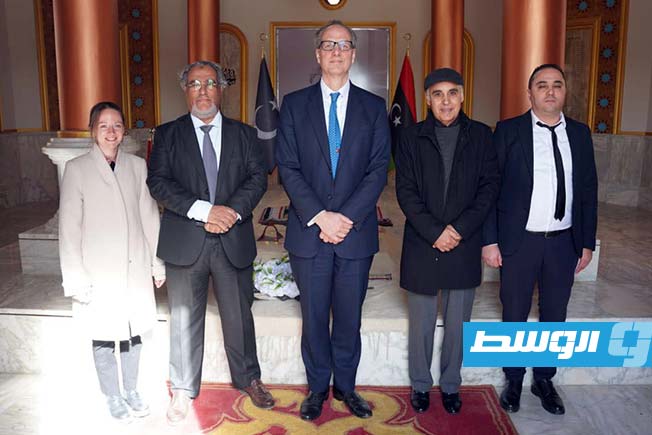
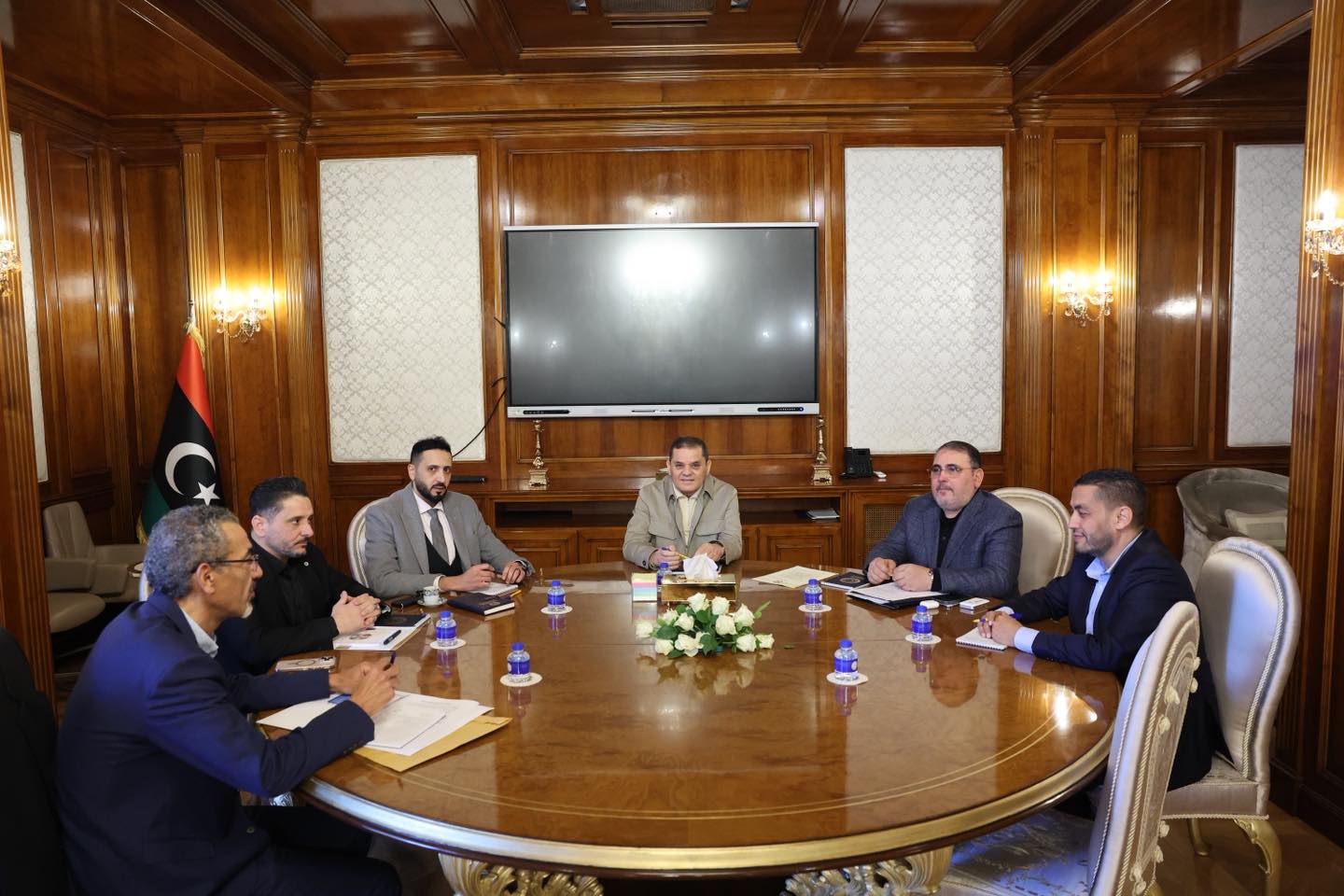
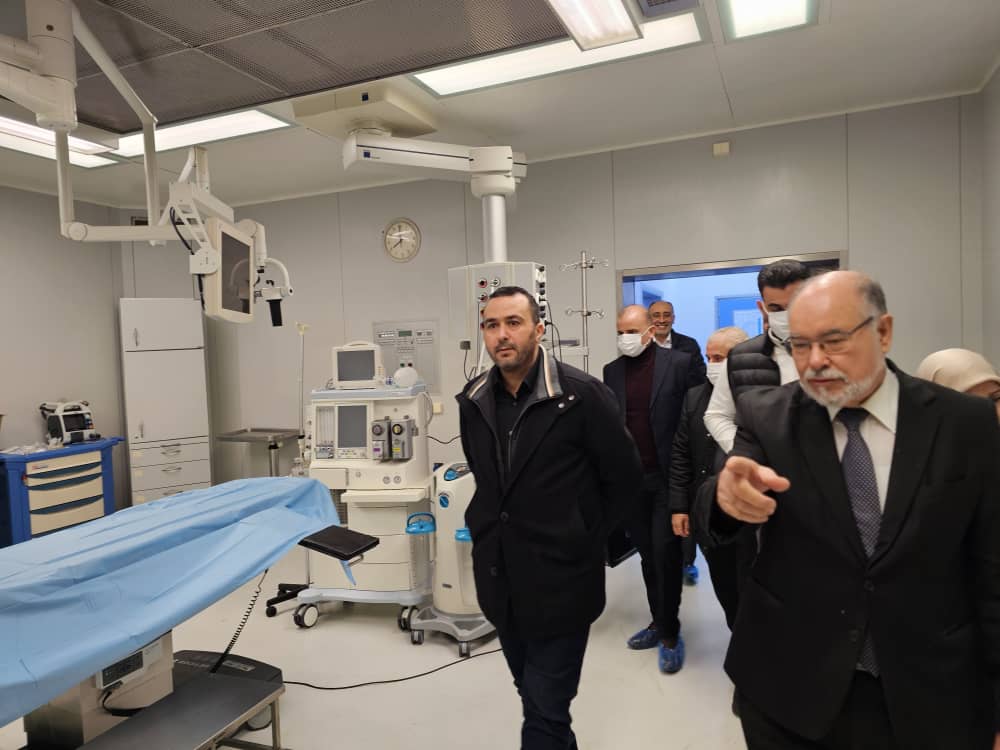
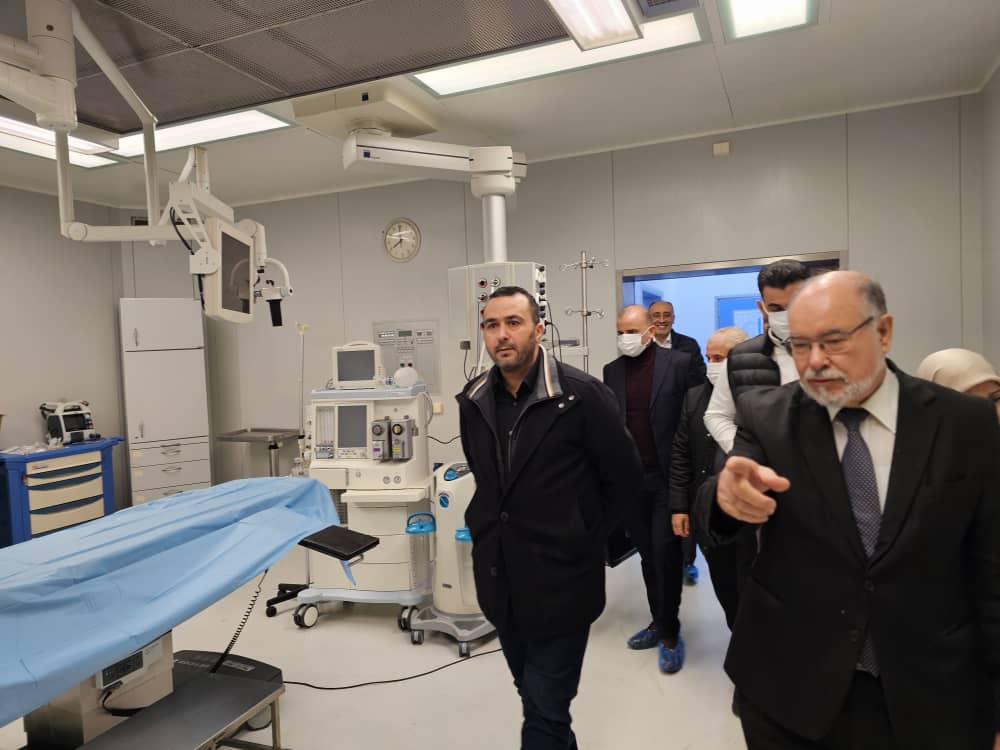
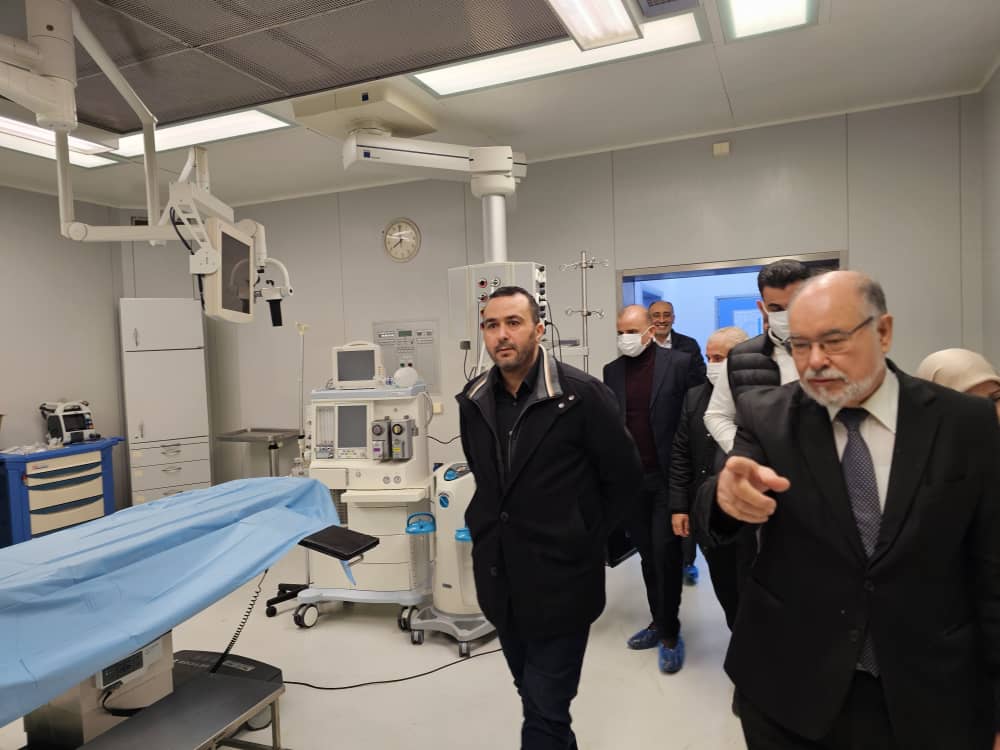
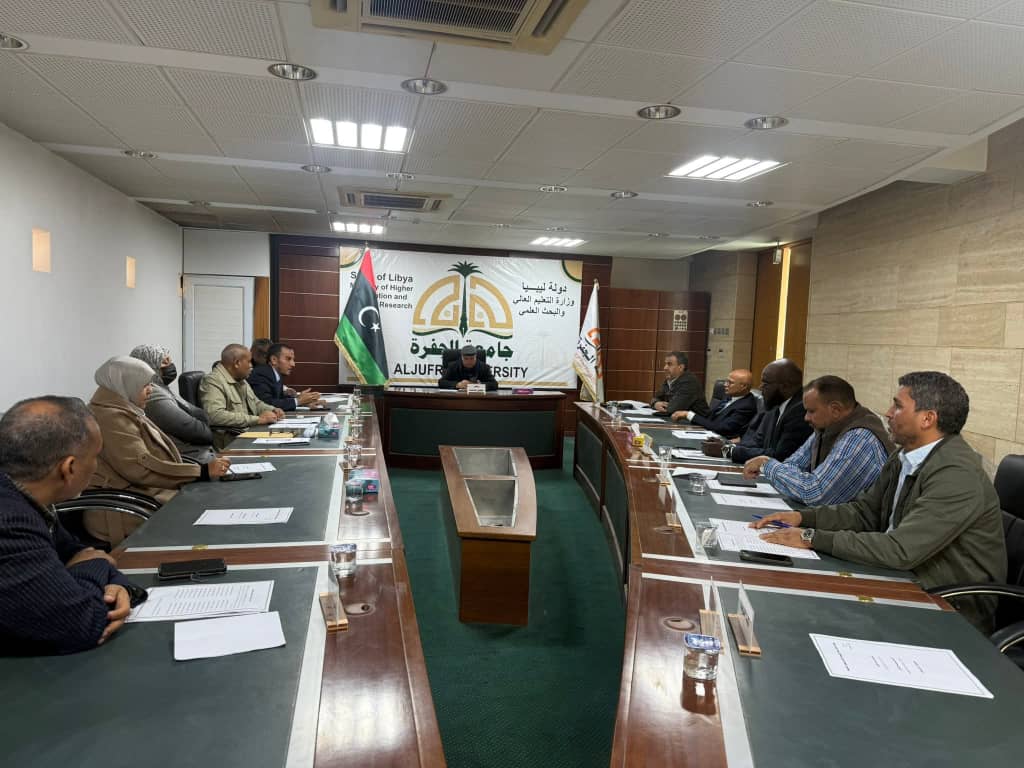
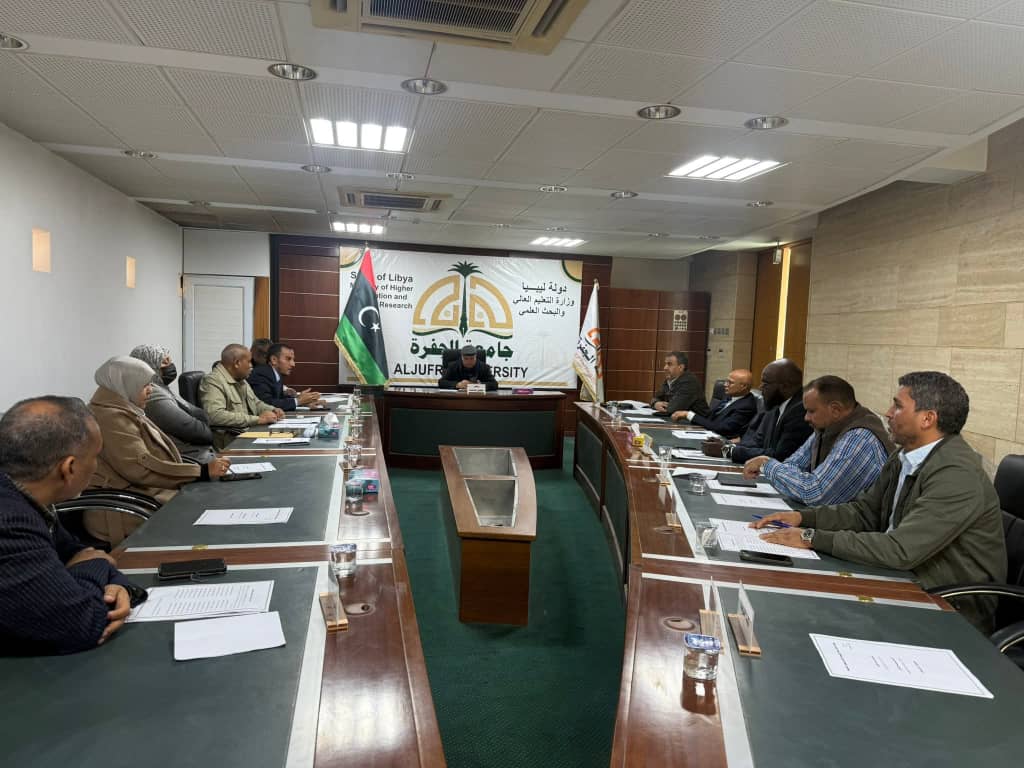
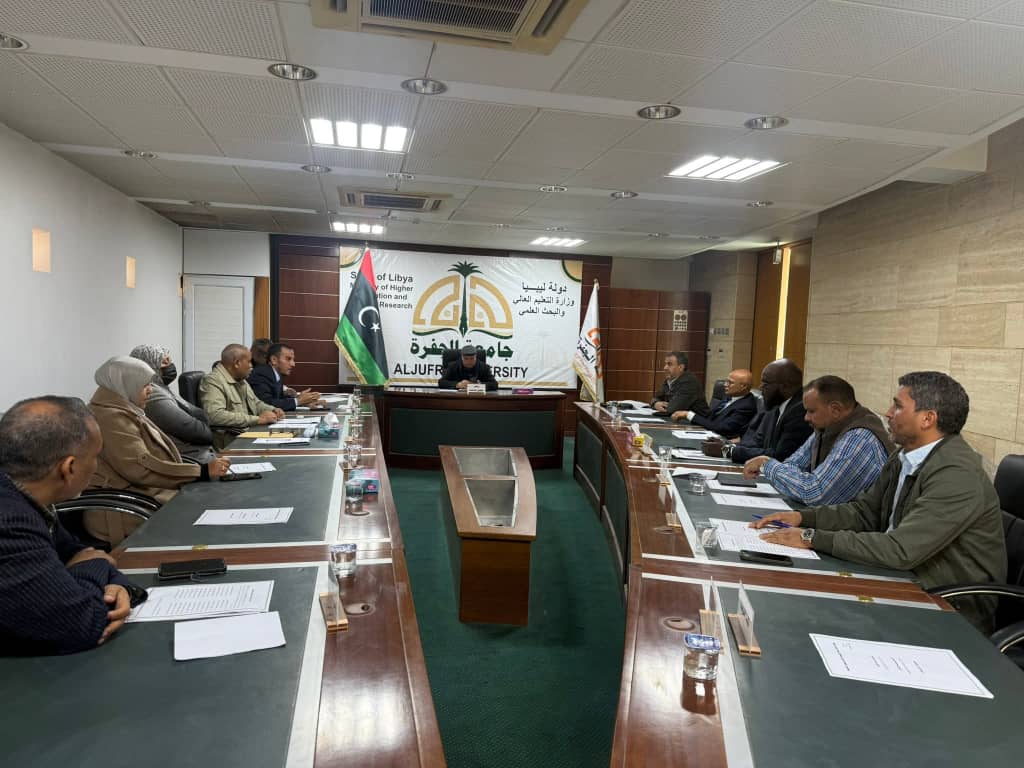
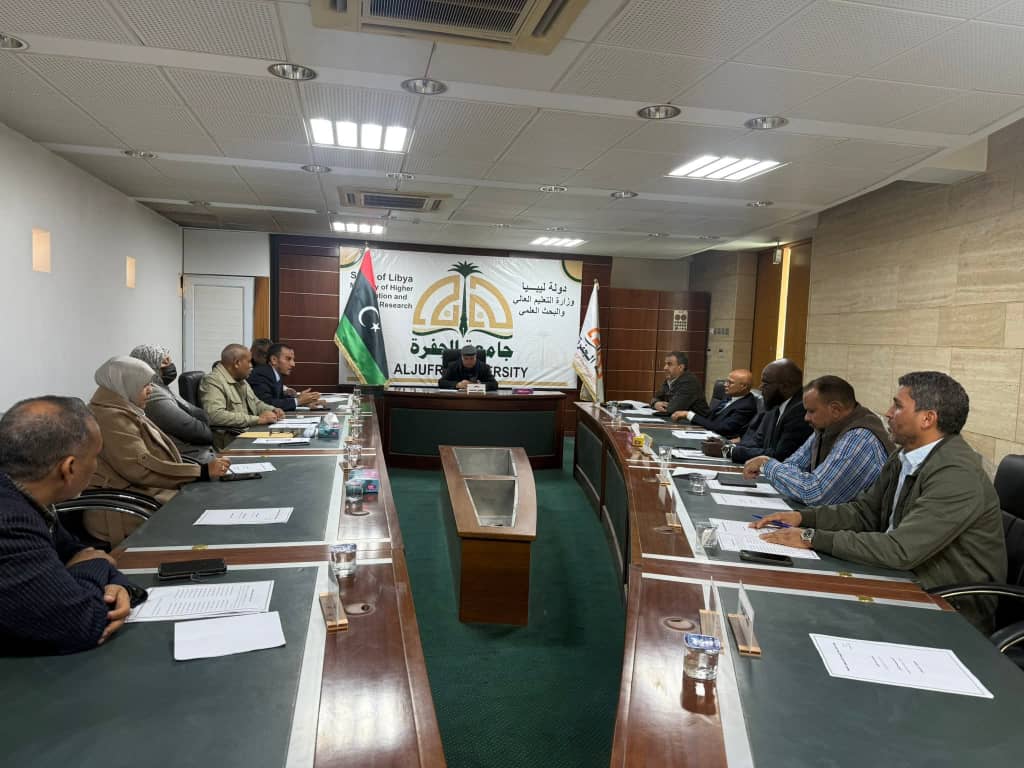
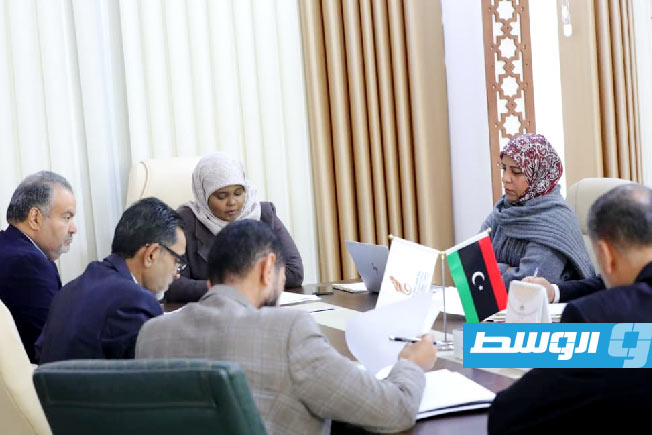
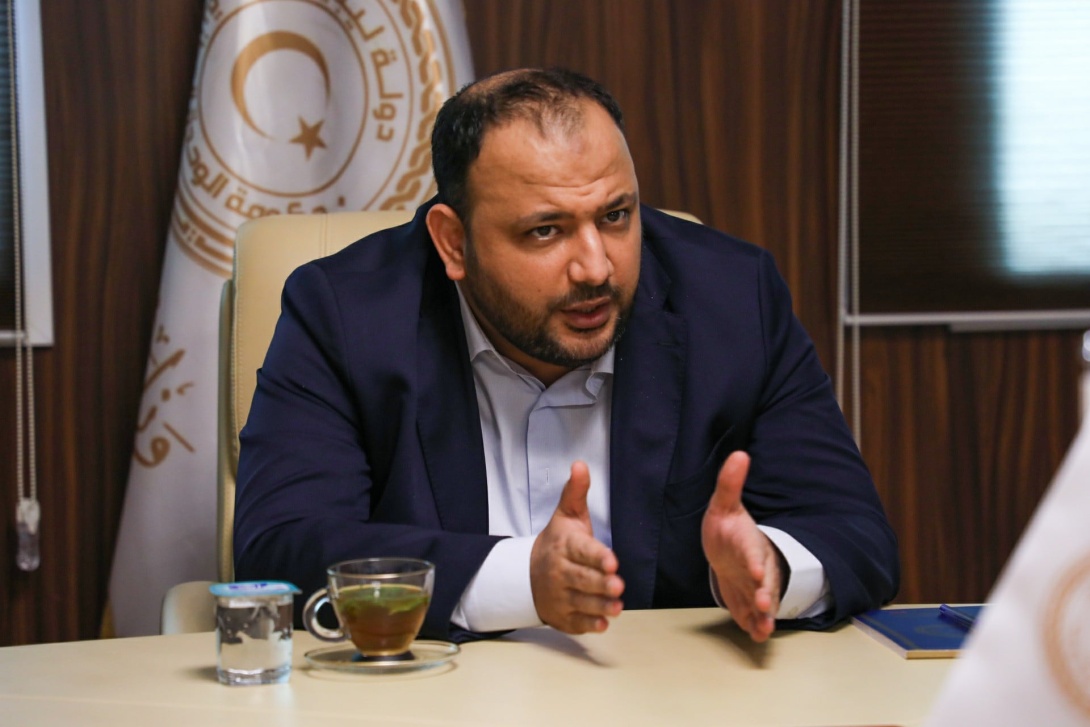
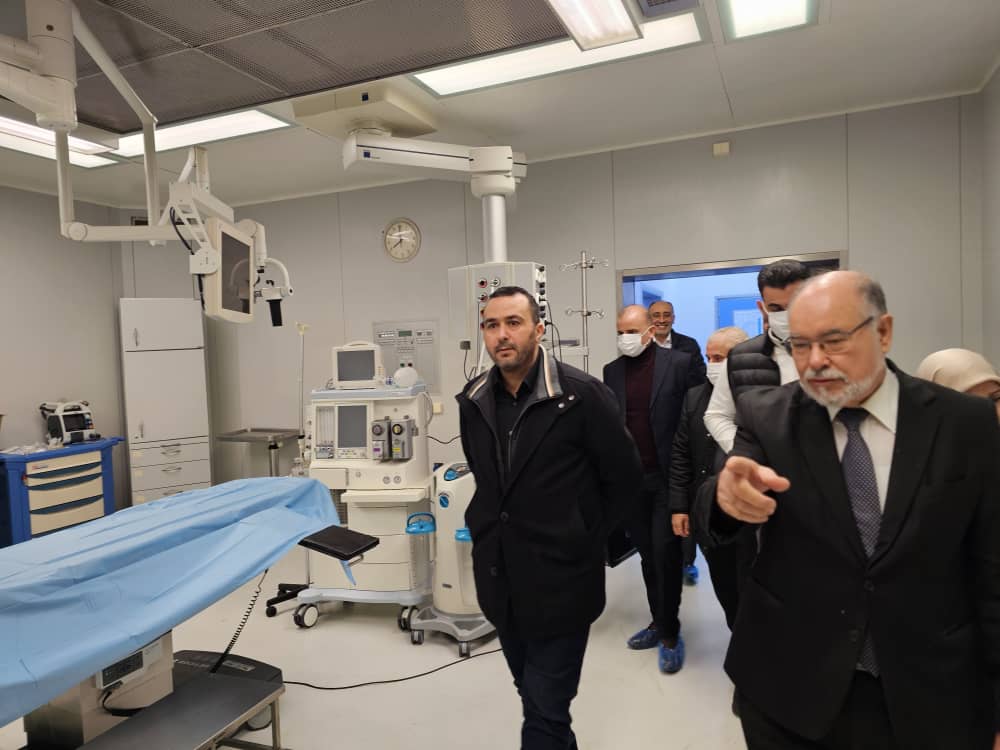
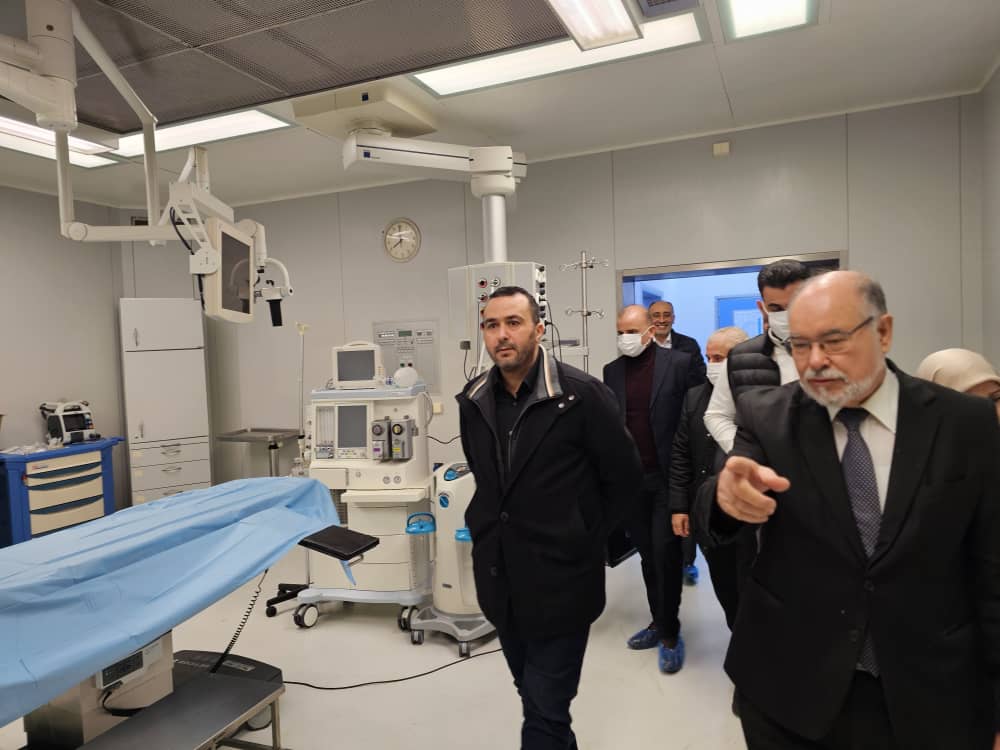
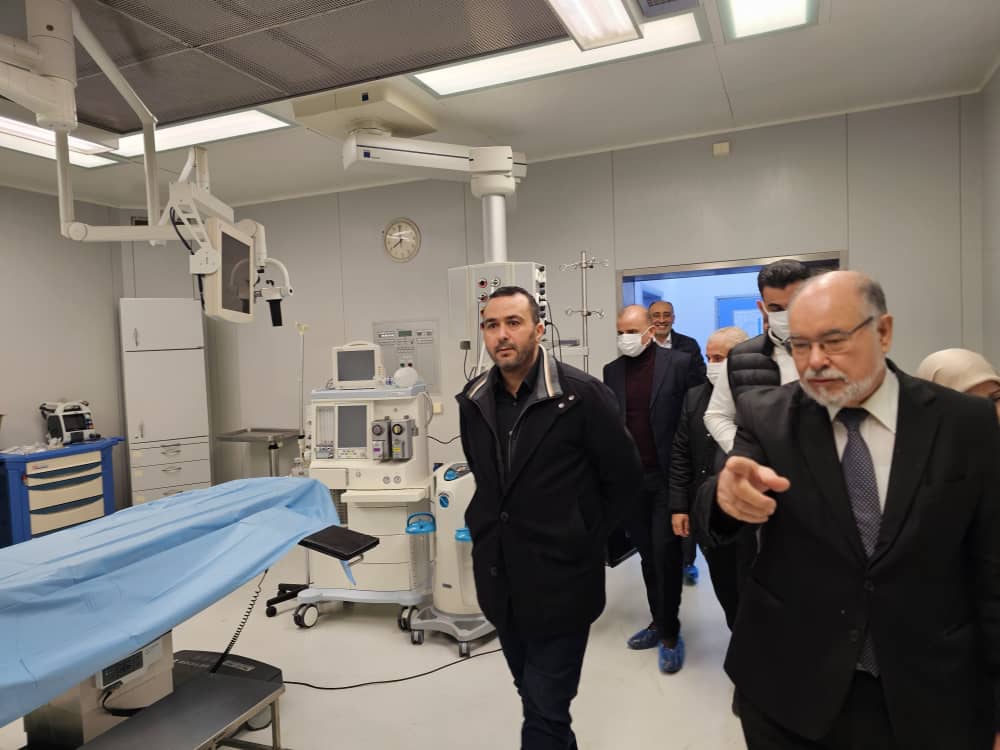
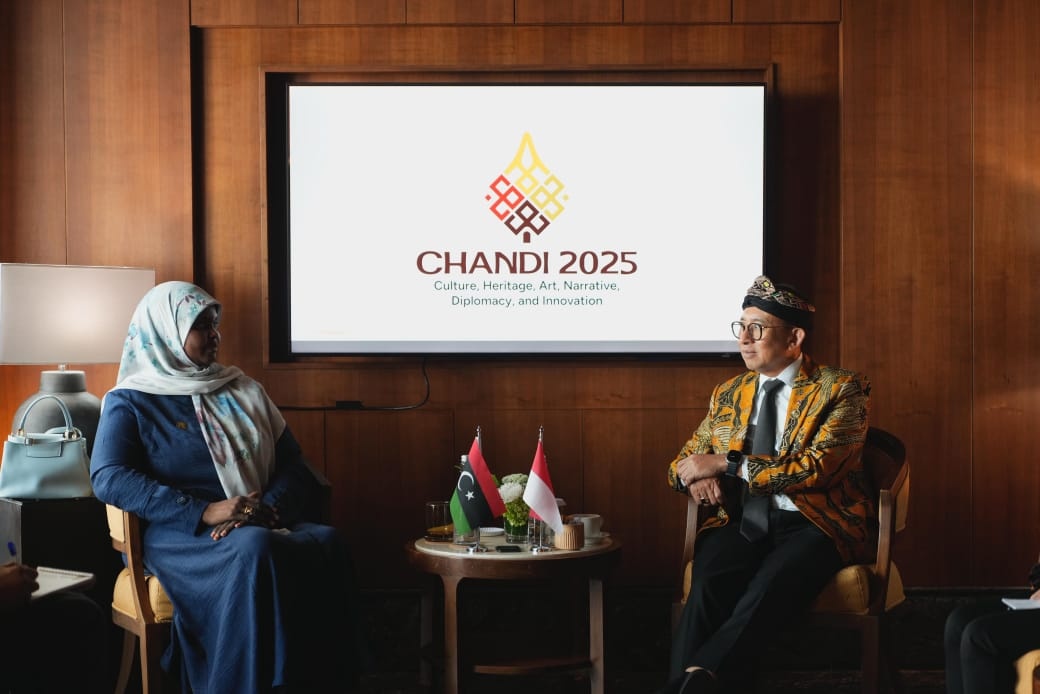
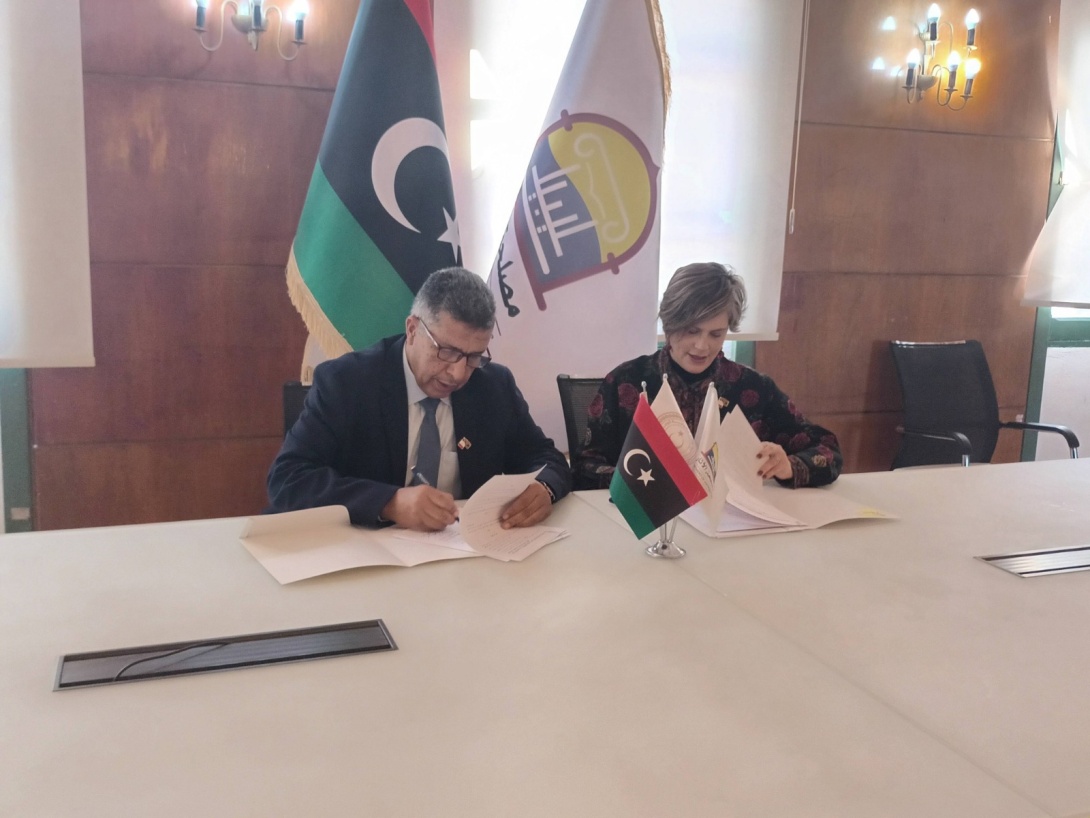
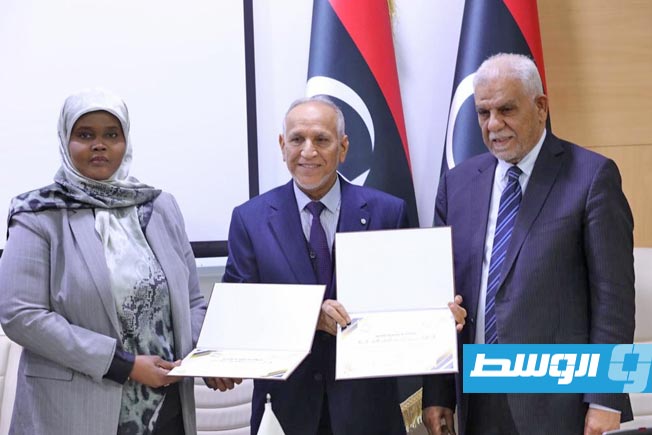
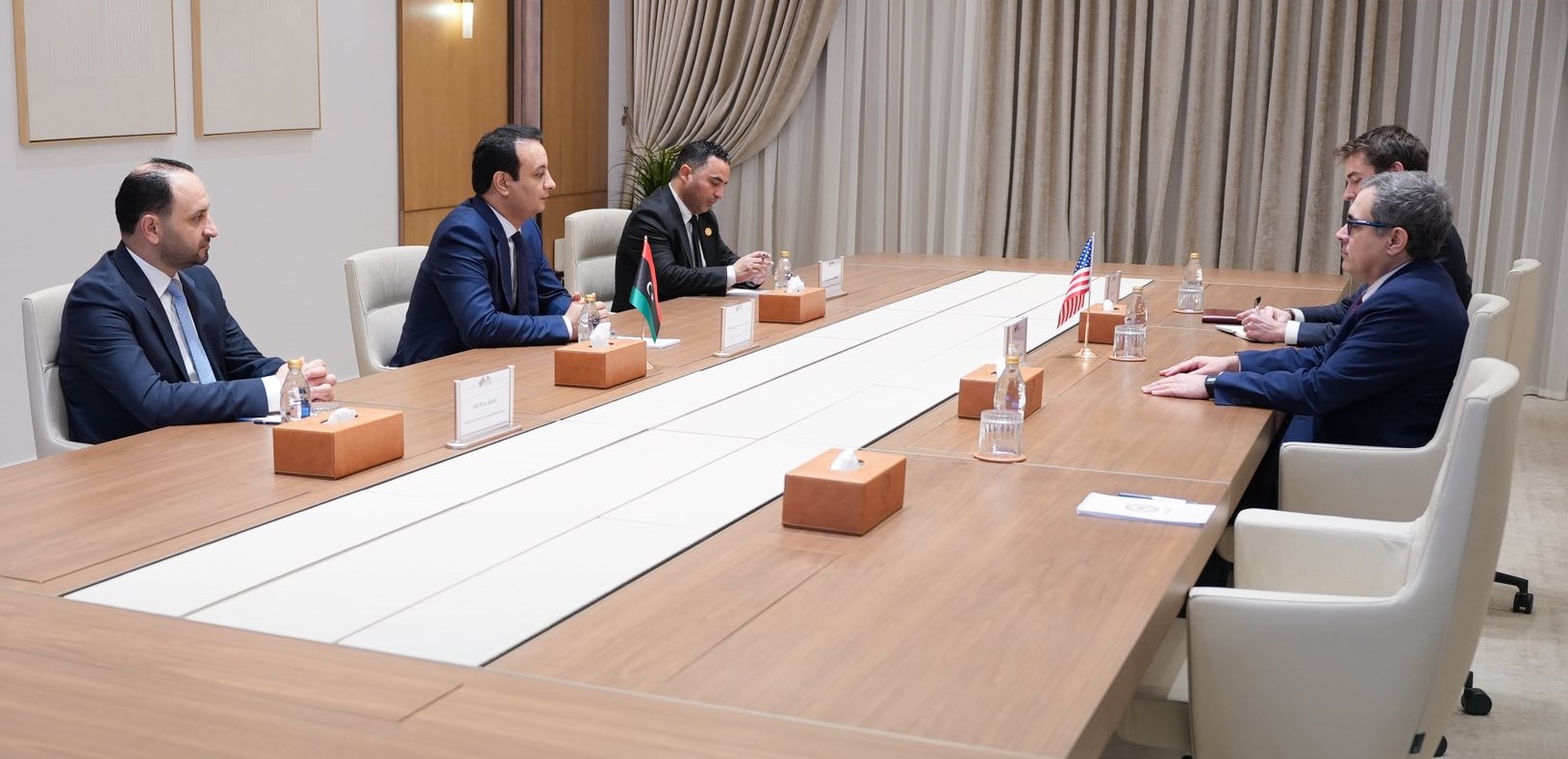
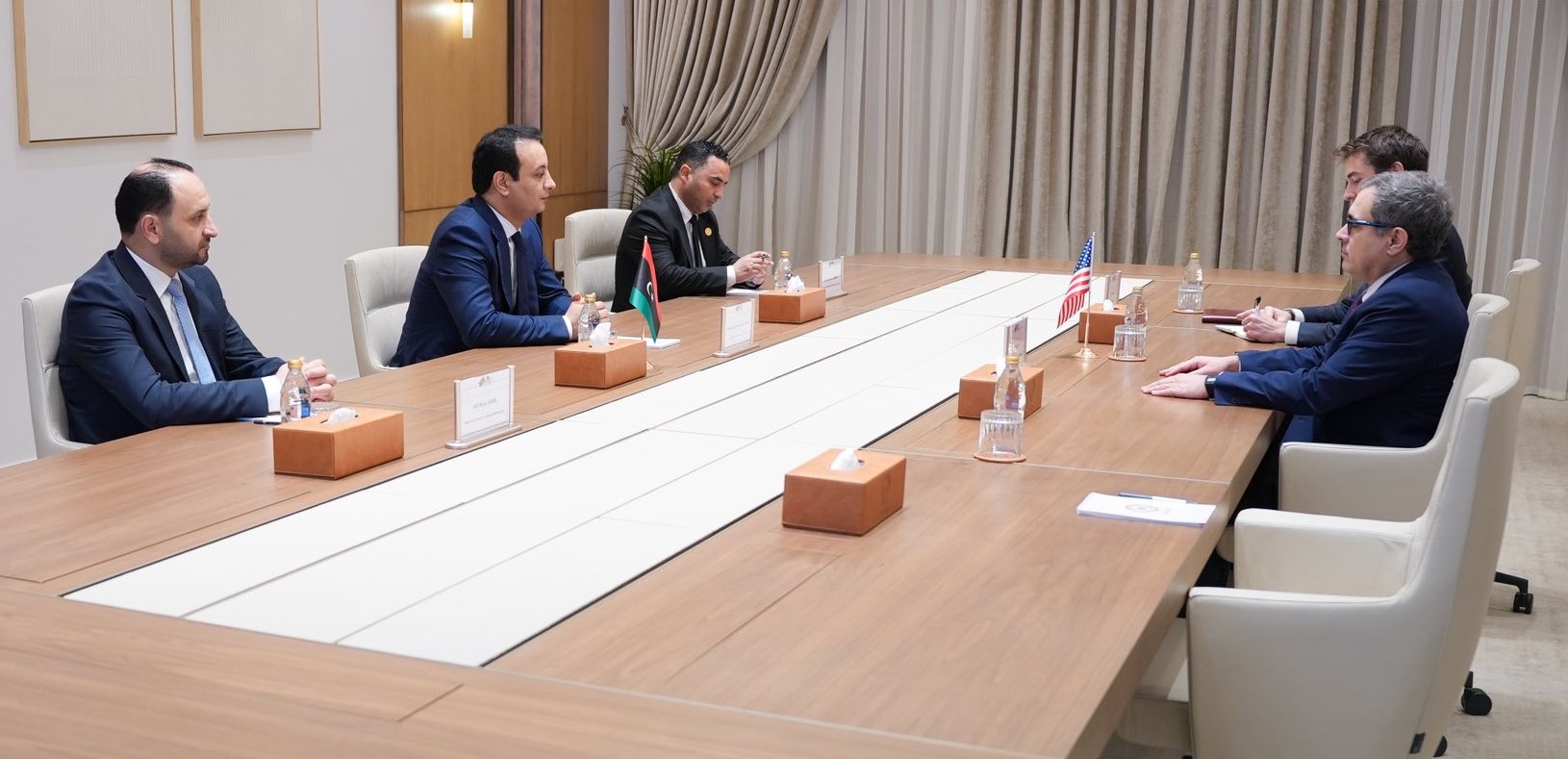
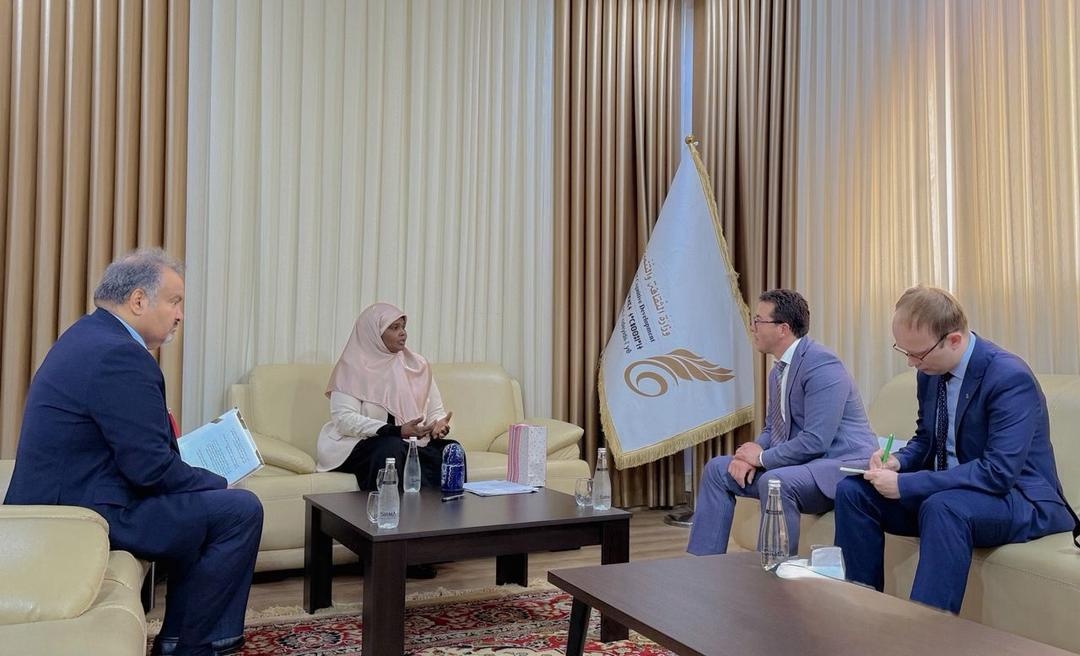
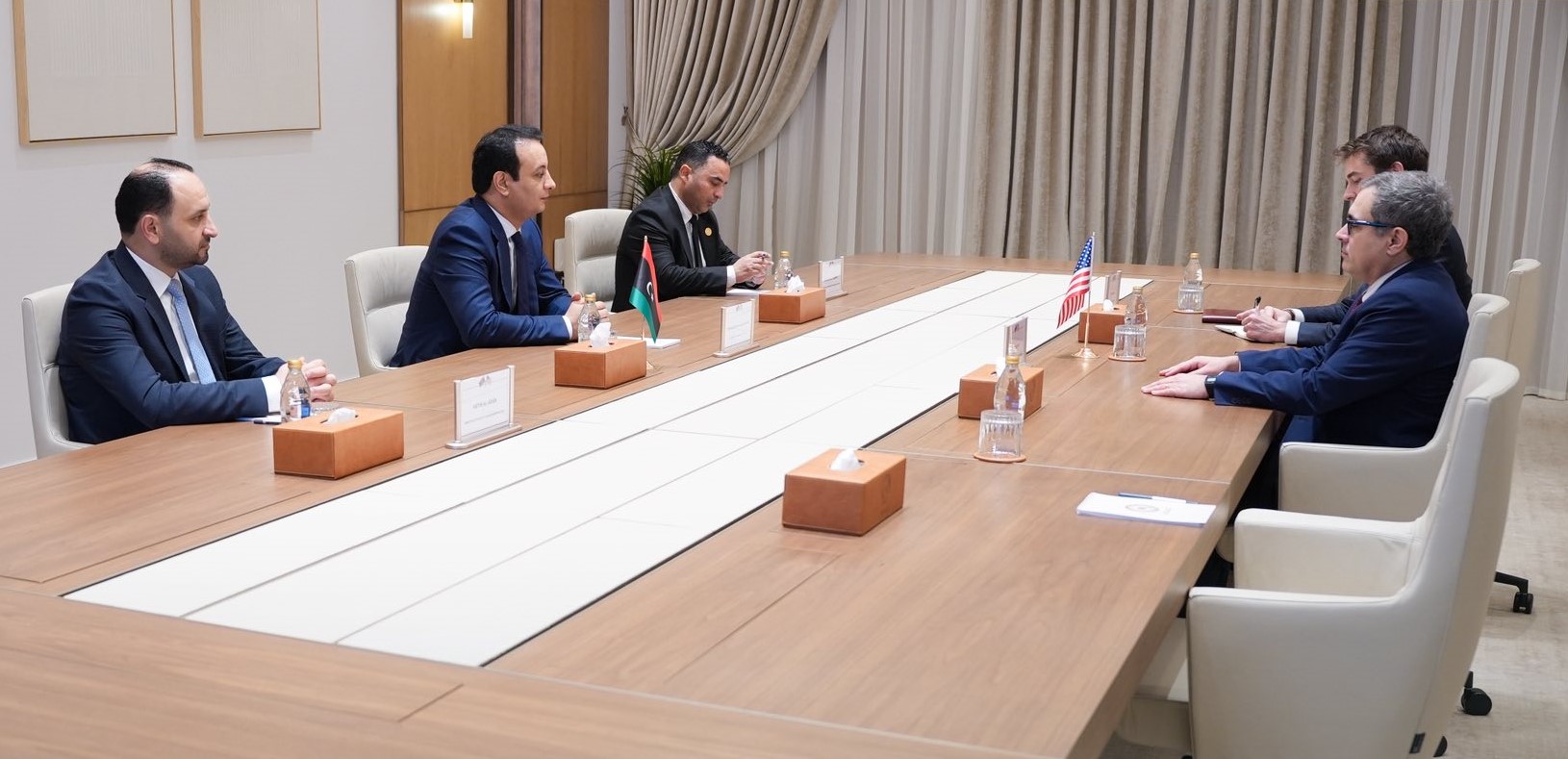
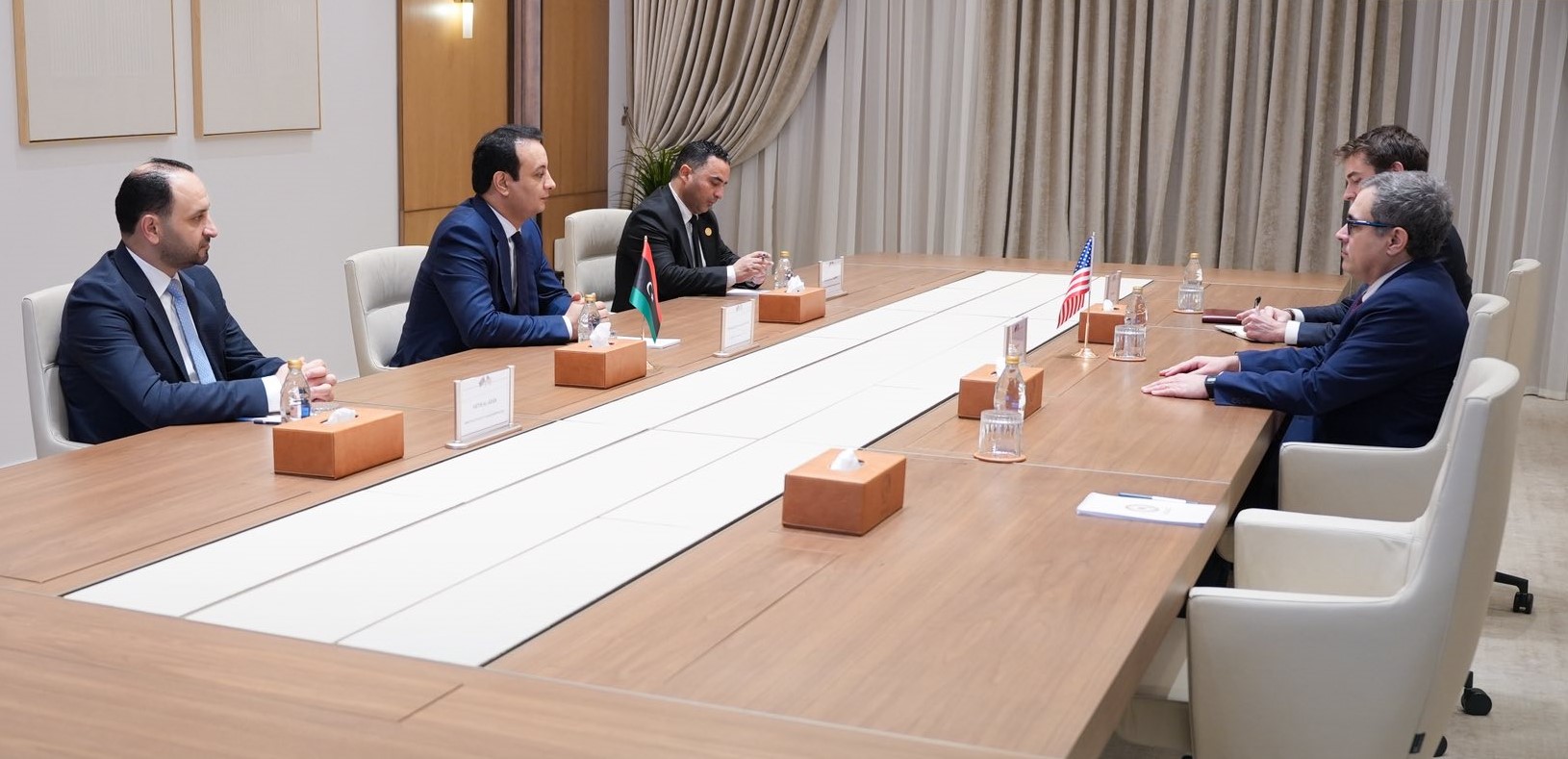
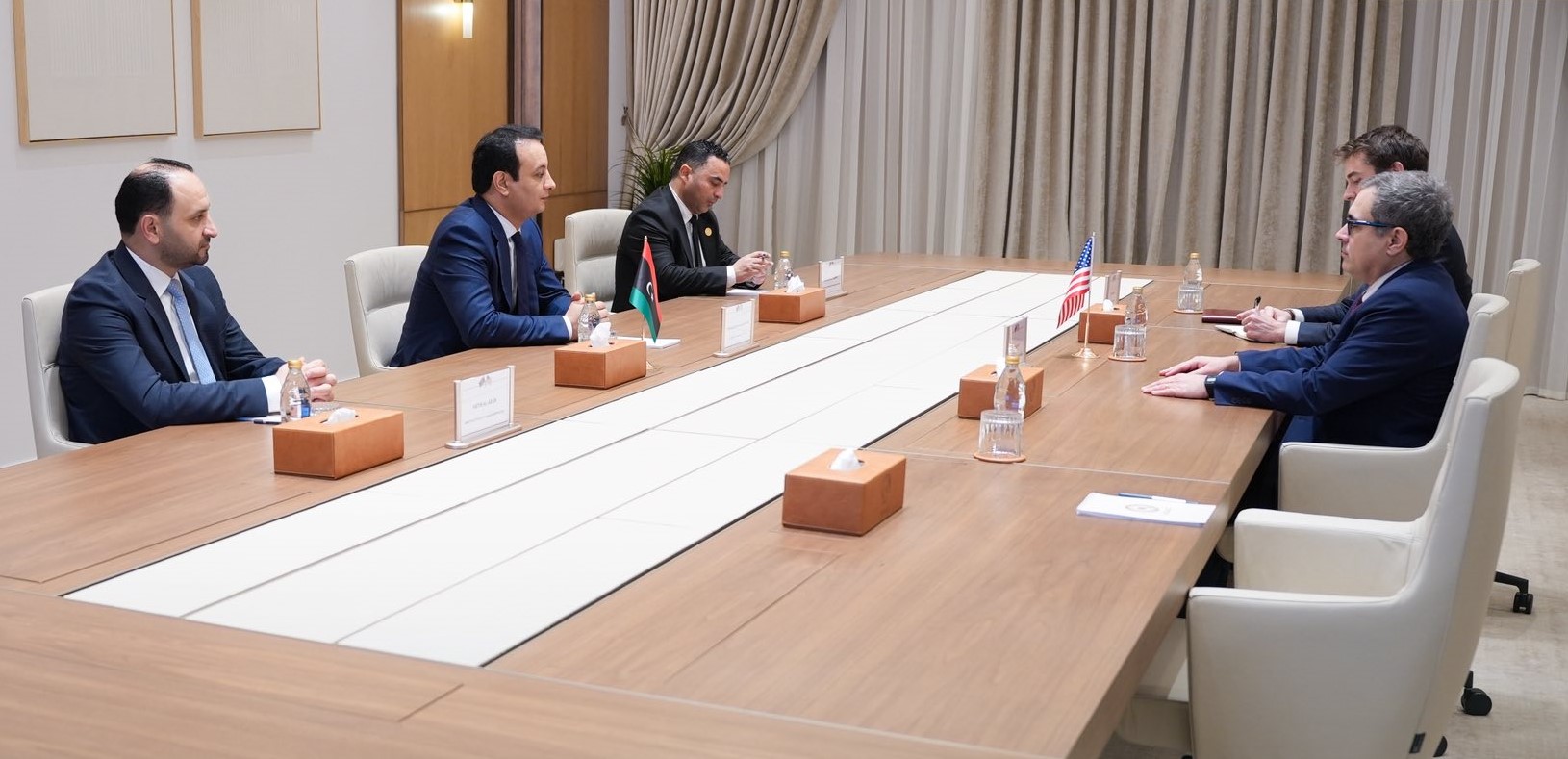
Tripoli, February 13, 2026 – The Chairman of the Board of Directors of the Libyan Post, Telecommunications, and Information Technology Holding Company met with the Chargé d’Affaires of the U.S. Embassy to Libya. The meeting aimed to enhance communication and develop international partnerships supporting the telecommunications and information technology sector.
The meeting discussed ways to foster joint cooperation and exchange views on opportunities to support digital infrastructure projects and strengthen digital transformation pathways. A number of topics of mutual interest were also reviewed, contributing to the development of services and the improvement of performance quality in the telecommunications sector.
In a post published on the embassy’s account on platform X, the Chargé d’Affaires stated: “I congratulated both the Telecommunications Holding Company and its American partner KBR on signing a Memorandum of Understanding last month to enhance Libya’s communications infrastructure.”
It was explained that they discussed with the Holding Company’s Chairman additional ways to expand Libya’s cooperation with American companies to benefit from American innovation and expertise in this vital sector.
Tripoli
Tripoli is the capital and largest city of Libya, located on the country’s Mediterranean coast. Historically, it was founded by the Phoenicians in the 7th century BC and has since been ruled by the Romans, Arabs, Ottomans, and Italians, serving as a major port and cultural crossroads. Its historic core, the medina of Old Tripoli, contains significant architecture from these various periods.
Libyan Post, Telecommunications, and Information Technology Holding Company
The Libyan Post, Telecommunications, and Information Technology Holding Company (LPTIC) is the state-owned parent company overseeing Libya’s telecommunications and postal sectors. It was established to consolidate and modernize the country’s ICT infrastructure following the dissolution of the state monopoly, the General Posts and Telecommunications Company (GPTC). The company plays a central role in managing key operators like Libyana and Al-Madar, aiming to develop Libya’s digital economy.
U.S. Embassy to Libya
The U.S. Embassy to Libya, located in Tripoli, was established following Libya’s independence in 1951. It has operated intermittently, closing in 1980 due to political tensions, reopening in 2006, and closing again in 2014 due to security concerns, with operations currently conducted from outside the country.
platform X
Platform X is a social media service originally launched in 2006, which gained widespread popularity for enabling real-time public communication through short text-based posts. After a major acquisition and rebranding in 2023, it has become a prominent platform for news, discussion, and cultural discourse, though its policies and management have frequently sparked public debate.
Telecommunications Holding Company
The Telecommunications Holding Company is a state-owned enterprise in Kazakhstan, established in 2015 through the merger of several national telecom assets. It was created to consolidate and modernize the country’s telecommunications infrastructure, playing a key role in expanding broadband access and digital services nationwide.
KBR
KBR is a Belgian publishing house founded in 1920 by brothers Karel and Bart Brusselmans, originally focused on educational materials before expanding into general literature. It is best known for its extensive series of affordable, mass-market books that have made literature widely accessible in Belgium and the Netherlands. The company’s name is an acronym derived from the initials of its founders.
Libya
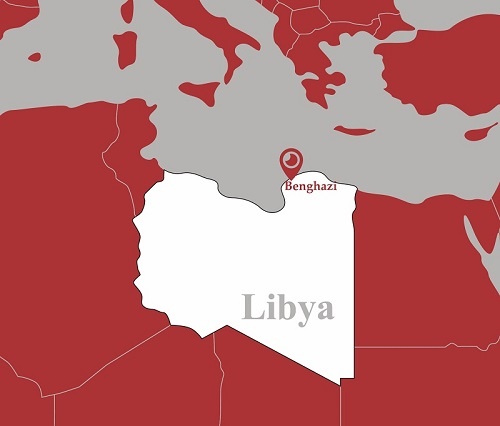
Libya is a North African country with a rich history rooted in ancient civilizations like the Phoenicians and Romans, followed by centuries of Arab and Ottoman influence. In the modern era, it was an Italian colony before gaining independence in 1951, later becoming known for Muammar Gaddafi’s lengthy rule from 1969 until the 2011 revolution. Its cultural sites include the well-preserved Roman ruins of Leptis Magna, a UNESCO World Heritage site.