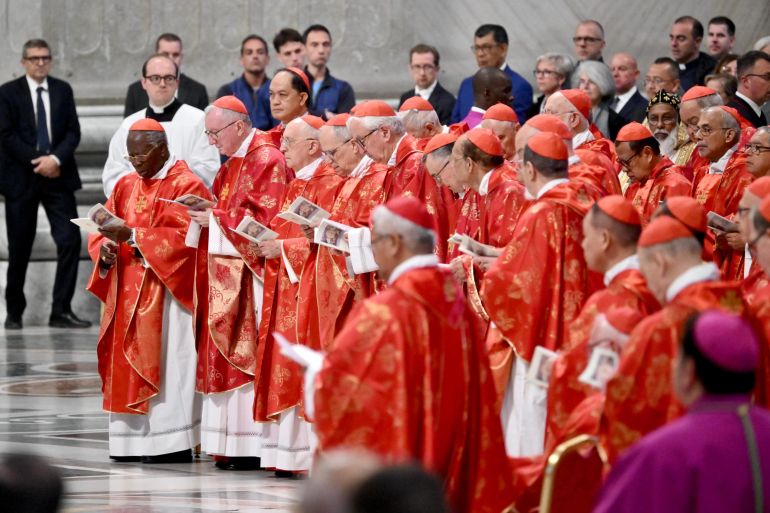
In an extraordinary breach of the wall of secrecy surrounding one of the world’s most closed institutions, a new investigative book titled “The Last Conclave” reveals astonishing details and unofficial minutes of the process to elect Pope Leo XIV in May 2025.
The book lifts the veil on “human errors” and political maneuvering that preceded the white smoke, in a narrative that seems closer to a thriller film than to religious rites.
Read also
list of 2 itemsend of list
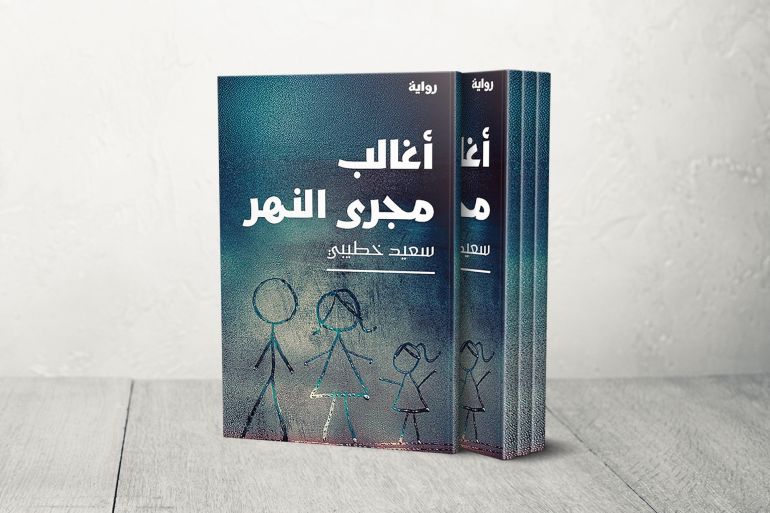
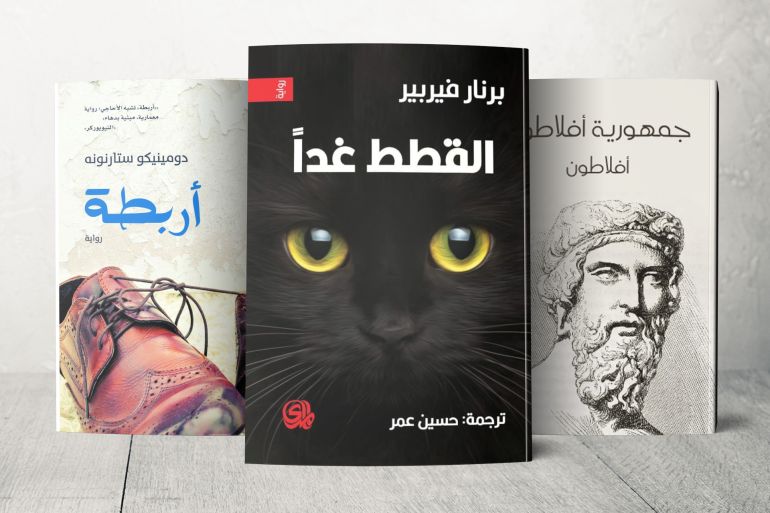
The book, titled “The Last Conclave,” precisely reveals details of the preparations, the executive phase, and the results of this election at the seat of Saint Peter. It is scheduled for release on February 5.
The puzzling aspect of this matter is the publication of details that the cardinals swear under oath they will never reveal. However, every papal election sooner or later sees the voting results emerge due to leaks, even though the 1996 Apostolic Constitution (Universi Dominici gregis), which regulates the death and election of a Pope, is extremely strict about breaching secrecy.
One article of this constitution stipulates automatic excommunication, meaning immediate and without trial, for the mere act of any cardinal violating this rule.
Nevertheless, the book reveals, among other details, that the first session was nearly postponed for an unprecedented technical reason: electronic jamming devices detected an active mobile phone signal inside after the doors were closed.
According to the book, it was about “an elderly cardinal, nearly eighty, who forgot to turn off his cell phone!”
This slip-up was not the only one; the decisive vote was almost invalidated due to an “extra ballot.” The authors recount the breath-holding moment, saying, “As happened in the 2013 conclave, an elderly cardinal mistakenly placed two stuck-together ballots into the ballot box. This resulted in 134 ballots instead of 133, which invalidated the round and necessitated an immediate fifth round,” the round that secured the election of Pope Leo XIV with 108 votes.
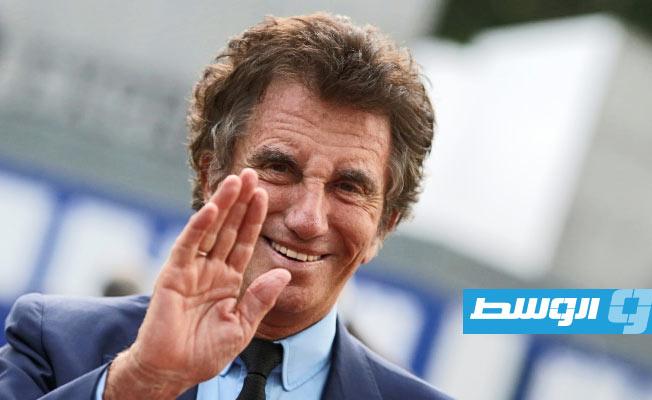
One of the book’s most prominent surprises is the unexpected rise of French Cardinal Jean-Marc Aveline, Archbishop of Marseille, who came in third place—a historic precedent unseen for centuries.
The first round saw a sudden lead for the conservative wing, with Hungarian Cardinal Péter Erdő coming first. The book confirms that “the conservatives were this time much better organized than they were in 2013,” which disrupted the calculations of the “Bergoglio bloc” (loyal to Francis) and later pushed them to rally around the current Pope as a consensus candidate.
Although some tried to portray the new Pope as a carbon copy heir to Pope Francis’s policies, the investigation proves the opposite. The book revealed deep suspicions among American cardinals themselves about the possibility of electing their compatriot Prevost due to his nationality.
However, the authors emphasize that the consensus around him “formed thanks to the strength of his personal charisma, which transcended all factions,” and was not the result of prior deals.
St Peter’s Basilica
St Peter’s Basilica is a Renaissance-era church located in Vatican City, built on the traditional site of Saint Peter’s tomb. Its construction, spanning much of the 16th and 17th centuries, involved architects like Bramante, Michelangelo, and Bernini, making it one of the largest and most renowned churches in the world.
Vatican
The Vatican, officially Vatican City State, is an independent city-state enclaved within Rome, Italy, and the spiritual and administrative headquarters of the Roman Catholic Church. Its history is deeply intertwined with the papacy, with the site gaining significance after the construction of St. Peter’s Basilica in the 4th century over the tomb of Saint Peter. It became an independent sovereign state in 1929 through the Lateran Treaty with Italy.
The Last Conclave
“The Last Conclave” refers to the final meeting of the College of Cardinals held in the Sistine Chapel before the election of a new pope. This centuries-old tradition, steeped in secrecy and ritual, was formalized in the 13th century to ensure a secure and independent election process. The conclave ends when a cardinal receives a two-thirds majority vote and accepts the papacy.
Pope Leo XIV
Pope Leo XIV is a fictional or erroneous designation, as there has been no pope by that name in the official history of the Catholic Church. The last pope to use the name Leo was Pope Leo XIII, who reigned from 1878 to 1903.
Saint Peter
Saint Peter is traditionally recognized as one of the twelve apostles of Jesus and the first Bishop of Rome, making him a foundational figure in the history of the Catholic Church. The Papal Basilica of Saint Peter in Vatican City, built over his believed burial site, is a major pilgrimage destination and one of the world’s largest and most renowned churches.
Universi Dominici gregis
“Universi Dominici gregis” is an apostolic constitution issued by Pope John Paul II in 1996, which governs the procedures for a papal conclave—the gathering of cardinals to elect a new pope. It replaced previous legislation and established key rules, such as requiring a two-thirds majority for election and mandating that voting be held within the Sistine Chapel.
Pope Francis
Pope Francis is the 266th and current pope of the Roman Catholic Church, elected in 2013. He is the first pope from the Americas and the first from the Jesuit order, known for his emphasis on humility, social justice, and outreach to marginalized communities.
Jean-Marc Aveline
Jean-Marc Aveline is the Cardinal and Archbishop of Marseille, France, appointed to this role in 2019. He is known for his pastoral work and interfaith dialogue, particularly within the diverse Mediterranean port city of Marseille.
Marseille
Marseille is France’s oldest city, founded around 600 BCE by Greek settlers from Phocaea. Today, it is a major Mediterranean port known for its vibrant, multicultural character and historic districts like Le Panier.
Péter Erdő
Péter Erdő is a Hungarian cardinal and theologian who has served as the Archbishop of Esztergom-Budapest since 2003 and as the Primate of Hungary. He was elevated to the rank of cardinal in 2003 by Pope John Paul II and has played a significant role in the Catholic Church both within Hungary and internationally, including participating in papal conclaves.
Hungarian
Hungary is a Central European country with a rich history dating back to the Magyar conquest in the late 9th century. Its cultural heritage is exemplified by sites like the Buda Castle in Budapest, a historic palace complex that has been a seat of power for Hungarian kings since the 13th century.
Bergoglio
Bergoglio refers to Pope Francis, born Jorge Mario Bergoglio, who became the first pope from the Americas and the first from the Jesuit order when elected in 2013. His papacy has emphasized themes of mercy, social justice, and reform within the Catholic Church.
Francis
Francis is a small town in the U.S. state of Kansas, founded in 1887 and named after early settler Francis M. St. John. It developed primarily as a railroad and agricultural community on the Great Plains.
Prevost
Prevost is a municipality in the Laurentides region of Quebec, Canada, historically formed in 1973 by the merger of the villages of Shawbridge and Lac-Écho. Its development was closely tied to the arrival of the Canadian Pacific Railway in the late 19th century, which established it as a popular resort area for Montrealers.
American
“American” is a broad term, but if referring to the United States of America as a cultural and historical entity, it is a nation founded in 1776 through a revolution against British rule. Its history encompasses westward expansion, a civil war over slavery, and its emergence as a global power in the 20th century, shaped by ideals of democracy and a diverse immigrant population.