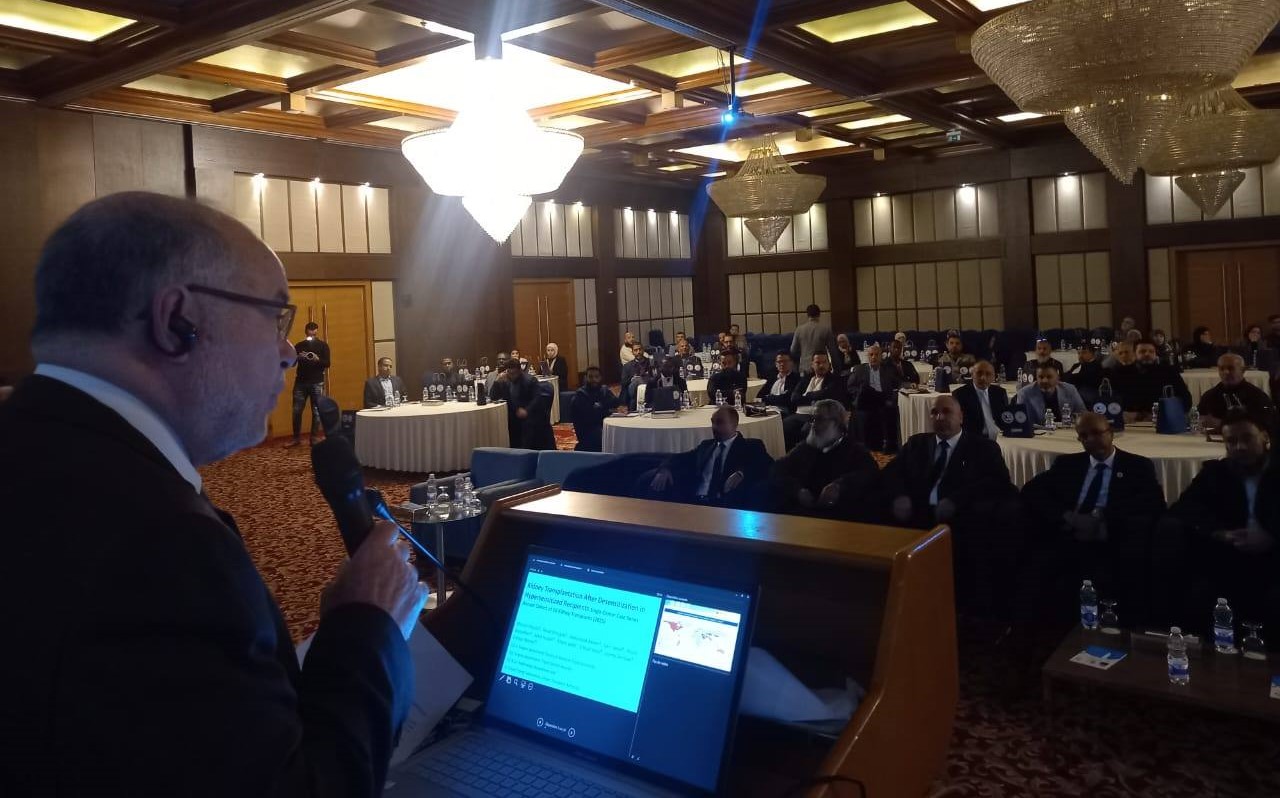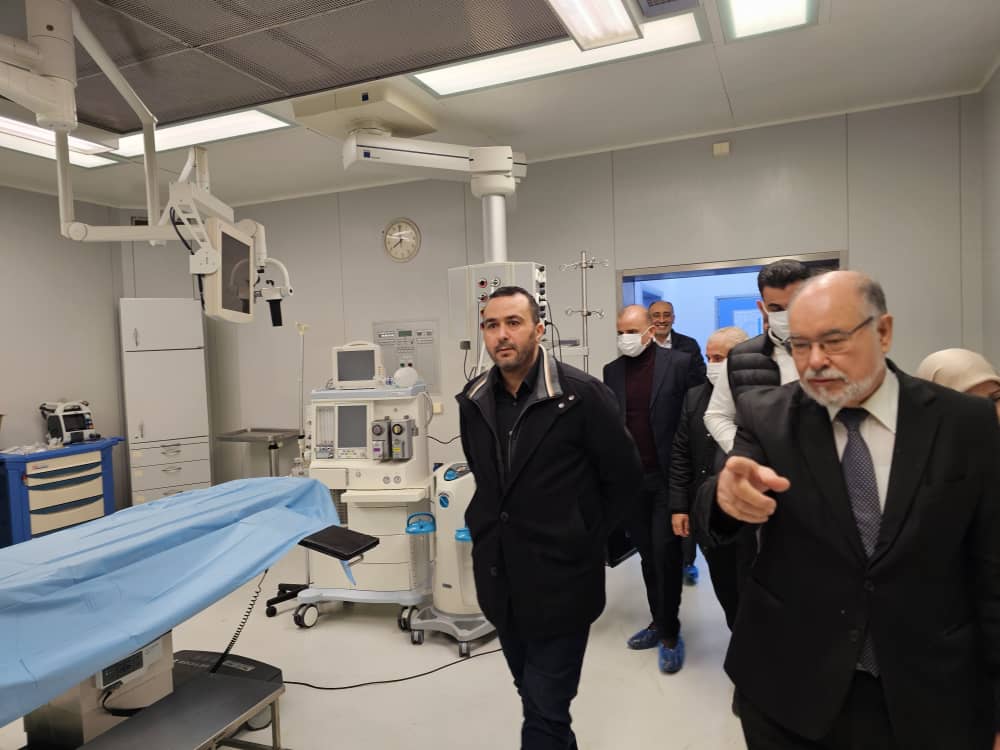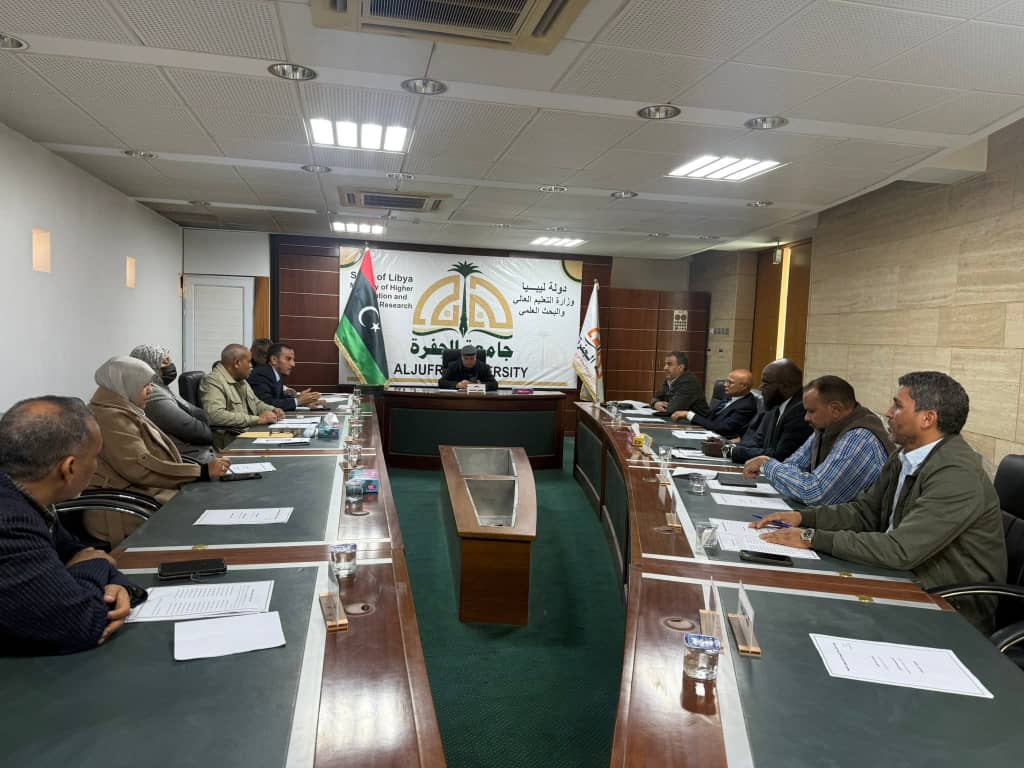
Tripoli – February 20, 2026 – The Board of Directors of the Criminal Research and Training Center held its first meeting of the year 2026 yesterday, Thursday, at the Center’s permanent headquarters following its opening at the end of last year. The meeting was held to discuss performance reports of the Center’s components and to evaluate the progress of training, study, and research plans.
The meeting is part of the periodic sessions held by the Board to advance its duties, follow up on established plans, discuss proposed initiatives, plan effective solutions for obstacles hindering workflow, and evaluate achievements within the framework of the policies and plans designed to help the Center achieve its purposes and the vision behind its establishment.
The Board reviewed performance reports of the Center’s components, evaluated the progress of training, study, and research plans, and the completion rates related to the five strategic plan axes. It also examined the executive status of approved projects and initiatives, particularly the Digital Research Laboratory project, the initiative to evaluate the criminal justice legislation system, the initiative to combat corruption, and the initiative to coordinate national and international efforts for a comprehensive approach to human trafficking and migrant smuggling.
The Board was also briefed on the achieved objectives of technical cooperation plans between the Center and relevant institutions and bodies related to its purposes and activities, in addition to proposals for expanding future cooperation plans.
The Board presented the results of its follow-up on the implementation of the Center’s general policy, strategic plan, and initiatives, along with its observations on performance progress and its plans for developing the Center and its components’ performance, and expanding its activities after the opening of its permanent headquarters.
After reviewing the planning outcomes of the Center’s first and second international conferences, the Board discussed the topic of the third international conference. It reaffirmed its policy regarding scientific events and the guiding principles and parameters established in its eighth meeting, to ensure the realization of specific practical benefits for the criminal justice system in its response to priority areas and issues.
It was noted that the Public Prosecution Authority began the year 2023 with the commencement of the Center’s work and the digital transformation project for the criminal justice system. The end of 2025 witnessed the launch of the Center’s operations from its permanent headquarters and the expansion of its activities.