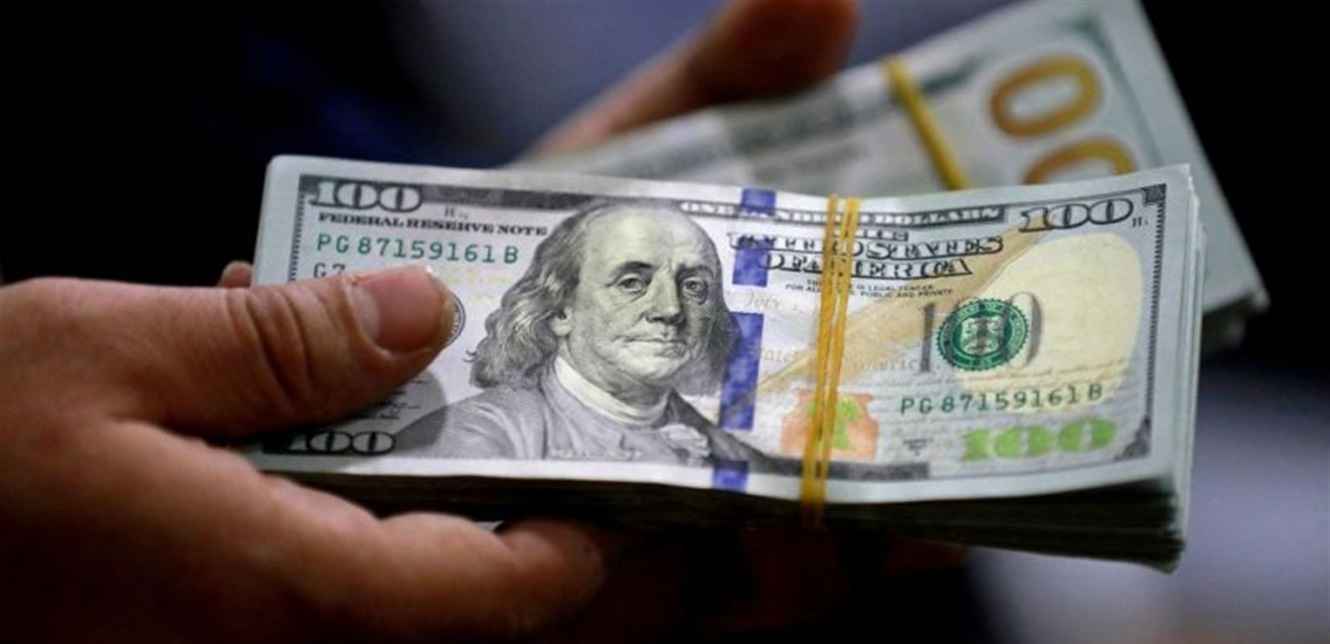
Bitcoin recorded a downward trajectory throughout 2025, causing significant losses for retail investors despite supportive political promises for digital assets, following a record-breaking surge that reached $126,000 before trends reversed rapidly.
The largest cryptocurrency reached an unprecedented all-time high on a wave of optimism following the re-election of US President Donald Trump, coinciding with expectations of long-term gains under a digital currency-friendly administration. These hopes collapsed as the market entered a sharp correction phase.
A 21-year-old university student bet on the continued rally, buying with every price dip during the fall and increasing his positions as prices fell. However, Bitcoin continued to decline at an accelerating pace, deepening his losses.
Retail investors around the world faced a similar reality as the end of 2025 approached. The year began with positive expectations driven by regulatory flexibility, lower interest rates, and increased interest from major financial institutions, but ended with Bitcoin’s price down about 10% compared to last December.
The combined market value of cryptocurrencies lost nearly a trillion dollars, billions of dollars in investor bets evaporated, and memories of the crypto winter of 2022 and the collapse of FTX resurfaced.
A chief strategist warned that easy access to cryptocurrencies, alongside a supportive administration for digital assets, drove momentum-seeking investors to crowd into the market, noting that the rapid crash in October served as a harsh wake-up call.
This sharp shift forced traders to reassess their strategies as they prepared for 2026, at a time when opinions on the market’s future were divided between those anticipating a new downturn and those who believe the entry of ETFs and major institutions has enhanced the market’s maturity and stability.
A 28-year-old trader turned to alternative coins, focusing on emerging tokens linked to artificial intelligence and memecoins, despite his portfolio declining by about 35% during the year, believing that innovation and high returns are concentrated in smaller projects.
The Chief Operating Officer of a trading platform described the current market as bifurcated, with a clear split between leading assets like Bitcoin and high-risk alternative coins, especially among retail investors.
A loan officer adopted a long-term approach, focusing his investments solely on Bitcoin. He bought $10,000 worth near the annual lows, considering the digital currency a long-term investment asset, and planned to hold it for years within a portfolio distributed among real estate, cryptocurrencies, and retirement accounts.
The student in Madrid sought to adopt greater patience, focusing on understanding market volatility and avoiding exaggerated reactions to every price movement.
The cryptocurrency market has experienced sharp volatility in recent years, influenced by regulatory and political changes, interest rates, and the increasing role of both retail and institutional investors. This has made the market broader but has kept risk levels high.