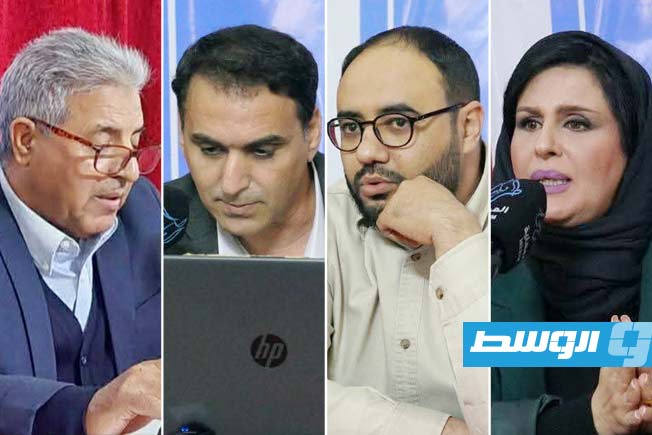
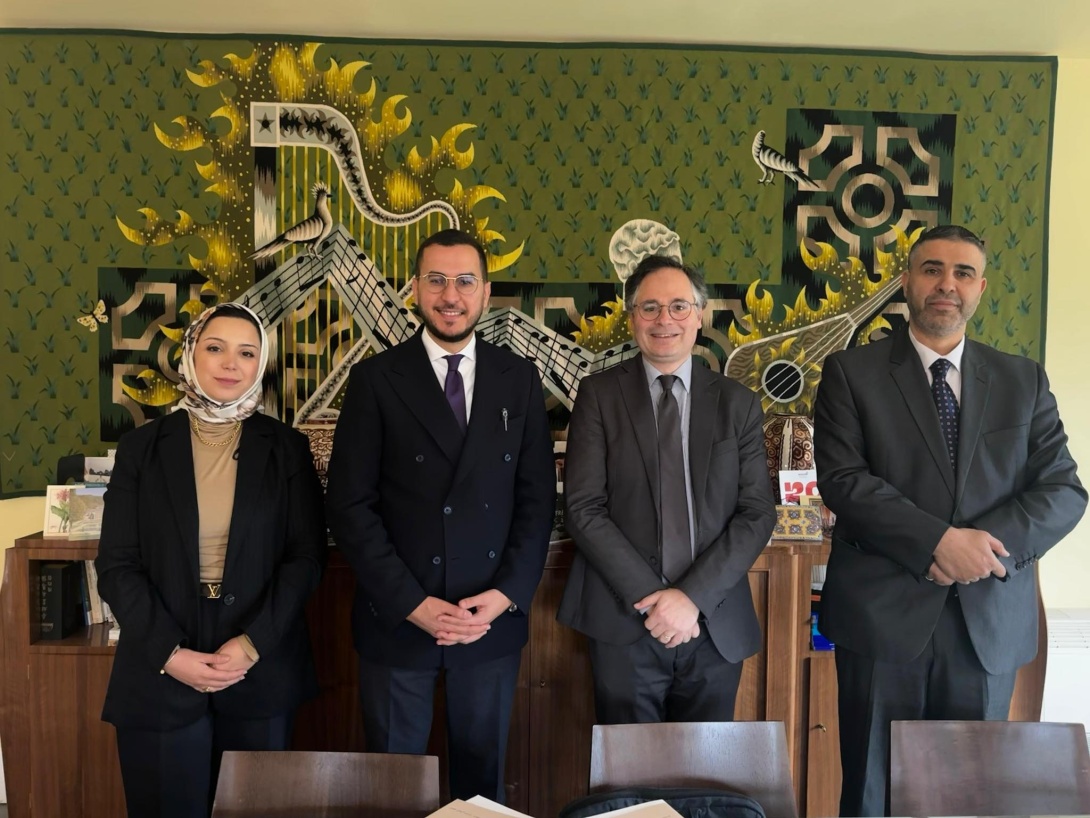
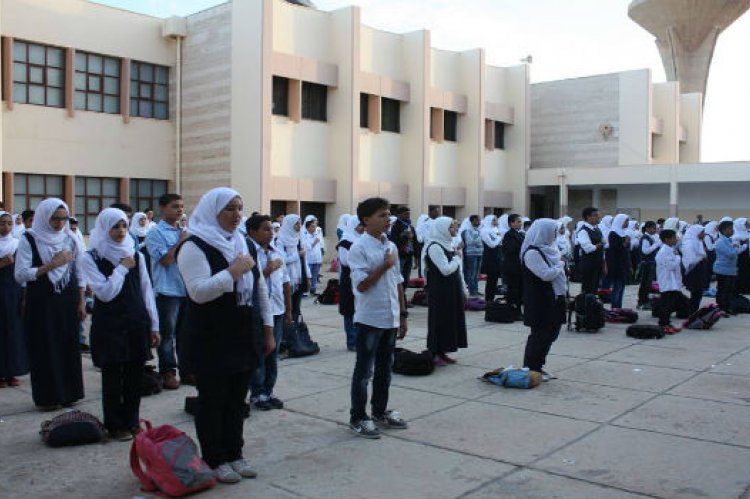
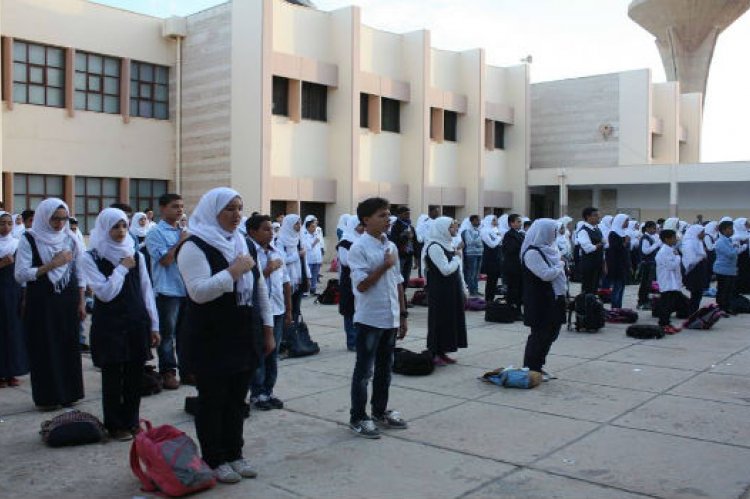
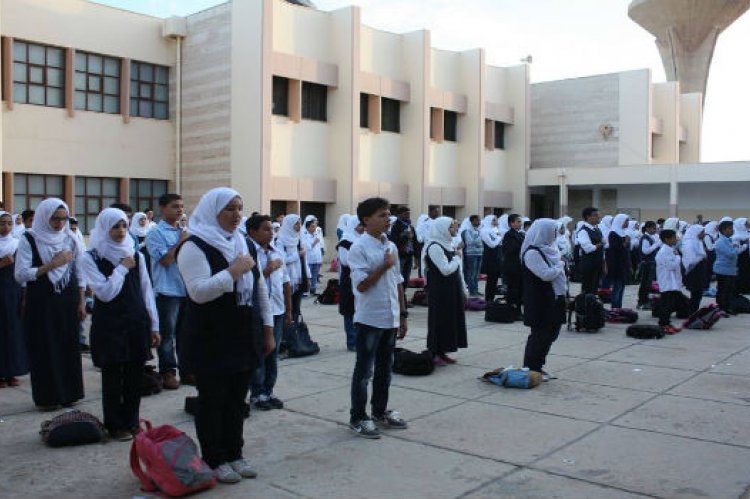
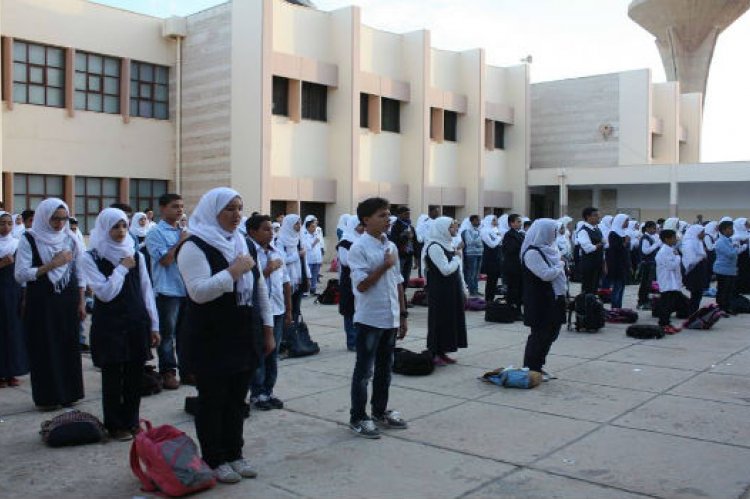
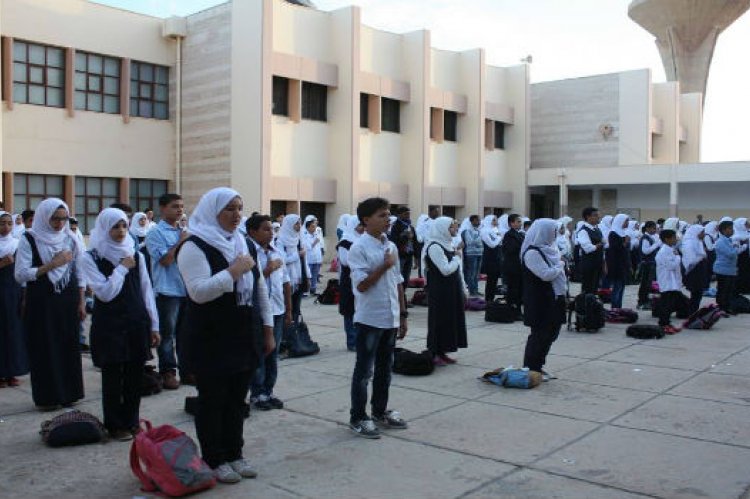
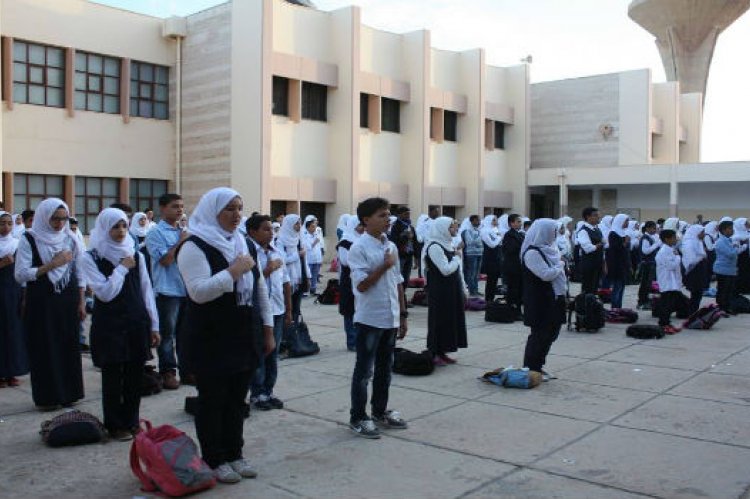
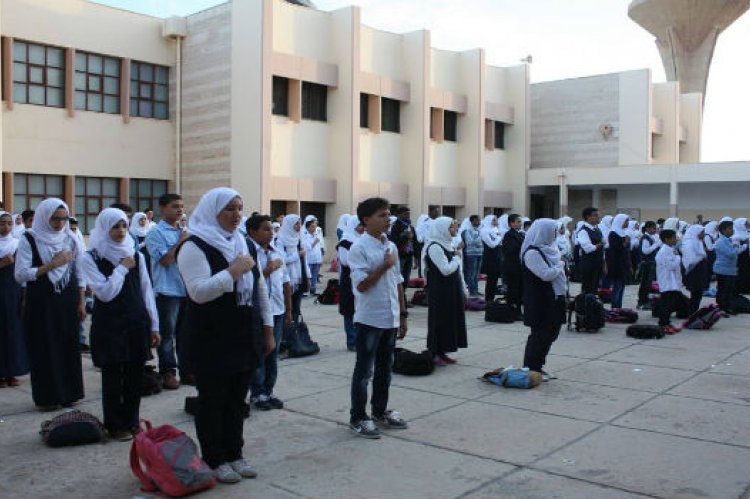
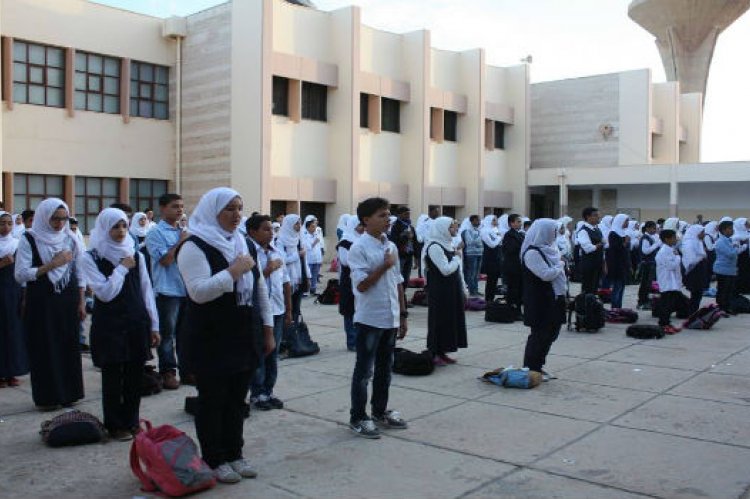
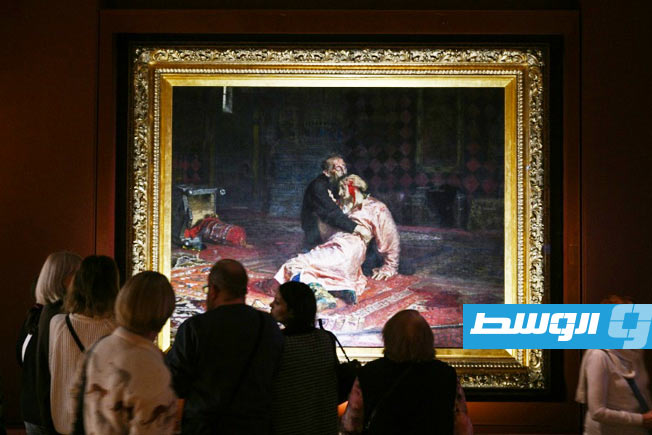
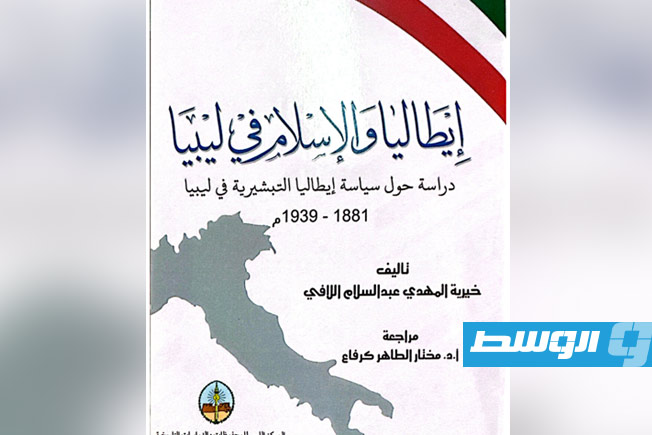
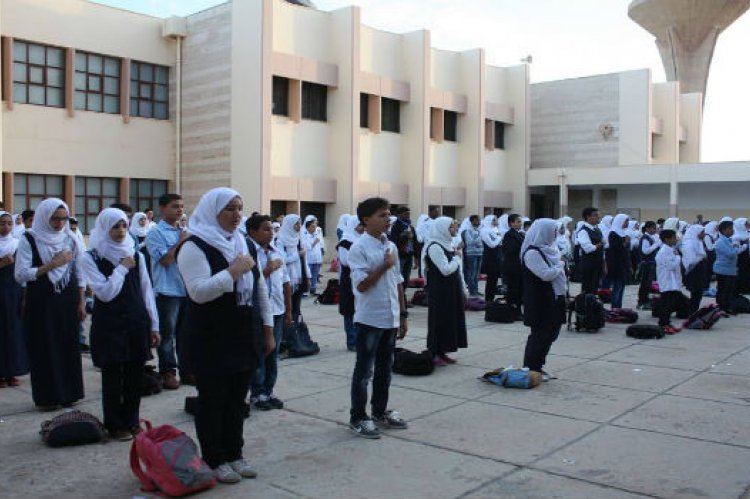
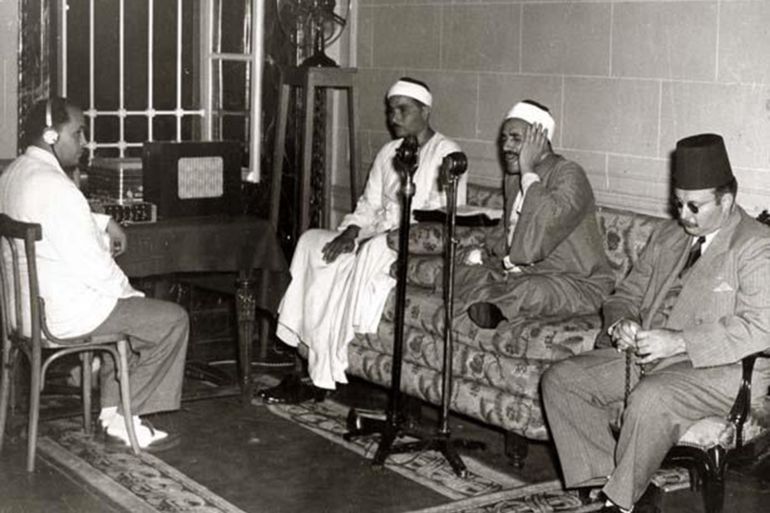
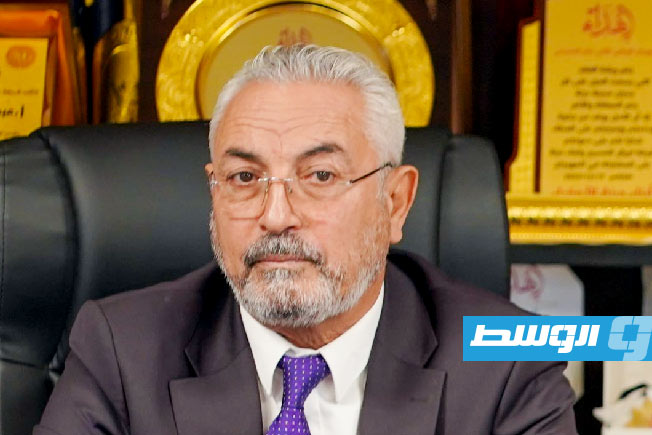
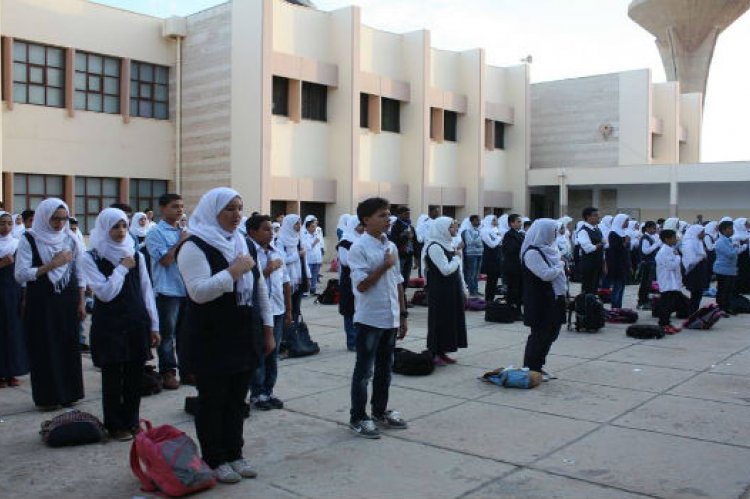
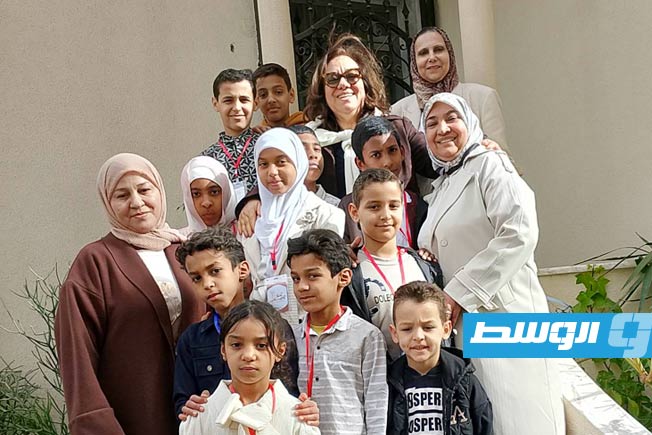
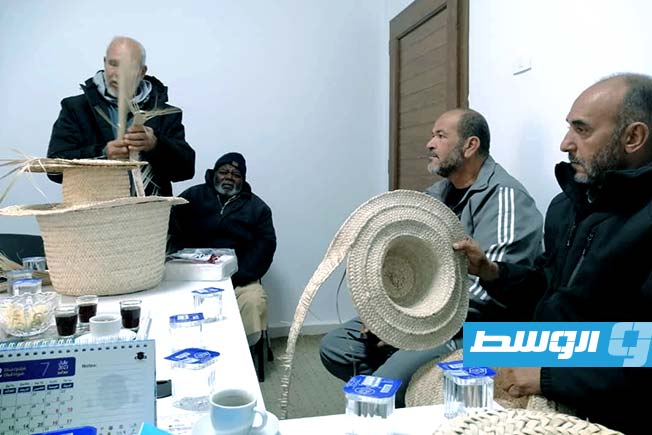
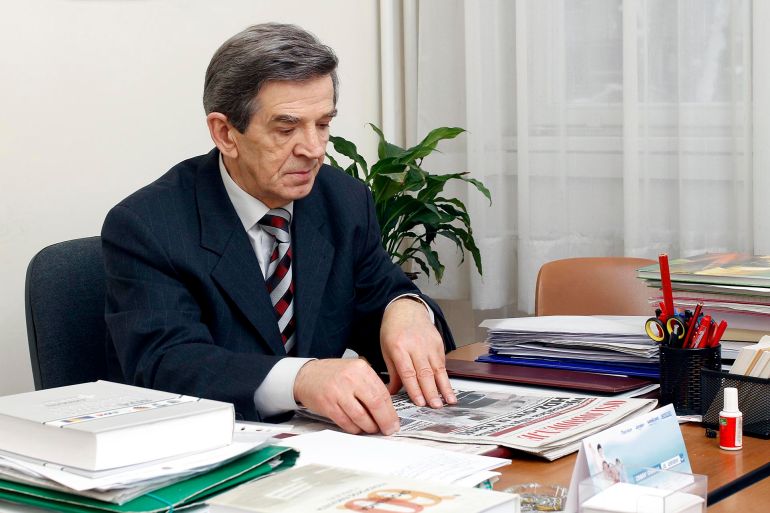
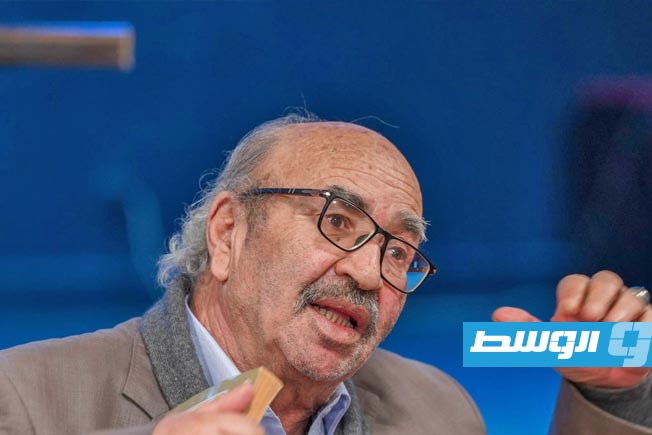
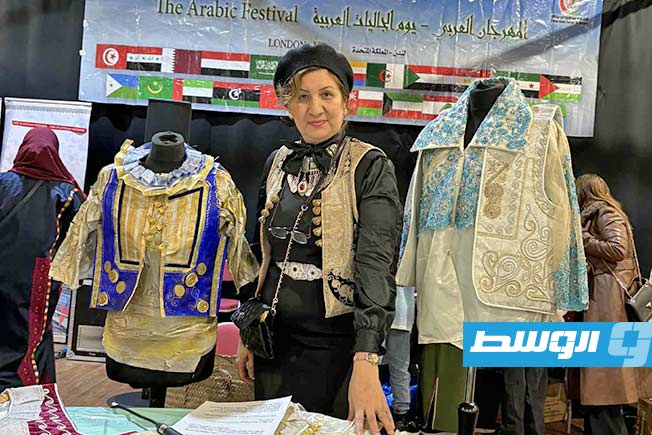
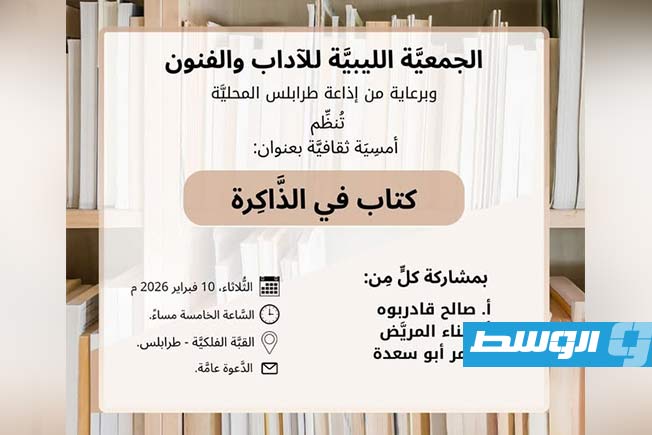
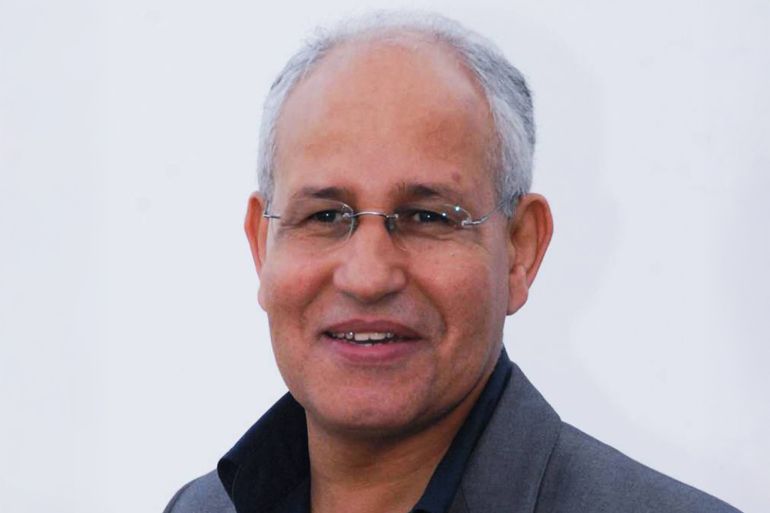
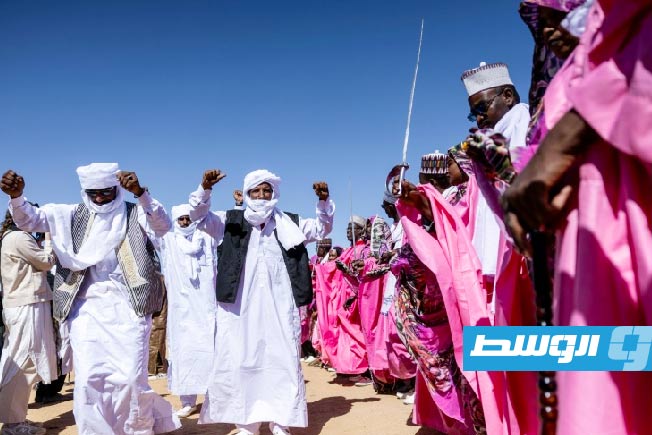
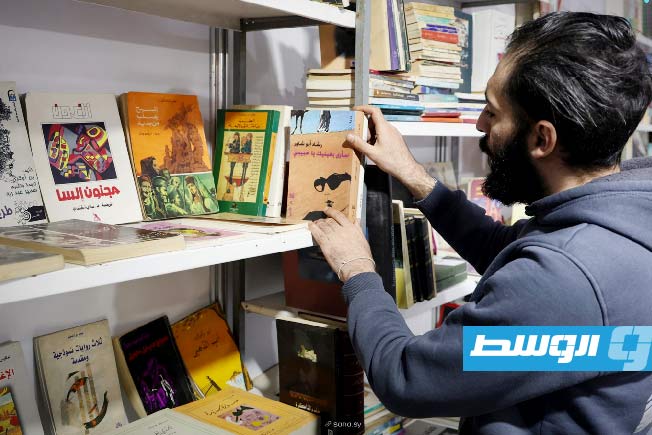
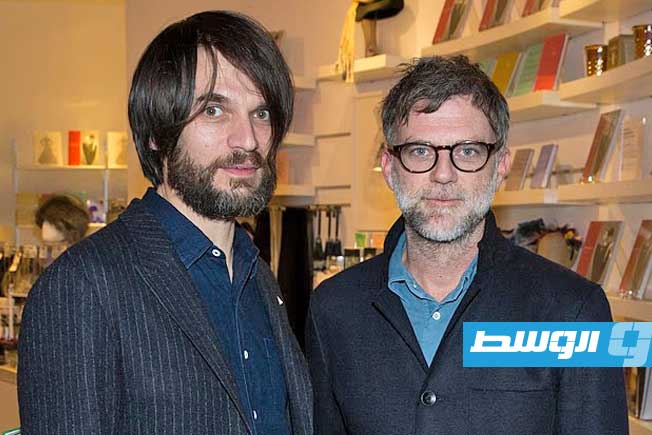
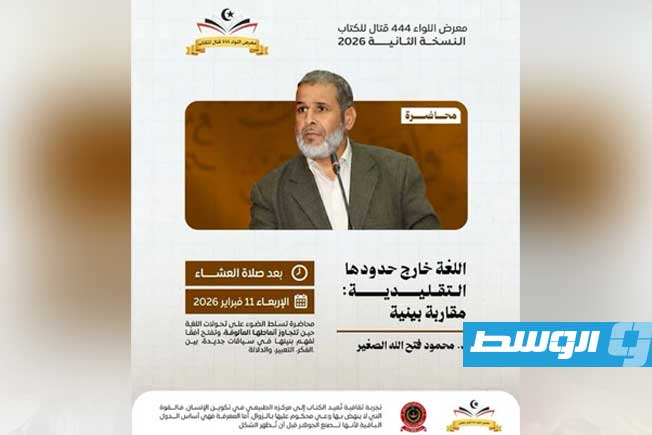
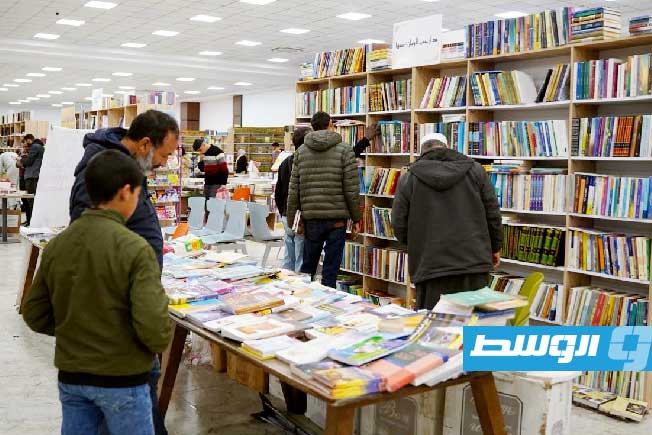
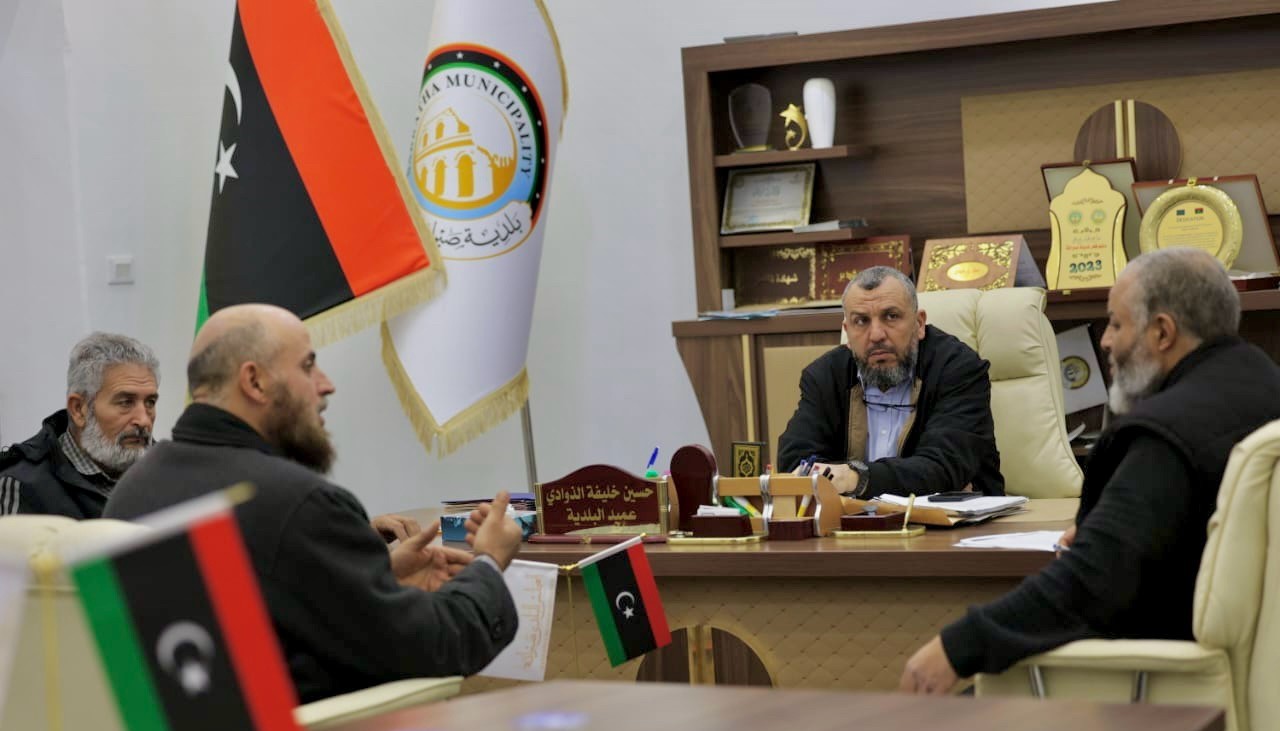
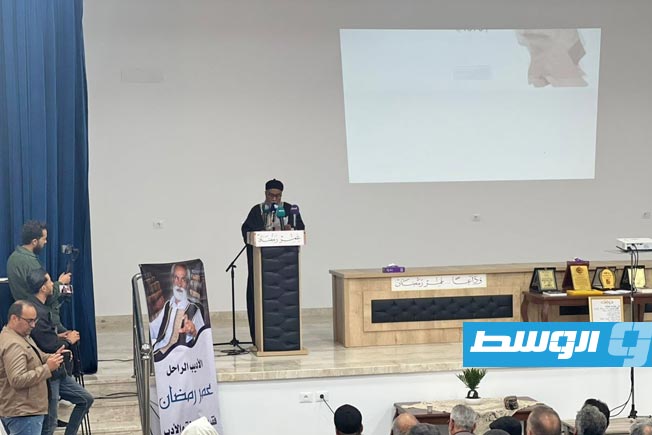
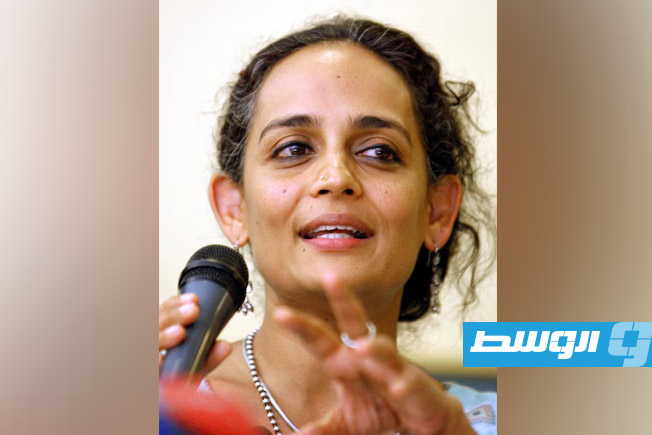
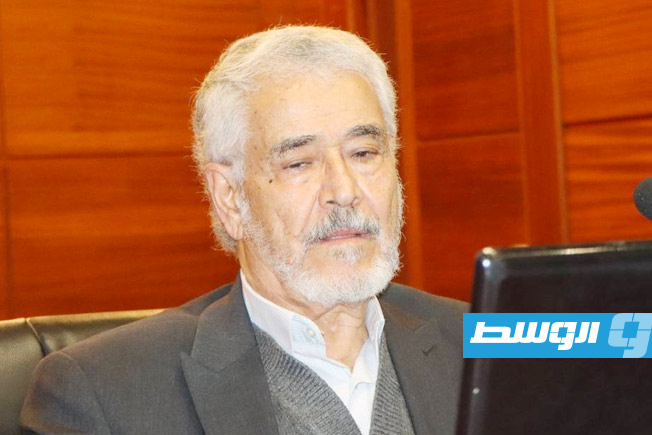
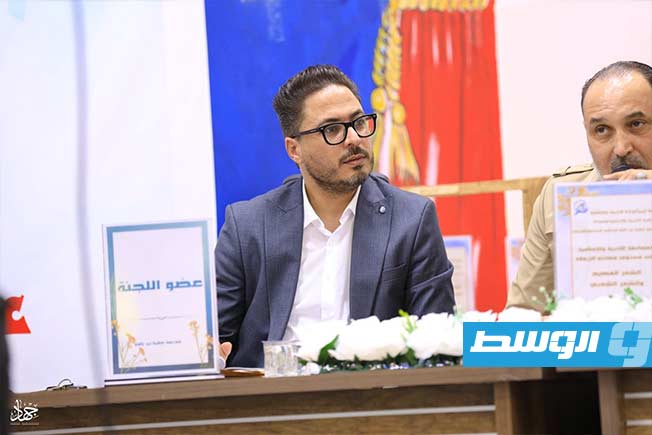
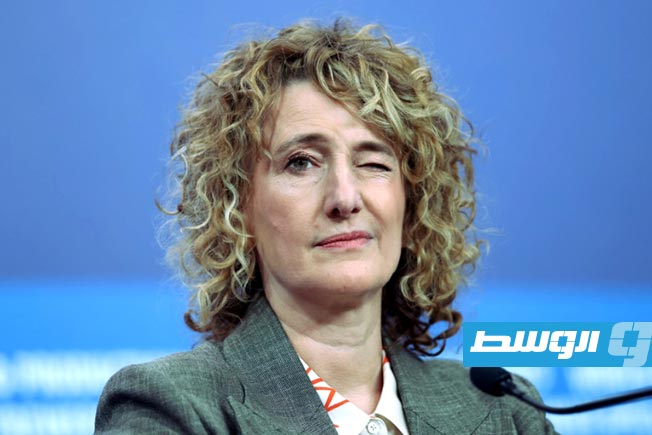
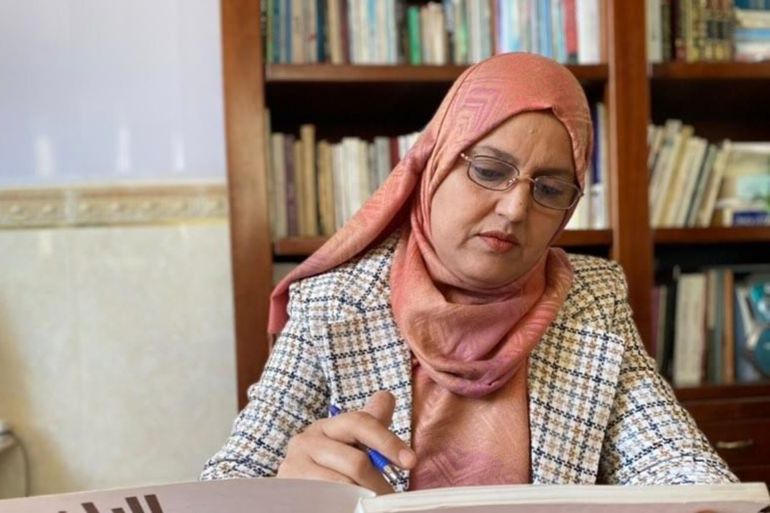
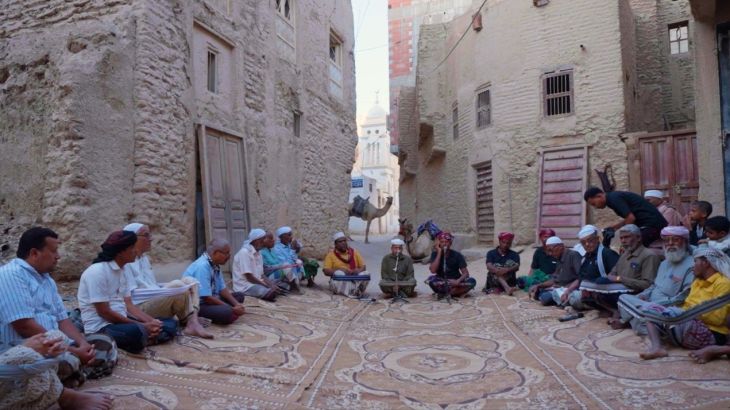
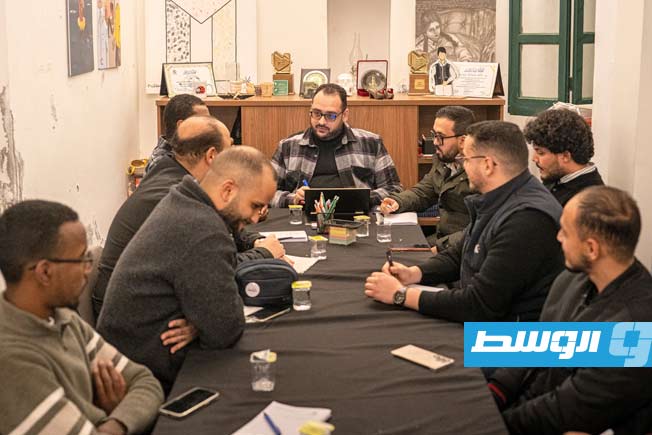
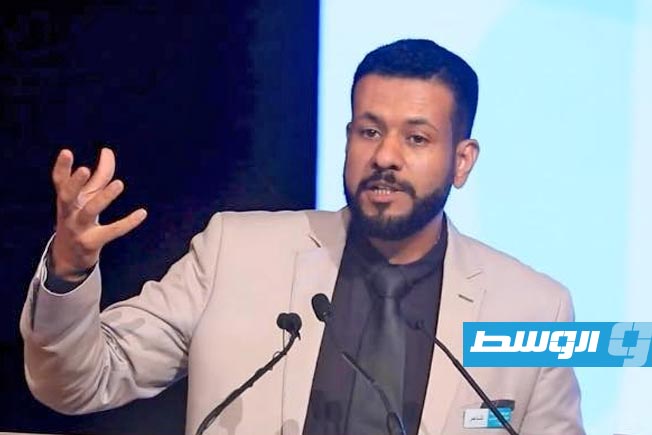
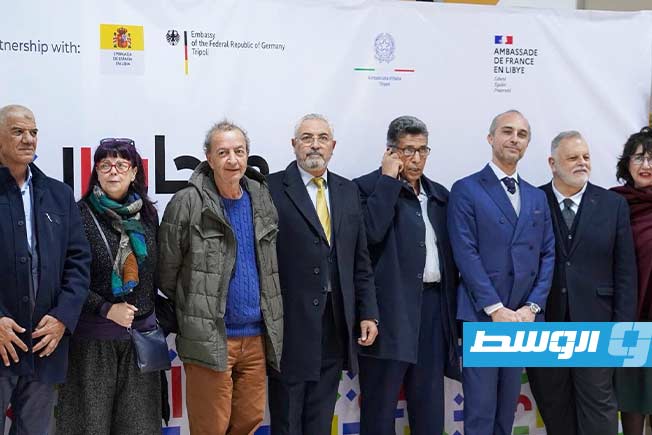
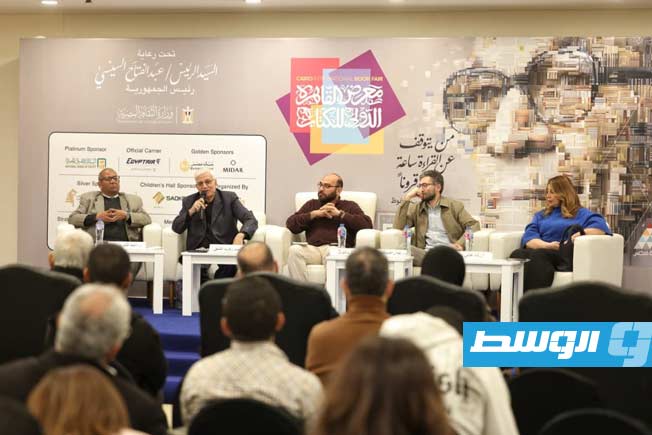
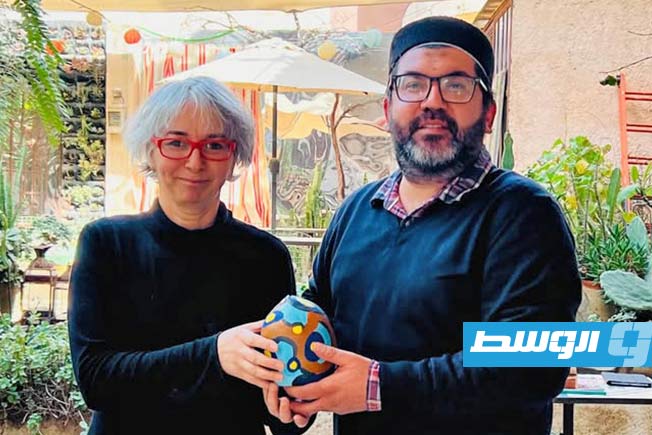
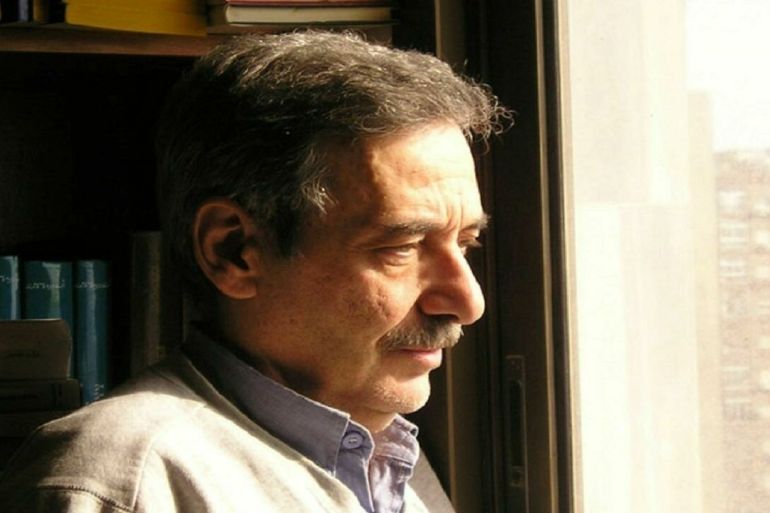
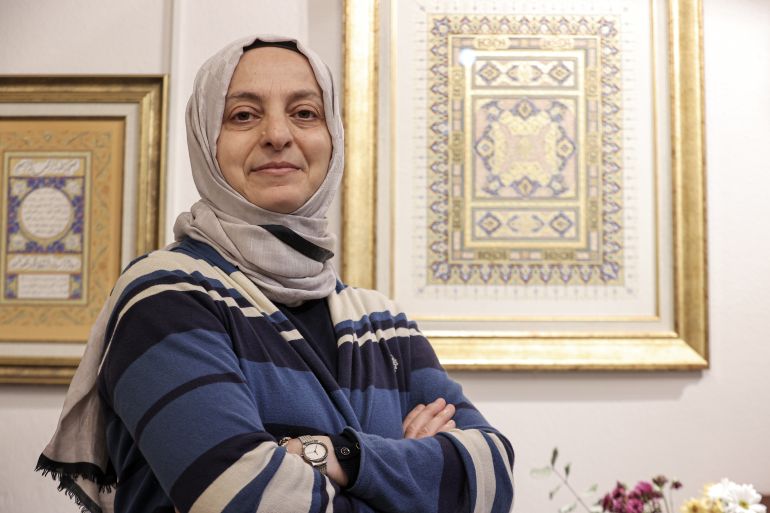
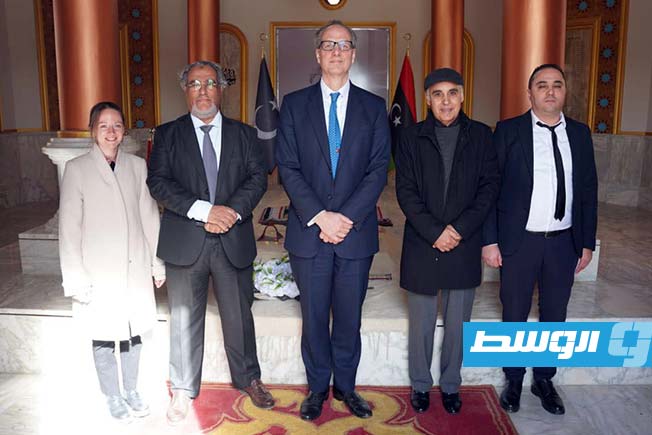
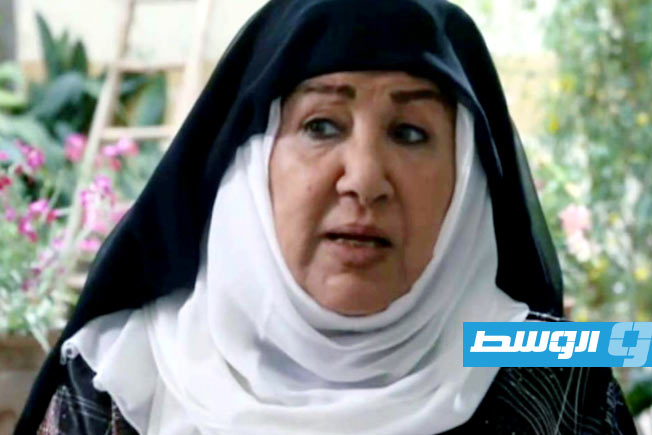
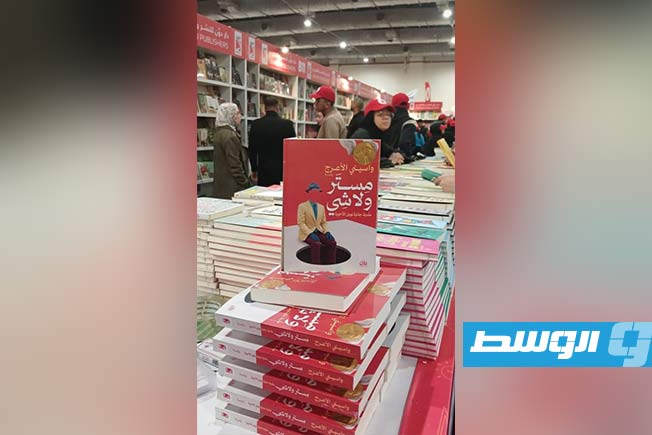
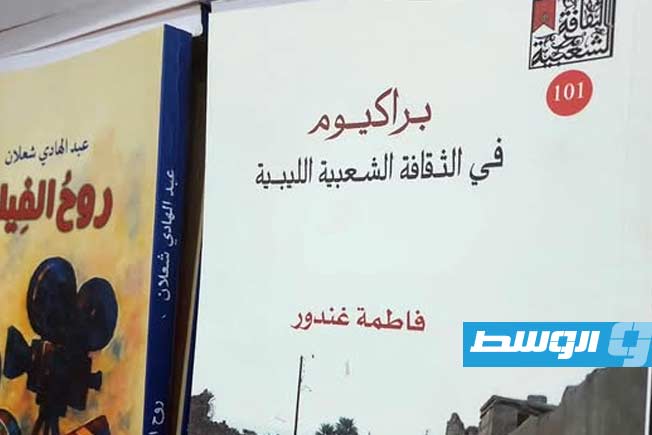
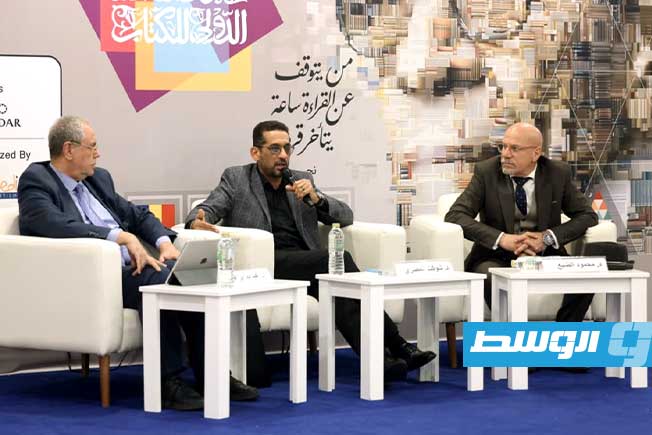
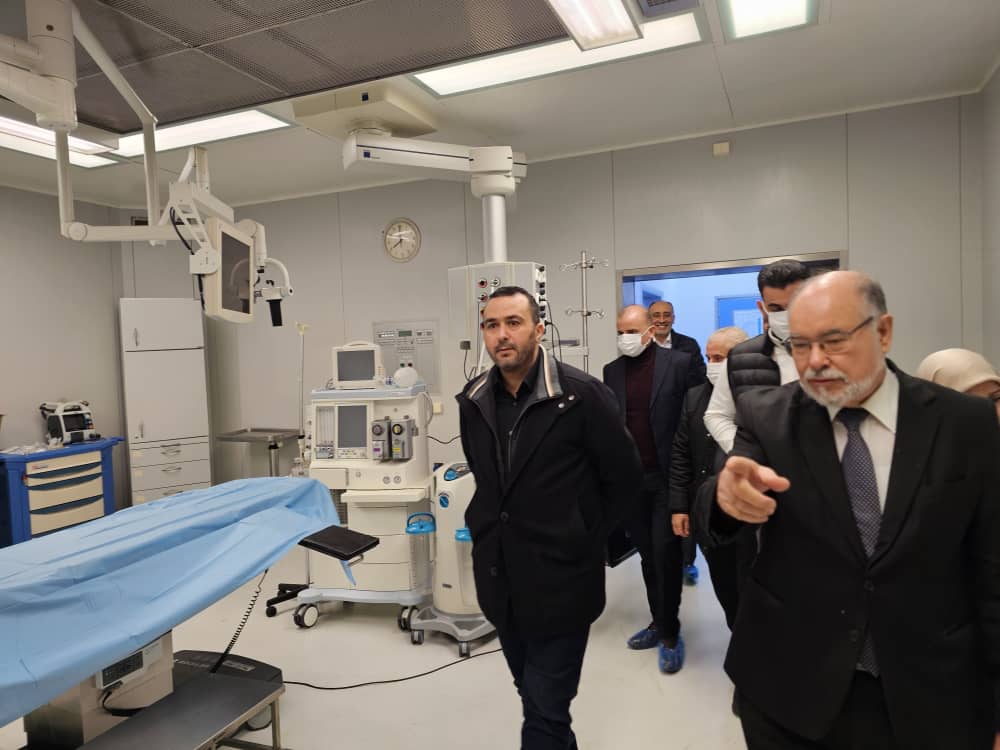
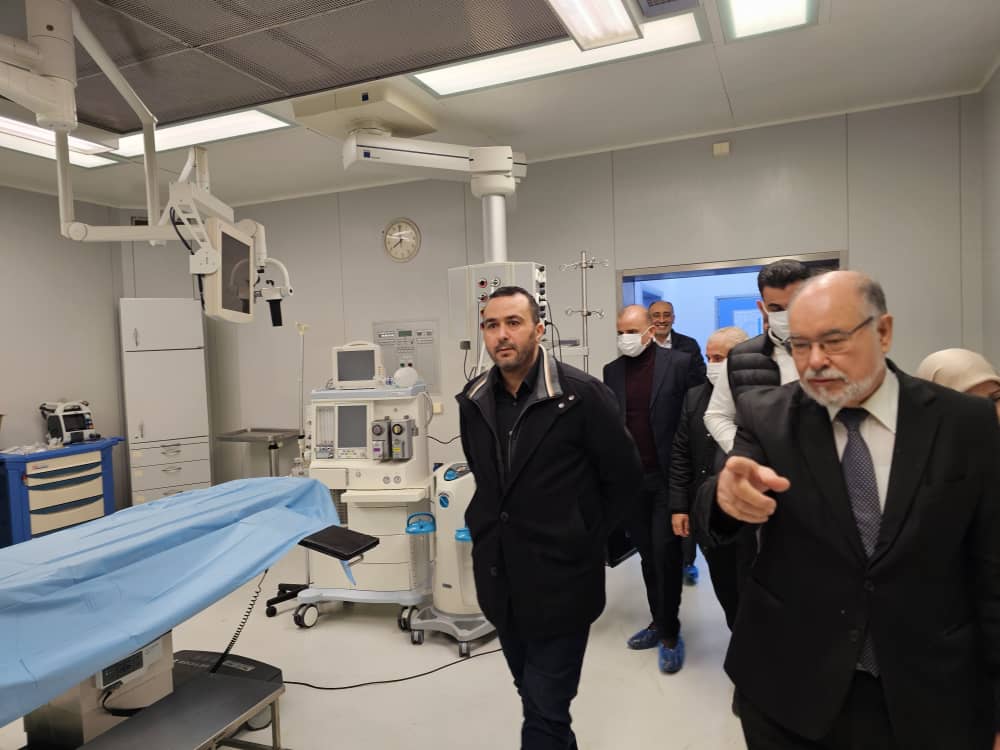
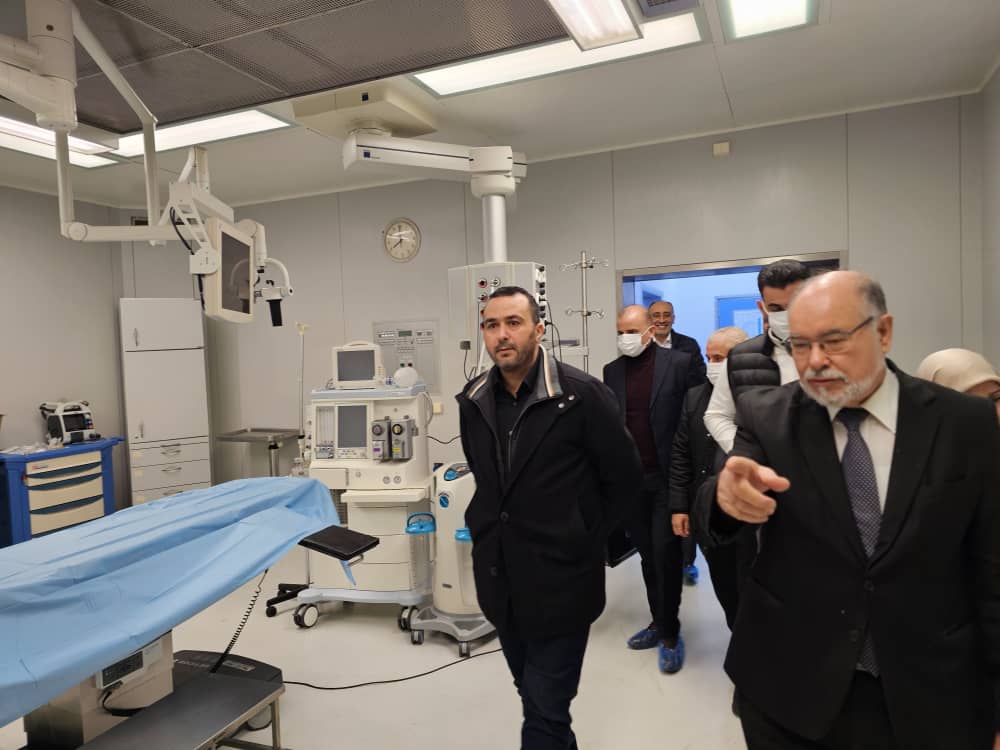
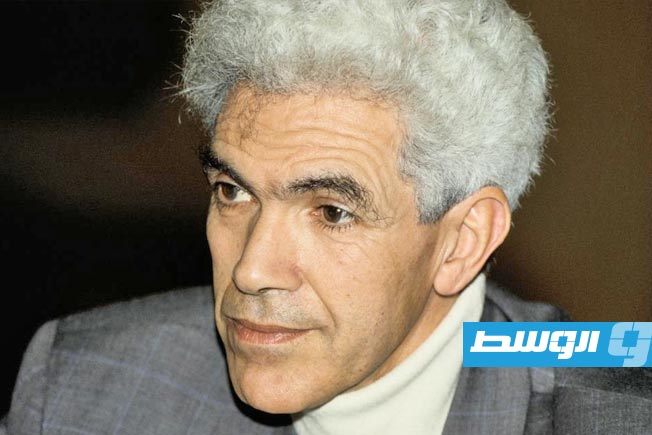
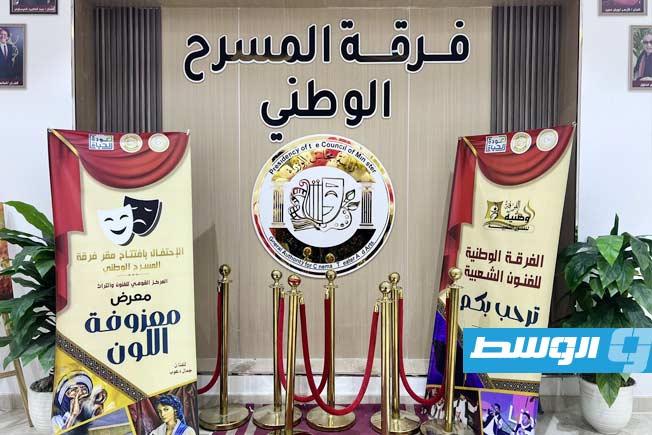
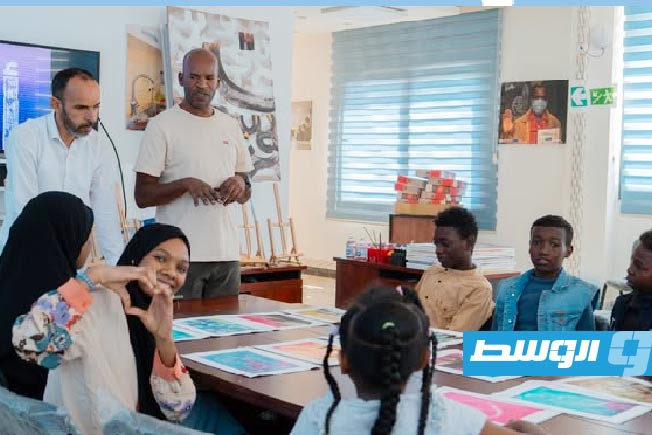
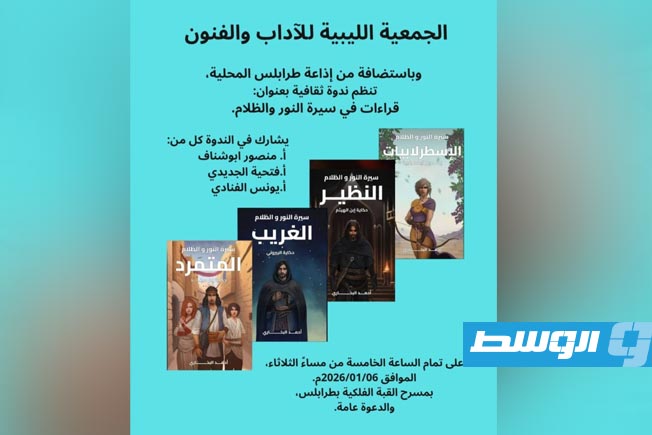
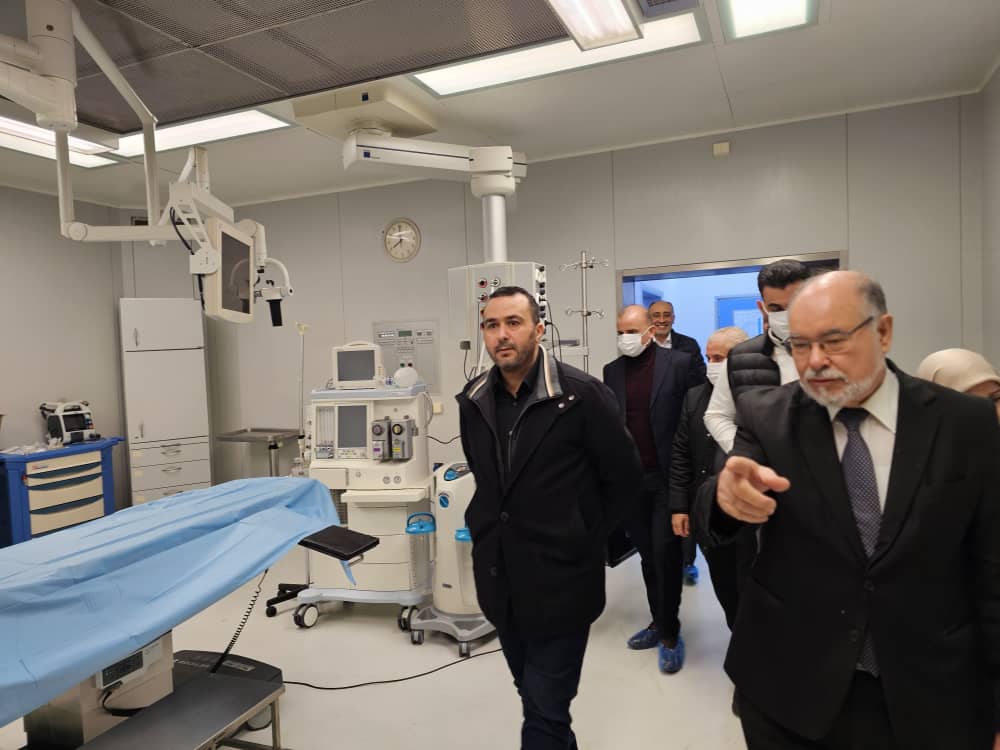
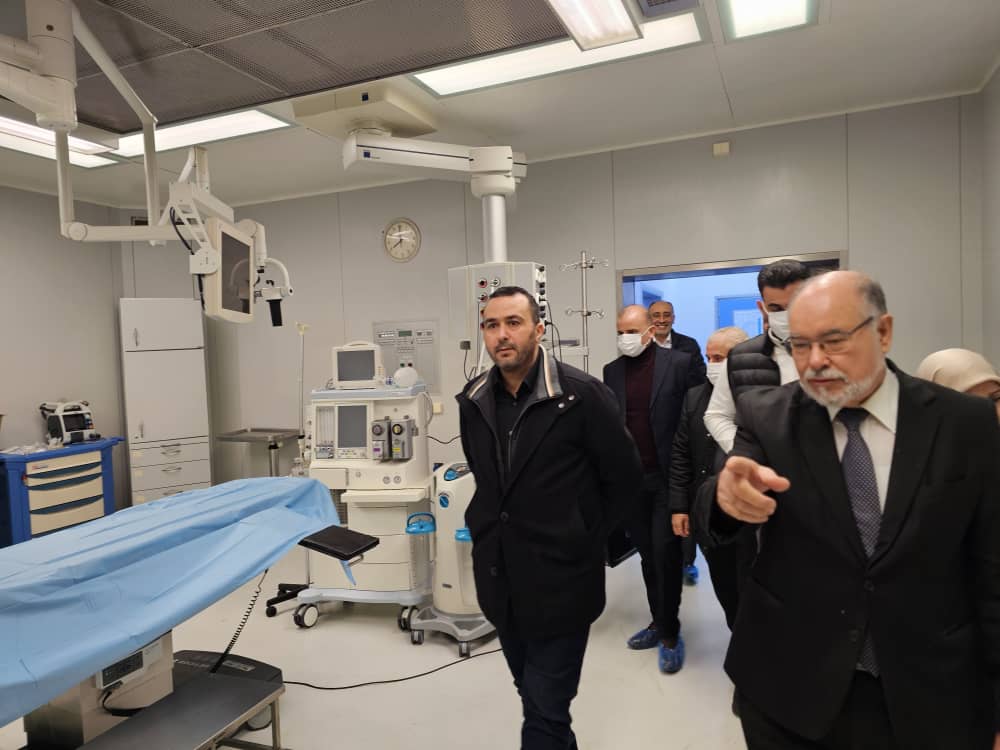
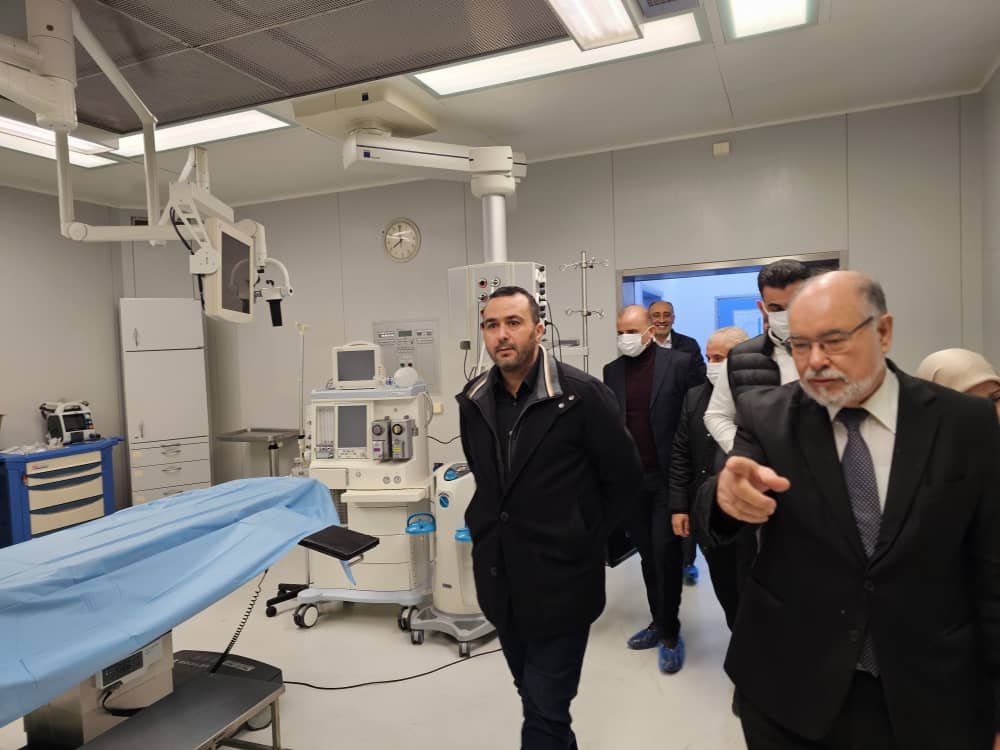
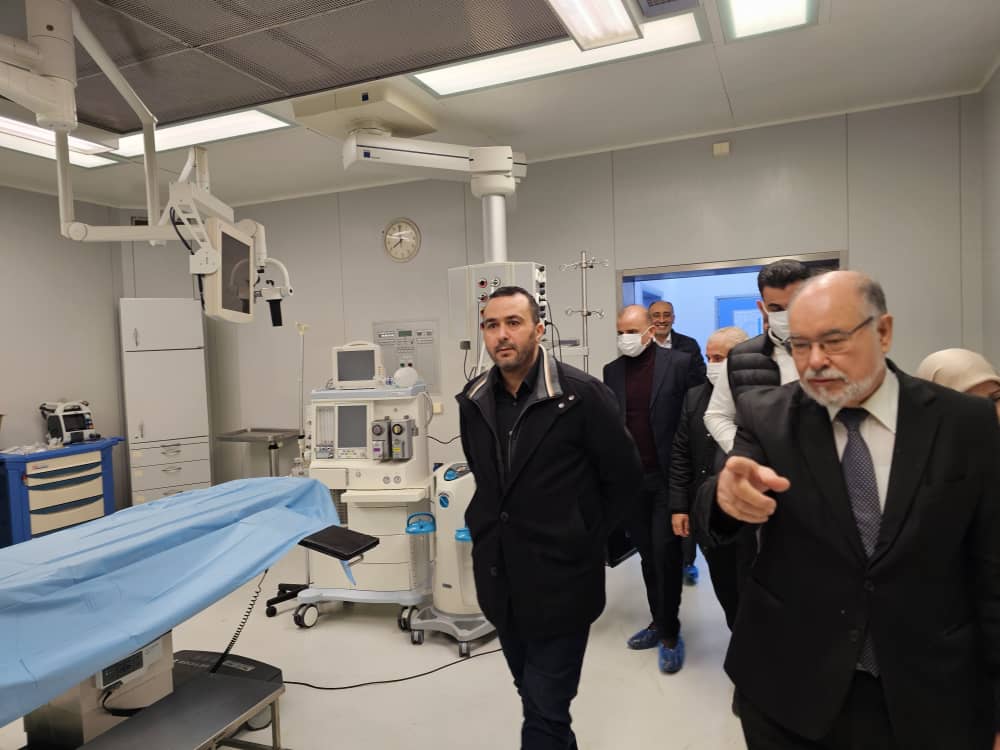
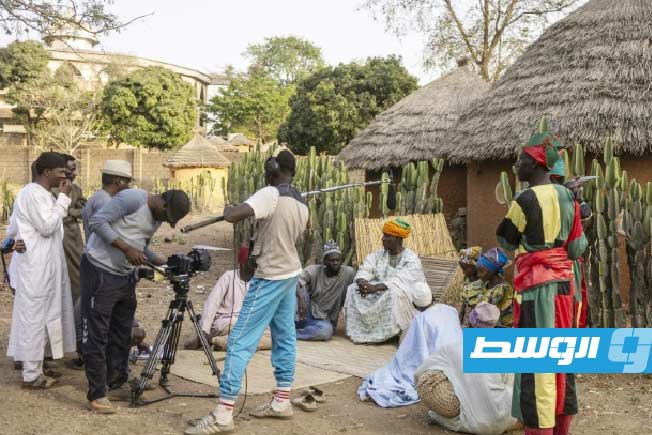
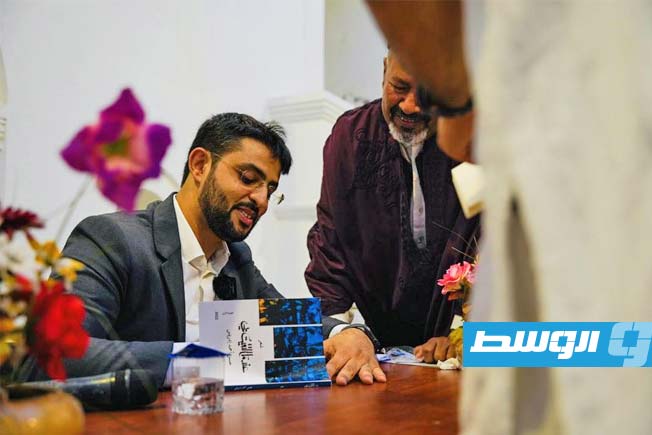
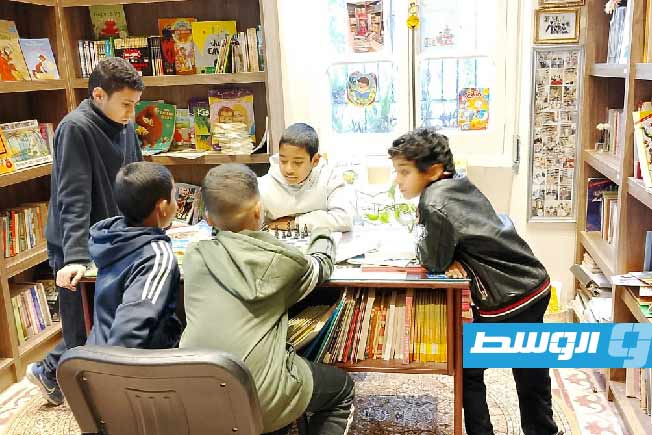
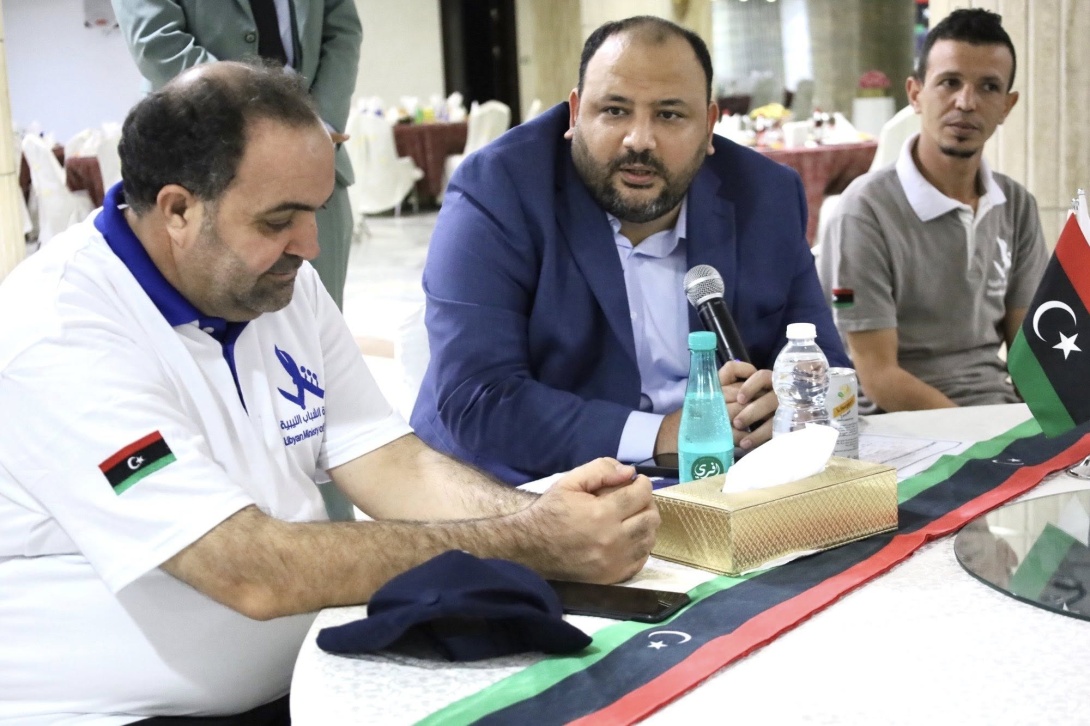
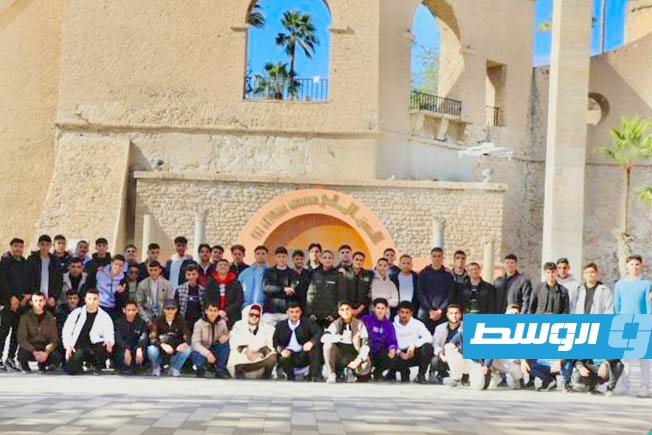
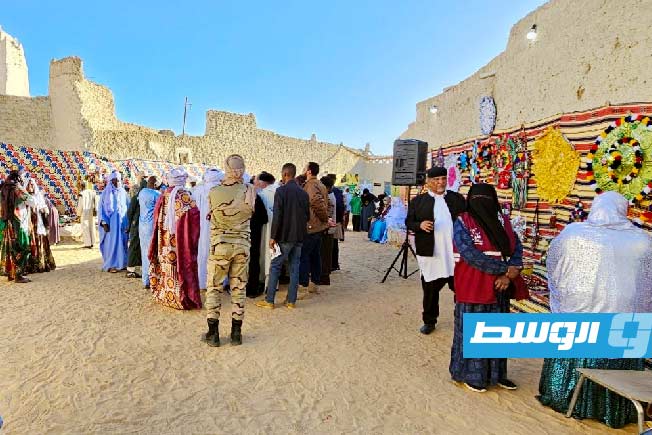
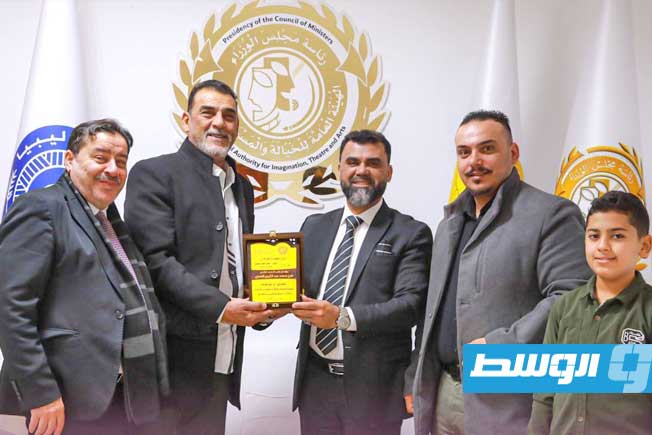
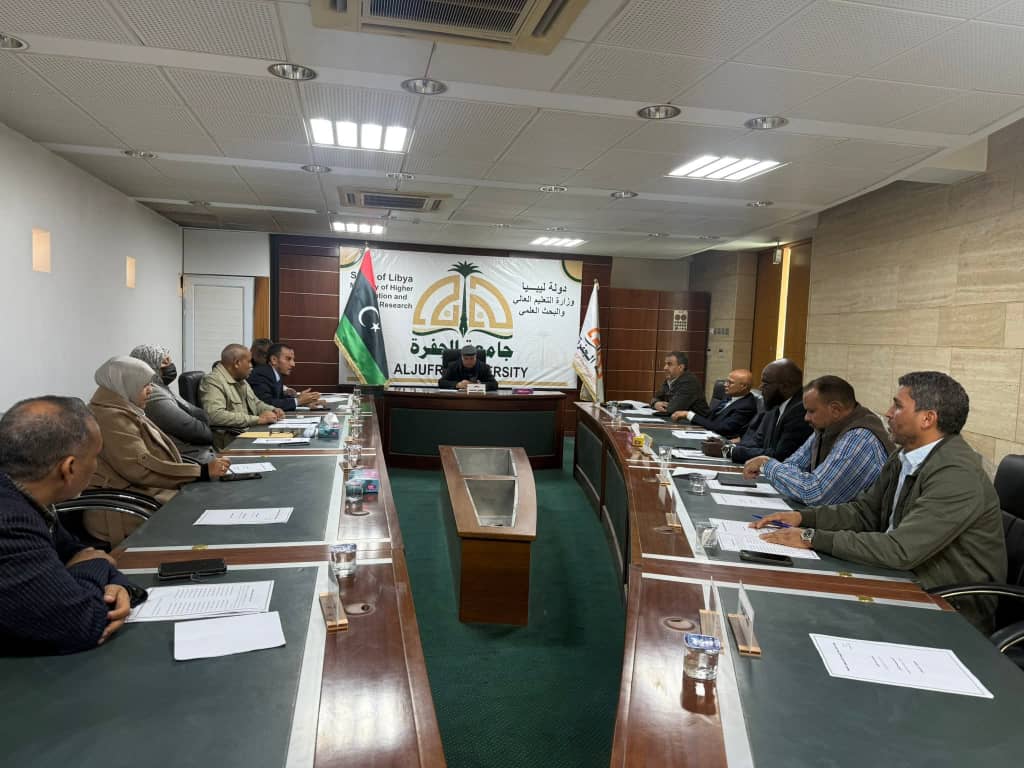
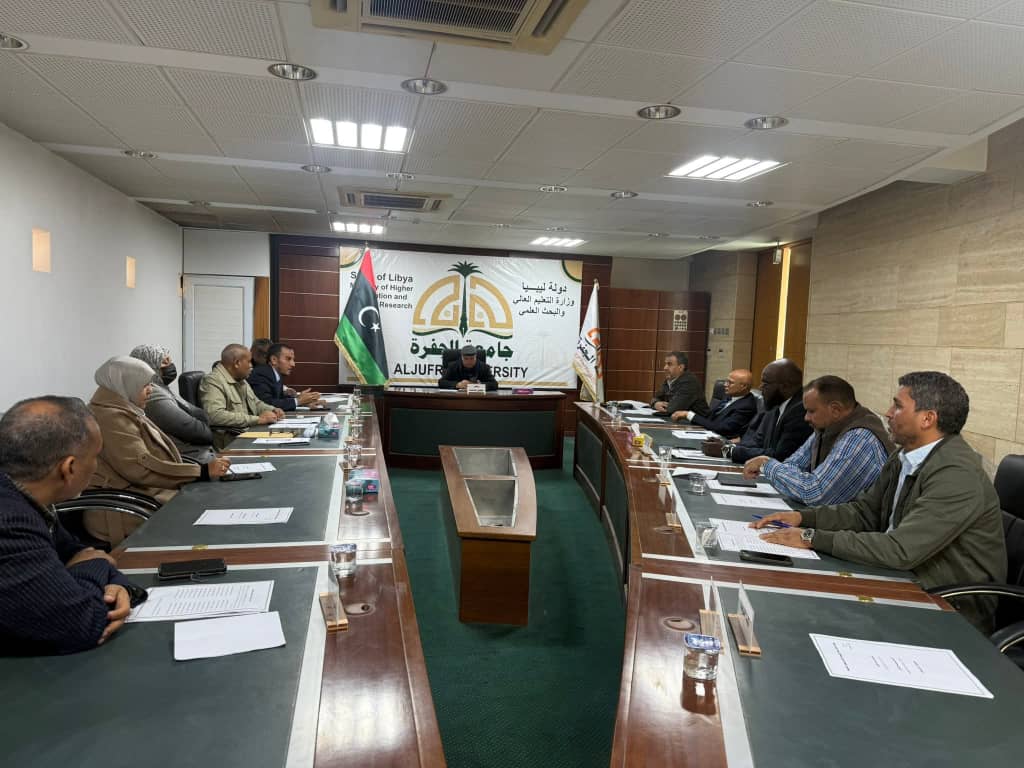
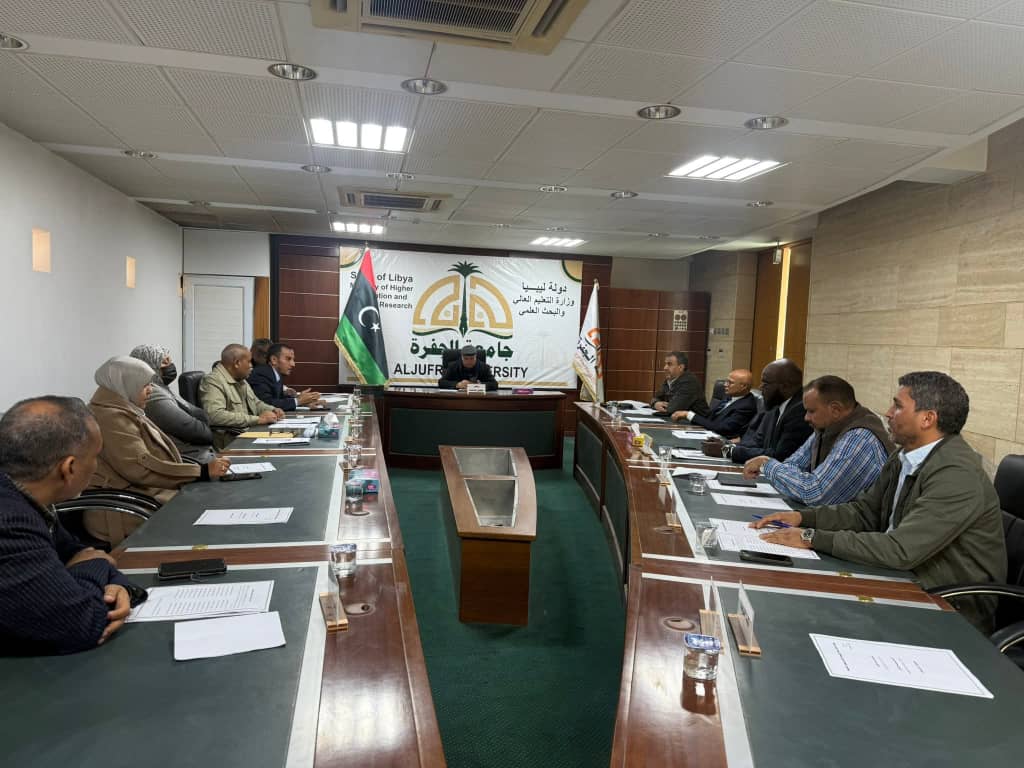
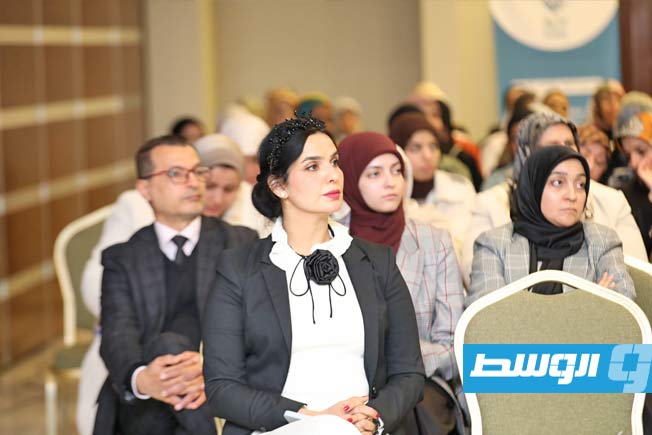
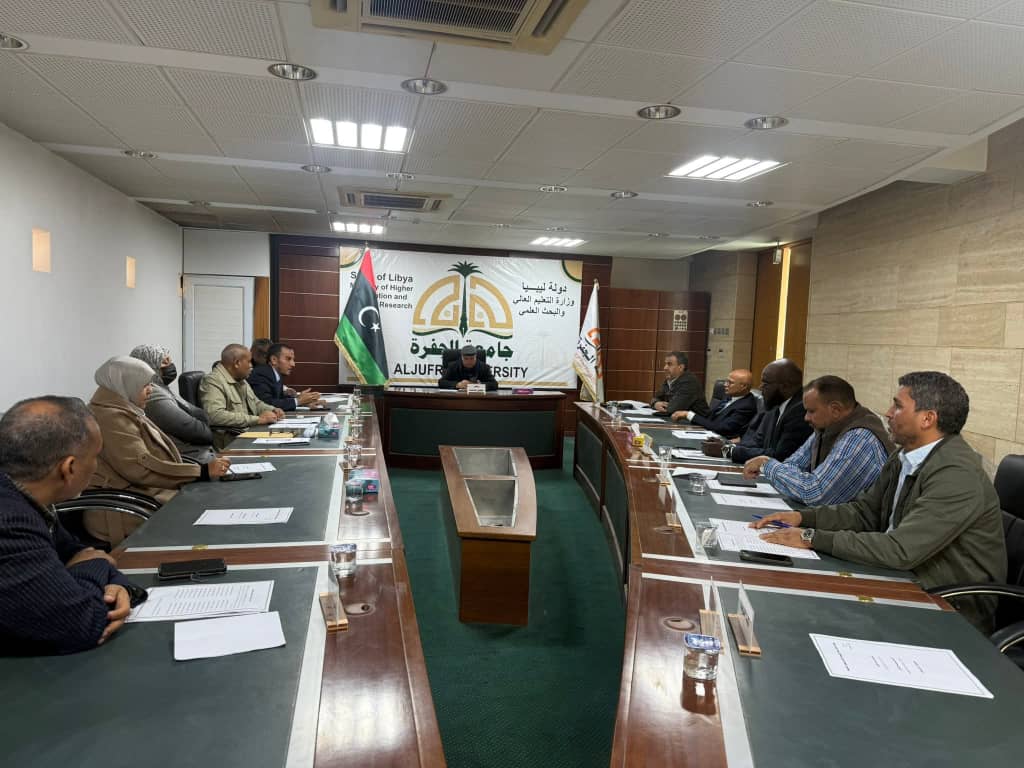
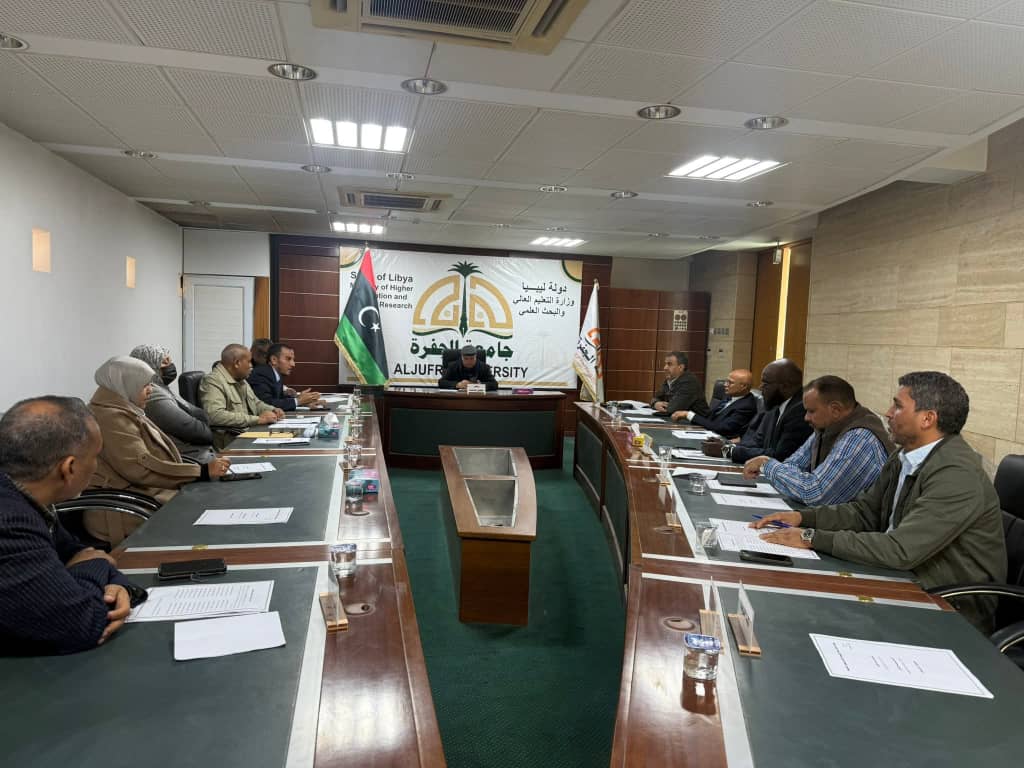
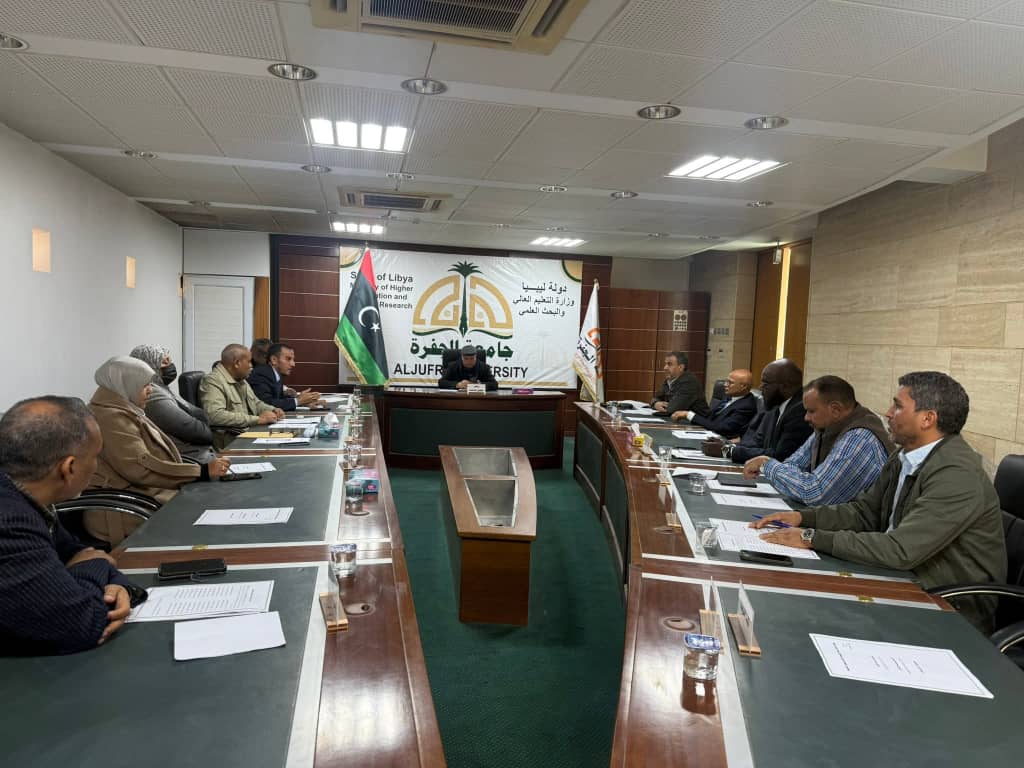
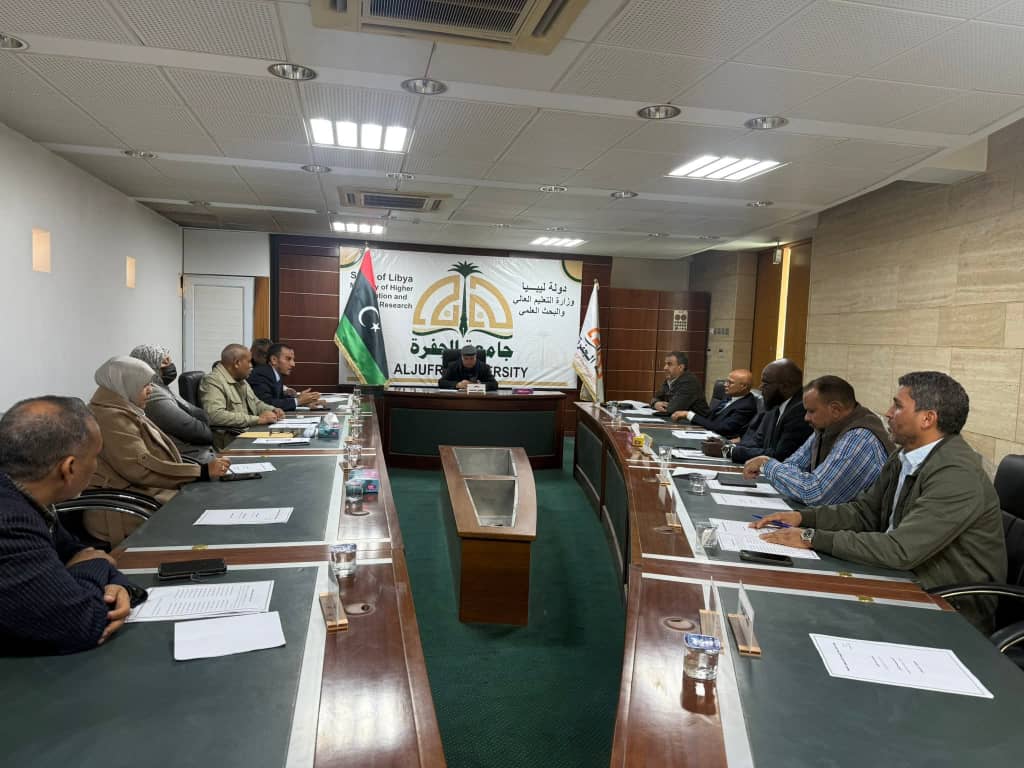
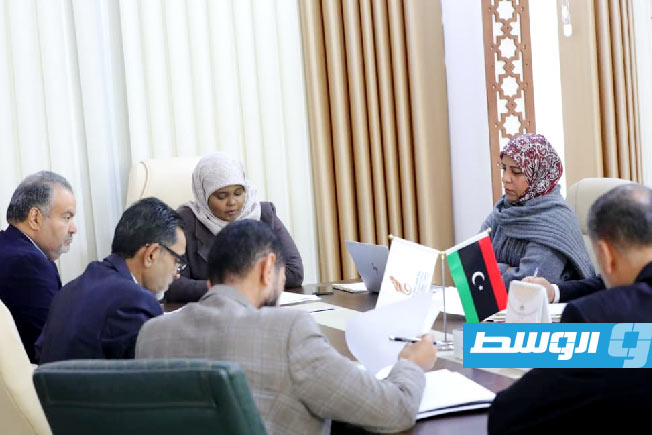
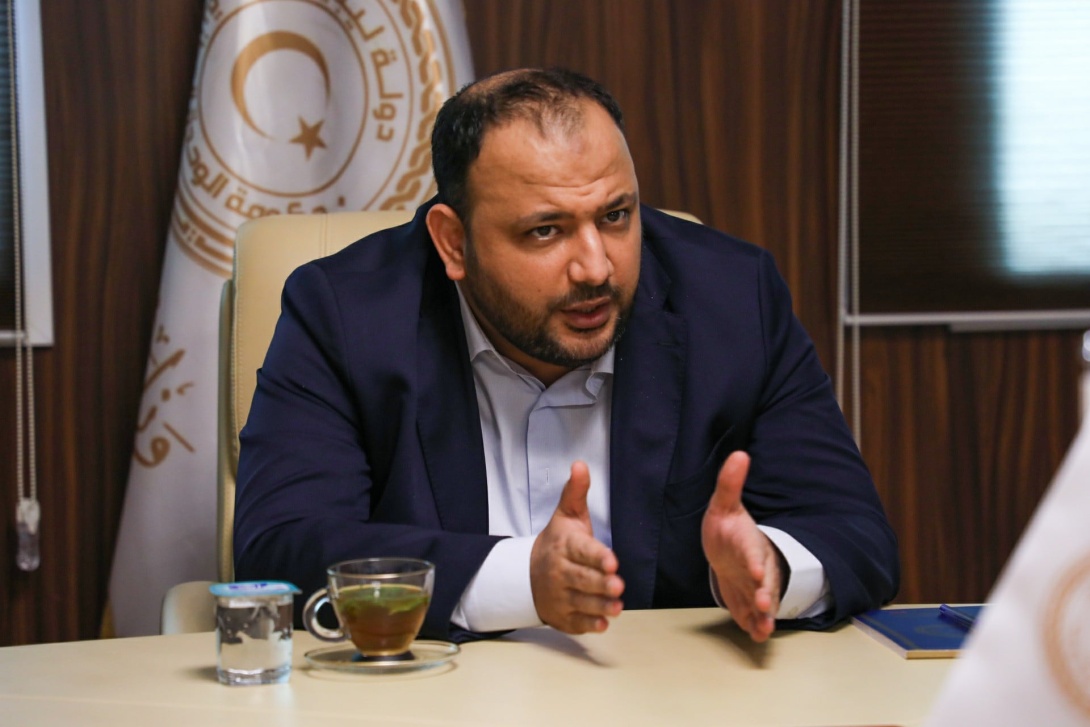
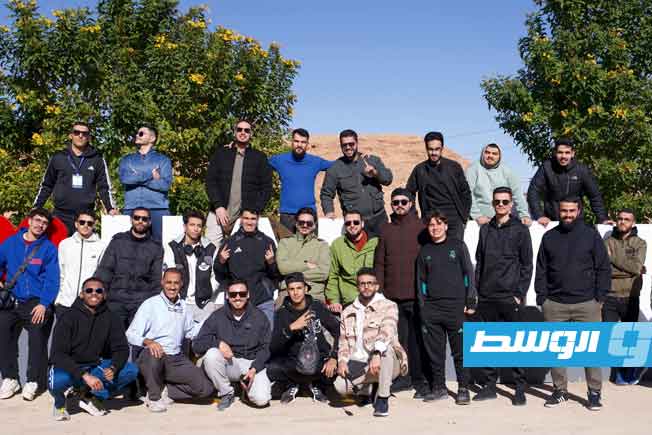
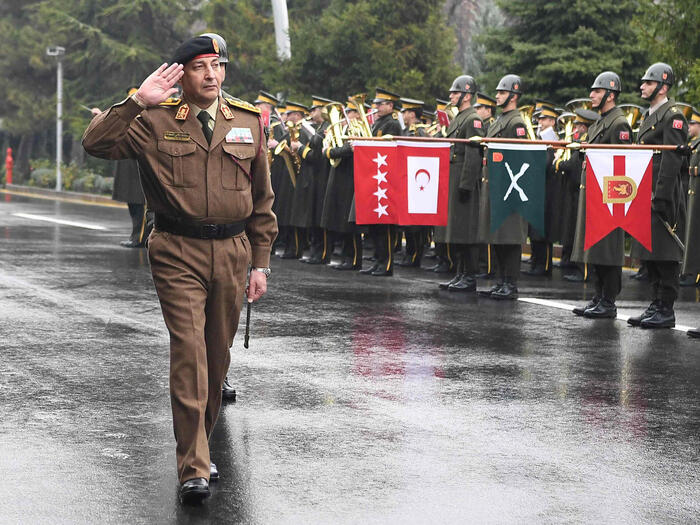
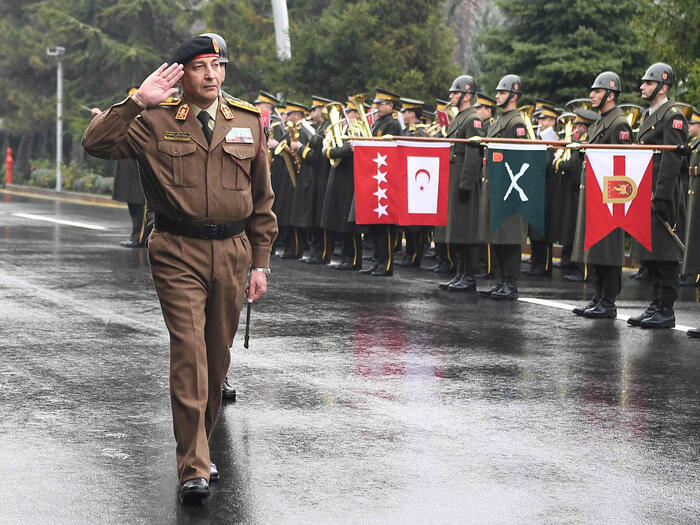
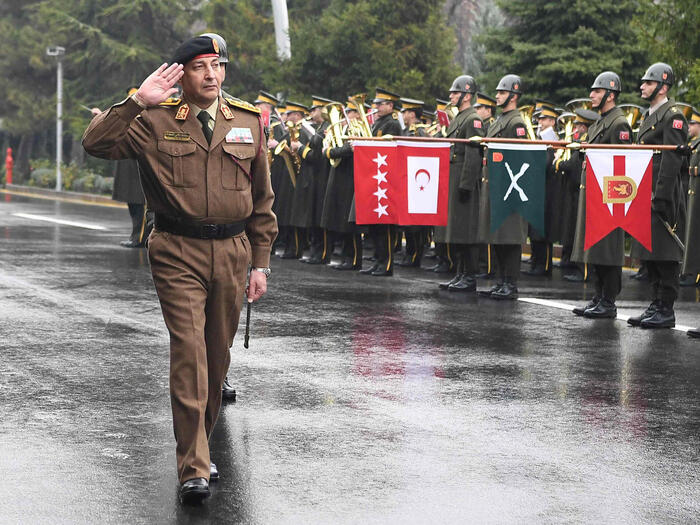
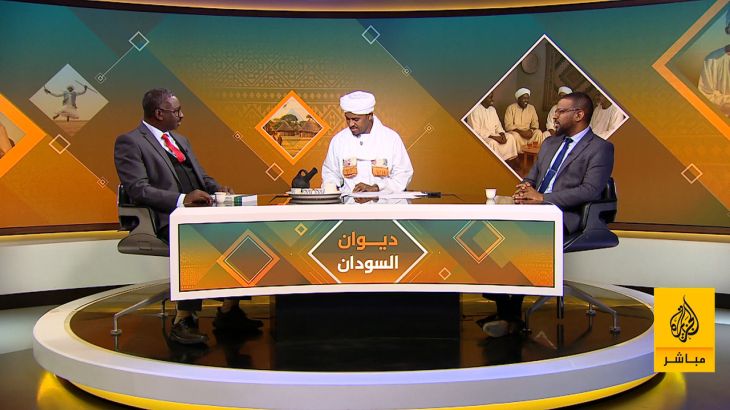
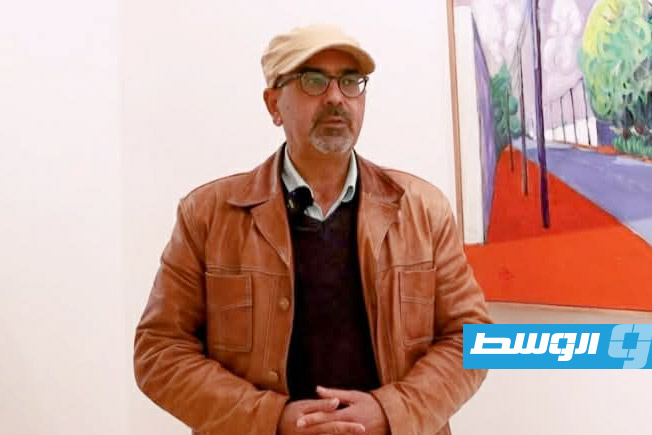
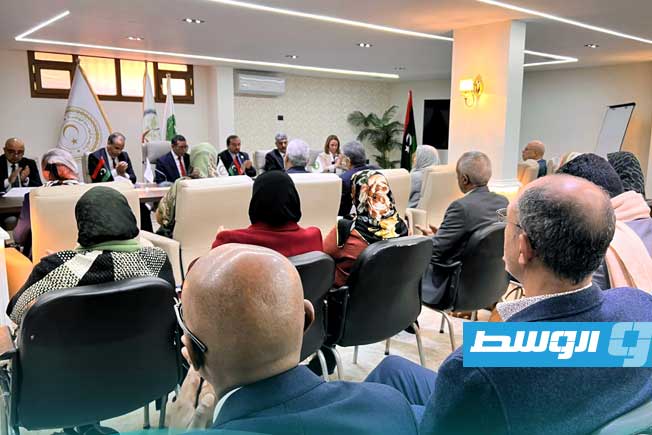
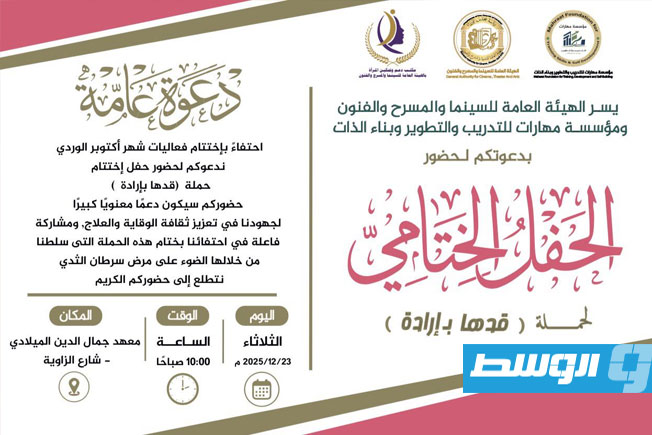
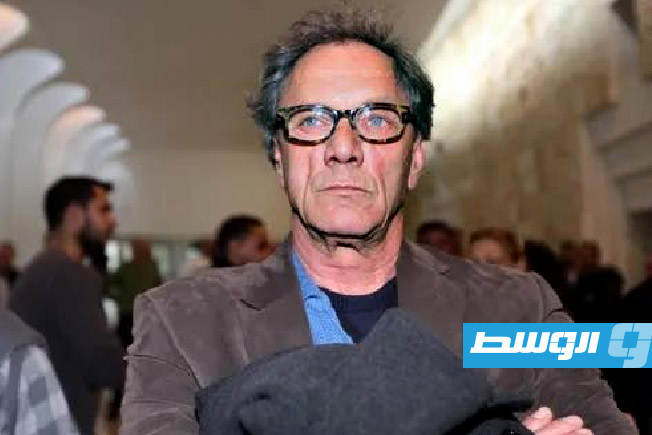
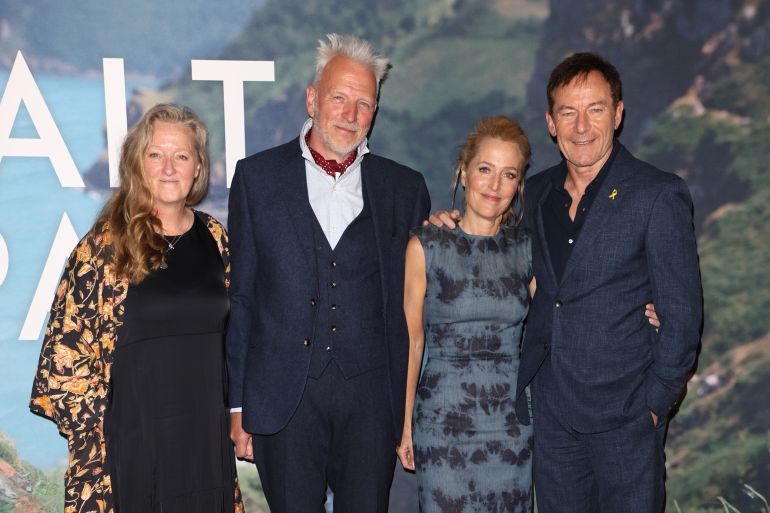
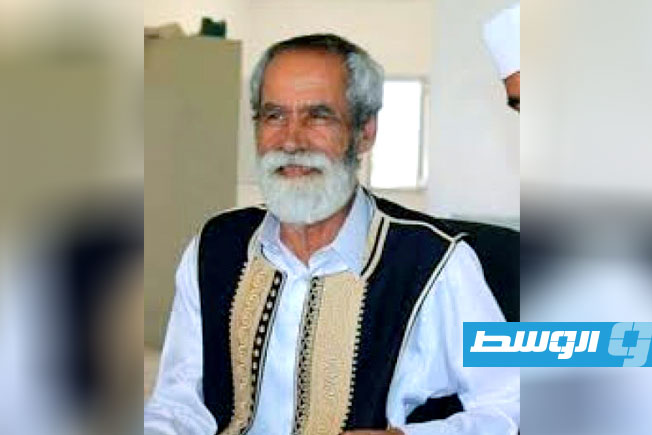
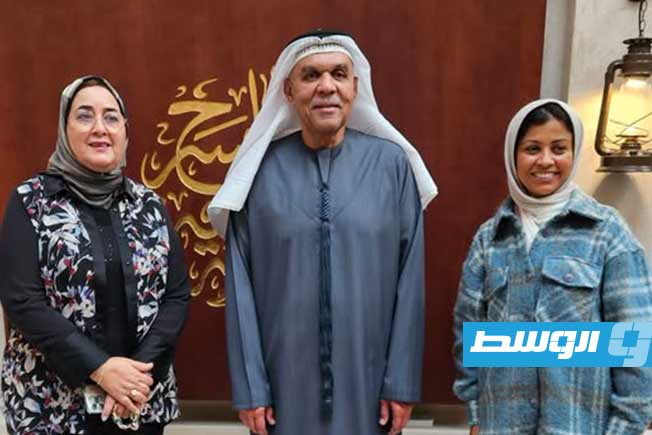
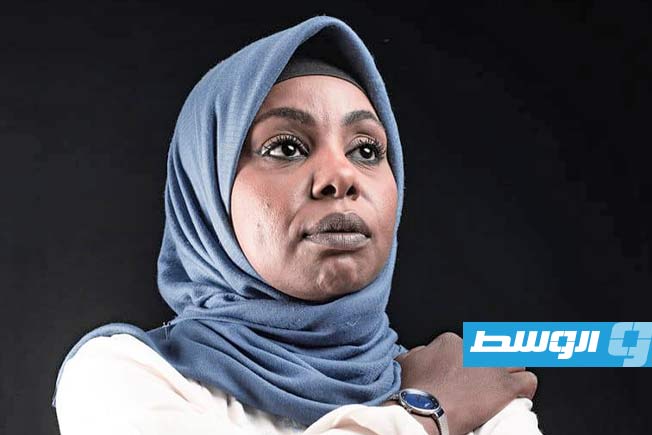
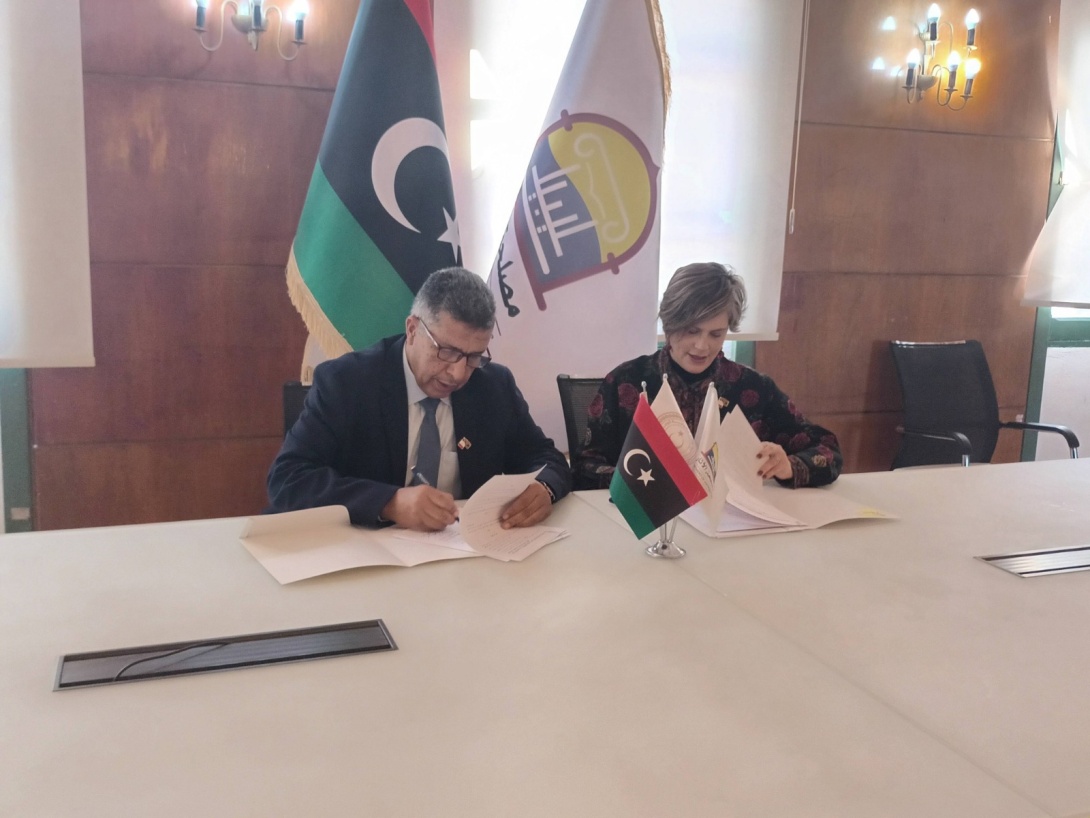
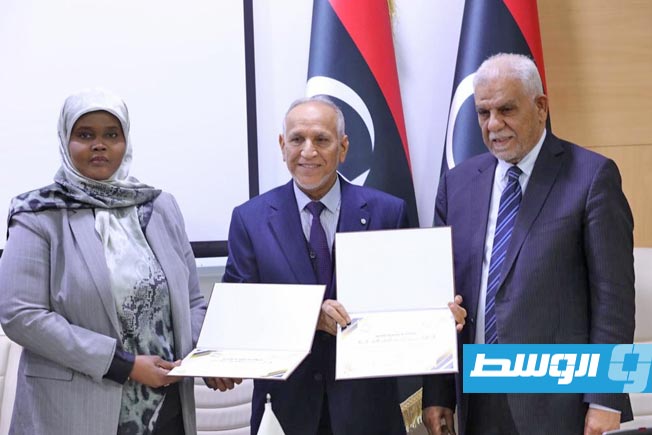
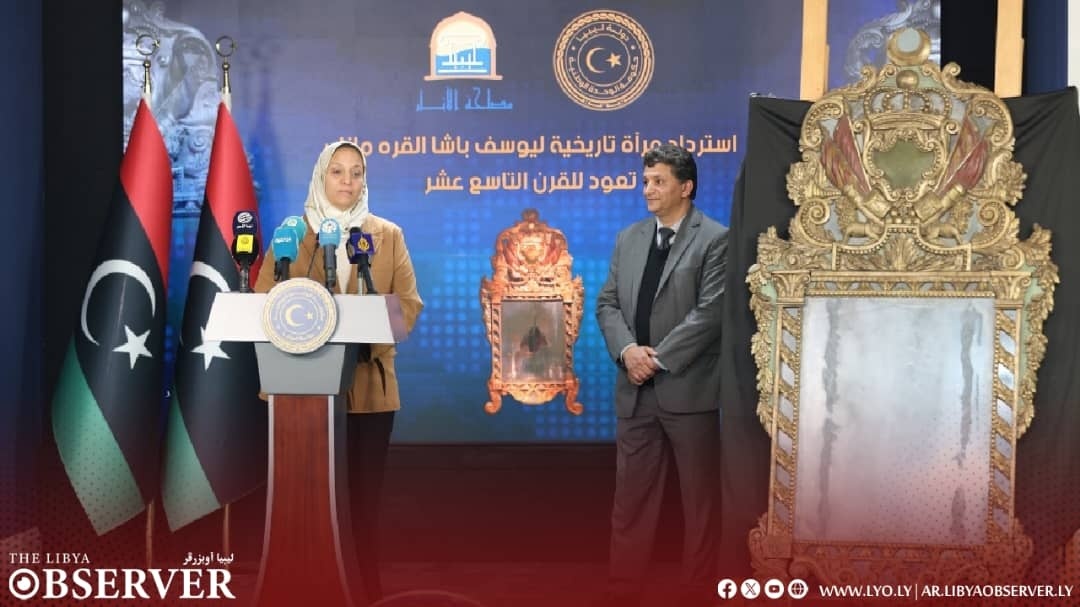
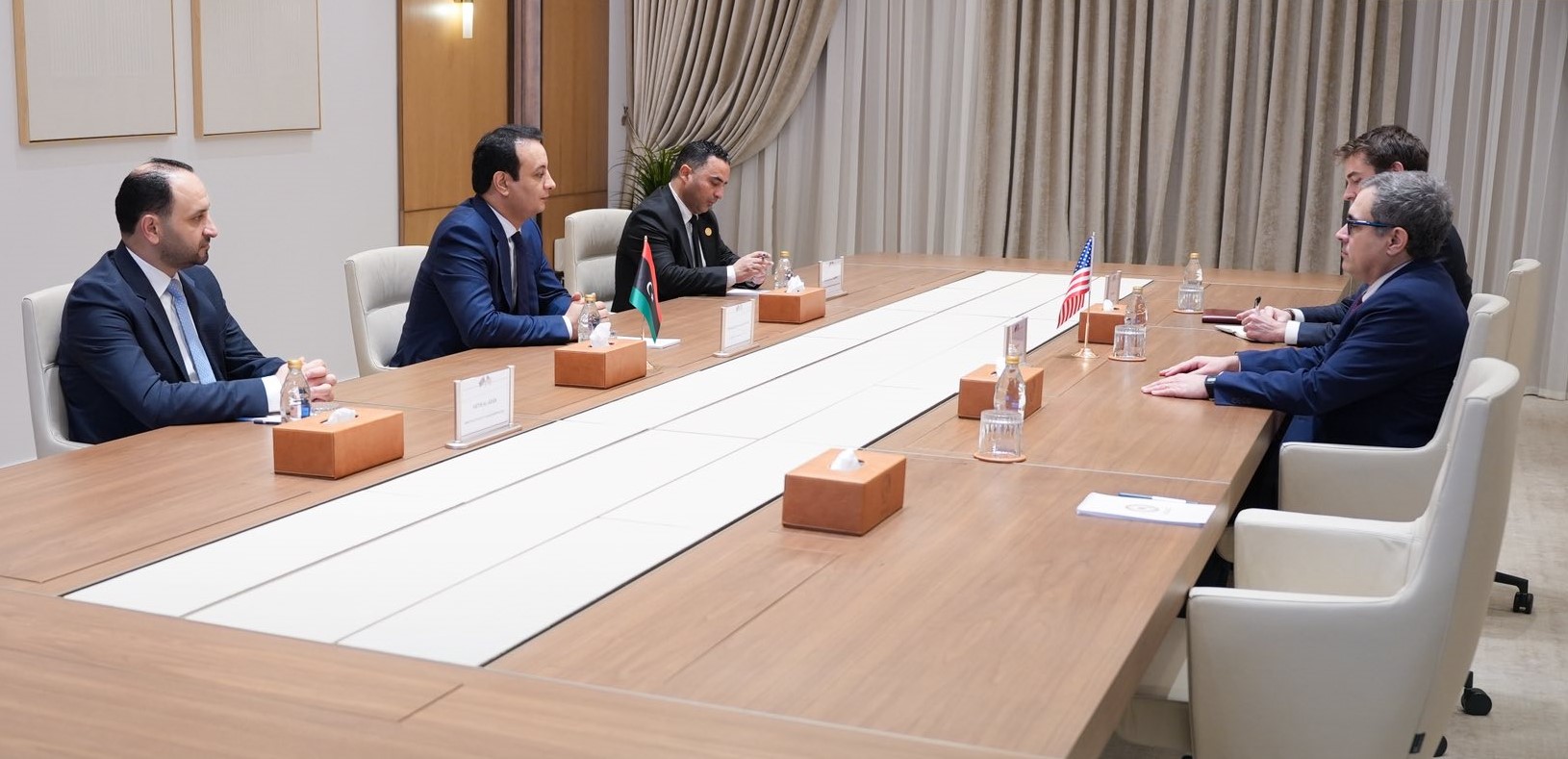
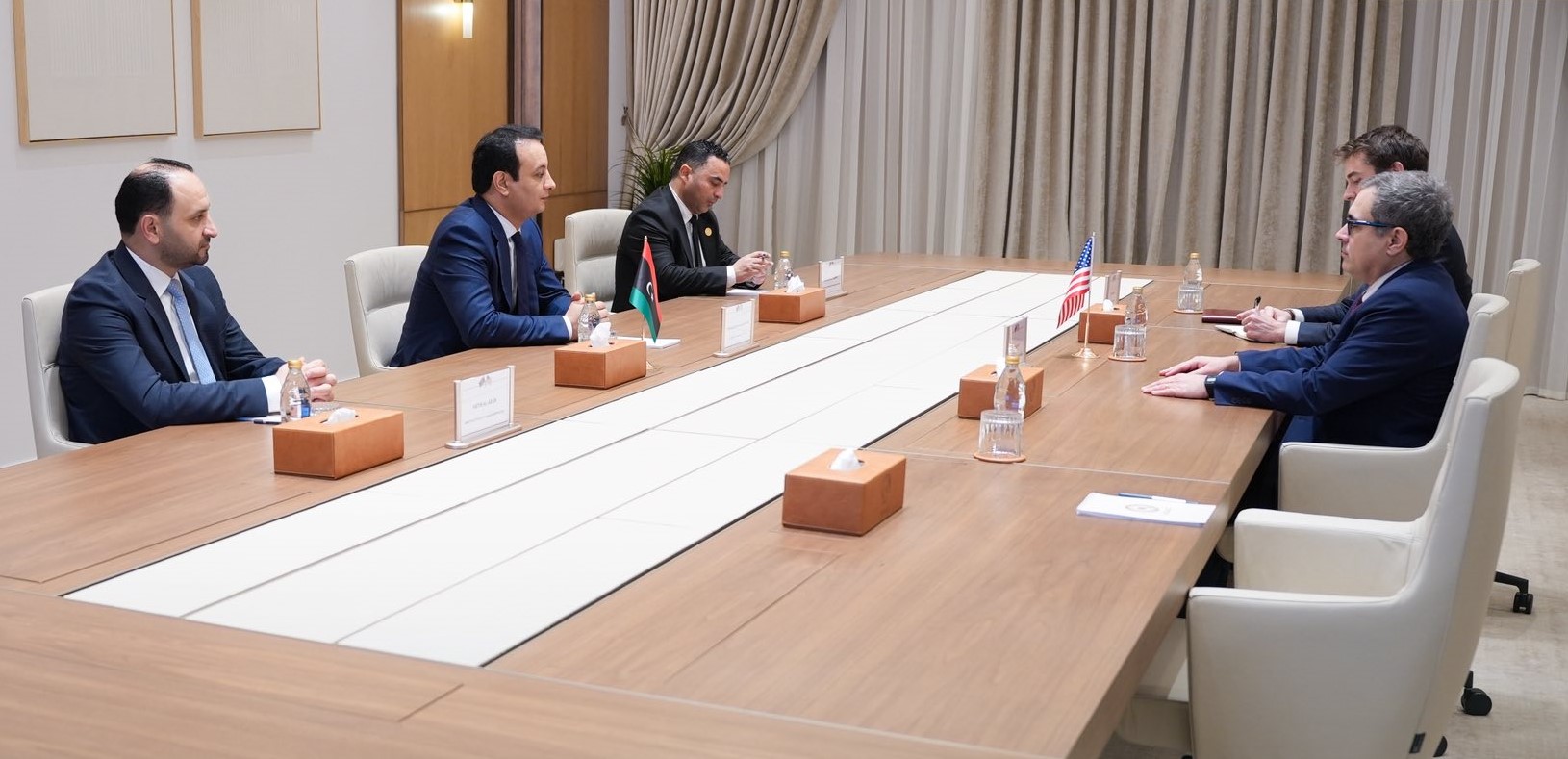
Participants in a literary evening organized by the Libyan Association for Literature and Arts titled ‘A Book in Memory’, February 2026. (Internet)
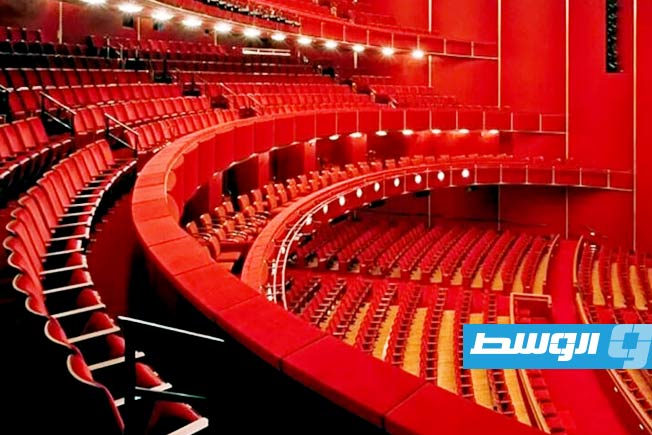
Continuing the series of meetings that shed light on books representing a part of an author’s memory and which shaped their cultural and intellectual formation, the Planetarium space hosted a literary evening on Tuesday. It was organized by the Libyan Association for Literature and Arts and sponsored by the local Tripoli Radio. The evening, titled ‘A Book in Memory’, featured the participation of writers.
The host began the evening by noting that in a time where time is stolen for purposes other than literature, art, and enlightening minds, time evaporates as we run aimlessly. Were it not for some spaces of knowledge and dialogue meetings provided by such evenings, rust would overwhelm all our intellectual, sensory, and emotional entities.
Thinking and the Meaning of Intelligence
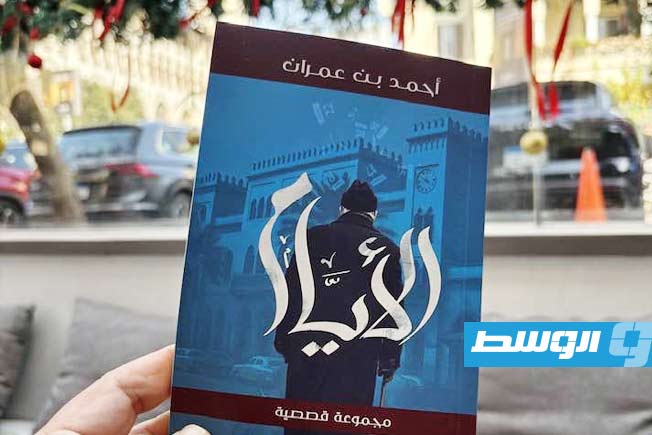
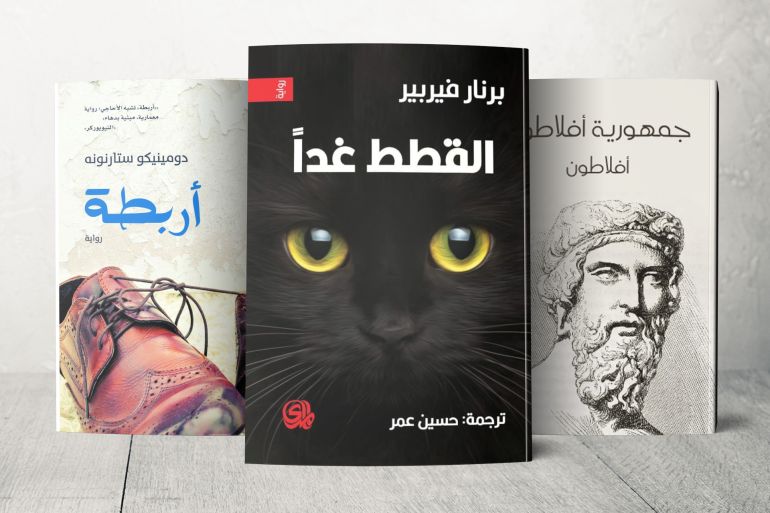
One writer and poet chose the book ‘The Intelligent’ by Ibn al-Jawzi. He pointed out that his choice to discuss this book is a tribute to that young boy, meaning himself, as ‘The Intelligent’ was the first book he borrowed from his school library in the first year of secondary school. He remembers the book’s color, the shape and texture of its cover, and how he read it exploratively, which later turned into a friendship with Ibn al-Jawzi. He views the three books authored by Ibn al-Jawzi, apart from his fame in jurisprudence and religion—namely, ‘Stories of Fools and Simpletons’, ‘The Intelligent’, and ‘Stories of the Witty and Jesters’—as books worth reading because they present models of societal categories and focus on representing concepts that form a methodological project.
He noted that the book ‘The Intelligent’ is divided into thirty-three sections. The first sections concern defining the nature of the mind, its place, and matters related to the thinking process and the meaning of intelligence. Then, it manifests in many layers and categories of people, ending with wisdom that comes from the mouths of the insane, like the madman who argued with the wise about love, or that which some attribute to animals and birds, like the tale of the lion, the wolf, and the fox, among others.
He proposes the idea that such a book exposes human shortcomings and uncovers societal and political hypocrisy. He also sees that bold publications from conservative scholars are worthy of study, as they have an intriguing and influential effect stemming from a freedom that formally contradicts the image of the jurist.
He concludes by inviting the audience to review the ancient Arab critical heritage, draw inspiration from it, and apply the mind to all legacies, whether traditional or modern.
Traits of Accelerated Death
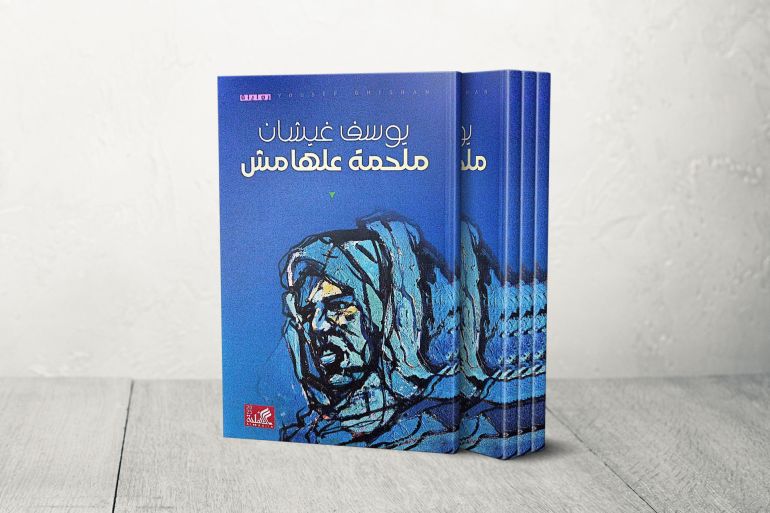
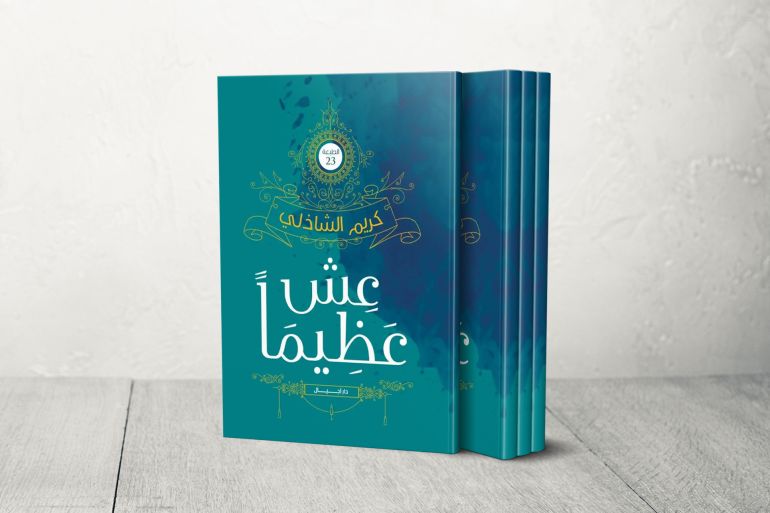
Another writer addressed the book ‘The Protracted Collapse… The Historical Background of the Arab Middle East Uprisings’ by its author. He pointed to the book’s title, explaining that the word ‘collapse’ in the title refers to a sudden event, while the term ‘protracted’ means a slow collapse that occurred over long decades. This explains the rest of the title (‘The Historical Background…’). He added that specifying the geographical area is important because the book deals with the region from Egypt to Iraq and what lies between, up to the year 2011. The question formed by the Bouazizi incident: Was that the straw that broke the camel’s back?
He added: The idea of the book is to clarify that the uprisings of what was called the Arab Spring did not come as a result of political, economic, and social demands, but rather due to a flaw in the concept of the state and society, referring here to the region between Egypt and Iraq. Although Libya, as an exception, applies to what applies to the Levant and Iraq, and to a lesser extent Egypt, it was noted that some believed Libyan society was more harmonized nationally and religiously, and that overthrowing the regime would be followed by economic prosperity and political openness. However, it turned out to be more complex than that due to the deep ruin caused by these authorities.
He quoted the book’s author as saying: A supporter of the Arab revolutions needs only justification and motive. Because the regimes of Egypt, Libya, Tunisia, and Yemen that fell, the Syrian regime that is falling, and the Bahraini regime that avoided falling due to the force of external intervention.
He continued: Those regimes share traits that necessitate their accelerated death, traits that cannot be reconciled with the
Planetarium
A planetarium is a theater-like venue designed for educational and entertainment presentations about astronomy and the night sky, typically featuring a large dome-shaped projection screen. The modern optical-mechanical planetarium projector was invented in the early 1920s by Walther Bauersfeld for the Carl Zeiss company in Germany. Today, planetariums use advanced digital projection systems to simulate celestial motions, travel through space, and visualize cosmic phenomena.
Libyan Association for Literature and Arts
The Libyan Association for Literature and Arts is a cultural institution established to promote and support Libyan writers, artists, and intellectuals. Historically, it has served as a key platform for cultural expression and dialogue within the country, often navigating the complex political landscapes of modern Libya.
Tripoli Radio
Tripoli Radio is a state-owned radio station in Libya that first began broadcasting in 1957 during the country’s monarchy. It became a key propaganda tool under Muammar Gaddafi’s rule from 1969 until 2011, used to broadcast official government messages and speeches. Following the 2011 revolution, control of the station shifted to the new transitional authorities.
Egypt
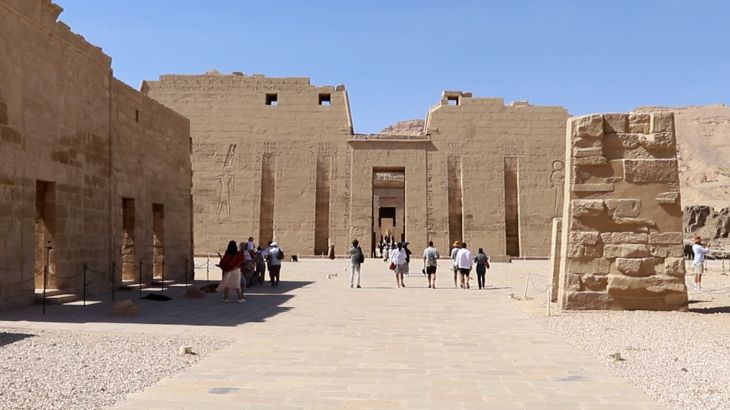
Egypt, home to one of the world’s oldest civilizations, is famed for its ancient monuments along the Nile River, including the Pyramids of Giza and the Great Sphinx, which were built as tombs for pharaohs over 4,500 years ago. Its long history encompasses the Pharaonic, Ptolemaic, Roman, and Islamic periods, with Cairo later becoming a major center of the Arab world. Modern Egypt gained independence from British influence in the mid-20th century and remains a influential cultural and political hub in the Middle East and North Africa.
Iraq
Iraq, historically known as Mesopotamia, is often called the “Cradle of Civilization” for its ancient Sumerian, Babylonian, and Assyrian empires, which pioneered writing, law, and urban life. Modern Iraq, established in the 20th century, is home to significant cultural sites like the ancient city of Babylon and the archaeological ruins of Ur. The region has faced considerable instability in recent decades but remains a land of profound historical and cultural heritage.
Libya
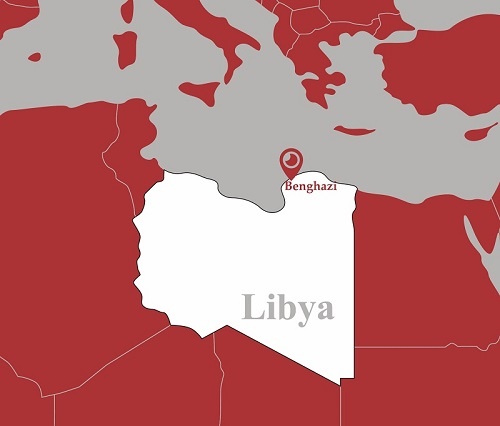
Libya is a North African country with a rich history rooted in ancient civilizations like the Phoenicians and Romans, followed by centuries of Arab and Ottoman influence. In the modern era, it was an Italian colony before gaining independence in 1951, later becoming known for Muammar Gaddafi’s lengthy rule from 1969 until the 2011 revolution. The country is home to UNESCO World Heritage sites, such as the ancient Greek city of Cyrene and the Roman ruins of Leptis Magna.
Levant
The Levant is a historical region in the Eastern Mediterranean, encompassing modern-day countries such as Syria, Lebanon, Jordan, Israel, and Palestine. It is considered one of the cradles of civilization, with a history spanning from the earliest Neolithic settlements to the rise of major ancient empires and the crossroads of major world religions.
Tunisia
Tunisia is a North African country with a rich history shaped by ancient civilizations, including the Phoenicians who founded Carthage, followed by Roman, Arab, and Ottoman influences. Its cultural sites, such as the ruins of Carthage and the medina of Tunis, reflect this diverse heritage. Today, it is known as the birthplace of the Arab Spring and for its Mediterranean coastline and historic architecture.
Yemen
Yemen is a country on the Arabian Peninsula with a rich history as a center of ancient civilizations and trade, notably the Kingdom of Saba (Sheba). It is home to significant cultural sites like the Old City of Sana’a, with its distinctive multi-story tower houses, and the historic port of Aden.
Syrian regime
The Syrian regime refers to the government of Syria under the ruling Ba’ath Party, which has been in power since a 1963 coup. It has been dominated by the Assad family since Hafez al-Assad took control in 1970, maintaining authority through a centralized security apparatus. The regime has faced significant internal conflict, most notably during the ongoing Syrian Civil War that began in 2011.
Bahraini regime
The term “Bahraini regime” is a politically charged phrase, not a specific cultural site. Bahrain is a constitutional monarchy with a rich history as the ancient Dilmun civilization and a modern hub in the Persian Gulf. Its political system has been shaped by its history as a British protectorate until independence in 1971.