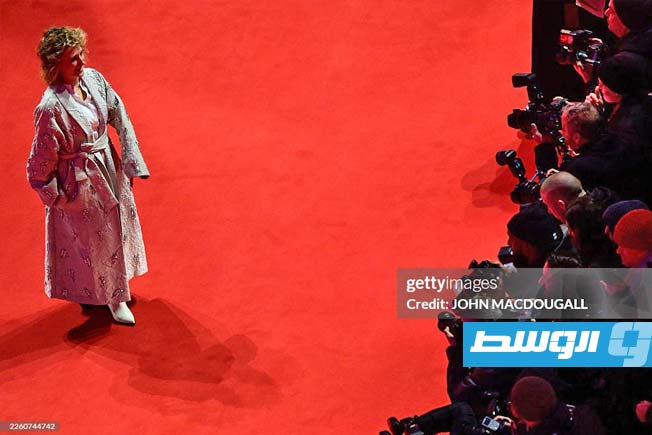
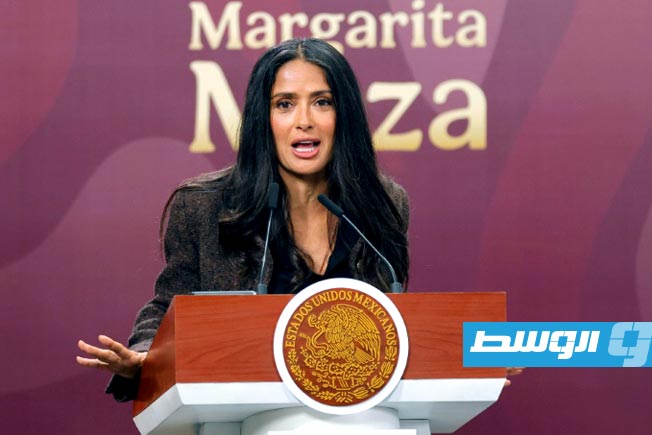
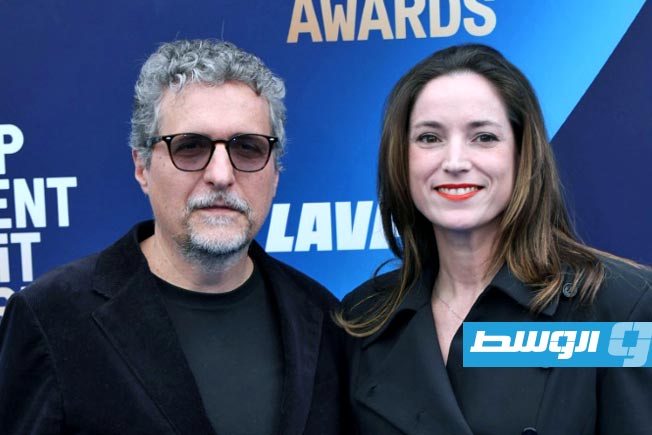
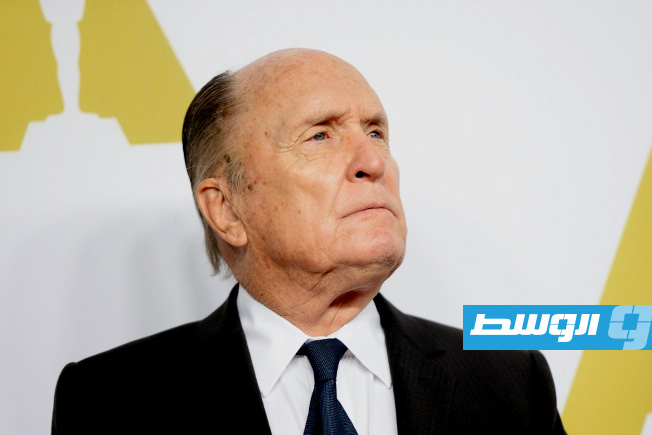
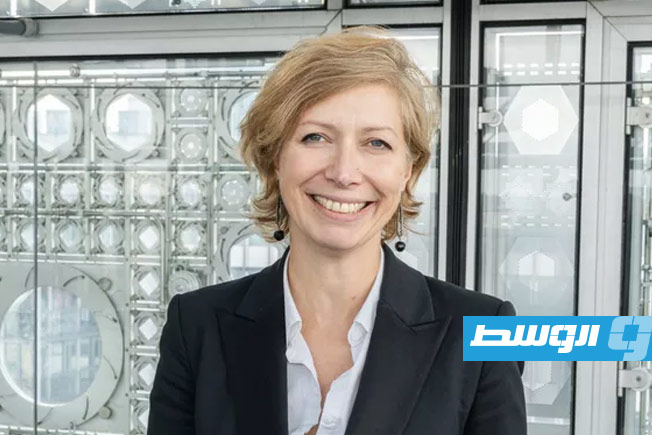
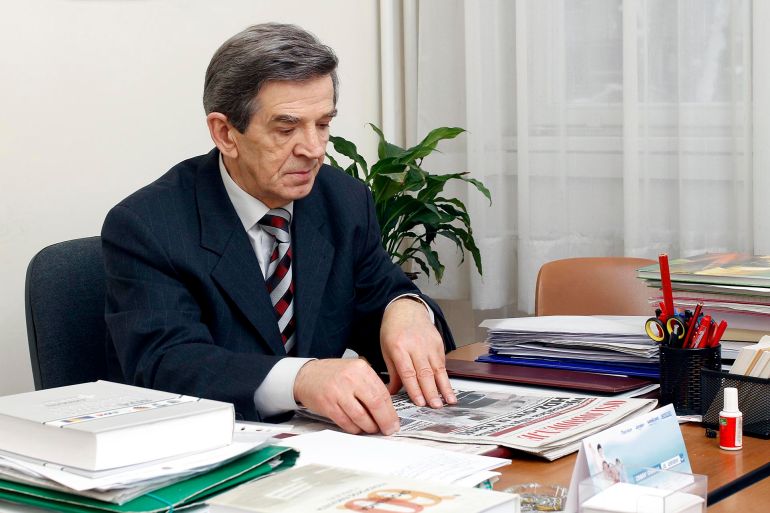
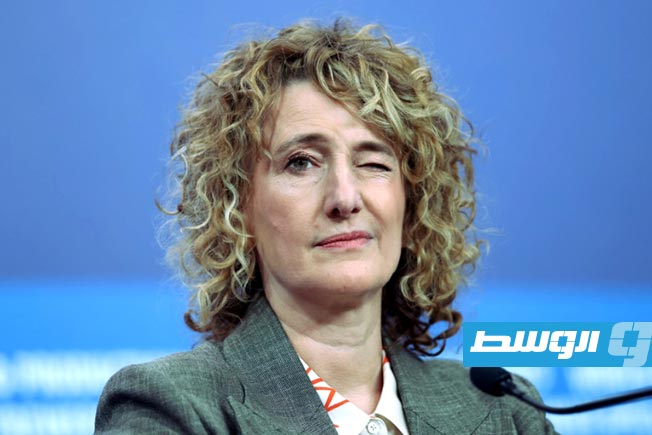
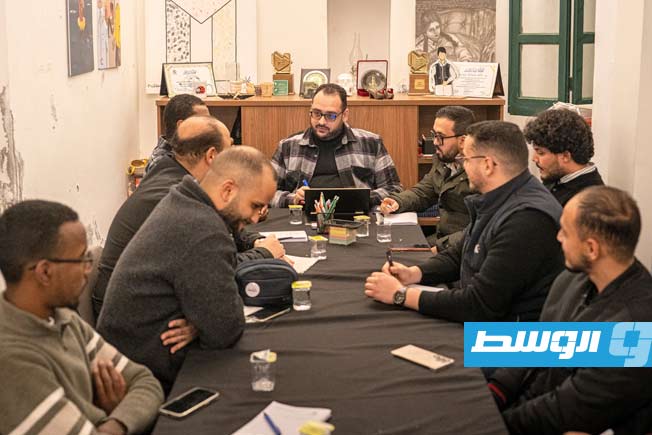
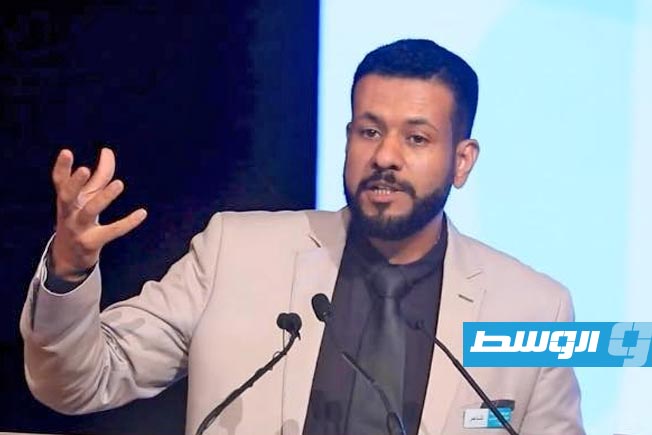
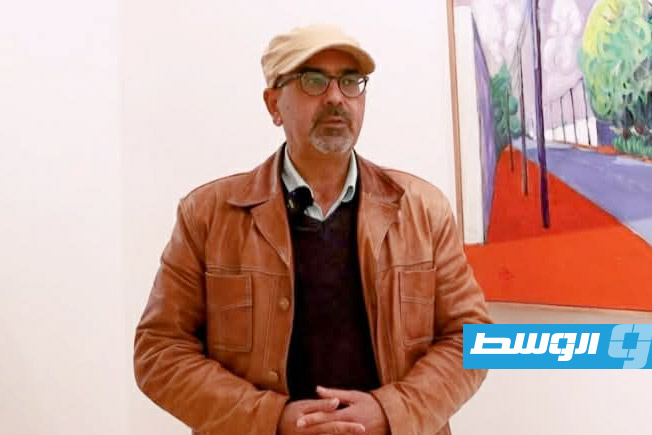
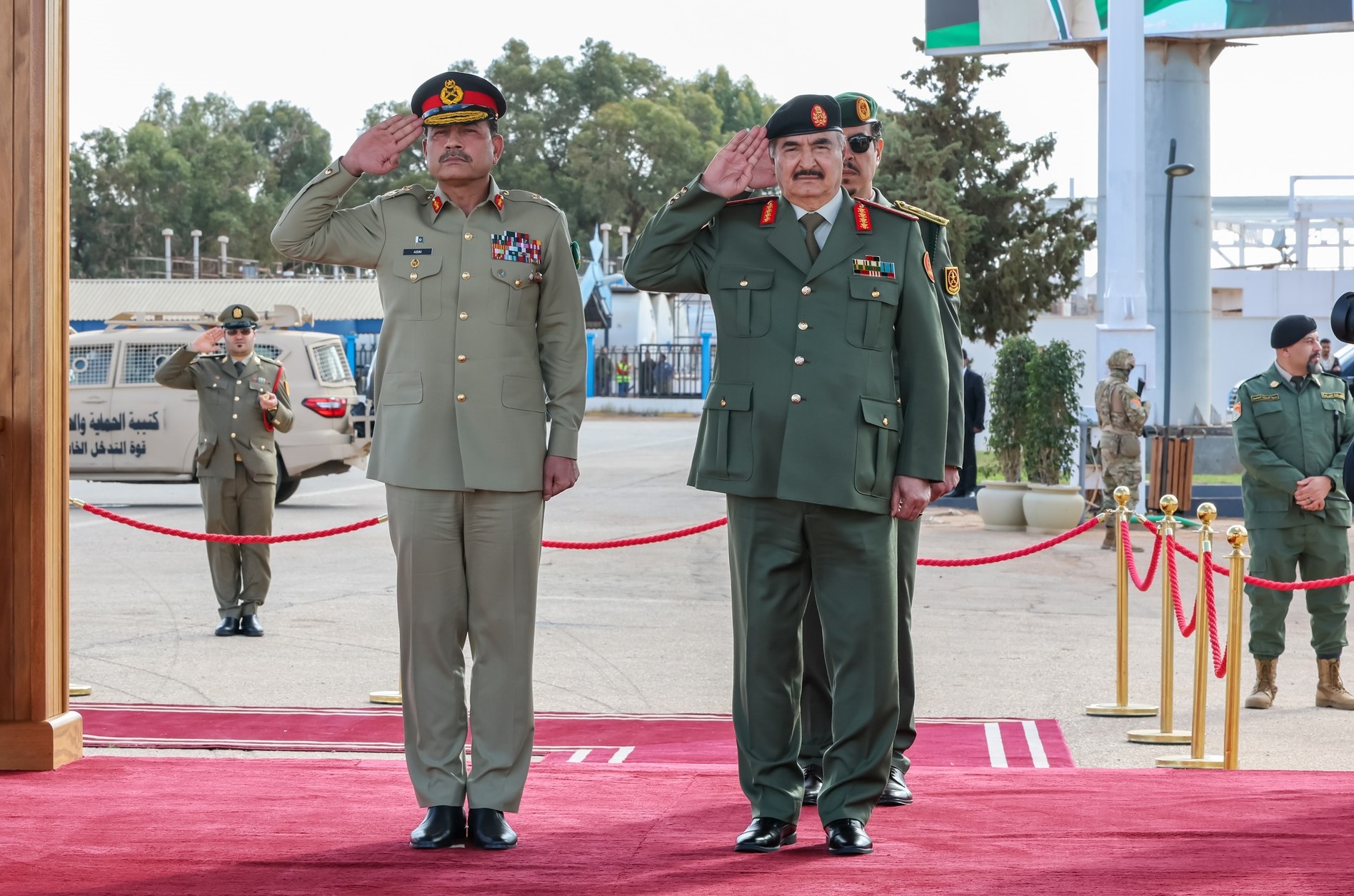
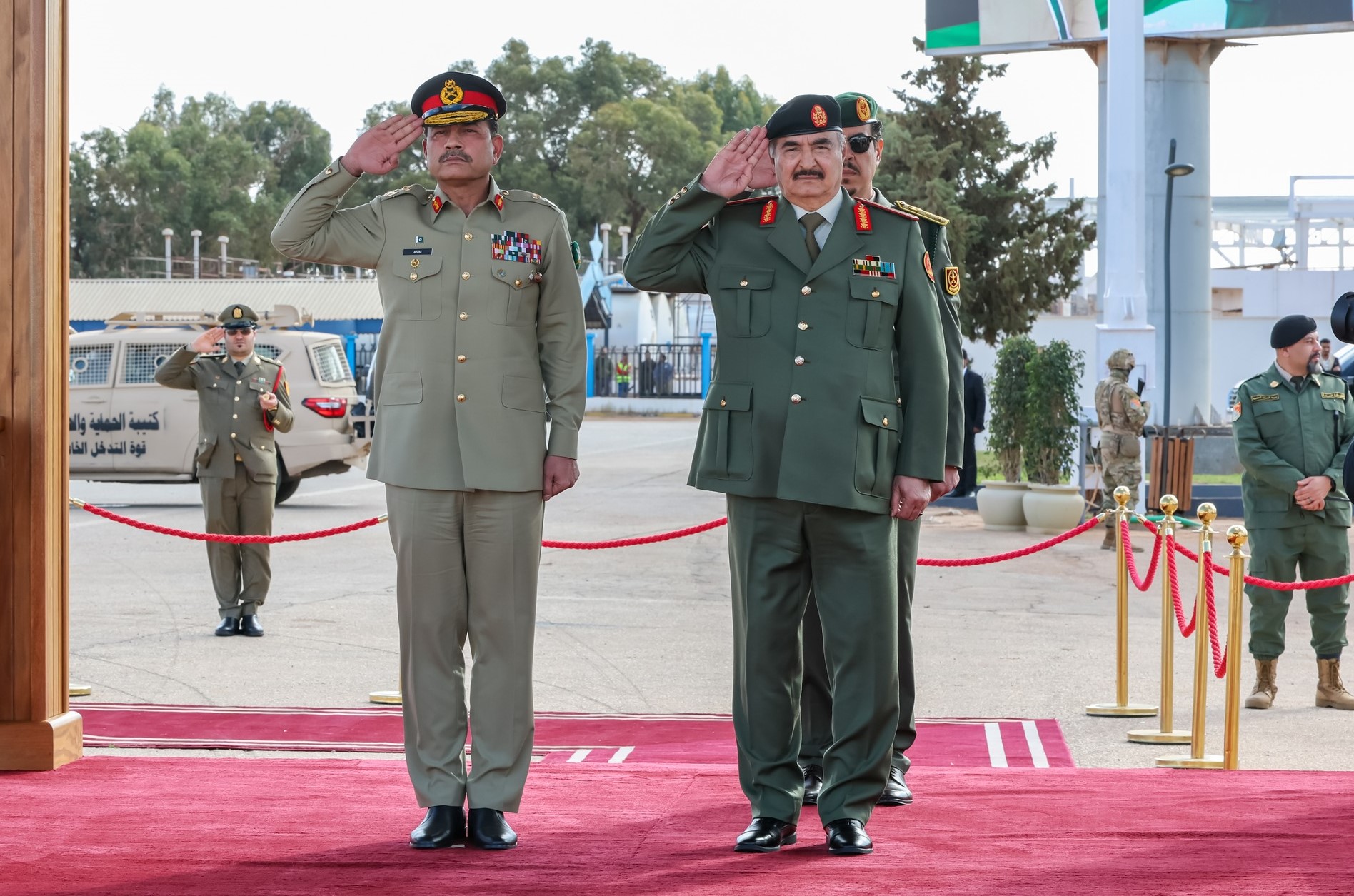
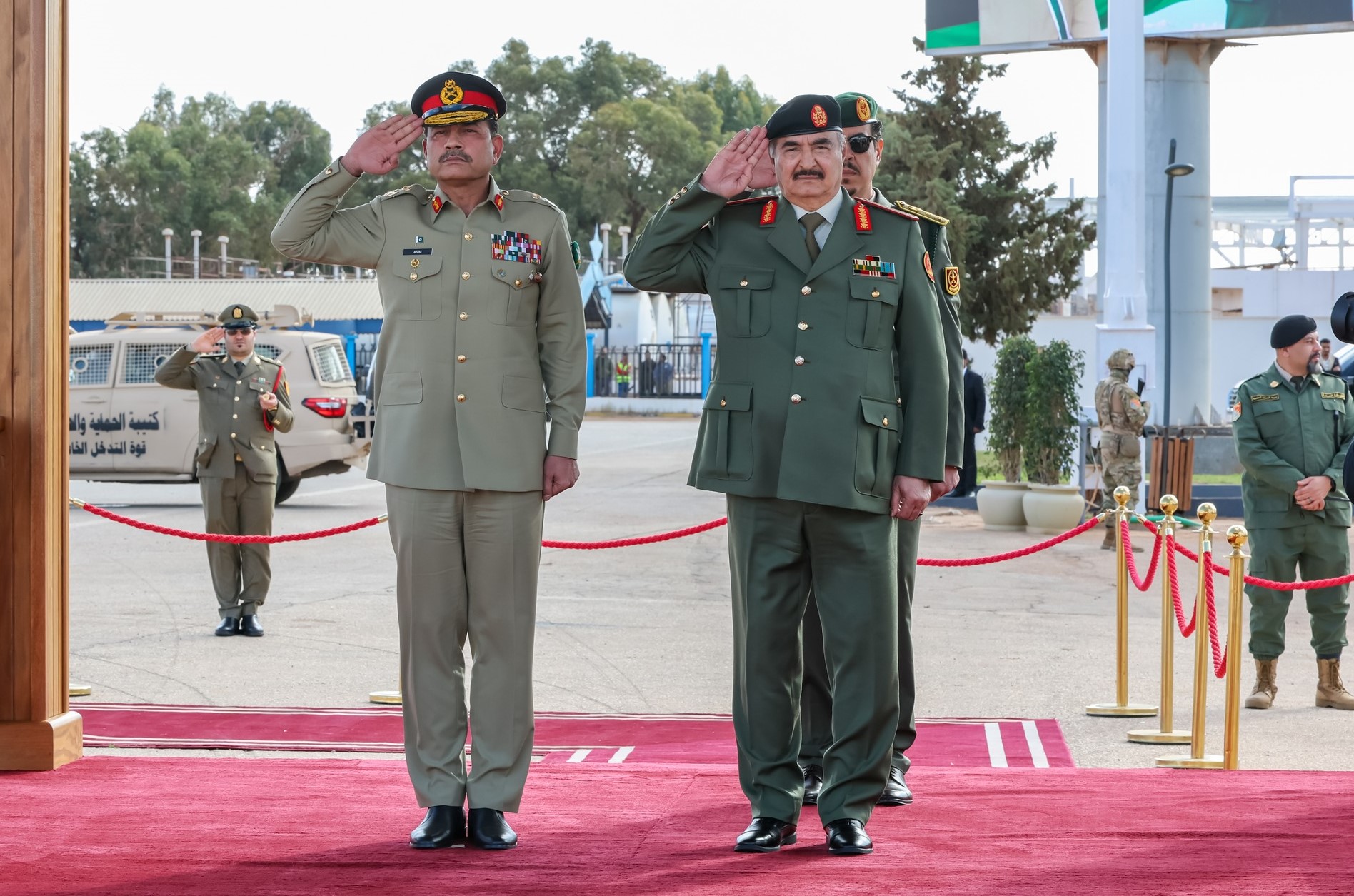
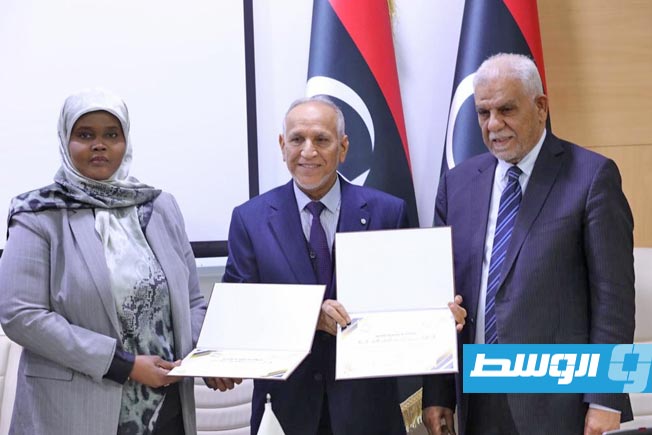
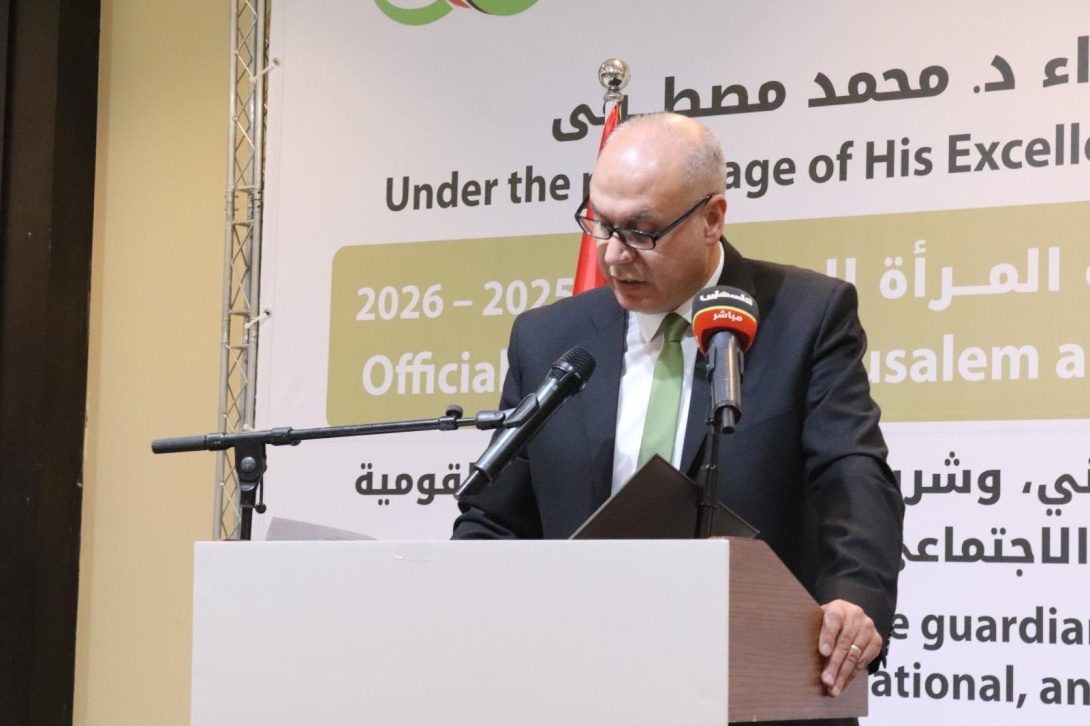
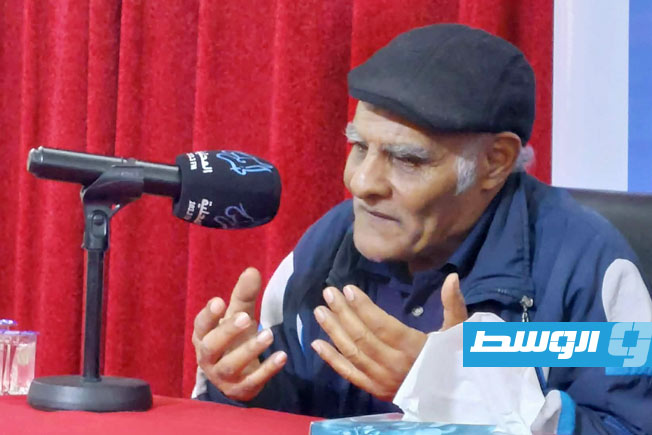
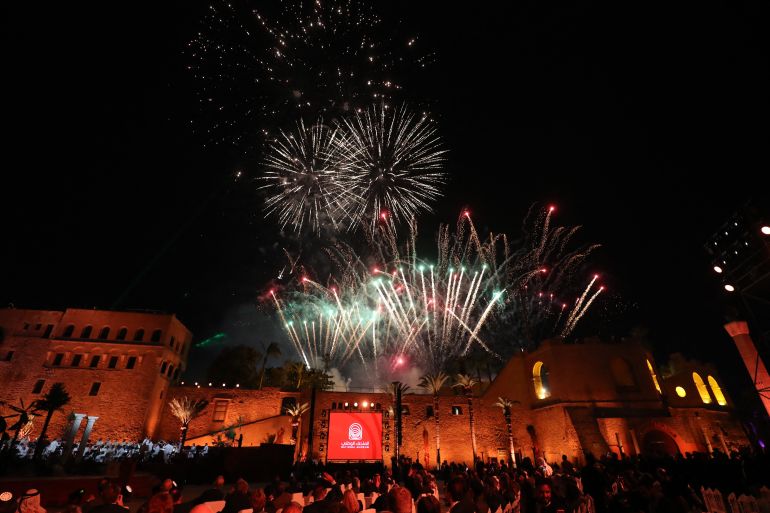
Director Tricia Tuttle, head of the Berlin International Film Festival, during the opening of the 76th Berlin International Film Festival on February 12, 2026.
The director of the Berlin Film Festival, Tricia Tuttle, has rejected accusations from more than 80 prominent film industry figures who claimed the festival contributed to censoring artists critical of Israel’s actions in the devastating war in the Gaza Strip.
This rejection came in response to an open letter published on Tuesday, signed by Oscar-winning actors, including Javier Bardem and Tilda Swinton. They criticized what they described as the festival’s “silence” and its “complicity in censoring artists who oppose the ongoing Israeli genocide against Palestinians in Gaza.”
In an interview, Tuttle confirmed that the festival supports “freedom of speech within the limits of German law.” She noted her understanding that the letter stemmed from “deep anger and frustration over the suffering of the people of Gaza.” However, she simultaneously stressed her rejection of the censorship accusations, considering that the letter contained “misinformation” and “inaccurate claims about the Berlin Film Festival” published “without evidence.”
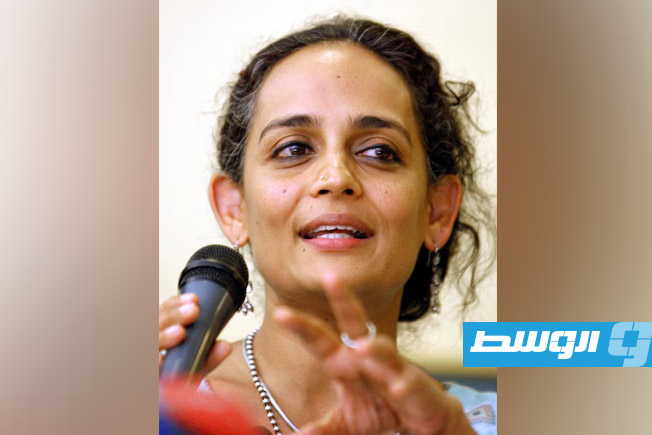
A wide debate about Gaza has arisen at this year’s edition, particularly after jury president Wim Wenders stated they “cannot really get into politics.” This position prompted Booker Prize-winning novelist Arundhati Roy to withdraw from the festival in protest.
–
–
–
For her part, Tuttle clarified that the festival represents a large group of people with different viewpoints, including many living in Germany who wish to “understand Israel’s position more deeply than the rest of the world currently does.”
The Holocaust Legacy
This comes at a time when German politicians express significant support for Israel in light of the “country’s quest to atone for the legacy of the Holocaust,” although German public opinion appears more critical of Israeli operations in Gaza.
In this context, German Culture Minister Volfram Weimer defended the festival’s management, confirming to a television channel that “what artists should do regarding politics should not be dictated.”
Gaza has been a contentious topic at the festival in recent years. In 2024, the film “No Other Land” won the documentary award for its coverage of the displacement of Palestinians from their land in the occupied West Bank, which at the time sparked criticism from German government officials towards statements made by the film’s directors and other creators during the awards ceremony.
Berlin Film Festival
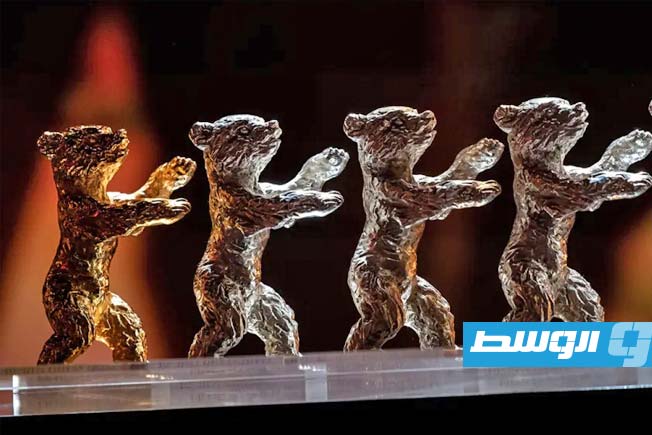
The Berlin International Film Festival, commonly known as the Berlinale, was founded in 1951 in West Berlin as a showcase of the free world. It has grown into one of the world’s largest and most prestigious public film festivals, renowned for its competitive section and the awarding of the Golden and Silver Bears.
Berlin International Film Festival
The Berlin International Film Festival, commonly known as the Berlinale, is one of the world’s leading film festivals, founded in 1951 in West Berlin. It was initiated as a “showcase of the free world” during the Cold War and has since grown into a major public event, renowned for its focus on political and arthouse cinema.
Israel
Israel is a country in the Middle East, established as a modern state in 1948 following a United Nations partition plan. It is a historic homeland for the Jewish people, with a cultural and religious history spanning millennia, and contains significant sites sacred to Judaism, Christianity, and Islam, including Jerusalem’s Old City.
Gaza Strip
The Gaza Strip is a small coastal territory on the eastern Mediterranean, historically part of Palestine and administered by Egypt after the 1948 Arab-Israeli war. It came under Israeli occupation following the 1967 Six-Day War and is now home to a predominantly Palestinian population, with Hamas governing the territory since 2007 after winning elections and a subsequent conflict with Fatah.
Gaza
Gaza is a historic coastal city in the Palestinian territories, with a history dating back over 3,000 years as a strategic hub for various empires, including the Egyptians, Philistines, Romans, and Ottomans. It remains a central and densely populated urban center in the Gaza Strip, though in recent decades it has been frequently associated with regional conflict and humanitarian crises.
Germany
Germany is a country in Central Europe with a complex history, having been a collection of states for centuries before unifying in 1871. It was a central power in both World Wars, and its post-World War II division into East and West Germany became a key symbol of the Cold War until reunification in 1990. Today, it is a leading economic and political force in the European Union, known for its rich cultural heritage in philosophy, music, and science.
West Bank
The West Bank is a landlocked territory in the Middle East, located west of the Jordan River, with a history of complex governance. It was captured by Jordan in the 1948 Arab-Israeli War and later occupied by Israel following the 1967 Six-Day War, a status that remains a central issue in the Israeli-Palestinian conflict. The area is home to significant historical and religious sites for Judaism, Christianity, and Islam, including parts of Jerusalem and Bethlehem.
Holocaust
The Holocaust was the systematic, state-sponsored persecution and murder of six million Jews by Nazi Germany and its collaborators between 1941 and 1945. It was rooted in Nazi ideology and also targeted other groups, including Roma, disabled individuals, and political dissidents, with the genocide primarily carried out through a network of concentration and extermination camps across Europe.