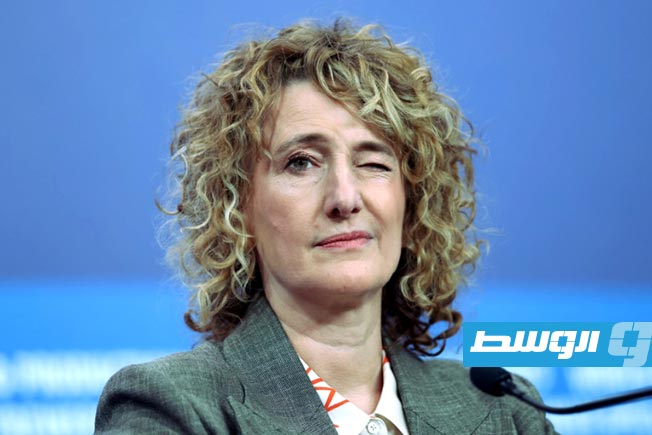
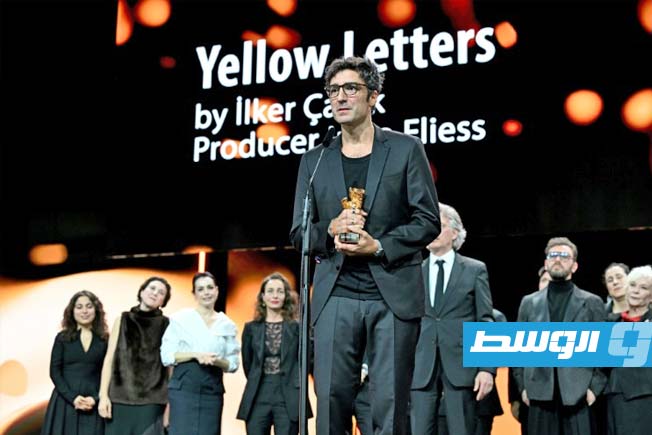
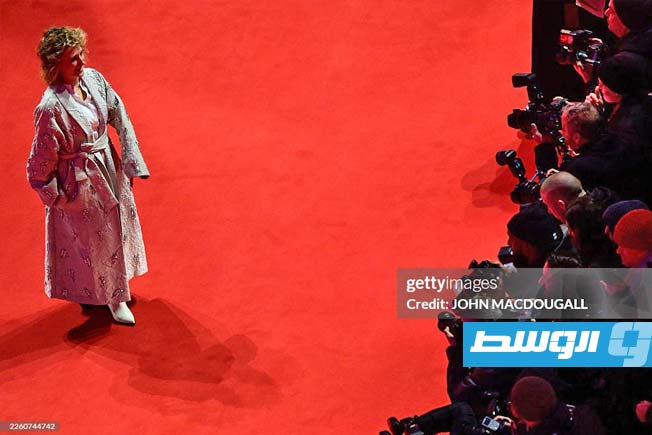
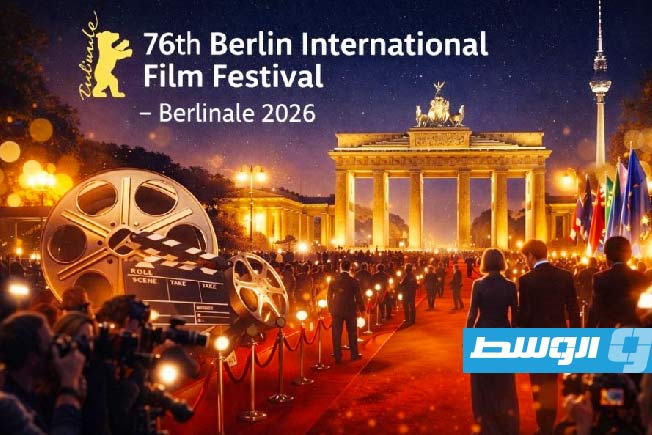
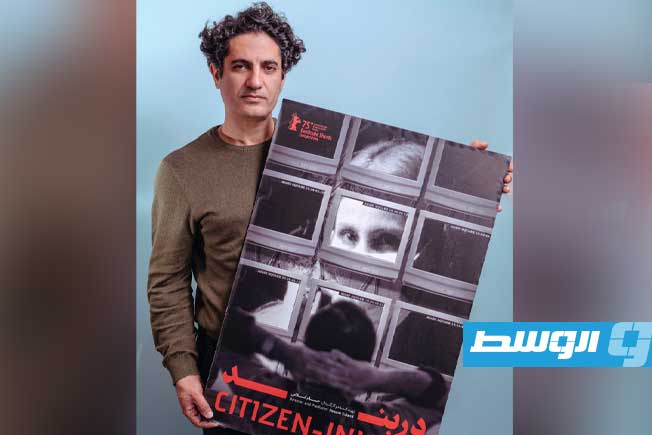
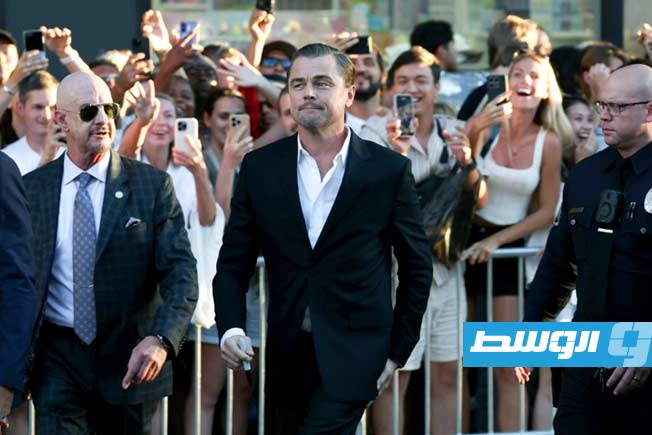
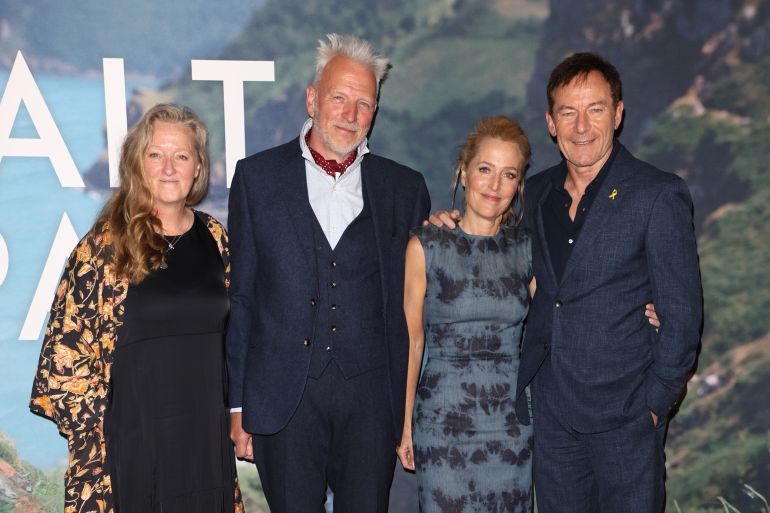
The director of the Berlin International Film Festival sought to put an end to the controversy that marked its opening days regarding whether filmmakers should take political stances, against the backdrop of the position on the war in Gaza.
In a statement on Saturday night, it was said, “It is difficult to see the Berlin Festival and the hundreds of filmmakers and people who worked on this festival being reduced to an image we sometimes barely recognize in media discourse and online.”
Artists’ Right to Freedom of Expression
It was emphasized that artists “are free to exercise their right to freedom of expression in any form they wish,” and that one should not “expect them to comment on every political issue presented to them if they do not wish to do so.”
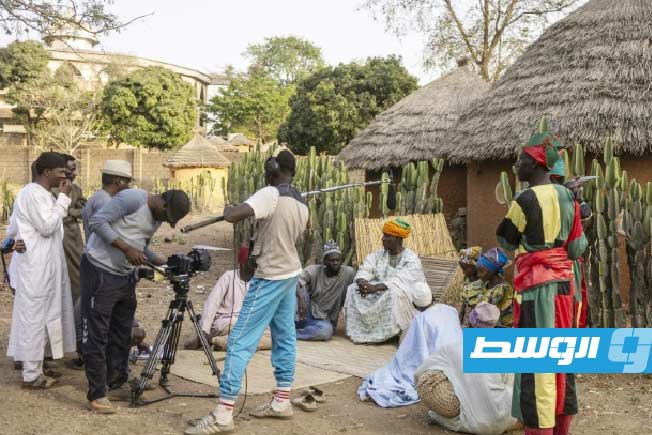
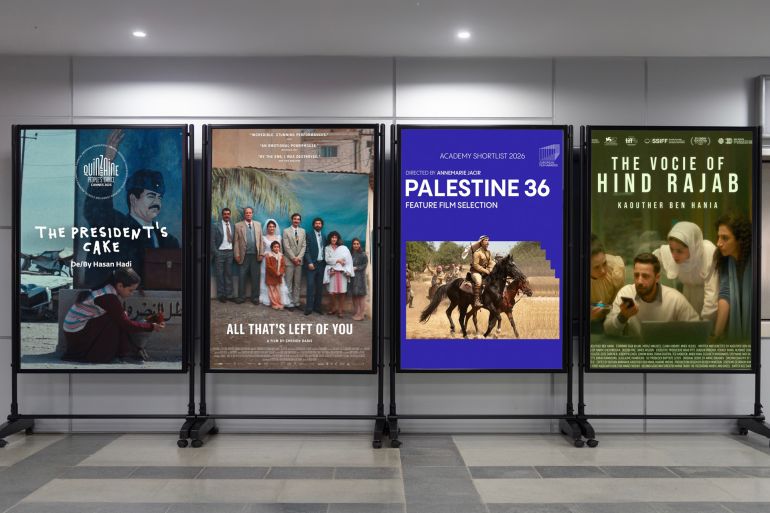
It was noted that the festival, known for presenting programs that demonstrate social awareness, is offering films this year that “address genocide and sexual violence in war, corruption and patriarchal violence, colonialism, and abuses of power,” and some of these films are by directors who have themselves suffered persecution.
It was stated, “We do not believe there is a single director participating in the festival who is indifferent to what is happening in our world, or who does not seriously consider the rights, lives, and immense suffering of people in Gaza, the West Bank, Congo, Sudan, Iran, Ukraine, Minneapolis, and in a horrifying number of places.”
Berlin
Berlin is the capital of Germany, historically significant as the divided epicenter of the Cold War following World War II, symbolized by the Berlin Wall. Today, it is a major European hub known for its museums, vibrant arts scene, and landmarks like the Brandenburg Gate, which reflect its complex history of empire, war, and reunification.
Berlin International Film Festival
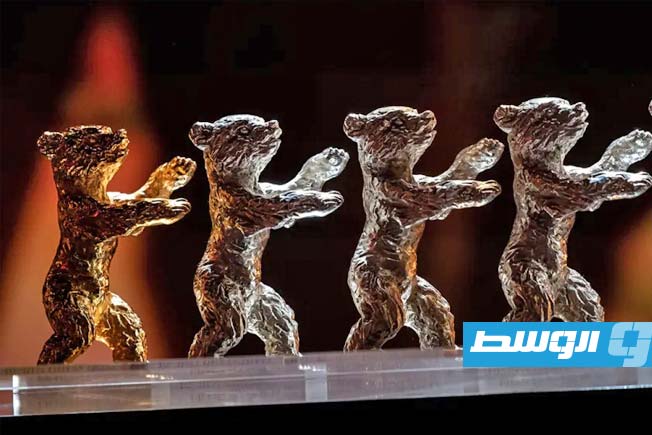
The Berlin International Film Festival, commonly known as the Berlinale, is one of the world’s leading film festivals. It was founded in 1951 in West Berlin, initially with support from the Allied forces, as a “showcase of the free world” during the Cold War era. Today, it is renowned for its prestigious competition and its emphasis on films of political and social relevance.
Gaza
Gaza is a coastal city in the Palestinian territories with a history dating back over 3,000 years, having been ruled by various empires including the Egyptians, Philistines, Romans, and Ottomans. It is a densely populated urban center and holds significant cultural and religious importance in the region. In recent decades, it has been the focus of intense political conflict and humanitarian crises.
West Bank
The West Bank is a landlocked territory in the Middle East, located west of the Jordan River, with a history of complex political control. It was part of the British Mandate of Palestine, later annexed by Jordan after the 1948 Arab-Israeli War, and has been under Israeli military occupation since the 1967 Six-Day War. It is now home to a predominantly Palestinian population and is a central focus of the Israeli-Palestinian conflict.
Congo
The Democratic Republic of the Congo, located in Central Africa, is a country with a complex history marked by the pre-colonial Kingdom of Kongo, its brutal exploitation as the personal colony of King Leopold II of Belgium, and a difficult post-independence period. It is renowned for its vast rainforests, the Congo River, and significant mineral resources, but also for profound political instability and conflict.
Sudan
Sudan, located in Northeast Africa, is home to ancient civilizations, most notably the Kingdom of Kush, which ruled from the city of Meroë and was a major rival to ancient Egypt. The modern nation gained independence from Anglo-Egyptian rule in 1956 and has since been marked by a rich cultural heritage from numerous ethnic groups, though also by prolonged civil conflict.
Iran
Iran, historically known as Persia, is home to one of the world’s oldest continuous civilizations, with a rich history spanning thousands of years from the ancient Achaemenid Empire to the modern Islamic Republic established in 1979. Its cultural landscape is marked by significant sites like Persepolis and Isfahan’s Naqsh-e Jahan Square, reflecting profound contributions to art, architecture, science, and literature.
Ukraine
Ukraine is a country in Eastern Europe with a rich history dating back to the medieval state of Kyivan Rus. It has experienced periods of independence as well as rule by various empires, before regaining its sovereignty with the dissolution of the Soviet Union in 1991. The country is known for its diverse cultural heritage, Orthodox Christian cathedrals, and the Black Sea coastline.
Minneapolis
Minneapolis is a major city in Minnesota, founded on the Mississippi River’s Saint Anthony Falls, which provided hydropower for its early growth as a national flour milling center. Its name combines the Dakota word “minne” for water and the Greek “polis” for city, reflecting its Indigenous heritage and industrial history. Today, it is known for its vibrant arts scene, extensive park system, and modern urban landscape.