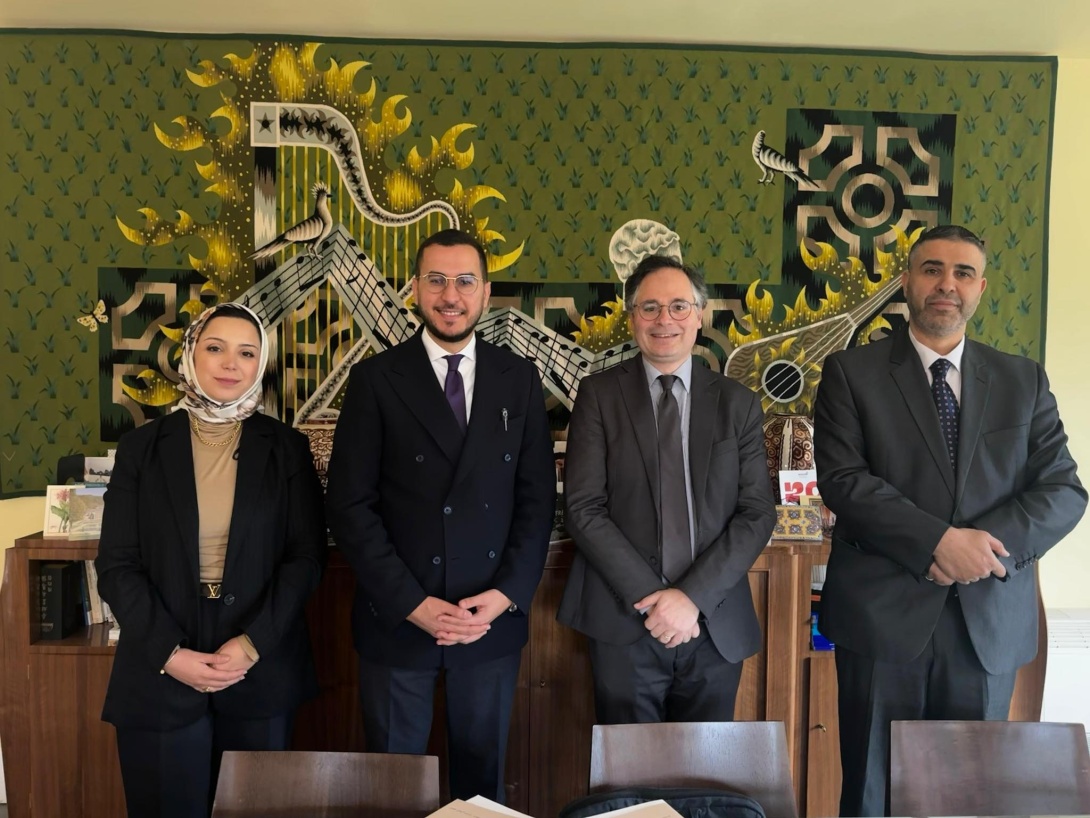
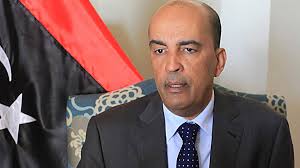
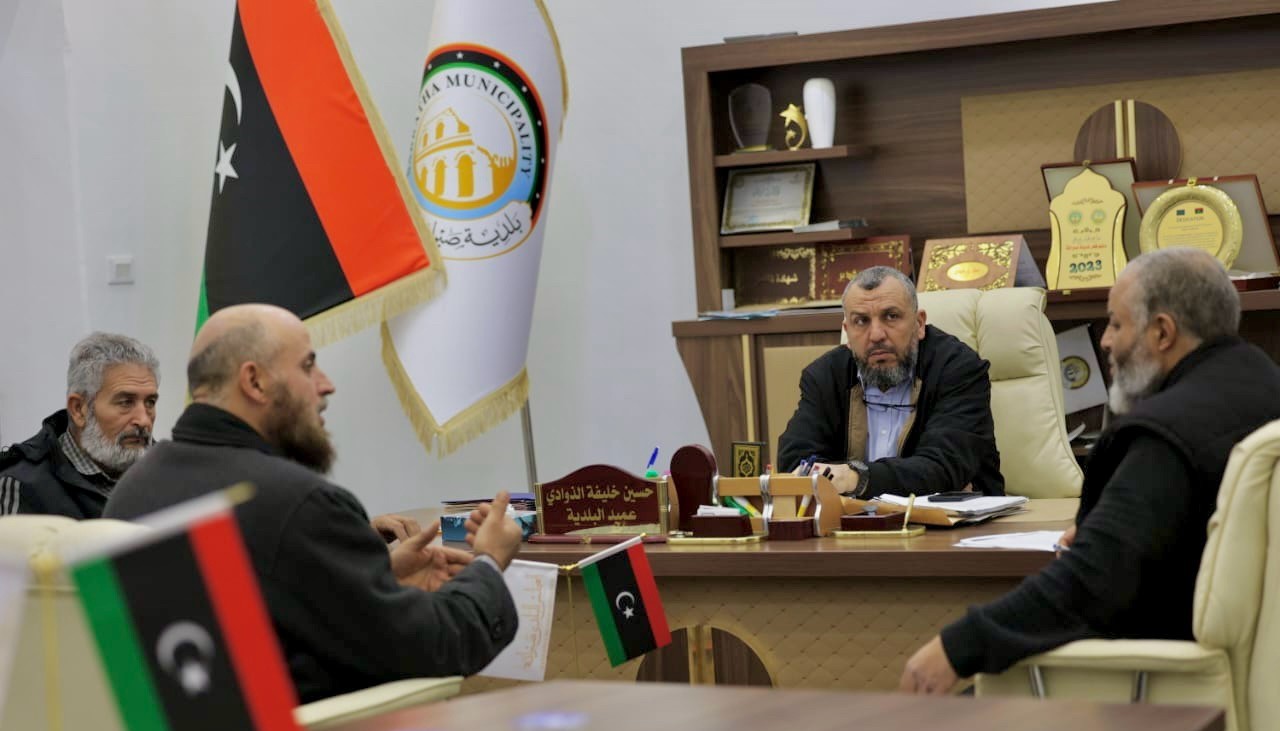
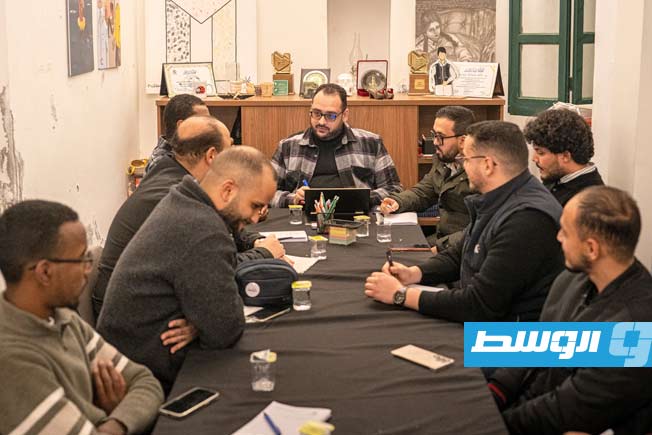
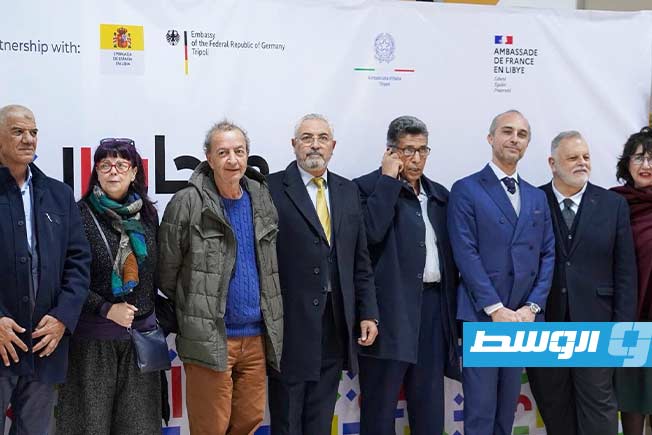
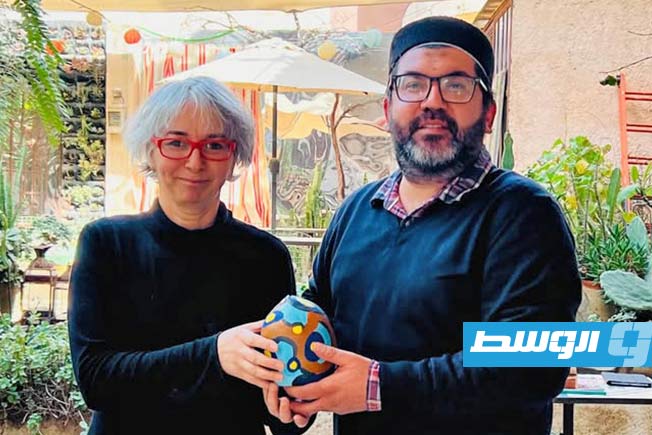
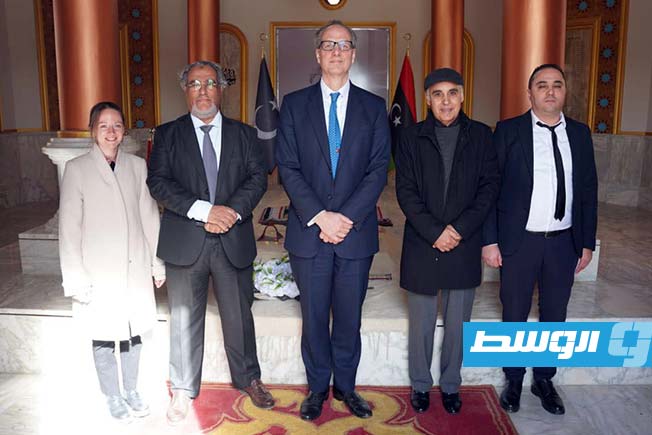
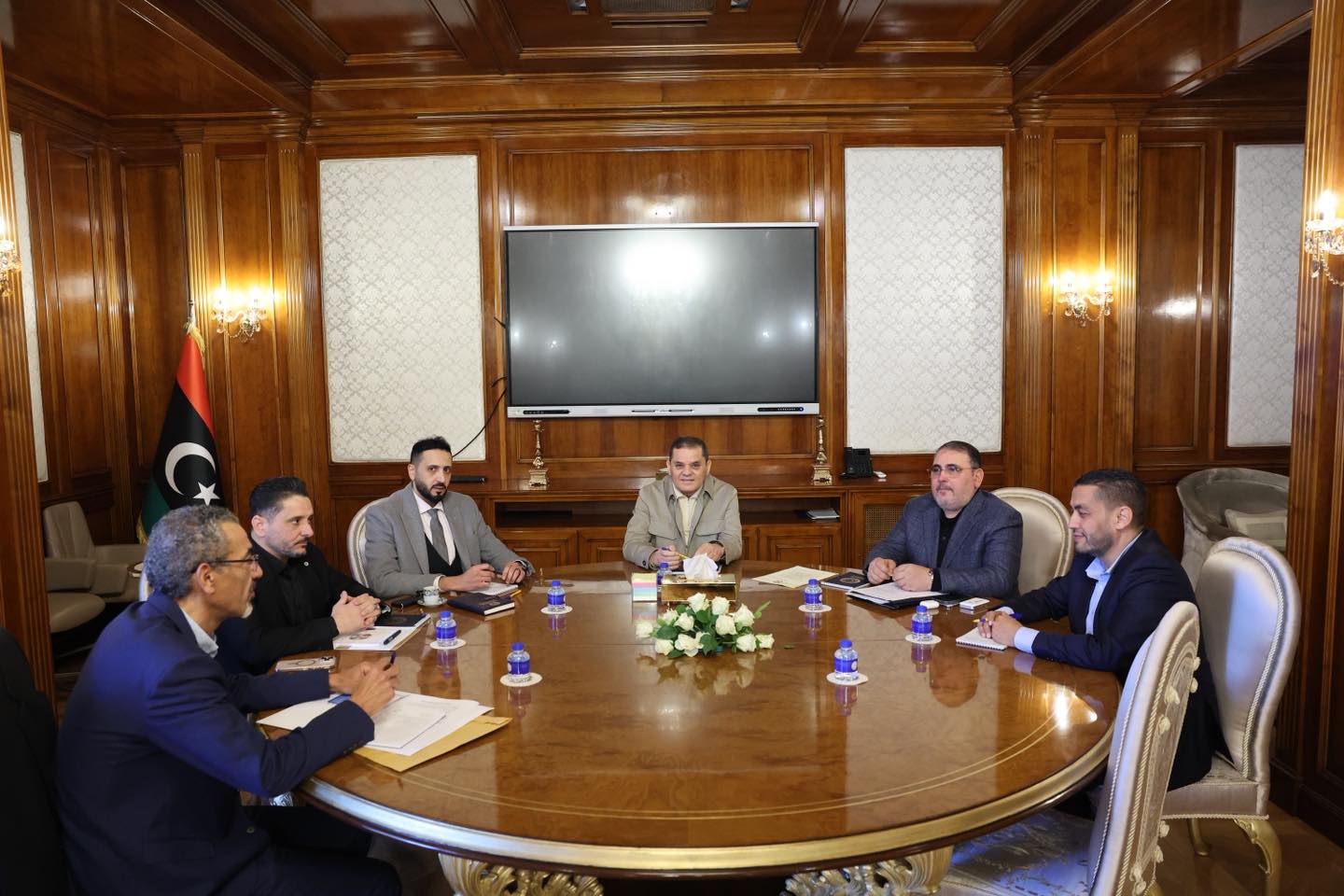
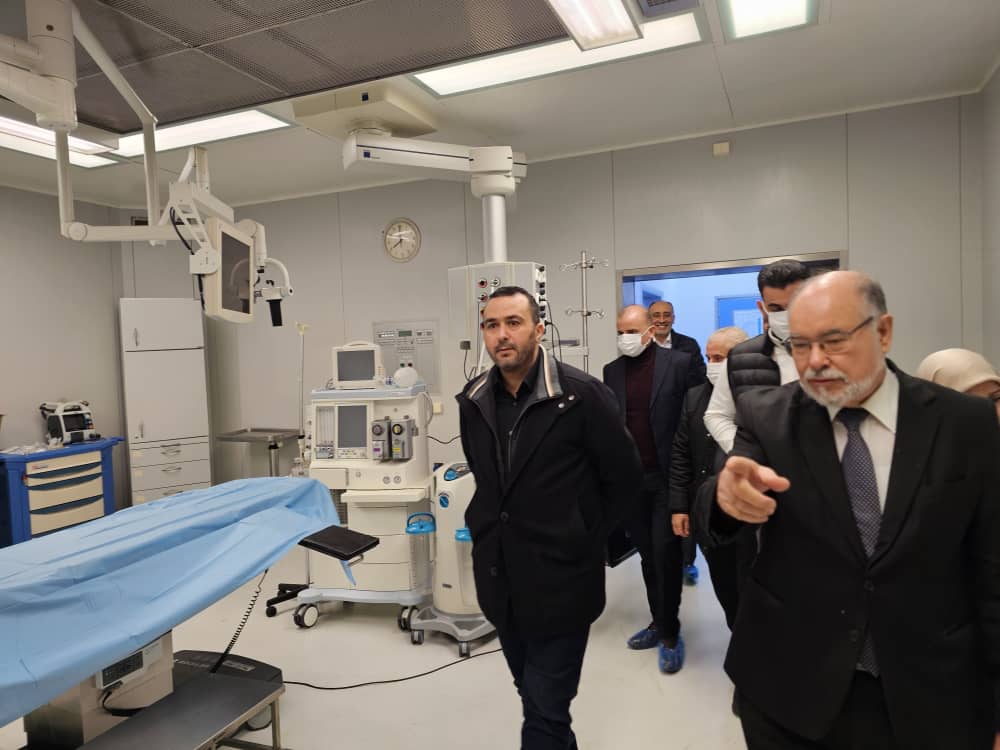
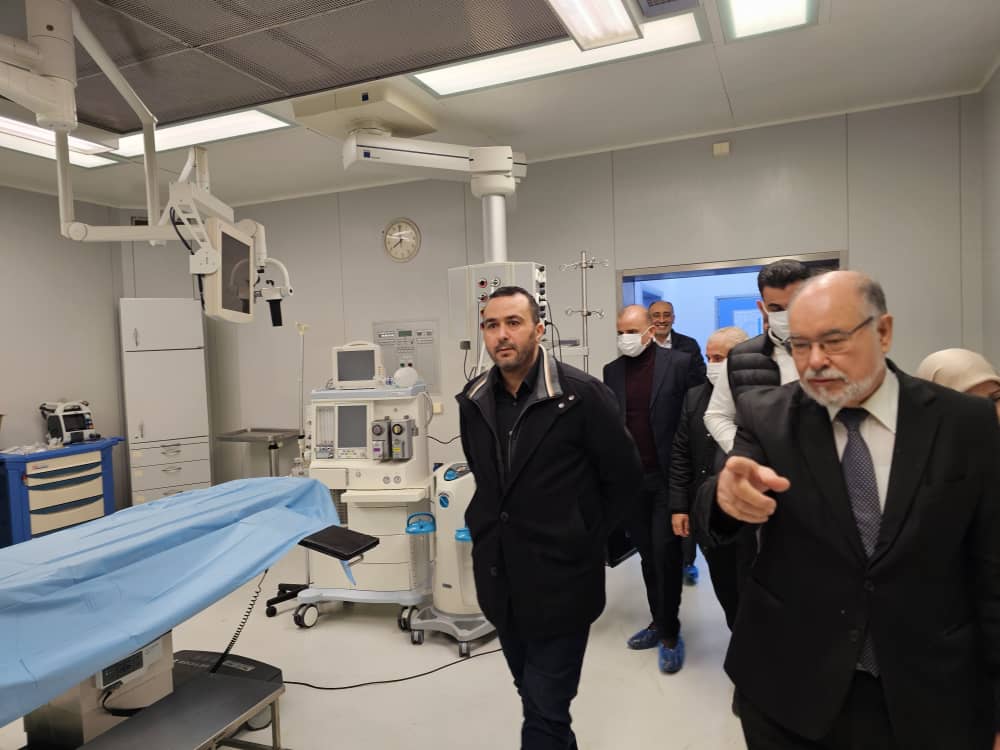
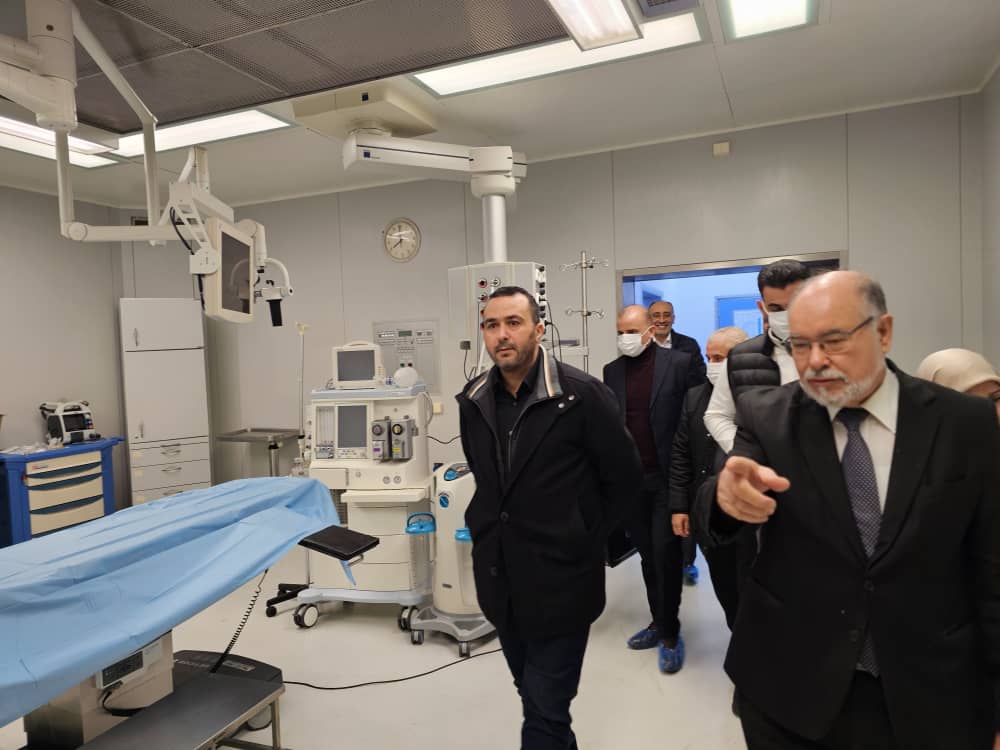
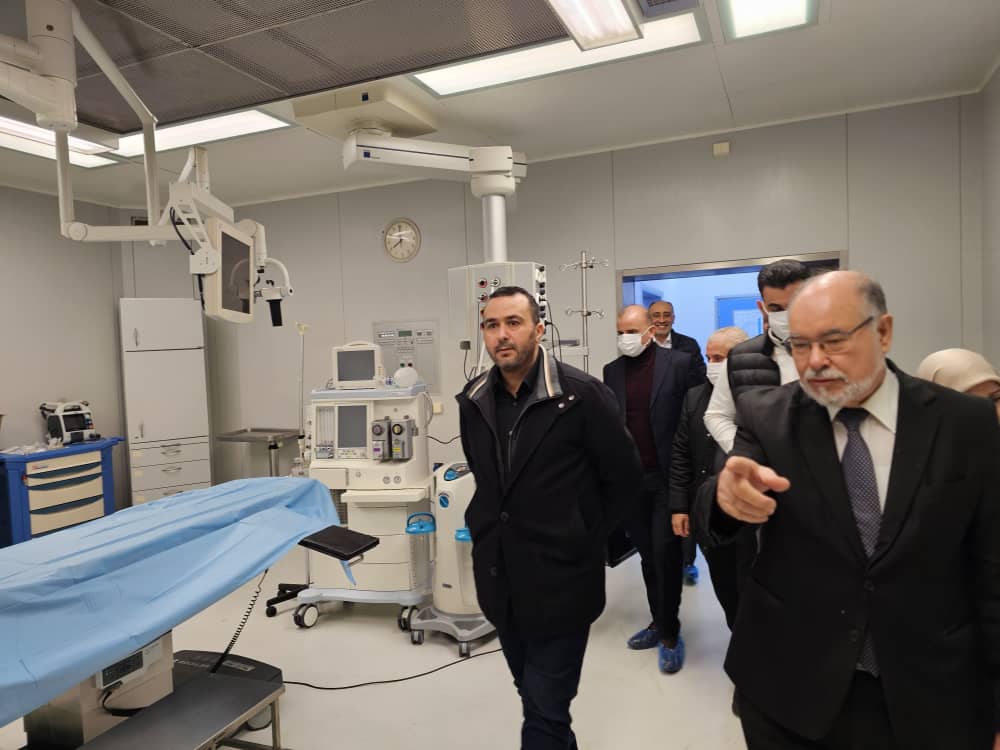
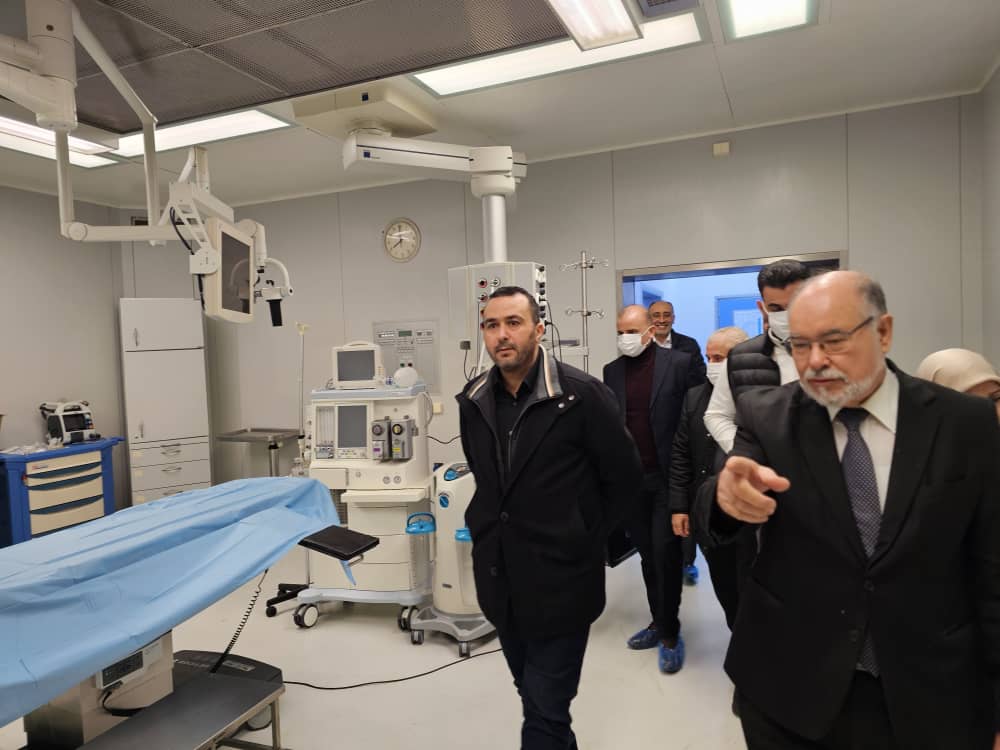
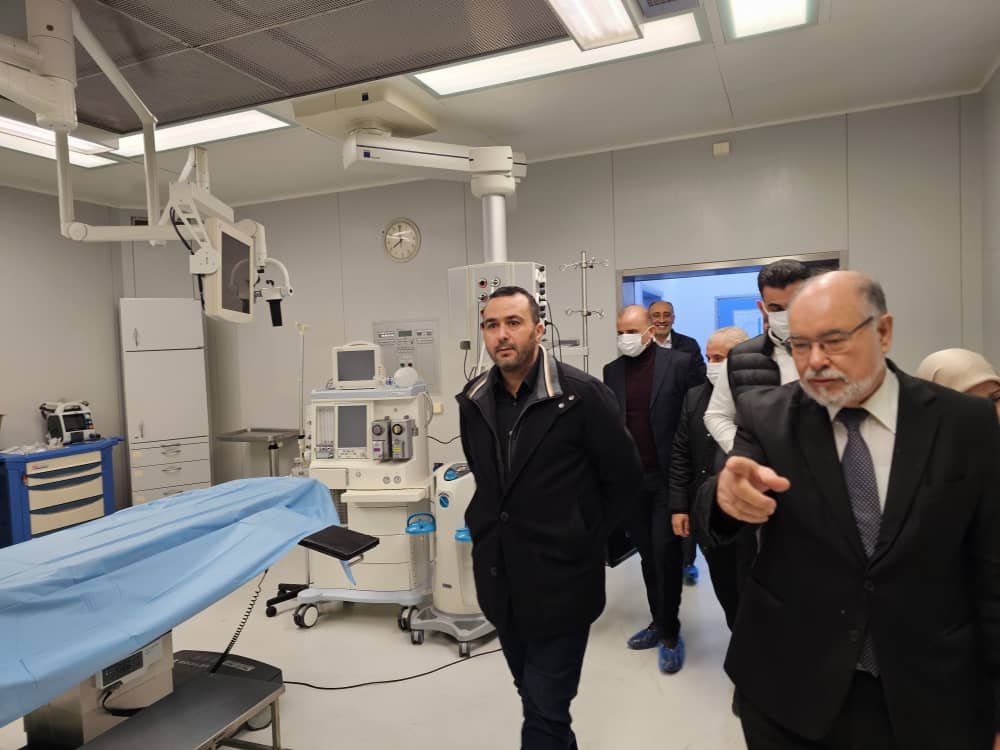
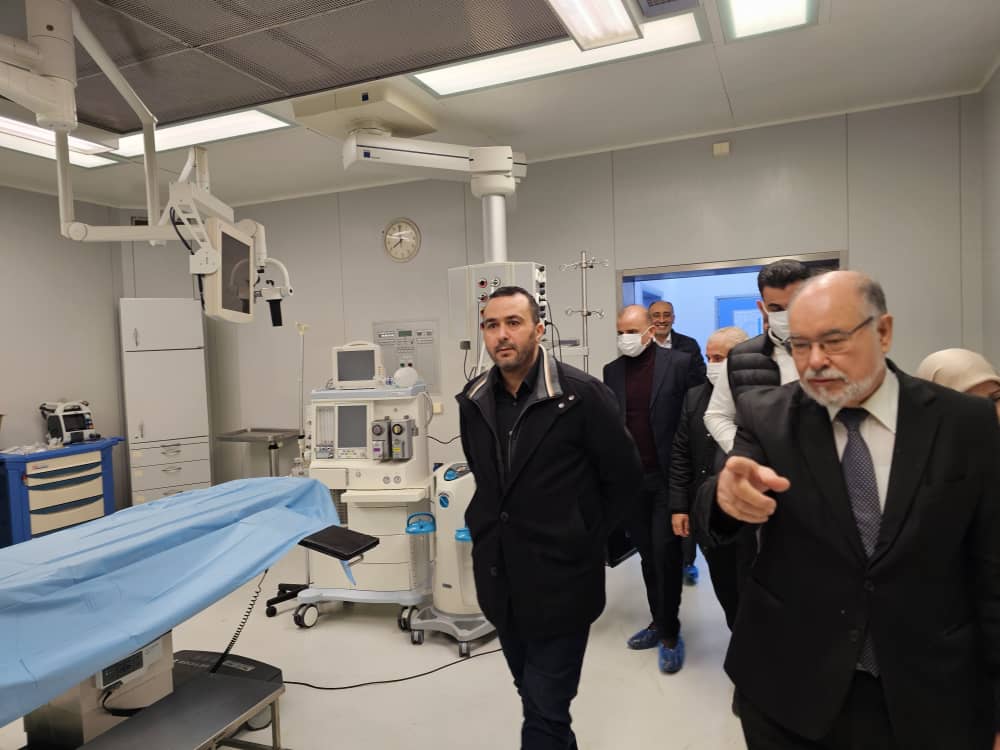
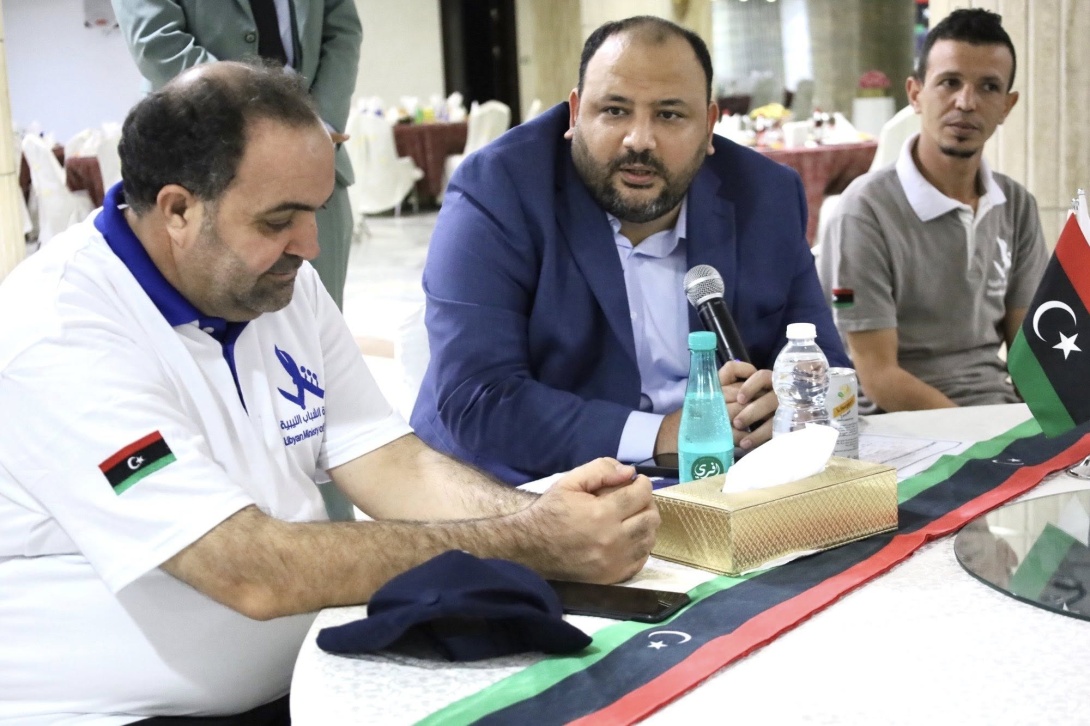
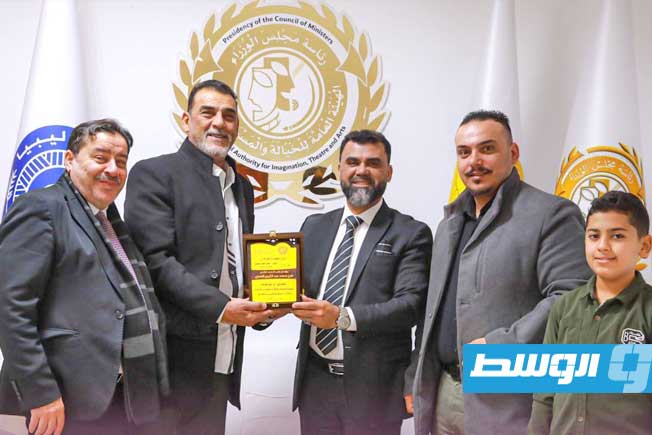
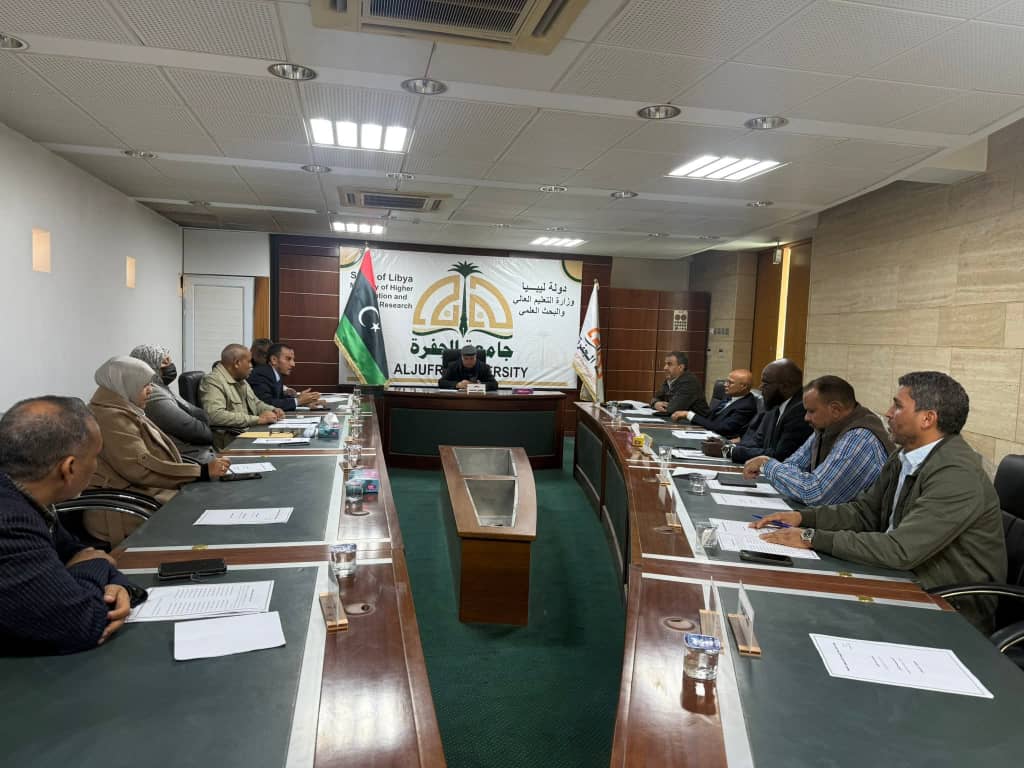
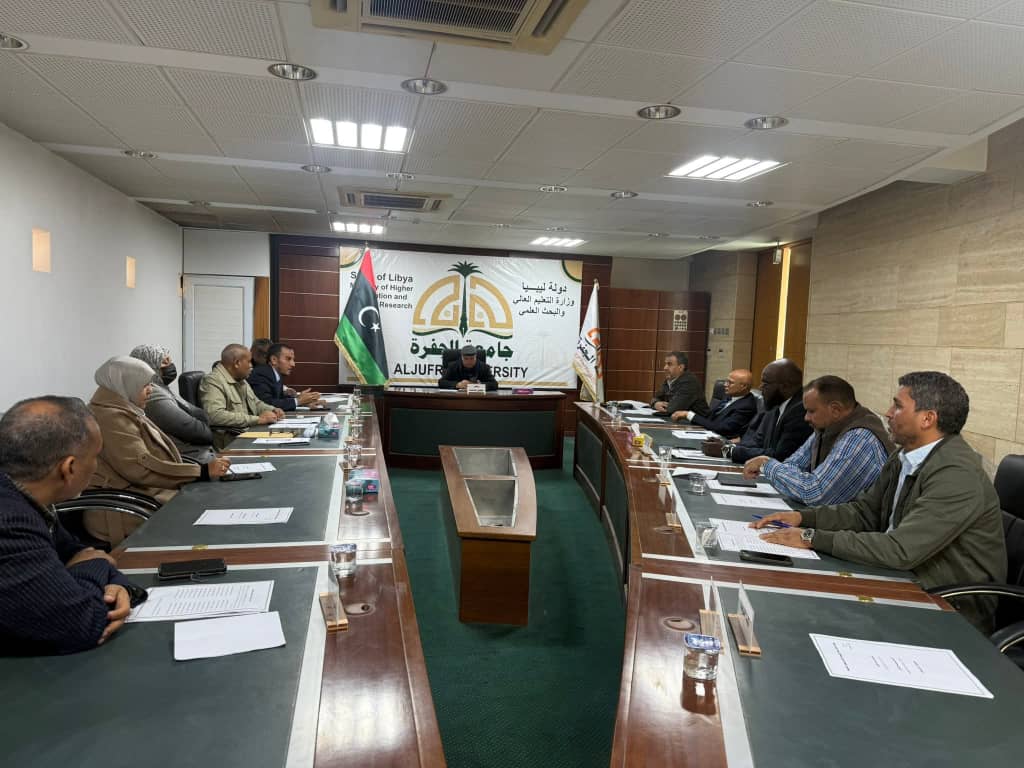
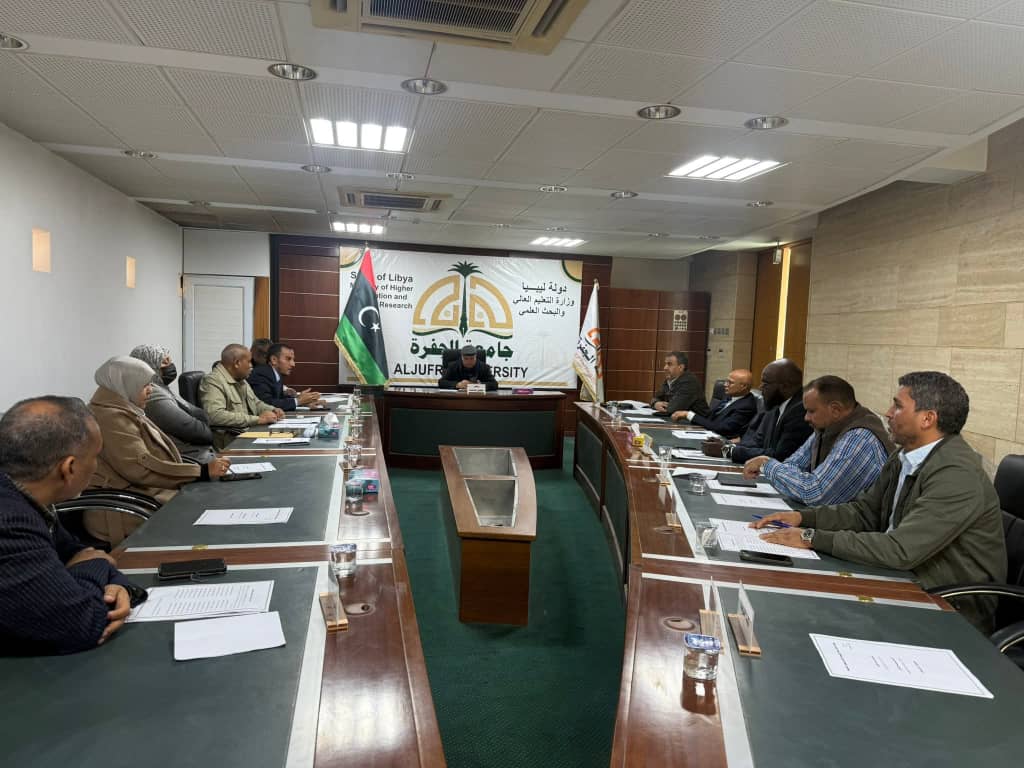
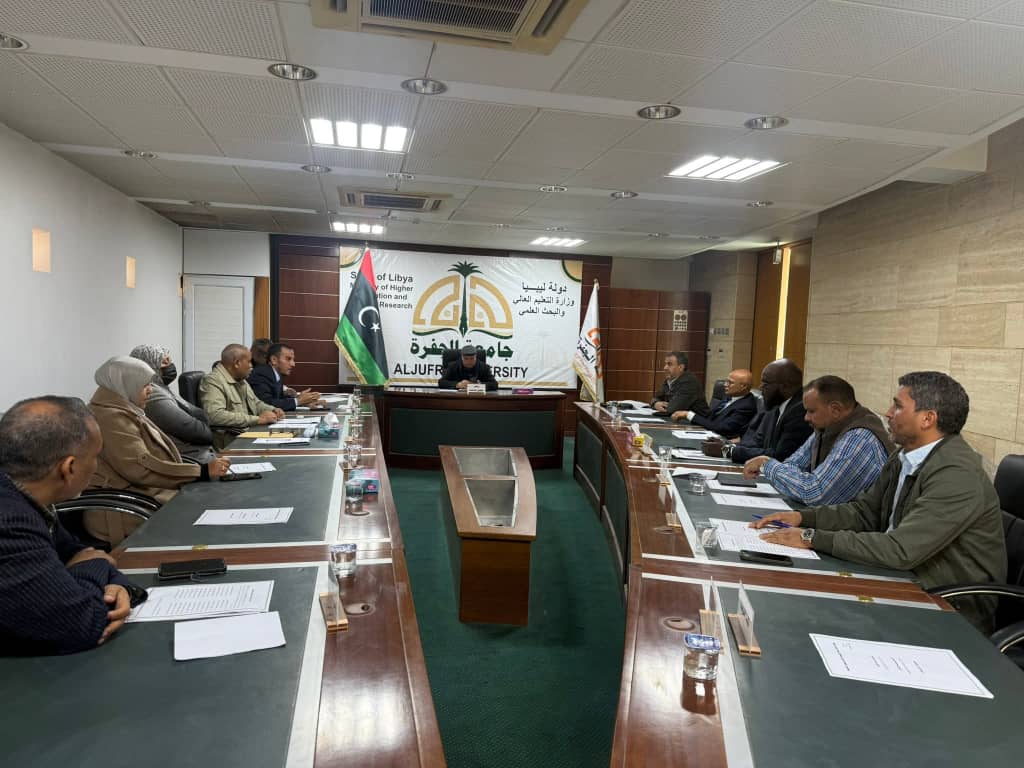
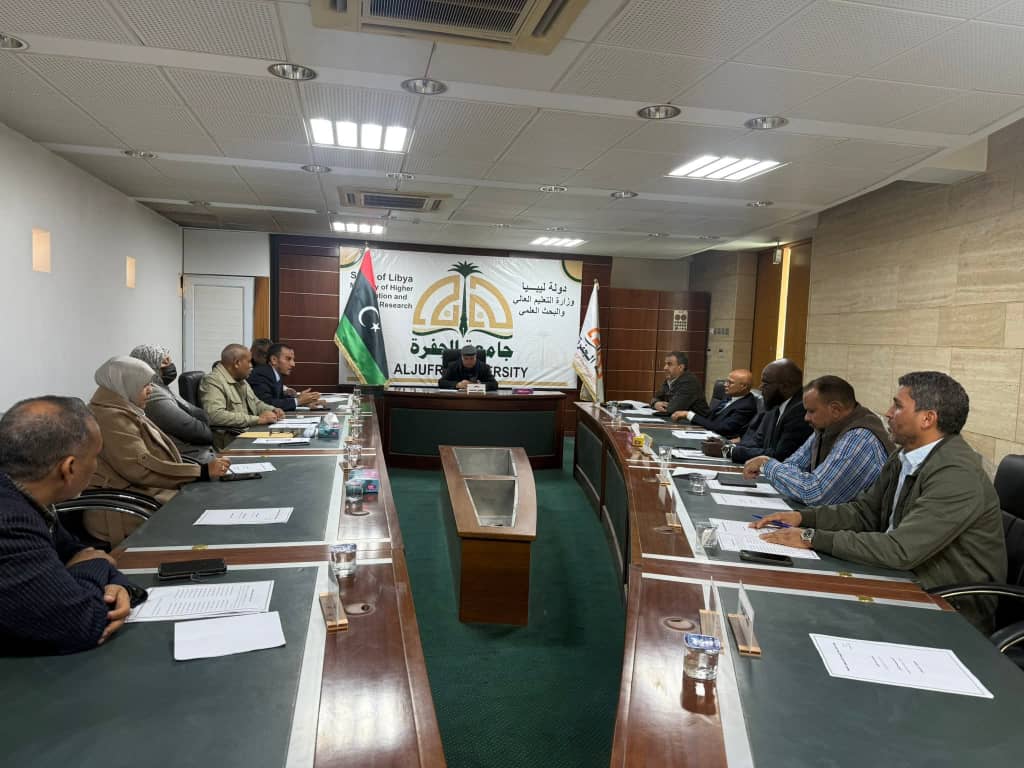
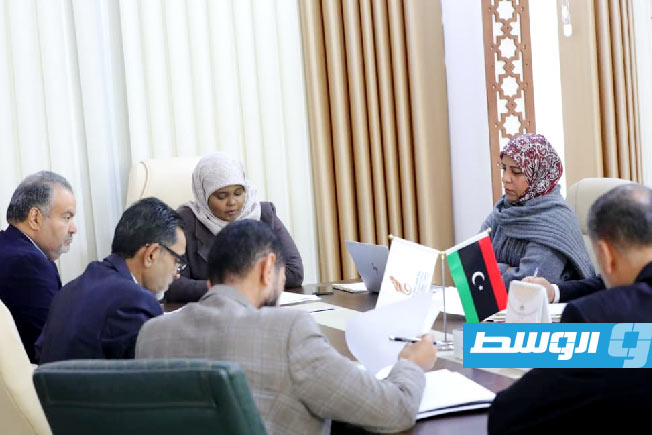
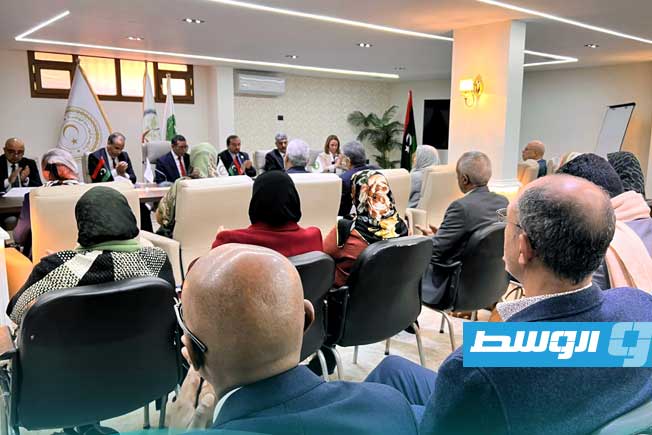
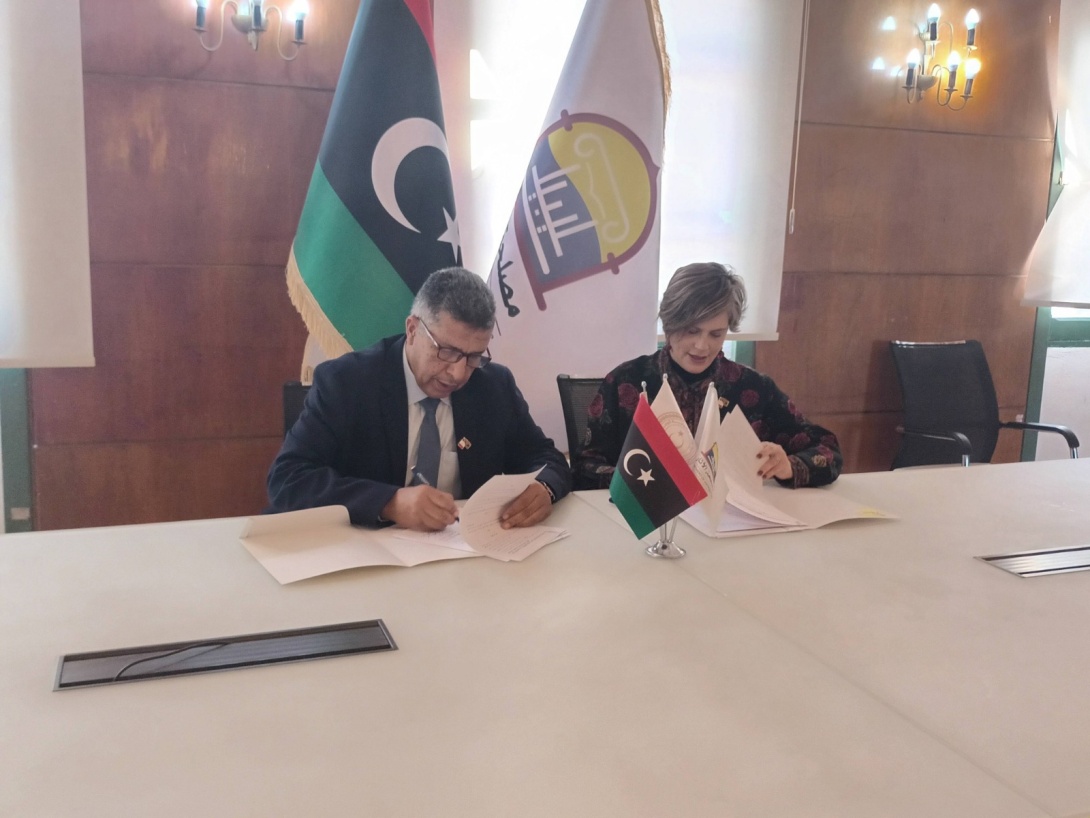
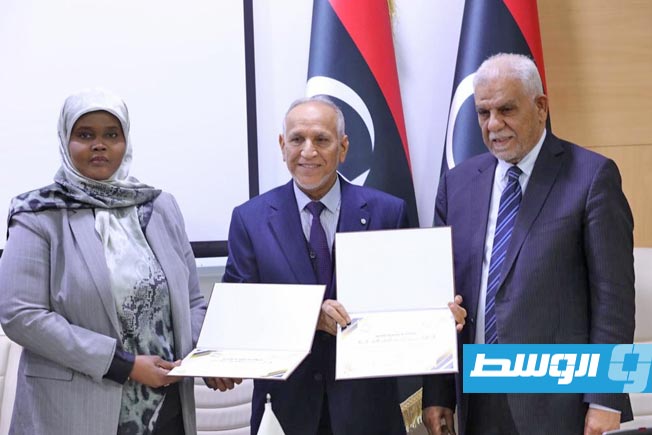
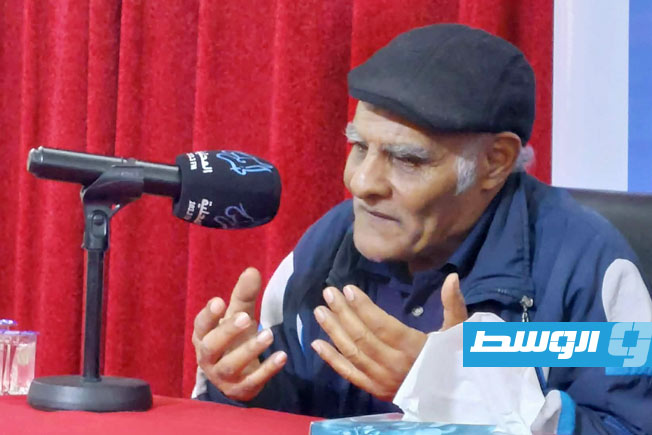
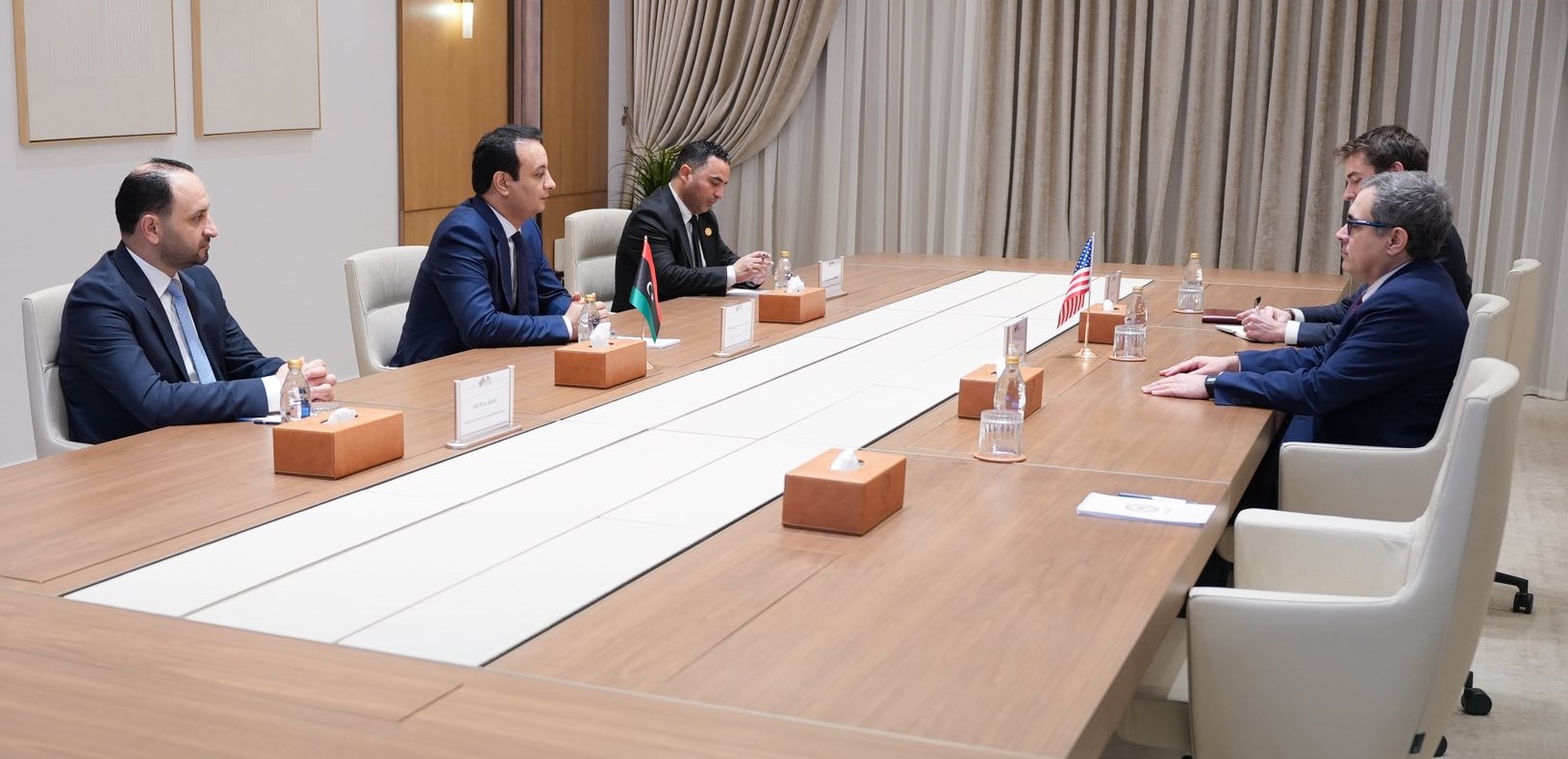
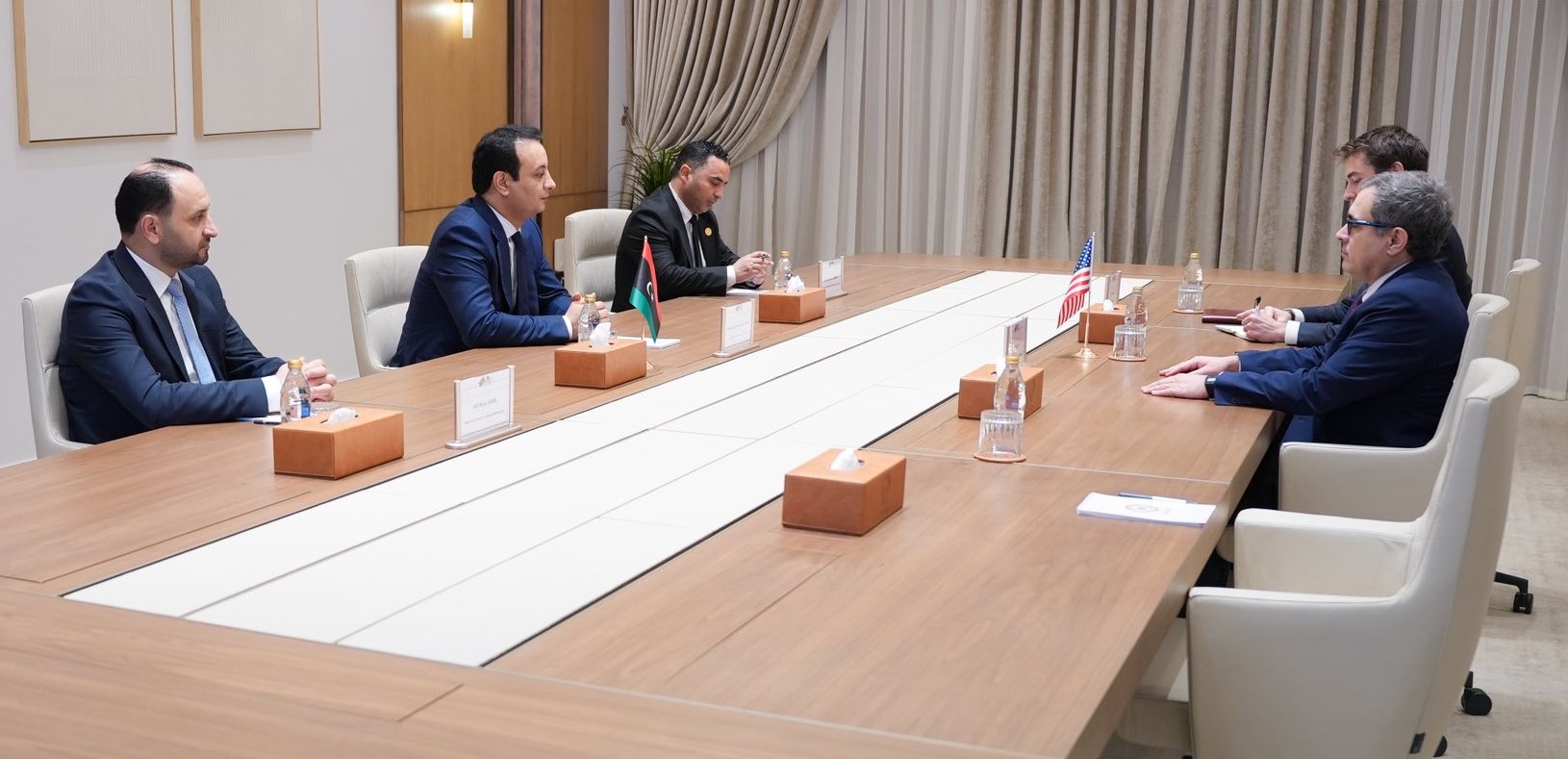
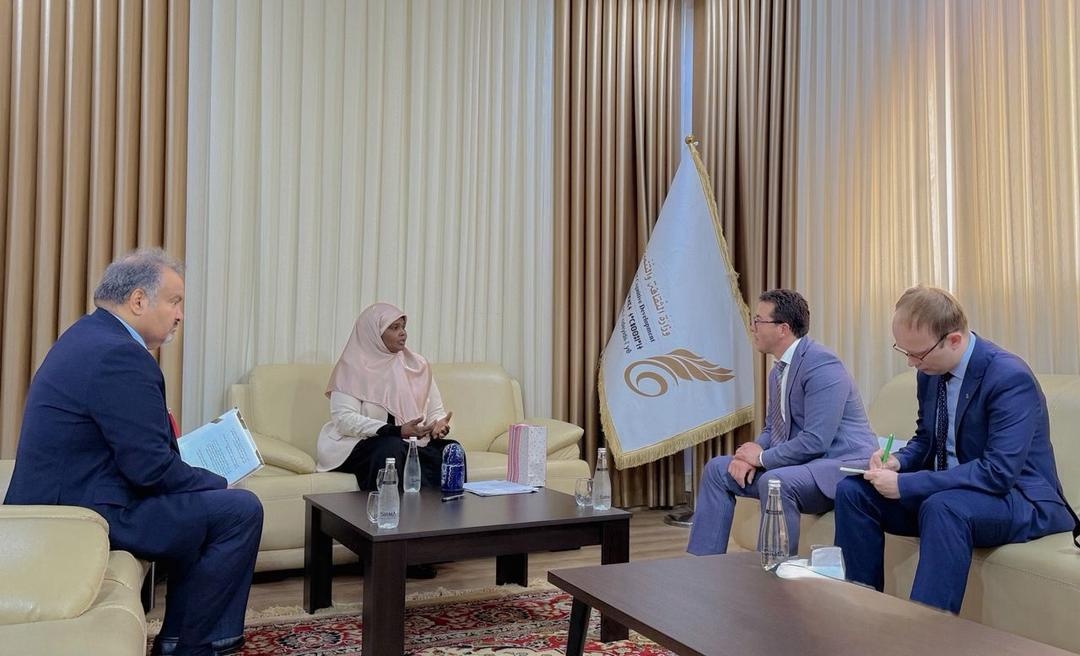
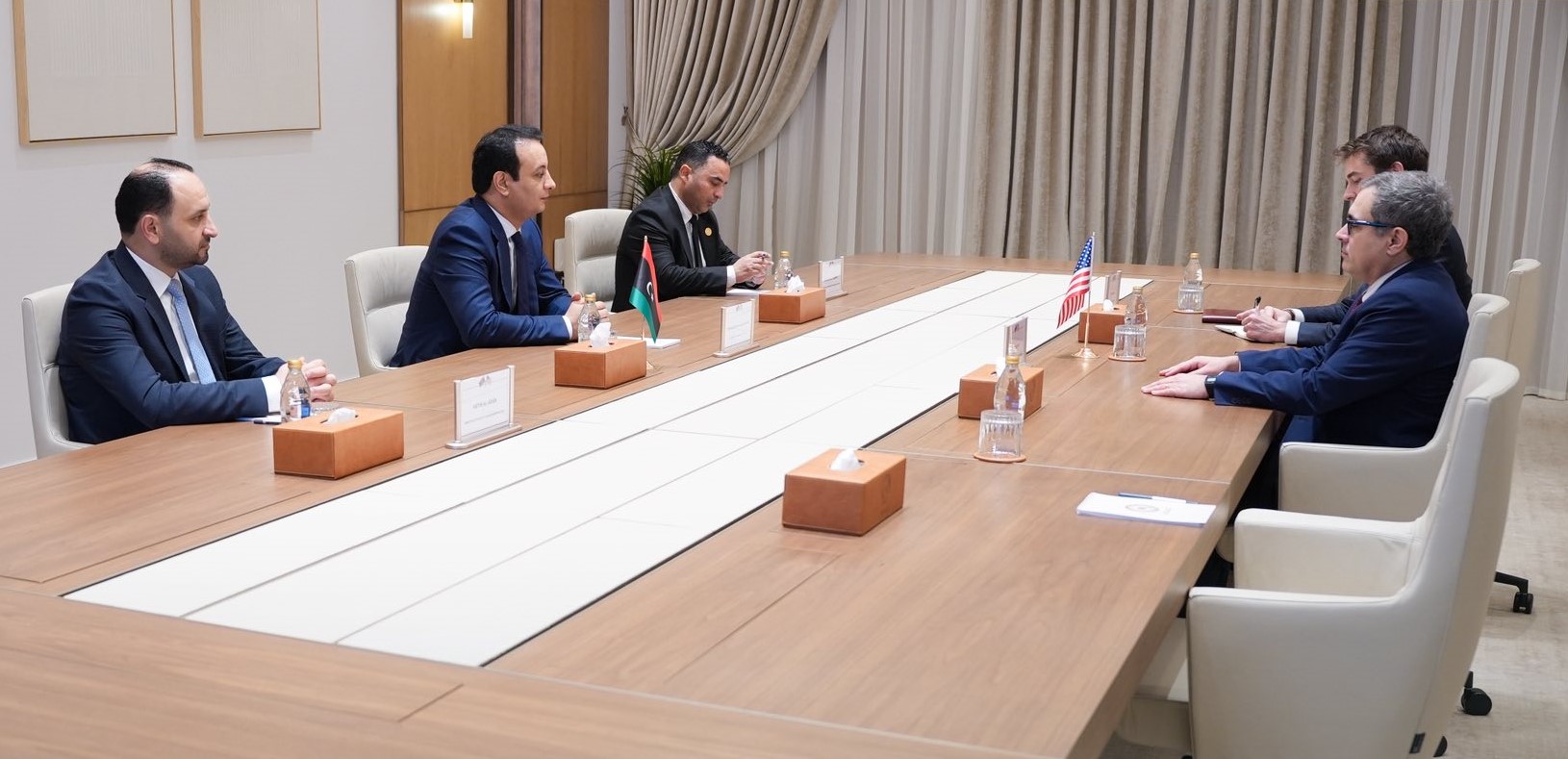
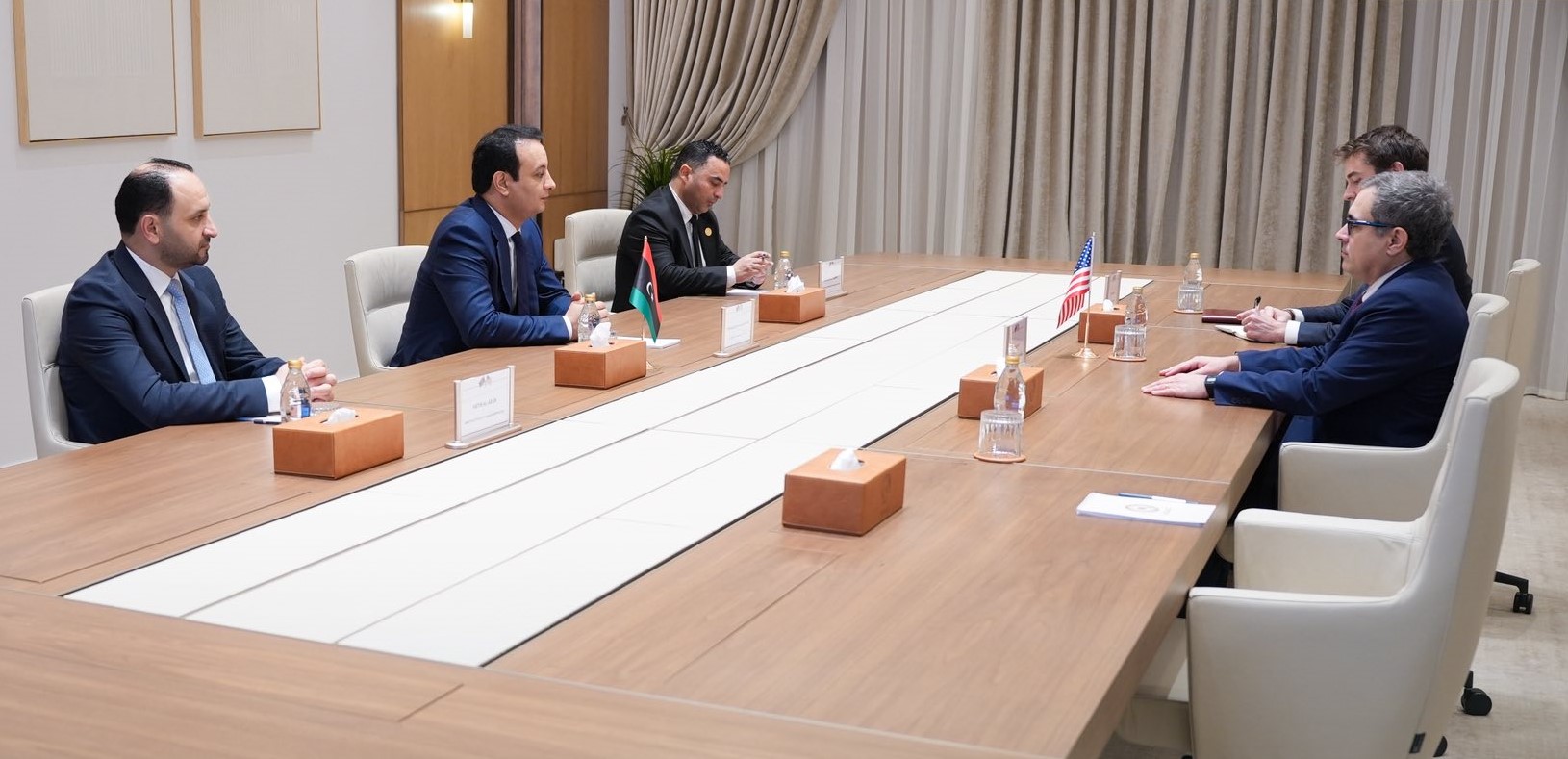
Tripoli, February 18, 2026 – The Ministry of Culture and Knowledge Development of the Government of National Unity organized a coordination meeting on Wednesday between the Ministry and the Arab Organization for Education, Culture and Sciences (ALECSO), focusing on the Benghazi Arab Capital of Culture 2026 program.
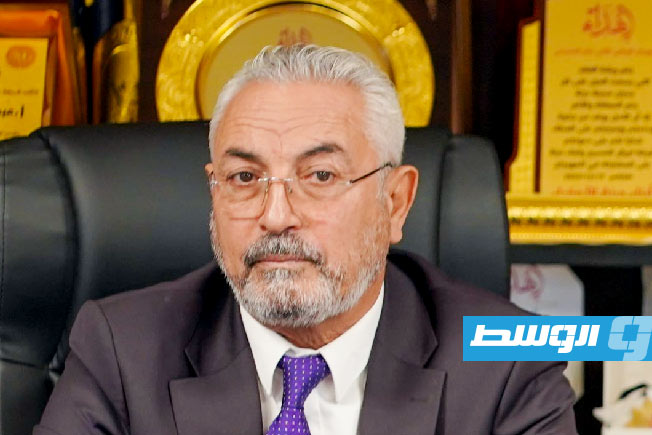
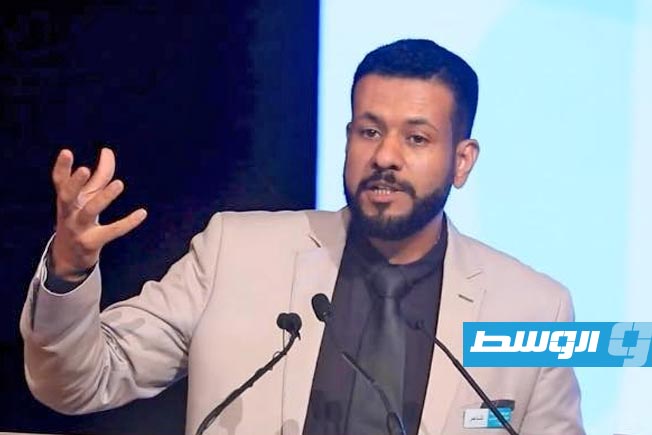
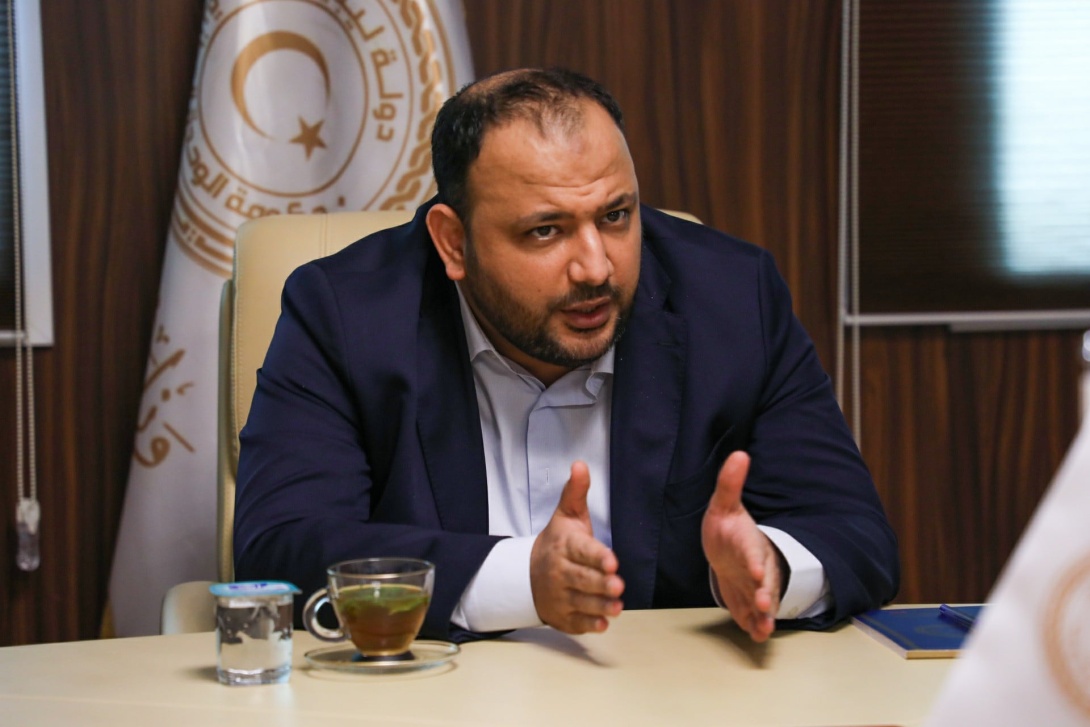
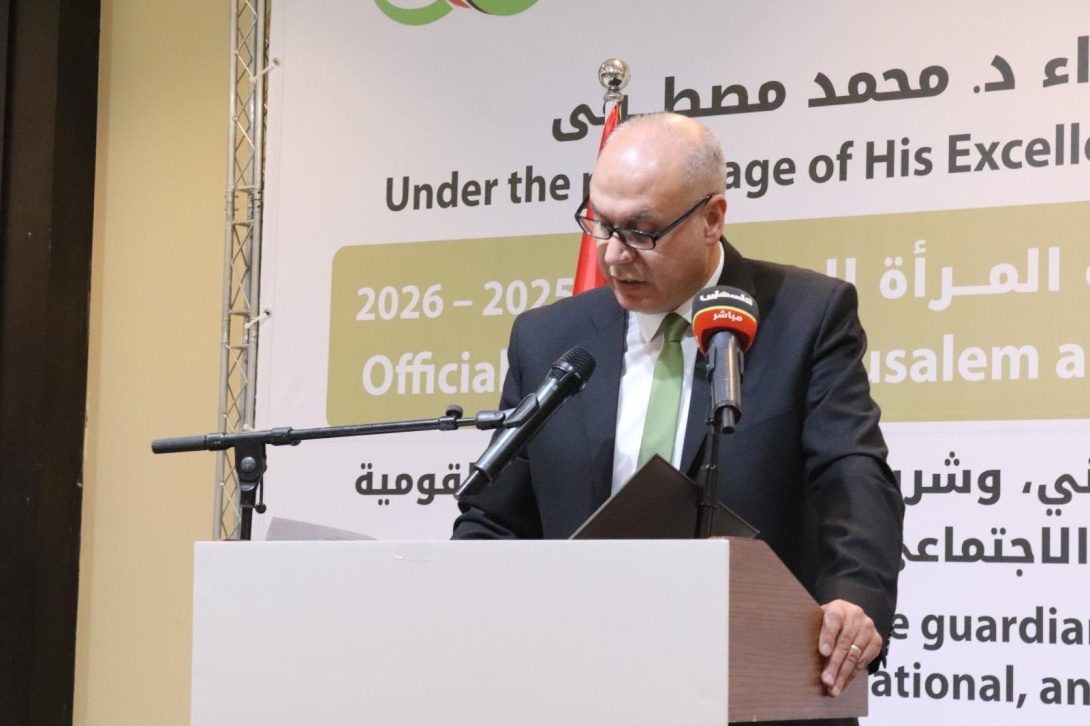
In a statement, the Minister of Culture and Knowledge Development said that the visit of the ALECSO delegation comes within the framework of discussing a number of key themes. It was clarified that the theme previously coordinated on is the cultural and creative industries and holding an international conference in this regard.
It was added that the second theme is the tripartite plan between the Ministry of Culture and the Organization to set cultural policies in Libya. As for the third and most important theme, which has sparked controversy recently, it relates to the Benghazi Arab Capital of Culture program.
It was explained that the Ministry of Culture is the competent authority for this file, and that the decision for Benghazi as the Arab Capital of Culture 2026 was issued during one of the Arab Culture Ministers’ conferences in 2018, and was confirmed in 2021 during their participation in the Arab Culture Ministers’ conference in the United Arab Emirates. The selection of Benghazi as the Arab Capital of Culture for 2026 was also confirmed during subsequent conferences.
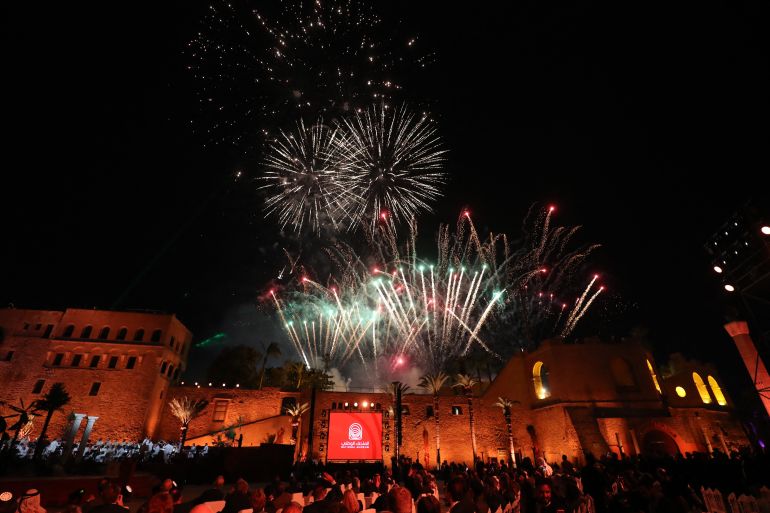
The Minister welcomed this cultural event, stressing that Benghazi has always been a capital of Arab culture, noting that a committee from the Ministry of Culture will be formed to revive and organize the cultural celebrations for this occasion.
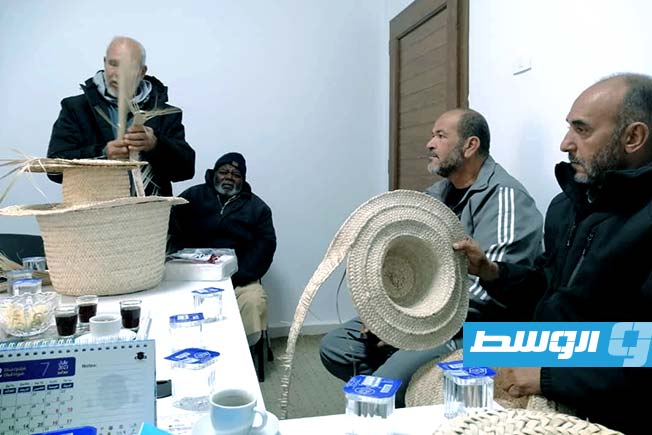
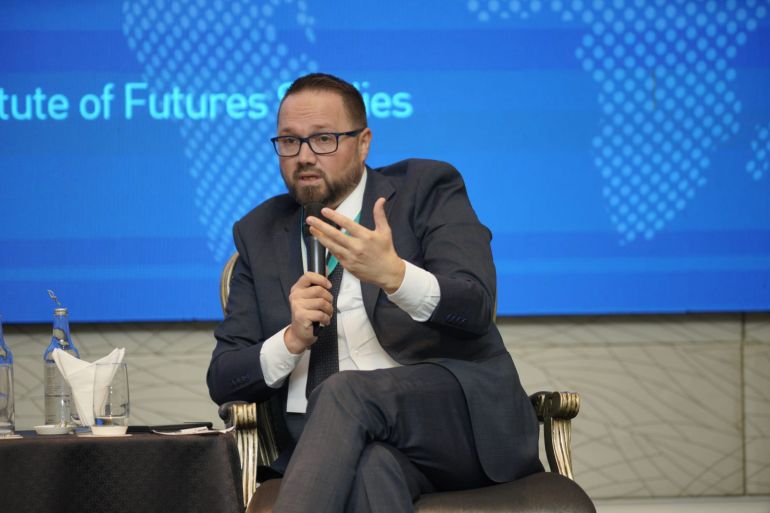
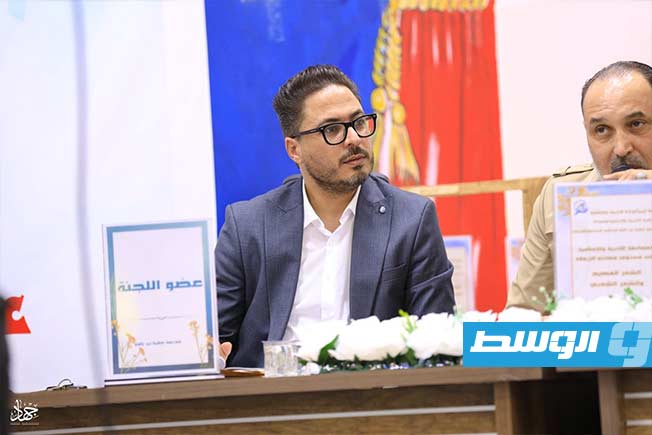
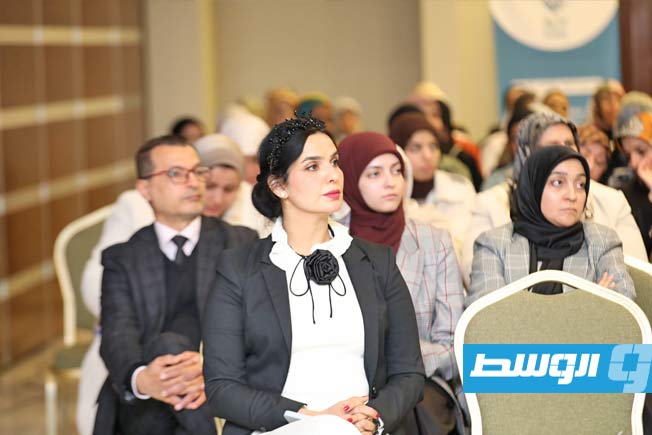
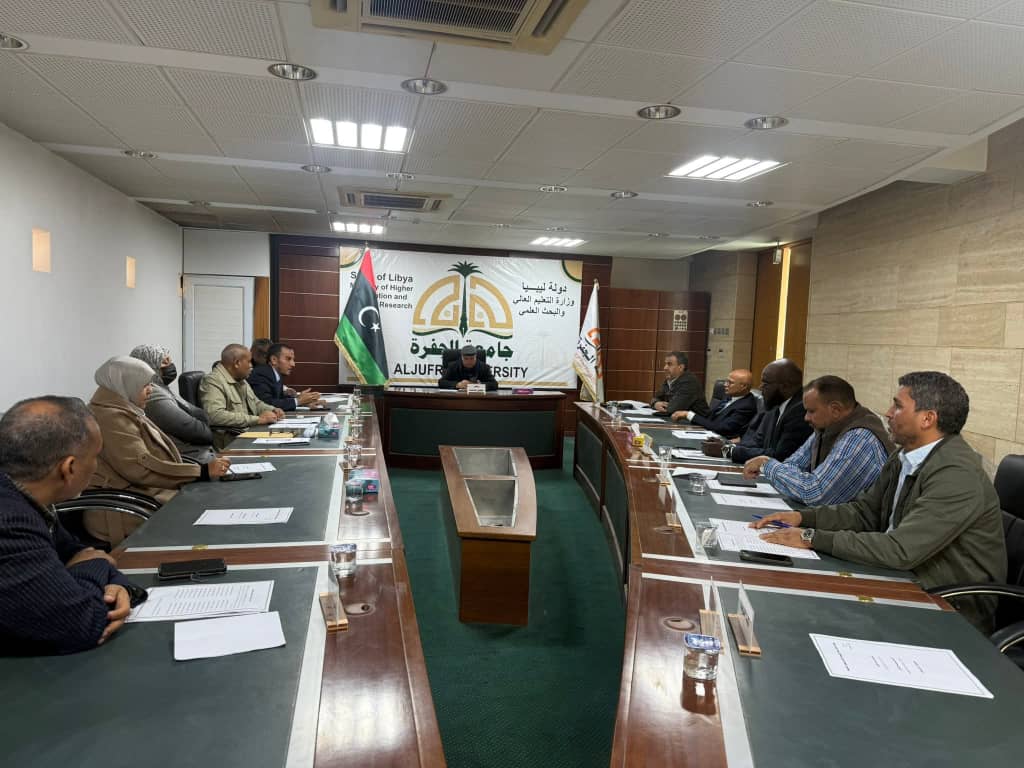
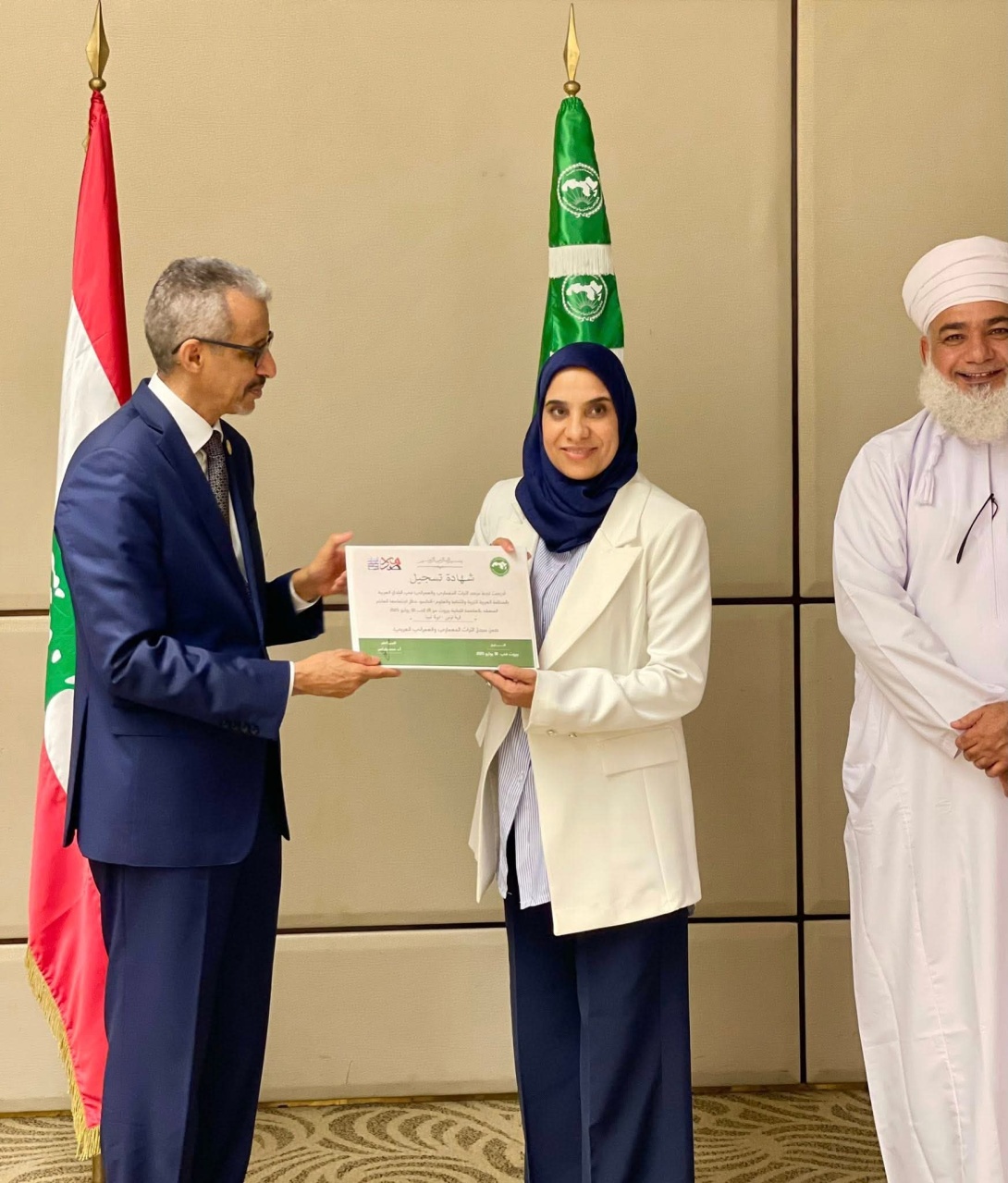
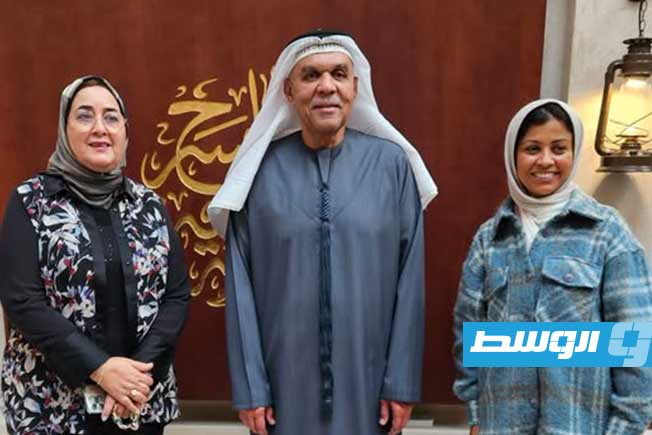
The meeting was attended by the Minister of Culture and Knowledge Development, the Director of the Culture Sector at ALECSO, and the organization’s specialized culture expert, alongside a number of entities affiliated with the Ministry and the tripartite plan team in Libya.
Tripoli
Tripoli is the capital and largest city of Libya, located on the country’s Mediterranean coast. Historically, it was founded by the Phoenicians in the 7th century BC and has since been ruled by the Romans, Arabs, Ottomans, and Italians, serving as a major port and cultural crossroads. Its historic center, the medina, features well-preserved architecture from these various eras.
Ministry of Culture and Knowledge Development
The Ministry of Culture and Knowledge Development is a government body in the United Arab Emirates, established to oversee the nation’s cultural, artistic, and intellectual sectors. It was formed in 2016, merging earlier entities, to promote cultural heritage and foster a knowledge-based society in line with the UAE’s long-term development vision.
Government of National Unity
The Government of National Unity (GNU) is a term most notably associated with the post-apartheid transitional government in South Africa, formed in 1994 following the country’s first multiracial elections. It was a coalition government led by Nelson Mandela’s African National Congress (ANC) and included its former political rivals, the National Party and the Inkatha Freedom Party, to foster reconciliation and stability during the democratic transition.
Arab Organization for Education, Culture and Sciences
The Arab Organization for Education, Culture and Sciences (ALECSO) is a specialized institution of the League of Arab States, founded in 1970 with its headquarters in Tunis. Its primary mission is to coordinate and promote collaboration among Arab states in the fields of education, culture, sciences, and communication.
ALECSO
ALECSO, or the Arab League Educational, Cultural and Scientific Organization, is a specialized institution of the Arab League founded in 1970 and headquartered in Tunis. Its primary mission is to coordinate and promote collaboration among Arab states in the fields of education, culture, and science to support development and preserve Arab heritage.
Benghazi
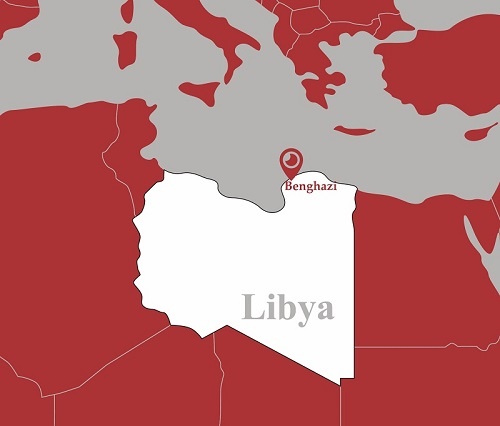
Benghazi is a major city in eastern Libya, historically significant as a center of trade and culture since its founding as the ancient Greek colony of Euesperides. It played a pivotal role in Libya’s modern history, serving as the provisional capital after the 2011 revolution and being a key site during the 2012 attack on the U.S. diplomatic compound.
Arab Capital of Culture
The Arab Capital of Culture is an annual title awarded by UNESCO to promote cultural exchange and development within the Arab world. Initiated in 1996, the program selects a different city each year, such as Cairo, Damascus, or Sharjah, to showcase its cultural heritage through a year-long series of events.
Libya
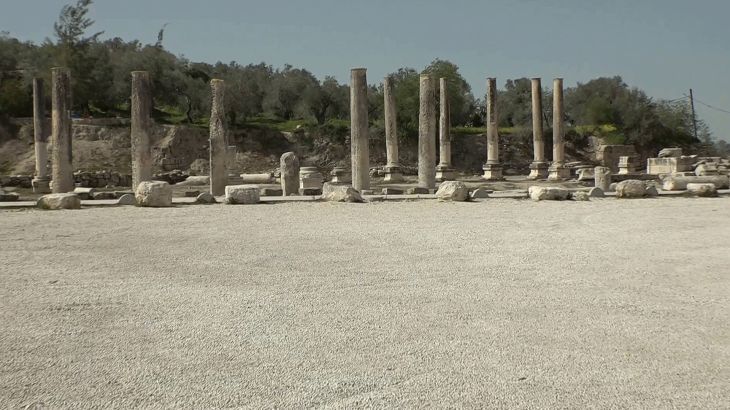
Libya is a North African country with a rich history rooted in ancient civilizations like the Phoenicians and Romans, followed by centuries of Arab and Ottoman influence. In the modern era, it was an Italian colony before gaining independence in 1951, later becoming known for Muammar Gaddafi’s lengthy rule from 1969 until the 2011 revolution. The country is home to UNESCO World Heritage sites, such as the ancient Greek city of Cyrene and the Roman ruins of Leptis Magna.
United Arab Emirates
The United Arab Emirates (UAE) is a federation of seven emirates on the Arabian Peninsula, formed in 1971 following the end of British protectorate treaties. Historically a region of pearl diving, fishing, and trade, it has transformed rapidly into a global hub of commerce, tourism, and innovation, known for modern landmarks like Dubai’s Burj Khalifa and Abu Dhabi’s Sheikh Zayed Grand Mosque.