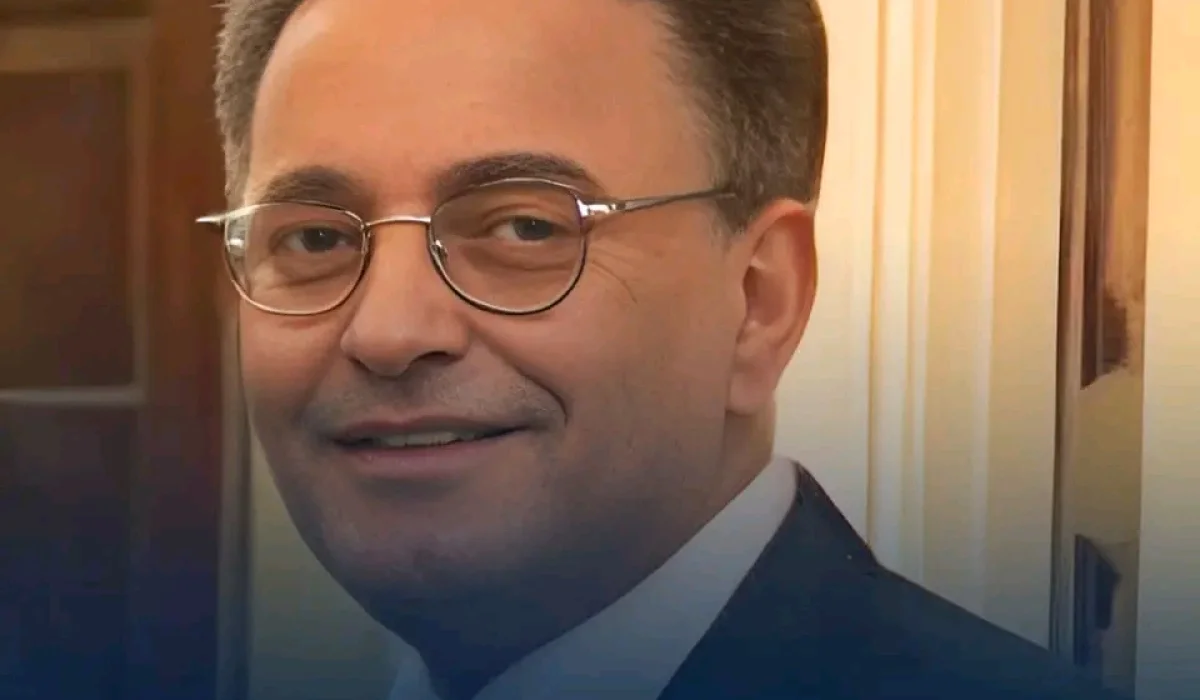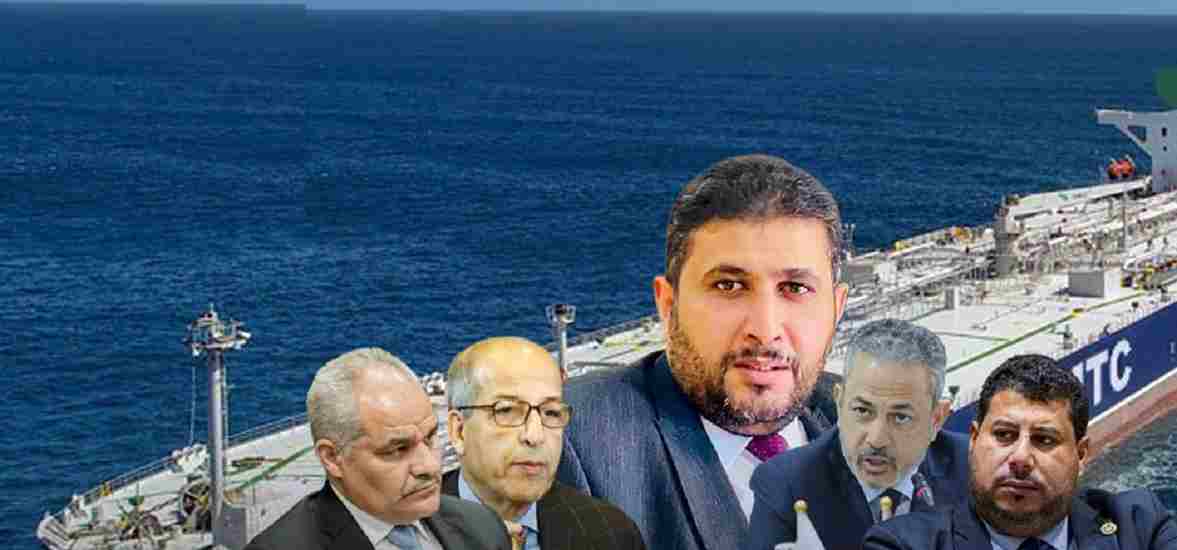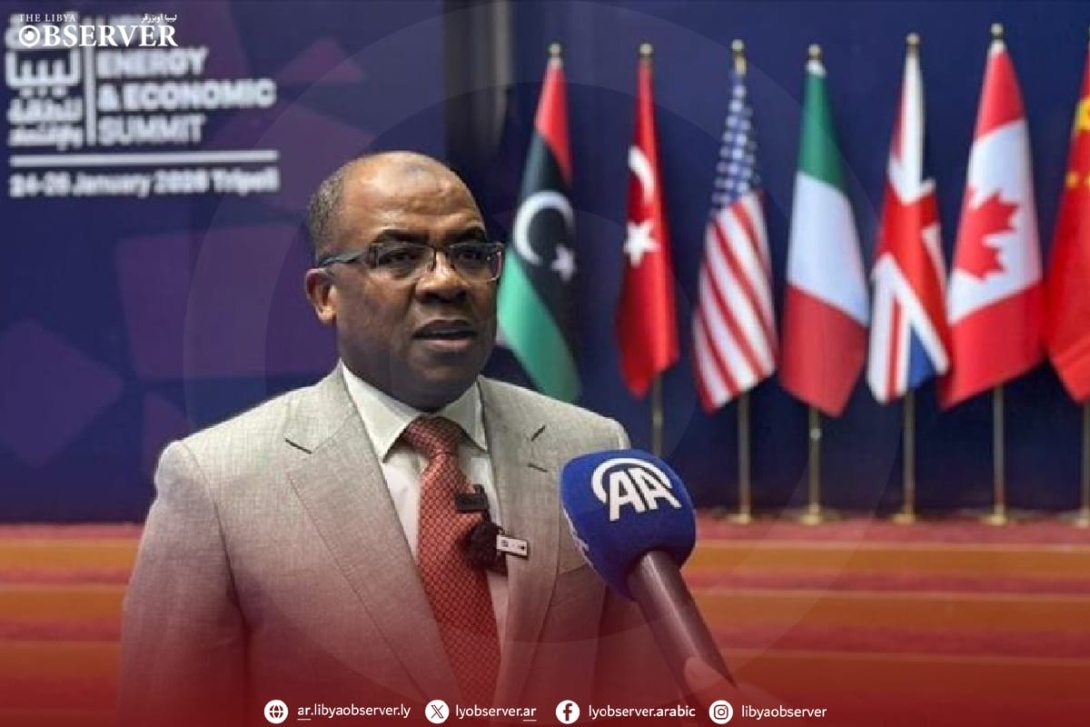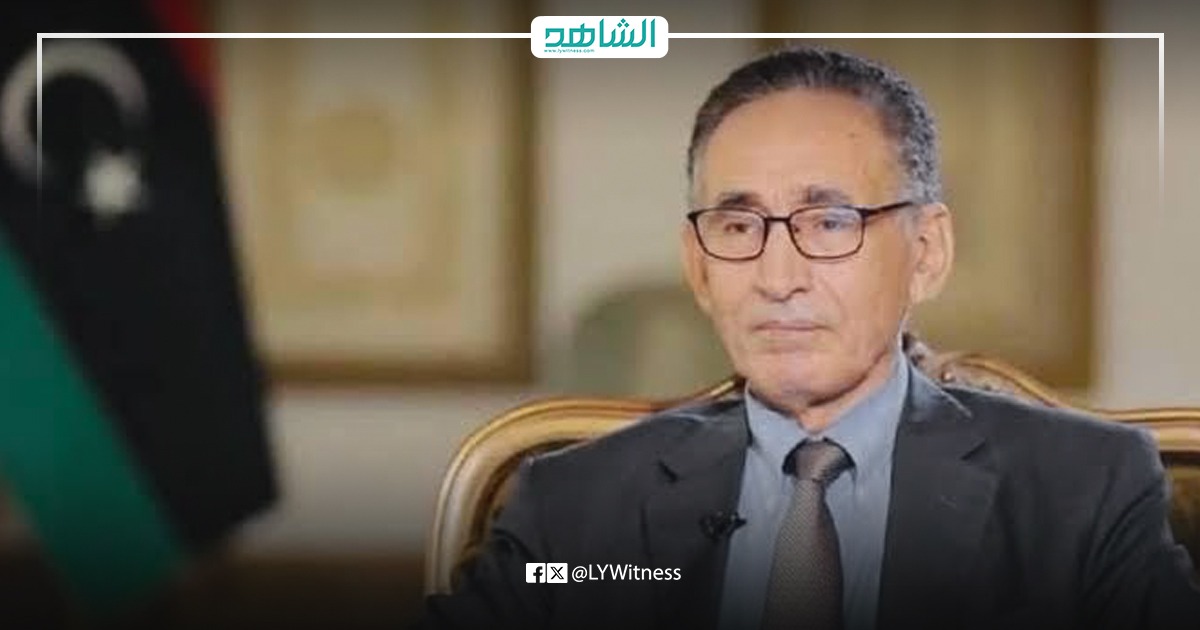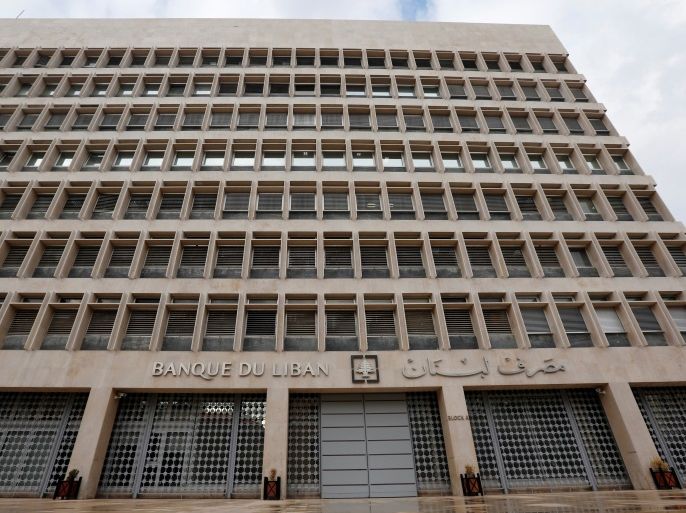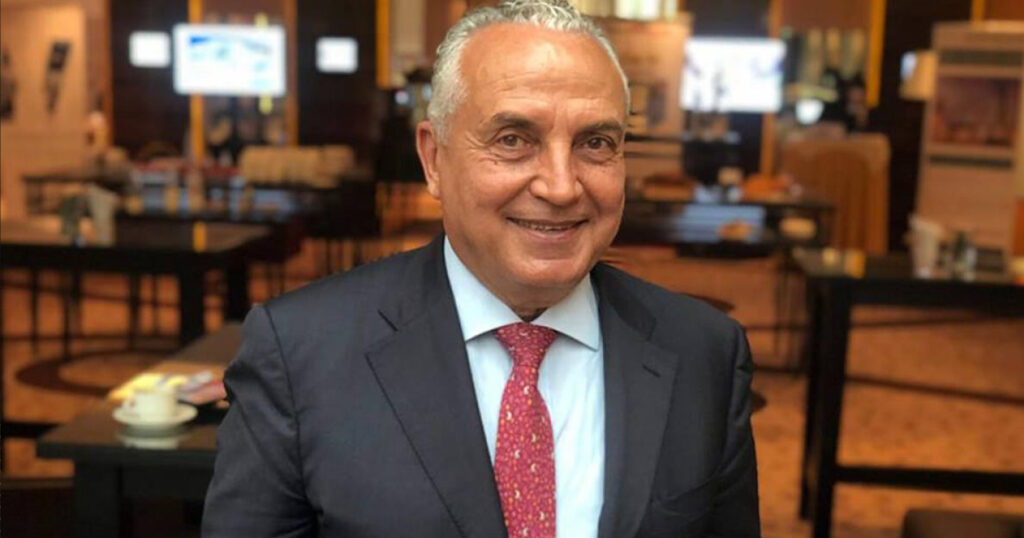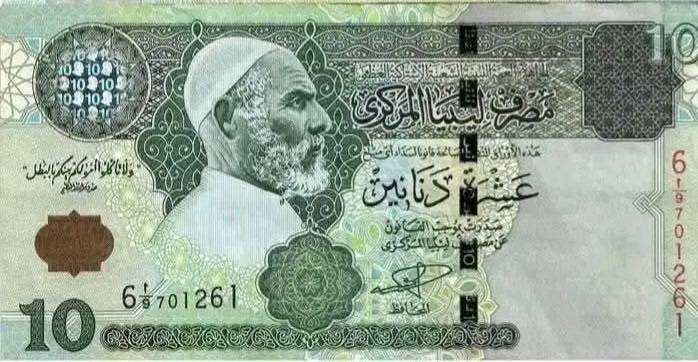
A banking expert warned of the danger of starting to extinguish the public debt before subjecting it to a precise review by independent and competent accounting, financial, and legal committees. He explained that the first step must involve sorting expenditures between what can be accepted according to the standards of the current phase and what is considered fictitious or inflated expenses that cannot be justified, stressing the necessity of re-verifying them and referring them to the legislative authority, including the possibility of transferring them to the relevant judicial bodies.
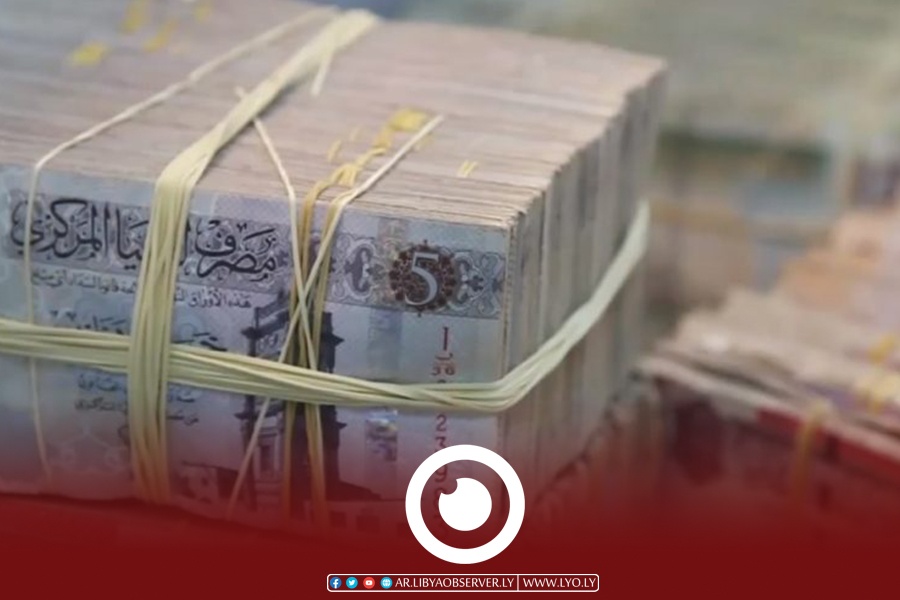
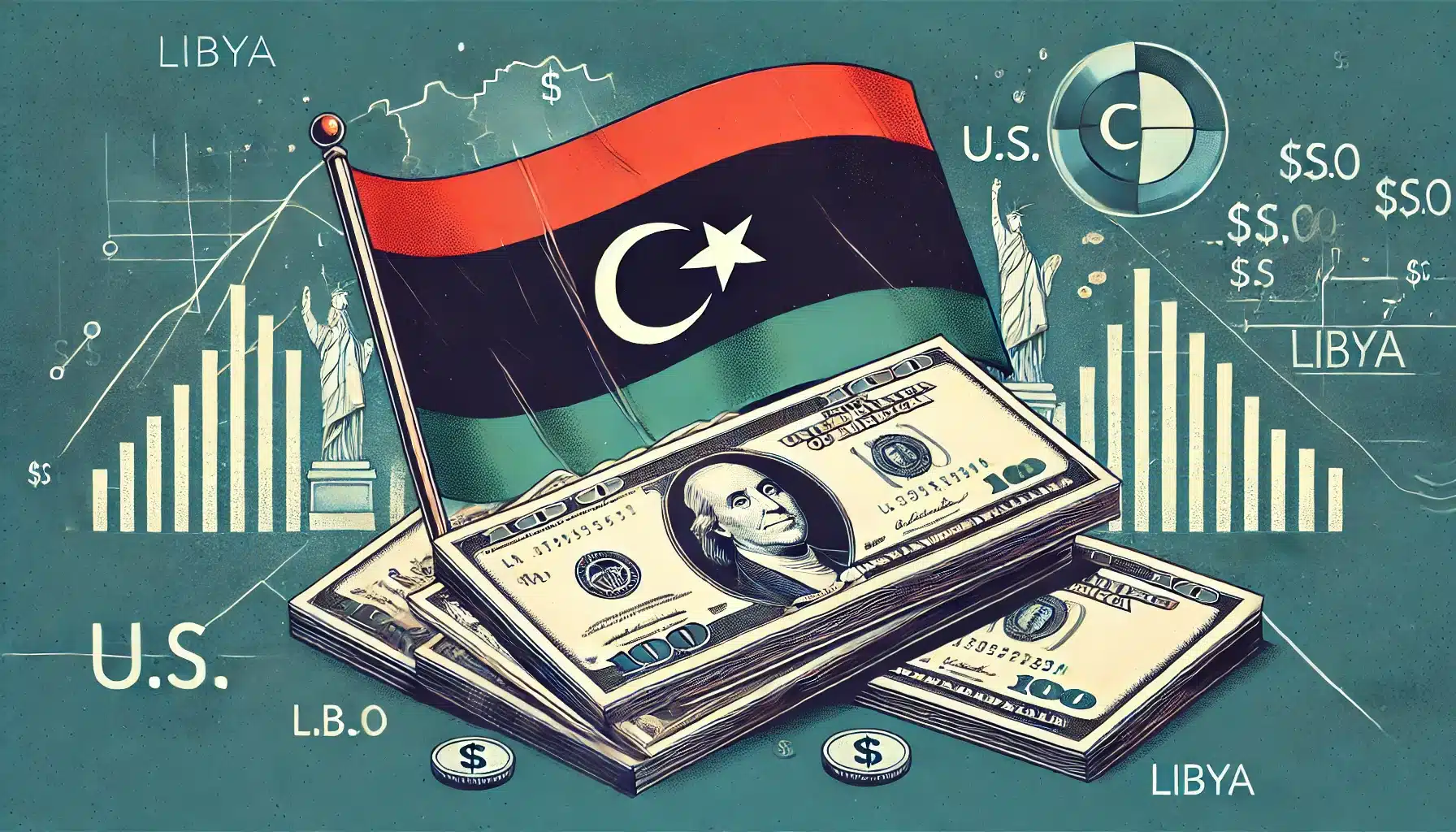
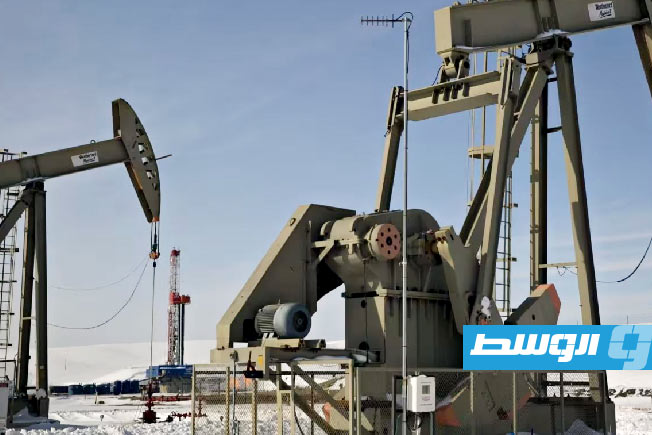
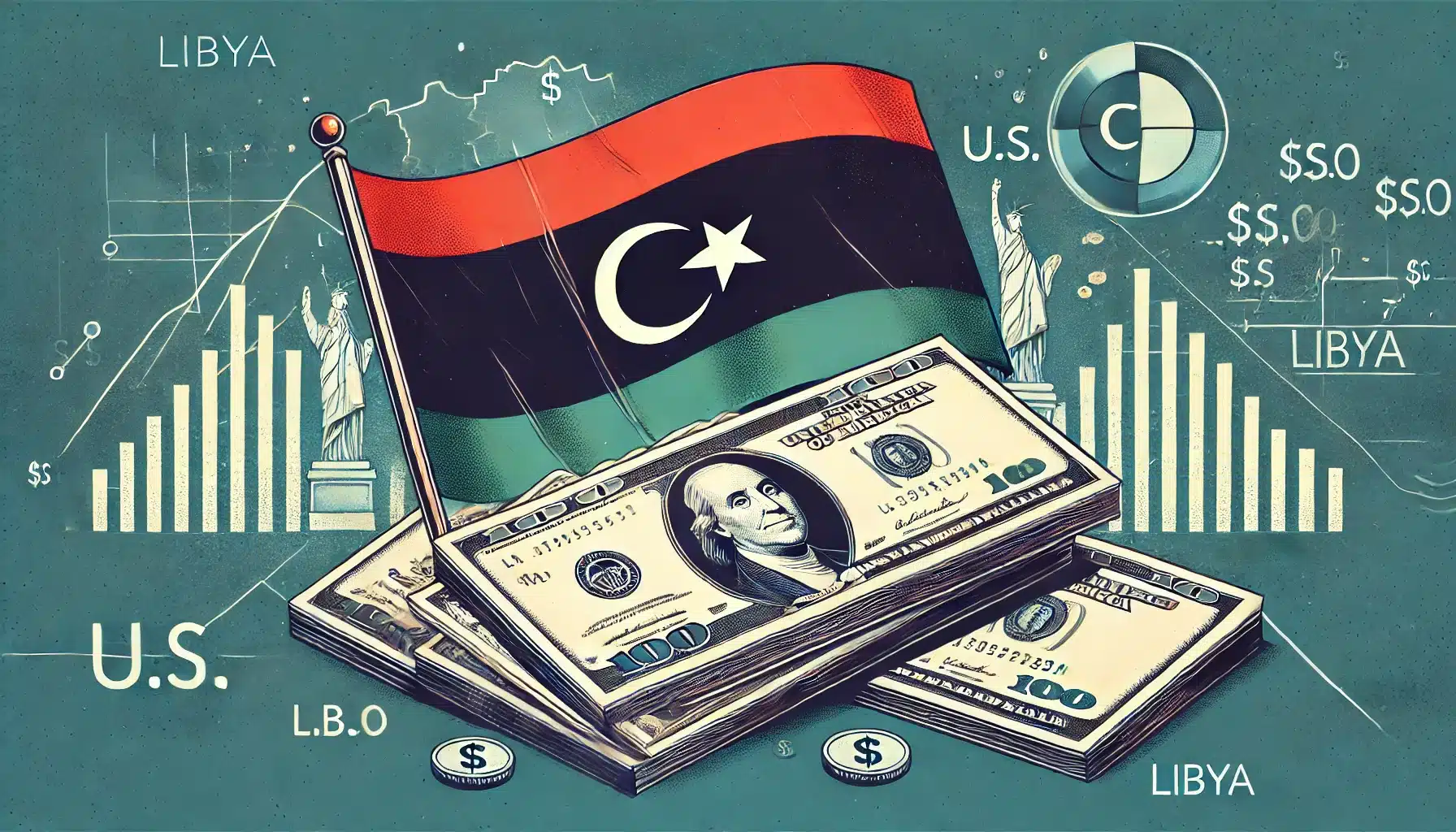
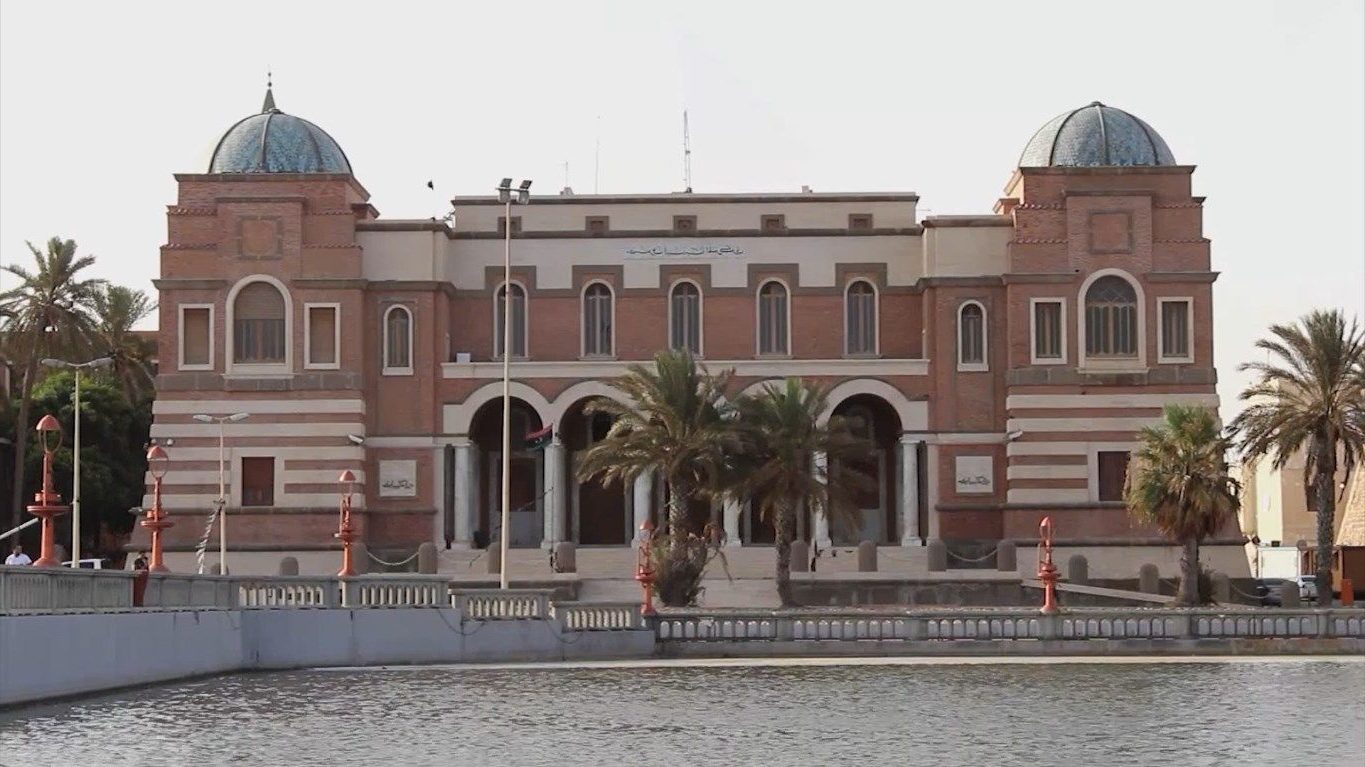
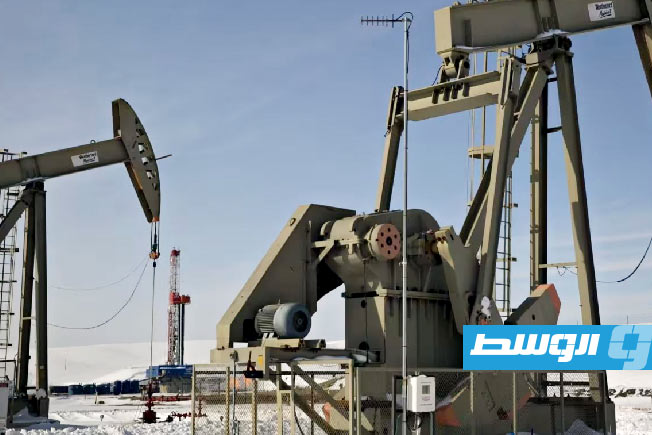
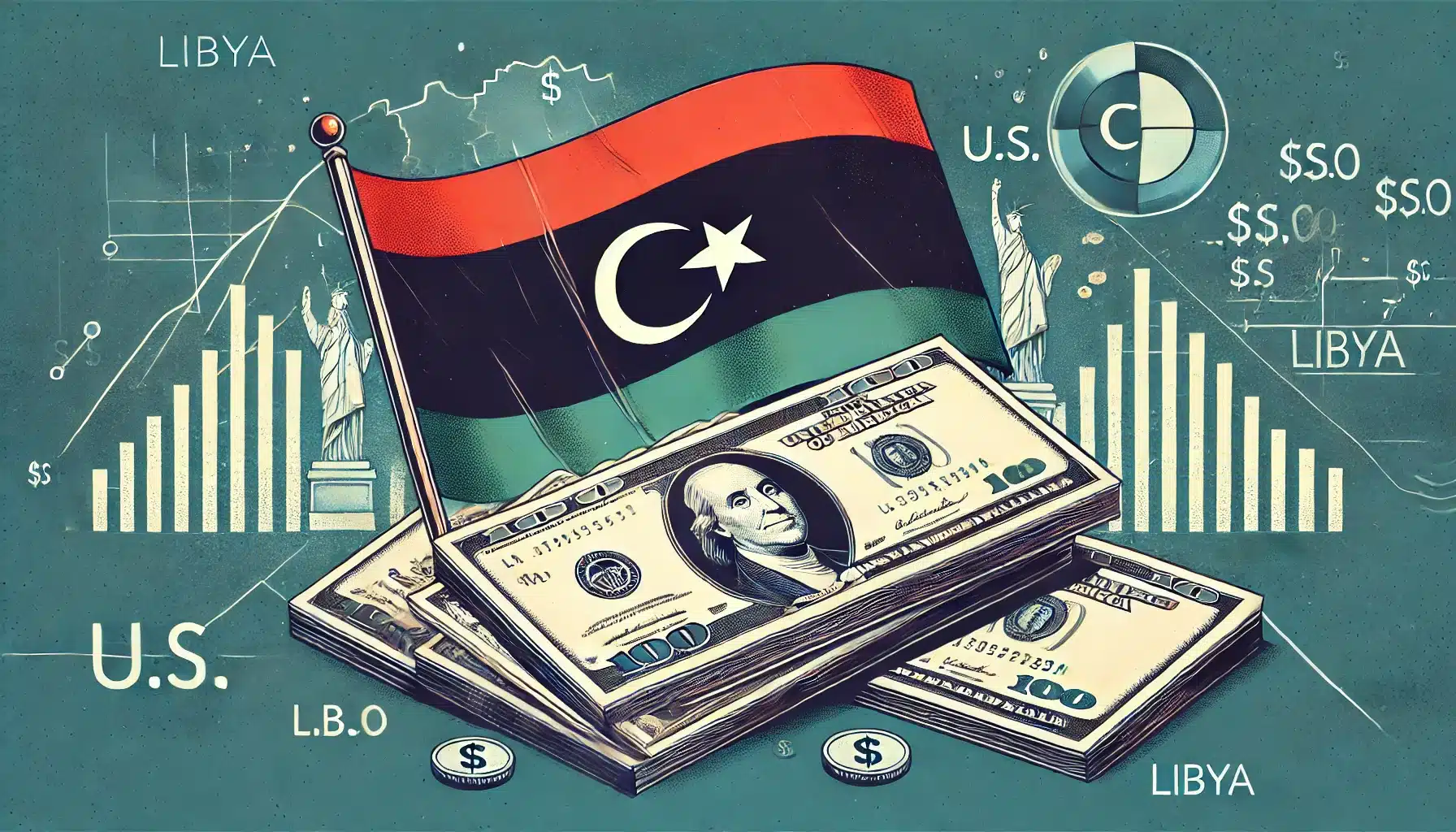
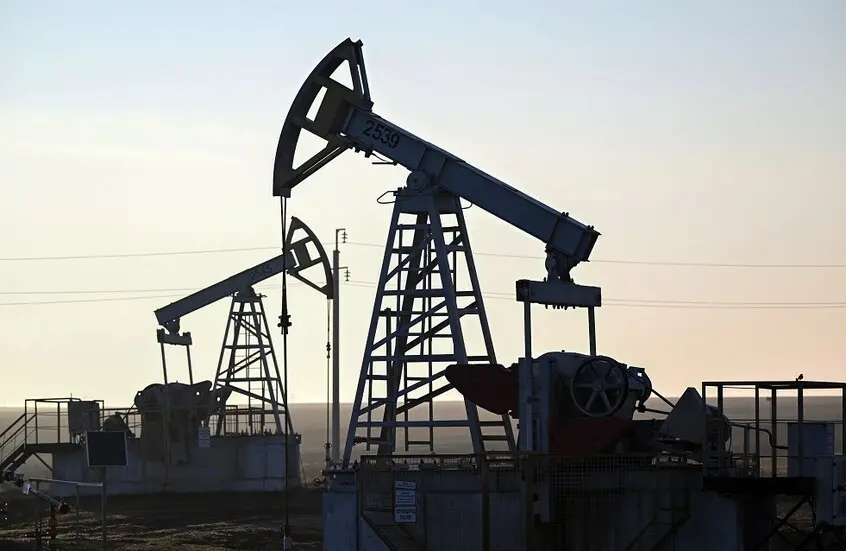
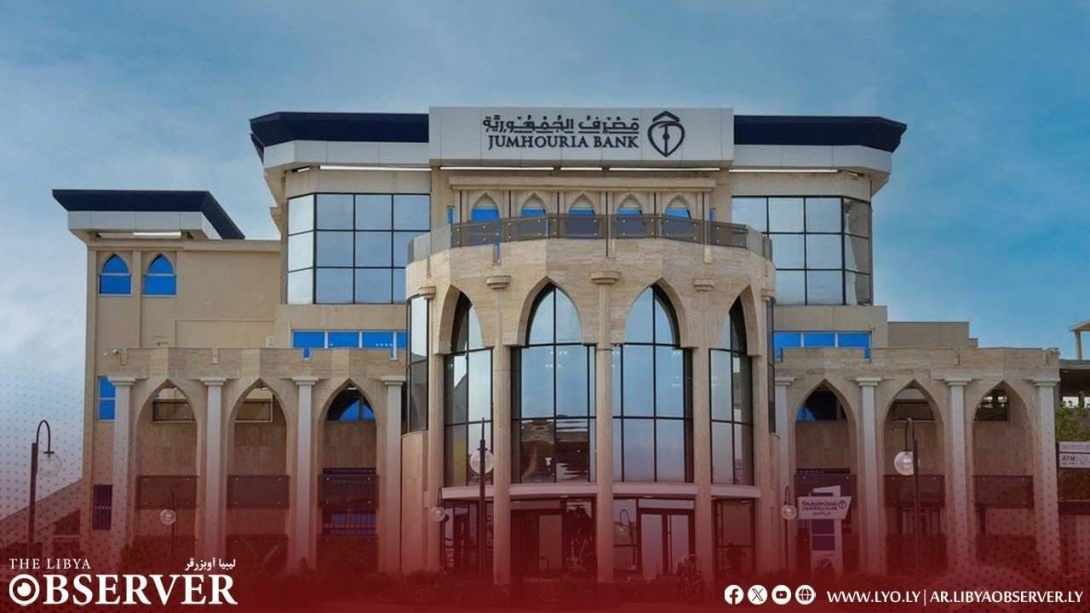
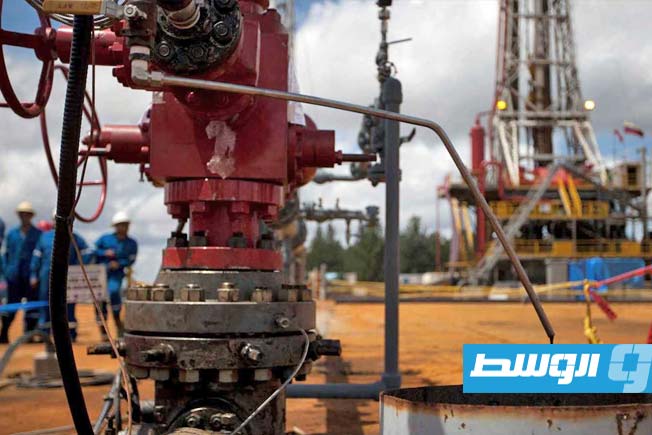
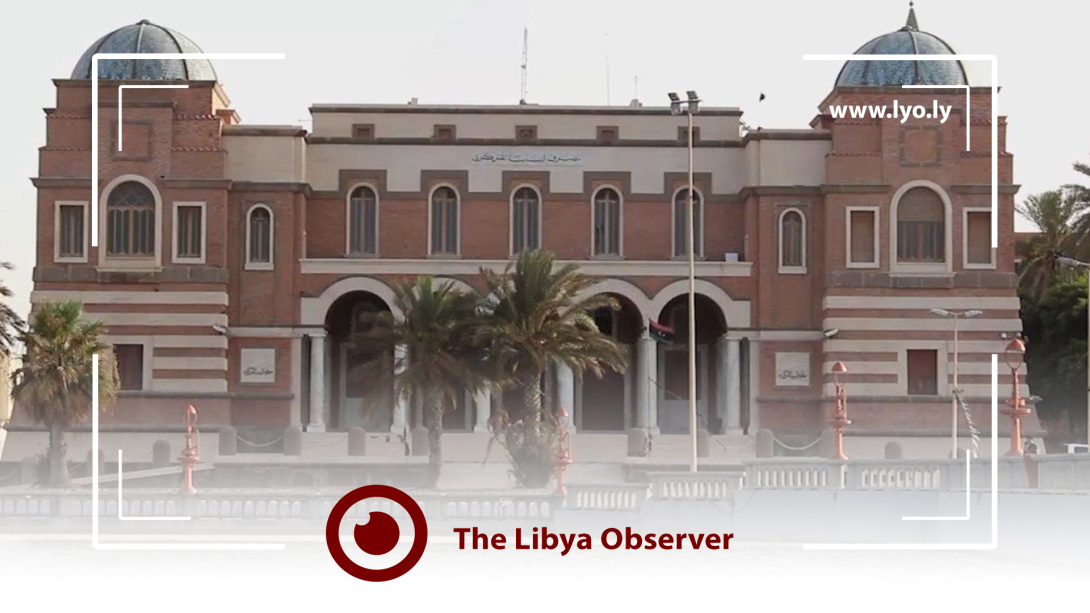
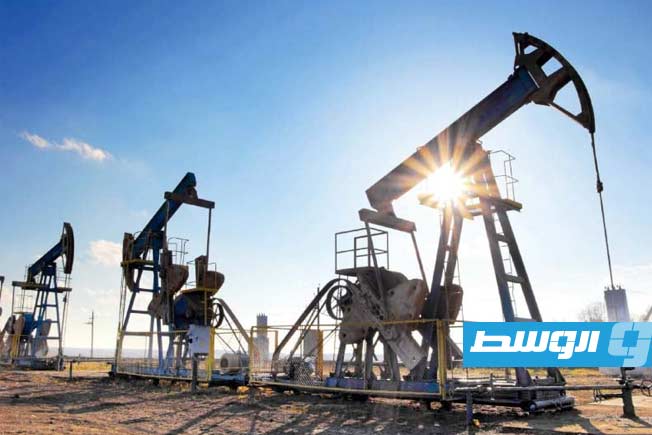
He added that determining the final figure for the public debt cannot be done before recovering funds spent without legal justification. After that, the government, in coordination with the central bank, can request the legalization of the debt through legislation that defines the mechanism for its extinguishment. He presented two possible options: allocating 5% of annual oil sales for several years, or re-evaluating the foreign assets</strong of the Central Bank of Libya according to the Banking Law of 2005.
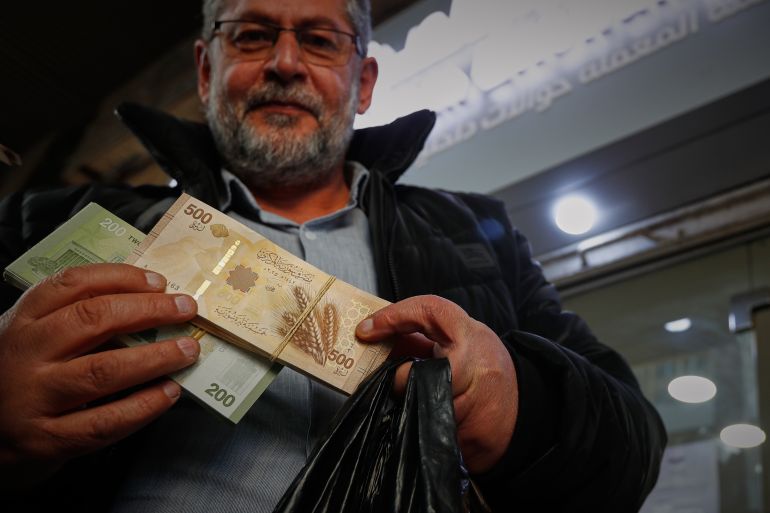
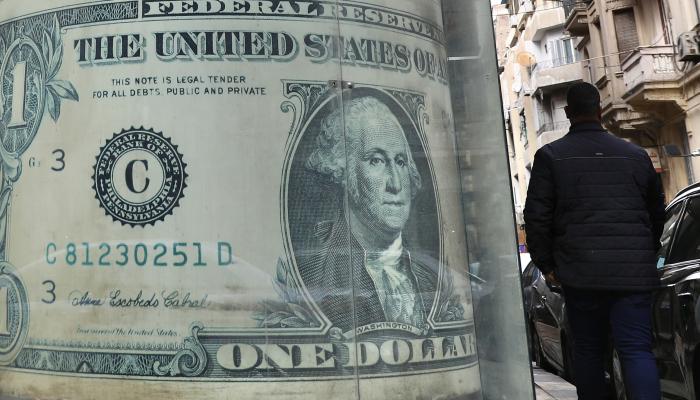
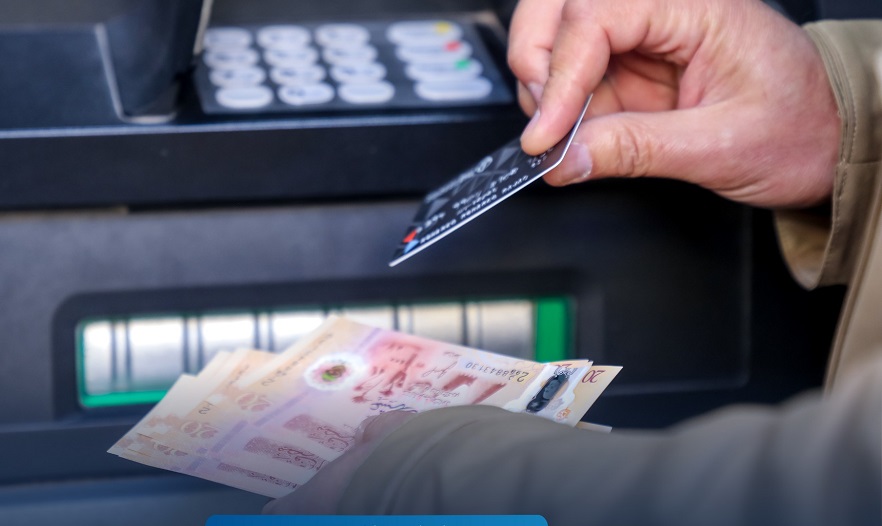
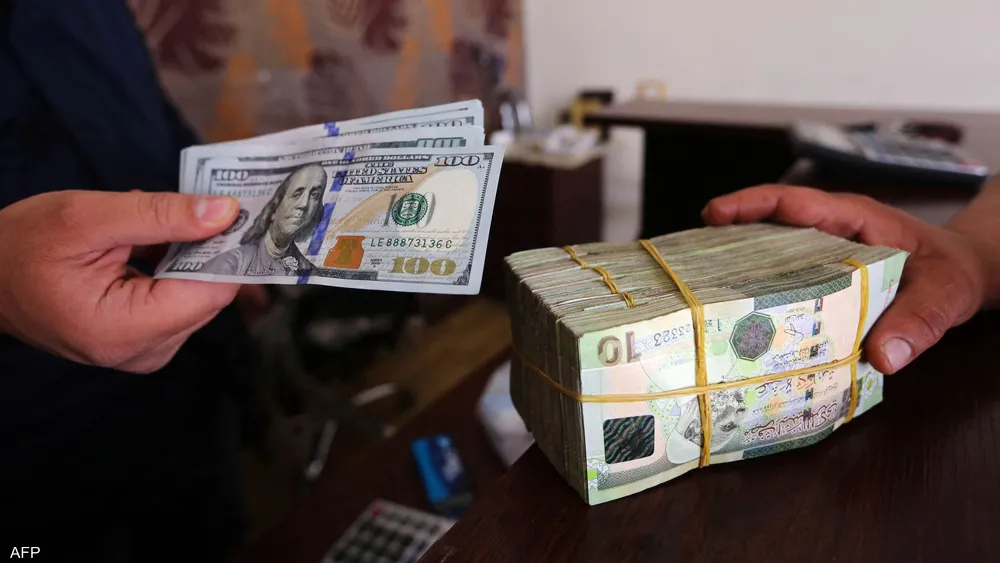
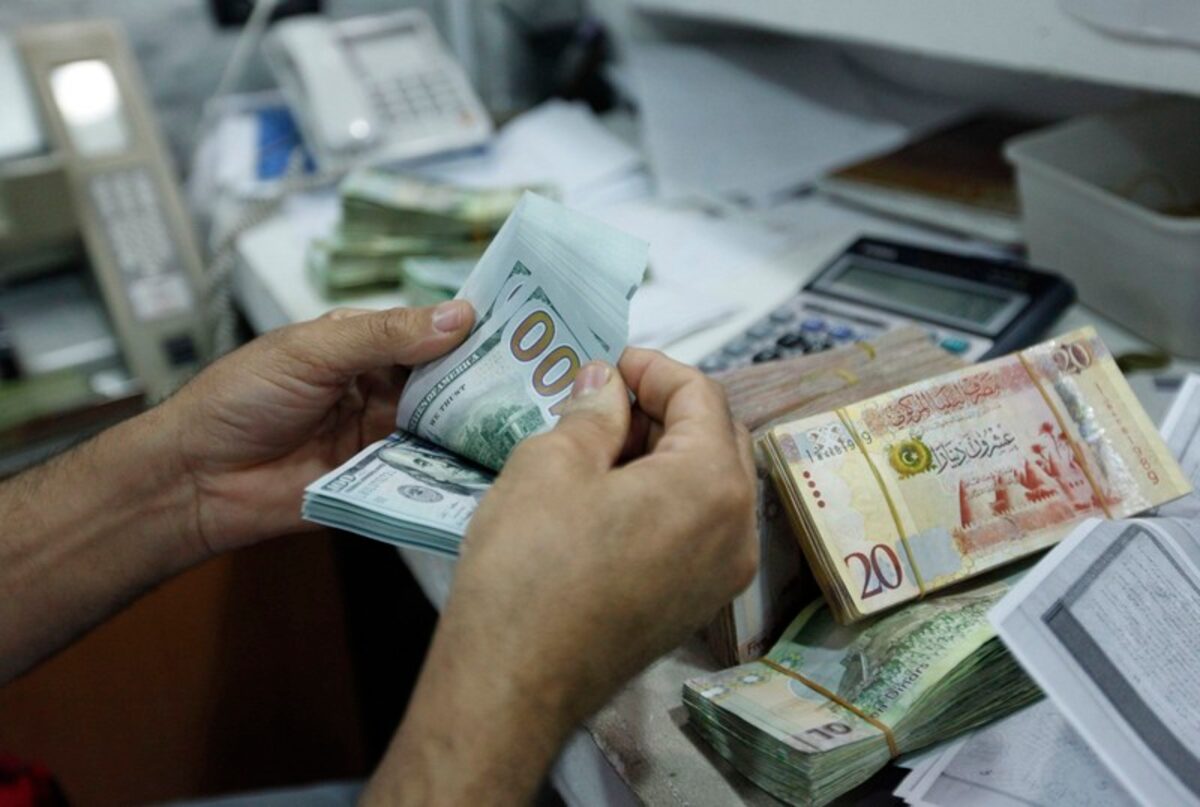
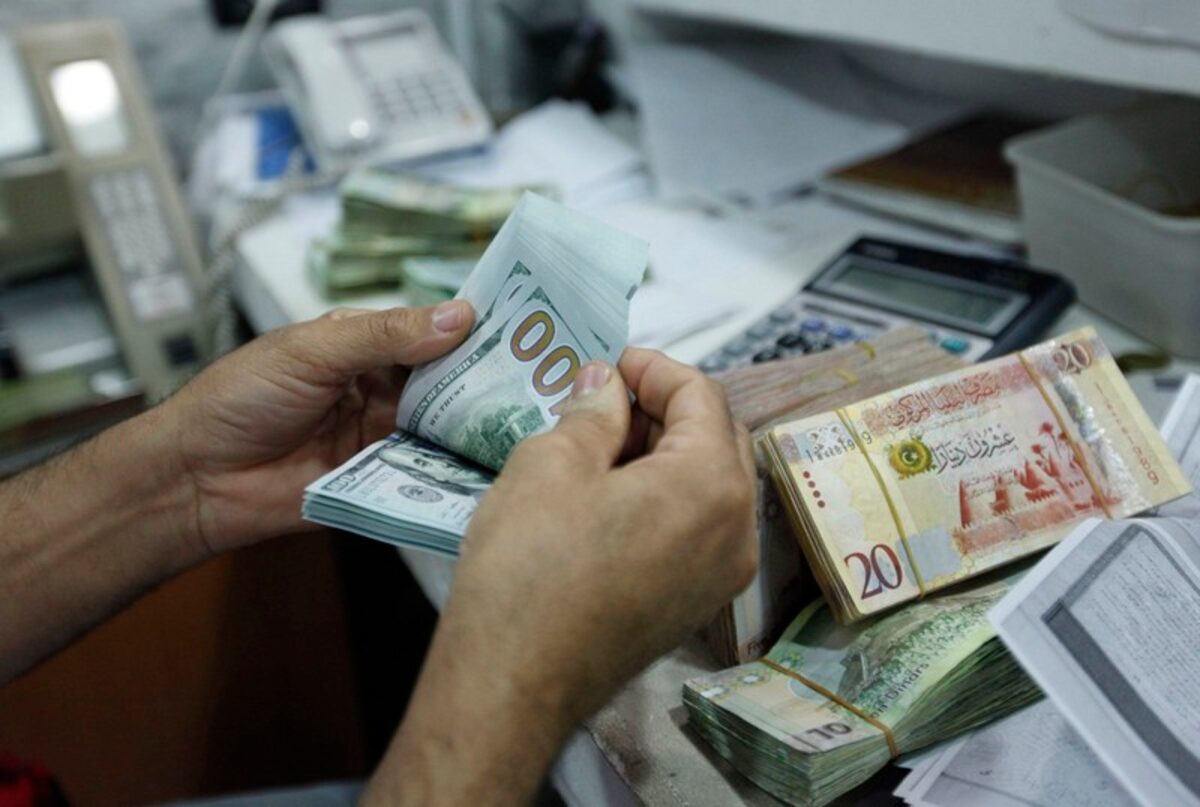
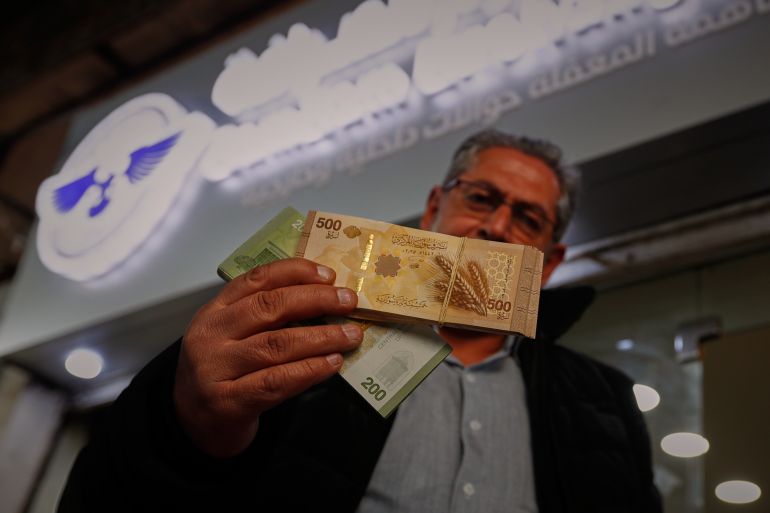
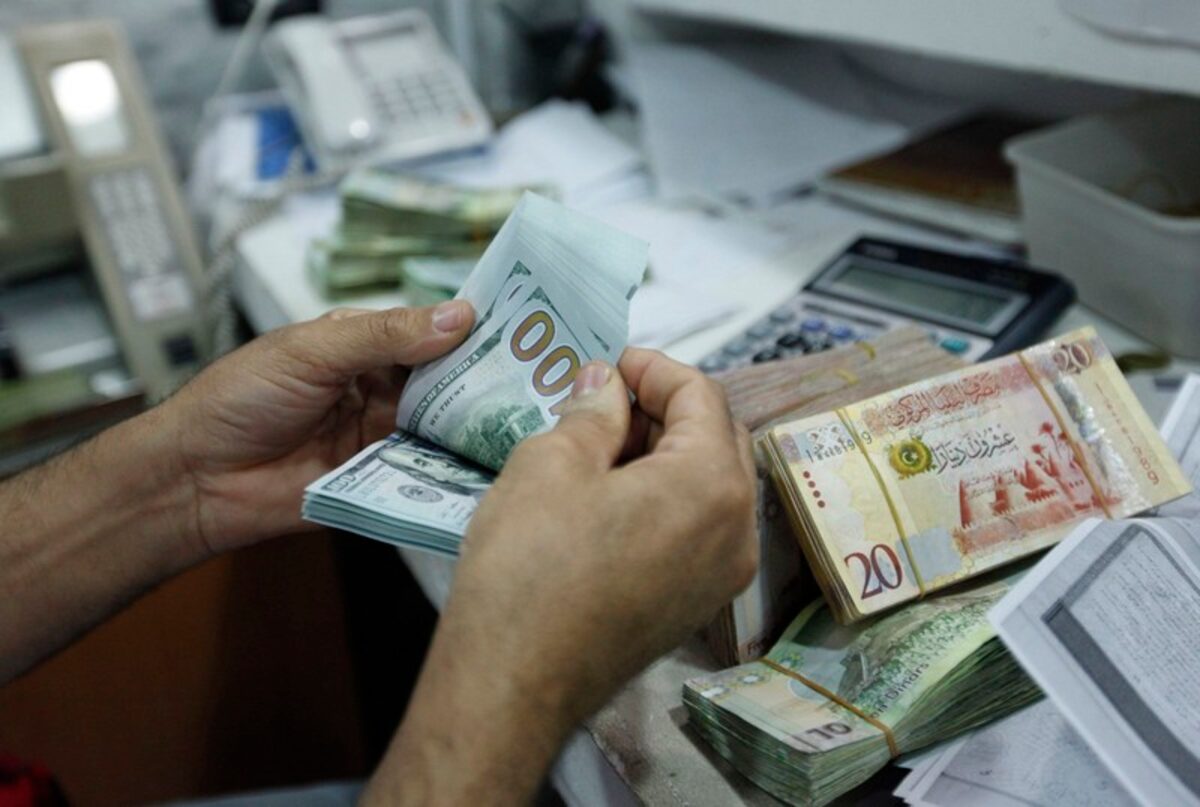
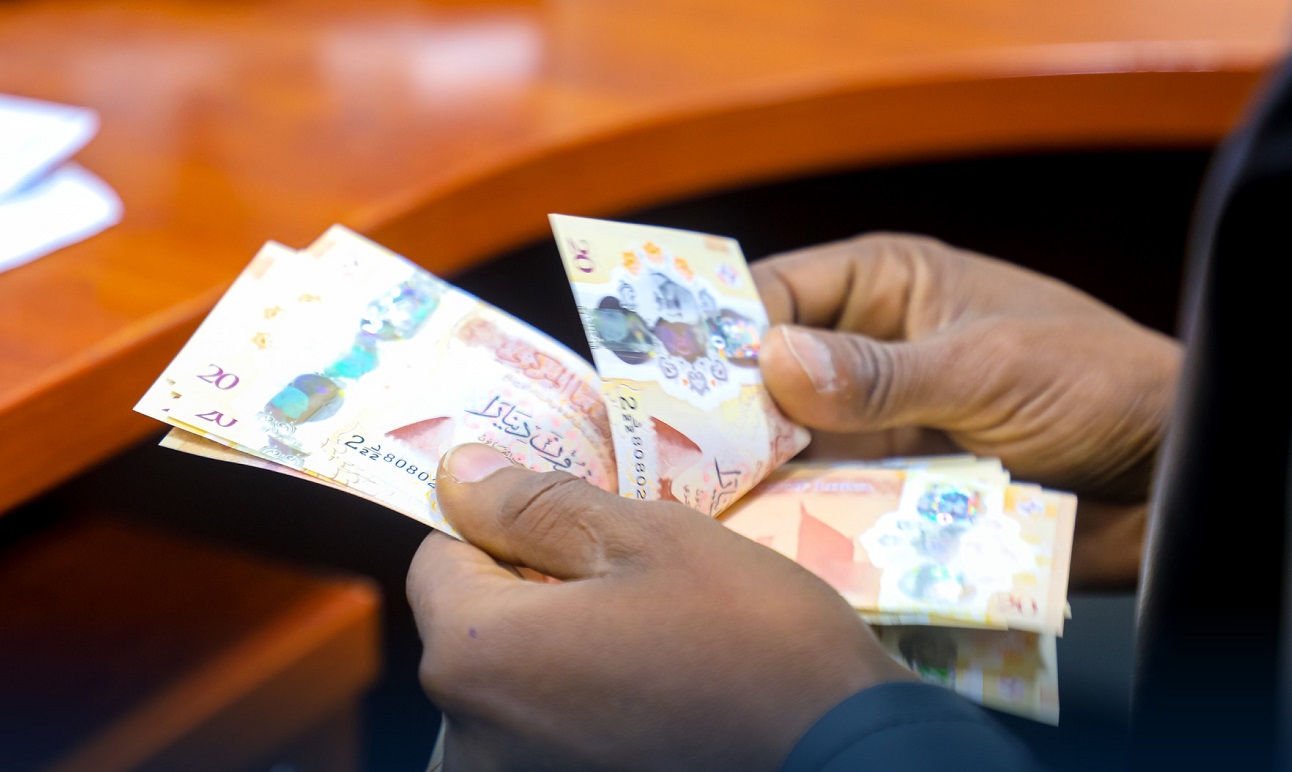
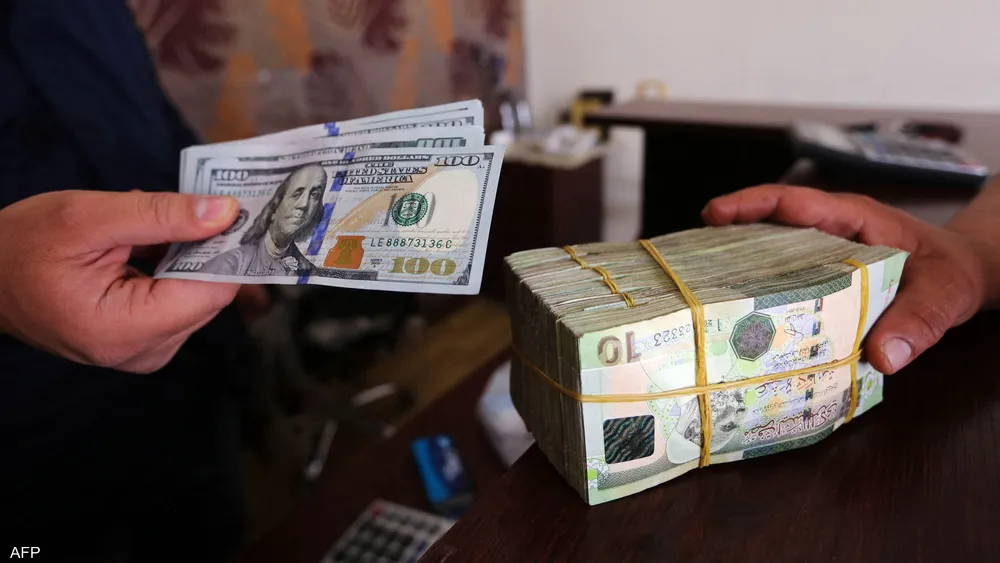
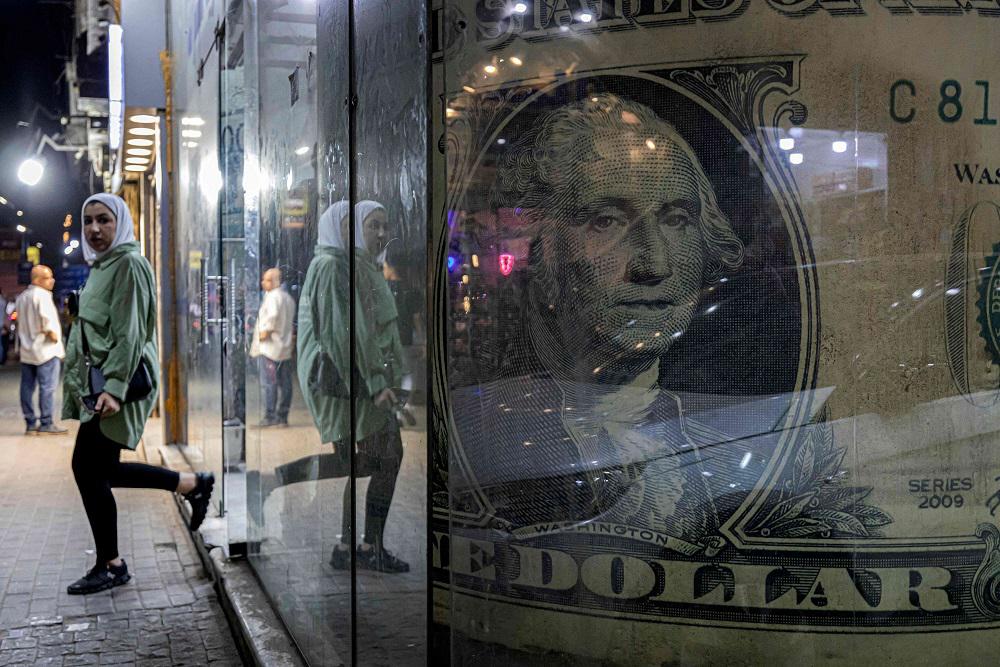
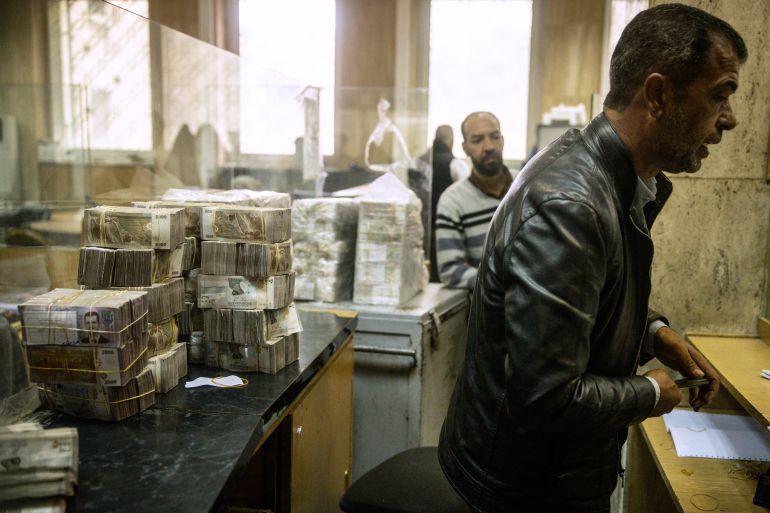
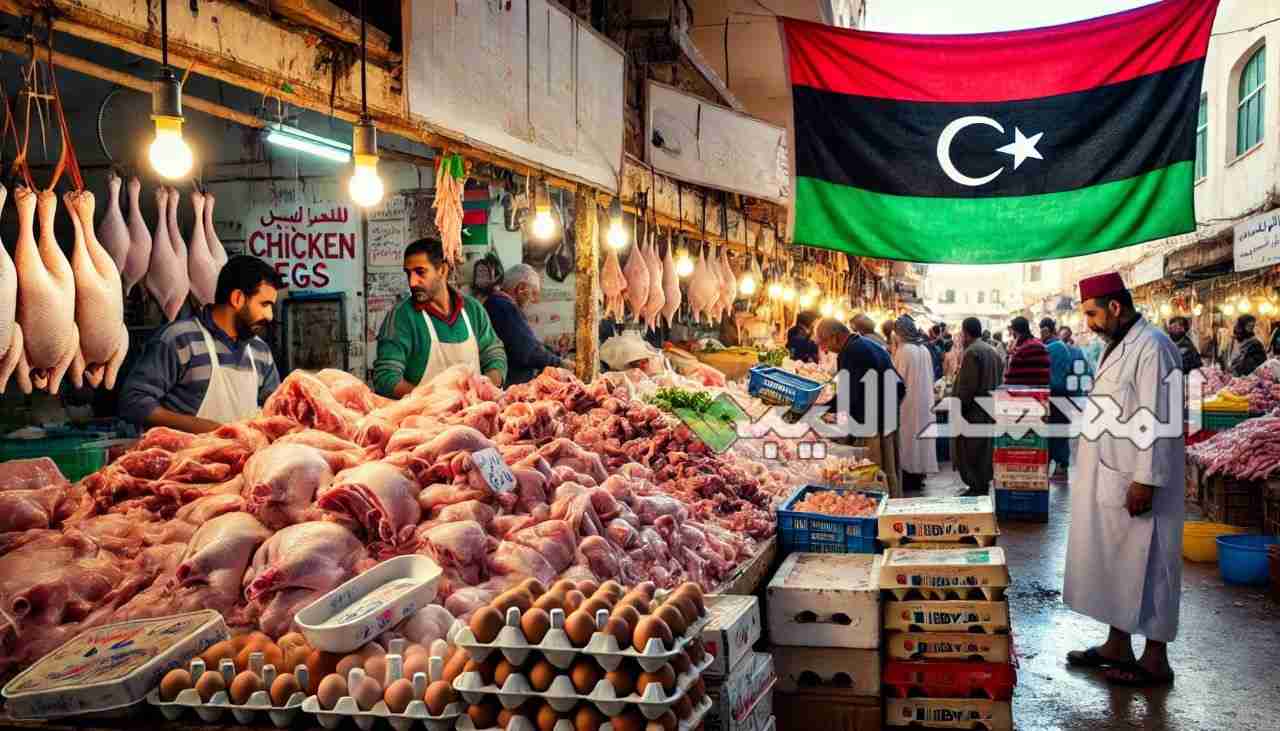
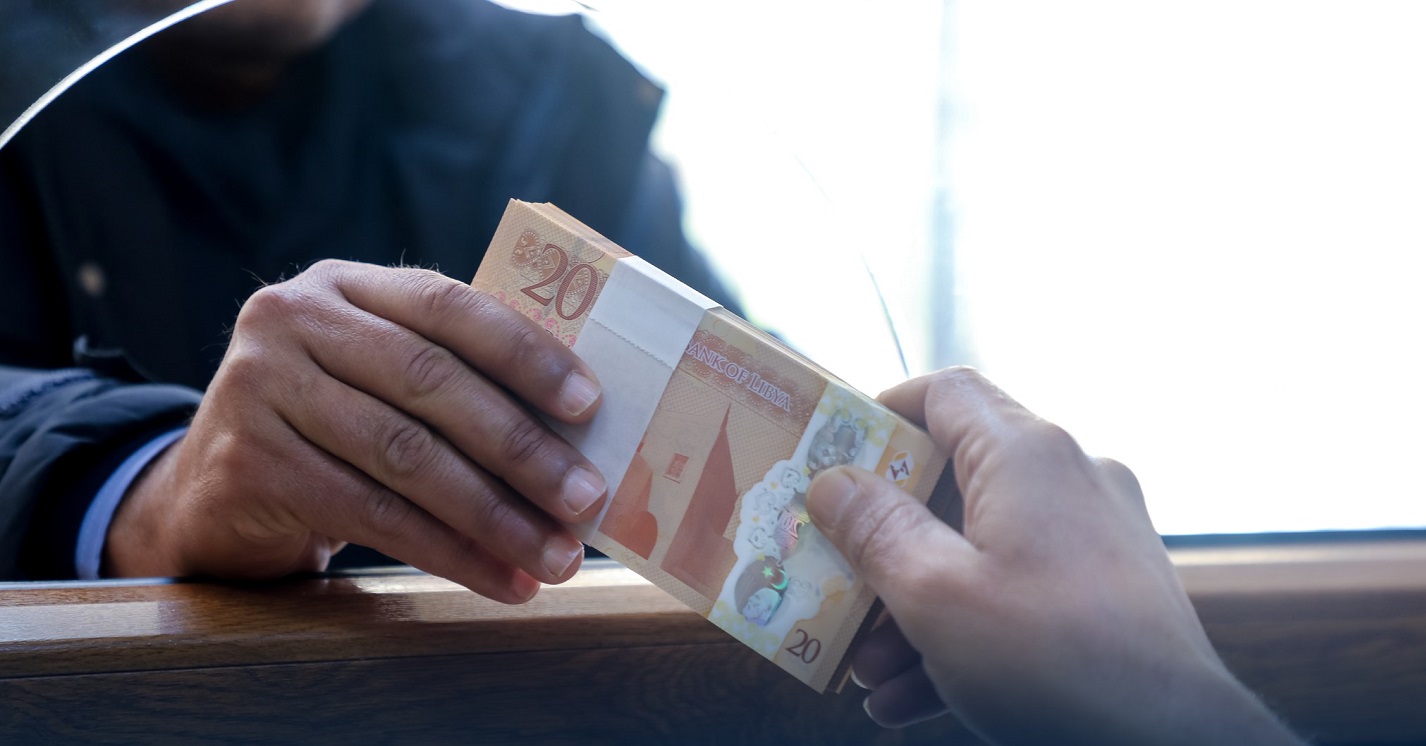
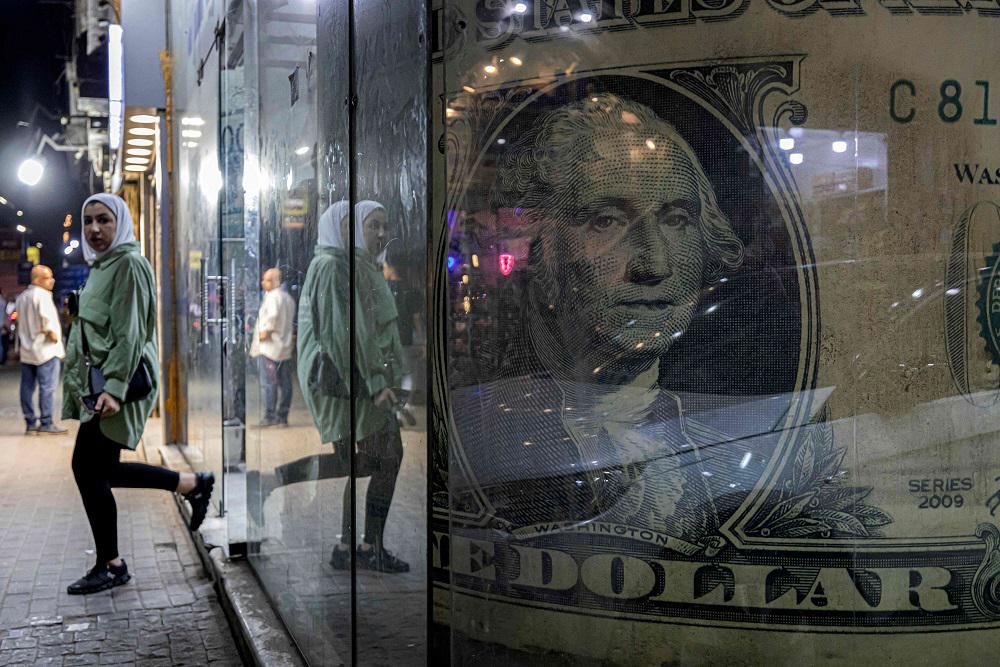
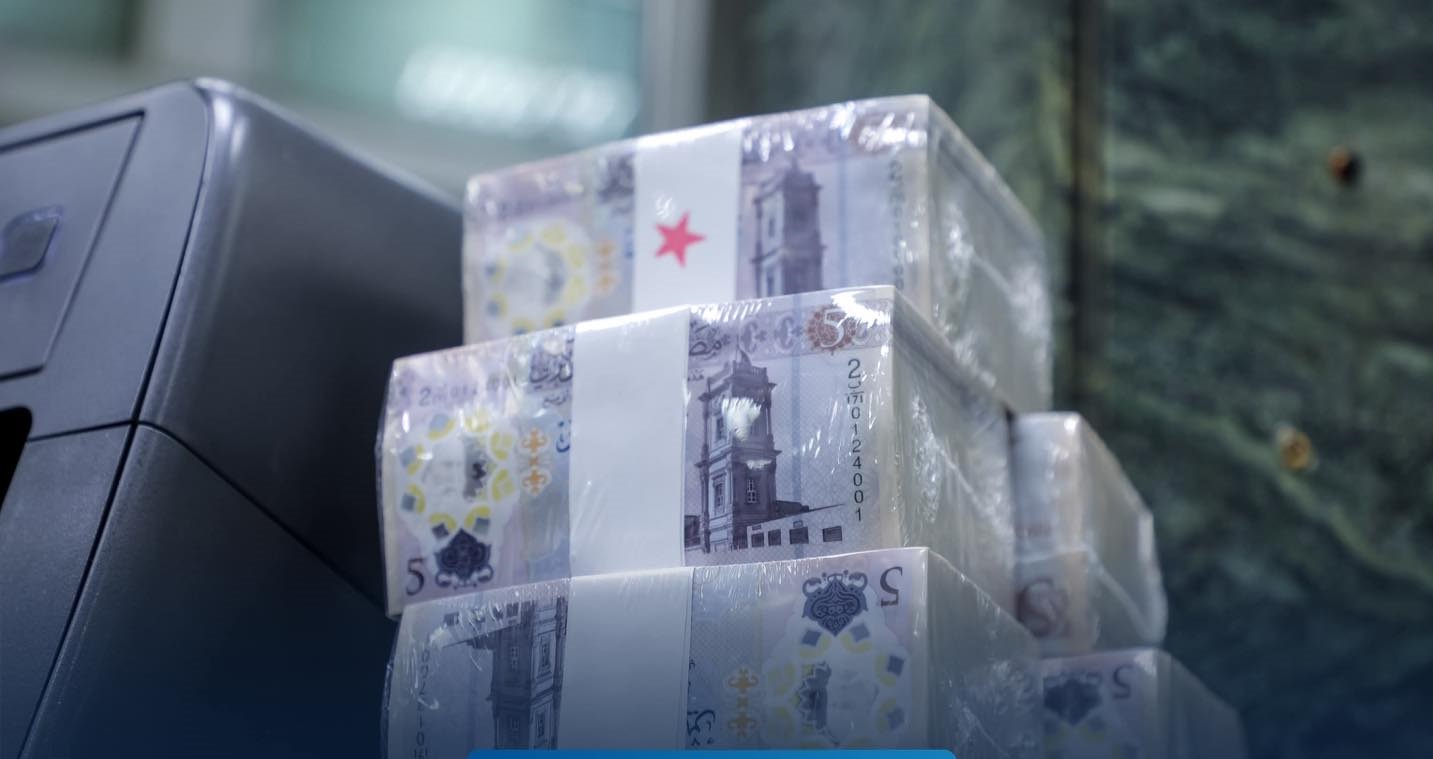
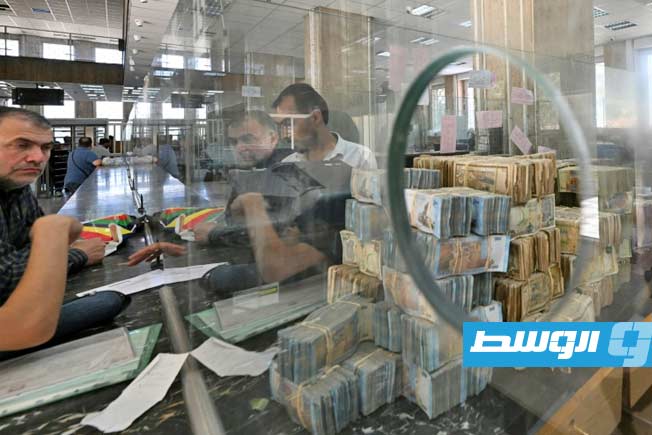
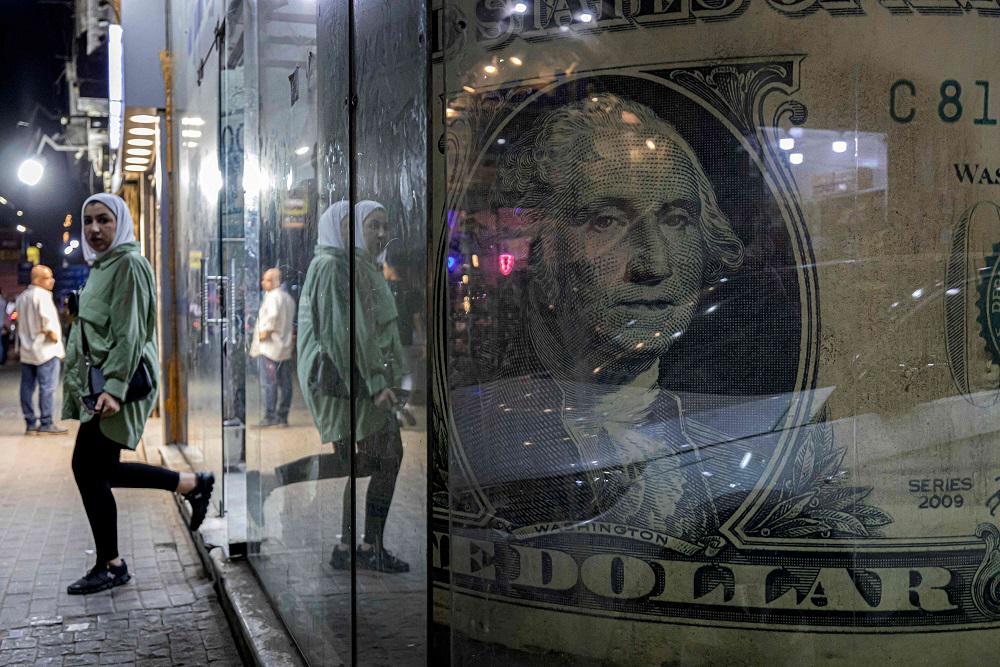
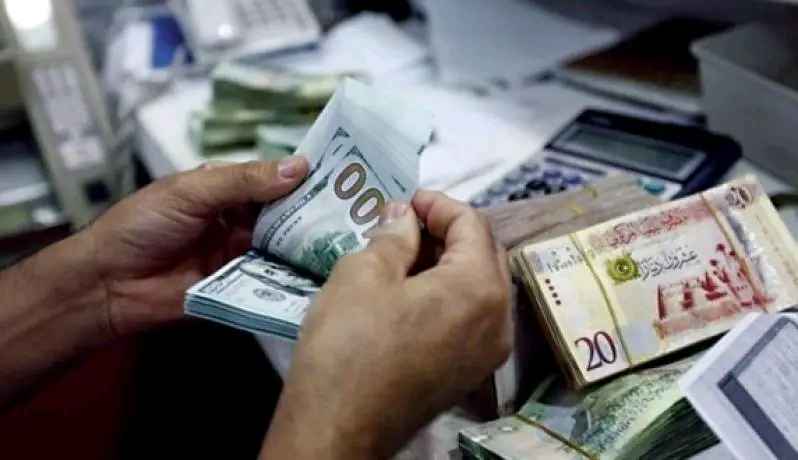
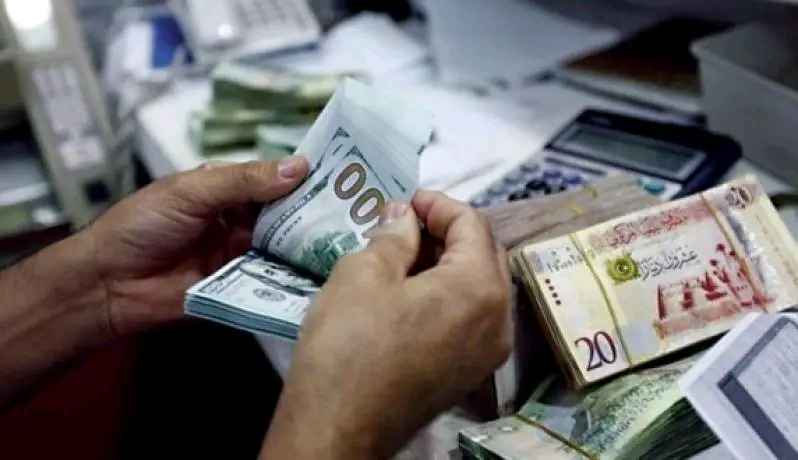
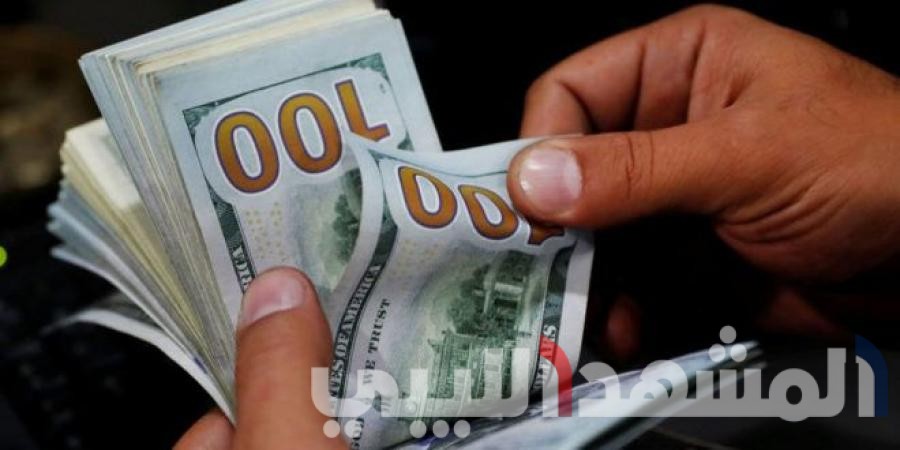
In a related context, he explained that the fee imposed on foreign currency sales, estimated at 53 billion dinars, essentially represents a tax paid by merchants and borne by the Libyan citizen through the rise in prices of imported goods. He stated that for the first time, the Libyan citizen has become a “taxpayer” in the true sense, which grants them the right to demand an improvement in the quality of public services.
He concluded by emphasizing that these funds must be directed towards improving education, health, housing, and public utilities, warning against using them as a cover to obscure corruption files under the slogan of extinguishing the public debt, describing such an act as “a word of truth intended for falsehood“.