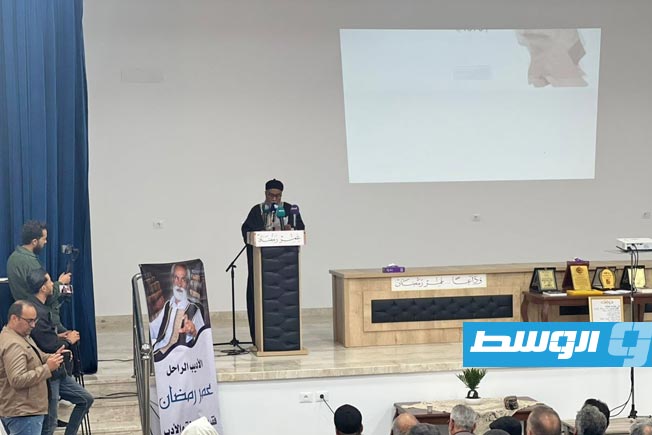
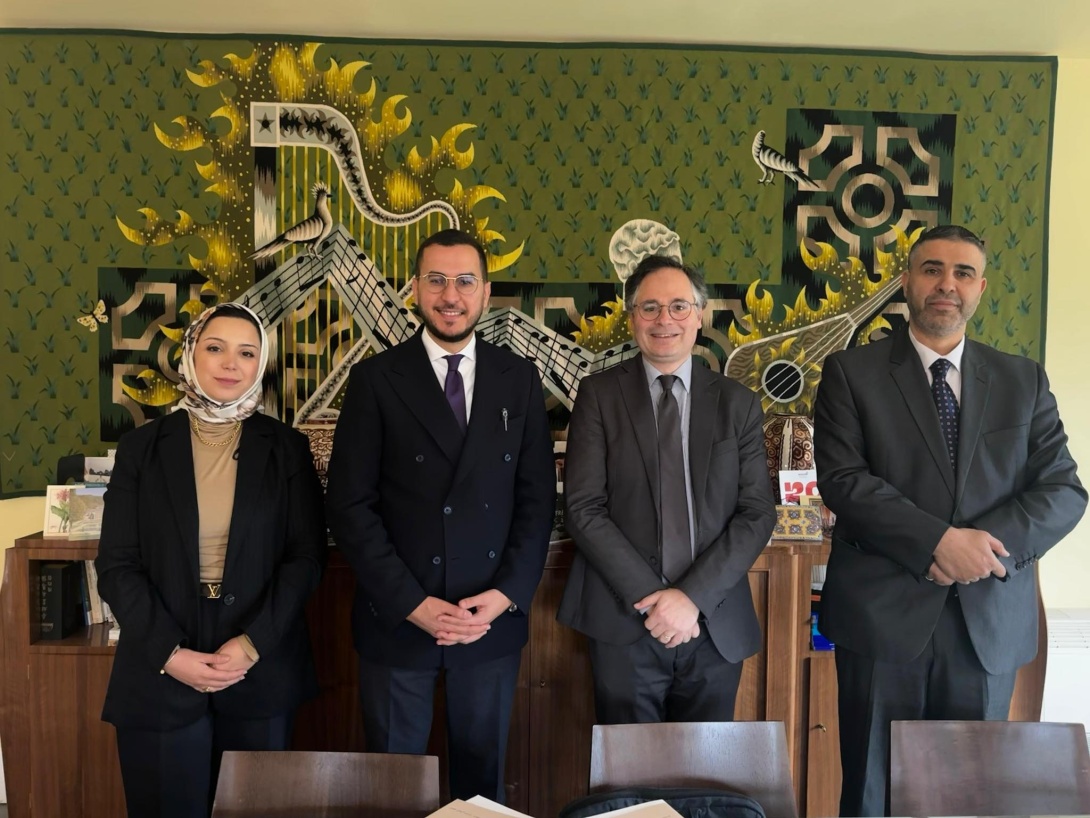
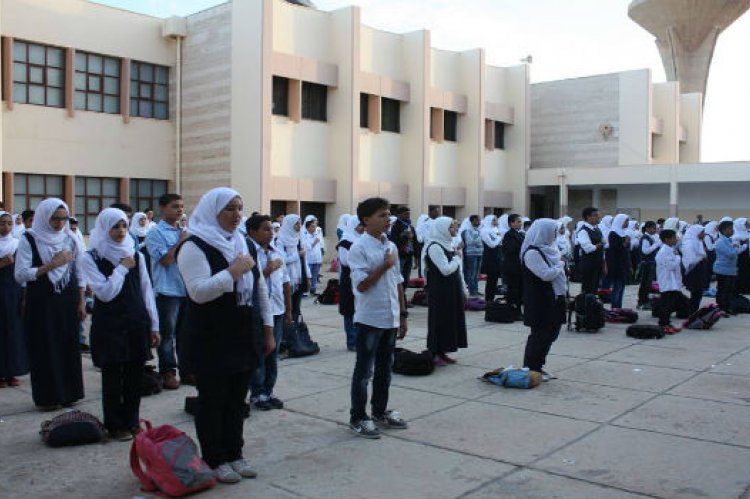
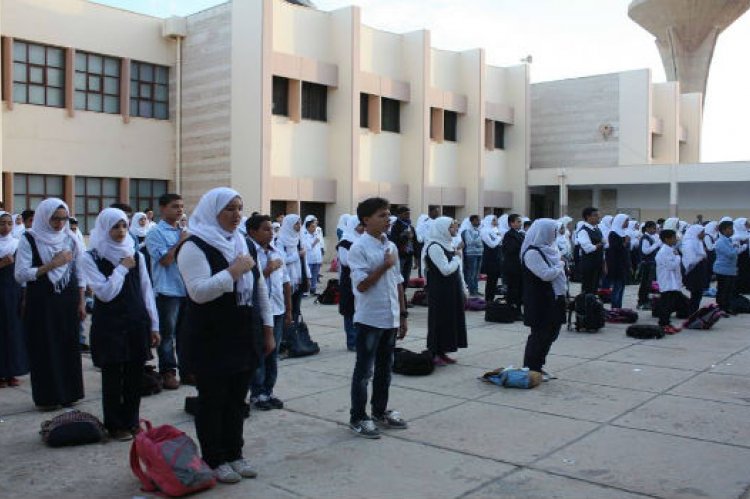
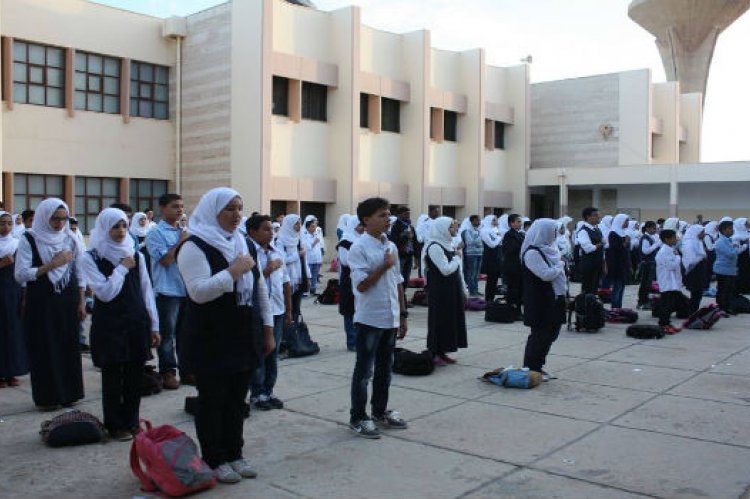
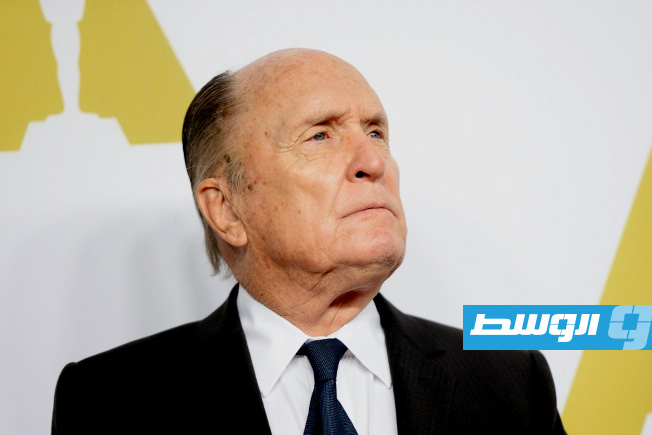
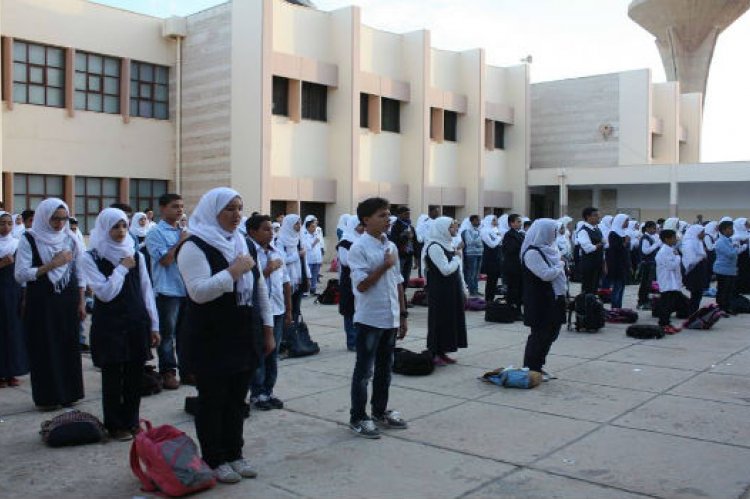
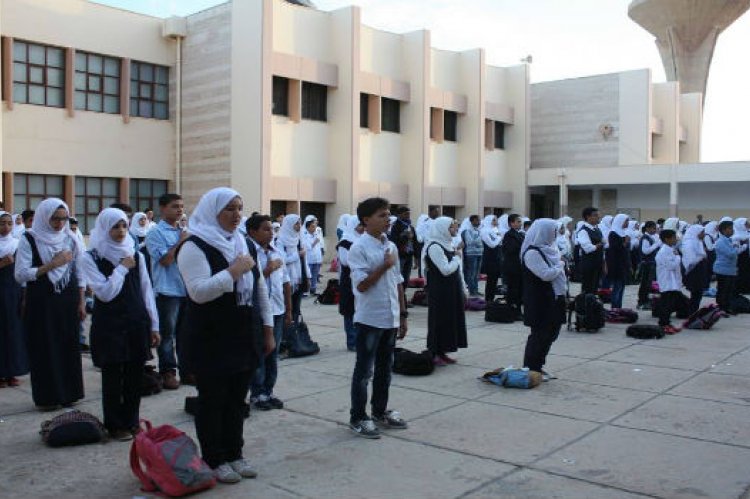
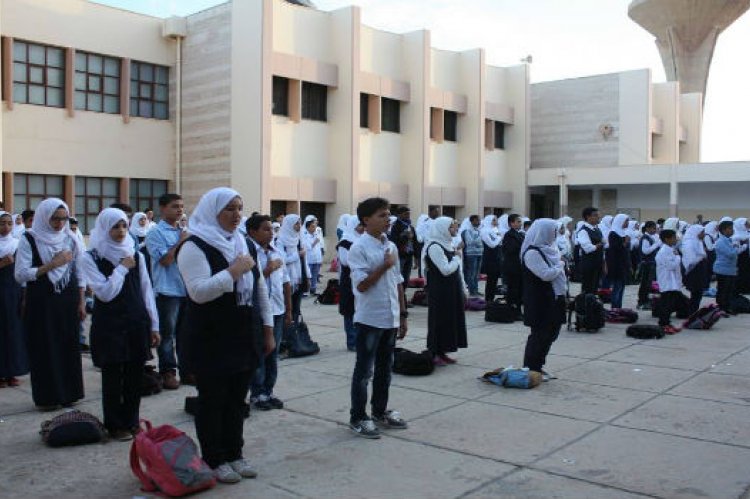
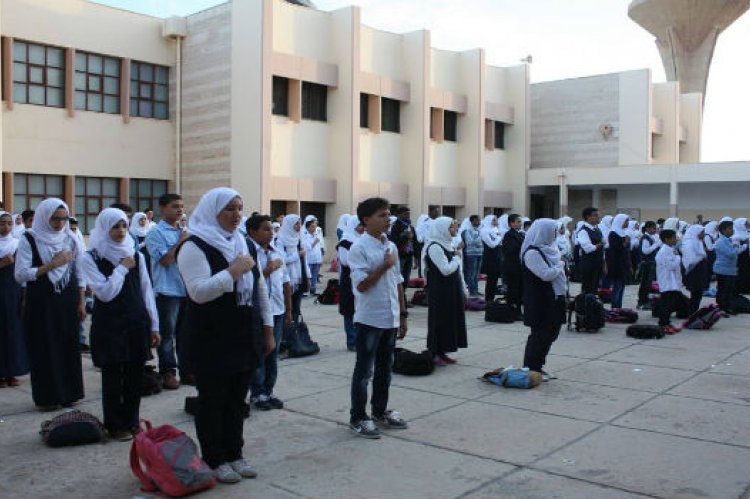
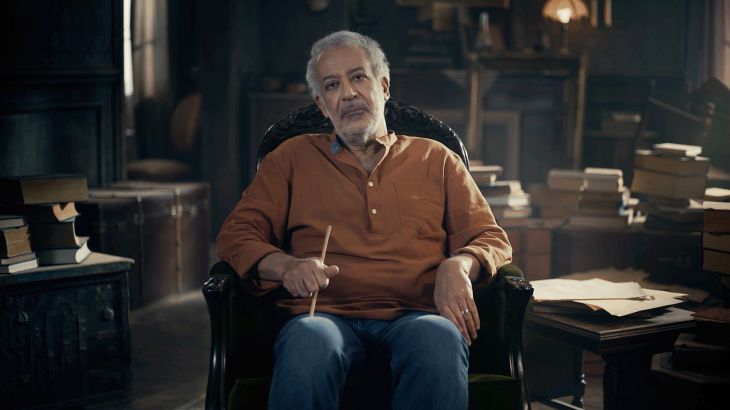
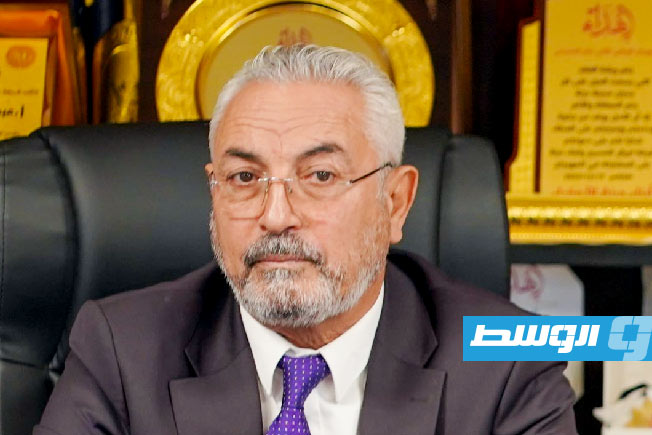
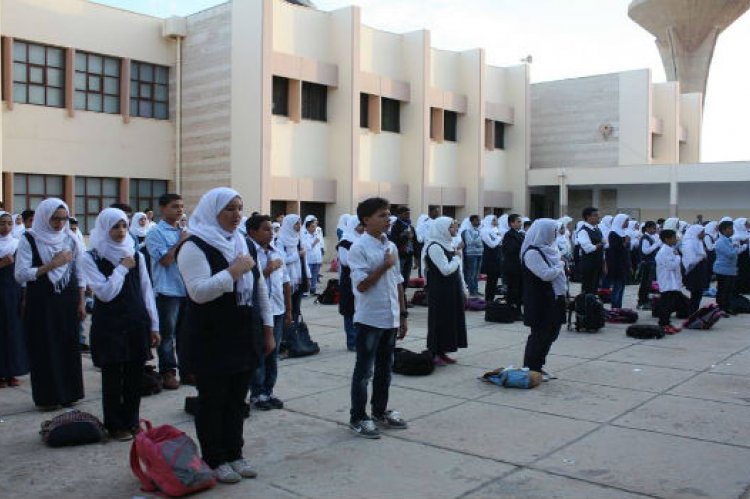
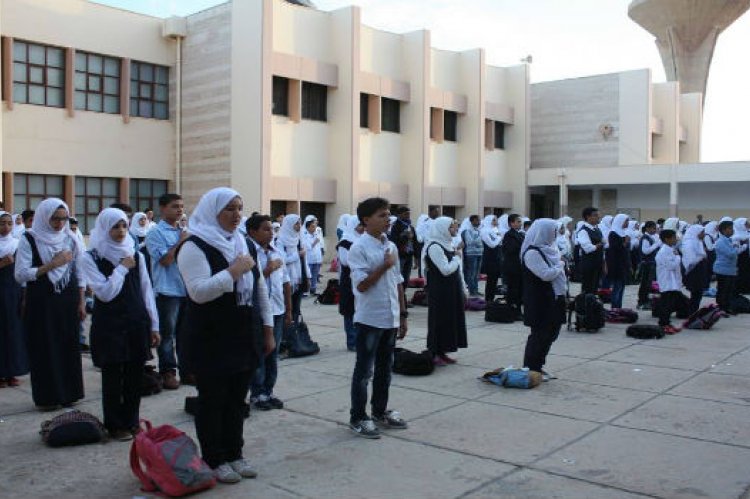
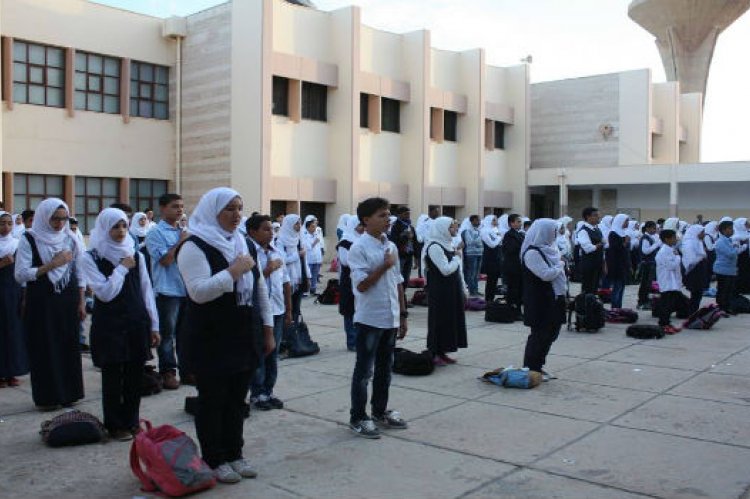
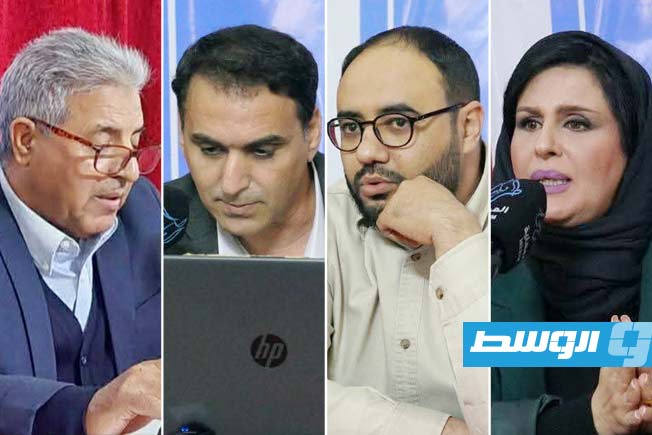
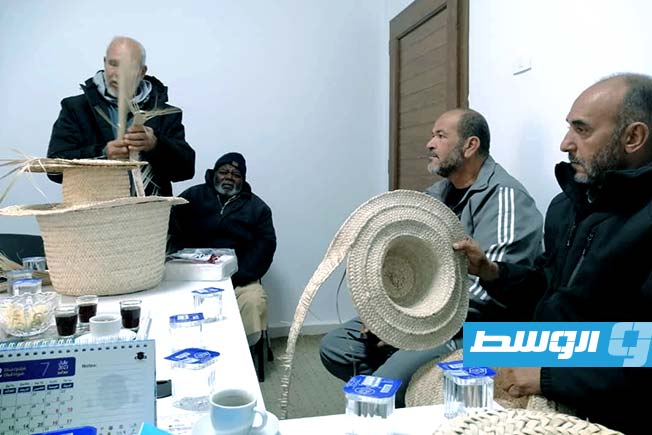
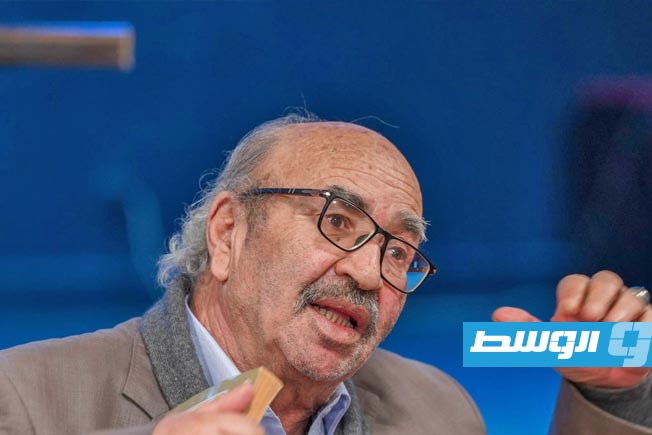
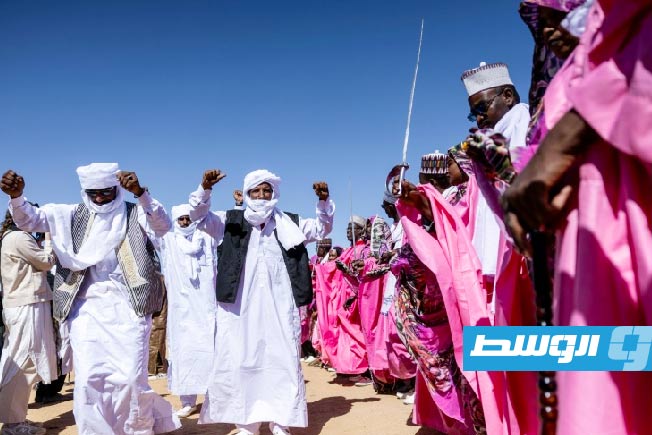
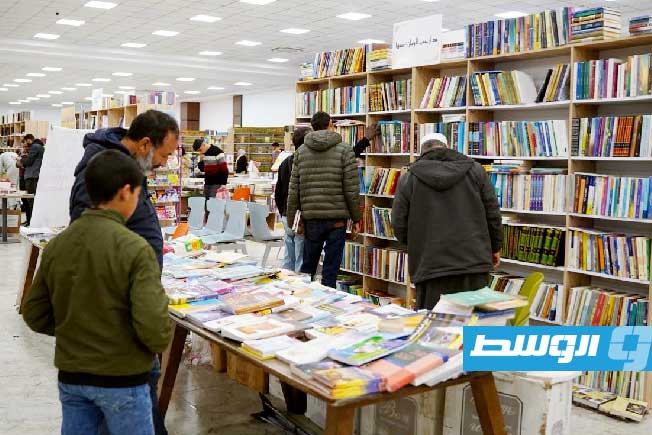
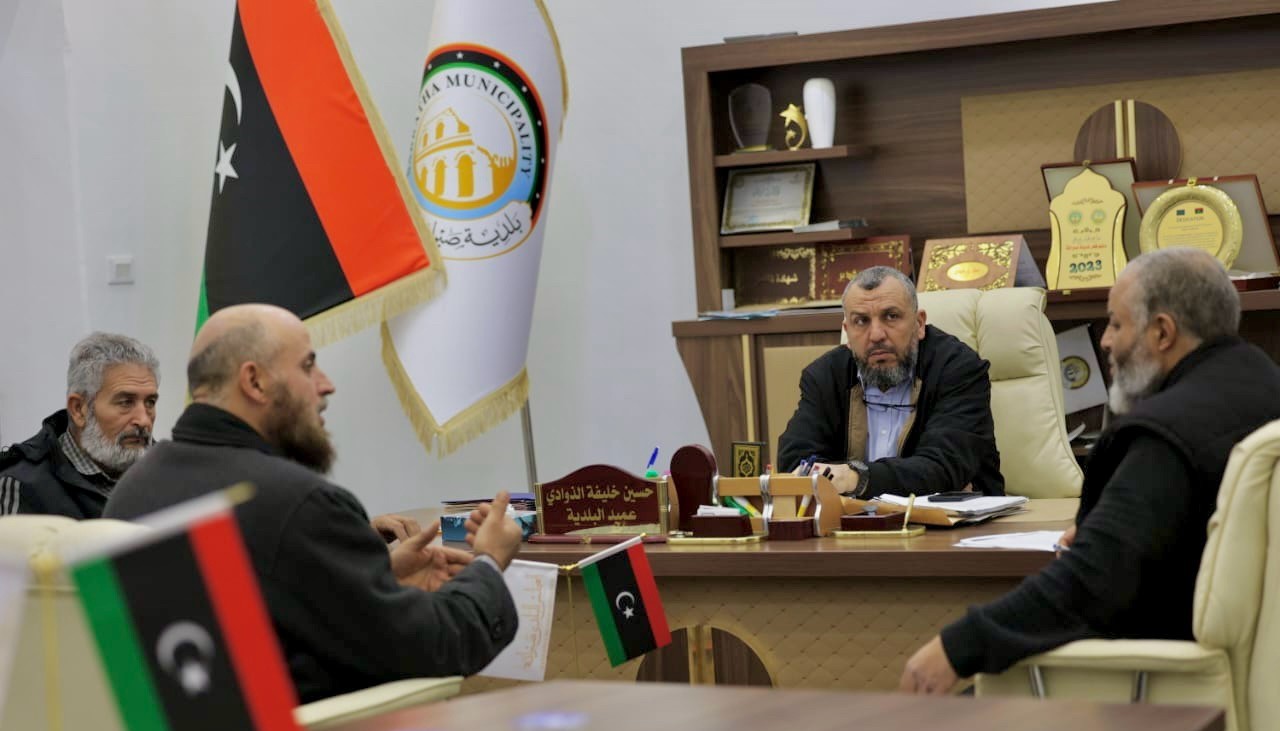
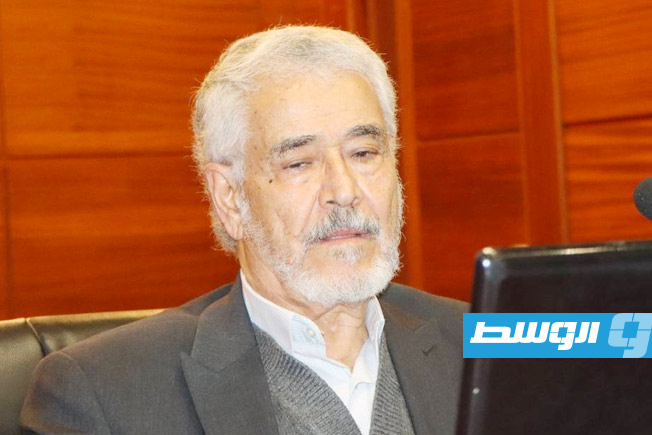
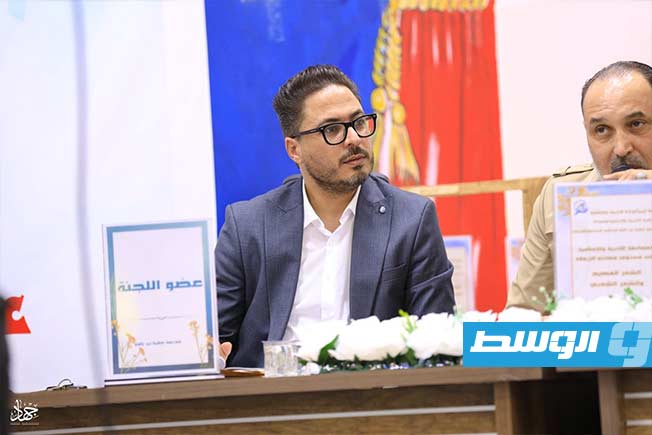
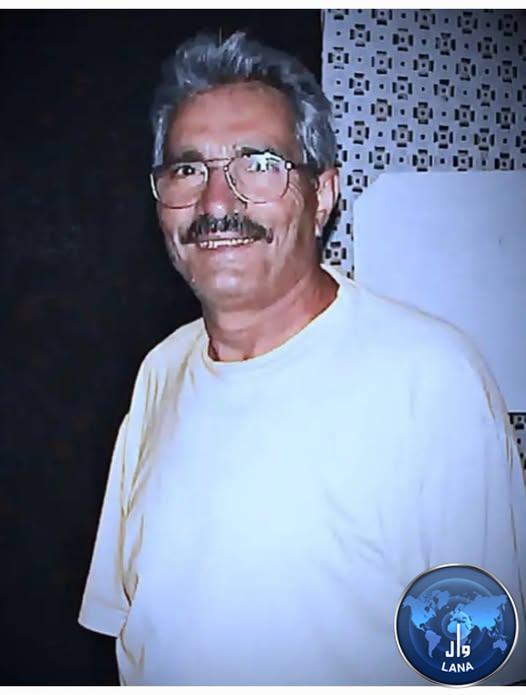
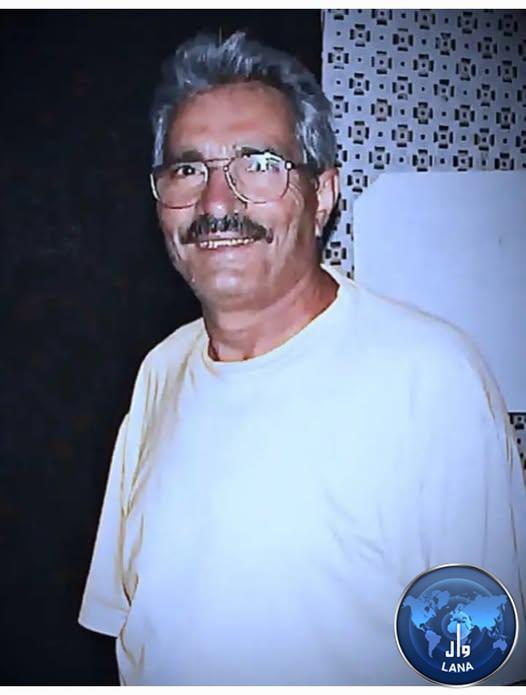
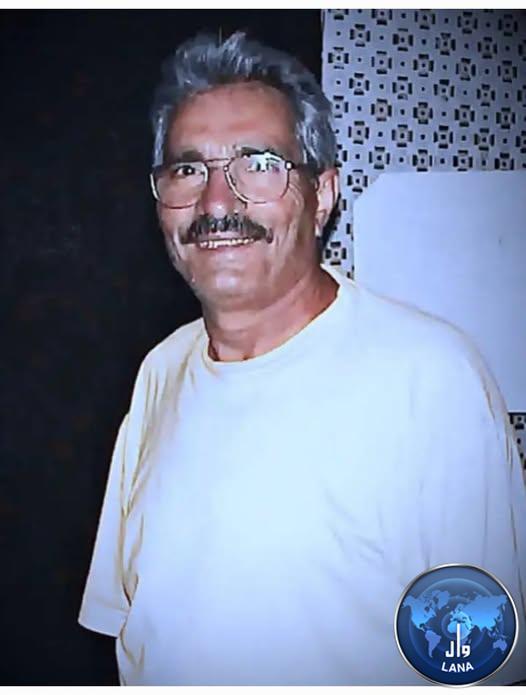
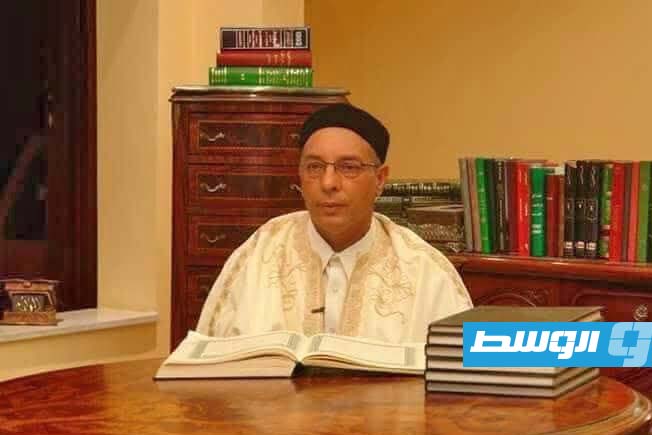
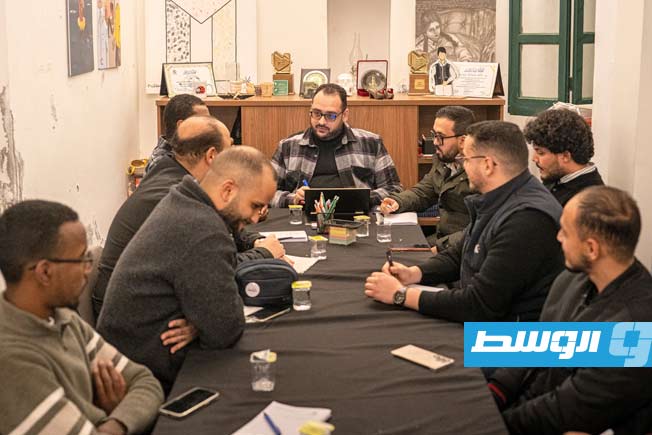
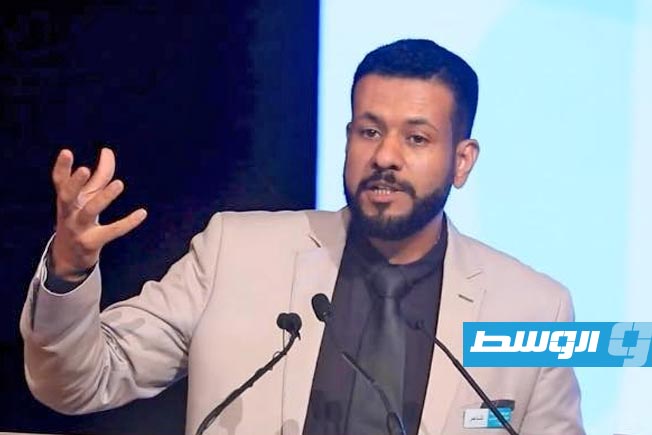
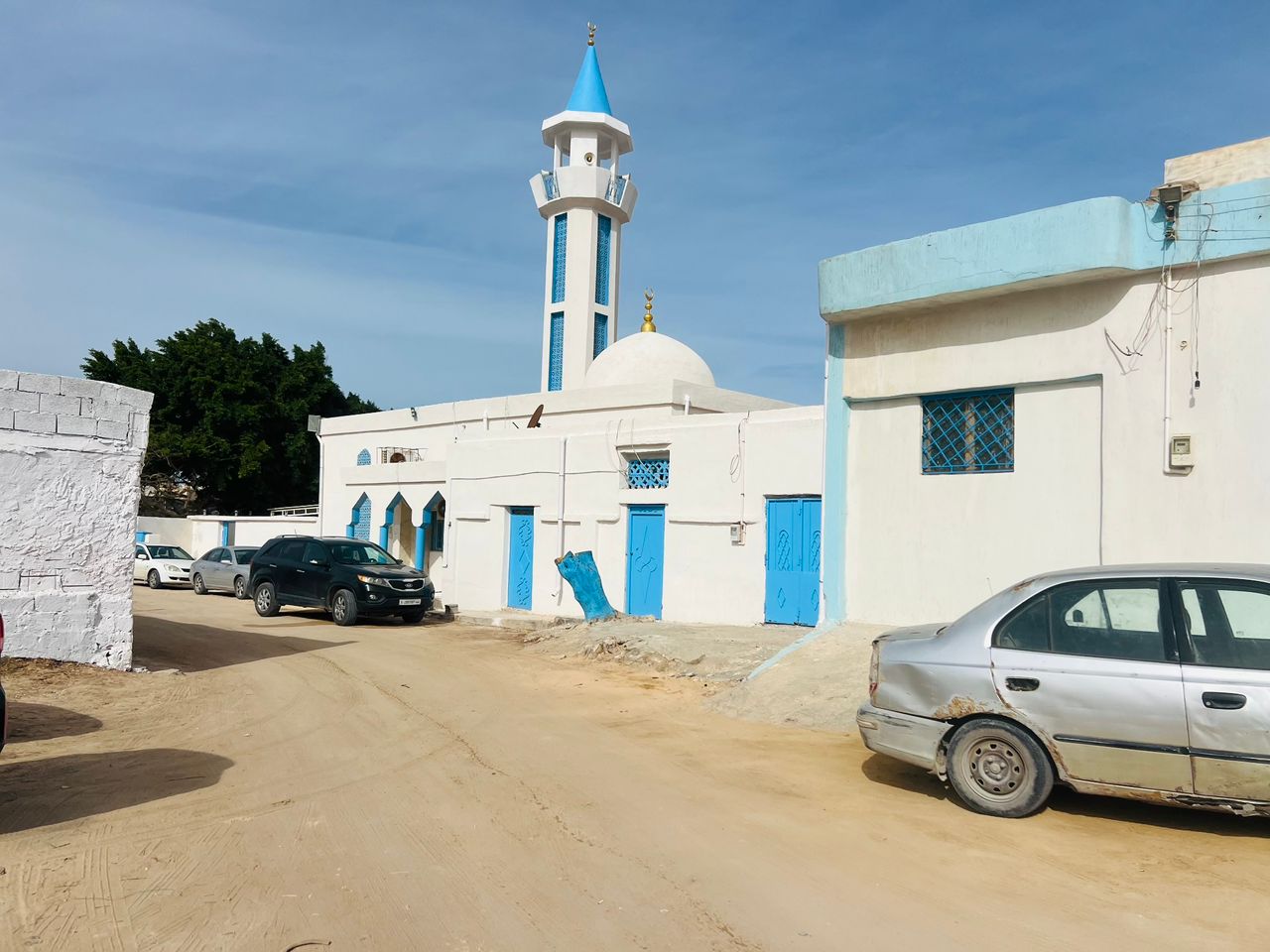
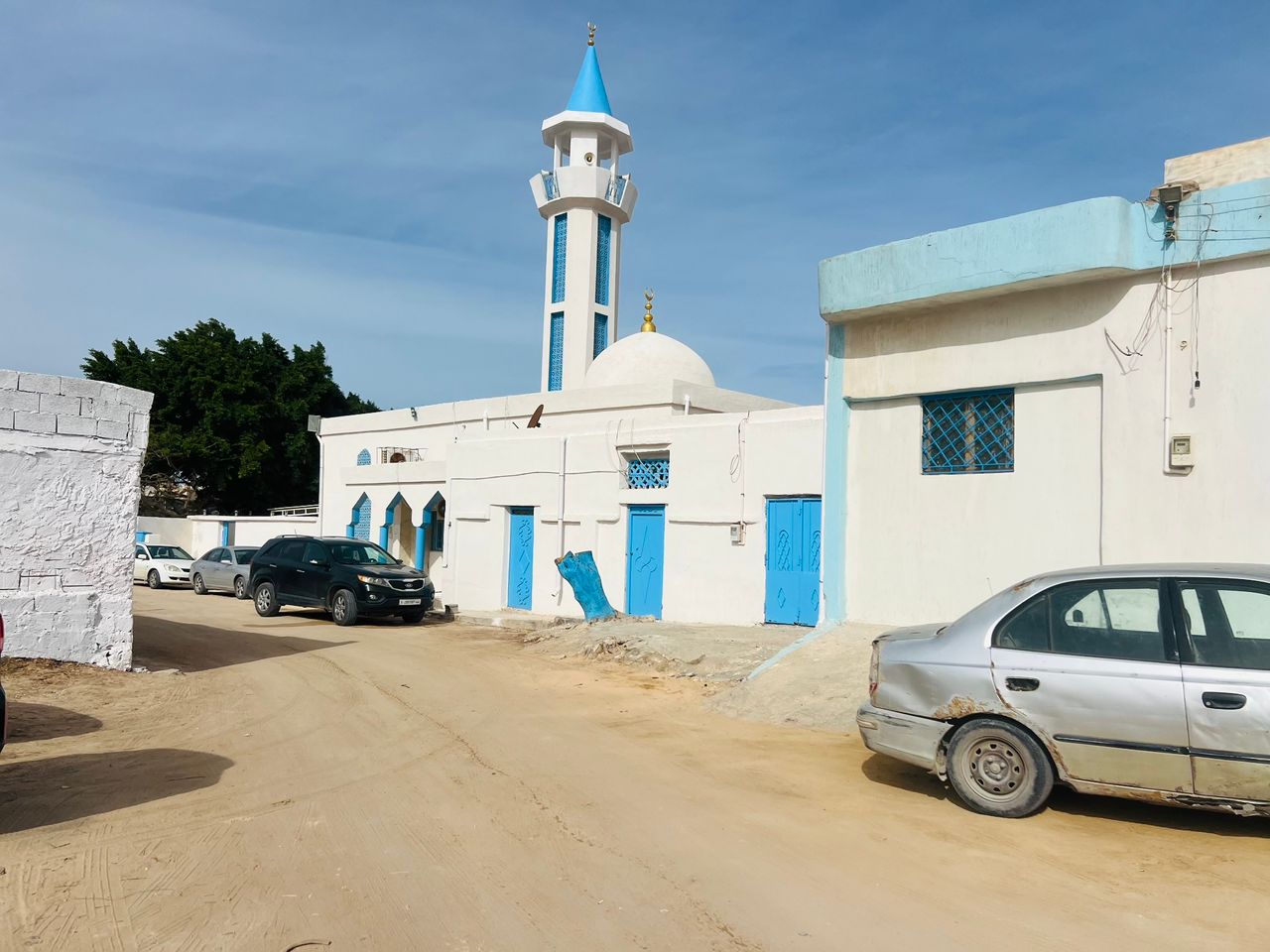
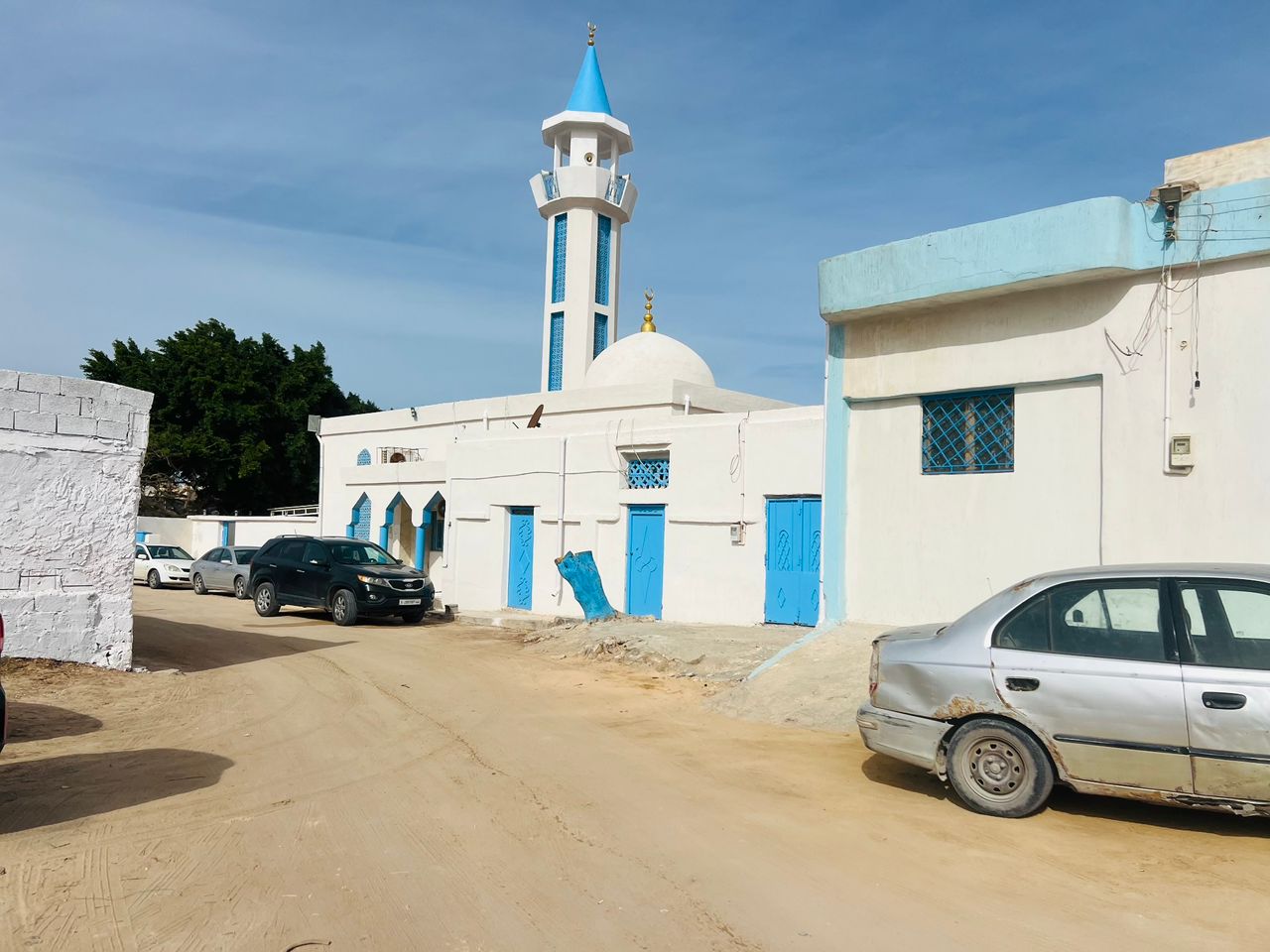
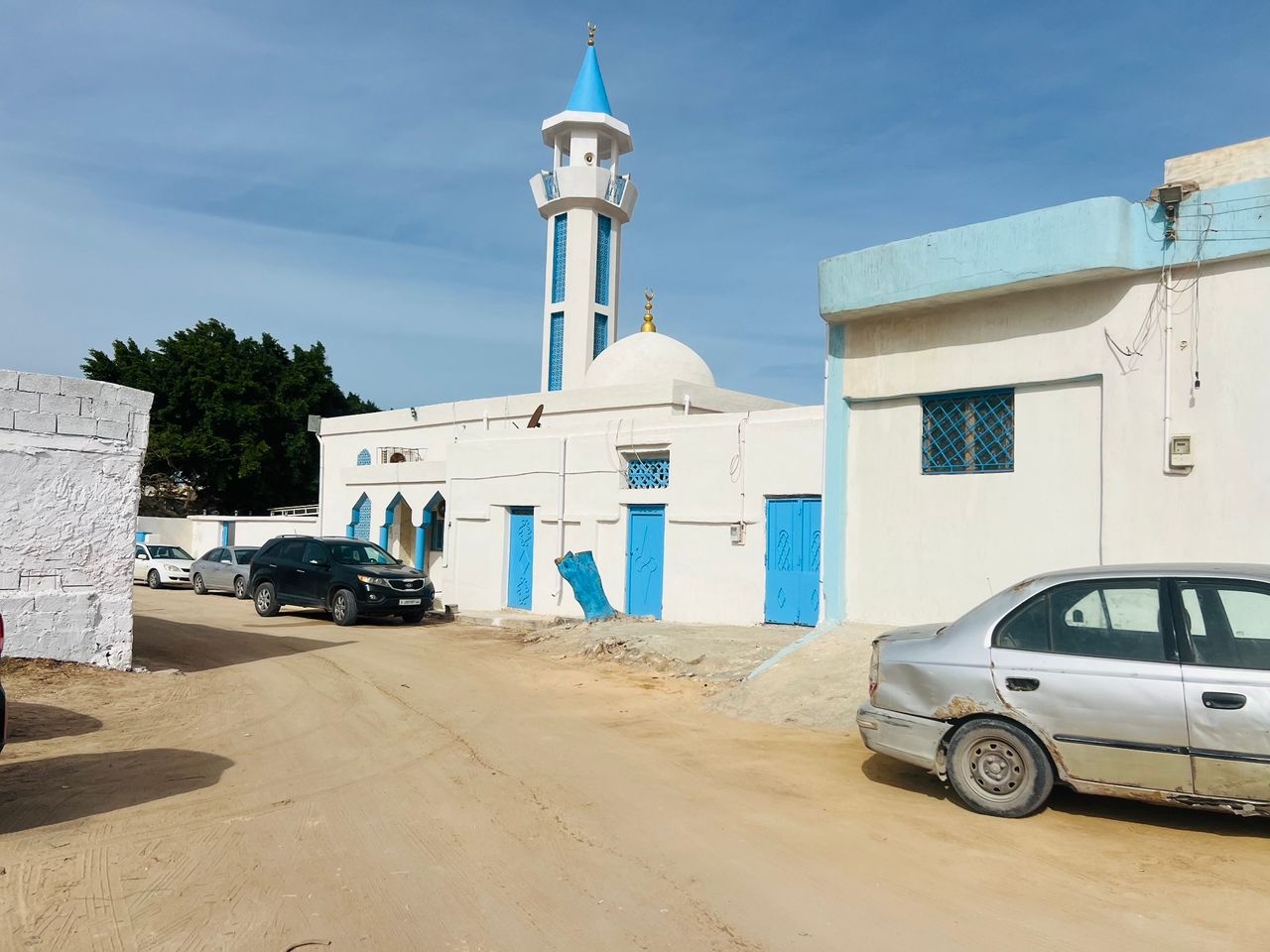
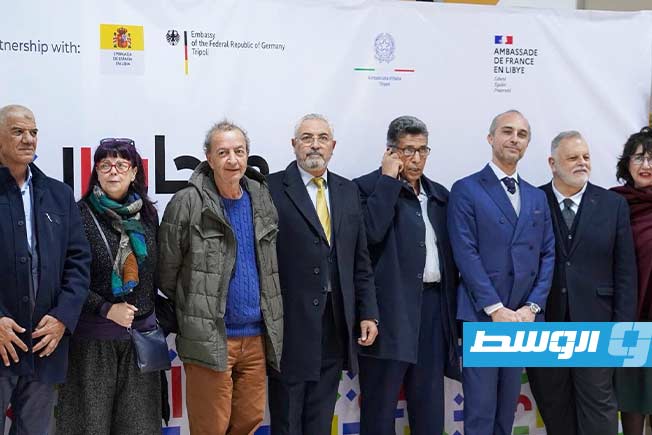
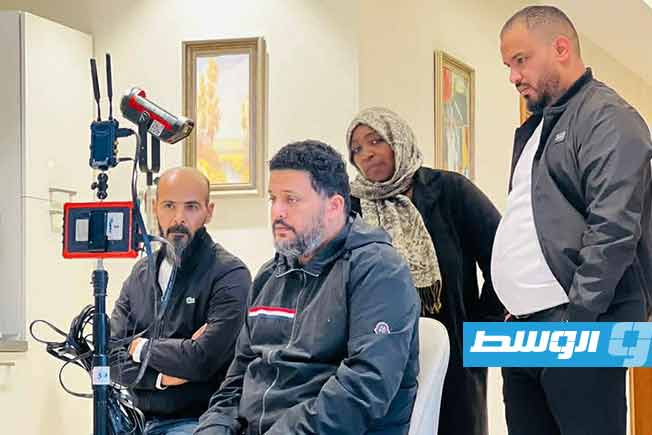
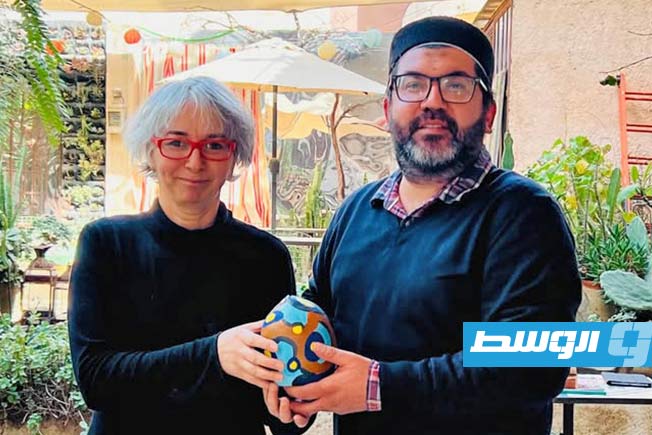
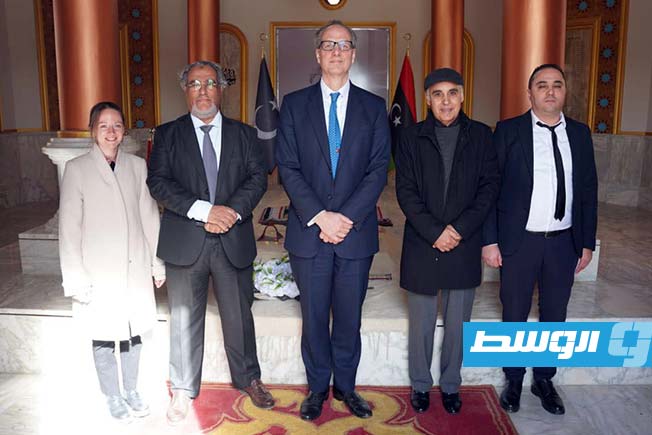
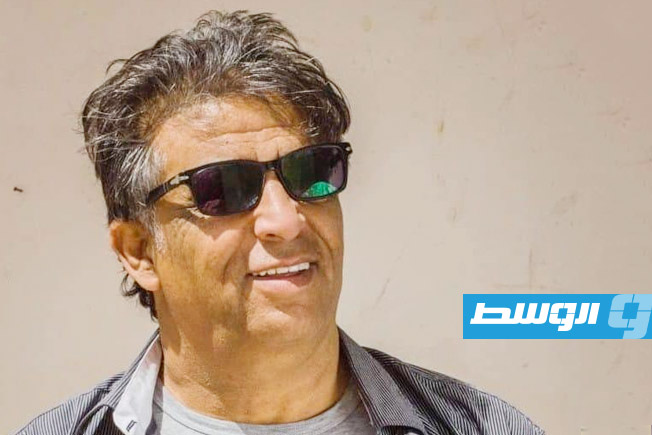
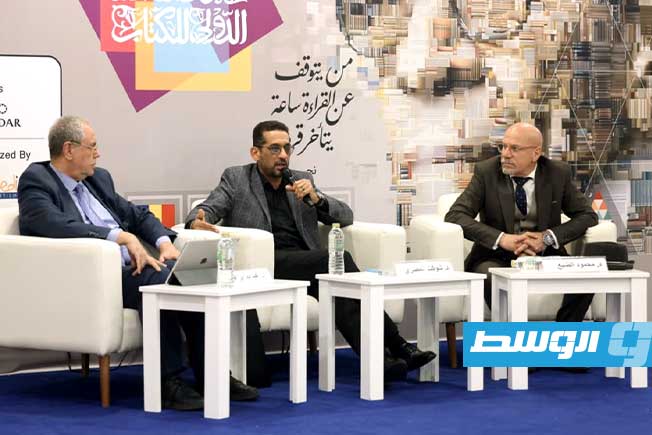
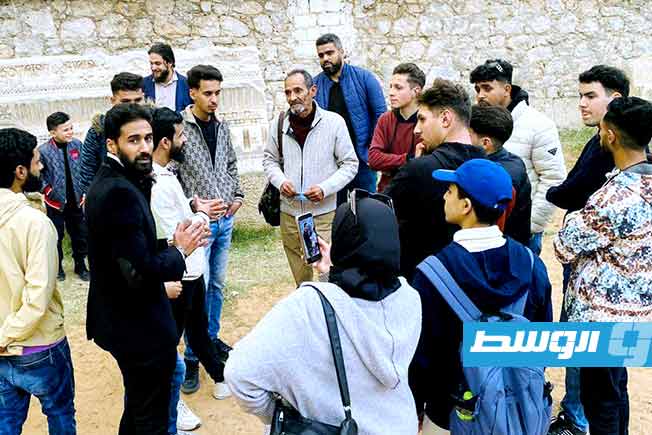
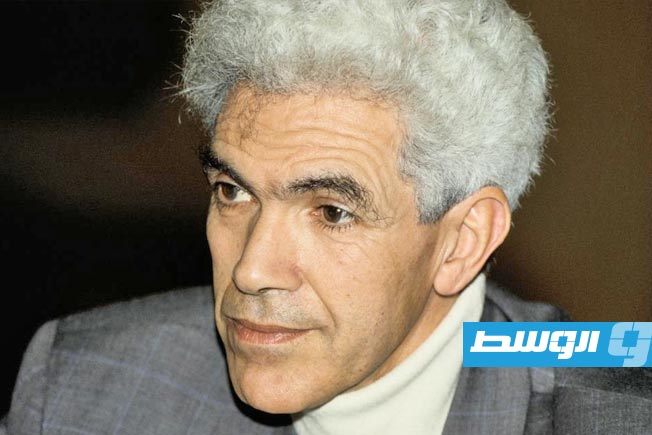
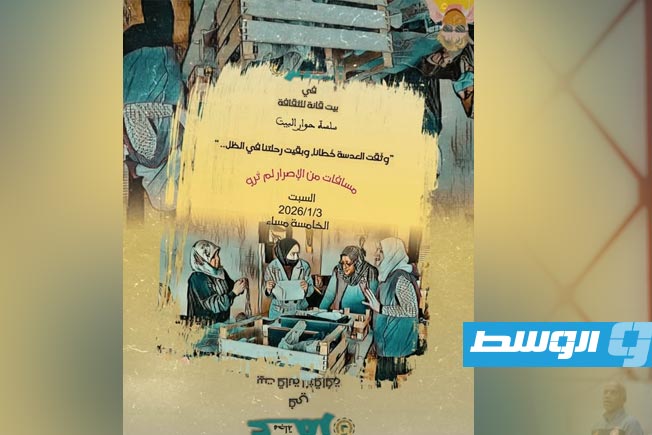
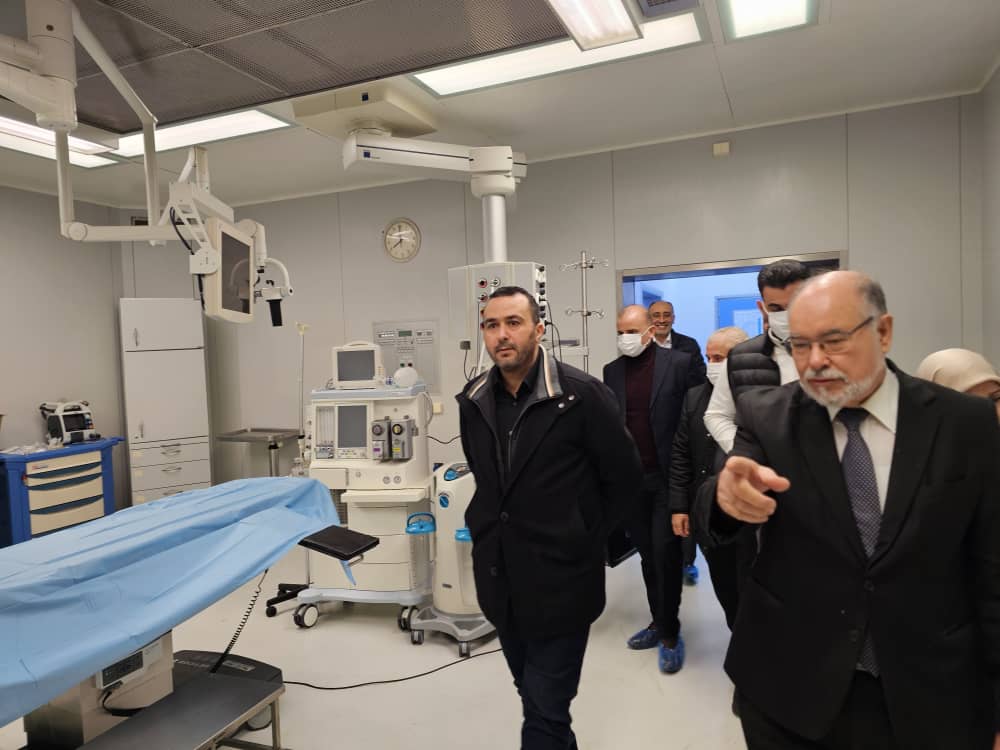
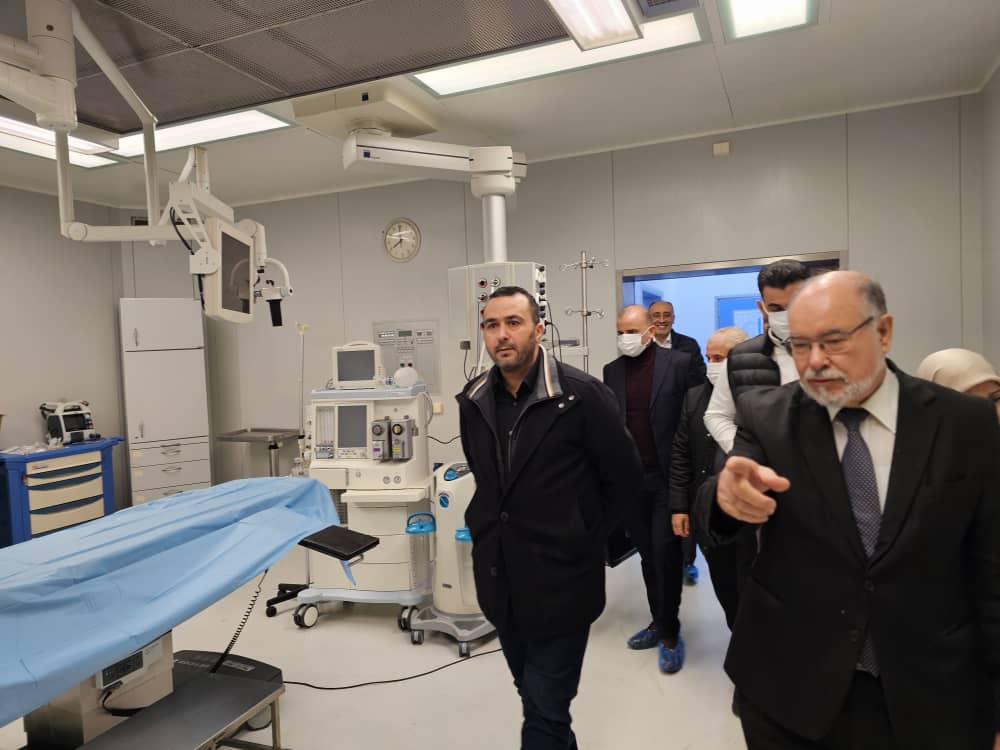
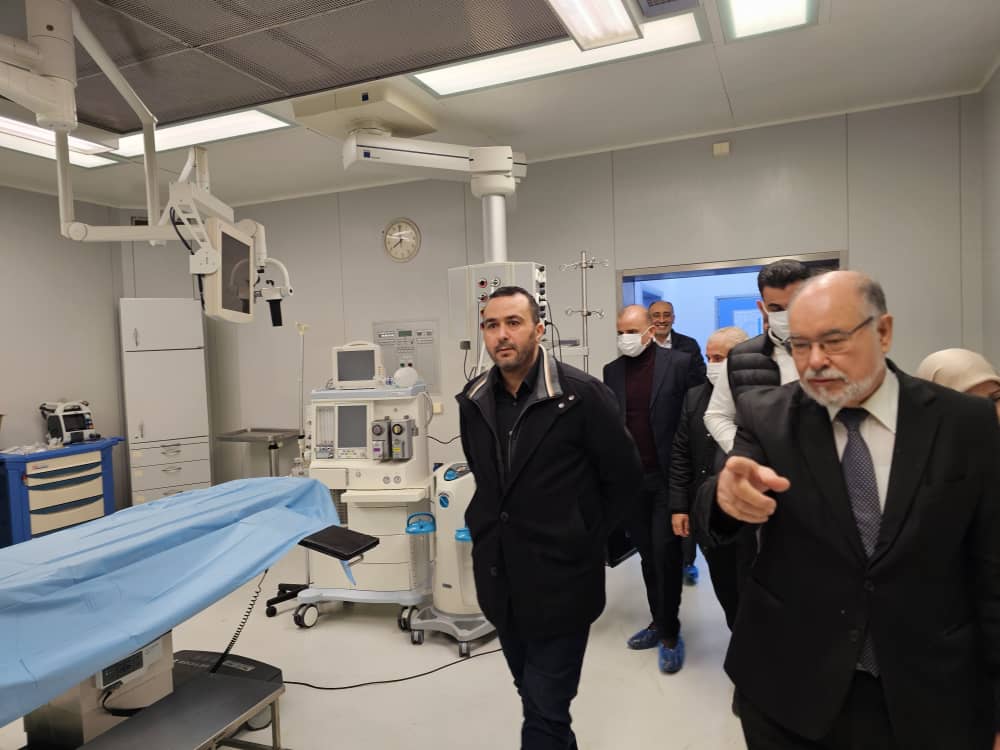
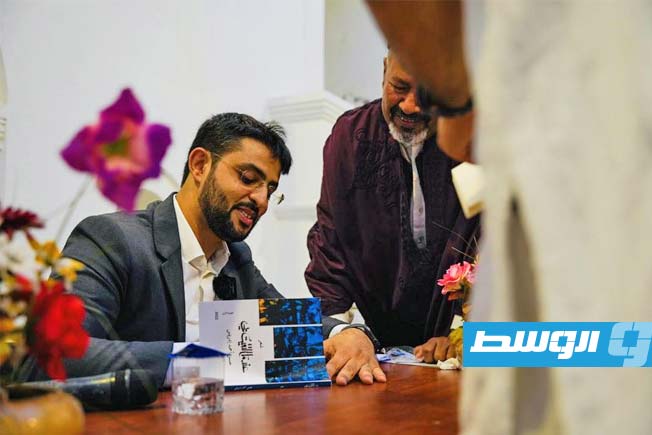
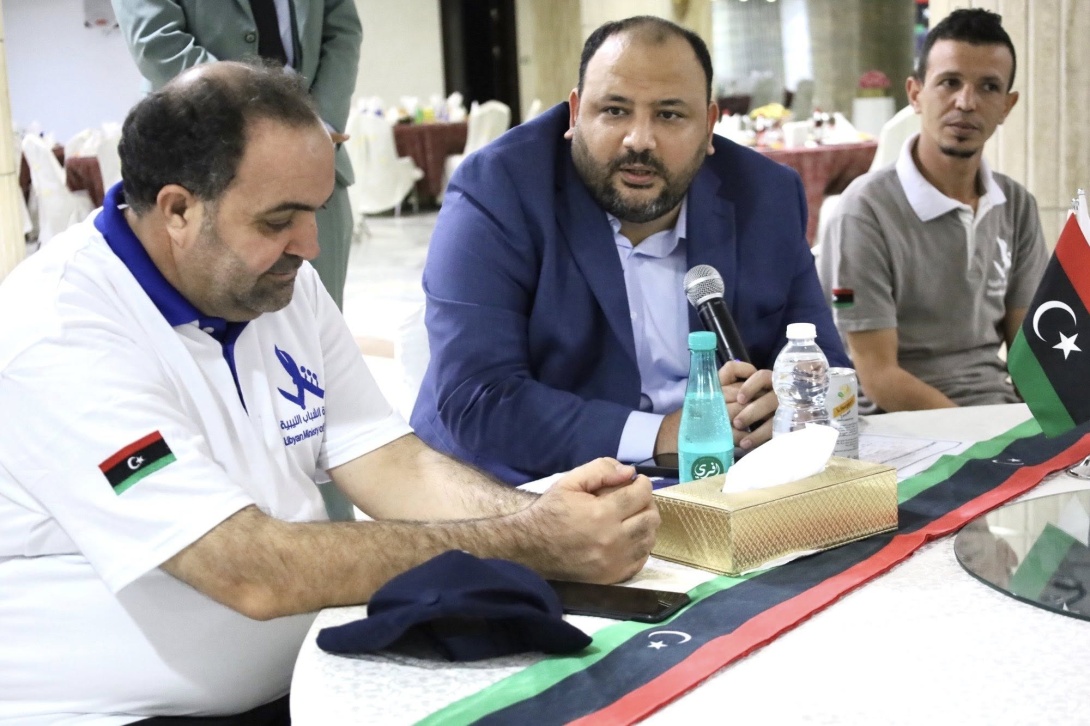
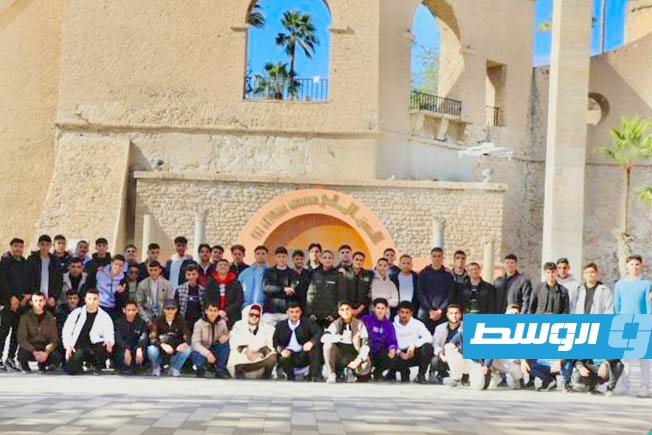
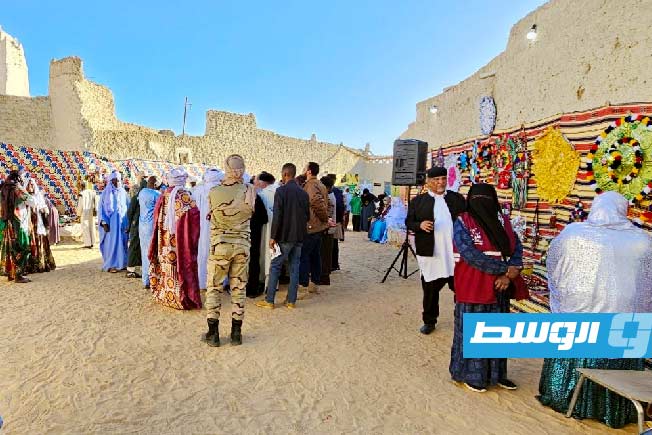
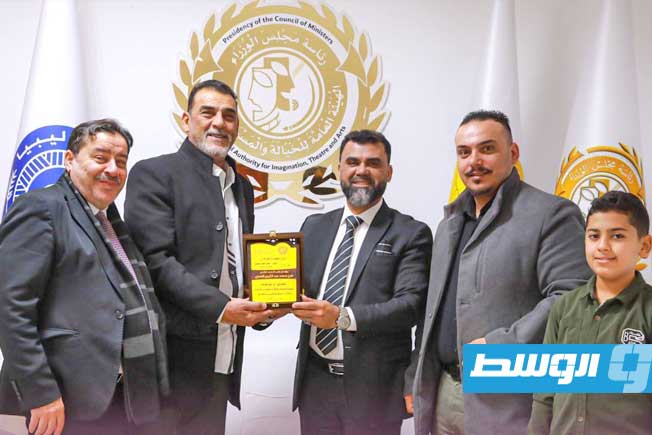
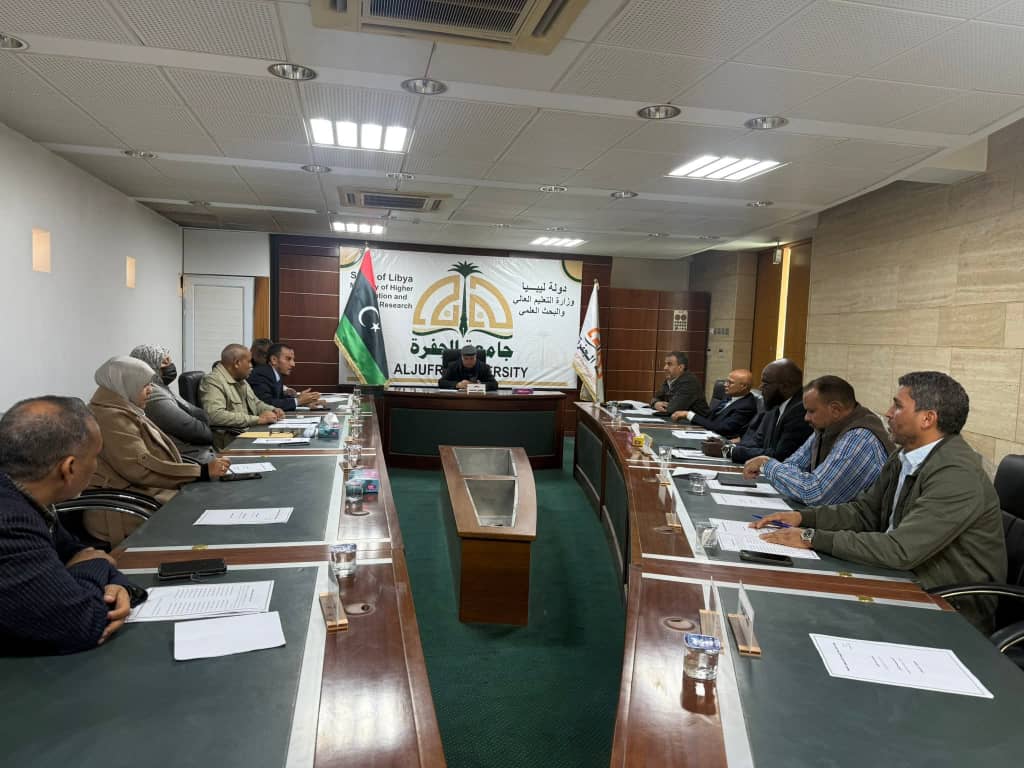
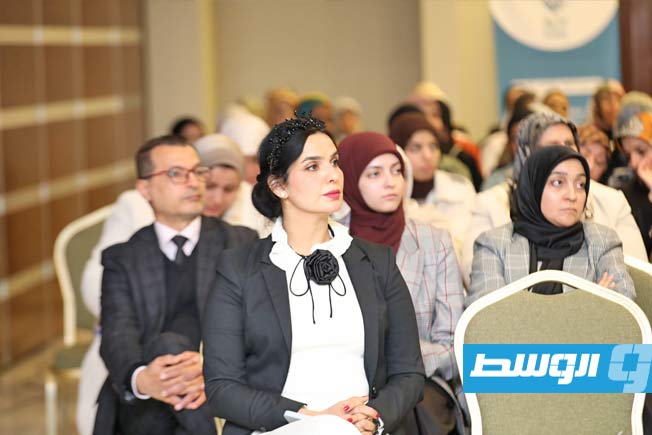
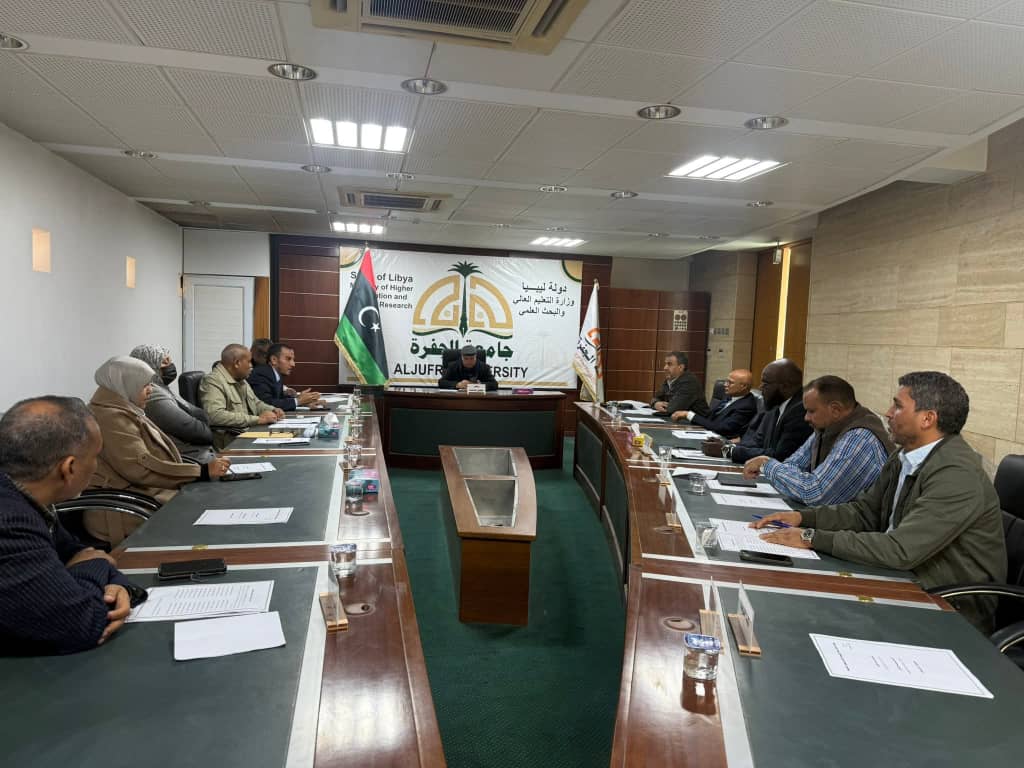
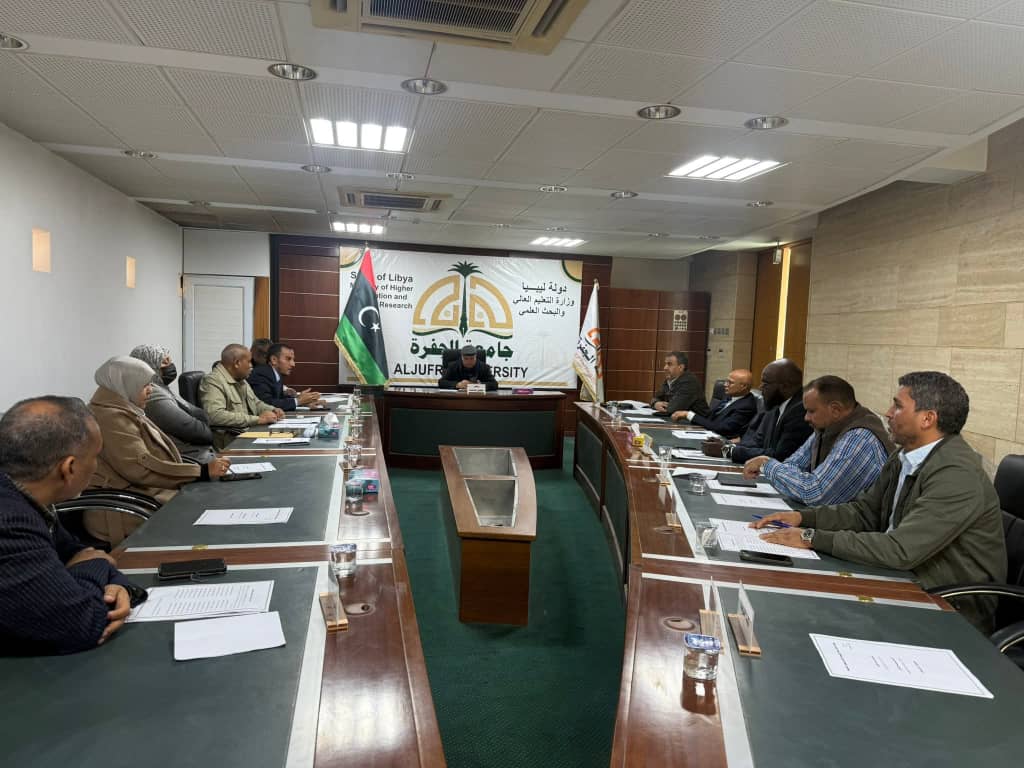
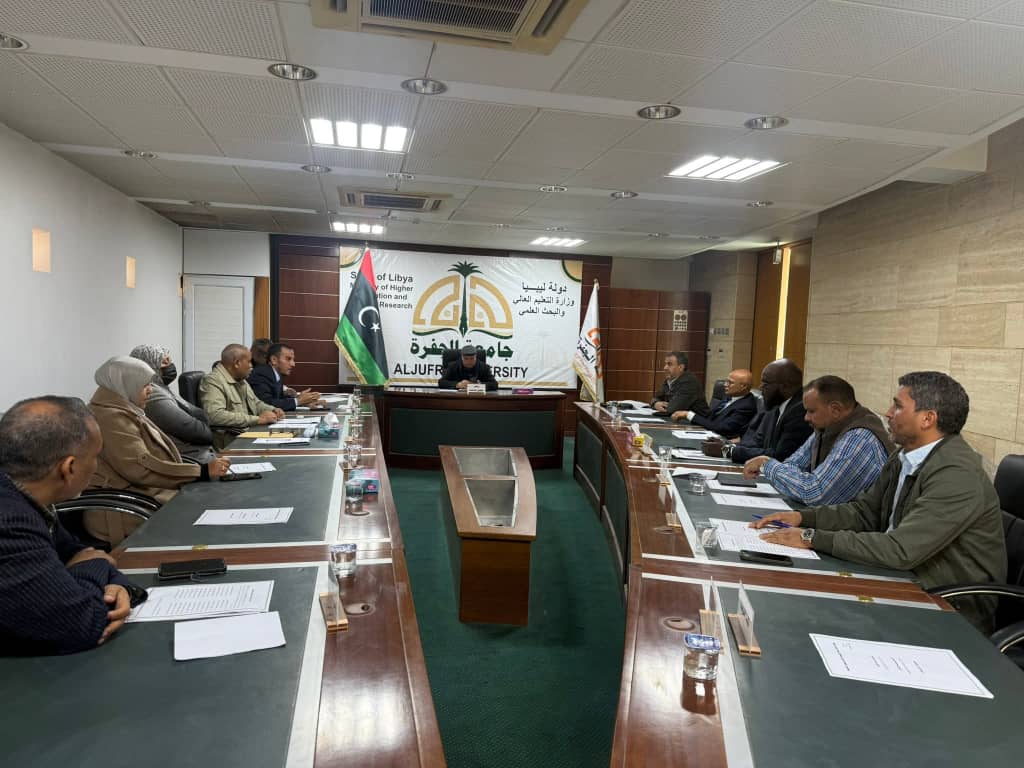
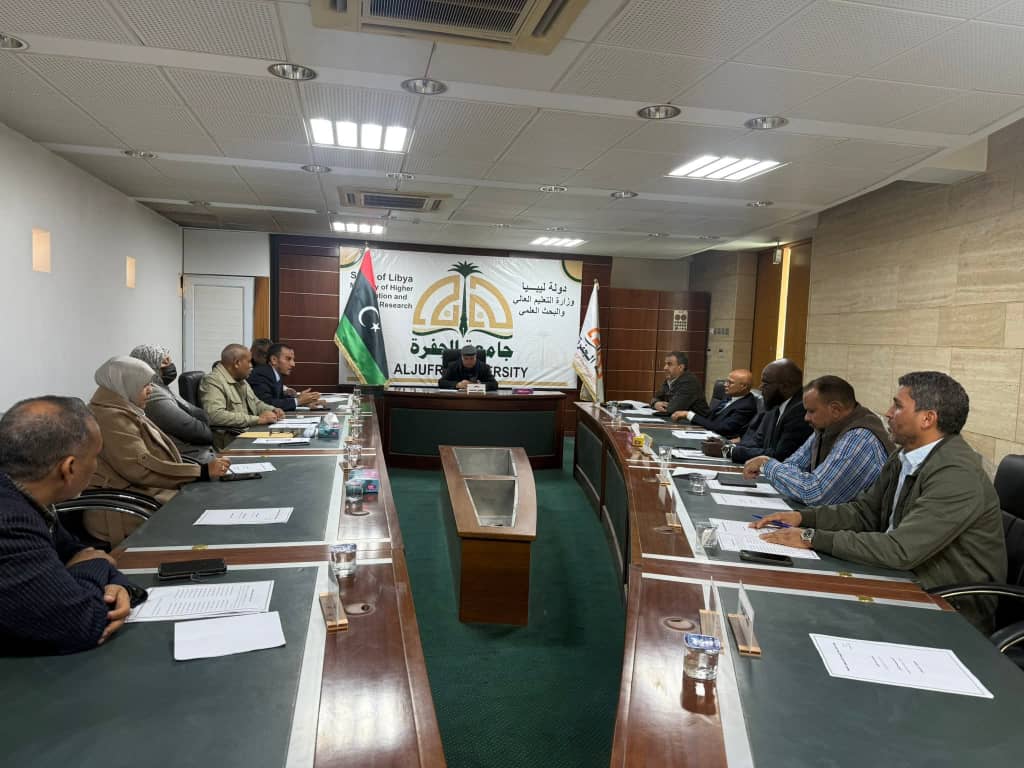
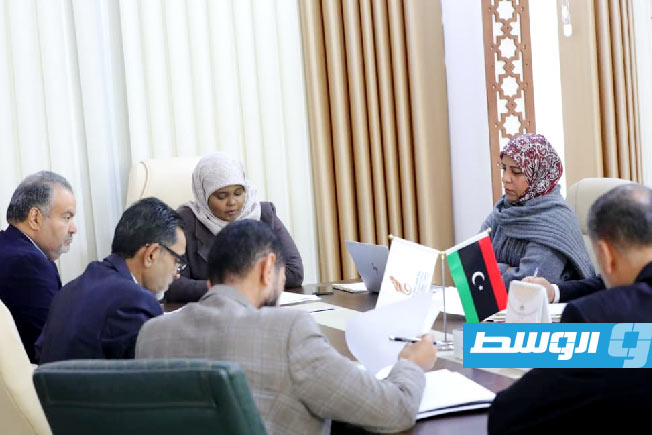
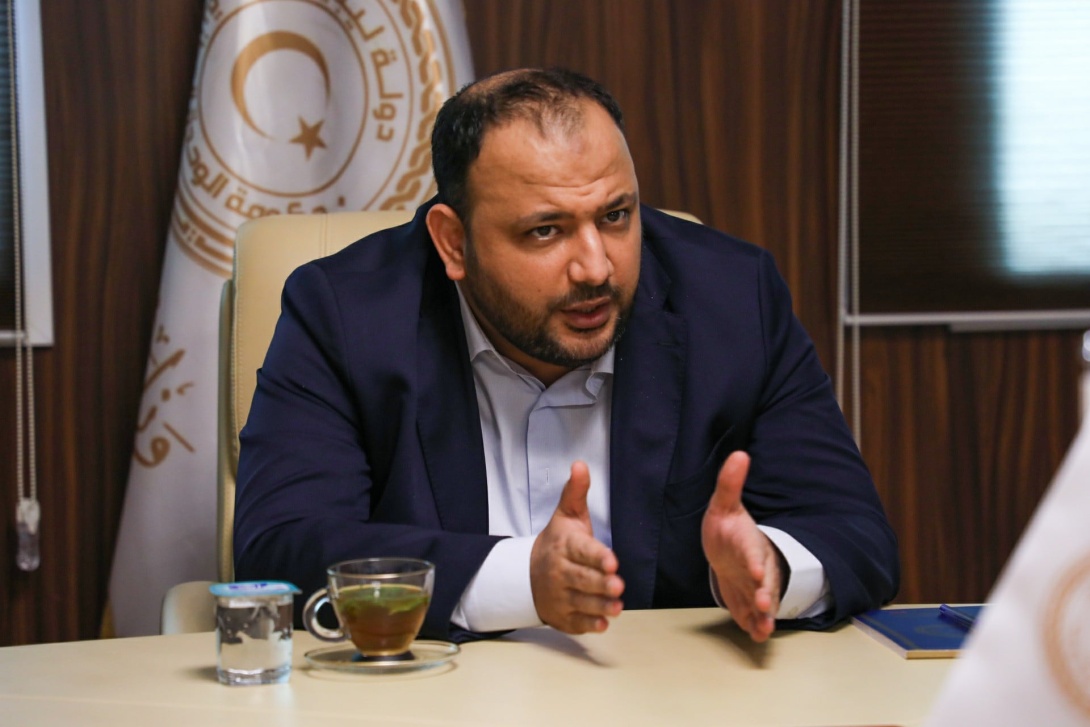
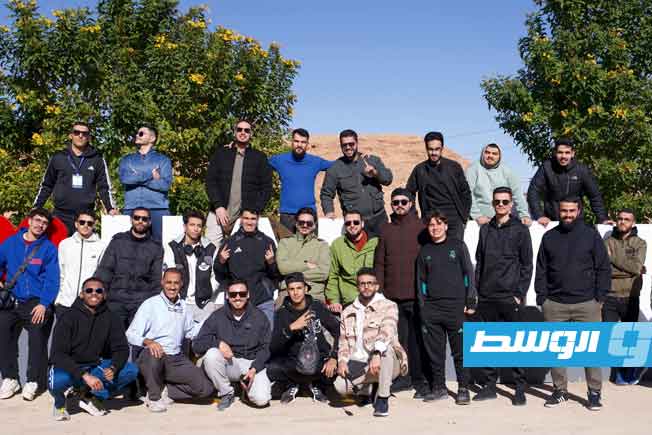
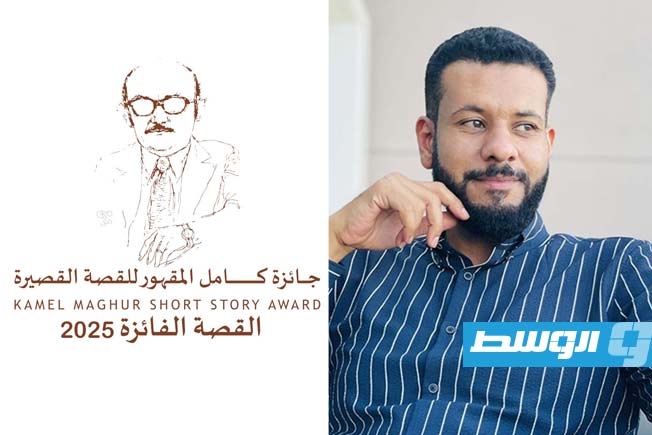
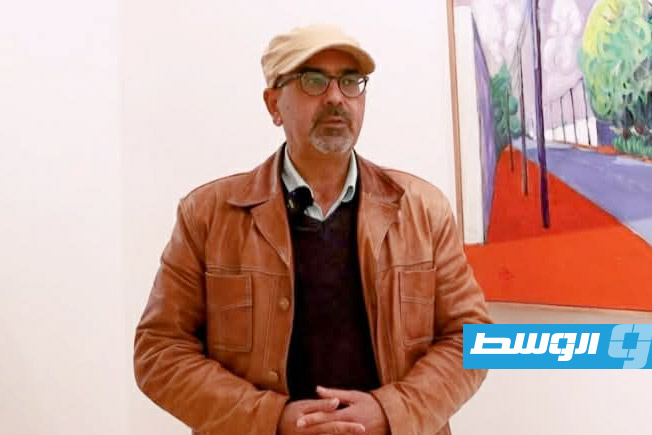
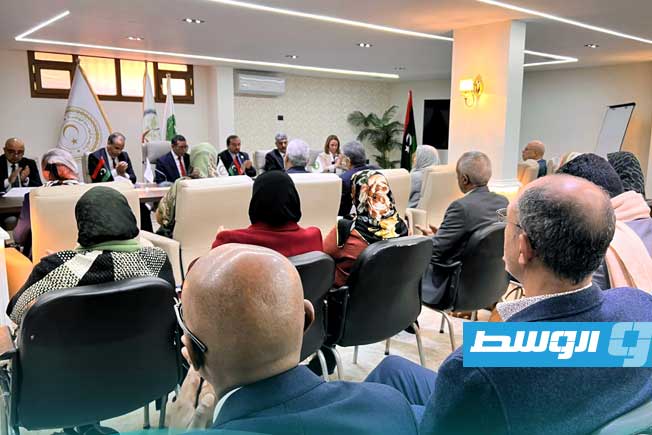
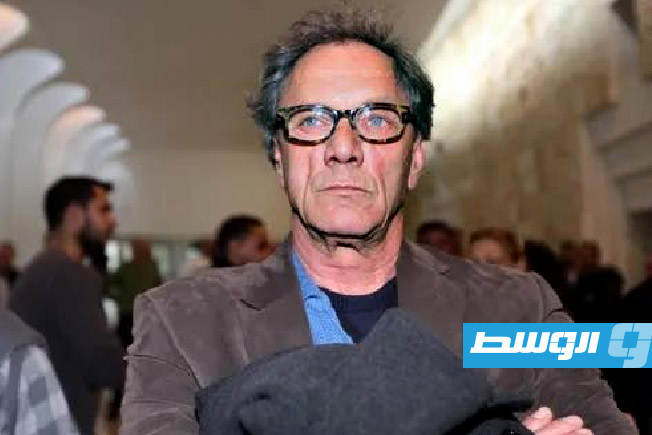
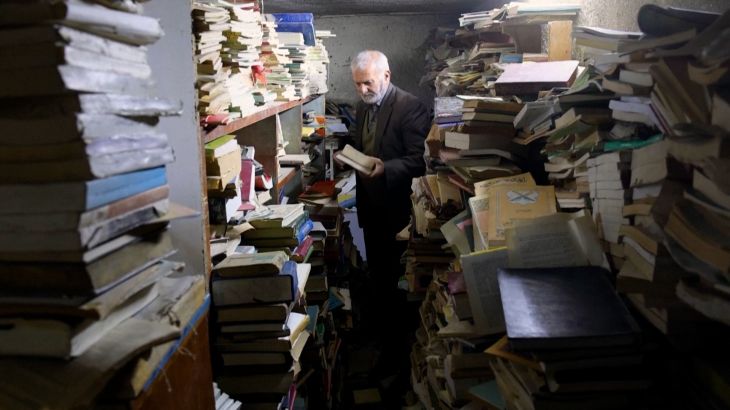
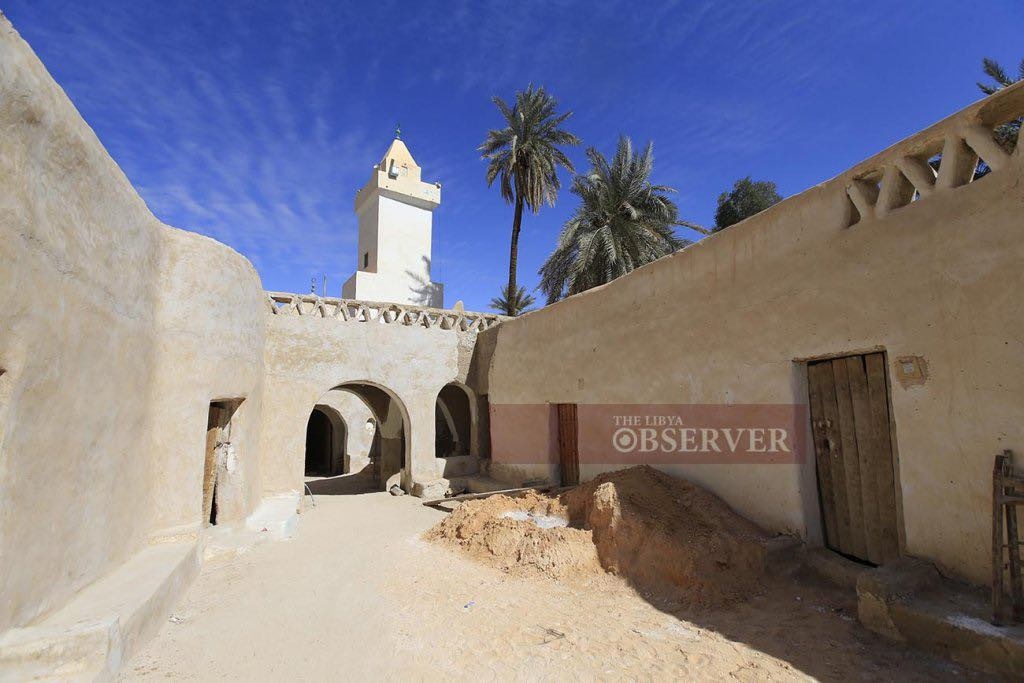
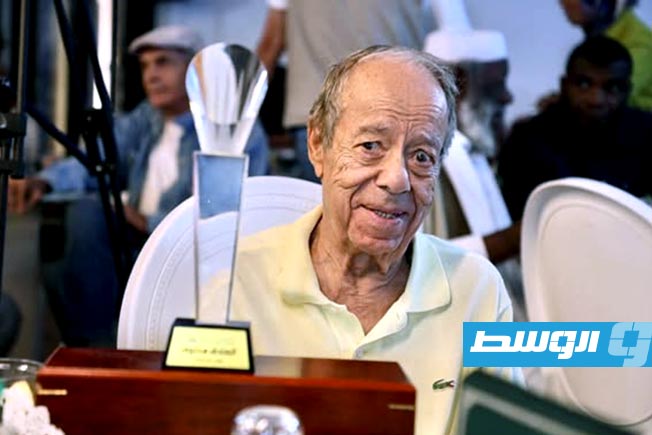
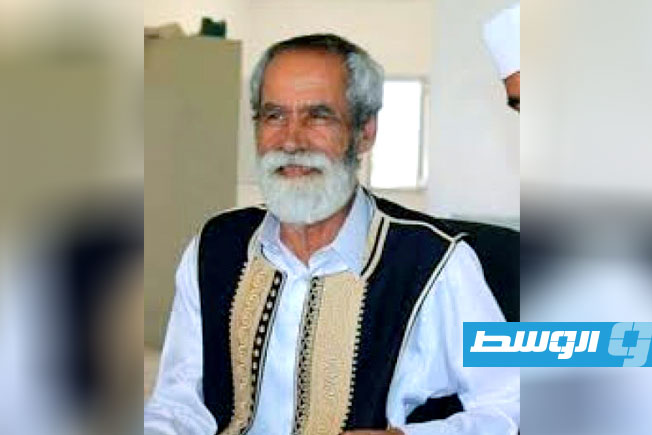
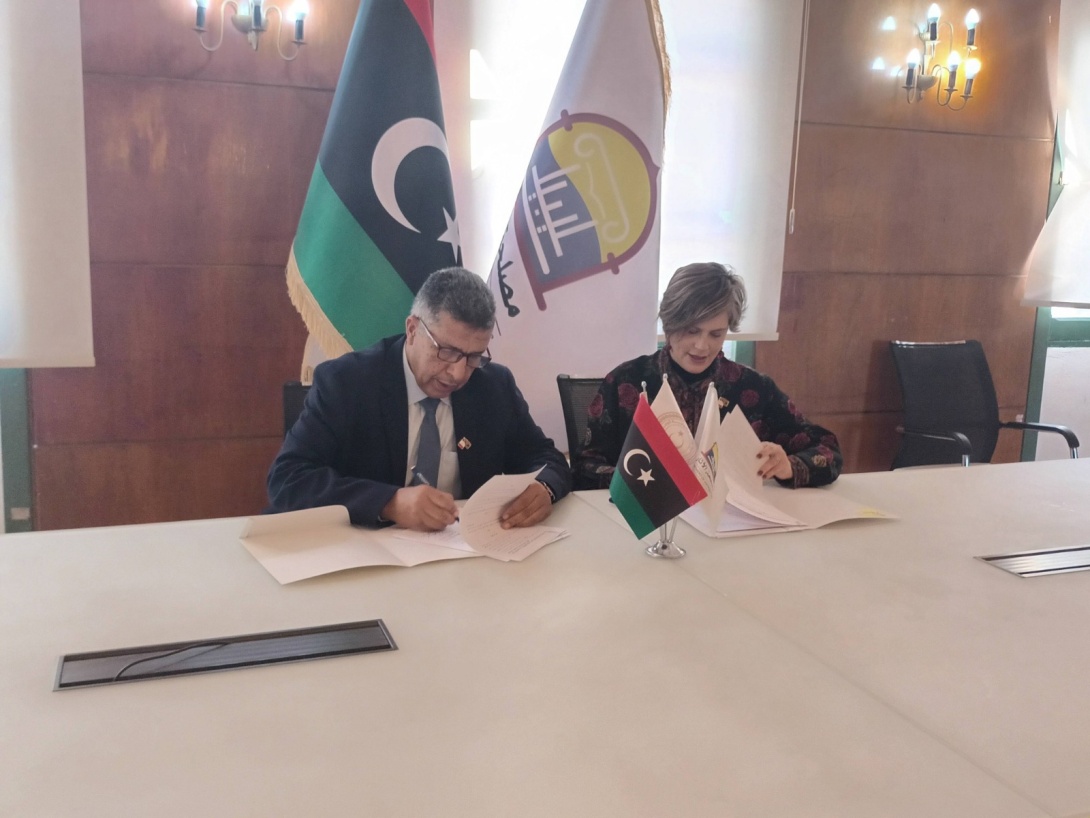
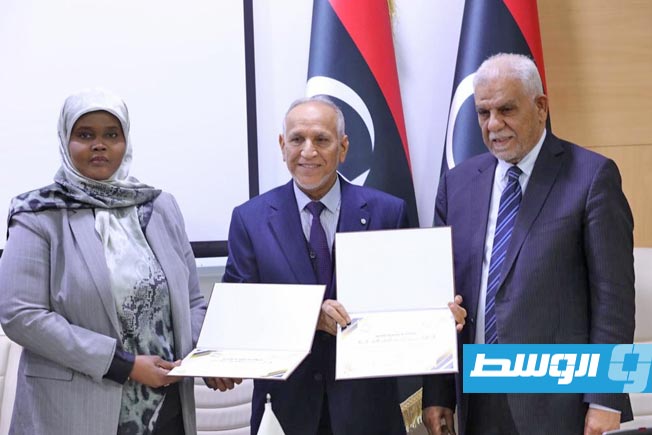
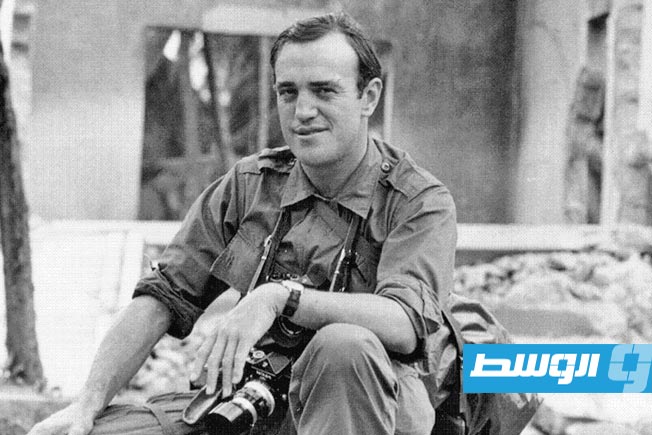
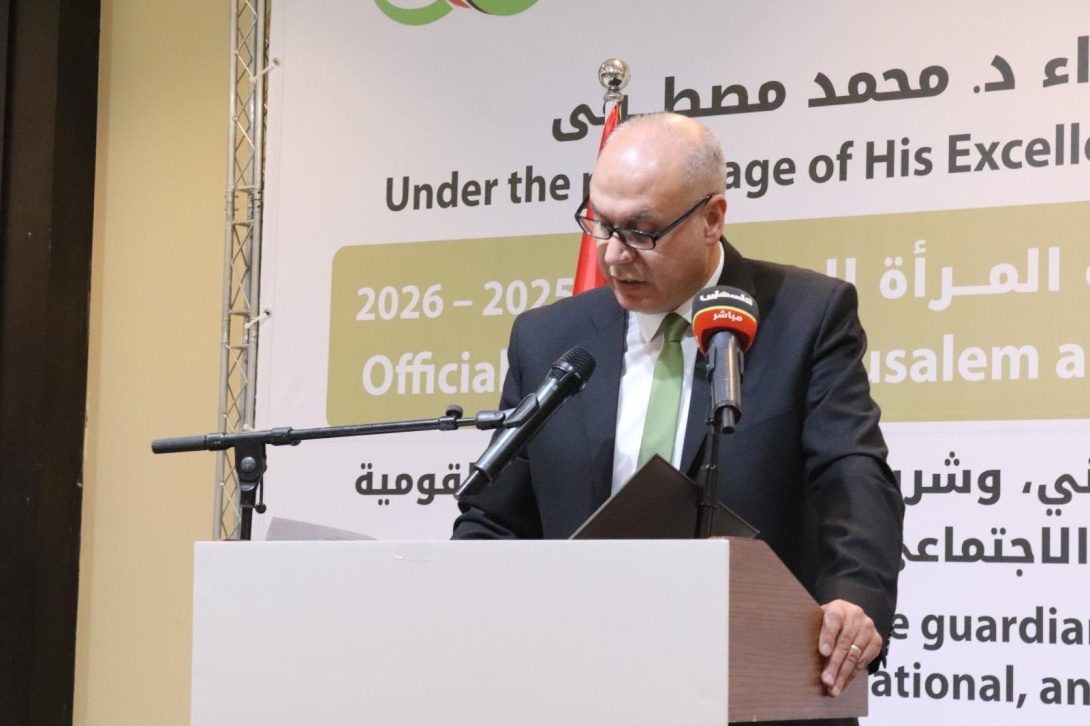
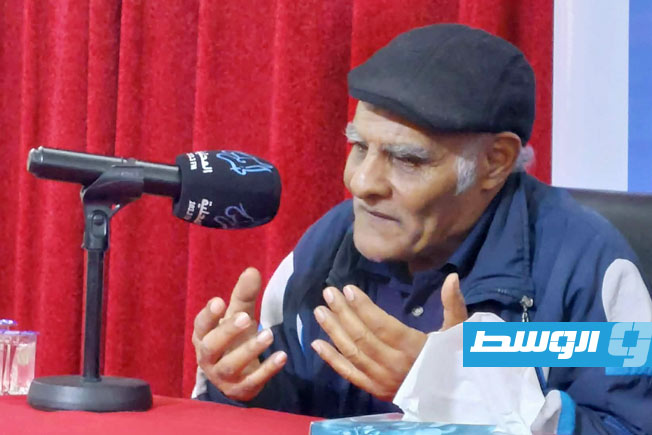
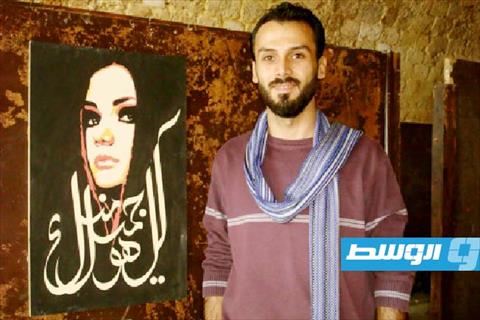
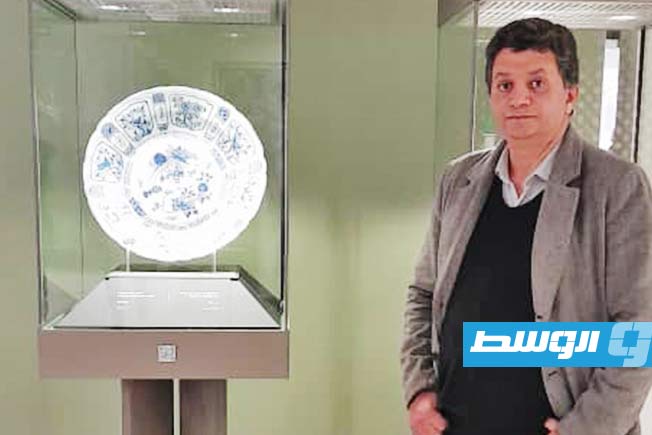
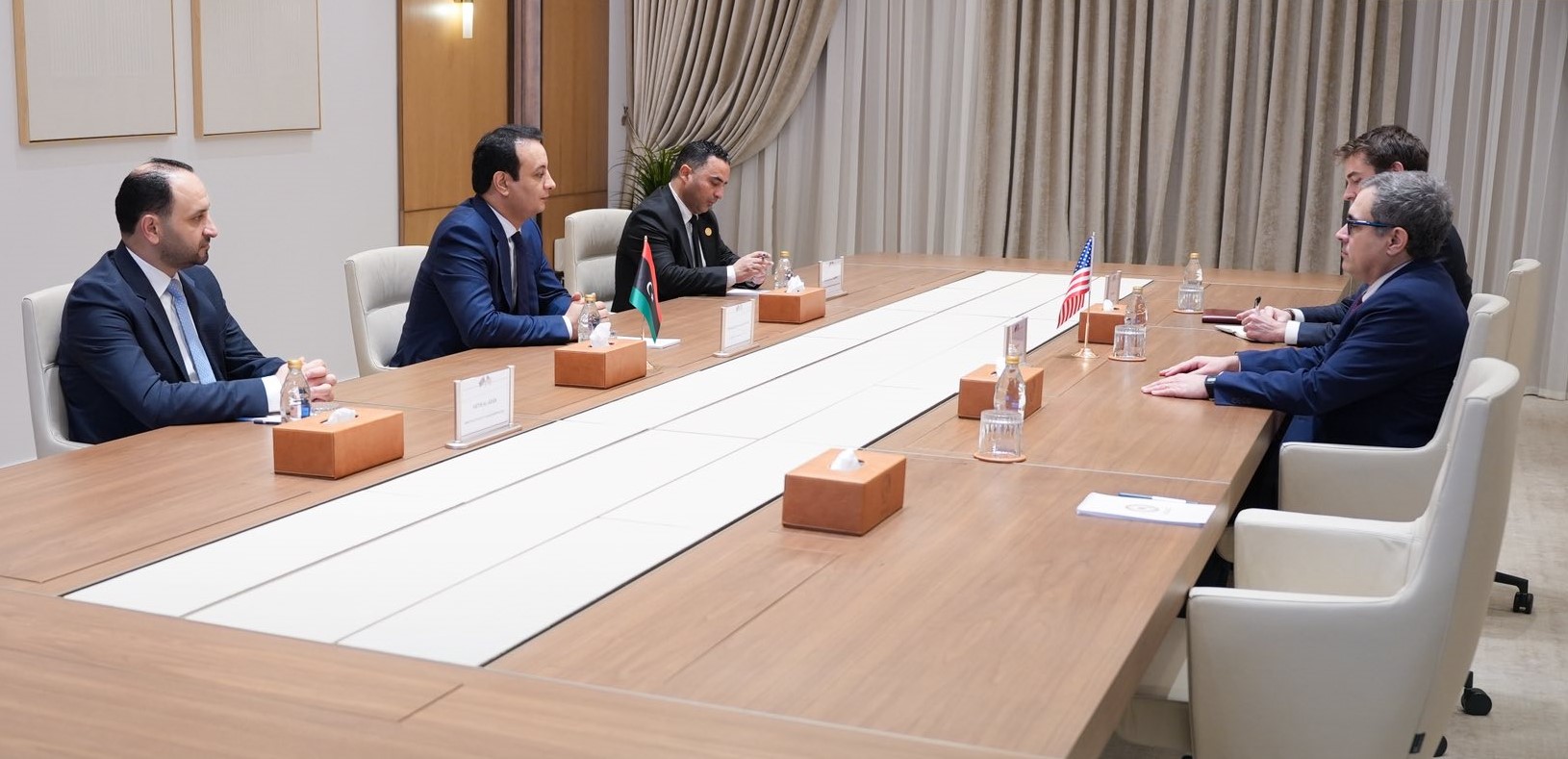
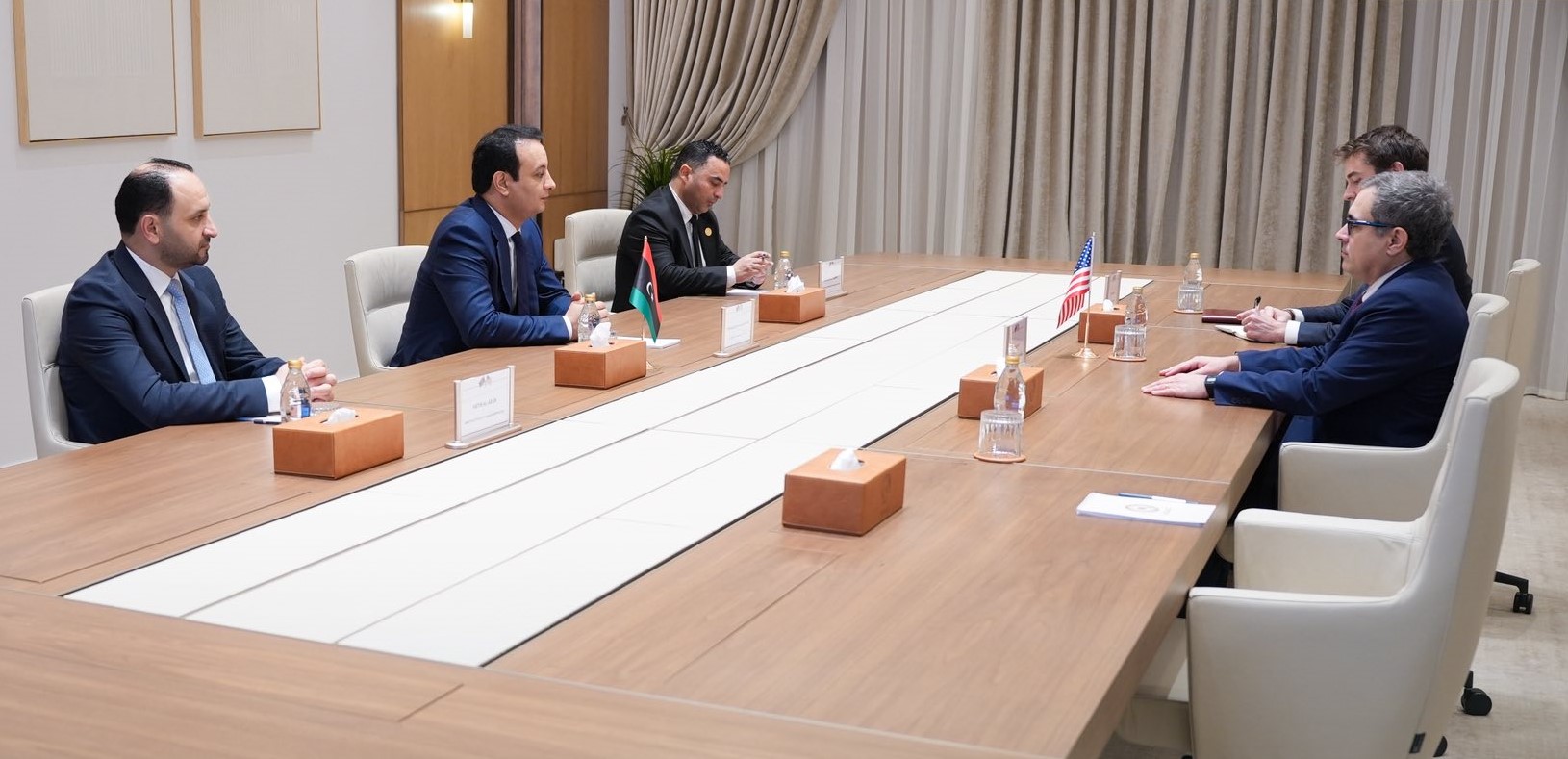
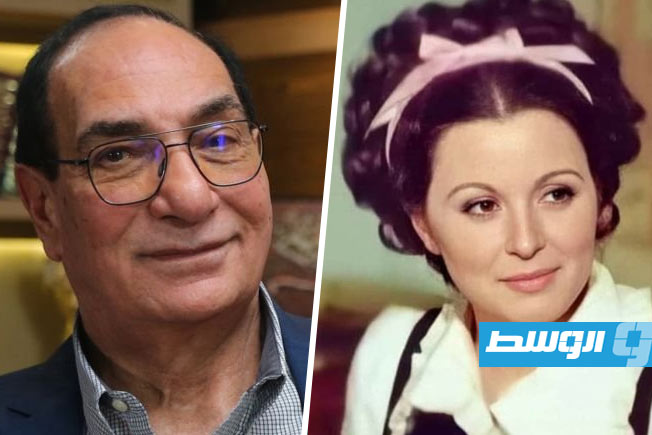
The city of Bani Walid witnessed a memorial ceremony for the late writer Omar Ramadan on Saturday, attended by the Dean of Bani Walid Municipality and a group of intellectuals and creators.
This event was held to honor a rich creative career that made the late writer one of the most prominent names in the Libyan cultural scene and a model of a multi-talented creator who succeeded in immortalizing his name in the memory of literature and writing through works that touched the hearts of Libyans and documented their authentic values.
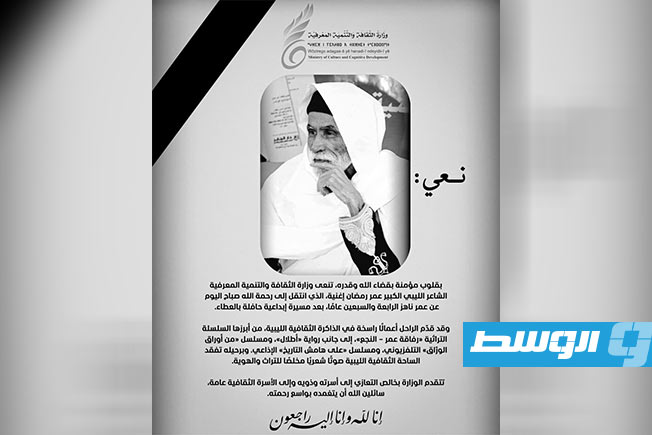
The late writer, who was born in Bani Walid in 1953 and passed away on the fourth of last January, is known by the title ‘Poet of the Nation’ due to the sincerity and sense of belonging in his words, and their embodiment of precise documentation of popular customs and traditions through poetry, media, and lyrical creativity.
A career in radio, television, and literature
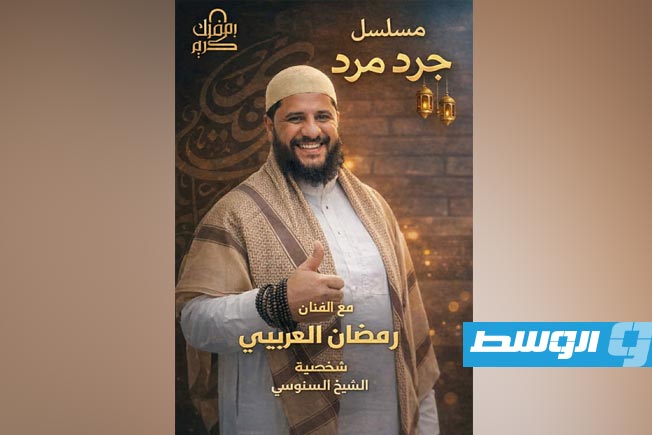
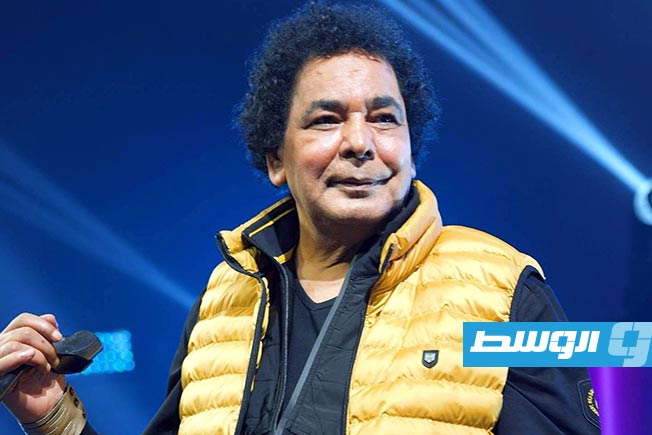
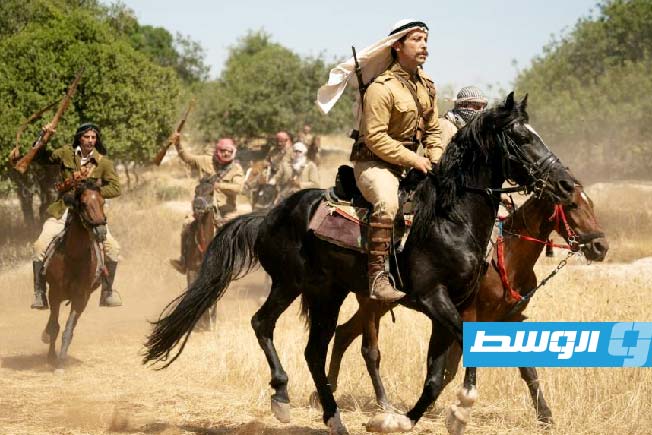
He left his mark in the fields of radio and television drama and cultural programs, being the creative mind behind the dialogue for the famous series ‘Rafaqat Omar’ and the author of the texts for the Hilali epic, which was turned into an immortal lyrical masterpiece by the voice of the great artist Mohamed Hassan, alongside dozens of works performed by Libyan and Arab singers.
–
–
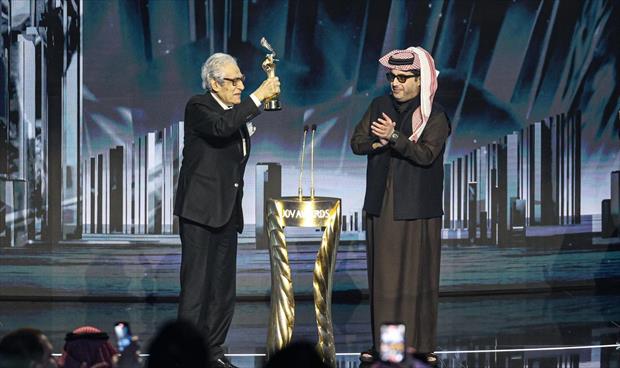
The late writer’s contributions also extended to include articles and historical and literary studies, which qualified him to receive numerous local and international awards and honors at major cultural forums inside and outside Libya.
Bani Walid
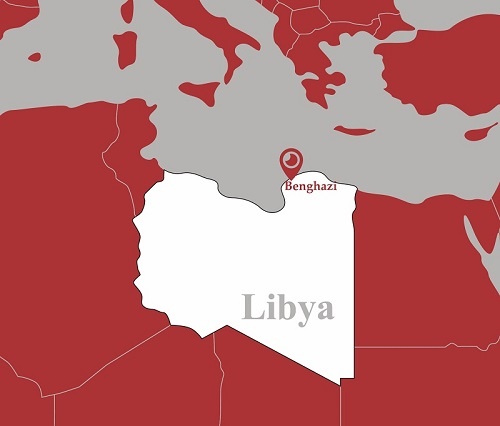
Bani Walid is a city in northwestern Libya, historically known as a stronghold of the Warfalla tribe and for its resistance during the 2011 Libyan Civil War. Its history is deeply tied to tribal dynamics and it served as one of the final major loyalist bastions to fall during that conflict.
Omar Ramadan
Omar Ramadan is a mosque located in the city of Tripoli, Lebanon. It was constructed in the early 20th century, around 1925, and is named after Omar Ibn al-Khattab, a prominent figure in early Islamic history. The mosque serves as a significant local religious and community center in the city.
Libya
Libya is a North African country with a rich history rooted in ancient civilizations like the Phoenicians and Romans, followed by centuries of Arab and Ottoman influence. In the modern era, it was an Italian colony before gaining independence in 1951, later becoming known for Muammar Gaddafi’s lengthy rule from 1969 until the 2011 revolution. Its cultural heritage includes UNESCO World Heritage sites such as the ruins of Leptis Magna and the old town of Ghadamès.
Rafaqat Omar
“Rafaqat Omar” is not a widely recognized place or cultural site in available historical or travel references. It appears to be a personal name, possibly referring to an individual, rather than a location with a documented public history or cultural significance. Therefore, a summary about it as a site cannot be provided.
Hilali epic
The Hilali epic is an oral poetic tradition that recounts the saga of the Banu Hilal tribe’s migration from the Arabian Peninsula to North Africa in the 10th century. Recognized by UNESCO, it is a foundational narrative for communal identity across the region, performed for centuries by skilled poets to preserve its history and values.
Mohamed Hassan
Mohamed Hassan is a mosque and Islamic cultural center located in the capital city of Doha, Qatar. It was established in the 20th century and is named after a prominent local religious scholar, serving as a key place of worship and community gathering. The site reflects the traditional Qatari architectural style and plays a significant role in the country’s Islamic heritage.