Australian police have located a collection of stolen Egyptian artifacts and charged a 52-year-old man with carrying out a nighttime break-in and theft at a museum.
The man was charged with breaking a window and stealing the artifacts in the early hours of Friday from the “Abbey” Museum of Art and Archaeology in the town of Caboolture, Queensland.
Police announced they found all the stolen items, except for a wooden cat sculpture, with minor damage during a search of a vehicle the following day at a ferry terminal south of the museum.
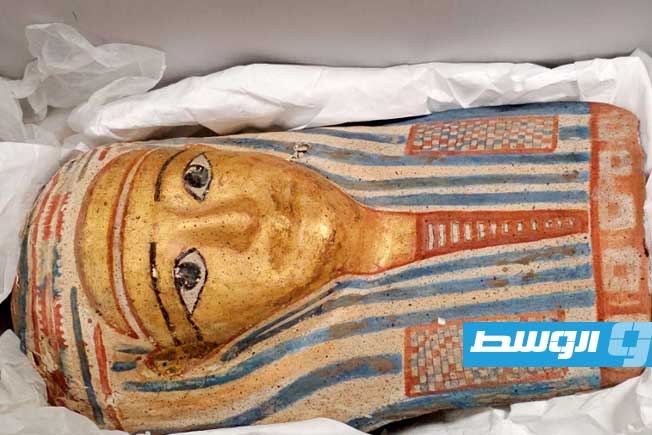
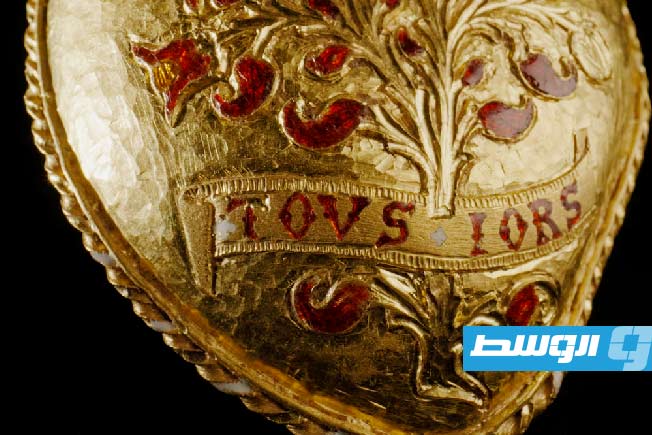
The stolen items include a mummy mask, a collar, and a piece of jewelry.
The suspect was arrested and faces several charges, including breaking into the museum and causing intentional damage. Local media reported the man’s name.
During the court hearing on Monday, the prosecutor stated the man stole a mummy mask, a collar, a piece of jewelry, and the wooden cat sculpture, causing “irreparable damage” to other pieces.
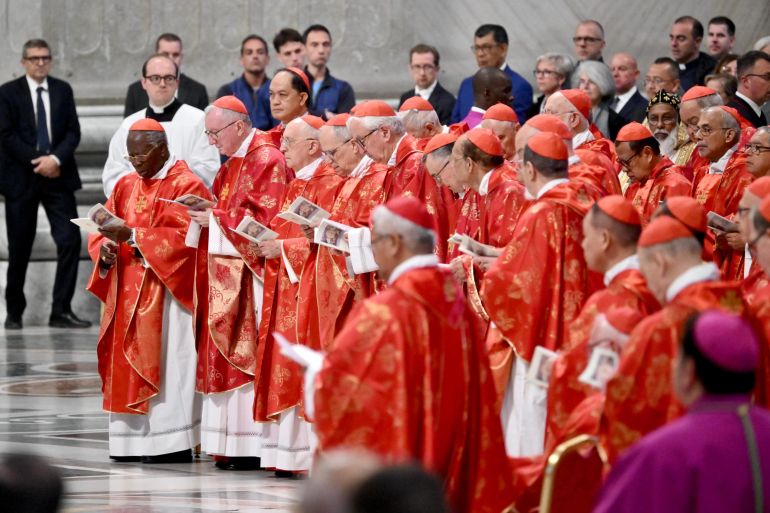
The suspect told police he believed the museum was connected to the Catholic Church, according to the prosecution’s statement in court.
Meanwhile, the museum’s management expressed “gratitude and relief” at the recovery of the items, noting they will not be displayed “before each piece undergoes a professional assessment to ensure its preservation.”
Australian police
The Australian police force has its origins in the early 19th century, with the first formal force established in New South Wales in 1862. Today, policing is organized at both state/territory and federal levels, with the Australian Federal Police (AFP) created in 1979 to handle national and international crimes.
Egyptian artifacts
The term “Egyptian artifacts” refers to the vast array of objects—from monumental statues to everyday tools—created by the ancient Egyptian civilization, which flourished along the Nile River from around 3100 BCE to 30 BCE. These artifacts, including iconic items like the Rosetta Stone and Tutankhamun’s burial mask, provide crucial insight into the culture’s religion, governance, and daily life over three millennia.
art museum
An art museum is an institution that collects, preserves, and exhibits works of art for public education and enjoyment. Historically, such museums evolved from the private collections of royalty, the church, and the wealthy, becoming public institutions primarily from the 18th century onward during the Enlightenment. They serve as crucial repositories of cultural heritage, showcasing artistic achievements from various periods and civilizations.
museum
A museum is an institution that collects, preserves, and interprets objects of artistic, cultural, historical, or scientific significance for public education and enjoyment. The concept dates back to ancient times, with early examples including the Library of Alexandria and the cabinets of curiosity in Renaissance Europe. The modern public museum emerged in the 18th century during the Enlightenment, with institutions like the British Museum (founded 1753) pioneering the idea of making collections accessible to the general populace.
Abbey Museum of Art and Archaeology
The Abbey Museum of Art and Archaeology in Caboolture, Australia, houses a collection of medieval and ancient artifacts originally assembled by English monks in the 1920s. It was later transferred to Australia, with the museum officially opening in 1986 to preserve and display these historical objects. The museum serves as a cultural and educational center focusing on art and material culture from antiquity through to the 19th century.
Caboolture
Caboolture is a town in Queensland, Australia, whose modern history began with European settlement in the 1840s as a cattle station and later a timber industry hub. The area is the traditional land of the Kabi Kabi (Gubbi Gubbi) people, with a rich Indigenous history long preceding colonial arrival. Today, it serves as a major commercial and administrative centre for the surrounding Moreton Bay Region.
Queensland
Queensland is an Australian state known for its tropical climate, the Great Barrier Reef, and the Daintree Rainforest. It was first established as a separate British colony in 1859, named in honour of Queen Victoria, and later became a founding state of the Commonwealth of Australia in 1901.
ferry terminal
A ferry terminal is a transportation hub where passenger and vehicle ferries dock, load, and unload. Historically, such terminals have been vital nodes for trade, migration, and connectivity in coastal cities and archipelagos, evolving from simple piers to modern, multi-functional facilities.
mummy mask
A mummy mask is a decorative covering placed over the head of a mummified body in ancient Egypt, often crafted from cartonnage (linen and plaster), gold, or precious materials. These masks, most famously exemplified by Tutankhamun’s solid gold funerary mask, served to protect the deceased and provide a idealized likeness for the soul to recognize in the afterlife. They were a key part of burial practices primarily during the Middle and New Kingdoms, reflecting beliefs in eternal life and social status.
collar
The term “collar” does not refer to a specific place or cultural site. It is a general word for the part of a garment that fits around the neck, or it can refer to a symbolic or occupational designation, such as “blue-collar” or “white-collar” work.
piece of jewelry
A piece of jewelry is a personal adornment, such as a ring or necklace, often made from precious metals and gemstones. The history of jewelry dates back thousands of years, with ancient cultures creating it for purposes of status, ritual, and artistry. It has evolved through various periods, reflecting technological advancements and changing aesthetic styles.
wooden cat sculpture
The wooden cat sculpture is a traditional folk art form found in various cultures, often carved as a protective charm or decorative item. Historically, such sculptures have been prevalent in regions like Japan, where *maneki-neko* (beckoning cat) figures date back to the Edo period, and in Russia, where they are a common feature of Slavic woodcarving traditions.
Catholic Church
The Catholic Church is a global Christian institution tracing its origins to the 1st century AD, founded on the teachings of Jesus Christ and led by the Bishop of Rome, the Pope. It grew into a major religious, cultural, and political force in Western history, shaping art, philosophy, and society for centuries.