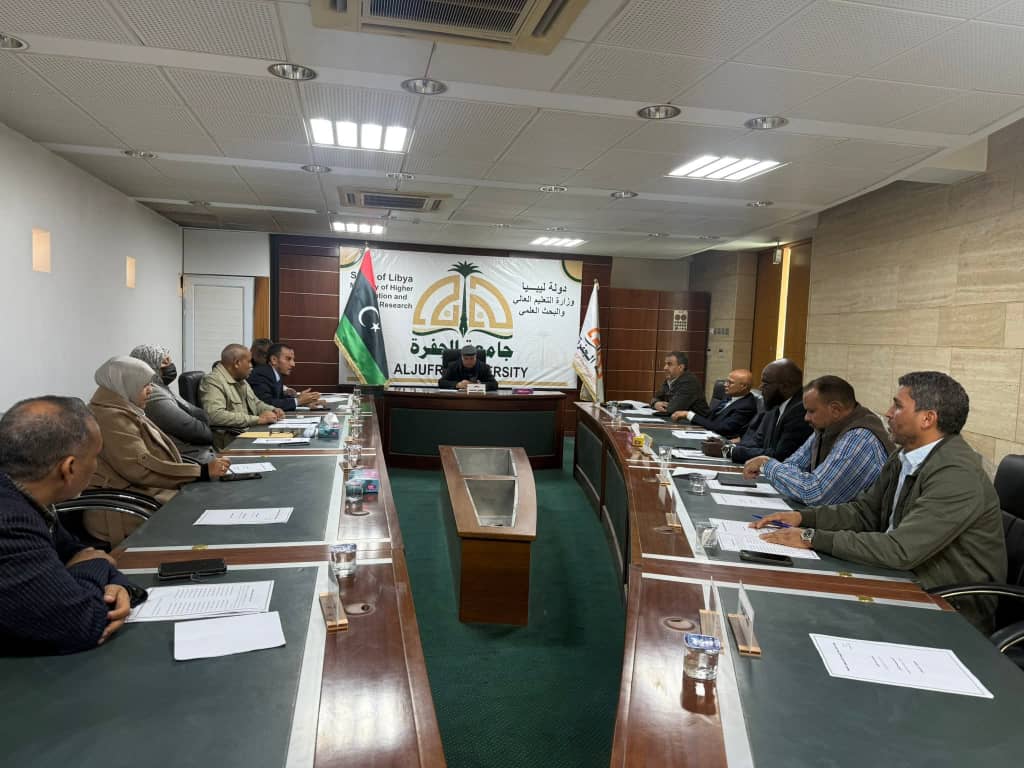
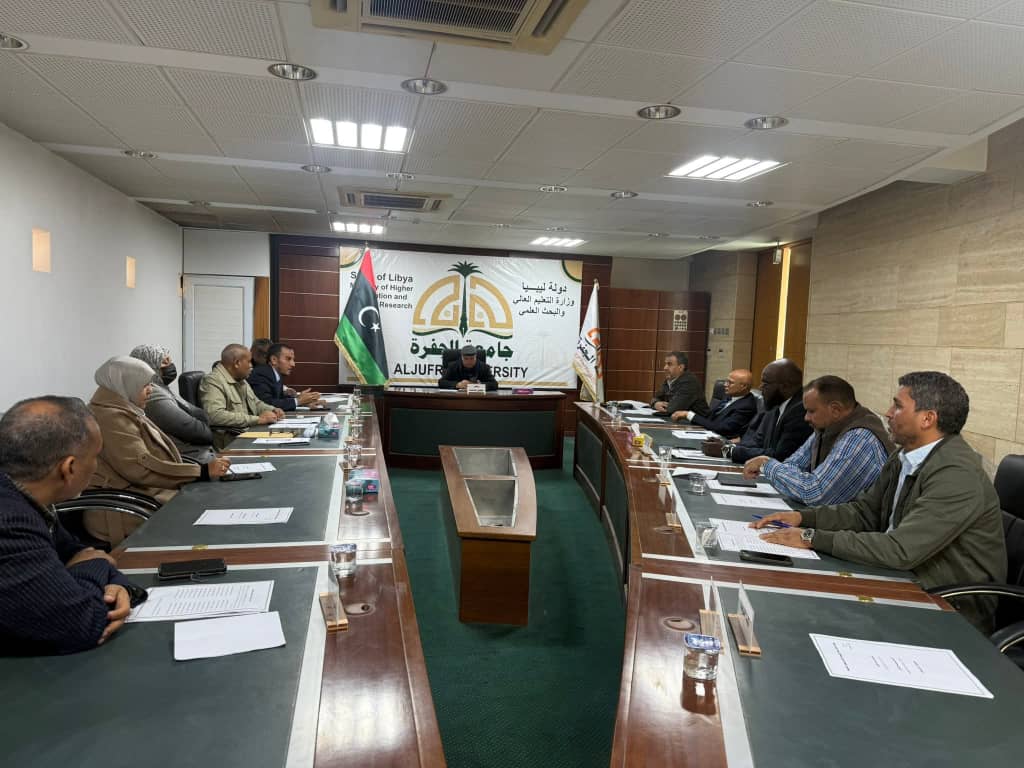
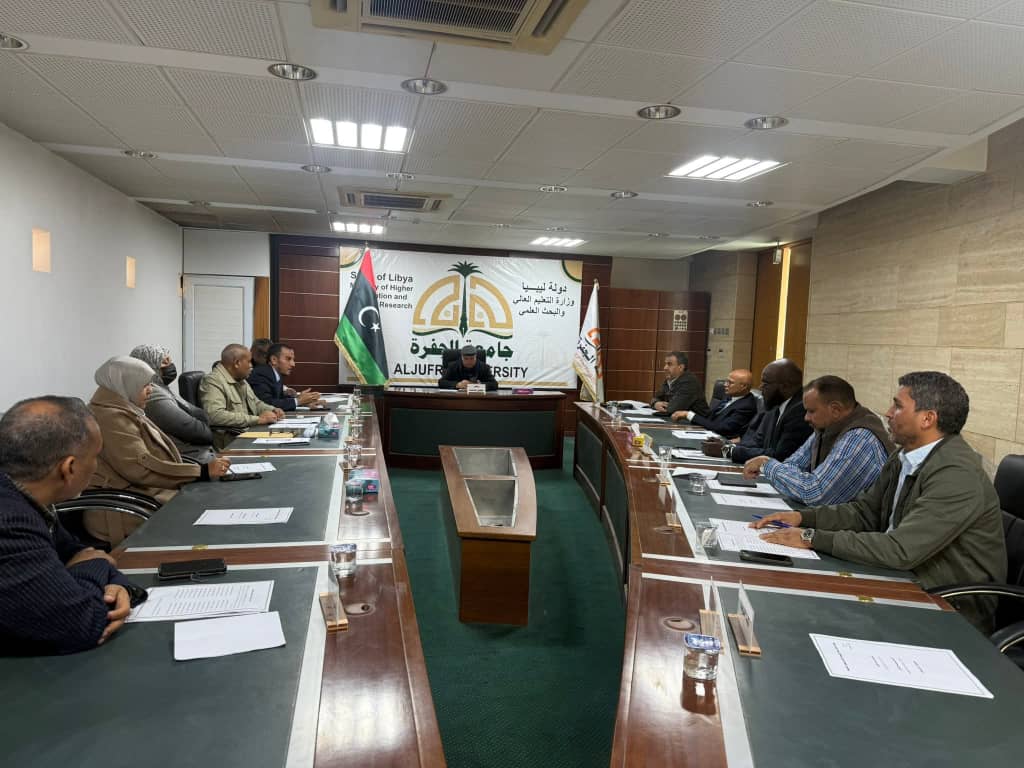
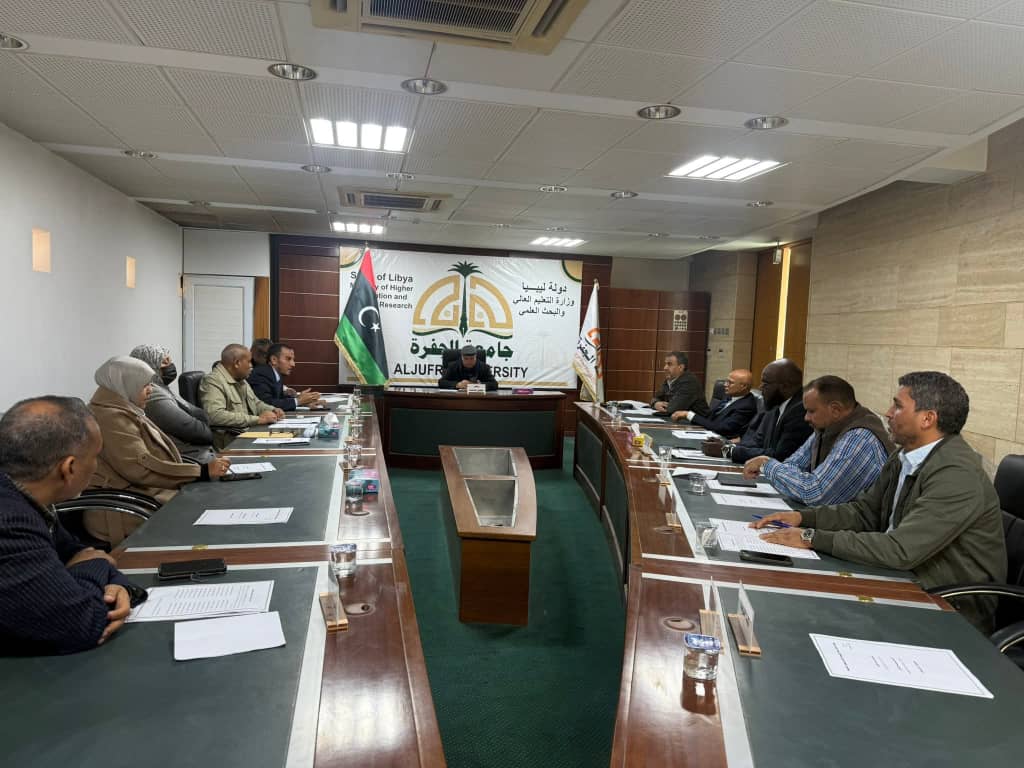
Tripoli, December 31, 2025 – A new report from the Audit Bureau reveals that Libya’s public debt reached 270 billion Libyan dinars by 2024. This includes 84 billion dinars for the Government of National Unity, which the Bureau has audited and verified, and 186 billion dinars recorded by the Central Bank of Libya in the east of the country, which the Bureau has not audited.
The Audit Bureau stated in its annual report for 2024, released on Wednesday, that the public debt has remained unchanged since 2020 and that it could have been reduced to 31 billion dinars. It said, “A portion of the public debt equivalent to the value of savings achieved in some years could have been written off.”
The Bureau clarified that the public debt balance of 84 billion dinars does not include the debt of the eastern-based governments, which amounts to 186 billion dinars, according to a statement from the Central Bank of Libya dated April 6, 2025, which the Bureau has not audited.
The report, spanning 18 chapters and 750 pages, reviews the general status of the state’s financial situation, the results of performance evaluation audits for various state sectors, and the Bureau’s internal reporting.
The Bureau warned against diverting the report from its professional and objective path and exploiting it for political conflicts or private purposes. It noted that its report highlights the activities of the interim Government of National Unity alone and does not include the activities of the government appointed by the House of Representatives. The Bureau indicated that in its preparation and presentation, it followed an approach of compiling and summarizing audit and evaluation reports and the outputs of operational plans designed according to a methodology of relative importance and risk. This aims to direct oversight tasks towards phased objectives, contributing to policy correction and regulating the use of public funds.
Tripoli
Tripoli is the capital and largest city of Libya, historically founded in the 7th century BCE by the Phoenicians. It later became a significant Roman city and a major center under various empires, including the Ottoman Empire, which left a strong architectural and cultural imprint on its old medina.
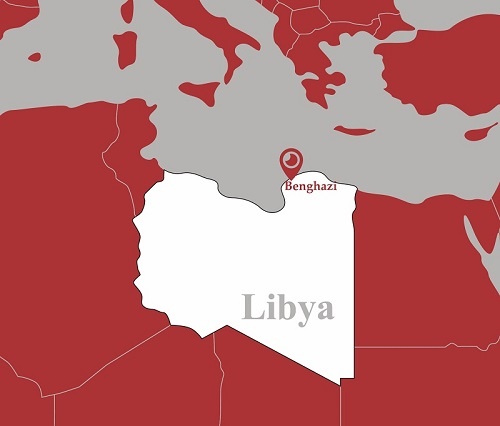
Libya
Libya is a North African country with a rich history rooted in ancient civilizations like the Phoenicians and Romans, followed by centuries of Arab and Ottoman influence. In the modern era, it was an Italian colony before gaining independence in 1951, later becoming known for Muammar Gaddafi’s lengthy rule from 1969 until the 2011 revolution. Its cultural heritage includes UNESCO World Heritage sites such as the ancient Greek city of Cyrene and the Roman ruins of Leptis Magna.
Audit Bureau
The Audit Bureau is an independent government institution responsible for overseeing and auditing public finances to ensure transparency and accountability. Its history typically involves establishment through national legislation to combat corruption and promote fiscal responsibility, with its specific origins varying by country.
Government of National Unity
The Government of National Unity (GNU) is a term most notably applied to the post-apartheid coalition government in South Africa, formed in 1994 following the country’s first multiracial elections. Led by Nelson Mandela as President, it brought together the African National Congress, the National Party, and the Inkatha Freedom Party to oversee the transition from minority rule to a multiracial democracy.
Central Bank of Libya
The Central Bank of Libya is the primary monetary authority of Libya, established in 1956 to issue currency and manage the country’s financial reserves. Its history has been deeply affected by political conflict, particularly since 2011, leading to periods where rival governments have claimed control over its operations and assets.
House of Representatives
The House of Representatives is the lower chamber of the United States Congress, established by the Constitution in 1789. It is composed of representatives elected from congressional districts, with representation based on state population.