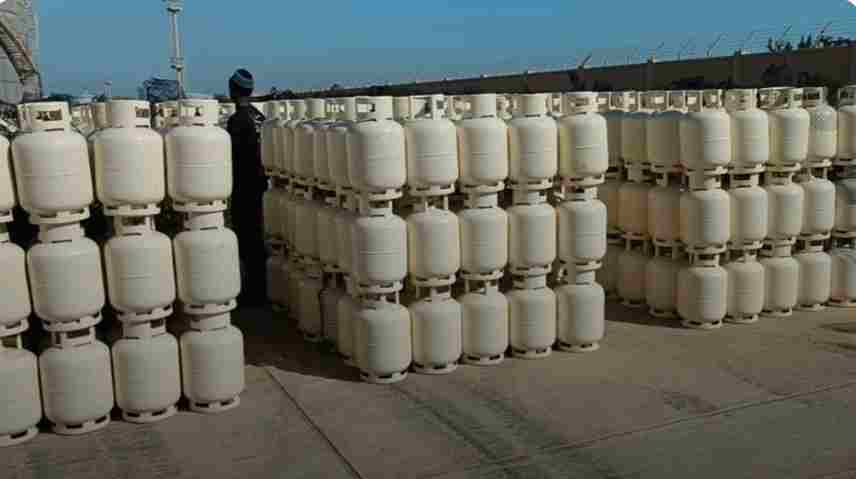
The Audit Bureau has warned, in an official letter, against the continued use of the previous mechanism for importing fuel. It stressed the need to adhere to public tendering as the legal and regulatory framework to ensure transparency, rationalize spending, and protect public funds.
In a letter addressed to the Prime Minister, the Audit Bureau stated that the government’s request to halt public tender procedures and continue with the previous mechanism using the same quantities as in November 2025 does not constitute implicit approval by the Bureau.
The Bureau explained that follow-up monitoring revealed “serious shortcomings and weaknesses” in the management of supply contracts, which led to unjustified additional burdens on the state budget, describing this as a waste of public money.
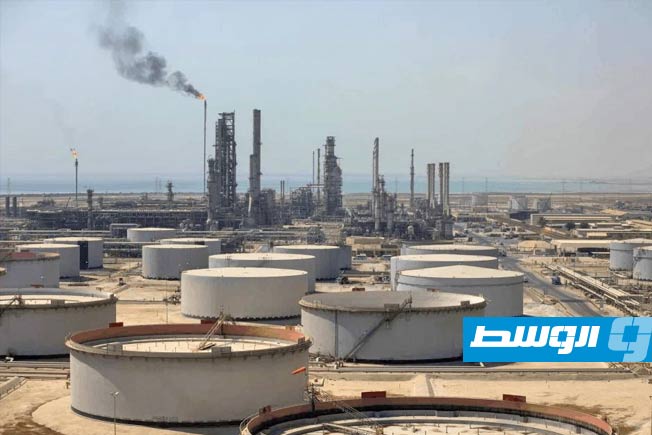
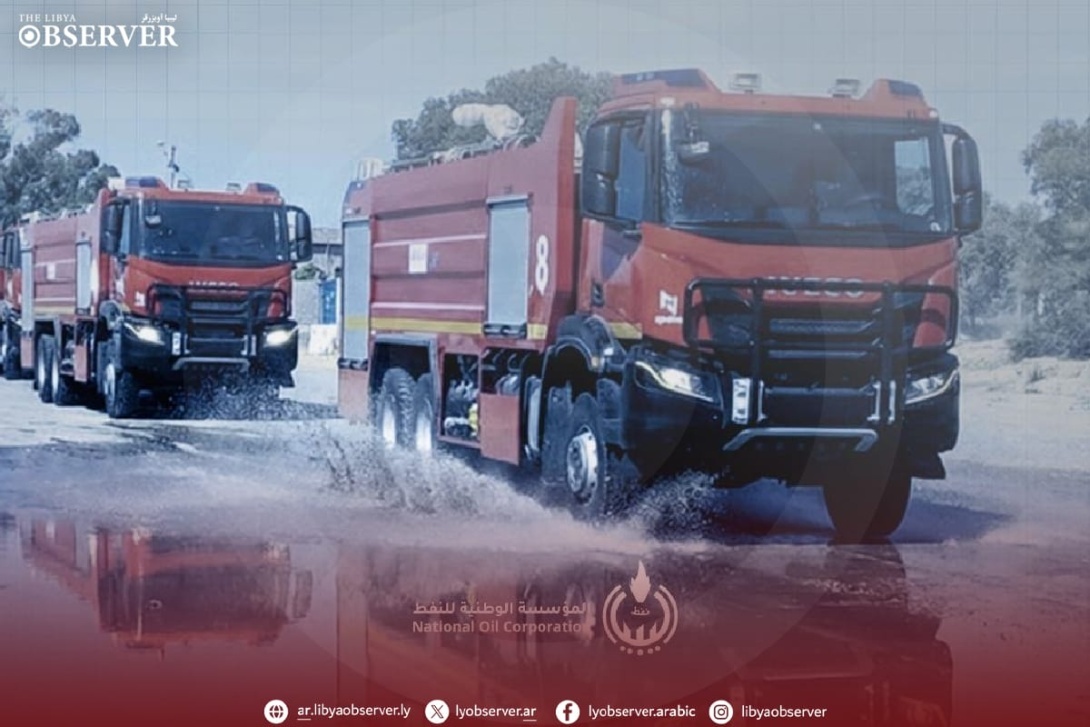
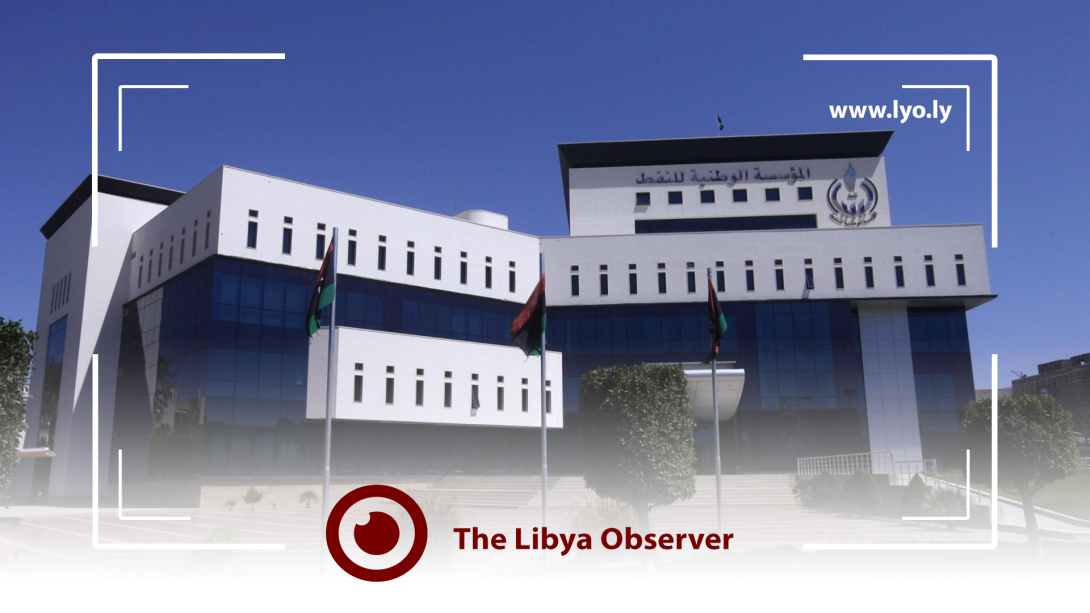
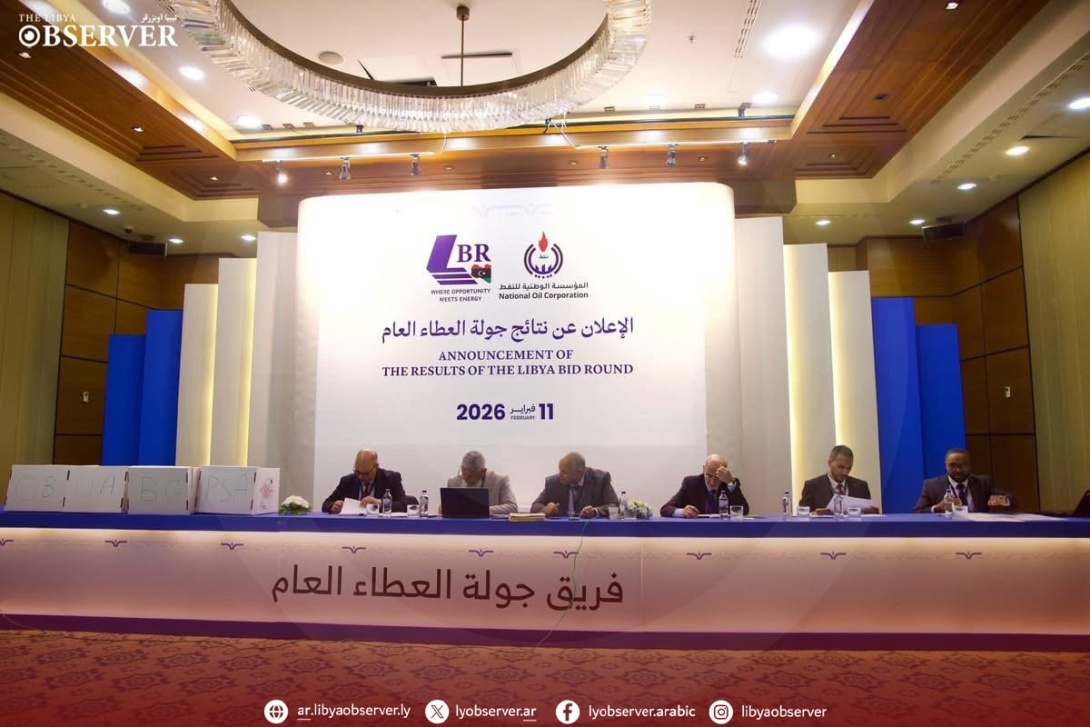
The letter noted that the National Oil Corporation had previously been instructed to commit to offering fuel supply through a public tender to ensure competitiveness and transparency, contract with the most efficient and qualified international companies, and secure the best prices and required quality of fuel.
It reaffirmed that the outcomes of repeated meetings among the relevant authorities confirmed the need to review and update the existing supply mechanisms in line with approved legal frameworks, emphasizing that public tendering is the optimal approach to serve the public interest and prevent improper practices or exploitation.
The Bureau warned that the government letter could represent a deviation from the agreed path, potentially increasing the risk of imposing unacceptable burdens on the public treasury and delaying the reform and correction process of the current mechanism.
The letter also pointed out that the corrective measures initiated by the National Oil Corporation, such as announcing tenders, conducting prequalification, and evaluating bids according to approved requirements and standards, have produced positive results, contributing to financial savings and reducing corruption and fuel smuggling.
The Bureau cautioned that any delay or reversal of these measures could lead to financial and legal liabilities and potential disputes that would harm the state’s reputation. It concluded by stressing the importance of supporting the public tendering process to ensure smooth fuel supplies and stability in the local market, while maintaining coordination among the relevant authorities.