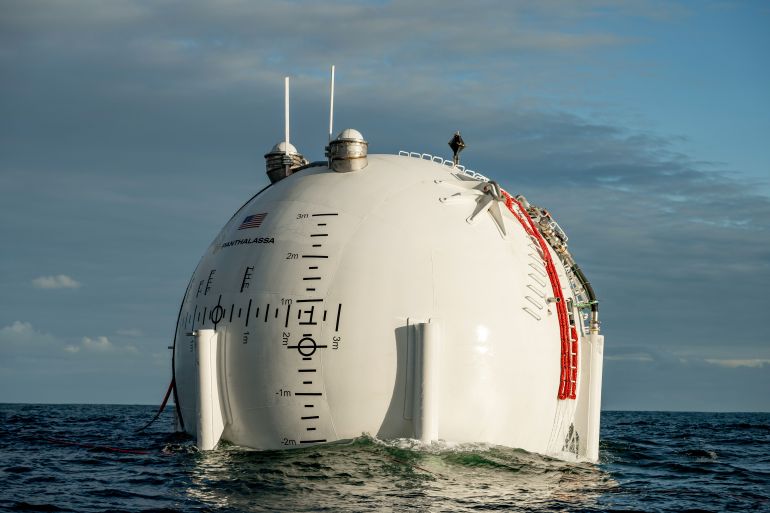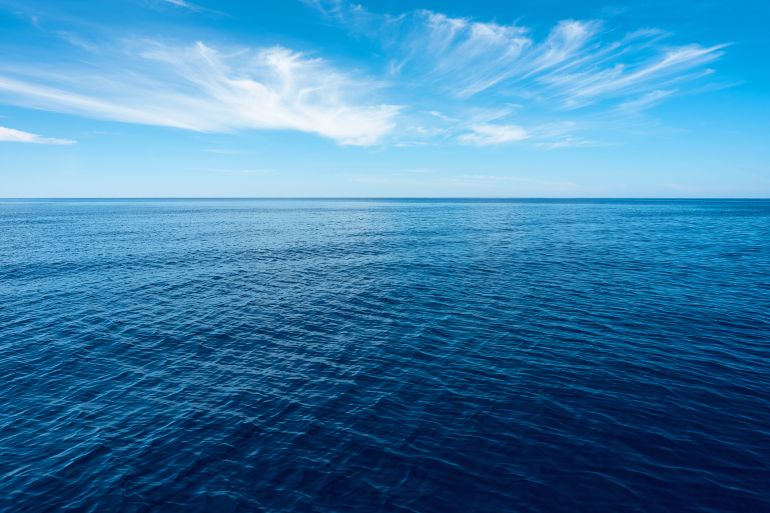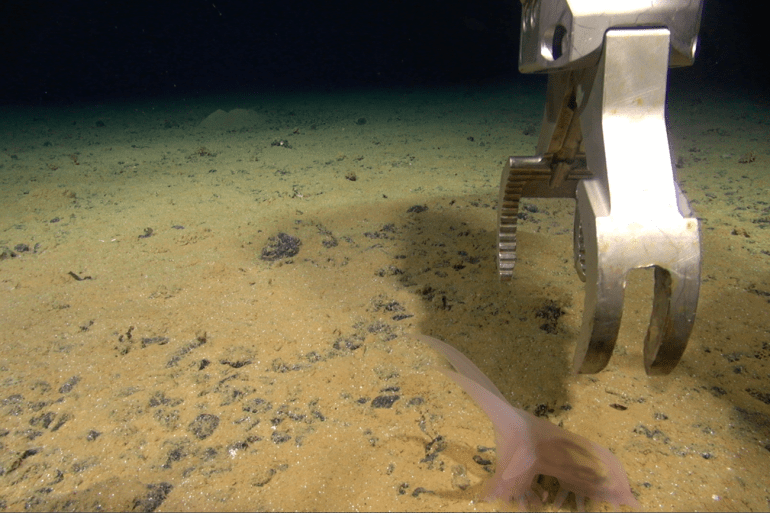
Under the pressure of increasing demand for battery minerals and clean technologies, global attention is turning to a place that at first glance seems devoid of life: the deep Pacific Ocean floor.
However, a new international study reveals that this dark world, at a depth of nearly 4,000 meters, is not a marine desert, but a site teeming with life. Consequently, any industrial “meddling” with it could leave a negative impact on life itself.
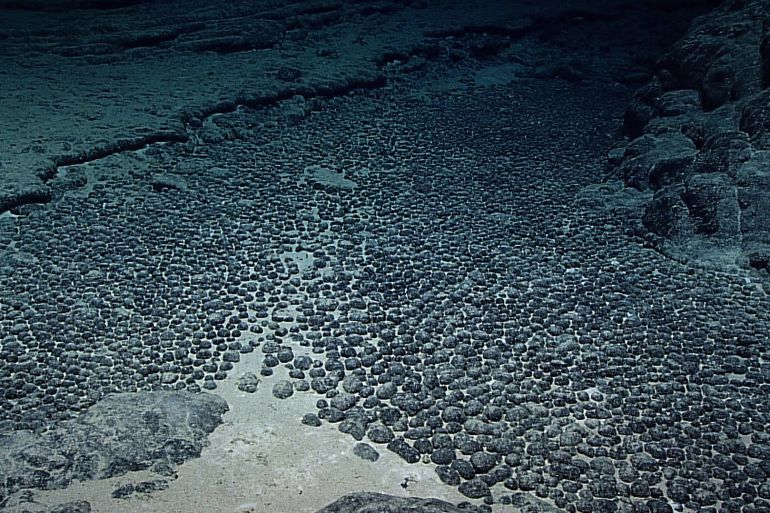
The study observed life forms in the Clarion-Clipperton Zone, a vast area between Mexico and Hawaii viewed as one of the most prominent potential reserves of polymetallic nodules. These are small, rocky balls rich in minerals like manganese, iron, and silicates, and also containing required elements such as nickel, copper, and cobalt—elements that are part of battery and electronic chip supply chains.
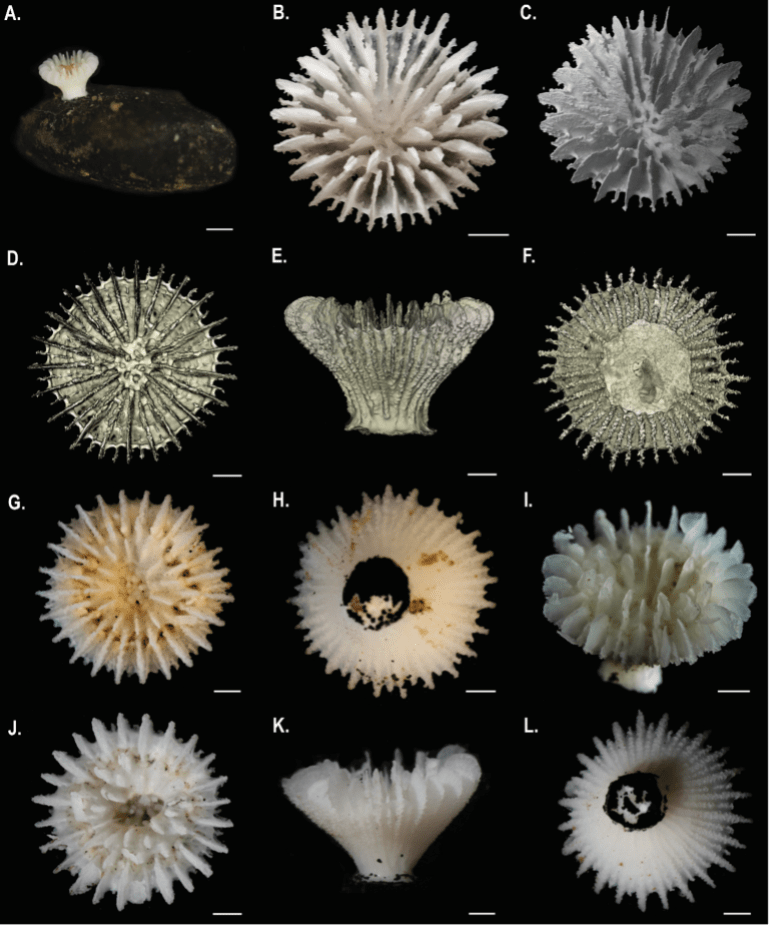
Hundreds of Species
Over five years, the team spent about 160 days at sea, collecting precise samples of sediments and the seafloor surface to establish a “baseline” of what lives there before any large-scale operations begin.
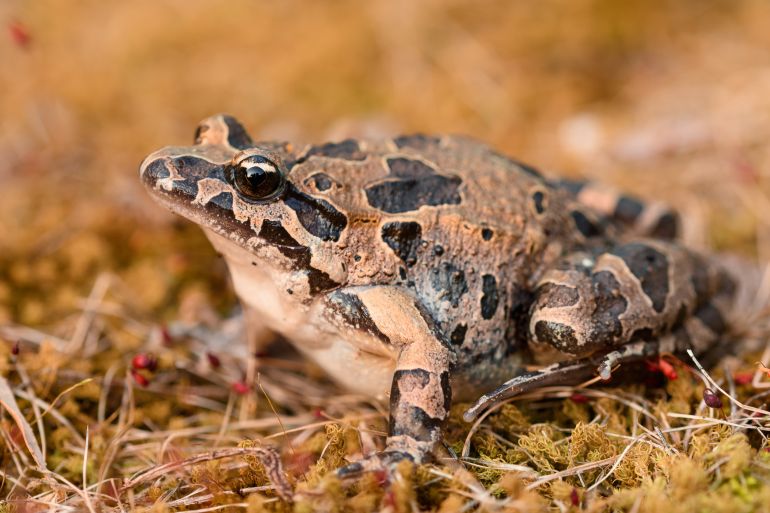
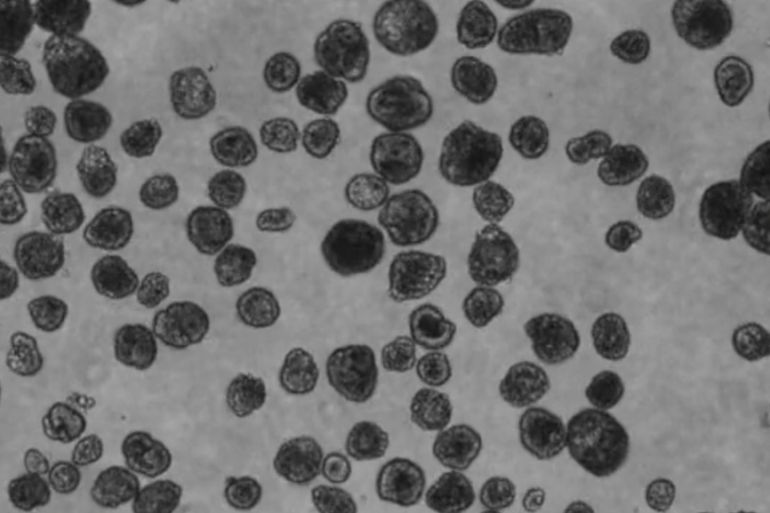
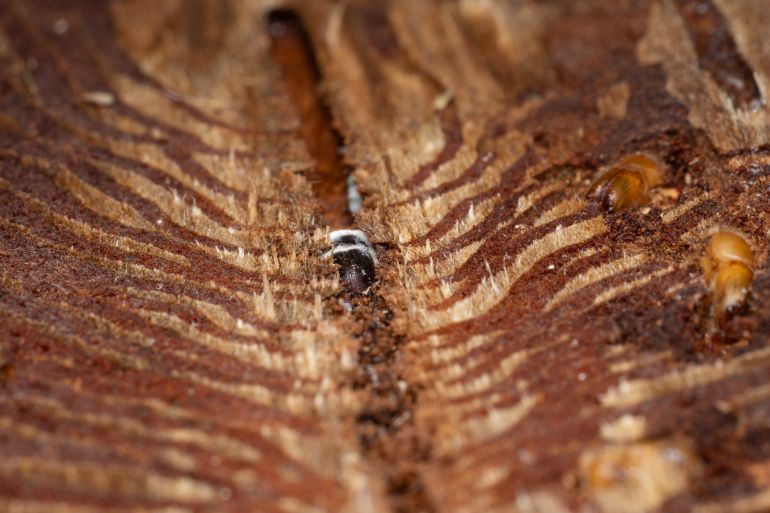
According to the study, 788 species of benthic organisms larger than 0.3 mm were documented, many of which are not yet scientifically described.
Although the number of individuals in the samples was low (only about 200 individuals in a comparable sample), species diversity remained strikingly high. This paradox suggests the deep seafloor may be poor in individuals but rich in species. Most species belonged to polychaete worms, crustaceans, and mollusks like snails and clams.
The most sensitive part of the study was a field test of the effects of an industrial mining experiment, involving the passage of equipment and rock collection across the seafloor. Here, the losses were clear: directly within the tracks of passage, the density of living species decreased by about 37%.
According to the study, time moves very slowly in the depths, meaning the sediment layer there grows at a rate of about one-thousandth of a millimeter per year. This implies that the effects of scraping, burial, and sediment redistribution may persist for a long time, and habitat recovery could be much slower than in marine environments closer to the surface.