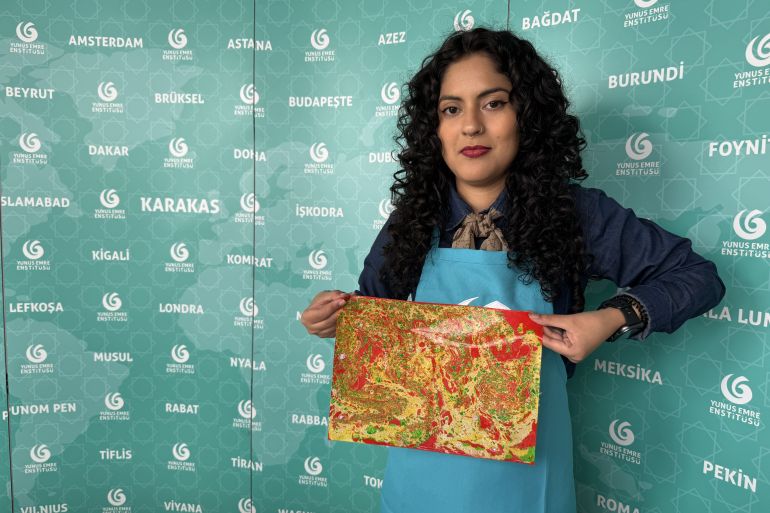
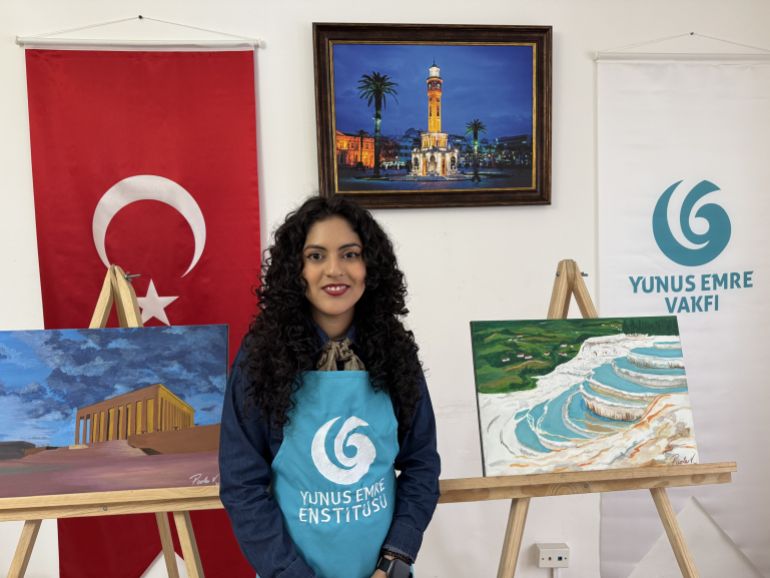
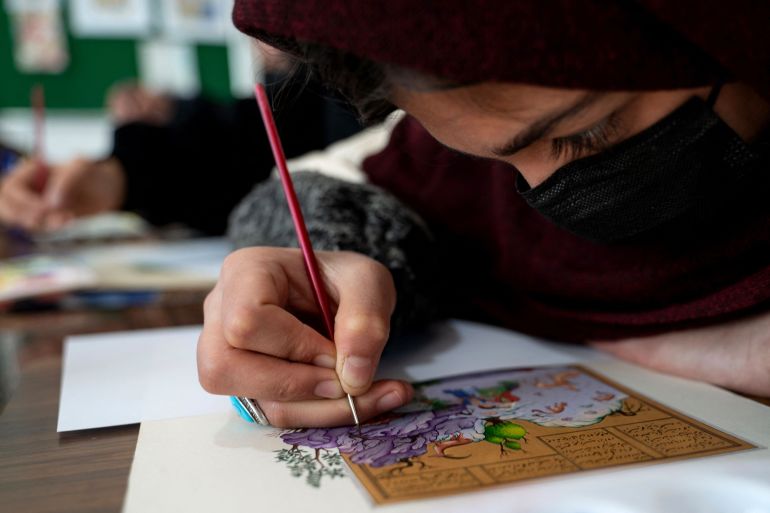
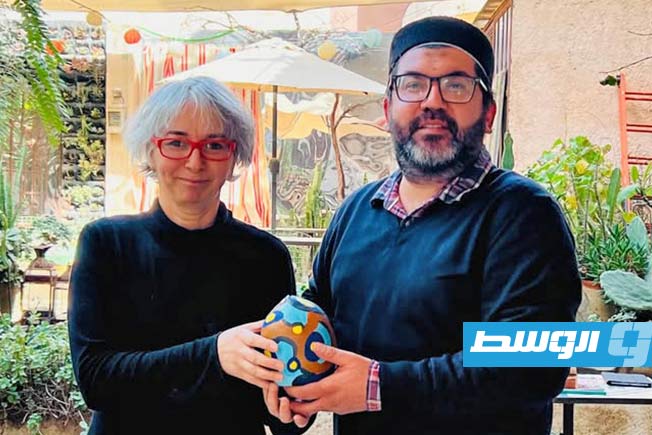
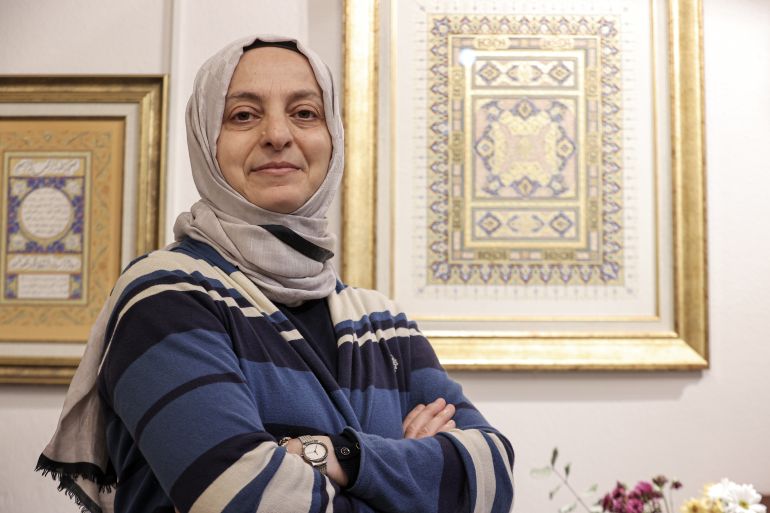
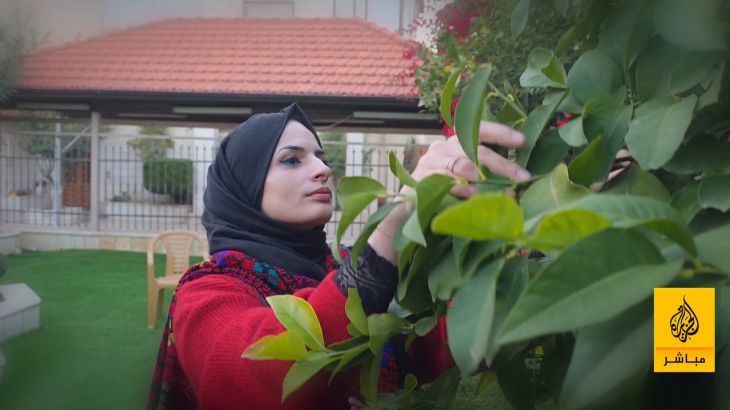
With a precise brush and deep feeling, Venezuelan artist Paula Victoria Chacón transforms the Turkish art of Ebru from a traditional technique into a space for contemporary creativity, showcasing a talent and beauty that transcends cultures.
Alongside her Turkish language studies at a cultural institute in the capital, Caracas, Victoria practices the art of Ebru (painting on water), thousands of kilometers away from Turkey.
Victoria stated that her primary field of specialization is graphic arts, but during her in-depth research into the art of hand bookbinding and paper decoration, her path intersected with the cultural institute in Caracas.
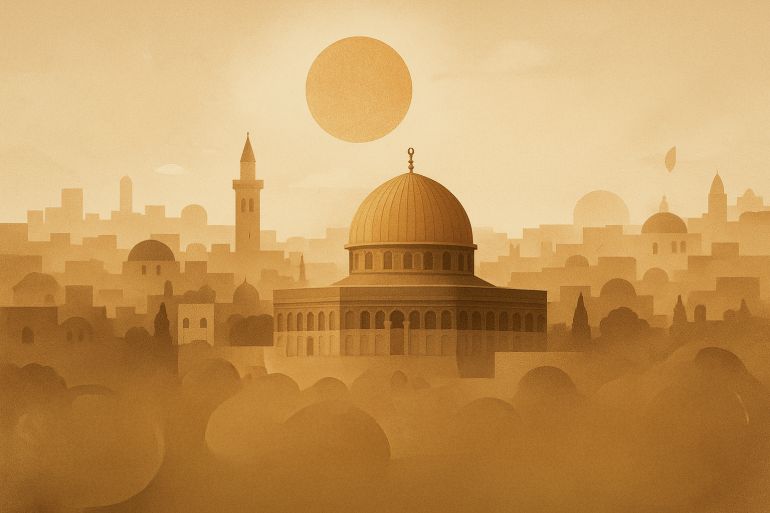
During a special exhibition she opened with support from the cultural institute, Victoria addressed iconic Turkish symbols and transferred many famous landmarks to her canvases through the art of Ebru.
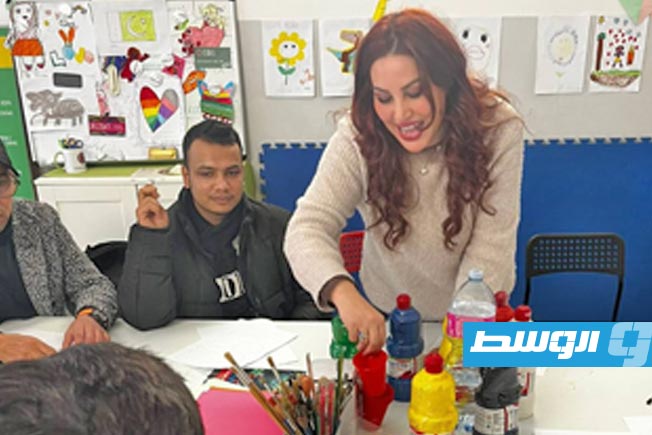
She explained that she introduces Venezuelans to the Turkish art of Ebru and guides Turkish language students interested in this art, sharing her knowledge and experiences with them directly.
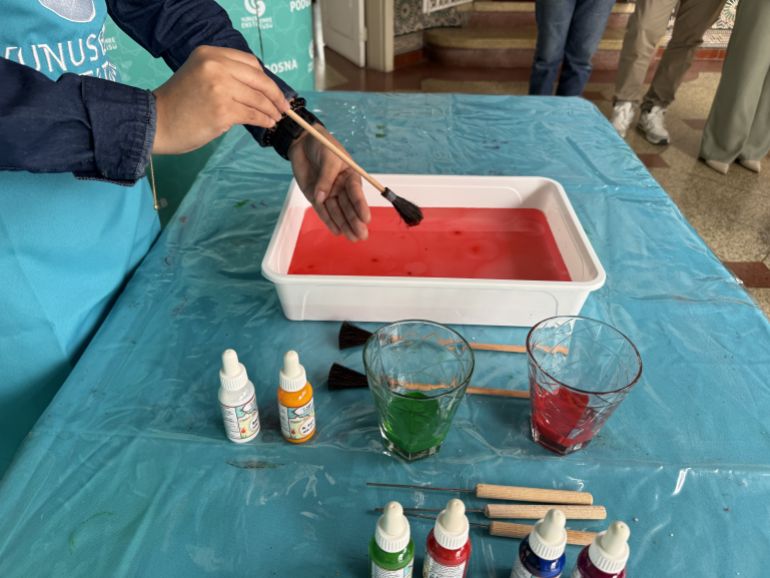
Ebru, one of the Turkish arts, involves painting on water mixed with various materials.
The Venezuelan artist confirmed that she has carried a great passion for the visual arts since her childhood, noting that her family also recognized this passion and provided her with support, which gave her the opportunity to develop her talent.
Ebru is considered one of the most beautiful Turkish arts. It involves painting on water mixed with various materials to make it dense, using special colors that are sprinkled and shaped on the surface so that the painting can later be transferred onto special thick marbled paper that can withstand the water.
Turkey
Turkey is a transcontinental nation bridging Europe and Asia, with a rich history as the heart of the Byzantine and Ottoman Empires. Its cultural landscape is defined by iconic sites like the Hagia Sophia in Istanbul, which has served as a cathedral, mosque, and museum, reflecting the country’s layered historical influences. Modern Turkey was founded as a republic in 1923 by Mustafa Kemal Atatürk following the collapse of the Ottoman Empire.
Caracas
Caracas is the capital and largest city of Venezuela, founded in 1567 by Spanish conquistador Diego de Losada. It grew as a colonial administrative center and later became a pivotal site for the South American independence movement, being the birthplace of Simón Bolívar. Today, it is a major metropolitan and cultural hub situated in a valley of the Venezuelan coastal mountain range.
Venezuelan
Venezuela is a South American country known for its diverse landscapes, including the Andes Mountains, Amazon rainforest, and Caribbean coastline. Historically a Spanish colony, it gained independence in the early 19th century under Simón Bolívar and later grew into a major oil-producing nation. Its culture is a vibrant blend of indigenous, African, and Spanish influences, evident in its music, art, and festivals.
Turkish
Turkey is a transcontinental nation bridging Europe and Asia, with a rich history rooted in the ancient Anatolian civilizations, the Byzantine Empire, and most notably the Ottoman Empire, which lasted for over six centuries until the establishment of the modern Republic of Turkey in 1923. Its culture is a vibrant fusion of these diverse historical influences, evident in its cuisine, architecture, and traditions.
Ebru
Ebru is the traditional Turkish art of creating colorful patterns by sprinkling and brushing pigments on a water surface, then transferring the design to paper. Its origins trace back to Central Asia, with significant development in the Ottoman Empire, where it was used for marbling paper in books and calligraphy. Today, it is recognized by UNESCO as part of the Intangible Cultural Heritage of Humanity.