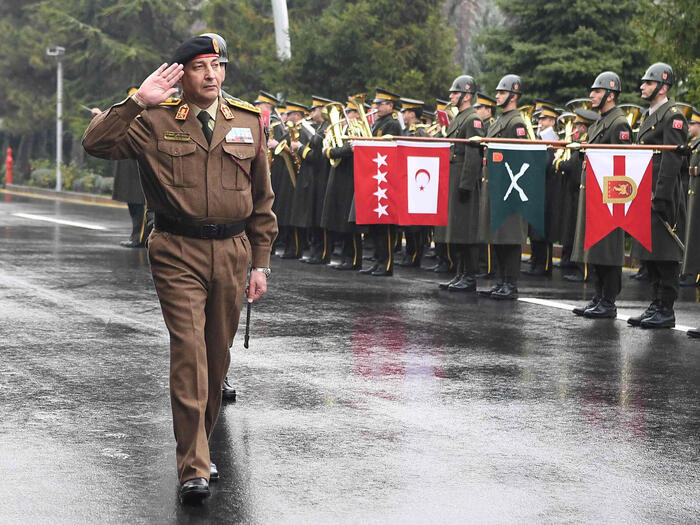
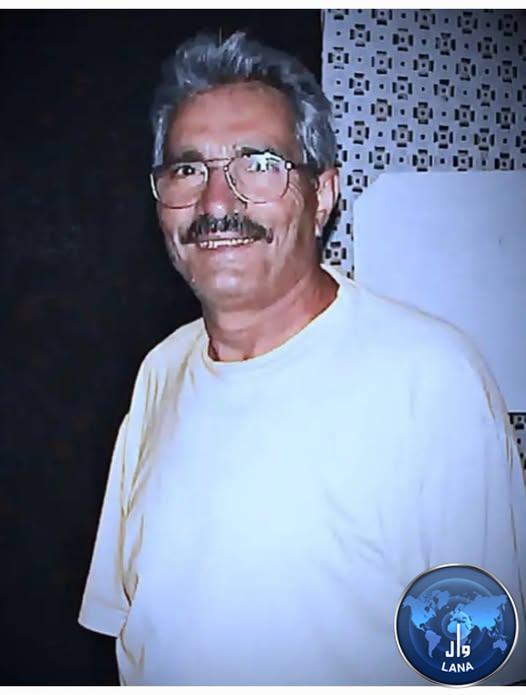
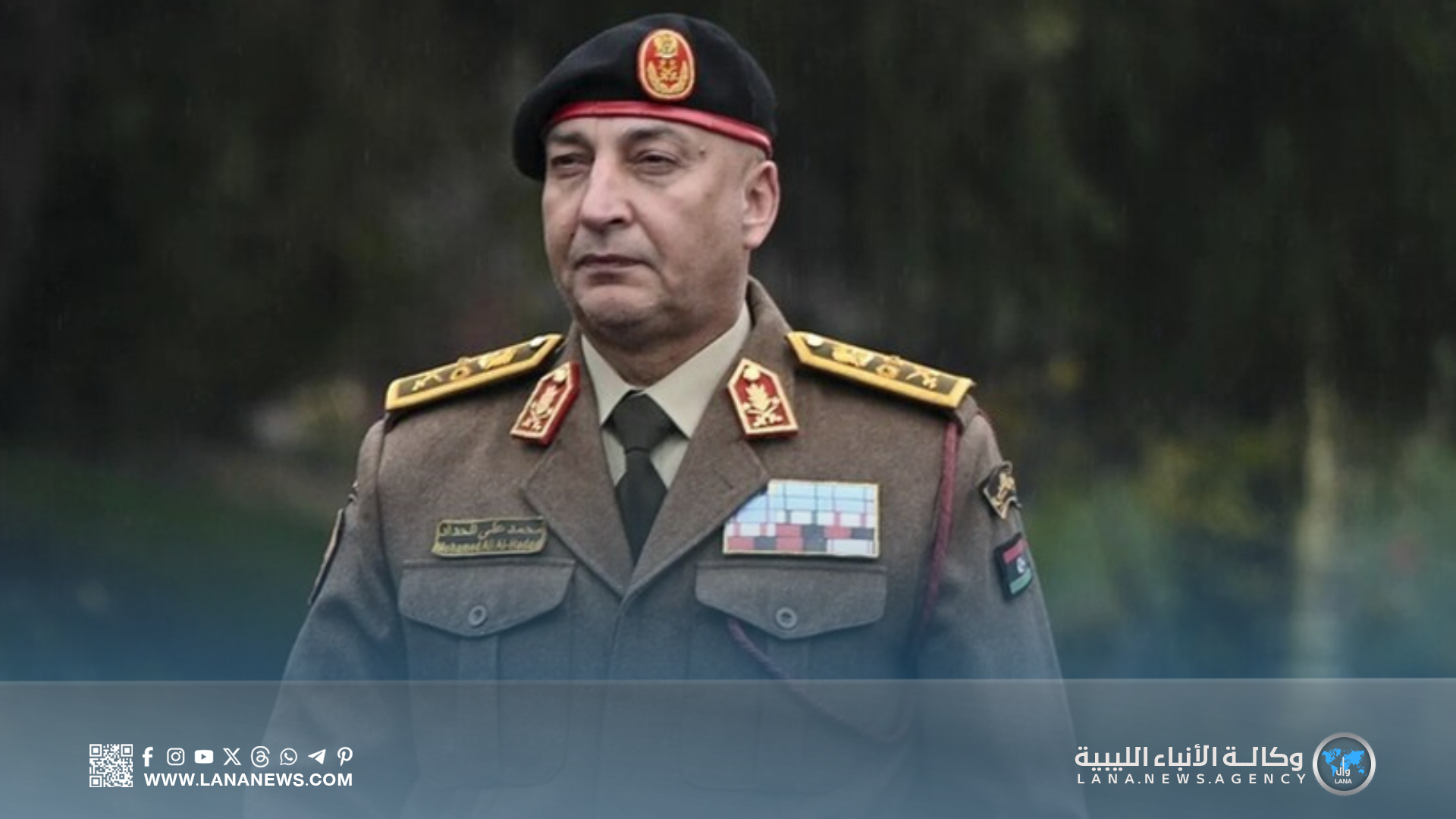
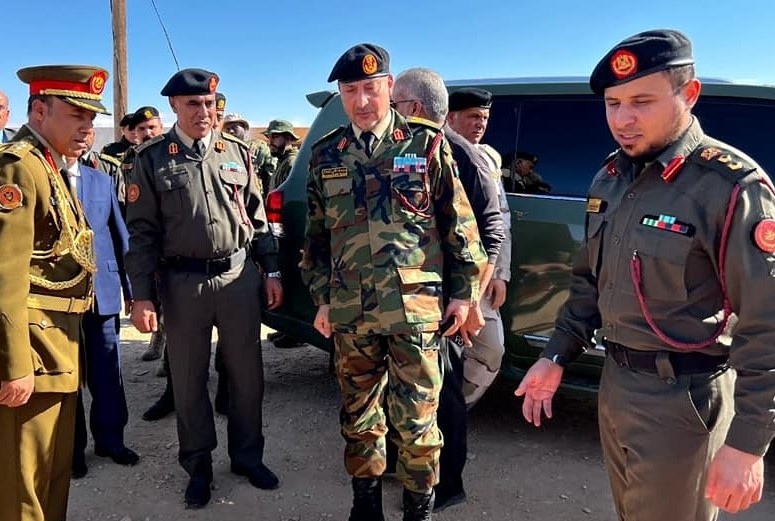
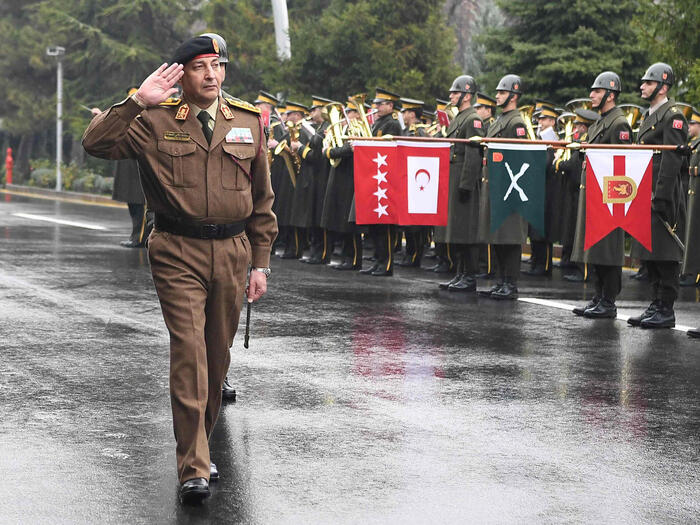
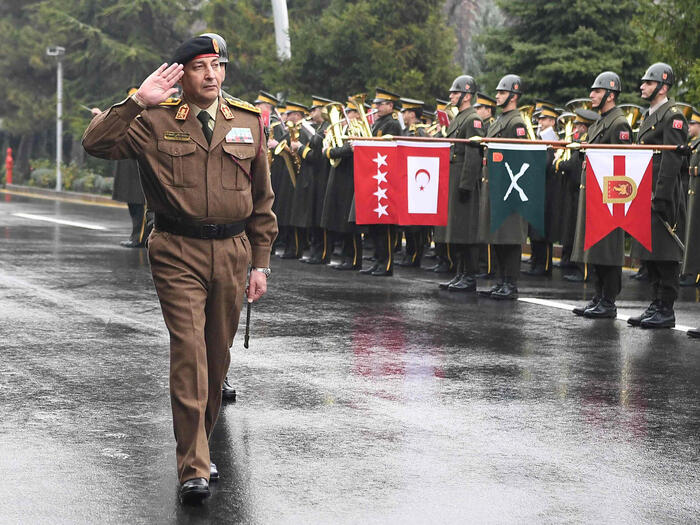
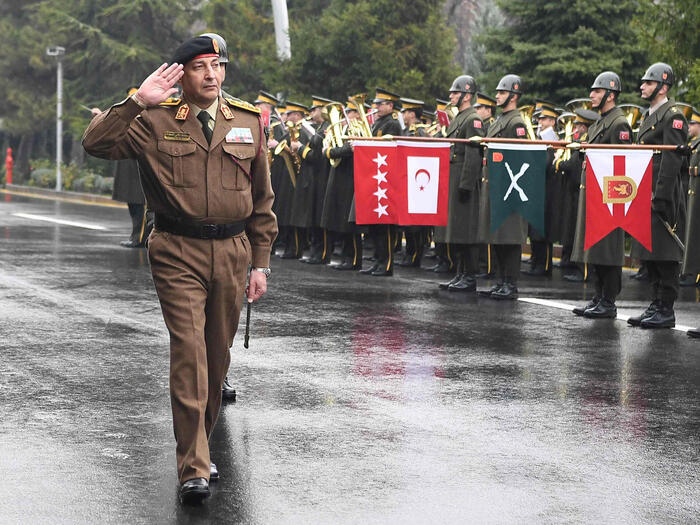
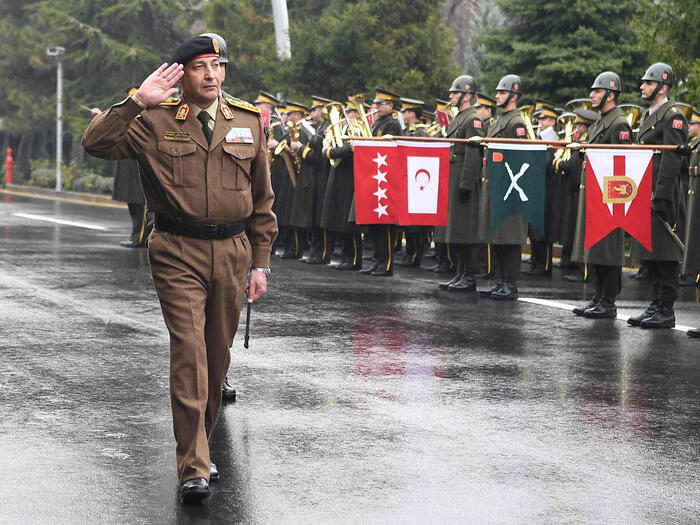
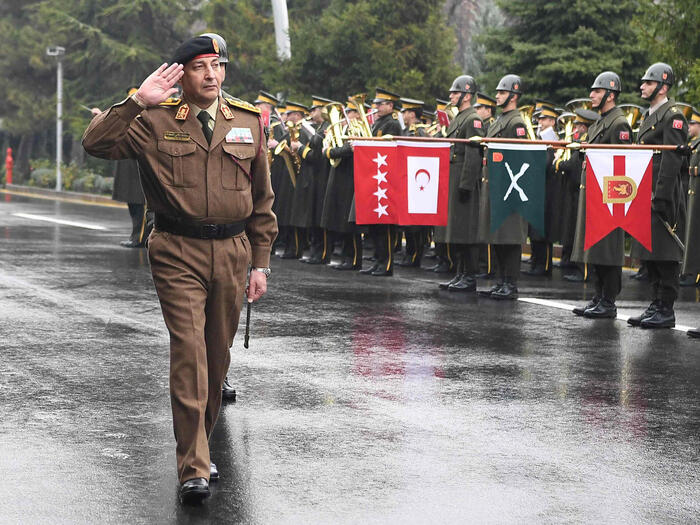
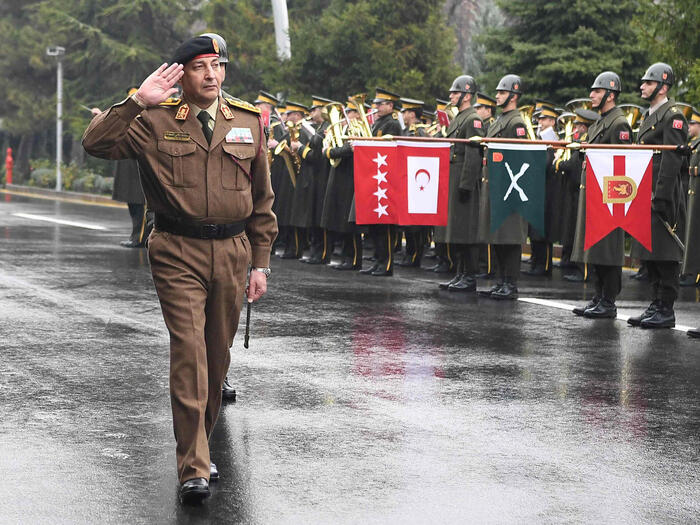
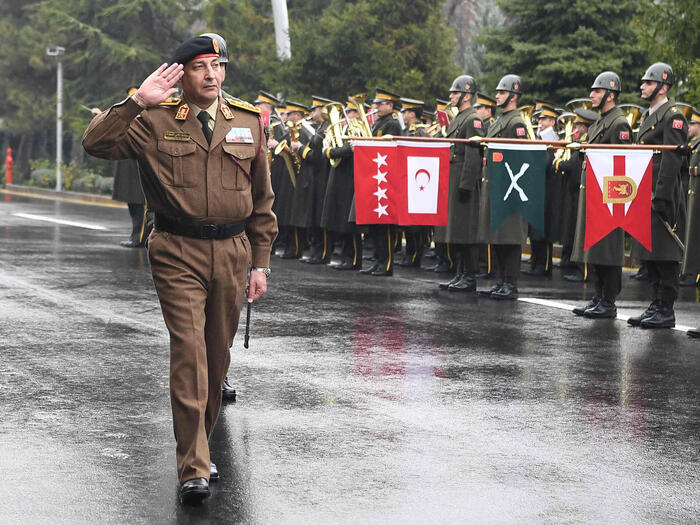
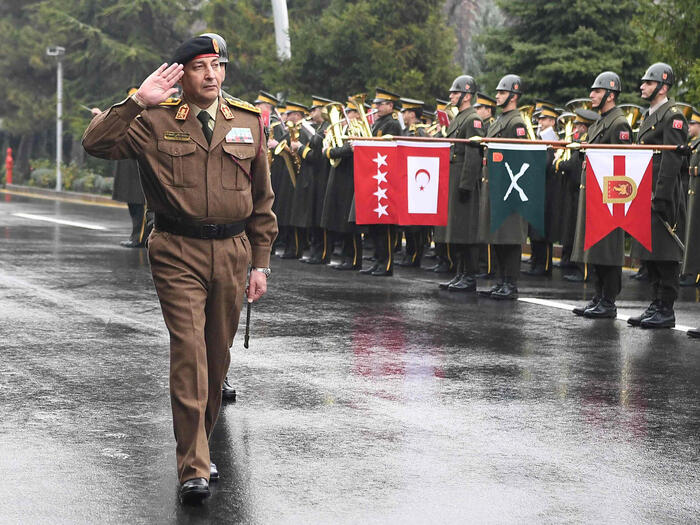
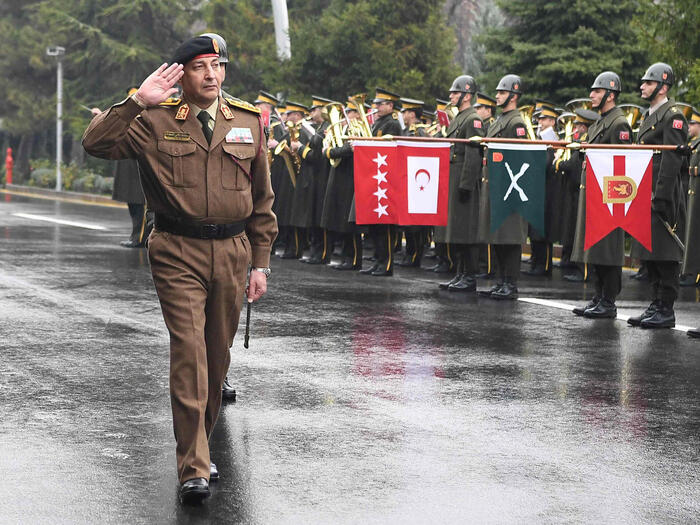
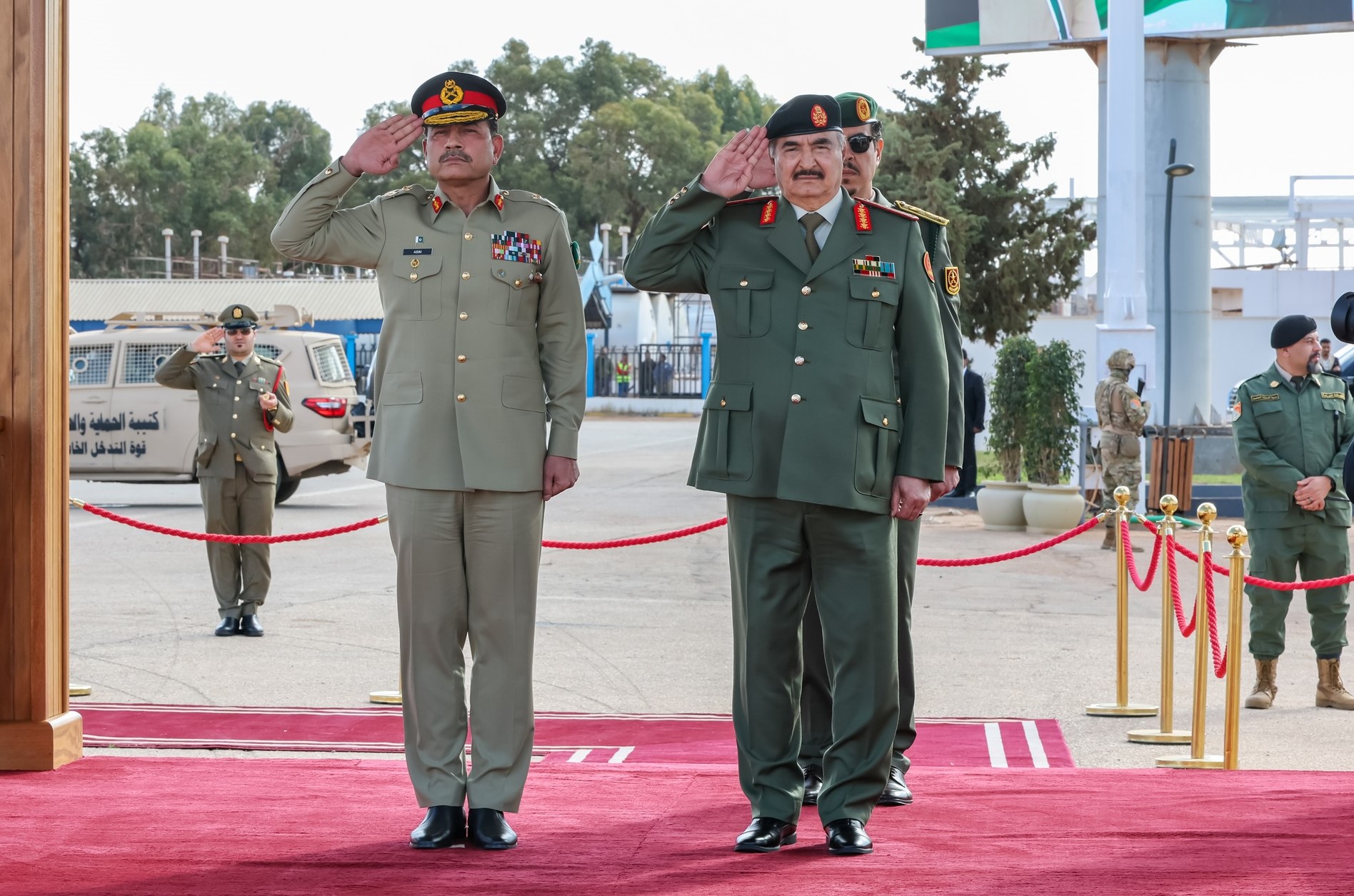
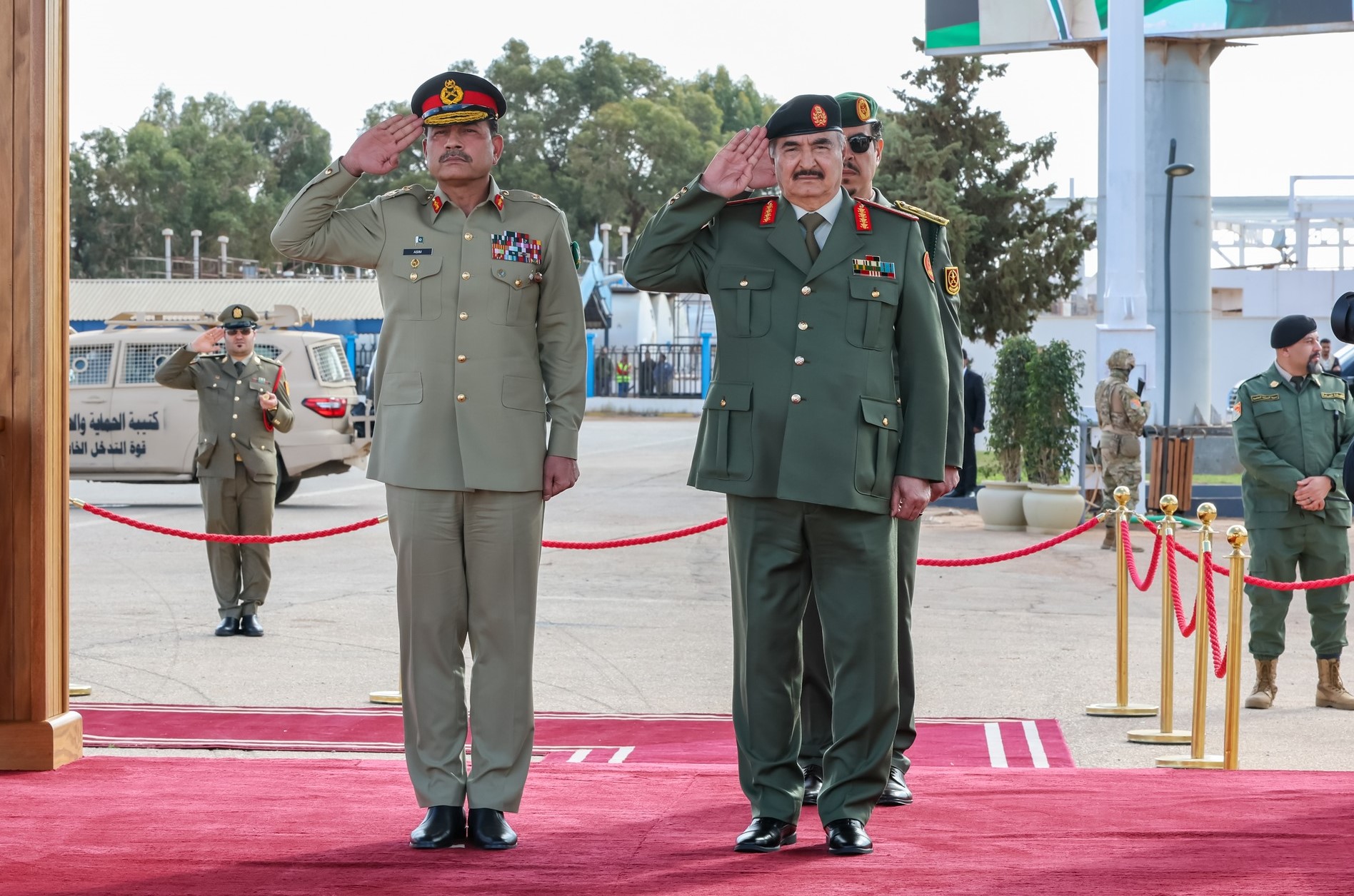
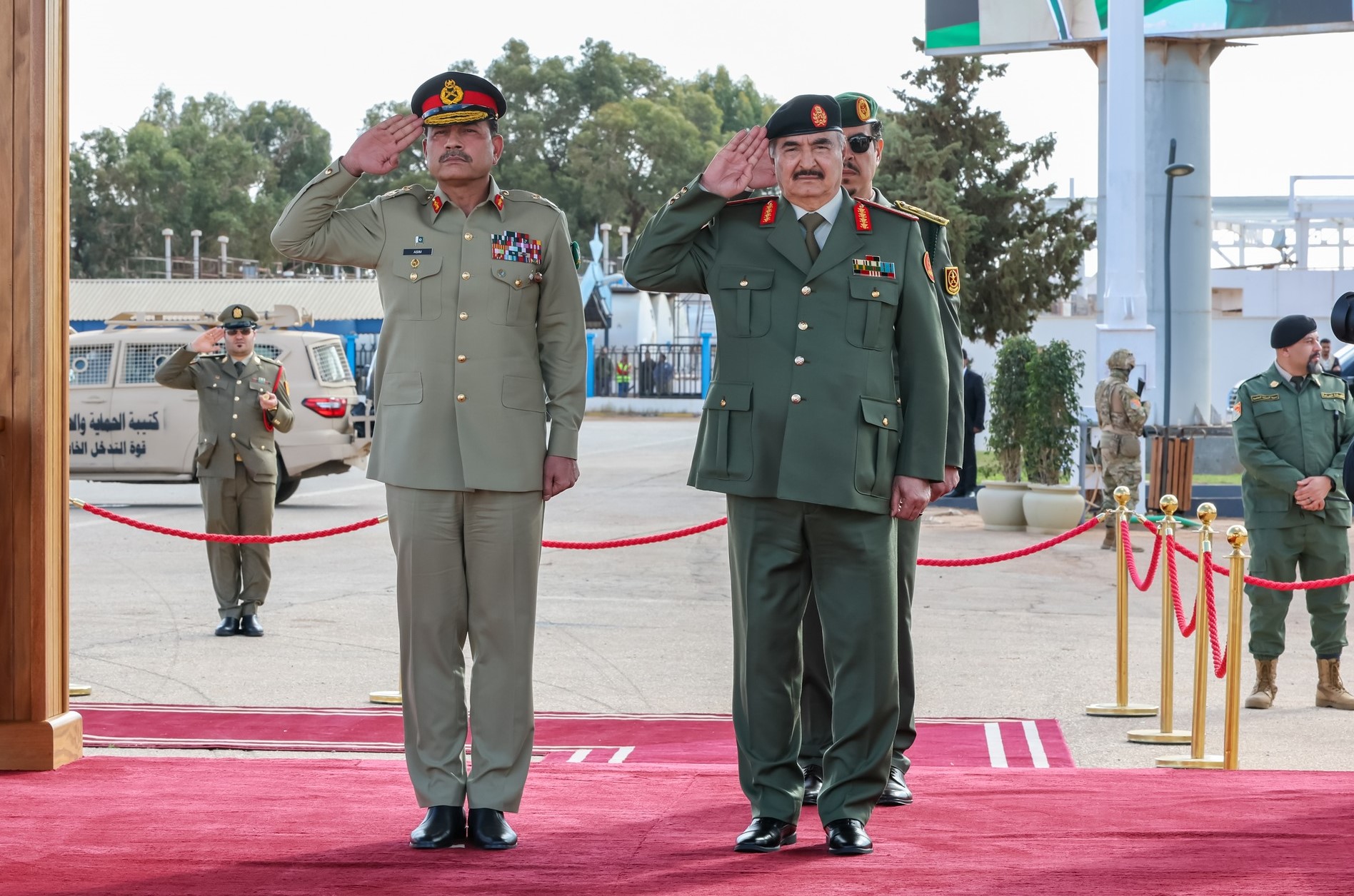
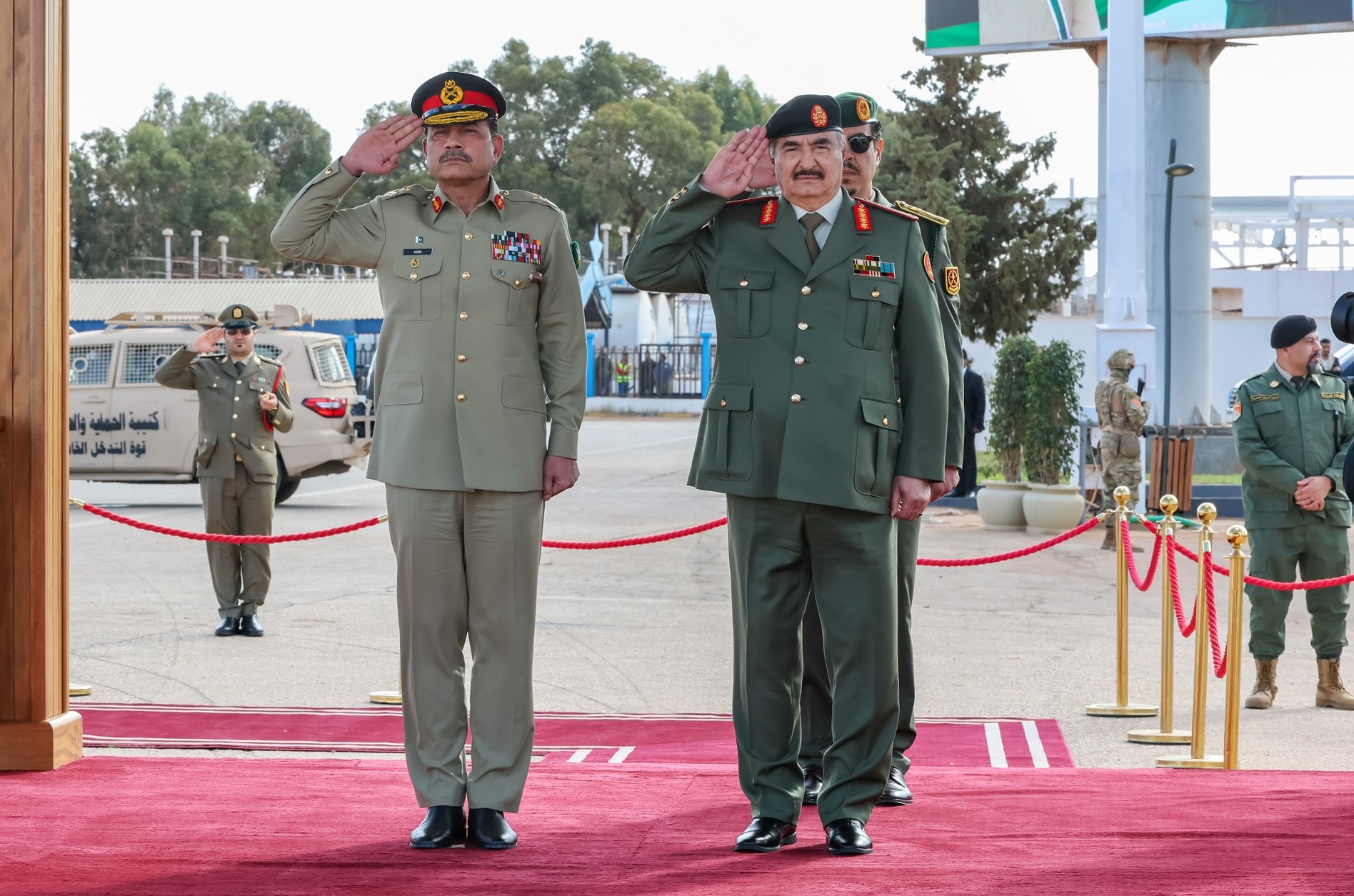
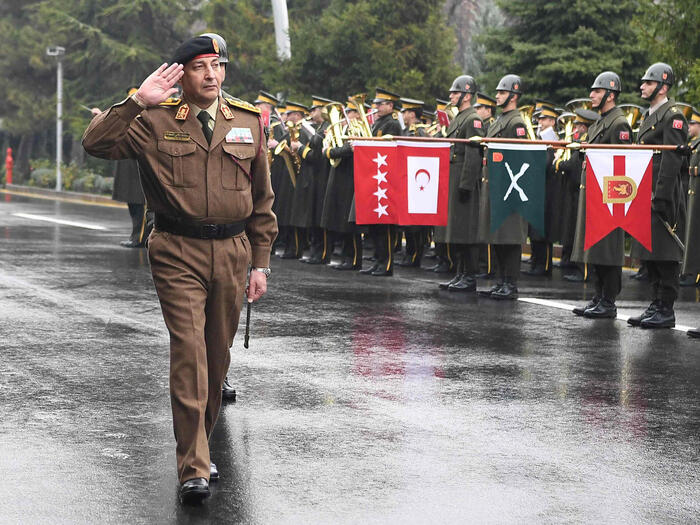
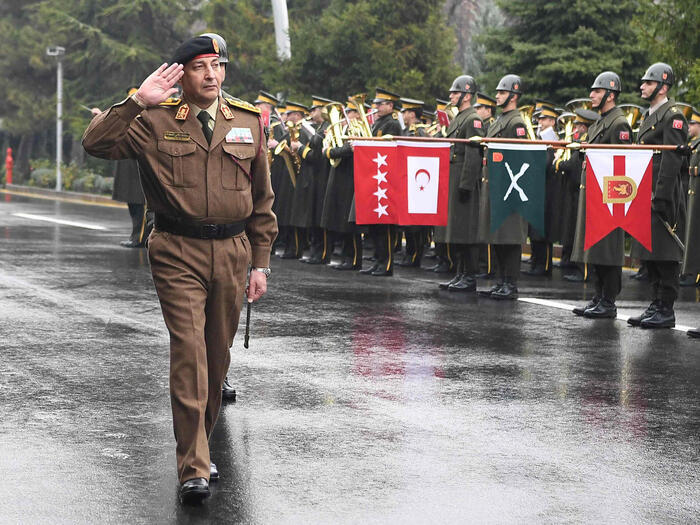
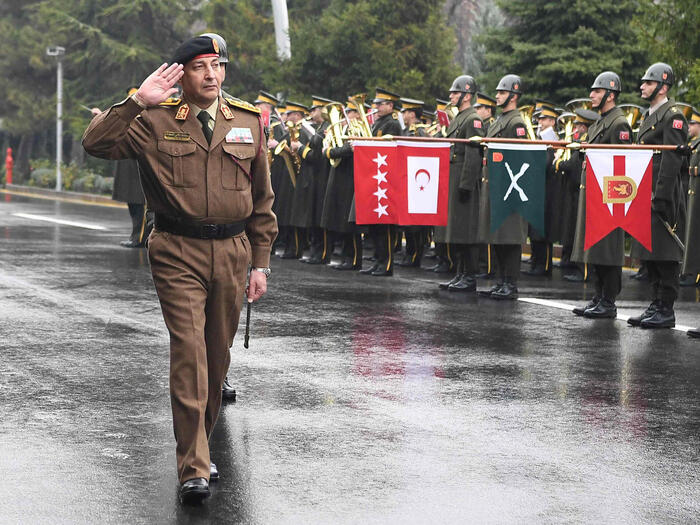
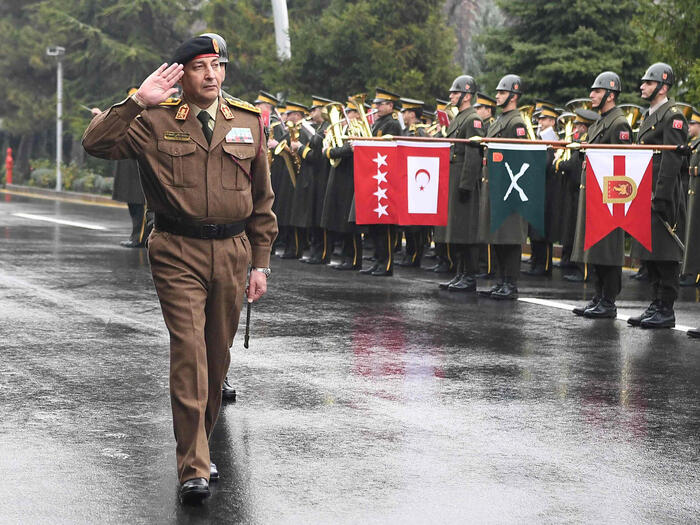
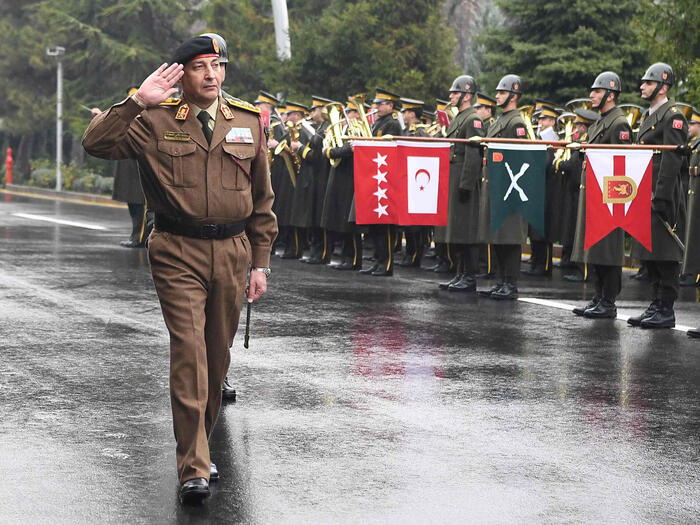
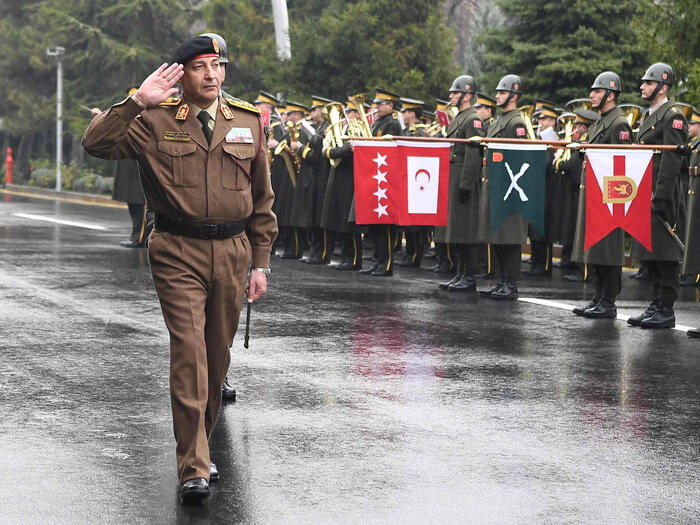
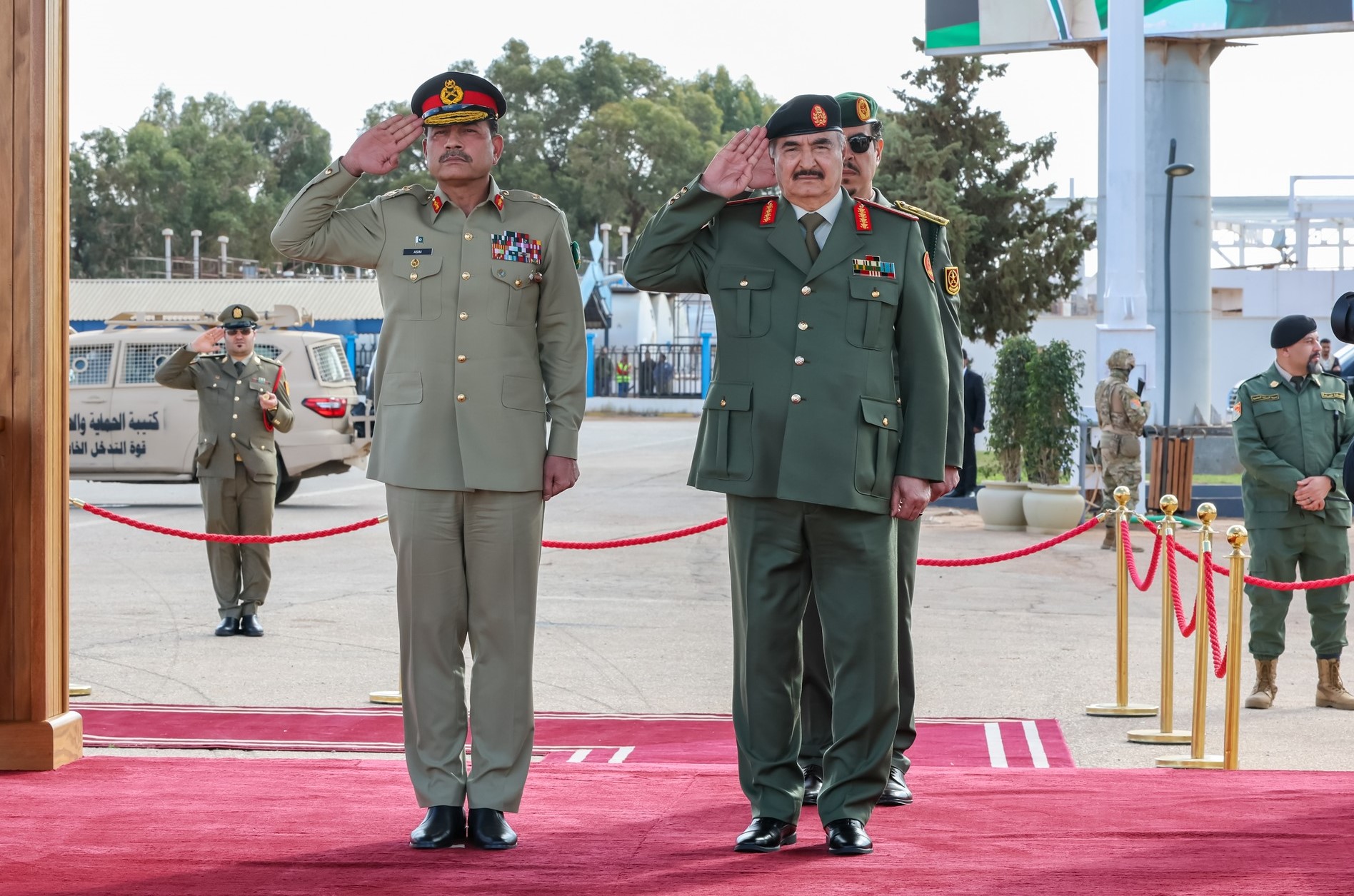
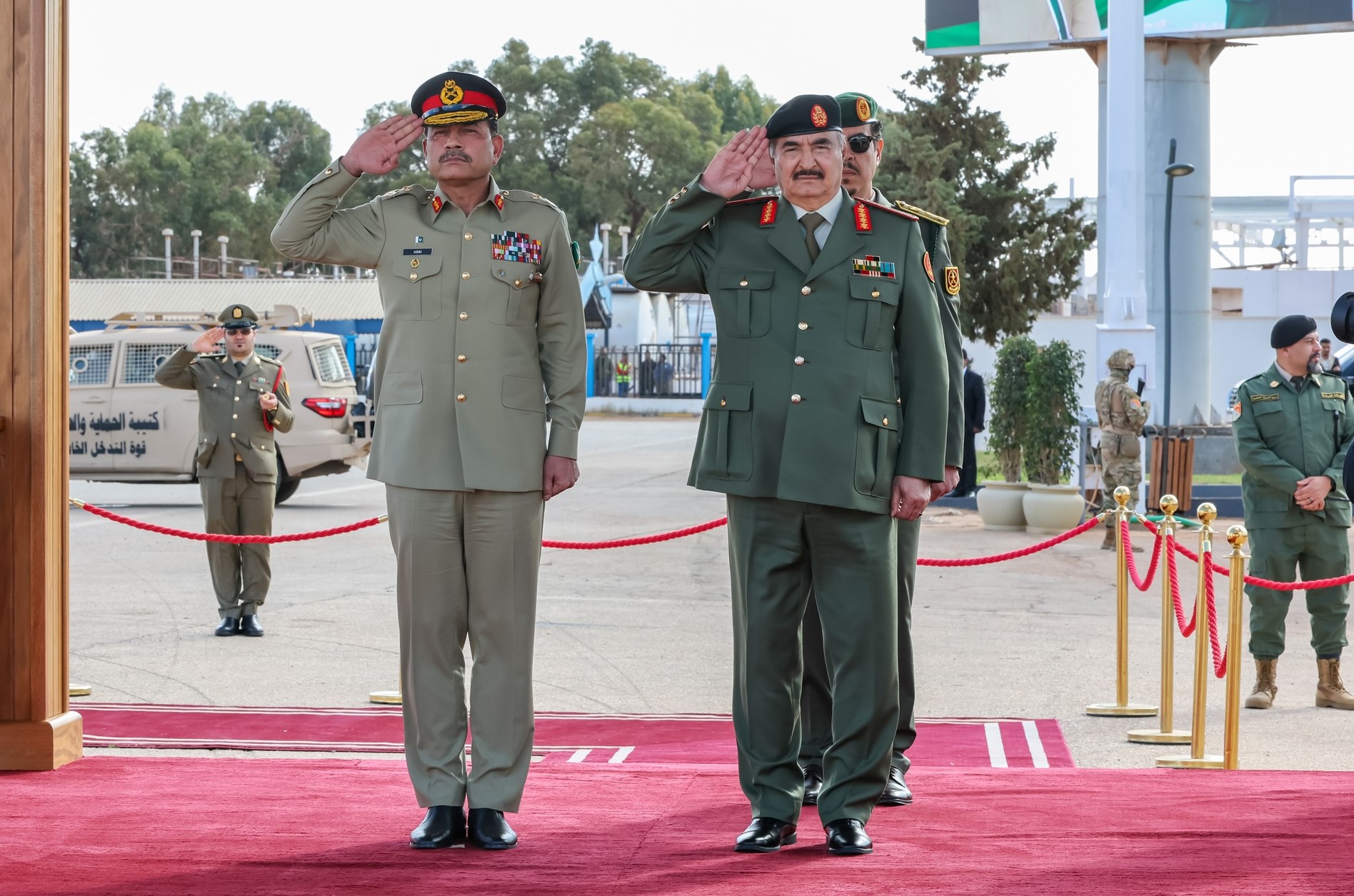
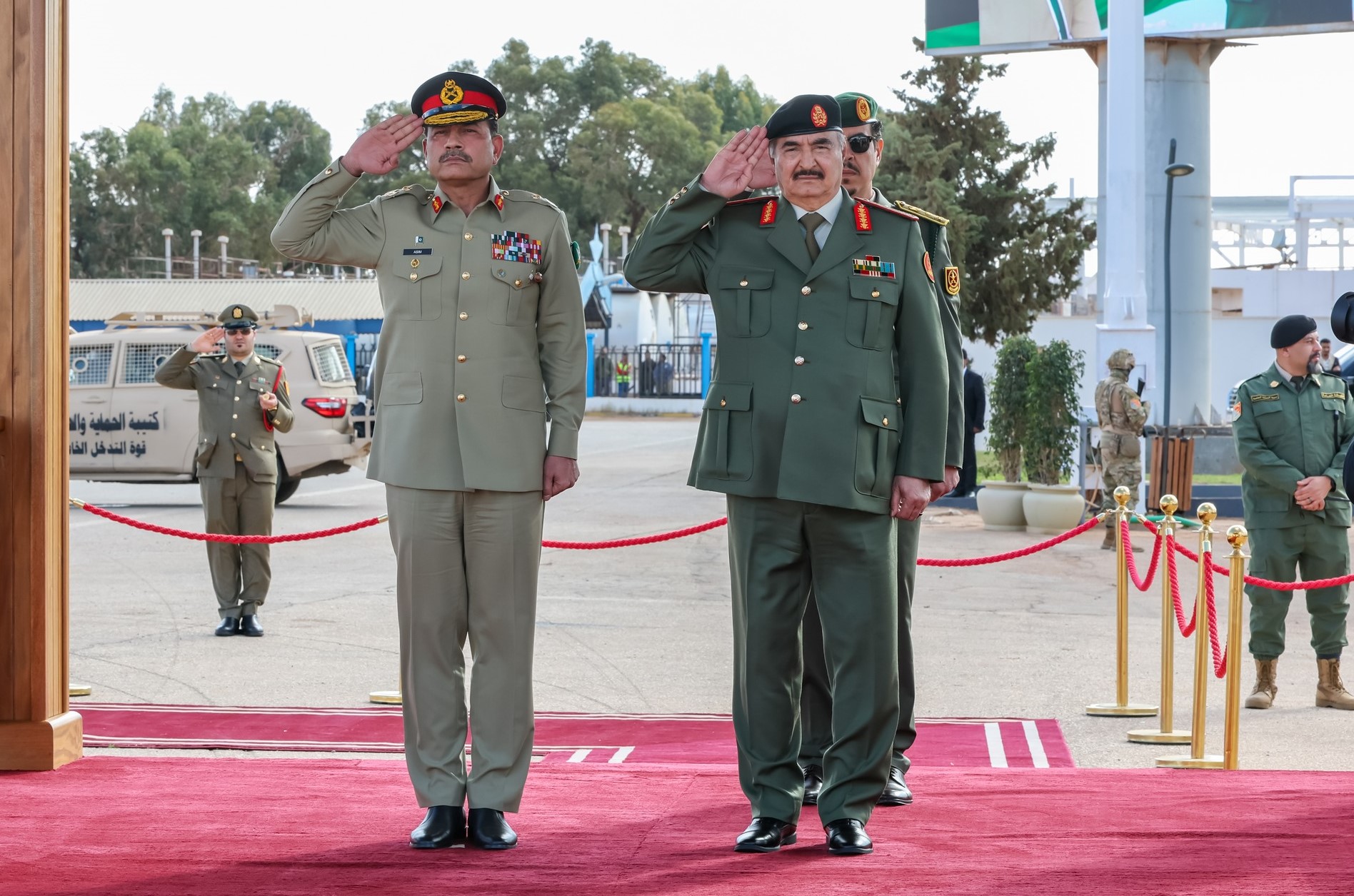
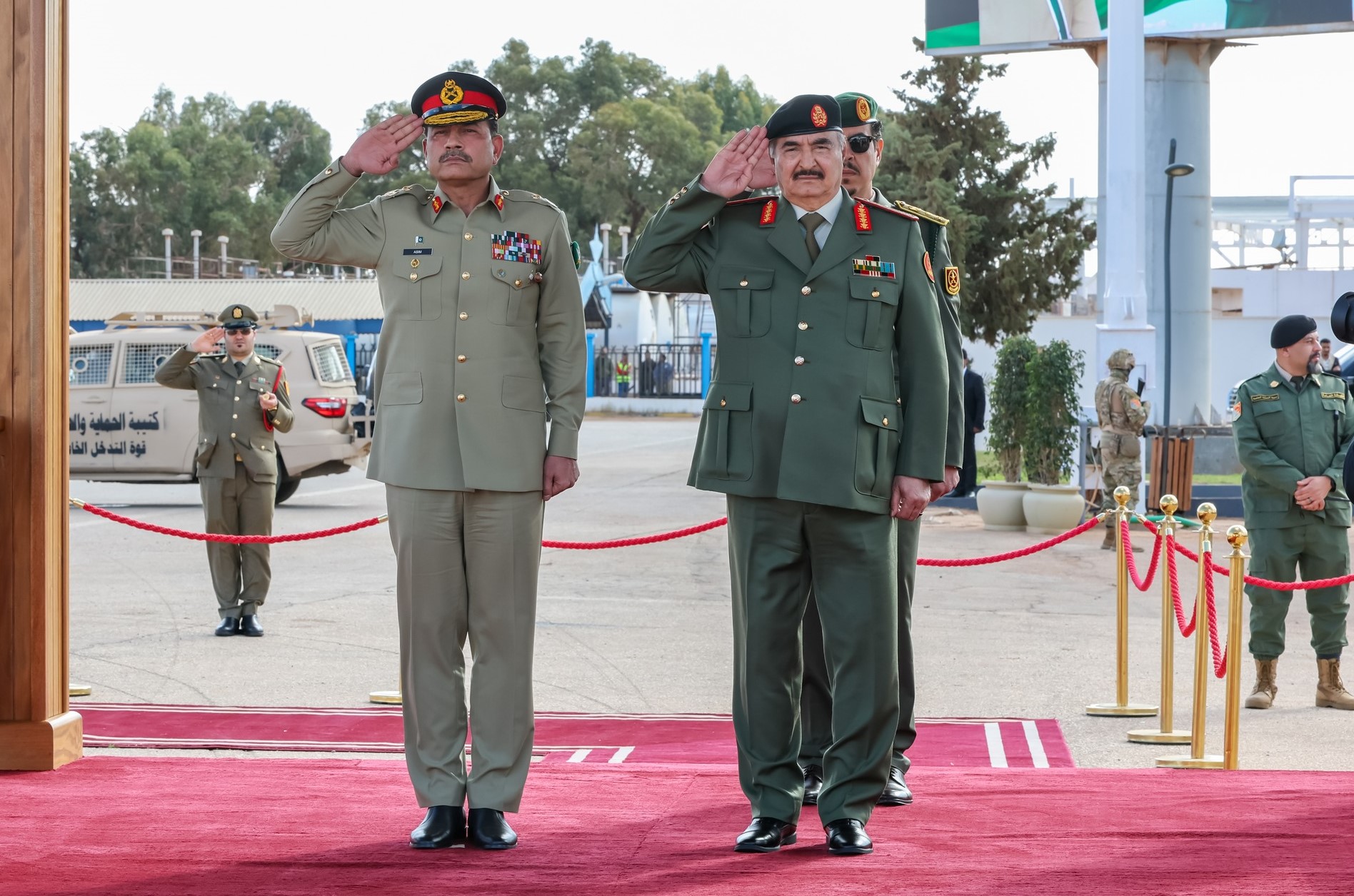
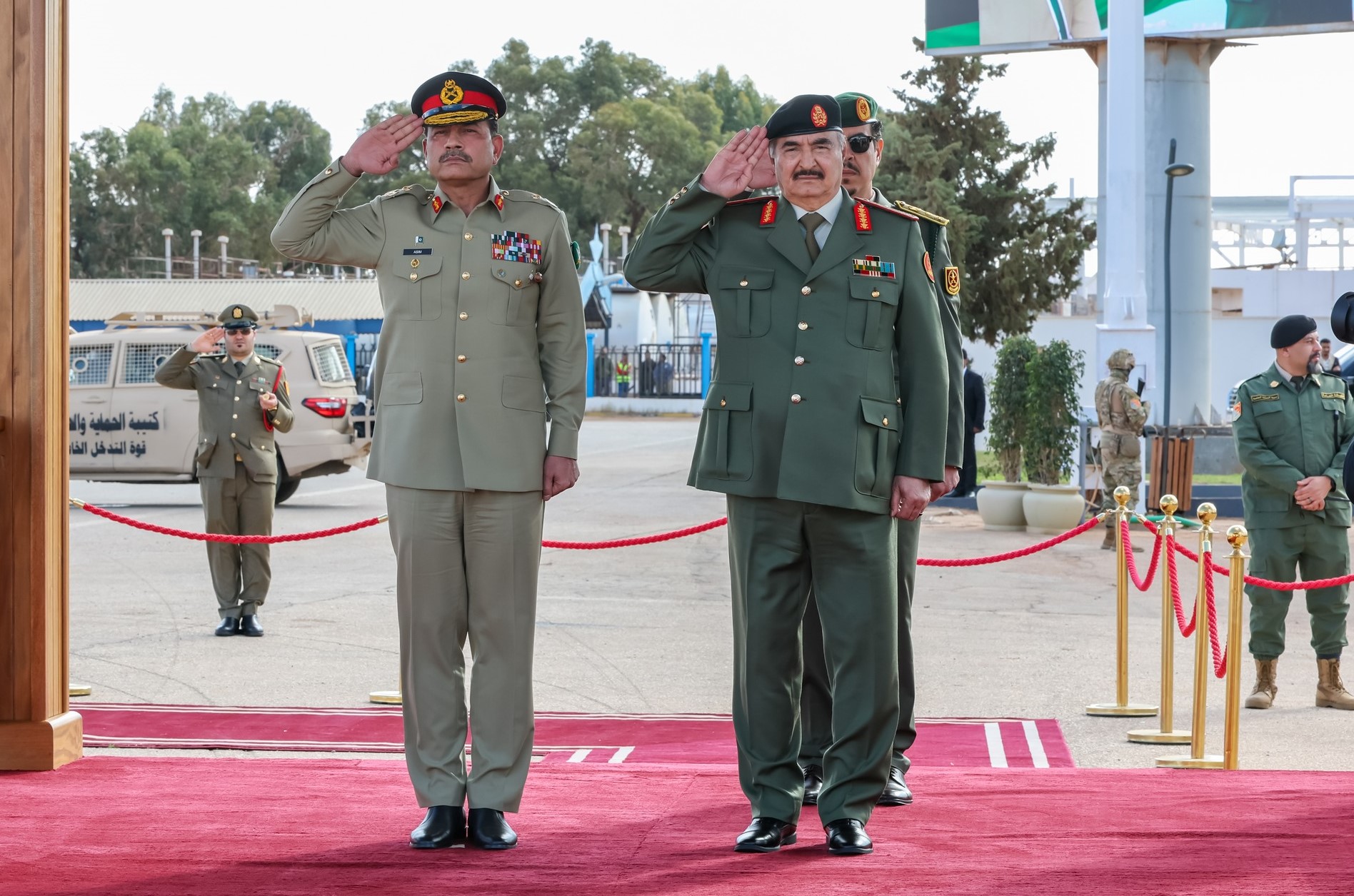
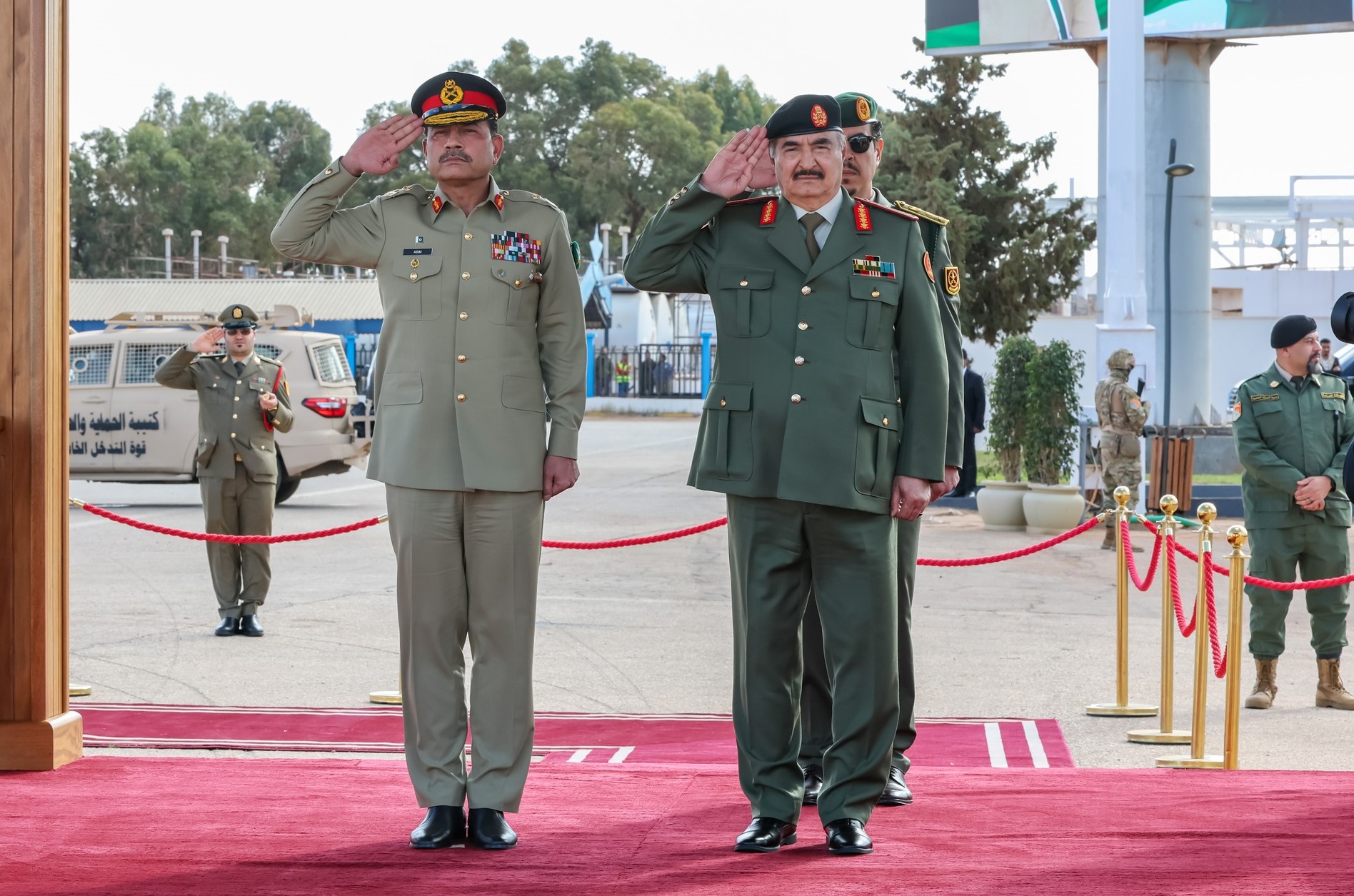
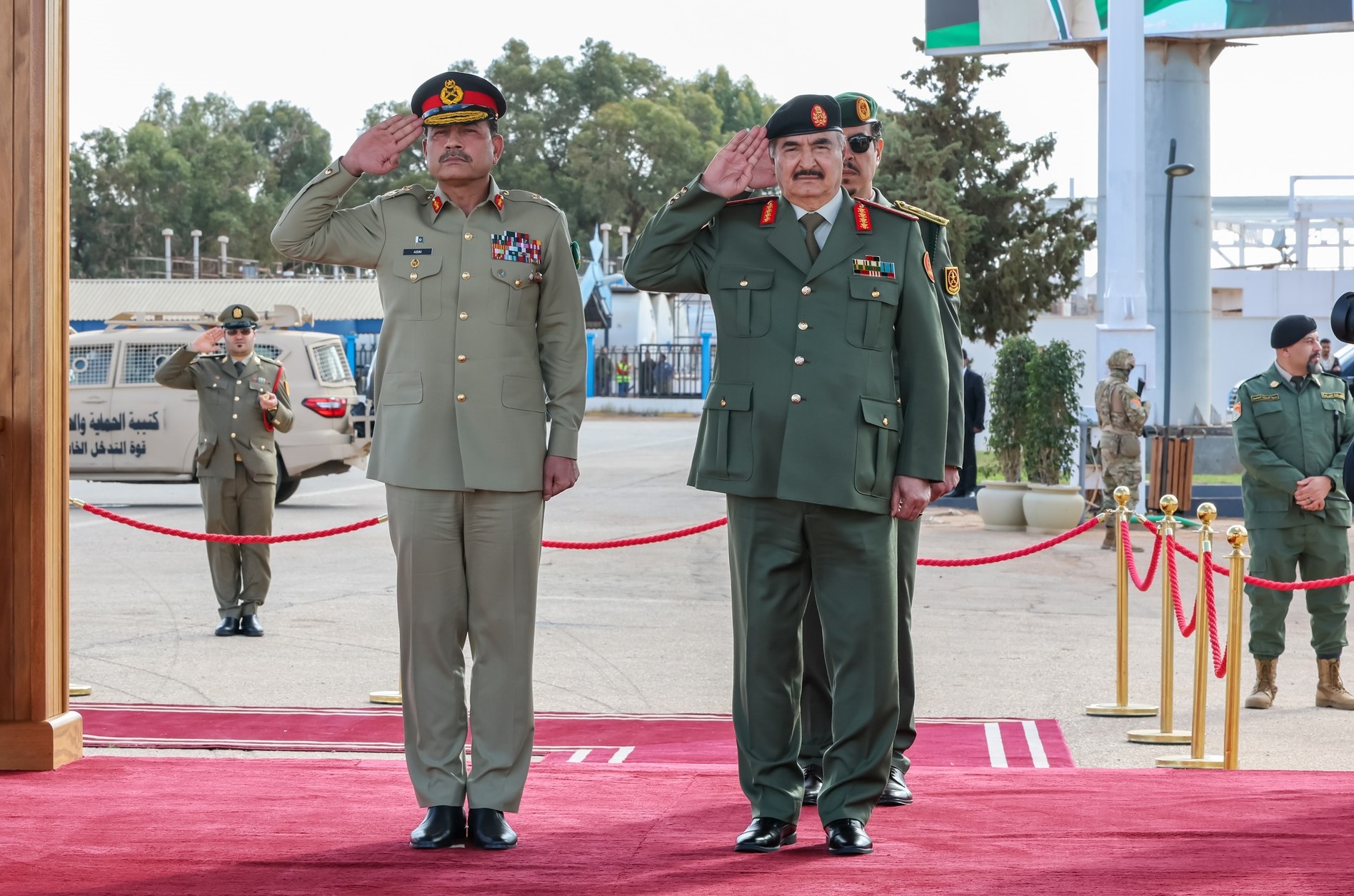
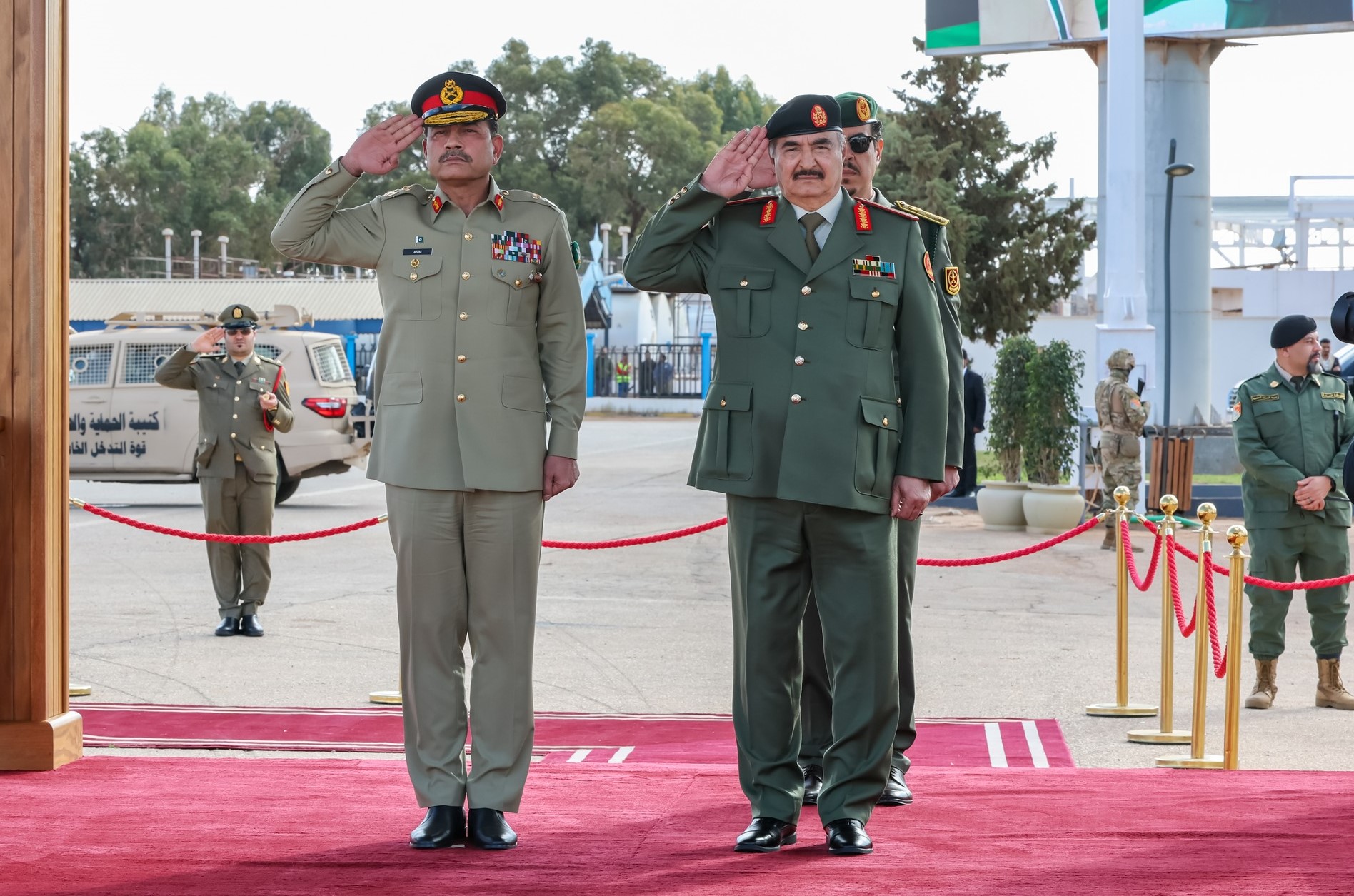
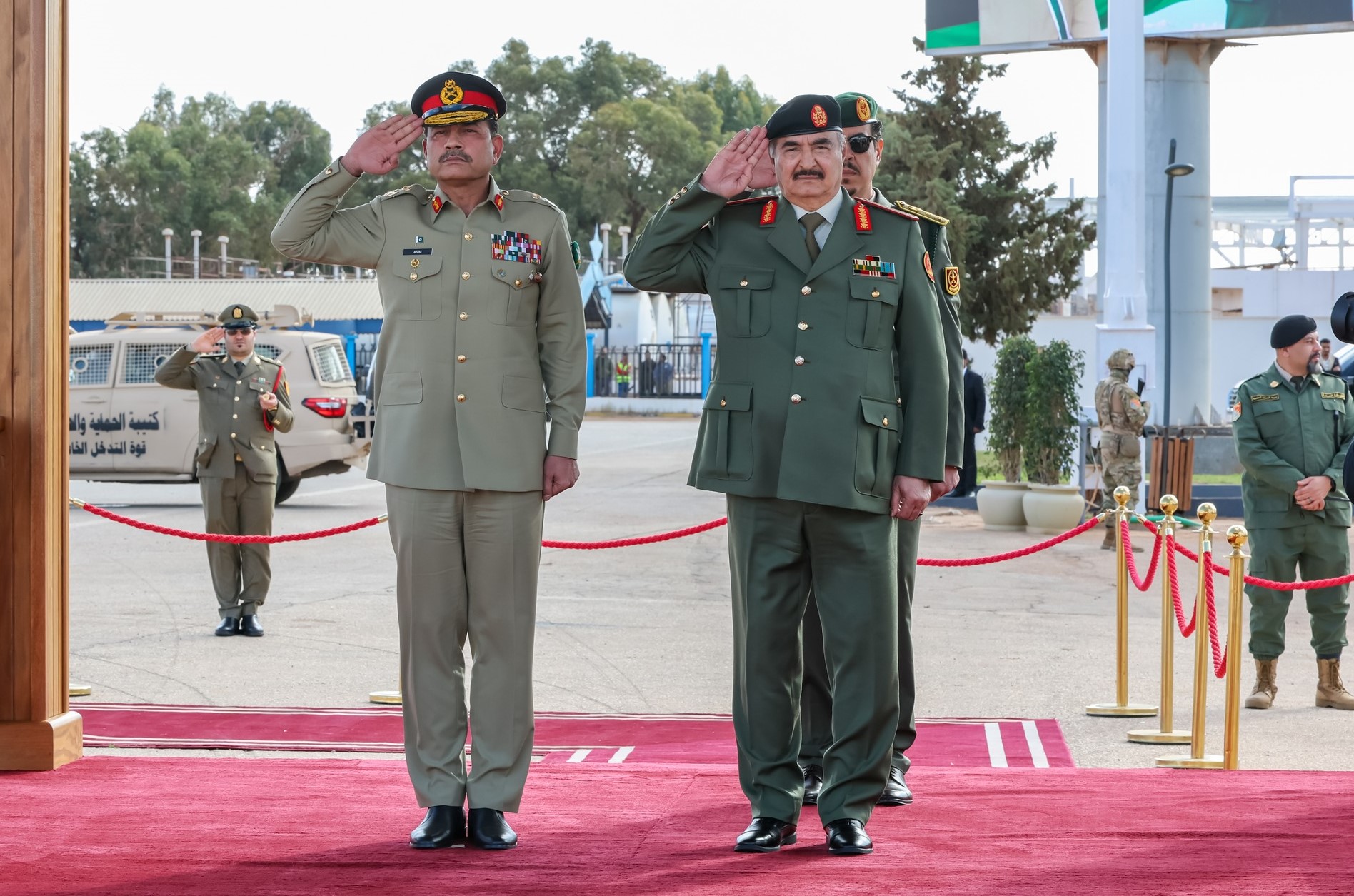
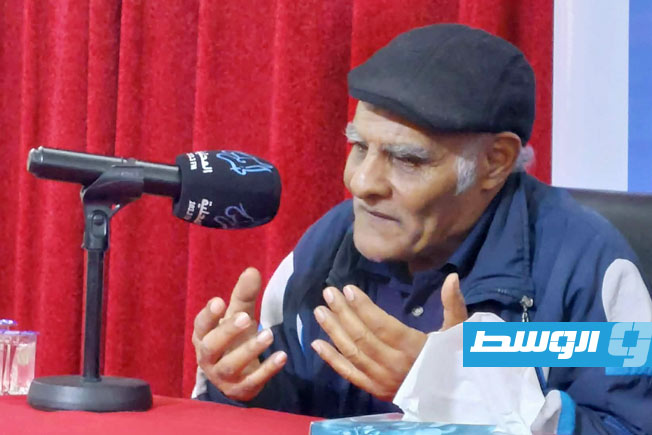
TRIPOLI, December 25, 2025 – Preparations and arrangements are currently underway to hold official and public funeral ceremonies worthy of high-ranking national military leaders and figures, at the level of the Chief of the General Staff of the Libyan Army, and his companions. He was a loyal national leader who dedicated his life to serving Libya and defending its security, stability, and sovereignty, leaving behind a distinguished legacy of sacrifice and professionalism.
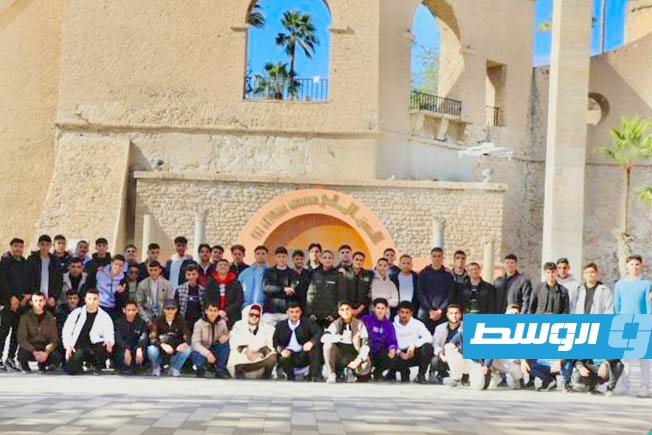
According to sources, the funeral prayer and military procession are scheduled to be held on Friday at Martyrs’ Square in central Tripoli or at Martyrs’ Square in the city of Misrata, following the completion of medical reports and procedures for transferring the bodies from Turkey. The event is expected to be attended by a large local, international, and public presence, with participation from military leadership, army officers from all Libyan regions, students of military colleges, and members of the General Staff of the Libyan Army.
According to preliminary arrangements, a collective funeral prayer and procession will be held for the Chief of the General Staff of the Libyan Army, the Chief of Staff of the Ground Forces, the Director of the Military Manufacturing Authority, and the Advisor to the Chief of the General Staff, in Tripoli or Misrata. The burial ceremonies for the fallen heroes will then take place each in their own city or region.
The sources clarified that the fallen will be laid to rest in their respective areas in civil and community ceremonies: in Misrata, and in the Qasr bin Ghashir area south of Tripoli, while the Brigadier General will be laid to rest in his hometown of Gharyan.
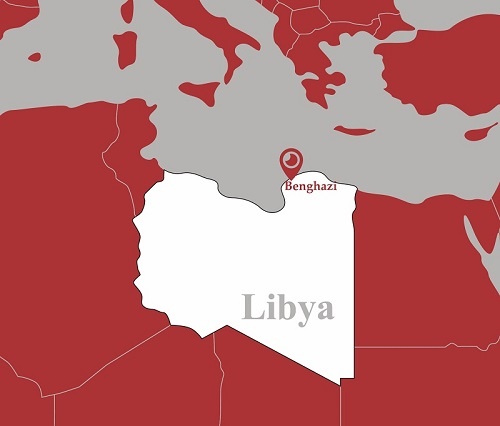
Libya
Libya is a North African country with a rich history rooted in ancient civilizations like the Phoenicians and Romans, followed by centuries of Arab and Ottoman influence. In the modern era, it was an Italian colony before gaining independence in 1951, later becoming known for Muammar Gaddafi’s lengthy rule from 1969 until the 2011 revolution. Its cultural sites include the well-preserved Roman ruins of Leptis Magna, a UNESCO World Heritage site.
Tripoli
Tripoli is the capital and largest city of Libya, located on the country’s Mediterranean coast. Historically, it was founded by the Phoenicians in the 7th century BC and has since been ruled by the Romans, Arabs, Ottomans, and Italians, serving as a major port and cultural crossroads. Its historic core, the medina of Old Tripoli, contains well-preserved examples of its diverse architectural heritage.
Misrata
Misrata is a major port city on the Mediterranean coast of northwestern Libya, historically known as a key trading and commercial center since at least the 7th century. It gained significant modern prominence for its pivotal and prolonged resistance against government forces during the 2011 Libyan Civil War, which heavily damaged the city but solidified its reputation for resilience. Today, it remains a vital economic hub and one of Libya’s most populous cities.
Turkey
Turkey is a transcontinental nation bridging Europe and Asia, with a rich history as the heart of the Byzantine and Ottoman Empires. Its cultural sites, such as the Hagia Sophia in Istanbul and the ancient ruins of Ephesus, reflect this layered past spanning millennia. Modern Turkey was founded as a republic in 1923 following the collapse of the Ottoman Empire.
Martyrs’ Square
Martyrs’ Square is a major public plaza in downtown Beirut, Lebanon, historically known as a focal point for political and social gatherings. Its name commemorates Lebanese nationalists executed there by Ottoman authorities during World War I, and it has remained a symbolic center for protests and public events throughout the country’s modern history.
Qasr bin Ghashir
Qasr bin Ghashir is a town in Libya, located approximately 20 kilometers south of Tripoli. It is historically known for being the site of a major Second World War airfield used by the Allied forces during the North African Campaign.
Gharyan
Gharyan is a historic town in northwestern Libya known for its traditional underground cave dwellings, which were carved into the mountainsides to provide natural insulation. These unique structures have been used for centuries, with their history deeply tied to the indigenous Berber communities of the region. The town serves as a significant cultural site showcasing adaptive architecture in a desert environment.