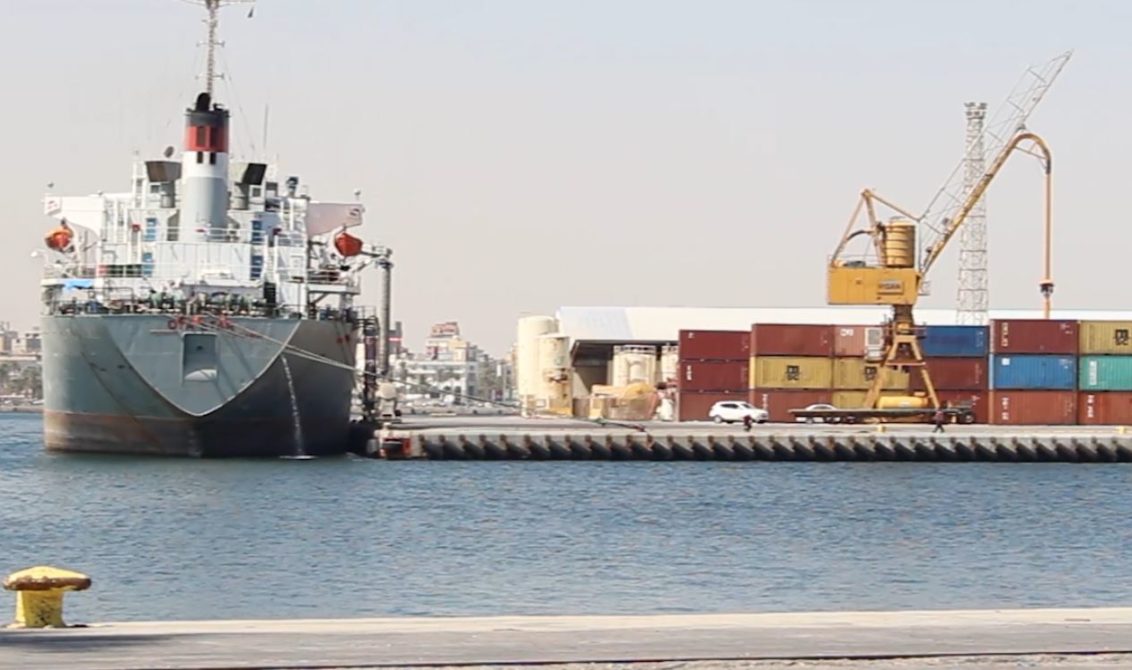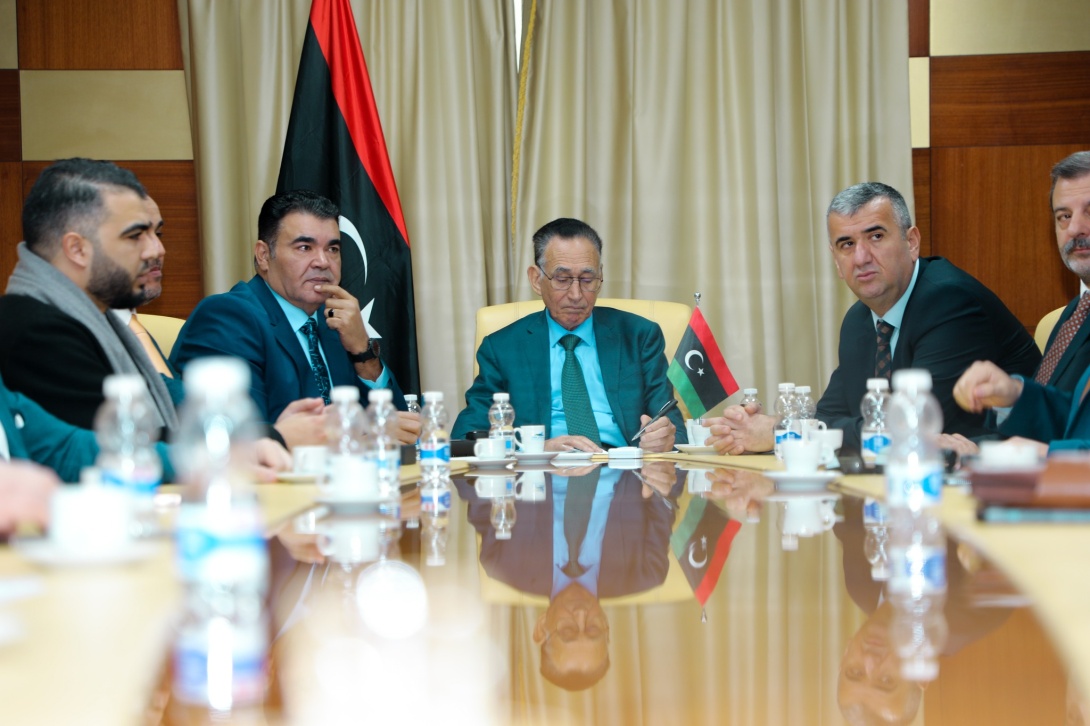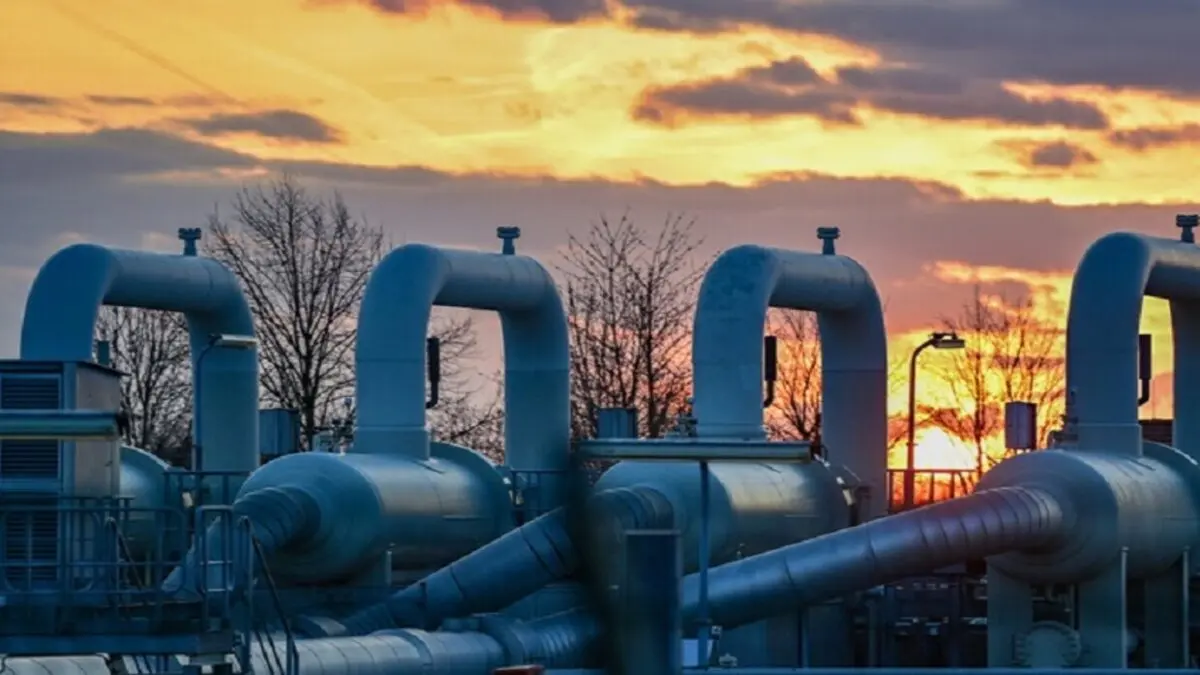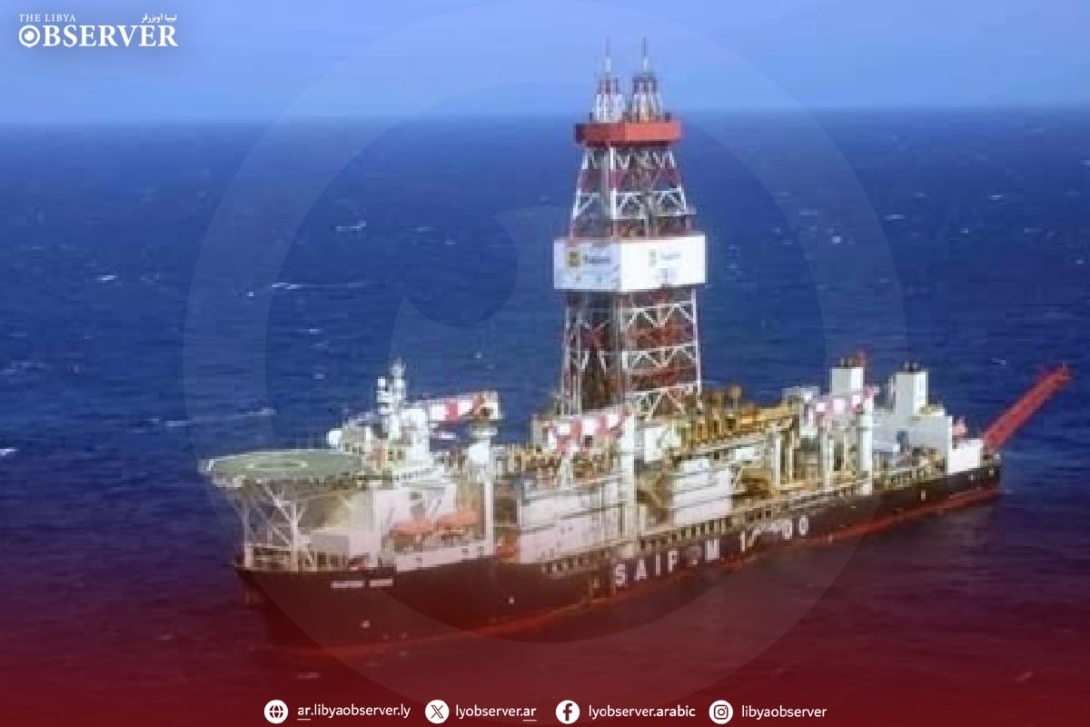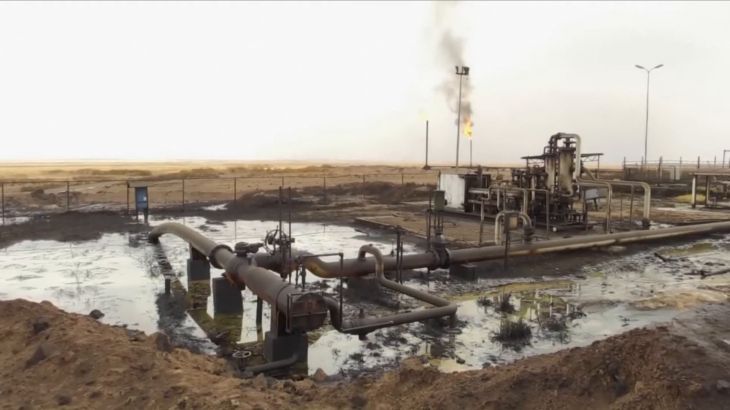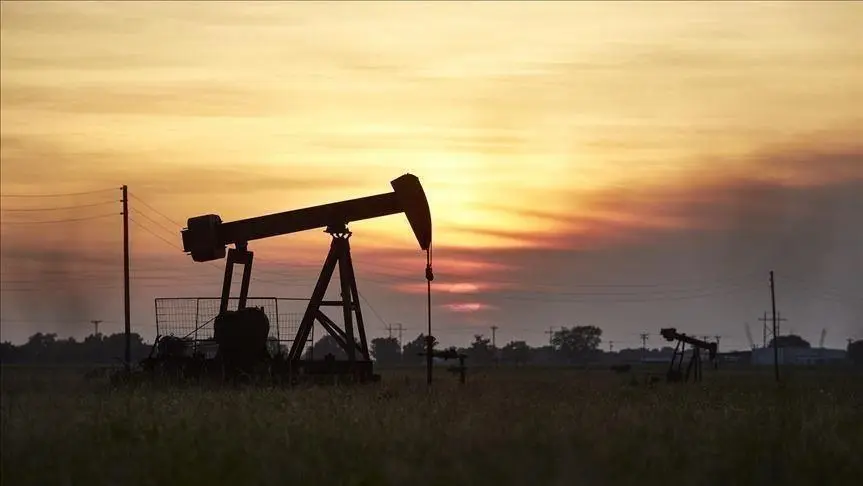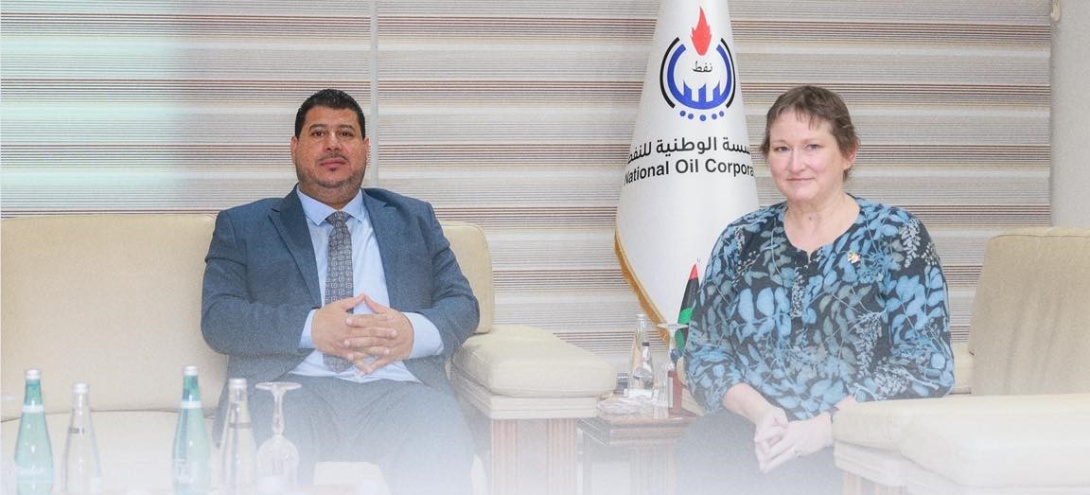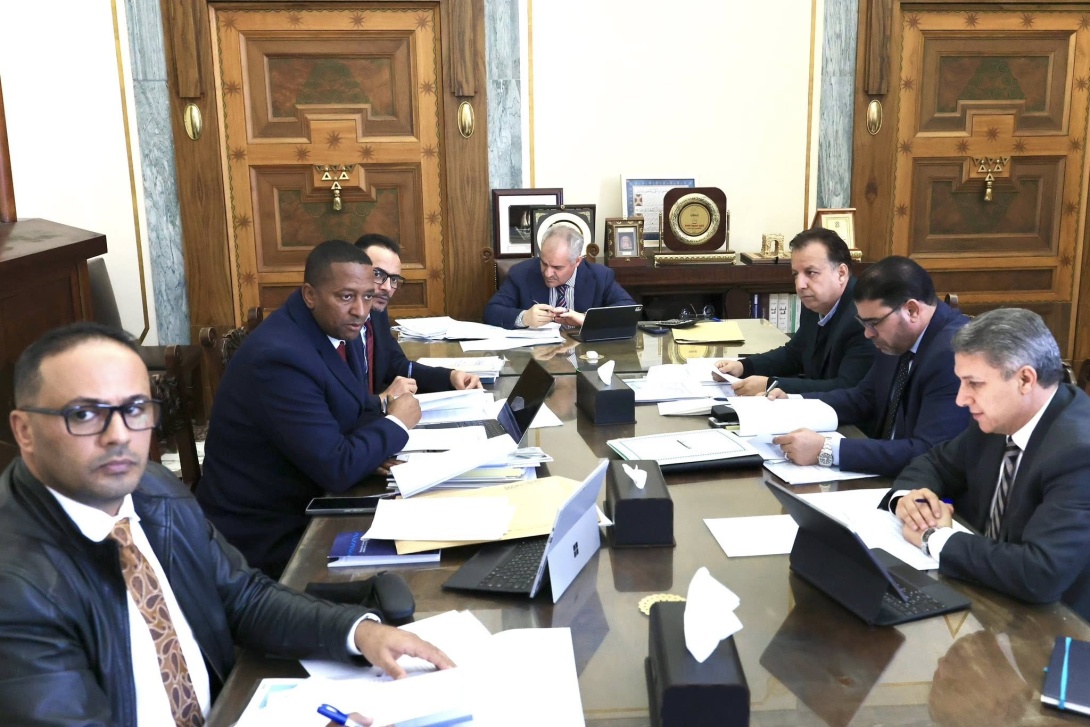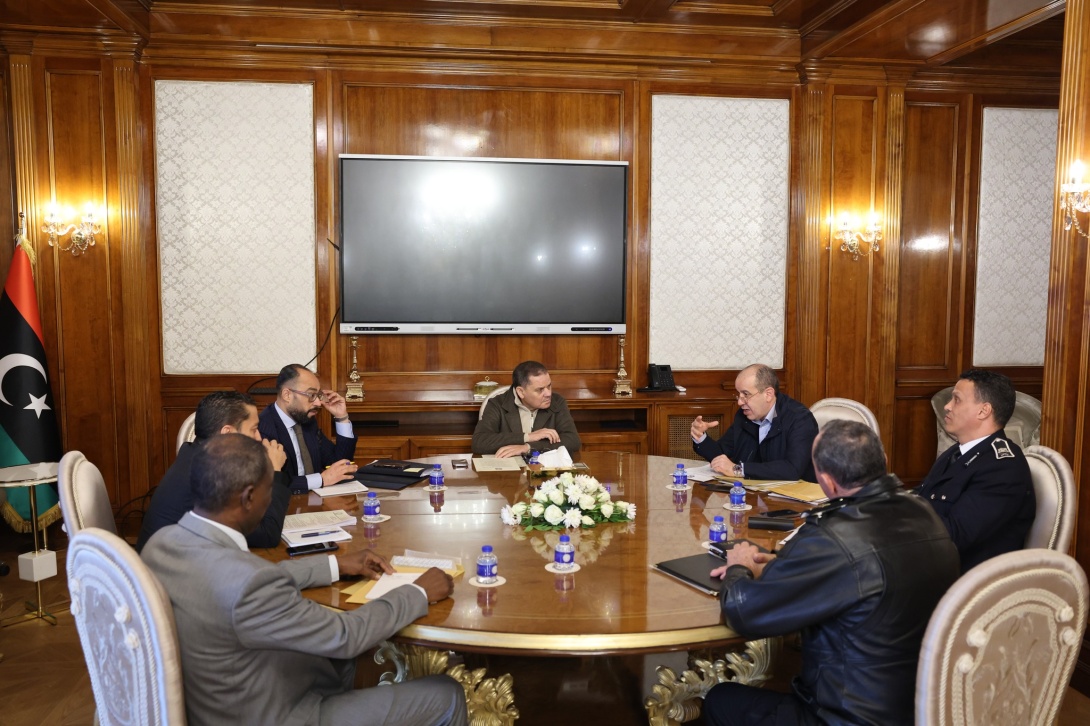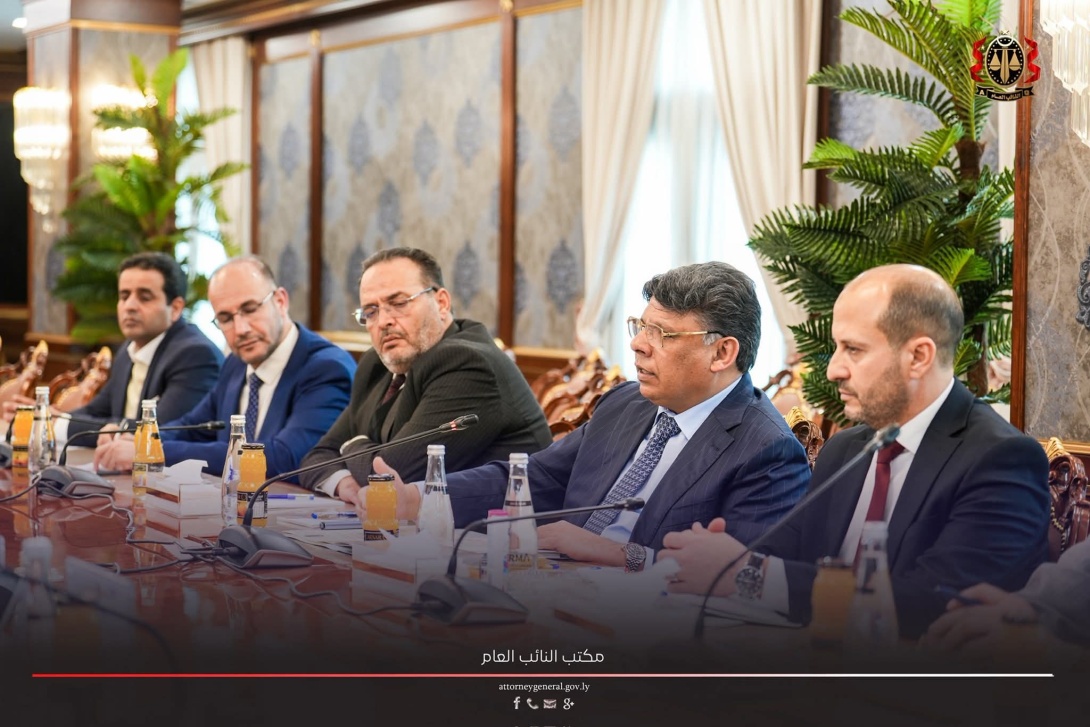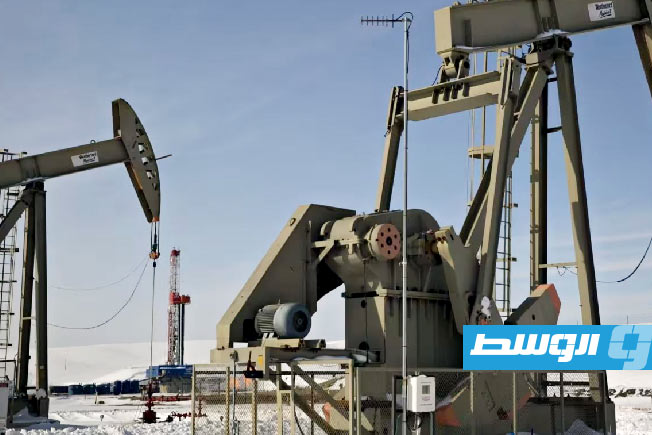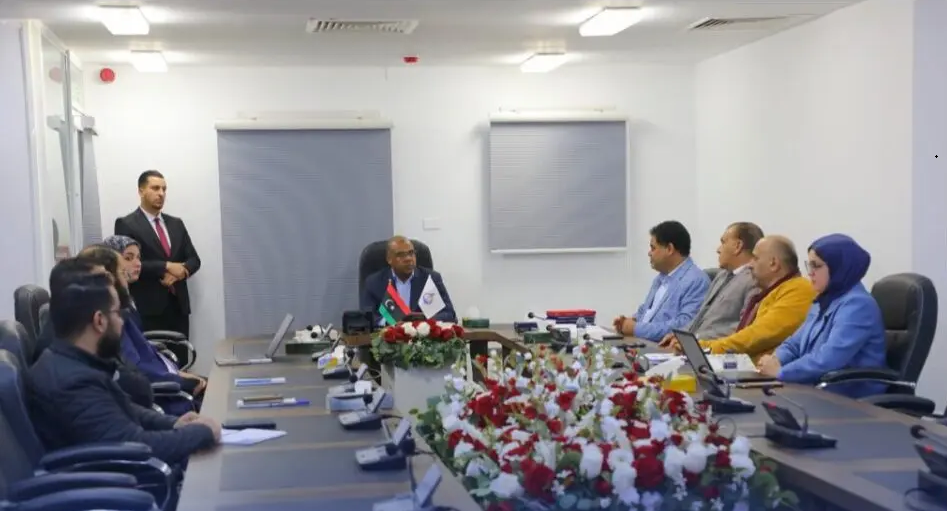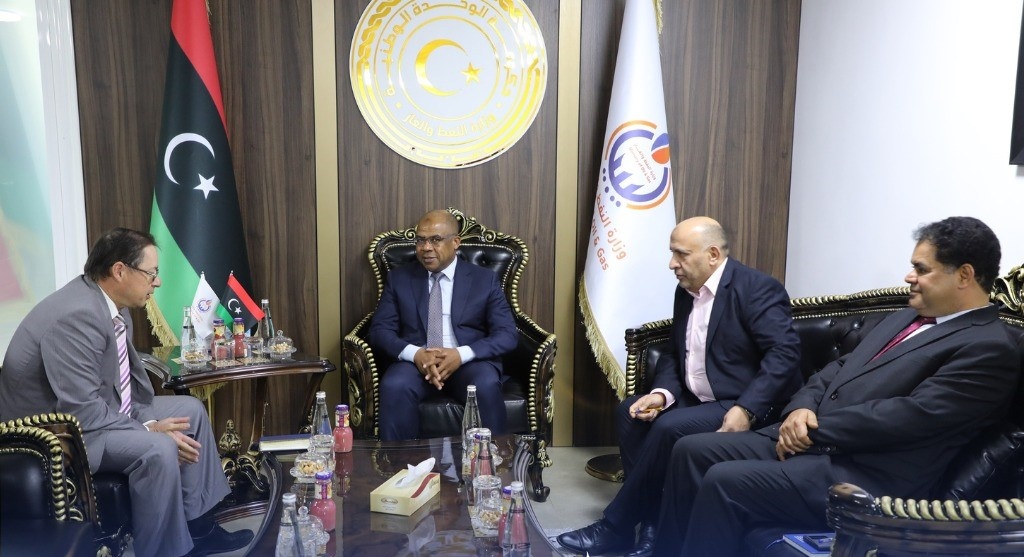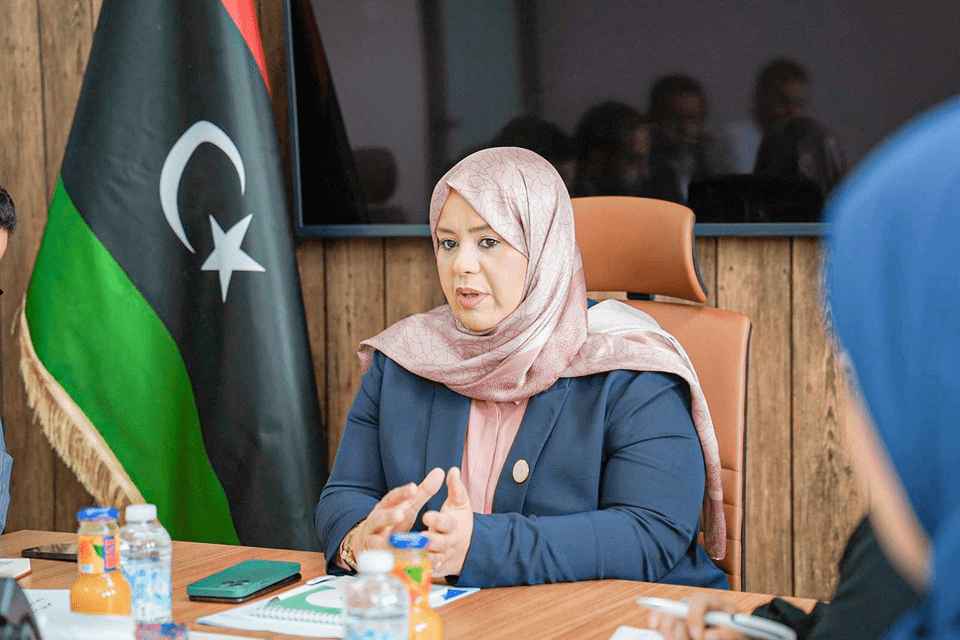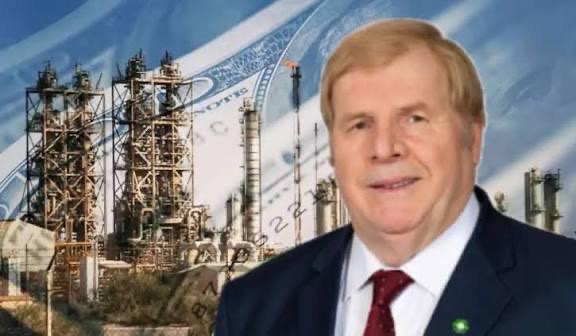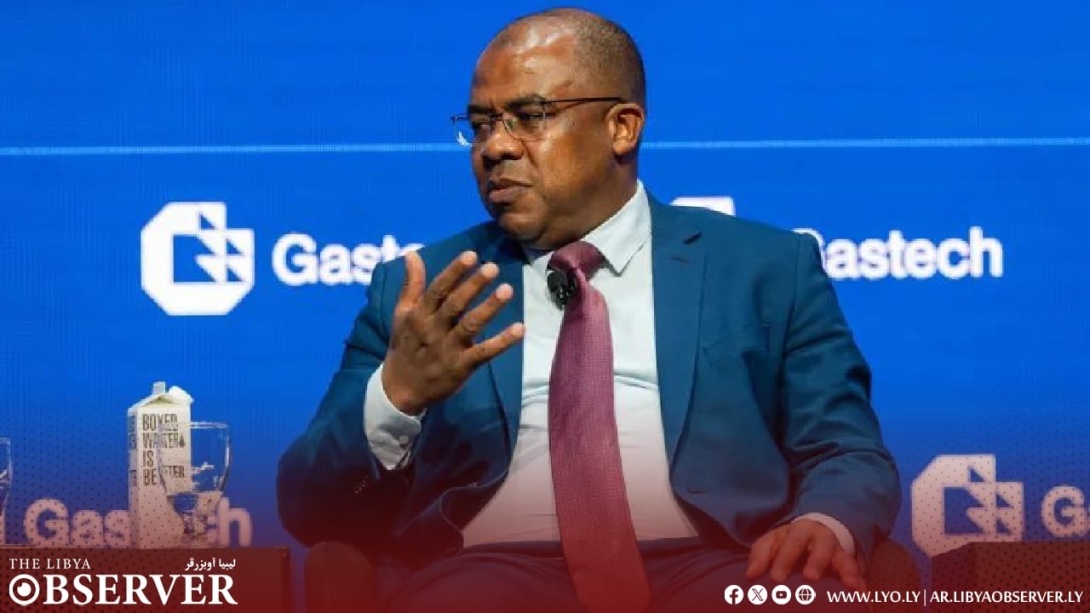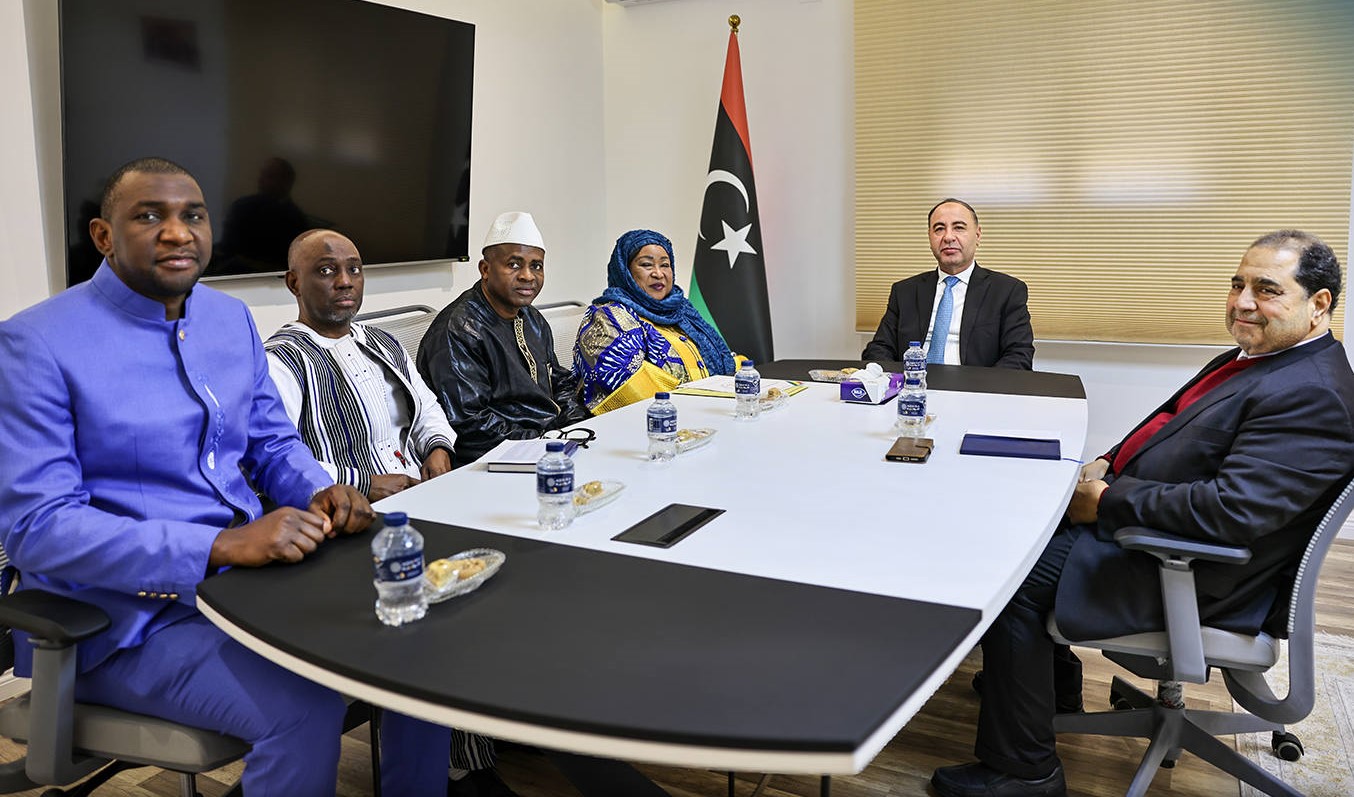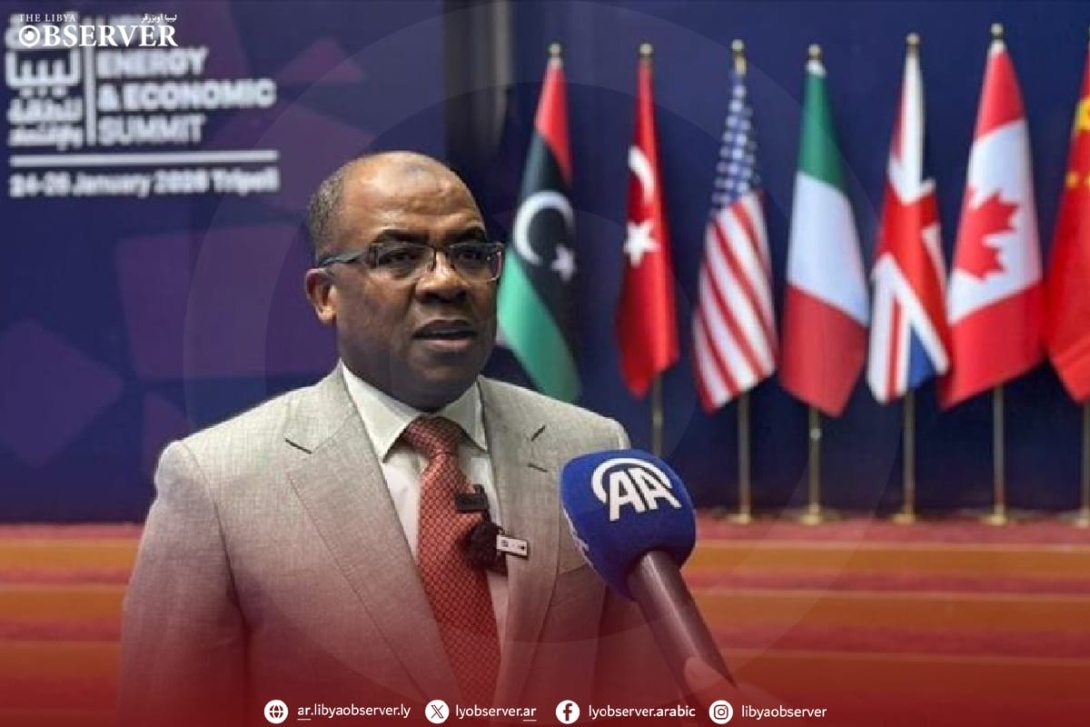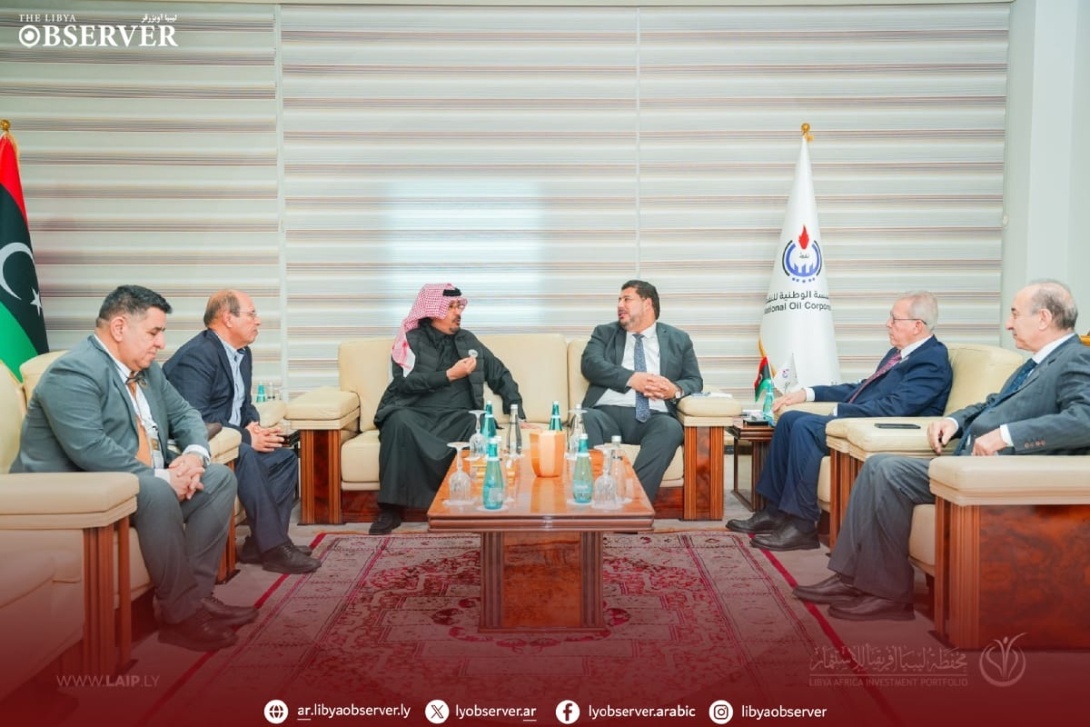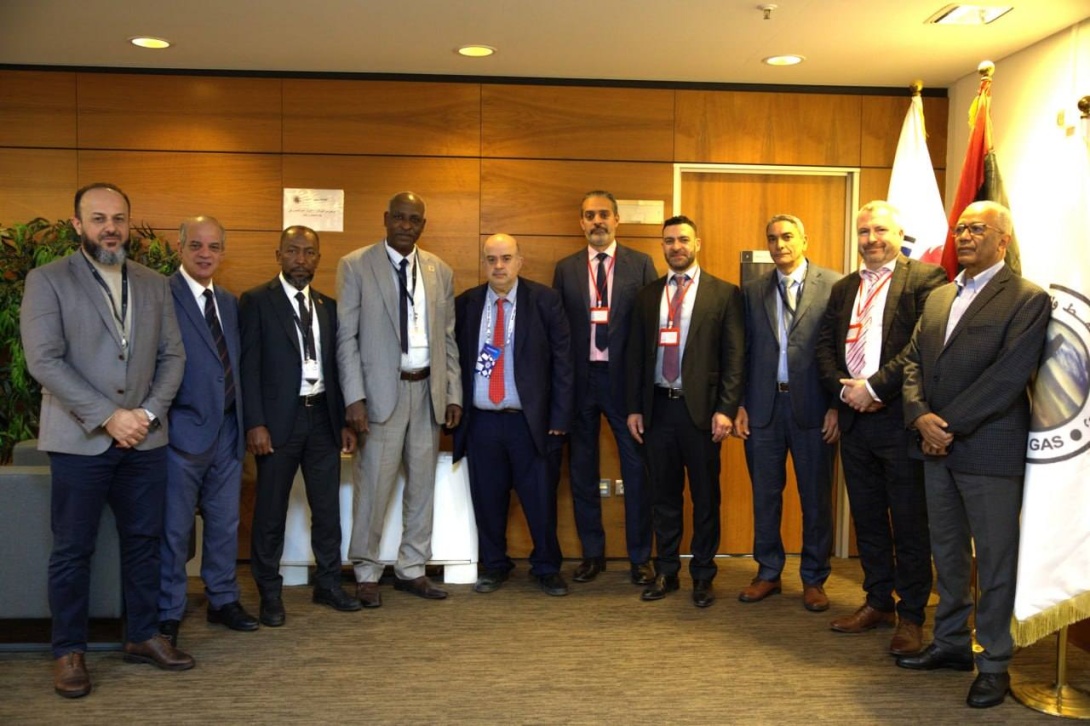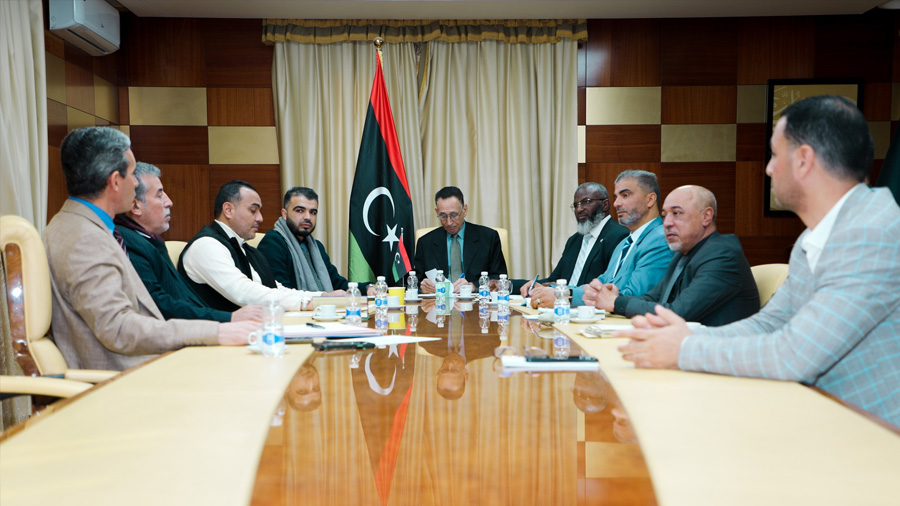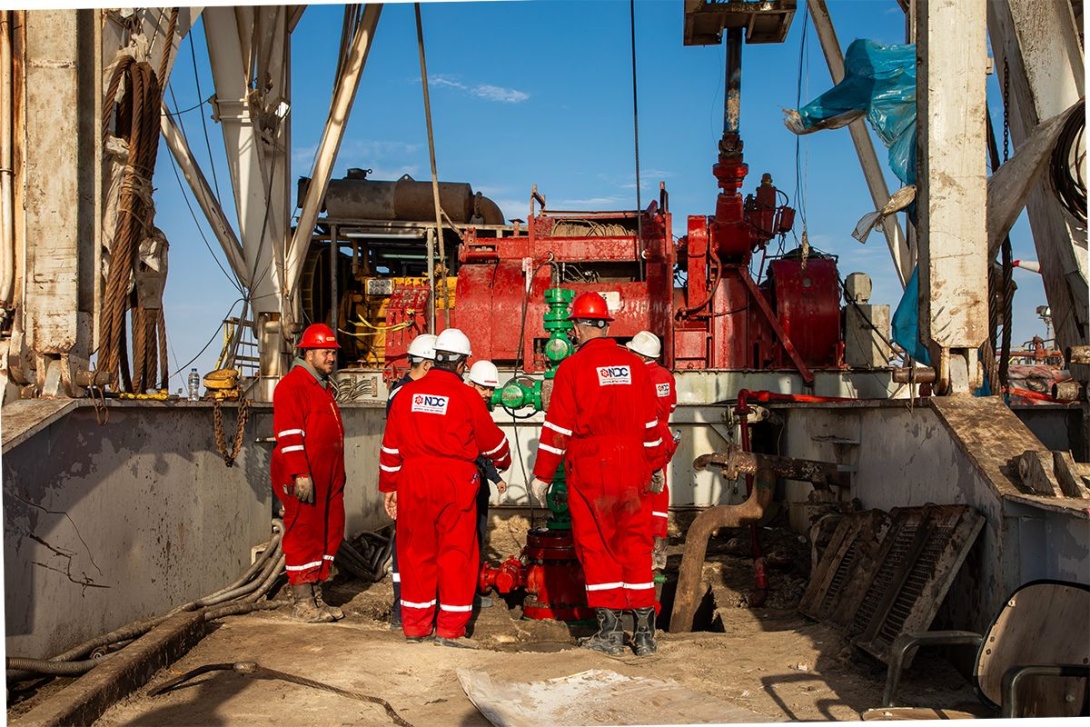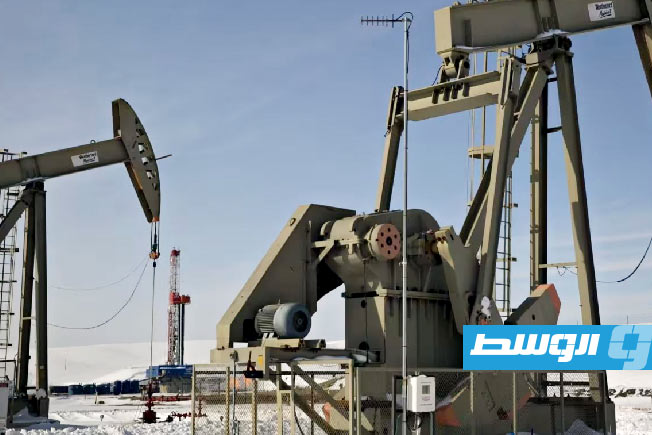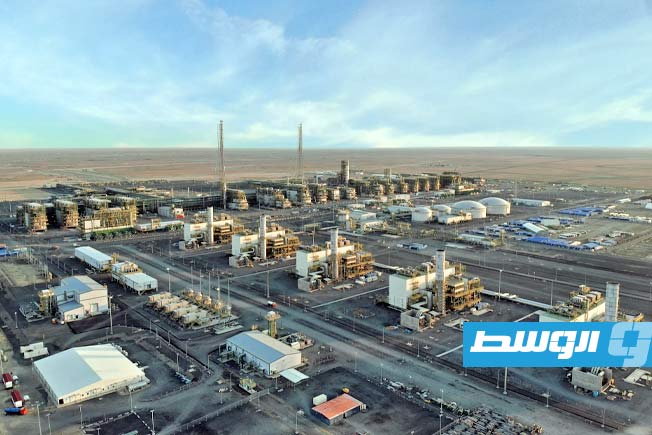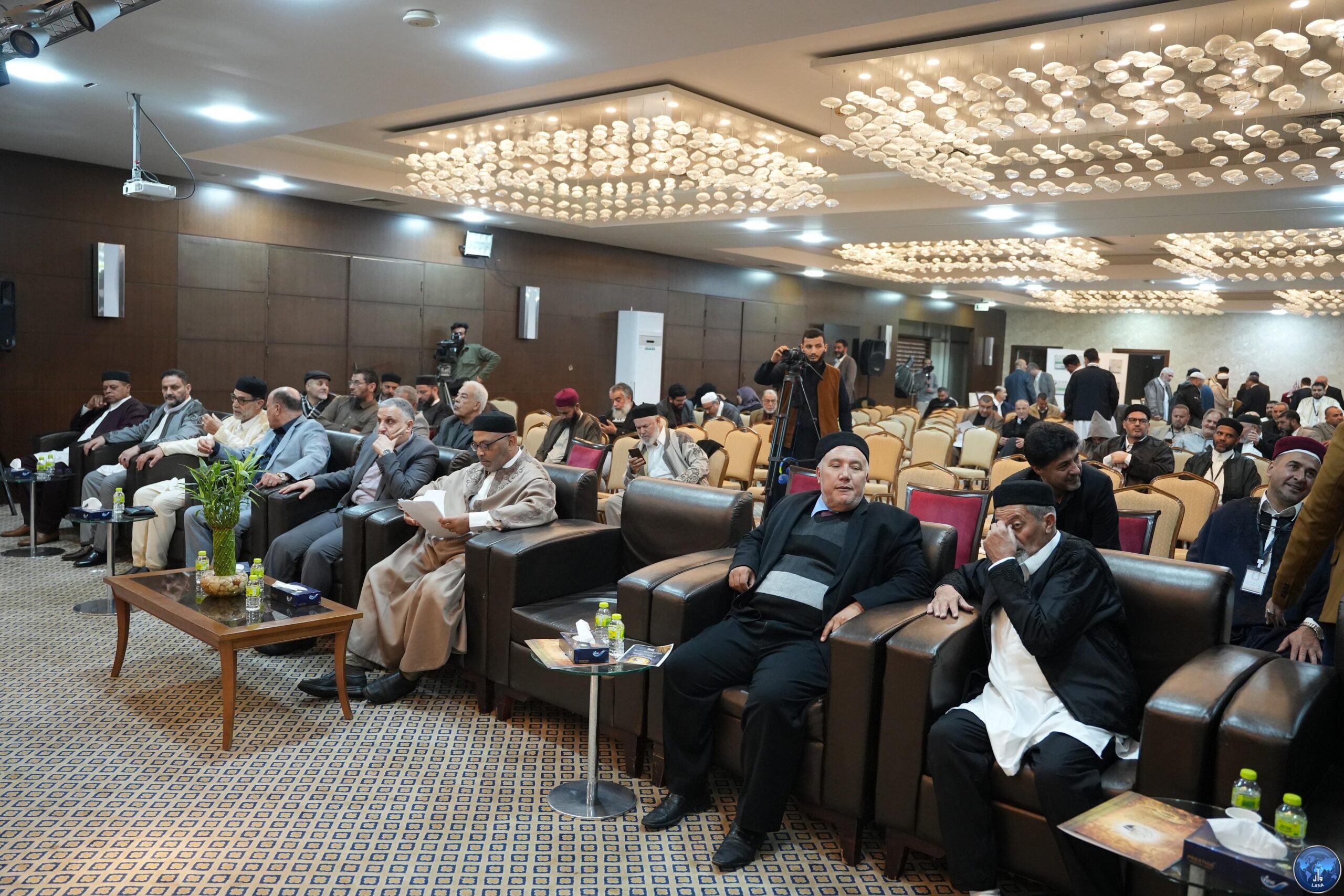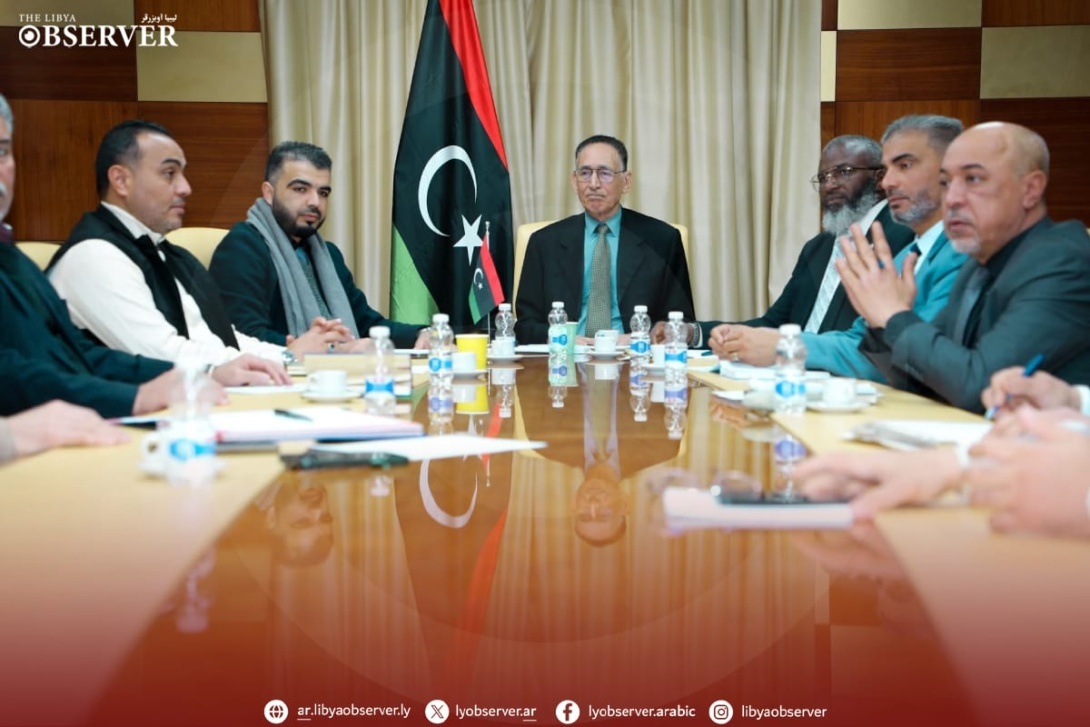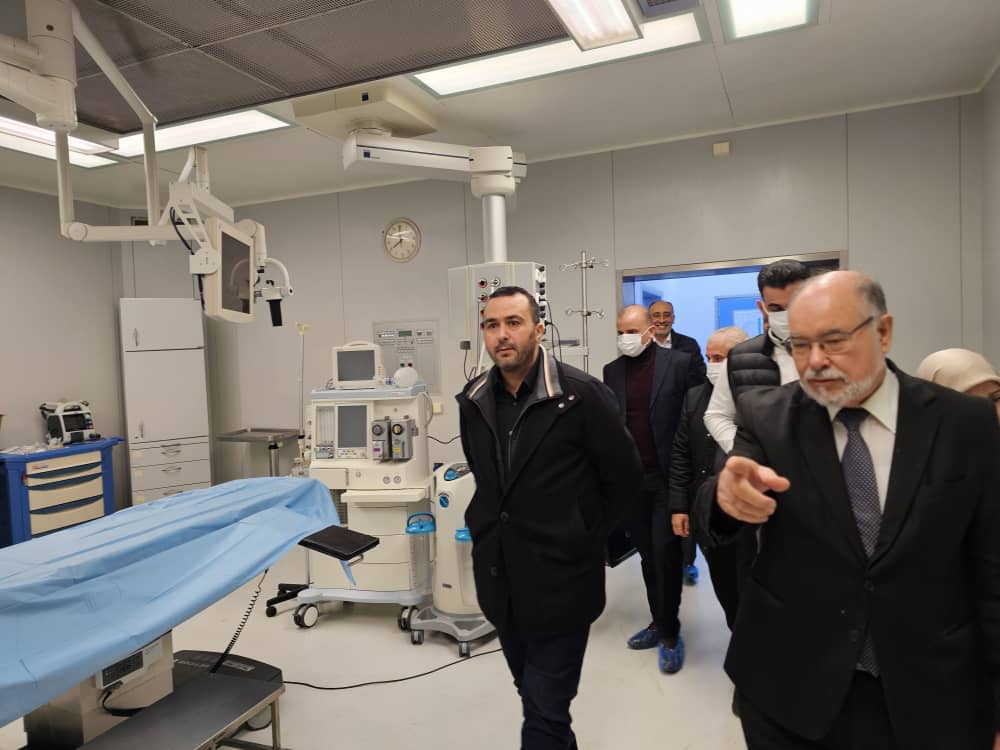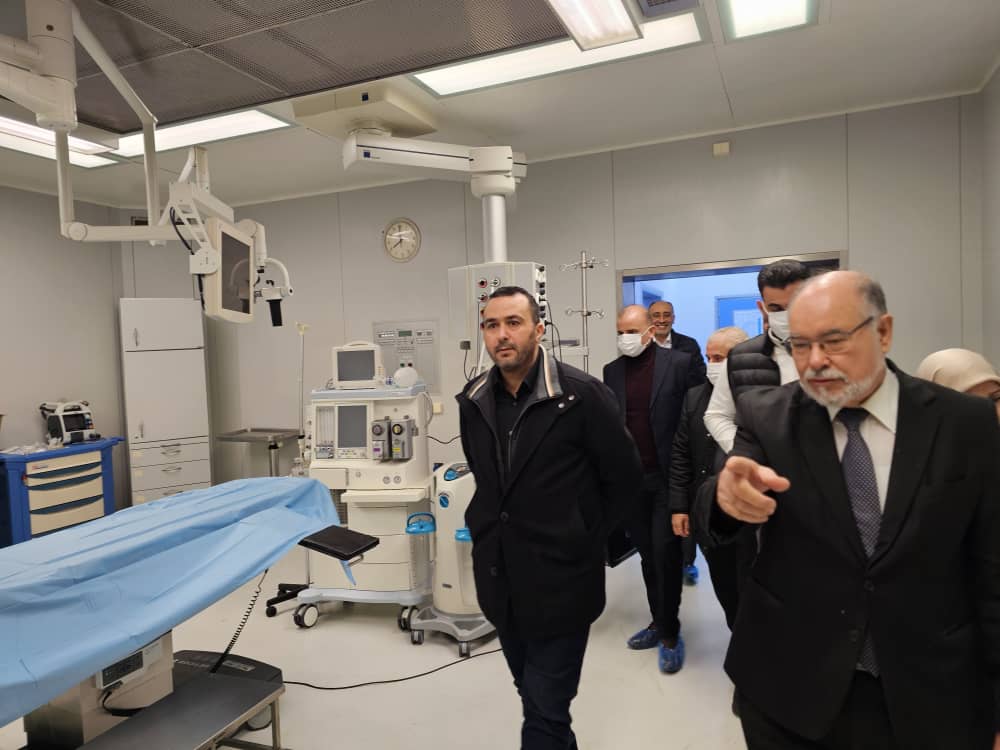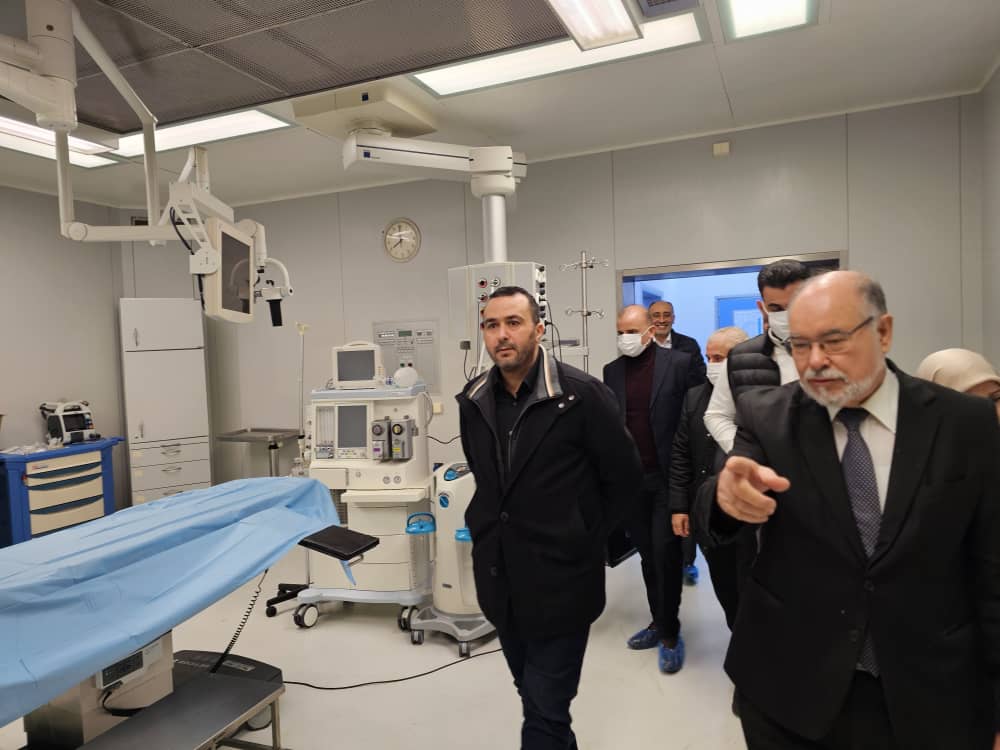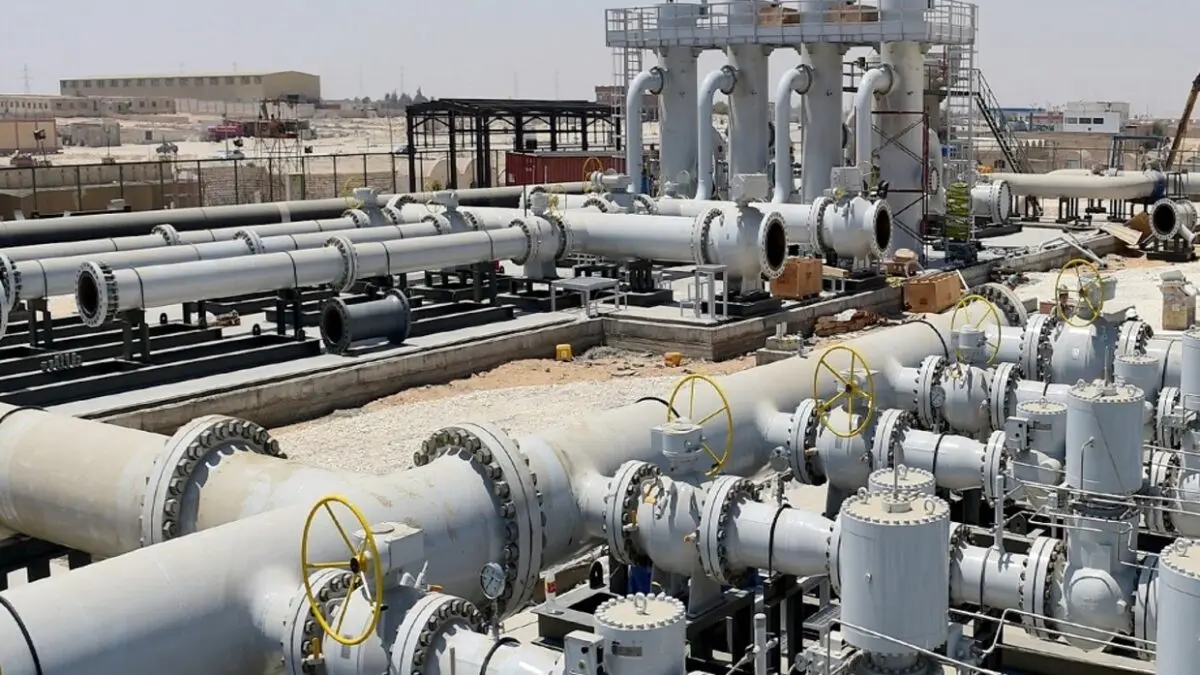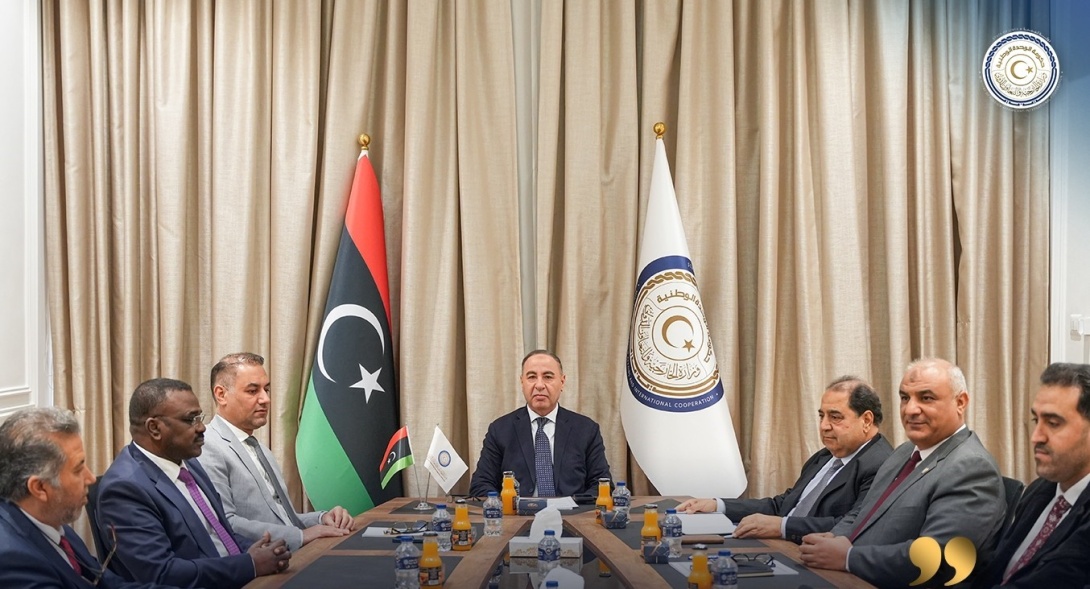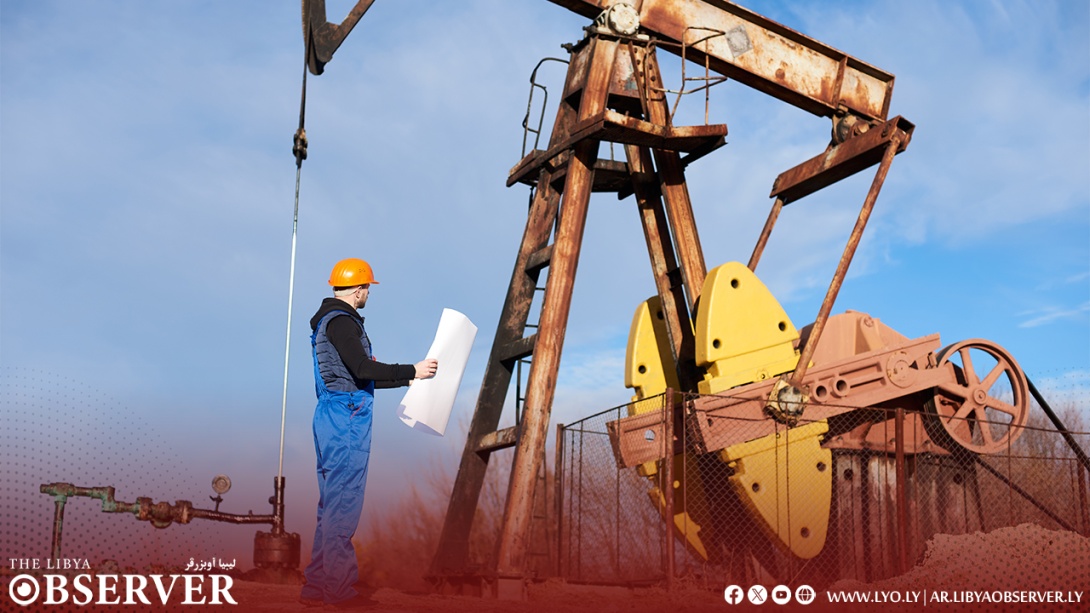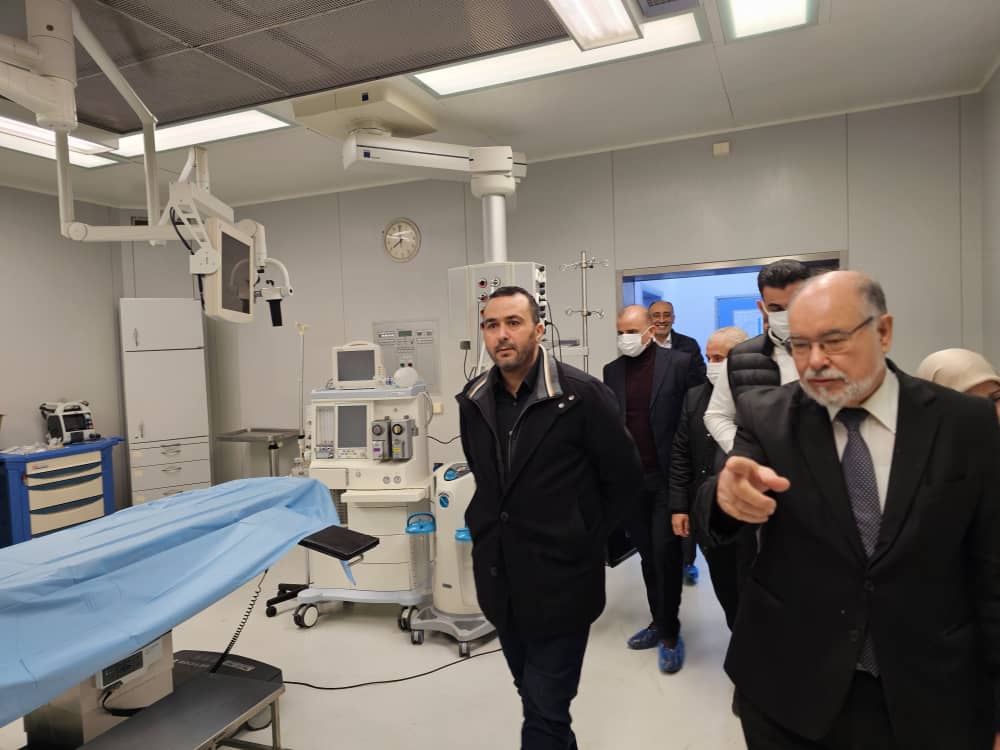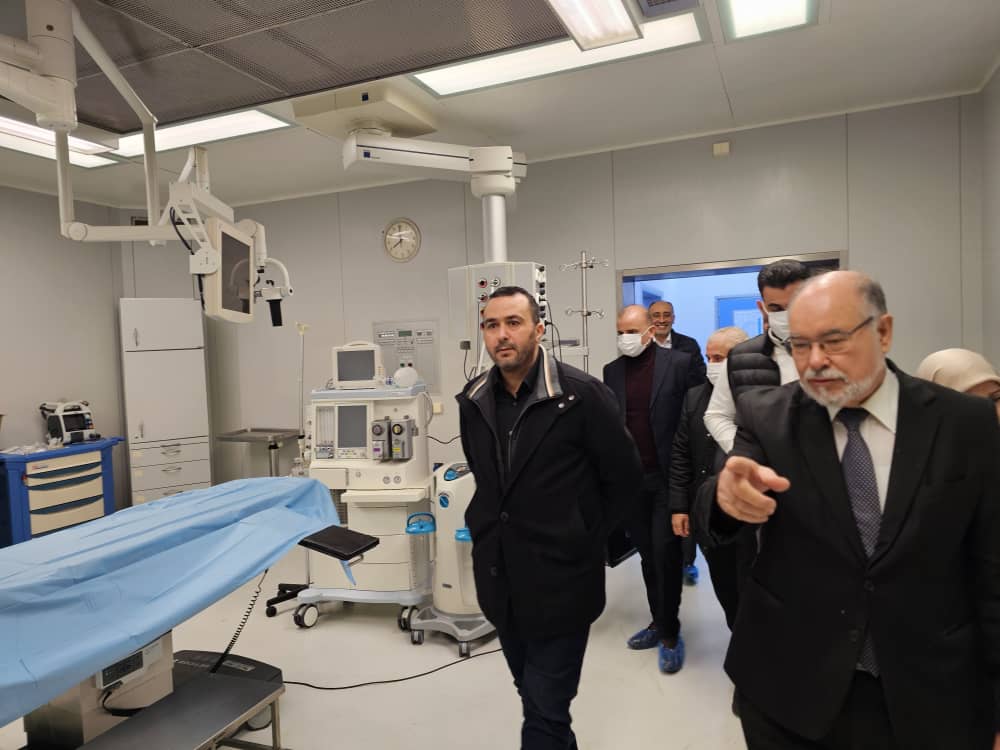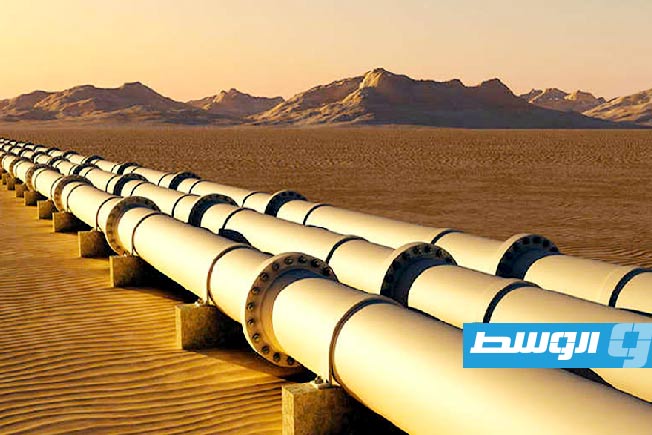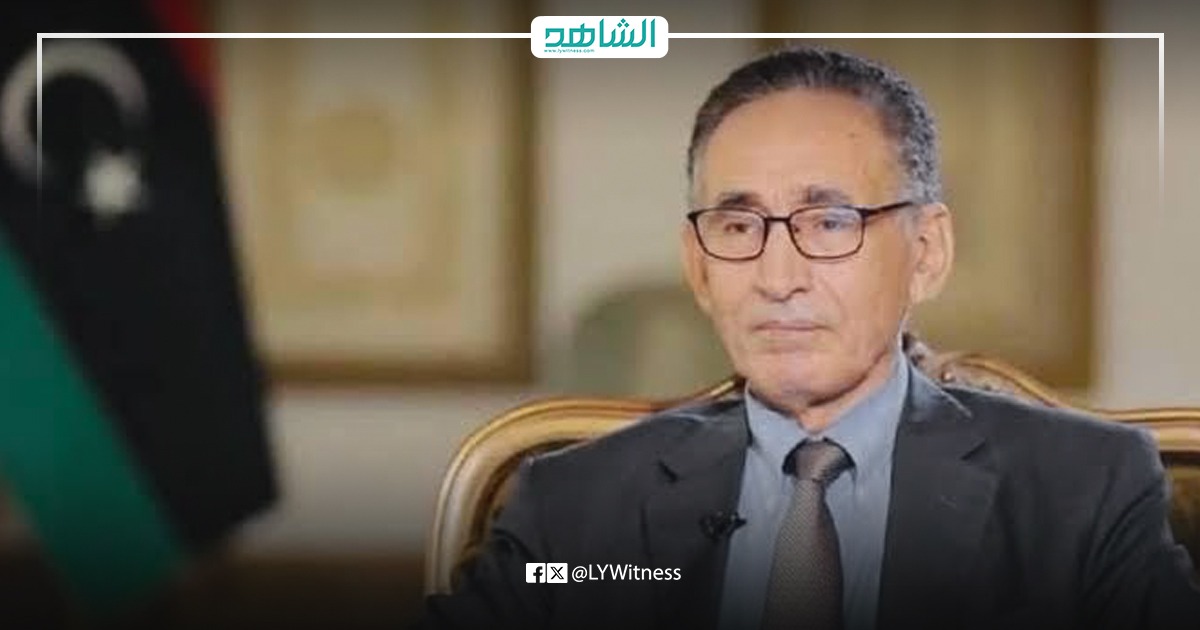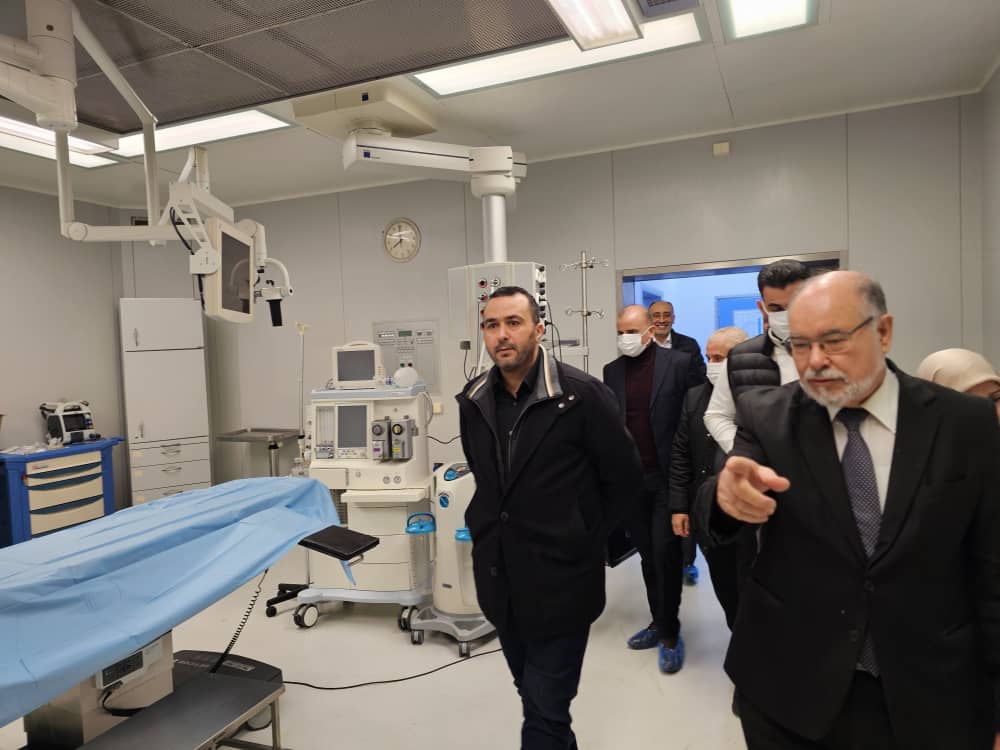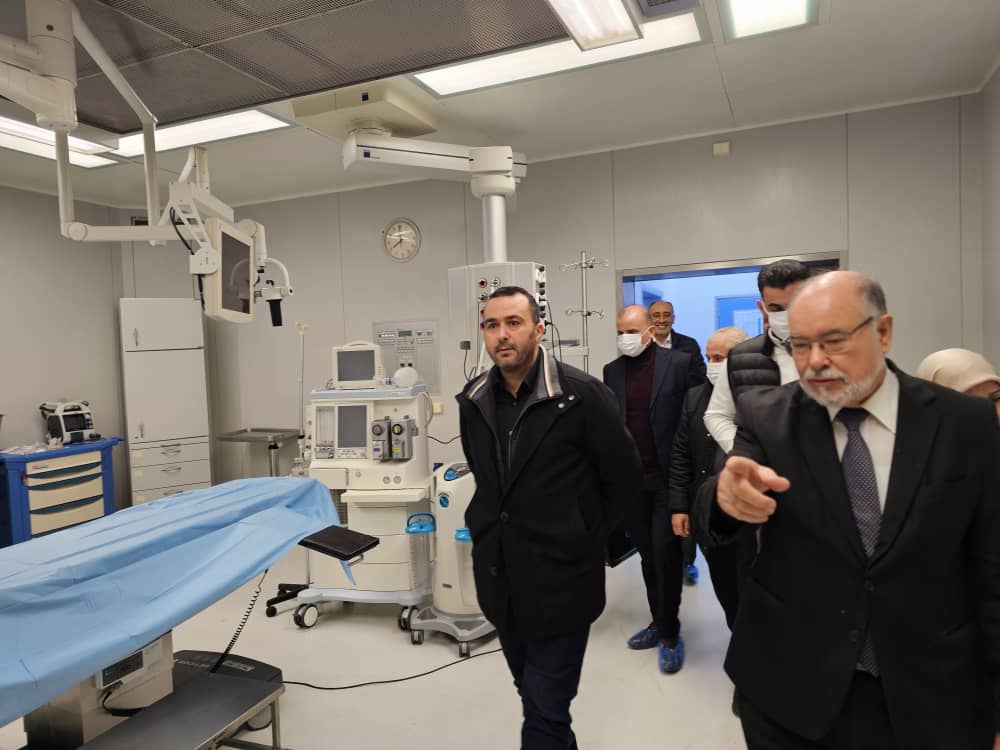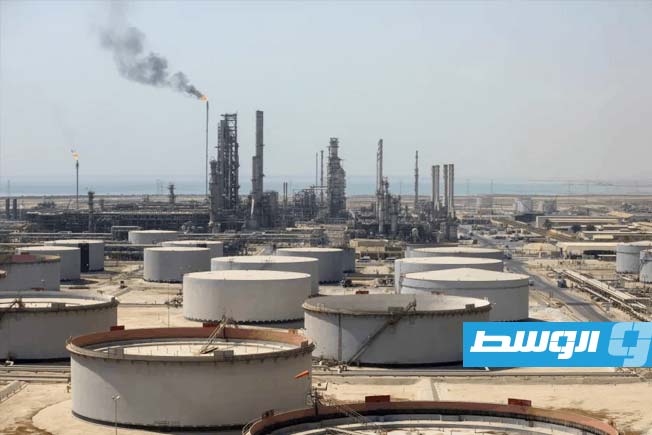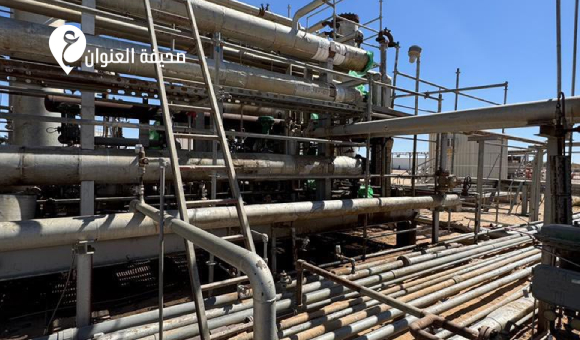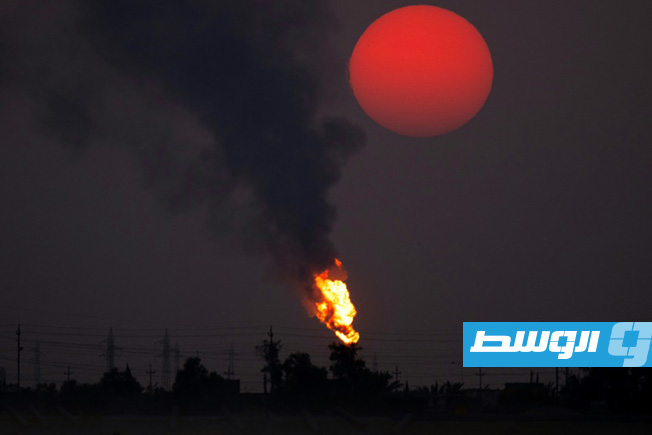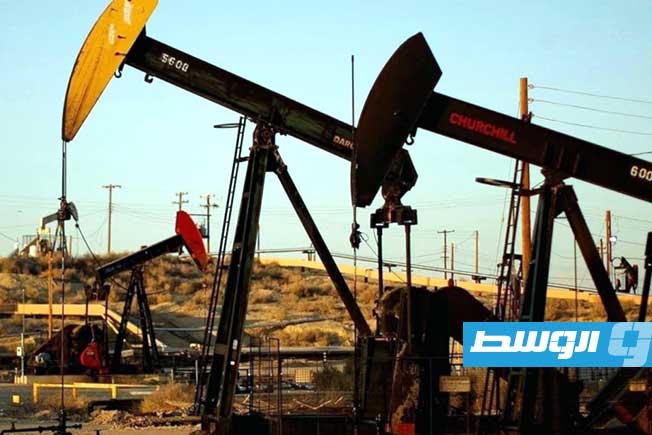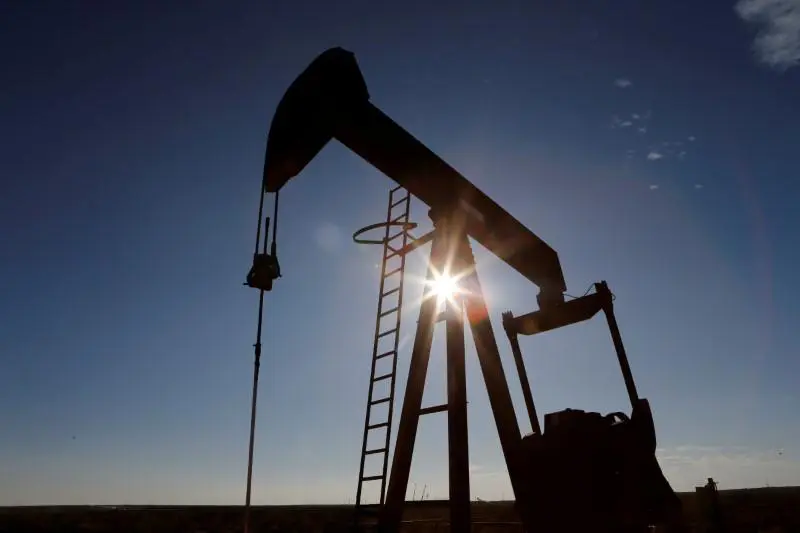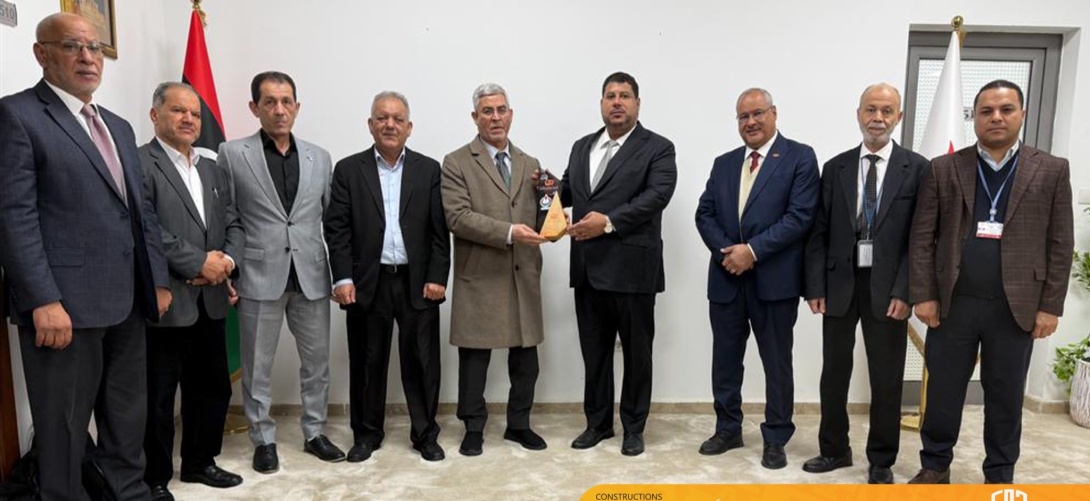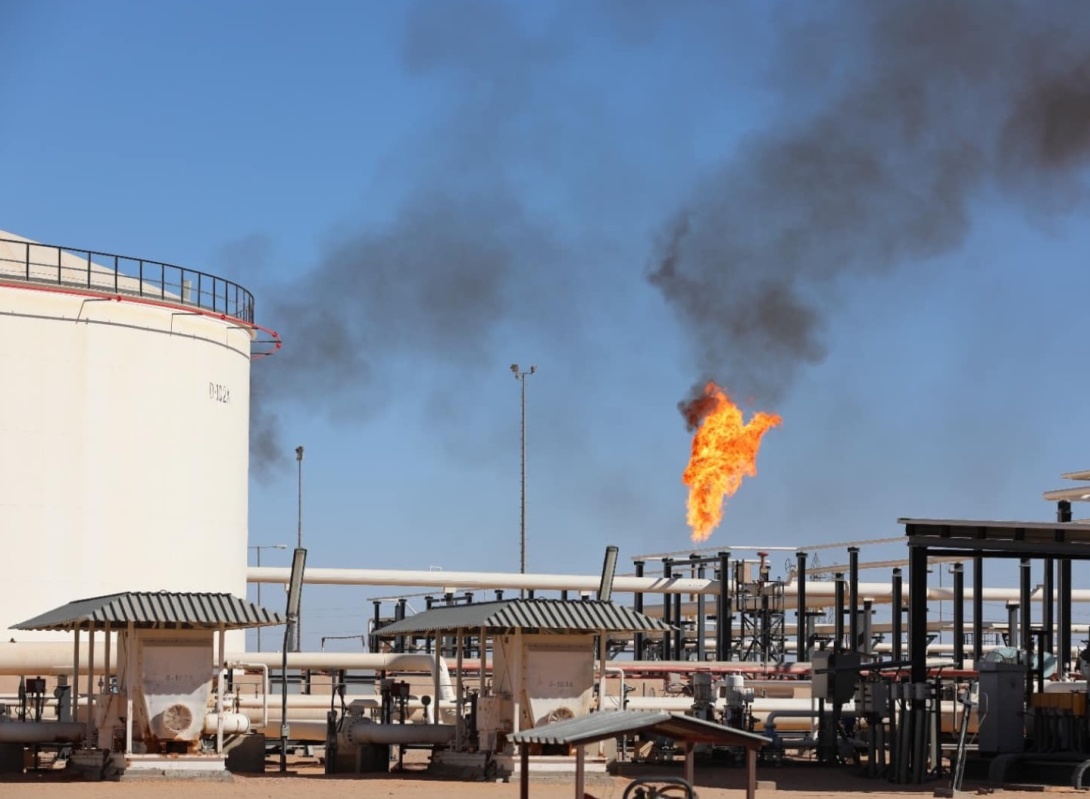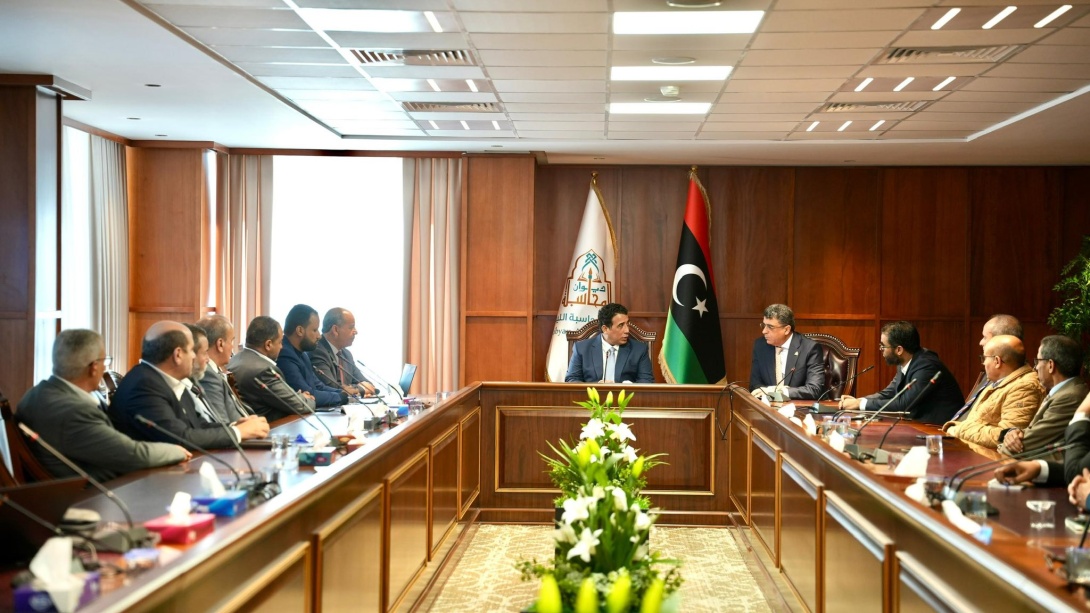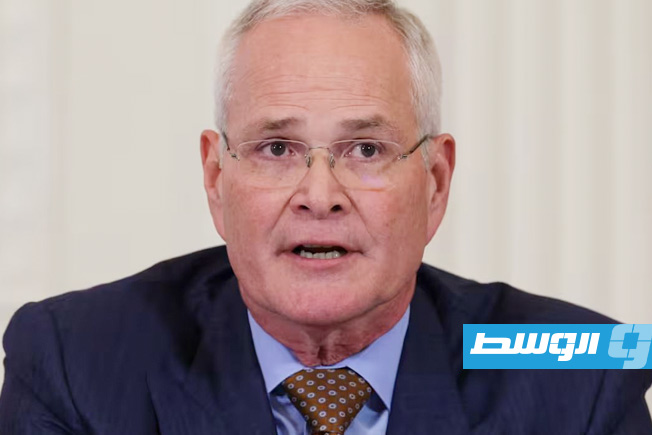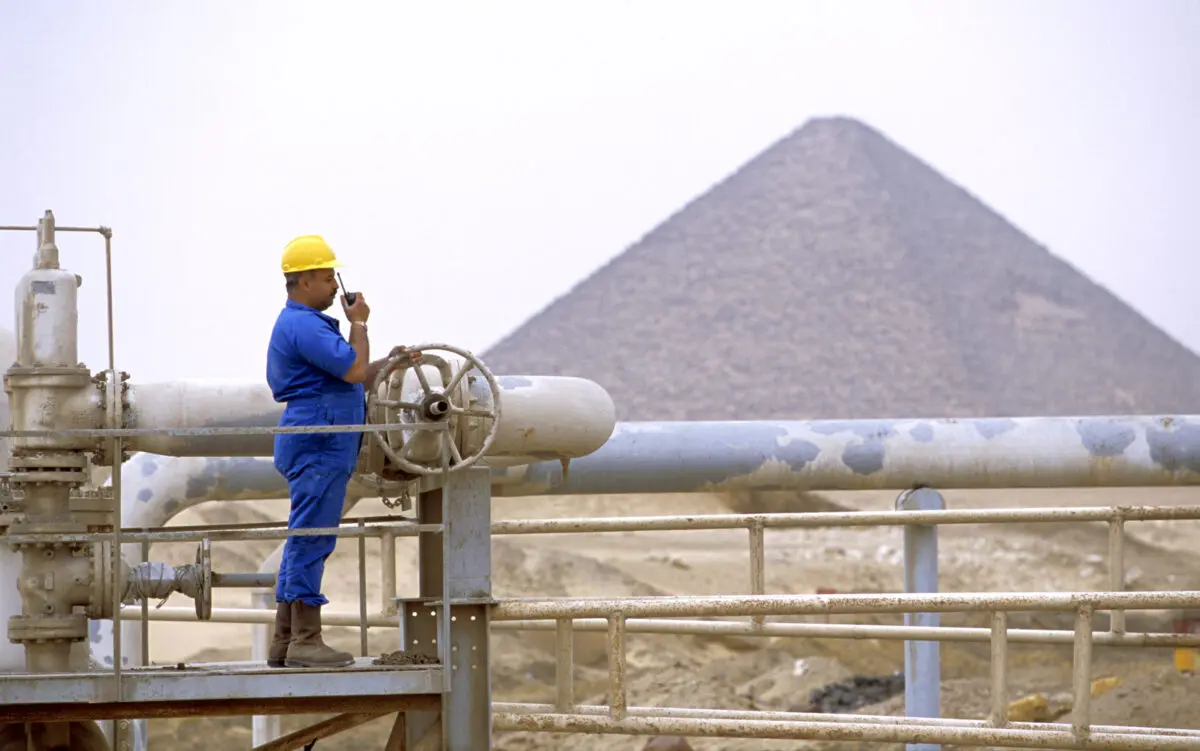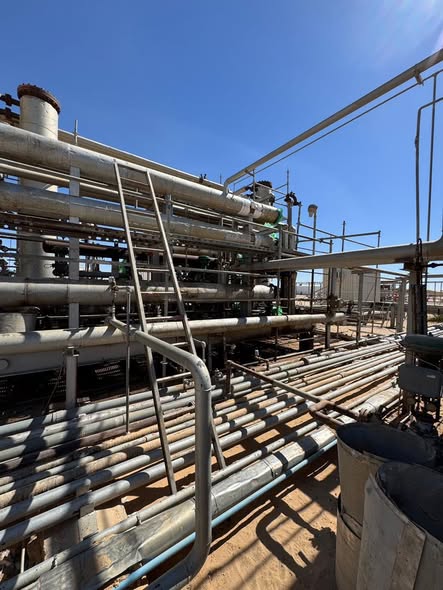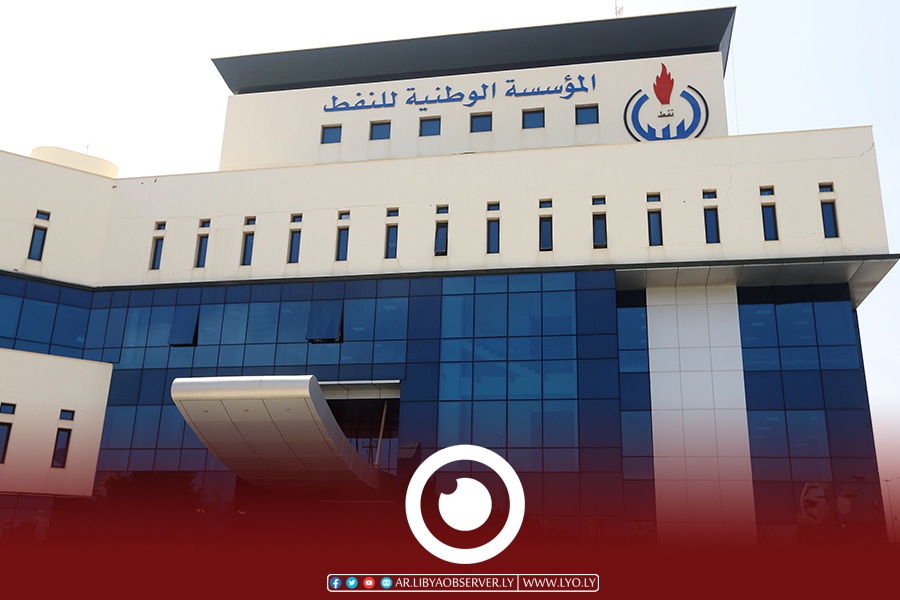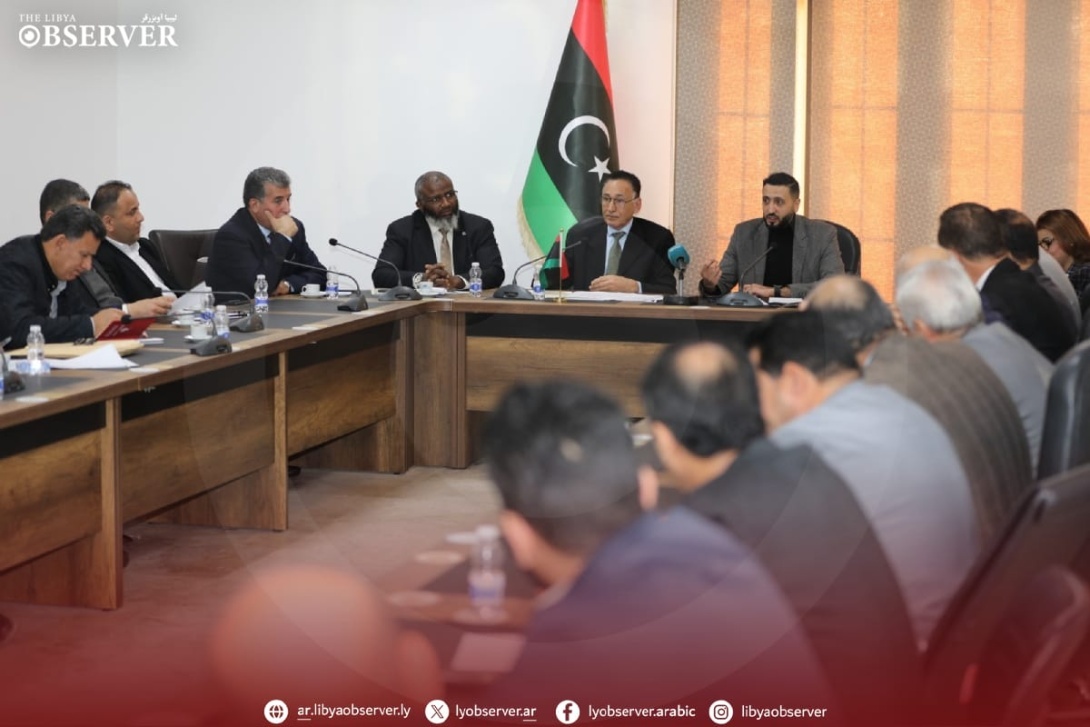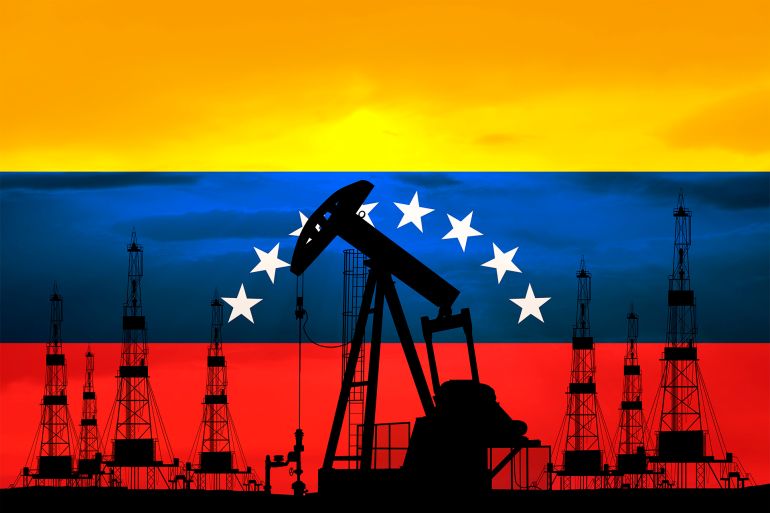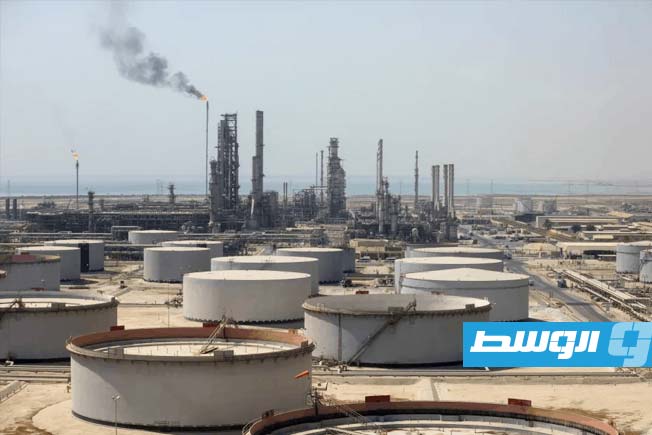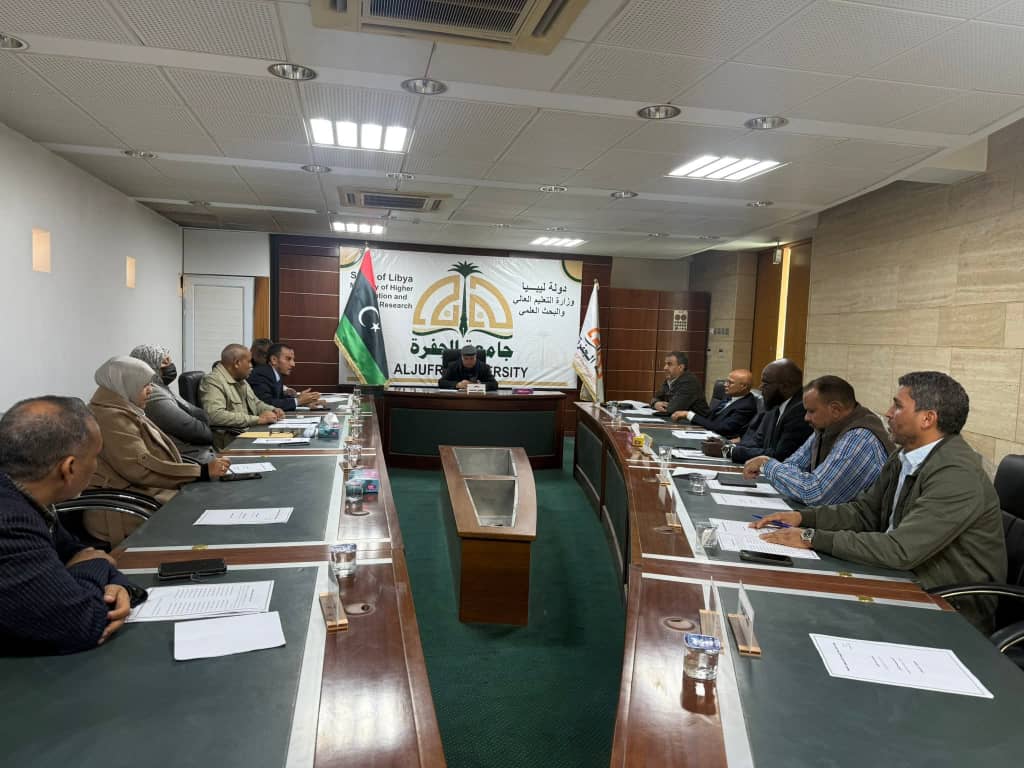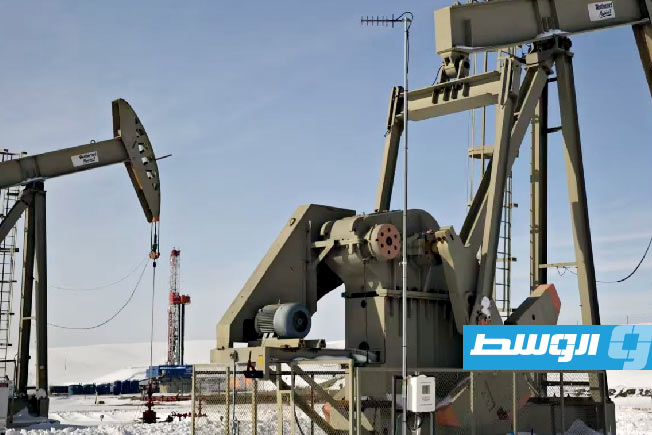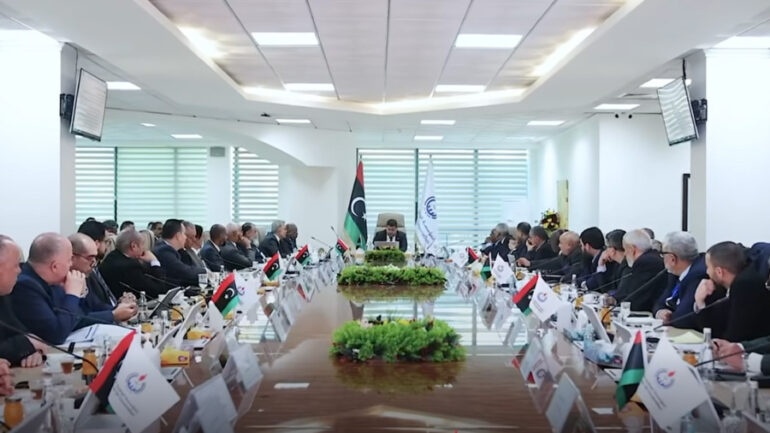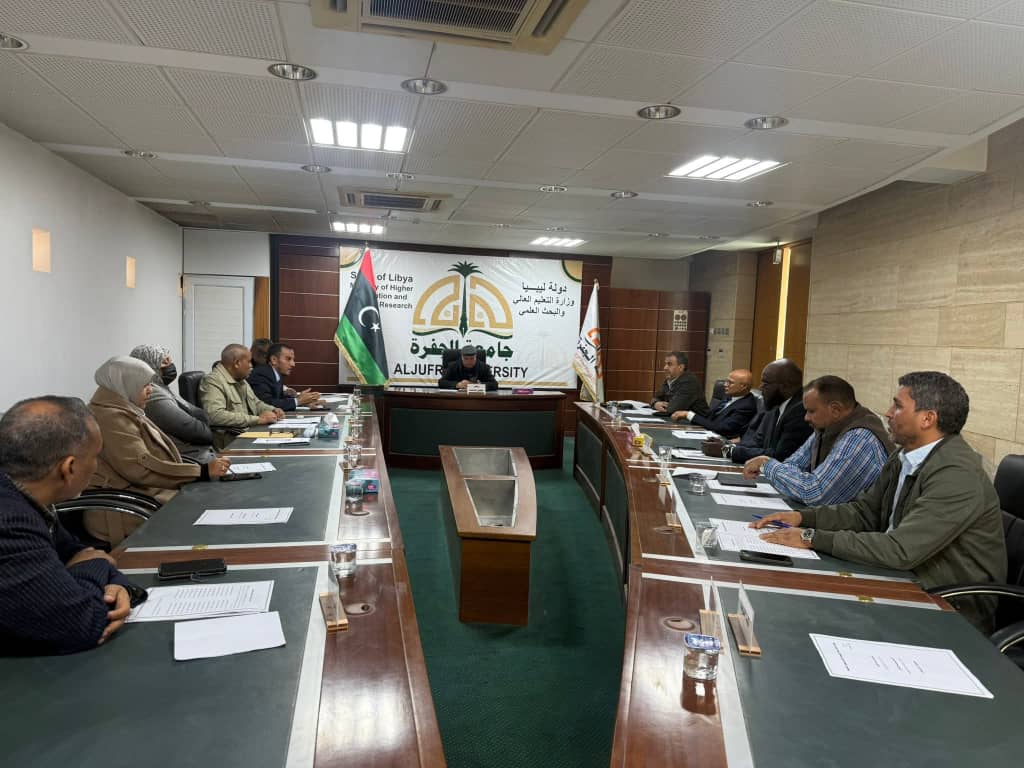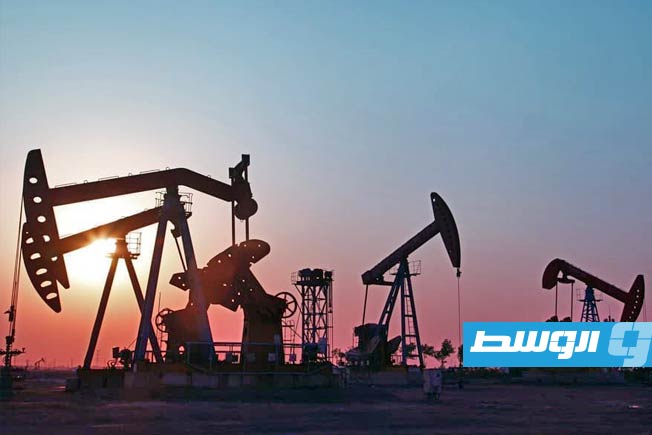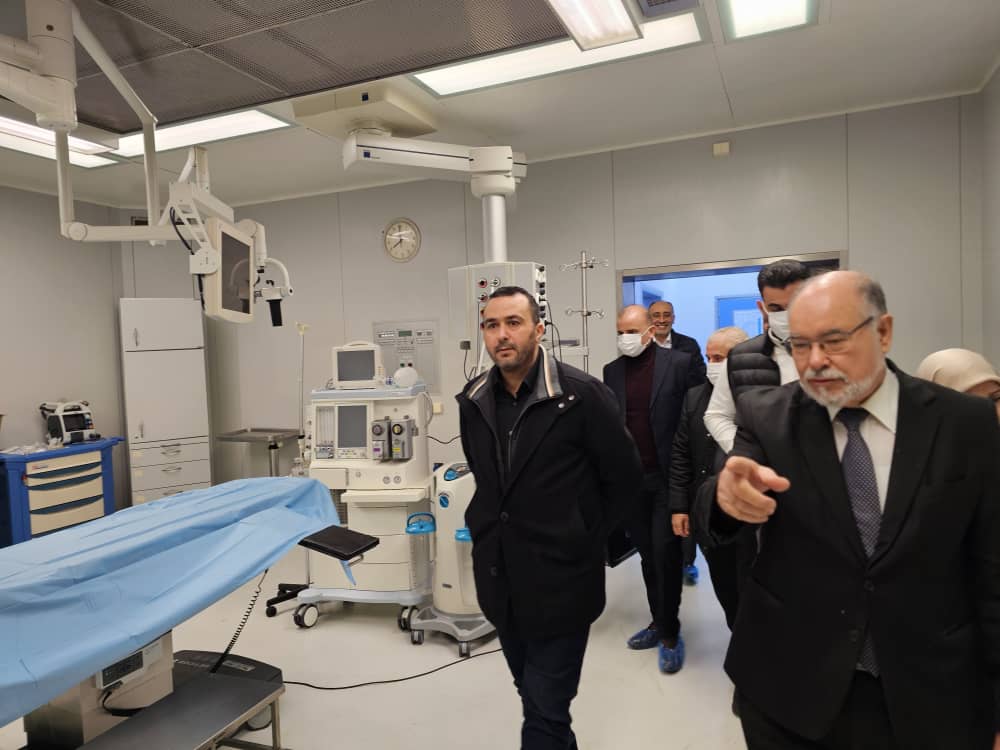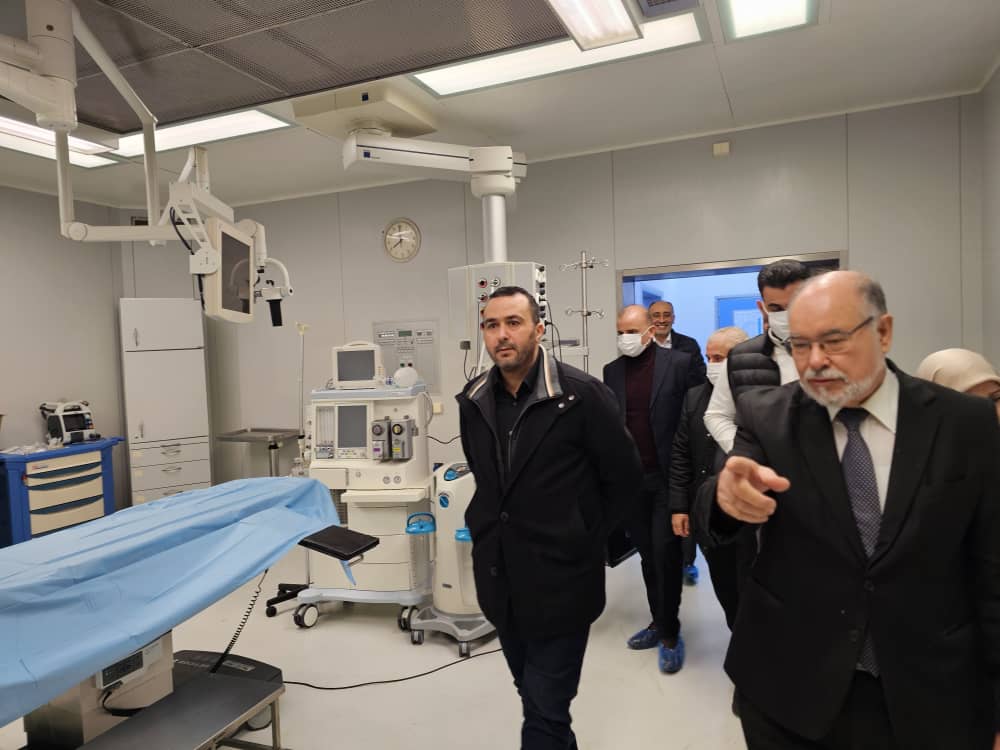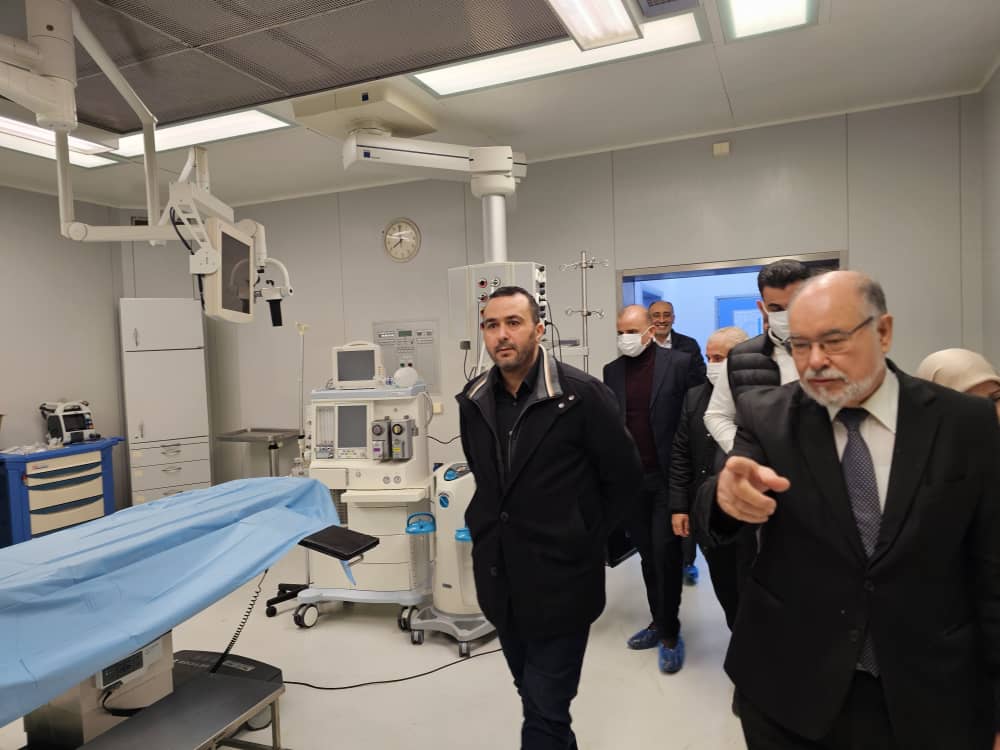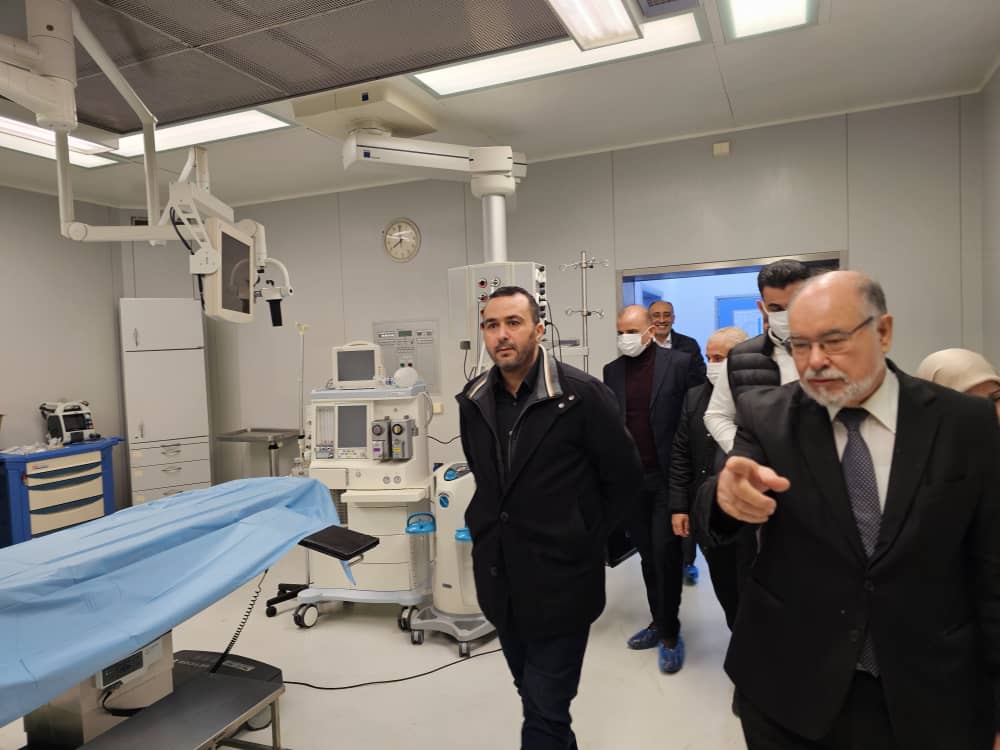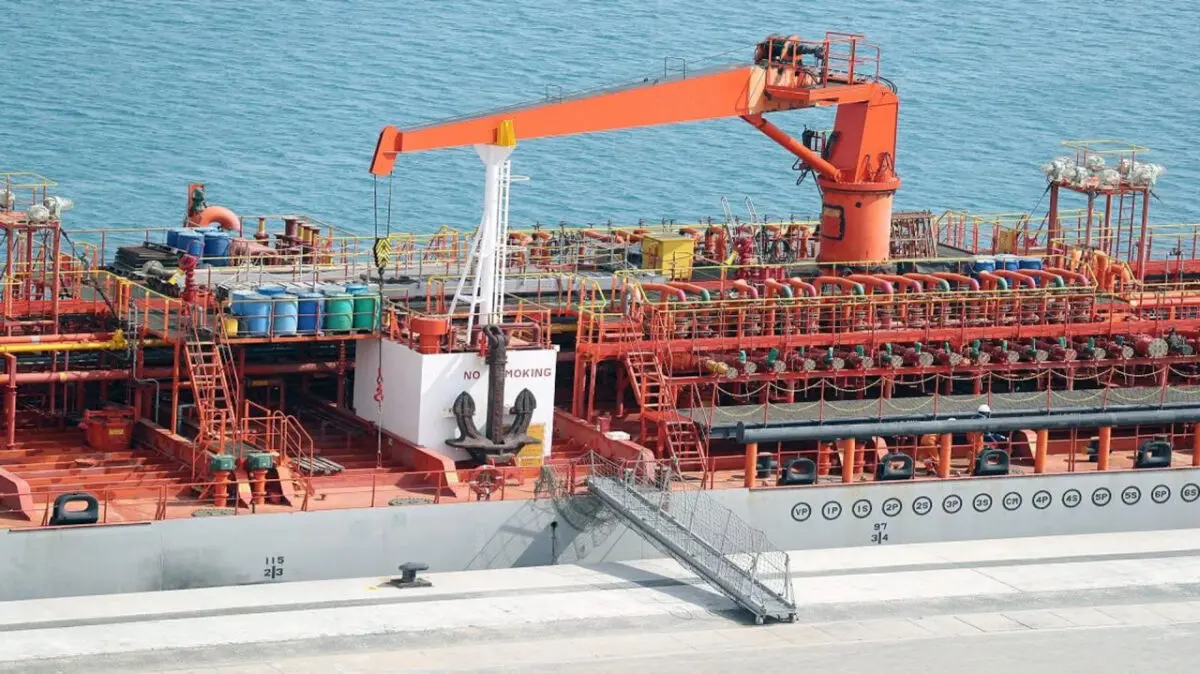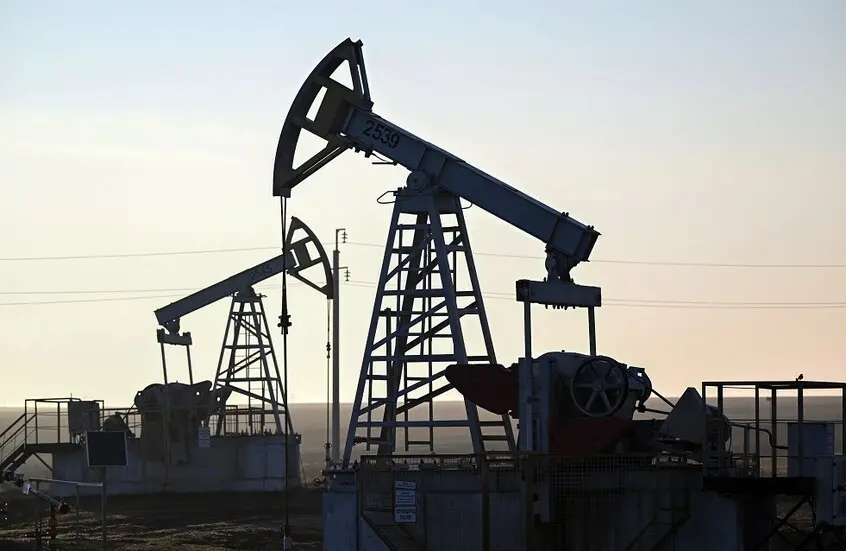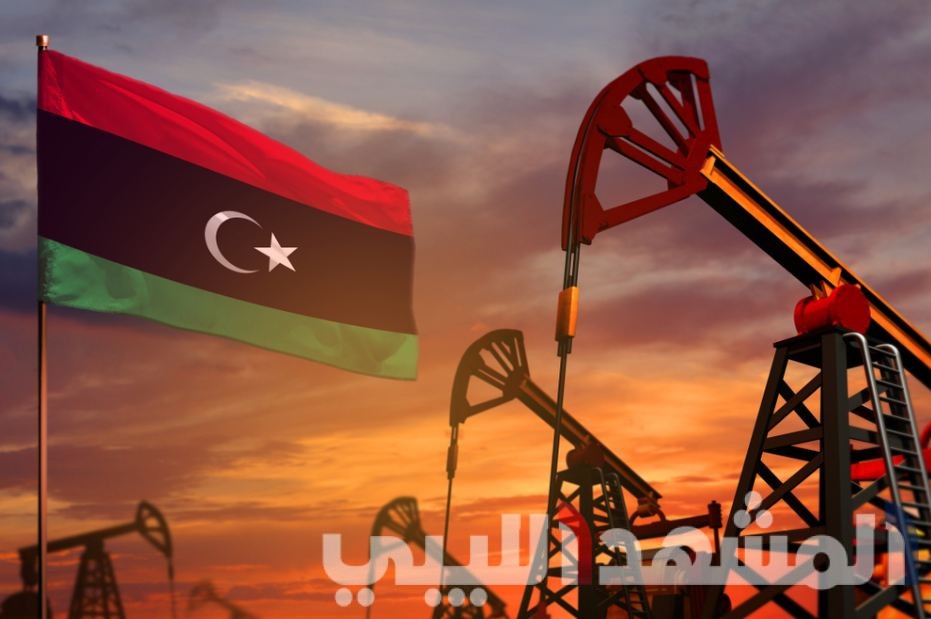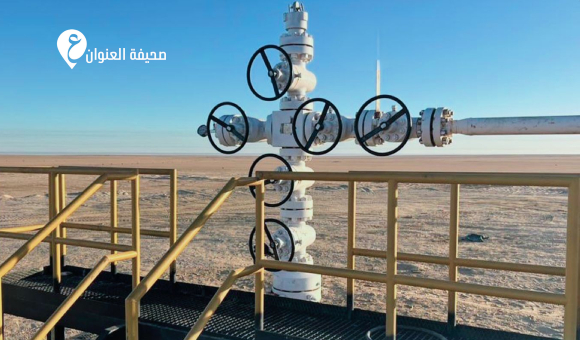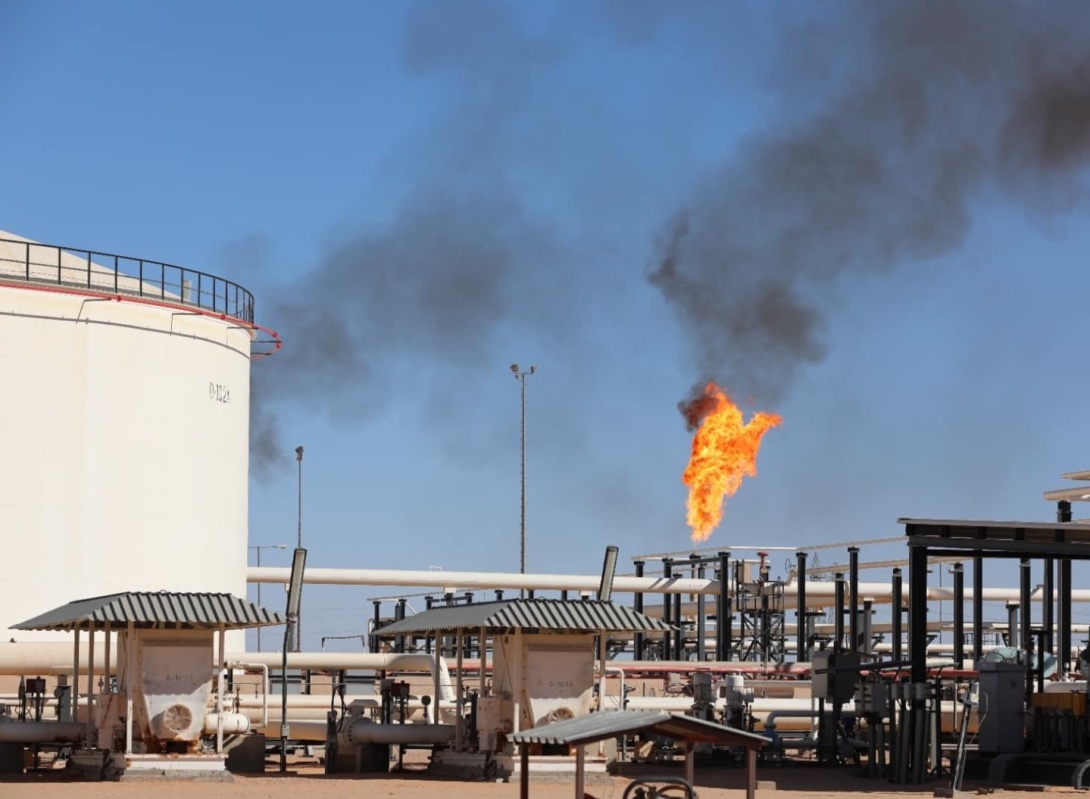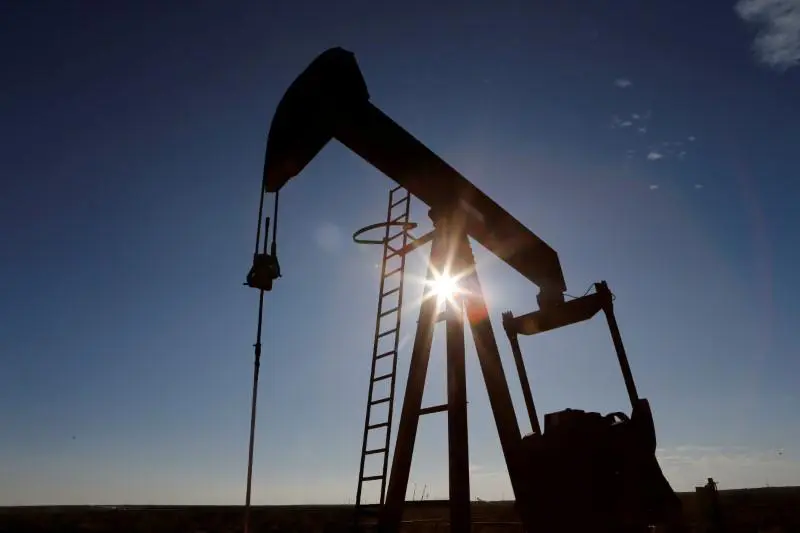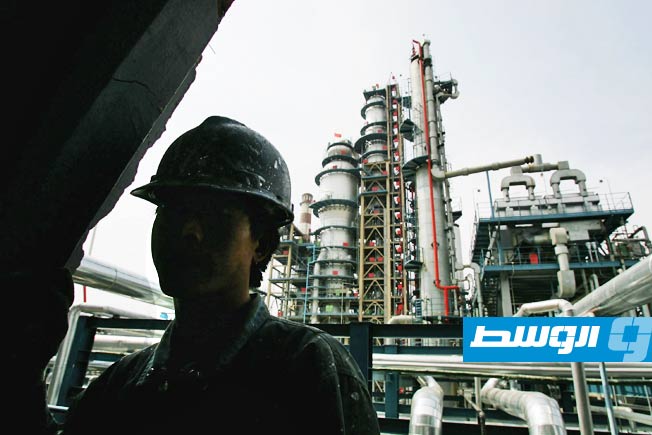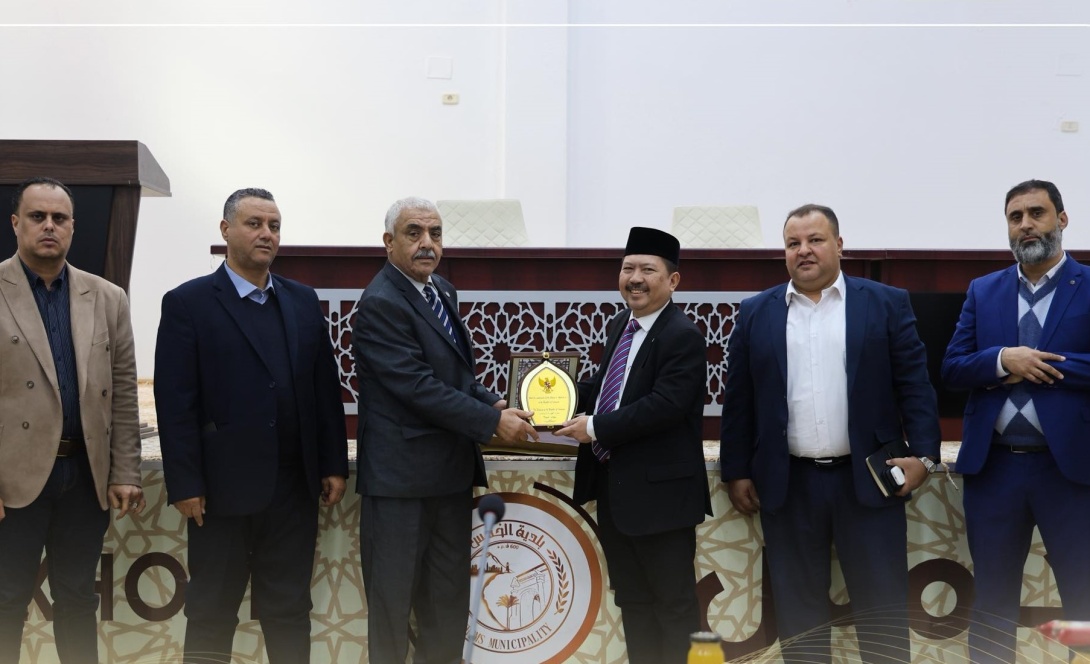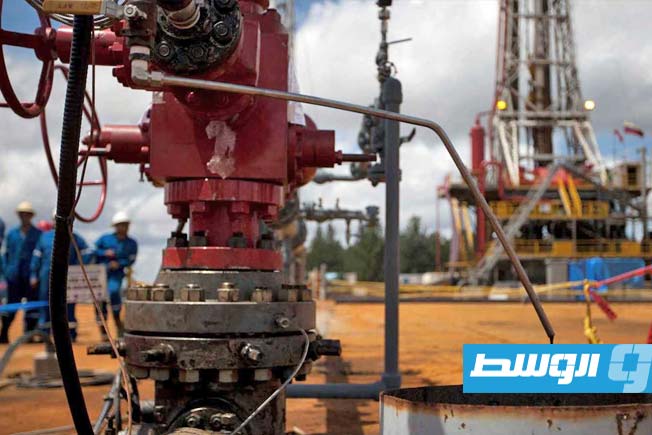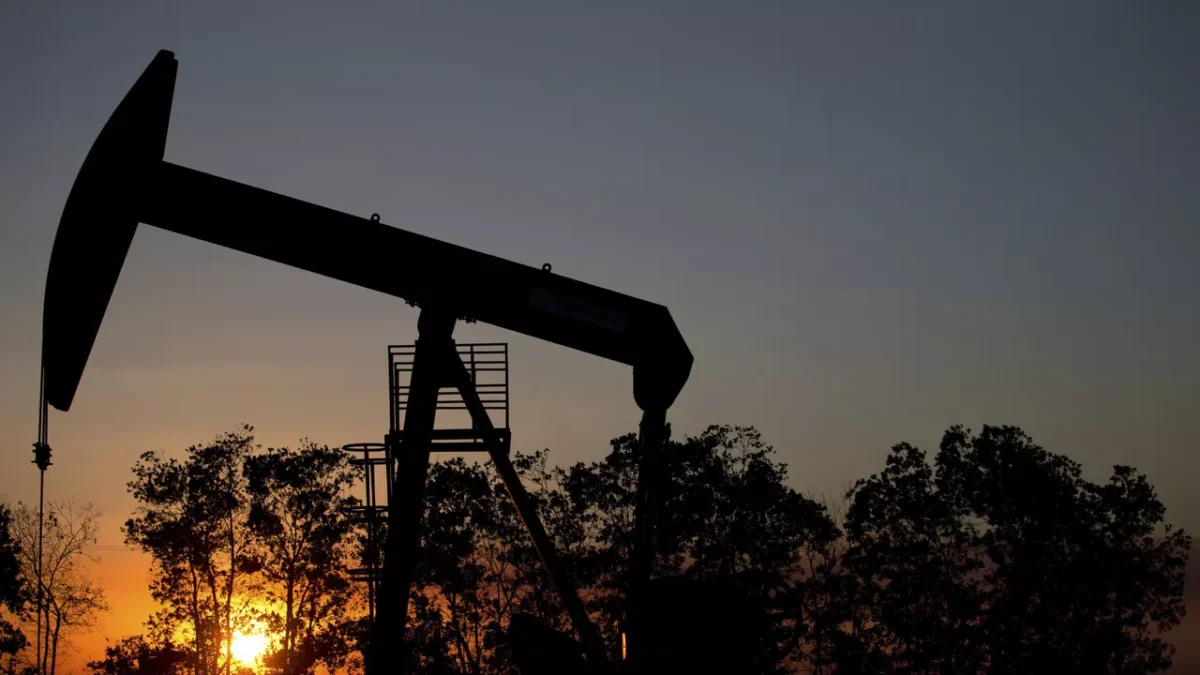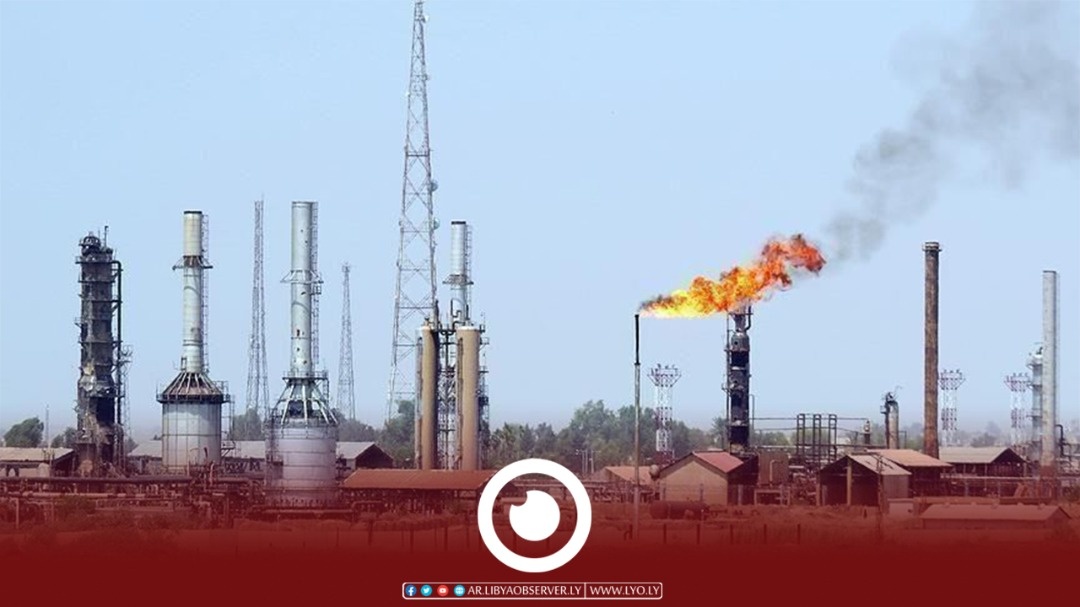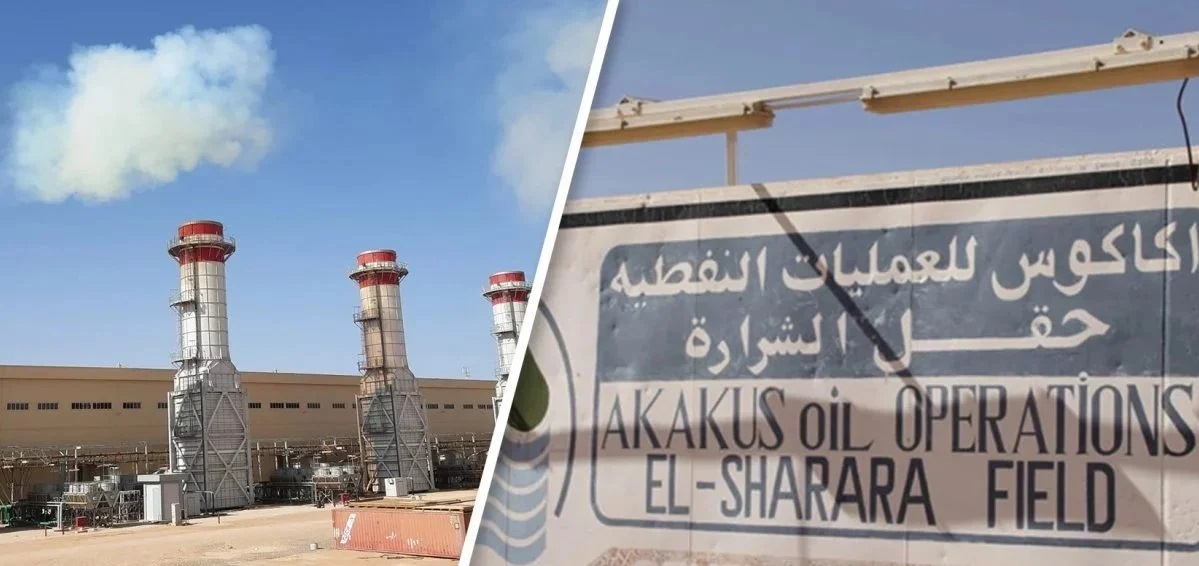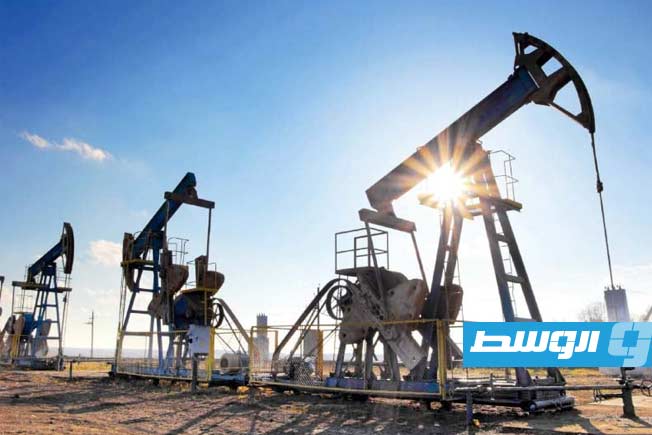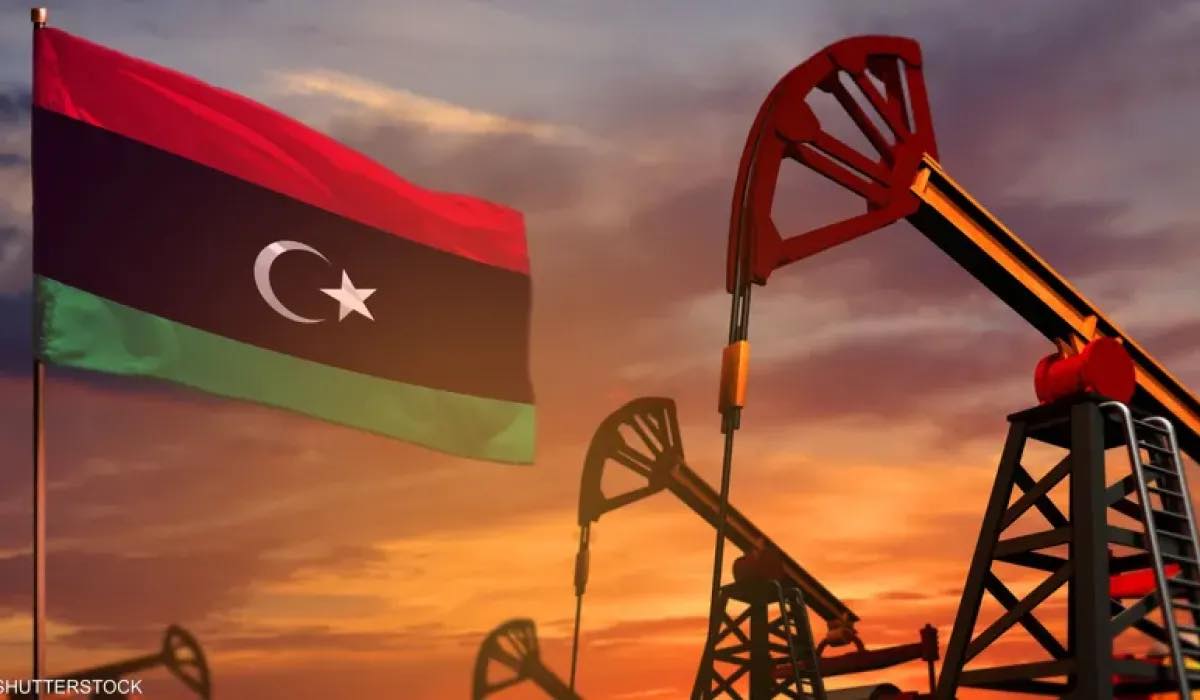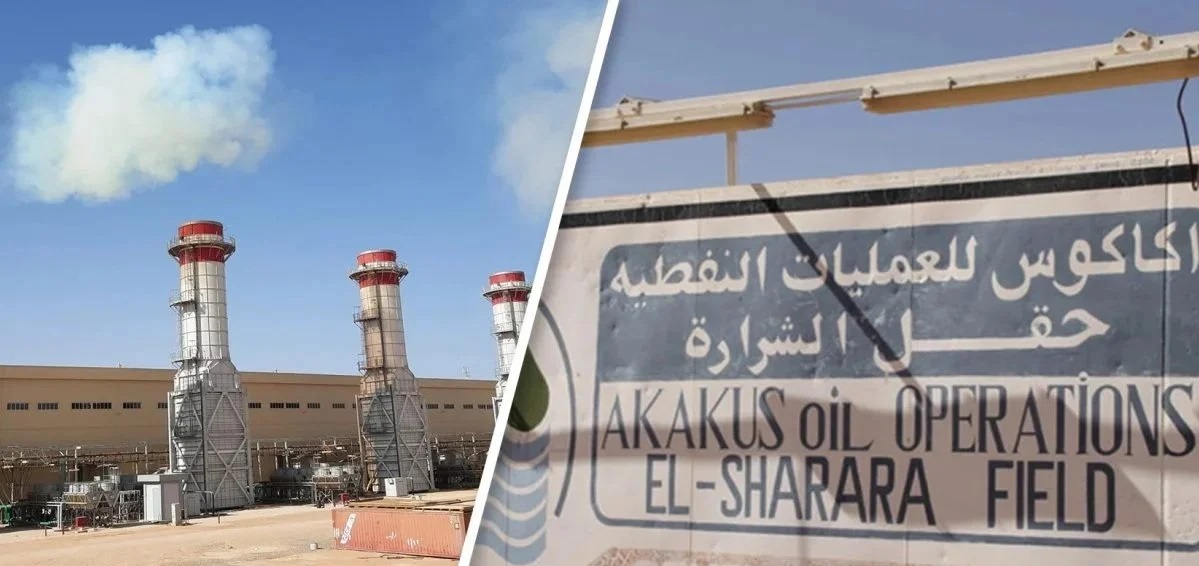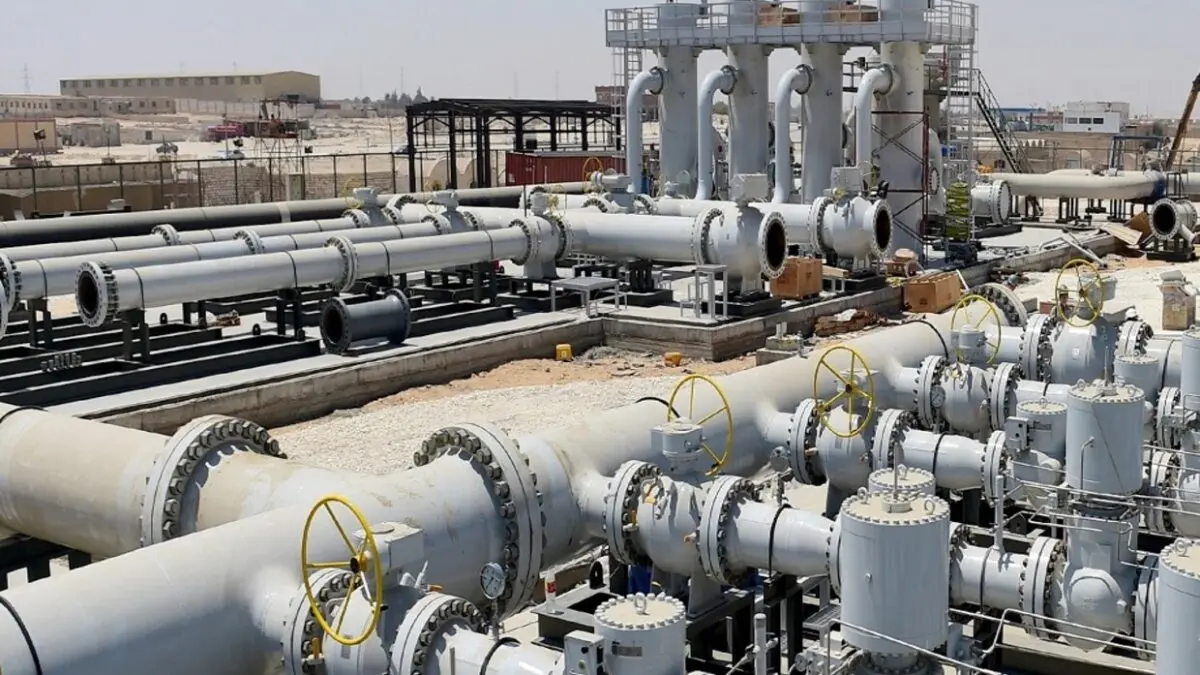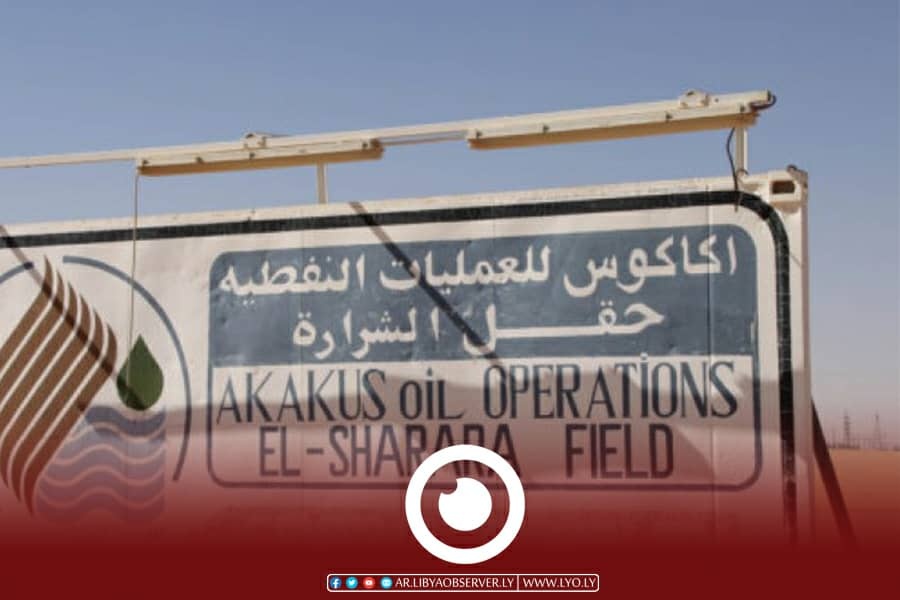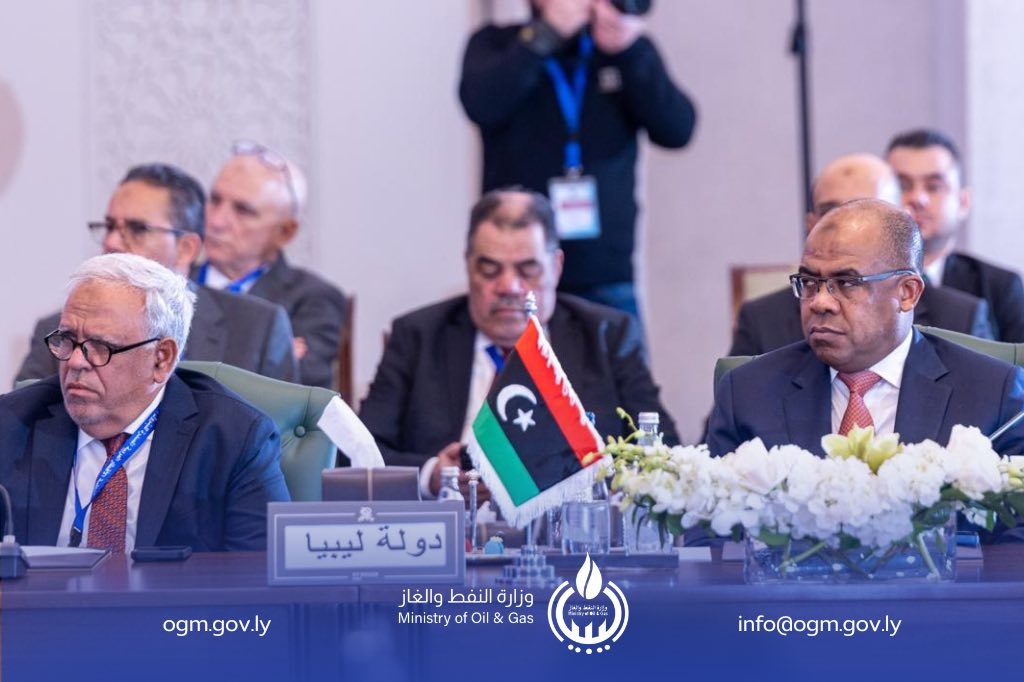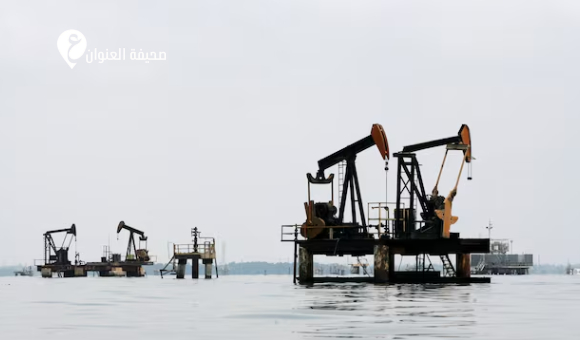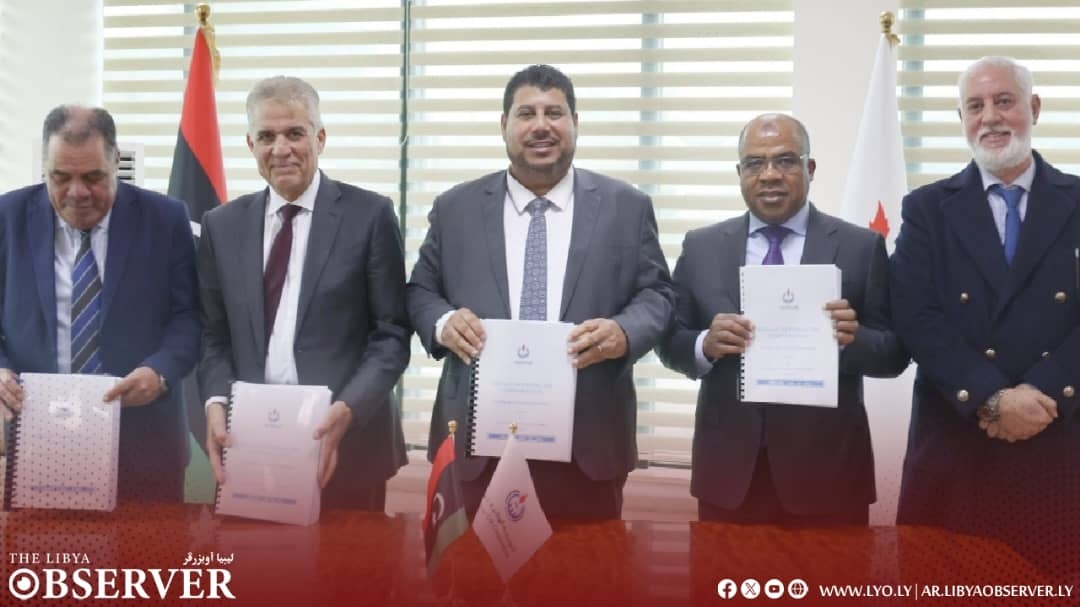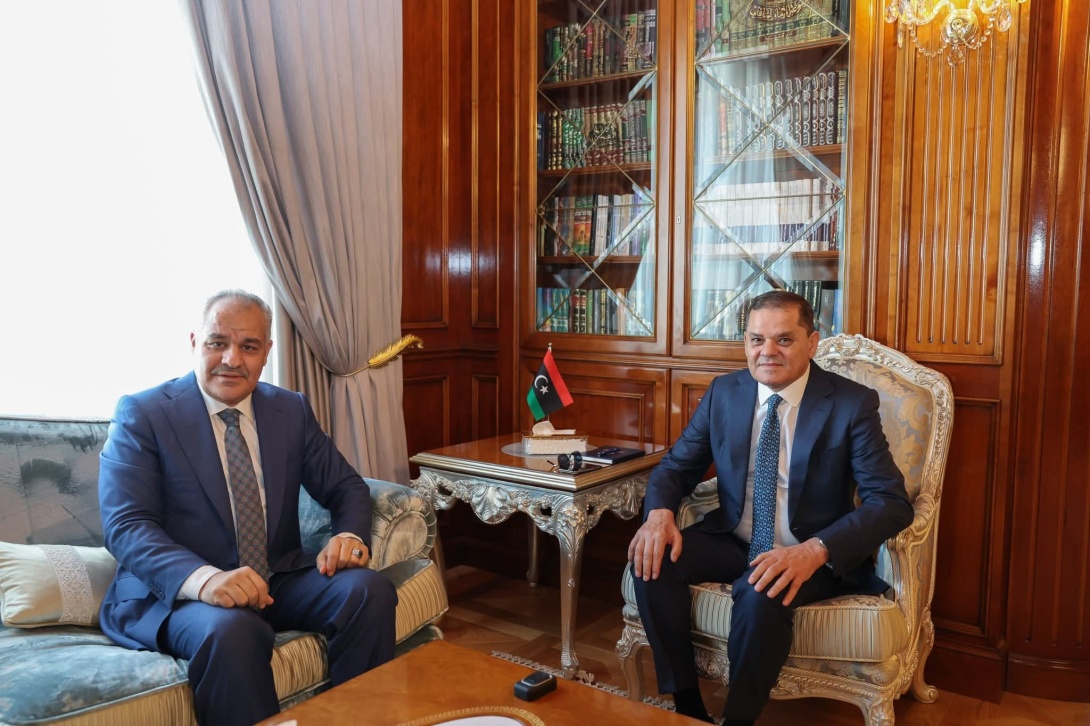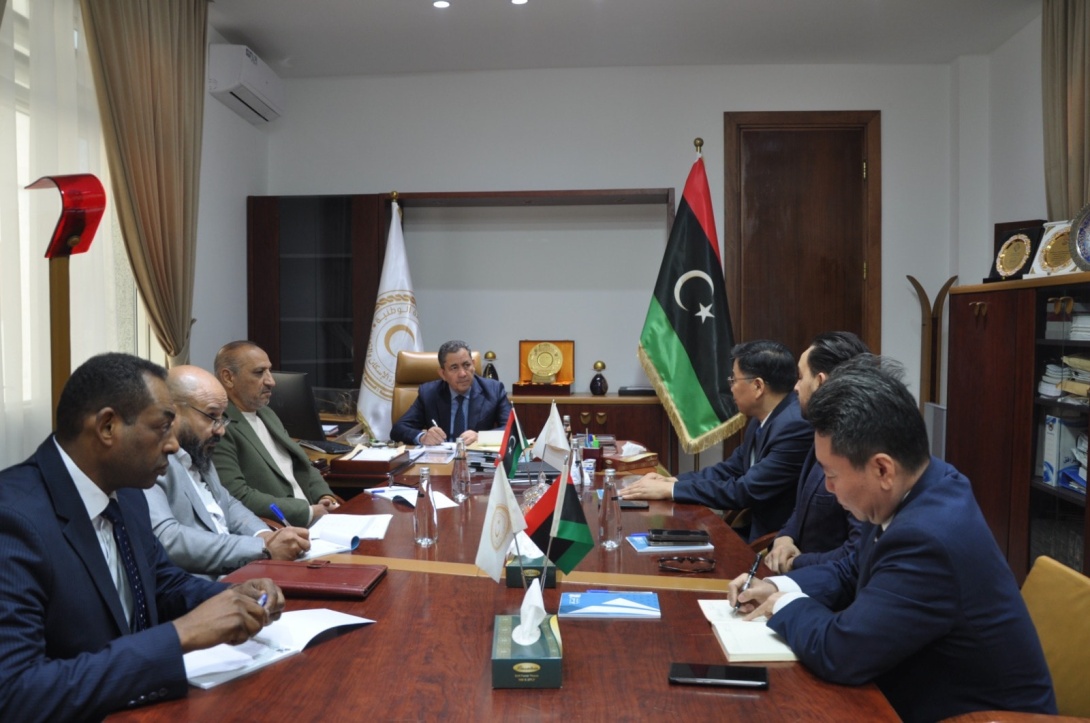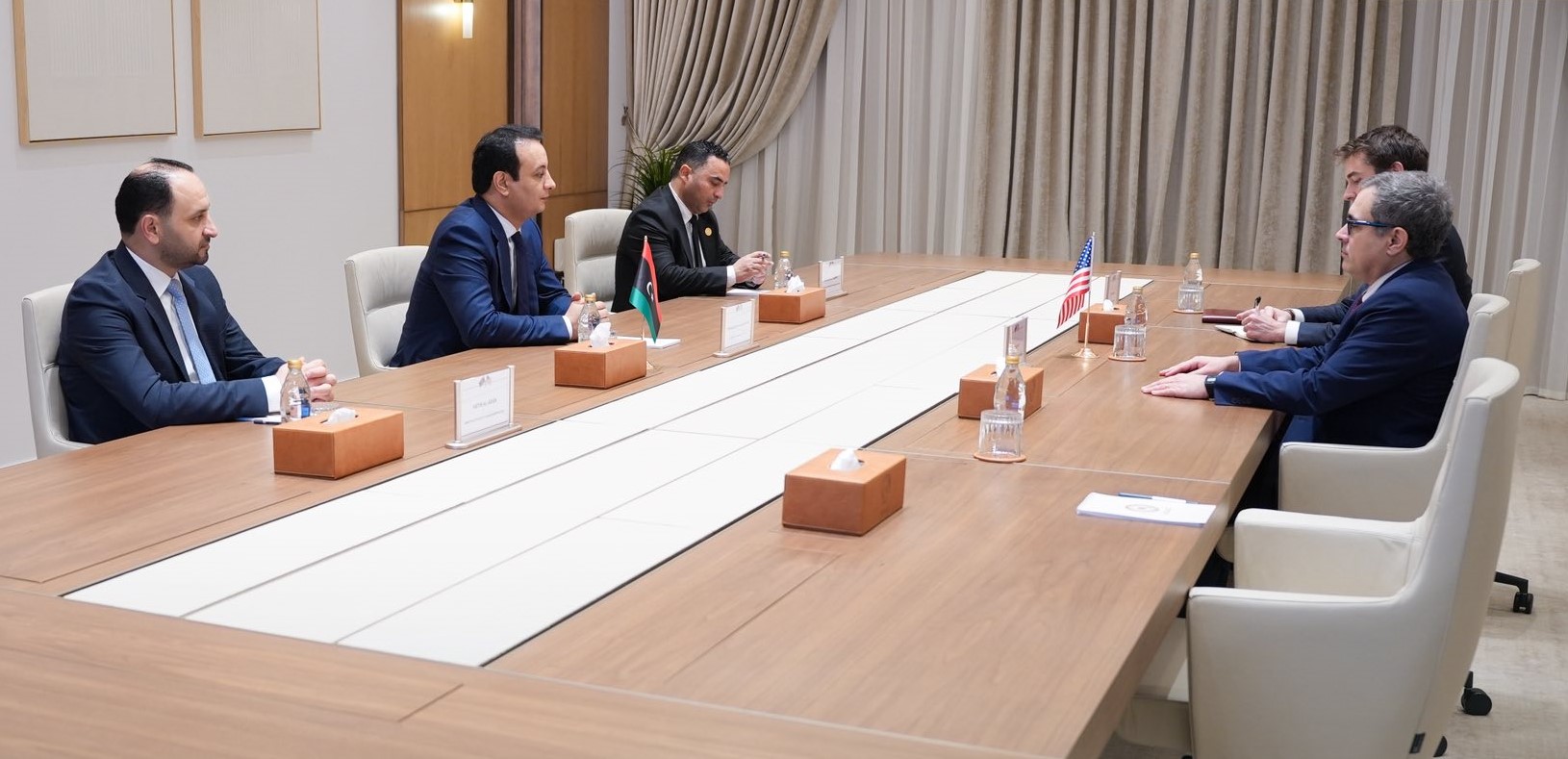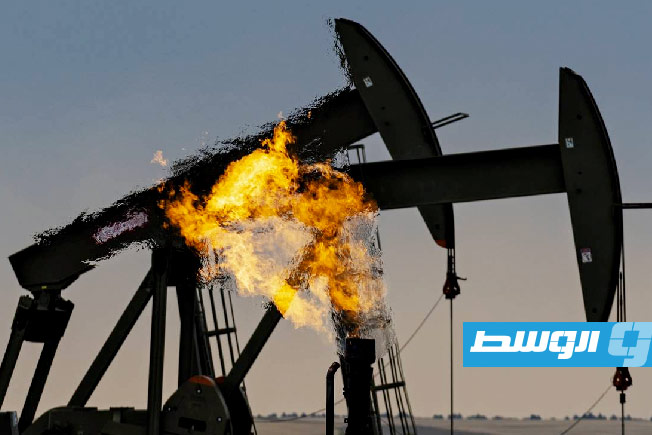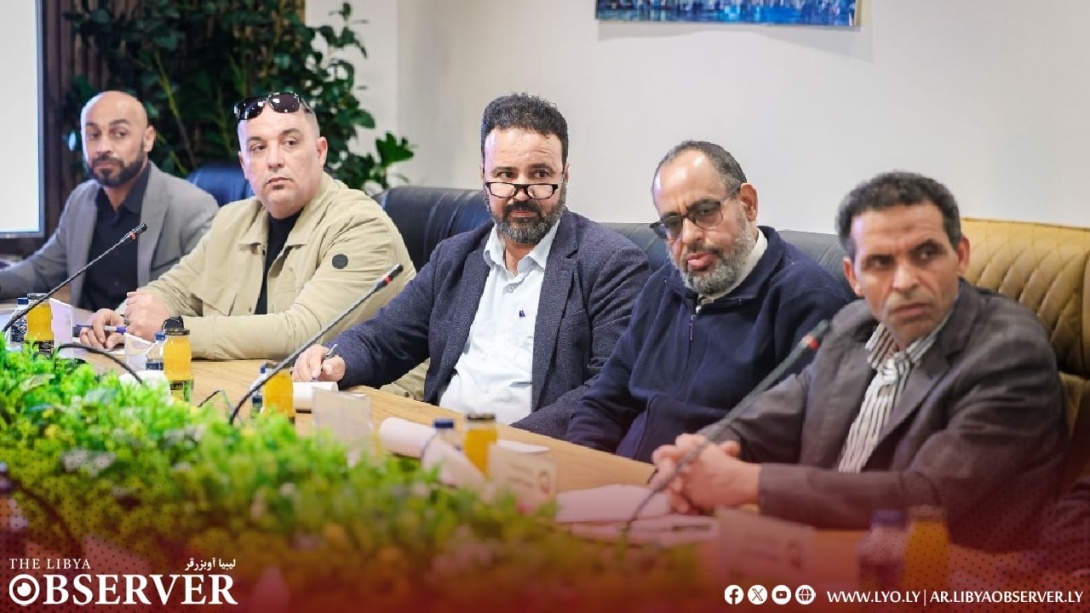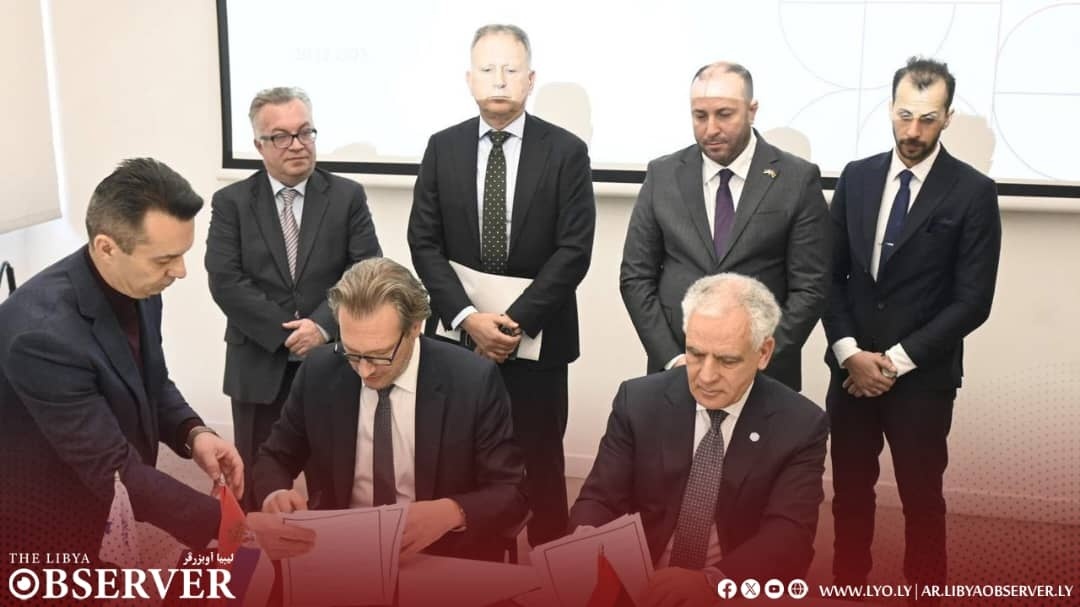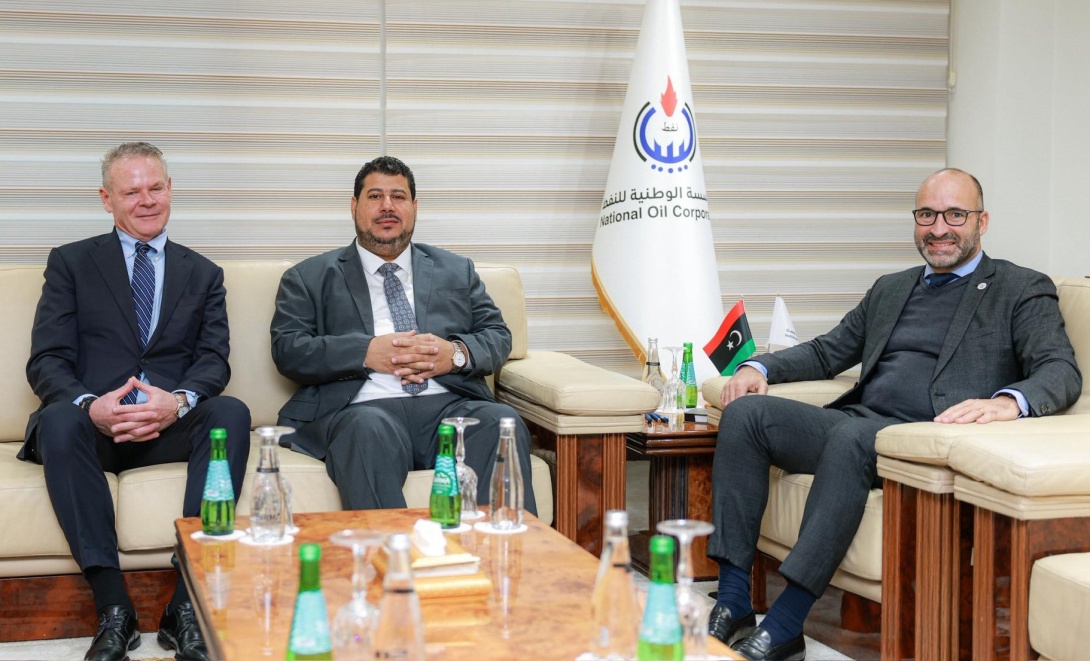
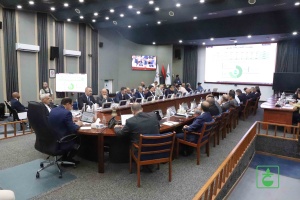
The Arabian Gulf Oil Company has held discussions with the US firm Halliburton on supporting oil fields with modern technology to improve operational efficiency and increase production.
The discussions reviewed ongoing operations across the company’s fields and facilities, as well as future work programmes aimed at boosting production rates and raising efficiency in line with plans to develop the oil sector.
The two sides also explored the use of advanced drilling and production technologies to enhance operational efficiency and ensure the sustainability of oil operations.

Arabian Gulf Oil Company
### **Overview**
The Arabian Gulf Oil Company (AGOCO) is a major Libyan national oil company, operating as an independent subsidiary of the state-owned **National Oil Corporation (NOC)**. It is one of the largest and most historically significant hydrocarbon producers in Libya.
### **Key Information**
* **Headquarters:** Benghazi, Libya.
* **Founded:** 1979 (following a reorganization of the Libyan oil industry).
* **Primary Role:** Exploration, production, and export of crude oil and natural gas.
* **Status:** A wholly-owned subsidiary of the Libyan National Oil Corporation (NOC).
### **Operations and Assets**
AGOCO’s operations are concentrated in Libya’s prolific **Sirte Basin**, which holds the majority of the country’s oil reserves.
* **Key Oil Fields:** It operates major fields such as **Sarir**, **Messla**, **Nafoora-Augila**, and **Hamada**.
* **Production:** Prior to the 2011 civil war, AGOCO was a cornerstone of Libyan output, producing hundreds of thousands of barrels per day (bpd). Its production has been volatile since, heavily impacted by national conflict, blockades, and force majeure declarations.
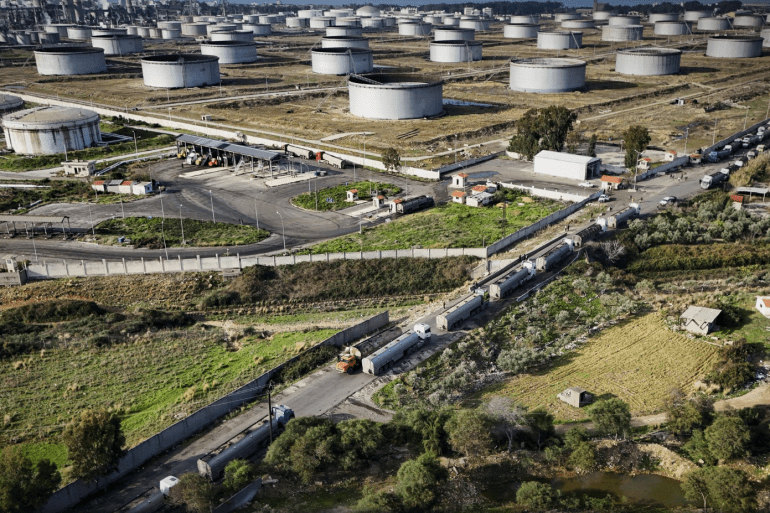
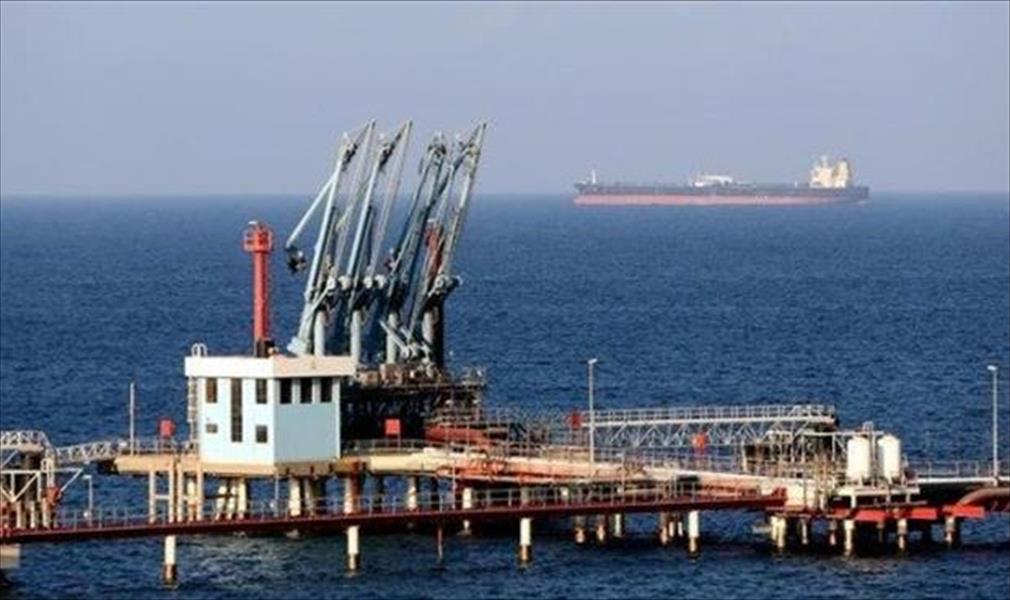
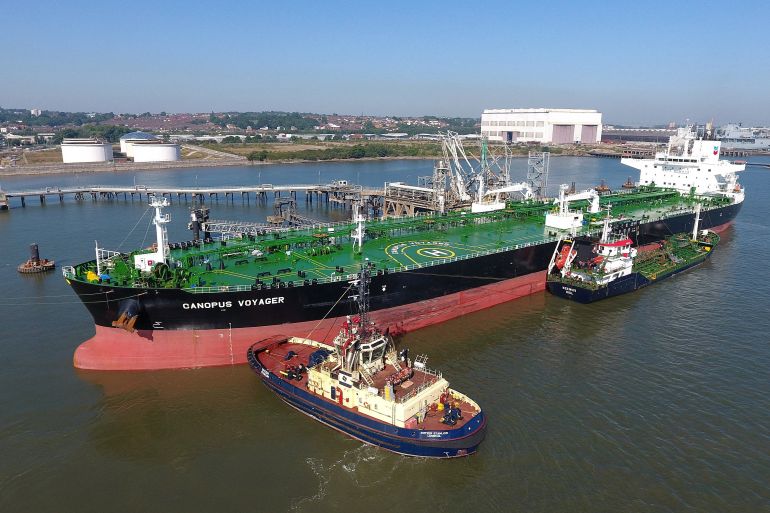
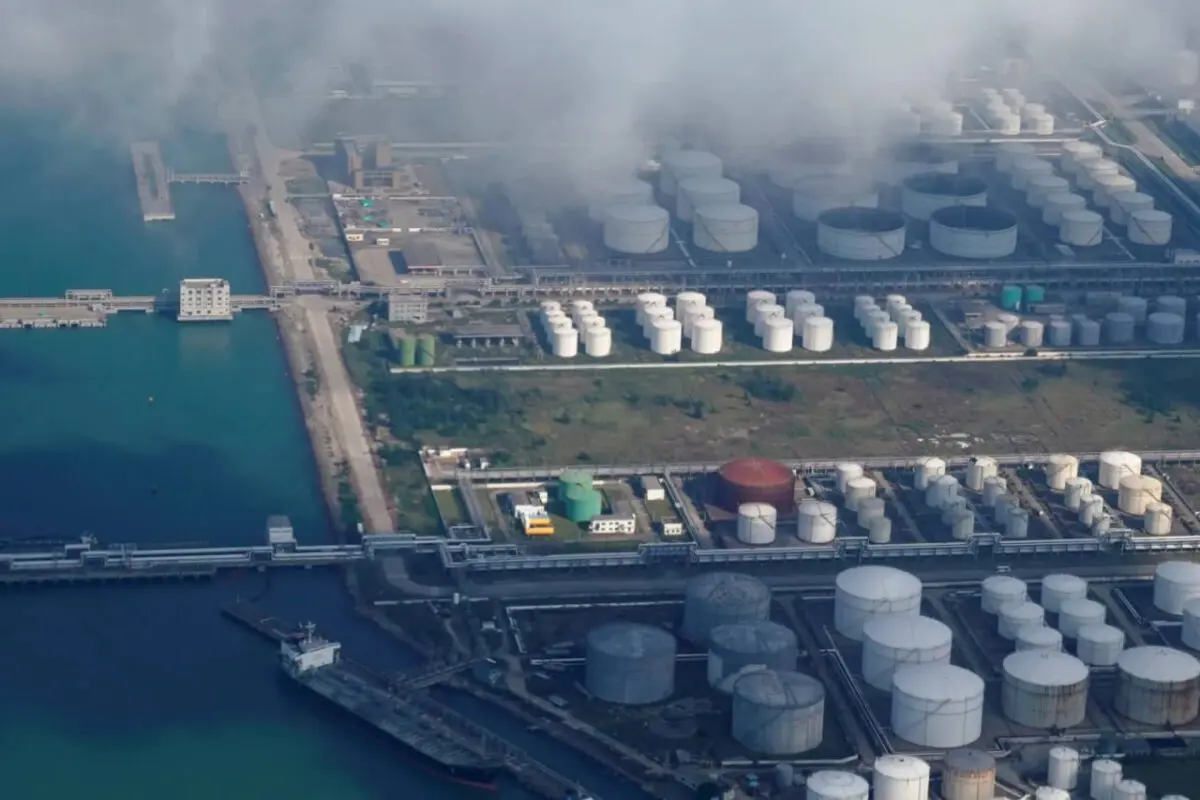
* **Infrastructure:** It manages critical infrastructure including pipelines, storage tanks, and the **Marsa al-Hariga** oil terminal (Tobruk) for exports.
### **Historical Significance**
* AGOCO’s core assets were originally developed in the 1960s by **BP** and **ConocoPhillips** (as Oasis Oil Company).
* They were nationalized in the early 1970s under the rule of Muammar Gaddafi.
* The 1979 reorganization created AGOCO as one of several specialized subsidiaries of the NOC.
### **Recent Challenges & Context**
AGOCO’s operations have been severely disrupted by the political and military conflicts in Libya since 2011.
* **Blockades & Shutdowns:** Its fields and terminals have frequently been targets in political disputes, leading to massive production losses.
* **Financial Strain:** Like all NOC subsidiaries, it suffers from budget constraints, lack of investment, and maintenance backlogs.
* **Divided Loyalties:** During periods of parallel governments, AGOCO’s management has at times been caught between rival authorities in the East and West of Libya.
### **Importance to Libya**
* **Economic Lifeline:** AGOCO is a critical source of state revenue. When operating at capacity, it contributes a significant portion of Libya’s total oil exports.
* **Eastern Libya’s Economy:** It is particularly vital for the economy of eastern Libya, providing jobs and funding local services.
In summary, the **Arabian Gulf Oil Company (AGOCO)** is a pivotal Libyan state oil producer with vast assets whose operational and financial fortunes are directly tied to the country’s unstable political and security situation.
Halliburton
### **Key Details:**
– **Founded:** 1919 in Duncan, Oklahoma, by **Erle P. Halliburton**.
– **Headquarters:** Houston, Texas, USA.
– **Primary Business:** Provides products and services to the **energy industry** (oil and gas), particularly in:
– **Drilling and evaluation**
– **Completion and production**
– **Hydraulic fracturing (fracking)**
– **Well construction and reservoir consulting**
### **Notable Points:**
1. **Government Contracts:**
– Known for its extensive contracts with the U.S. government, especially during the Iraq War (post-2003 invasion), where it provided logistical and infrastructure support.
– Former CEO **Dick Cheney** served as U.S. Vice President (2001–2009), which drew scrutiny over government contracting and potential conflicts of interest.
2. **Controversies:**
– **Iraq War Contracts:** Accusations of overcharging and receiving no-bid contracts from the U.S. government.
– **Deepwater Horizon:** Involved in the 2010 Gulf of Mexico oil spill; found negligent (though less than other companies) in court.
– **Environmental & Fracking Concerns:** Criticized for environmental impact and lobbying against fracking regulations.
3. **Recent Focus:**
– Expanding into **digital technology and data analytics** for energy operations.
– Investing in **low-carbon energy initiatives** (e.g., carbon capture, hydrogen) amid the energy transition.
### **Financials (as of recent data):**
– **Revenue (2023):** ~$23 billion.
– **Employees:** ~40,000 worldwide.
– **NYSE ticker:** **HAL**.
### **Summary:**
Halliburton is one of the world’s largest oilfield services companies, playing a critical role in global energy extraction. While it remains a key industry player, it has faced ongoing scrutiny over political ties, wartime contracts, and environmental practices. Today, it’s adapting to shifts toward sustainable energy while maintaining its traditional oil and gas operations.