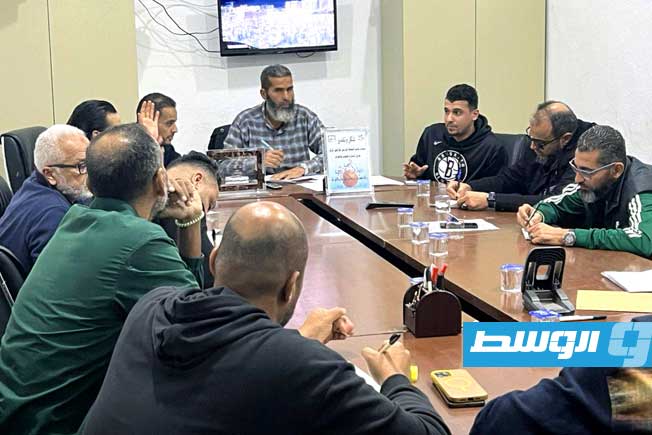
The Football Association amends the penalty regulations and toughens sanctions to achieve discipline in “Our League.”
libyawire.org > أخبار > الرياضة > The Football Association amends the penalty regulations and toughens sanctions to achieve discipline in “Our League.”
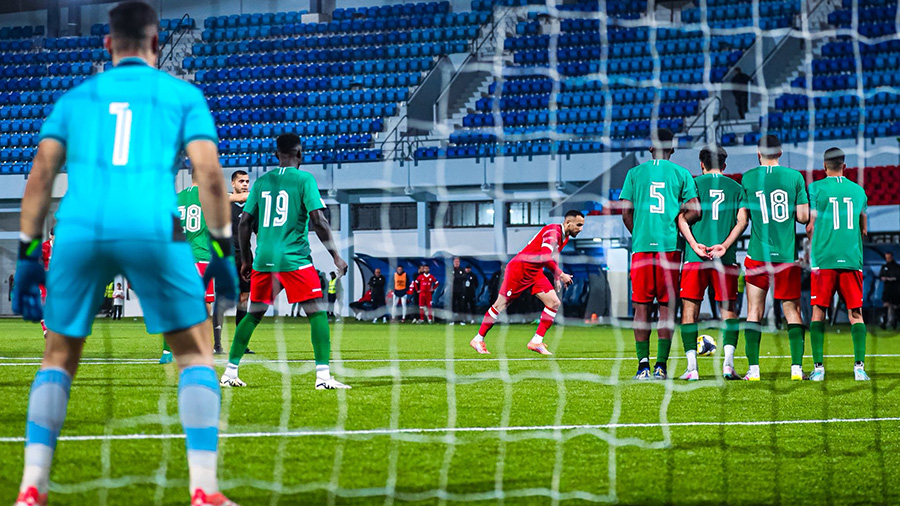
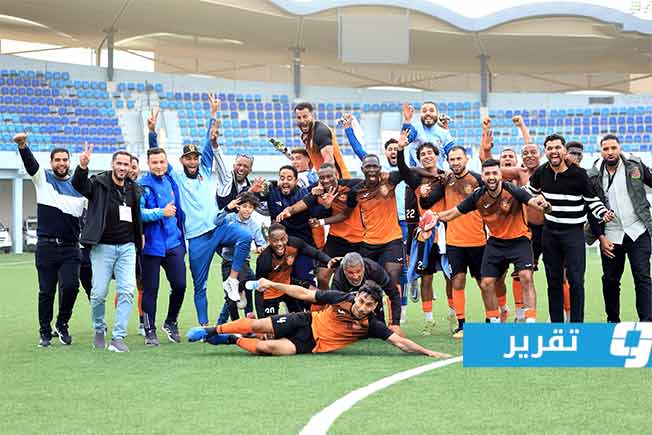
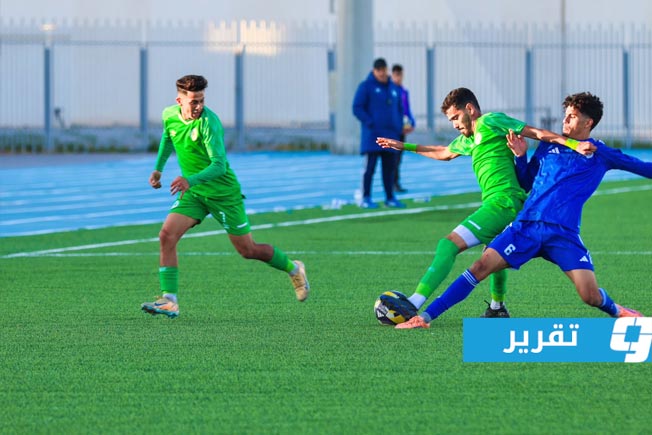
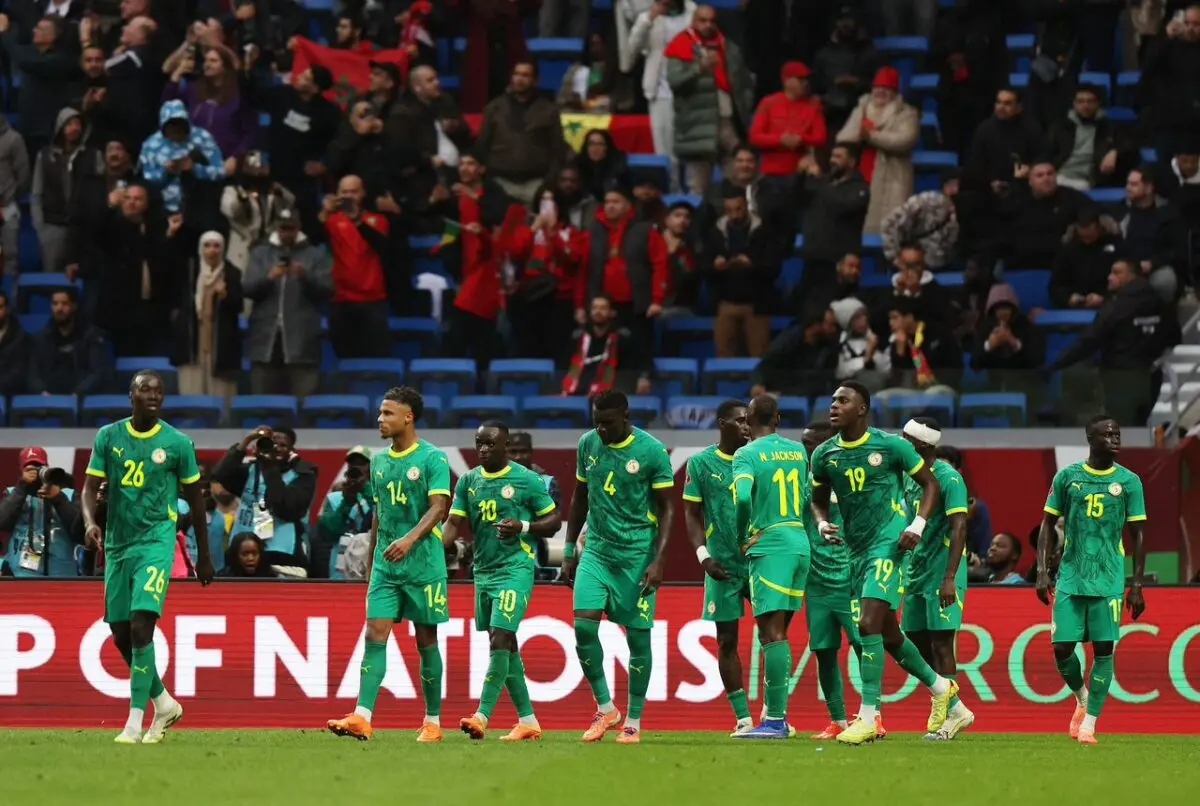
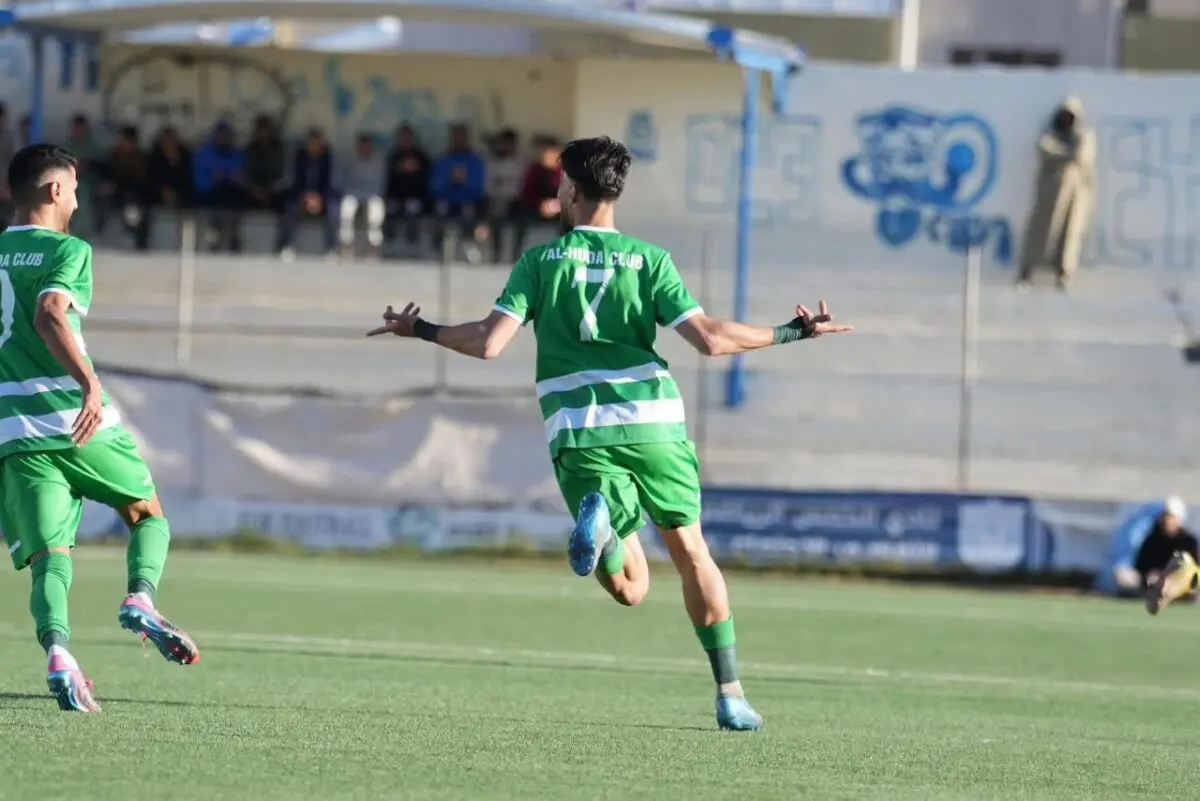
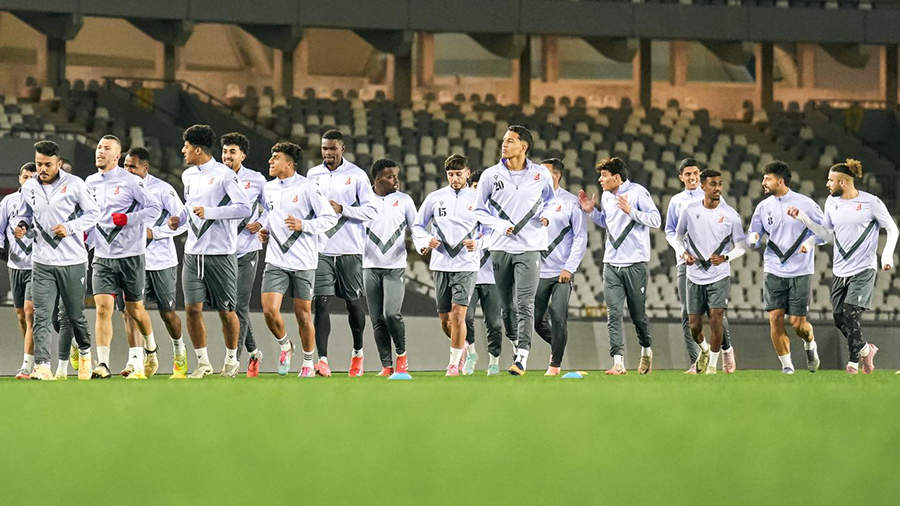
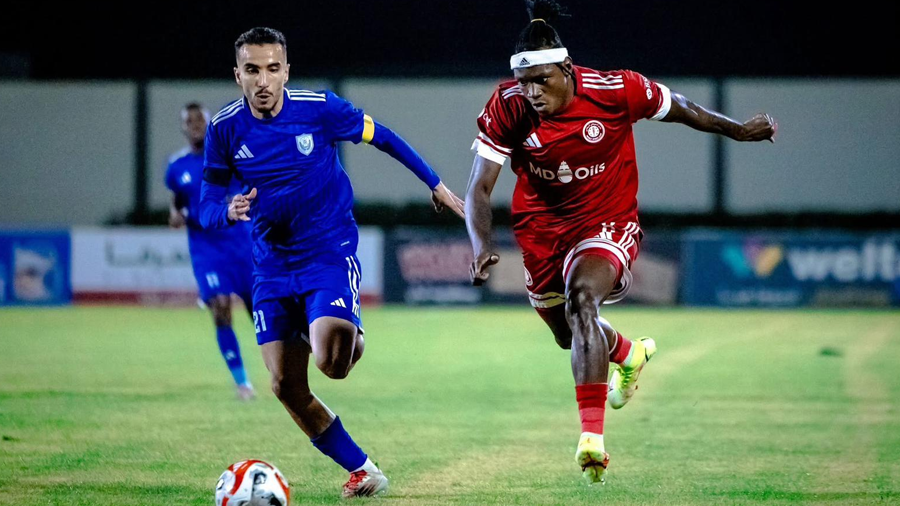
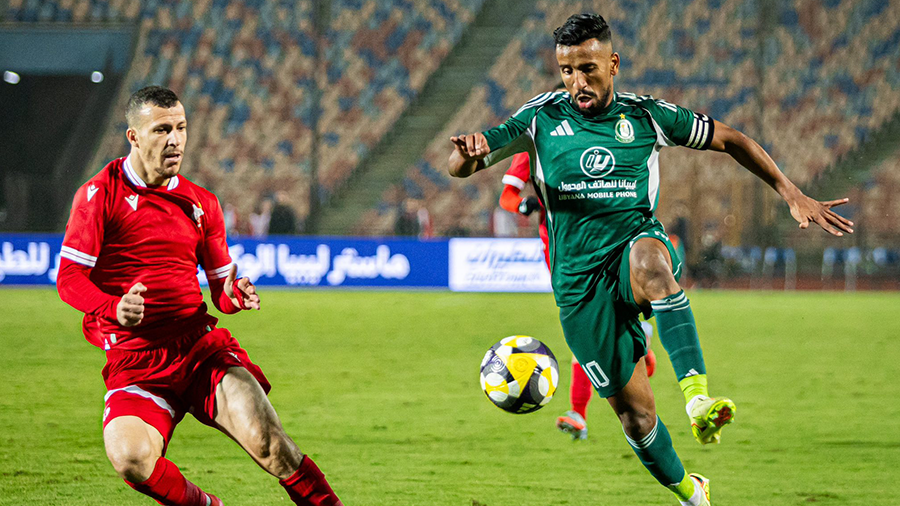
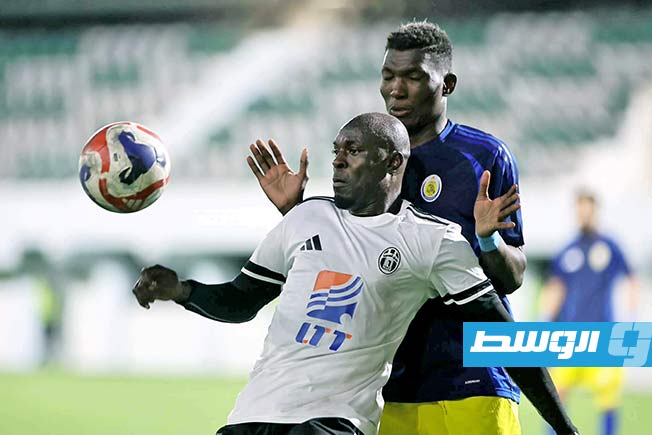
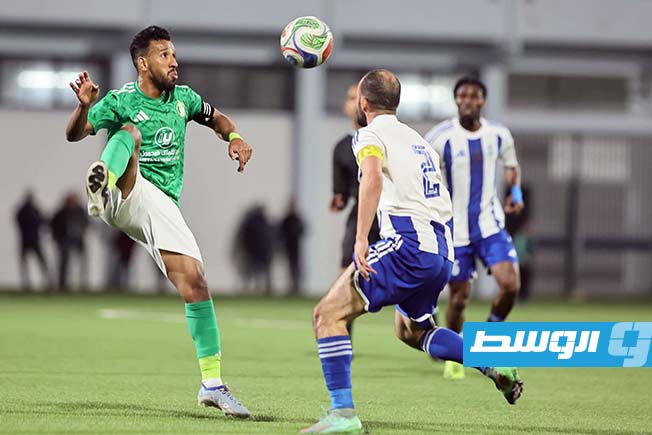
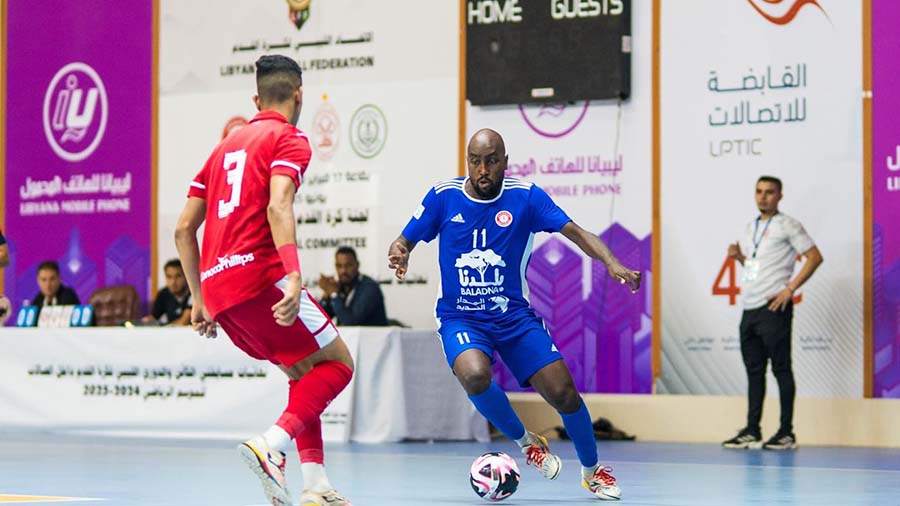
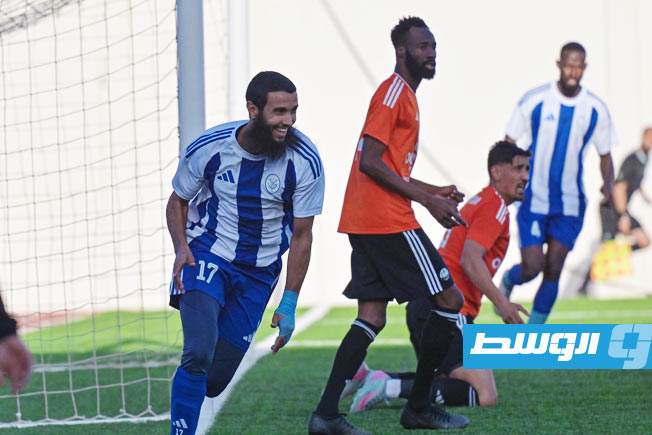
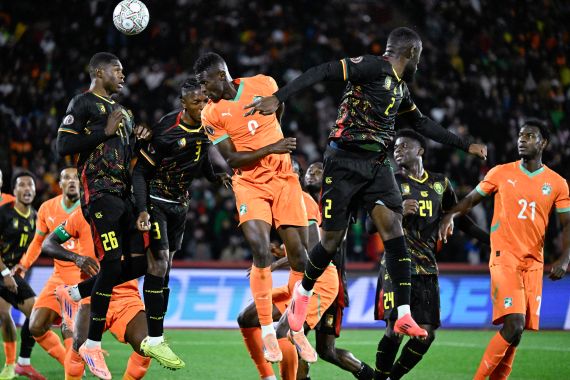
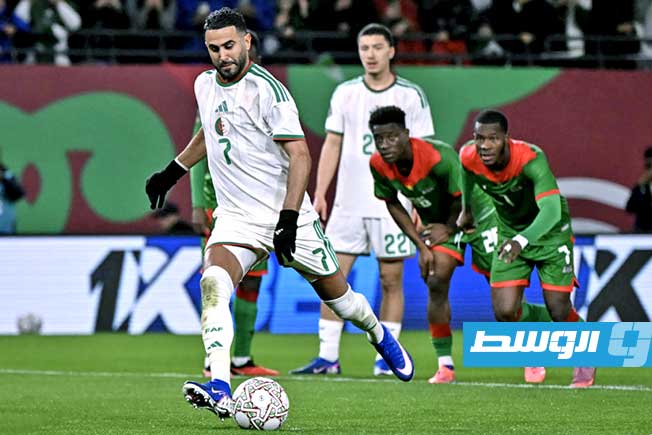
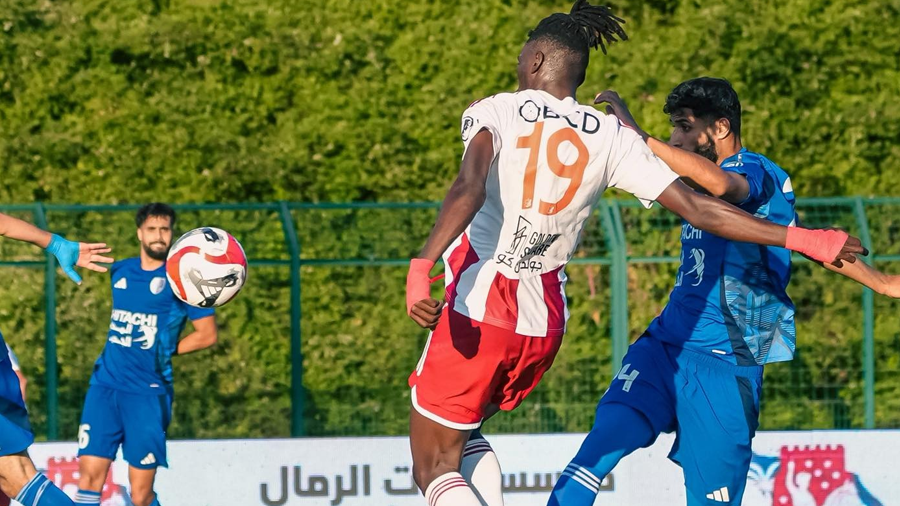
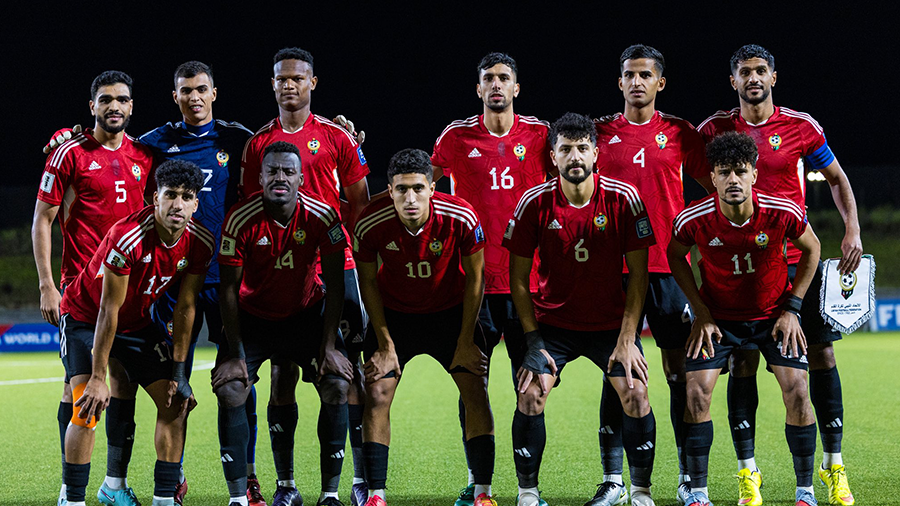
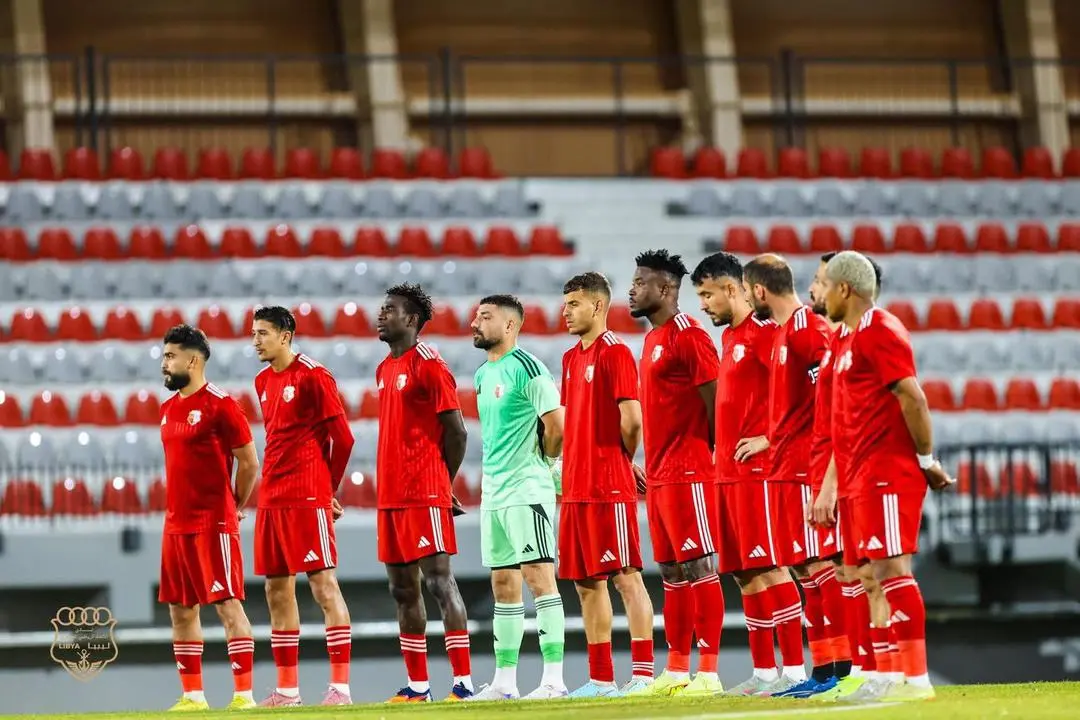
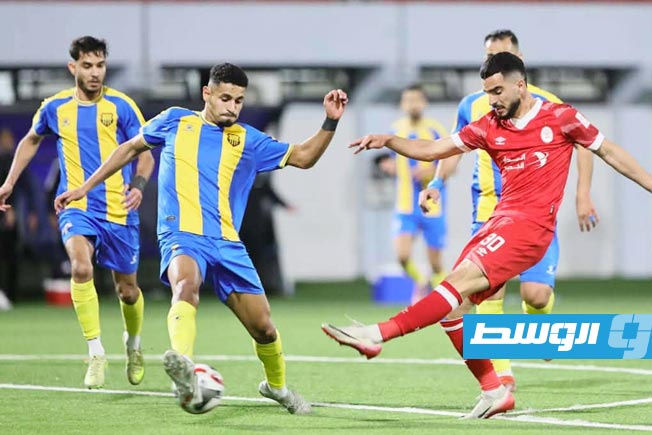
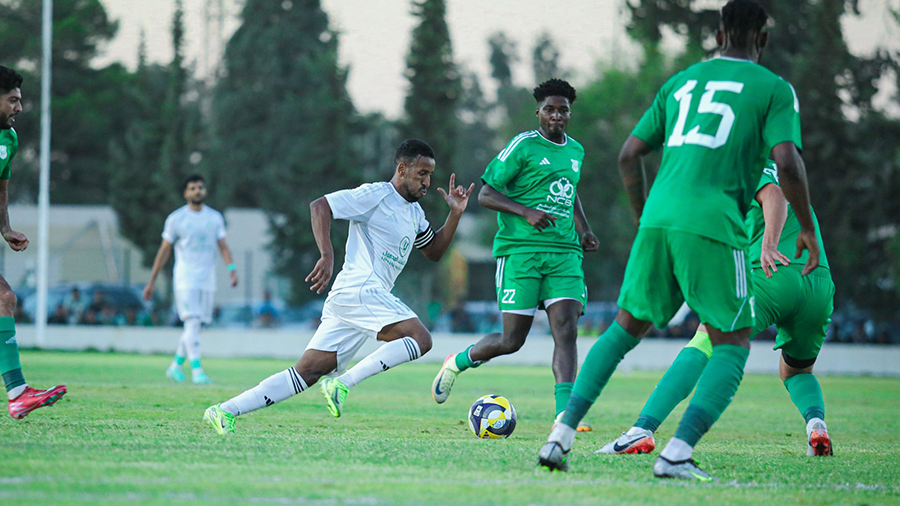
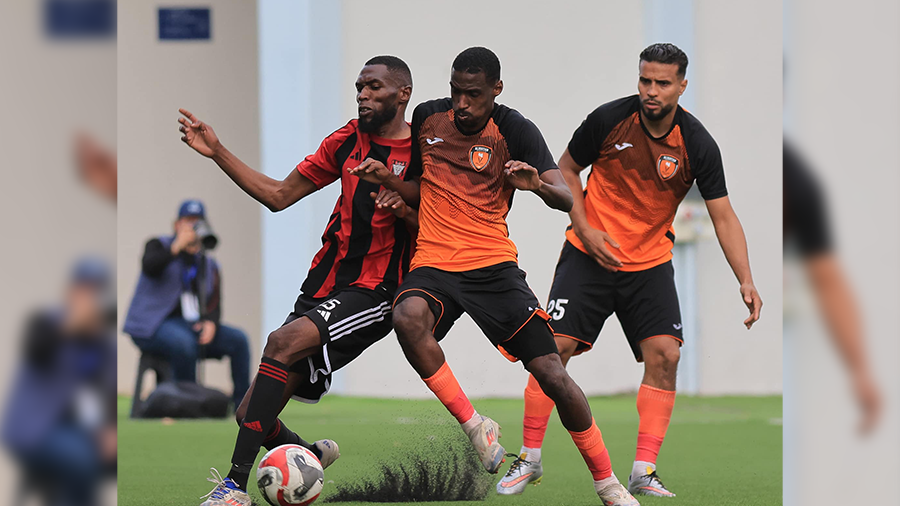
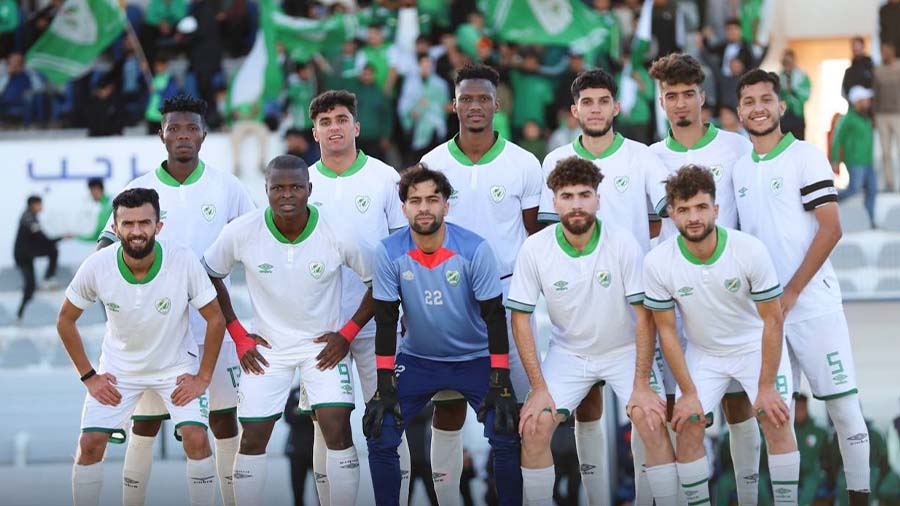
The competitions of the premier football league “Doreena” continue with the second round of the first leg, after the first round passed quietly and smoothly. League matches are being held consecutively so that the competition can be concluded by the previously announced date, which is May 2026, allowing players to get a chance to rest and prepare for the next season, which is scheduled to start in August 2026 like the rest of the world.
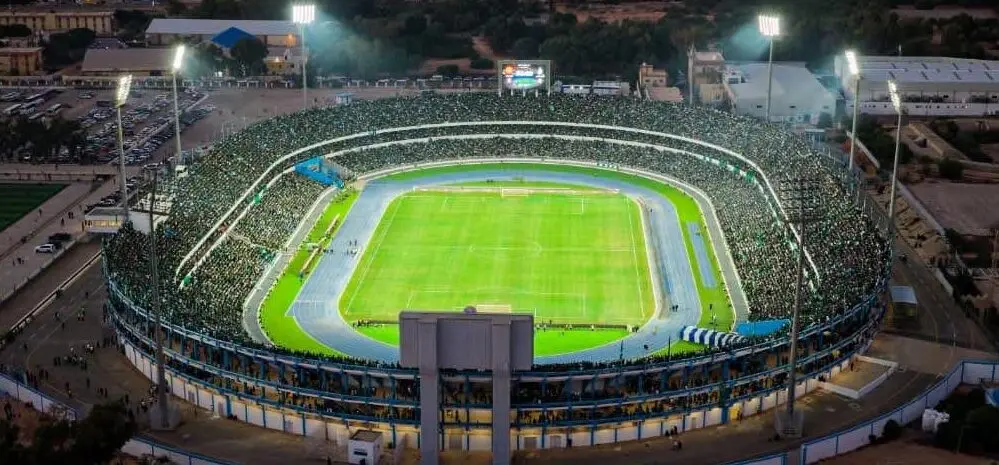
The second round matches kicked off yesterday and will continue until the day after tomorrow, according to the schedule announced by the Competitions Committee. In Group One today, matches are scheduled: Al-Dhahra vs. Al-Sabah at the Artificial River Stadium, and Al-Suwayhili vs. Al-Khums at Misrata Stadium. In the “Capital Derby,” Al-Madina and Al-Ahli Tripoli meet at the Artificial River Stadium.
Within Group Two, tomorrow’s matches are: Al-Olympi vs. Al-Shumou’ at Al-Zawiya Stadium, and Al-Tarsana vs. Ittihad Gharyan at the Artificial River Stadium. The day after tomorrow, matches are: Shabab Al-Ghar vs. Al-Majd at the Artificial River Stadium, and Al-Ittihad vs. Abi Al-Ashur at the same stadium.
In Group Three, today’s matches are: Darnes vs. Al-Ta’awun at Derna Municipal Stadium, with the top match between Al-Ahli Benghazi and Al-Hilal scheduled at the Benina Martyrs Stadium.
Within the competitions of Group Four, tomorrow’s matches are: Al-Muruj vs. Khalij Sirt at Bashir Jouda Stadium in Al-Marj, and Al-Tahaddy vs. Al-Nasr at Benina Martyrs Stadium. The day after tomorrow, matches are: Al-Andalus vs. Al-Afriqi at Tobruk Municipal Stadium, and Al-Wefaq Ajdabiya vs. Al-Akhdar at the 10 June Stadium in Ajdabiya.
Varied Results in the Four Groups
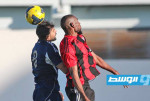
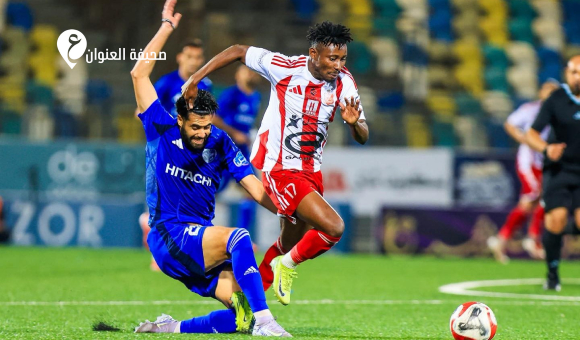
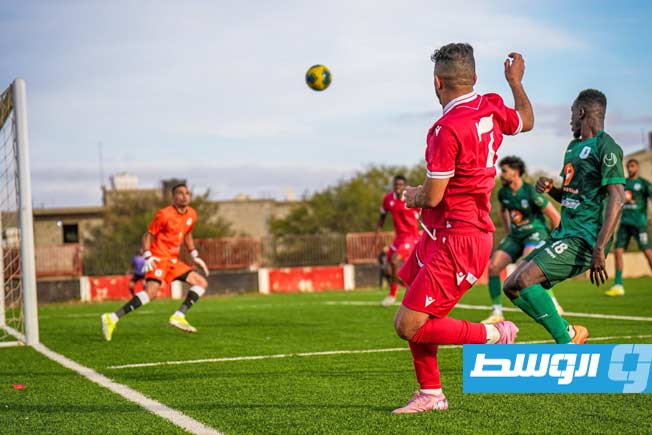
Despite the late start of the premier league, the first round was strong and witnessed great competition between the teams, raising expectations that “Doreena” will overcome the negative effects of its delayed start. While results varied between the four groups, Group One recorded notable figures with Al-Ahli Tripoli’s 4-0 win over Al-Qadisiyah, Al-Madina’s 1-0 win over Al-Watan, Al-Dhahra’s 3-1 win over Al-Khums, and Al-Suwayhili’s 3-1 win over Abu Salim. Al-Malabi Al-Libi beat Al-Sabah 1-0, bringing the total goals in this group to 14.
In Group Two, Al-Ittihad beat Al-Majd 2-1, Al-Olympi beat Abi Al-Ashur 1-0, Shabab Al-Ghar and Ittihad Gharyan drew 1-1, while Al-Ittihad Misrati beat Al-Tarsana 3-0, bringing the total goals in this group to nine.
Within the competitions of Group Three, Al-Ta’awun beat Al-Suqur 1-0, Al-Sadaqa beat Al-Buruq by the same result, and Al-Hilal beat Darnes 1-0. A draw dominated the match between Al-Ahli Benghazi and Al-Anwar, 2-2, bringing the total goals in the group to seven.
As for Group Four, its results saw Al-Wefaq Ajdabiya beat Al-Andalus 1-0, Al-Tahaddy beat Al-Afriqi 2-1, Khalij Sirt beat Al-Akhdar by the same score, and Al-Nasr overcame Al-Muruj 3-0, bringing the total goals in the group to ten.
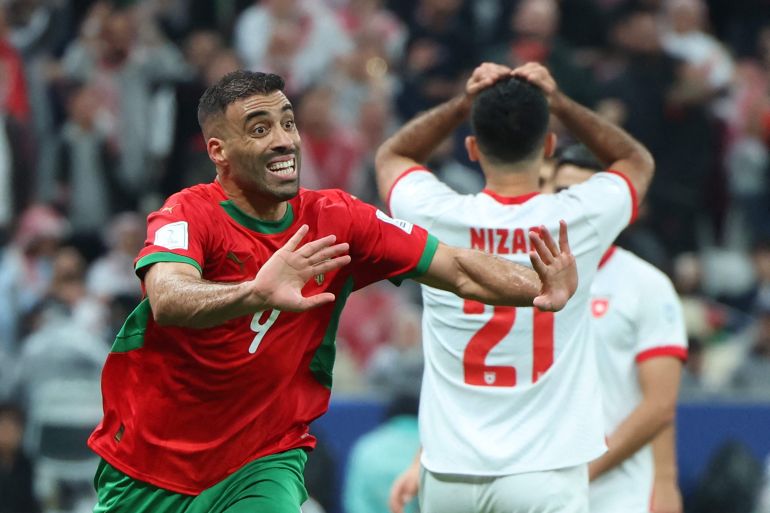
At the conclusion of the first round of “Doreena,” the participating teams in the four groups managed to score 37 goals. The matches also saw red cards shown on three occasions, and braces scored by players.
Warning Against Violating Public Decency
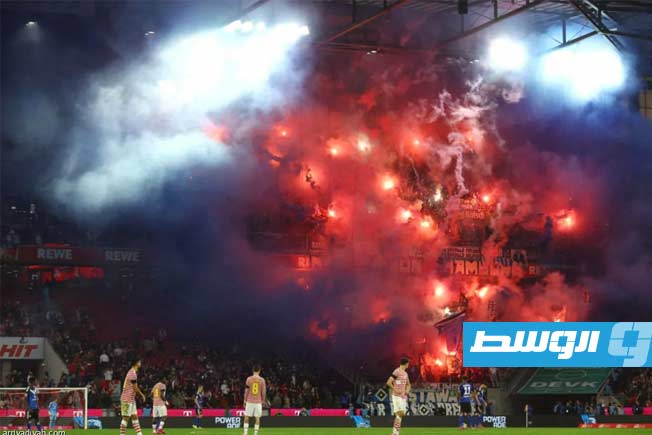
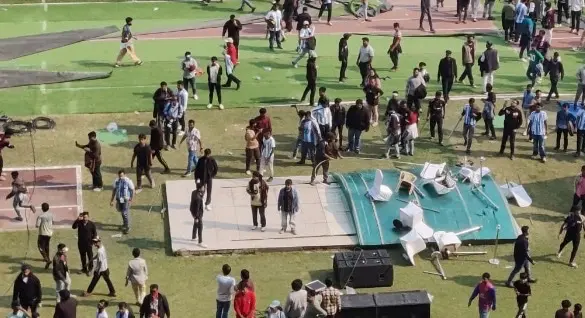
Concurrently with the launch of the new football season, an important notice was issued to players participating in the league, warning that all measures will be taken against anyone
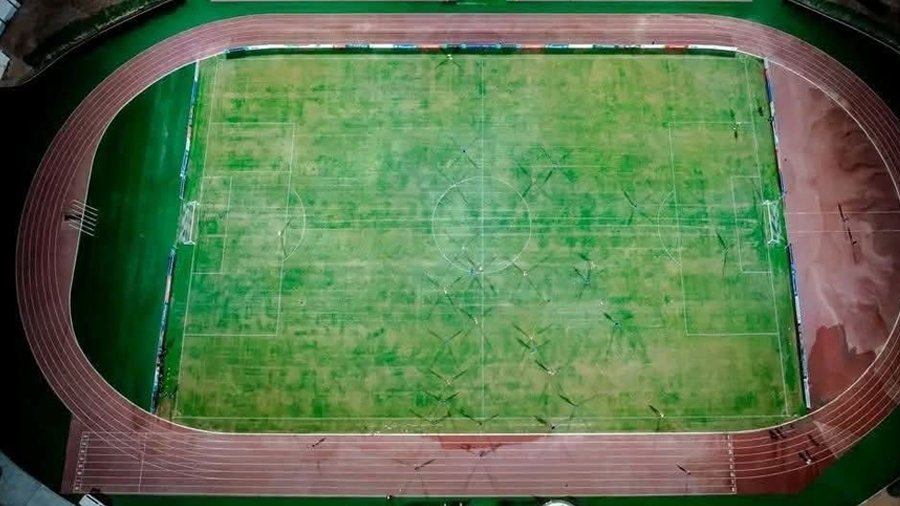
Artificial River Stadium
The Artificial River Stadium is a multi-purpose sports venue located in Tripoli, Libya, constructed in the early 1980s. It was built near the Great Man-Made River project, a massive network of pipelines supplying water to the Libyan coast, which inspired its name. The stadium has primarily served as a home for football matches and large public events.
Misrata Stadium
Misrata Stadium is a major sports venue located in the city of Misrata, Libya. It was constructed in the 1970s and has since served as a key facility for football matches and large public events. The stadium gained international attention during the 2011 Libyan Civil War when it was used as a makeshift detention center.
Al-Zawiya Stadium
Al-Zawiya Stadium is a multi-purpose sports venue located in Al-Zawiya, Libya, primarily used for football matches and serving as the home ground for Al-Ittihad Club. It was constructed in the 1970s and has since been a significant local hub for sporting events and community gatherings.
Derna Municipal Stadium
Derna Municipal Stadium is a multi-purpose stadium located in Derna, Libya, primarily used for football matches. It historically served as the home ground for Derna-based clubs and has been a focal point for local sporting events, though it sustained significant damage during the Libyan Civil War.
Benina Martyrs Stadium
Benina Martyrs Stadium is a multi-purpose sports venue located in Benghazi, Libya. It was inaugurated in 1962 and later renamed to honor the Libyan martyrs who died fighting Italian colonial rule. The stadium serves as the home ground for the Libyan national football team and the local club Al-Ahly Benghazi.
Bashir Jouda Stadium
Bashir Jouda Stadium is a multi-purpose stadium located in Omdurman, Sudan, primarily used for football matches. It was constructed in 1964 and named in honor of Bashir Jouda, a prominent Sudanese footballer from the mid-20th century. The stadium has served as a key venue for domestic matches and has hosted the Sudan national football team.
Tobruk Municipal Stadium
Tobruk Municipal Stadium is a multi-purpose sports venue located in Tobruk, Libya. It is primarily used for football matches and serves as the home ground for several local clubs. The stadium has a notable history of hosting significant events, including matches during the 1982 African Cup of Nations.
10 June Stadium
The 10 June Stadium is a multi-purpose stadium in Tripoli, Libya, originally built in the 1960s. It is primarily used for football matches and serves as the home ground for the Libyan national football team and several local clubs. The stadium was named to commemorate a significant political event in Libyan history, the expulsion of Italian forces and the declaration of independence on October 10, 1961, though its naming references the date of a later, related historical observance.
Al-Marj
Al-Marj is a city in northeastern Libya, historically significant as the site of the ancient Greek colony of Barca, founded around 560 BCE. It later became an important Roman and Byzantine center before its modern development, though it suffered severe damage from an earthquake in 1963.
Ajdabiya
Ajdabiya is a city in northeastern Libya, historically significant as a major crossroads for trans-Saharan trade routes and a center for the Senussi religious movement in the 19th and early 20th centuries. It later gained strategic military importance during the 2011 Libyan Civil War, when it was a key battleground for control of the country’s coastal highway.
Tripoli
Tripoli is the capital and largest city of Libya, with a history dating back to the 7th century BC when it was founded by the Phoenicians. It later came under Roman, Byzantine, Arab, Ottoman, and Italian rule, which is reflected in its historic architecture, such as the old Medina and the Red Castle (Assaraya al-Hamra).
Benghazi
Benghazi is a major city in eastern Libya, historically significant as a center of trade and culture since its founding as the Greek colony of Euesperides in the 6th century BC. It later served as the provisional capital of Libya and was a focal point of the 2011 uprising that led to the overthrow of Muammar Gaddafi.
Misrata
Misrata is a major port city on the Mediterranean coast of northwestern Libya, historically known as a key trading hub since the Roman and Ottoman periods. It gained significant modern prominence for its pivotal and prolonged resistance against pro-Gaddafi forces during the 2011 Libyan Civil War, which heavily damaged the city. Today, it is a vital economic center known for its commerce and industry.
Al-Khums
Al-Khums is a coastal city in northwestern Libya, historically significant as the site of ancient Leptis Magna, a prominent Phoenician and later Roman settlement. Leptis Magna, now a UNESCO World Heritage site, was a major trading port and the birthplace of Emperor Septimius Severus, who greatly expanded it during his reign in the late 2nd and early 3rd centuries AD. The modern city of Al-Khums developed near these extensive ruins, which remain among the best-preserved Roman archaeological sites in the Mediterranean.
Gharyan
Gharyan is a historic town in northwestern Libya, renowned for its traditional underground cave dwellings carved into the mountainside, which provided natural insulation and protection. These unique structures, some of which are centuries old, reflect a distinctive architectural adaptation to the region’s climate and have been a notable feature of the local Berber (Amazigh) culture.
Derna
Derna is a historic port city in eastern Libya, situated in a fertile valley along the Mediterranean coast. It has a long history dating back to ancient Greek and Roman periods, later becoming a significant center under Ottoman rule and known for its distinctive architecture and agricultural hinterland. The city has faced significant challenges in recent decades, including severe damage from catastrophic flooding in 2023.
Sirt
Sirt, also known as Sirte, is a city in Libya historically significant as the birthplace of Muammar Gaddafi, who heavily developed it during his rule. It served as a de facto capital and was the site of major battles during the 2011 Libyan Civil War and subsequent conflicts. The city’s modern history is deeply intertwined with Gaddafi’s regime and the turbulent period following its fall.
Tobruk
Tobruk is a port city in eastern Libya, historically significant for its natural harbor. It gained prominence during World War II when it was the site of a prolonged and pivotal siege between Allied and Axis forces. The city remains an important cultural and economic center in the region.