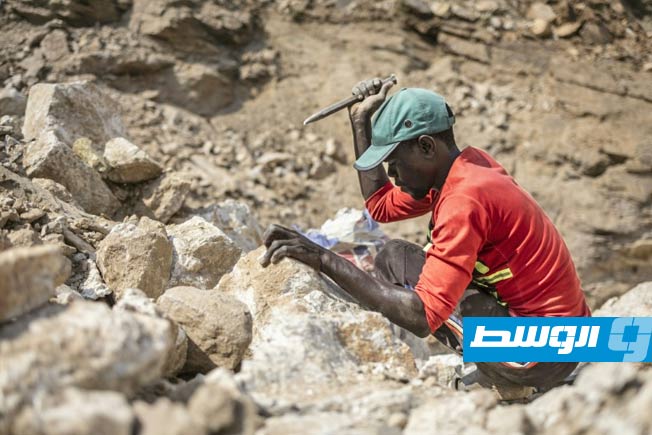
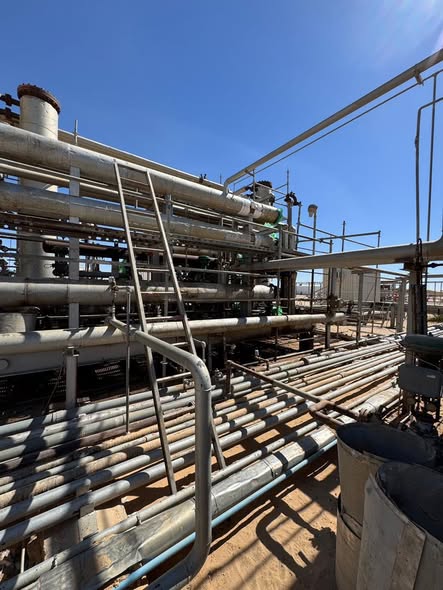
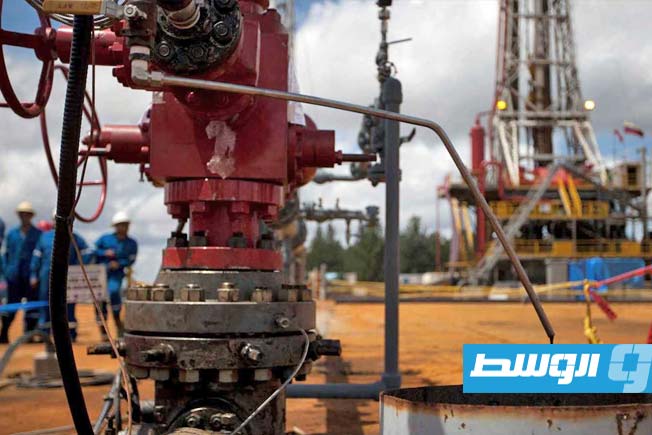
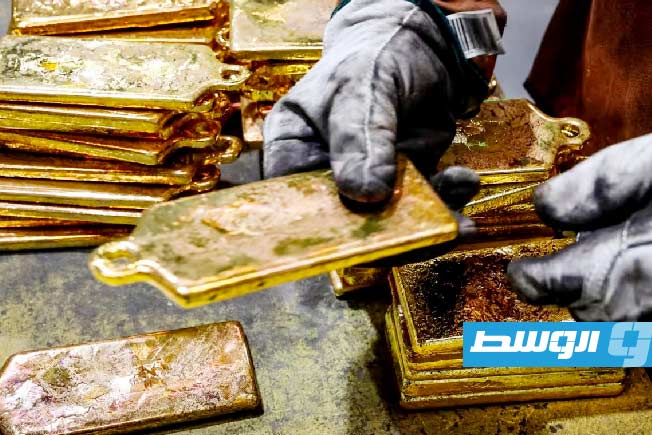
The proliferation of unlicensed gold mines in northern and central Nigeria has attracted increasingly violent gangs and armed groups, according to authorities and residents.
Men from these gangs and armed groups attack miners and villages, looting crops, burning homes, and kidnapping residents. Gang activity began amid clashes between cattle herders and farmers over pastures and water resources, which are becoming scarce due to climate change.
The director of Nigeria’s National Counter-Terrorism Centre stated that illegal mining “overlaps with armed robbery, insurgency, arms trafficking, and cross-border smuggling.” This statement was made during a meeting held with the United Nations Office on Drugs and Crime in early December.
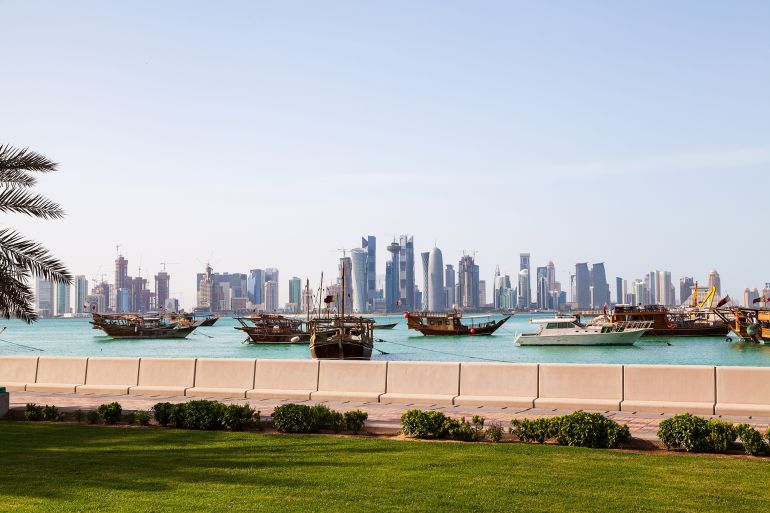
Gold smuggling to Dubai
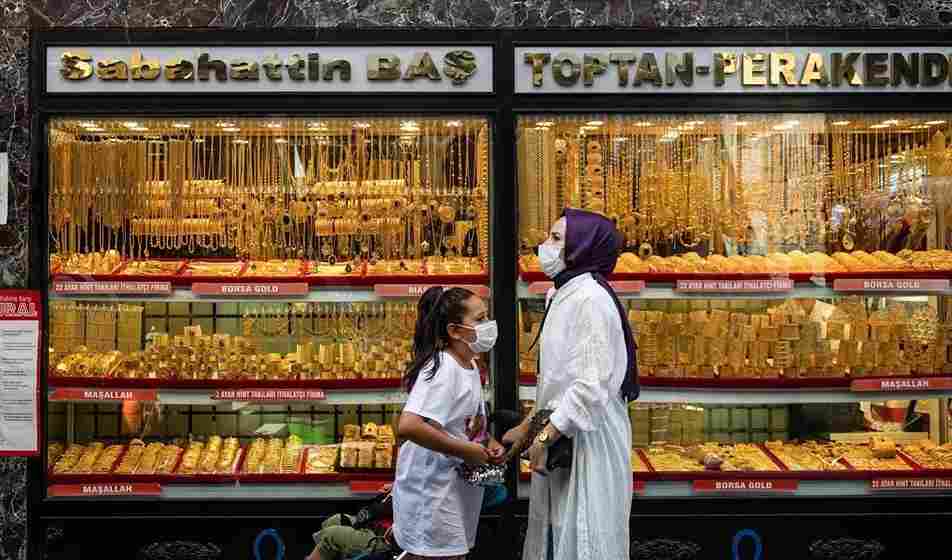
The Minister of Solid Minerals Development believes that influential Nigerian elites control illegal gold extraction. The majority of this gold is smuggled to Dubai, where it is “laundered”—stripped of its smuggled status—before entering global markets.
Authorities in 19 northern Nigerian states say illegal mineral exploitation “is a major factor contributing to security crises.”
Officials are calling for a six-month suspension of mining operations to verify licenses and “curb the scourge of illegal exploitation.” However, the Miners Association of Nigeria warned that a total halt to mining would “increase the severity of poverty and insecurity.”
Growing security deterioration
Gang members generally impose taxes on workers at illegal mines, demanding a share of the extracted gold in exchange for “protection.” Workers comply with these demands without resistance, fearing violence or being prevented from mining.
In October, a gang killed 16 miners in Kaduna State after its leader was killed while trying to seize gold by force.
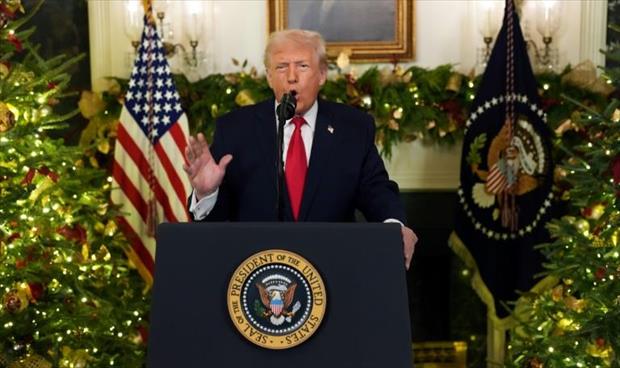
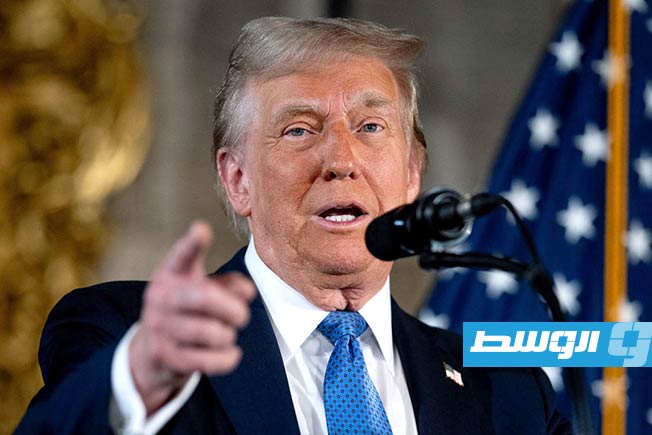
– Trump threatens Nigeria with military action
Additionally, miners protected by gangs attack villages with gold deposits, forcing residents to leave. This is according to Maman Alhassan, who was forced to leave his village in Niger State three years ago in this manner. He says, “If residents object, the miners respond by launching bloody attacks.”
Ineffective ban
Authorities also attribute the security deterioration to an influx of foreigners. The governor of Kebbi State accuses workers from Mali, Chad, and Tanzania of fueling violence related to mining in Nigeria.
Gang members often ally with extremist groups, regardless of religious ideology or political orientation, simply to make money. Through this, they obtain lethal weapons and strengthen their presence in the country’s northwest and central regions.
Nigeria possesses gold estimated at over 750,000 metric tons
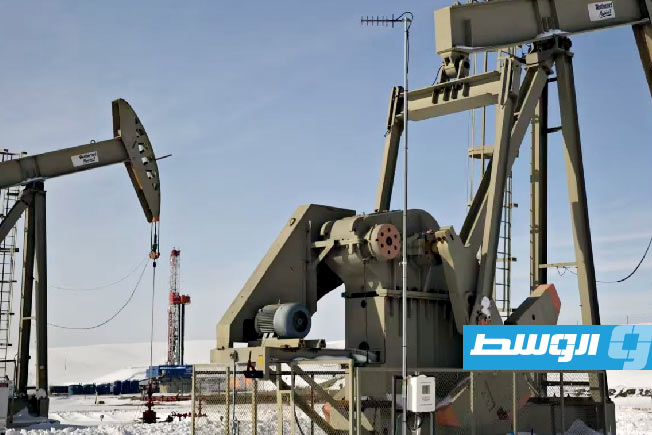
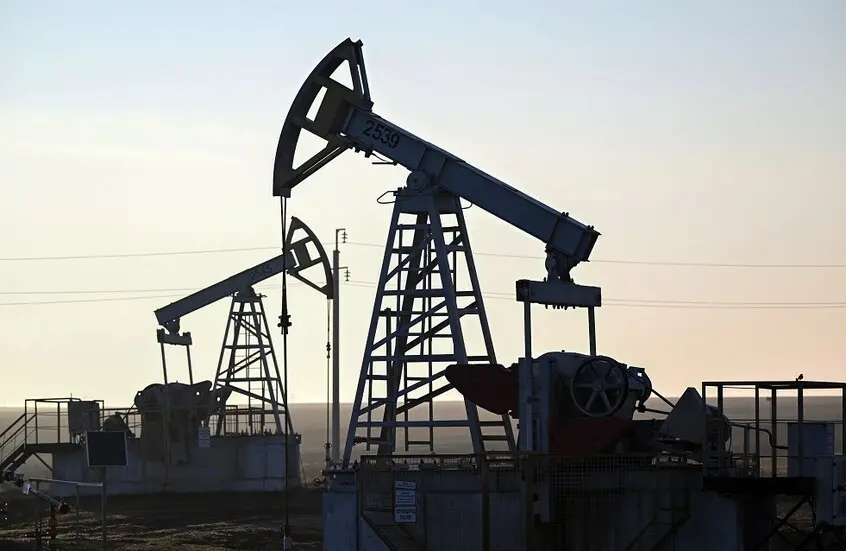
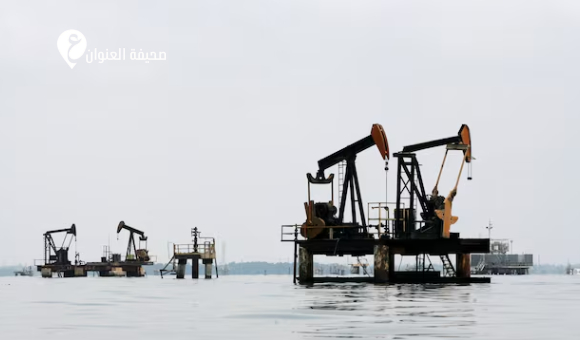
In addition to its large oil reserves, Nigeria possesses gold estimated at over 750,000 metric tons, equivalent to 0.5% of global production, according to a 2023 report on gold.
Several governments have tried to ban mineral mining in an effort to combat organized crime but have not succeeded. In October, the governor of Niger State announced a comprehensive ban in his state and also announced a project to recruit ten thousand men to form self-defense groups to protect rural areas.
Nigeria
Nigeria is a West African country with a rich history shaped by ancient kingdoms like the Nok, Benin, and Oyo, as well as the transatlantic slave trade and British colonial rule before gaining independence in 1960. It is Africa’s most populous nation and a cultural powerhouse, globally influential through its Nollywood film industry, diverse musical traditions, and vibrant artistic heritage.
northern Nigeria
Northern Nigeria is a vast region in Africa’s most populous country, historically home to powerful pre-colonial empires like the Sokoto Caliphate, which was established in the early 19th century through a jihad led by Usman dan Fodio. Today, it is a culturally and religiously distinct area, predominantly Hausa-Fulani and Muslim, known for its ancient cities, traditional emirate systems, and significant economic activities in agriculture and trade.
central Nigeria
Central Nigeria is a culturally diverse region historically shaped by ancient kingdoms like the Nok, which flourished from around 1500 BCE to 500 CE and is famed for its early terracotta sculptures. The area later included influential states such as the Hausa city-states and the Jos Plateau settlements, playing a key role in trans-Saharan trade routes. Today, it remains a vibrant hub for numerous ethnic groups, including the Hausa, Fulani, and Nupe, with a rich heritage in arts, festivals, and traditional governance.
Dubai
Dubai is a major global city and emirate in the United Arab Emirates, historically known as a small fishing and pearling village. Its modern transformation began in the late 20th century, fueled by oil revenue and strategic investments, leading to its current status as a hub for tourism, finance, and trade. It is now famous for its ultramodern architecture, luxury shopping, and ambitious landmarks like the Burj Khalifa.
Kaduna State
Kaduna State is a major geopolitical and cultural hub in northern Nigeria, founded in 1967 during the country’s administrative reorganization. Historically, it served as the capital of the former Northern Region and remains a center of commerce, education, and diverse ethnic groups, including the Hausa and Fulani.
Niger State
Niger State is a large state in north-central Nigeria, named after the River Niger that flows through it. Historically, it was part of the ancient Nupe and Gwari kingdoms before being incorporated into modern Nigeria during British colonial rule. Today, it is known for agricultural production and hosts the Kainji Dam, one of the country’s major hydroelectric power sources.
Kebbi State
Kebbi State is a northwestern Nigerian state created in 1991 from part of the former Sokoto State. Historically, it is part of the old Kebbi Kingdom, a powerful Hausa kingdom and later a caliphate emirate founded in the 15th century, known for its resistance to the Sokoto jihad. The state is culturally significant for its Argungu Fishing Festival, a centuries-old annual event celebrating the region’s fishing traditions.
Mali
Mali is a West African nation historically renowned as the heart of several powerful empires, most notably the Mali Empire, which flourished from the 13th to 16th centuries and was famed for its wealth, scholarship in Timbuktu, and the pilgrimage of Mansa Musa. Today, it is a culturally rich country home to significant UNESCO World Heritage Sites, including the ancient cities of Timbuktu and Djenné, though many of its historical monuments face threats from conflict and environmental challenges.
Chad
Chad is a landlocked country in north-central Africa, with a history marked by ancient Saharan trade routes and powerful pre-colonial kingdoms like Kanem-Bornu. It gained independence from France in 1960 and has since experienced significant political instability and conflict. Its cultural landscape is diverse, with over 200 ethnic groups and notable sites like the lakes and rock art of the Ennedi Massif, a UNESCO World Heritage site.
Tanzania
Tanzania is an East African nation home to significant cultural and natural sites, most notably the island of Zanzibar with its historic Stone Town—a UNESCO World Heritage site reflecting Swahili and Arab influences—and the Serengeti plains, known for ancient human history and the Great Migration. The mainland, historically comprising Tanganyika, merged with Zanzibar in 1964 after gaining independence from British colonial rule.
United Nations Office on Drugs and Crime
The United Nations Office on Drugs and Crime (UNODC) is a global leader in the fight against illicit drugs, organized crime, corruption, and terrorism. Established in 1997 through the merger of the UN Drug Control Programme and the Centre for International Crime Prevention, it works to assist Member States in addressing these interconnected threats to security, health, and justice.
National Counter-Terrorism Centre
The National Counter-Terrorism Centre (NCTC) is a key Indian government agency established in the aftermath of the 2008 Mumbai attacks. It serves as a hub for intelligence coordination and analysis, integrating inputs from various security and investigative bodies to formulate counter-terrorism strategies and responses.
Miners Association of Nigeria
The Miners Association of Nigeria (MAN) is the primary private sector umbrella body representing the interests of exploration, mining, and quarrying companies in Nigeria. It was established to promote and protect the Nigerian mining industry, which has a long history dating back to pre-colonial times with the extraction of minerals like tin and gold, though the sector declined significantly after the 1970s oil boom. The association now plays a key role in advocacy, policy engagement, and fostering sustainable development as the government seeks to revitalize the solid minerals sector.