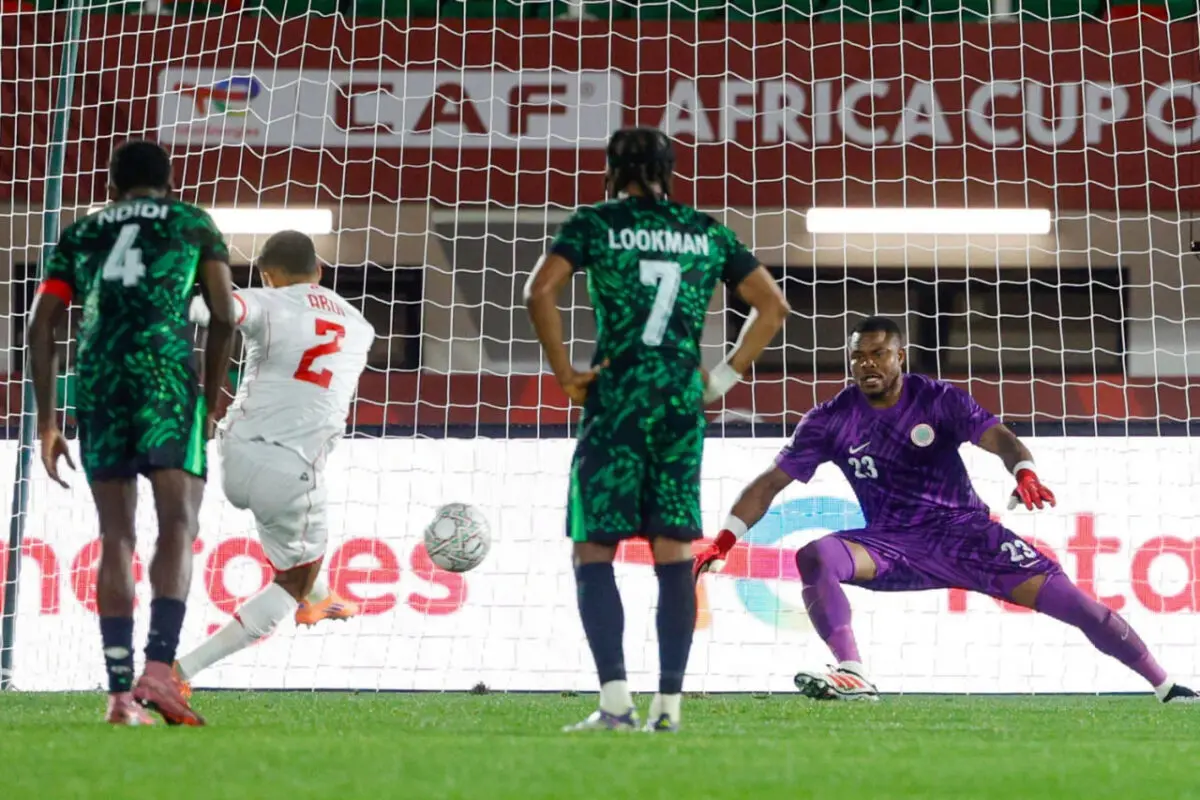
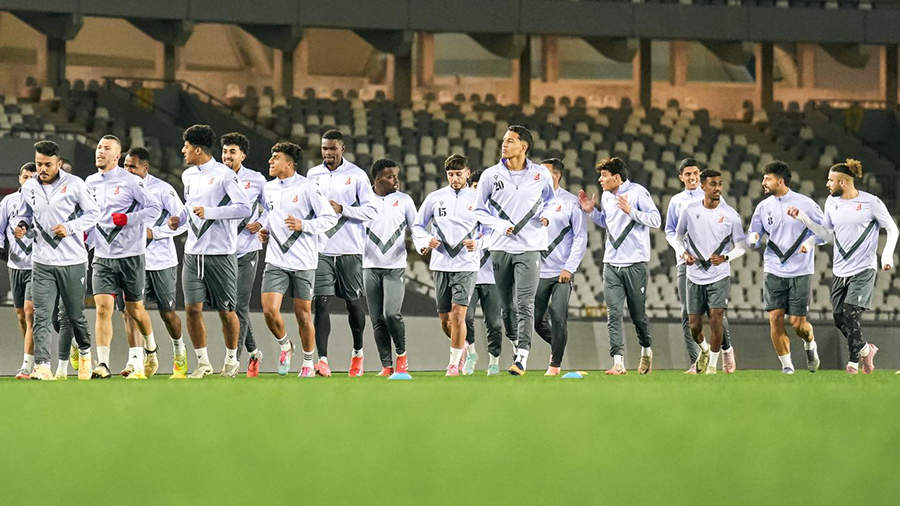
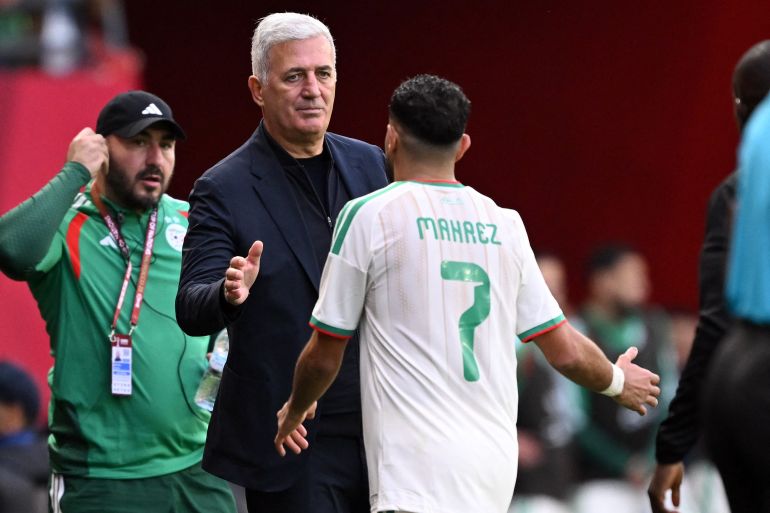
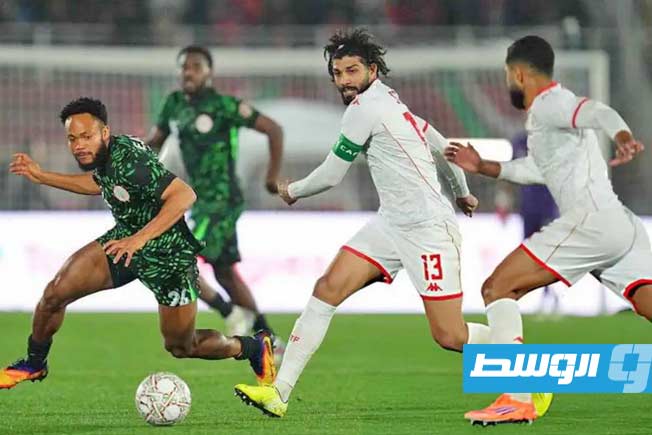
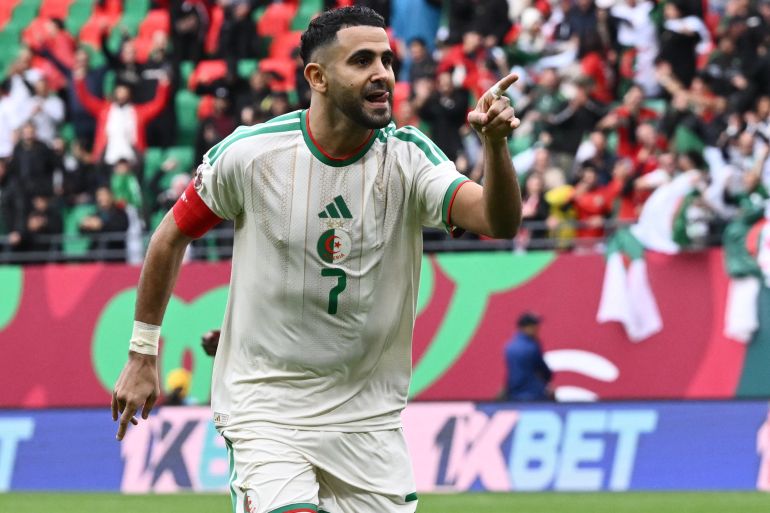
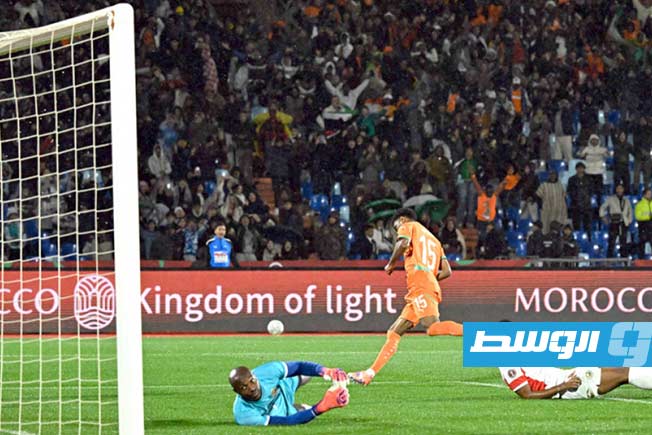
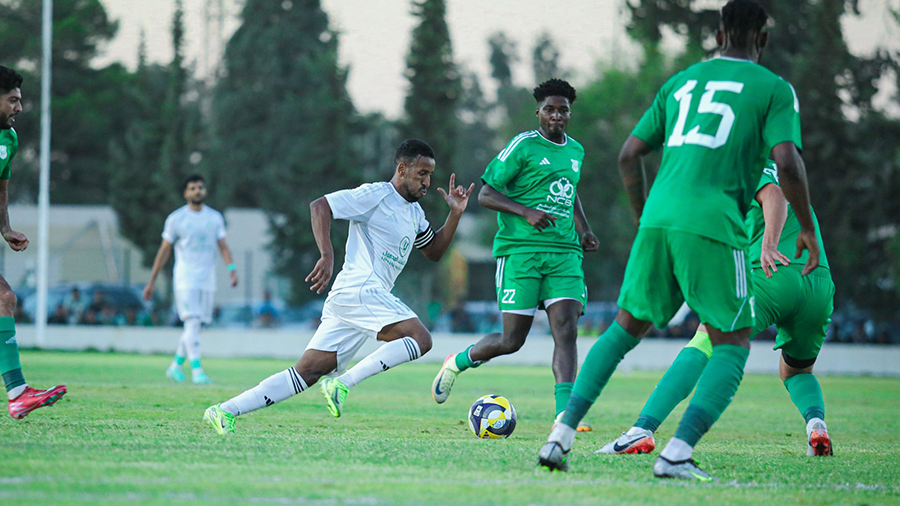
The Nigerian national team qualified for the Round of 16 of the 2025 Africa Cup of Nations, being held in Morocco, after an exciting 3-2 victory over Tunisia on Saturday in the second round of Group Three matches, securing top spot with a perfect record.
Nigeria’s goals were scored by Victor Osimhen in the first half, before Wilfred Ndidi and Ademola Lookman added two more in the second half. Tunisia responded with two goals from Montassar Talbi and Ali Al-Abadi from a penalty.
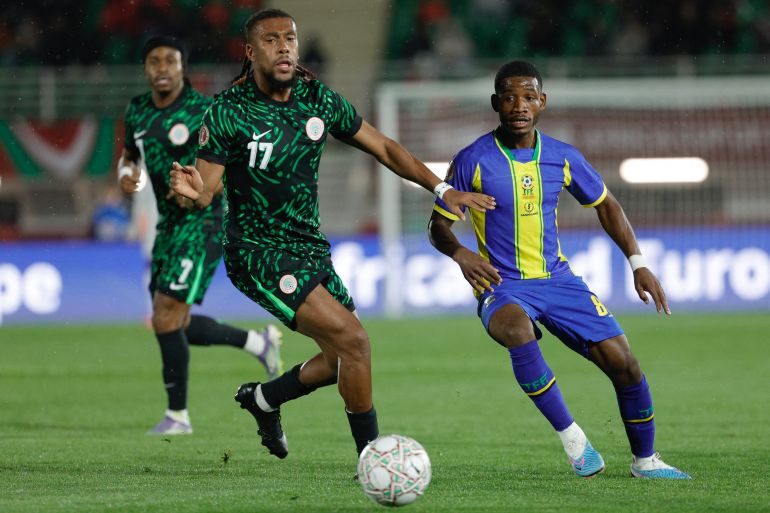
With this result, Nigeria’s tally rose to six points from two consecutive wins, following their 2-1 victory over Tanzania in the first round. Meanwhile, Tunisia’s points remain at three, while Tanzania and Uganda are tied with one point each after their 1-1 draw.
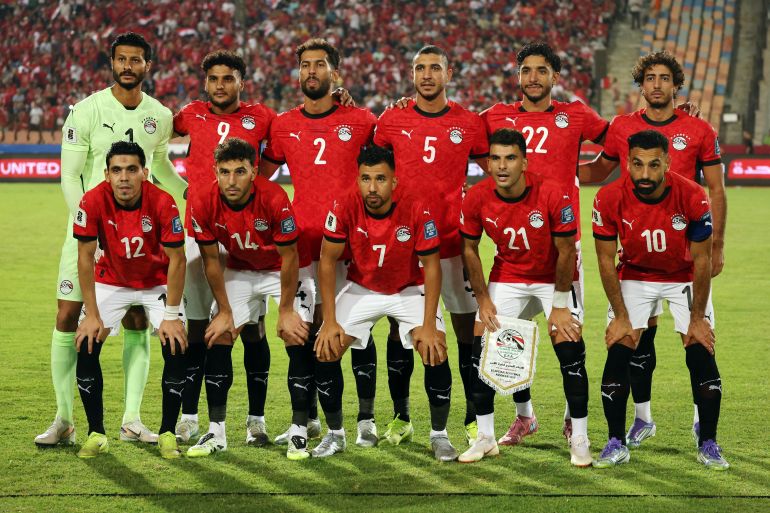
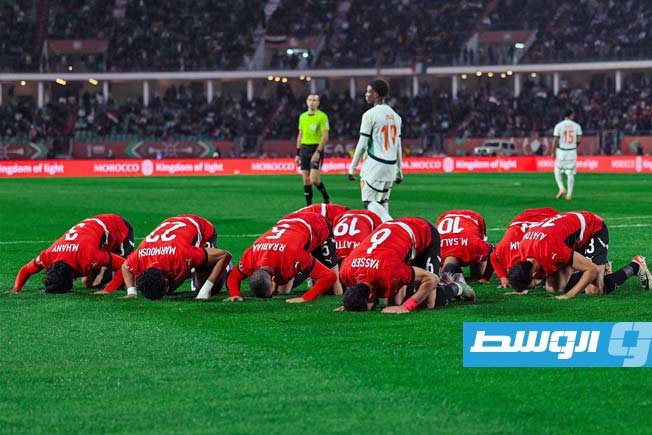
Nigeria, the tournament champion in 1980, 1994, and 2013, became the second team to secure qualification for the Round of 16 after Egypt, which clinched top spot in Group Two.
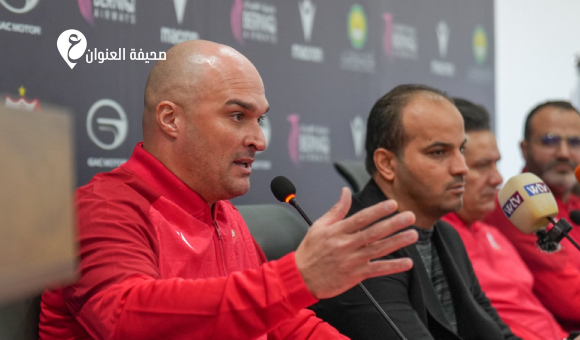
Following the match, the Tunisian coach acknowledged that his team lost many duels, describing the first half as “a half to forget.” However, he emphasized that the performance in the last thirty minutes proves the team’s ability to come back, considering the match against Tanzania in the third round as an opportunity for a positive reaction and to secure qualification.
Tunisia is scheduled to meet Tanzania in Rabat for the final round, while Nigeria will face Uganda in Fez to complete the Group Three matches.
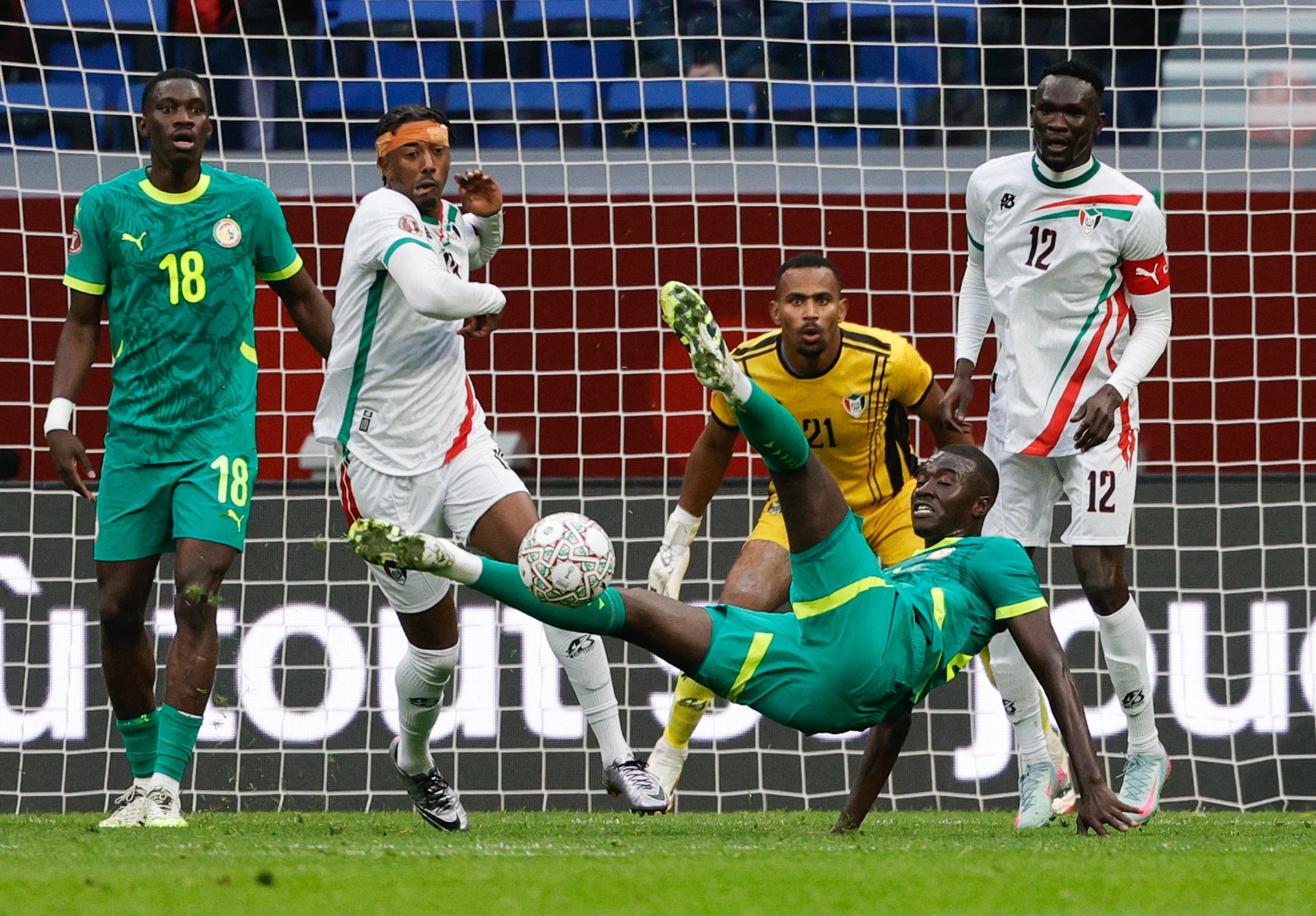
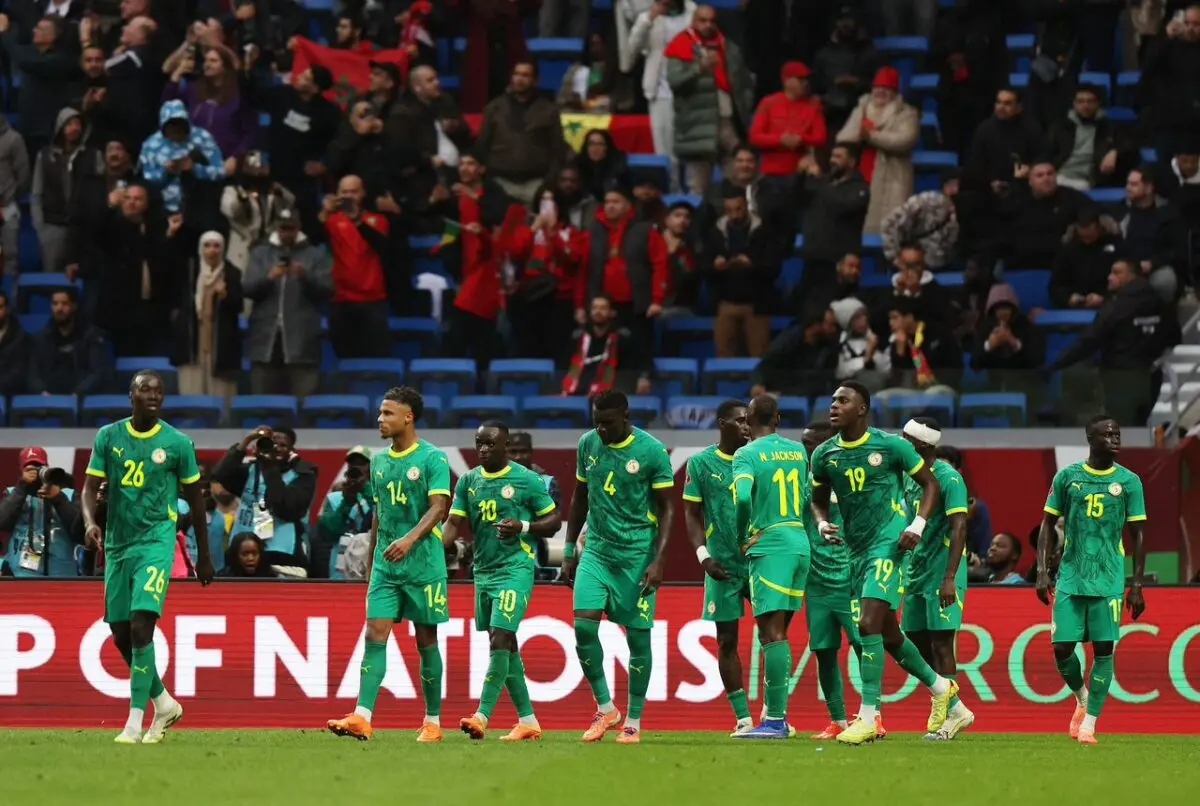
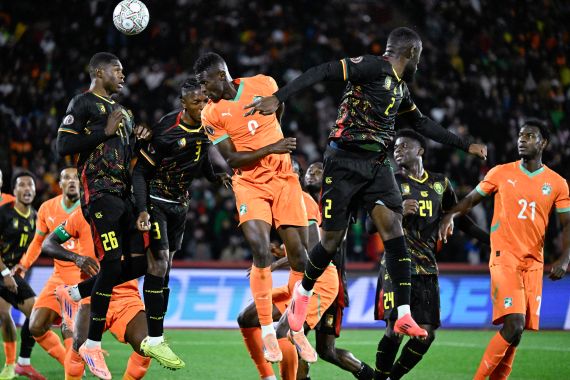
In Group Four, veteran Sadio Mané saved the Senegalese national team, the 2022 champions, from a loss against the Democratic Republic of the Congo by scoring the equalizing goal in a 1-1 draw at the Grand Stade de Tanger. The Congolese team took the lead through Cédric Bakambu in the 61st minute, before Mané equalized for Senegal in the 69th minute.
Both teams raised their points tally to four, leading the group with Senegal having a goal difference advantage, after defeating Botswana 3-0 in the first round. They are now very close to qualifying for the Round of 16, where the group winner and runner-up advance directly, along with the best four third-placed teams.
After the match, Mané (33 years old) said: “The match was difficult. We were supposed to win, but we couldn’t convert all our chances into goals. That’s football. We have a good and respectable opponent ahead of us, and we must prepare well for the next match against Benin.”
In the same group, Benin achieved its first-ever victory in the tournament’s history by defeating Botswana 1-0, with the goal scored by defender Yoann Roch in the 28th minute. Benin had failed to achieve any victory in its previous 14 matches across four editions, recording 5 draws and 9 losses.
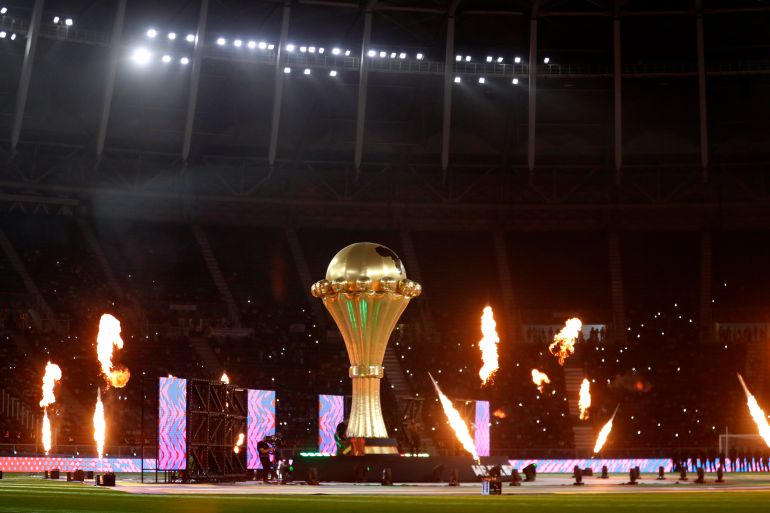
The Africa Cup of Nations is an important platform for African national teams to prove their continental excellence. The tournament is held every two years and features the most prominent professional players from global leagues.
Nigeria
Nigeria is a West African country with a rich history shaped by ancient kingdoms like the Nri, Benin, and Oyo, as well as the transatlantic slave trade and British colonial rule before gaining independence in 1960. It is Africa’s most populous nation and a cultural powerhouse, globally influential through its Nollywood film industry, diverse musical traditions, and vibrant artistic heritage.
Tunisia
Tunisia is a North African country with a rich history shaped by ancient civilizations, including the Phoenicians, Romans, and Arabs. Its cultural landscape is famously marked by the archaeological site of Carthage, a major power of the ancient Mediterranean, and the well-preserved Roman amphitheater at El Jem. The country also features historic Islamic architecture in cities like Tunis and Kairouan, one of the holiest cities in Islam.
Morocco
Morocco is a North African country with a rich history shaped by indigenous Amazigh (Berber) cultures, Arab influence from the 7th century, and successive dynasties like the Almoravids and Almohads. Its cultural sites, such as the ancient city of Fez and the Koutoubia Mosque in Marrakech, reflect this blend of Arab, Islamic, and Amazigh heritage. The country is also known for its historic medinas, Saharan landscapes, and the architectural legacy of French and Spanish colonial periods.
Tanzania
Tanzania is an East African nation home to significant cultural and natural sites, most notably the island of Zanzibar with its historic Stone Town—a UNESCO World Heritage site reflecting Swahili coastal culture and a history of trade, slavery, and colonial rule. The country also contains some of the world’s most important paleoanthropological sites, such as Olduvai Gorge, where some of the earliest human fossils have been discovered.
Uganda
Uganda is a landlocked East African nation known for its diverse landscapes, including the source of the Nile River and mountain gorilla habitats. Its history includes powerful pre-colonial kingdoms like Buganda, followed by British colonization until independence in 1962, and a subsequent period of political turmoil. Today, it is recognized for its rich cultural heritage and wildlife.
Egypt
Egypt is home to one of the world’s oldest civilizations, with a recorded history spanning over 5,000 years and famed for its pharaohs, pyramids, and monuments along the Nile River. Its cultural legacy, from ancient wonders like the Giza pyramid complex to Islamic Cairo, continues to be a central focus of historical and archaeological study.
Rabat
Rabat is the capital city of Morocco, founded in the 12th century by the Almohad Caliphate as a ribat (fortified monastery). It is now a modern political and administrative center, recognized as a UNESCO World Heritage site for its well-preserved historic quarters, including the Hassan Tower and the Chellah necropolis.
Fez
Fez is a historic city in northern Morocco, founded in the 8th and 9th centuries and renowned as a center of Islamic learning and culture. It is famous for the University of al-Qarawiyyin, founded in 859 CE and considered one of the oldest continuously operating universities in the world. The city’s ancient medina, Fes el-Bali, is a UNESCO World Heritage site, preserving a labyrinthine urban fabric from the medieval period.
Senegal
Senegal is a West African nation known for its rich cultural heritage and history as a center of several pre-colonial empires and later French colonial rule. It is renowned for cultural sites like Gorée Island, a UNESCO World Heritage site that memorializes the Atlantic slave trade, and the Grand Mosque of Touba, a major spiritual center. The country gained independence peacefully in 1960 and is celebrated for its tradition of “Teranga” (hospitality) and as a hub of African art and music.
Democratic Republic of the Congo
The Democratic Republic of the Congo (DRC), located in Central Africa, is a country with a complex history marked by Belgian colonial rule under King Leopold II and a subsequent struggle for independence achieved in 1960. It is renowned for its vast mineral wealth and the Congo River basin, which contains the world’s second-largest rainforest.
Grand Stade de Tanger
The Grand Stade de Tanger is a major football stadium in Tangier, Morocco, inaugurated in 2011. It was built to host international matches and major events, serving as a key venue for the 2013 FIFA Club World Cup and the 2019 Africa Cup of Nations. Its modern design and capacity of over 65,000 spectators make it one of the largest and most prominent stadiums in Africa.
Botswana
Botswana is a landlocked country in Southern Africa known for its stable democracy and significant diamond mining industry. Historically, it was a British protectorate called Bechuanaland before gaining independence in 1966. The country is globally renowned for its vast wilderness areas, including the Okavango Delta and Chobe National Park.
Benin
Benin refers to both the modern West African nation and the historic Kingdom of Benin, which was a major pre-colonial power centered in what is now southern Nigeria. The kingdom, famous for its advanced bronze and ivory artworks, flourished from the 13th to the 19th century before being annexed by the British Empire in 1897. The modern Republic of Benin, formerly known as Dahomey, gained independence from France in 1960.
Africa Cup of Nations
The Africa Cup of Nations is the premier international men’s football competition in Africa, first held in 1957. It was founded to unite African nations emerging from colonialism and is organized by the Confederation of African Football (CAF).