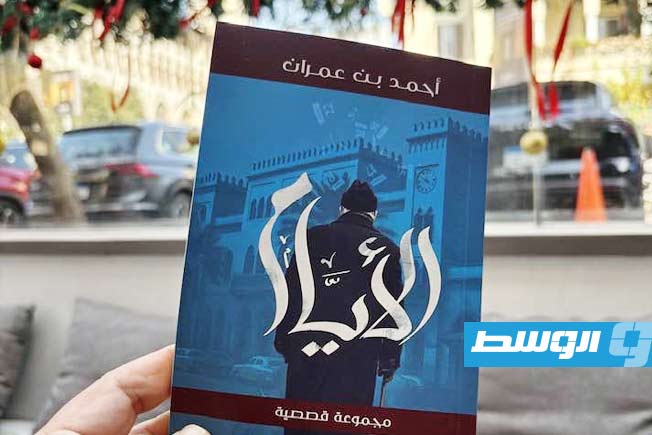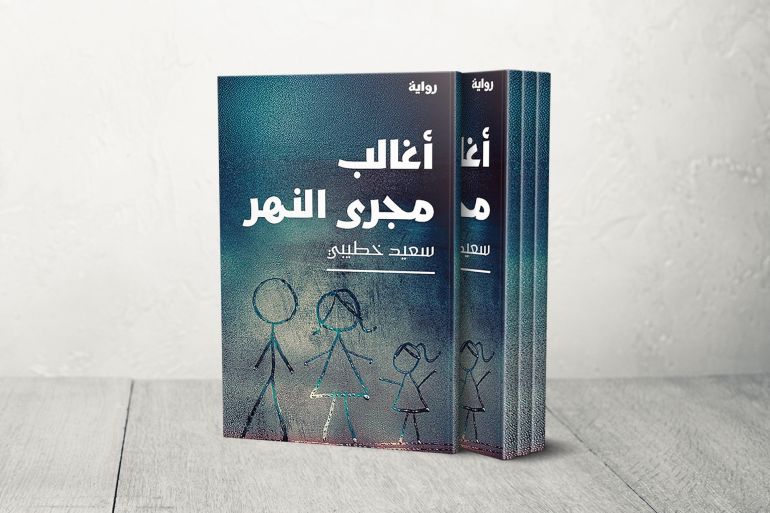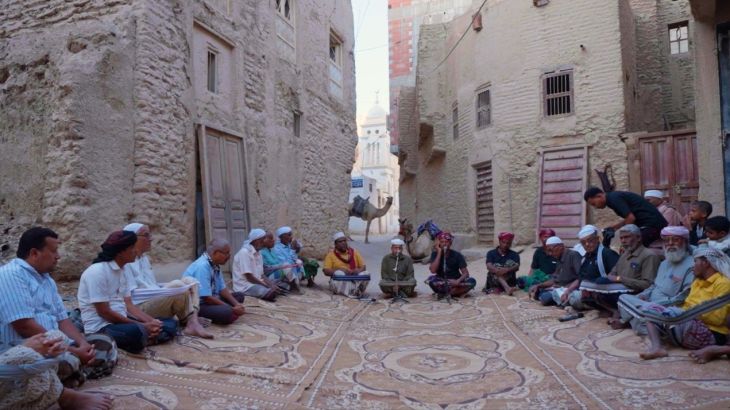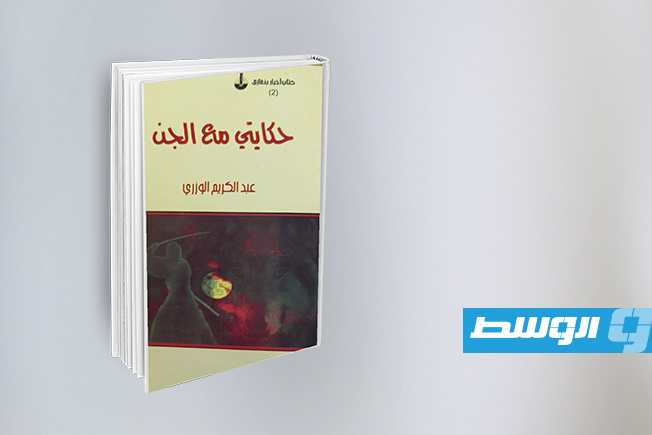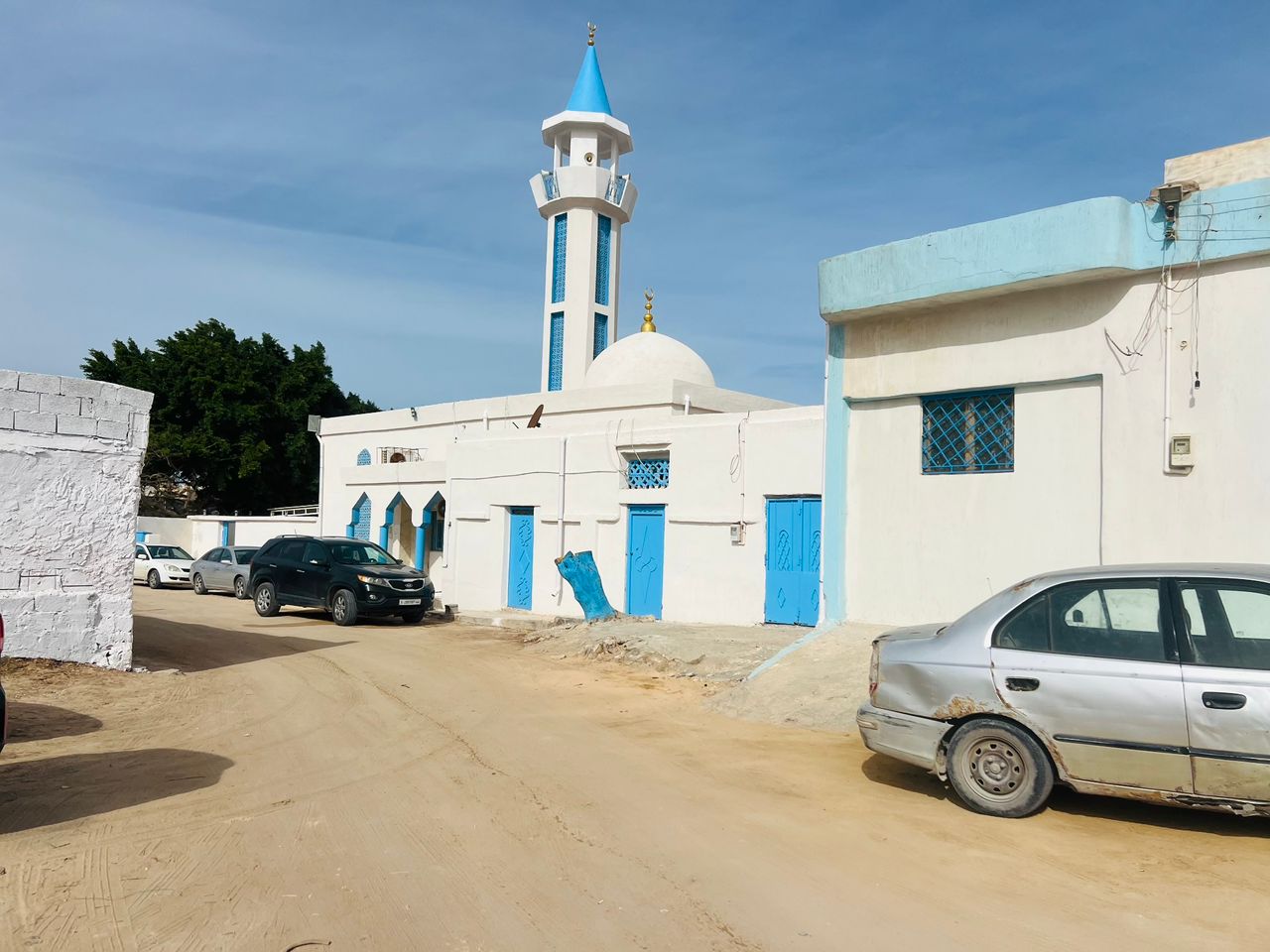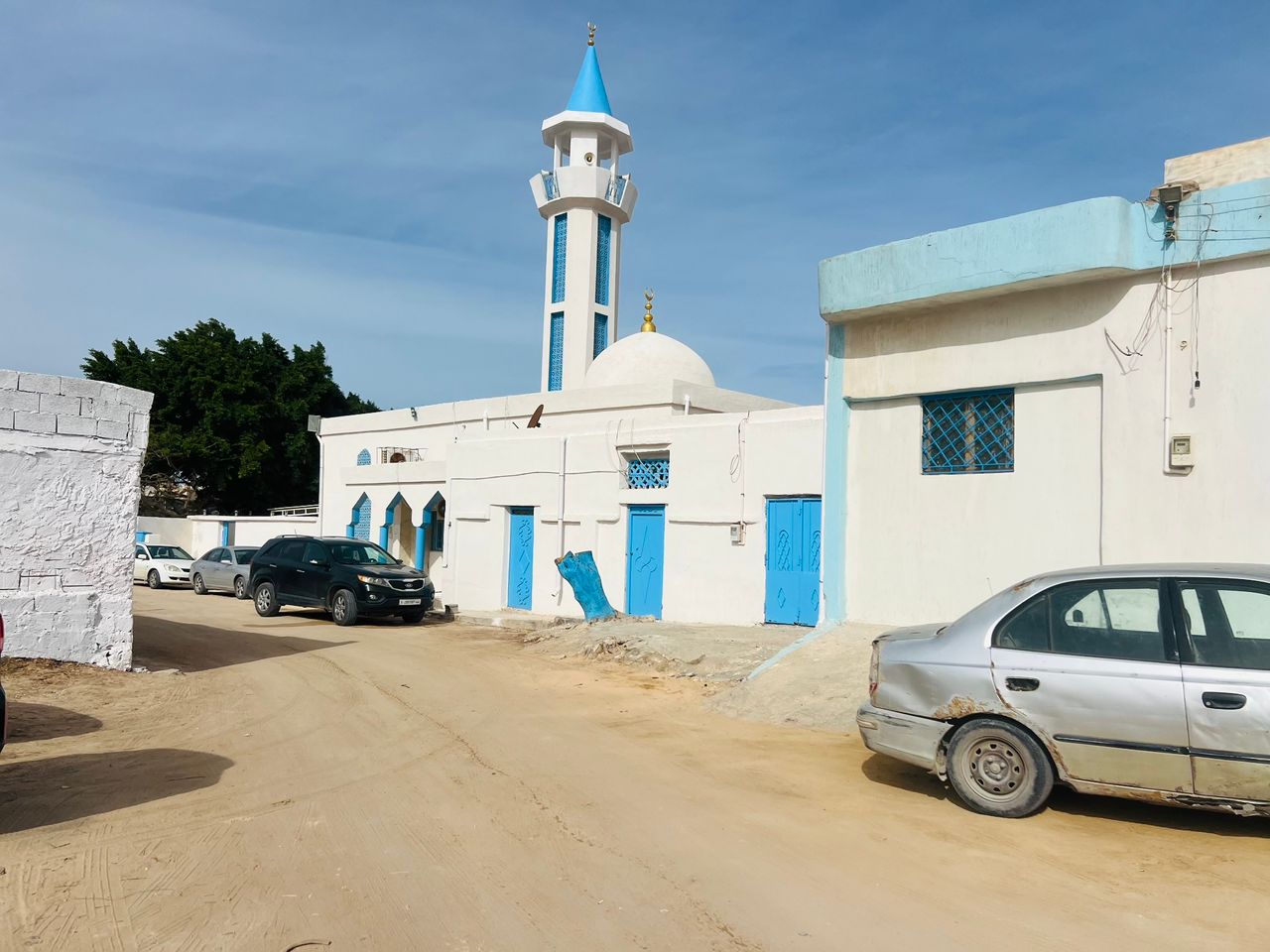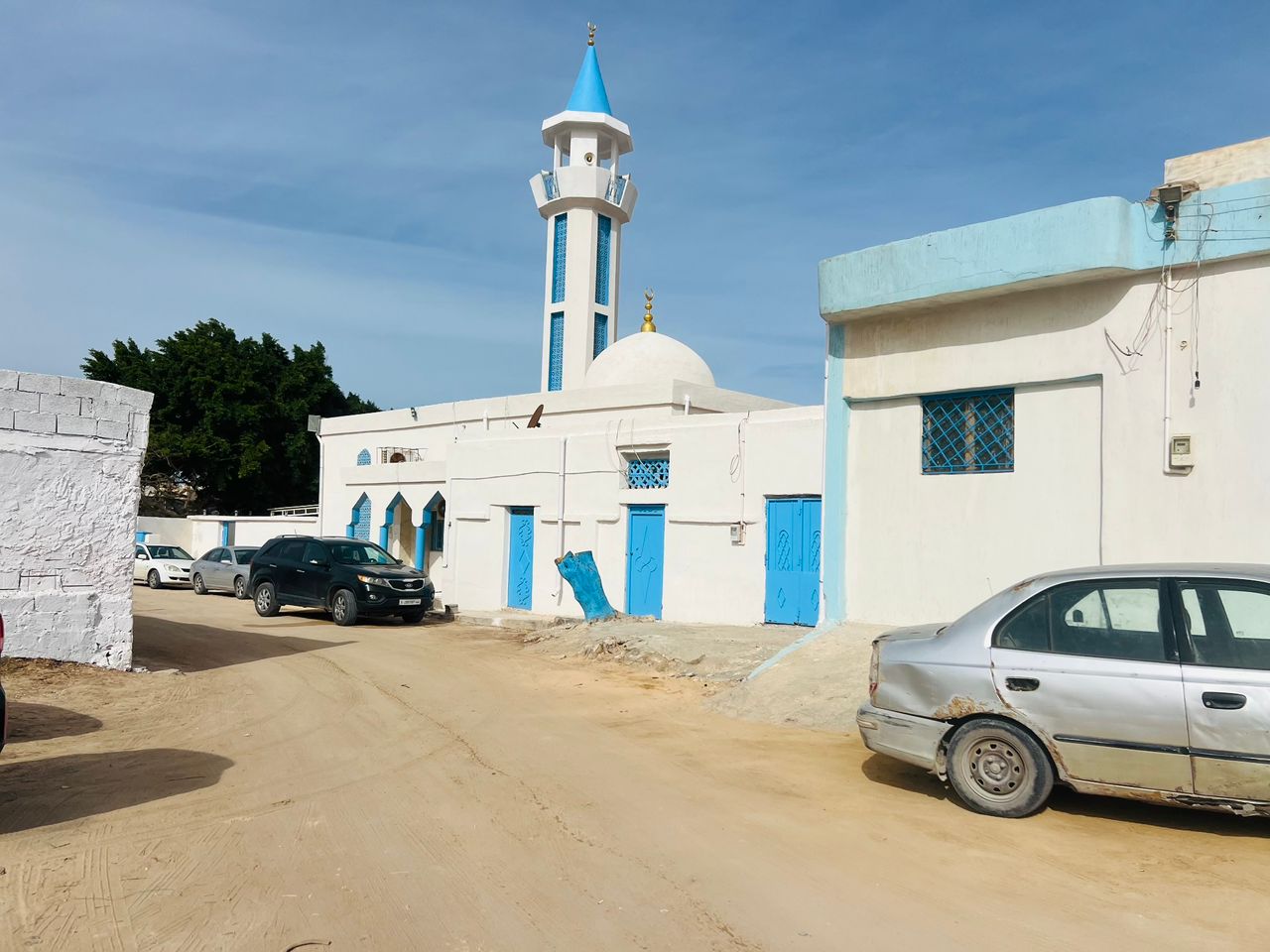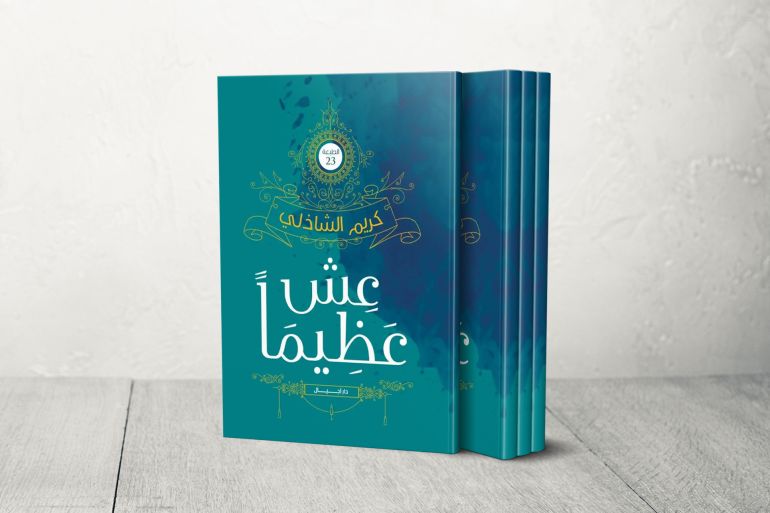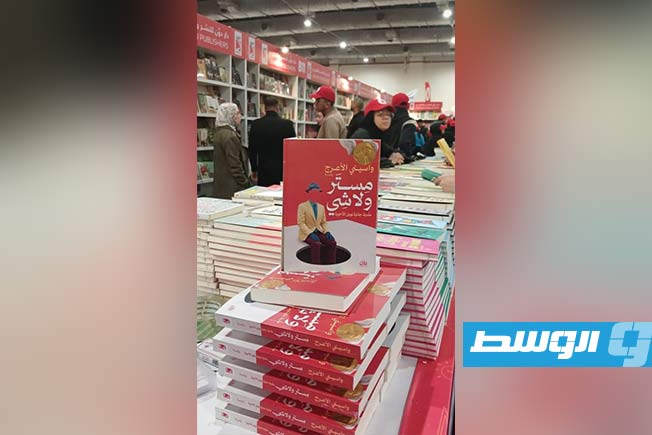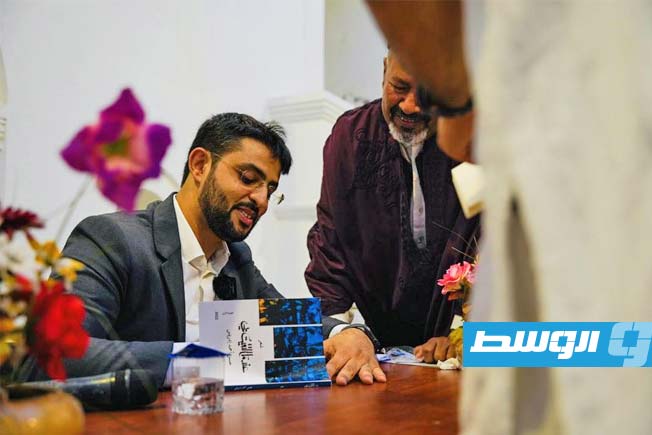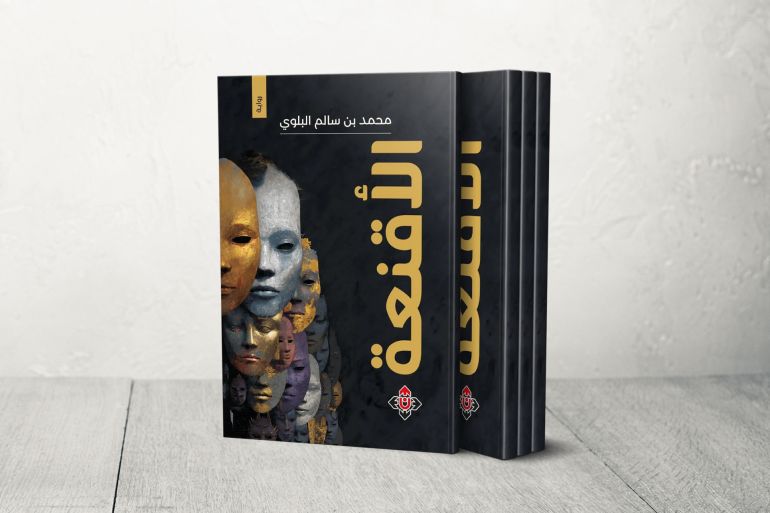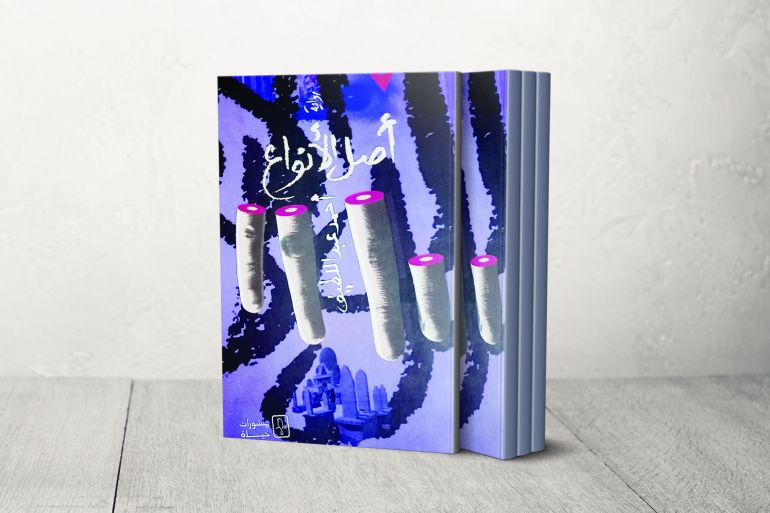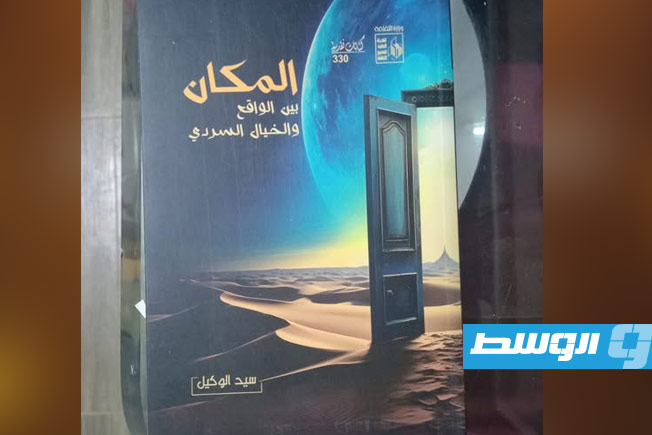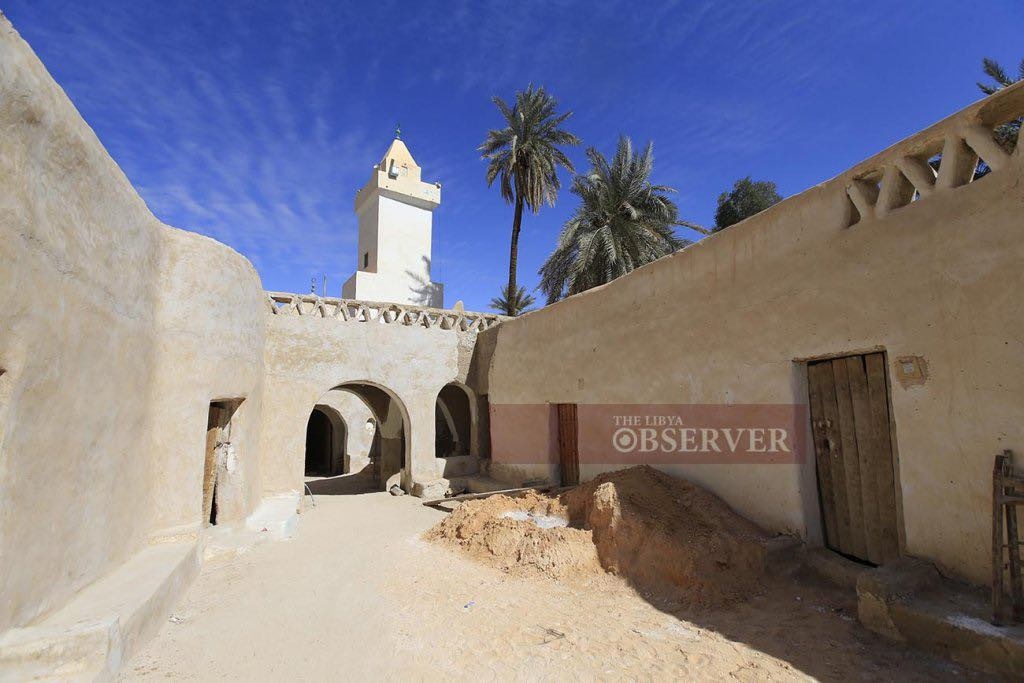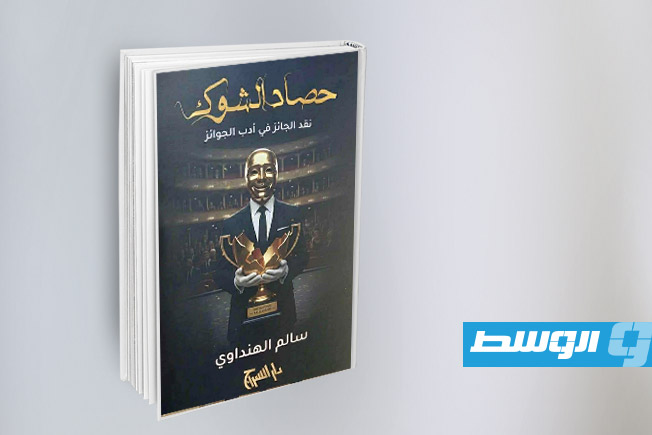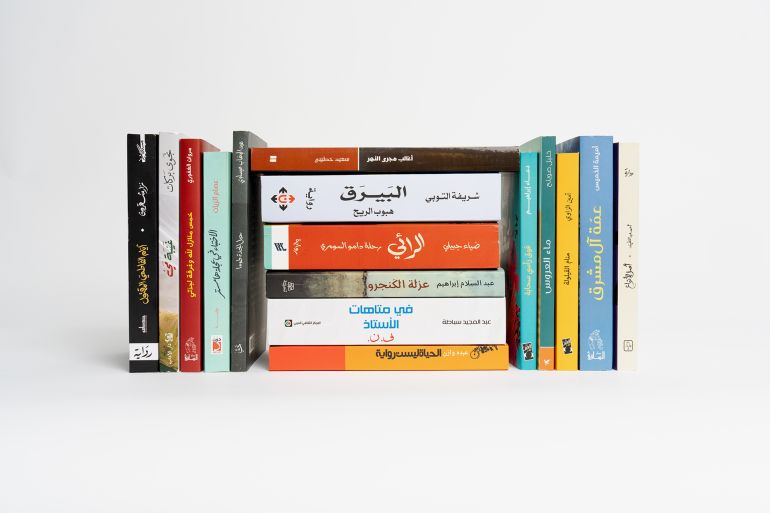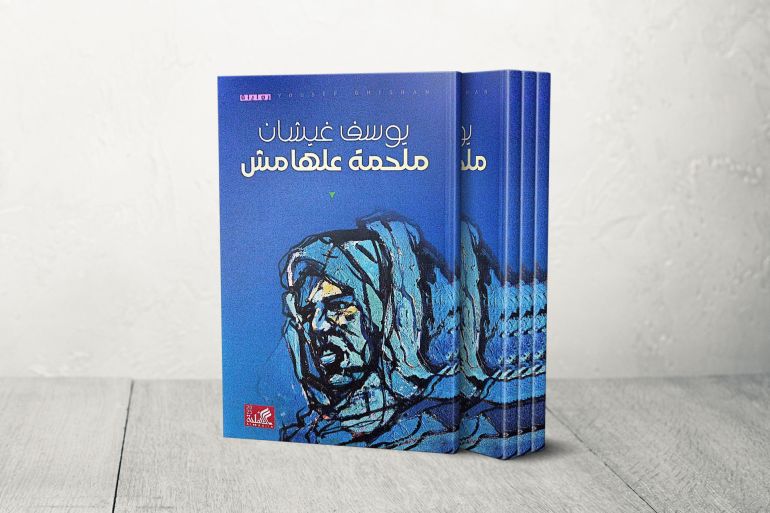
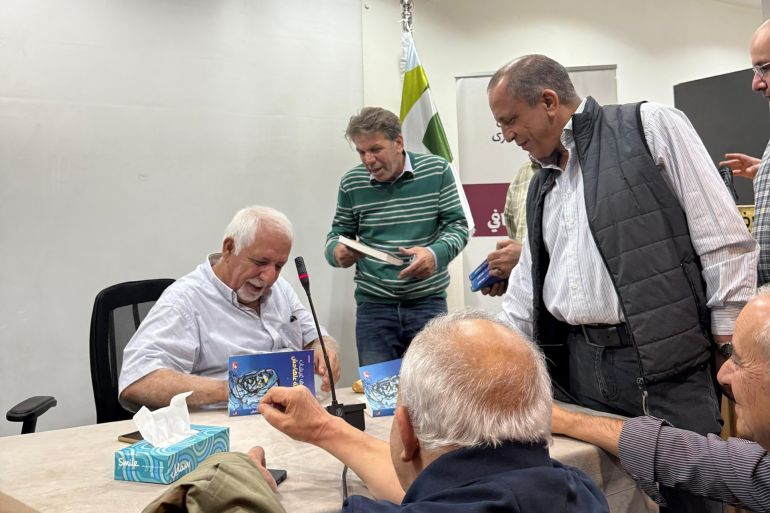
The new book “The Epic of the Margins” revives the world of its author’s childhood, serving as a living record of daily life in a Jordanian town on the edge of the desert. The stories spring from the street, the neighborhood, and the school, where the writer captures the details of life as experienced by ordinary people. These stories reveal how individual memory is formed and, over time, transforms into a shared memory of place and generations.
The book is a unique narrative work that blends the spirit of biography and satirical epic with the consciousness of a mature writer who recaptures the voice of a teenager who wrote his first text half a century ago.
The title “The Epic of the Margins” contains a fundamental paradox: the combination of the epic, which symbolizes centrality, grandeur, and the absolute, with the margin, which symbolizes the transient, the everyday, and the fragile. This paradox prepares the reader for a work that writes the margins as the essence of life and demolishes the traditional hierarchy between grand history and small history.
The book blends the spirit of biography and satirical epic with the consciousness of a writer who recaptures a text he wrote as a teenager half a century ago.
In the introduction, the writer admits to finding an old manuscript he wrote as a teenager in an “almost childish” language and decided to publish it after his friends insisted.
This threshold forms a meta-narrative frame that reframes the text; we read an old work within a new one and witness the writer’s encounter with his former self. This is perhaps what transforms the book from a mere literary text into a document about memory and writing, about maturity and nostalgia.
Narrative Structure Between the Tablet and the Painting
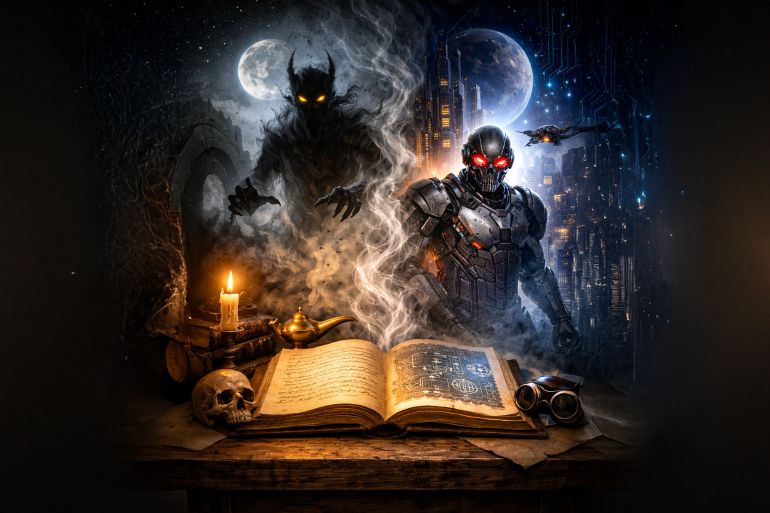
The text is divided into “tablets,” mimicking the famous Epic of Gilgamesh in a satirical imitation of ancient epics. However, each of these tablets tells small, adjacent stories that intertwine to form a panorama of a Jordanian town on the edge of the desert, with its faces, dialect, and daily rituals.
The stories vary between the tragic and the satirical, between childhood and politics, between neighborhood myths and the farces of authority. This technique gives the text a mosaic structure, based on plurality and intertextuality, reminiscent of works like “The Land of Sad Oranges” and “The Secret Life of Saeed the Pessoptimist,” albeit with a different mood and environment.
The world built here is based on satirical realism; it narrates events that seem entirely realistic but carries them with an ironic tone that deconstructs paternal, religious, and political authority.
The epic begins with a scene of welcoming an official guest to a remote town, where the national event turns into an absurd festival gathering women, children, soldiers, and priests.
Through precise details (Umm Khalil laughing until she’s drunk, the frozen chicken, the smoke rising from the lamp, the old rifle firing at the wrong time), the writer builds an epic of ordinary people who make marginal history. This forgotten heroism is championed by the writer in contrast to the heroes of grand epics.
The narrator speaks in the voice of the old teenager, but also lets the characters speak in their own dialects, sarcasm, and folk heritage. Each character represents a segment of the collective consciousness of the town.
The writer works to create a collective memory narrated by a single, fragmented voice, reminiscent of techniques used in the masterpiece “The Sound and the Fury,” but here in a colloquial language charged with the spirit of the local Jordanian community, where the neighborhood becomes a metaphor for the entire country.
Intertextuality with Gilgamesh
The text begins with a quote from the tenth tablet of the Epic of Gilgamesh: “Where are you going, Gilgamesh? The life you seek you will never find…”