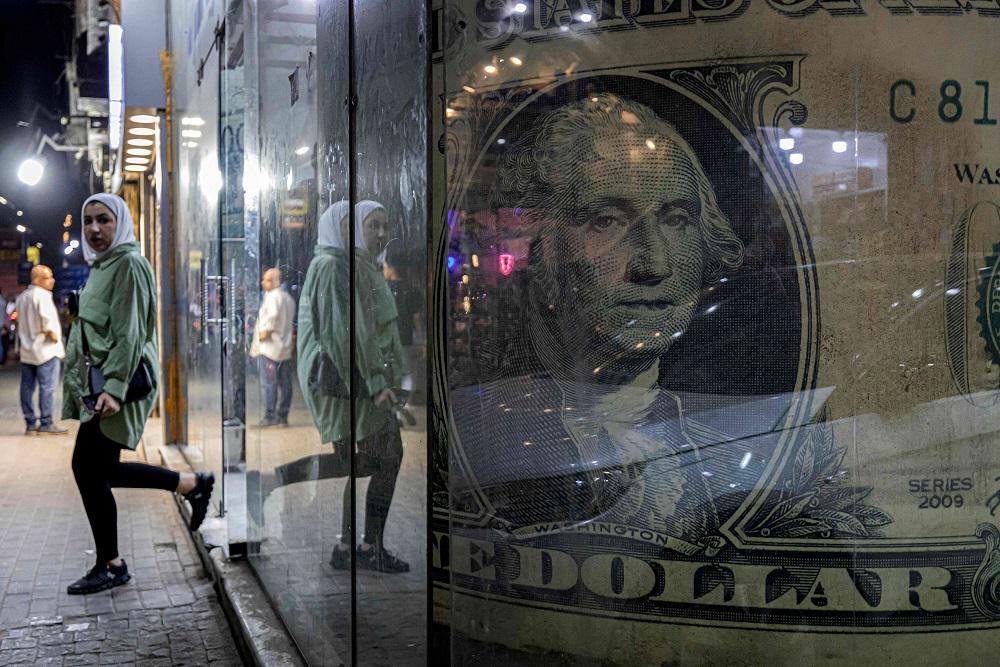
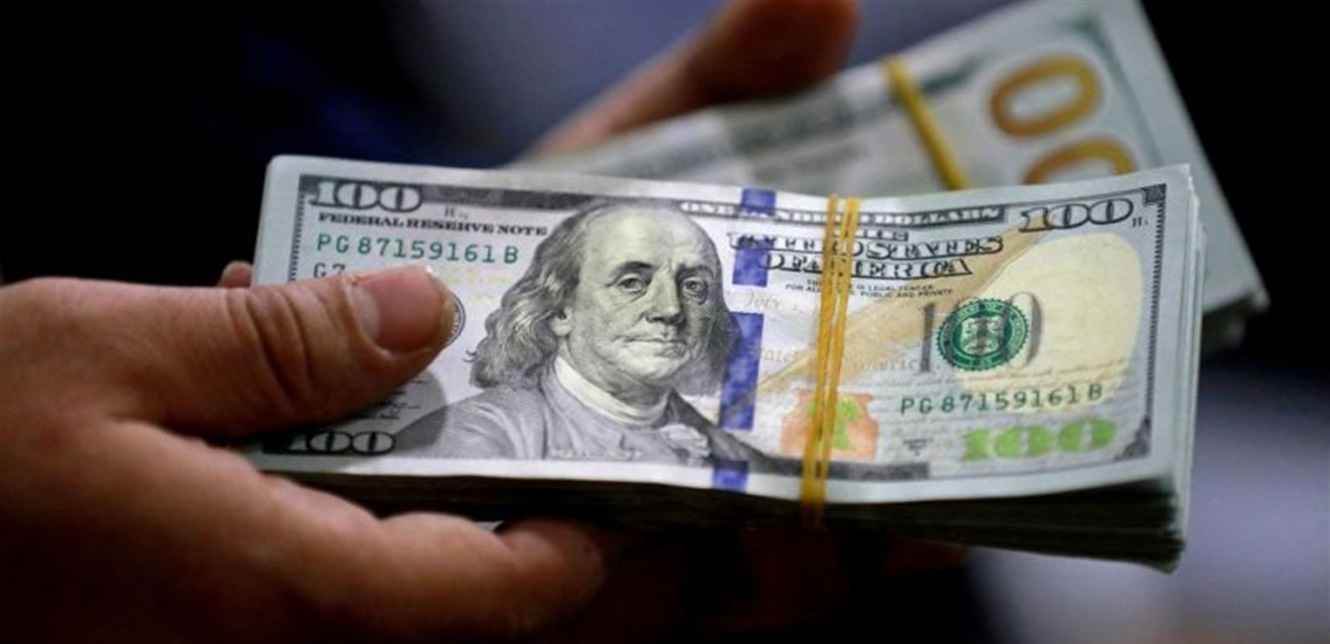
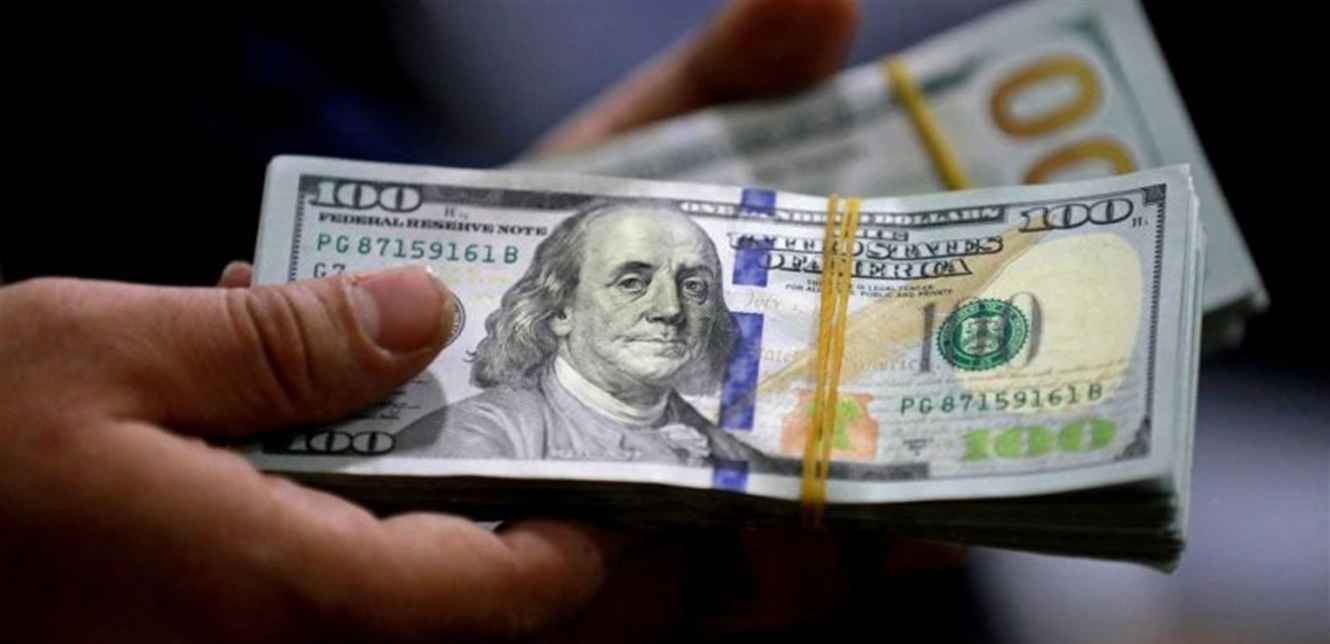
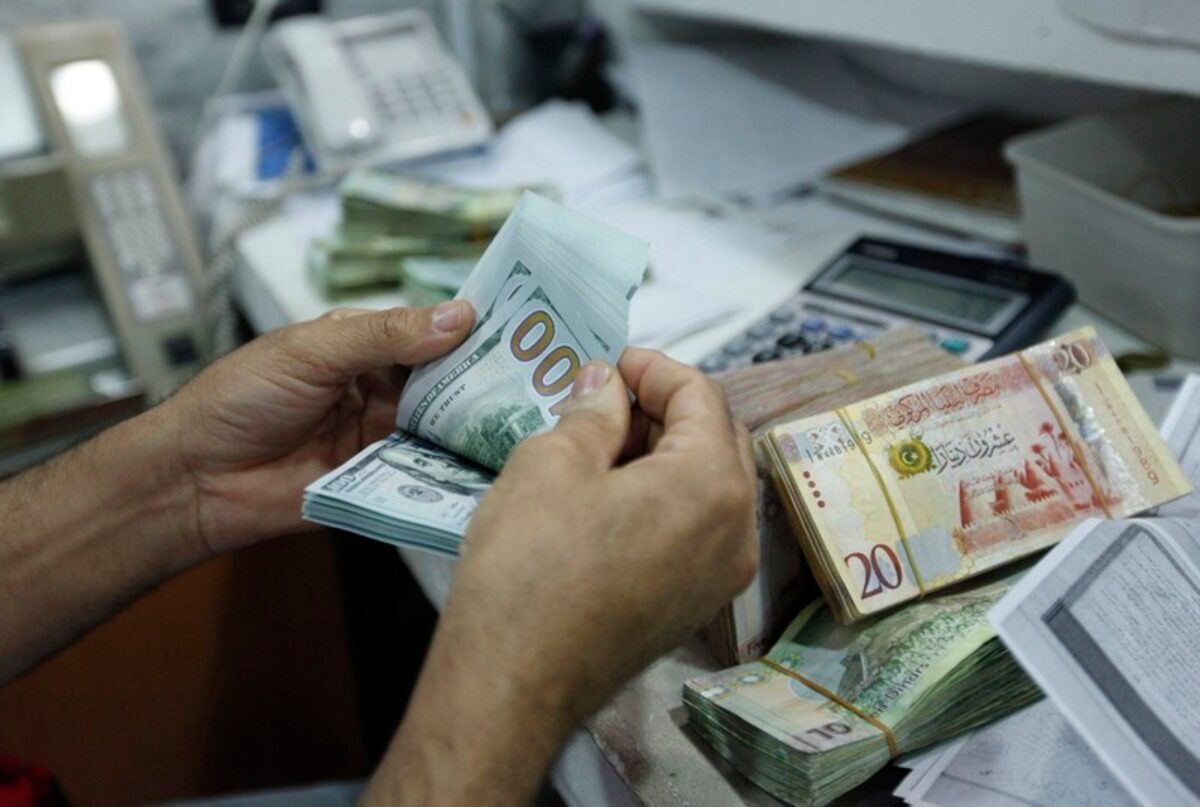
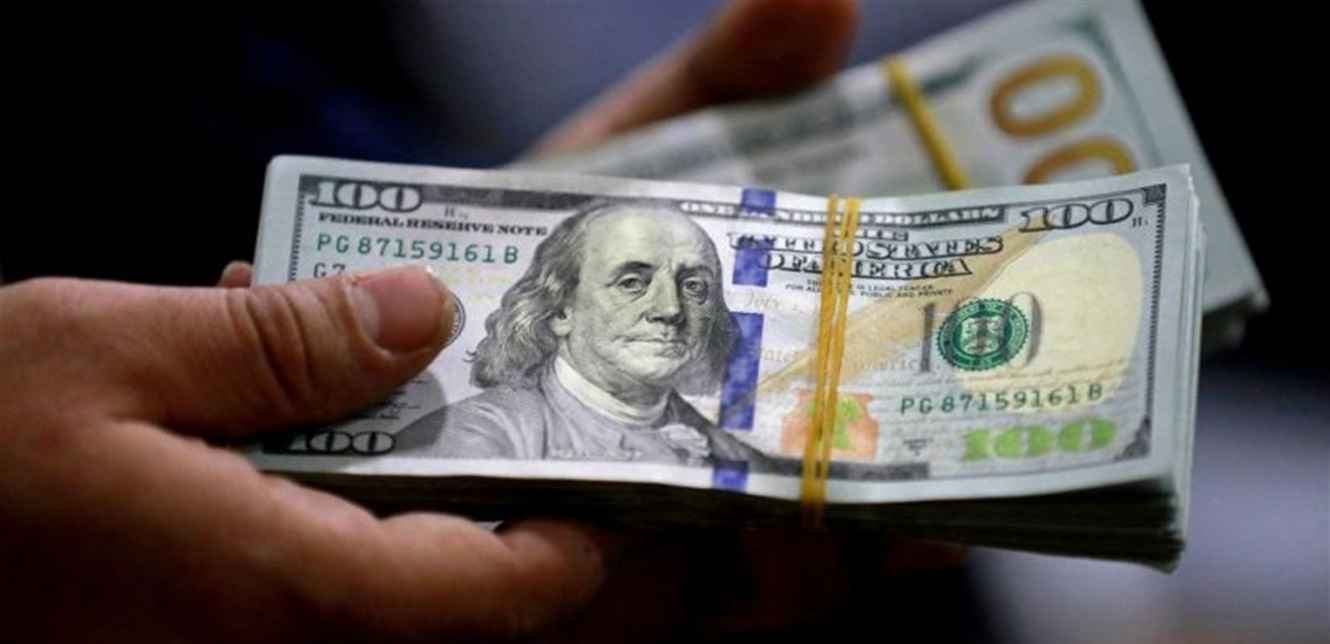
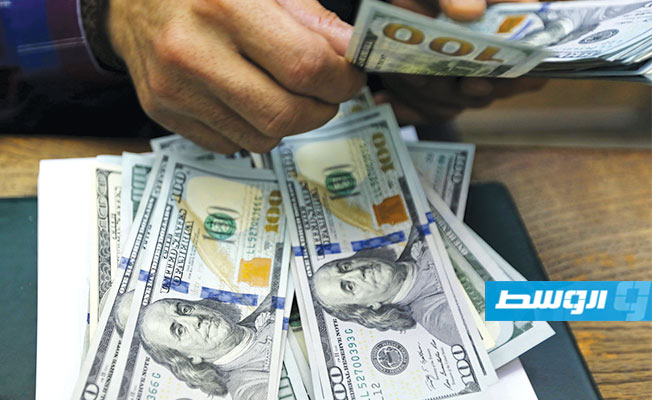
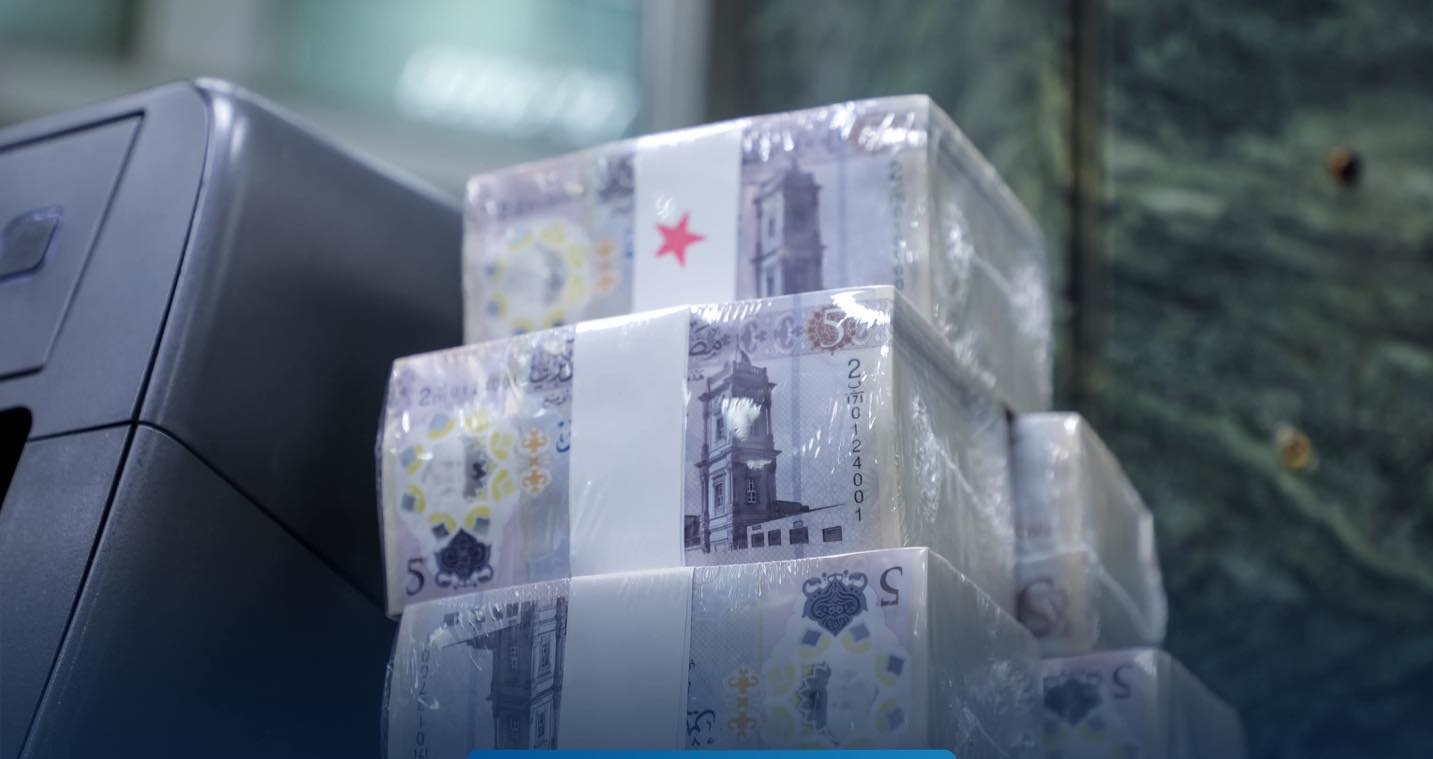
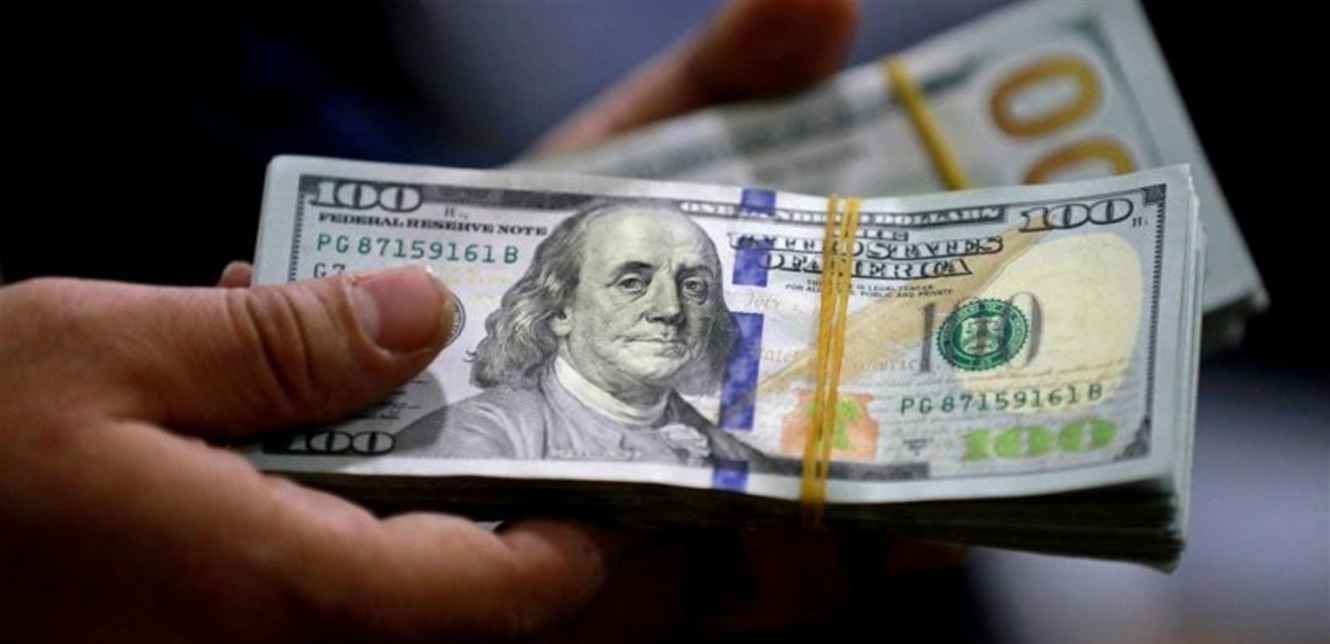
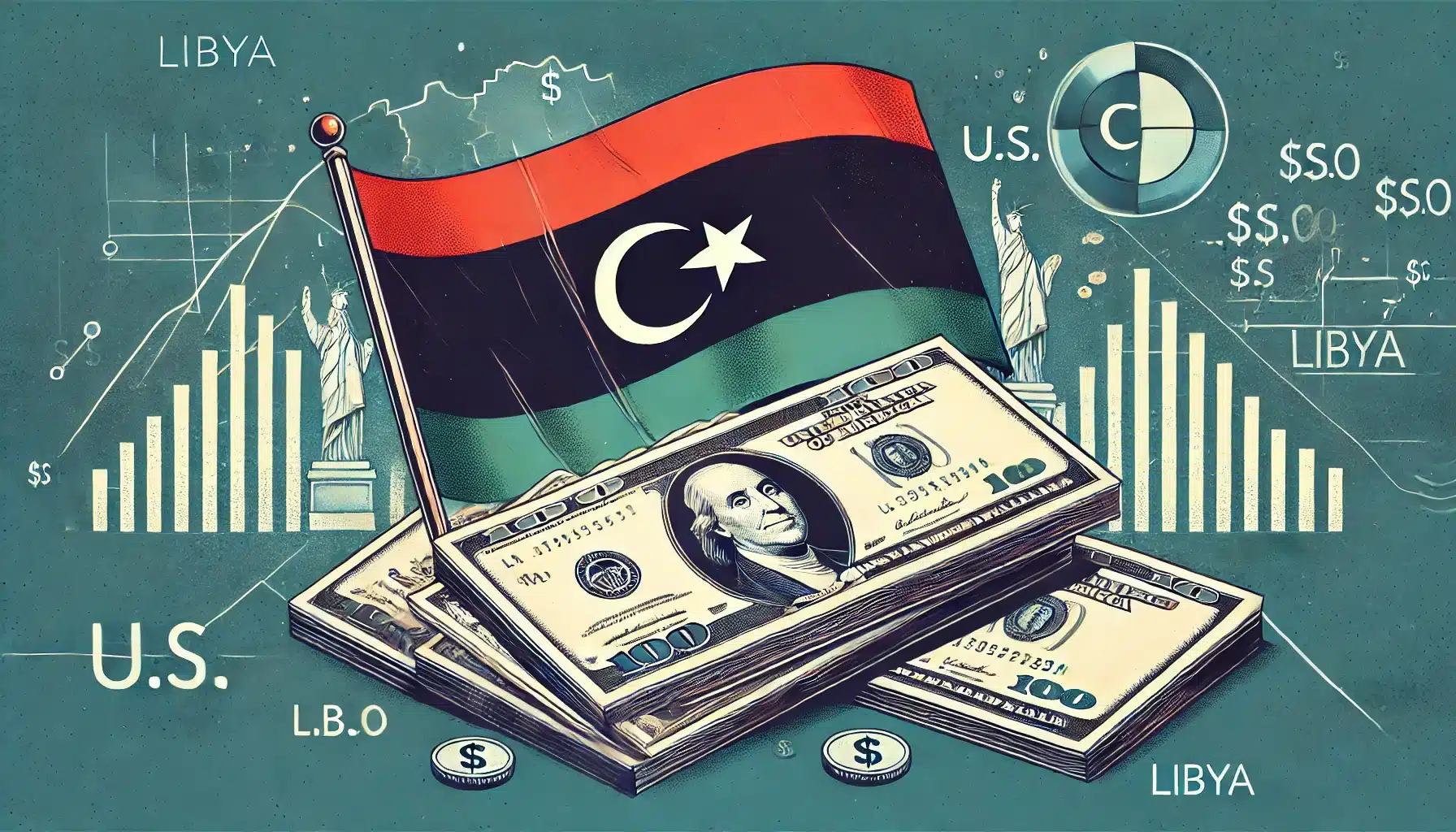
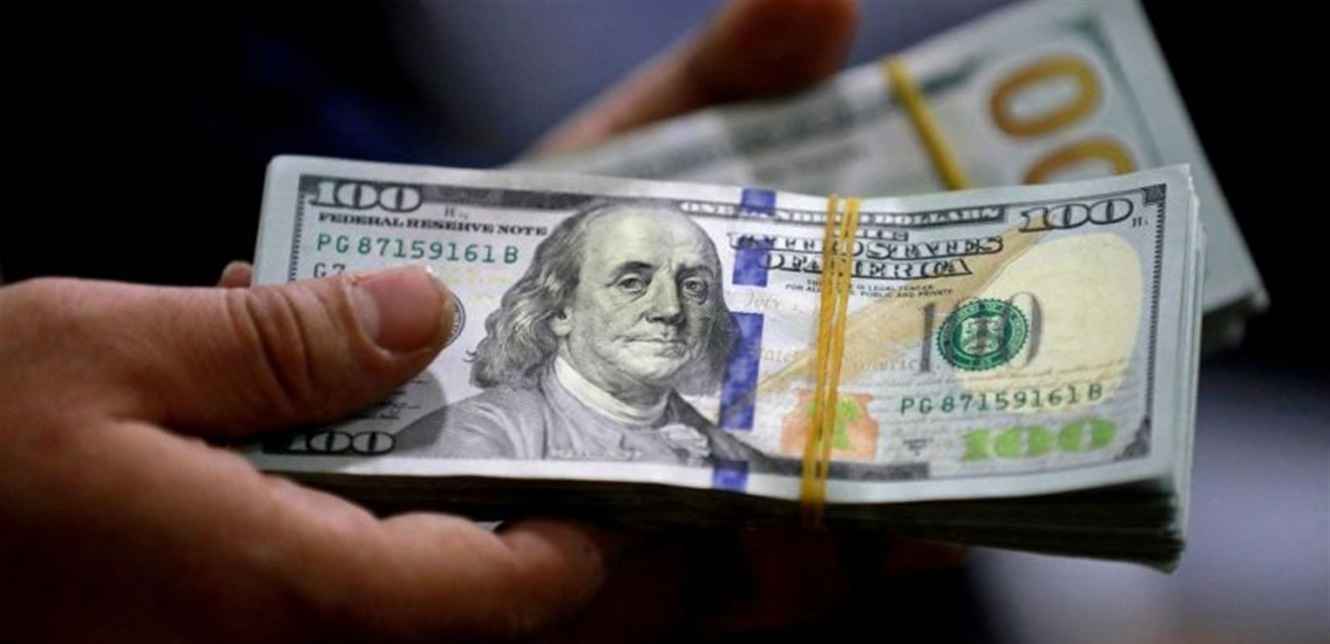
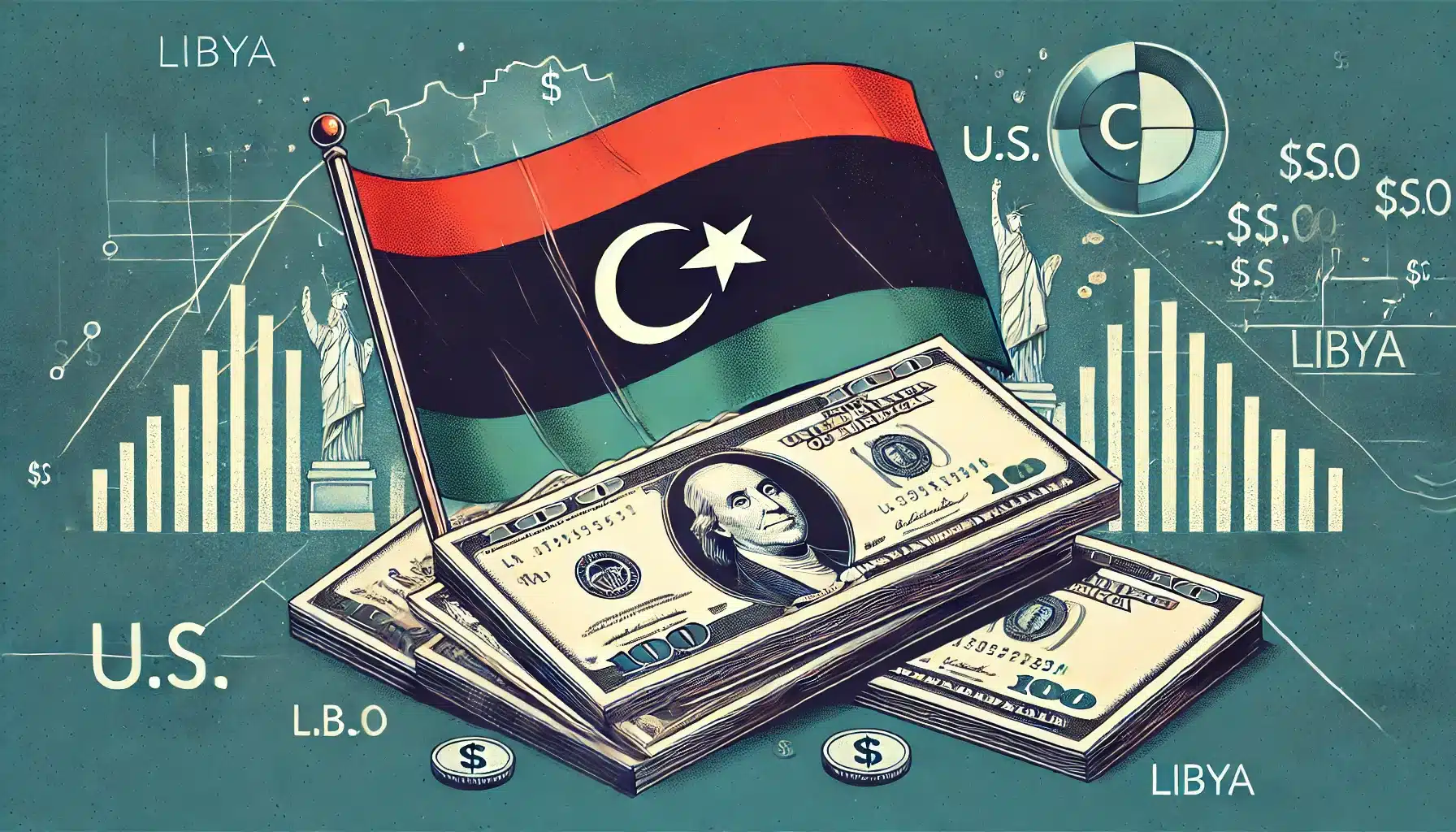
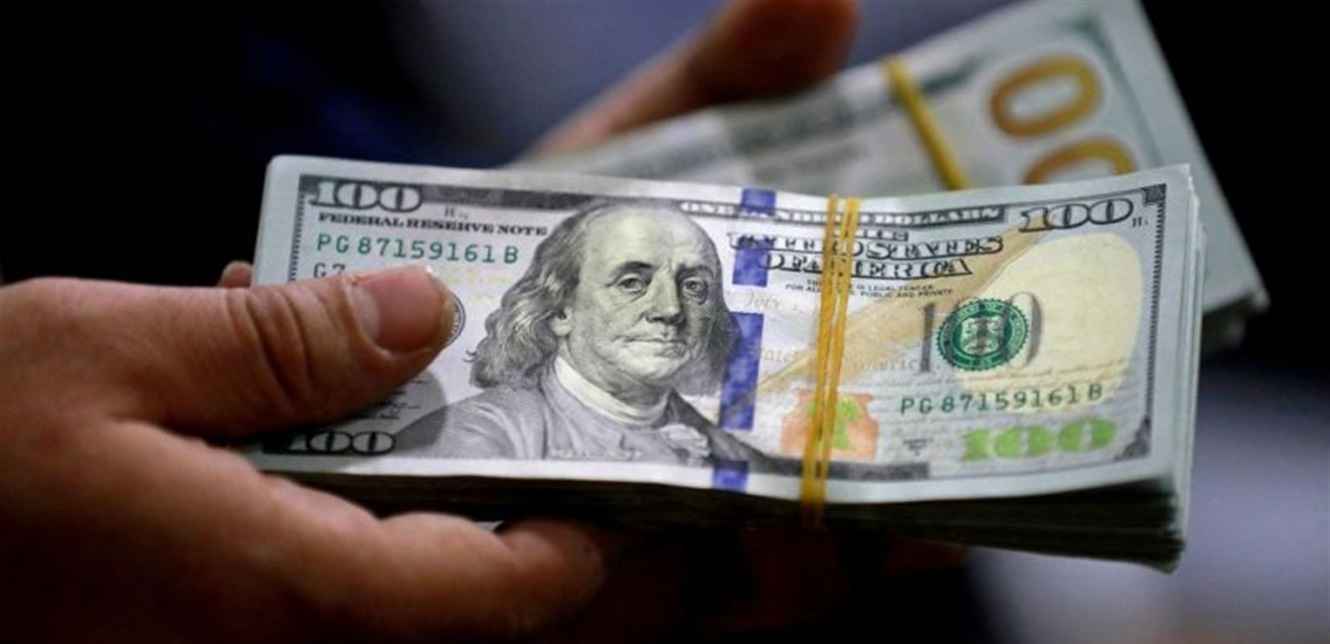
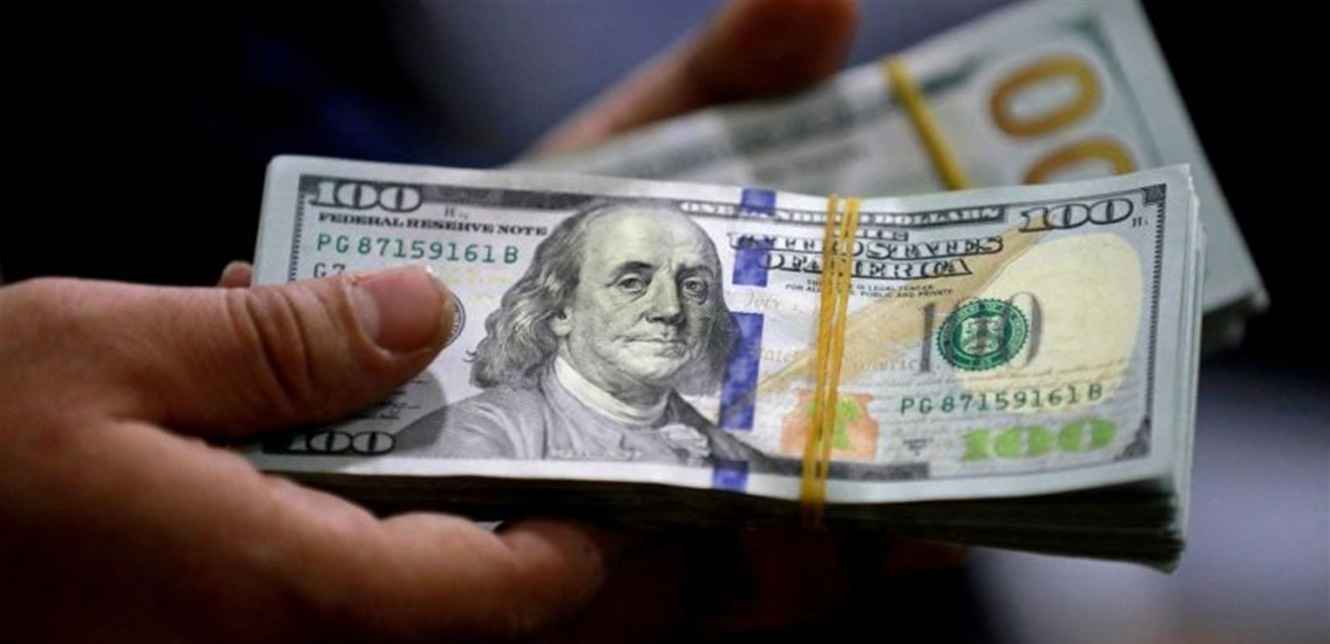
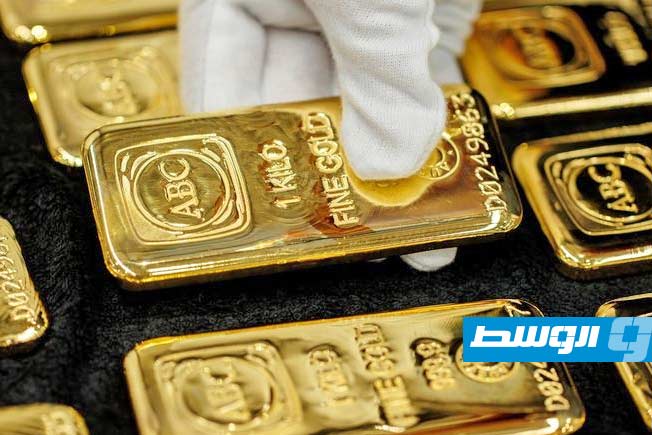
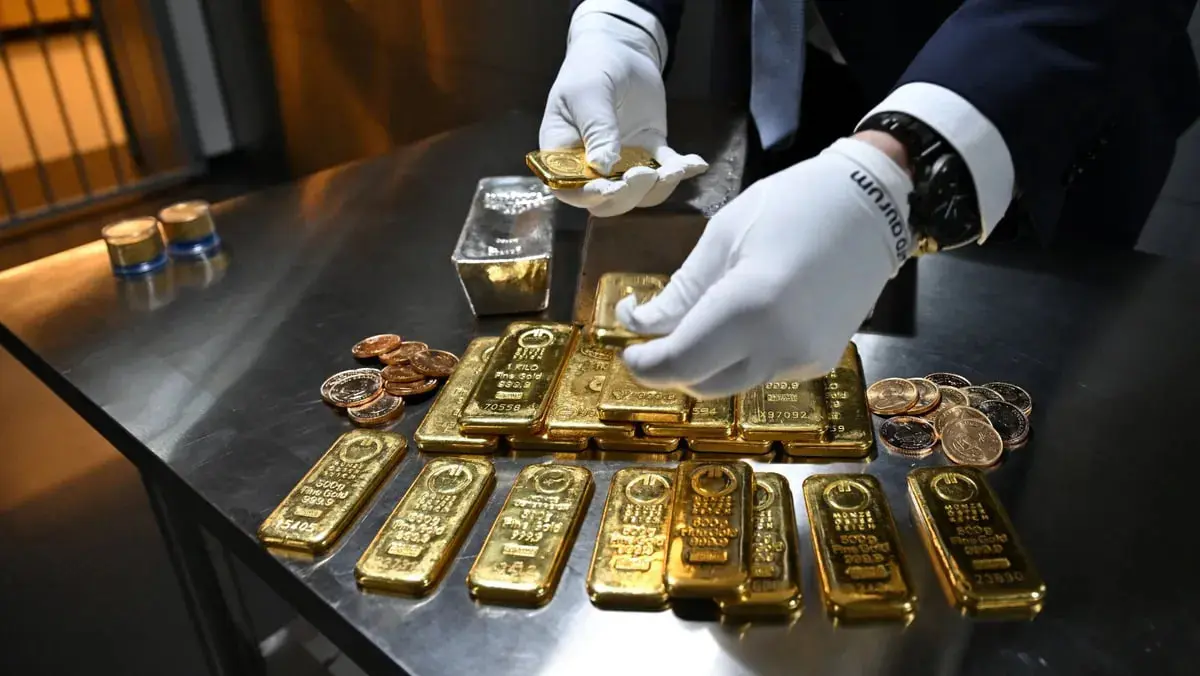
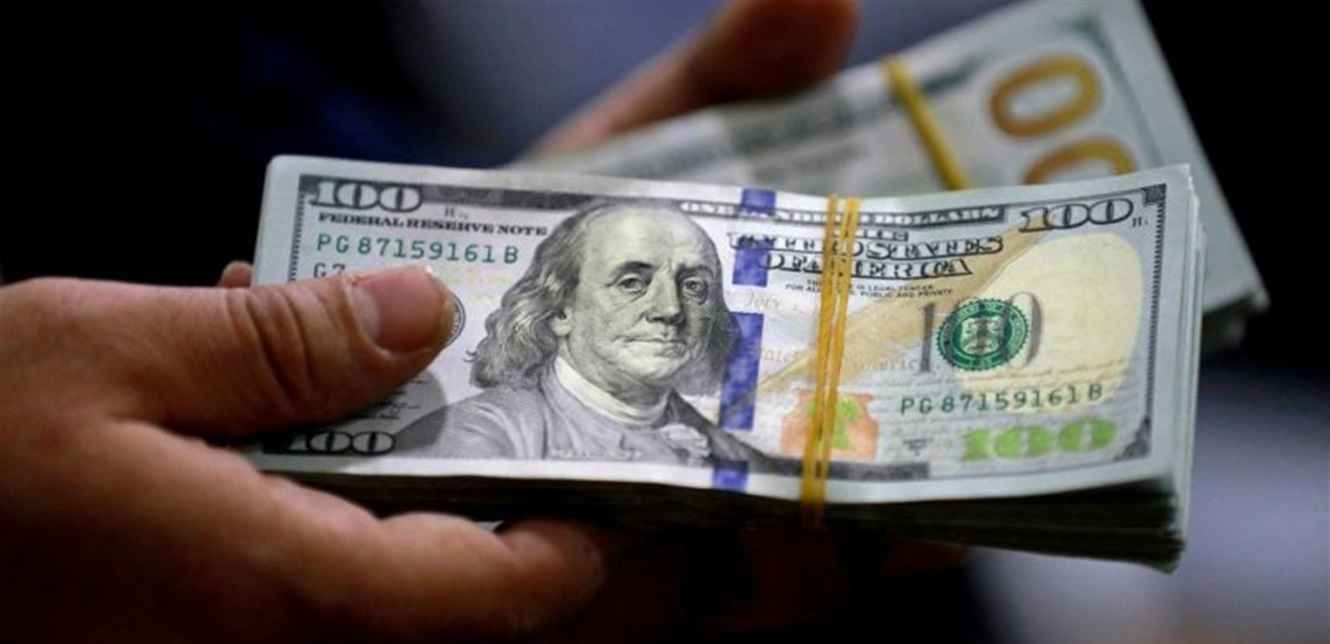
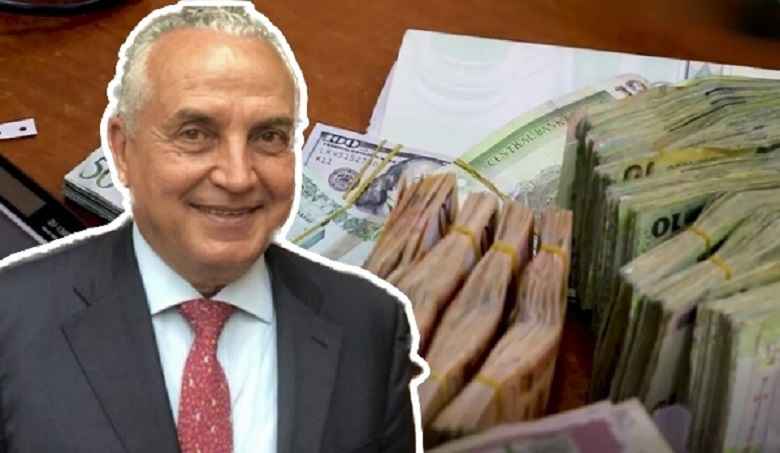
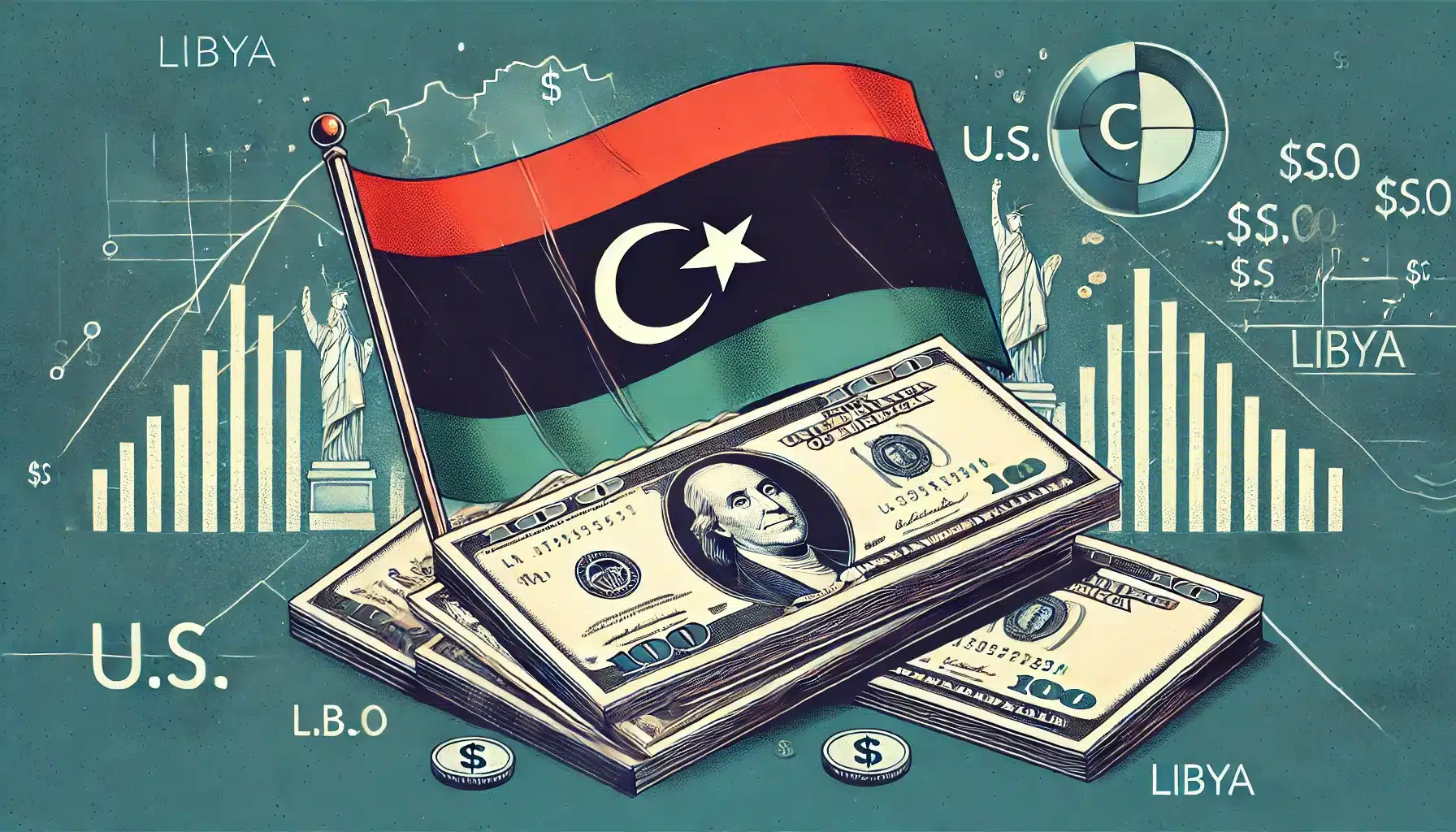
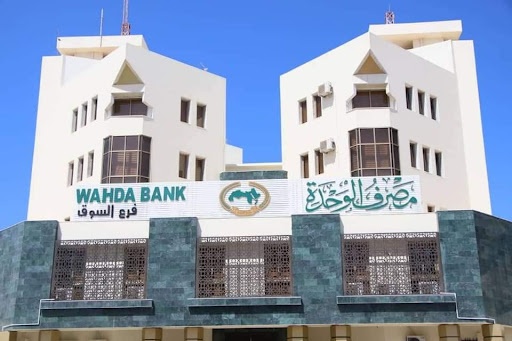
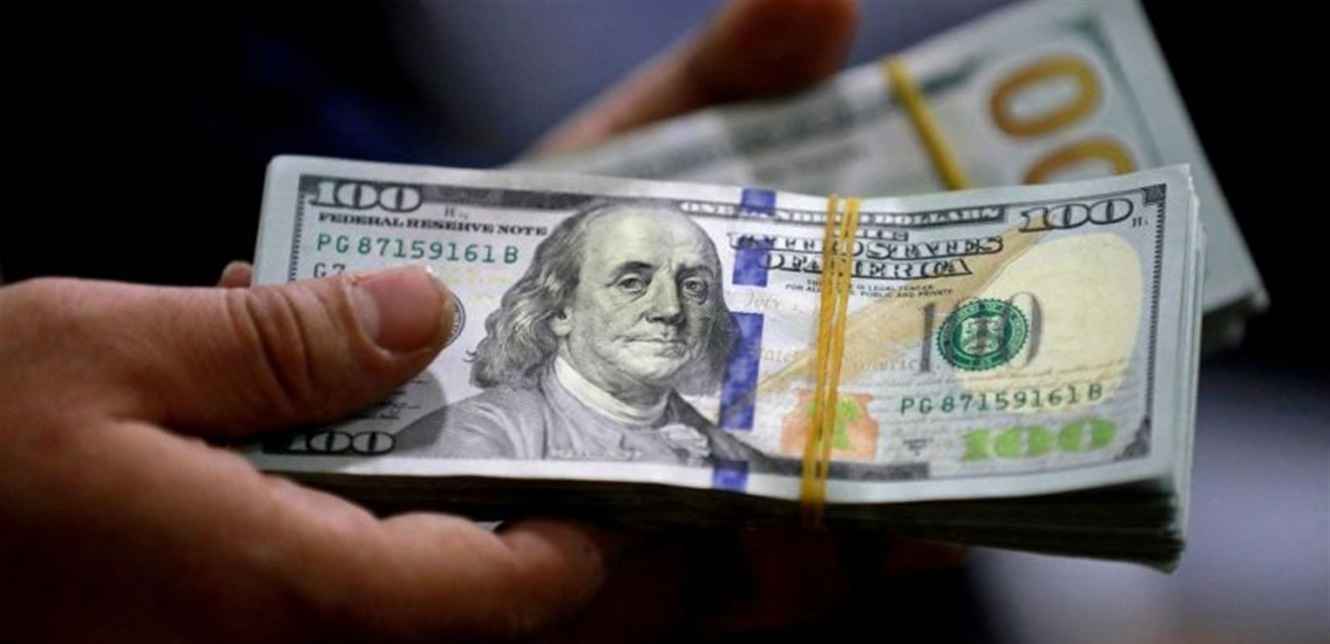
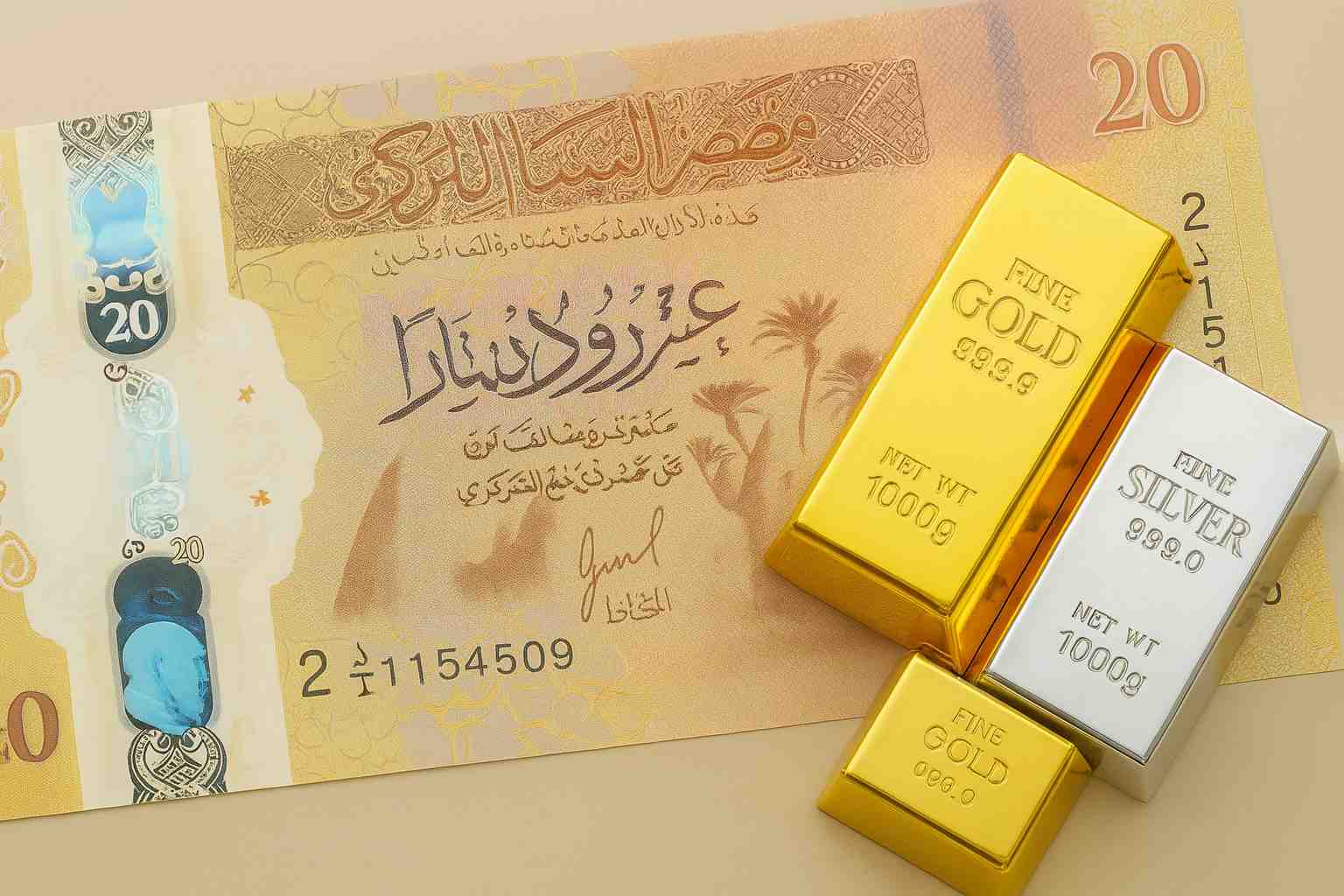
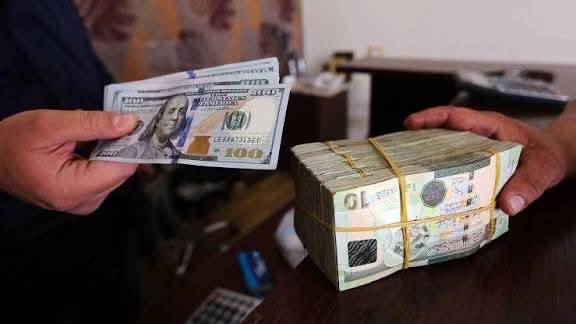
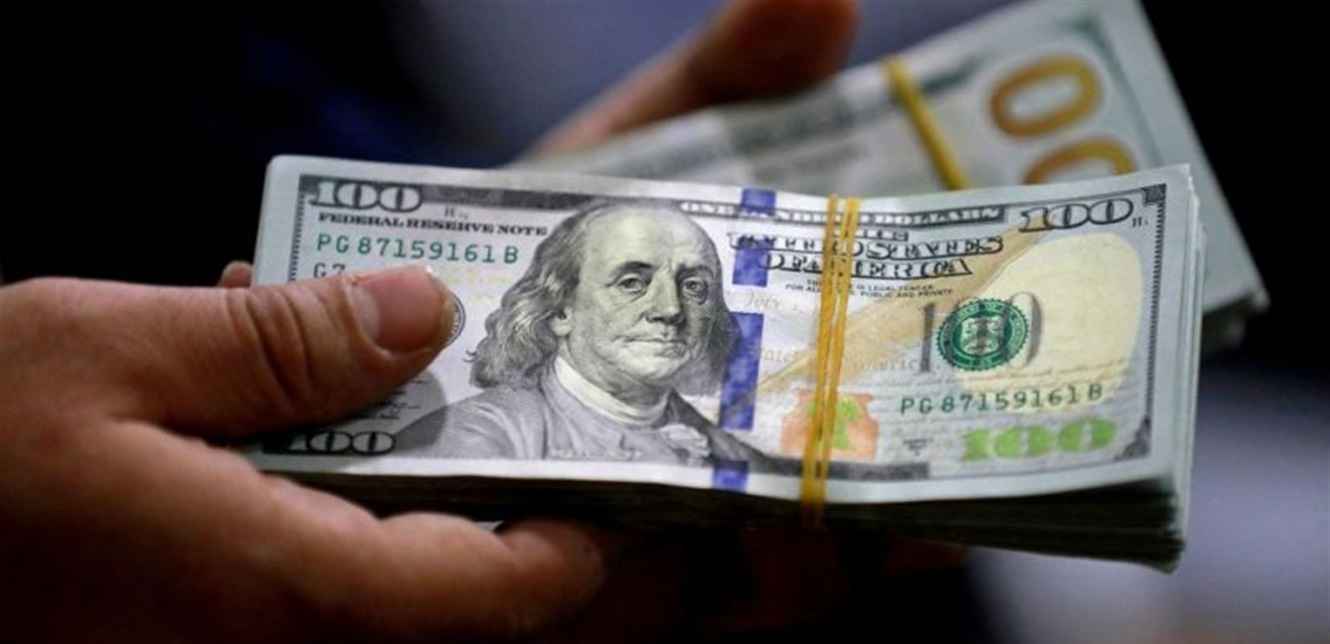
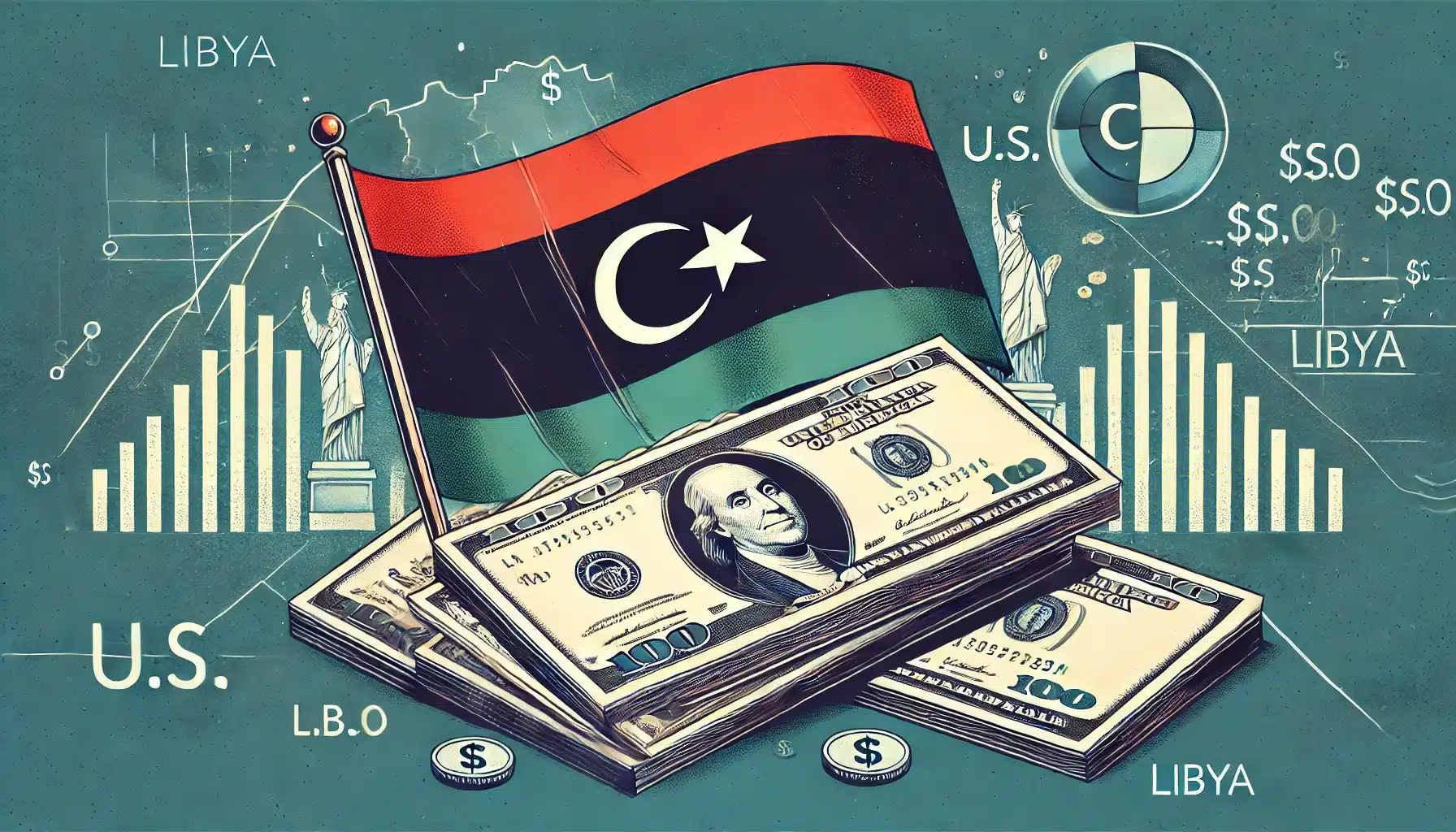
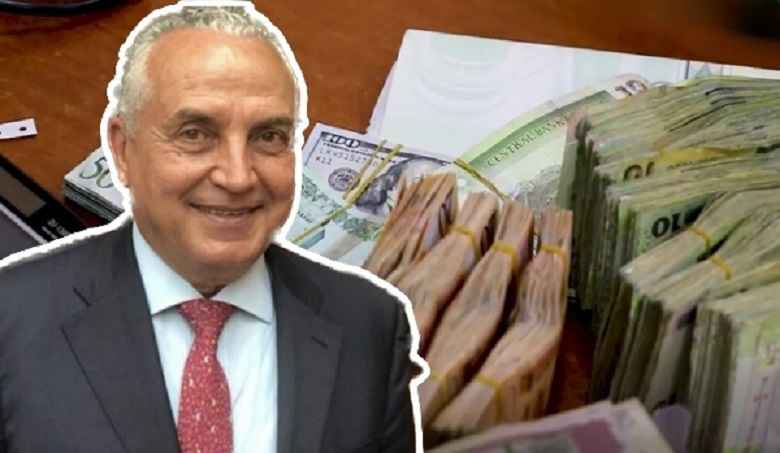
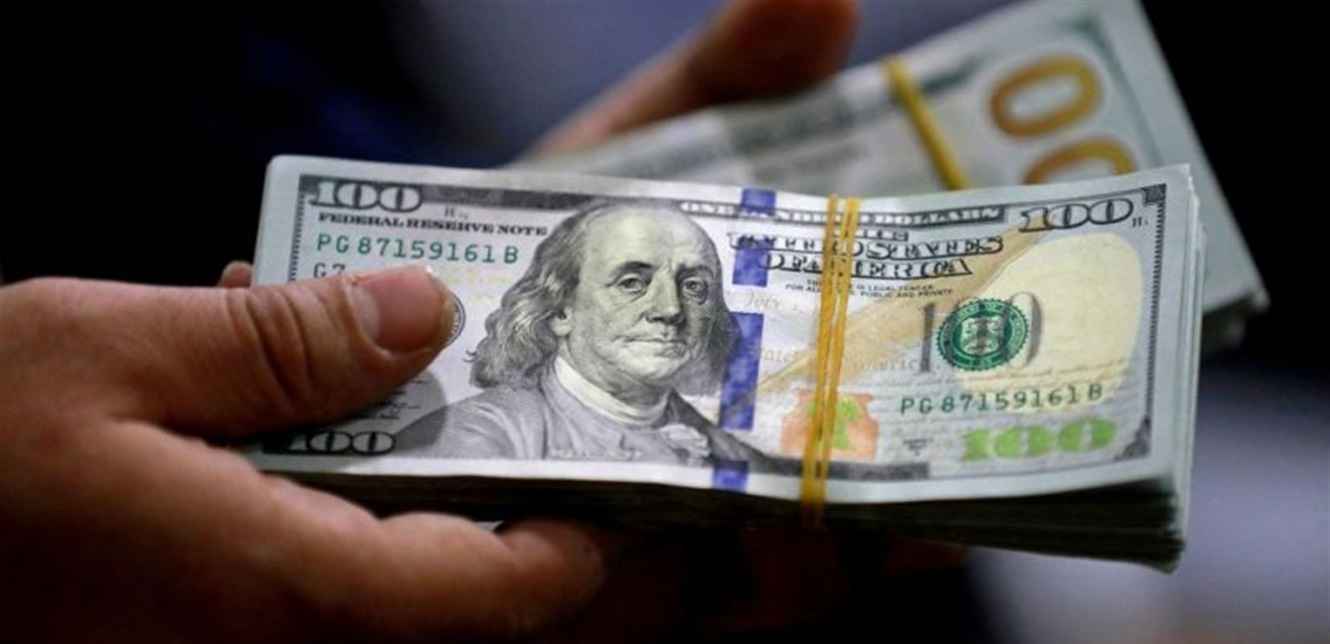
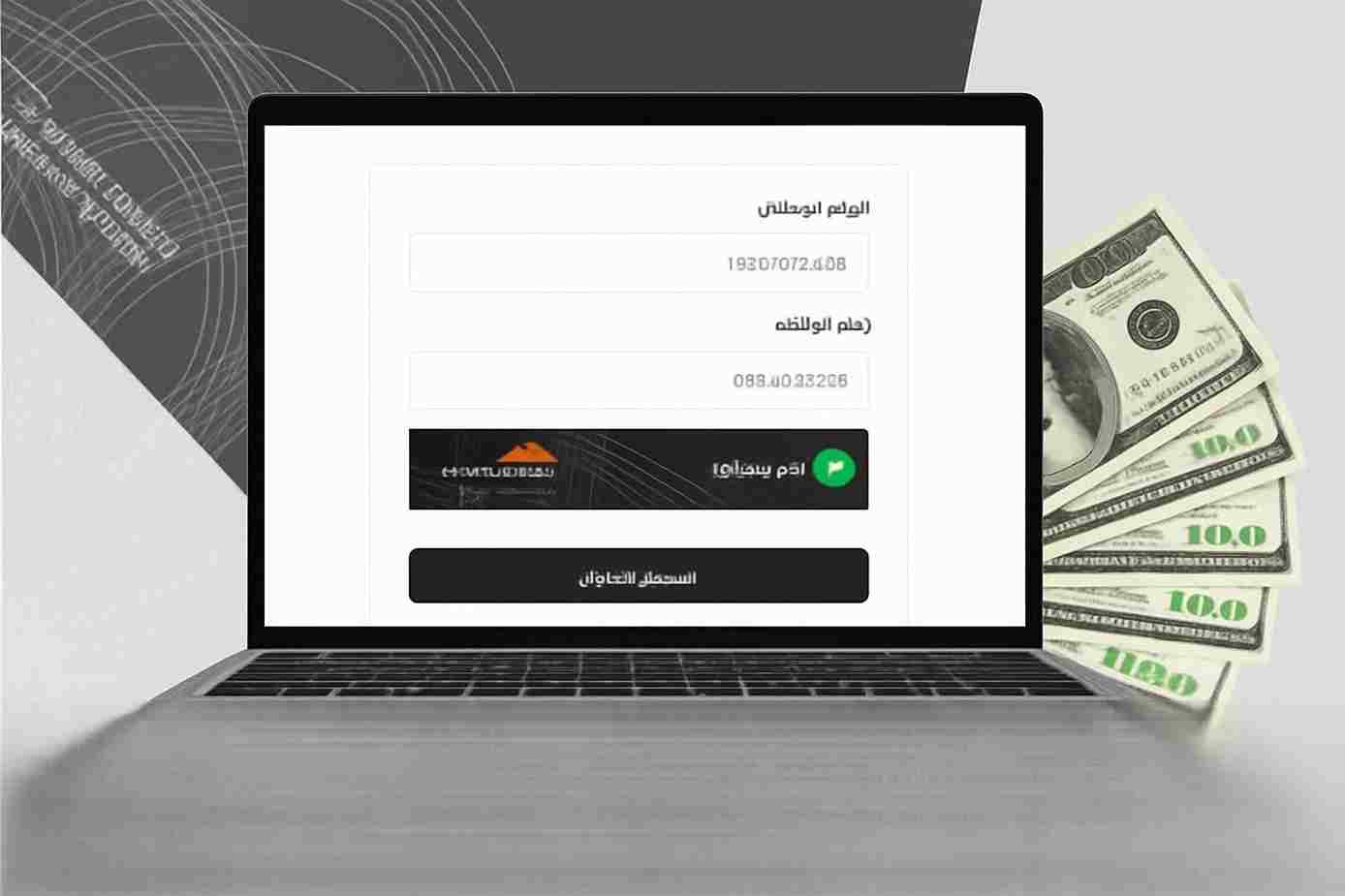
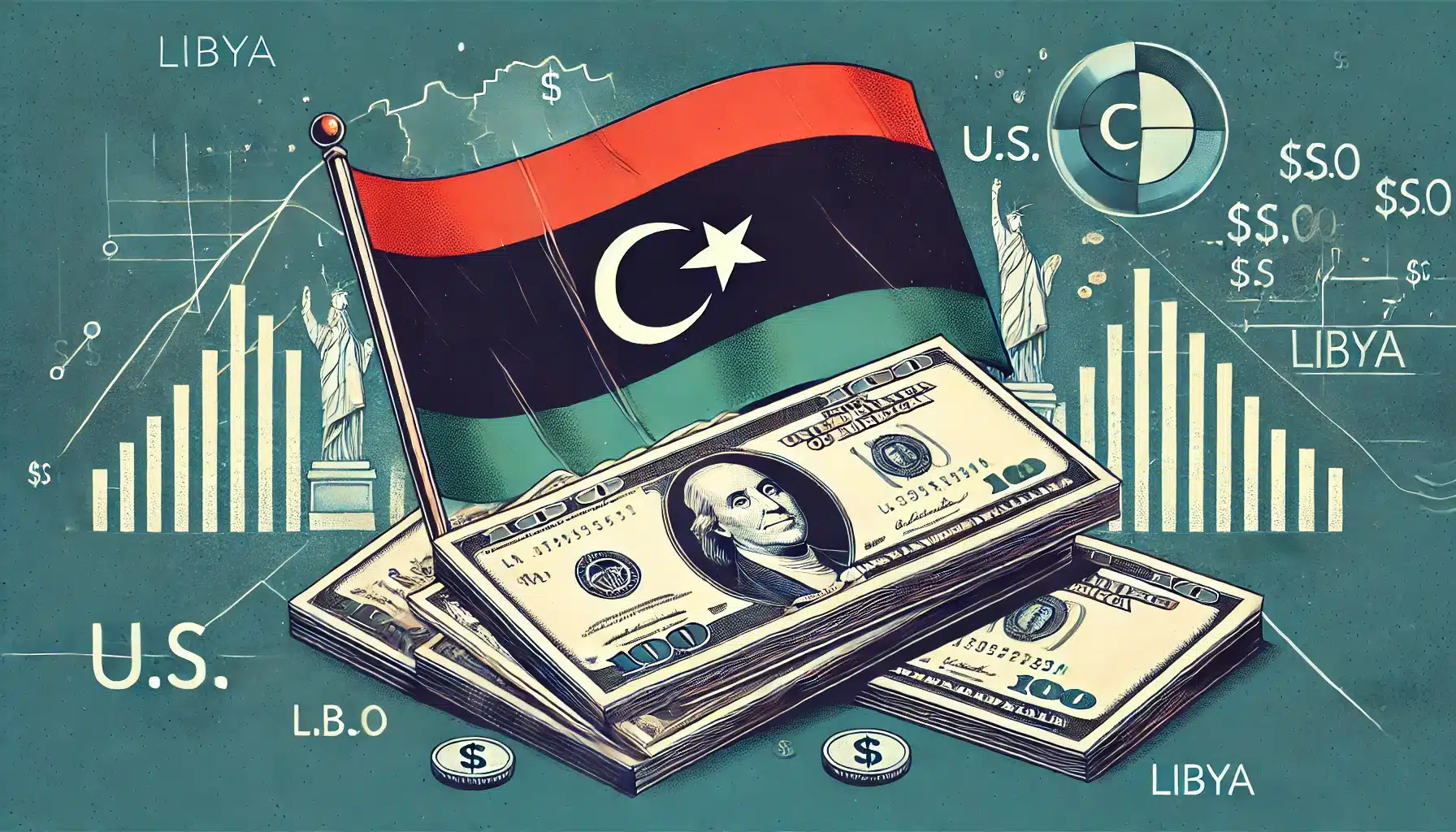
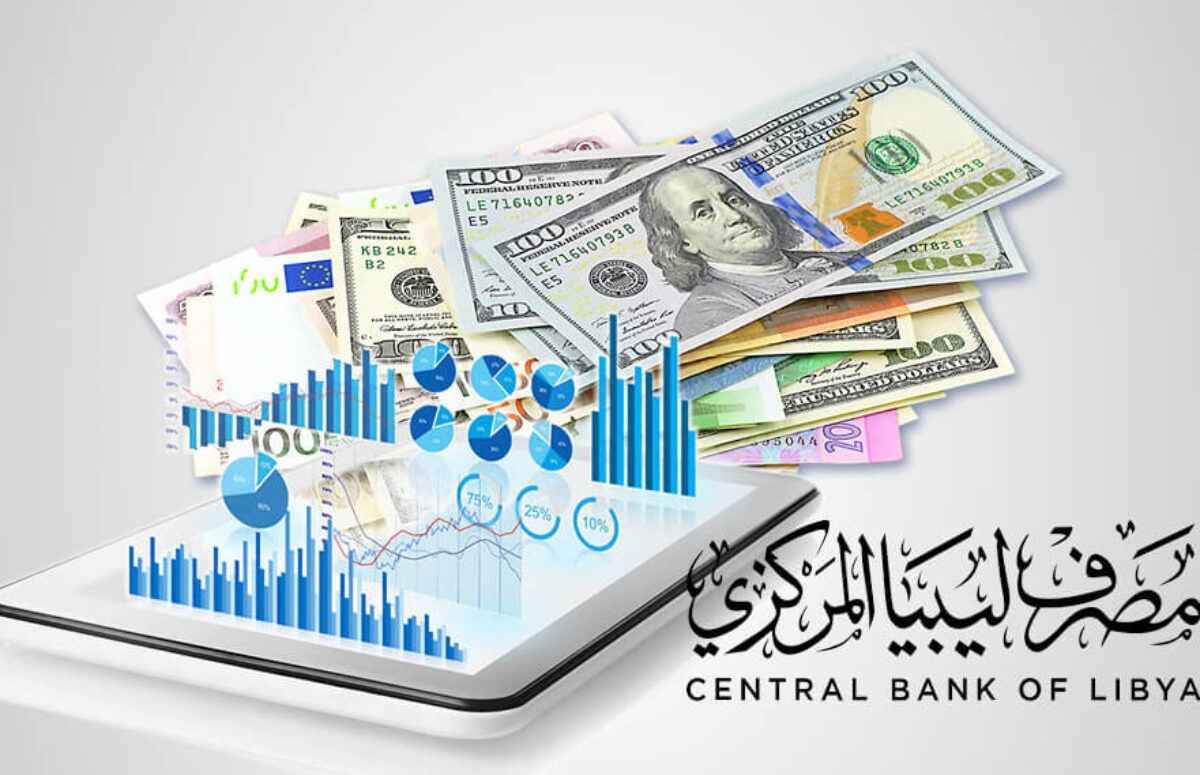
An economic expert revealed that a commercial bank refused to accept a cash deposit of one million dollars despite proof of its source, accusing the bank of concealing the equivalent of four million dollars for years.
The expert explained that these practices reflect what he described as “ossified mentalities” that hinder the development of the banking sector in Libya, pointing out that the continuation of such policies harms the national economy and undermines confidence in the financial system.
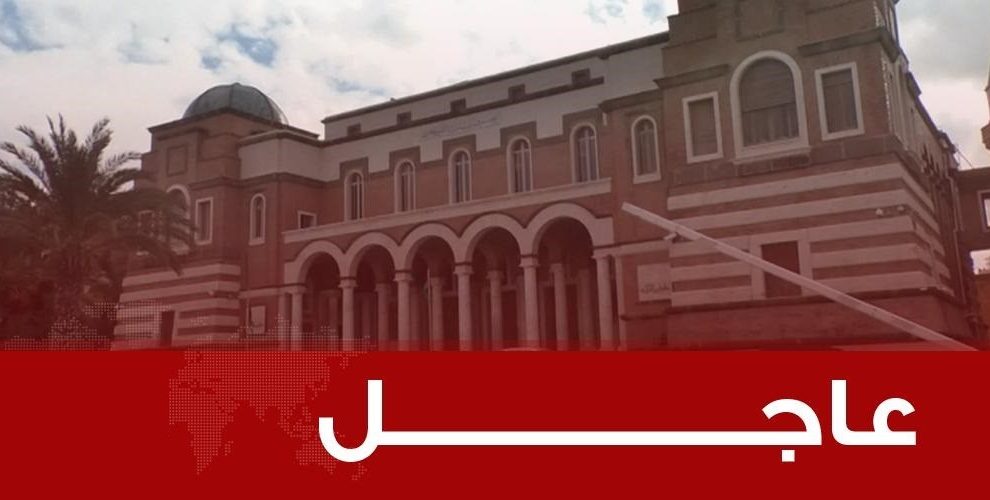
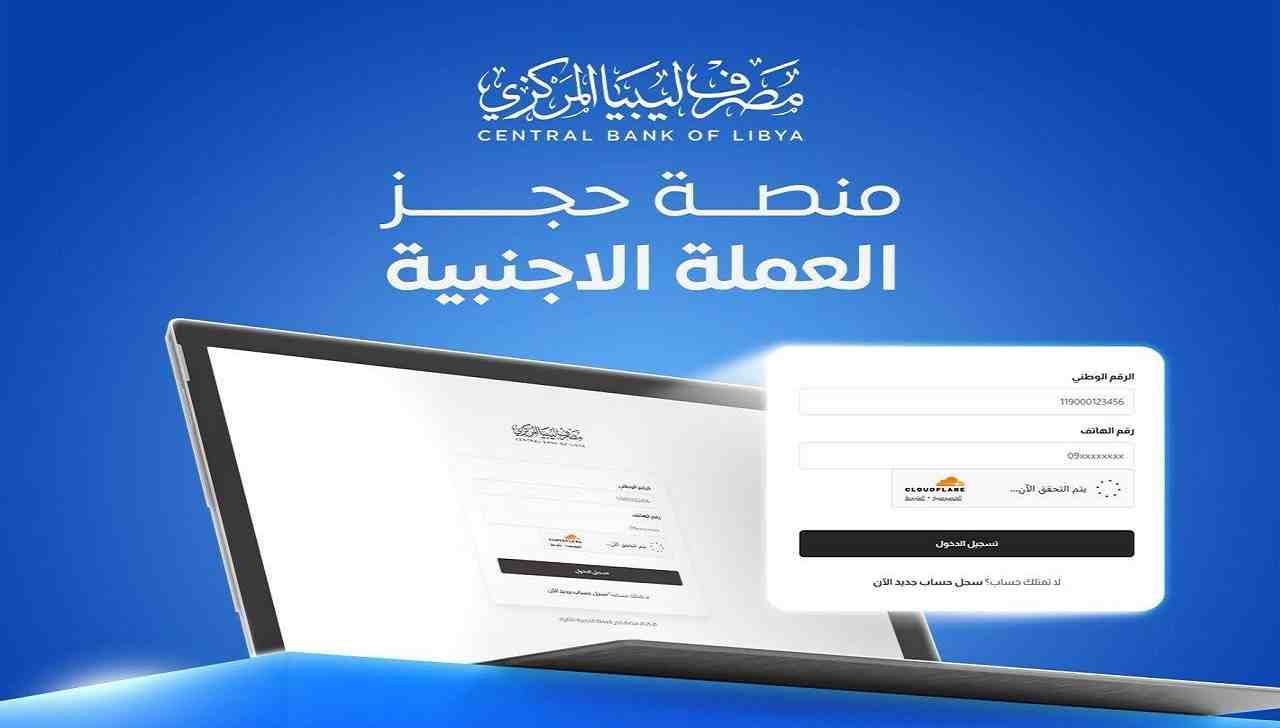
The expert called on the Central Bank of Libya to urgently investigate the vaults of commercial banks, confirming that there is a significant accumulation of foreign currency inside them, which requires strict oversight to ensure transparency and protect depositors’ funds.
Libya
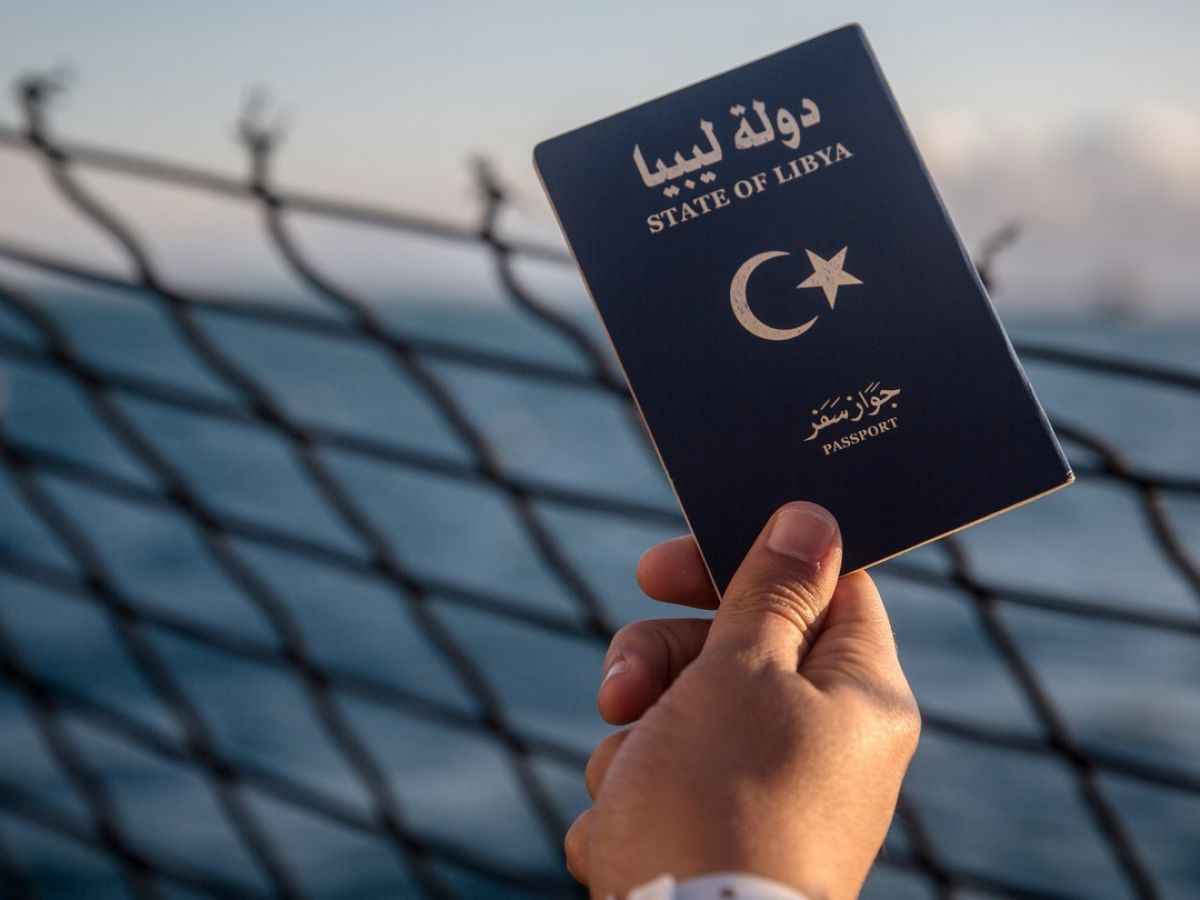
Libya is a North African country with a rich history rooted in ancient civilizations like the Phoenicians and Romans, followed by centuries of Arab and Ottoman influence. In the modern era, it was an Italian colony before gaining independence in 1951, later becoming known for Muammar Gaddafi’s lengthy rule from 1969 until the 2011 revolution. Its cultural sites include the well-preserved Roman ruins of Leptis Magna, a UNESCO World Heritage site.
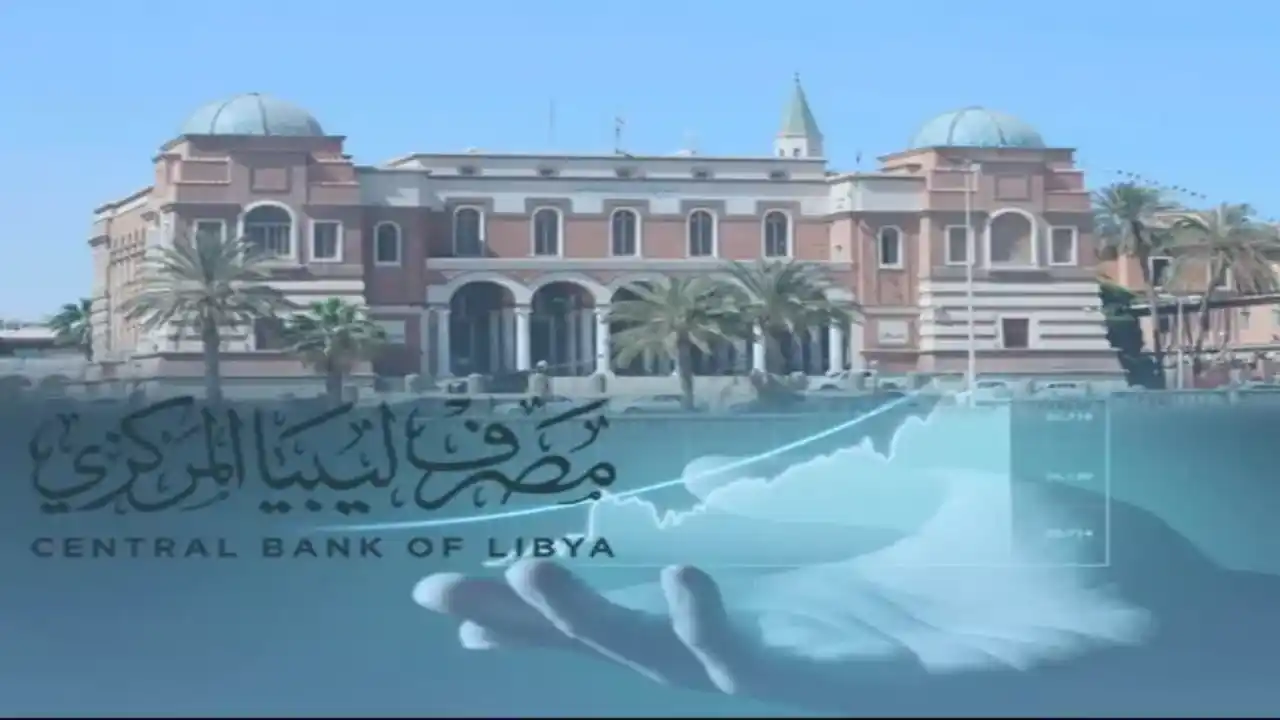
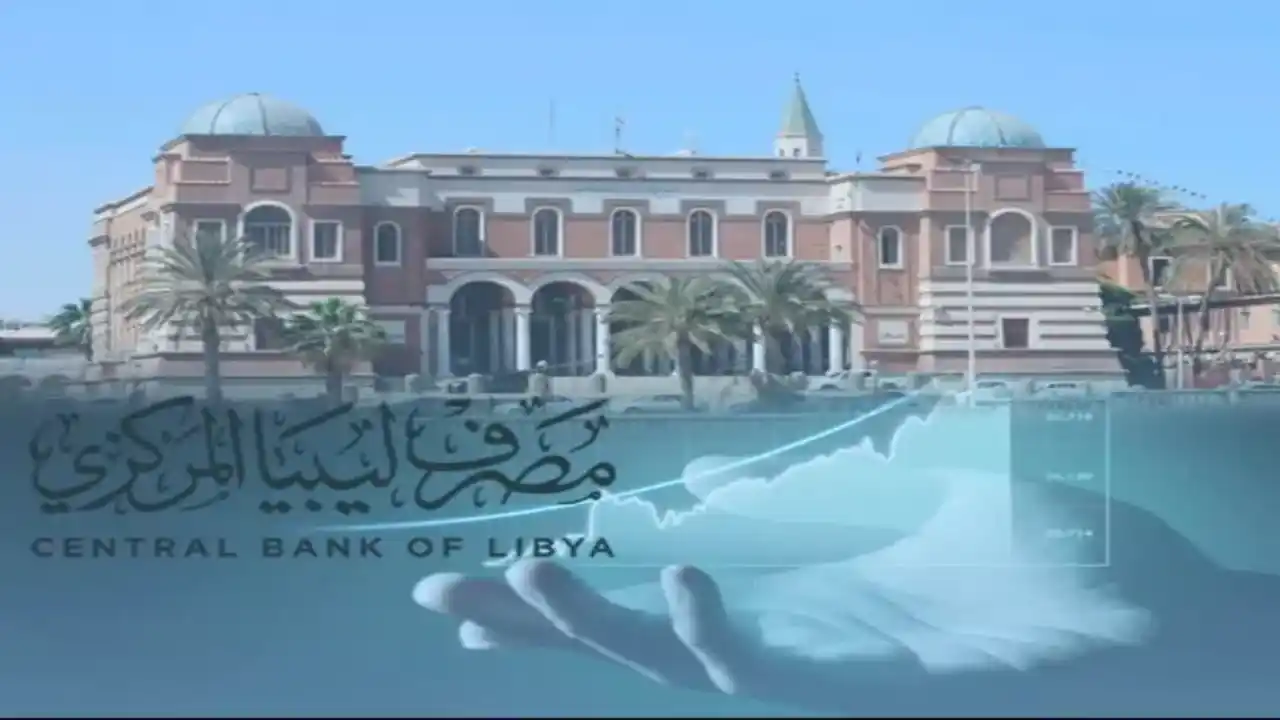
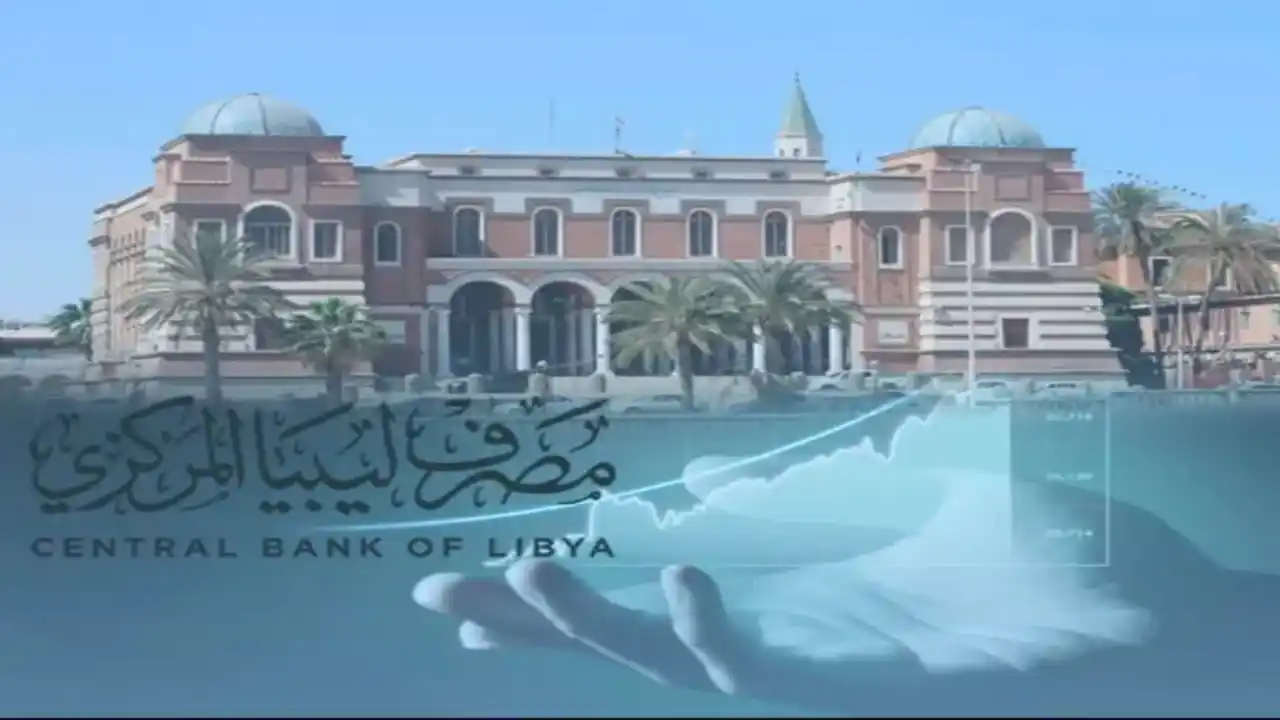
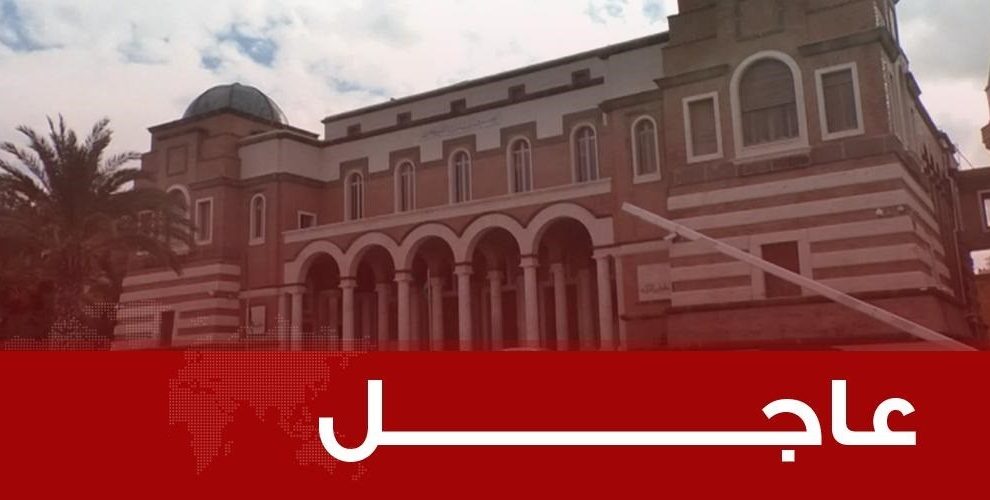
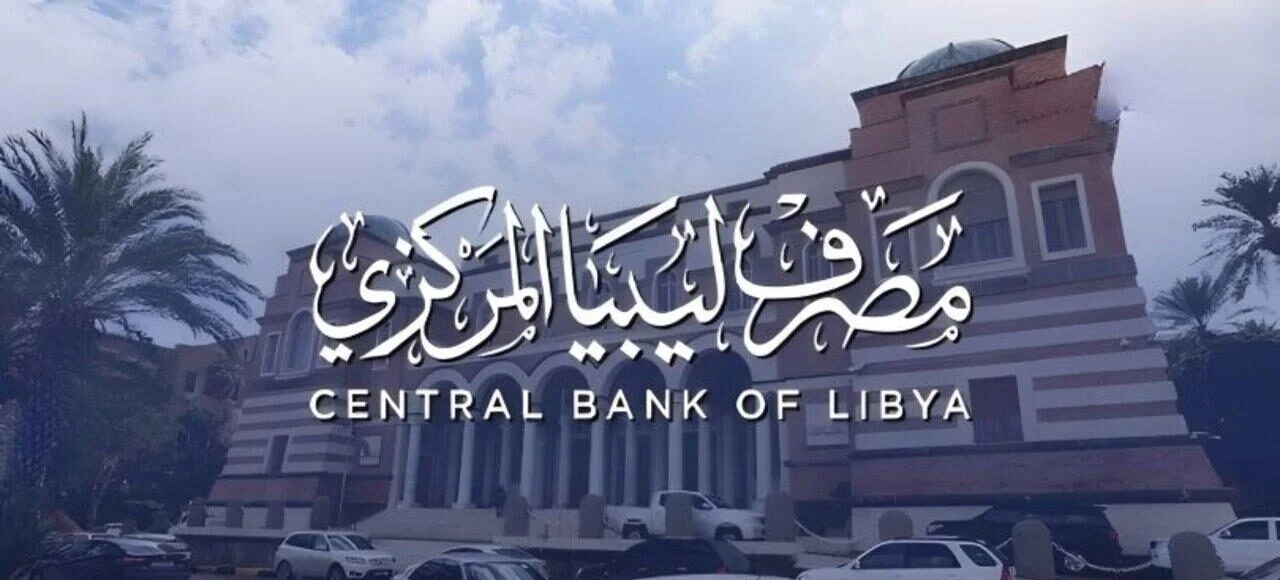
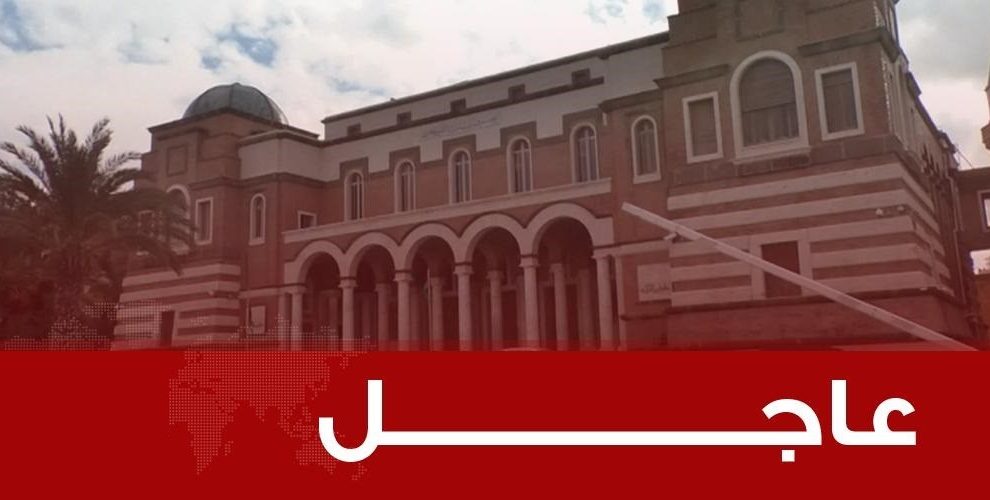
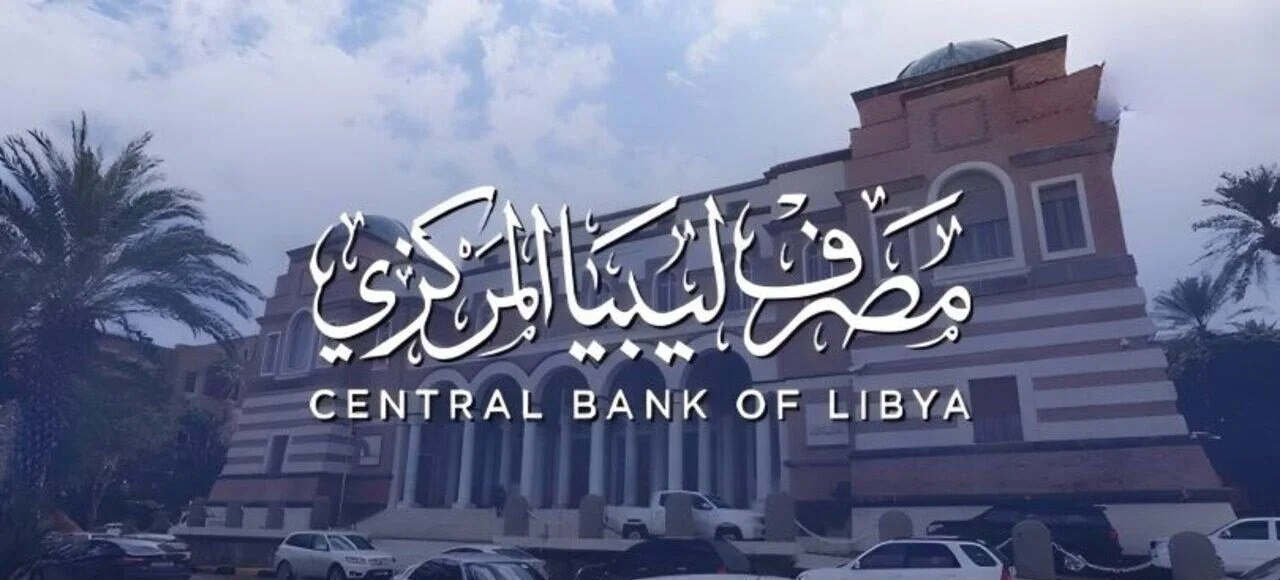
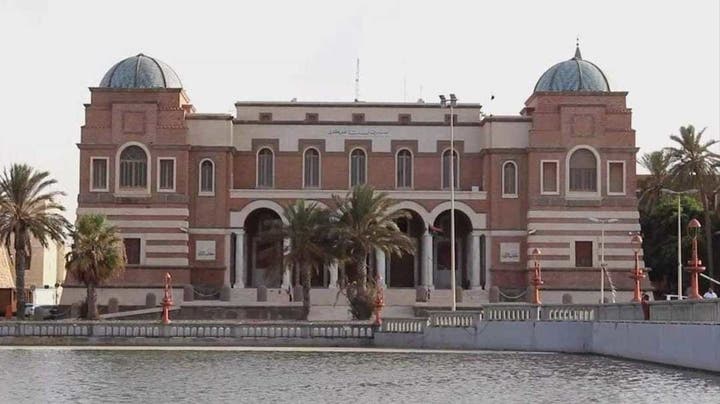
Central Bank of Libya
The Central Bank of Libya is the country’s primary monetary authority, established in 1956 to issue currency and manage monetary policy. It has played a critical and often divisive role in Libya’s recent history, notably functioning as a unified financial institution during the post-2011 civil war period despite the country’s political fragmentation.