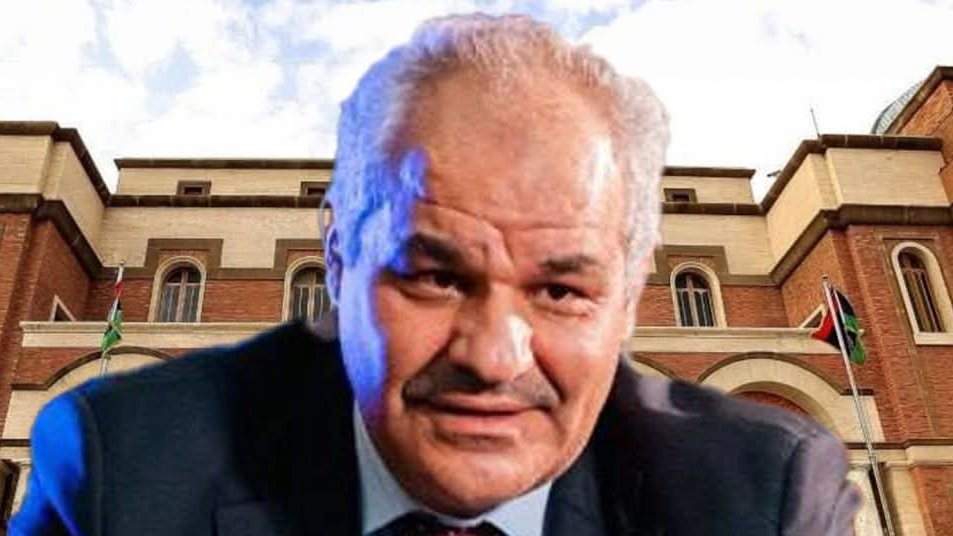
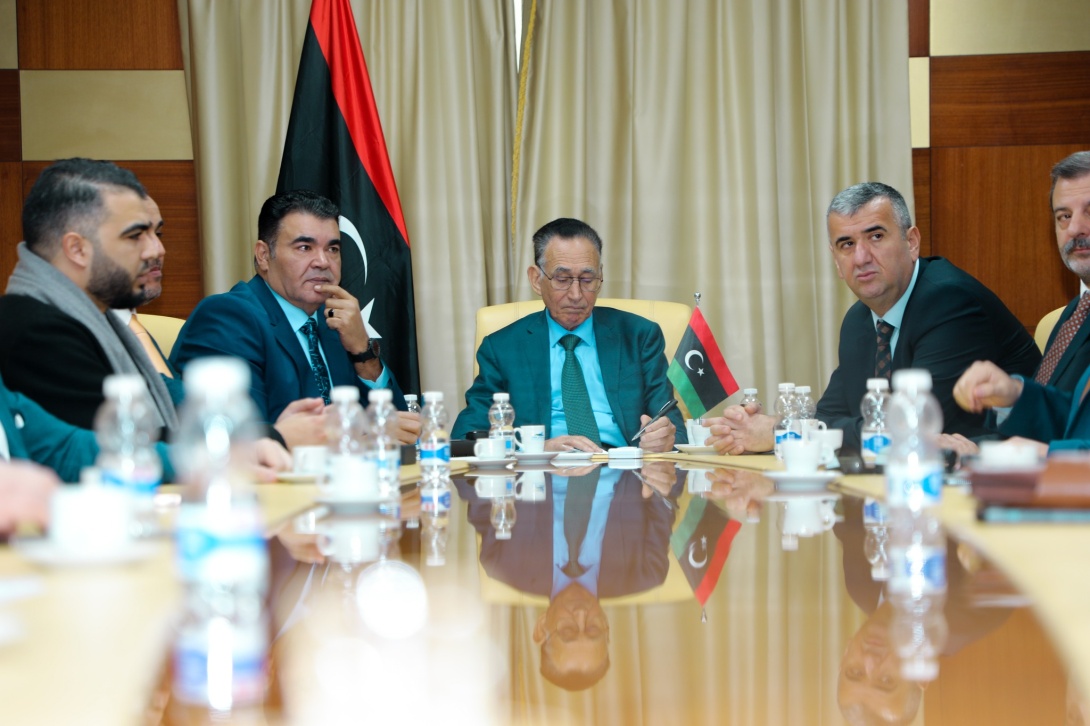
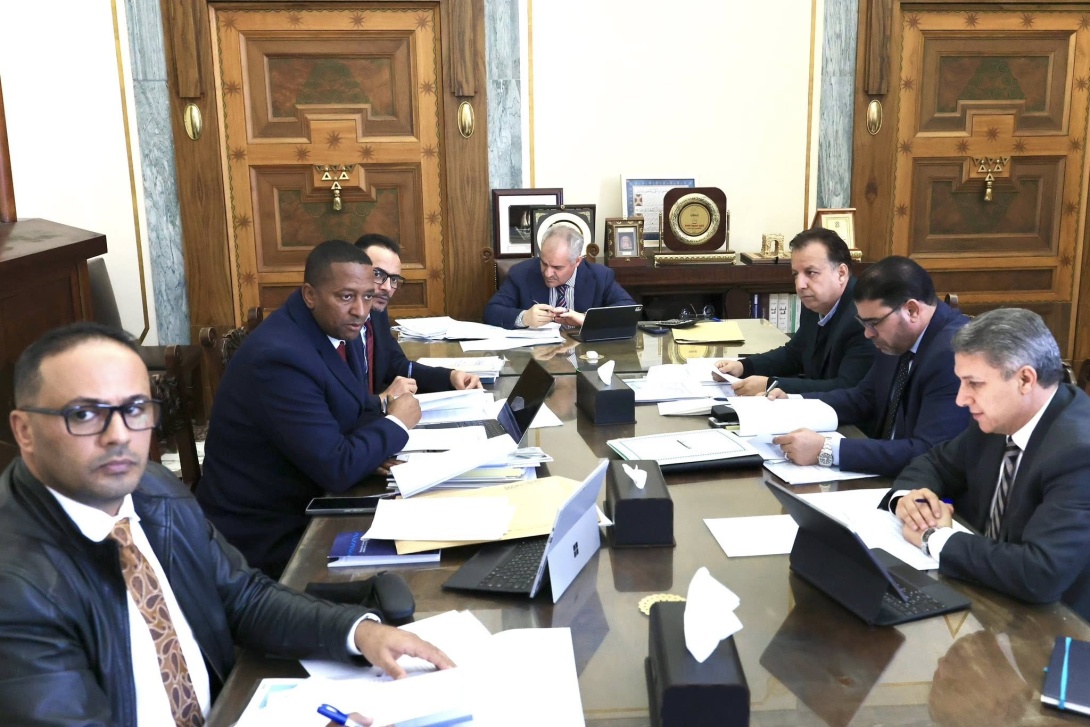
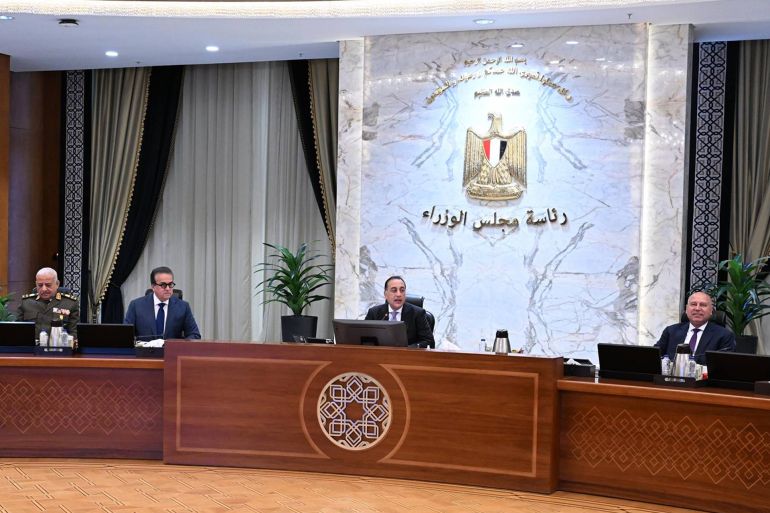
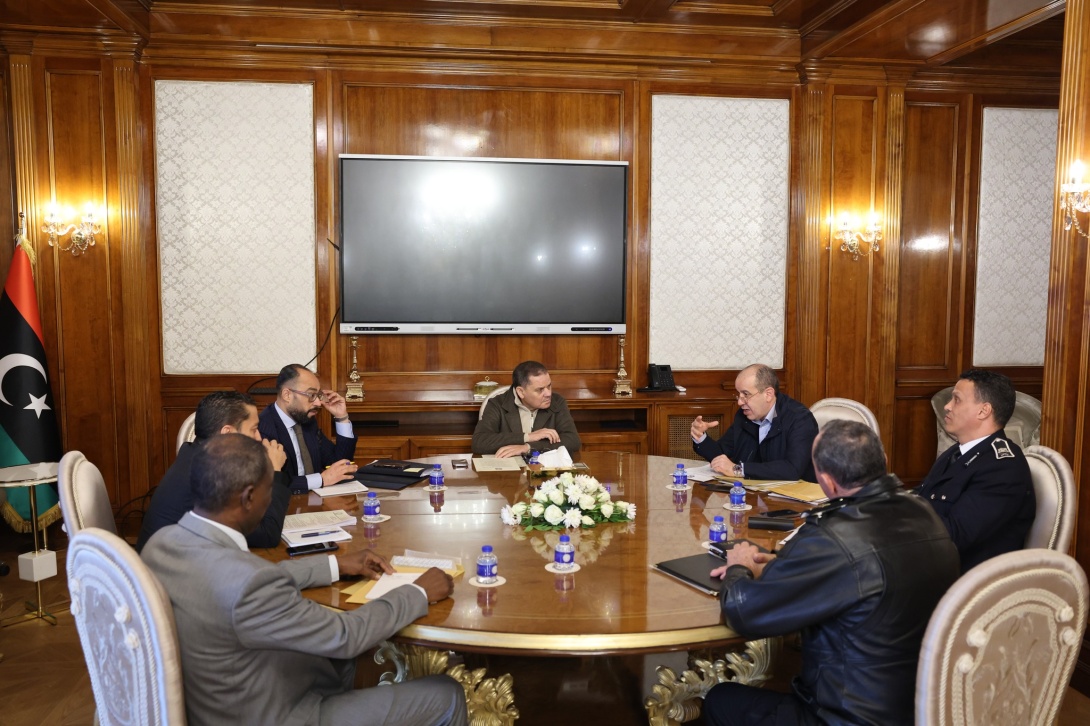
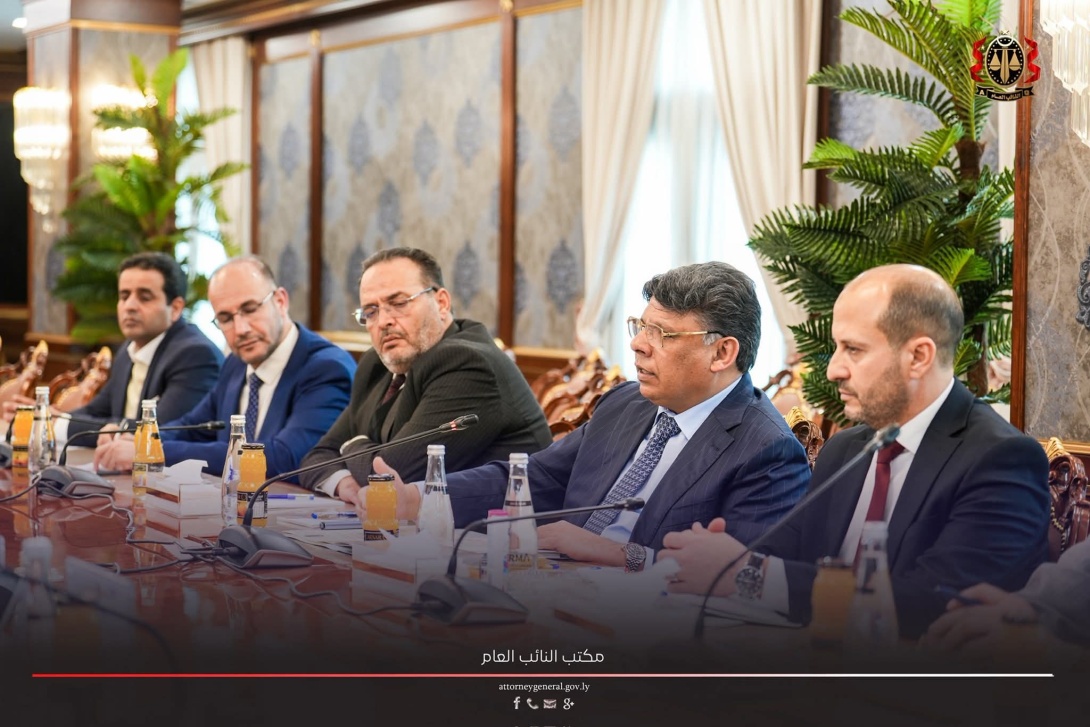
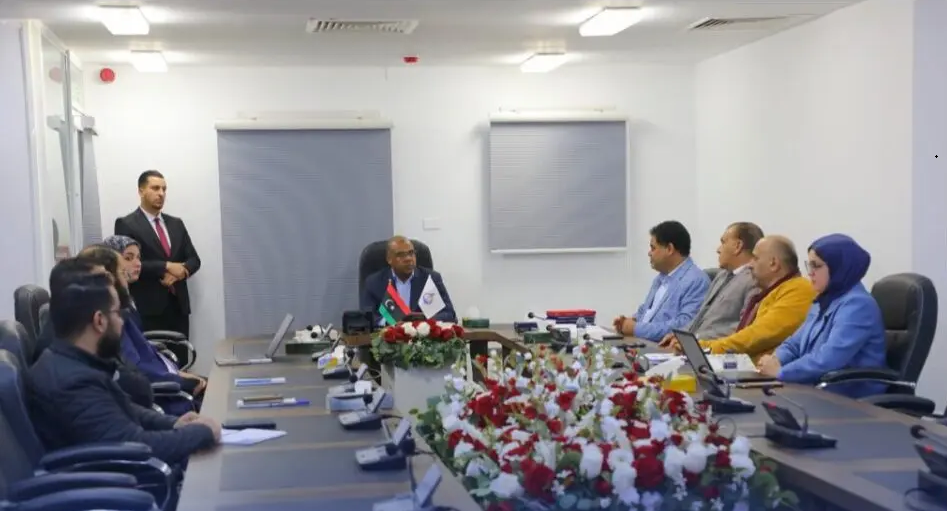
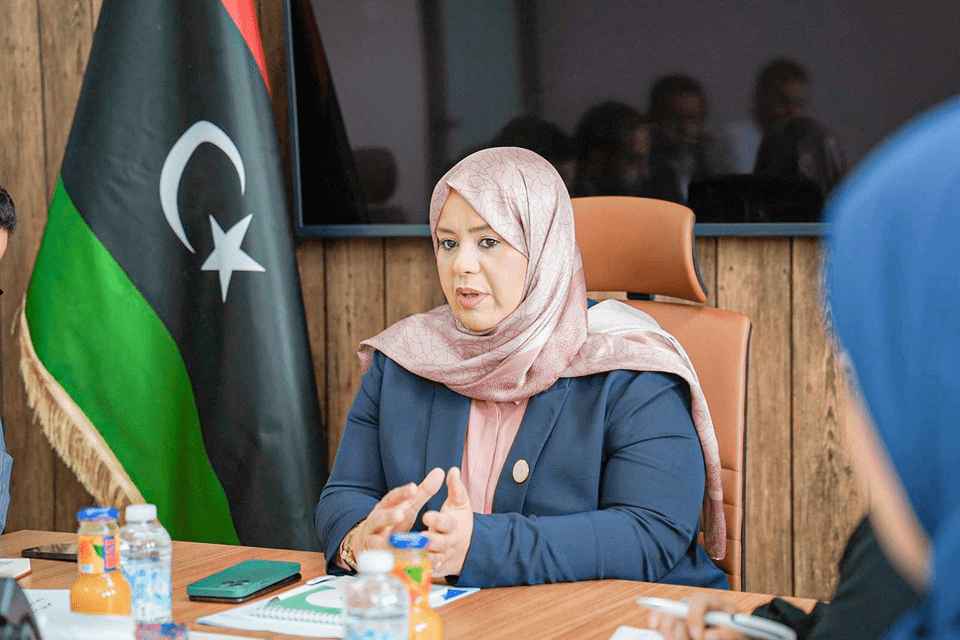
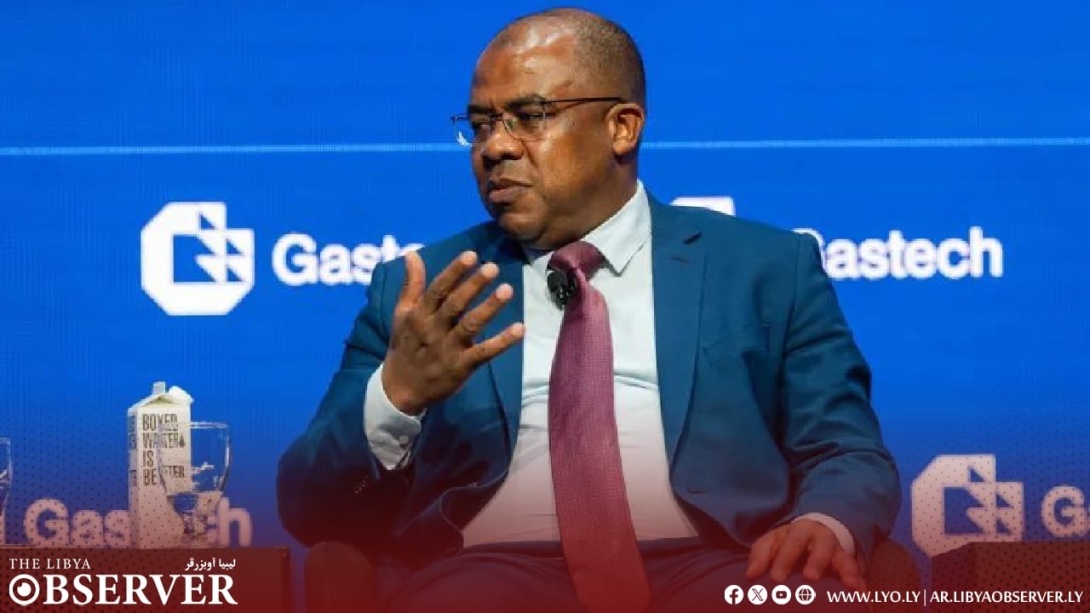
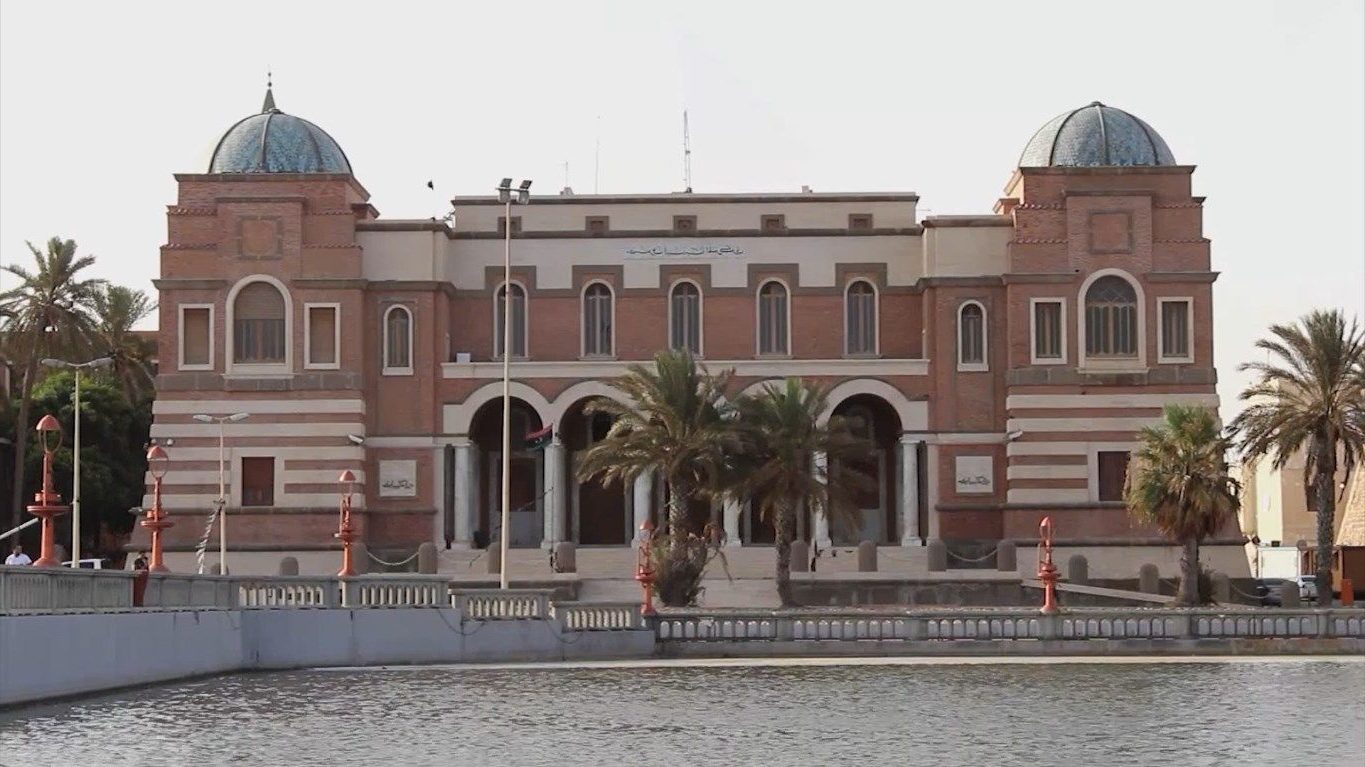
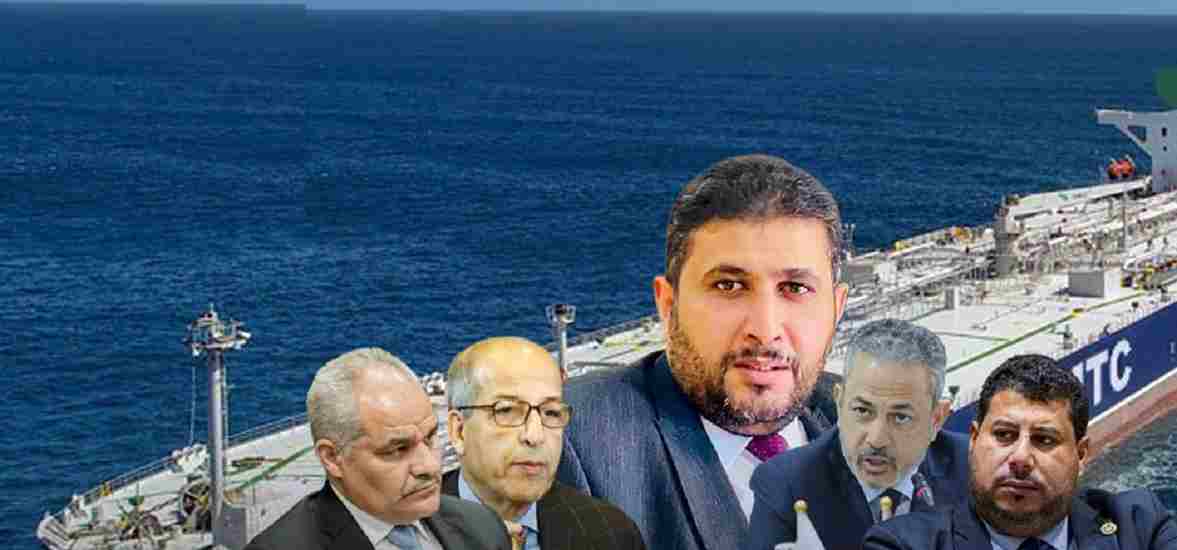
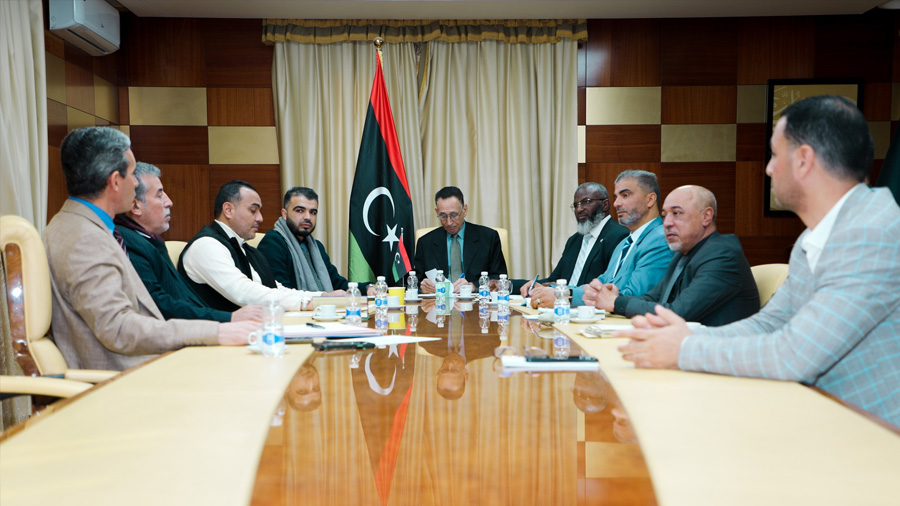
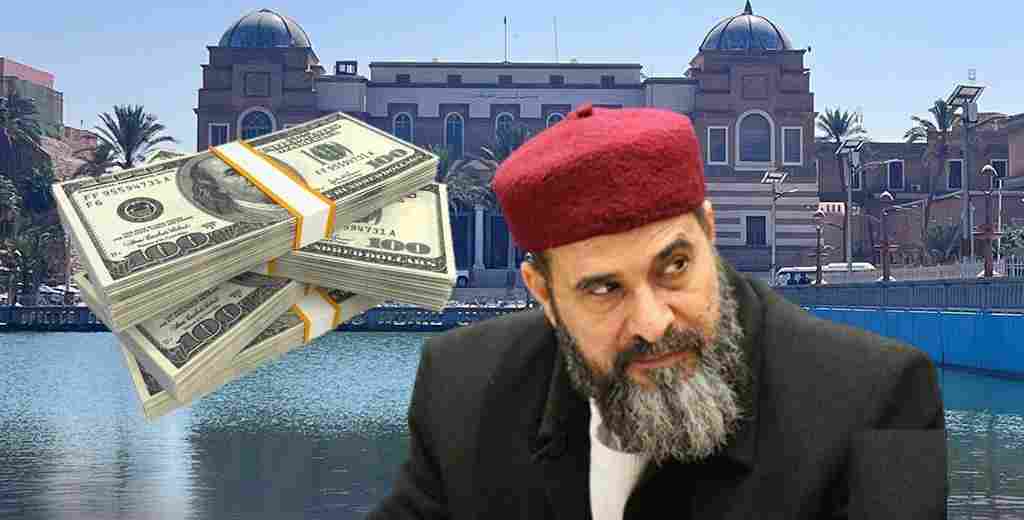
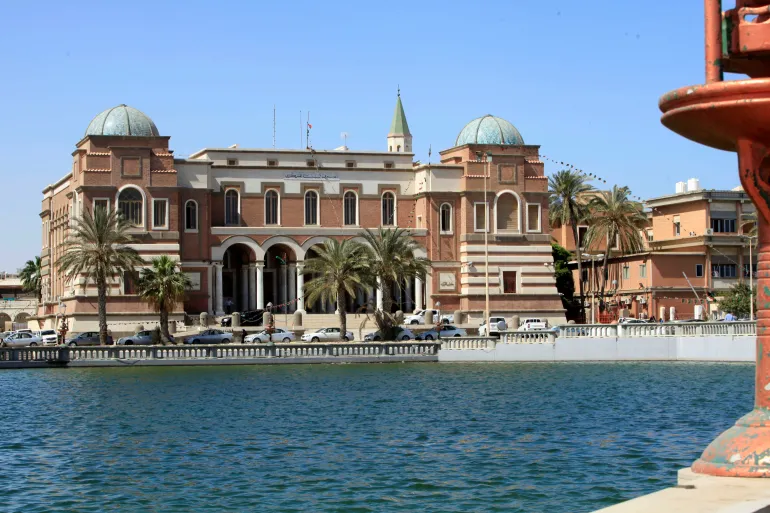
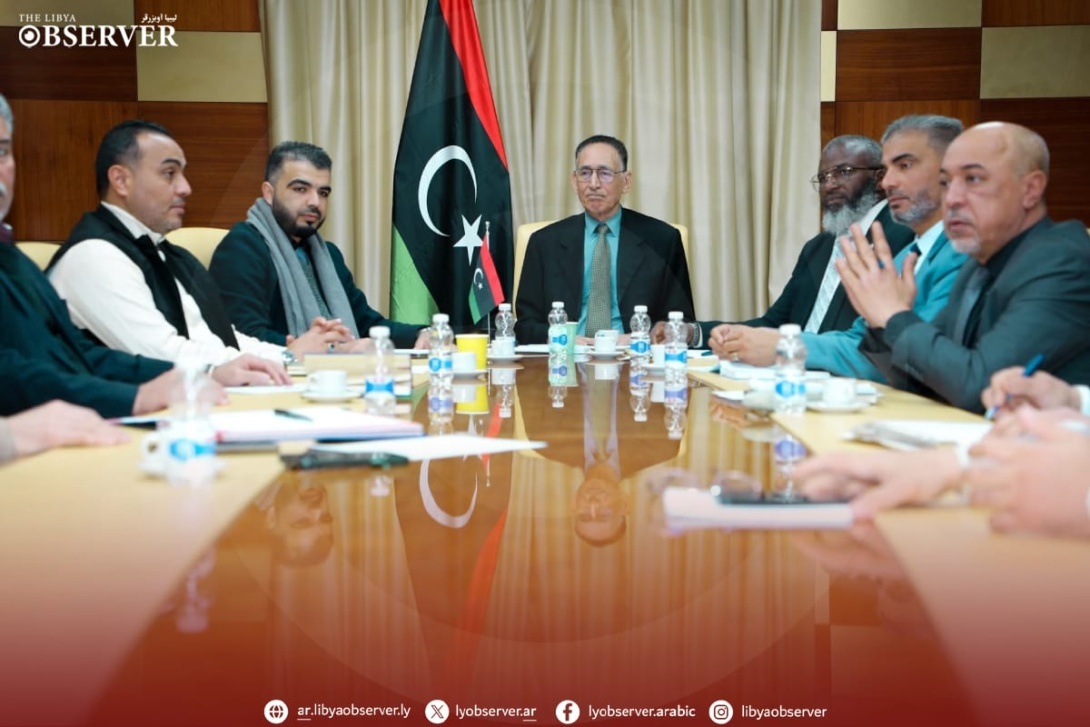
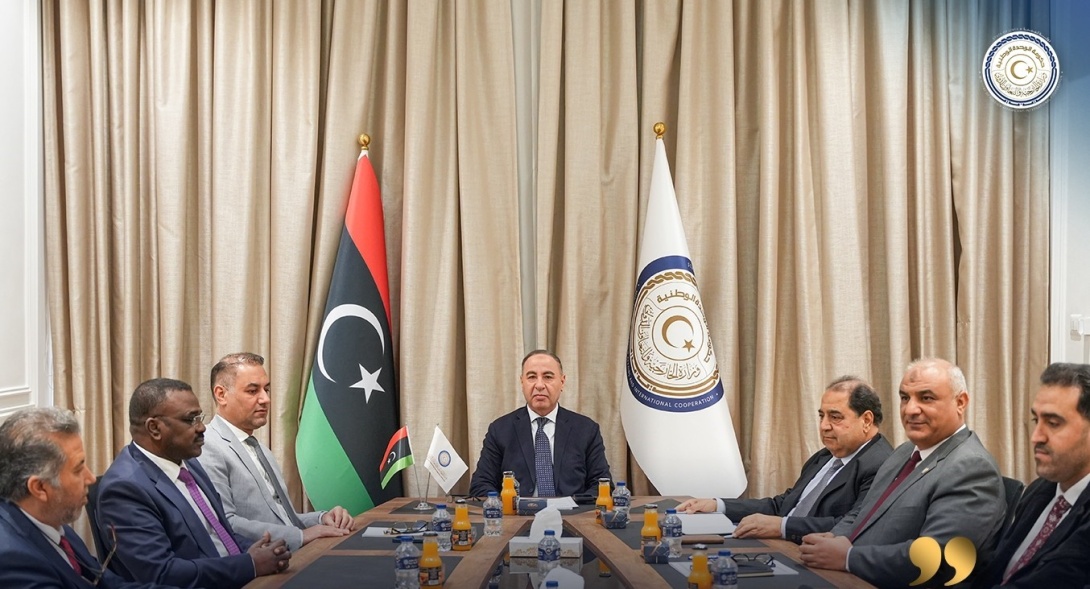
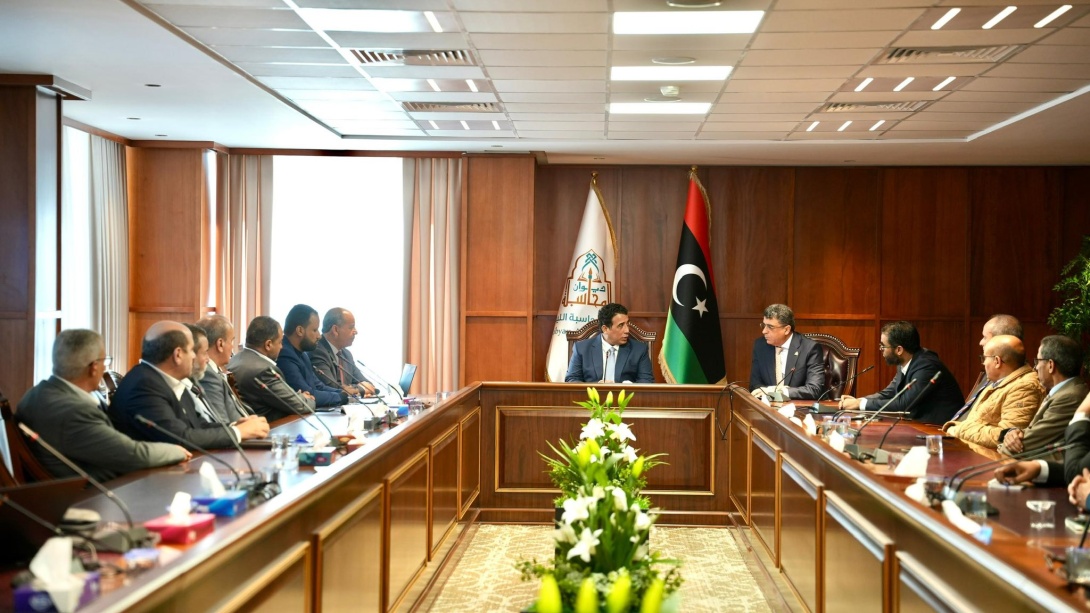
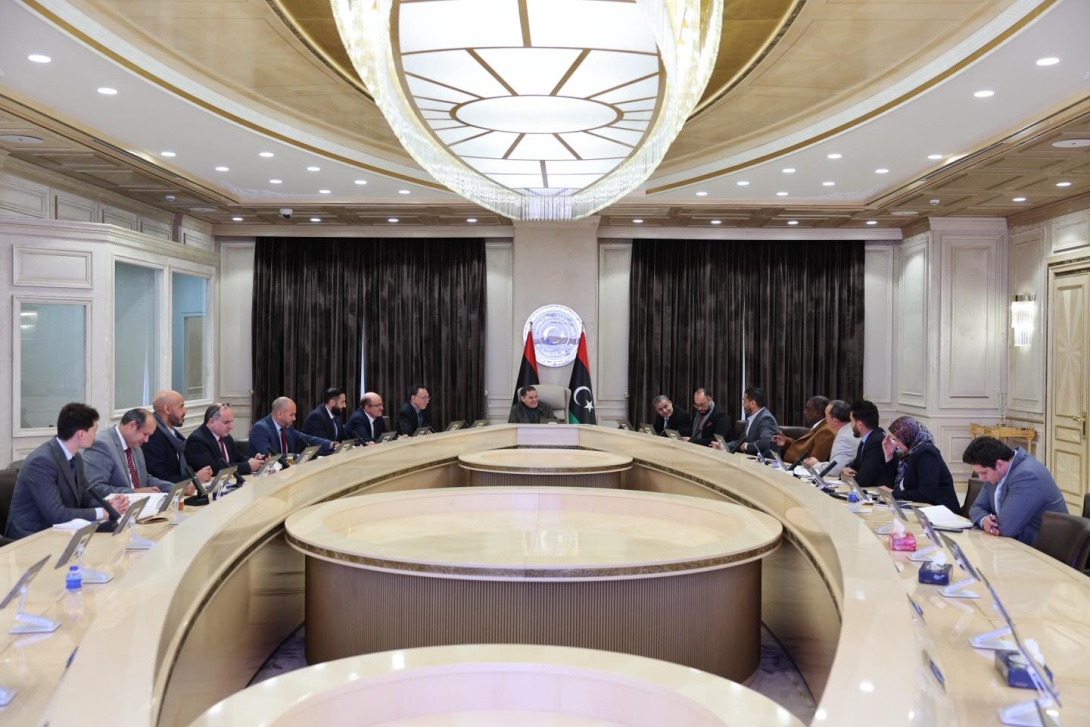
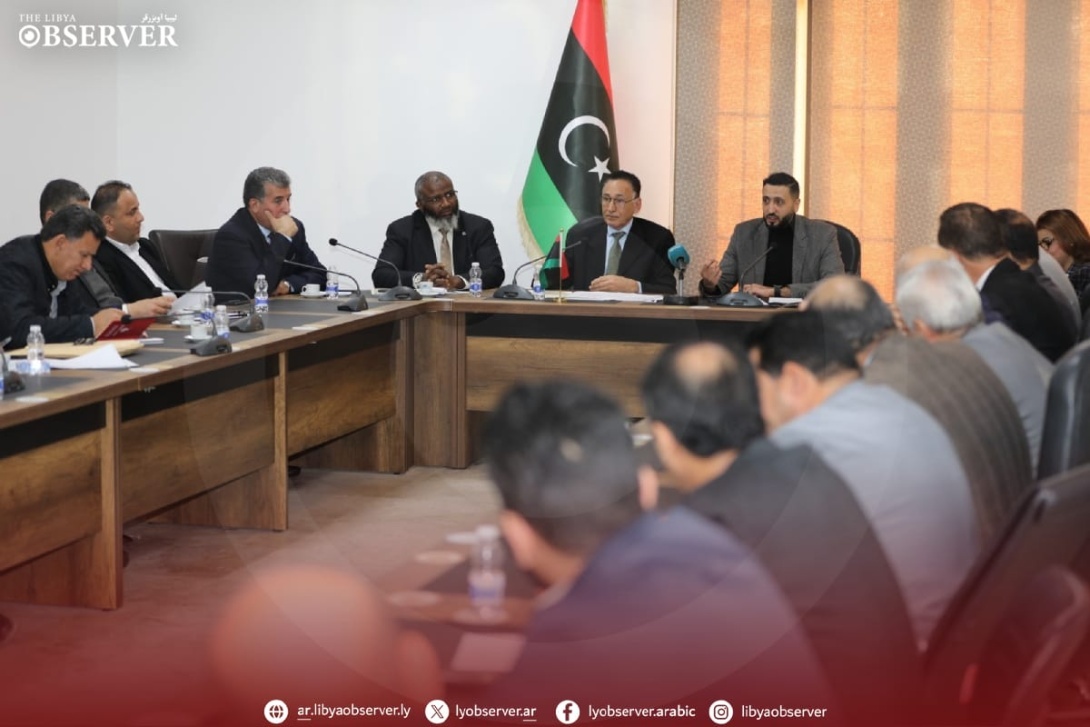
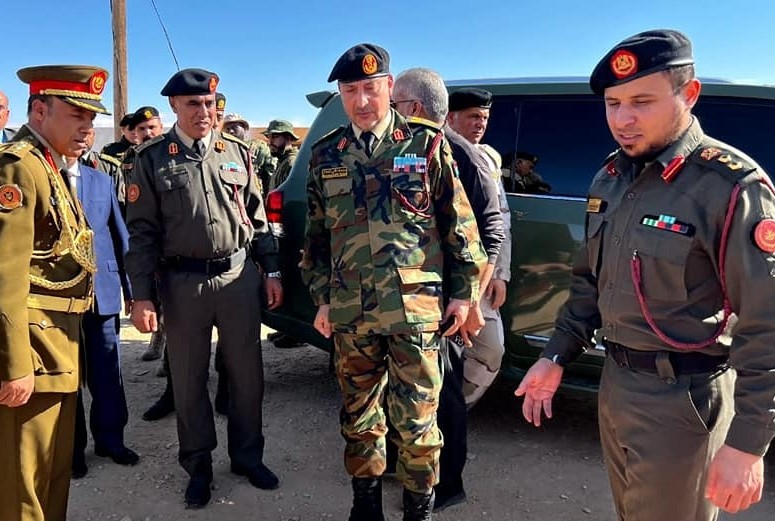
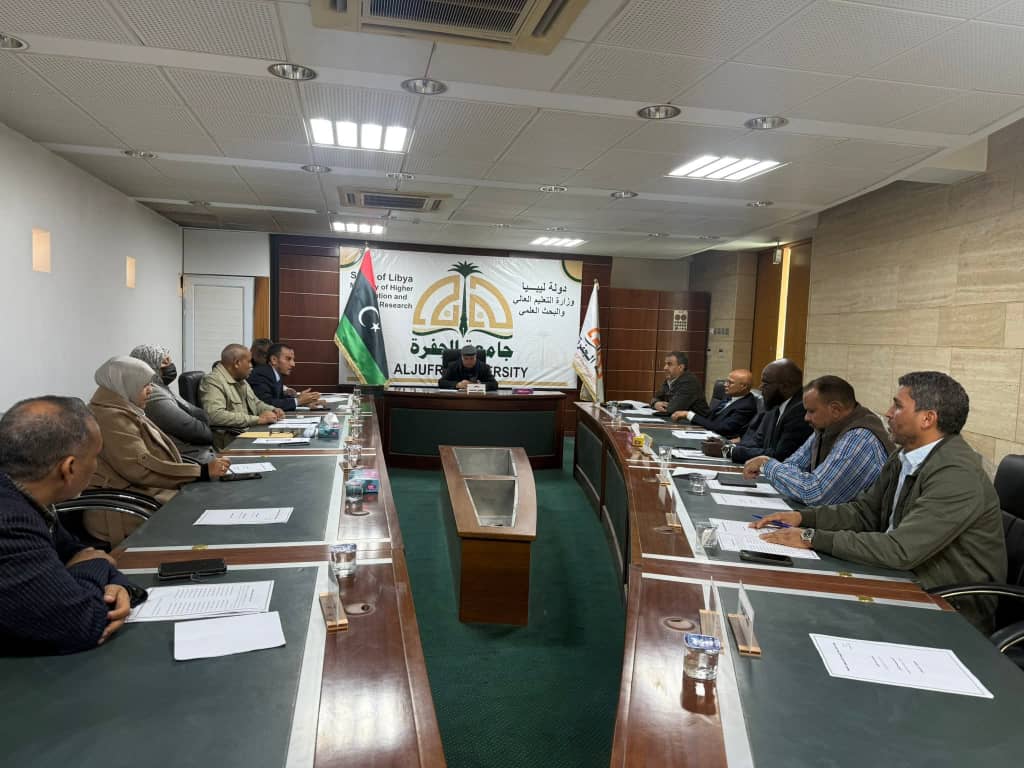
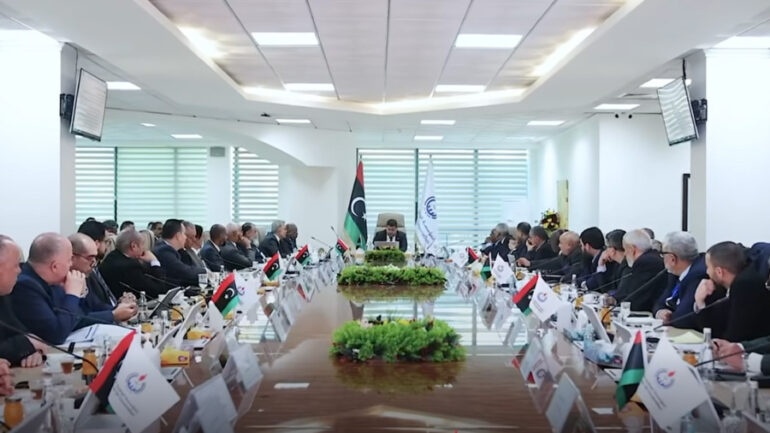
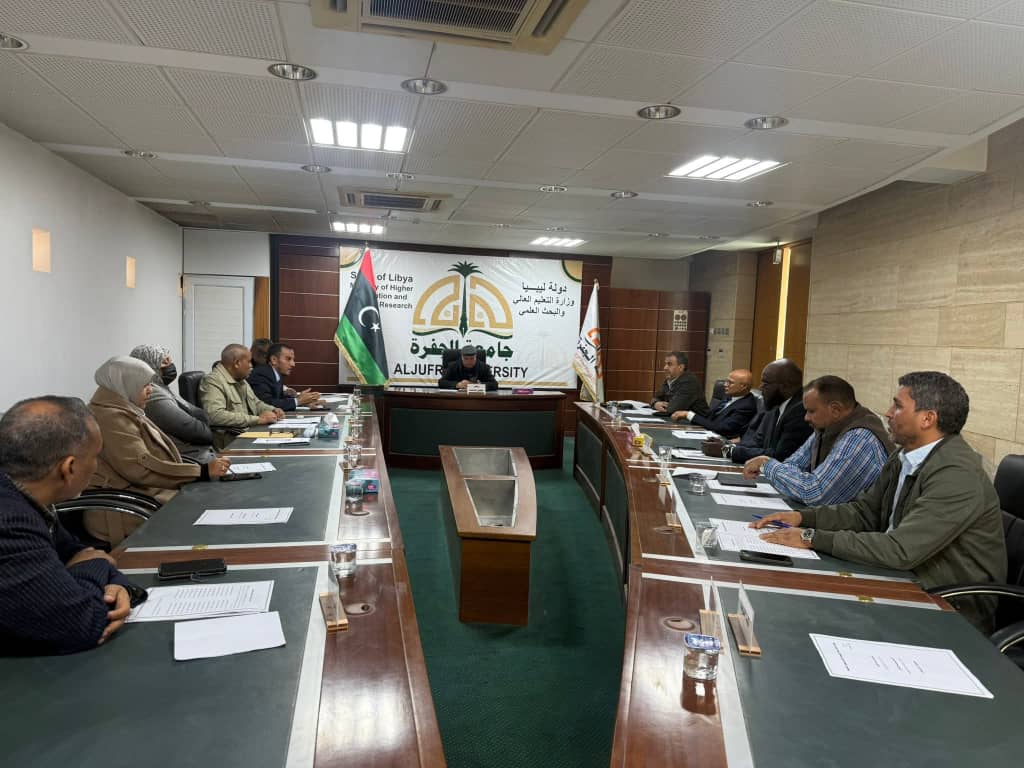
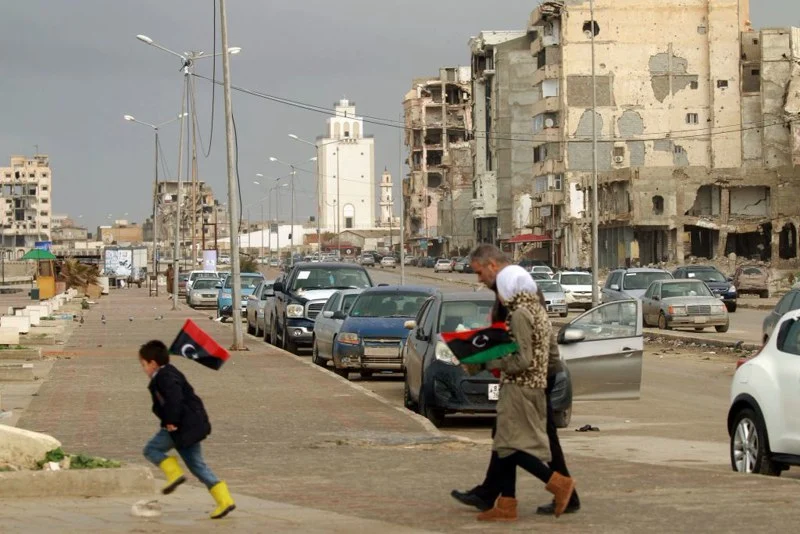
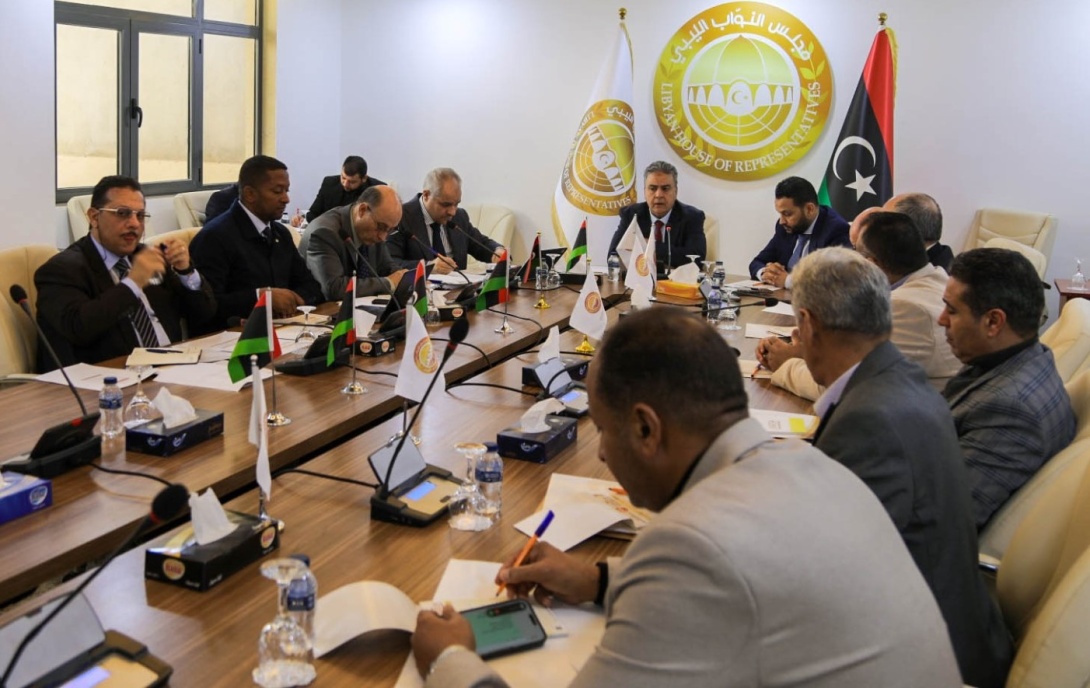
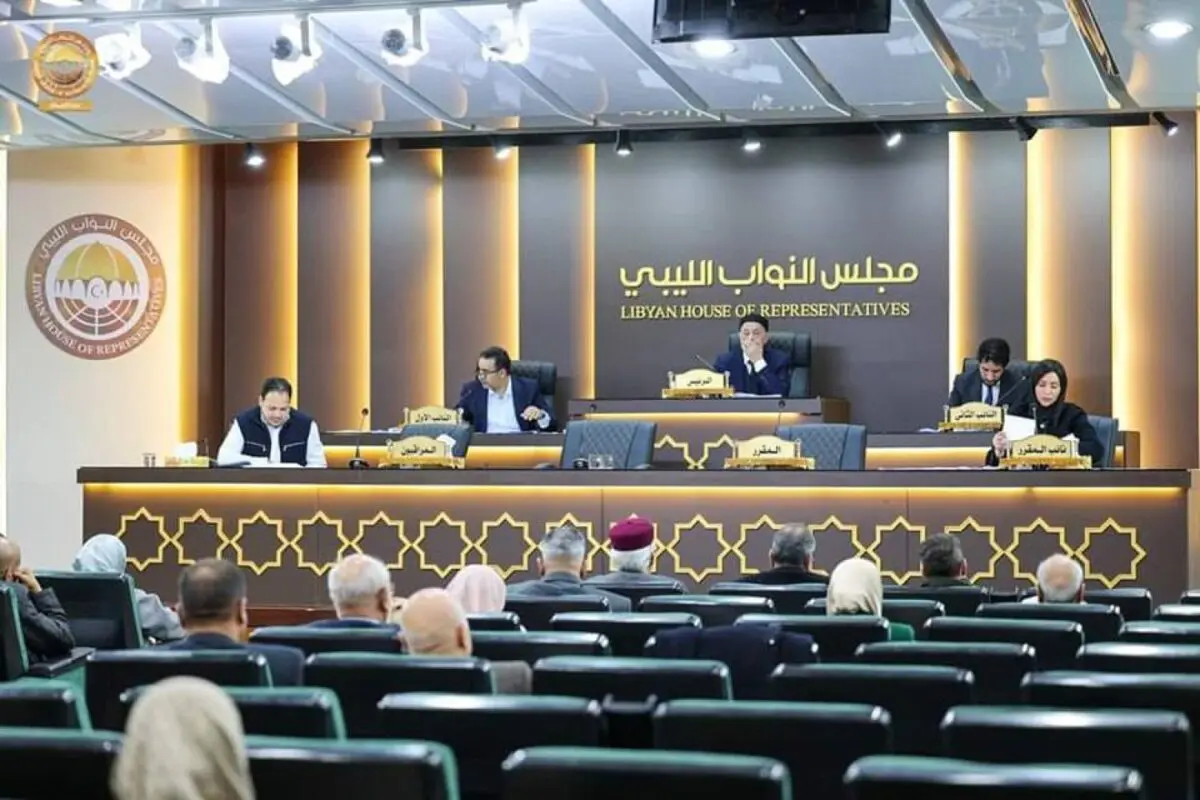
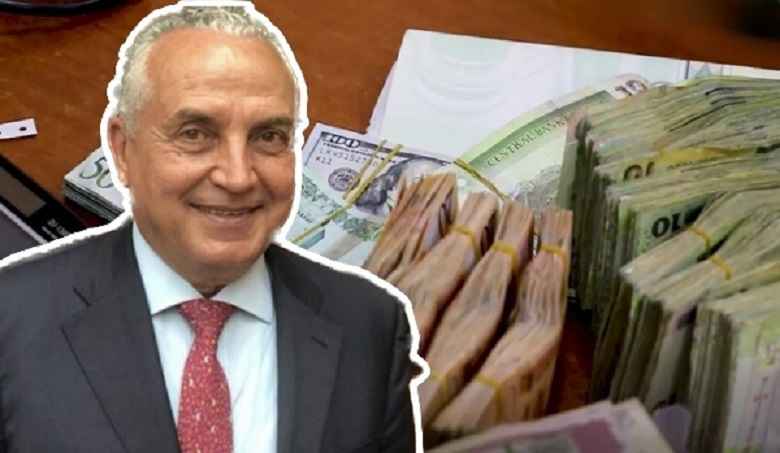
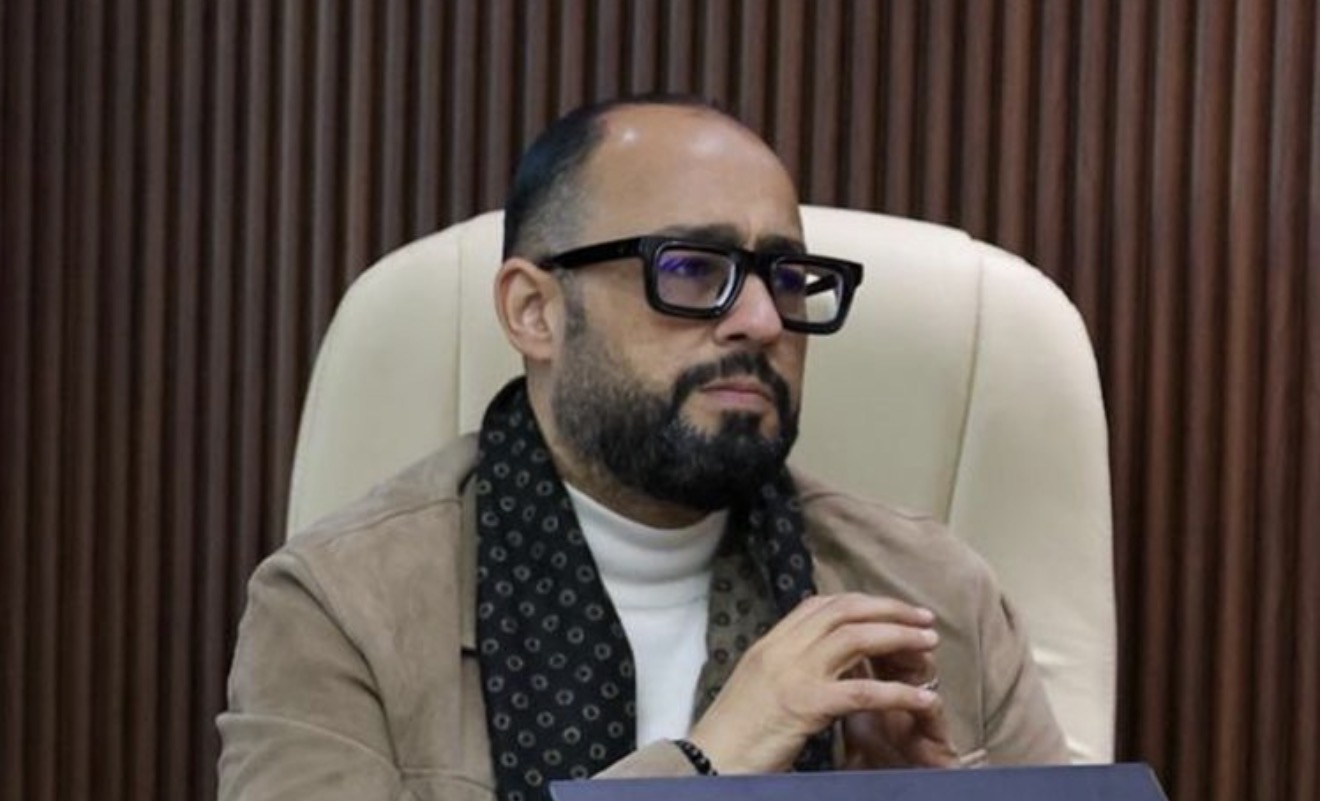
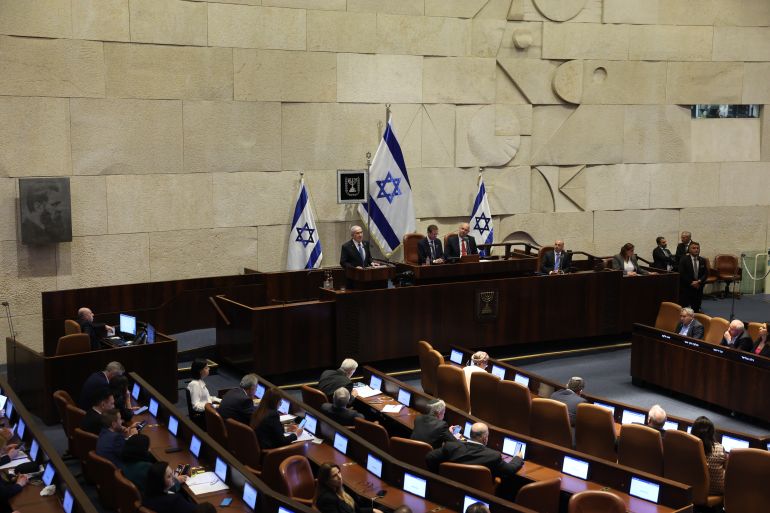
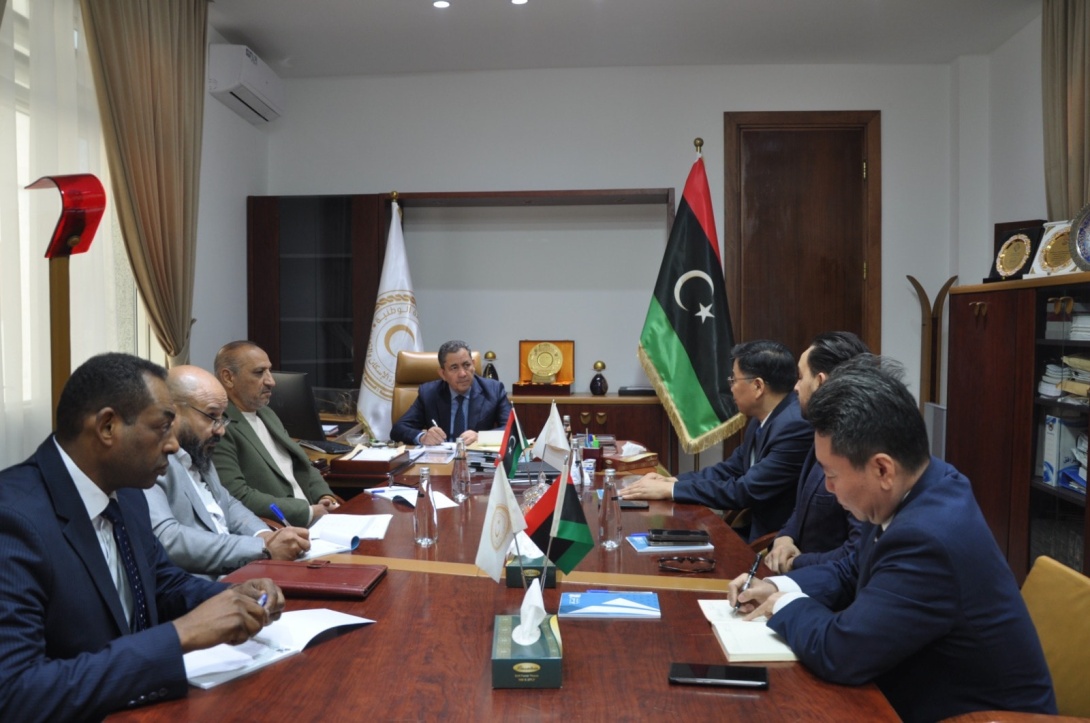
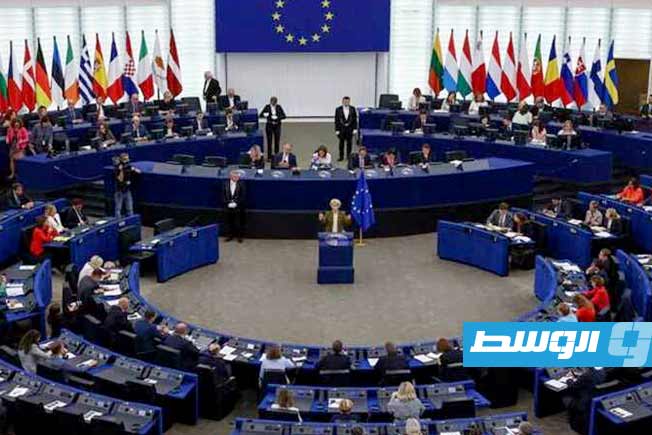
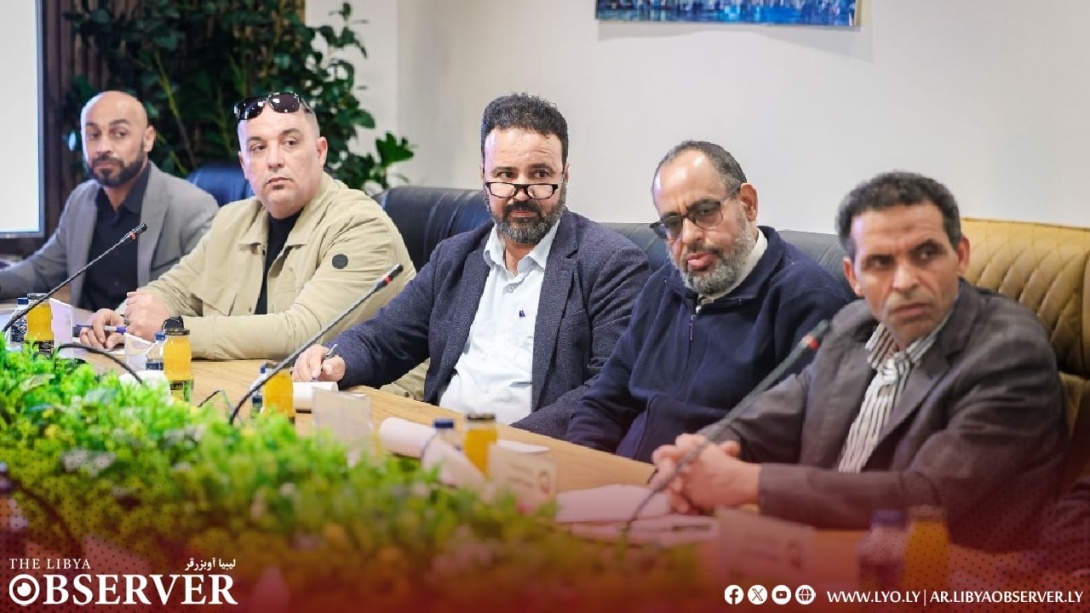
Amid a state of public tension and growing economic anxiety, the Speaker of the House of Representatives, Counselor Aguila Saleh, has called members of the Council for an official emergency session at the Council’s headquarters in Benghazi next Monday. This session comes as a crucial step to confront the accelerating deterioration of the living situation and the exacerbation of the financial crises sweeping the country.
Under the Parliament’s Dome… A Comprehensive Accountability
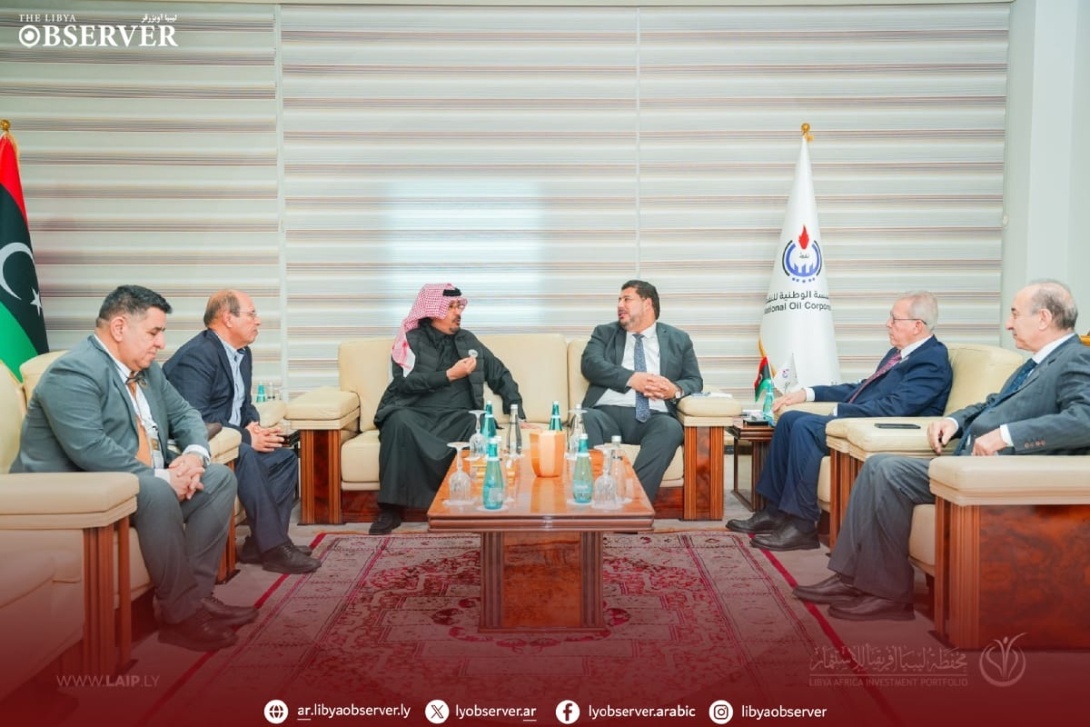
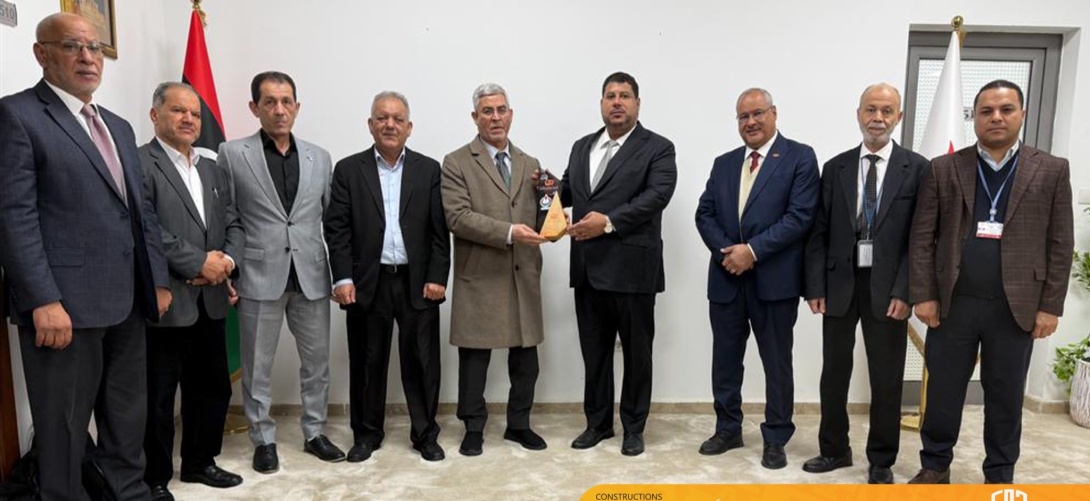
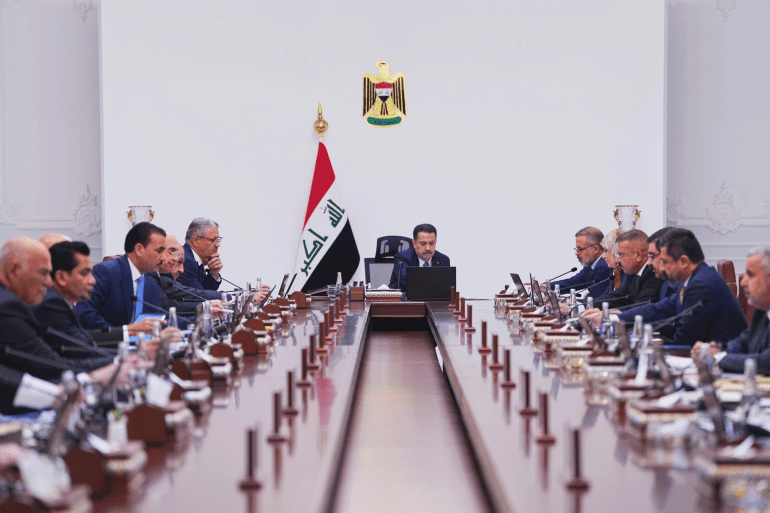
The official invitation clarified that the session will witness high-level attendance including:
- The government tasked by the House of Representatives.
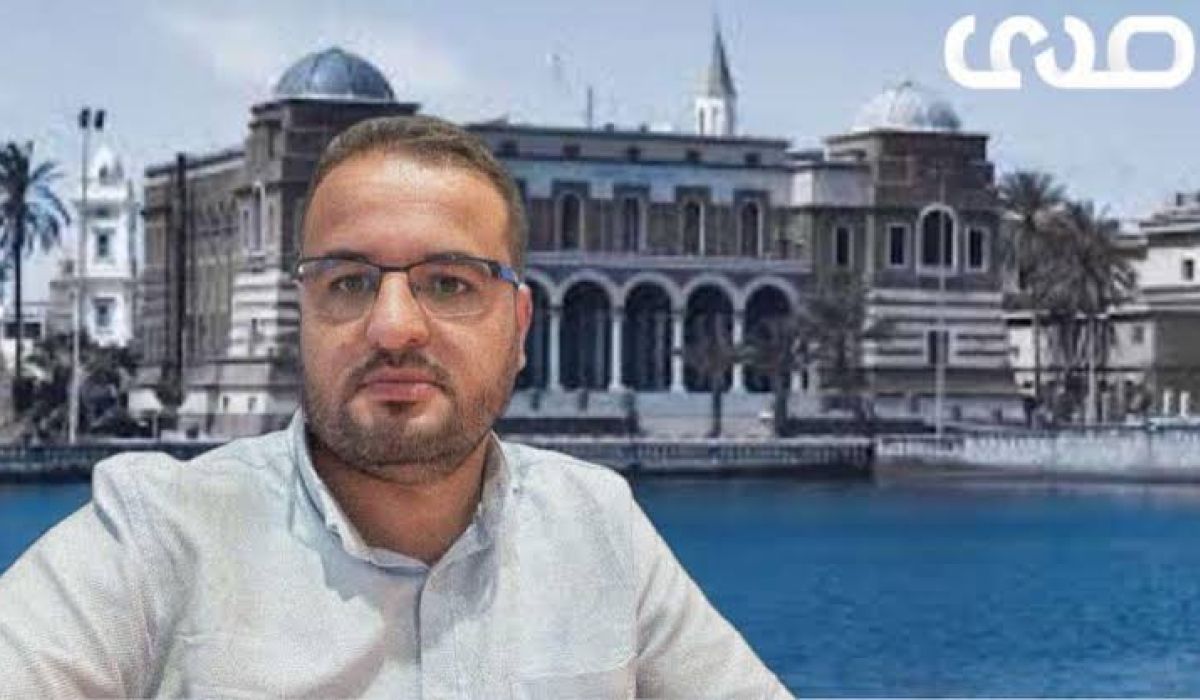
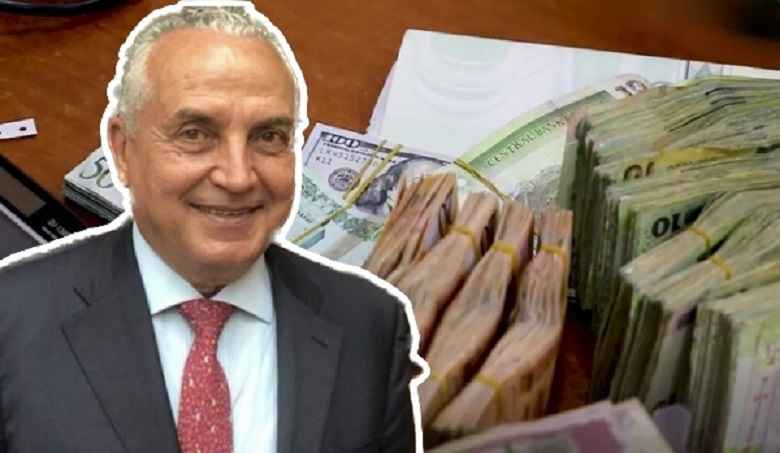
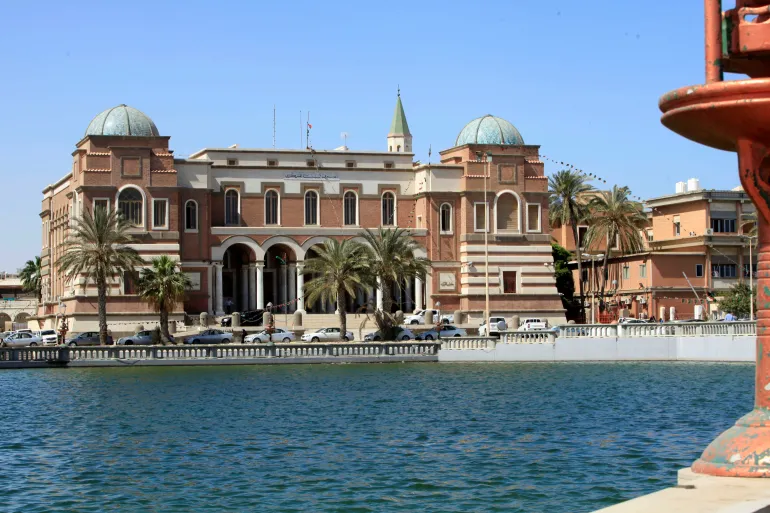
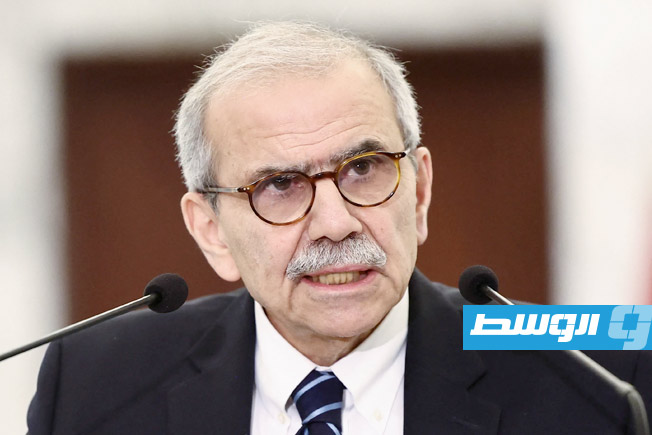
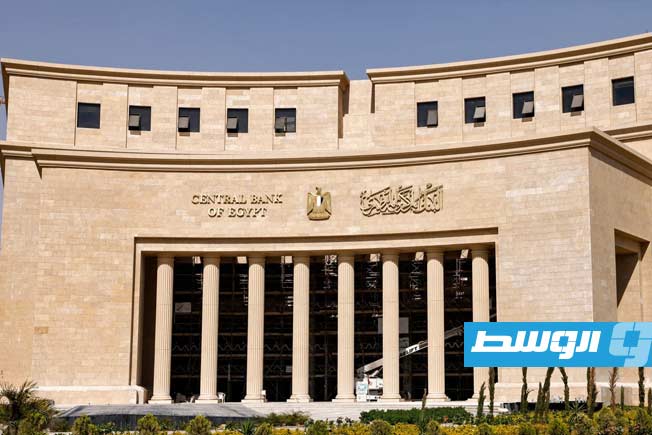
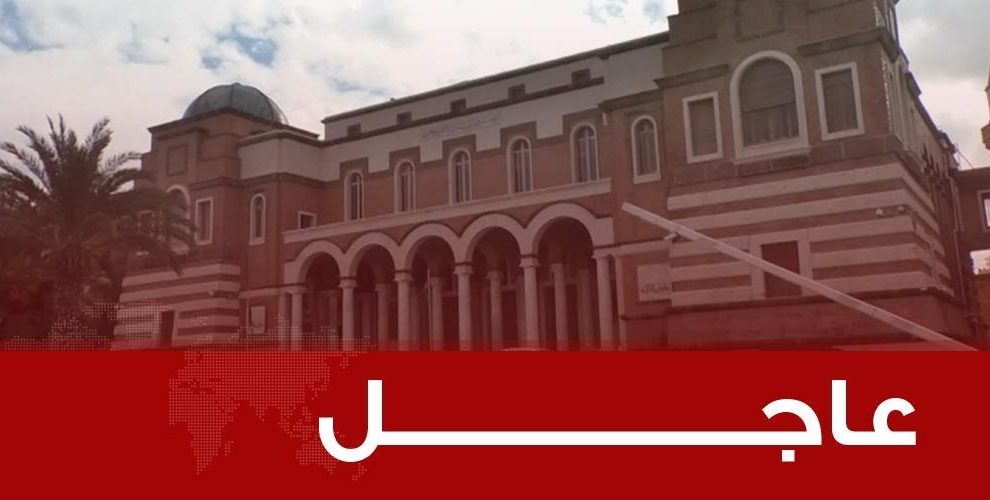
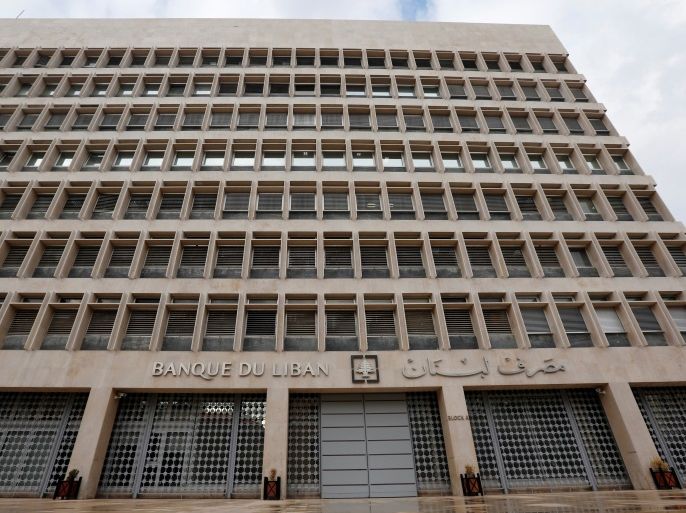
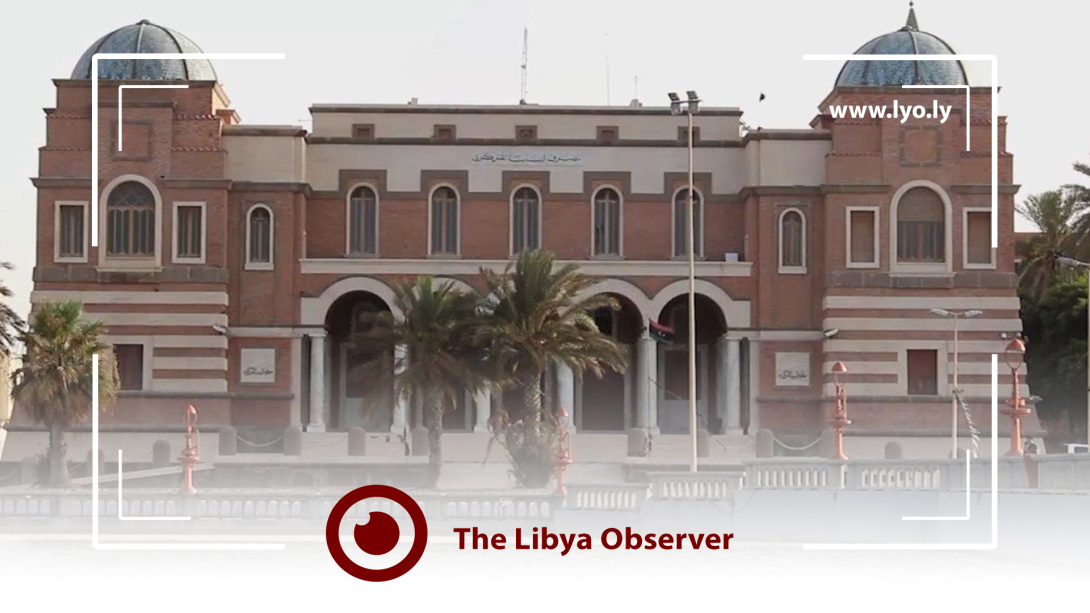
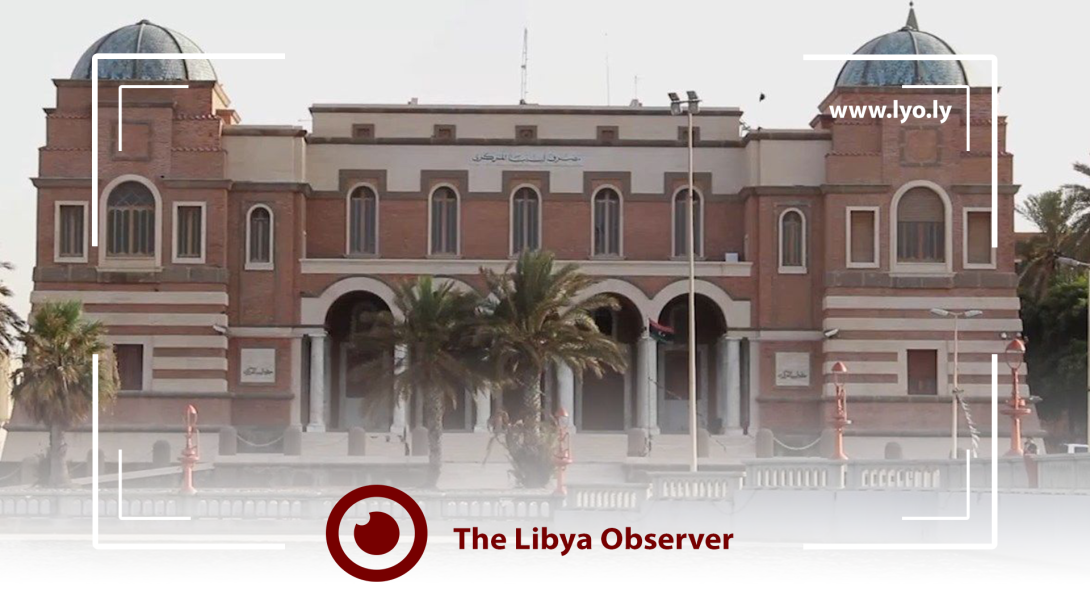
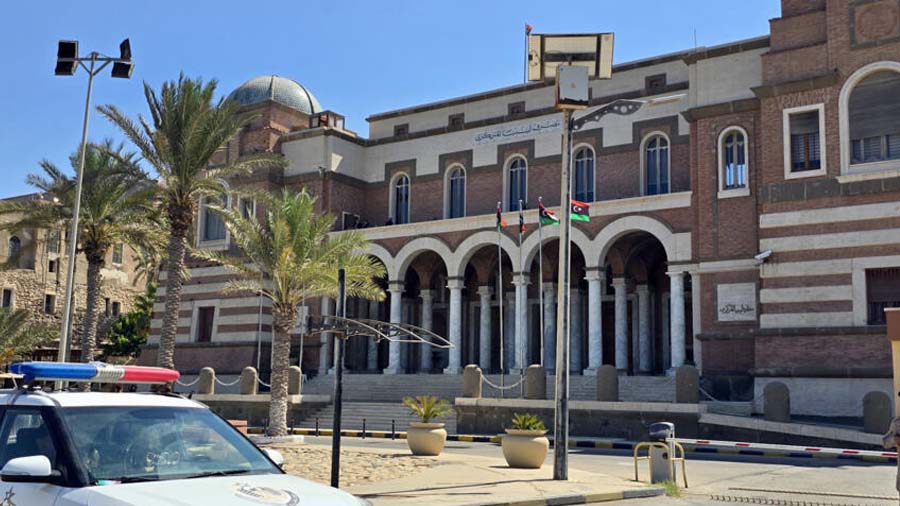
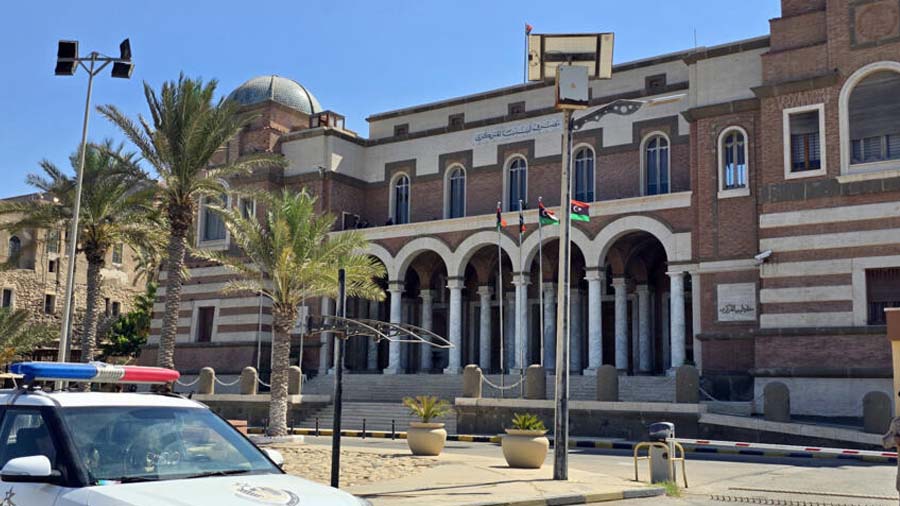
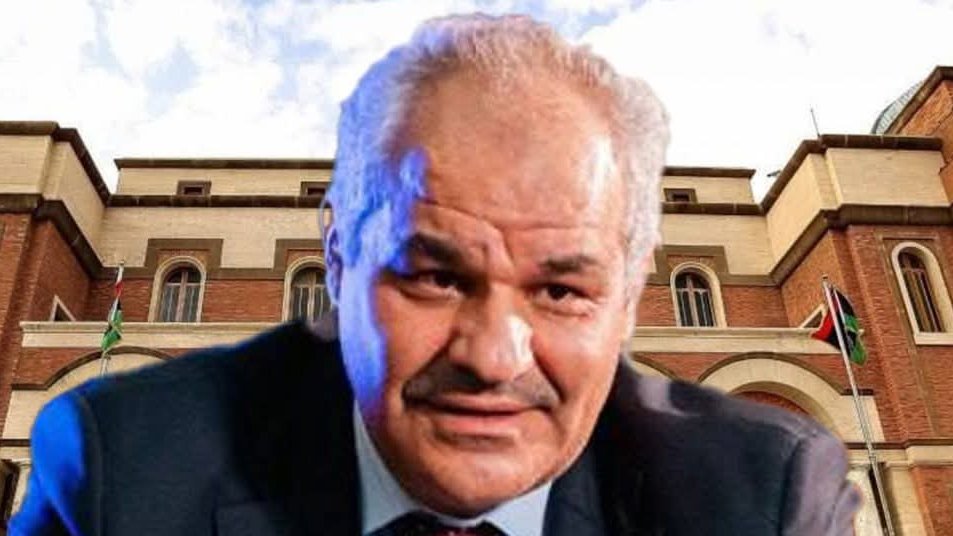
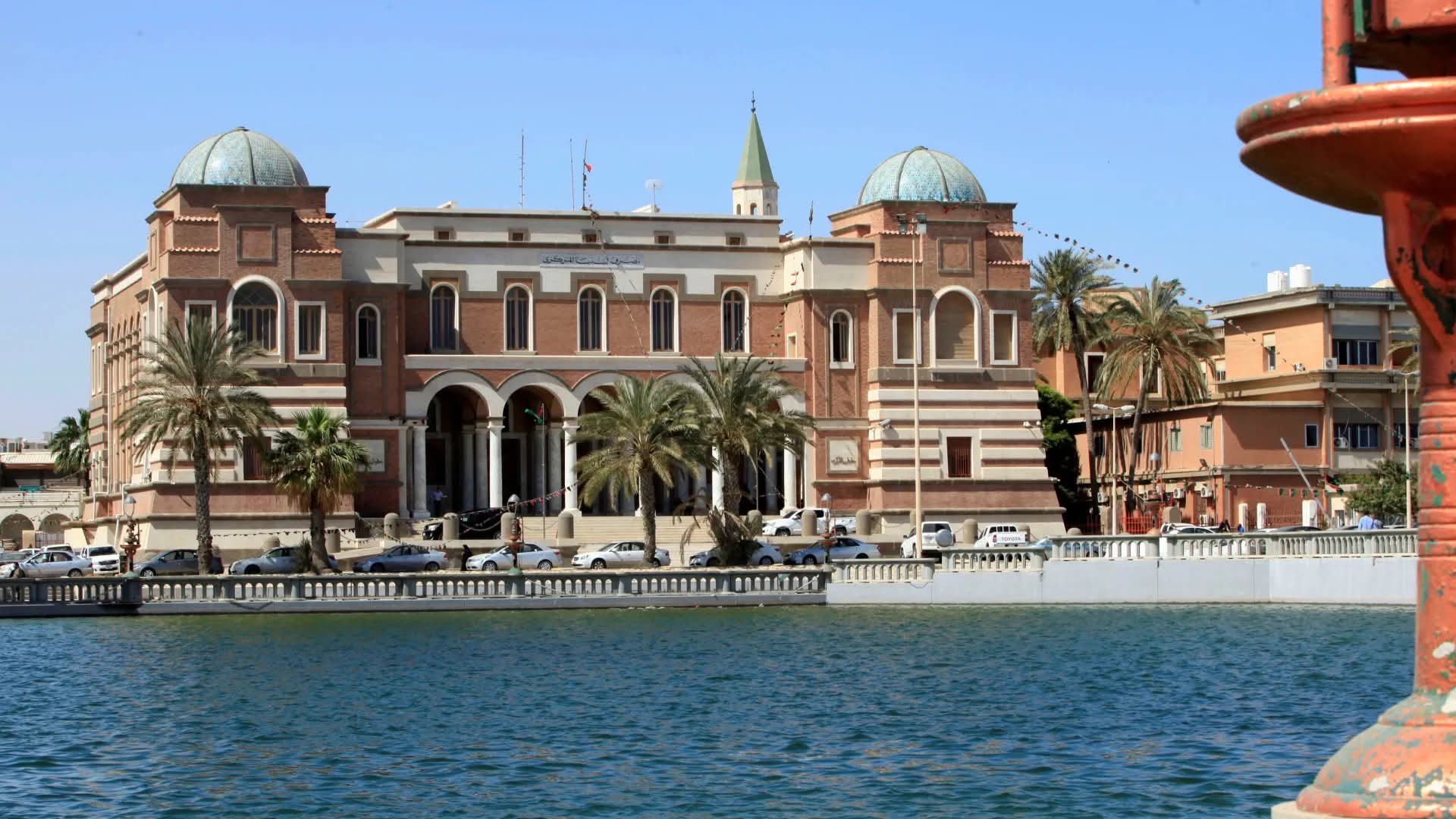
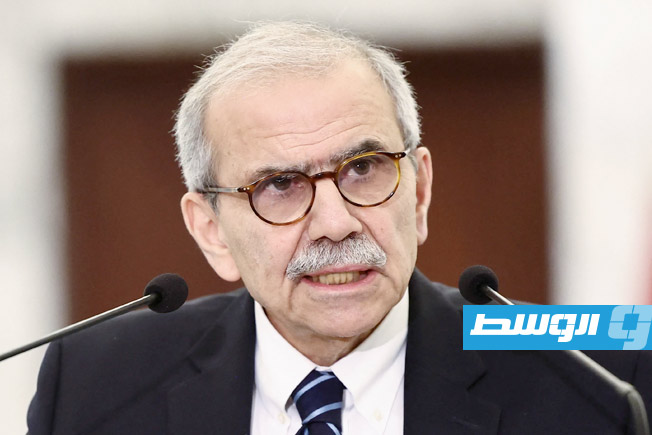
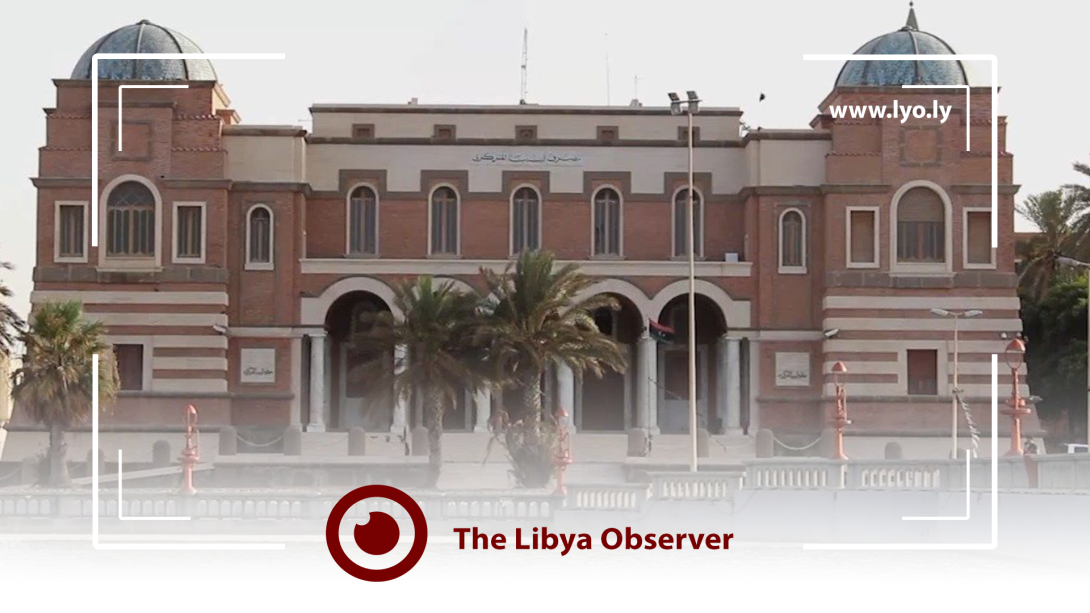
- The Governor of the Central Bank of Libya, his deputy, and members of the Board of Directors.
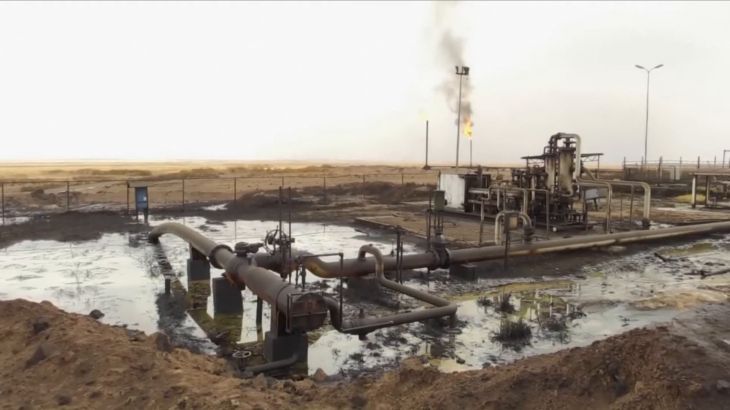
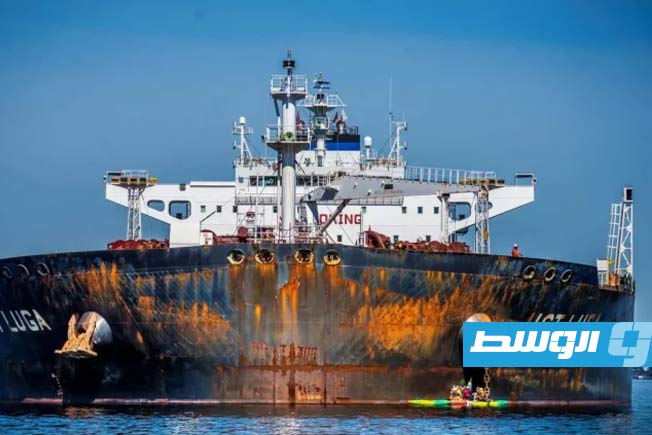
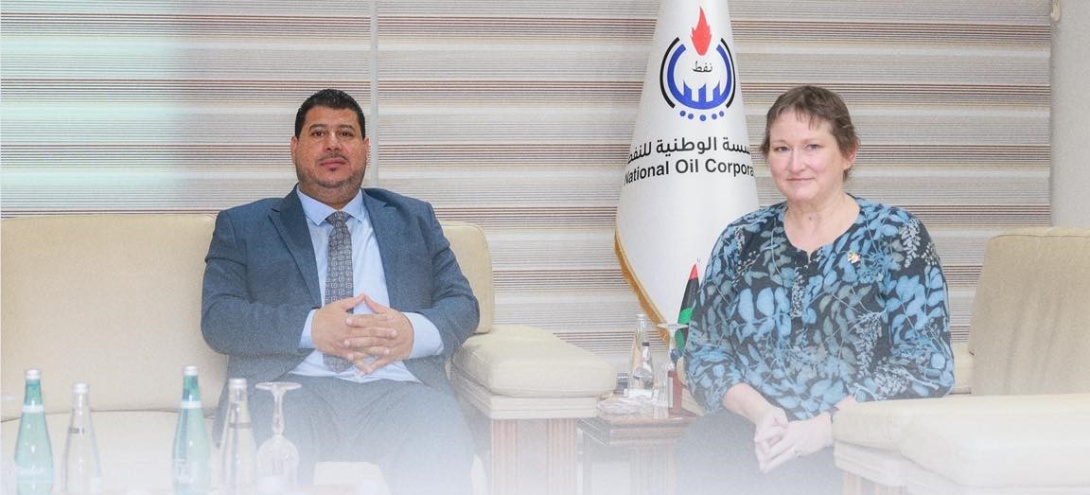
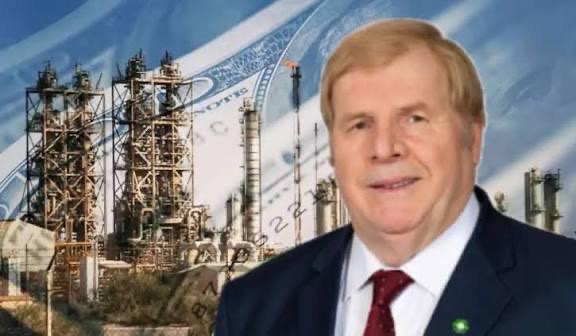
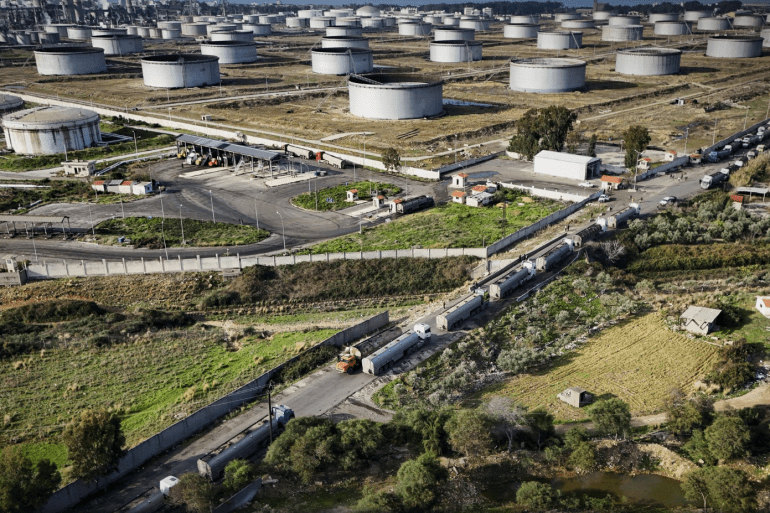
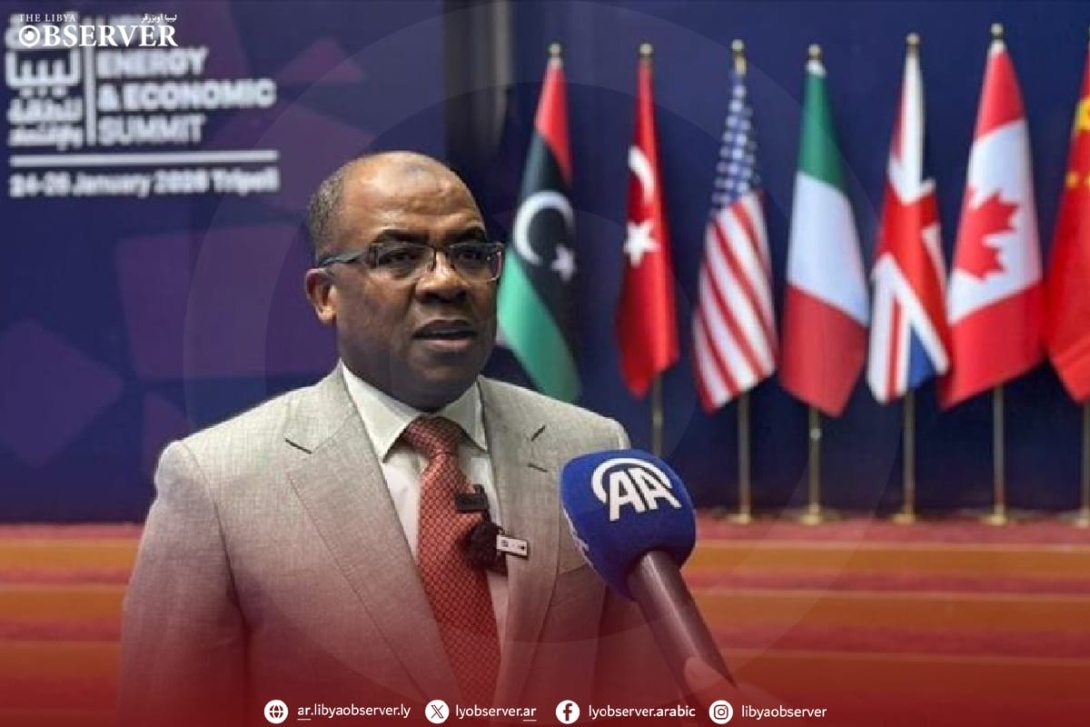
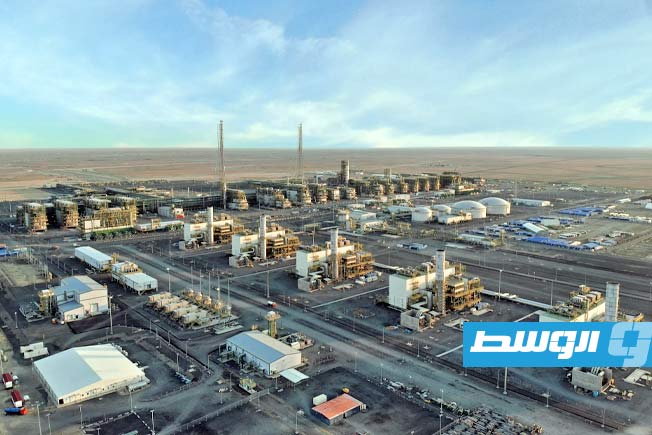
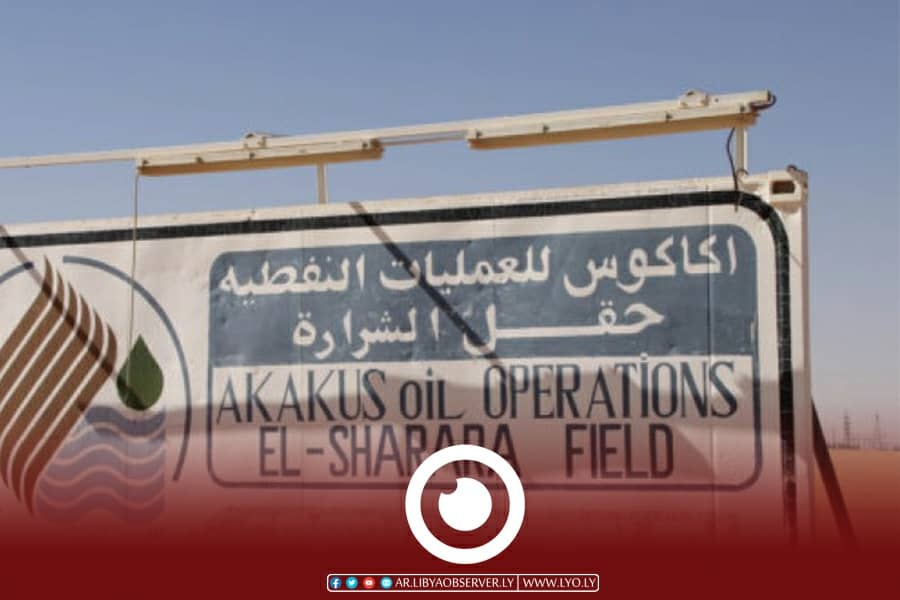
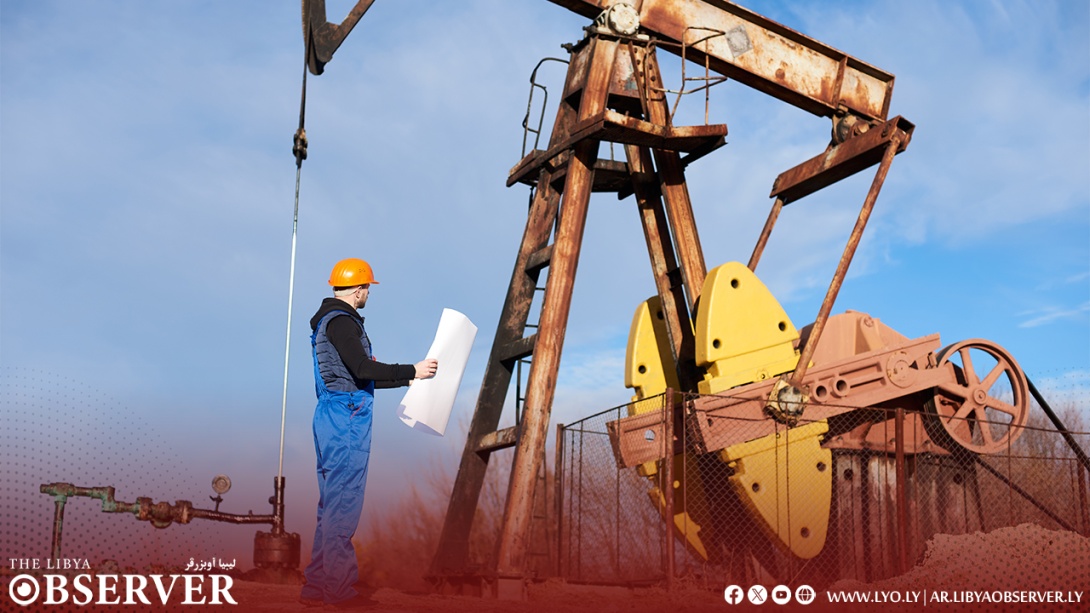
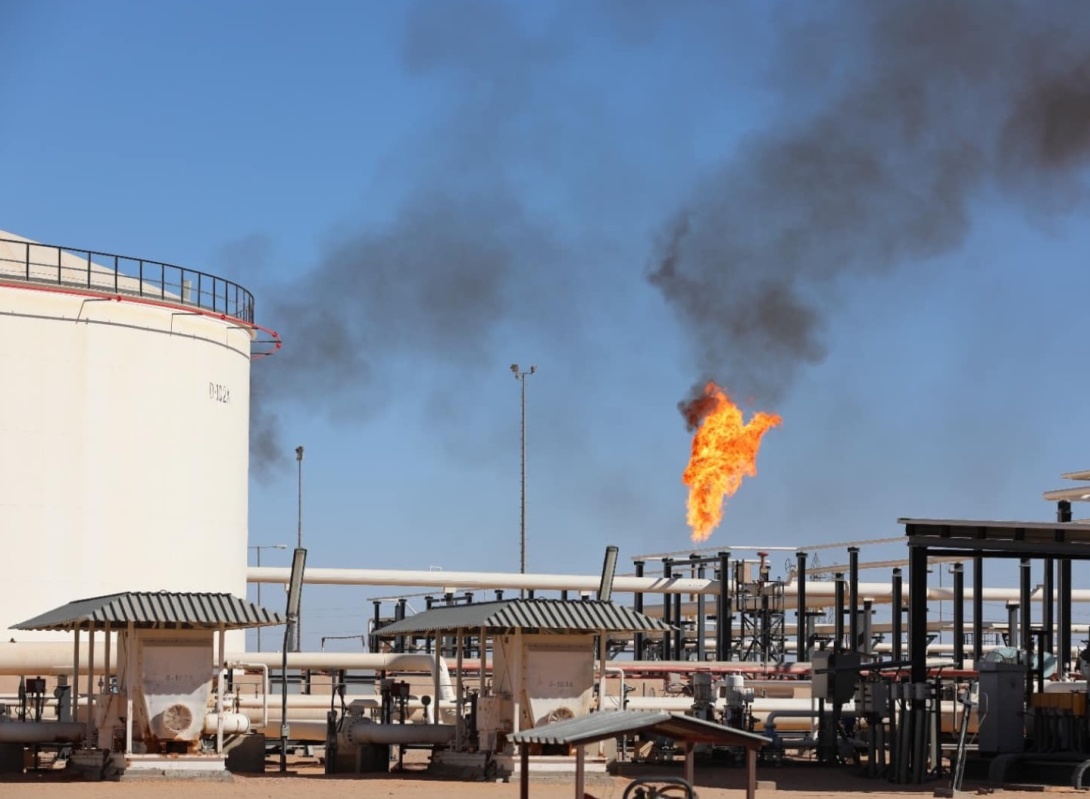
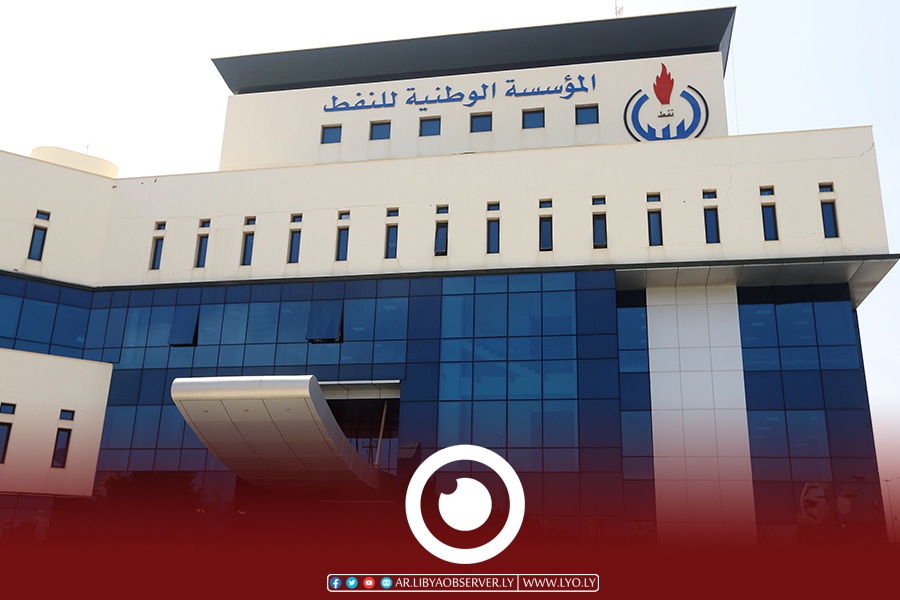
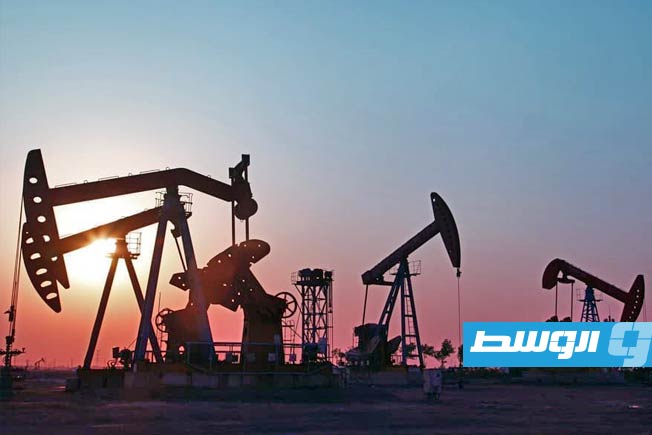
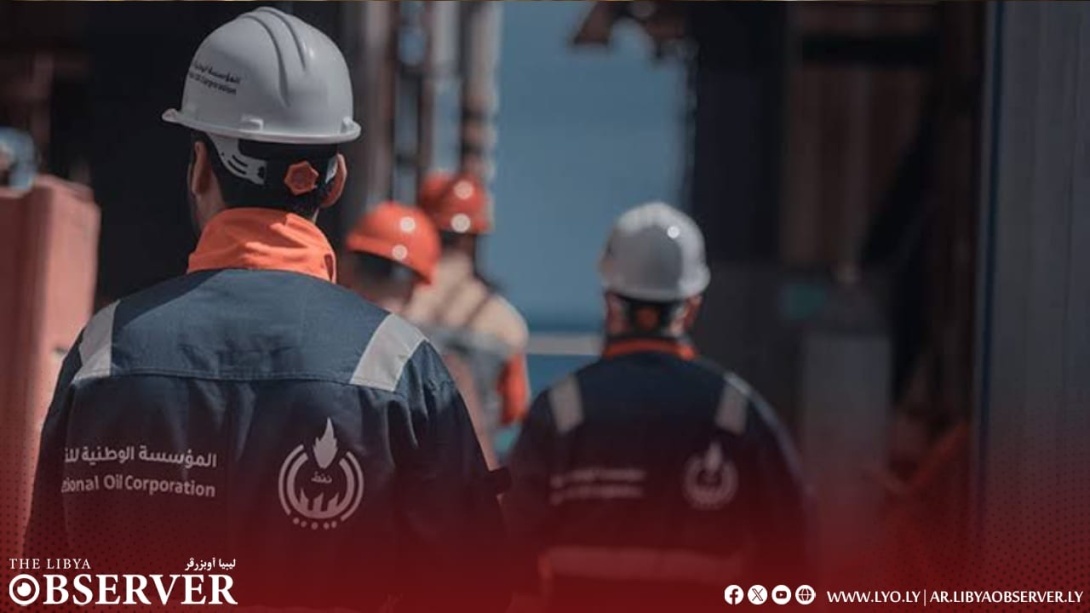
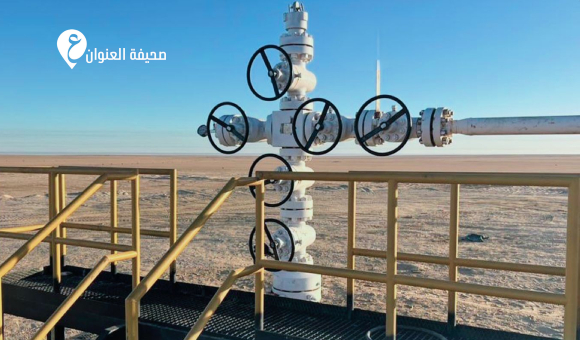
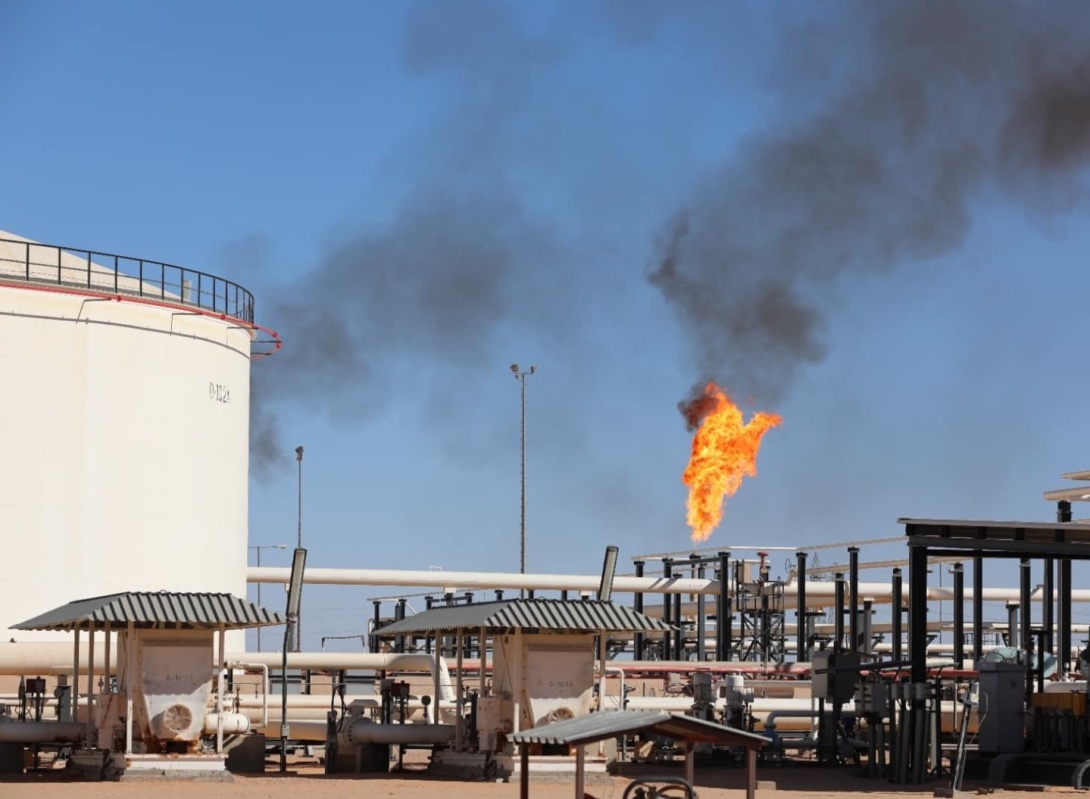
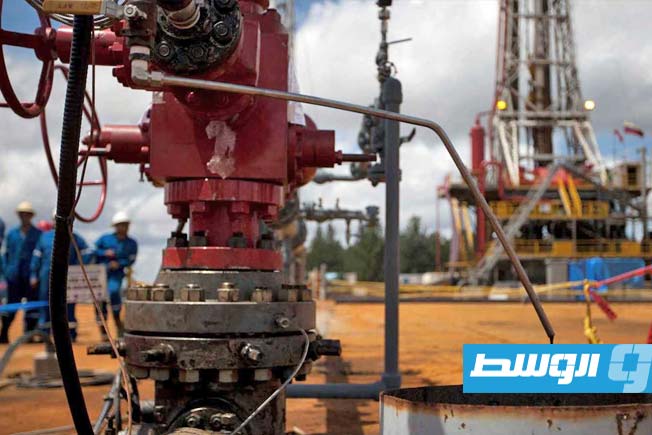
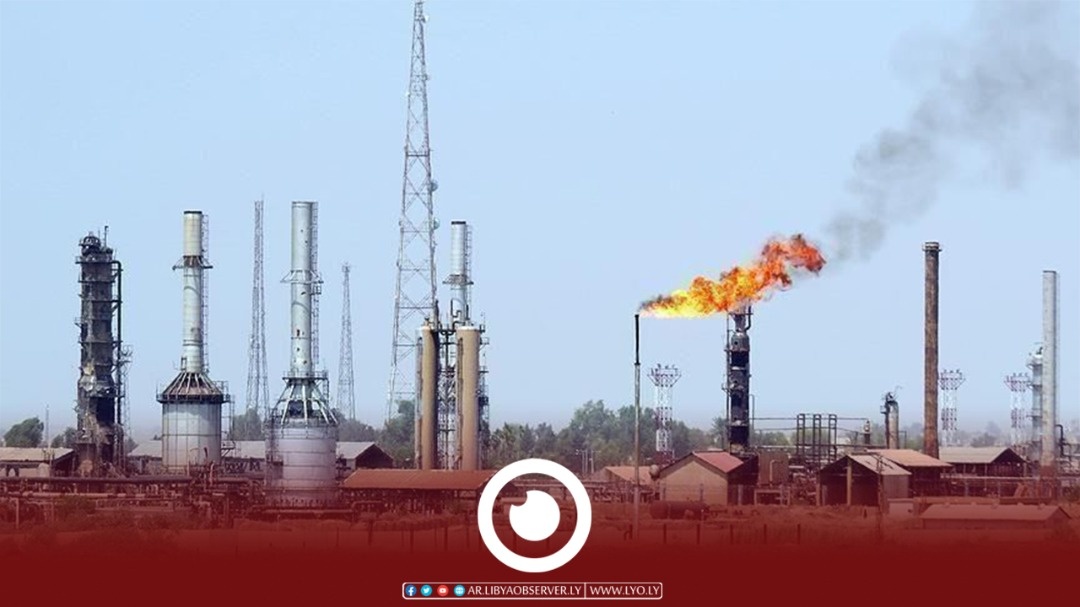
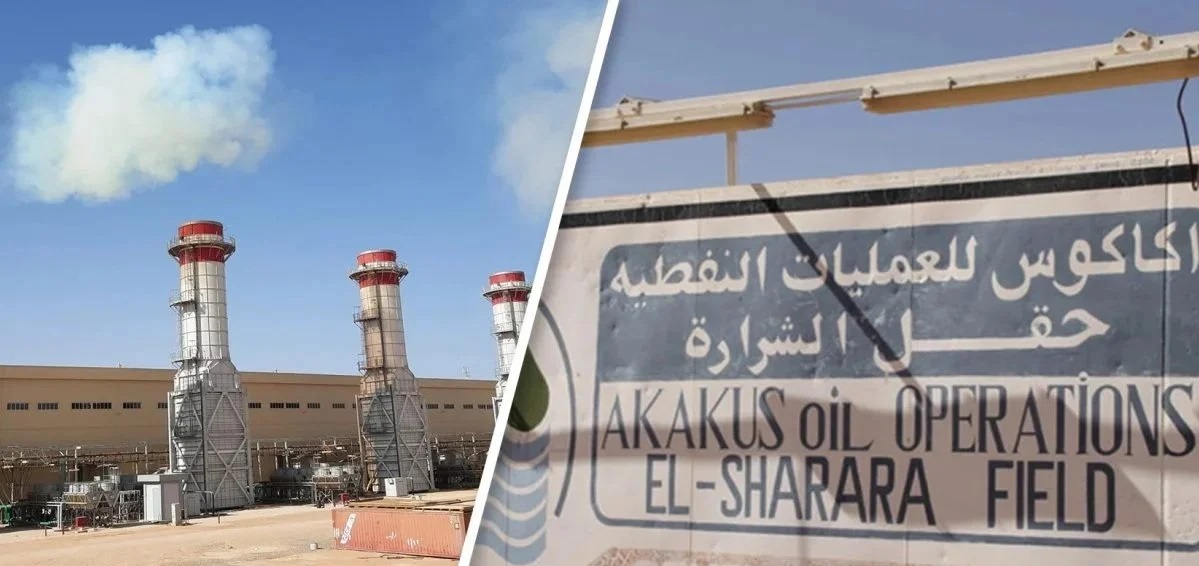
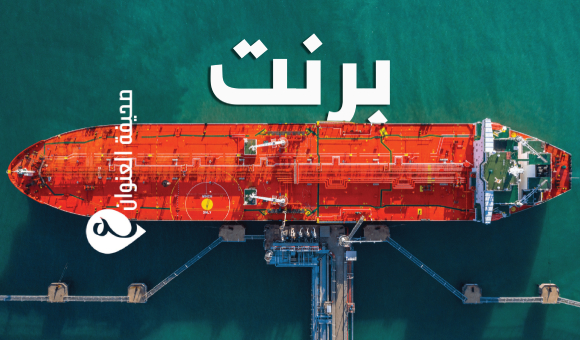
- The Chairman of the National Oil Corporation.
This collective attendance comes in implementation of the summons decision approved by the Council last week, aiming to clarify matters regarding the files of “financial coverage” and faltering monetary policies.
This session comes at a time described as “critical,” as the Libyan economy lives in a state of complete exposure:
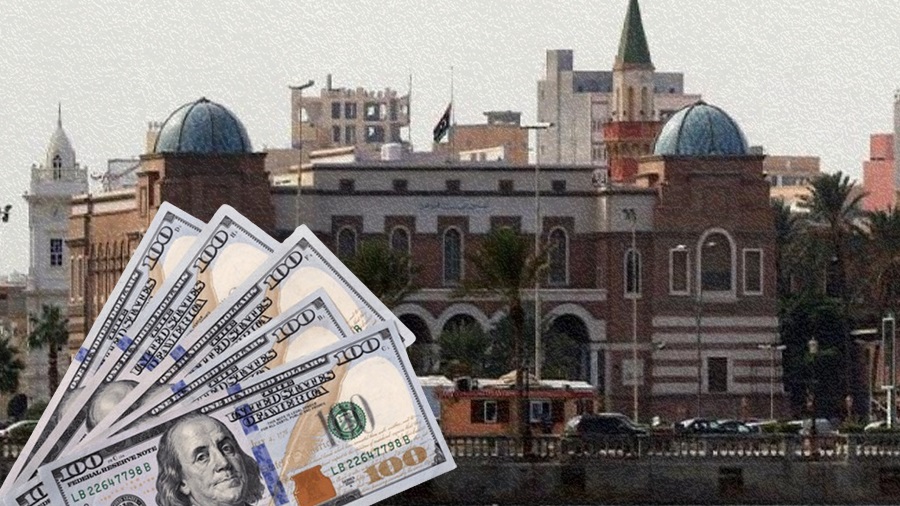
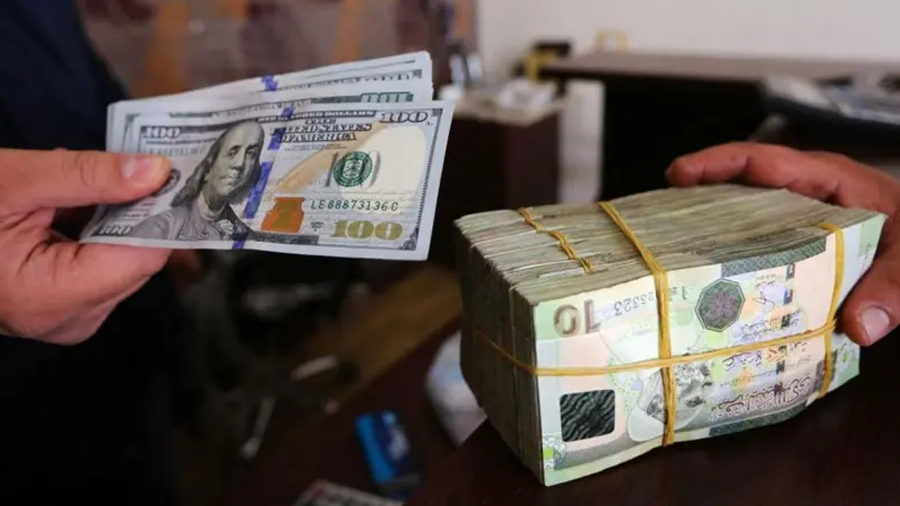
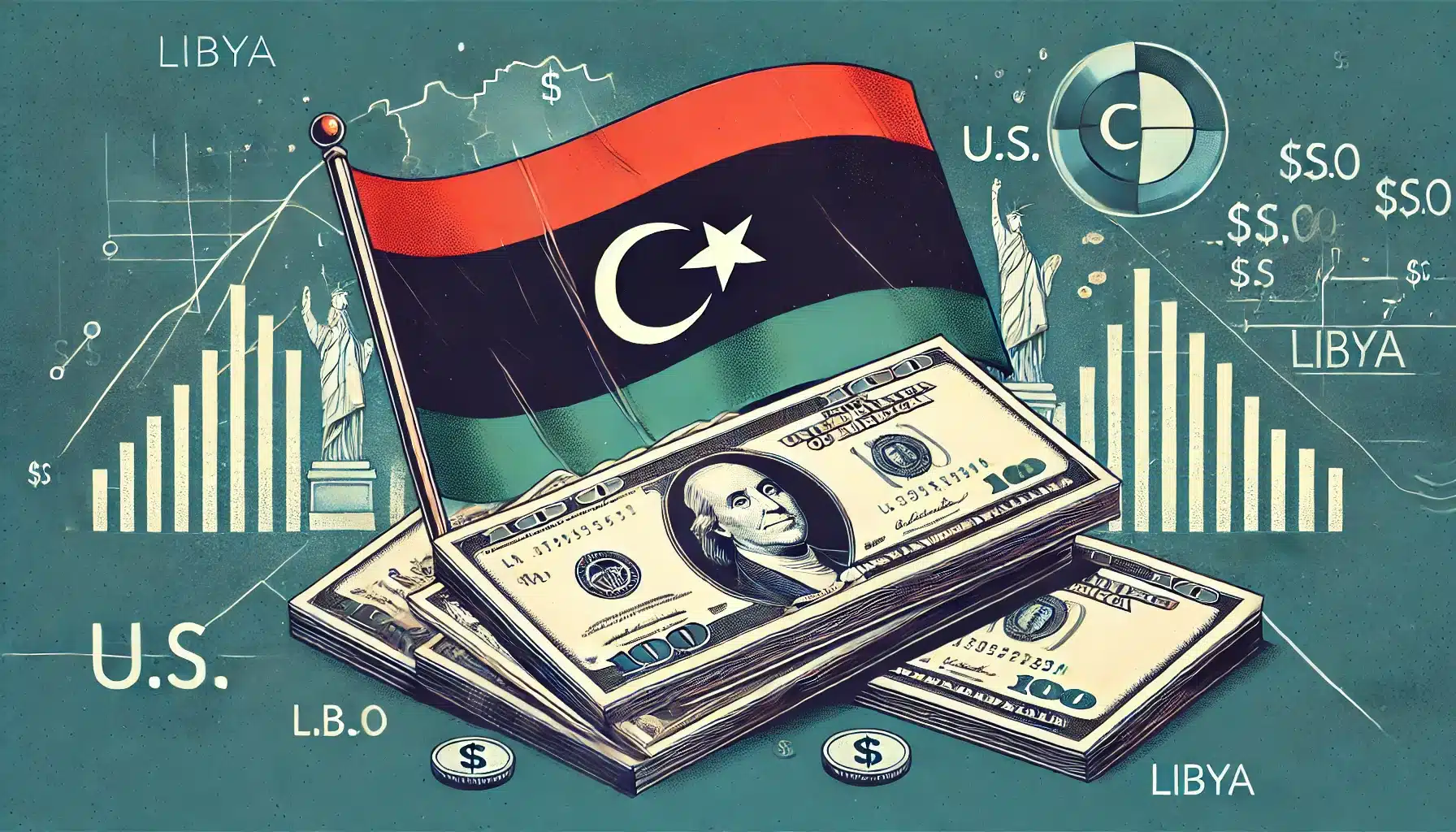
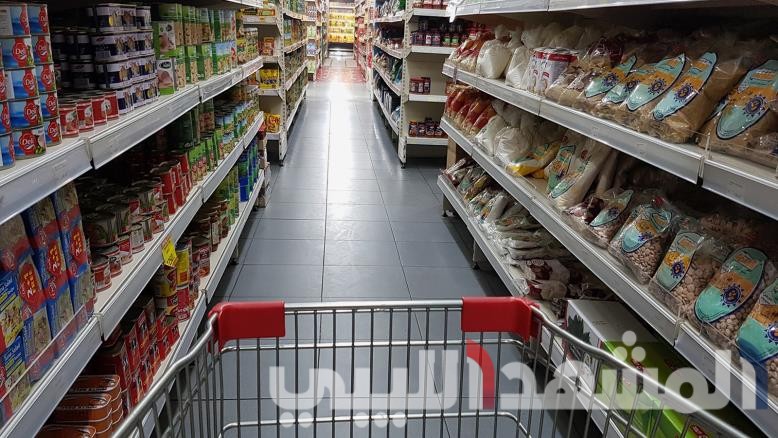
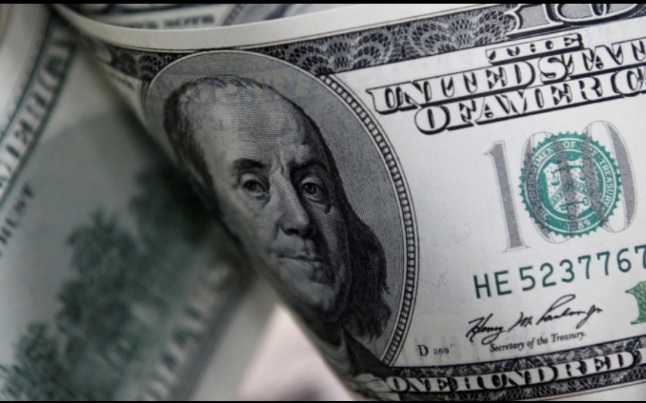
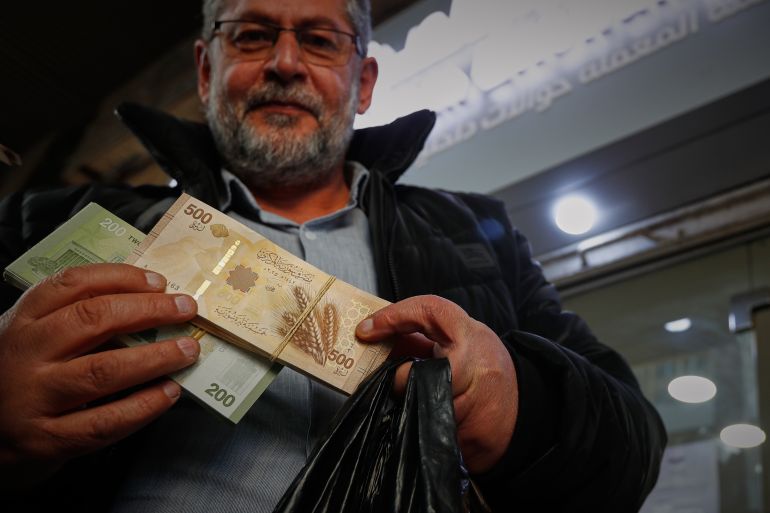
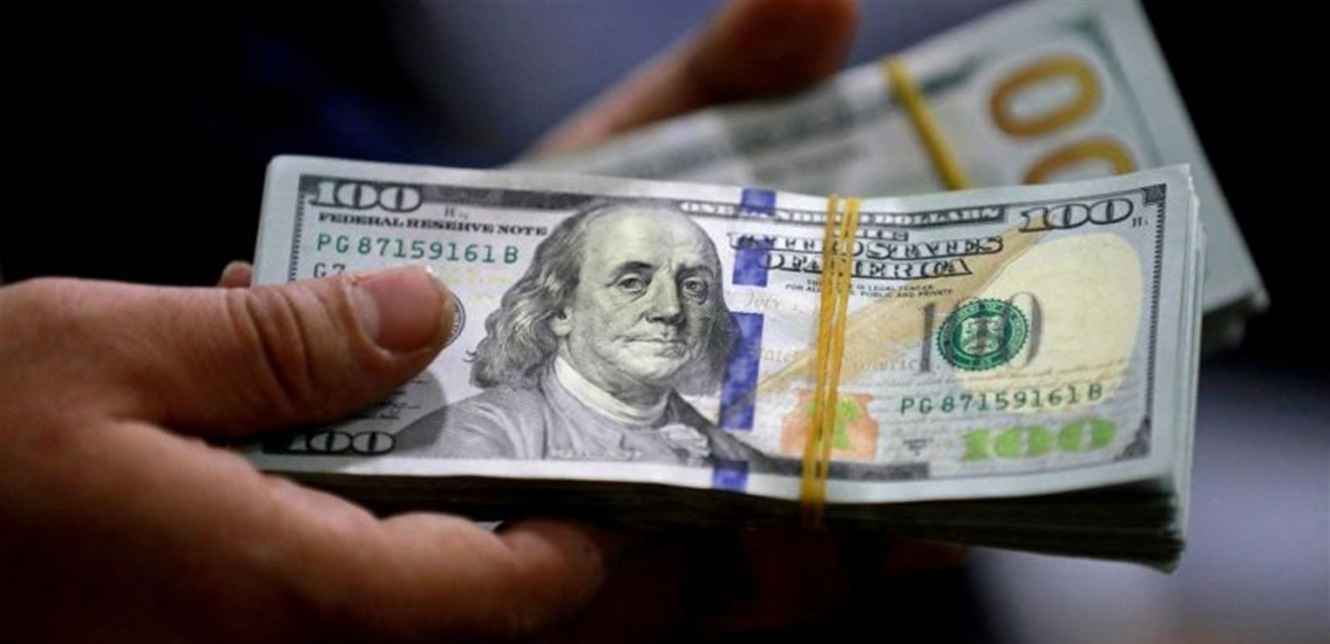
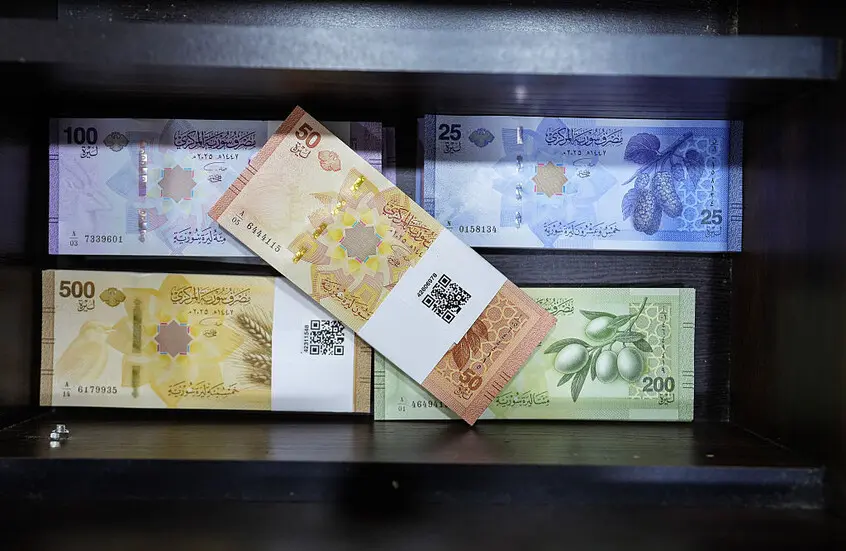
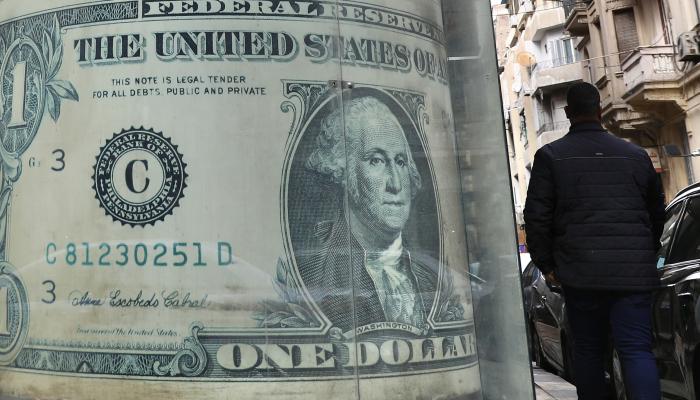
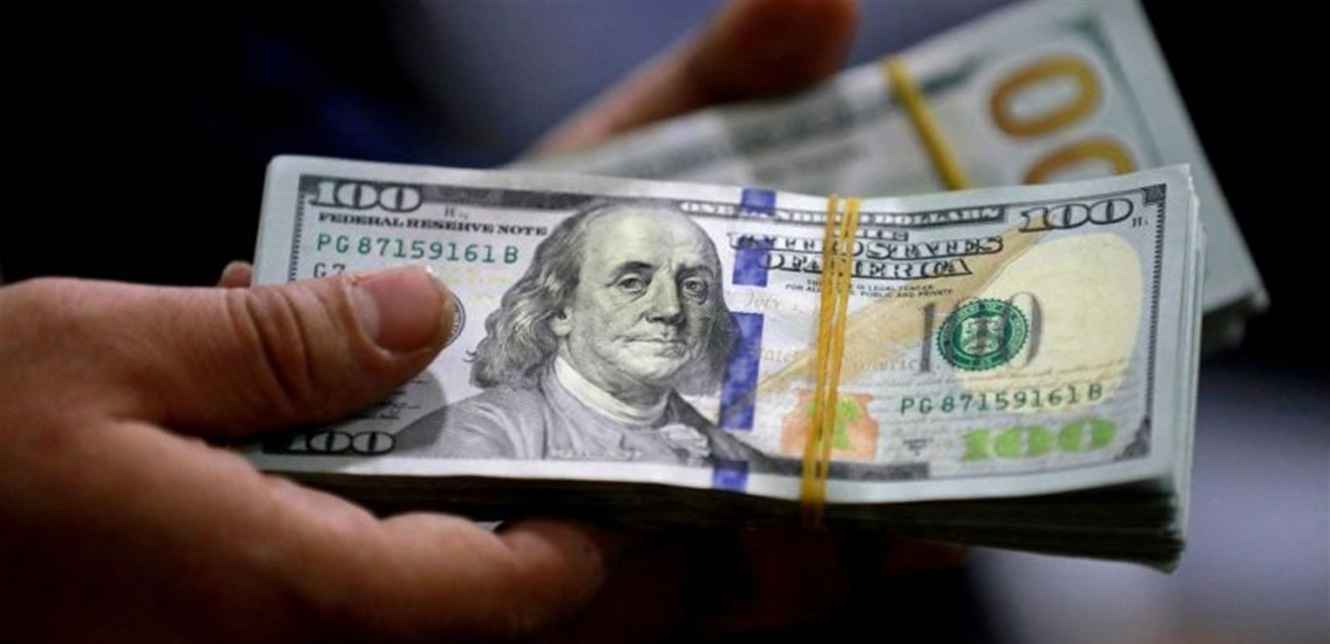
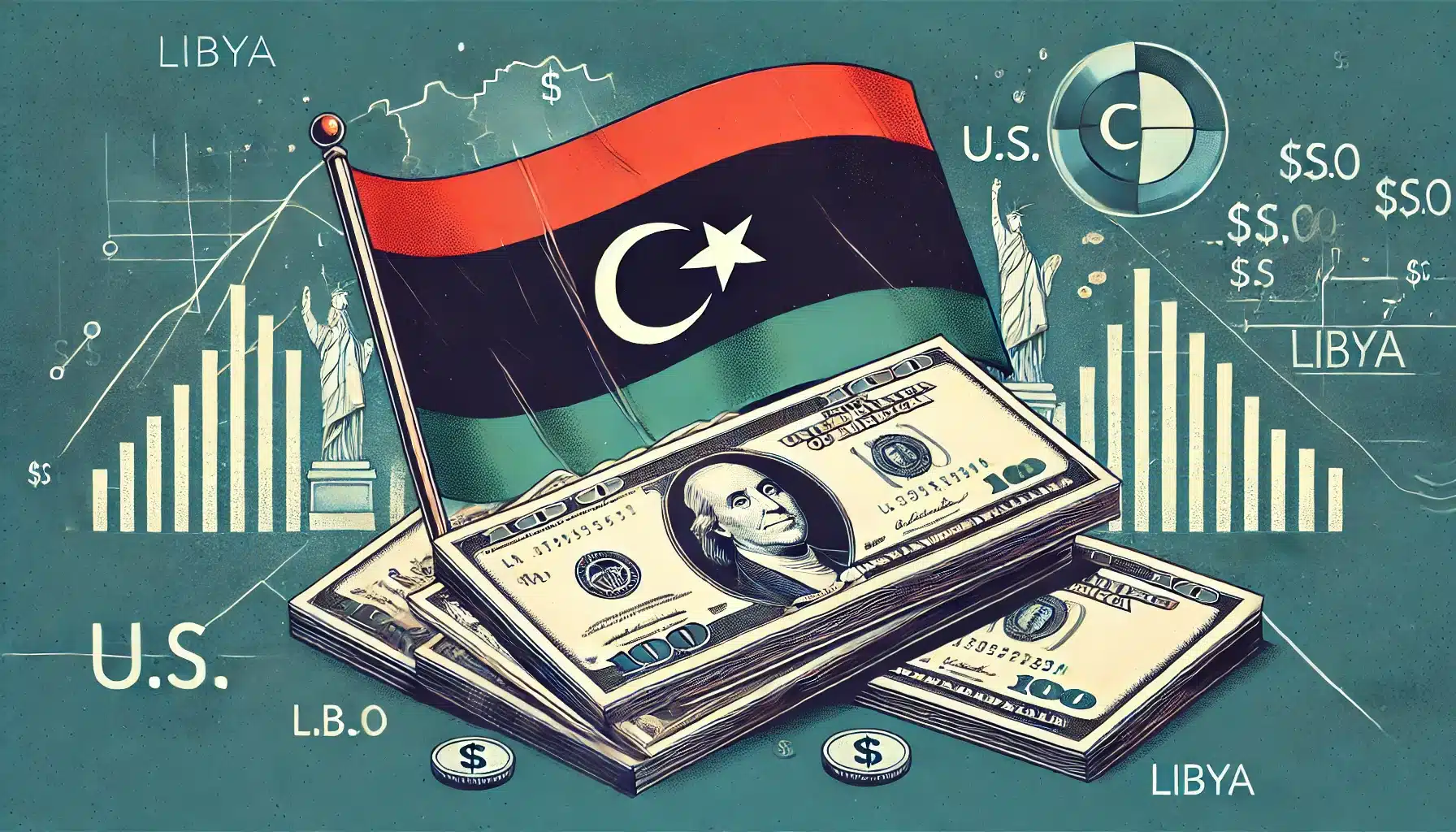
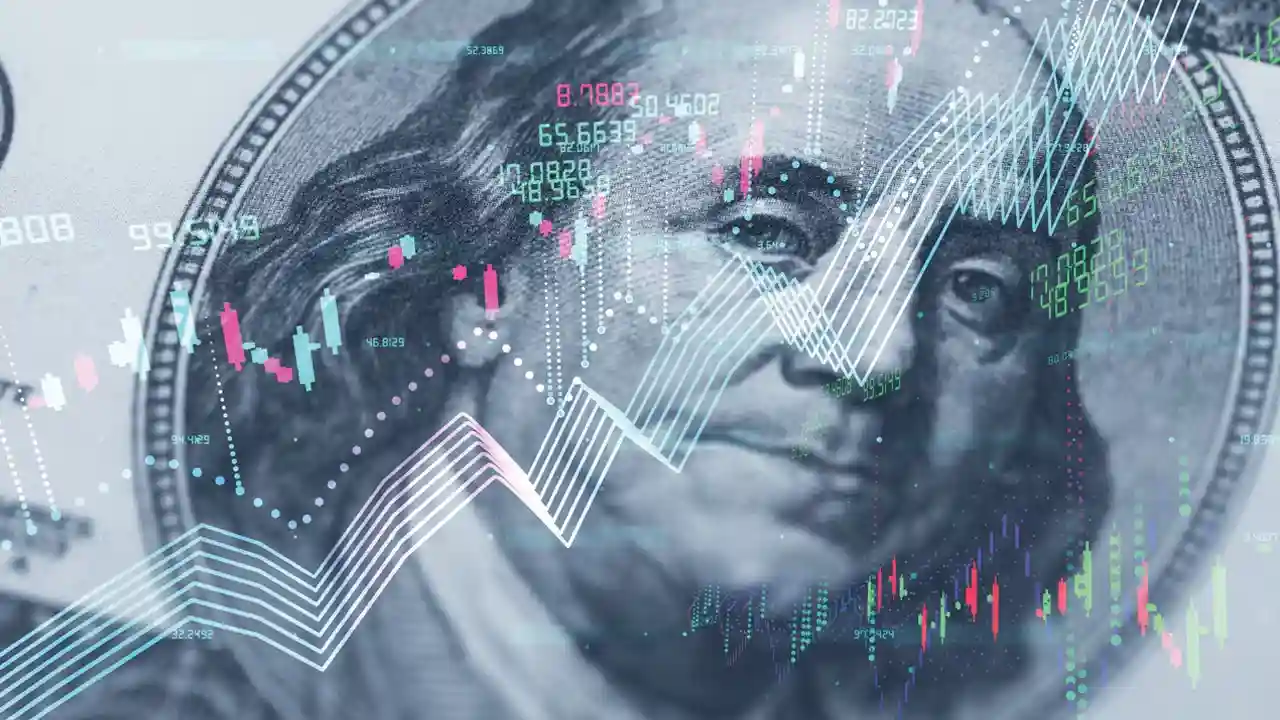
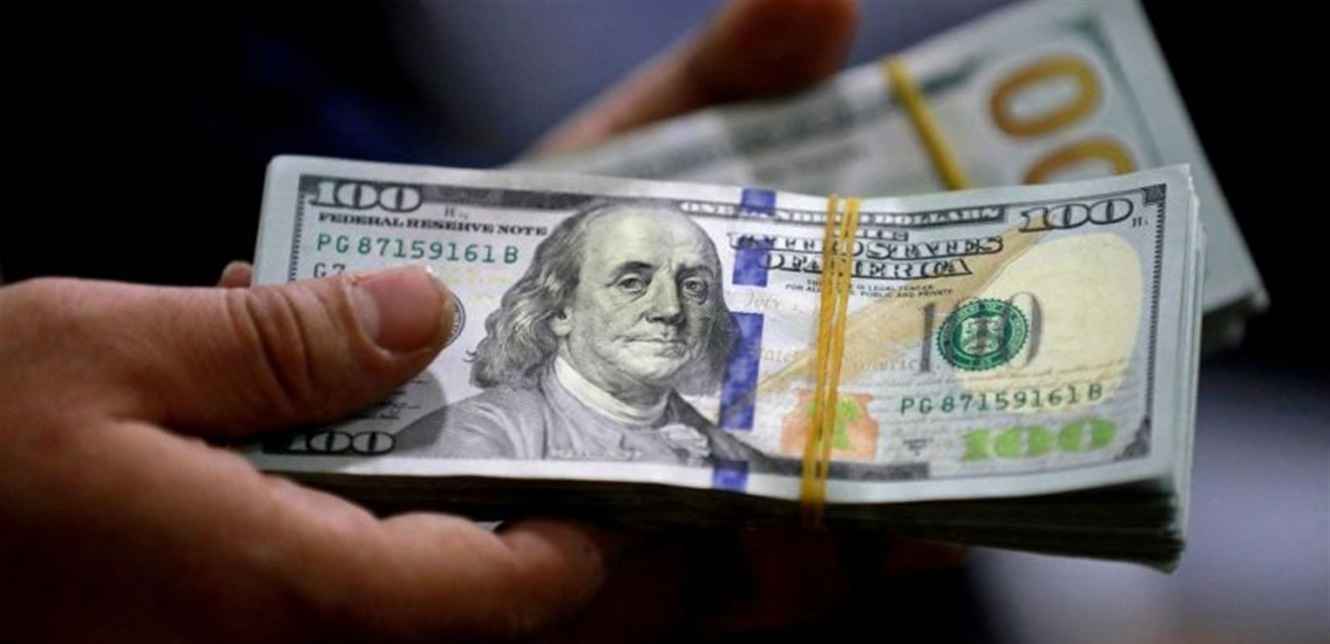
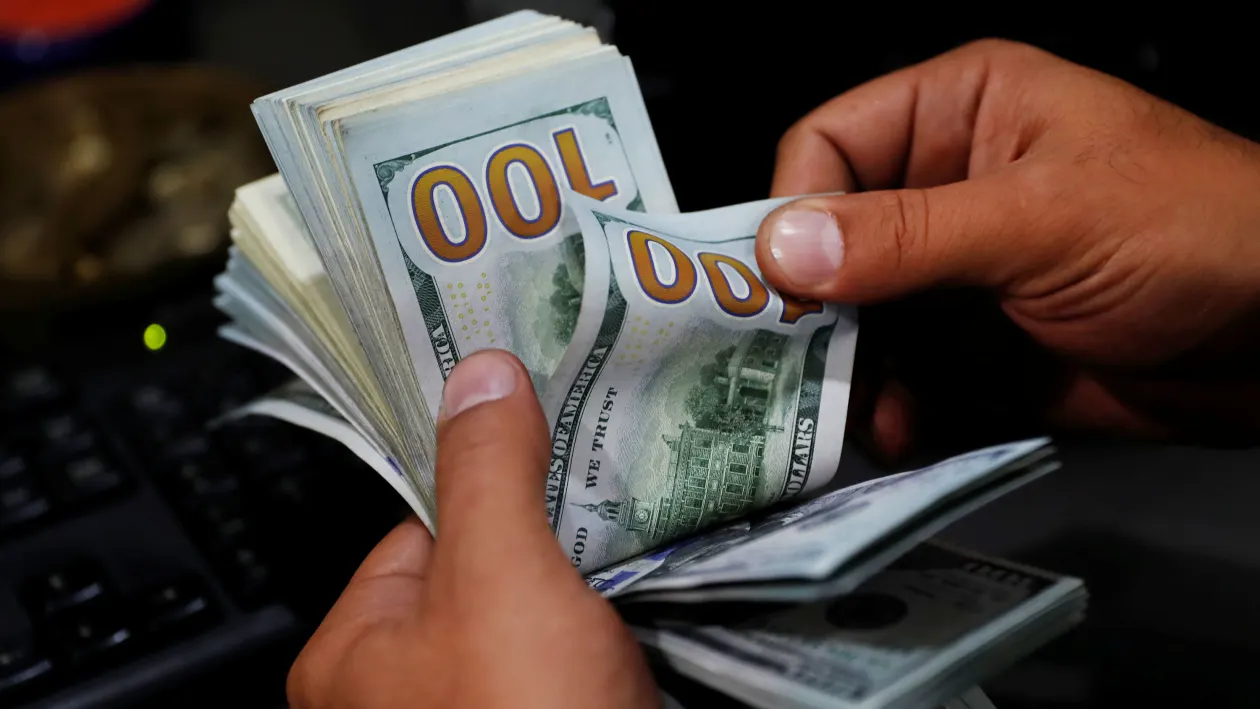
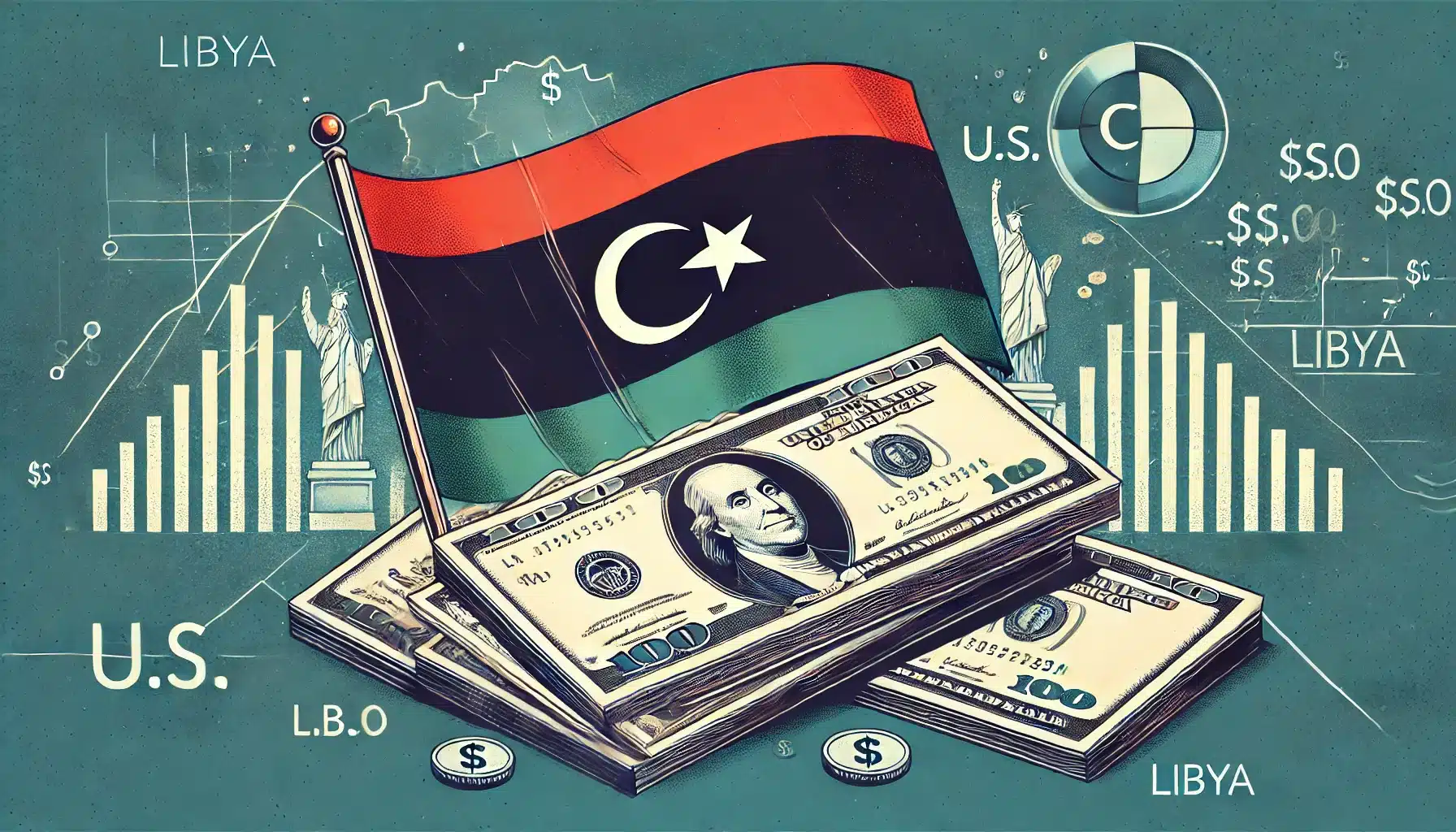
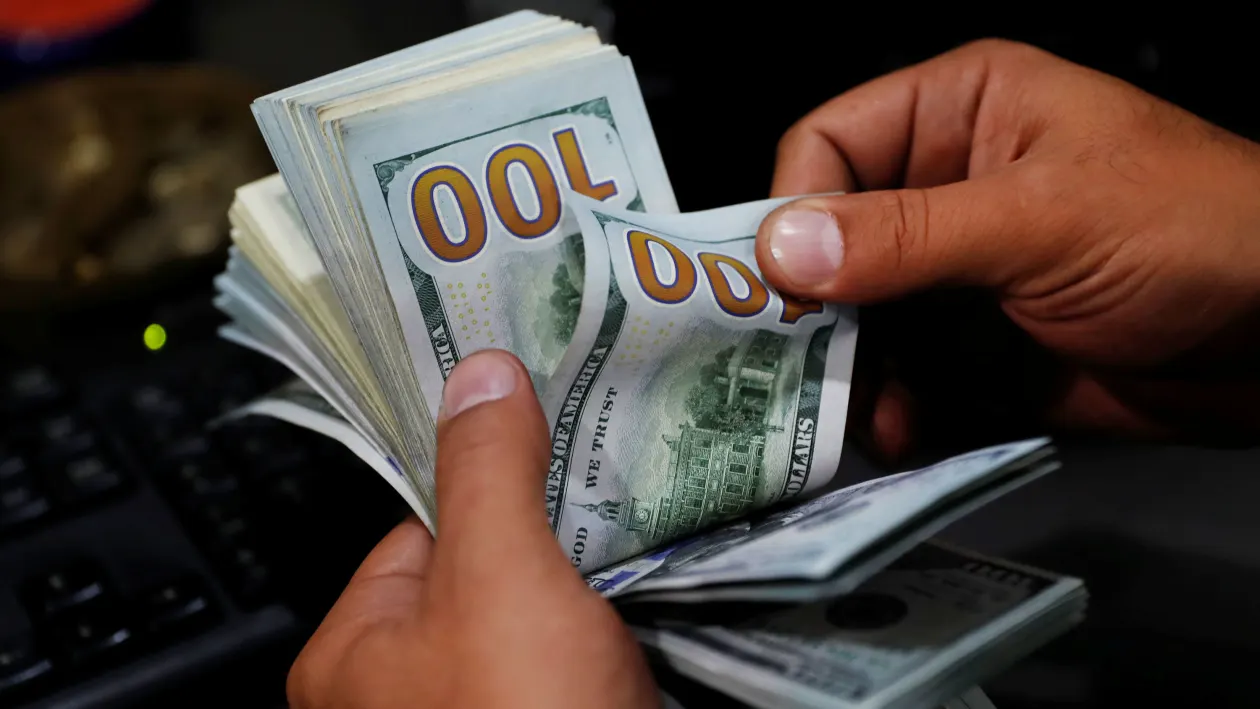
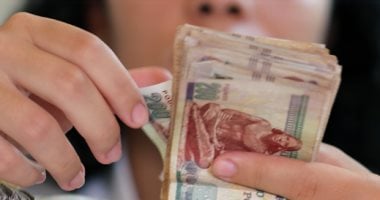
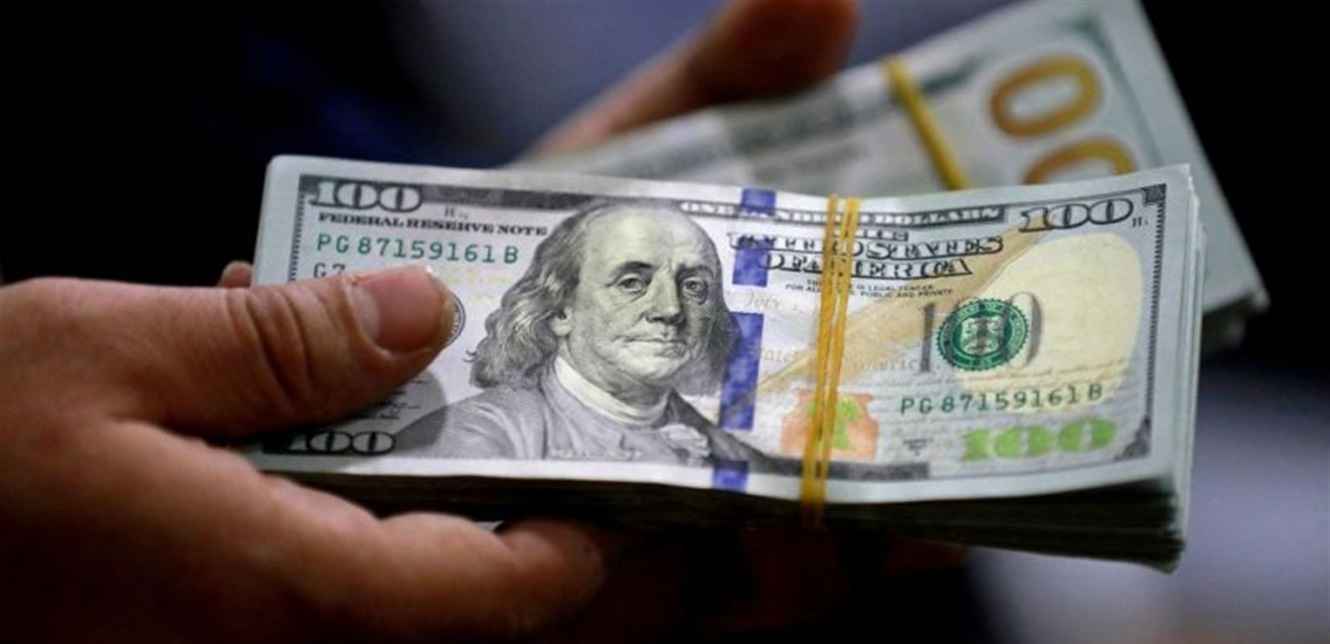
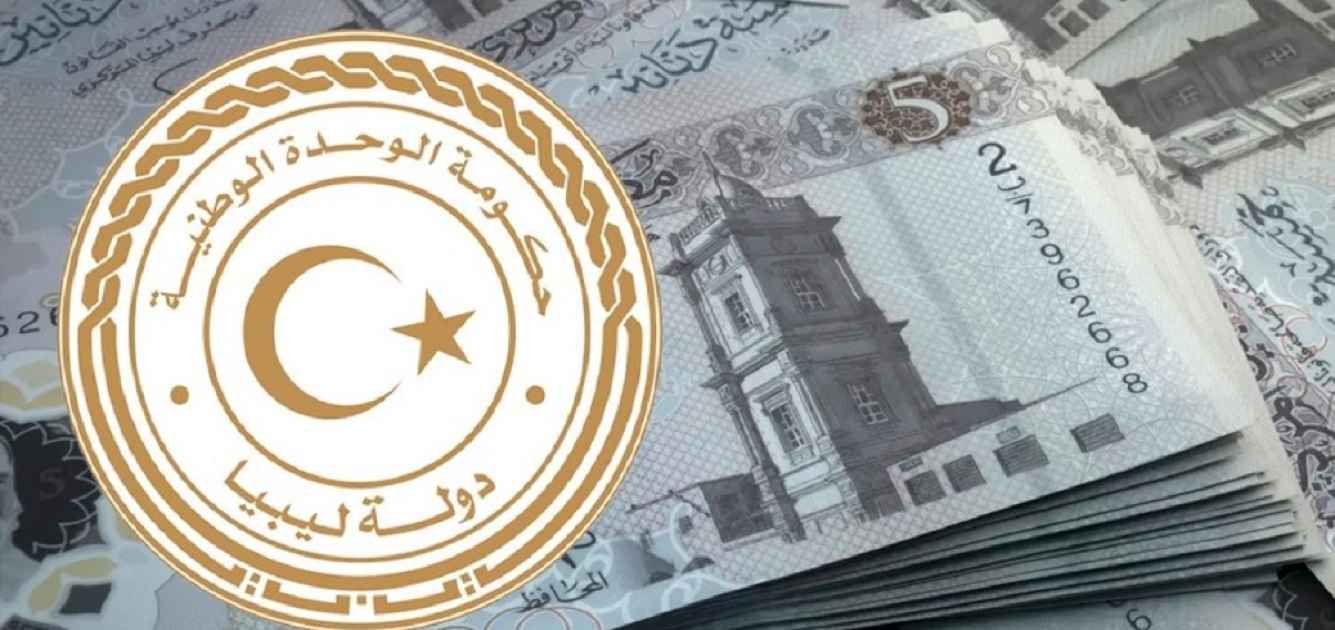
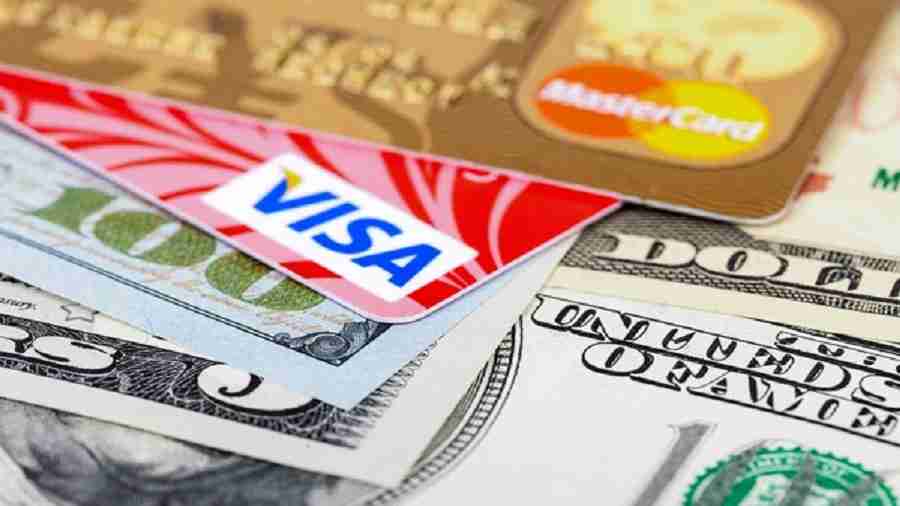
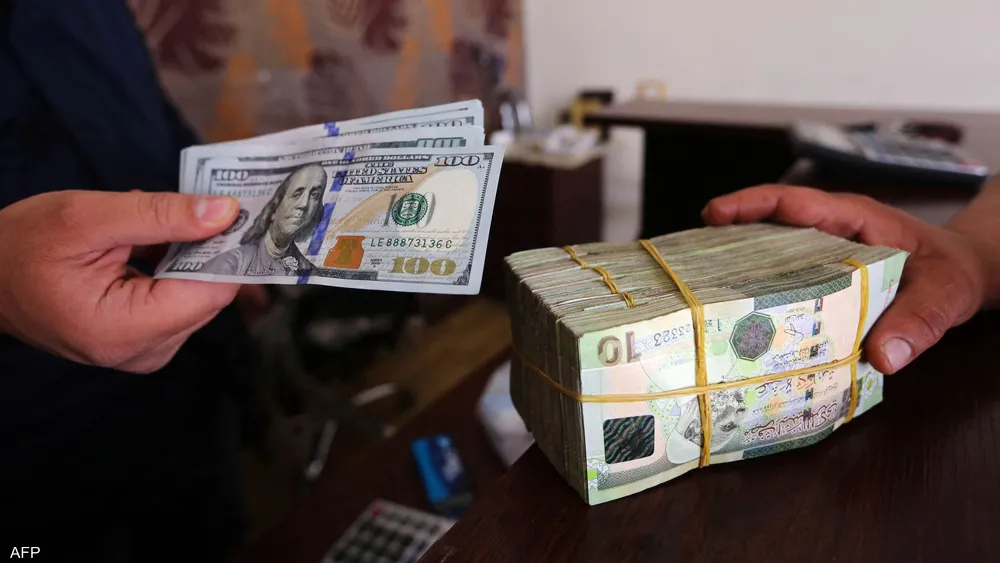
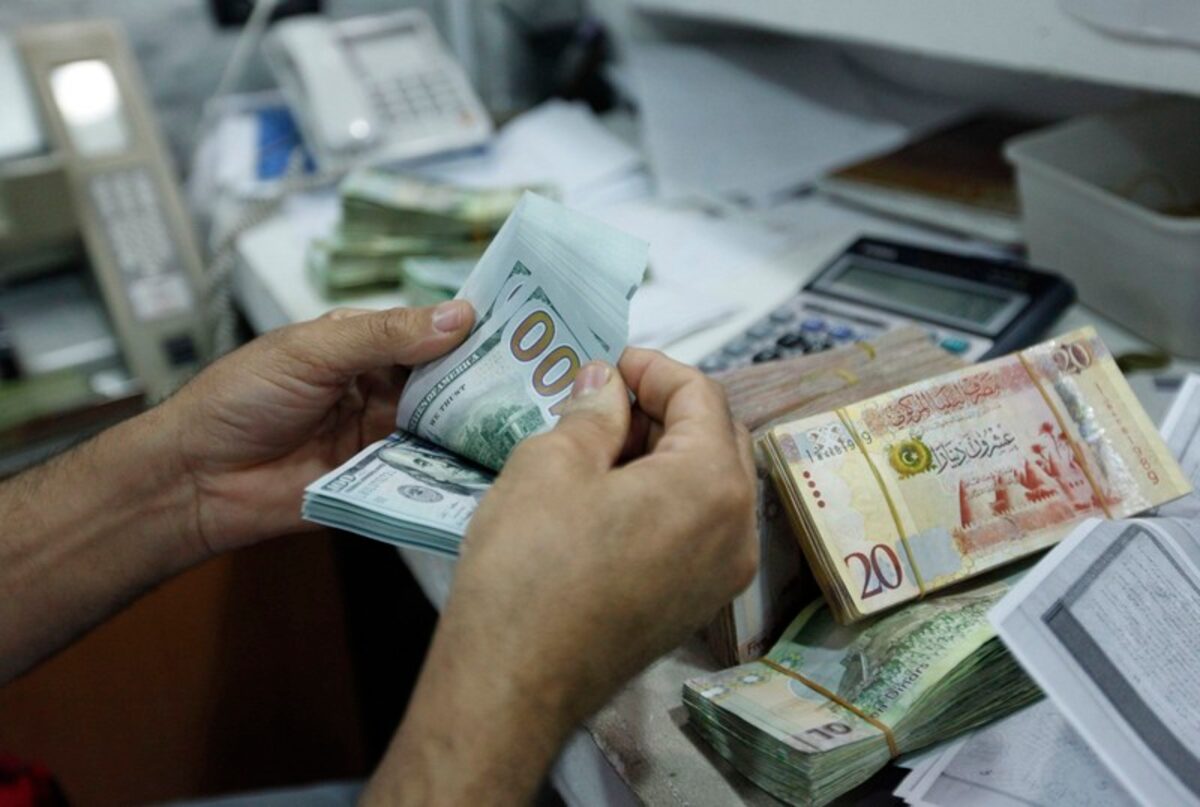
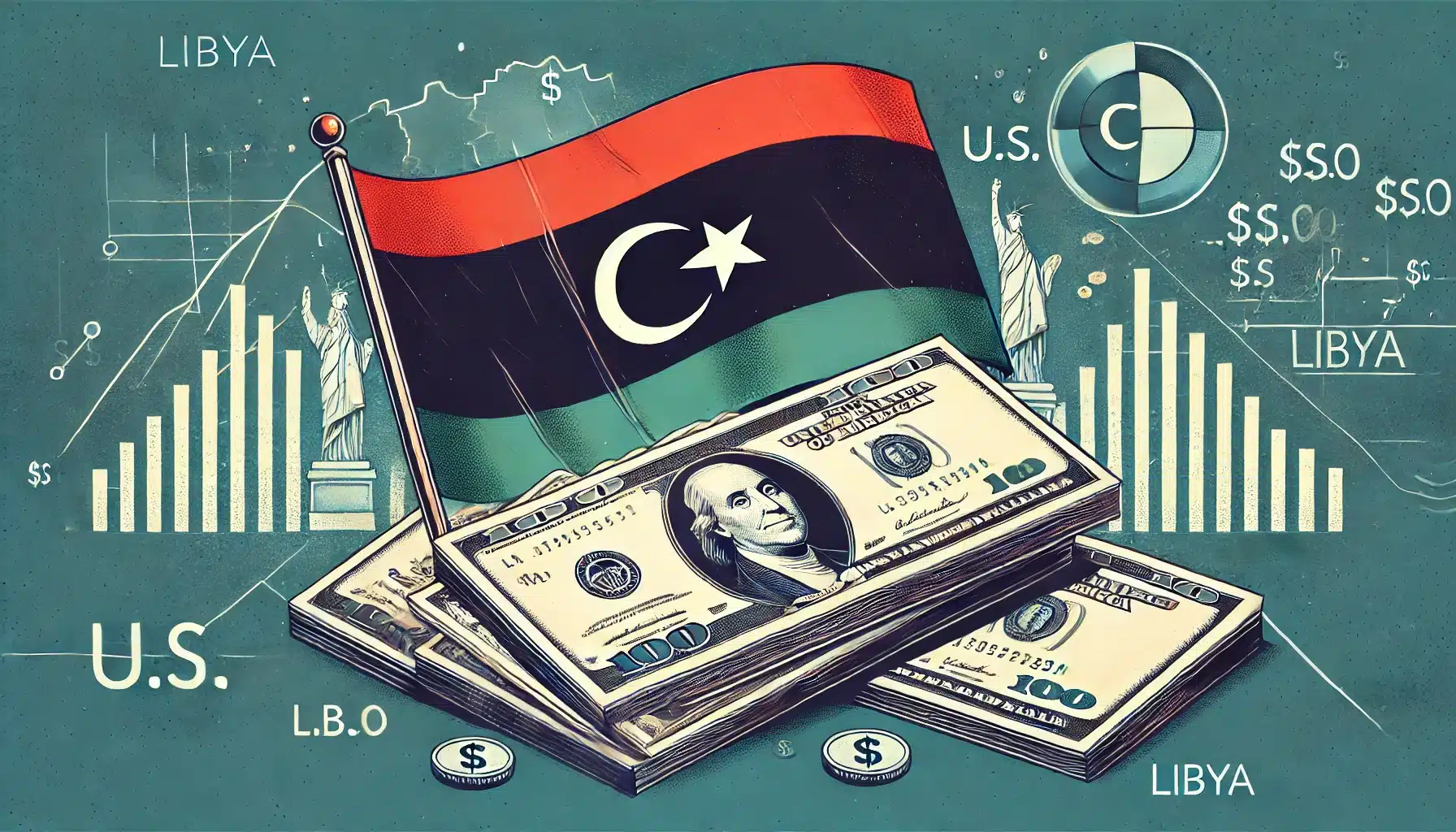
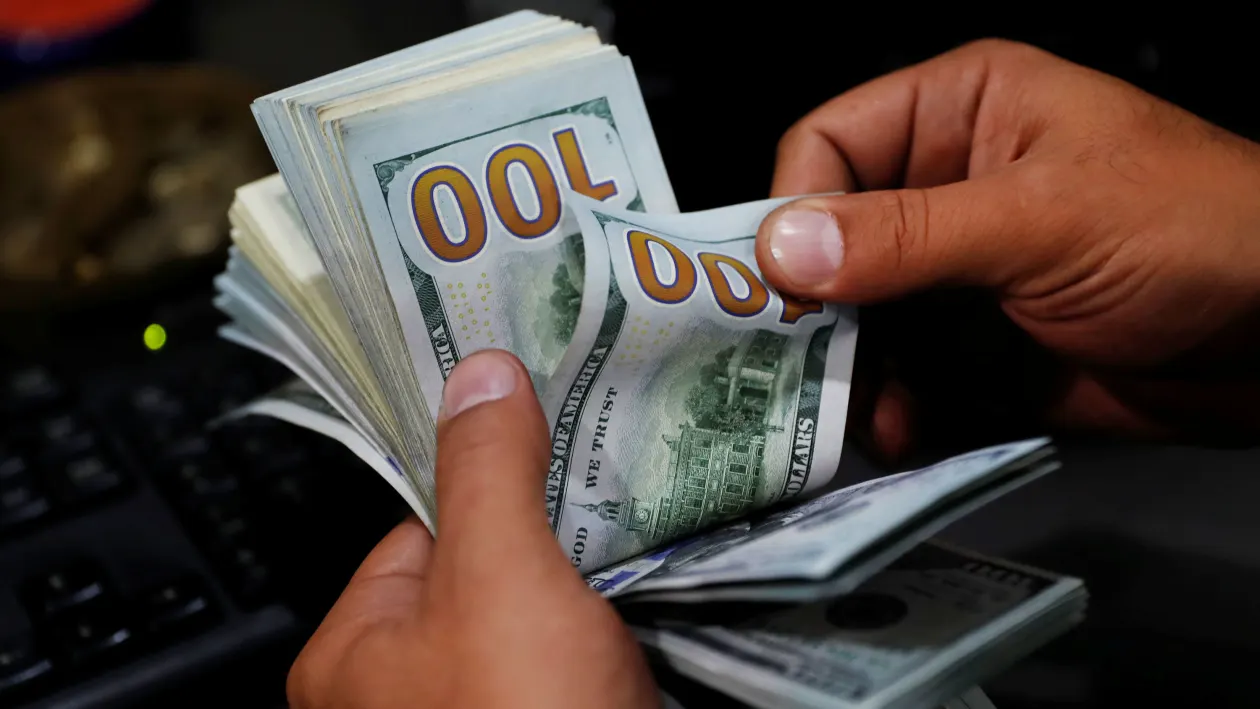
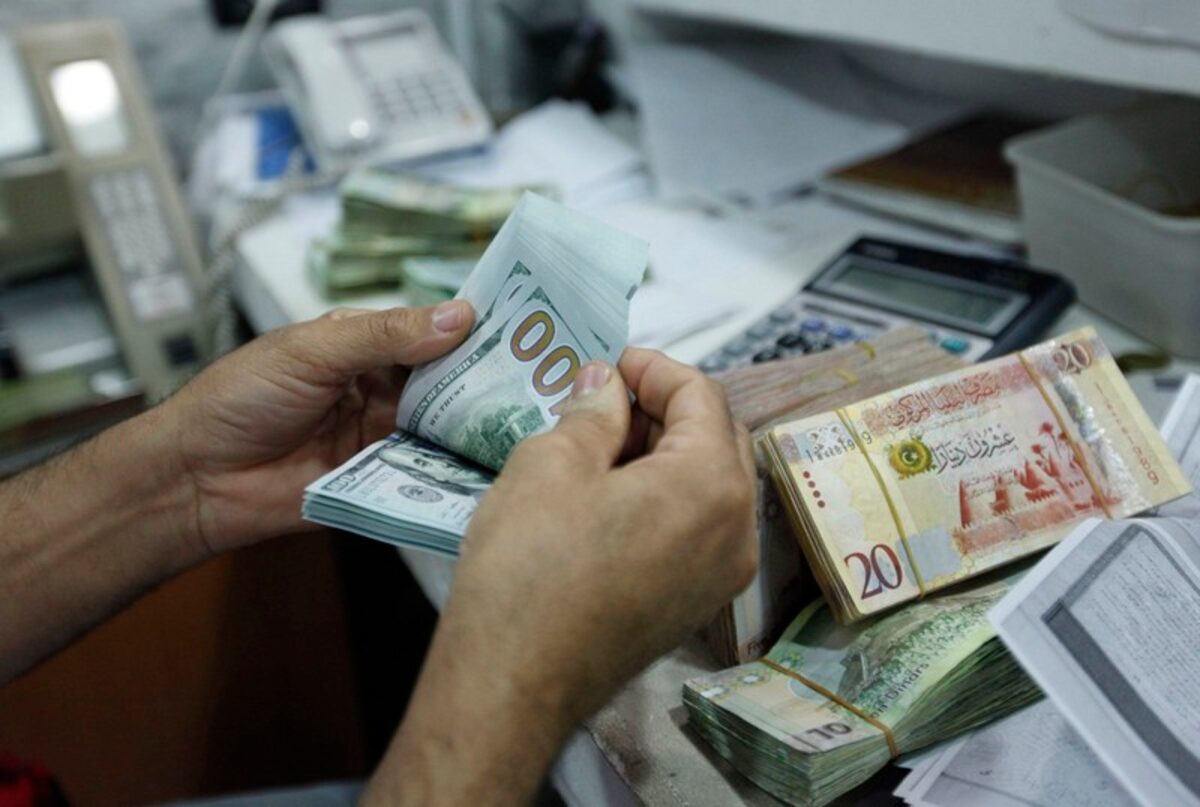
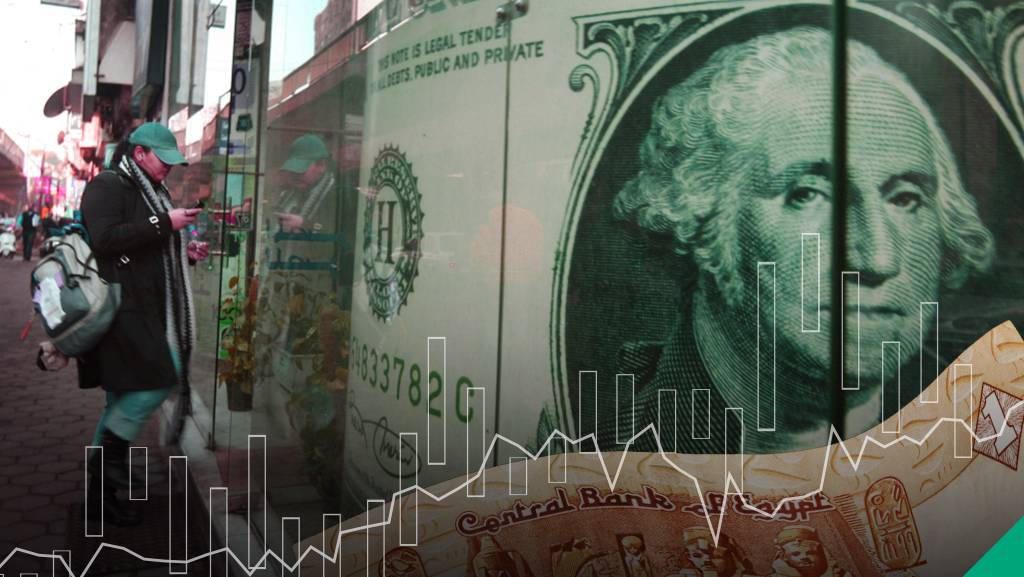
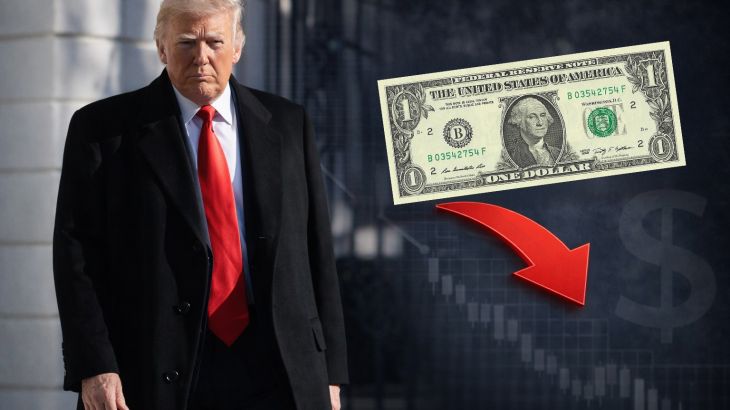
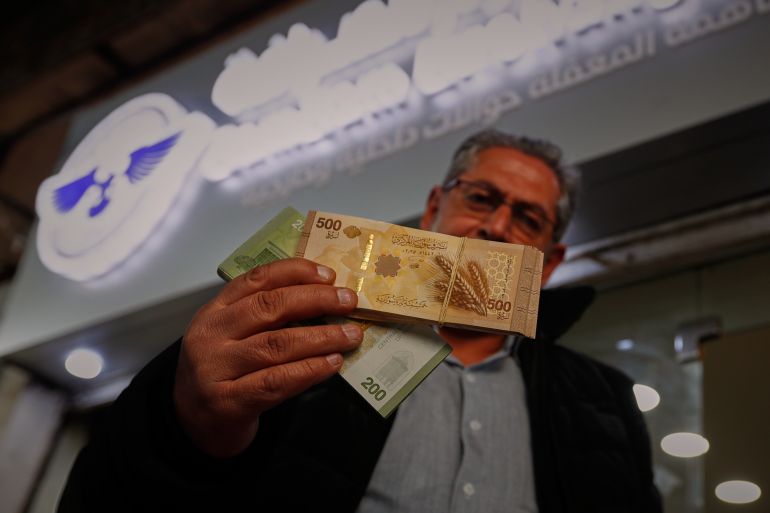
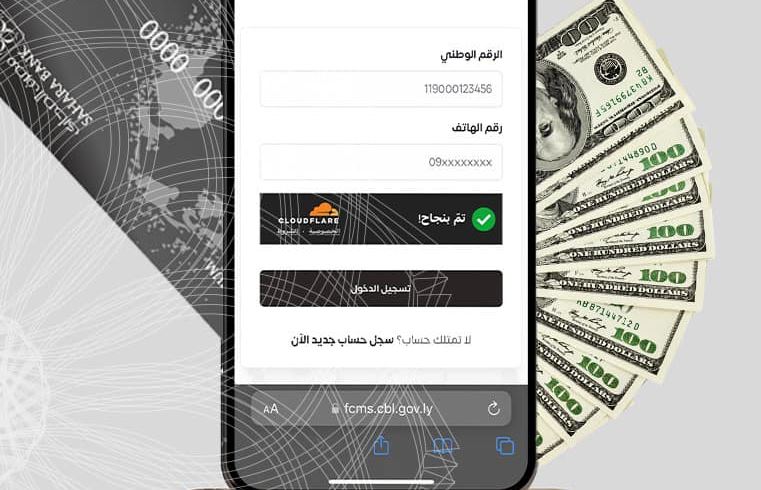
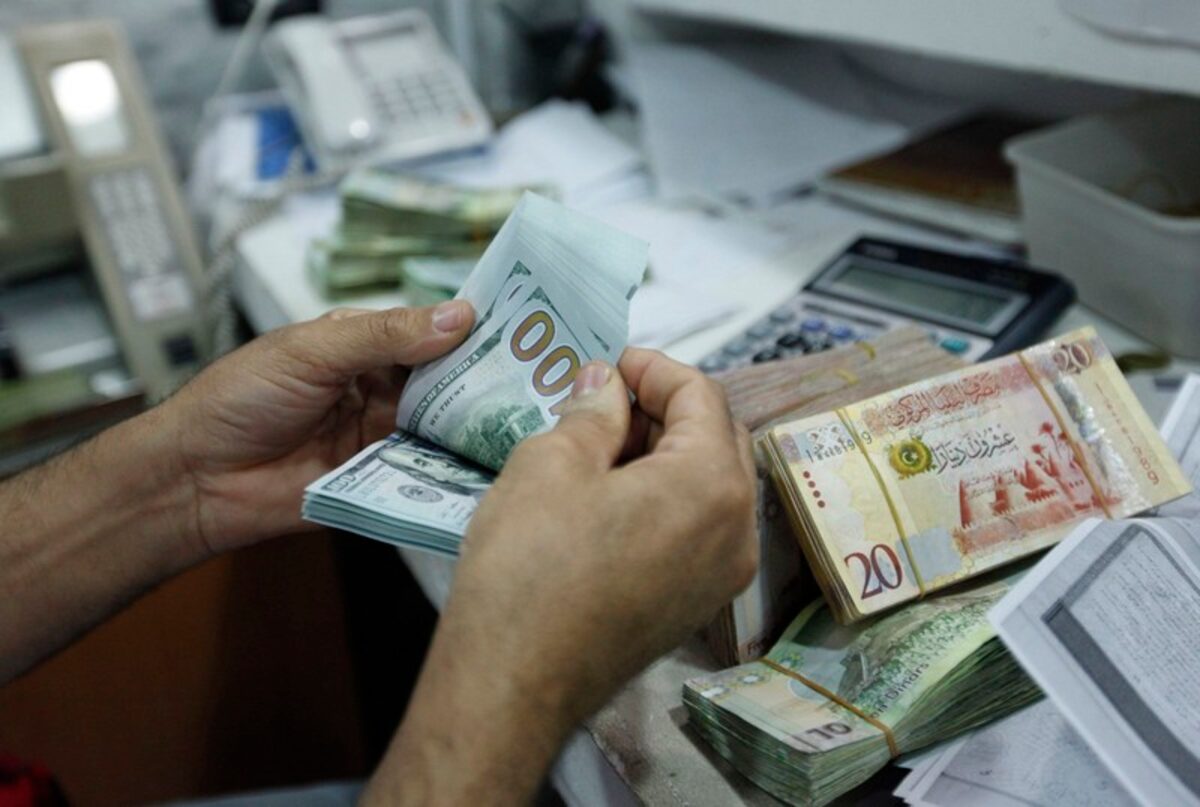
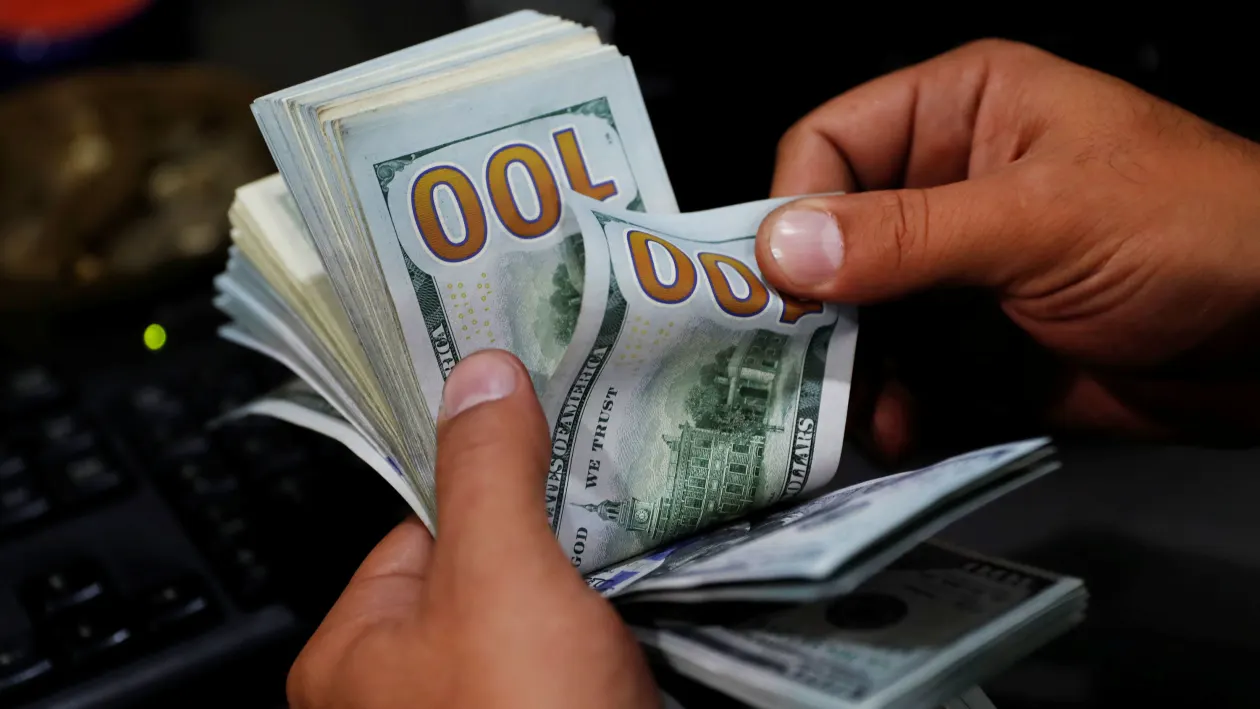
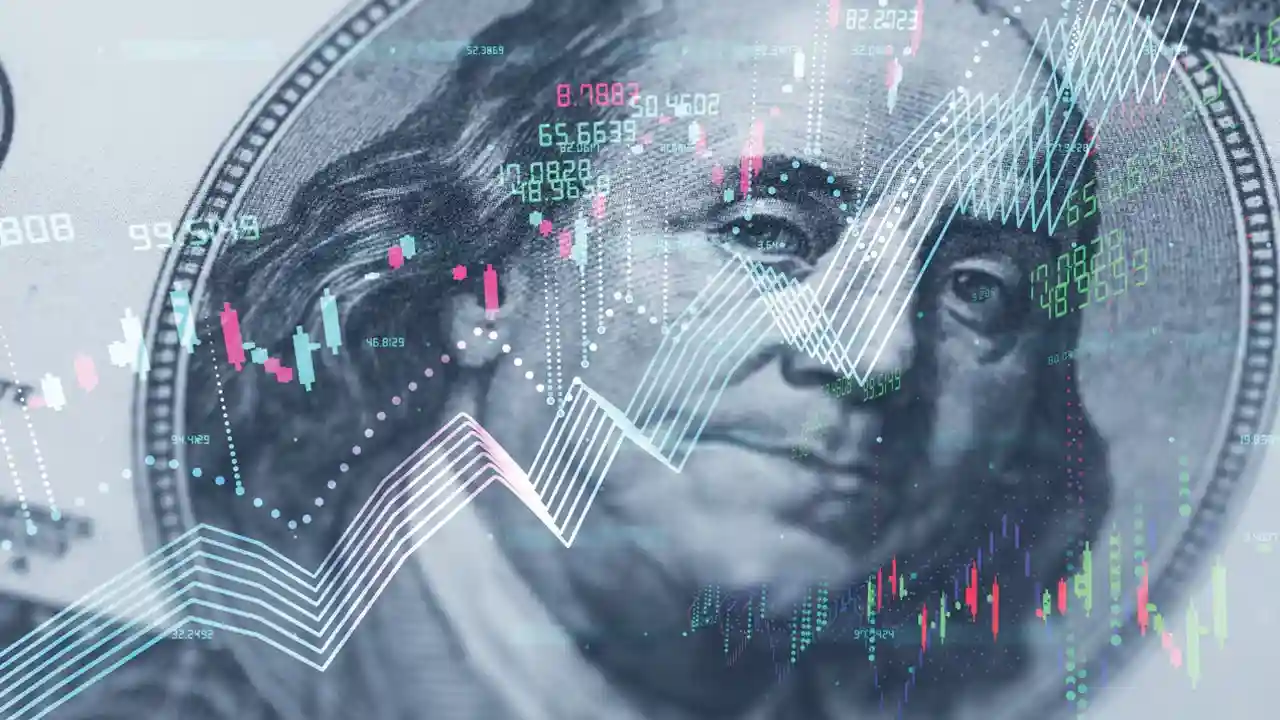
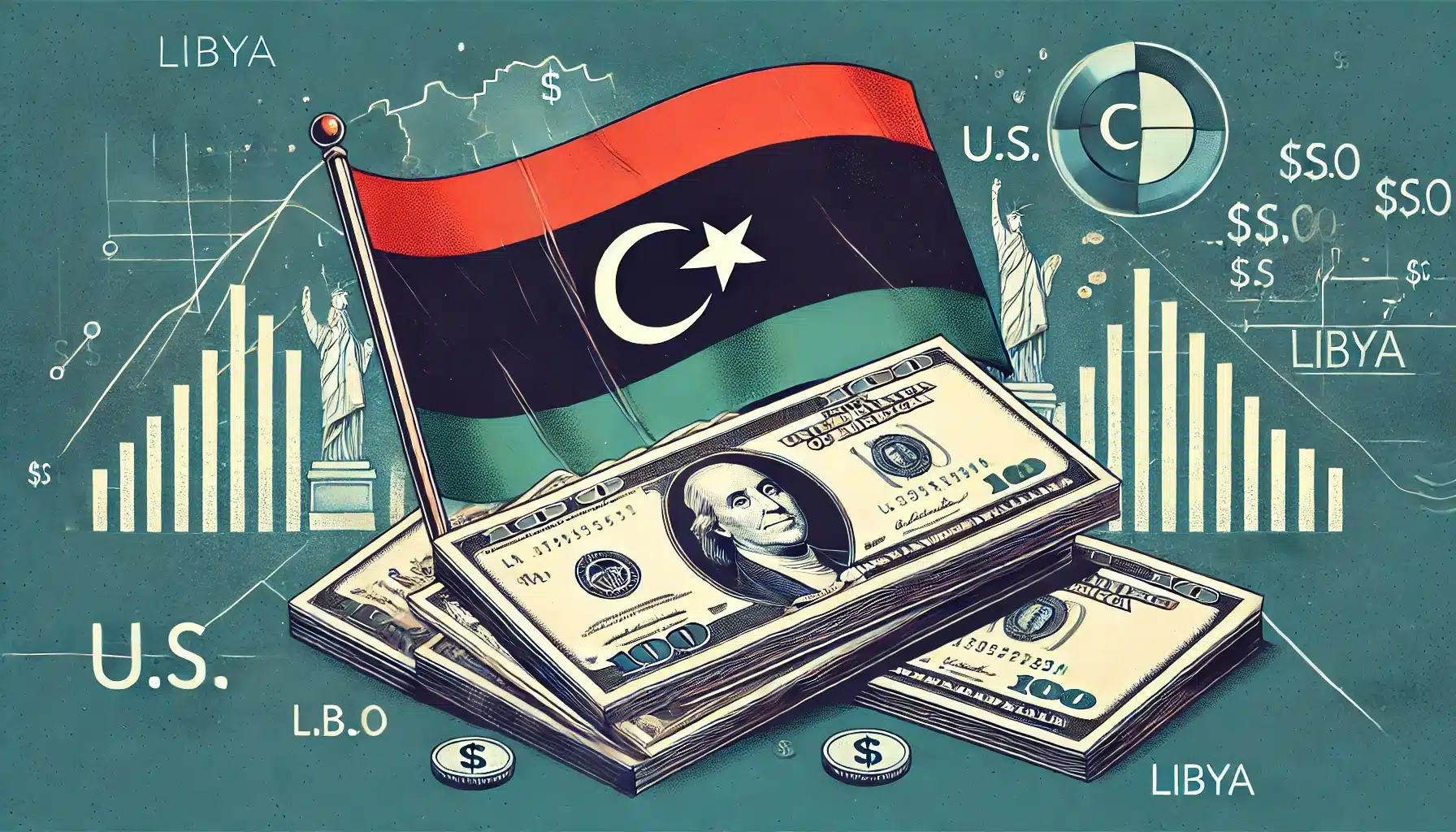
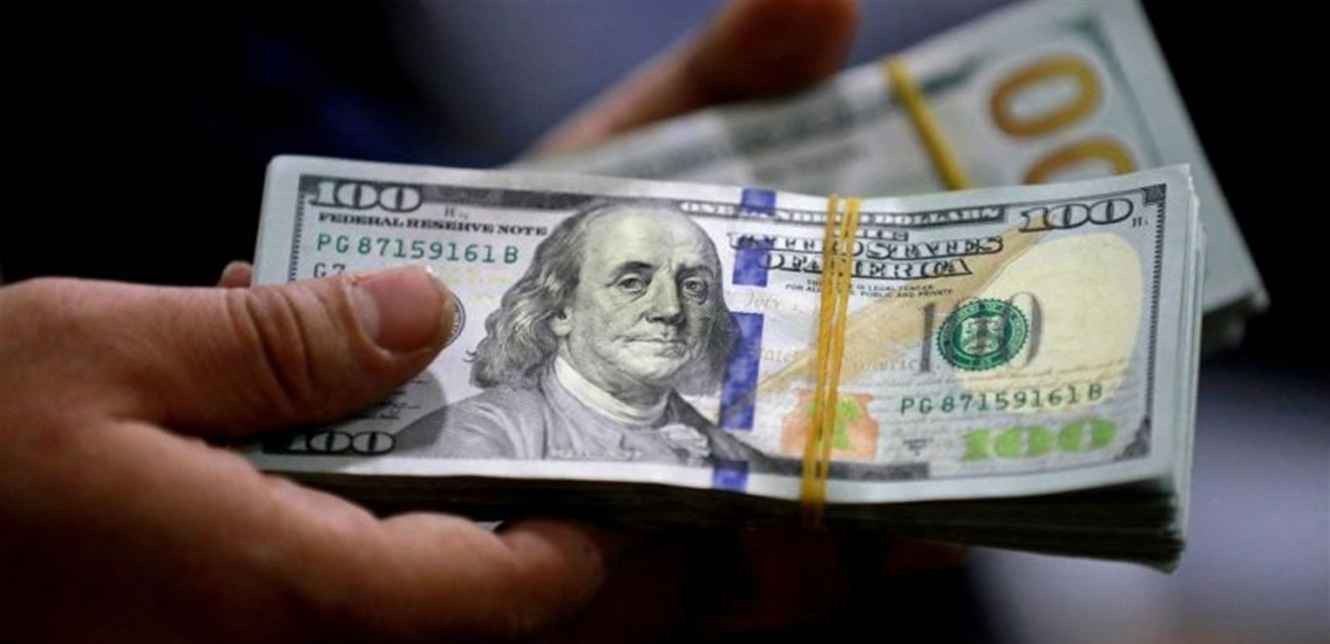
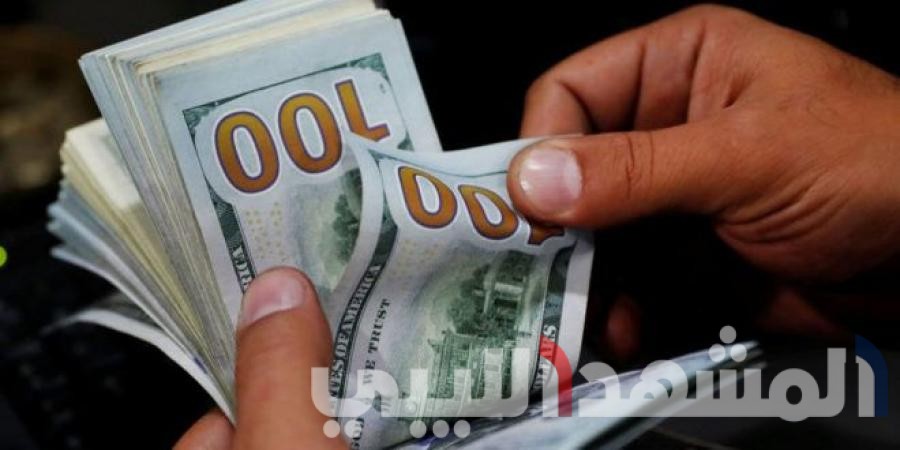
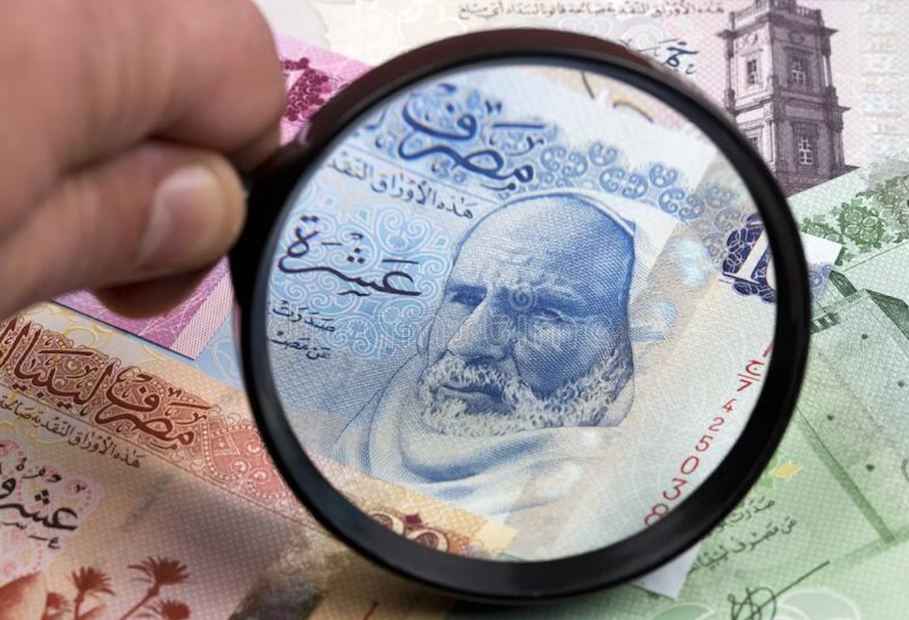
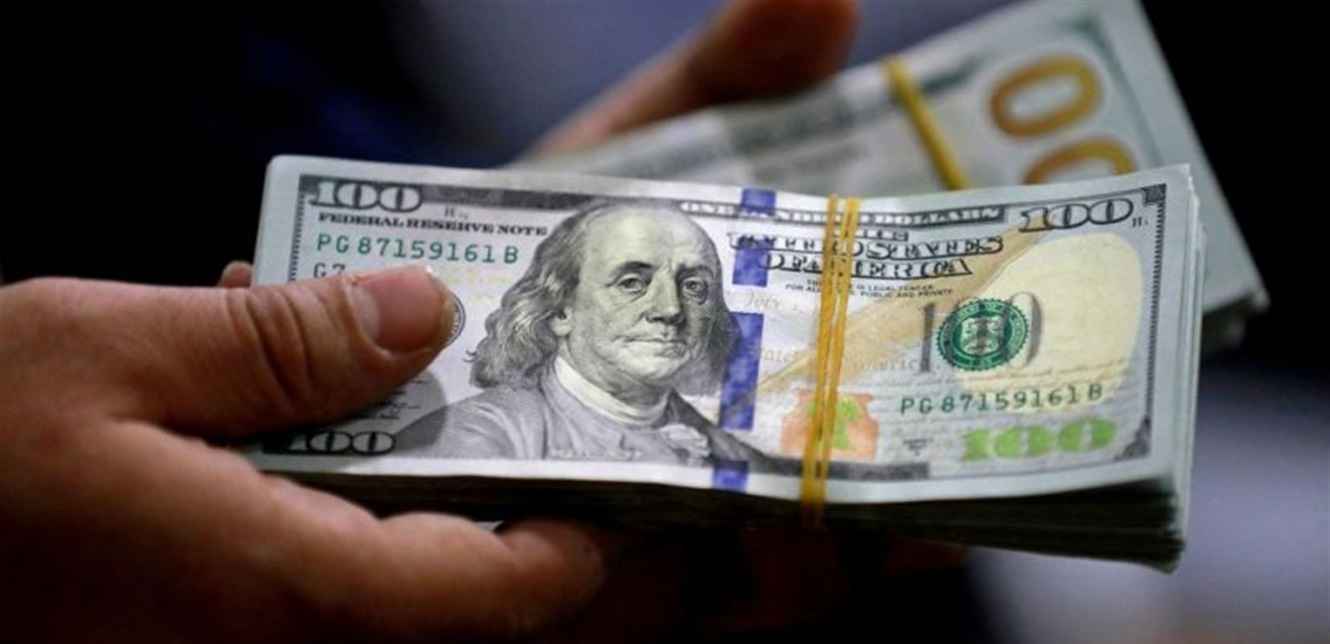
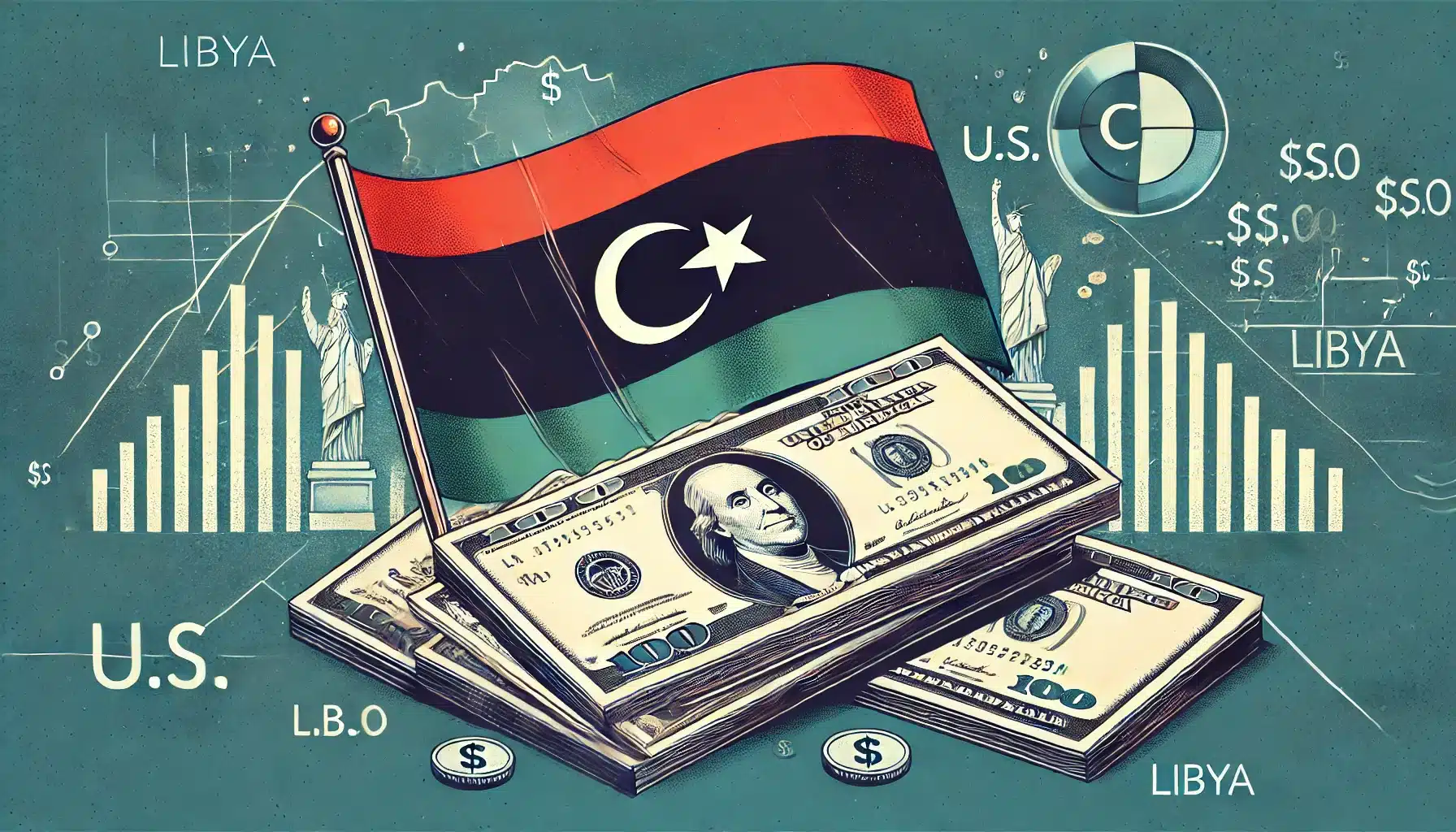
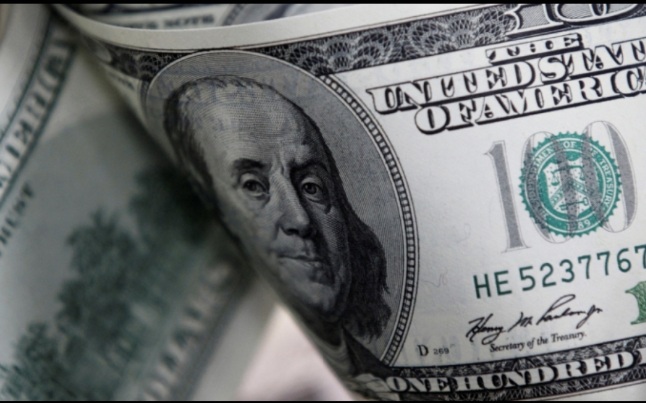
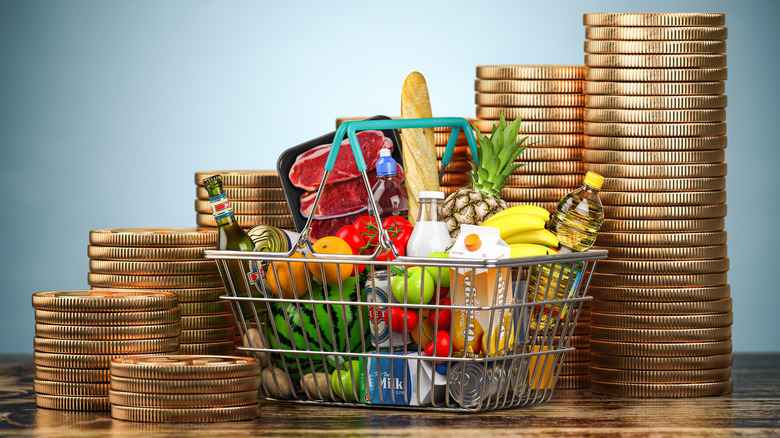
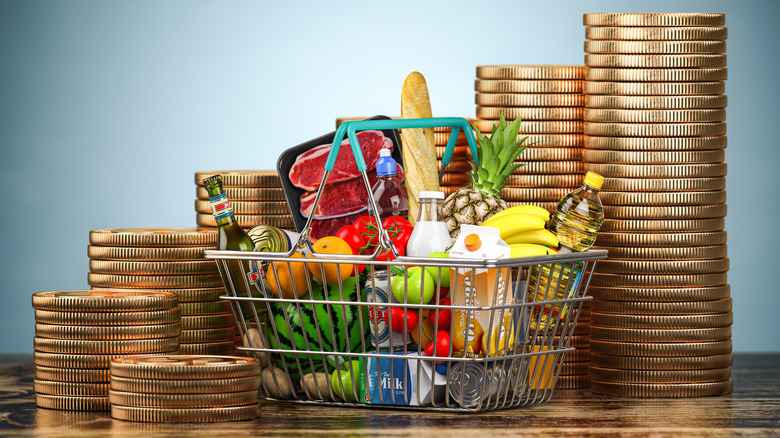
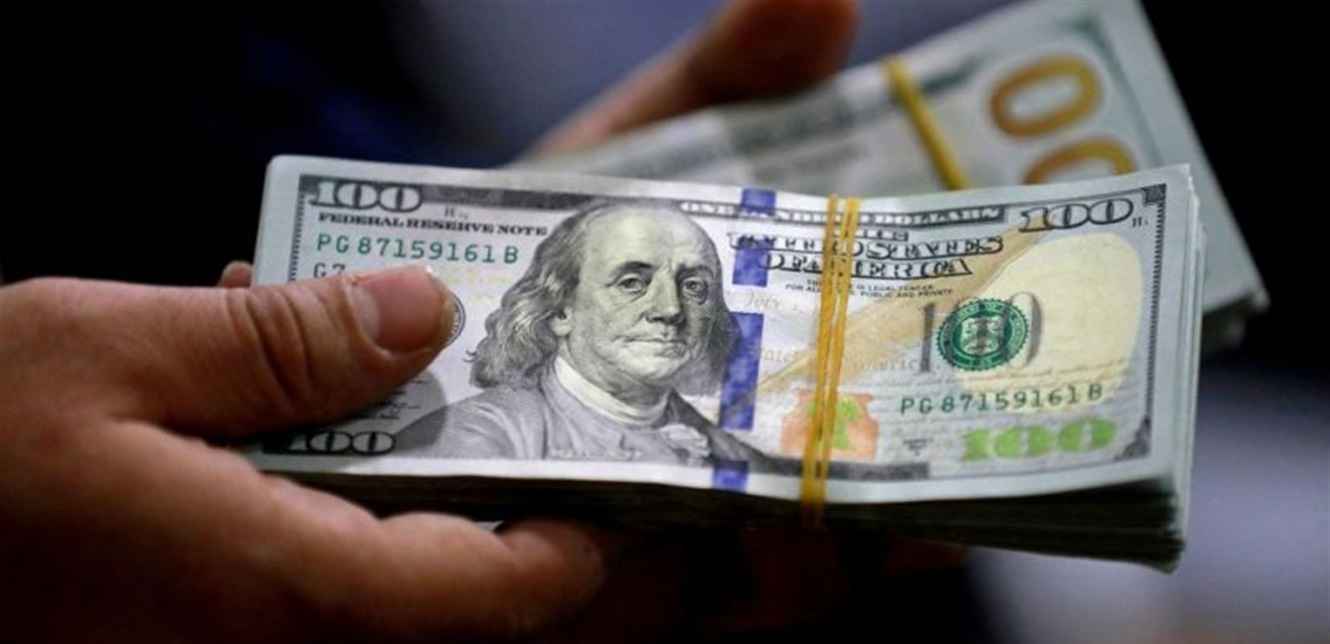
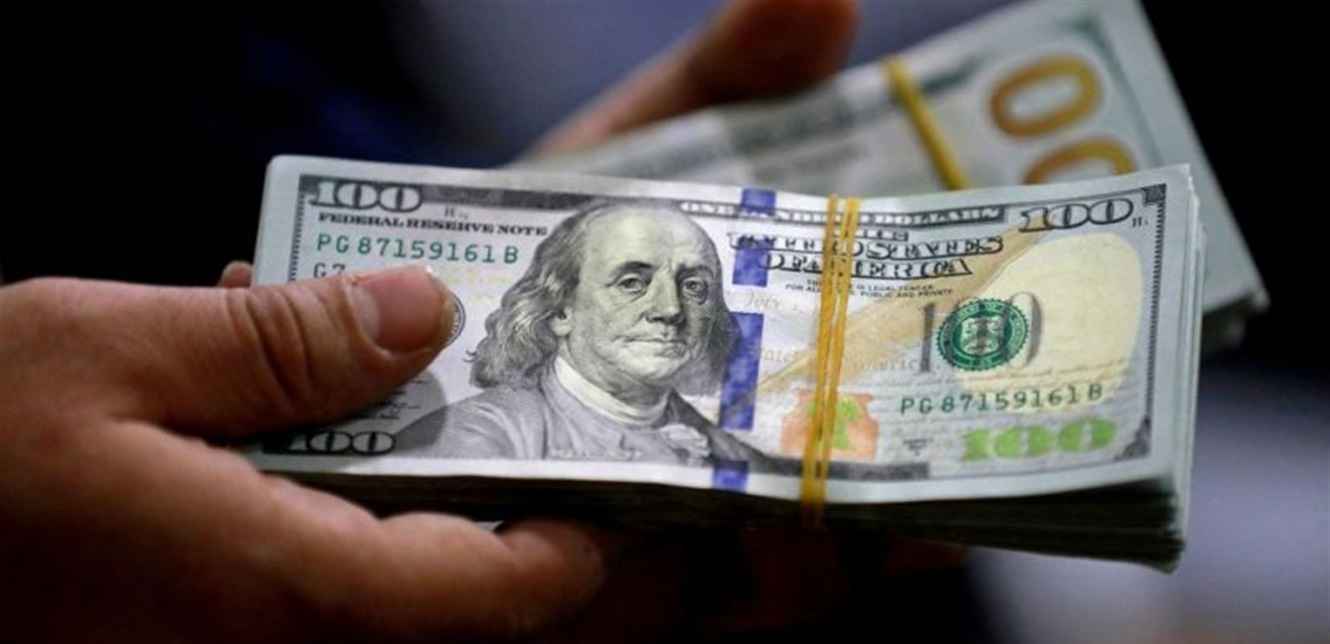
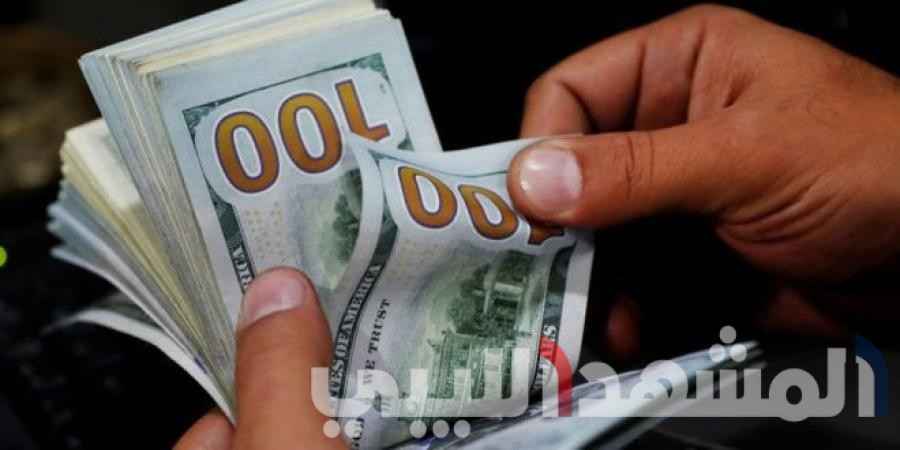
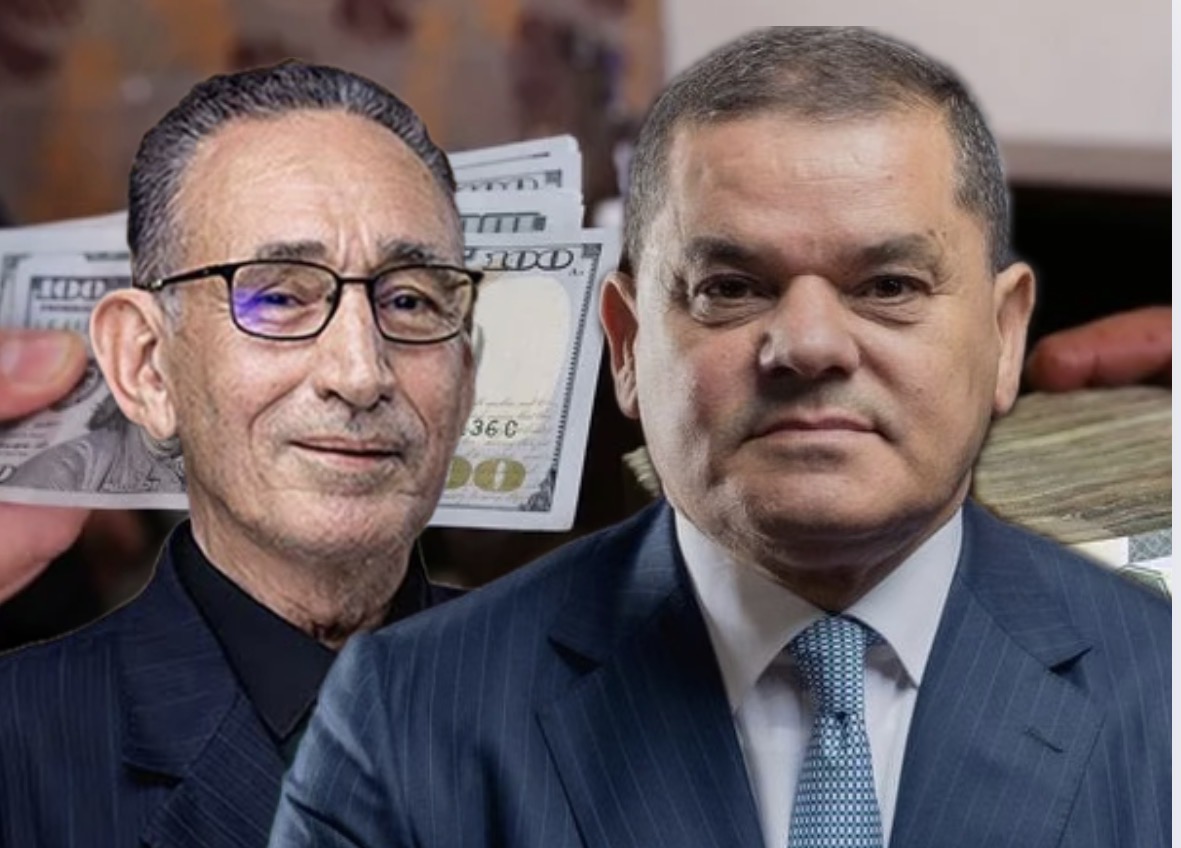
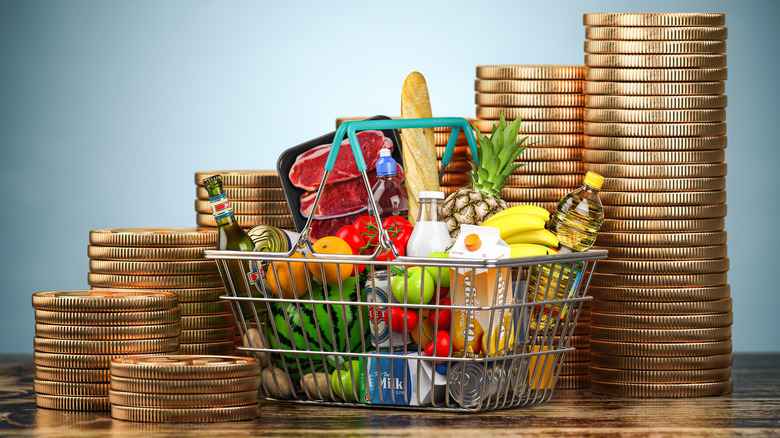
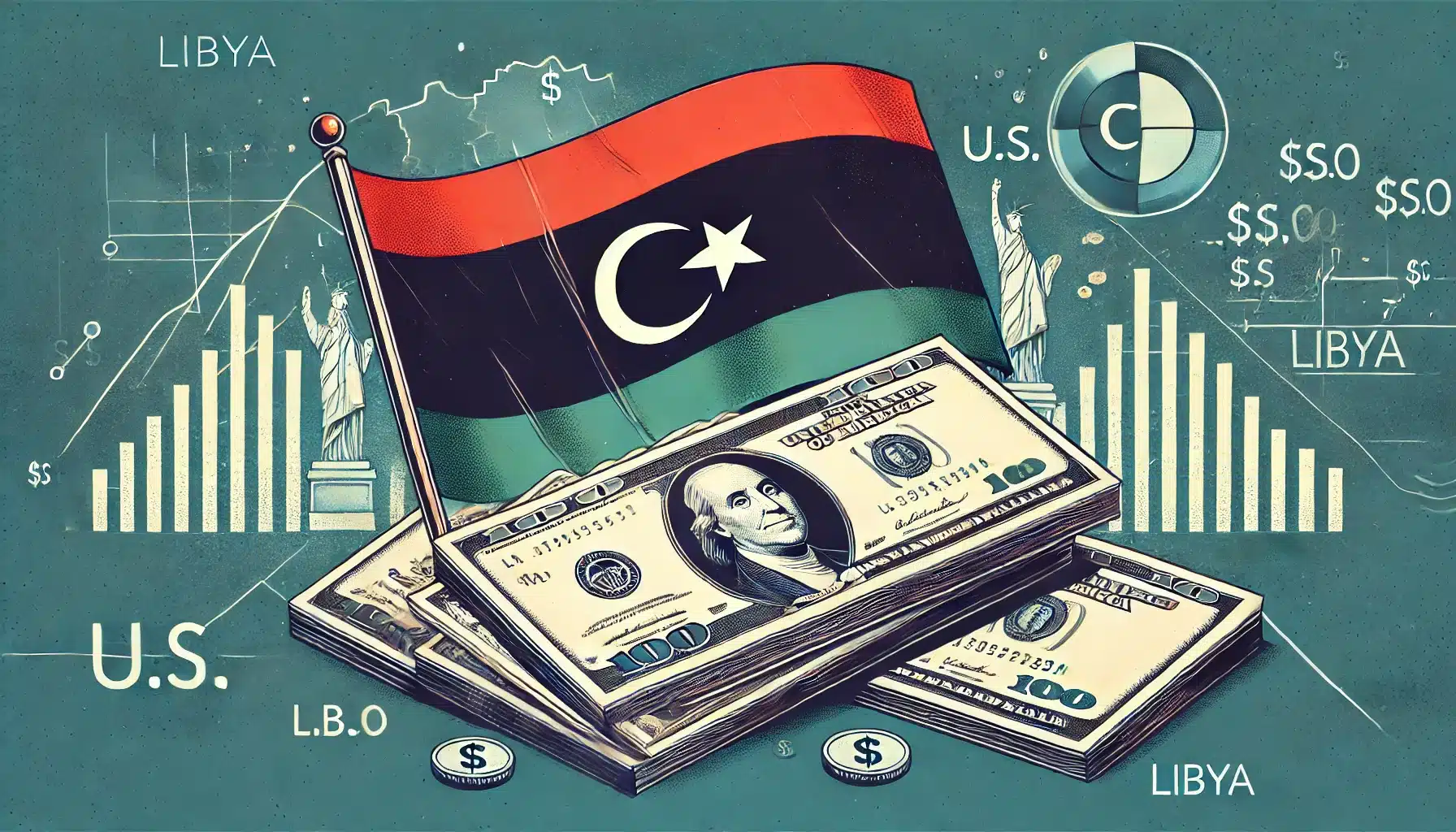
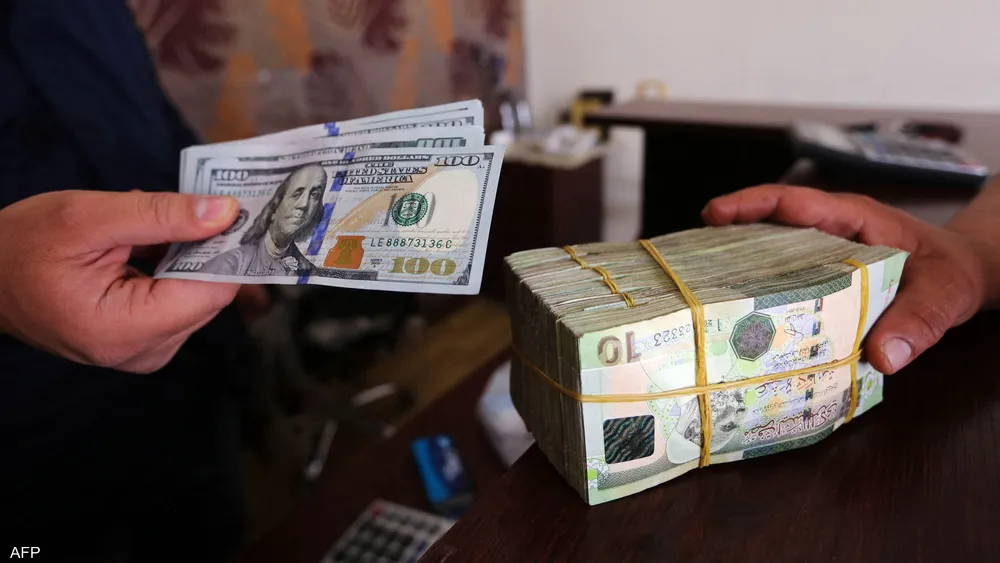
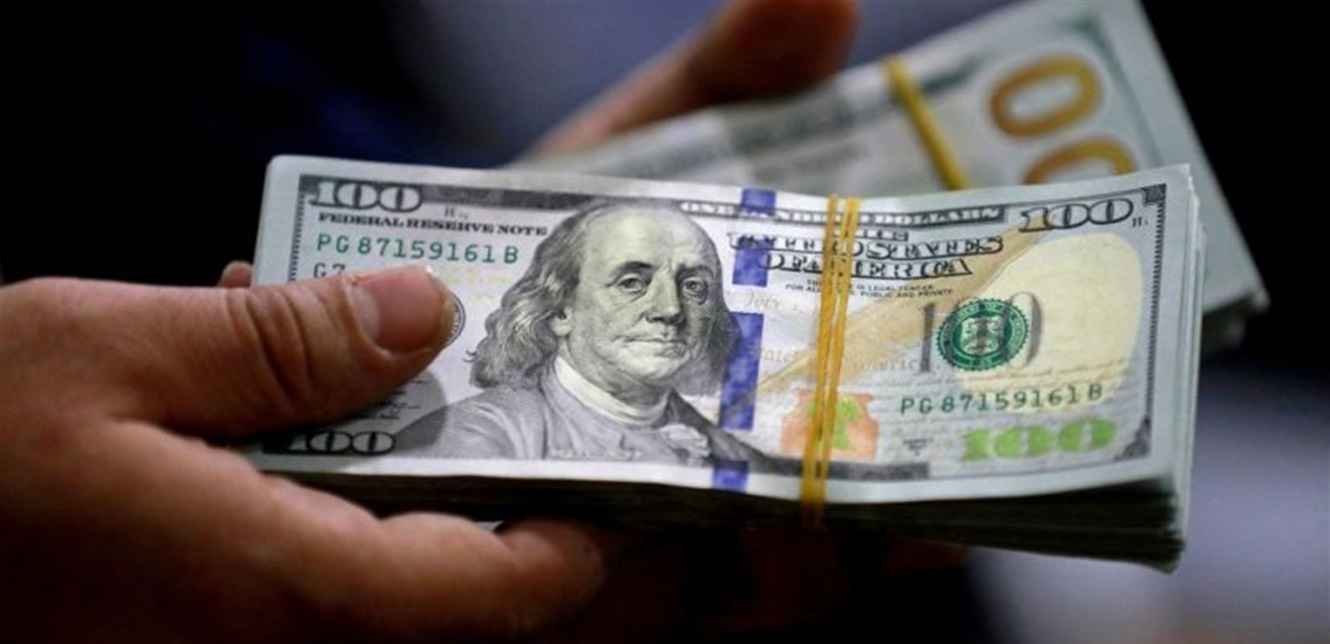
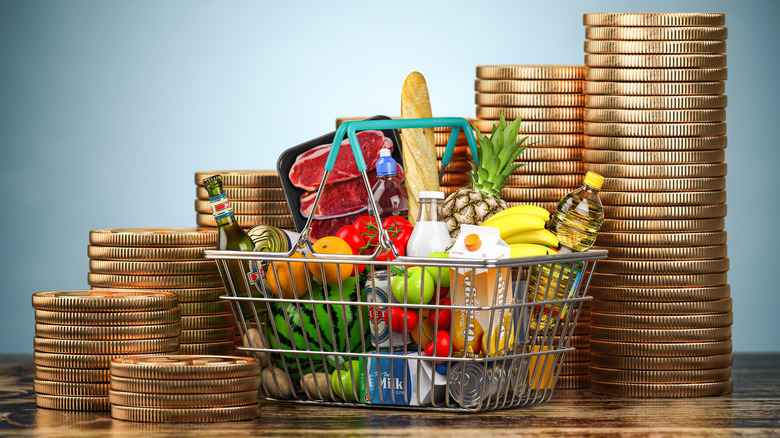
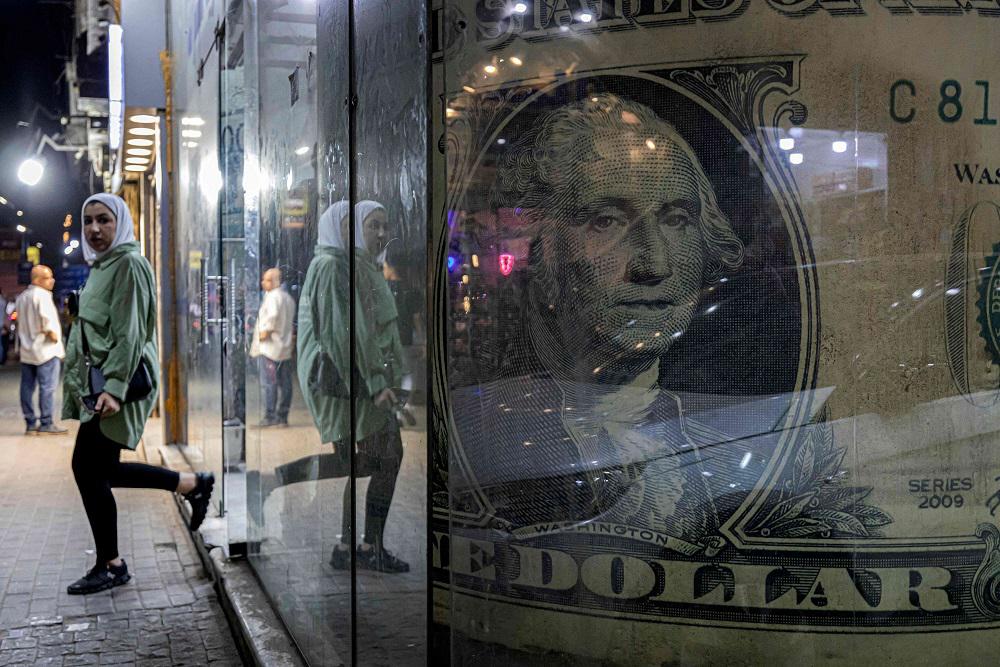
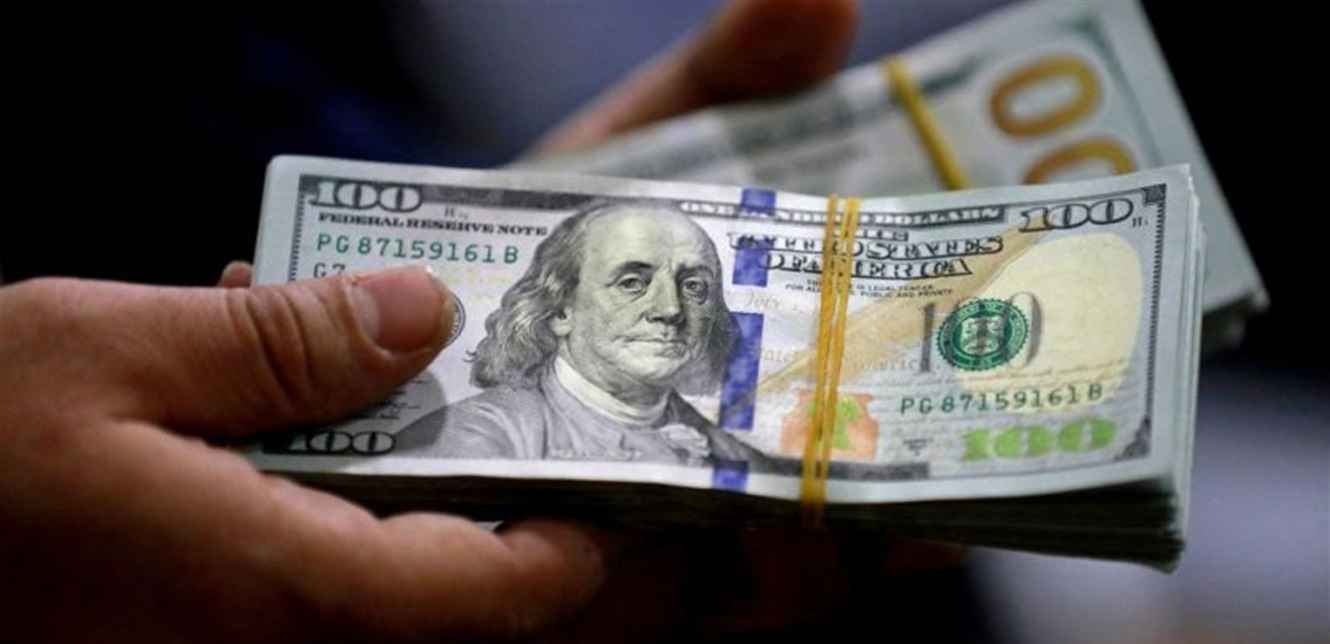
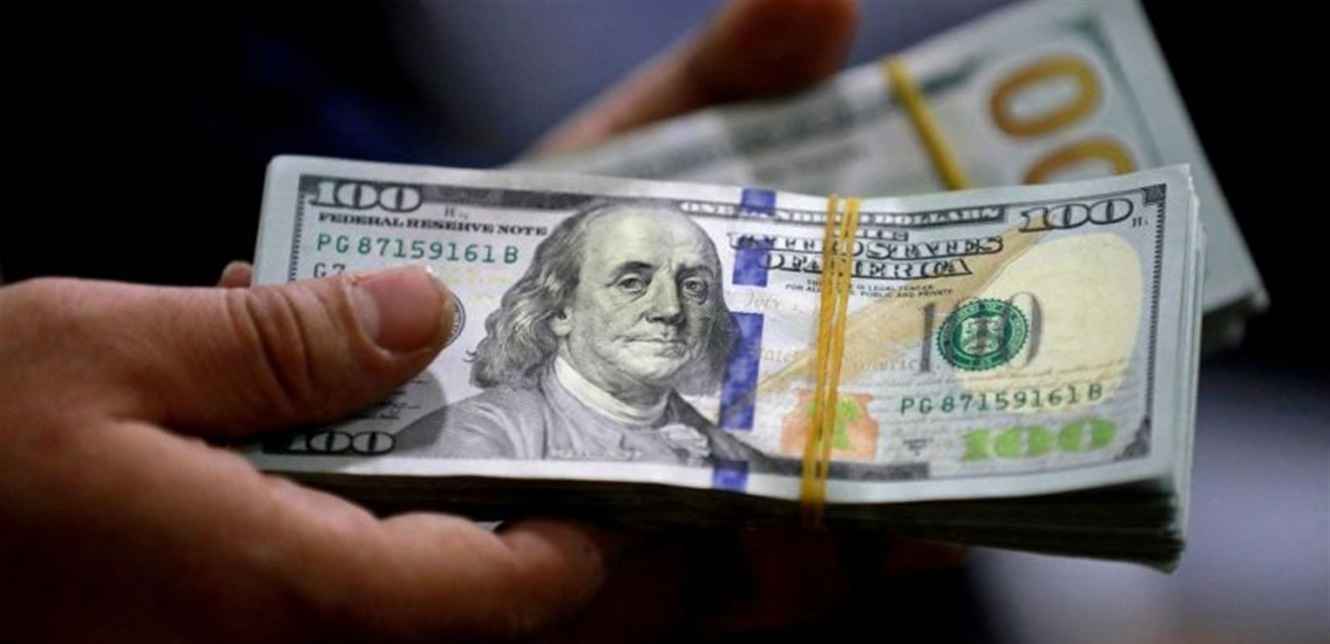
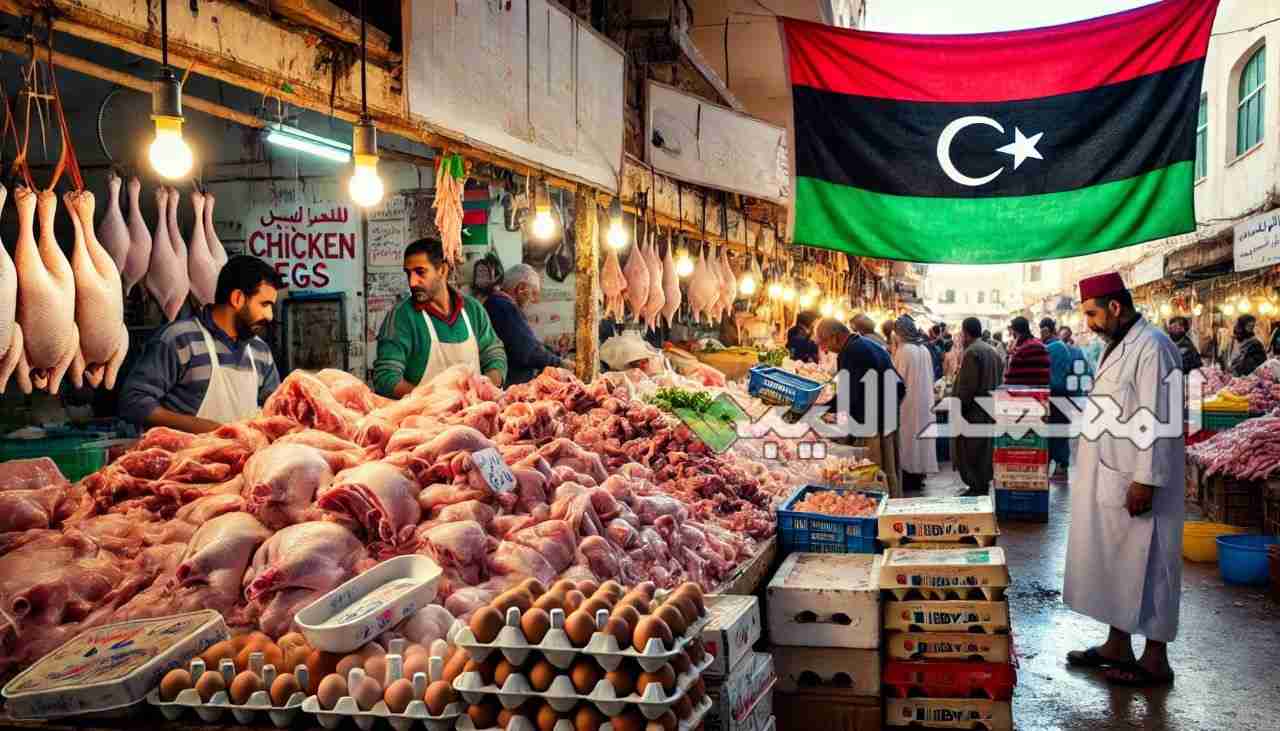
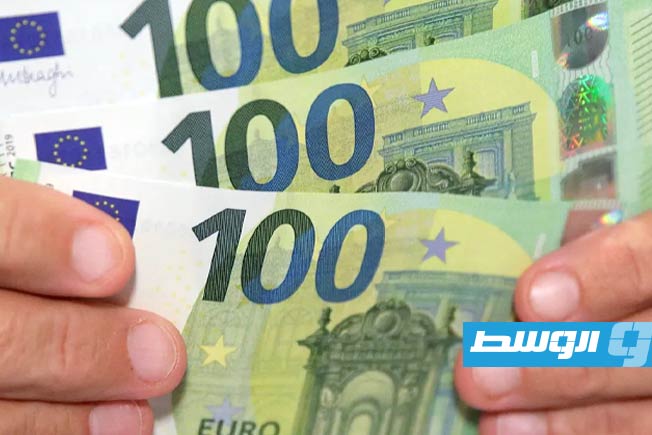
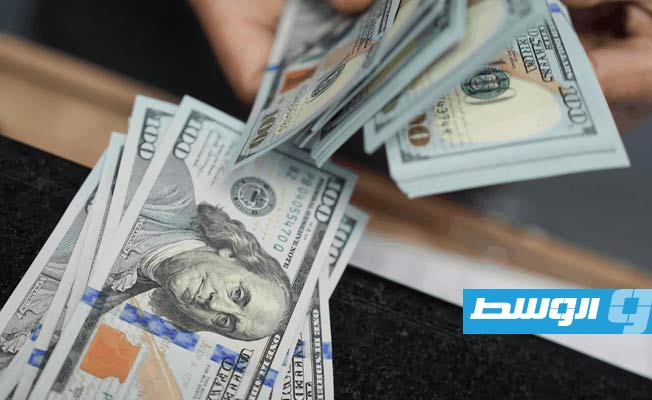
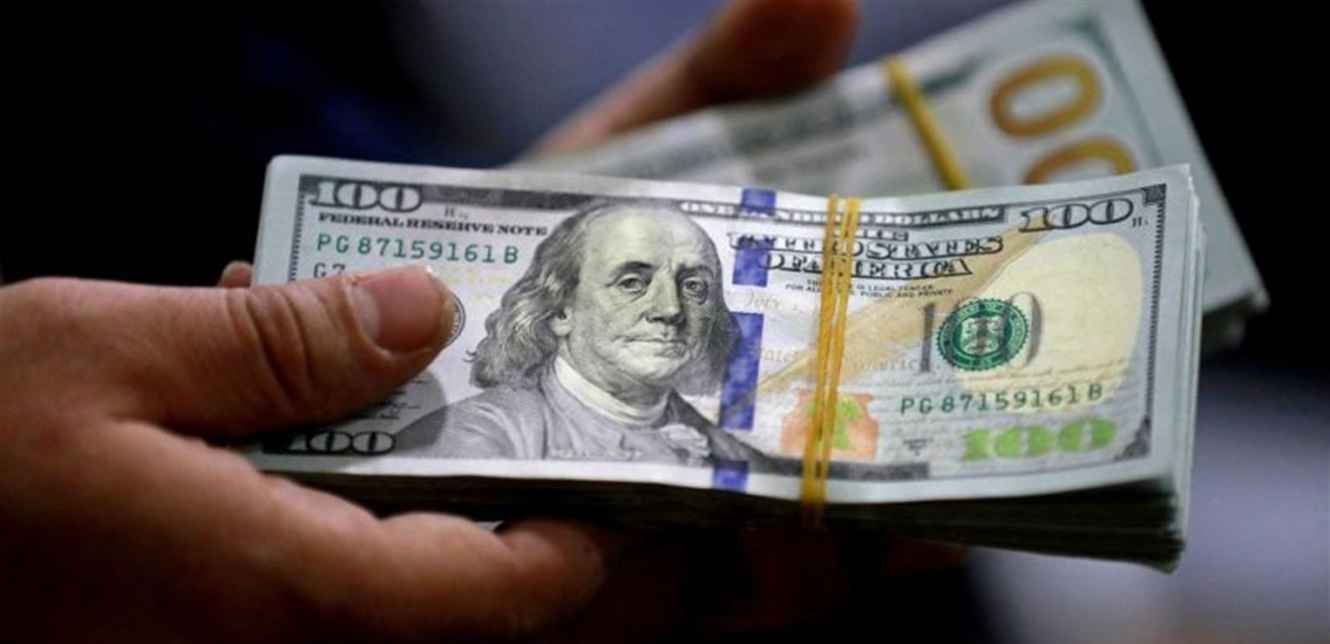
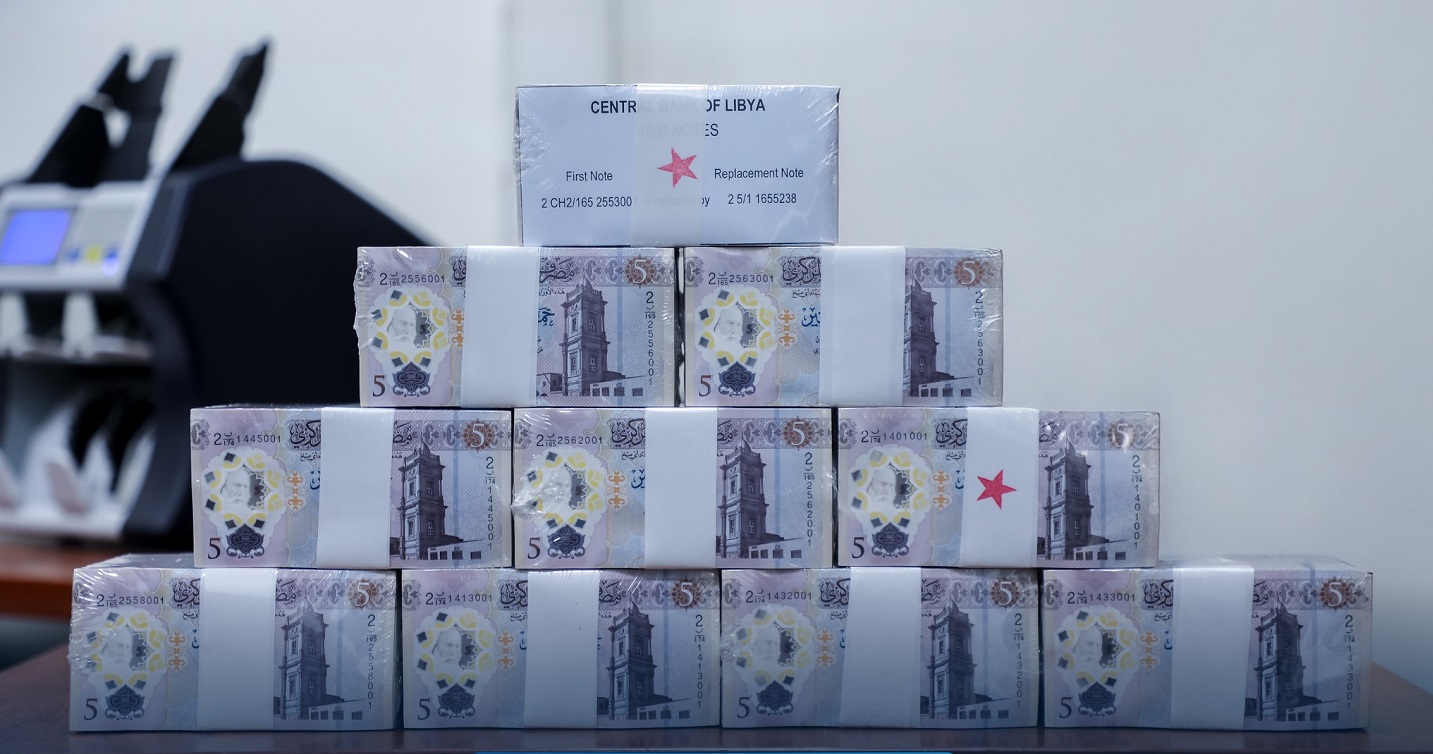
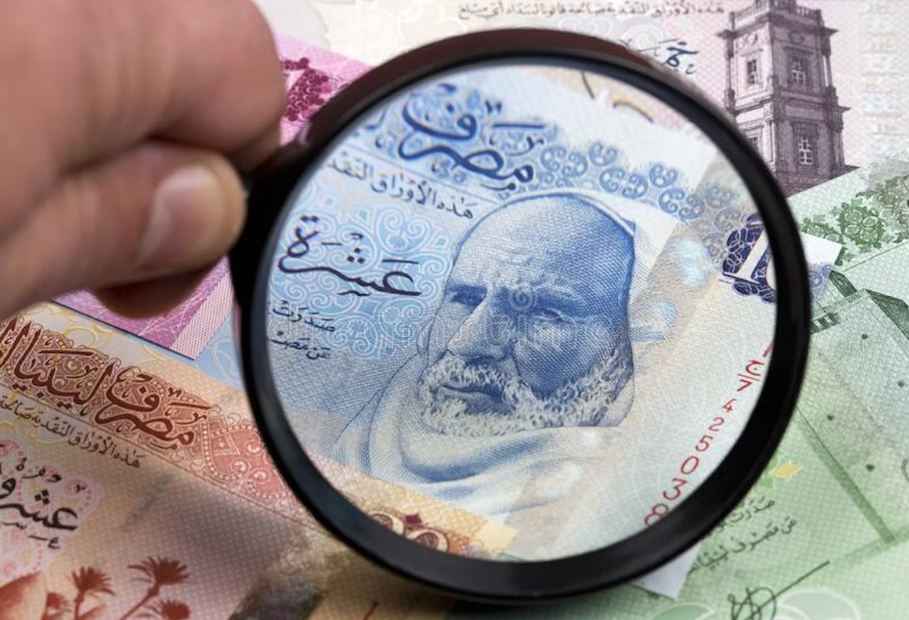
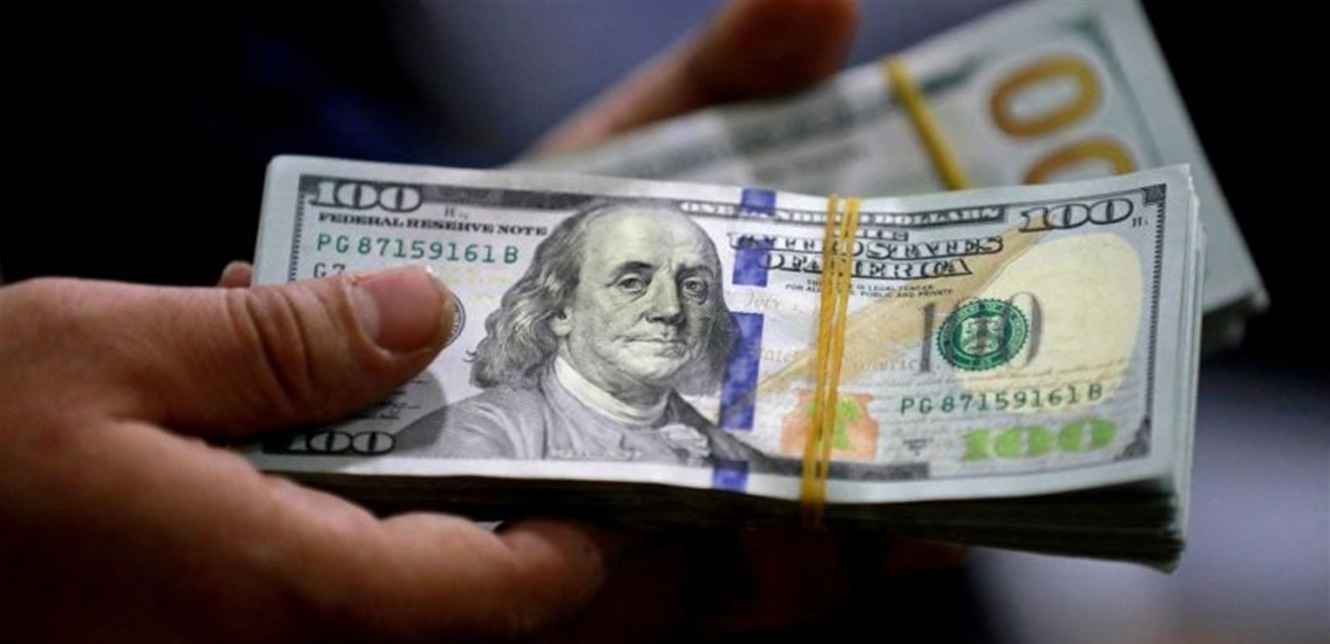
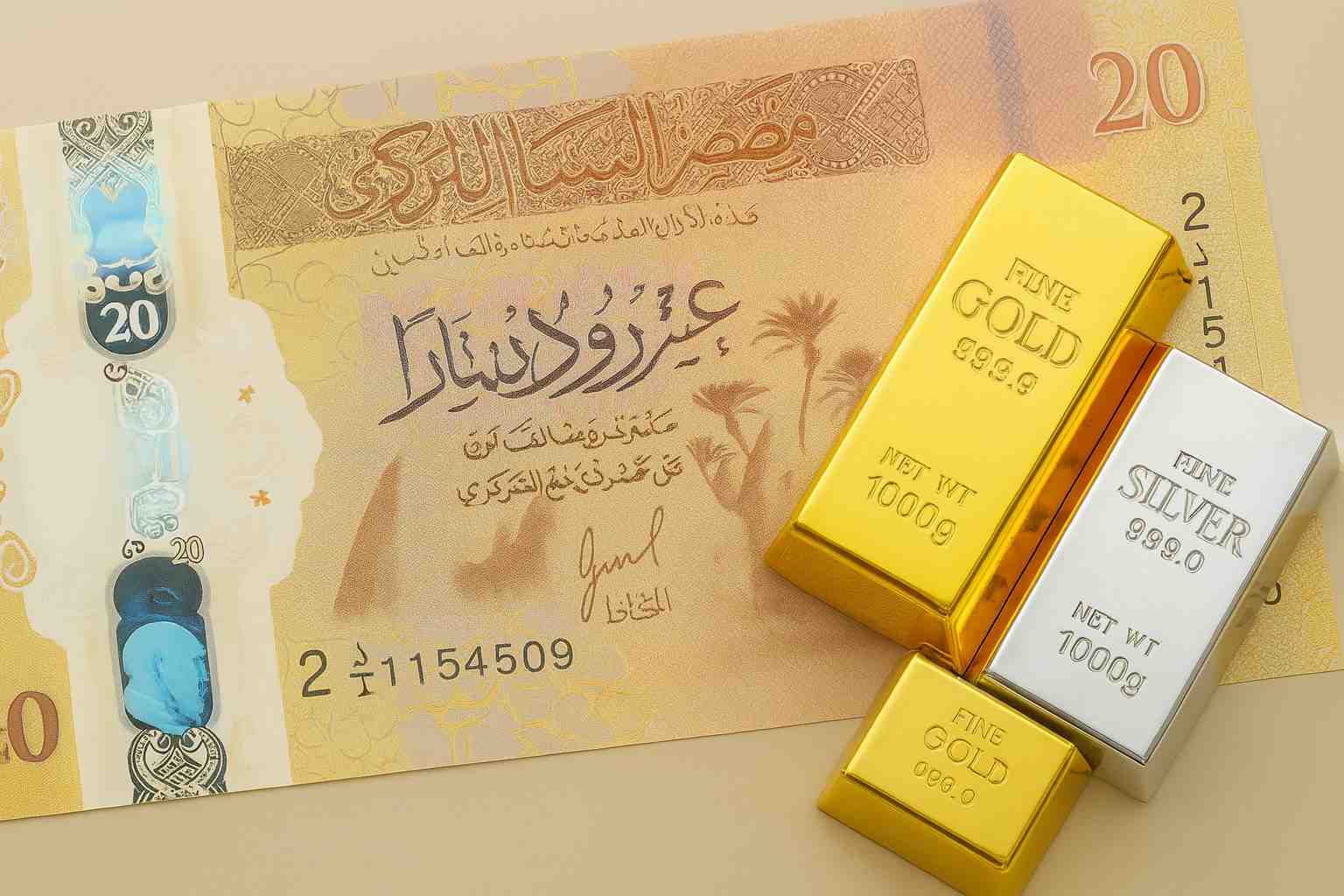
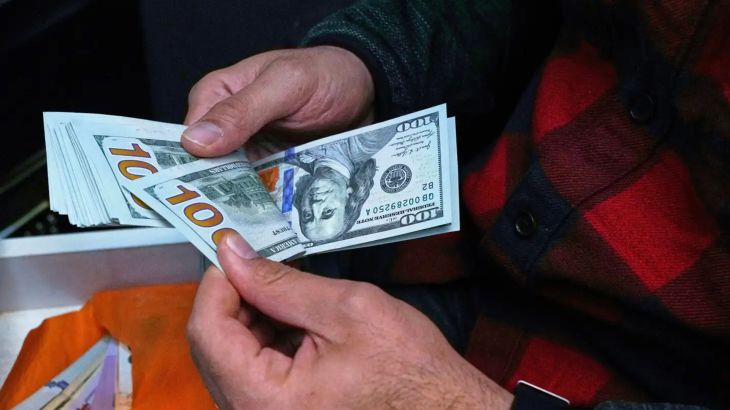
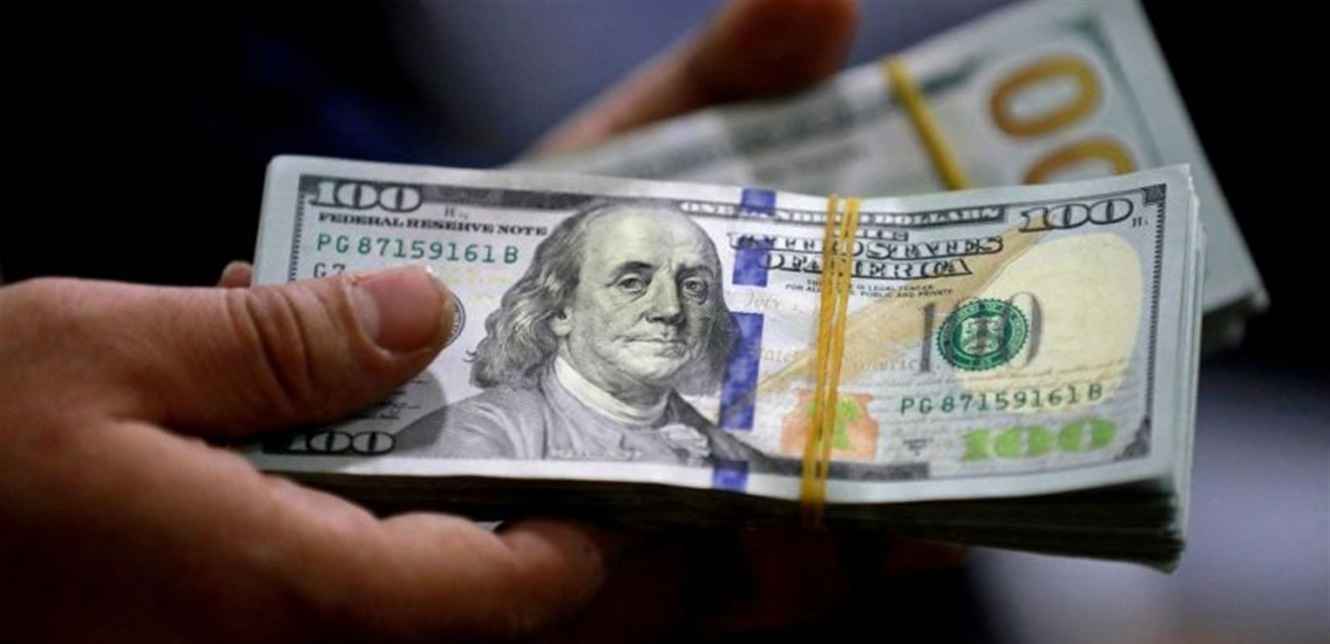
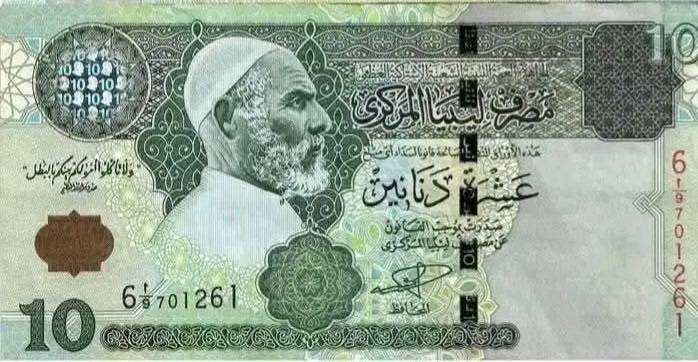
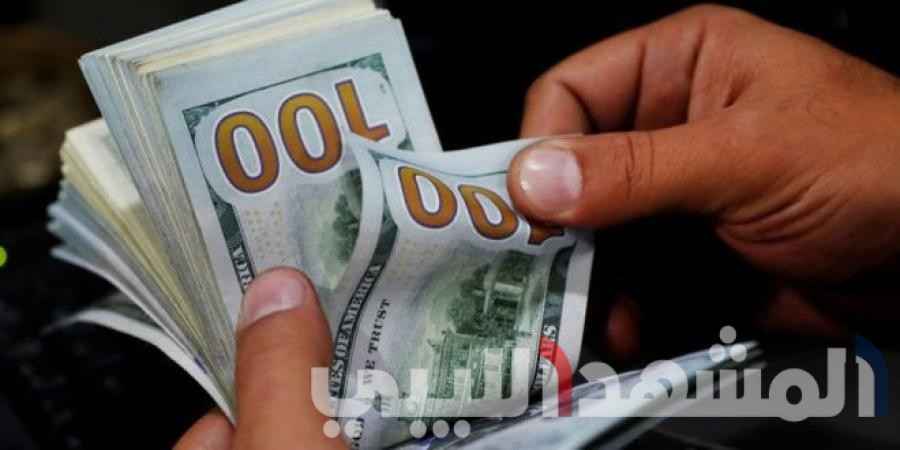
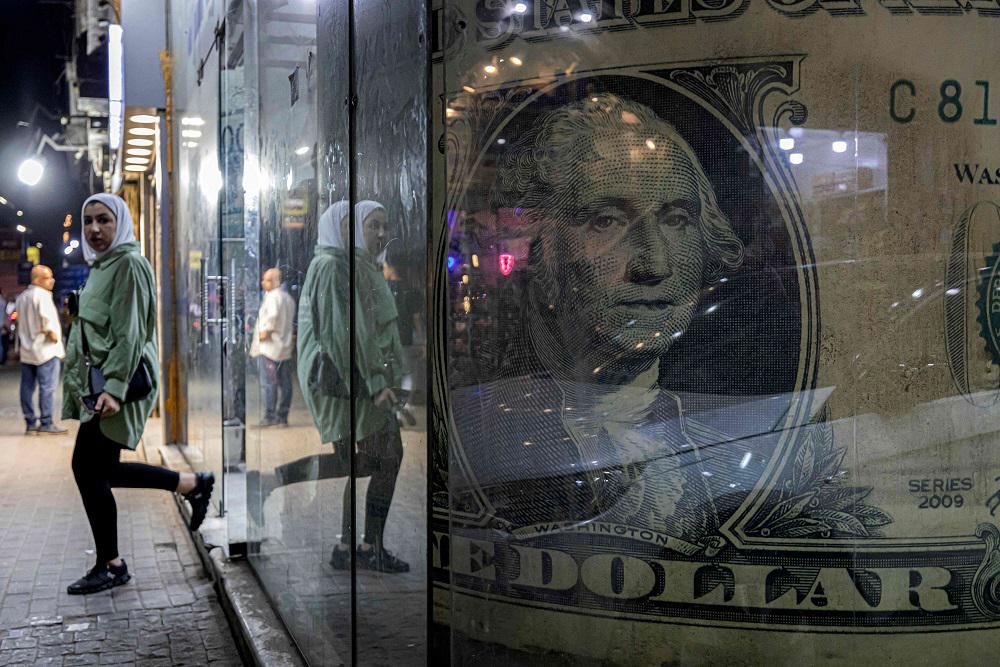
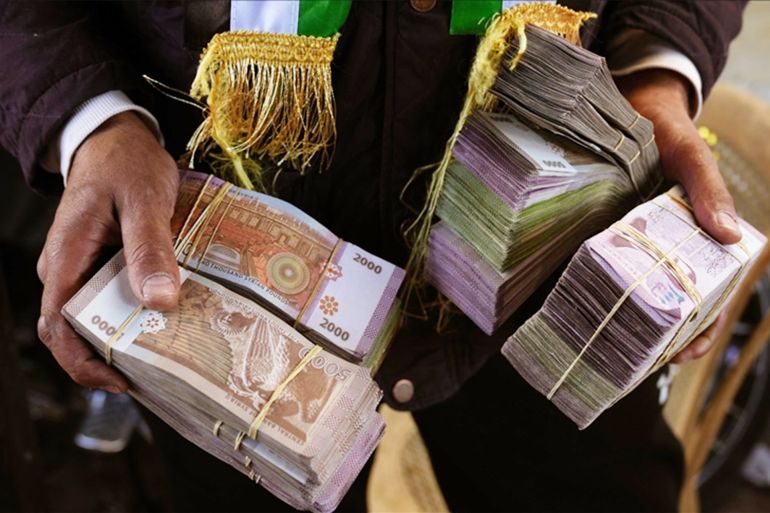
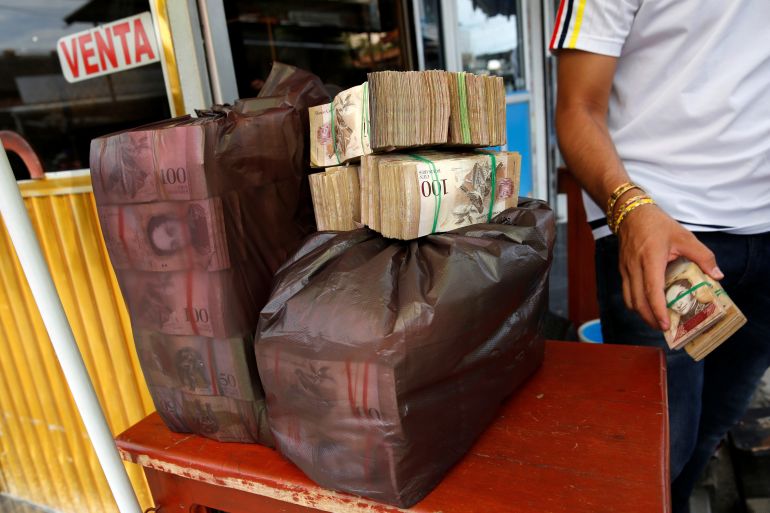
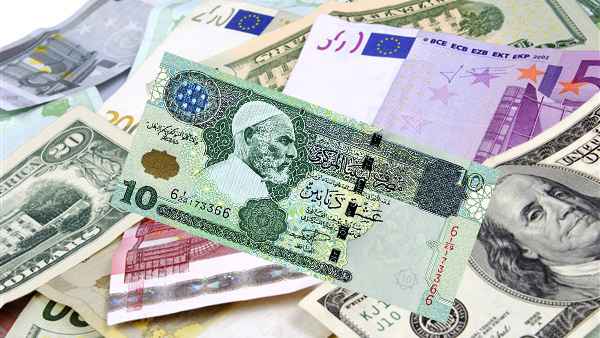
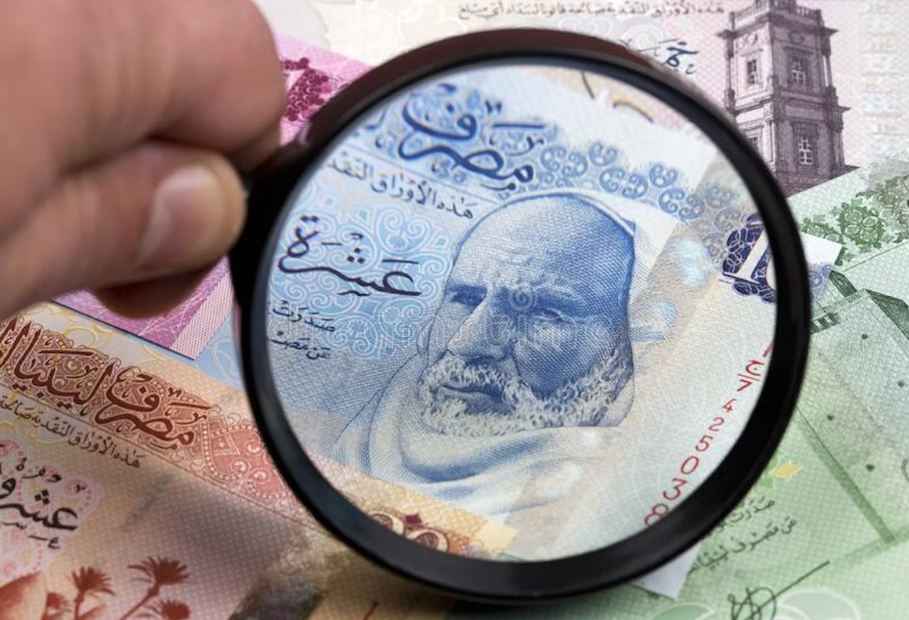
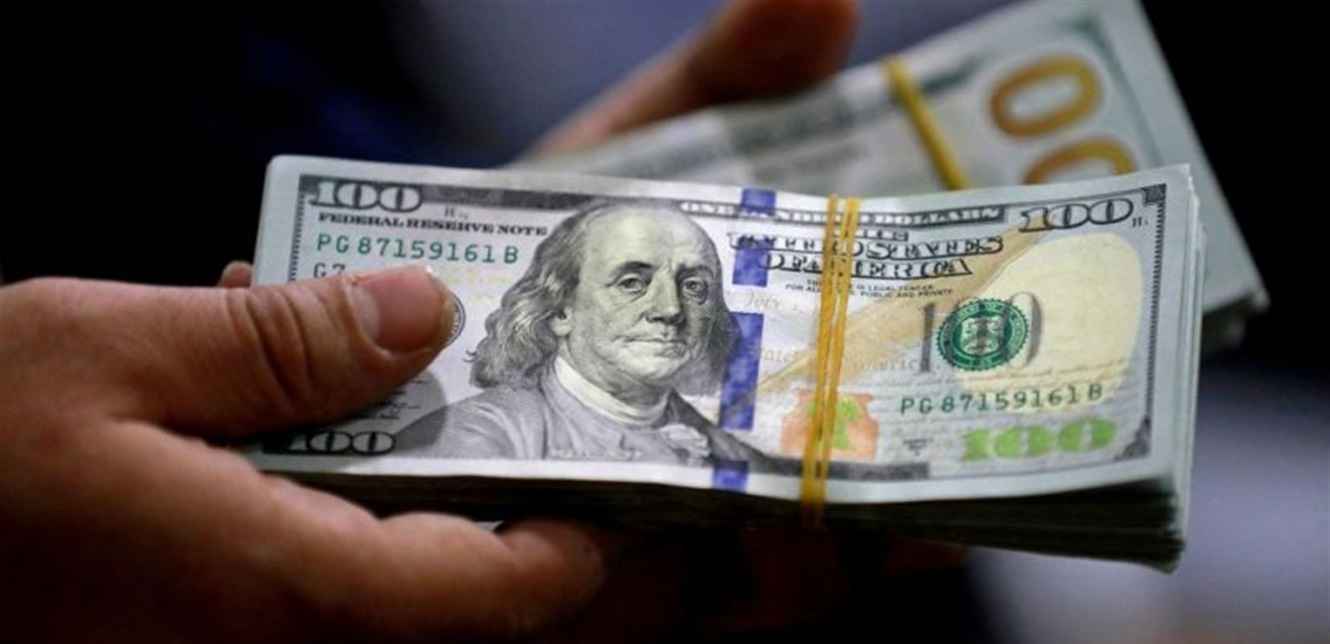
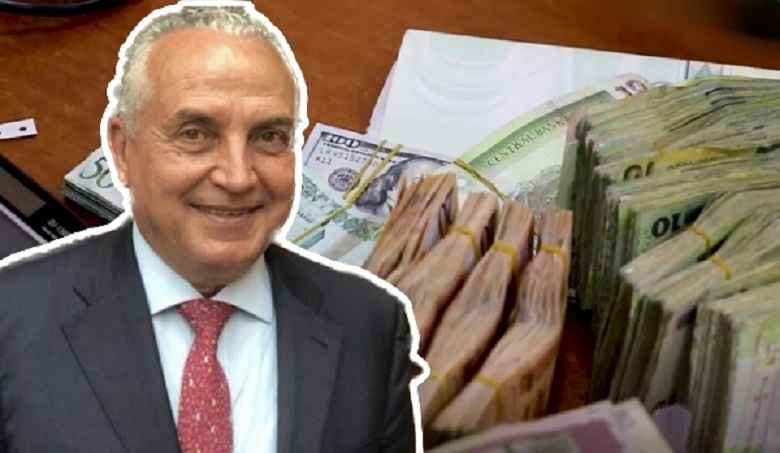
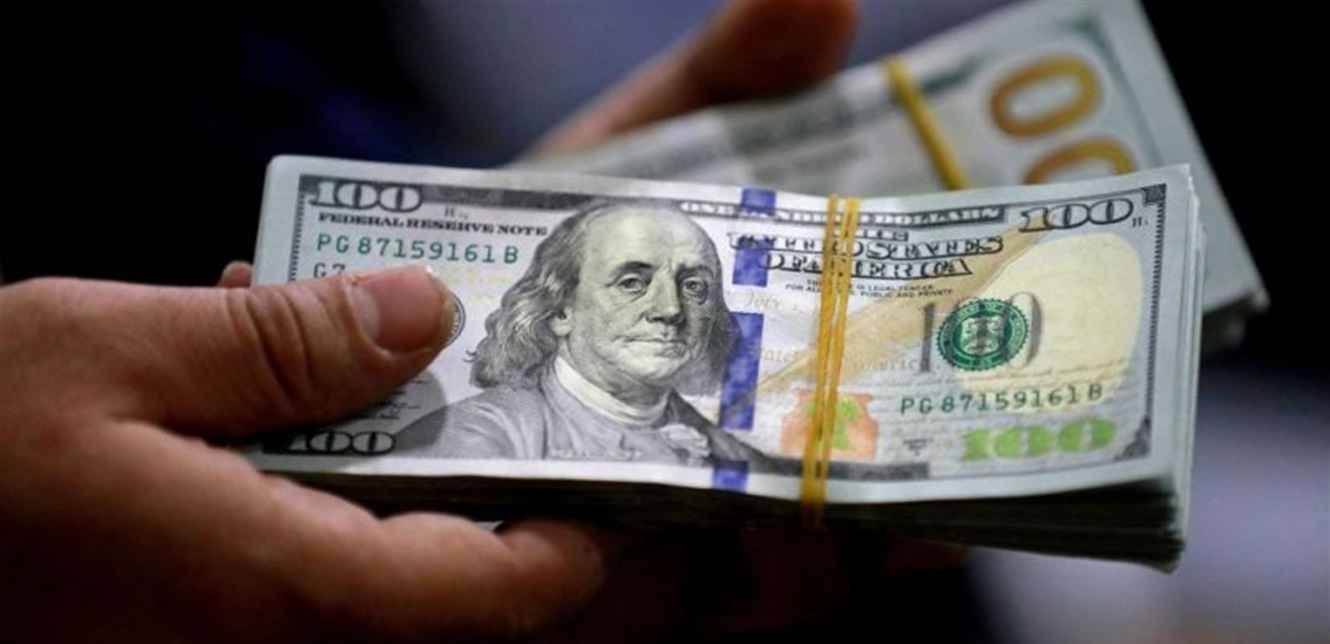
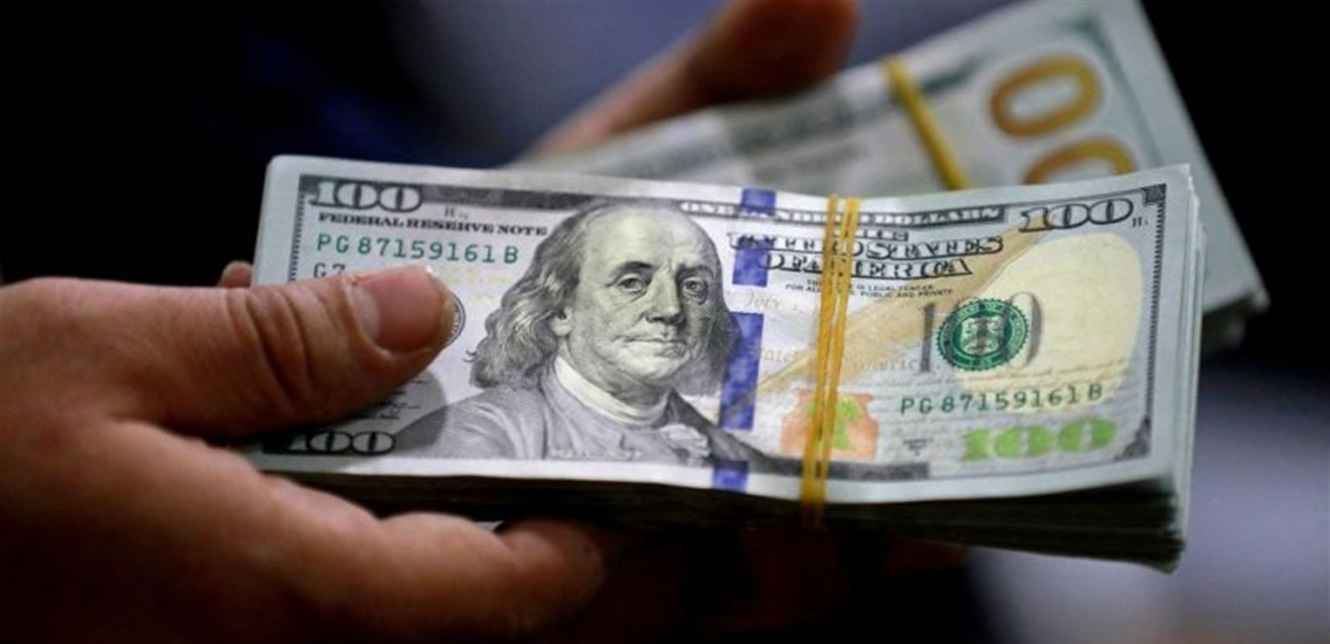
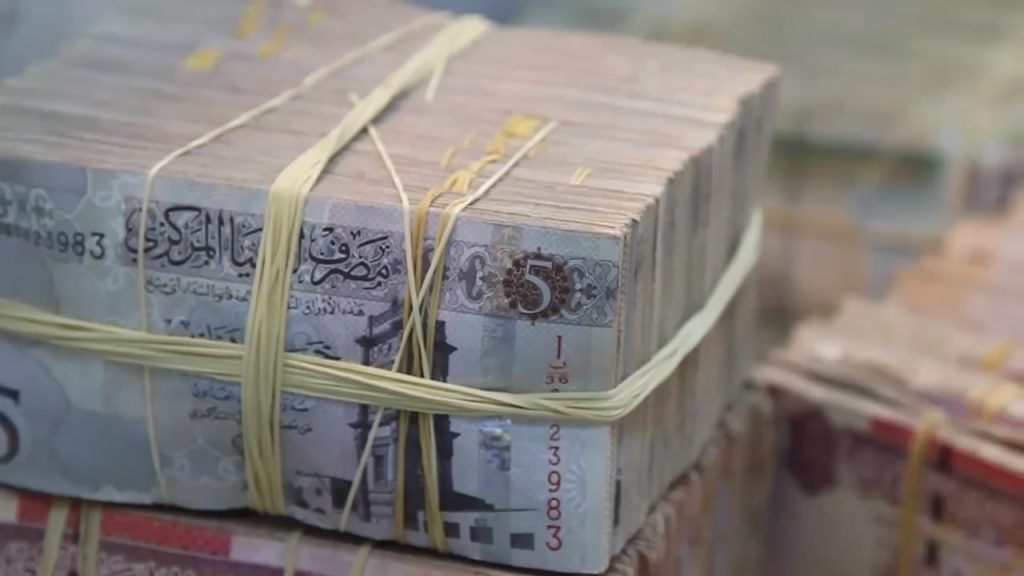
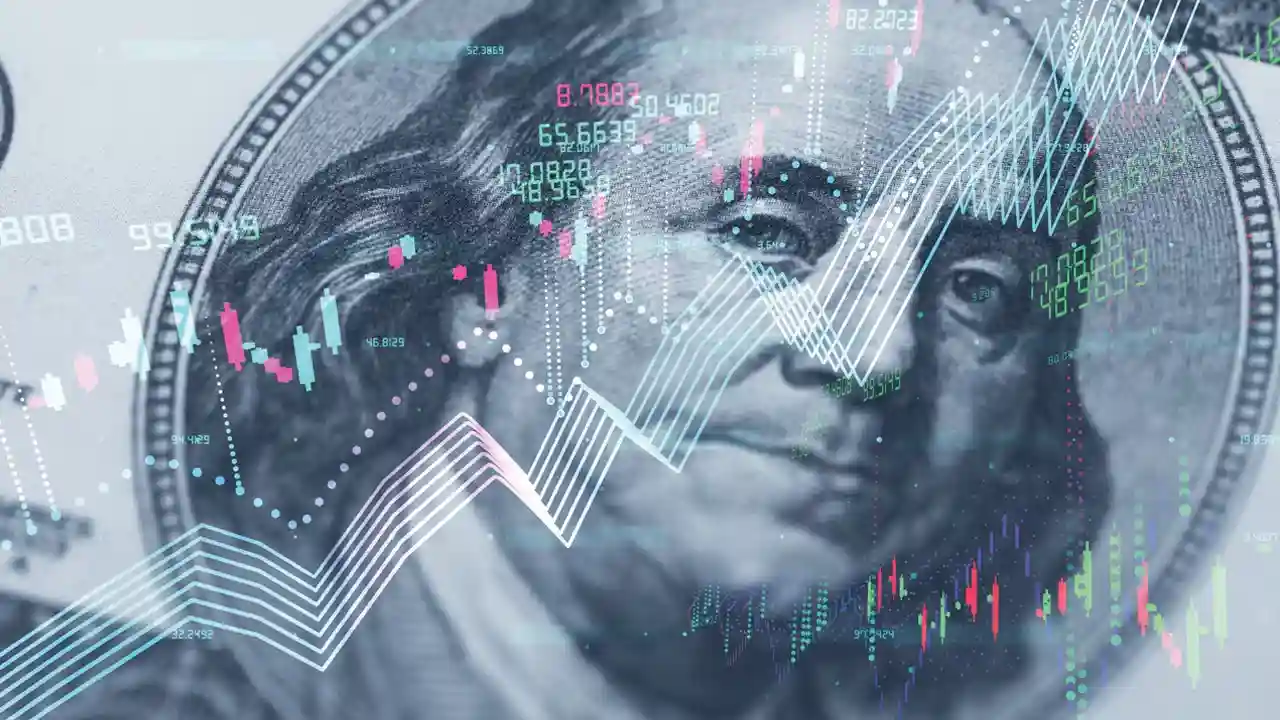
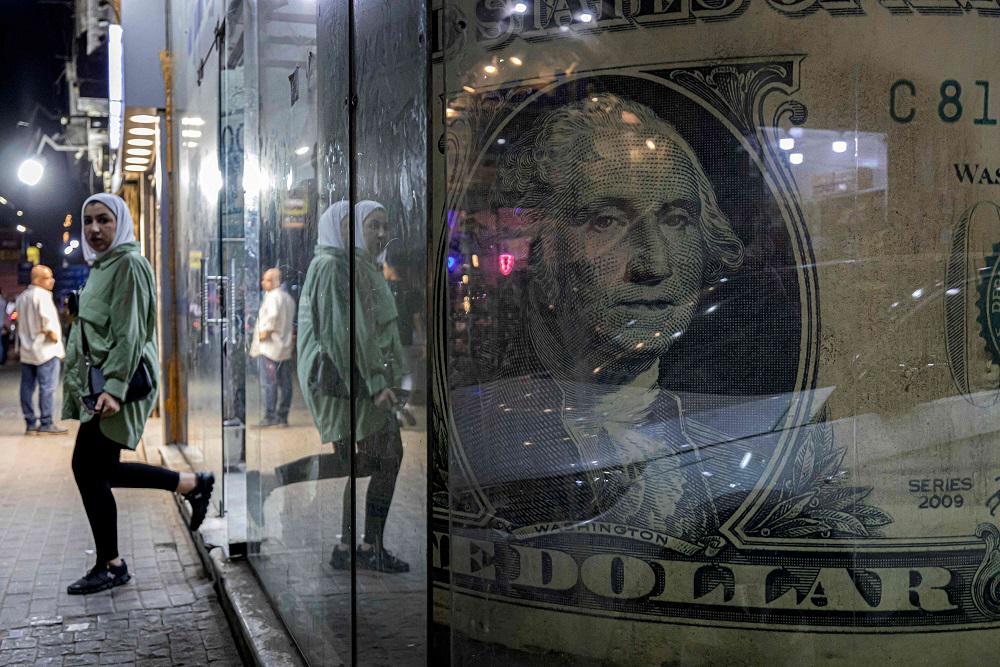
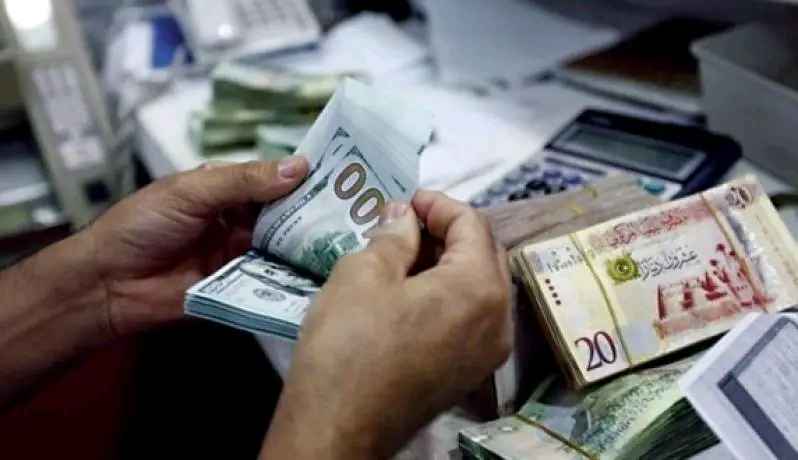
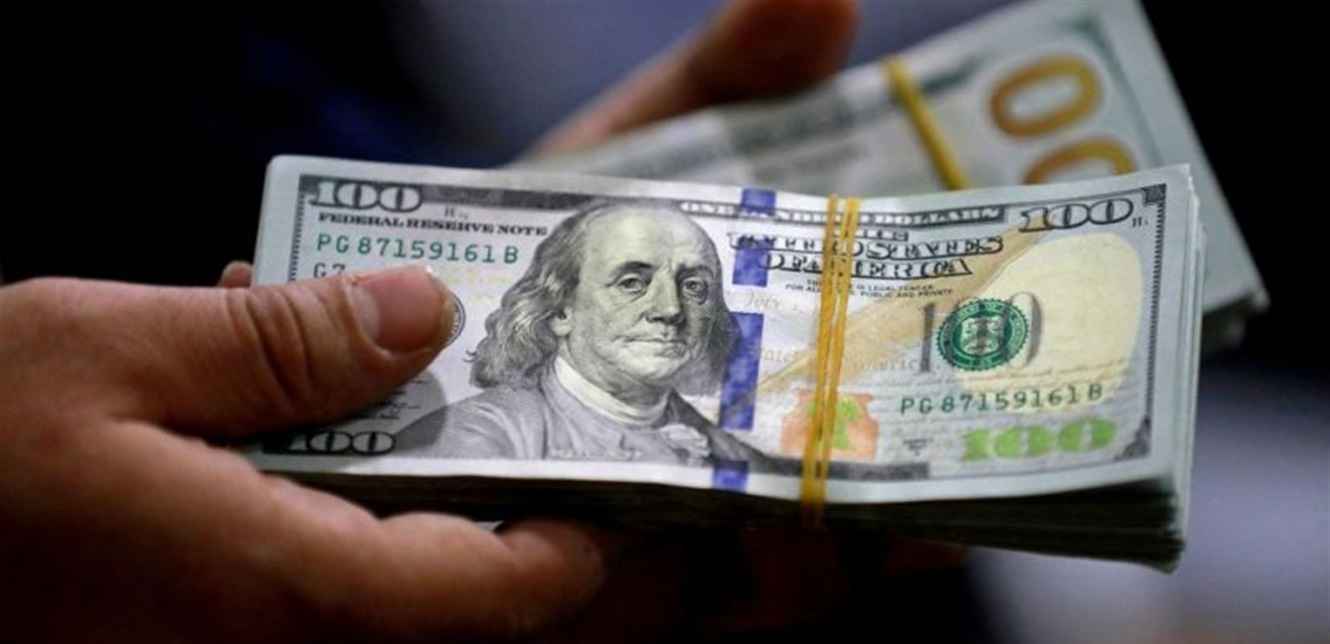
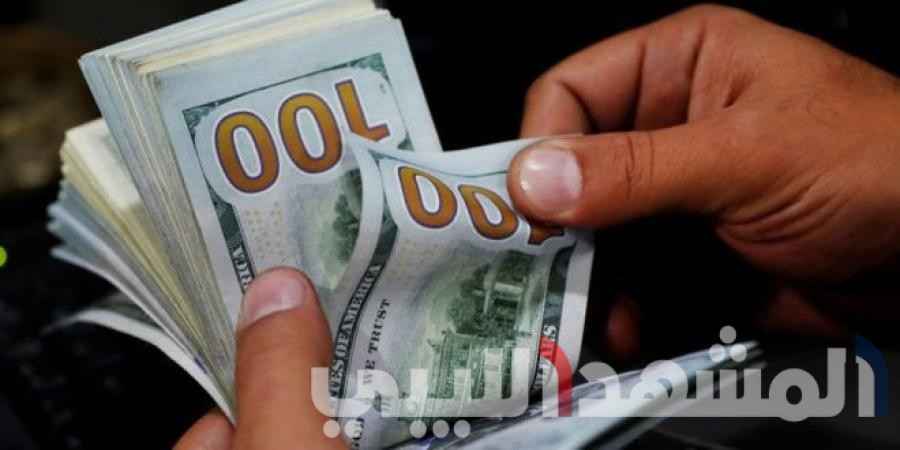
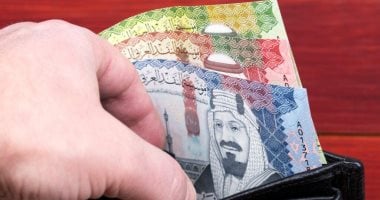
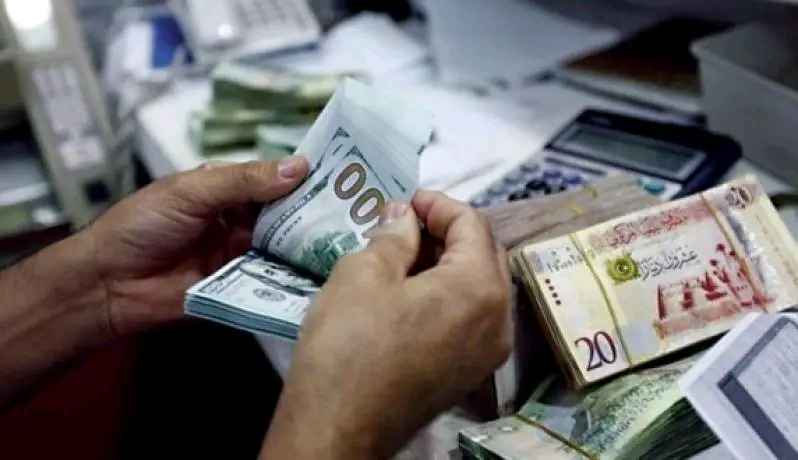
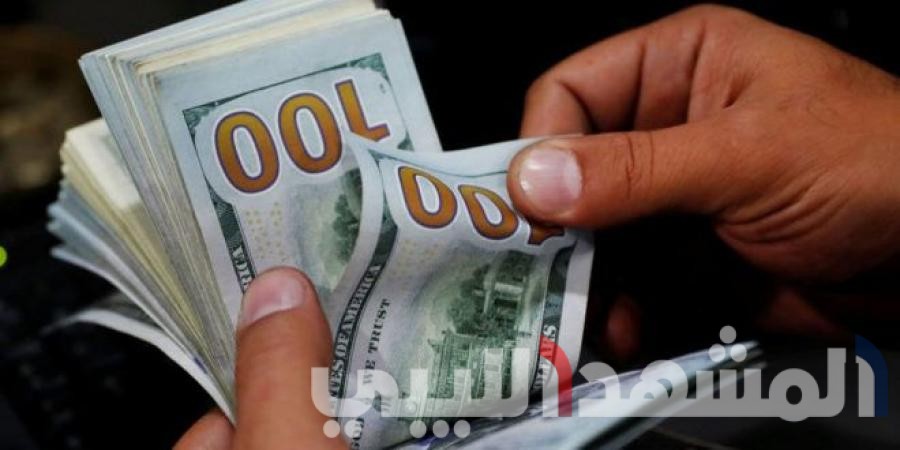
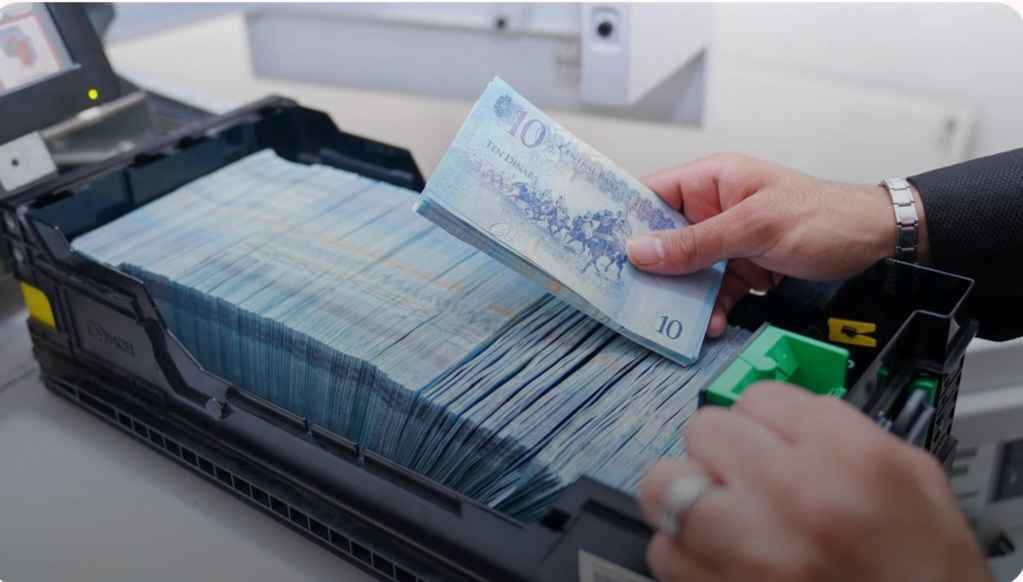
- The Dinar’s Plunge: Parallel markets recorded a record decline in the value of the national currency, with the exchange rate stabilizing above the barrier of 10 dinars per US dollar (in checks), leading to a crazy jump in the prices of basic commodities.
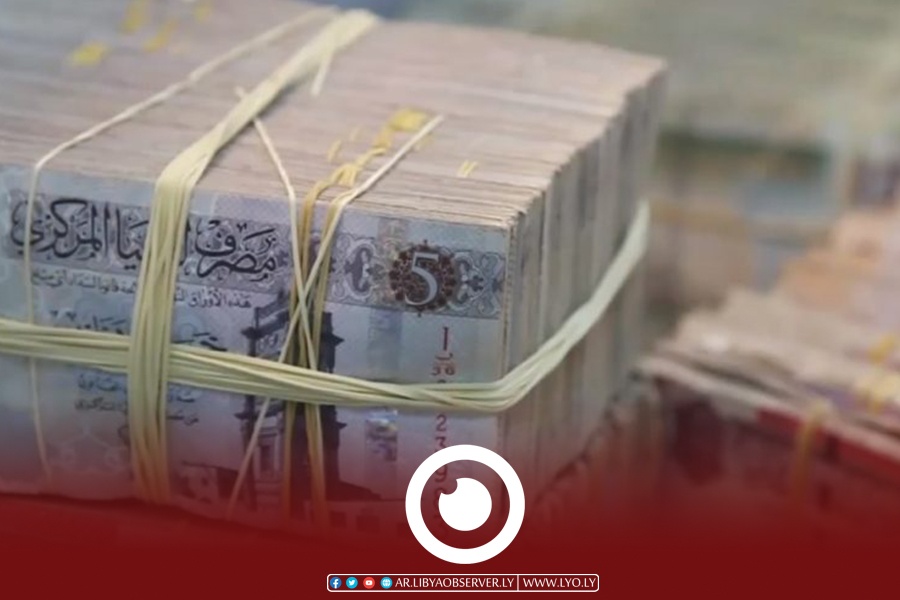
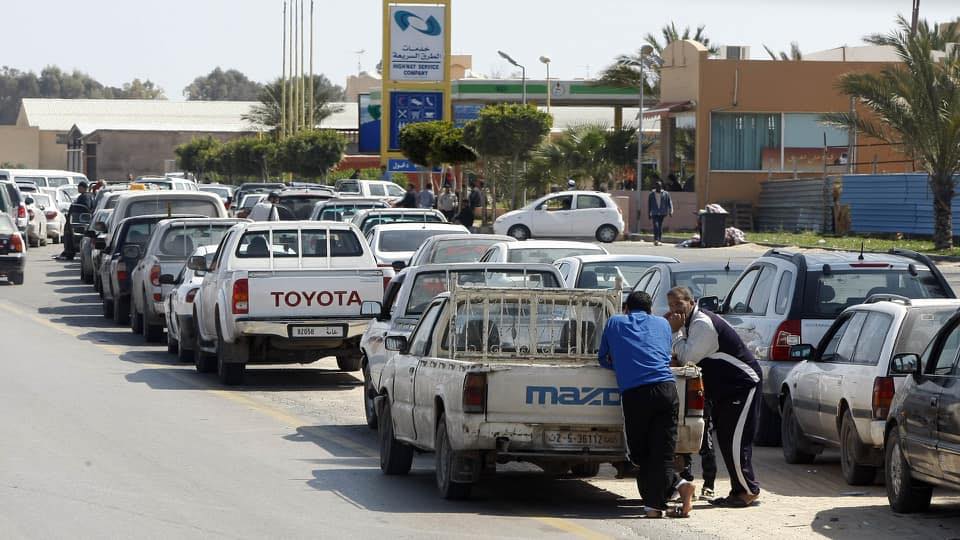
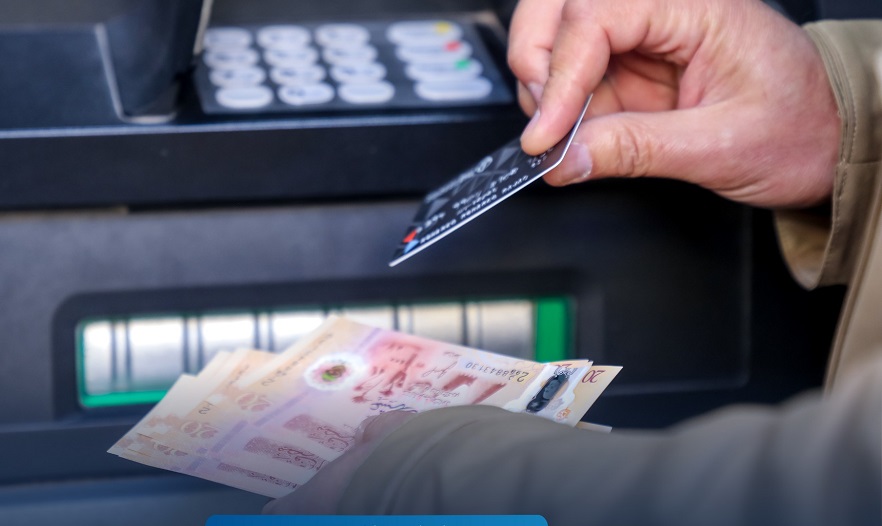
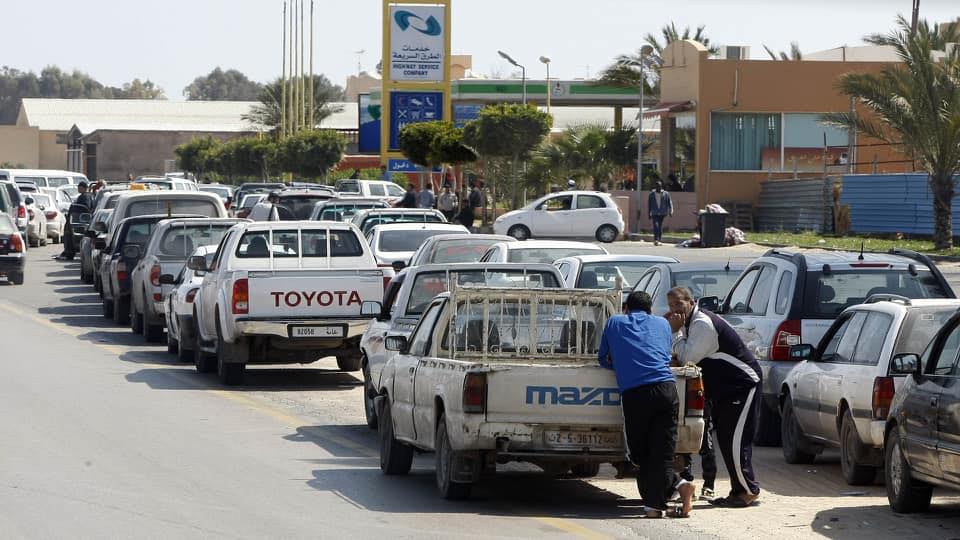
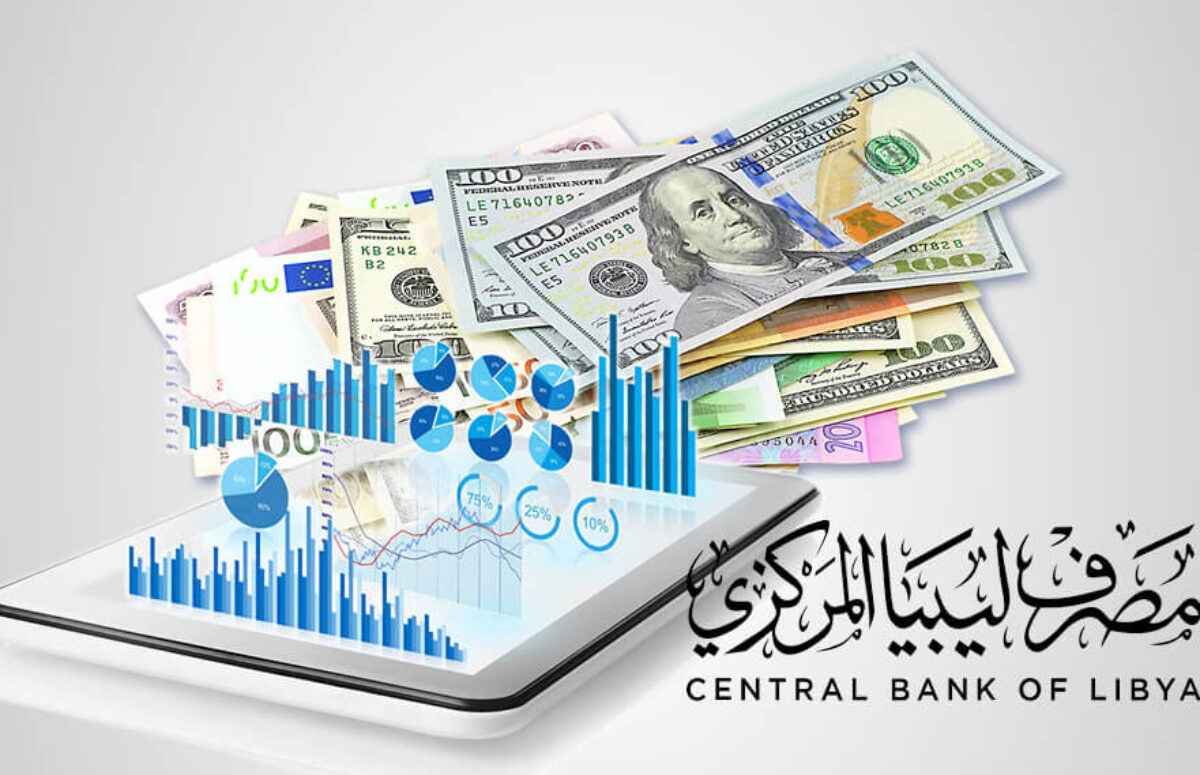
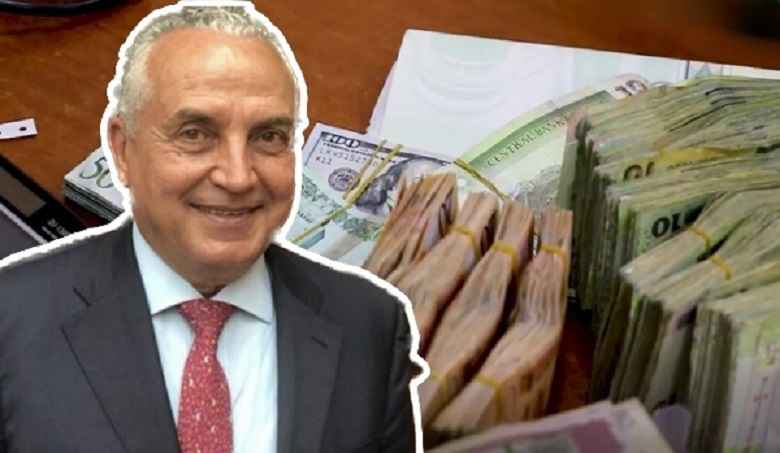
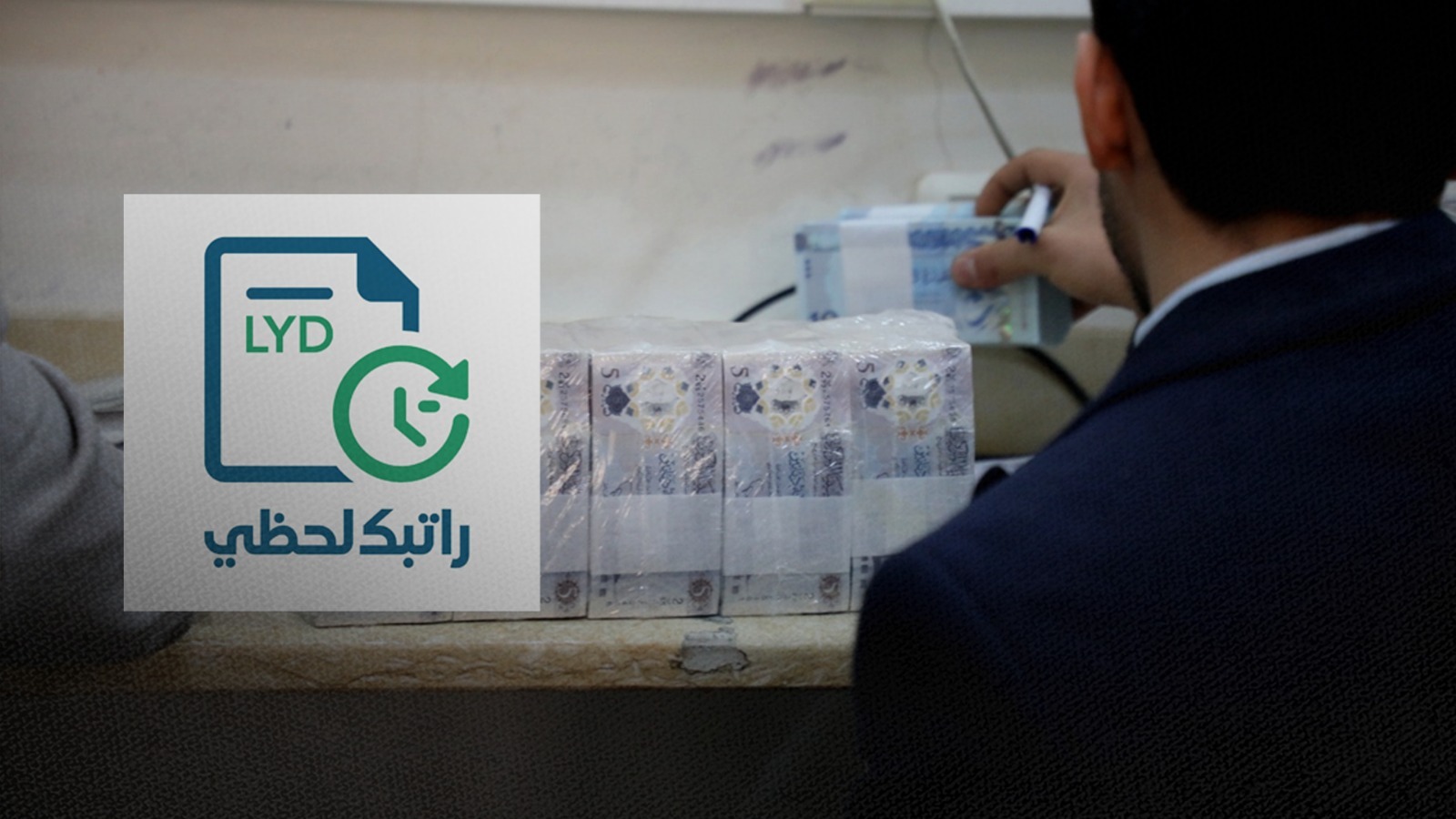
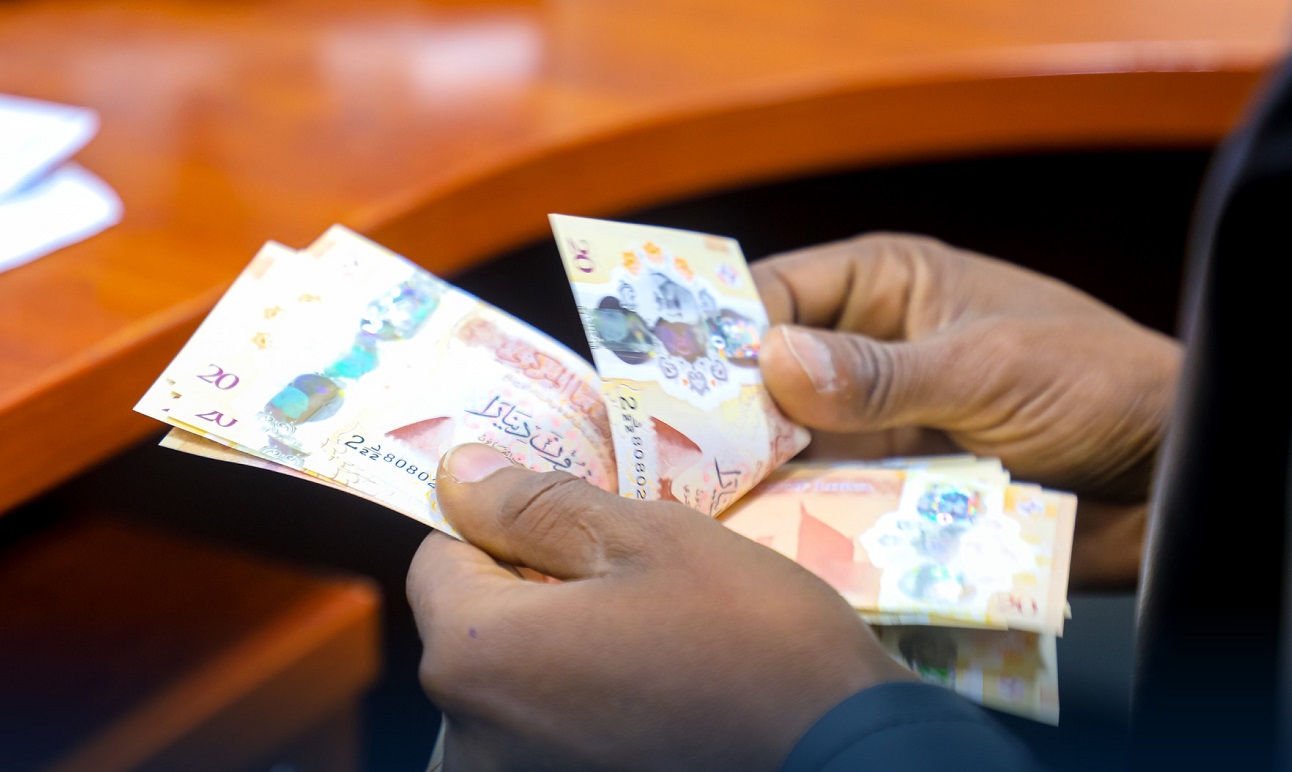
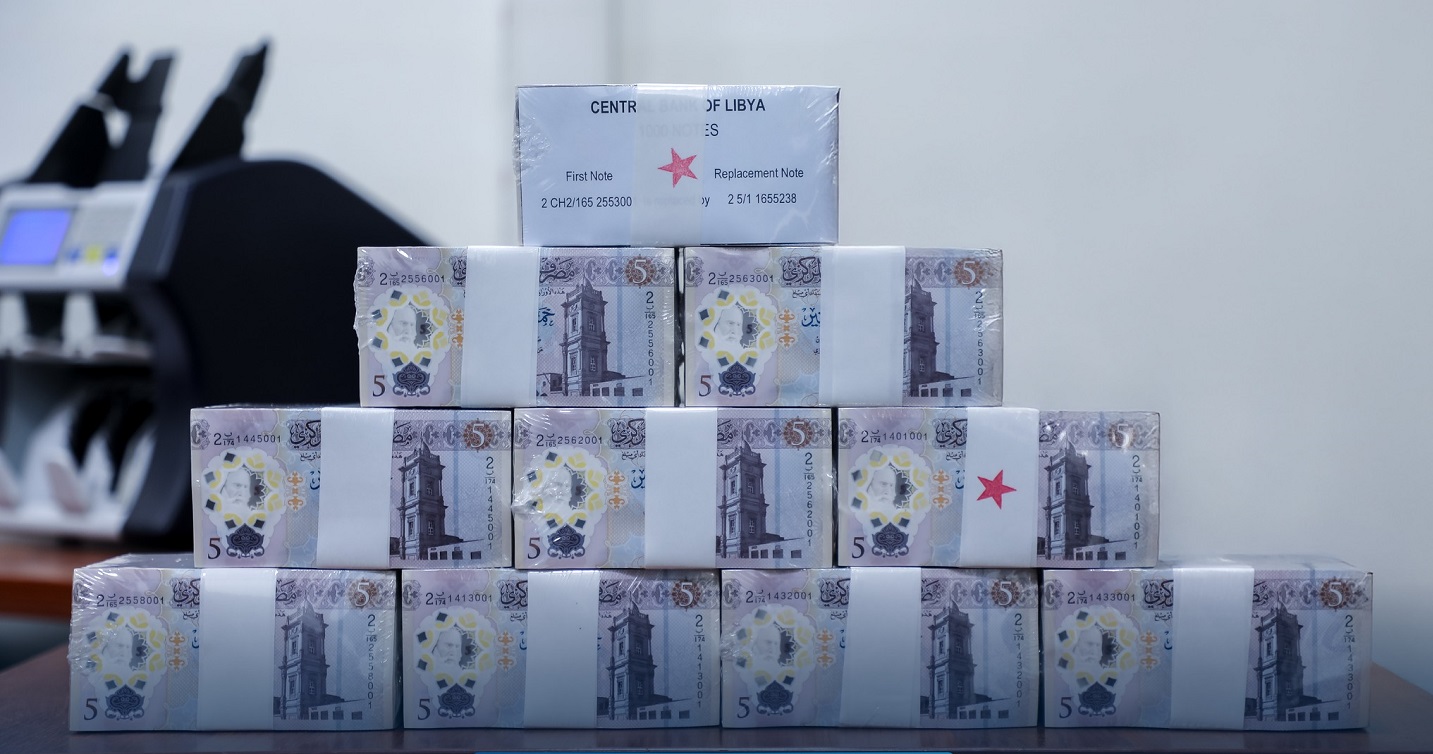
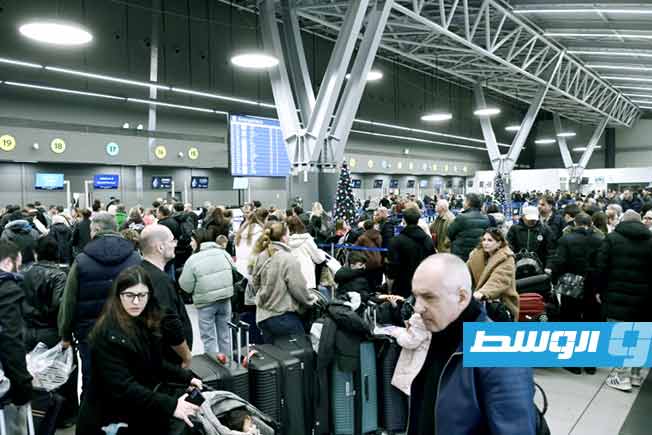
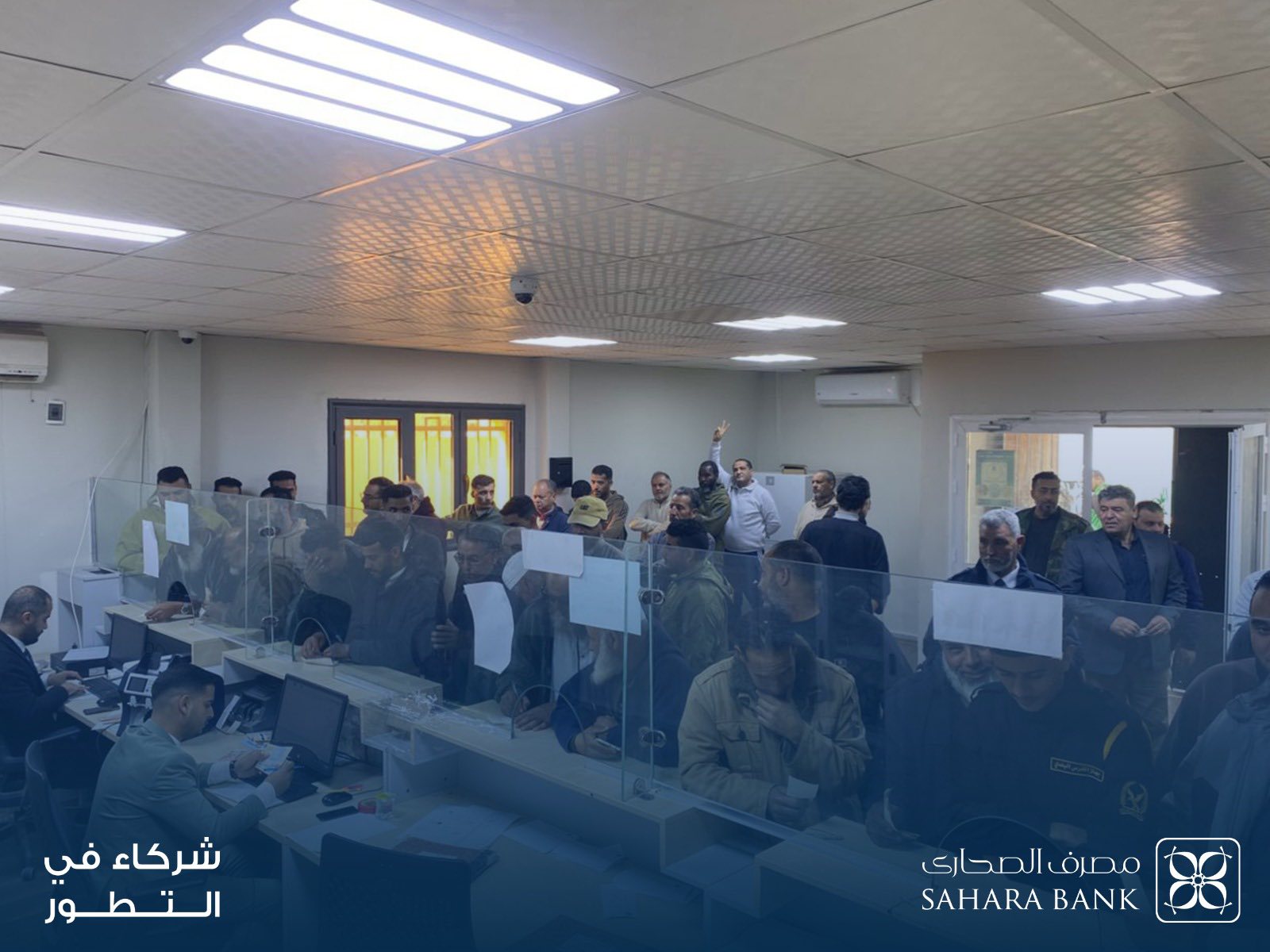
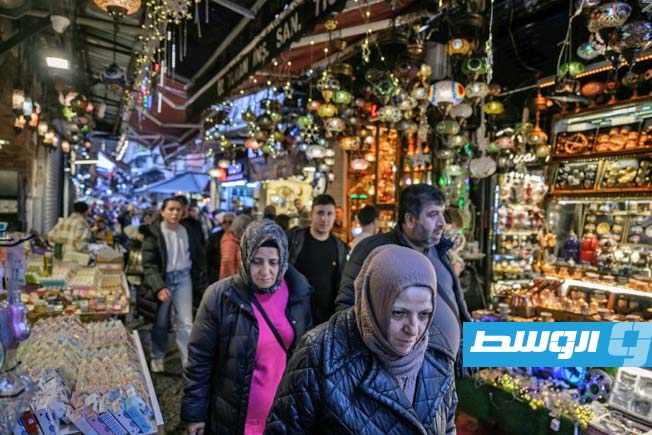
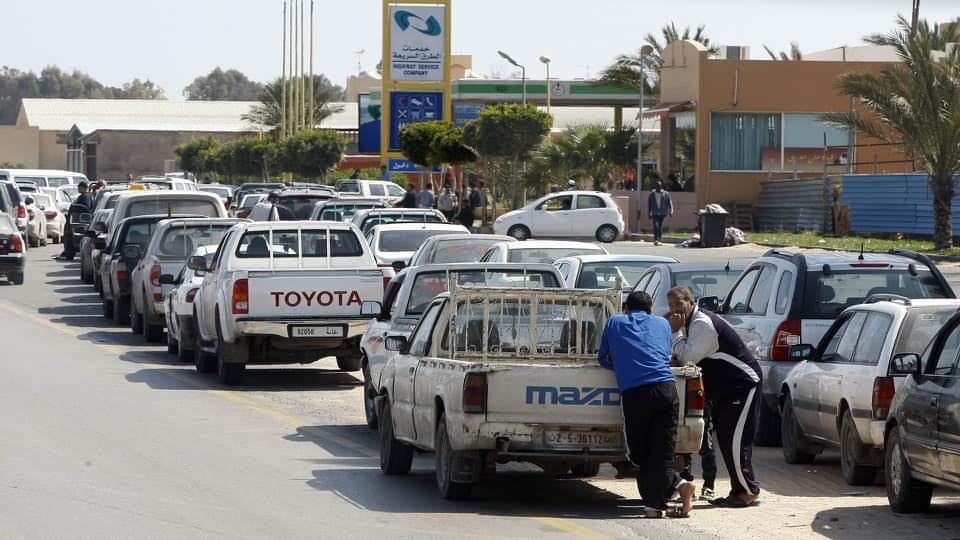
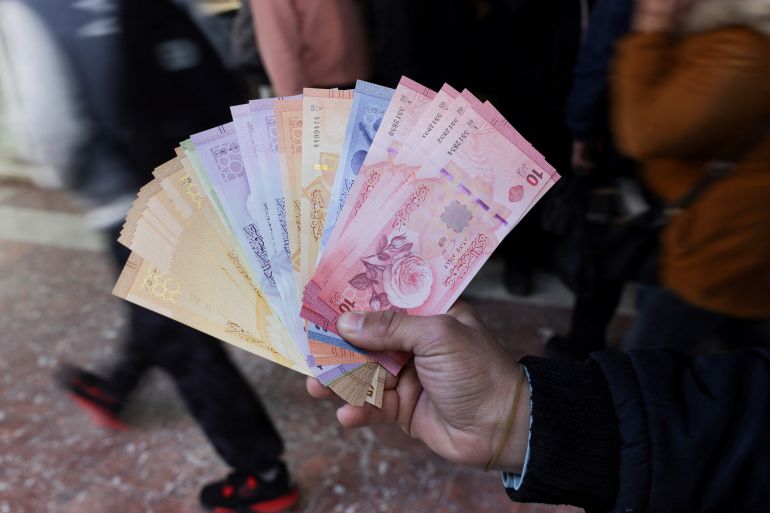
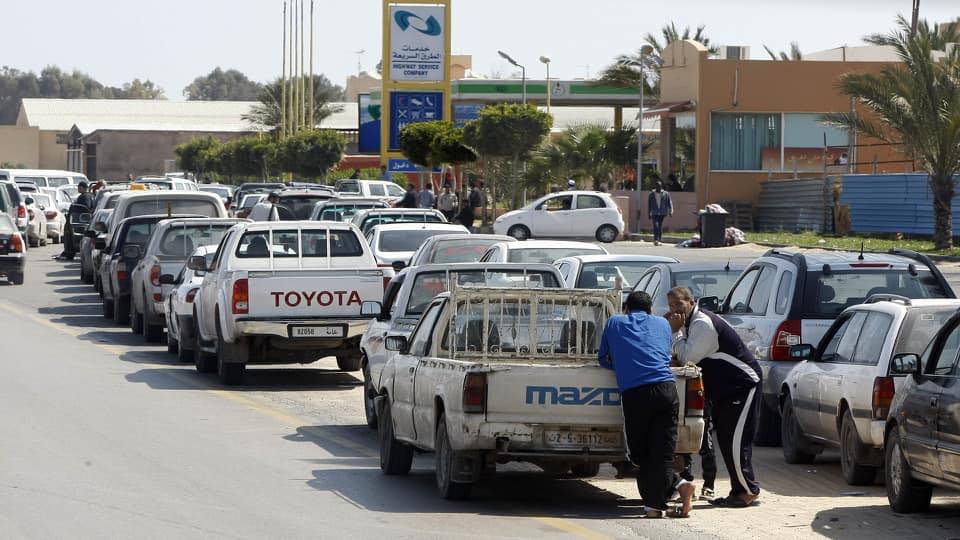
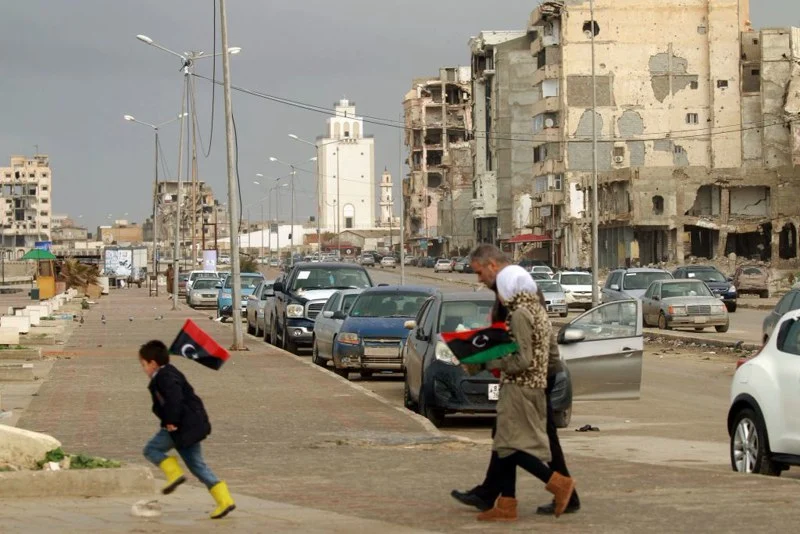
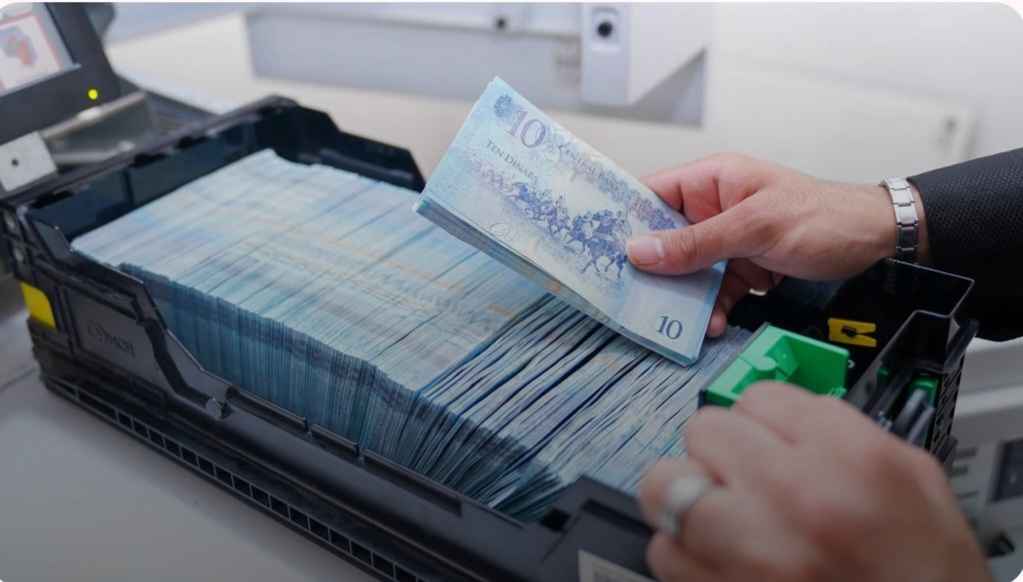
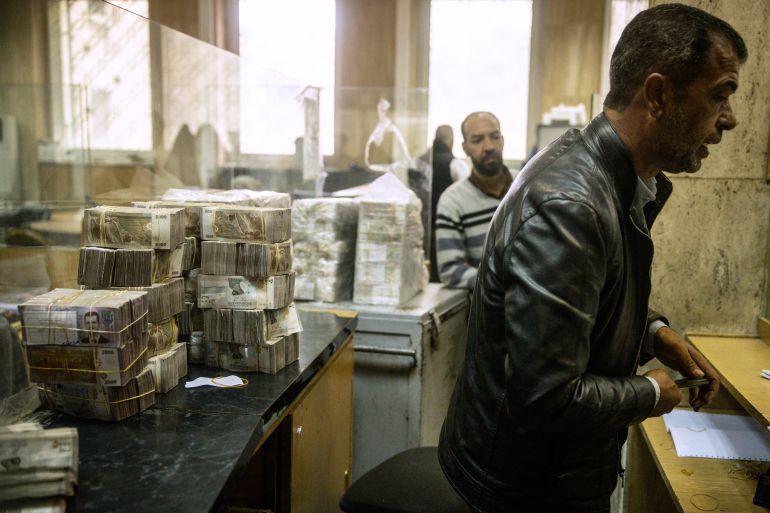
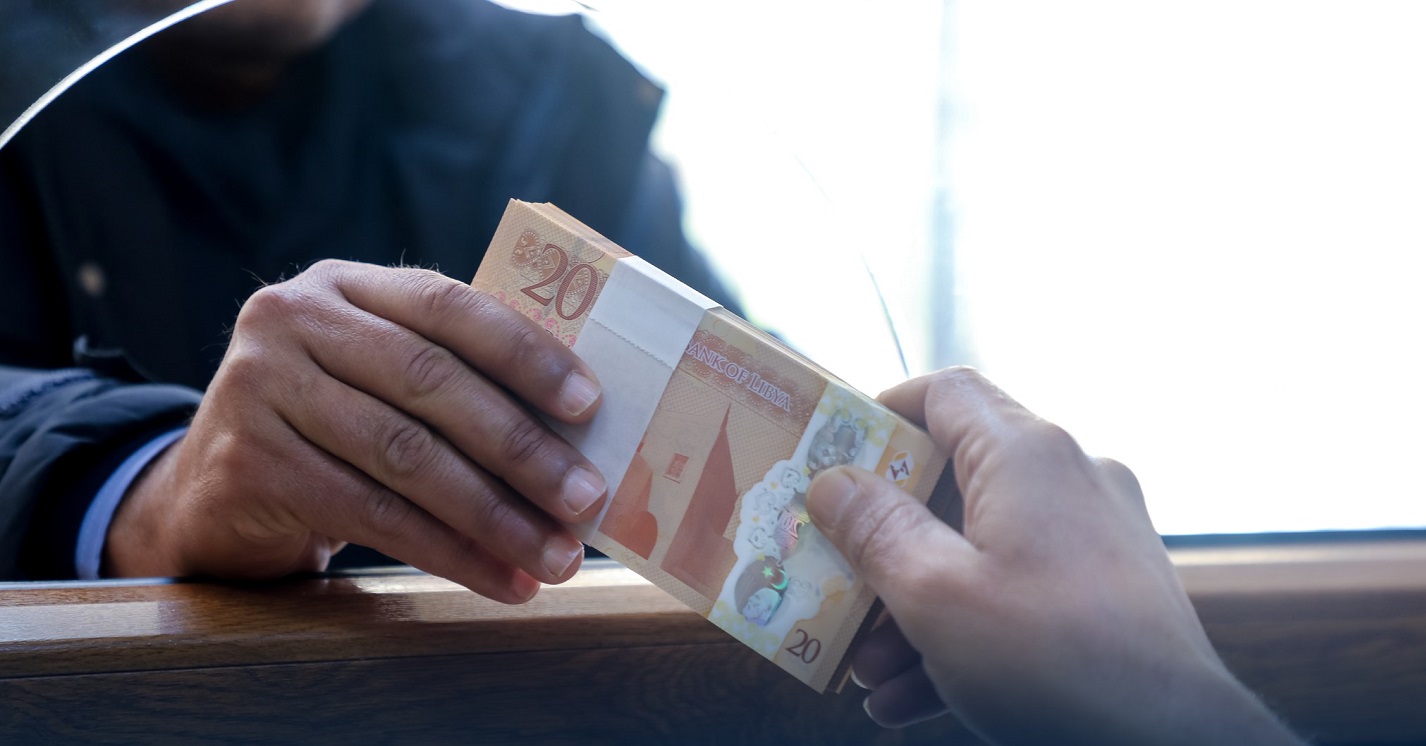
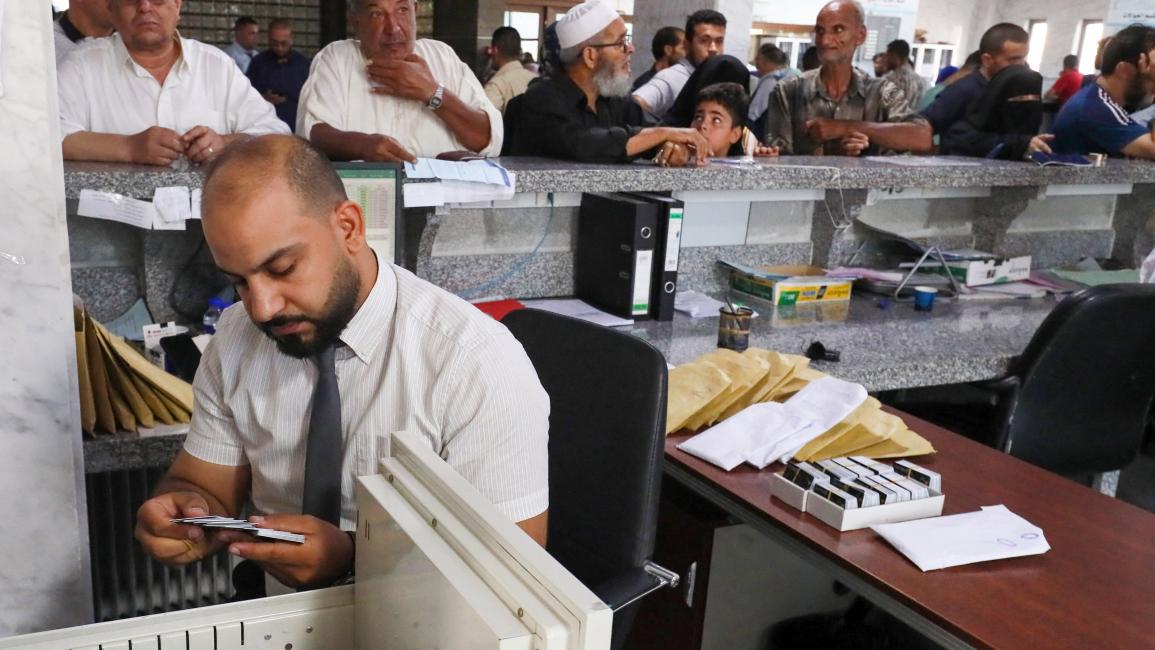
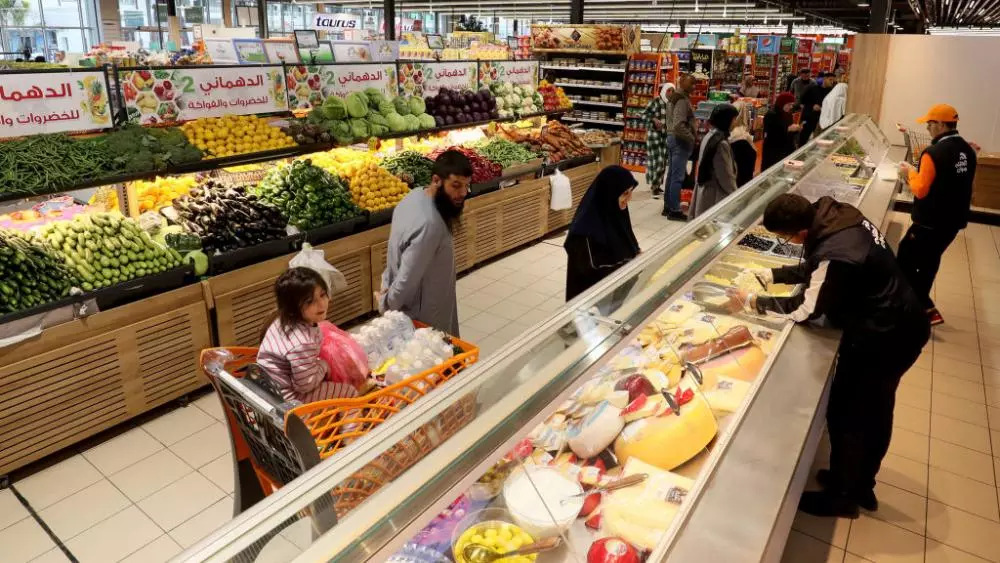
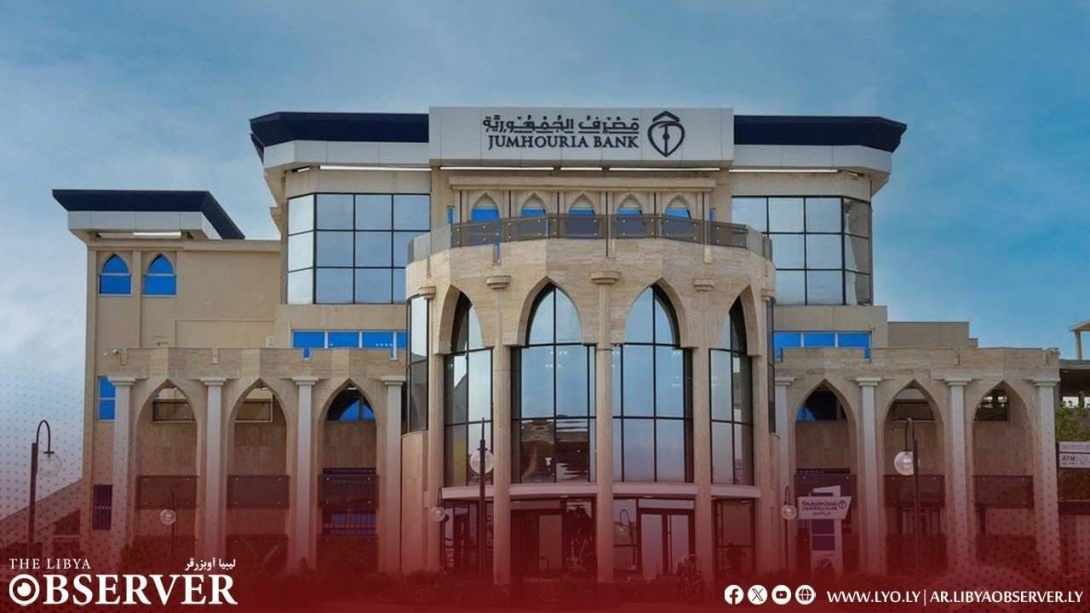
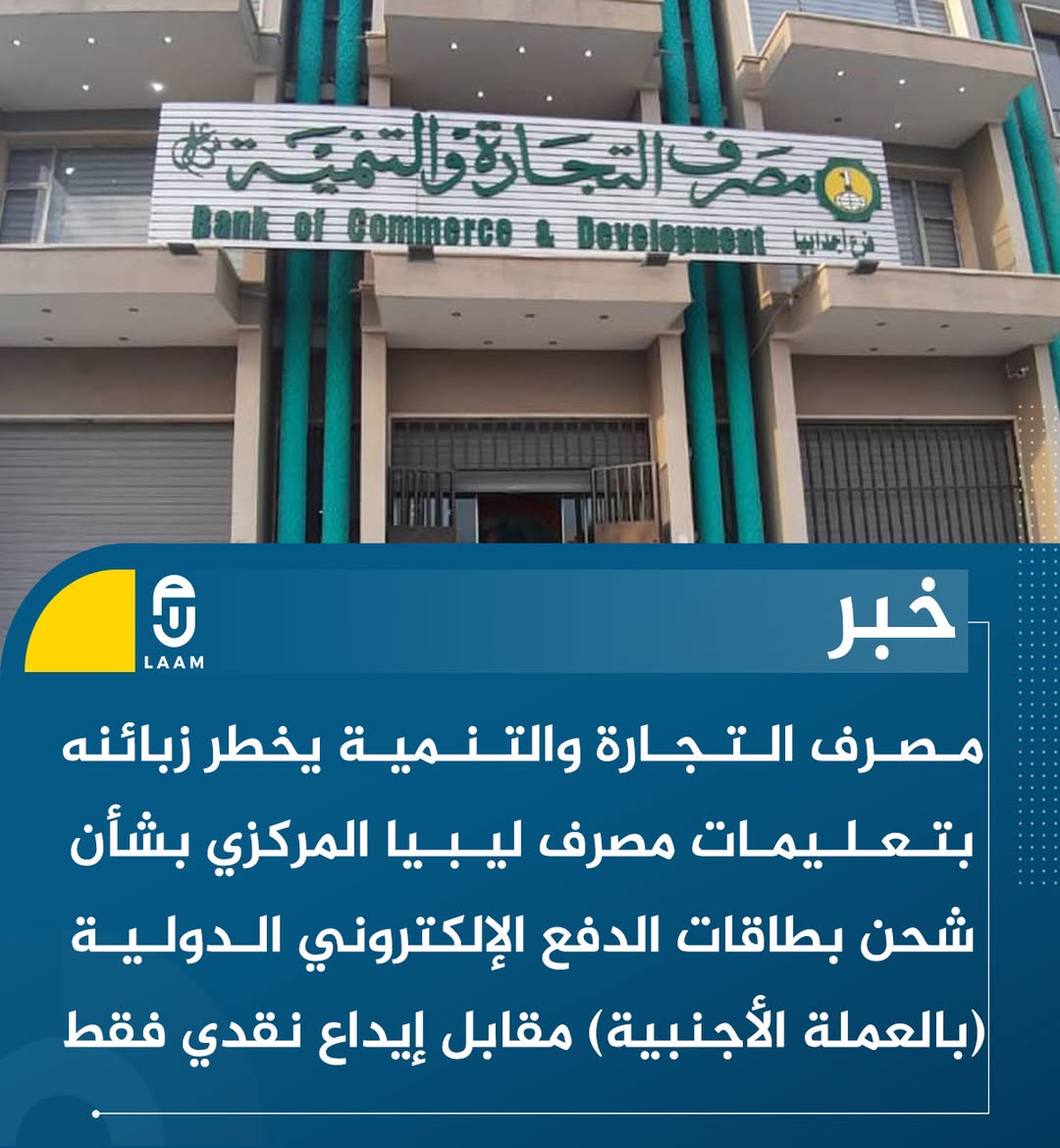
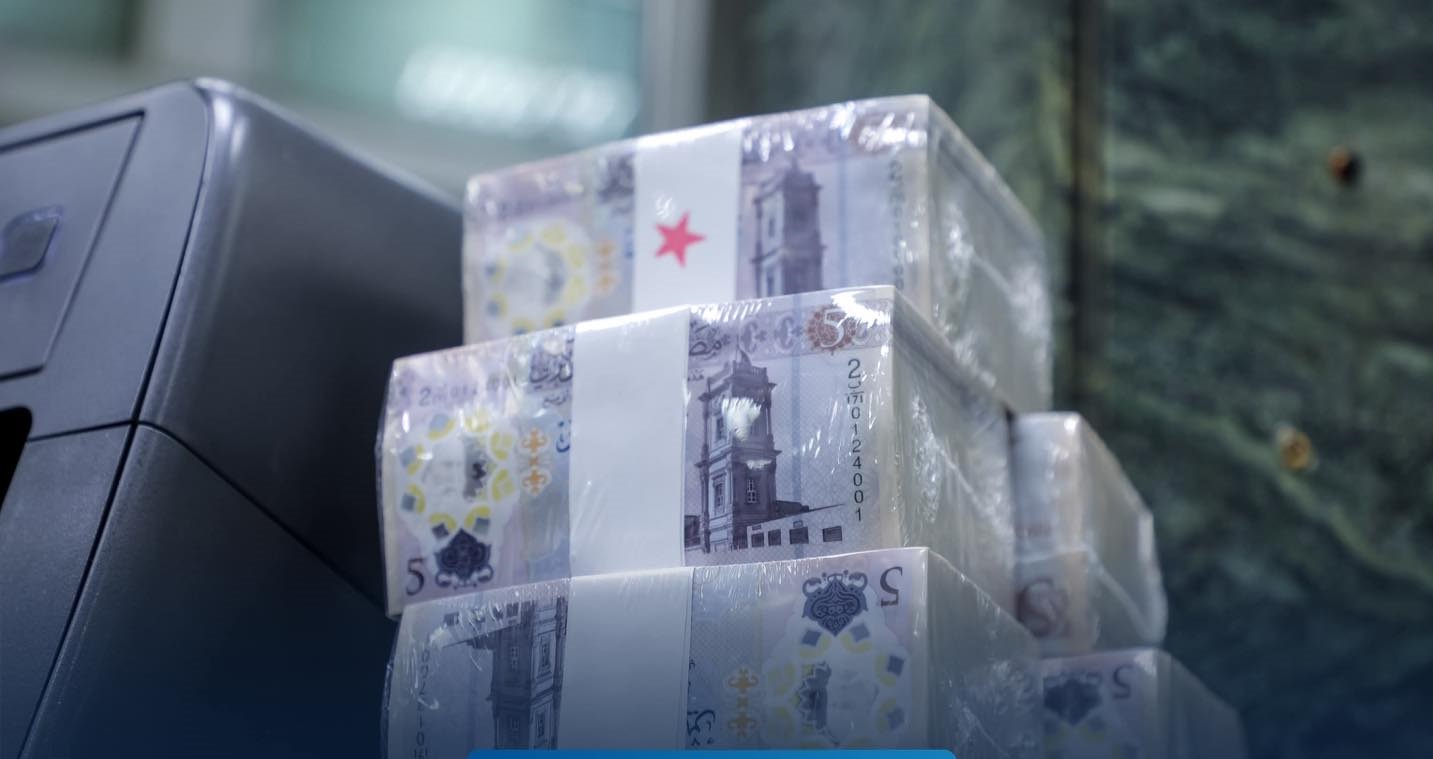
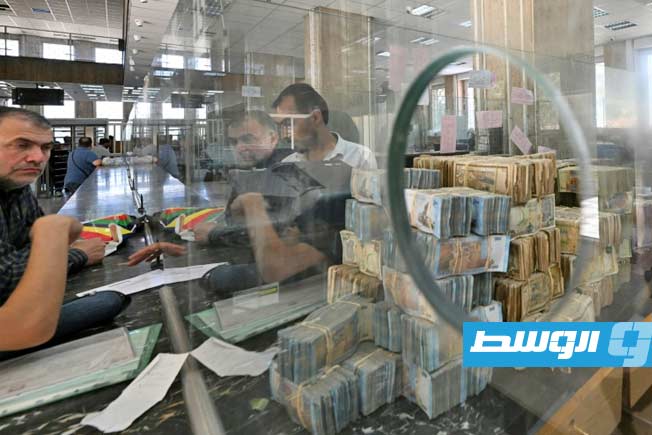
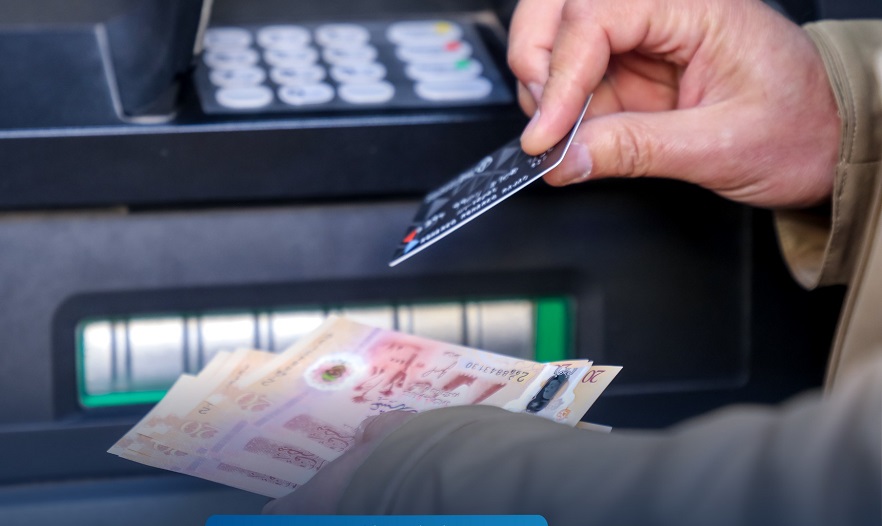
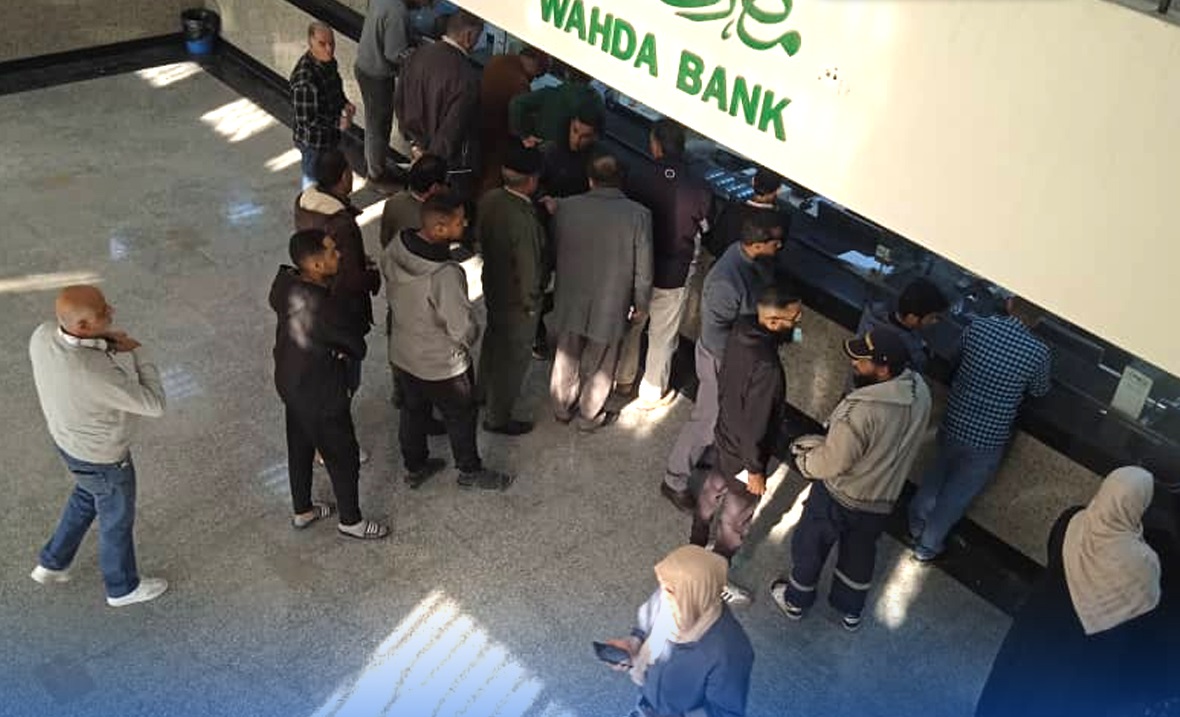
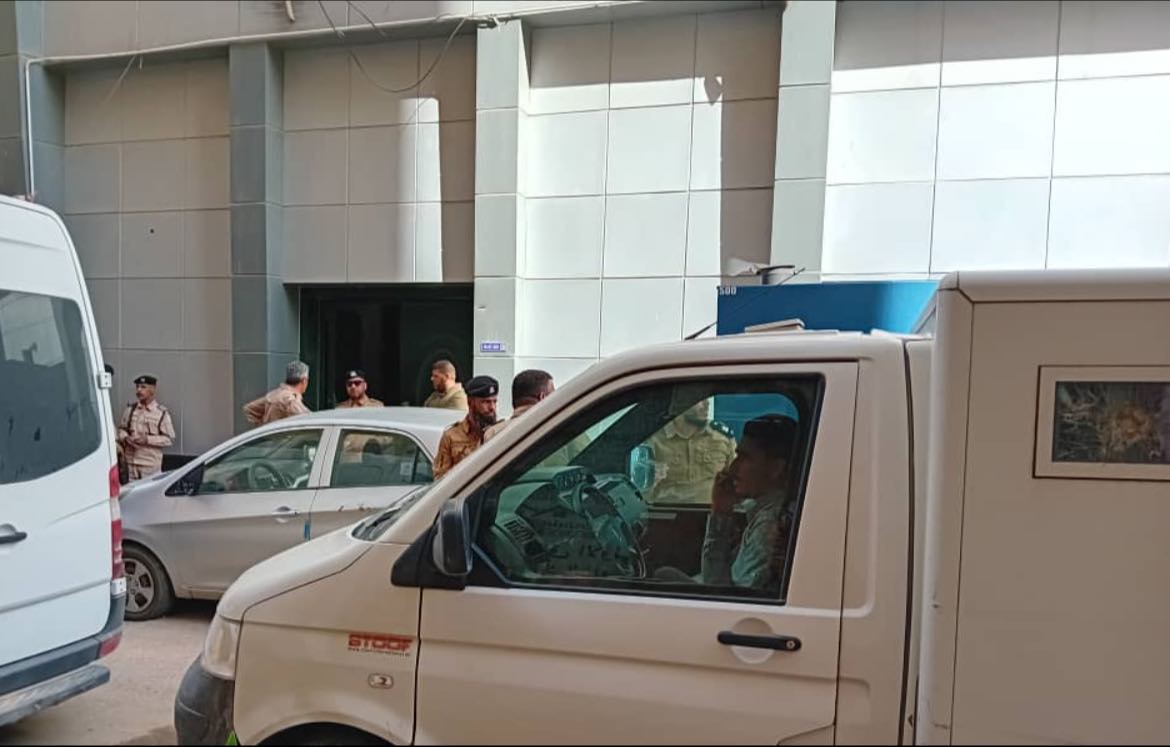
- Liquidity Shortage: Lines of citizens have returned to dominate the scene in front of commercial banks, with banks unable to provide cash despite the central bank’s repeated announcements of pumping billions of dinars, which experts attribute to an acute “crisis of confidence” in the banking system.
- Billion-Dollar Debts: The burdens of public debt (which exceeded 84 billion dinars in Tripoli and 186 billion unverified dinars in the east) are putting pressure on any attempts at structural reform.
The Third Attempt… Will the Governor Attend?
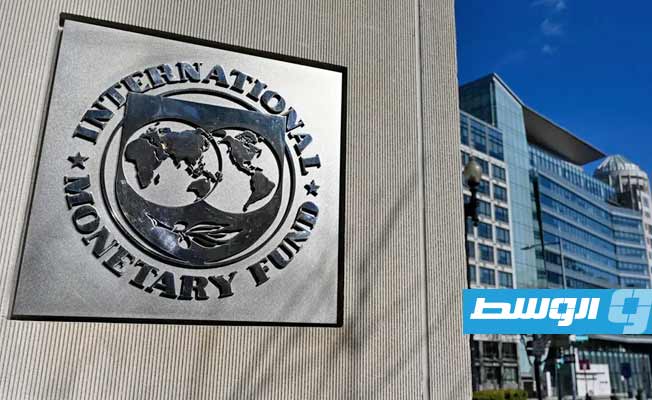
This invitation represents the third test of the Governor’s responsiveness to parliamentary oversight in less than a year. In April 2025, he was unable to attend due to international commitments with the International Monetary Fund, and in November 2025, the summons was repeated to discuss the same pending files without tangible results on the ground.
The Libyan public is awaiting the outcome of Monday’s session, amid questions about whether it will produce real solutions to decipher the liquidity crisis and lower the exchange rate, or if it will be just another episode in the series of political tensions between sovereign bodies.
House of Representatives
The House of Representatives is the lower chamber of the United States Congress, established by the Constitution in 1789. It is composed of representatives elected from congressional districts, with representation based on state population.
Benghazi
Benghazi is a major city in eastern Libya, historically significant as a center of trade and culture since its founding as the Greek colony of Euesperides. It played a pivotal role in the 2011 Libyan Civil War as a key base for the uprising against Muammar Gaddafi.
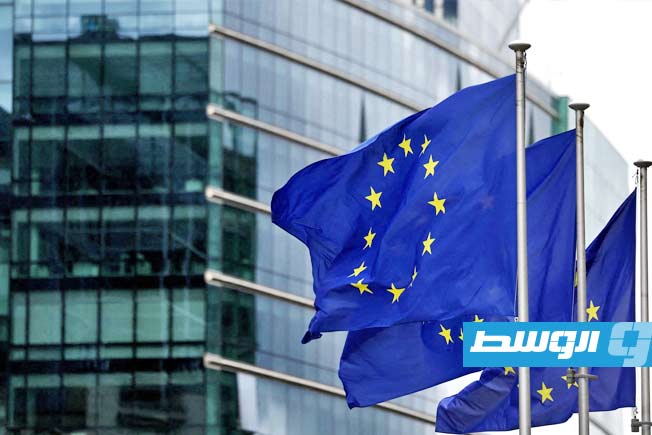
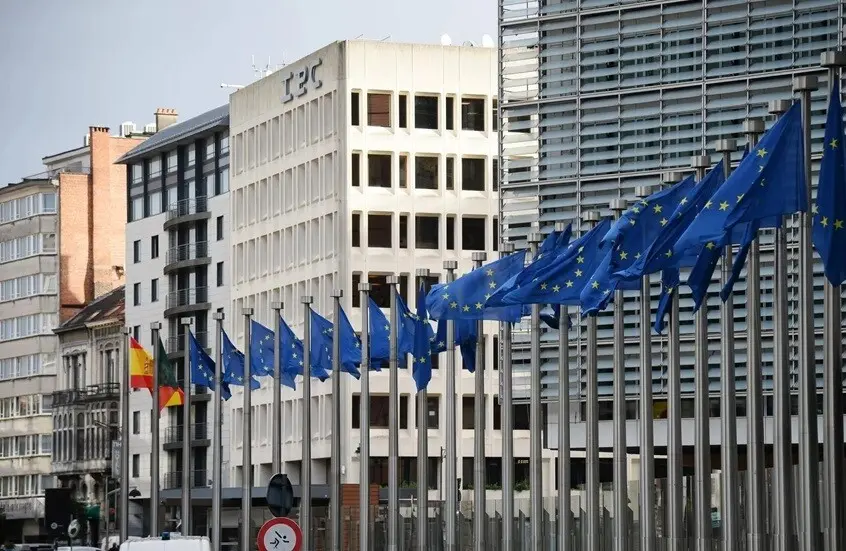
Council’s headquarters
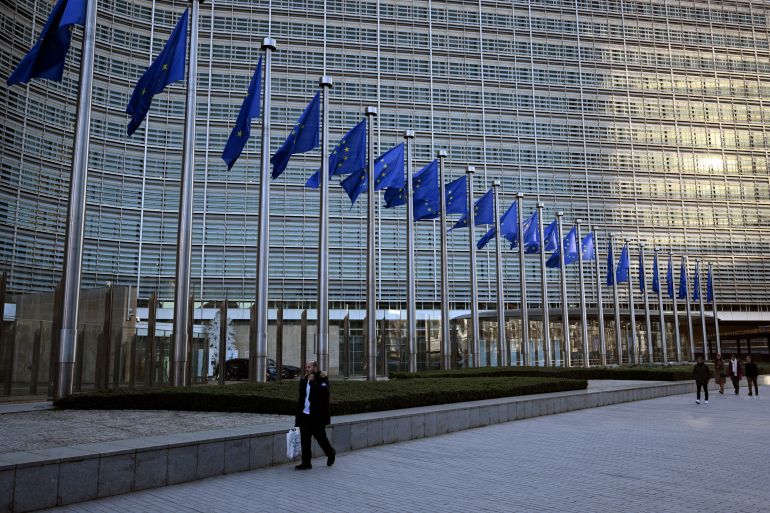
The Council’s headquarters, often referring to the European Council’s main building in Brussels, is officially known as the Europa building. Its distinctive lantern-shaped structure, completed in 2016, was designed to symbolize transparency and unity within the EU, consolidating meeting spaces for EU leaders that were previously scattered across the city.
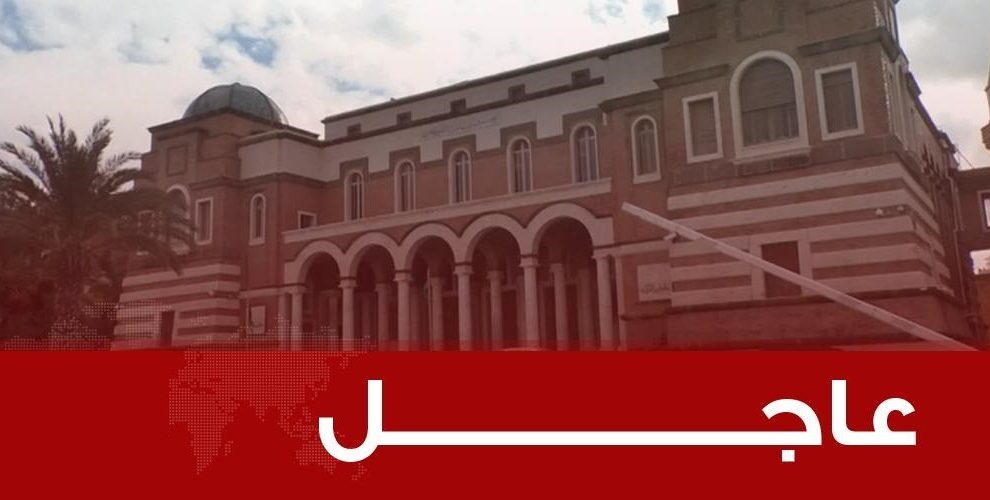
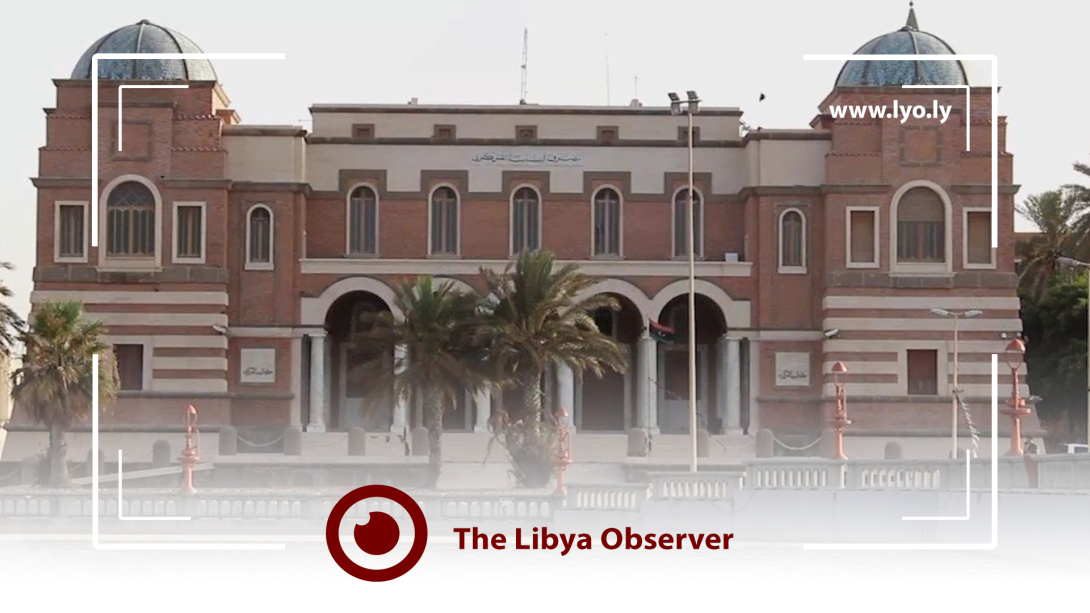
Central Bank of Libya
The Central Bank of Libya is the country’s primary monetary authority, established in 1956 to issue currency and manage monetary policy. It has played a critical and often divisive role in Libya’s recent history, with parallel institutions emerging in the east and west during the post-2011 civil conflict.
National Oil Corporation
The National Oil Corporation (NOC) is the state-owned oil company of Libya, established in 1970 to manage the country’s hydrocarbon resources. It oversees all aspects of Libya’s oil and gas production, from exploration to export, and has been a central pillar of the national economy since its founding.
Dinar
Dinar is a town in western Turkey located near the ruins of ancient Celaenae, an important Phrygian city later used by Persian and Hellenistic rulers. It is historically known as the site where the Spartan king Agesilaus died in 360 BCE and where Alexander the Great famously cut the Gordian Knot. Today, it serves as a district center in Afyonkarahisar Province.
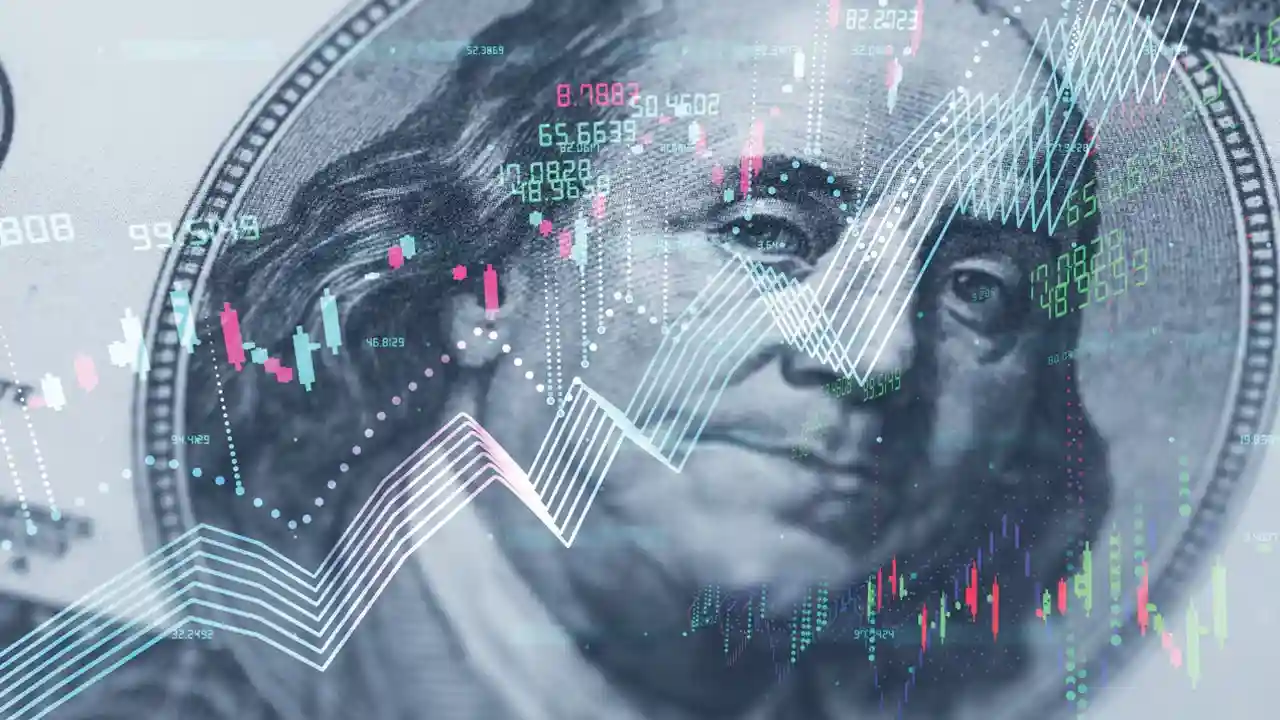
US dollar
The US dollar is the official currency of the United States, established by the Coinage Act of 1792. It evolved from a system based on Spanish milled dollars and has become the world’s primary reserve currency since the Bretton Woods agreement in the mid-20th century.
Tripoli
Tripoli is the capital and largest city of Libya, located on the country’s Mediterranean coast. Historically, it was founded by the Phoenicians in the 7th century BC and has since been ruled by the Romans, Arabs, Ottomans, and Italians, serving as a major port and cultural crossroads. Its historic center, the medina, contains significant landmarks like the Arch of Marcus Aurelius and the Red Castle (Assaraya al-Hamra).
International Monetary Fund
The International Monetary Fund (IMF) is an international financial institution established in 1944 at the Bretton Woods Conference to foster global monetary cooperation and financial stability. Its primary roles include providing policy advice, financial assistance to member countries facing balance of payments problems, and promoting international trade and economic growth.